Chassis 85400
- More than seven decades with one owner after its postwar
acquisition in Germany
- Period use at the N�rburgring and Hockenheim documented in the
owner's handwritten recollections
- Restored within the family and later carefully refreshed
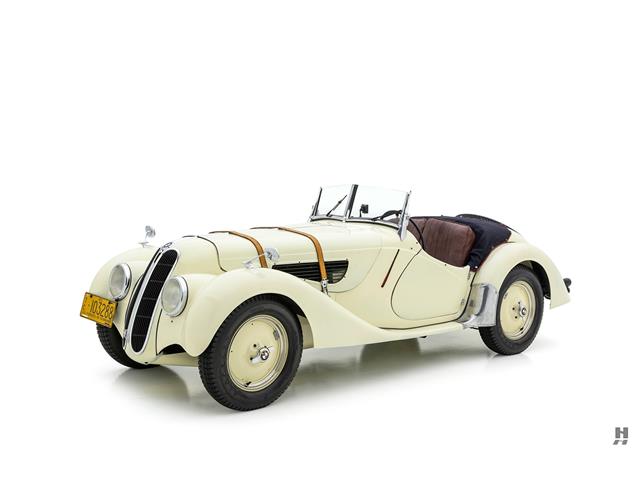
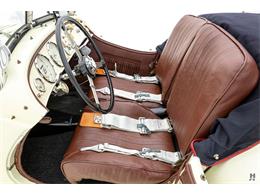
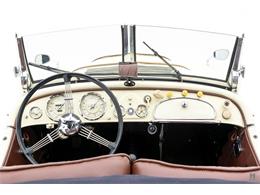
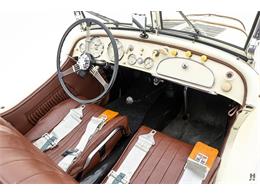
- Attractive cream over brown leather presentation with
well-preserved older restoration character
The BMW 328 was one of the most important European sports cars of
the prewar era and the model that, more than any other, established
BMW's lasting reputation for sporting automobiles. Introduced in
1936, it combined light weight, advanced engineering, and a highly
developed 1,971cc inline-six with proportions that were elegant,
purposeful, and unmistakably athletic.
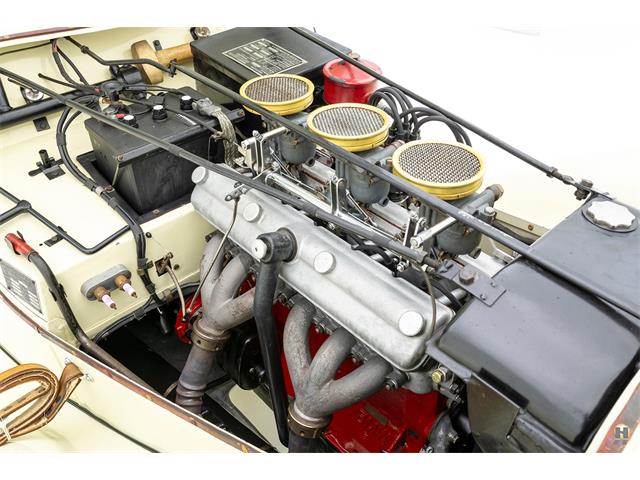
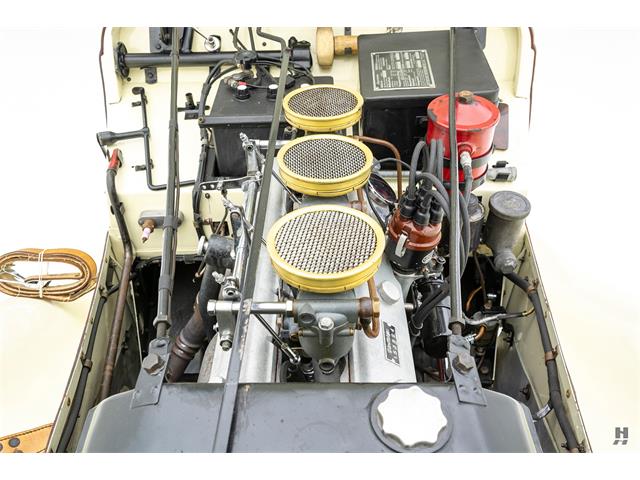
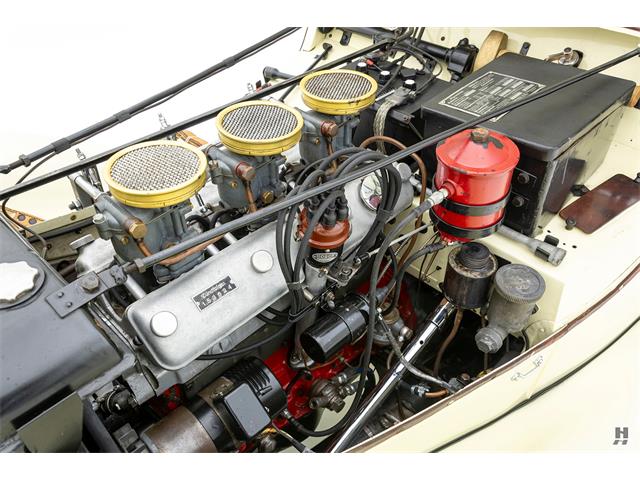
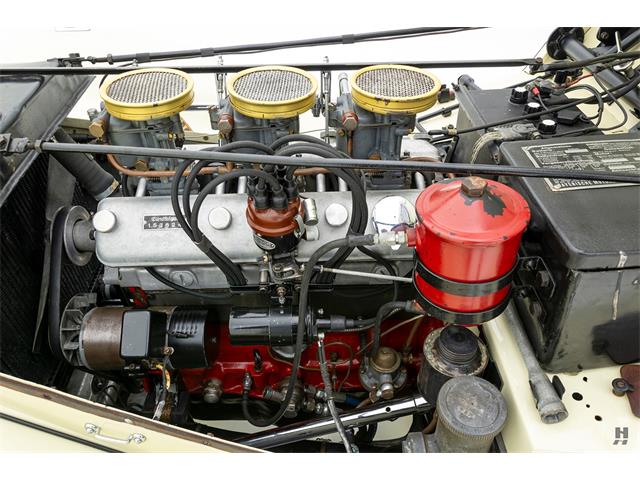
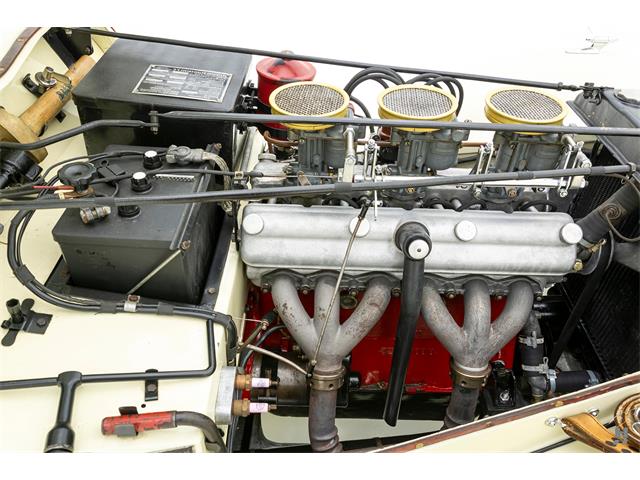
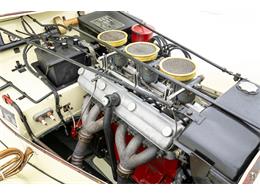
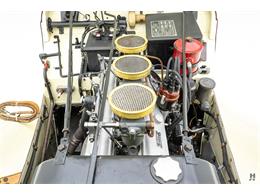
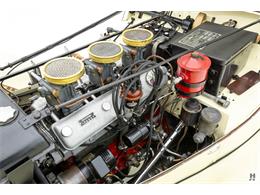
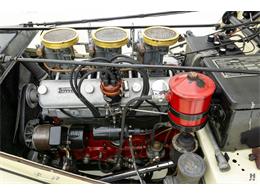
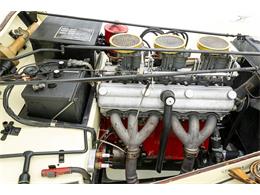
Its technical specification was remarkable for the period. The
six-cylinder engine employed an ingenious crossflow cylinder head
with hemispherical combustion chambers, while the lightweight
tubular chassis featured independent front suspension and hydraulic
brakes. In competition, the formula proved immediately successful.
The 328 became a dominant force in the two-liter category,
collecting victories throughout Europe and ultimately achieving its
greatest triumph with an overall win at the 1940 Mille Miglia.
Just as importantly, the 328 was never simply a racing car adapted
for the road. It possessed the balance, refinement, and ease of use
that would become hallmarks of BMW's finest sporting models, making
it equally satisfying on a long journey as it was on a circuit or
hill climb.
This 1939 BMW 328, chassis 85400, is believed to have been
delivered new to Hans Blatzheim of Bonn, Germany, founder of a
local construction firm and father of future Porsche factory driver
Hans-Dieter Blatzheim. It is believed Blatzheim retained the car
through the war years in Bonn, a city that ultimately became vital
post-war.
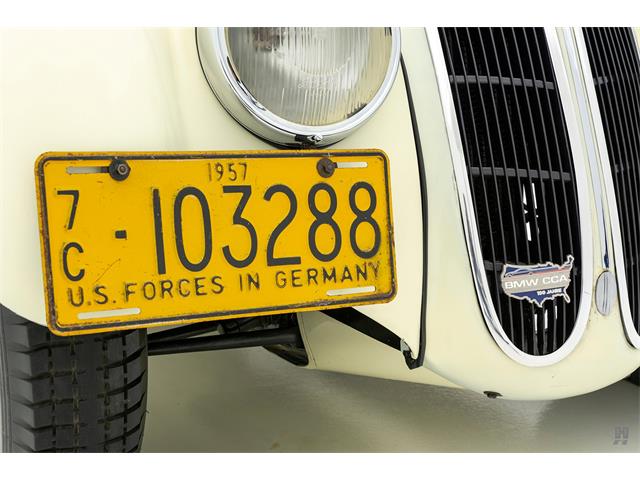
The BMW left the care of the Blatzheim family and was subsequently
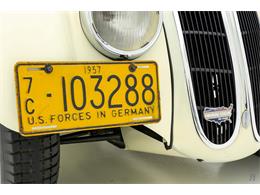
acquired by a US Air Force Colonel stationed in Germany. Through
his involvement with his MG in a local sports car club, its next
caretaker developed a relationship with the 328 and its owner,
ultimately earning "first right of refusal" when the Colonel
decided to part with the car.
His handwritten account of the car survives today and gives an
unusually vivid picture of the BMW during those years. He recalled
meeting the Colonel near the Autobahn for a test drive and promptly
spinning the 328 in a cloud of dirt and dust while getting
acquainted with it, only to be reassured when the Colonel admitted
he had done the same thing when he first bought the car. The sale
followed, beginning an ownership that would continue for more than
seven decades.
The BMW was not treated as a museum piece. It was driven,
maintained, and enjoyed as a sports car, including regular use with
the club and appearances at both the N�rburgring and Hockenheim. It
was a very different period in the life of the 328, when these cars
were still used hard and repaired pragmatically rather than
preserved as important artifacts.
When orders came for his return to the United States, there was
little time to prepare. The BMW was hurriedly driven north to
Bremerhaven for shipment, reaching the port shortly before closing
and arranging shipment to San Francisco.
Once in the United States, the BMW spent years in storage in
Southern California before eventually being brought to St. Louis.
Yet through all of that time, it remained with the same owner.
Decades later, the 328 became a family restoration project, with
considerable work undertaken to return it to proper form and
difficult components sourced from Germany and elsewhere in
Europe.
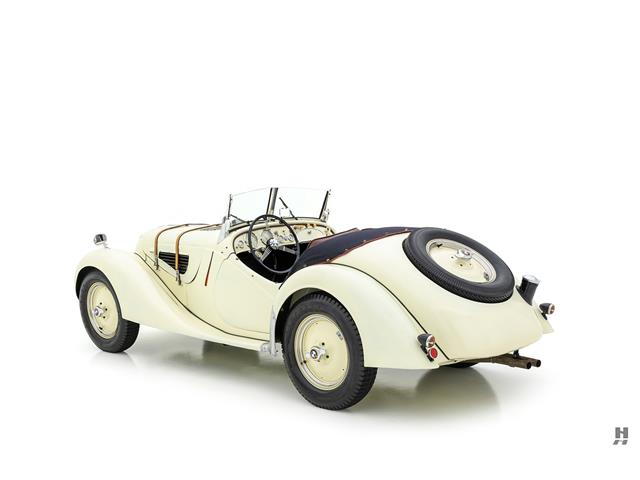
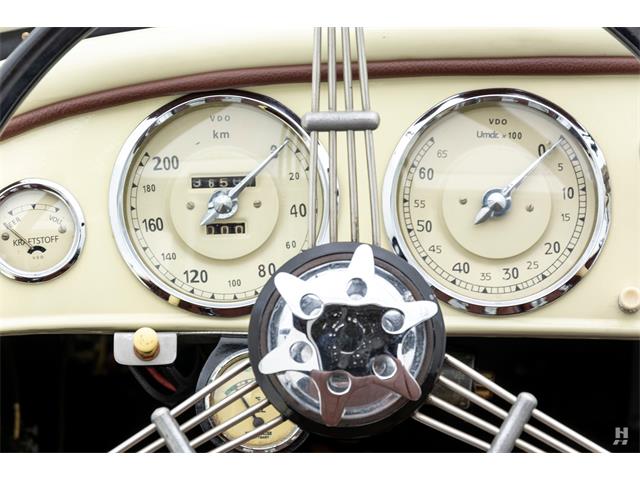
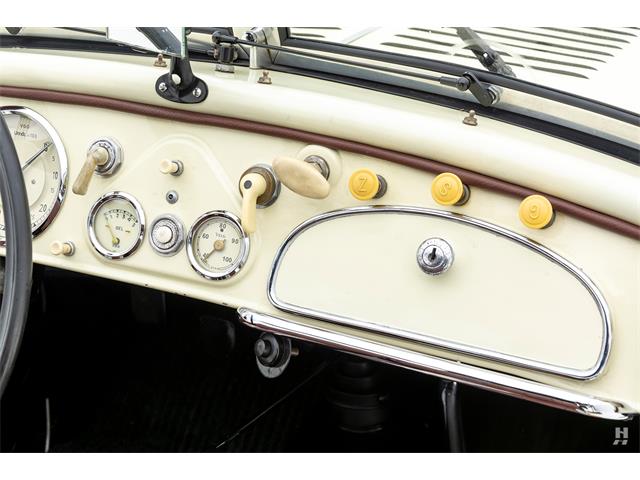
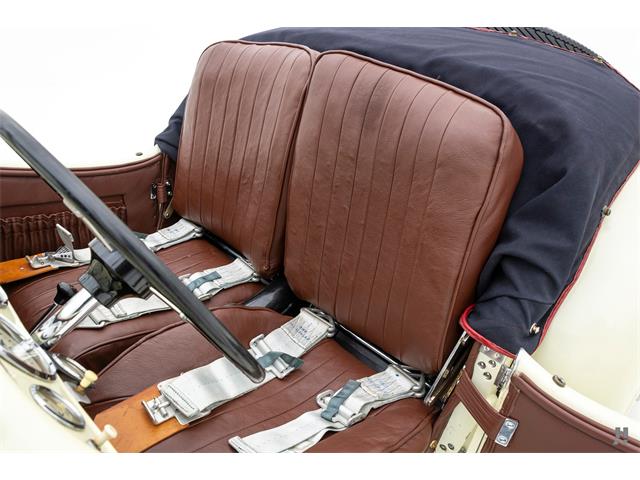
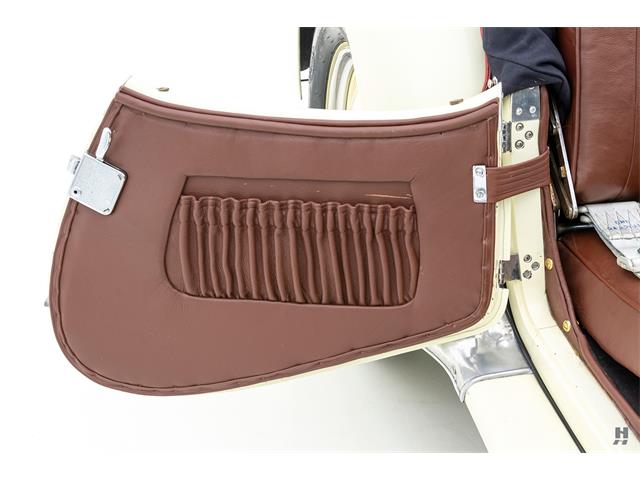
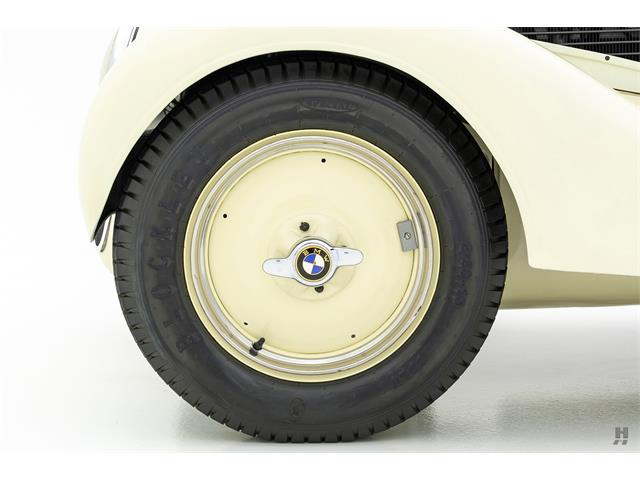
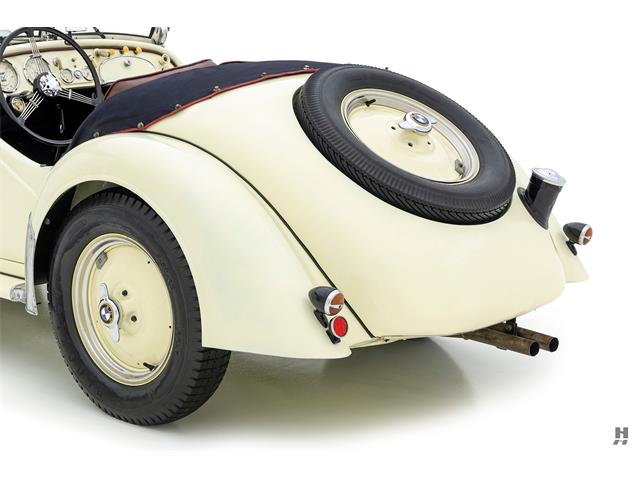
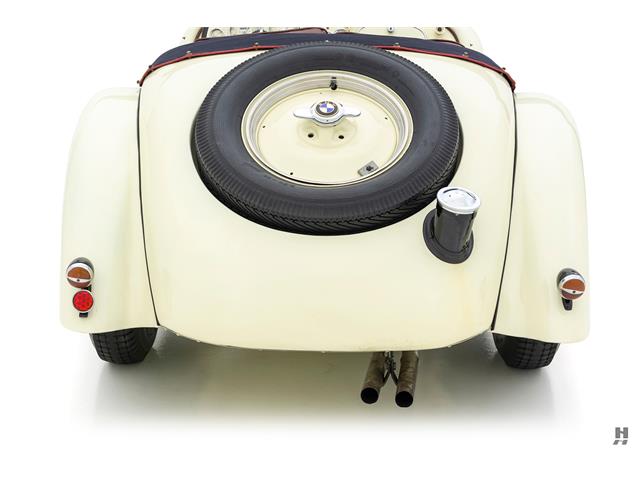
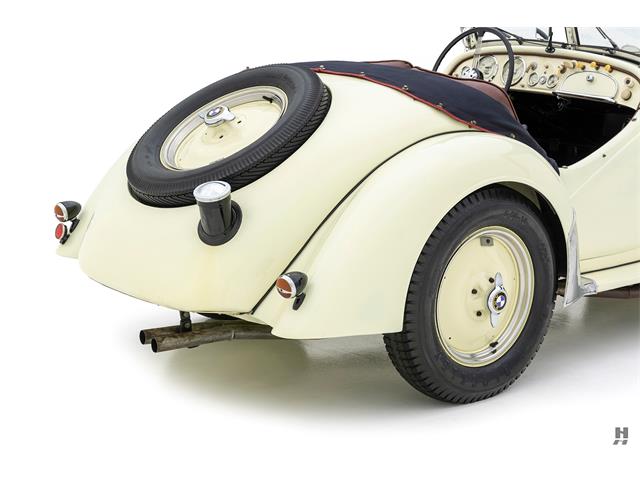
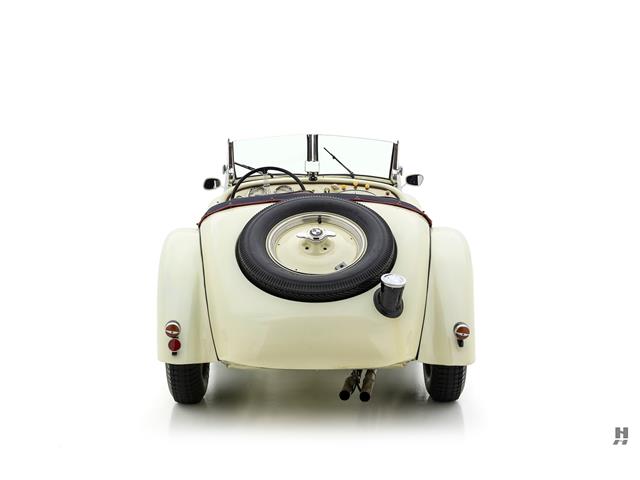
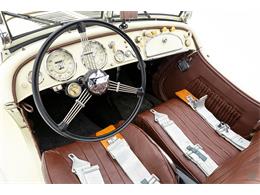
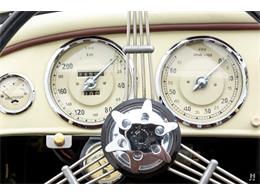
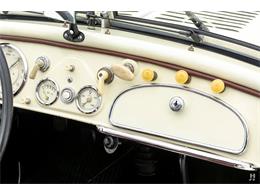
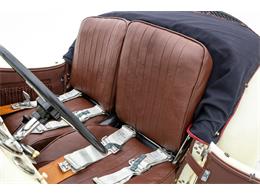
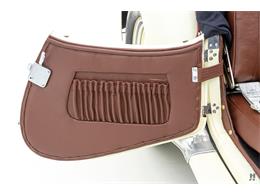
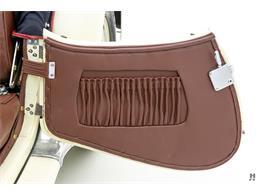
The restoration it wears today was completed some years ago and has
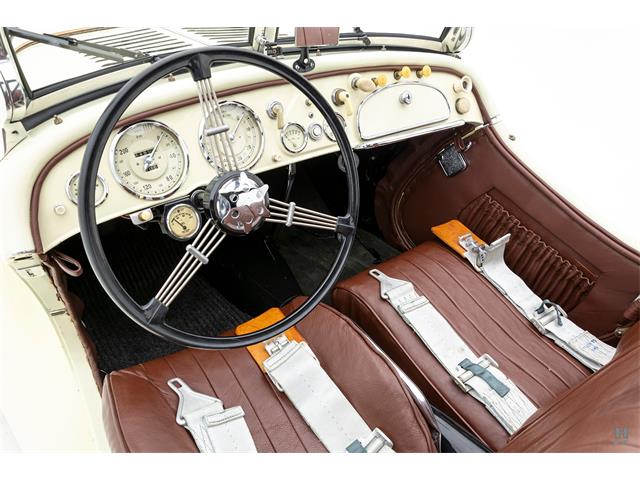
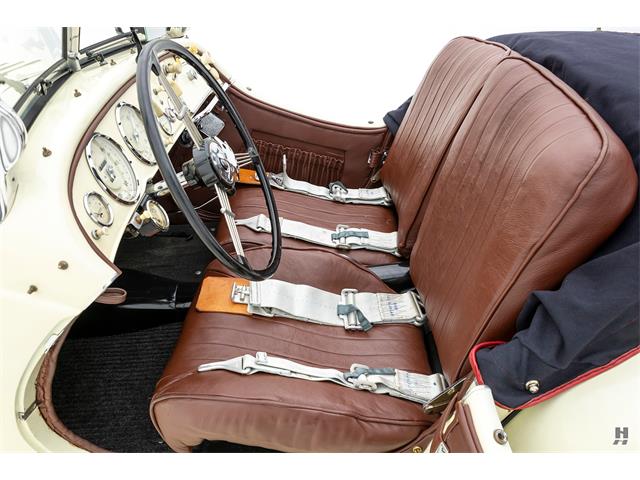
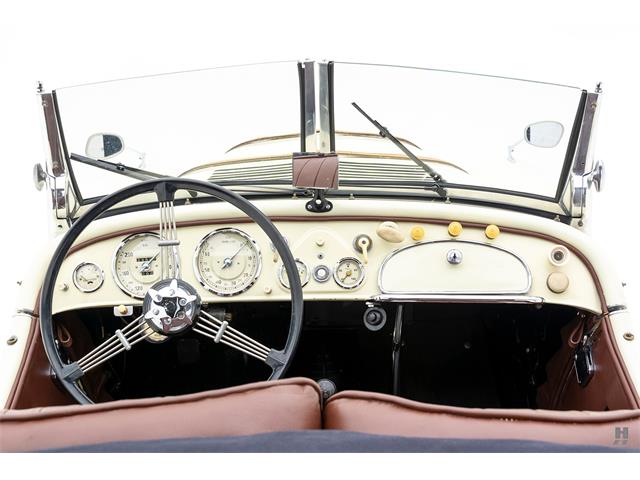
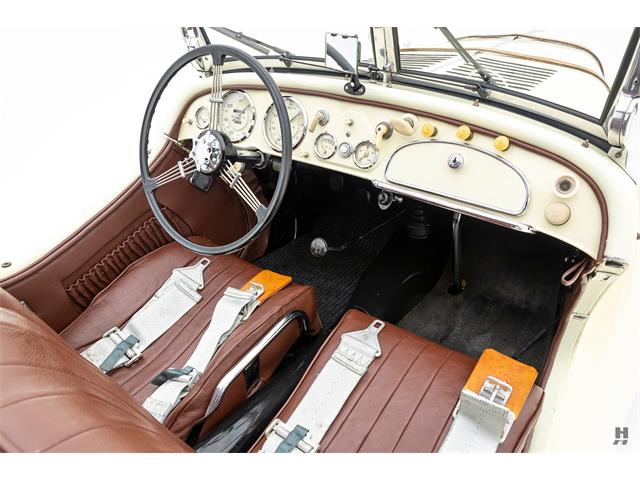
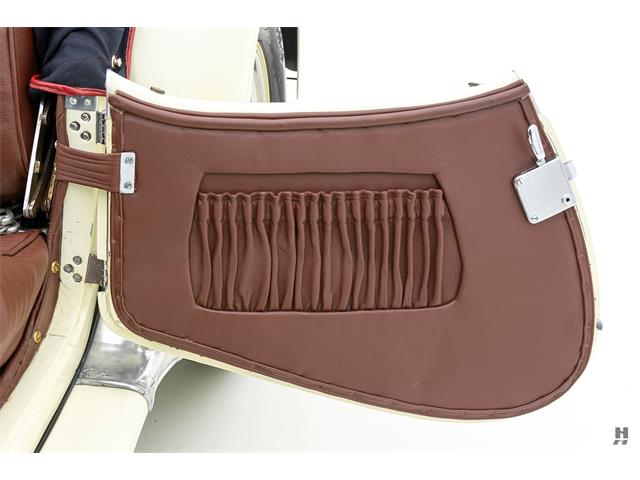
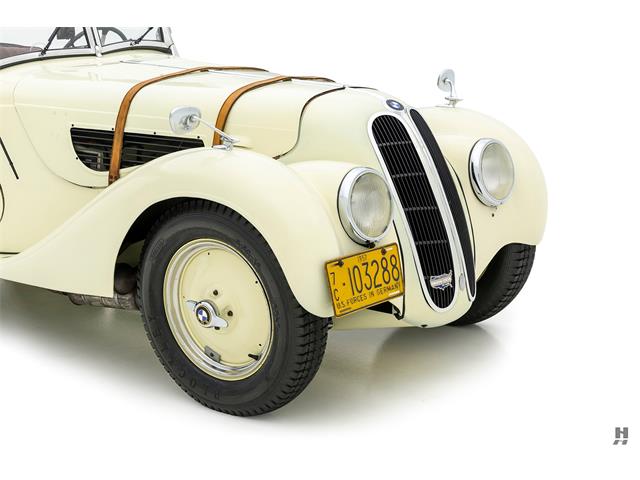
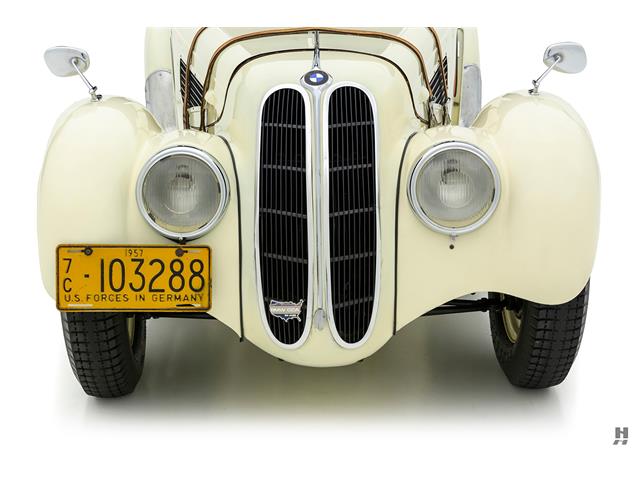
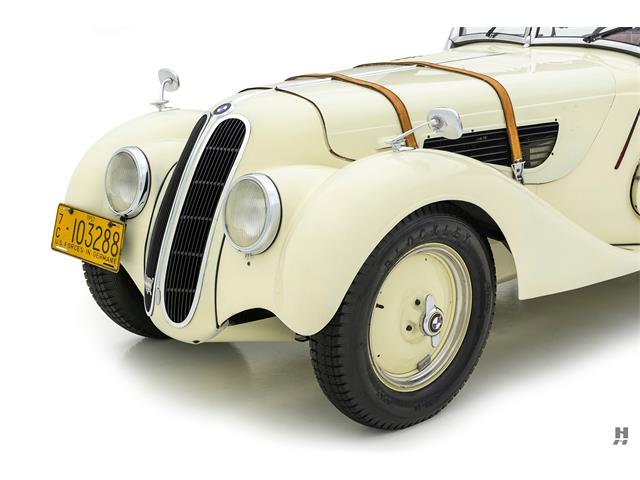
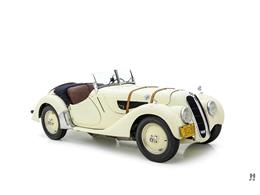
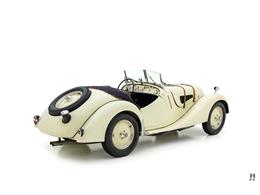
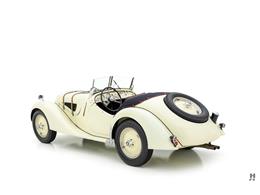
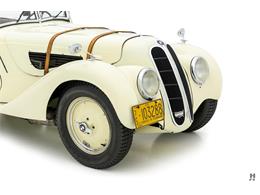
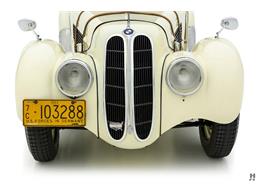
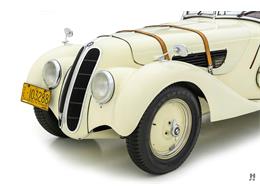
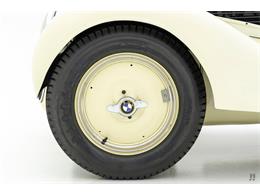
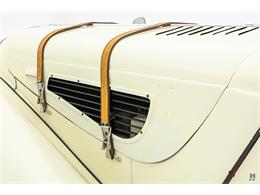
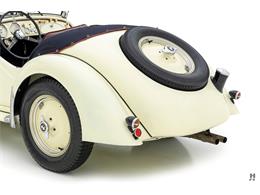
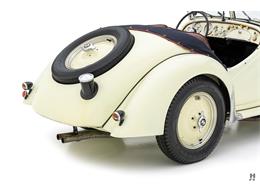
since been carefully refreshed and preserved. Finished in cream
over brown leather, the car now presents with the gentle patina of
an older restoration rather than the sharpness of a freshly
completed concours car. The paintwork and trim have mellowed, the
leather has settled naturally, and the overall presentation feels
entirely appropriate for a car whose history has unfolded
continuously over so many decades.
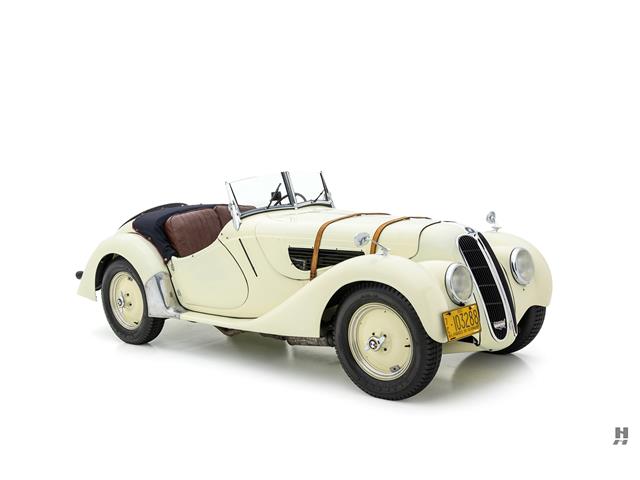
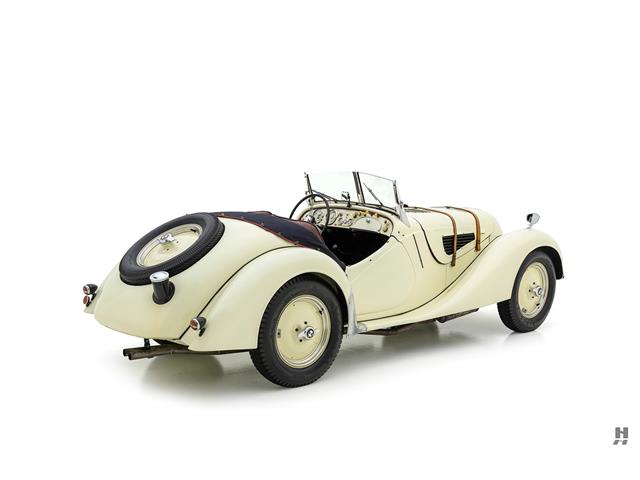
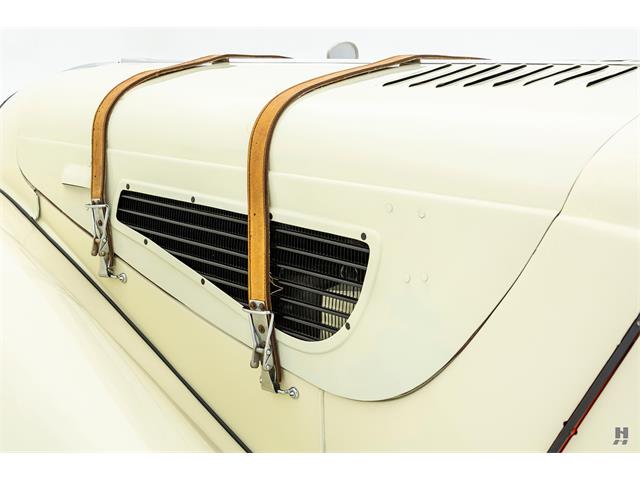
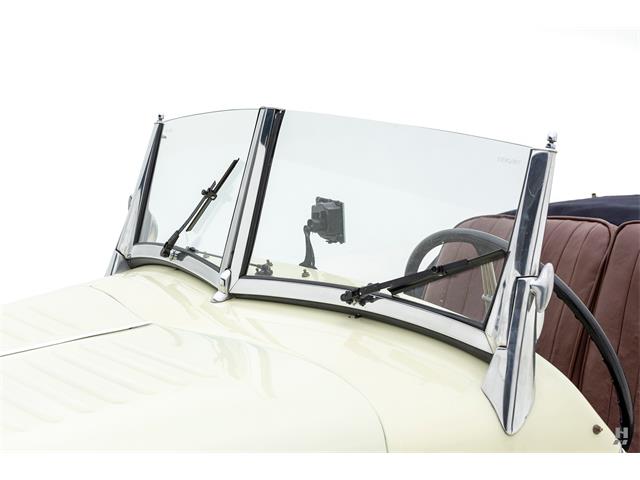
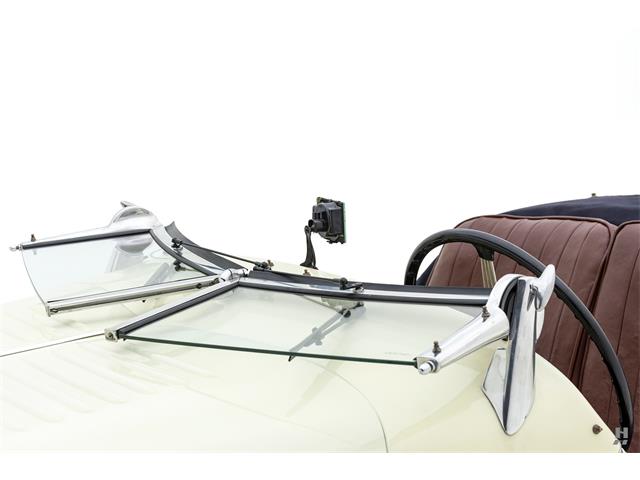
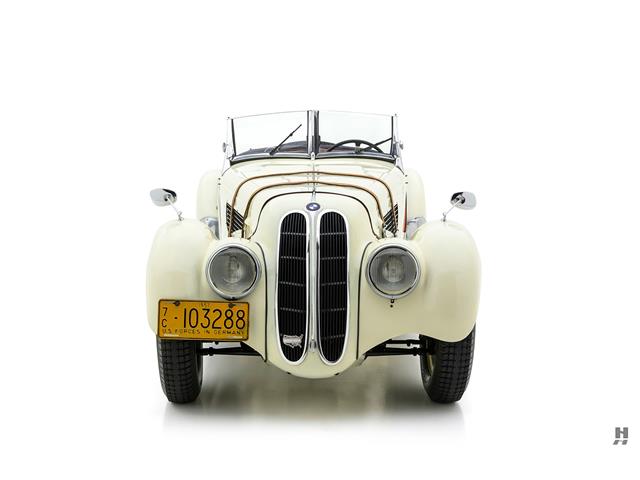
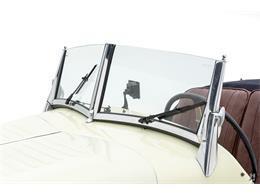
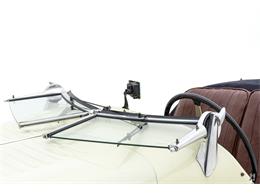
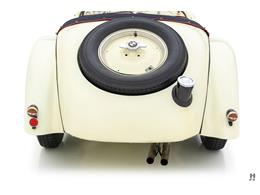
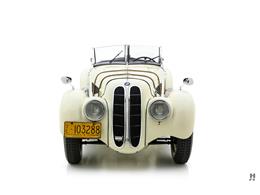
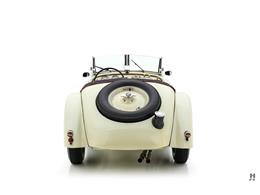
Its body retains all of the qualities that made the 328 such an
enduring design. The long bonnet flows neatly into the rounded
front fenders, while the low windscreen, compact cockpit, and short
tail give the car a lightness and sense of motion even at rest. The
cream finish suits the shape particularly well, while the brown
leather interior provides a warm, understated contrast.
Accompanied by the previous owner's handwritten recollections and
shaped by more than seven decades in his care, this 328 carries a
provenance every bit as engaging as its appearance. Its period use
in Germany, sympathetic restoration, and wonderfully settled
presentation make it a particularly evocative example of one of
BMW's most important prewar sports cars.
Offers welcome and trades considered.