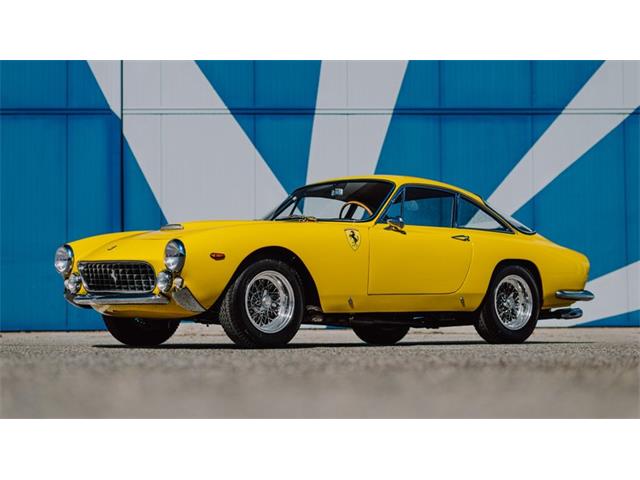
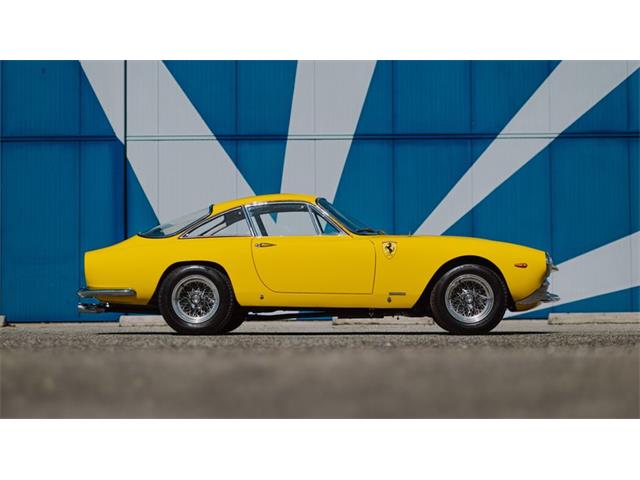
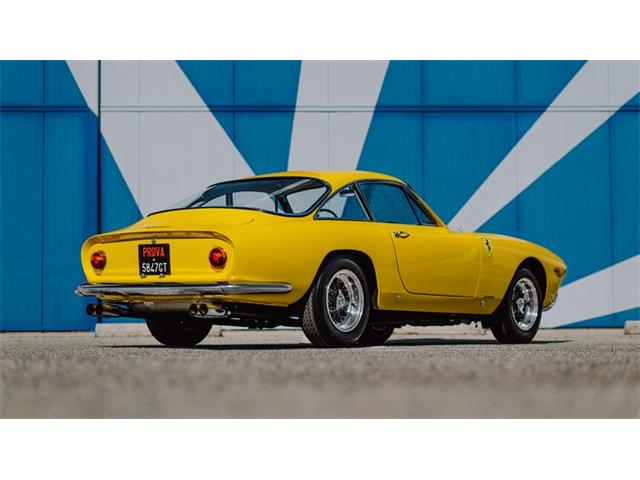
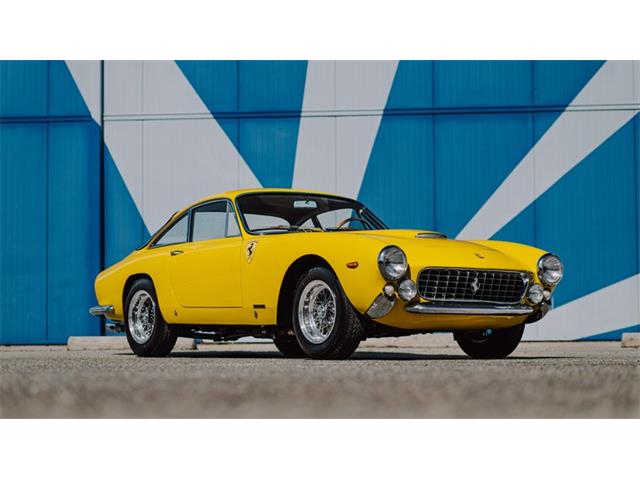
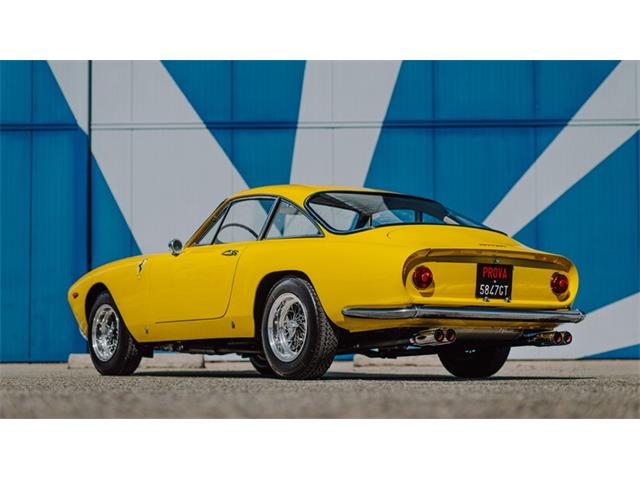
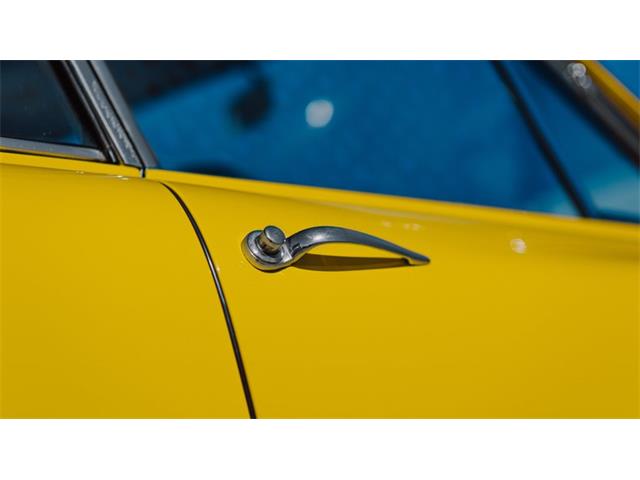
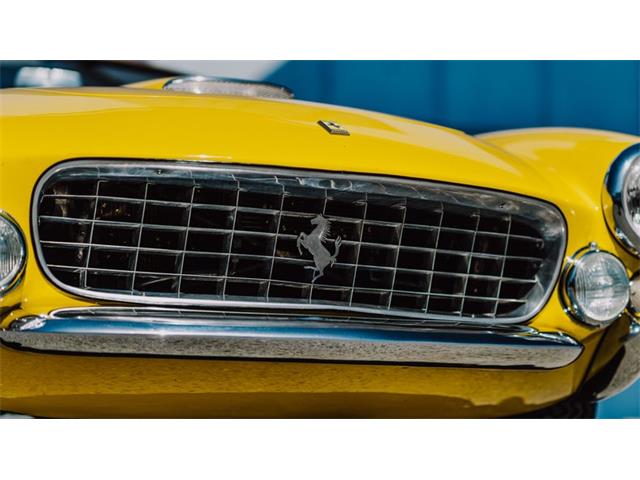
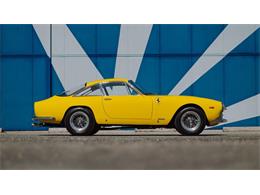
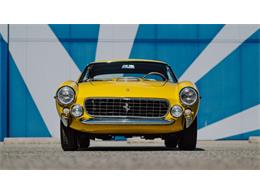
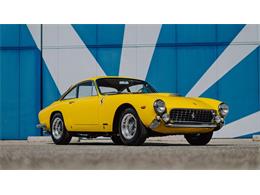
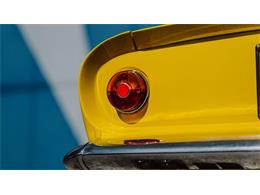
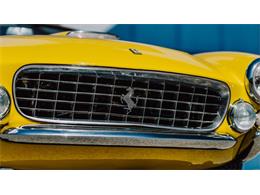
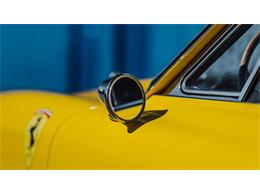
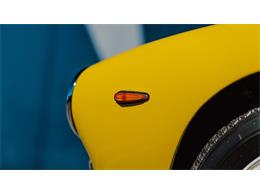
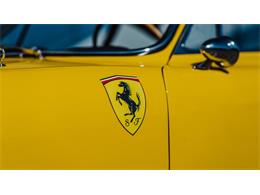
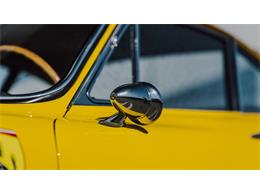
Unveiled to the world at the 1962 Paris Salon, the stunning Ferrari
250 GT/L-better known as the Berlinetta Lusso (meaning Luxury)-is
widely regarded as one of the most elegant Ferrari Gran Turismos
ever built. With the introduction of the 250-series chassis in the
early 1950s, Ferrari showed the world it was serious about the
business of building exceptional road-going GT cars. The 250 was
still highly successful in motorsport, but the road cars now had a
level of refinement demanded by Ferrari clients. The Lusso was the
final act in the 250 GT series, replacing the 250 GT Pinin Farina
Coupe. It signaled a departure from Pinin Farina's earlier crisp
and angular style with a soft, flowing, and elegant form, brought
to life in physical form by the craftsmen at Scaglietti. It honored
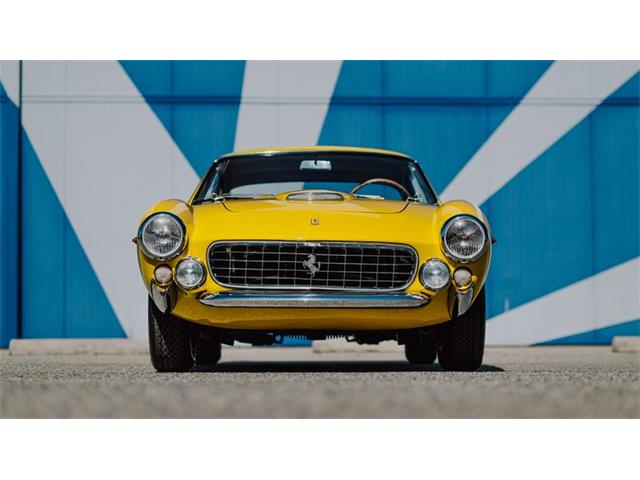
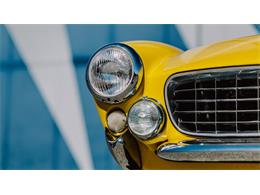
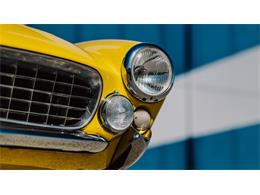
its sporting pedigree with nods to the 250 GT SWB but with a more
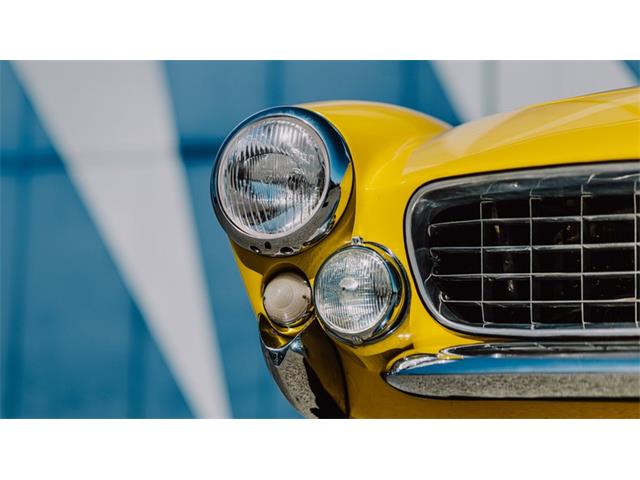
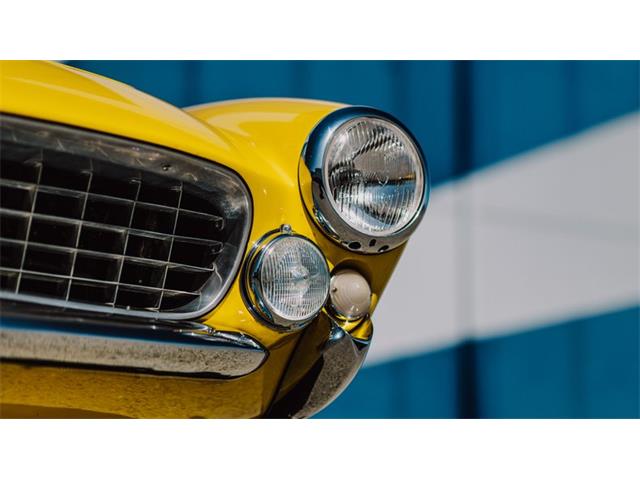
prominent grille and headlight treatment. Delicate pillars
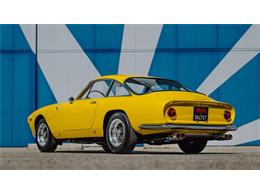
supported the gracefully sweeping roof, and a beautifully drawn
waistline began at the A-pillars, swept across the rear quarters,
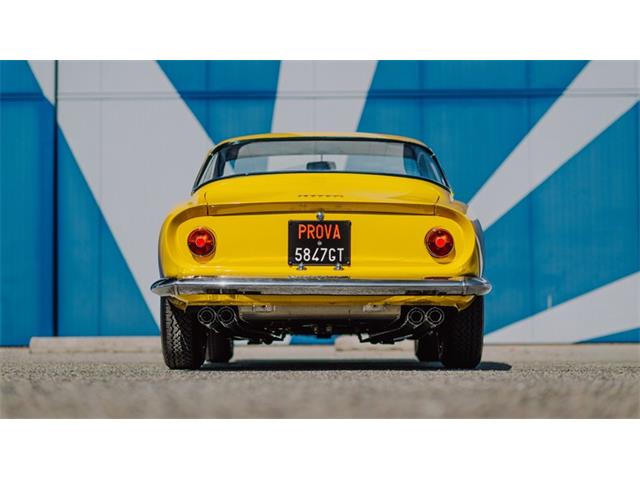
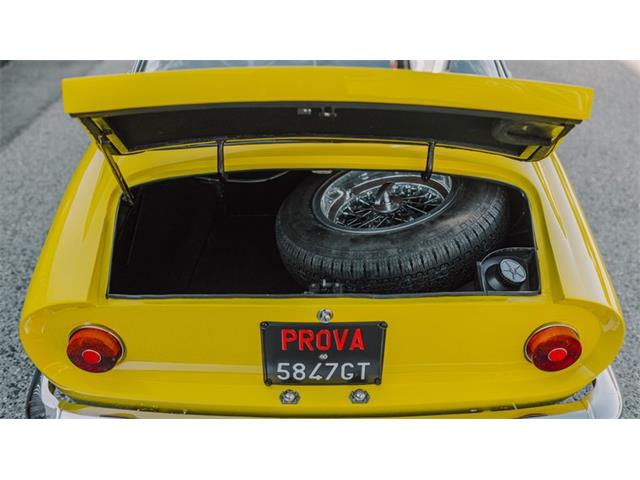
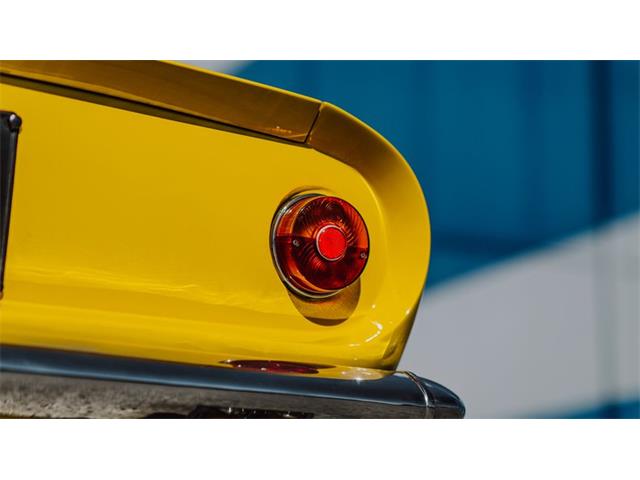
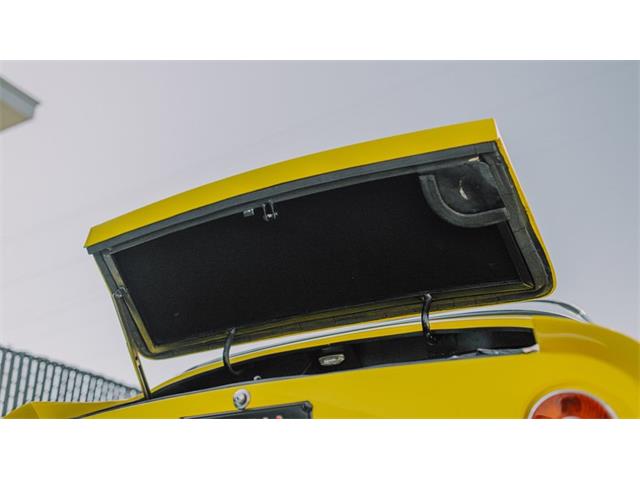
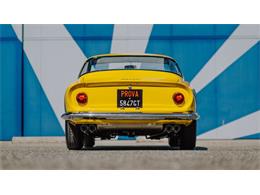
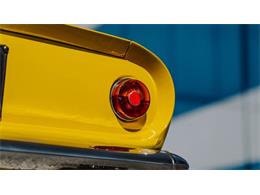
and terminated in an Kamm tail-an aerodynamic cue shared with
Ferrari's competition benchmark, the 250 GTO.
Beneath its sculpted bodywork, the Lusso's similarities with its
competition-bred stablemates continued. Its chassis, which
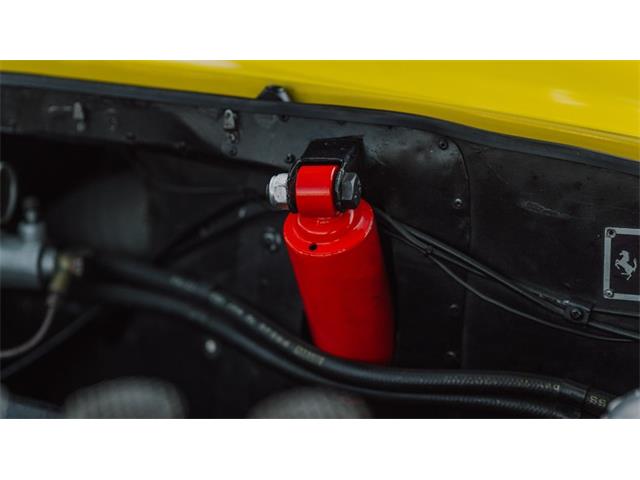
descended directly from the GTO, adopted two Watts linkages firmly
locating the rear axle, as well as four-wheel disc brakes and
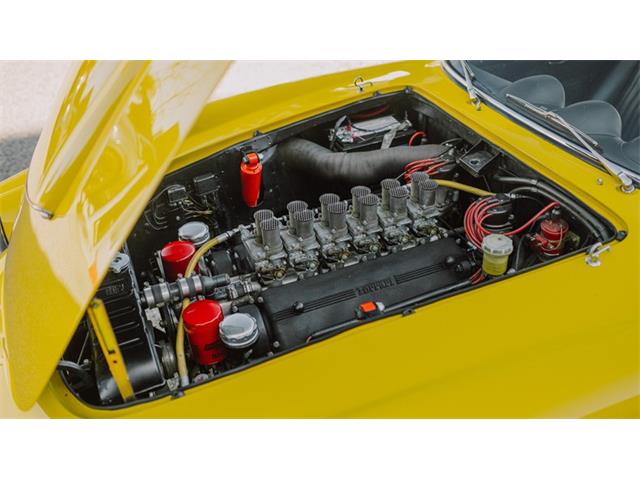
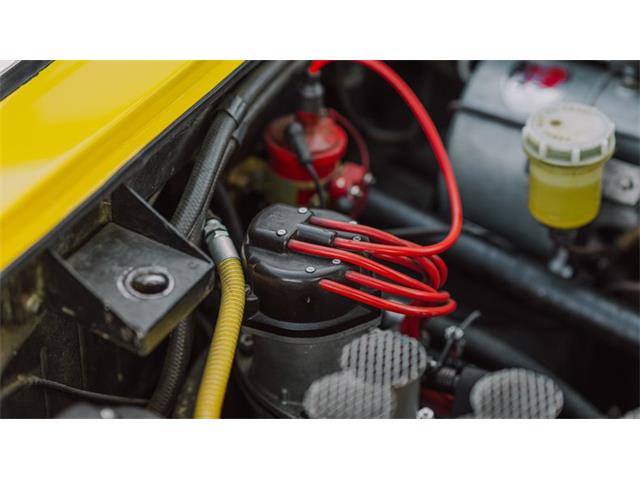
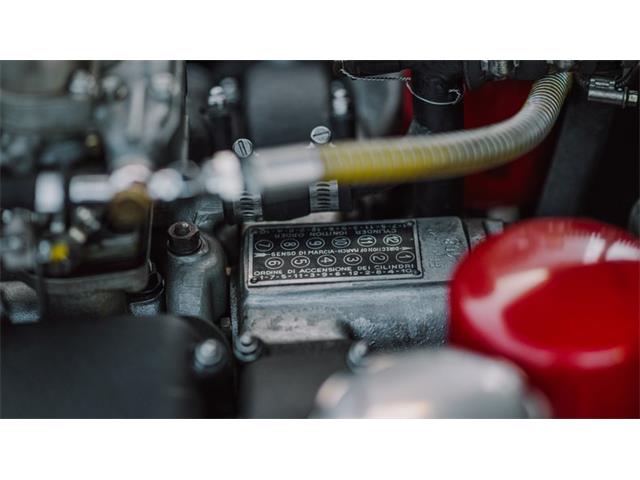
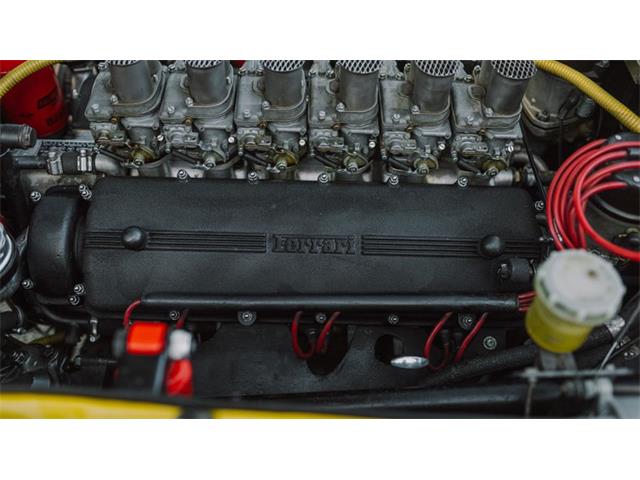
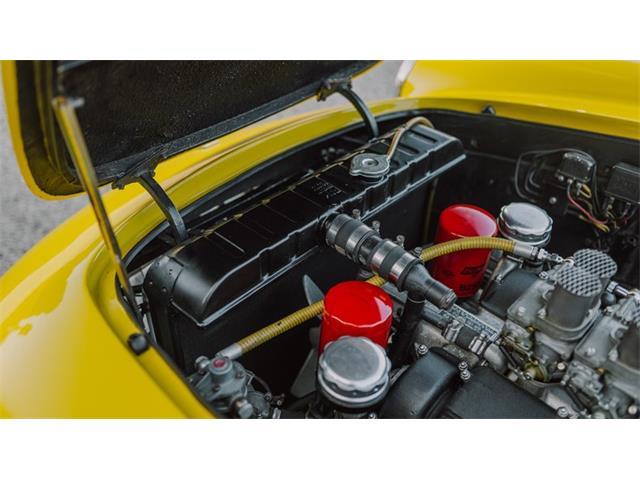
coil-over dampers at each corner. Power came from the Tipo 168 U
3.0-liter Colombo V12 in its most fully developed form,
incorporating features like outside-plug ignition and
single-cylinder porting proven in the competition 250 variants such
as the Testa Rossa and SWB. The 250 GT/L wasn't raced in any
official capacity by the factory, although some examples saw
competition in the hands of privateers, particularly in
long-distance endurance races, rallies and club events.
Produced in a run of just 350 cars over roughly two years, the 250
GT/L remains a rare and highly sought after final evolution of the
highly influential 250 GT family-an exquisite bridge between the
classic three-liter Colombo era and the new 275 that would
follow.
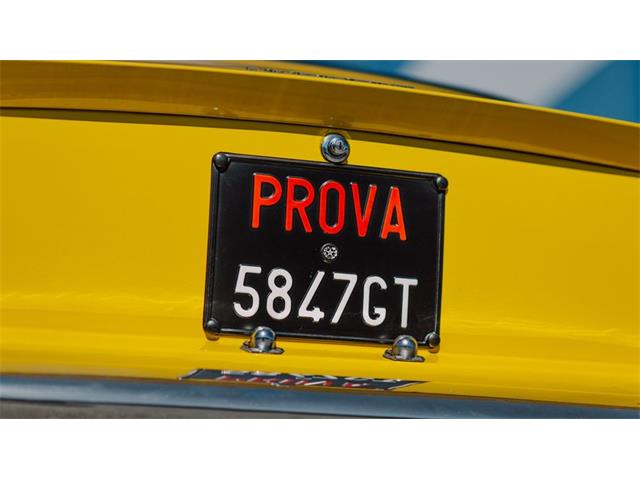
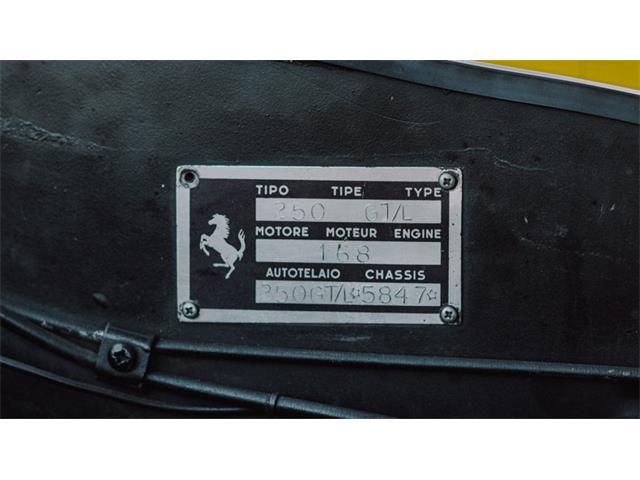
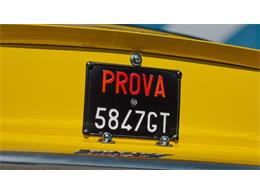
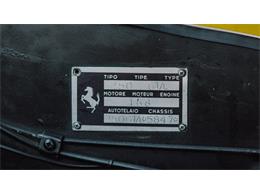
Chassis number 5847 is a late-run Lusso completed by the factory in
June of 1964 as the 327th of 350 examples built. This car's
fascinating and colorful history is exceptionally well documented
via photos, correspondence, receipts, as well as a detailed history
report provided by marque historian Marcel Massini. According to
Massini's records, 5847 GT left the factory destined for German
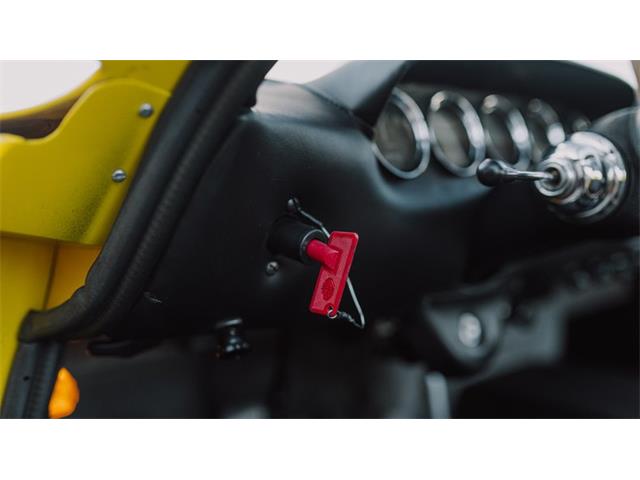
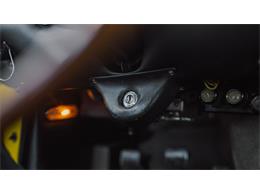
distributor Auto Becker in D�sseldorf. Interestingly, the car was
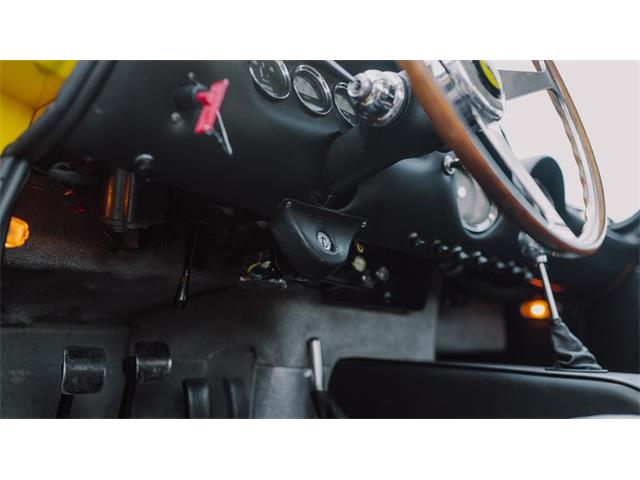
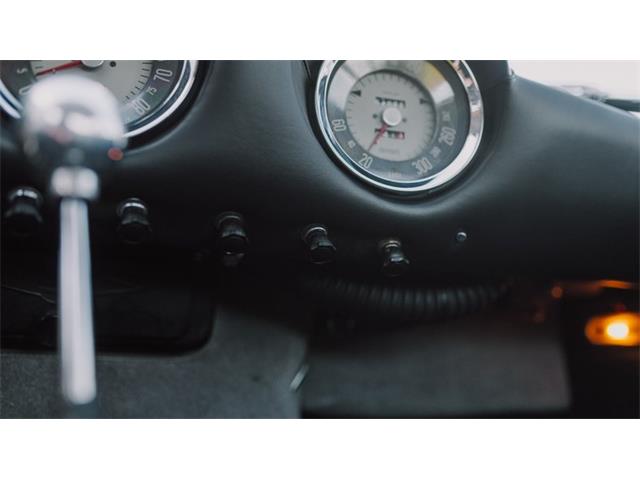
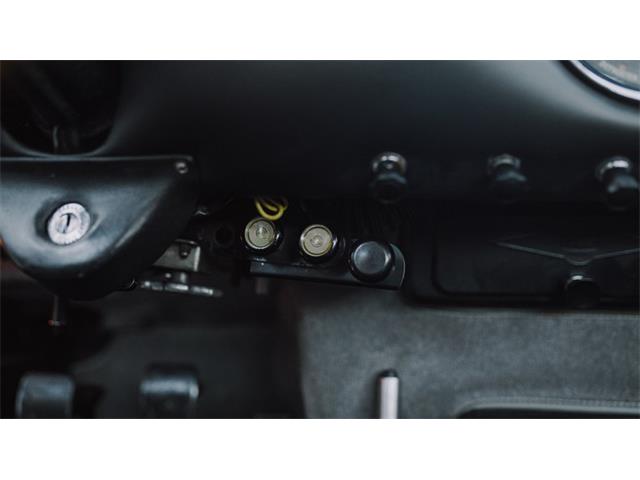
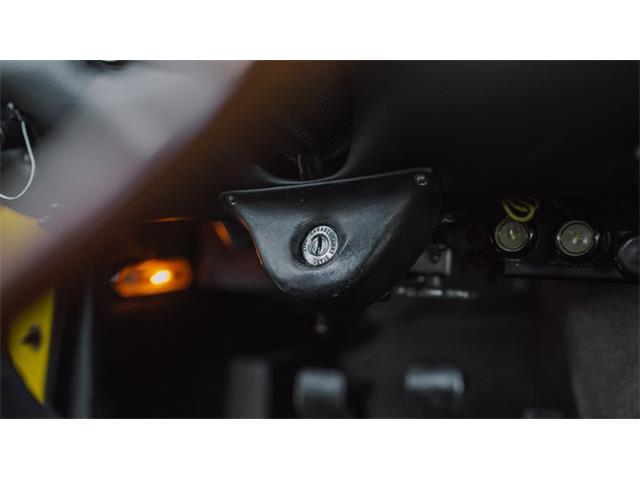
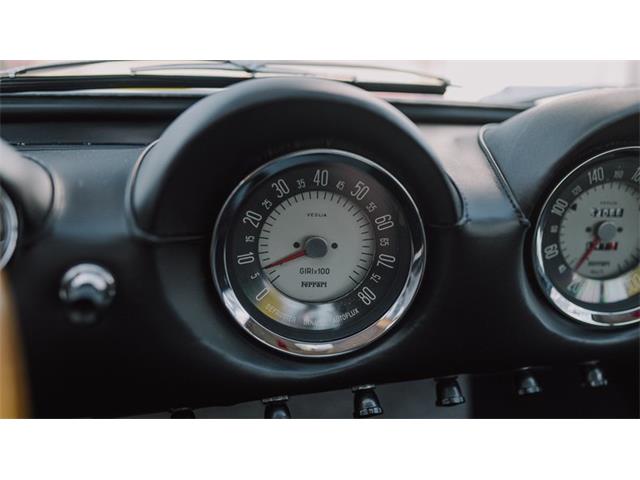
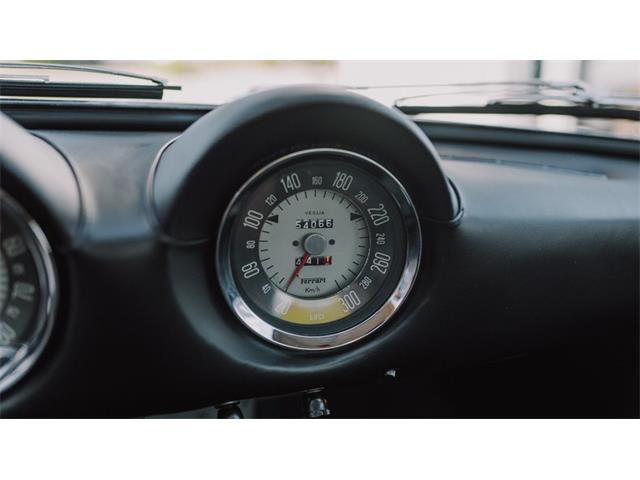
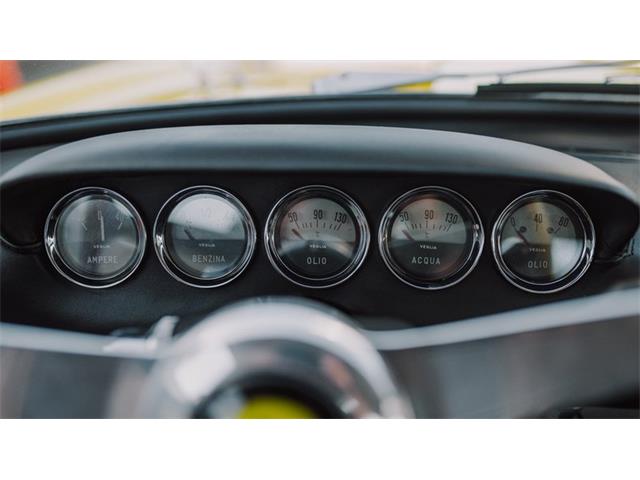
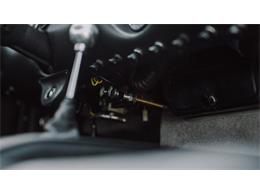
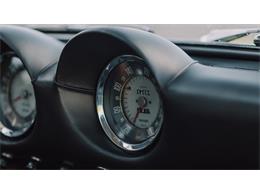
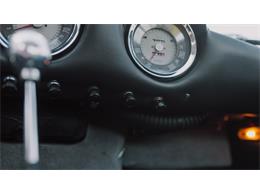
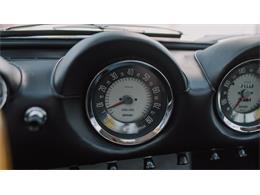
ordered with an ammeter in place of the clock and a column-mounted
ignition key and steering lock, as required by German regulations
at the time. Finished in Grigio Argento over Nero hides, it was
sold to a doctor residing in Berlin, and records show that early in
its life, it returned to the factory service department in Modena,
Ferrari Assistenza Clienti, for repairs.
In October 1967, 5847 had been traded or consigned back to Auto
Becker. By this time, it had been repainted red and was
subsequently sold to Ingvar Brandstrom, beginning a long and
fascinating chapter in Sweden. Through the late 1960s, the car
passed through several Swedish owners, all of whom are documented
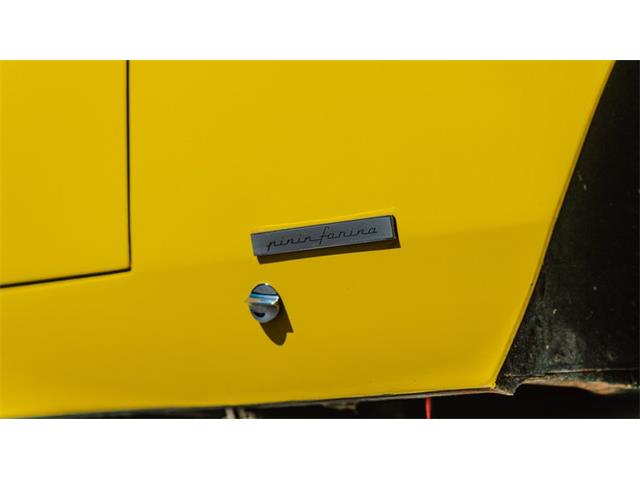
in the accompanying Massini Report. In 1967, a famous photograph of
5847 was taken in Sweden with the car's designer Battista
Pininfarina posing alongside for Kurt H. Miska's book The Ferrari
Lusso. A moment significant enough to make the local Swedish
newspaper!
In 1968, Peter Ashtelik acquired 5847 from Sven Andersson, and
sometime between 1969-1970, Ashtelik had an unfortunate encounter
with a petrol pump, damaging the bodywork on right side of the car.
He eventually sold it back to Andersson, who, within about a week,
sold it on to Tom Trana, a successful Swedish rally driver with
close ties to Volvo and Saab-Scania. Trana was a past winner of the
Swedish Rally as well as the prestigious RAC Rally, and he took
advantage of his close ties within the Volvo competition department
to get his newly acquired Ferrari repaired and back in action,
subsequently taking part in a number of Swedish road rallies over
the next few years.
Throughout the 1970s and early 1980s, 250 GT/L 5847 was enjoyed to
the fullest on the road, in rallies, and in casual competition by a
series of enthusiastic Swedish owners, including the founder of the
Swedish Ferrari Club, Dr. Rien Tomson. In 1983, while in the care
of Jens Gustav Larsson, the Lusso suffered crash damage during the
Prix Maritim in L�beck, Germany, and was subsequently placed in
storage until it was sold in 1987 to fellow Swede Gunnar
Pettersson.
By this time, with interest in vintage Ferraris on the rise, the
decision was made to entrust the Lusso to Carrozzeria Auto Sport in
Modena, Italy for an extensive restoration. There, the damaged car
was repaired and refinished in its original shade of silver-grey
metallic. Shortly thereafter, the engine was rebuilt by Autofficina
Saoro Mingarelli in Bologna. Petterson returned the car to Italy in
1991/92, furthering the restoration by having it repainted again in
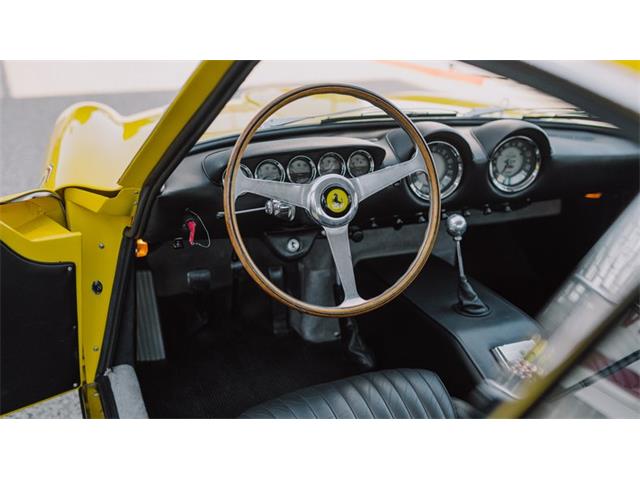
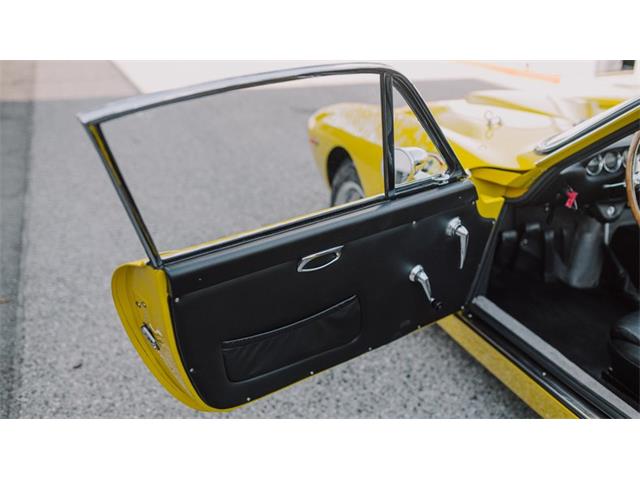
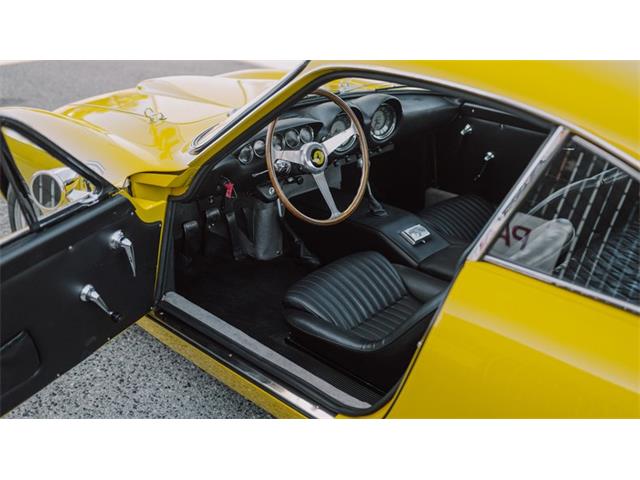
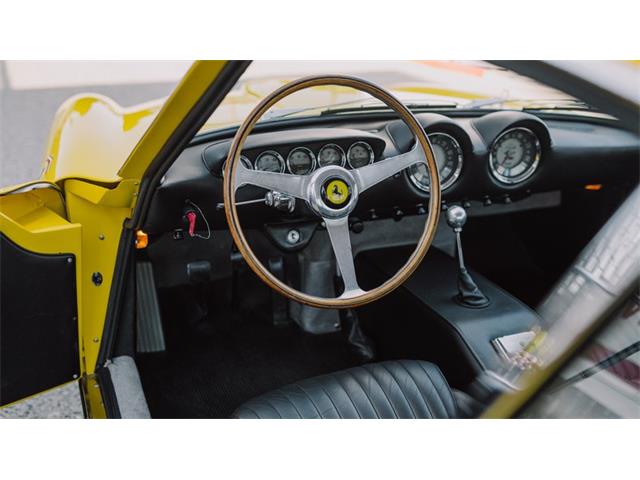
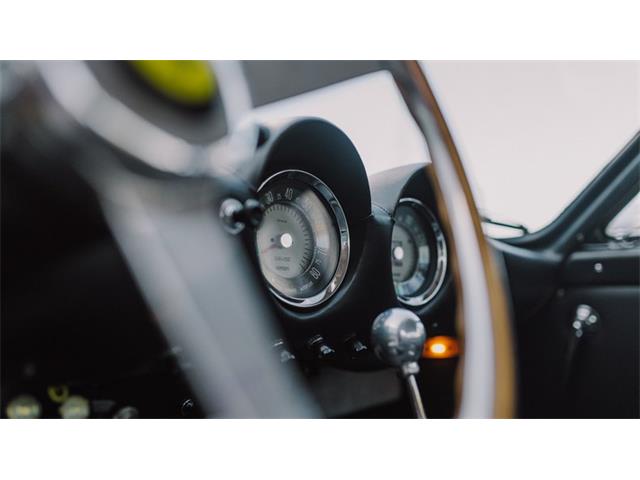
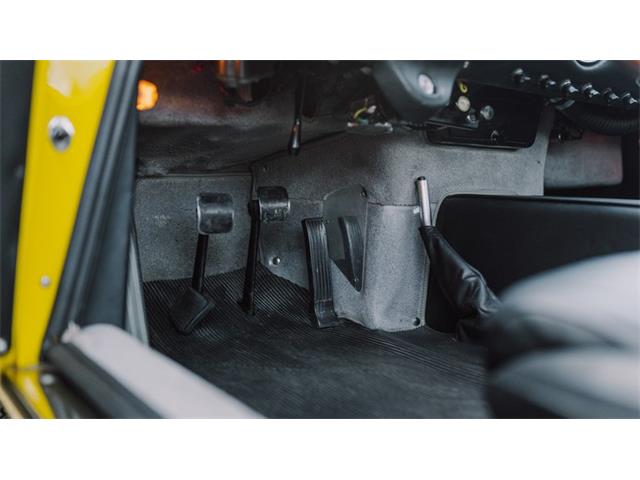
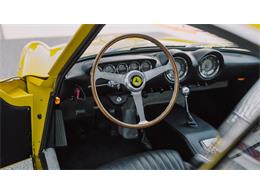
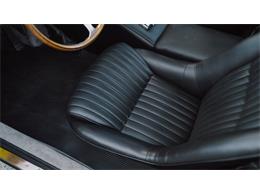
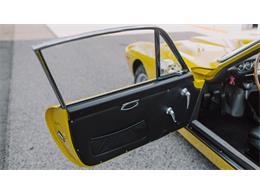
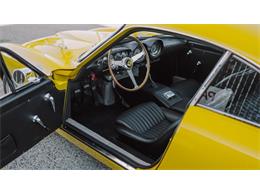
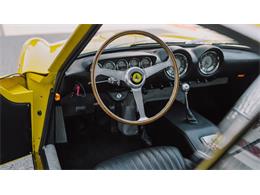
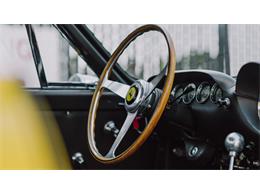
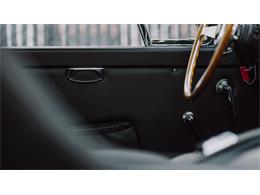
yellow as an homage to one of the original Lusso prototypes, and
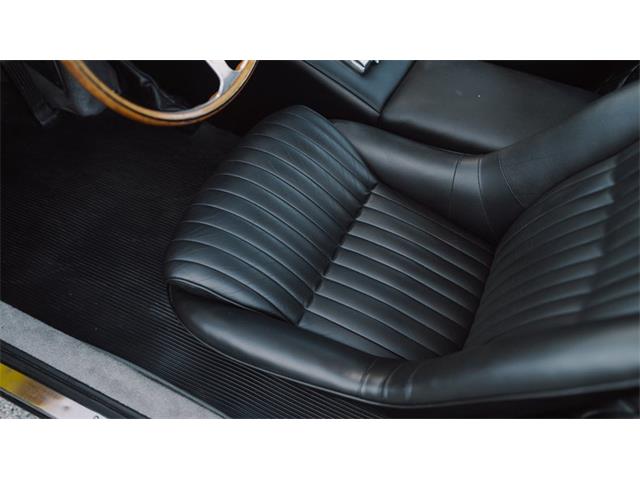
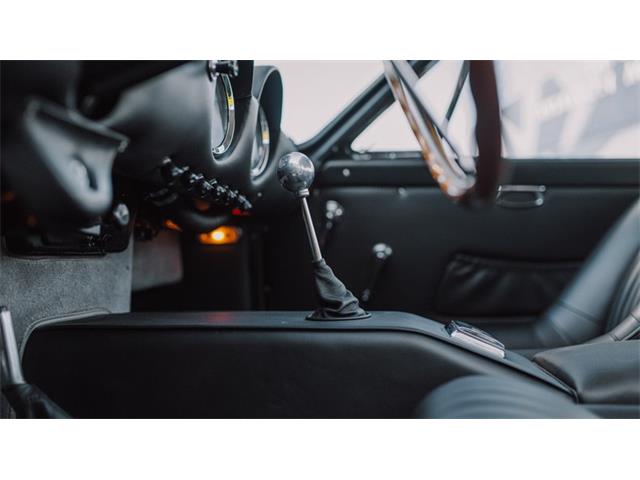
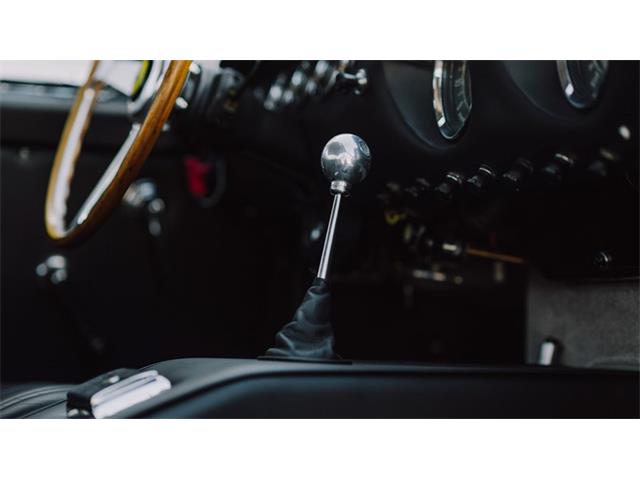
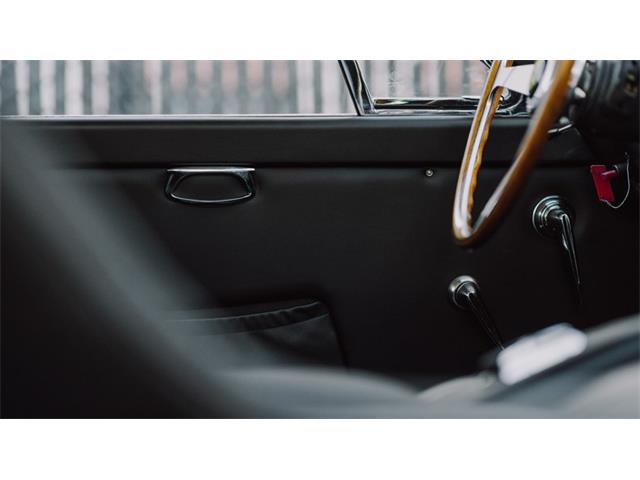
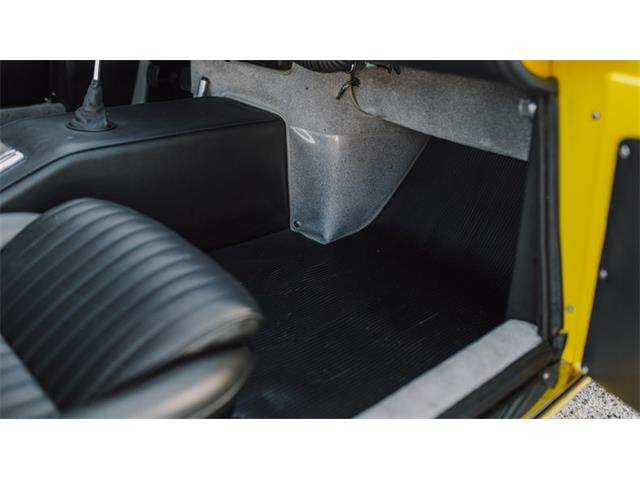
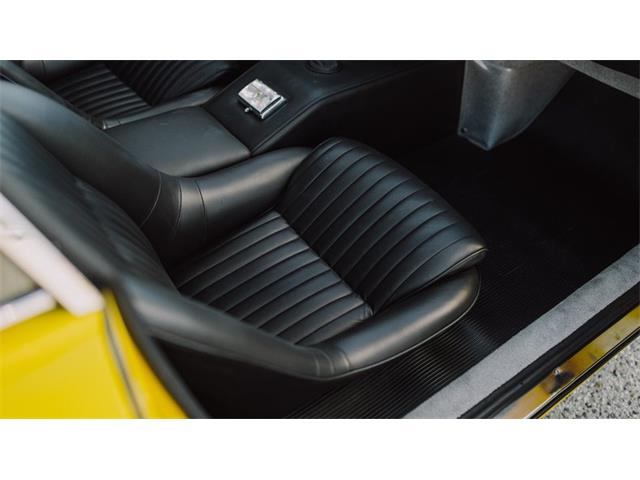
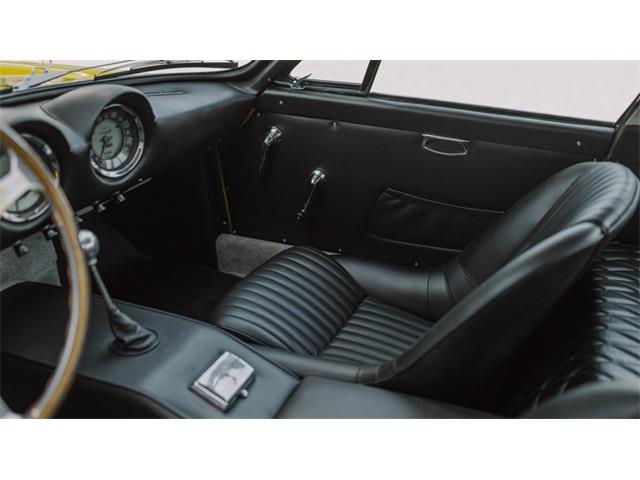
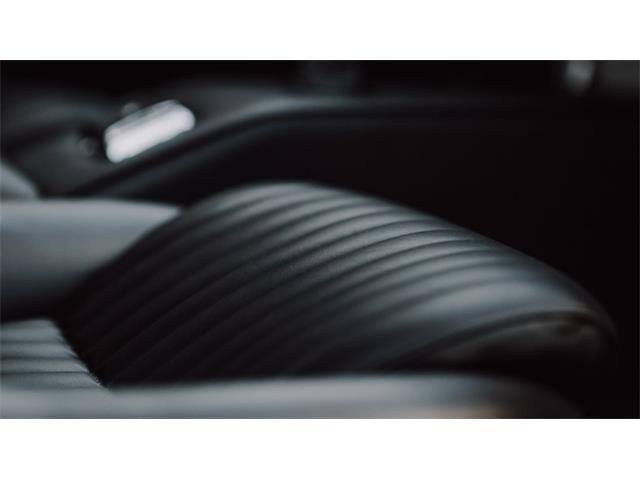
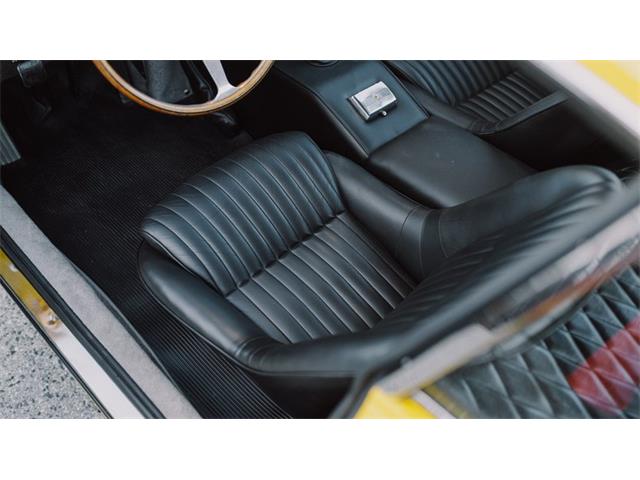
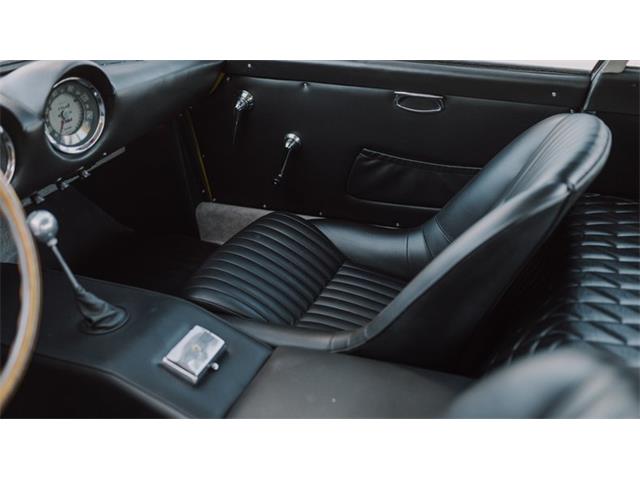
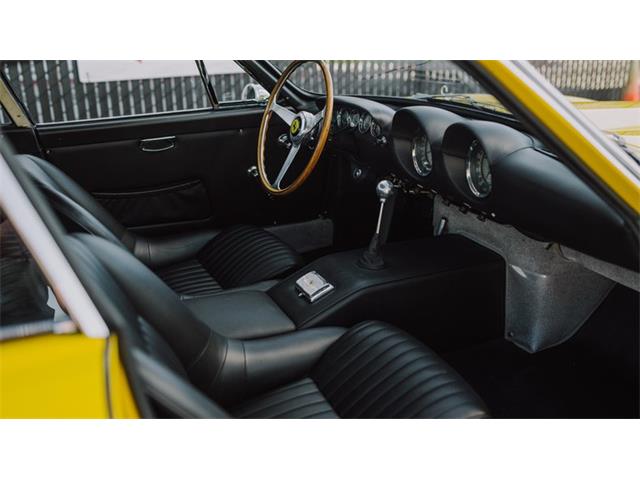
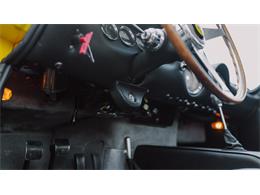
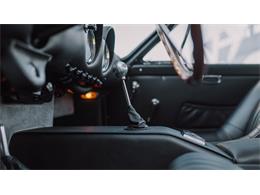
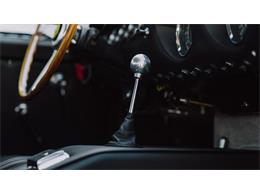
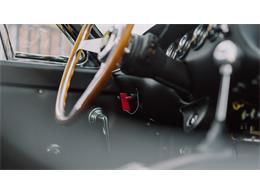
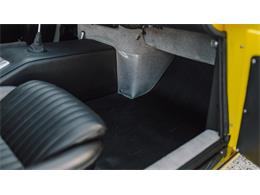
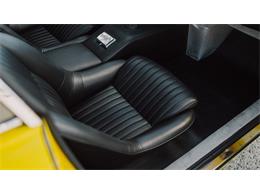
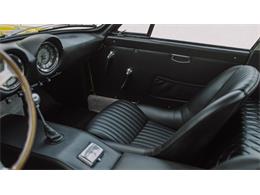
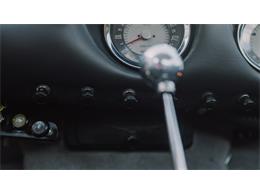
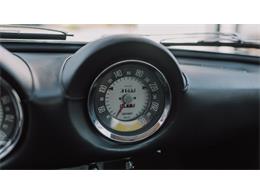
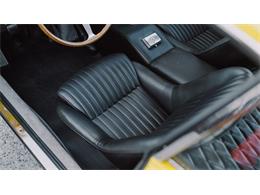
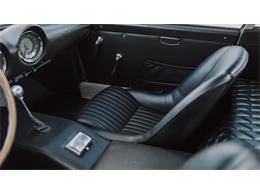
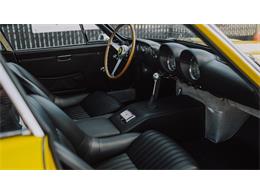
having the interior restored in black leather by Fratelli Luppi of
Modena. He continued to enjoy the car throughout the remainder of
the decade, making appearances at events in Italy, Germany, and
France.
The striking yellow Lusso began a new chapter in the early 2000s,
when it was acquired by Dutch enthusiast Willem Kroon, who
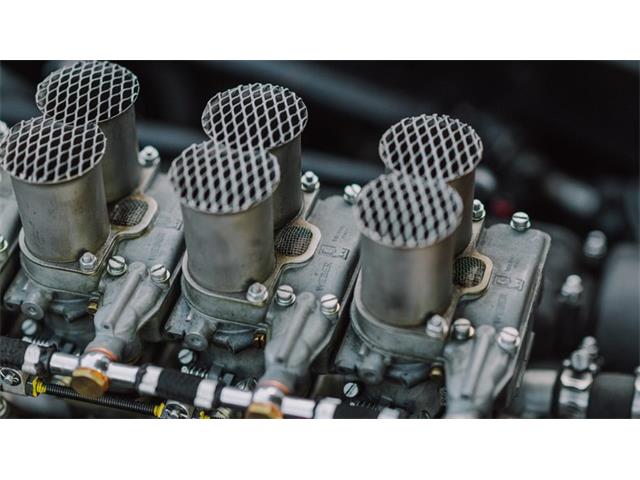
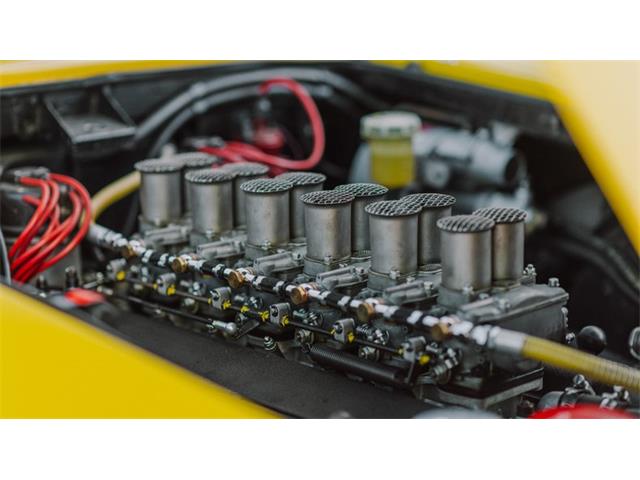
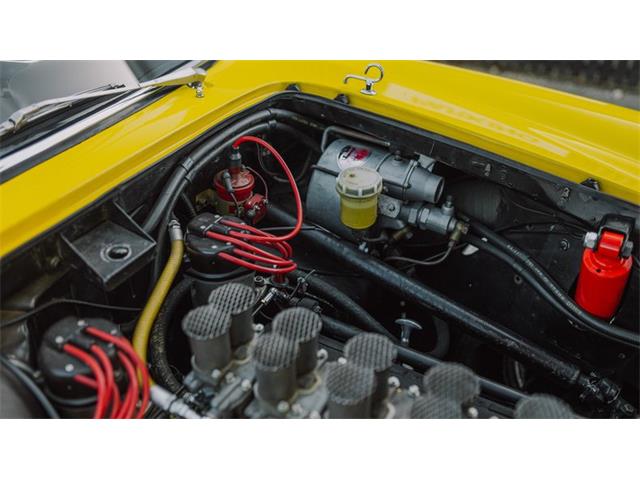
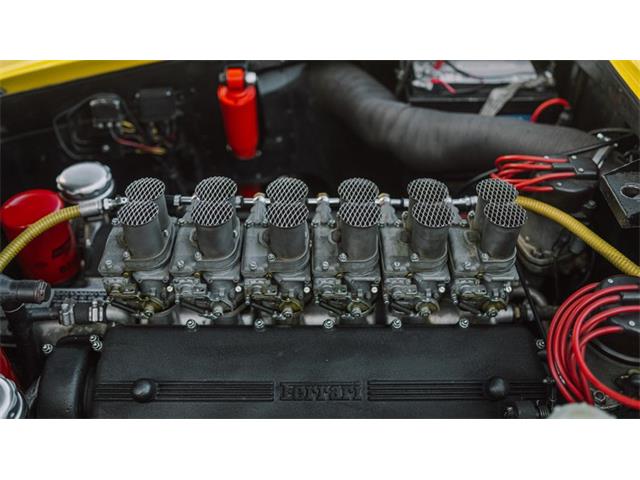
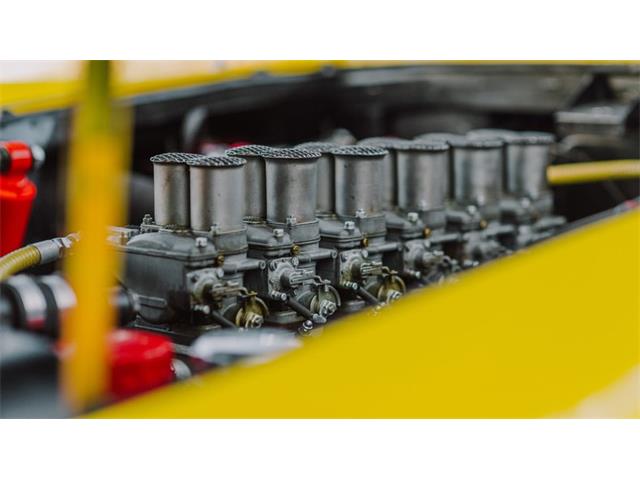
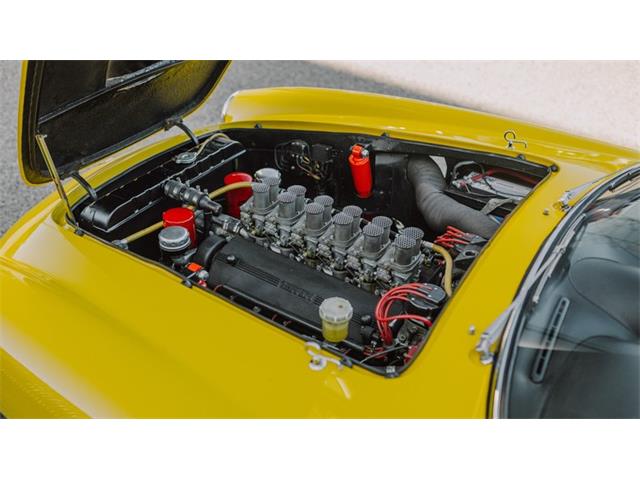
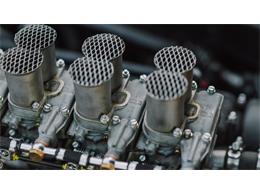
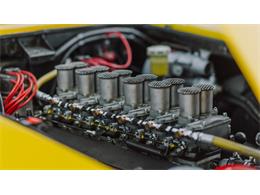
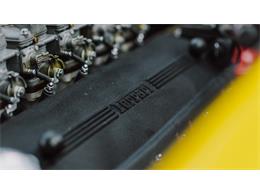
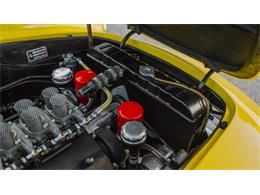
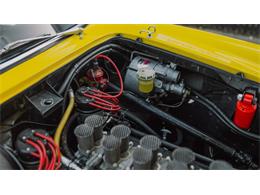
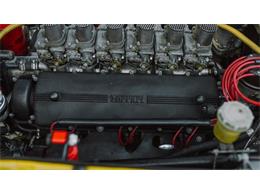
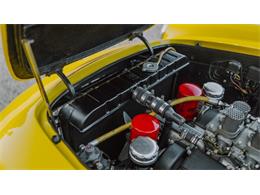
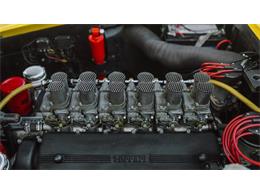
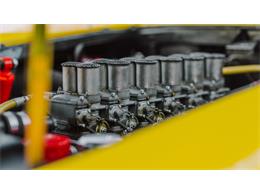
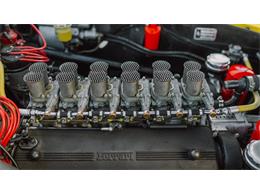
reimagined the Lusso in semi-competizione guise. Inspired by the
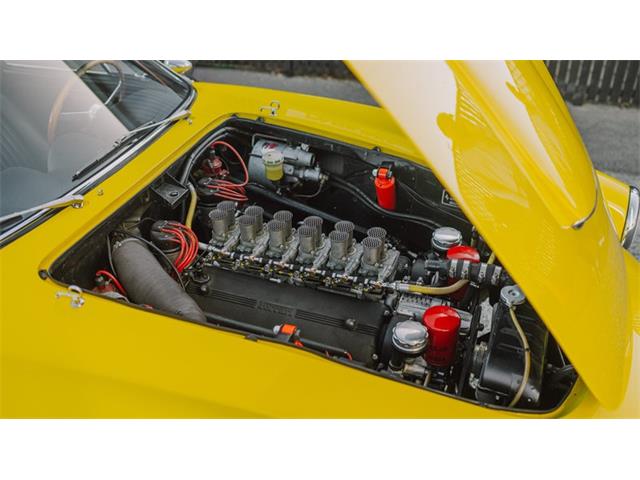
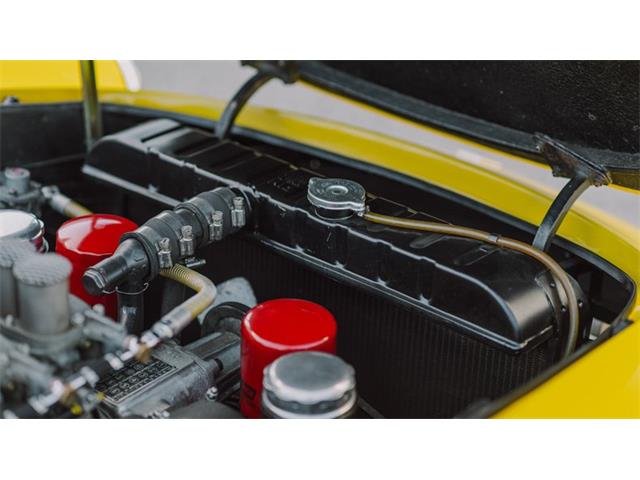
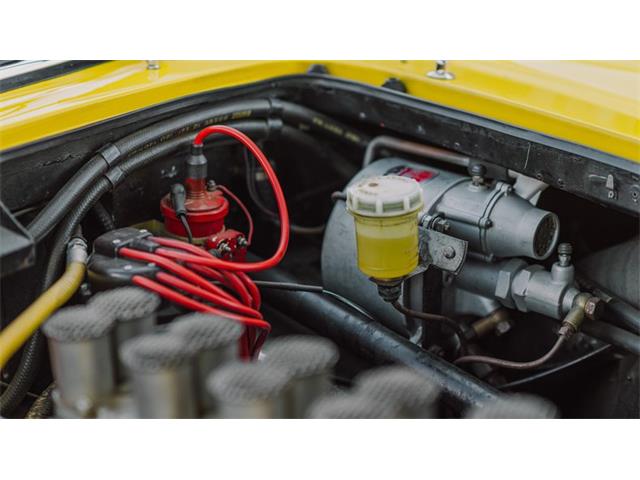
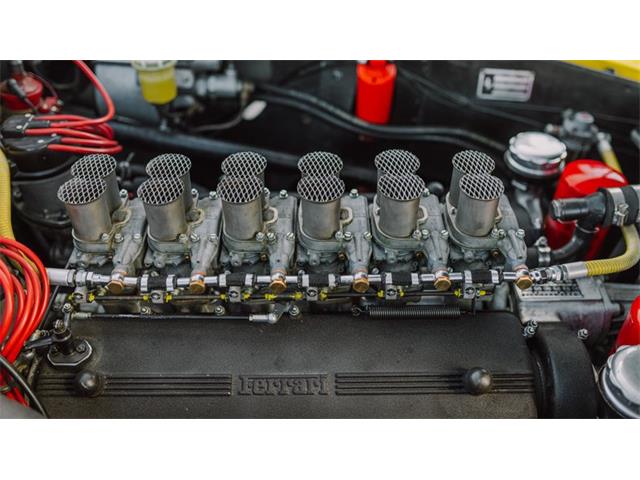
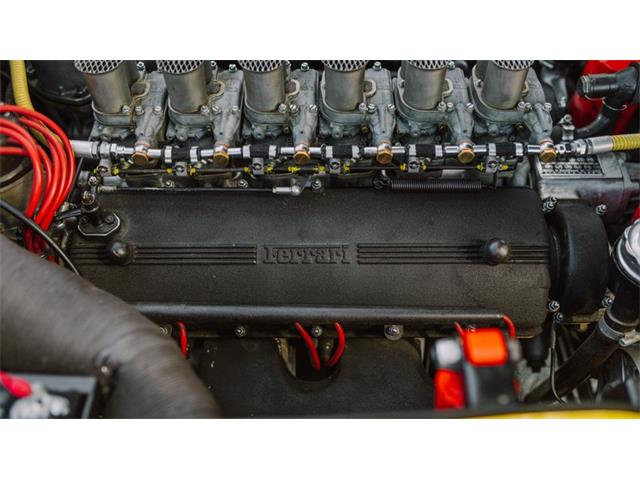
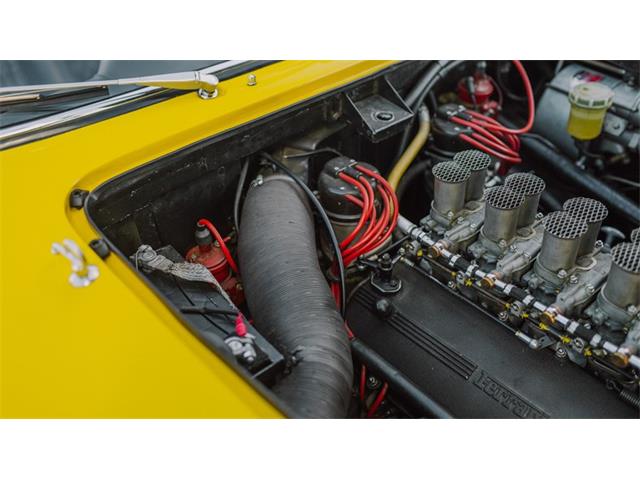
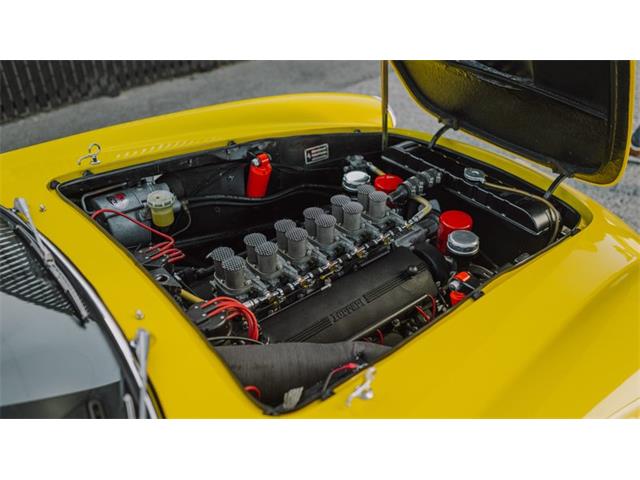
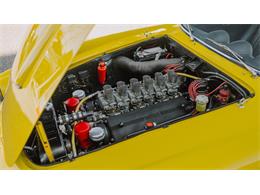
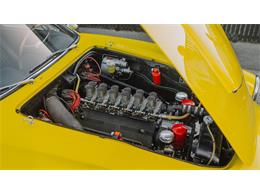
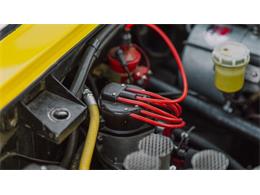
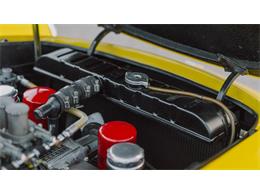
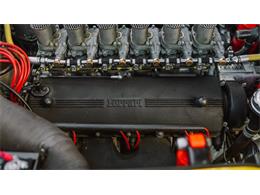
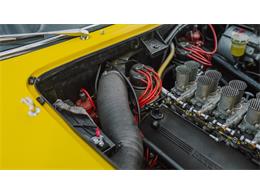
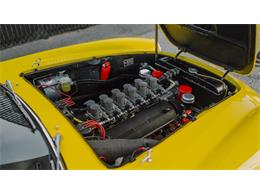
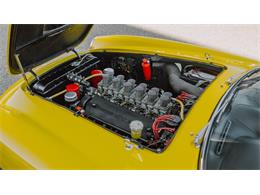
iconic 250 GTO, Kroon fitted a sextet of Weber carburetors supplied
by Roelofs Engineering complete with polished velocity stacks. The
front suspension and rear axle were rebuilt and refreshed to
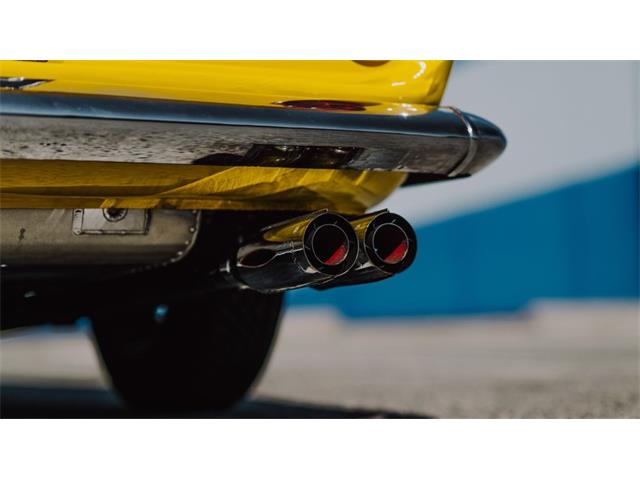
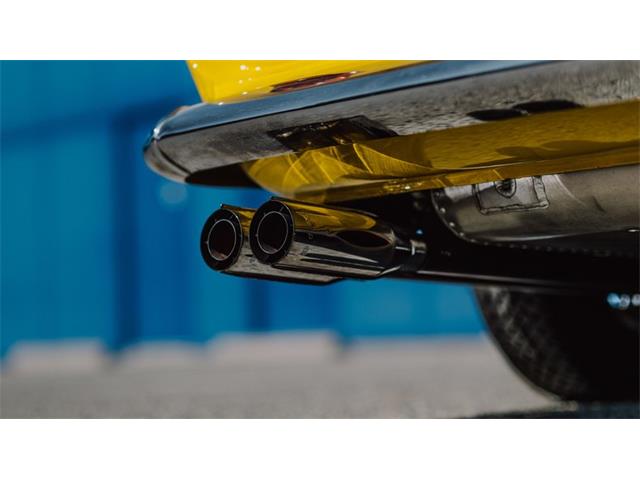
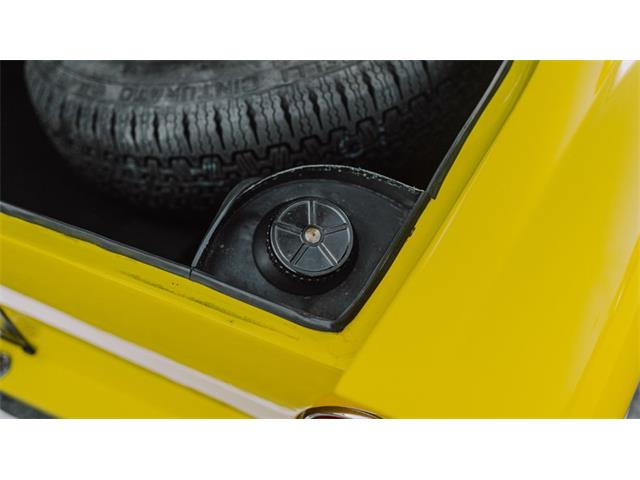
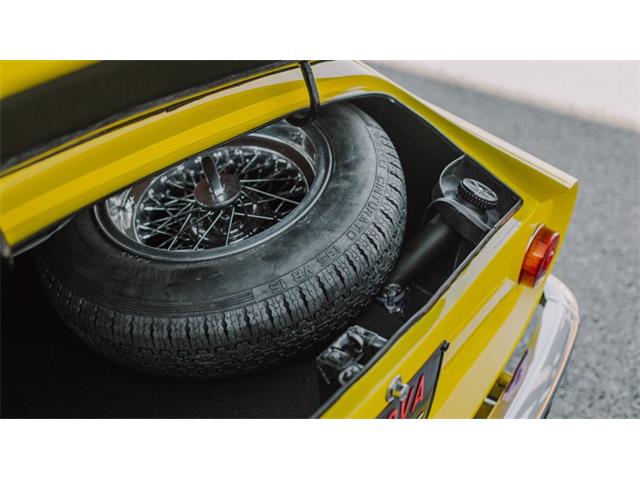
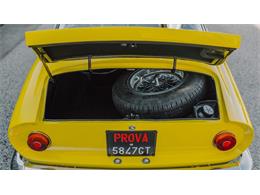
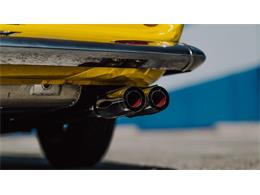
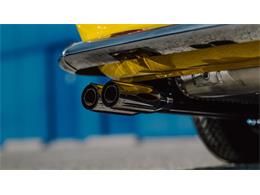
tighten up handling, and a new alloy fuel tank and SNAP exhaust
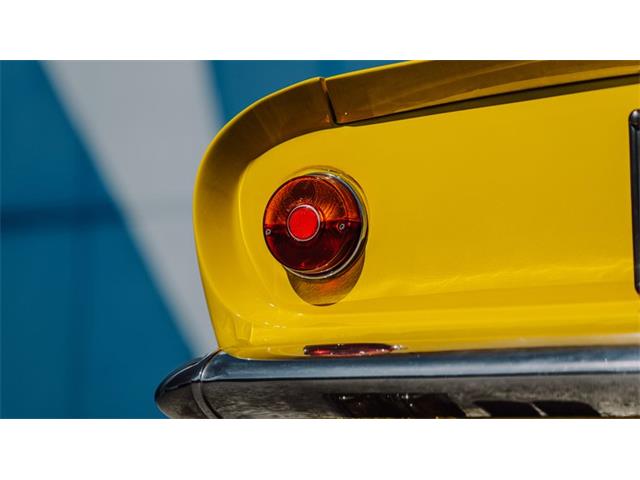
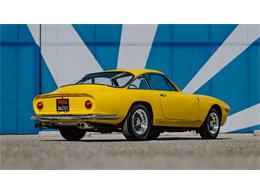
tips fitted. To complete the competition-inspired look, Kroon
removed the rear bumper and dressed the body in period-style
roundels, Tricolore stripes, and period sponsor logos. Kroon
enjoyed his spiced-up Lusso in many rallies and shows across
Europe, and in 2009, chassis 5847 was featured in Forza magazine,
issue number 96.
The Lusso came to the United States in 2010 in the care of John and
Susan Barrett of Athens, Georgia, who continued the car's sporting
legacy by driving it enthusiastically on the Copperstate 1000 on
three occasions, also showing it at the 2010 Keenland Concours
d'Elegance. The renowned Ferrari collector David Lee acquired 5847
for his collection in 2015, subsequently showing it in the
exclusive 2016 Quail Motorsports Gathering and the San Marino Motor
Classic in 2021, before it changed hands most recently in early
2026.
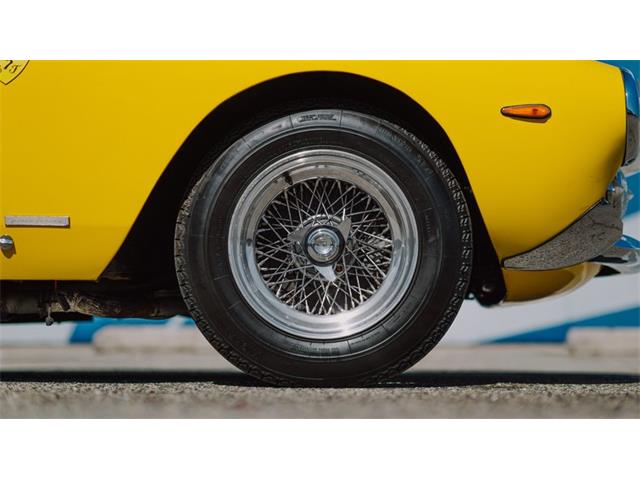
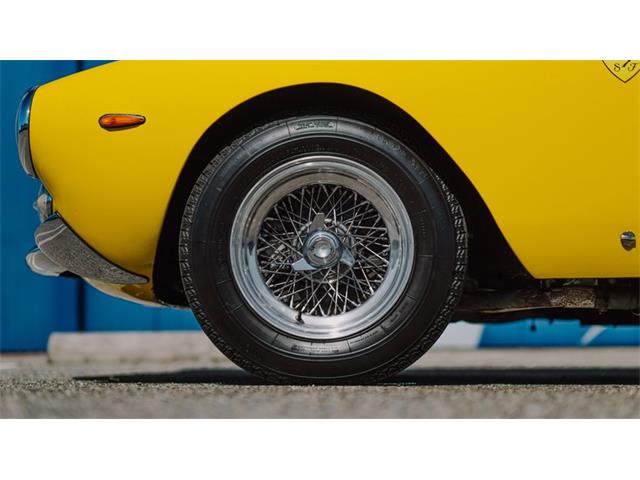
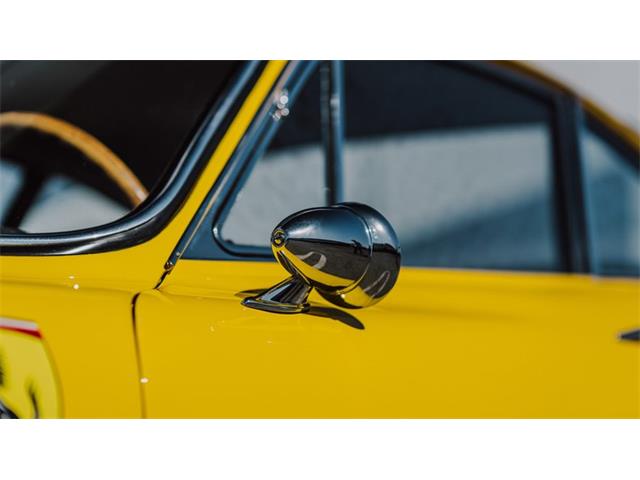
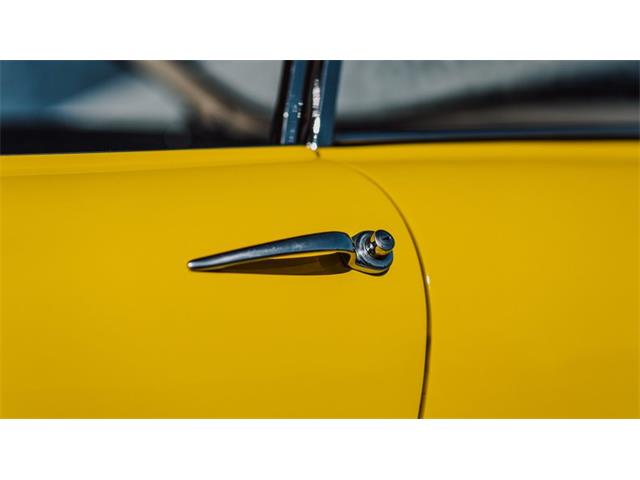
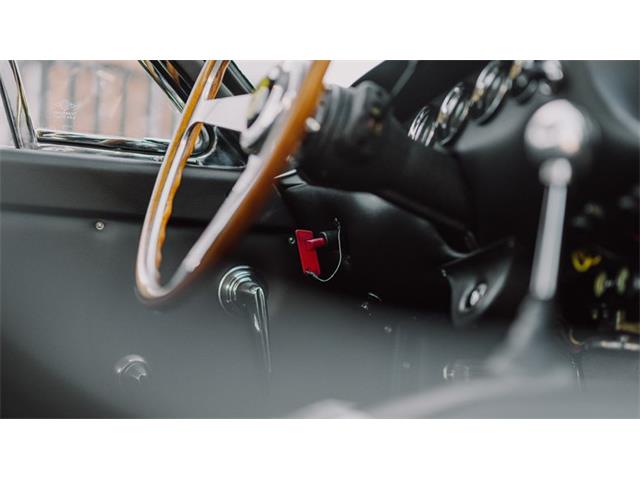
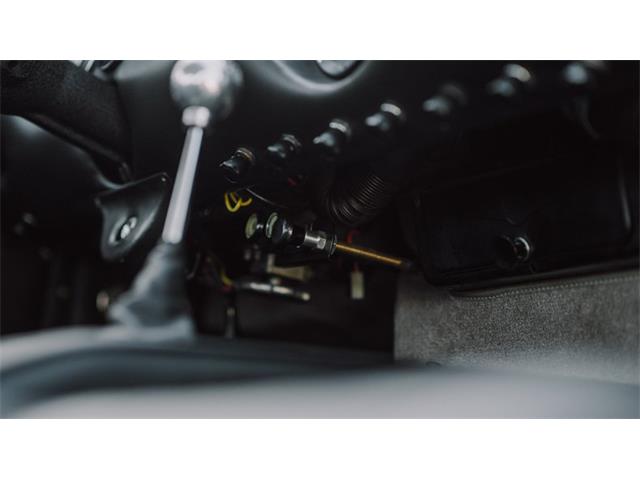
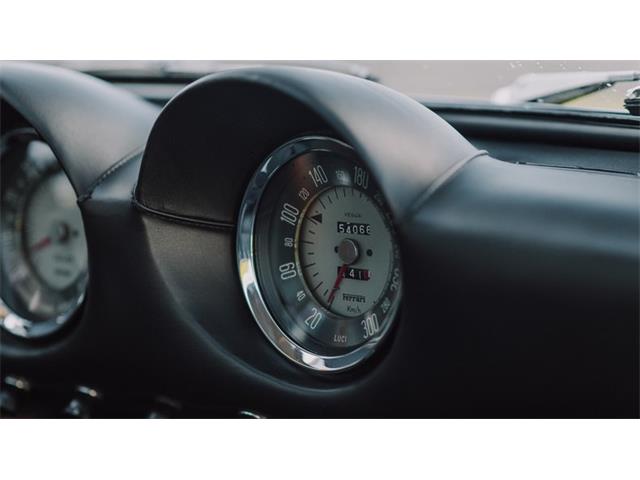
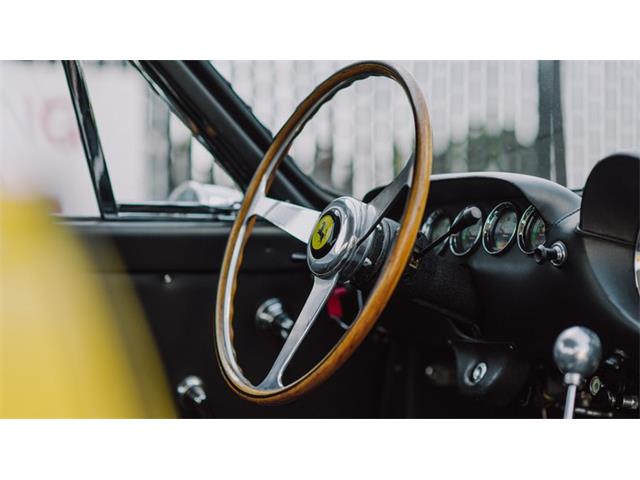
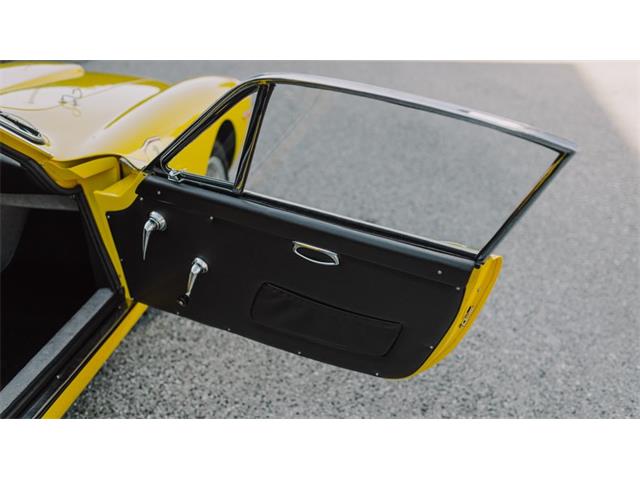
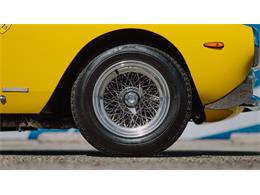
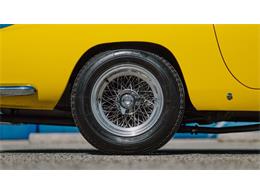
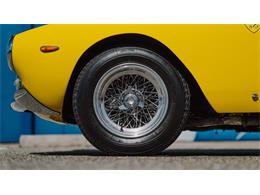
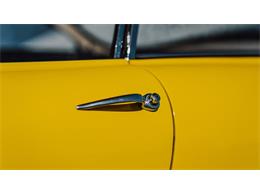
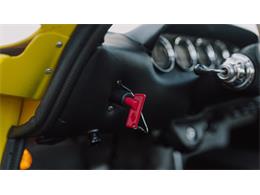
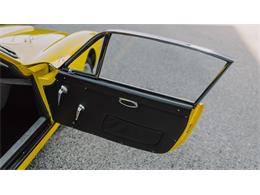
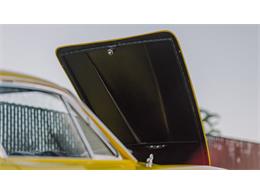
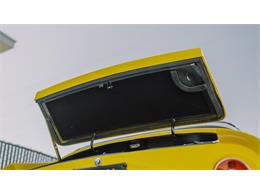
Still as vivid as ever in its yellow livery over black leather
upholstery, Lusso 5847 has since shed its tricolore stripes,
roundels, and period logos for a more factory look, also reverting
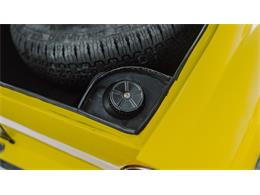
to its factory bumper configuration. It still retains hints of its
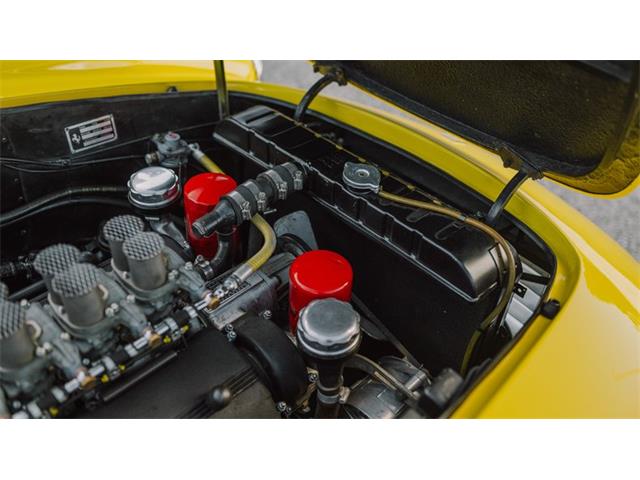
prior competition life including the six-carburetor intake, SNAP
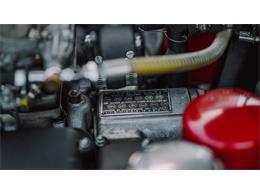
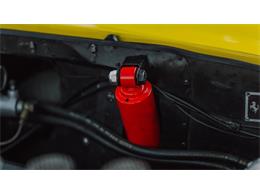
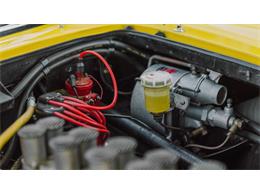
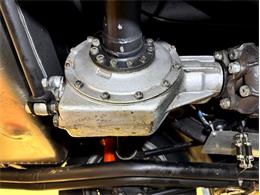
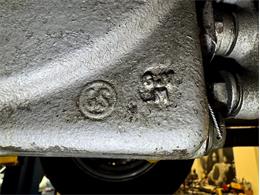
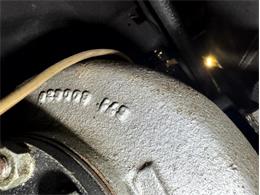
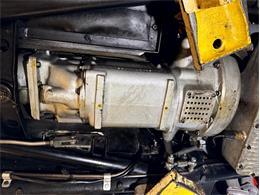
exhausts, and an alloy fuel tank. Importantly, this Lusso appears
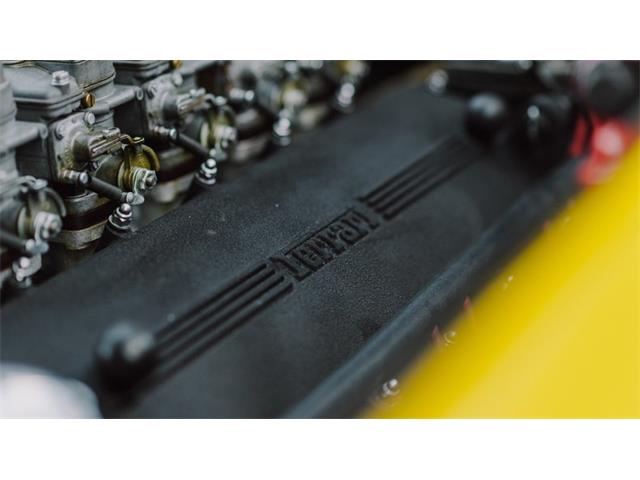
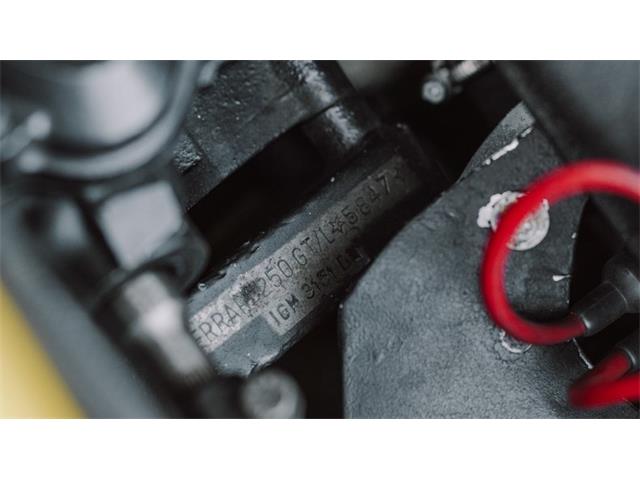
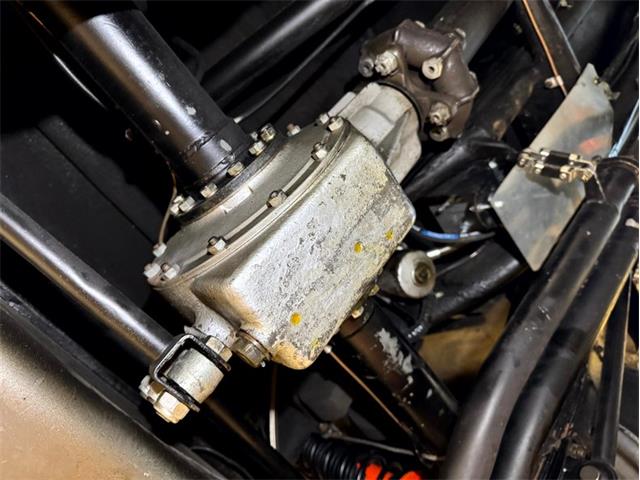
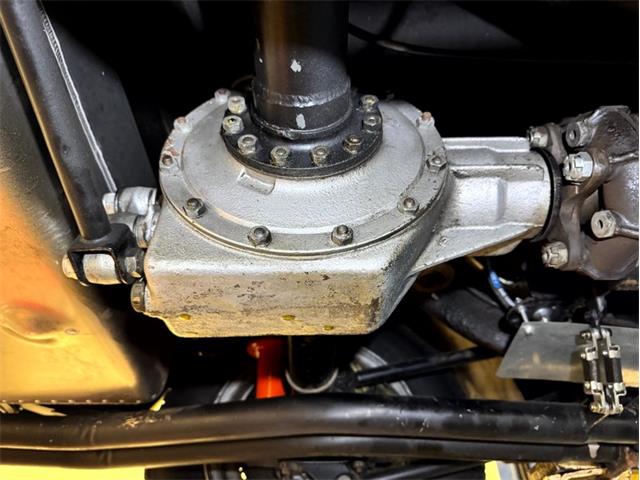
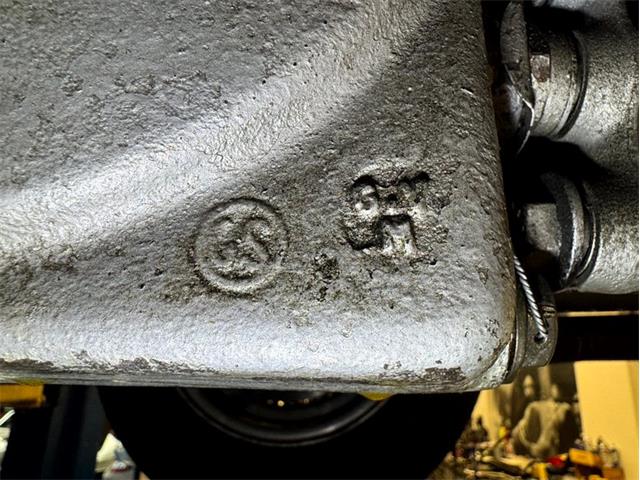
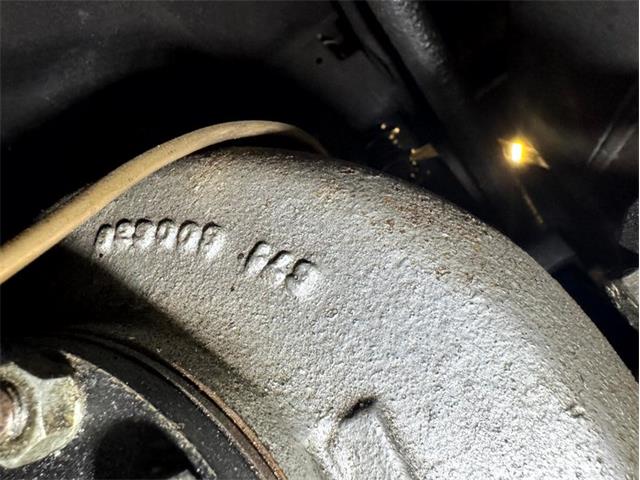
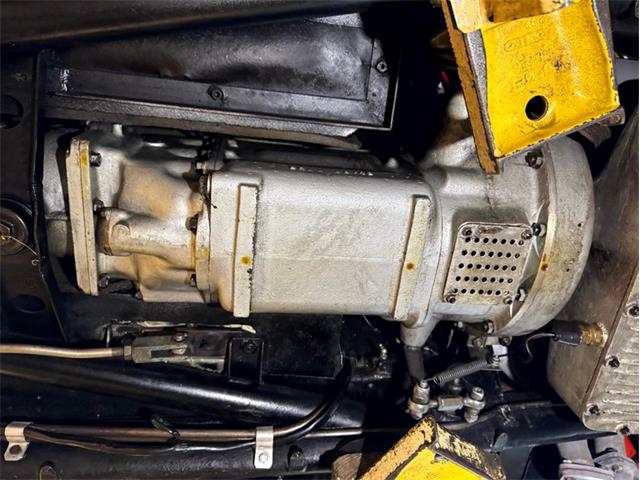
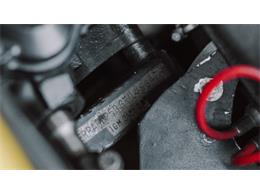
to retain its complete original drivetrain, sporting its original
matching numbers Tipo 168 250 V12 engine, and transmission and rear
end whose stamped numbers correspond to those found on Marcel
Massini's report.
It is offered with an extensive history file including copies of
its original factory build sheets, fascinating period
correspondence from the 1970-1972 period documenting Tom Trana's
...for more information please contact the seller.
ClassicCars.com has been recognized as one of the fastest-growing private companies in the United States, successfully making the Inc. 5000 list in both 2015,
2016, 2017 and 2018. This prestigious accolade represents the continued growth of the company, and ClassicCars.com's dominance as the world's largest online marketplace for
buying and selling classic and collector vehicles.
The Stevie Awards, the world's premier business awards recognized
ClassicCars.com's first-class Customer Support team with a Stevie Bronze Award in 2019, celebrating the team's skills as exemplary customer support specialists.
In 2016 The Journal, brought to you by ClassicCars.com, was celebrated as the SECOND MOST INFLUENTIAL automotive blog in the world by NFC Performance.