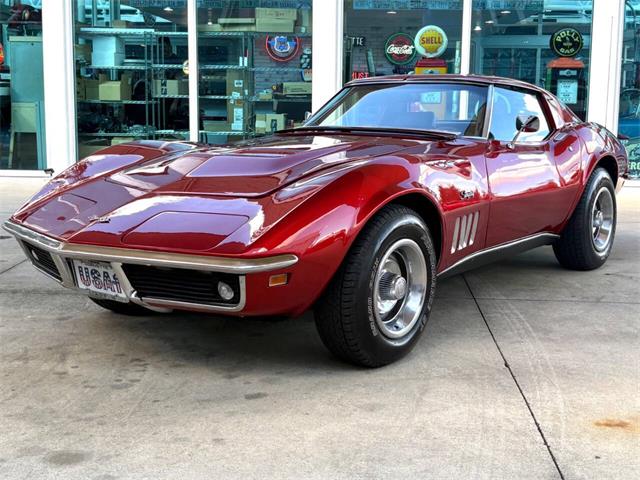
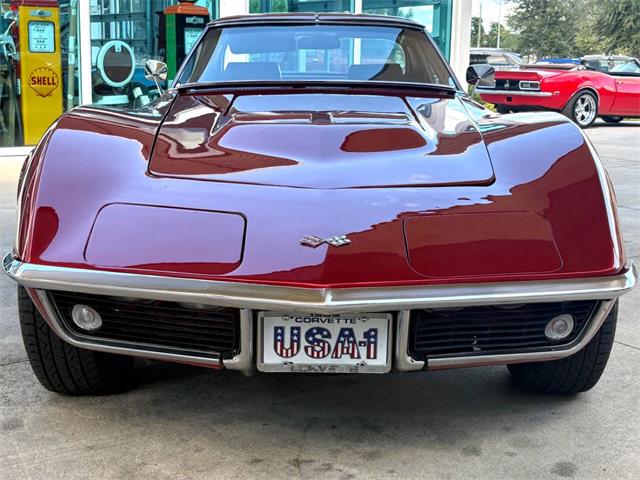
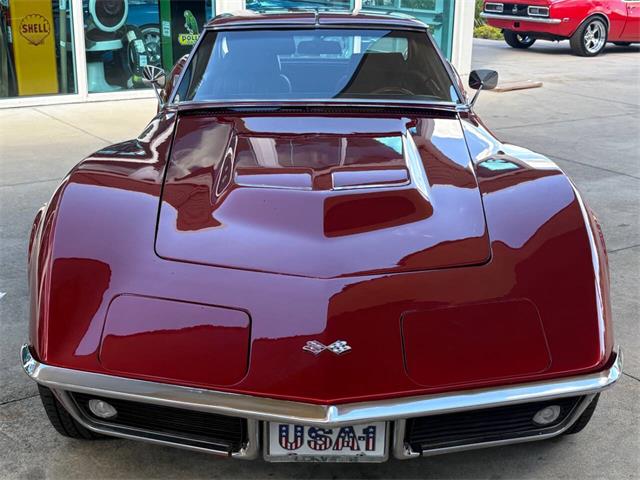
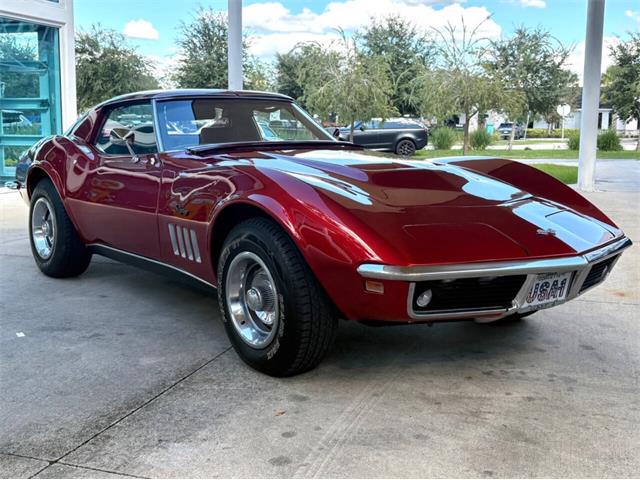
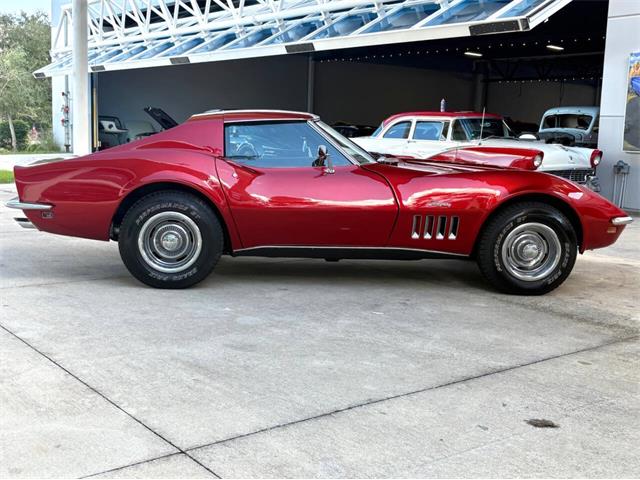
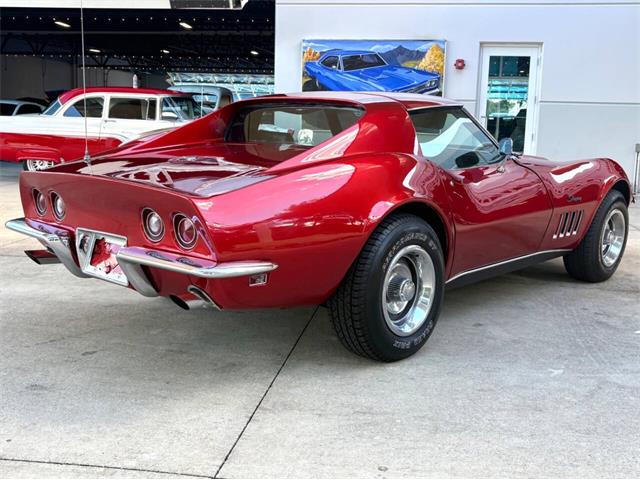
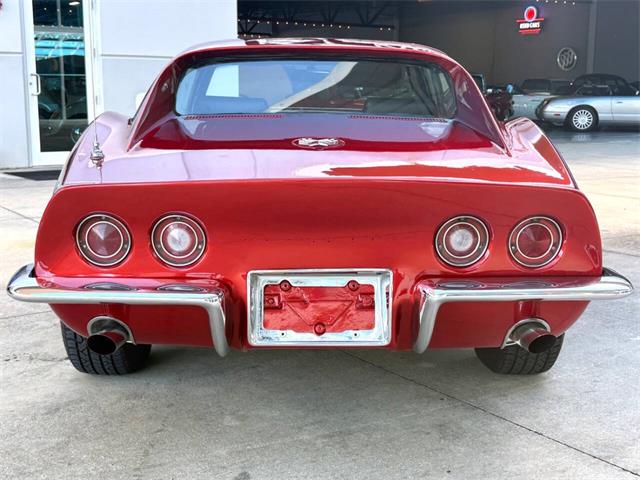
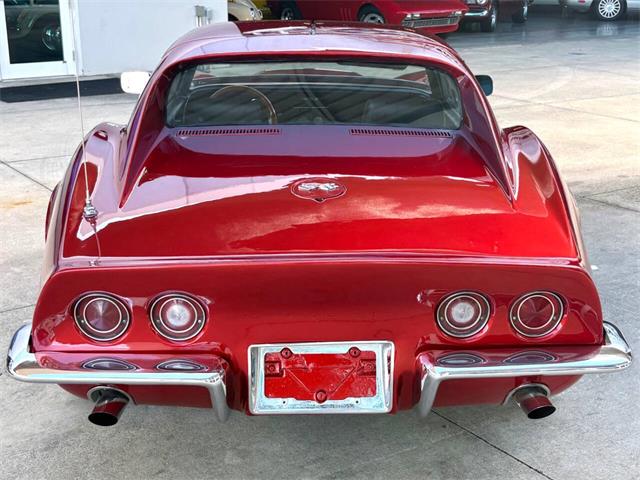
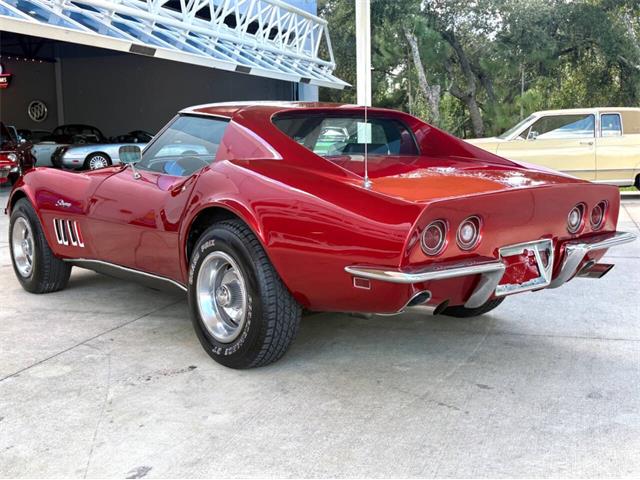
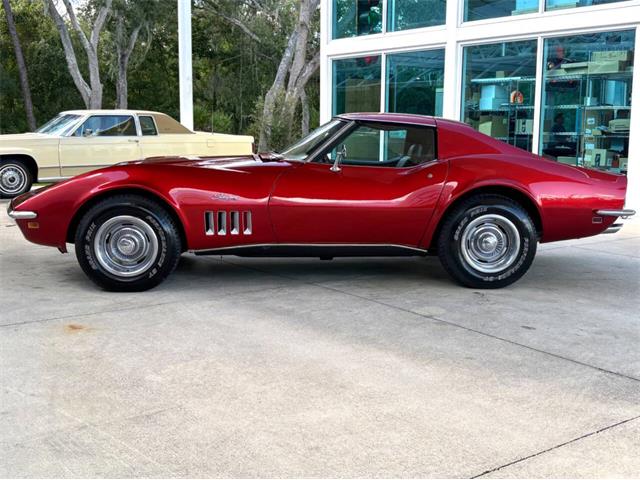
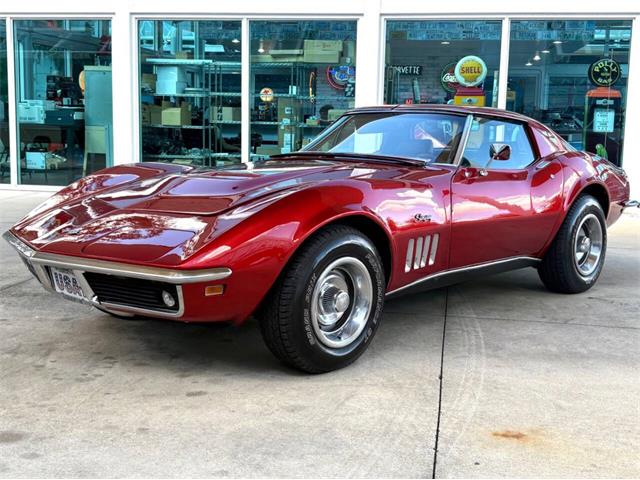
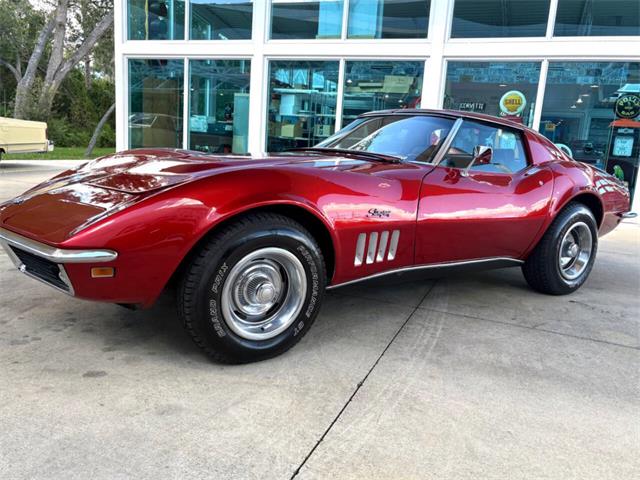
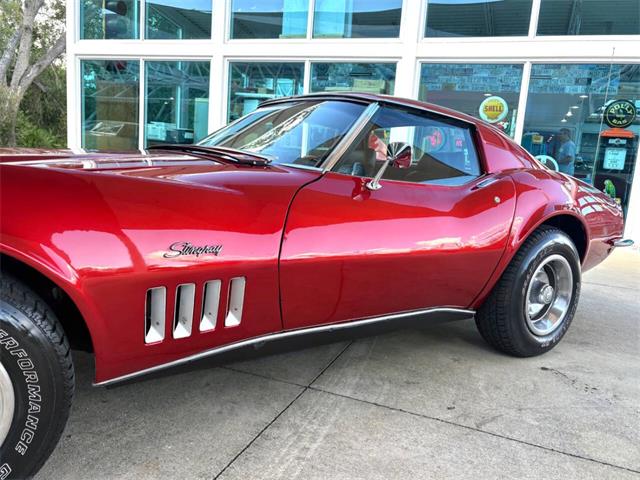
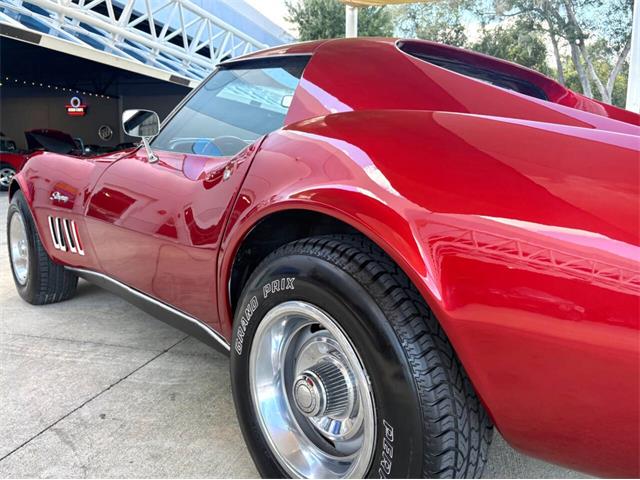
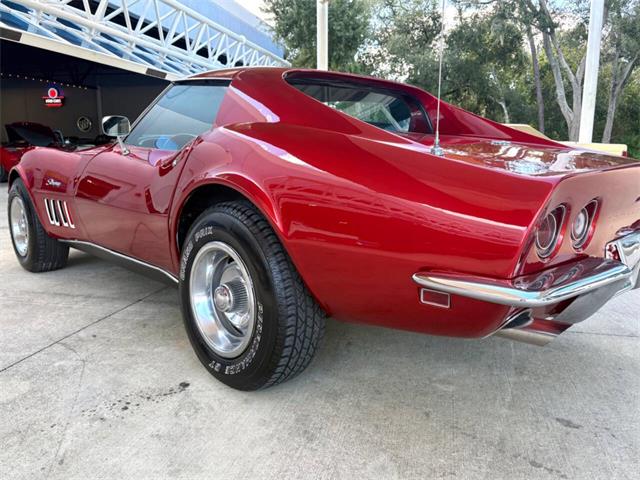
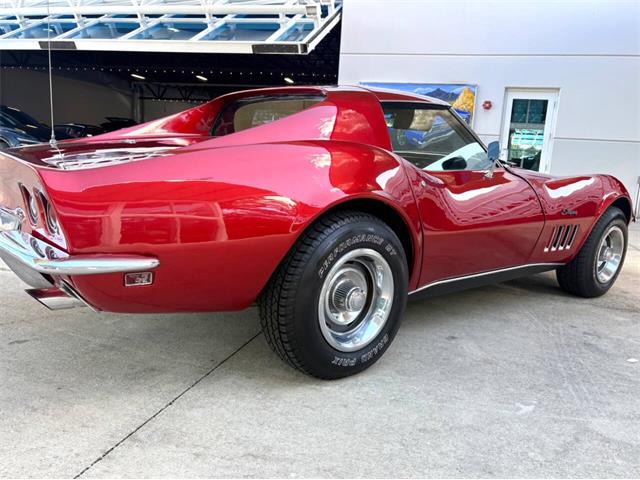
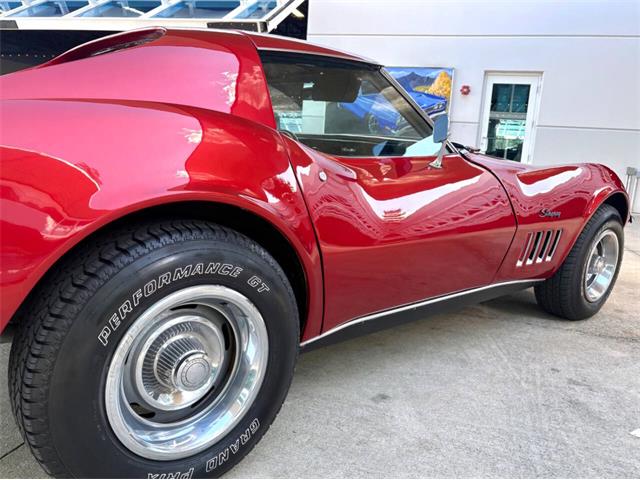
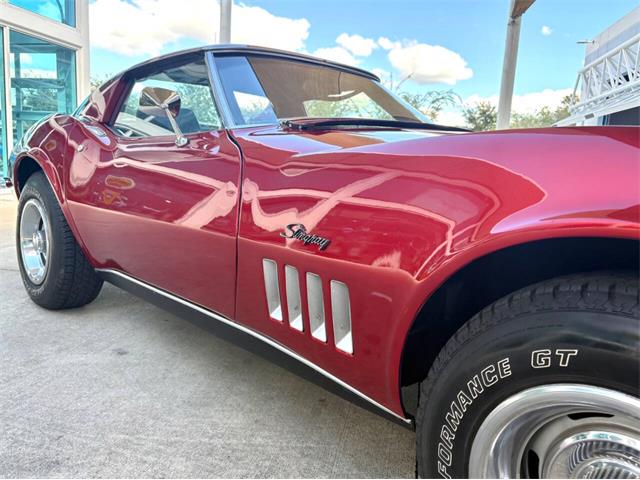
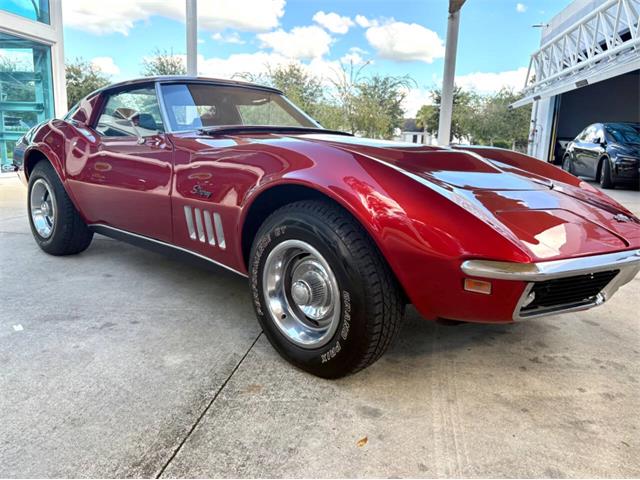
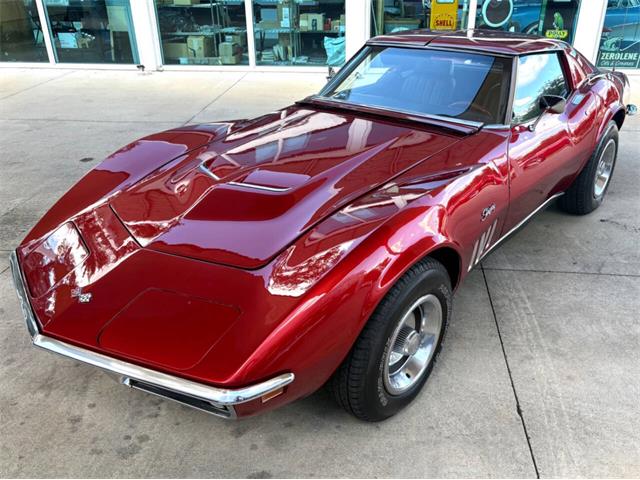
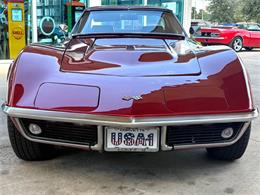
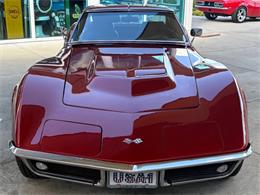
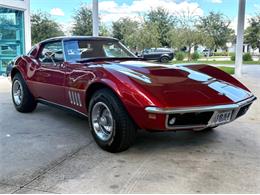
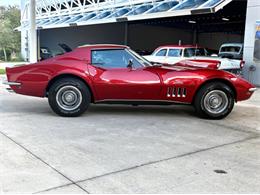
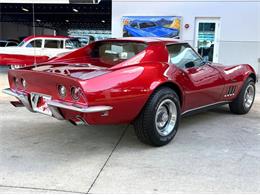
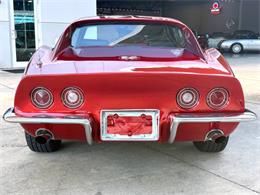
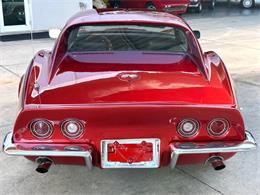
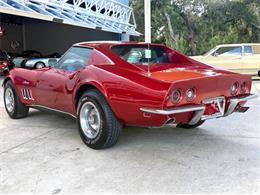
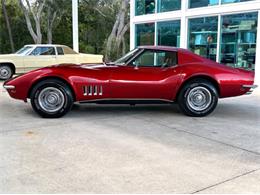
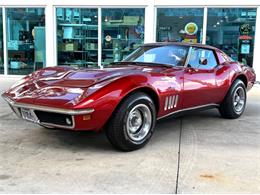
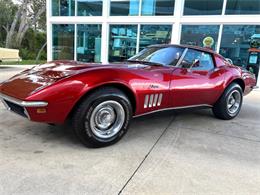
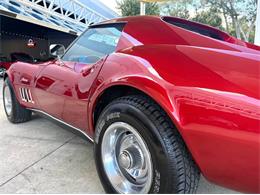
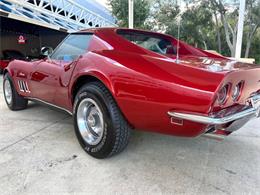
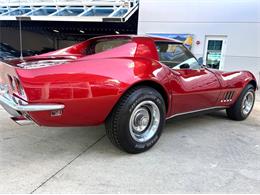
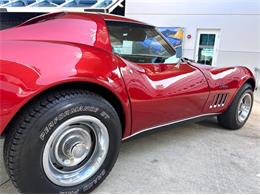
1969 Chevrolet Corvette Stingray T-Top �€" 350 Small Block, 4-Speed
Hurst, Monza Red Why This Car Is Special The 1969 Chevrolet
Corvette Stingray represents the peak of the C3 generation in terms
of driver engagement and mechanical refinement. Model year 1969 was
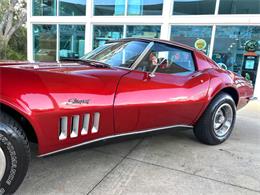
significant for several reasons. It was the first year the
'Stingray' name returned as a single word on the car's bodywork
after being absent since 1967. Chevrolet also widened the body
slightly compared to the 1968 introduction of the C3 platform,
which allowed for a wider interior and improved ergonomics. The
door openings were made deeper that year to make entry and exit
easier, and the steering wheel diameter was reduced from 16 inches
to 15 inches to give the driver a better sense of connection. These
were not random changes �€" they were targeted refinements made in
direct response to driver feedback from the first year of the C3
body style. Production for 1969 reached 38,762 units, making it the
highest-production year in Corvette history up to that point. Of
those, 22,154 were sport coupes with the removable T-top roof
panels, which is the body style you see here. The T-top coupe was
the practical choice for buyers who wanted the open-air experience
without committing to a convertible, and its structural advantages
made it the more sorted-driving car of the two body options. This
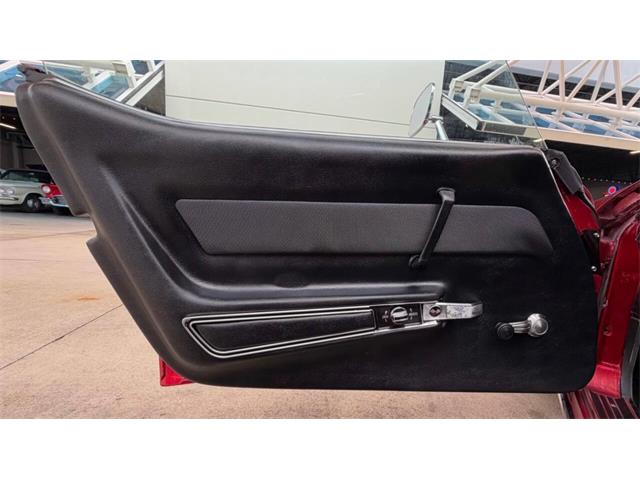
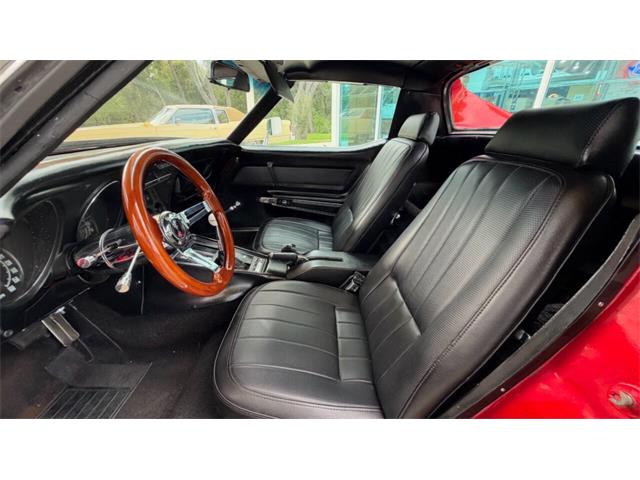
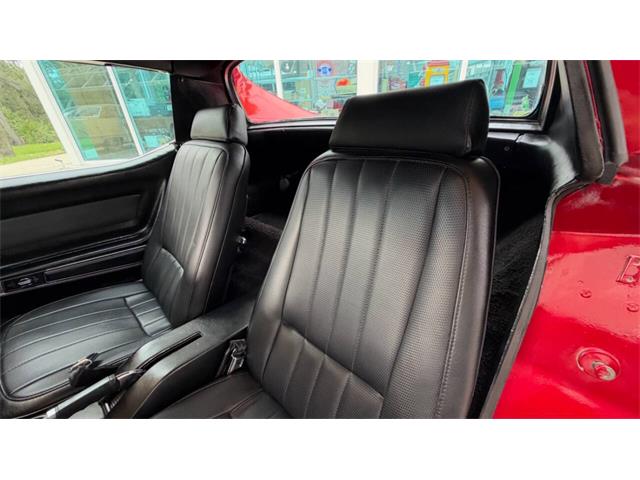
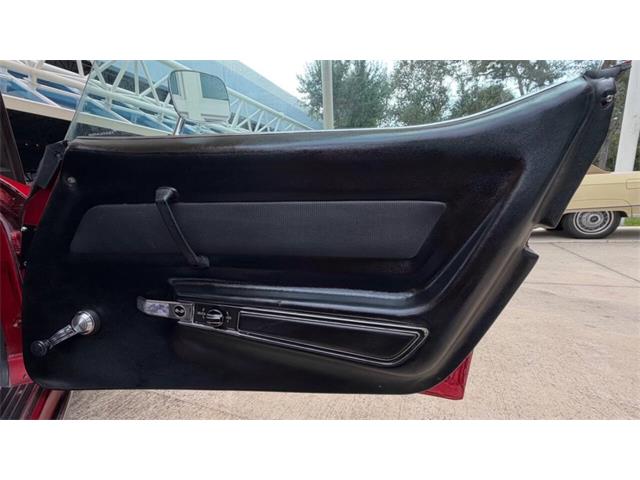
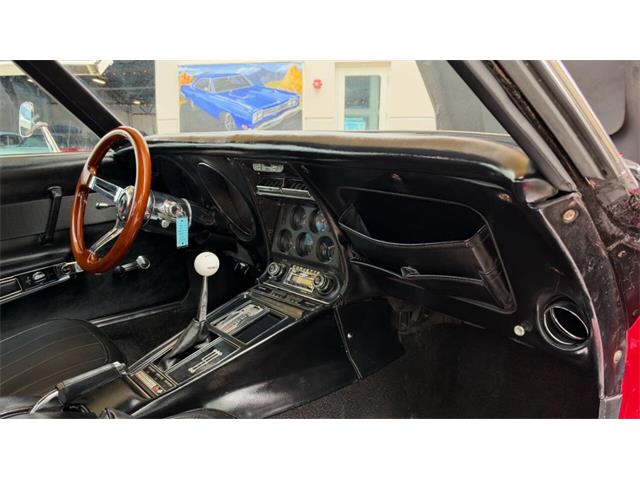
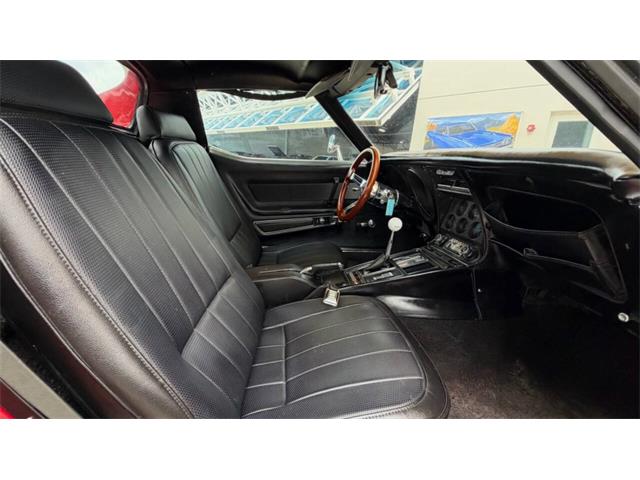
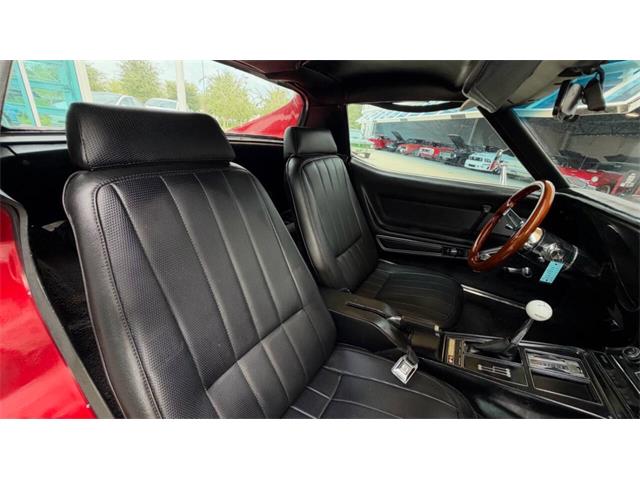
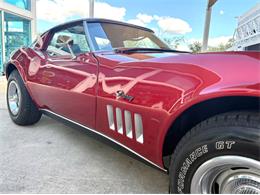
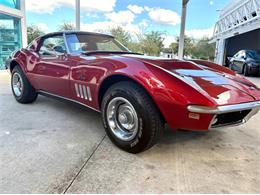
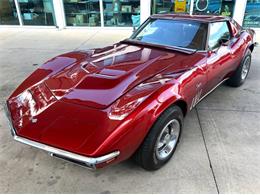
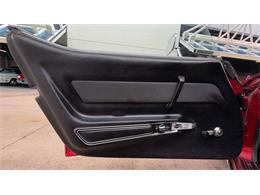
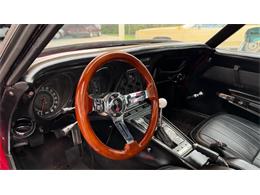
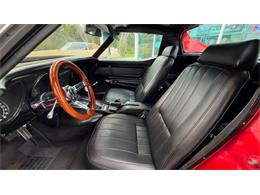
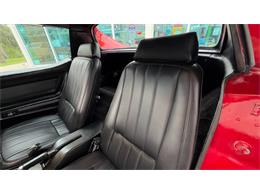
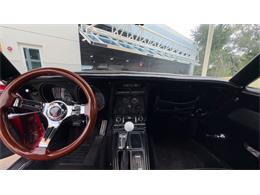
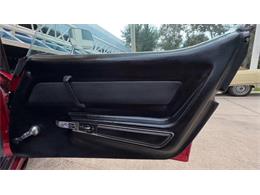
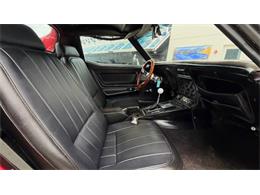
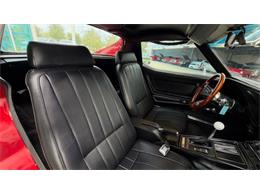
particular 1969 Chevrolet Corvette Stingray wears Monza Red over a
black vinyl interior �€" one of the most period-correct and
visually direct color combinations available that year. The 350
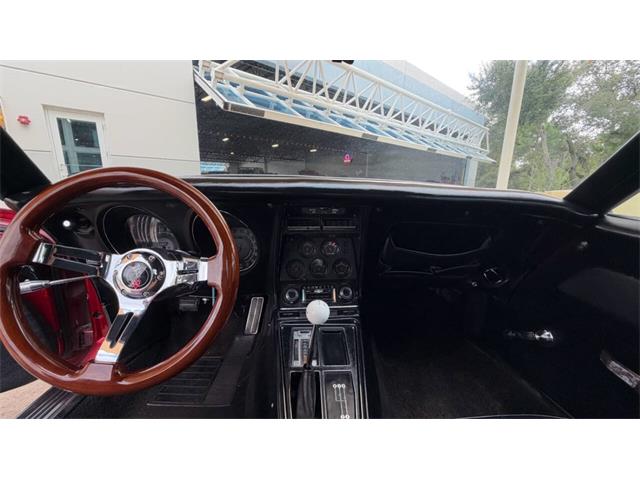
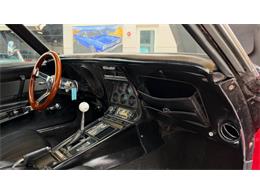
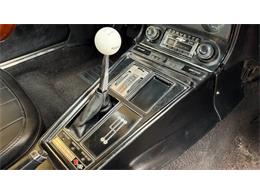
cubic inch small block V8 is backed by a 4-speed manual
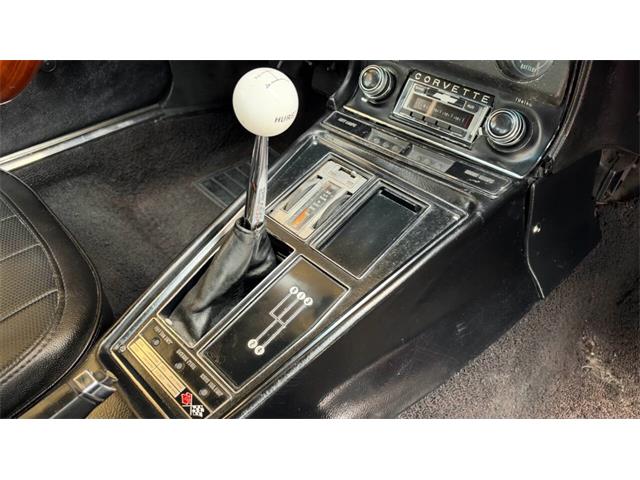
transmission topped with a Hurst shifter, a combination that
represents exactly how most buyers in 1969 ordered their Corvette
when they planned to drive it rather than display it. The 350 was
introduced to the Corvette lineup in 1969 as a replacement for the
327, and it went on to become one of the most widely respected
American V8 engines ever produced. Features List - 350ci Small
Block V8 - 4-Speed Manual Transmission with Hurst Shifter -
Removable T-Top Roof Panels - Removable Rear Window - 4-Wheel Disc
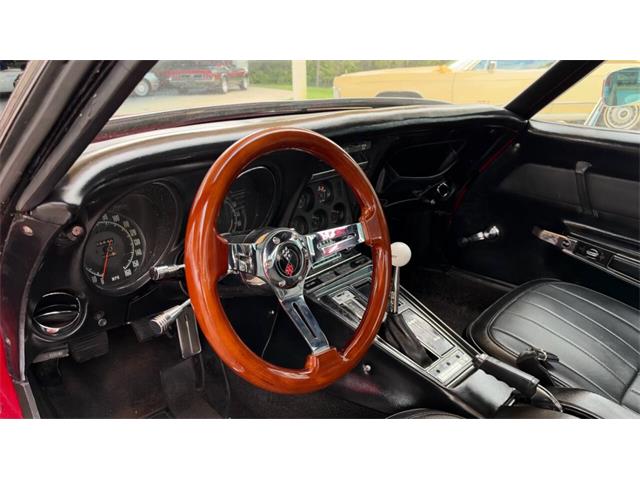
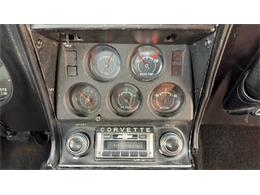
Brakes - Independent Rear Suspension - Wood Rim Steering Wheel -
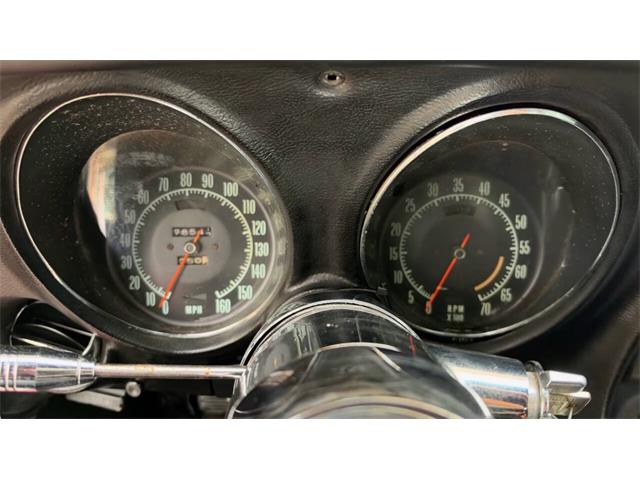
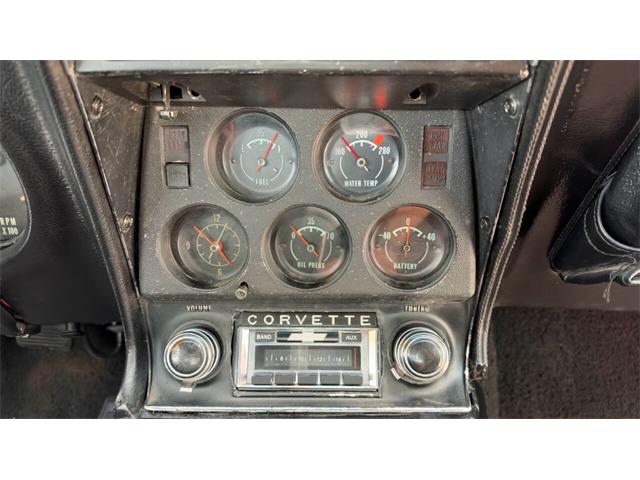
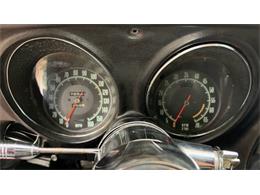
Center Console - Full Auxiliary Gauge Cluster - Tachometer - Bucket
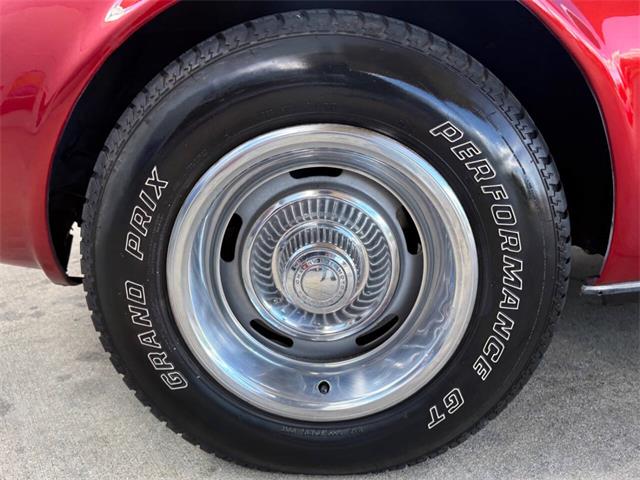
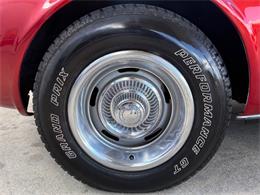
Seats with Headrests - Dual Exhaust - Chrome Air Cleaner - Rally
Wheels - White Letter Tires - Chrome Bumpers - AM Radio - Black
Vinyl Interior - Black Carpet - Pop-Up Headlights Mechanical The
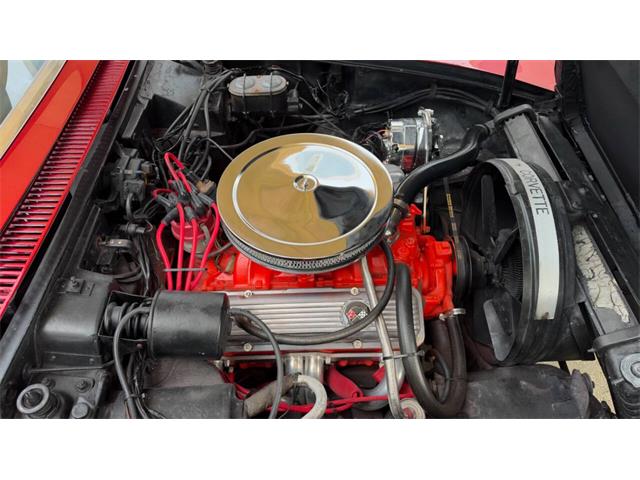
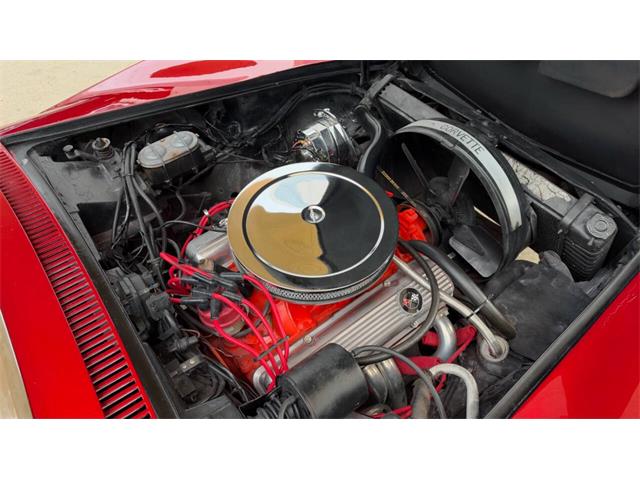
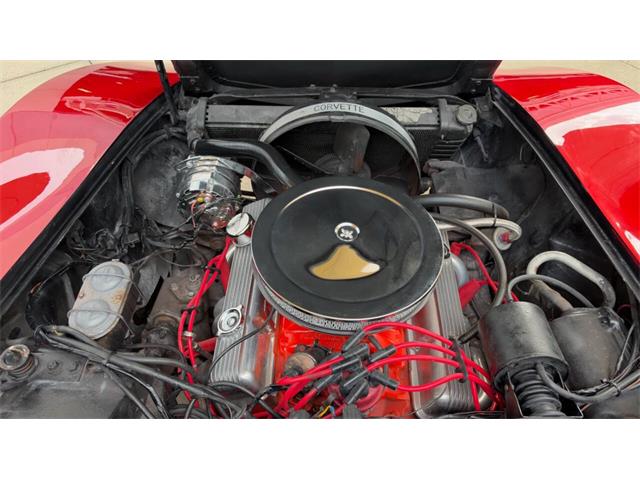
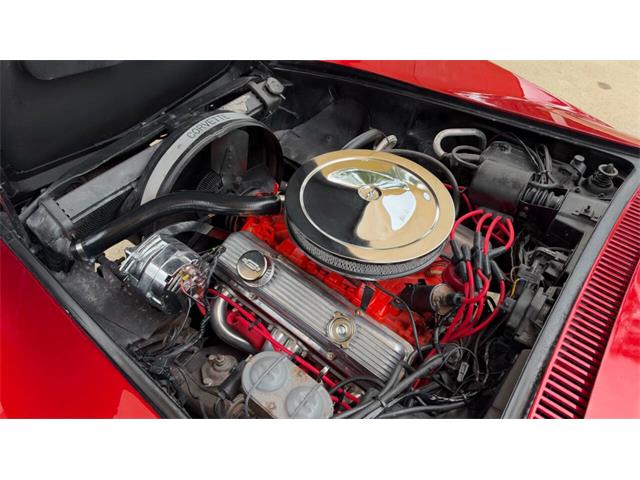
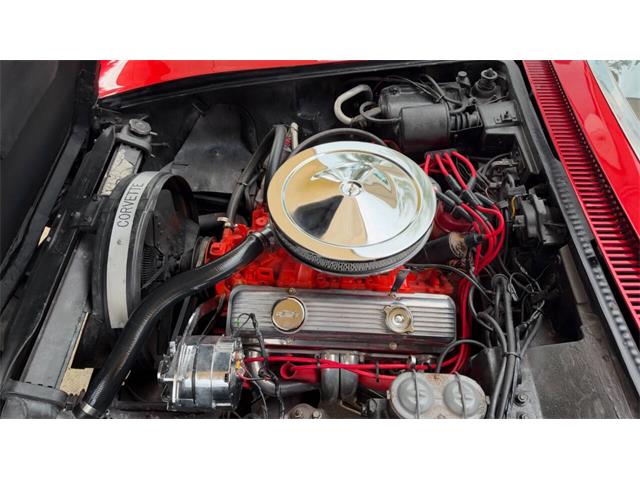
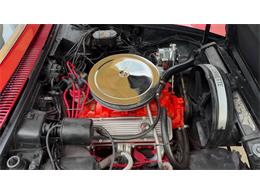
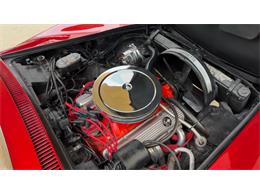
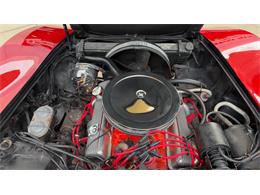
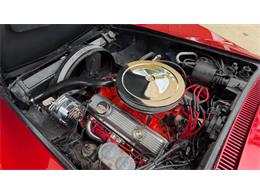
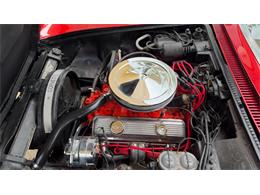
350 cubic inch small block V8 under this Corvette's hood was a
brand-new displacement option for 1969, and it became the
foundation of the Corvette's engine lineup for the next two
decades. The engine bay is presented with a chrome air cleaner,
polished valve covers, and red engine paint �€" a clean,
period-appropriate presentation that reflects the way these cars
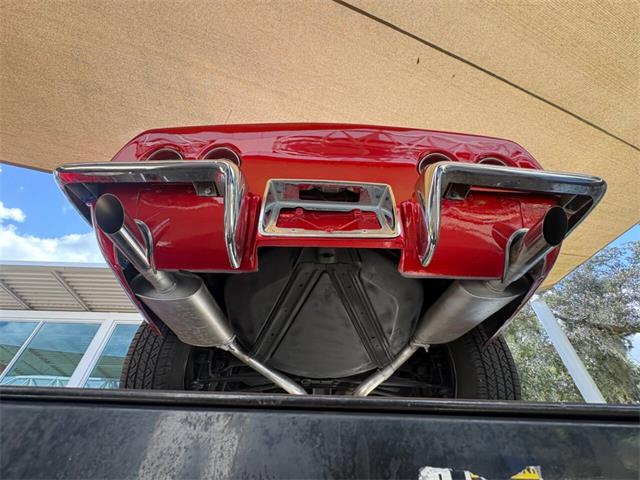
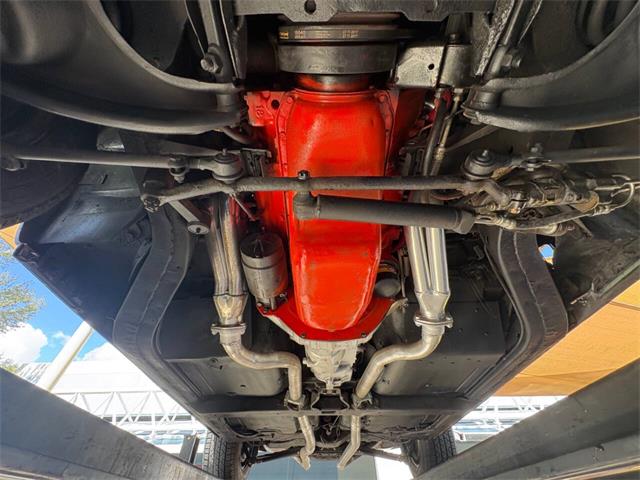
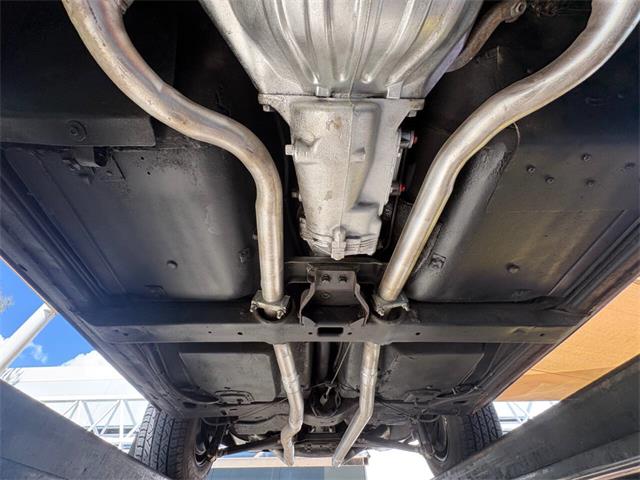
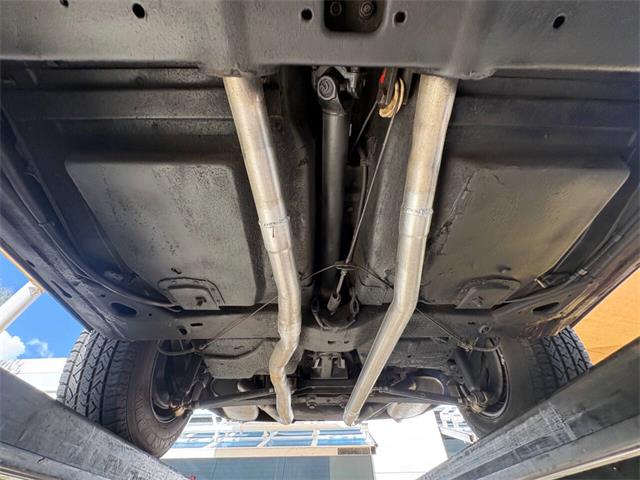
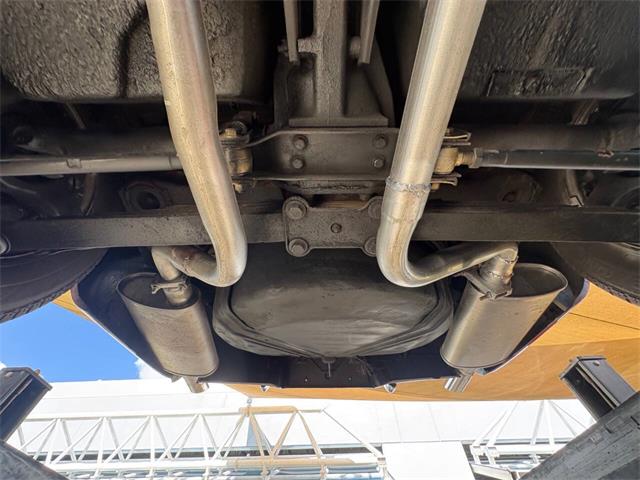
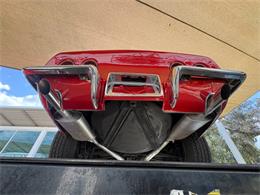
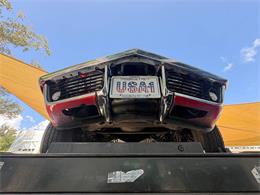
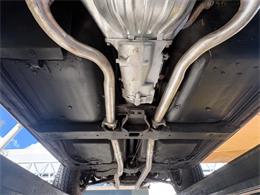
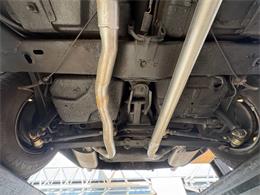
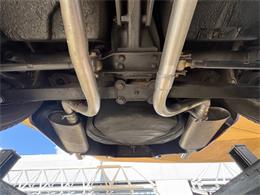
were built to look the part both inside and out. The dual exhaust
system exits through the correct chrome-tipped rear outlets, which
are a recognizable visual signature of the C3 Corvette from the
rear. The 4-speed manual gearbox is equipped with a Hurst shifter,
which was the industry standard for precision gear changes on
performance cars of this era. Hurst was not a budget option �€" it
was what serious drivers specified. The shifter's white ball knob
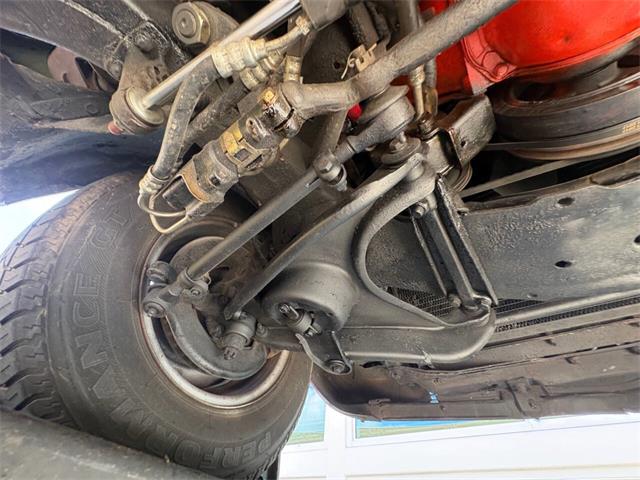
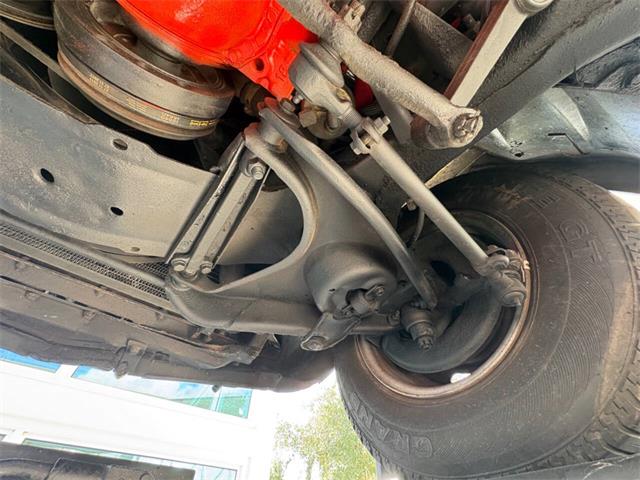
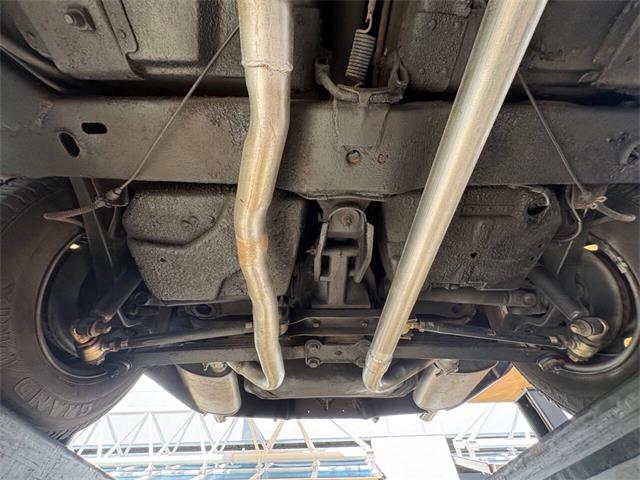
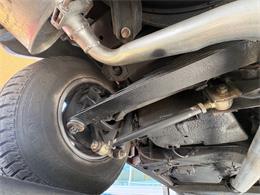
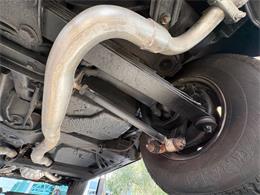
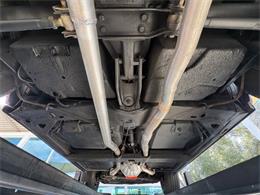
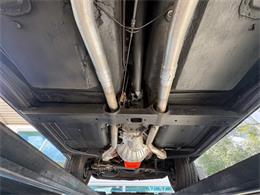
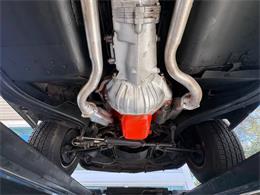
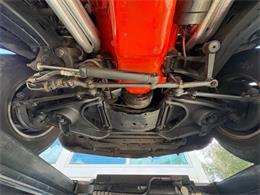
is visible and correct for the period. Underneath, this 1969
Corvette Stingray benefits from one of the most sophisticated
chassis setups in American production cars at the time. Four-wheel
disc brakes were standard equipment on every 1969 Corvette �€"
Chevrolet had made them standard across the entire lineup starting
in 1965, at a time when most American cars were still relying on
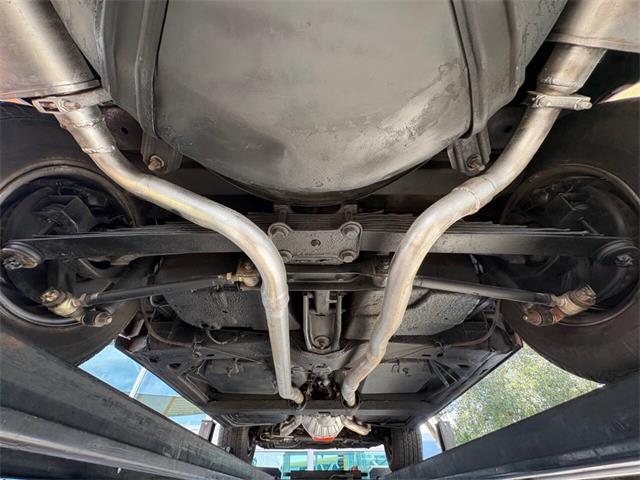
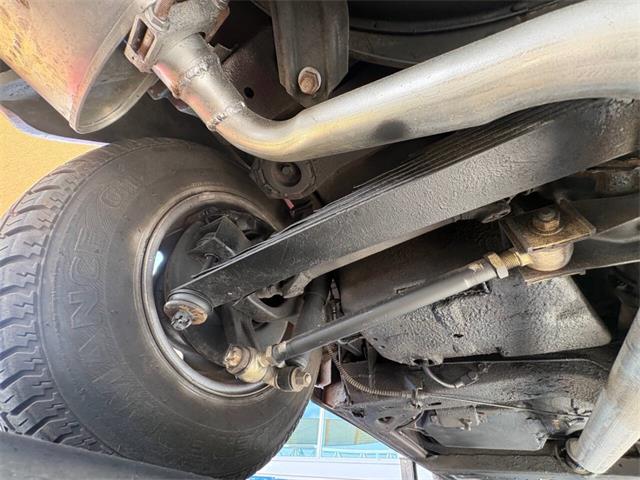
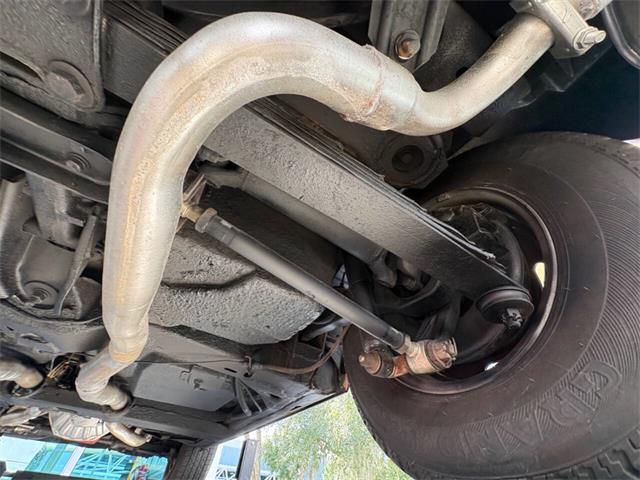
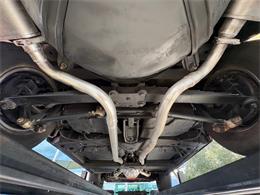
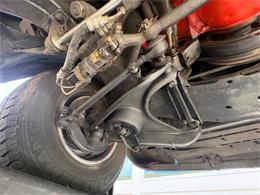
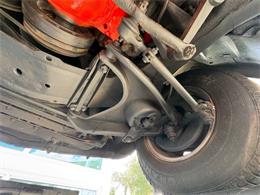
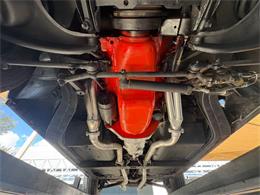
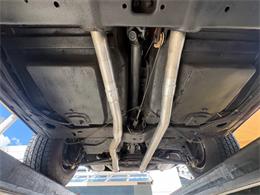
front drums. The independent rear suspension, which Corvette had
carried since 1963, uses a three-link design with a multi-leaf
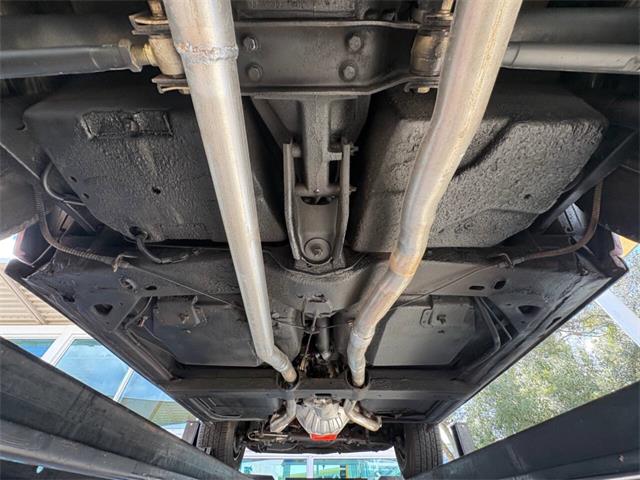
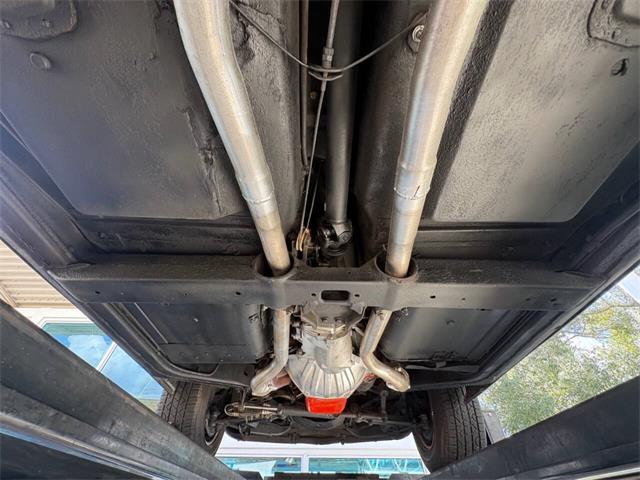
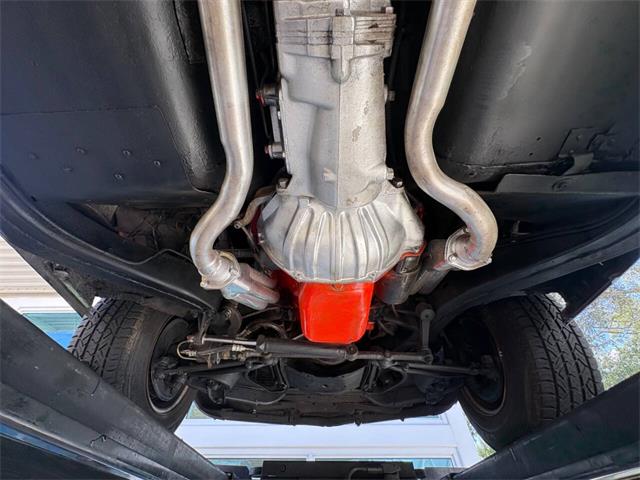
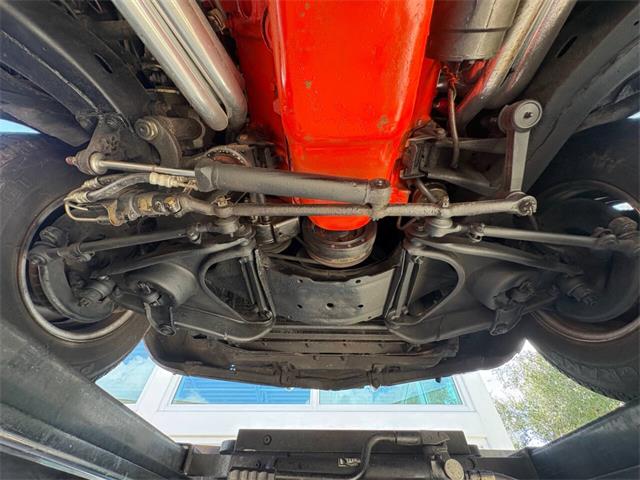
transverse spring. The undercarriage photos show the suspension,
exhaust routing, and differential housing in honest, unrestored
condition. There are no signs of structural compromise. Interior
Inside the
ClassicCars.com has been recognized as one of the fastest-growing private companies in the United States, successfully making the Inc. 5000 list in both 2015,
2016, 2017 and 2018. This prestigious accolade represents the continued growth of the company, and ClassicCars.com's dominance as the world's largest online marketplace for
buying and selling classic and collector vehicles.
The Stevie Awards, the world's premier business awards recognized
ClassicCars.com's first-class Customer Support team with a Stevie Bronze Award in 2019, celebrating the team's skills as exemplary customer support specialists.
In 2016 The Journal, brought to you by ClassicCars.com, was celebrated as the SECOND MOST INFLUENTIAL automotive blog in the world by NFC Performance.