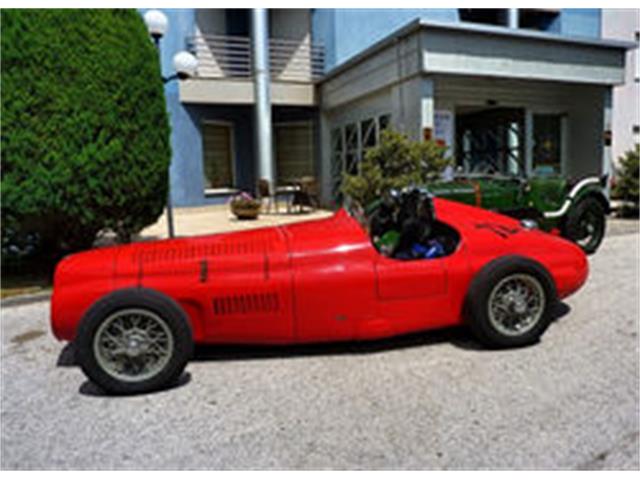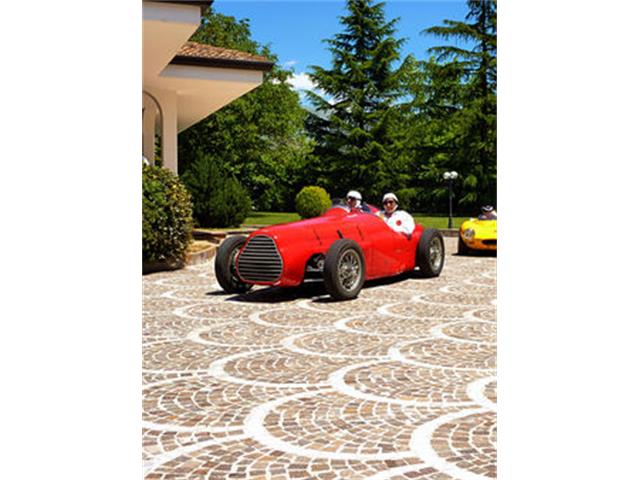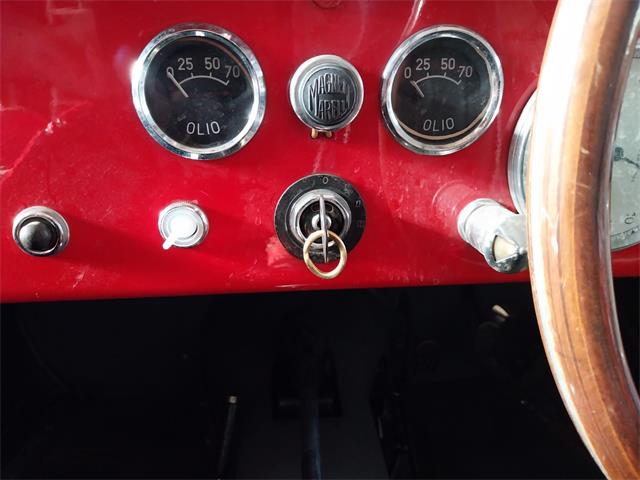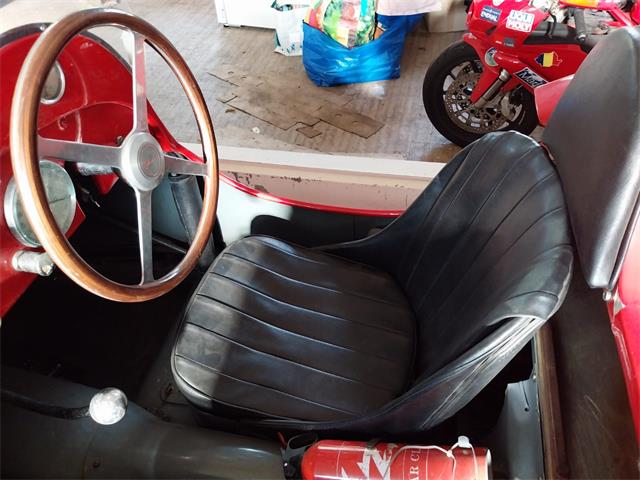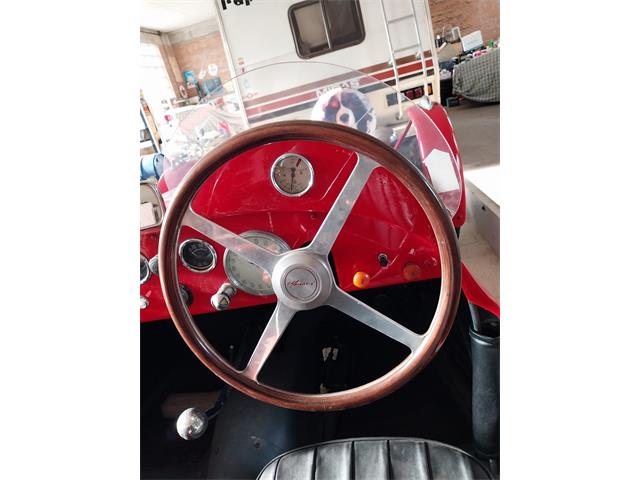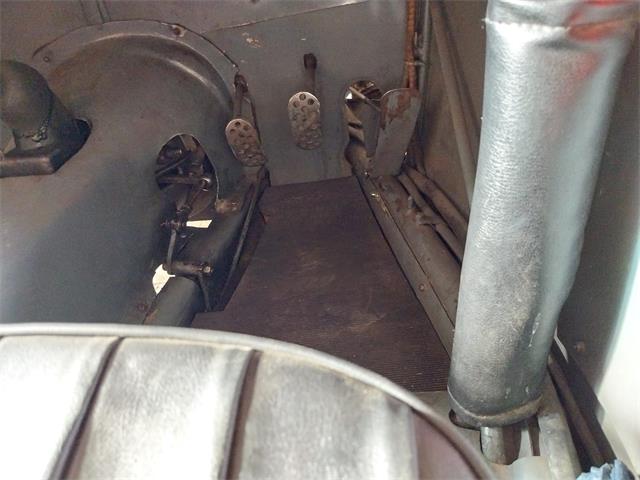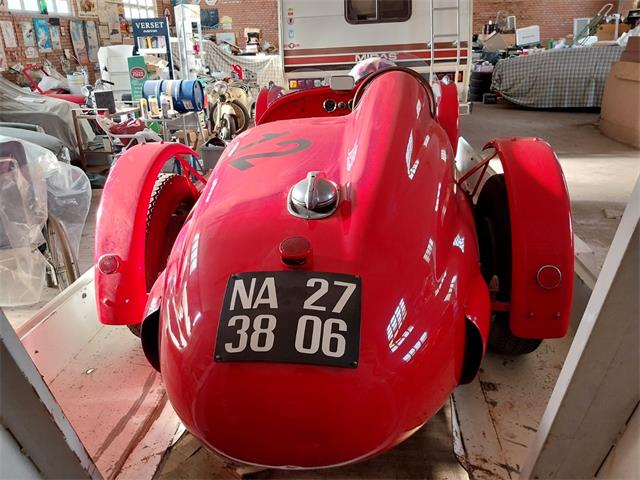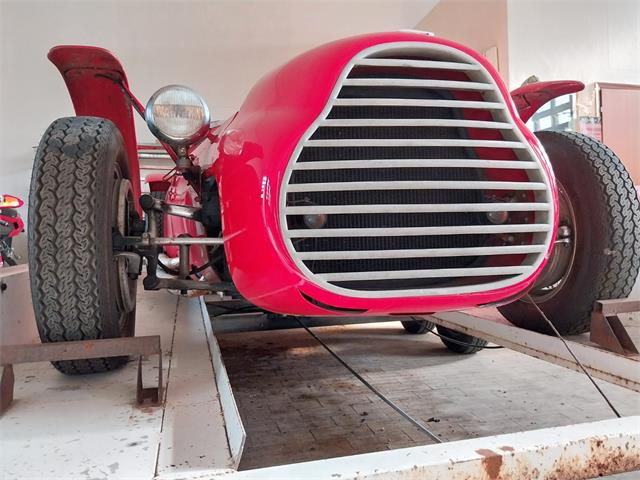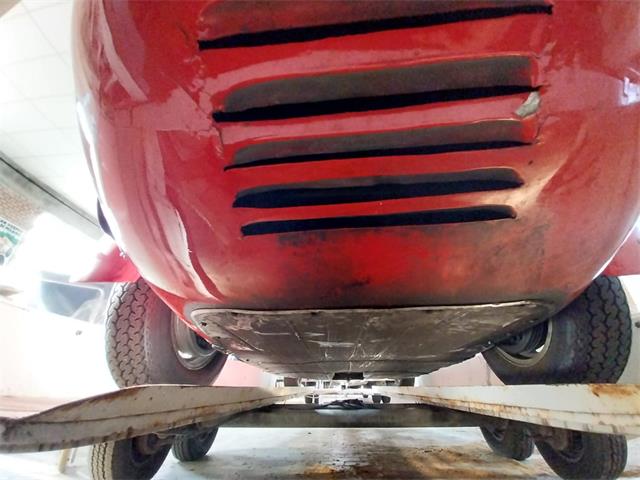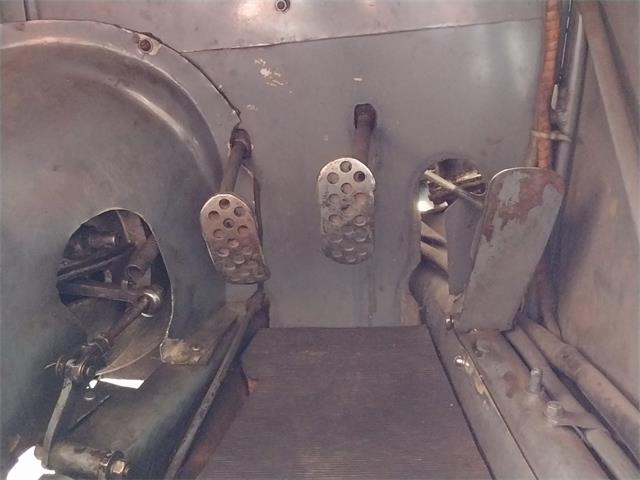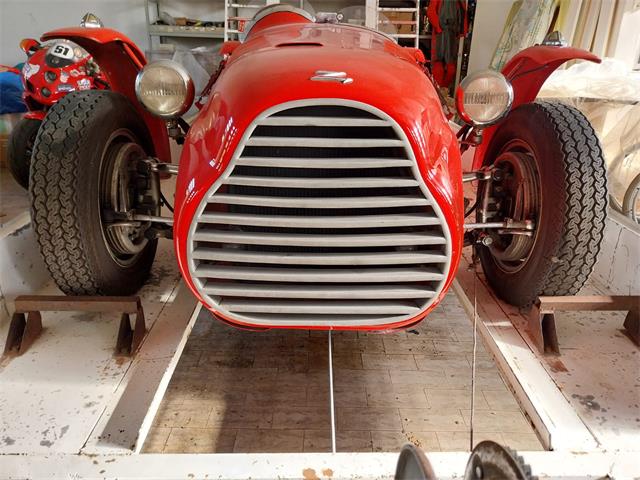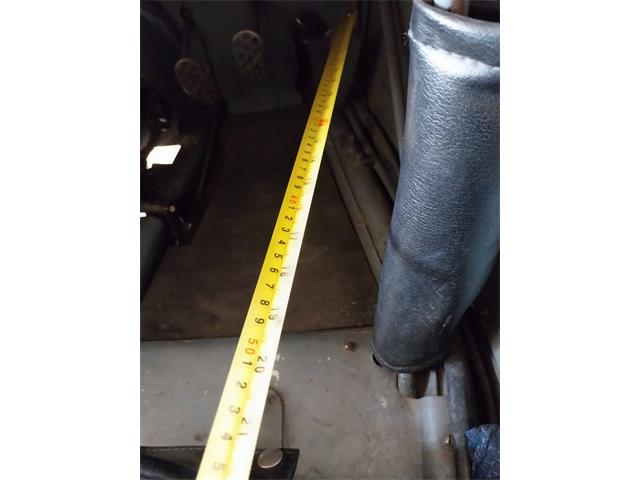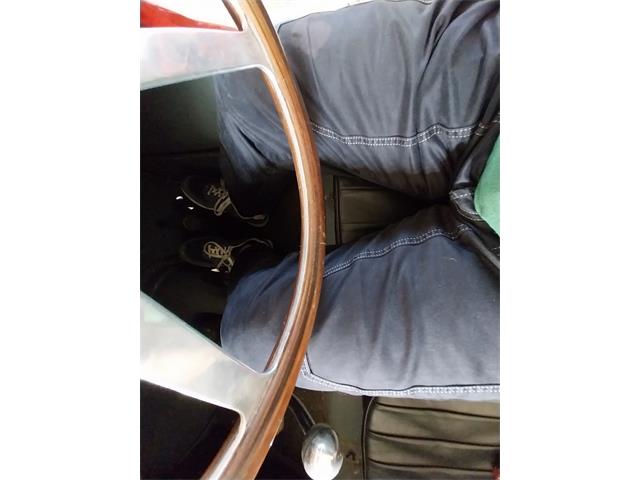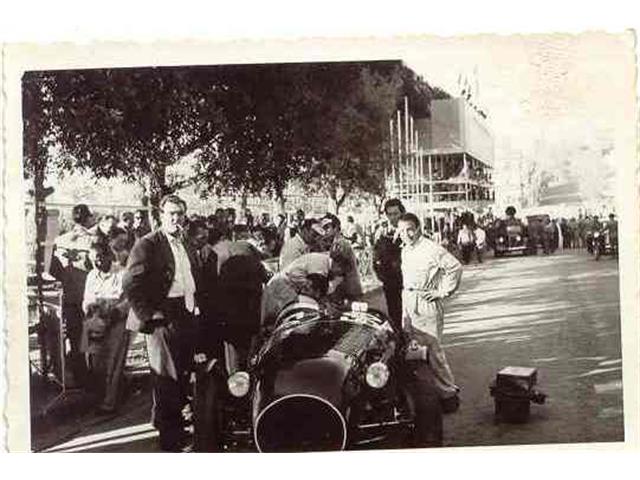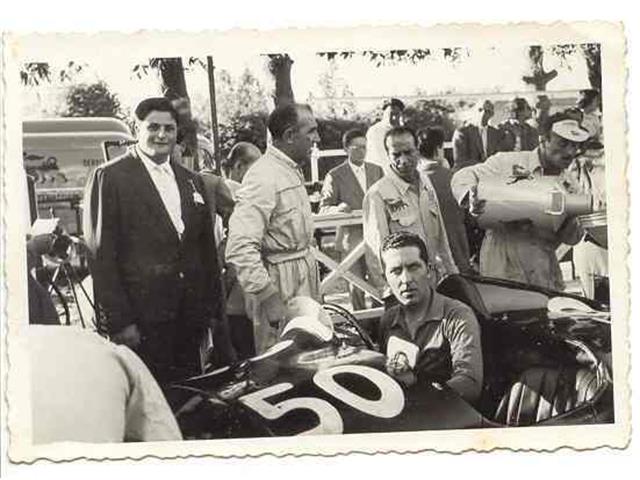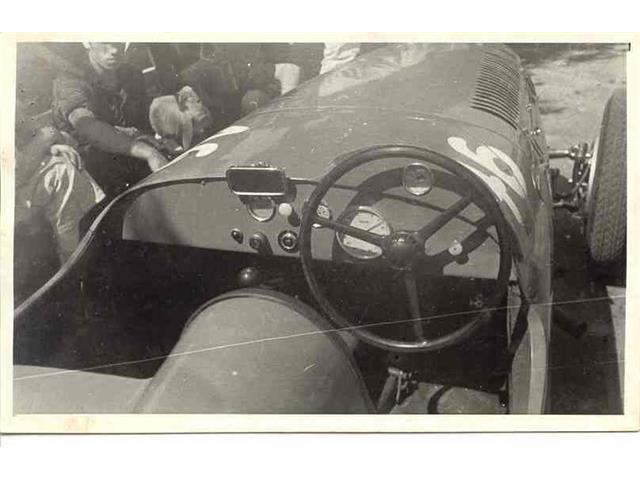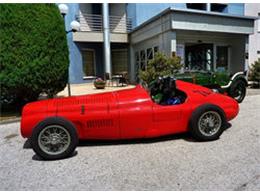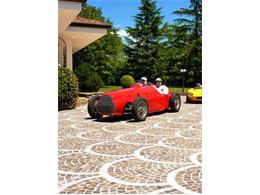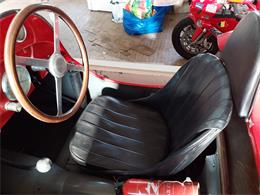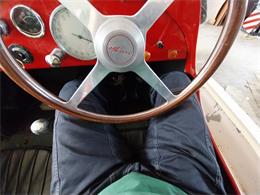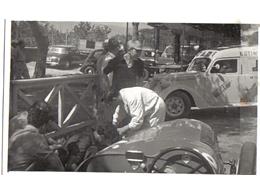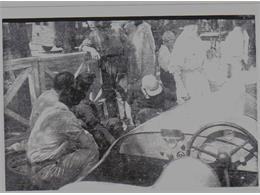
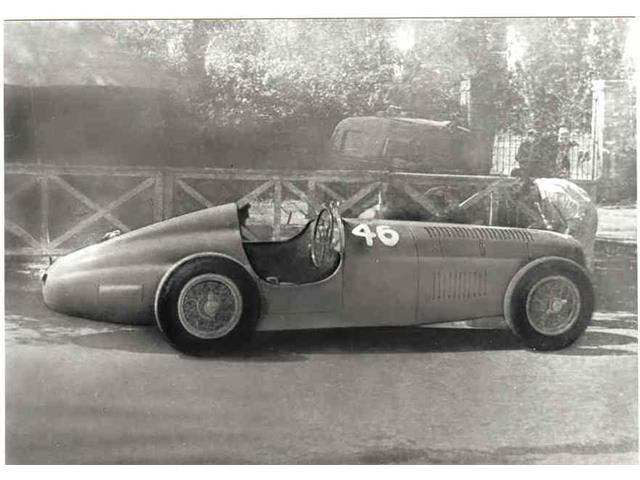
Monaci Bimotore 8C Zagato
Ciro Monaci's Idea
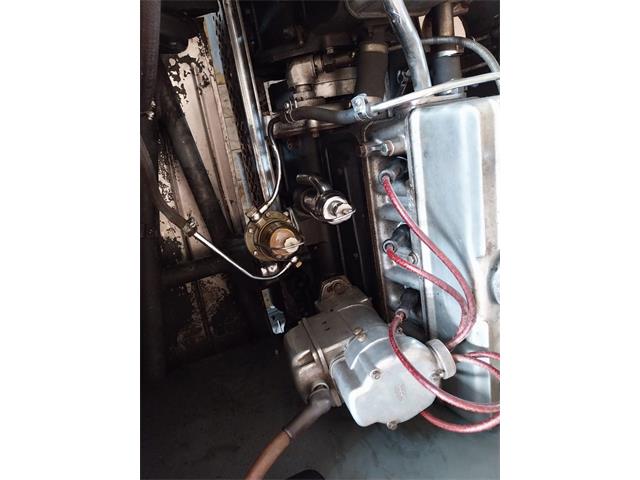
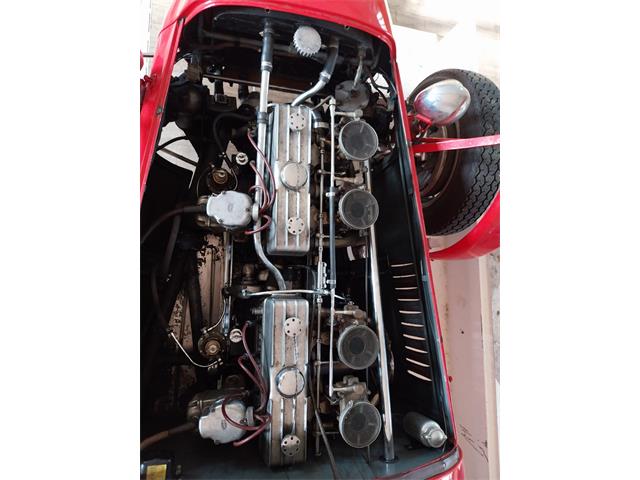
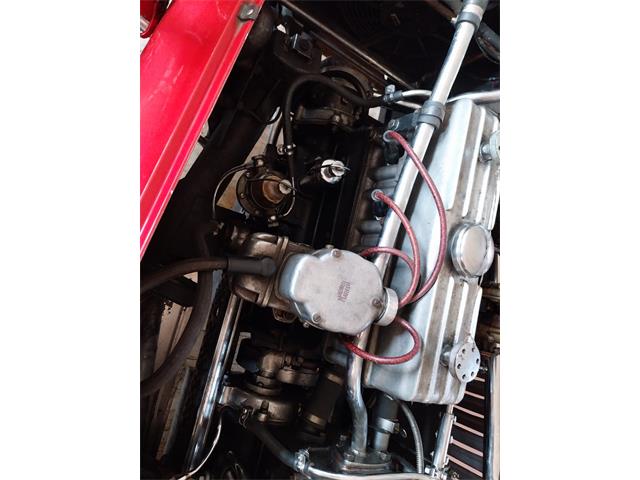
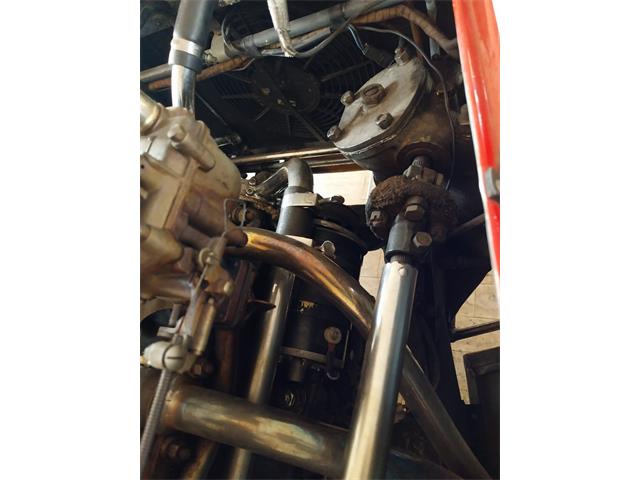
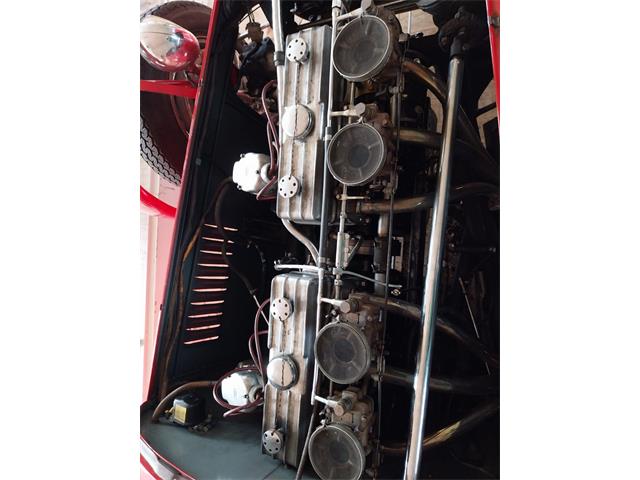
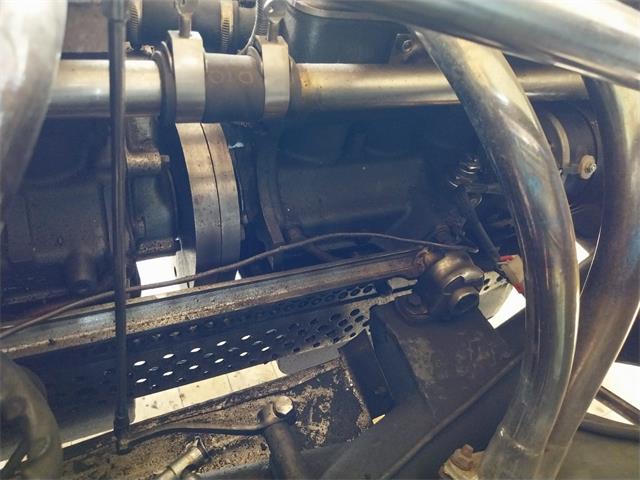
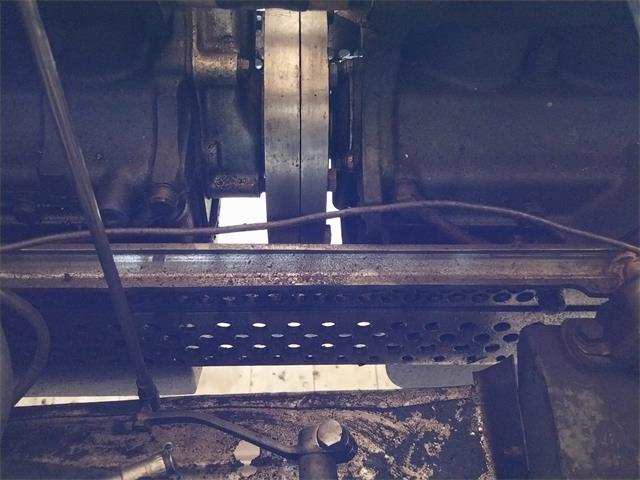
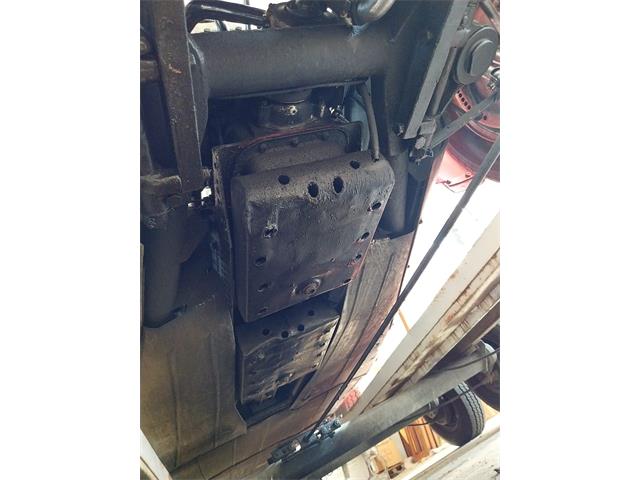
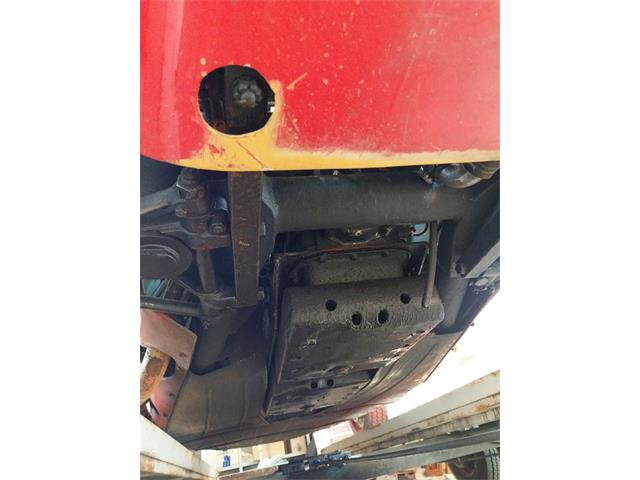
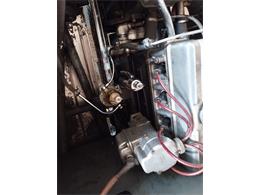
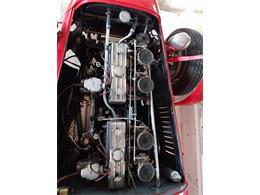
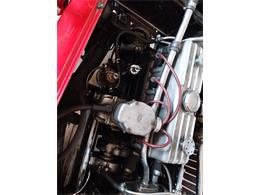
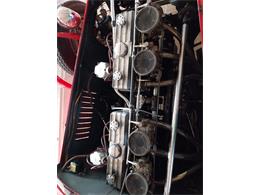
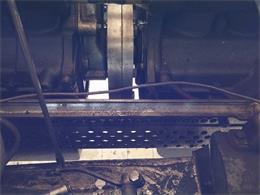
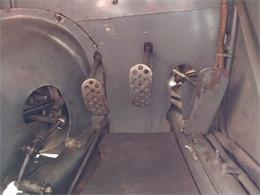
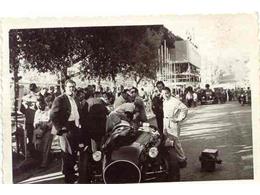
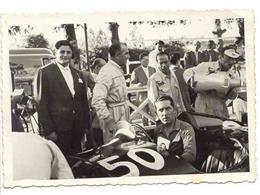
In the late 1940s, Ciro Monaci built a racing car using a system of his own invention for coupling two engines derived from the Fiat 500 "Topolino," so as to increase power while keeping running costs reasonably low. This car, driven by various drivers including Ciro Monaci himself, Giovanni Rocco and Giuseppe Ruggiero, took part in several competitions with results satisfying enough to convince its builder to patent the engine-coupling system, and then to pursue his dream of seeing one of his creations race on the track alongside famous cars and drivers. the first Monaci had two engines derived from the Fiat 500; mine—which is the subsequent evolution, developed after the patent—has two engines derived from the Fiat 1100 S, with their displacement reduced to 1000cc and, if I’m not mistaken, featuring 7 main bearings.
Design and Construction
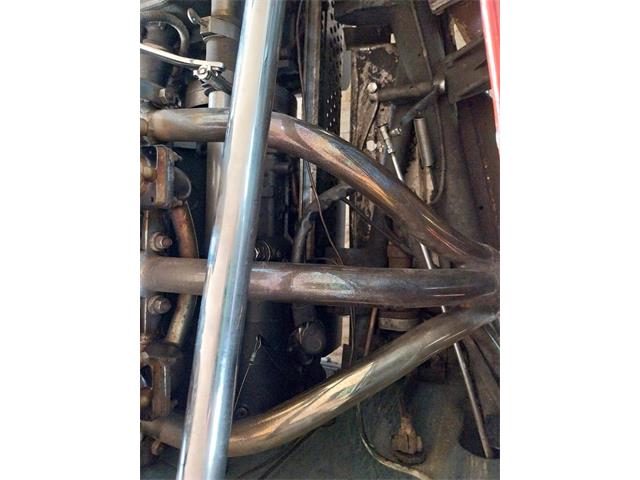
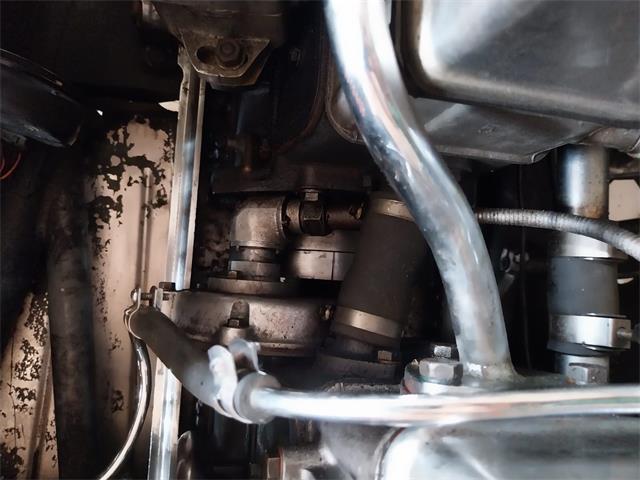
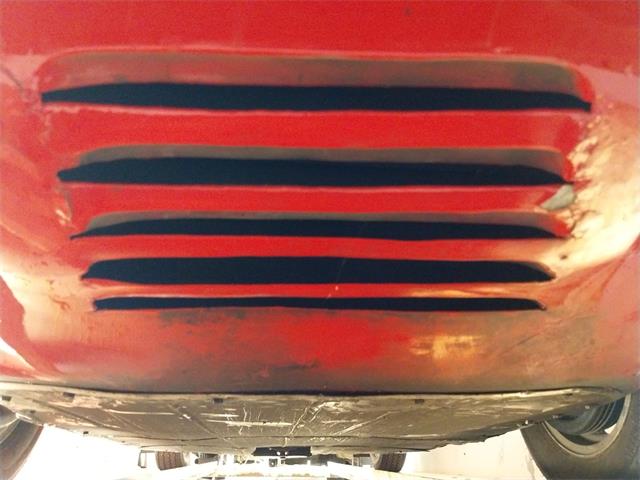
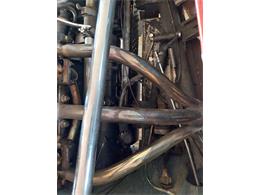
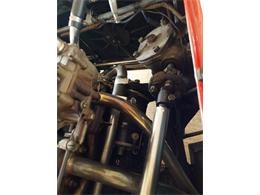
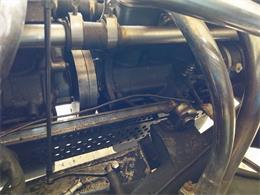
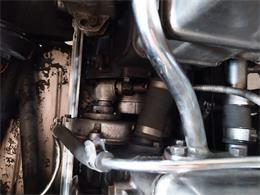
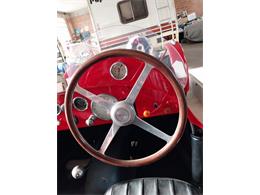
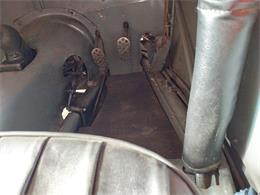
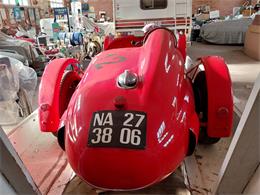
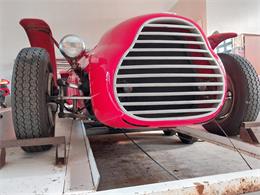
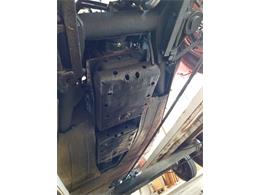
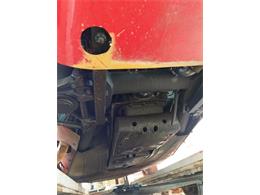
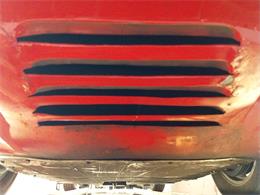
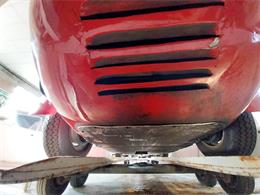
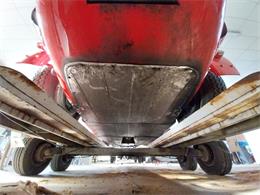
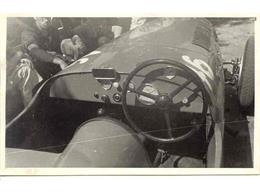
After thoroughly studying the car he already had, and seeking advice from well-known drivers whom he let test it (Luigi Fagioli in particular gave him very important help and encouragement), he began building the only car that has survived to the present day; the first car was destroyed in a racing accident. Ciro Monaci turned to the best Italian manufacturers for the most important components. The chassis and the cradle supporting the two engines, an innovation compared with the earlier "laboratory car," were commissioned from GILCO, which also built chassis for Ferrari. The crankshafts were entrusted to VIOLINI, another firm recognized as an authority in its field. The bodywork was designed and built by ZAGATO, as were the valves, the wheels and many other parts.
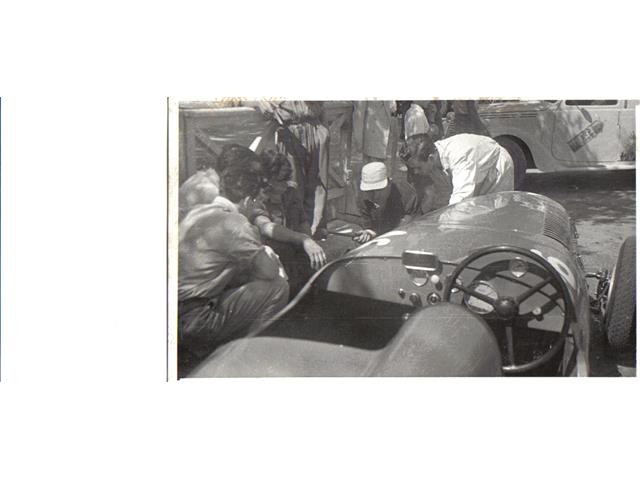
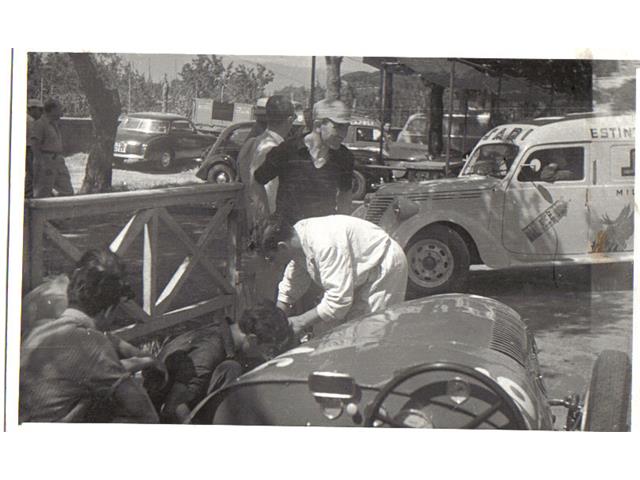
To meet the considerable costs, Ciro Monaci, helped by his brother Renato, an Isotta Fraschini dealer, patented a torque converter for marine engines and sold it to CHRYSLER. Finally, in May 1952, he completed the car in time to take part in the "V Gran Premio dell'Autodromo" (5th Autodrome Grand Prix) at Monza.
The Races
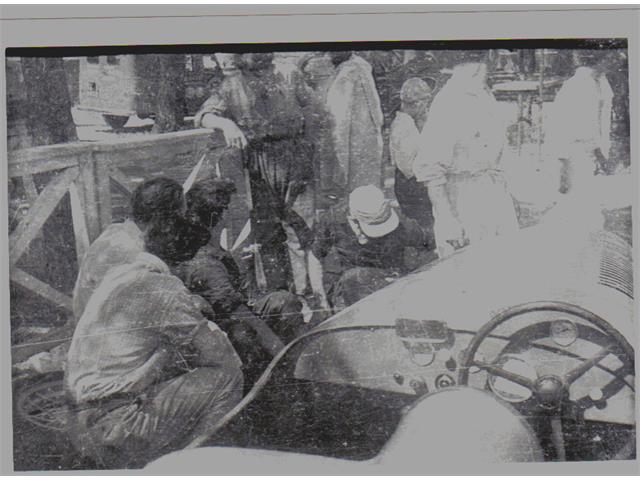
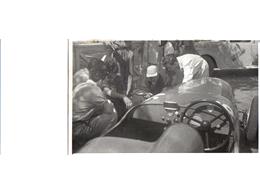
The car's performance, with Giovanni Rocco driving, was fairly satisfactory. This is especially true considering that the starters included Fangio, Villoresi, González and Ascari, who was debuting the Ferrari 500 that would carry him to the 1952 and 1953 championships, the first for the Maranello marque. Its speed, measured just past the Parabolica curve, was slightly over 200 km/h, nearly the same as the Ferraris and Maseratis. In the race itself, the car had to retire with a technical problem.
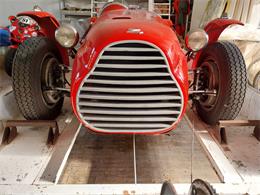
After the race, the car was taken to ZAGATO, which fitted fenders and lights to comply with the regulations for road races. With mixed fortunes, it competed in the "Circuito di Posillipo," the "Cetara–Capo d'Orso," the "Atrani–Ravello," and other smaller events, driven by Giuseppe Ruggiero and by Ciro Monaci himself.
After sitting idle for almost thirty years, it was sold by the youngest of the Monaci brothers, the only one still living at the time. For about the past twenty years it has once again been heard and admired on Italian roads.
If you would like to keep the car in Europe to participate in races and rallys I can arrange that.. And even assist in suggesting events to participate in. I can also assist in shipping the car anywhere in the world. Door to Door.
This car is being represented by Kelly Dietrick Exceptional Car Broker. Brokering historic competition cars worldwide.