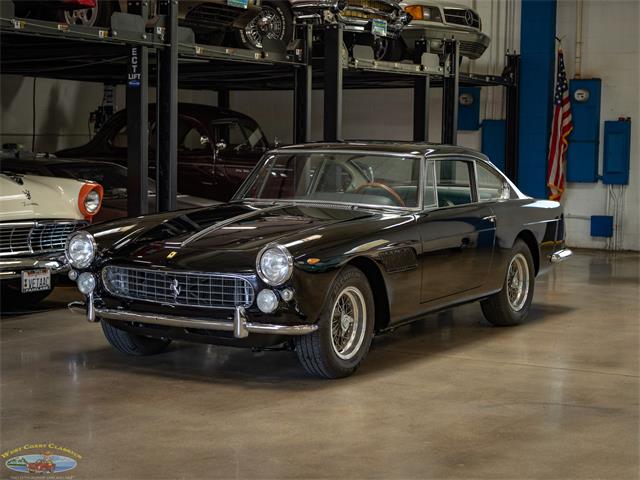
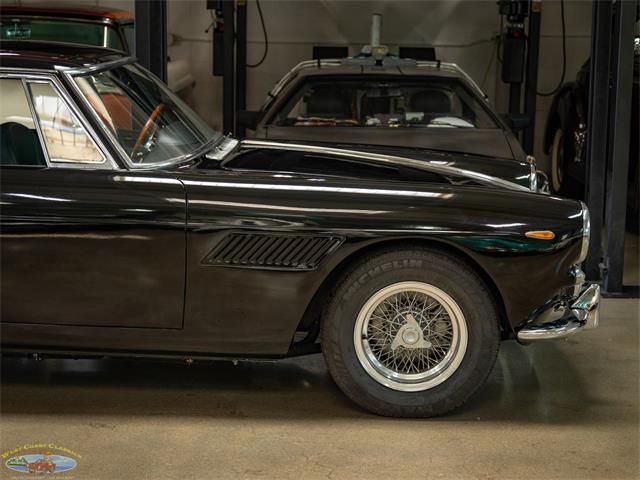
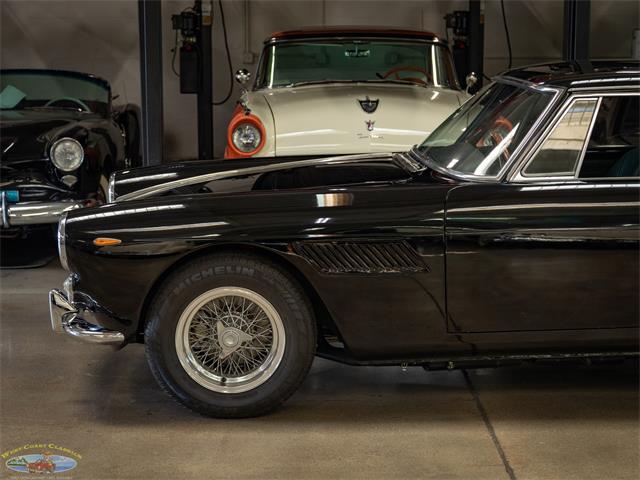
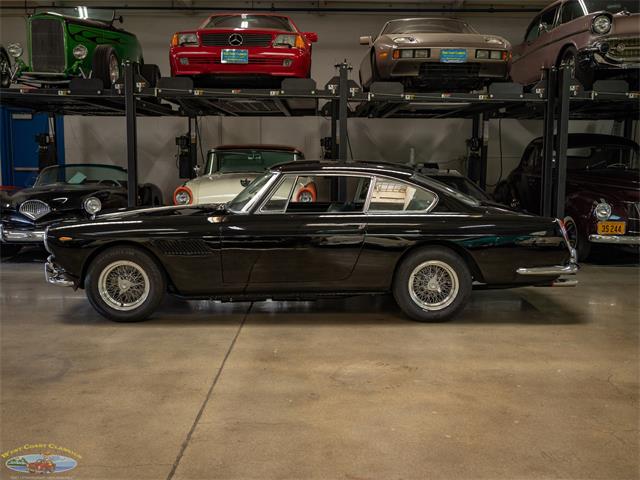
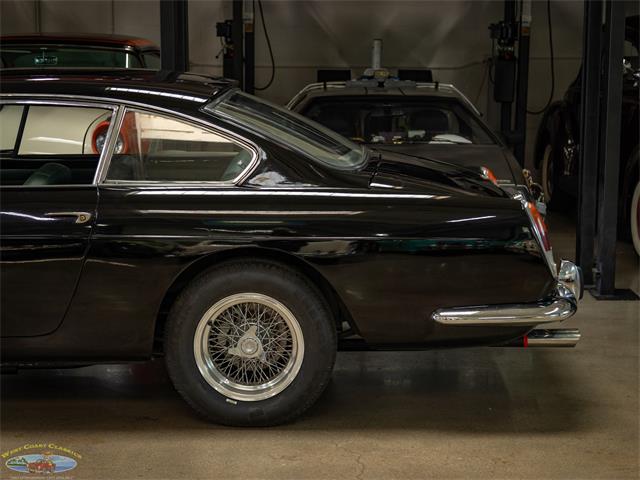
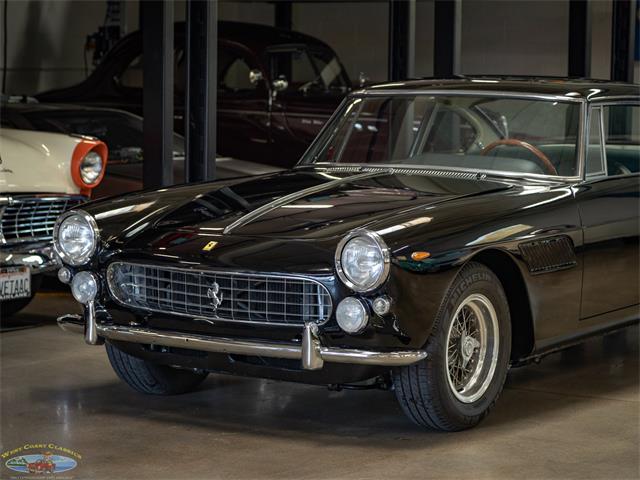
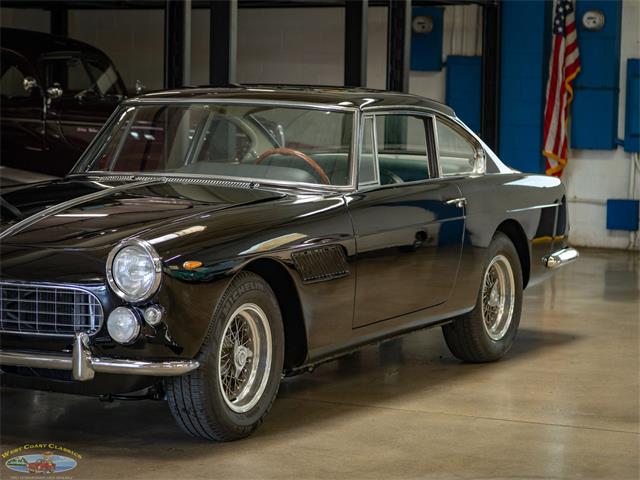
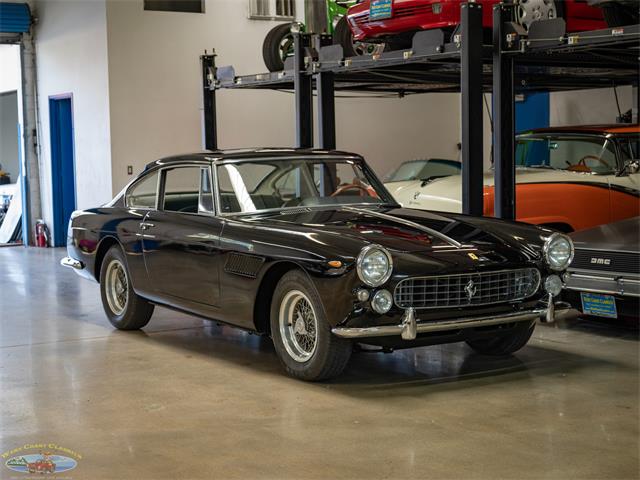
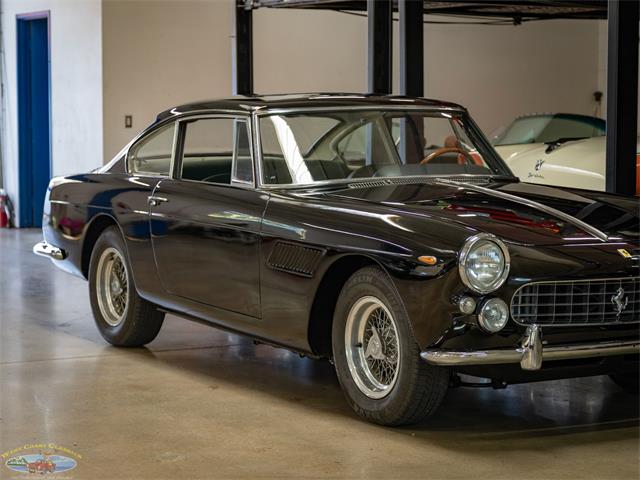
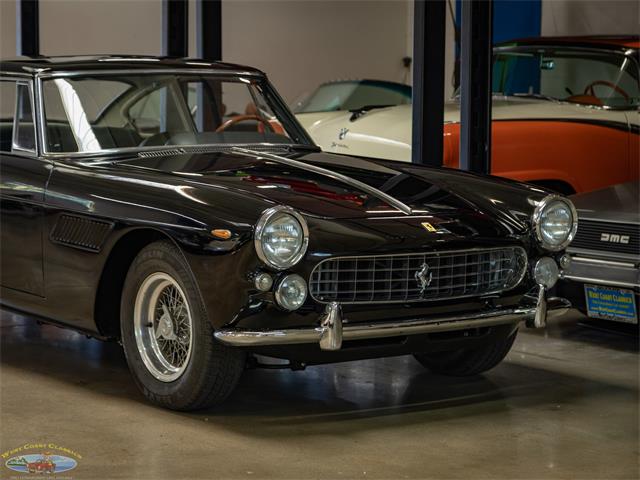
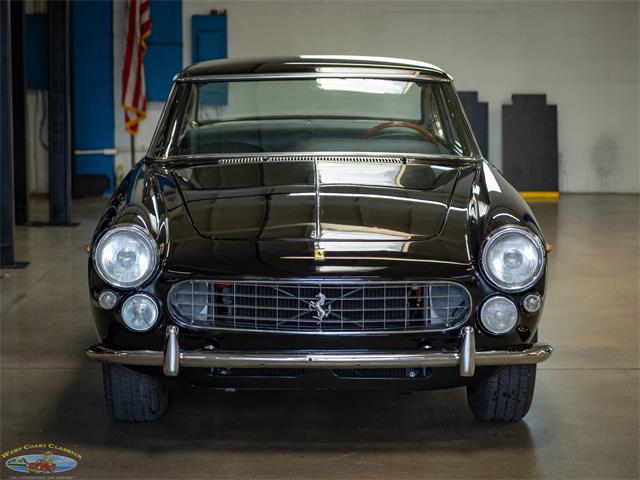
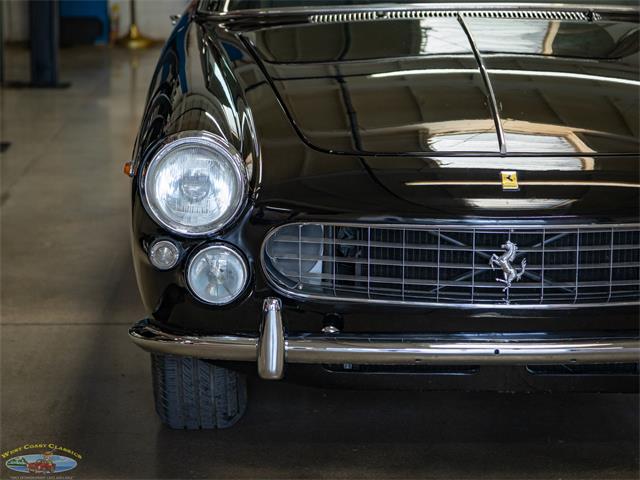
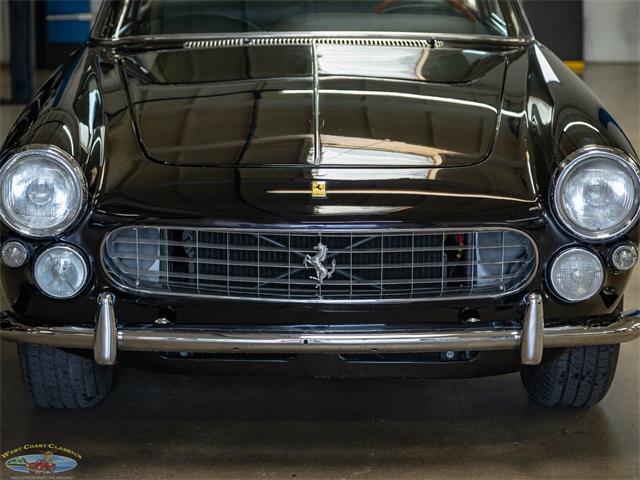
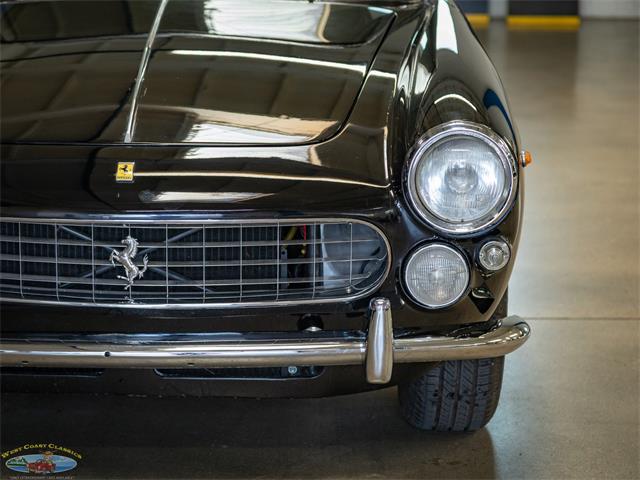
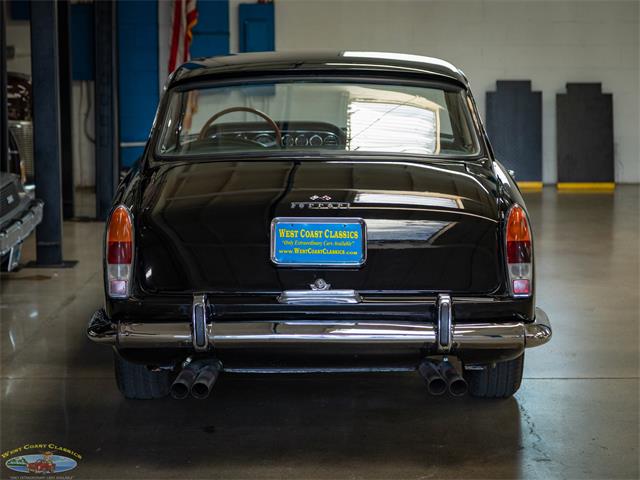
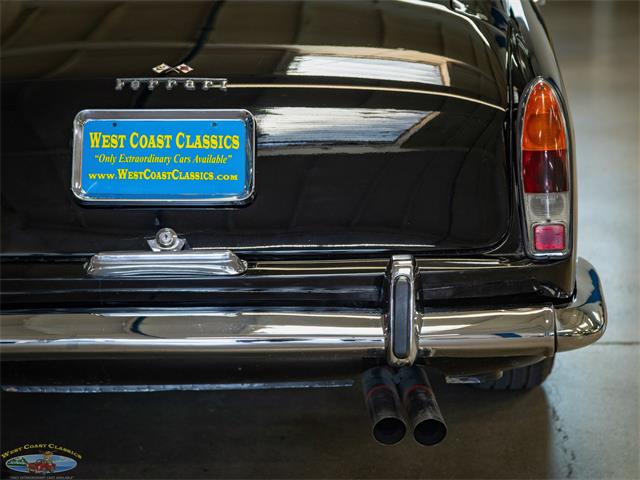
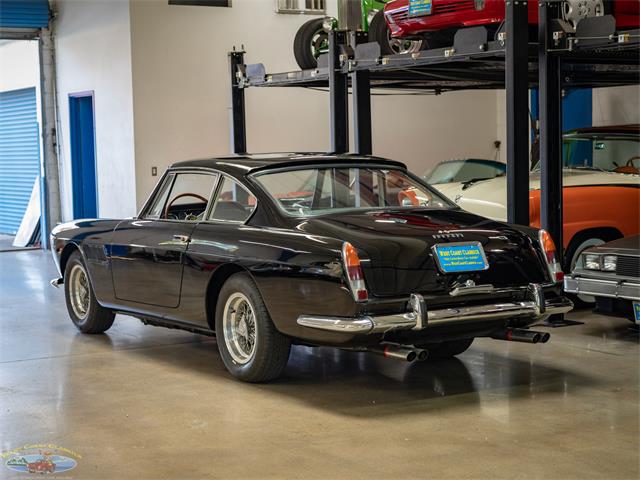
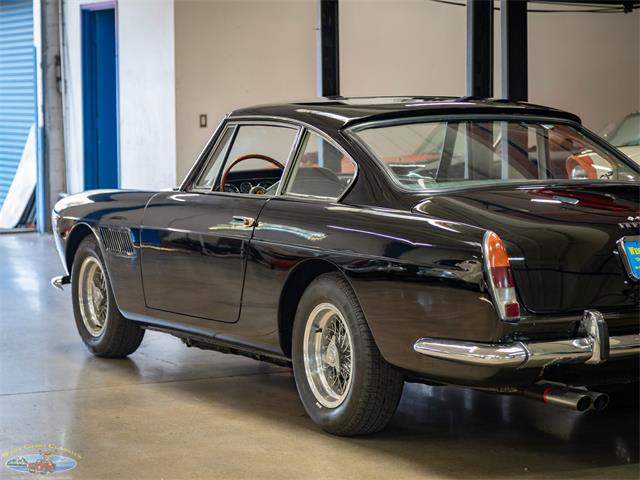
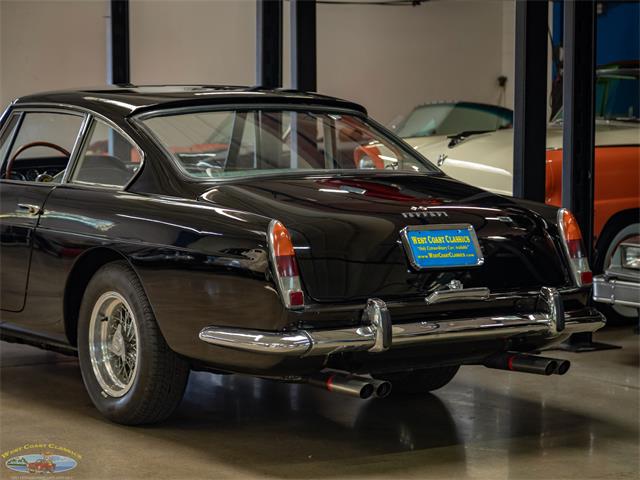
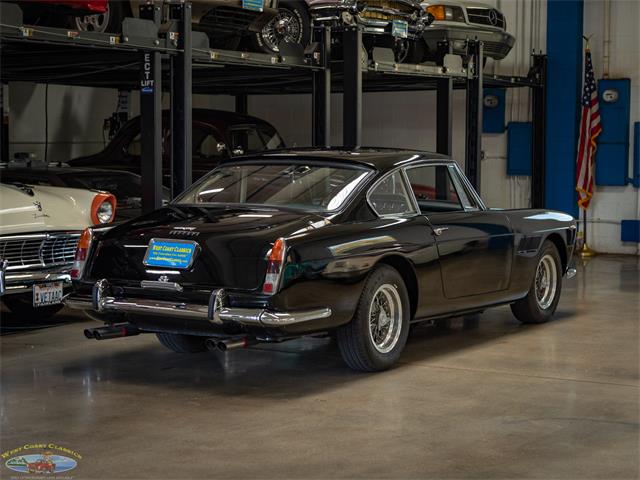
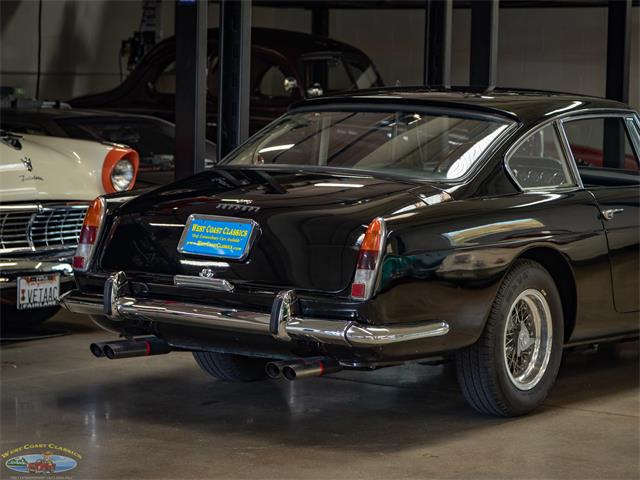
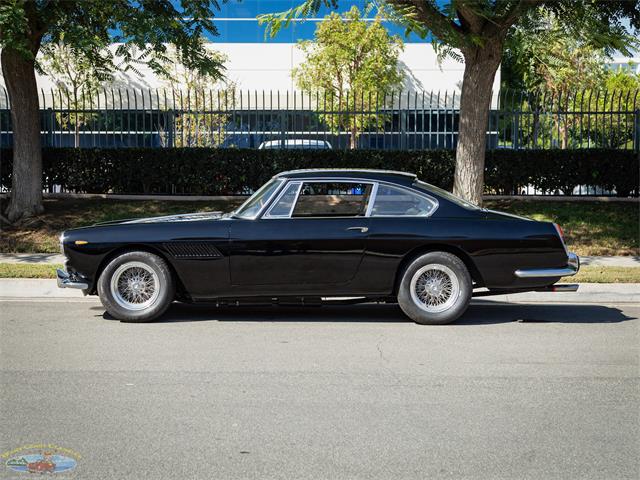
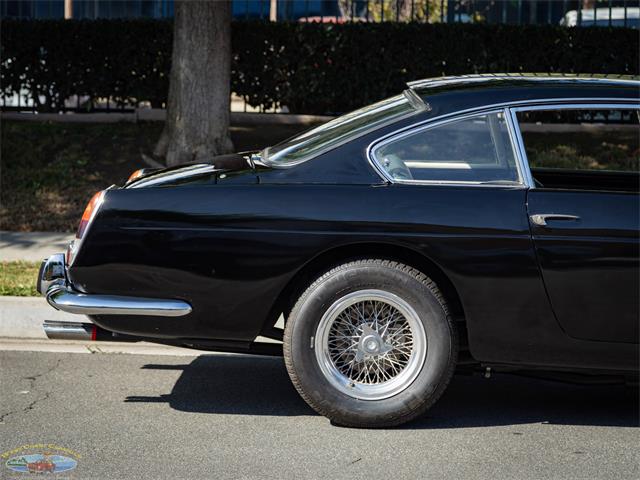
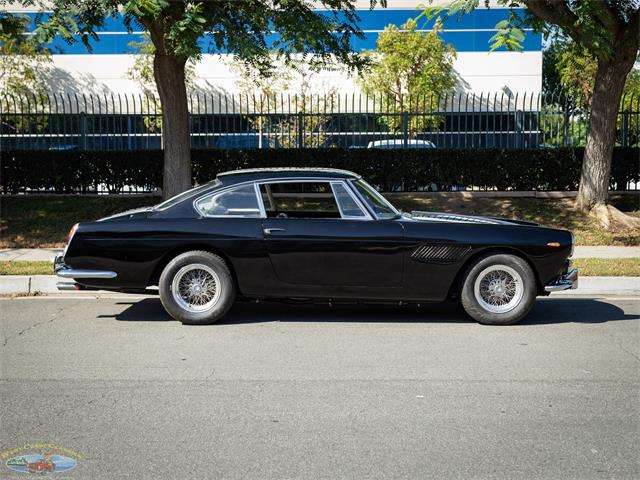
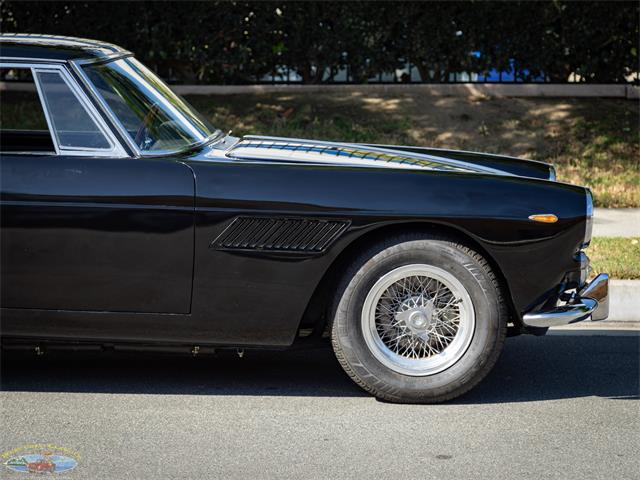
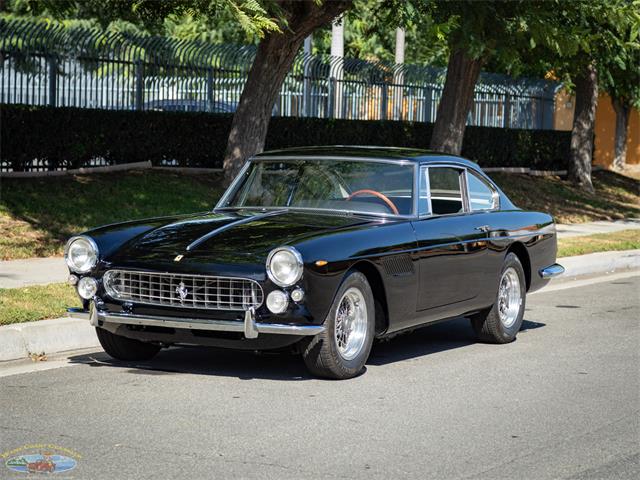
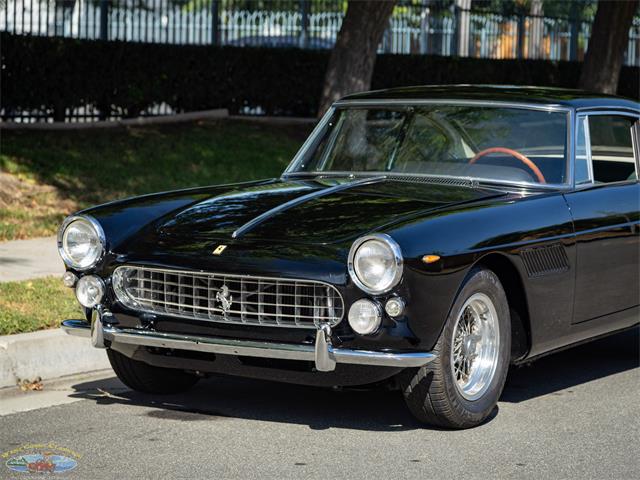
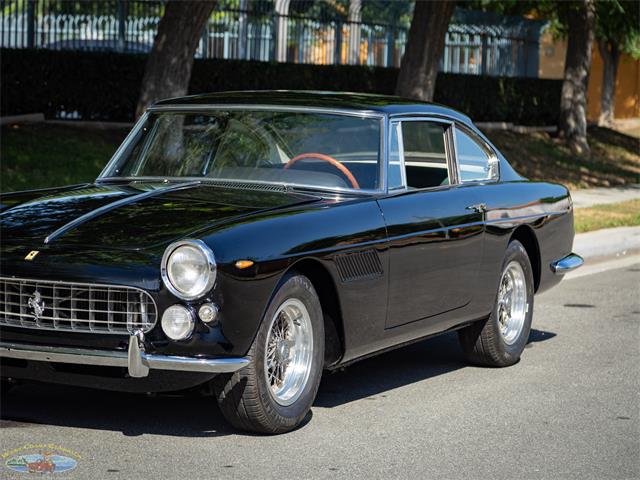
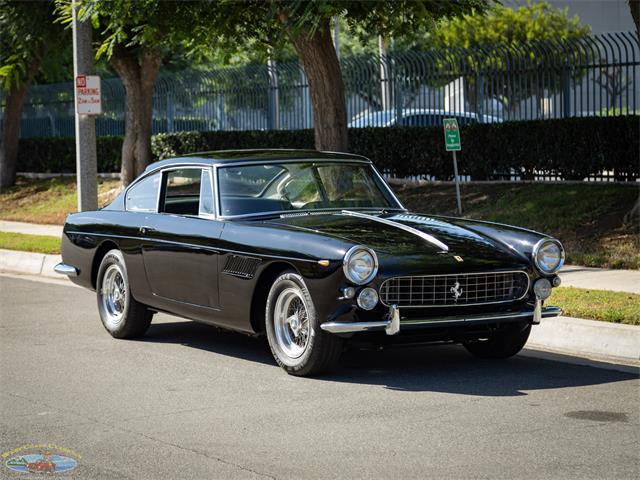
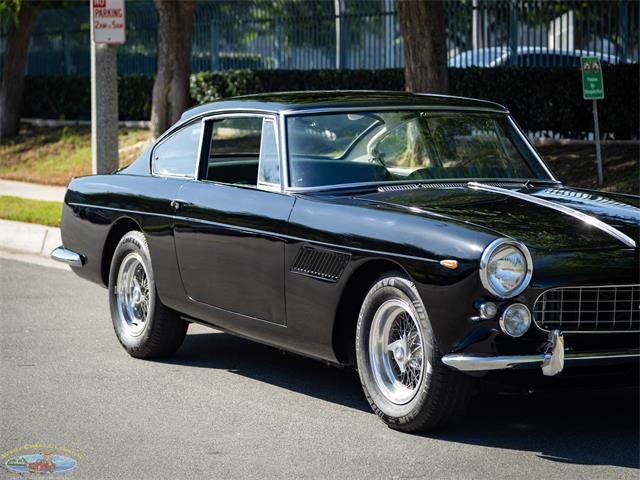
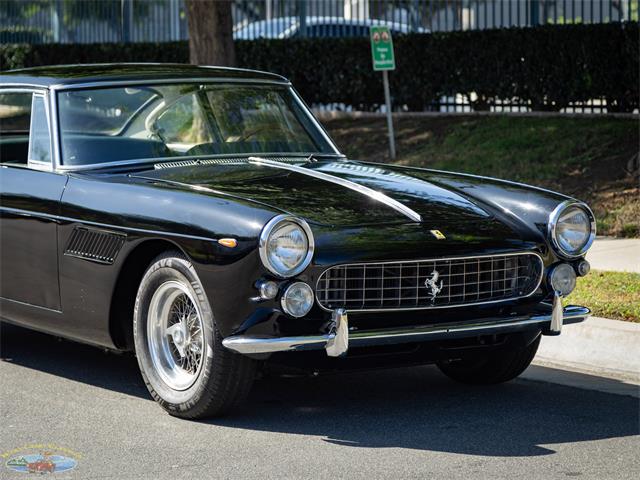
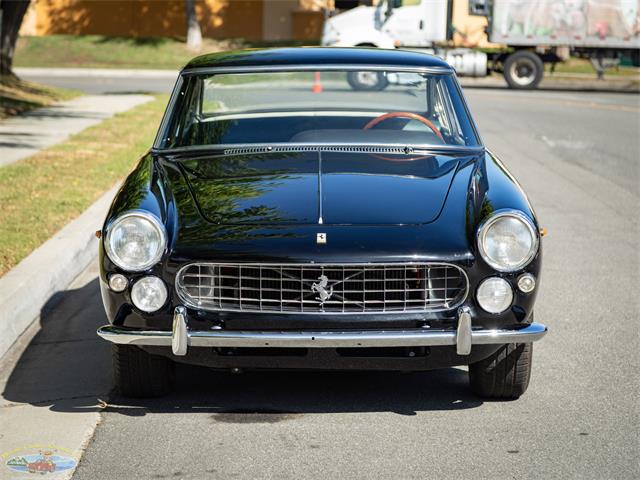
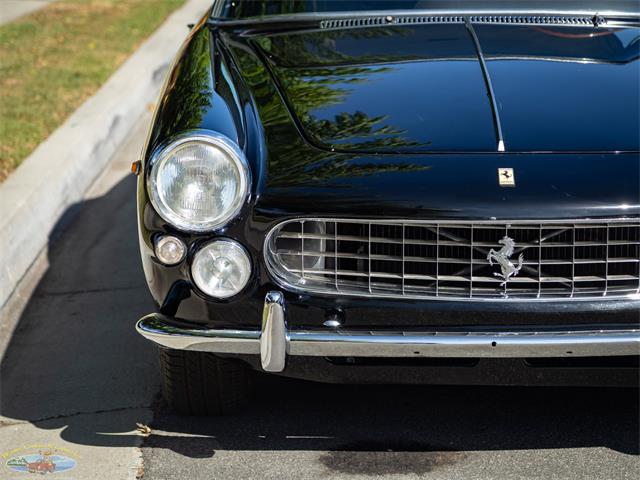
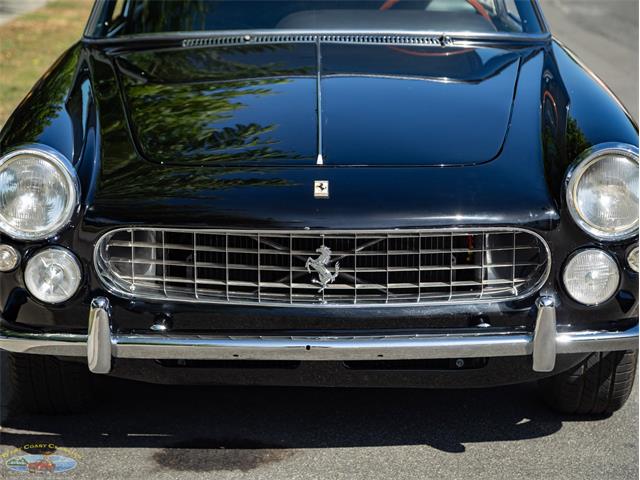
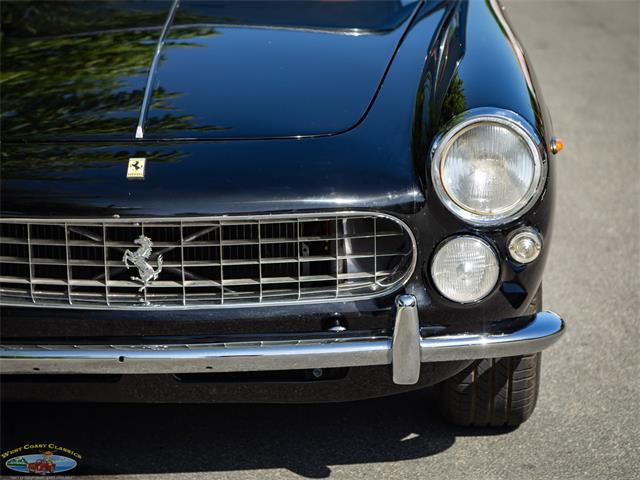
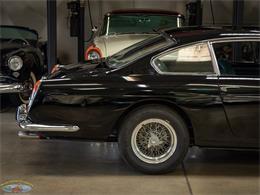
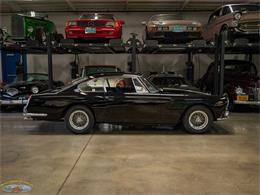
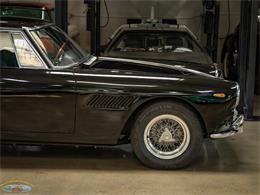
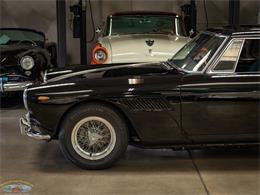
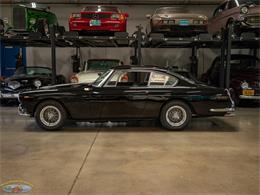
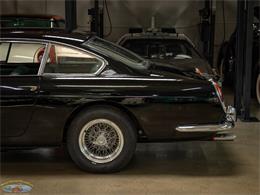
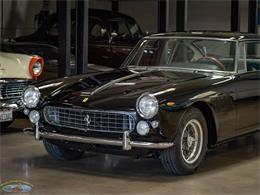
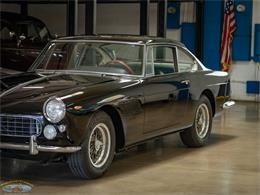
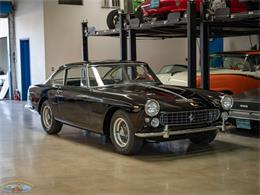
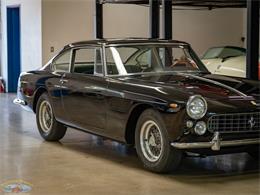
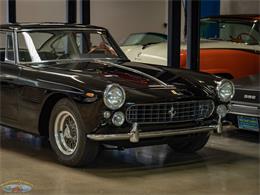
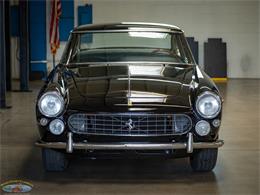
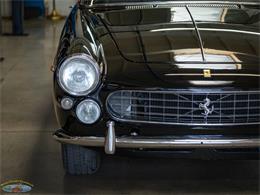
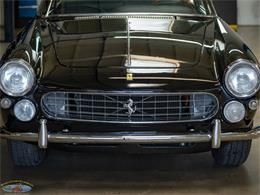
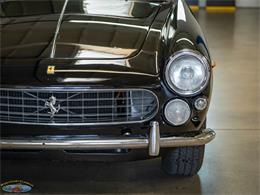
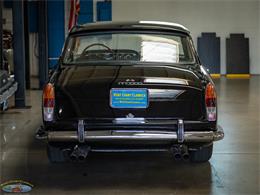
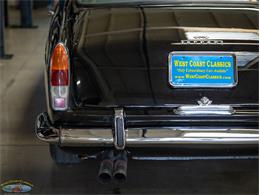
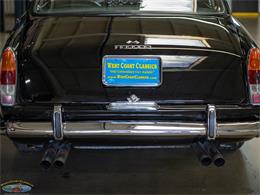
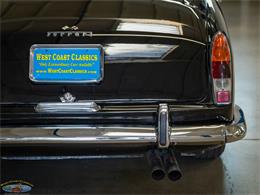
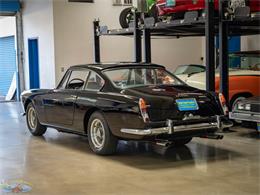
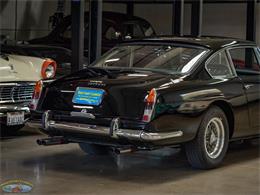
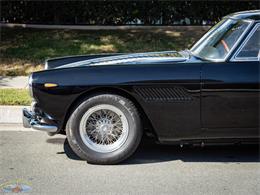
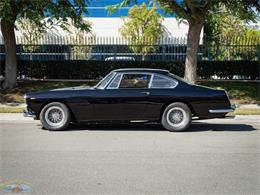
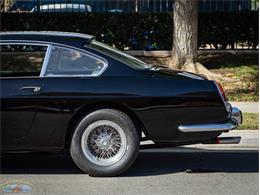
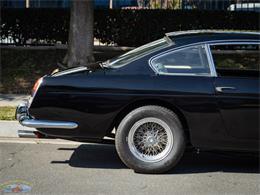
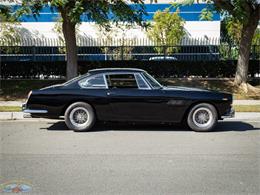
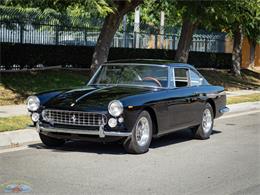
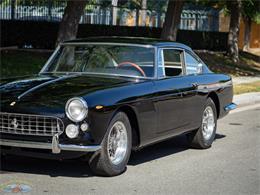
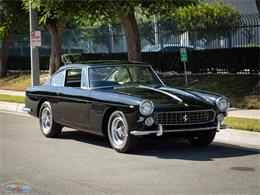
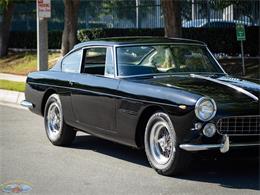
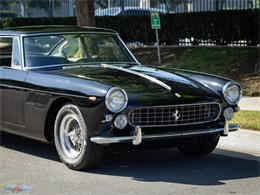
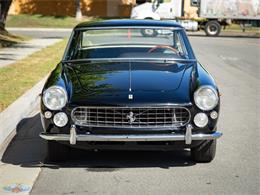
West Coast Classics are proud to present one of only 954 250 GTE
2+2s Series built during Ferrari's first three years of four-seat
production and the marque's first wind-tunnel-developed model.
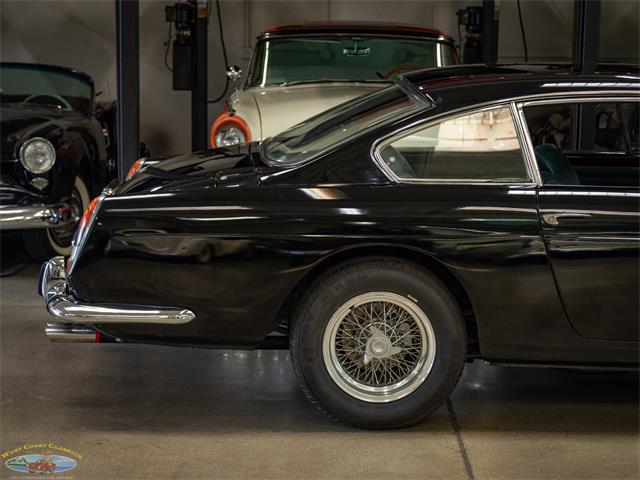
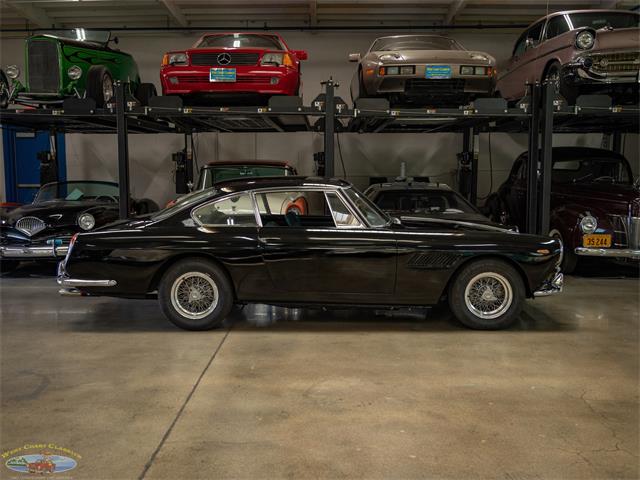
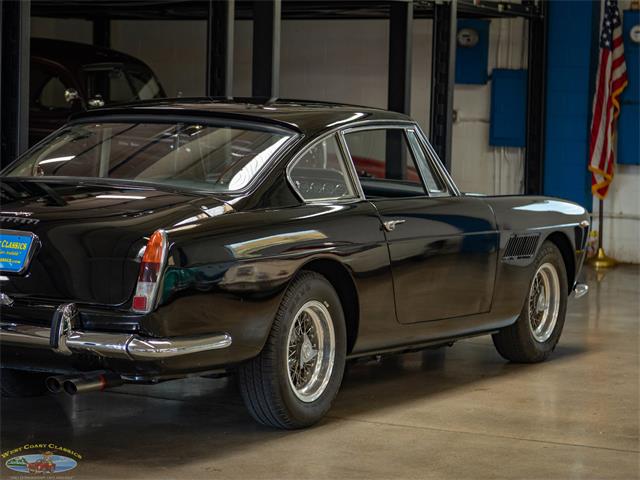
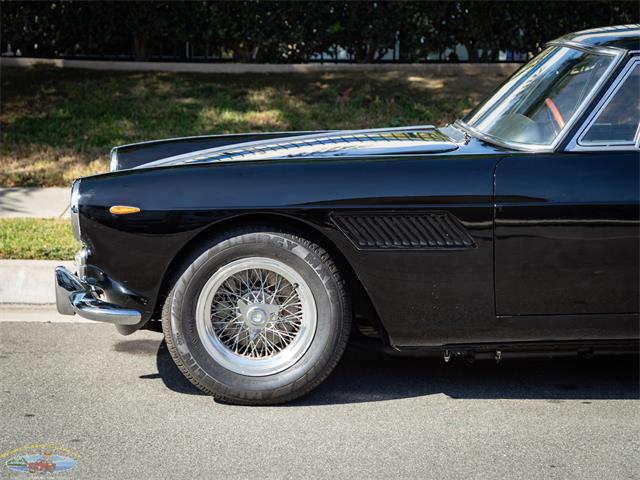
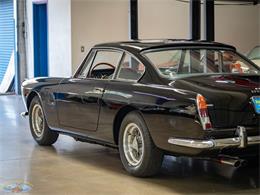
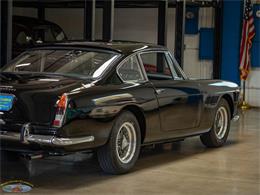
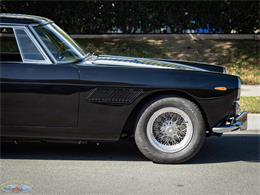
Styled by Pininfarina, featuring a longer stance to accommodate
rear seating, classic side vents, and Borrani wire wheels.Beneath
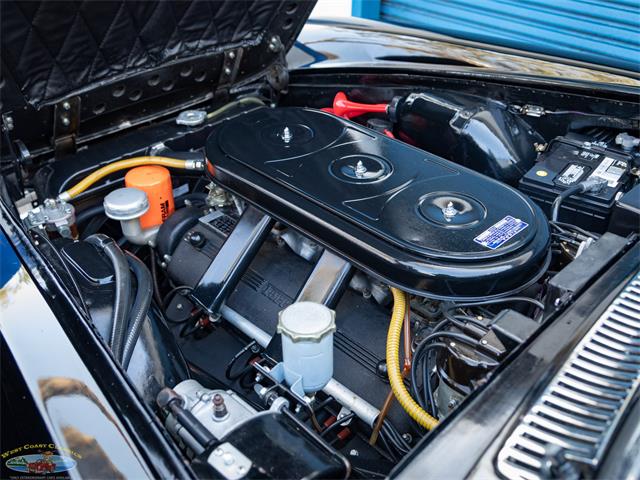
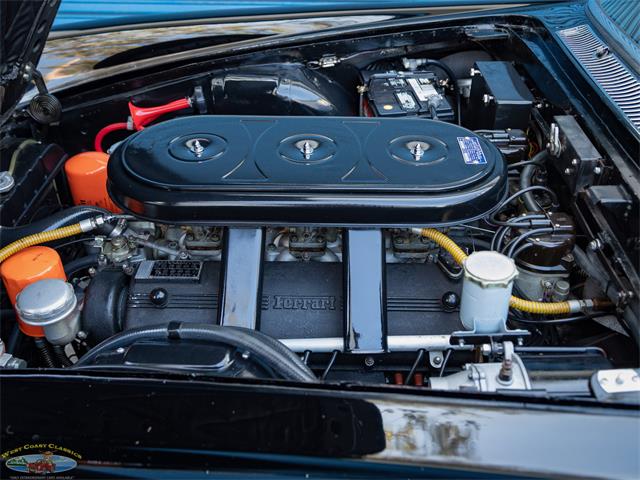
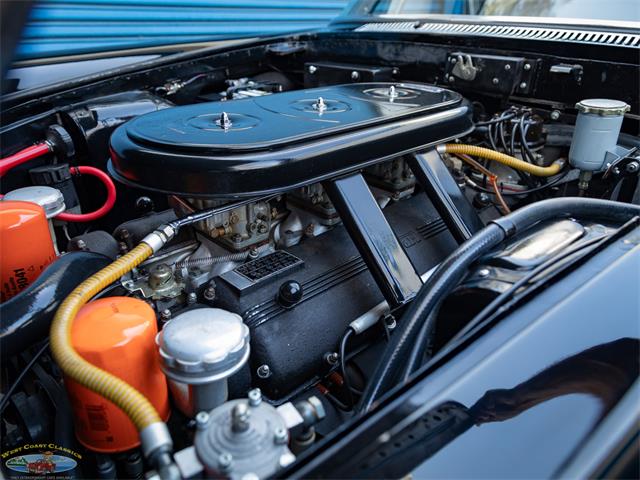
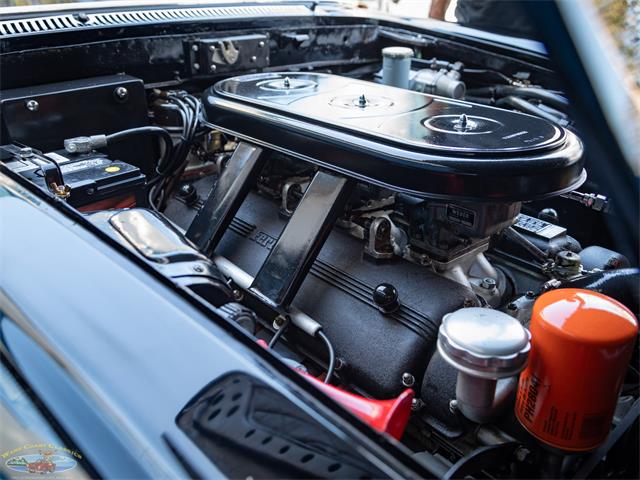
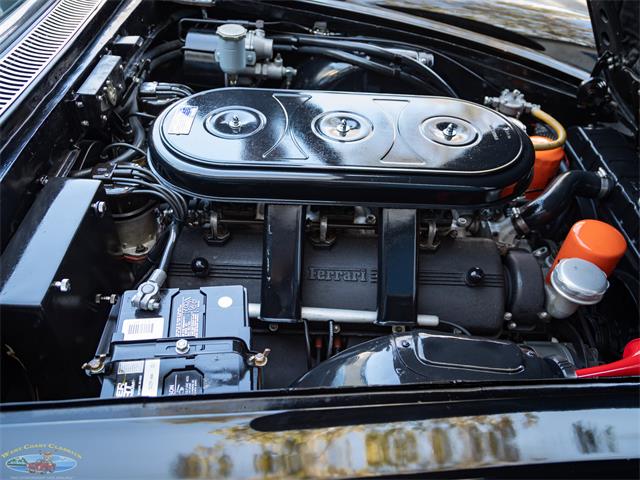
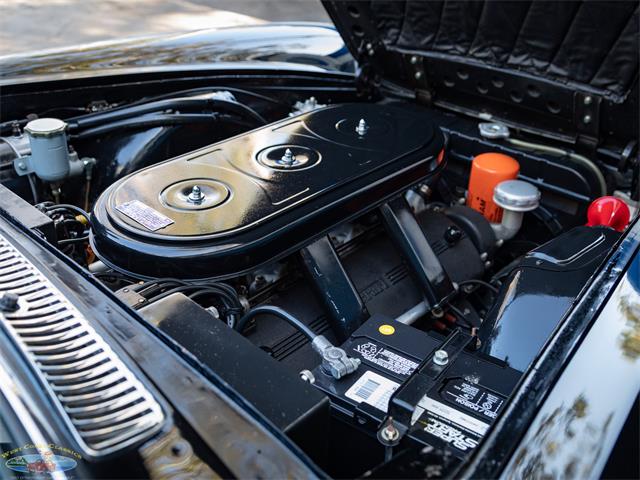
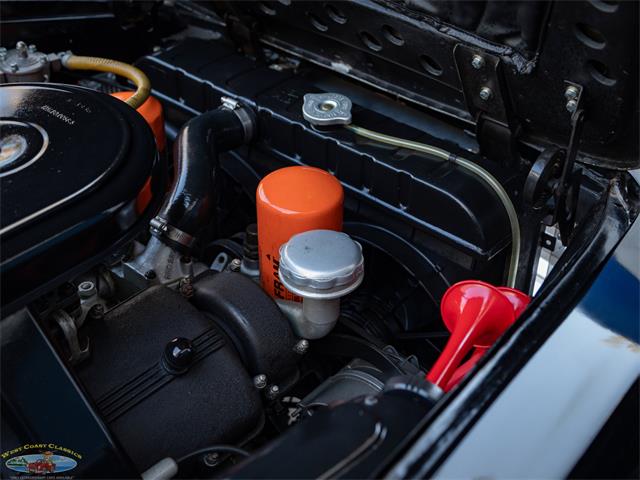
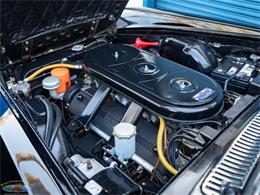
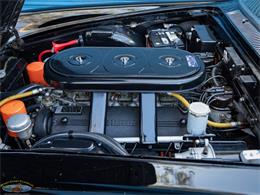
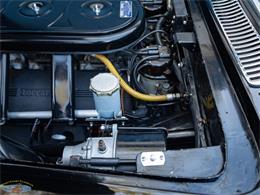
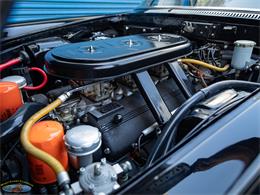
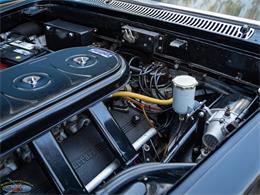
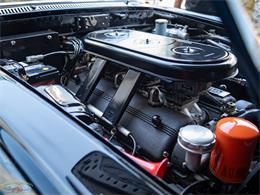
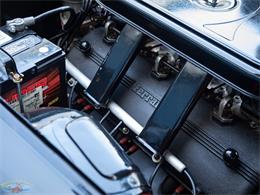
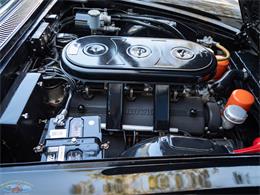
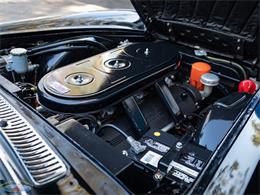
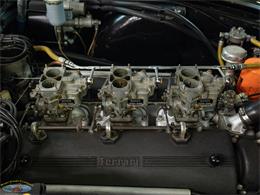
the hood, this car shares later series V12 motivation mated to a
five-speed manual transmission with many of the marque's most
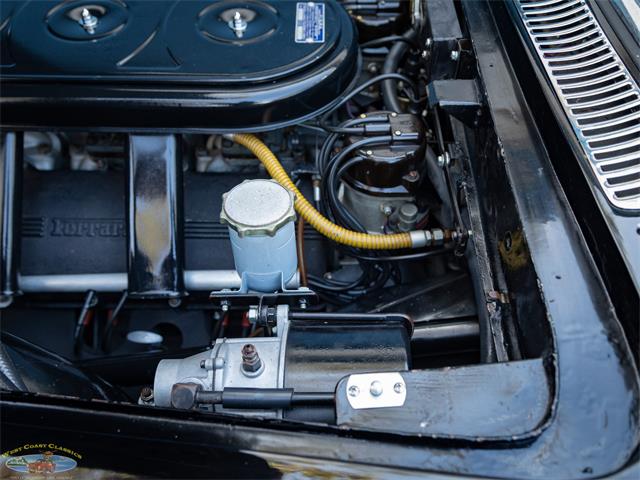
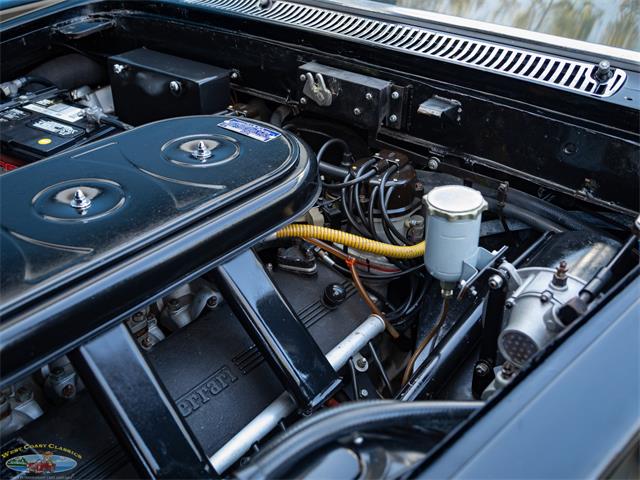
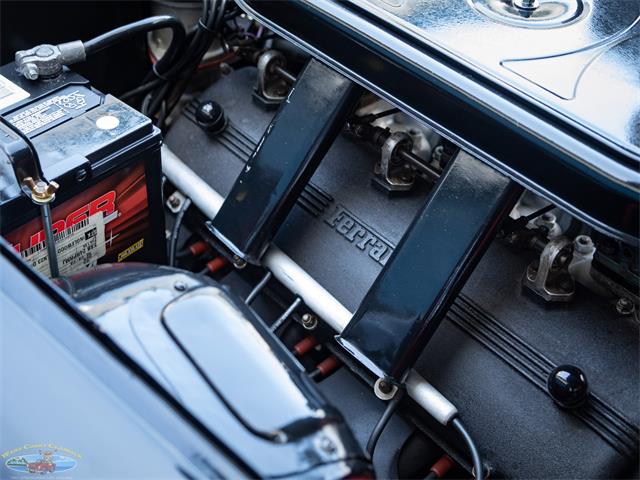
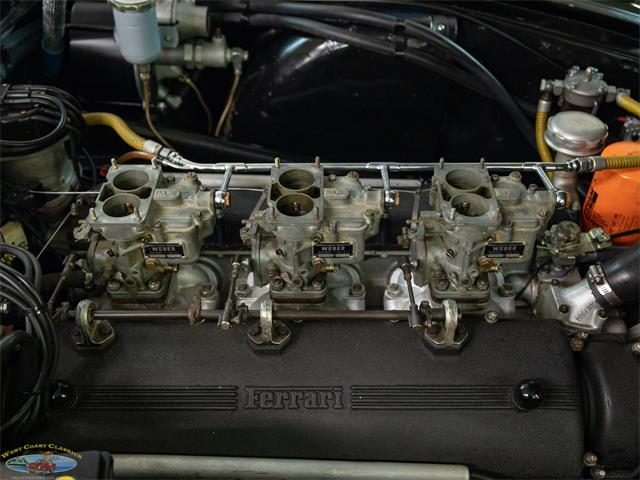
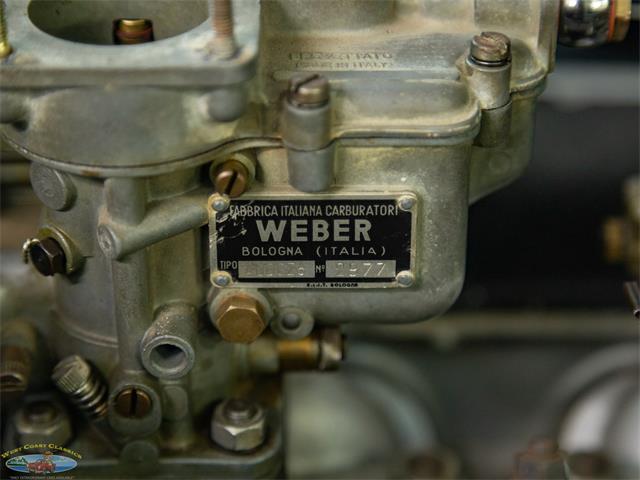
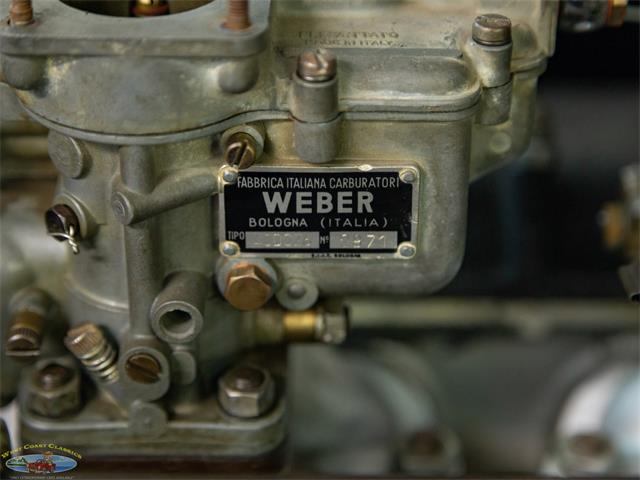
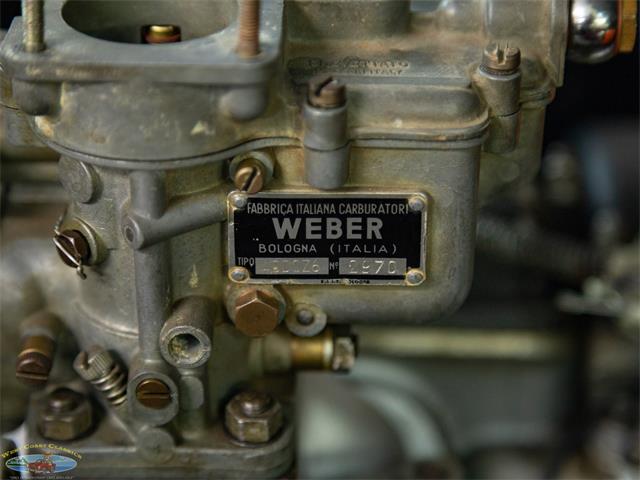
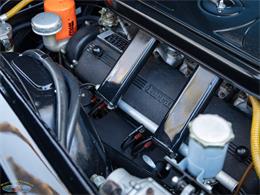
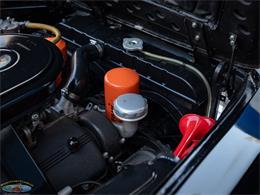
iconic midcentury greats. The car's 226/1016E and 1816/62E engine
stampings likely indicate a factory-corrected casting or production
line update, and the potential for either 3.0 or 3.3L displacement.
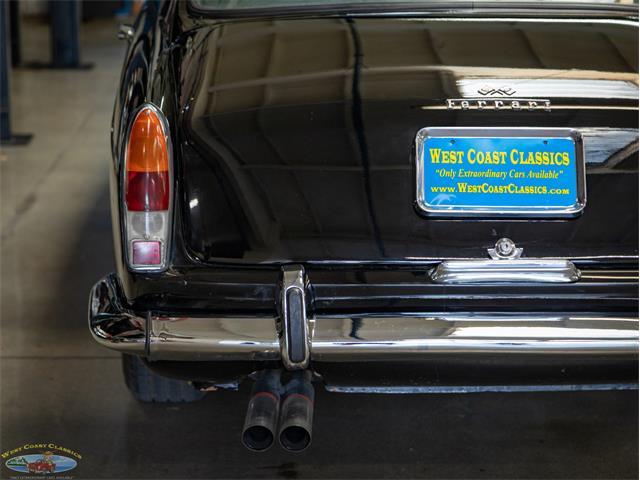
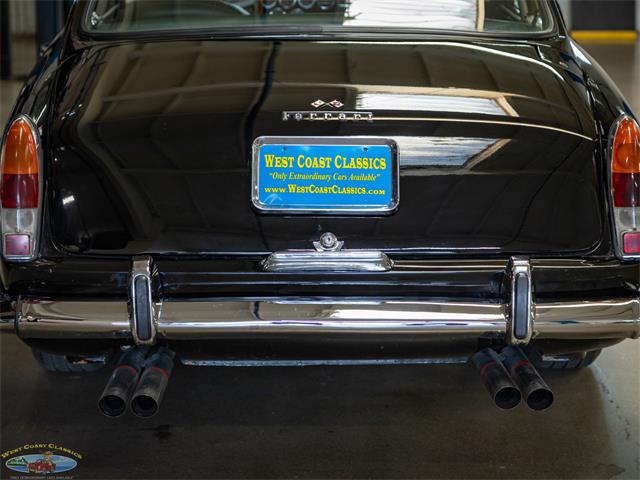
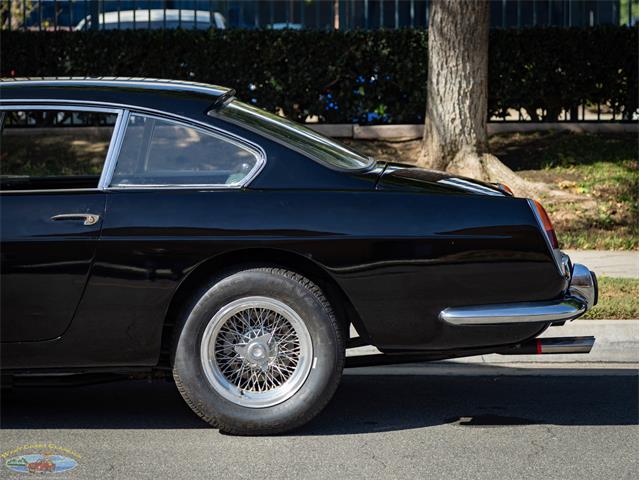
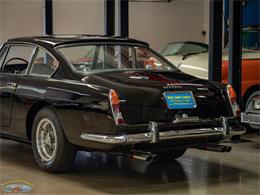
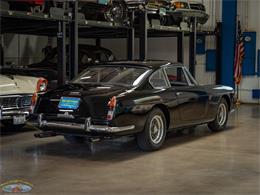
Additional mechanical highlights include four-wheel disc brakes,
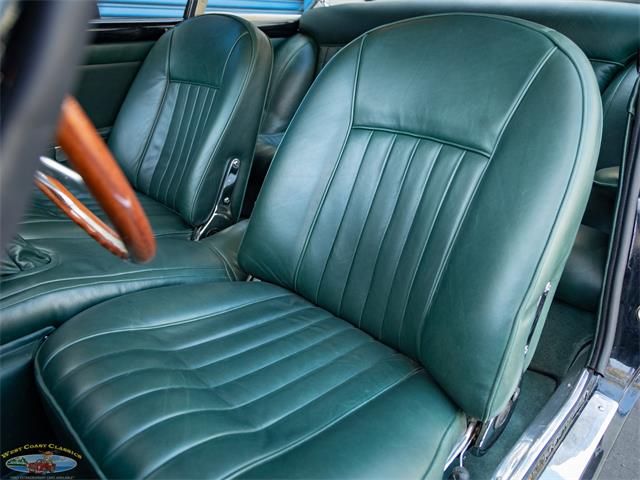
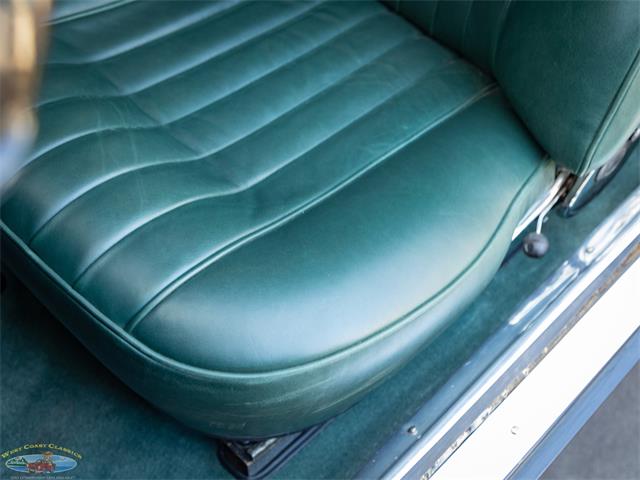
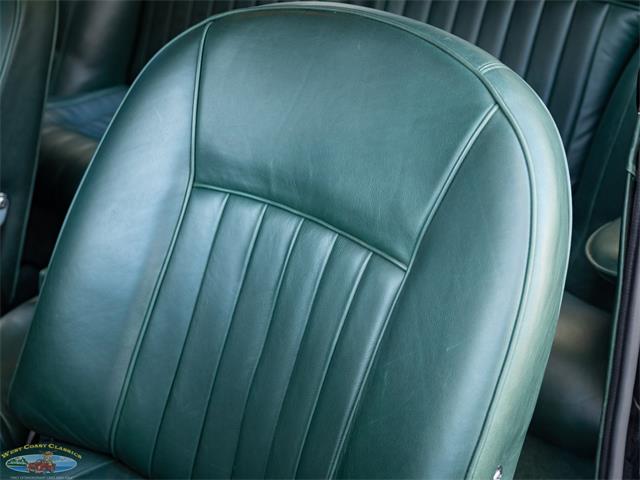
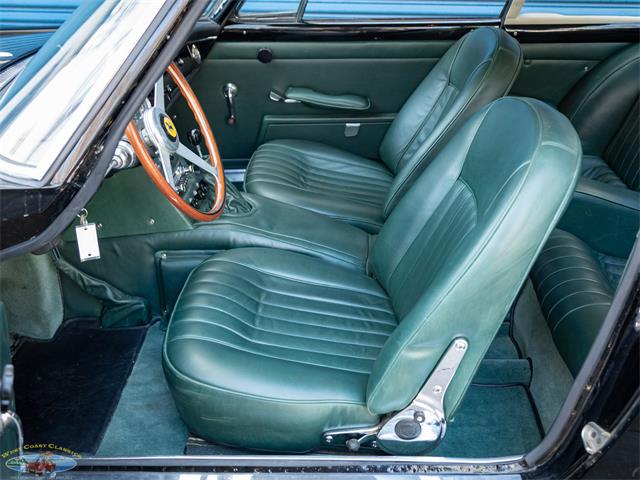
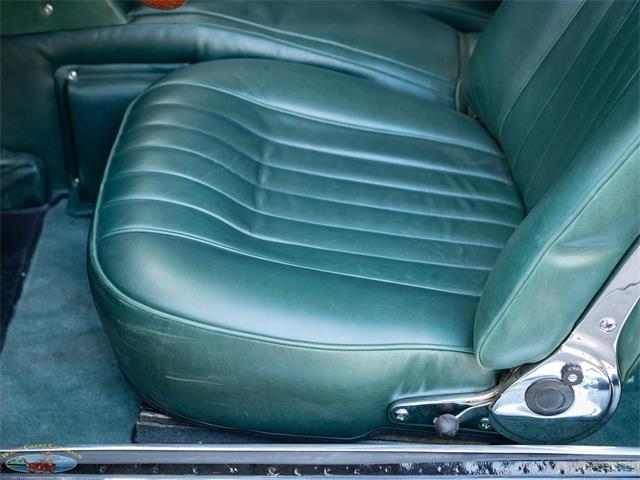
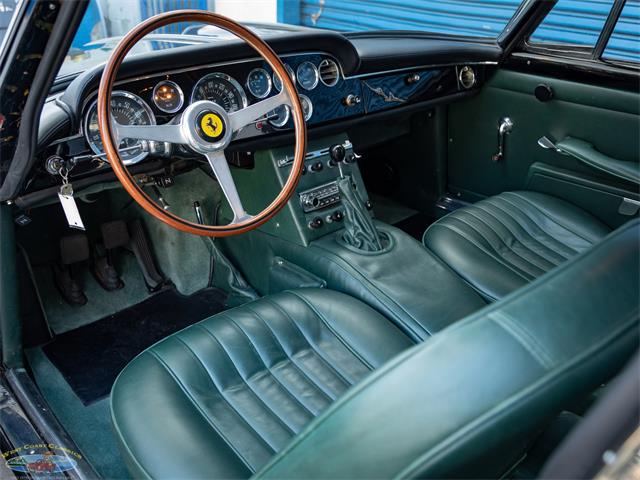
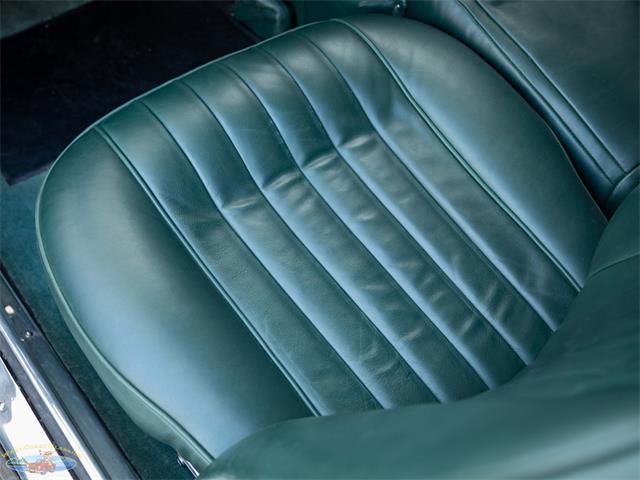
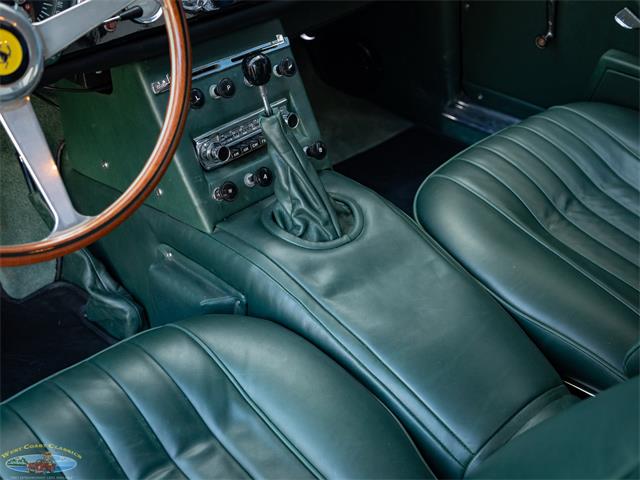
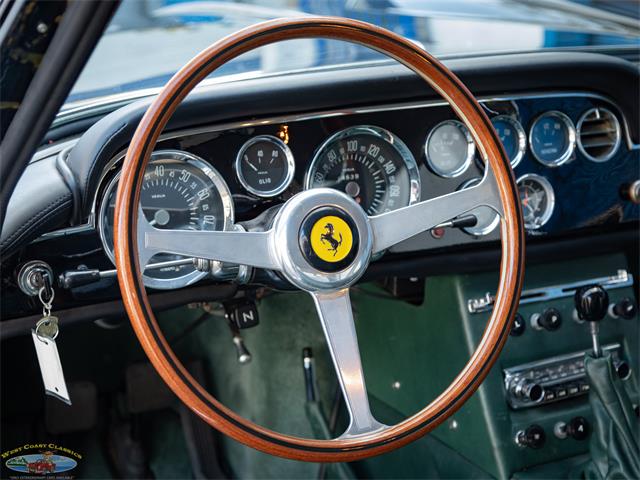
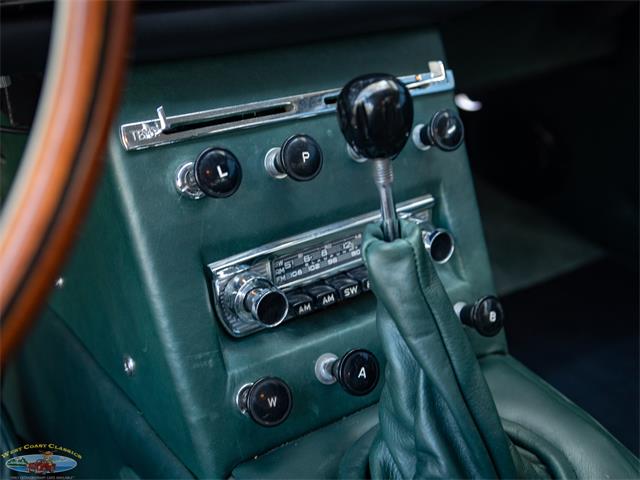
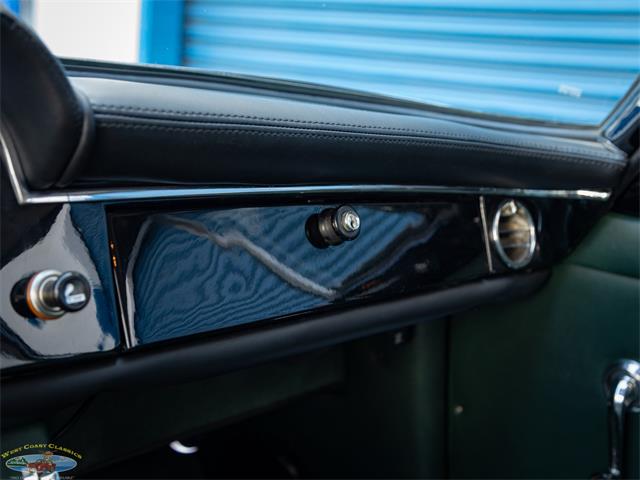
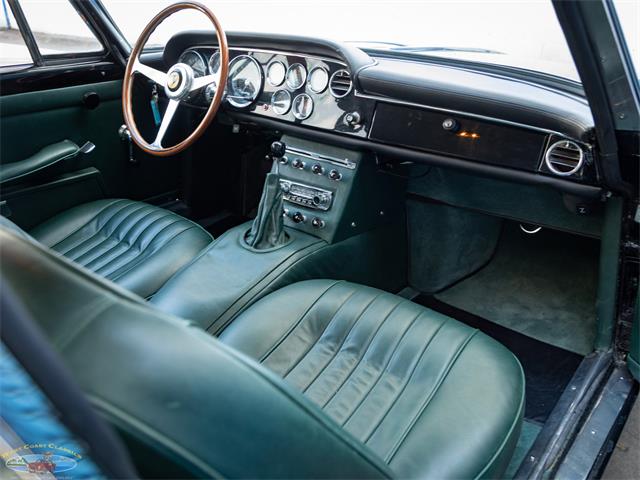
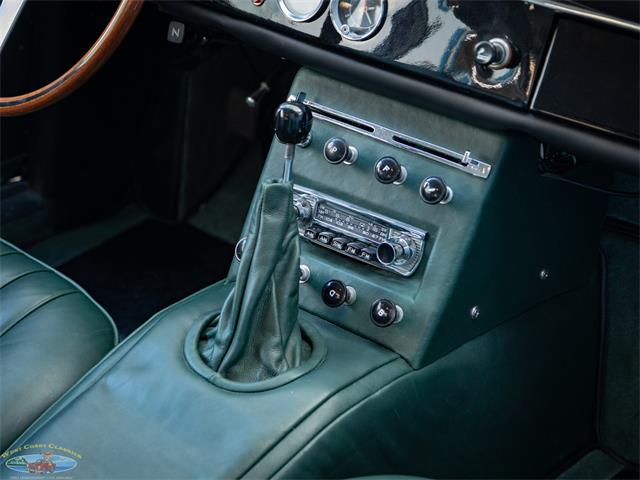
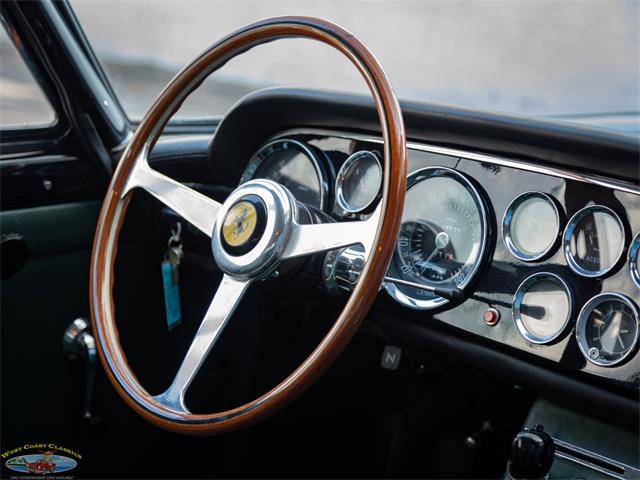
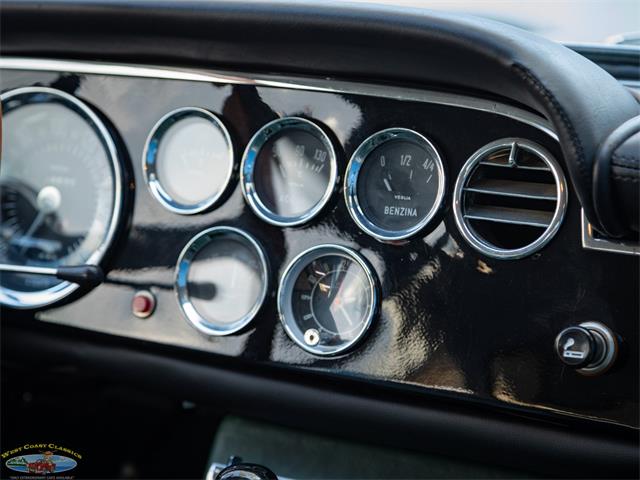
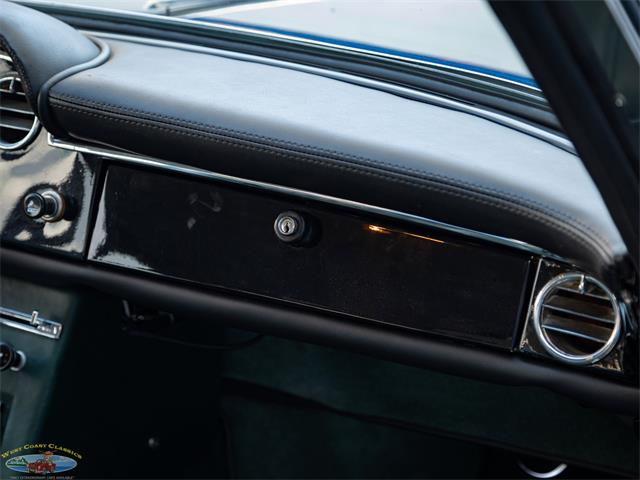
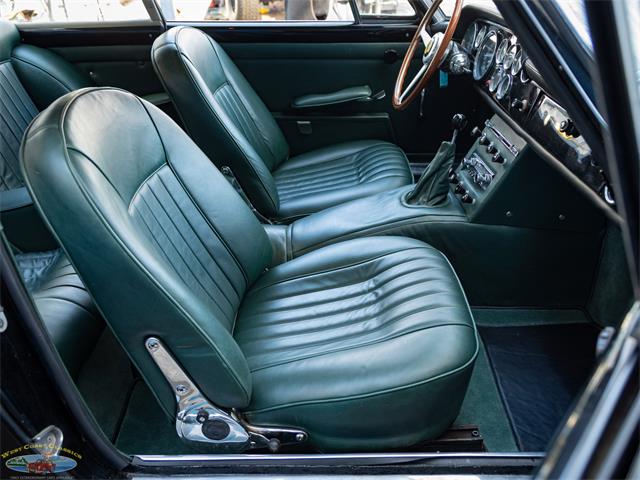
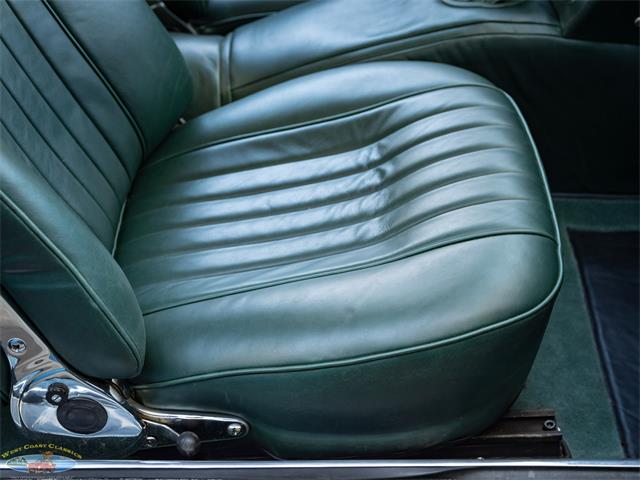
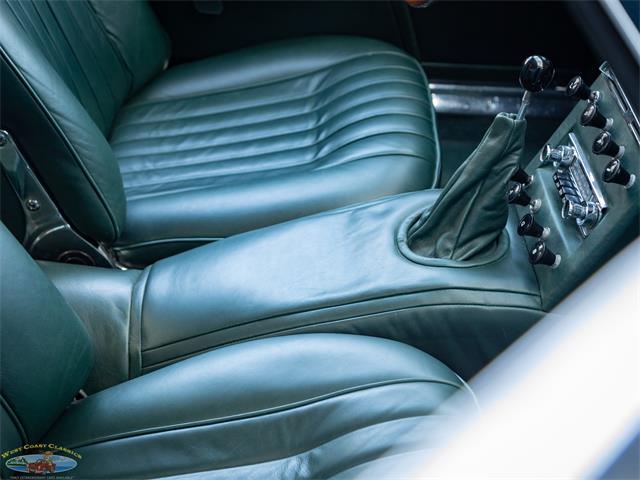
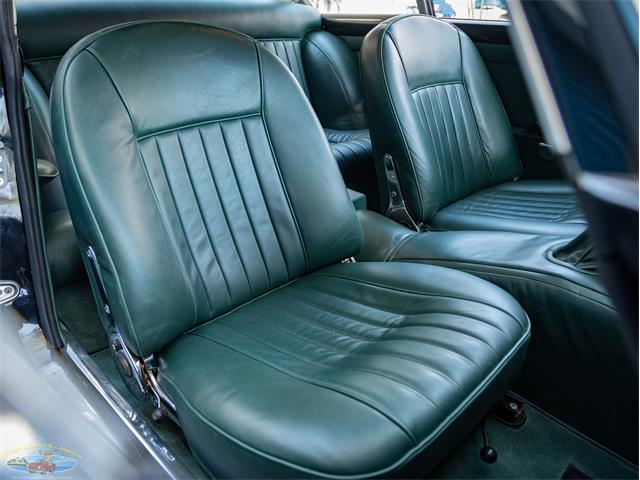
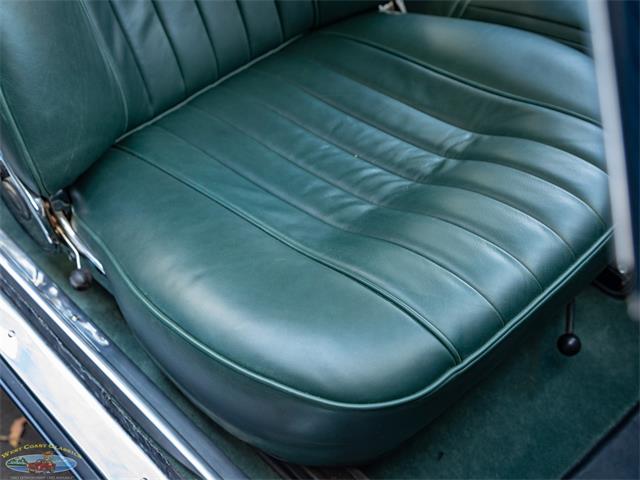
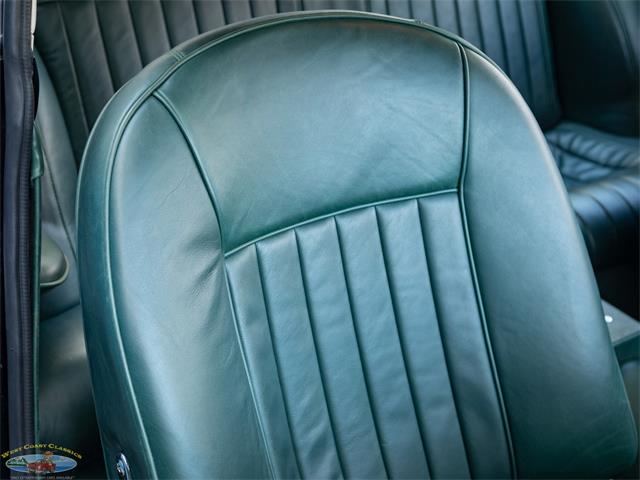
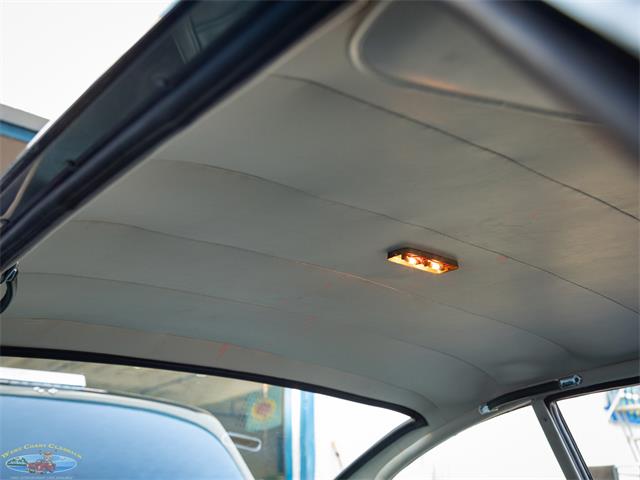
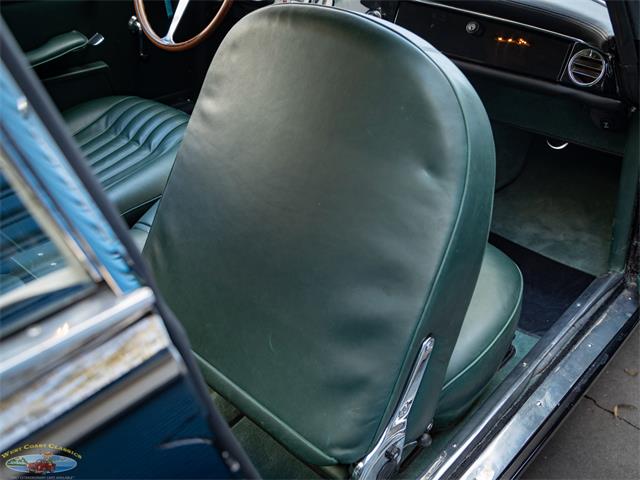
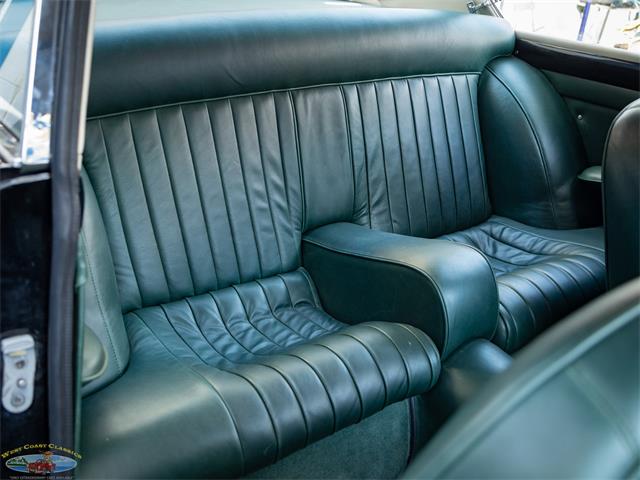
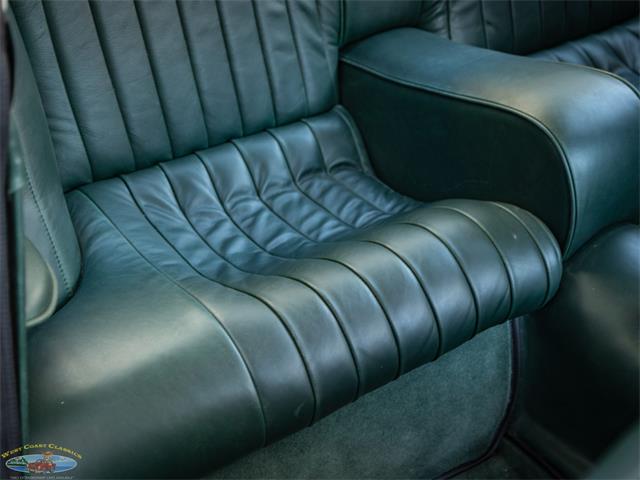
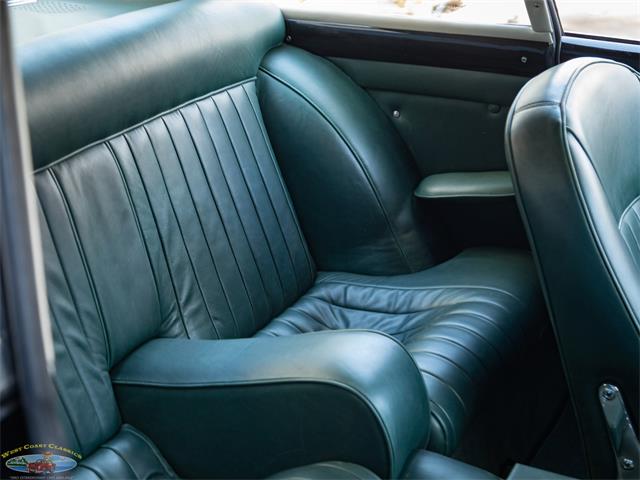
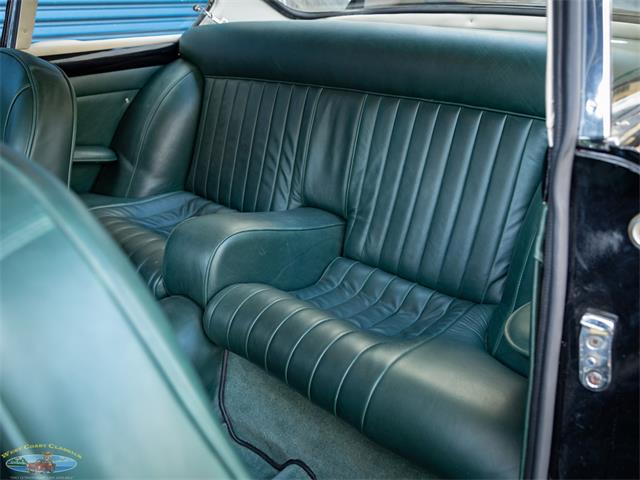
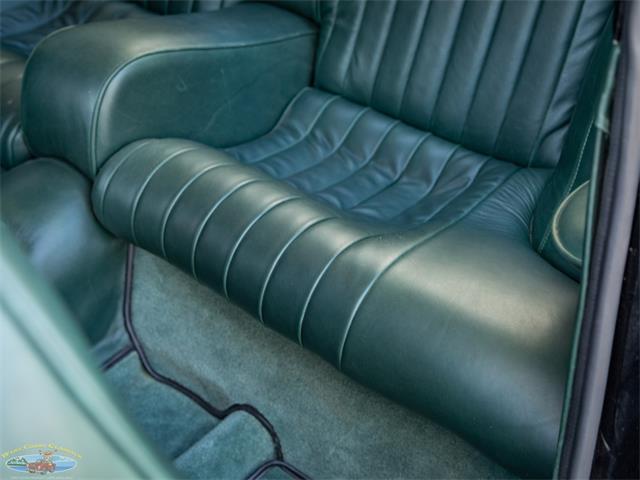
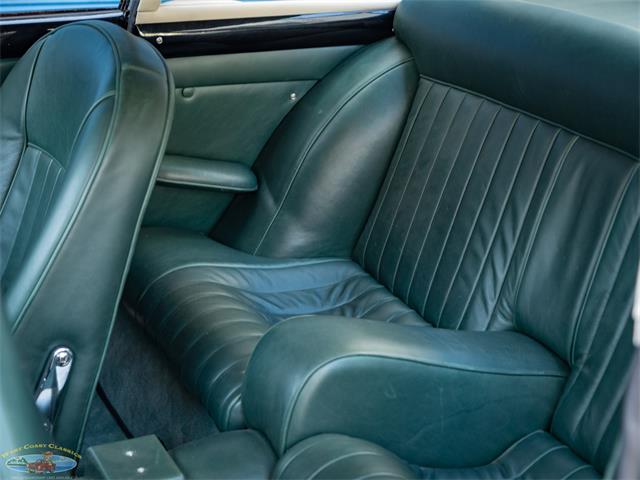
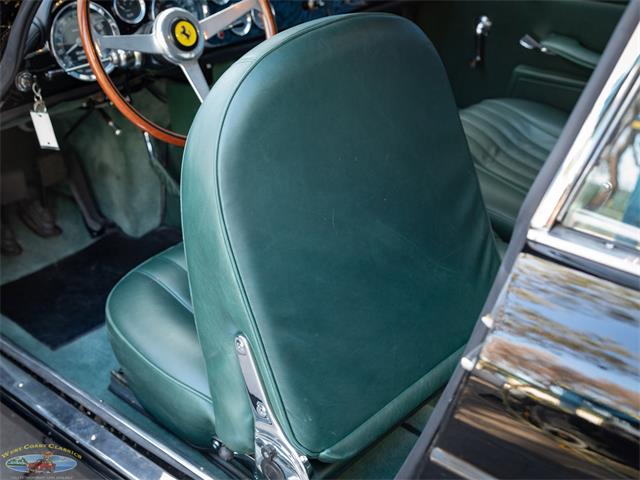
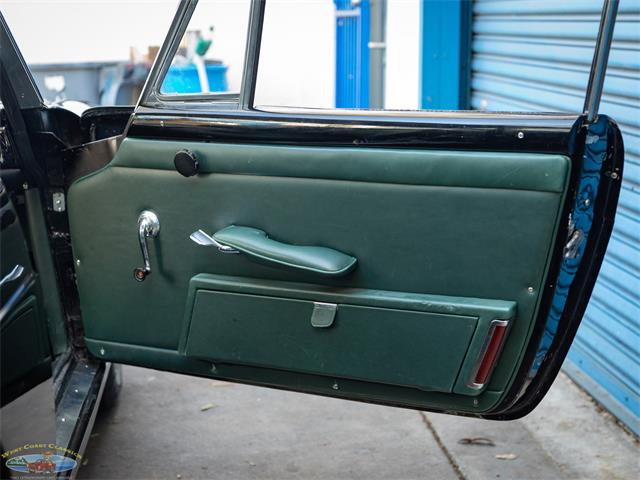
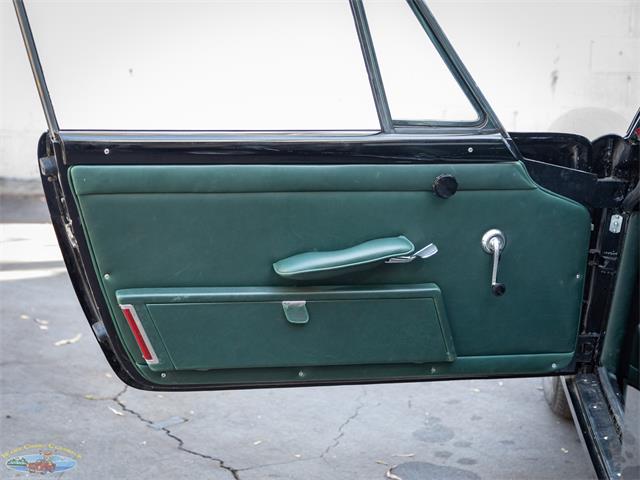
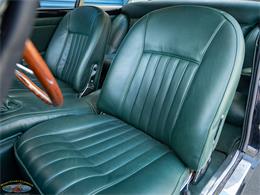
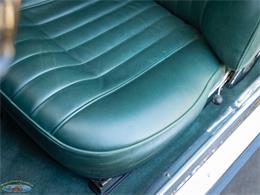
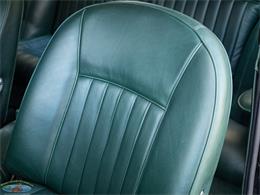
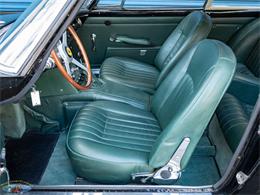
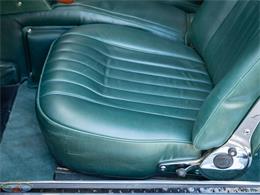
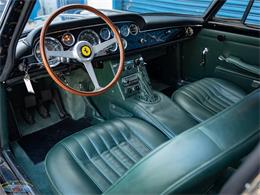
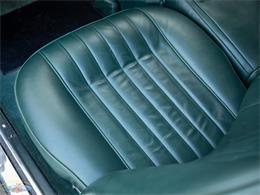
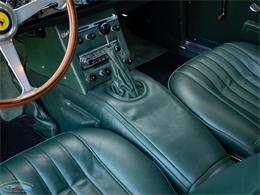
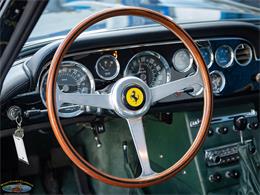
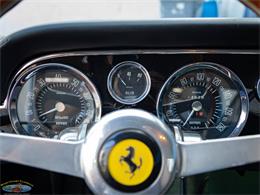
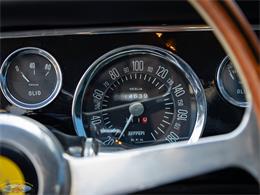
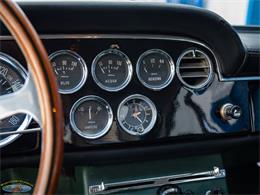
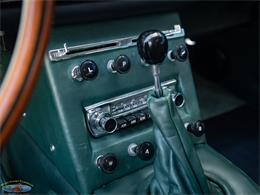
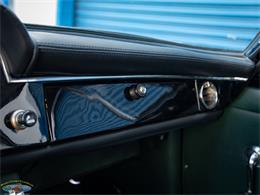
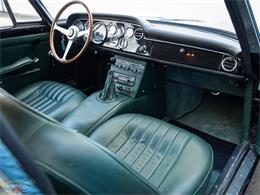
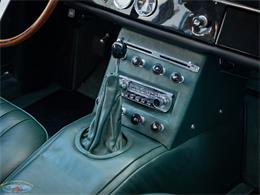
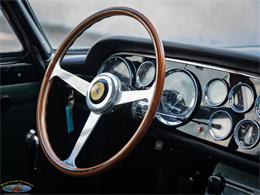
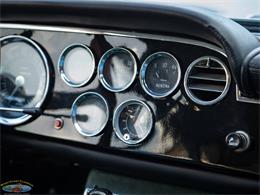
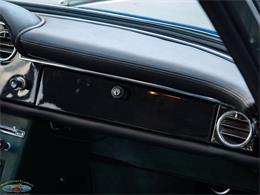
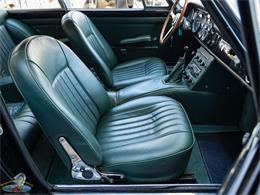
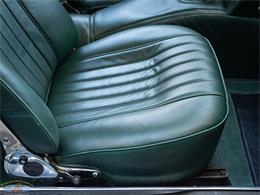
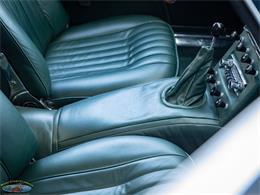
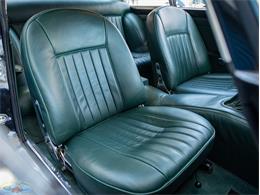
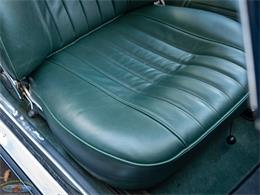
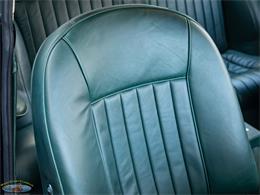
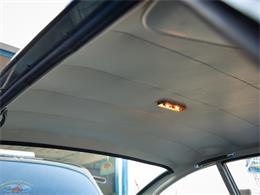
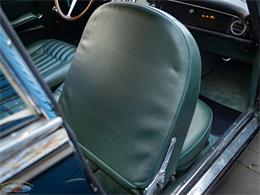
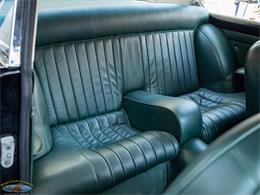
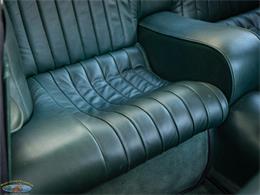
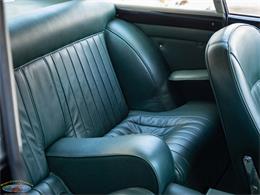
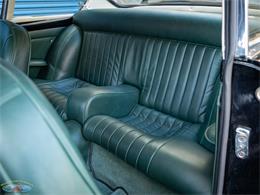
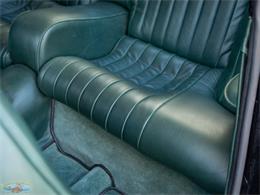
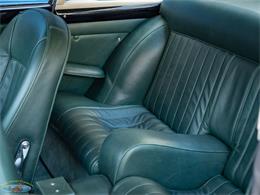
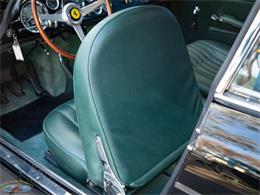
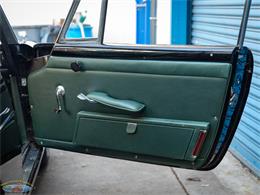
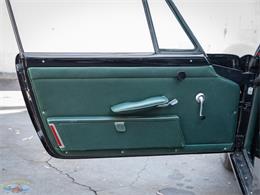
dual exhaust outlets, and 15-inch Borrani wire wheels. Inside, the
Green leather cabin retains its traditional grand touring character
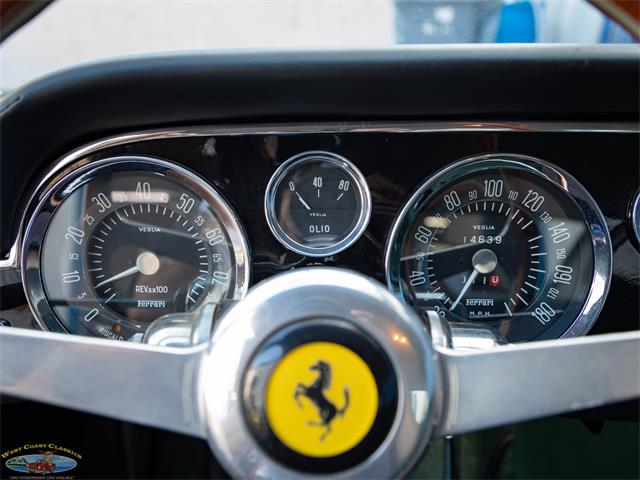
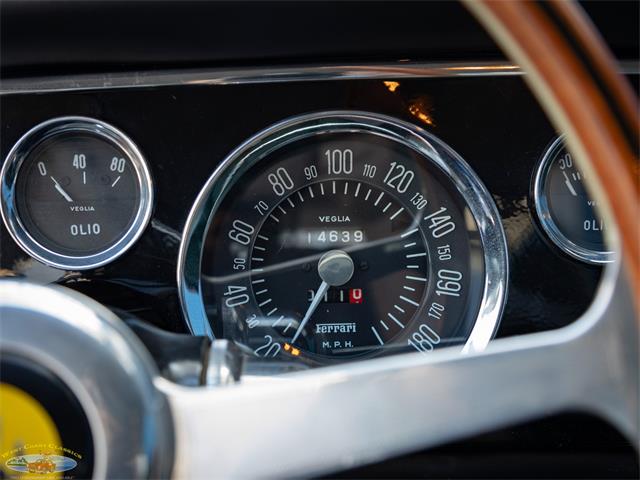
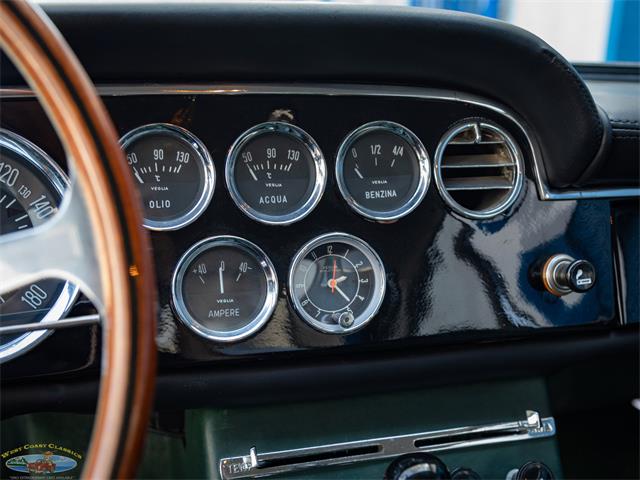
with a wood-rimmed steering wheel, Veglia instrumentation and
dashboard clock, and a period Blaupunkt AM/FM radio. Together,
these appointments and elegant Pininfarina coachwork complete the
car's distinctive presence and capability.This is a rare
period-modified example and according to Ferrari factory records,
Chassis number 4221 GT is a verified 1963 Ferrari 250 GT/E 2+2
Series III variant and a documented, left-hand-drive (LHD)
European-delivery vehicle.Chassis number 4221 represents the
genuine Ferrari chassis serial number, it identifies a 1963 Ferrari
250 GTE 2+2 Series III by Pininfarina.Factory Specs:Reportedly
according to the original factory build sheets, chassis 4221GT was
built in early 1963 and left the Maranello factory finished in a
Grigio Argento (Silver Grey) exterior over a Rosso (Red) Connolly
leather interior.Ferrari's classic Pininfarina-designed four-seater
grand tourer, featuring distinct Series III updates like relocated
driving lights and updated taillights, authentic 2+2 layout with
bucket-style front seats, a compact rear bench, leather upholstery,
and a classic wooden steering wheel.The 250 GTE 2+2 Series III had
a production run spanning just 300 cars.Factory Specifications
& Original Colors:Ferrari 250 GTE 2+2 Series III (Chassis
4221GT) was completed by the Maranello factory in early
1963. While it is one of the 300 Series III models built,
exact private build-sheet specifics for this specific hull
number-such as its original delivered paint code and interior
hide-remain tightly held in private historical archives or within
Ferrari's own Classiche database. Typically,
business-oriented 2+2 models of this era left the factory in
classic period tones like Grigio Argento (Silver Grey), Grigio Fumo
(Smoke Grey), Blu Chiaro (Light Blue), or Nero
(Black). Historical Ownership Registry:Because chassis
4221GT has spent decades moving quietly through private collections
rather than headlining prominent public auction events, its
complete step-by-step chain of custody is not a matter of open
public record.Original Factory Build Specifications:Chassis Number:
4221GTModel Type: 250 GTE 2+2 (Series III)Chassis Type: 508E steel
tubular frameEngine Type: 3.0-liter Tipo 128/F Colombo V12
engineHistorical Registry & Documentation:According to the
Barchetta Ferrari Serial Number Registry 4221GT marks an important
production milestone as one of the very first cars cataloged in
Part II of the Series III production sequence. Unlike
several other 250 GTE chassis numbers nearby in the registry that
were stripped or rebodied into GTO or Testa Rossa replicas later in
life, 4221GT is tracked historically as an authentic,
original-bodied Series III configuration.Factory Build
Specifications for 4221 GT:It was born from Maranello with a
3.0-liter Tipo 128E Colombo V12 with a 4 speed manual transmission.
It would not have left the factory with a Tipo 22 3.3-liter 330 V12
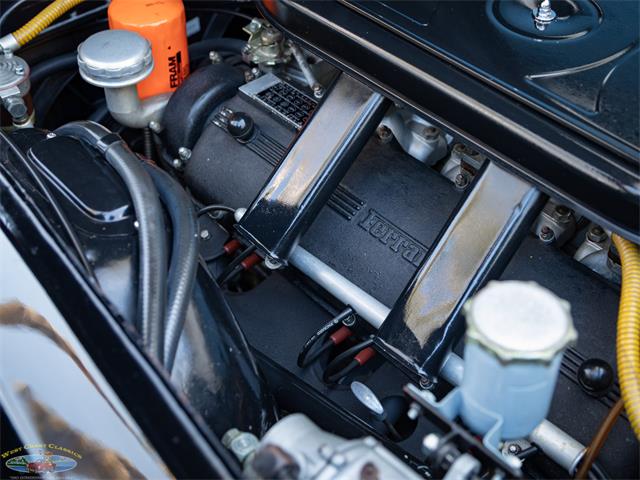
Columbo engine or a 5-speed transmission.This car is interesting
anomaly in so far as the engine has two different stampings on the
block:From our research, the presence of the two stamps; 226/1016E
stamped alongside 1816/62E, is a classic indicator of a
factory-corrected error or a production-line
update. Reportedly this happened on vintage Ferrari
Colombo V12 blocks when the factory either changed its internal
allocation mid-production or re-stamped a blank/replacement
block. What 226/1016E Means:This second stamp follows
Ferrari's exact same factory layout: 226 (Engine
Type/Variant): This represents the Tipo 226 engine variation. The
Tipo 226 block was a developmental evolution of the 250 series used
during the transition toward the larger 4.0-liter Ferrari 330
engines (often found in the 330 America and late-series 250 GTE
chassis).1016 (Sequential Production Number): This is the
sequential internal casting number (numero interno) tracking this
specific engine build sequence. E (Engine Specification):
Confirms it was bound for the same luxury GT E series specification
line. During the early 1960s, Ferrari's Maranello foundry
and machine shops treated engine blocks fluidly. Two primary
scenarios could explain why this block carries both numbers:The
Factory Correction (Most Common):A block cast or partially machined
under the internal sequence 1816/62E was pulled aside to fulfill an
immediate order or production shift for a Tipo 226 application.
Instead of destroying the block, the factory machine shop simply
struck the new sequence, 226/1016E, over or next to the original
casting designation.Warranty or Service Replacement Block:If an
original car's engine suffered catastrophic failure at or near the
factory when new, a replacement block from a different sequence
(e.g., a Tipo 226 block) would be prepared. Ferrari routinely
cross-stamped or over-stamped the original internal identifiers to
keep factory build sheets and warranty ledgers uniform.Looking
closely at the depth, alignment, and physical presentation of both
stamps:The "Final" Number: The stamp that is cleanly aligned with,
or typed onto, the smooth flat-machined ledge (where the actual car
chassis number goes) is the number Ferrari officially recognized
for the car's final build sheet.The "Ghost" Number: The number
stamped onto the rough, unmachined sand-cast engine skirt is
usually the initial foundry identification that was later
updated. Since 226/1016E is stamped squarely on the
smooth, flat-machined ledge, from our understanding this should be
the official, final factory classification of the engine block. The
unmachined sand-cast number is the original foundry number.This
might then confirm exactly how the engine was completed at
Maranello:The Engine Type: It is most likely officially a Tipo 226
engine. A variation of the Colombo V12 block, the Tipo 226
designation is highly notable for its evolution into the
powerplants used during Ferrari's transitional era (and famously
later refined into the legendary 4-cam setups like the 275
GTB/4).The Final Sequence: Its true internal production tracking
number is 1016E.Because it rules the flat-machined ledge, Ferrari
may have officially disregarded the earlier 1816/62E sand-cast
stamp. In the factory ledger, this component ceased to be an "1816"
engine block and was permanently reassigned to the "226/1016E"
build track to meet specific vehicle specifications.In full
disclosure, this is obviously all just an educated guess on our
part after researching the issue and should be considered pure
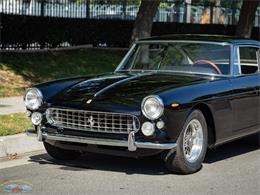
speculation for all intents and purposes. Aesthetic
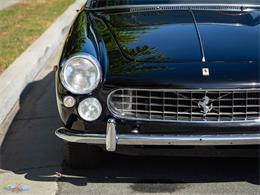
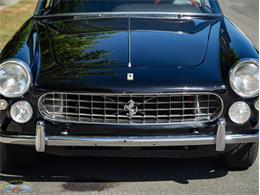
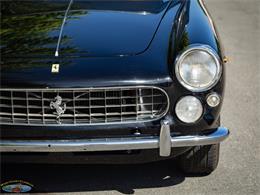
Configuration: As a late Series III car, it left the
production line featuring the updated Pininfarina styling, which
moved the auxiliary driving lights to the outside of the front
grille (unlike Series I cars, which had them inside the grille
mesh). It was built as a left-ha...for more information please
contact the seller.
ClassicCars.com has been recognized as one of the fastest-growing private companies in the United States, successfully making the Inc. 5000 list in both 2015,
2016, 2017 and 2018. This prestigious accolade represents the continued growth of the company, and ClassicCars.com's dominance as the world's largest online marketplace for
buying and selling classic and collector vehicles.
The Stevie Awards, the world's premier business awards recognized
ClassicCars.com's first-class Customer Support team with a Stevie Bronze Award in 2019, celebrating the team's skills as exemplary customer support specialists.
In 2016 The Journal, brought to you by ClassicCars.com, was celebrated as the SECOND MOST INFLUENTIAL automotive blog in the world by NFC Performance.