The F50 was by no means the first road car to draw on Formula 1
engineering, but when it was unveiled at the 1995 Geneva Motor Show
in anticipation of Ferrari's 50th anniversary, it was arguably the
most literal translation of Grand Prix technology to the street yet
attempted. Road & Track's technical analysis described it as
virtually a road-going version of the 333 SP, the multiple IMSA GT
and FIA championship-winning sports-racer Ferrari had developed
from its 1990 F1 program. Paul Frere, winner of the 1960 24 Hours
of Le Mans, wrote in the magazine that company president Luca di
Montezemolo wanted the car to give its driver "the impression that
he drives a Grand Prix car."
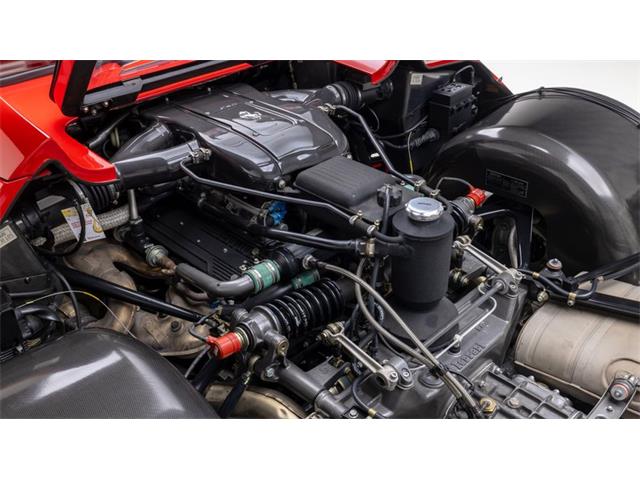
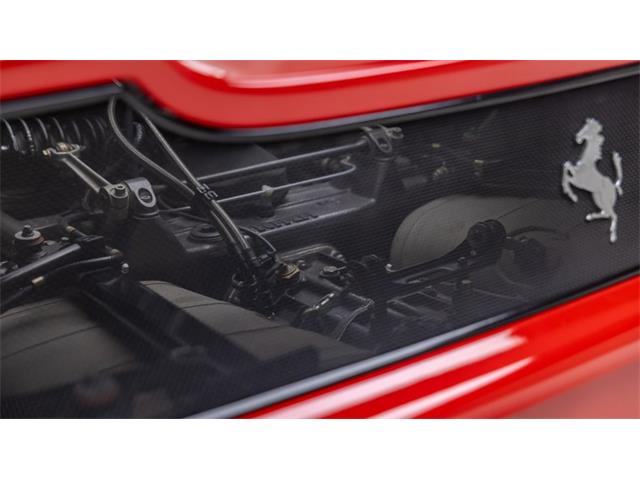
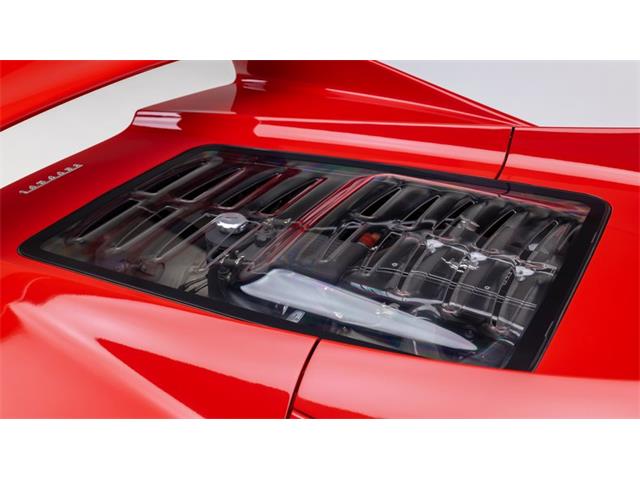
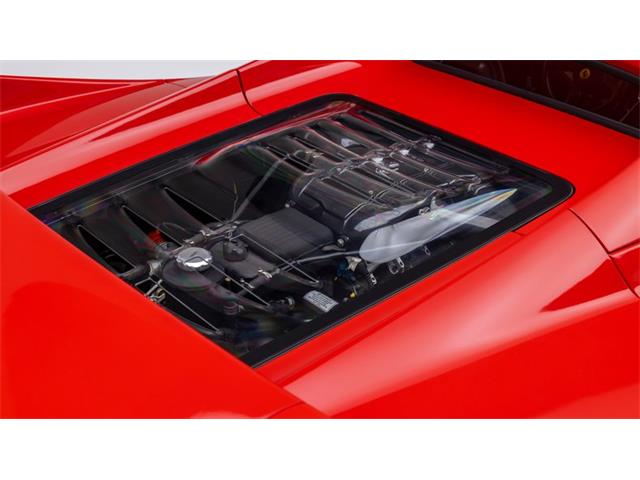
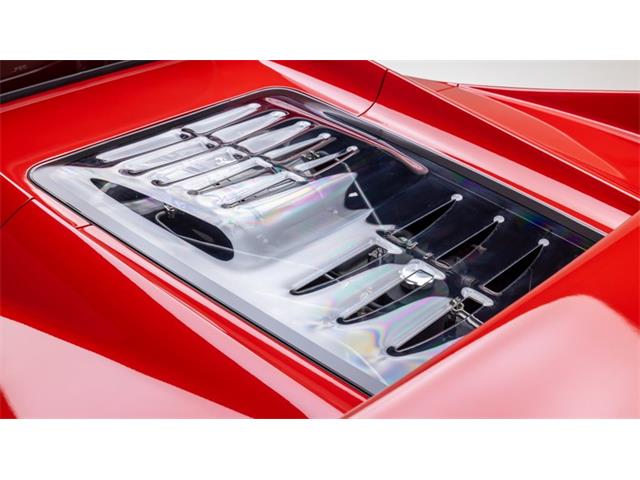
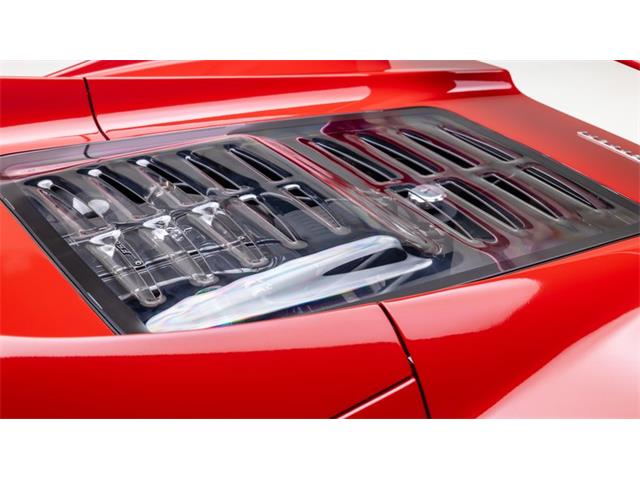
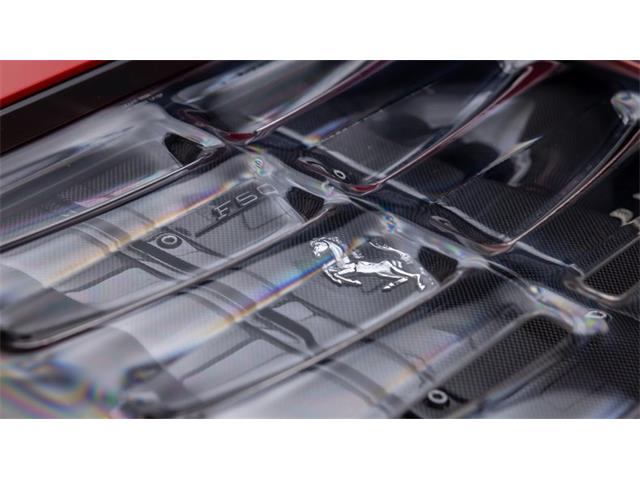
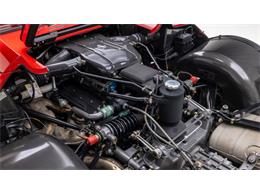
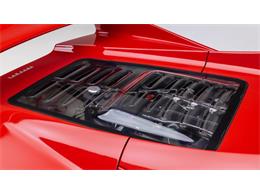
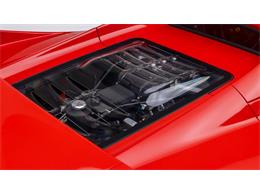
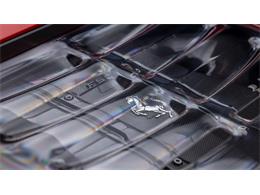
The engine was a 4.7-liter, 65-degree V12 developed from Ferrari's
3.5-liter Formula 1 unit, with five valves per cylinder, titanium
connecting rods, and dry-sump lubrication. It produced 513
horsepower and 347 lb-ft of torque. As in a Grand Prix car, its
cast-iron block was bolted directly to the back of a 225-pound
carbon-fiber tub and carried the rear suspension. Pushrod-actuated
double wishbones with electronically controlled damping, titanium
hubs, unassisted steering, and Brembo brakes without servo
assistance reinforced its connection to the F1 single-seater.
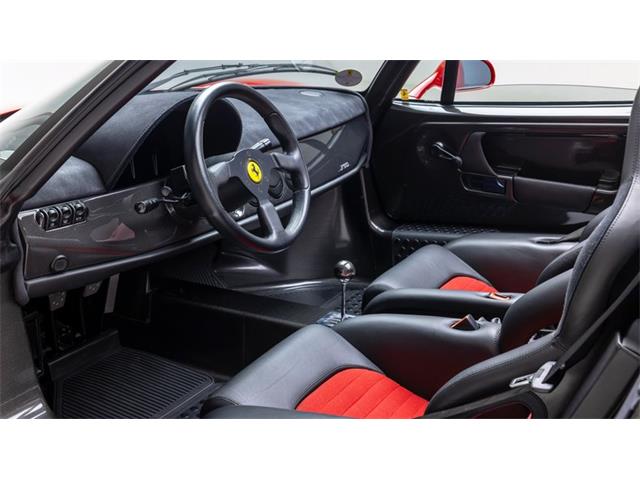
Unlike Ferrari's F1 cars, however, which had used electro-hydraulic
paddle shifters since 1989, the F50 kept a six-speed manual shifted
through a traditional open gate, and it would be the last of
Ferrari's halo cars to do so.
Development testing involved Jean Alesi, Gerhard Berger, Niki
Lauda, and chief tester Dario Benuzzi. Road & Track recorded zero
to 60 mph in 3.6 seconds, while Ferrari claimed top speed of 202
mph. Its testers observed that where most exotics merely hint at
the racing experience, the F50 "slaps you in the face with all its
visceral ingredients." To avoid a repeat of the F40, which was
built in 1,311 examples to meet its exploding demand, Ferrari built
just 349 examples between 1995 and 1997 to ensure its
exclusivity.
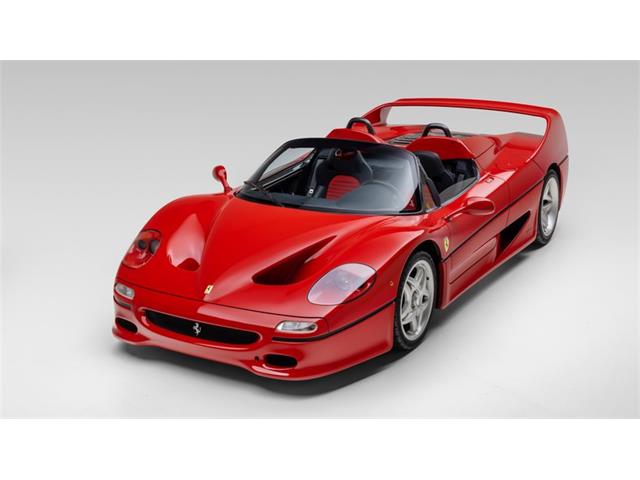
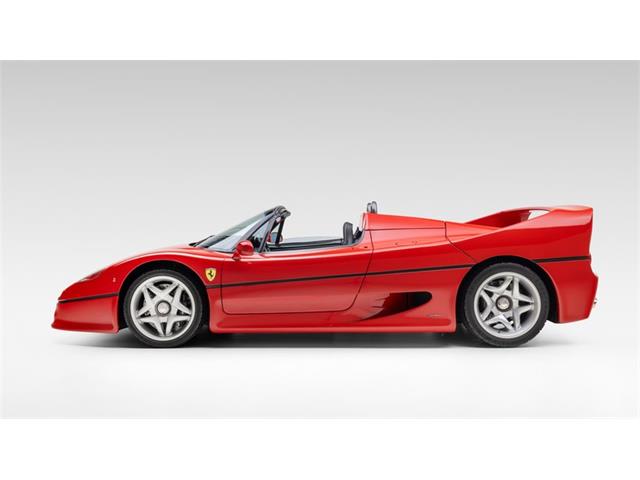
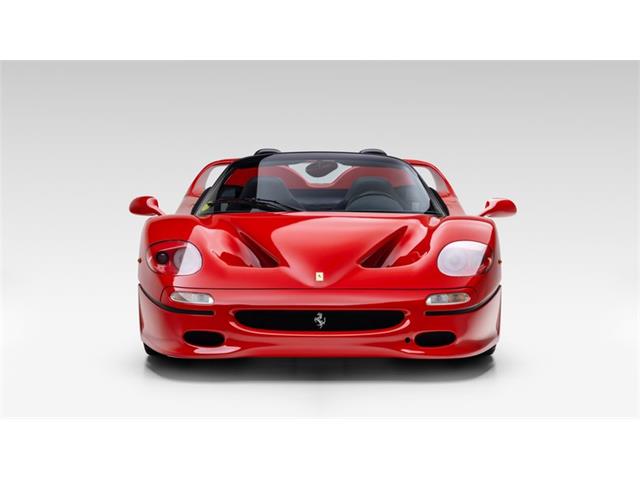
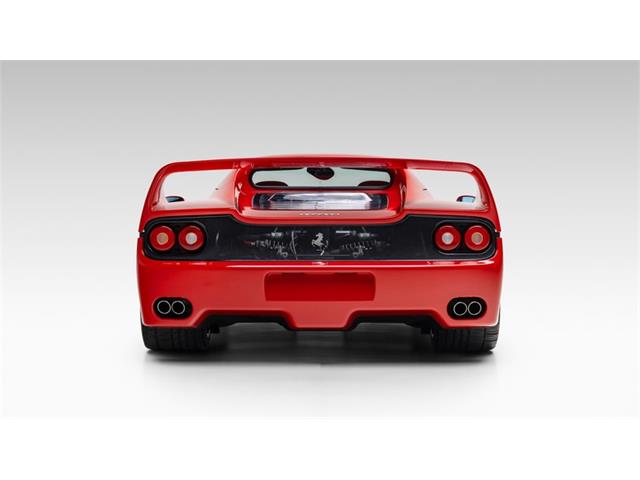
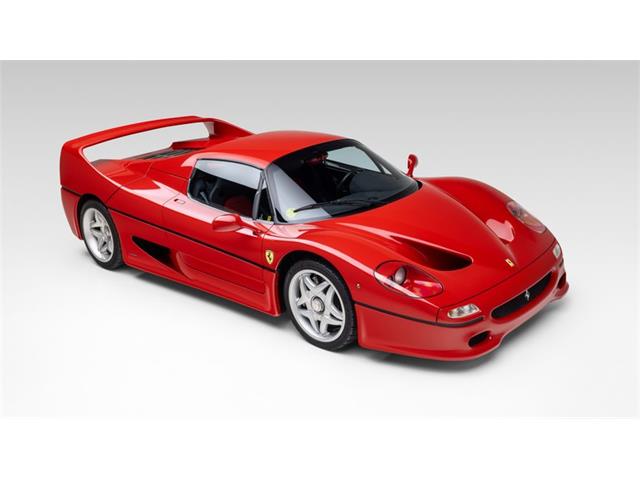
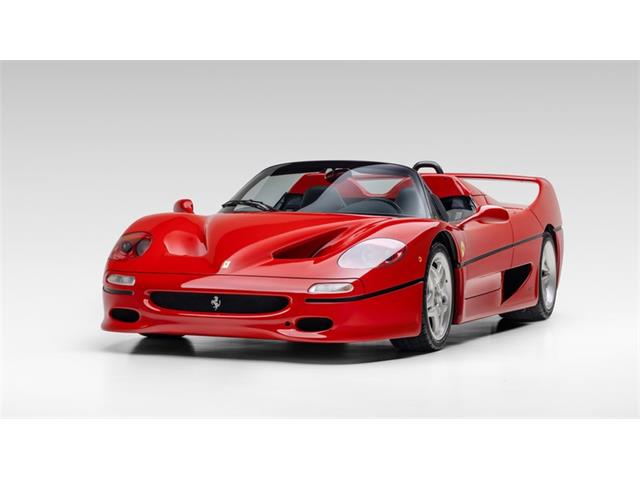
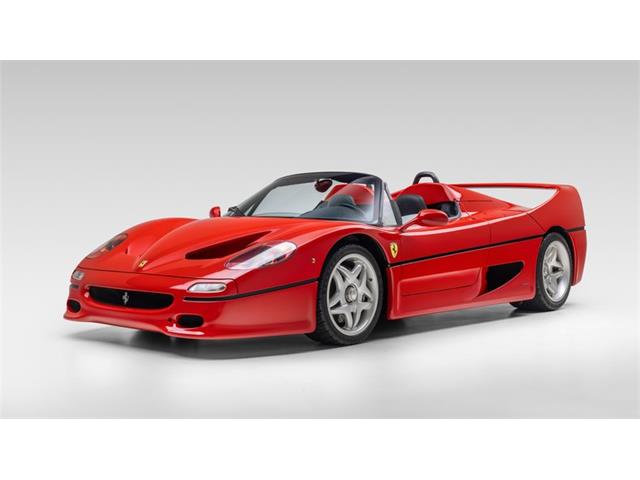
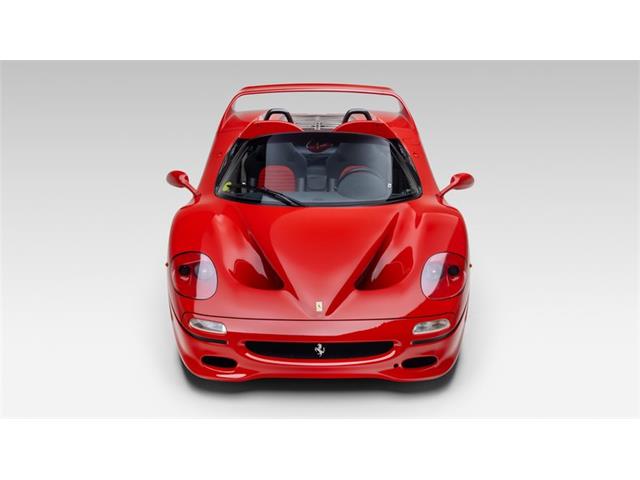
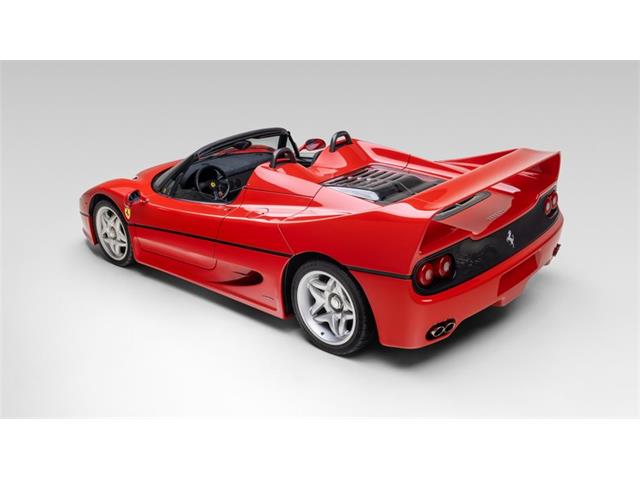
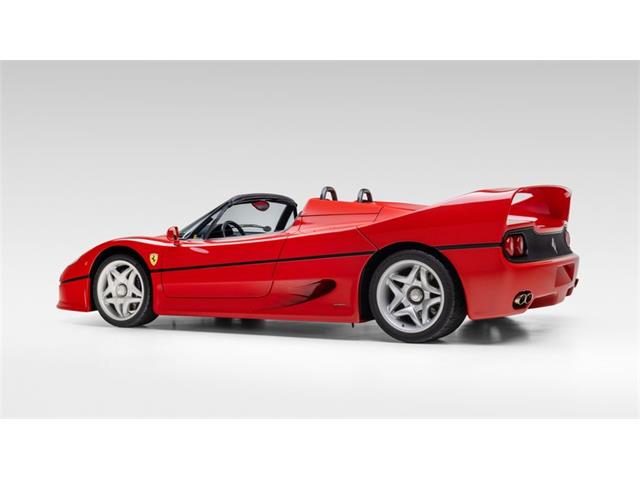
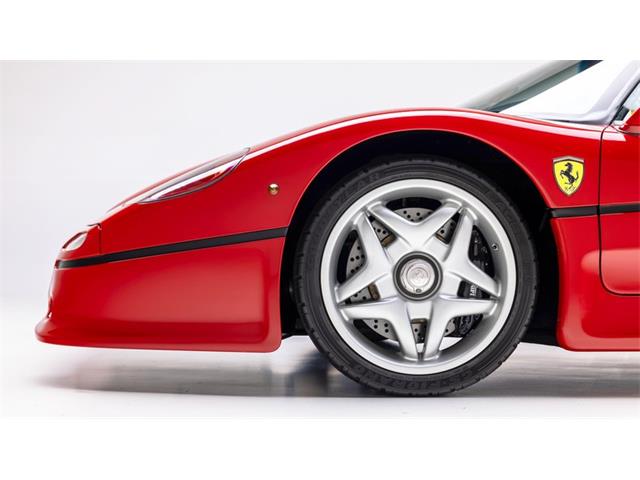
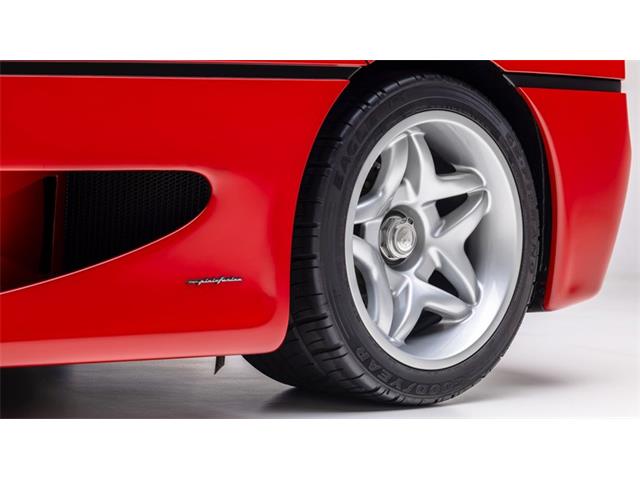
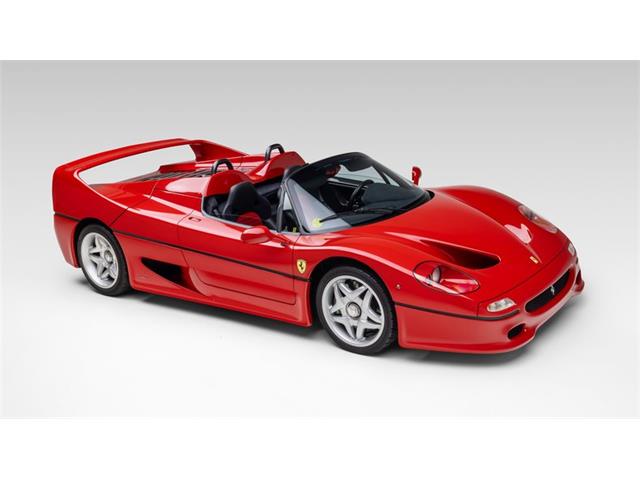
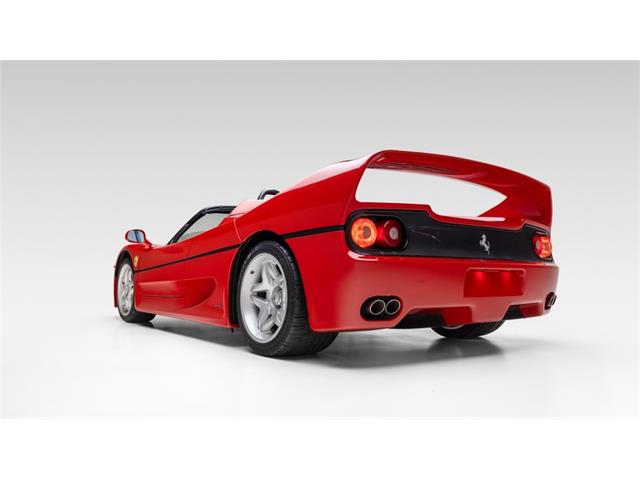
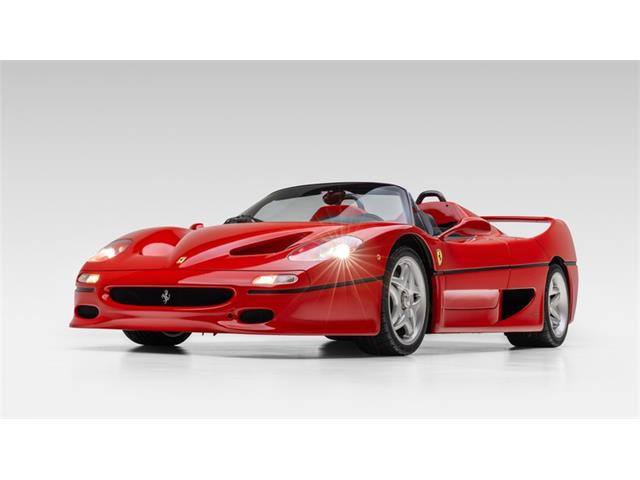
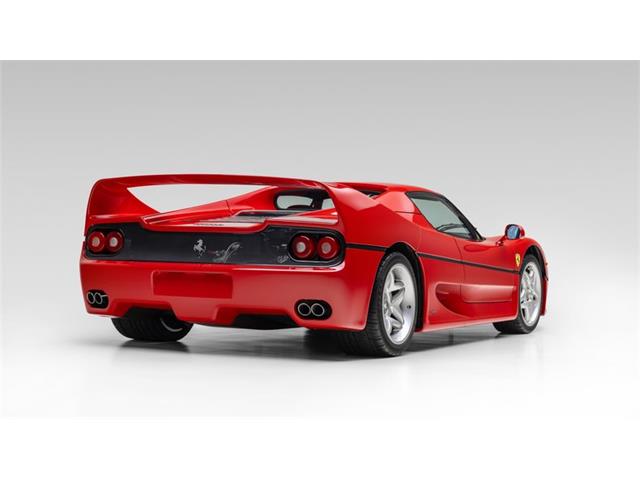
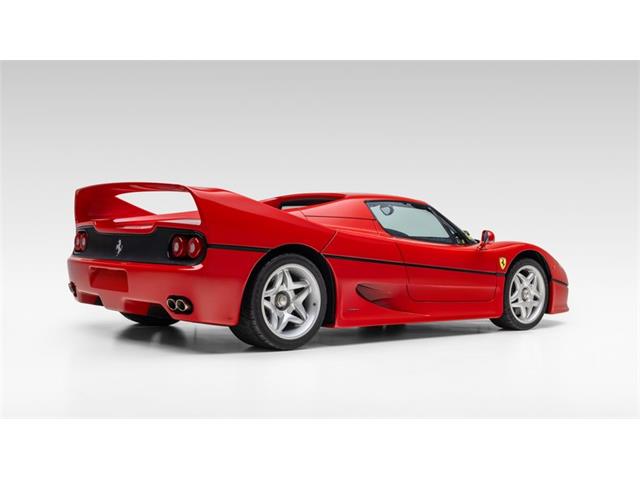
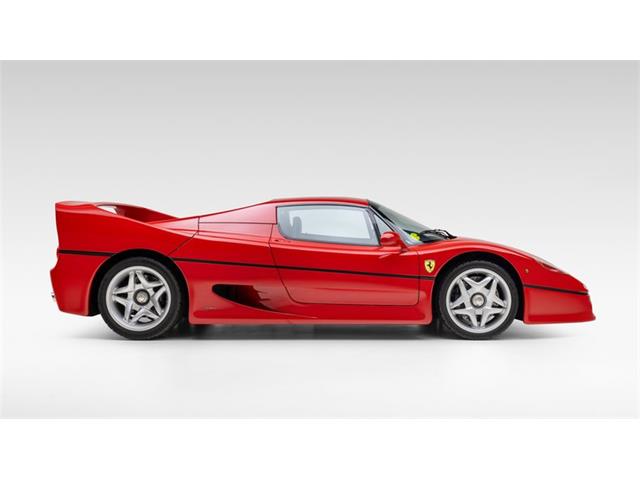
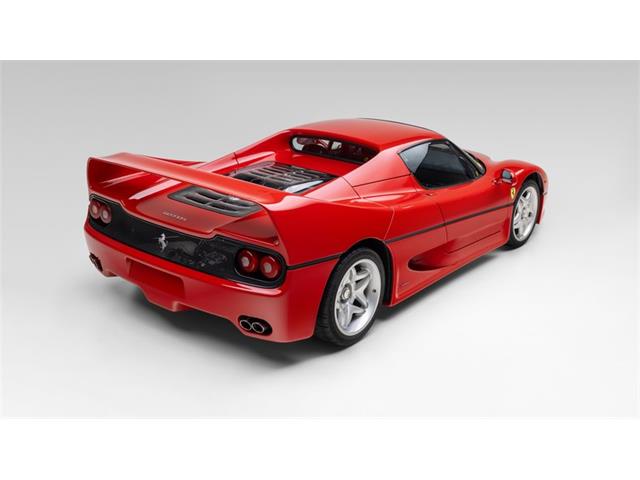
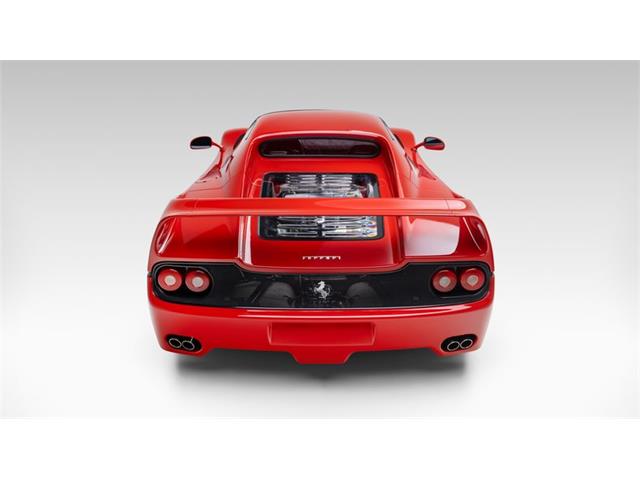
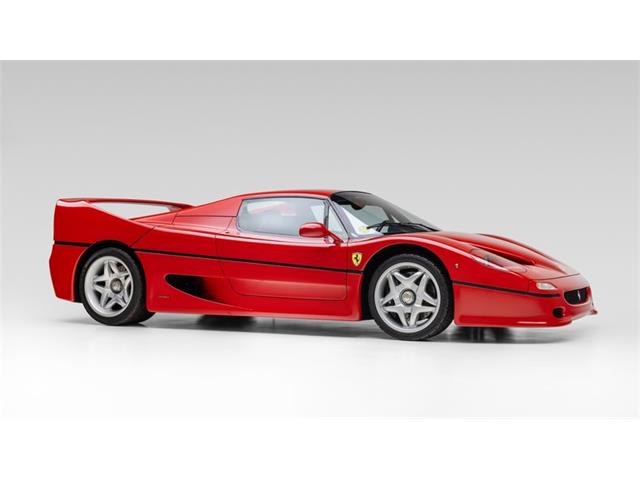
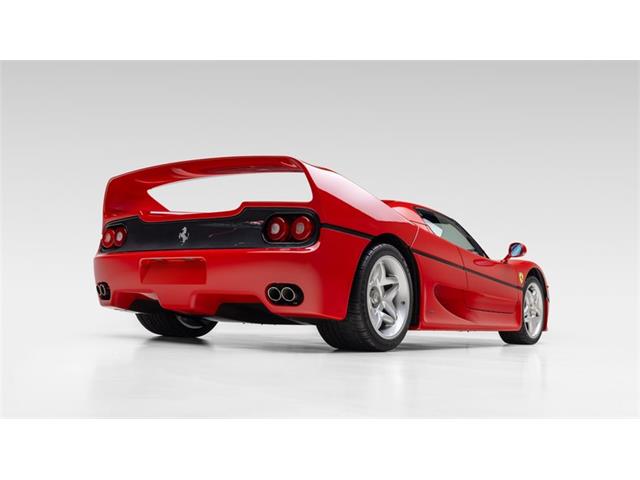
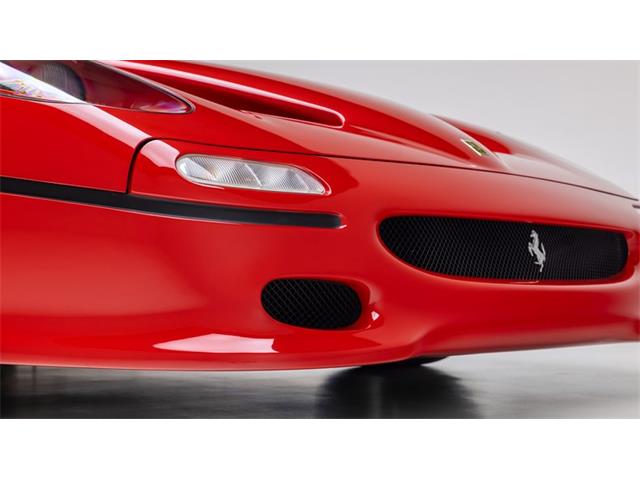
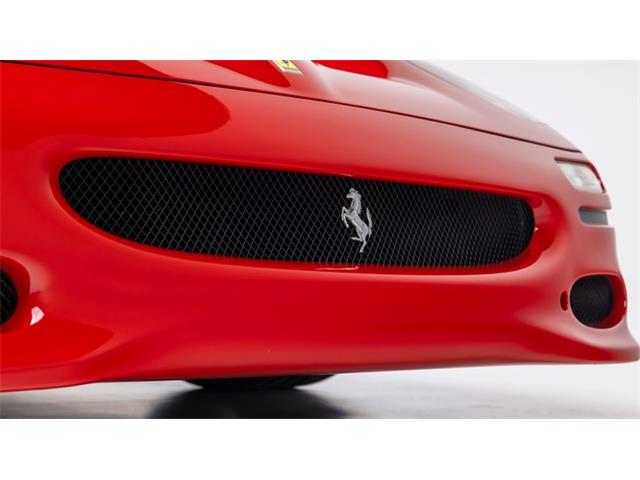
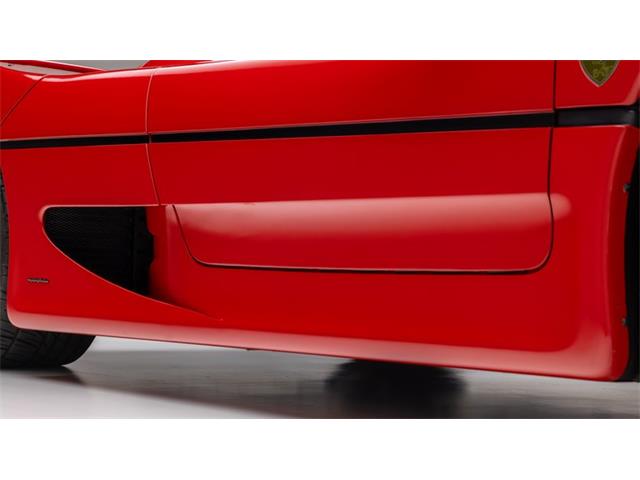
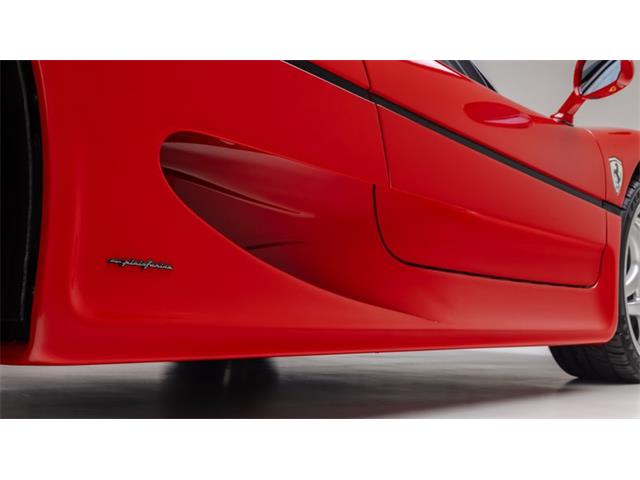
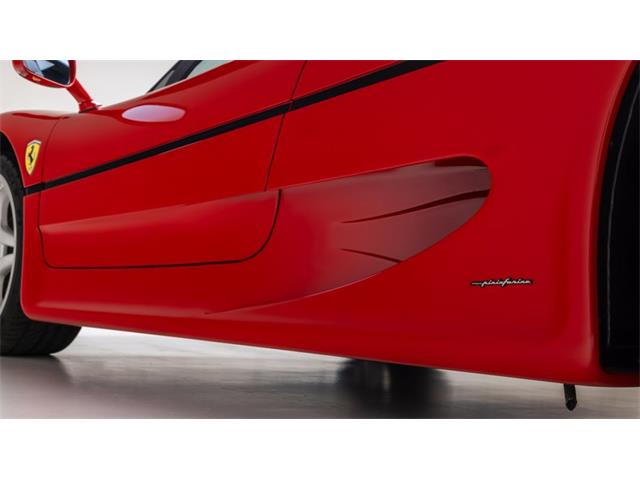
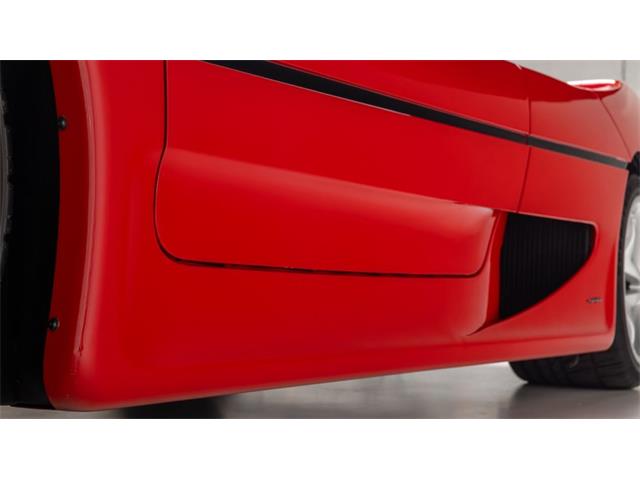
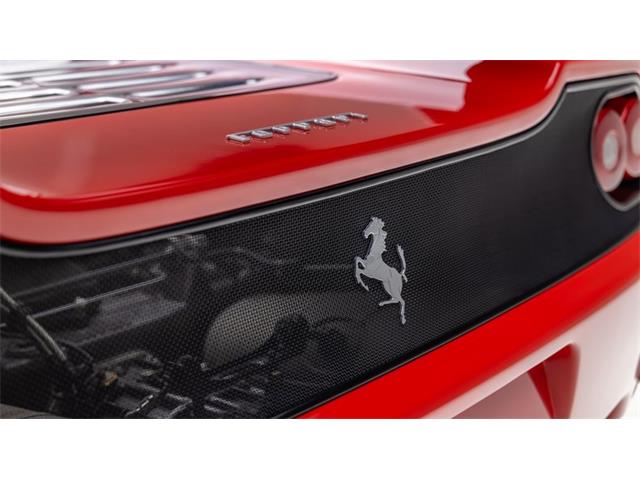
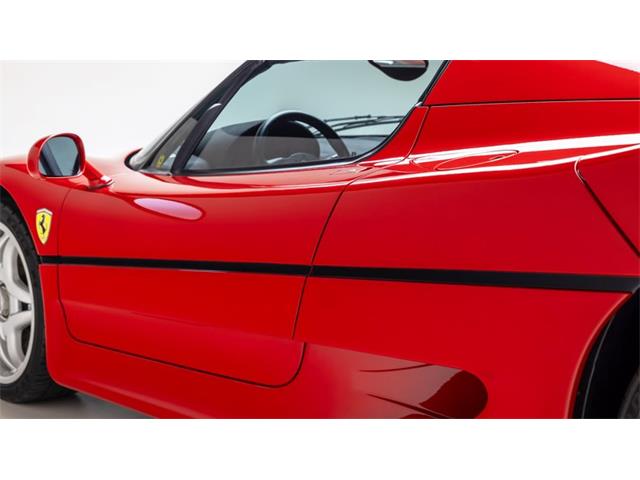
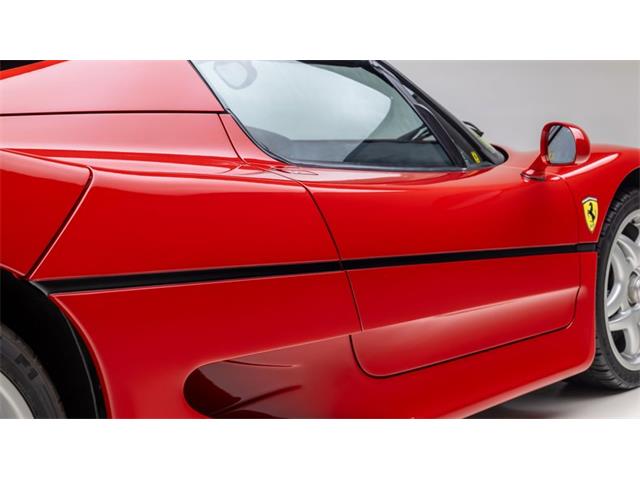
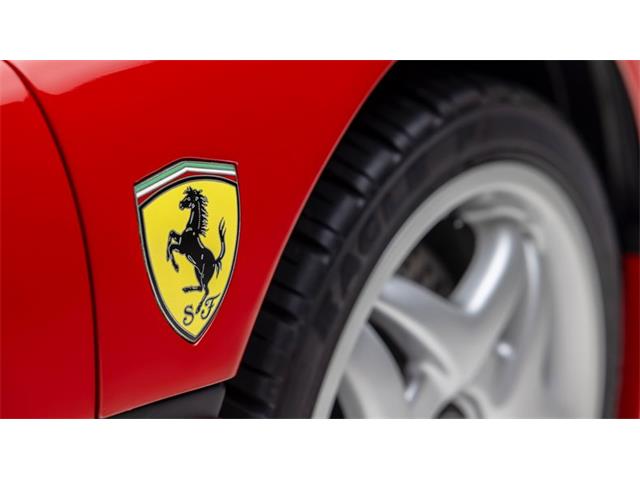
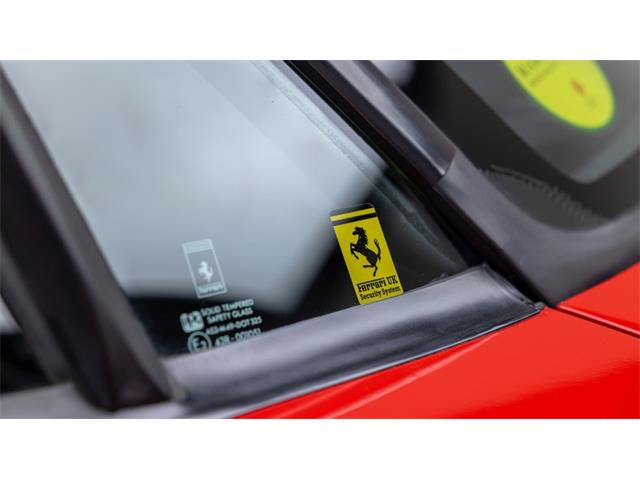
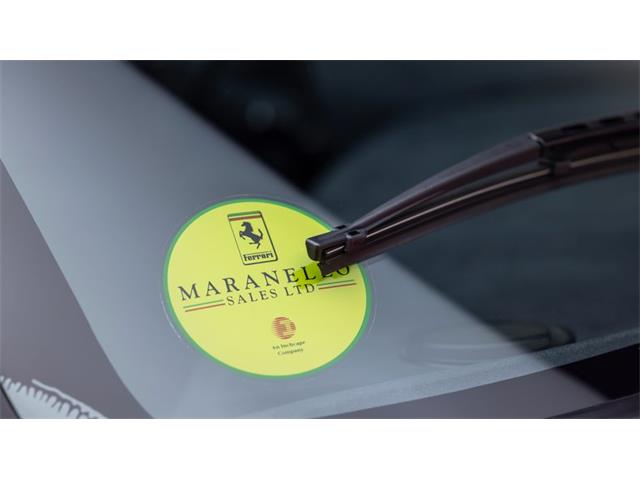
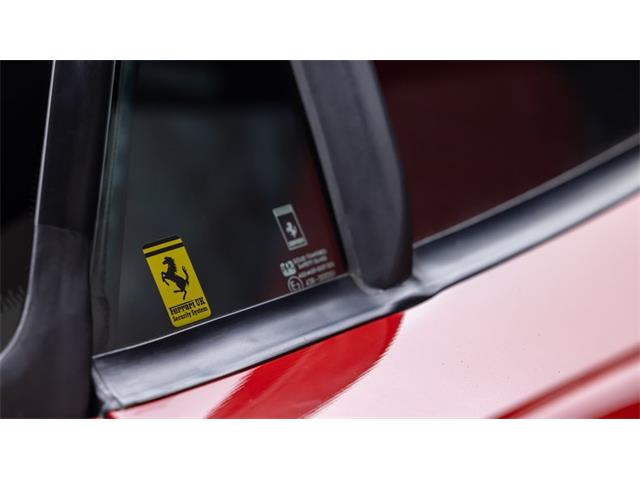
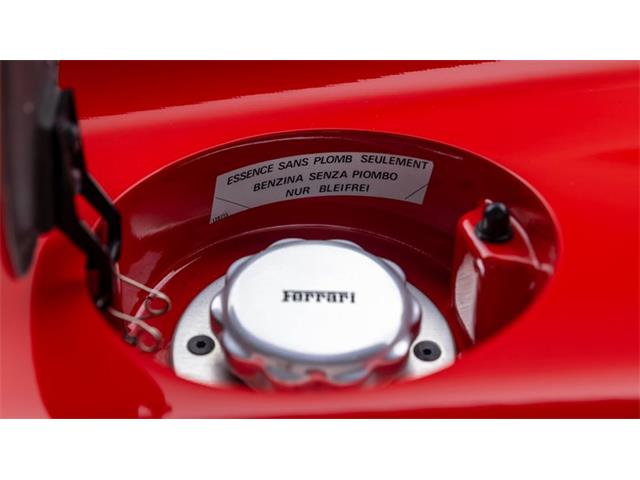
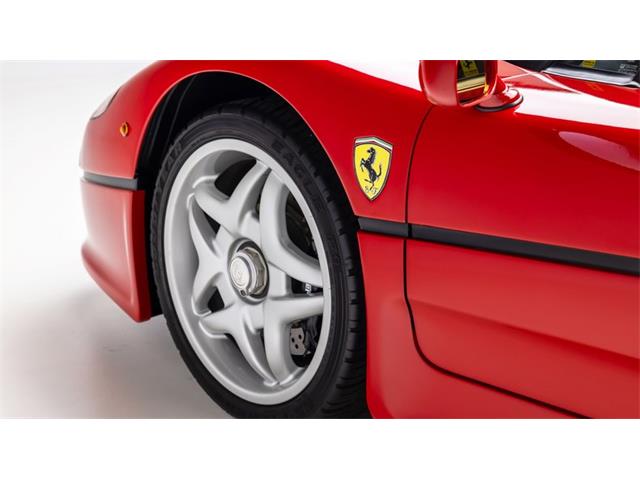
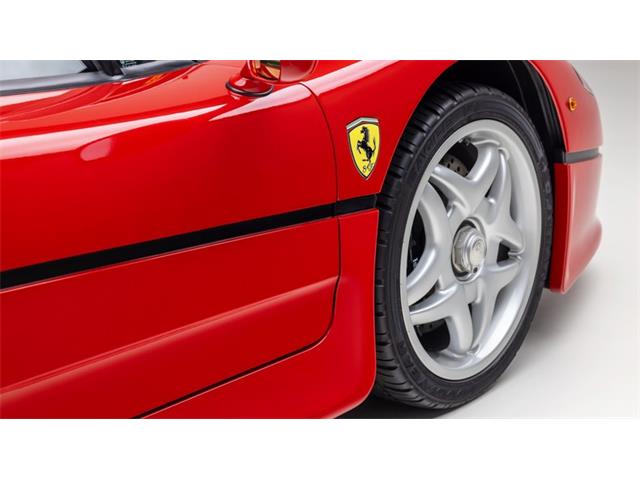
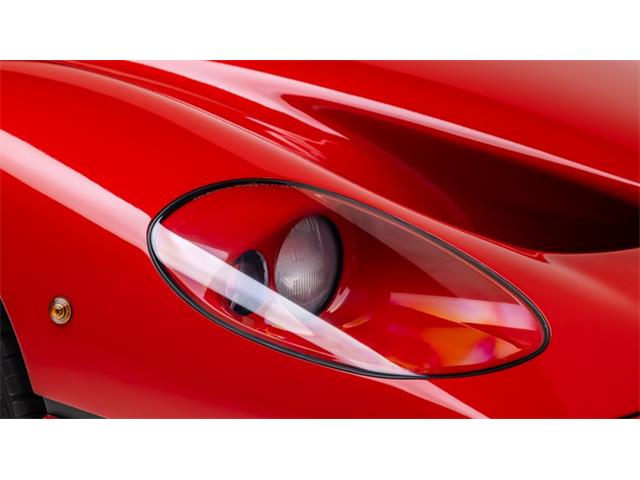
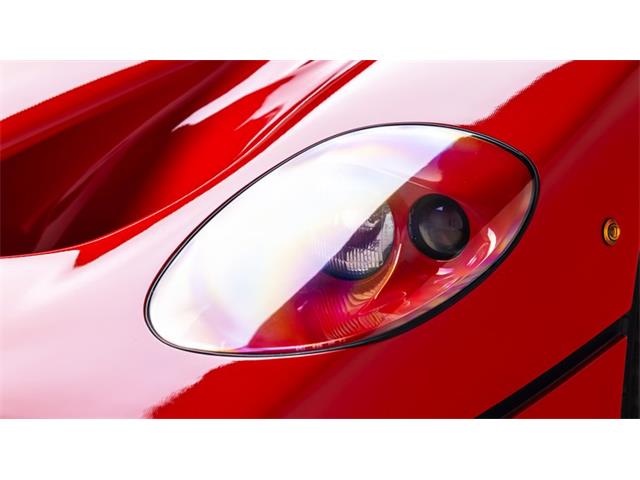
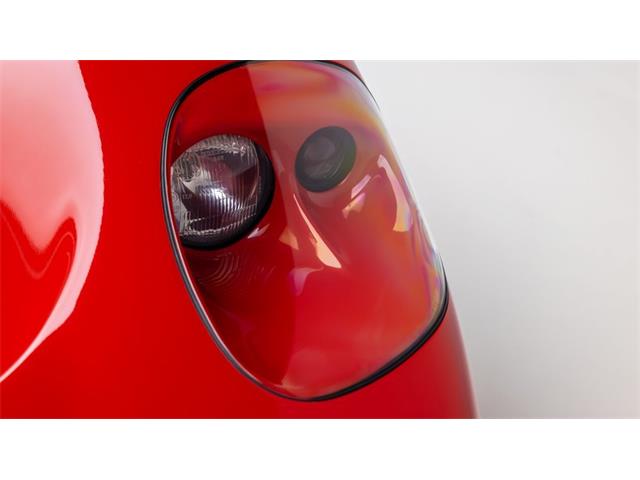
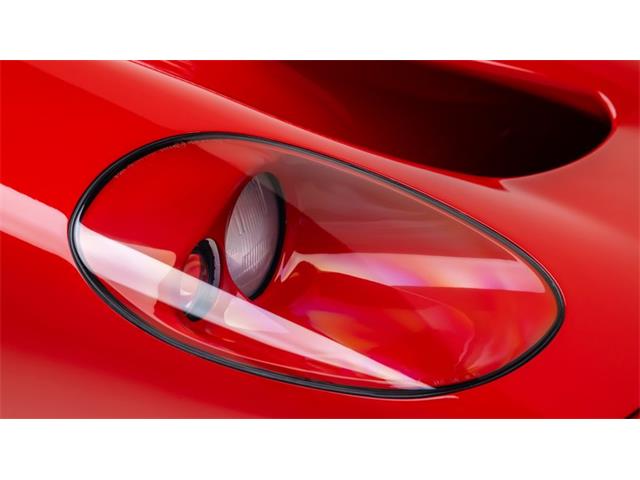
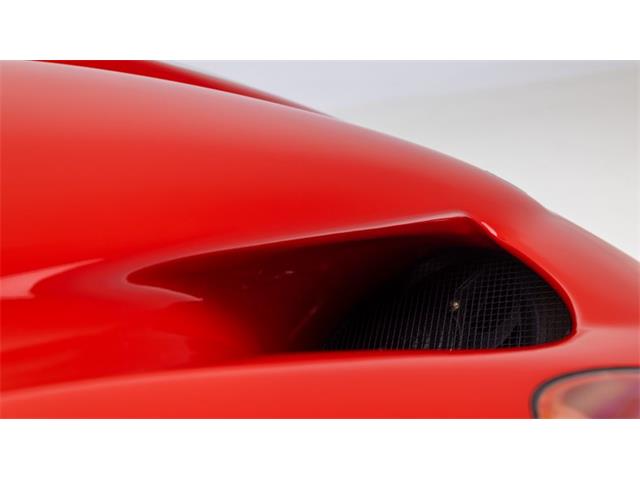
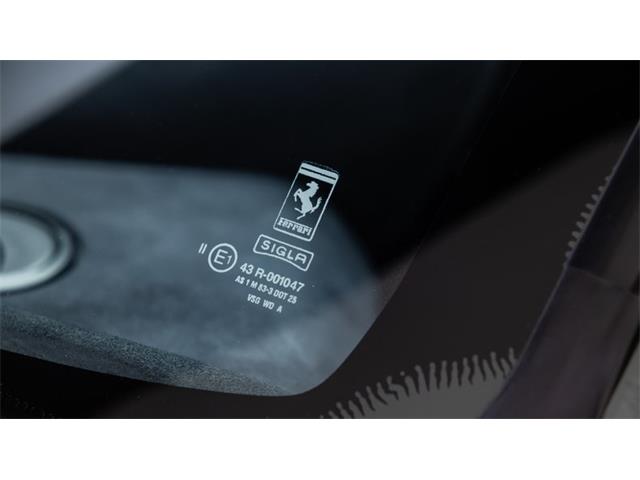
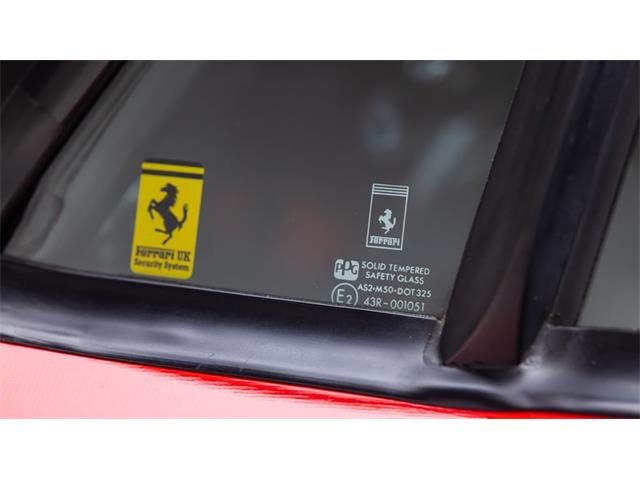
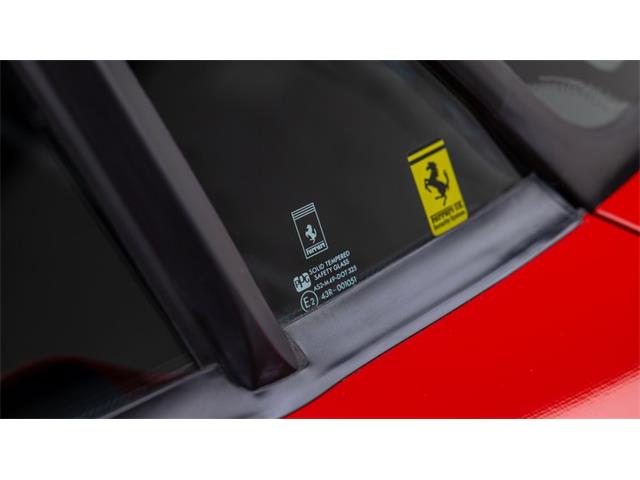
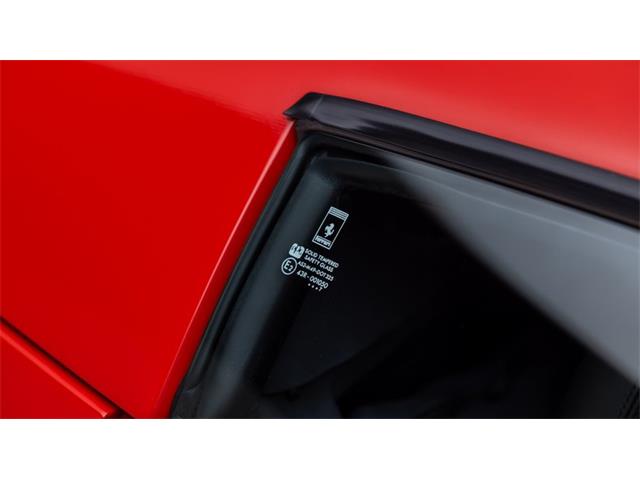
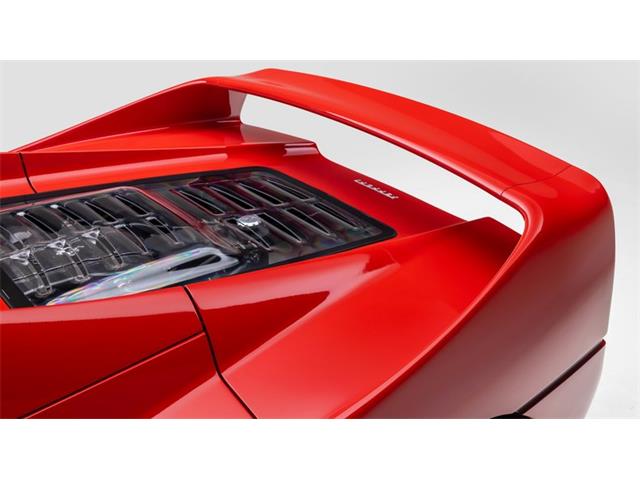
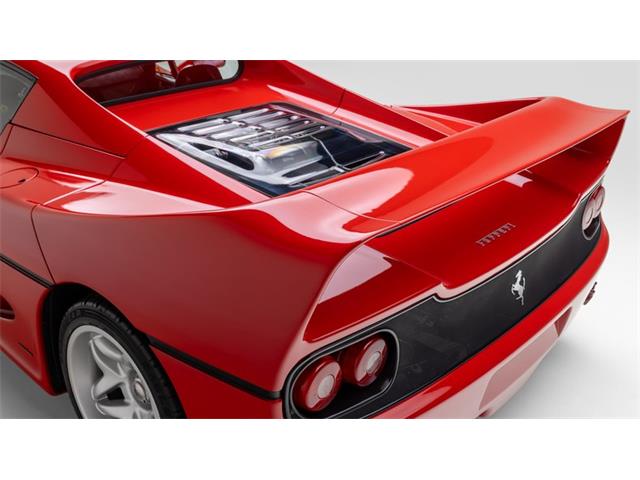
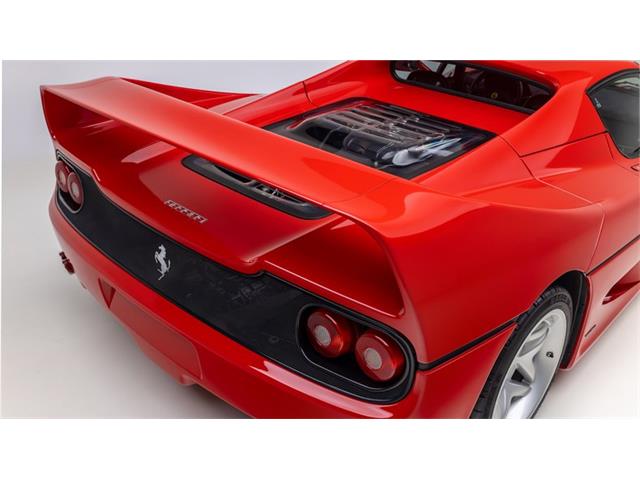
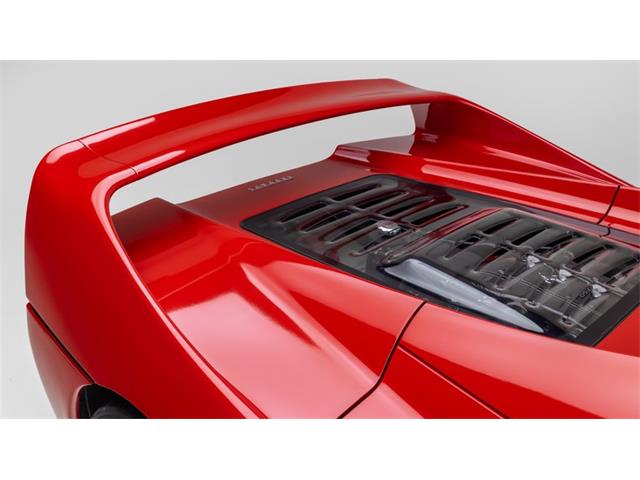
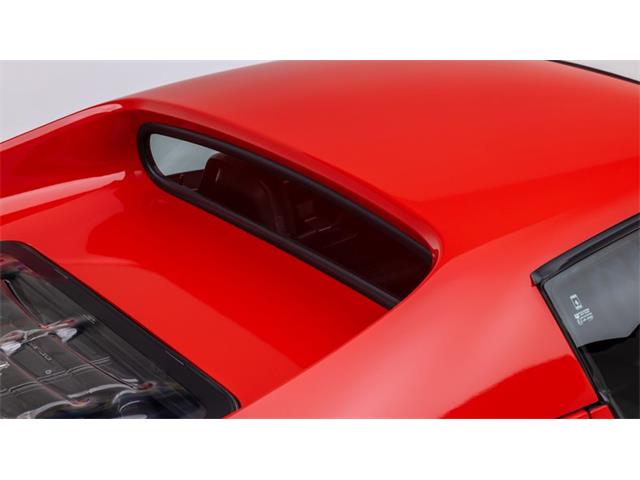
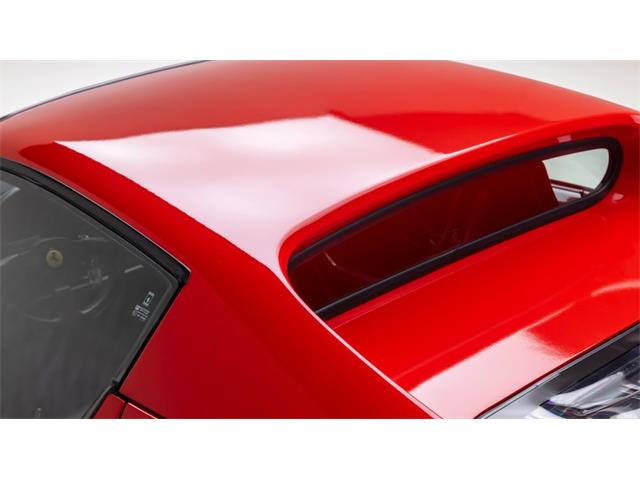
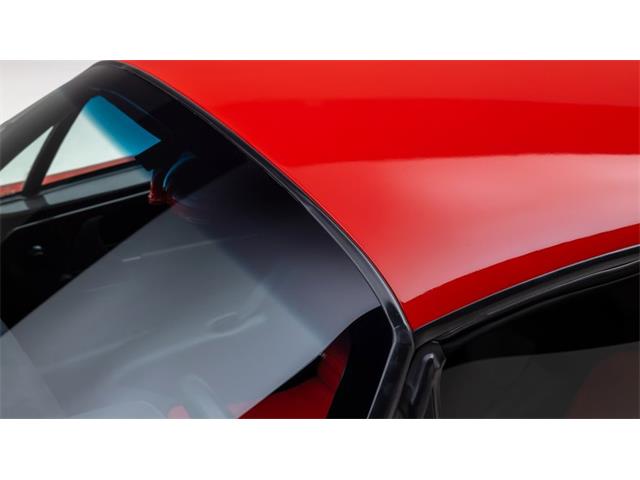
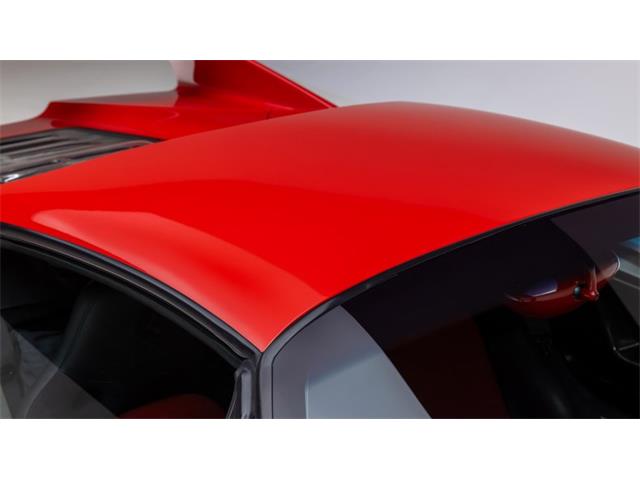
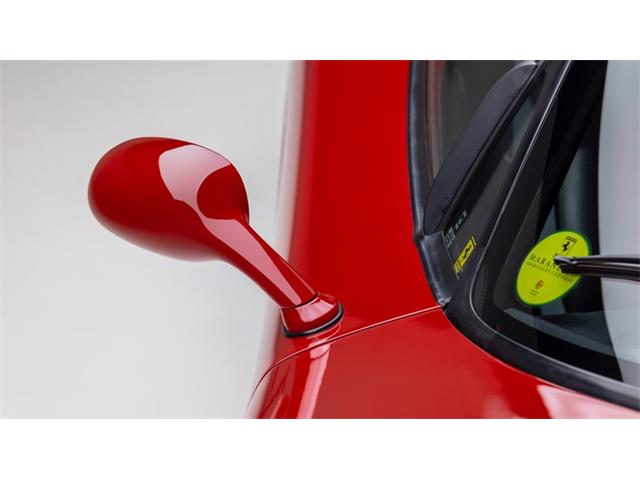
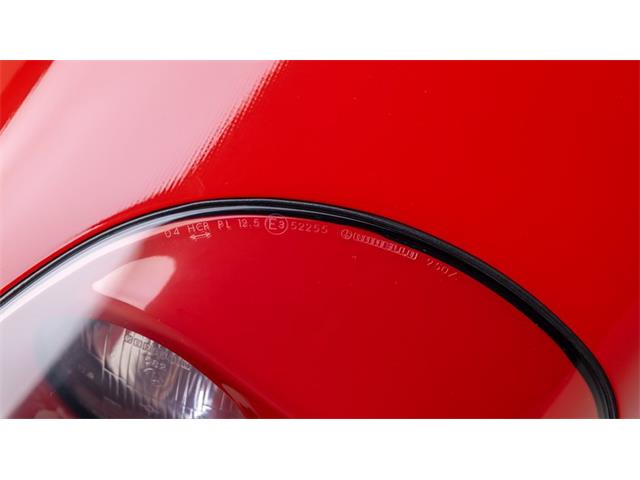
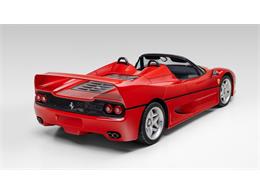
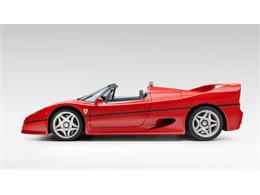
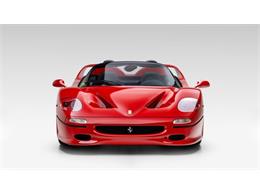
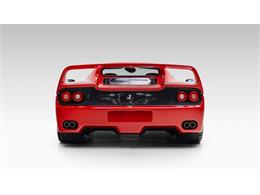
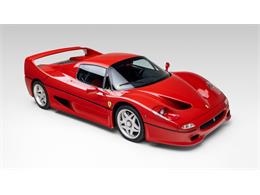
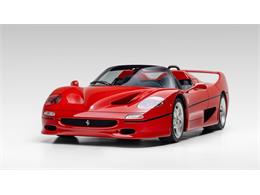
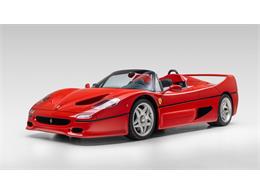
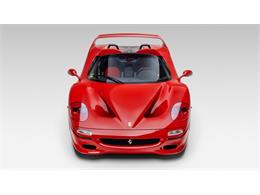
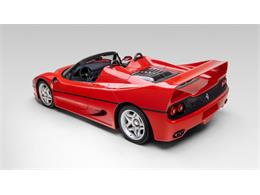
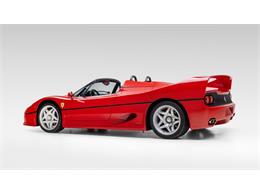
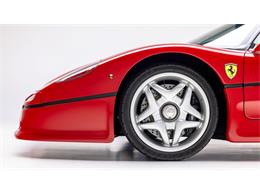
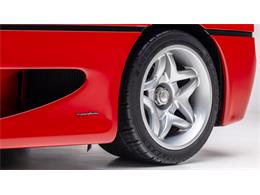
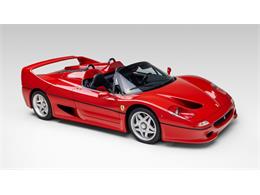
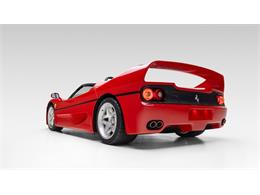
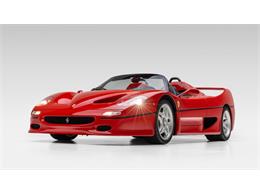
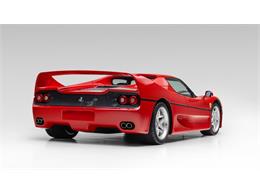
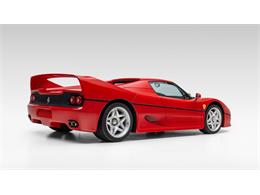
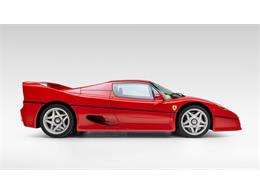
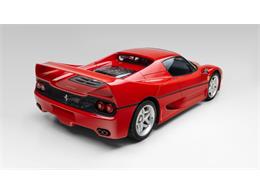
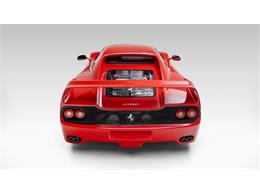
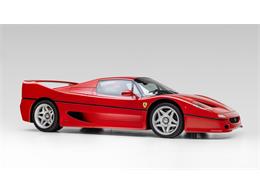
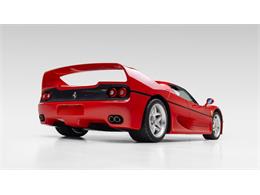
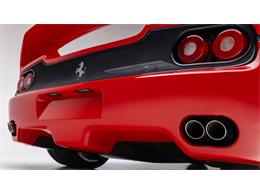
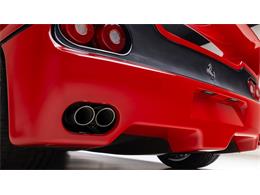
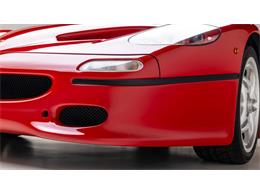
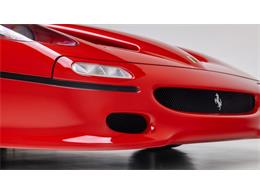
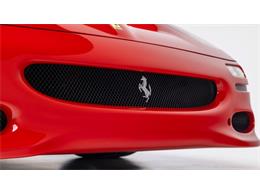
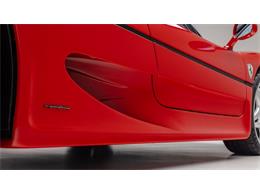
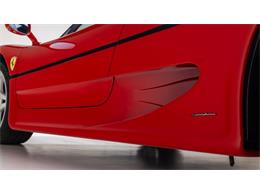
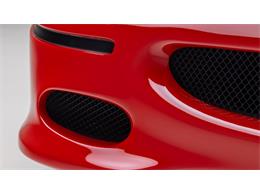
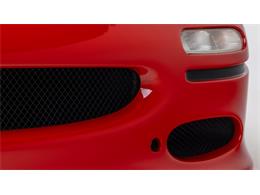
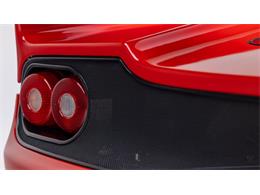
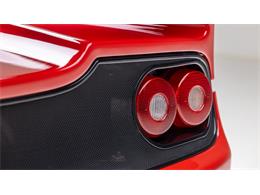
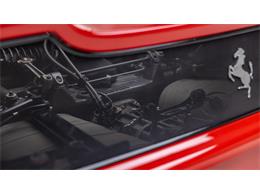
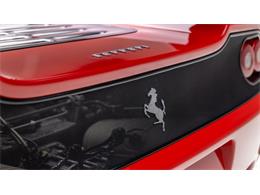
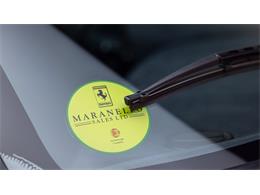
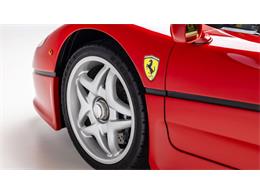
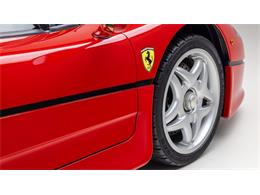
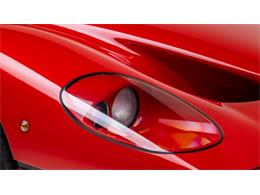
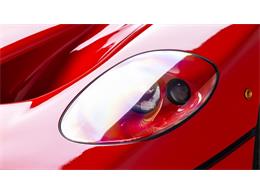
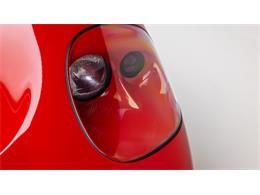
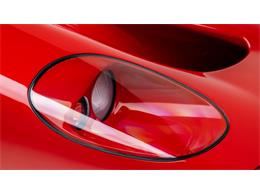
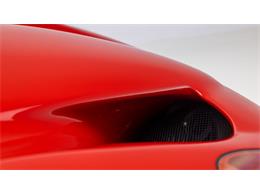
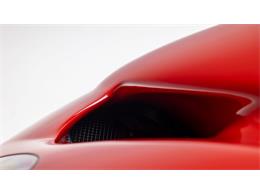
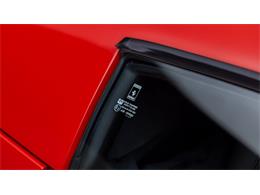
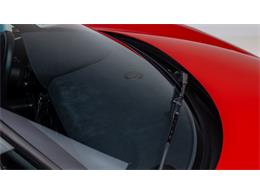
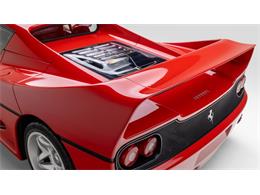
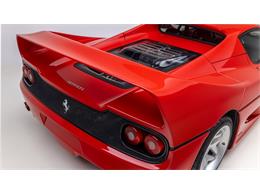
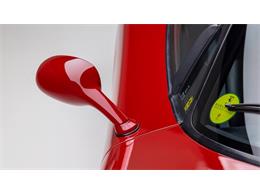
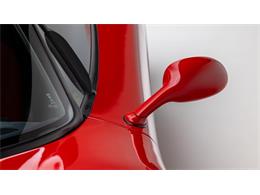
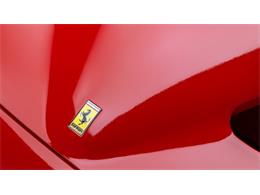
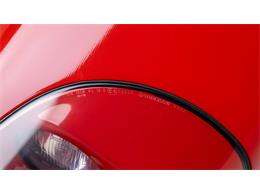
The F50 offered here, chassis number 107165, is the 334th of those
349 cars, a late-production example delivered new via Maranello
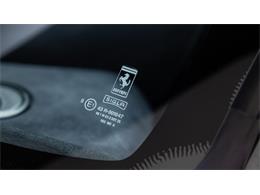
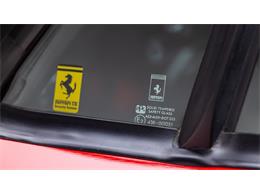
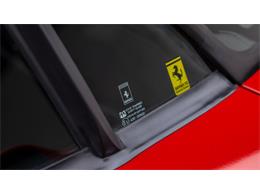
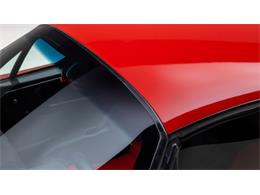
Sales Ltd. of Egham, Surrey, whose decal it still wears on the
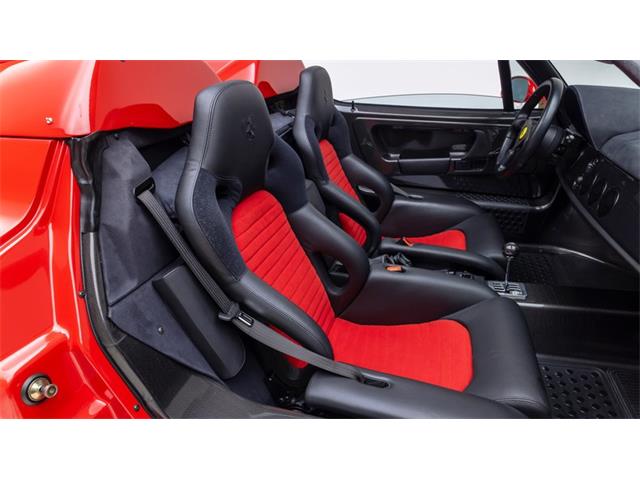
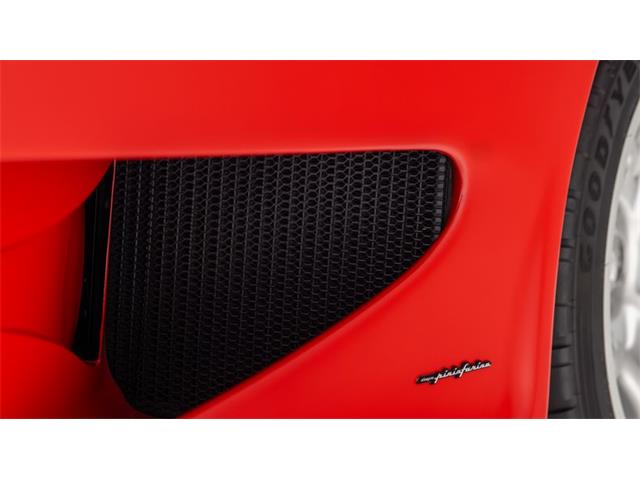
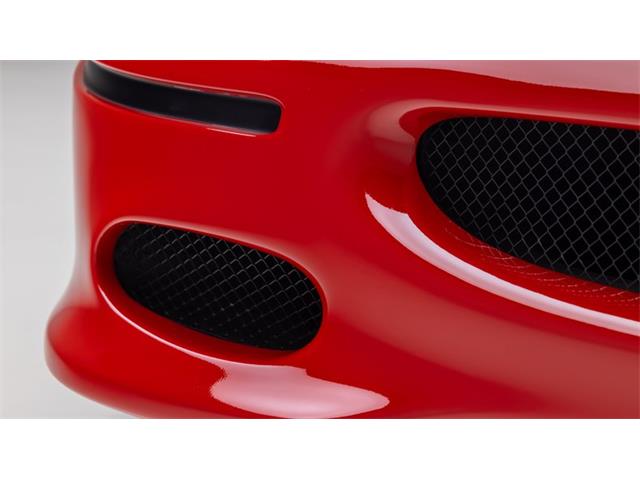
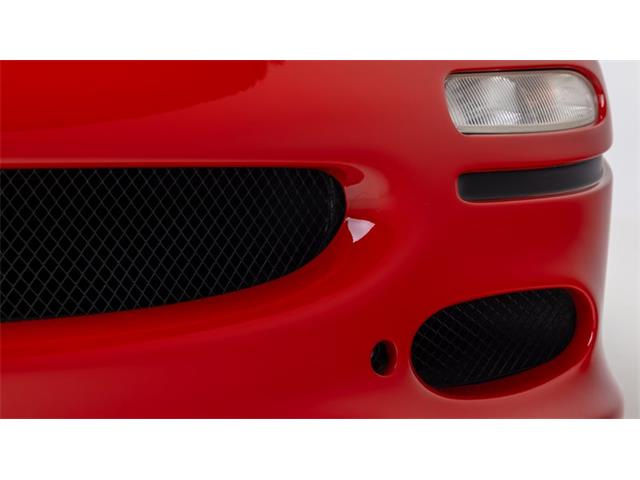
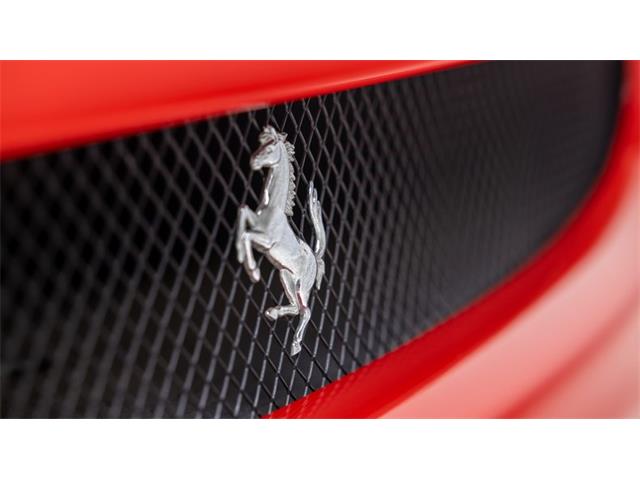
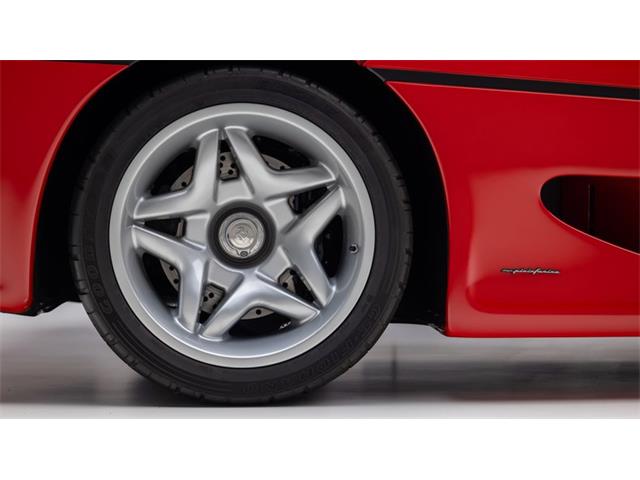
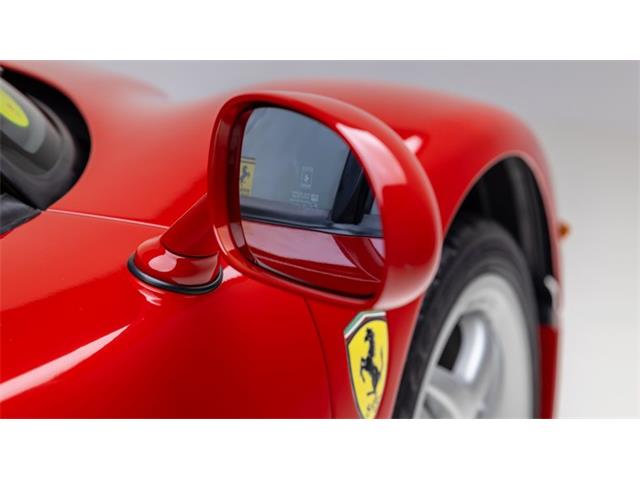
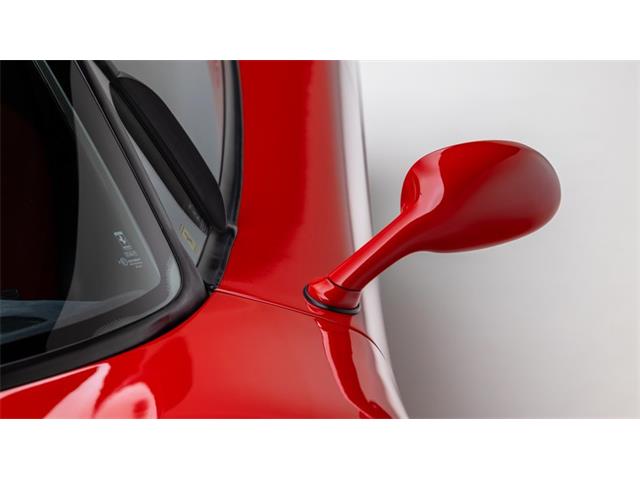
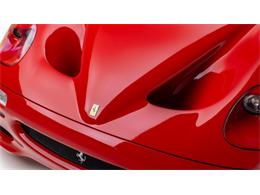
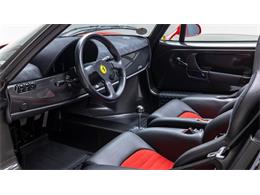
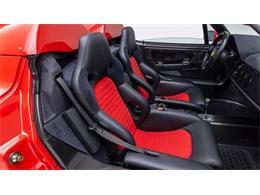
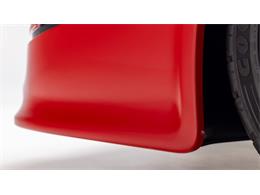
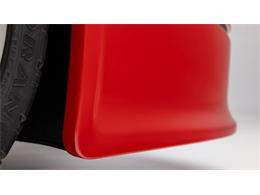
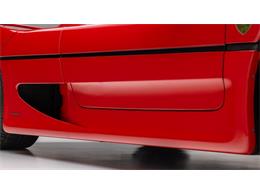
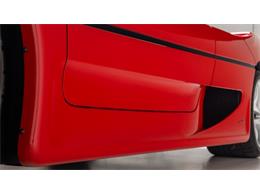
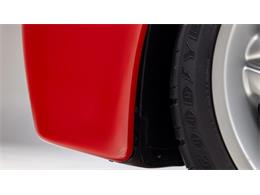
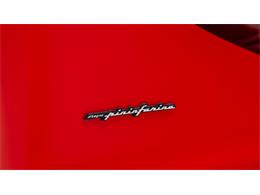
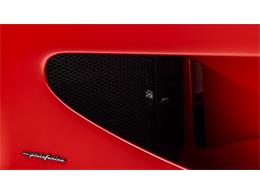
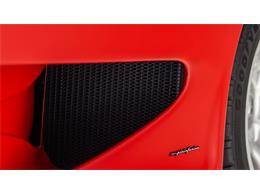
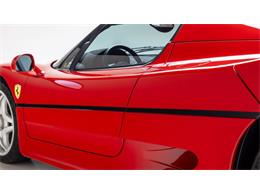
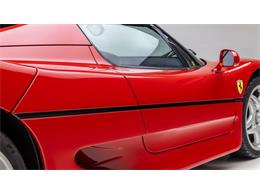
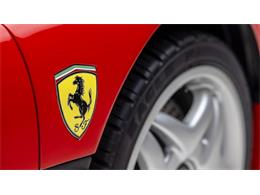
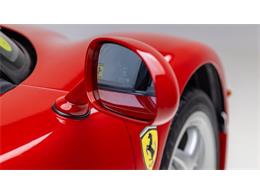
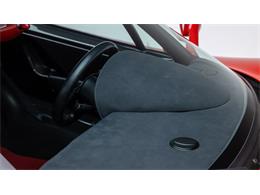
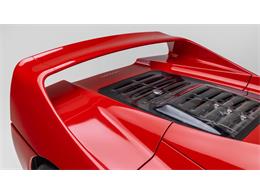
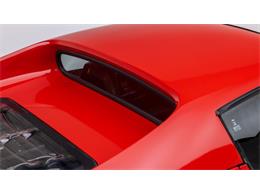
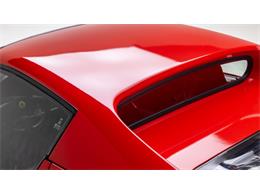
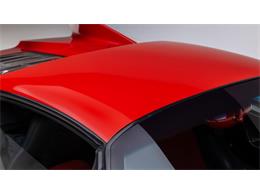
windshield. It is finished in Rosso Corsa over Nero leather with
Rosso seat inserts, the combination most closely identified with
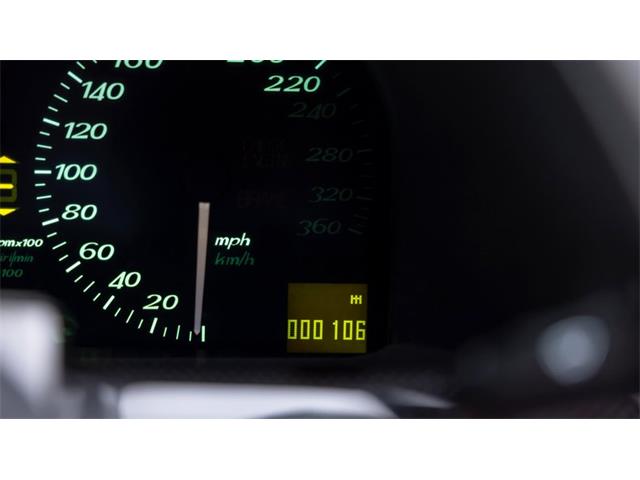
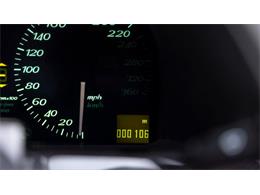
the model. In the nearly three decades since it left the factory,
it has covered an astonishing 106 miles.
According to the research of Ferrari historian Marcel Massini,
chassis 107165 began assembly in Maranello on 27 June 1997, and was
completed and invoiced on 6 August. It was dispatched that December
to Maranello Concessionaires, the official U.K. importer, and its
factory warranty commenced on 31 December 1997. The F50 was later
exported to Japan, where it spent many years as part of a
significant private collection in Kashiwa, Chiba Prefecture, near
Tokyo, and it was still recorded there in 2008. By 2015, it had
joined the stable of a prominent Chinese supercar collector who
stored his cars in D�sseldorf, Germany, and it was serviced that
June by Rosso Scuderia. Eberlein Automobile GmbH of Kassel,
Germany, serviced the car in March 2021 and again in February 2025.
It was recently imported to the United States in preparation for
the sale.
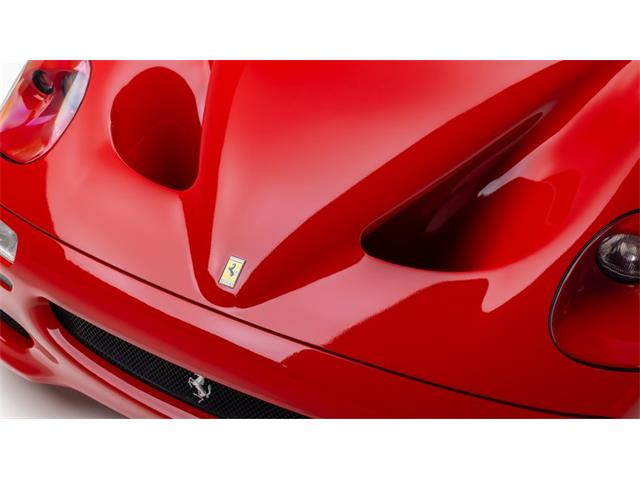
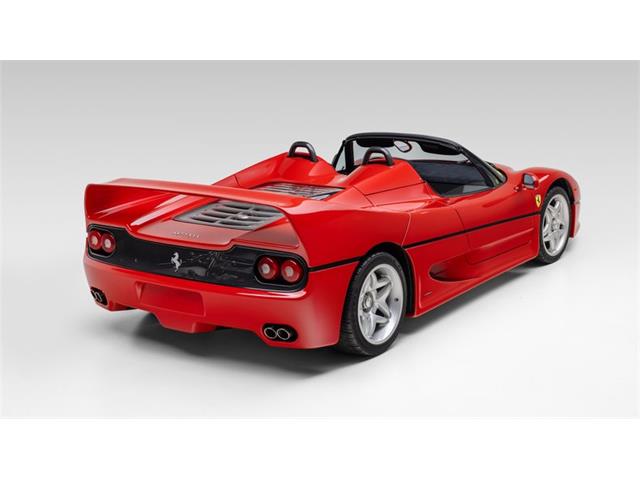
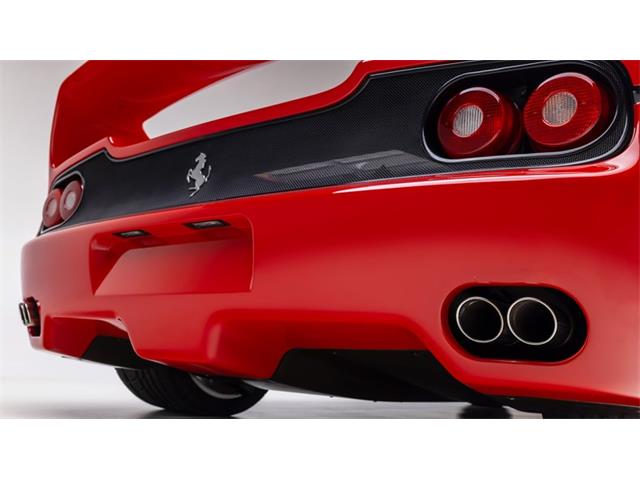
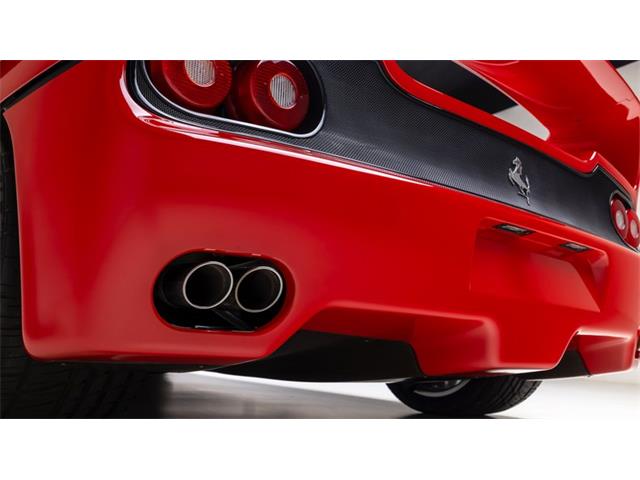
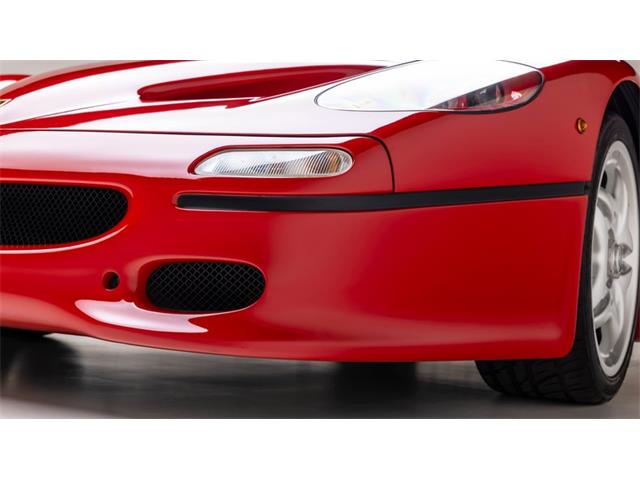
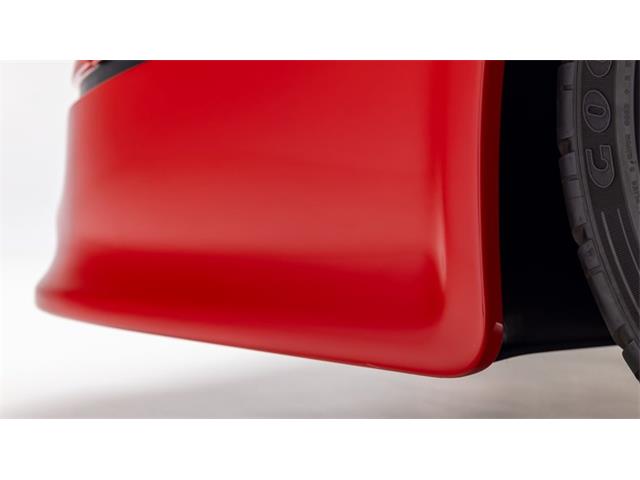
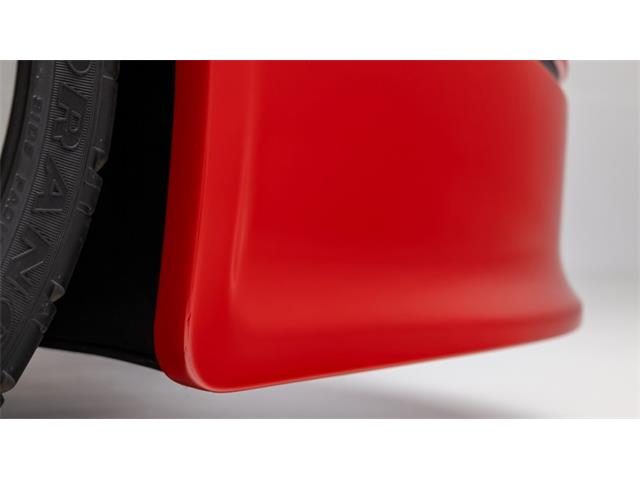
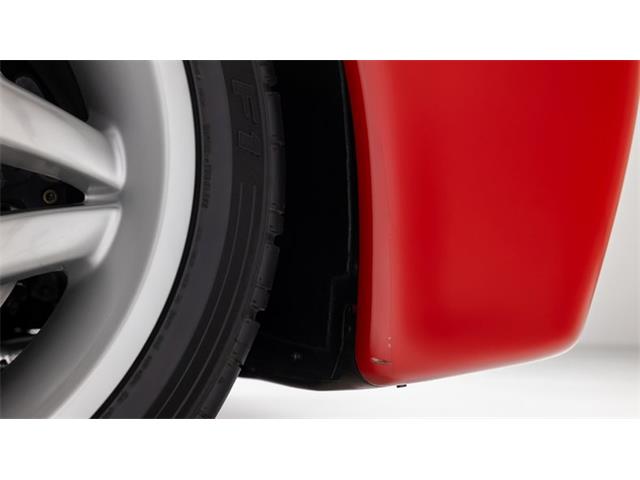
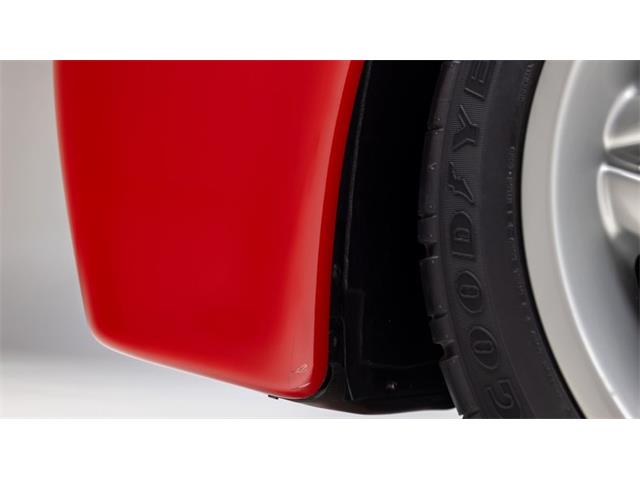
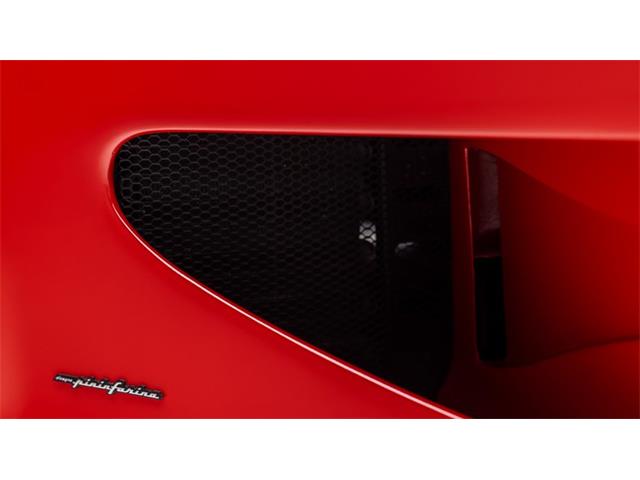
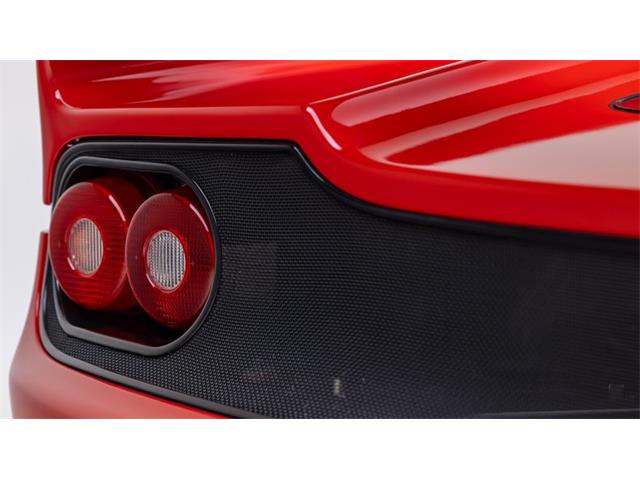
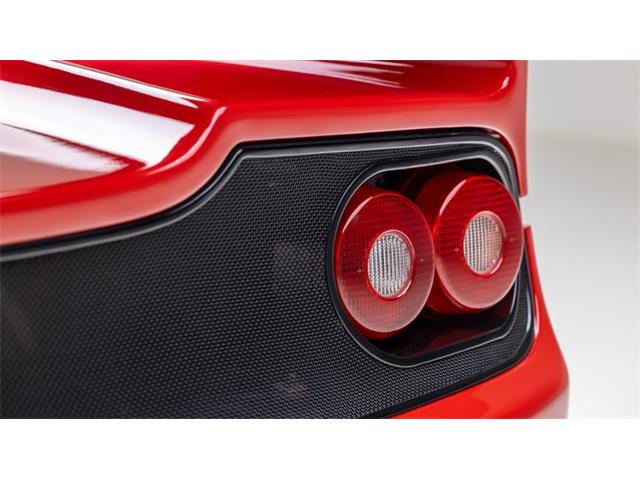
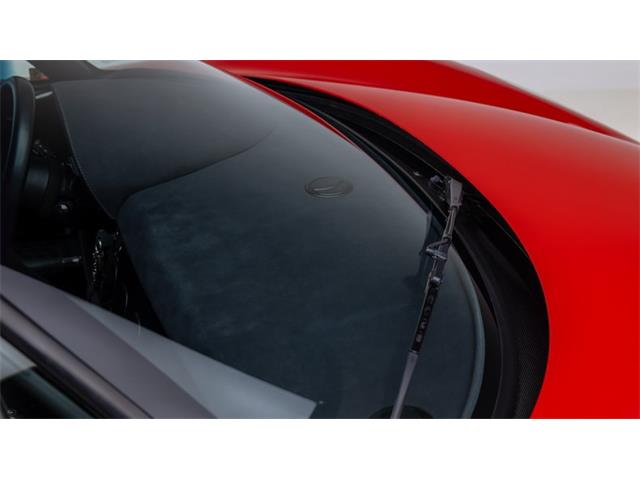
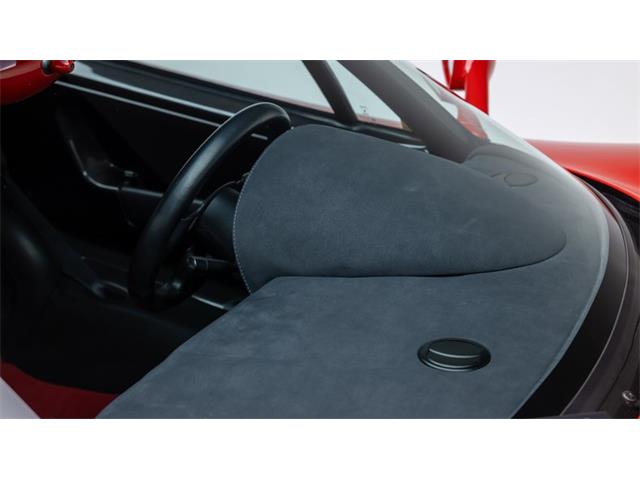
Ferrari built the F50 to be driven hard, and most surviving
examples show at least some evidence of it, but this example has
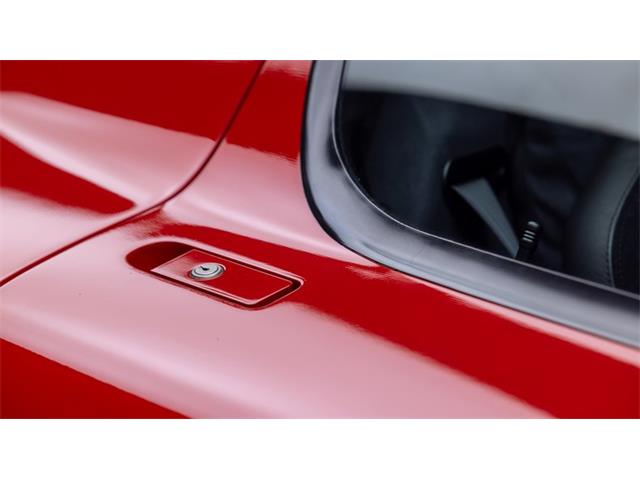
been entirely spared from the moment it was delivered. As a result,
its paintwork, carbon-fiber cabin, leather upholstery, and
switchgear are free of the fading, wear, and handling marks that
even careful use brings. The car presents today much as it would
have on the day Maranello Sales handed it over. Additionally, it
has received a fresh service and a Ferrari Classiche inspection at
Ferrari of Newport Beach.
As one would expect given its time-warp condition, its factory
accessories have been preserved to the same standard. The car is
offered with its removable hardtop and the original flight case
that houses it whenever the F50 is run as a barchetta. Also present
are its J.P. Tod's driving shoes and three-piece Schedoni luggage
set with dust covers, along with its tool kit, wheel socket, and
fuse, bulb, and belt kit. Its car, seat, and steering wheel covers
in their Ferrari-branded bag finish the set. Items such as these
were routinely separated from their cars over the years, lost
between owners, or simply used, which makes the full complement
alongside an F50 of this mileage truly exceptional.
The F50 long ago made the passage from new car to blue-chip
collectible, and the chance to buy one in delivery condition
largely went with it. Chassis 107165 is the exception. Impeccably
preserved and complete with its original delivery items, it is as
close as one can come today to taking delivery of a new F50. For
the collector who wants the model exactly as Ferrari built it, a
better-preserved or more complete example would be very difficult
to find.
ClassicCars.com has been recognized as one of the fastest-growing private companies in the United States, successfully making the Inc. 5000 list in both 2015,
2016, 2017 and 2018. This prestigious accolade represents the continued growth of the company, and ClassicCars.com's dominance as the world's largest online marketplace for
buying and selling classic and collector vehicles.
The Stevie Awards, the world's premier business awards recognized
ClassicCars.com's first-class Customer Support team with a Stevie Bronze Award in 2019, celebrating the team's skills as exemplary customer support specialists.
In 2016 The Journal, brought to you by ClassicCars.com, was celebrated as the SECOND MOST INFLUENTIAL automotive blog in the world by NFC Performance.