Southern California has long been at the epicenter of American
custom car culture. Aside from an abundance of sunny weather,
Southern California was once home to many talented craftspeople who
once worked in California's robust pre-war coachbuilding industry.
Numerous SoCal workshops such as Earl Carriage Works, Don Lee
Coachworks, Walter J. Murphy, Darrin, and Bohman & Schwartz served
wealthy clients throughout the height of the coachbuilding era. But
as orders for custom bodies waned and boutique firms fell by the
wayside, some turned to smaller jobs modifying existing production
cars.
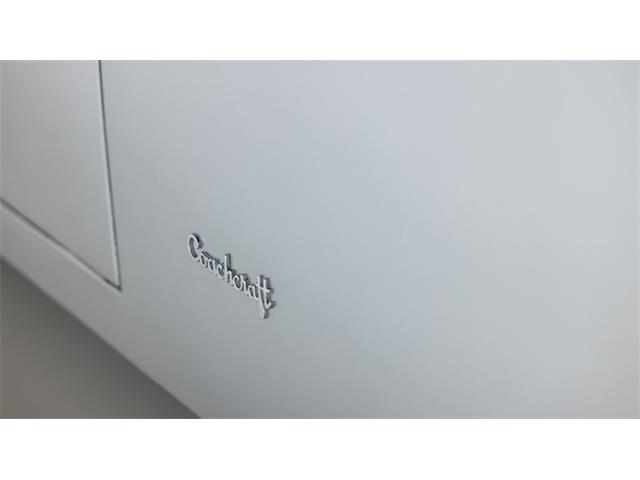
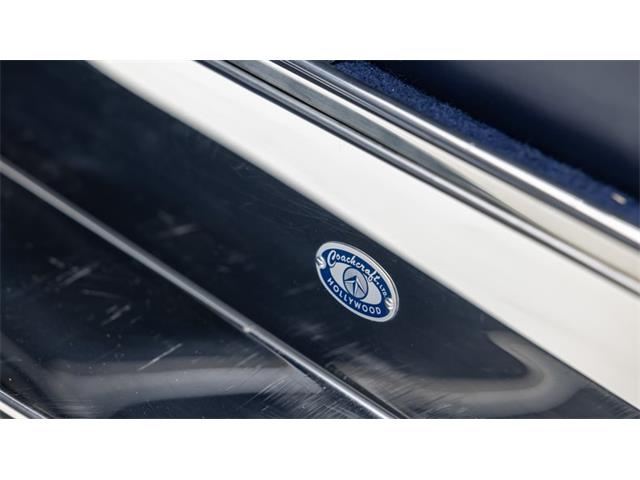
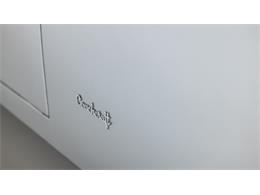
Coachcraft Ltd of Hollywood was one such shop that bridged the gap
between traditional coachbuilding shops and the customs which
gained popularity in the post-war era. Founded by three former
Darrin employees in the wake of Darrin selling his operation to
Packard, they worked with Ford, Mercury, Studebaker, and the
occasional Packard chassis, doing everything from full custom
commissions to light modifications.
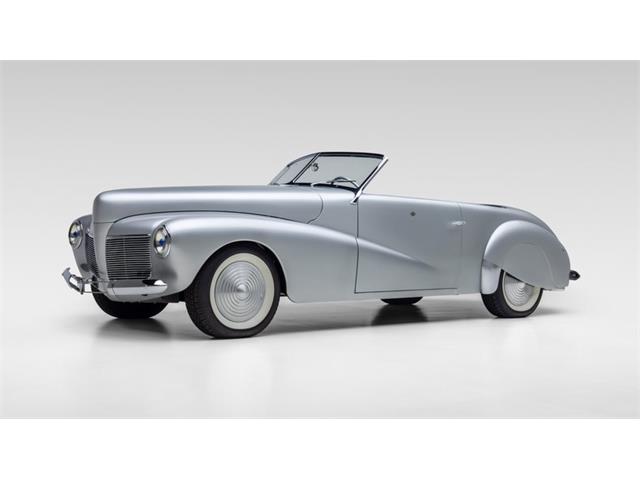
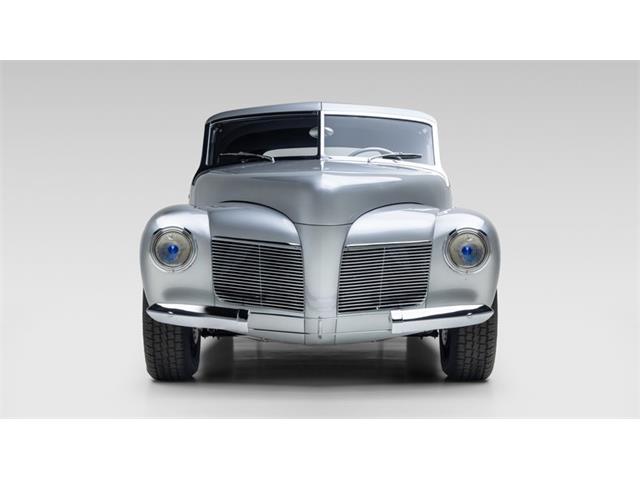
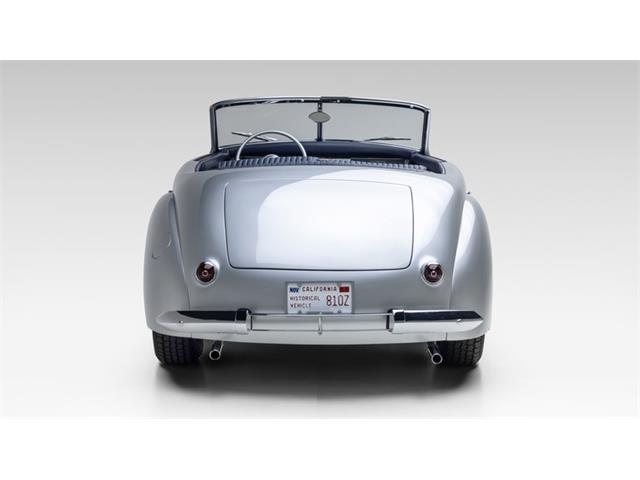
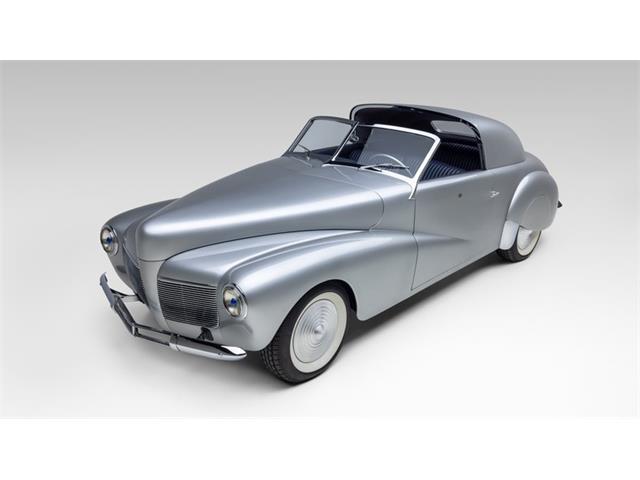
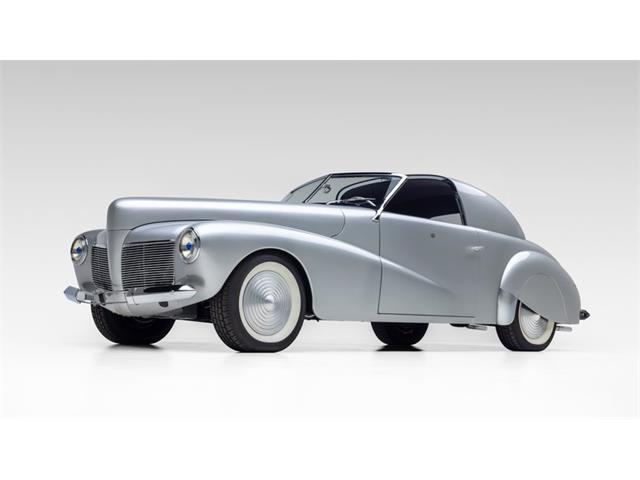
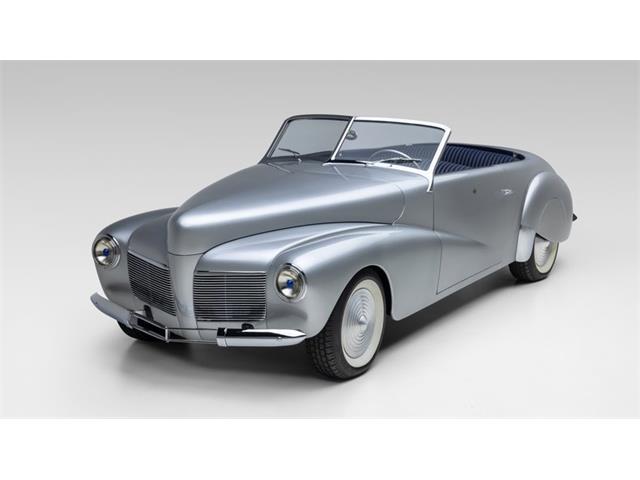
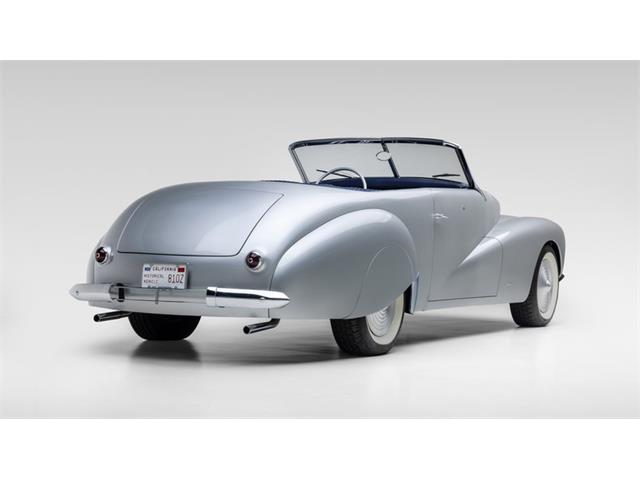
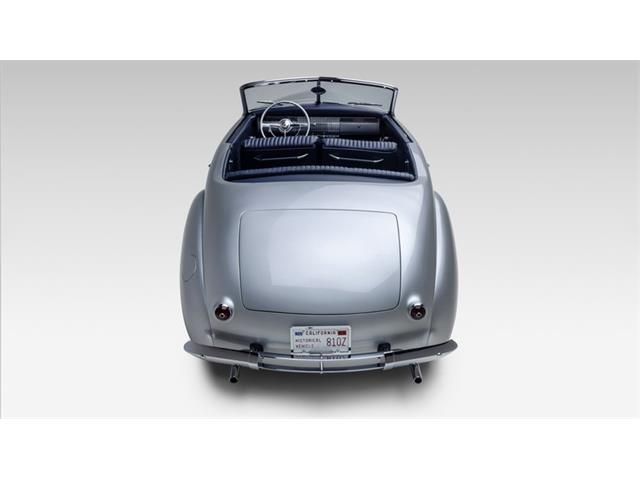
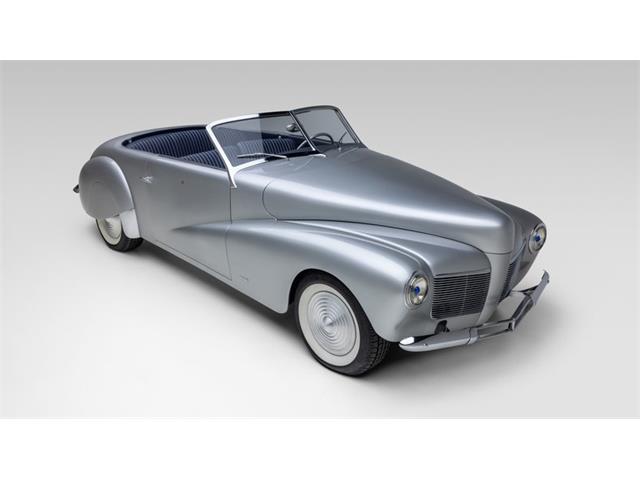
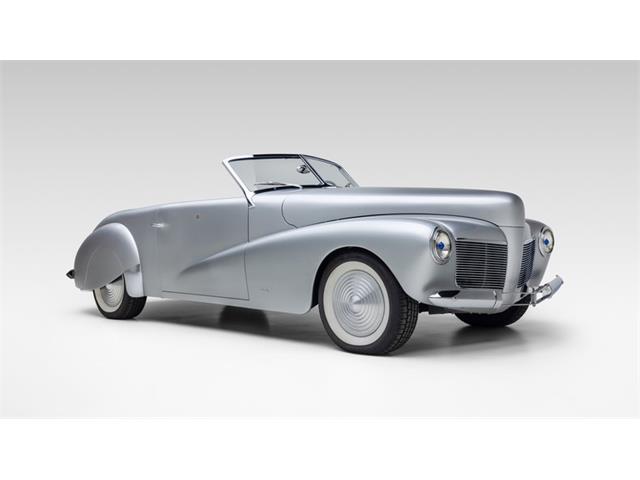
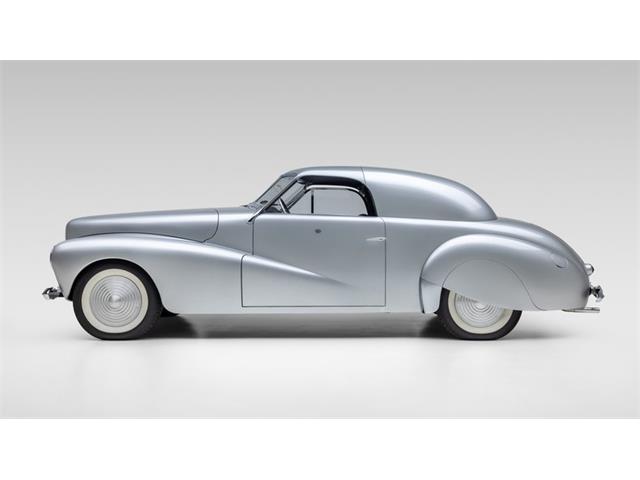
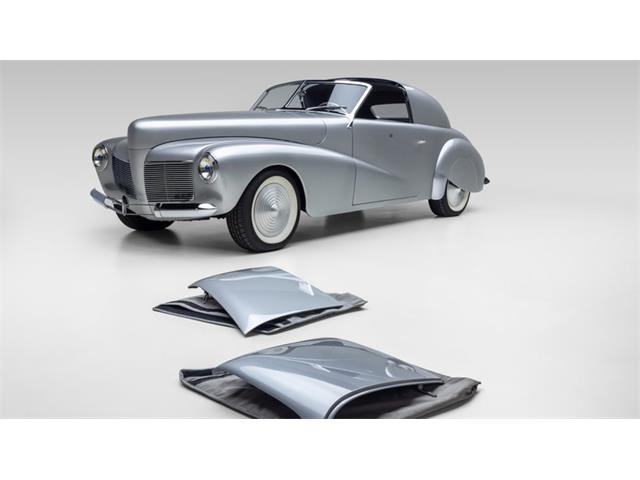
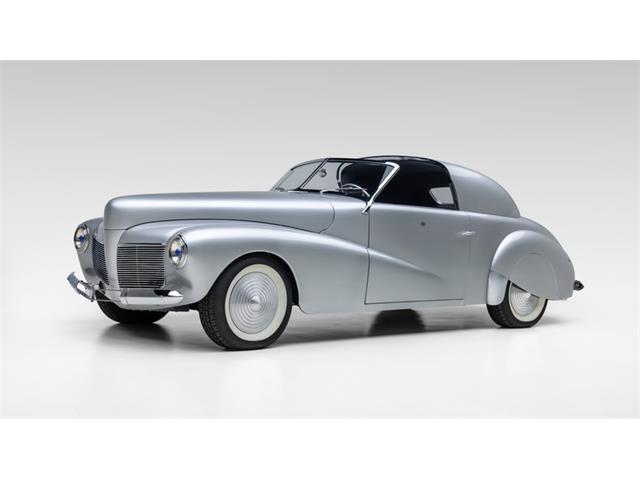
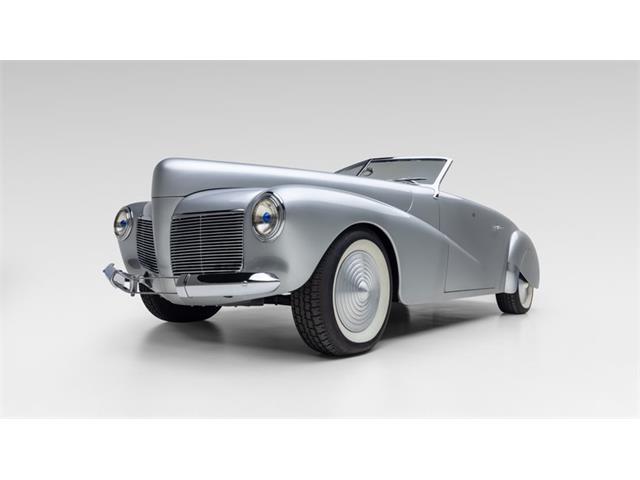
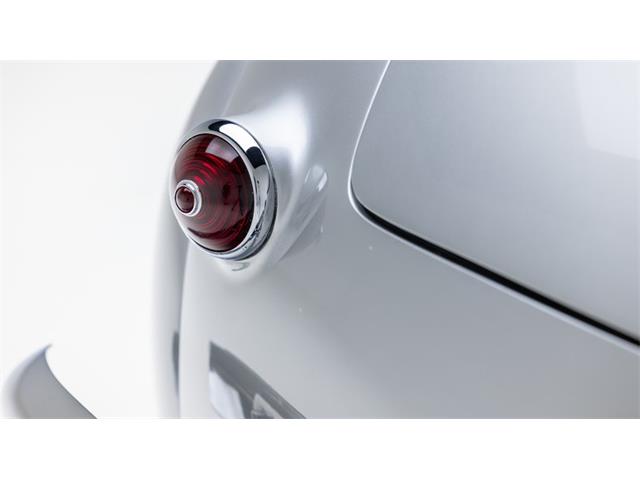
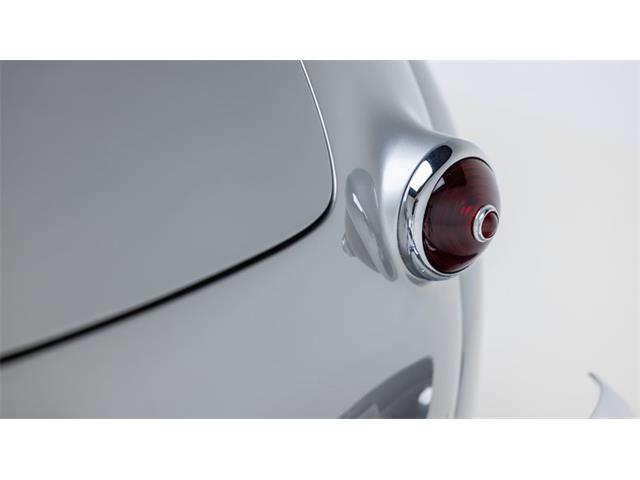
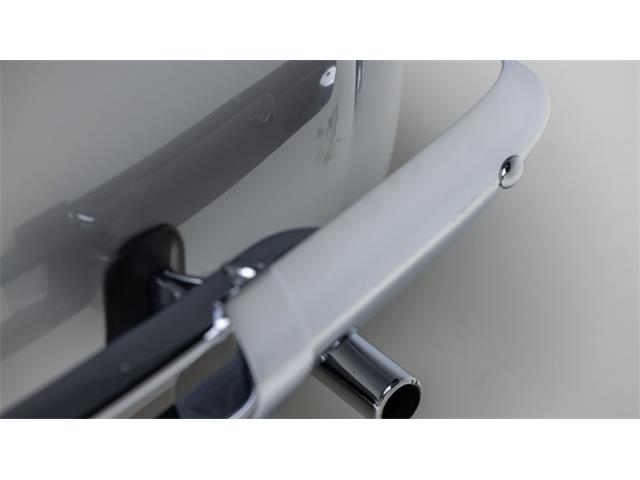
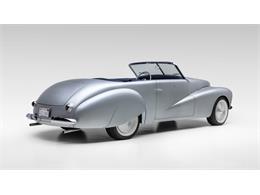
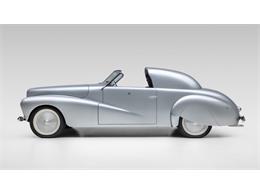
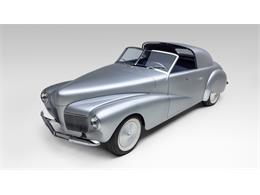
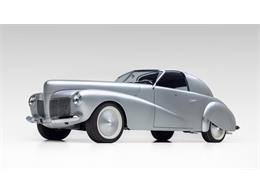
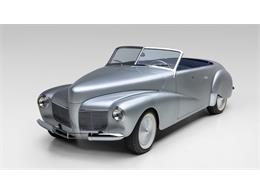
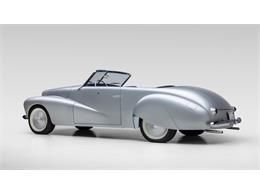
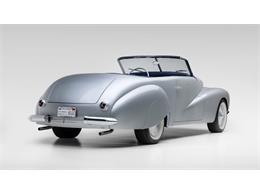
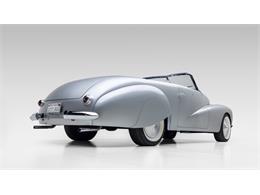
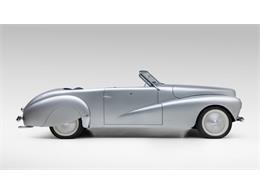
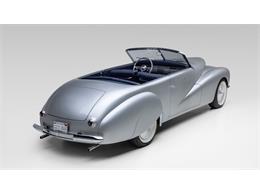
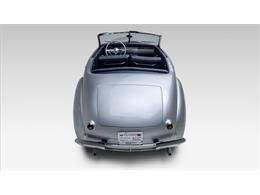
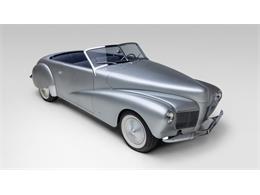
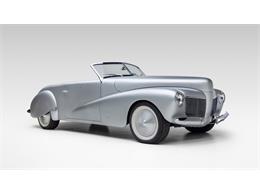
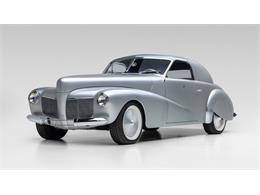
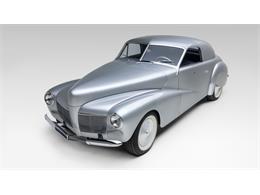
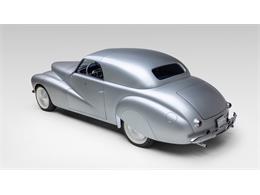
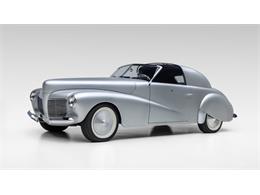
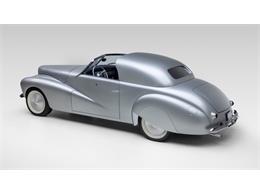
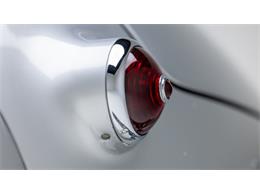
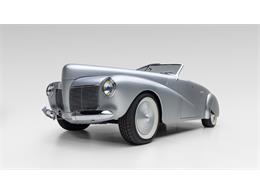
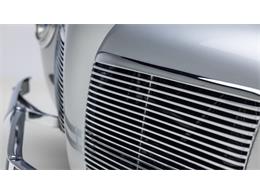
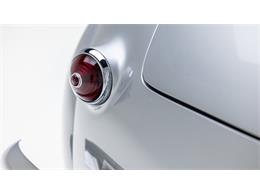
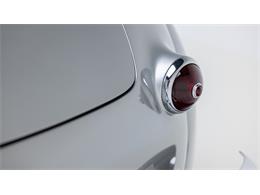
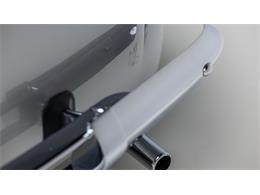
One of the most famous cars to emerge from Coachcraft Ltd is this,
the stunning 1941 Mercury "Stengel" Custom. Commissioned by the
heir to the J.S. Bache banking fortune and occasional car designer
Peter Stengel, this is a remarkable example of late pre-war
American coachwork, as well as a seminal California Custom.
Stengel first approached Coachcraft after seeing a 1940 Ford which
the firm built for a local customer Clarence Solomon. Stengel
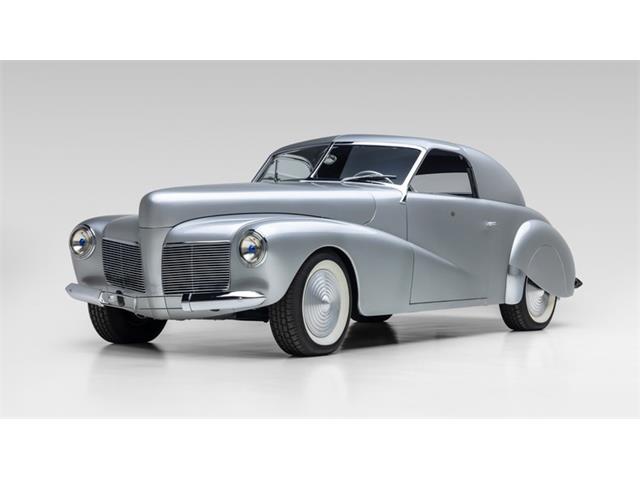
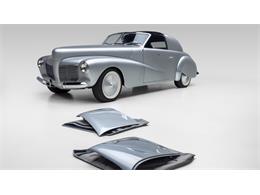
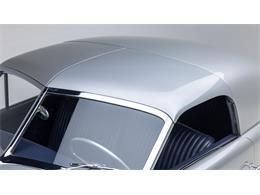
requested a similar design, taking it a step further with a fully
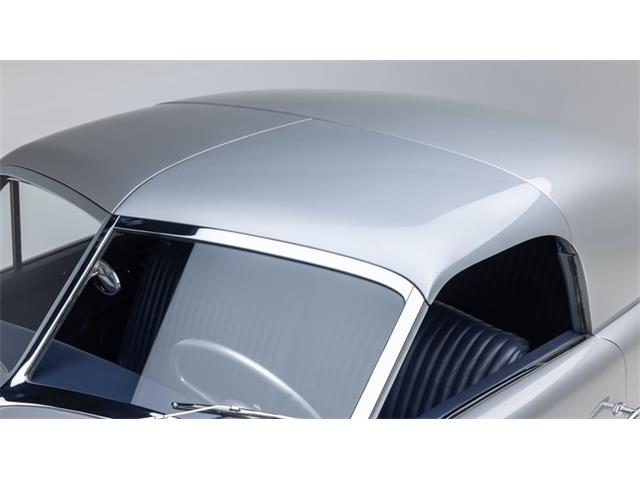
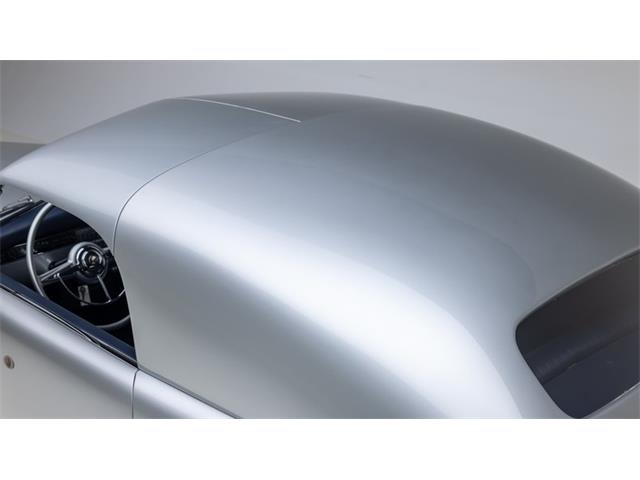
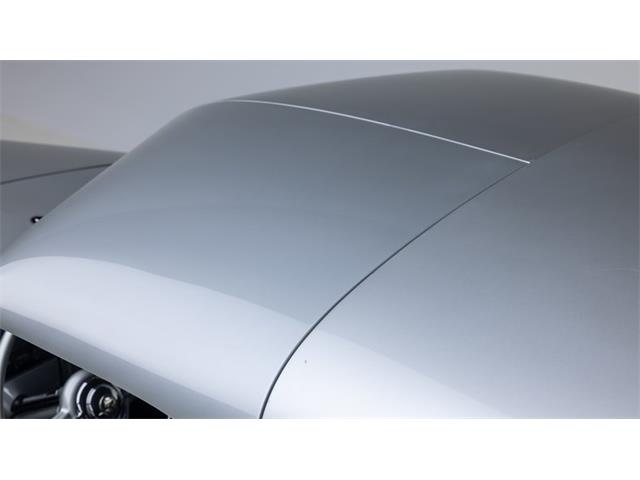
custom body fitted with a unique, three-piece, removable hard top.
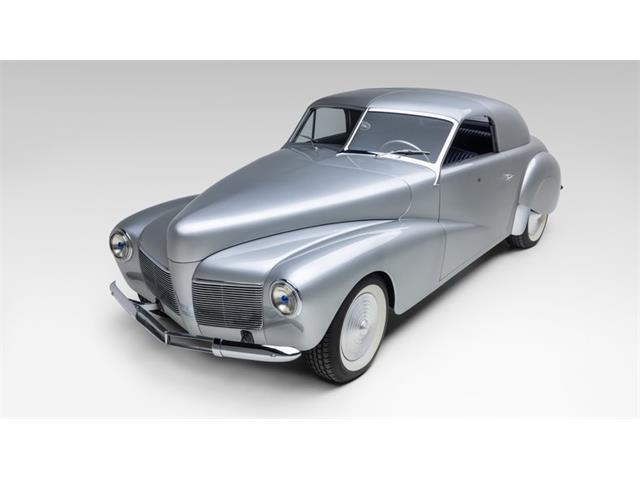
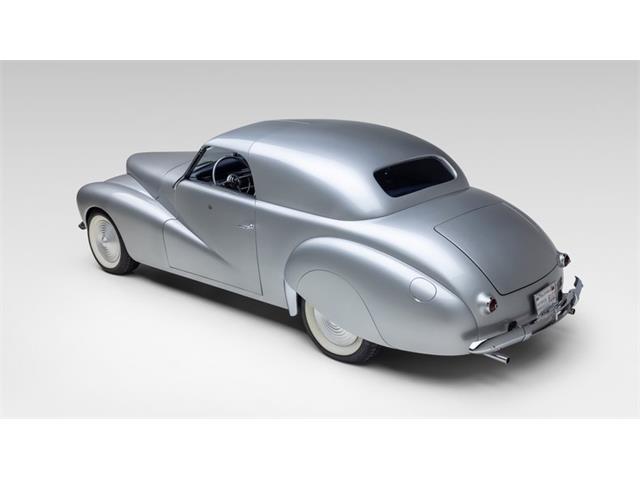
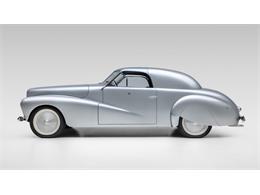
While always registered as a Mercury, it began as a 1940 Ford
pickup chassis, with the front clip coming from a 1941 Mercury, and
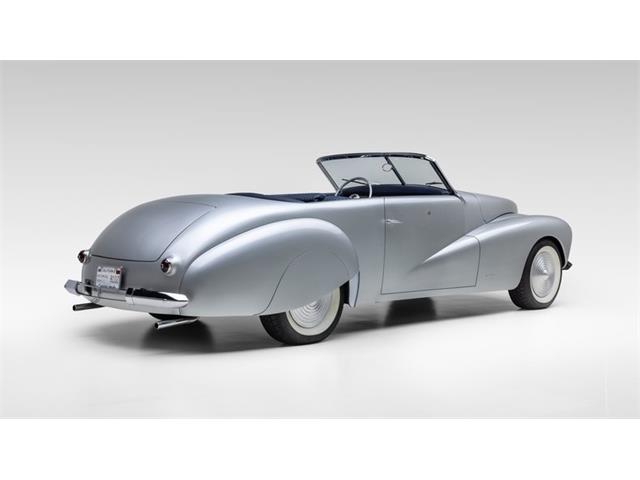
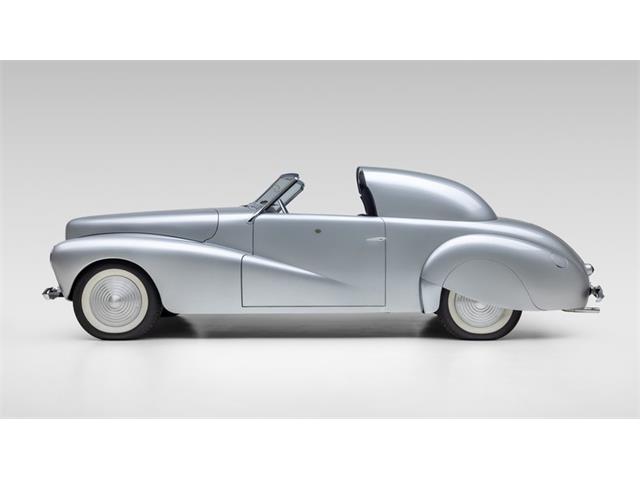
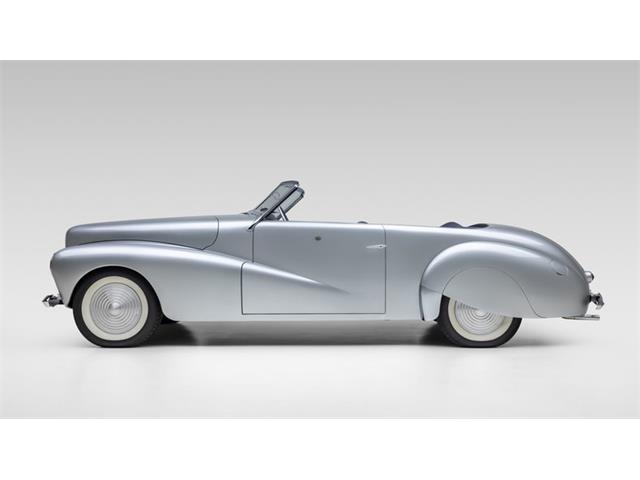
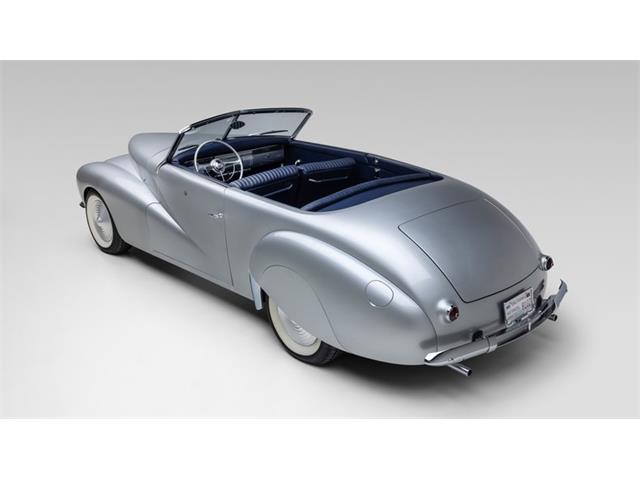
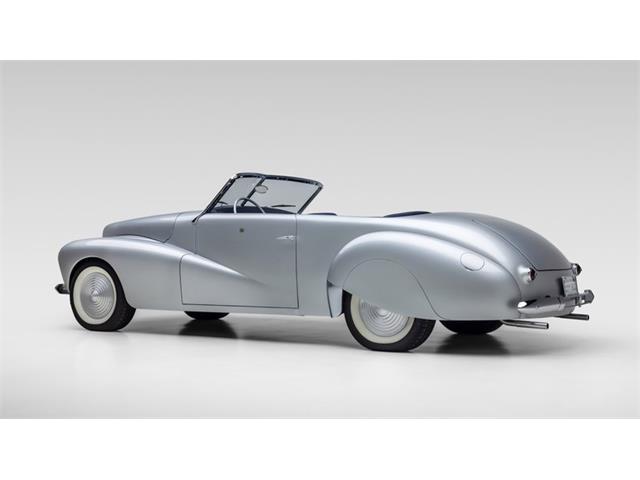
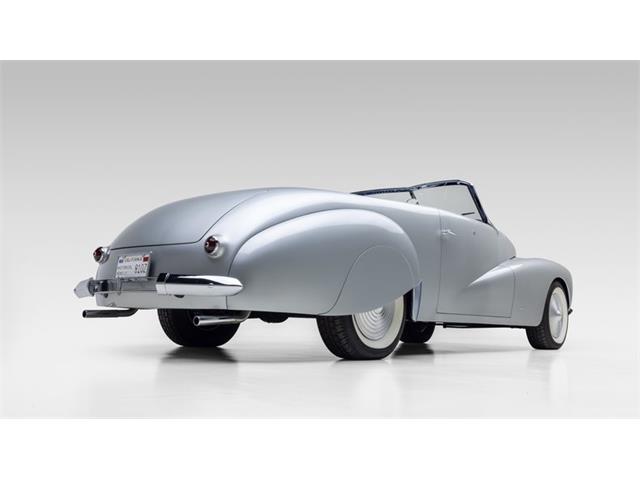
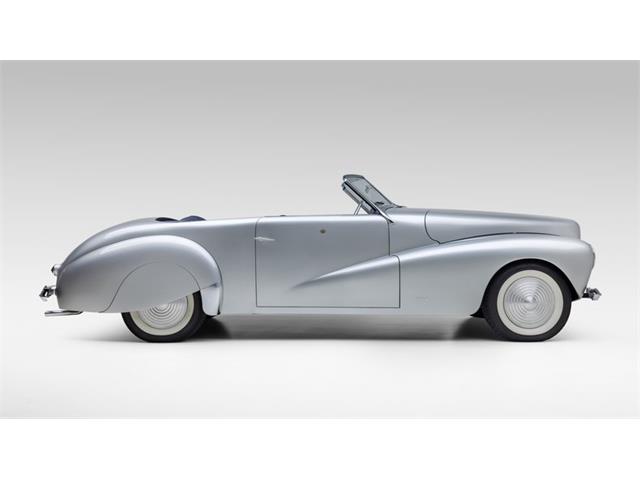
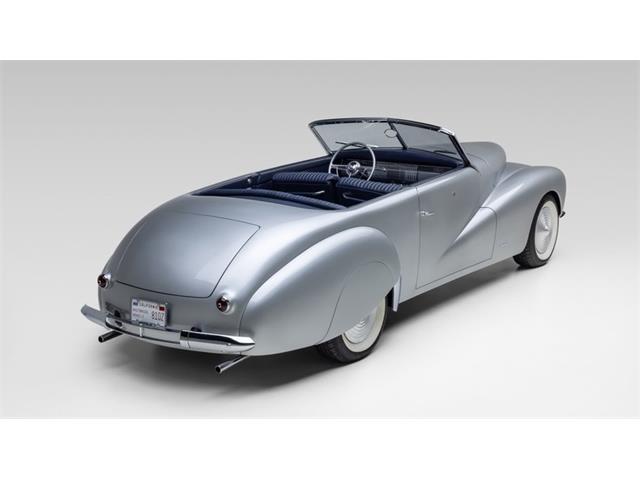
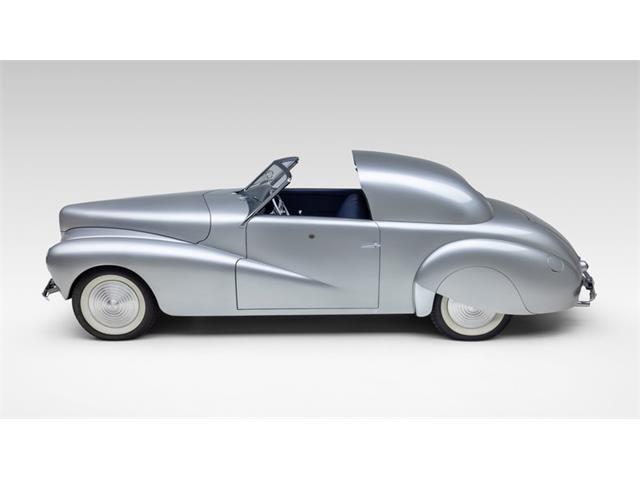
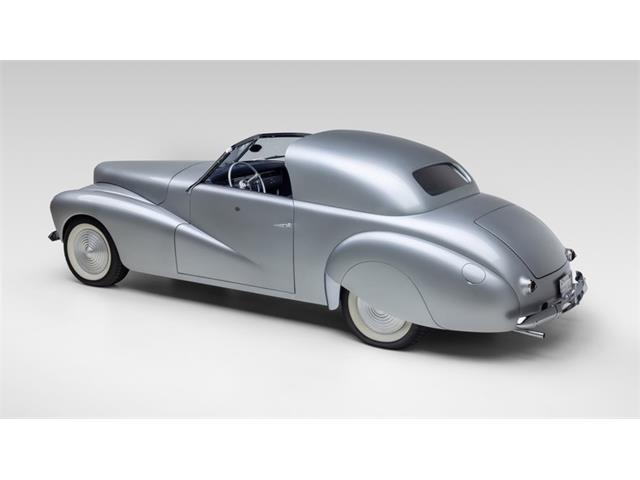
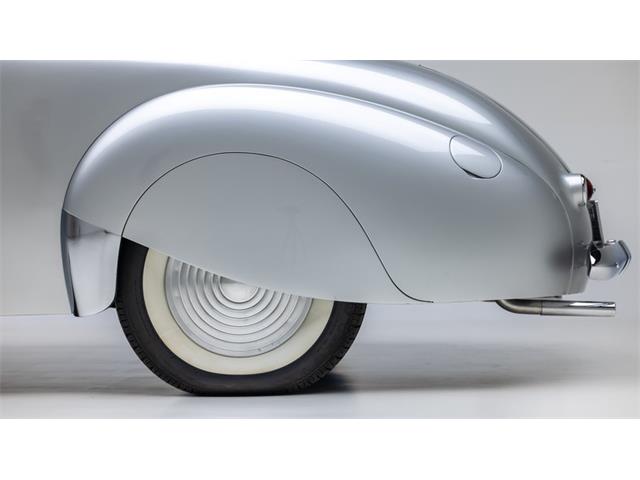
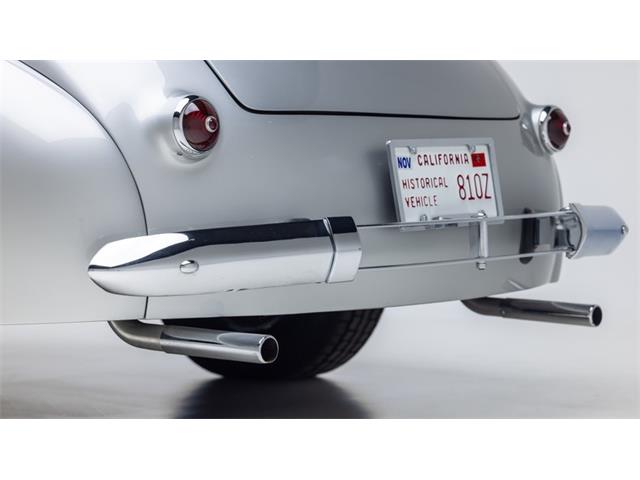
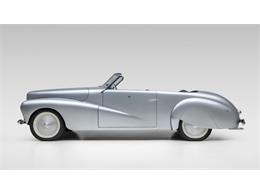
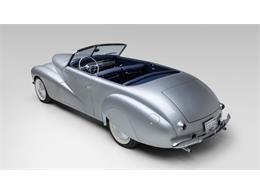
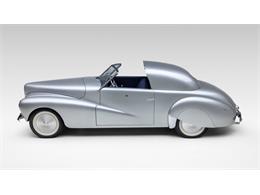
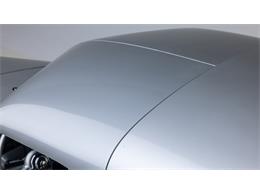
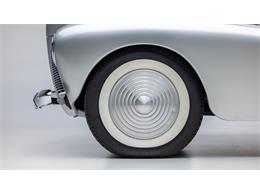
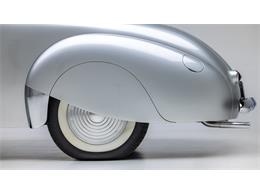
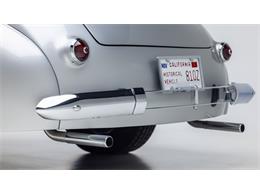
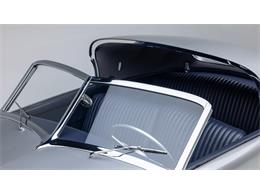
rear fenders from a 1940 Ford. The body features a dramatic
sweeping fender line that is carried into the doors and mirrored on
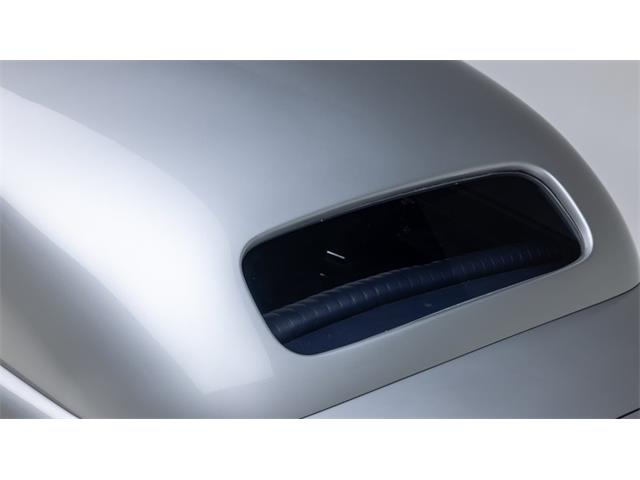
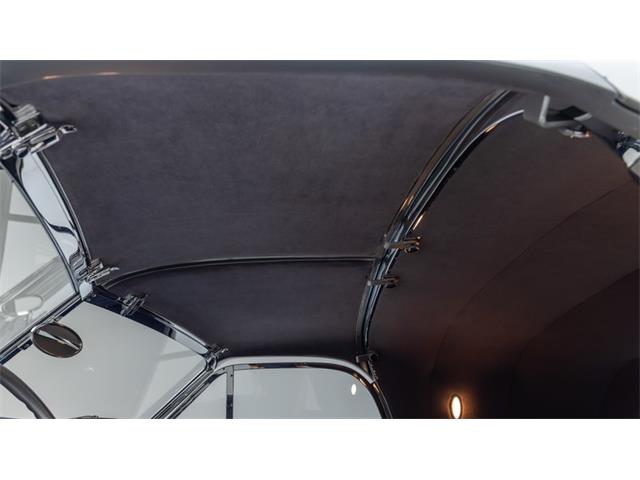
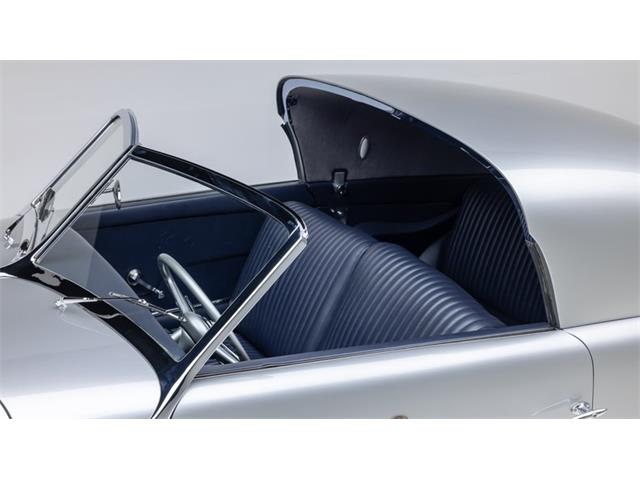
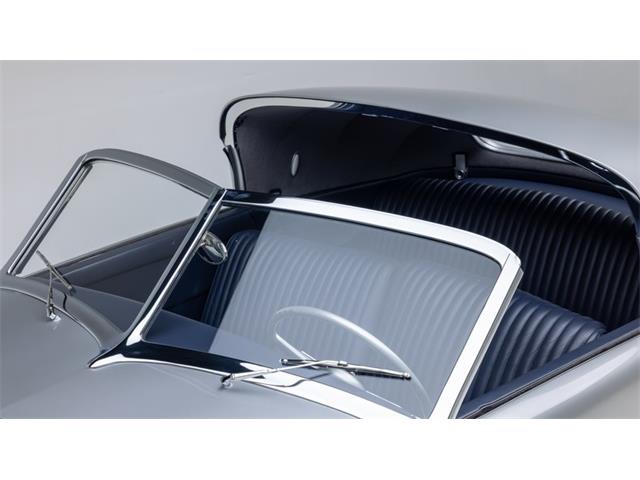
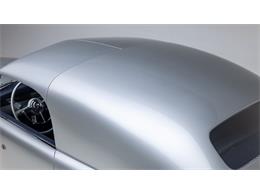
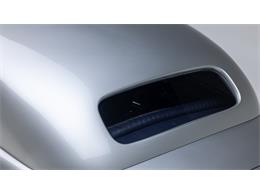
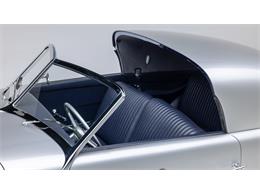
rear fenders with their distinct up-swept wheel skirt. The hard top
features large blind quarters and separate panels over the driver's
compartment-cleverly engineered to be configurable as a Sedanca or
fully-open roadster with a sporty profile enhanced by the raked
deep-V windscreen.
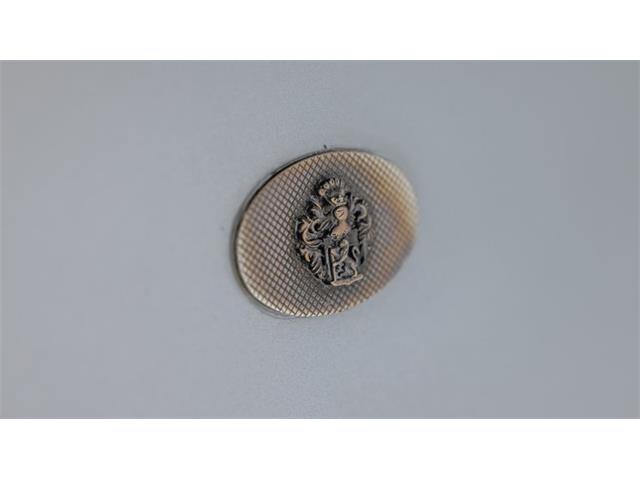
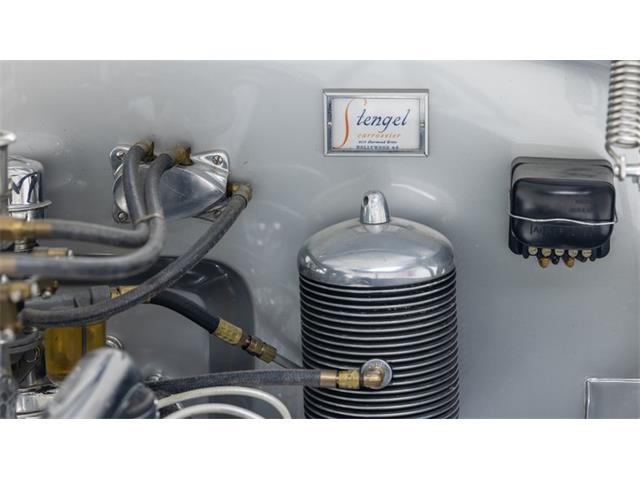
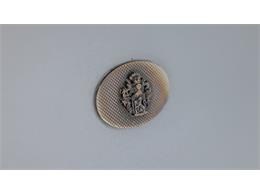
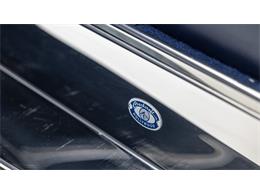
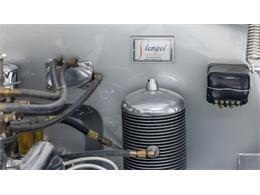
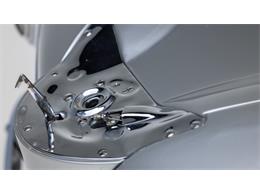
While Stengel happily accepted much of the credit for this project,
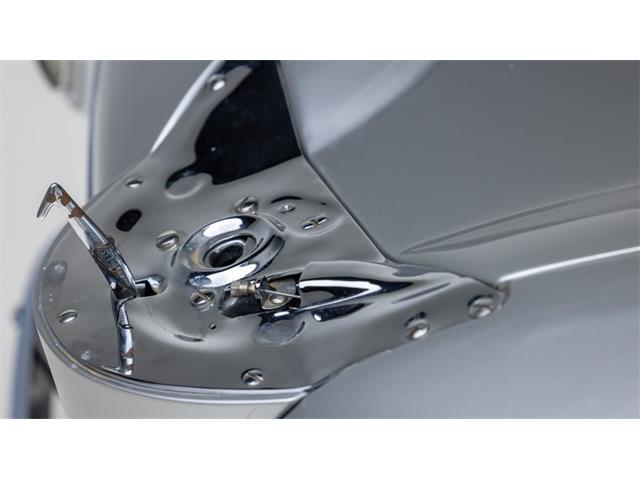
even applying a "Stengel Carrosserie" badge on the bulkhead, the
design was later credited to Carlton "Buzzy" Petersen, a designer
at Douglas Aircraft who also penned the Solomon Ford for
Coachcraft. The body is built to Coachcraft's usual high standard
and was originally finished in a dark Cord blue over a pony hide
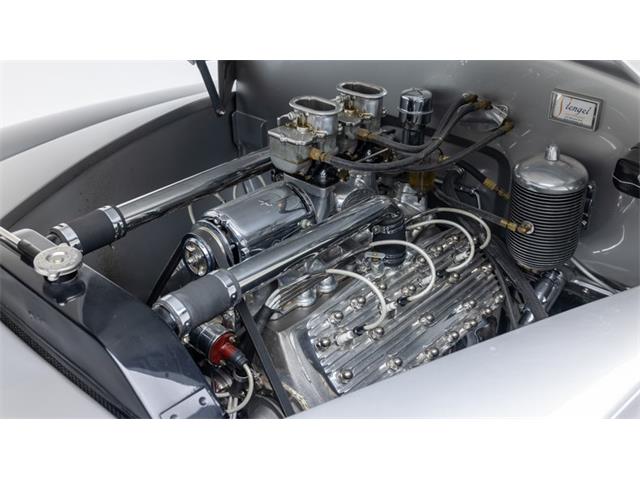
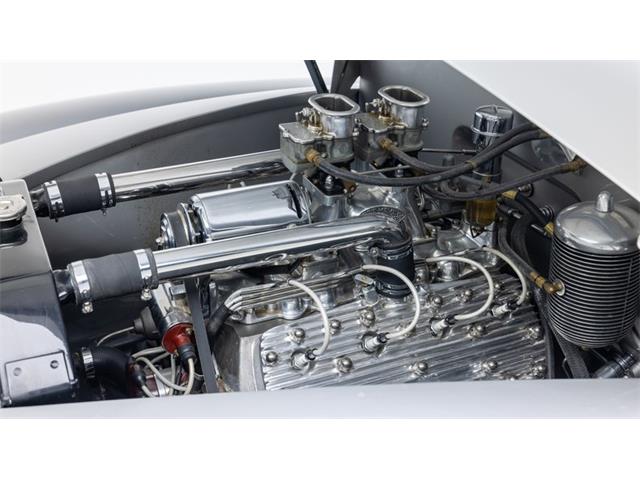
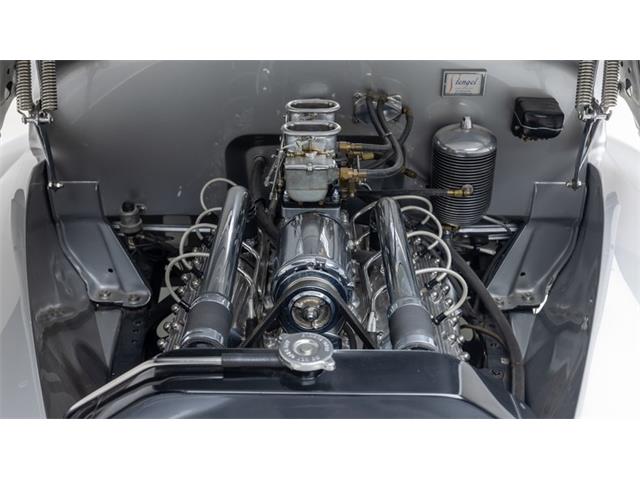
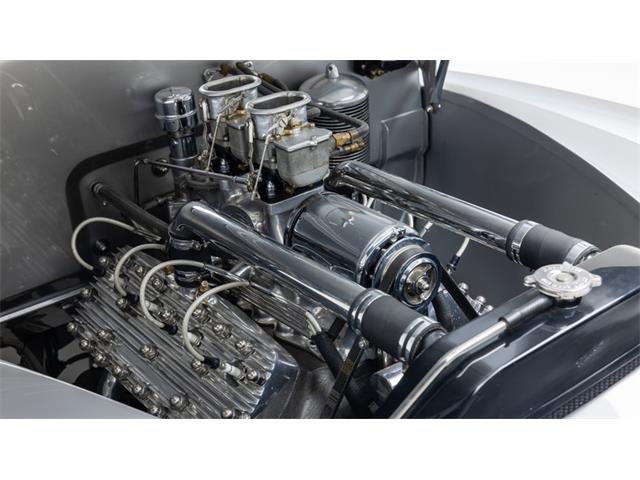
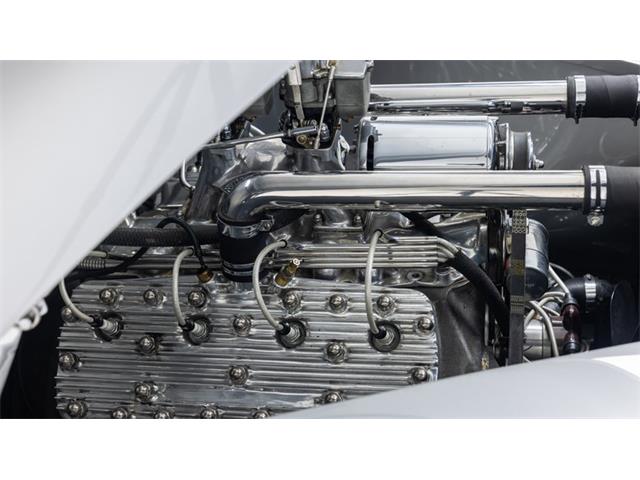
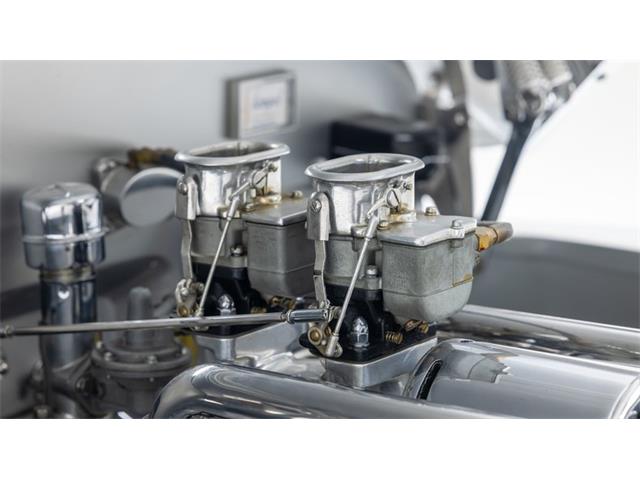
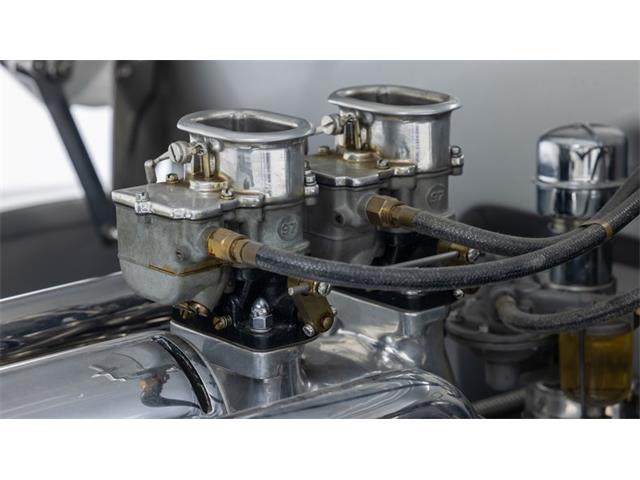
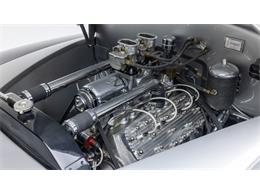
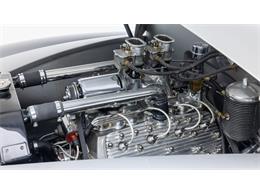
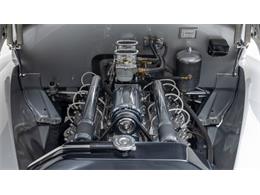
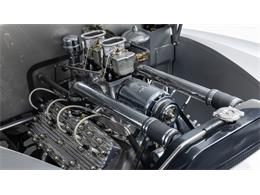
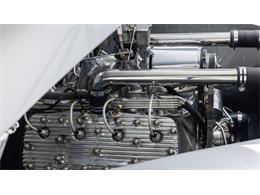
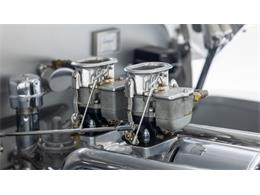
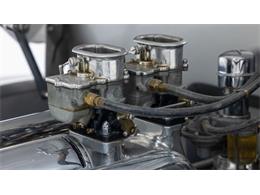
interior, inspired by the Hollywood cowboy stars of the day. Power
came from a 239 cubic-inch Mercury Flathead, reportedly built with
a strengthened bottom end, and equipped with Eddie Meyer finned
heads, tubular headers, and an aluminum intake with twin Stromberg
97 carbs, which it retains to this day.
The Mercury was delivered to Stengel in August of 1941, but
unfortunately war intervened, and he was forced to sell to his
friend George Huntington Hartford II. In 1949, Stengel bought it
back, and shortly afterward returned it to Coachcraft for an
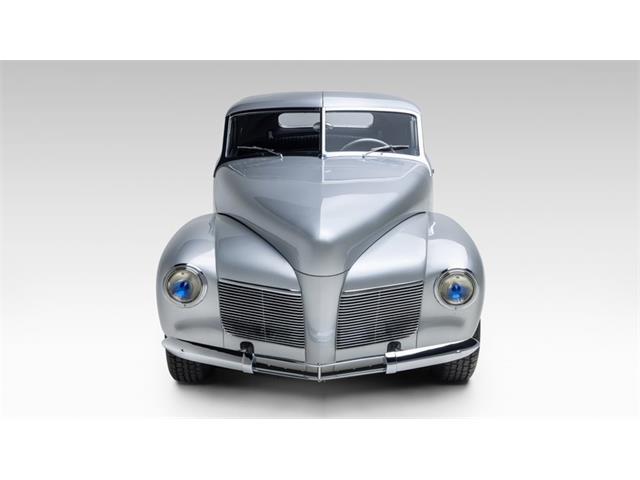
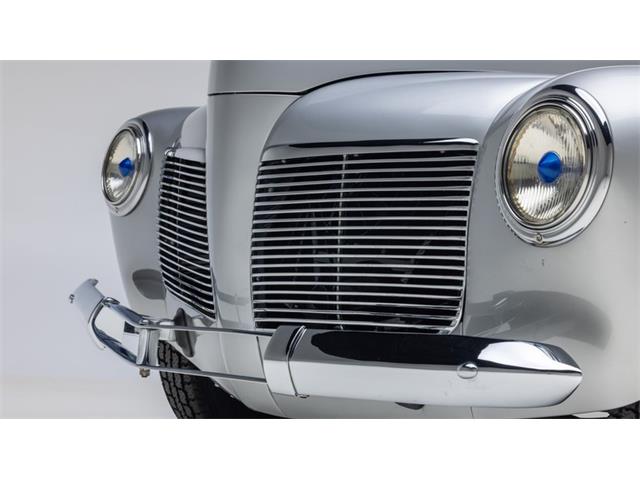
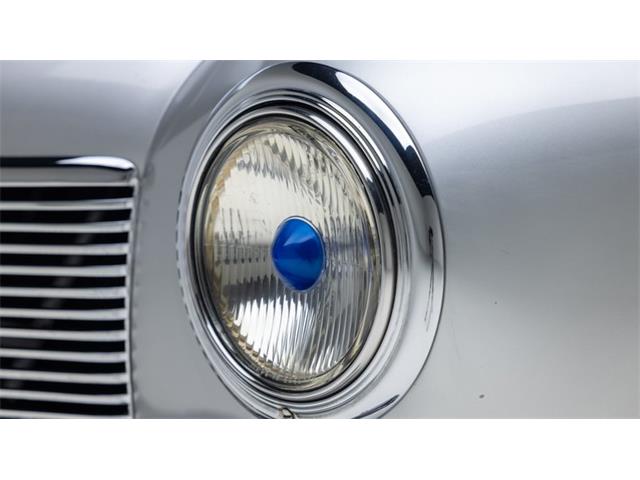
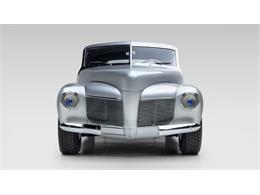
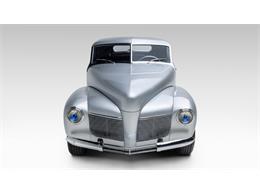
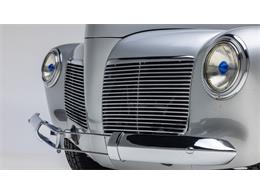
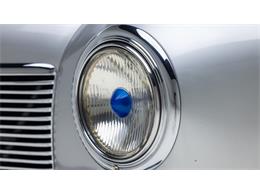
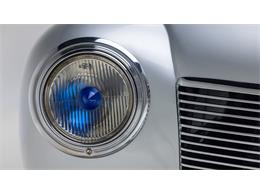
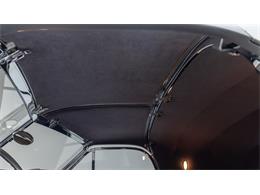
overhaul and paint job. Typical of customs of the era, the look
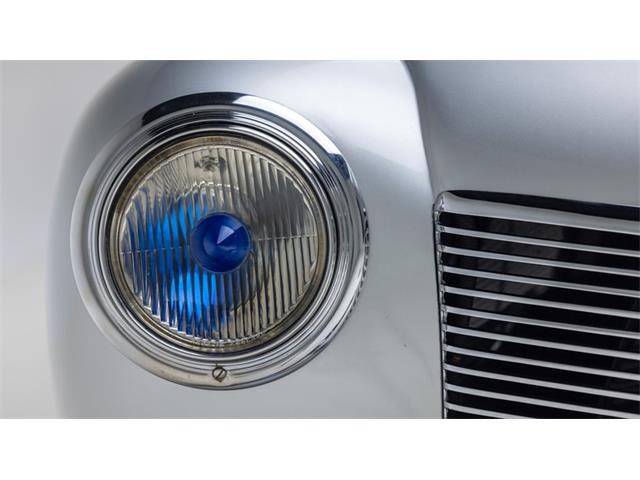
continually evolved, and the nose was modified with headlamps
placed behind the grille, and the roof panels covered in cloth.
Peter Stengel moved to England in the 1950s and consigned the car
to a museum where it was displayed for the next thirty years.
Finally, in 1985, Stengel collected the car and again commissioned
a refurbishment, now in candy red over a gold base. Soon after, it
was acquired by collector and historian Mark Dees and was later
sold to Pat and Doris Hart, who had the car fully restored in time
for display in a special class for Coachcraft cars at the 2007
Amelia Island Concours d'Elegance. It would later join the Petersen
Automotive Museum collection, from where its current owner acquired
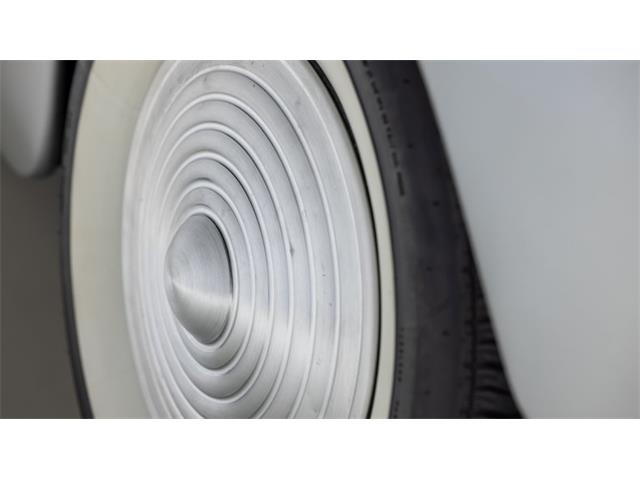
it in 2018. Thankfully, it survived remarkably intact, and retains
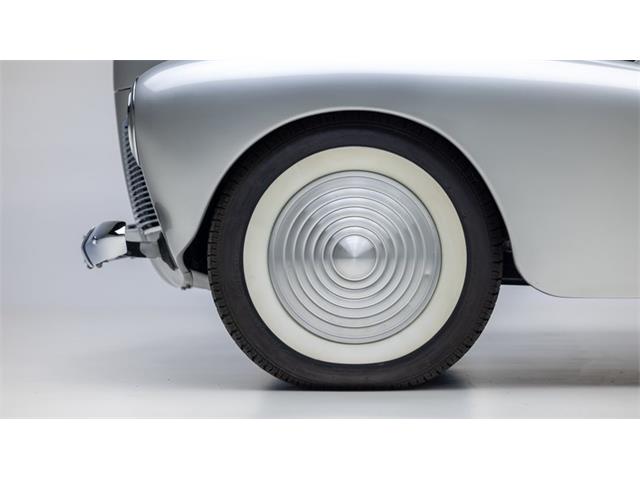
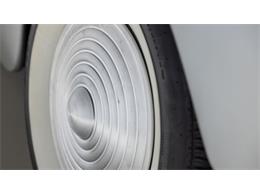
important features including the three-piece top, spun wheel
covers, and period Eddie Meyer speed parts. Rather amazingly, the
car is still regularly serviced by Coachcraft, which remains in
operation in Fillmore, California; run by the grandson of
co-founder Rudy Stoessel.
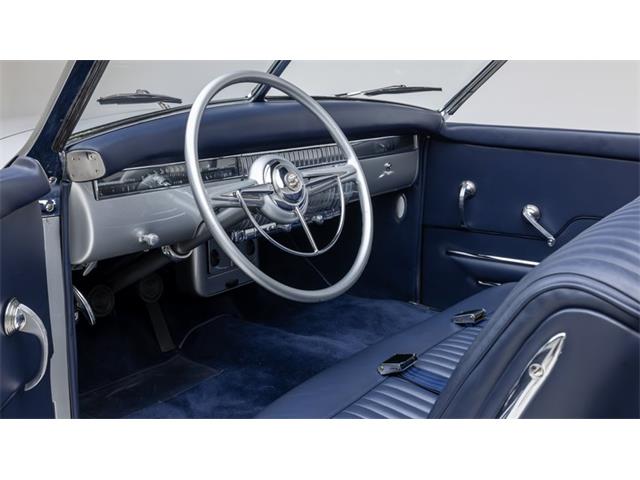
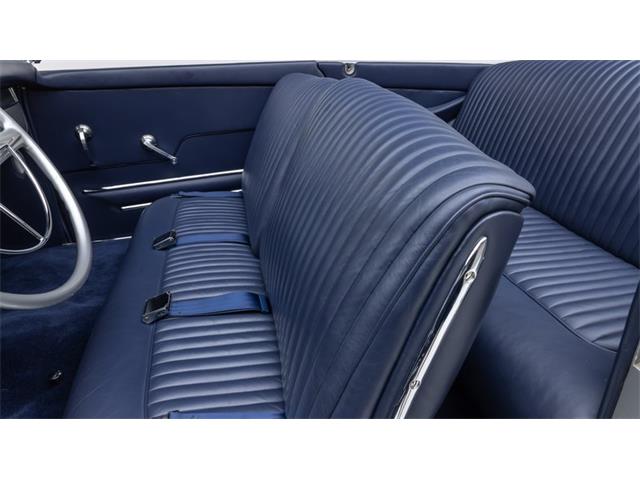
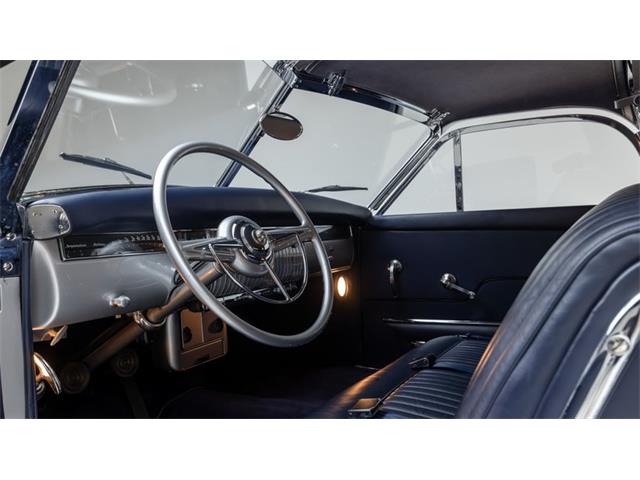
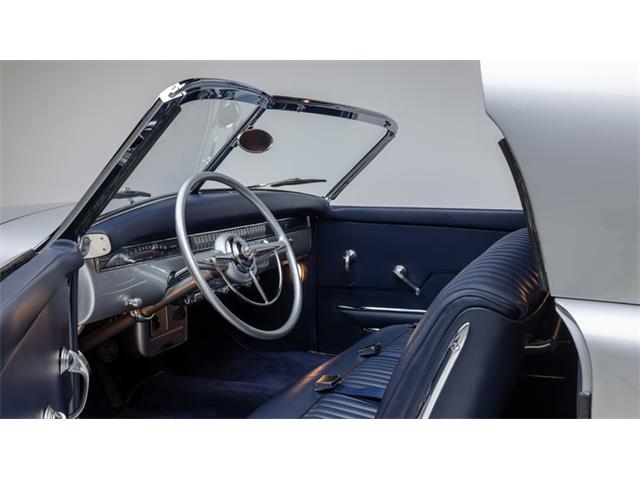
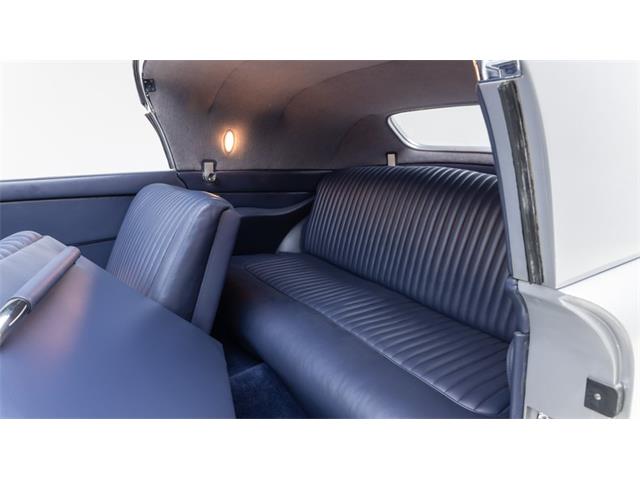
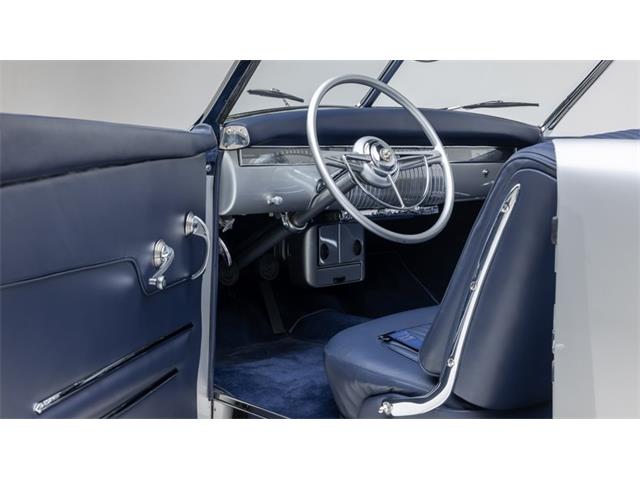
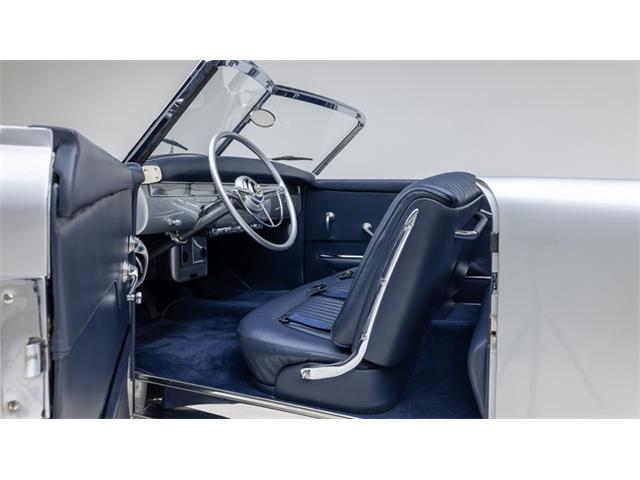
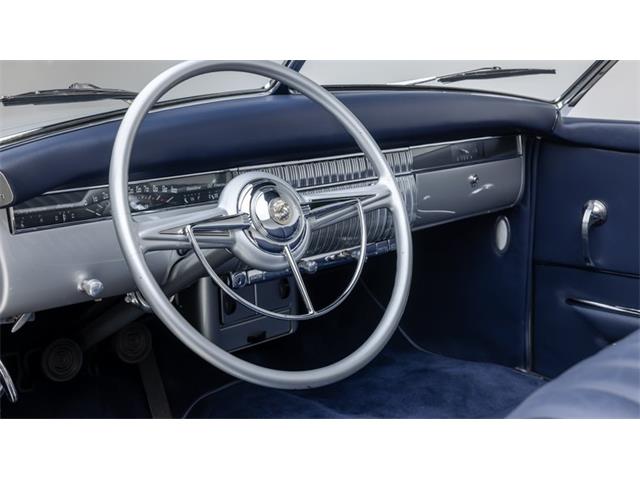
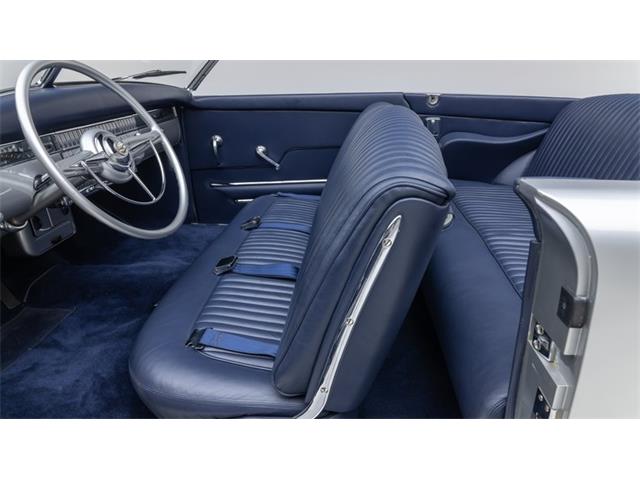
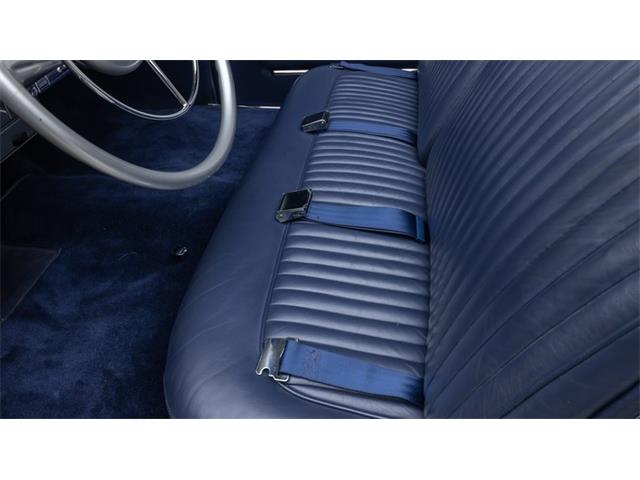
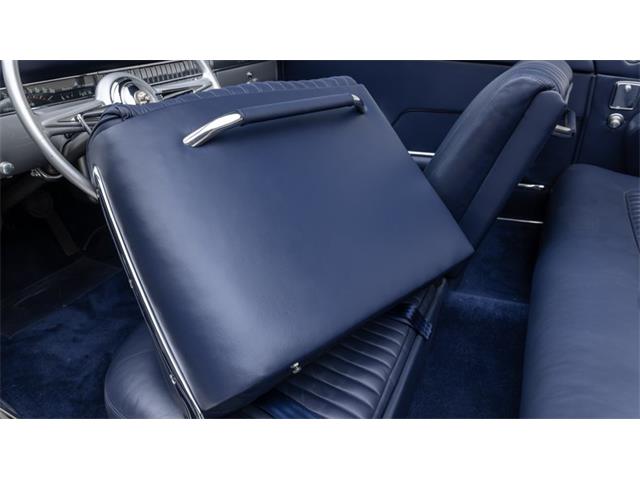
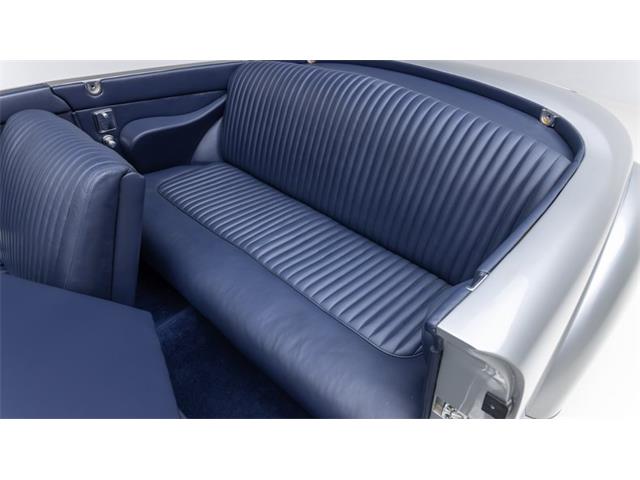
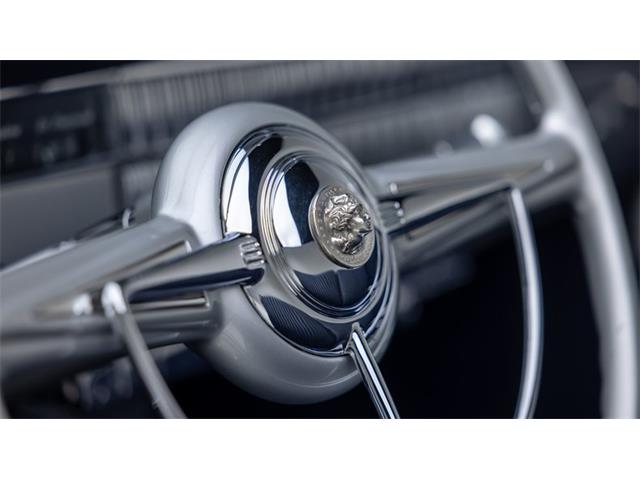
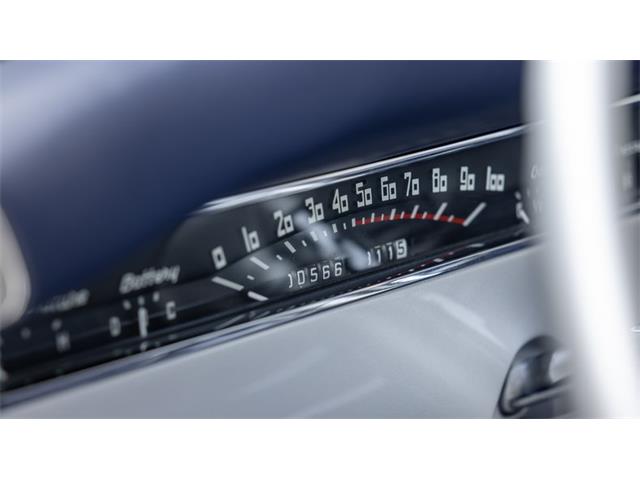
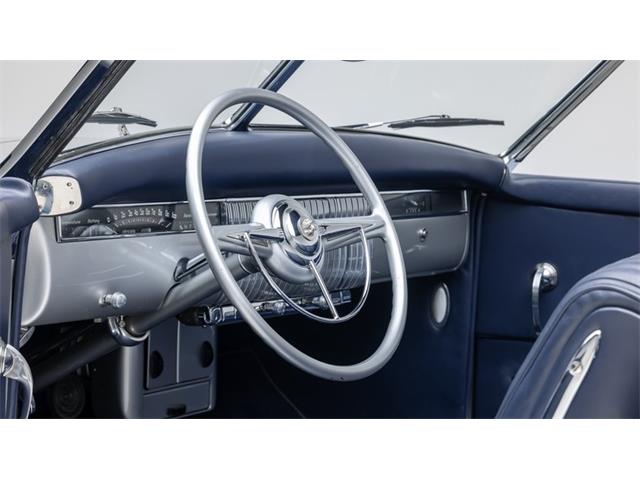
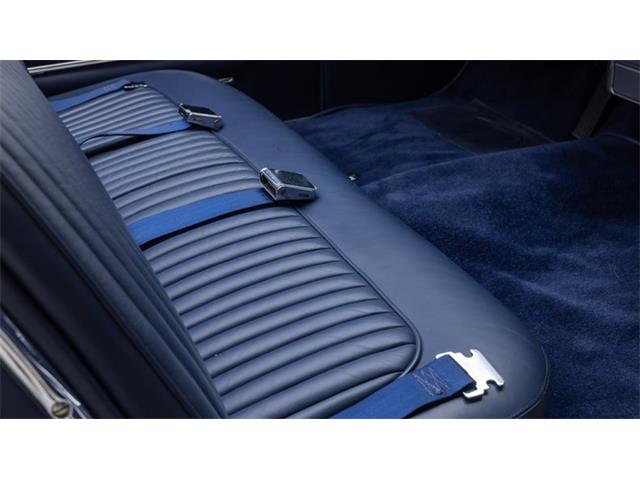
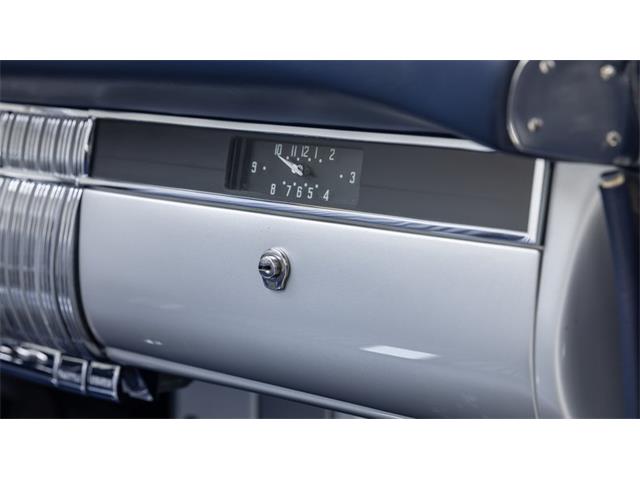
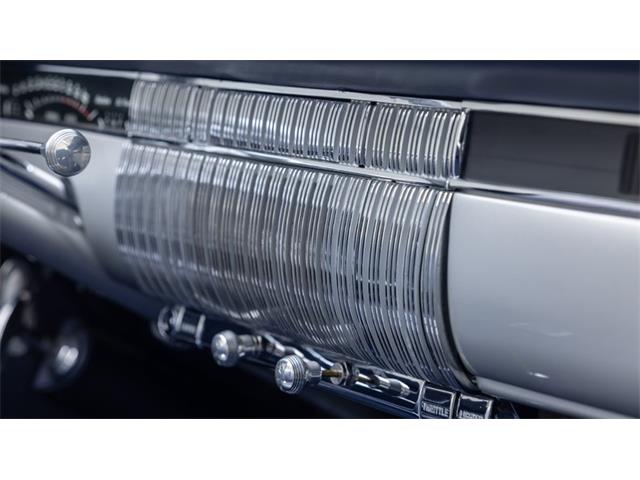
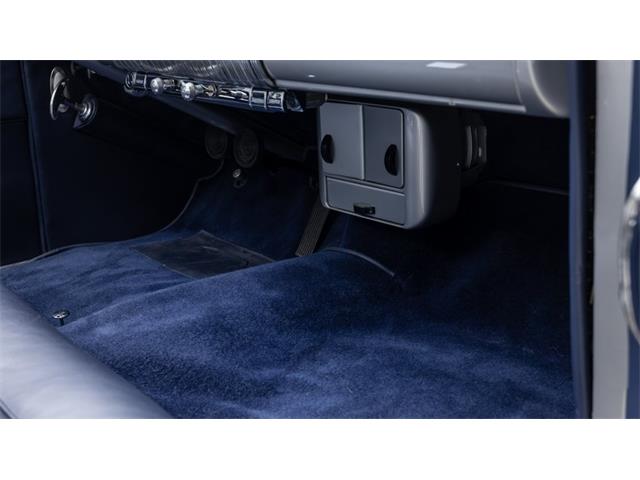
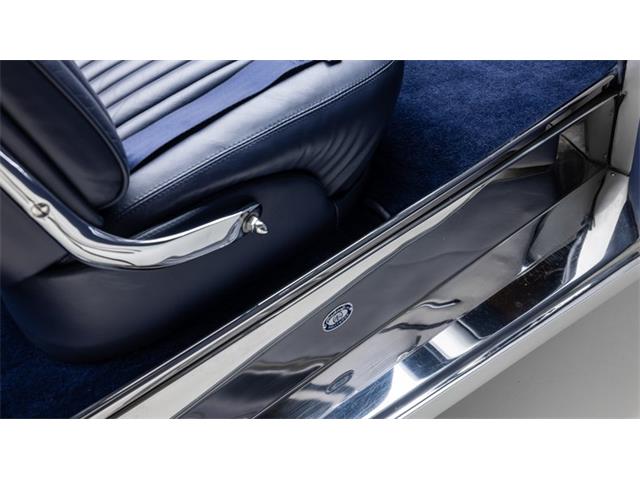
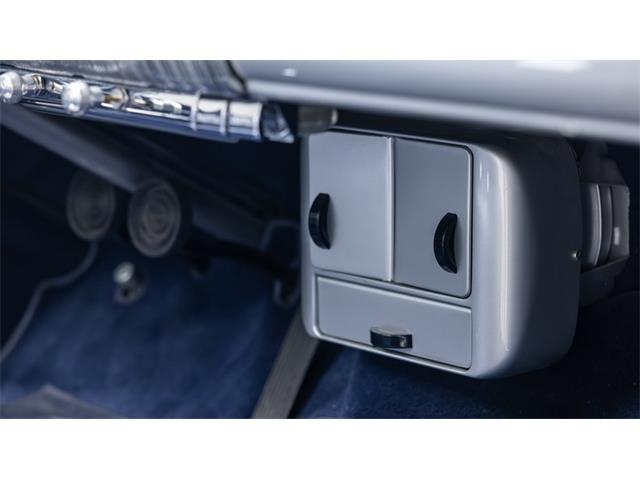
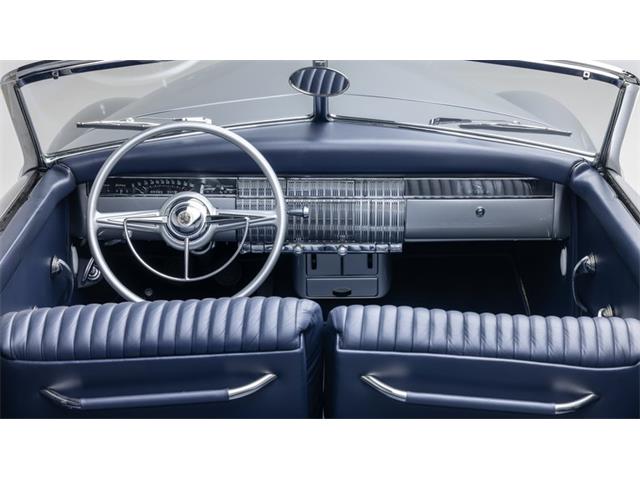
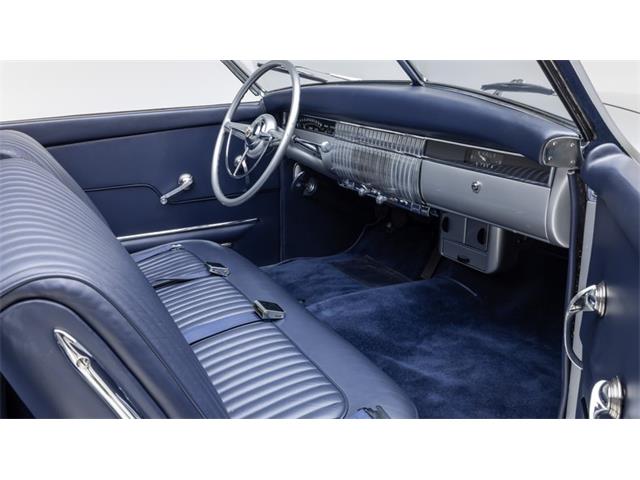
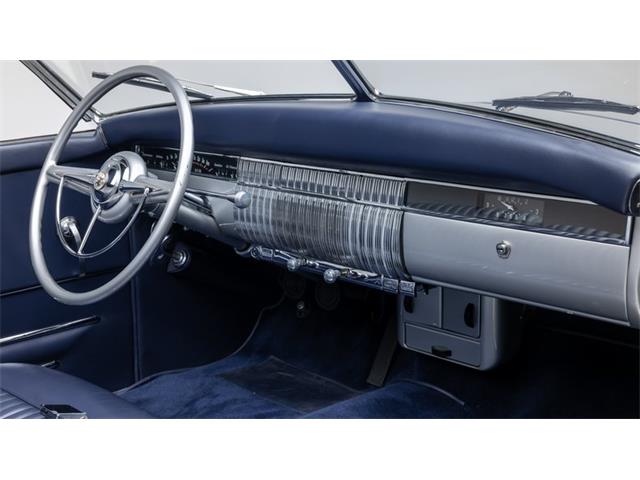
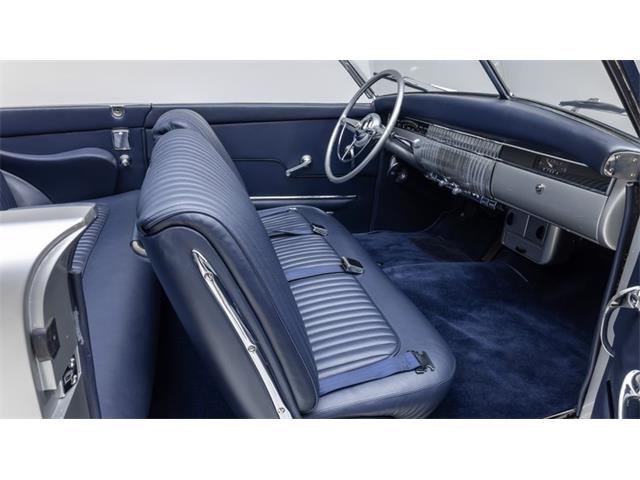
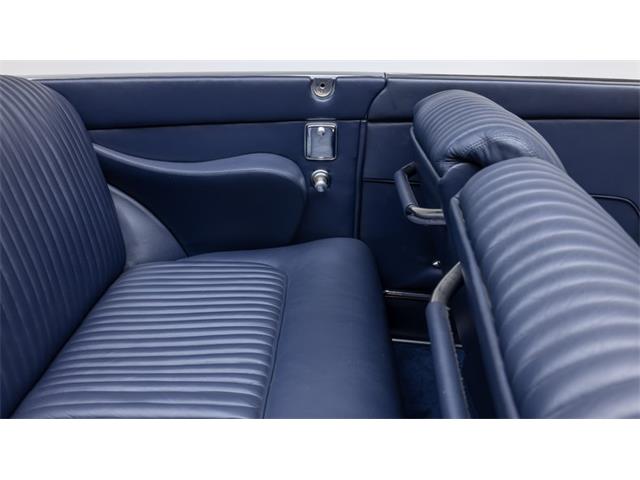
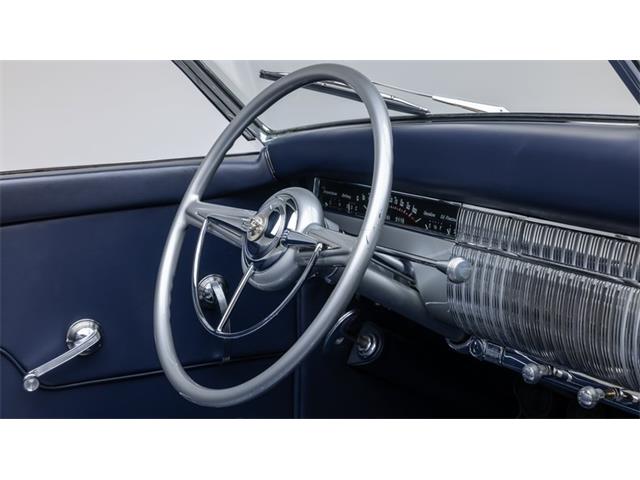
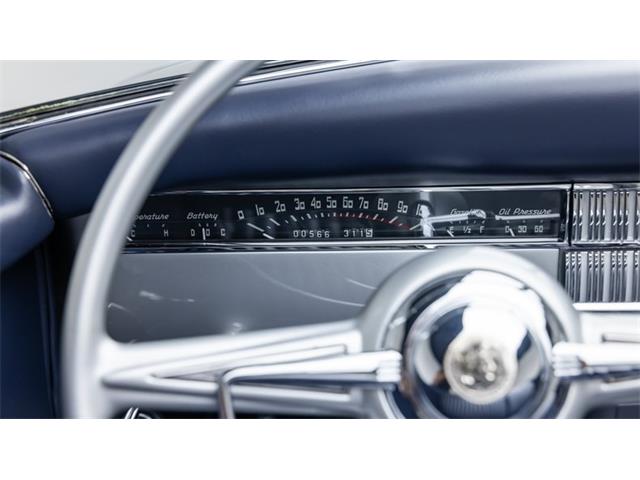
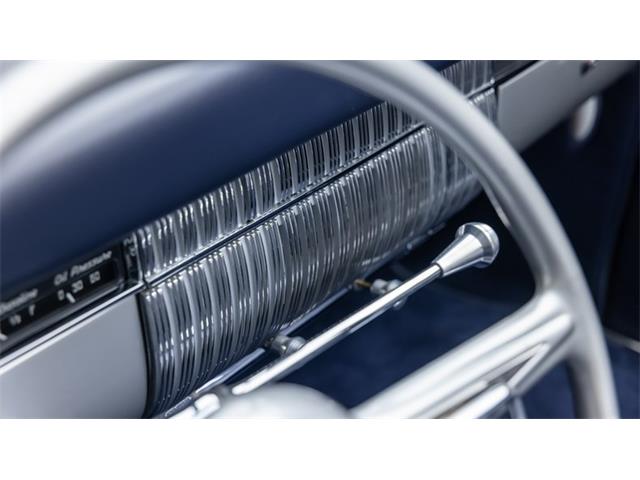
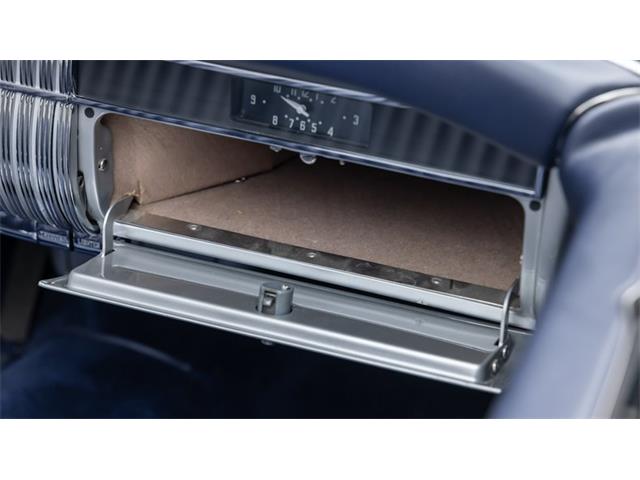
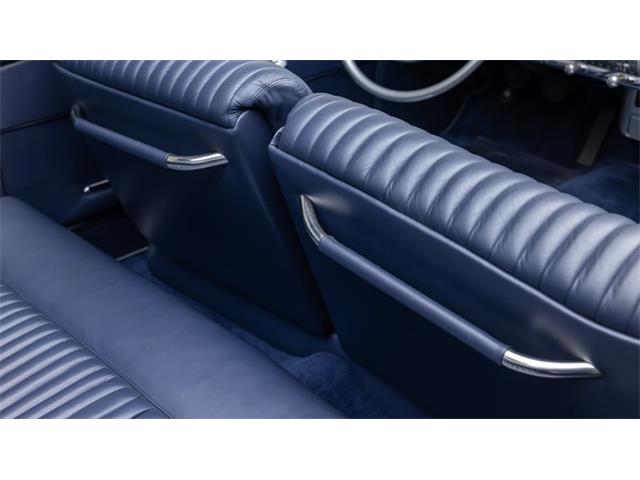
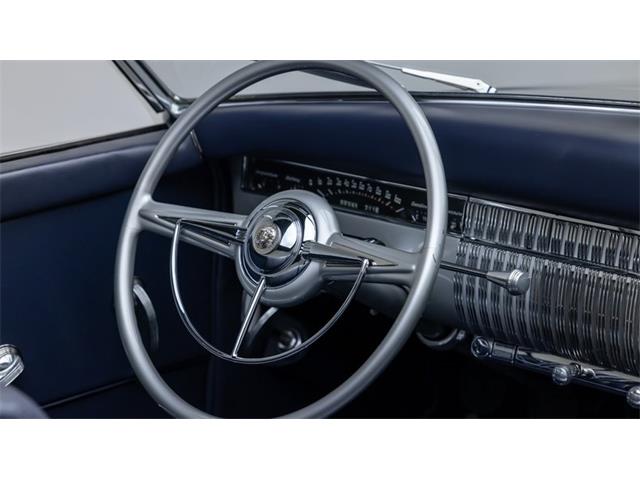
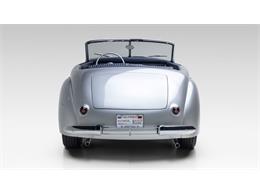
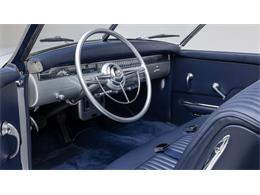
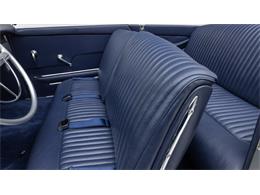
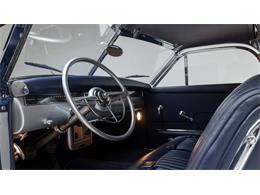
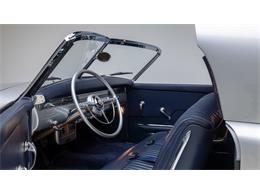
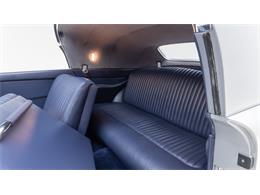
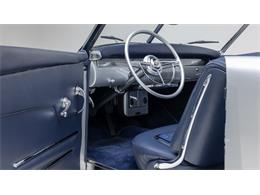
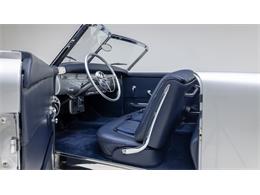
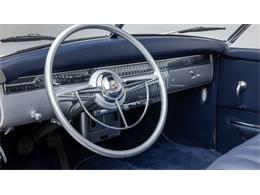
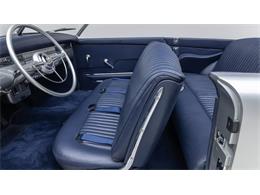
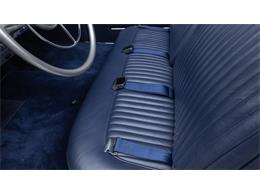
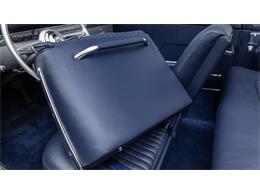
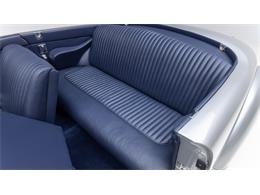
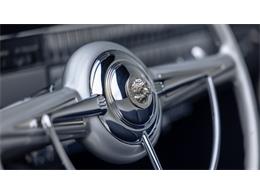
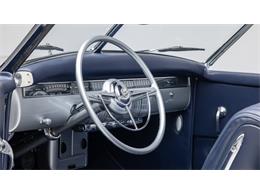
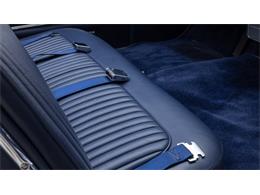
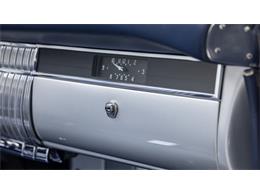
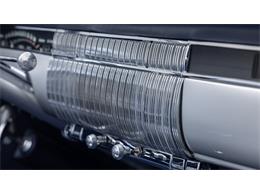
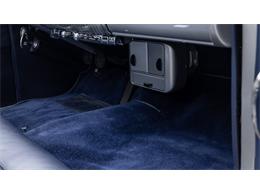
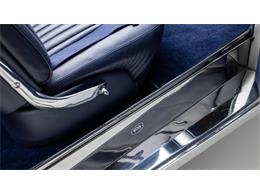
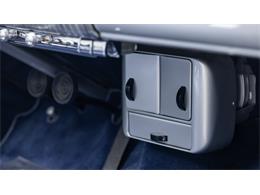
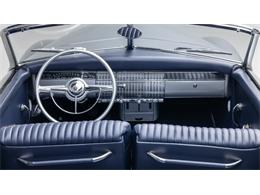
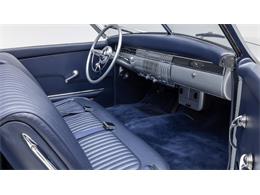
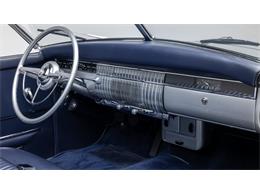
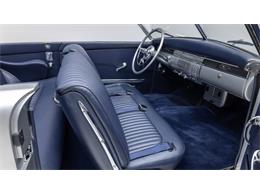
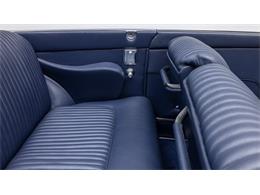
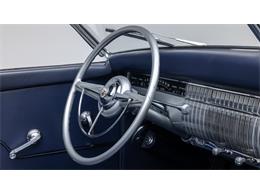
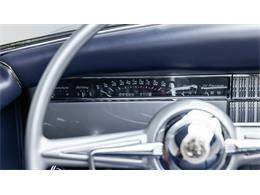
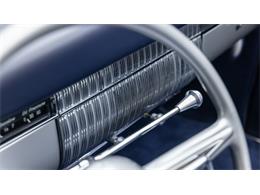
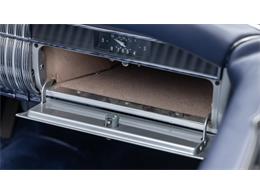
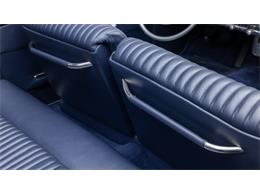
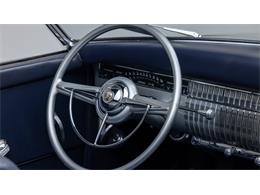
Resplendent in its current livery of bright silver over a rich dark
blue leather interior, the 1941 Stengel Mercury is not just a
beautifully crafted one-off custom, but a significant piece of
American motoring history, representing the bridge between
traditional coachwork and post-war custom culture.
ClassicCars.com has been recognized as one of the fastest-growing private companies in the United States, successfully making the Inc. 5000 list in both 2015,
2016, 2017 and 2018. This prestigious accolade represents the continued growth of the company, and ClassicCars.com's dominance as the world's largest online marketplace for
buying and selling classic and collector vehicles.
The Stevie Awards, the world's premier business awards recognized
ClassicCars.com's first-class Customer Support team with a Stevie Bronze Award in 2019, celebrating the team's skills as exemplary customer support specialists.
In 2016 The Journal, brought to you by ClassicCars.com, was celebrated as the SECOND MOST INFLUENTIAL automotive blog in the world by NFC Performance.