In the matter of a few short years, young American designers Tom
Hibbard and Howard "Dutch" Darrin built a stellar reputation from
their Paris-based coachbuilding firm Hibbard & Darrin. When Hibbard
departed for a job at GM in 1931, Darrin stayed behind, partnering
with financier J. Fernandez and carrying on as Fernandez et Darrin.
But by the mid-1930s, a declining customer base and rapidly
deteriorating political climate in France saw Darrin close shop and
return to the USA.
Settling in Hollywood, California, Darrin wasted little time
reestablishing his business. His close friend Darryl F. Zanuck was
a vice-president at Twentieth Century Fox Studios, affording Darrin
direct access to a new pool of wealthy, style-conscious clients.
With a convincing French accent he could switch on at will, he was
often introduced as "Howard Darrin of Paris" (he was, in fact, from
New Jersey), adding a touch of continental charm to his
repertoire.
The first commission came from actor Dick Powell for a 1937 Ford
Phaeton which Darrin deftly converted into a handsome little
four-place roadster. Next came the dashing leading man, Chester
Morris, who requested a car similar to Powell's, but built upon a
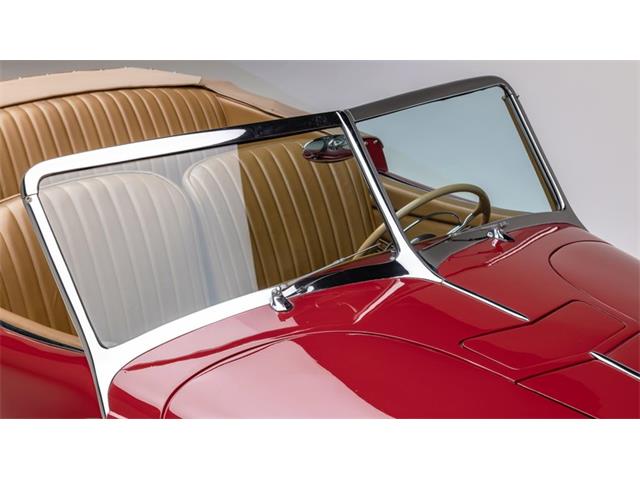
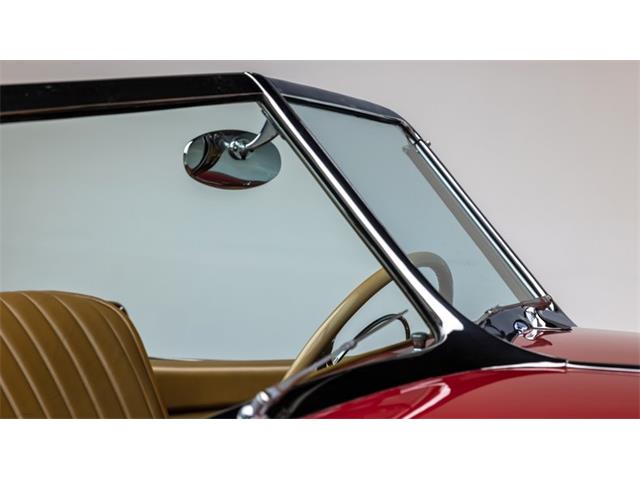
prestigous Packard One-Twenty chassis. Darrin designed a long hood,
raked V windscreen, and a distinctive kick to the door line that
became emblematic of future Packard-Darrins. The next order came
from none other than Clark Gable, his being the first four-seat
version and effectively the prototype for the Packard Convertible
Victoria by Darrin.
The cars drew enough attention that for 1940, Packard officially
acquired the design and manufacturing rights to the Darrin
Convertible Victoria, and shifted production to Central
Manufacturing in Connersville, Indiana, which continued through
1942. Up to that point, as few as 30 so-called "Hollywood Darrin"
Packards of all designs were completed.
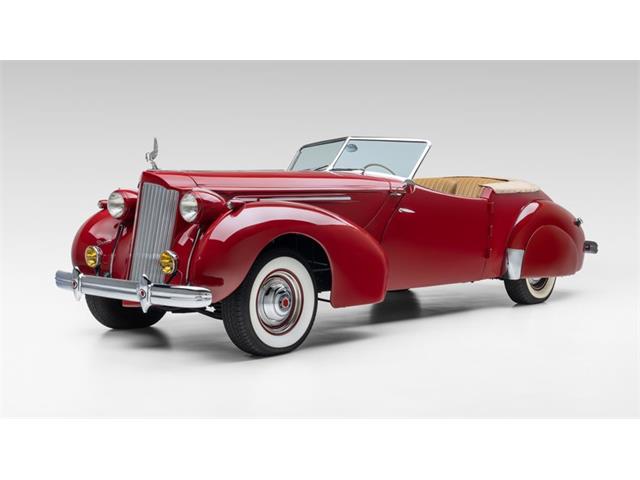
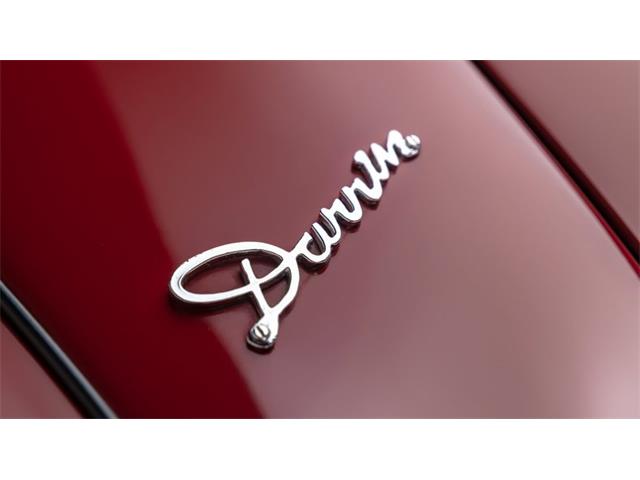
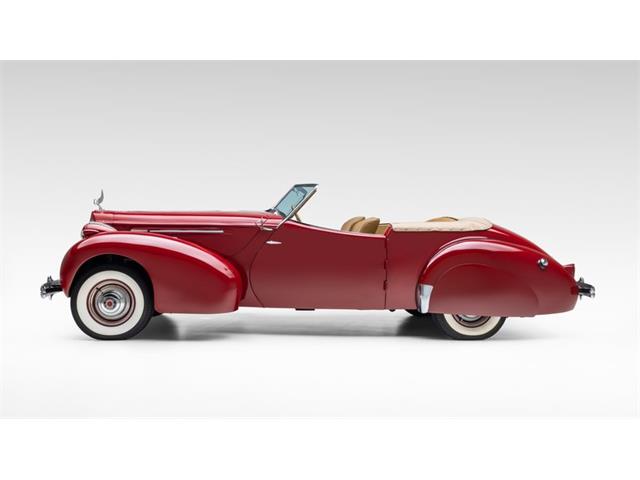
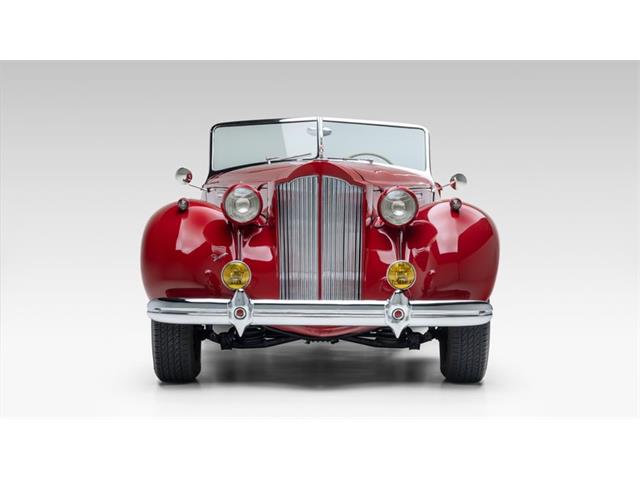
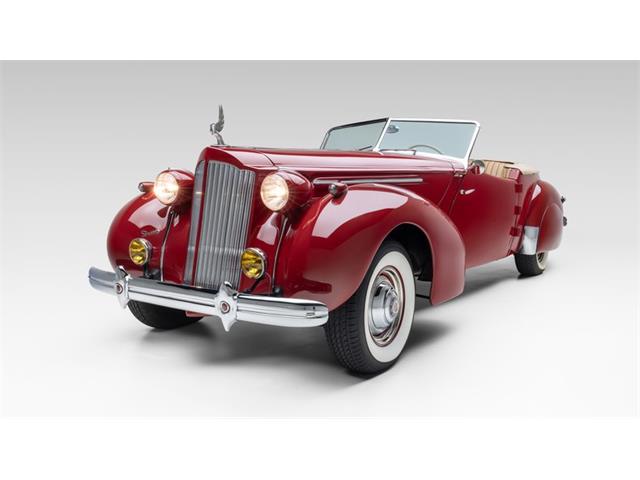
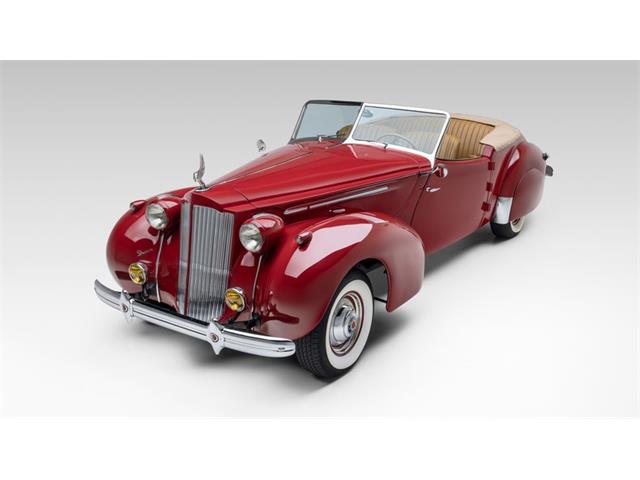
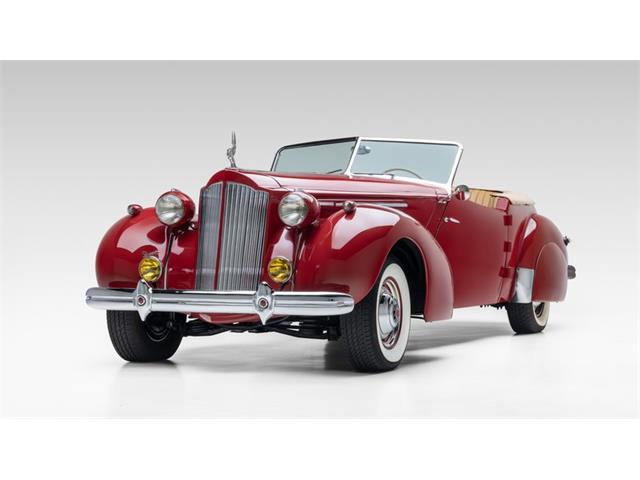
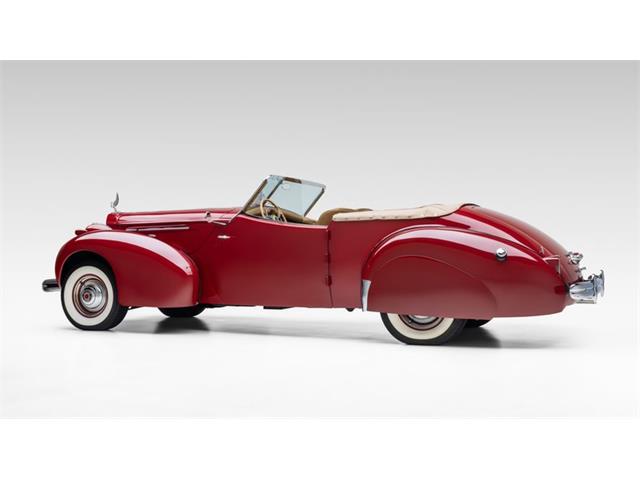
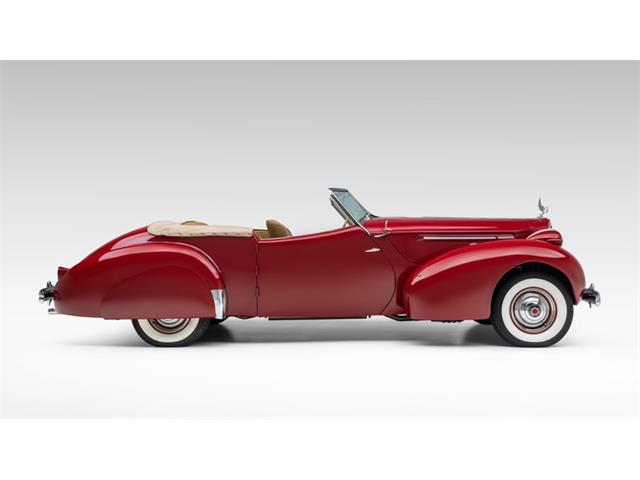
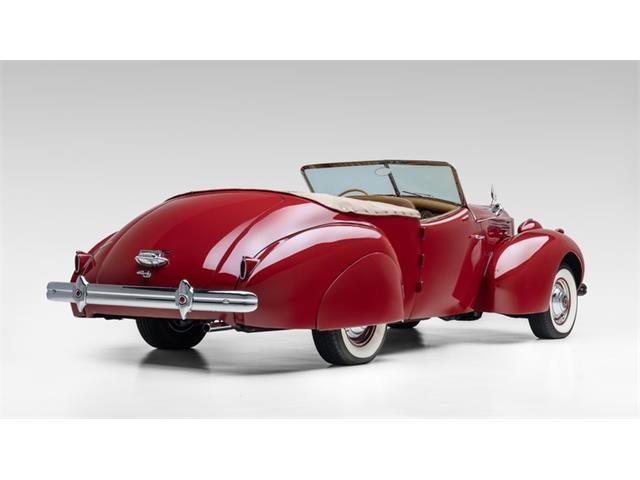
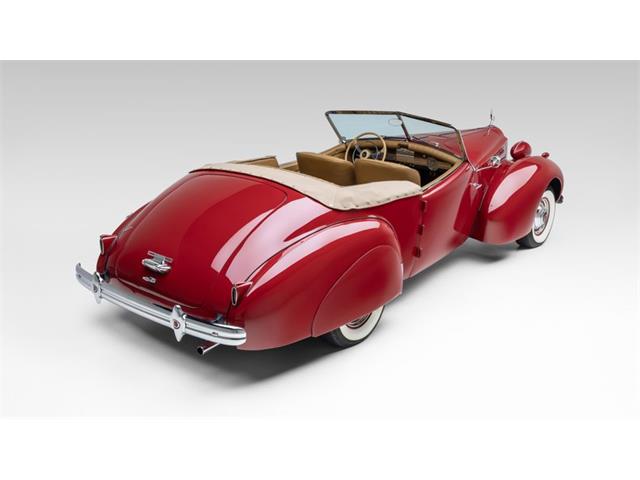
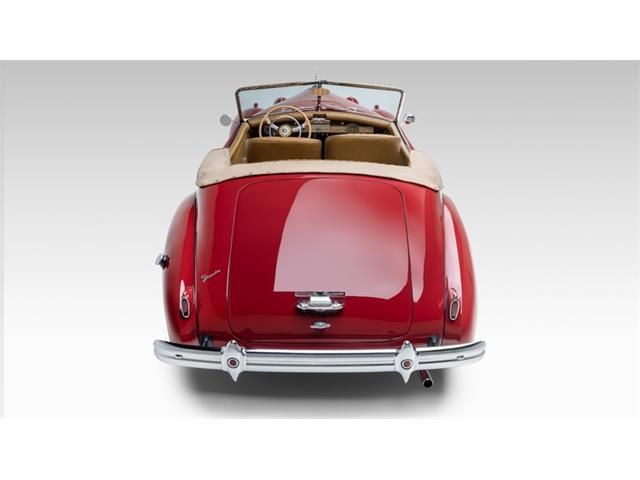
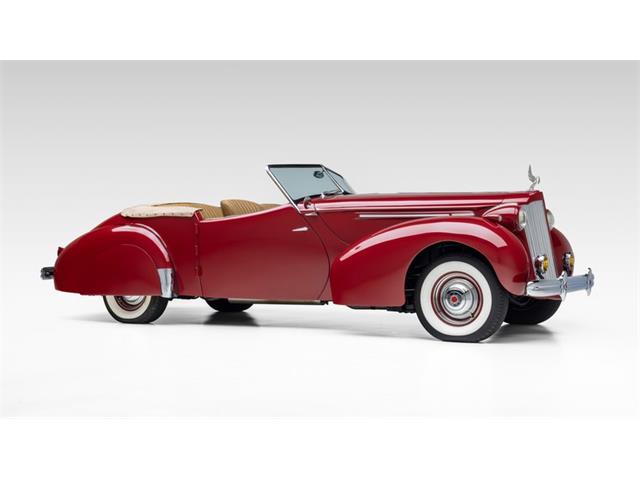
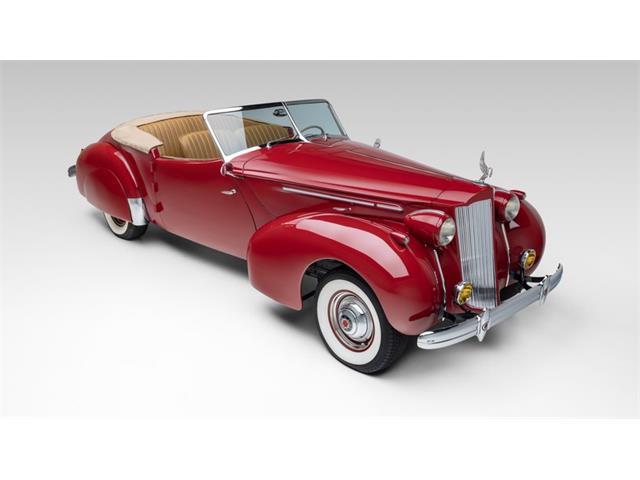
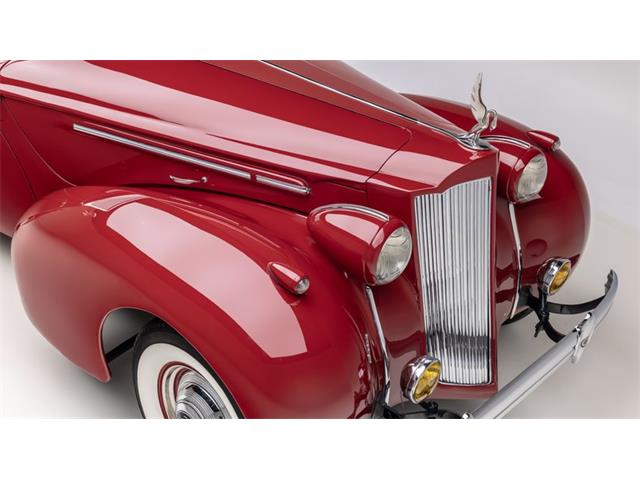
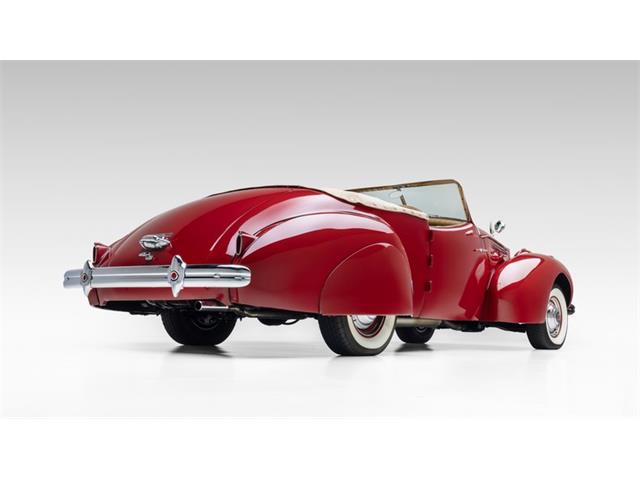
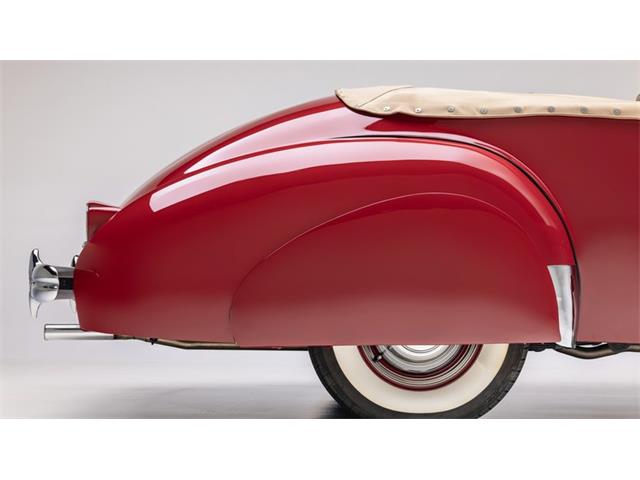
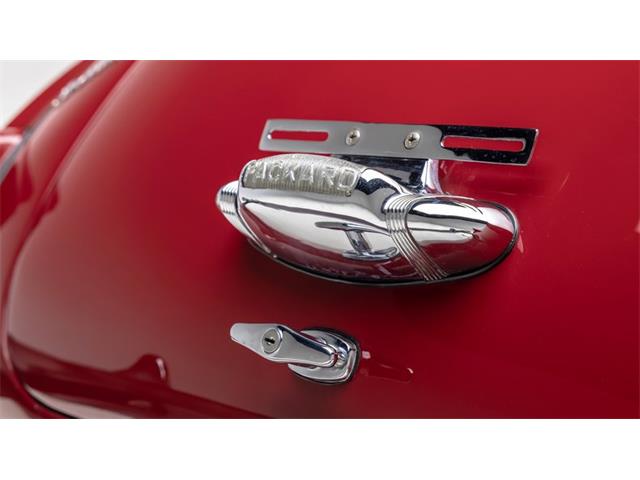
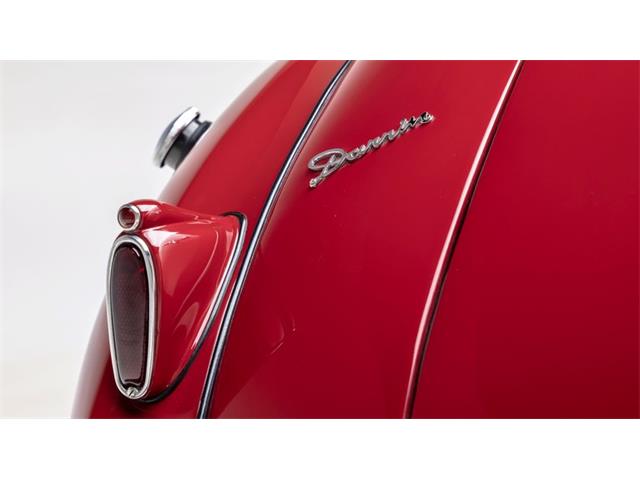
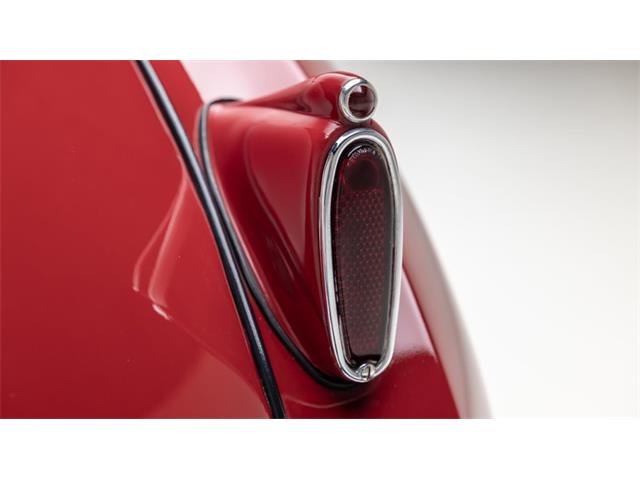
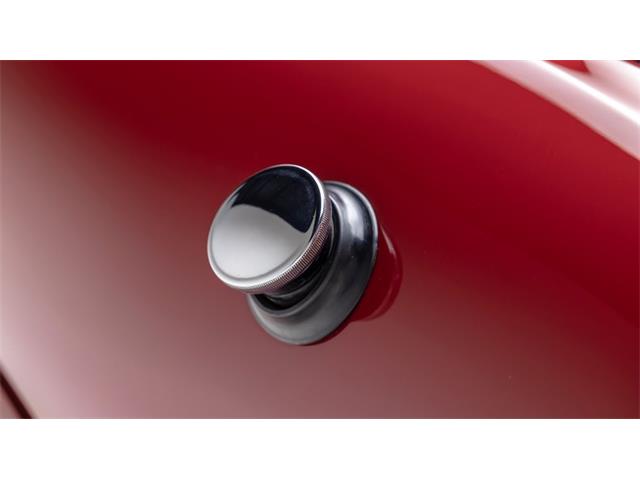
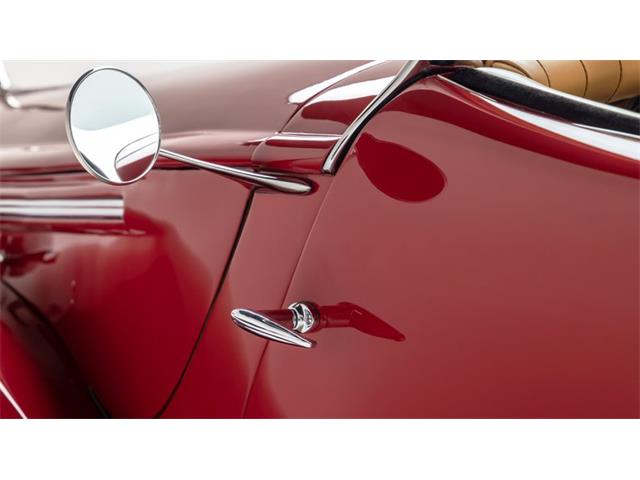
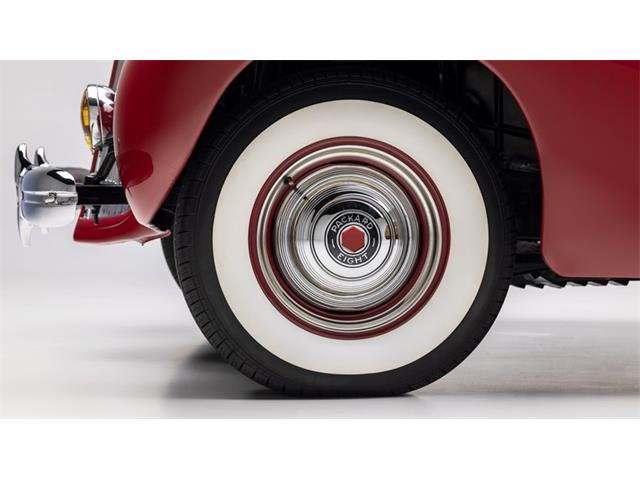
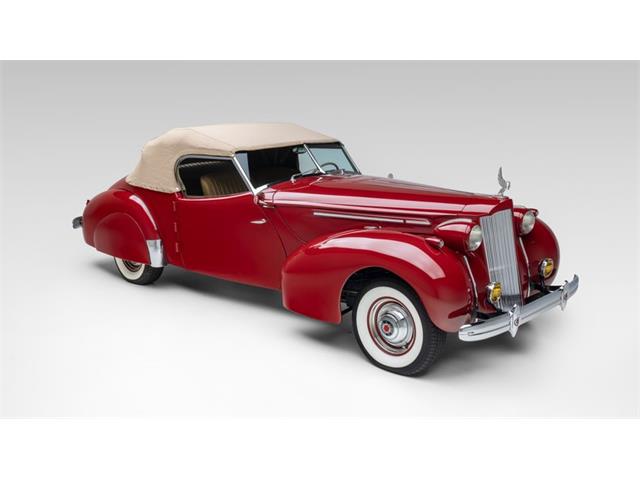
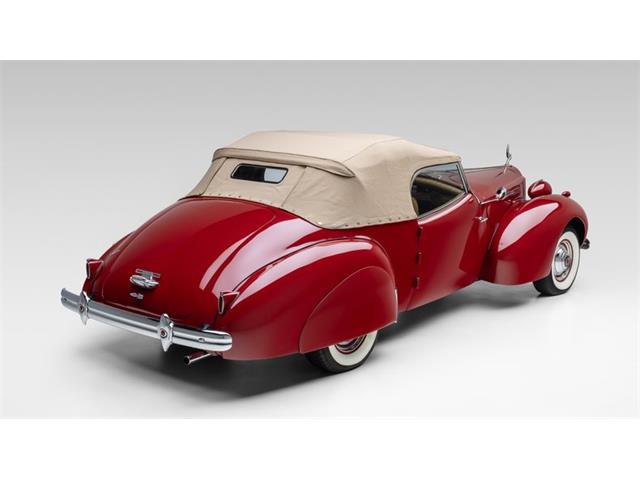
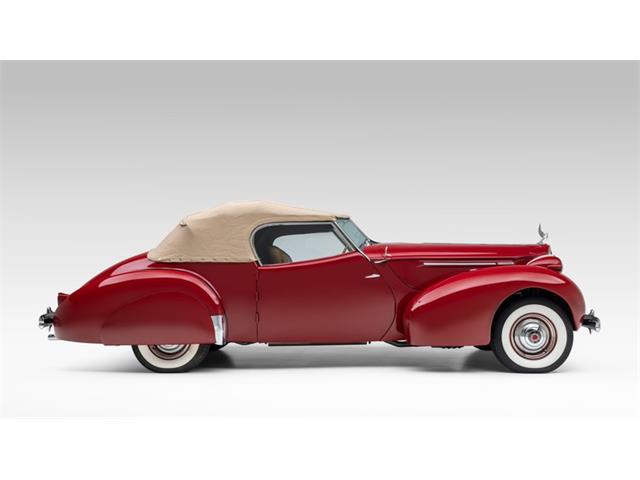
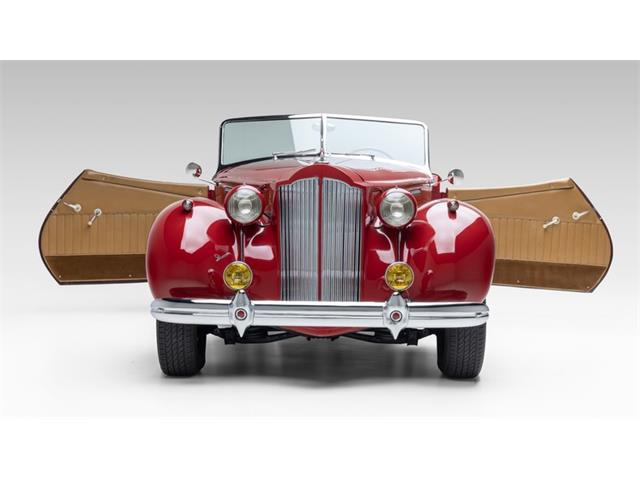
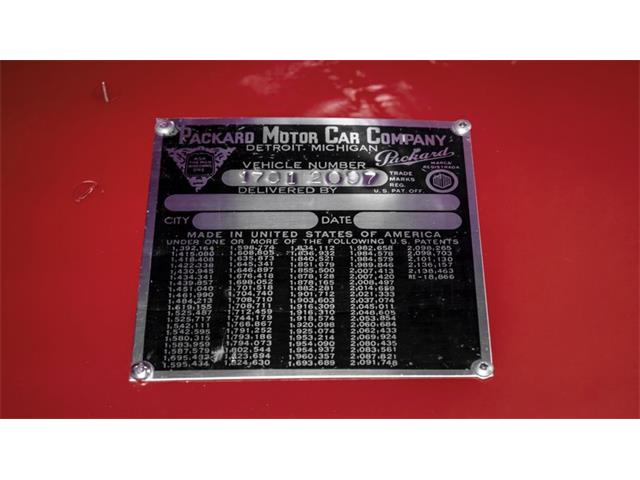
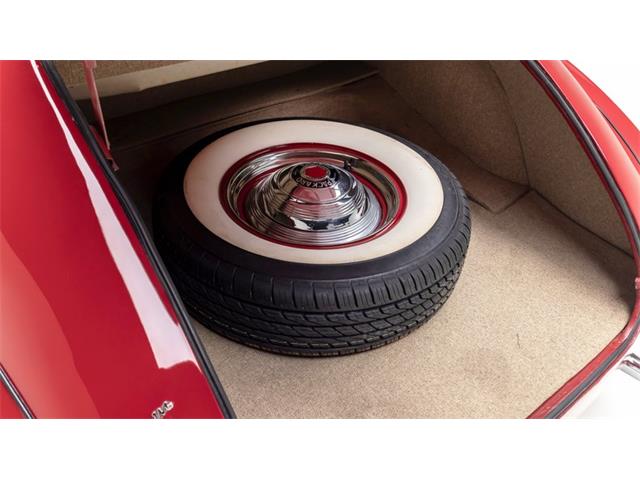
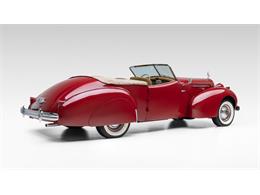
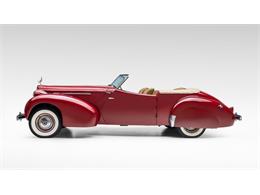
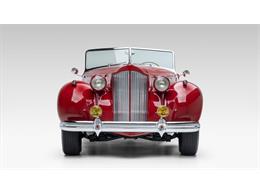
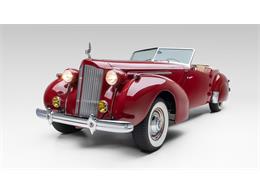
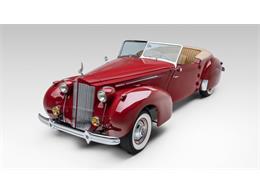
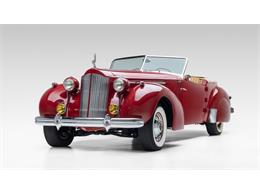
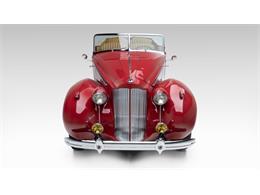
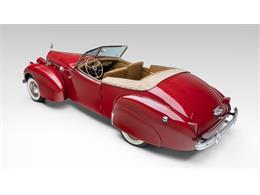
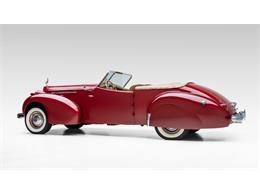
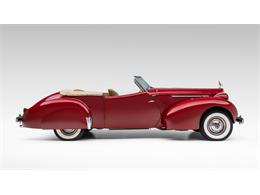
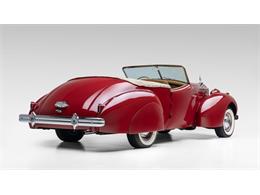
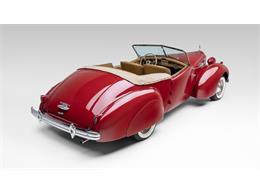
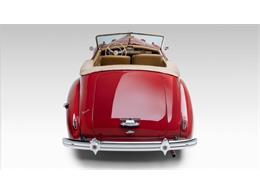
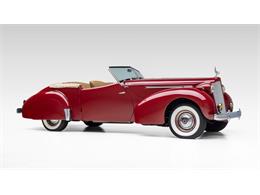
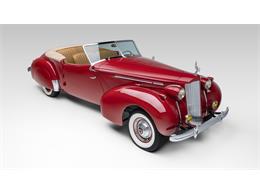
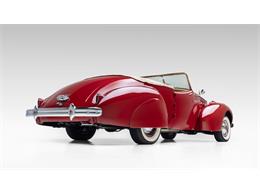
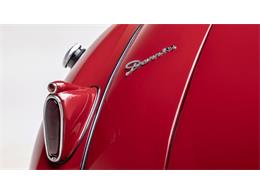
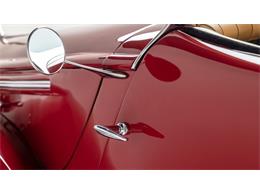
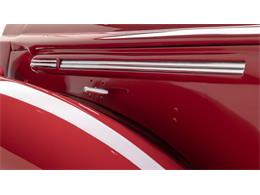
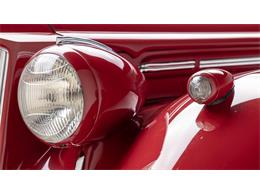
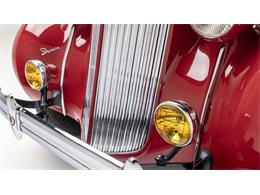
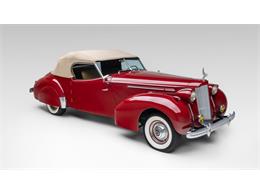
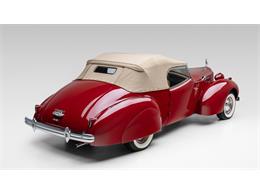
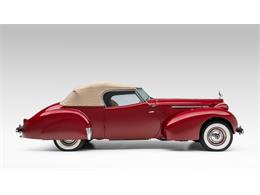
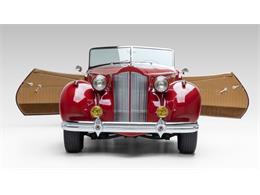
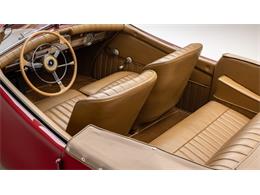
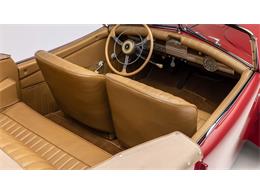
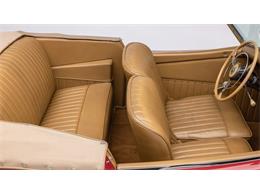
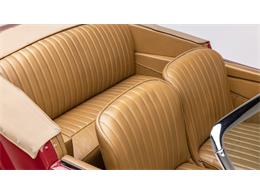
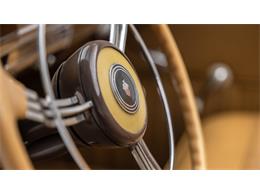
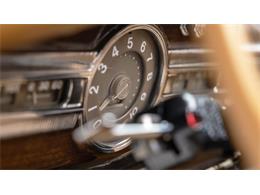
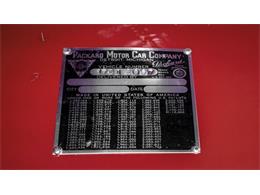
This marvelous 1939 Packard Convertible Victoria is one of just
eight Hollywood Darrins built atop the 1701 One-Twenty chassis.
Compared to the later One-Eighty and Super Eight, the One-Twenty's
smaller, nimbler platform was ideally suited to Darrin's sporting
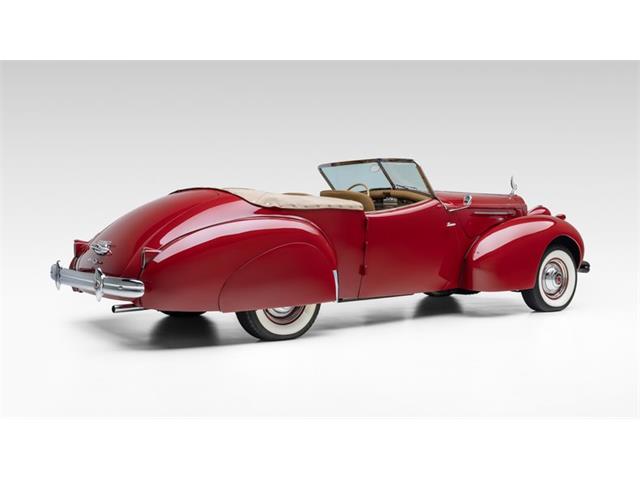
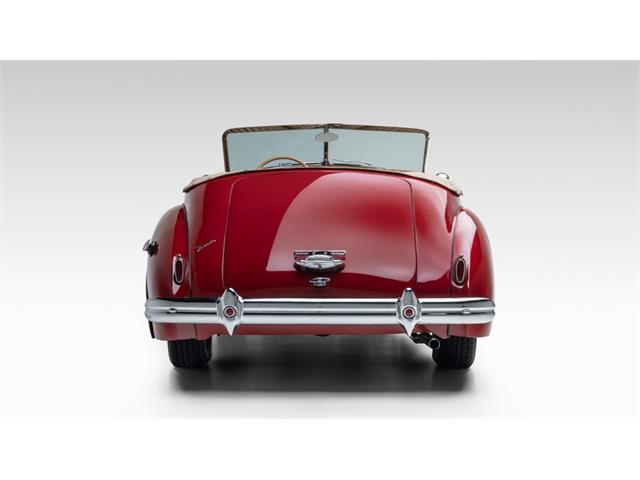
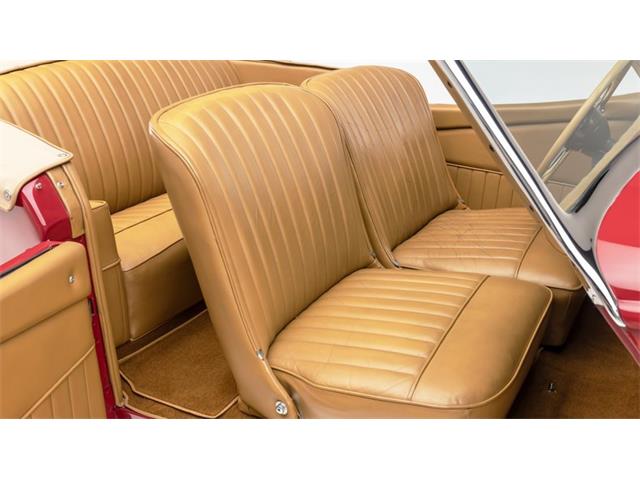
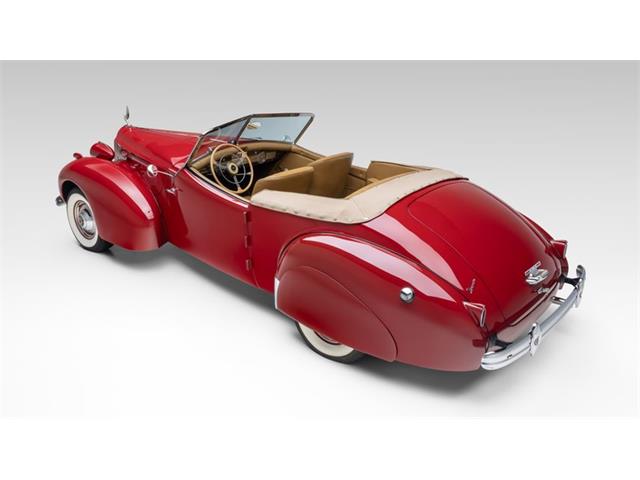
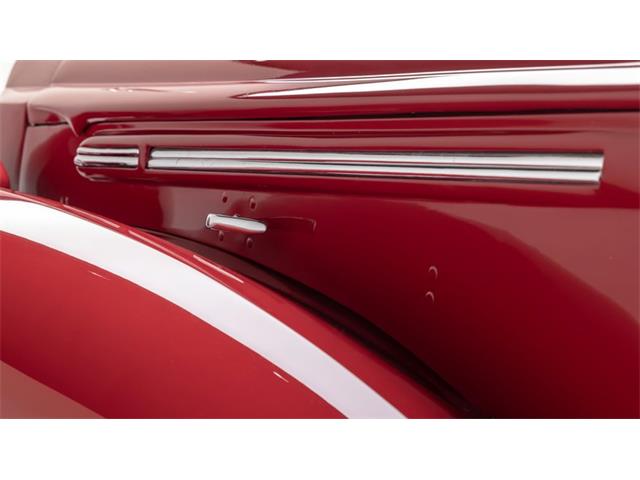
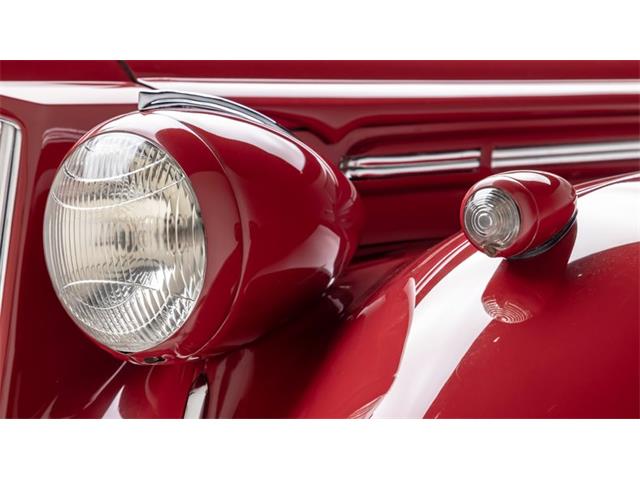
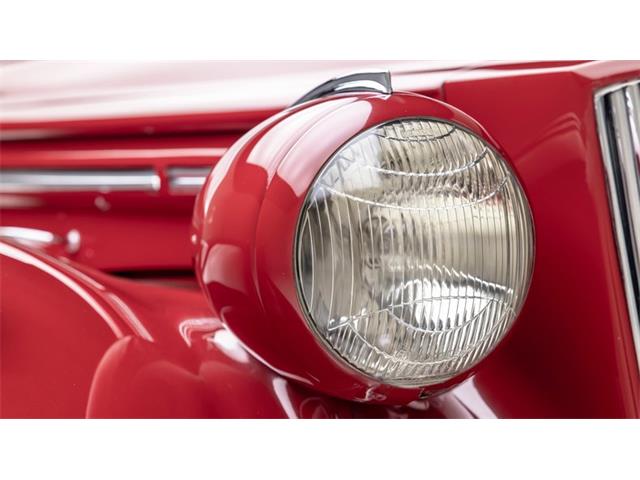
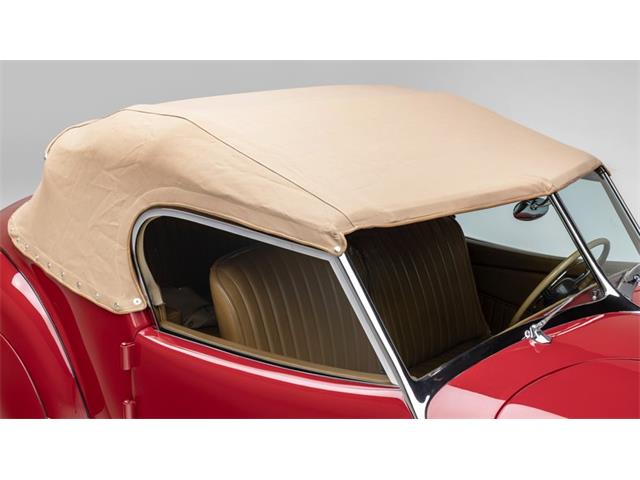
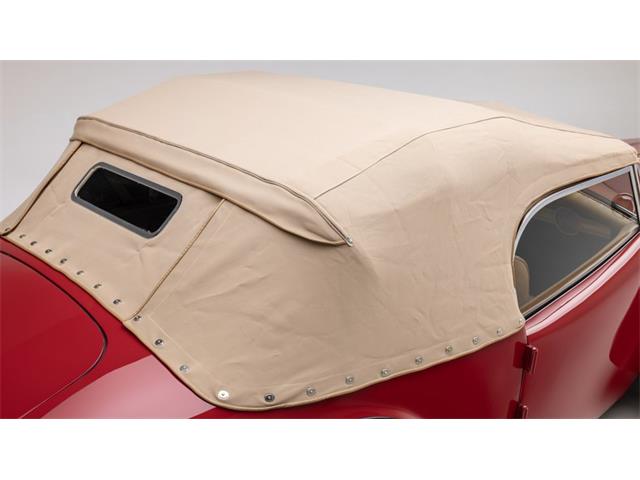
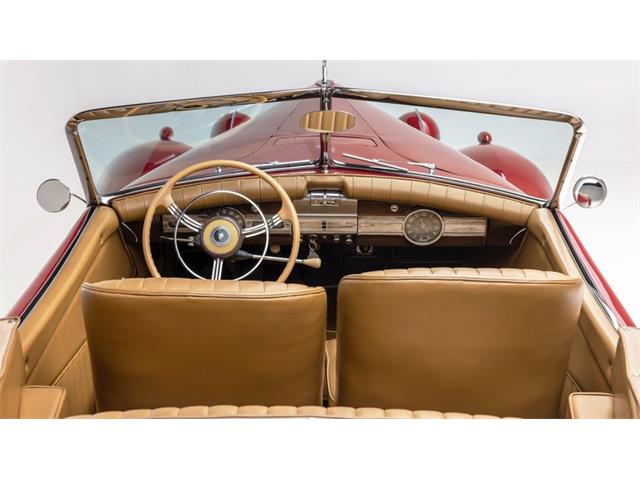
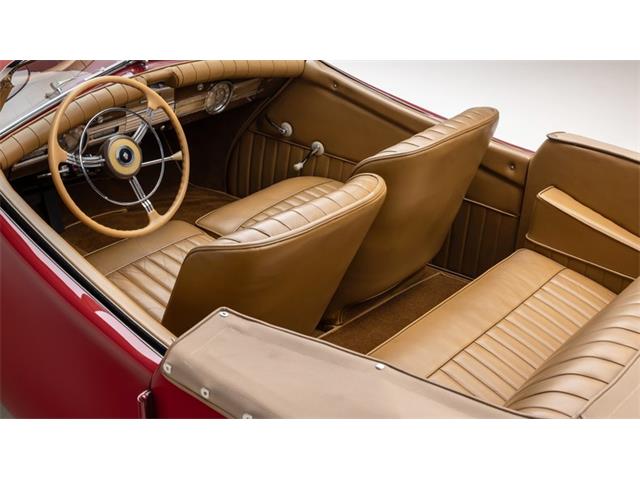
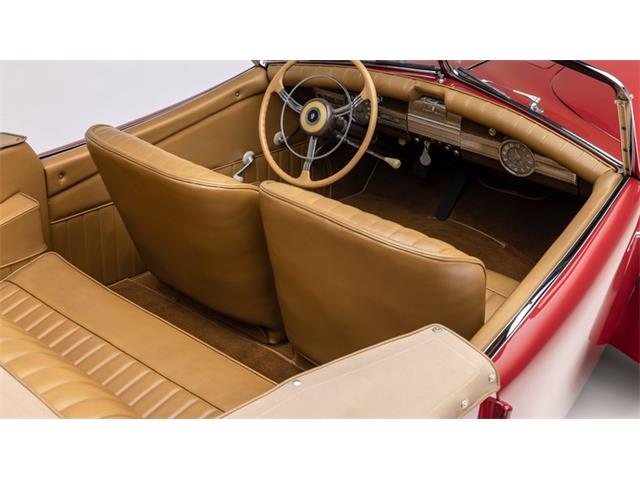
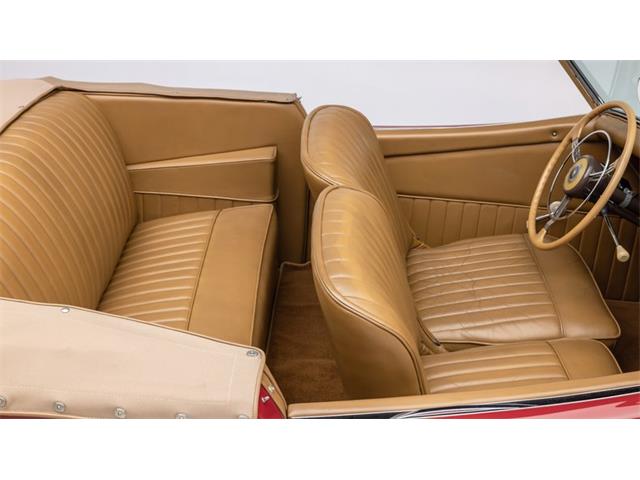
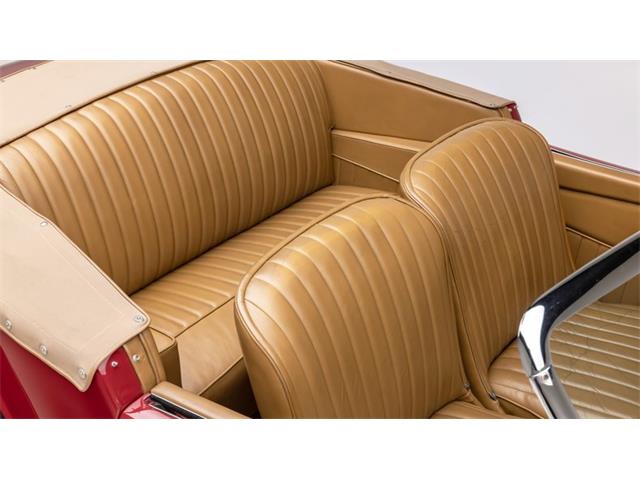
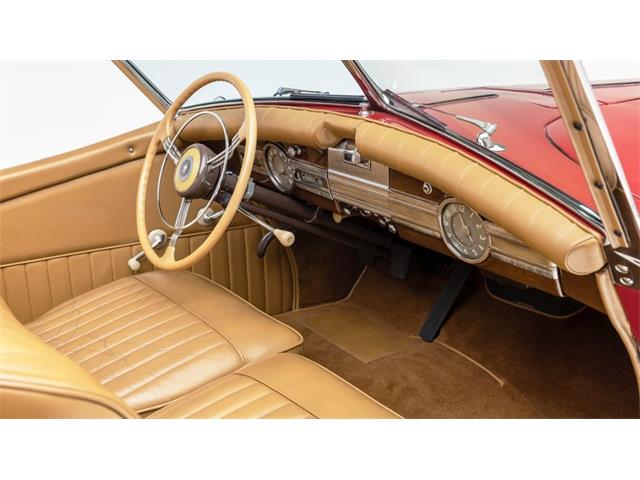
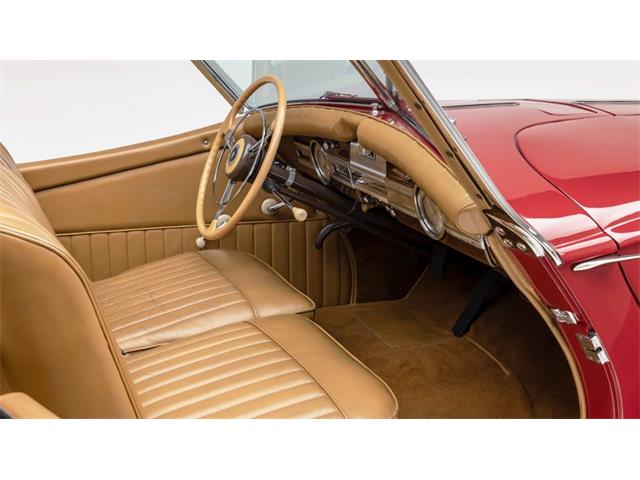
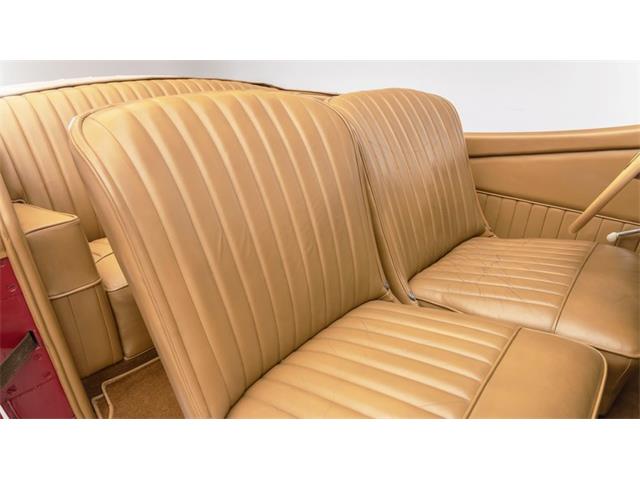
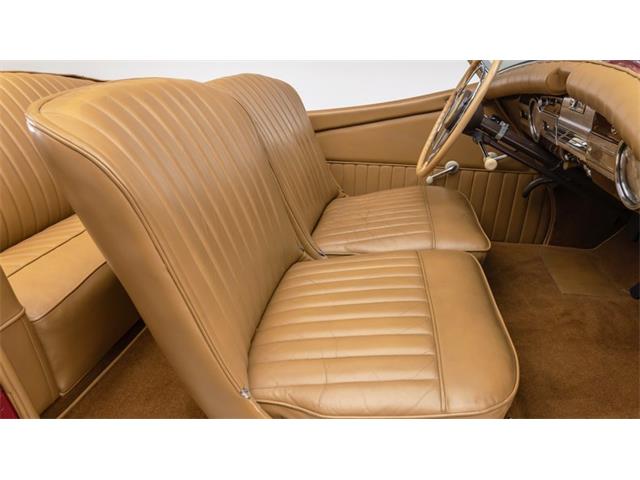
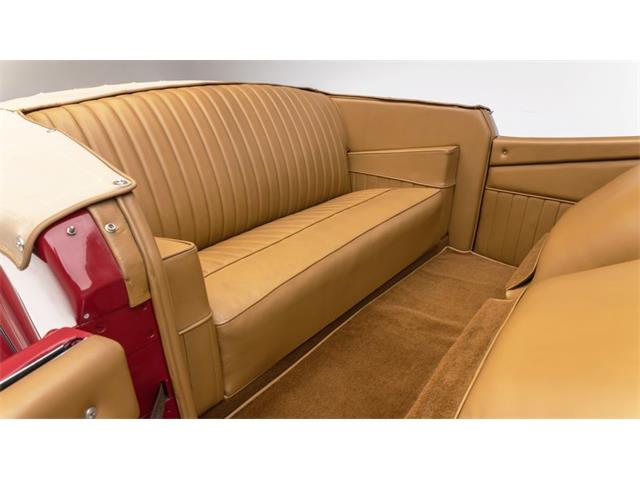
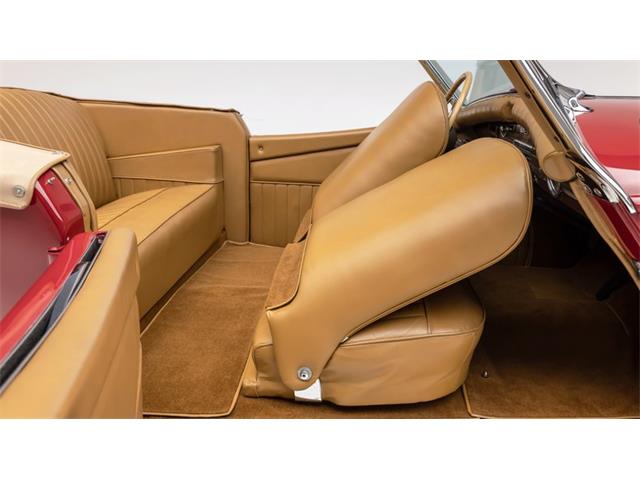
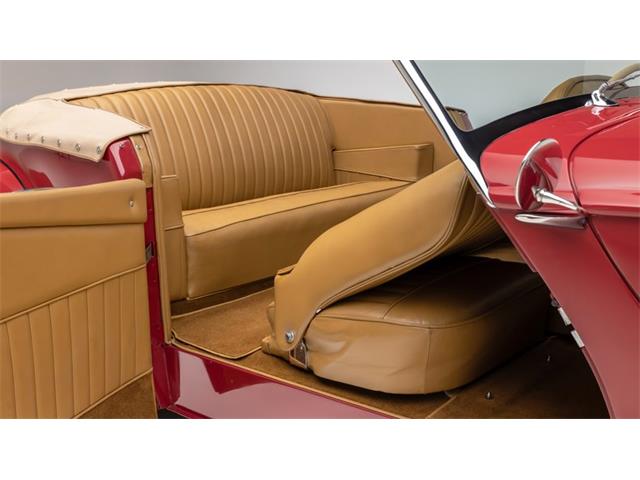
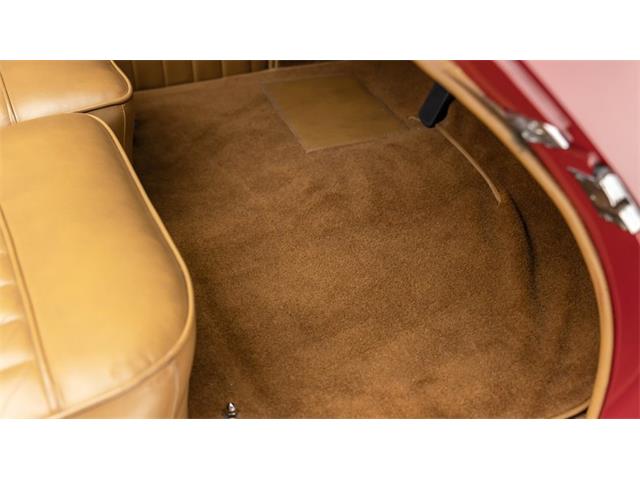
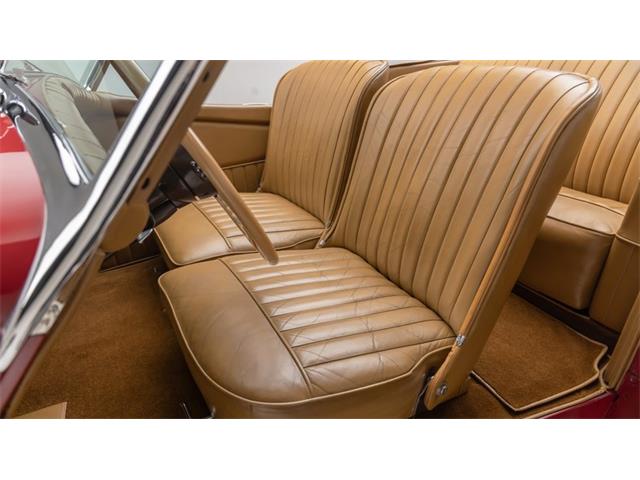
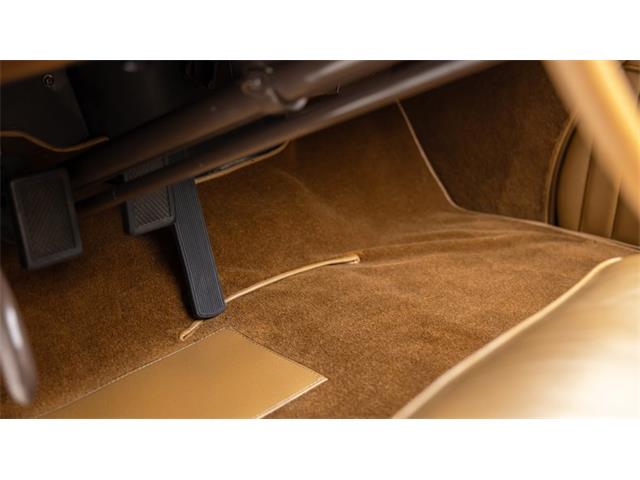
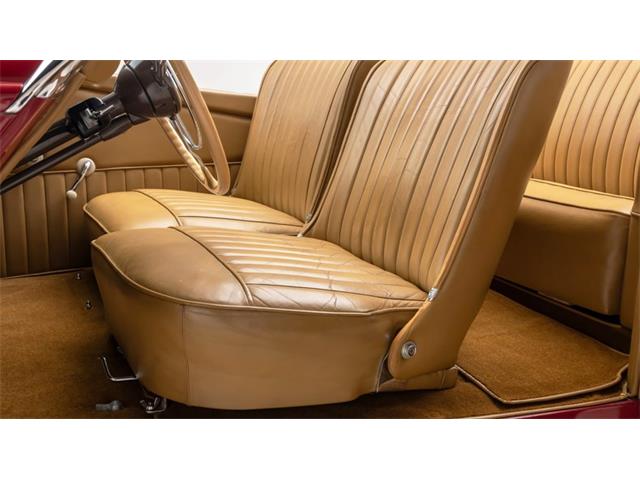
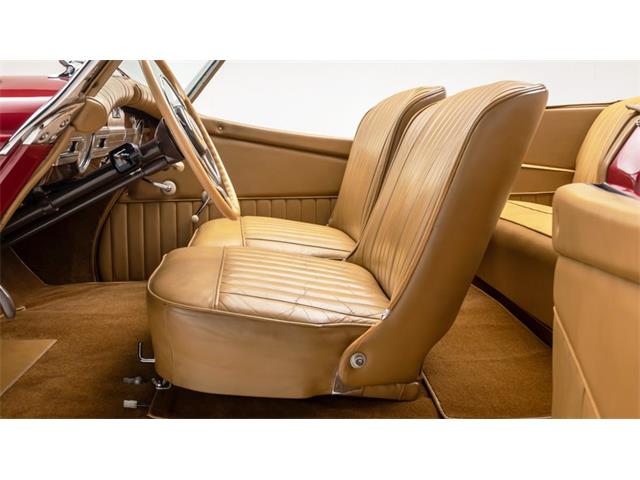
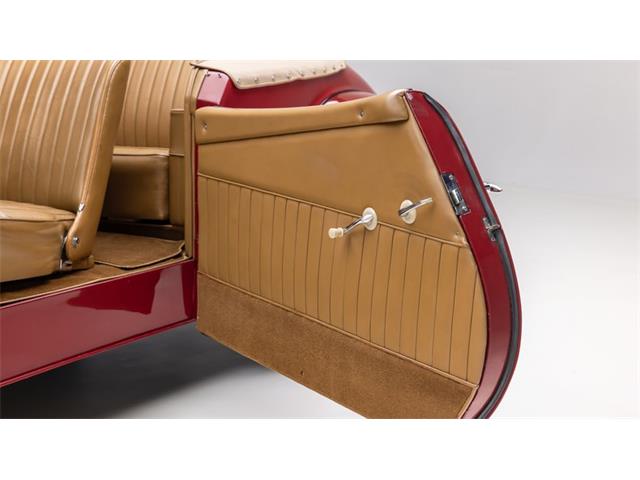
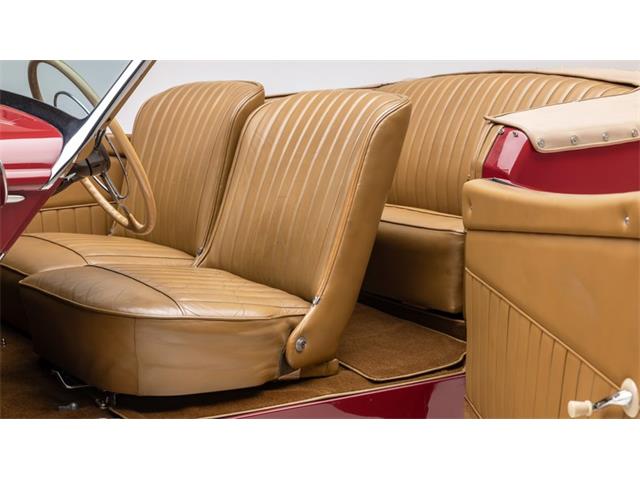
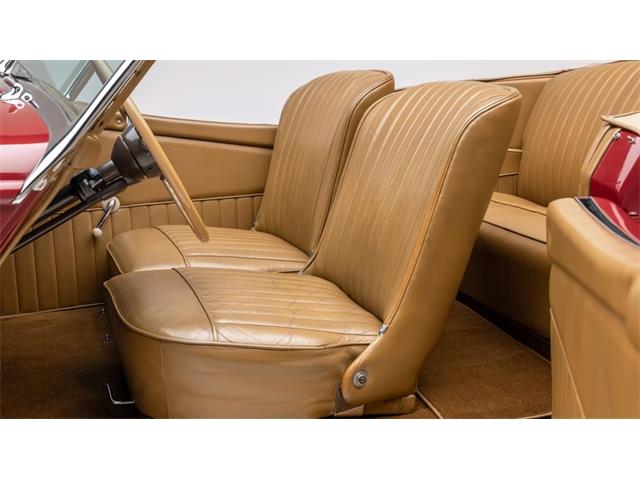
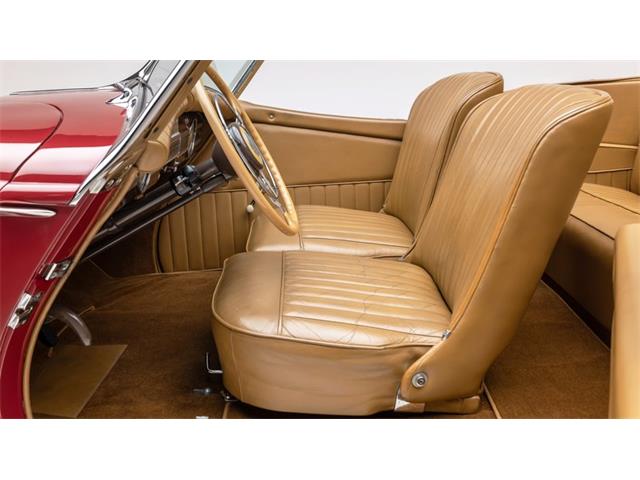
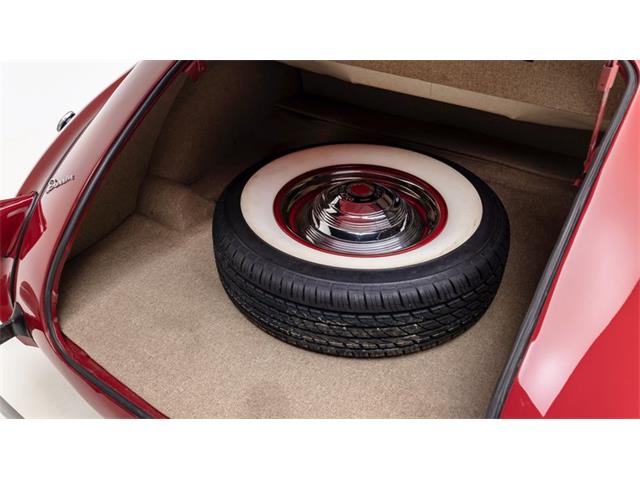
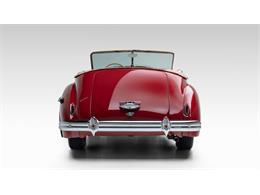
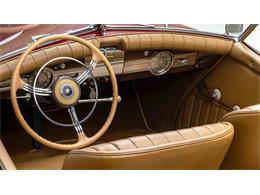
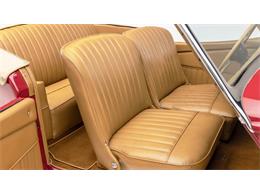
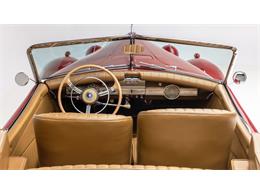
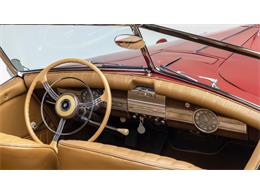
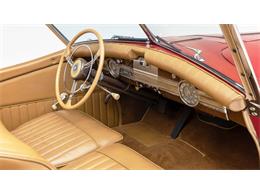
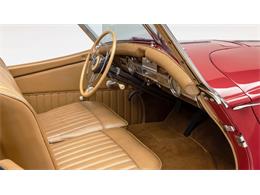
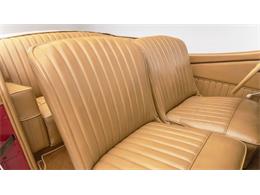
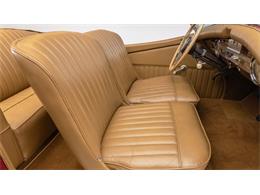
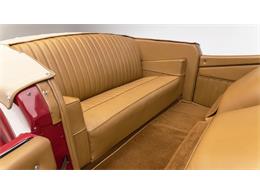
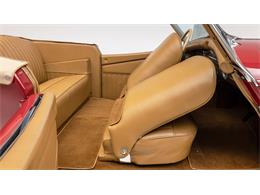
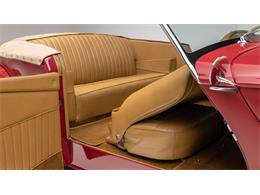
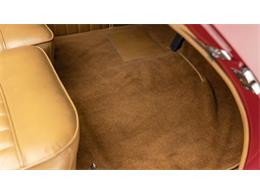
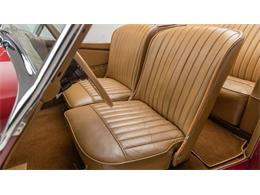
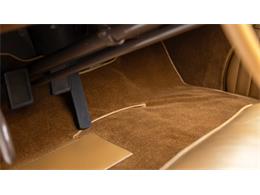
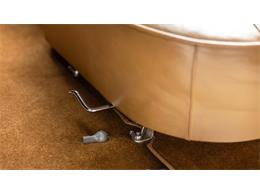
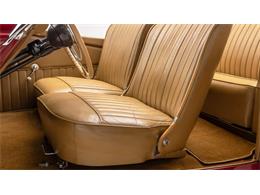
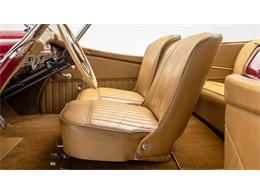
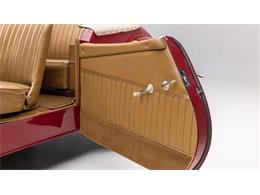
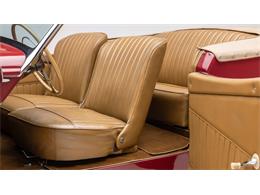
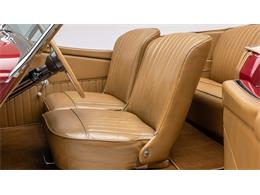
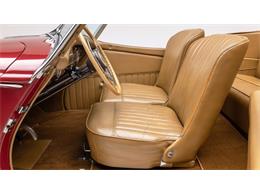
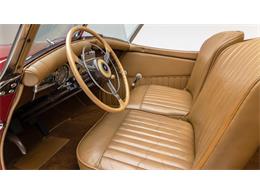
coachwork style. Handsomely presented in red over tan upholstery,
this car wears an attractive older restoration which has mellowed
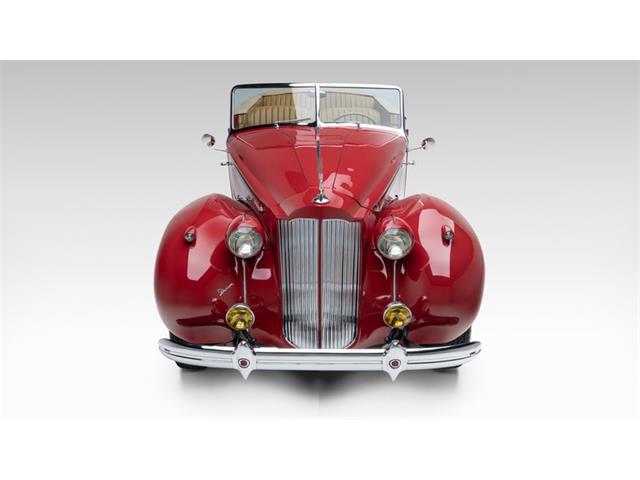
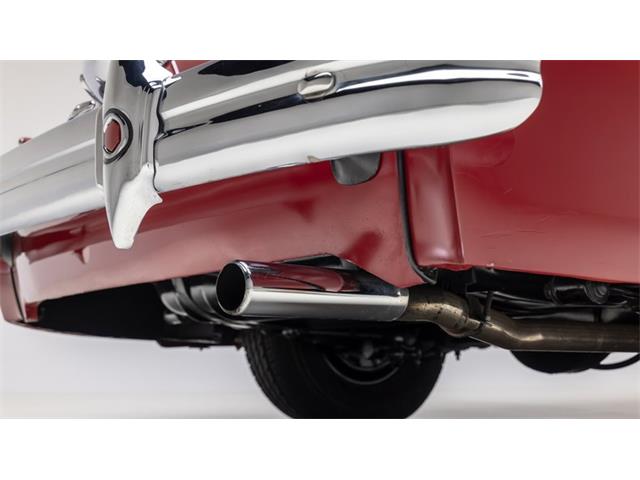
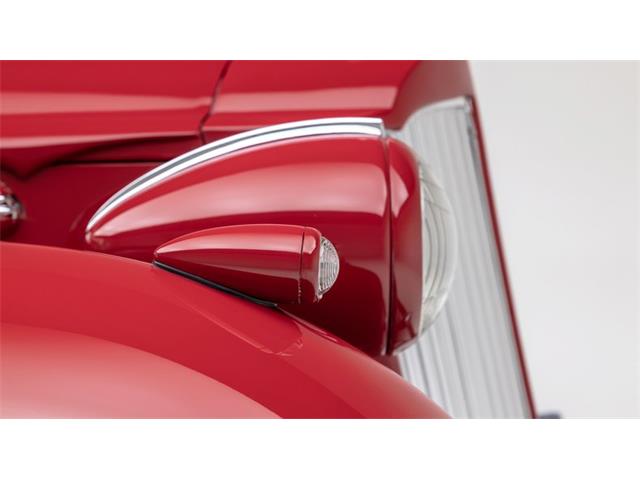
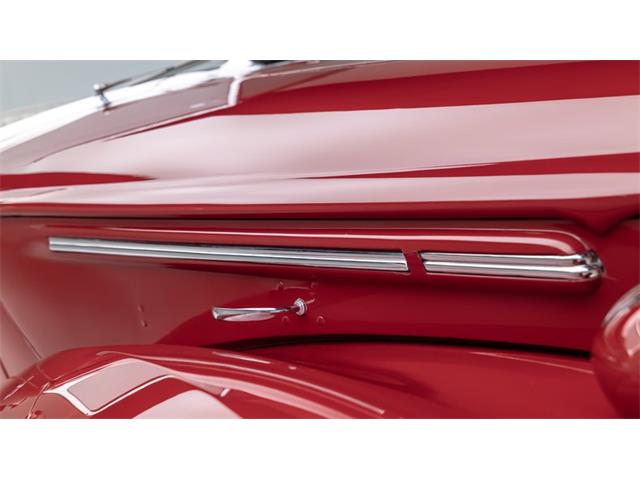
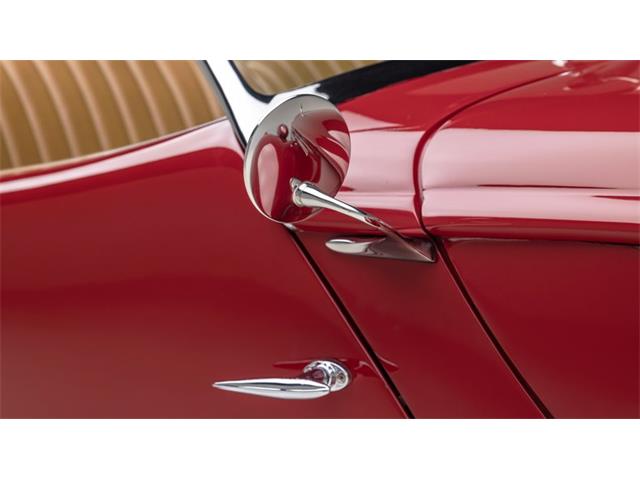
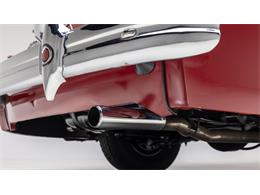
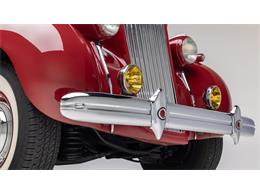
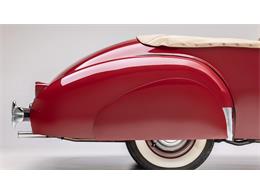
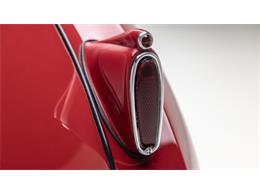
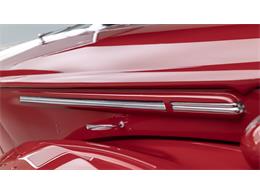
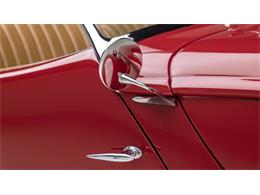
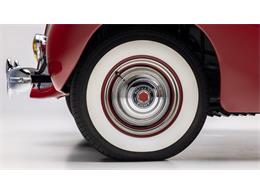
gently through years of enjoyment. Its minimal exterior trim, lack
of running boards, and skirted rear fenders enhance the sporting,
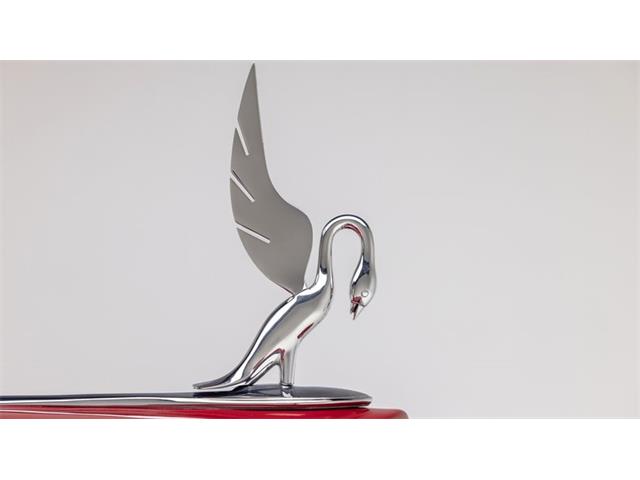
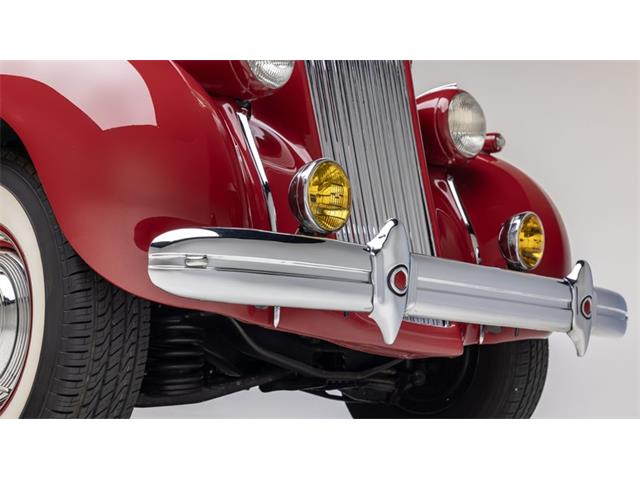
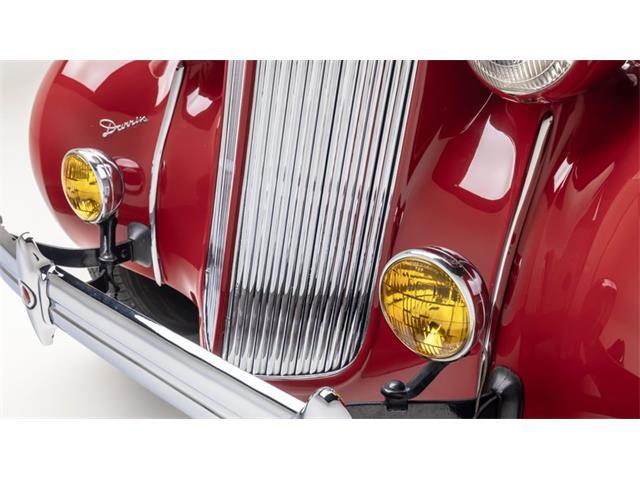
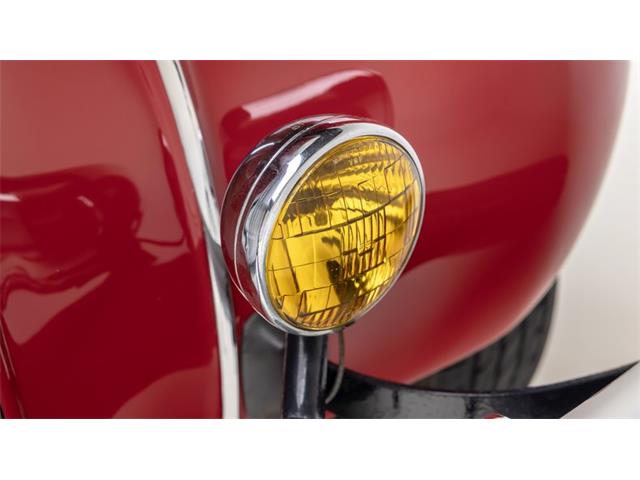
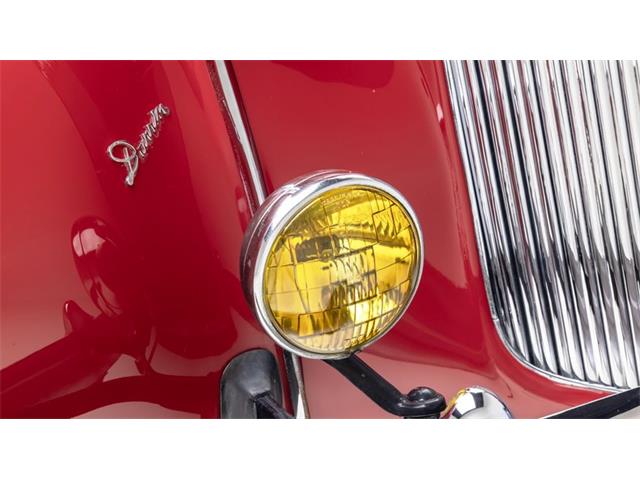
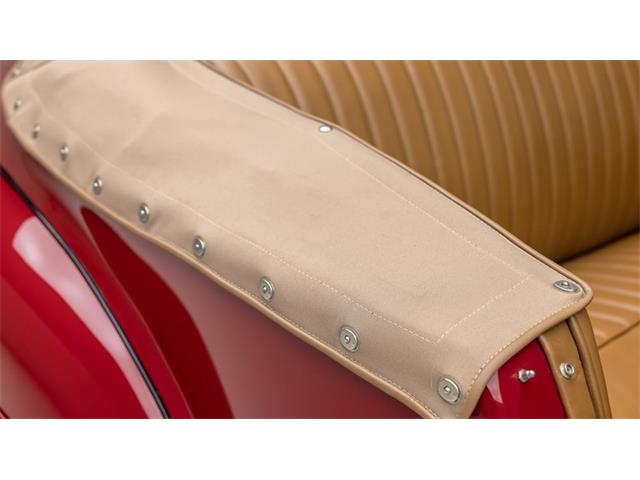
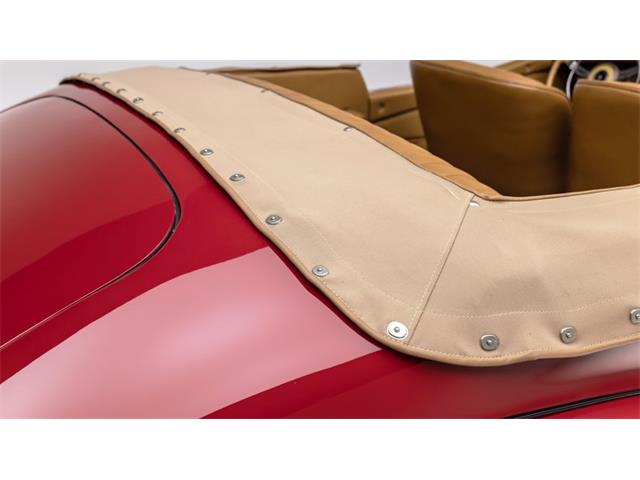
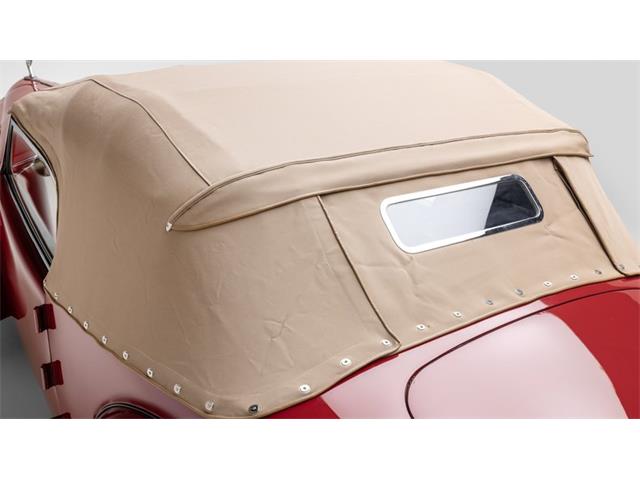
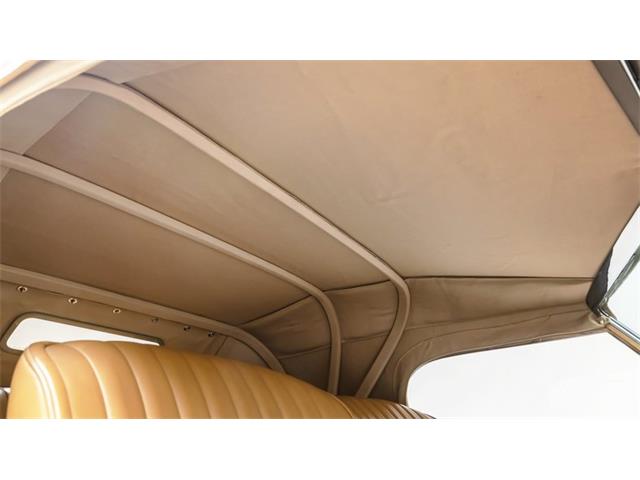
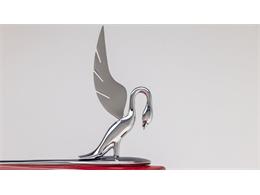
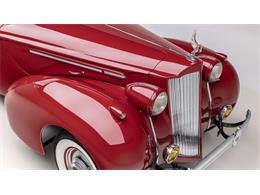
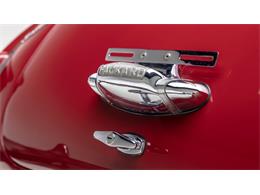
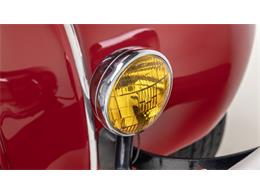
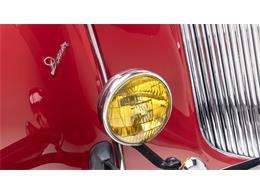
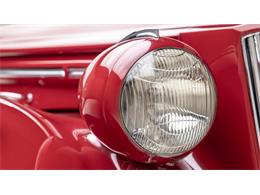
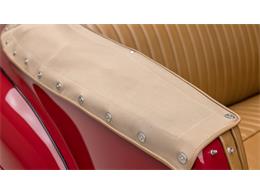
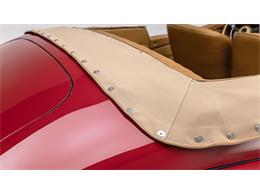
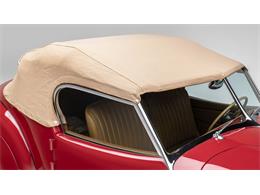
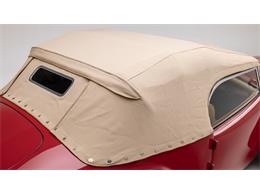
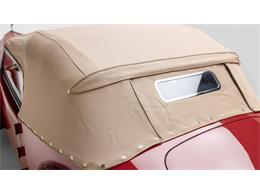
European-inspired design. Details include a Cormorant mascot, dual
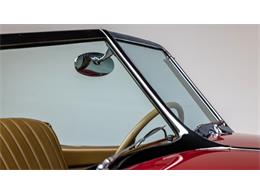
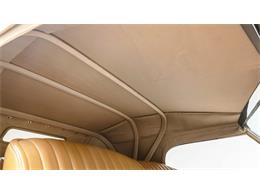
fog lamps, and a beige canvas convertible top with a matching
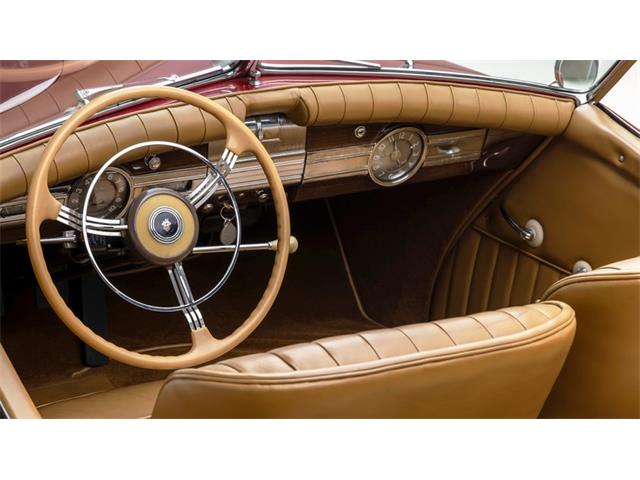
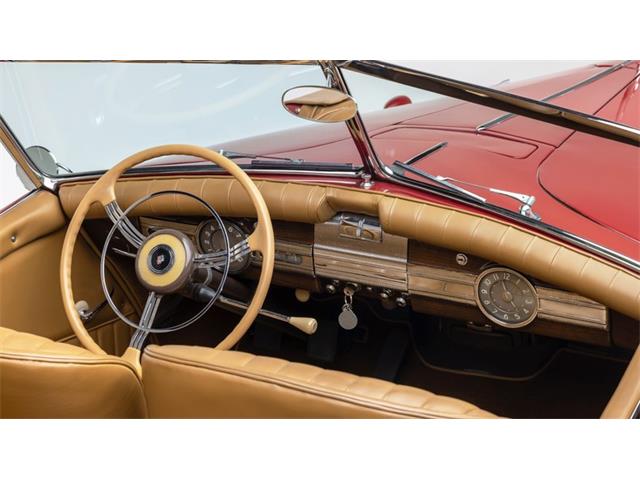
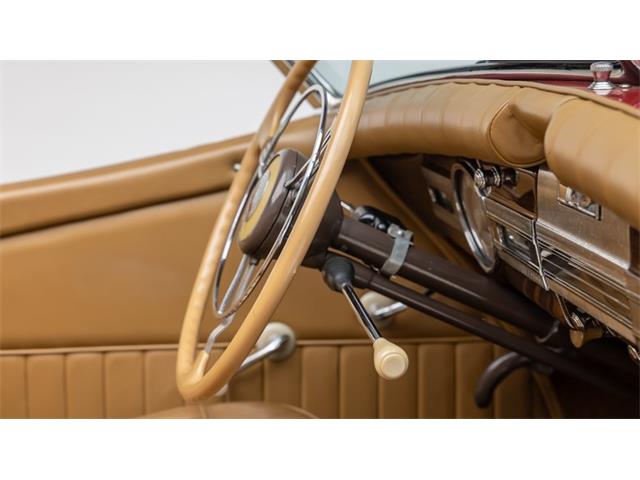
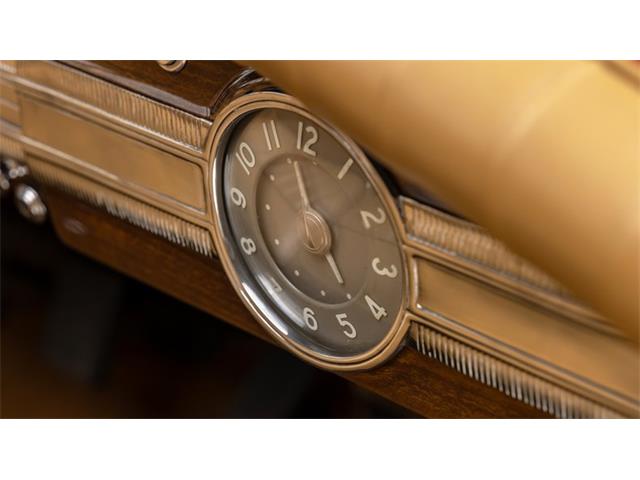
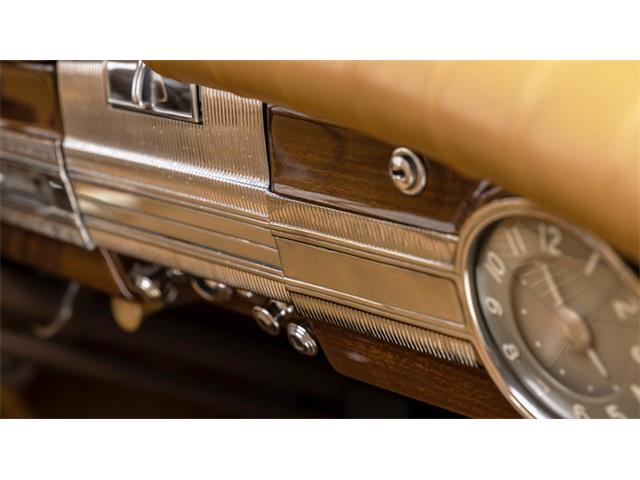
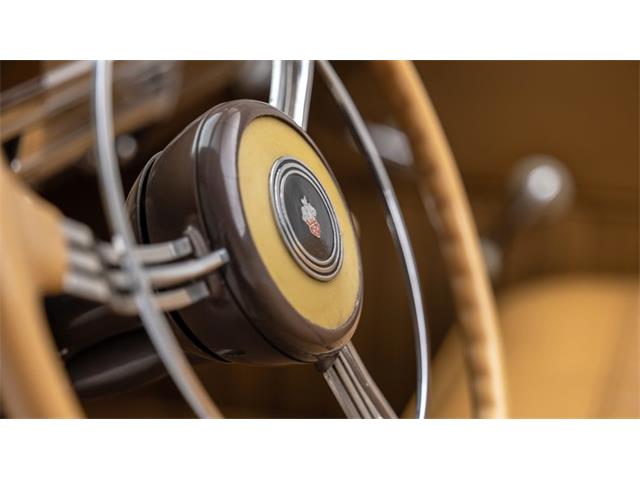
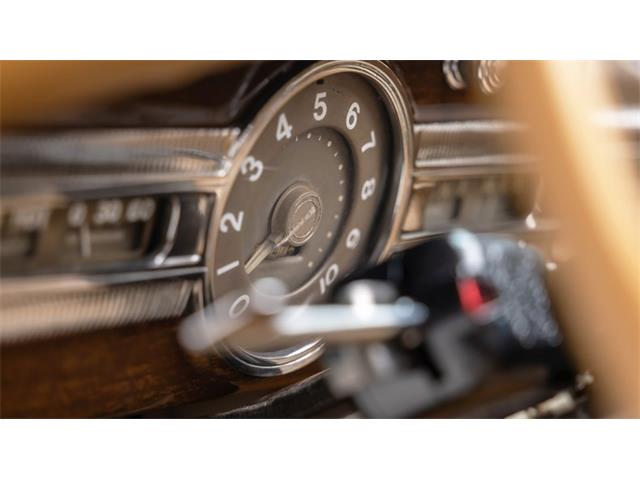
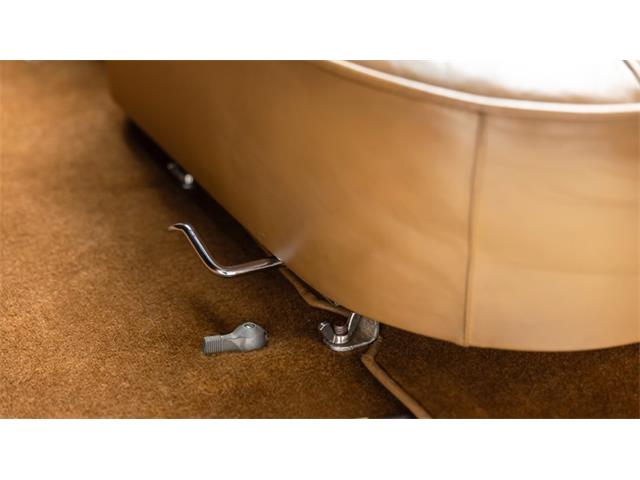
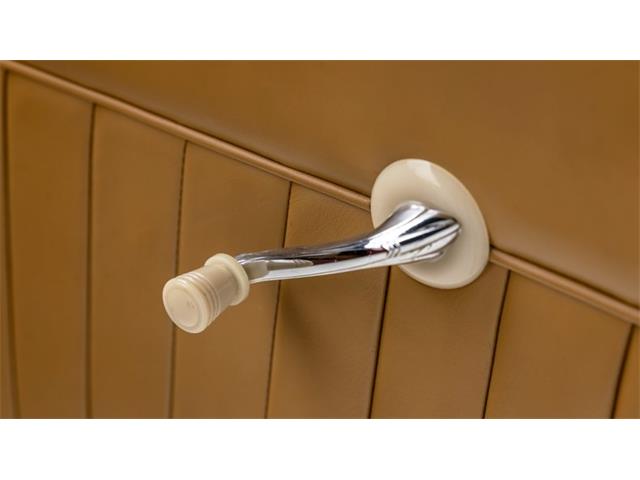
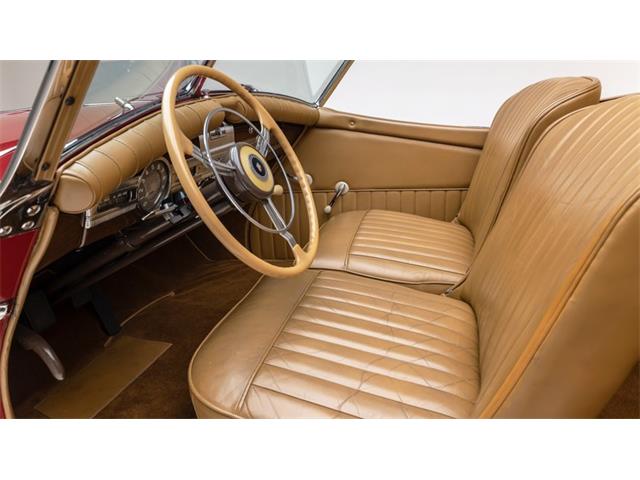
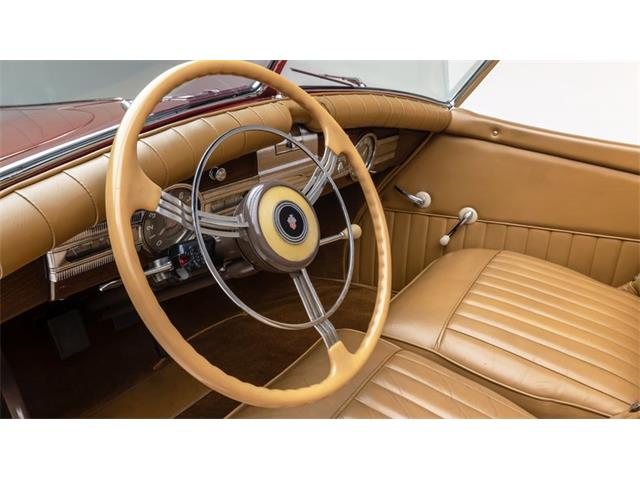
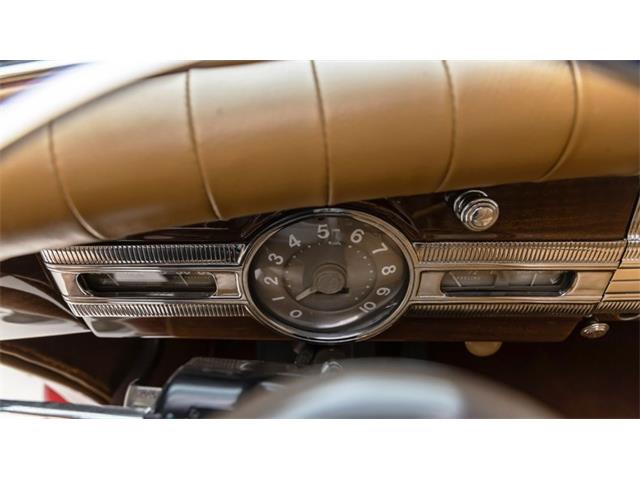
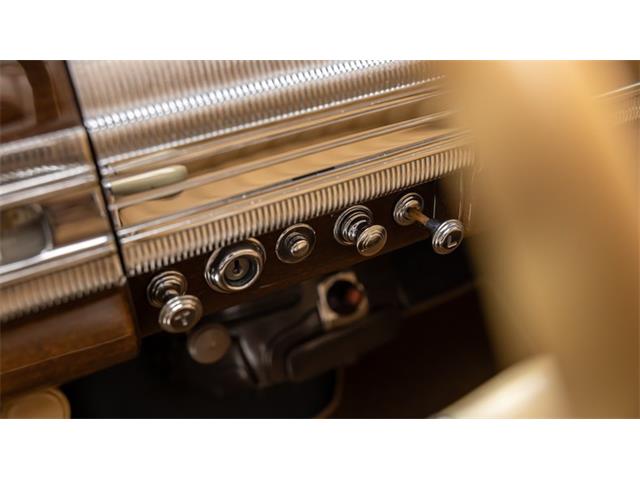
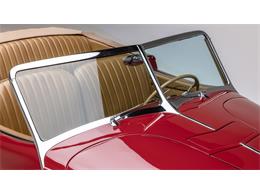
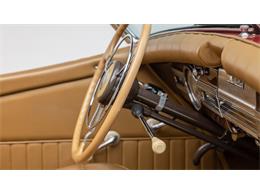
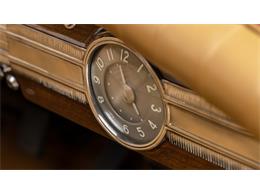
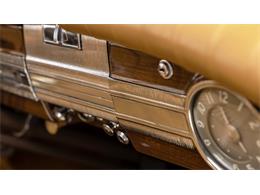
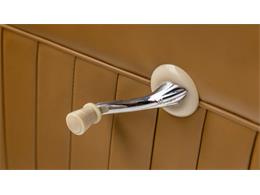
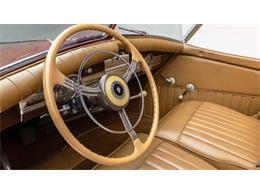
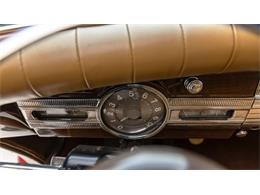
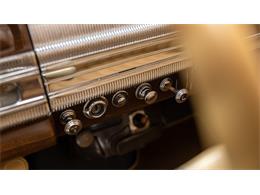
canvas boot. The cabin features unique Darrin touches including
front bucket seats, and an upholstered crash pad above the dash.
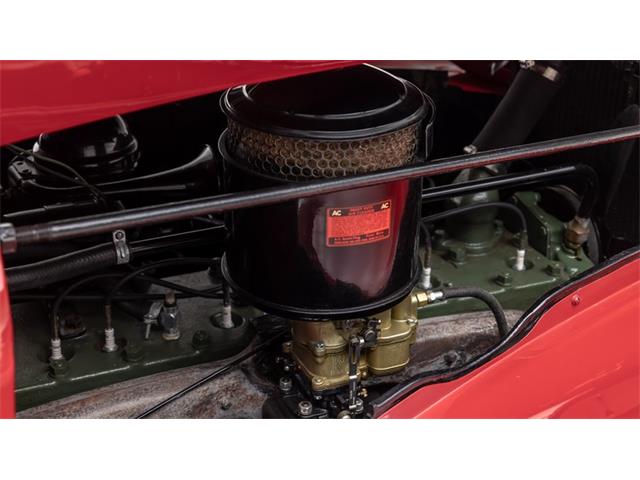
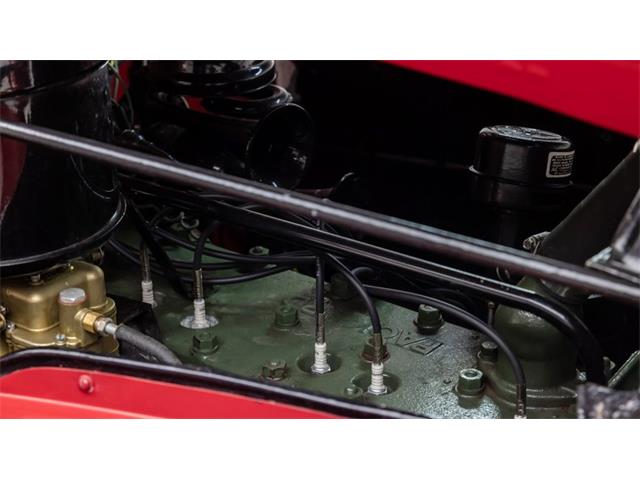
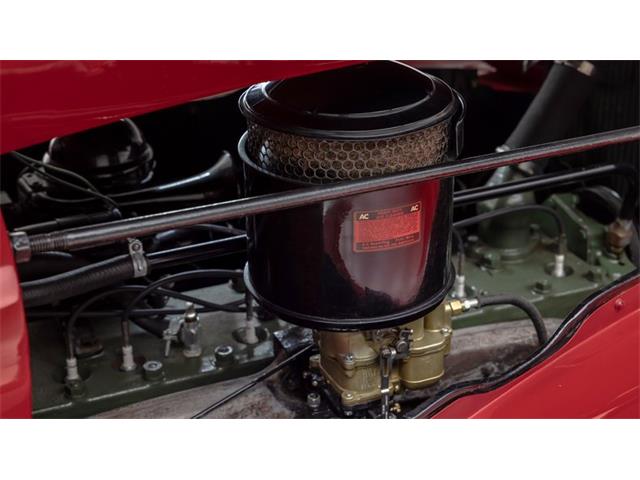
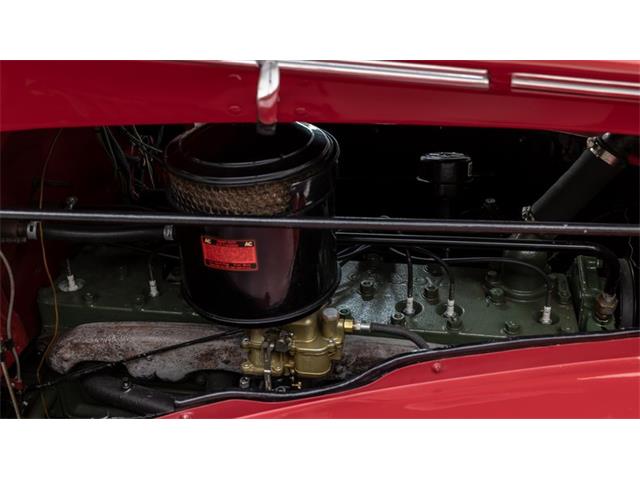
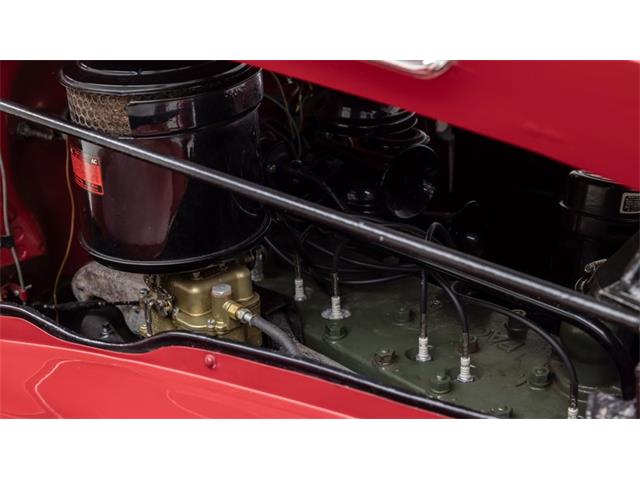
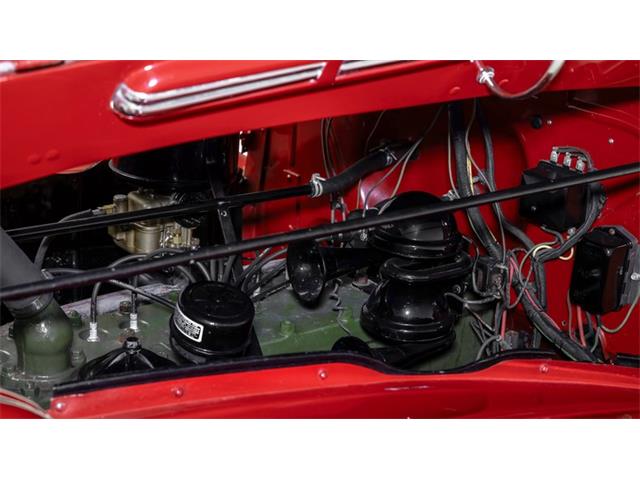
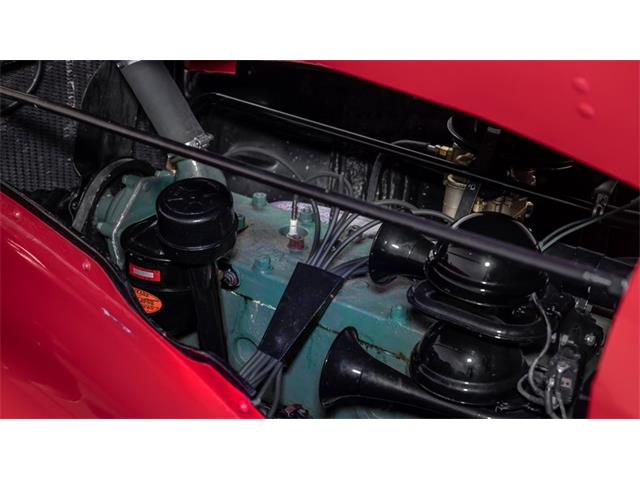
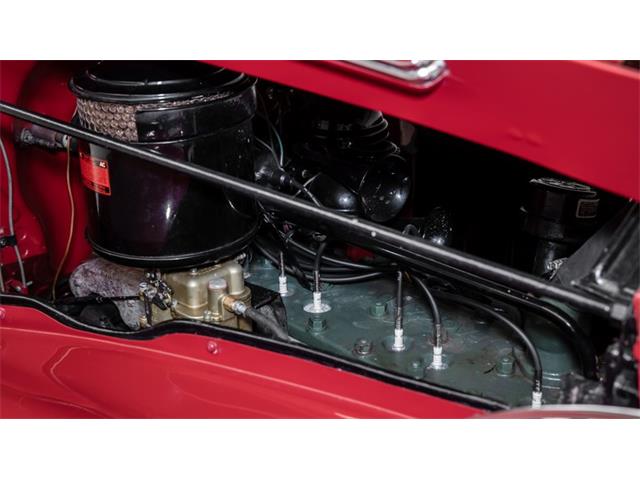
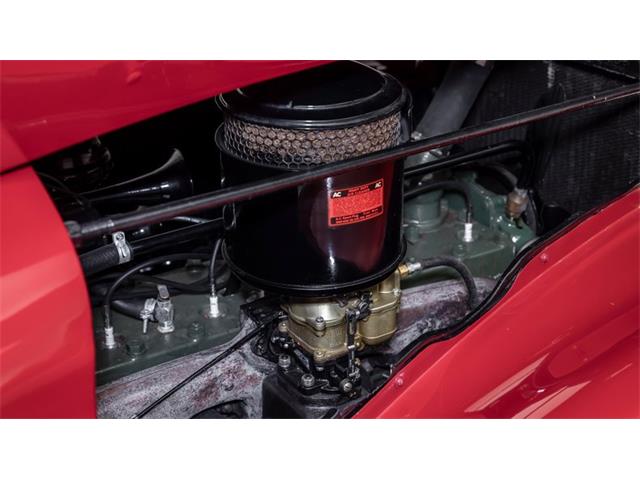
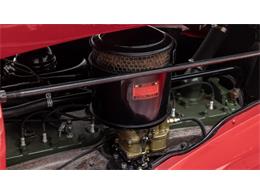
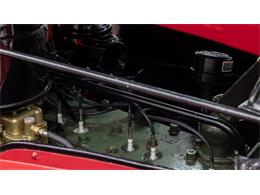
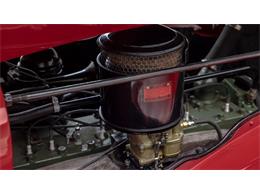
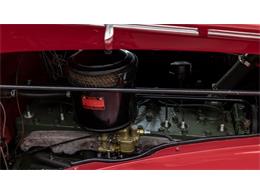
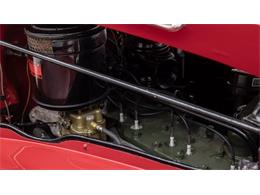
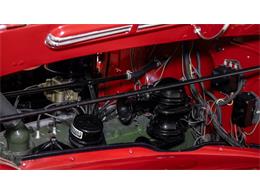
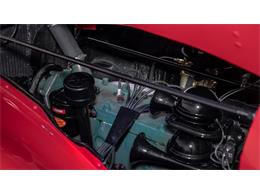
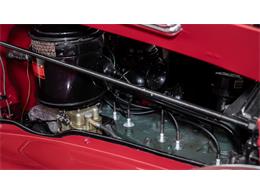
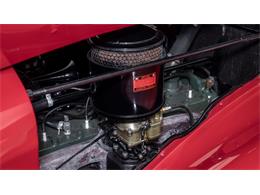
Packard's superbly engineered 1701 chassis with independent front
suspension and a refined 120-horsepower 282 cubic-inch inline-eight
translate into effortless progress on the open road which is where
these cars shine brightest.
Representing the end of an era for true coachbuilt Packards, this
One-Twenty Hollywood Darrin is recognized as a CCCA Full Classic
and is wonderfully suited for the club's eminently popular CARavan
tours or simply for cruising the boulevard in celebration of the
head-turning style that defined Howard Darrin's long and
illustrious career.
ClassicCars.com has been recognized as one of the fastest-growing private companies in the United States, successfully making the Inc. 5000 list in both 2015,
2016, 2017 and 2018. This prestigious accolade represents the continued growth of the company, and ClassicCars.com's dominance as the world's largest online marketplace for
buying and selling classic and collector vehicles.
The Stevie Awards, the world's premier business awards recognized
ClassicCars.com's first-class Customer Support team with a Stevie Bronze Award in 2019, celebrating the team's skills as exemplary customer support specialists.
In 2016 The Journal, brought to you by ClassicCars.com, was celebrated as the SECOND MOST INFLUENTIAL automotive blog in the world by NFC Performance.