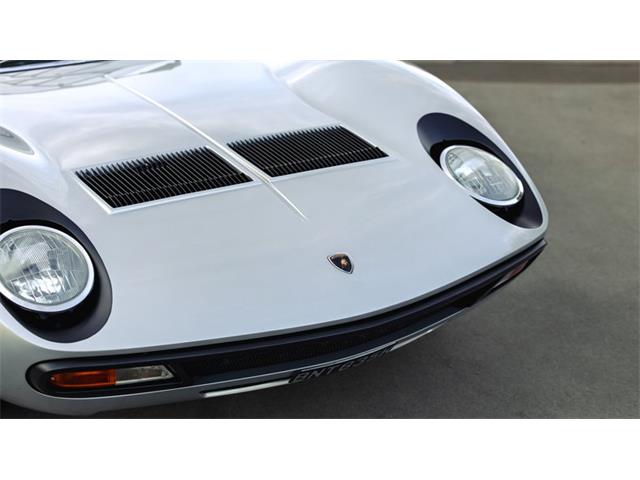
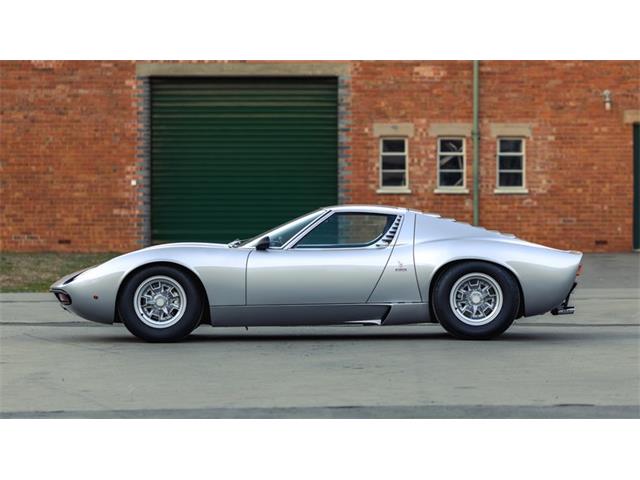
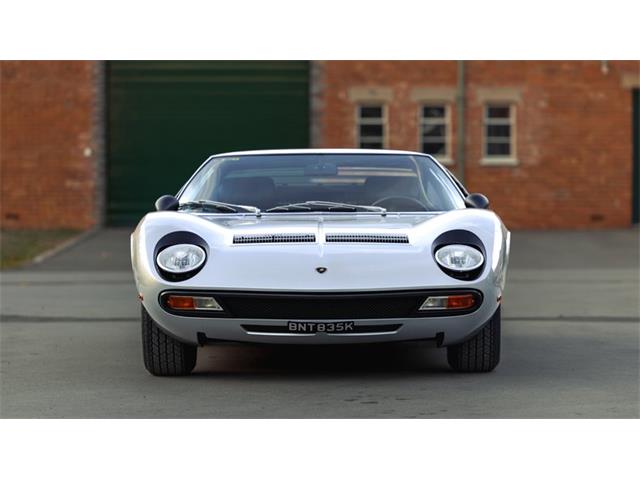
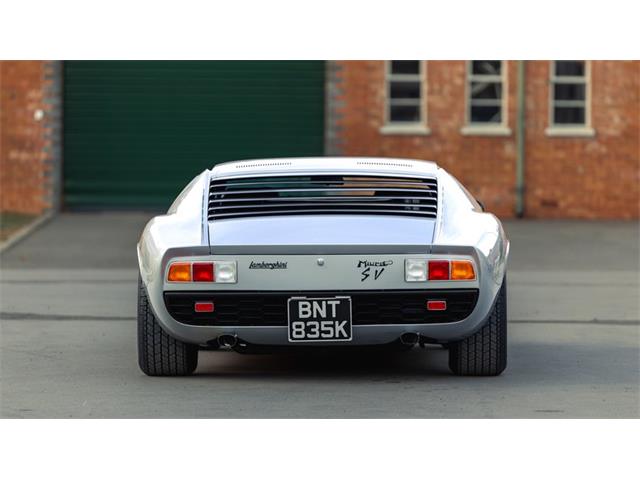
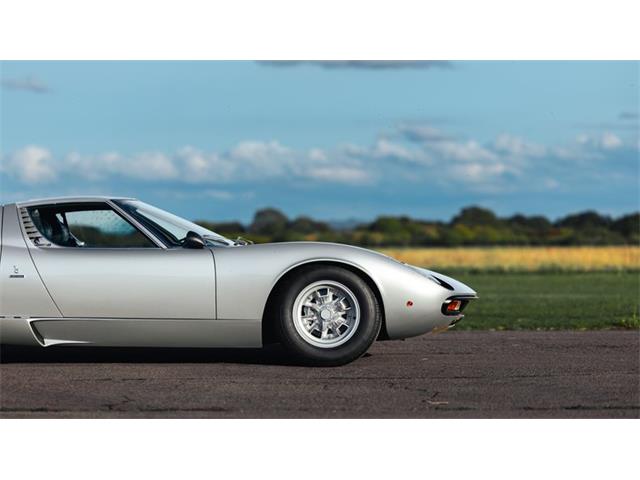
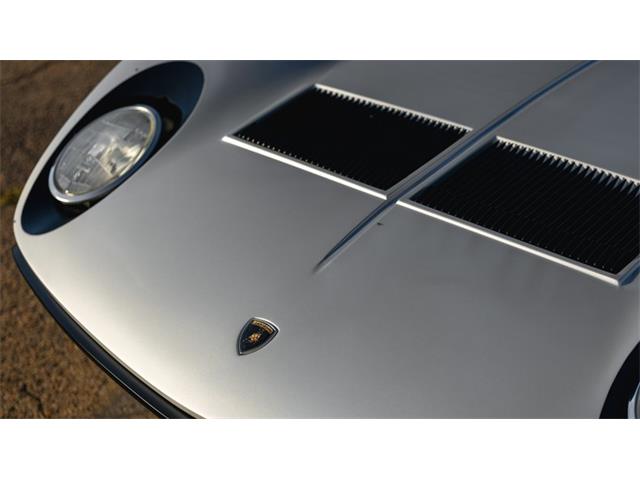
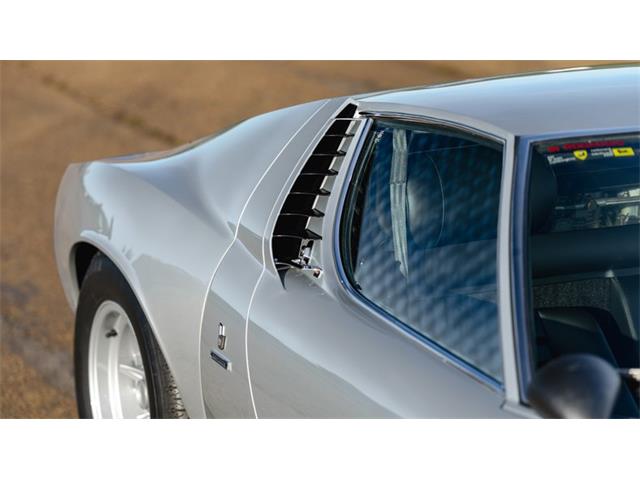
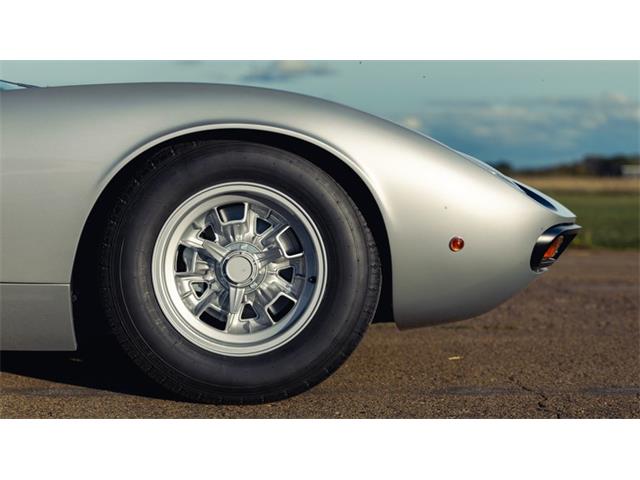
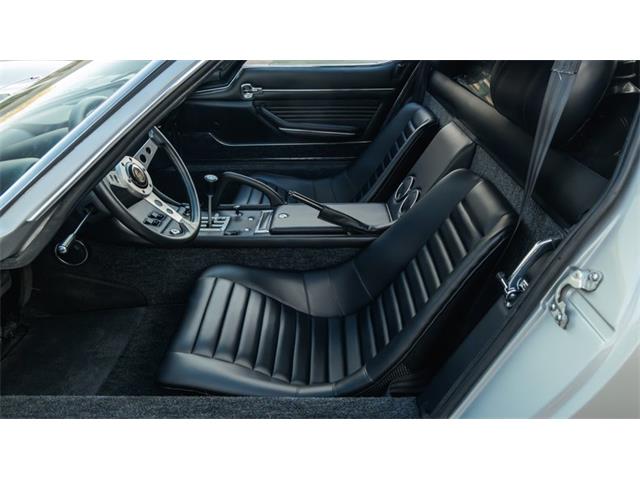
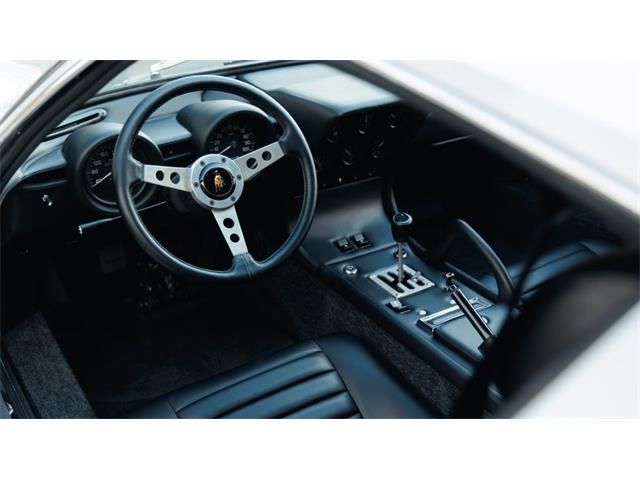
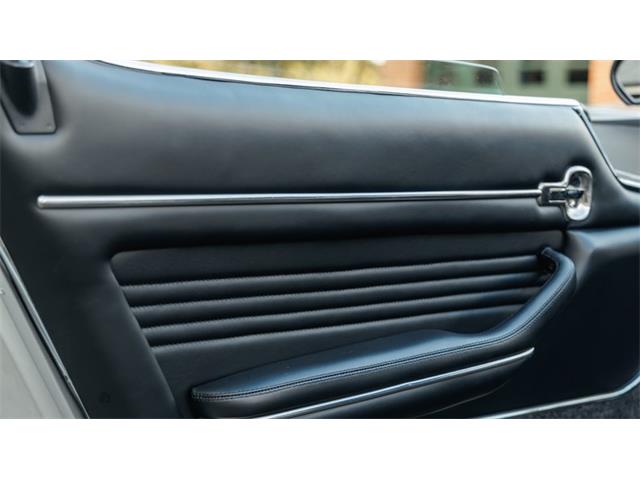
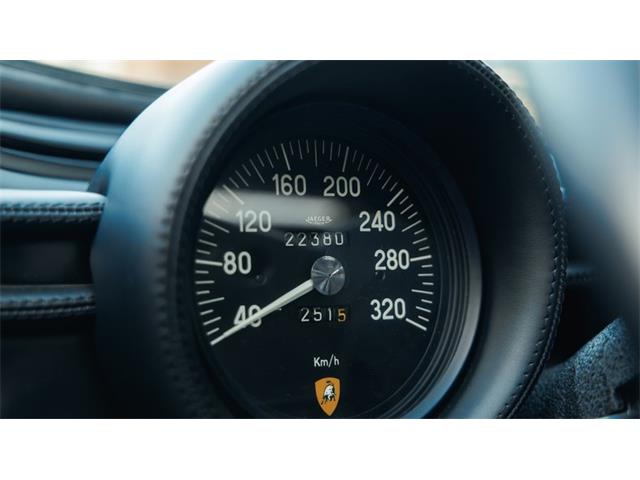
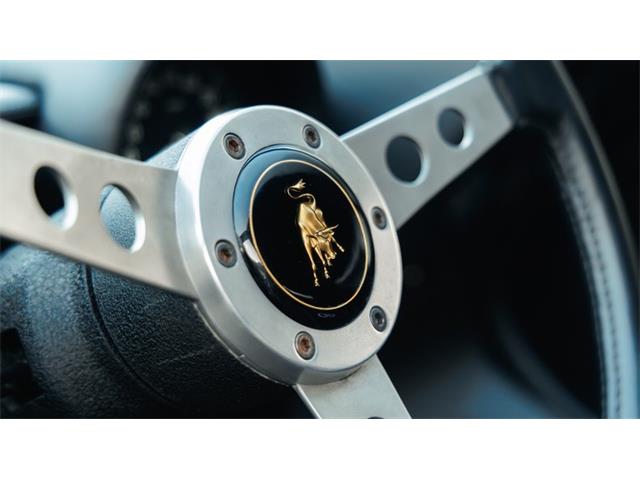
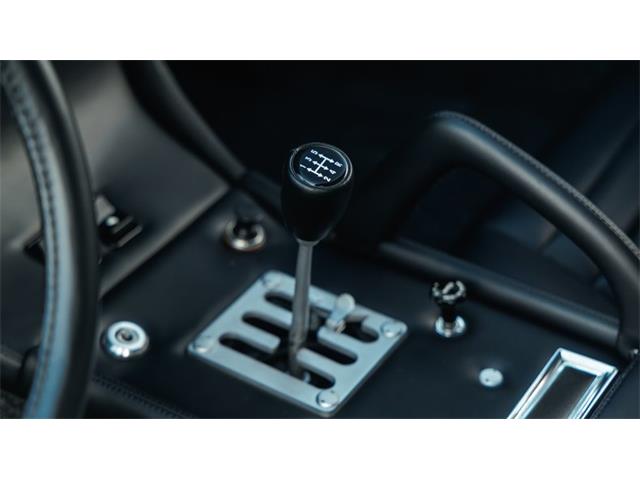
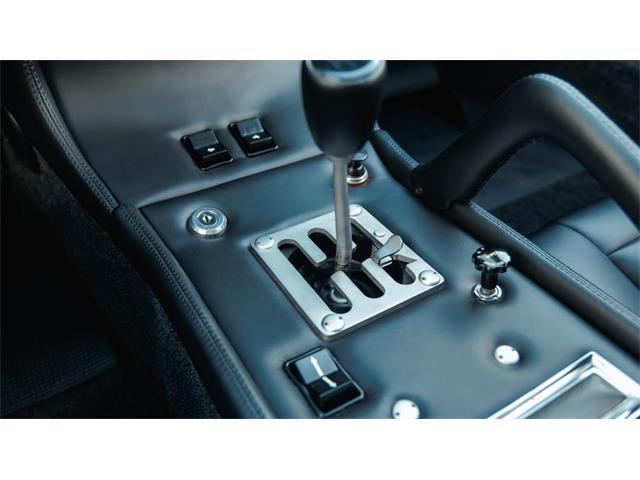
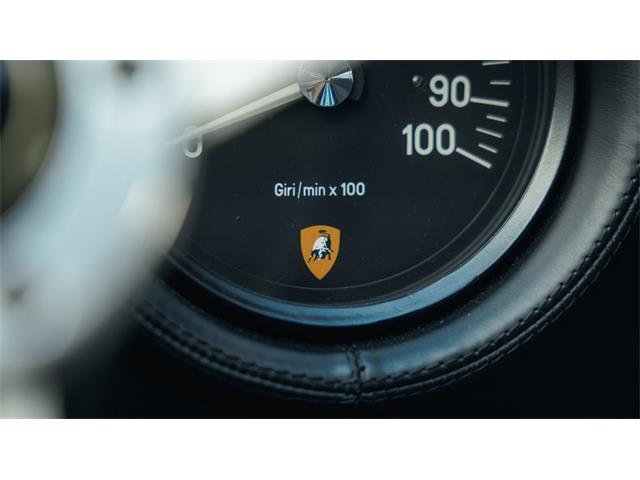
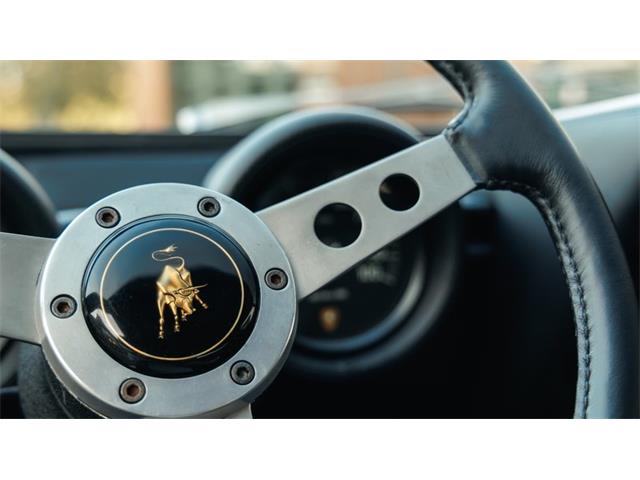
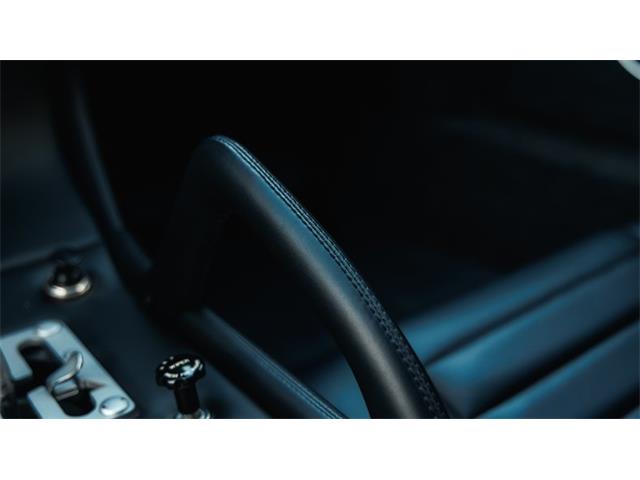
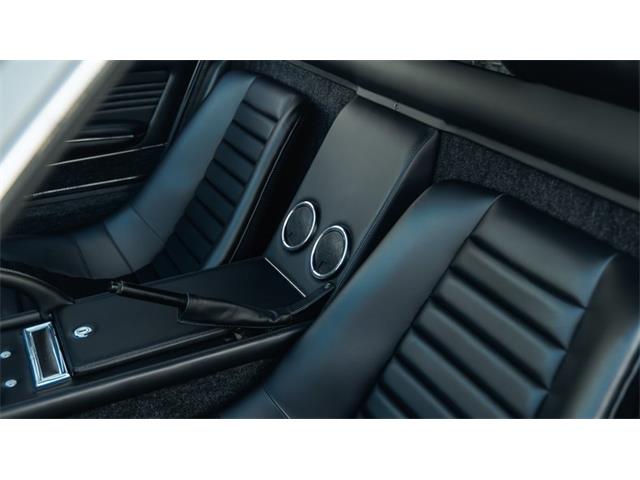
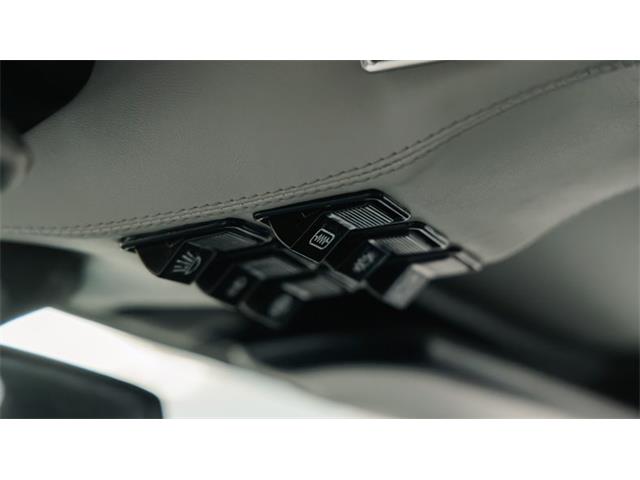
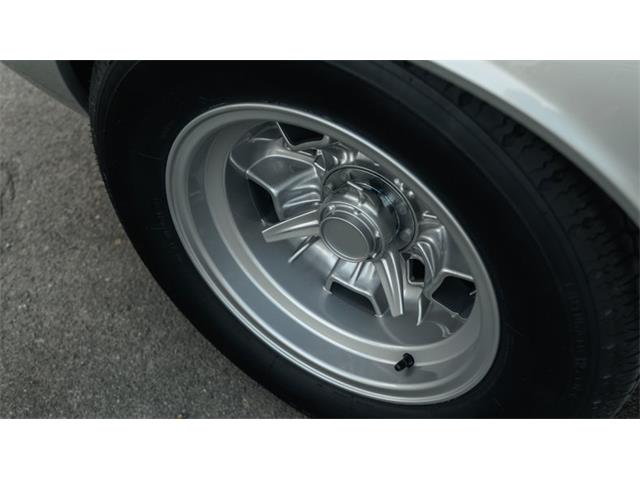
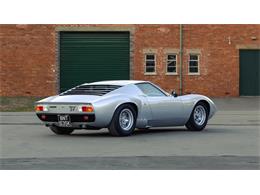
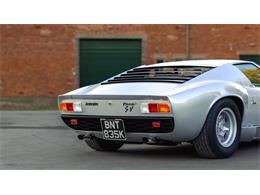
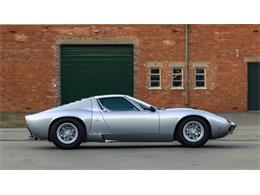
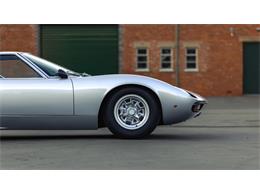
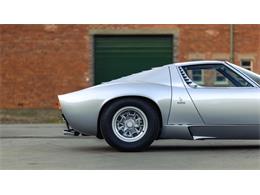
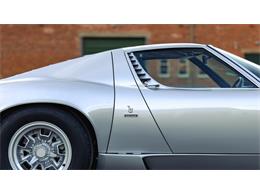
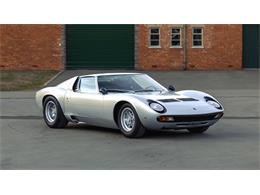
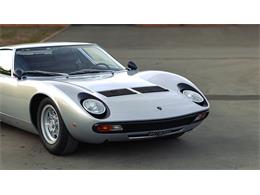
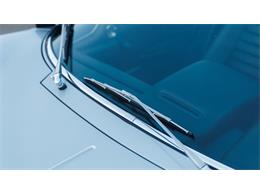
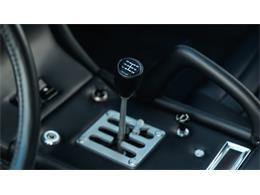
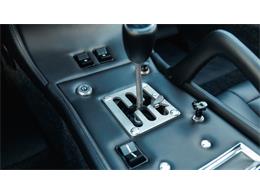
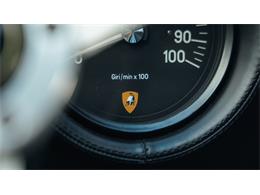
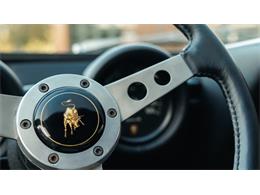
An integral part of the Lamborghini P400 SV's ever-evolving
mystique lies in the individual stories behind each example, whose
distinctive histories add another dimension of allure to the
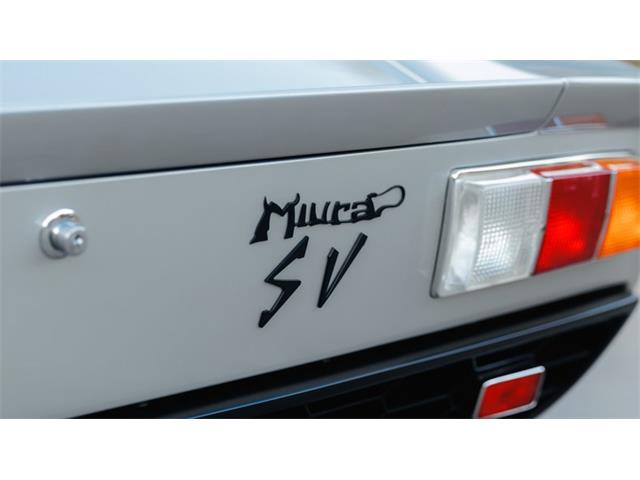
world's first true supercar. Miura SV chassis number 4936 is no
exception, offering a compelling tale bookmarked by exceptional
factory rarity, original ownership spanning nearly five decades,
and a recent expert-level restoration that is perhaps second to
none.
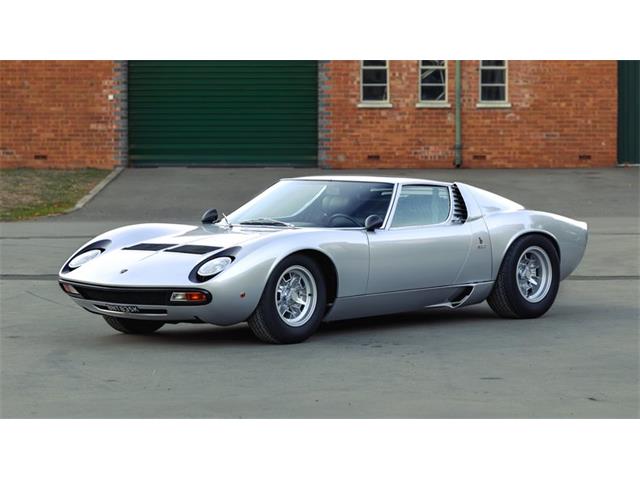
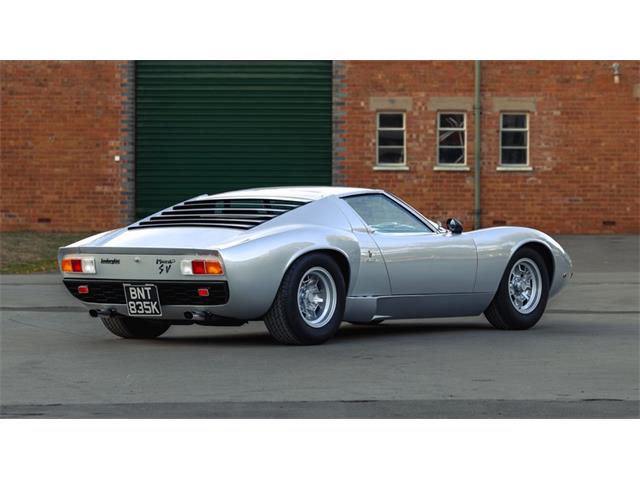
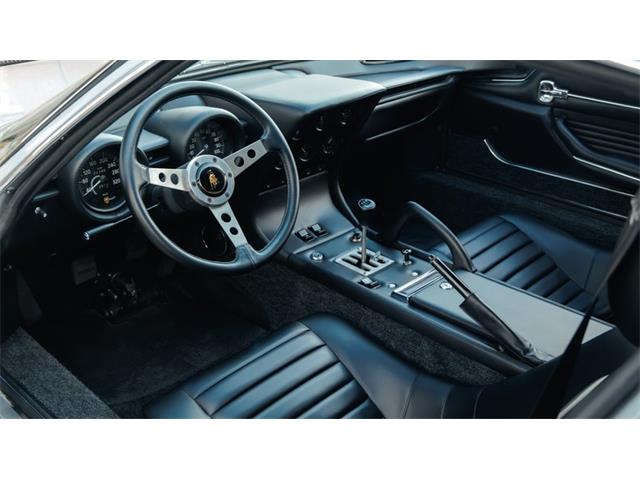
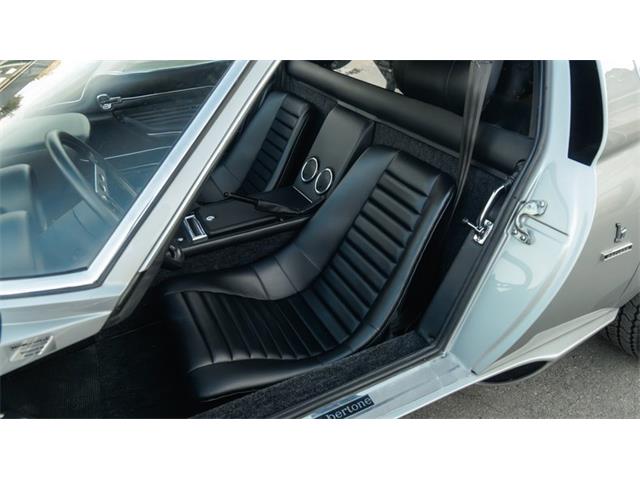
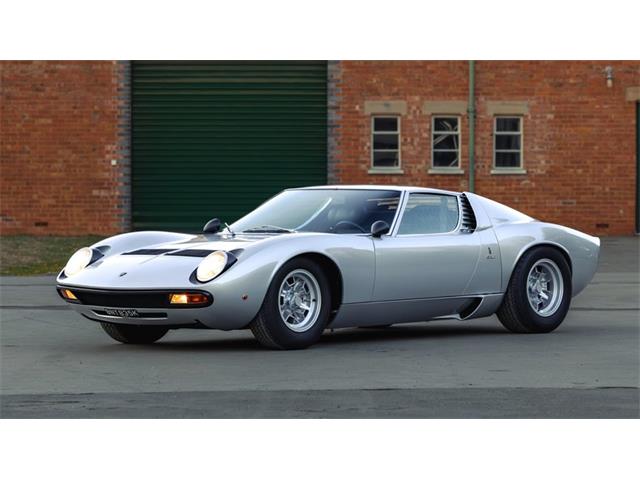
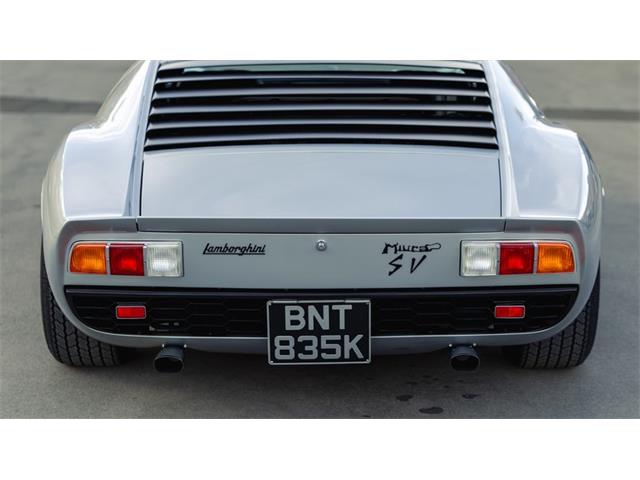
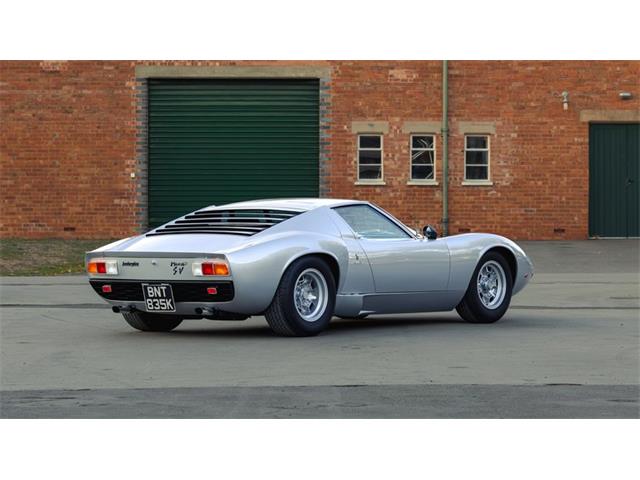
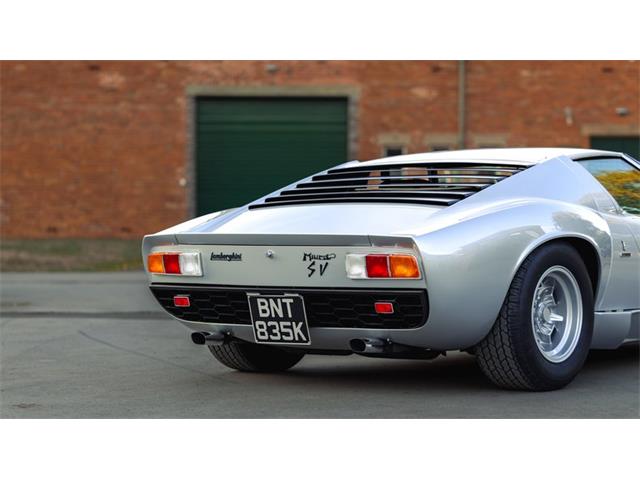
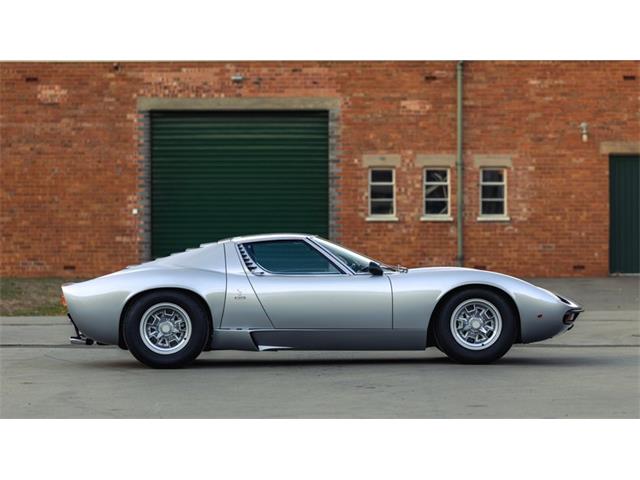
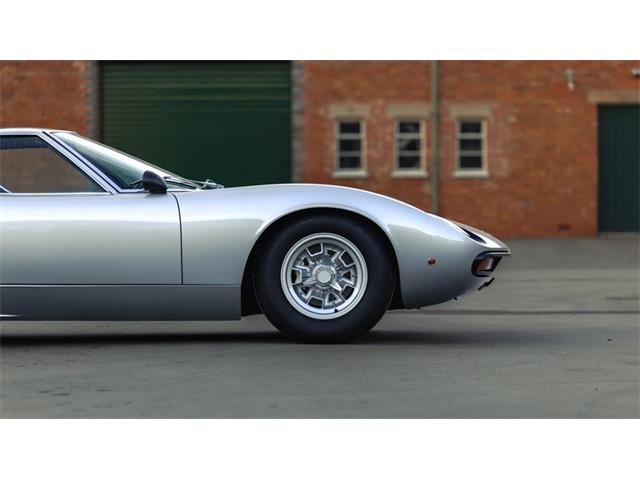
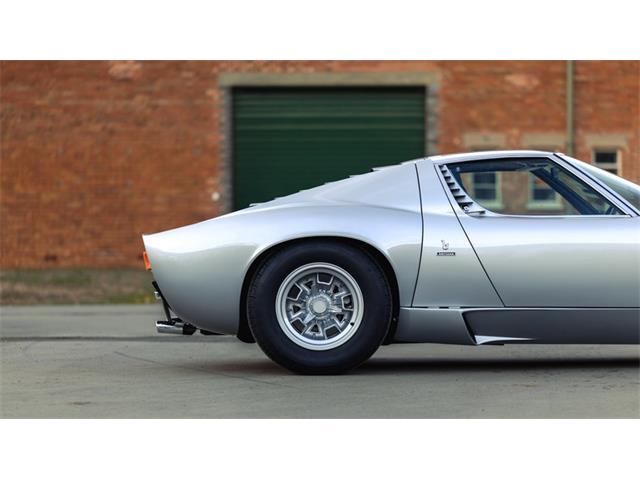
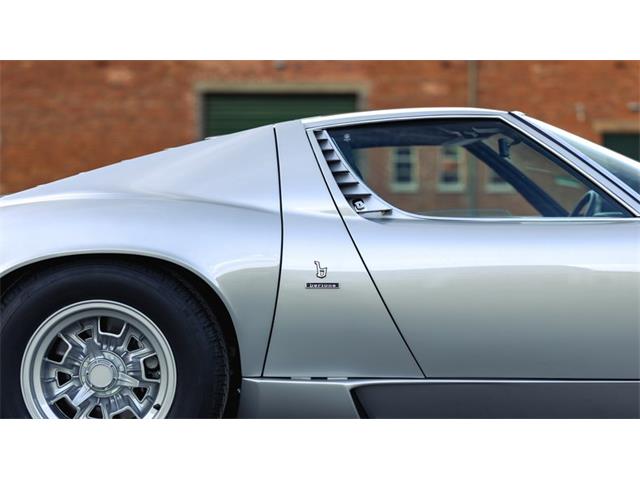
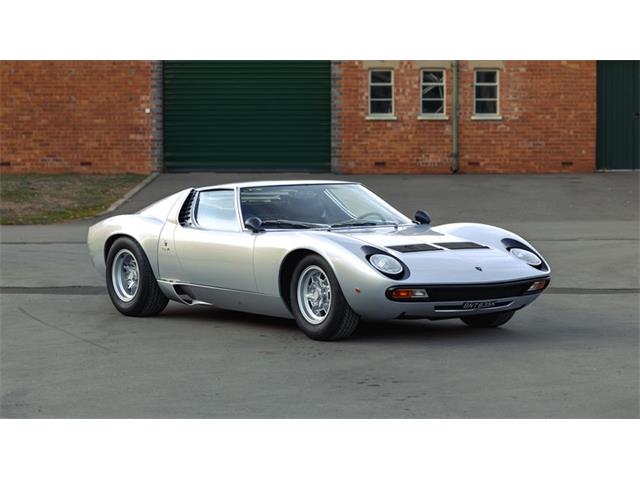
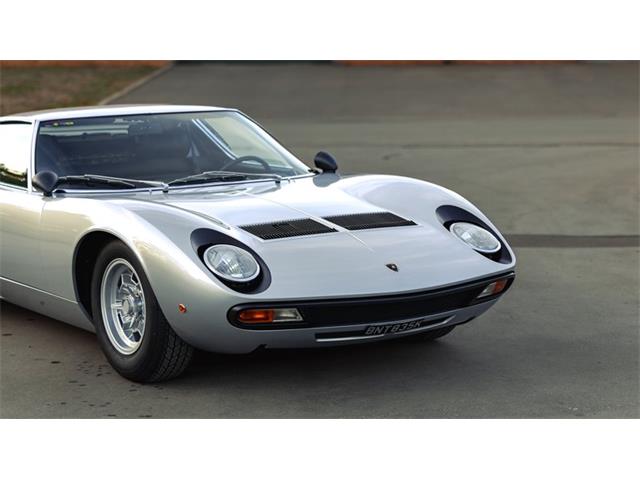
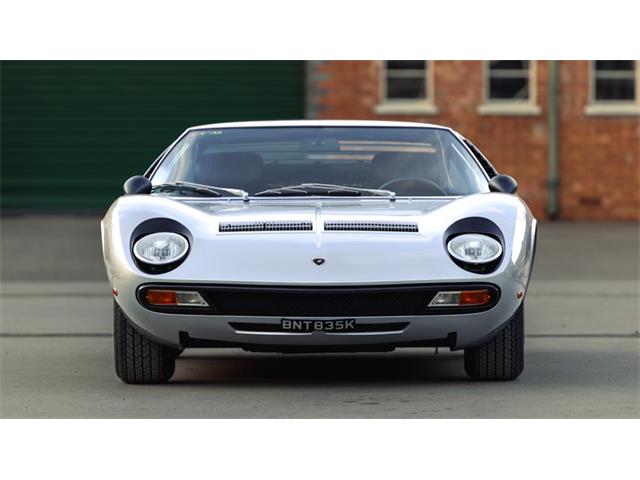
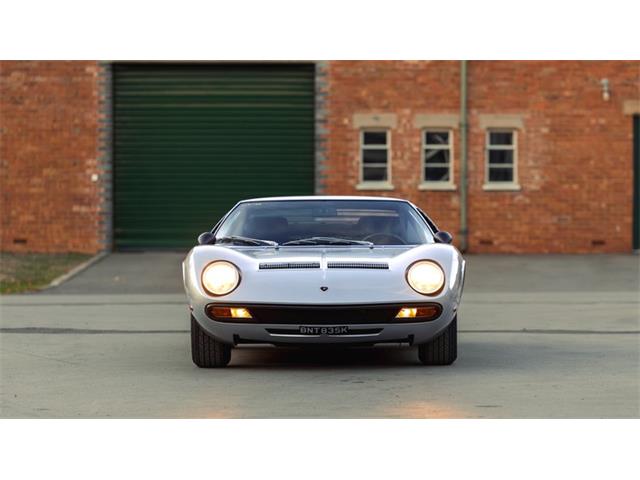
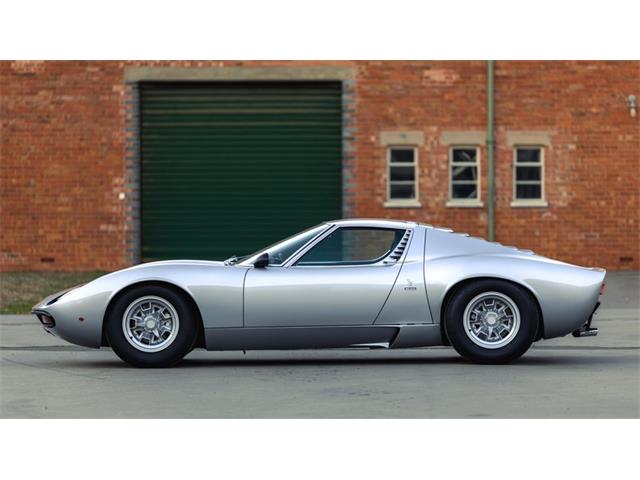
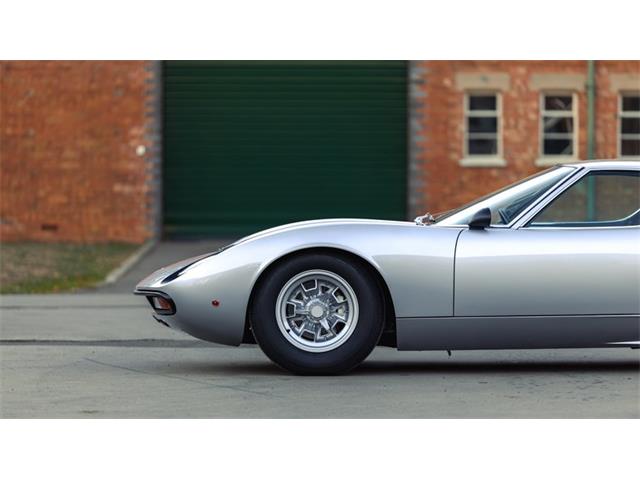
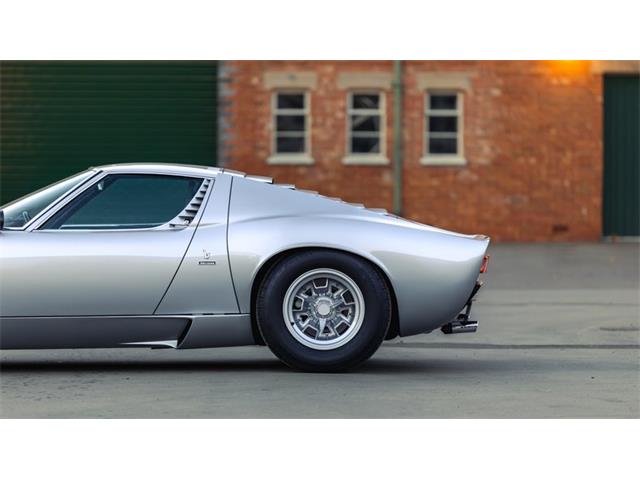
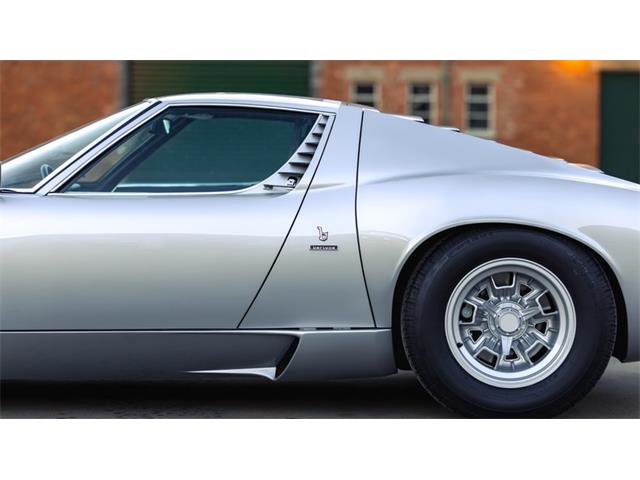
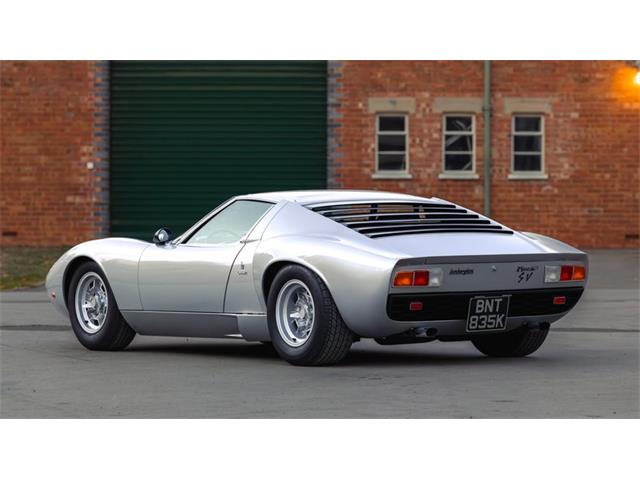
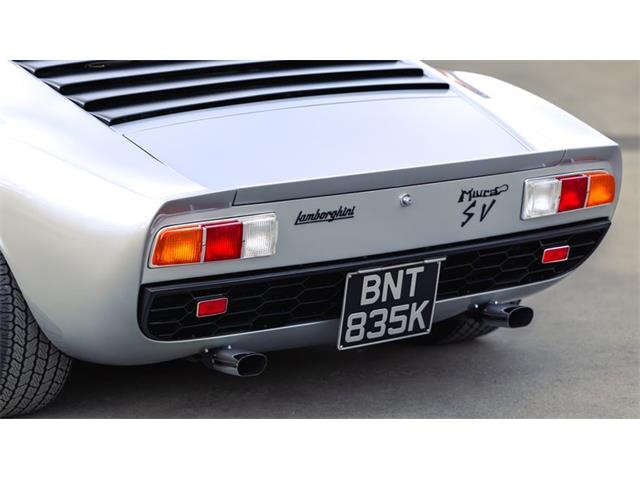
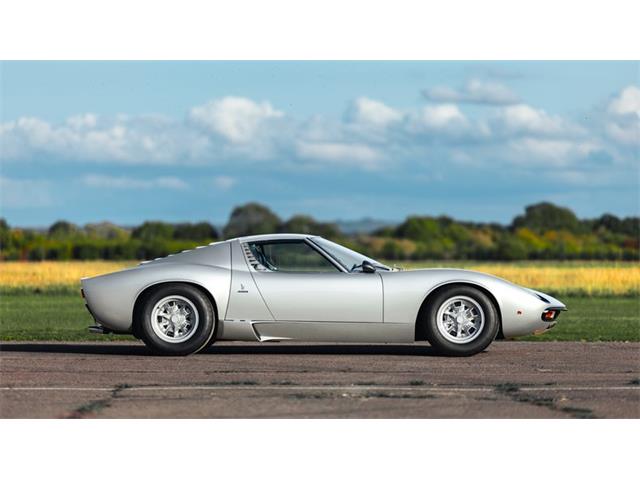
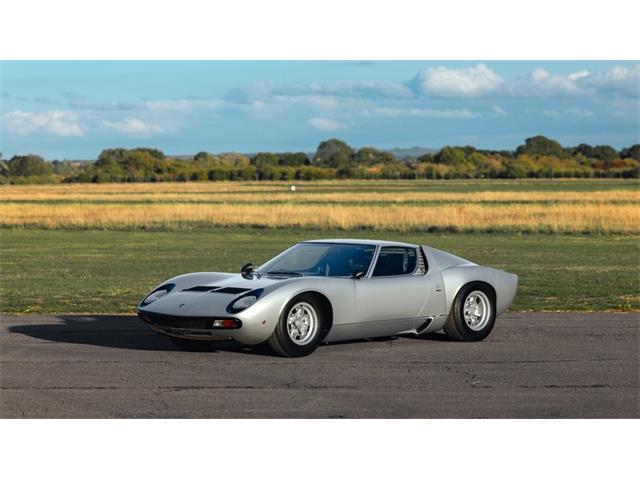
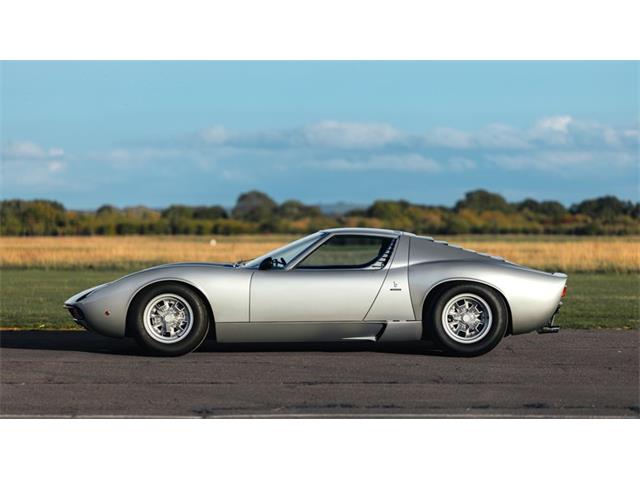
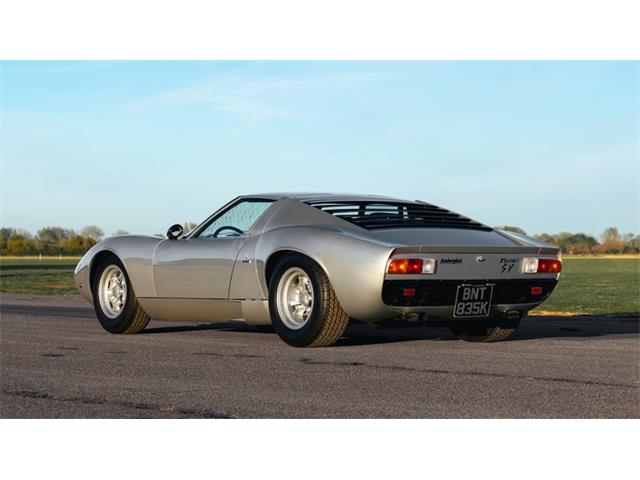
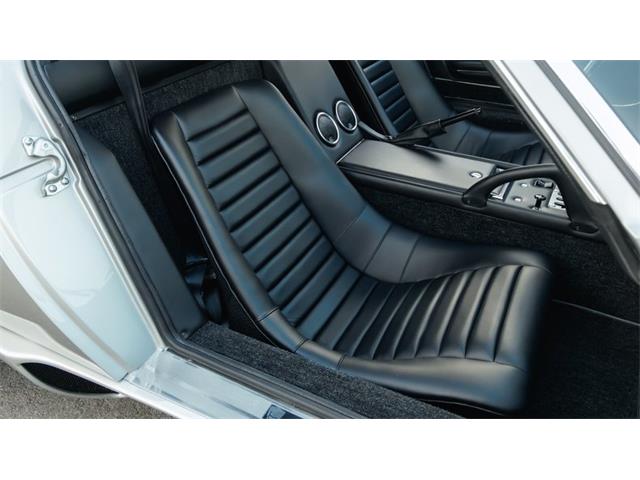
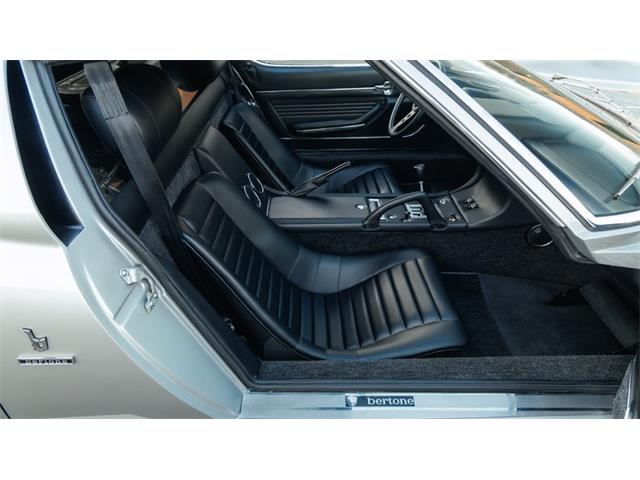
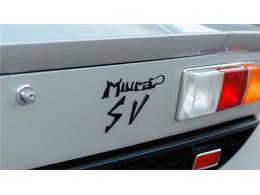
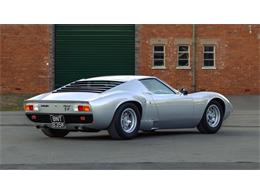
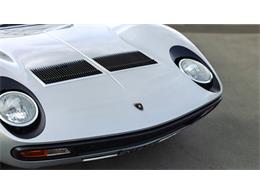
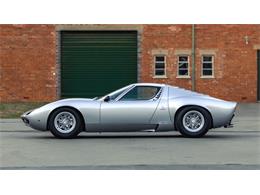
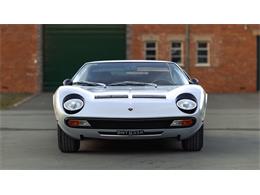
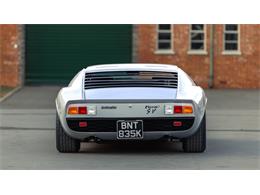
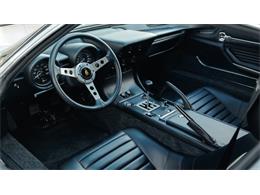
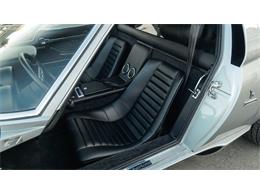
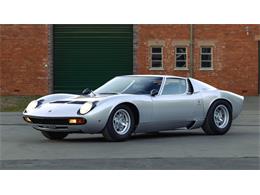
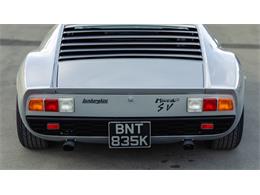
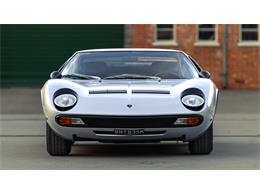
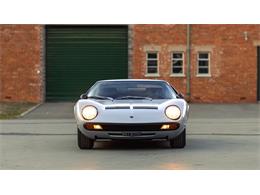
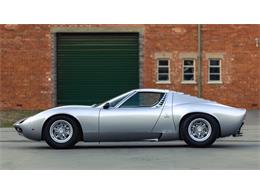
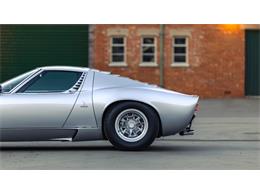
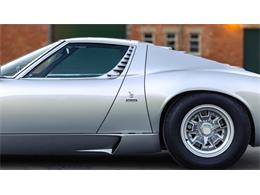
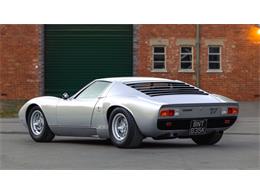
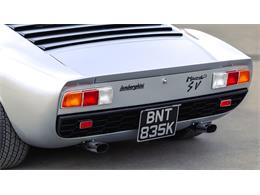
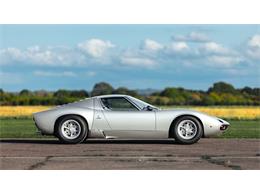
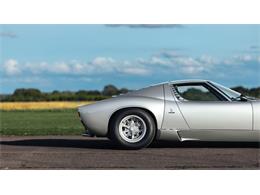
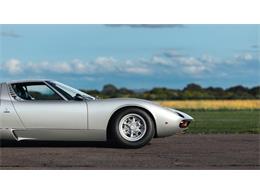
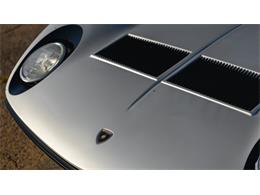
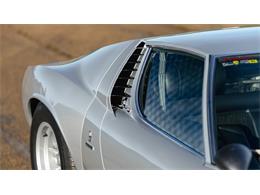
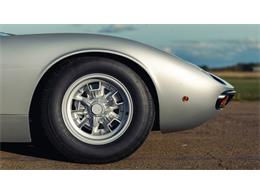
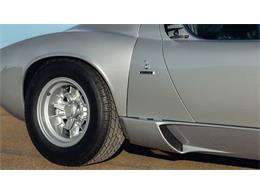
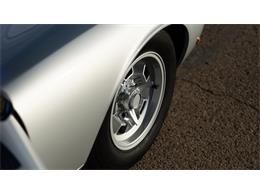
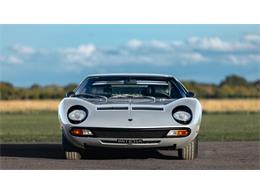
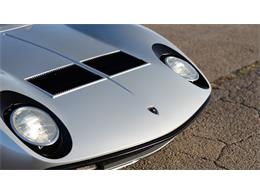
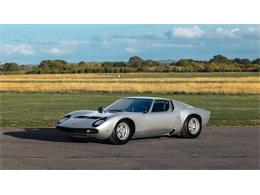
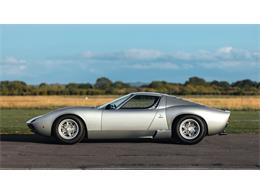
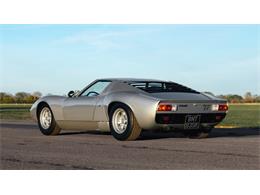
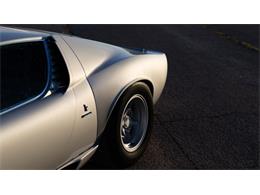
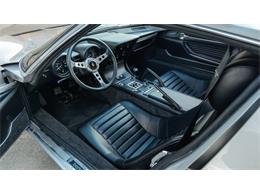
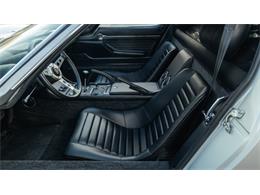
Of the mere 150 Miura P400 SVs produced, chassis 4936 is believed
to be one of only three examples specified from the factory in
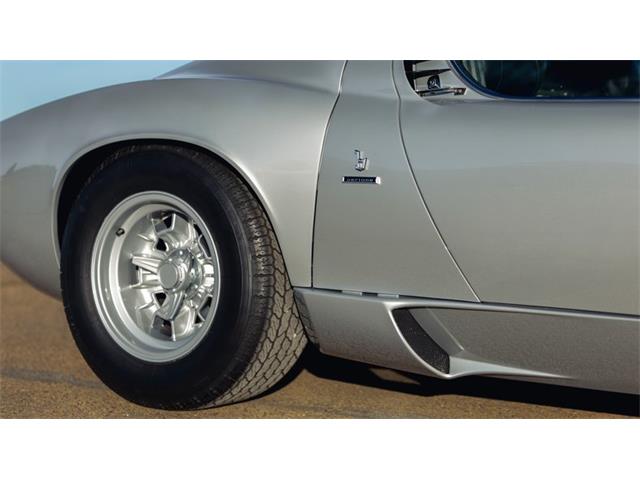
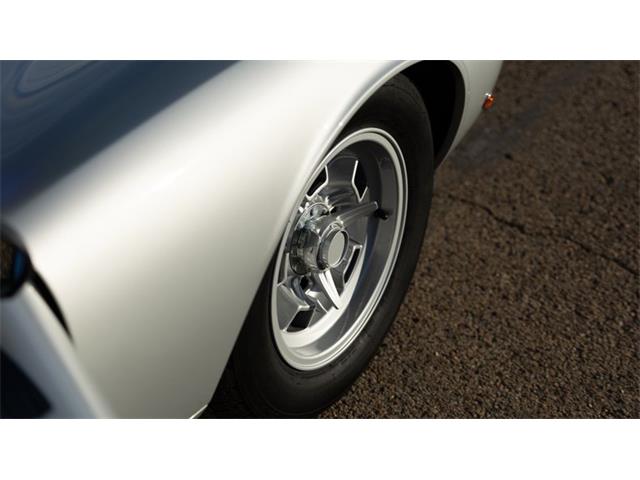
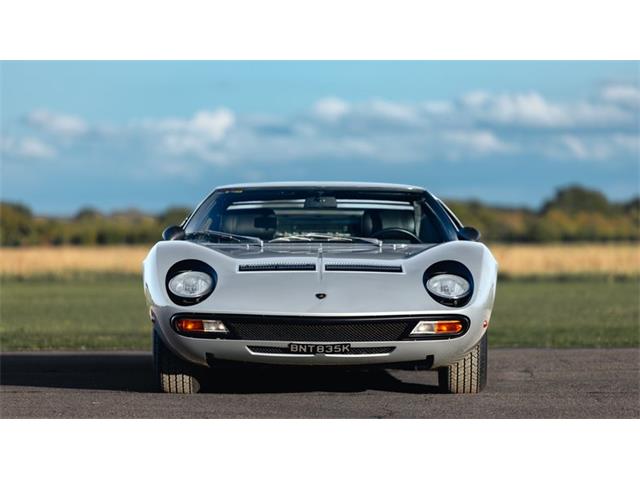
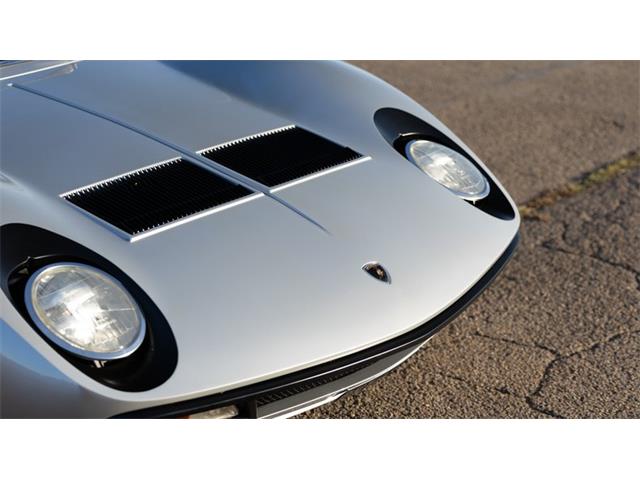
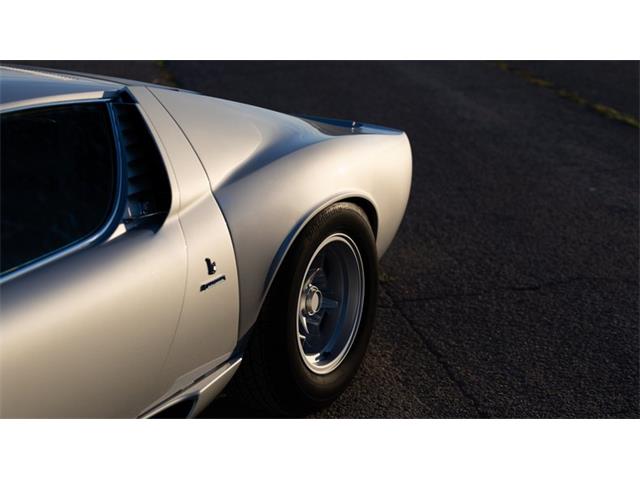
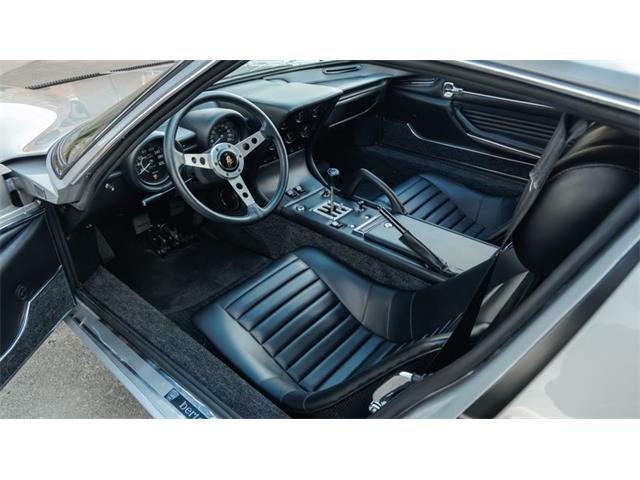
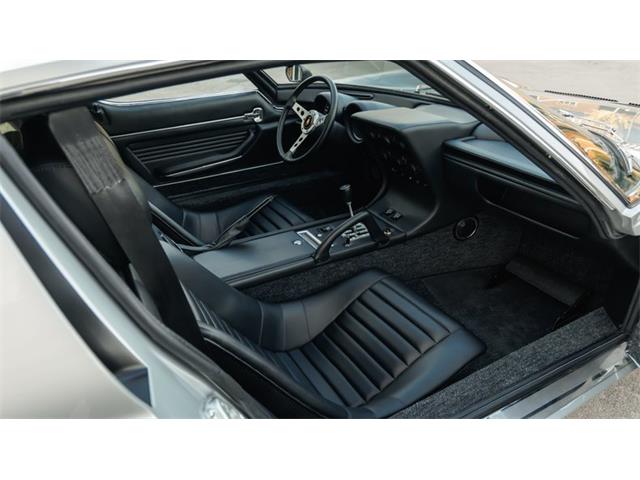
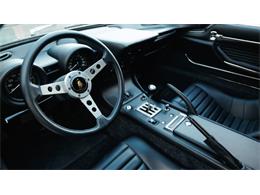
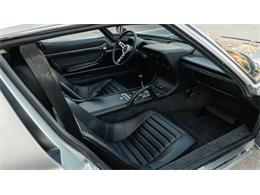
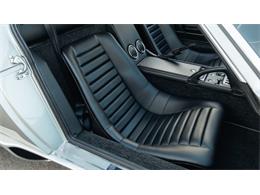
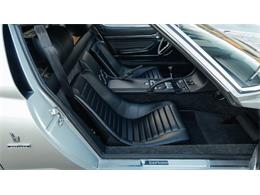
Argento (silver) over a Pelle Nera (black leather) interior.
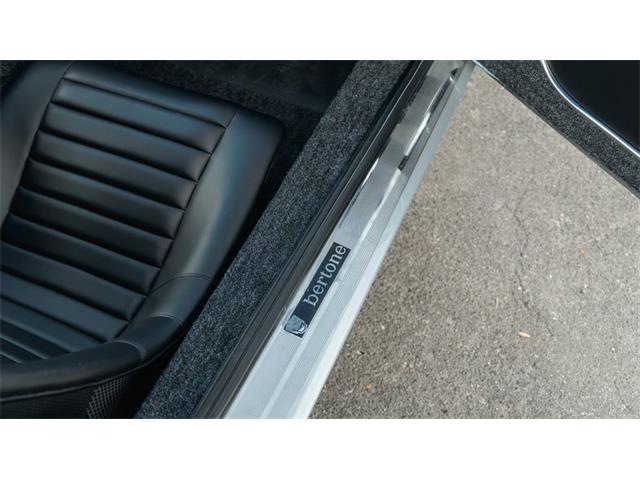
Leaving Sant'Agata Bolognese with Bertone production number 664,
this early Miura SV was delivered new on 16 September 1971 to Mr.
Miguel Faria de Bostos. The original owner-an acclaimed lawyer who
split his time between Angola, Portugal, and Brazil-initially sent
his rare Miura SV to the Angolan capital city of Luanda. In 1974,
the car was moved to Brazil following political strife in Angola,
whereupon de Bostos began a project to repaint the car red. The
Miura was disassembled, but the lawyer's busy schedule and frequent
international travel prevented the car's transformation from coming
to fruition. From 1977, the dismantled Miura was preserved in a
Brazilian garage nearly completely undisturbed for decades.
Chassis 4236 finally reemerged some 42 years after it entered
internment, when in 2019 the car was purchased from the de Bostos
family by a Swiss collector. Much of the car's history was frozen
in time during its extraordinary period of dormancy, with one
final, unexpected occupant still aboard; a live snake was
discovered in the Miura upon its arrival to Switzerland. Crucially
however, all of the Miura's components had been retained, matching
those shown on the original build documents on file.
The car was acquired that same year by its most recent private
owner, who commissioned a top-level Italian restoration to
recondition chassis 4936 to its original factory specification. The
team, consisting of some of the leading specialists in Italy, was
led by the one and only Valentino Balboni, who commanded the
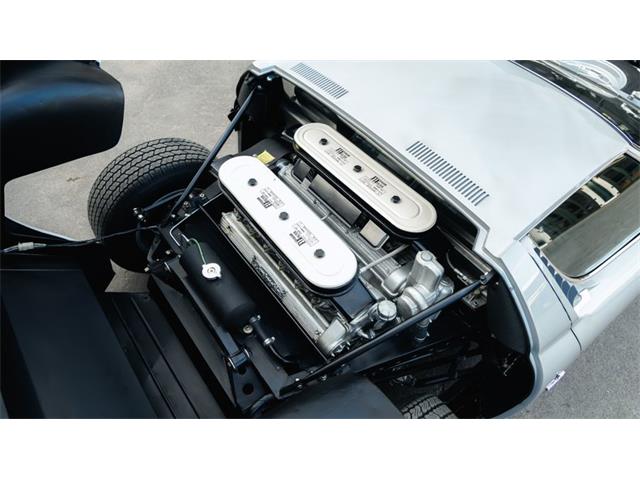
photo-documented project from start to finish. Vintage Lamborghini
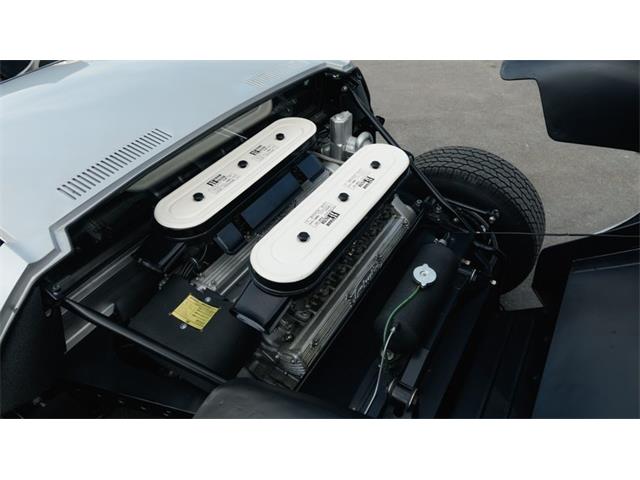
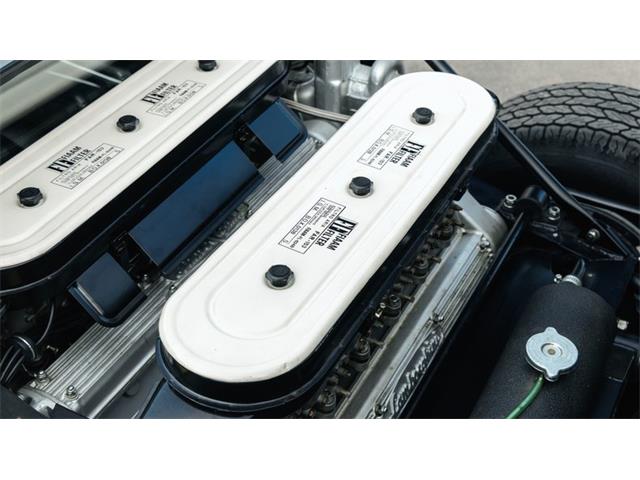
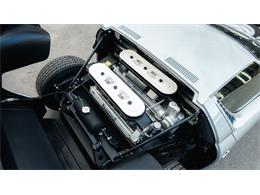
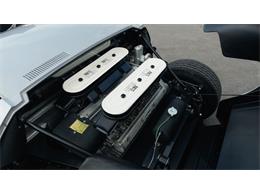
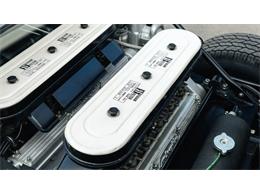
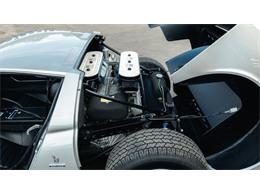
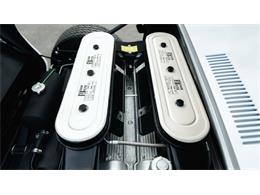
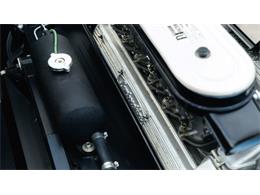
savants Top Motors Salvioli in Modena performed the bulk of the
mechanical work, including refreshing the car's original engine.
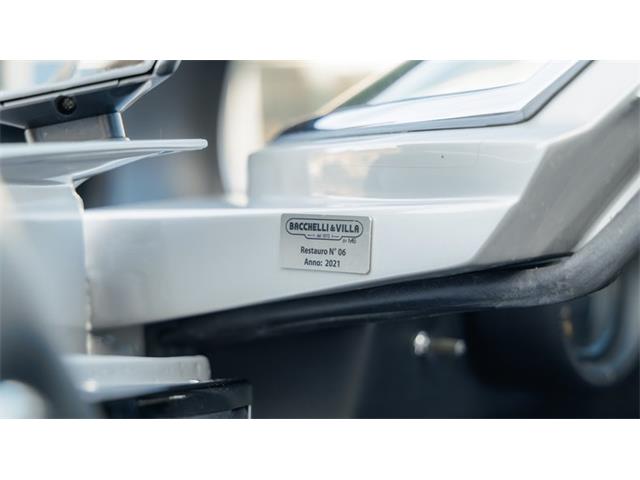
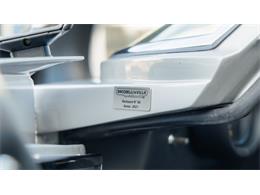
The body and paintwork were refurbished by none other than Bachelli
& Villa, who carefully reunited the Miura SV with its original
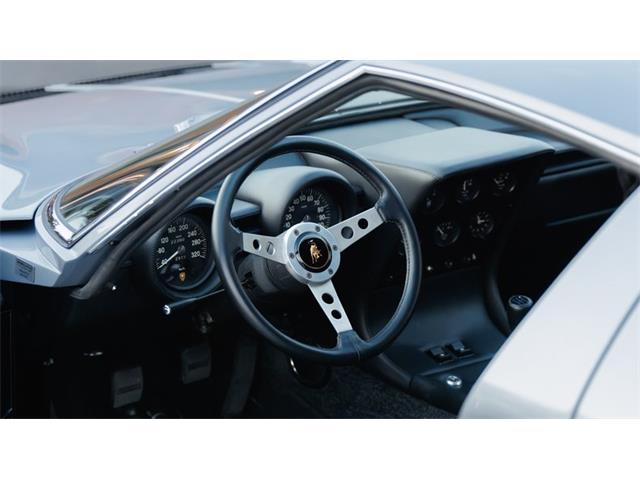
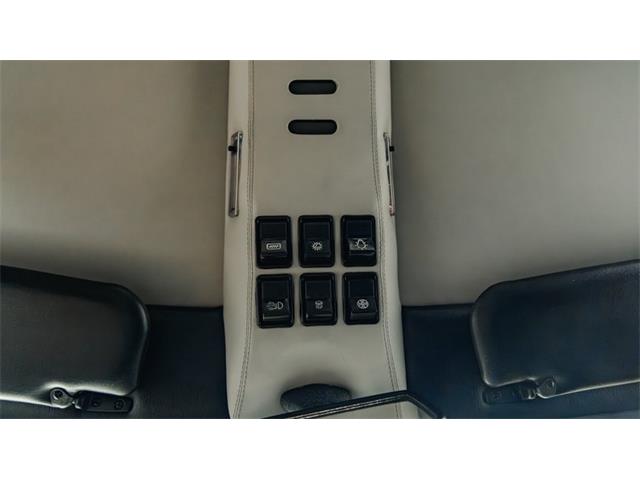
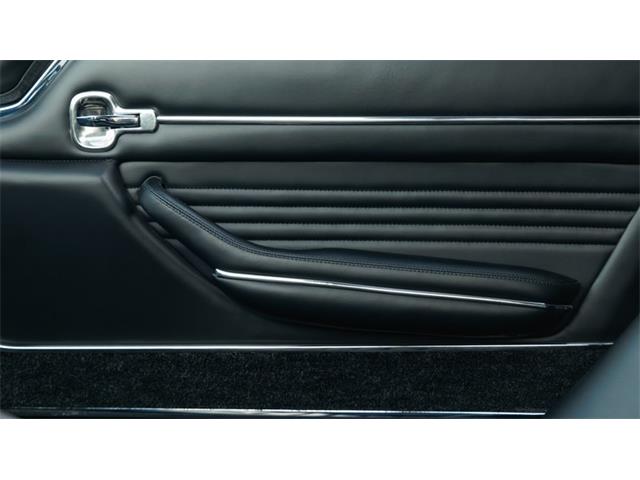
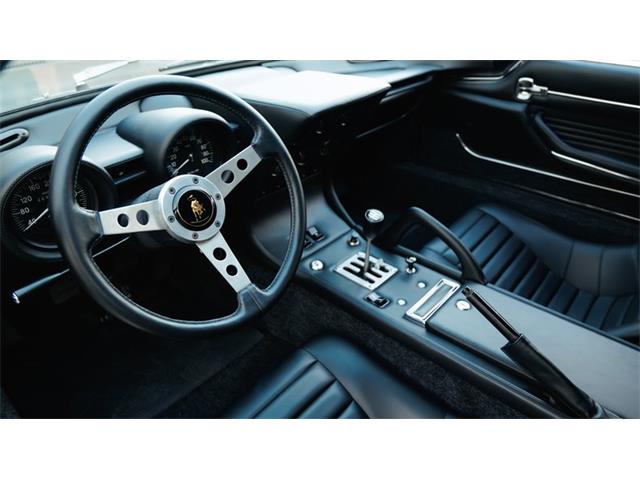
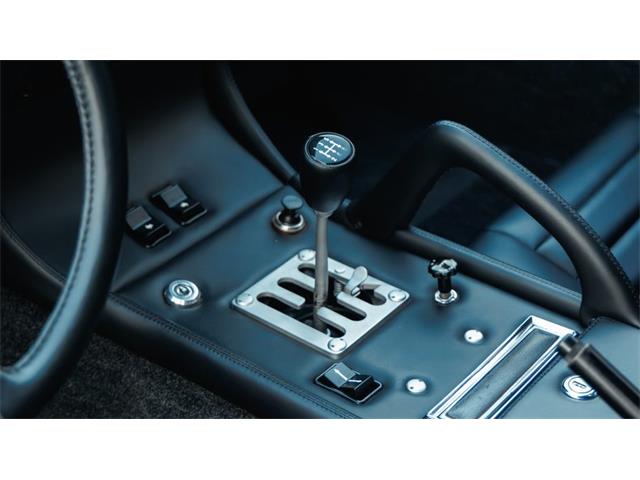
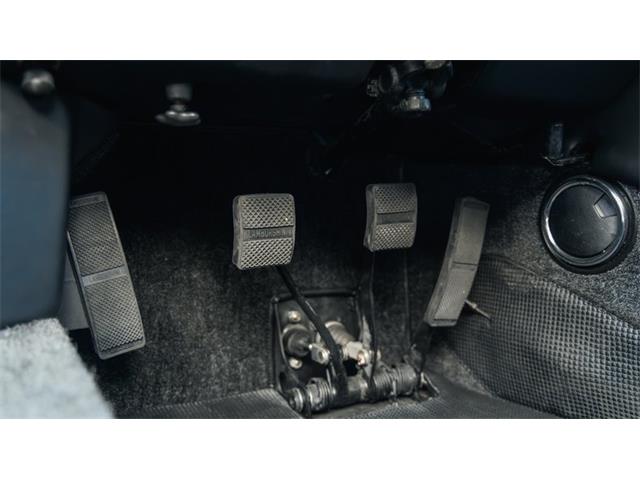
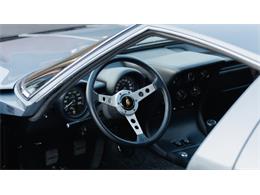
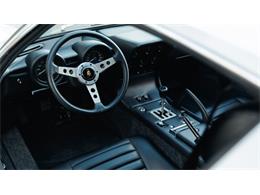
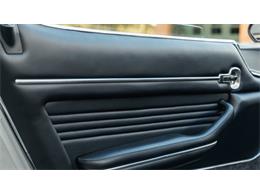
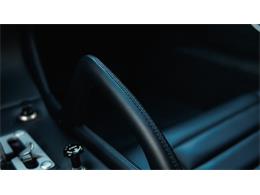
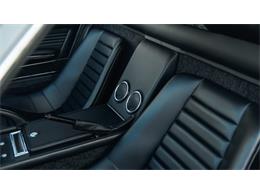
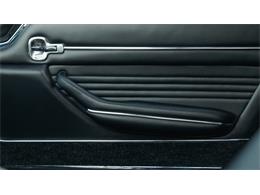
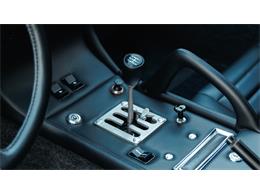
Argento finish. Finally, its interior was reupholstered by Interni
Auto Barbieri & Bussolari in Ferrara, who were responsible for
upholstering the Miura and subsequent Lamborghini models in
period.
Completed in 2022, the freshly restored Miura SV entered a
distinguished collection in Germany, where it has remained until
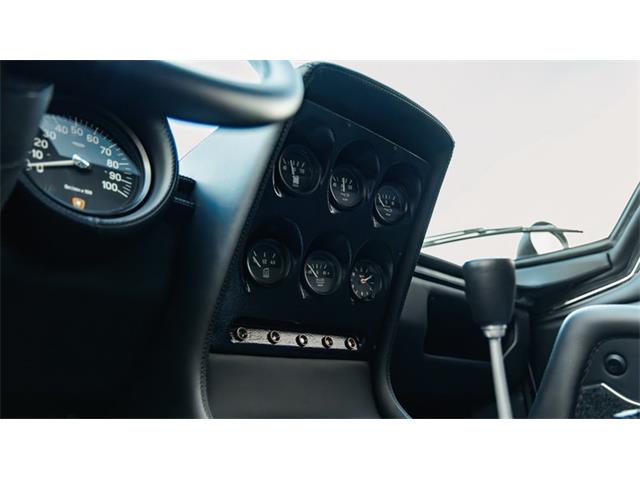
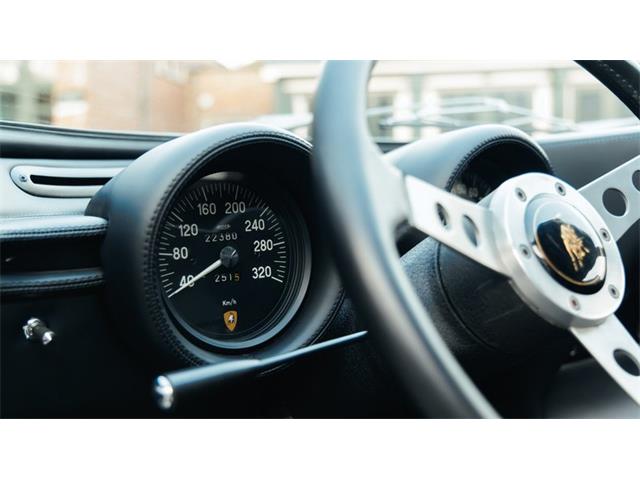
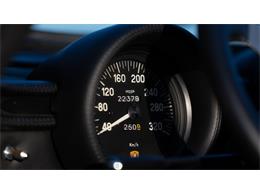
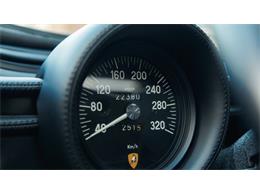
now. This 1971 Lamborghini Miura P400 SV is offered today with just
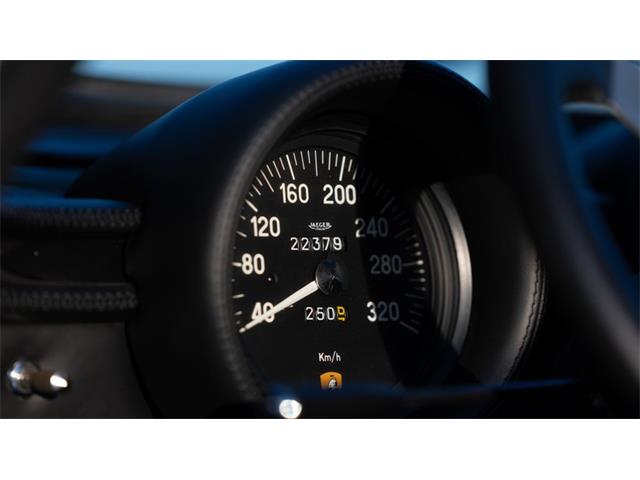
22,380 kilometers or 13,906 miles at cataloging.
Accompanied by an exceptional history file, chassis 4936 boasts a
remarkably well-documented provenance stretching from Sant'Agata to
the present day. Factory build records substantiate its rare
original specification, which is further cataloged in the seminal
"The Lamborghini Miura Book" by Miura expert Simon Kidston. An
extensive photographic archive further chronicles the Miura SV's
storied journey, encompassing nearly fifty years of continued
family ownership, its rediscovery, and subsequent transformation
through an exacting restoration entrusted to some of Italy's most
esteemed Lamborghini specialists-led by the illustrious Valentino
Balboni.
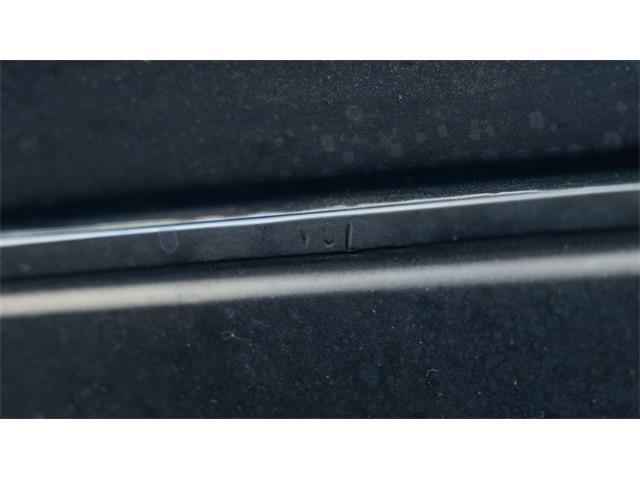
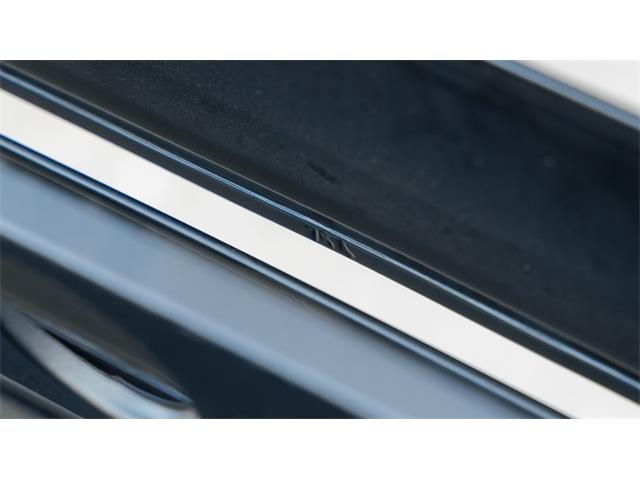
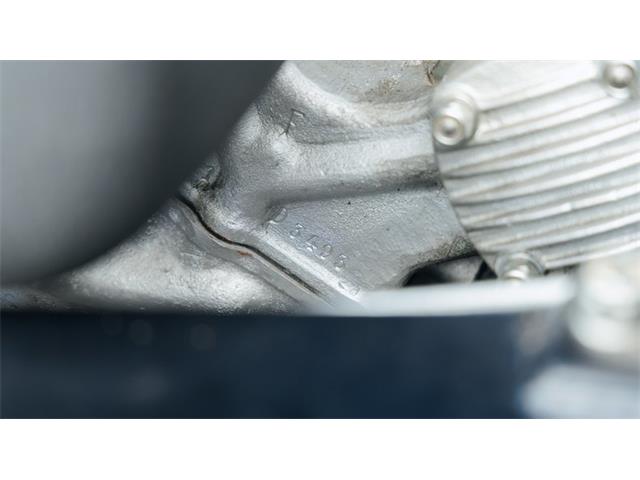
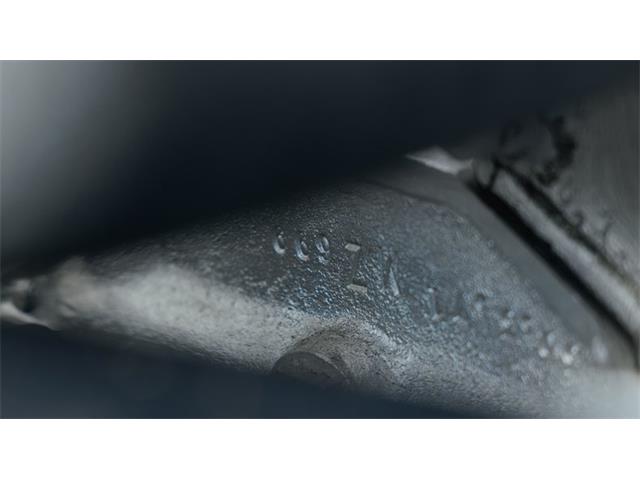
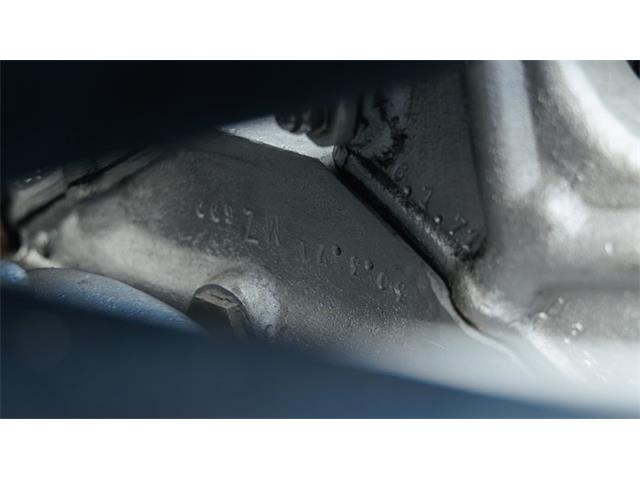
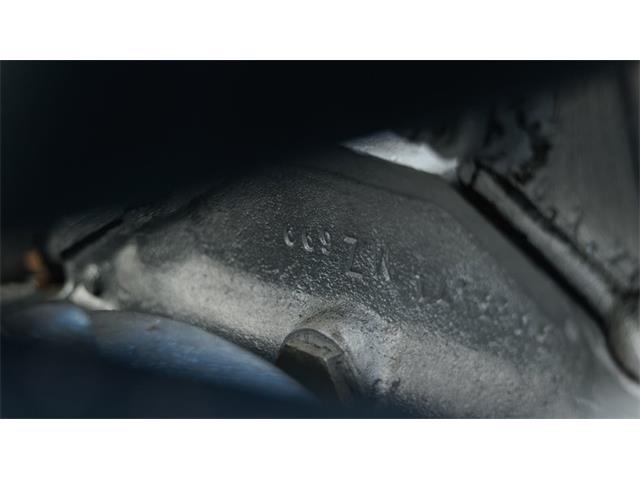
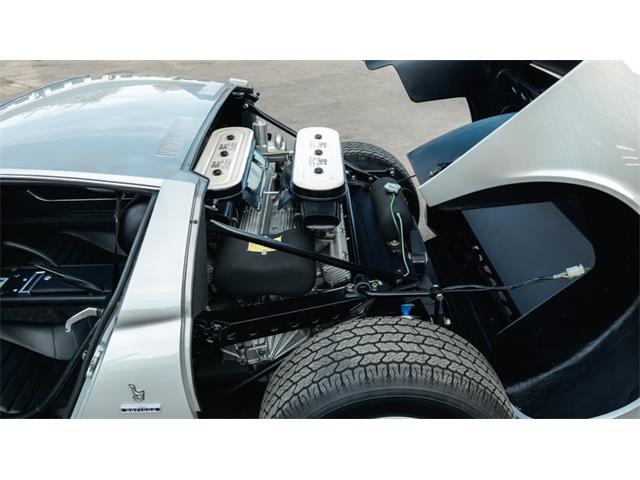
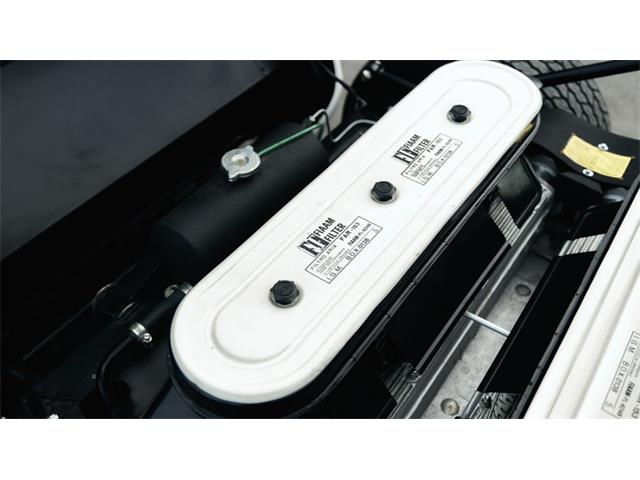
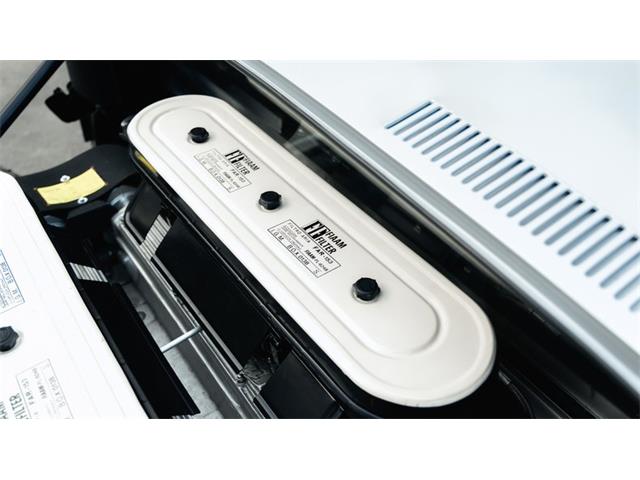
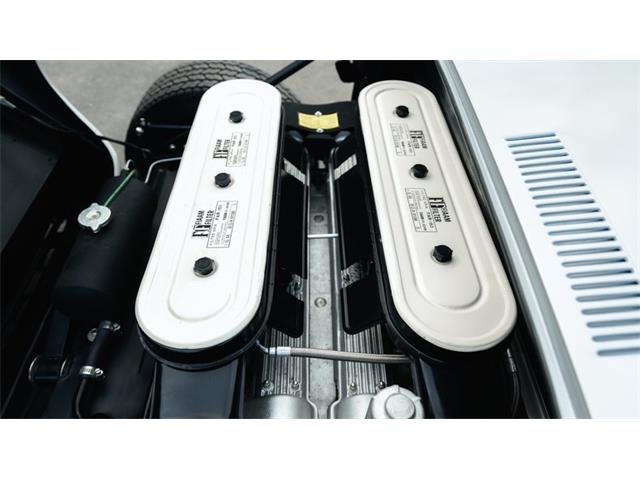
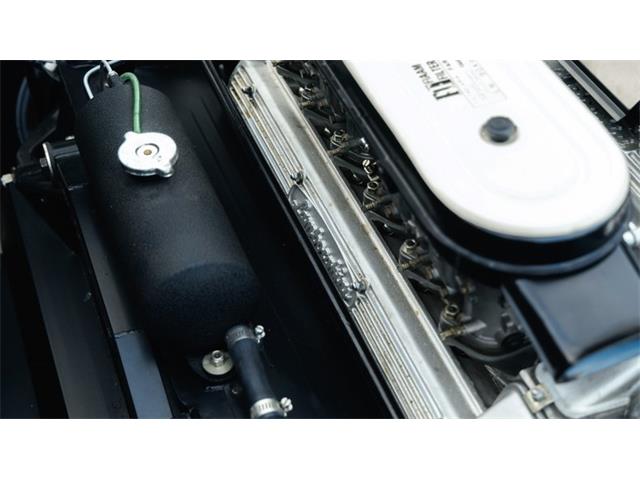
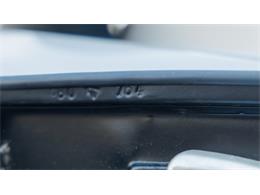
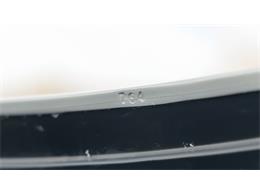
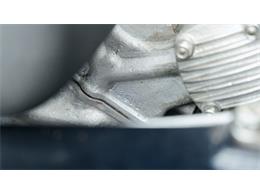
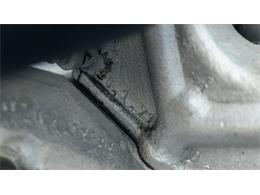
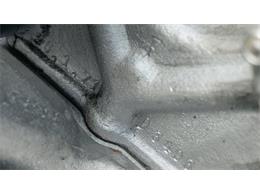
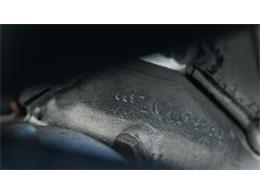
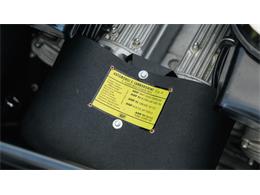
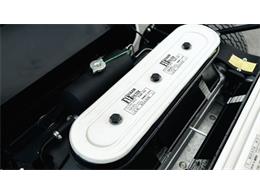
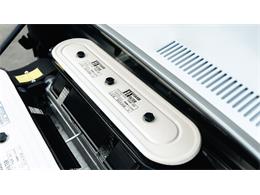
Upon recent inspection by leading Miura authorities Colin Clarke
Engineering, this example was confirmed to feature the desirable
split-sump lubrication system. According to the team there, the
system is believed to have been installed from the factory rather
than a modern conversion. It is important to note that an original
factory split-sump configuration is dependent on the casting of the
engine block rather than internal modifications. Throughout the
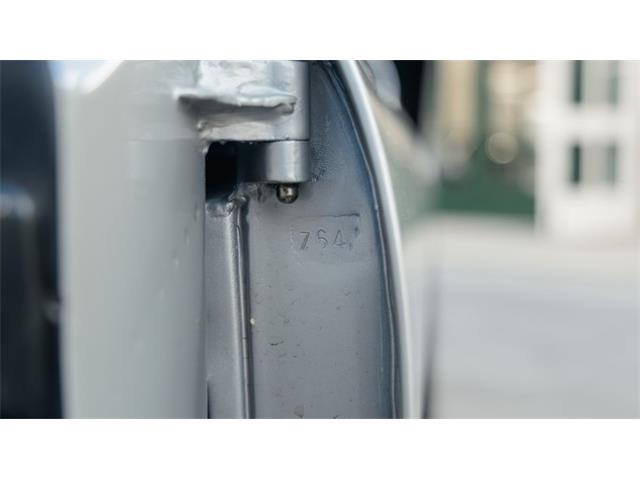
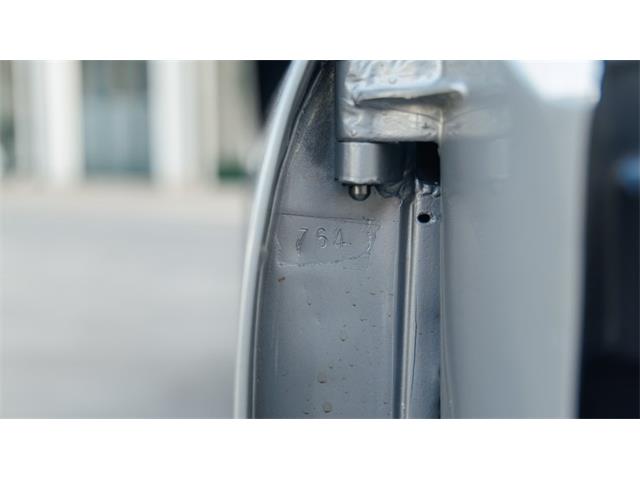
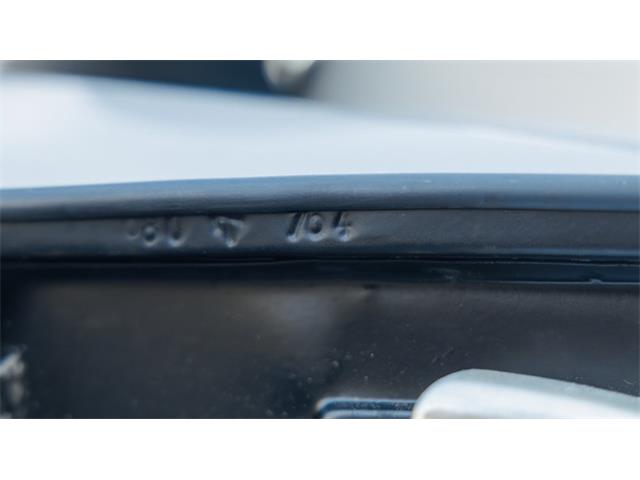
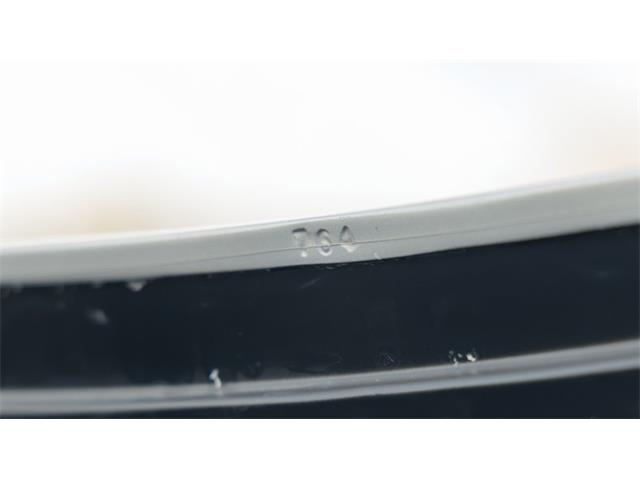
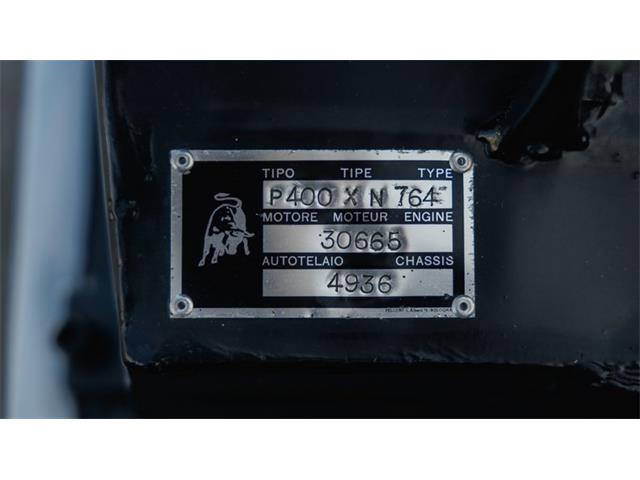
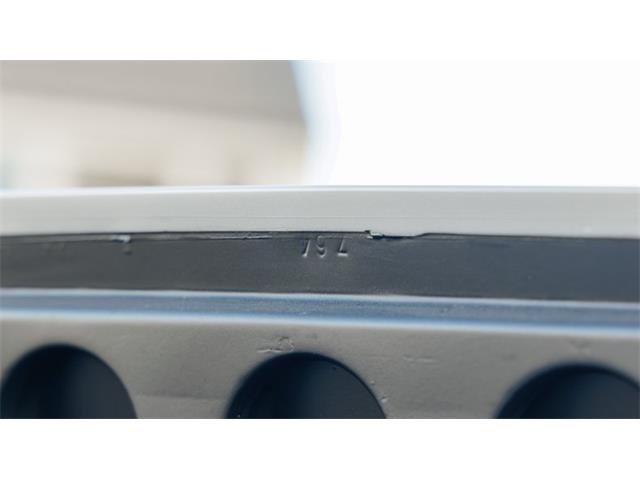
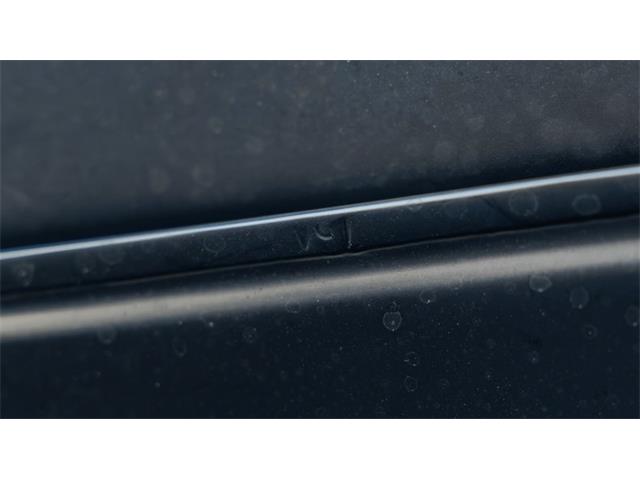
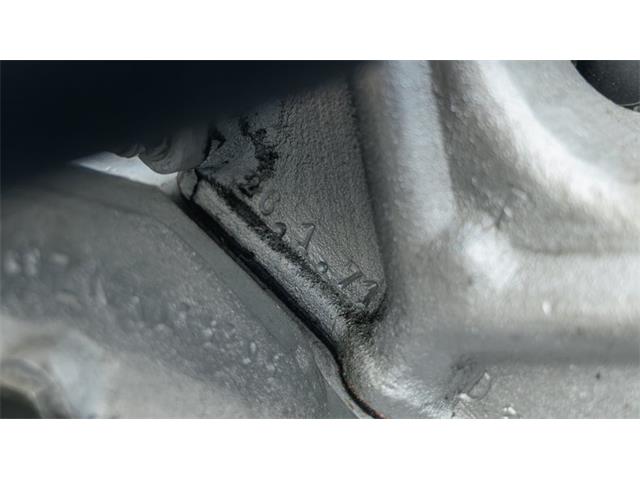
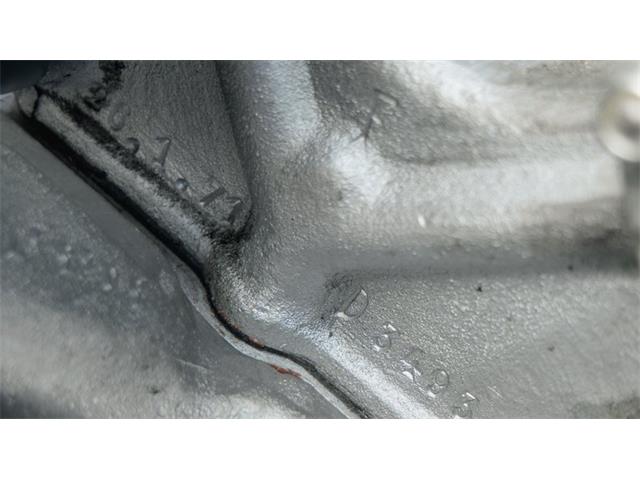
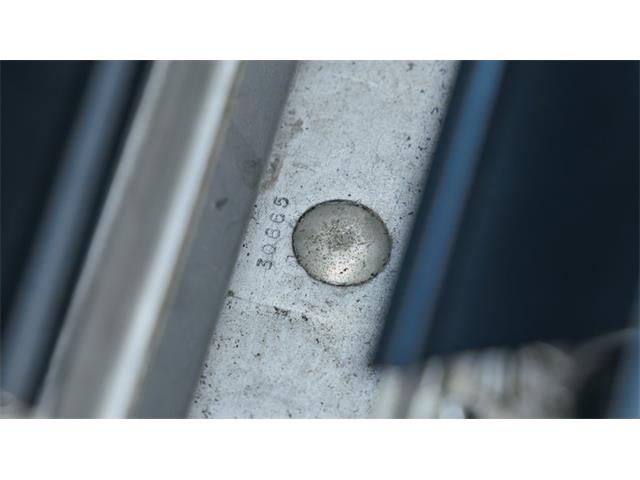
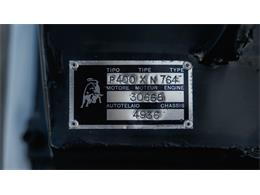
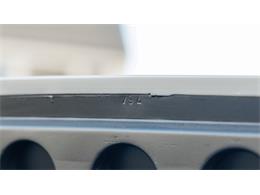
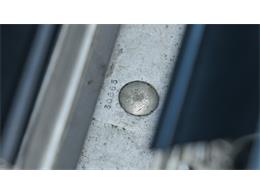
restoration Valentino Balboni confirmed the numbers throughout the
car are matching and the recent inspection also confirmed this
including the engine which is indeed a cast split-sump system.
Factory records indicate that the split-sump introduction happened
with production number 666, a mere two cars after this, but with
multiple record sources a definitive introduction point cannot be
an absolute statement of fact. This car, production number 664, is
among the earliest Miura SVs-if not the very first example-equipped
with the coveted split-sump setup.
Miura SV number 4936 presents the exceedingly rare opportunity to
acquire not just one of 150 Miura SVs, the ultimate iteration of
Lamborghini's groundbreaking supercar, but to acquire such a car as
it left the factory over fifty years ago. Its wealth of original
and numbers-matching components, carefully preserved and recently
expertly refreshed by some of the world's foremost Lamborghini
authorities, helps the car strike a delicate balance between
delightful time capsule and masterful restoration. Recently
emerging from a significant collection in Europe, this Miura SV is
now primed to elevate another stable of blue-chip collector cars of
any vintage.
ClassicCars.com has been recognized as one of the fastest-growing private companies in the United States, successfully making the Inc. 5000 list in both 2015,
2016, 2017 and 2018. This prestigious accolade represents the continued growth of the company, and ClassicCars.com's dominance as the world's largest online marketplace for
buying and selling classic and collector vehicles.
The Stevie Awards, the world's premier business awards recognized
ClassicCars.com's first-class Customer Support team with a Stevie Bronze Award in 2019, celebrating the team's skills as exemplary customer support specialists.
In 2016 The Journal, brought to you by ClassicCars.com, was celebrated as the SECOND MOST INFLUENTIAL automotive blog in the world by NFC Performance.