Chassis MK7/883
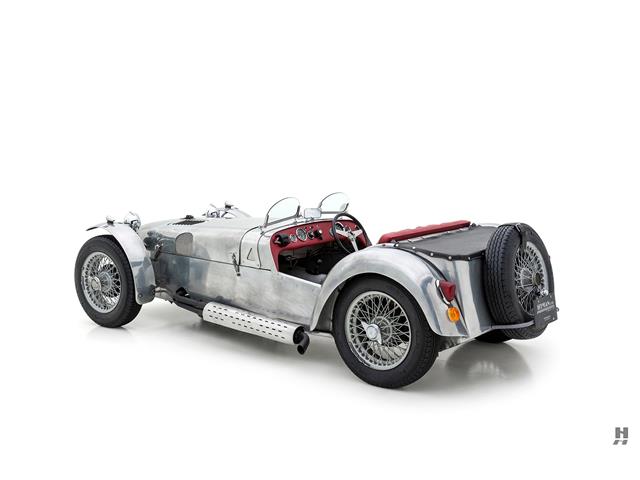
- Rare Series I example, one of just 243 produced
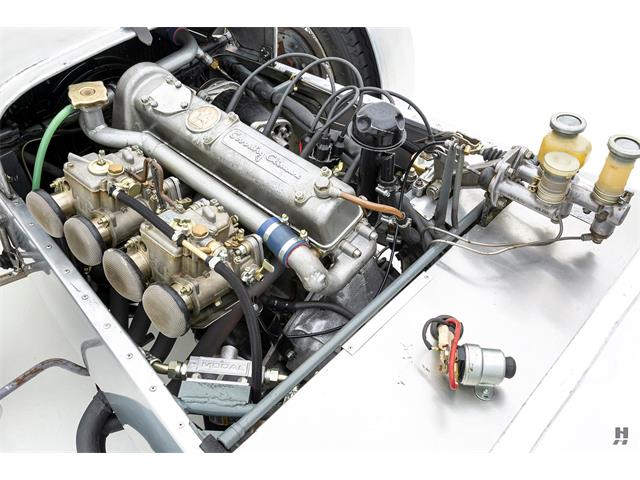
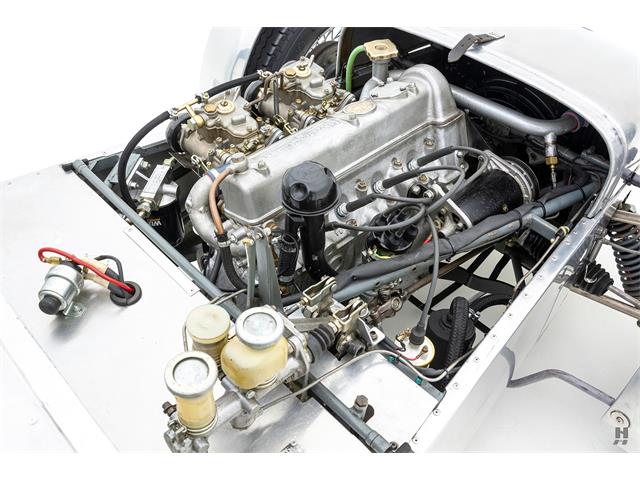
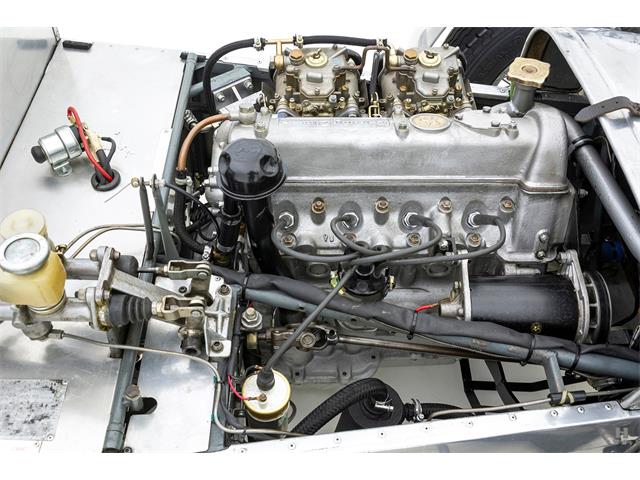
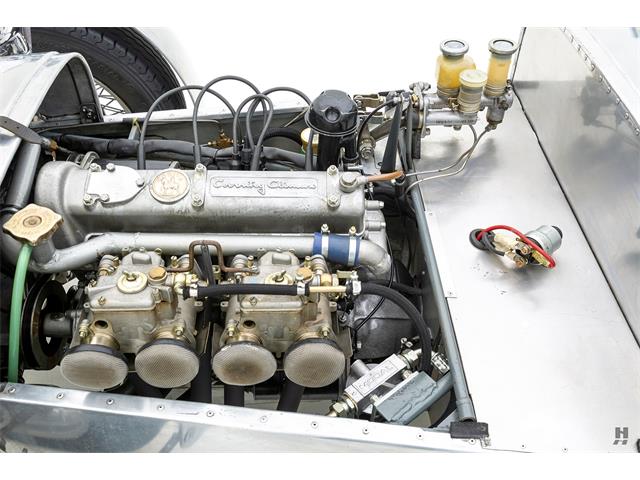
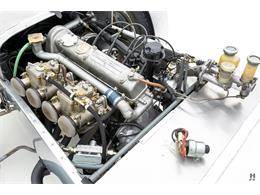
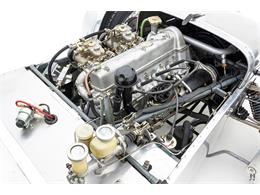
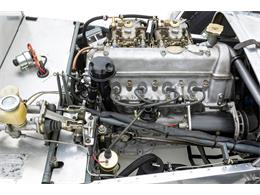
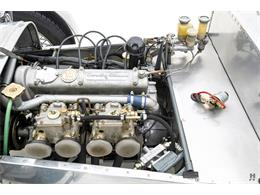
- Coventry Climax FWB400-14 SOHC four-cylinder with dual Weber 40
DCOE carburetors
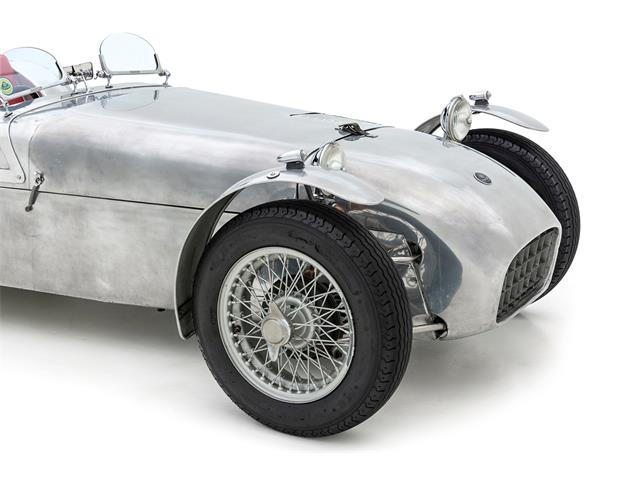
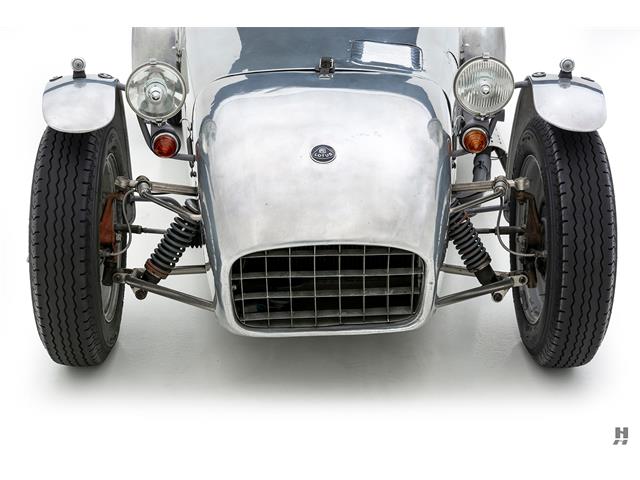
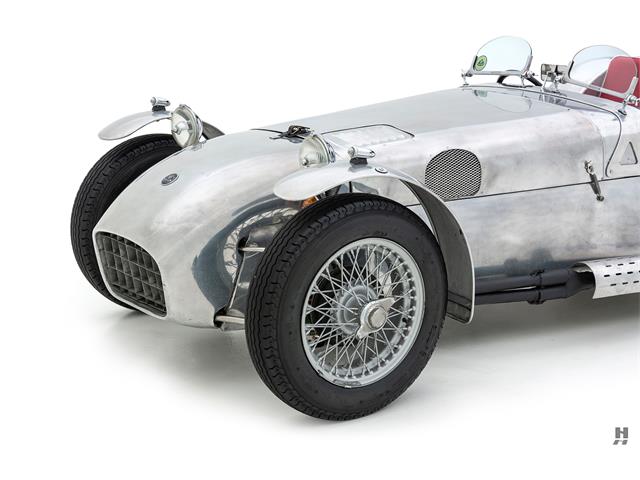
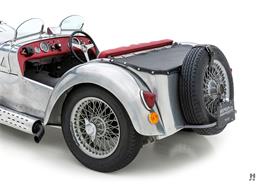
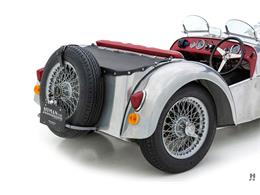
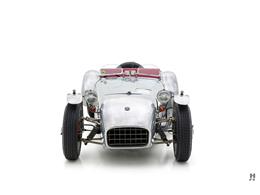
- Lightweight alloy coachwork with classic cycle fenders
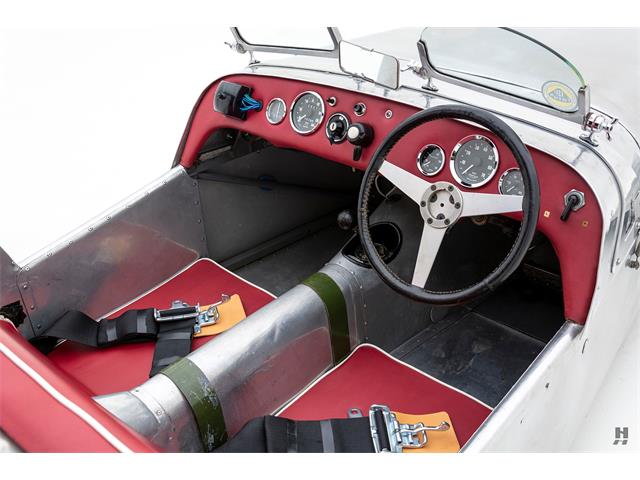
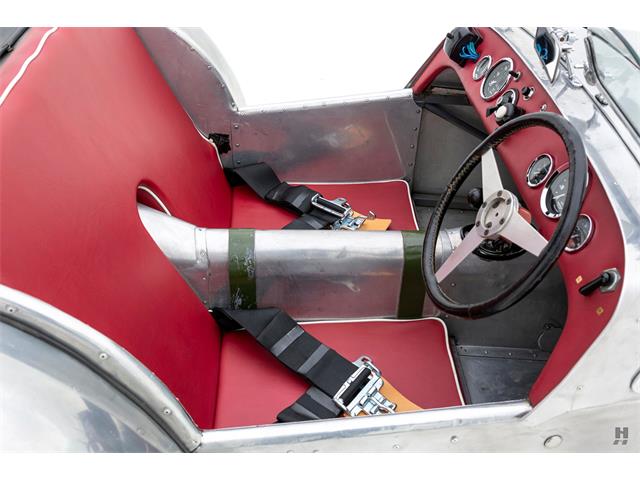
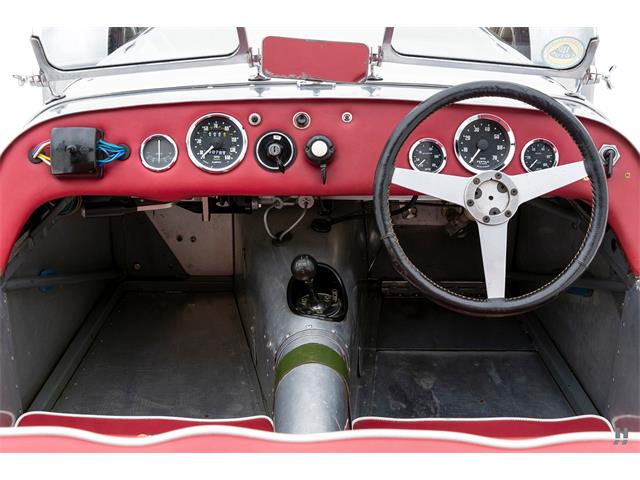
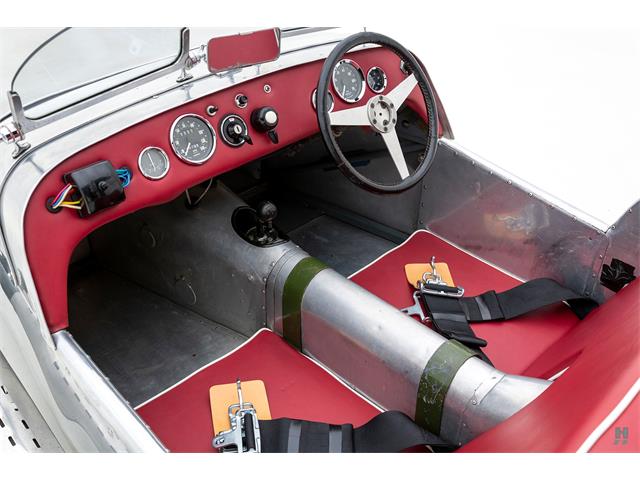
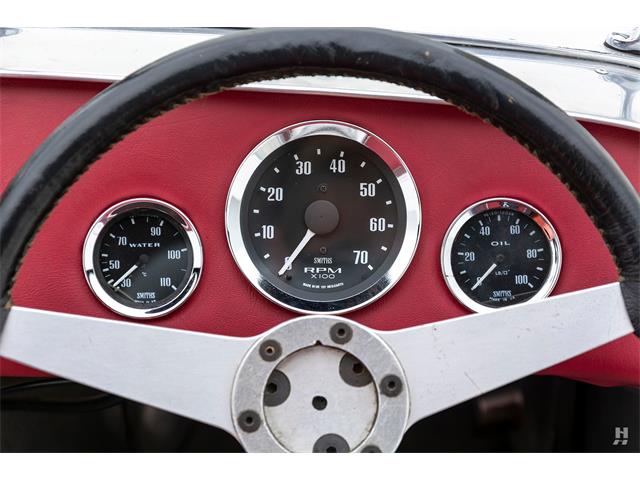
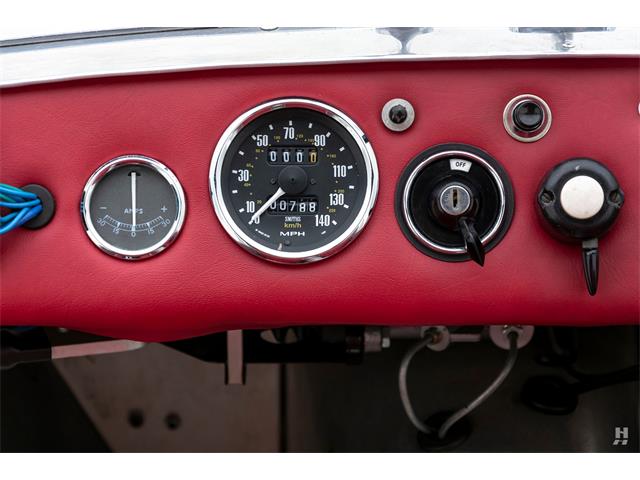
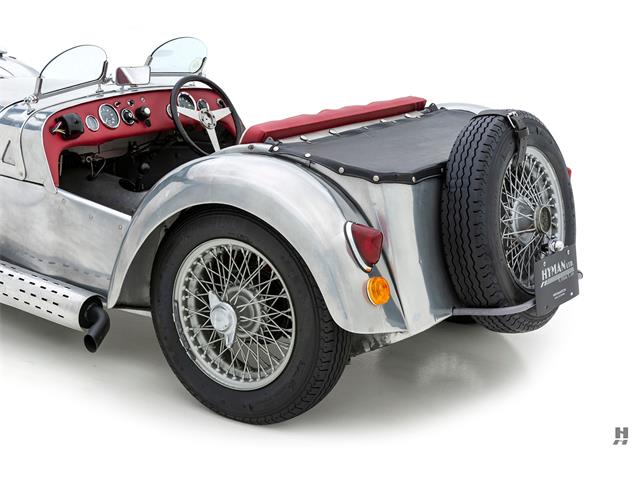
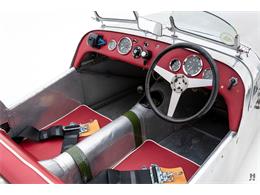
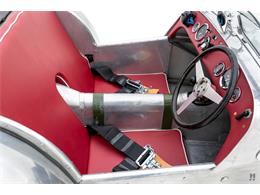
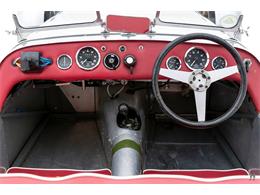
- Four-speed gearbox and Smiths instrumentation
The purest form of Colin Champman's philosophy is exemplified in
the Lotus Seven. Developed from the earlier Lotus Six, Chapman
stripped the Seven down to its essentials: a lightweight chassis,
minimal bodywork, simple mechanicals, and little between the driver
and the road. The result was not merely inexpensive transportation
or a club racer, but one of the purest driving machines of the
postwar era.
Introduced in 1957, the Series I Seven established the formula that
would define the model for decades to come. Its lightweight
construction and cycle-fendered bodywork gave it a purposeful
appearance that was dictated almost entirely by function. With
little mass to carry, even modest power could provide genuinely
lively performance, while the low seating position and direct
controls made every input immediately apparent to the driver. Just
243 Series I examples were produced, making these earliest Sevens
an especially interesting part of Lotus history.
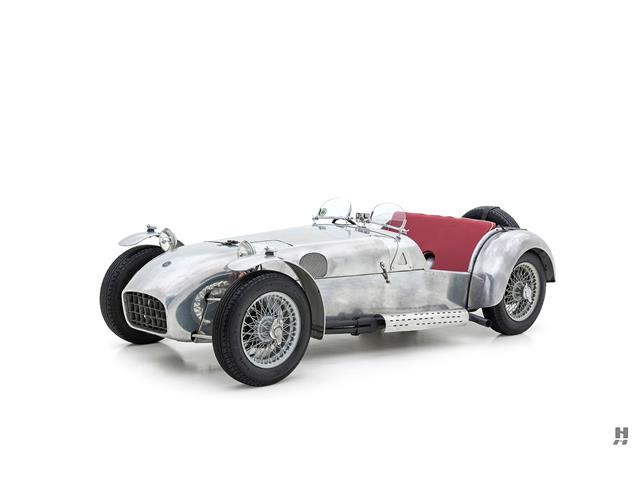
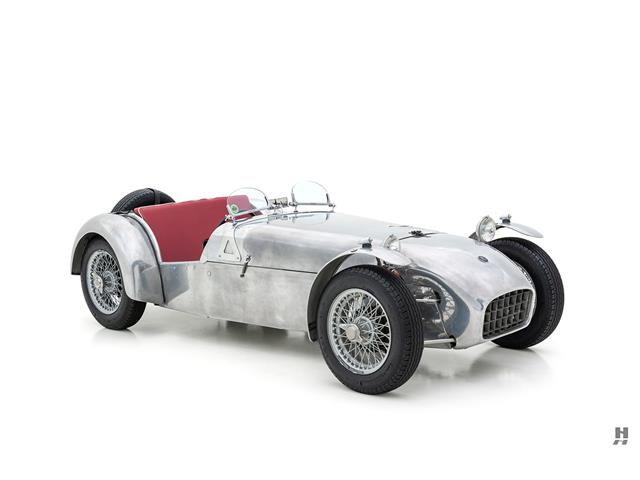
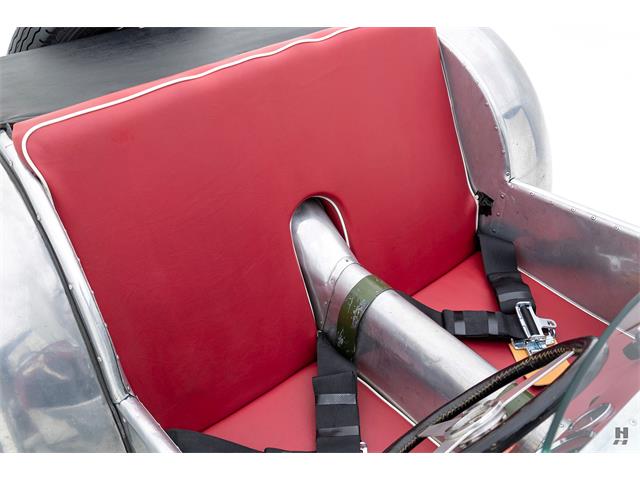
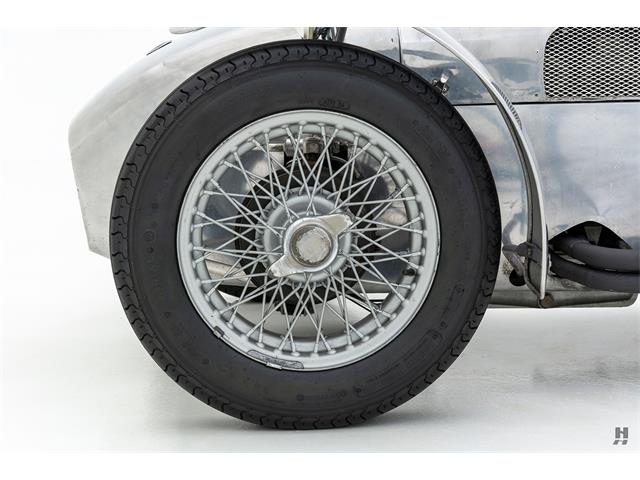
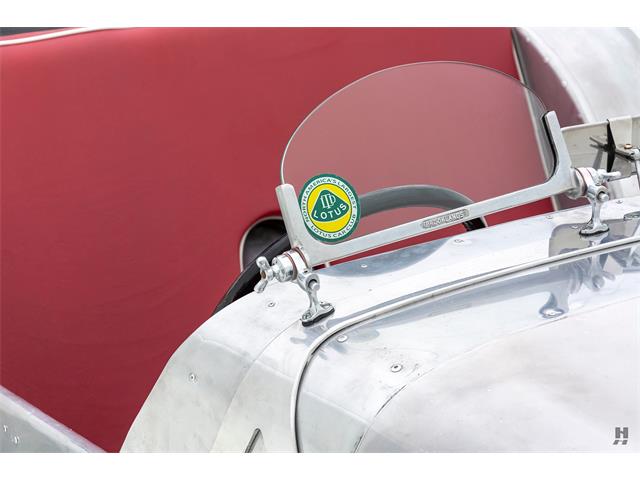
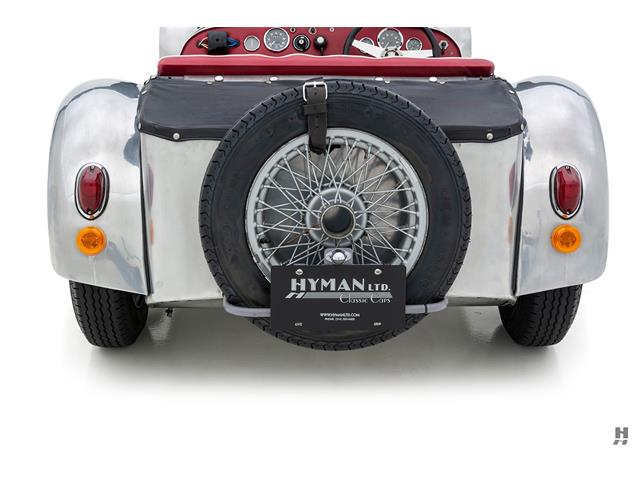
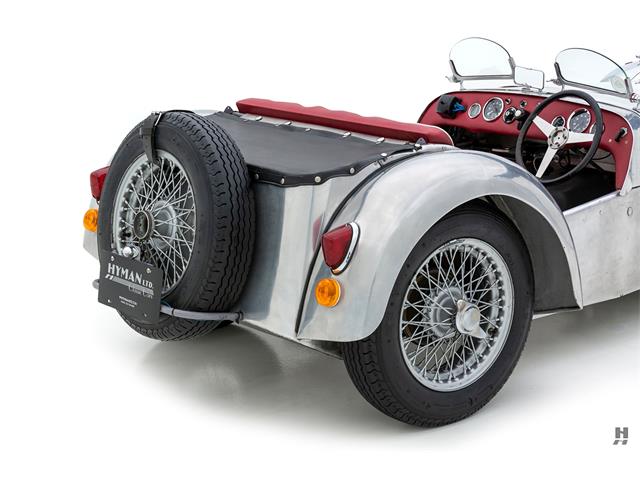
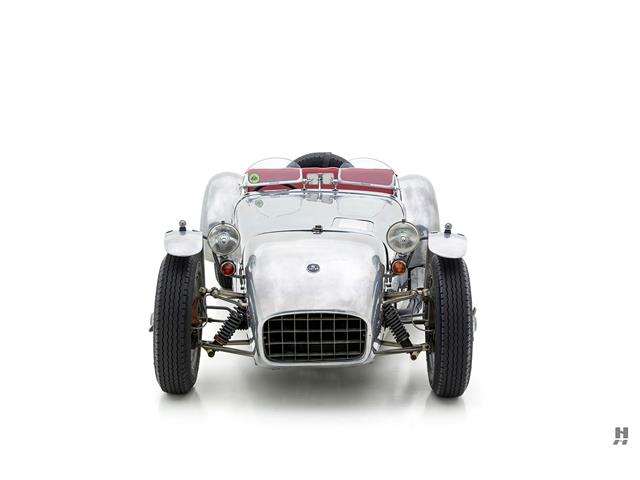
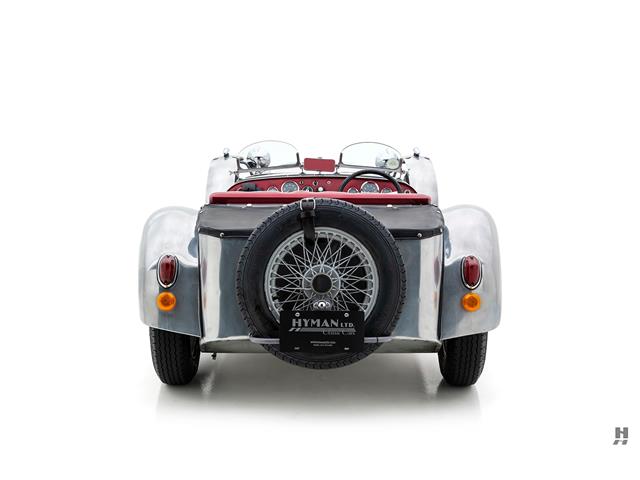
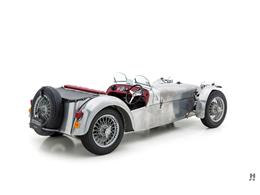
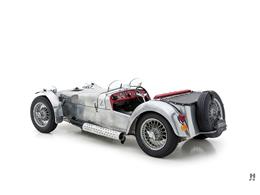
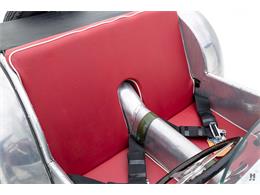
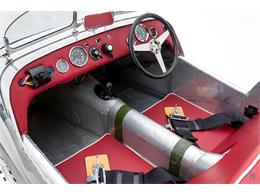
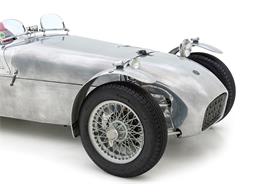
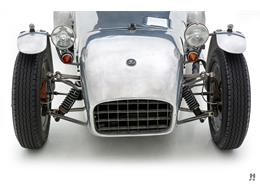
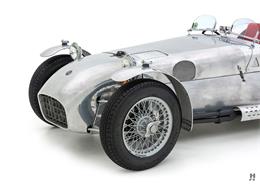
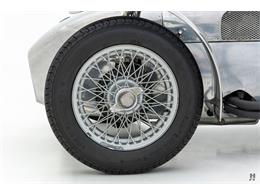
This 1959 Lotus Seven, chassis MK7/883, retains all of the visual
simplicity that makes the early cars so appealing. Its alloy
coachwork, separate cycle fenders, exposed front suspension, and
compact proportions leave little doubt about the car's intentions.
There is almost nothing superfluous here, and that economy of
design remains a large part of the Seven's charm.
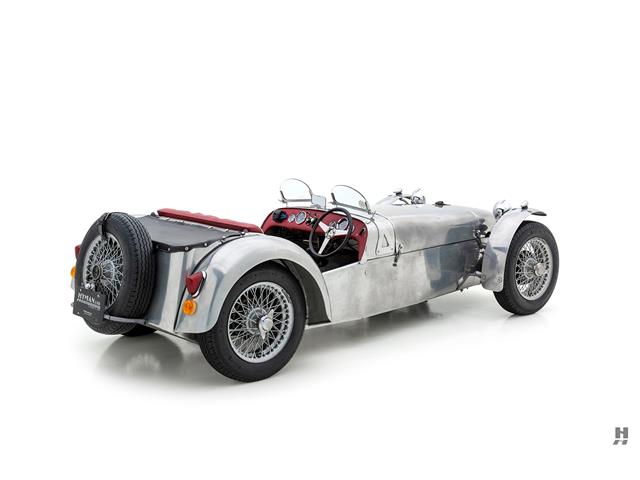
Of particular interest, MK7/883 is presently fitted with a Coventry
Climax FWB400-14 single-overhead-cam four-cylinder engine.
Breathing through a pair of Weber 40 DCOE carburetors, the Climax
unit adds a decidedly sporting character to an already lightweight
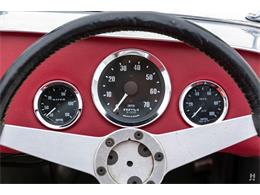
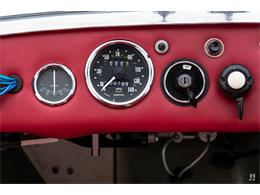
package. Power is transmitted through a four-speed gearbox, while a
simple array of Smiths instruments keeps the driver informed
without distracting from the experience.
As with any Seven, the appeal lies less in outright numbers than in
the way the car goes about its business. With so little weight, an
open cockpit, and remarkably little isolation from the mechanical
workings beneath, the Seven delivers an immediacy that even many
far more powerful sports cars struggle to replicate.
Adding another layer of interest, this Lotus is offered with a
spare frame and an Austin four-cylinder engine. Together, these
additional components may prove especially useful to the enthusiast
interested in the car's configuration, future development, or
simply preserving the flexibility that has always been part of
Seven ownership.
Light, direct, and wonderfully uncomplicated, chassis MK7/883
represents the Lotus Seven in its earliest and arguably purest
form. With its Coventry Climax powerplant, dual Webers, and
accompanying spare components, it offers an engaging opportunity to
enjoy one of Colin Chapman's most enduring ideas exactly as
intended: from behind the wheel.
Offers welcome and trades considered.