Engine no. 700847
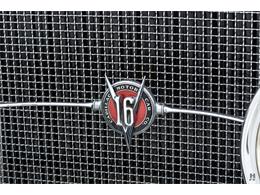
- First-year Cadillac Series 452 V-16 fitted with its original
roadster coachwork
- Offered from the General William Lyon Collection
- Mellowed restoration ideally suited for tours or comprehensive
concours restoration
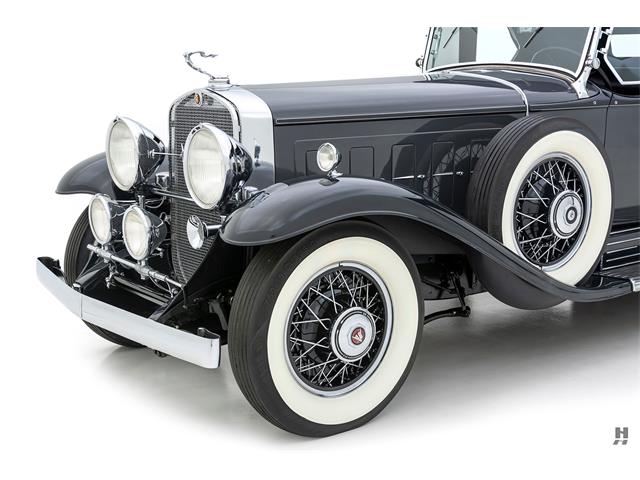
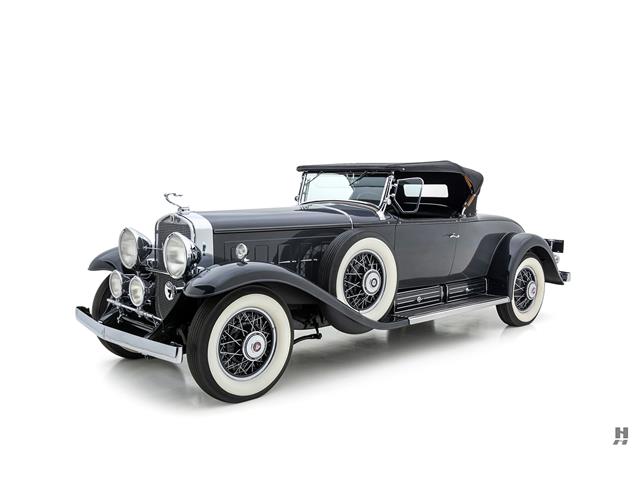
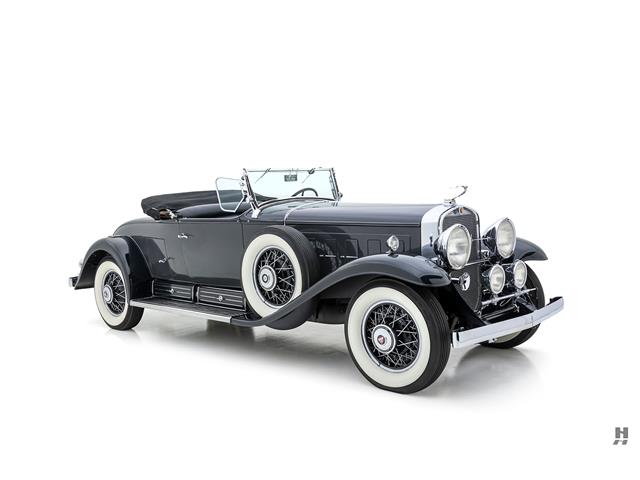
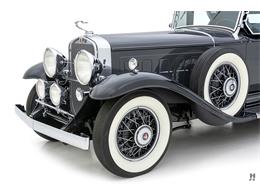
- Finished in its factory-correct English Gray with contrasting
dark gray fenders
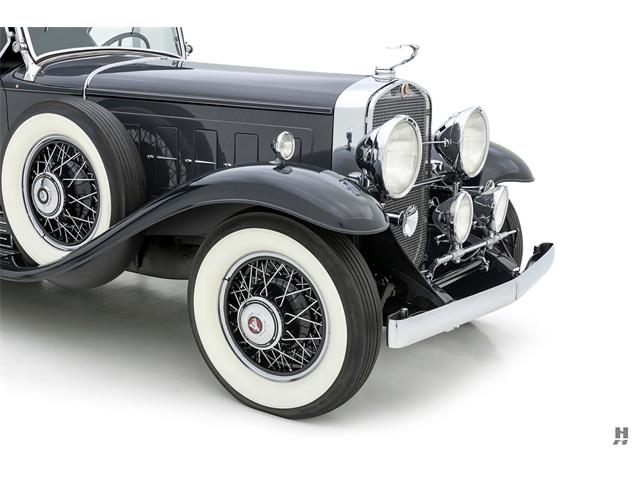
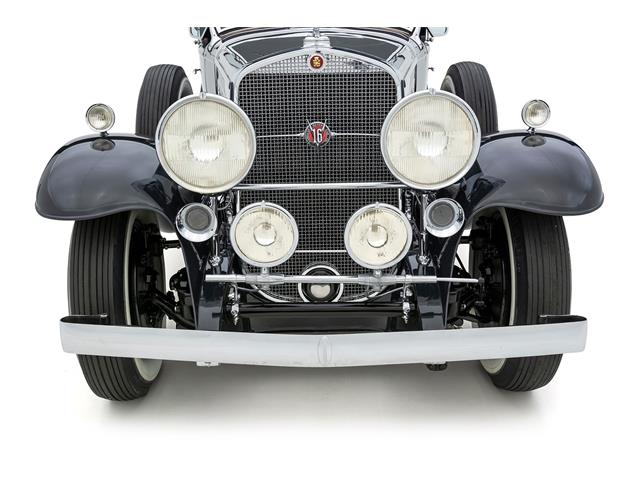
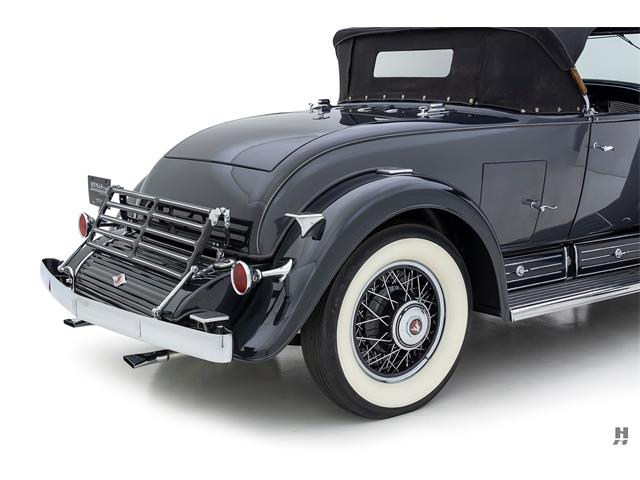
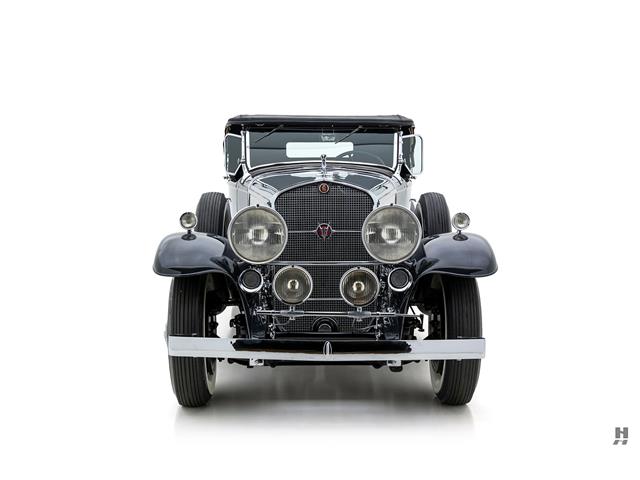
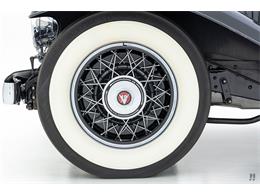
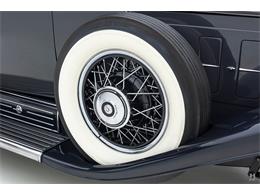
- Equipped with dual side mount spares and Pilot Ray driving
lamps
- Once property of legendary collector Bill Harrah
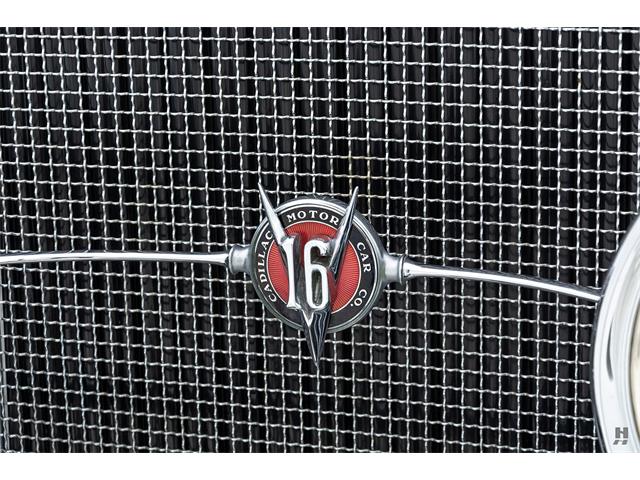
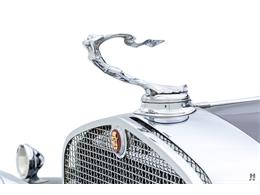
Cadillac entered the 1930s at the very top of the American
luxury-car market, and nothing demonstrated the company's ambition
more clearly than the introduction of its magnificent V-16.
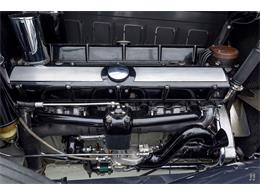
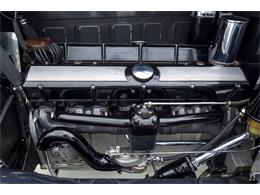
Developed under the direction of Cadillac chief engineer Ernest
Seaholm, the new sixteen-cylinder engine was not simply an exercise
in excess, but a remarkably sophisticated and refined powerplant
designed to deliver effortless performance with exceptional
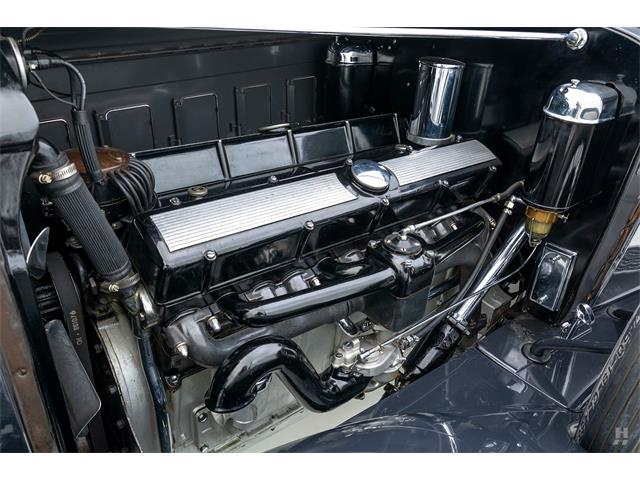
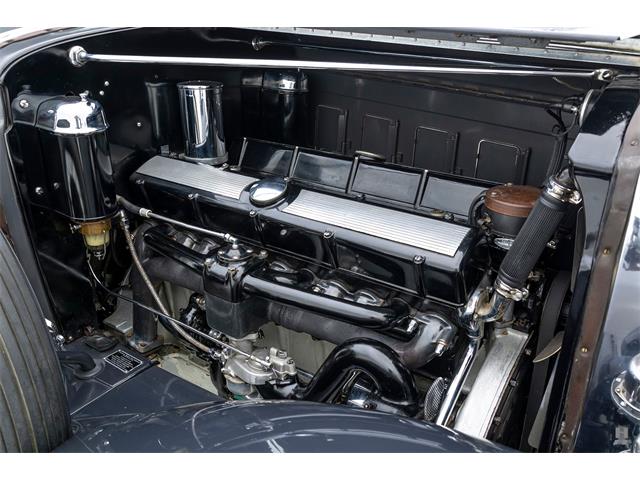
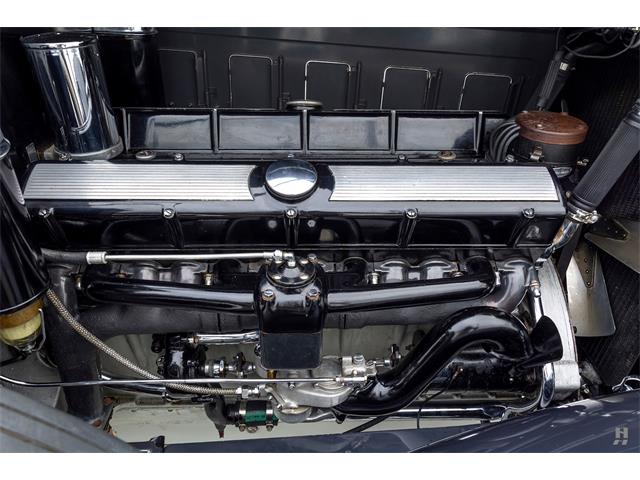
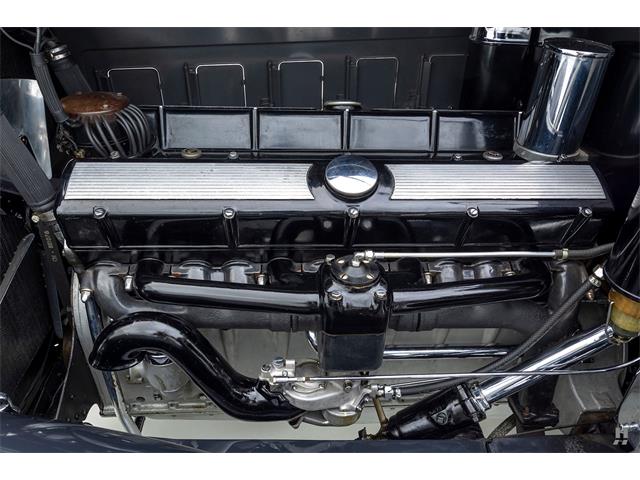
smoothness. Displacing 452 cubic inches and producing 175
horsepower, the overhead-valve V-16 was beautifully engineered and
equally beautifully finished, with concealed wiring and plumbing
giving the engine compartment an unusually clean and almost
architectural appearance.
Introduced for 1930, the Series 452 V-16 immediately became one of
the most prestigious automobiles available in America. Cadillac
offered an extraordinary range of bodies, most by Fleetwood,
allowing buyers to specify everything from formal limousines to
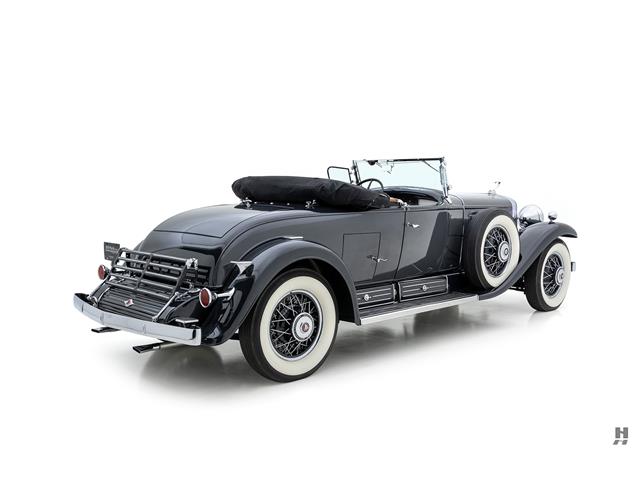
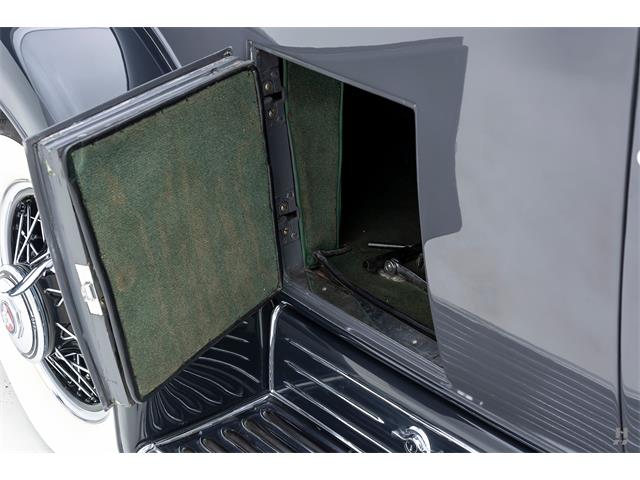
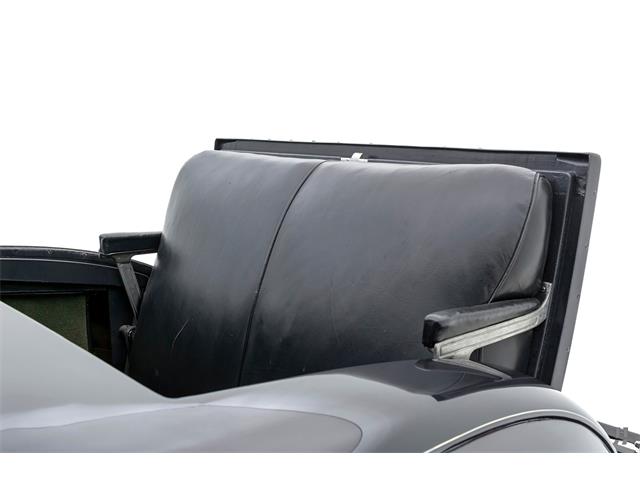
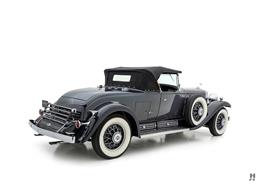
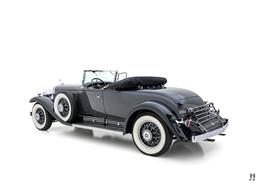
sporting open cars. Among the most desirable was Style 4302, the
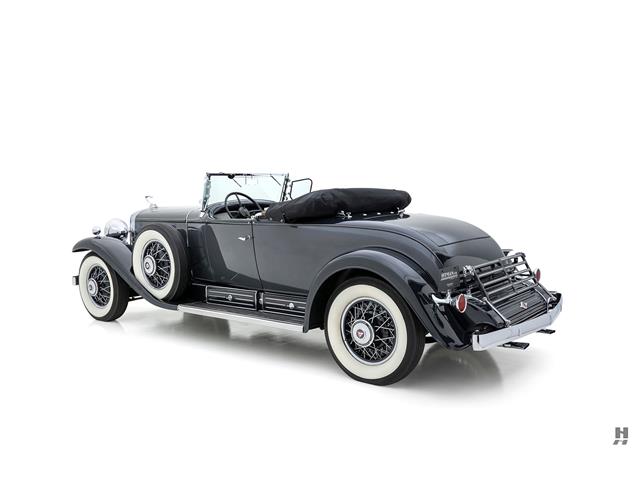
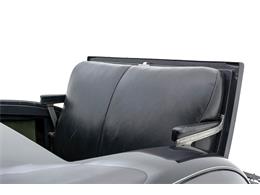
two-passenger roadster with rumble seat. Its long hood, low
windshield, sweeping fenders, and compact passenger compartment
gave the enormous V-16 chassis a particularly sporting appearance,
while the rumble seat provided occasional additional accommodation
without disturbing the roadster's elegant proportions.
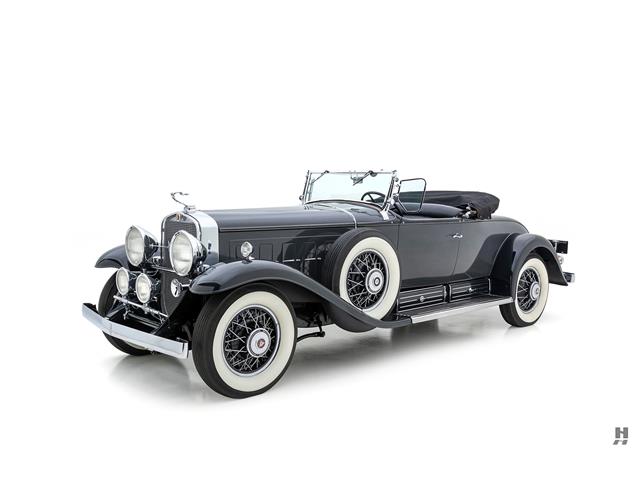
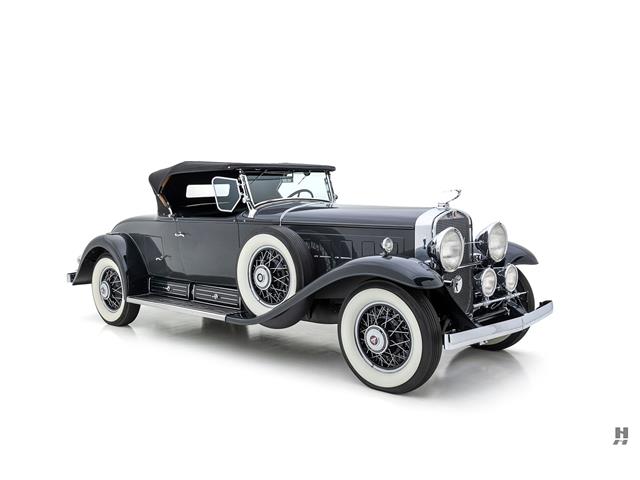
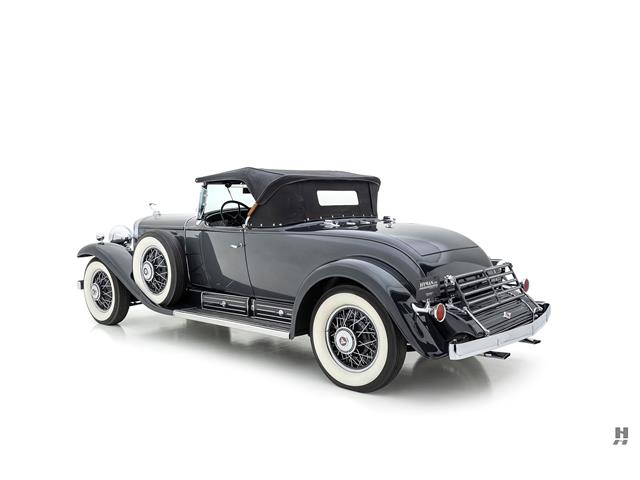
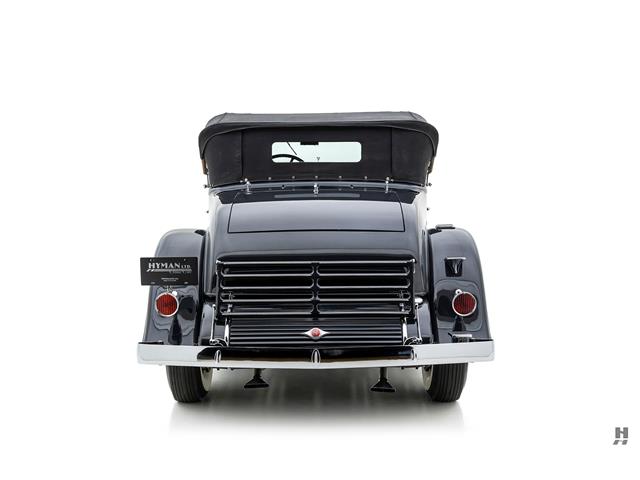
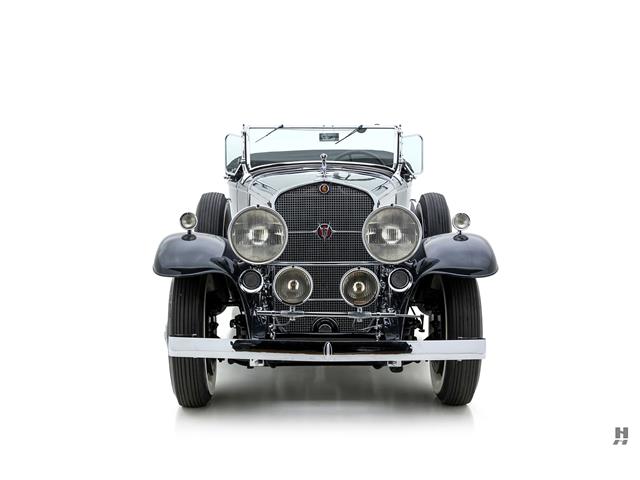
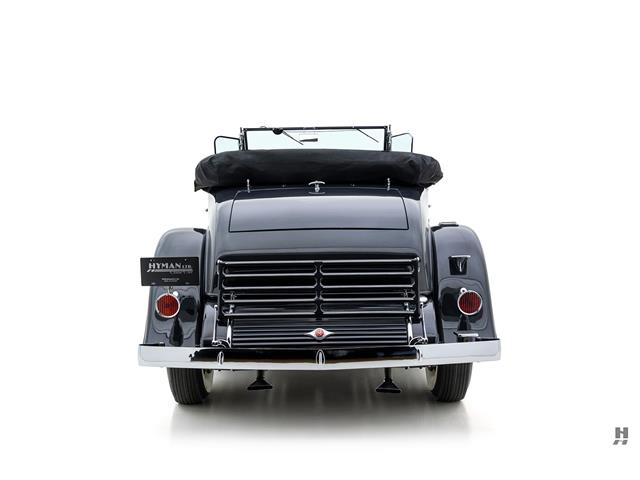
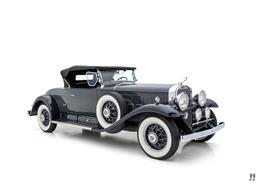
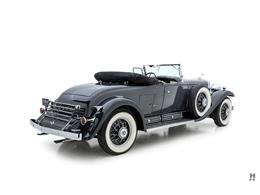
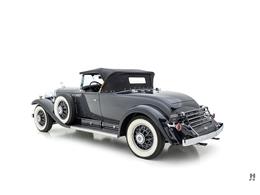
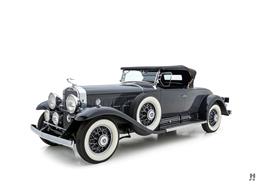
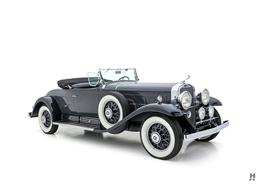
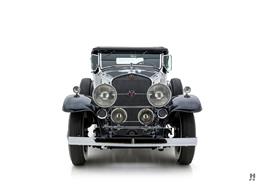
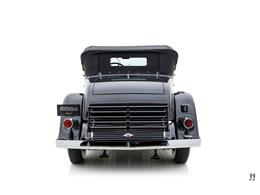
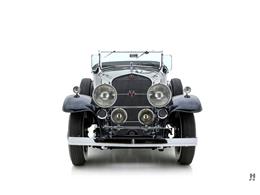
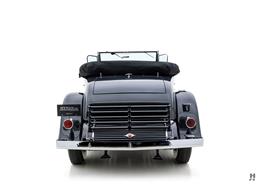
This 1930 Cadillac V-16 is fitted with its original Fleetwood
roadster coachwork, Style 4302. Identified by its engine number,
700847, factory records show it was invoiced number 4A 4001 and
shipped on April 2, 1930, with Detroit listed as its destination.
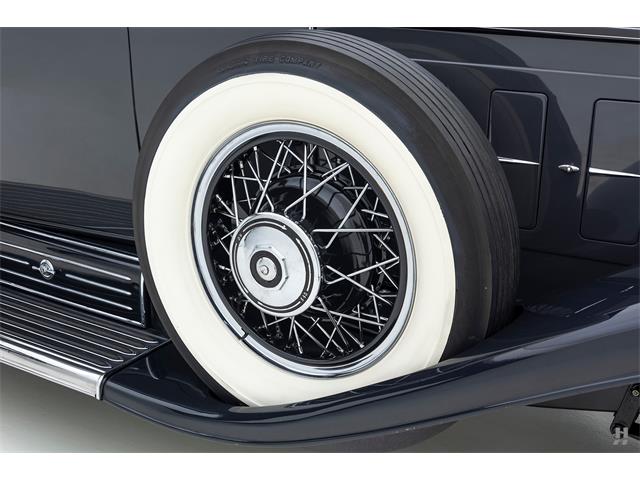
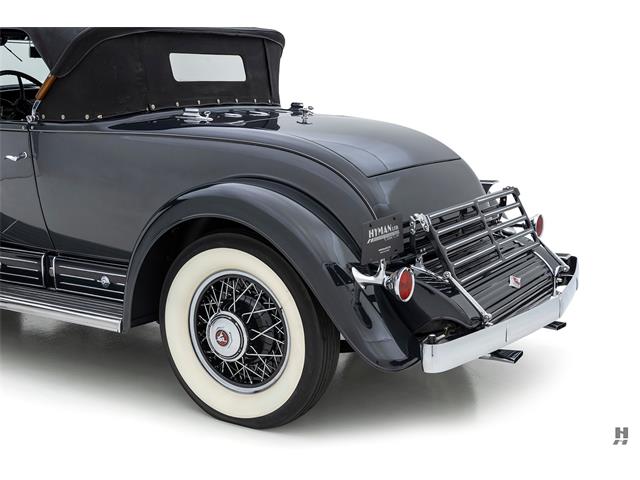
It was originally finished in English Gray with dark gray fenders
and equipped with dual side mount spare wheels and Pilot Ray
driving lamps, a particularly attractive specification for
Cadillac's flagship model.
While little is presently known of its early ownership history, the
Cadillac's known history begins with its acquisition by legendary
collector Bill Harrah in 1967. It is believed the V-16 was restored
under the ownership of Harrah, as he often did with so many of his
cars in his in-house restoration shop. After his passing, Harrah's
retained the car until 1986, when it was acquired by Major Gen.
William Lyon's collection, where it has resided since.
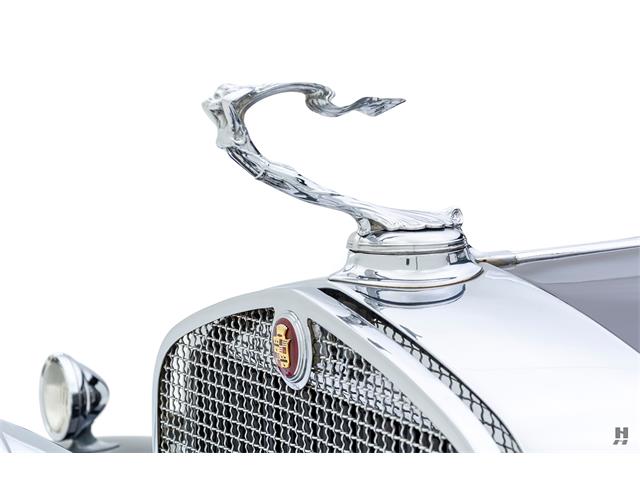
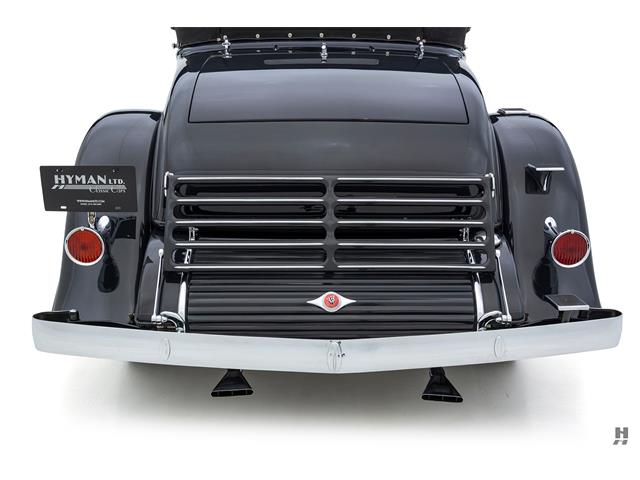
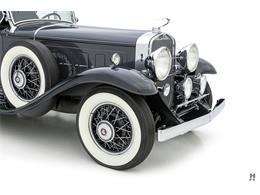
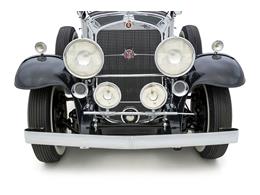
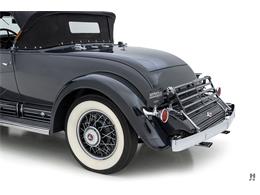
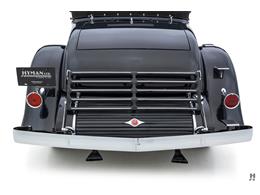
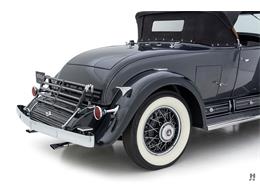
In its current form, the Fleetwood-clothed V-16 has taken on a
mellow appeal. The paint, now aged in appearance, shows the light
wear and patina one would expect from a restoration that has been
enjoyed rather than preserved purely for show. The body retains the
commanding proportions that make the Fleetwood Roadster so
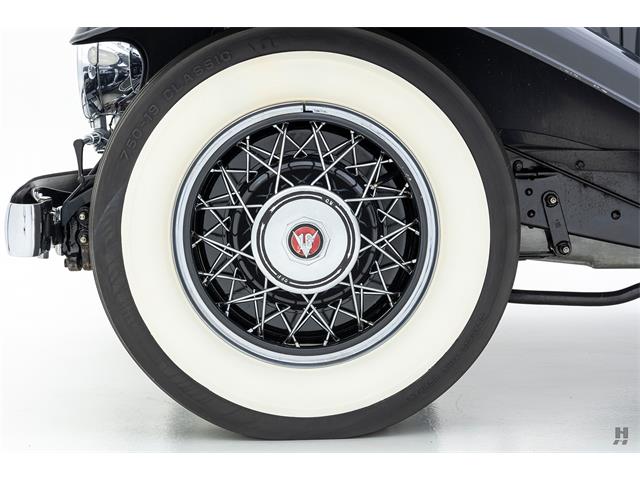
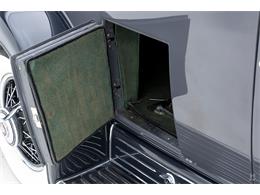
appealing, while the contrasting dark gray fenders and trimline,
dual side mounts, and period driving lamps give the car
considerable presence from any angle.
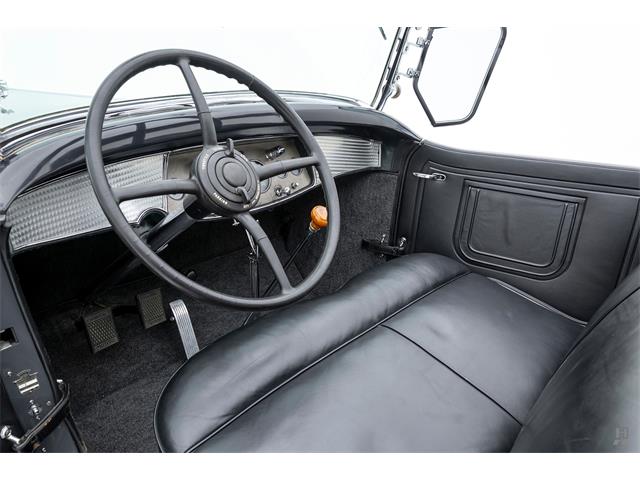
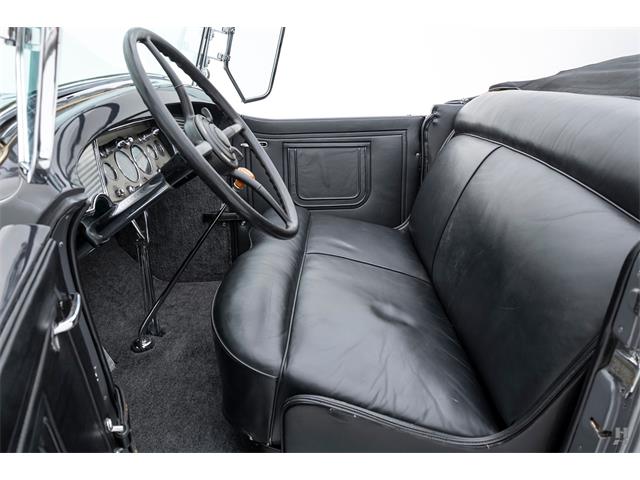
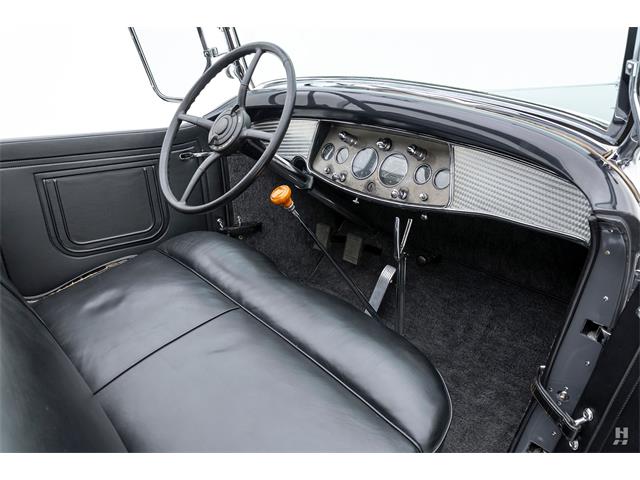
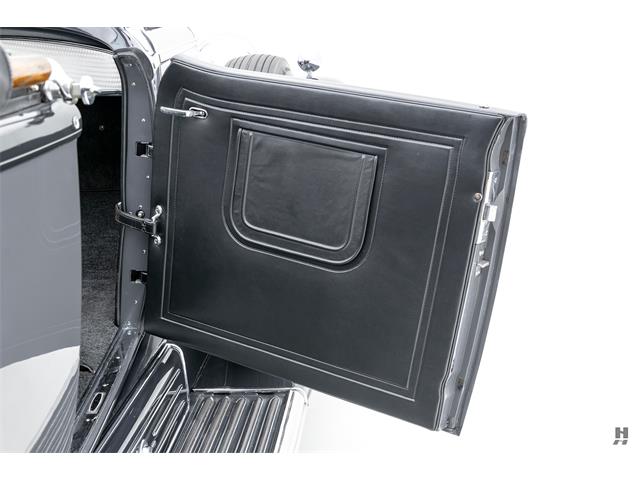
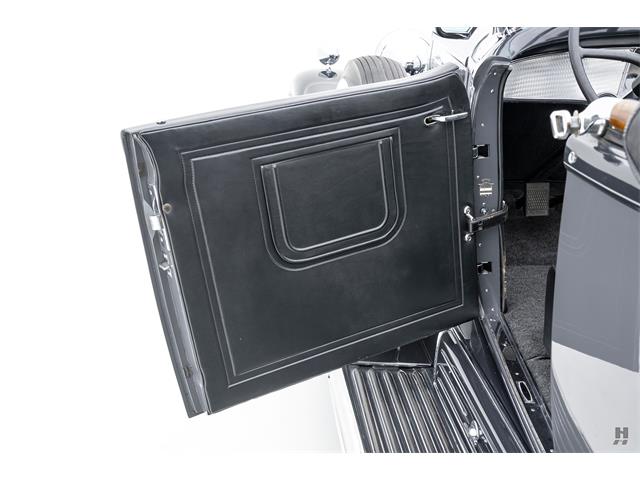
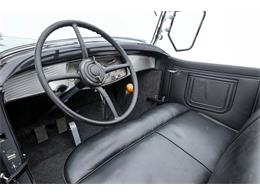
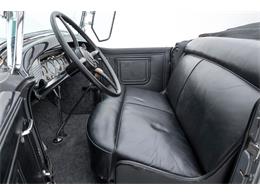
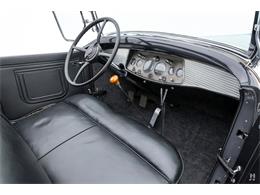
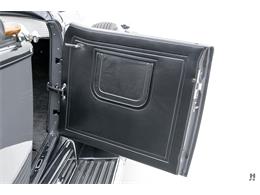
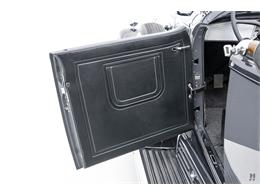
The interior is in similarly well-kept, older-restored condition.
The plain-stretched black leather bench seat, surrounding
upholstery, trim, and fittings have mellowed sympathetically and
remain inviting rather than overly formal, giving the cockpit the
comfortable character of a car that is meant to be driven. The
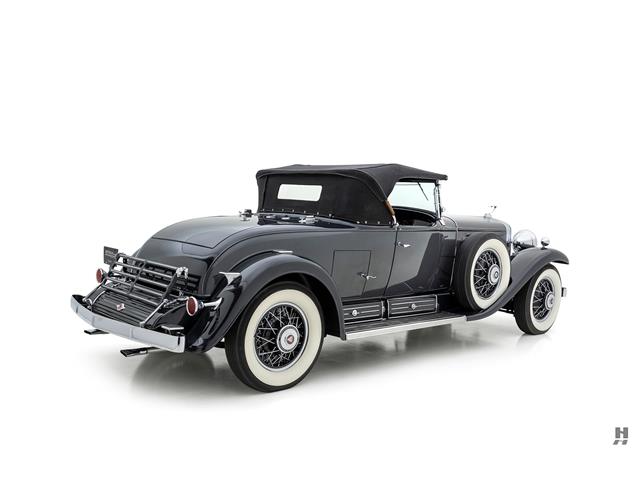
black canvas convertible top offers similar condition, with both
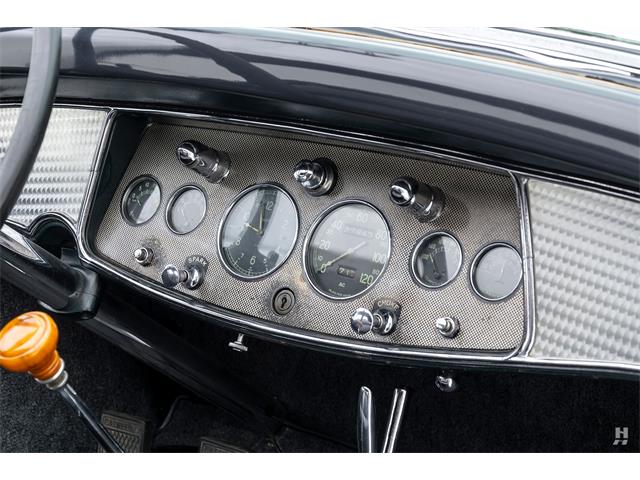
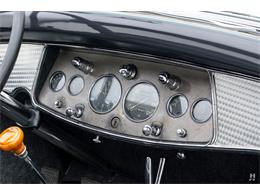
the bows and canvas remaining in good order. The instrument panel
and controls retain the rich visual appeal associated with
Cadillac's finest cars of the era, while the rumble seat adds both
charm and practicality to the otherwise intimate roadster body.
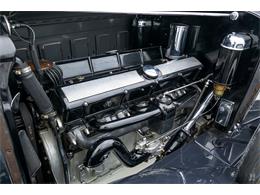
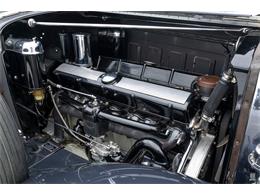
Under the hood, the magnificent V-16 remains the centerpiece. Even
at rest, Cadillac's sixteen-cylinder engine is an impressive piece
of machinery, and its refined design remains one of the great
engineering achievements of the Classic Era. Combined with the
long-wheelbase chassis, hydraulic brakes, and carefully engineered
running gear, it gave the Series 452 a level of refinement and ease
that few automobiles of the period could match.
Offered from the renowned General William Lyon Collection, this
Cadillac strikes an appealing balance between presentation and
usability. It is sufficiently well preserved to remain an
impressive example of the model yet mellowed enough that its next
owner can enjoy it on tours, club events, and casual road use
without the concerns that often accompany a freshly restored
concours car. At the same time, the desirability of the underlying
specification makes it an excellent candidate for a future
high-level restoration should its next caretaker wish to return it
to the standard of the finest judged examples.
With its first-year V-16 chassis, handsome Fleetwood Style 4302
roadster coachwork, documented factory specification, and desirable
open configuration, this Cadillac represents one of the most
compelling expressions of the marque's extraordinary ambitions at
the dawn of the 1930s.
Offers welcome and trades considered.