VIN 5270052
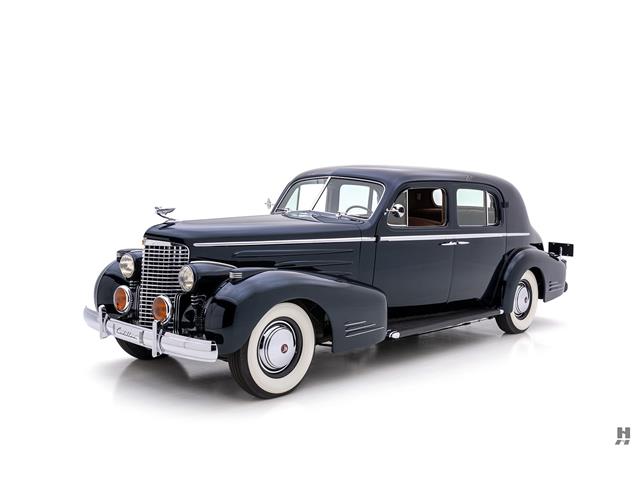
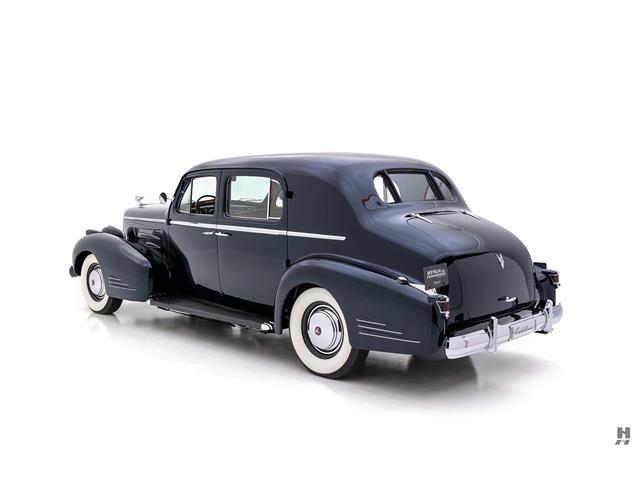
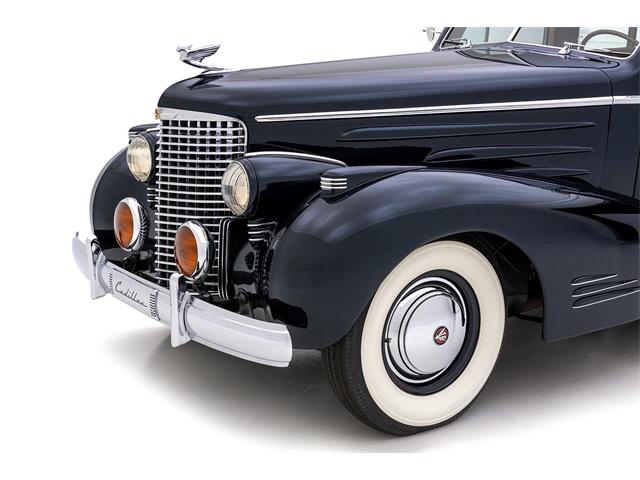
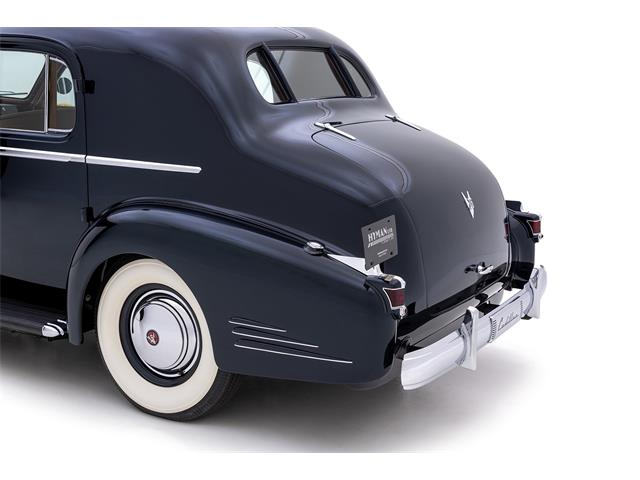
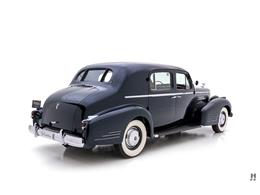
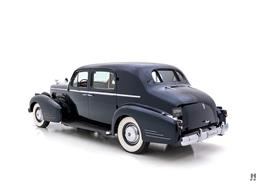
- Rare Fleetwood Two-Window Town Sedan coachwork on the 141-inch
Series 90 chassis
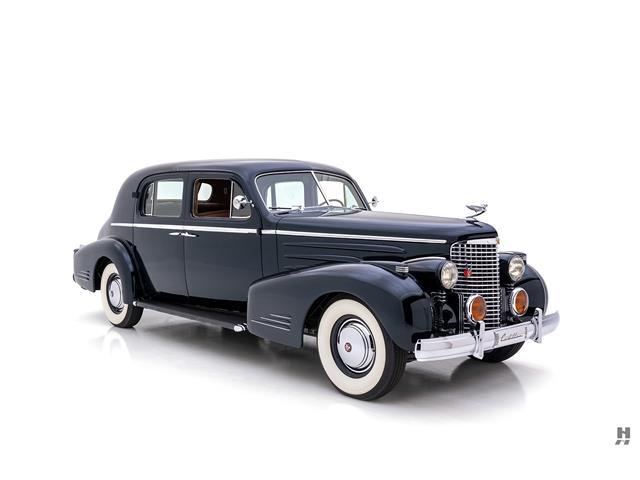
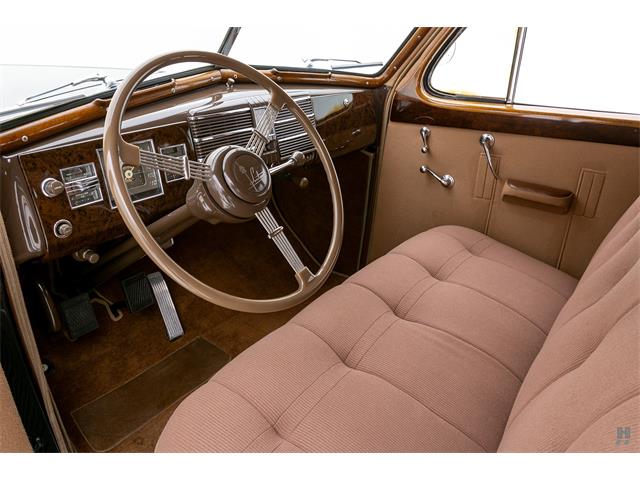
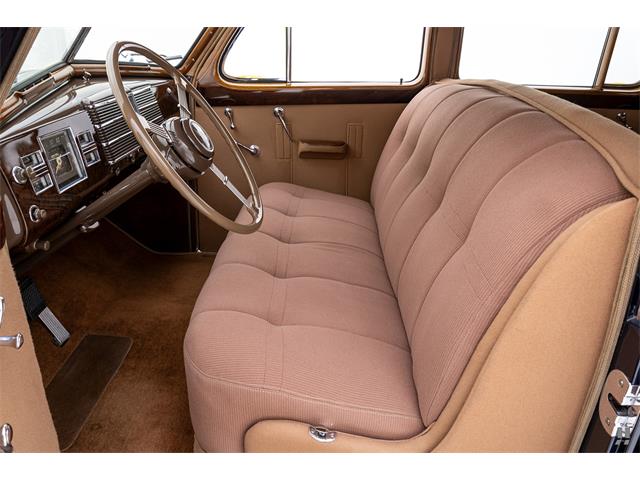
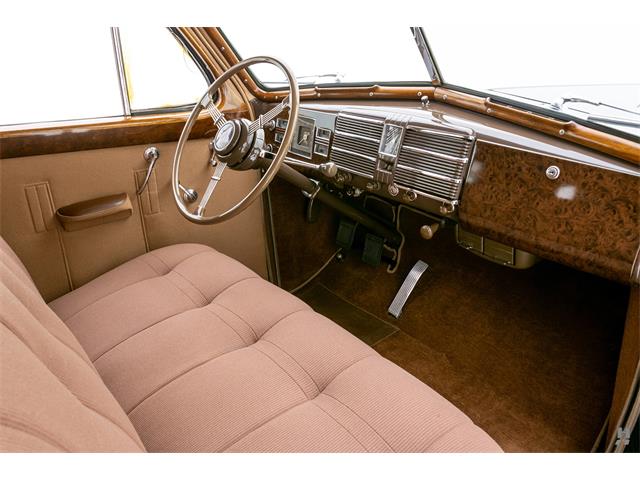
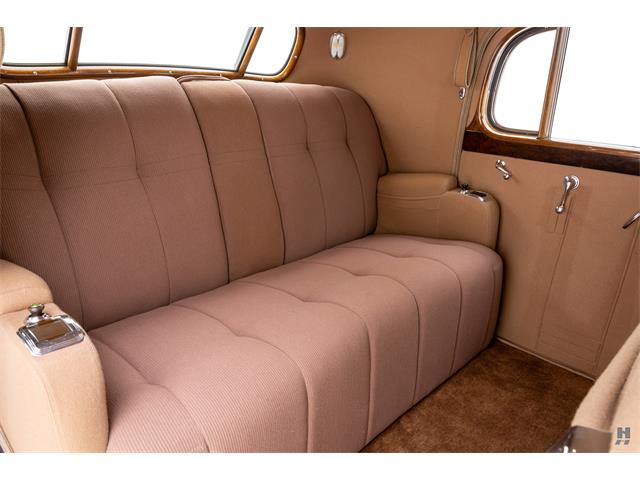
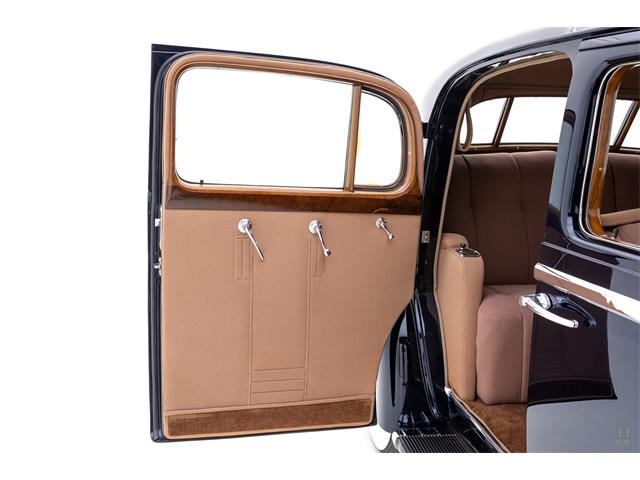
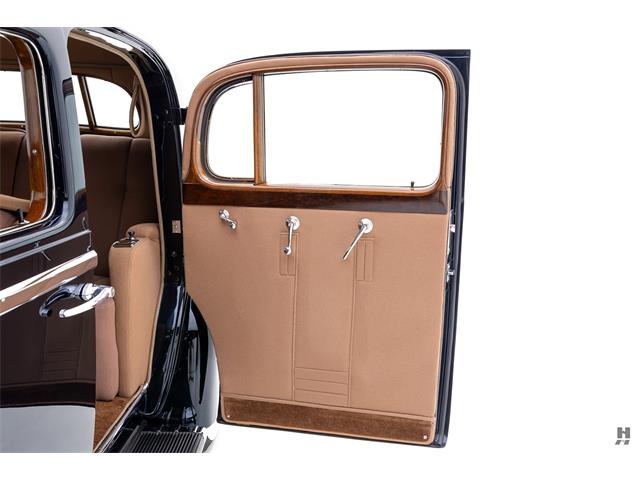
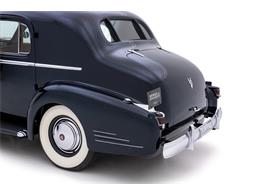
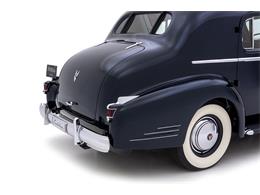
- Stunning Antoinette Blue over tan broadcloth with dual Lorraine
spotlights
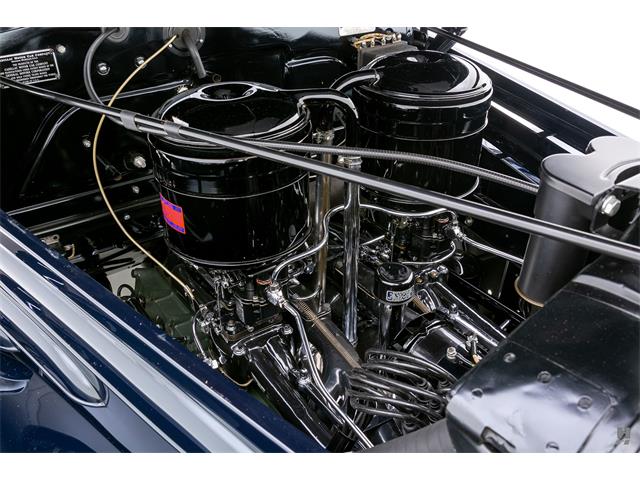
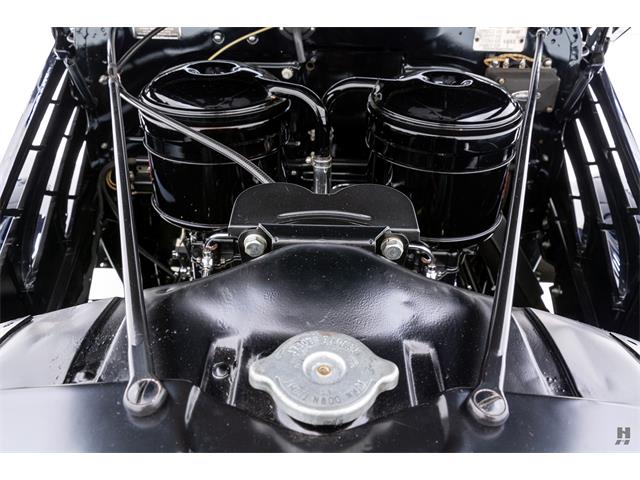
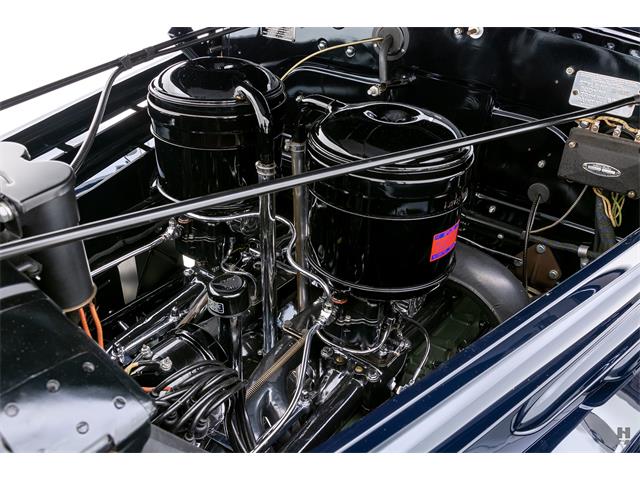
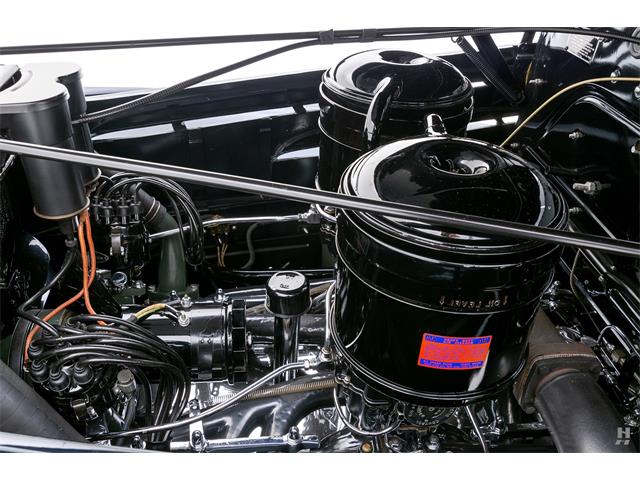
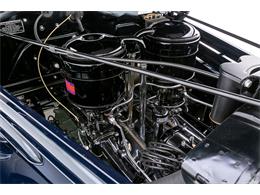
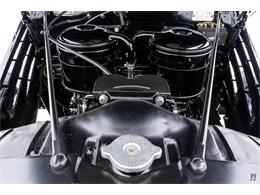
- Meticulous body-off restoration with exceptional chassis and
engine-bay detailing
- AACA National First Prize and Cadillac-LaSalle Club National
Senior First Prize winner
When Cadillac launched its flagship sixteen-cylinder Series 452 in
1930, America was staring down the barrel of an unprecedented
economic depression. In the first year of production, Cadillac
managed to sell 2,887 V16s - an impressive figure for such an
exclusive automobile. However, sales dropped immediately afterward
and continued their downward trend throughout the model's nine-year
production run. By 1937, sales of the V16 had sunk to just 49 cars.
General Motors remained committed to keeping Cadillac 'The Standard
of the World,' and the V16 was an effective marketing tool despite
its low production.
GM needed to revitalize its most prestigious model, and for the
1938 model year, Cadillac introduced an entirely new flagship
Sixteen (now named Series 90), with a redesigned engine, chassis,
and body. The 1938 Series 90 ushered in Cadillac's
second-generation V16 engine. Owen Nacker's original V16 was a
brilliant and ambitious piece of engineering, and while it was
exceptionally refined, it was also massively complex. Cadillac's
new V16 was a simplified yet effective L-head, monobloc design with
a 135-degree V-angle and square bore/stroke. The new engine was
considerably less expensive to produce, with 1,627 individual parts
compared to 3,273 for the original, and at 1,050 pounds, it was
about 250 pounds lighter. Cadillac engineers accomplished all of
this without sacrificing output, as the new engine was rated at 185
horsepower at 3,600 RPM.
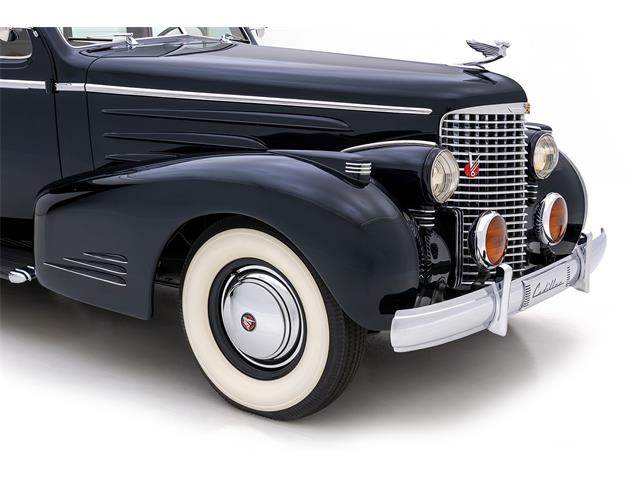
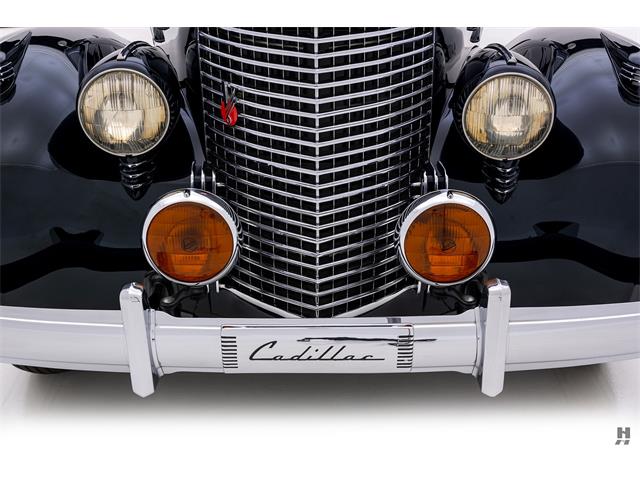
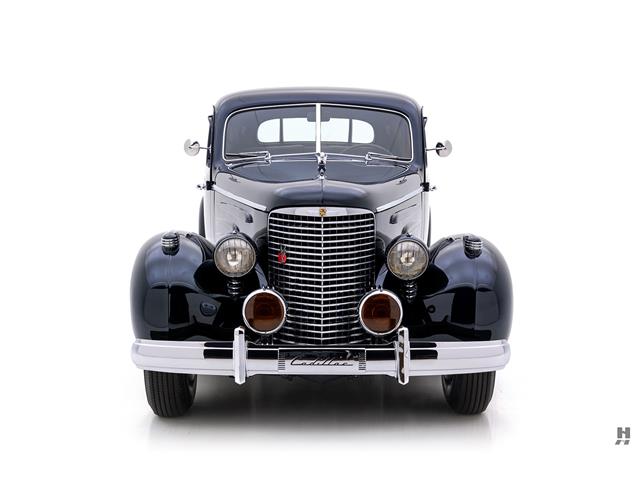
Fleetwood was the primary coachbuilder for Series 90 production
bodies. The styling fully embraced the Streamline Moderne era, with
bullet headlamps mounted on pontoon fenders and side-mount spares
concealed beneath metal enclosures. GM's Art and Colour Section,
still under the direction of Harley Earl, took full advantage of
the grand 141-inch wheelbase chassis, with graceful and elegant
forms and finely judged art-deco details. The new car was
well-received, and sales improved for 1938, yet still, Cadillac
built just 311 of the Series 90 that year, and the magnificent
V16's days were numbered.
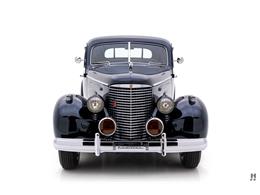
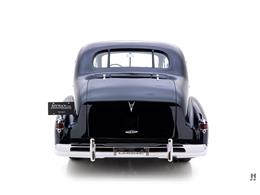
This grand and imposing Cadillac is one of just twenty 1938 Series
90 V16s fitted with Fleetwood's "Two Window" Town Sedan body. The
initial owner acquired this elegant motorcar from the Chaplin Motor
Company of Portland, Maine, and V-16 historian Chris Cummings noted
later ownership by the esteemed Cadillac historian, Ron Van
Gelderen. Subsequently, this Cadillac found a dedicated caretaker
in longtime Cadillac-LaSalle Club member Richard Taylor of
Pennsylvania before becoming part of a significant private
collection in 2004.
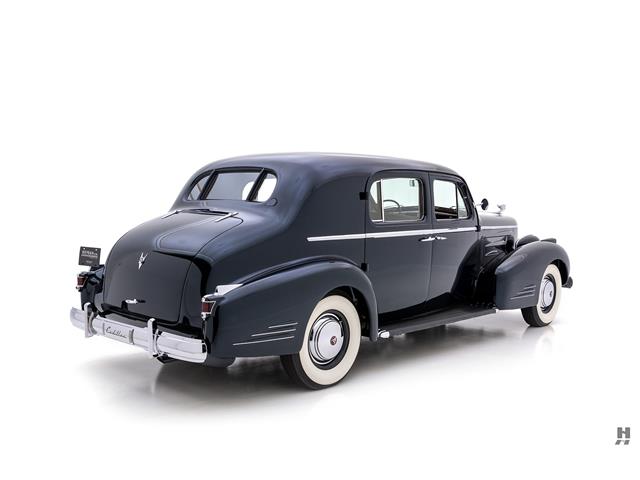
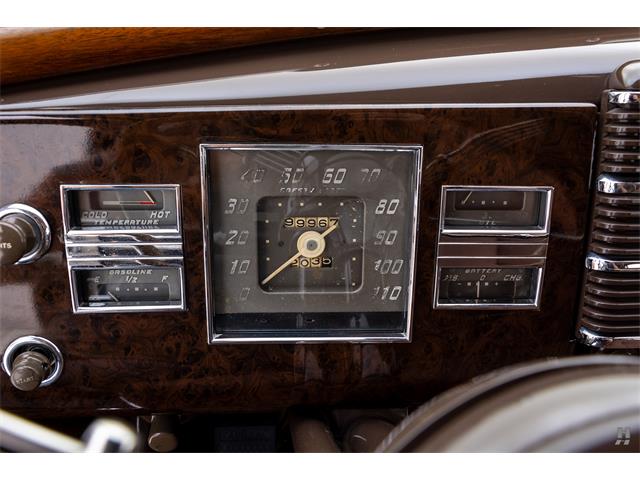
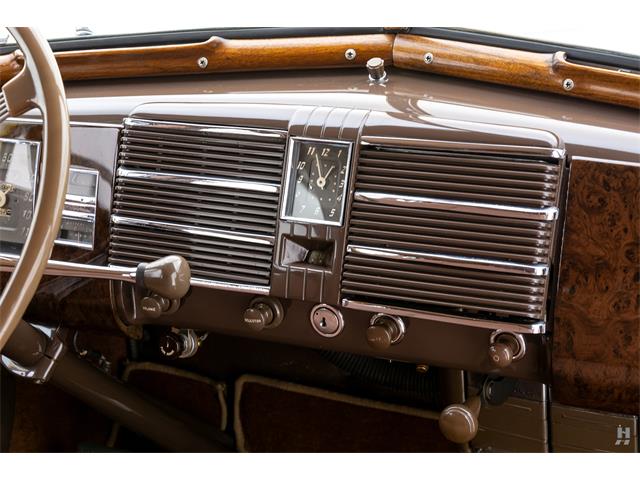
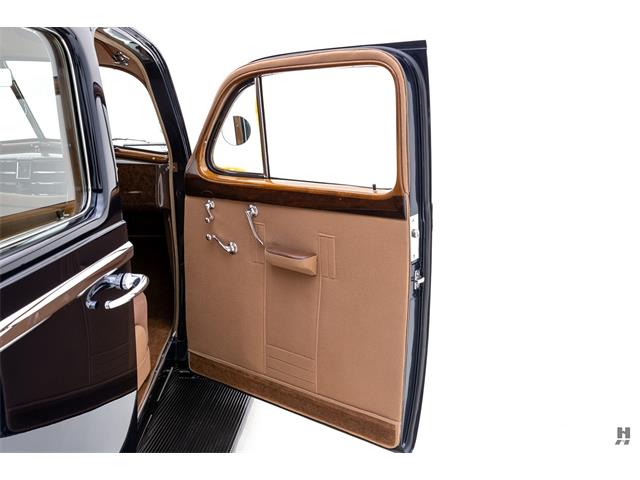
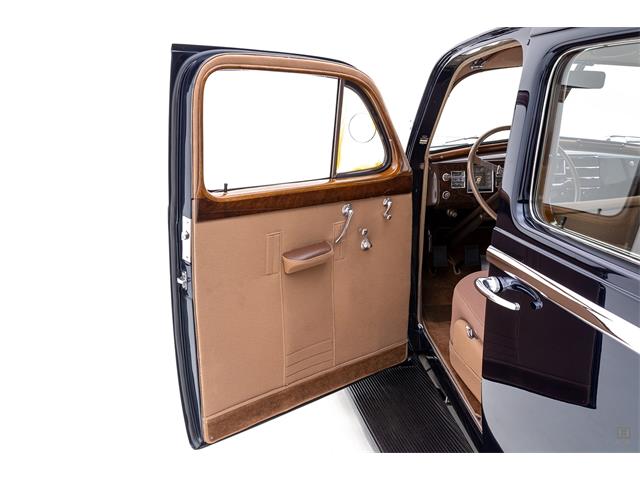
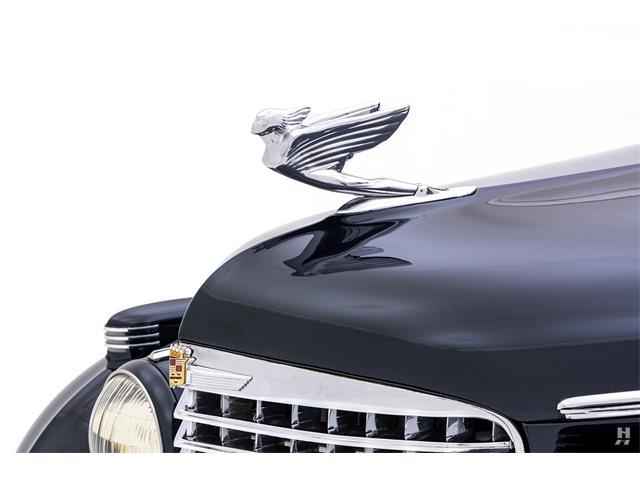
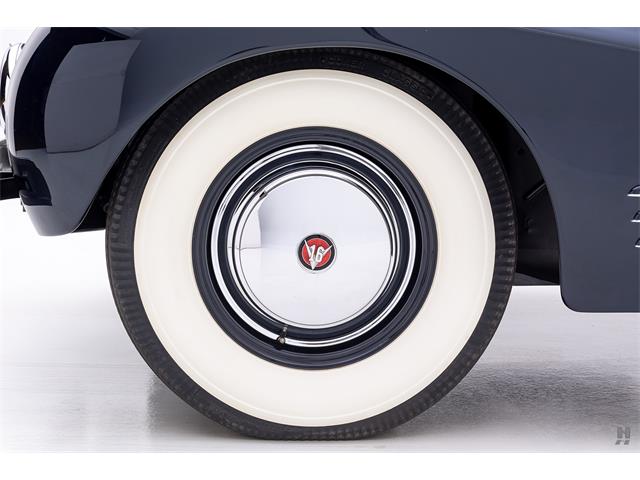
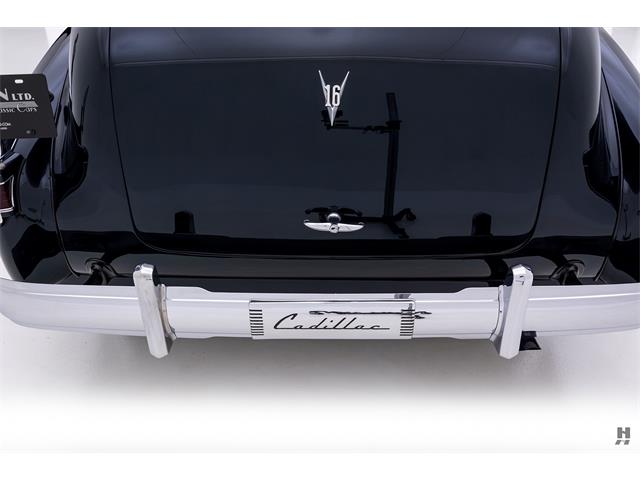
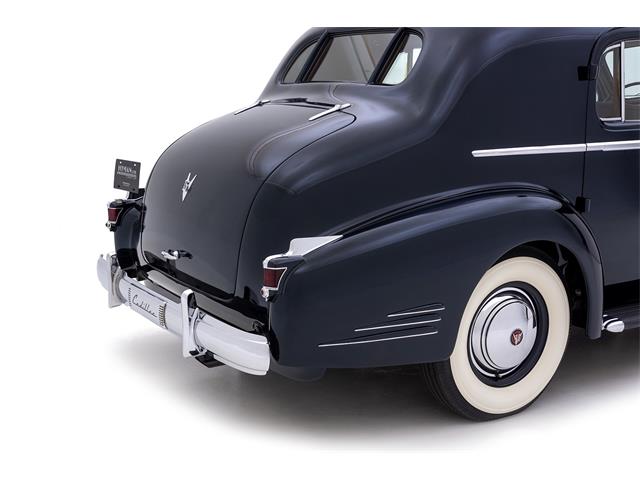
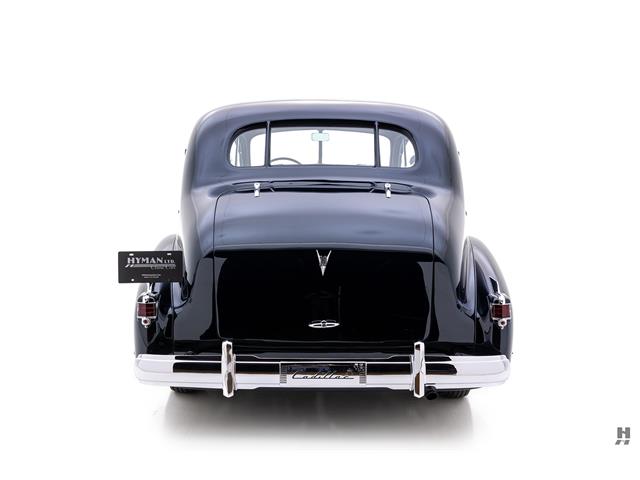
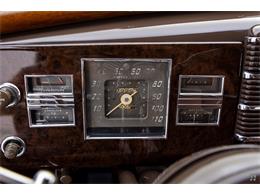
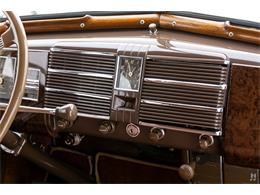
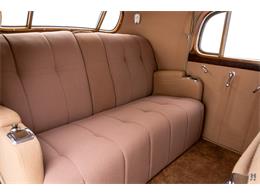
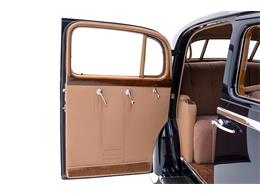
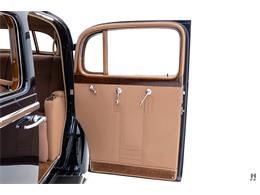
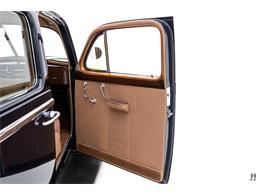
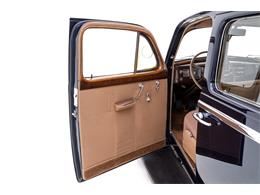
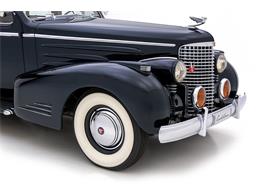
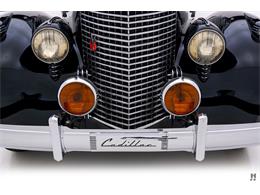
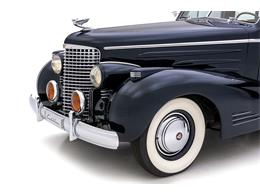
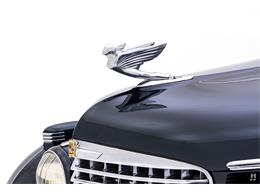
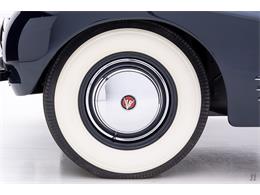
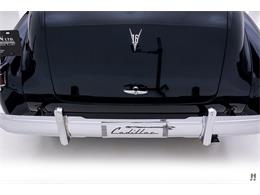
The Cadillac is presented in outstanding condition, with a quality
that is equally suited to the concours field or touring the open
road. The deep Antoinette Blue paintwork is beautifully finished
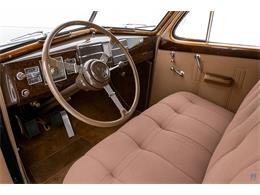
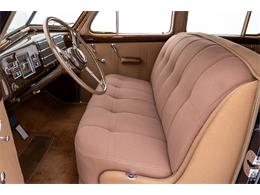
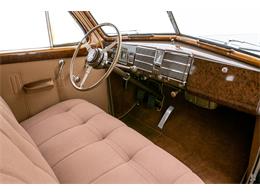
and is complemented by excellent brightwork, and a richly appointed
tan broadcloth cabin. Adorned with dual Lorraine spotlights and a
host of intricate trim details characteristic of these meticulously
designed vehicles, this Cadillac remains in remarkable overall
condition, bearing only minor signs of aging and use. A closer look
reveals a meticulous body-off restoration, with painstaking
attention paid to the chassis, including the overhaul of all
hardware. New lines, gas tank, and exhaust were thoughtfully
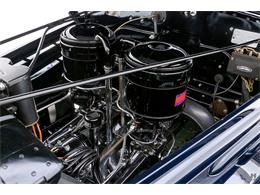
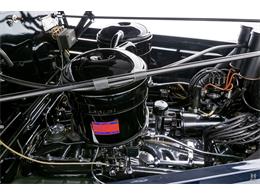
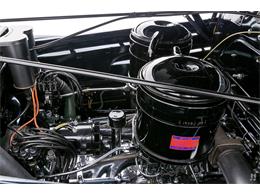
fitted, and the engine compartment was masterfully restored.
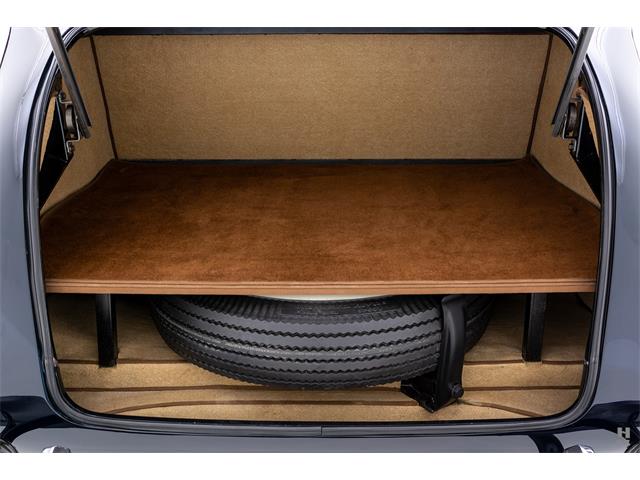
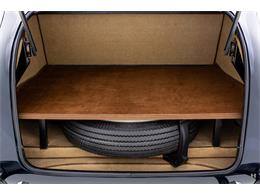
Notably, all glass retains its proper etching, including front and
rear vent windows. The trunk houses a tool roll, lug wrench, spare
wheel and tire, along with impeccably bound canvas-covered hogs
hair carpeting.
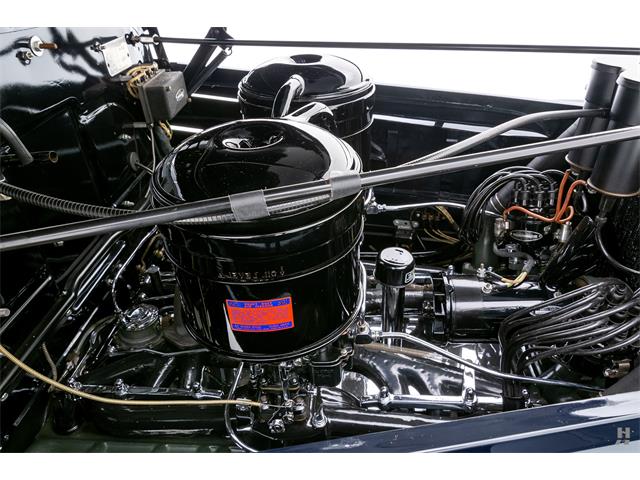
The L-Head V16 is a very different animal from the previous OHV
version. Whereas the early models featured enameled valve covers
and decorative shrouds to hide extraneous wiring and plumbing,
there's no such need on the second-generation V16. The unique
135-degree V-angle means the engine sits very low in the chassis
and is largely hidden by the fenders and side panels. Two downdraft
carburetors feed the individual banks, and twin oil-bath air
cleaners dominate the engine bay.
An award winner, this Cadillac has earned the coveted AACA National
First Prize and CLC National Senior First Prize and is ready to
garner more awards. Whether on the show field or the road, this
stunning example of Cadillac's late-30s masterpiece is ready to
take pride of place in your collection.
Offers welcome and trades considered.