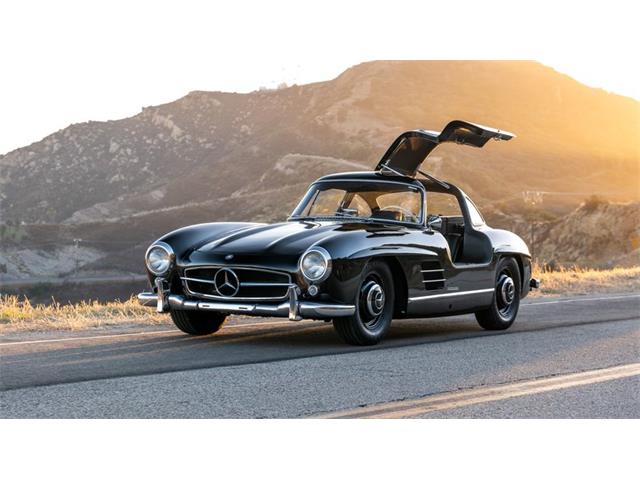
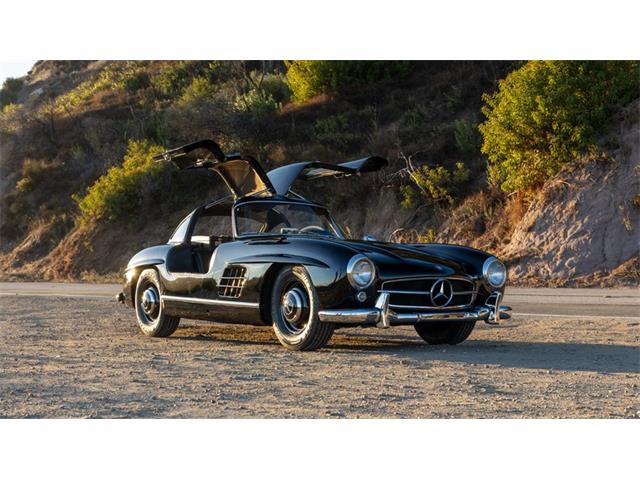
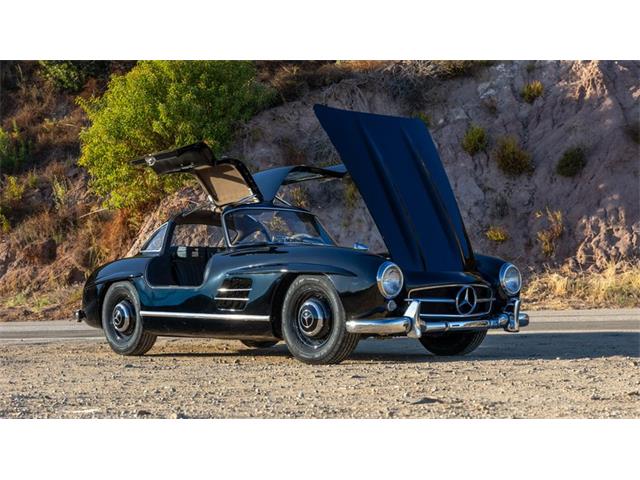
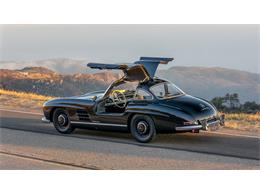
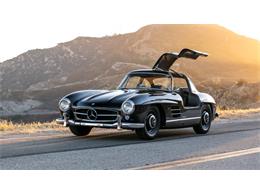
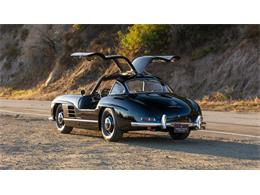
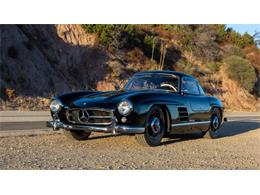
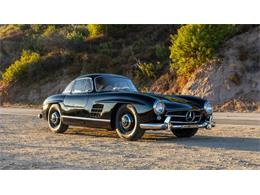
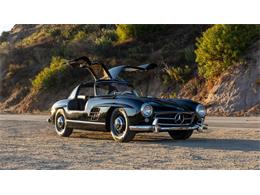
The Mercedes-Benz 300 SL Gullwing traces its origins to the
competition-proven W194 coupe which was developed in the years
after World War II to reassert the marque's motorsport leadership
against its European rivals. Chief engineer Fritz Nallinger, test
department manager Rudolf Uhlenhaut, and construction engineer
Joseph M�ller led its development. The W194 introduced an
exceptionally rigid, lightweight tubular spaceframe weighing
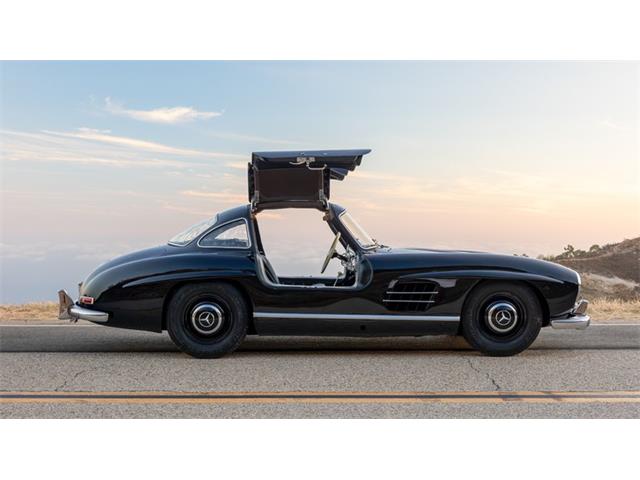
roughly 154 pounds. The high structural side members of that frame
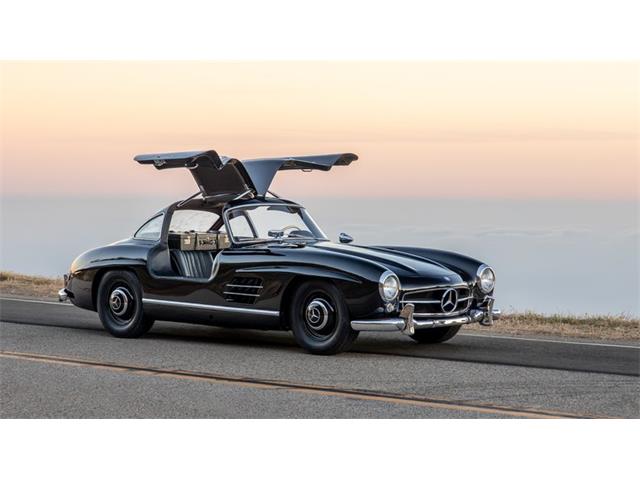
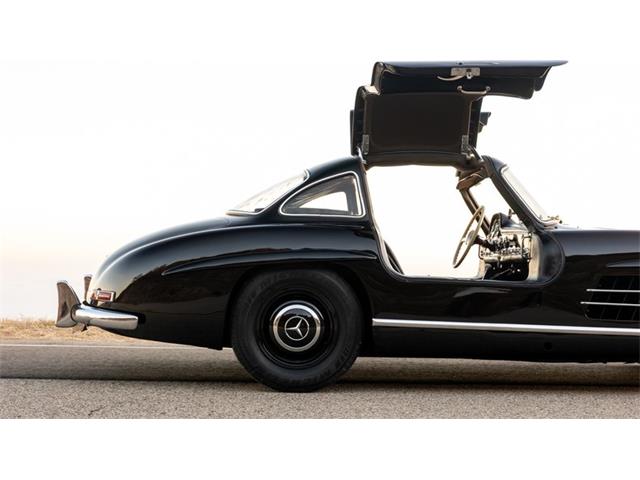
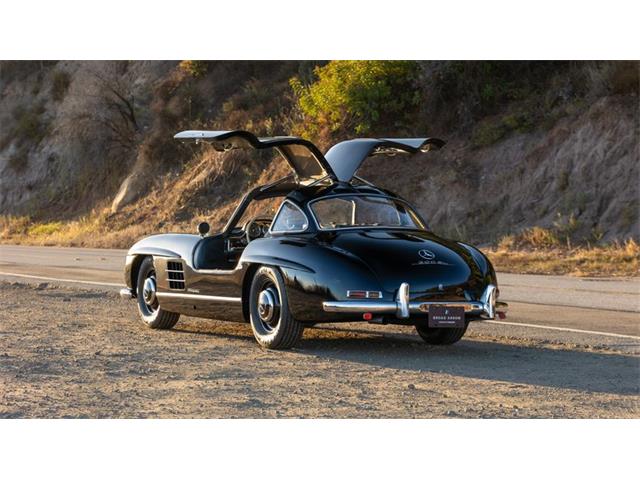
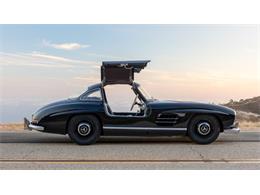
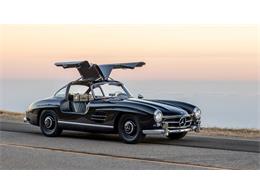
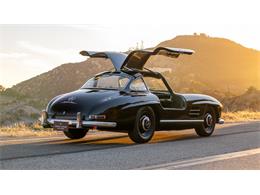
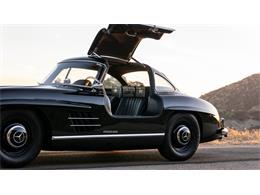
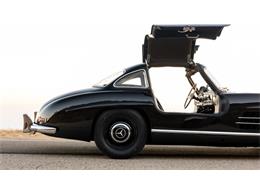
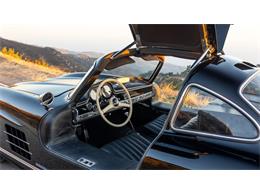
made conventional doors impractical, with this constraint giving
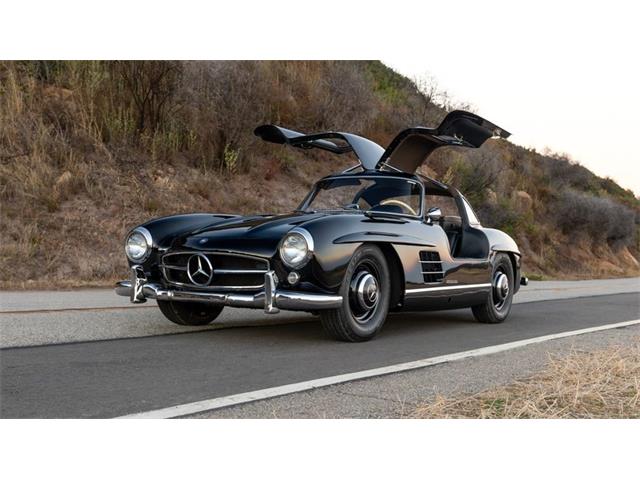
rise to the roof-hinged doors that became the model's Gullwing
signature. The W194 backed up its engineering with race proven
results. It took second at the Mille Miglia, won the Grand Prix of
Bern in Switzerland, and finished first and second at the 24 Hours
of Le Mans in 1952. Those looks and results caught the attention of
American distributor and importer Max Hoffman, who championed a
road-going version for the United States market.
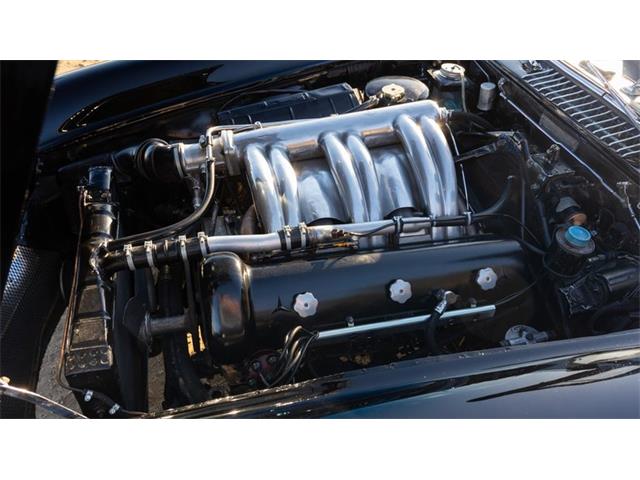
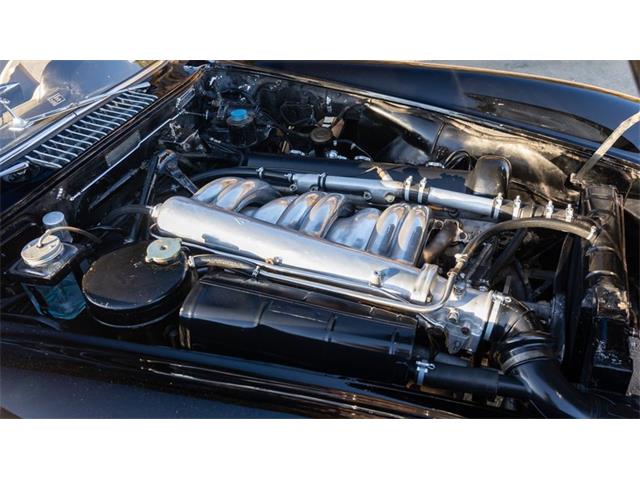
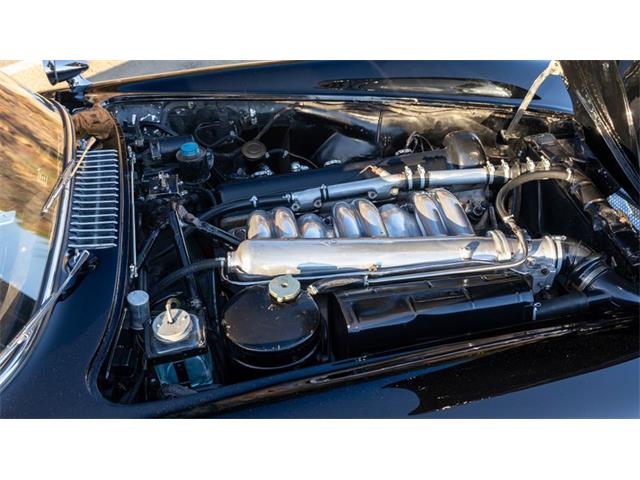
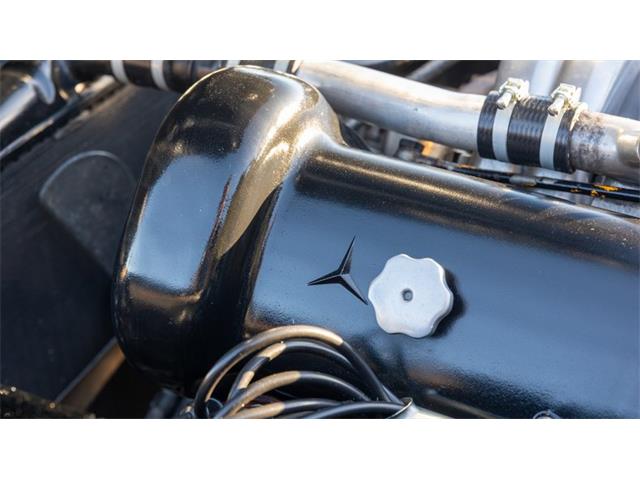
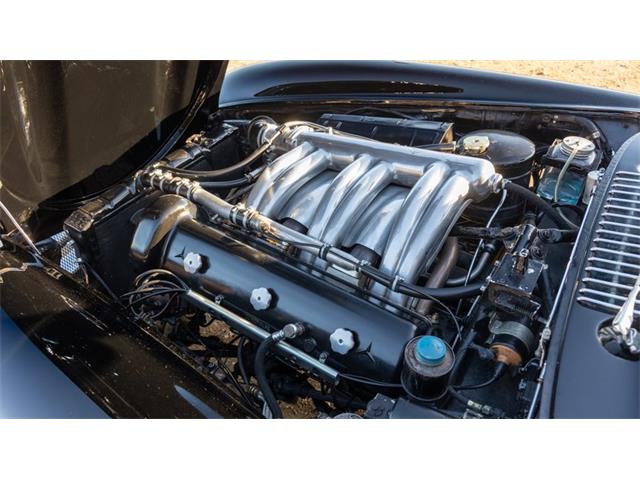
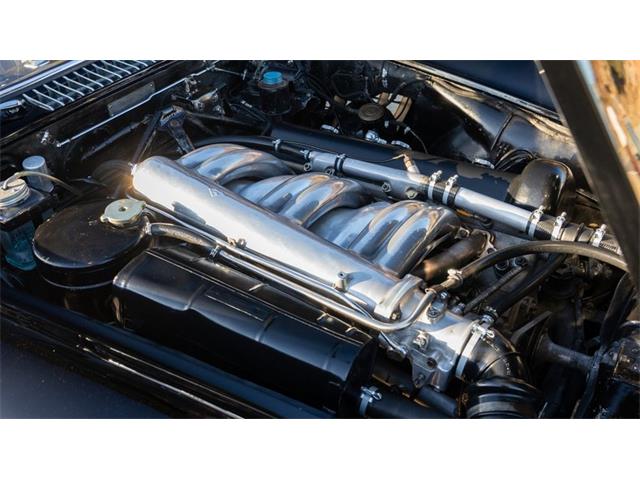
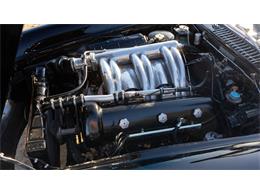
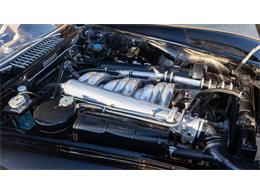
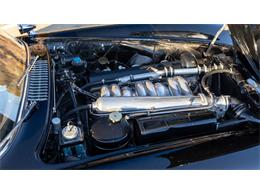
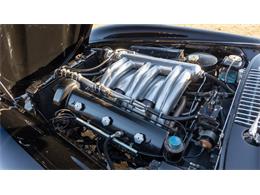
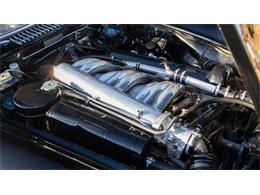
The production 300 SL Coupe, introduced in 1954, adopted Bosch
mechanical direct fuel injection. The system added roughly 25
horsepower over the carbureted racing engine, bringing output to
240 horsepower. The 3.0-liter M198 inline six was tilted 50 degrees
to allow a lower hood line and improve aerodynamics. Dry-sump
lubrication supported sustained high-speed running. At roughly
2,870 pounds, the 300 SL could reach speeds approaching 161 mph
depending on the rear axle ratio selected. That combination made it
the fastest production sports car built in Germany at the time.
Just 1,400 Gullwing coupes were built between 1954 and 1957 before
Mercedes-Benz replaced the model with the open 300 SL Roadster. The
great majority of them, including this car, found homes in the
United States, cementing the marque's return to prominence in the
postwar American market hungry for modern sports cars.
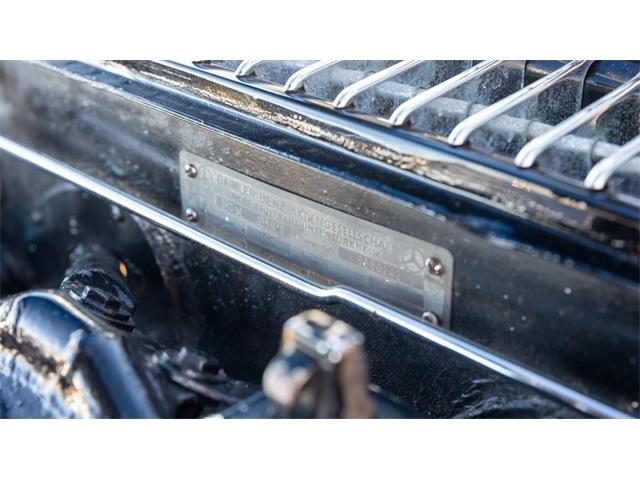
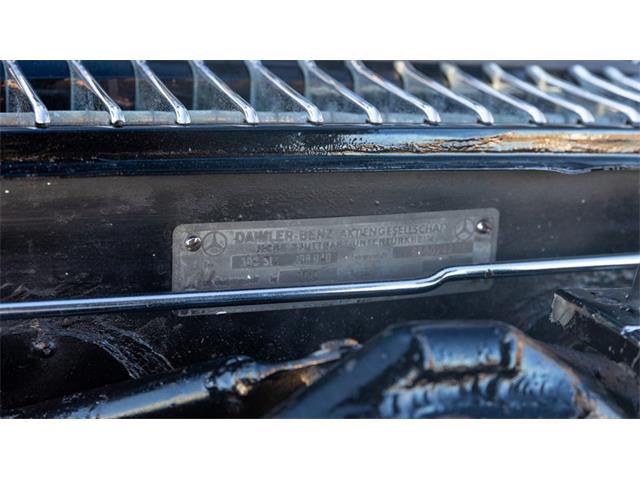
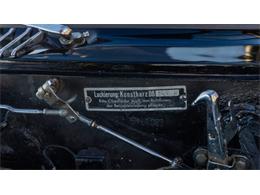
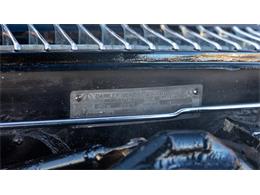
This example was ordered under commission number 806 344 with an
export designation, destined for the Mercedes-Benz distributor in
Los Angeles. It was finished in striking Hellblau Metallic (353), a
color specified on just nine 300 SLs that year and on only 67 of
the full 1,400-car production run. The car's rare exterior shade
was strikingly paired with a Red leather interior, with notations
for Sonderlackierung and Sonderpolsterung on the build sheet
confirming that both the paint and upholstery were special-order
factory choices rather than standard offerings. The car was further
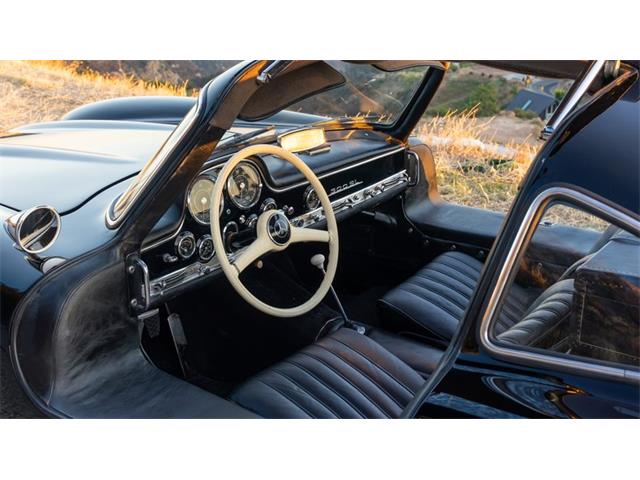
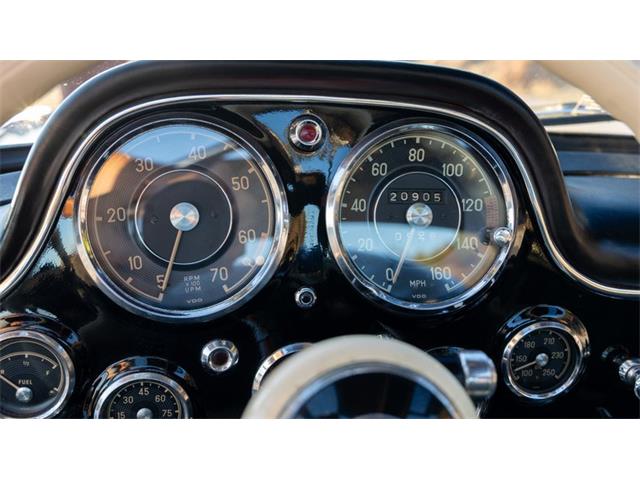
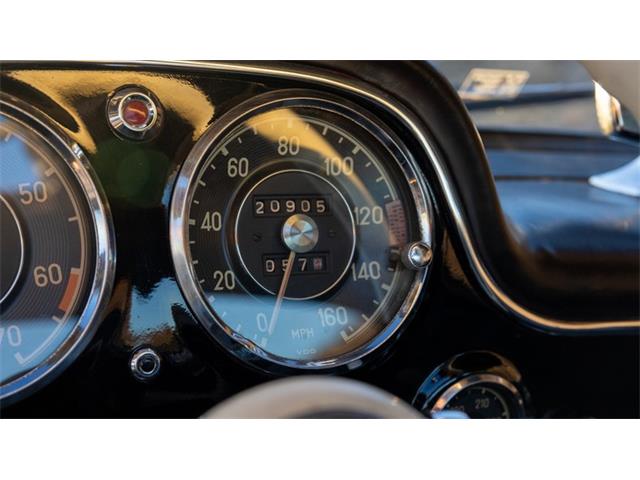
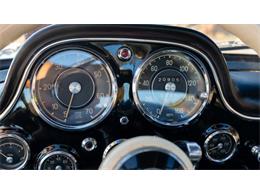
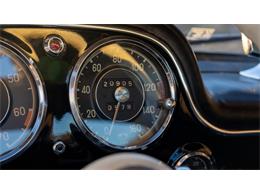
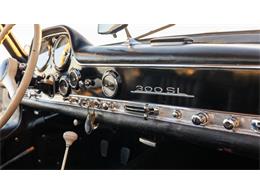
specified with a windshield washer, English-lettered instruments,
and a speedometer calibrated in miles to suit a 3.64-to-1 rear axle
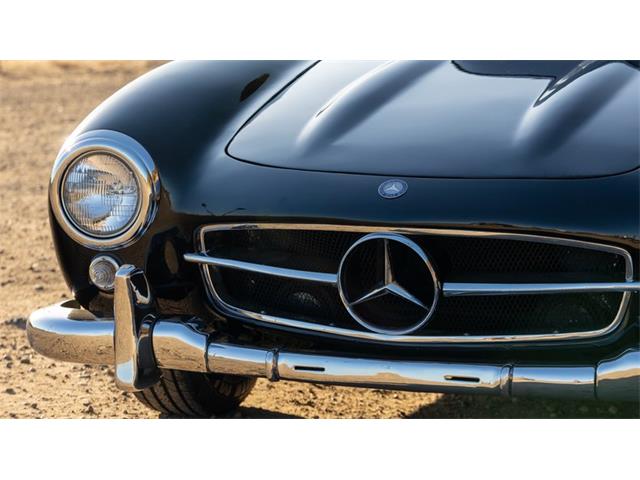
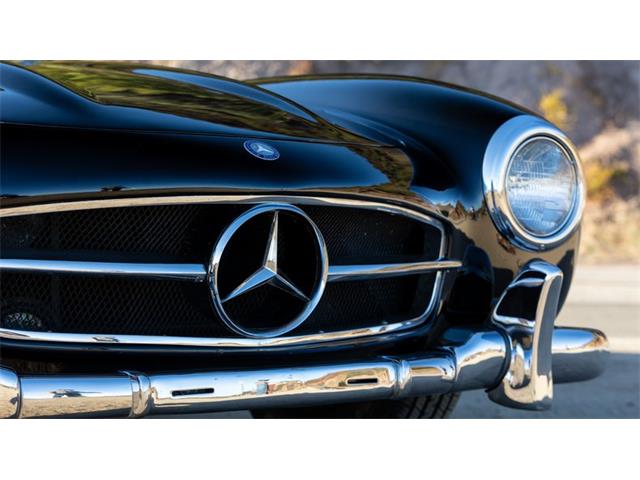
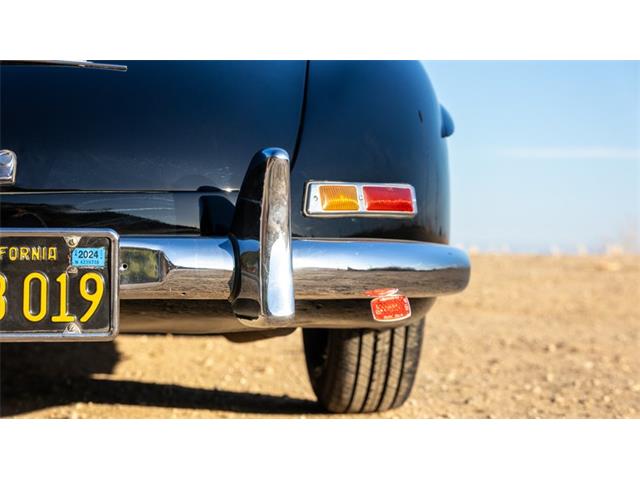
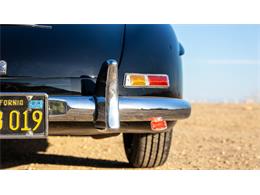
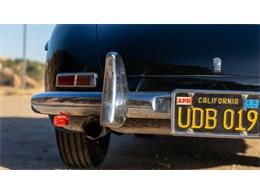
ratio. Sealed-beam headlights with a separate parking light, front
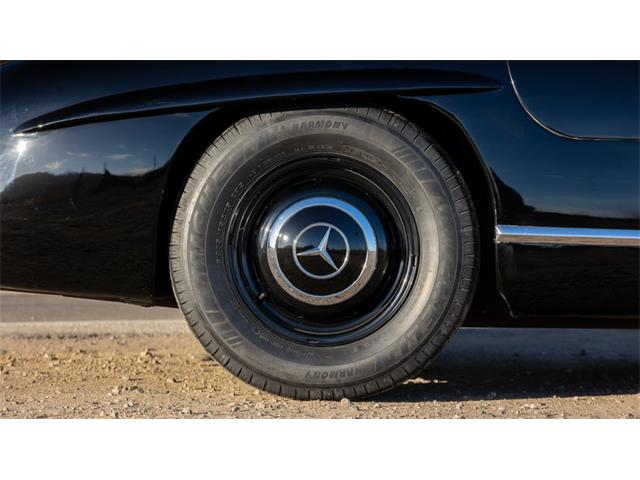
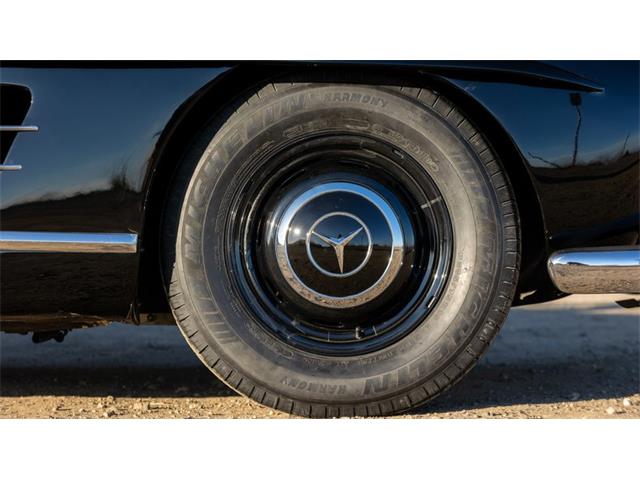
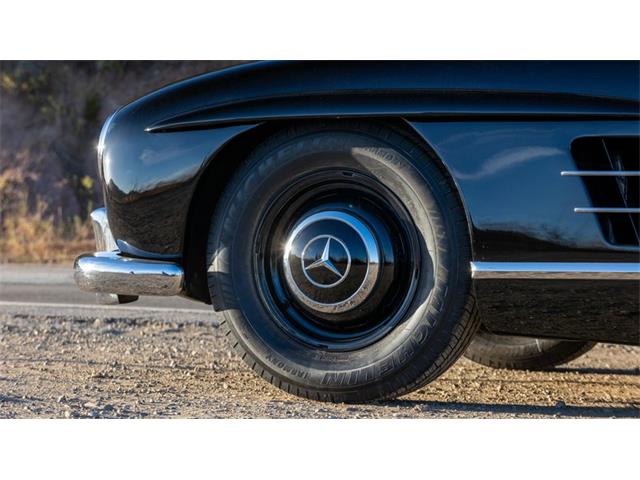
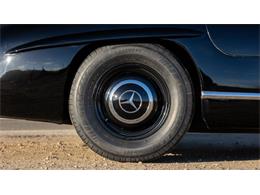
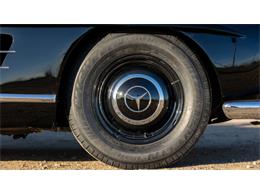
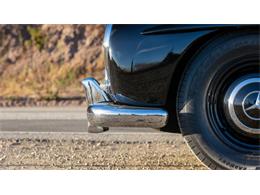
and rear bumper overriders, and chrome-plated disc wheels with
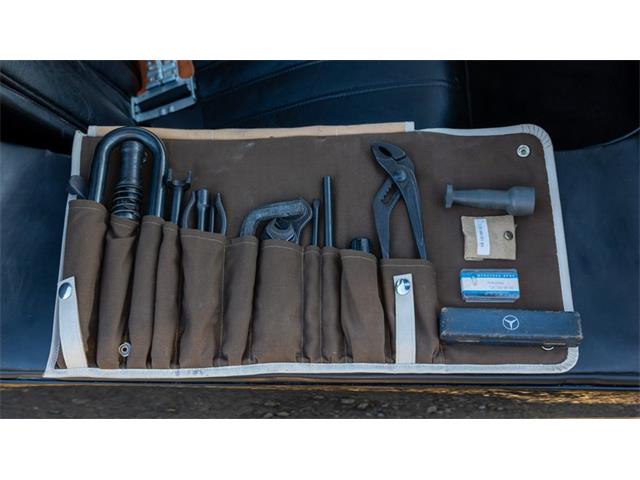
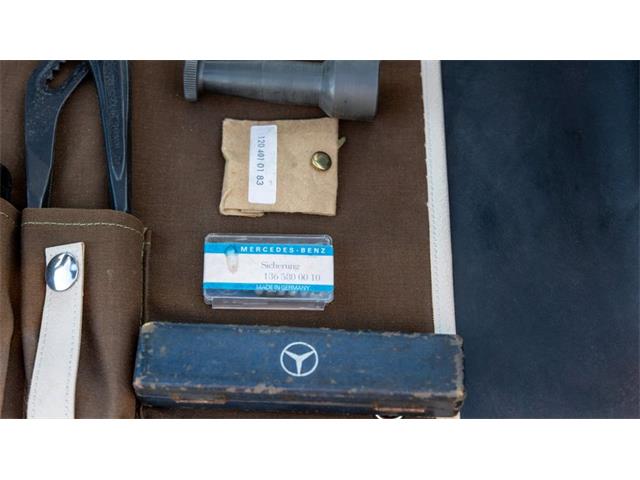
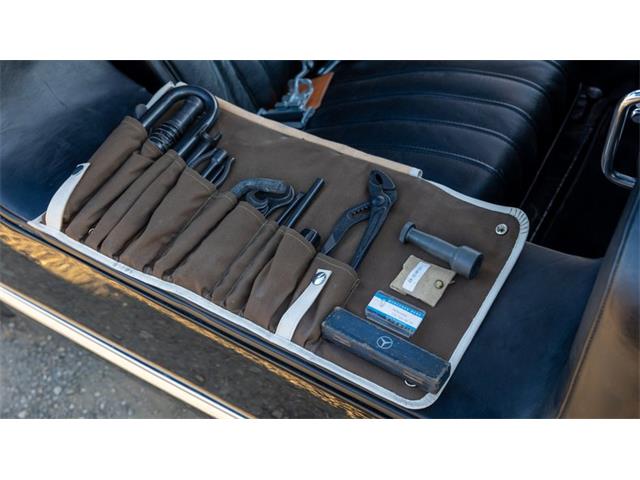
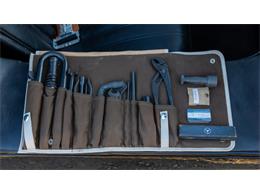
polished rims rounded out the detailed specification. A protractor
and wheel balancing weights, and a lightweight seaworthy shipping
crate were all packed loose inside the car for its transatlantic
journey. Given the rarity of the special paint selection, a
kilogram of touch-up paint was thoughtfully included as well.
Completed with just 71 miles on the odometer, the car left the
factory on 24 September 1956. It then crossed the Atlantic to its
new home in Southern California.
The Gull Wing Group's Registry documents an ownership history that
kept this car in California for the entirety of its known life.
Michael Gallagher, Maynard H. Lobell, and John Northcott Jr, all
Southern California residents, held the car in succession across
three ownership changes before it passed to the present owner
approximately two years ago.
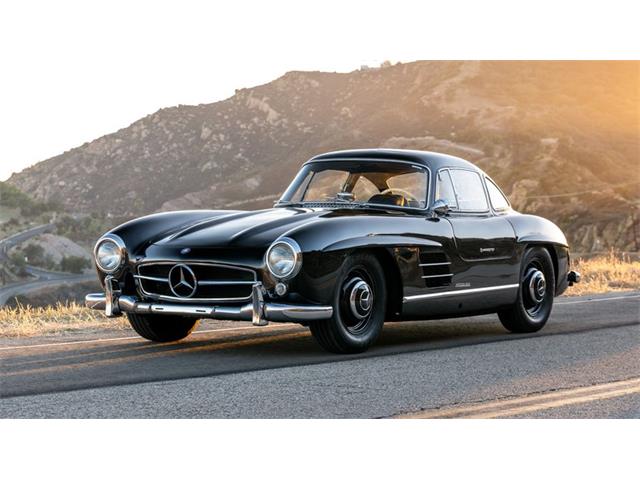
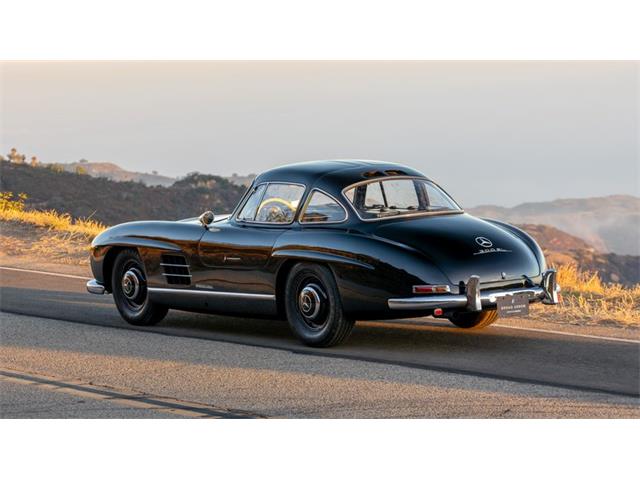
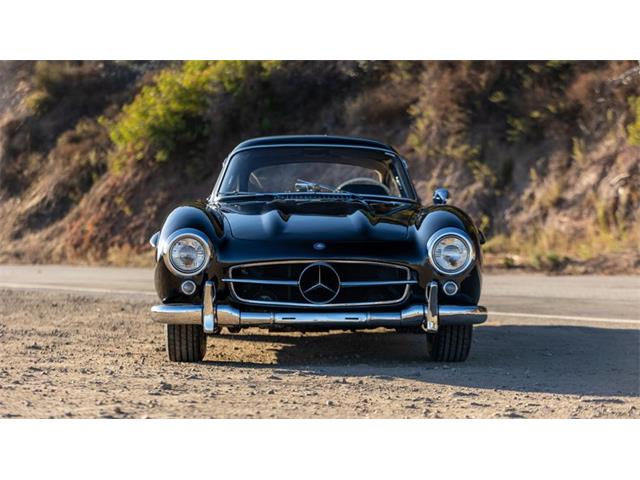
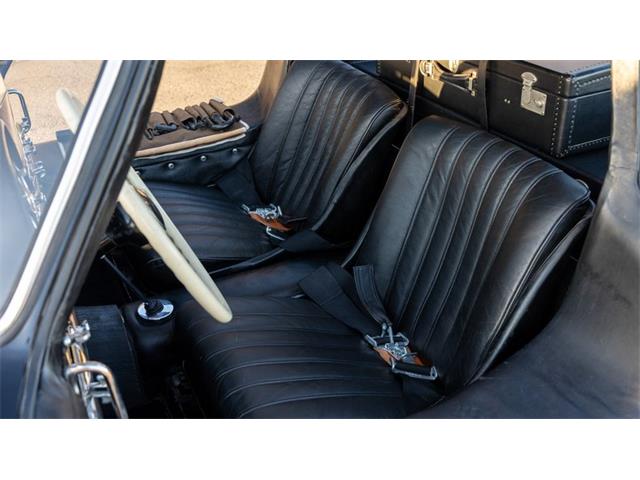
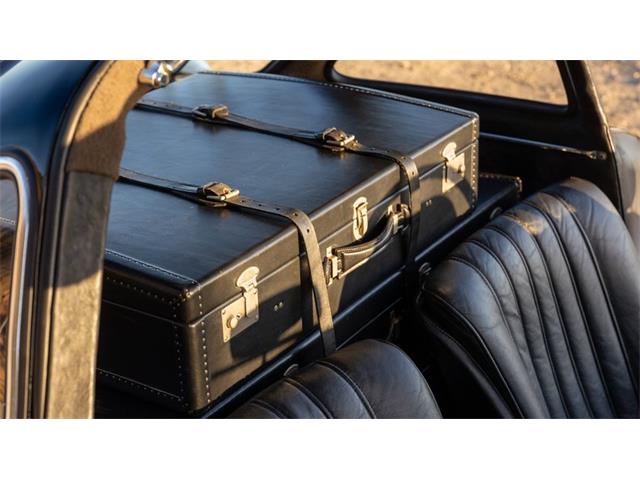
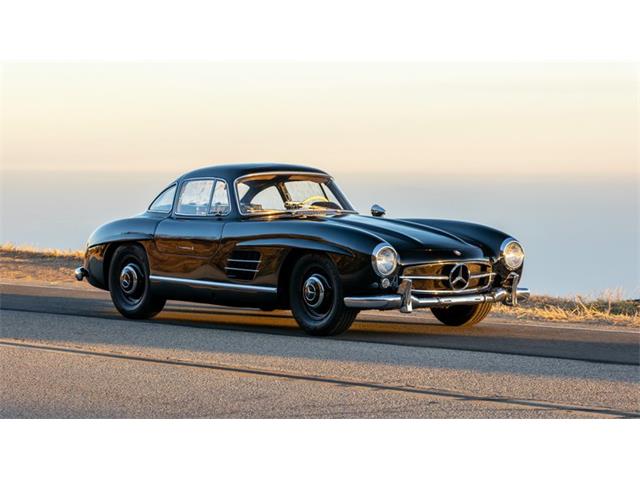
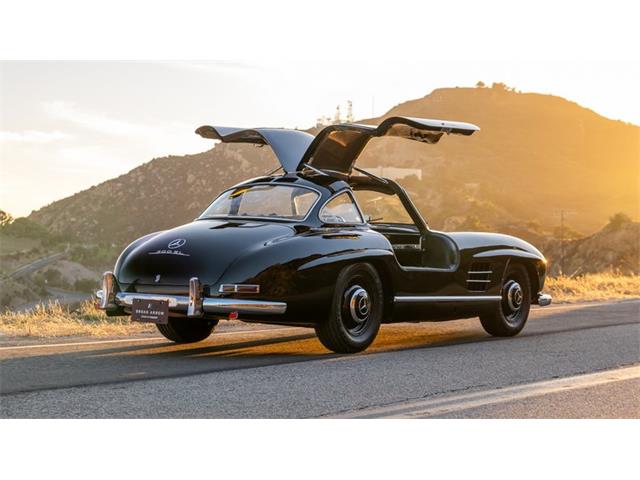
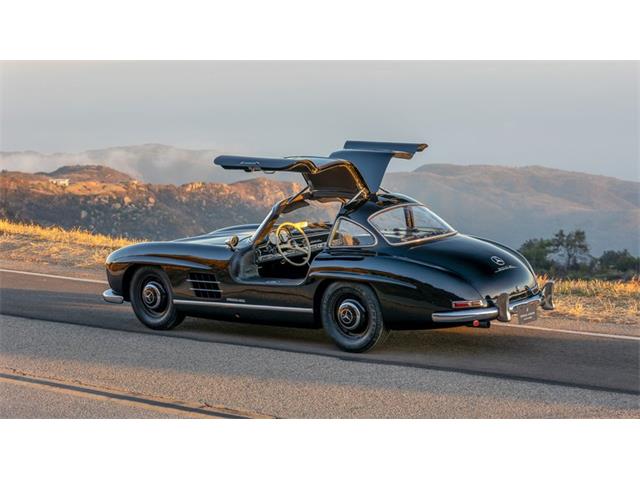
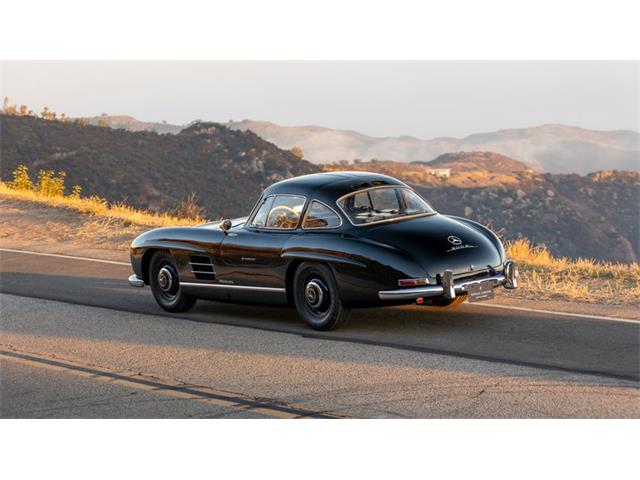
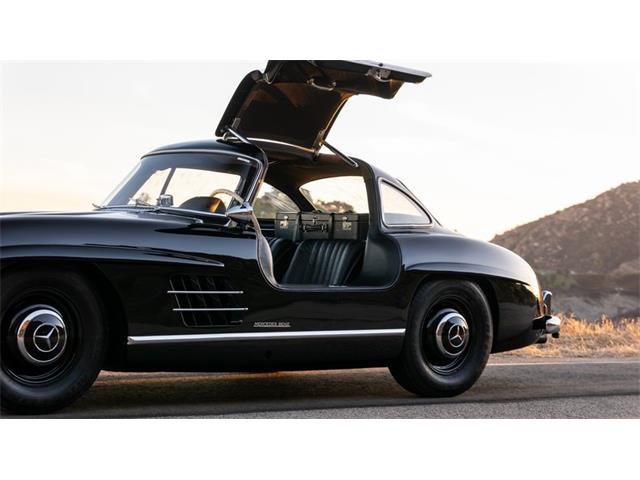
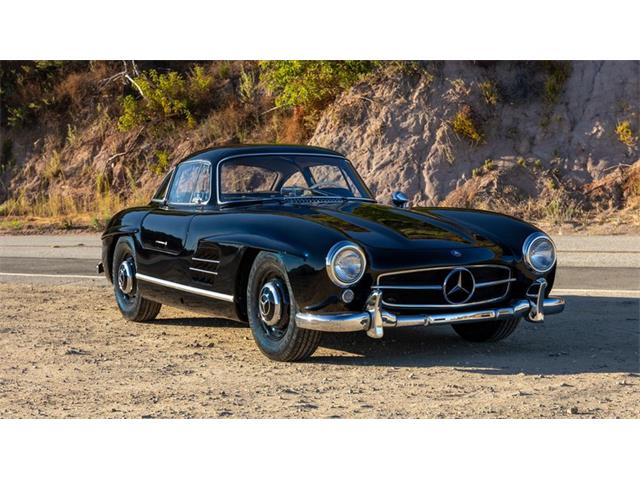
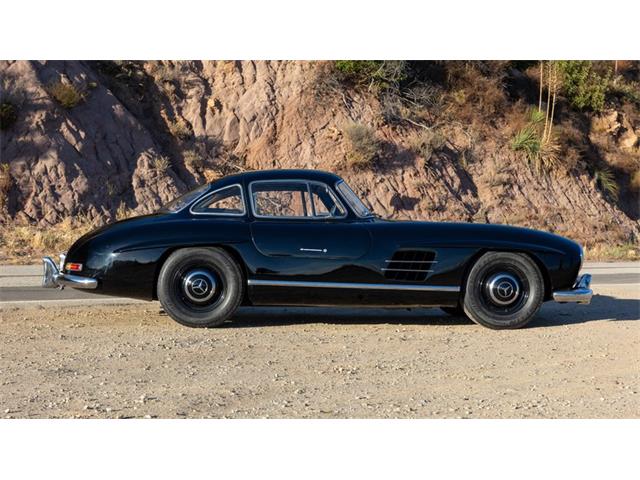
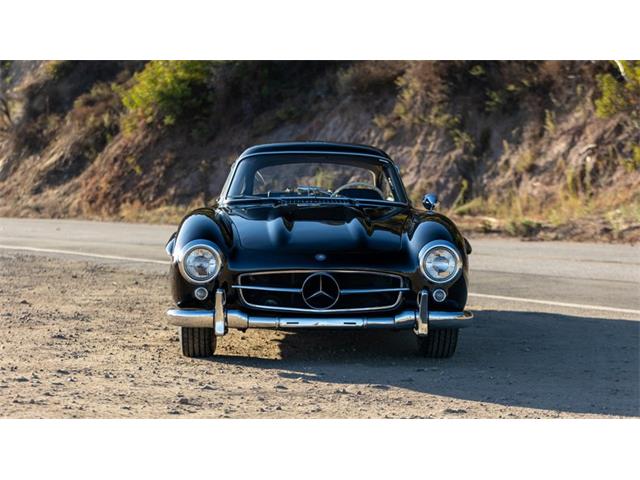
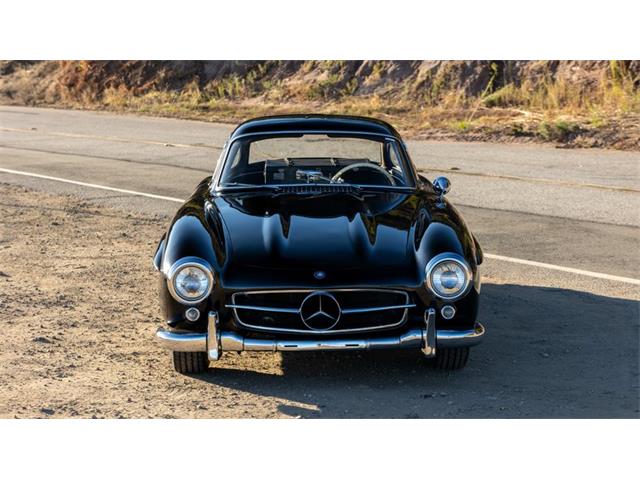
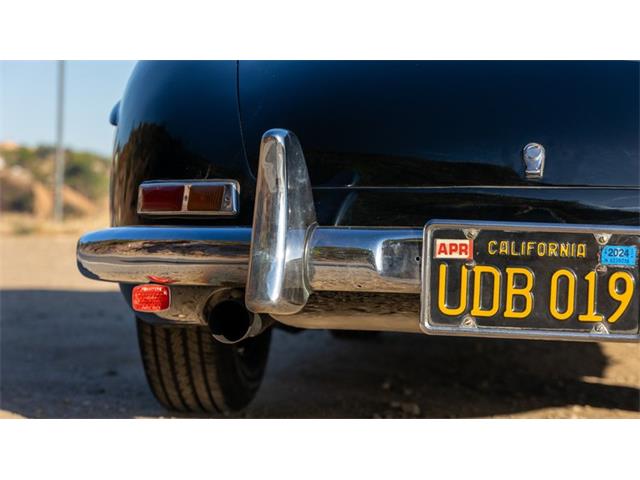
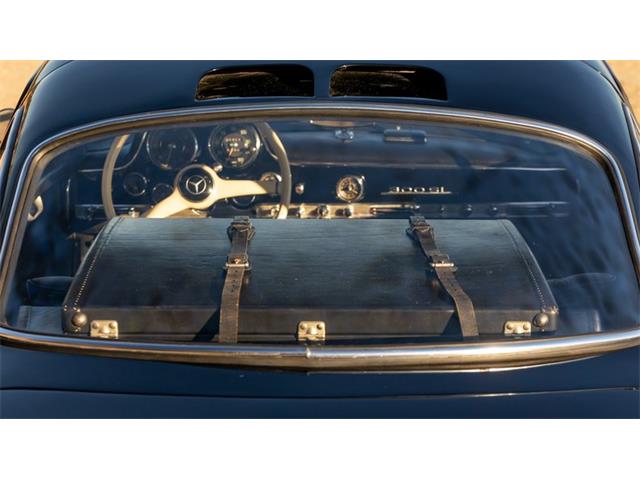
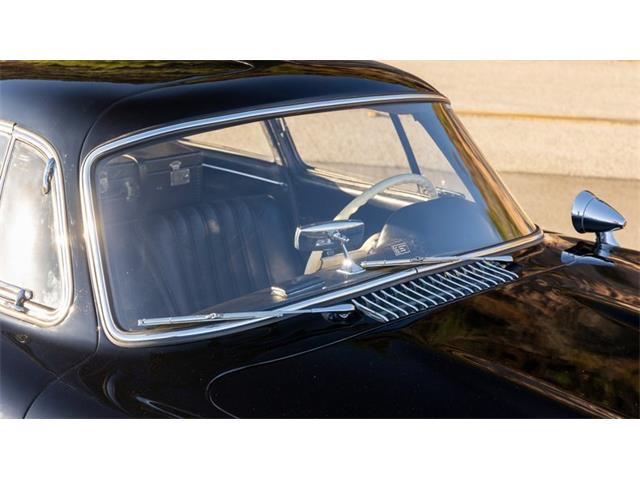
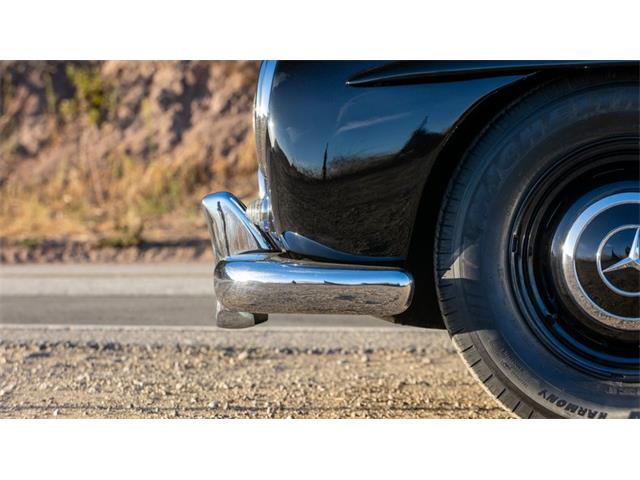
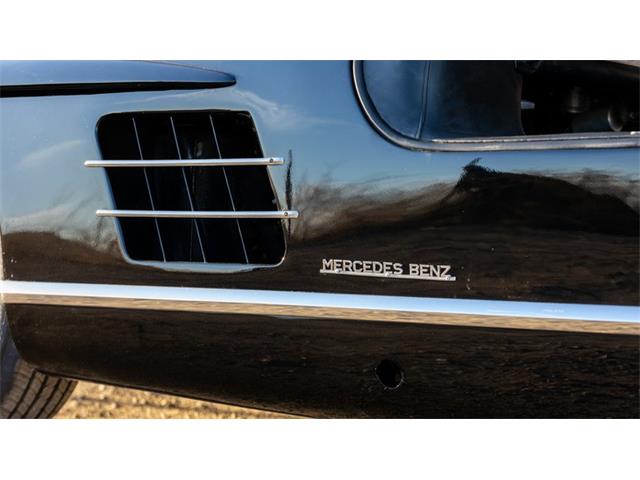
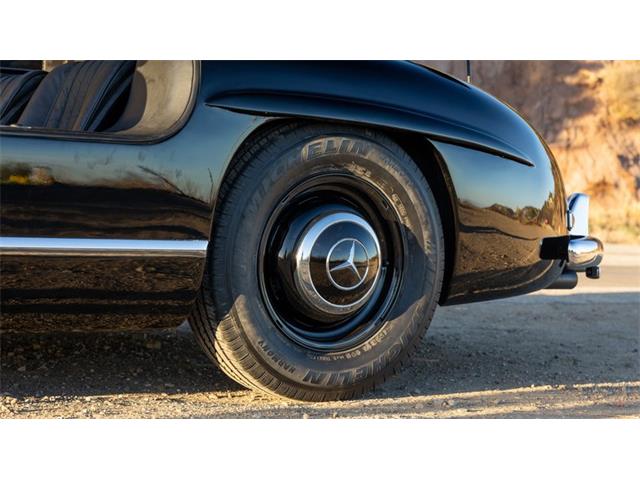
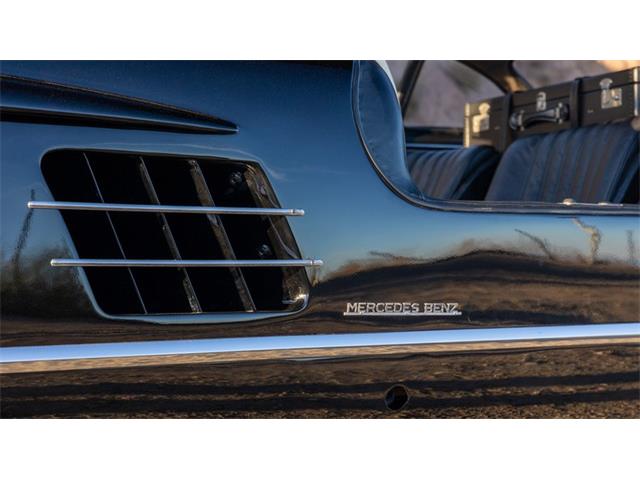
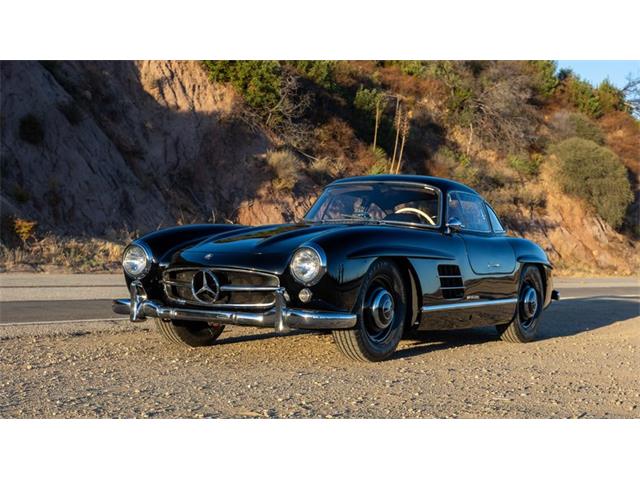
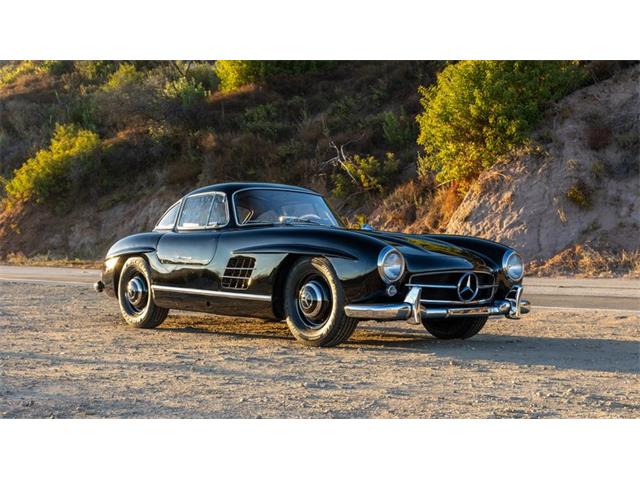
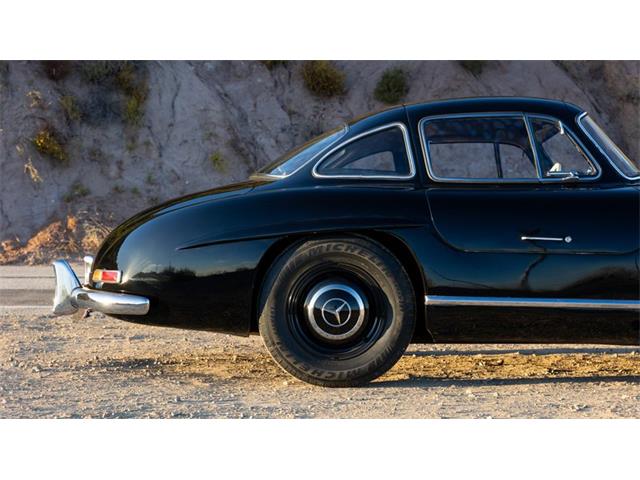
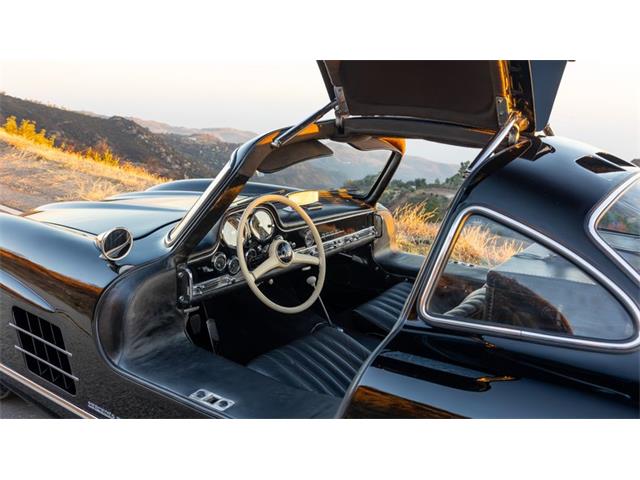
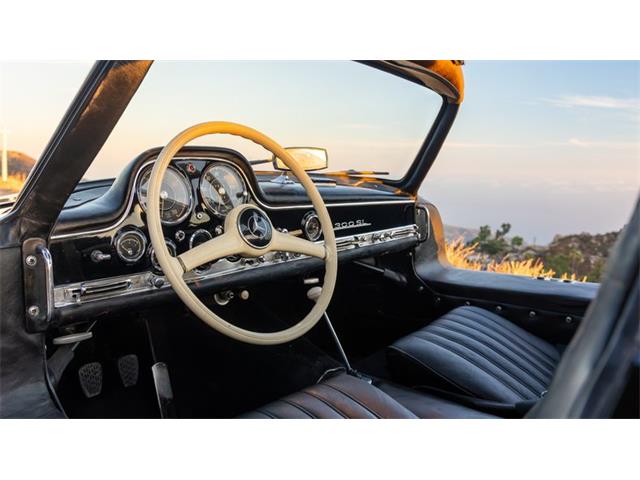
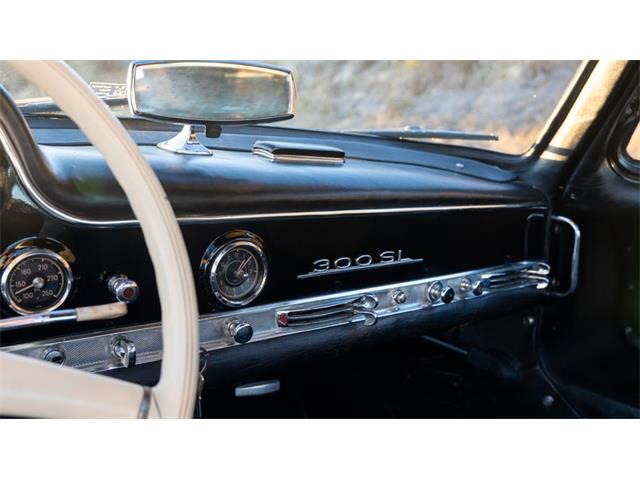
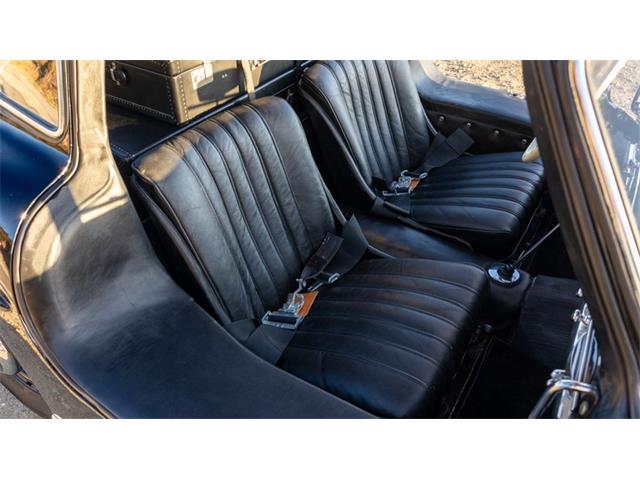
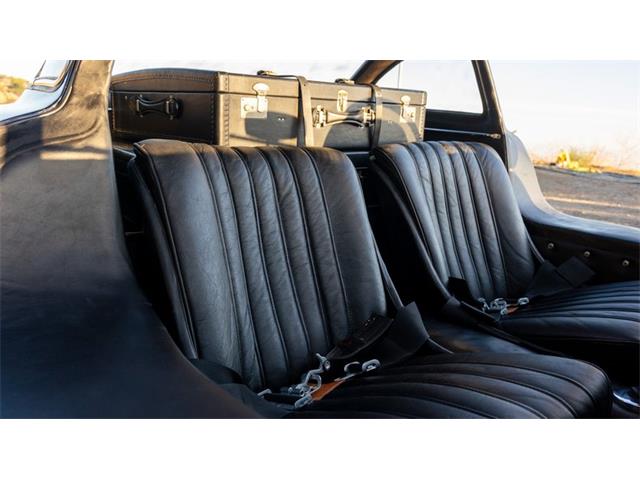
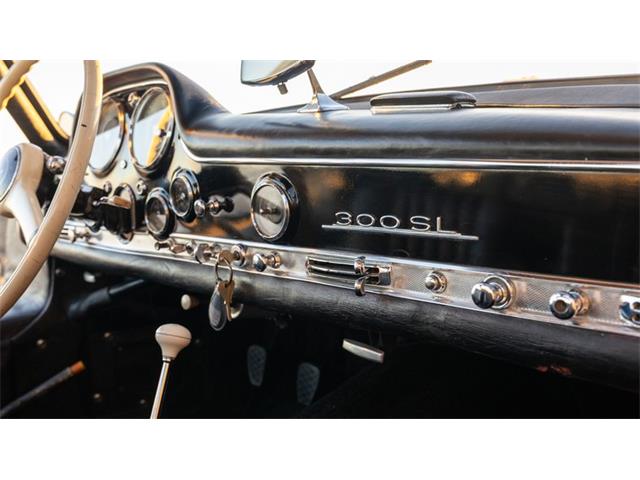
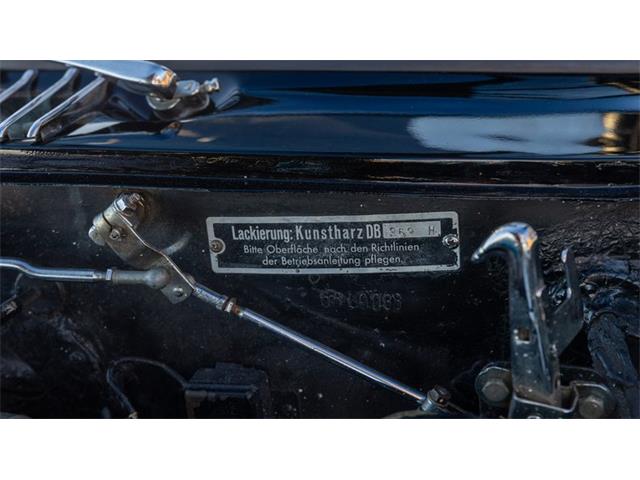
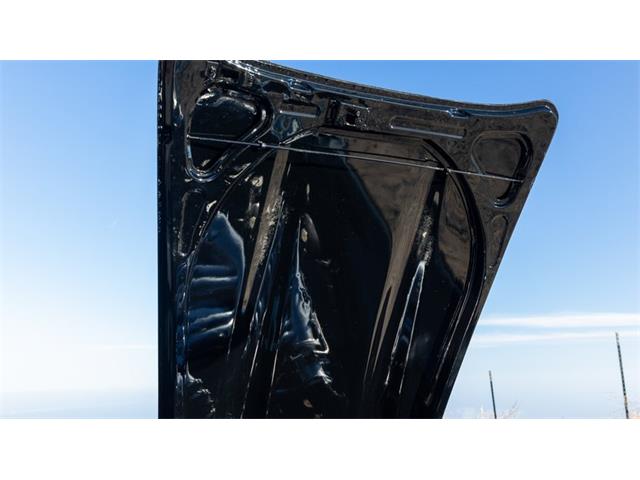
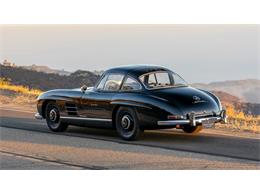
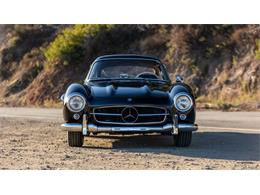
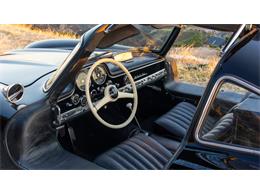
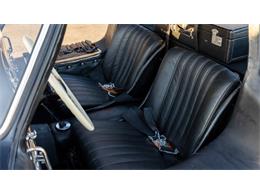
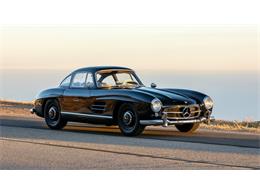
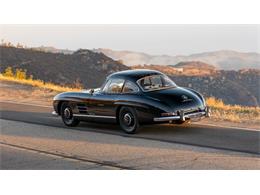
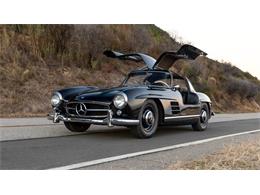
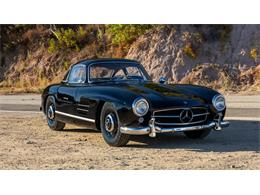
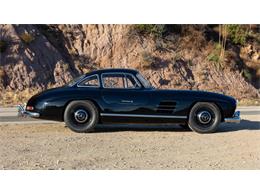
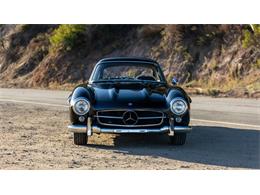
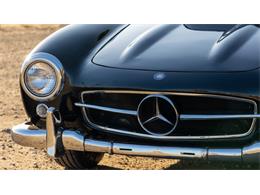
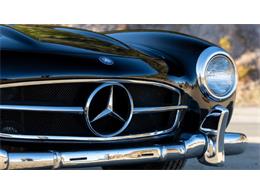
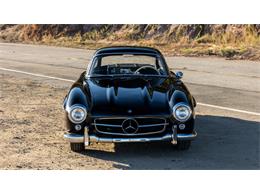
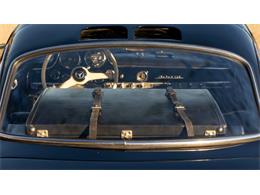
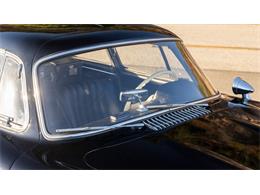
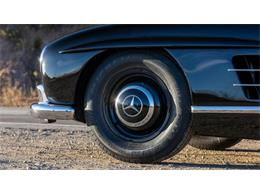
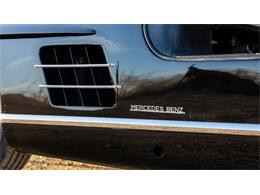
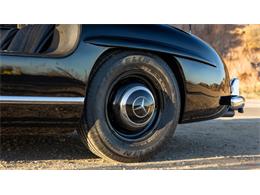
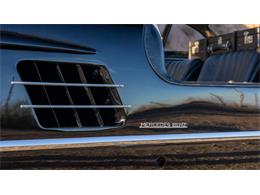
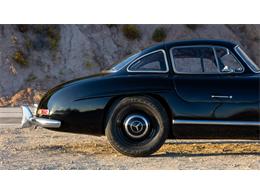
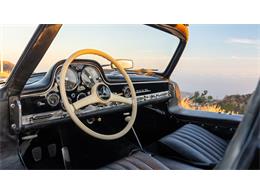
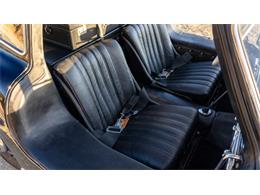
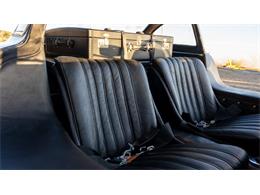
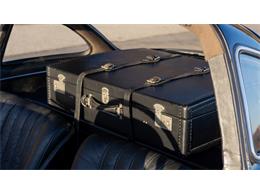
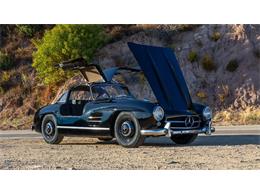
At a point, the car was refinished in black with a matching black
leather interior. Its sporting colors have been seen on the
Colorado Grand as driven there by Mike Kunz, director of the
Mercedes-Benz Classic Center USA, and as part of the Mercedes-Benz
300SL Classic, a tour reserved for the model that shares its
name.
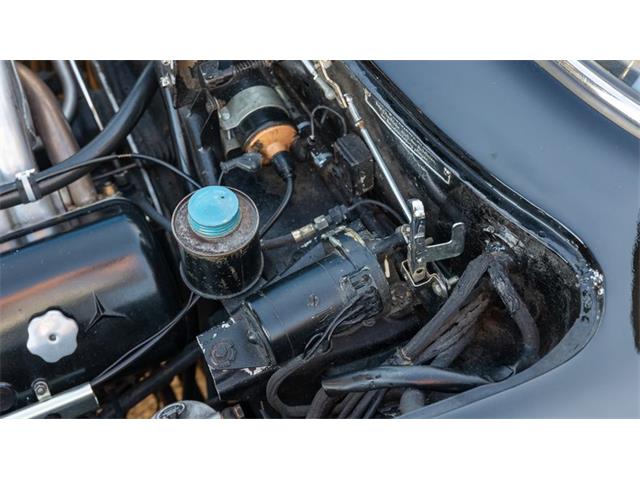
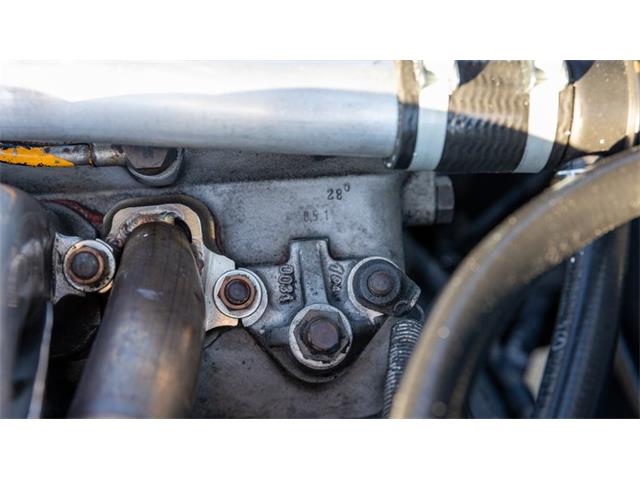
Under current ownership, more than $100,000 has been invested at
Mercedes-Benz Classic Center USA. Restorative work concentrated on
the refinement and upkeep numerous mechanical systems all done to
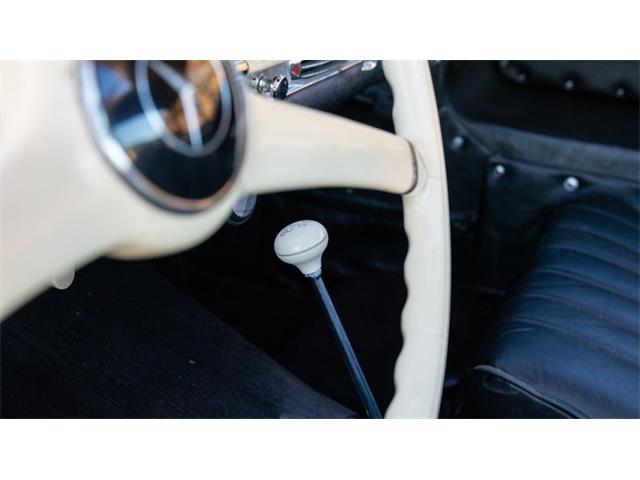
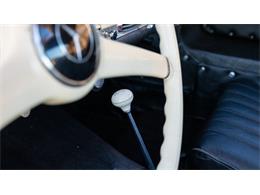
the Classic Center's factory specifications. The four-speed manual
transmission was removed and resealed while the flywheel was also
being resurfaced. A dual-point distributor was used for the
ignition system, the same running change Mercedes-Benz made to
production Gullwings just 61 cars later, beginning with chassis
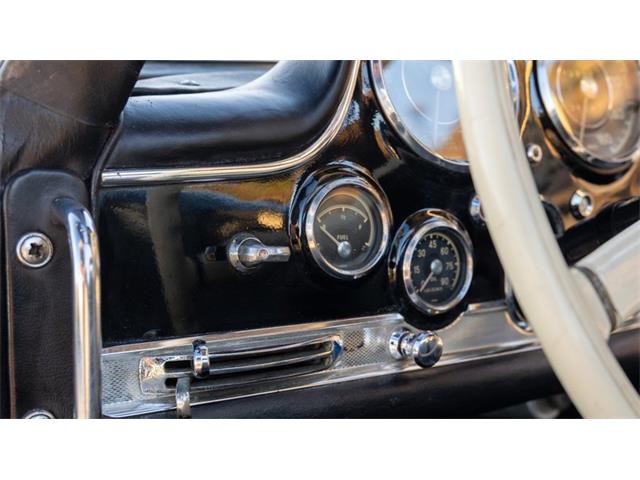
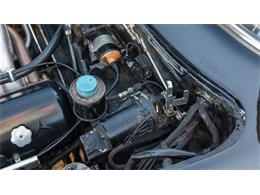
6500303. The fuel system received a new tank, replacement filters,
a serviced fuel sender, and a new cold-start thermostat. New spark
plugs were installed along with fresh fluids throughout. Attention
to the driveline included new U-joints, rear axle boots, a
driveshaft oil seal, and exhaust hangers. The braking system was
addressed comprehensively with refinished drums, relined shoes, new
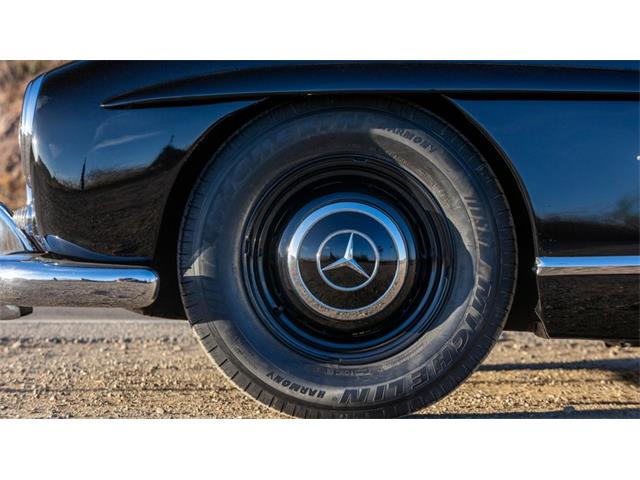
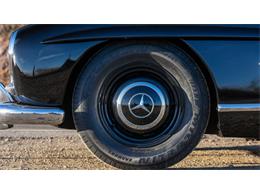
front wheel cylinders, new brake hoses, and new Dunlop SP Sport
Aquajet tires mounted all around. In preparation for sale, the
black exterior has been freshly refinished as well.
Following this immense racing success of Mercedes' legendary W194
in 1952, few could have believed that the Stuttgart company could
so quickly and successfully adapt this pure-bred competition car
only tamed by heroes like Caracciola, Kling, and Lang into one of
the most celebrated road-going sports cars of all time. As one of
only 67 300 SLs originally finished in Hellblau metallic, and one
of just nine built in that color during 1956. Even more special
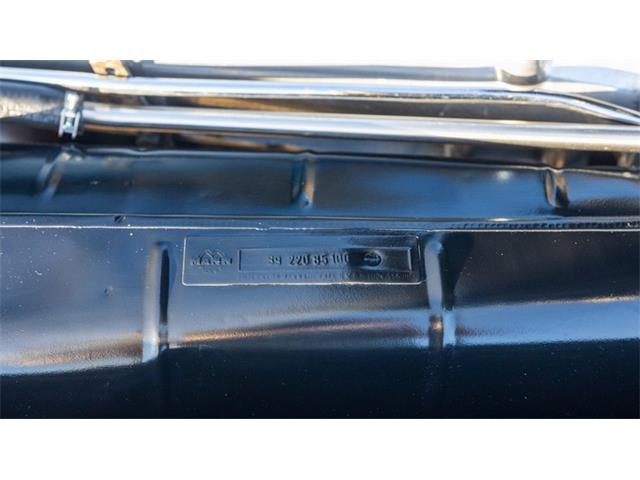
than its rare original specification, it is a matching-numbers
example that retains its original chassis, engine, body, front
spindles, and transmission. Additionally, this 300 SL benefits from
a major, six-figure 2025 mechanical restoration.
The Gullwing remains evergreen as a true do-it-all car, equally at
home on a show field, a mountain tour, or anywhere in between.
Mercedes-Benz has long advertised that its cars are "Engineered
Like No Other Car in the World." Few models make that case as
convincingly as this 300 SL does decades after its introduction.
This combination of rarity, documented history, and capability
makes it a cornerstone for any major automotive collection.
Please note, this vehicle is titled as Model year 1956.
ClassicCars.com has been recognized as one of the fastest-growing private companies in the United States, successfully making the Inc. 5000 list in both 2015,
2016, 2017 and 2018. This prestigious accolade represents the continued growth of the company, and ClassicCars.com's dominance as the world's largest online marketplace for
buying and selling classic and collector vehicles.
The Stevie Awards, the world's premier business awards recognized
ClassicCars.com's first-class Customer Support team with a Stevie Bronze Award in 2019, celebrating the team's skills as exemplary customer support specialists.
In 2016 The Journal, brought to you by ClassicCars.com, was celebrated as the SECOND MOST INFLUENTIAL automotive blog in the world by NFC Performance.