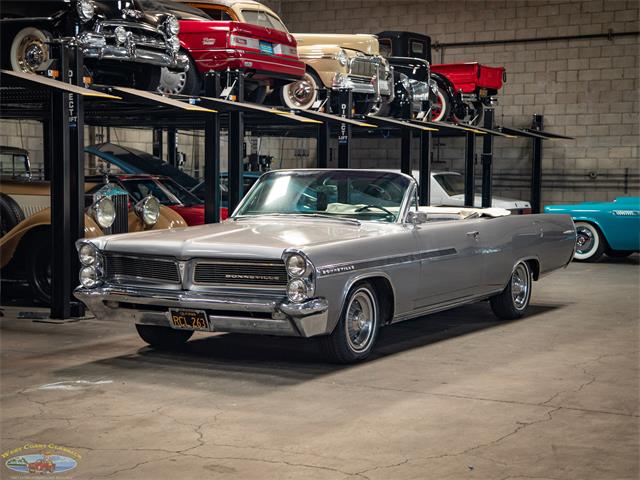
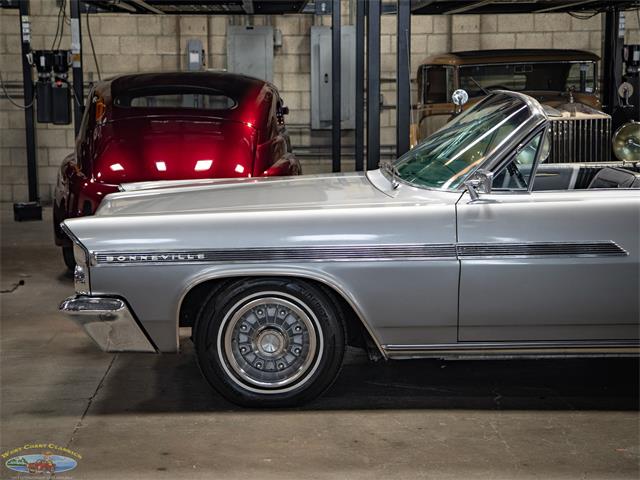
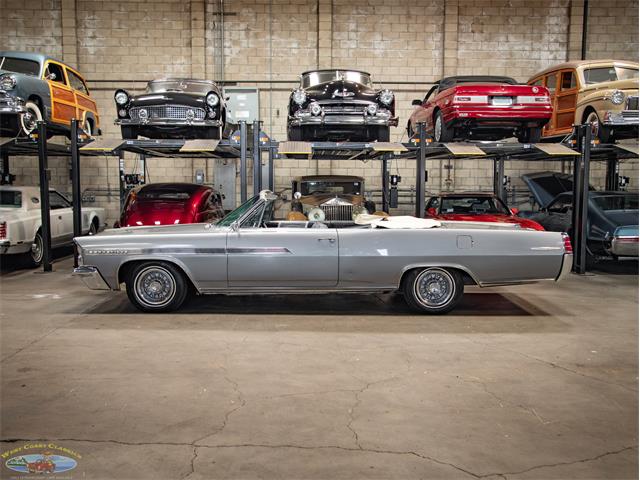
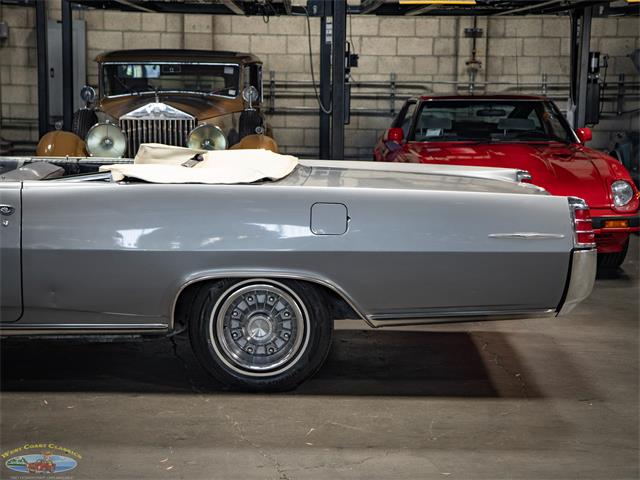
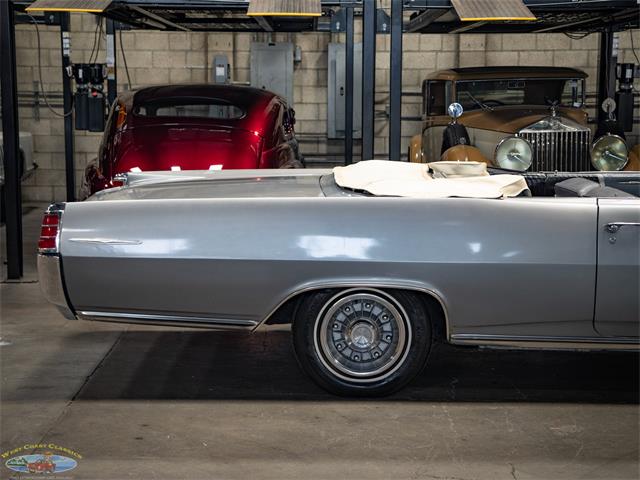
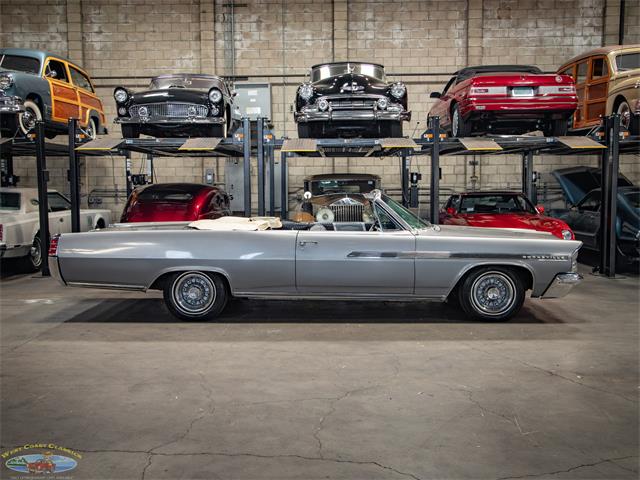
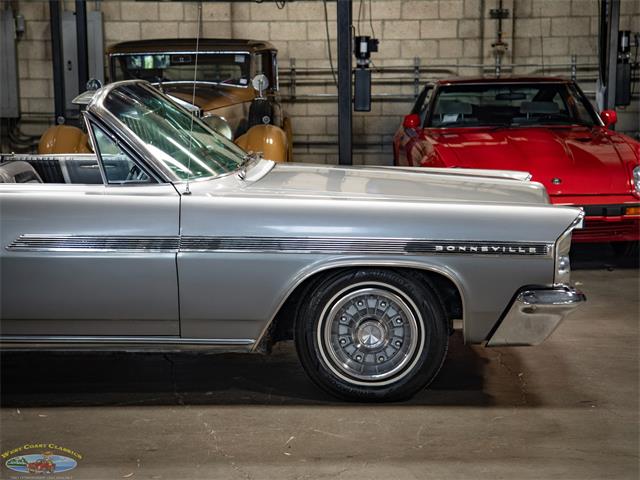
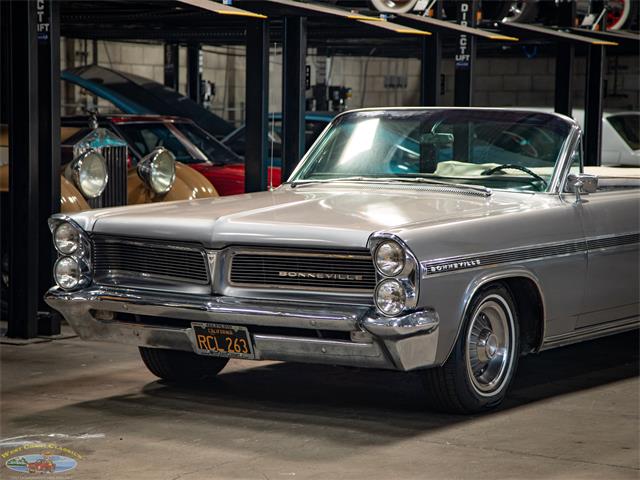
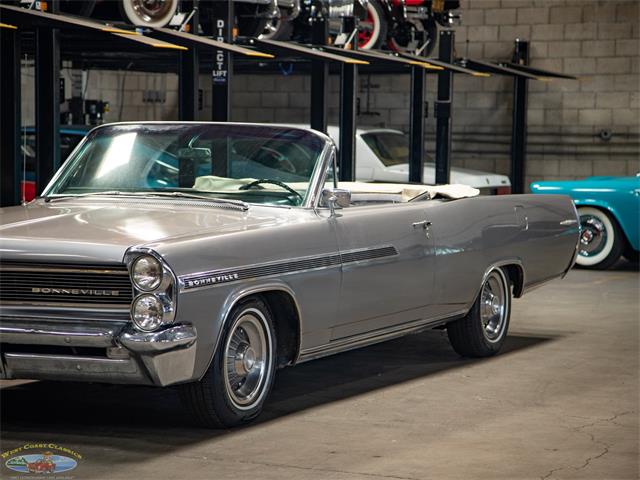
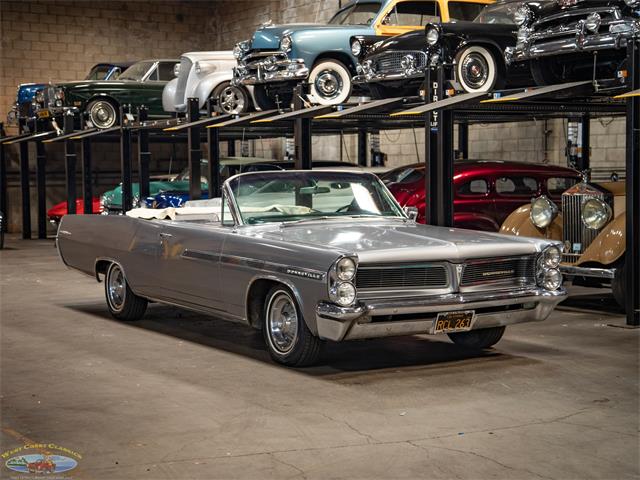
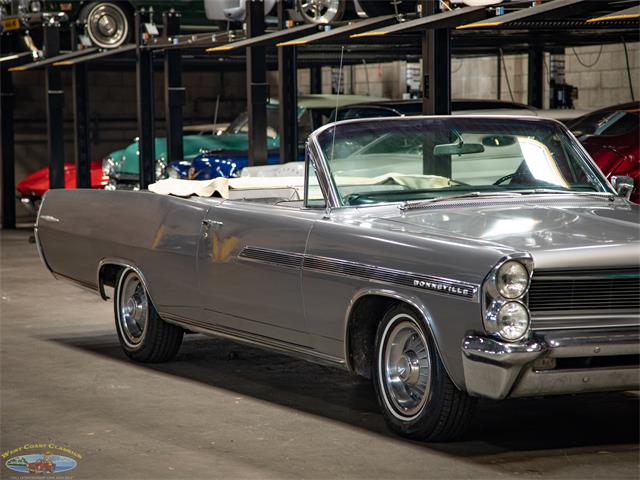
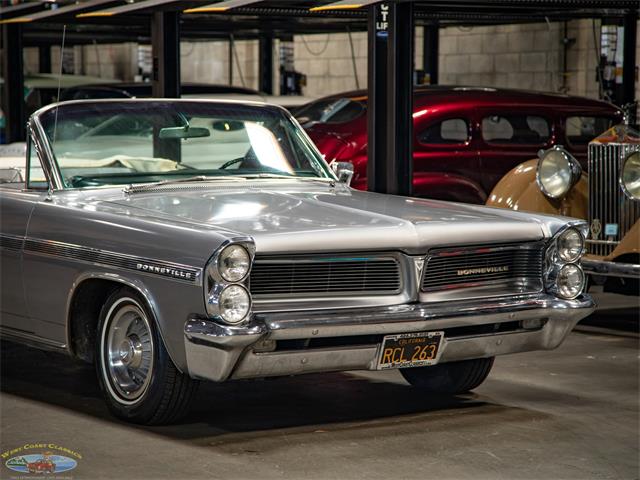
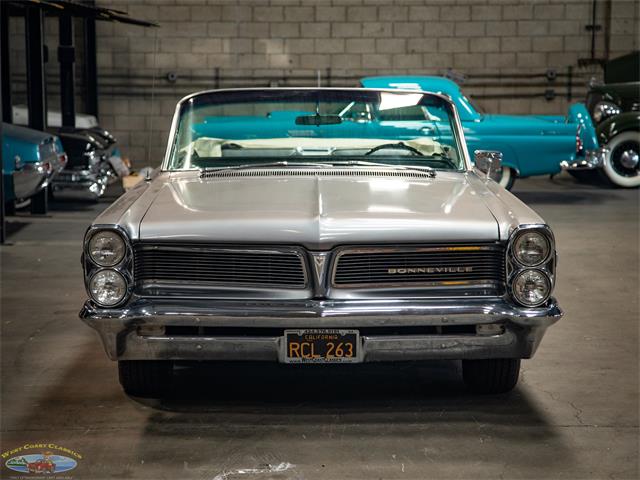
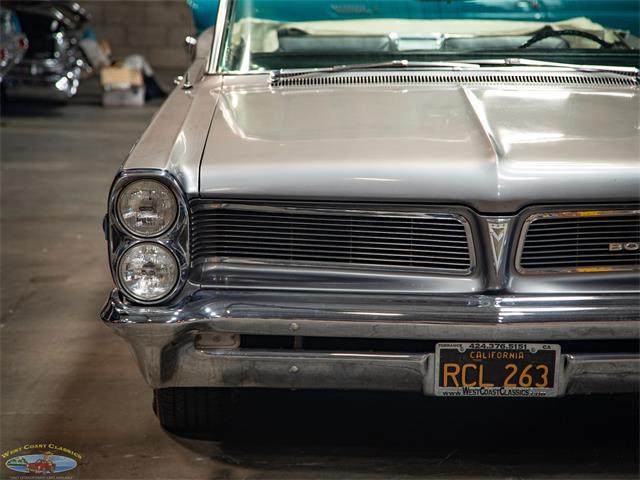
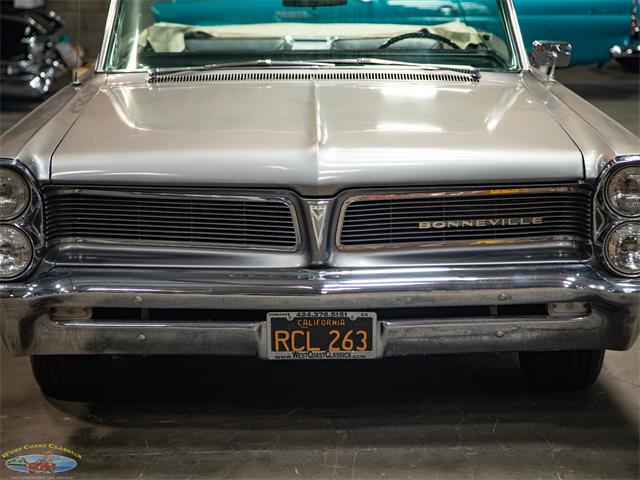
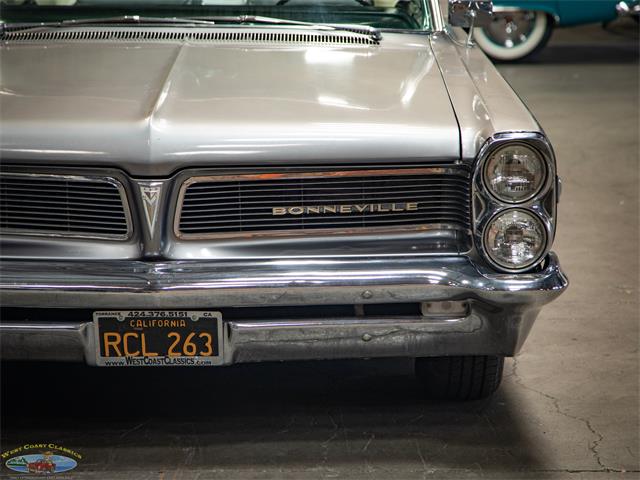
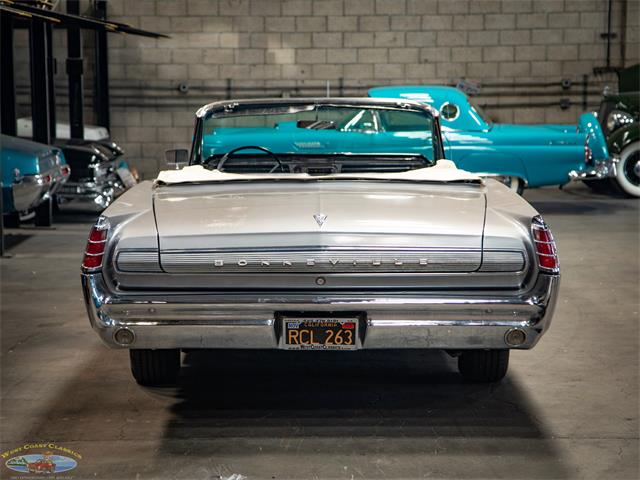
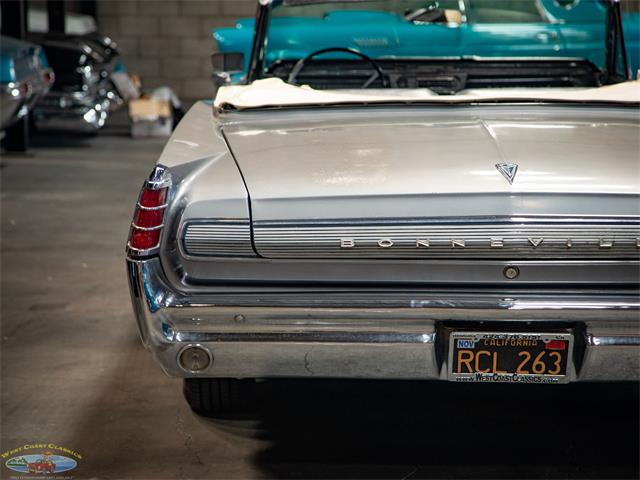
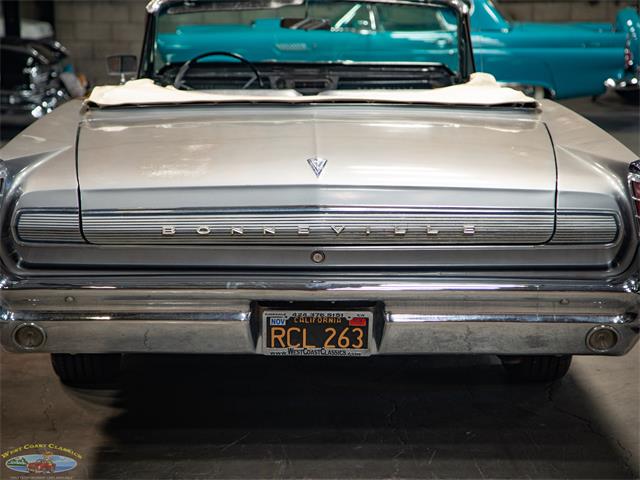
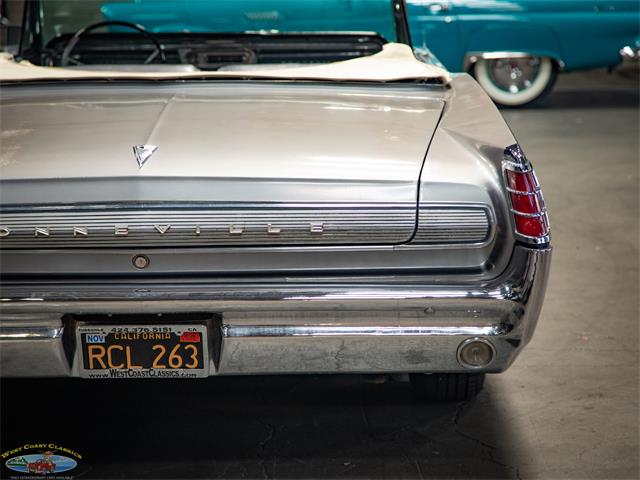
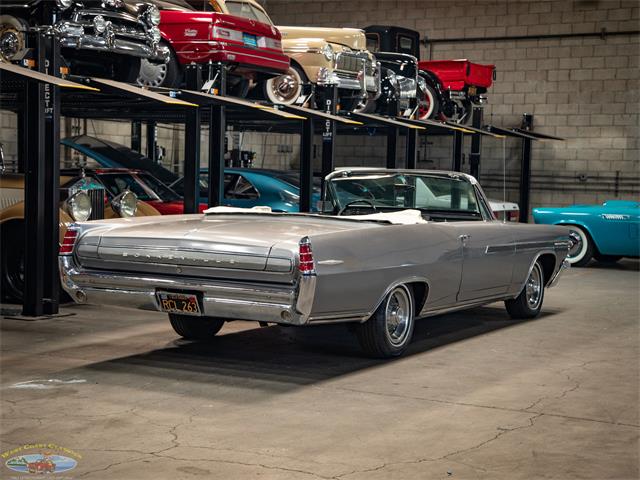
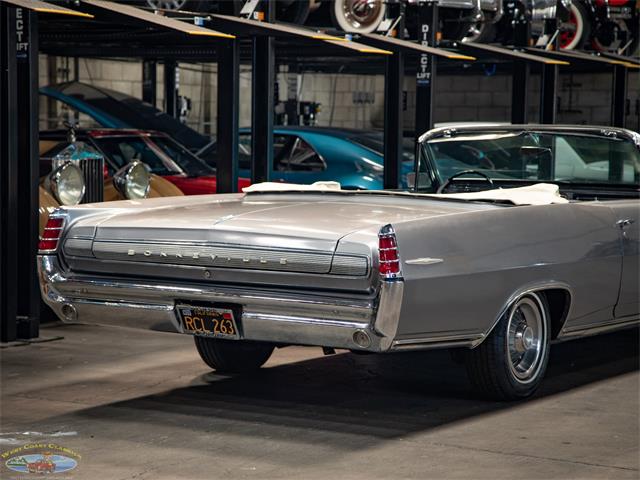
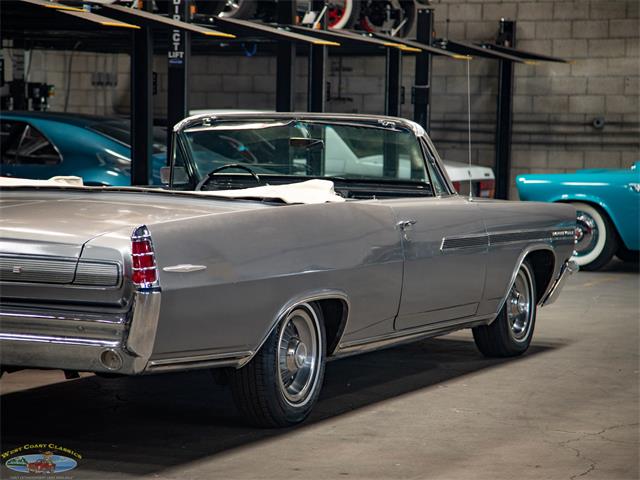
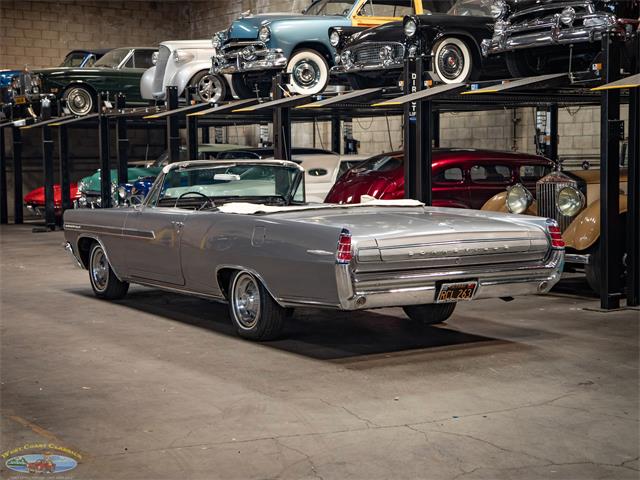
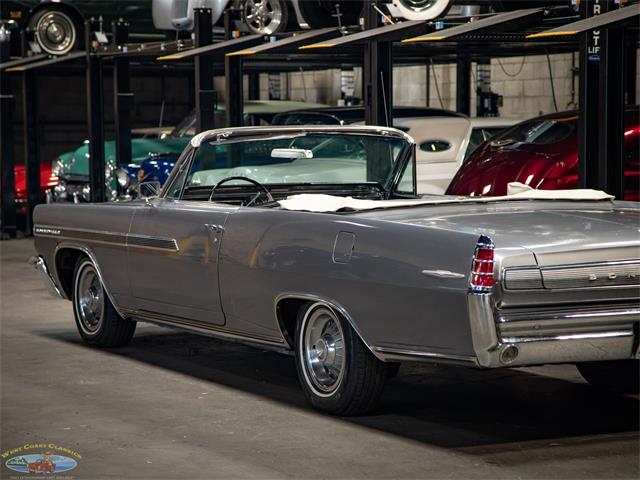
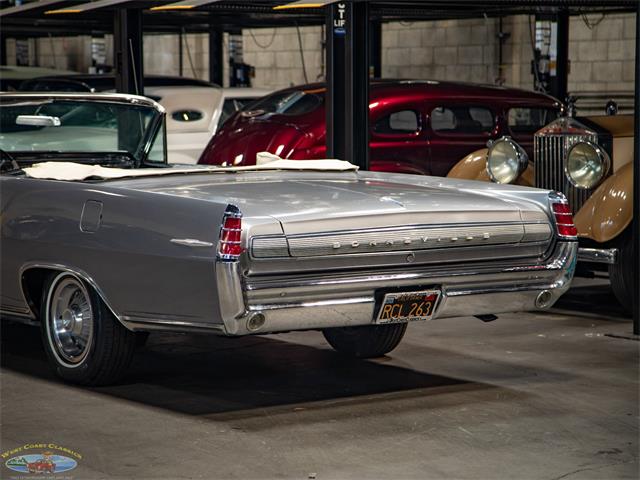
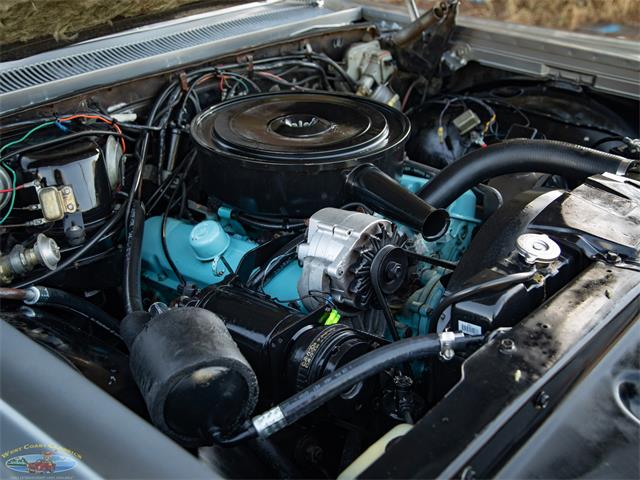
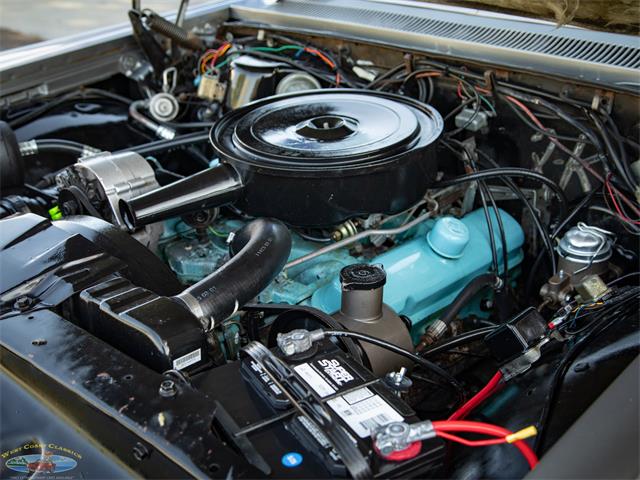
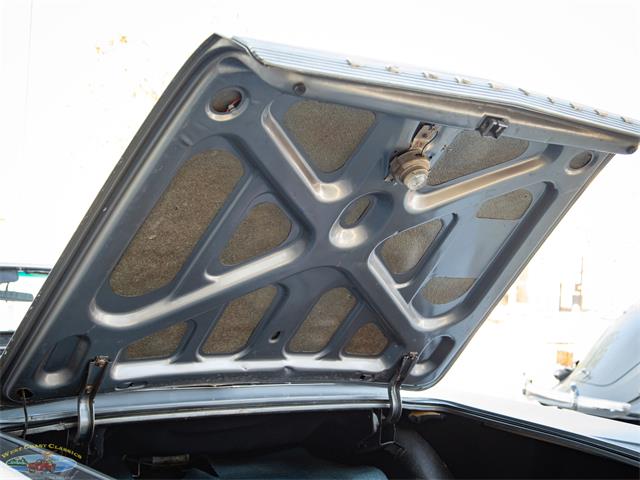
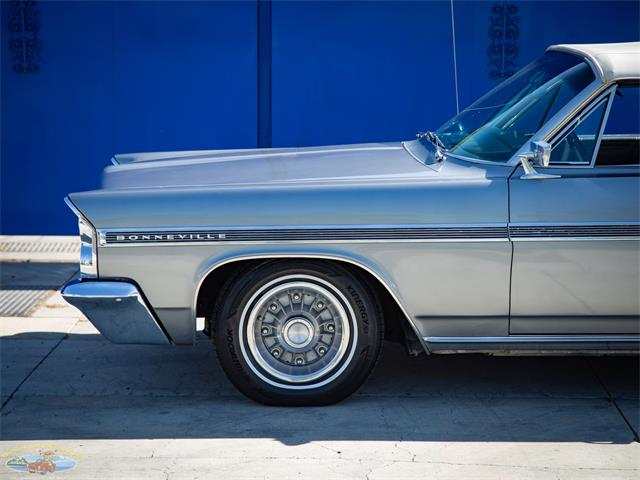
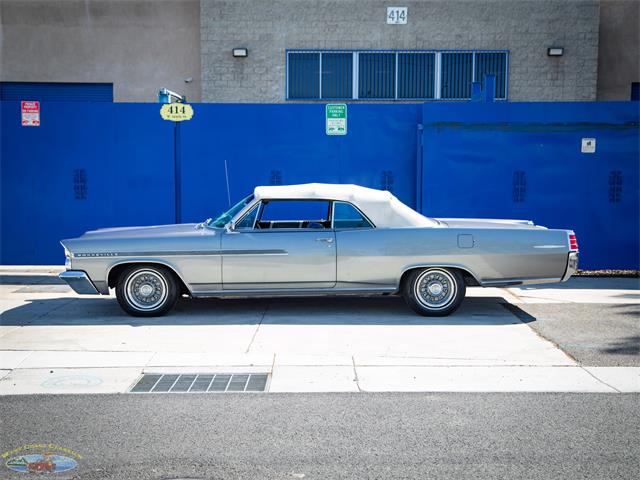
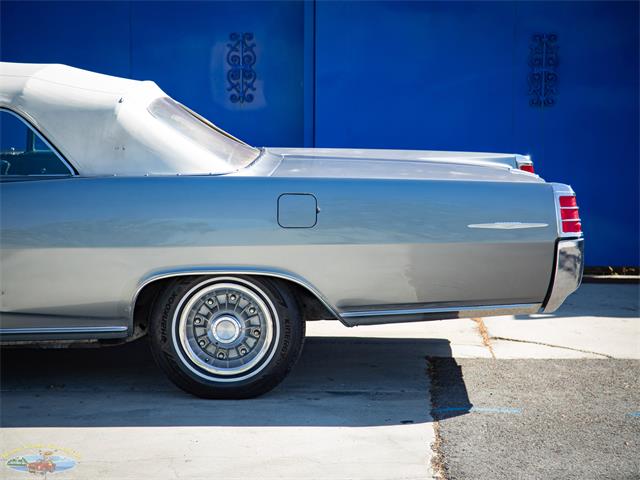
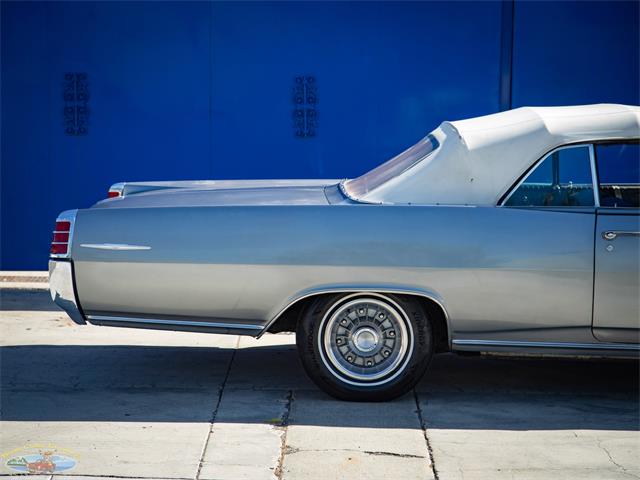
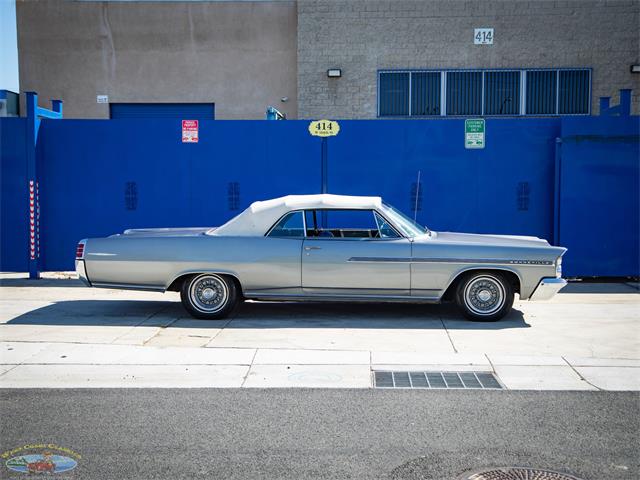
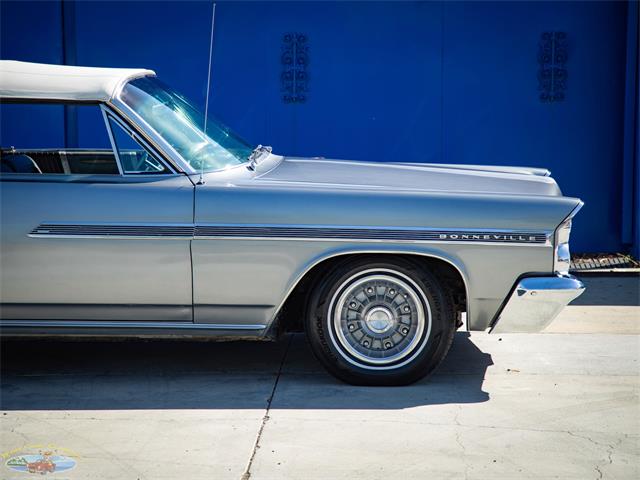
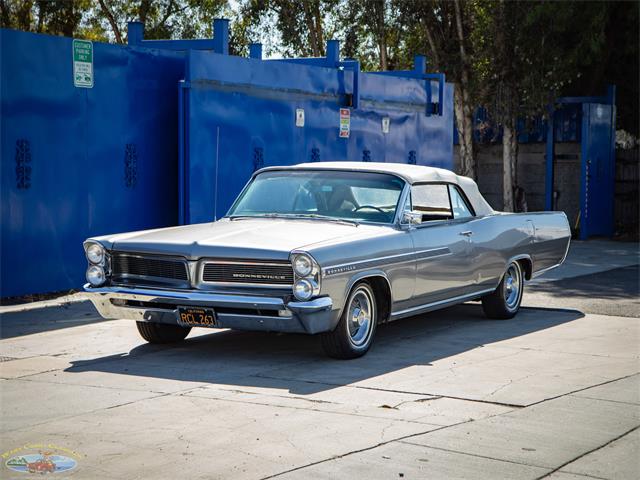
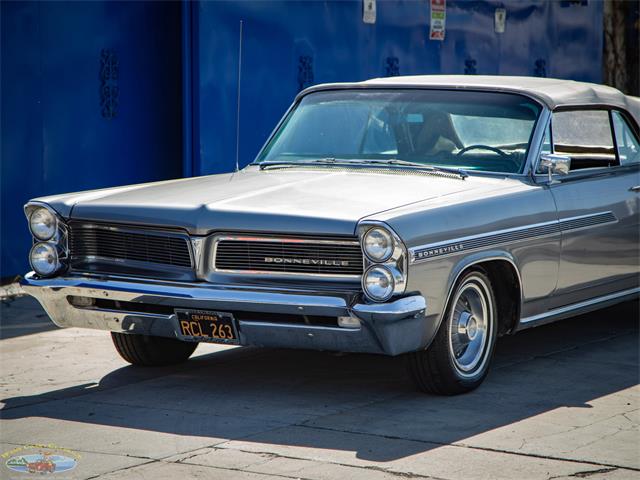
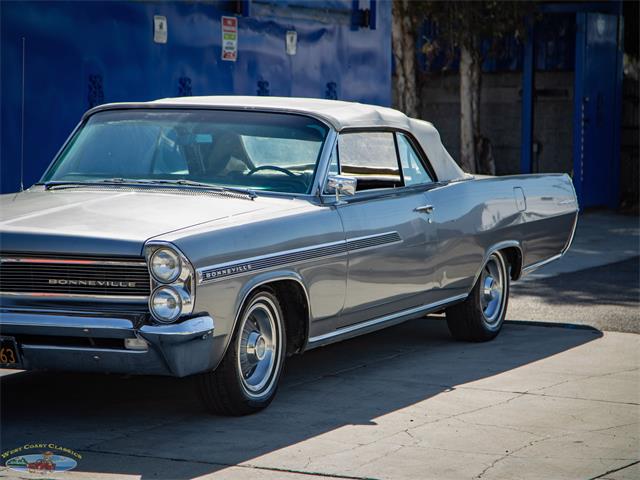
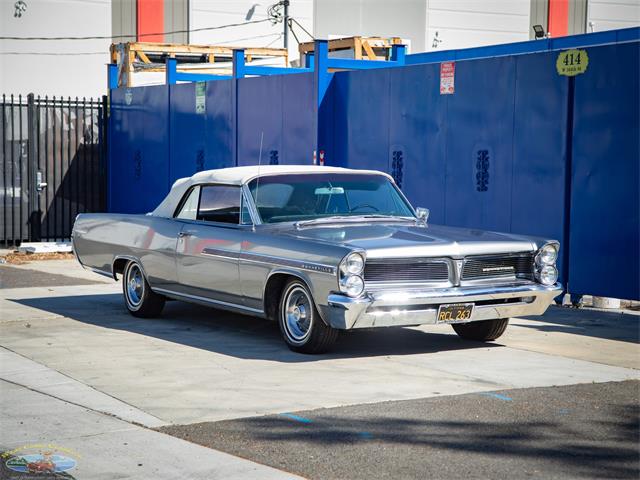
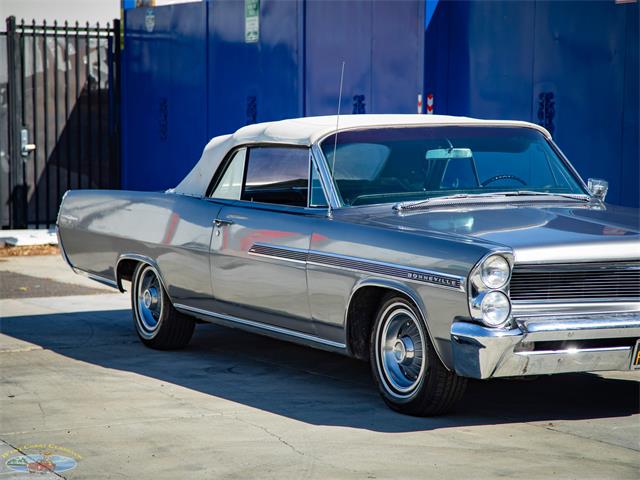
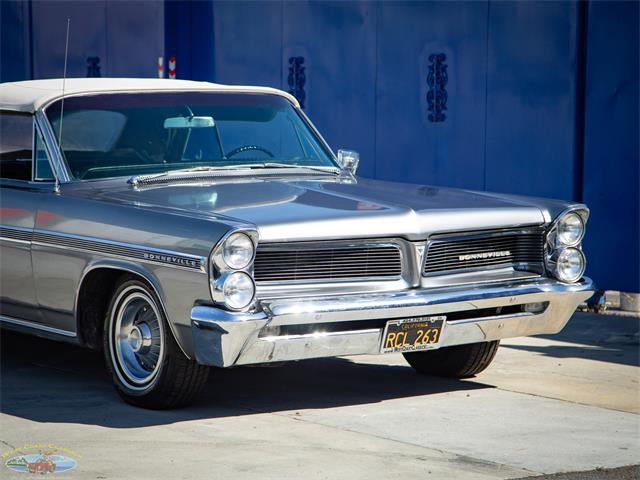
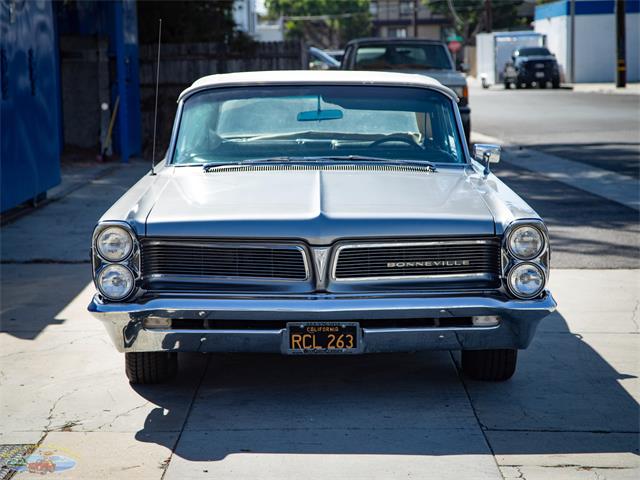
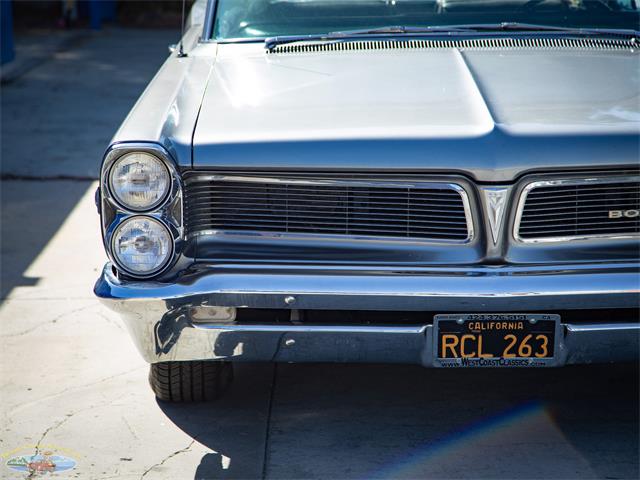
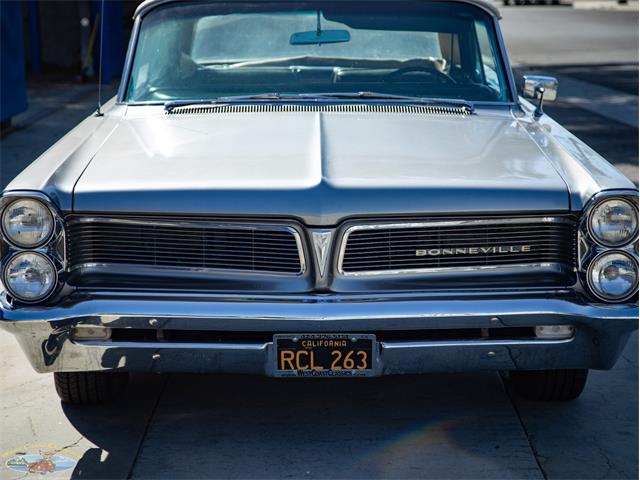
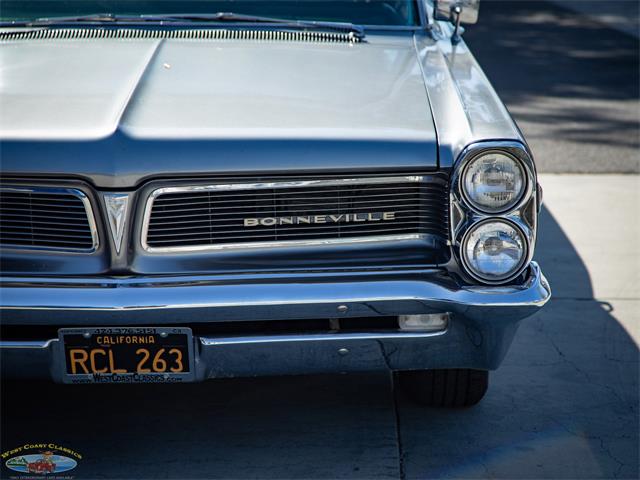
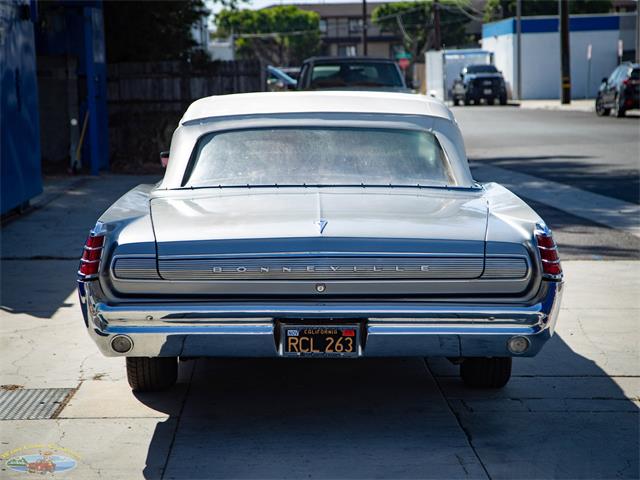
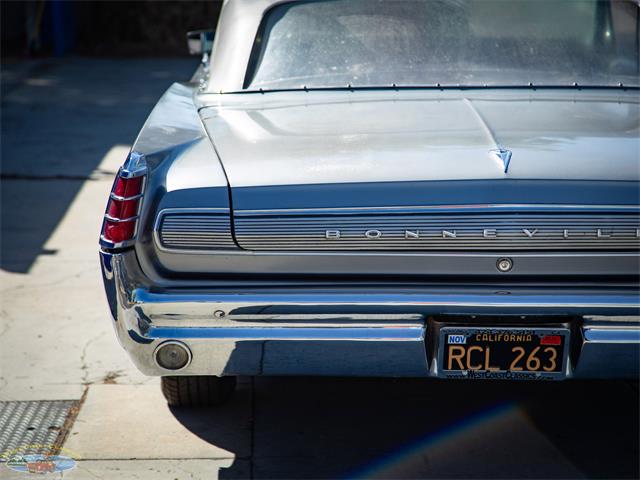
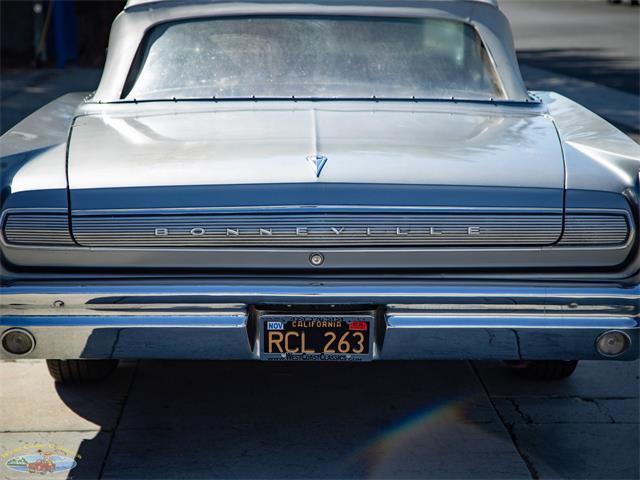
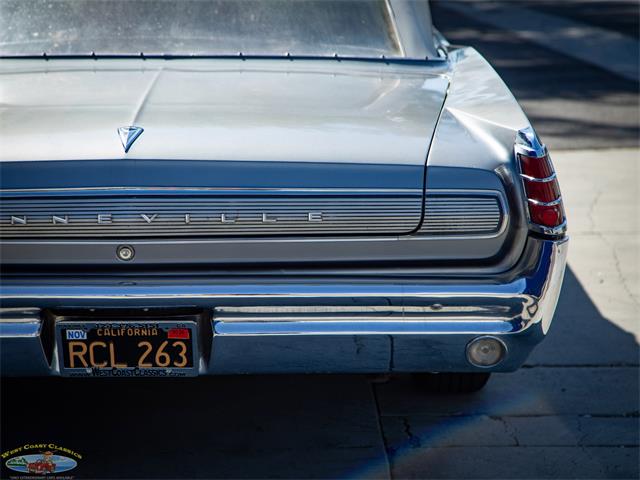
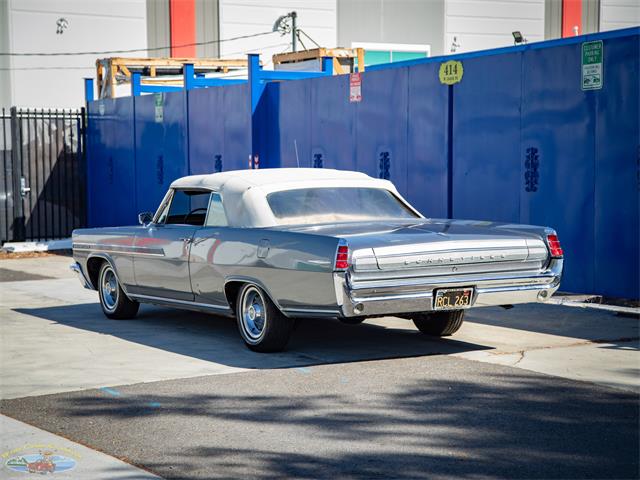
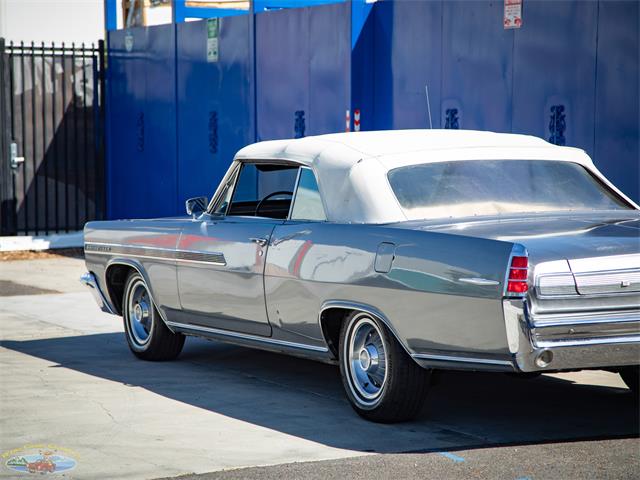
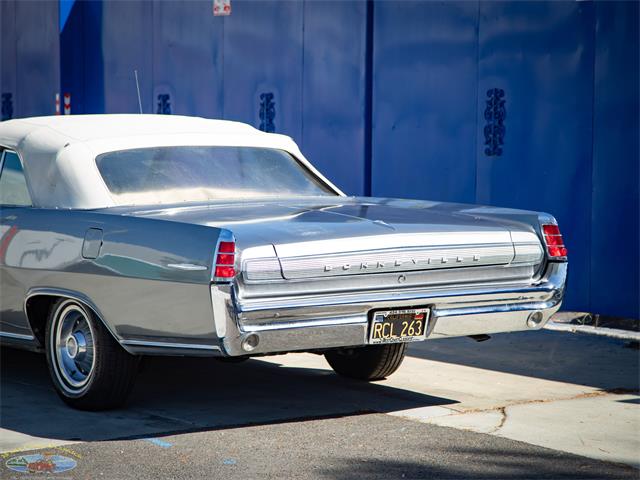
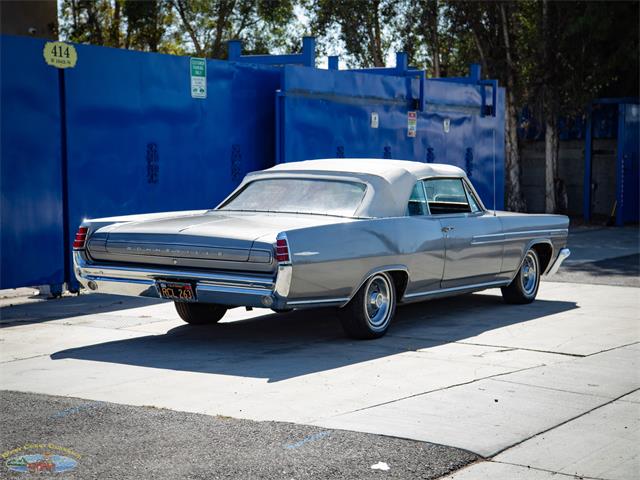
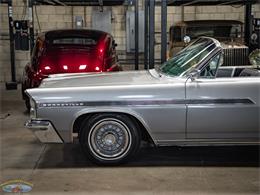
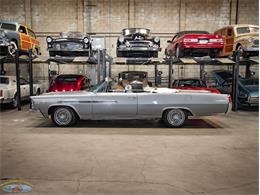
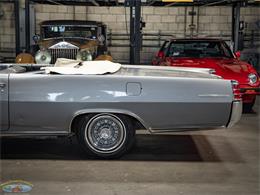
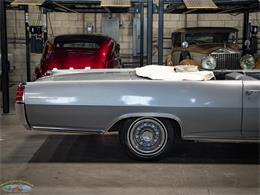
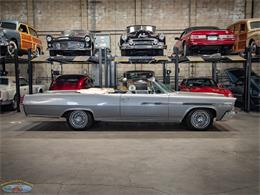
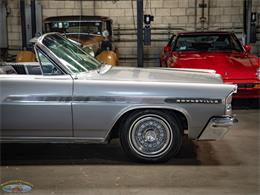
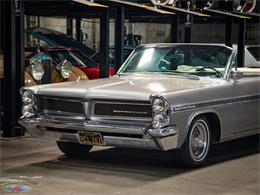
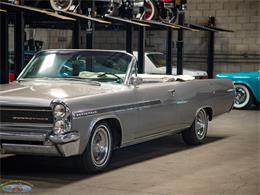
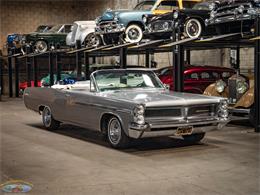
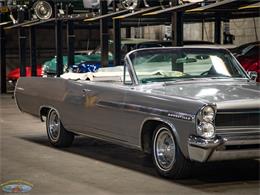
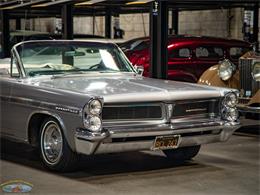
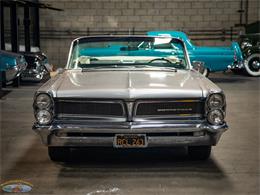
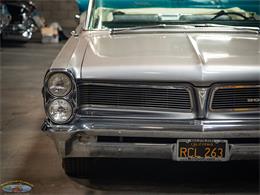
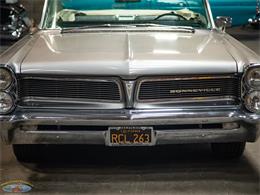
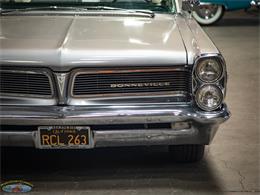
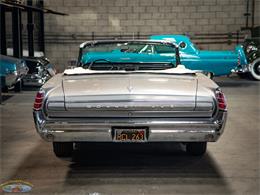
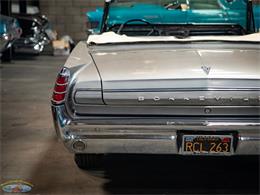
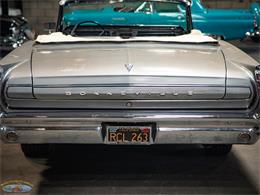
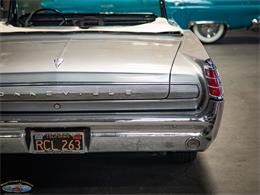
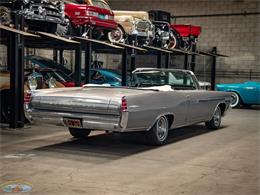
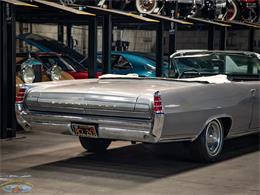
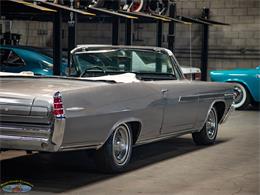
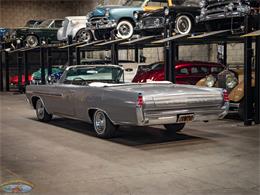
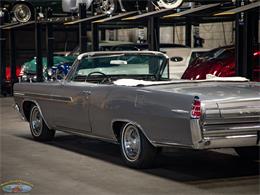
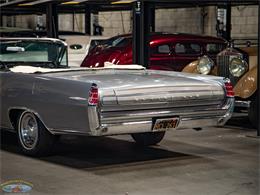
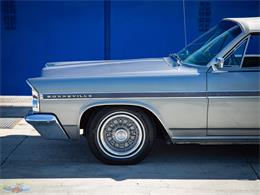
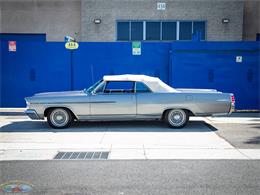
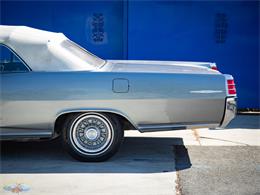
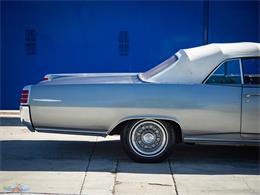
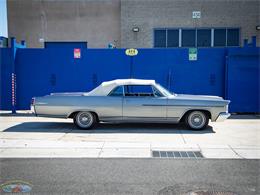
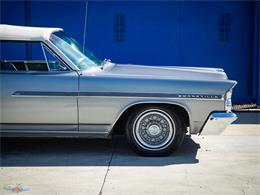
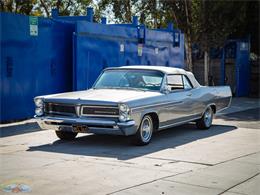
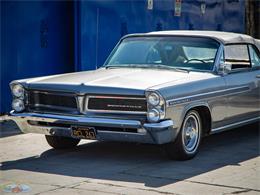
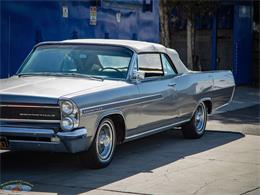
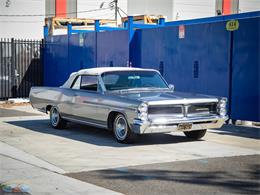
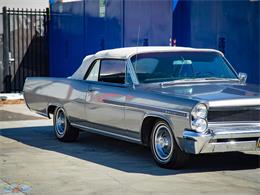
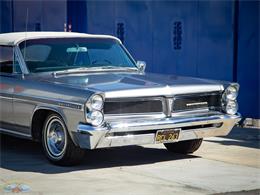
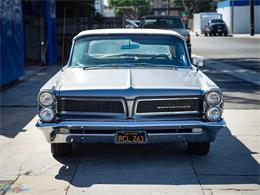
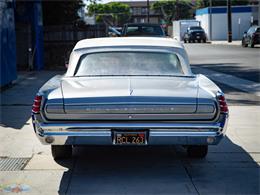
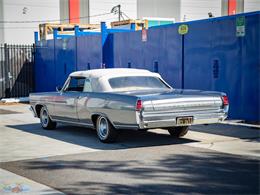
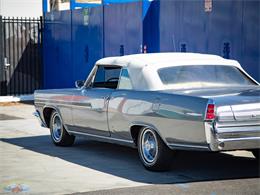
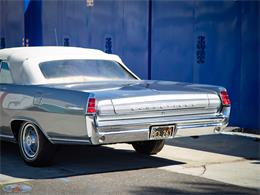
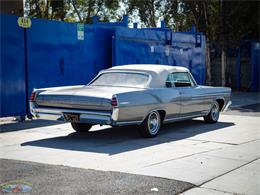
West Coast Classics are proud to present a very good daily driving
example of this original long time southern California family owned
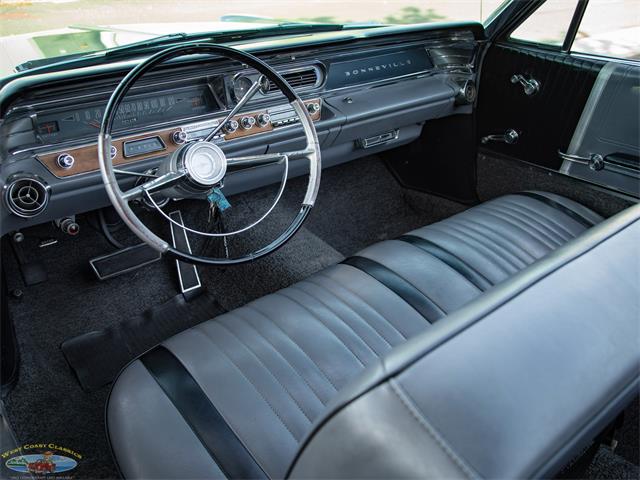
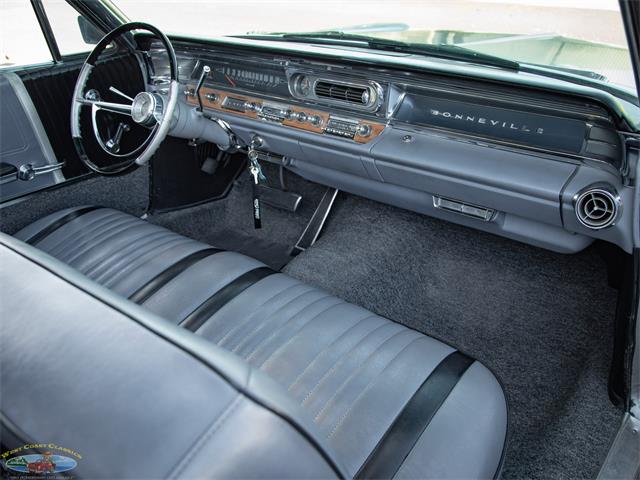
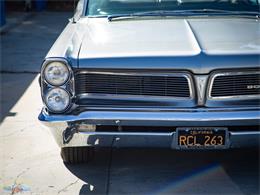
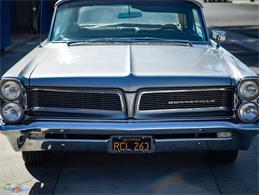
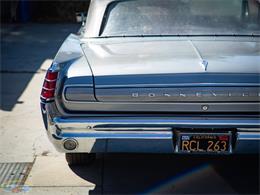
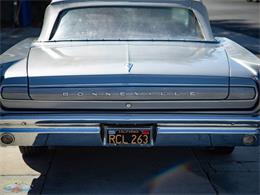
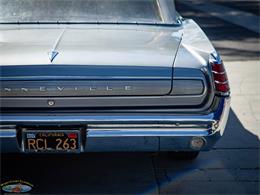
and original 'Black License Plate' 1963 Pontiac Bonneville 2 door
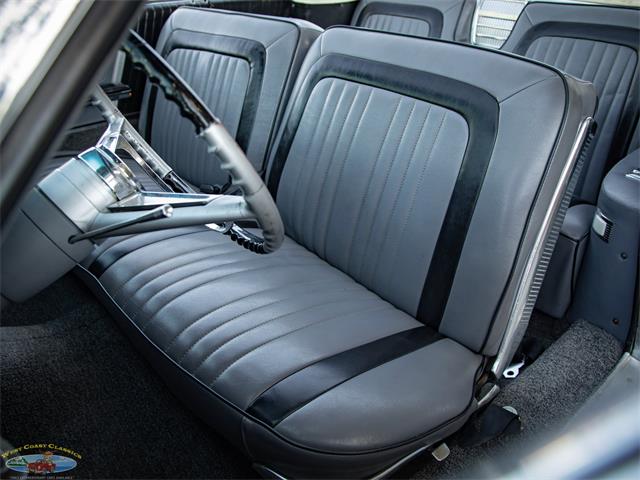
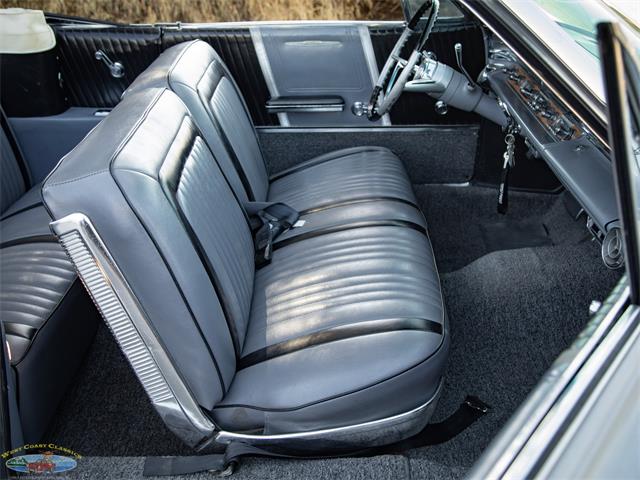
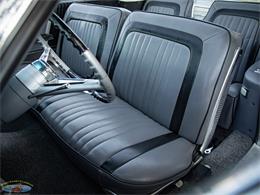
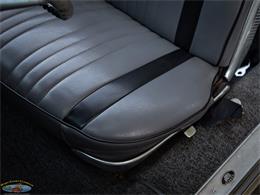
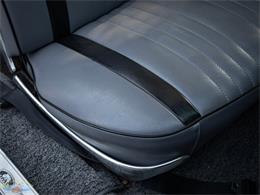
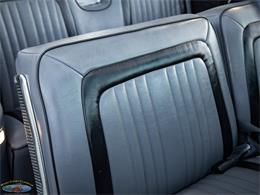
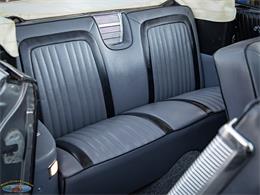
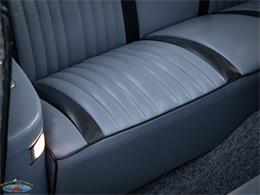
V8 Convertible repainted in a Medium Gray color paint and
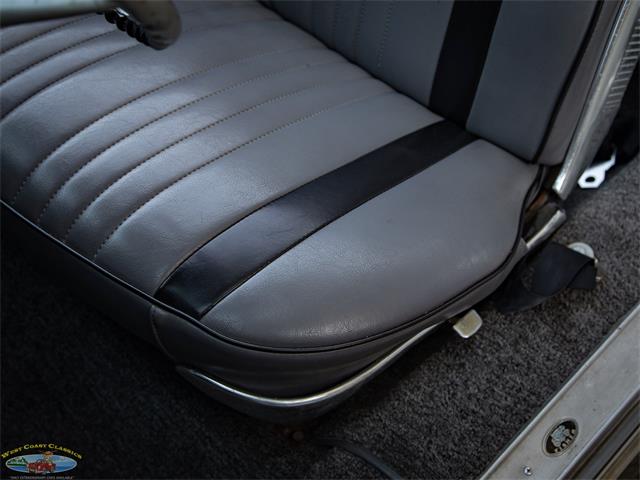
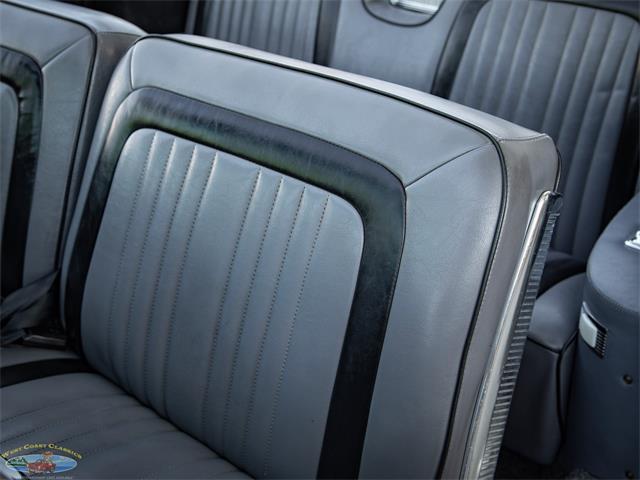
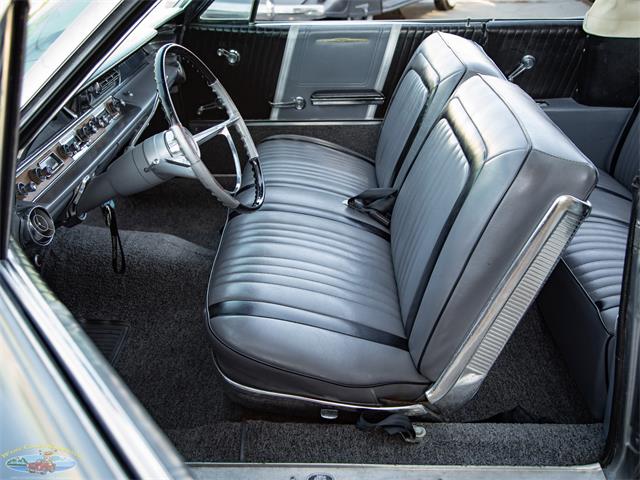
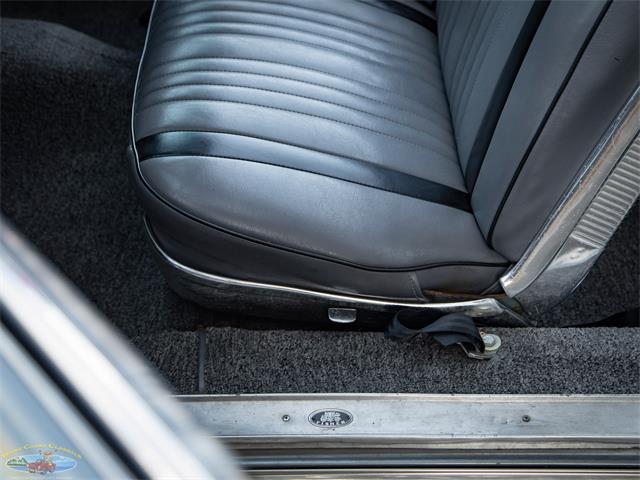
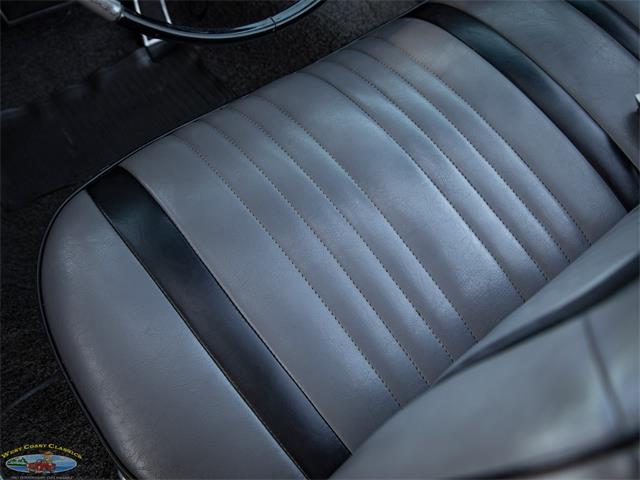
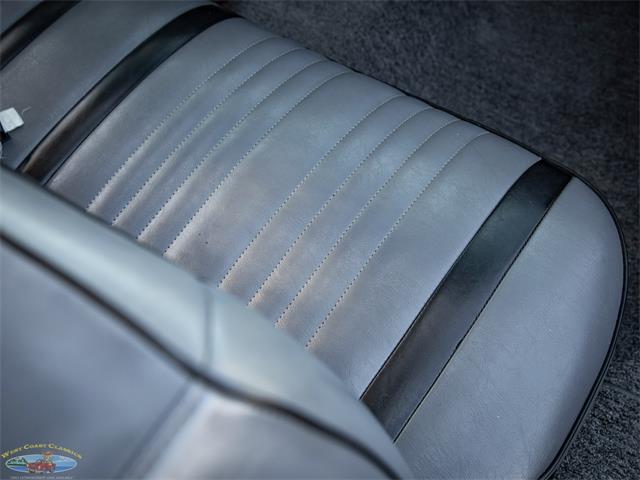
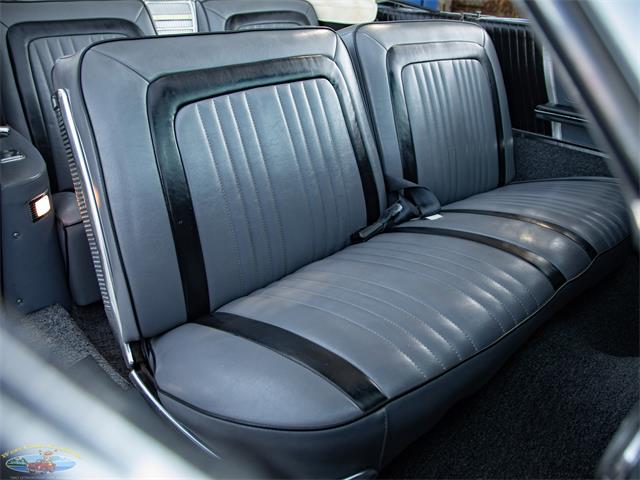
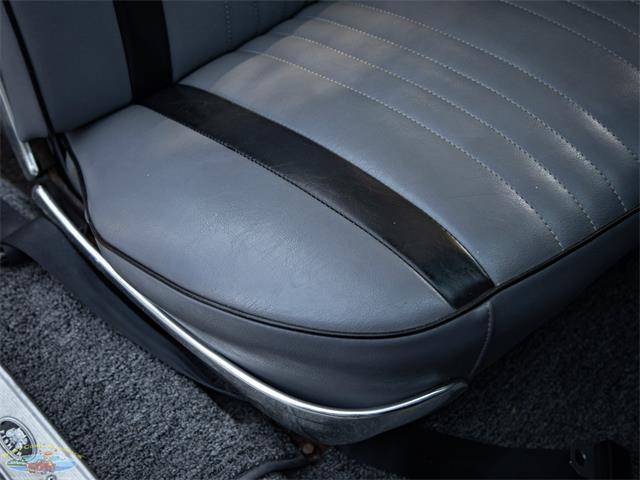
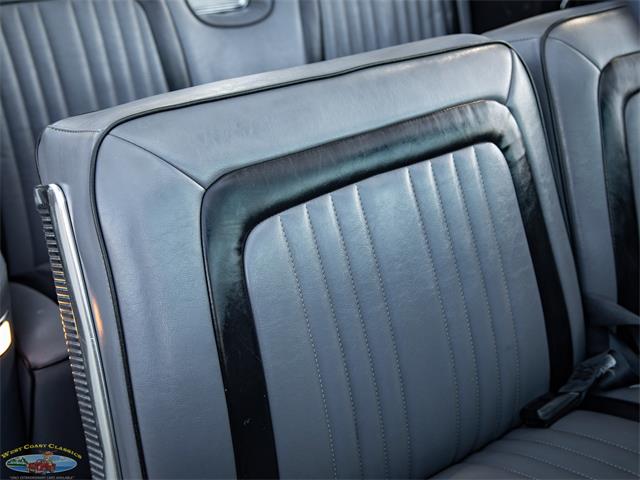
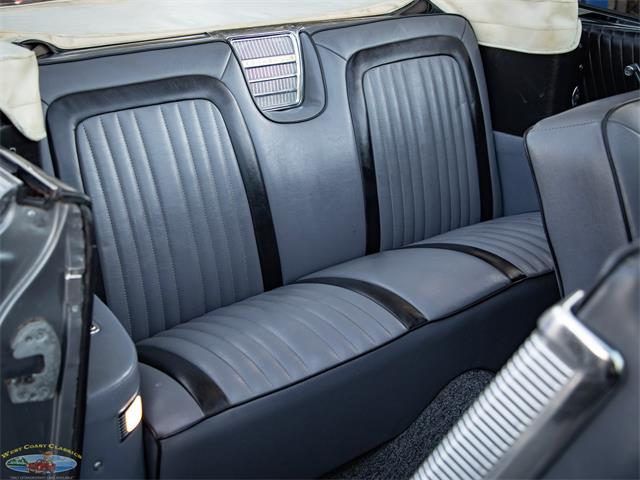
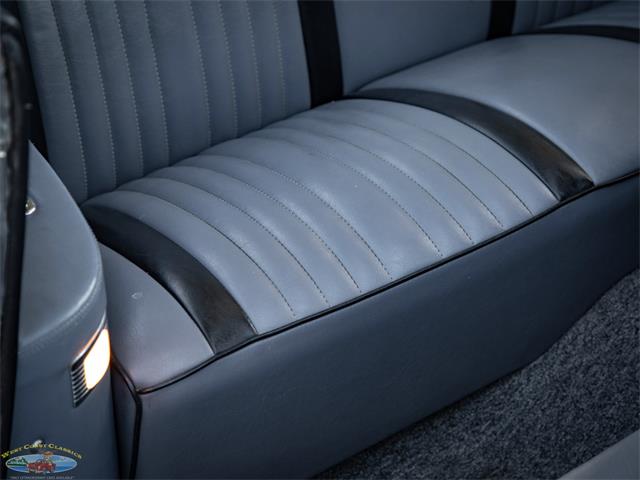
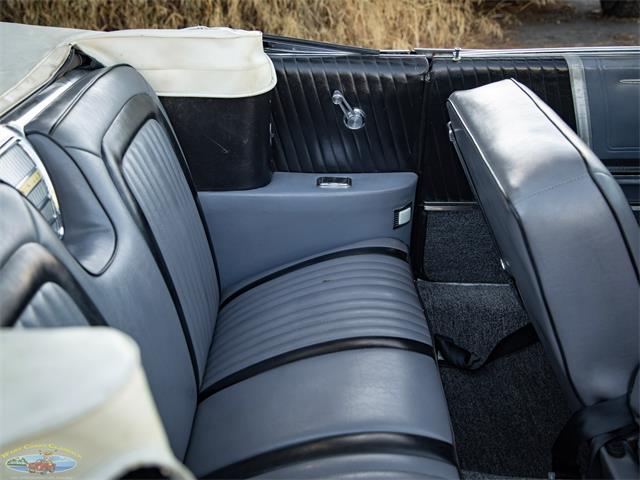
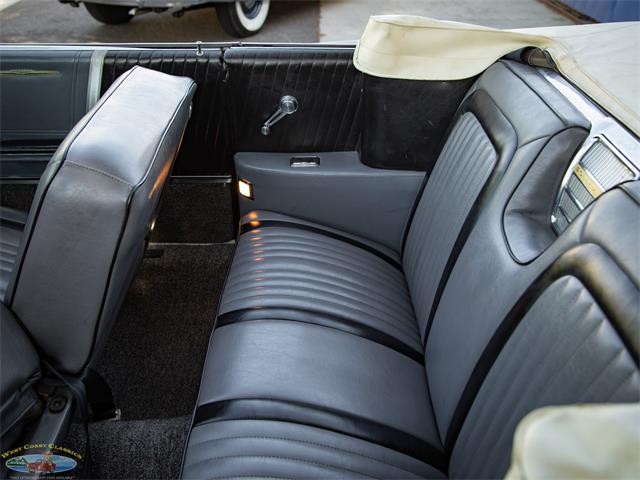
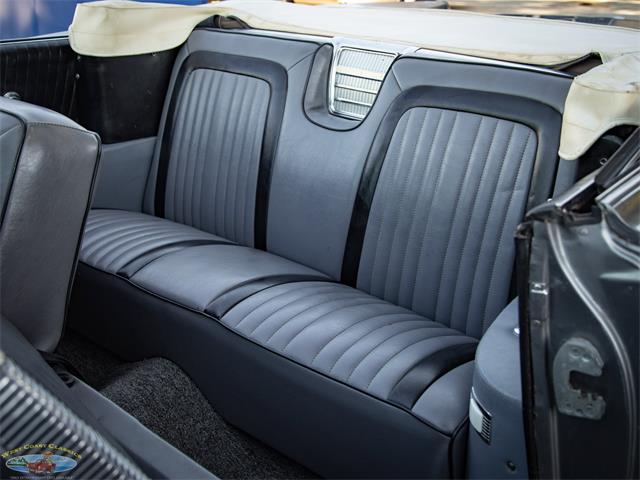
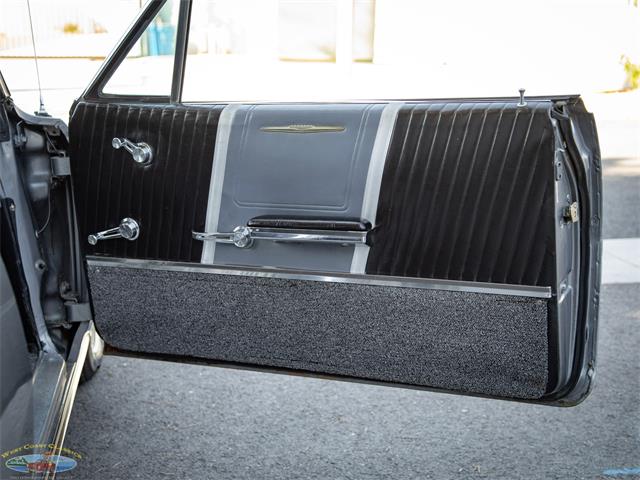
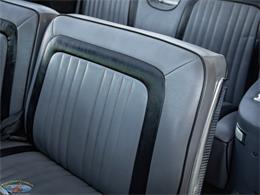
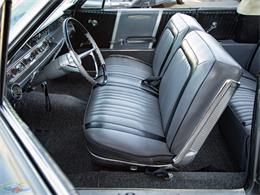
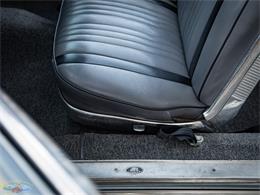
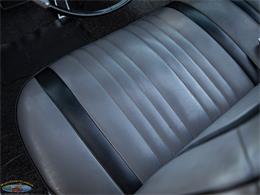
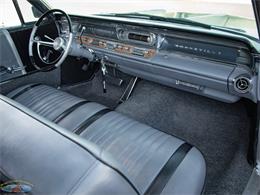
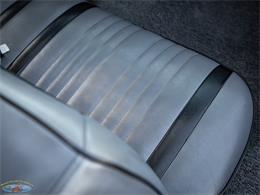
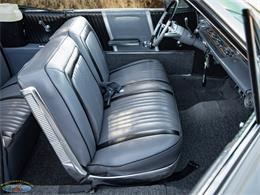
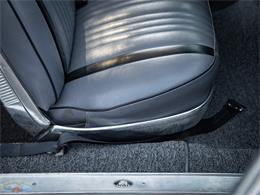
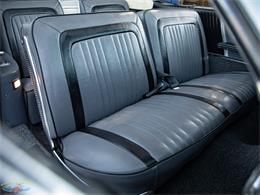
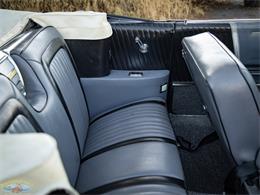
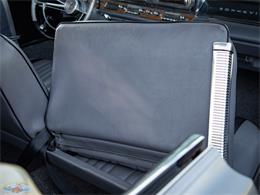
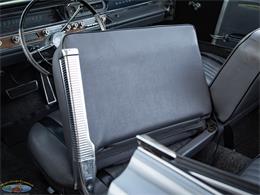
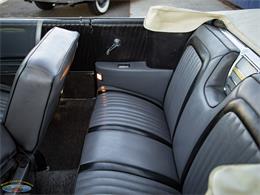
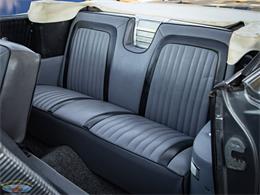
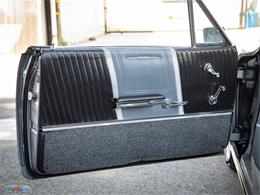
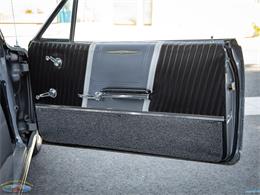
reupholstered in a nicely contrasting Gray & Black interior
and with a 'White' power convertible top and its original matching
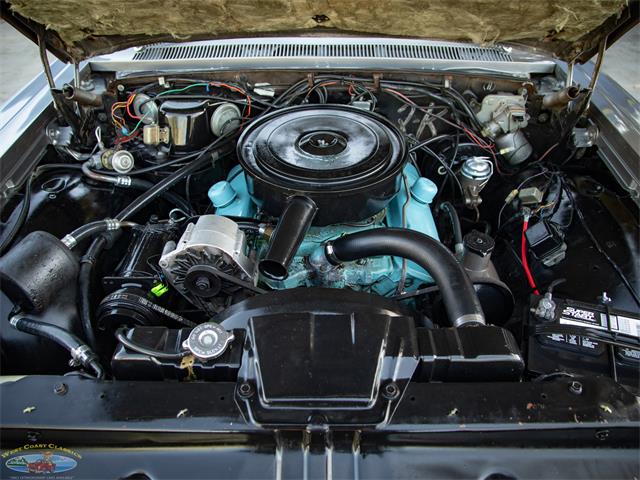
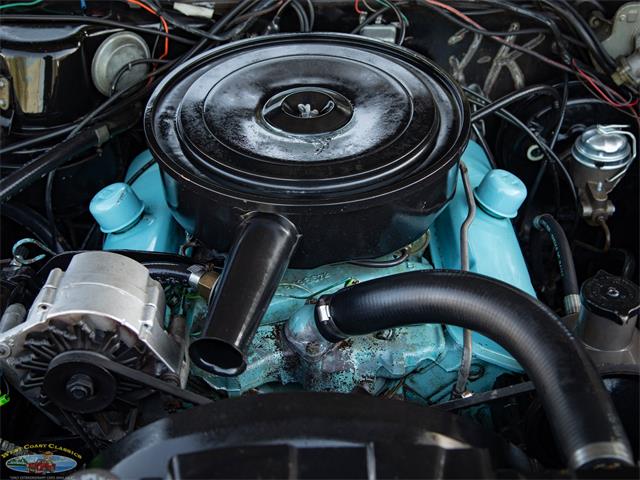
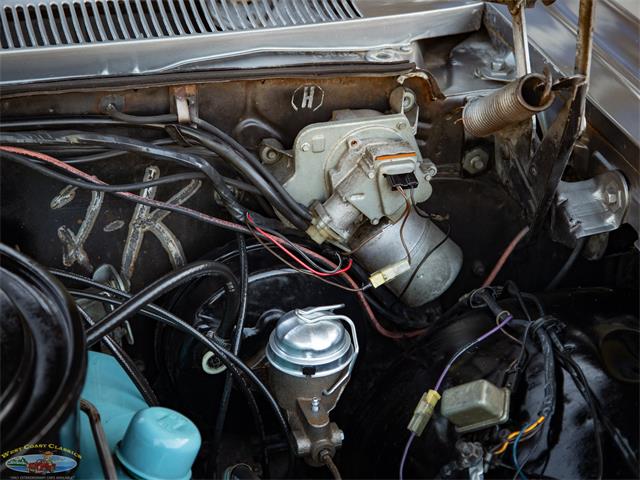
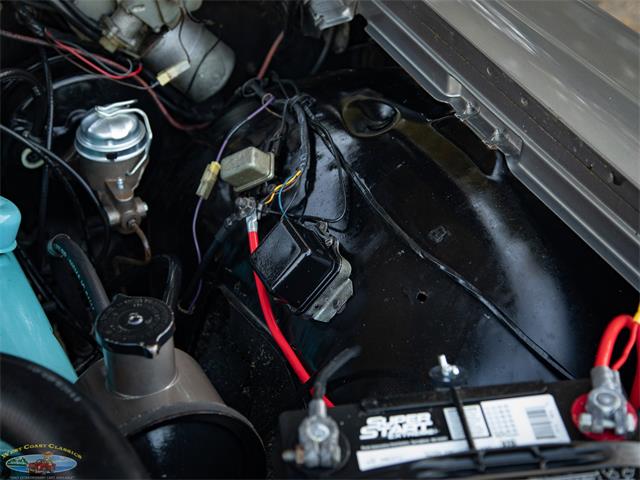
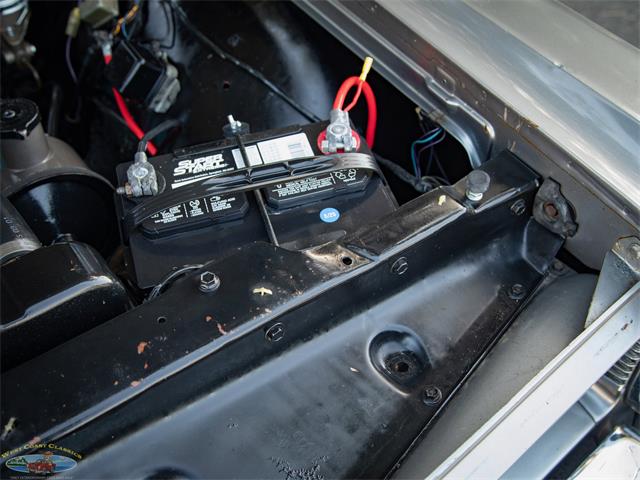
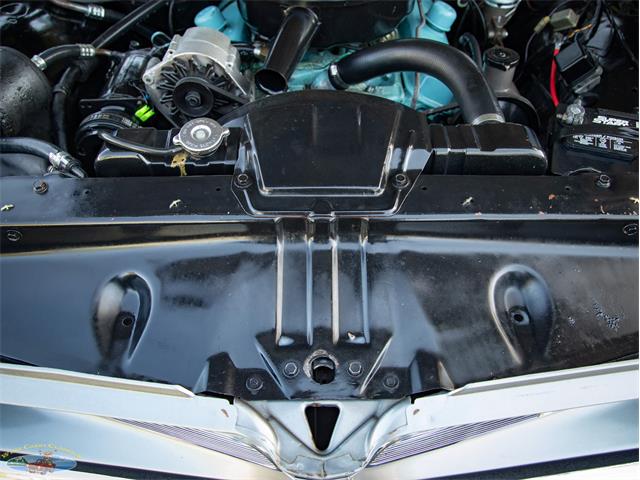
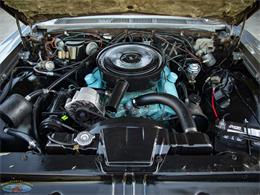
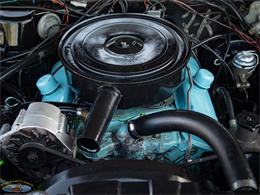
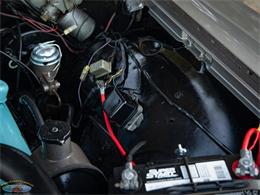
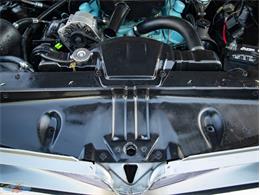
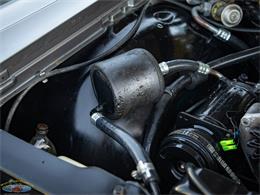
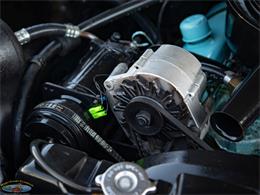
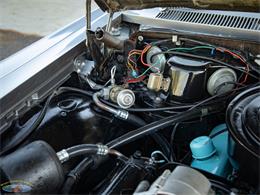
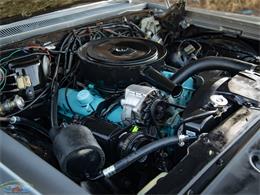
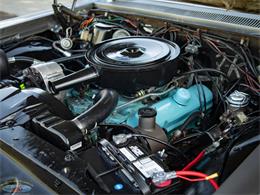
#'s 389 4BBL 303 HP V8 engine with factory options including:
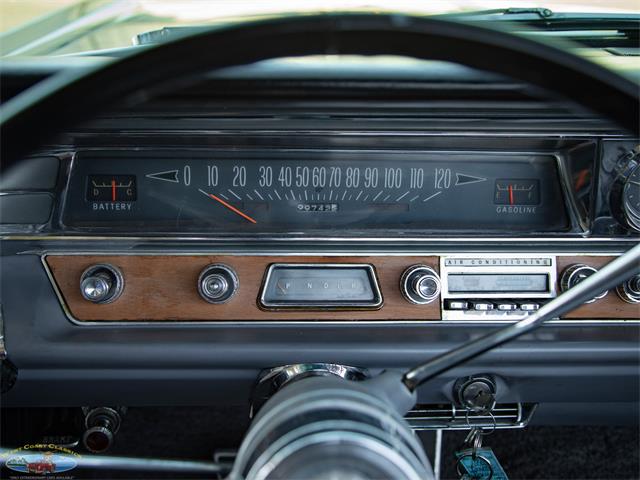
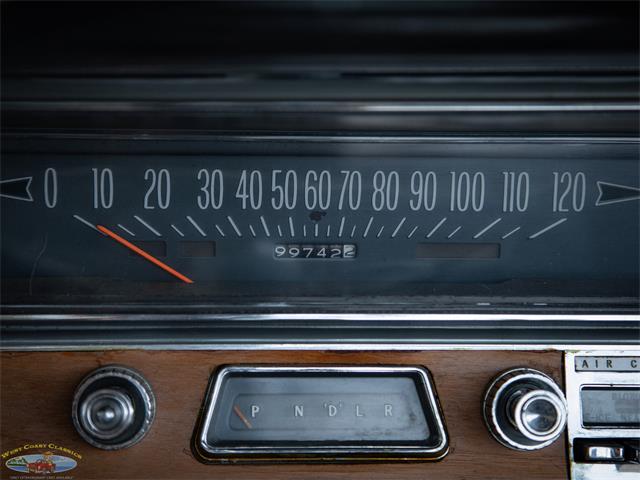
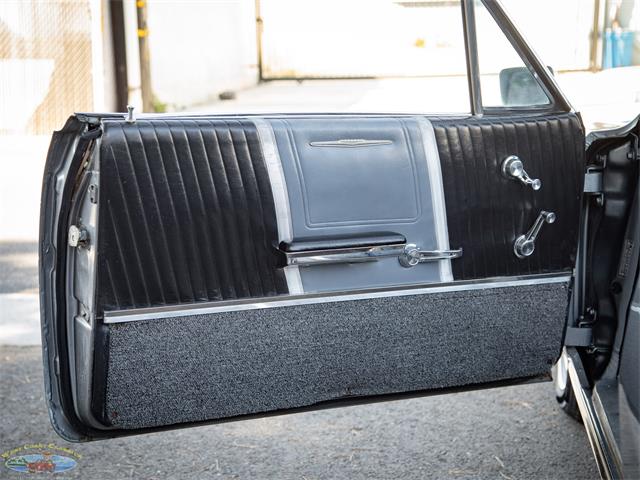
Hydra-Matic automatic transmission, full carpeting including lower
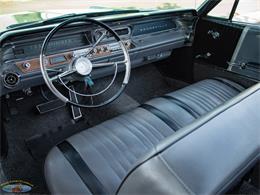
door panels, cushioned instrument panel, chrome exterior trim,
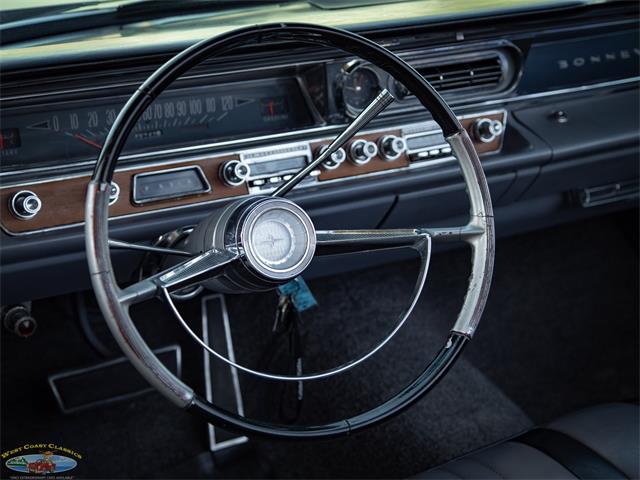
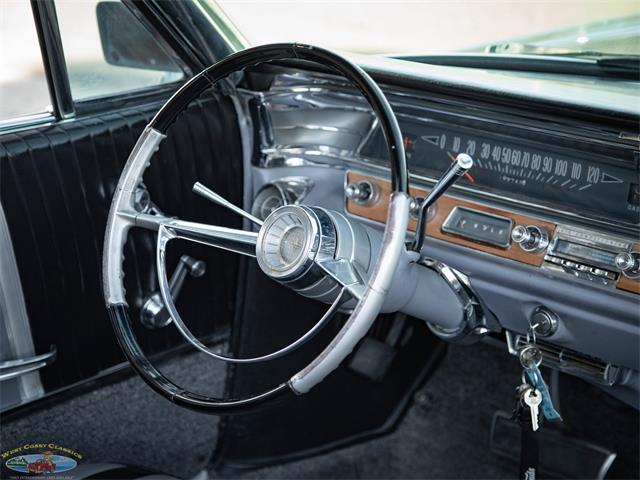
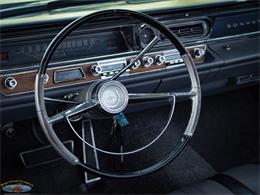
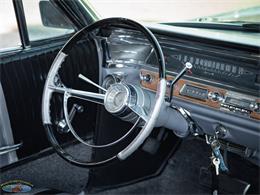
power steering, power brakes, deluxe steering wheel, original
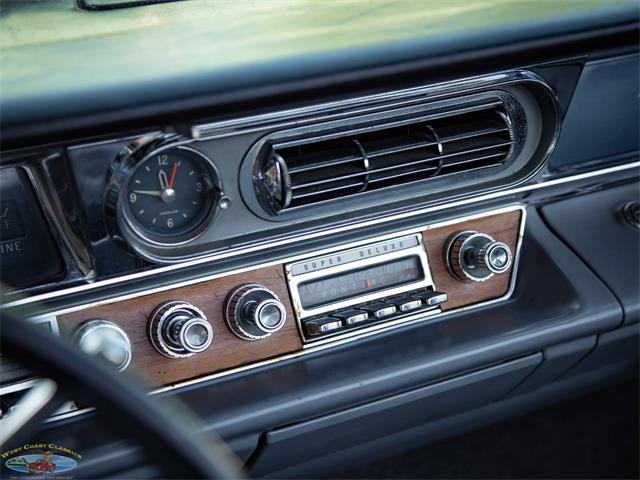
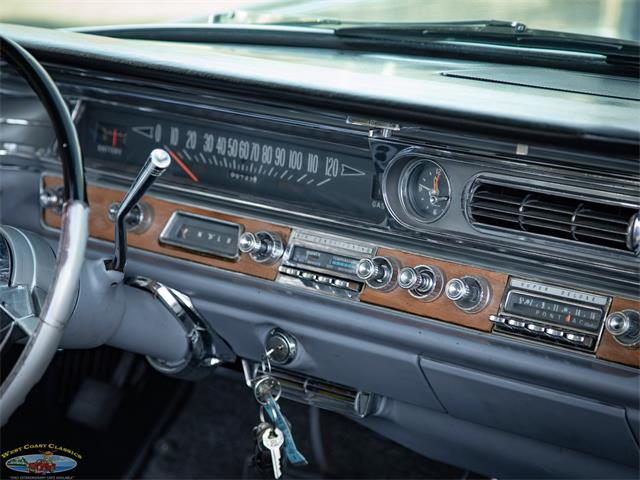
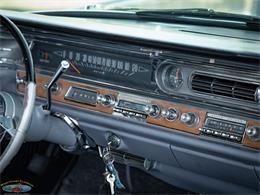
Pontiac 'Super Deluxe' AM radio, heater, very rare factory air
conditioning, original and factory Pontiac hubcaps upgraded with
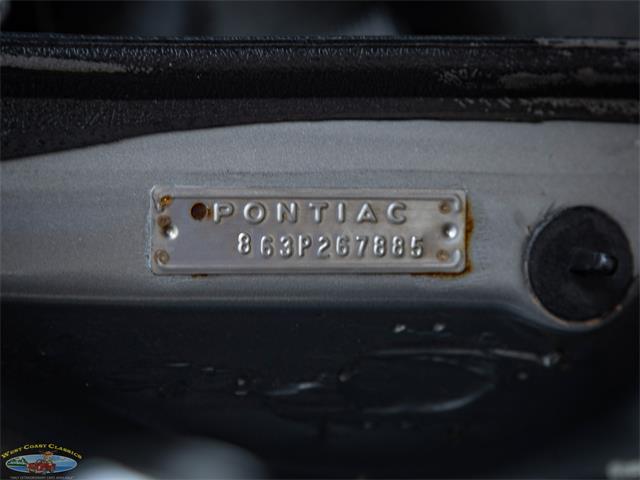
the very desirable 8 Lug wheels with period correct tires!This cowl
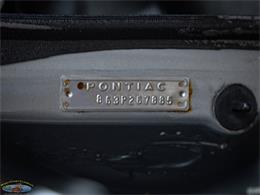
tag decodes to a highly optioned 1963 Pontiac Bonneville
Convertible originally finished in Saddle Bronze Poly with a Saddle
interior and with very rare factory air conditioning.This car
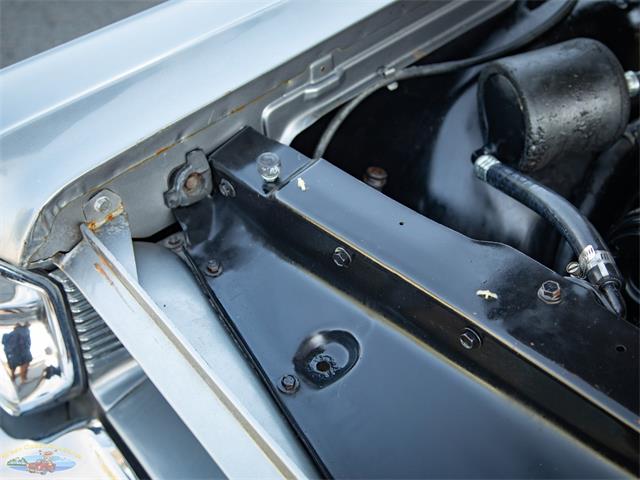
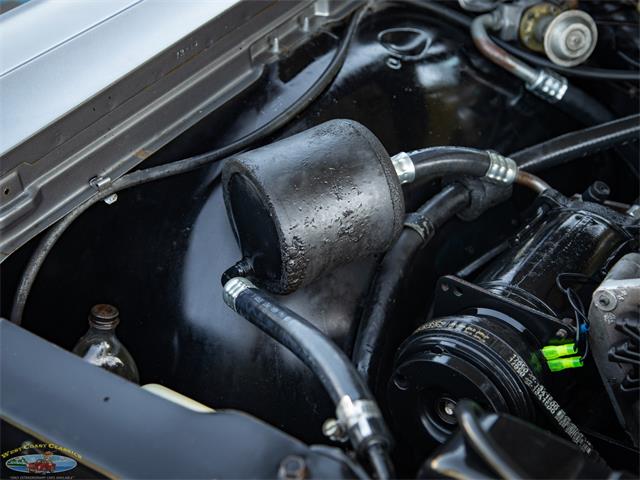
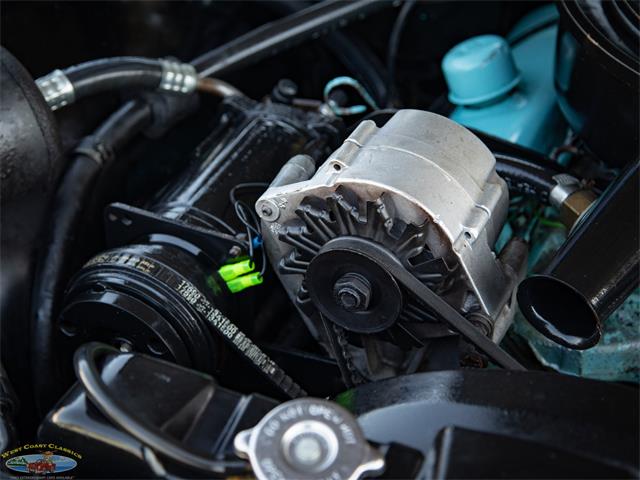
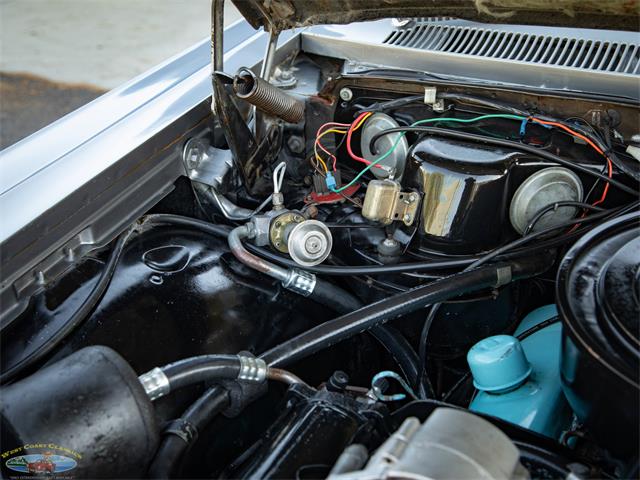
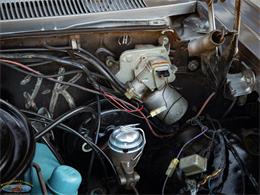
boasts its original matching numbers engine with the
corresponding engine code 38P designating a 389 CID V8 engine rated
at 303 HP with an automatic transmission and factory air
conditioning.Accessories included:1E (Group 1): EZ Eye Tinted Glass
(All Windows).2K (Group 2): C60 Air Conditioning systemAccording to
factory specifications for this configuration, it originally rolled
off the line equipped with a 389 cubic-inch V8 engine producing 303
horsepower, paired with a Hydra-Matic automatic transmissionThe car
was restored as required over the years and has an older repaint in
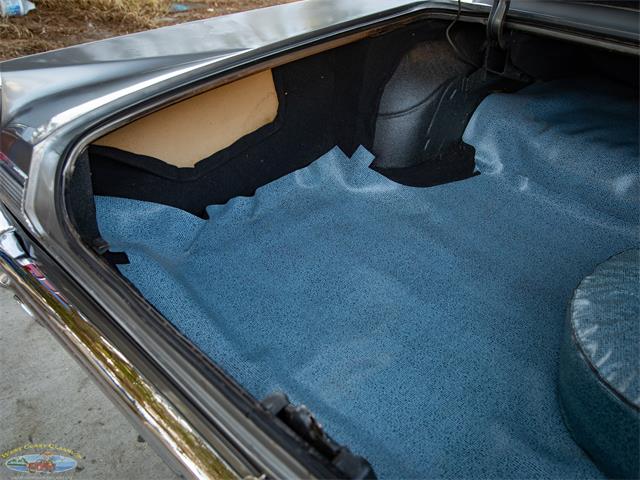
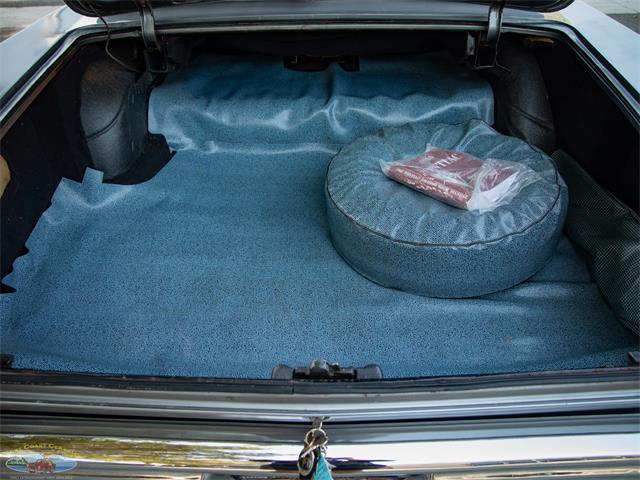
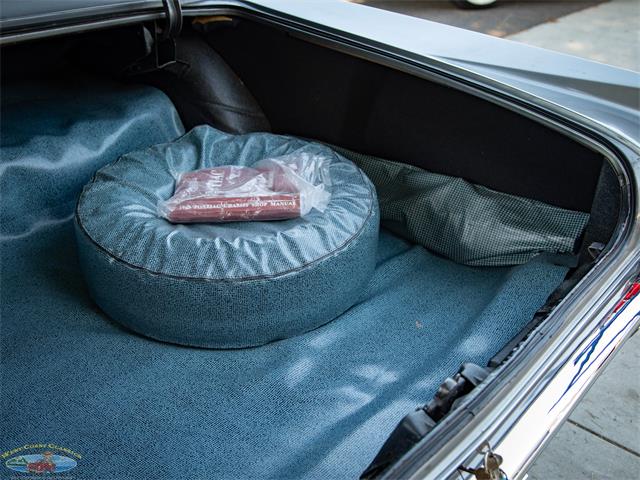
Medium Gray and the floor boards, trunk and all the typical
rust-prone areas solid and rust-free and with the car having no
indication of any accidents - obviously an always garaged and
cherished original southern California car since new! Please note
the car does have a small dent on the drivers side rear fender and
the paint and top are now beginning to show their age. We would
consider it a driver quality example.Mechanically it drives very
well and has some solid service history with service records
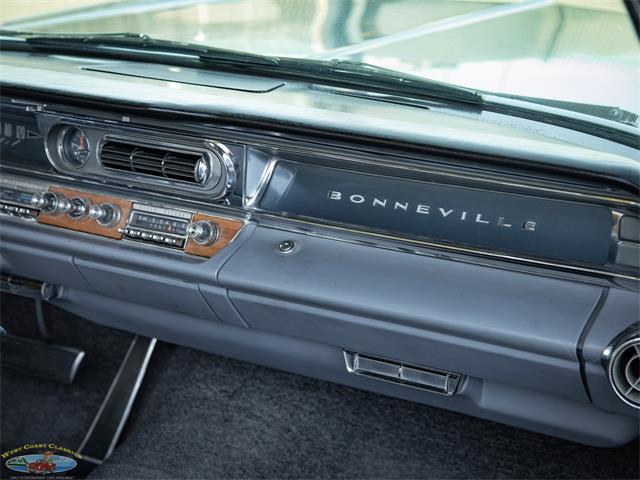
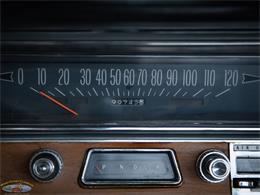
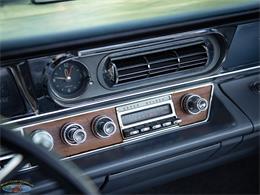
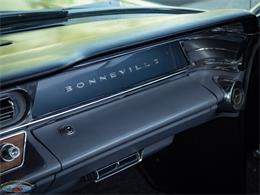
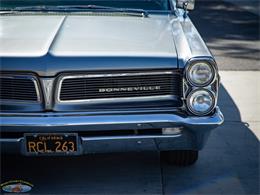
available.The car looks very impressive with all it's original
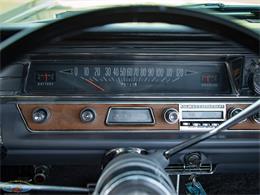
logos and its original 'Pontiac Super Deluxe' radio and power
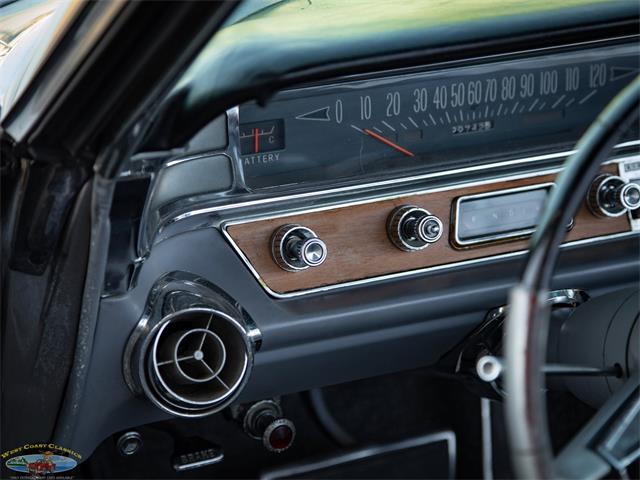
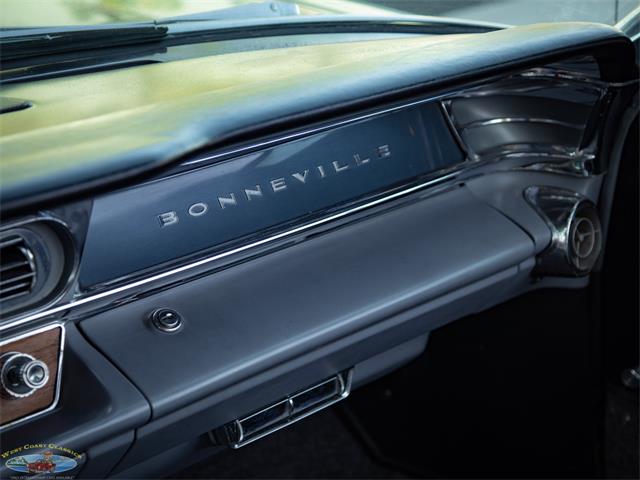
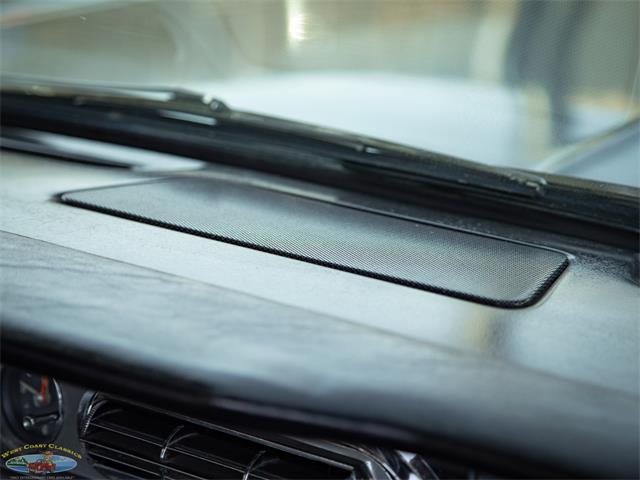
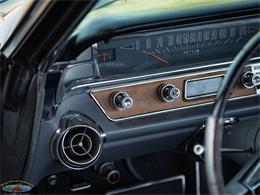
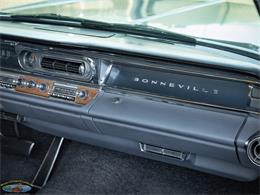
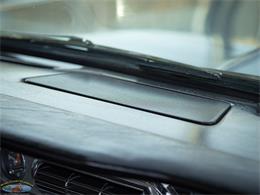
antenna and with the brightwork design on the dashboard, the
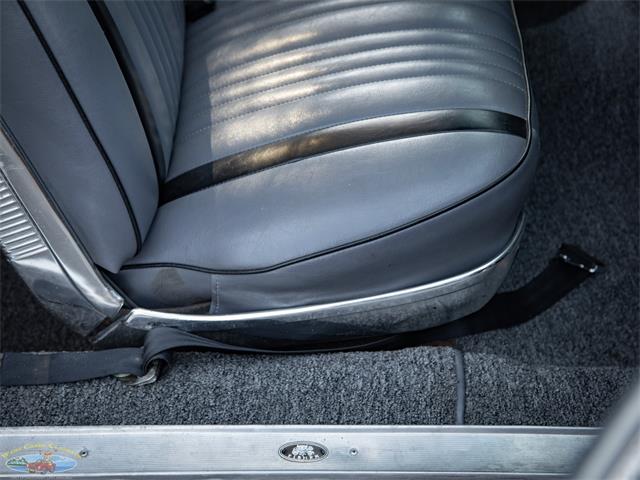
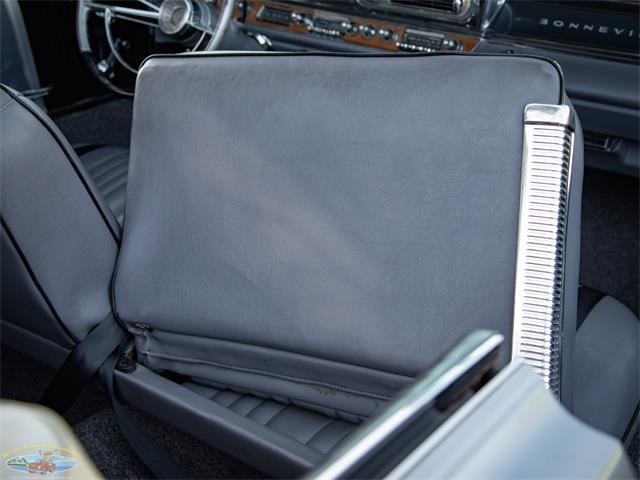
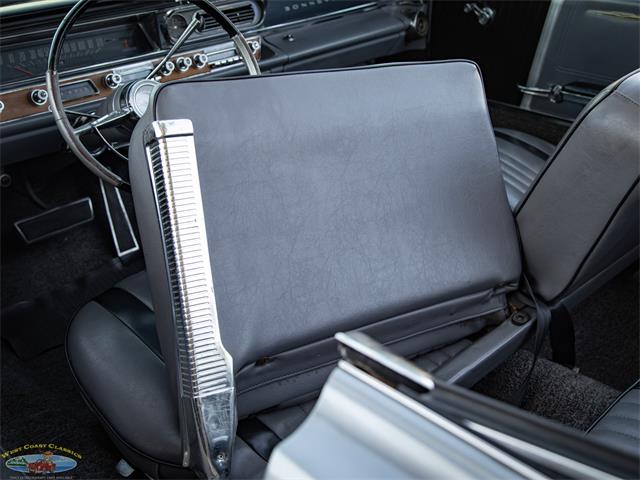
dashboard itself, and the carpets and seats all in very presentable
condition throughout. All the chrome work is also in very good
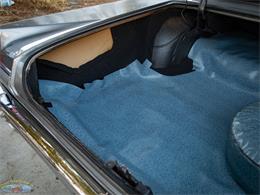
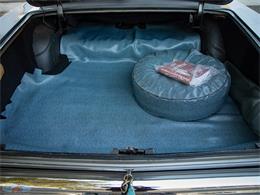
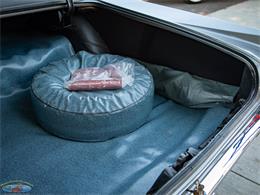
condition and the original spare wheel and shop manual is in the
trunk. This particular car drives very well with the transmission
shifting smoothly through all the gears and with the temperature
always remaining cool!It is hard to pin down the first actual
muscle car; some have asserted that it is the 1949 Oldsmobile
Rocket 88, which was built with speed in mind and with an overhead
valve V8 placed in a mid-size car with a relatively lightweight
body. A lot of observers cite the next big step in the evolution of
the early muscle car to be the introduction of the 1955 Chrysler
C-300 with its 300 horsepower Hemi engine that could go from zero
to sixty in 9.8 seconds and reach a top speed of around 130 miles
per hour. A car that came along a few years later that is of note
to many collectors and muscle car enthusiasts is the Pontiac
Ventura. The Ventura hardtop of 1961 cost the same as the 1960
model but weighed 180lbs less. The new and shorter wheelbase by 4
inches 1961 Pontiac with the lighter bodies and stronger engines
made Pontiac drag racers hard to beat on the street or strip and
Pontiac won 21 of 52 NASCAR Grand National stock-car races this
year. The 1961 Pontiac Ventura 389 with the standard 389 cubic inch
OHV V8 and three two-barrels was capable of going from a standing
position to sixty miles per hour in a brief 8.2 seconds, and it
could get a quarter mile in 15.5 seconds and reach 93 miles per
hour in the process. They were offered with the famed bubble-top
body style and the eye catching 'Jeweltone Morrokide' upholstery
and were similar in design to the marque's top of the line model
the legendary Pontiac Bonneville!The Bonneville name was introduced
in 1954 on a pair of bubble-topped GM Motorama concept cars called
the Bonneville Special. It entered the production lineup as a
high-performance, fuel-injected luxury convertible within the Star
Chief line in the 1957 model year and was loaded with every
conceivable option as standard equipment with the exception of
optional air conditioning. This put the Bonneville in a
Cadillac-like price range of $5,000 - more than double the base
price of a Chieftain four-door sedan. A fully equipped Bonneville
could cost more than a Cadillac. Only 630 units were produced that
first year, making it one of the most collectible Pontiacs of all
time today. The following year it would become its own separate
model and it would endure until 2005 as the division's
top-of-the-line model. The name was taken from the Bonneville Salt
Flats in Utah, the site of much early auto racing and most of the
world's land speed record runs, which was named in turn after U.S.
Army officer Benjamin Bonneville. Bonneville became a separate
model in 1958 and was available as a coupe or a convertible. It
paced the Indianapolis 500 in its first year. In its third year,
the 1959 Bonneville became a full top-line series with the addition
of the four-door hardtop sedan and Safari station wagon body
styles. The Bonneville played an important part that year in the
introduction of two of Pontiac's greatest marketing inspirations
the split grille and the Wide Track slogan. The latter was not just
ad copy, either, as Pontiac pushed its wheels further out toward
the fenders than anyone else and created what were considered to be
the best-cornering full-size cars in the industry. Both the grille
design and the Wide Track phrase remained part of Pontiac's image
up to its termination. A "Safe-T-Track" differential, used to
minimize wheel spin, was an option beginning in 1959. The
Bonneville remained as Pontiac's costliest and most luxurious model
throughout the 1960s and was instrumental in pushing Pontiac to
third place in sales from 1962 to 1970.The Bonneville differed from
its lesser Catalina and Star Chief counterparts by featuring more
luxurious interior trim with upgraded cloth and Morrokide vinyl or
expanded Morrokide upholstery in sedans and coupes, expanded
Morrokide in Safari wagons or genuine leather seating in
convertibles. Bonnevilles (with the exception of Bonneville Safari
Station wagons) were also (along with Star Chiefs) built on a
longer wheelbase version of GM's B-Body. Also found in the
Bonneville were instrument panels and door panels with walnut
veneer trim, carpeted lower door panels, grab bar on passenger side
of dash and courtesy lights and rear arm rest. Beginning in 1964, a
Bonneville Brougham option package was available that included an
even more luxurious interior trim level with front and rear seats
featuring center armrests, upgraded door panels and a standard
Cordova (vinyl) roof with 'Brougham' nameplates.Bonneville models
were standard equipped with Hydra-Matic (through 1964) or Turbo
Hydra-Matic (1965-on) automatic transmissions. Other options
included power steering and power brakes as well as air
conditioning. The Bonneville also had more powerful standard V8
engines than other full-sized Pontiacs including the 389 cu in (6.4
l) or 400 cu in (6.6 l) V8s with four-barrel carburetors with many
optional V8 offerings available including Tri-Power (three
two-barrel carburetor) options on both the 389 cu in (6.4 l) and
421 cu in (6.9 l) V8s that offered up to 376 hp (280 kW) through
1966. For 1962, Pontiac also offered the 421 cu in (6.9 l) Super
Duty with two four-barrel carburetors, rated at 405 hp.This
is...for more information please contact the seller.
ClassicCars.com has been recognized as one of the fastest-growing private companies in the United States, successfully making the Inc. 5000 list in both 2015,
2016, 2017 and 2018. This prestigious accolade represents the continued growth of the company, and ClassicCars.com's dominance as the world's largest online marketplace for
buying and selling classic and collector vehicles.
The Stevie Awards, the world's premier business awards recognized
ClassicCars.com's first-class Customer Support team with a Stevie Bronze Award in 2019, celebrating the team's skills as exemplary customer support specialists.
In 2016 The Journal, brought to you by ClassicCars.com, was celebrated as the SECOND MOST INFLUENTIAL automotive blog in the world by NFC Performance.