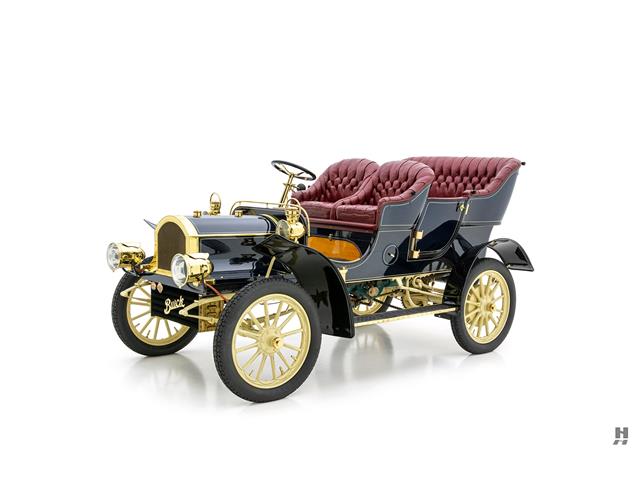
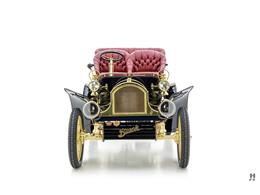
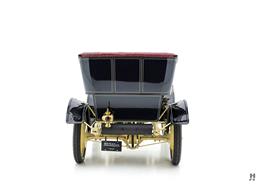
VIN 18903
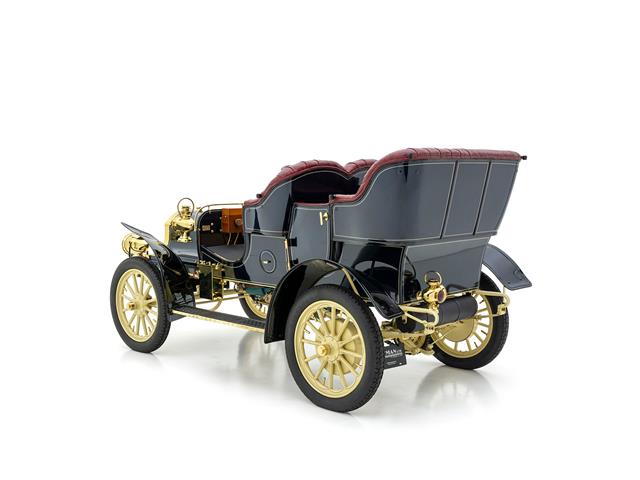
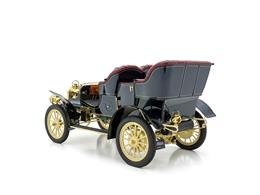
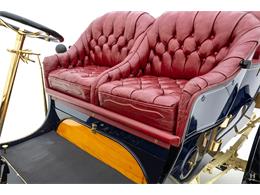
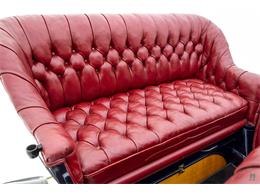
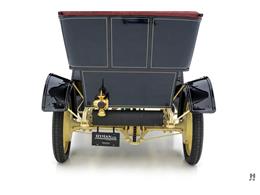
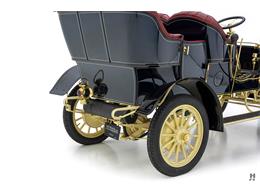
- Authentic 1905 Model C body, believed to be the fifth-oldest
surviving Buick body
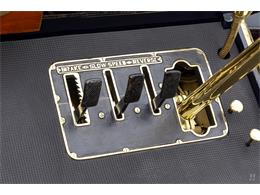
- 1909 Model F chassis and 22-horsepower overhead-valve
twin-cylinder engine
- Extensive restoration by the Eastwood family, carefully
incorporating early components
- Upgraded ignition and high-compression pistons, with larger
Model F brakes retained for improved drivability
- Recipient of AACA National Senior and Grand National
awards
Before creating his eponymous automobile company, David Dunbar
Buick achieved considerable success in the plumbing industry,
developing a process for coating cast iron with porcelain that
helped popularize the familiar white bathtub. Although he could
have comfortably rested on his achievements, Buick sought a new
challenge and sold his plumbing business in 1899 to pursue the
development of gasoline-powered engines for agricultural and marine
applications. His new venture became the Buick Manufacturing
Company in 1902, eventually evolving into the Buick Motor Company.
Despite Buick's engineering talents, indecision and mounting
financial pressures frustrated his investors, and by 1904, the
company had produced little more than a running prototype and a
handful of automobiles.
The arrival of William "Billy" Crapo Durant transformed Buick's
fortunes. Already a successful carriage manufacturer and
influential figure in American industry, Durant recognized the
potential of the fledgling automobile company and quickly expanded
its operations. Production climbed to more than 4,600 automobiles
by 1907, placing Buick second only to Ford. The following year,
Durant used Buick as the cornerstone of his most ambitious venture
yet, the formation of General Motors. Among the notable figures who
would subsequently rise through the ranks of Buick and GM were
Charles Nash, Walter P. Chrysler, and Louis Chevrolet,
demonstrating the company's far-reaching influence on the American
automobile industry.
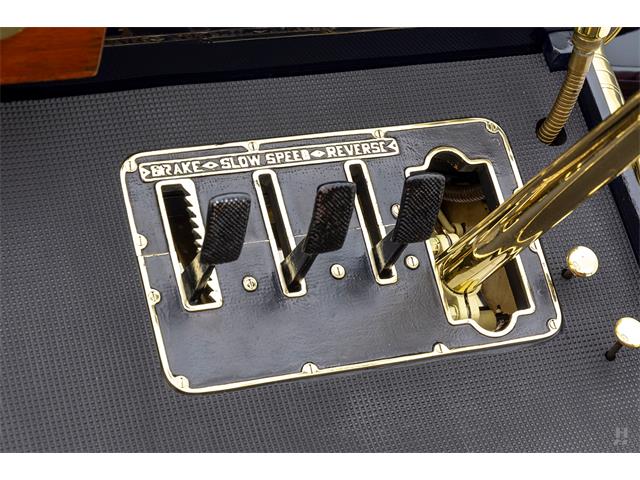
Buick's early production models were largely conventional
automobiles, utilizing planetary transmissions and chain drive, but
their overhead-valve engines set them apart from many
contemporaries. The innovative valve-in-head design would become an
enduring hallmark of the marque. For 1908, Buick introduced revised
styling and an expanded model range, including the two-cylinder
Model F touring car and its Model G roadster counterpart. Powered
by a 159-cubic-inch inline twin producing 22 horsepower, the Model
F combined respectable performance with the robust engineering that
had helped establish Buick's reputation.
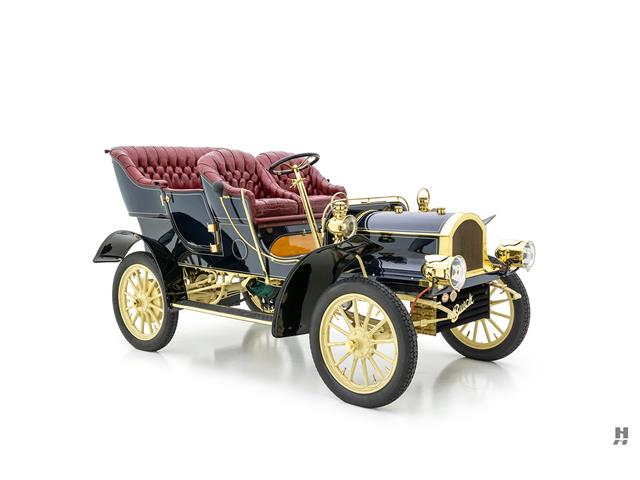
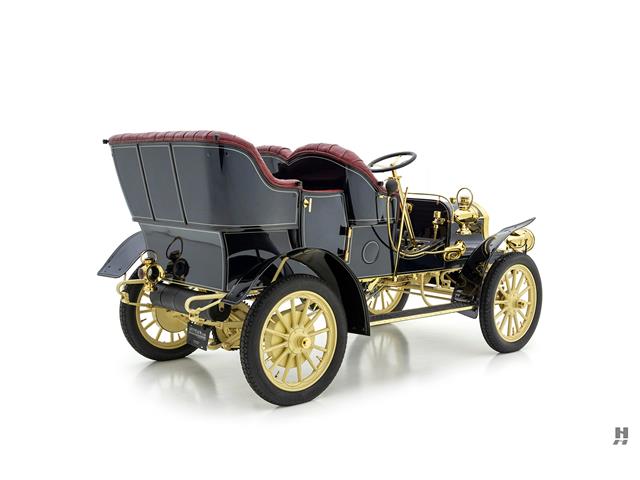
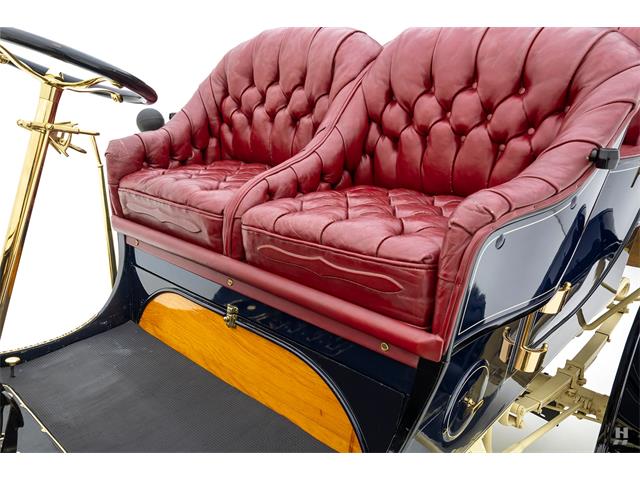
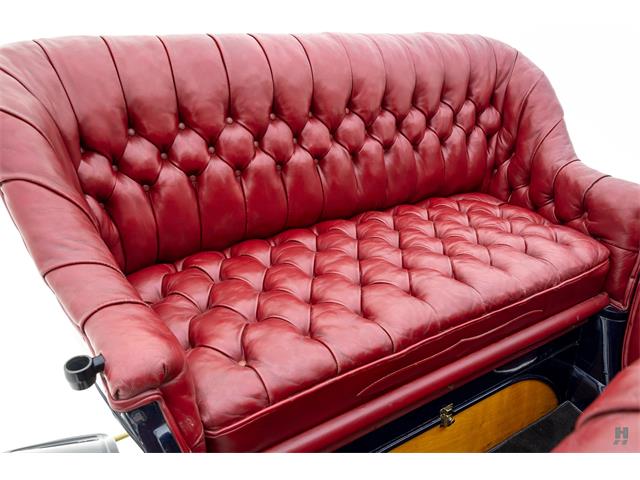
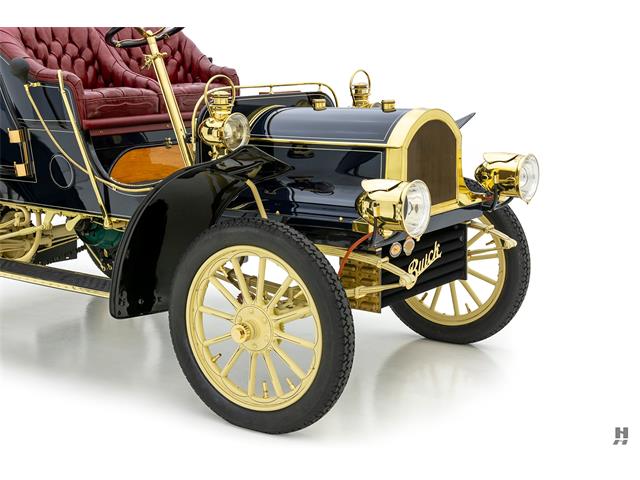
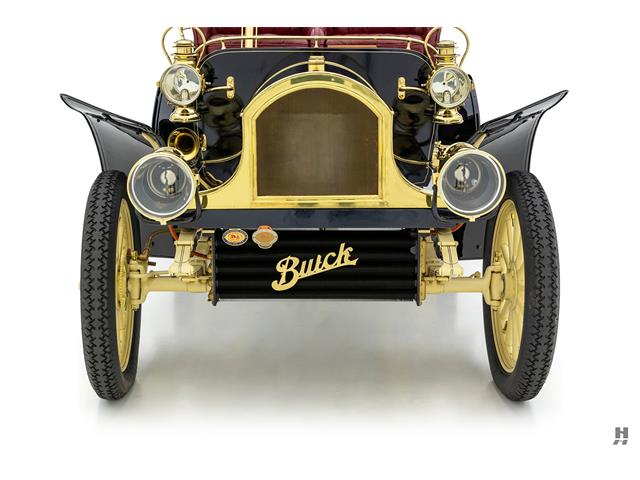
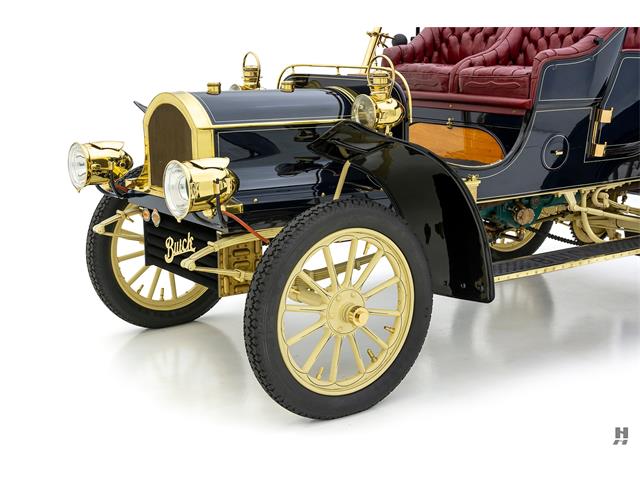
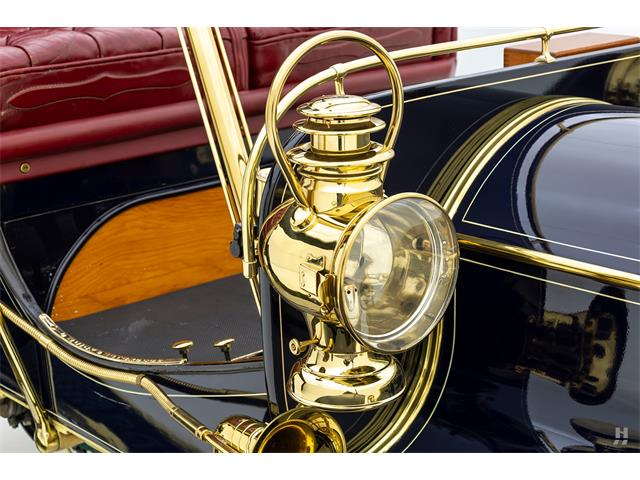
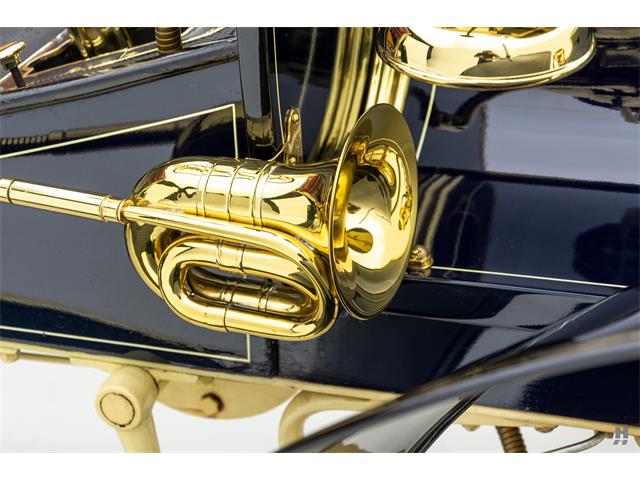
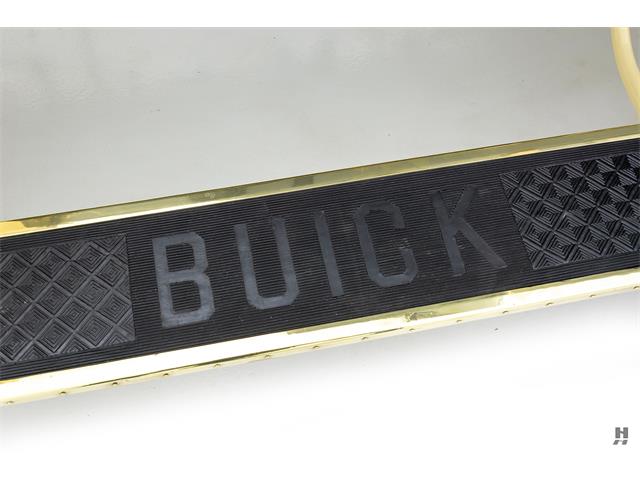
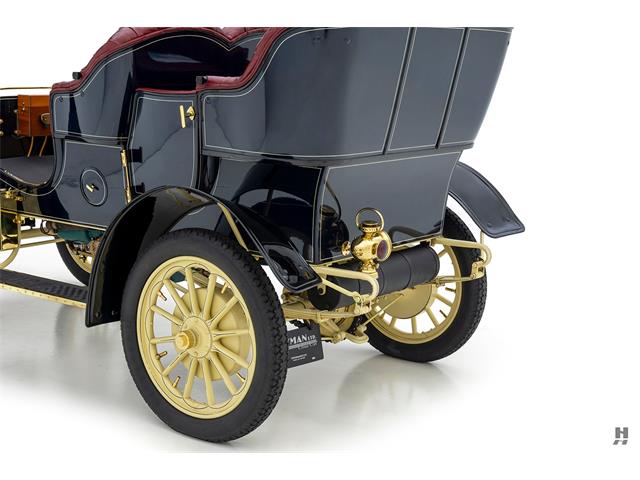
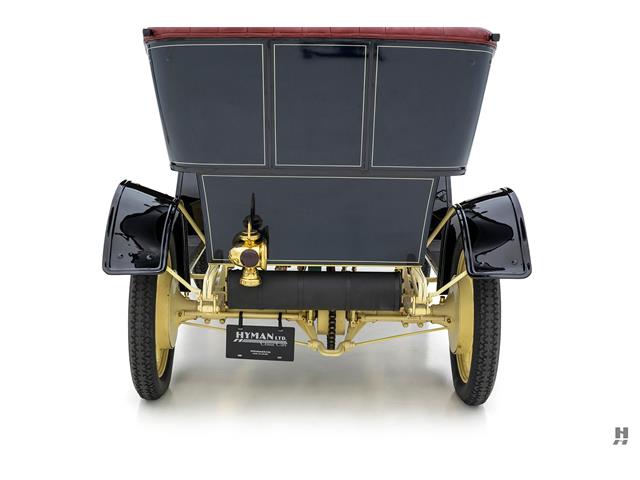
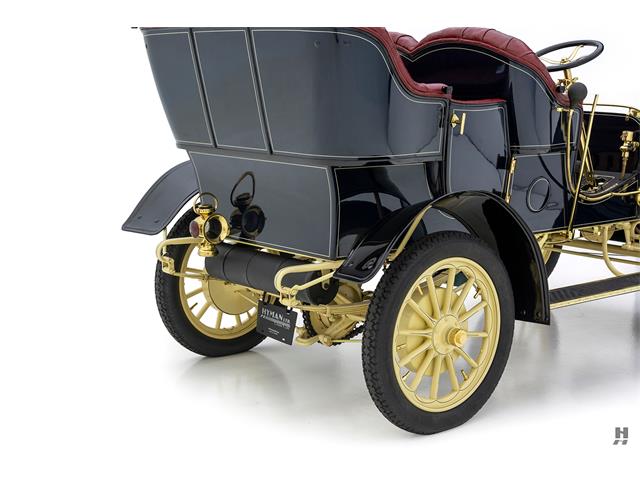
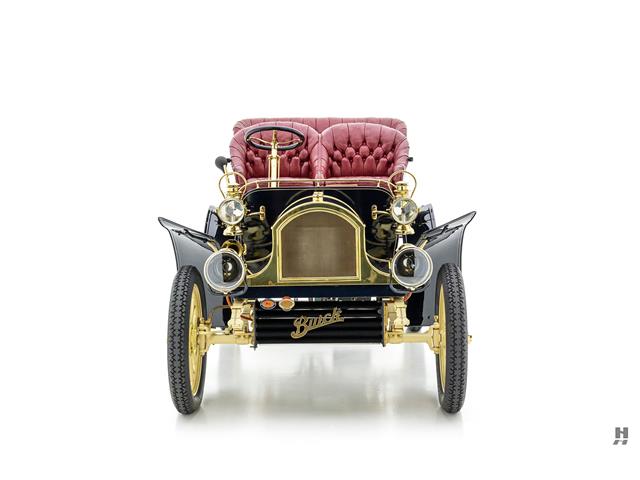
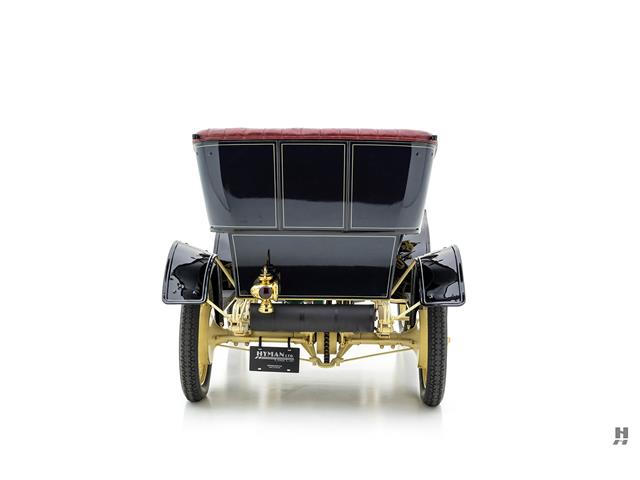
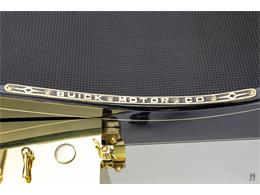
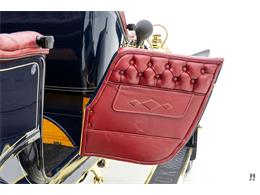
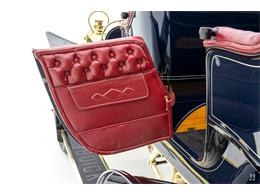
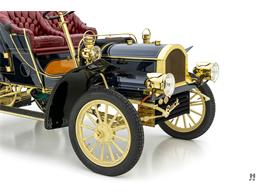
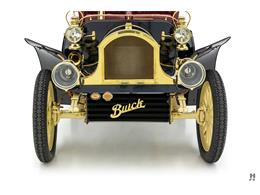
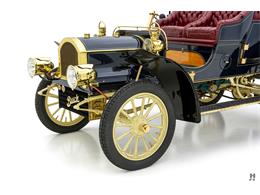
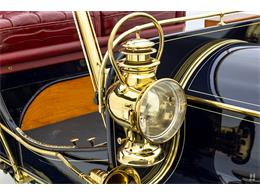
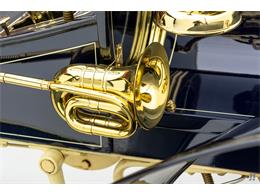
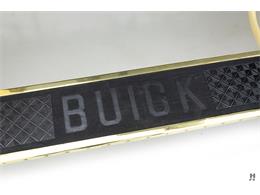
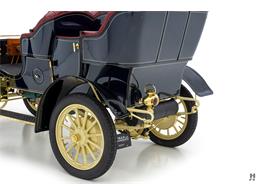
This charming 1909 Buick Model F, identified by flywheel number
18903, is a particularly intriguing example of the marque's
earliest automobiles. While retaining its Model F chassis and
running gear, the car is fitted with an original body from a 1905
Model C, believed to be the fifth-oldest surviving Buick body.
Although much of its early history has been lost in time; the
Buick's known history begins with the Eastwood Family of
California. Peter, together with his father, both highly respected
figures in two-cylinder Buick circles, undertook an extensive
restoration of the car. The family possessed considerable
experience with these early automobiles, having simultaneously
owned three other Buicks from the 1900s. Their ambitious project
transformed what had been a derelict Model F into a convincing
interpretation of a 1905 Model C, incorporating the remarkable
surviving original body.
During our research, we were fortunate to speak directly with the
Eastwood family, who provided valuable insight into the restoration
and the work required to achieve its configuration. To accommodate
the earlier coachwork, the Model F frame was carefully altered to
the appropriate dimensions, while retaining its 1909 running gear.
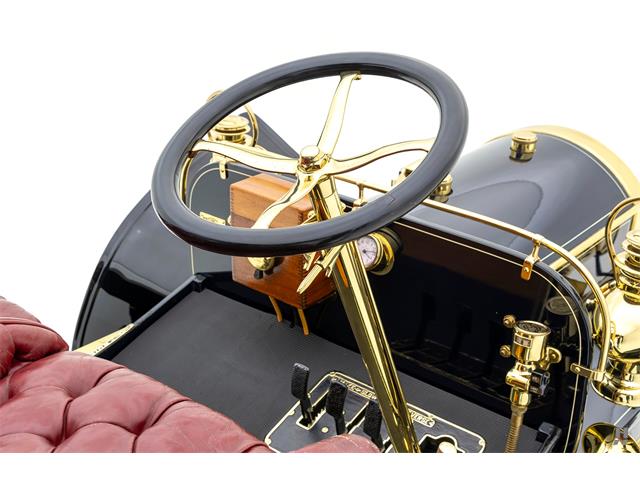
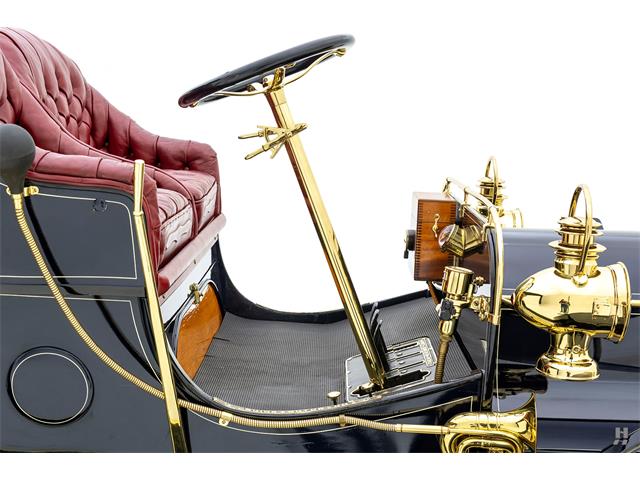
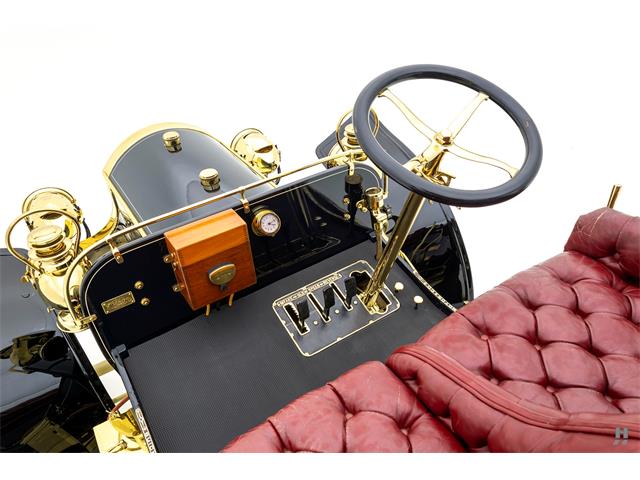
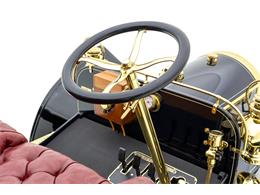
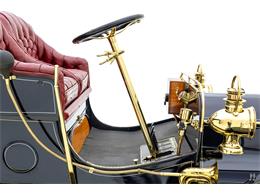
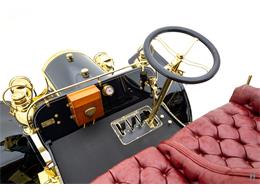
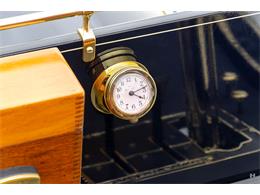
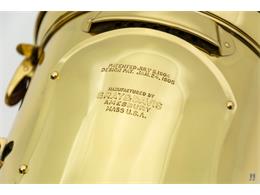
The original Model C body was fitted along with a steering column
from a 1906 Buick, while components including the hood, fuel tank,
and water tank were accurately fabricated to complete the early
appearance.
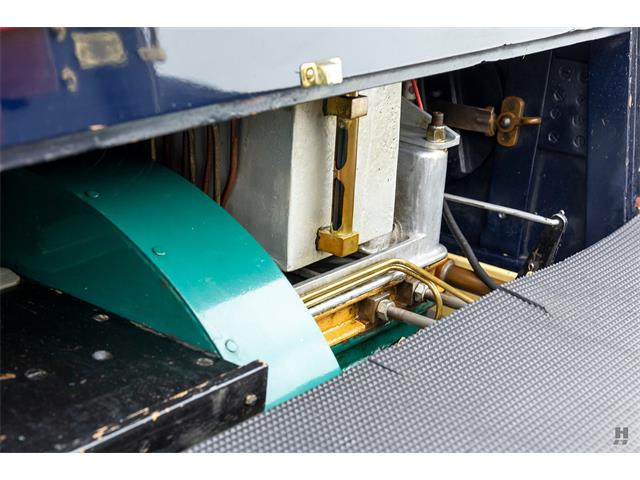
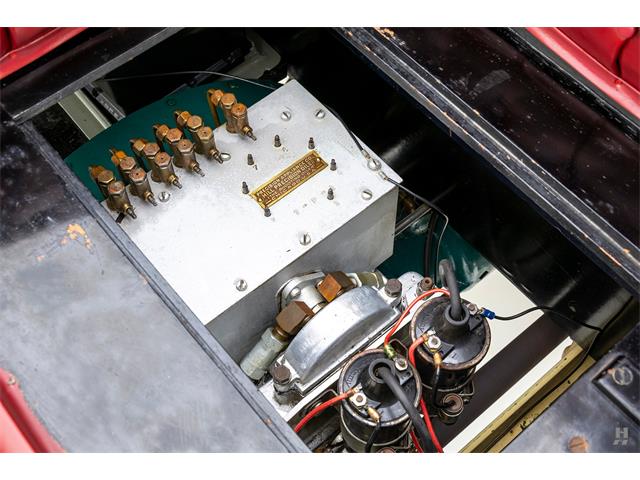
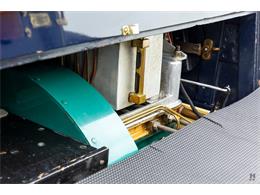
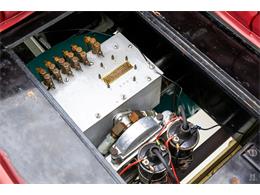
The engine retains its Model F configuration but benefits from
high-compression pistons and upgraded ignition coils, improving
performance and reliability without sacrificing the character of
Buick's distinctive two-cylinder powerplant. The later chassis also
retains its larger brakes, a welcome advantage when enjoying the
car on the road.
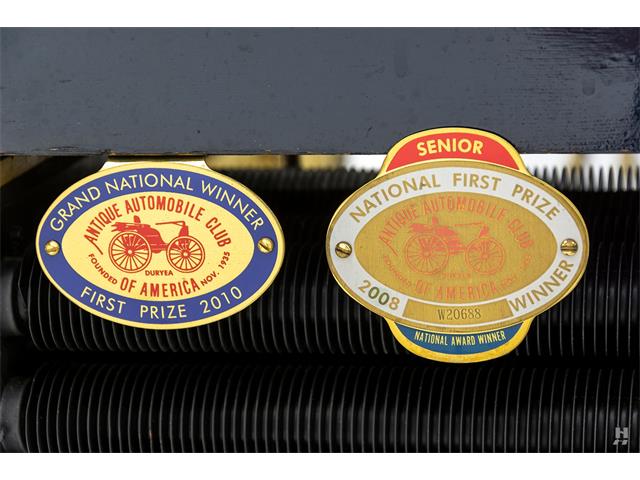
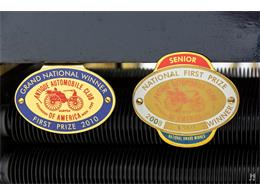
The quality of the completed restoration was recognized with AACA
National Senior and Grand National awards. The Buick subsequently
passed to Leslie "Les" Holden before joining an extensive private
collection, where it continued to be appreciated as an important
and unusual example of early American motoring.
Today, this Buick offers a particularly rewarding driving
experience. The combination of its lively overhead-valve twin,
upgraded ignition, and retained Model F running gear makes it an
especially capable early touring car, while its authentic 1905
coachwork provides the charming appearance of a considerably
earlier automobile. Having experienced the car firsthand, we found
it to be among the most enjoyable two-cylinder Buicks we have
driven.
With its remarkable surviving early body, well-documented
restoration, AACA honors, and thoughtfully improved mechanical
specification, this 1909 Buick Model F offers a compelling
combination of historical interest and genuine usability. It is a
car that captures the character of Buick's pioneering years while
providing the performance and confidence to be enjoyed as its
creators intended.
Offers welcome and trades considered.
Please note this vehicle is titled as a 1905.