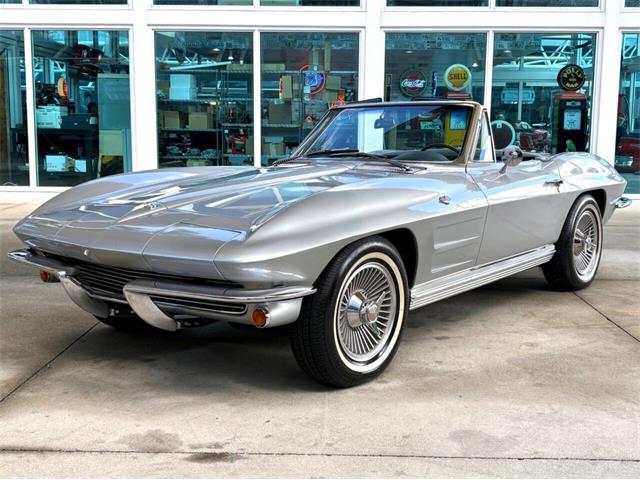
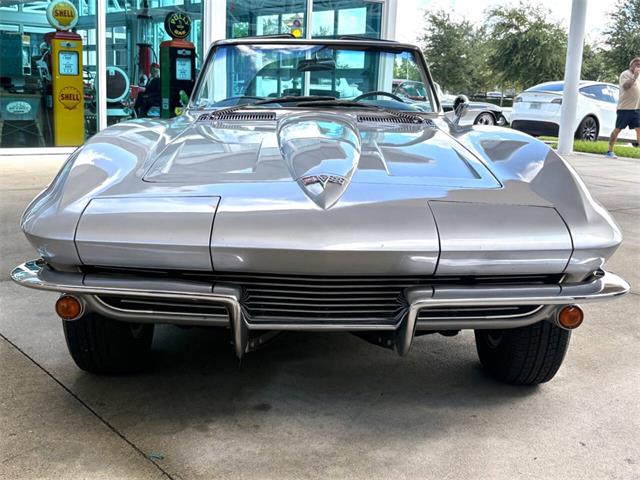
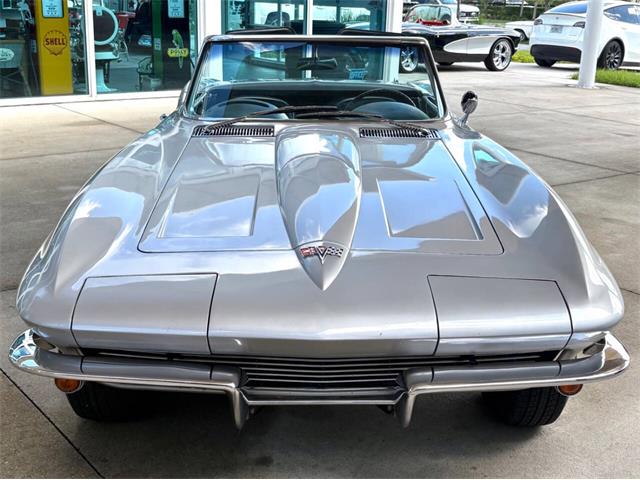
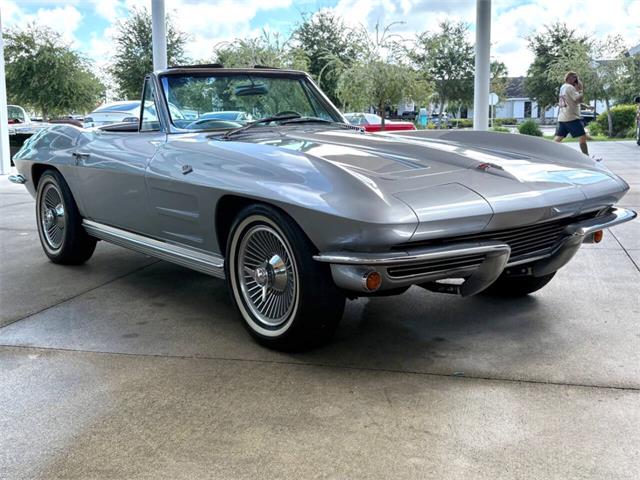
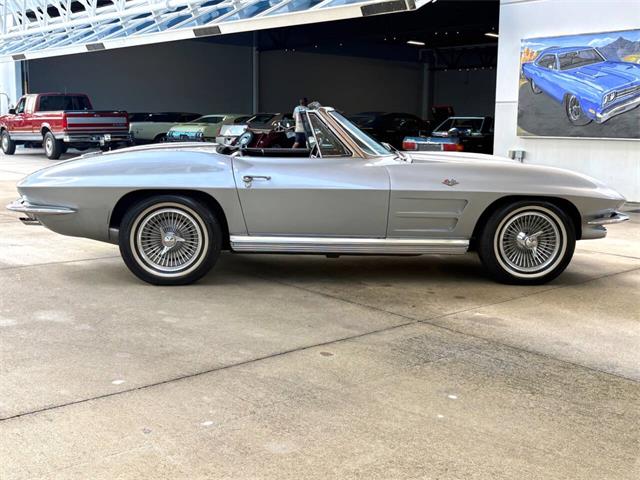
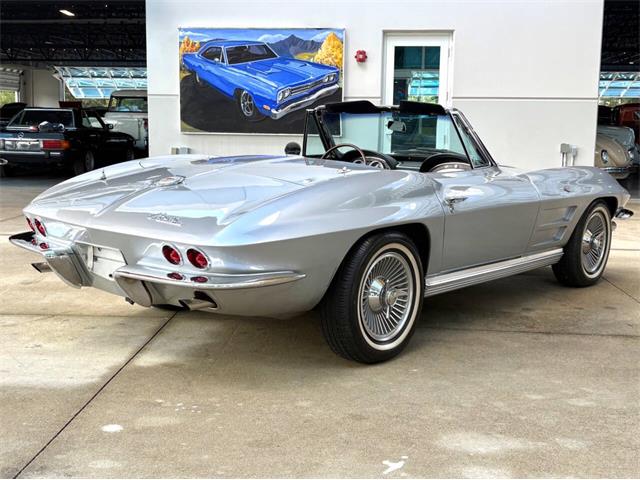
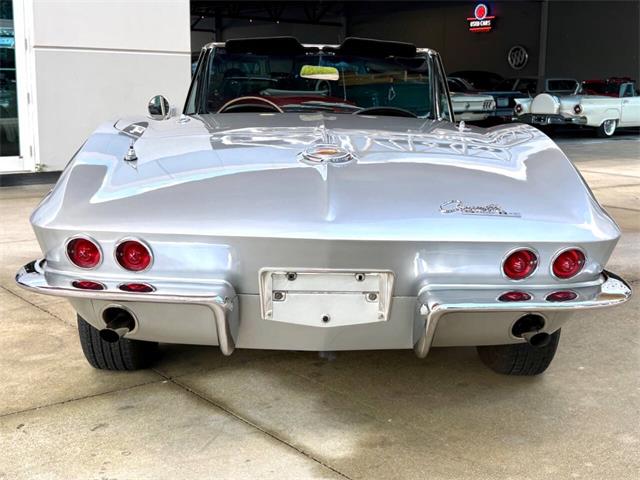
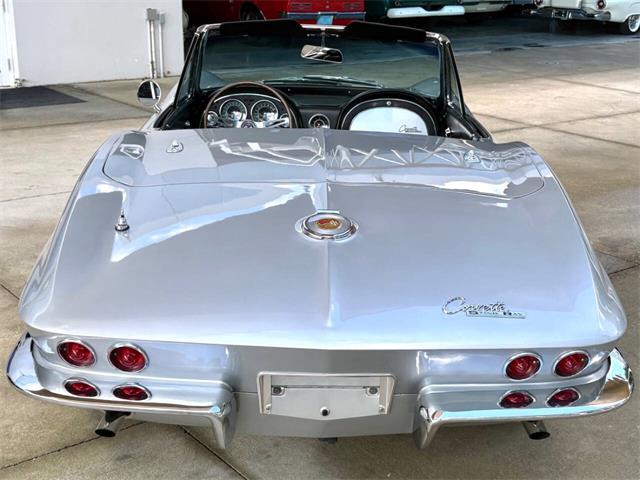
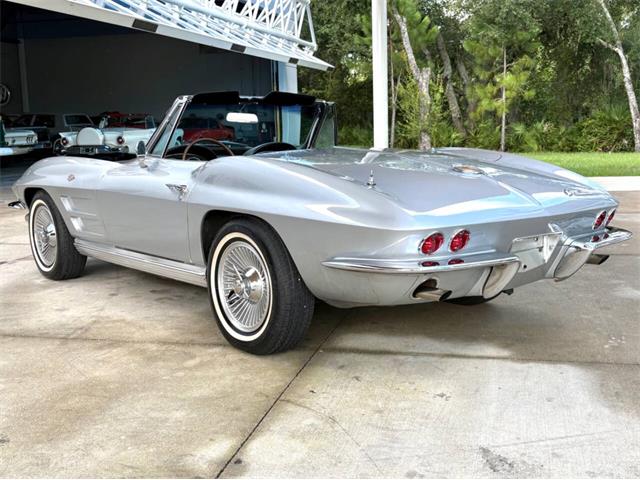
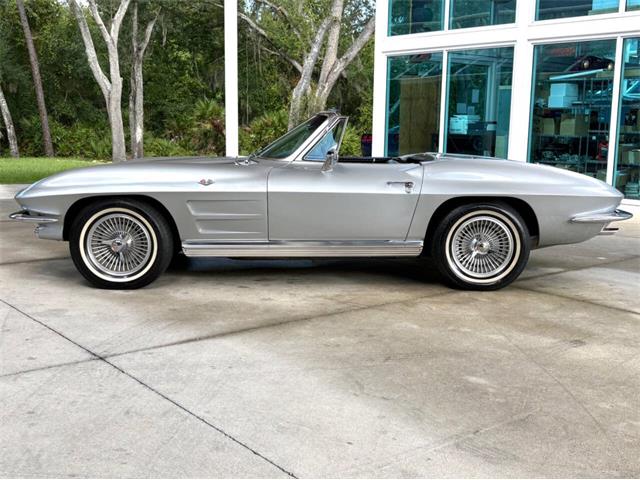
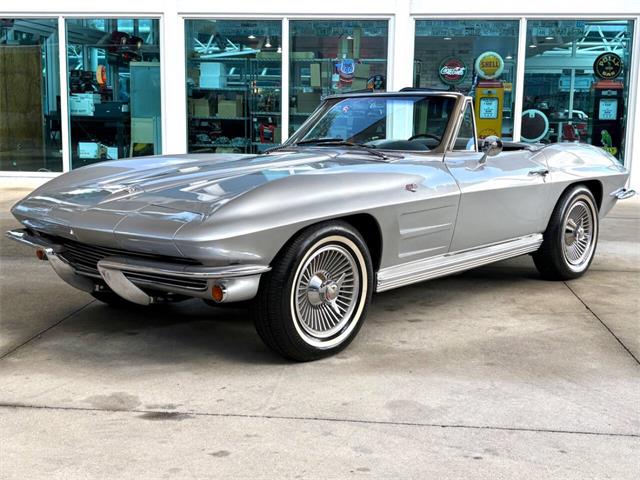
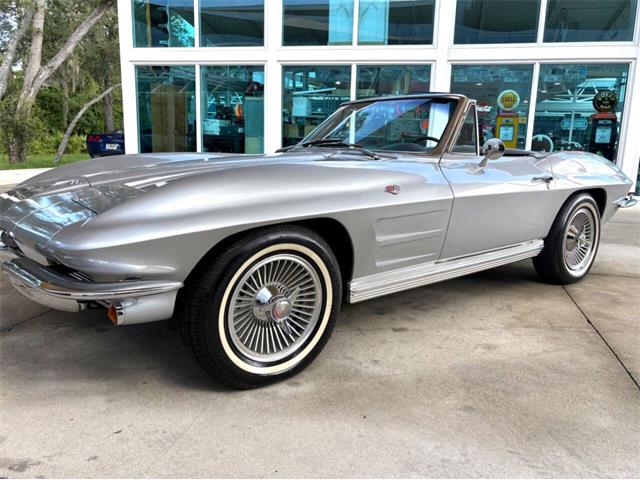
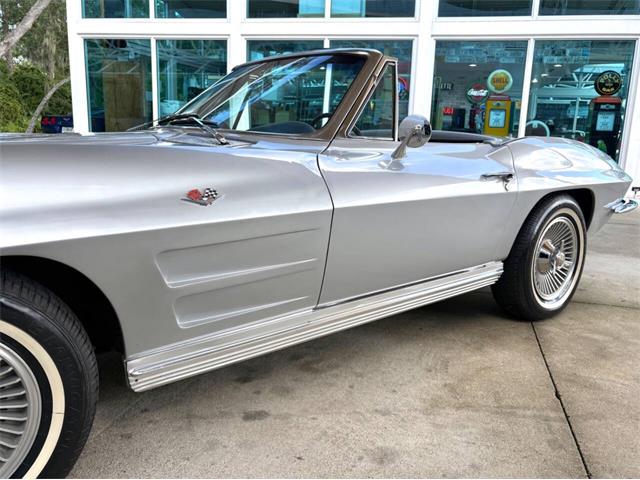
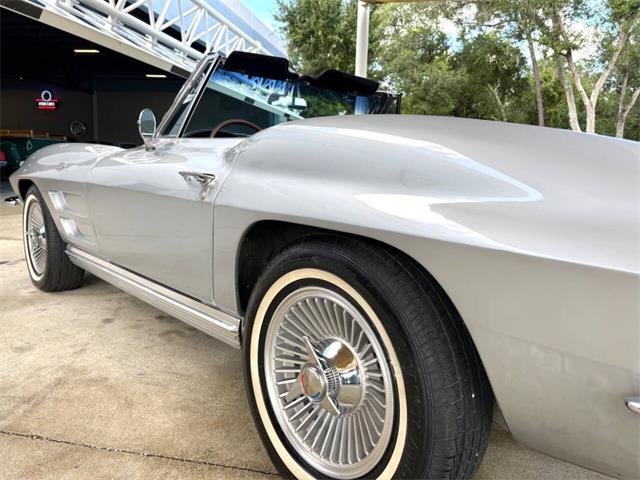
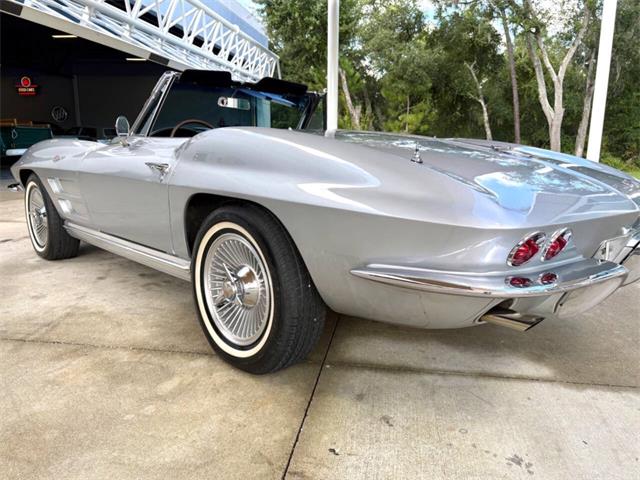
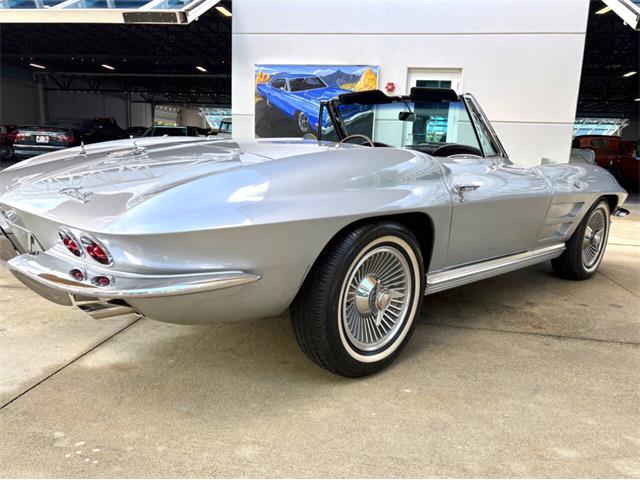
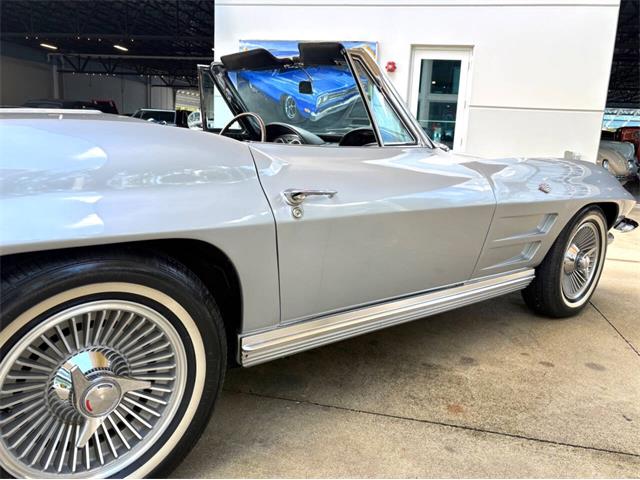
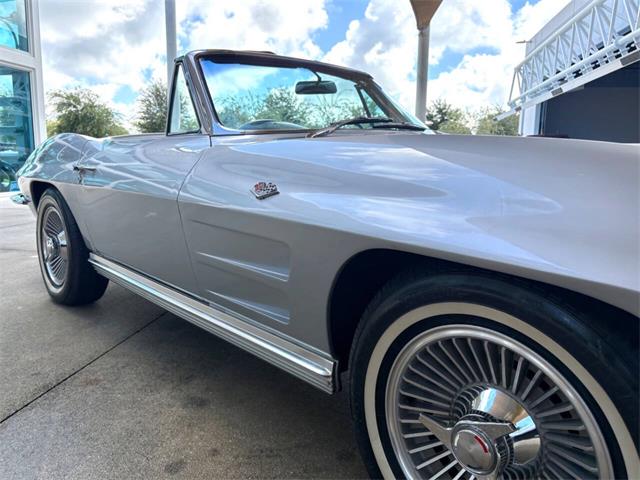
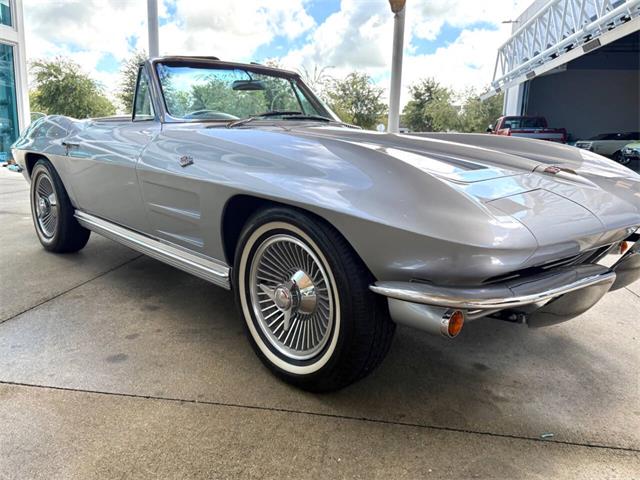
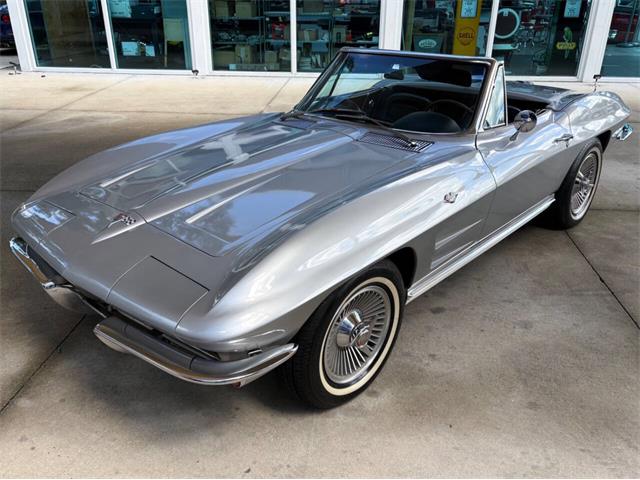
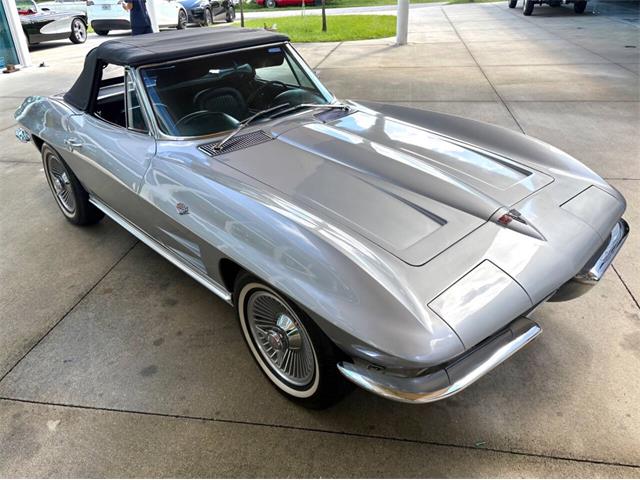
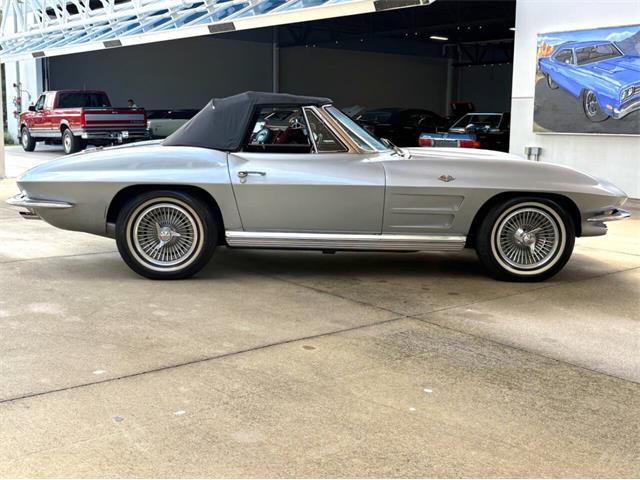
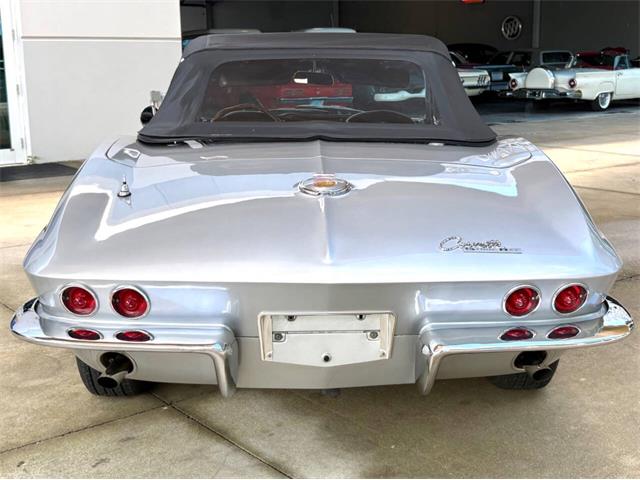
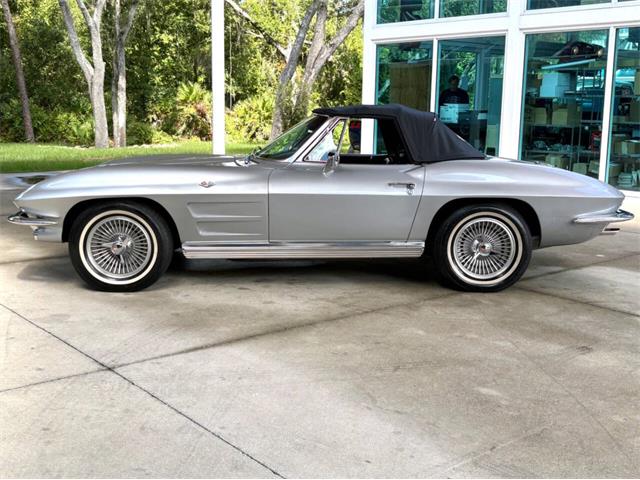
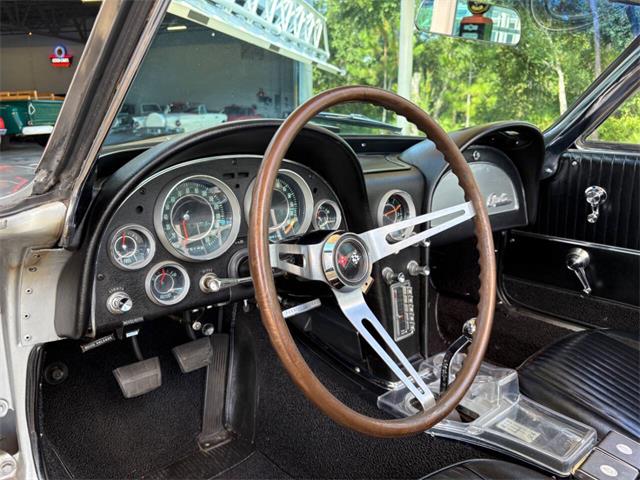
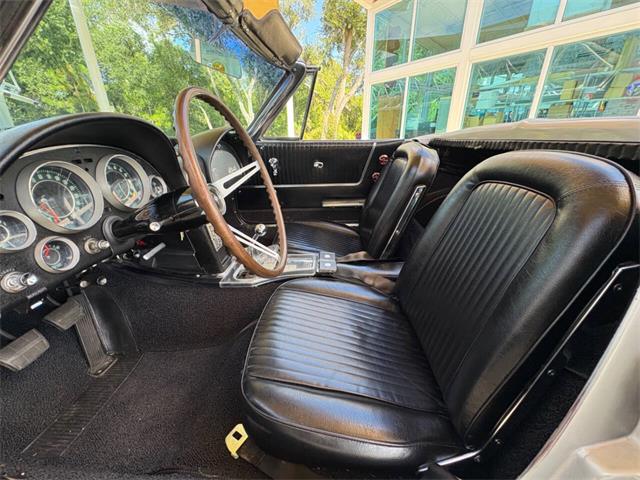
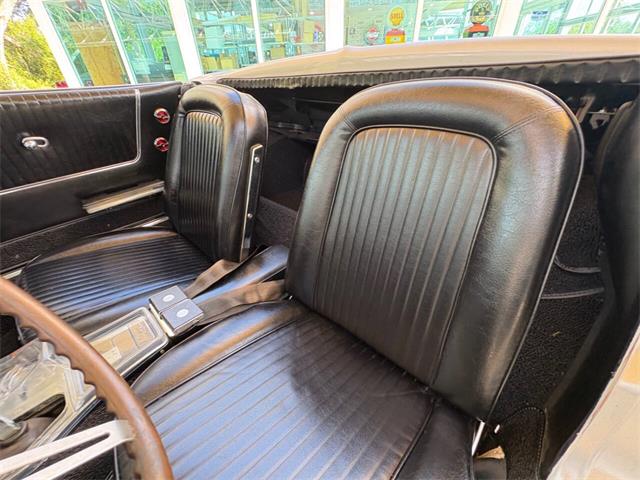
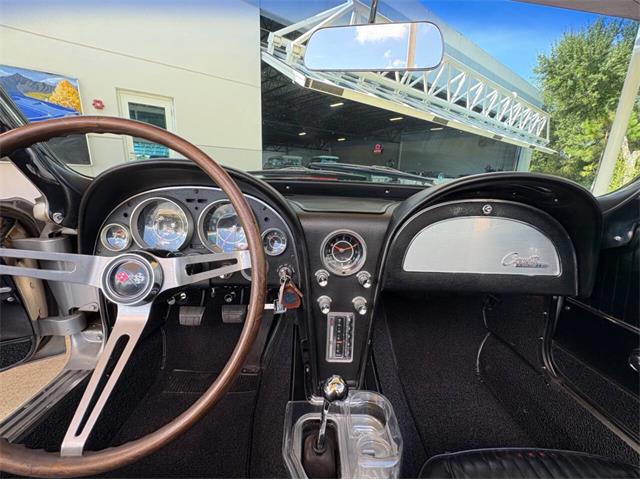
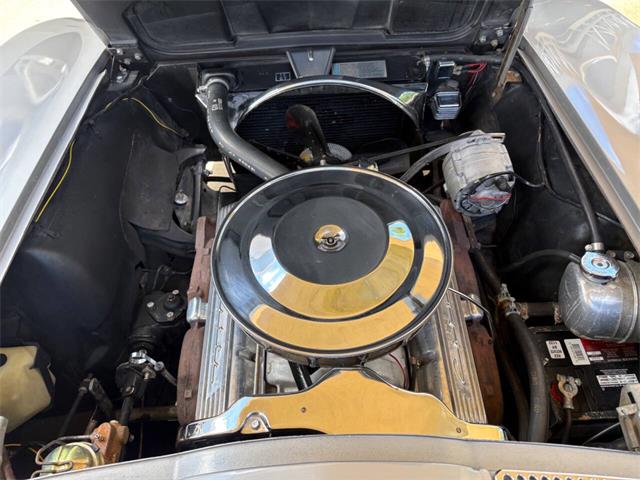
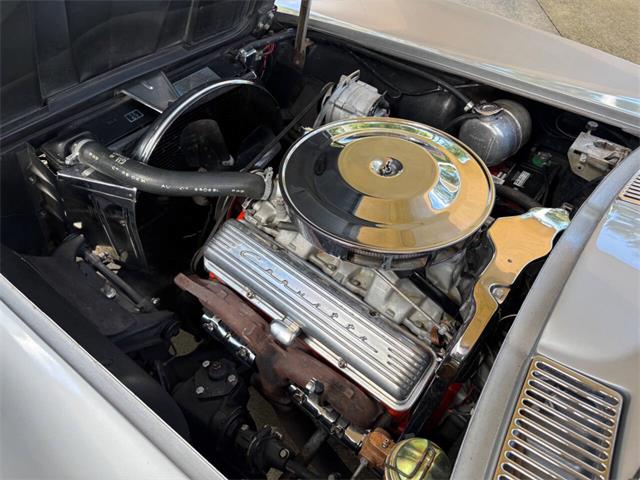
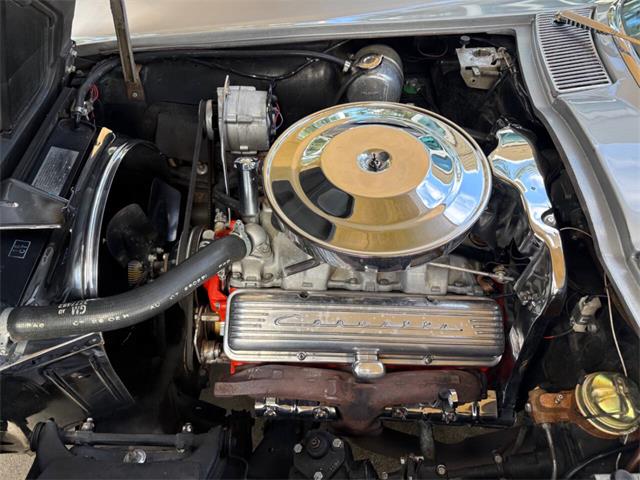
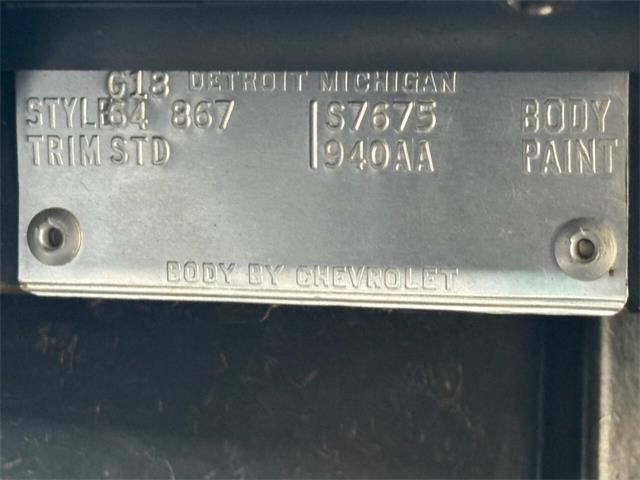
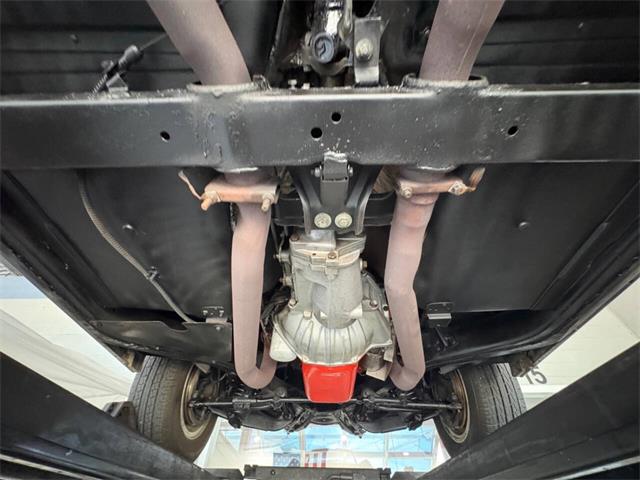
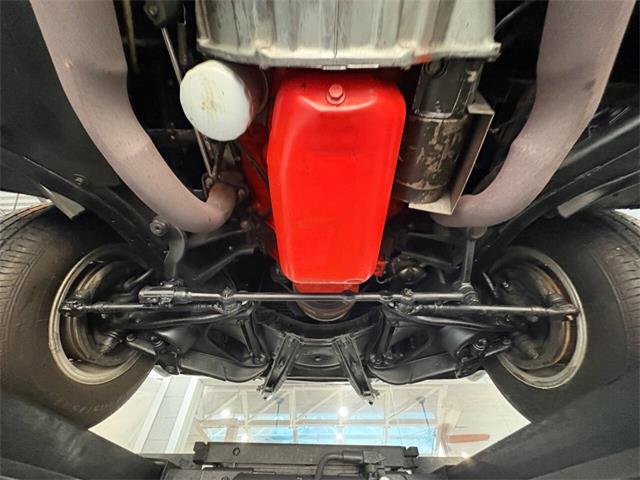
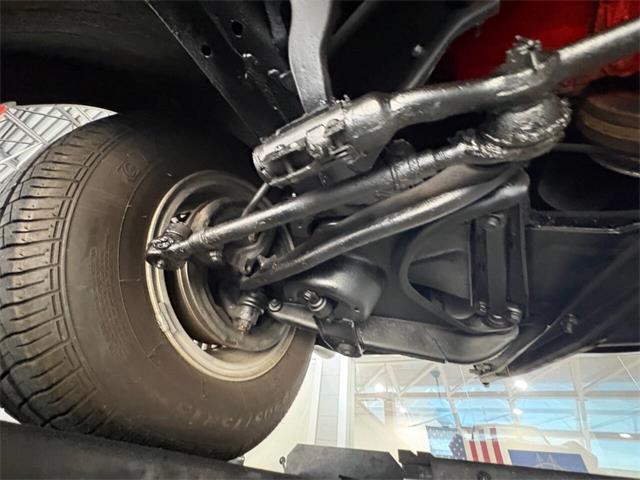
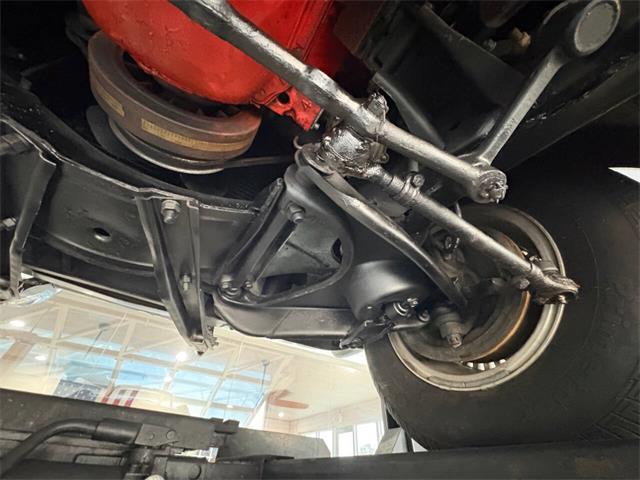
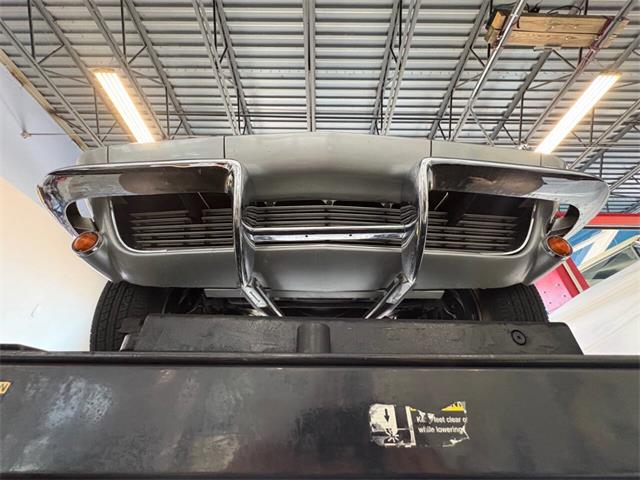
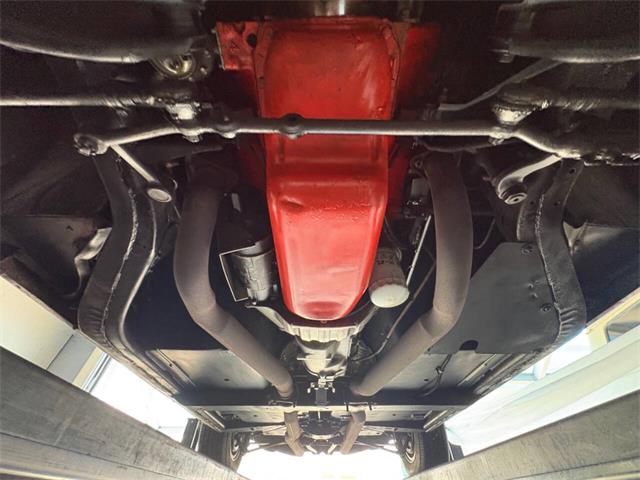
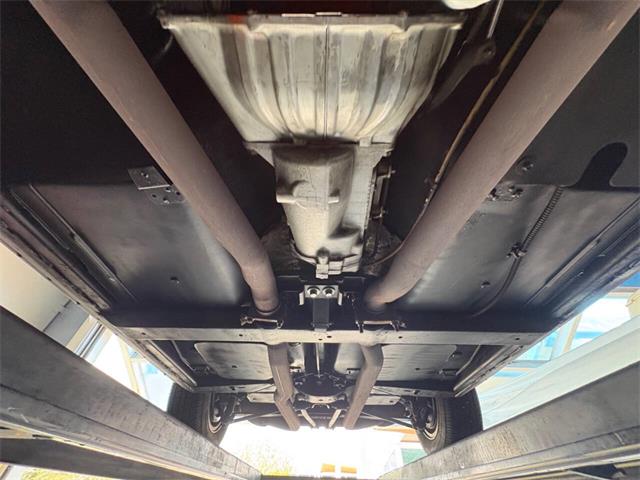
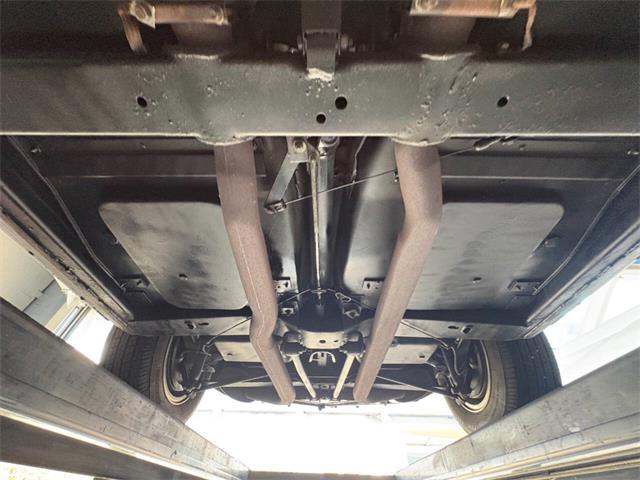
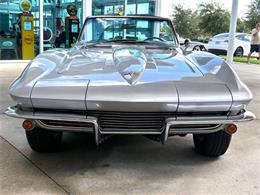
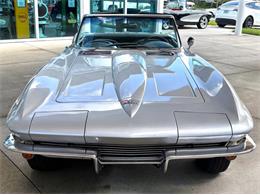
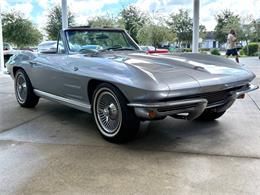
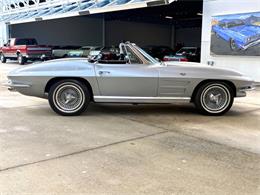
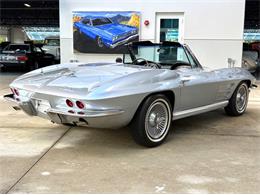
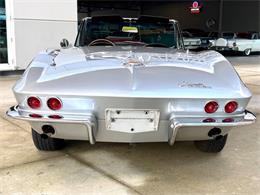
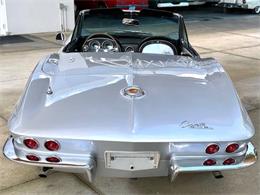
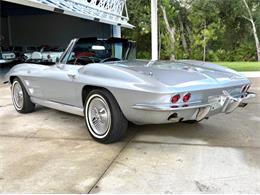
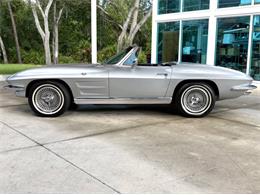
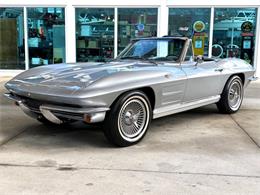
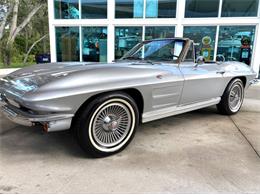
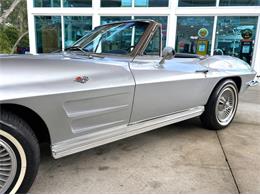
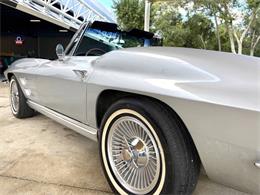
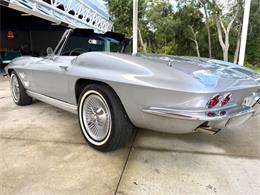
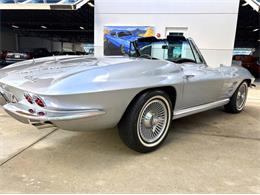
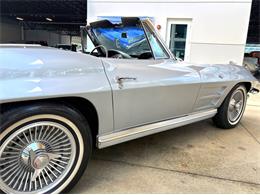
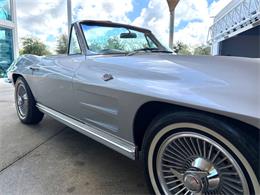
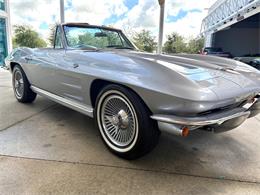
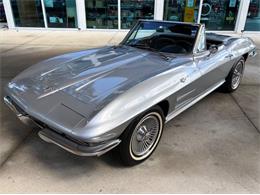
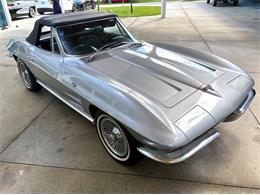
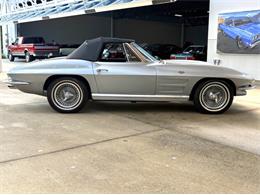
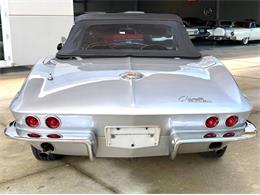
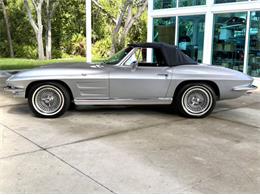
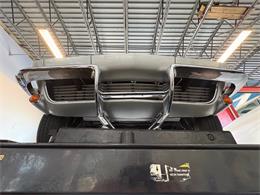
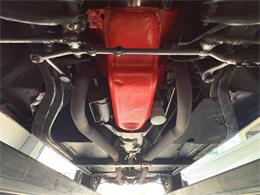
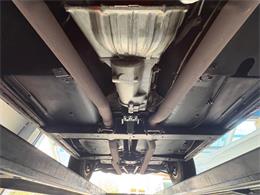
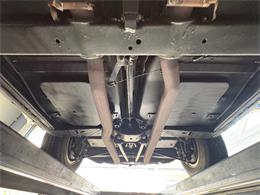
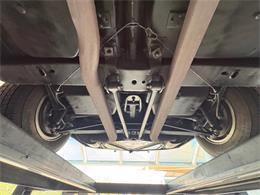
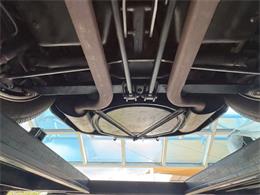
1964 Chevrolet Corvette Sting Ray Convertible �€" L76 327/365,
Matching Numbers, Bloomington Gold Survivor Why This Car Is Special
The second-generation Corvette, known to collectors as the C2,
arrived for 1963 as a complete redesign �€" the first since the
car's introduction a decade earlier. It brought independent rear
suspension, a stiffer ladder frame, and styling by Bill Mitchell
and Larry Shinoda that drew directly from Mitchell's Stingray
racing car. For 1964, Chevrolet refined the formula. The
controversial split rear window of the 1963 coupe was gone, the
fake hood vents were opened up to actually function, and the
suspension was retuned for a smoother, more controlled ride. The
result was a car that drove as well as it looked. Total 1964
Corvette production came to 22,229 units. Of those, 13,925 were
convertibles. This particular 1964 Chevrolet Corvette Sting Ray
left the St. Louis assembly plant as a high-optioned,
performance-focused convertible, and it has survived six decades in
a condition that earned it Bloomington Gold recognition �€" one of
the most respected authenticity certifications in the Corvette
world. Bloomington Gold evaluators examine cars for correctness of
parts, finishes, stampings, and date codes. Earning that
recognition with the original drivetrain intact is a meaningful
accomplishment, and it directly affects the car's long-term
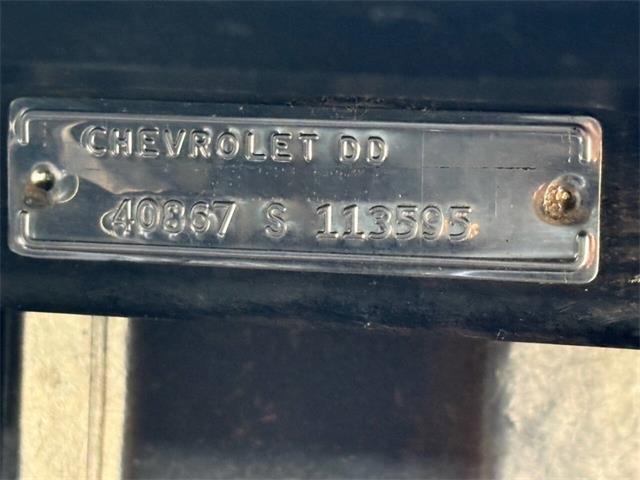
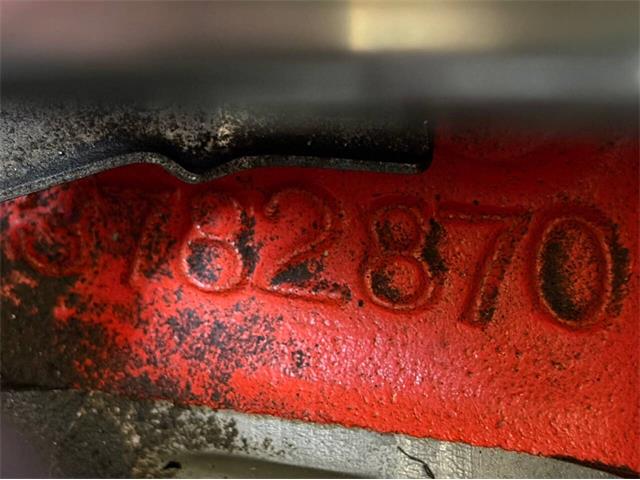
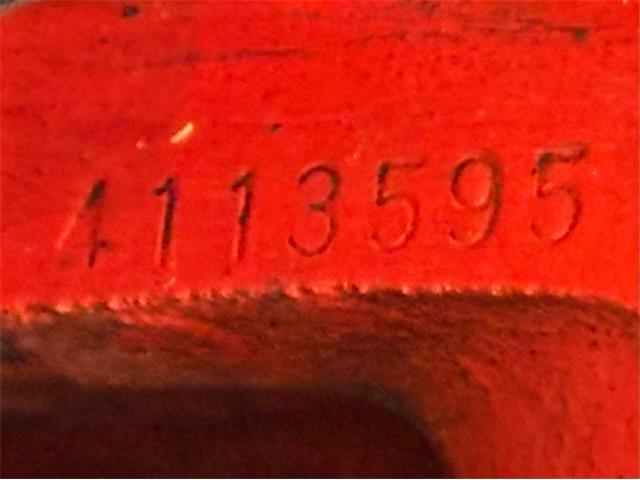
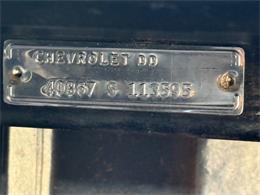
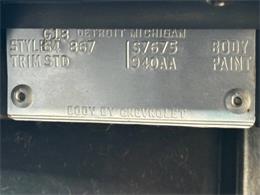
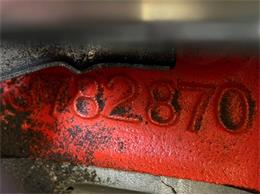
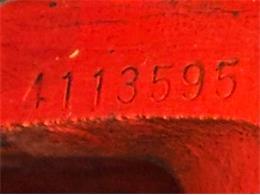
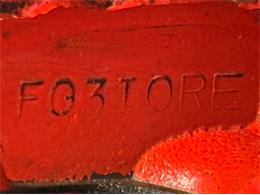
collectibility. The VIN on this car decodes to confirm it is a 1964
Corvette convertible built at St. Louis, with a 327 cubic inch
engine and a 4-speed manual transmission �€" all of which align
with the documented, matching-numbers drivetrain present in the car
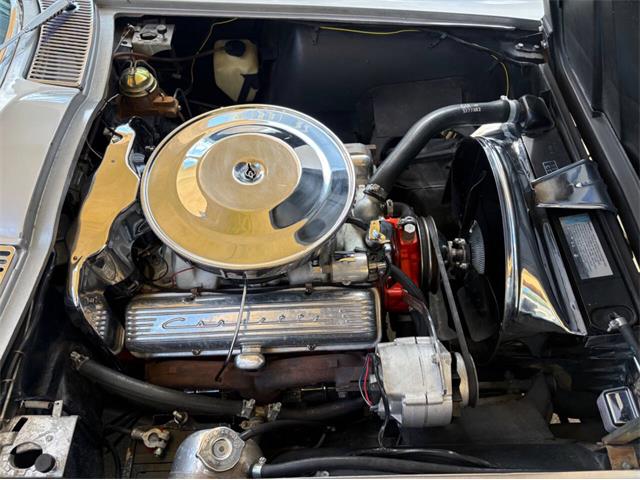
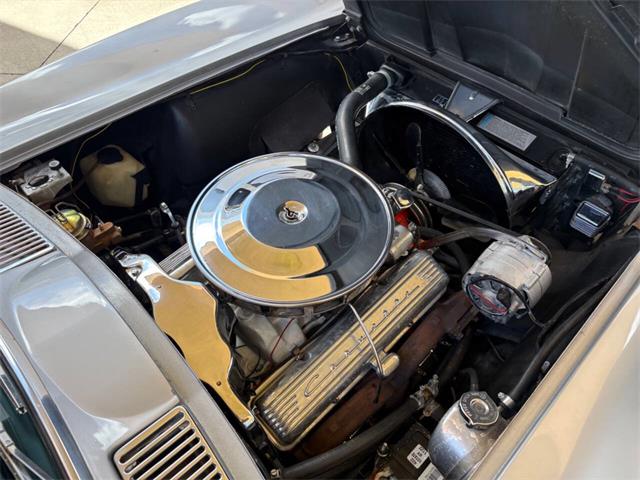
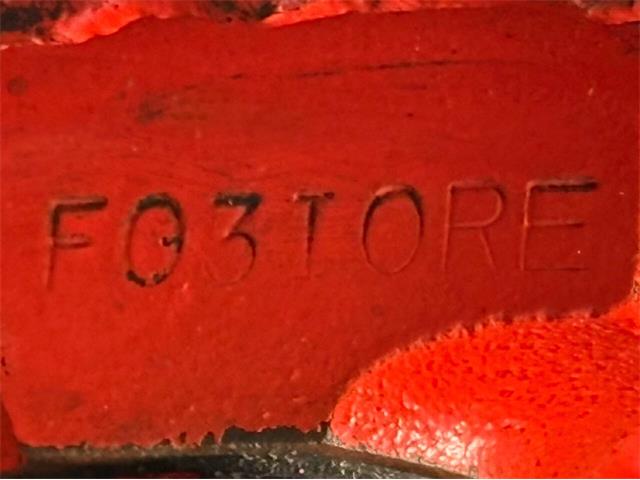
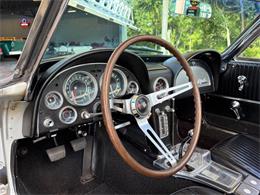
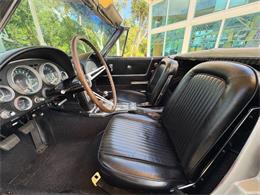
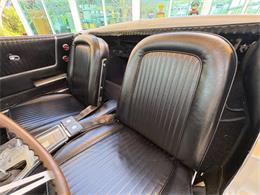
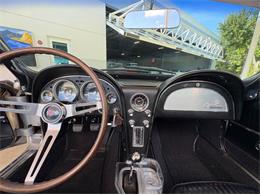
today. Features List - 327ci L76 Small Block V8, 365 horsepower -
Matching numbers engine, transmission, and drivetrain - Bloomington
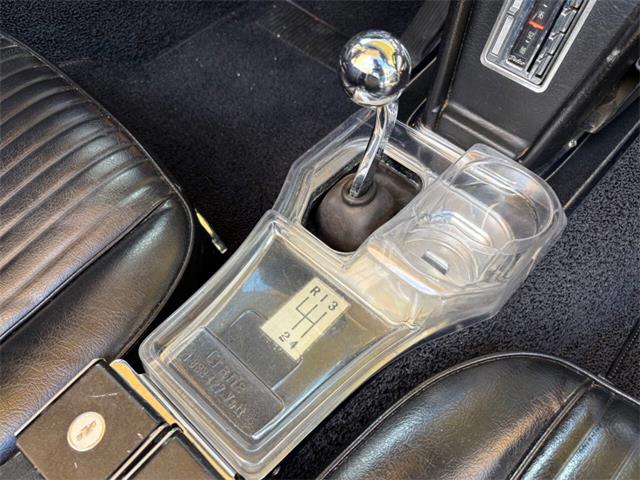
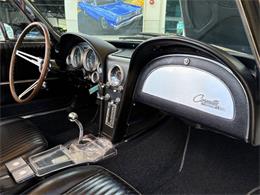
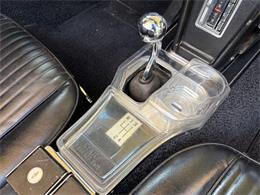
Gold Survivor certification - Hurst-shifted 4-speed Muncie
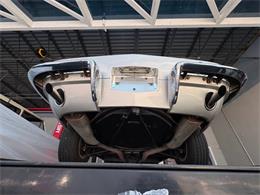
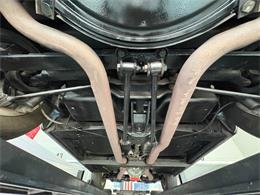
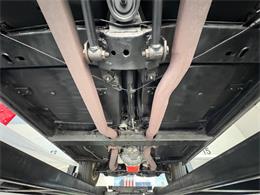
close-ratio manual transmission - 4.56:1 rear axle ratio - Off-road
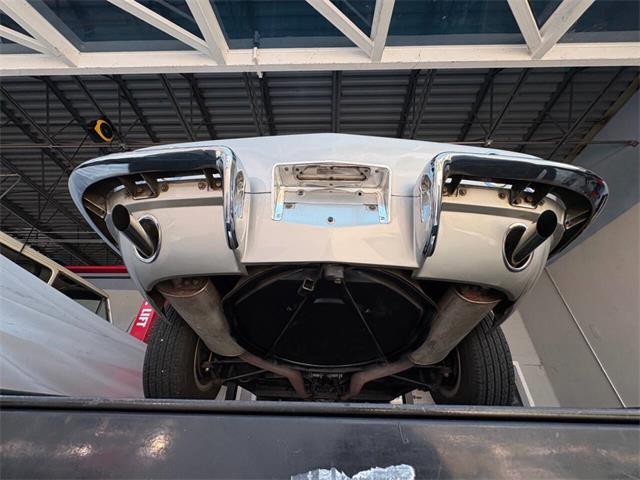
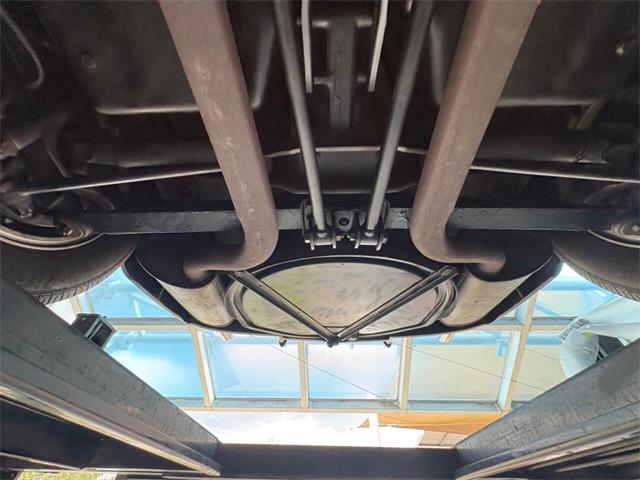
exhaust headers - Dual exhaust with side exhaust outlets - Factory
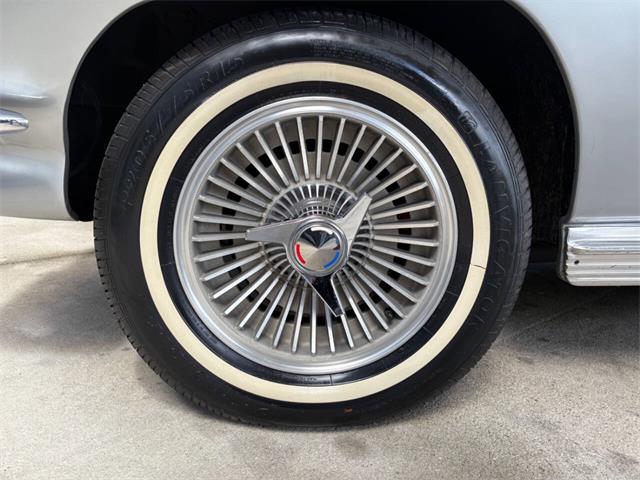
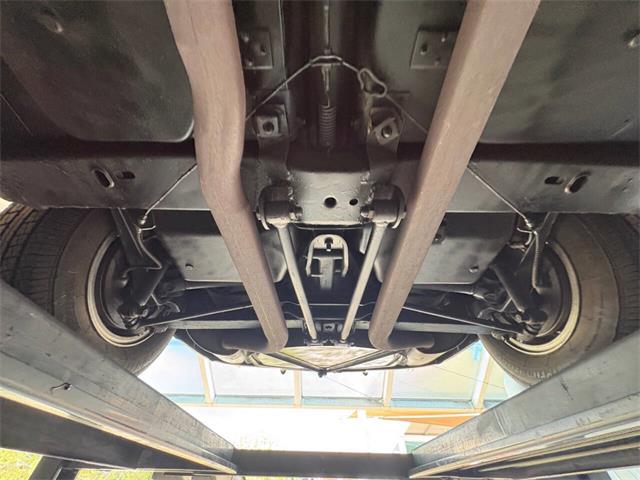
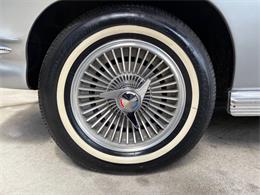
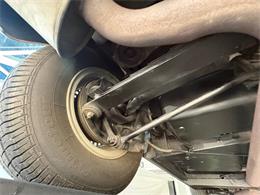
knock-off wire wheels - Whitewall tires - Independent rear
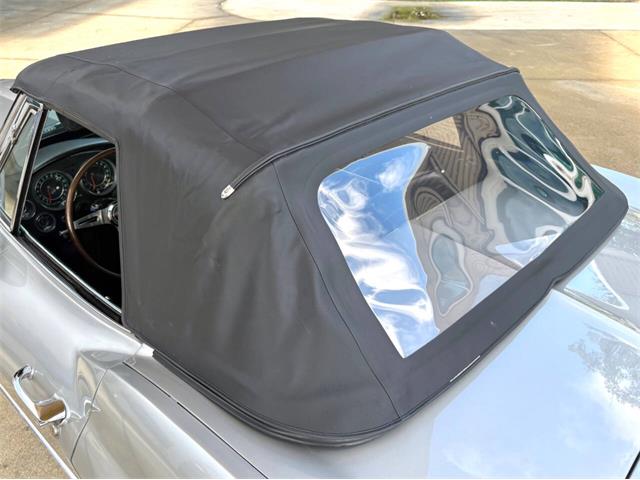
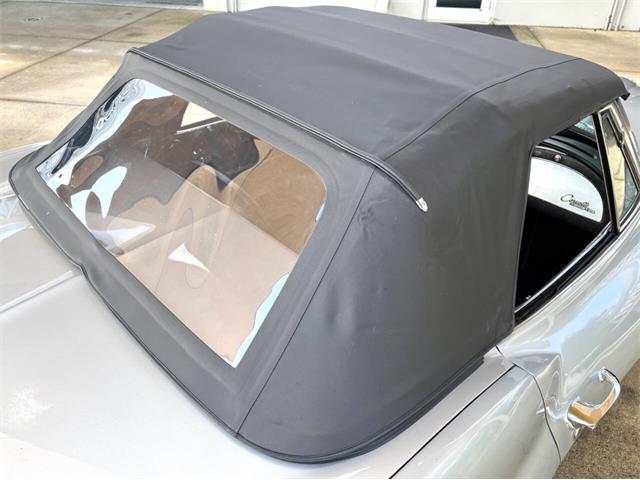
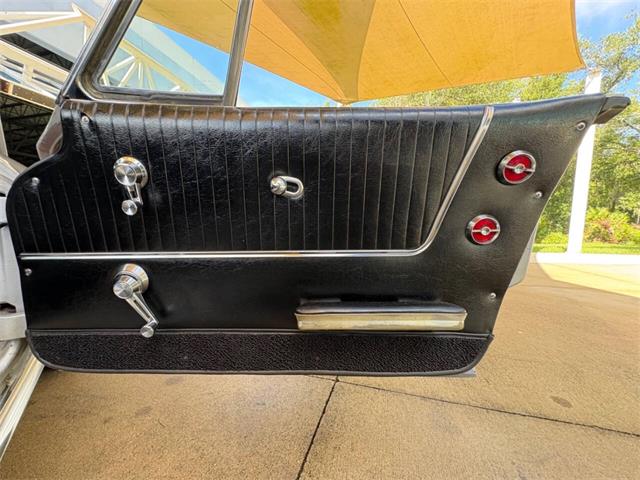
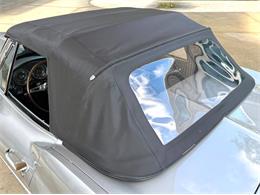
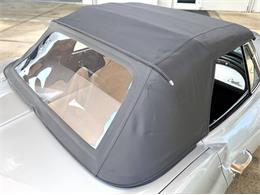
suspension - Four-wheel drum brakes - Black folding soft top -
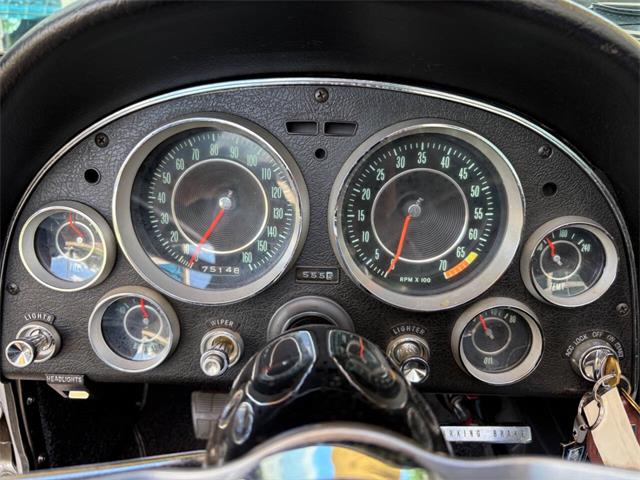
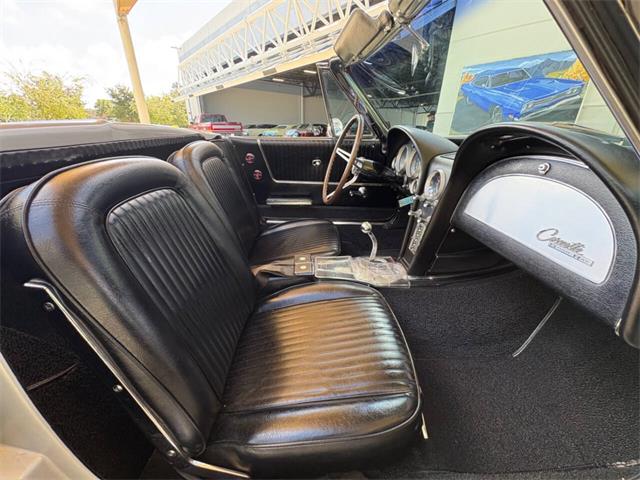
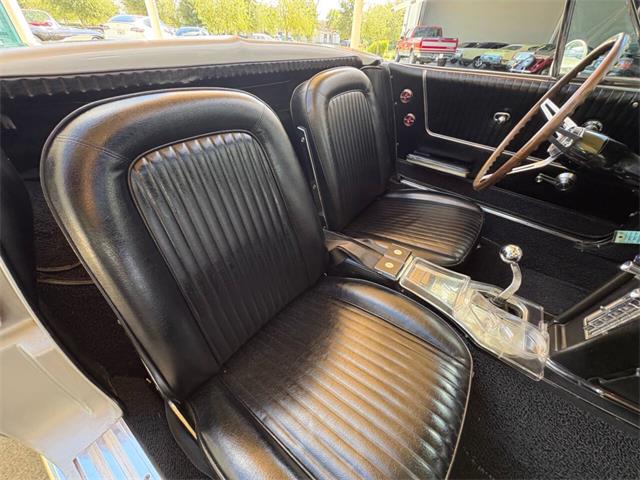
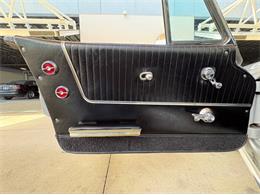
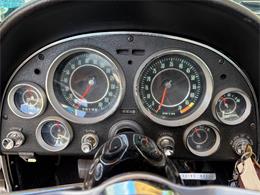
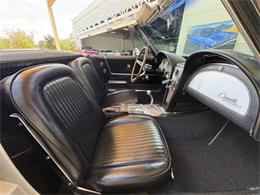
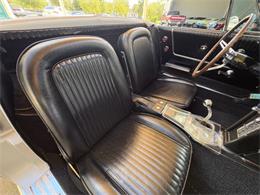
Black vinyl bucket seats - Wood-rimmed steering wheel - Full gauge
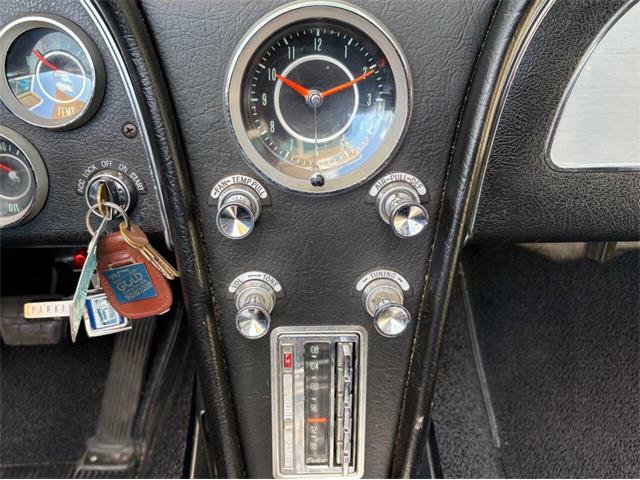
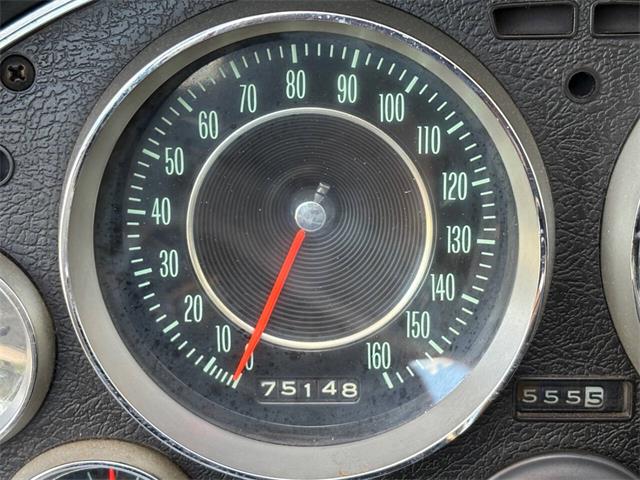
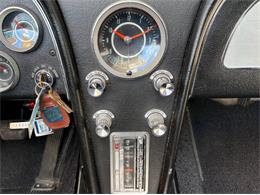
cluster with tachometer - Dashboard clock - AM/FM Delco radio -
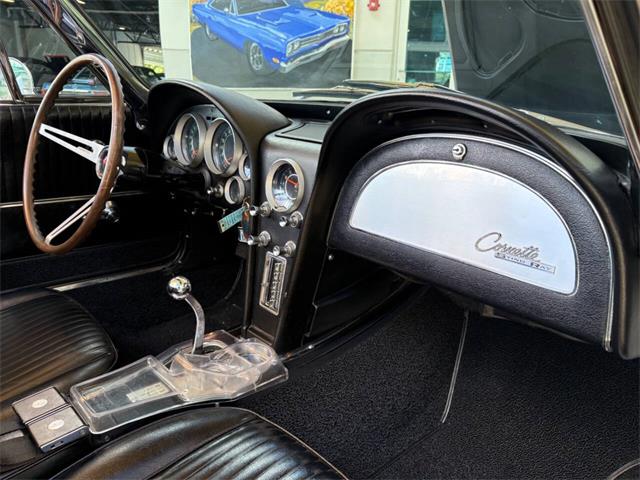
Center console with Hurst shifter - Outside driver mirror - Seat
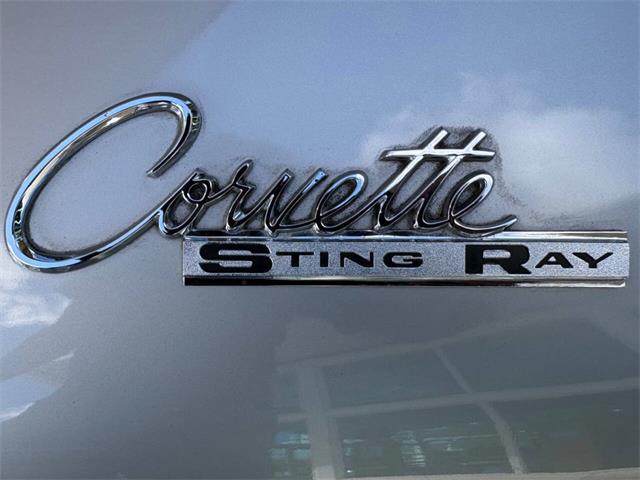
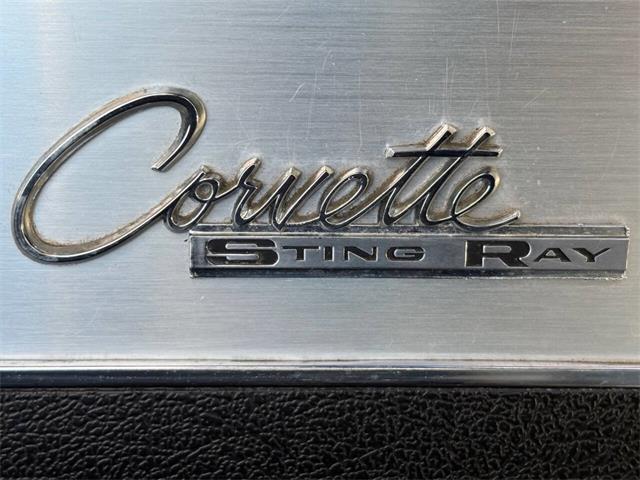
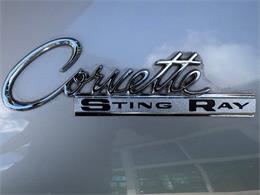
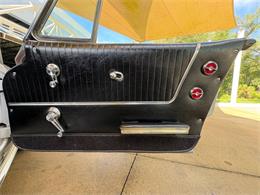
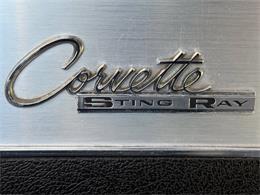
belts - Corvette Sting Ray badge - Fiberglass body Mechanical The
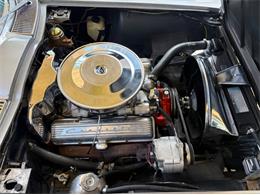
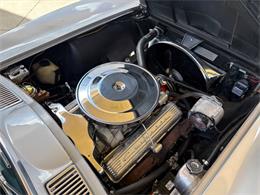
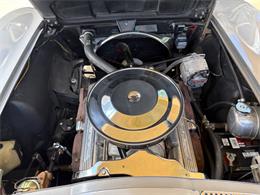
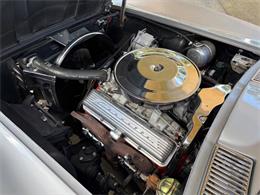
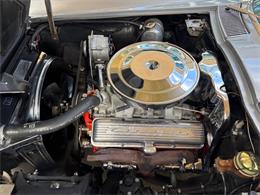
engine in this 1964 Chevrolet Corvette Sting Ray is the L76 �€" the
327 cubic inch small block rated at 365 horsepower. In 1964, the
327 was available in four states of tune: 250, 300, 365, and 375
horsepower. The L76 was the second-highest output carbureted
option, sitting just below the fuel-injected L84 Fuelie. It used
solid lifters, a higher compression ratio of 11.25:1, a larger
carburetor, and more aggressive camshaft timing than the milder 327
variants. The result is an engine that runs with authority
throughout its rev range and pulls hard well past 5,000 rpm.
Backing the L76 is a Muncie 4-speed close-ratio manual
transmission, shifted via a Hurst mechanism �€" a combination that
was widely regarded as the best-feeling manual setup available in
an American production car at the time. The Muncie unit, built by
GM's Muncie, Indiana transmission plant, was introduced for 1963
specifically for the new Sting Ray and became the transmission of
choice for performance-minded Corvette buyers throughout the C2
era. The 4.56:1 rear axle ratio is a numerically steep gear
intended for hard acceleration rather than highway cruising.
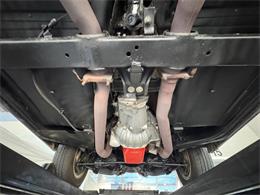
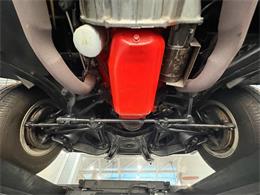
Combined with the off-road exhaust headers and dual exhaust, this
car was clearly ordered by someone who intended to drive it
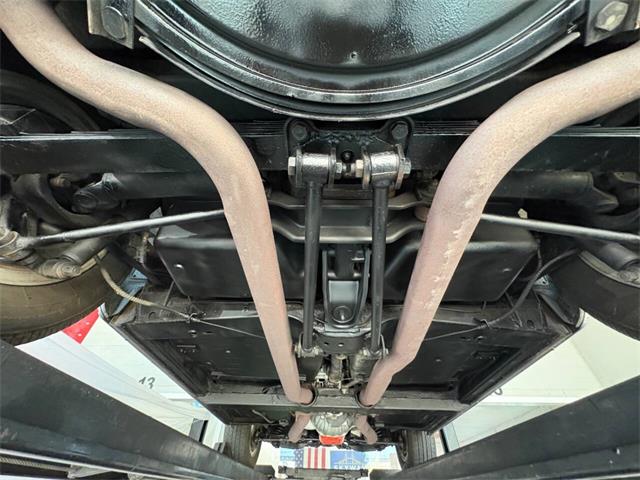
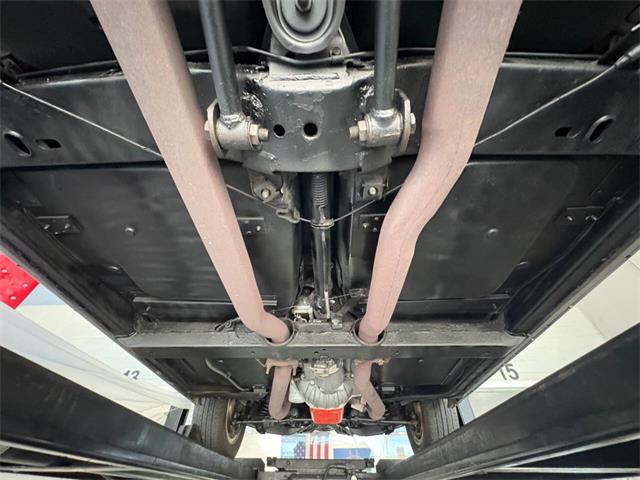
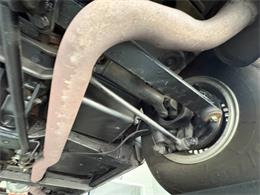
seriously. Off-road exhaust headers were a factory option that
bypassed the standard exhaust manifolds in favor of freer-flowing
cast iron headers that exited through the side exhaust outlets in
the rocker panel area �€" a feature that is both period-correct and
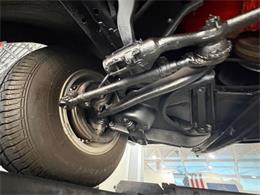
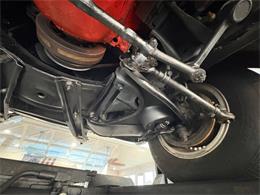
sonically distinct from a standard-exhaust 1964 Corvette. The
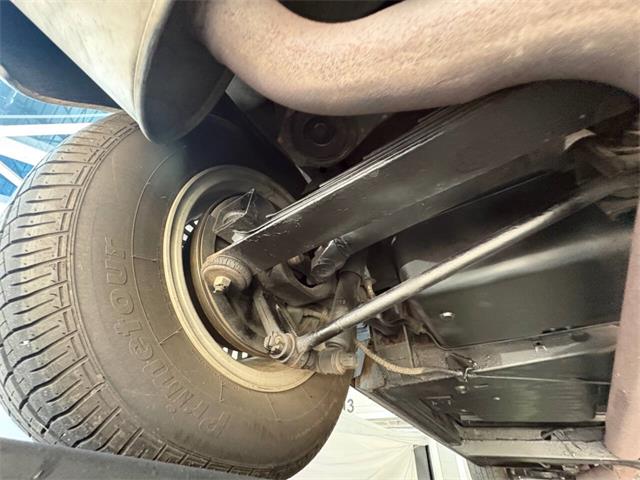
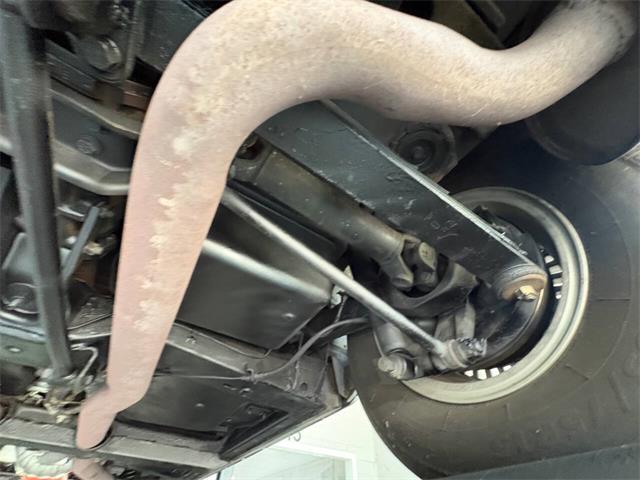
independent rear suspension, introduced wit
ClassicCars.com has been recognized as one of the fastest-growing private companies in the United States, successfully making the Inc. 5000 list in both 2015,
2016, 2017 and 2018. This prestigious accolade represents the continued growth of the company, and ClassicCars.com's dominance as the world's largest online marketplace for
buying and selling classic and collector vehicles.
The Stevie Awards, the world's premier business awards recognized
ClassicCars.com's first-class Customer Support team with a Stevie Bronze Award in 2019, celebrating the team's skills as exemplary customer support specialists.
In 2016 The Journal, brought to you by ClassicCars.com, was celebrated as the SECOND MOST INFLUENTIAL automotive blog in the world by NFC Performance.