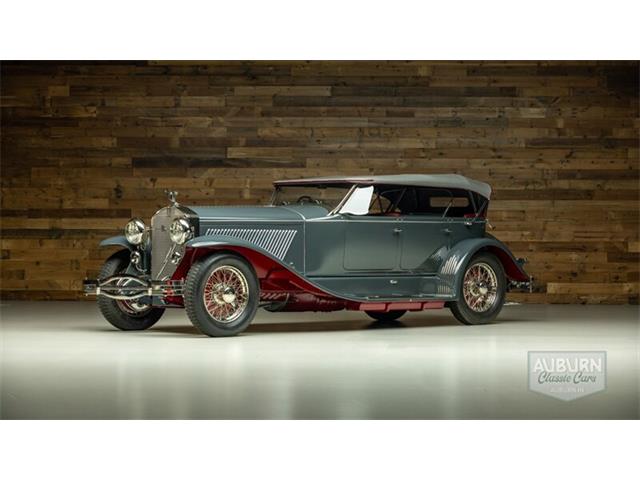
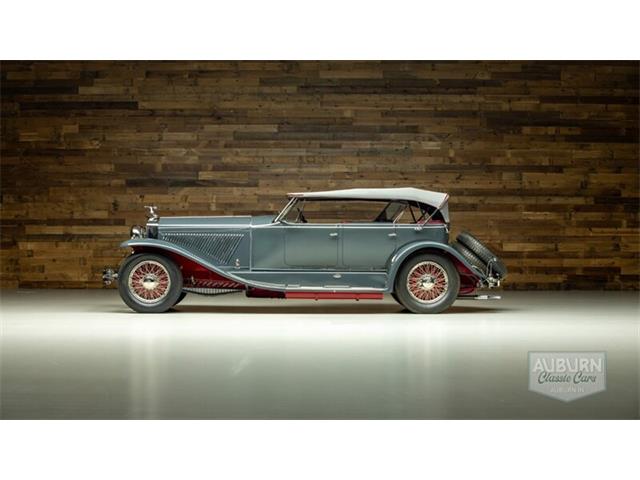
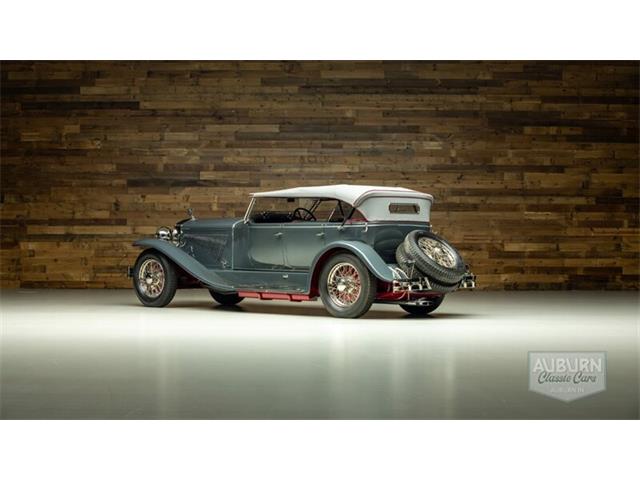
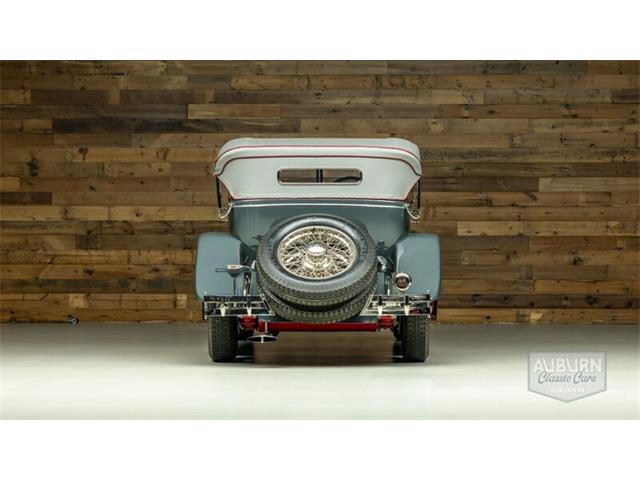
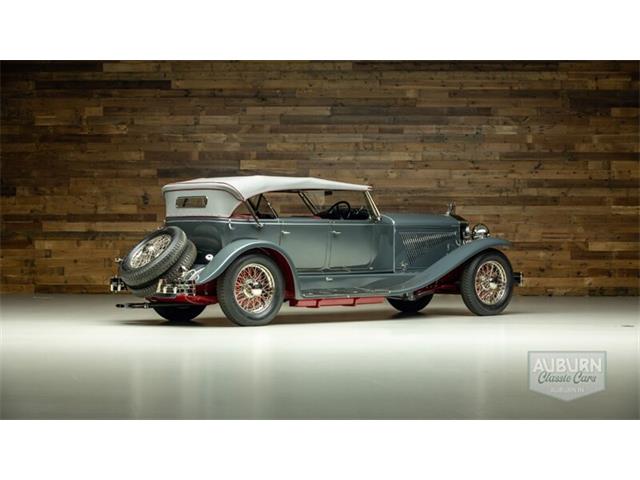
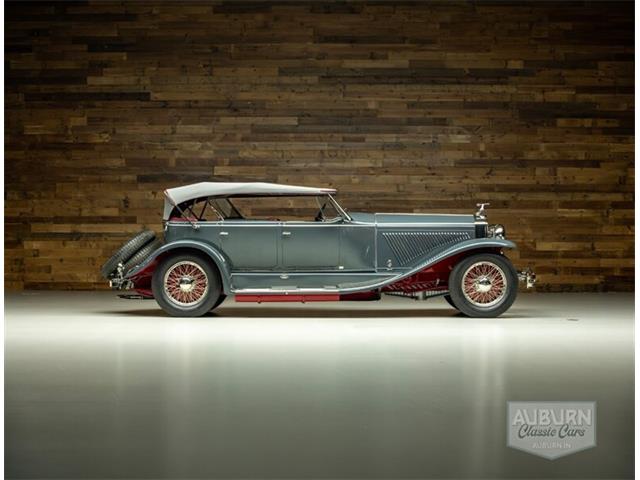
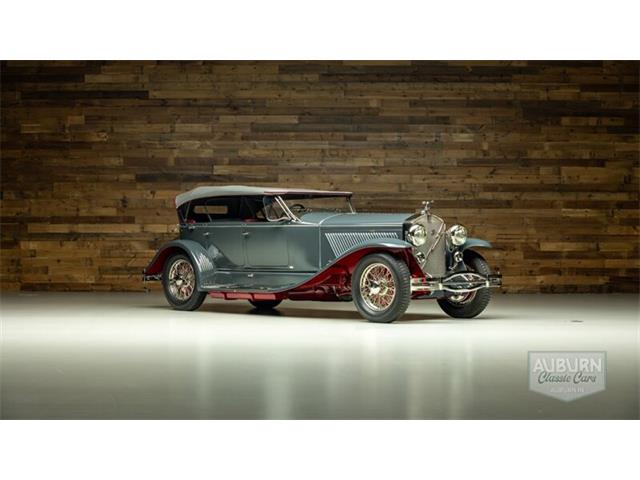
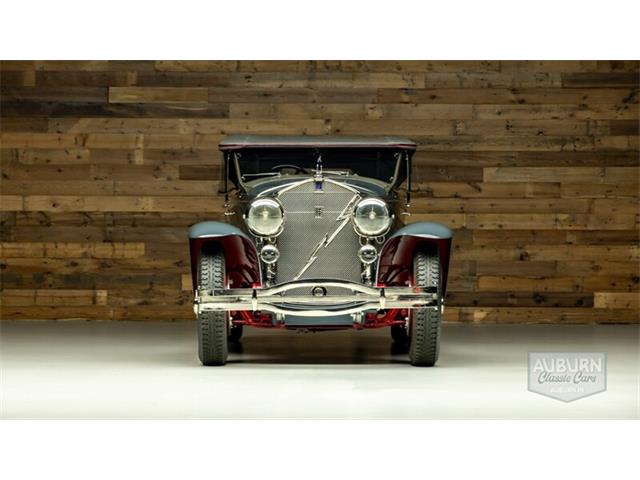
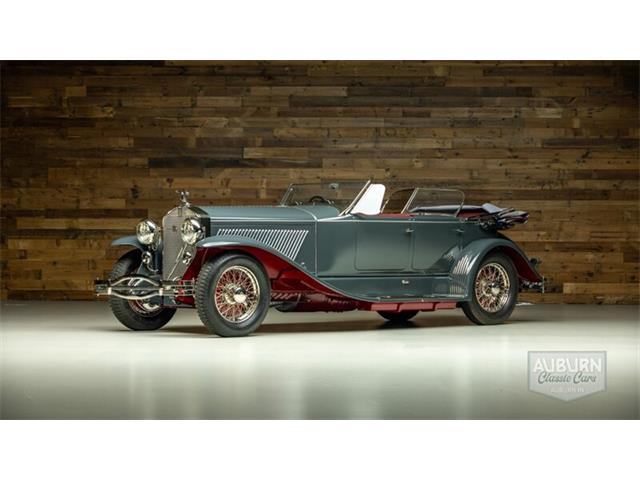
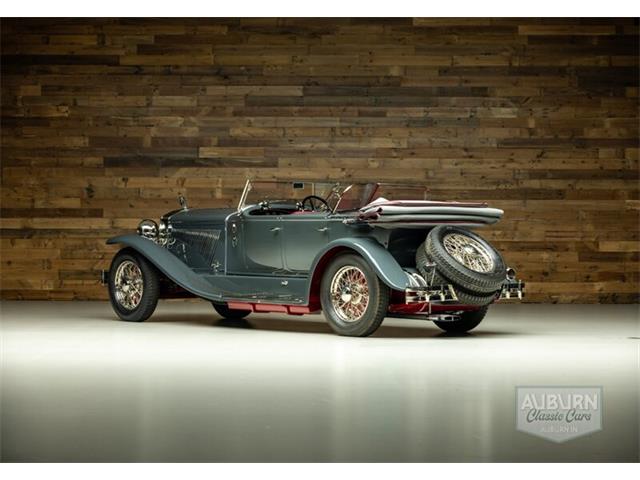
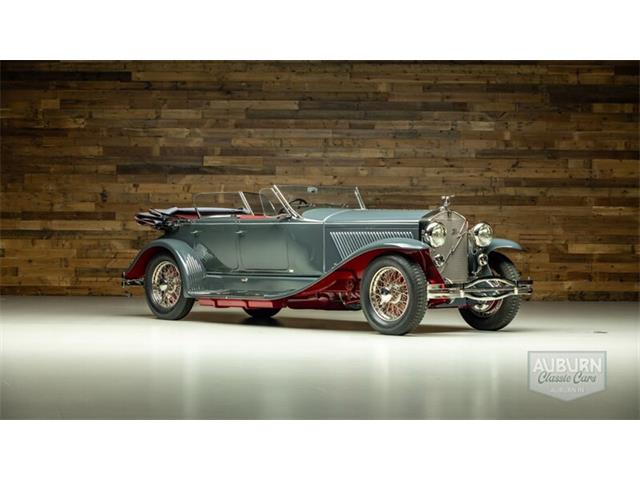
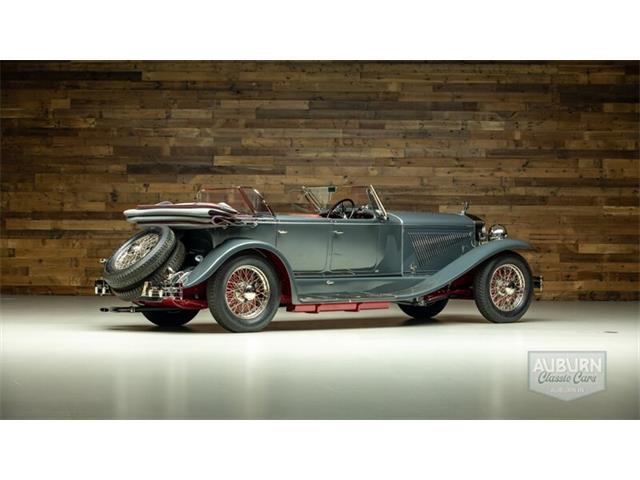
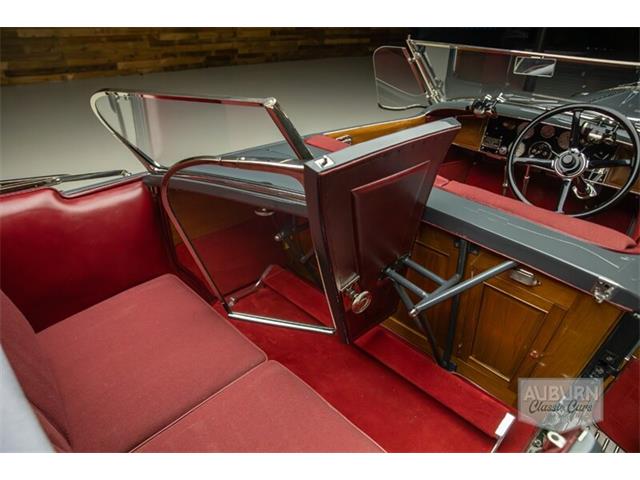
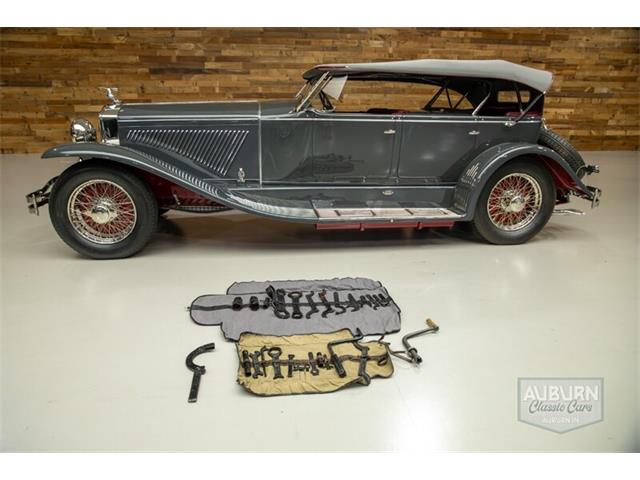
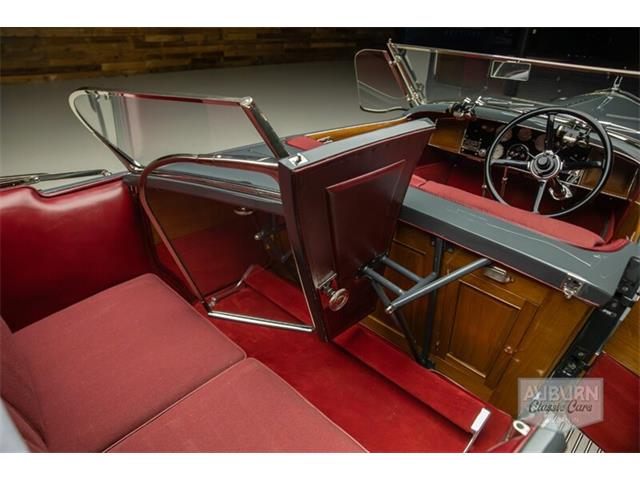
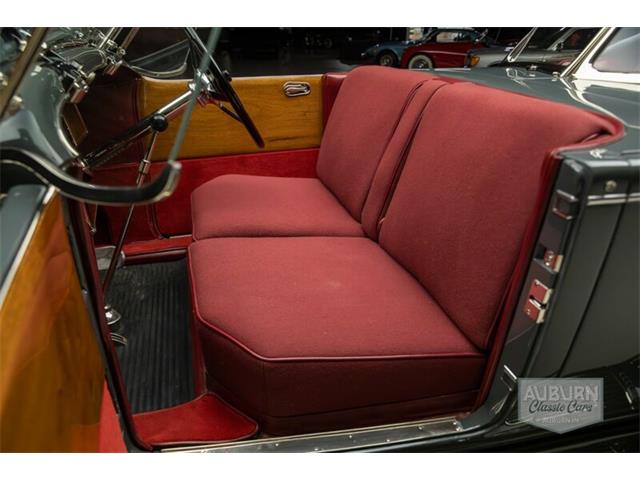
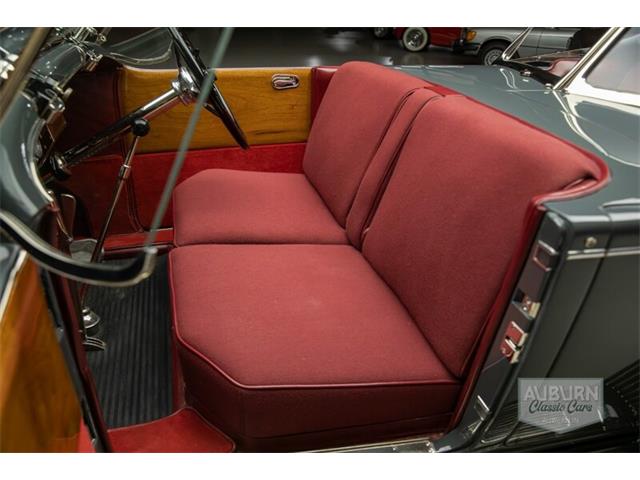
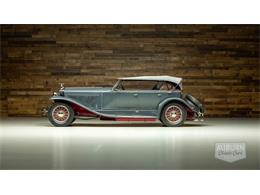
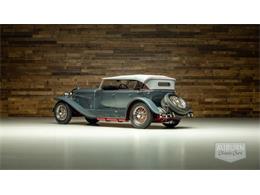
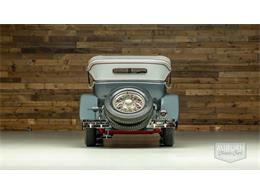
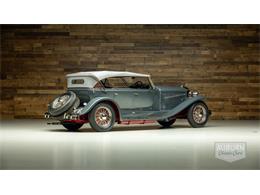
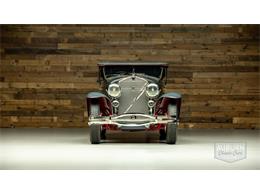
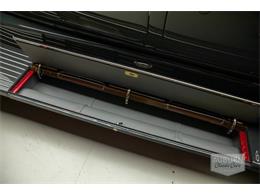
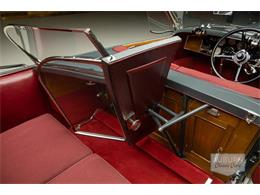
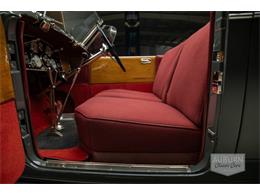
Body Number 797, Job Number 817 Adventurous, sporting, and
luxurious Murphy custom coachwork mounted to an original Isotta
chassis, engine and 'SS' components Long-term preservation followed
by professional restoration to period splendor Chassis Number 1233
listed in the Isotta Fraschini Register 1 of just 950 Isotta
Fraschini 8A chassis produced in total Original delivery to Italian
dealer, documented in Isotta Fraschini Chassis Register Top
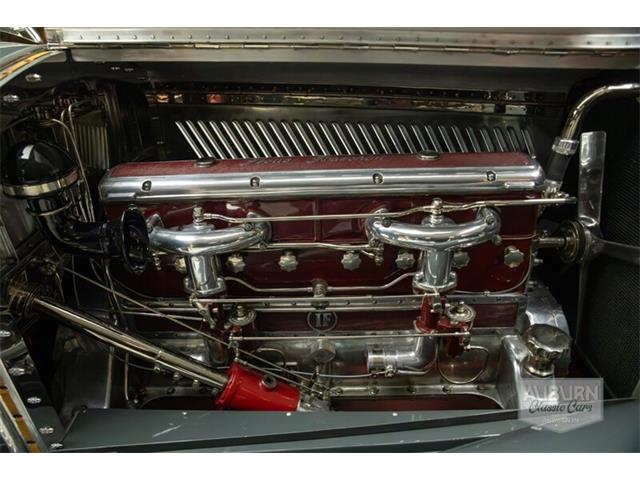
available 'SS' (Super Spinto) performance engine specification
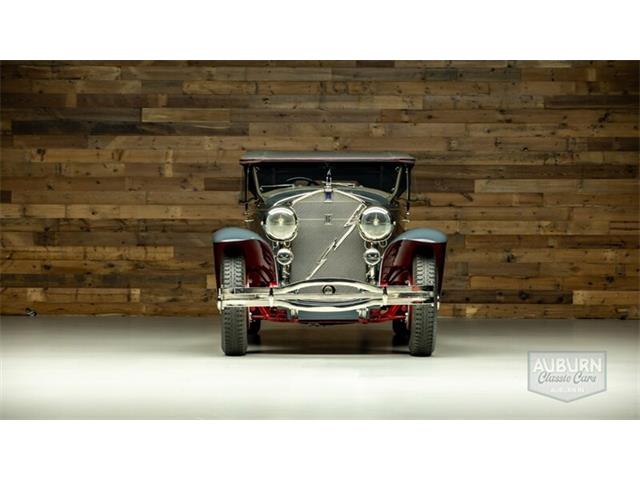
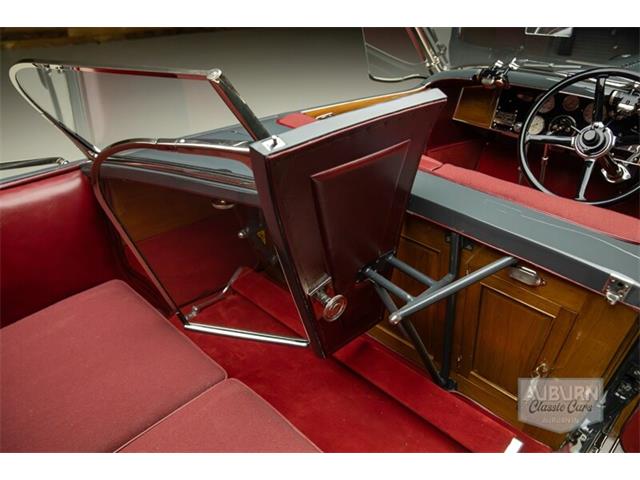
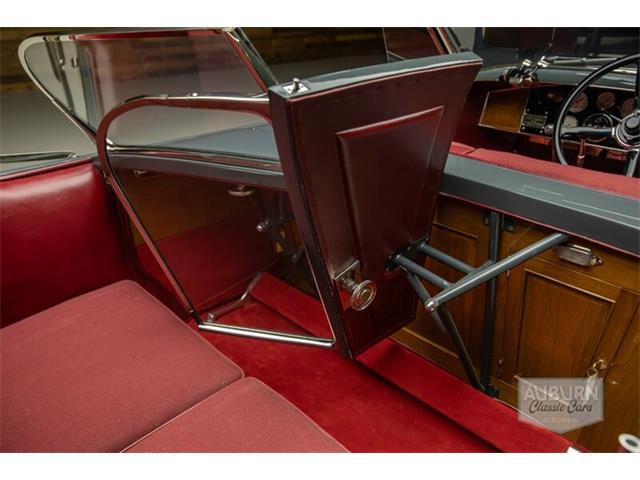
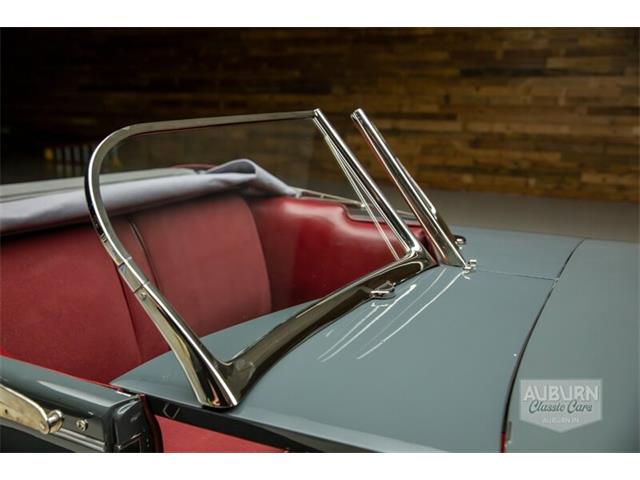
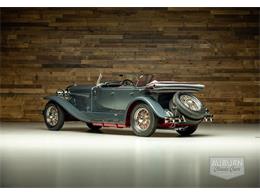
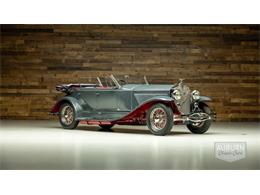
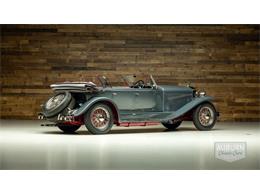
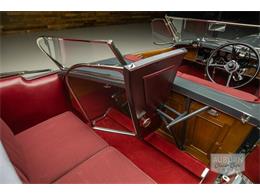
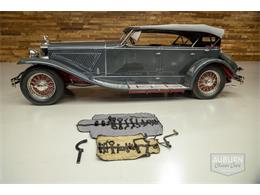
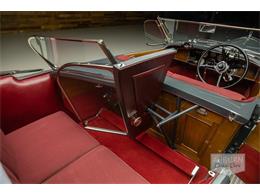
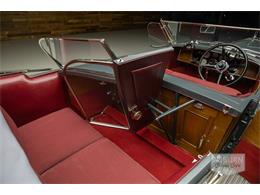
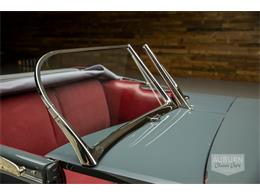
Featuring Murphy's signature slim windshield pillars and
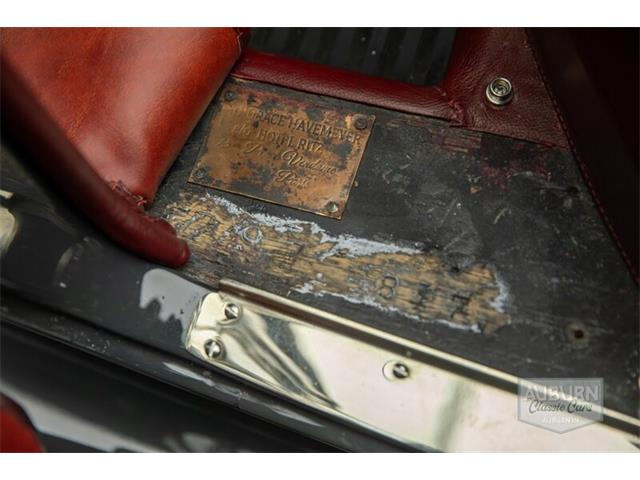
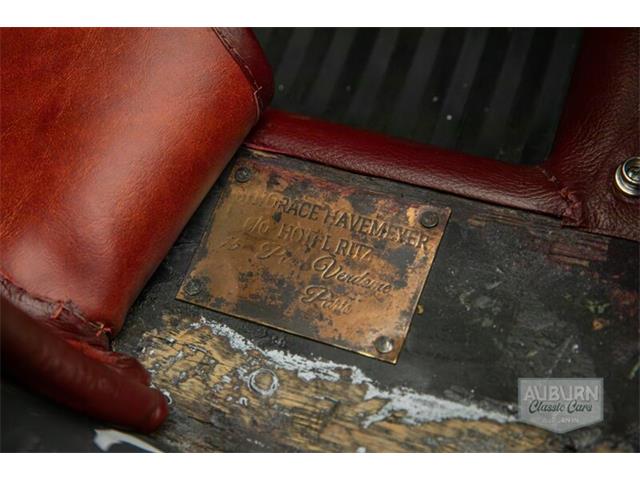
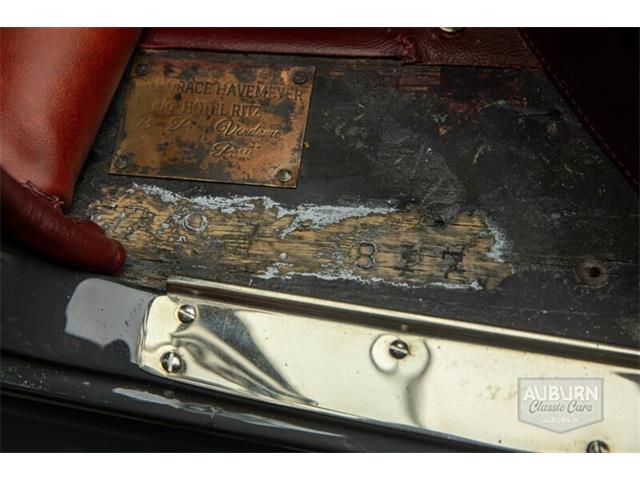
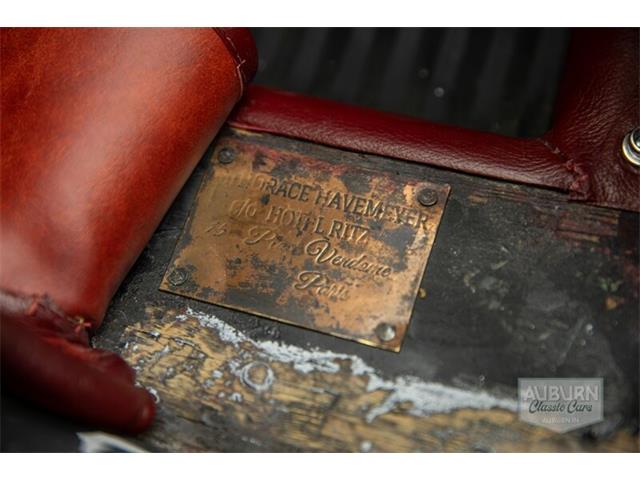
'butterfly' rear cowl Chassis shipped in period to Paris' Hotel
Ritz for fabulously wealthy sugar magnate, Horace Havemeyer, with
brass destination tag still affixed Transferred to the Havemeyer
family's long-term chauffeur in October 1954, with bill of sale and
chauffeur's licenses included, and then acquired by the current
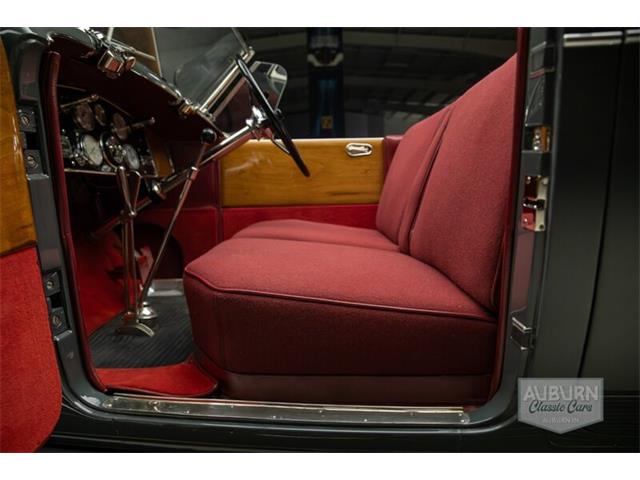
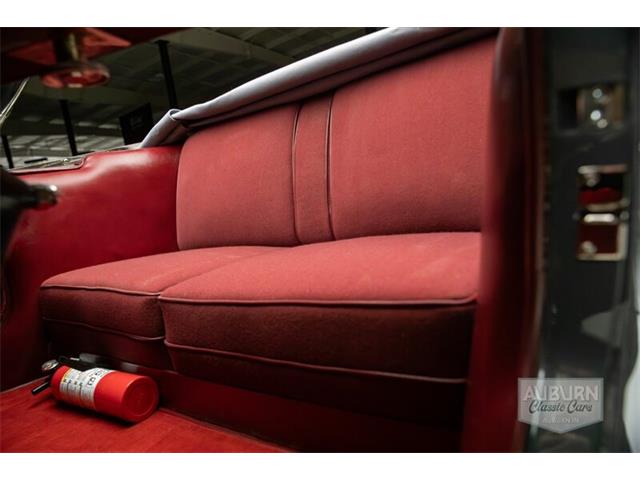
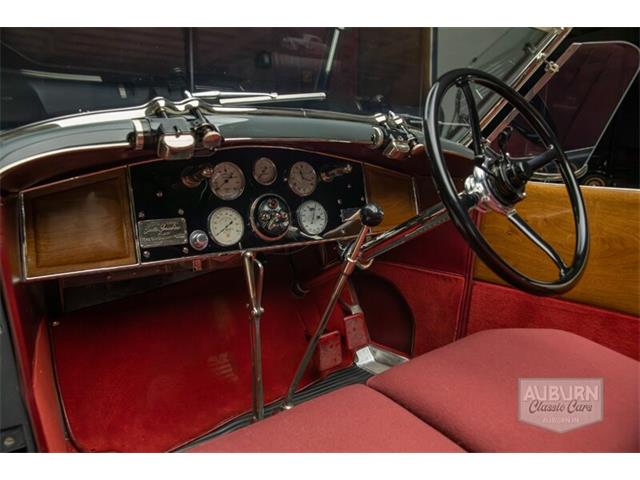
owner in 1989 Highly appointed engineering and design tour de force
Never before shown to the public and ready for myriad events around
the globe Italy's ultimate Classic Era luxury motorcar Among the
world's finest and most exclusive motorcar manufacturers of the
1920s, Milan's Isotta Fraschini deserves to be mentioned alongside
Bugatti, Hispano-Suiza, Packard, Pierce-Arrow, and Rolls-Royce.
Founded in 1900 by Cesare Isotta and the Fraschini brothers,
Oreste, Vincenzo, and Antonio, Fabbrica Automobili Isotta Fraschini
quickly rose from Renault importer to Italy's preeminent luxury-car
builder. A rudimentary 5-horsepower single-cylinder prototype
appeared at the 1901 Milan Exposition, and rapid progress followed.
Fueled by engineering innovation and competition success, the
company became Italy's second-largest automobile manufacturer
within just a few years. Its racing record was impressive. Oreste
Fraschini finished second in the 1902 Sassi-Superga Hillclimb,
while the marque claimed victory in the 1908 Targa Florio and
second place in that year's Vanderbilt Cup. Isotta Fraschini also
pioneered advanced engineering, becoming the first manufacturer to
fit four-wheel brakes to a production car by 1910. In 1913, the
company entered three cars in the Indianapolis 500, making it the
first marque with four-wheel brakes to compete there. Among the
drivers associated with Isotta Fraschini in 1920 was a young
Italian driver named Enzo Ferrari, who earned the first podium of
his career with the marque. Those competition lessons carried
directly into the company's road cars. Developed before World War I
by Chief Engineer Giustino Cattaneo and introduced in August 1919,
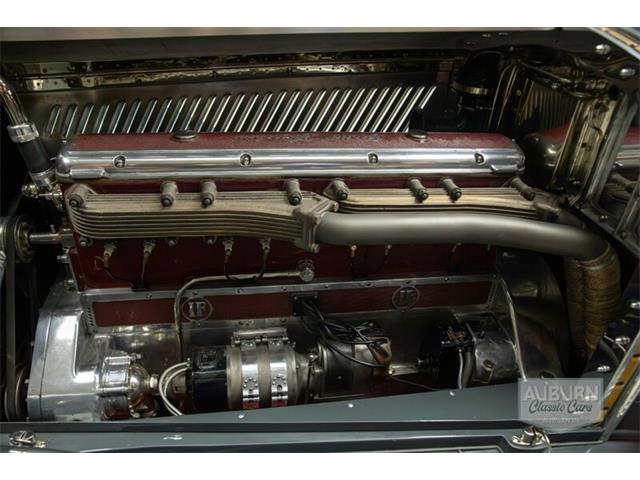
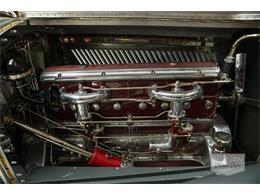
the Tipo 8 was a landmark design. It featured the world's first
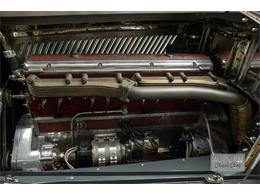
series-produced straight-eight engine, an advanced overhead-valve
5.9-litre unit with a nine-bearing crankshaft, lightweight alloy
cylinder block, magneto ignition, three-speed gearbox, and
servo-assisted four-wheel brakes. Intended as a refined,
chauffeur-driven luxury car, the Tipo 8 found particular favor in
the United States, where it was purchased by celebrities and power
brokers including Rudolph Valentino, Clara Bow, William Randolph
Hearst, and Jack Dempsey, helping justify the company's claim to be
"The Aristocrat of Automobiles." In 1925, Isotta Fraschini
introduced the improved Tipo 8A, powered by a larger 7.3-litre
straight-eight producing 115 horsepower, then the most powerful
straight-eight in production. Vacuum-assisted brakes and a new
three-speed synchromesh transmission enhanced the chassis further.
For buyers seeking even greater performance, Isotta offered the
uprated Spinto and Super Spinto models, developing 150 and 160
horsepower respectively. While the standard Tipo 8A rode on a
145-inch wheelbase, the sportier S and SS variants used a shorter
134-inch chassis. With immense torque and remarkably smooth
delivery, the factory guaranteed every example capable of 90 mph,
and lightweight-bodied SS models were reputedly capable of nearly
100. The Tipo 8A and its higher-specification S and SS derivatives
were among the most expensive and technically advanced luxury
chassis of their time. Chassis alone cost $9,750 in the United
States, and fully bodied examples could easily exceed $20,000 -
extraordinary sums in the late 1920s. Roughly one-third of all Tipo
8 production was destined for the American market, where Isotta
Fraschini ranked second only to Rolls-Royce among elite imported
luxury makes. However, the 1929 market crash and the Great
Depression sharply curtailed demand. An improved Tipo 8B followed
in 1931, but fewer than 100 were built before the company shifted
its focus to aero engines and trucks. Automobile production ceased
by 1935, and a brief post-war revival attempt in 1947 ended after
only a handful of rear-engine V-8 cars were completed. The Isotta
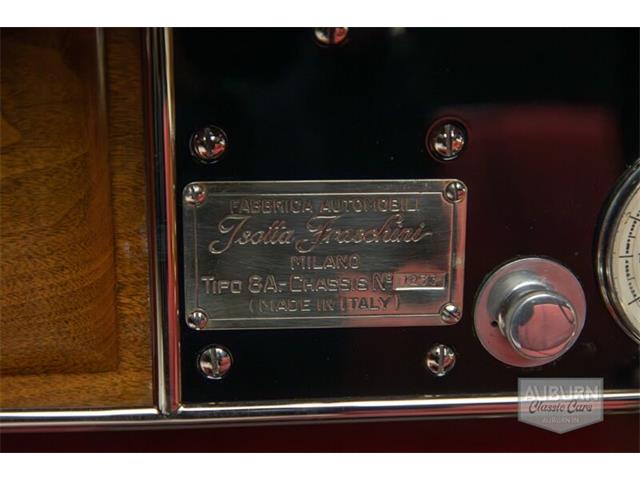
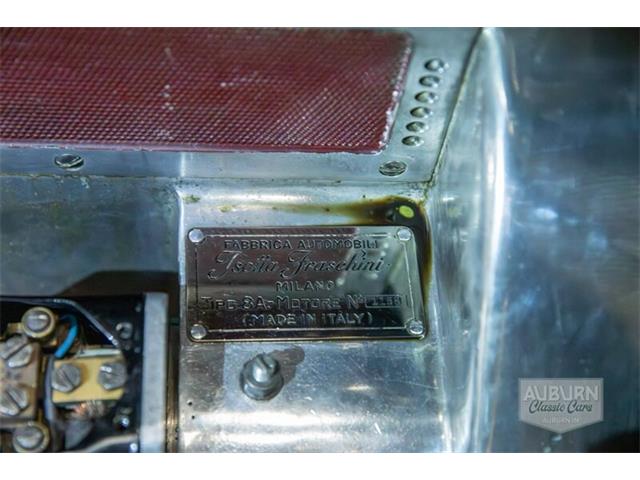
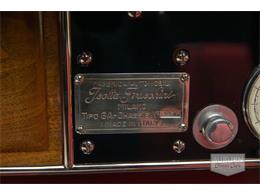
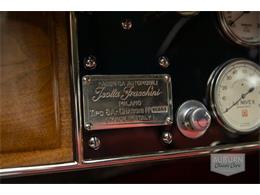
Fraschini Tipo 8A SS offered here, chassis number 1233, is an
especially rare and highly desirable example of the marque's
ultimate sporting chassis. Documented in the Isotta Fraschini
Owners Register (Elenco Proprietari Vetture) and Angelo Tito
Anselmi's authoritative book Isotta Fraschini, it was delivered new
to the Pilade Zaniratti Agency in Florence, Italy. The agency was
co-managed by Pilade Zaniratti and his older brother Ferruccio,
better known as "Ferro," a noted sportsman and skilled racing
driver who competed in many of Italy's formative events, including
the Circuito del Mugello, where he won his class and finished
second overall in 1925. The car's later history is equally
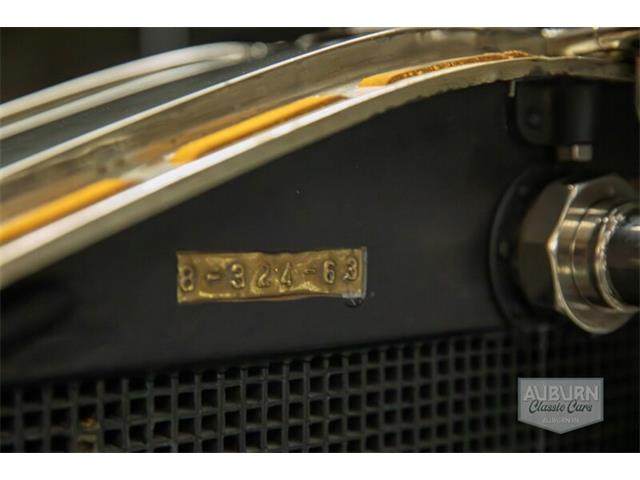
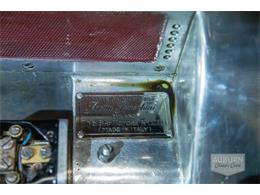
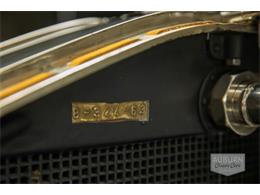
fascinating. According to a tag affixed to the chassis, number 1233
was eventually imported to the United States through Isotta Motors,
Inc. of Manhattan, headed by company president Ugo V. D'Annunzio.
An Italian-born engineer, poet, aviator, and entrepreneur,
D'Annunzio was a remarkable figure in his own right, perhaps best
remembered for piloting an Isotta-powered speedboat to an
unofficial 78.9-mph record on Italy's Lake Garda in 1927, a feat
published in the pages of Time magazine. He would usher in an age
in the late 1920s where Isotta Fraschini would become a favored
marque of wealthy American buyers. Chassis 1233 was built for
Horace Havemeyer, a member of the prominent family behind the
American Sugar Refining Company and one of the great collecting
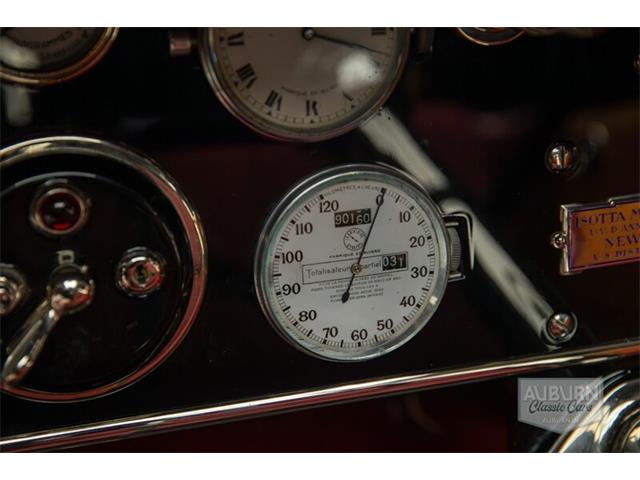
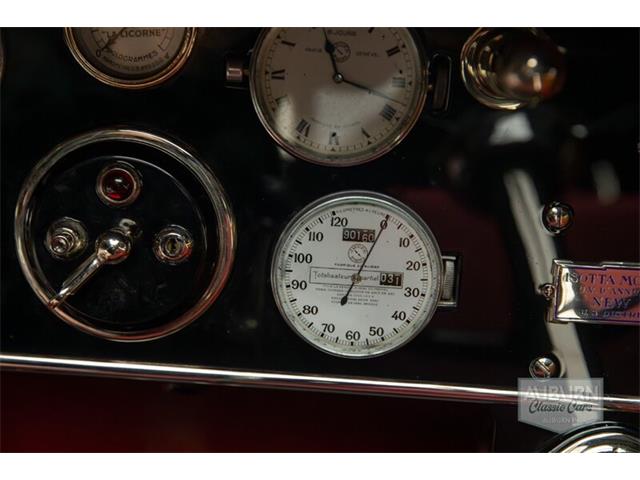
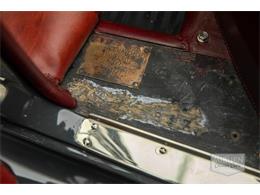
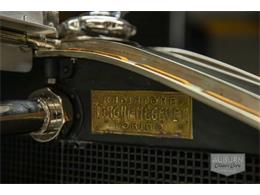
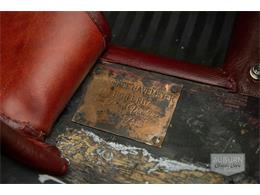
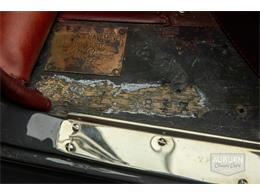
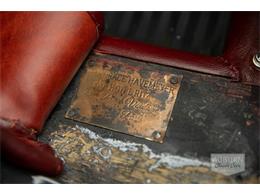
dynasties of the Gilded Age and Jazz Age. A brass tag affixed to
the car reads: "Horace Havemeyer c/o Hotel Ritz, 15 Place Vend�me,
Paris," further underscoring its glamorous original ownership. Mr.
Havemeyer was known to be private and rarely exhibit his wealth
leading to many of his acquisitions being unknown in their early
life, such as this Isotta. The earliest known depiction of the car
is a black-and-white photograph, found by the current owner, at the
New York Library, showcasing the car with its distinctive body and
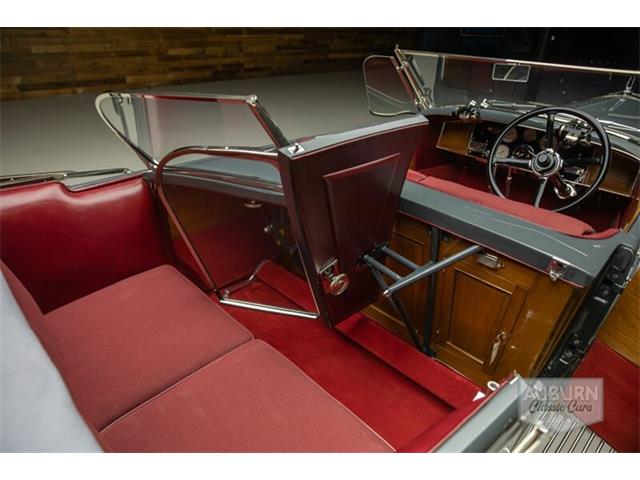
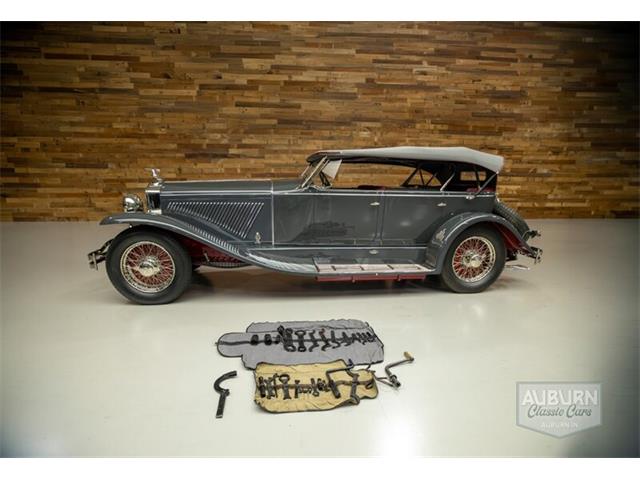
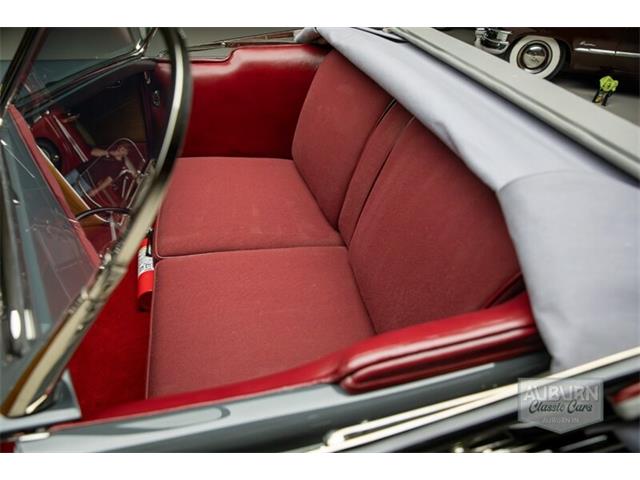
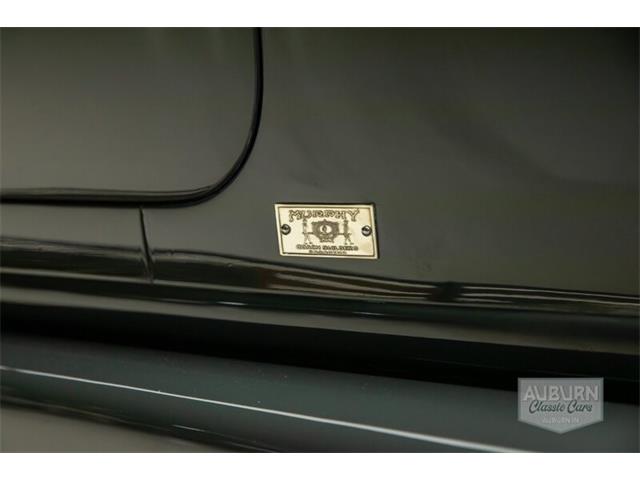
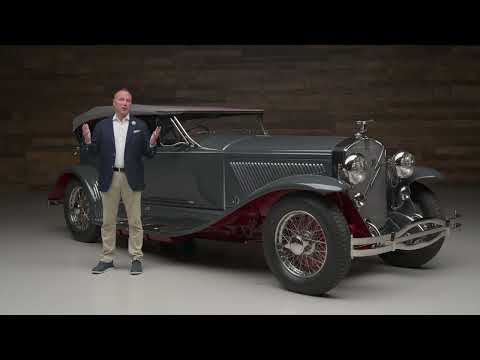
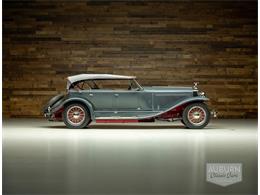
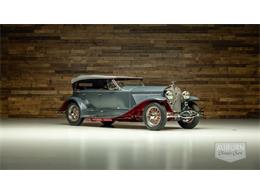
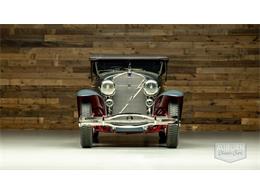
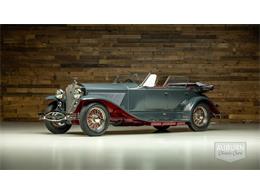
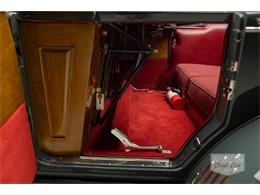
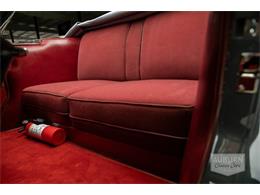
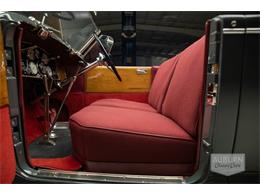
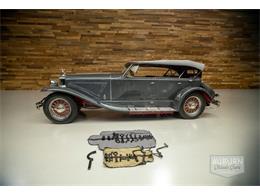
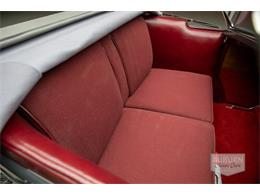
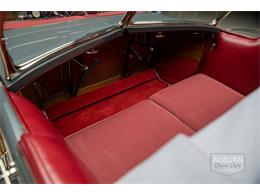
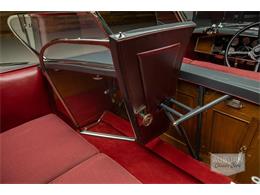
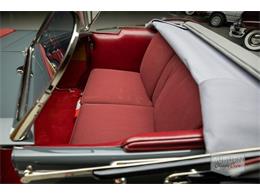
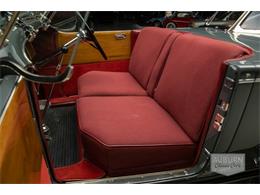
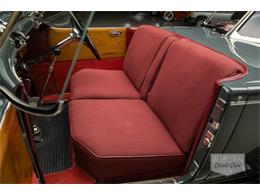
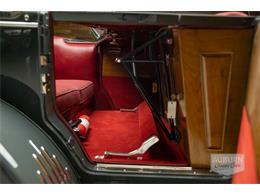
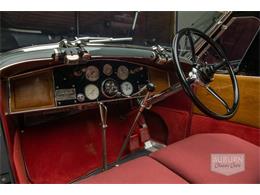
artillery-style steel wheels. The handsome, lightweight aluminum
Dual Cowl Phaeton coachwork by the renowned Walter M. Murphy
Company of Pasadena, California is both striking and distinctive.
While the early history is unknown, it is of note Mr. Havemeyer's
relation through the Sugar Trust, Conrad H. Matthiessen Jr., would
commission Murphy to build his one-off Bentley 8-Litre Convertible
Victoria. Murphy has long been celebrated for its elegant custom
bodies on Duesenberg and other elite chassis, and was among the
most respected American coachbuilders of the era by the wealthy
such as Havemeyer and Matthiessen. According to a notarized
Connecticut bill of sale on file, Horace Havemeyer later
transferred the Isotta Fraschini Phaeton to Orville D. Ellis, the
Havemeyer family chauffeur, on October 12, 1954. He would retain it
until June 16, 1989, when he sold it to the current owner, a known
collector and restorer. That 1989 bill of sale identifies the car
specifically as a top-of-the-line Isotta Fraschini ...for more
information please contact the seller.
ClassicCars.com has been recognized as one of the fastest-growing private companies in the United States, successfully making the Inc. 5000 list in both 2015,
2016, 2017 and 2018. This prestigious accolade represents the continued growth of the company, and ClassicCars.com's dominance as the world's largest online marketplace for
buying and selling classic and collector vehicles.
The Stevie Awards, the world's premier business awards recognized
ClassicCars.com's first-class Customer Support team with a Stevie Bronze Award in 2019, celebrating the team's skills as exemplary customer support specialists.
In 2016 The Journal, brought to you by ClassicCars.com, was celebrated as the SECOND MOST INFLUENTIAL automotive blog in the world by NFC Performance.