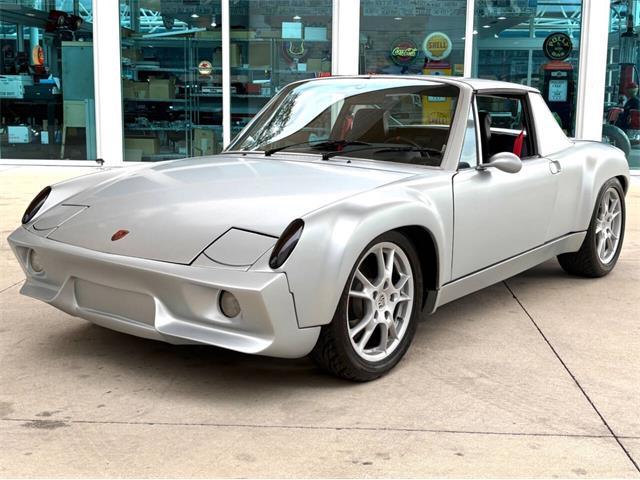
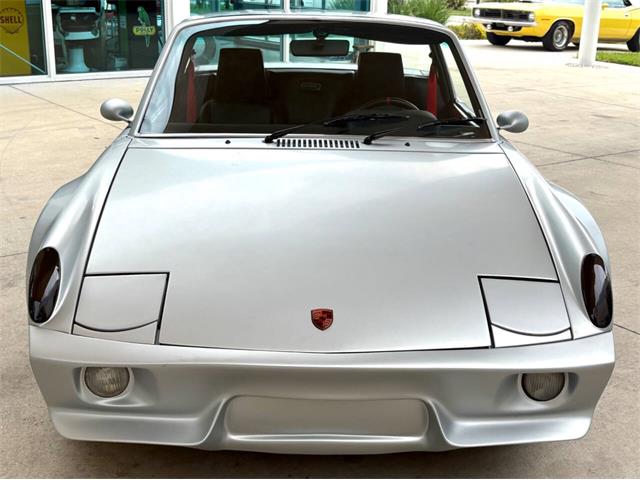
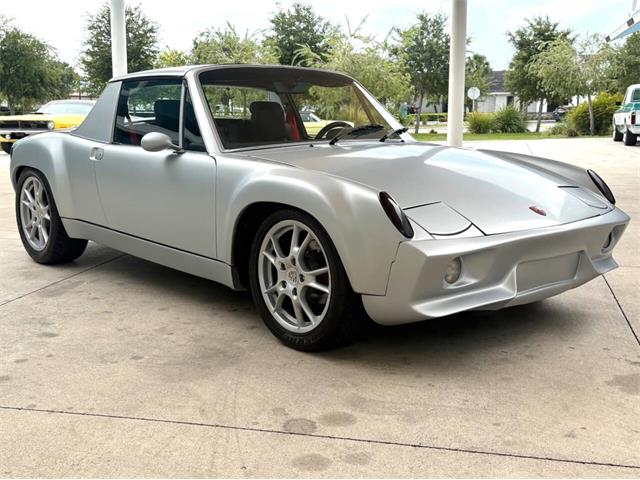
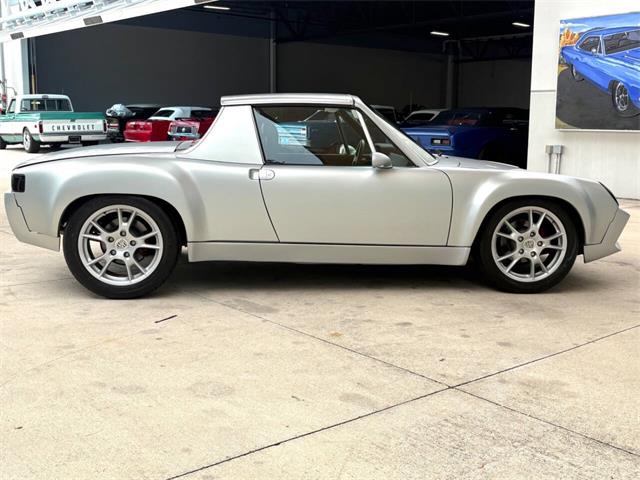
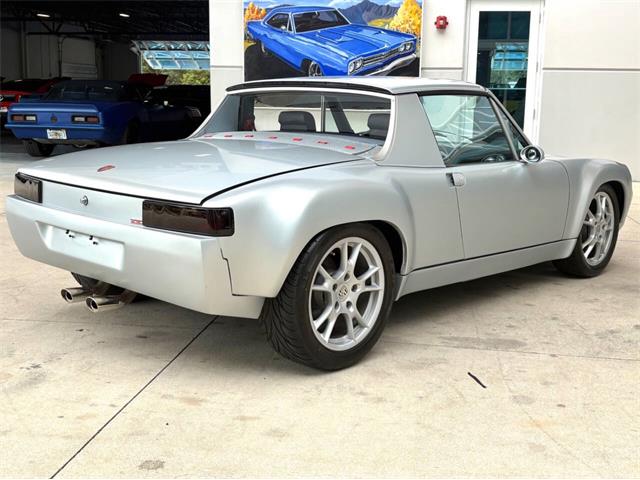
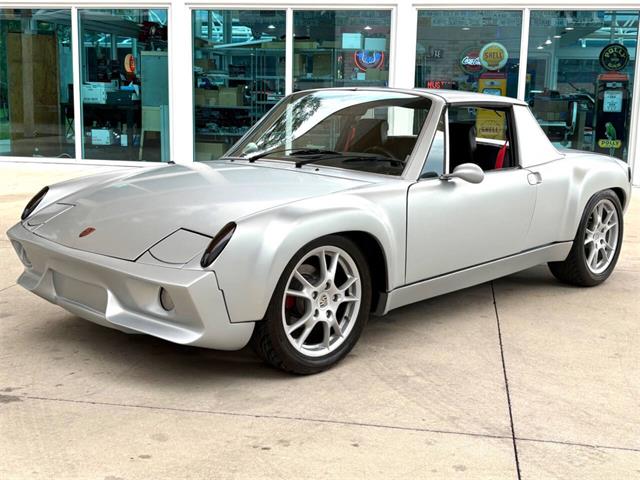
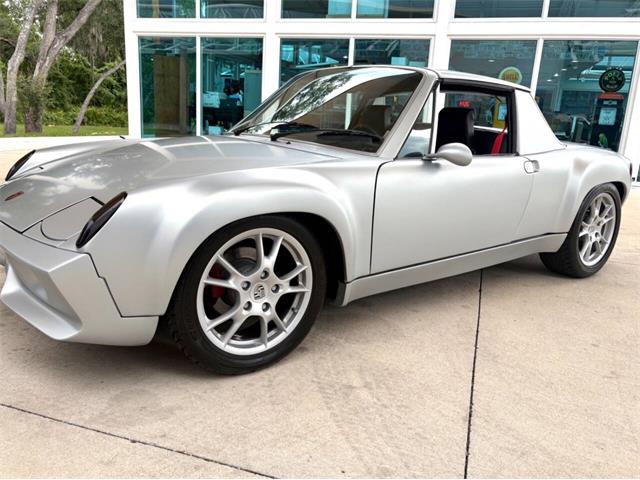
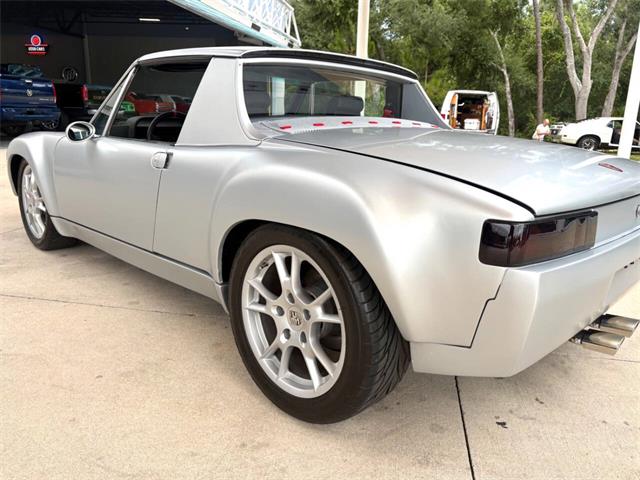
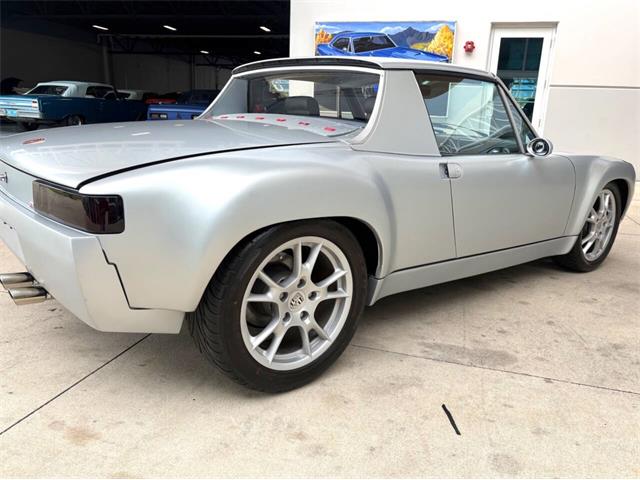
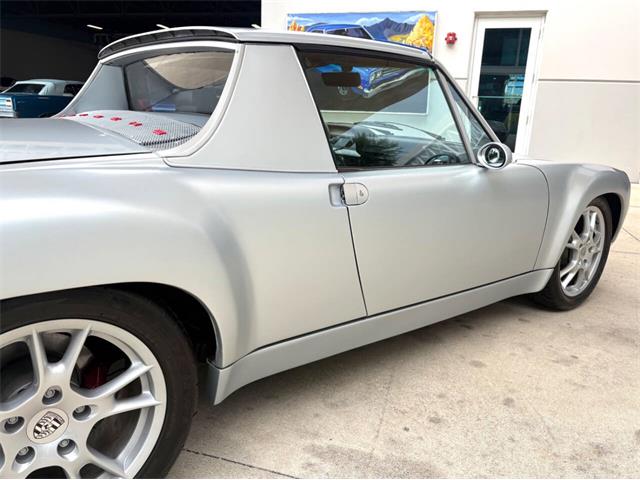
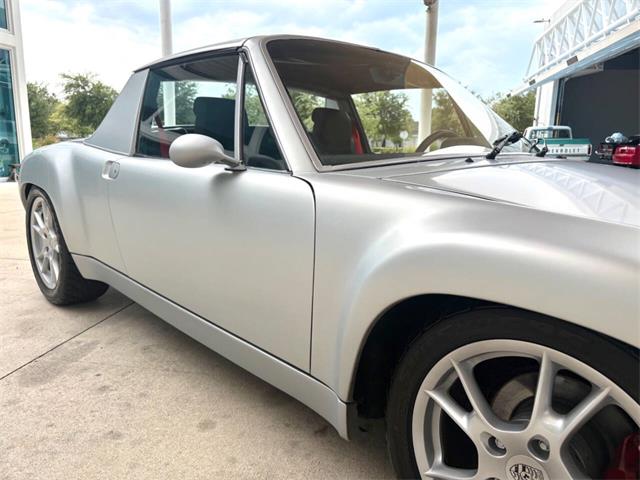
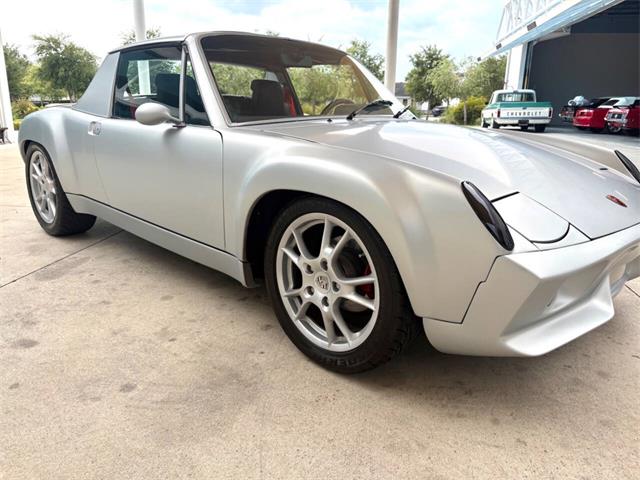
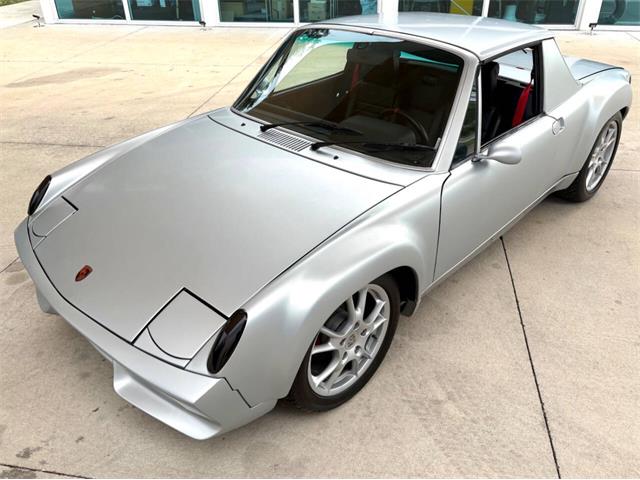
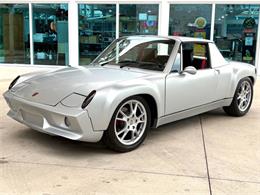
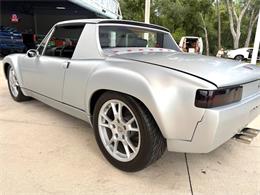
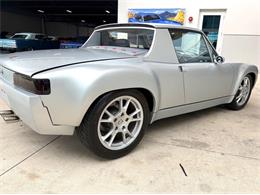
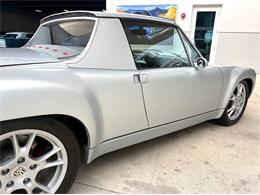
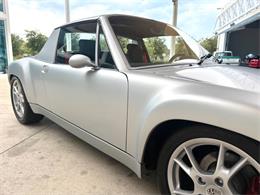
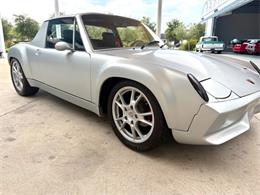
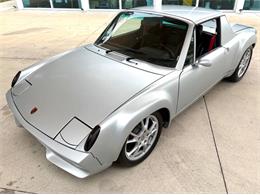
1972 Porsche 914 �€" 2.3L Custom Build with Karmann Coachbuilt Body
Why This Car Is Special The 1972 Porsche 914 occupies a unique
place in sports car history. It was designed as a genuine
mid-engine sports car at an accessible price point �€" a concept
that Ferrari and Lamborghini were charging five times as much to
deliver. The 914 was the product of a joint development agreement
between Porsche and Volkswagen, with Karmann of Osnabrück
contracted to build the bodies. That last detail matters with this
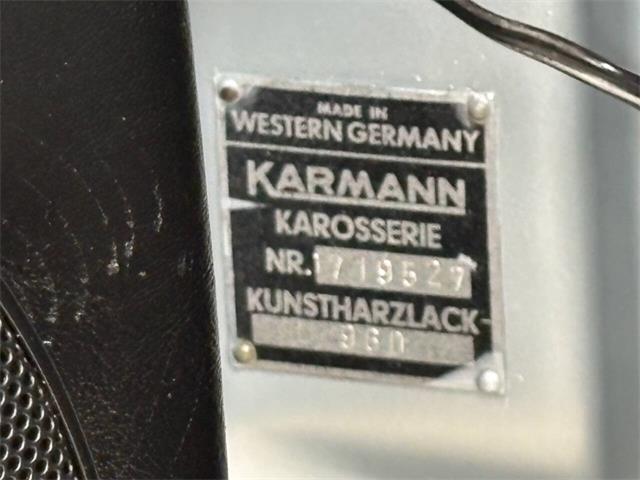
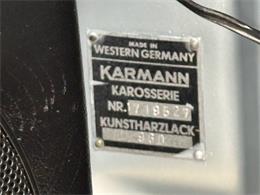
specific car: the Karmann coachbuilt designation on the body
confirms it carries the authentic steel structure produced by the
same coachbuilder that handled the physical assembly of all
production 914s. Karmann was responsible for manufacturing the
unibody shells before they were sent to Porsche for final assembly
and quality checks. So when you see 'Karmann Coachbuilt Body' on
this car, it's not a badge of distinction tacked on for marketing
�€" it's a factual statement about the car's construction lineage.
The 914 was sold in North America as a Porsche from 1970 through
1976. The standard four-cylinder cars used an air-cooled flat-four
engine mounted amidships, directly behind the driver and in front
of the rear axle. That positioning gives the 914 a near-50/50
weight distribution, which is why 914 owners and club racers have
always respected its cornering behavior. The car weighs around
2,100 pounds in stock form, which means even the modestly powered
four-cylinder variants feel quick and responsive in real-world
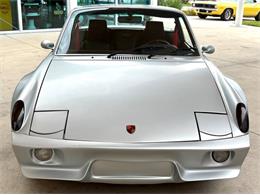
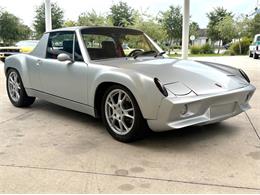
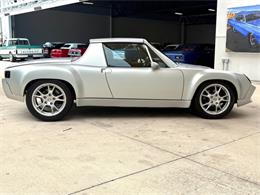
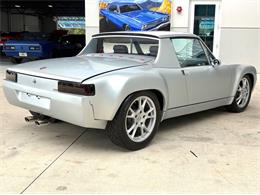
driving. This particular 1972 Porsche 914 has been built out well
beyond stock specification. It runs a 2.3-liter air-cooled
flat-four �€" a displacement step up from the 1.7 and 2.0 liter
engines that were most common in four-cylinder 914 production. The
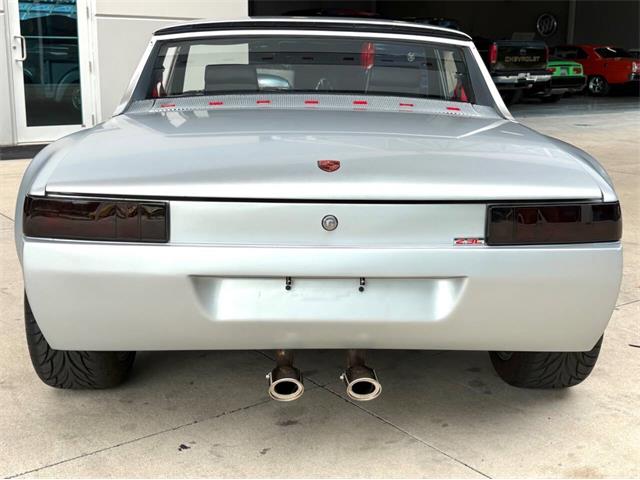
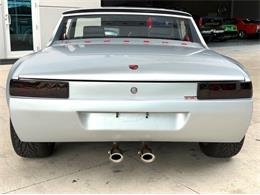
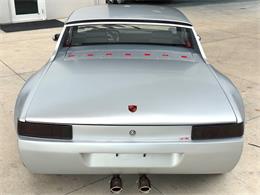
2.3L badge on the rear of the car accurately identifies what's
under the engine cover. The build has been carried out with a
coherent vision: the mechanical upgrades, the custom body kit, and
the interior modifications all work together rather than pulling in
different directions. This is not a parts-bin car. Someone made
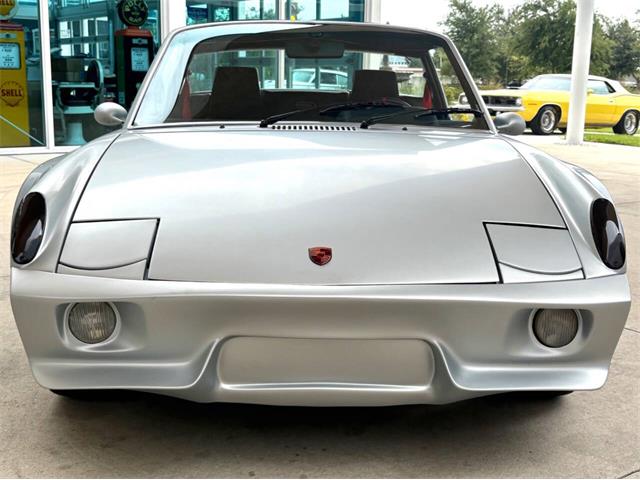
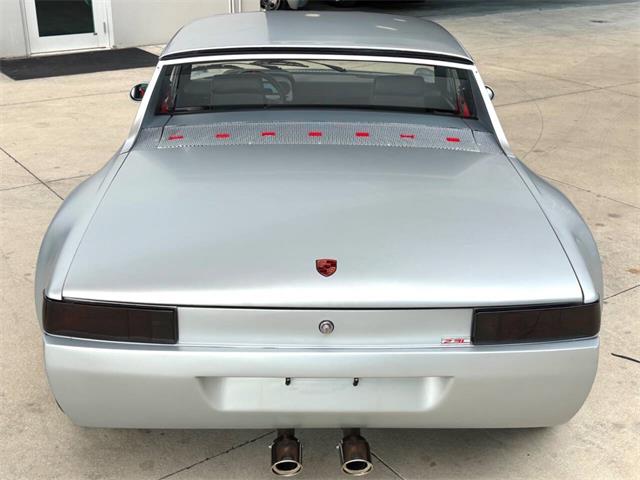
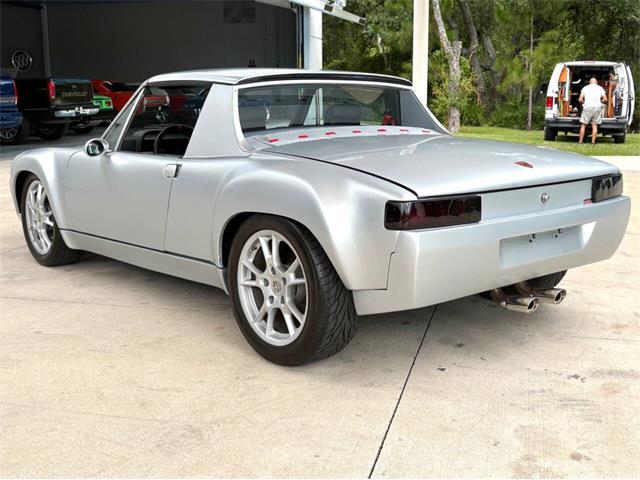
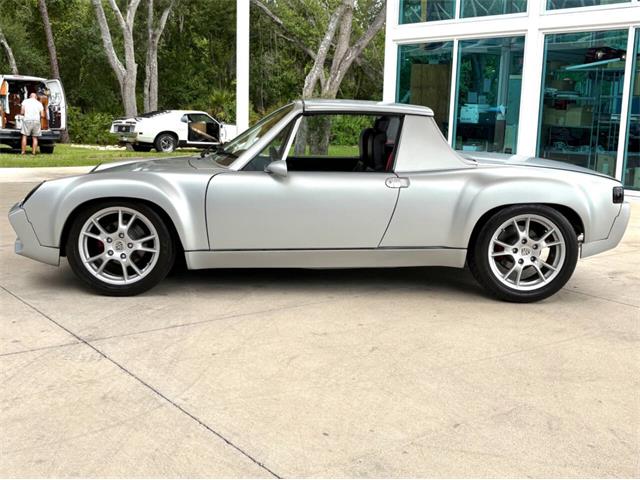
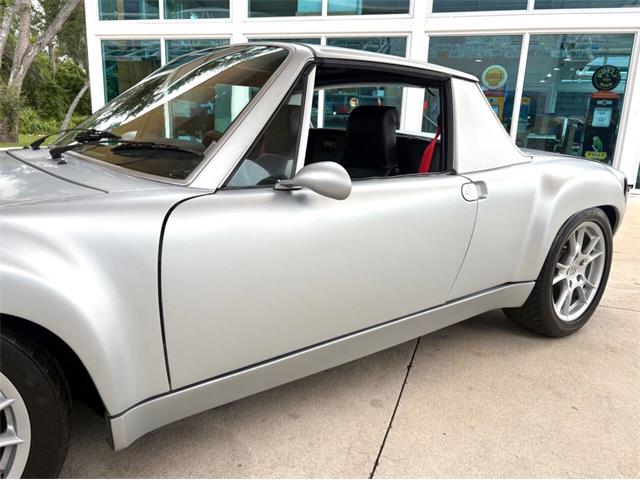
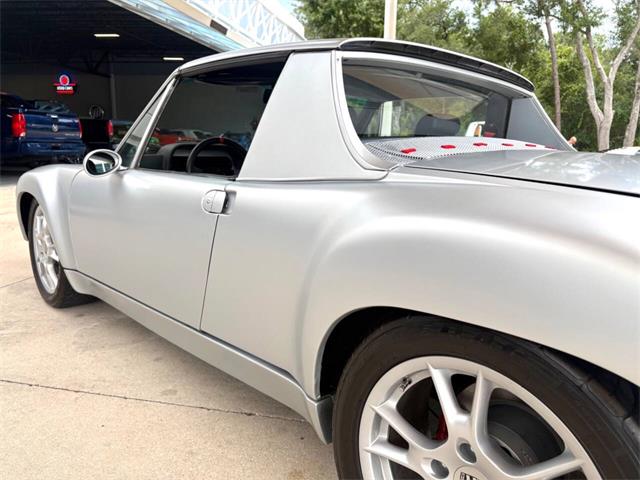
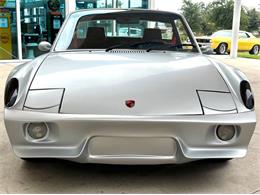
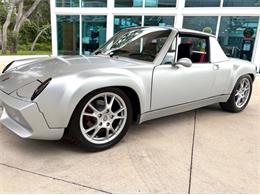
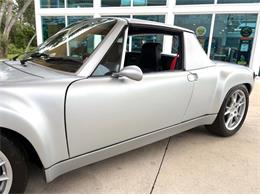
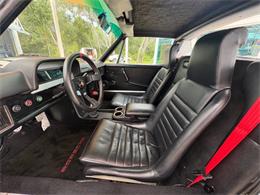
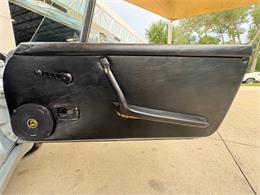
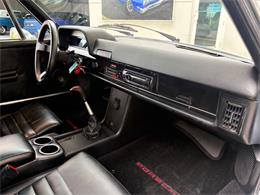
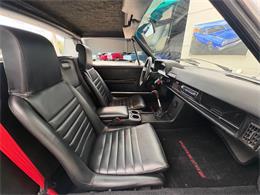
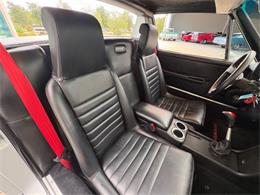
deliberate choices here and followed through on them. The exterior
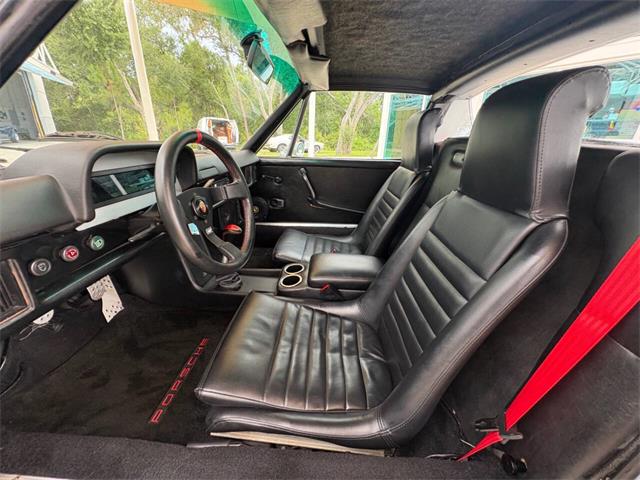
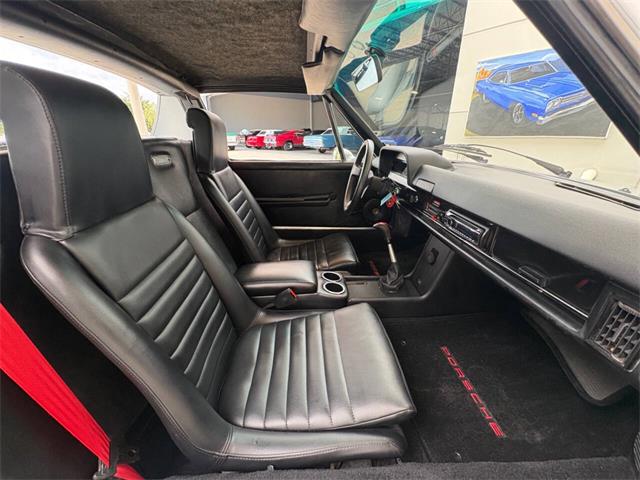
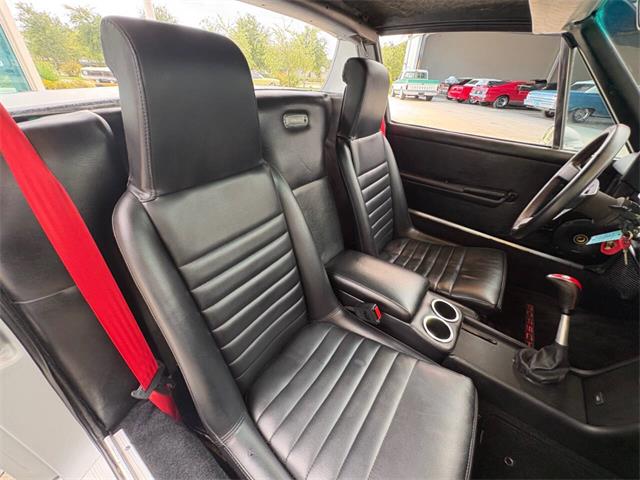
is silver over a black leather interior, a combination that
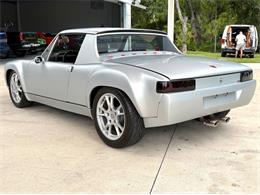
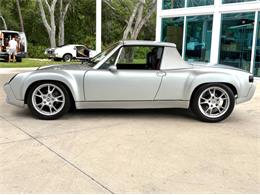
photographs cleanly and wears well over time. The smoked lighting
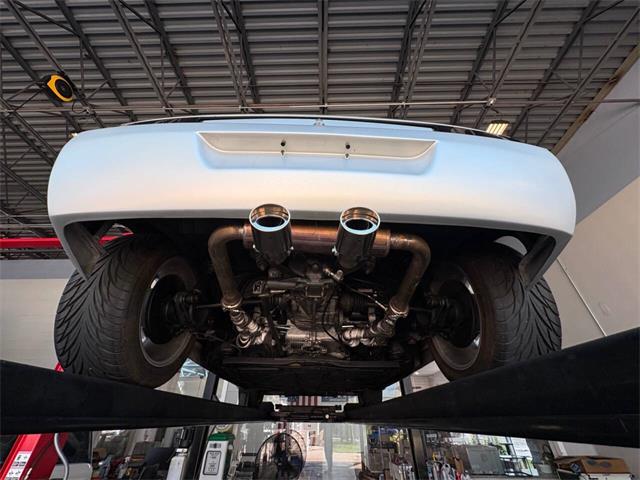
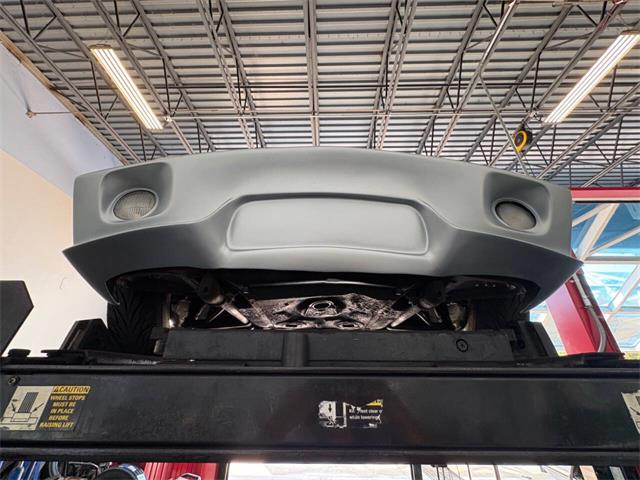
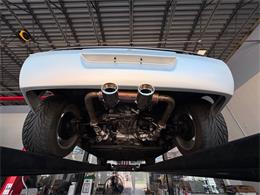
treatment, the custom body kit, and the dual exhaust tips exiting
from the rear give the car an aggressive but purposeful stance that
fits the 914's naturally low, wide profile. Features List - 2.3L
Air-Cooled Flat-Four Engine, Mid-Engine Layout - 5-Speed Manual
Transmission - Four-Wheel Disc Brakes - Wrapped Exhaust Headers -
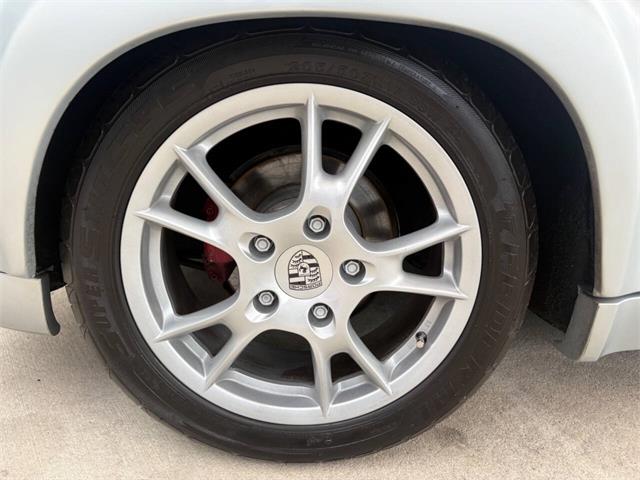
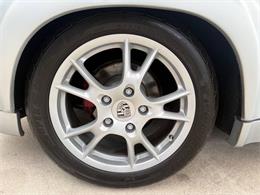
Dual Exhaust Tips - Custom Body Kit - Upgraded Porsche Alloy Wheels
- Pirelli Performance Tires - Red Brake Calipers - Smoked Headlight
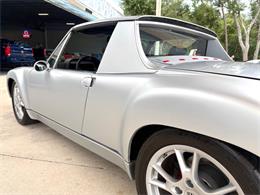
Covers - Smoked Rear Taillights - Perforated Rear Engine Cover -
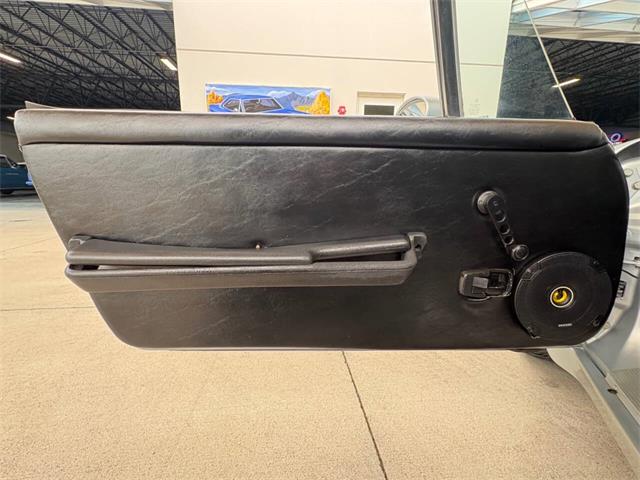
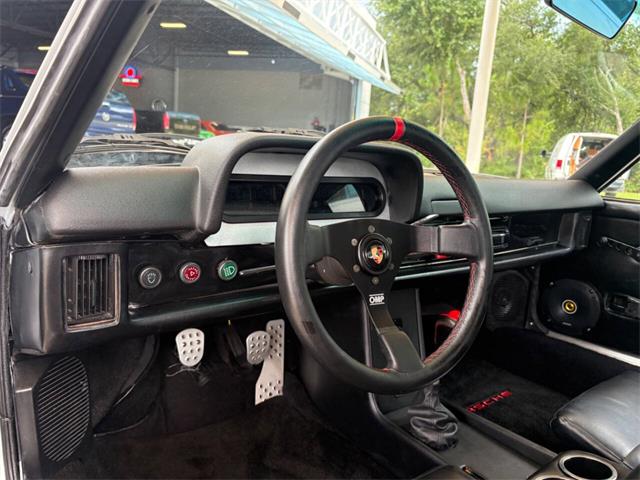
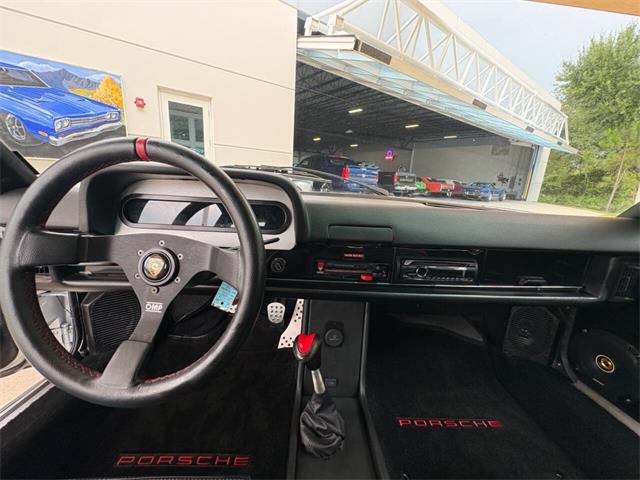
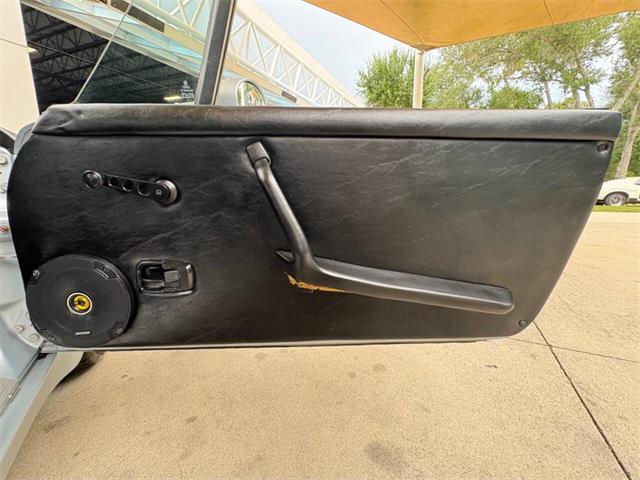
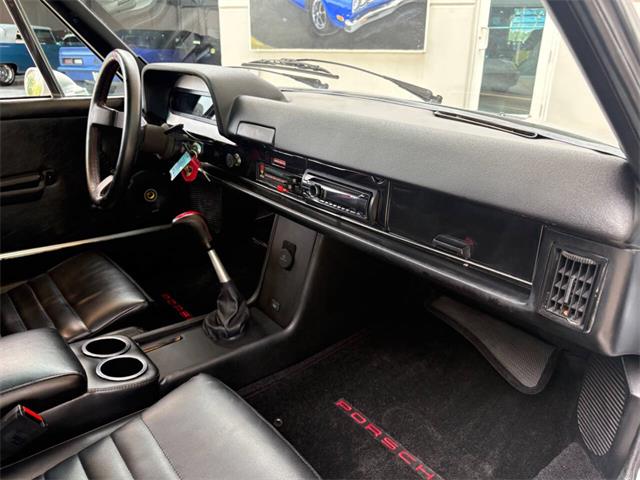
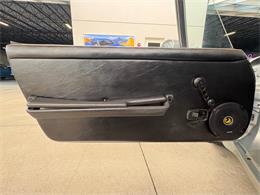
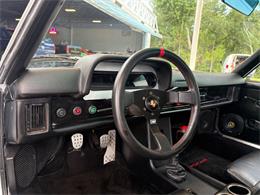
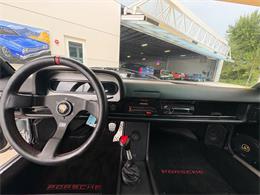
2.3L Badge on Rear - Removable Targa Top - OMP Sport Steering Wheel
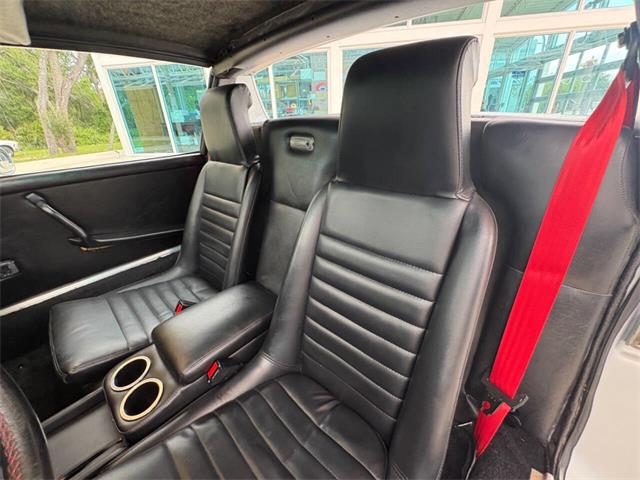
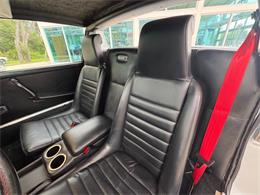
- Aluminum Sport Pedals - Black Leather Bucket Seats - Red
Seatbelts - Center Console Cup Holders - Kicker Upgraded Stereo
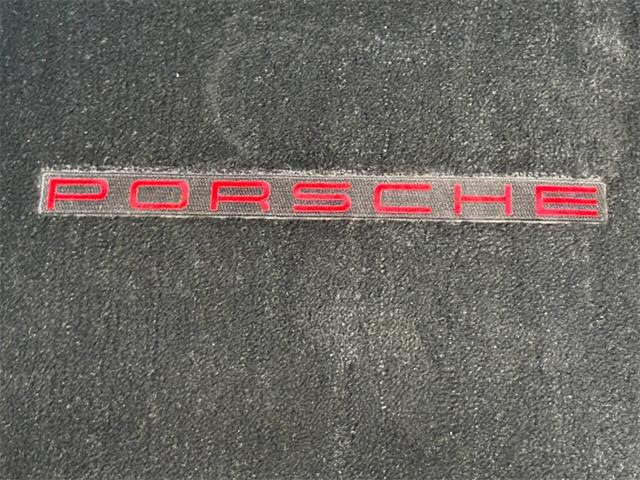
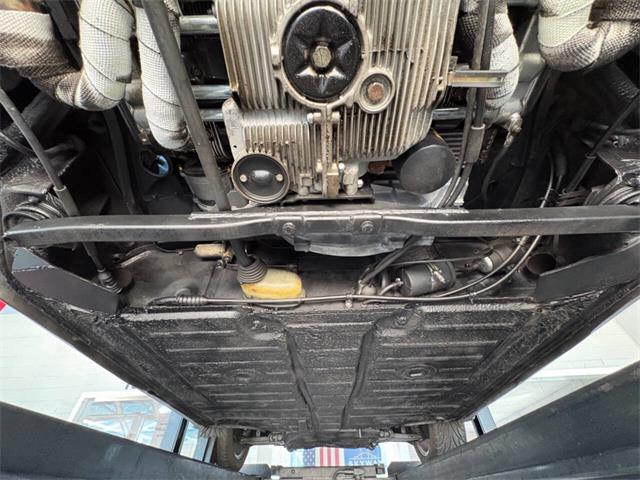
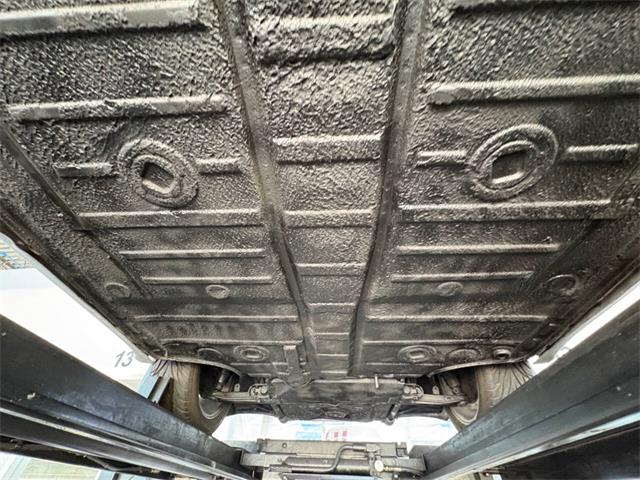
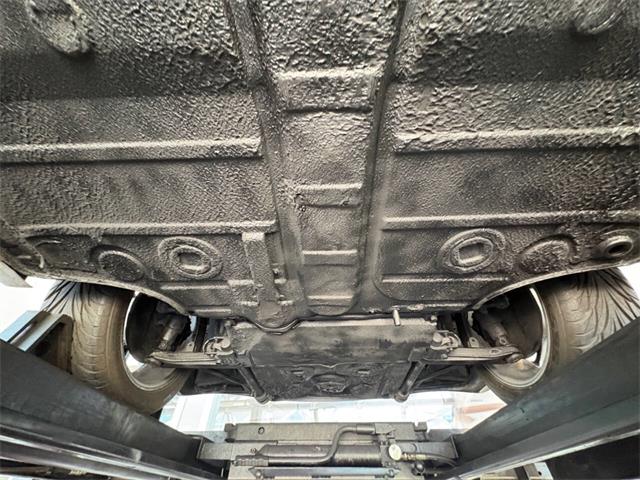
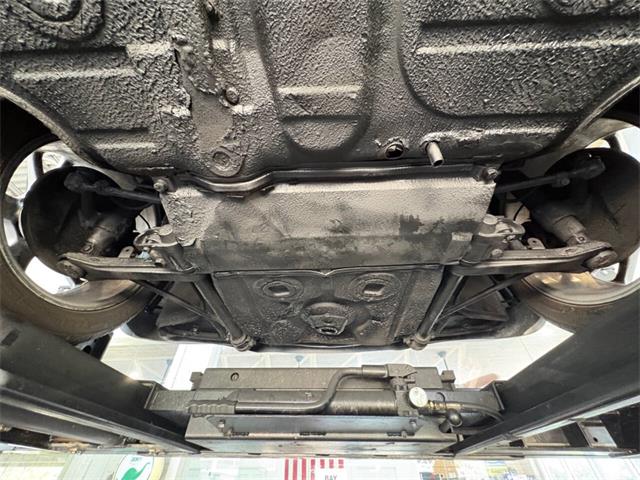
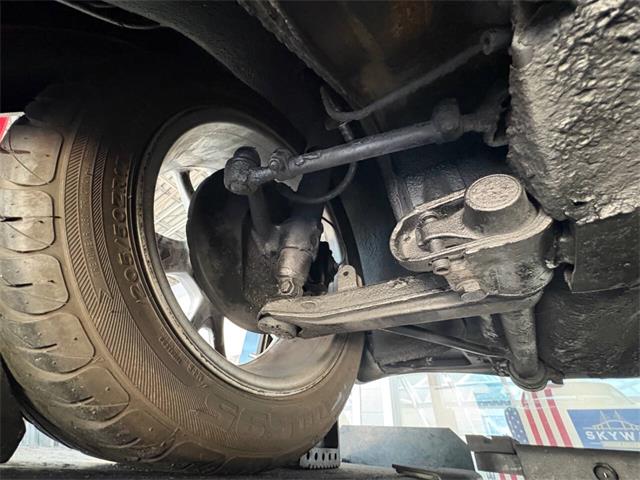
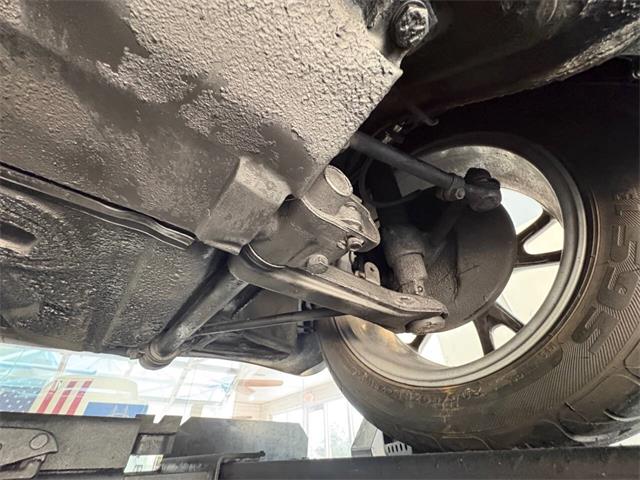
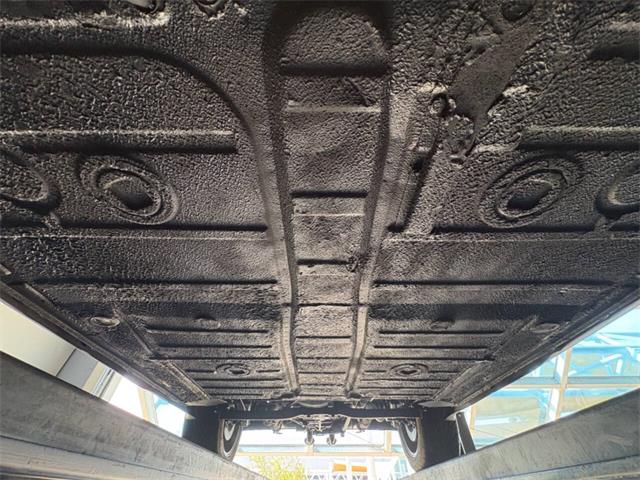
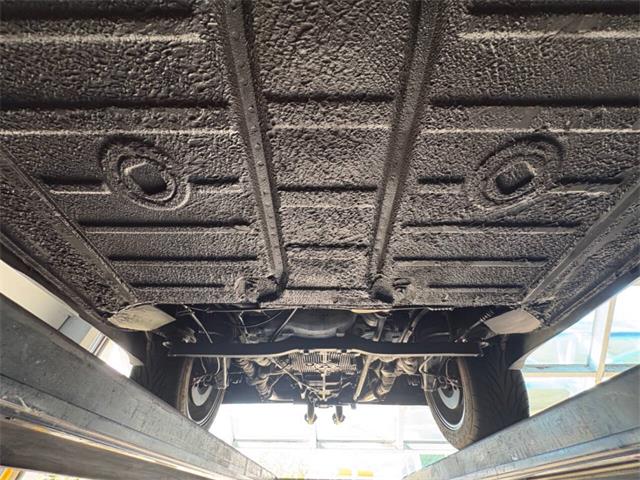
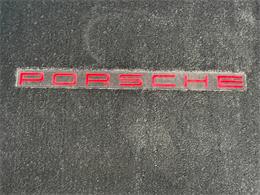
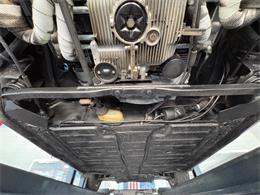
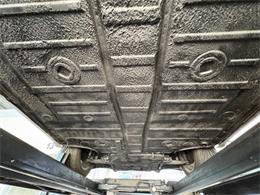
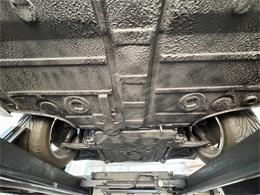
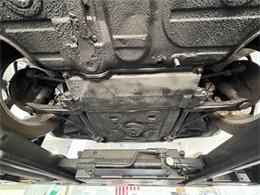
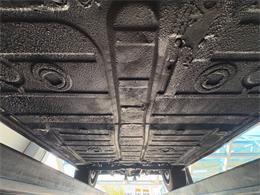
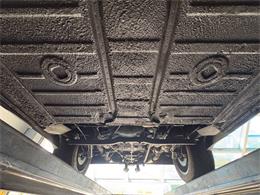
System - Sony Head Unit - Porsche Floor Mats - Undercoated Floors -
Karmann Coachbuilt Body Mechanical The engine in this 1972 Porsche
914 is a 2.3-liter air-cooled flat-four, which represents a
displacement increase over the base 1.7L and the more common 2.0L
four-cylinder that Porsche offered in higher-spec 914 production.
The air-cooled flat-four sits in the mid-ship position, directly
behind the cockpit, with the five-speed manual gearbox integrated
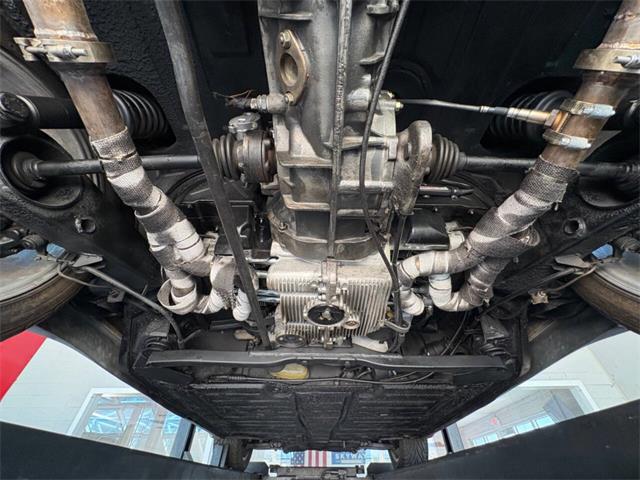
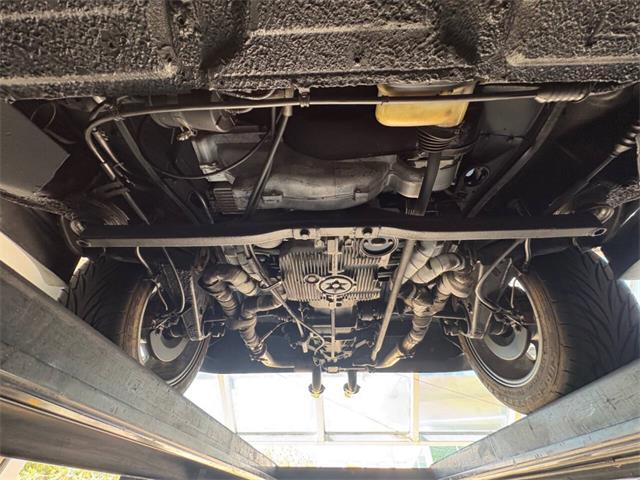
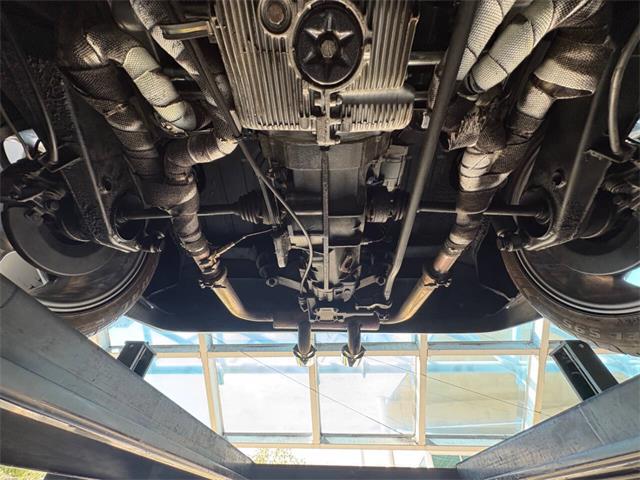
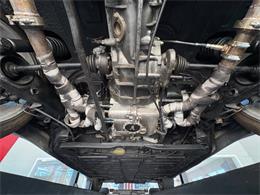
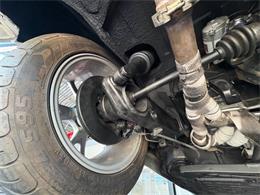
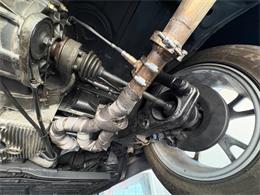
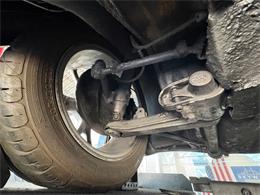
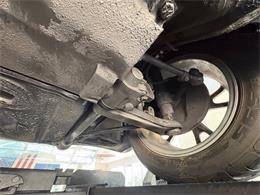
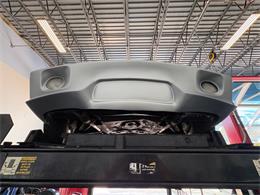
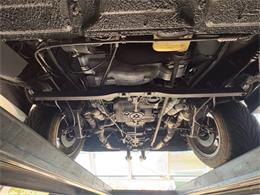
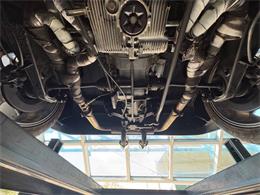
into the rear of the engine assembly. From underneath the car, the
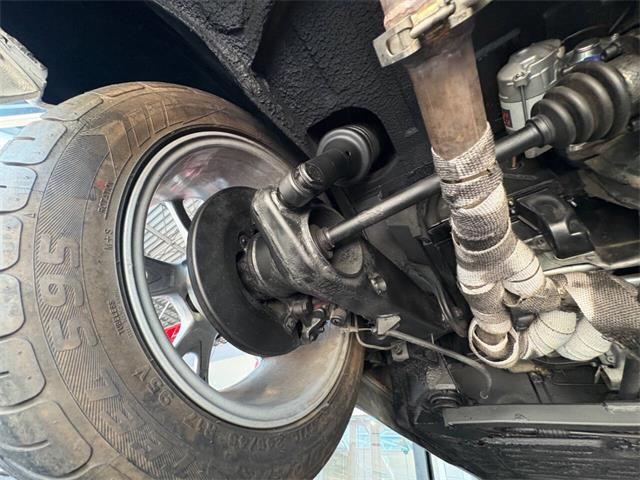
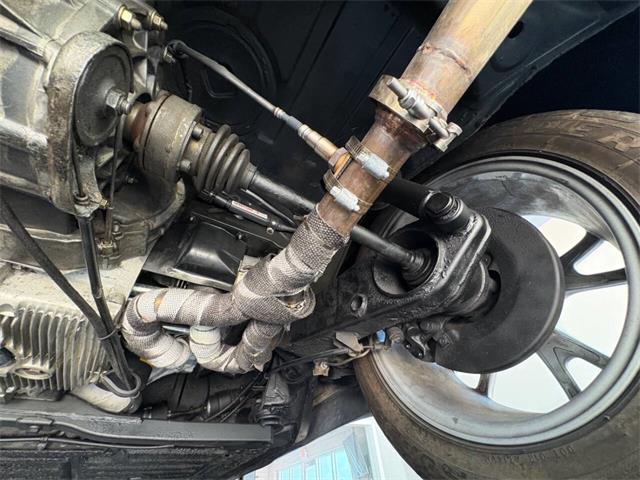
engine bay presents clearly �€" the wrapped headers are visible
running outboard from the engine, feeding into the dual exhaust
system that exits at the rear with polished tips. The header wrap
serves a functional purpose: it retains exhaust heat within the
pipes, which helps maintain exhaust velocity and keeps underhood
temperatures lower around the surrounding components. The
four-wheel disc brake setup is correct for a 914 of this
ClassicCars.com has been recognized as one of the fastest-growing private companies in the United States, successfully making the Inc. 5000 list in both 2015,
2016, 2017 and 2018. This prestigious accolade represents the continued growth of the company, and ClassicCars.com's dominance as the world's largest online marketplace for
buying and selling classic and collector vehicles.
The Stevie Awards, the world's premier business awards recognized
ClassicCars.com's first-class Customer Support team with a Stevie Bronze Award in 2019, celebrating the team's skills as exemplary customer support specialists.
In 2016 The Journal, brought to you by ClassicCars.com, was celebrated as the SECOND MOST INFLUENTIAL automotive blog in the world by NFC Performance.