As the economy began to recover following the Great Depression, new
enthusiasm emerged for hot rodding, particularly in Southern
California, where the favorable weather and wide-open dry lakes
gave rise to new dual-purpose race/street cars. Among the myriad
body styles being built from Ford Model As, Ts, and Bs at the time
were so-called "High-Boys," a term which rose to define unmodified
hot rod bodies that sat on top of the frame rails. Because
"channeling" a body to be mounted lower on a chassis is a
challenging and time-consuming process, many younger hot rodders
opted to leave the body sitting high atop the frame, with mostly
1928, 1929, or 1932 Ford Roadster bodies being used in their
construction.
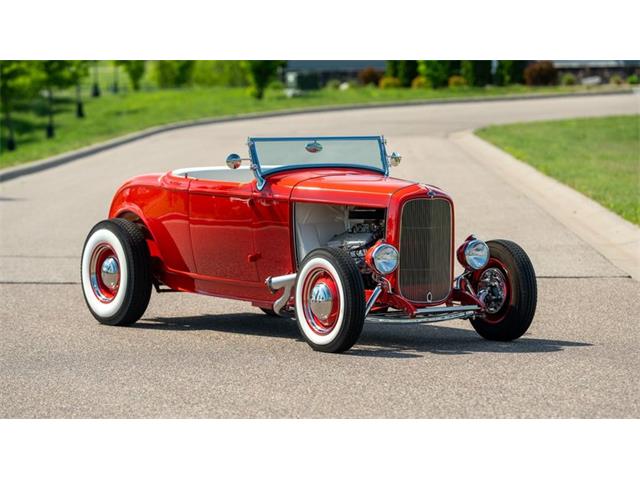
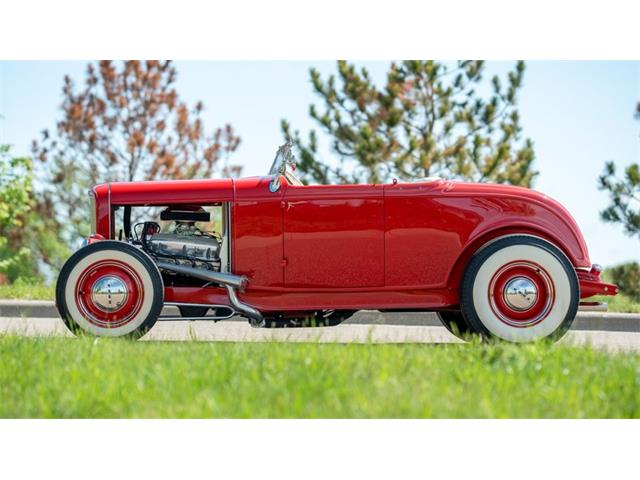
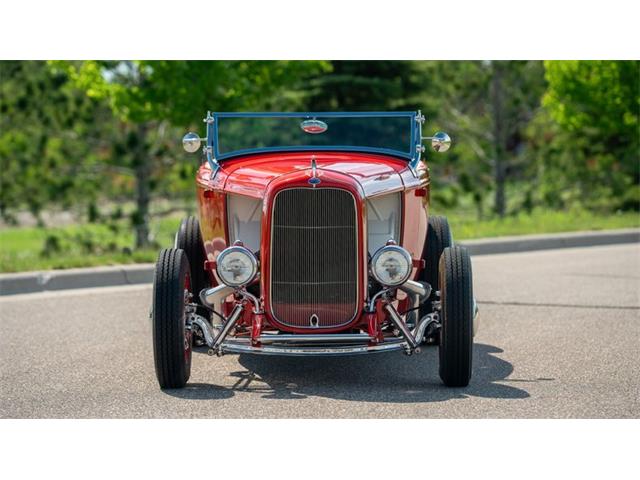
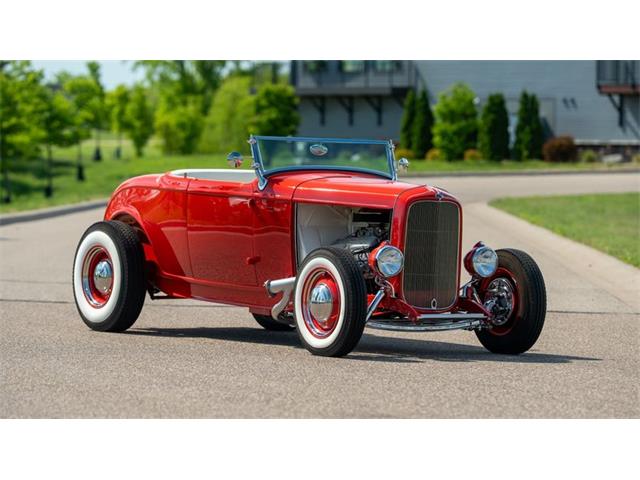
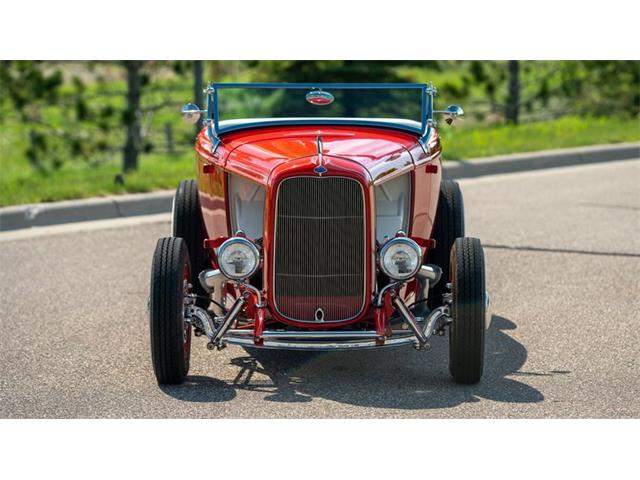
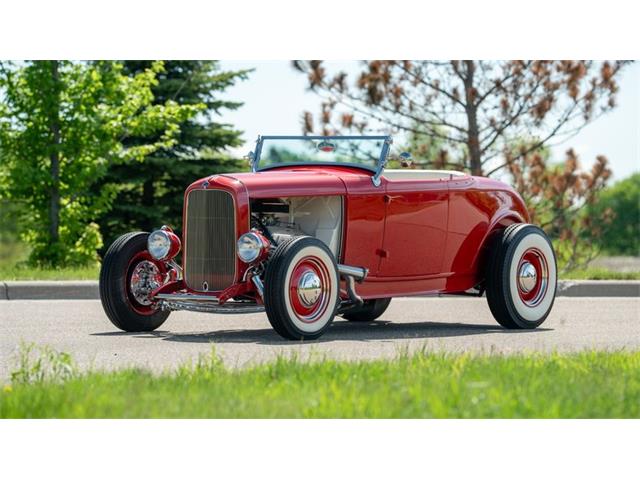
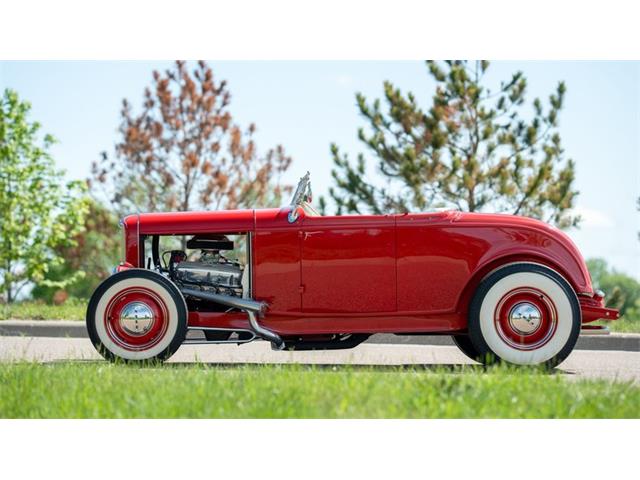
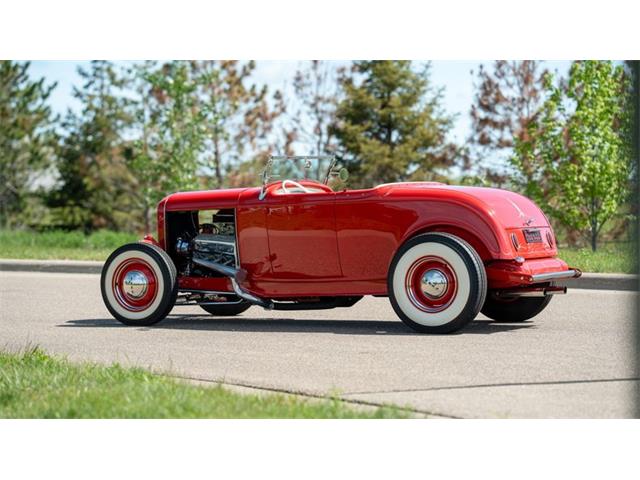
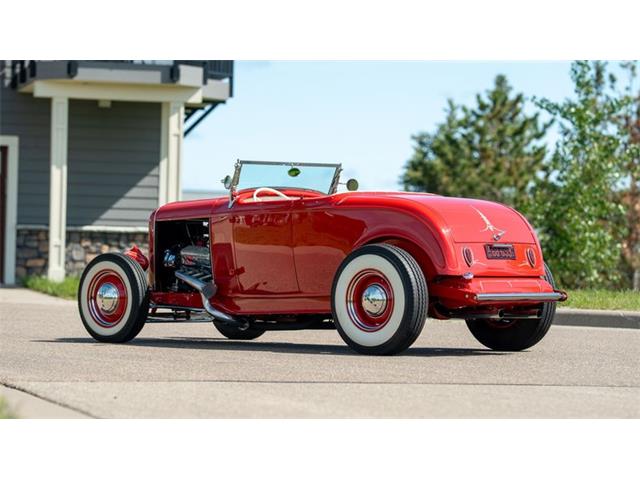
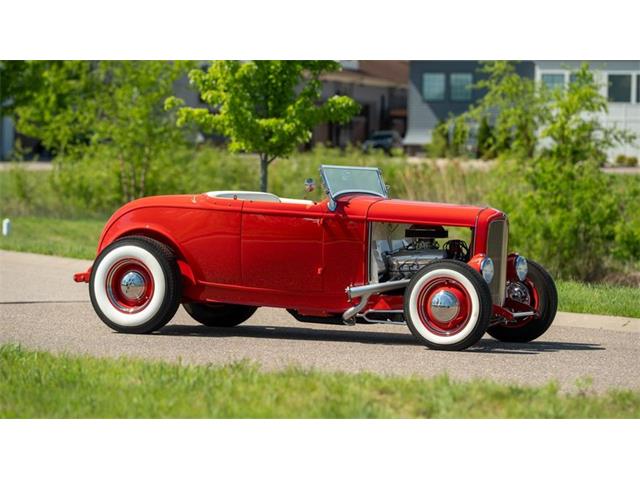
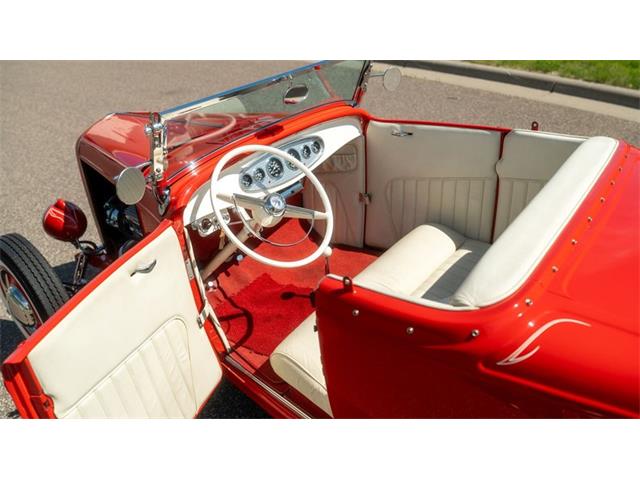
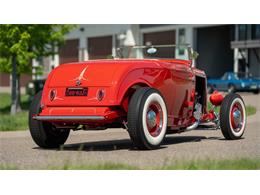
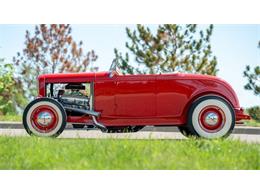
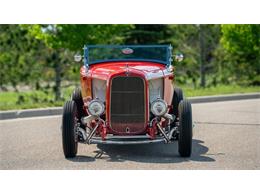
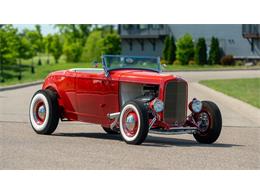
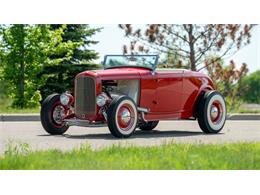
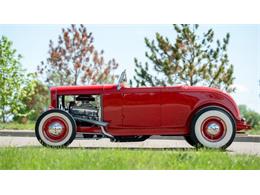
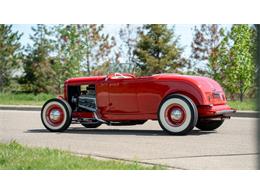
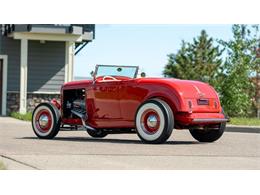
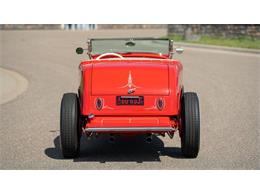
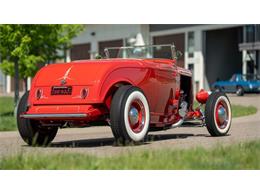
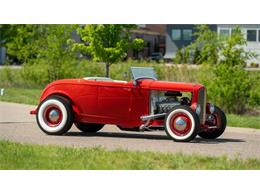
The 1932 Ford Roadster presented here is a beautifully executed
example of the traditional High-Boy formula, its steel body left
proudly atop the frame rails in the manner of America's earliest
hot rods. Assembled with evident care over a period of several
years circa 2000-2004, the car is documented by an exceptional file
of invoices, work orders, and receipts that chronicle its
construction. Based on genuine 1932 Ford bodywork, it is
underpinned by a Ford 9-inch rear axle, narrowed and jig-welded to
50 inches overall by Kustom Kit Kars of Lafayette, New Jersey, and
fitted with Moser Engineering axles running a 3.50:1 final drive
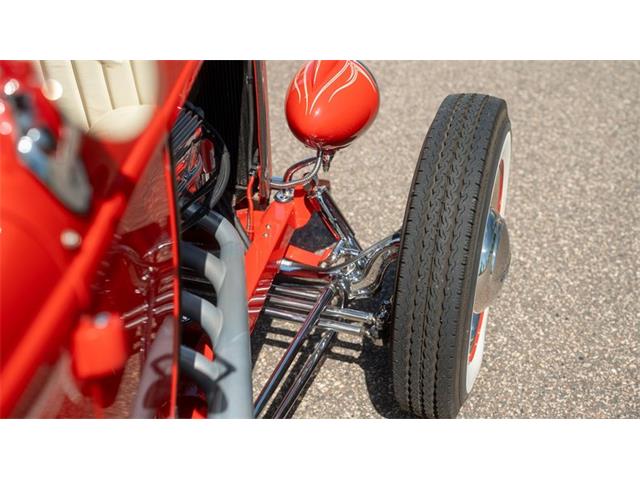
with limited-slip. Steering is handled by a polished stainless
Borgeson column, with stainless tie-rod and drag-link stock
supplied by R.S. Phillips Steel. In keeping with the finest
traditional rods, many of the car's components-intake manifold,
valve covers, bell housing, headers, pulleys, brackets, and an
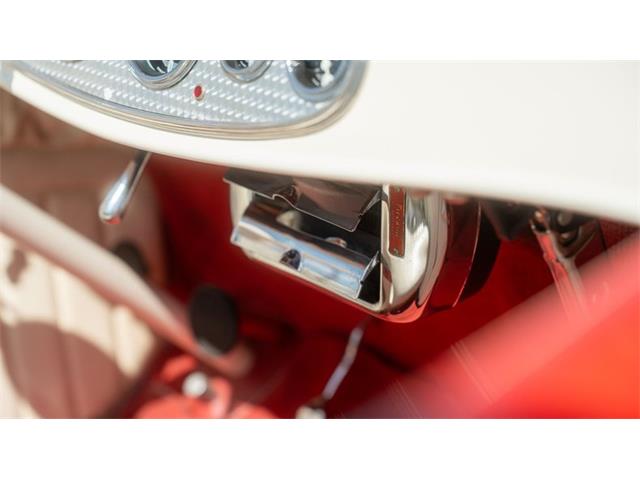
engine-turned dash panel among them-were hand-finished and polished
by Outasite Metal Finishing, while the fasteners throughout were
upgraded to polished stainless.
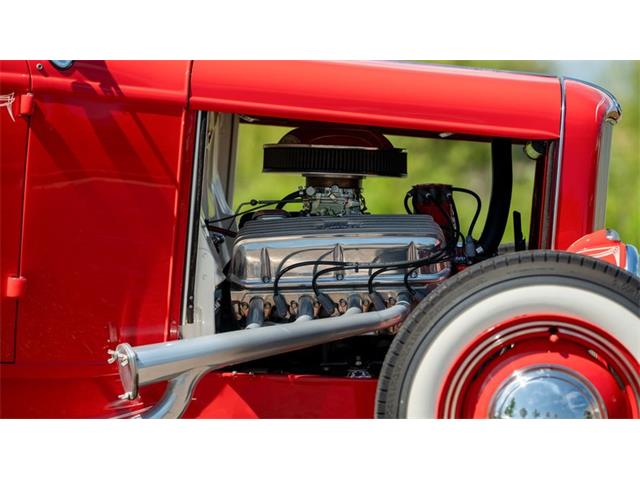
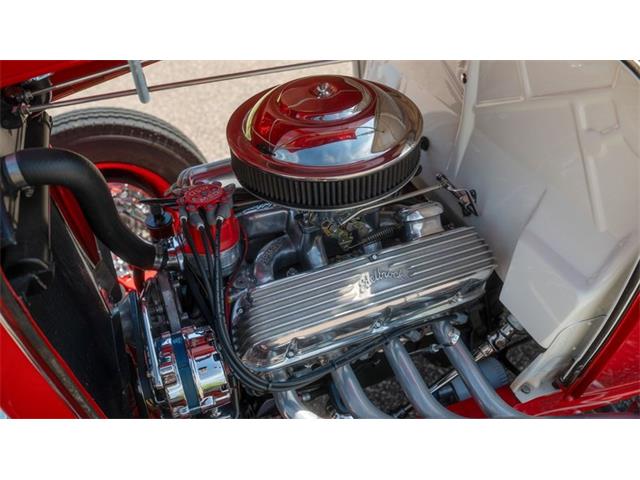
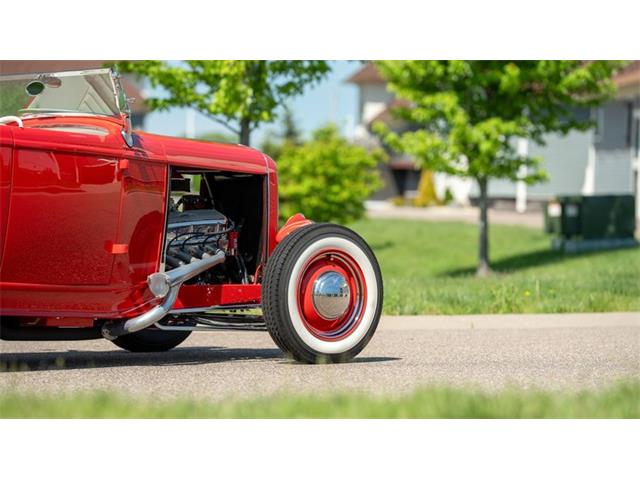
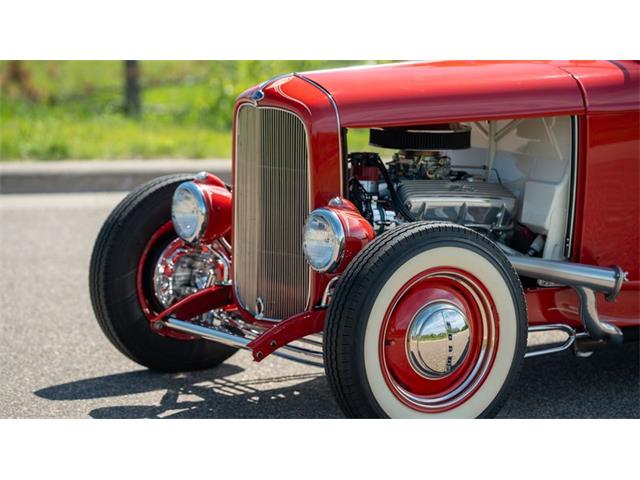
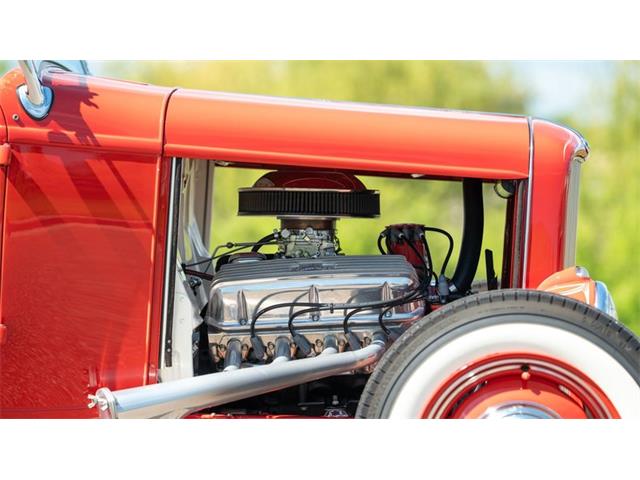
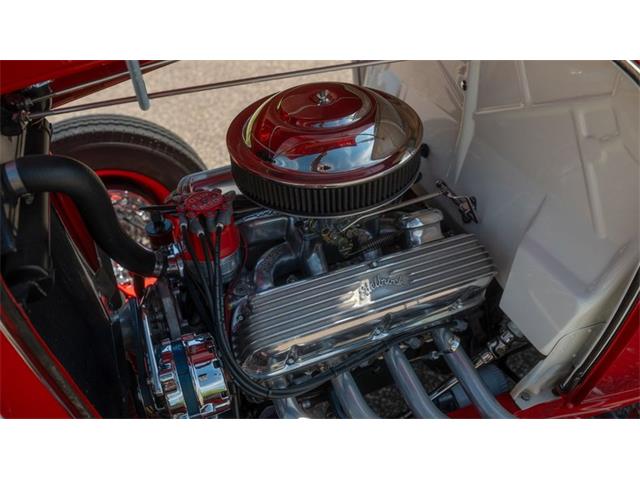
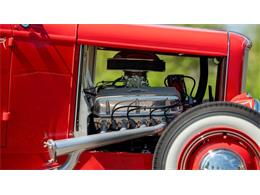
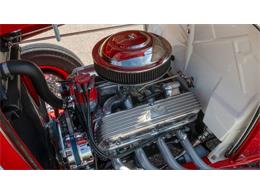
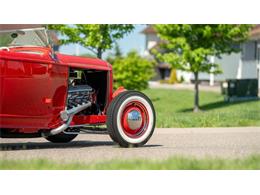
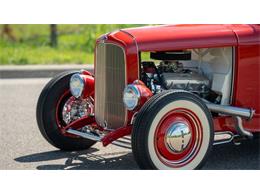
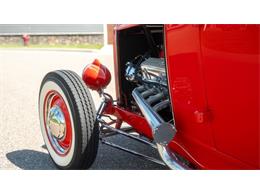
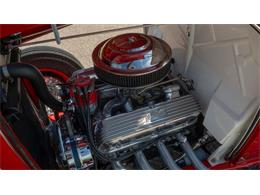
Power is provided by an overhead-valve Ford Performance small-block
V8, built to 347-cubic-inch "stroker" specification and carrying a
desirable complement of Ford Racing components including a GT-40 P
"Hi-Flow" cast iron cylinder head and a hydraulic-roller tappet
camshaft. The engine breathes through an Edelbrock Air-Gap intake
manifold and a 600-cfm Edelbrock Performance Series carburetor,
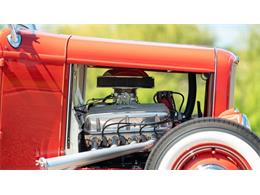
while a complete MSD ignition system provides the spark. Finished
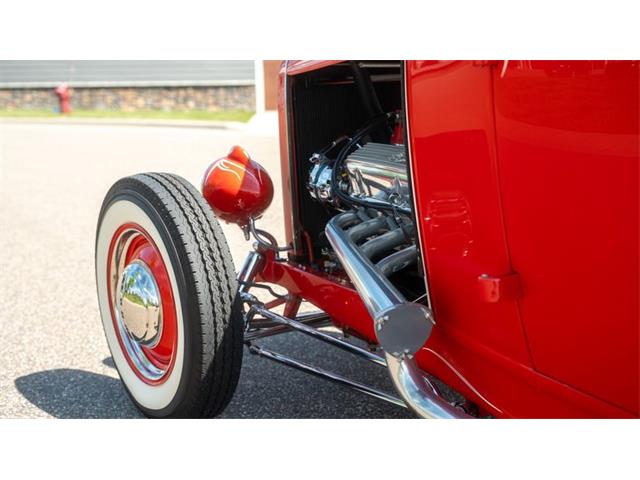
with polished valve covers and a bank of chromed headers, the
engine is proudly displayed in the fenderless engine bay. Drive is
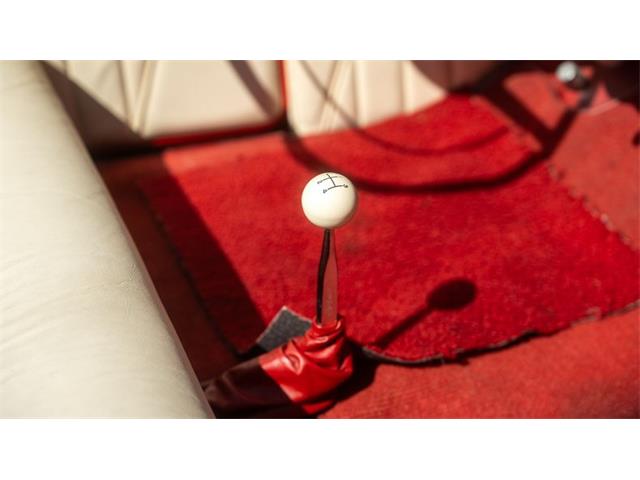
transmitted through a classic Ford Toploader four-speed manual
transmission to the narrowed 9-inch rear, making for an all-Ford
driveline of exactly the sort a period builder would have
coveted.
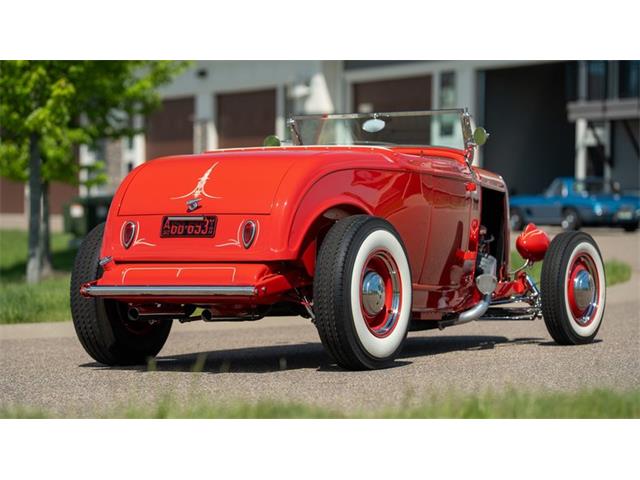
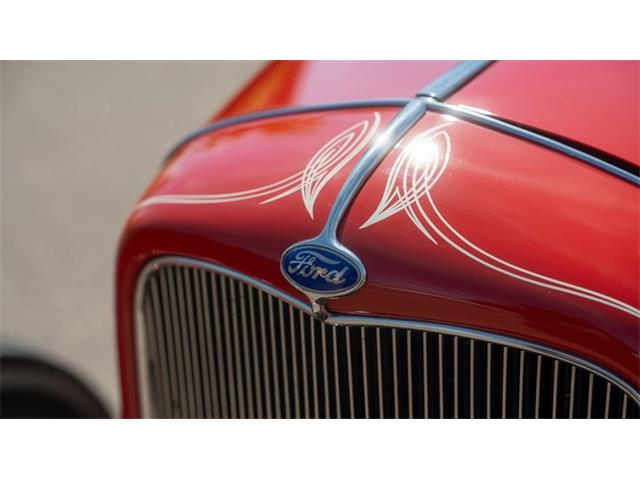
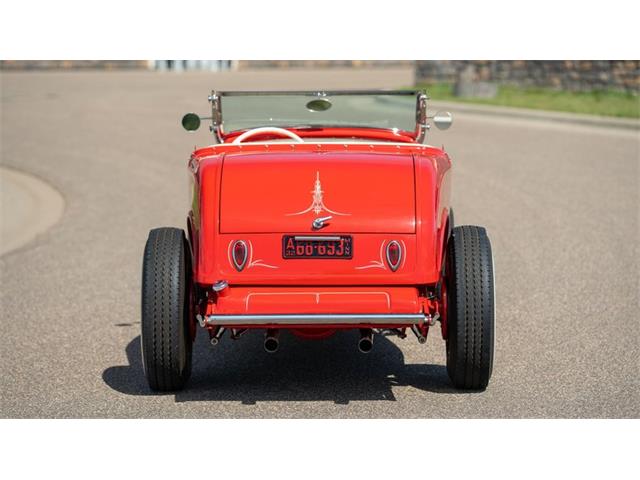
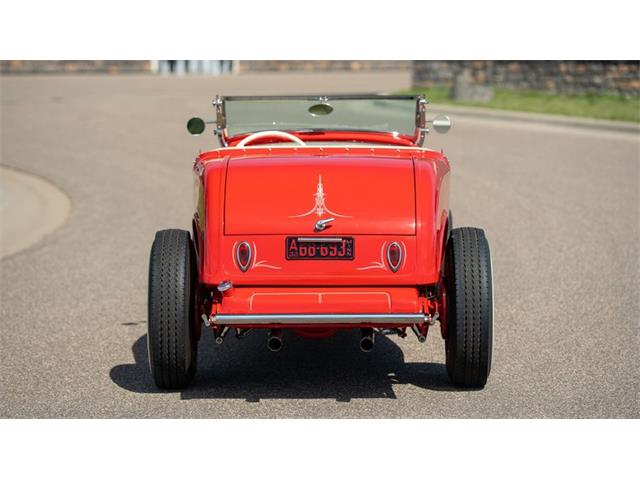
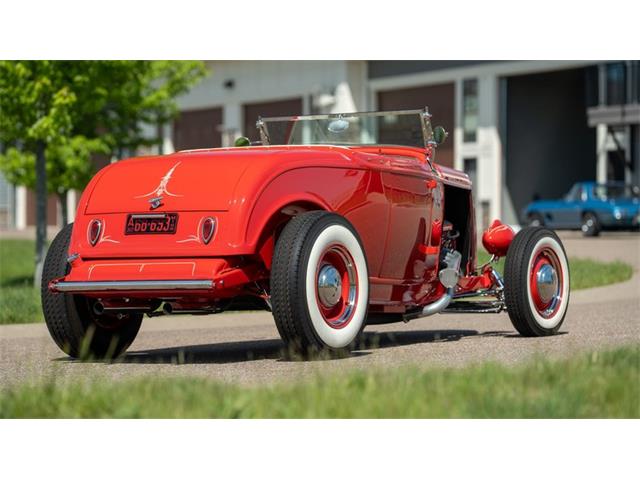
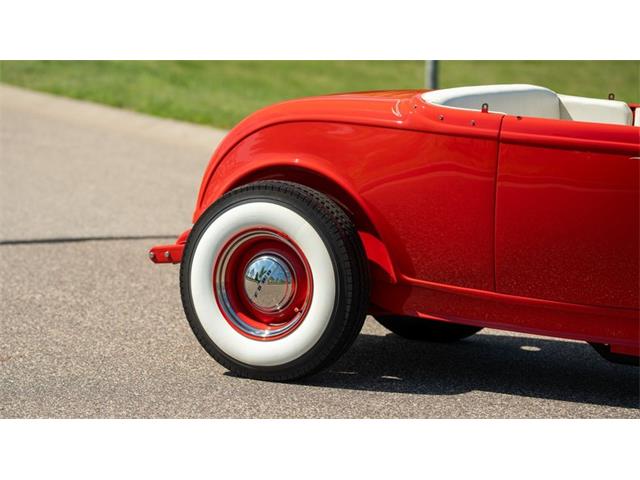
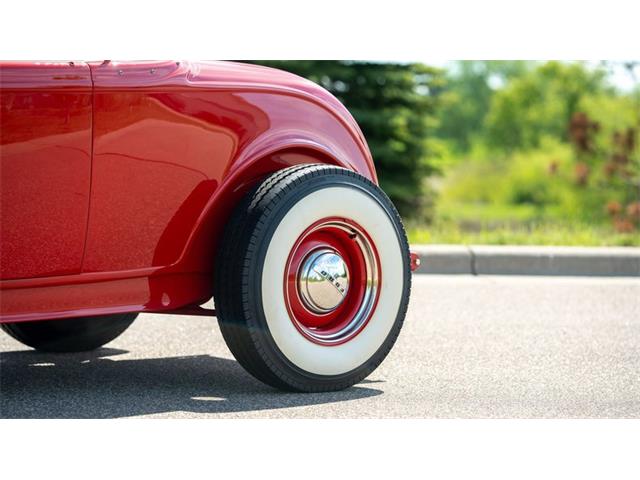
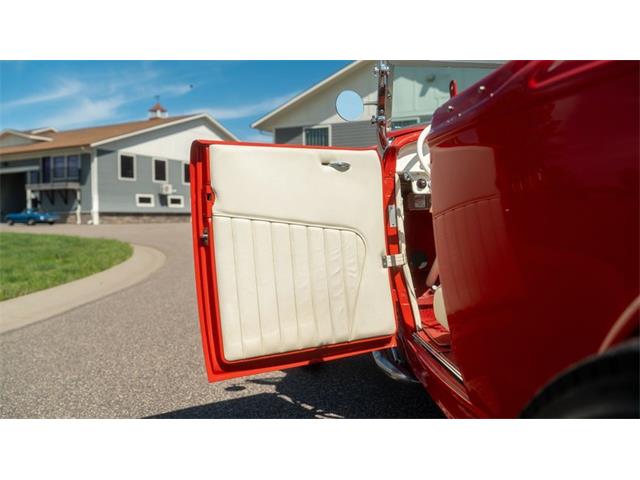
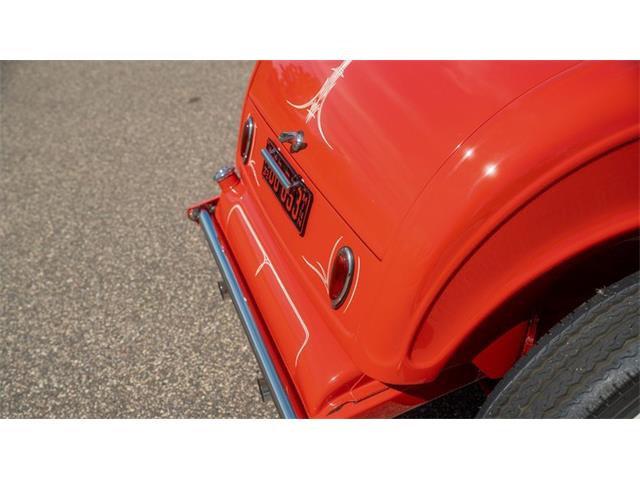
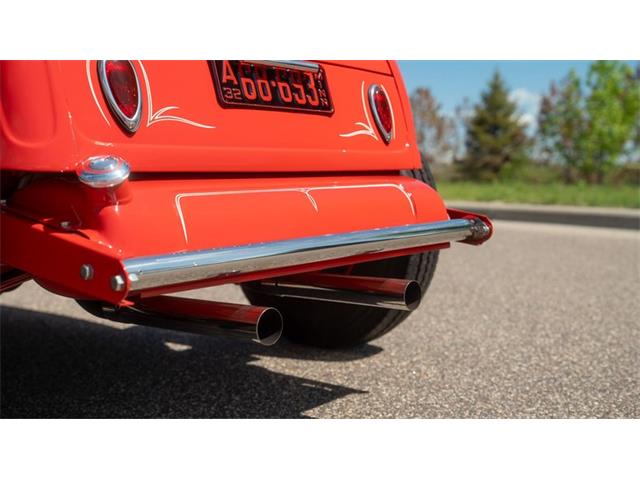
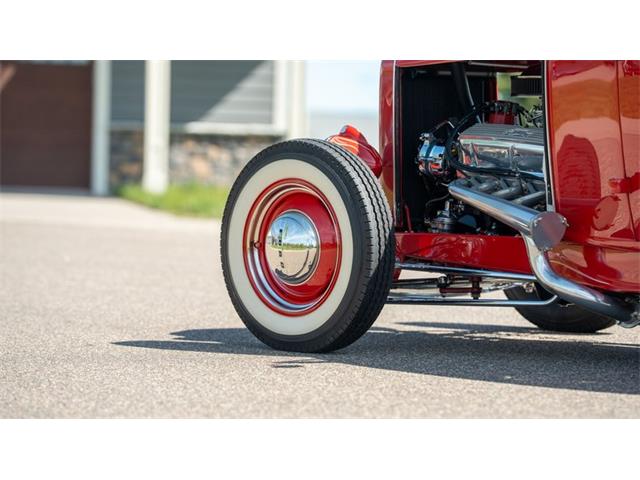
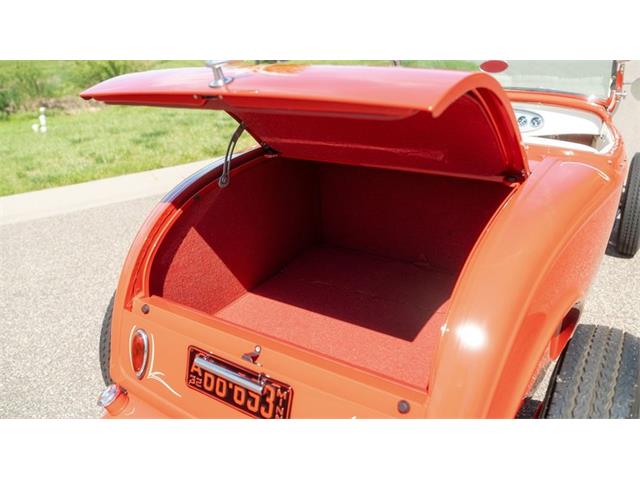
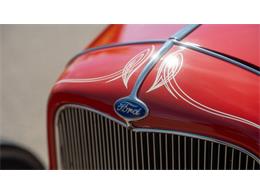
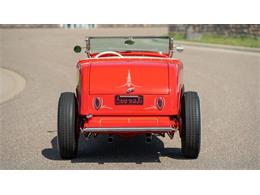
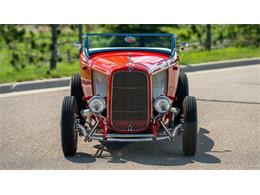
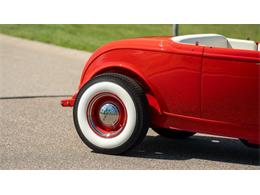
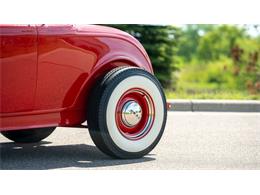
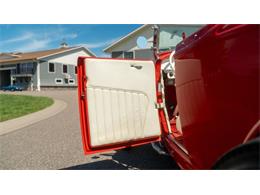
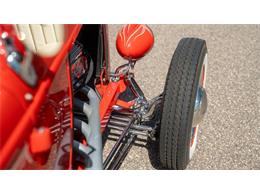
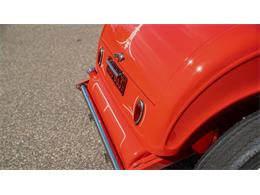
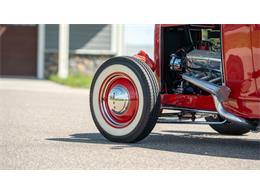
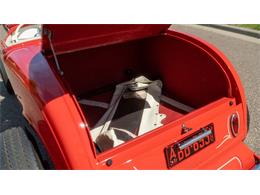
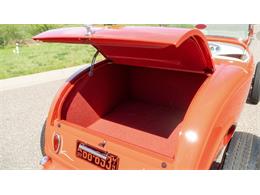
Presented in a deep and lustrous Candy Apple Red with color-matched
steel wheels, chrome caps, and wide whitewall tires, the roadster
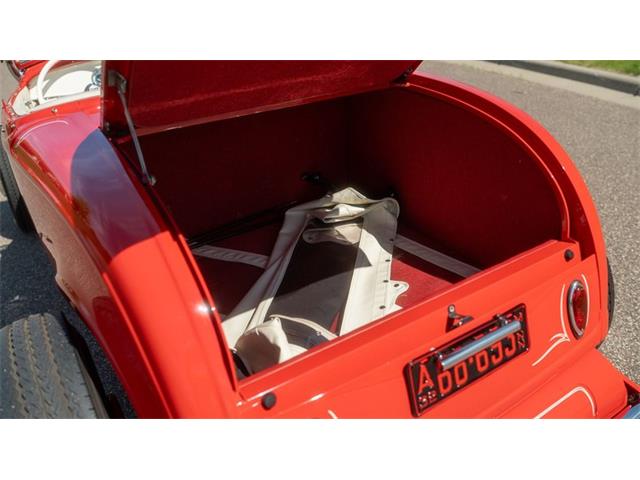
is delicately finished with hand pin-striping to the deck lid,
beltline, and valance. That striping is the work of Alan Johnson,
among the most respected practitioners of the craft in America. His
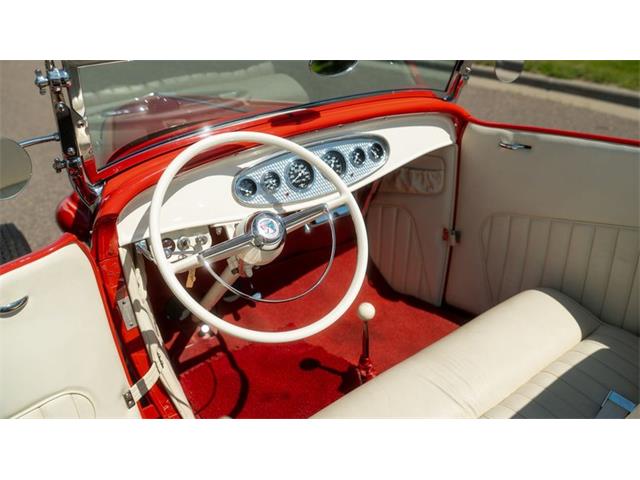
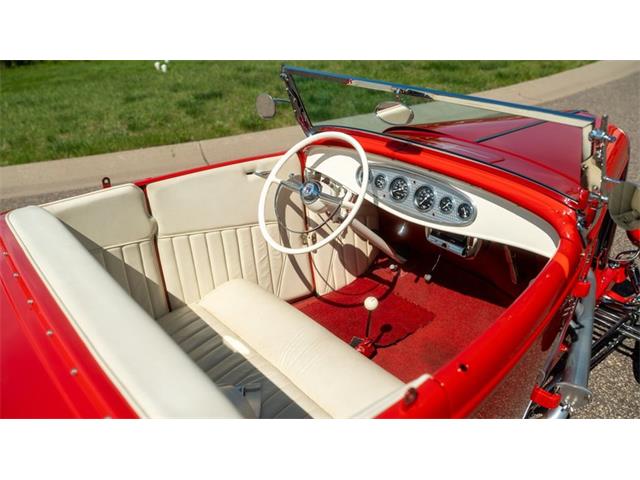
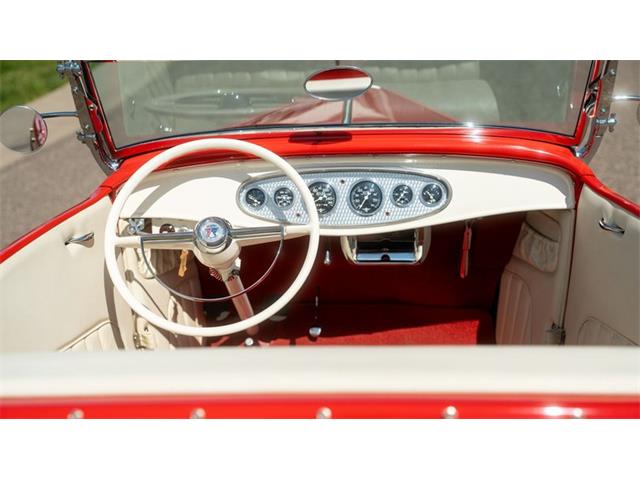
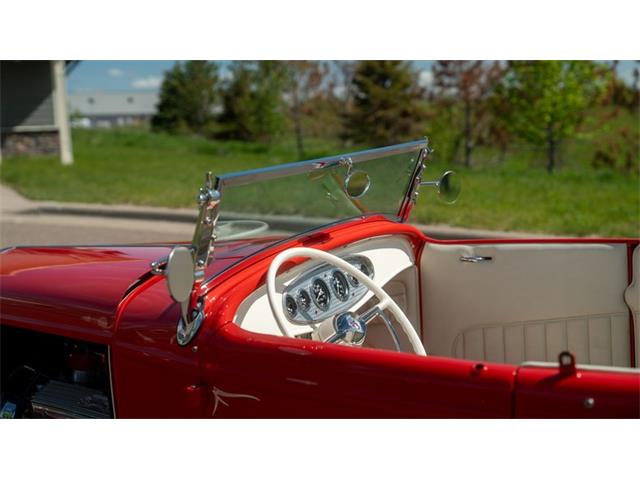
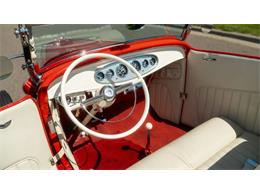
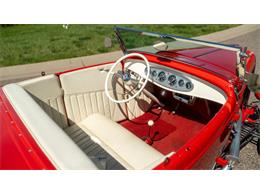
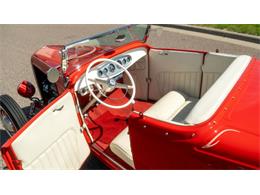
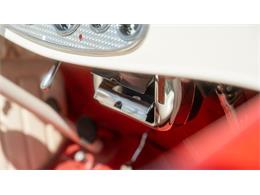
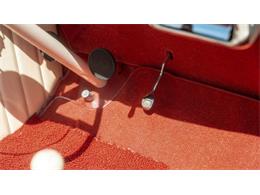
signature appears on the car alongside his work. The cockpit is
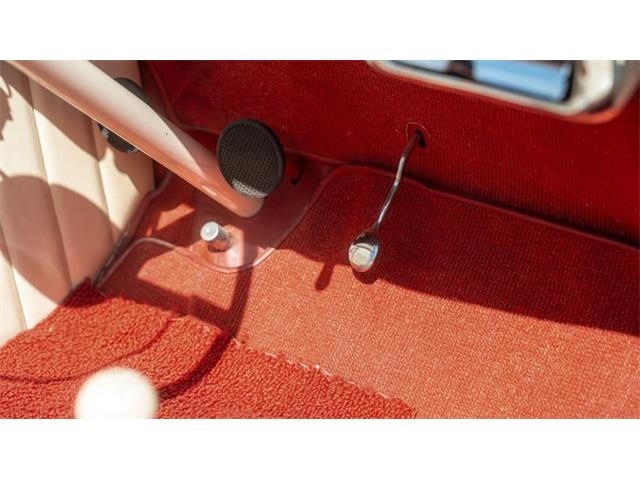
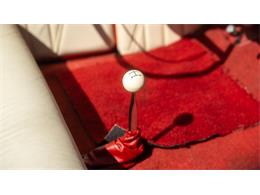
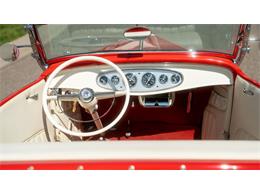
trimmed in bright white leather with contrasting red carpet,
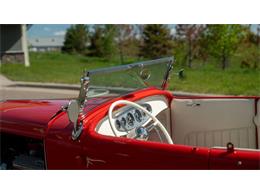
fronted by an engine-turned dash carrying a full suite of
Stewart-Warner instruments and crowned by a white banjo-style
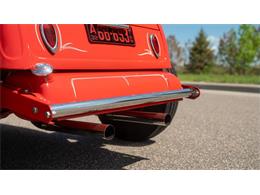
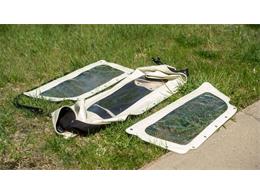
steering wheel and matching cue-ball shifter. A chrome windshield
frame, dual chromed exhaust, 16-inch wheels wrapped in Coker tires,
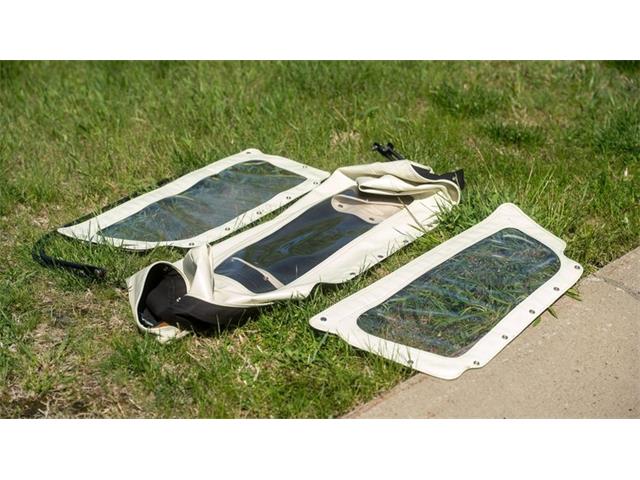
and full weather equipment including a folding top and snap-in side
curtains complete a thoroughly usable and superbly turned-out car
that is ready to be enjoyed on the road or displayed.
ClassicCars.com has been recognized as one of the fastest-growing private companies in the United States, successfully making the Inc. 5000 list in both 2015,
2016, 2017 and 2018. This prestigious accolade represents the continued growth of the company, and ClassicCars.com's dominance as the world's largest online marketplace for
buying and selling classic and collector vehicles.
The Stevie Awards, the world's premier business awards recognized
ClassicCars.com's first-class Customer Support team with a Stevie Bronze Award in 2019, celebrating the team's skills as exemplary customer support specialists.
In 2016 The Journal, brought to you by ClassicCars.com, was celebrated as the SECOND MOST INFLUENTIAL automotive blog in the world by NFC Performance.