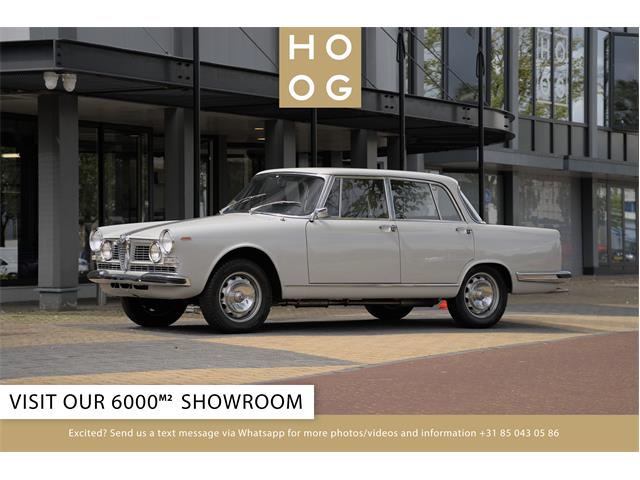
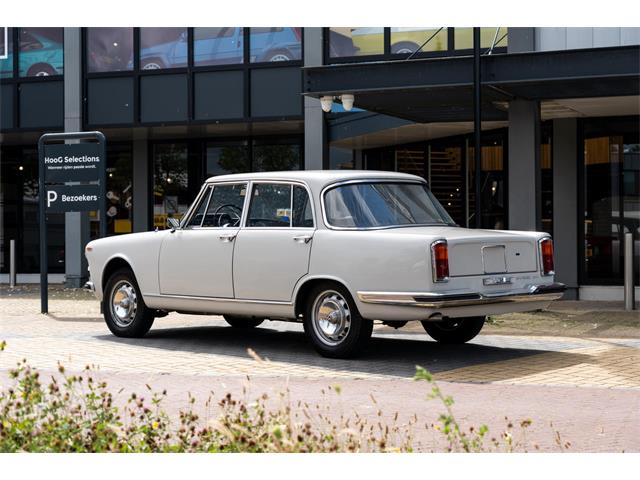
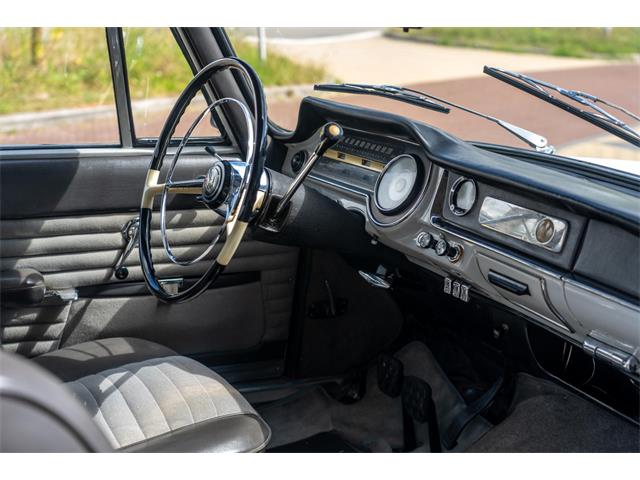
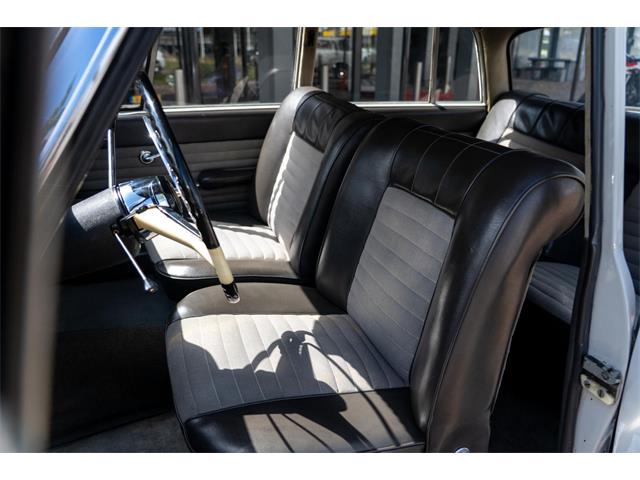
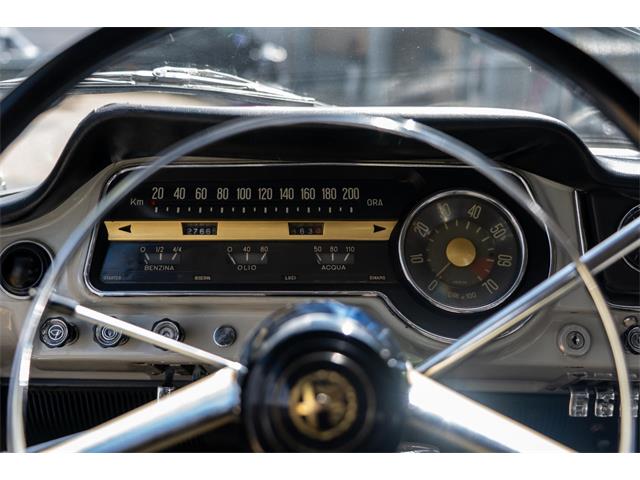
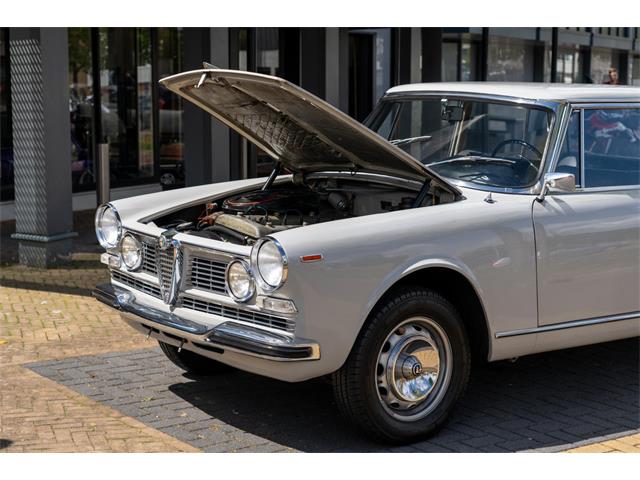
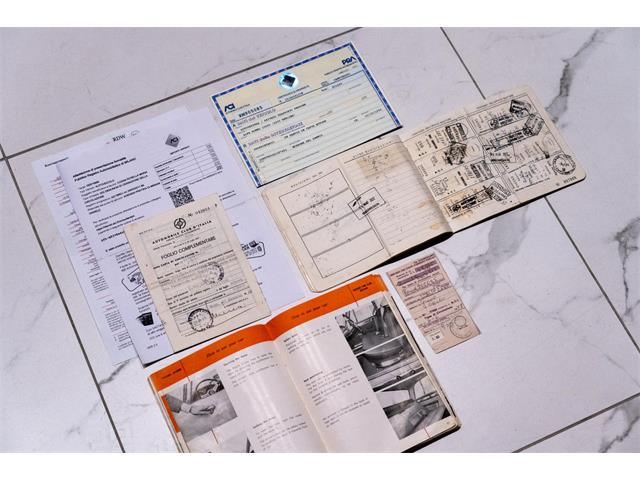
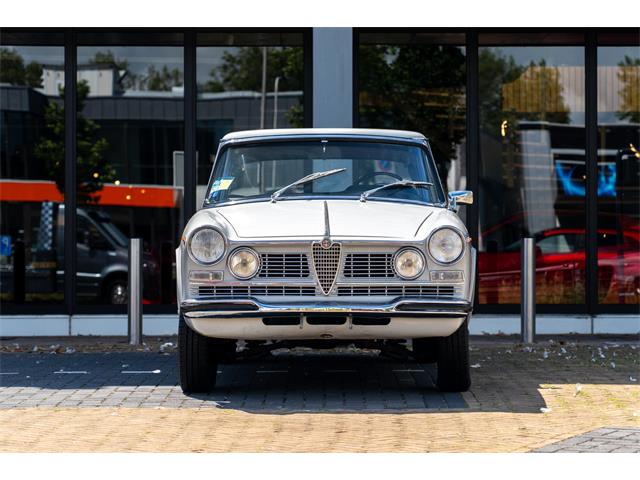
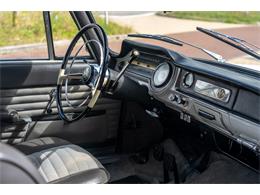
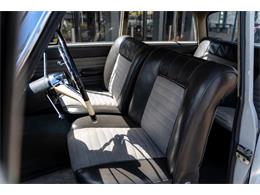
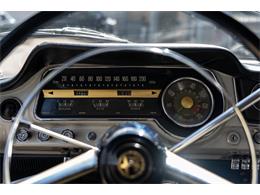
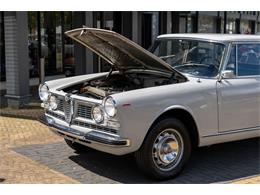
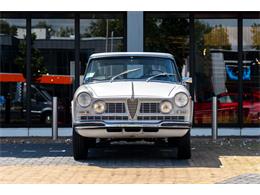
Alfa Romeo 2600 Berlina, 1966. Six owners, 27,569 km, service books
from new.
Why am I so besotted with Alfa Romeo, really? I ask myself that
question regularly, usually when I've wandered into the showroom on
some flimsy pretext to 'just have a look'. The answer is never the
same. Sometimes it's the line of a wing, sometimes the sound of an
engine on a cold start, sometimes simply that scent of old leather
and petrol fumes that catapults you straight back to an era you
never even consciously lived through. My grandfather held the Alfa
Romeo dealership on the Heilooerdijk in Alkmaar. As a boy I
wandered between the Spiders as if it were the most natural thing
in the world. Only later did I realise I'd had a sort of
car-lover's Disneyland as my playground.
The 2600 Berlina is a car from a time when I wasn't even a twinkle
in anyone's eye, yet it fits perfectly into the picture my
grandfather would have sketched had you asked him about Alfa
Romeo's golden years. The scene: the early sixties. Alfa Romeo has
just moved from small, artisanal runs to larger volumes, but the
DNA remains undiluted. The 2600 is the big brother, the flagship,
the car in which you drove to La Scala as the director of a
Milanese textile mill or as a Roman barrister. Six cylinders in
line, 2.6 litres, twin overhead camshafts. At a time when the
competition was still trundling along with side-valve engines, this
was a pure technology demonstration.
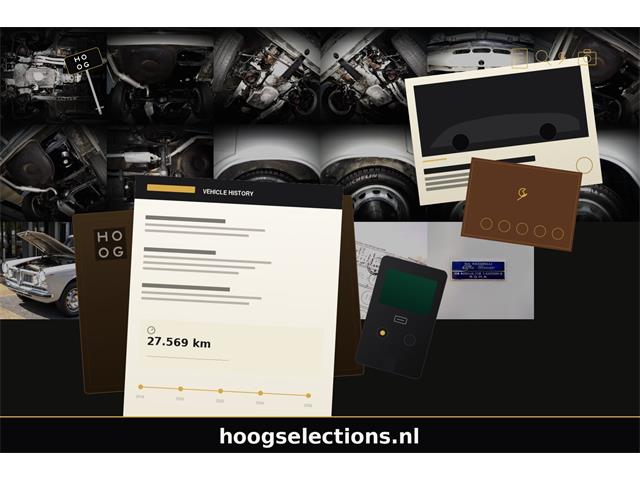
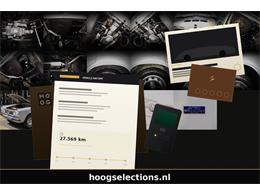
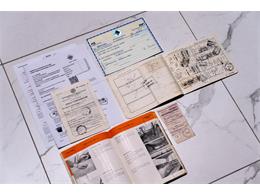
The story continues on our website, where the full file is kept as
well. 62 photographs including the underside. The service history,
scanned in full. Paint thickness measured panel by panel. The
original factory brochure to page through. A timeline from 13
January 1966 to today, with every owner and the mileage year by
year in a single graph.
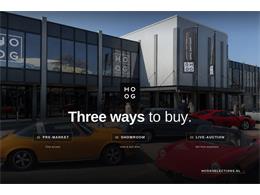
Every car here follows the same route: first pre-market, then the
showroom, and finally the online auction on our own website. What
changes is the way you buy, not the location - once a car has
arrived, it stays with us in Katwijk. This one is in the showroom
and you are welcome to come and see it, no appointment needed. You
buy it here at a fixed price: no bidding, no waiting. Our showroom
in Katwijk, 30 km from Amsterdam Schiphol, is open Mon-Fri 9-18 and
Sat 10-17. Call ahead and it will be standing ready, with someone
free for you.
Within the EU no customs duty arises on this purchase. Registration
tax and registration costs in your own country are not included. We
supply the export documents and assist with the registration. The
price shown is the full price for collection in Katwijk. We arrange
insured door-to-door transport worldwide, cost quoted per
destination beforehand.
Prefer a different colour or specification than this example? Tell
us what you are looking for - another Alfa Romeo we can often find
through our network of marque specialists and collectors, outside
the listings.
Our showroom measures 6,000 m�, with over 150 cars under one roof.
HooG Selections, Katwijk, the Netherlands. Call or WhatsApp: +31 85
043 05 86.
ClassicCars.com has been recognized as one of the fastest-growing private companies in the United States, successfully making the Inc. 5000 list in both 2015,
2016, 2017 and 2018. This prestigious accolade represents the continued growth of the company, and ClassicCars.com's dominance as the world's largest online marketplace for
buying and selling classic and collector vehicles.
The Stevie Awards, the world's premier business awards recognized
ClassicCars.com's first-class Customer Support team with a Stevie Bronze Award in 2019, celebrating the team's skills as exemplary customer support specialists.
In 2016 The Journal, brought to you by ClassicCars.com, was celebrated as the SECOND MOST INFLUENTIAL automotive blog in the world by NFC Performance.