The 1911 Indianapolis 500 drew forty starters, most of them built
by established firms with reputations to defend. Among them was a
car assembled in roughly six weeks by a 34-year-old Ohio machinist
who had never before sold a complete automobile, which he called
the Bear Cat. It finished eleventh at an average of 62.375 mph,
running the distance without a single mechanical adjustment and
stopping thirteen times, eleven of those for tires, with Gil
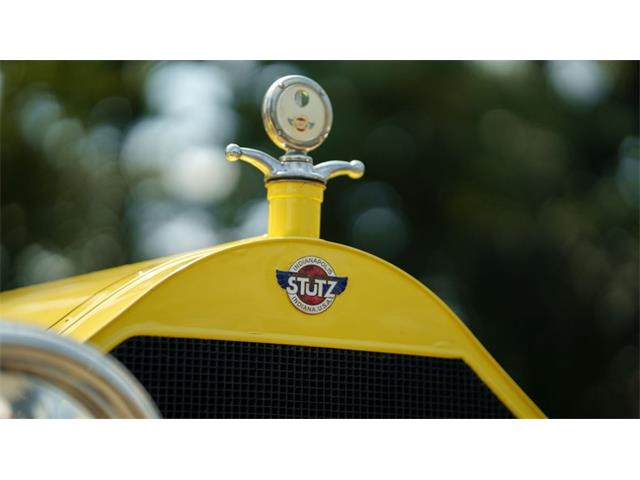
Anderson at the wheel. Harry Clayton Stutz had his slogan by the
following morning: "The Car That Made Good in a Day."
The path to that triumphant Memorial Day had begun with Stutz's
arrival in Indianapolis in 1903, followed by the better part of a
decade spent moving through the city's young motor trade. He
designed an engine for the American Motor Car Company's Underslung
and later served as chief engineer at Marion, all the while
pursuing a private invention that combined transmission and
differential at the rear axle in a single unit. In 1910 he founded
the Stutz Auto Parts Company to build the transaxle he had
designed, and the Ideal Motor Car Company followed shortly after,
formed expressly to build a complete car around it. Once the
Speedway had proven the design, the two concerns merged into the
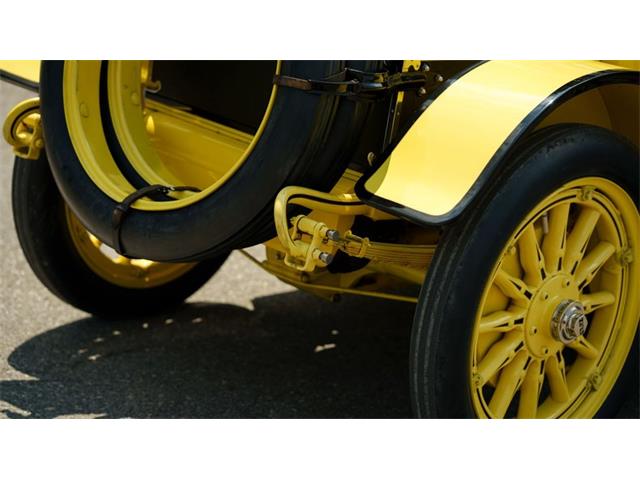
Stutz Motor Car Company, and the transaxle remained a defining
feature of the marque for its first decade, a layout that would not
become common practice for another fifty years.
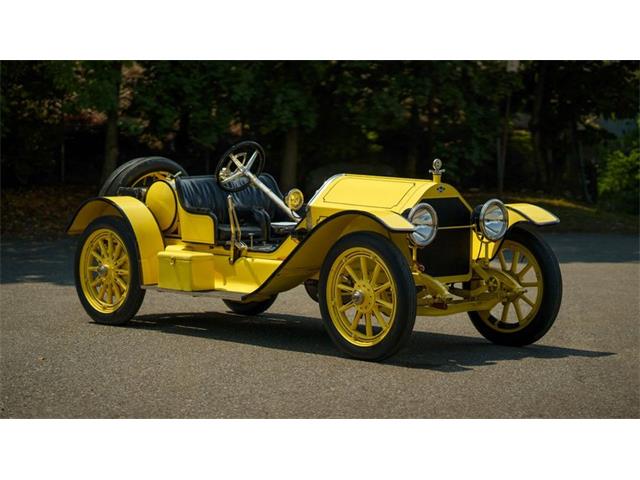
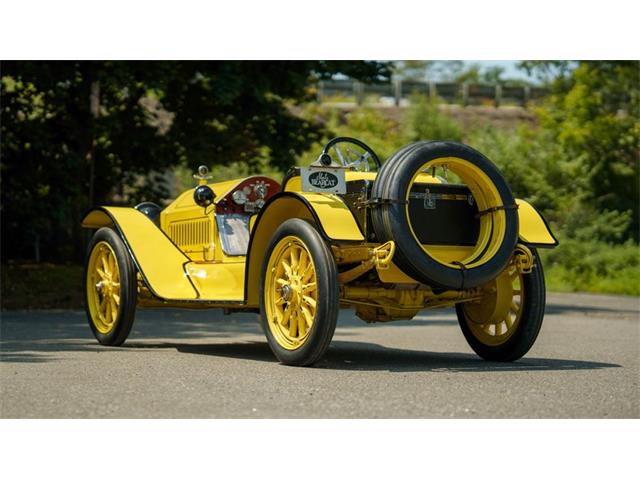
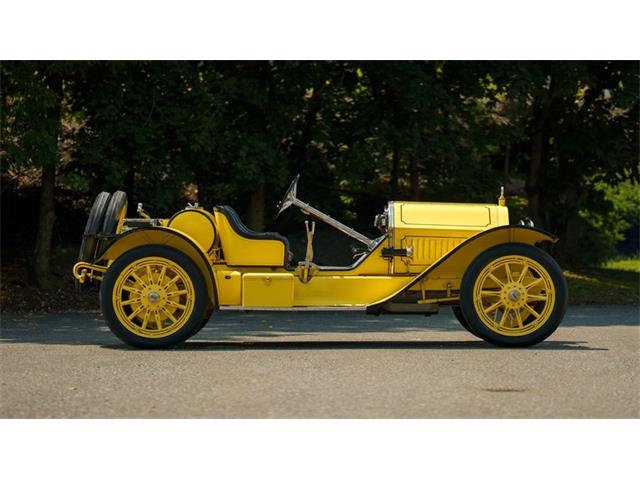
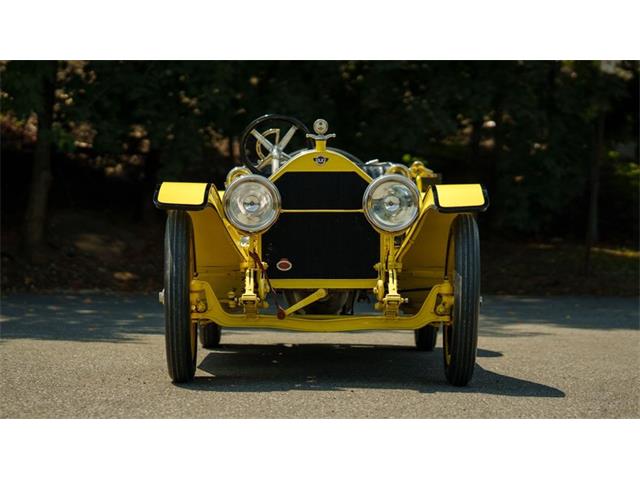
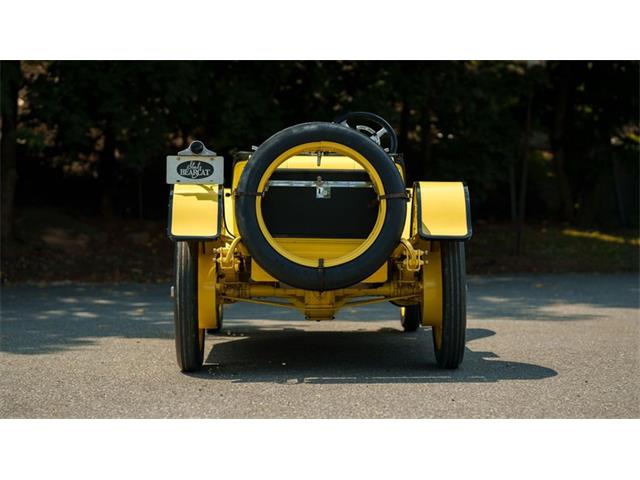
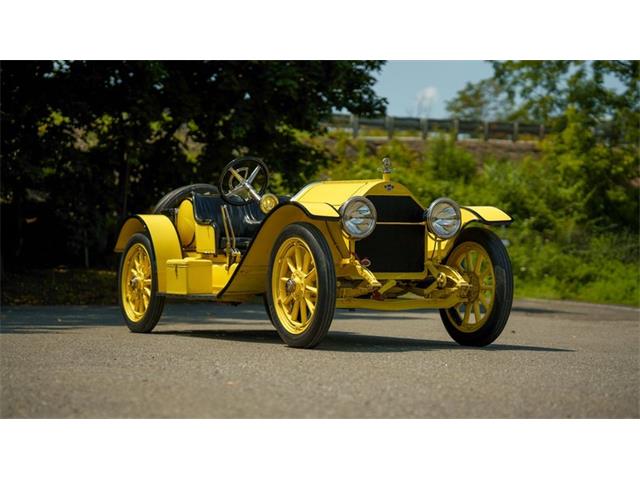
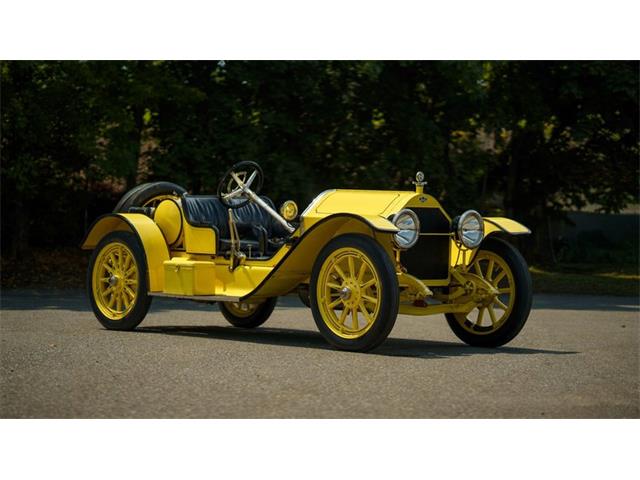
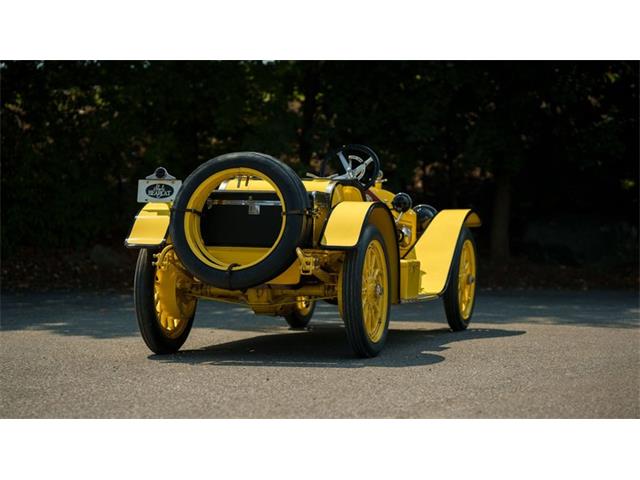
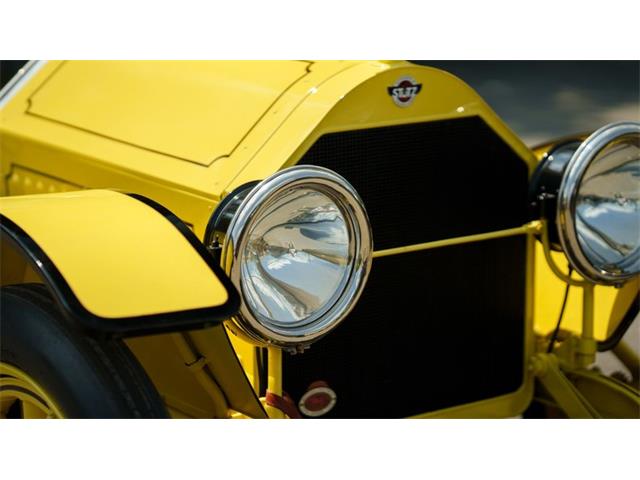
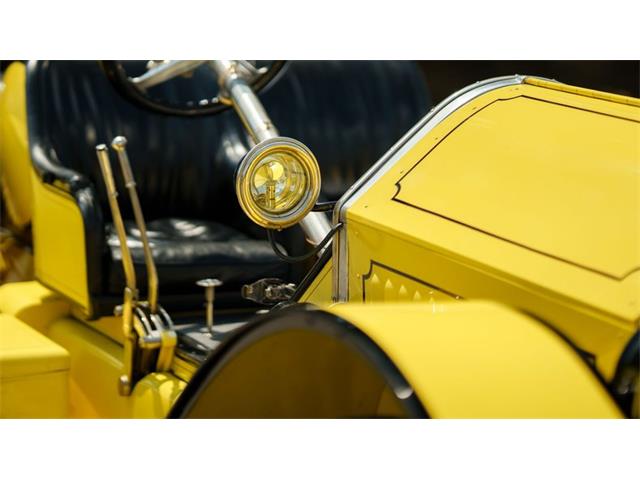
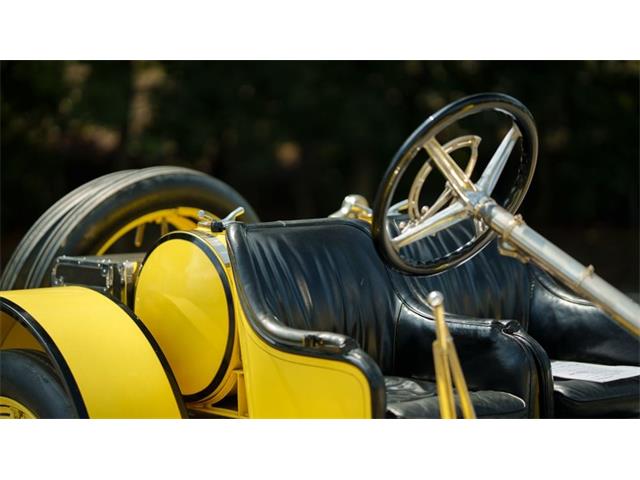
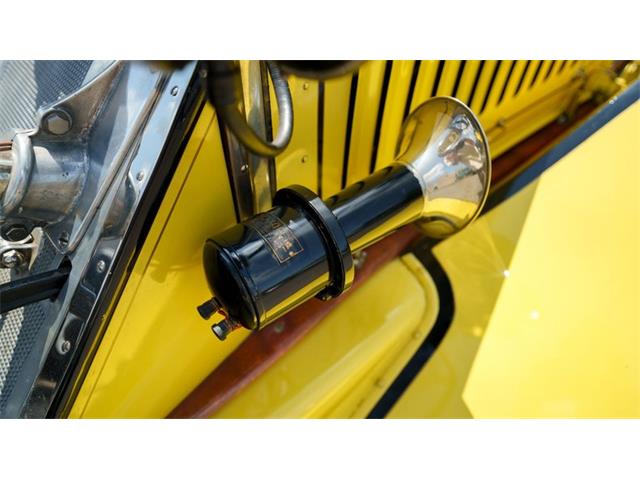
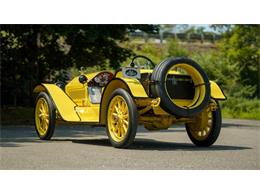
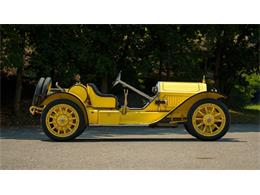
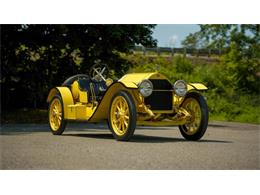
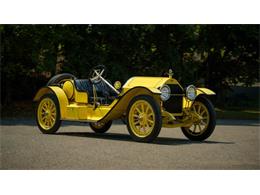
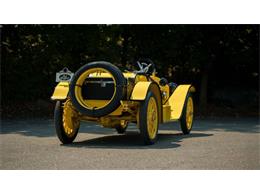
The road-going version reached buyers as the Model A later in 1911,
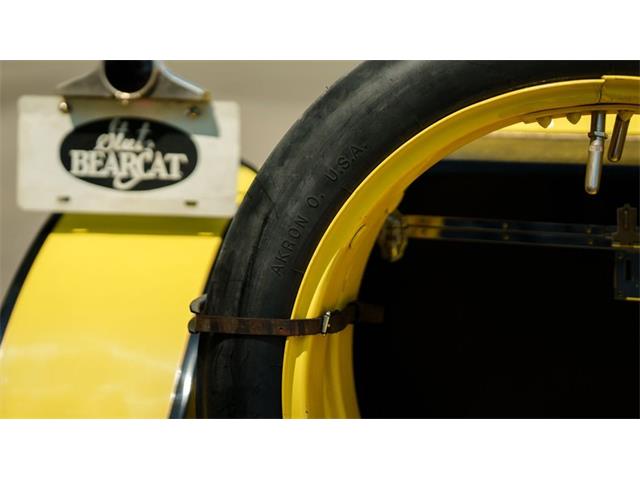
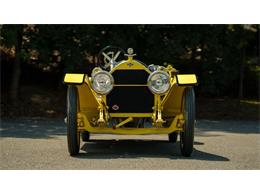
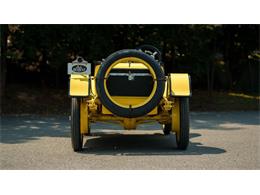
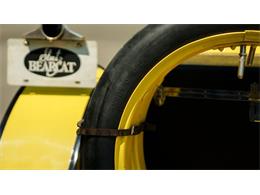
and by 1912 it carried the name Bearcat. It was, in effect, the
stripped back Indianapolis car offered to the public, differing
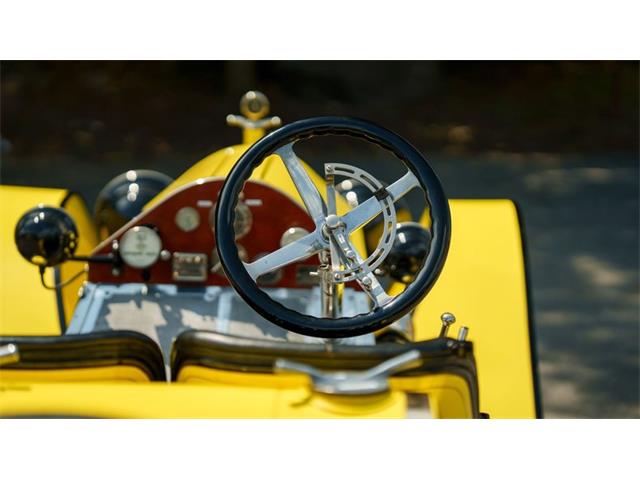
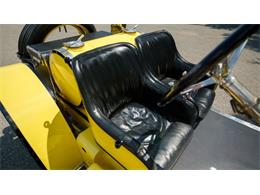
chiefly in that the name was by then styled as a single word. Two
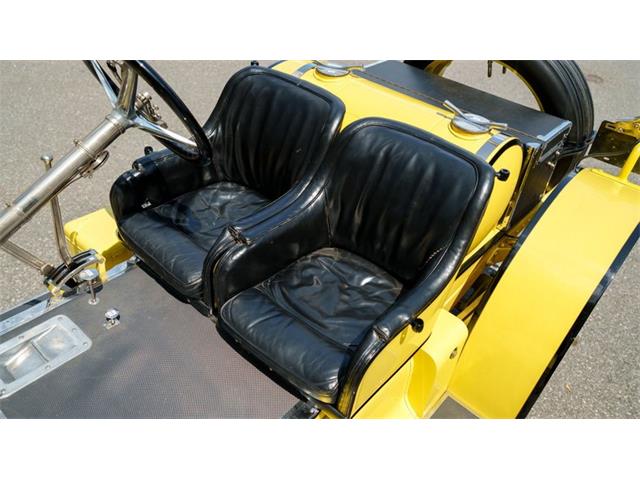
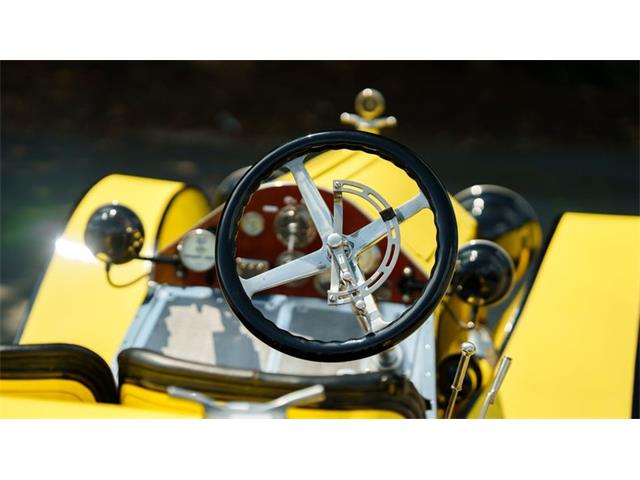
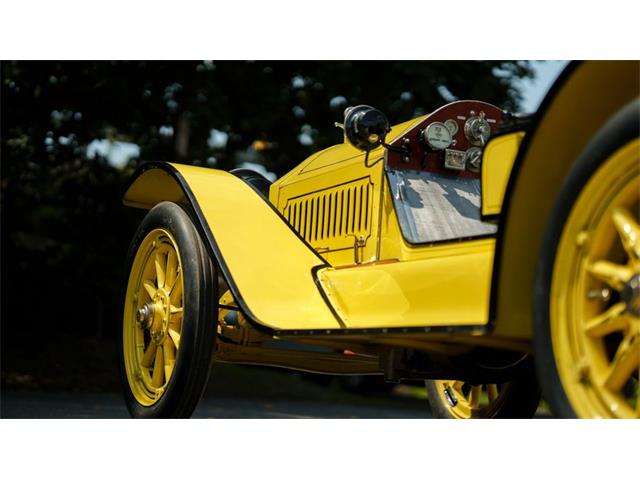
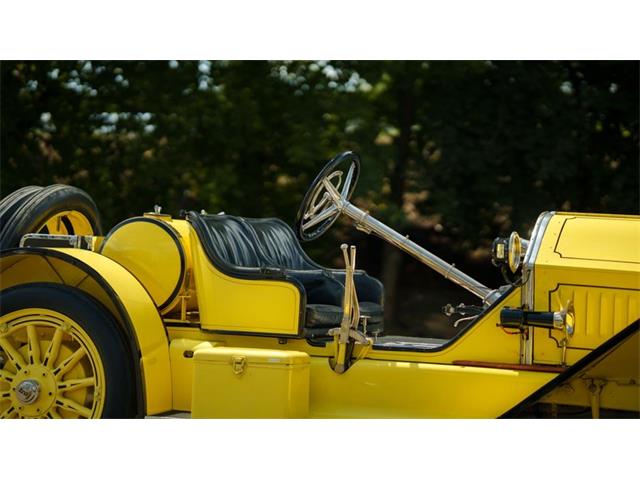
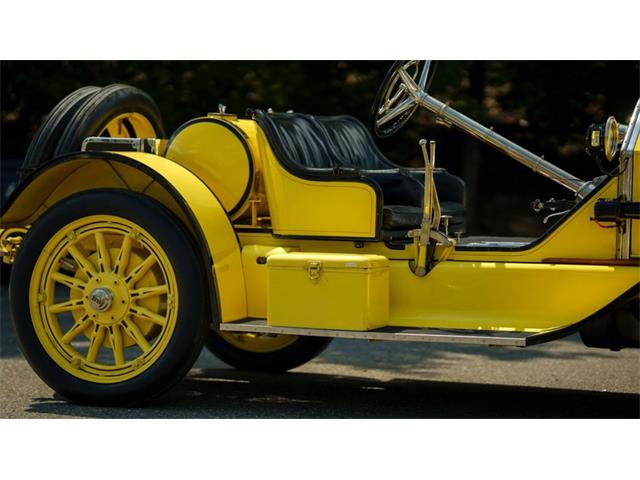
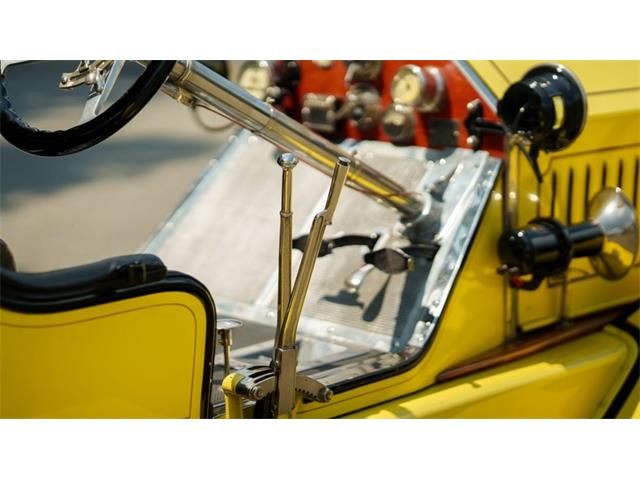
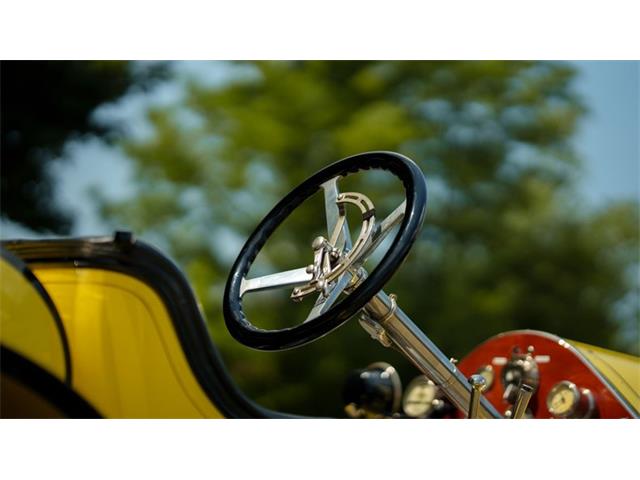
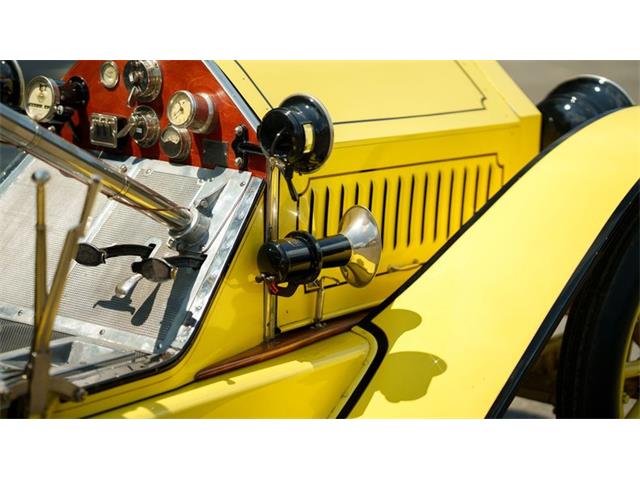
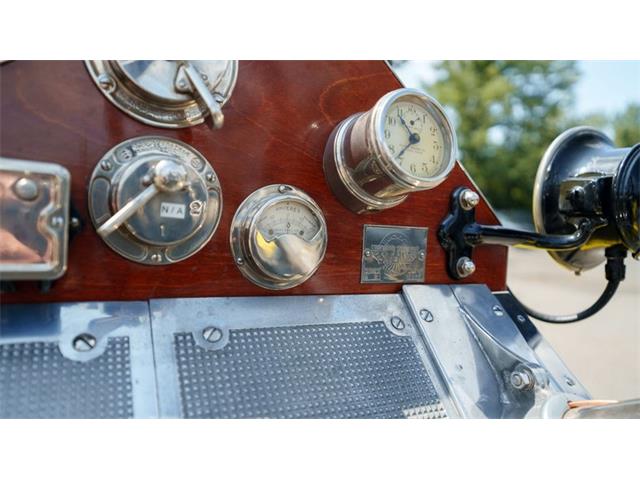
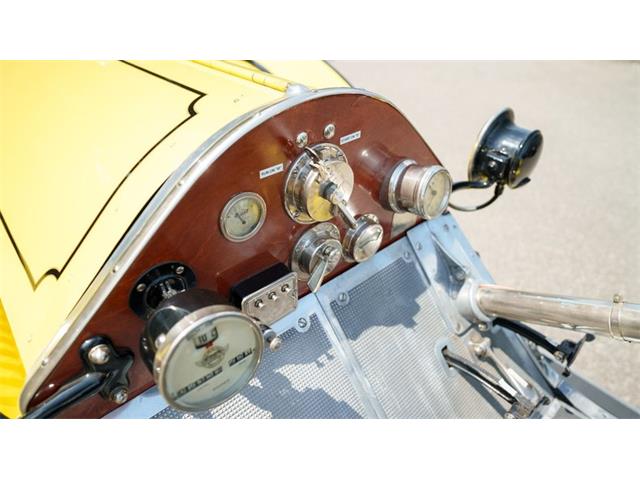
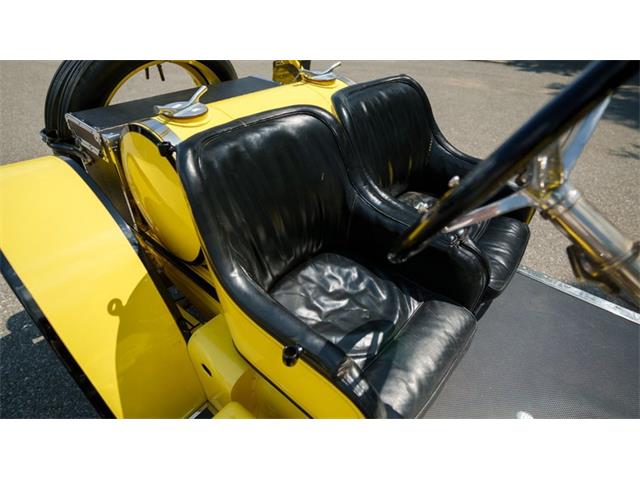
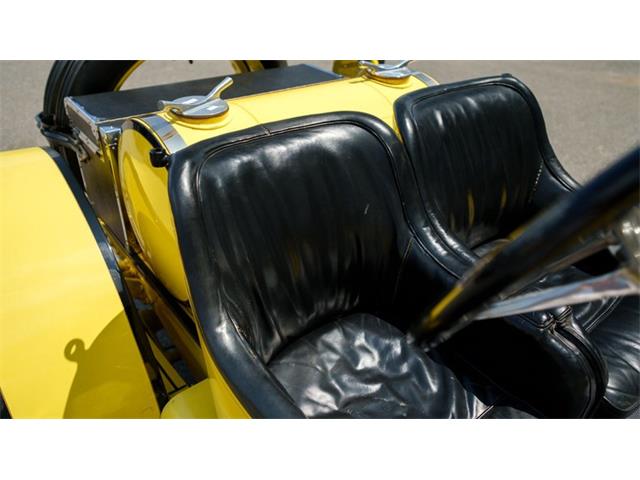
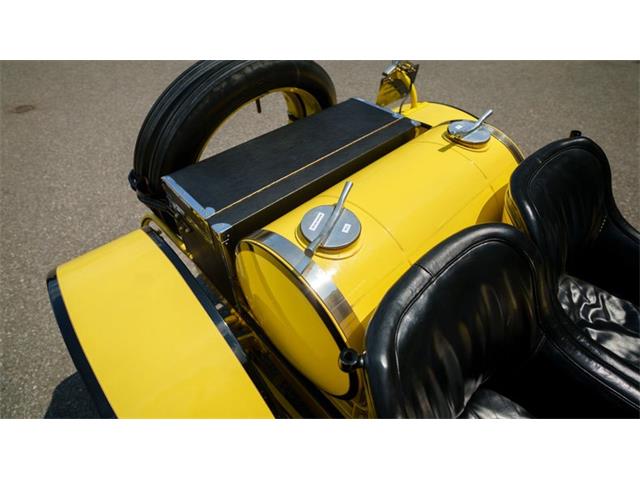
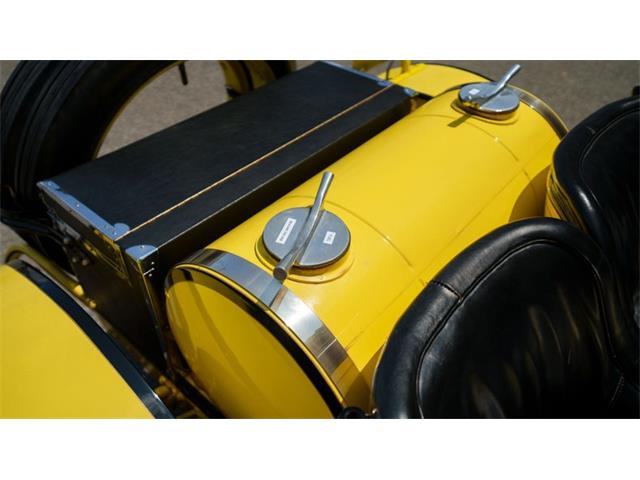
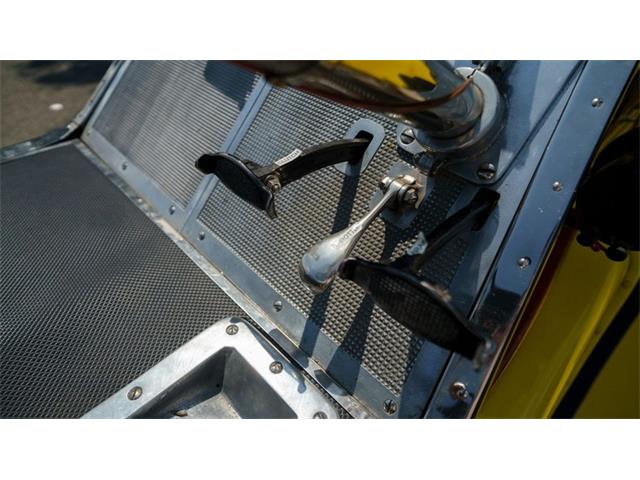
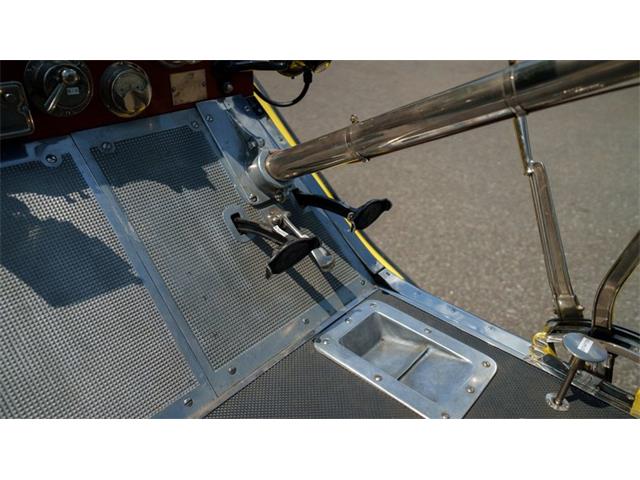
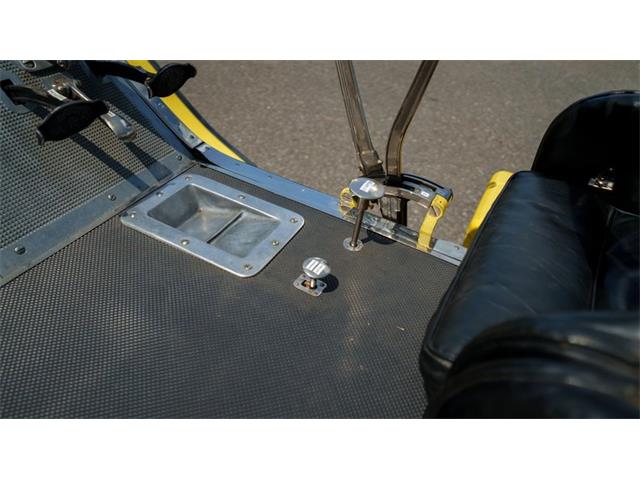
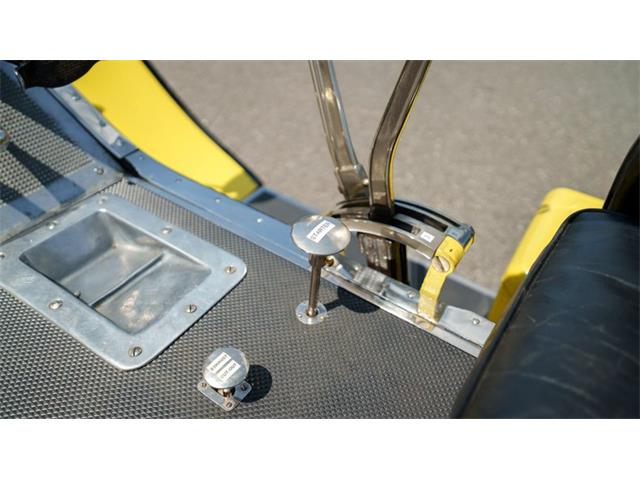
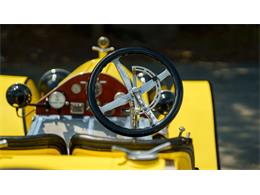
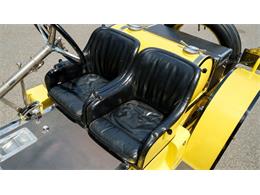
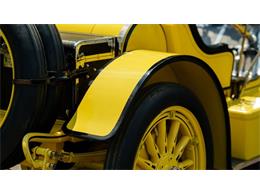
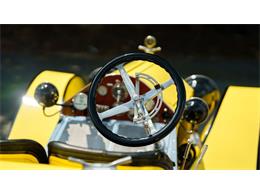
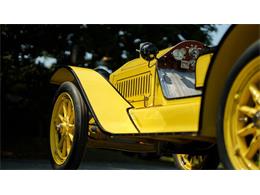
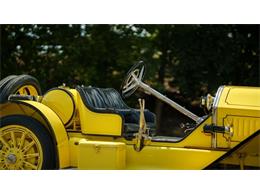
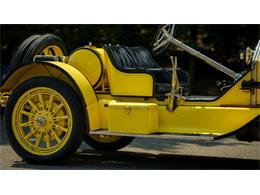
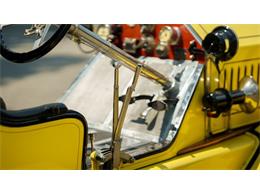
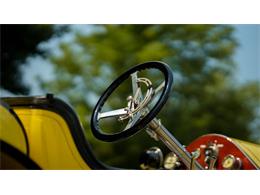
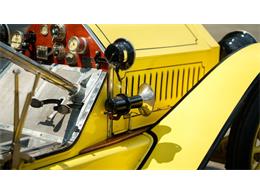
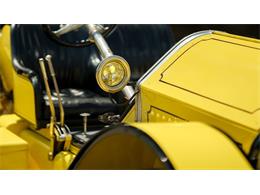
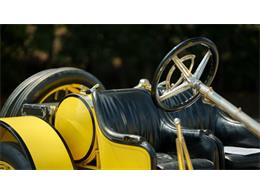
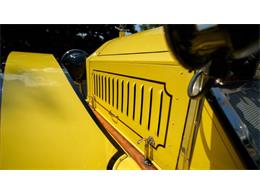
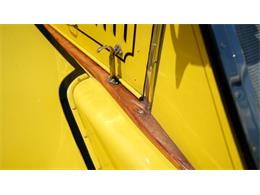
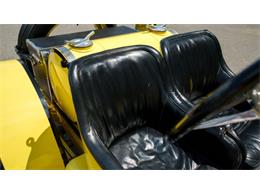
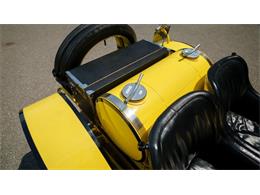
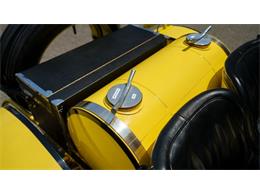
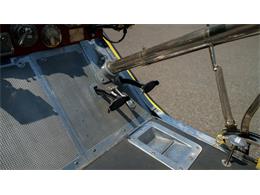
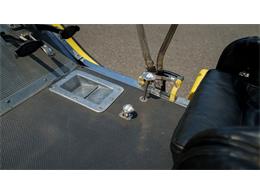
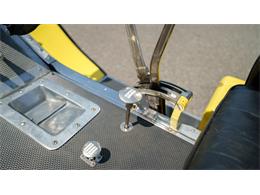
bucket seats, a bolster fuel tank, and a monocle windscreen clamped
to the steering column made up the whole of the bodywork, with no
doors, no running boards, and no weather equipment of any kind.
Stutz factory literature made little attempt at subtlety, holding
that "racing a car is concentrating the wear and tear it ordinarily
experiences in every-day use," and that the buyer therefore enjoyed
"the proven mechanical perfection of the Stutz."
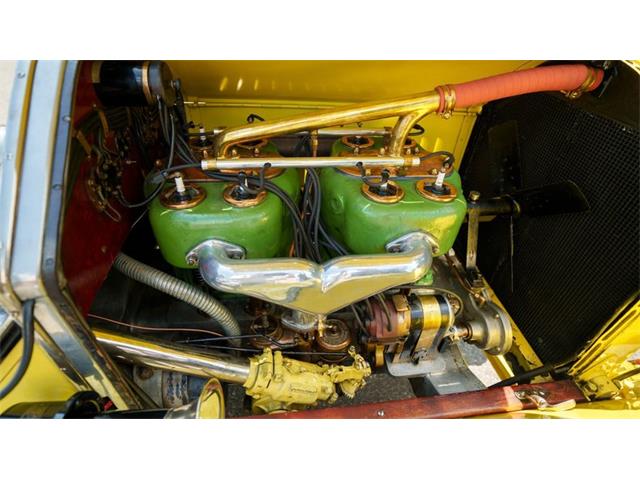
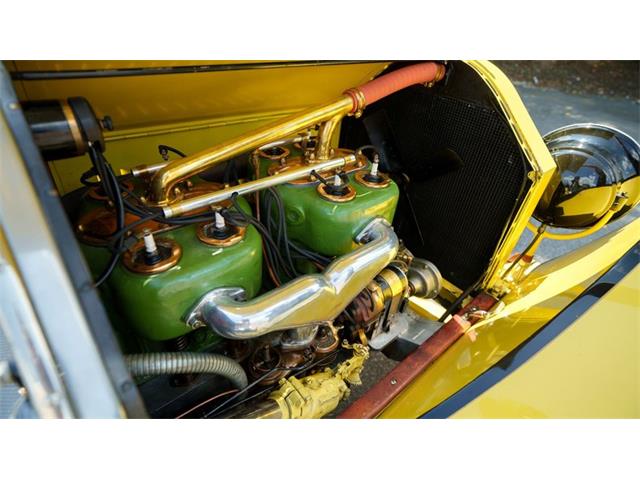
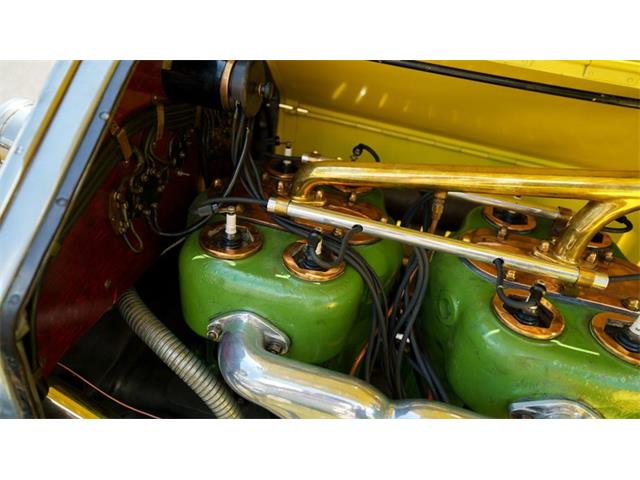
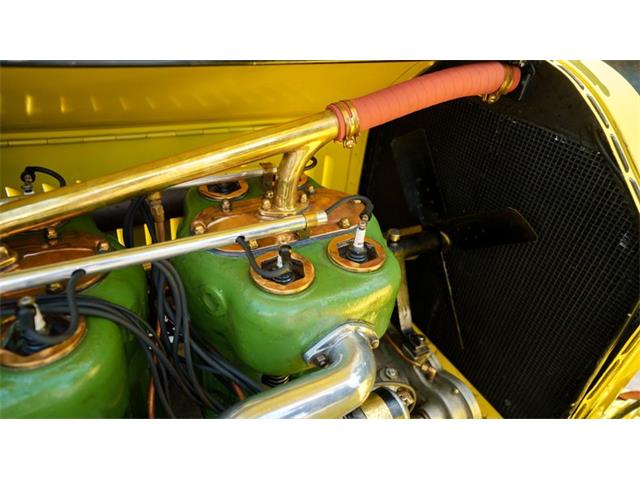
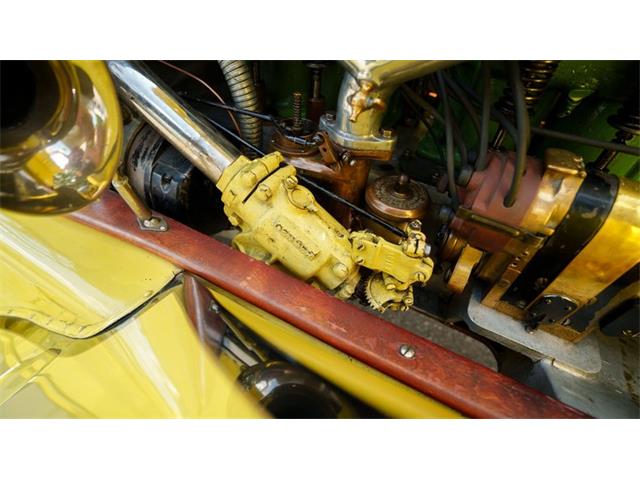
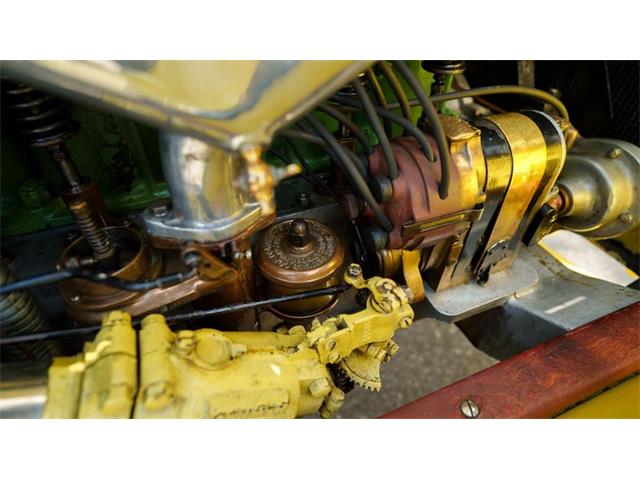
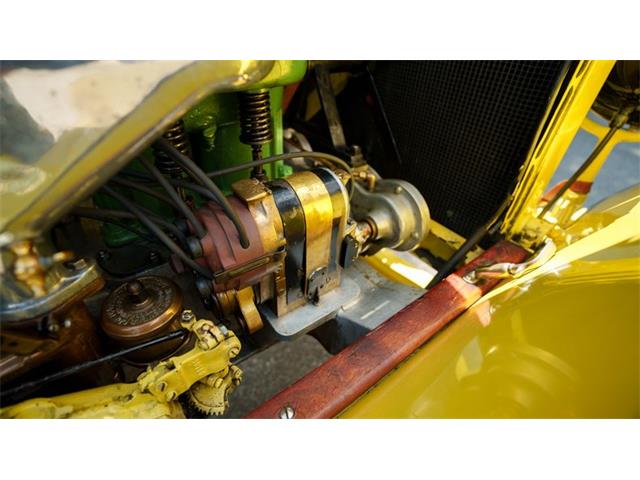
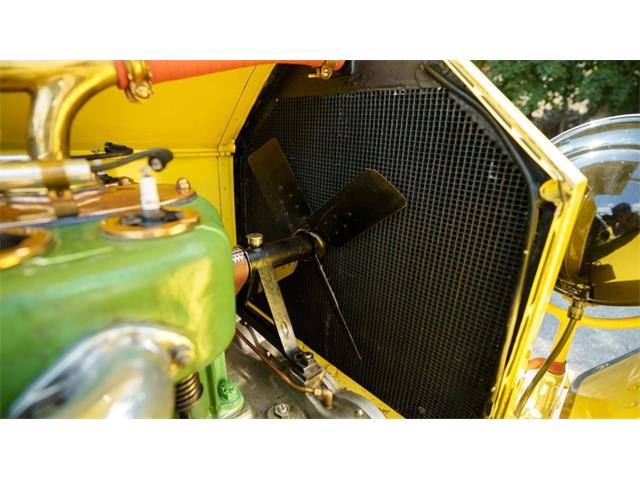
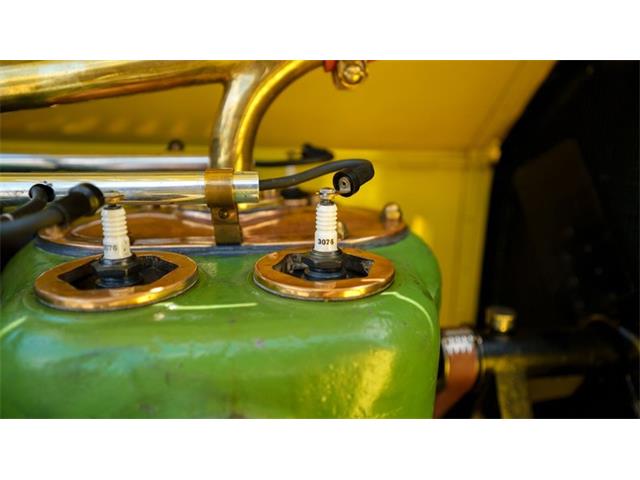
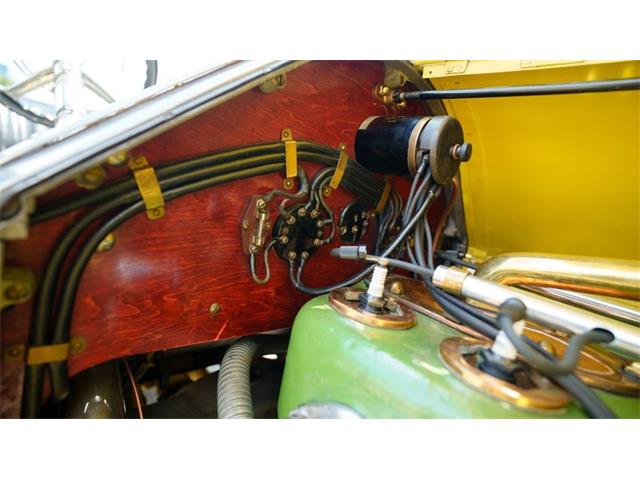
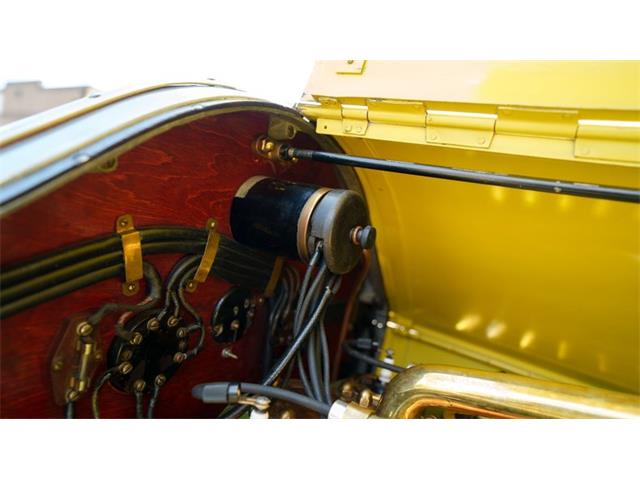
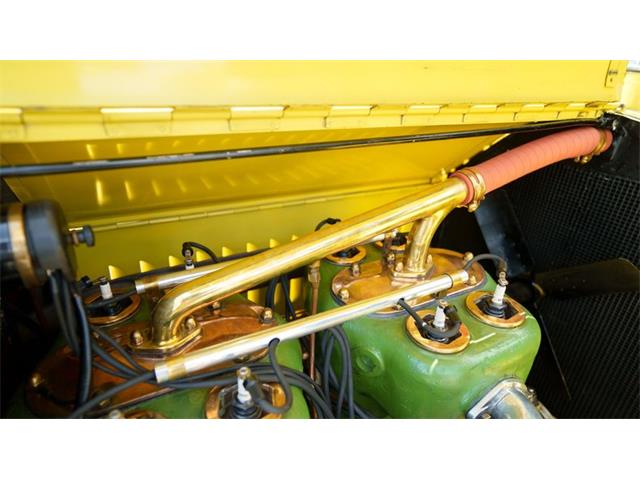
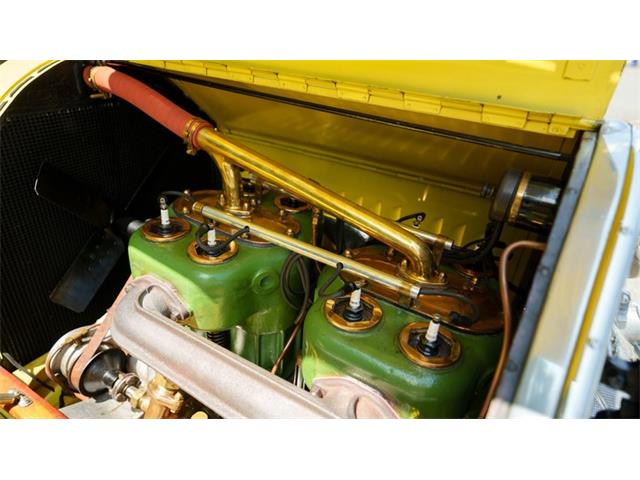
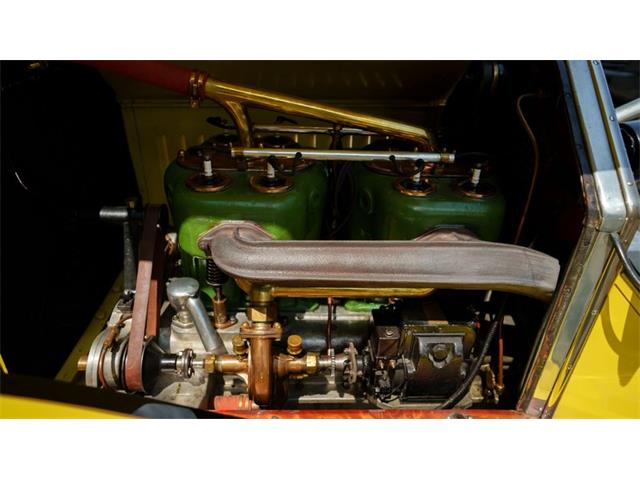
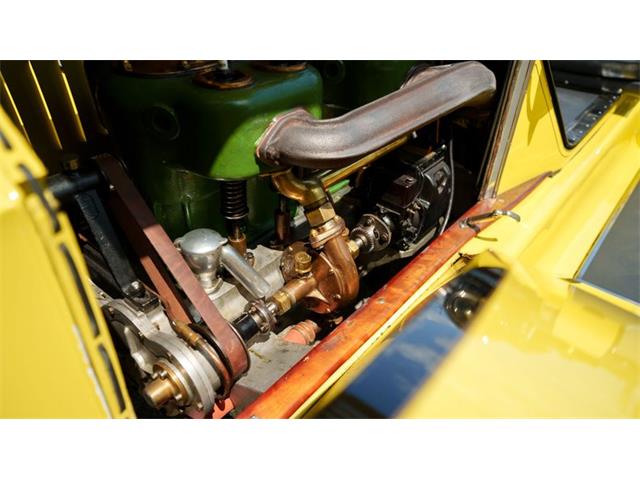
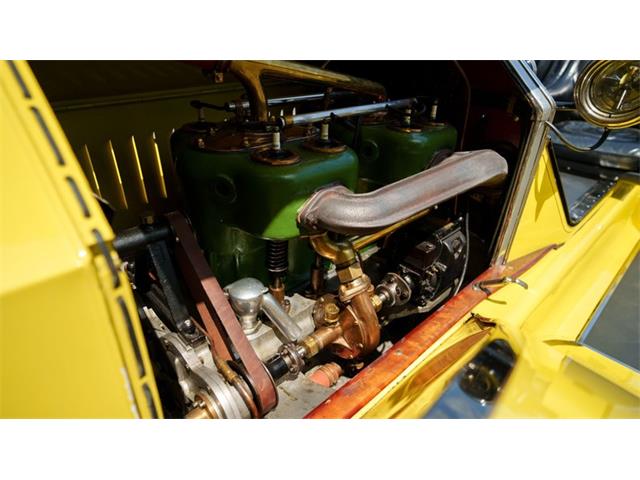
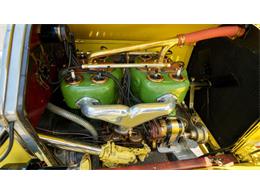
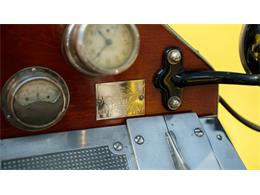
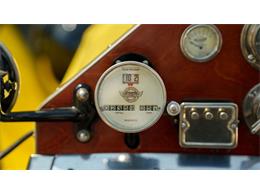
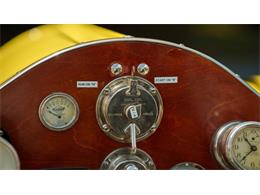
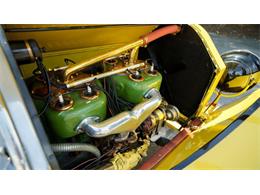
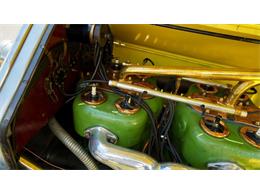
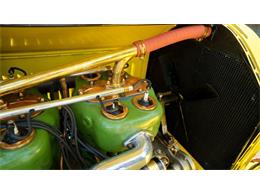
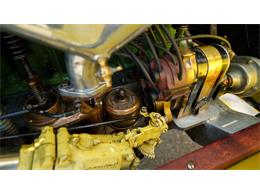
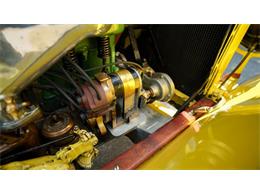
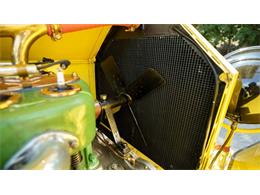
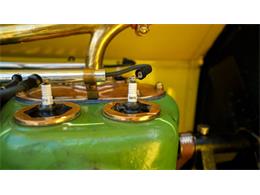
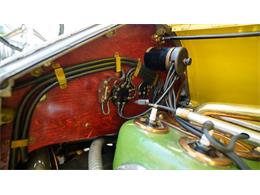
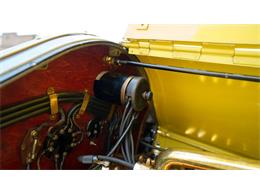
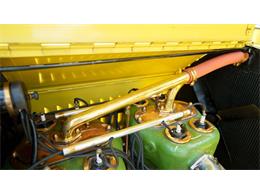
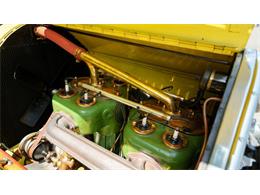
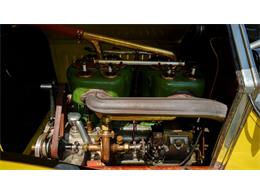
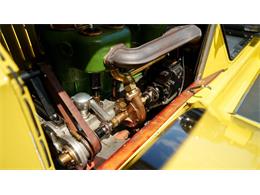
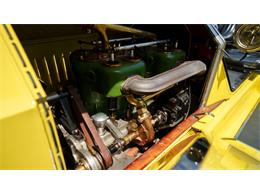
Beneath that minimal coachwork sat the proven Wisconsin Motor
Manufacturing T-head four of 389 cu-in, refined by Stutz to near 60
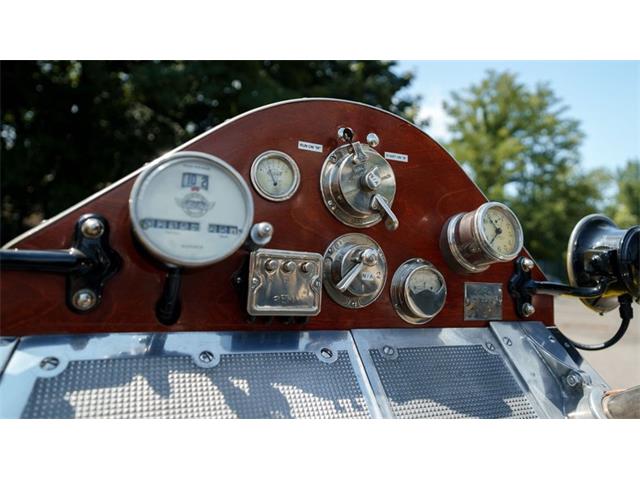
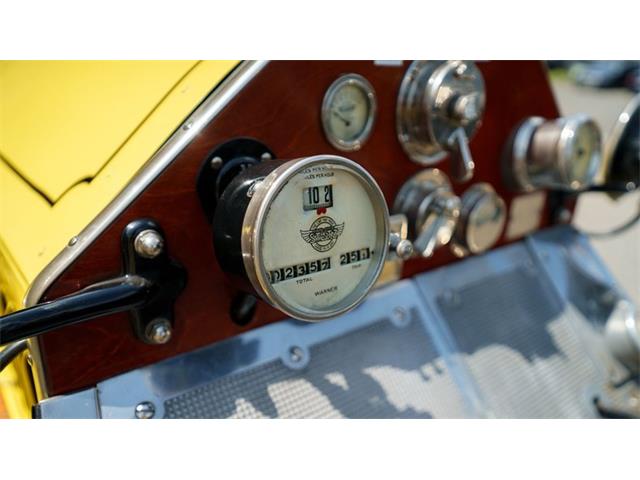
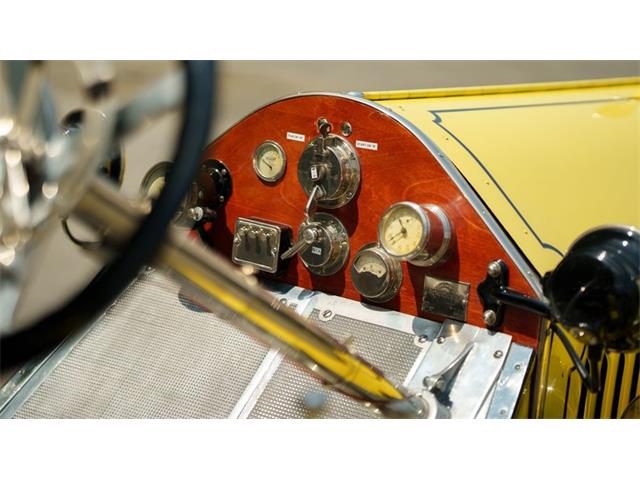
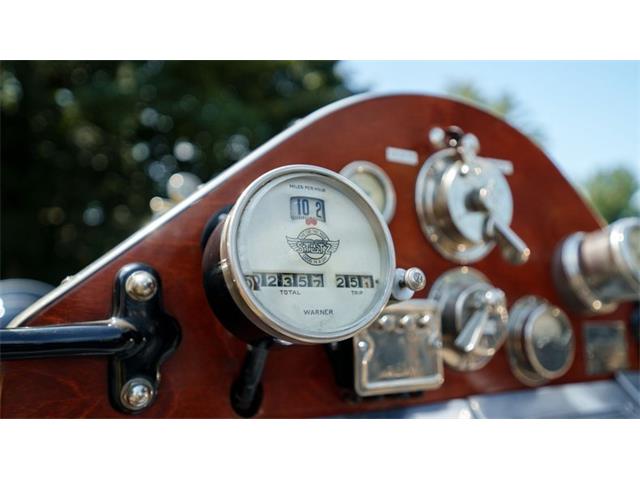
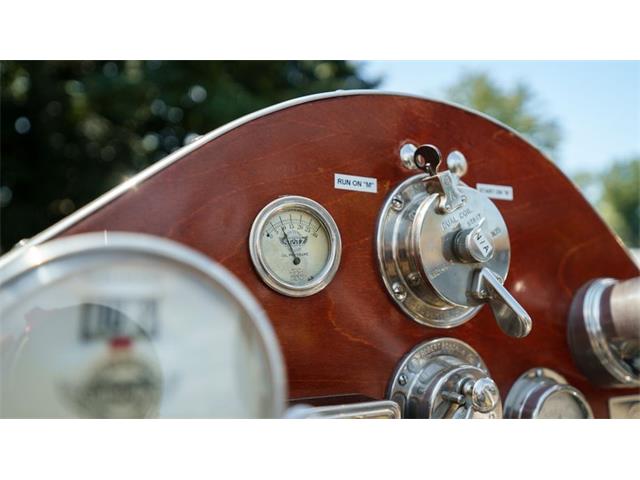
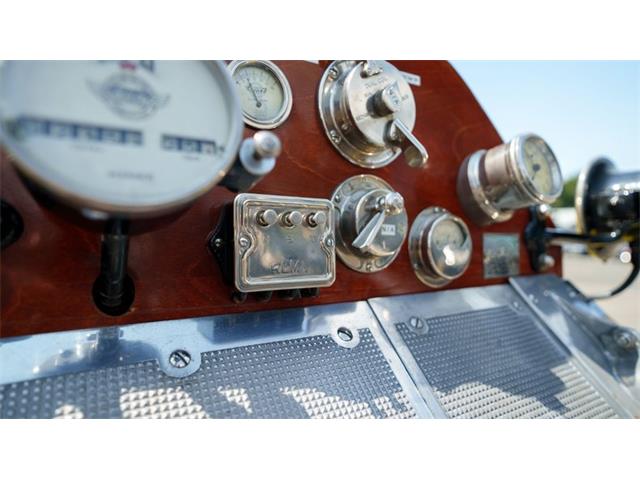
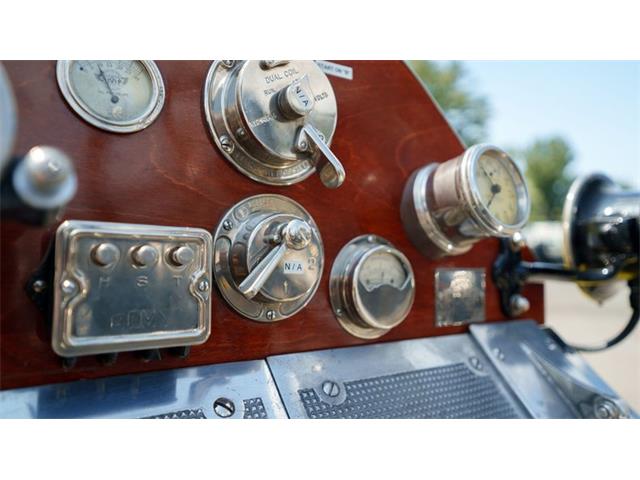
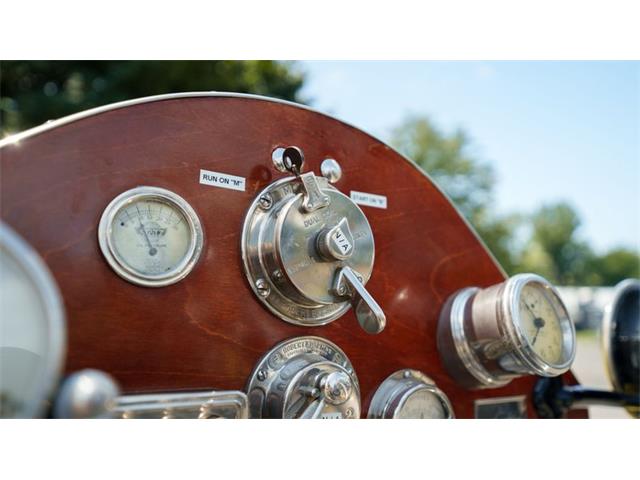
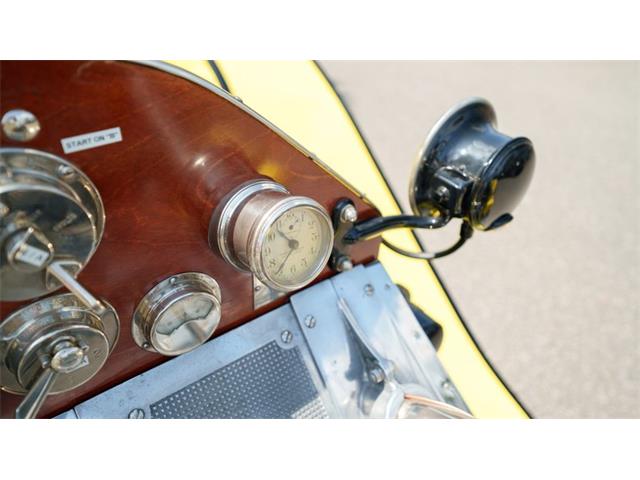
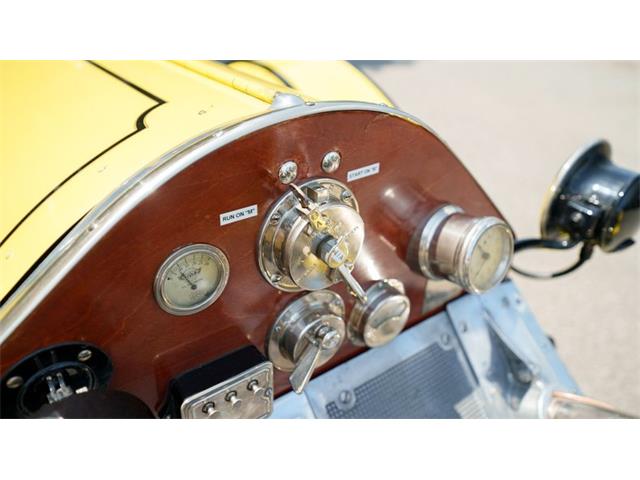
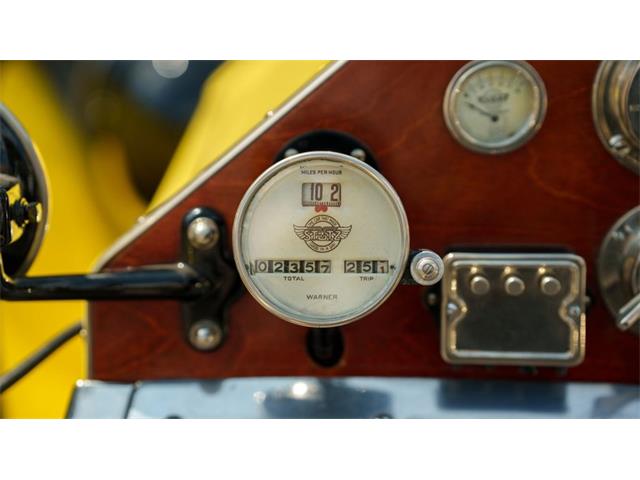
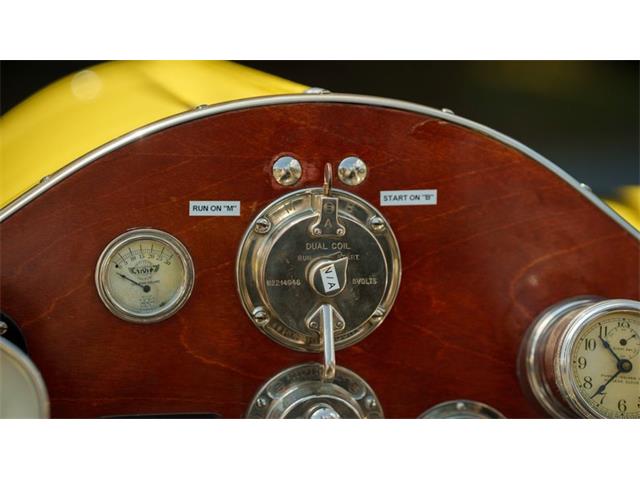
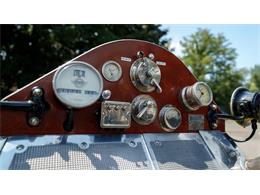
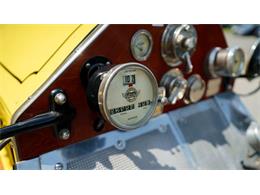
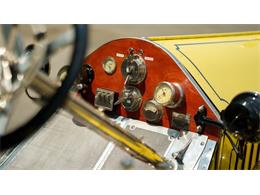
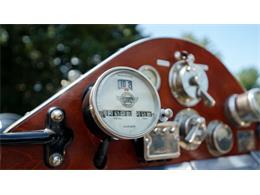
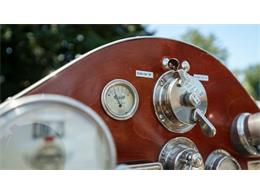
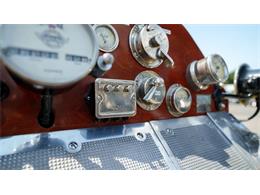
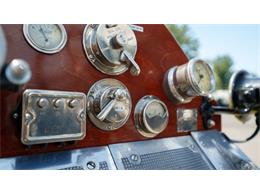
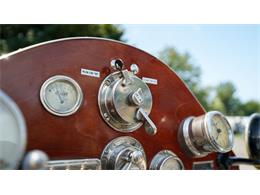
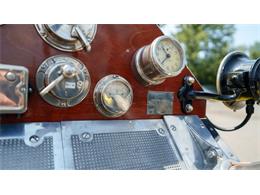
horsepower. Bosch ignition, a Warner speedometer, and the trademark
three-speed transaxle completed the specification, and the price
was $2,000, with buyers choosing from Vermilion, Monitor Grey,
Mercedes Red, or Yellow finishes.
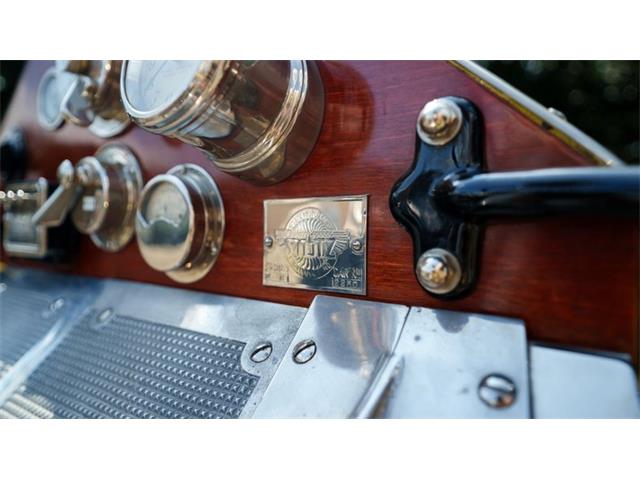
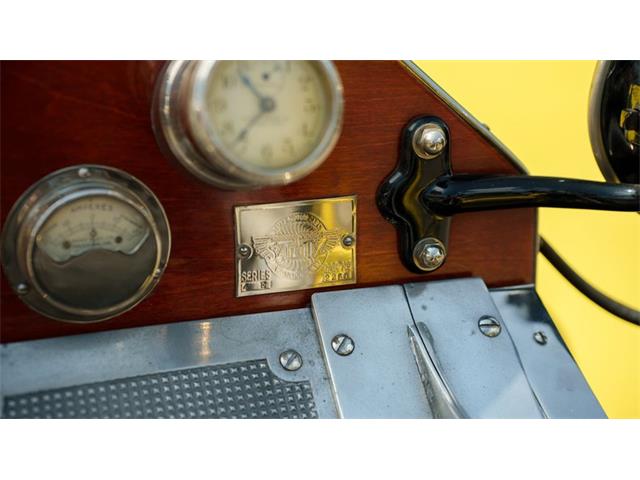
Chassis number 2250 is among the small number of pre-1915 Bearcats
whose history can be followed continuously from the day it left
Indianapolis, and the list of names attached to it is without
compare among surviving examples. Its first owner was Thomas Ives
Hare Powel of Middletown, Rhode Island, a Harvard graduate, banker,
descendant of Brown University founder Nicholas Brown, and once a
candidate for mayor of Newport. He bought the car new in April 1914
and registered it in Rhode Island under license plate no. 51. When
he married Hope Knight Hodgman in 1923, the couple took the Stutz
on their honeymoon.
In 1936 Powel sold the Bearcat to Smith Hempstone Oliver, a figure
central to the founding of both the AACA and the VMCCA, and later
curator of the Smithsonian's transportation department. Oliver
drove the car home to New York and used it daily. That October,
when the Vanderbilt Cup was revived at the new Roosevelt Raceway,
George Robertson organized a one-lap exhibition for veteran drivers
ahead of the main event. Ralph Mulford, winner of the 1911
Vanderbilt Cup, took the wheel of Oliver's Bearcat and won. In 1940
the car appeared twice at the New York World's Fair, first on a
VMCCA tour and then at the World's Fair Grand Prix, the last race
organized by the Automobile Racing Club of America, where Ralph
DePalma drove it as pace car.
Oliver enlisted in the Navy in 1942 and sold the Stutz to Jack
Fetterolf, who sold it within a year to Thomas McKean of
Philadelphia, an SCCA regional executive and the first curator of
the Free Library of Philadelphia, whose automotive reference
collection now resides at the Simeone Foundation and the AACA
Library. McKean kept it until 1949, selling to Charles Dearnley Jr.
of Abington, Pennsylvania.
Dearnley sold the Bearcat in 1965 to Winthrop Rockefeller, son of
John D. Rockefeller Jr. and governor of Arkansas from 1967 to 1971.
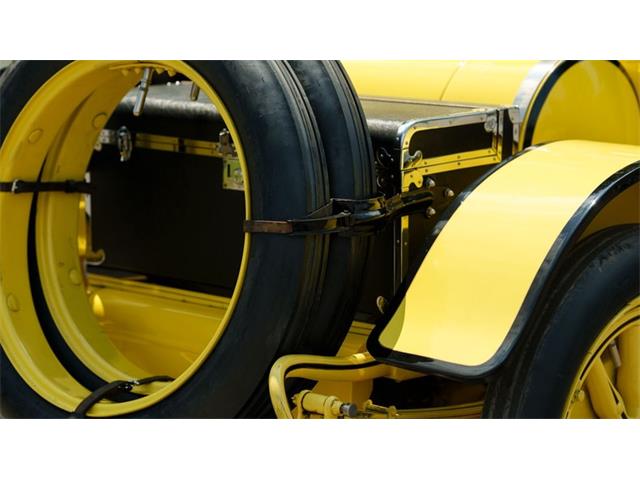
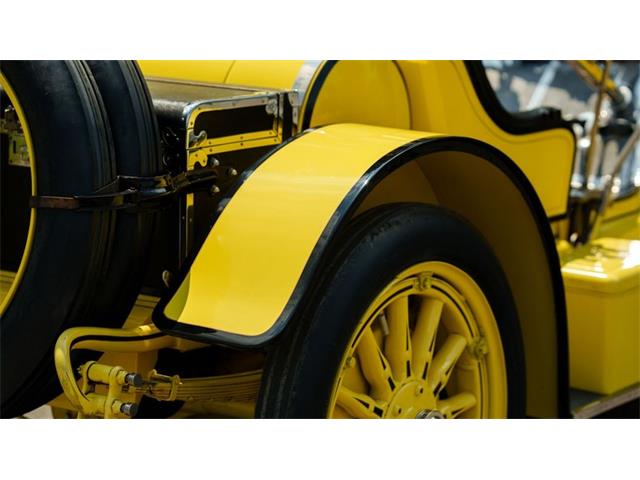
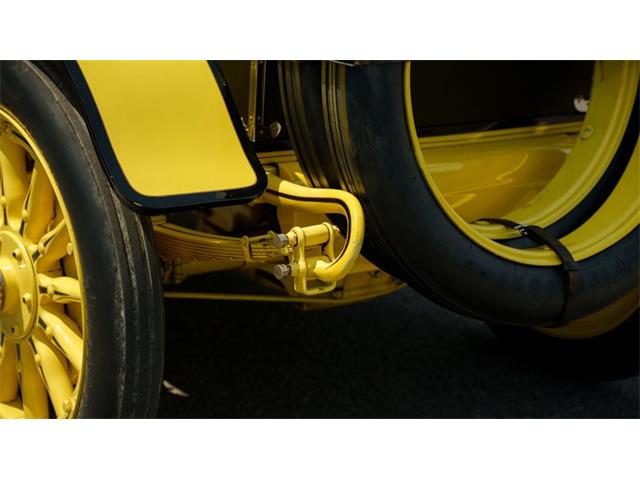
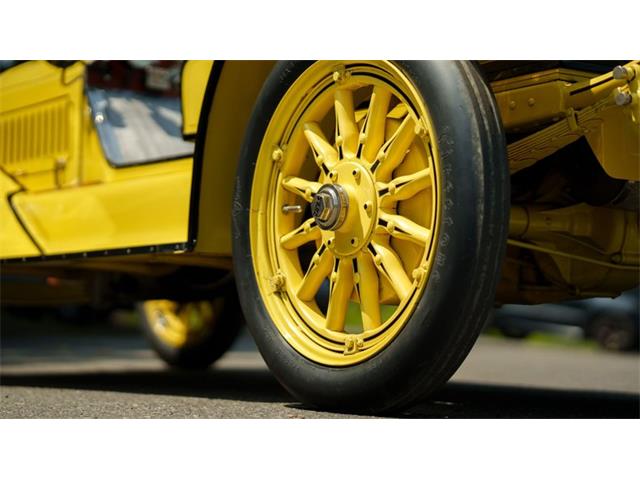
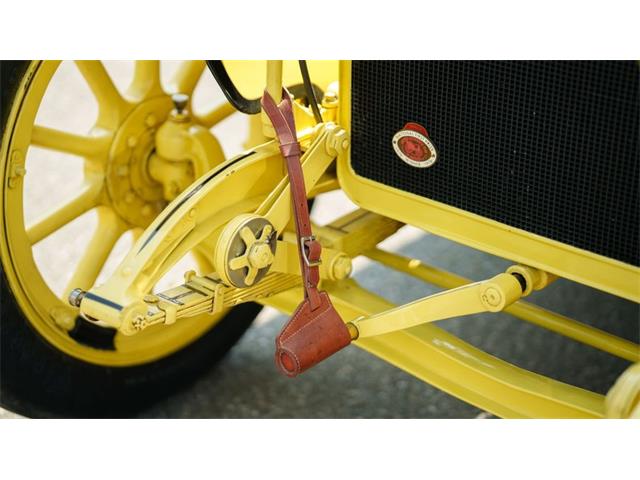
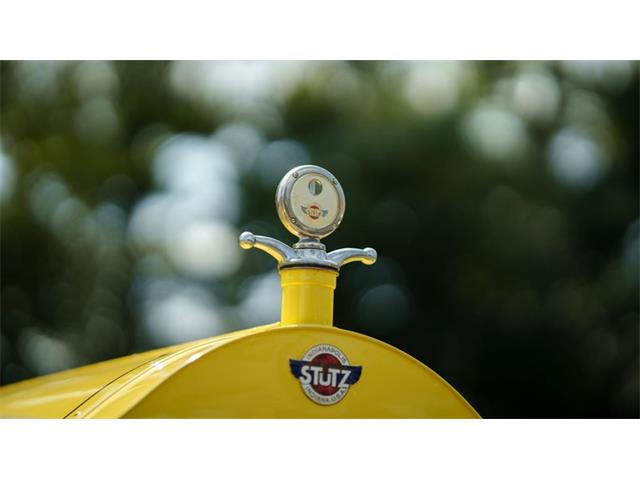
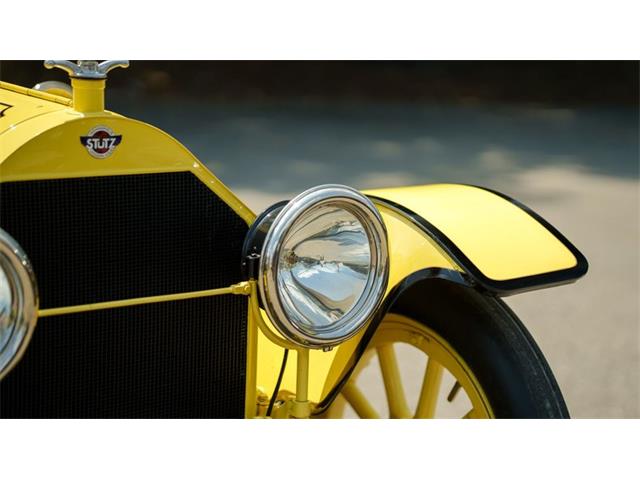
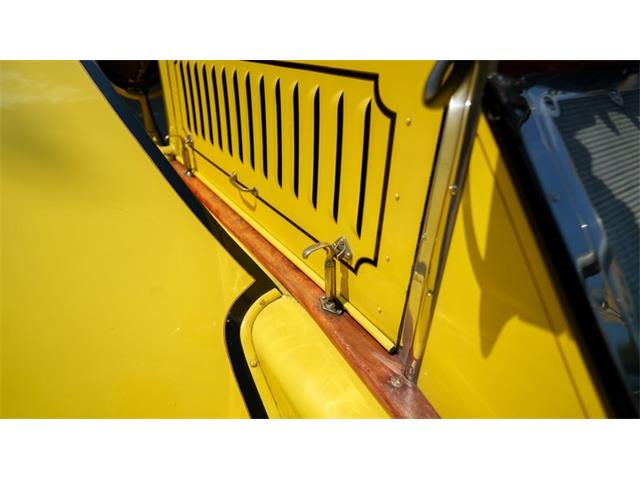
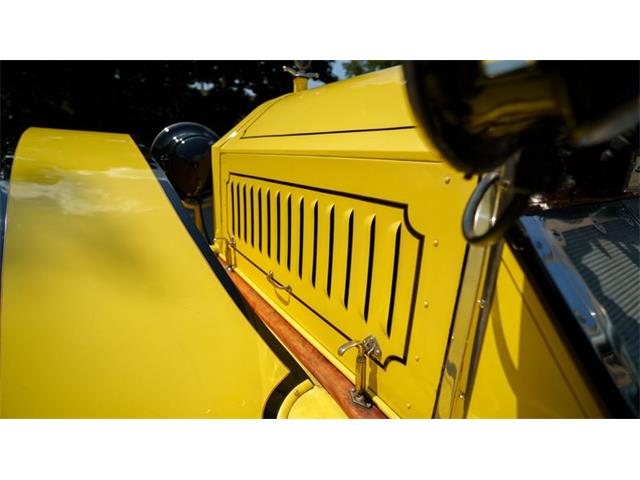
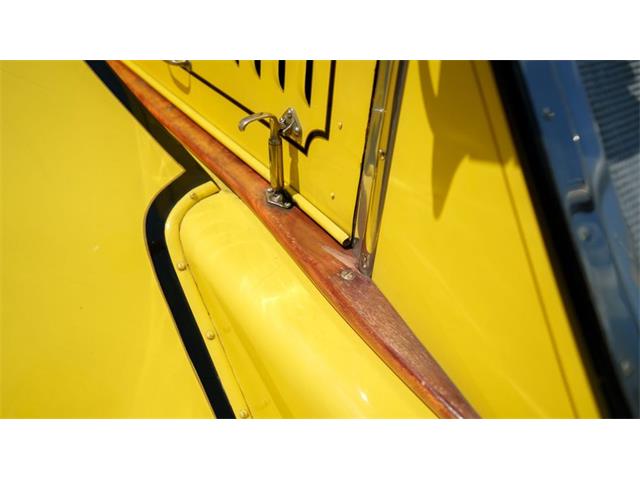
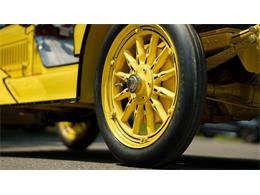
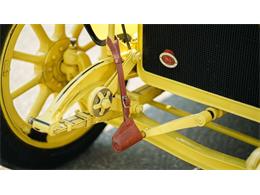
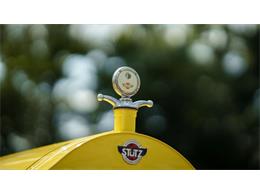
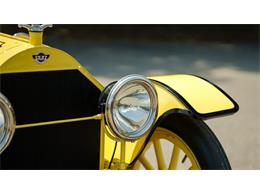
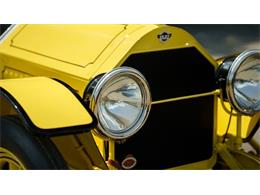
Rockefeller restored it in the traditional yellow and black and
displayed it at his Museum of Automobiles on Petit Jean Mountain.
Following his death in 1973, the collection passed to collector and
casino magnate William "Bill" F. Harrah, whose museum already held
two early Bearcats. Chassis 2250 was then purchased in April 1976
by James A. and Dorothy S. Conant of Rocky River, Ohio.
The Conants kept the Stutz for three decades, and it became the
centerpiece of a collection that included early Mercedes, Napier,
and Locomobile. Under their ownership, it won an AACA National
First Place at Hershey, appeared at the first Meadow Brook Concours
d'Elegance, and took part in the Henry Ford Museum's Sports Cars in
Review. Sold from the Conant estate in 2006, it then passed to the
noted private collection of Richard Losee, making infrequent public
appearances including a December 2011 Road & Track feature
comparing it with the contemporary Corvette.
Acquired by the current collector in 2021, chassis 2250 continues
to present in phenomenal condition. Among the most recognizable
American cars of any era, the Bearcat remains the definitive Brass
Era performance machine, and more than a century after production
ceased, with genuine examples scarce and documented ones scarcer
still, chassis 2250's unbroken chain of ownership places it in a
category of its own.
ClassicCars.com has been recognized as one of the fastest-growing private companies in the United States, successfully making the Inc. 5000 list in both 2015,
2016, 2017 and 2018. This prestigious accolade represents the continued growth of the company, and ClassicCars.com's dominance as the world's largest online marketplace for
buying and selling classic and collector vehicles.
The Stevie Awards, the world's premier business awards recognized
ClassicCars.com's first-class Customer Support team with a Stevie Bronze Award in 2019, celebrating the team's skills as exemplary customer support specialists.
In 2016 The Journal, brought to you by ClassicCars.com, was celebrated as the SECOND MOST INFLUENTIAL automotive blog in the world by NFC Performance.