Renowned for its unconventional engineering and distinctive
water-cooled two-stroke twin, the Scott Flying Squirrel became one
of Britain's most celebrated and individualistic motorcycles,
earning a devoted following that continues to this day. Founded in
1908 by Alfred Angas Scott in Shipley, Yorkshire, the Scott
Motorcycle Company developed a reputation for technically advanced
motorcycles that often departed dramatically from conventional
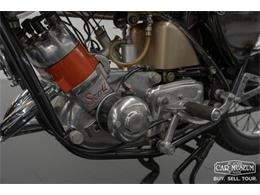
British designs. Scott's signature water-cooled, two-stroke,
parallel-twin engine, distinctive frame construction, and smooth,
quiet power delivery made its motorcycles unlike virtually anything
else on the road. The Flying Squirrel, introduced in the 1920s,
became the marque's most famous model and earned a devoted
following for its performance, refinement, and remarkable
engineering.
The original Scott factory in Shipley ultimately closed in the
years following World War II, but the story of the marque did not
end there. In 1950, the Scott Motorcycle Company was acquired and
carried forward by Geoff Milner and Harry Langman, who established
operations in Birmingham and sought to continue production while
refining the established Scott formula. Rather than simply
reproduce the earlier motorcycles, Milner and Langman focused on
incorporating practical improvements to make the Scott more usable
and dependable while retaining the engineering characteristics that
had made the Flying Squirrel famous. Their Birmingham-built
motorcycles are now recognized as an important final chapter in the
original Scott story.
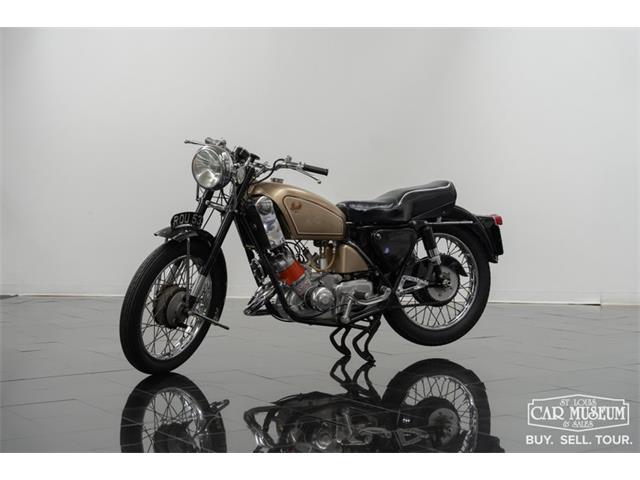
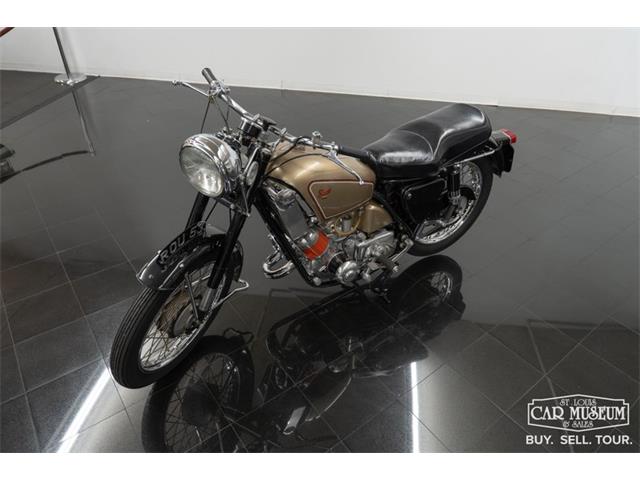
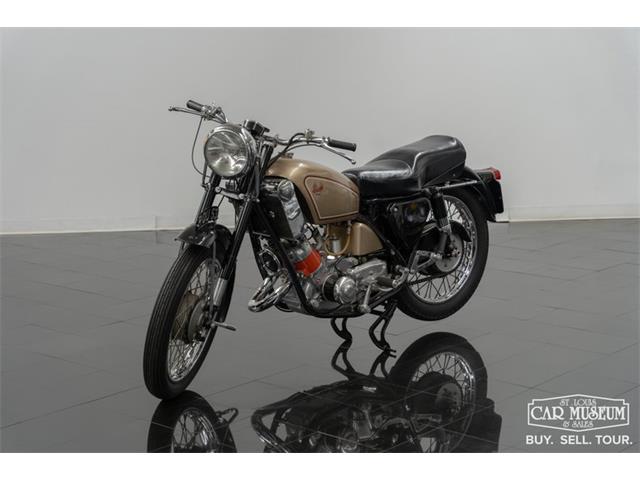
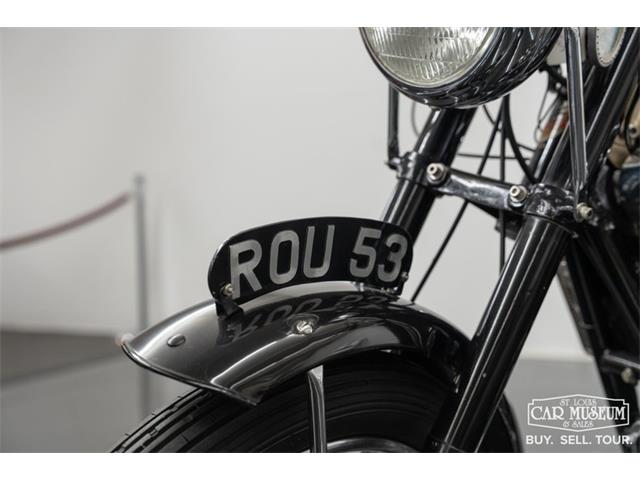
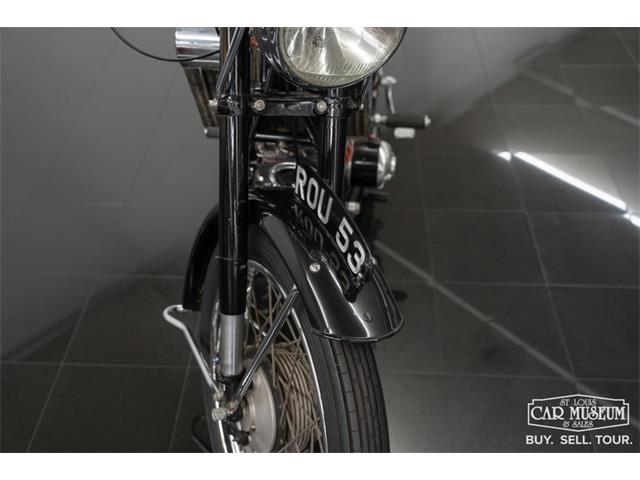
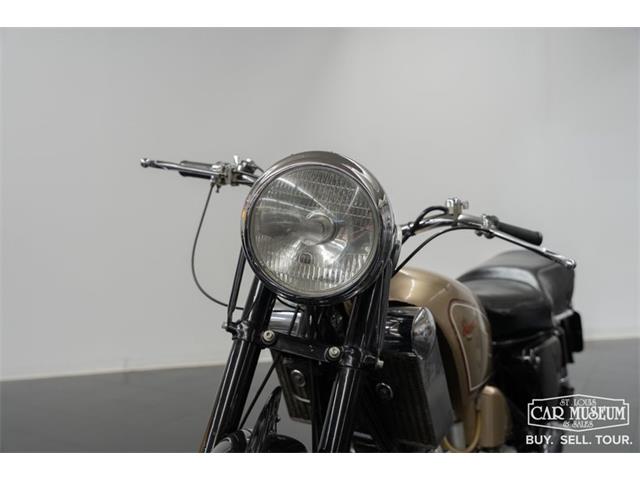
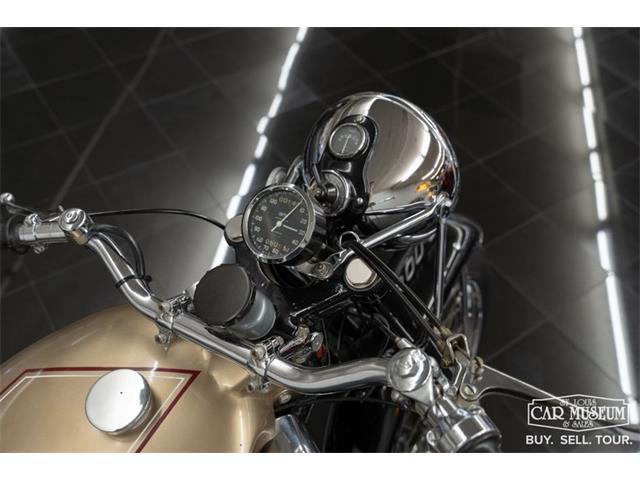
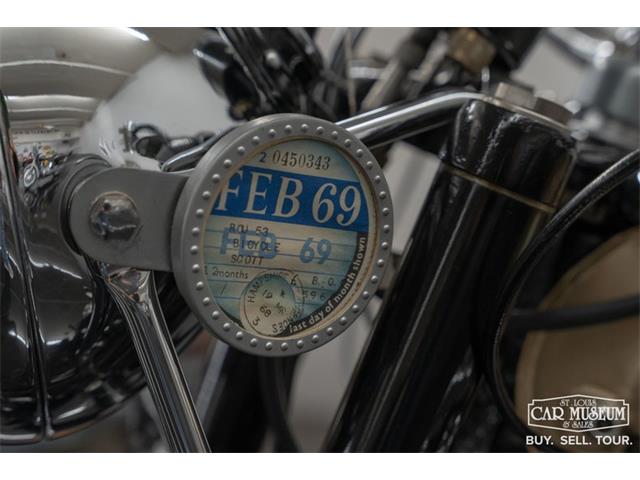
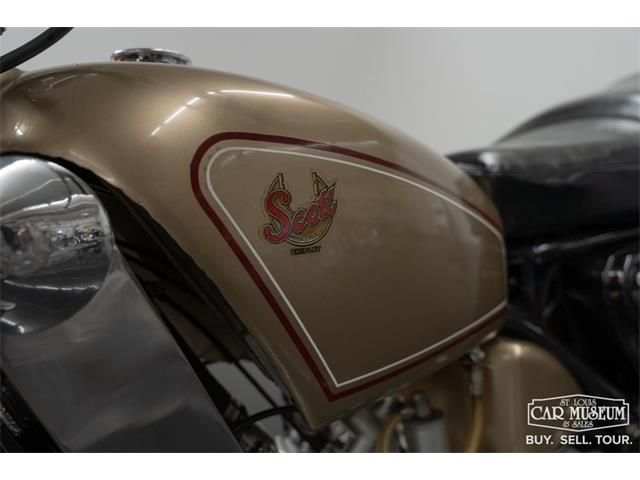
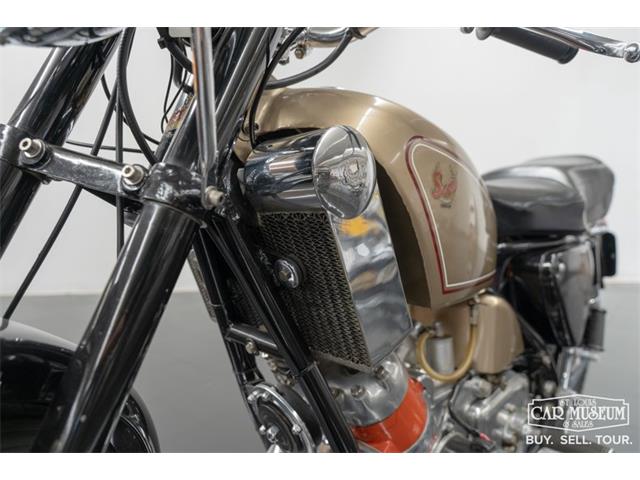
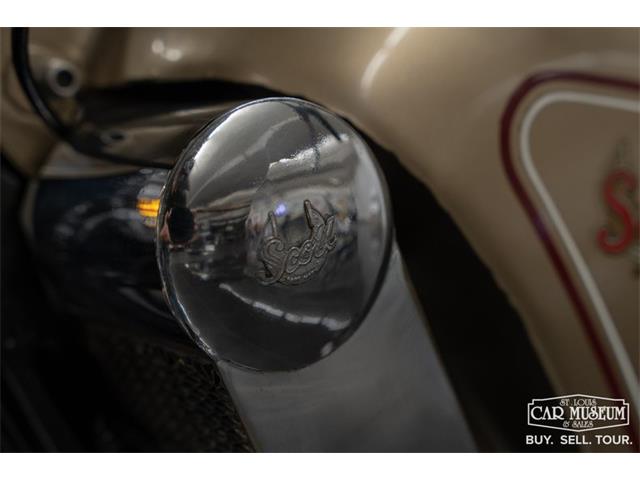
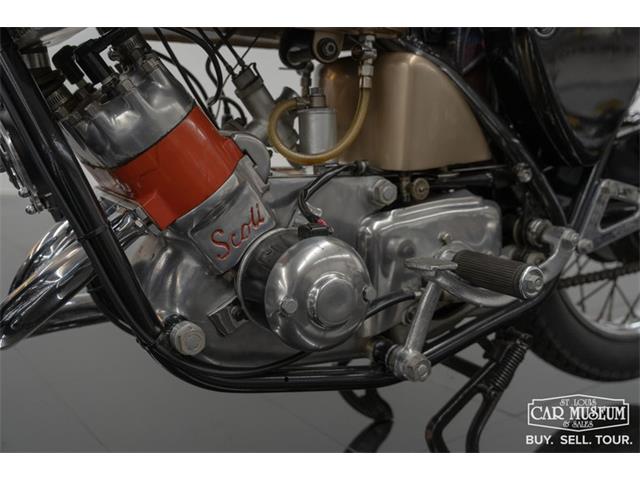
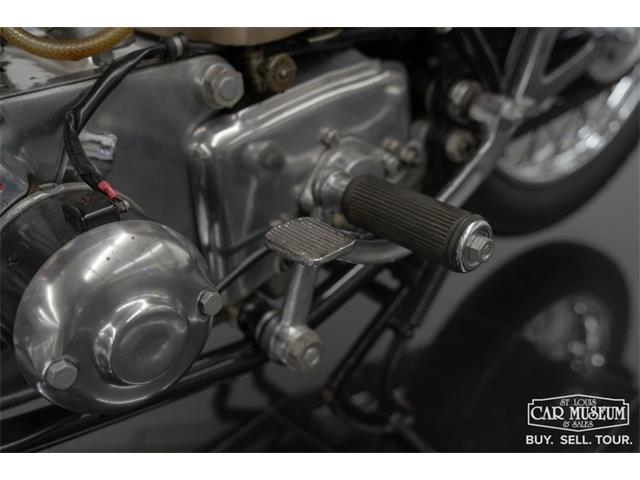
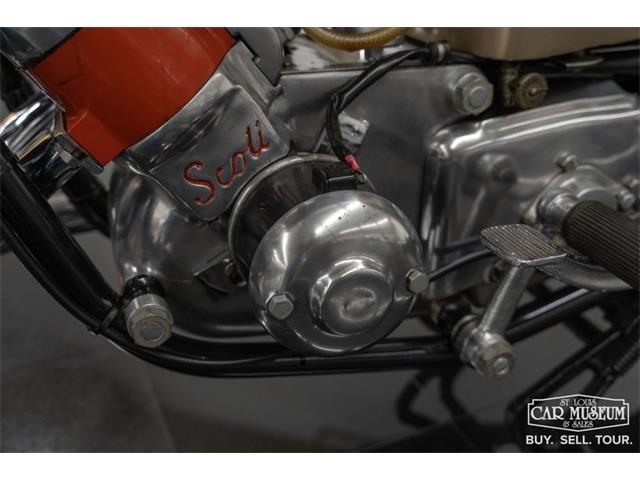
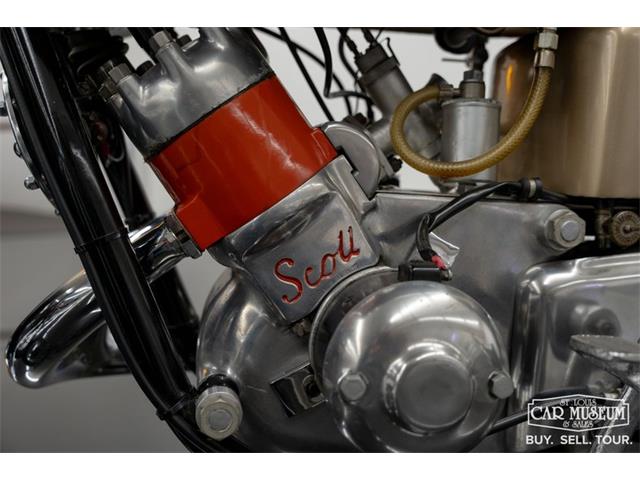
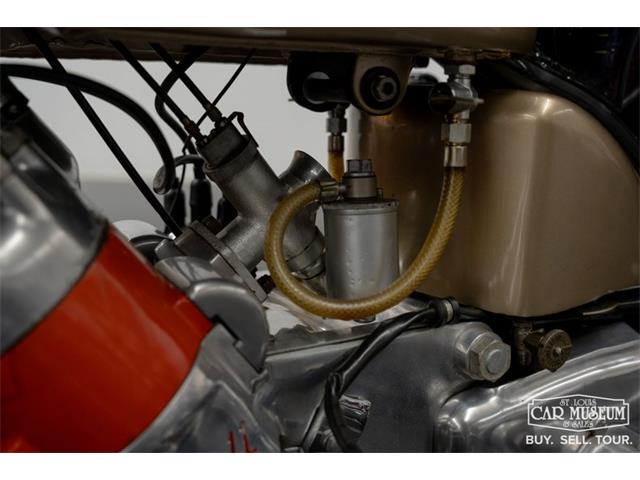
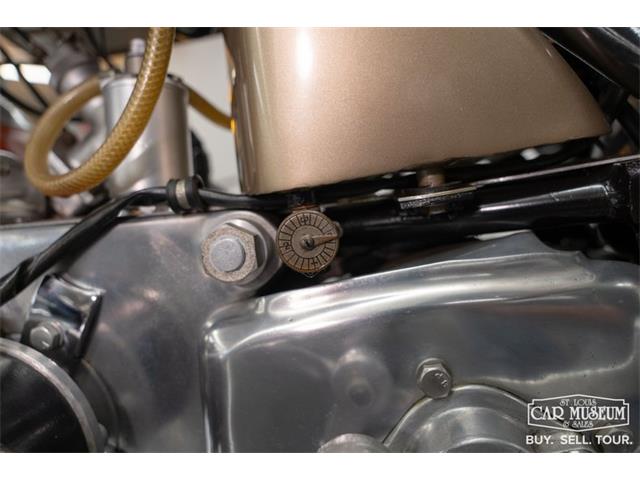
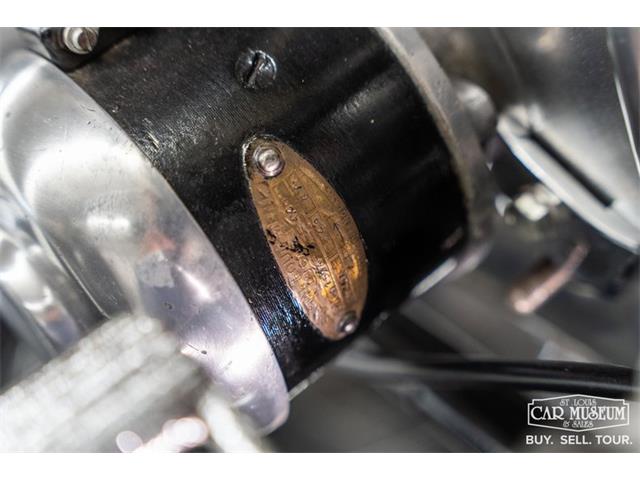
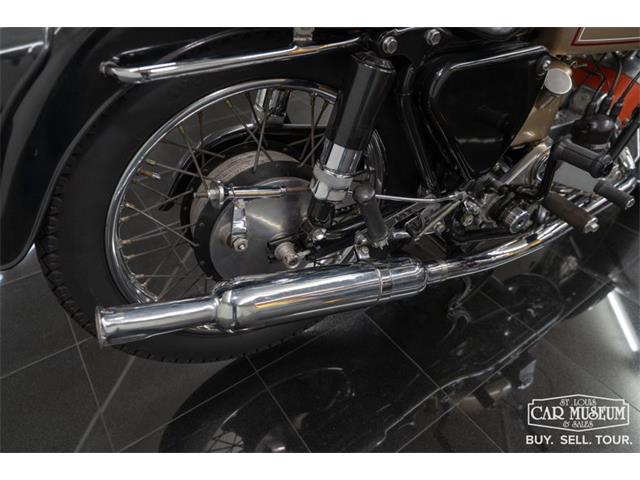
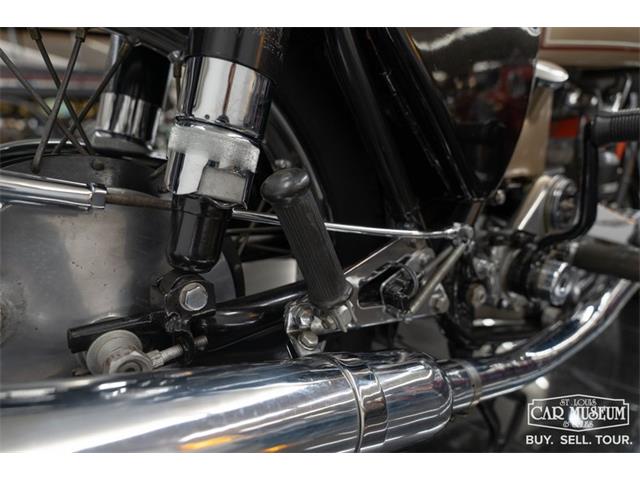
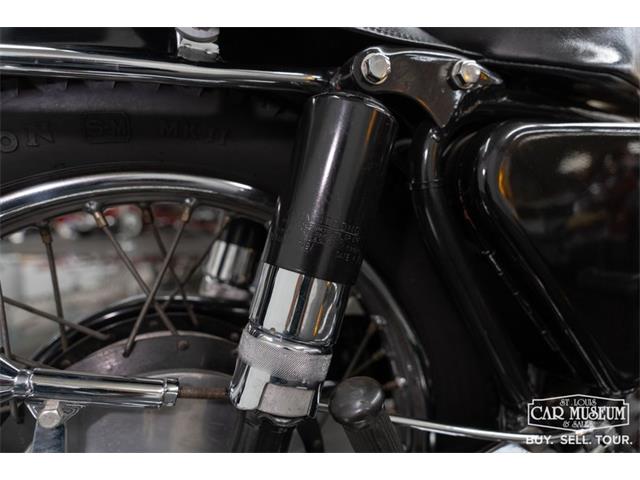
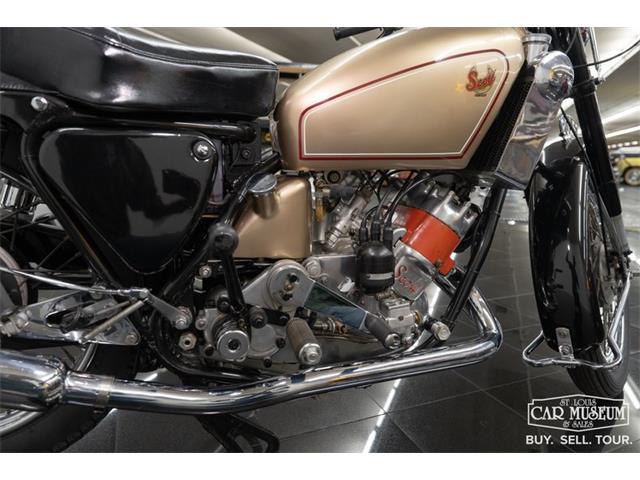
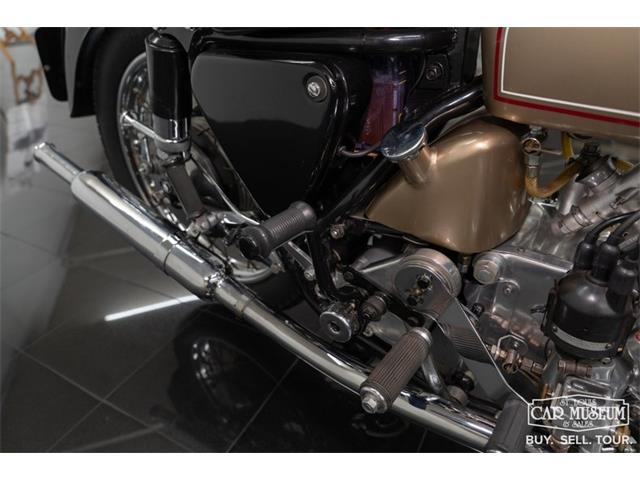
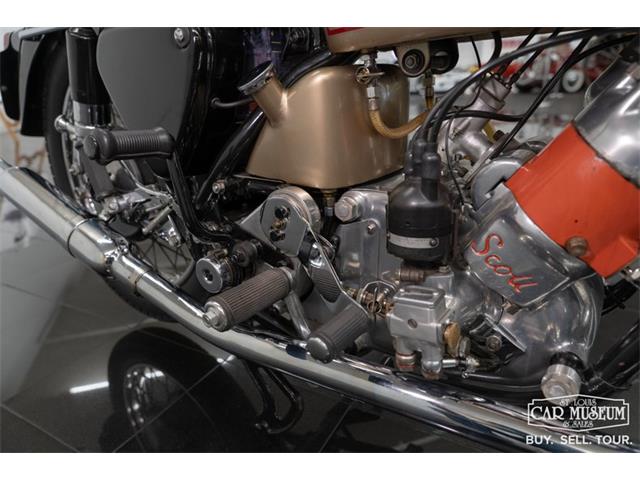
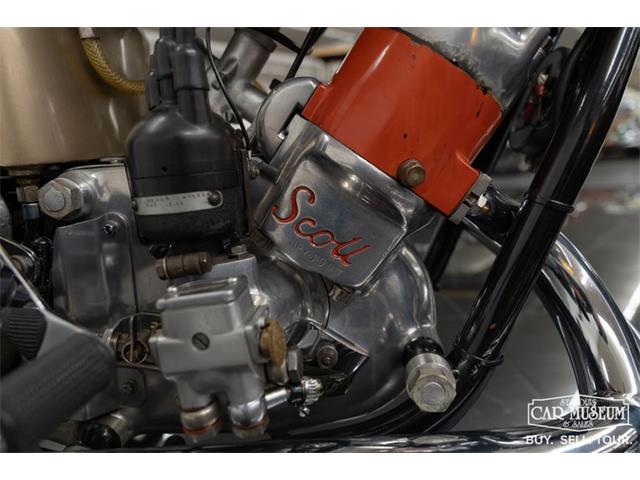
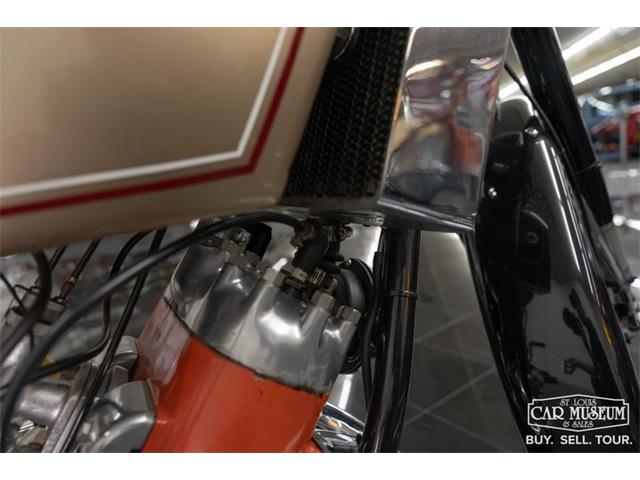
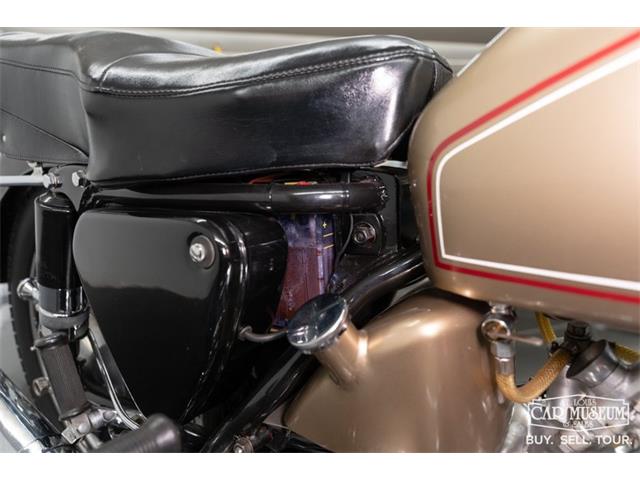
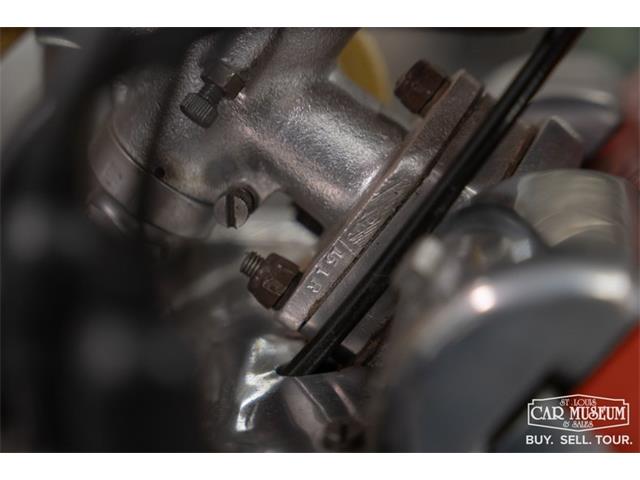
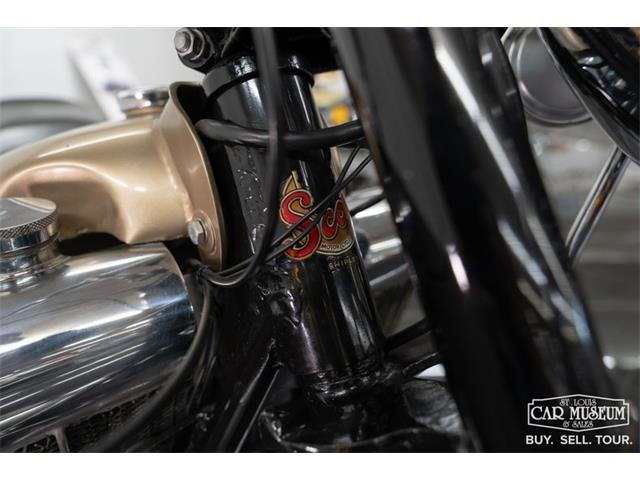
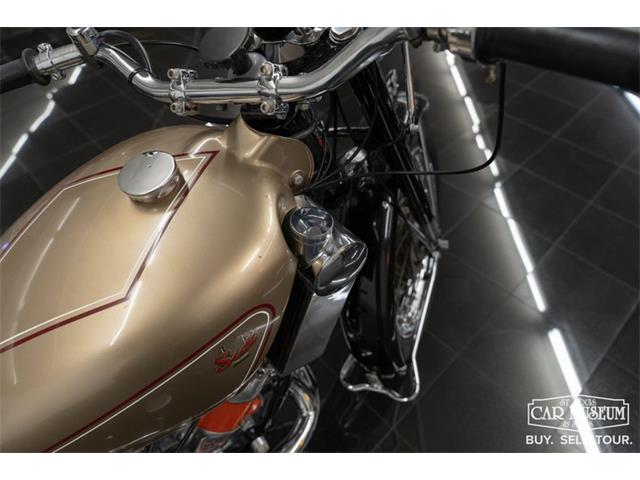
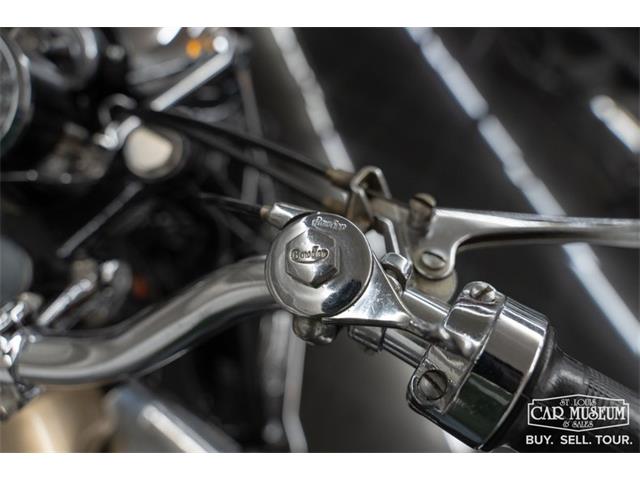
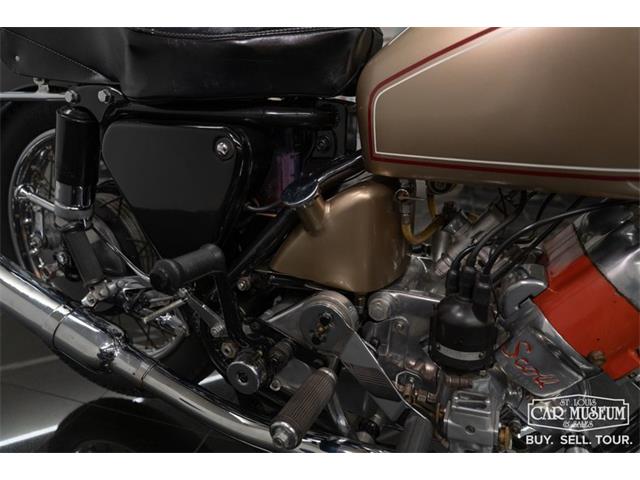
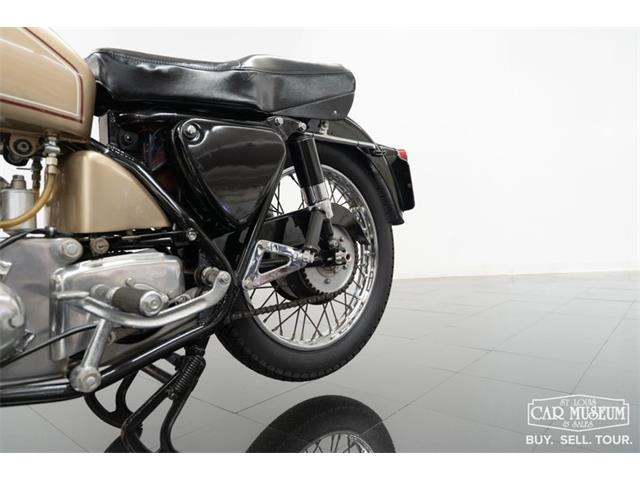
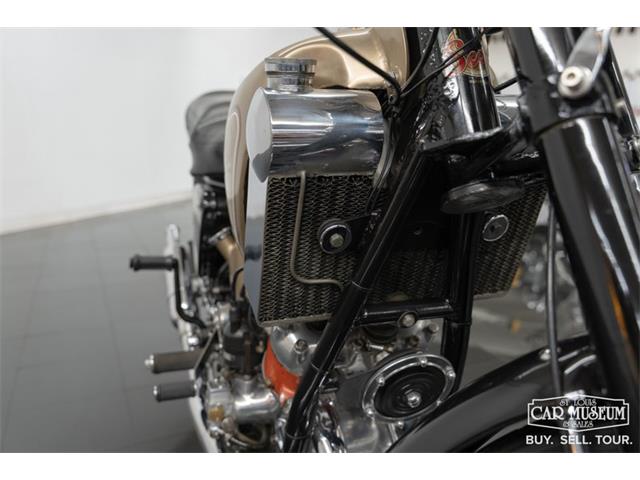
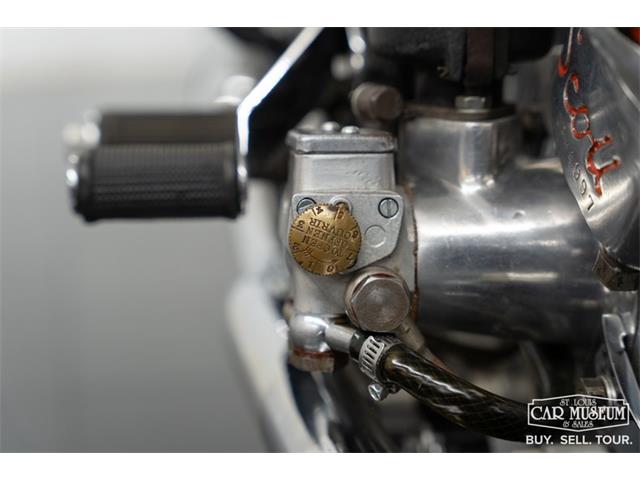
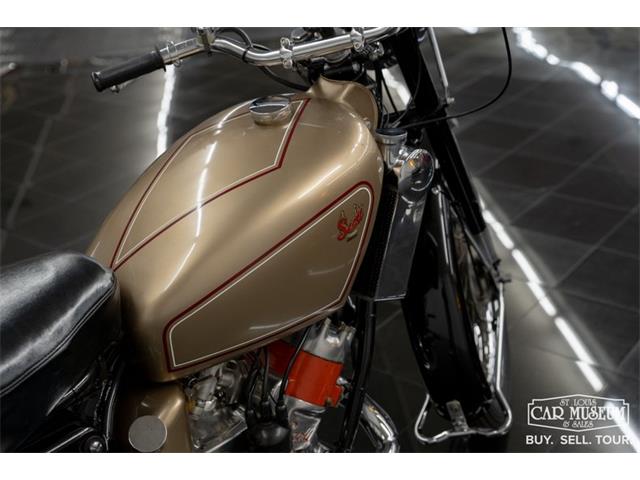
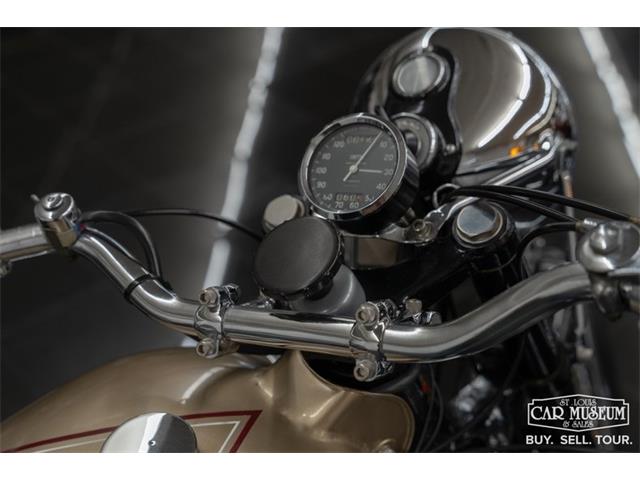
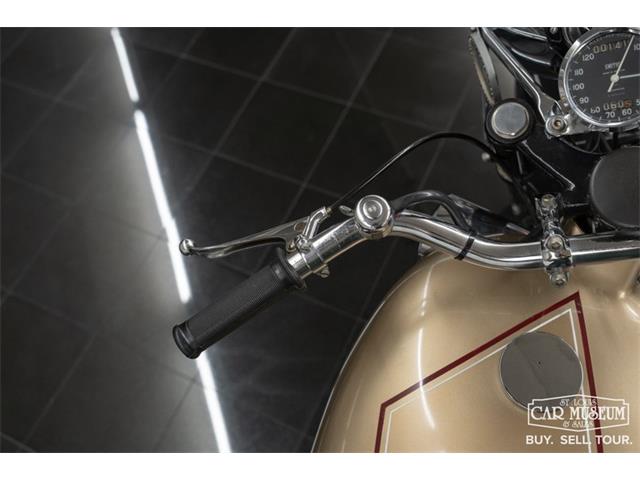
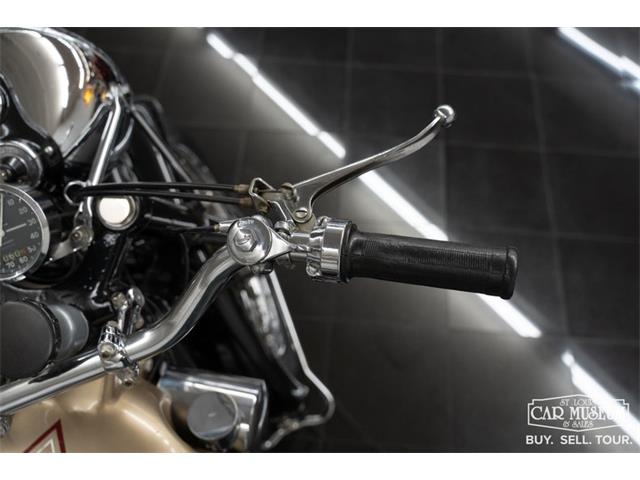
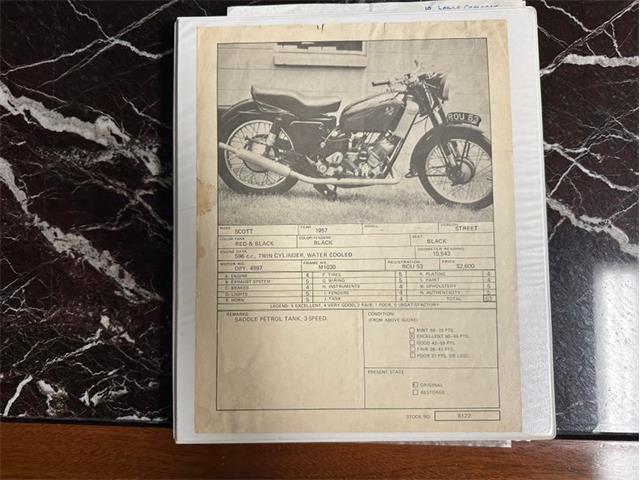
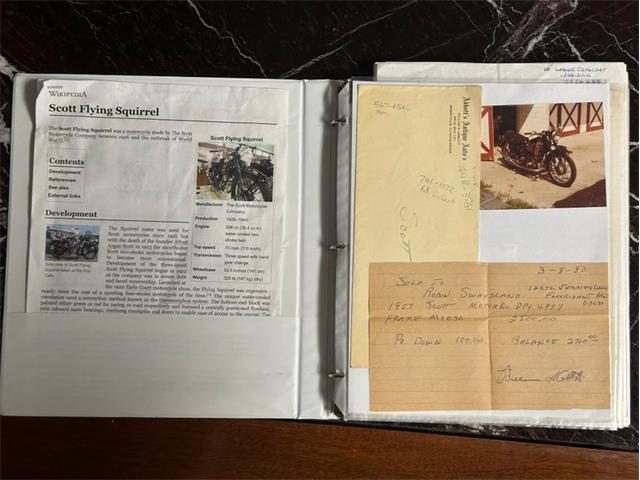
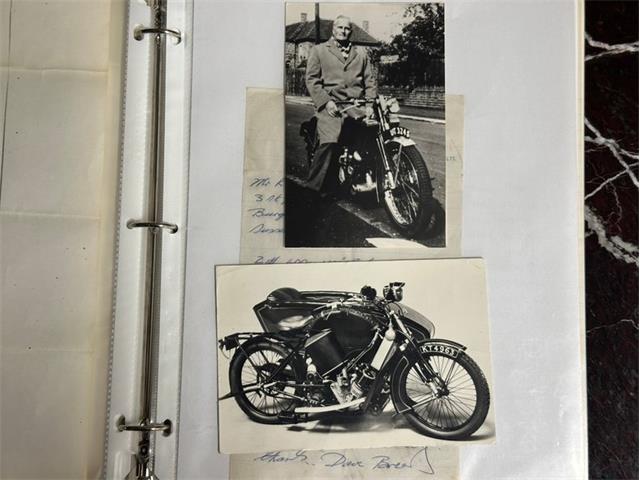
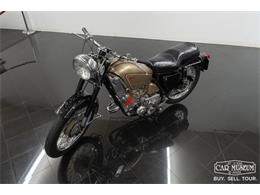
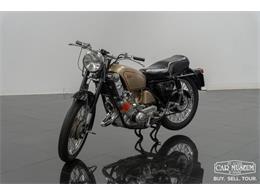
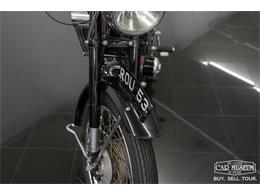
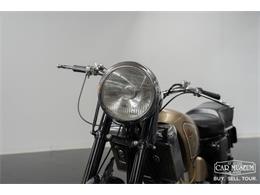
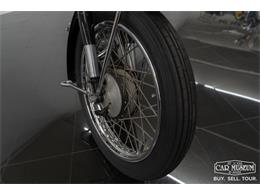
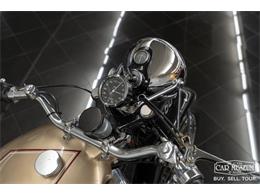
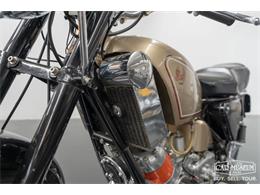
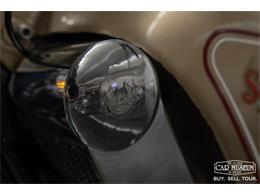
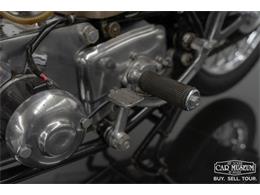
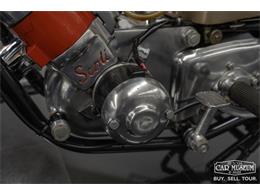
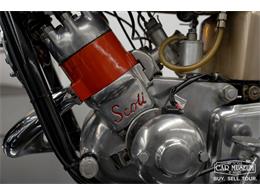
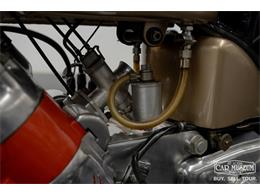
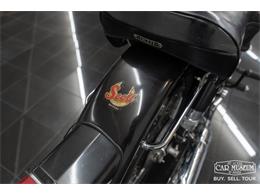
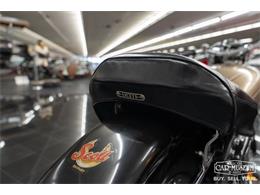
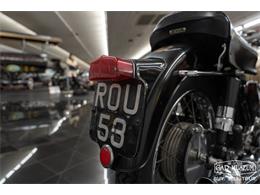
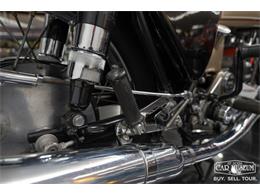
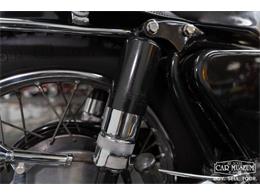
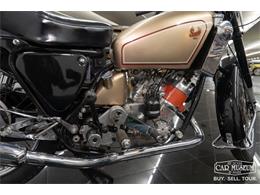
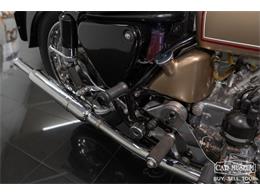
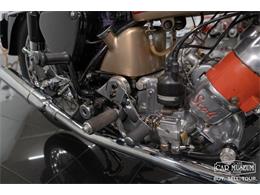
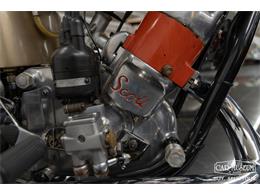
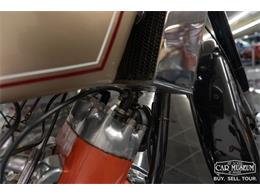
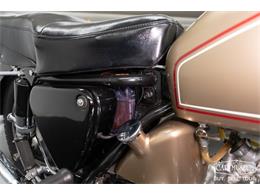
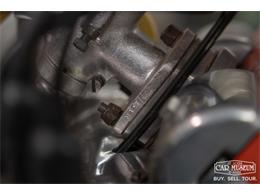
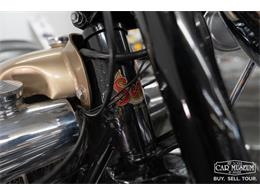
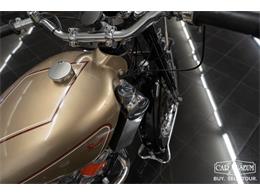
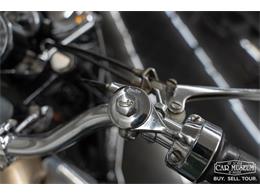
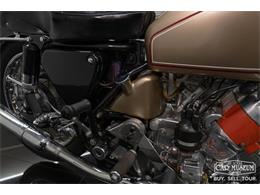
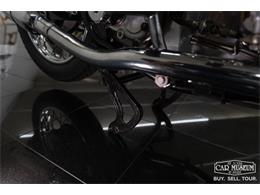
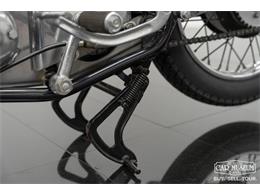
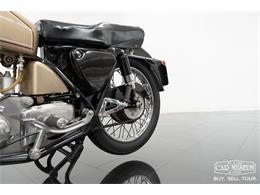
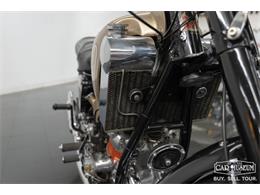
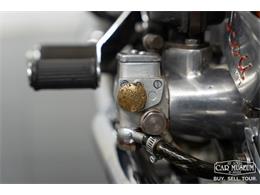
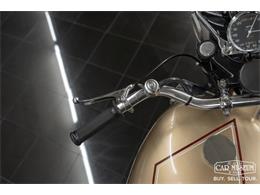
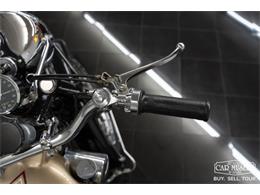
This exceptional 1957 Flying Squirrel is one of those rare
Birmingham examples, powered by its DPY-coded 598cc water-cooled
two-stroke twin-cylinder engine backed by a three-speed gearbox. It
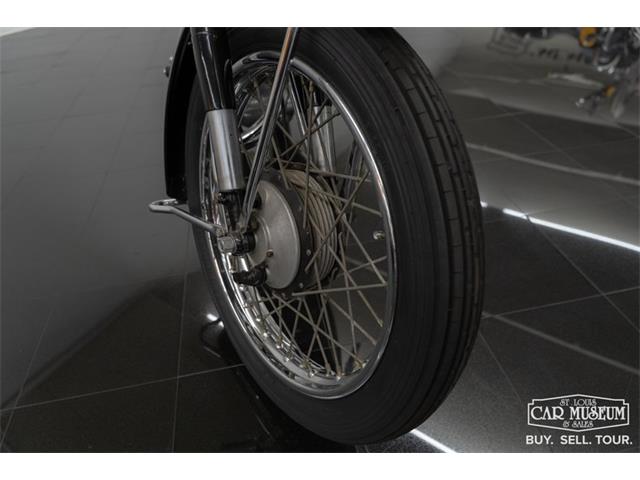
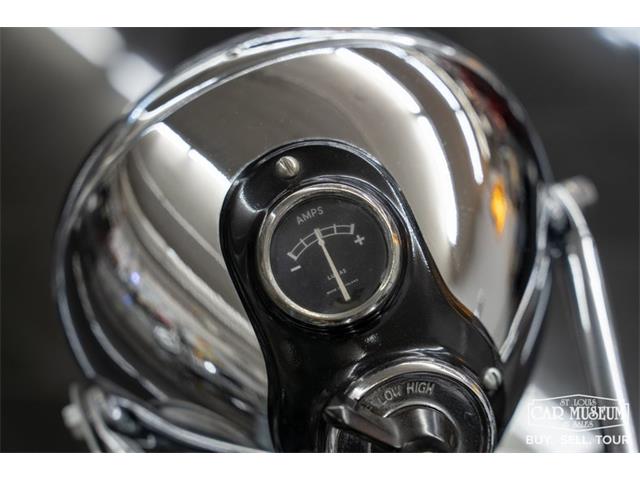
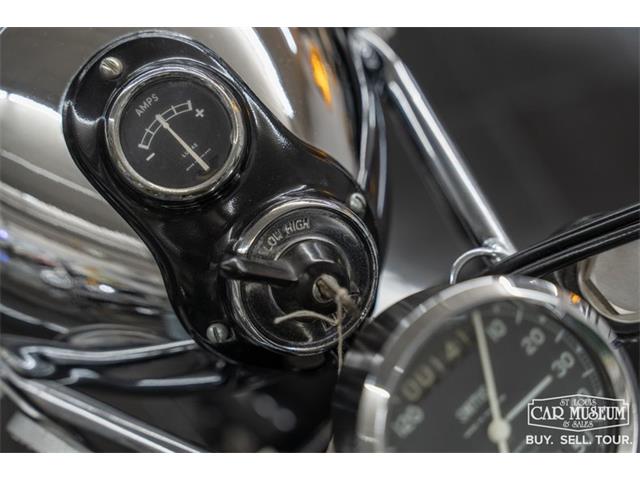
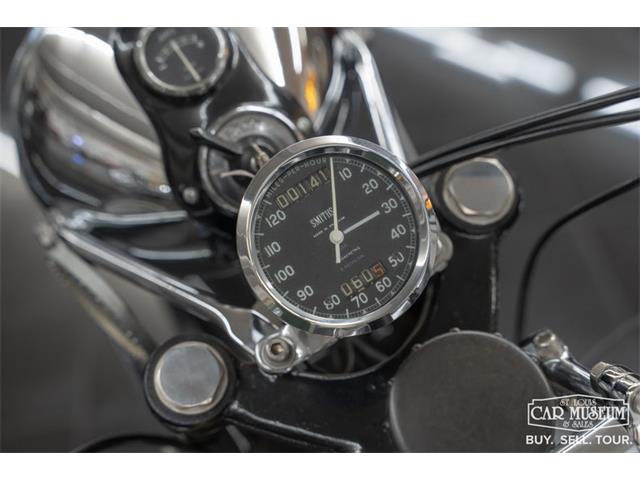
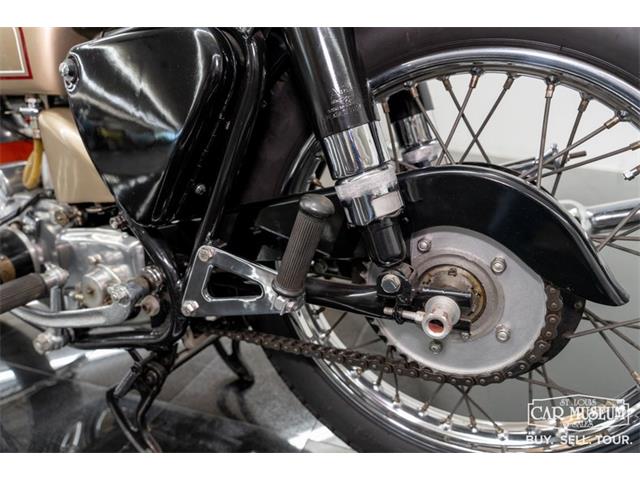
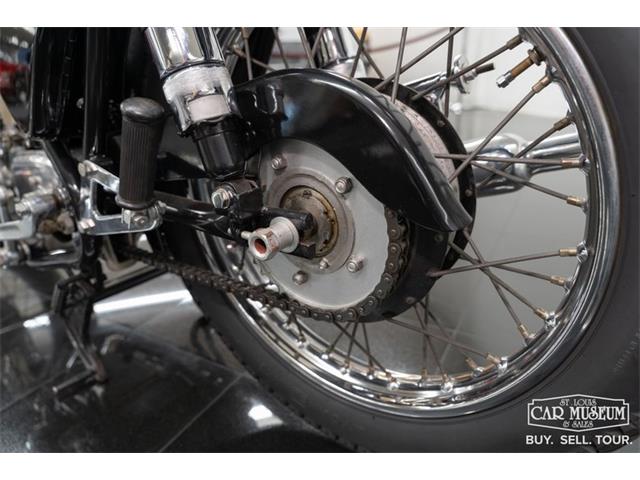
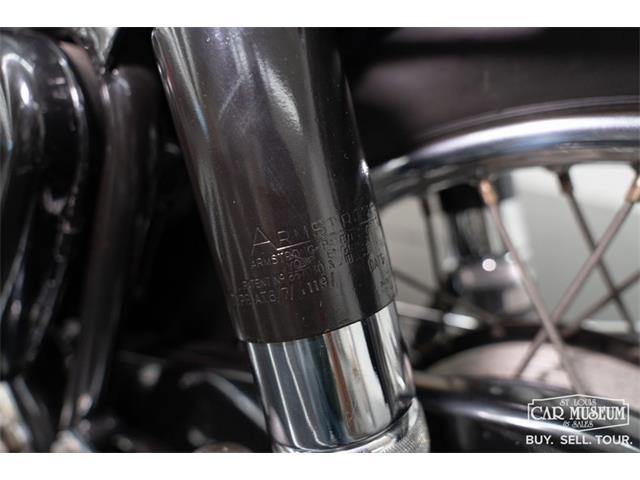
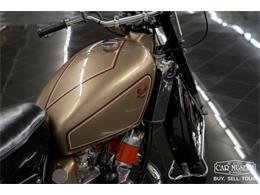
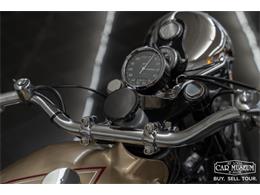
incorporates many of the improvements developed or recommended
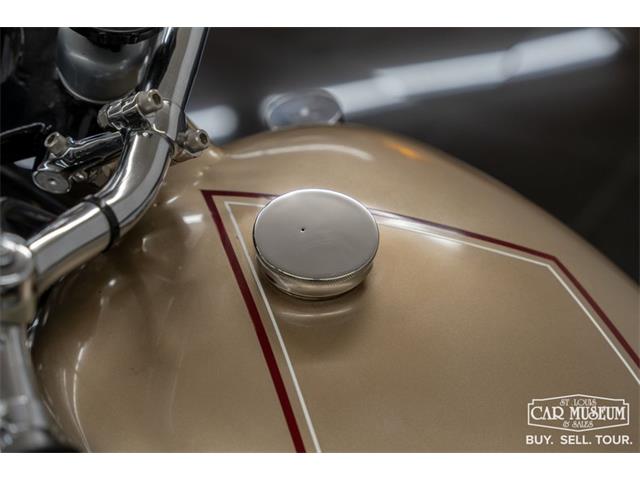
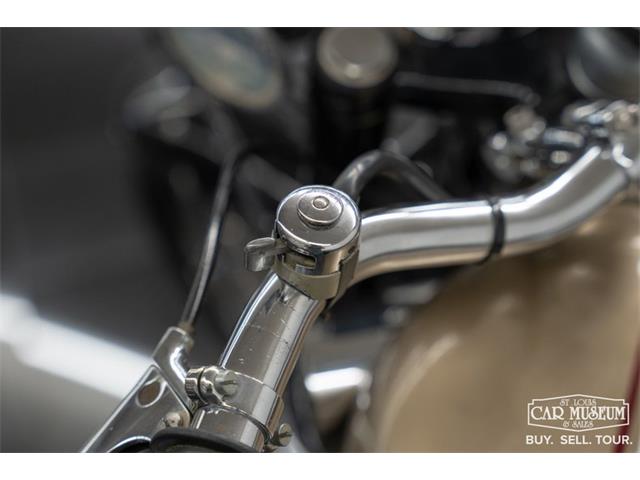
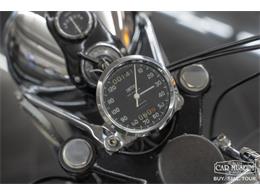
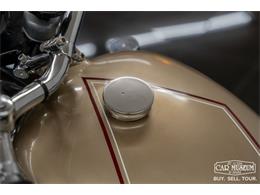
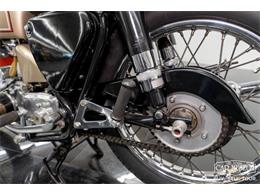
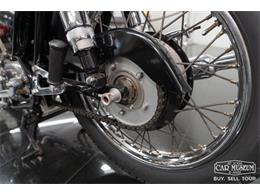
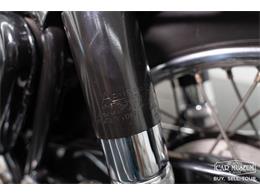
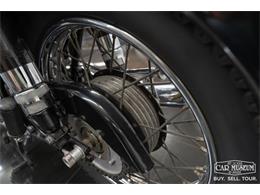
under Milner and Langman's stewardship, including a foot-operated
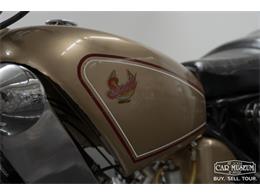
gearbox lever, Birmingham-built frame, Scott-Dowly "Oleomatic"
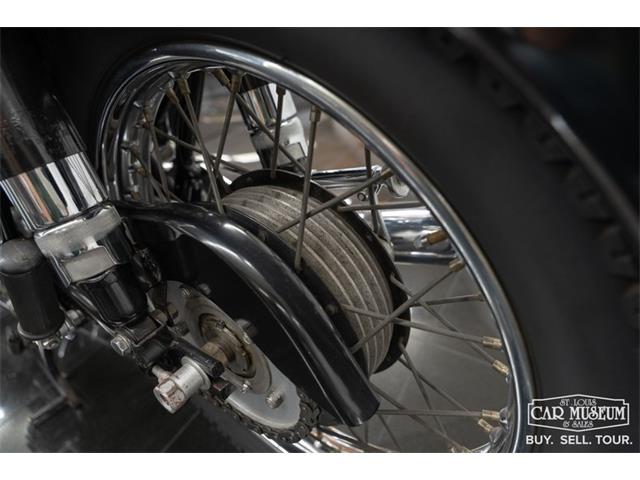
front forks, upgraded petrol tank, light-alloy twin front brake
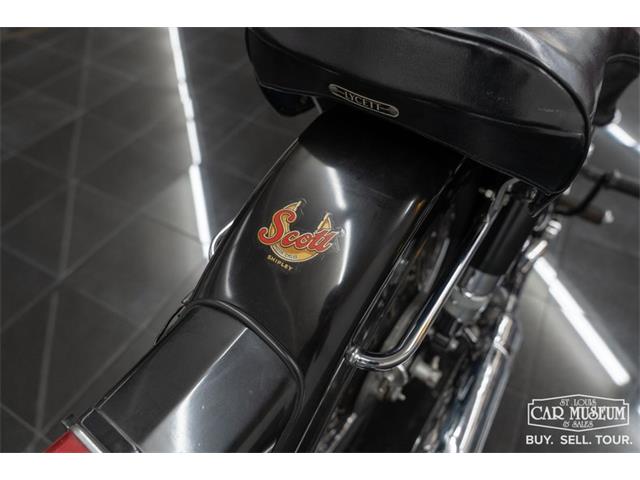
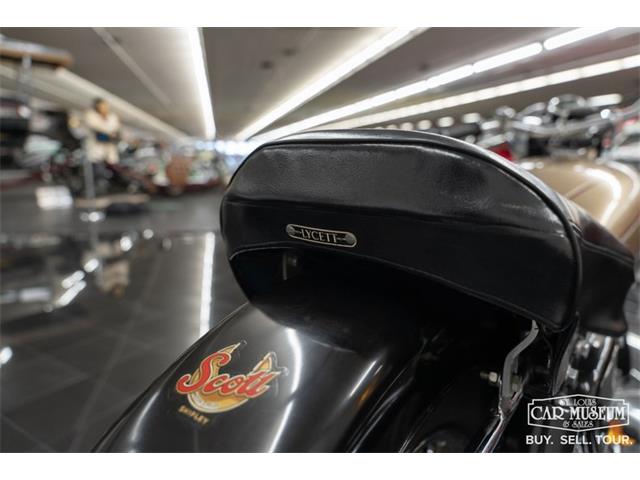
hub, Lucas ignition system, Lycett seat, and cable-driven Smiths
speedometer. Together, these refinements illustrate the effort made
by the Birmingham Scott Motorcycle Company to evolve the Flying
Squirrel while preserving its distinctive engineering identity.
Adding greatly to its appeal is a remarkable ownership and
restoration history that has been carefully documented for decades.
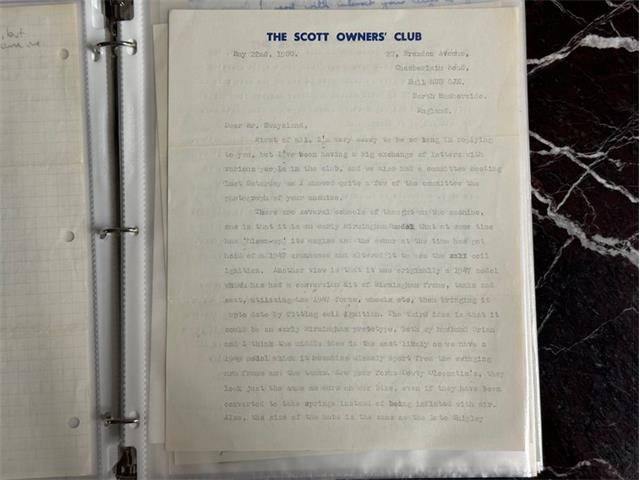
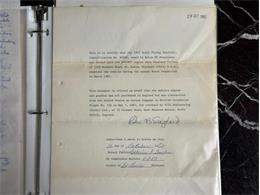
Records for this particular Flying Squirrel date to 1980, when it
came into the ownership of Robin Swaysland, originally of Burgess
Hill in Sussex, England. Swaysland's father had spoken
enthusiastically during his youth of the legendary Scott Flying
Squirrel, making the acquisition of this motorcycle a particularly
meaningful connection to his family's appreciation for the
marque.
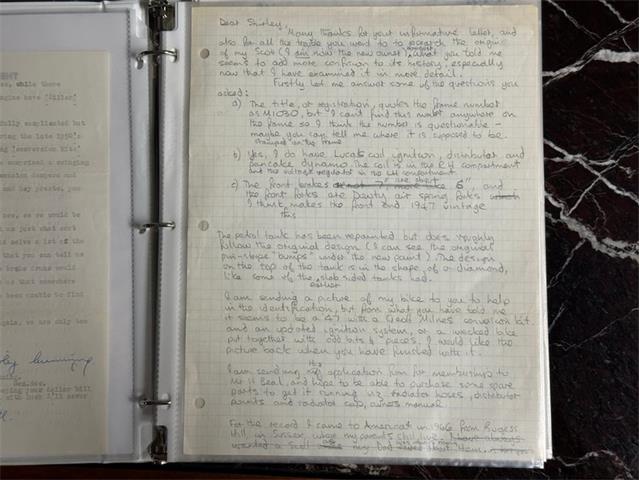
Swaysland had moved to America in 1966 and eventually encountered
this rare Scott in Jerseyville, Illinois, where it was part of the
collection of William Abbott. The motorcycle was not running at the
time, but Swaysland recognized its significance and reached an
agreement to carefully recommission it and return it to the road.
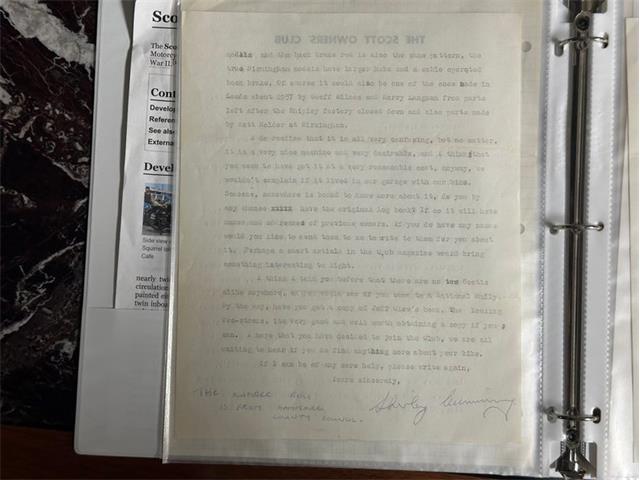
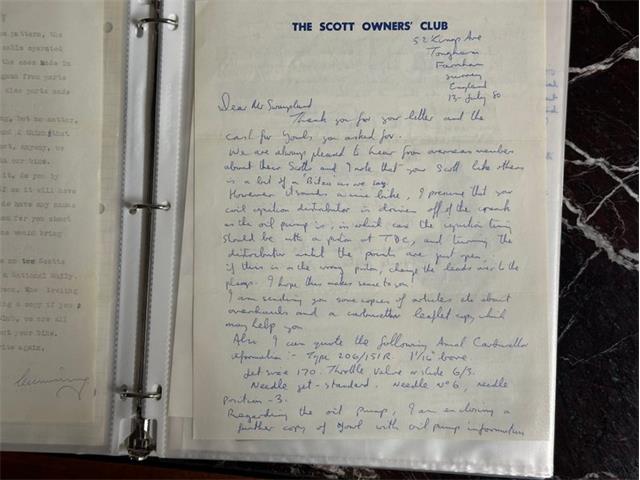
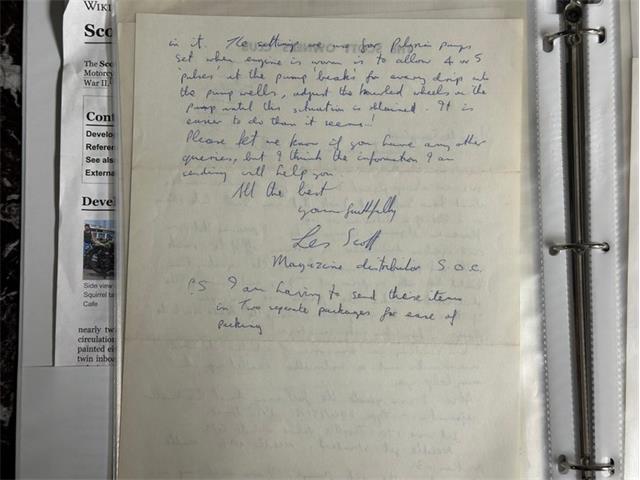
What followed was an extraordinary international restoration effort
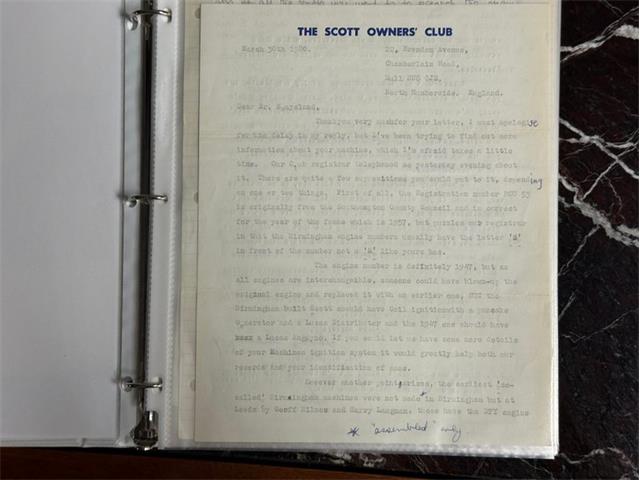
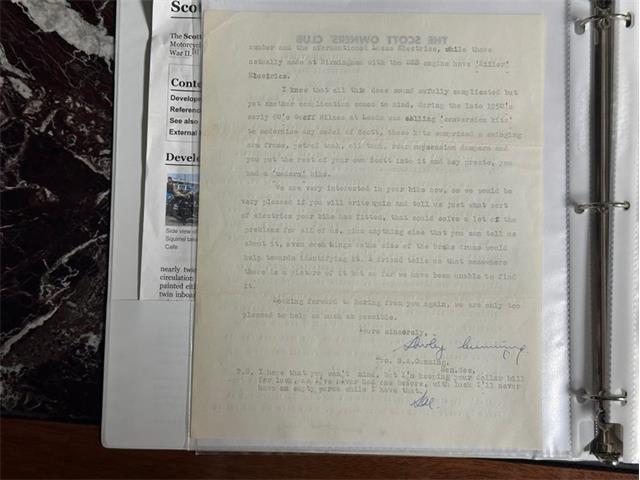
involving extensive correspondence with the Scott Owners Club of
North Humberside, England, along with specialty suppliers and
craftsmen familiar with these uncommon motorcycles.
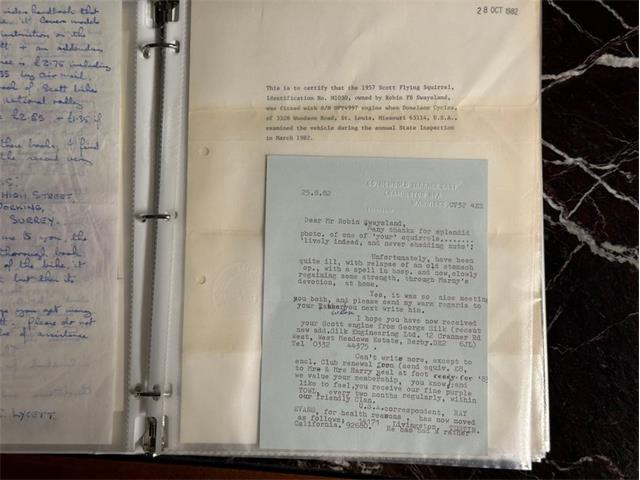
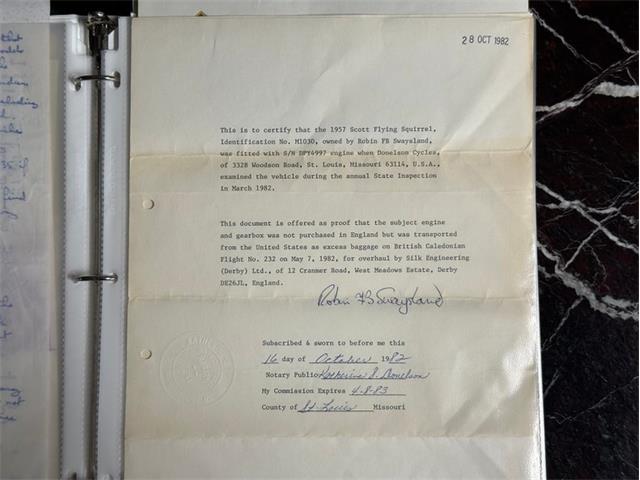
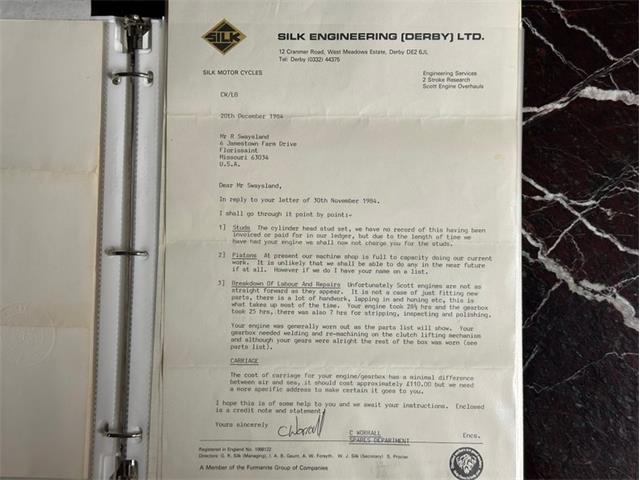
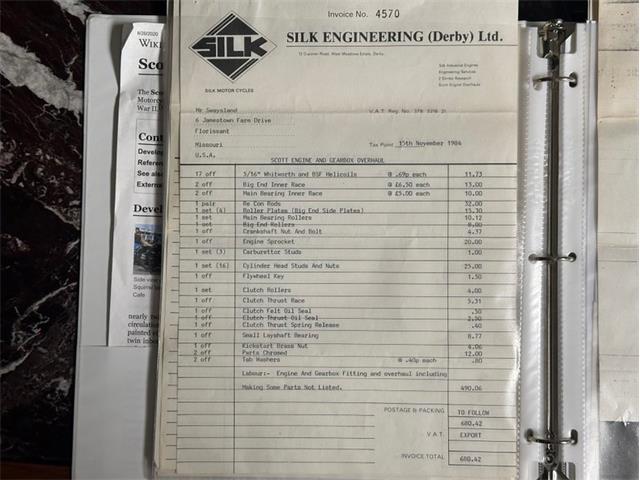
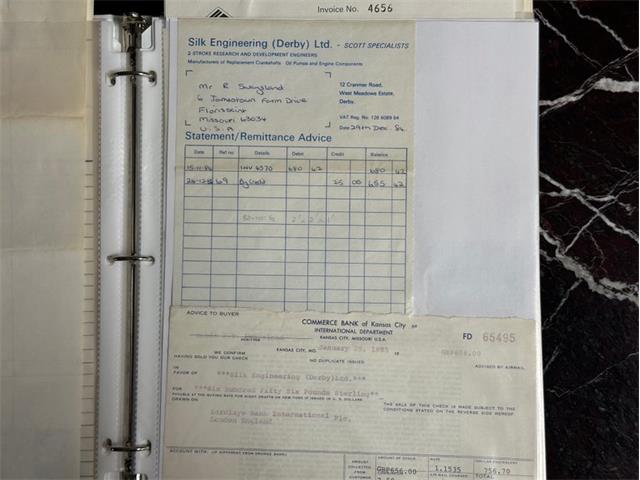
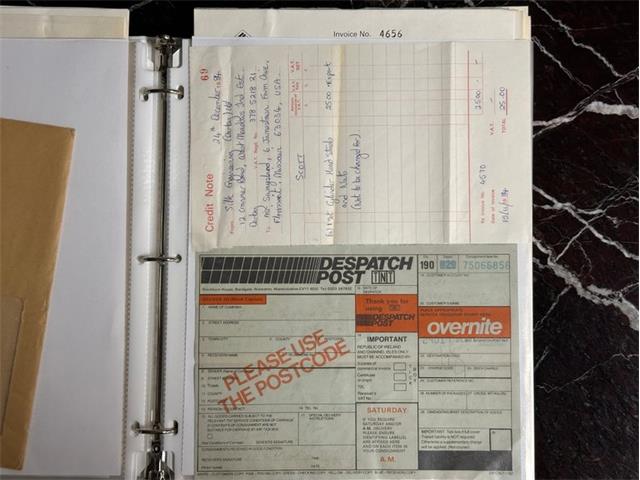
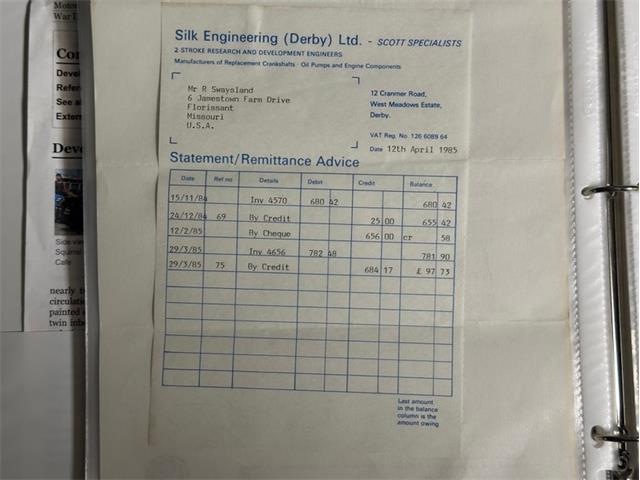
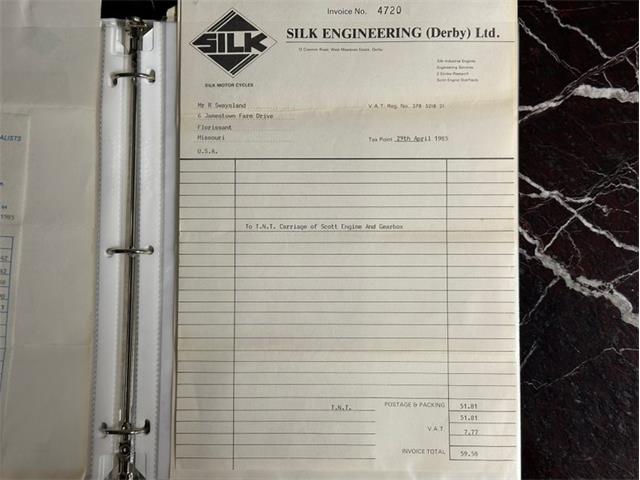
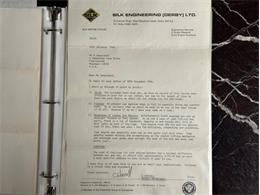
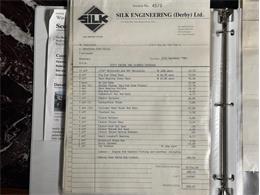
As part of the recommissioning, the complete engine and gearbox
were carefully removed by Donelson Cycles of St. Louis and crated
for shipment to Silk Engineering Ltd. in Derby, England, where the
assemblies received a comprehensive professional overhaul. Internal
components were inspected and rebuilt, with recommended repairs
carried out by specialists intimately familiar with Scott
engineering.
From approximately 1982 through 1989, the Flying Squirrel
subsequently underwent a meticulous nut-and-bolt restoration, with
equal emphasis placed upon authenticity, detail, and proper
function. The result is a particularly well-documented example of
the marque's final Birmingham chapter, preserved not simply as a
restored motorcycle but as an important piece of Scott history.
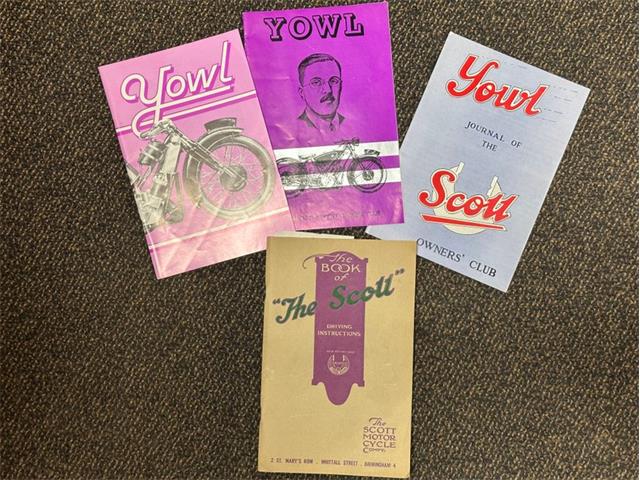
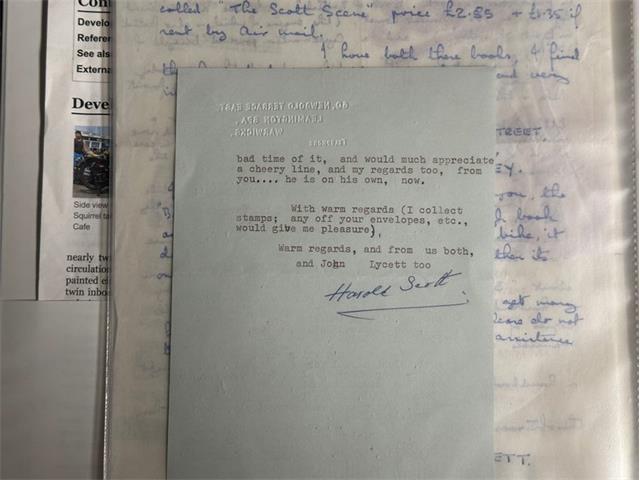
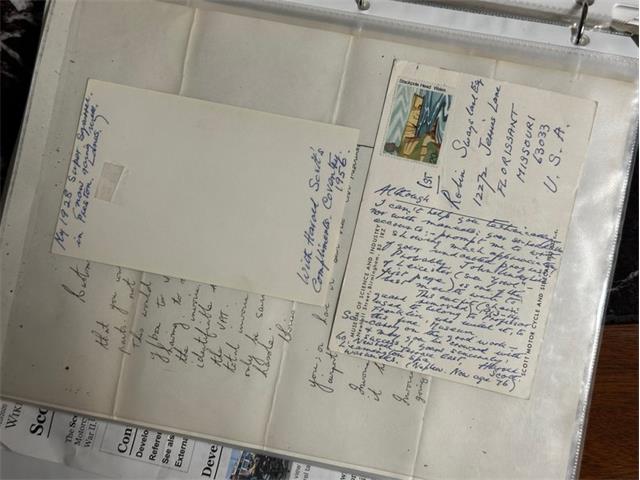
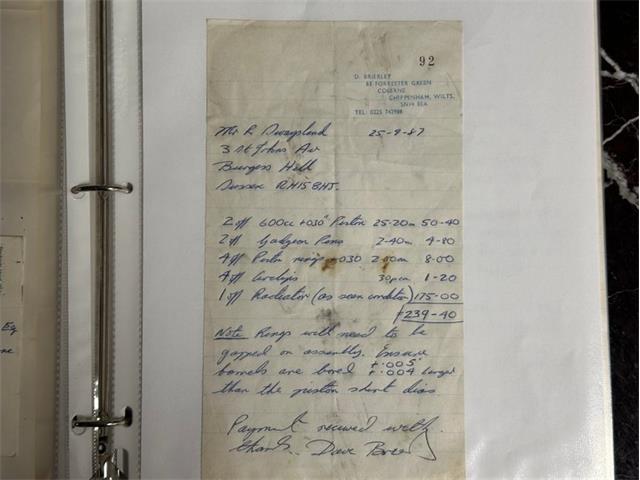
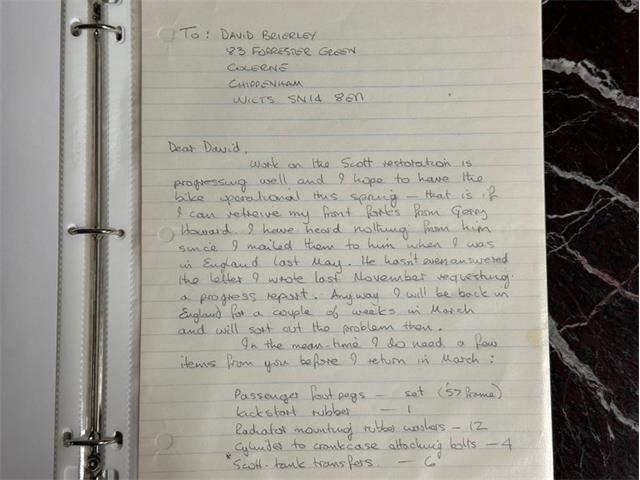
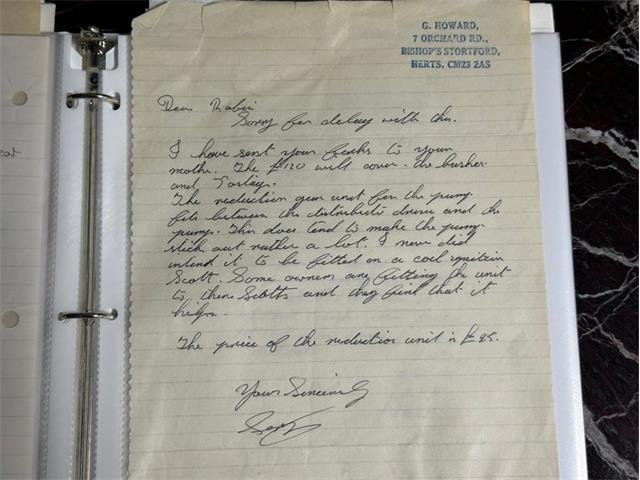
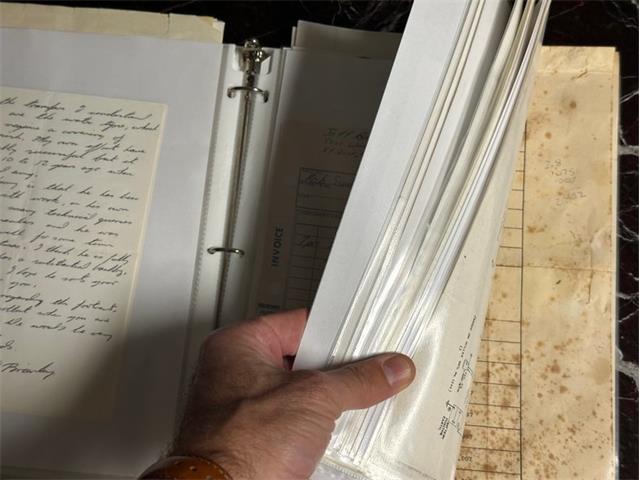
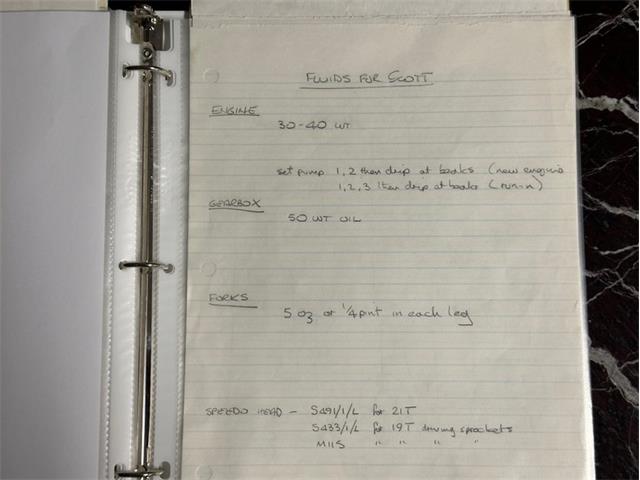
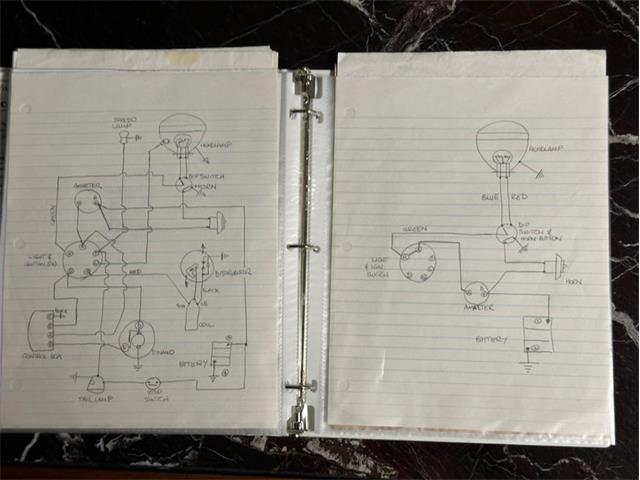
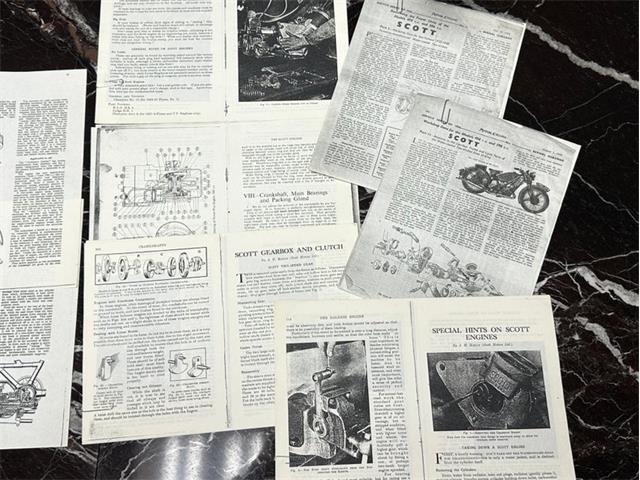
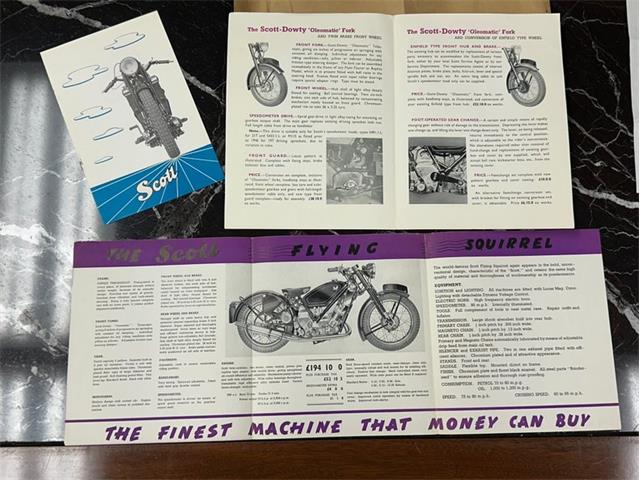
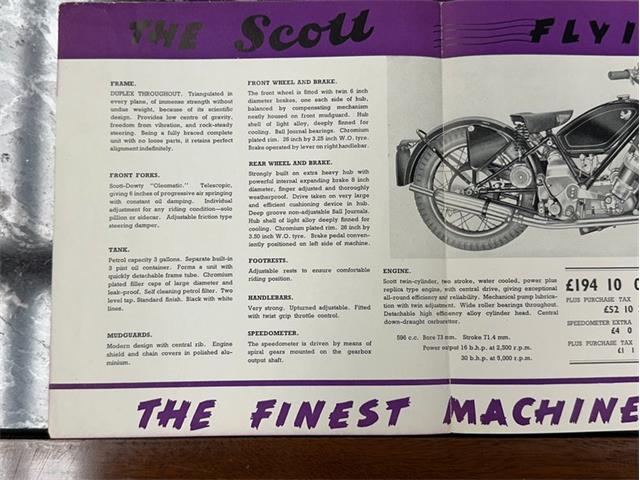
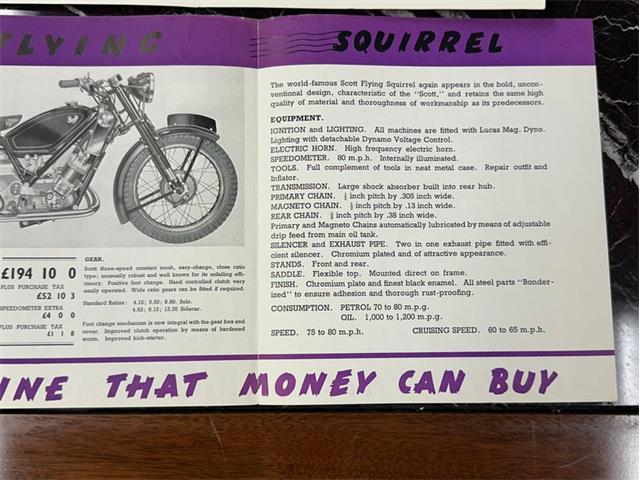
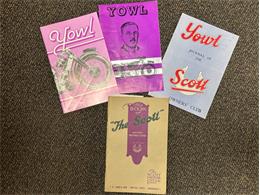
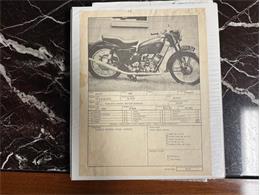
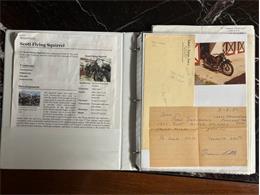
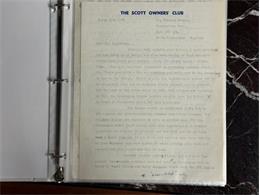
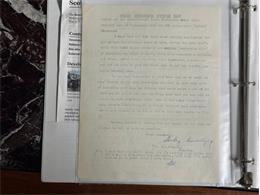
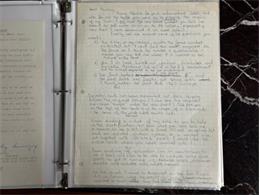
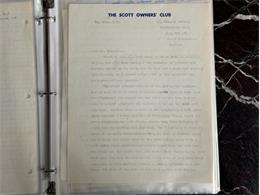
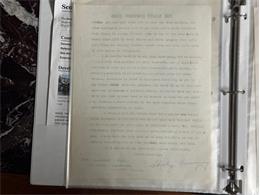
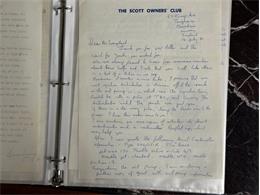
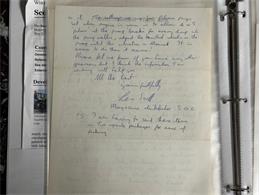
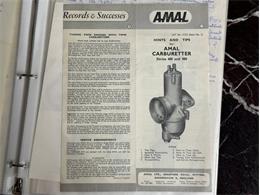
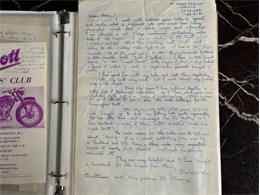
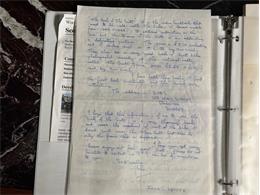
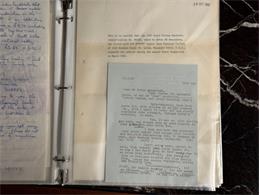
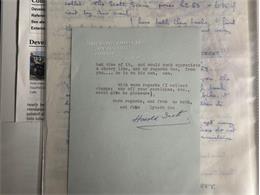
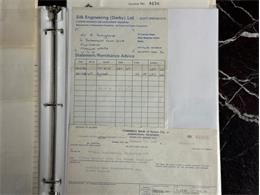
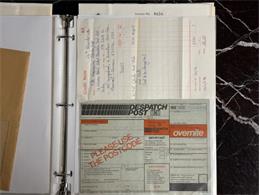
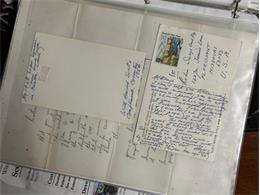
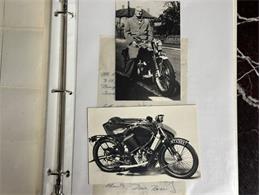
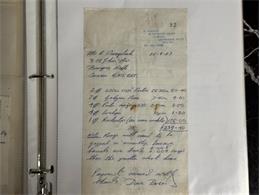
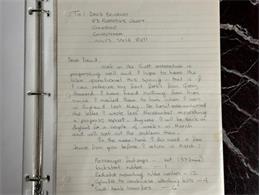
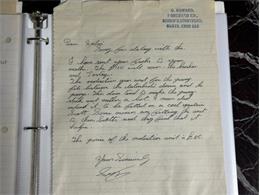
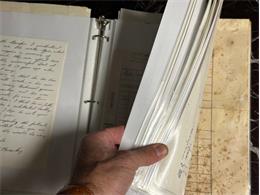
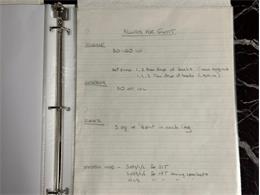
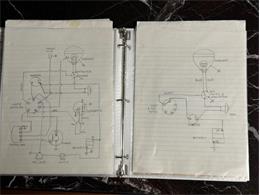
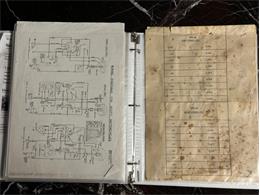
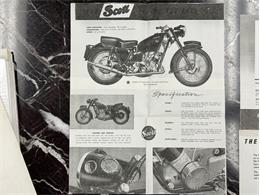
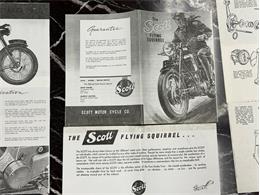
The documentation accompanying the motorcycle is nearly as
compelling as the machine itself. Retained over the years are
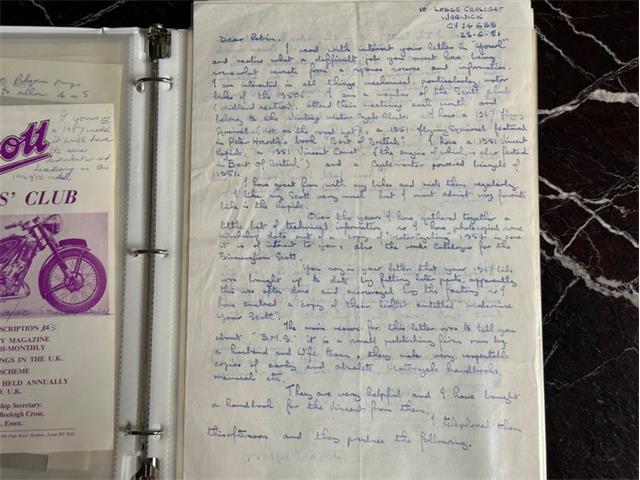
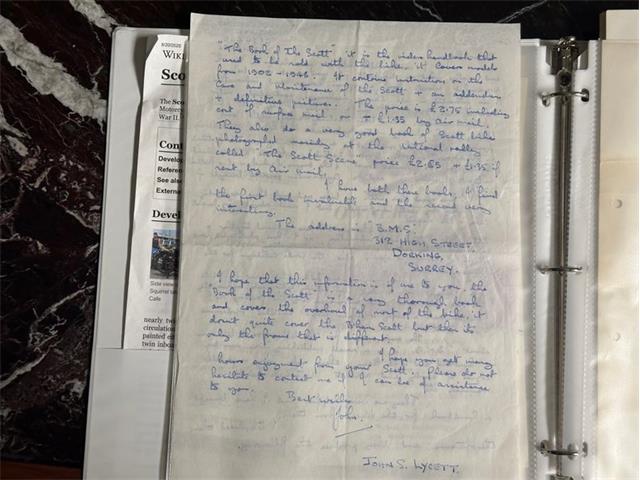
service records and correspondence detailing the restoration,
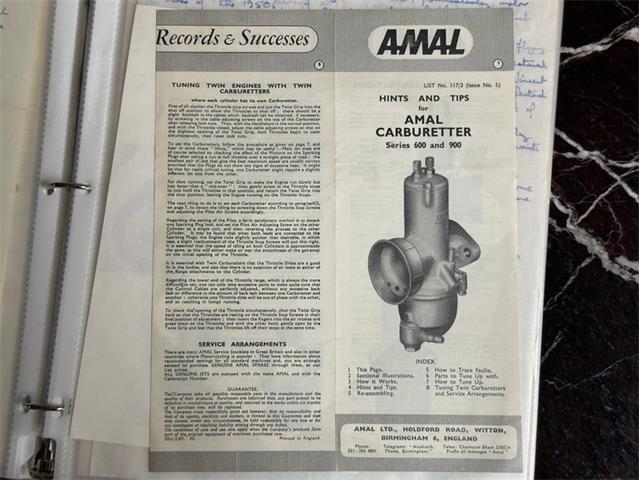
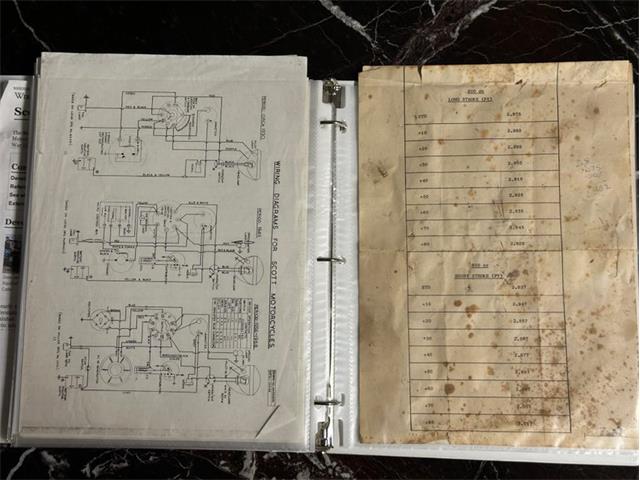
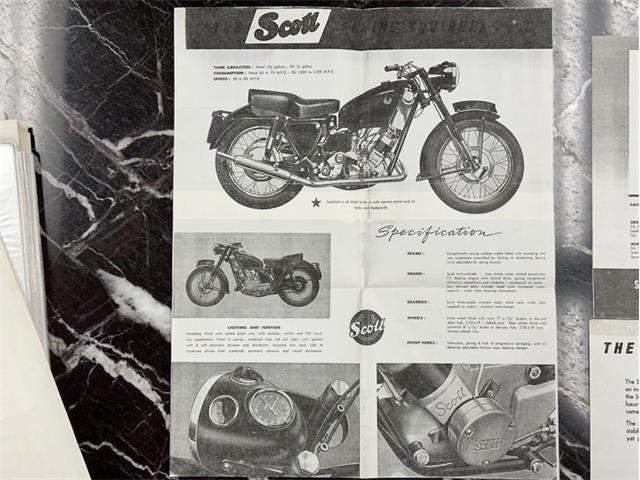
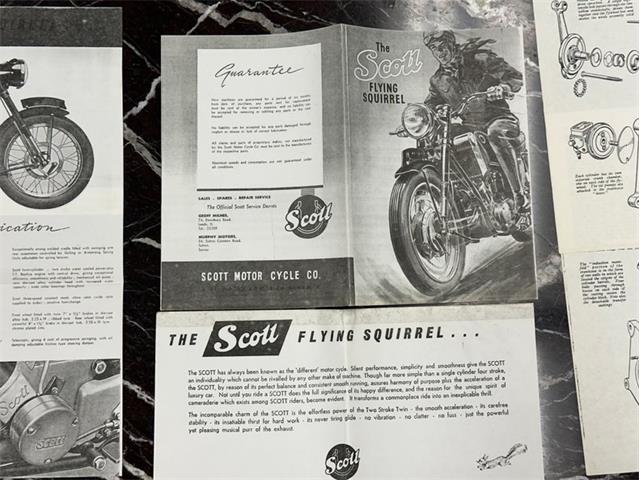
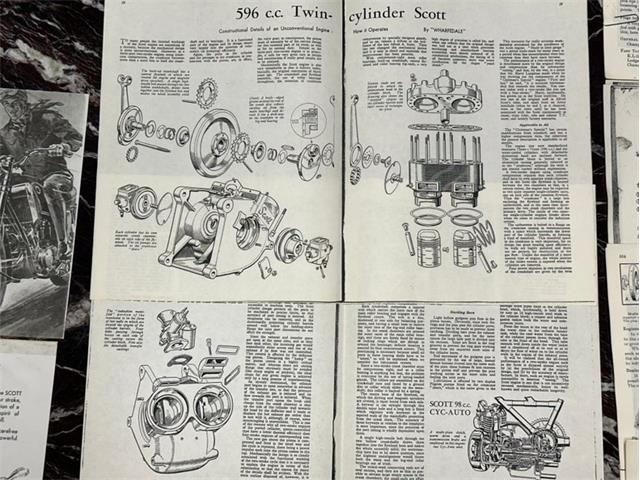
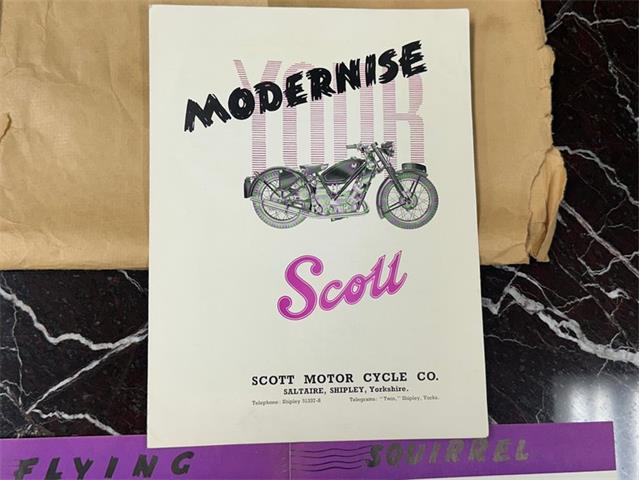
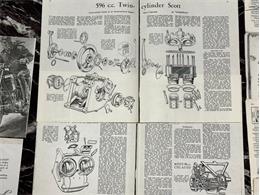
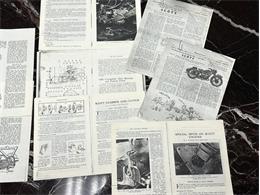
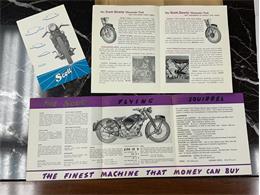
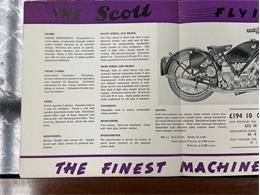
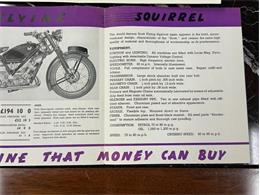
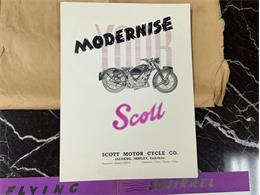
copies of repair manuals, original Scott brochures, wiring
diagrams, and signed letters from surviving members of the Scott
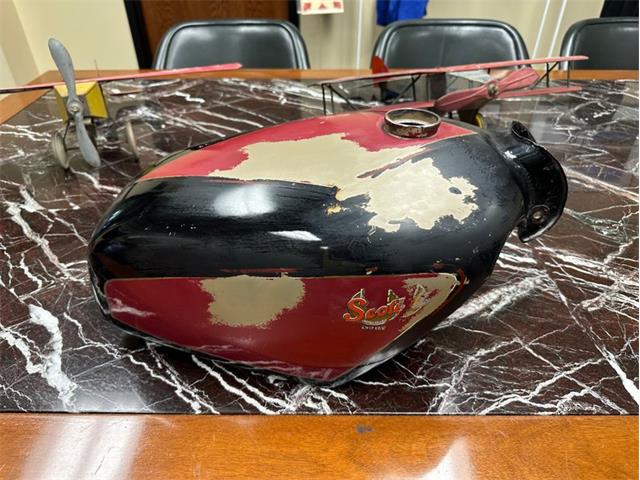
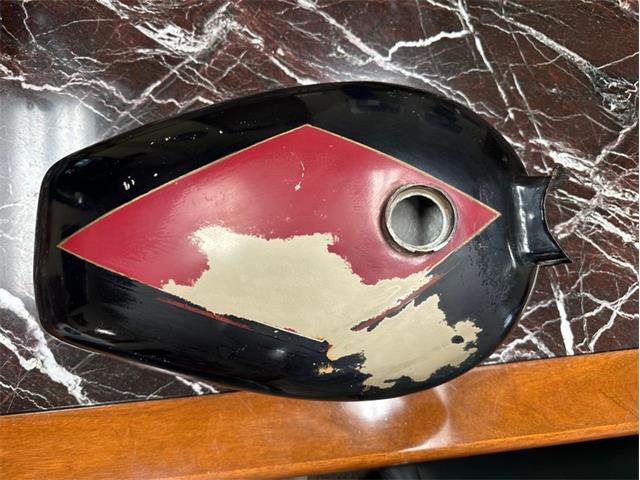
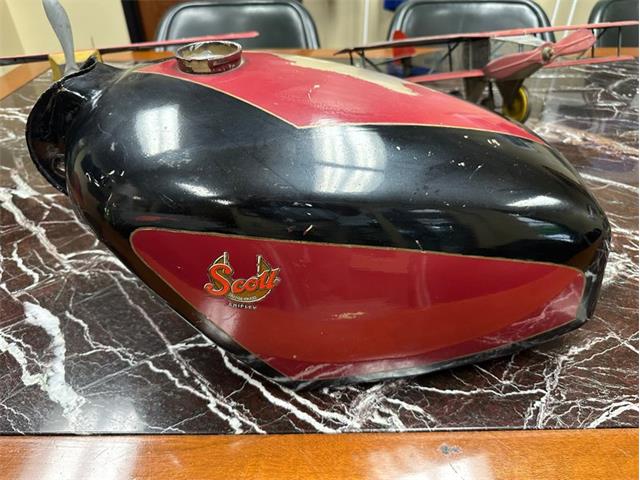
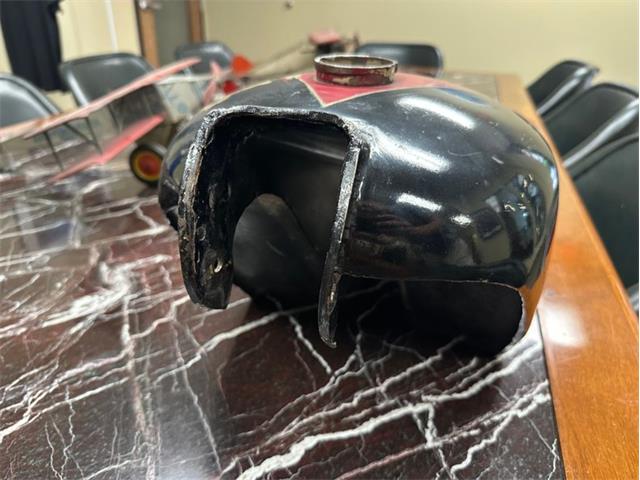
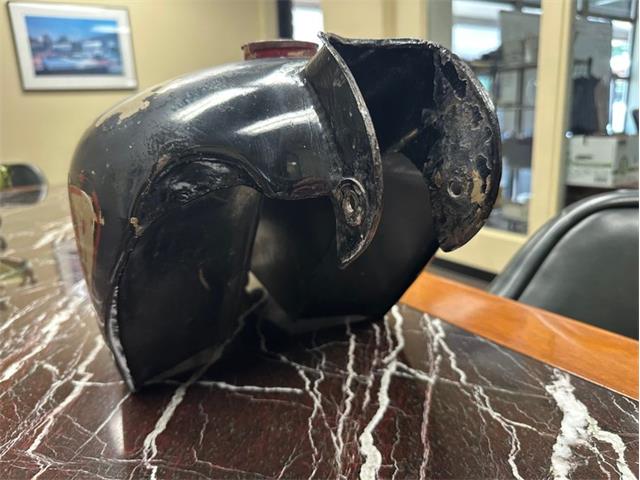
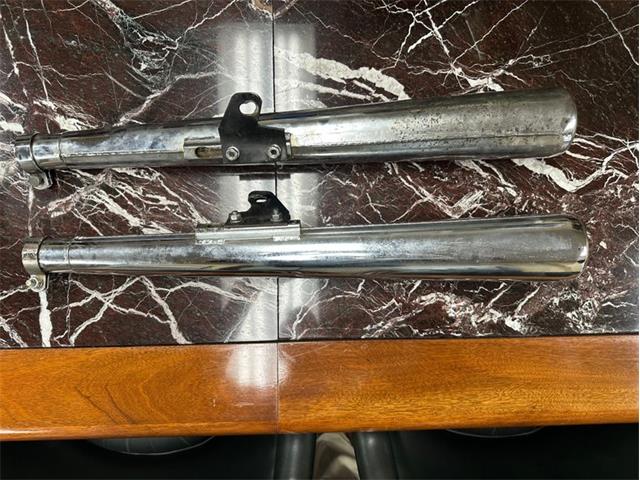
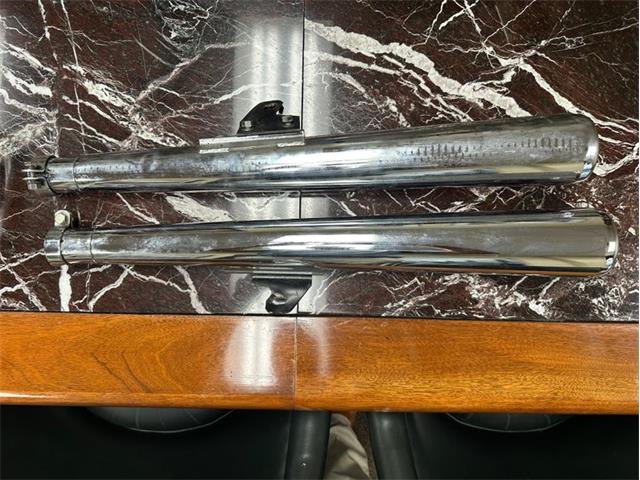
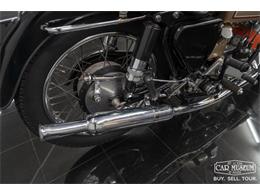
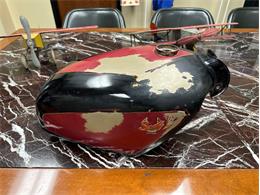
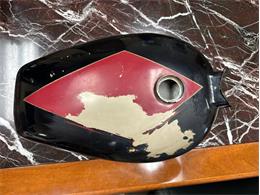
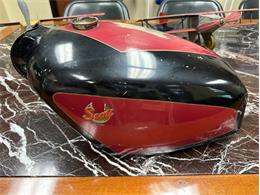
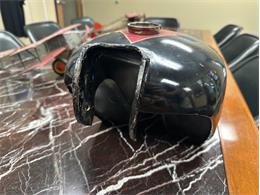
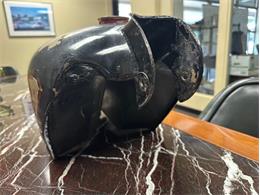
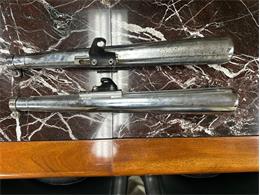
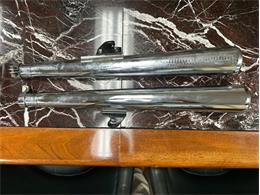
family, including Harold Scott. The sale also includes a spare fuel
tank and aftermarket silencers, providing an unusually
comprehensive collection of period and restoration-related
components.
For the British motorcycle enthusiast, the Scott Flying Squirrel
represents a fascinating alternative to the more familiar marques
of the era. Its water-cooled two-stroke twin, unconventional
engineering, distinctive exhaust note, and advanced chassis design
were products of a company that consistently pursued its own path.
This 1957 Birmingham-built example adds further distinction through
its DPY-coded engine, period improvements, extensive restoration
documentation, and an ownership history that reaches across the
Atlantic and back to England in the effort to preserve one of
Britain's most unusual motorcycles.
ClassicCars.com has been recognized as one of the fastest-growing private companies in the United States, successfully making the Inc. 5000 list in both 2015,
2016, 2017 and 2018. This prestigious accolade represents the continued growth of the company, and ClassicCars.com's dominance as the world's largest online marketplace for
buying and selling classic and collector vehicles.
The Stevie Awards, the world's premier business awards recognized
ClassicCars.com's first-class Customer Support team with a Stevie Bronze Award in 2019, celebrating the team's skills as exemplary customer support specialists.
In 2016 The Journal, brought to you by ClassicCars.com, was celebrated as the SECOND MOST INFLUENTIAL automotive blog in the world by NFC Performance.