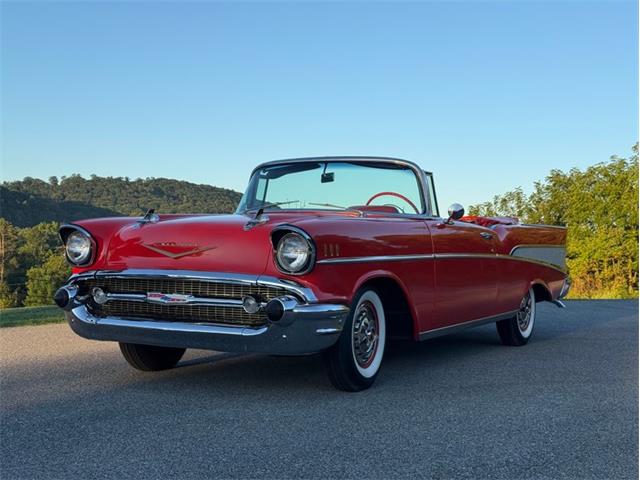
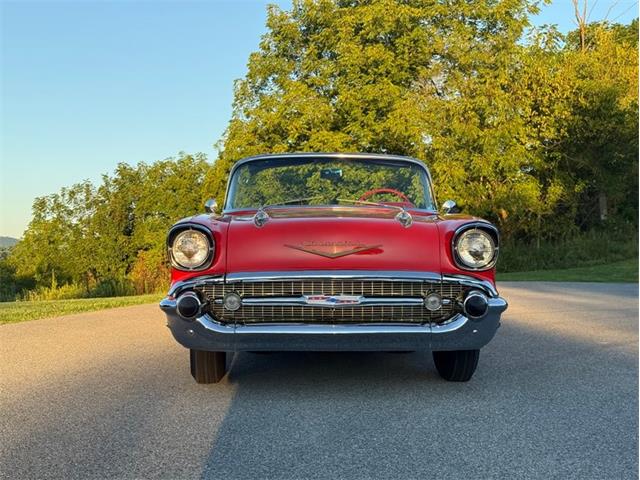
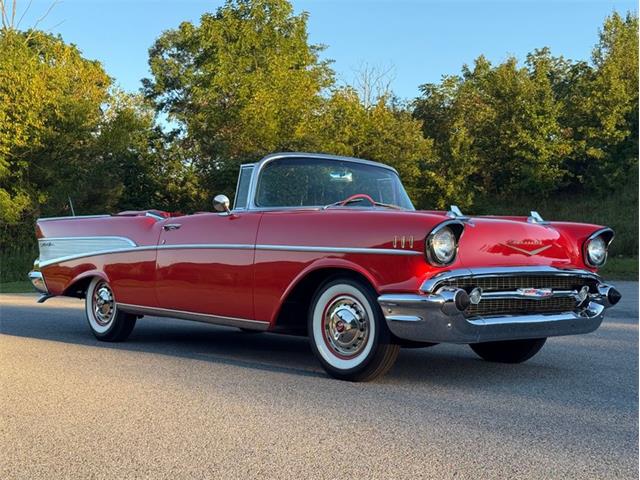
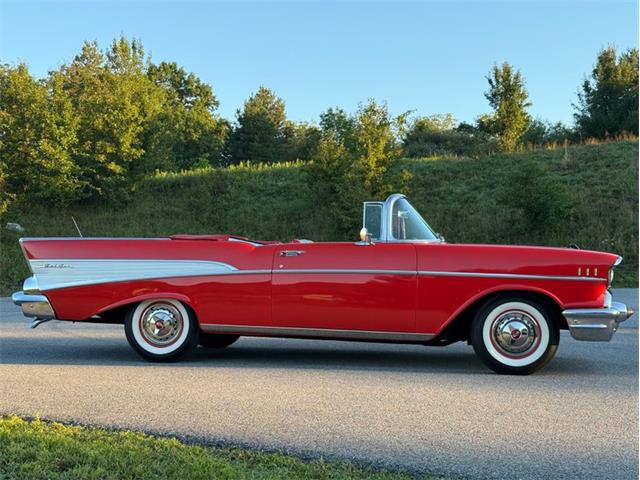
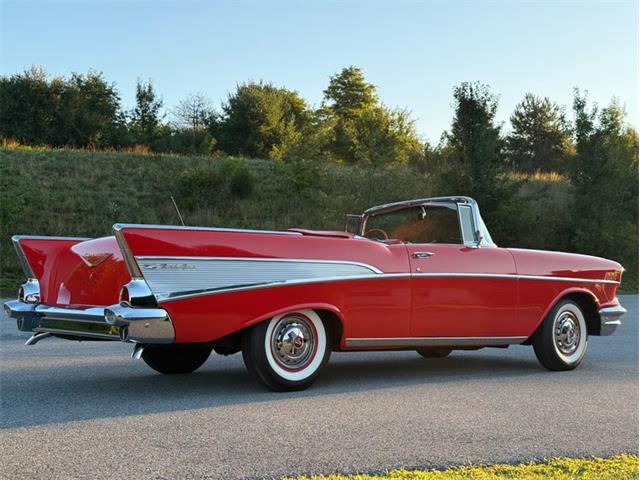
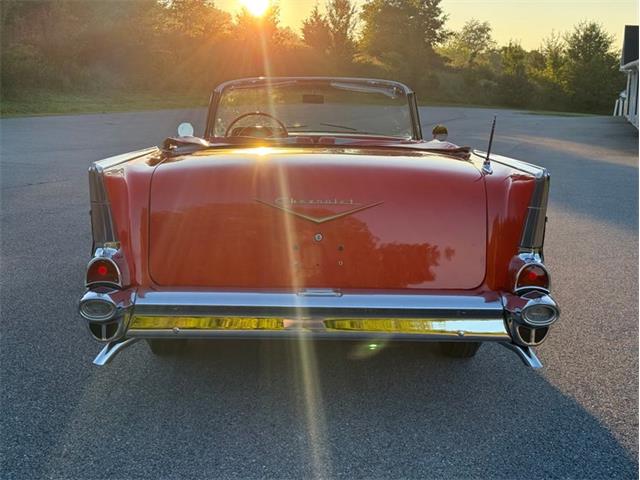
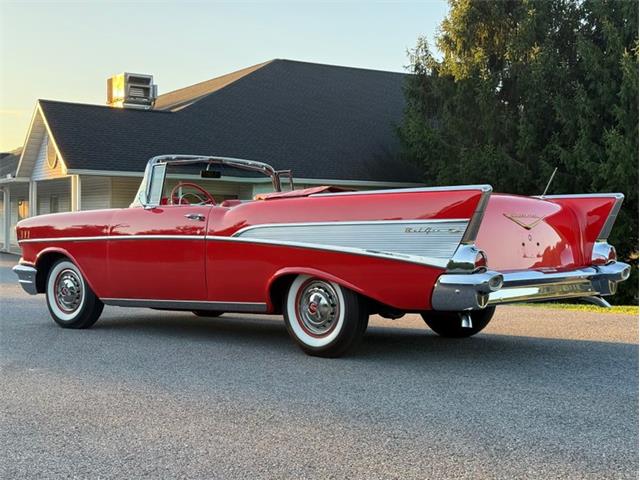
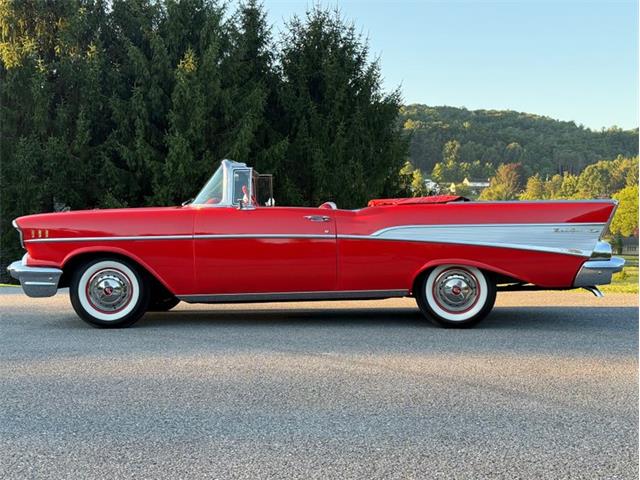
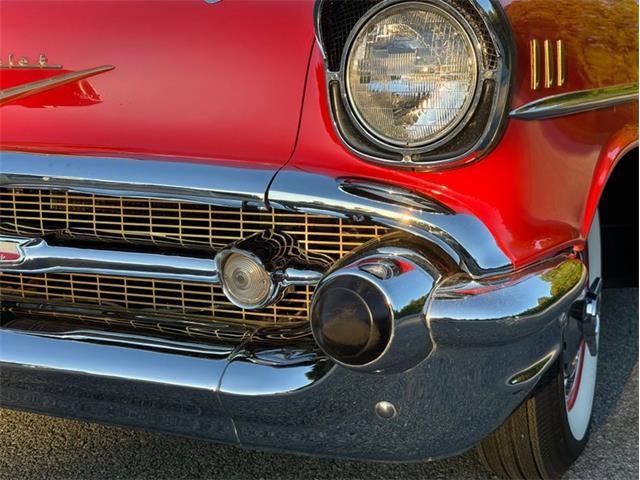
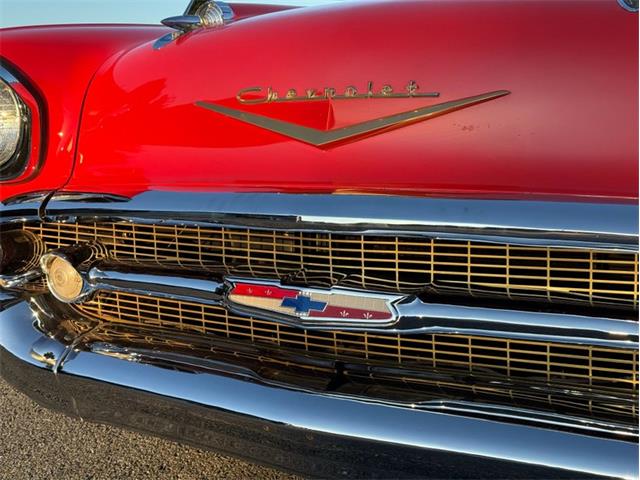
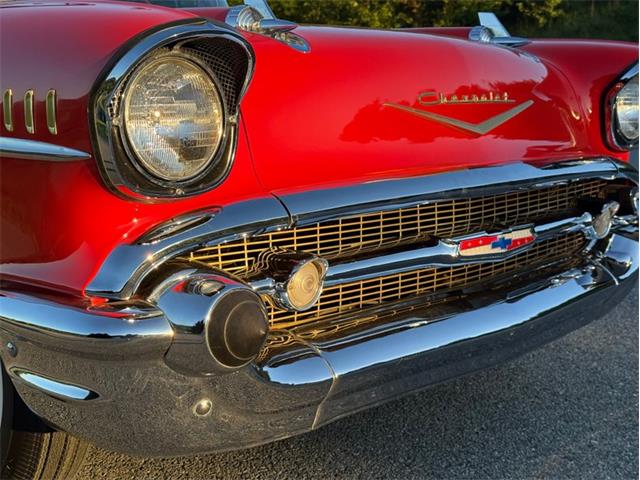
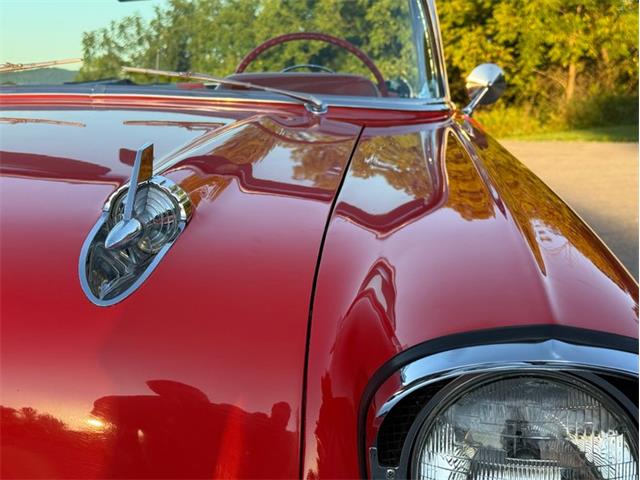
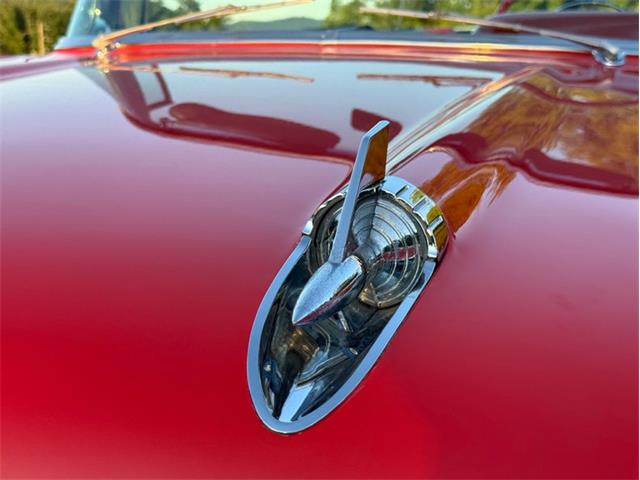
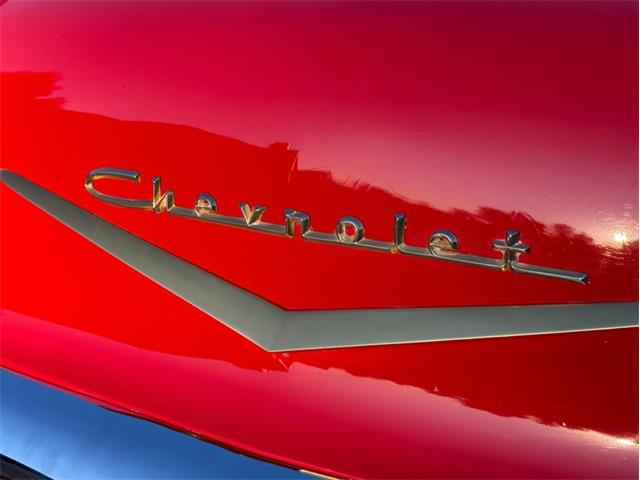
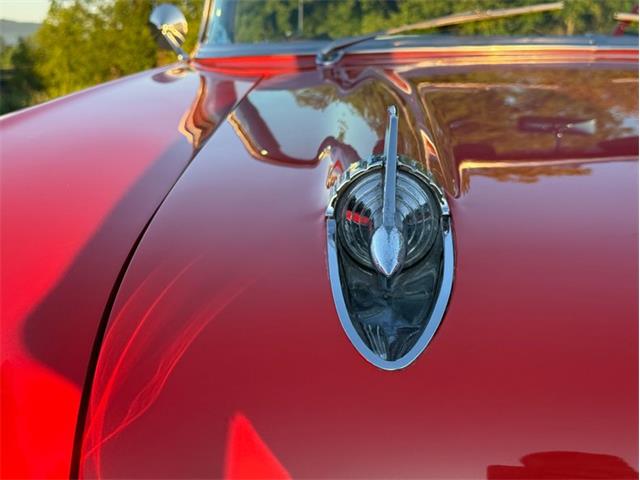
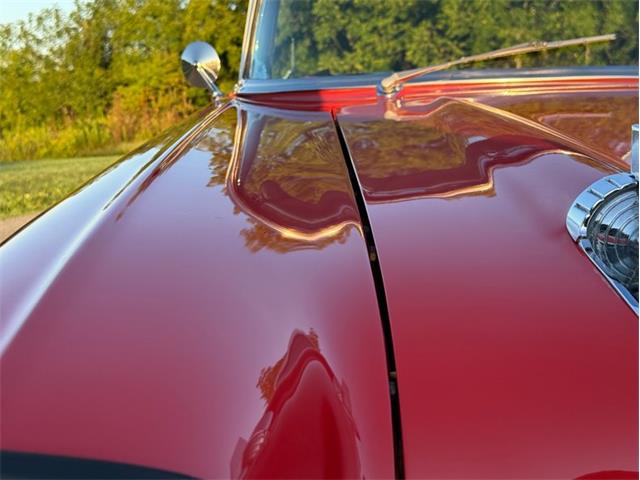
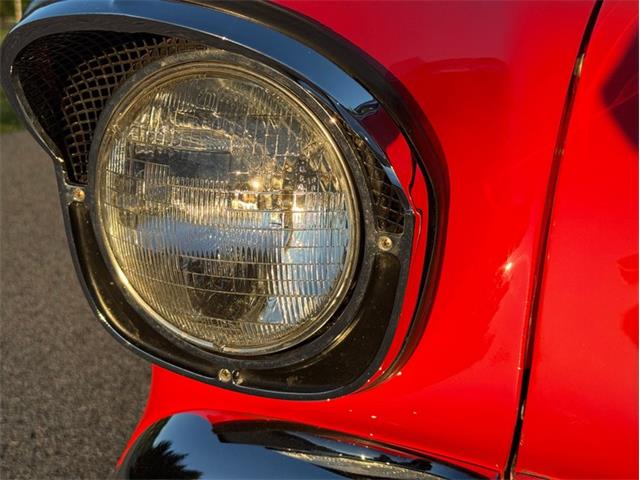
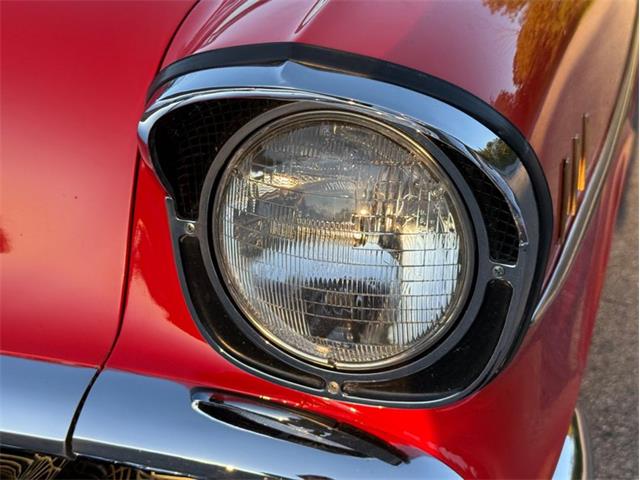
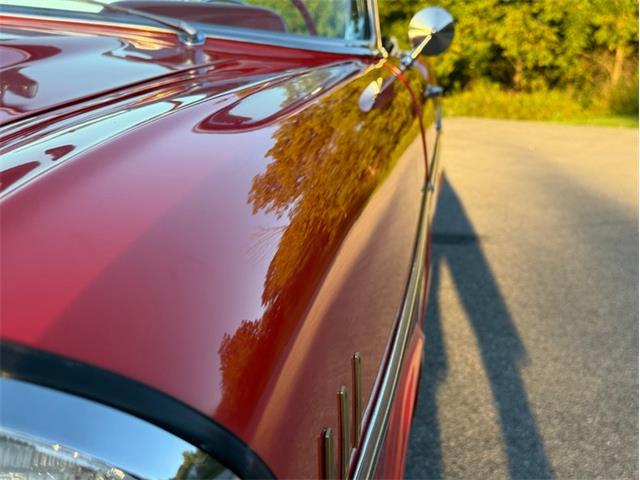
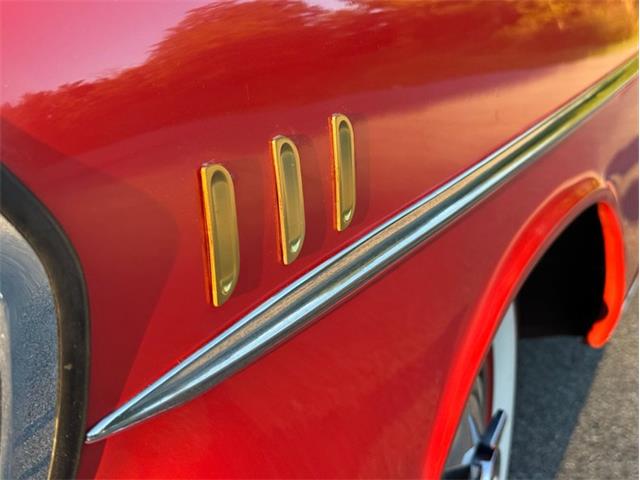
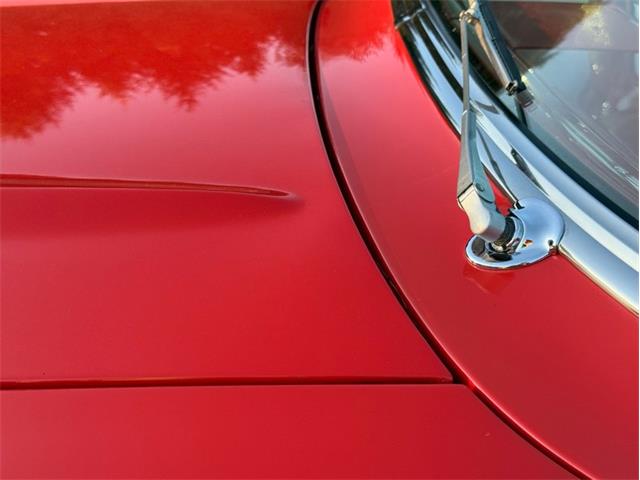
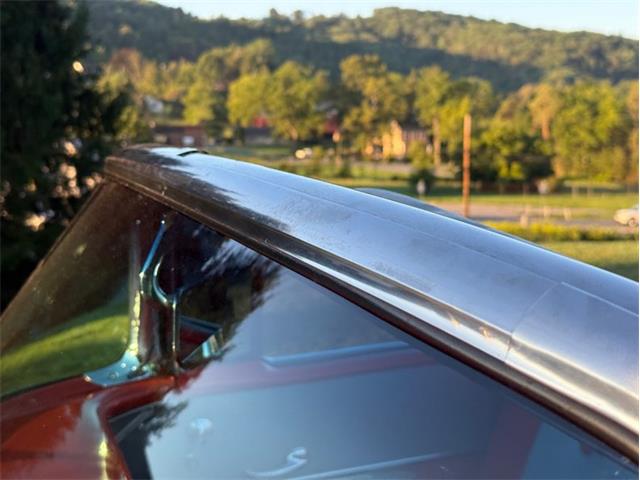
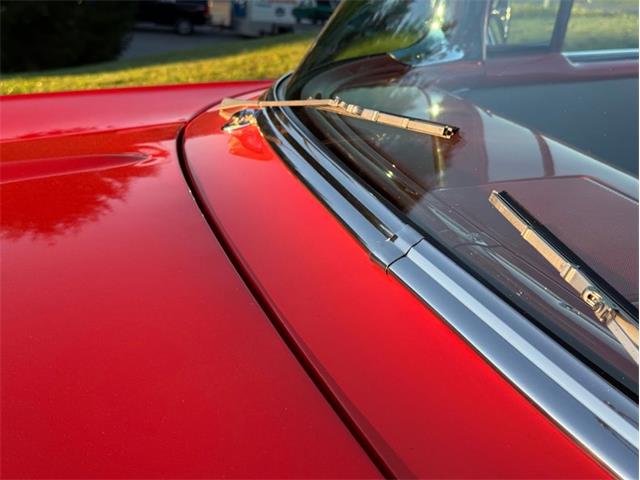
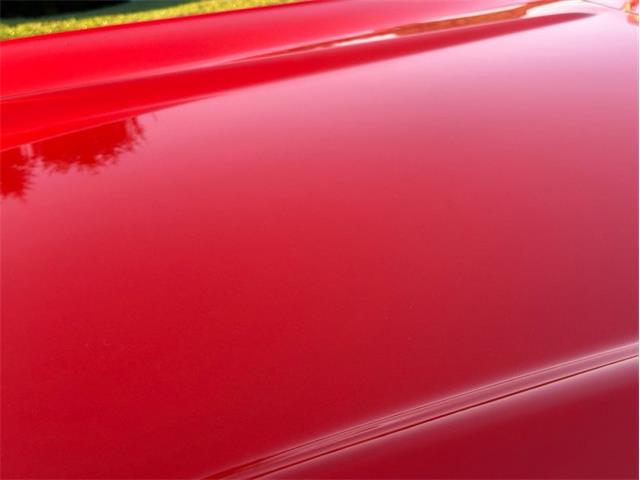
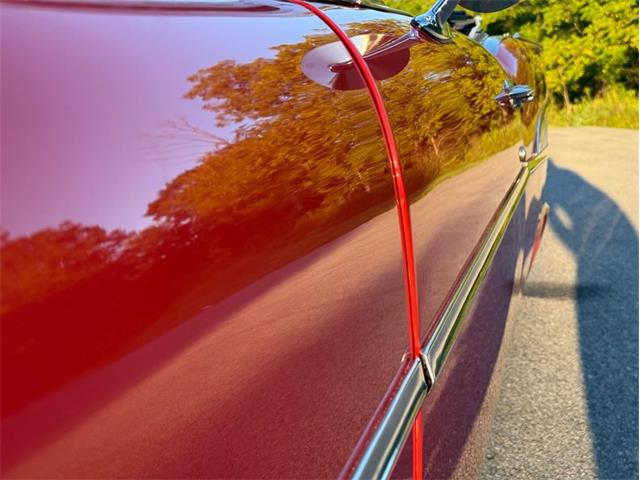
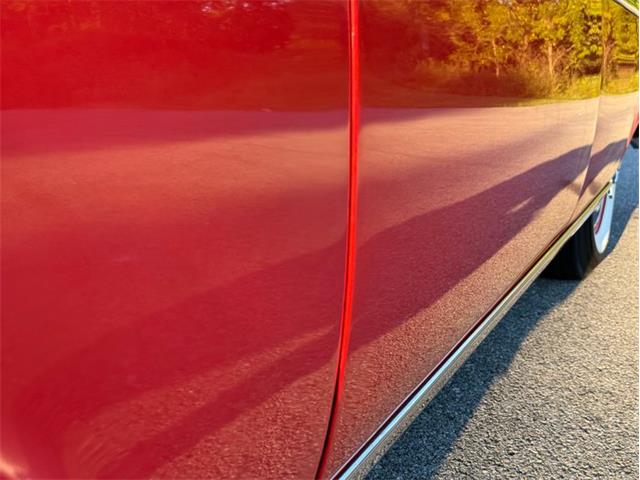
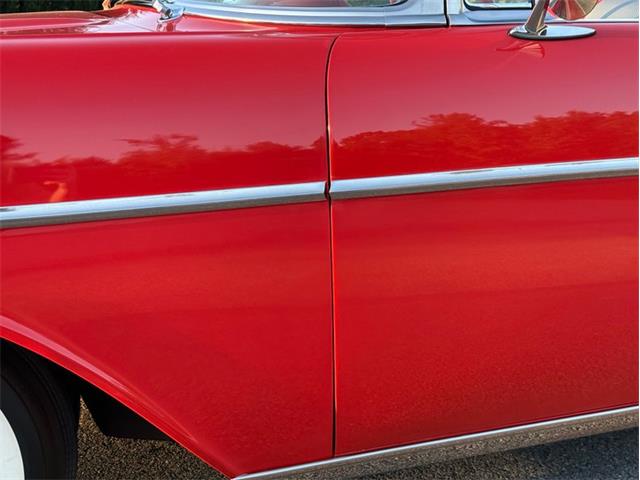
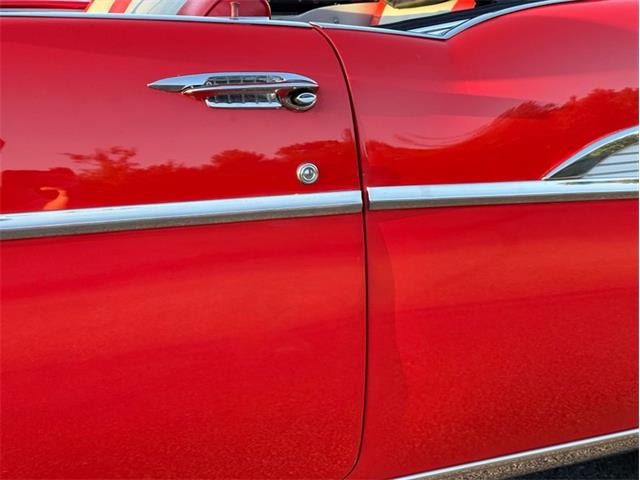
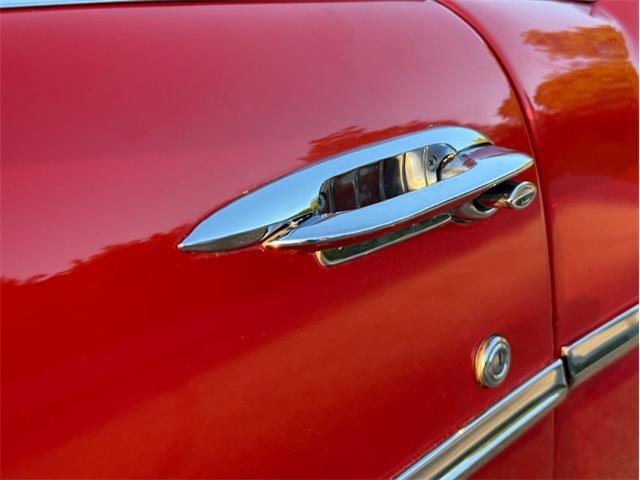
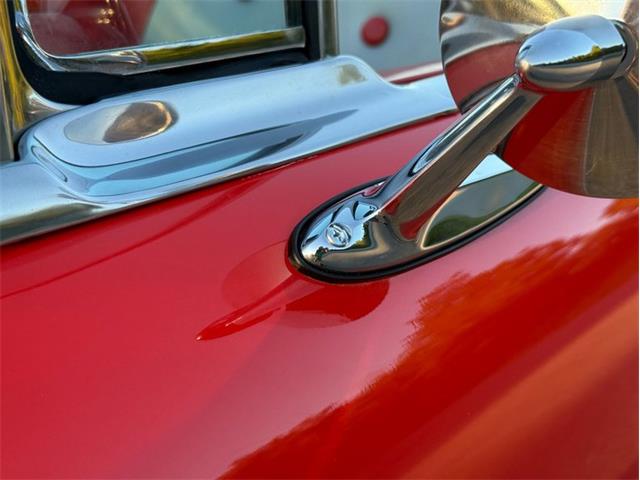
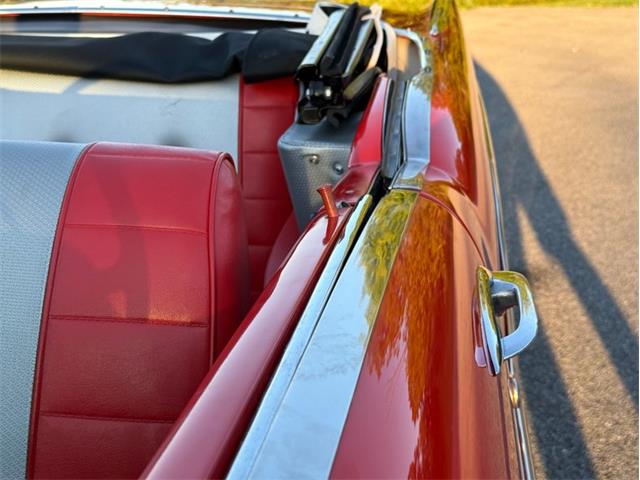
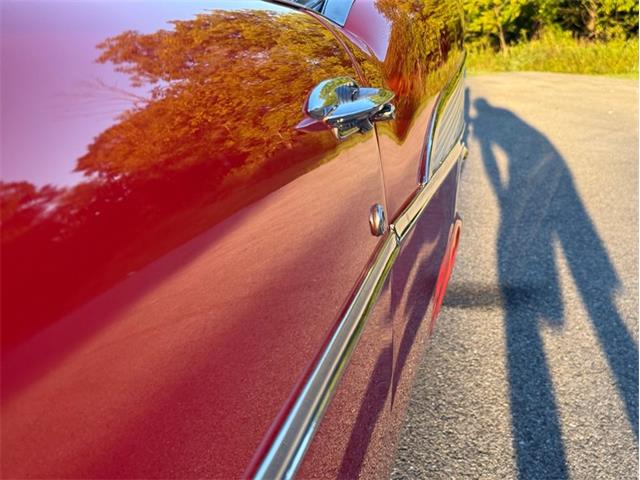
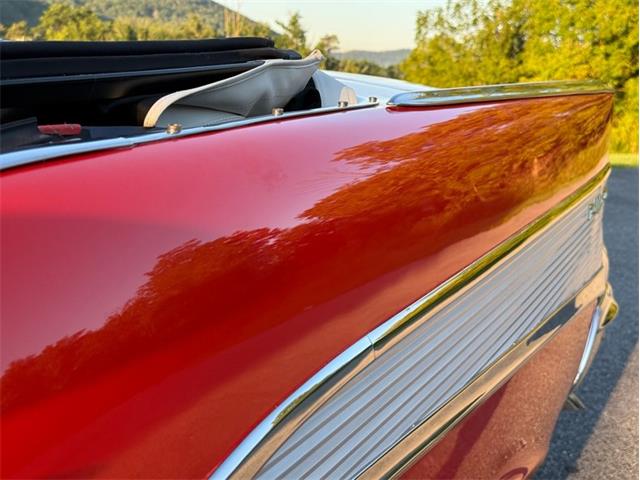
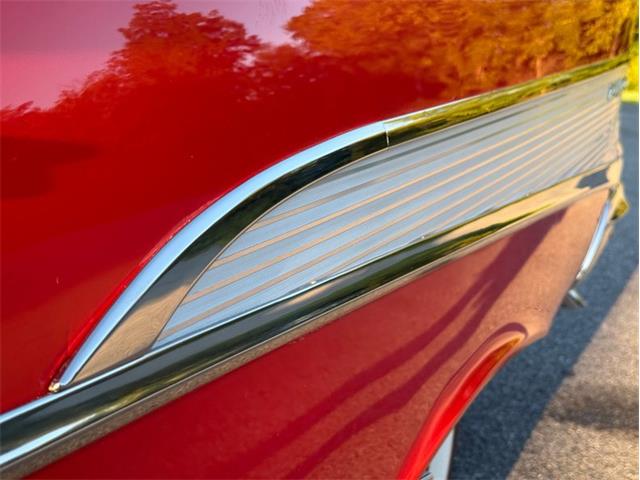
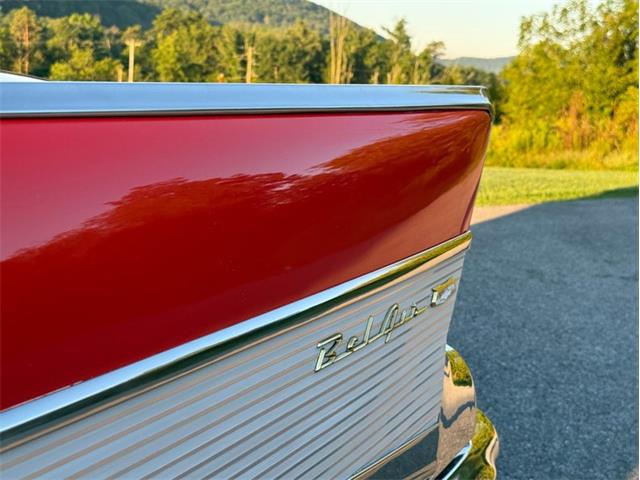
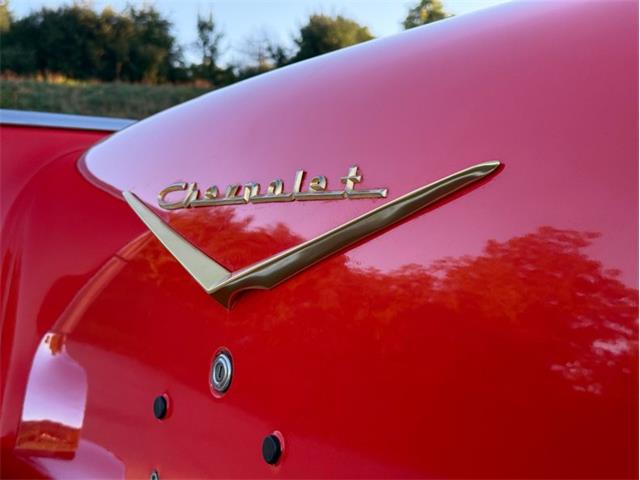
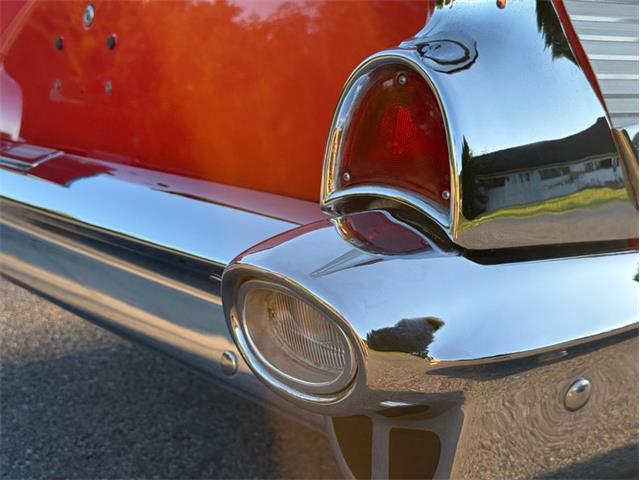
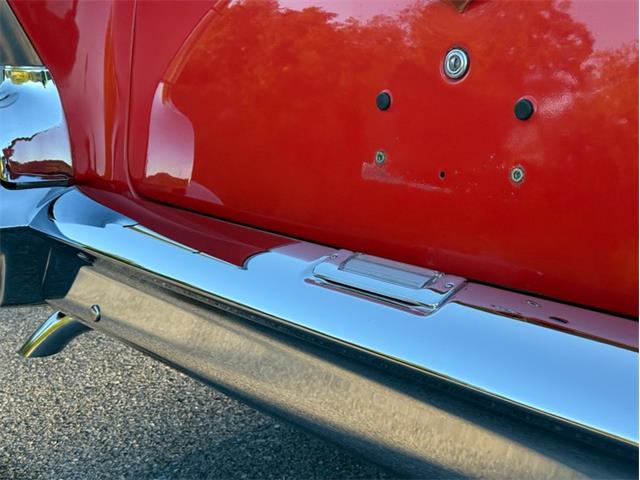
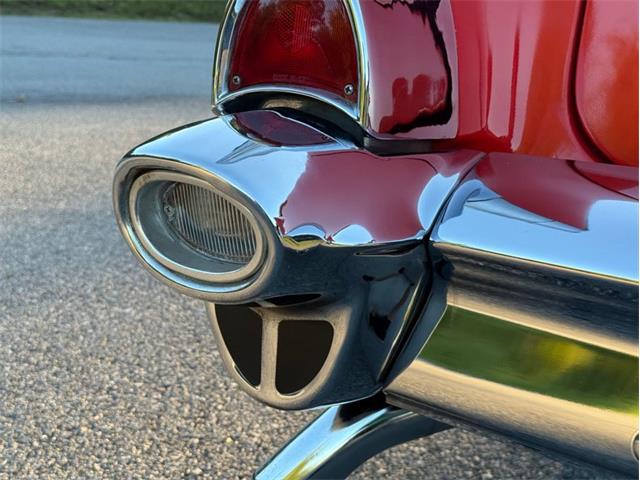
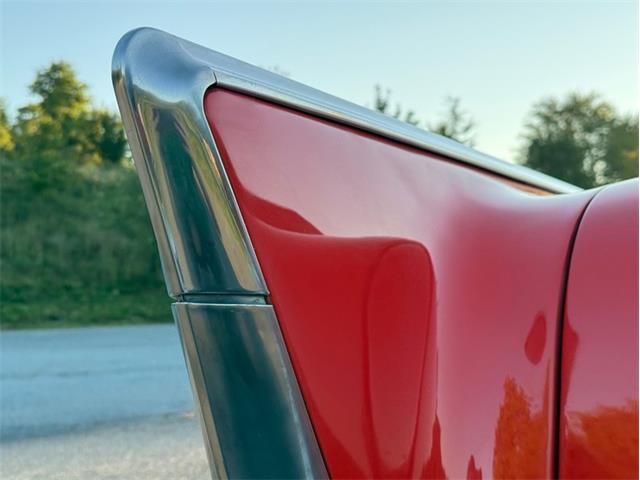
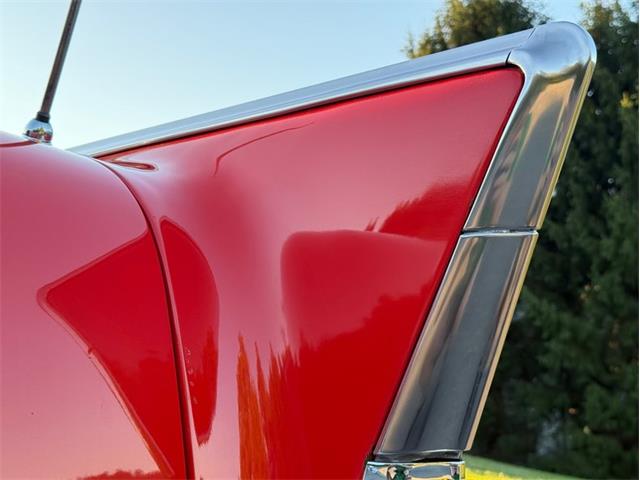
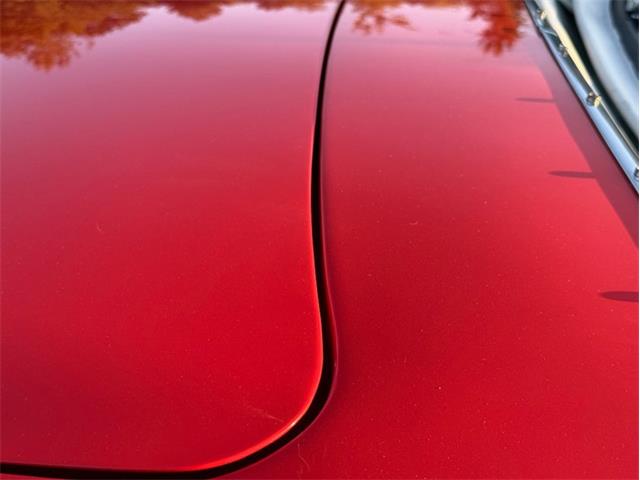
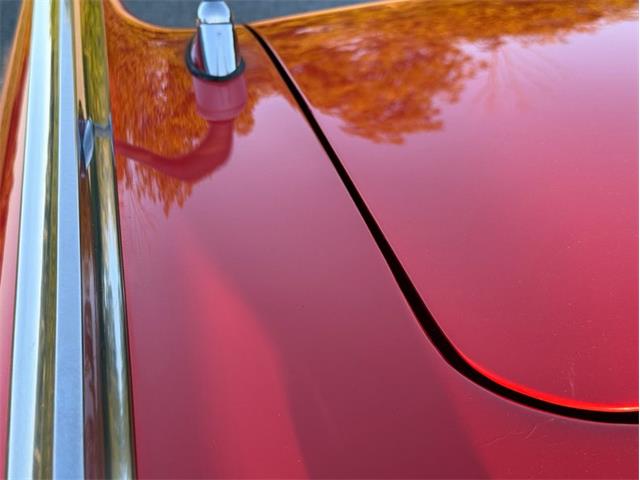
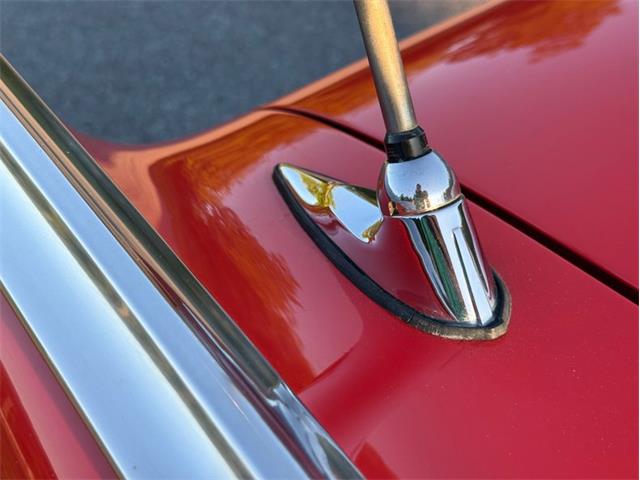
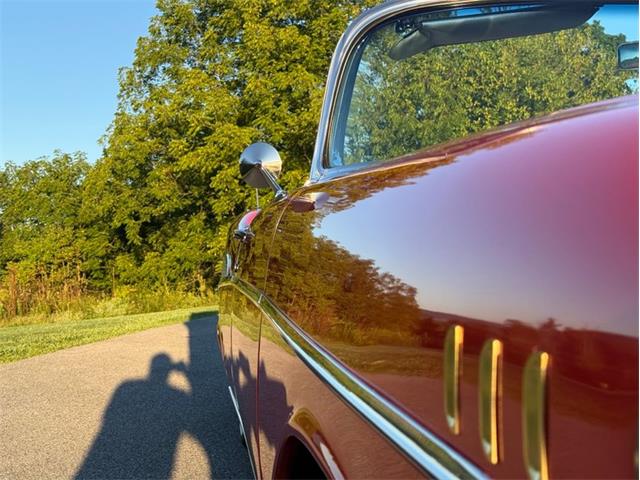
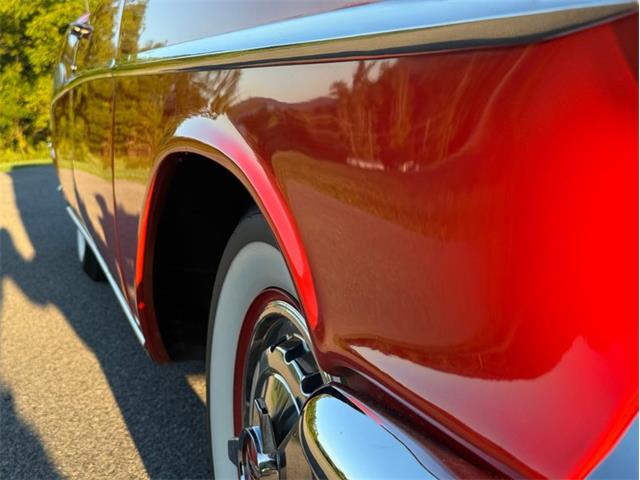
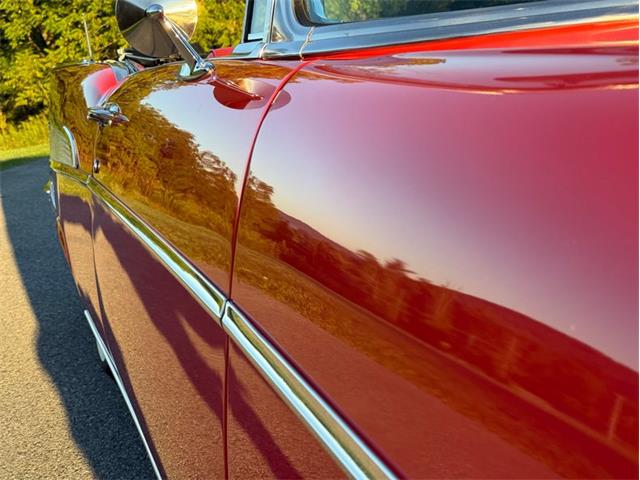
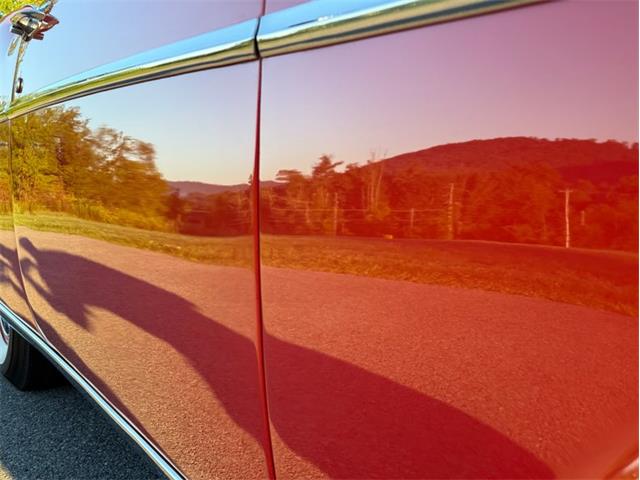
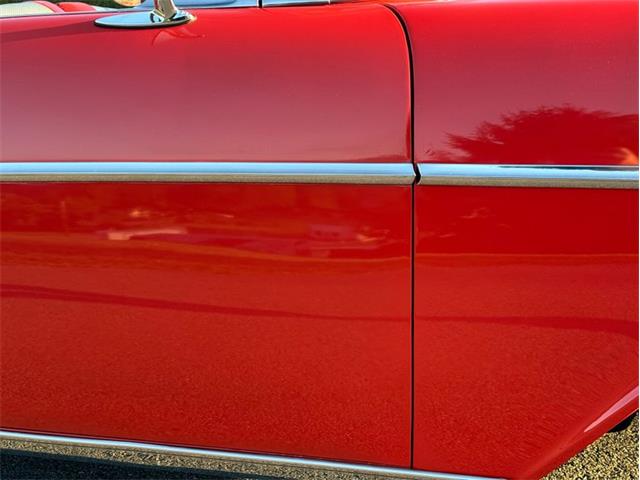
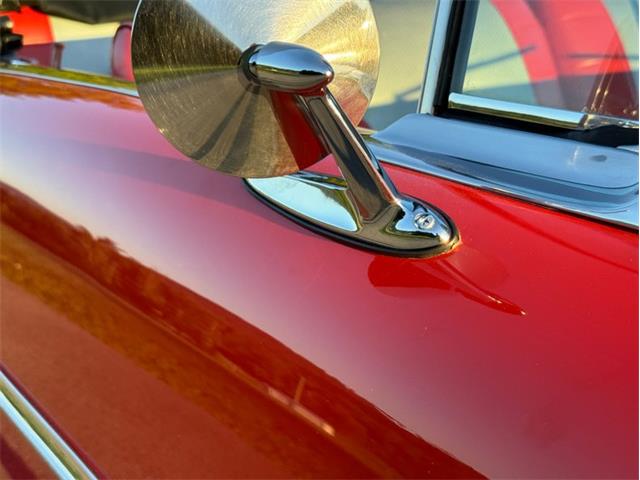
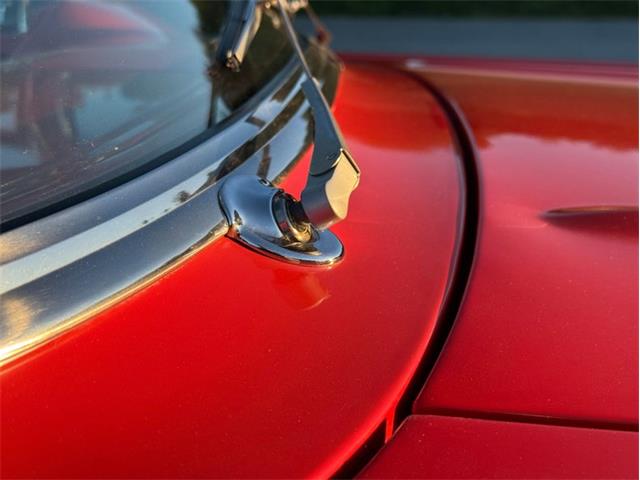
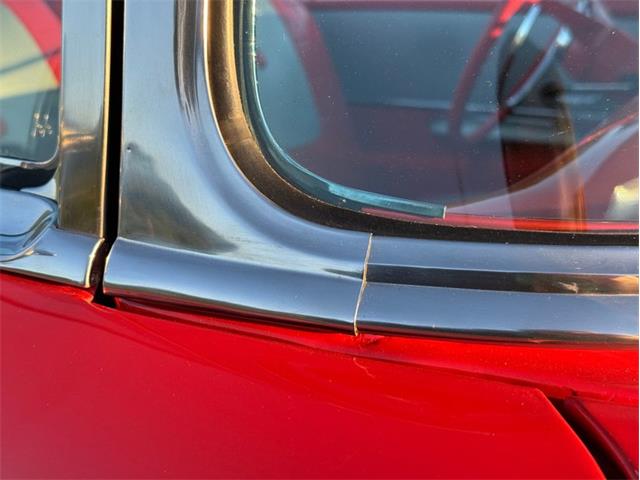
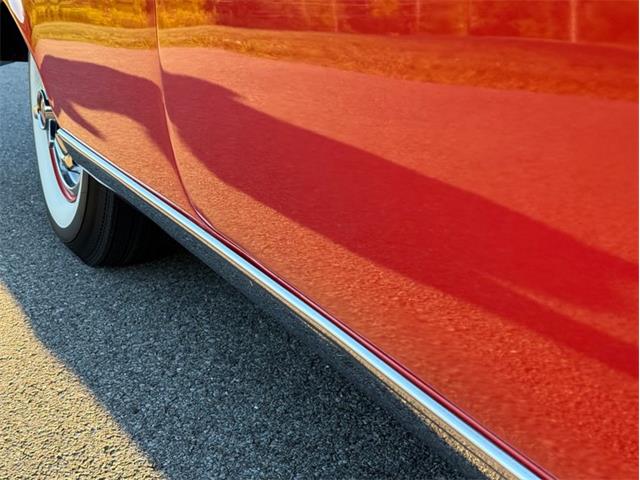
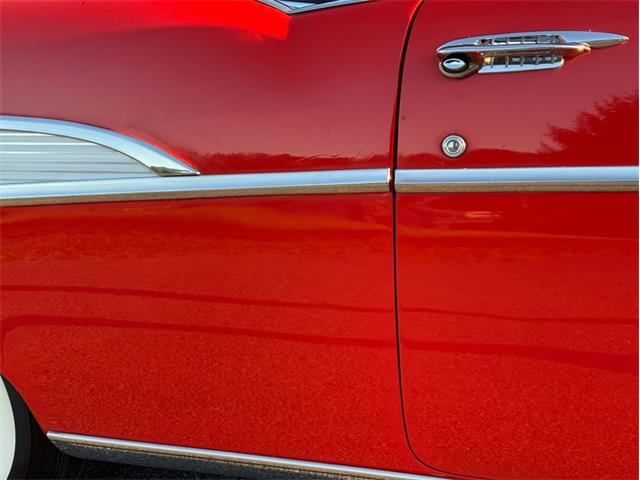
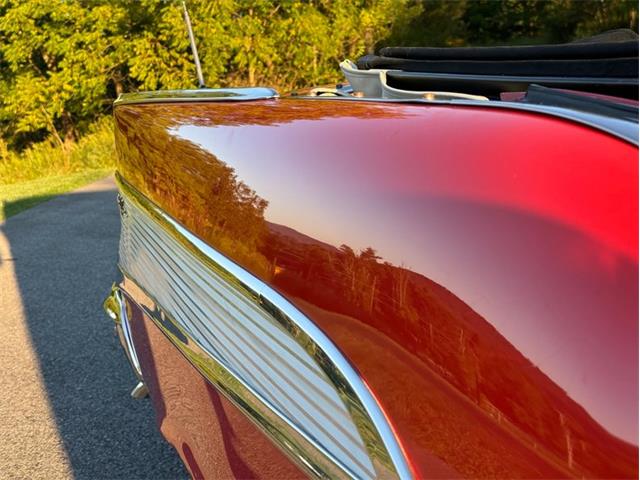
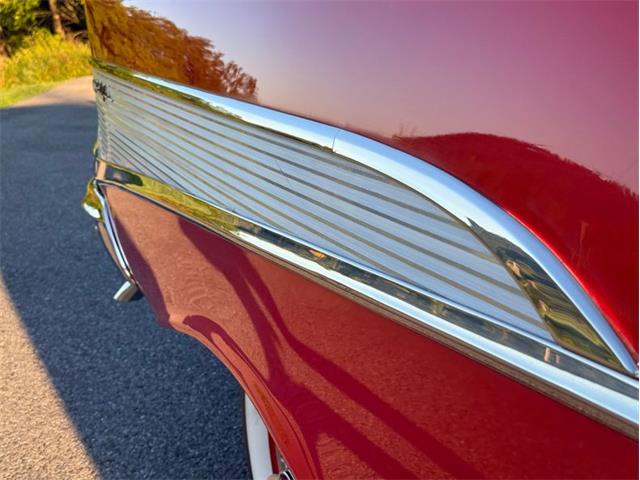
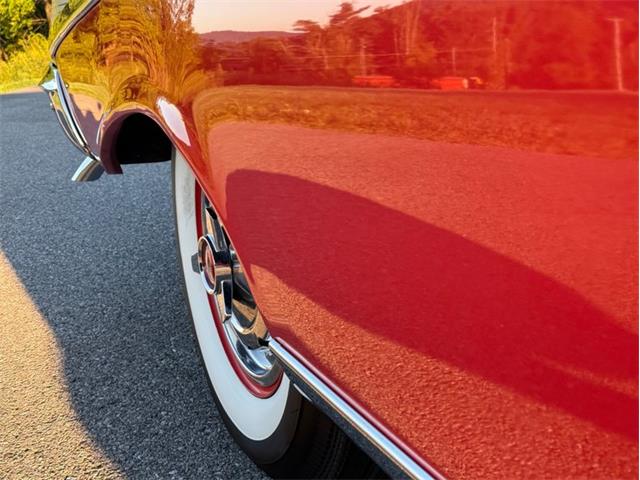
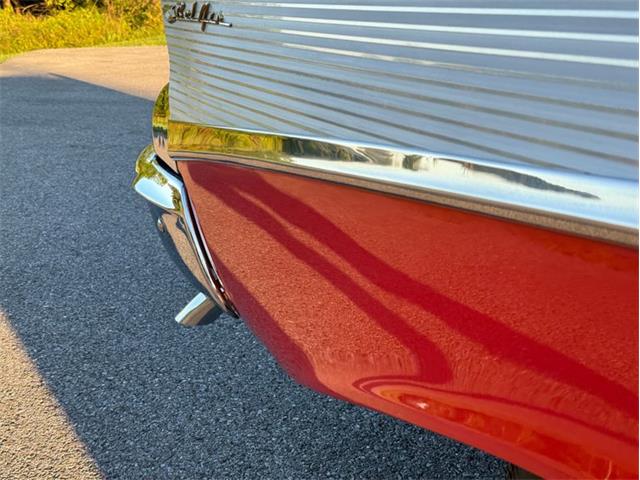
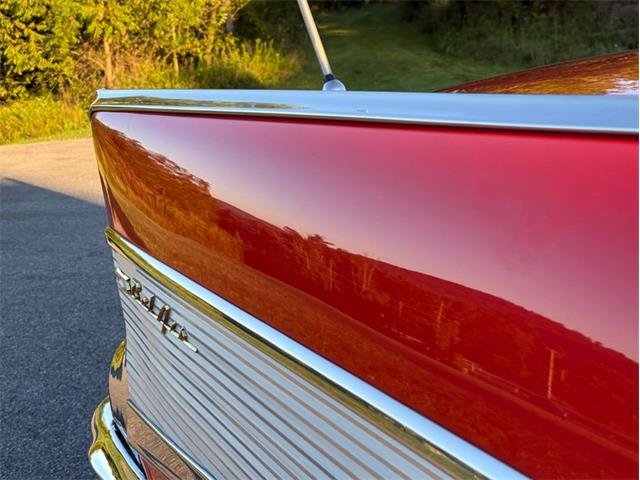
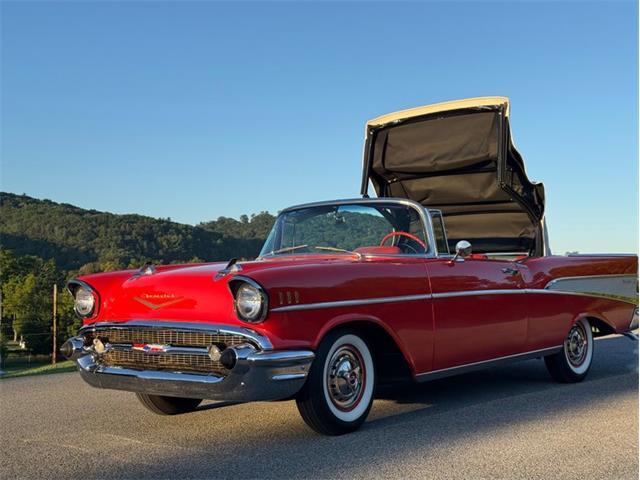
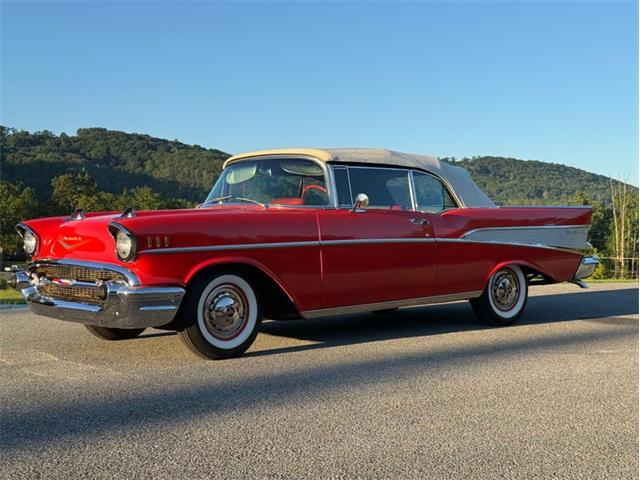
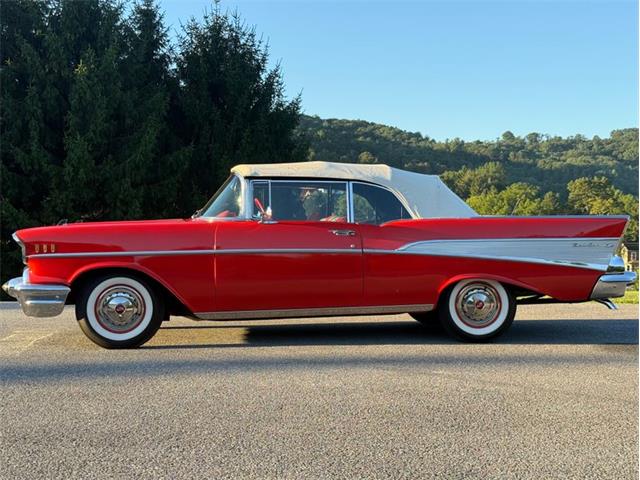
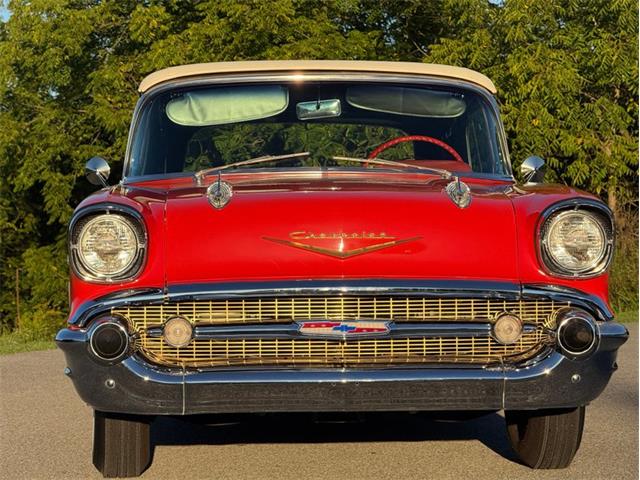
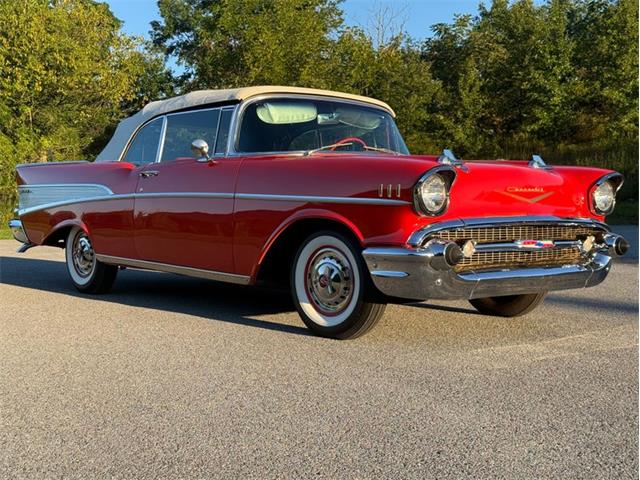
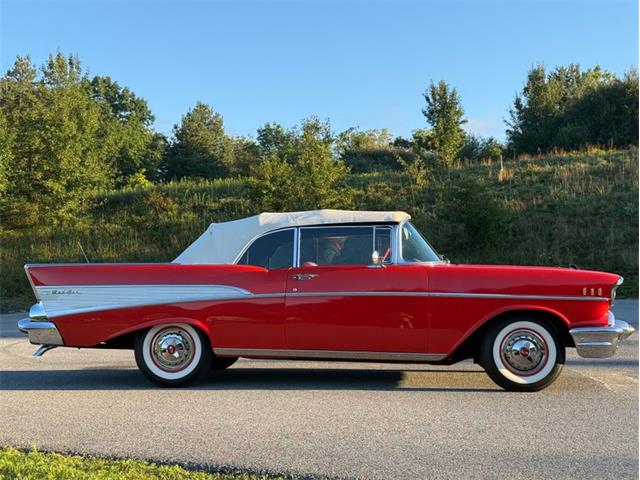
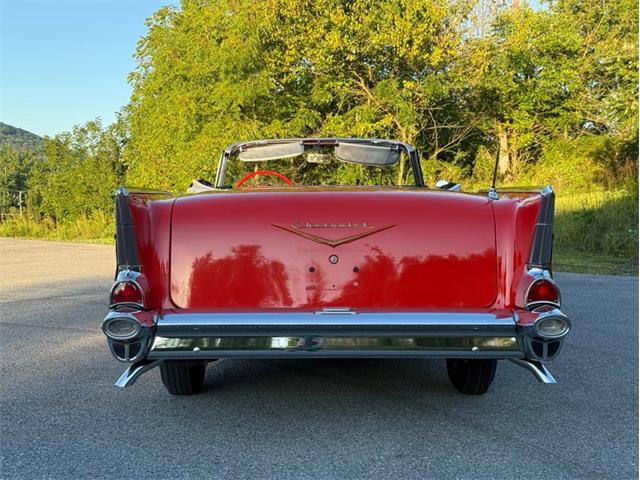
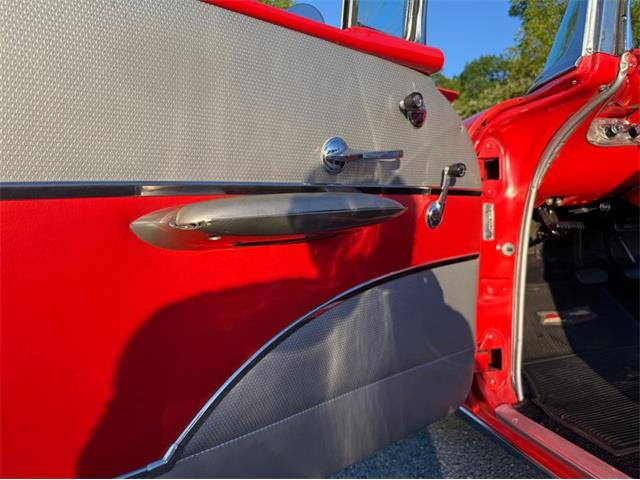
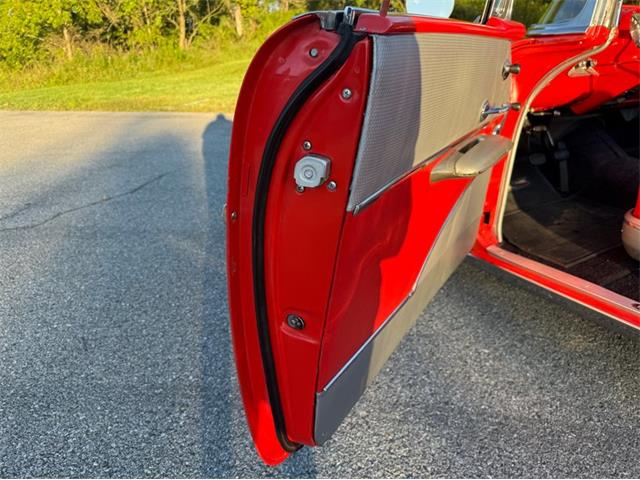
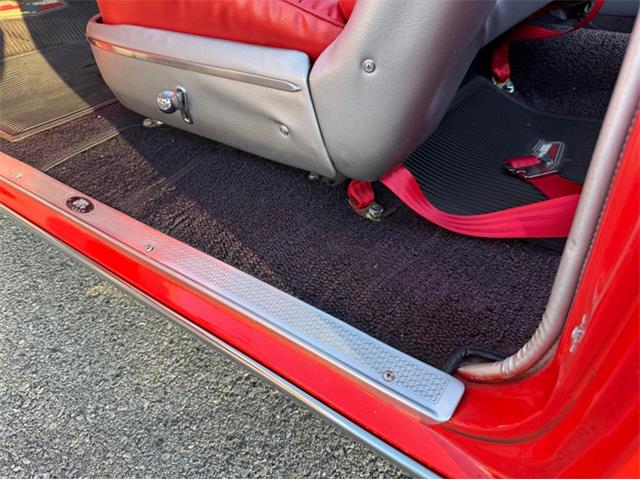
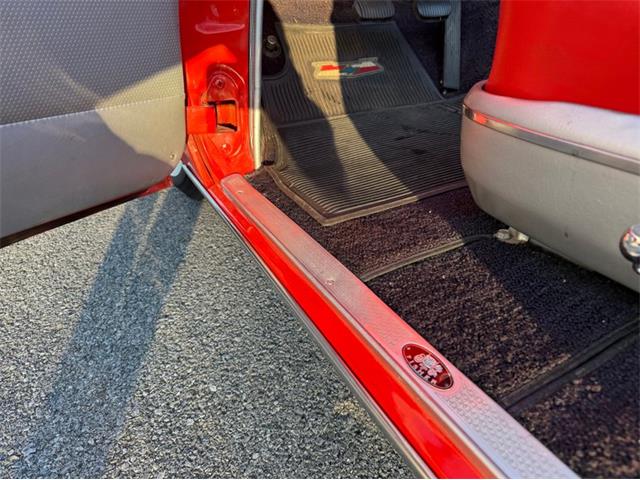
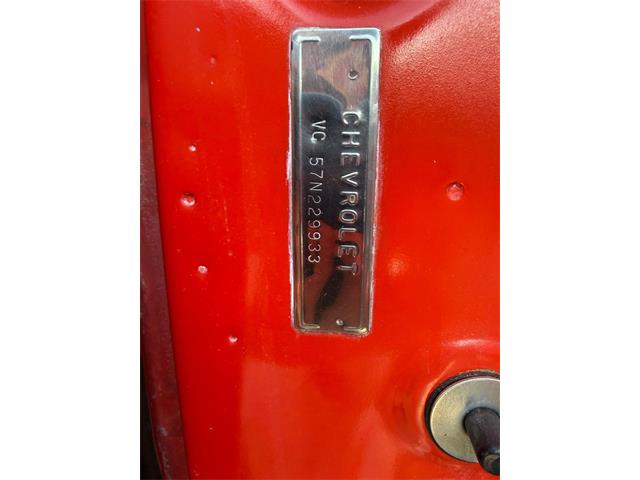
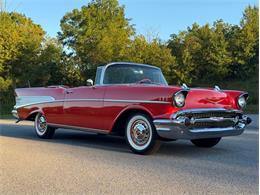
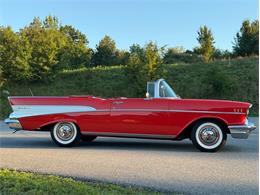
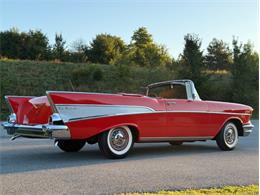
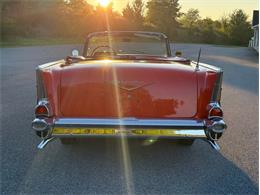
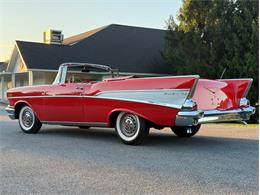
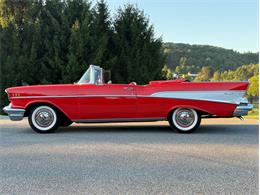
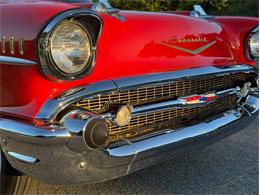
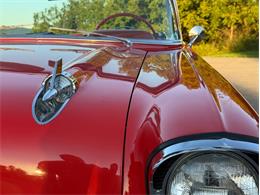
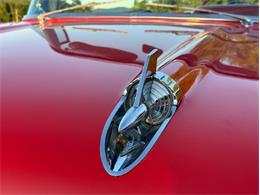
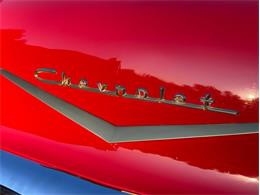
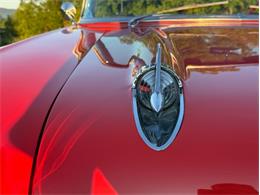
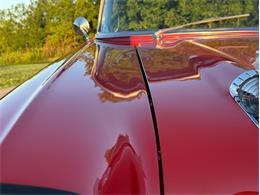
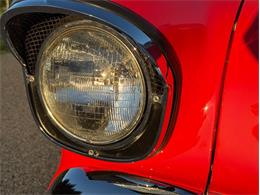
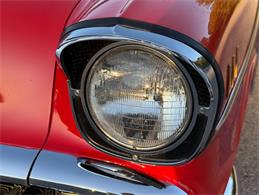
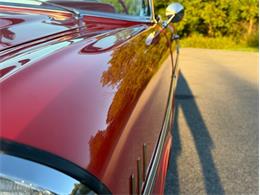
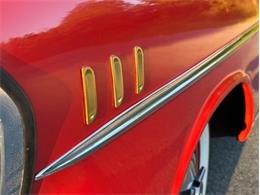
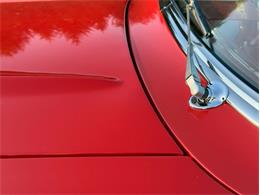
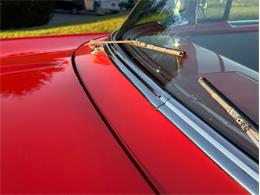
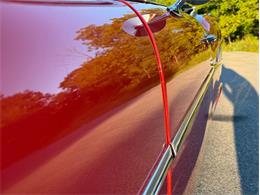
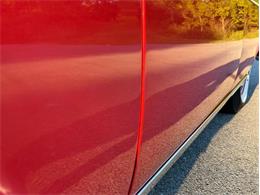
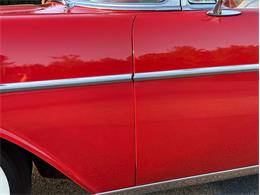
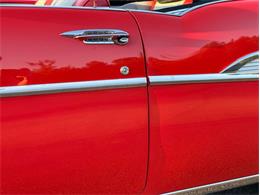
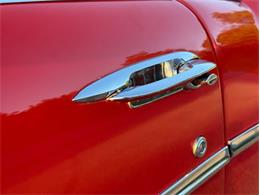
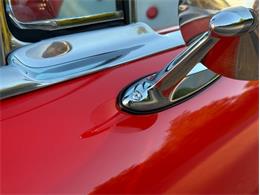
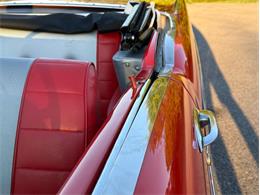
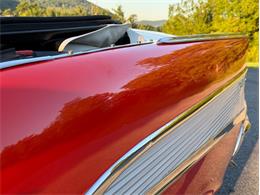
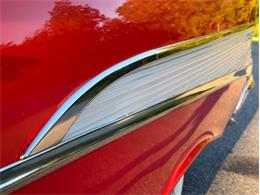
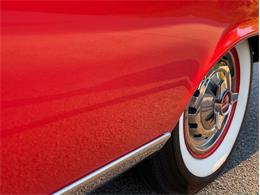
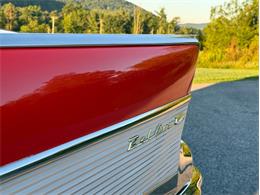
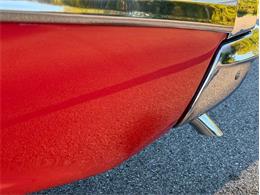
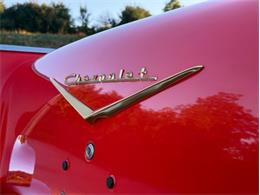
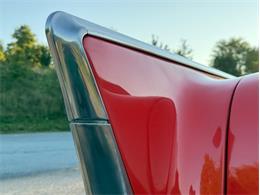
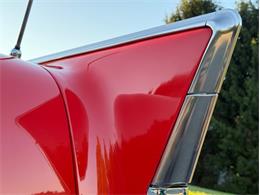
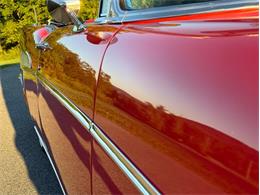
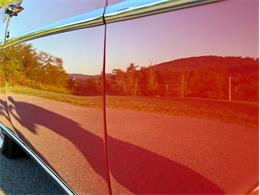
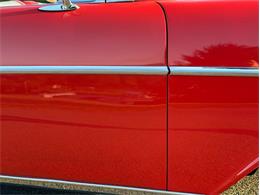
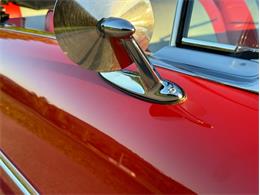
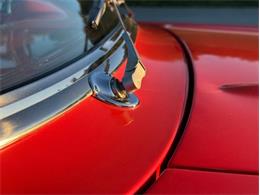
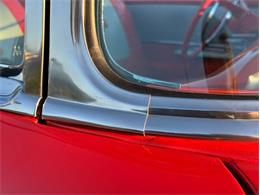
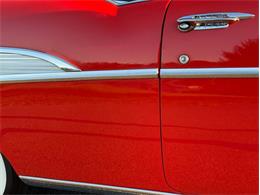
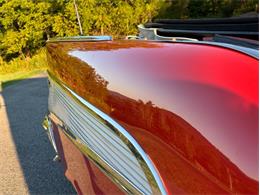
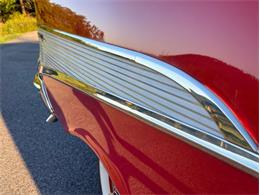
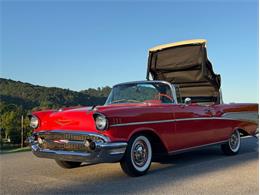
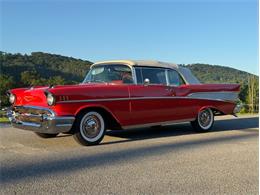
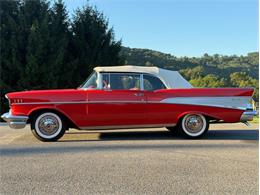
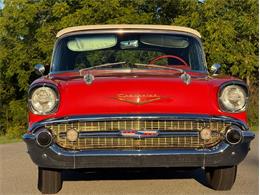
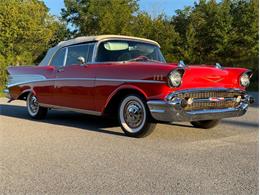
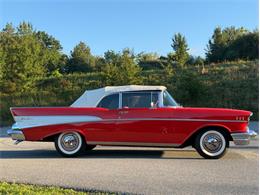
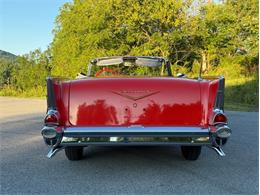
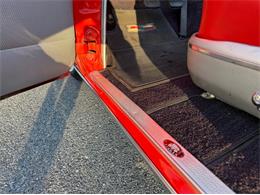
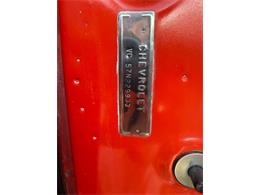
This is a 1957 Chevrolet Bel Air convertible, VIN VC57N229933,
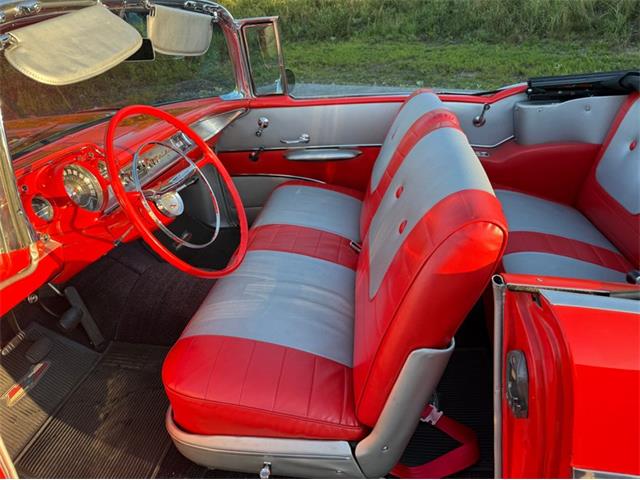
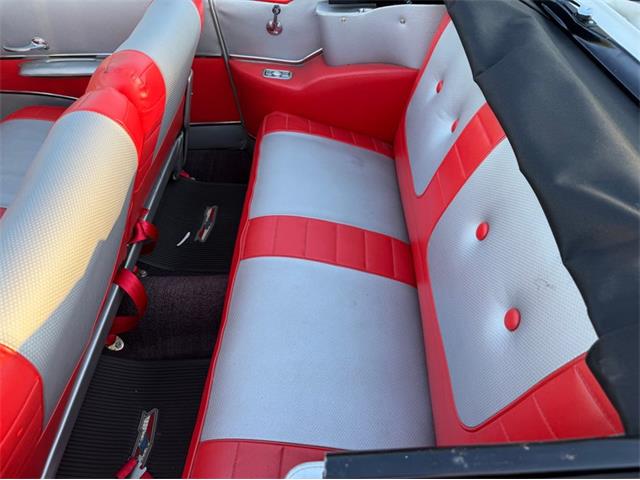
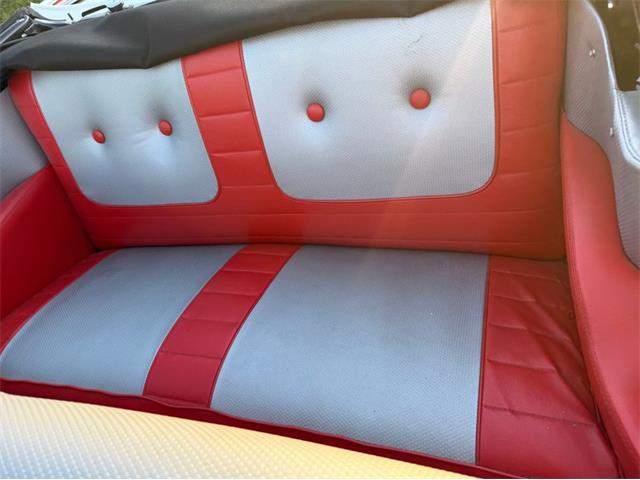
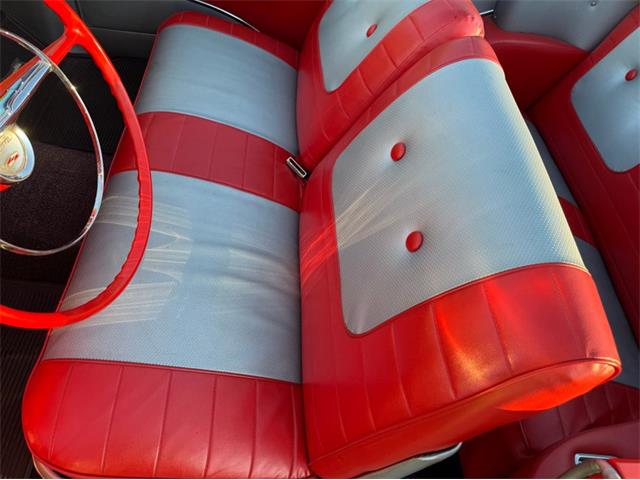
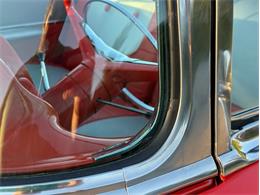
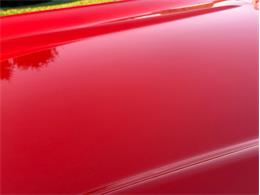
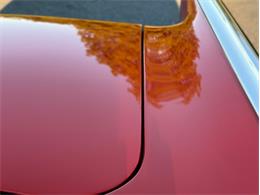
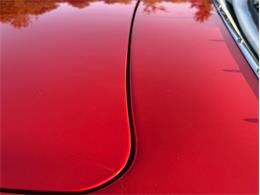
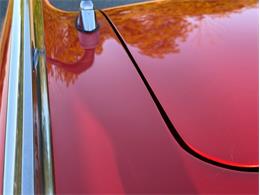
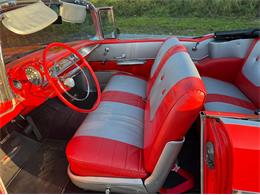
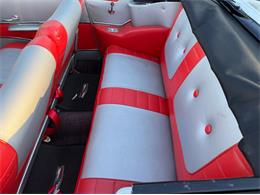
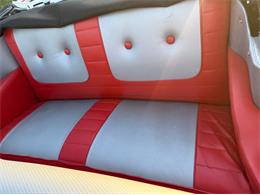
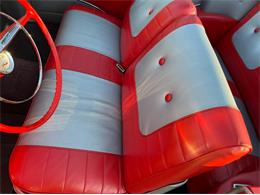
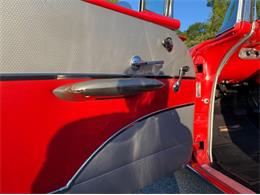
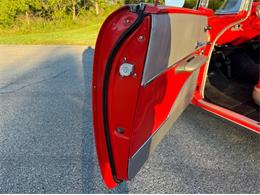
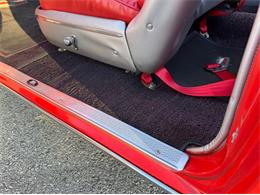
finished in Matador Red with a red and silver interior.
The numbers line up cleanly, which is worth stating up front
because plenty of tri-fives don't. The VIN breaks down as a factory
V8 car, 2400 series Bel Air, 1957 model year, assembled at Norwood,
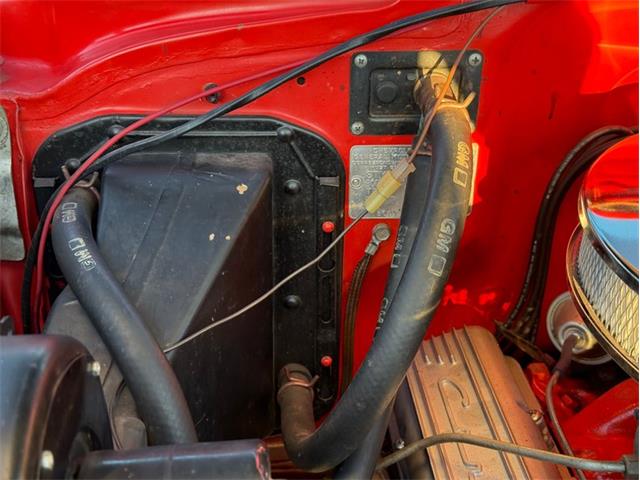
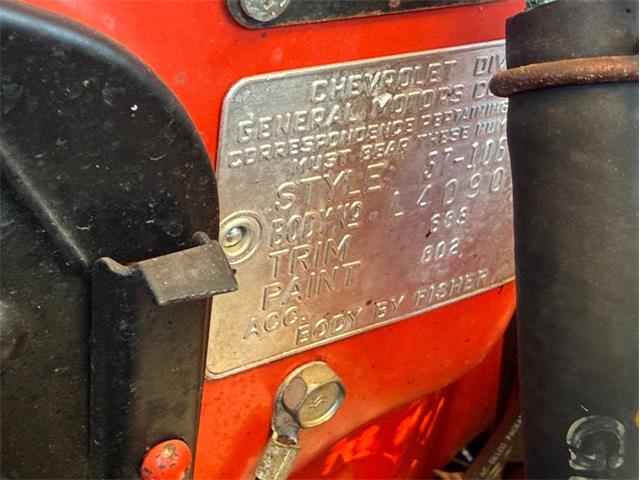
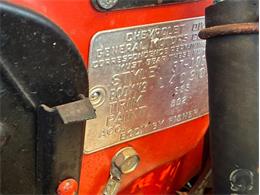
Ohio. The cowl tag reads style 57-1067, which is the Bel Air
two-door convertible, with paint code 802 and trim code 683. Paint
802 is Matador Red. So the car left the factory as a V8 Bel Air
convertible in the color it wears today. It isn't a 210 dressed up,
and it isn't a six-cylinder car with a V8 added later.
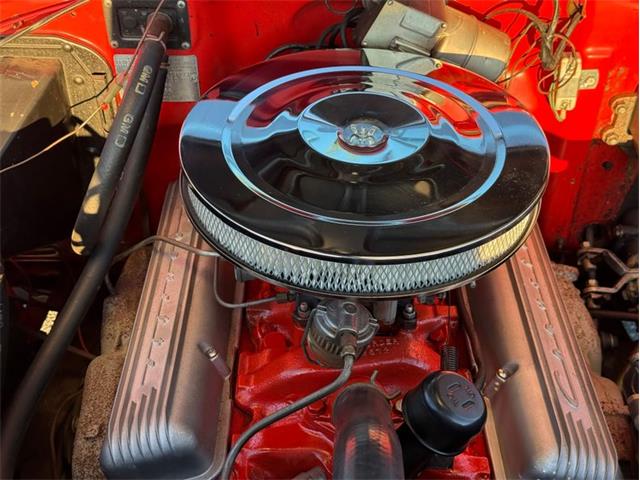
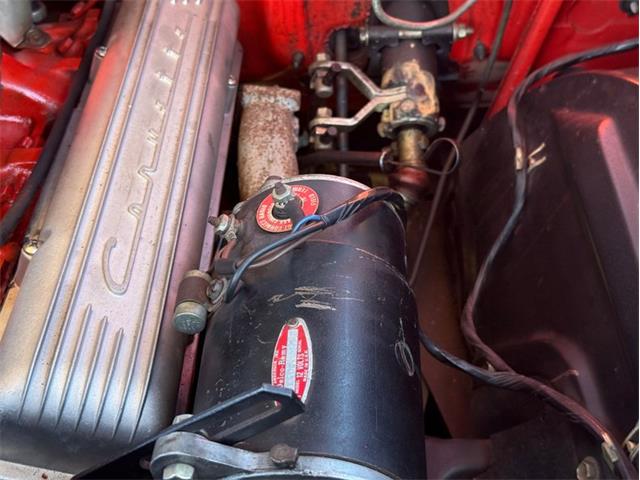
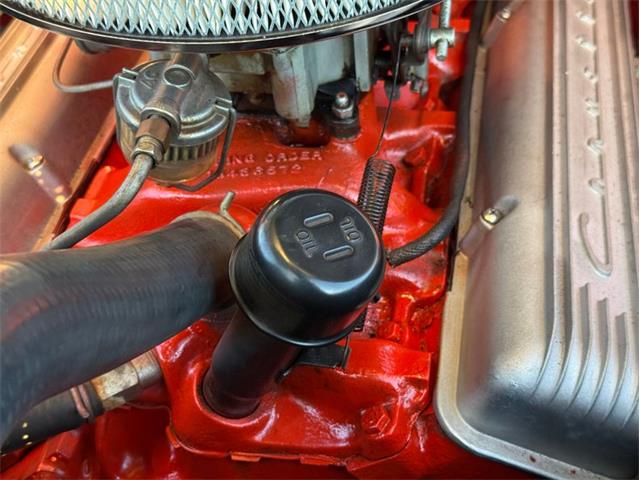
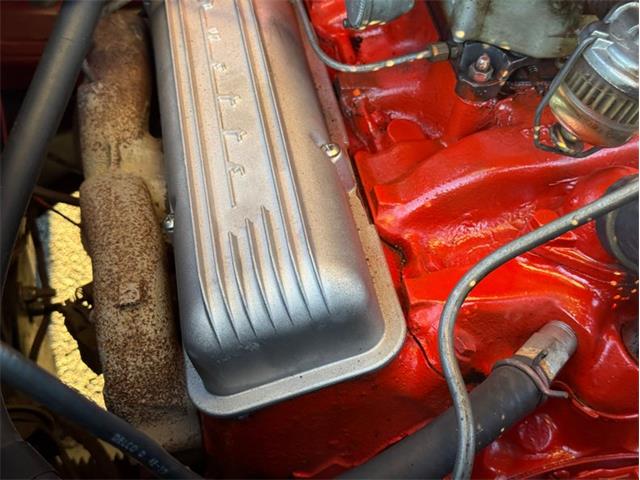
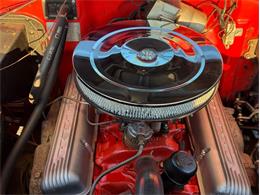
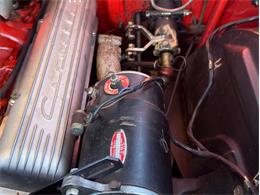
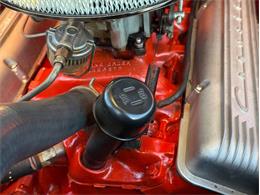
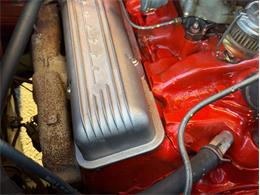
Under the hood is a 283 in Power Pack configuration with a
Rochester four-barrel. The block casting is 3731548, the heads are
3731539, and the intake is 3731398 dated 3-57. Those are the
correct castings for a 1957 283 four-barrel car, and the engine pad
suffix decodes to a 220-horsepower four-barrel backed by a manual
transmission, which is exactly what's in the car. It runs through a
three-speed on the column into an 8.2-inch GM 10-bolt rear end with
3.36 gears, out through true dual exhaust.
WHAT IT HAS
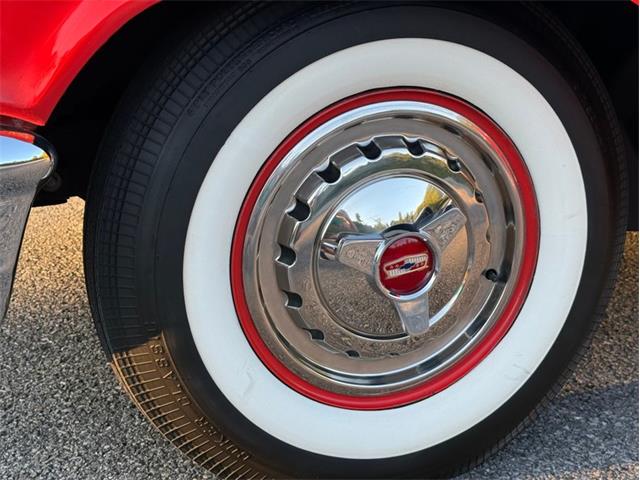
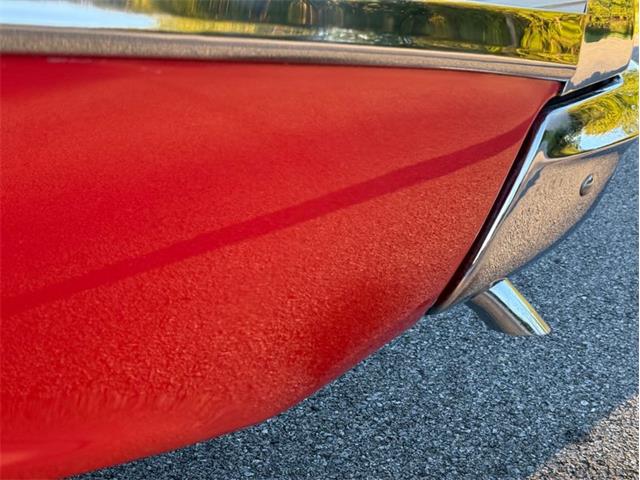
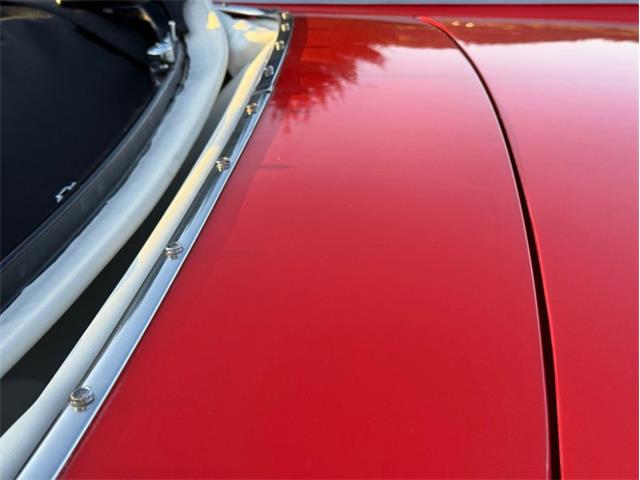
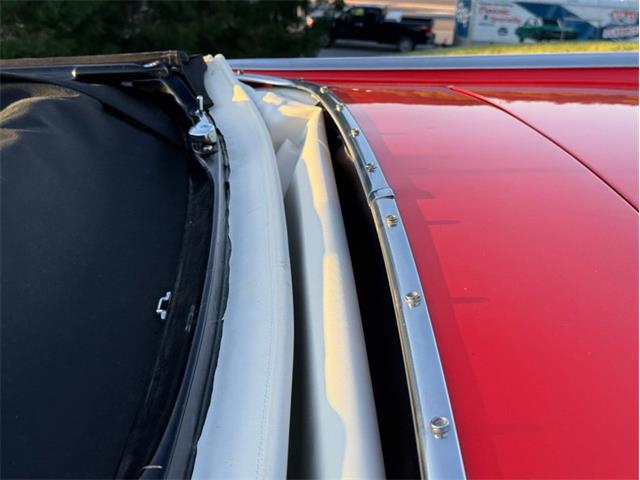
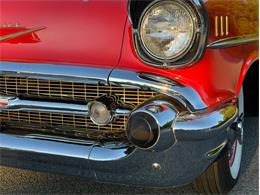
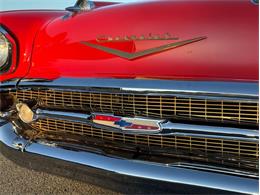
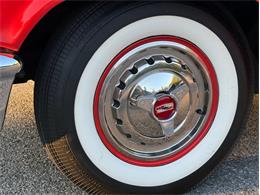
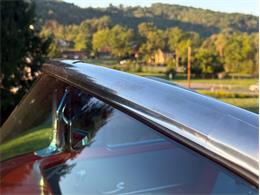
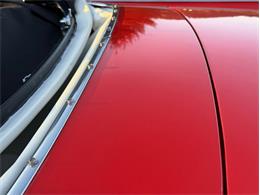
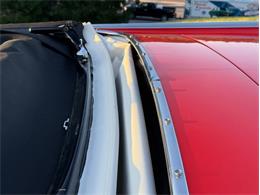
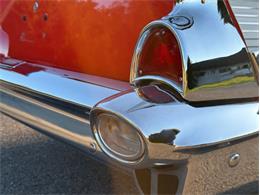
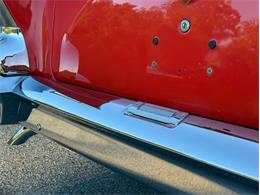
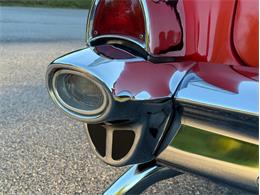
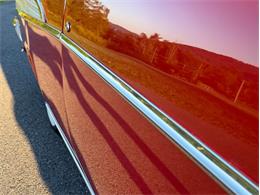
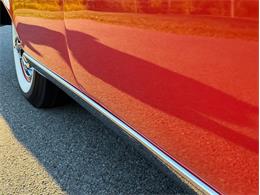
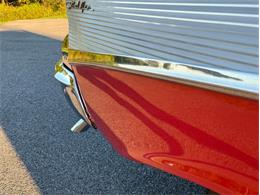
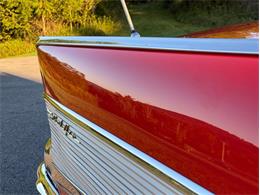
Power convertible top, brand new. Chrome throughout is in excellent
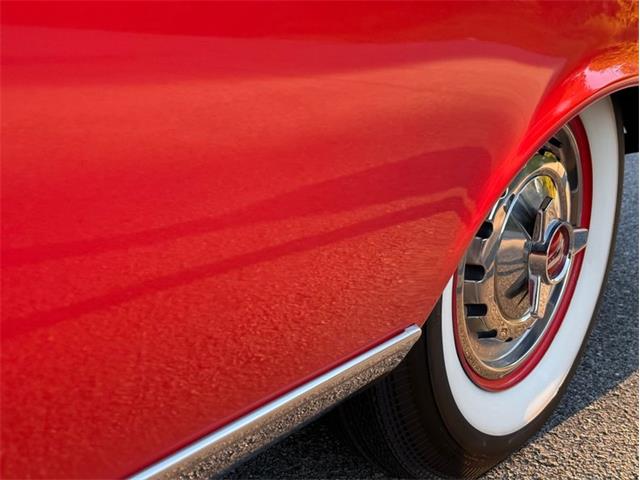
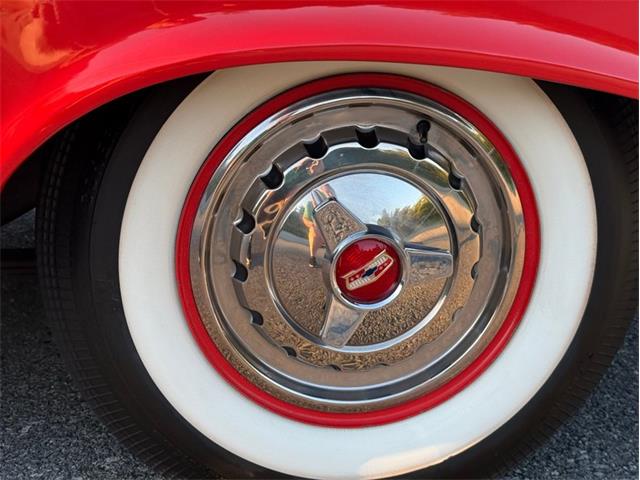
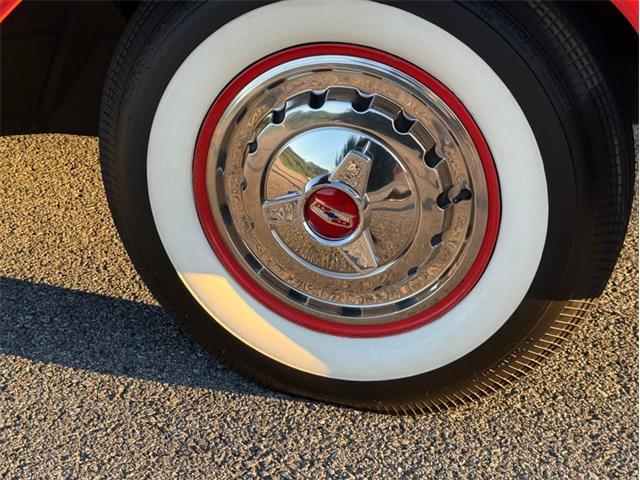
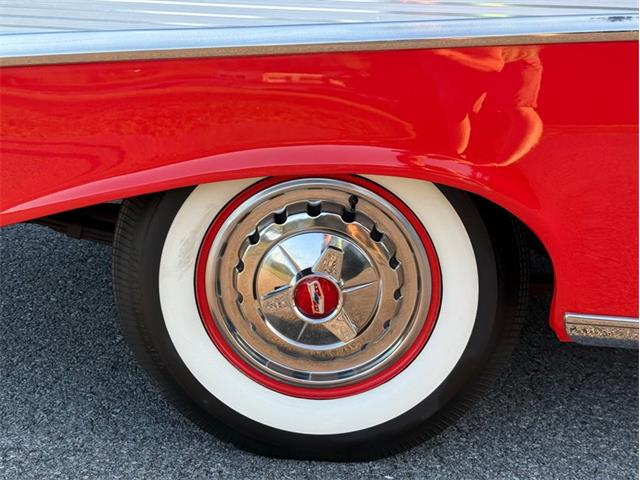
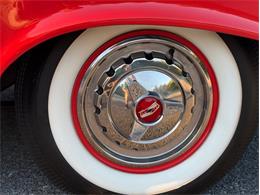
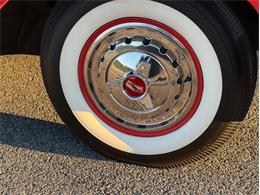
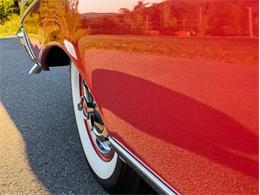
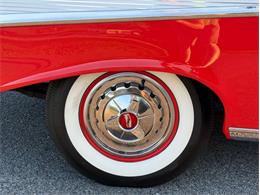
shape. It sits on 14-inch wheels with chrome and red spinner-style
covers and Coker Classic wide whitewalls. The spare and jack are
with the car, and the parade boot for the top is included.
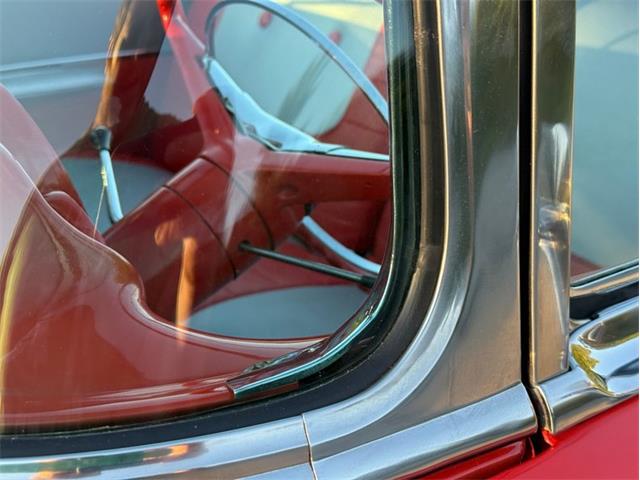
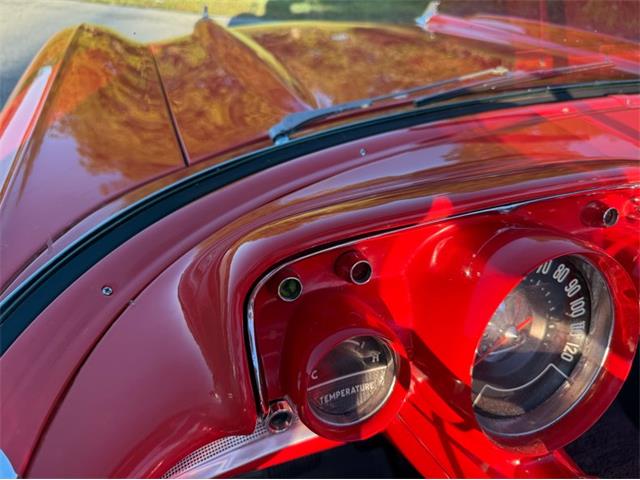
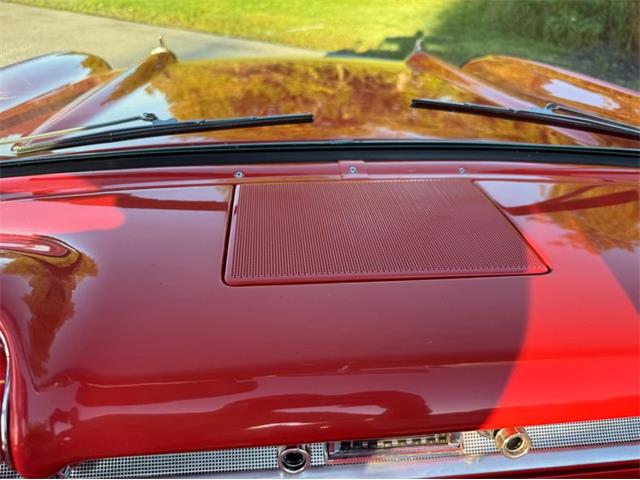
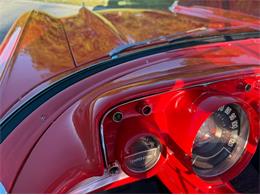
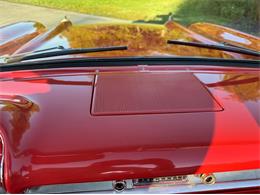
Inside, the red and silver interior presents very well. The
speedometer, fuel gauge, temperature gauge, and clock all function,
and the factory-style heater and vent controls work. The radio is
an aftermarket retro-style AM/FM/CD unit with a Chevrolet script
face, which looks the part but is not the original factory
radio.
Underneath, the car has clearly had a comprehensive restoration.
The undercarriage is fresh and red-primered, consistent with a
frame-off or rotisserie job, with no rust noted. We have no
receipts or restoration paperwork to go with it, so we can only
tell you what we can see.
WHAT YOU SHOULD KNOW
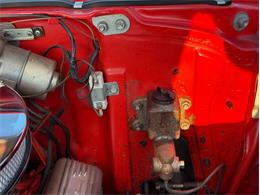
The steering has been converted to rack and pinion. This is the
single biggest departure from stock on the car and we'd rather you
hear it from us than find it on a lift. The original
recirculating-ball box and parallelogram linkage are gone. The rack
appears to be retrofitted into the stock crossmember location and
is unassisted, with no power steering pump or reservoir.
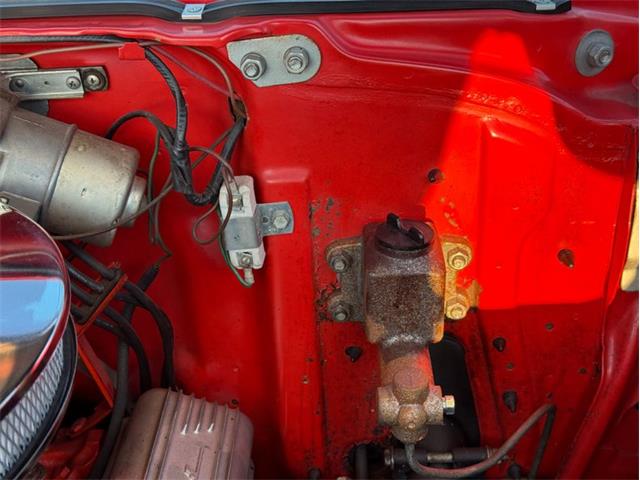
The brakes are manual drums at all four corners. No discs, no power
booster. That's how the car left the factory and we've made no
changes, but combined with the manual rack it means this Bel Air
steers heavy at parking speeds and stops the way a 1957 car stops.
If you've only driven modern cars, take that seriously on the test
drive. Out on the road it's a different story, and the rack makes
it noticeably more precise than a stock tri-five.
We can't call this car numbers-matching, and neither can anyone
else with a 1957 Chevrolet. Chevrolet didn't begin stamping a
partial VIN on engine blocks until 1968. Before that, the pad
carries only the plant, the date, and the application code. So the
honest statement is that the engine is correct type and correct
spec with period-correct castings, and there is no way to prove
it's the block that left Norwood in this car. Anyone telling you
otherwise about a '57 is guessing.
Also disclosed: the shocks are aftermarket units, the radio is not
original, and we have no ownership history documentation of any
kind on this car.
The mileage story is a good one. The odometer reads 73,248. The
Pennsylvania title issued 10/27/25 showed 73,160 and coded the
reading as actual mileage. The reassignment on 6/15/26 showed
73,223, again certified actual. Three readings, all progressing in
the right direction, no gaps. As with any car of this age, the
odometer is a five-digit mechanical unit, so we're telling you what
the paper says rather than making a claim beyond it. The car came
to us from Kentucky by way of a Pennsylvania dealer. Current title,
no liens.
THE BIGGER PICTURE
1957 was the last year of the tri-five body, and it's the one
everybody pictures. Bel Air was the top of the line, and the
convertible was the top of the Bel Air range. The 283 was brand new
that year, and the four-barrel Power Pack with dual exhaust was the
setup a buyer picked when they wanted the car to actually move.
The three-on-the-tree is the part people underestimate. Most
restored tri-fives you'll find are Powerglide cars. A four-barrel
283 with a manual box and 3.36 gears is a genuinely fun
combination, and it's how a lot of these were actually optioned
when they were new cars.
HOW TO BUY IT
The car is at our shop in Orwigsburg, Pennsylvania. We're happy to
shoot a walk-around video and send additional photos, including
underbody shots. Third-party inspections are welcome. We charge no
documentation fees. We can help coordinate out-of-state transport,
but the carrier choice is yours.
ClassicCars.com has been recognized as one of the fastest-growing private companies in the United States, successfully making the Inc. 5000 list in both 2015,
2016, 2017 and 2018. This prestigious accolade represents the continued growth of the company, and ClassicCars.com's dominance as the world's largest online marketplace for
buying and selling classic and collector vehicles.
The Stevie Awards, the world's premier business awards recognized
ClassicCars.com's first-class Customer Support team with a Stevie Bronze Award in 2019, celebrating the team's skills as exemplary customer support specialists.
In 2016 The Journal, brought to you by ClassicCars.com, was celebrated as the SECOND MOST INFLUENTIAL automotive blog in the world by NFC Performance.