HISTORY OF THE TRIUMPH GT6
The genesis of the Triumph GT6 can be traced as far back as 1963
when renowned Italian Car Designer Giovanni Michelotti was
commissioned by Standard-Triumph to design a GT version of the
recently introduced Spitfire 4. Michelotti took possession of an
unmodified Spitfire 4 at his studio in Italy and in late 1963 the
"Fixed Head" prototype was returned to England for inspection by
the Standard-Triumph Designers, Engineers and Corporate Brass.
Ultimately, the design was enthusiastically received across the
board, but the additional weight of the GT bodywork proved too much
for the Spitfire's diminutive 1,147cc four-cylinder engine, and the
project was shelved.
Triumph's competition department took note of Michelotti's
prototype in time for the 1964 racing season, recognizing that its
improved aerodynamics could provide an advantage in long-distance
and endurance events. To help keep the weight down, Triumph Racing
made fiberglass copies of the fastback roofline to fit over the
existing Spitfire shape. The results were particularly notable
during the 1965 racing season, when the "Fixed Head" Spitfires
earned a first-in-class victory at the 24 Hours of Le Mans,
finishing ahead of their principal rival, the MG Midget.
The sales success of the Spitfire, combined with the racing
pedigree of the fiberglass-bodied fastback competition cars,
encouraged Standard-Triumph to revisit Michelotti's prototype
design for full-scale production. The GT6 name reflected both its
Grand Touring configuration and the 2.0-litre inline-six beneath
its bonnet. Derived from the Standard Vanguard Six, the 1,998cc OHV
engine's relatively short stroke endowed it with an eager,
free-revving character that remains beloved among Triumph
enthusiasts-many of whom prefer its sporting nature to the
longer-stroke 2.5-litre six later fitted to the TR5, TR250 and
TR6.
Production of what Standard-Triumph promoted as the "race-winning
Le Mans Spitfire" began in the summer of 1966, with the GT6
evolving through three generations from the original Mark I through
the Mark III before production ceased in December 1973. While the
model enjoyed success both at home and abroad, increasingly
stringent U.S. safety and emissions regulations made further
development difficult to justify. Its relatively short production
life has given the GT6 a certain mystique today, and surviving
examples remain highly coveted by Triumph collectors and
enthusiasts alike.
THE MOTORCAR OFFERED
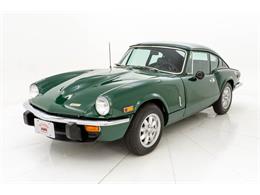
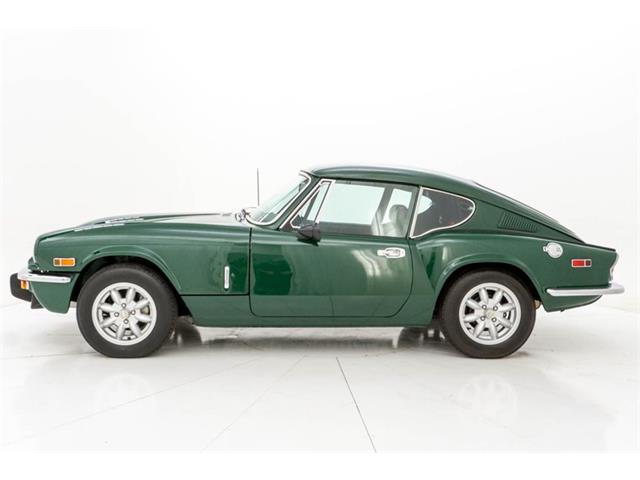
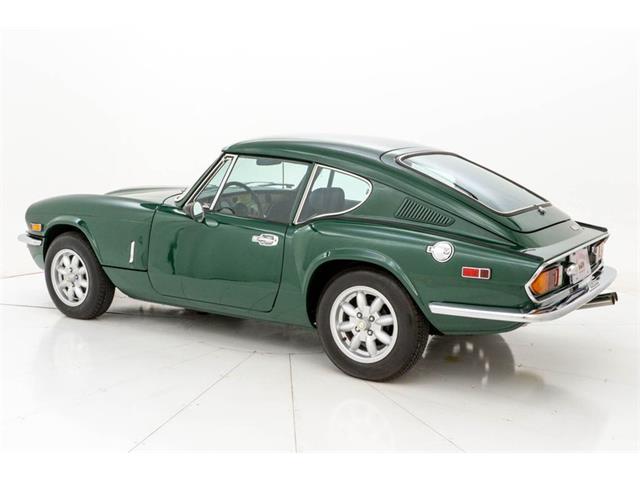
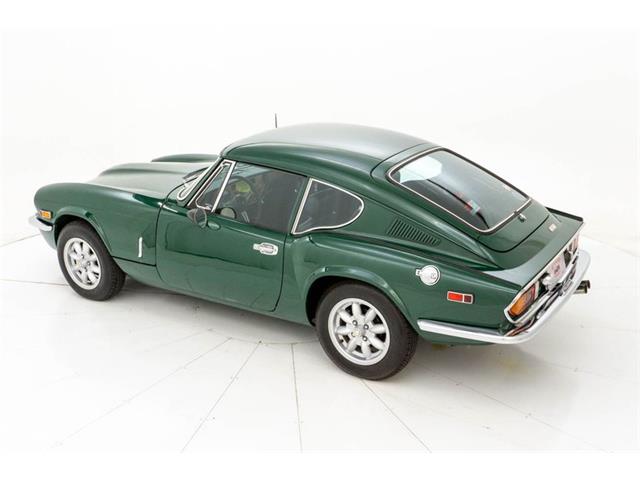
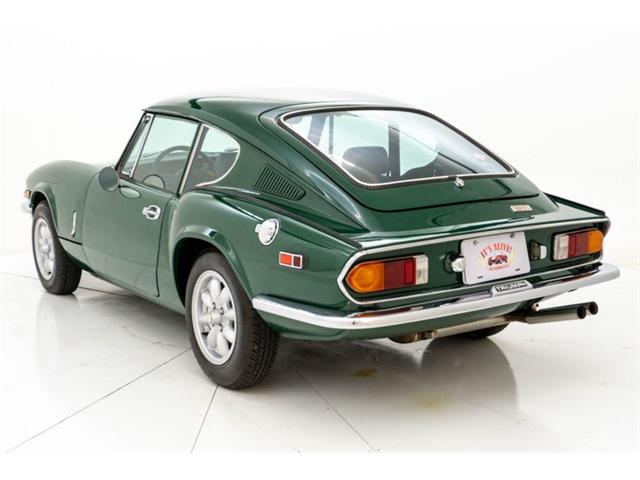
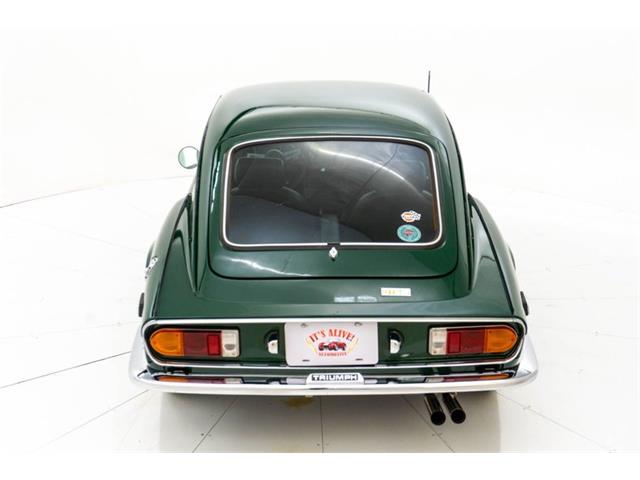
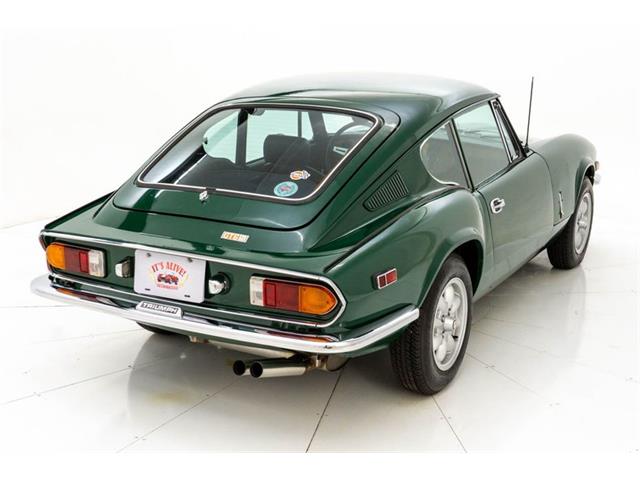
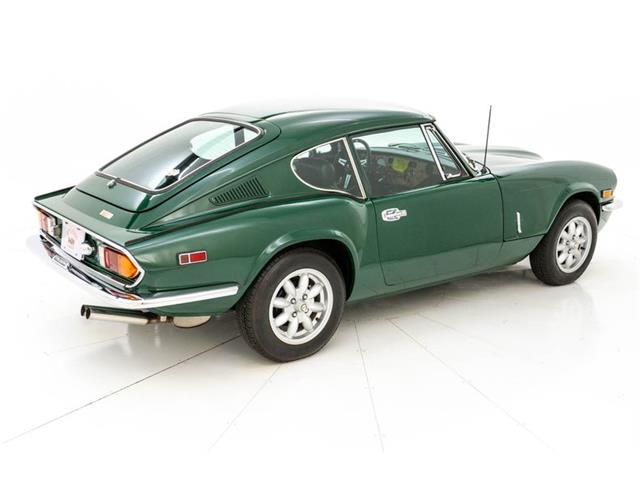
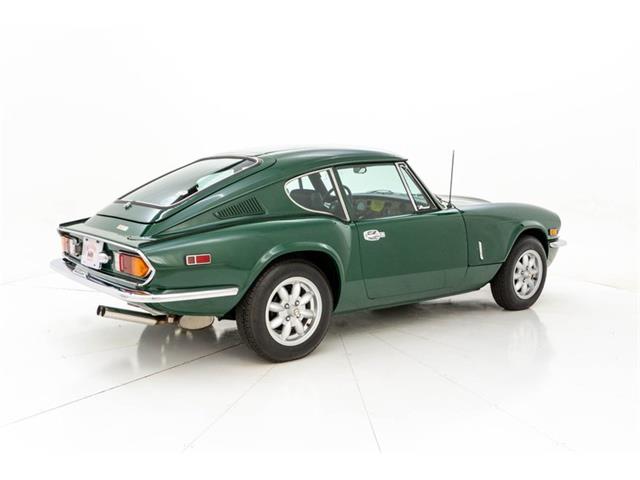
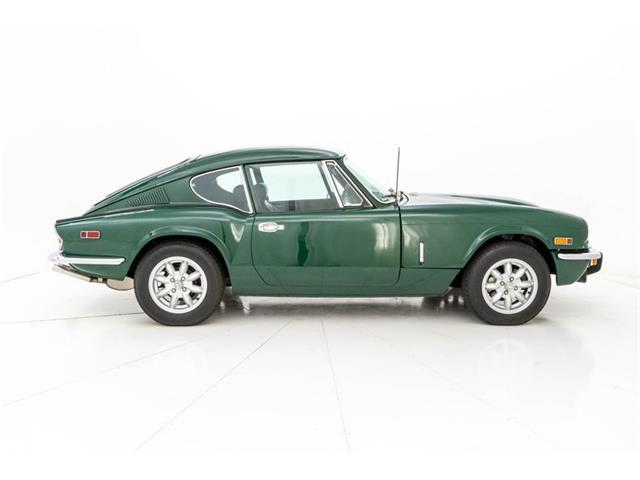
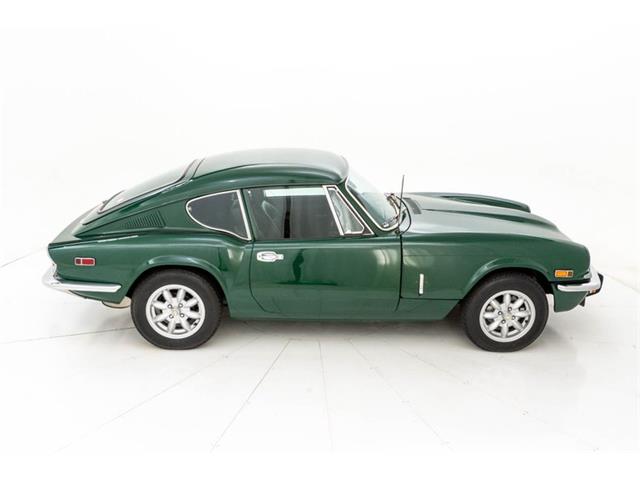
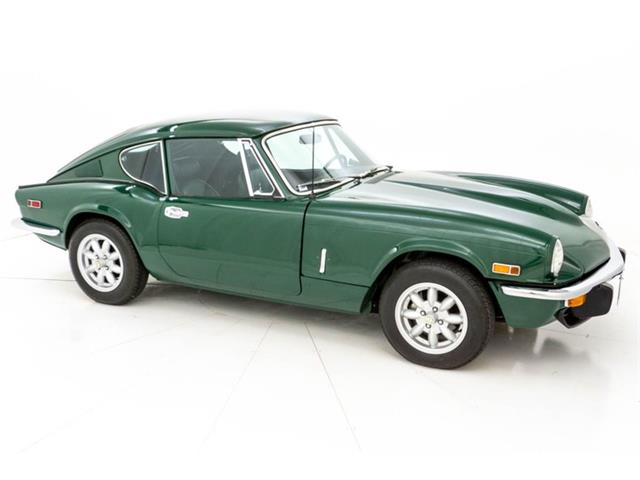
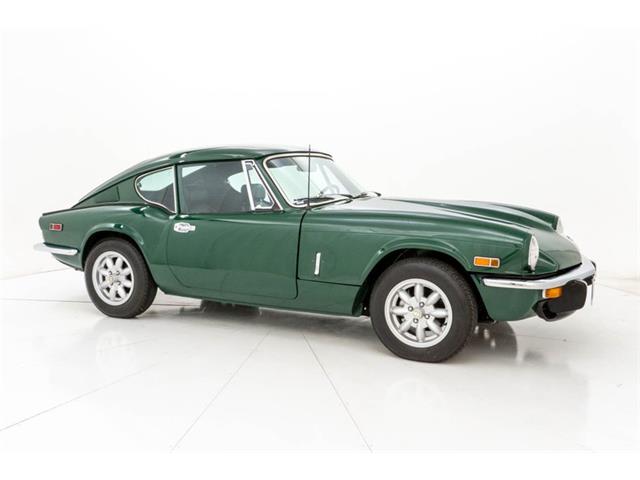
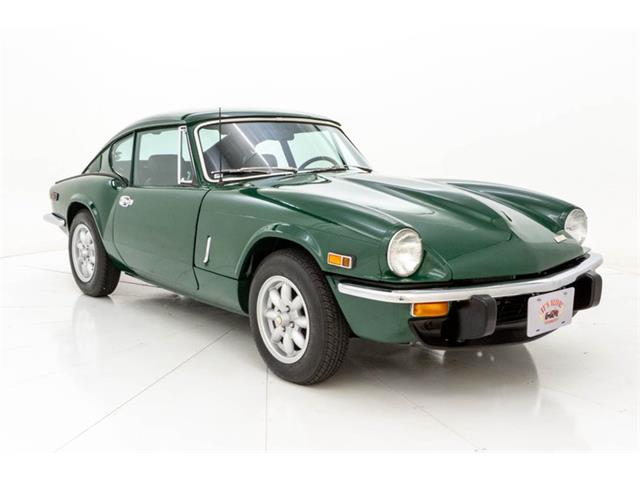
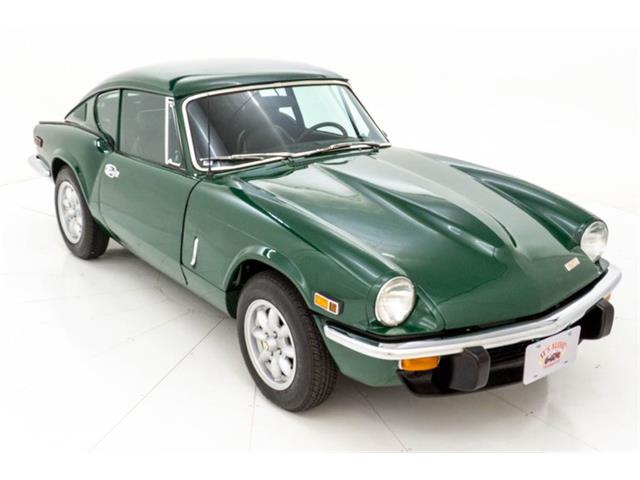
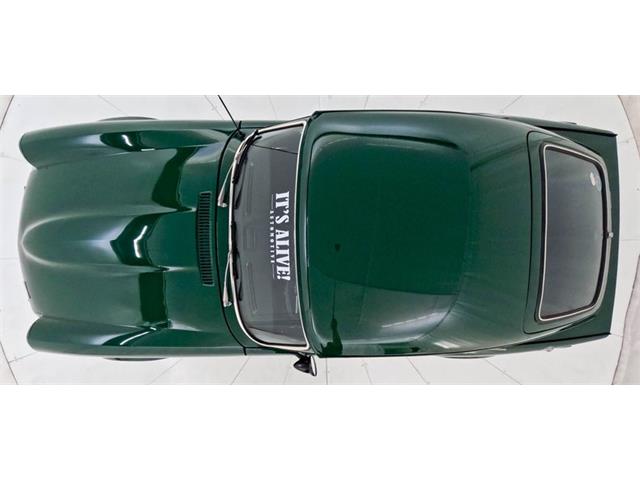
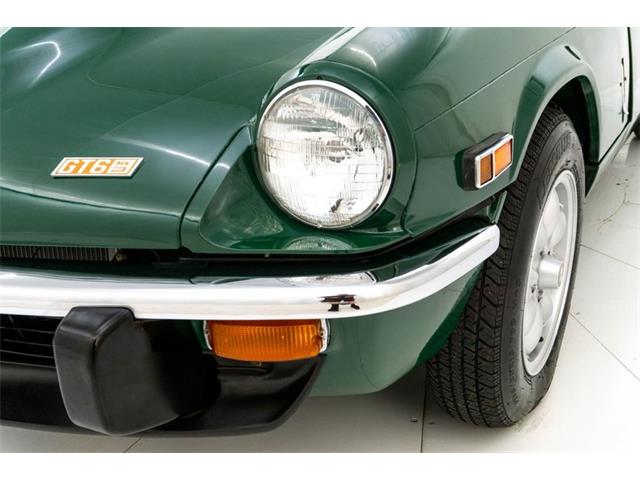
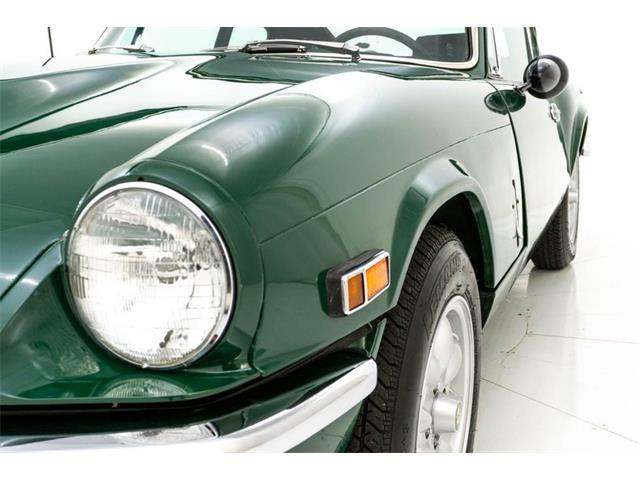
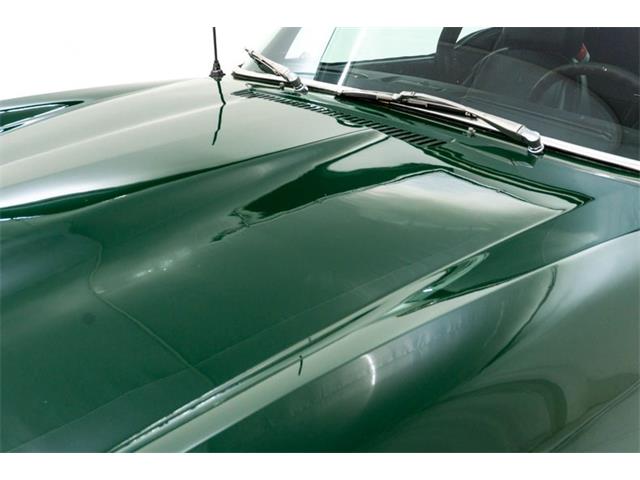
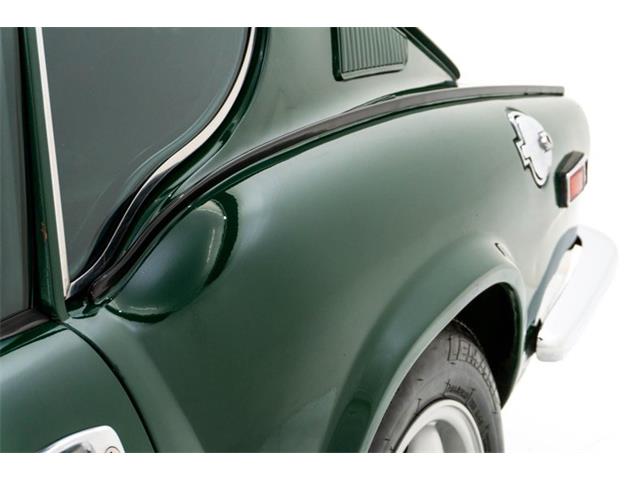
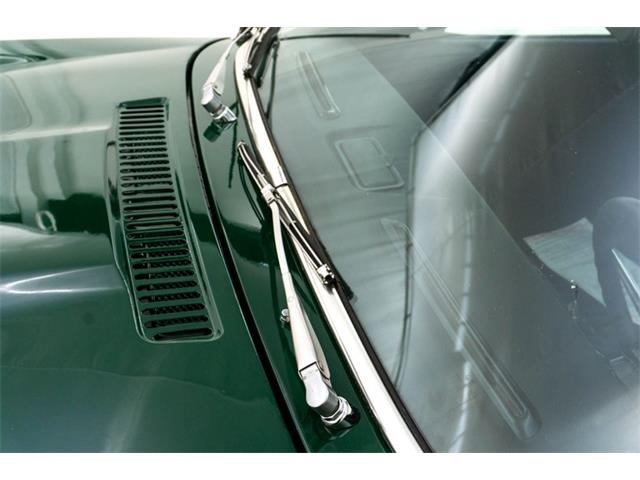
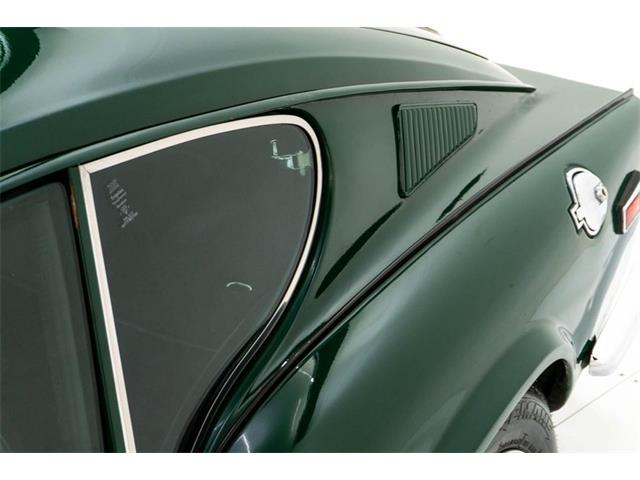
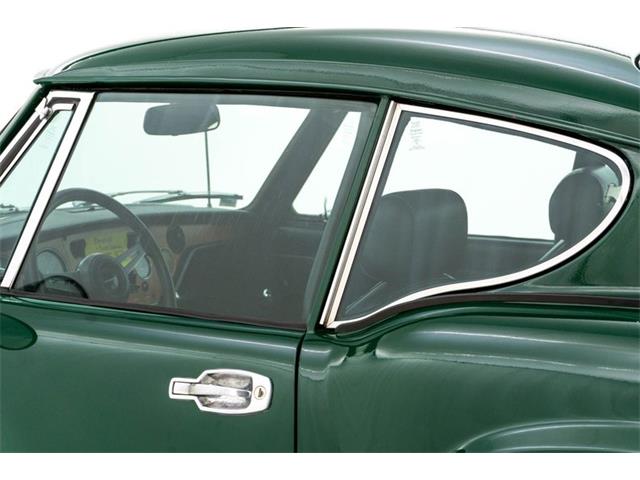
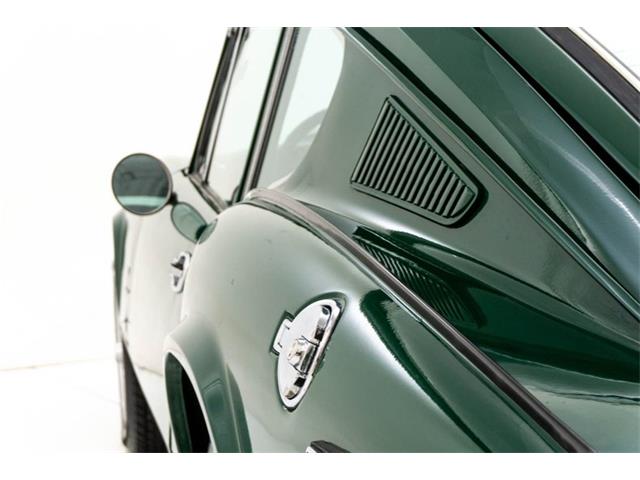
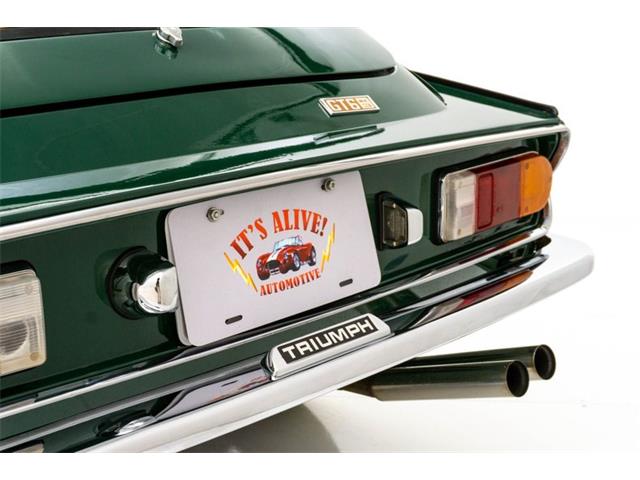
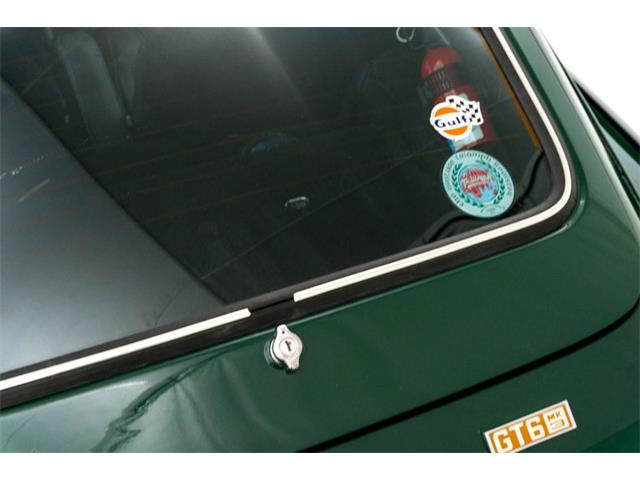
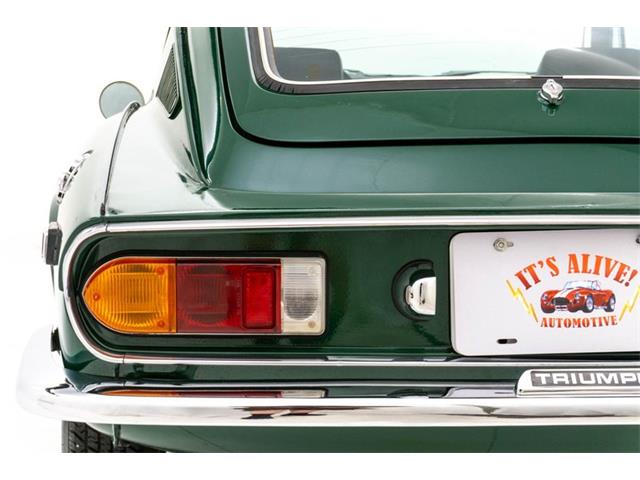
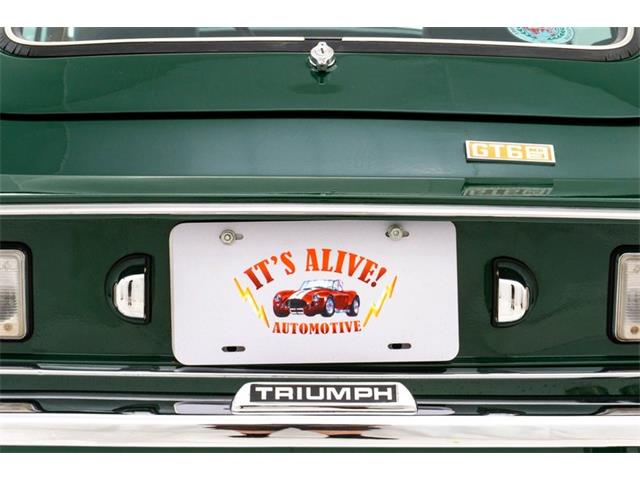
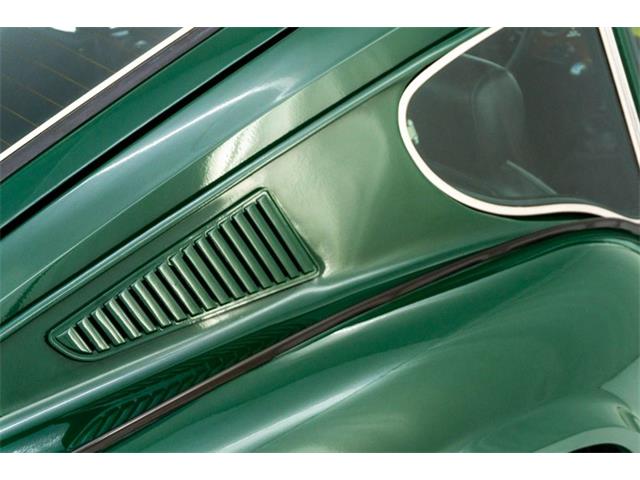
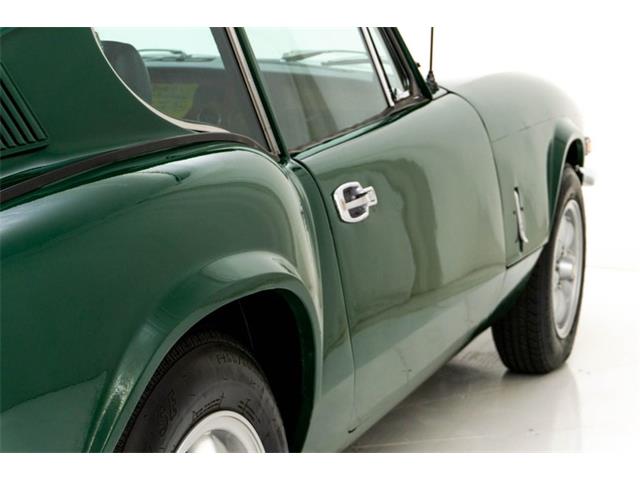
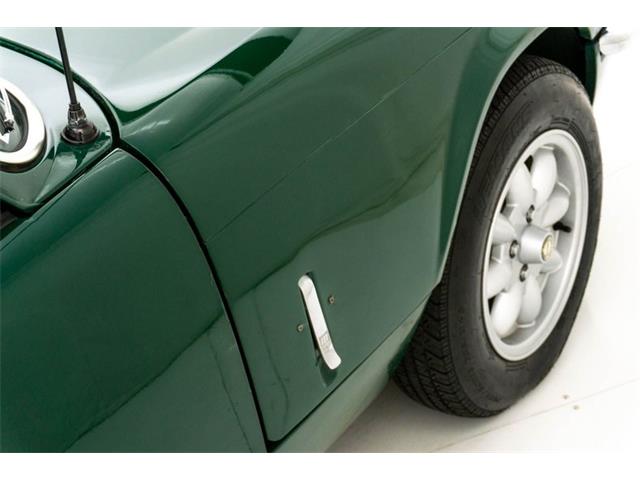
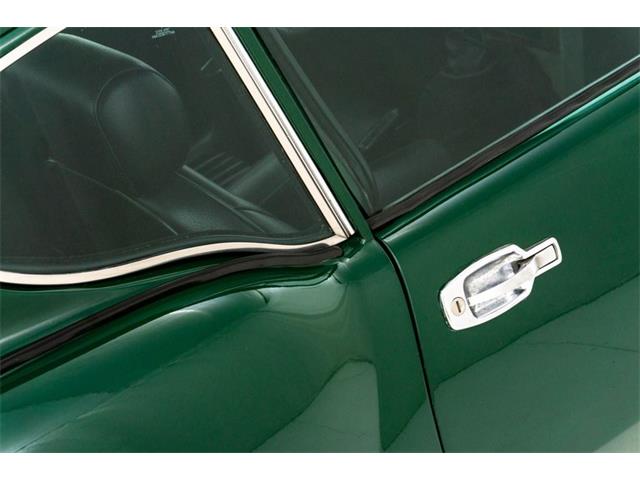
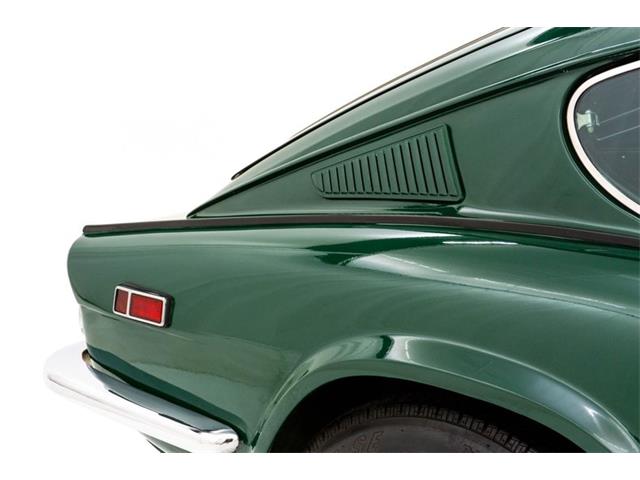
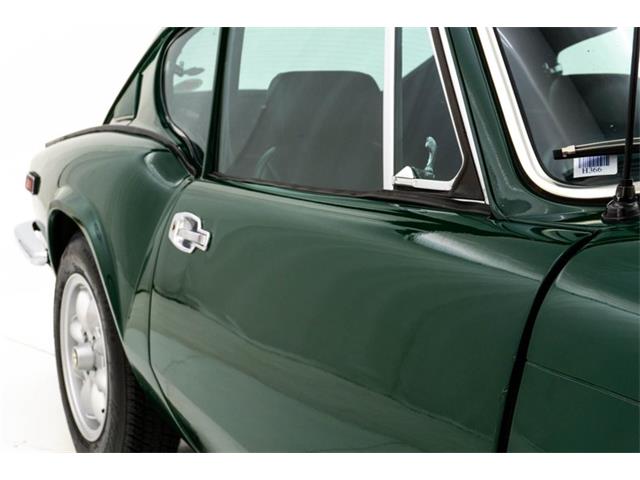
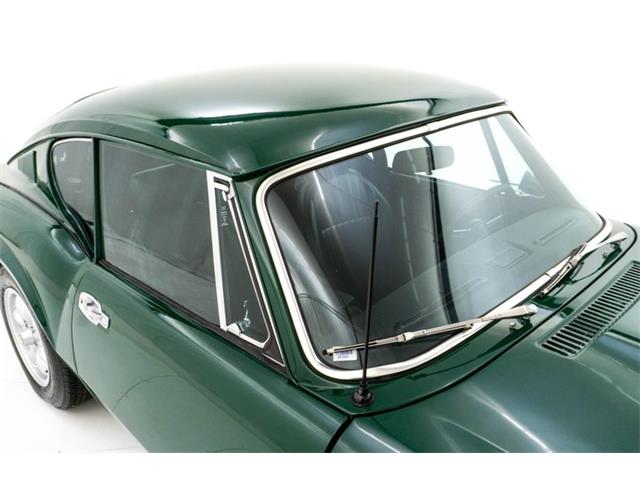
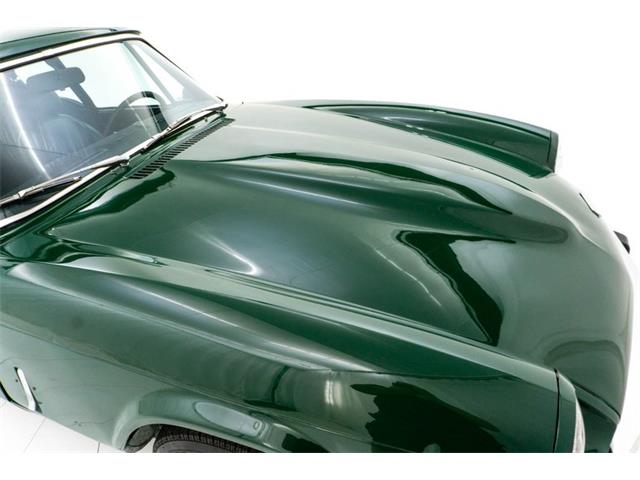
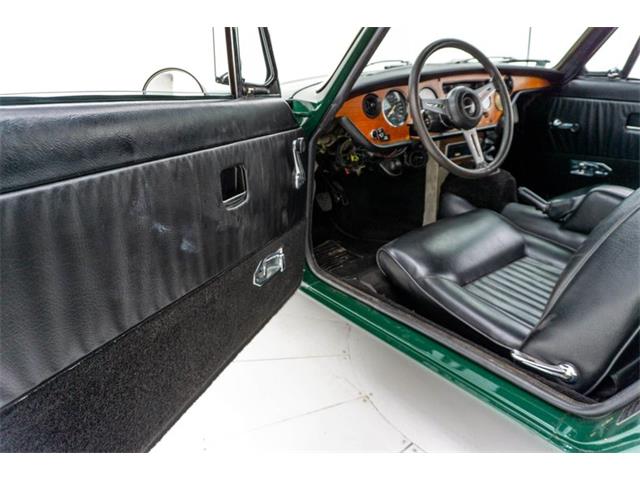
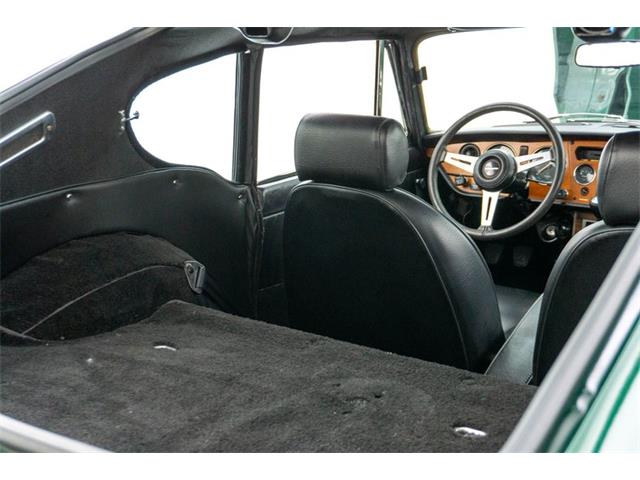
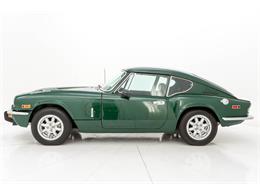
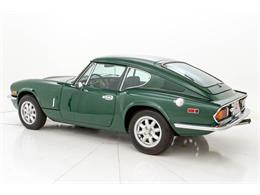
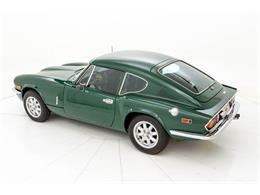
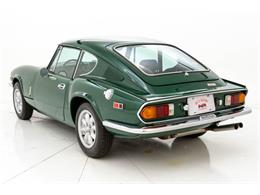
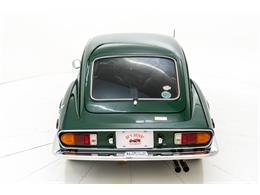
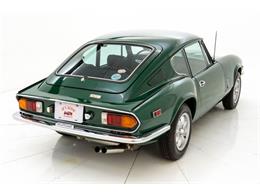
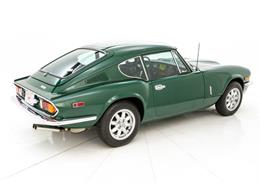
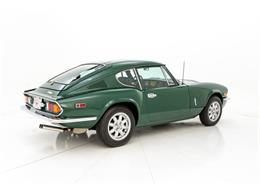
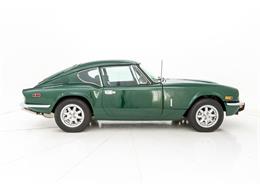
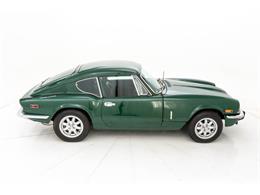
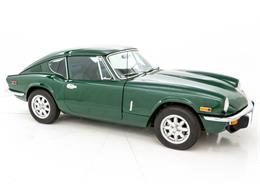
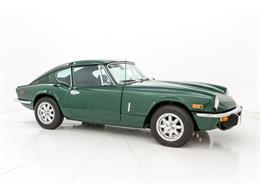
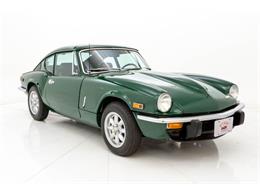
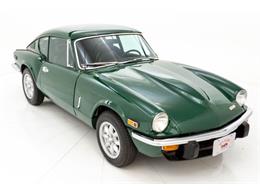
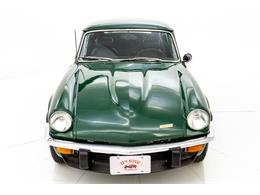
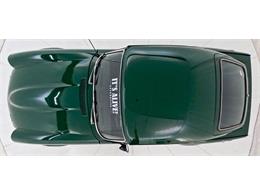
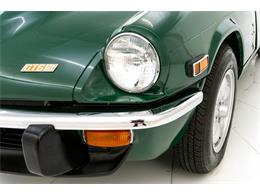
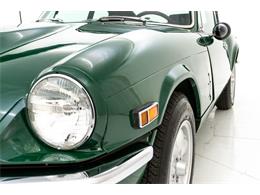
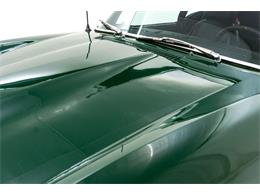
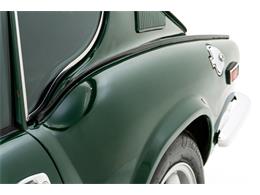
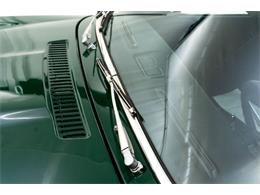
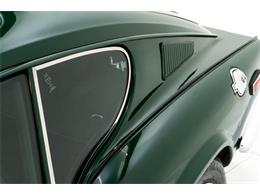
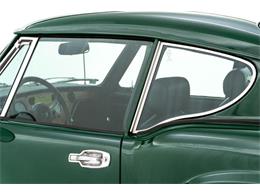
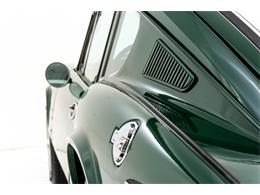
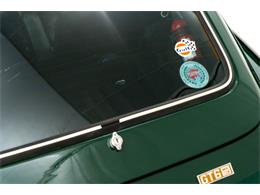
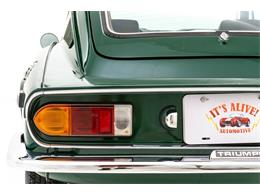
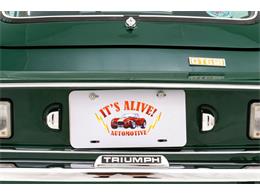
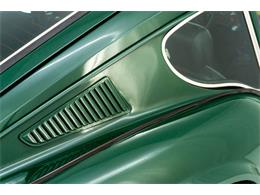
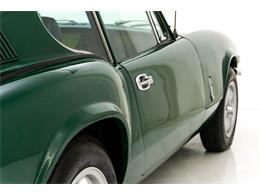
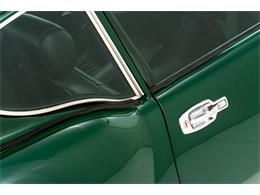
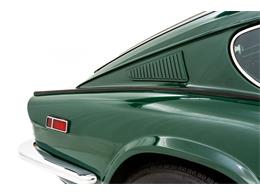
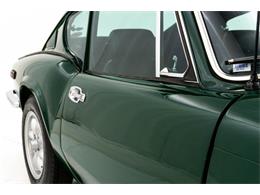
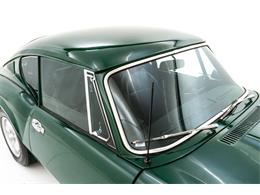
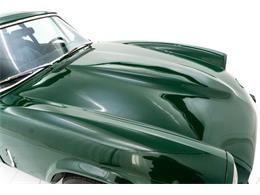
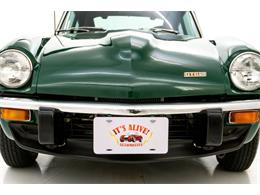
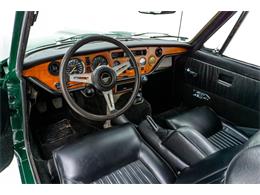
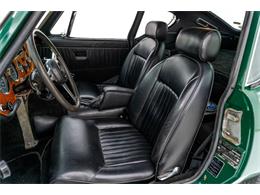
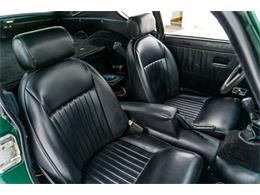
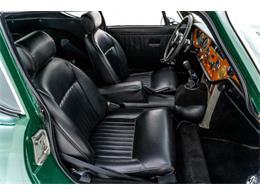
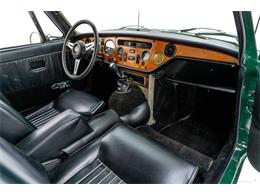
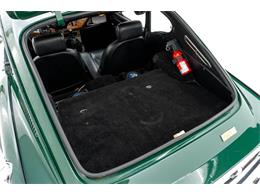
The 1973 Triumph GT6 Mark III offered here is finished in the
stunning color combination of British Racing Green over a Black
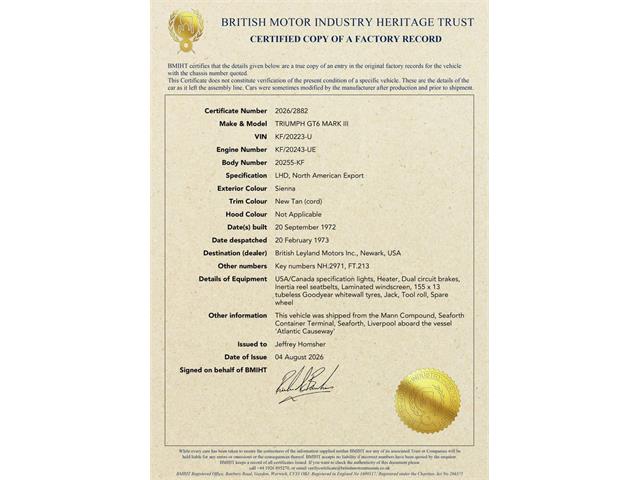
interior. According to the accompanying British Motor Industry
Heritage Trust E-certificate, this GT6 was completed at the
Coventry works on September 20th, 1972, originally in the color
combination of Sienna Brown over a New Tan interior.
Interestingly, despite being completed in September 1972, the car
was not dispatched to British Leyland Motors, Inc. of Newark until
February 20th, 1973-exactly five months after its recorded build
date.
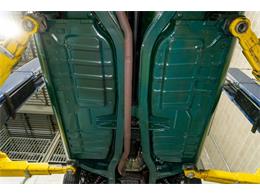
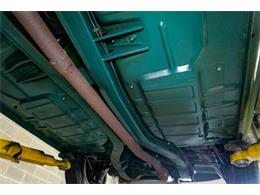
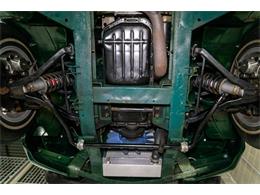
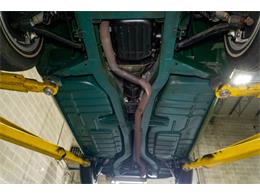
While Commission No. KF20223U's early history remains unknown, the
car was clearly the recipient of an incredibly thorough and
meticulous restoration within the past two decades. Evidence of the
work is readily apparent in the complete color change from the
factory Sienna Brown to a lovely shade of British Racing Green,
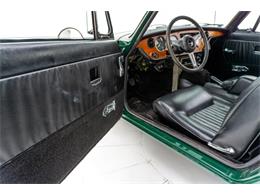
accompanied by a change from the original New Tan interior to
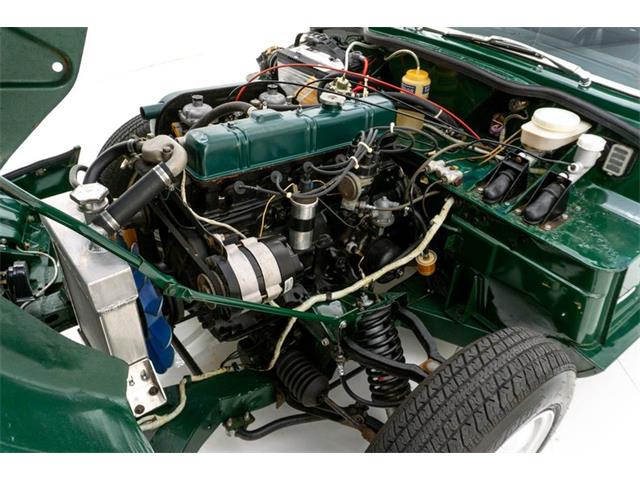
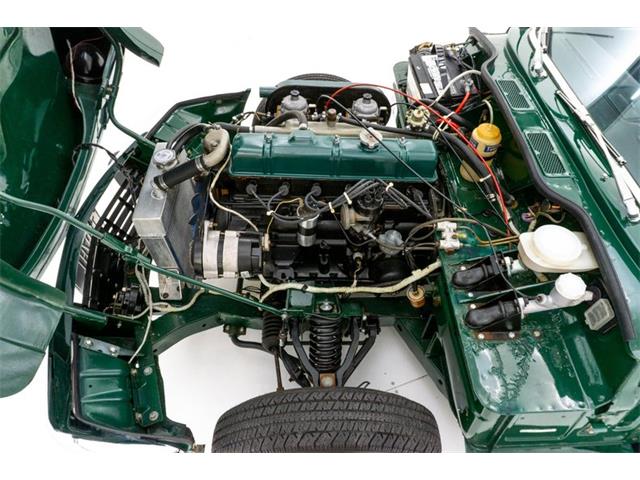
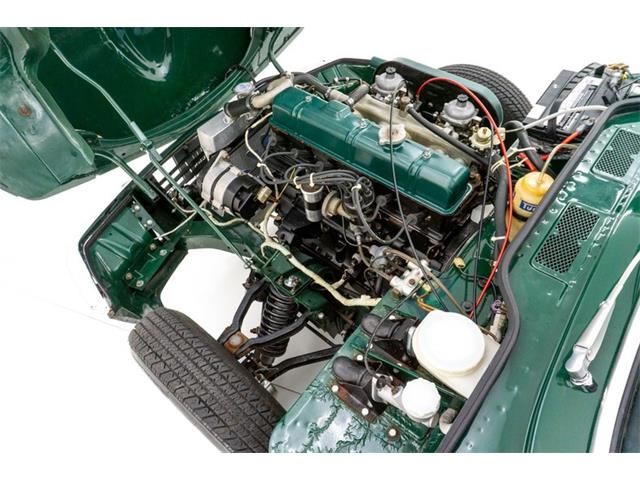
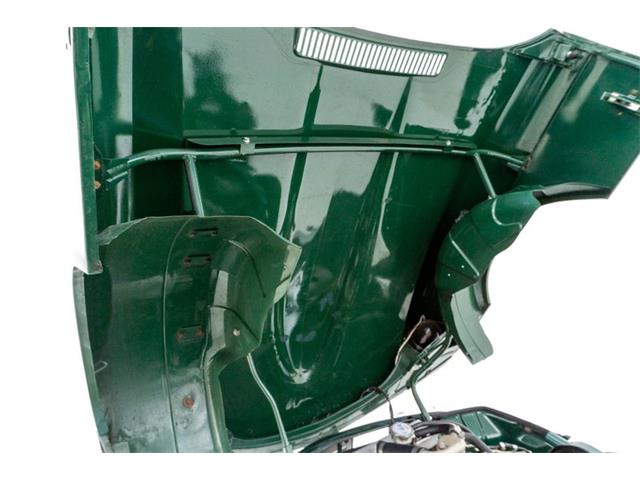
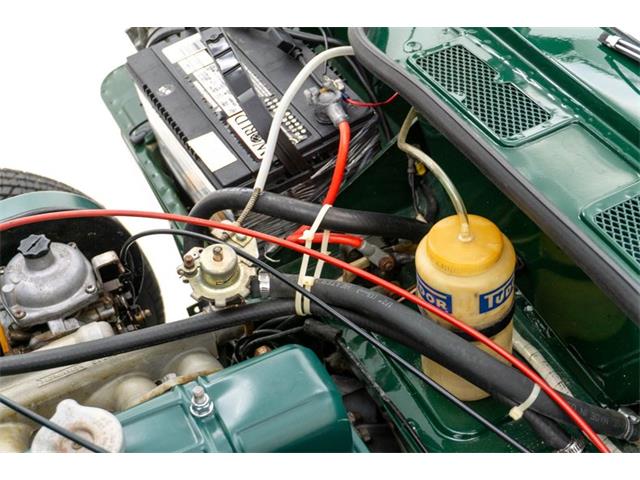
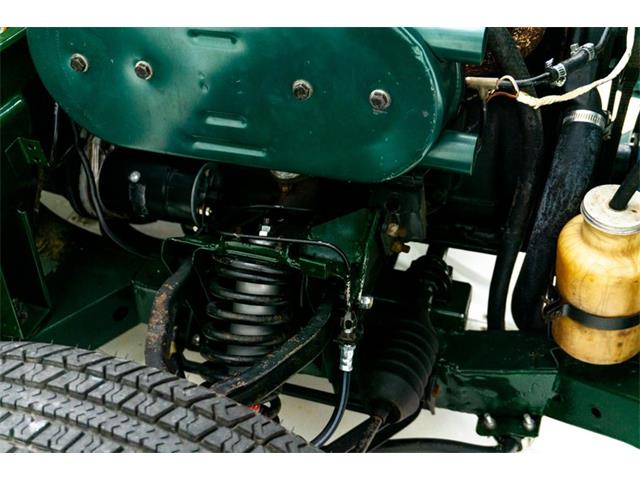
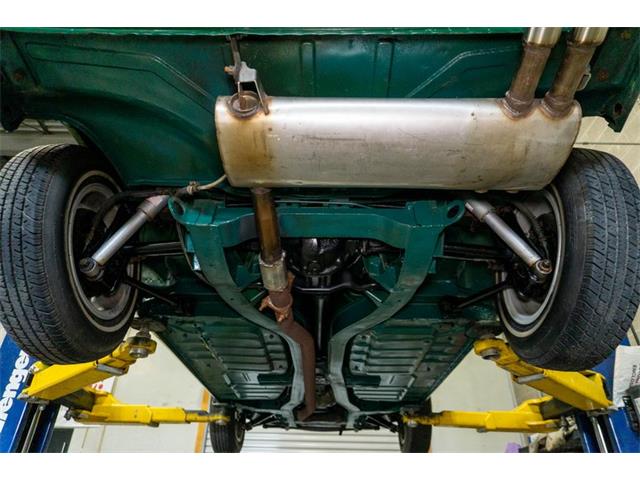
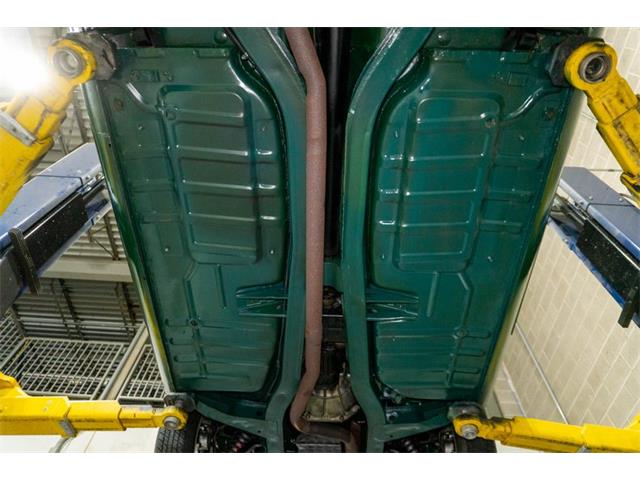
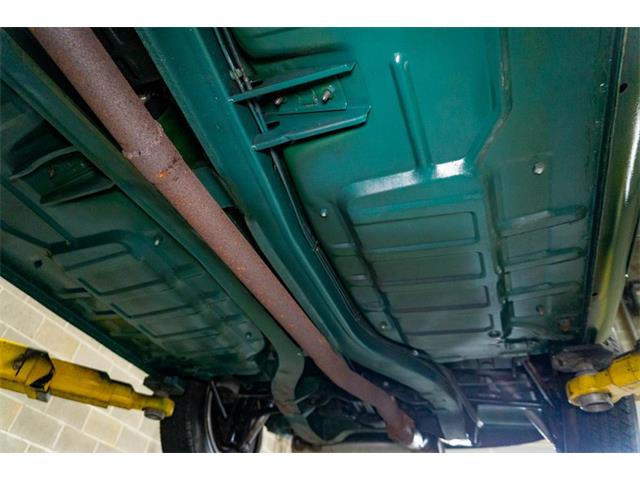
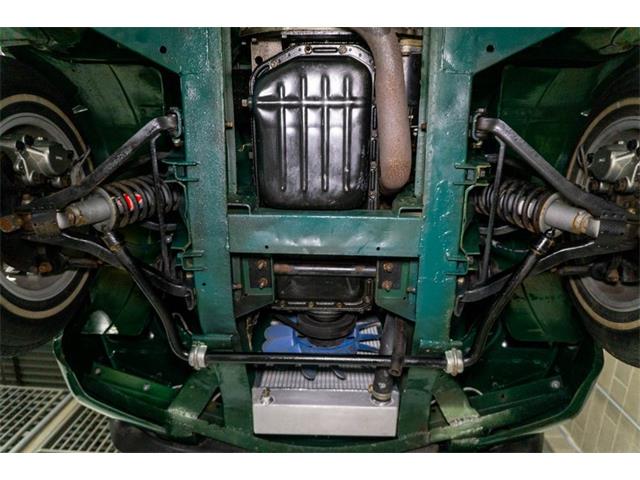
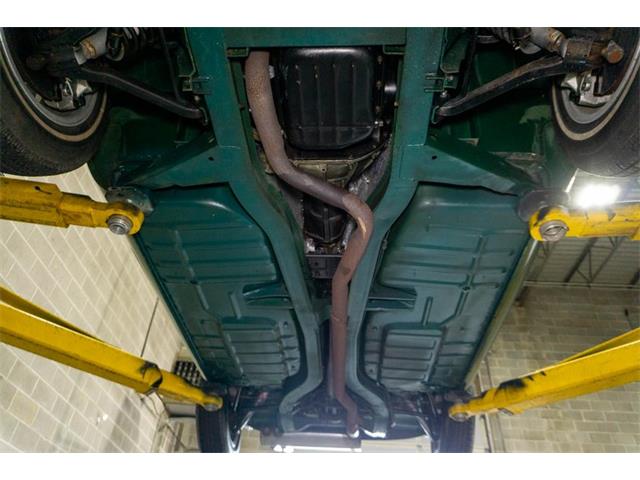
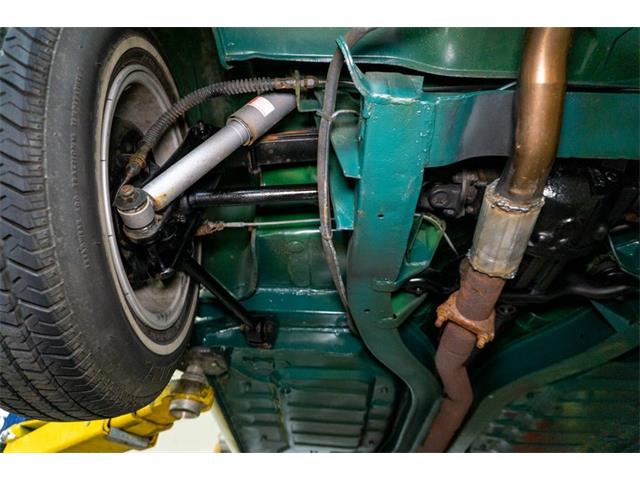
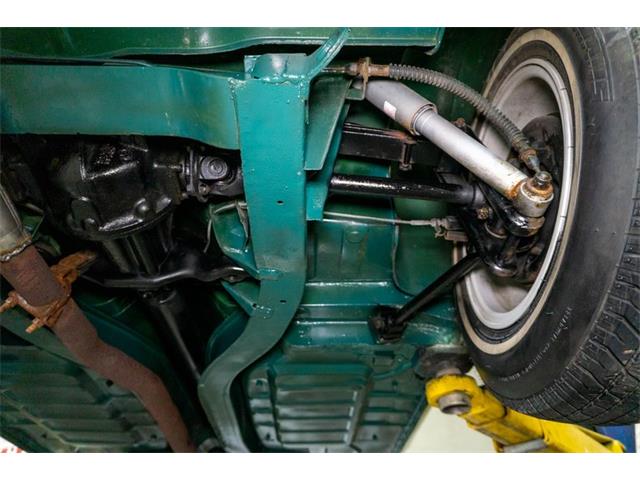
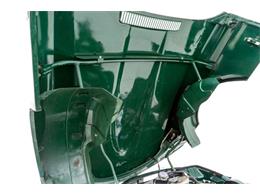
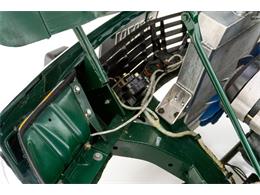
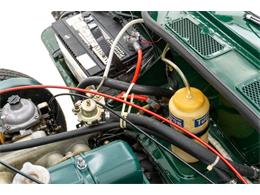
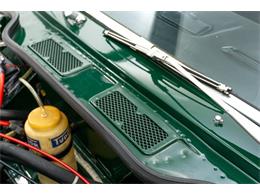
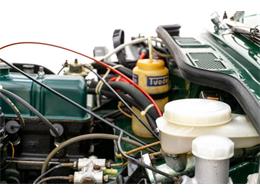
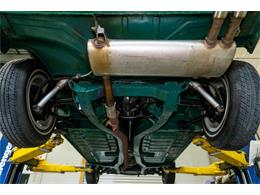
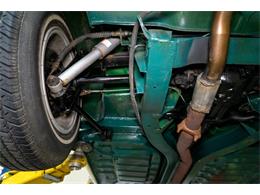
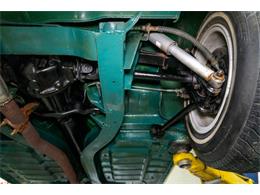
Black. The restoration was clearly performed to a high standard,
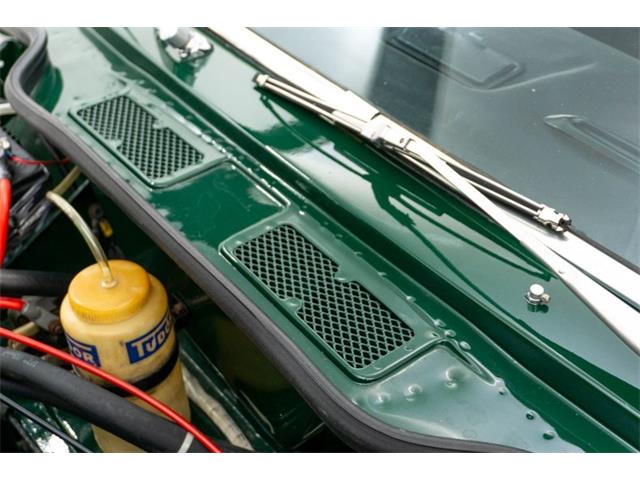
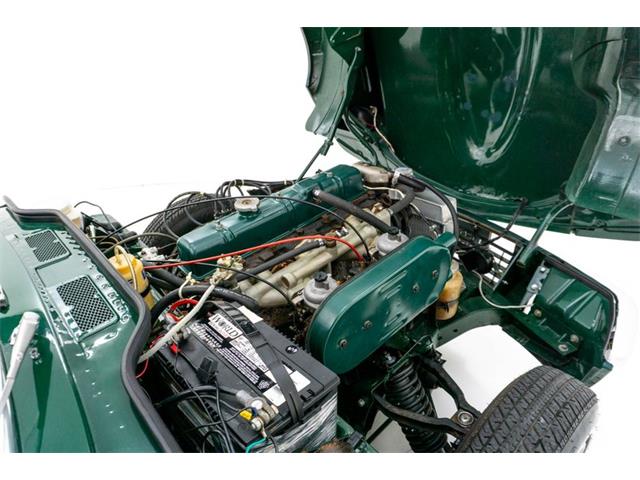
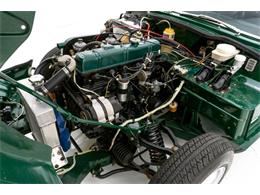
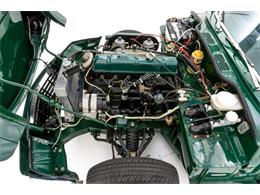
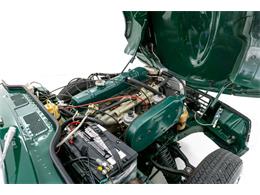
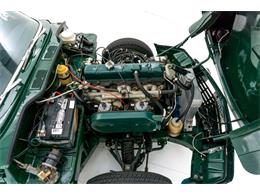
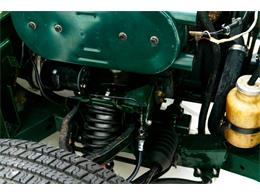
with surfaces beneath the bonnet and along the frame rails finished
in the same shade of BRG as the body.
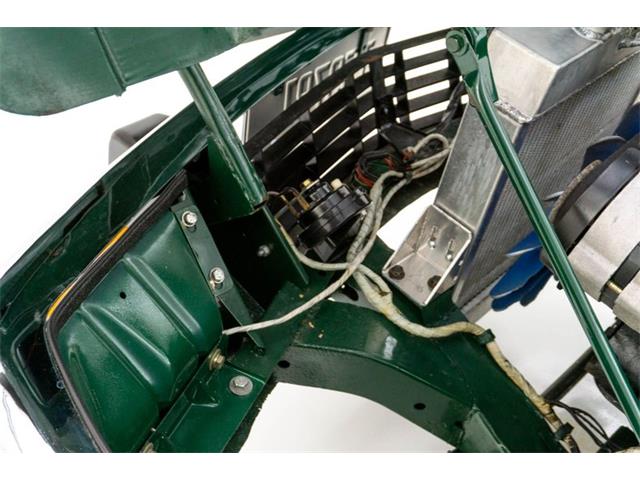
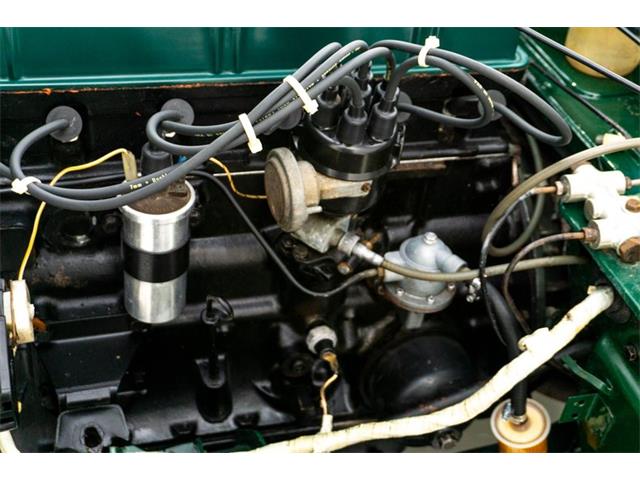
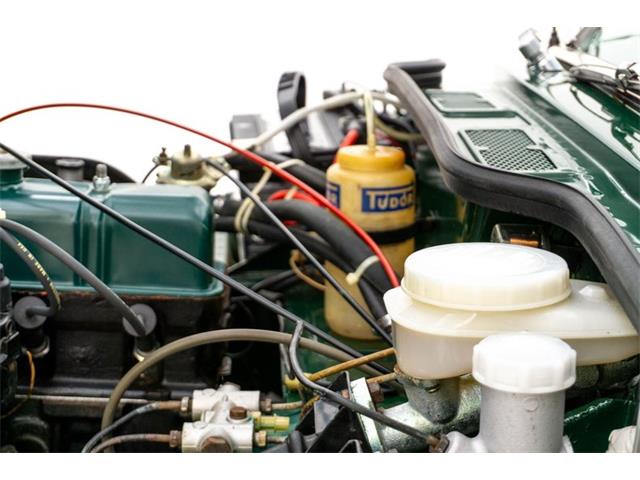
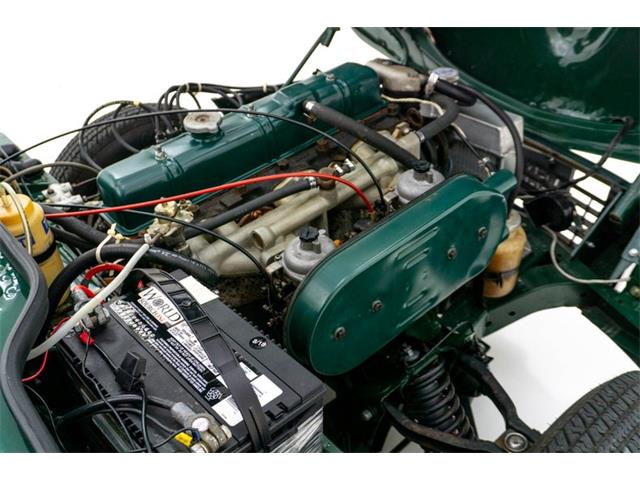
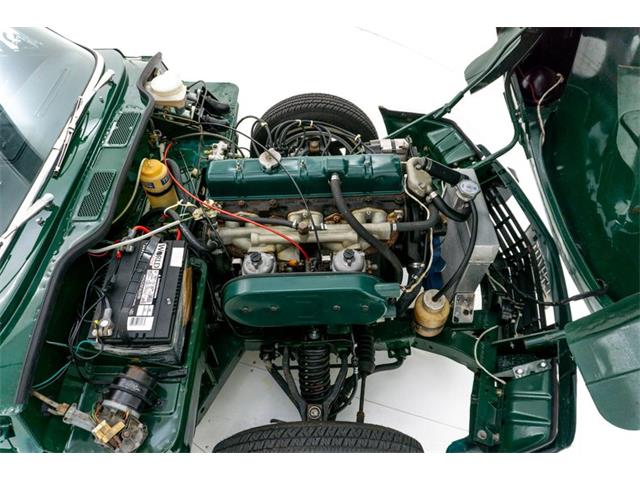
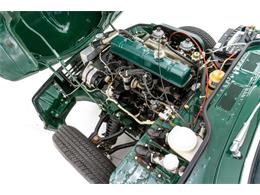
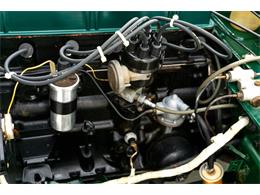
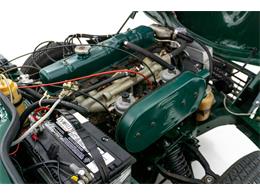
Under the bonnet resides a correct 1,998cc inline-six bearing
Engine No. KF20299UE. Interestingly, the accompanying Heritage
Certificate records the original engine as KF20243UE-just 56 engine
numbers earlier than the unit installed today. While therefore not
numbers-matching, the remarkably close sequence indicates an engine
extraordinarily close in production to the car's original unit,
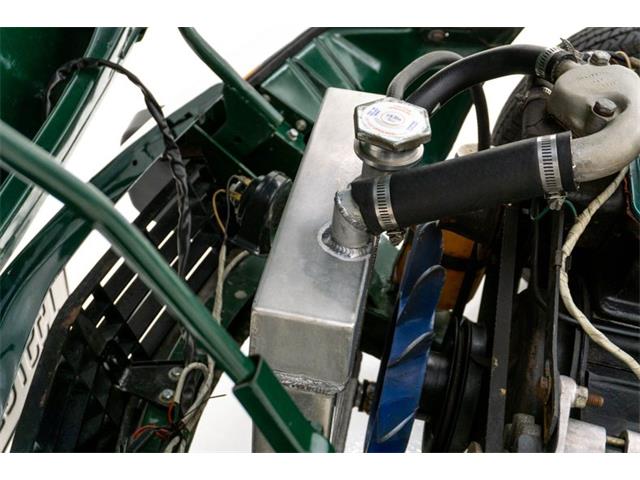
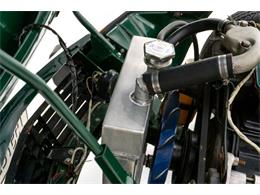
presenting an intriguing piece of its history. The engine is
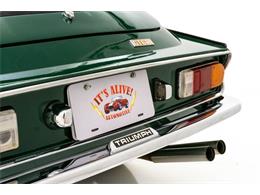
presently in a fine state of tune following recent carburetor
service by IT'S ALIVE!, while an aluminum radiator provides
improved cooling.
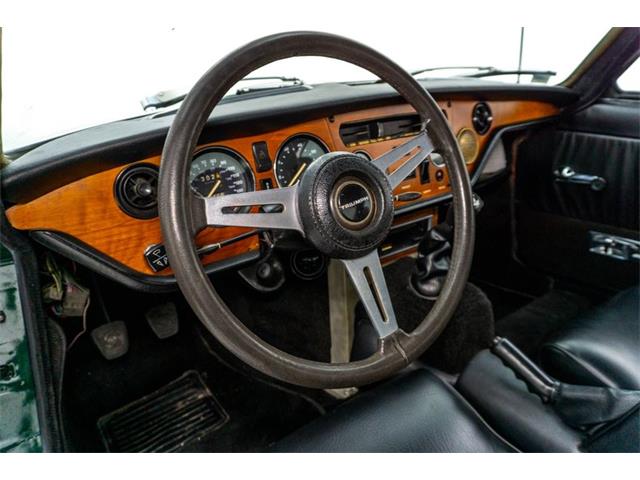
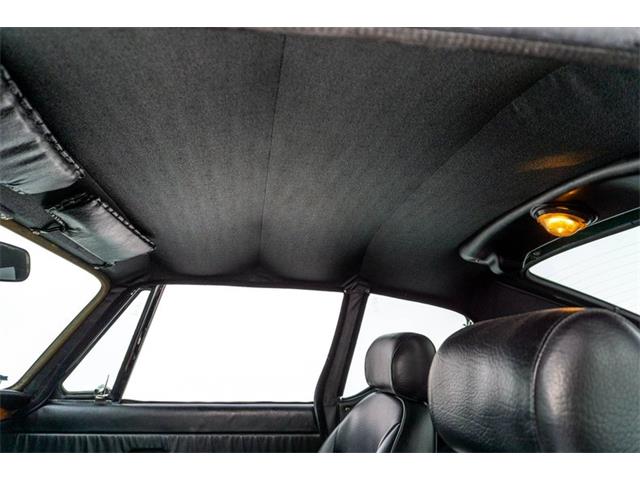
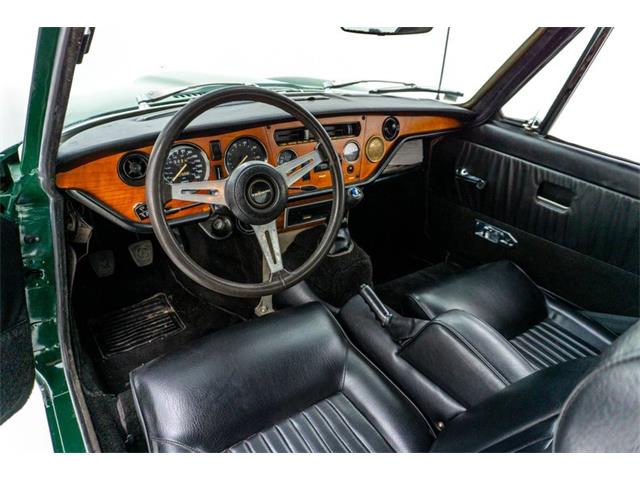
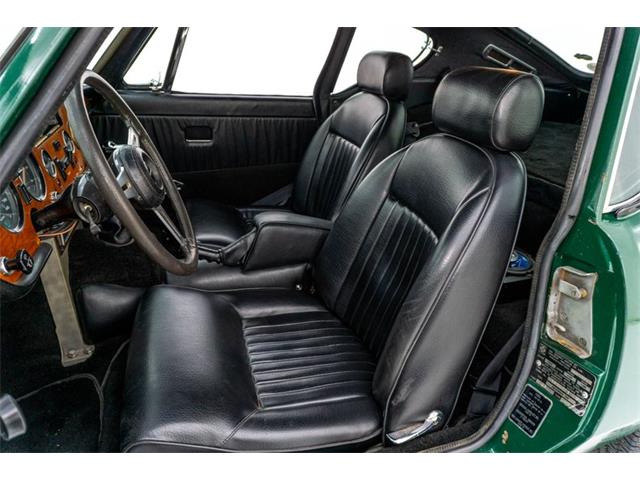
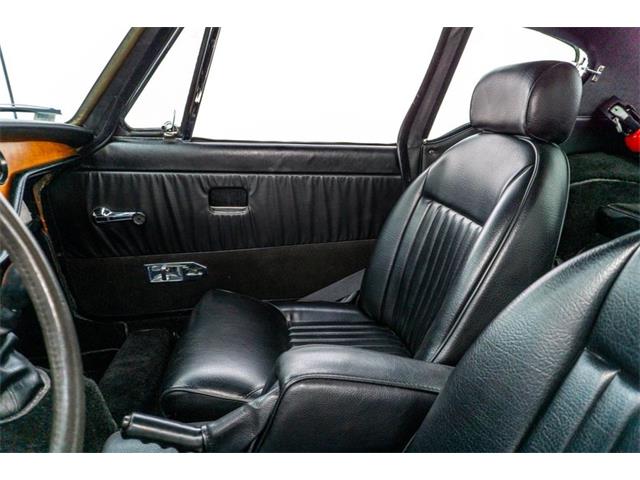
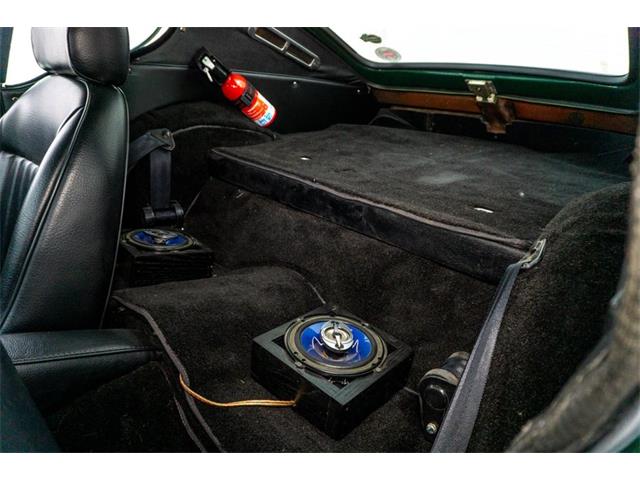
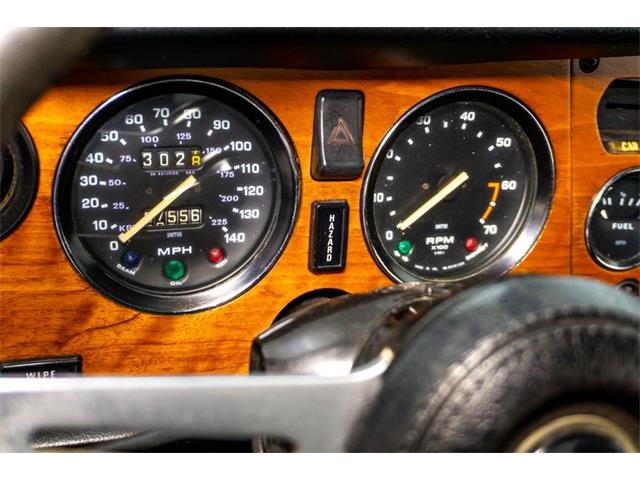
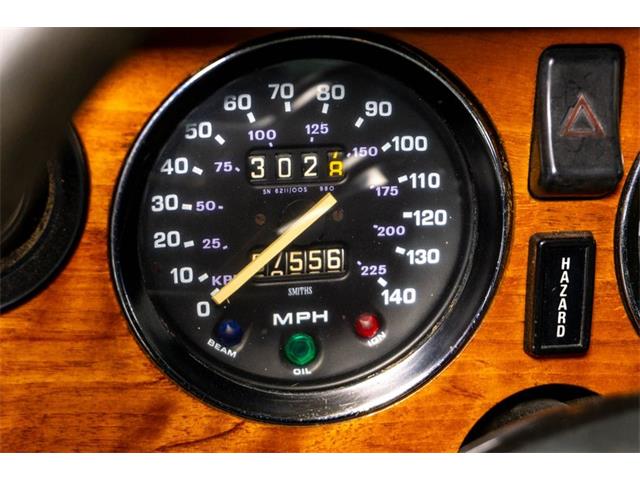
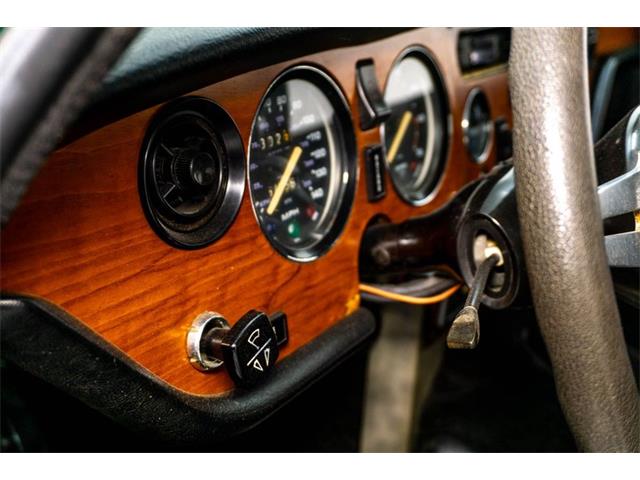
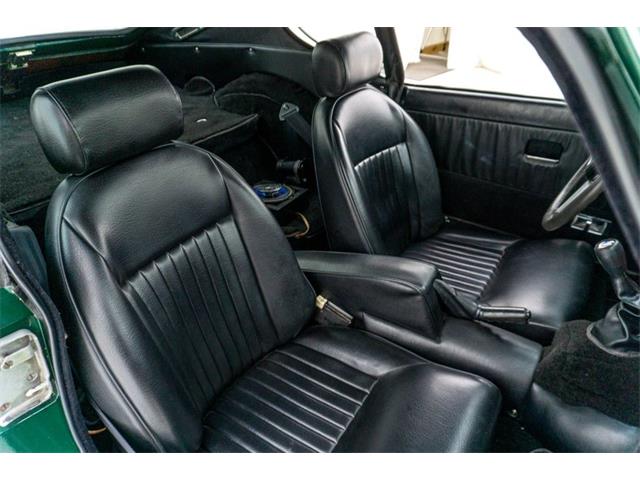
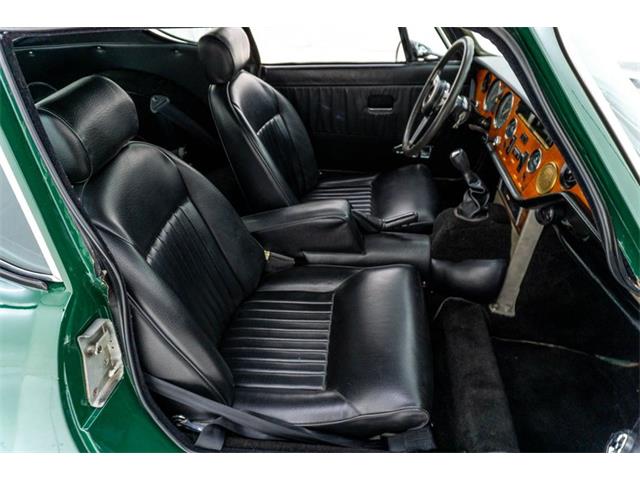
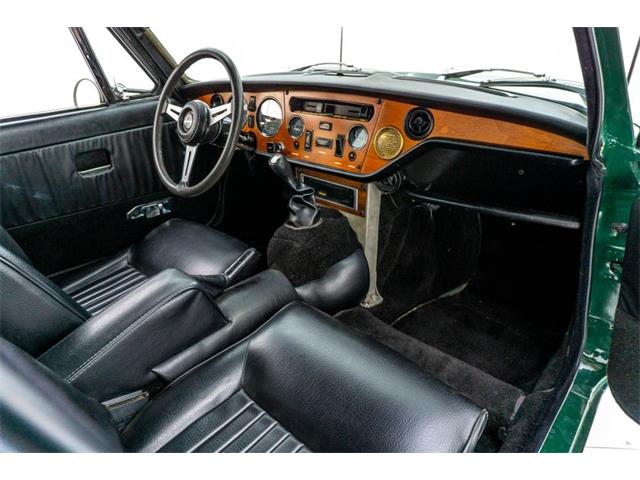
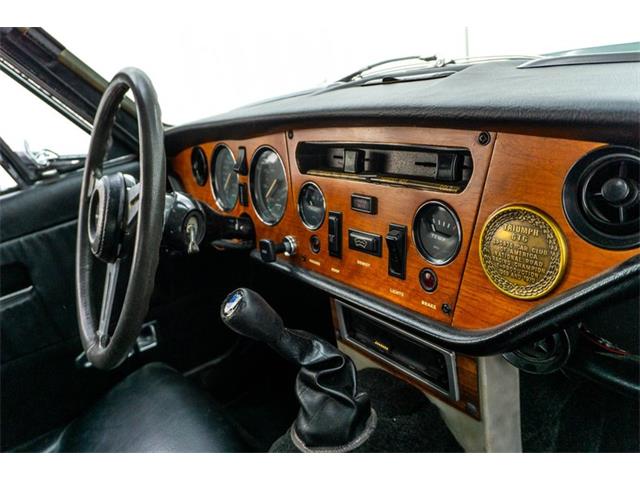
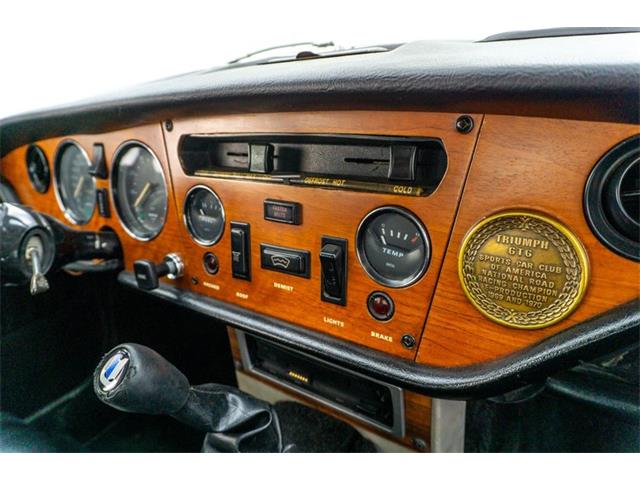
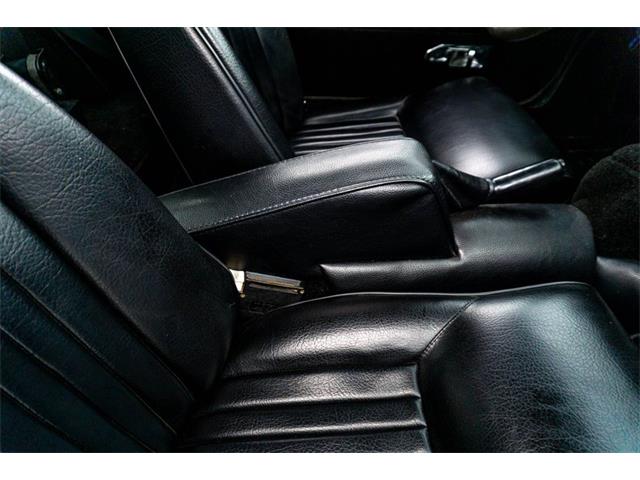
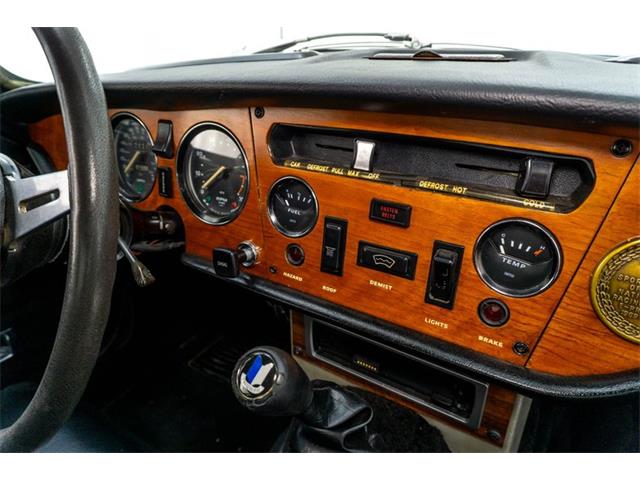
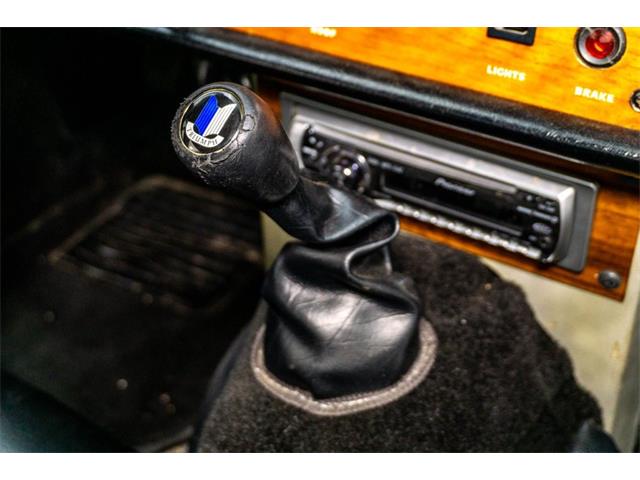
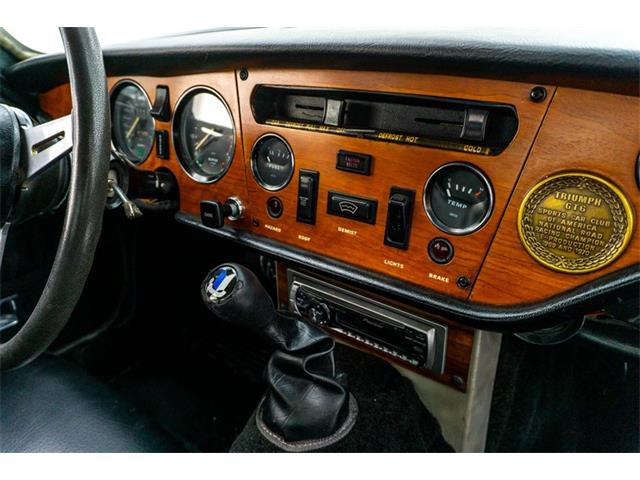
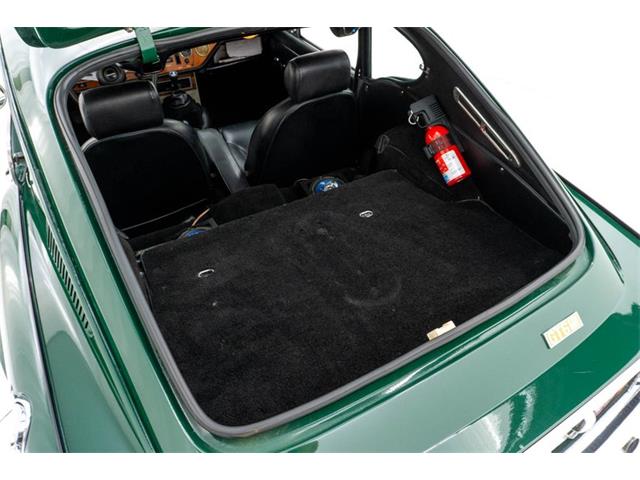
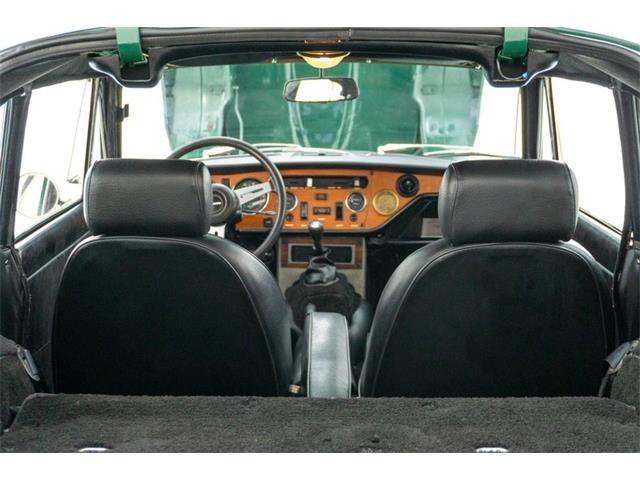
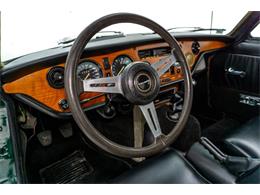
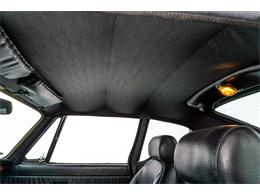
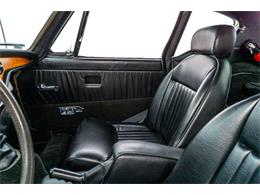
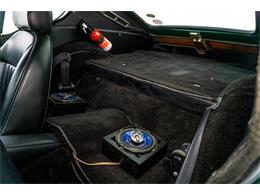
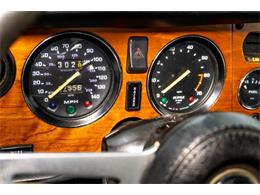
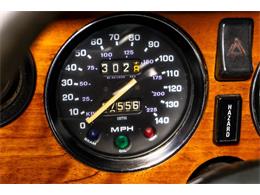
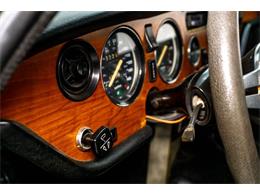
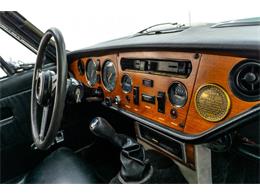
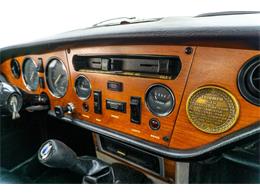
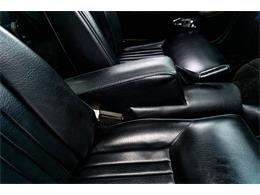
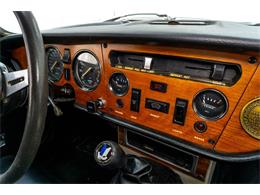
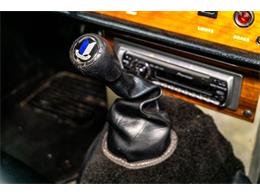
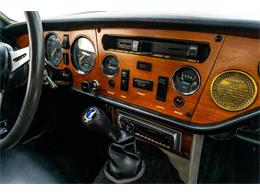
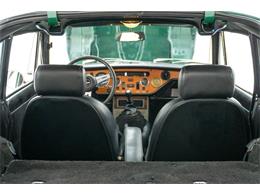
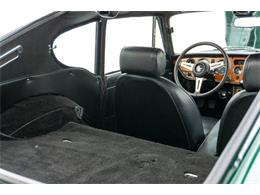
The interior features comfortable, plush seats and carpeting, while
the semi-matte woodgrain finish of the dashboard closely resembles
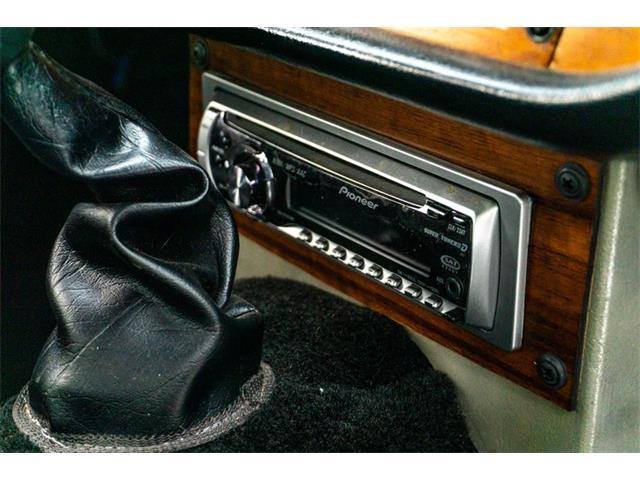
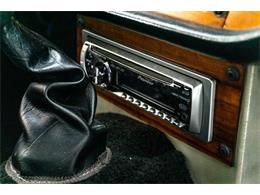
its original appearance. An upgraded PIONEER AM/FM/CD stereo
provides AUX connectivity for streaming music from a mobile device,
and its operating instructions still accompany the car today.
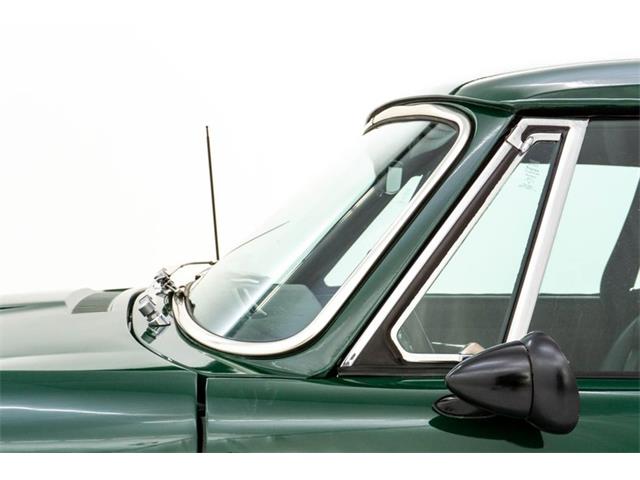
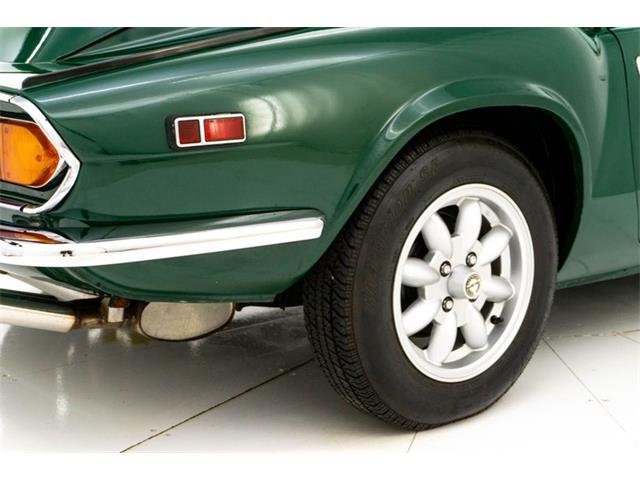
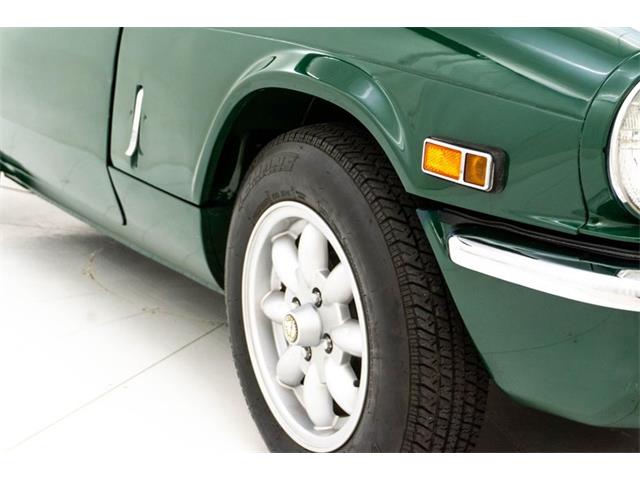
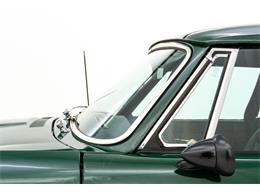
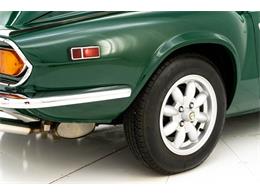
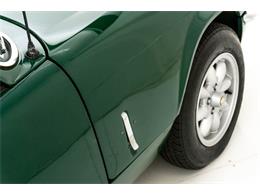
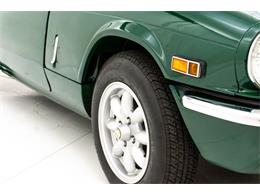
Exterior appointments include a set of 8-spoke bolt-on alloy
MINATOR wheels and a Matte Black LH exterior "bullet" mirror. These
subtle but distinctive touches lend the GT6 a slightly personalized
appearance reminiscent of what an SCCA racer might have chosen for
his own road car in the early 1970s-an especially appropriate
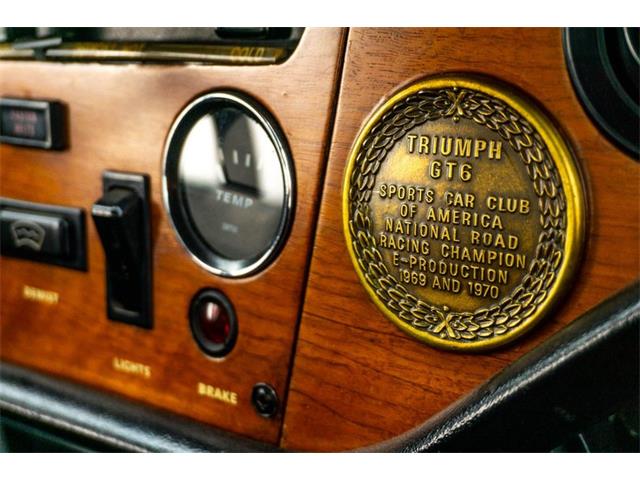
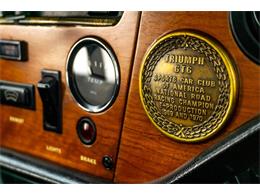
aesthetic considering the Mk III's competition pedigree. Triumph
even fitted a round brass plaque to the passenger side of the
dashboard commemorating the GT6's 1969 and 1970 SCCA E-Production
National Championship victories.
IT'S ALIVE! is pleased to present this beautifully restored GT6
from the final model year of production to the next collector or
enthusiast who appreciates its distinctive styling, competition
heritage and wonderfully free-revving six-cylinder character.
If you are the next owner of this classic then give us a call at
314-710-6600 or email us at
[email protected].