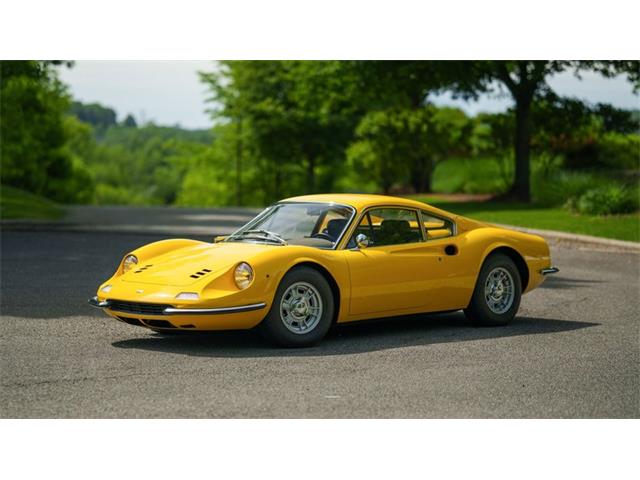
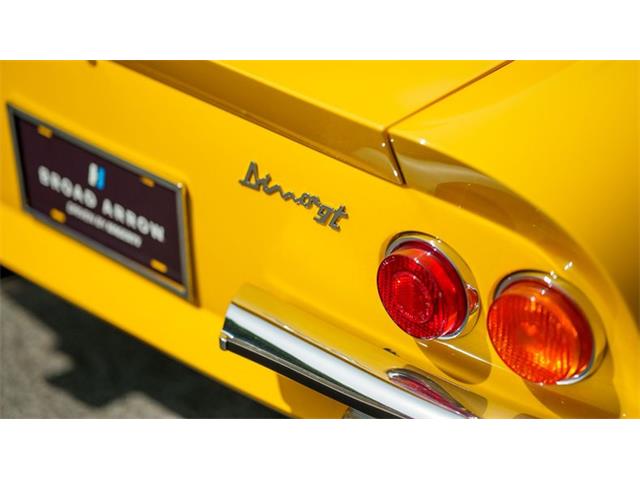
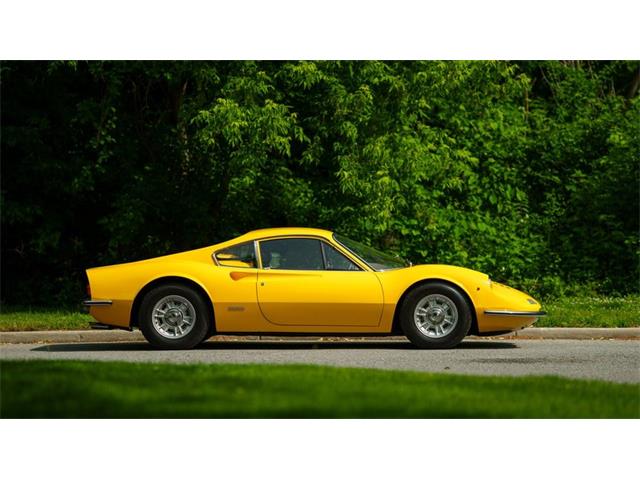
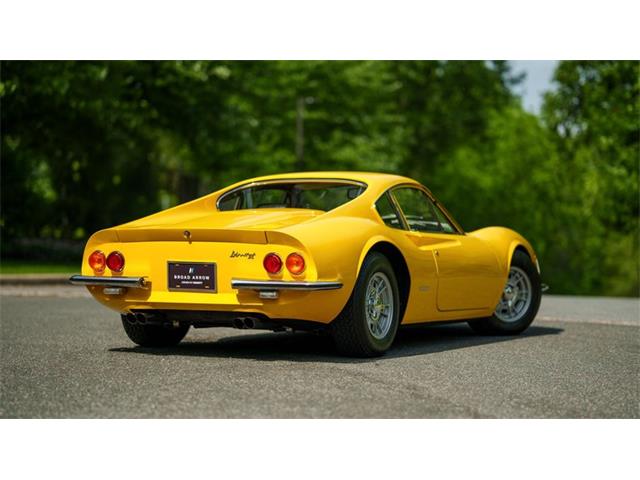
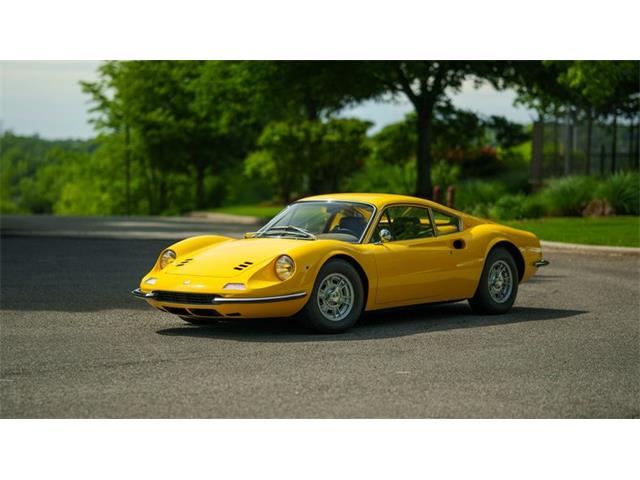
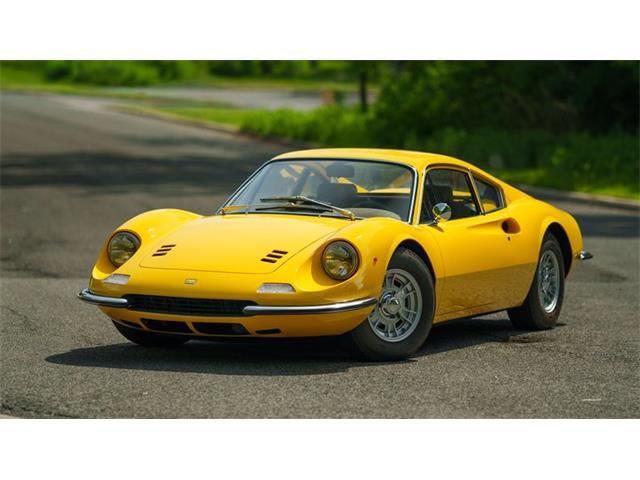
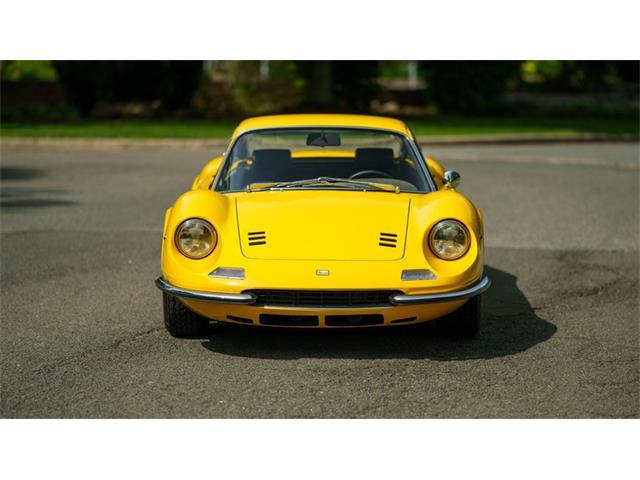
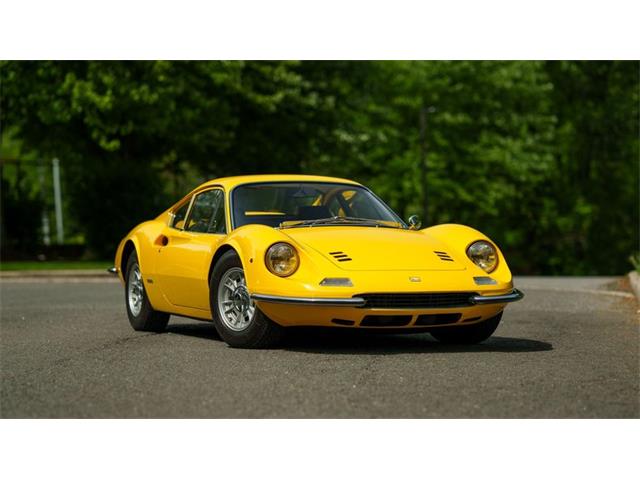
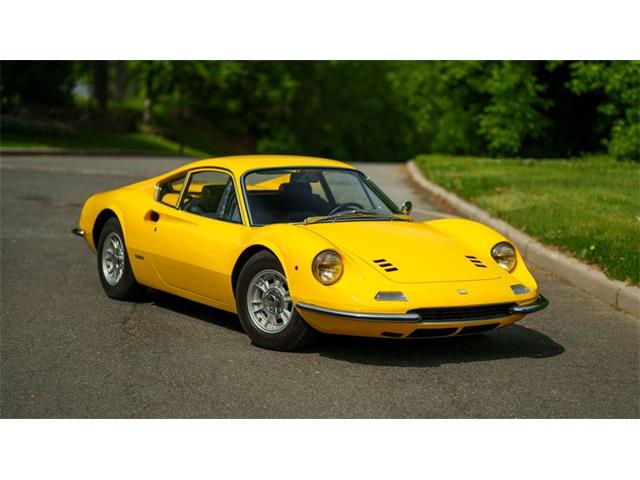
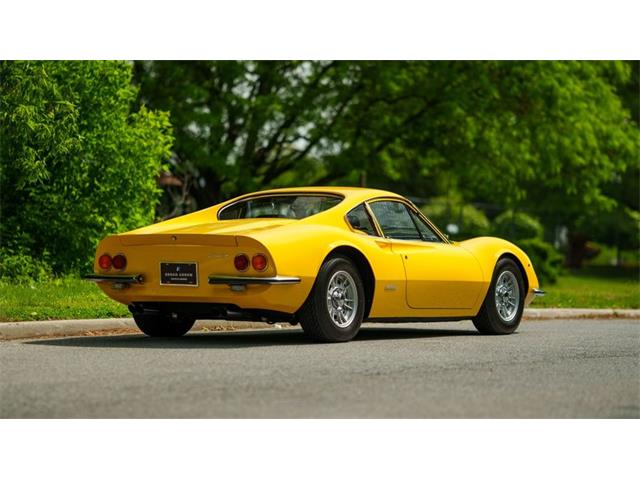
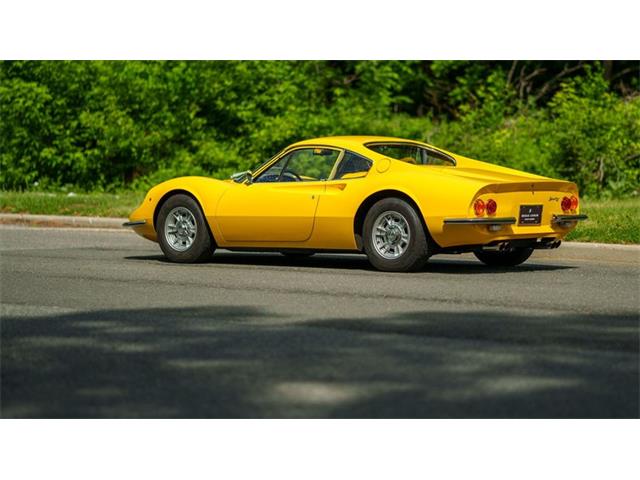
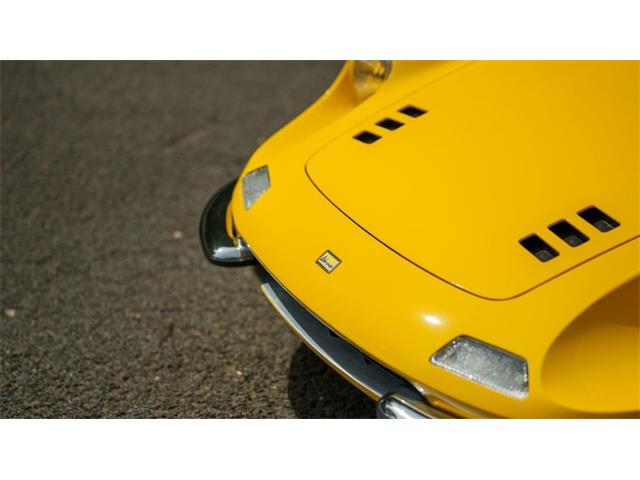
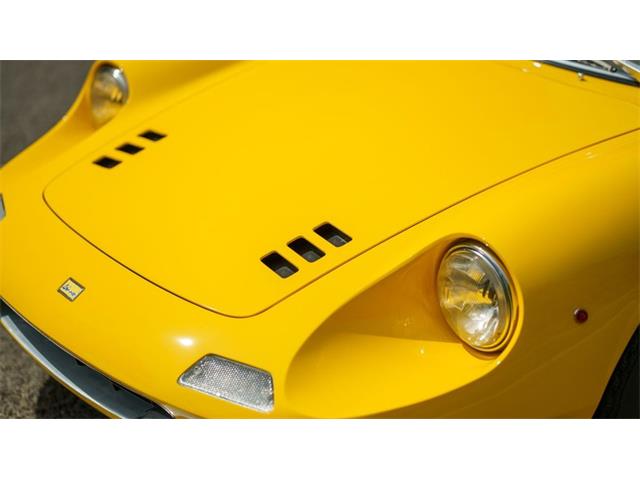
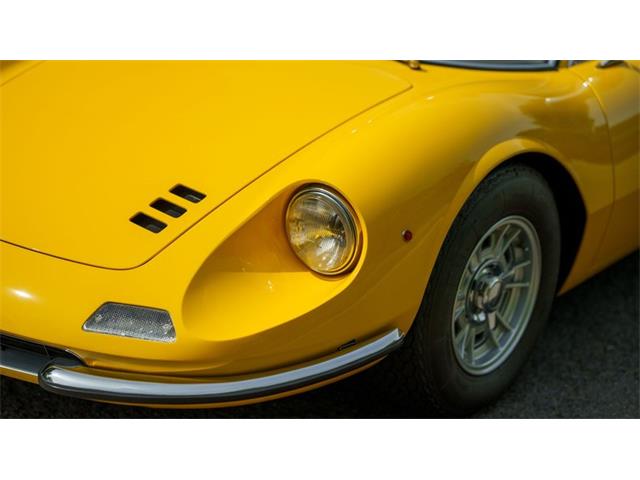
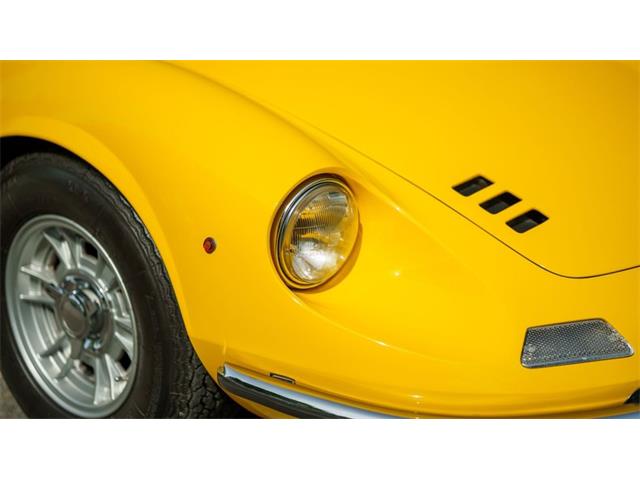
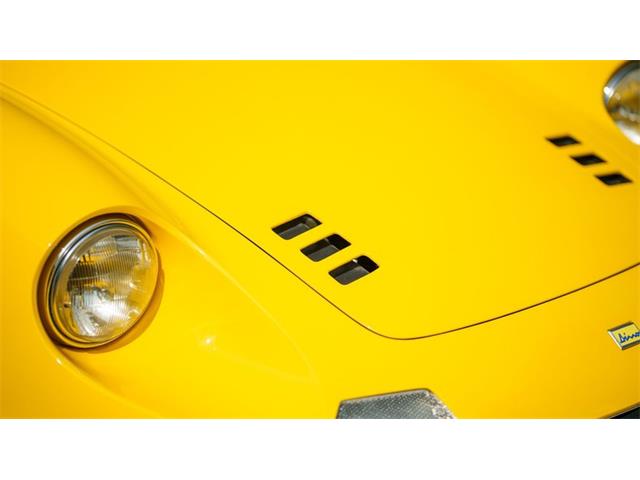
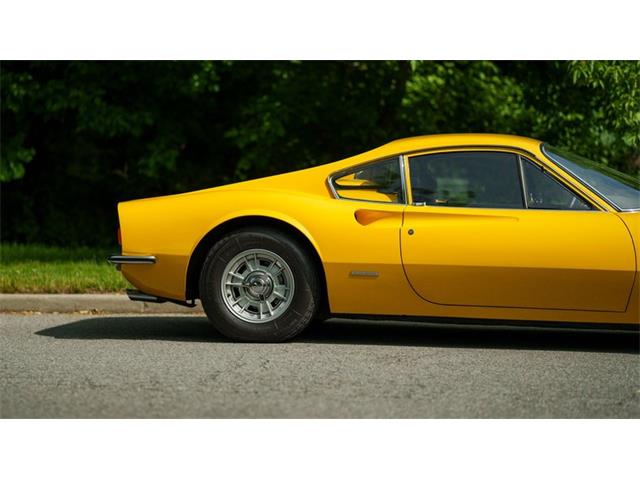
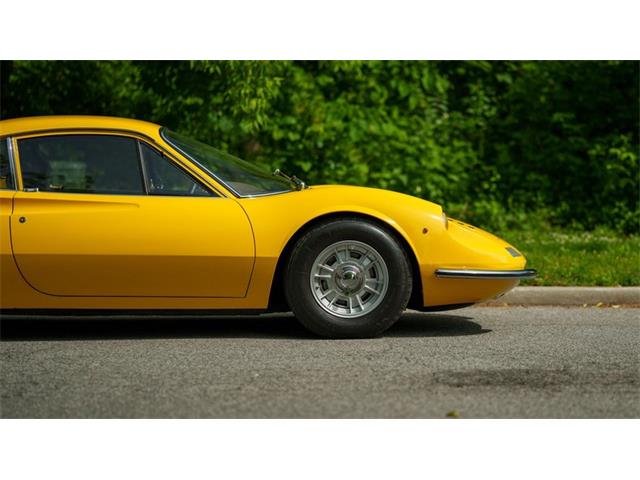
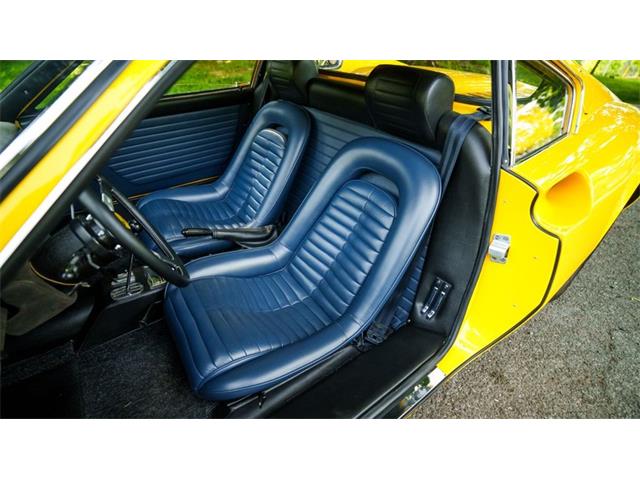
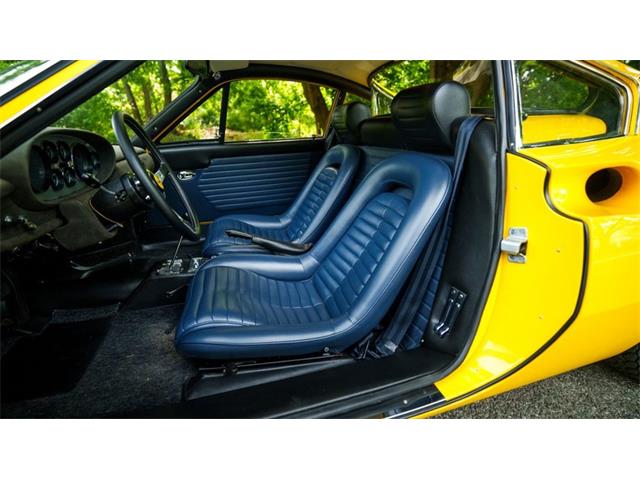
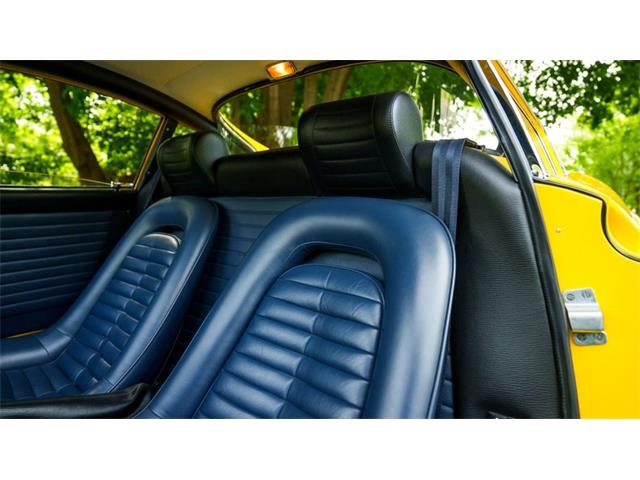
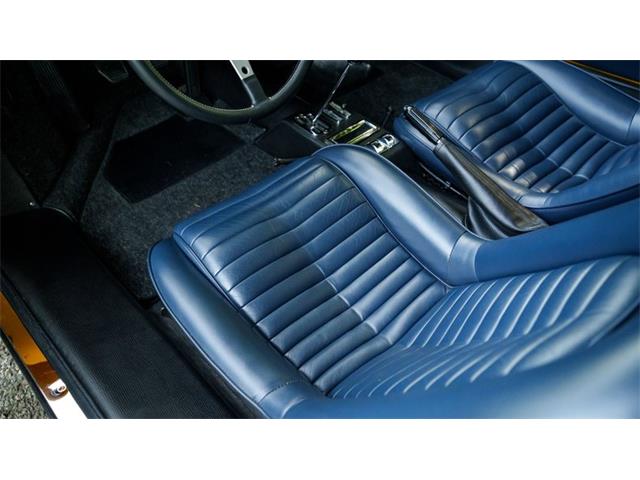
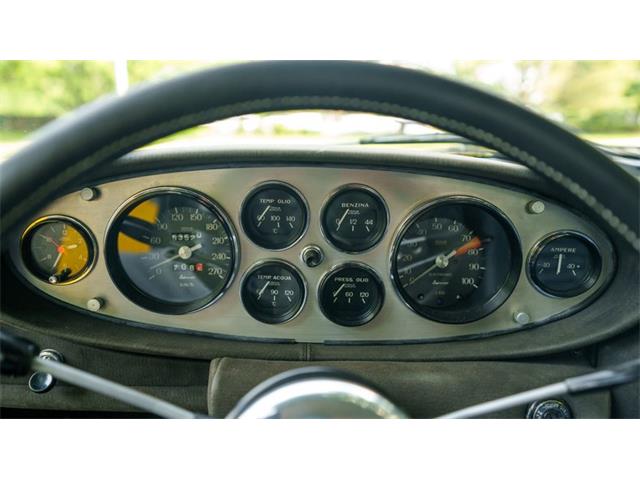
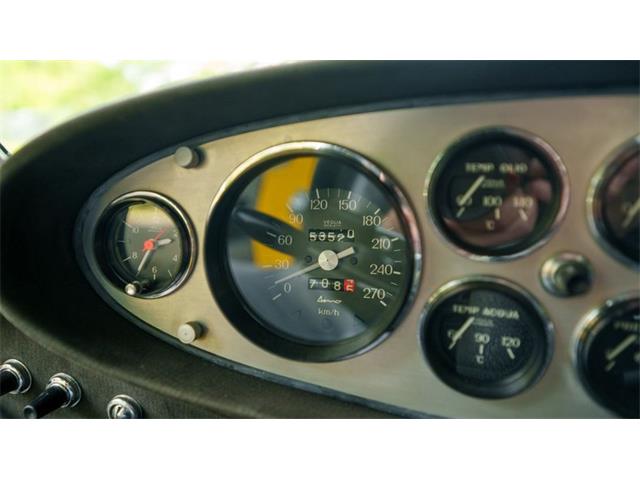
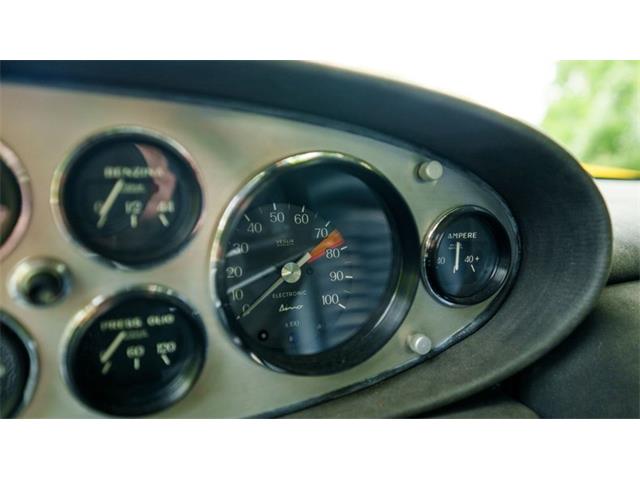
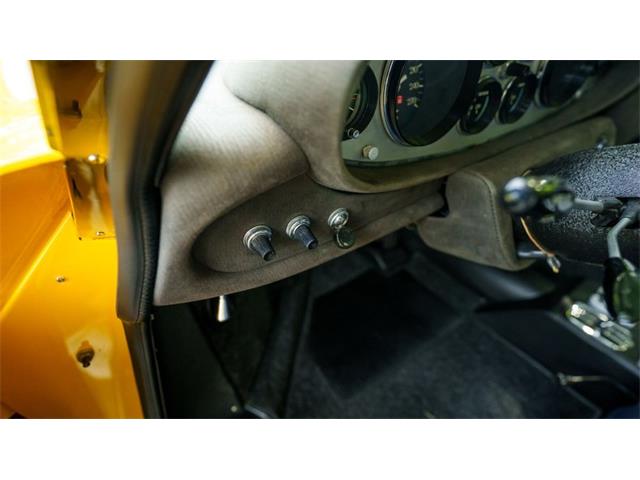
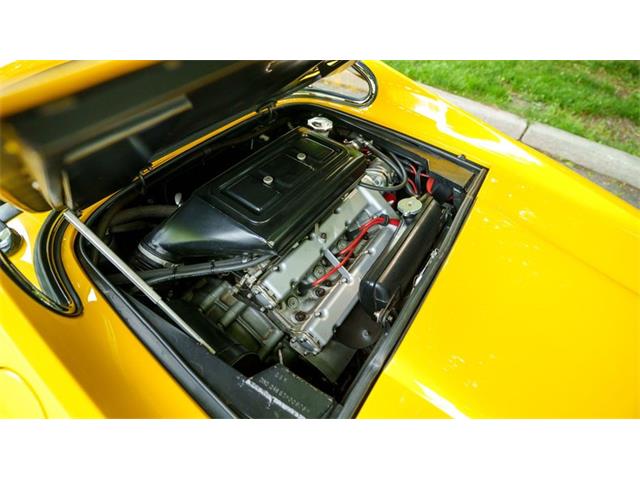
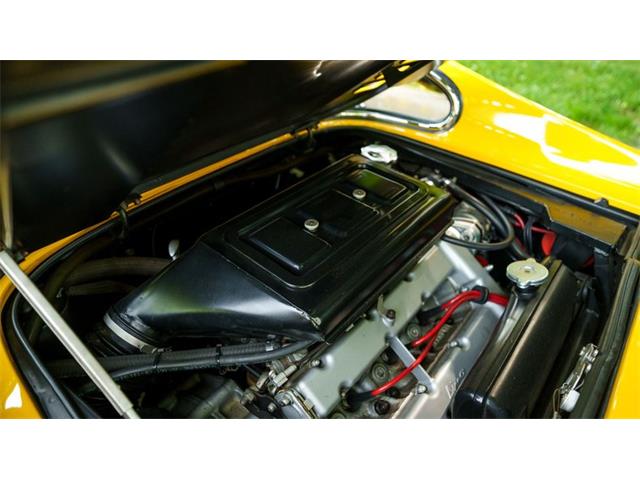
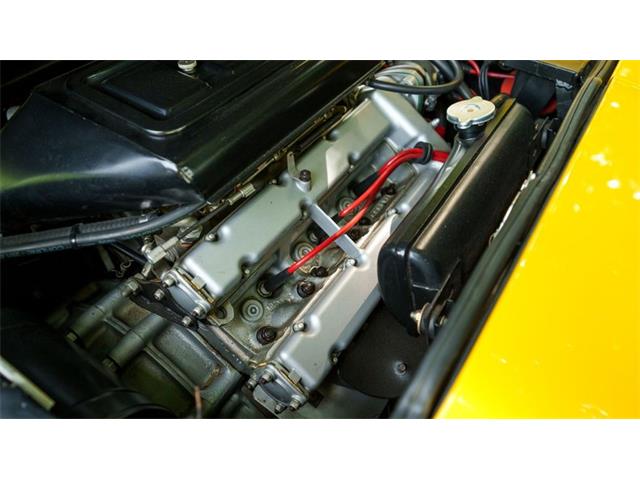
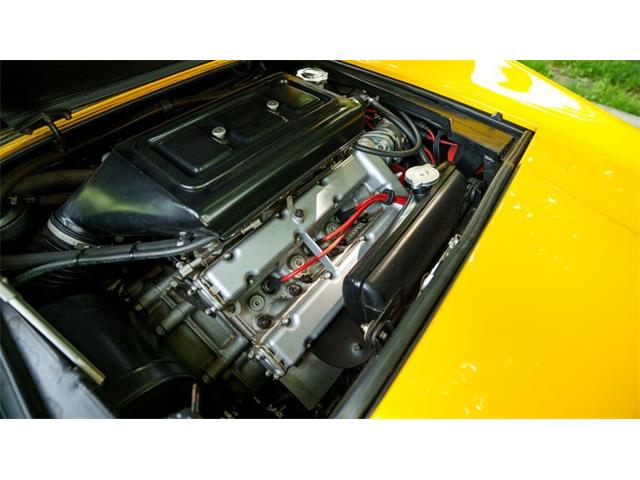
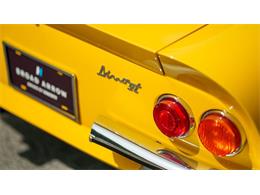
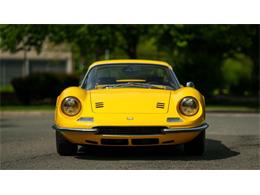
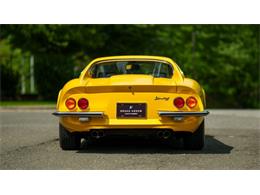
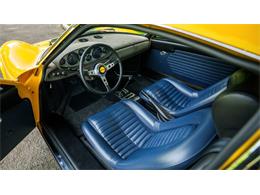
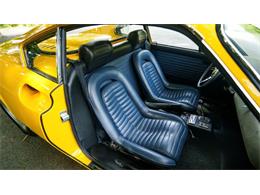
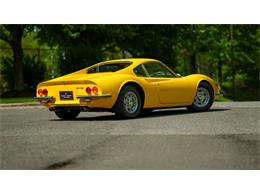
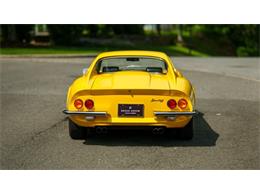
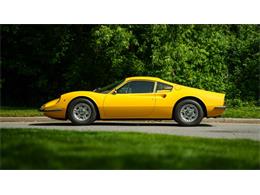
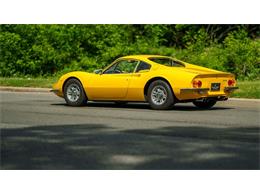
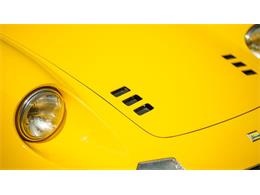
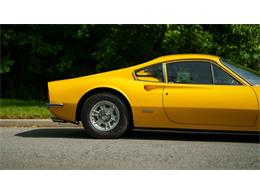
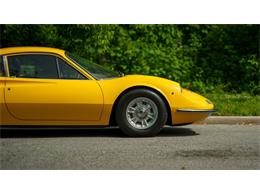
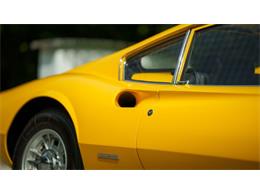
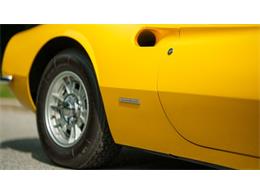
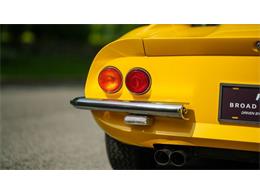
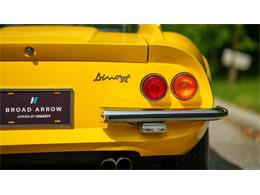
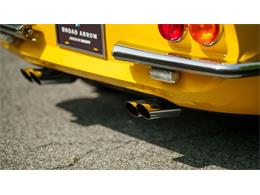
Presented in March 1969 at the Geneva International Motor Show, the
Dino 246 GT addressed the chief criticism leveled at the 206 GT
that preceded it. Despite the 206 GT's current standing among
collectors today, Maranello's maiden mid-engine road car was widely
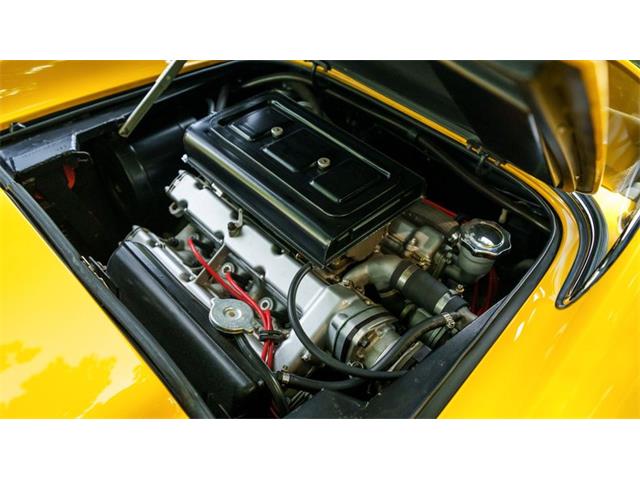
considered underpowered when new; its 2.0-liter V6 was deemed short
on muscle to fully exploit its brilliant chassis. The 246 GT
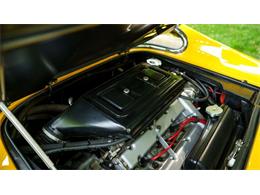
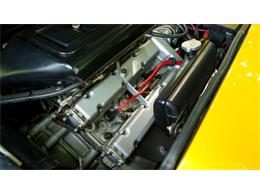
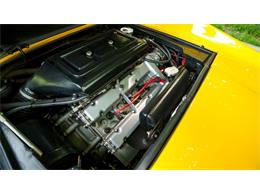
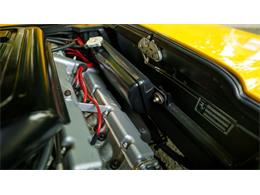
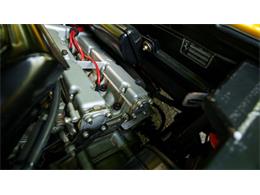
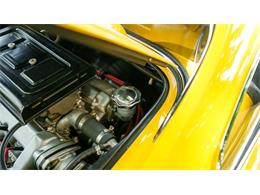
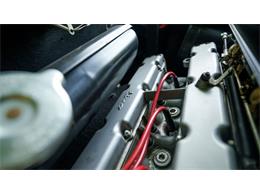
increased the V6's displacement by 400 cc to 2.4 liters and raised
output from 178 to 192 horsepower, giving the Dino a 25-horsepower
advantage over Stuttgart's 911 S.
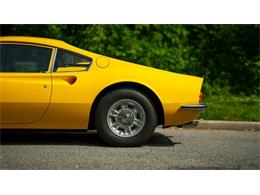
Production of the 246 GT was divided across three series-L, M, and
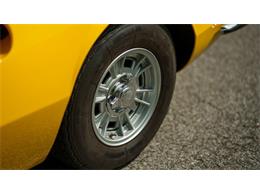
E-with the earliest 'L Series' cars retaining the distinctive
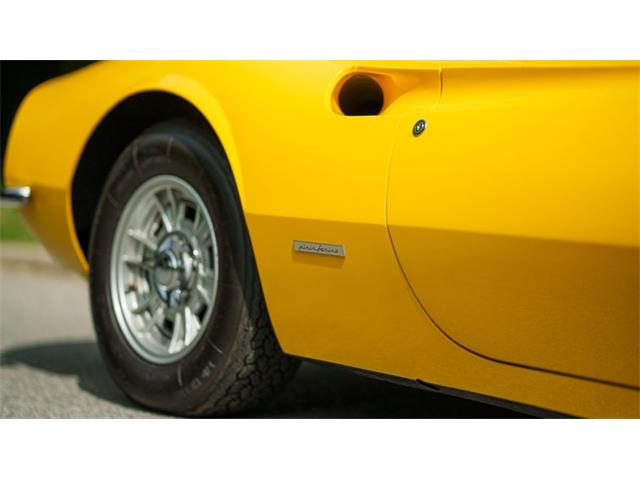
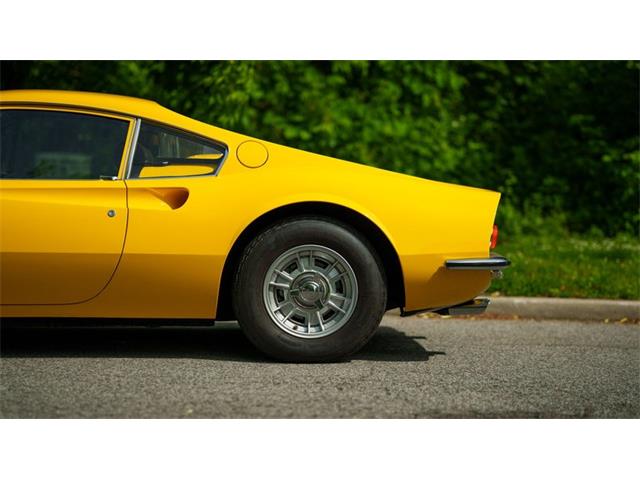
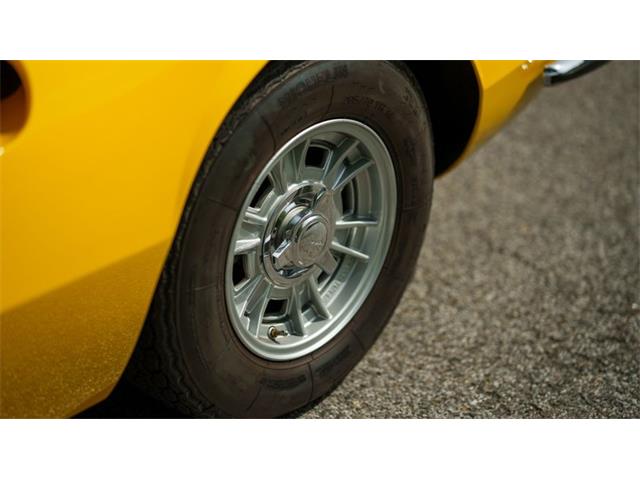
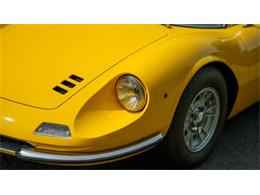
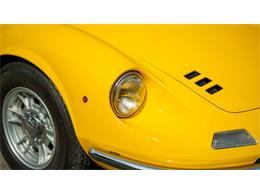
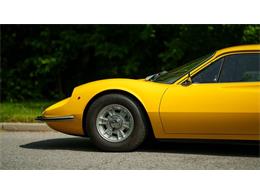
details of the original 206. These included Cromodora alloy wheels
secured by central locking hubs with three-eared knock-offs, door
skins and front and rear lid panels formed in aluminum,
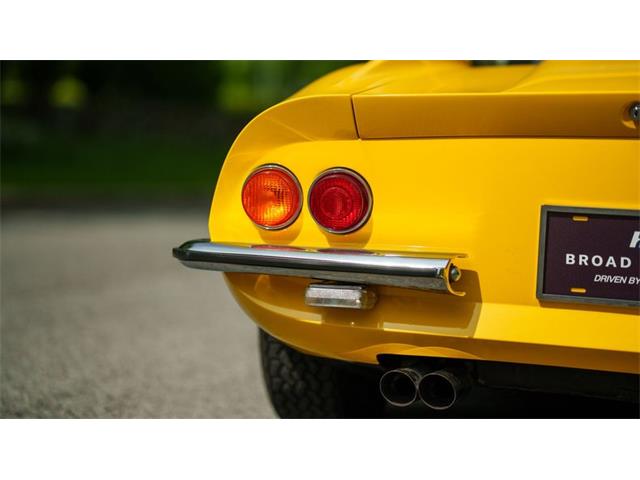
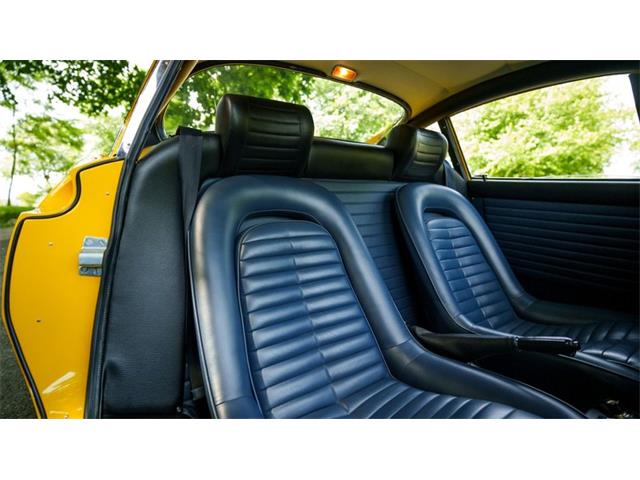
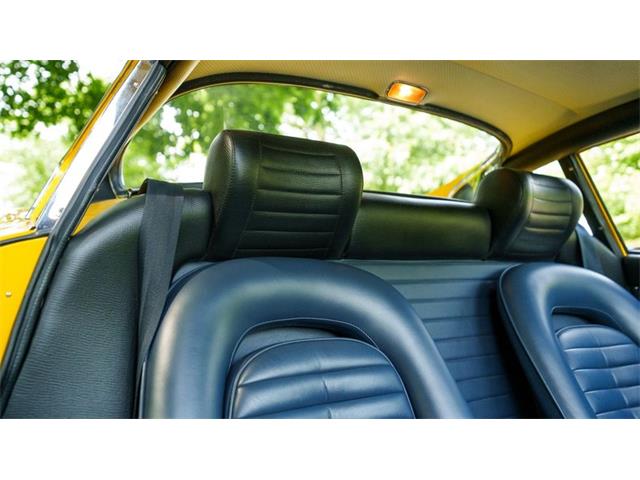
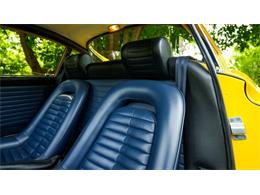
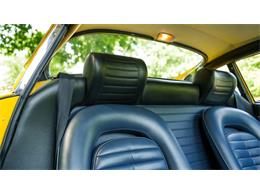
chrome-plated brass trim, slender bumpers, and headrests integrated
into the rear wall rather than the seatbacks. With production
totaling just 355 units, the L Series is today regarded as the
rarest and purest expression of the 246 GT and remains the most
sought after of the three variants.
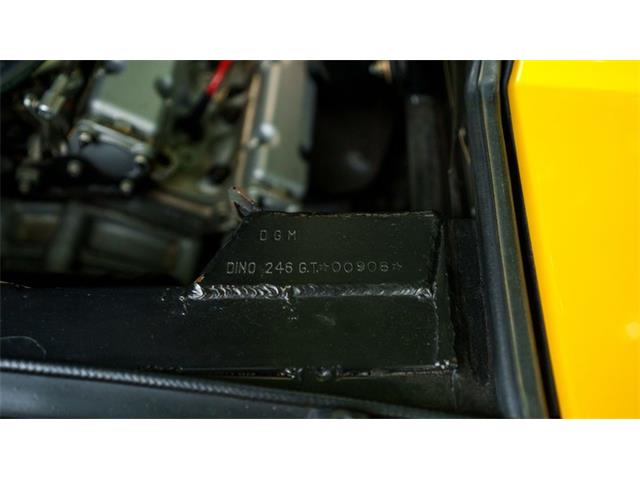
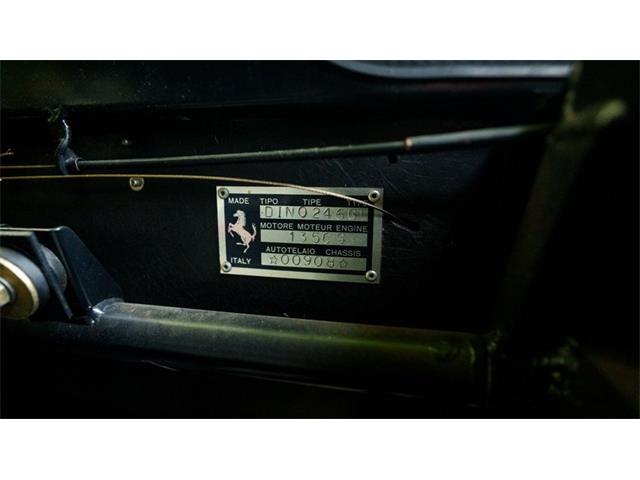
According to a report compiled by Ferrari historian Marcel Massini,
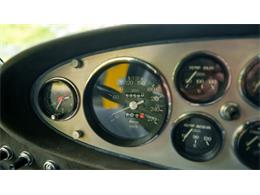
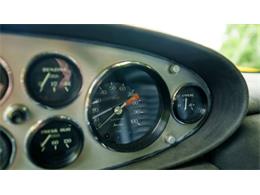
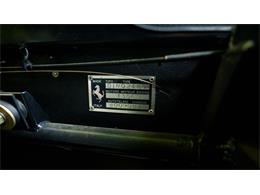
chassis number 00908 was completed on 8 June 1970 as a
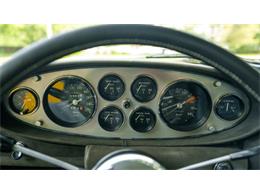
European-market example with instrumentation in kilometers and
finished in distinctive Rosso Chiaro over a Nero interior. While
many eager American customers would have to wait for the
introduction of the U.S.-market 246 GT in October 1971, others were
not content to delay, instead importing European examples, as was
the case with 00908. The car arrived on U.S. shores via Modern
Classic Motors of Reno, Nevada, the famous import operation of
casino magnate William "Bill" Harrah, before being sold to its
first owner through Ron Tonkin Chevrolet in Portland, Oregon.
The car's history resumes in 1981, when Michael Delprincipe of
Harbor City, California, acquired the Dino and reportedly kept it
for the next 15 years. In 1996, the car changed hands within the
state to enthusiast Garry Roberts, who subsequently commissioned a
comprehensive restoration two years later by well-known Ferrari
restorer Rod Drew of Francorchamps of America, Inc. (FAI) of Costa
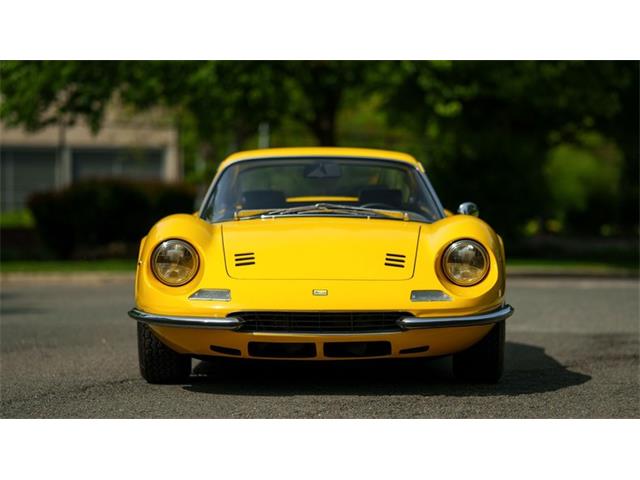
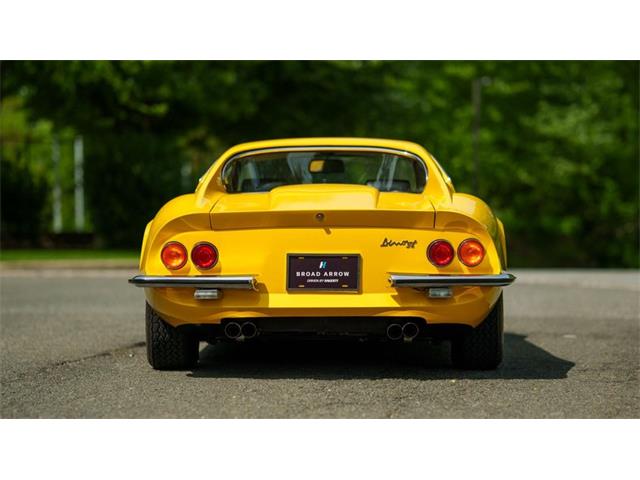
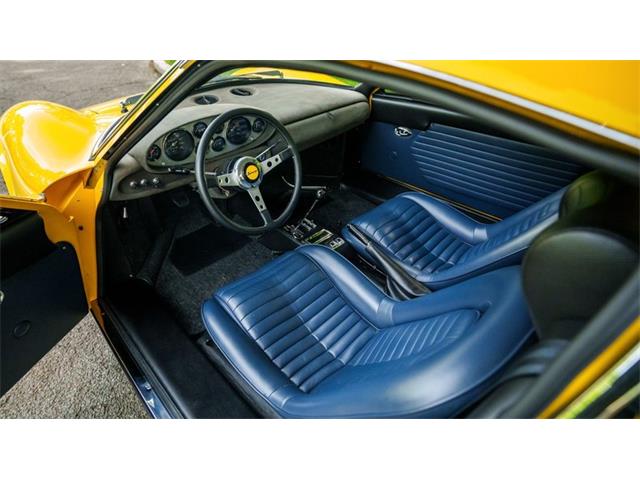
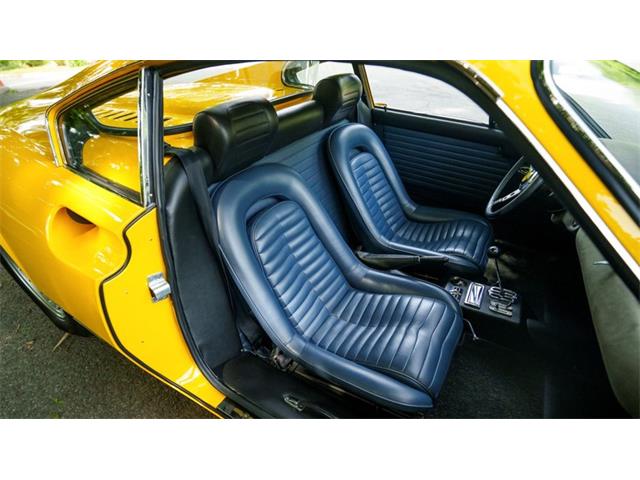
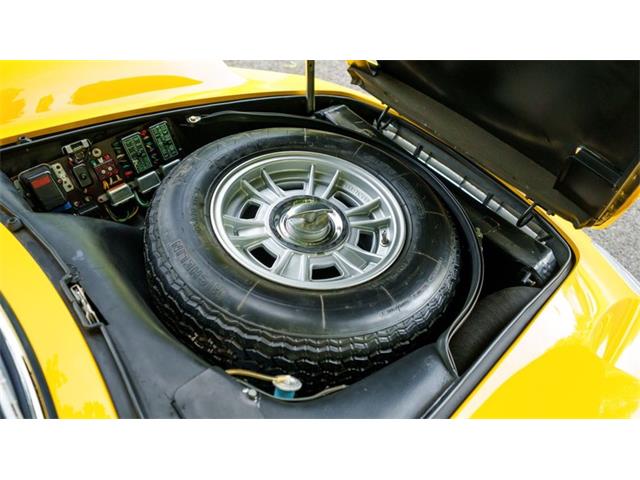
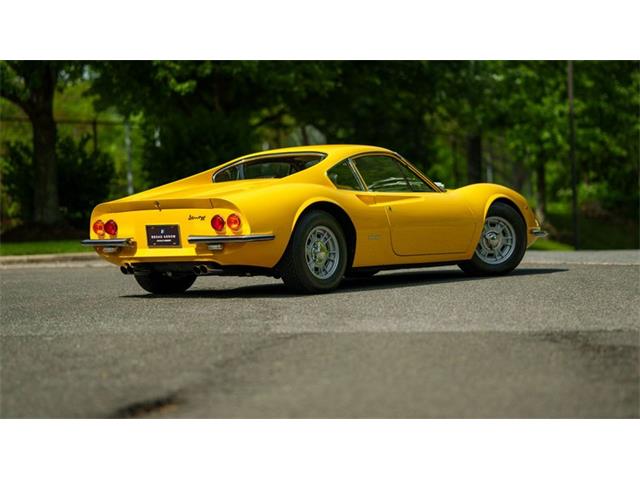
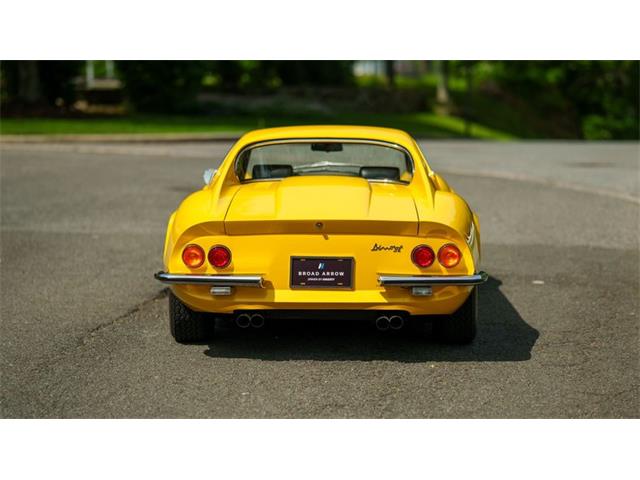
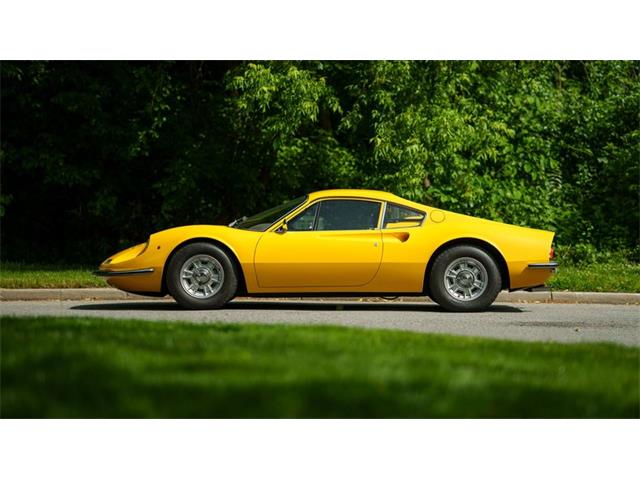
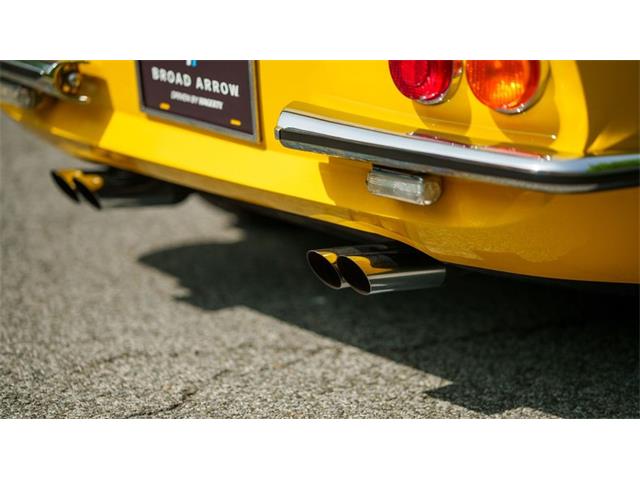
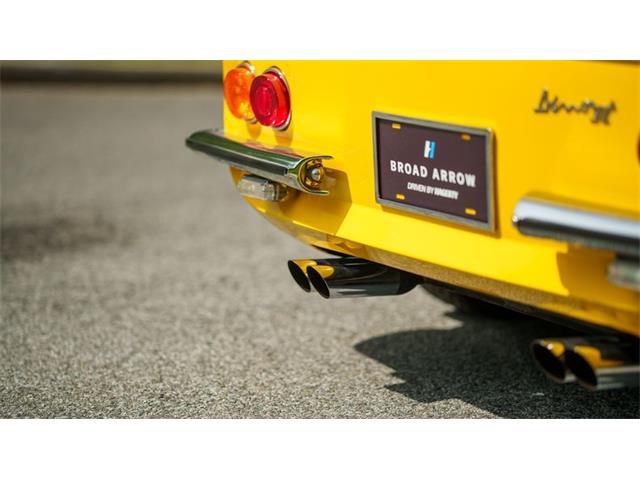
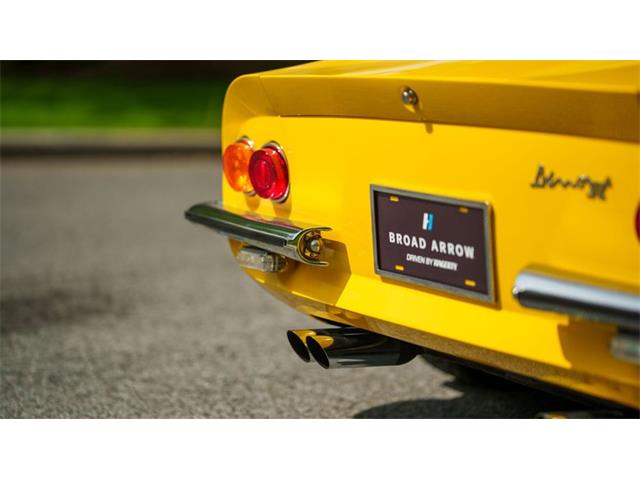
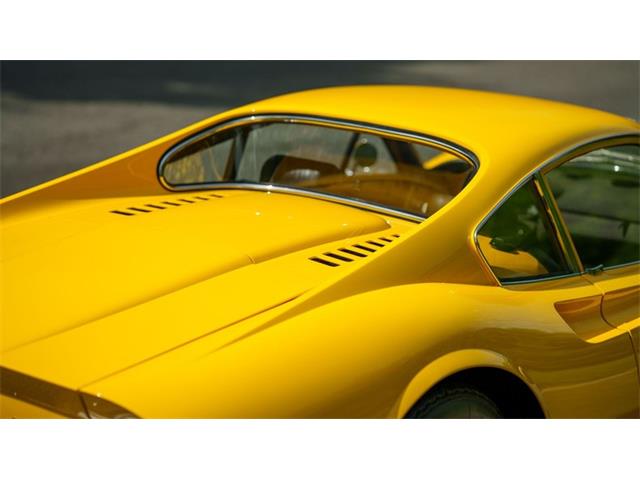
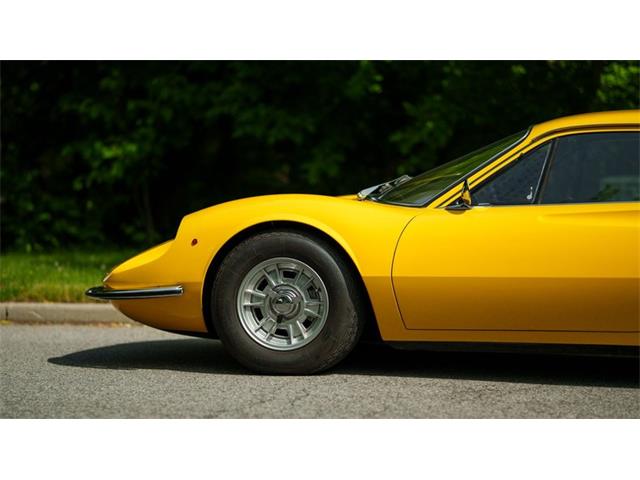
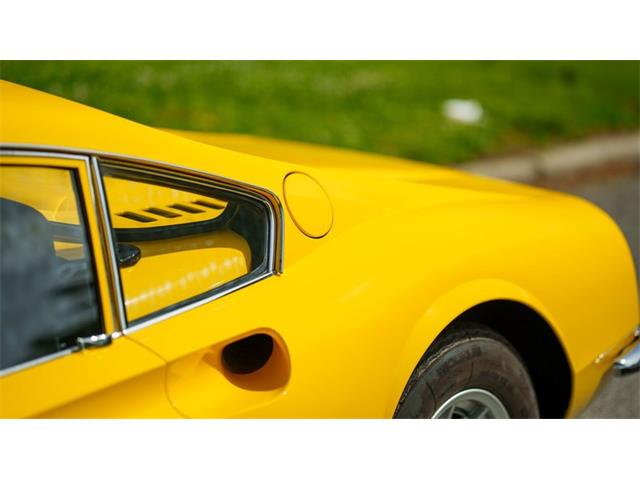
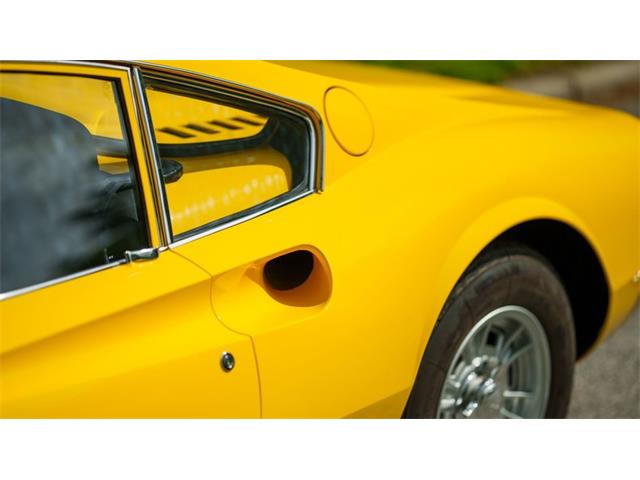
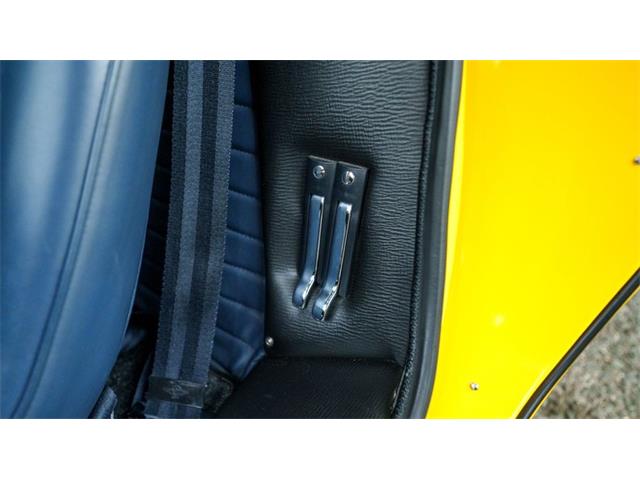
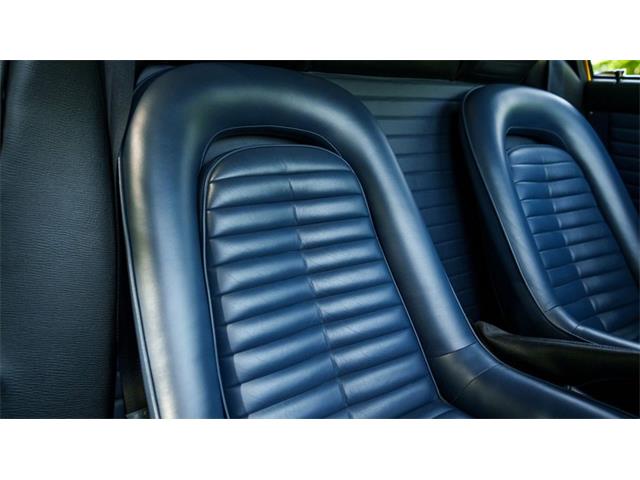
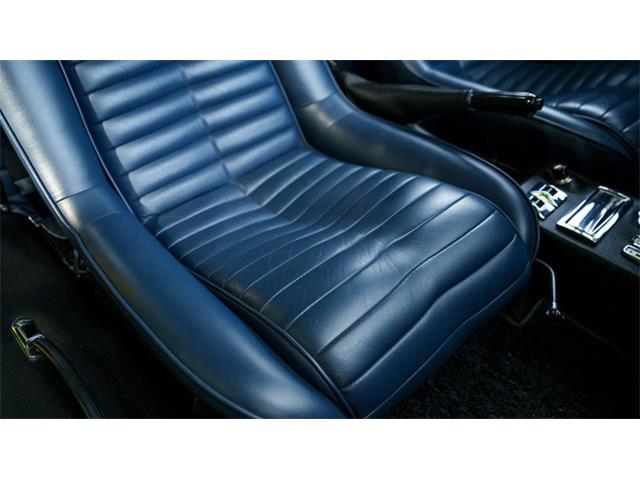
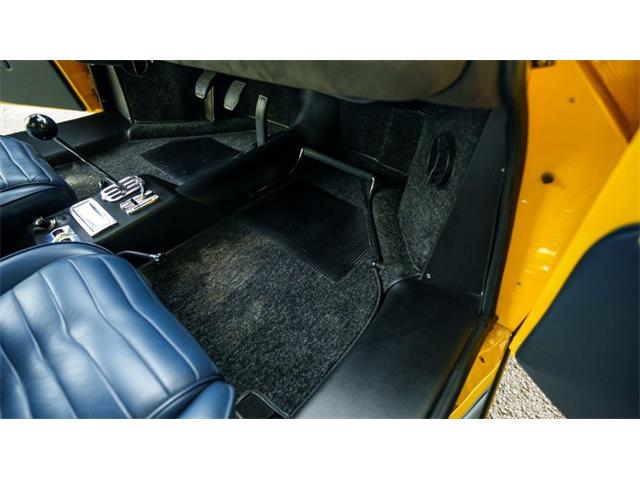
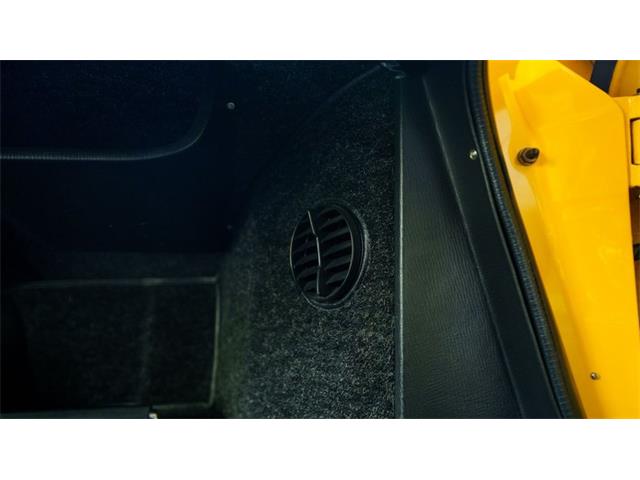
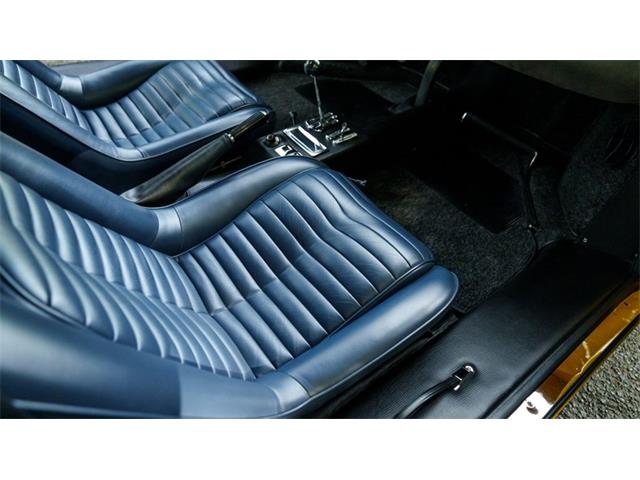
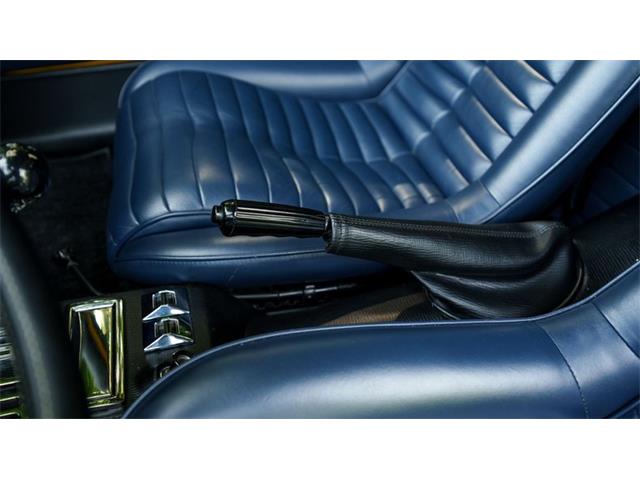
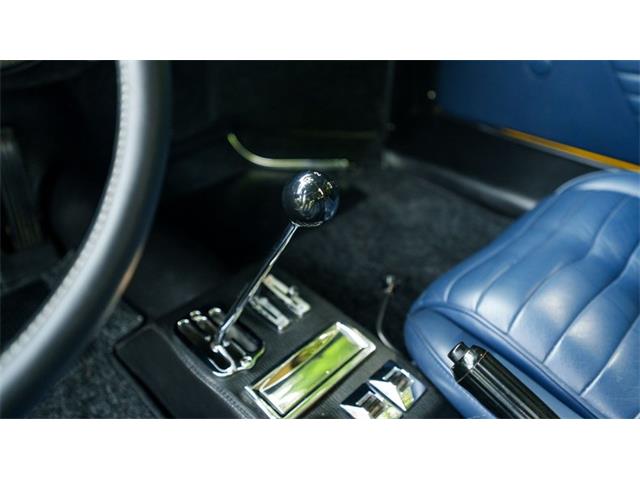
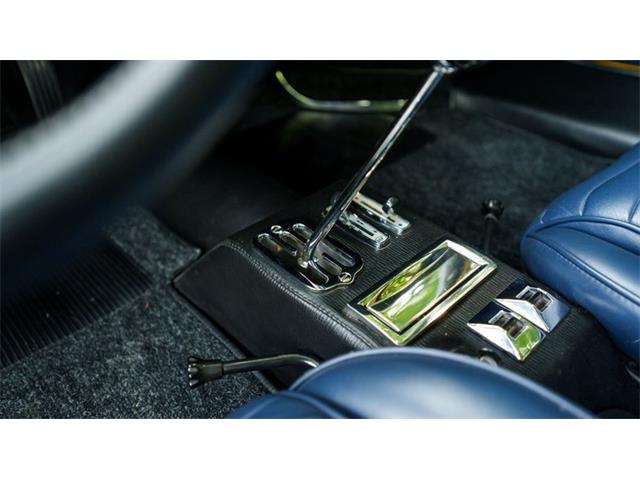
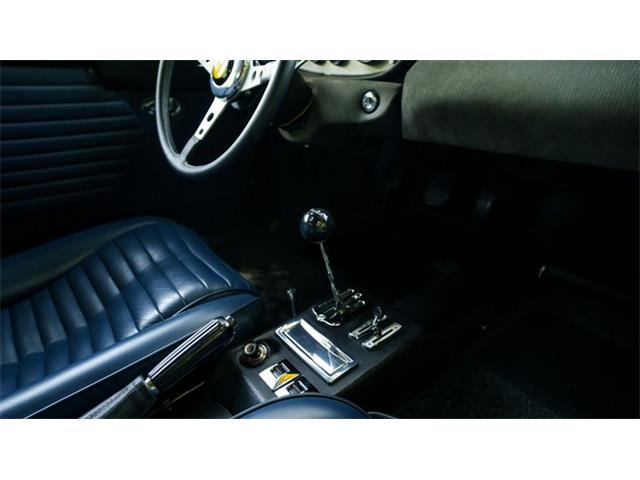
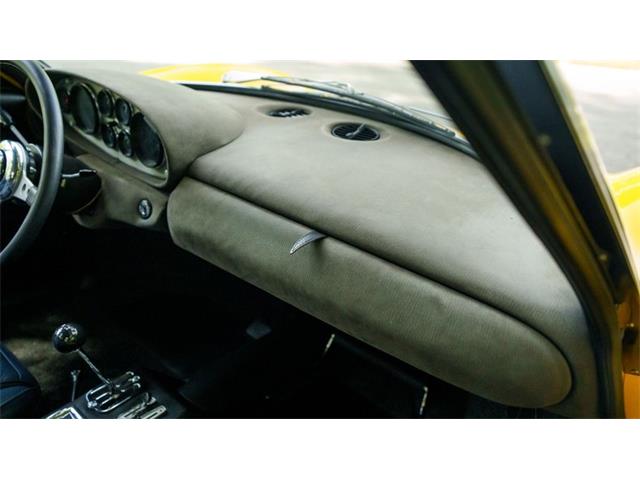
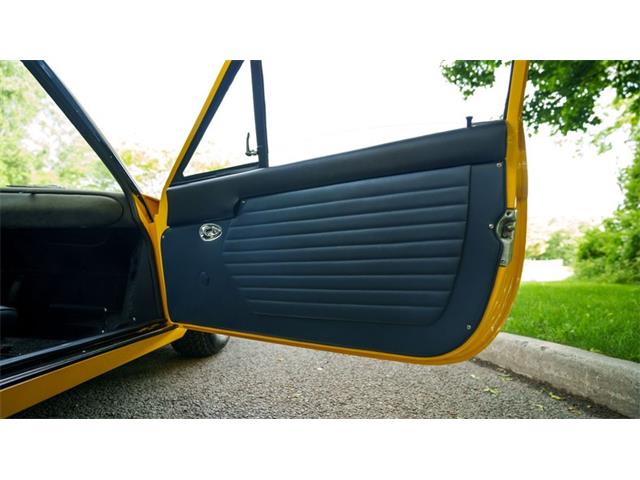
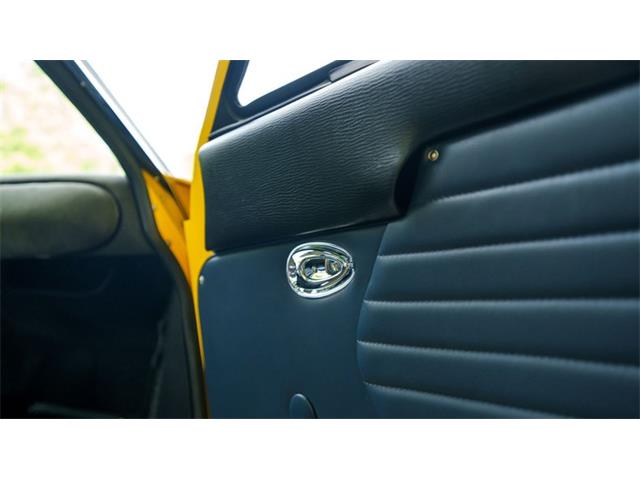
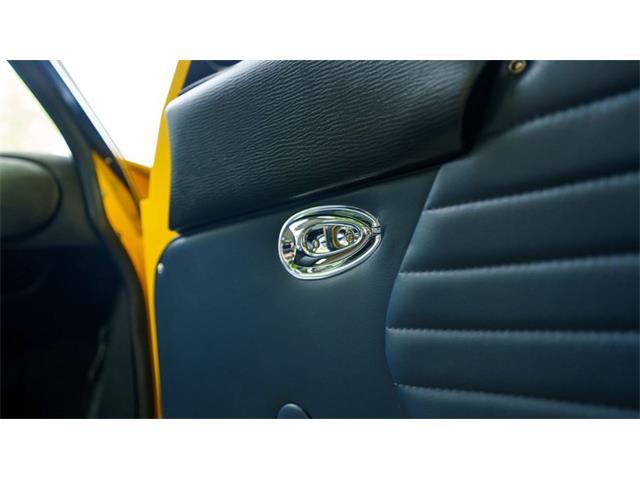
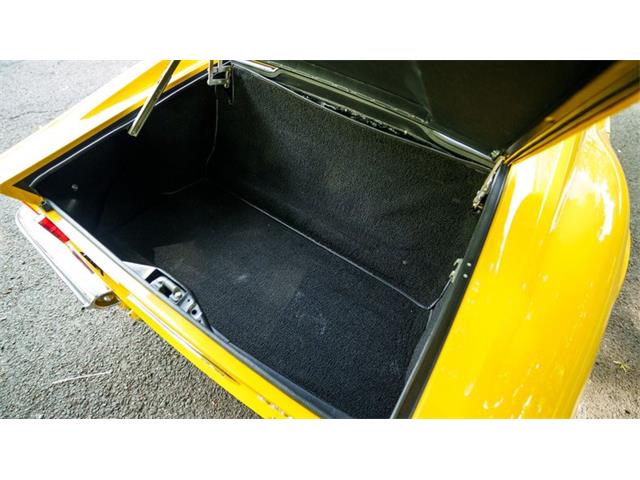
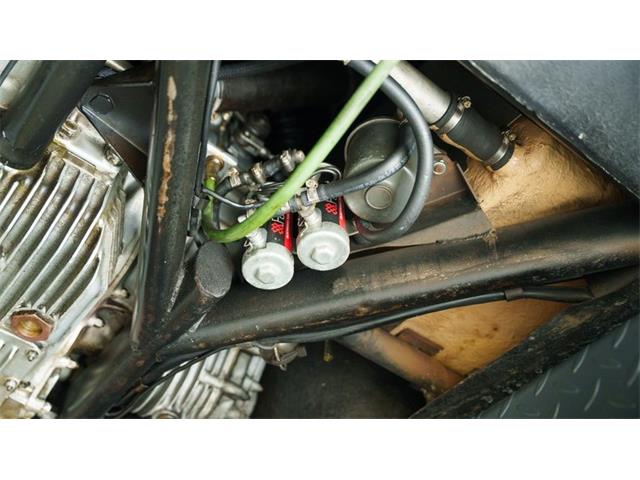
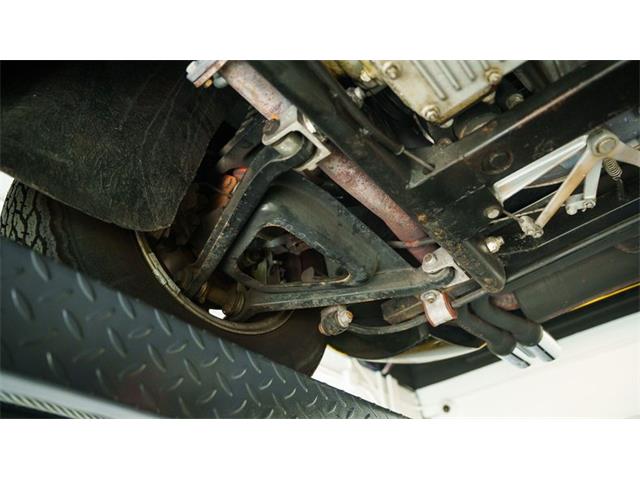
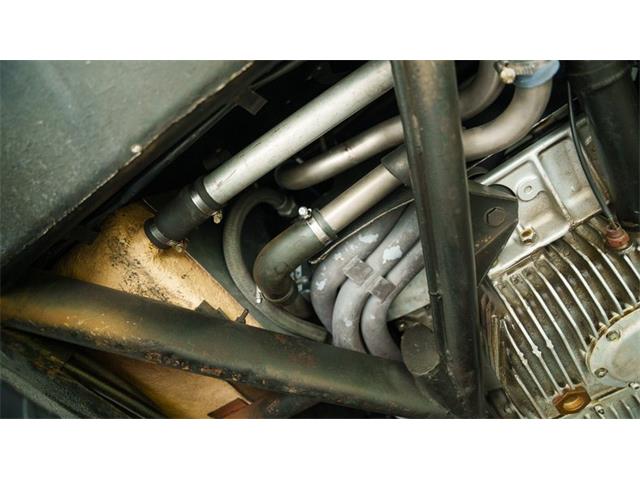
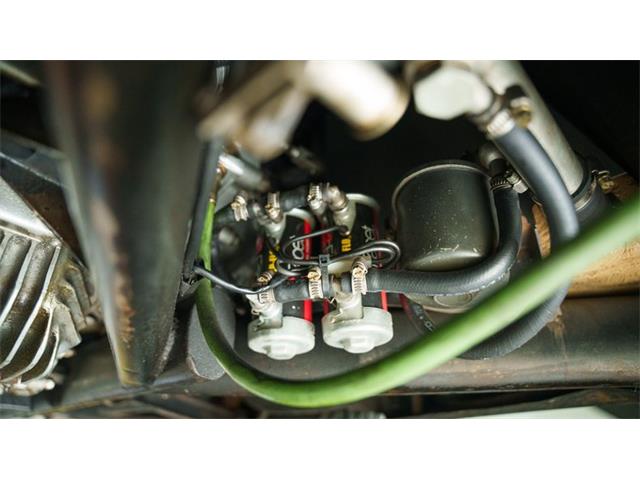
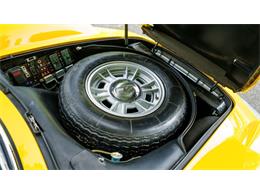
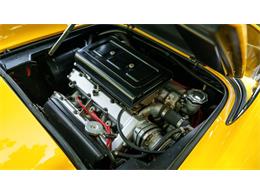
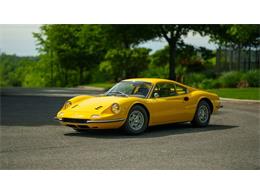
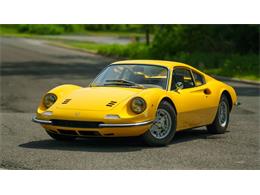
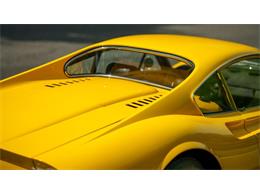
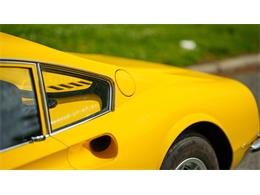
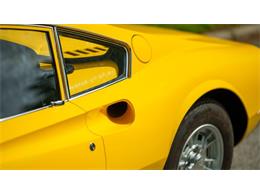
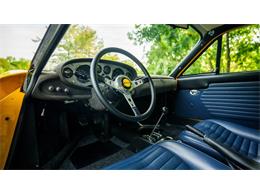
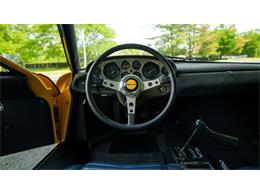
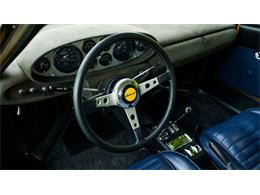
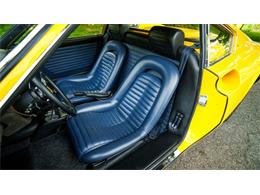
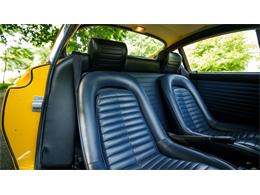
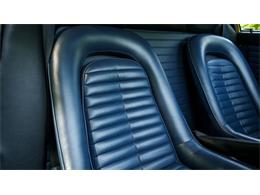
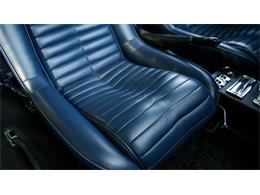
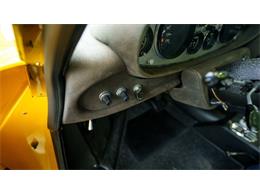
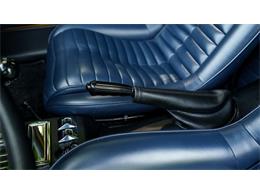
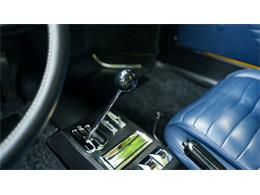
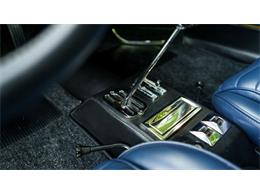
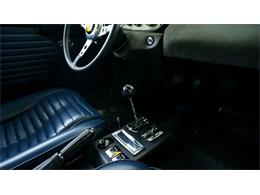
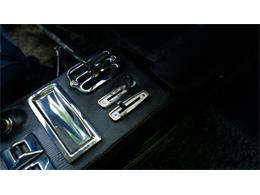
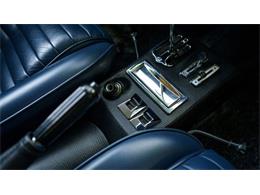
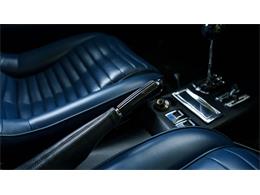
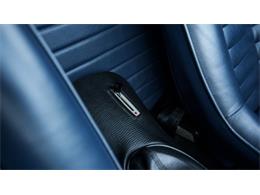
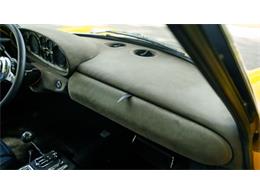
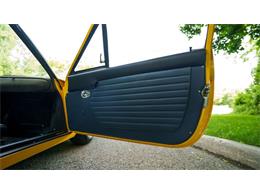
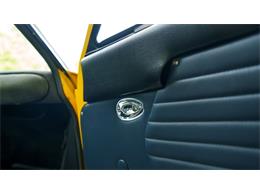
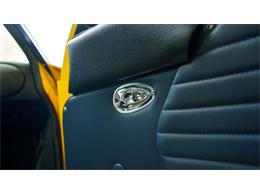
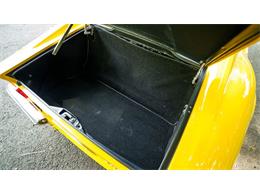
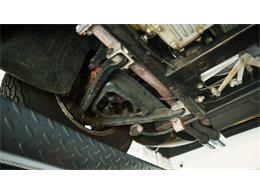
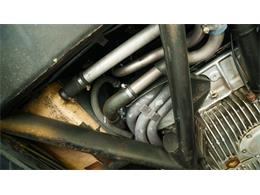
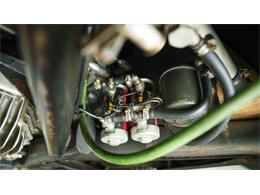
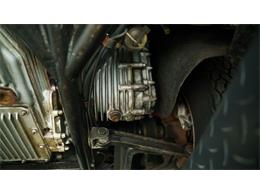
Mesa, California. The seven-year effort saw chassis 00908 stripped
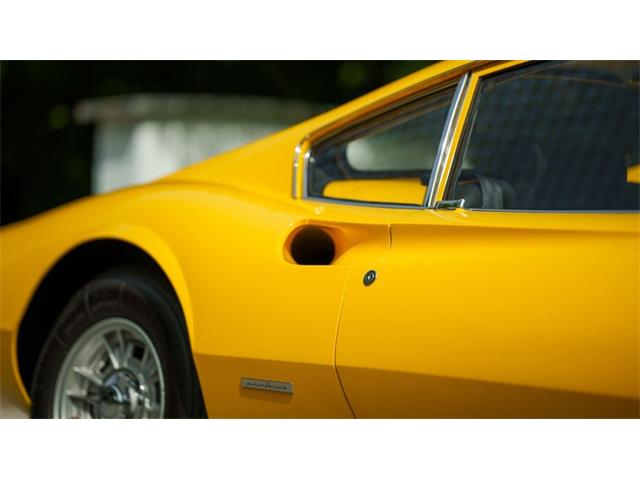
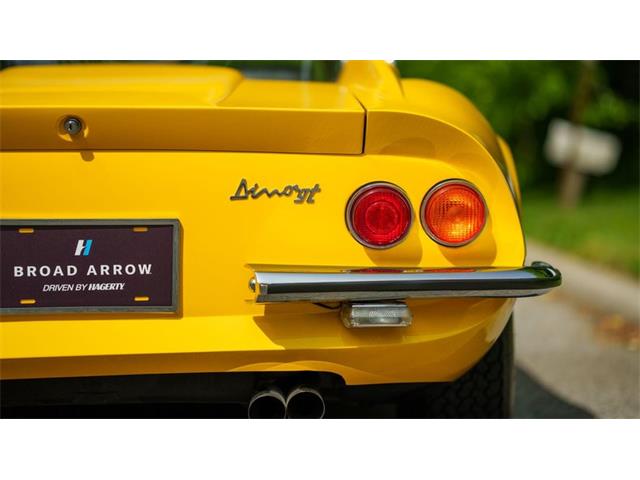
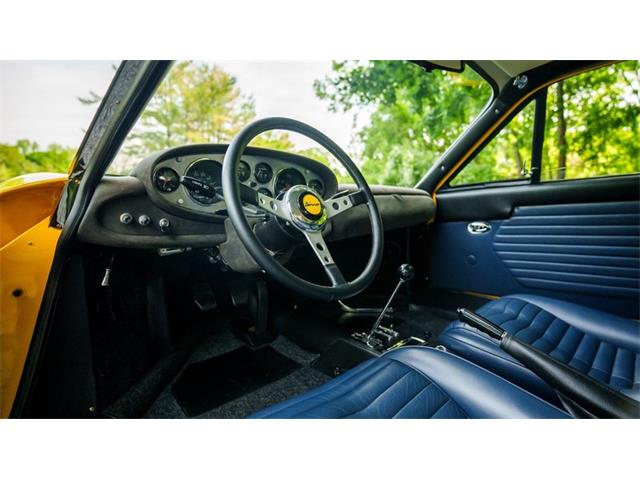
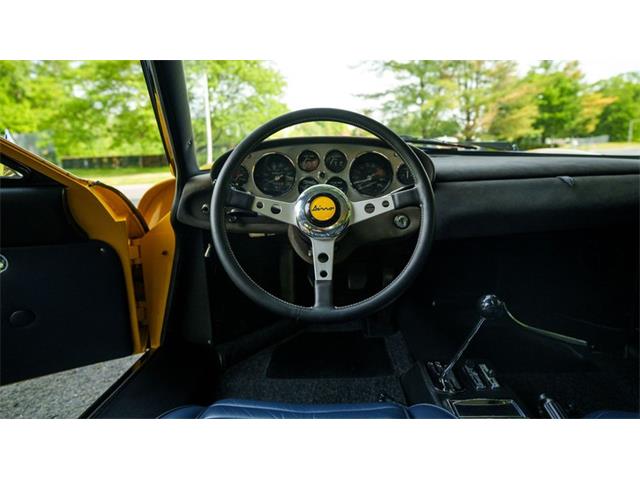
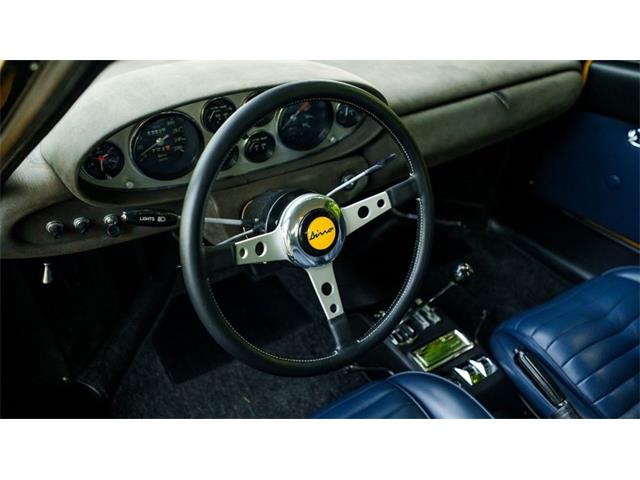
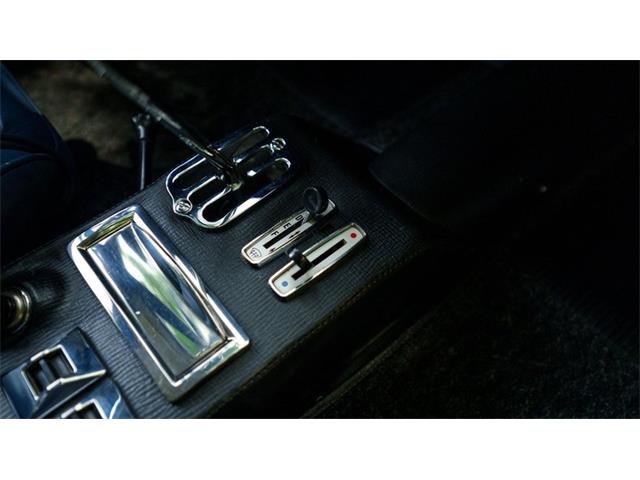
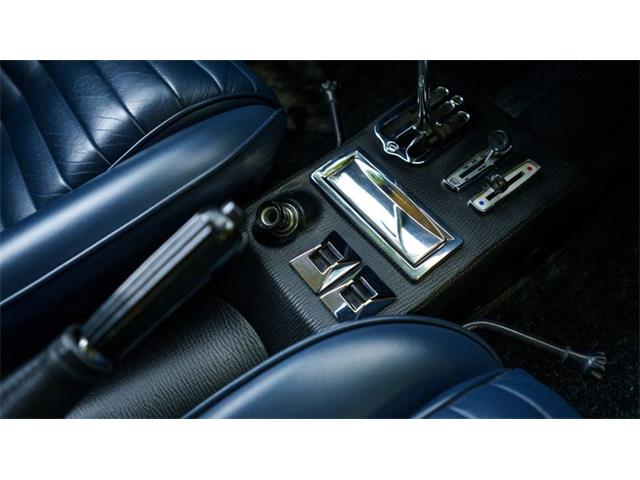
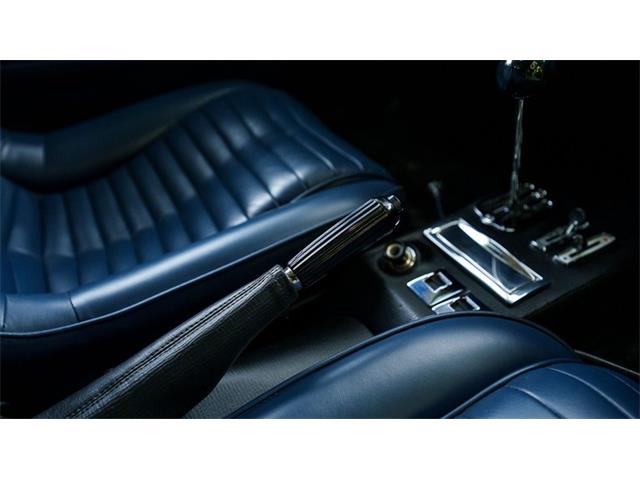
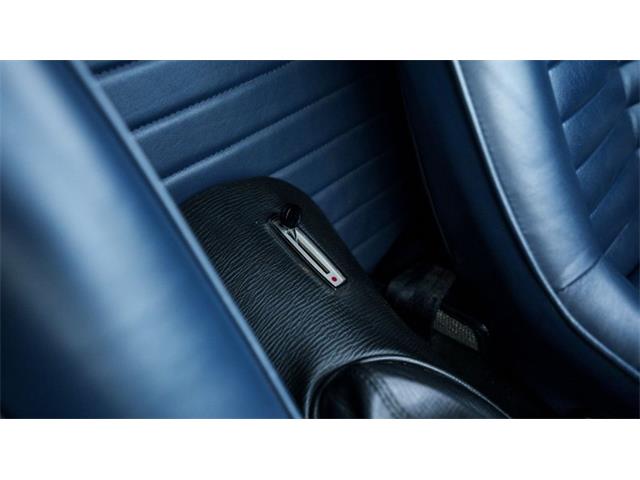
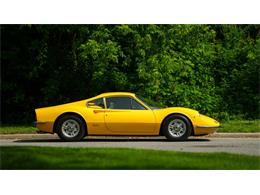
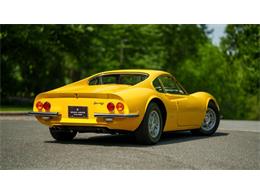
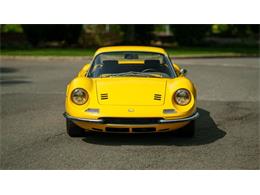
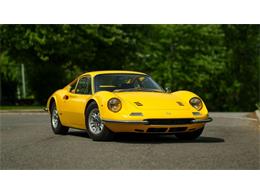
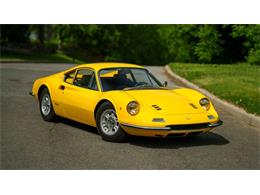
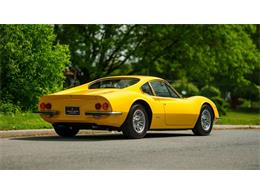
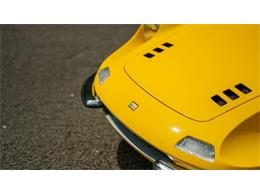
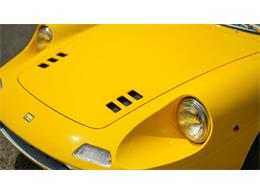
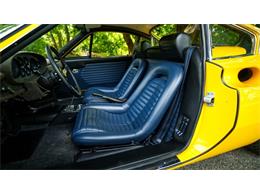
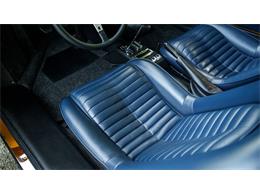
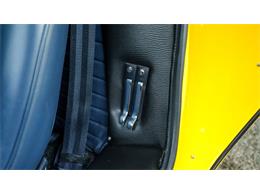
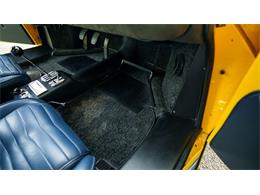
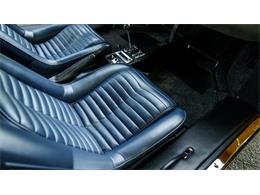
to bare metal and renewed in striking Giallo Fly over a navy blue
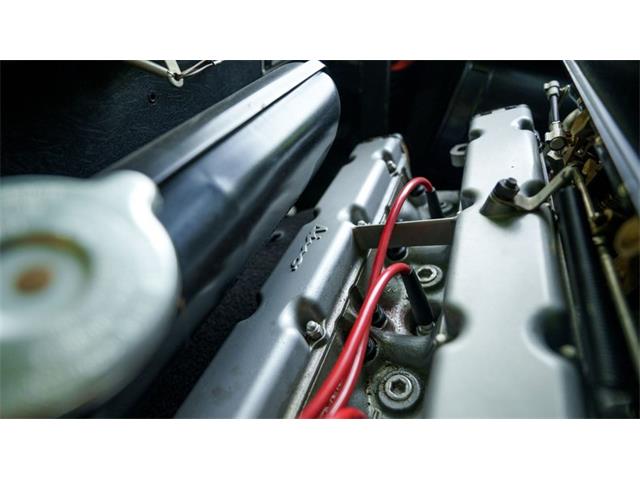
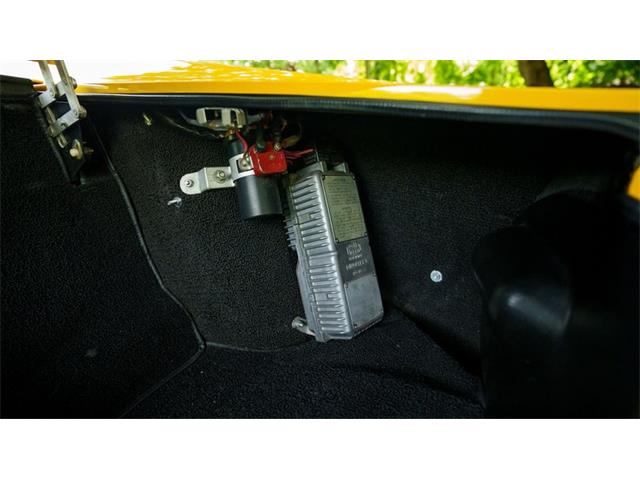
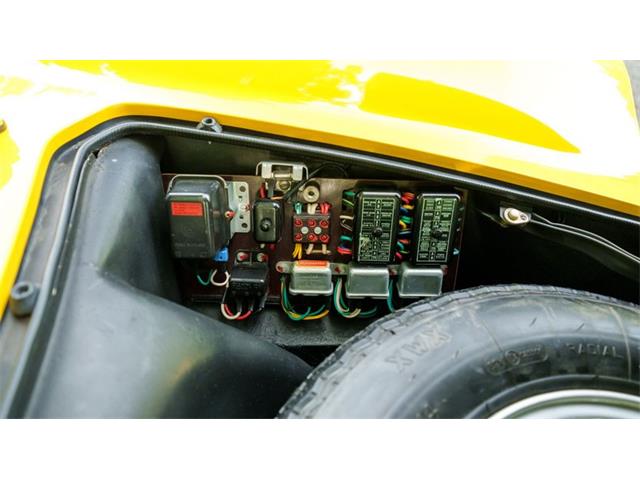
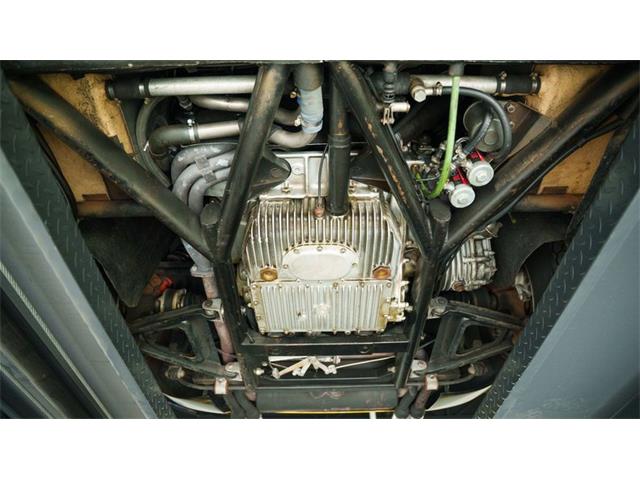
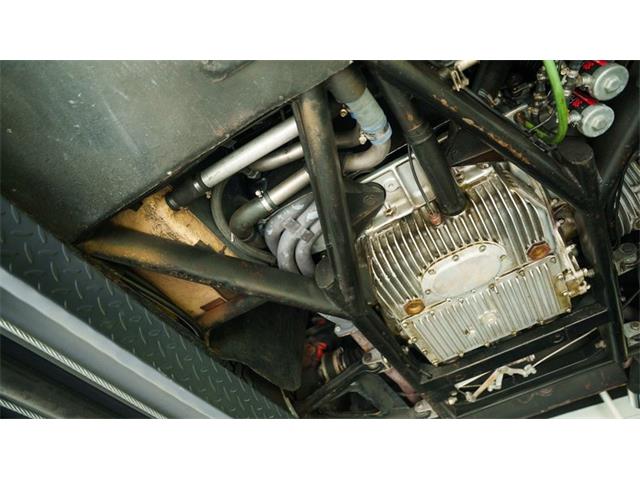
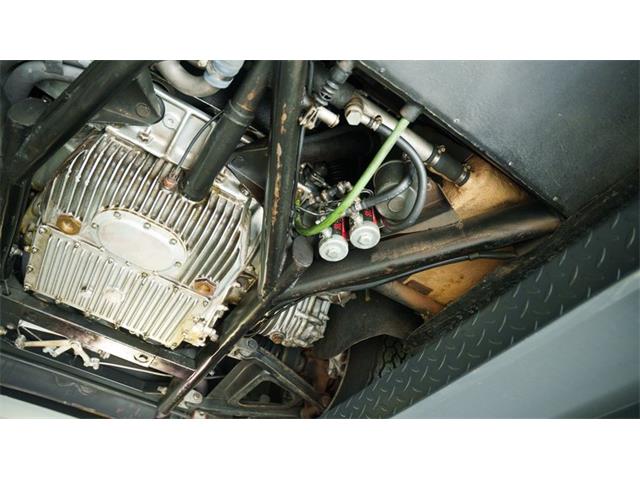
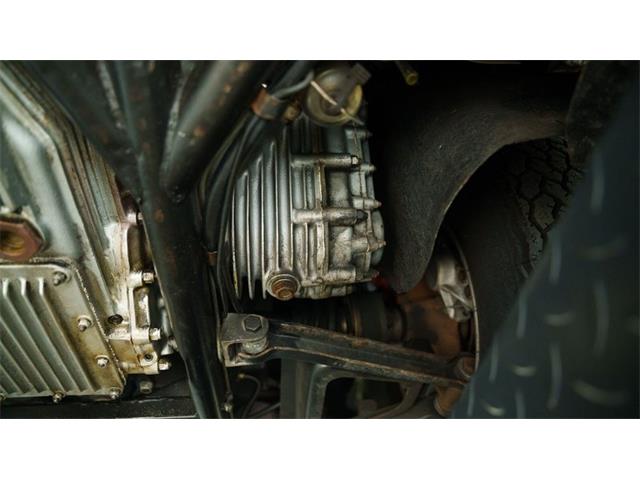
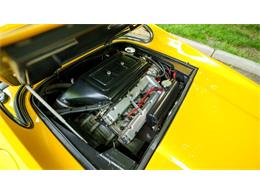
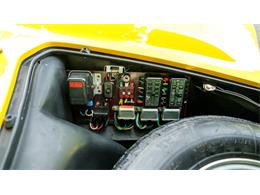
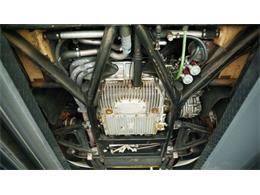
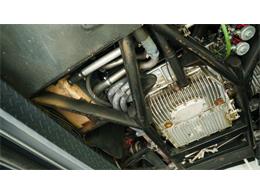
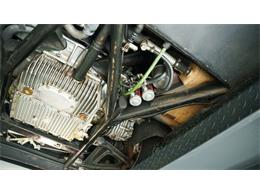
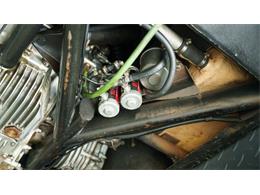
interior, while the engine, gearbox, suspension, brakes, and wiring
were all overhauled to a very high standard, supported by
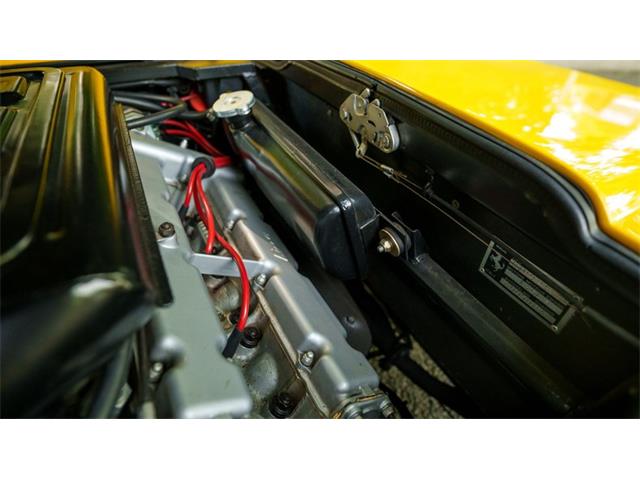
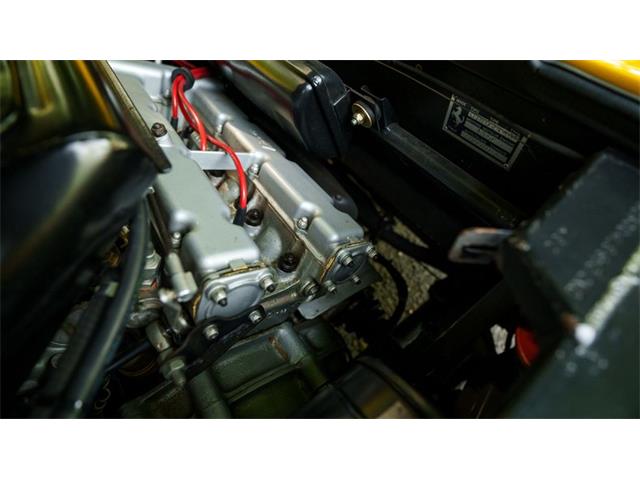
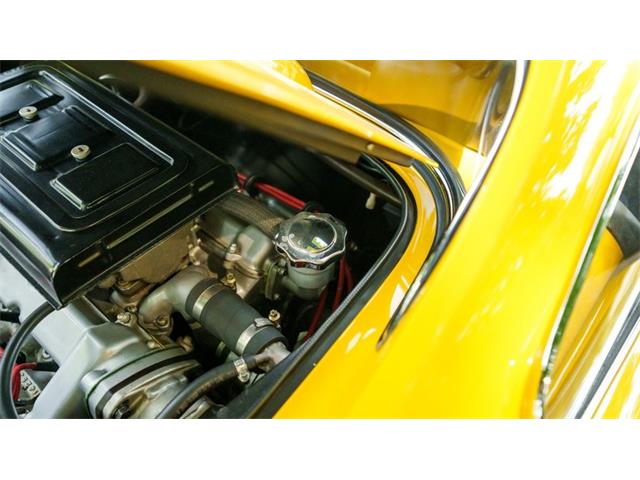
restoration invoices on file. History reports from both Massini and
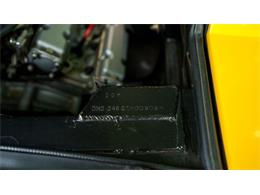
Dino authority Matthias Bartz confirm that the car retains its
matching-numbers engine and transmission.
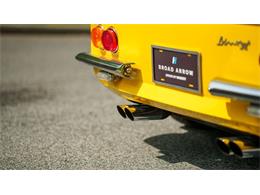
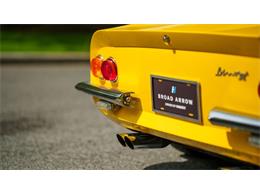
Following the restoration's completion in 2005, the exceptional
quality of the work was validated by a string of Platinum and
First-in-Class honors at Ferrari Club of America and Cavallino
Classic events along the West Coast. Over twenty years on, Dino
number 00908 continues to present to an exceptionally high
standard, a testament to the caliber of Drew's craftsmanship and
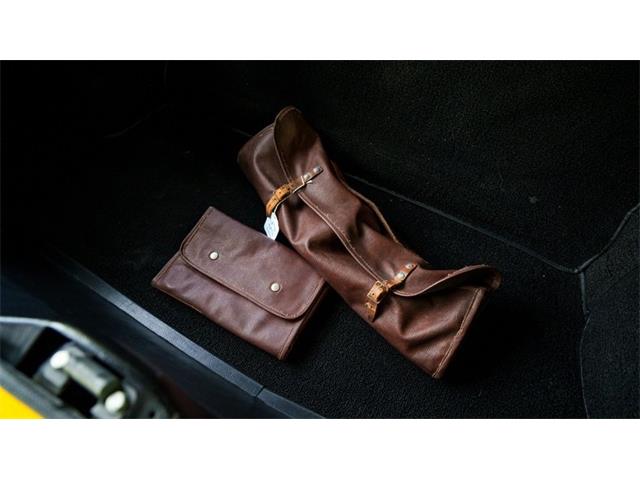
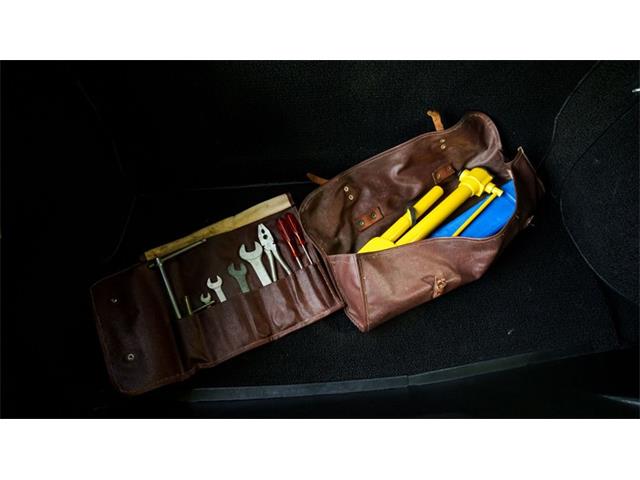
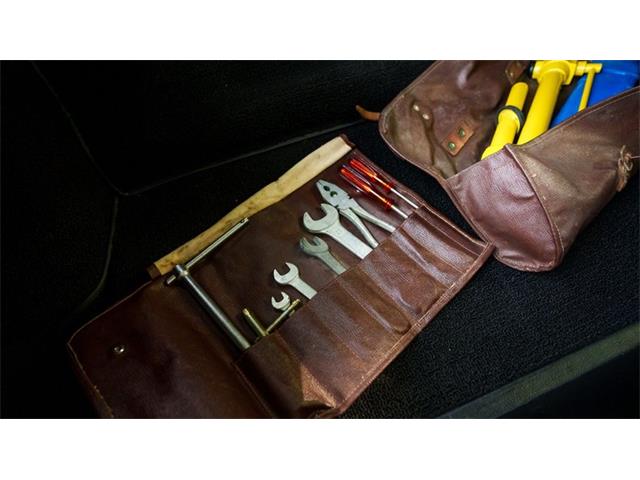
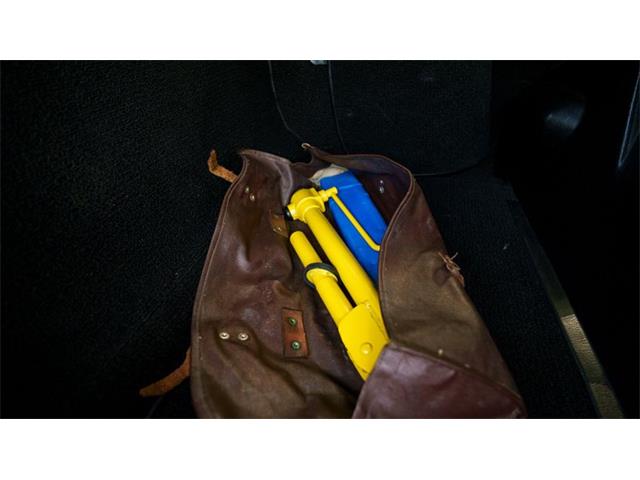
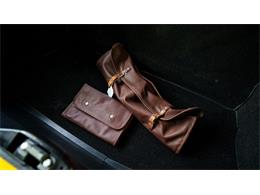
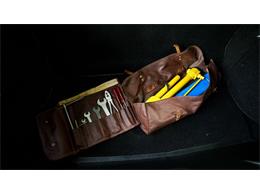
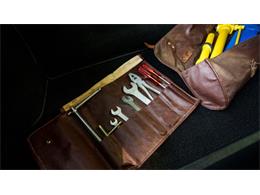
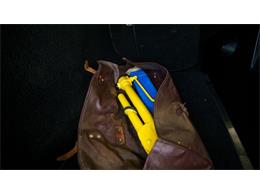
the care it has received since. Today it is offered alongside its
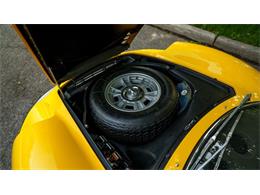
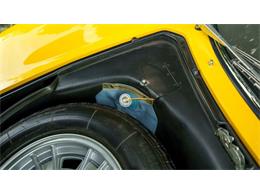
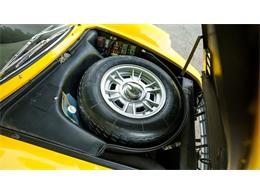
tool roll, jack, and a collection of trophies attesting to its
impressive concours honors, ready to grace the lawns once more in
the hands of its next caretaker.
ClassicCars.com has been recognized as one of the fastest-growing private companies in the United States, successfully making the Inc. 5000 list in both 2015,
2016, 2017 and 2018. This prestigious accolade represents the continued growth of the company, and ClassicCars.com's dominance as the world's largest online marketplace for
buying and selling classic and collector vehicles.
The Stevie Awards, the world's premier business awards recognized
ClassicCars.com's first-class Customer Support team with a Stevie Bronze Award in 2019, celebrating the team's skills as exemplary customer support specialists.
In 2016 The Journal, brought to you by ClassicCars.com, was celebrated as the SECOND MOST INFLUENTIAL automotive blog in the world by NFC Performance.