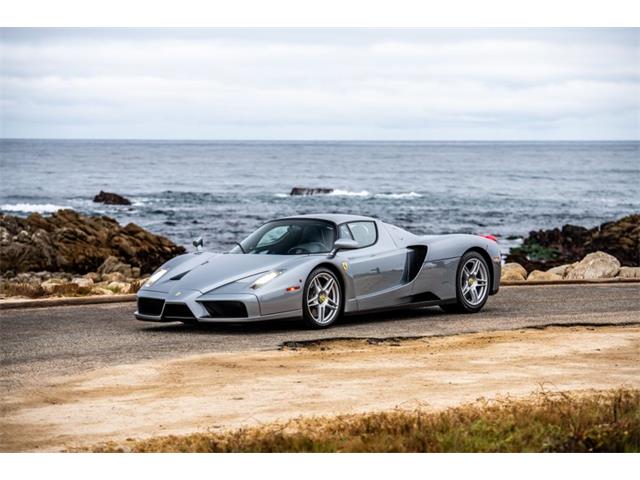
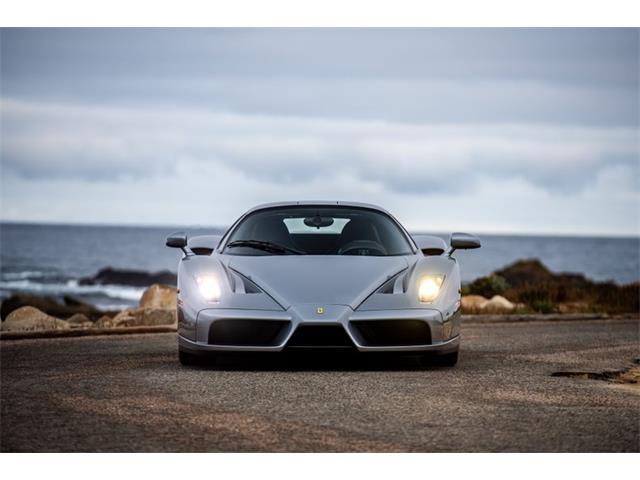
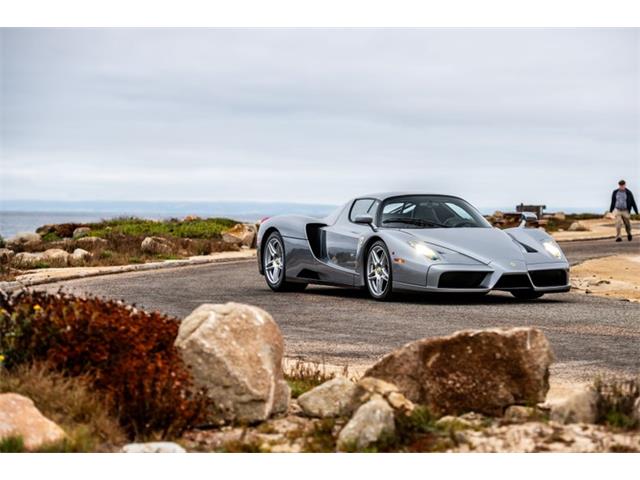
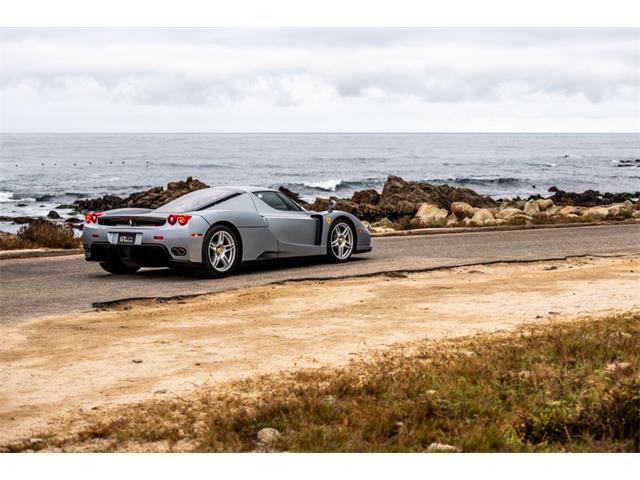
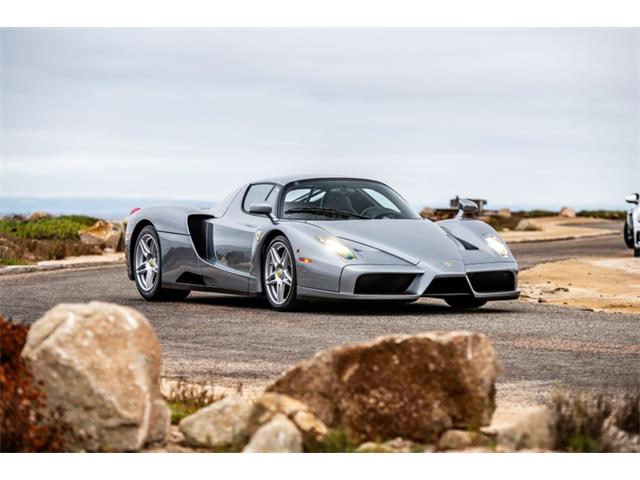
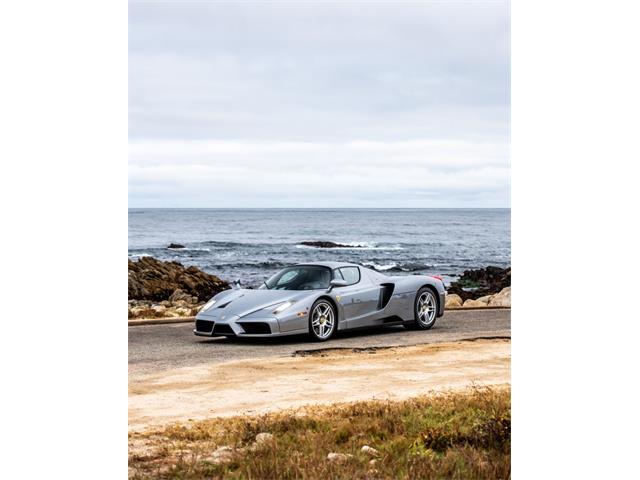
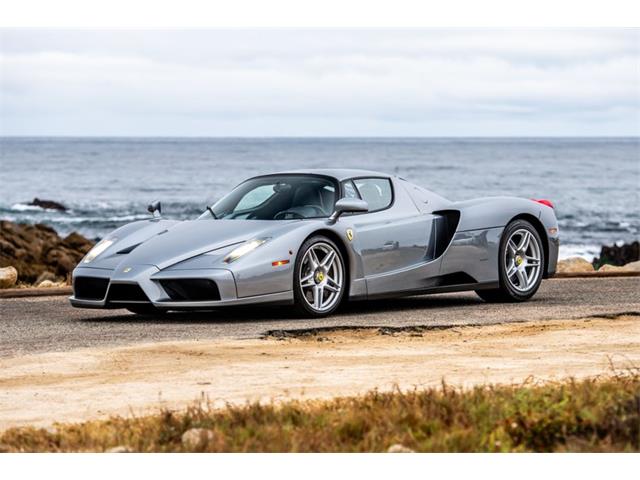
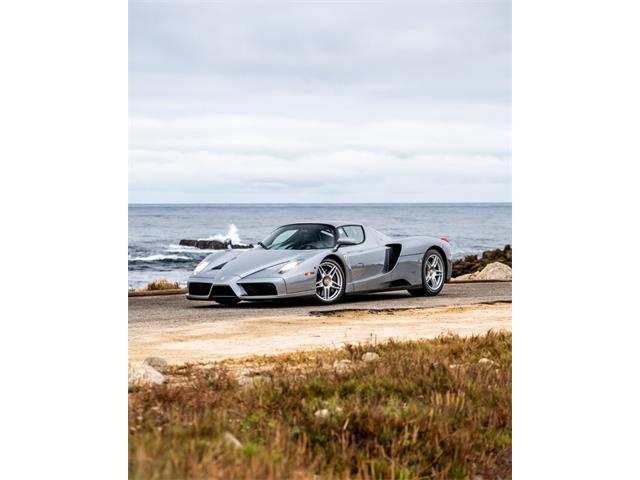
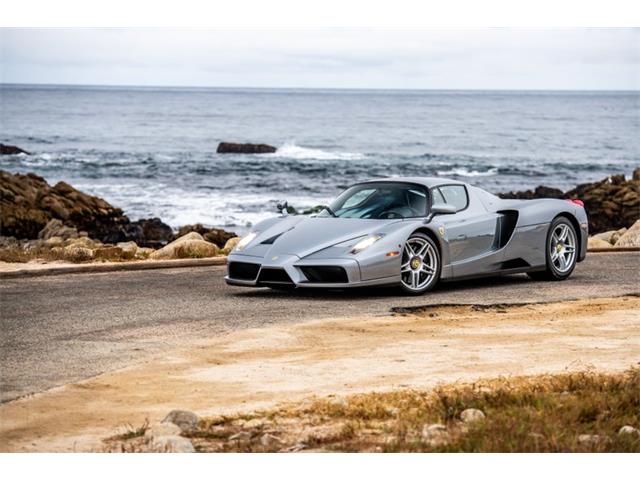
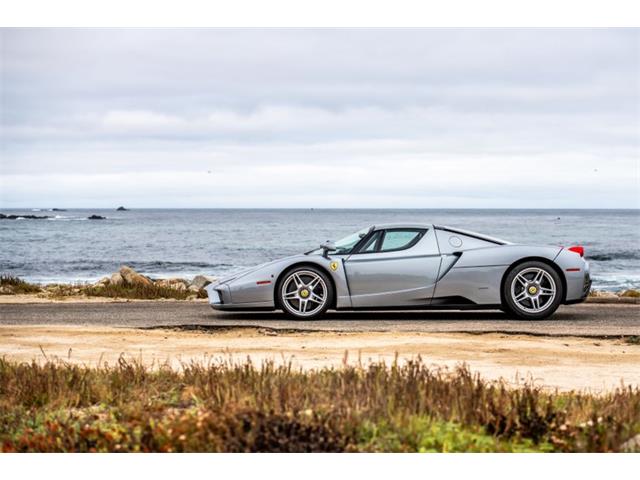
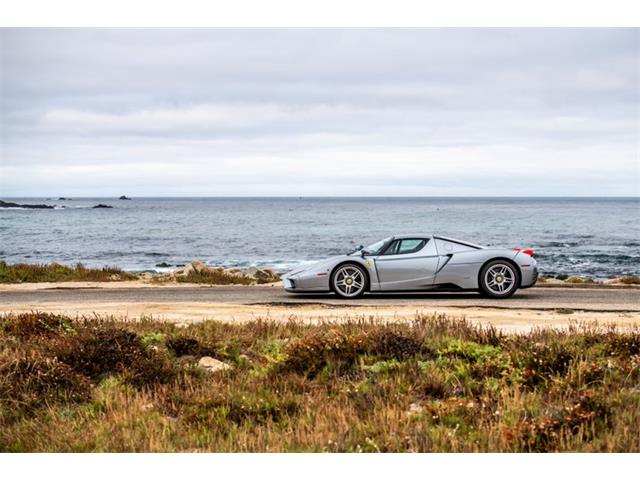
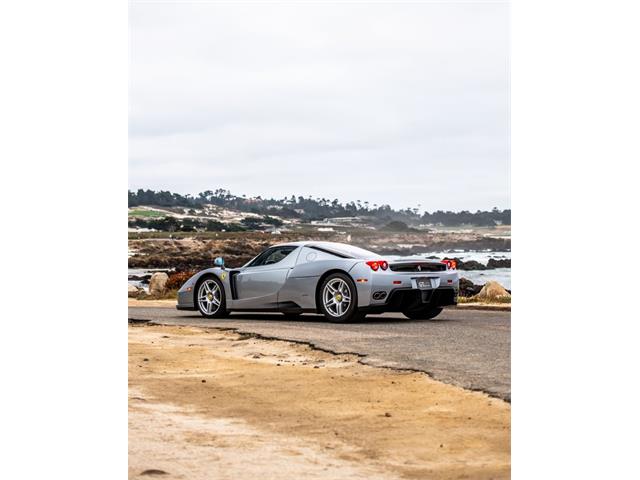
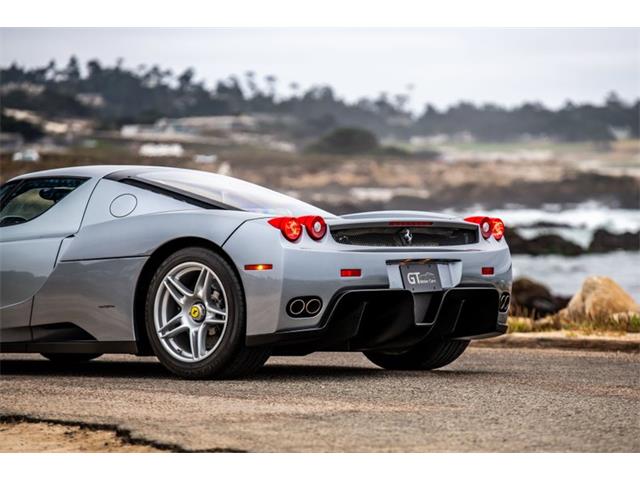
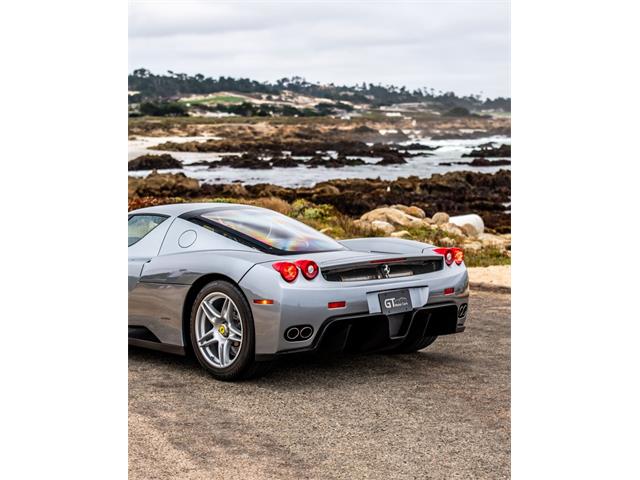
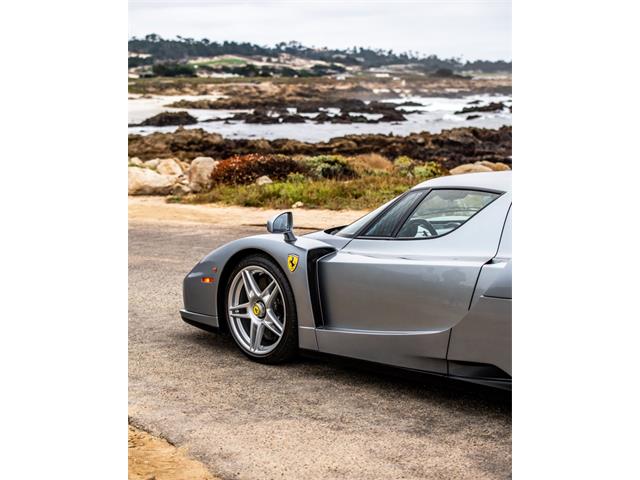
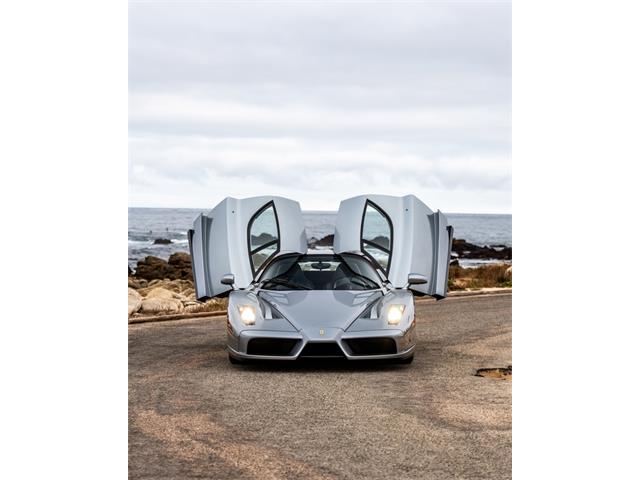
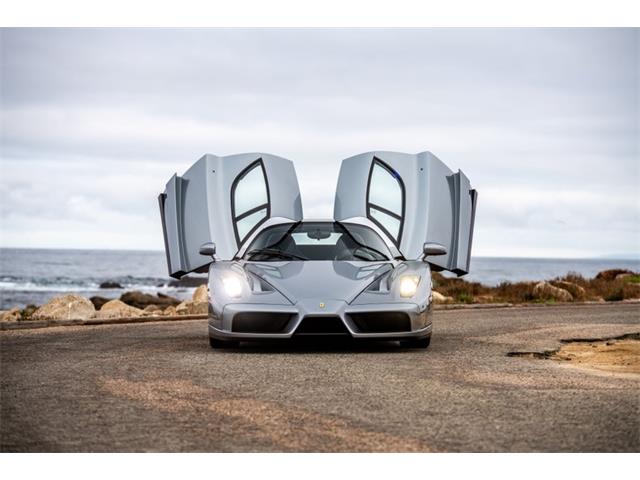
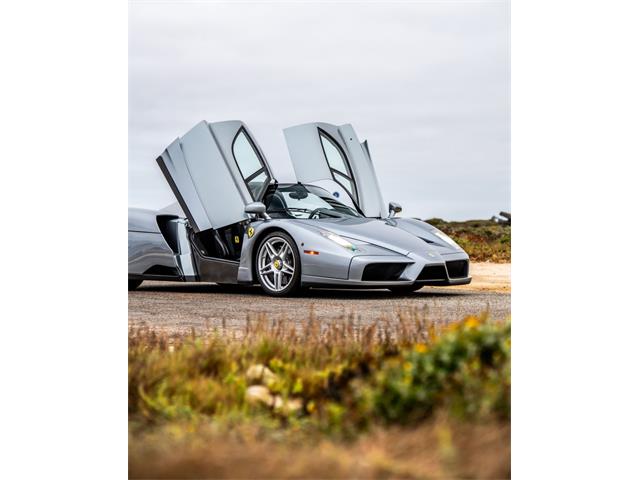
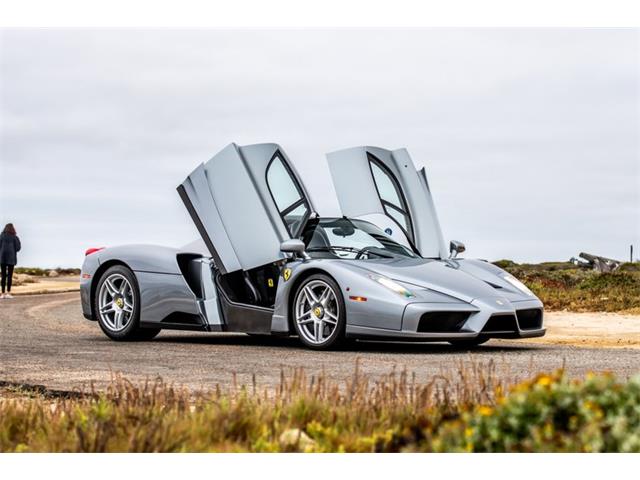
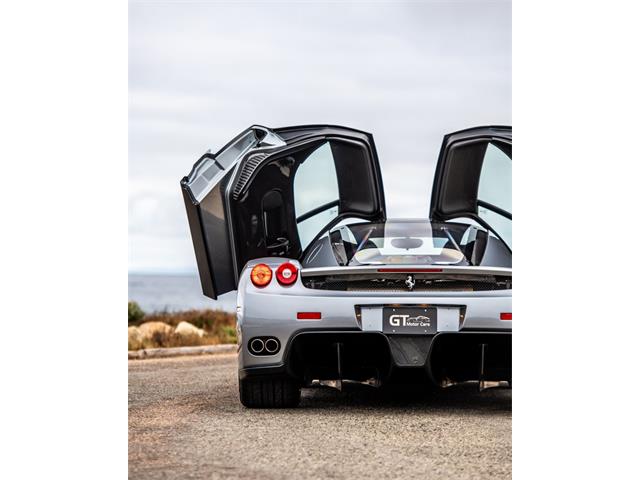
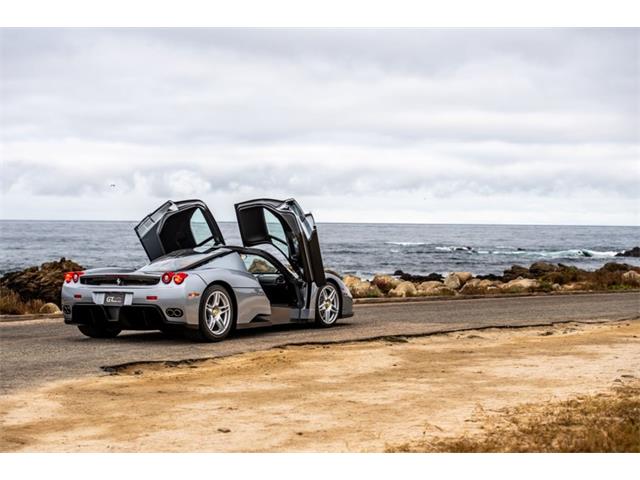
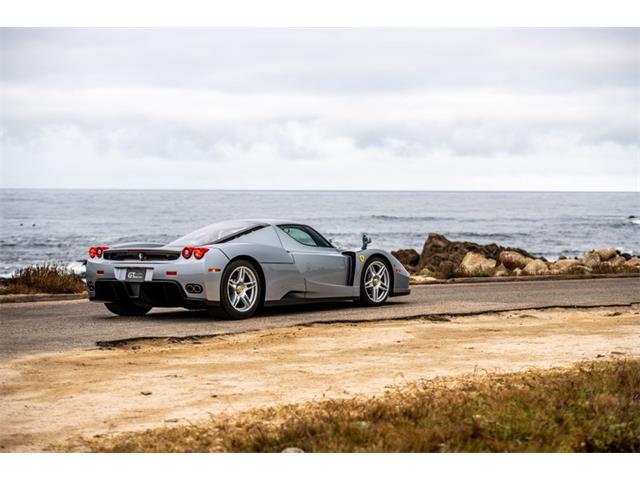
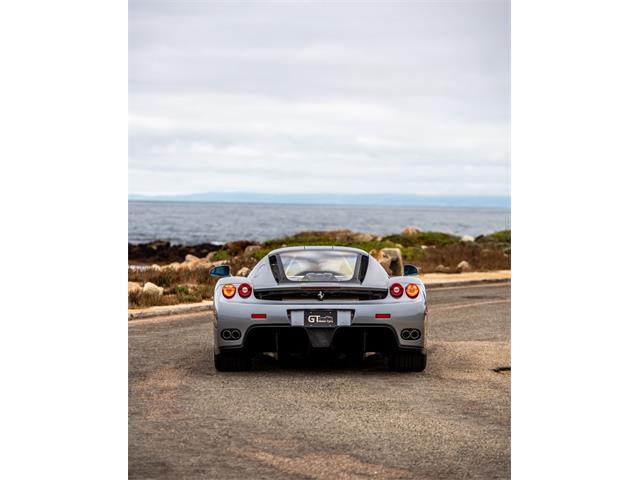
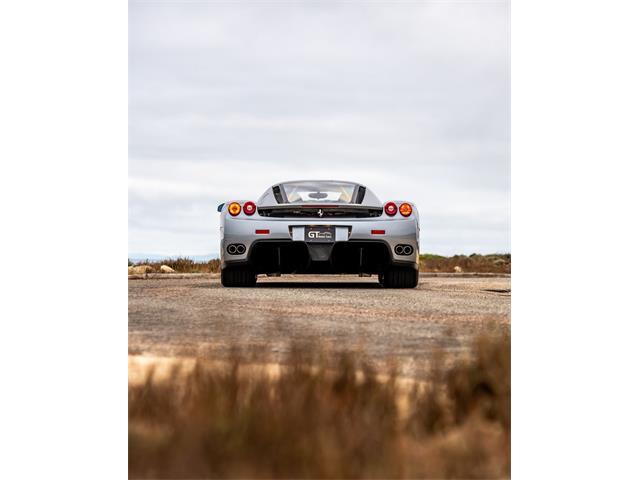
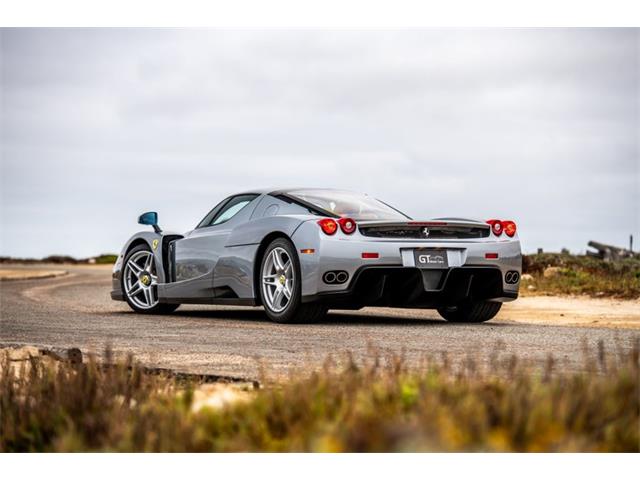
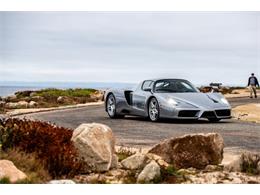
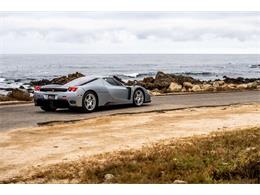
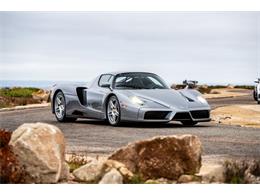
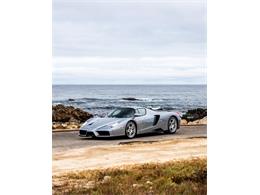
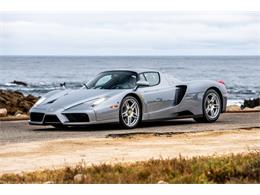
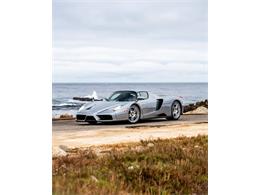
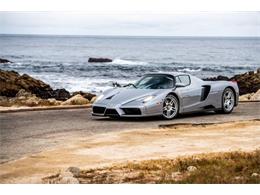
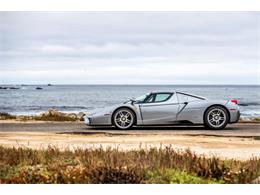
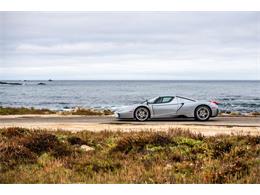
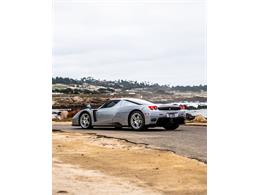
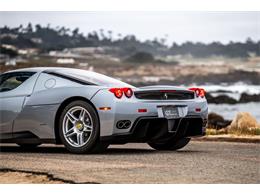
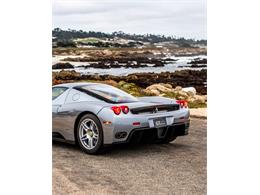
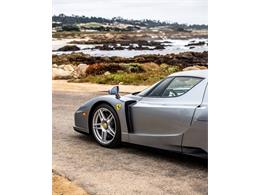
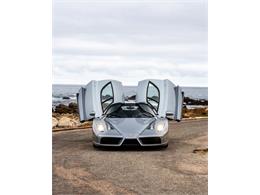
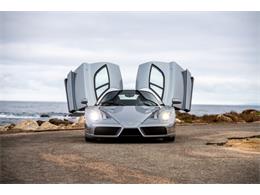
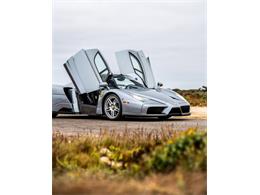
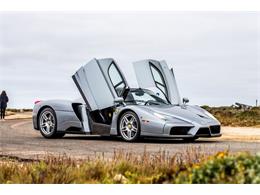
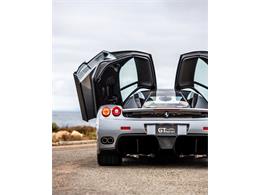
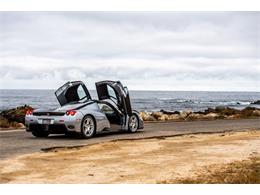
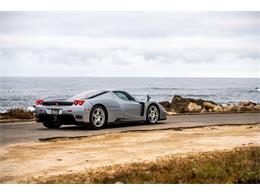
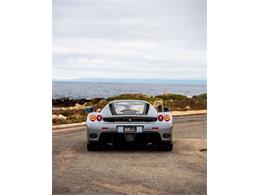
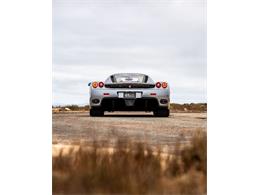
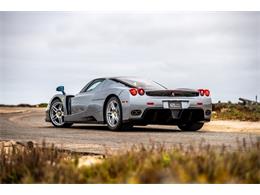
1 of 6 Grigio Enzo - The Pinnacle of Analog Ferrari Engineering
This is one of only six Grigio (silver-gray) examples produced
globally-a rare color variant that exemplifies restraint within
Ferrari's limited production spectrum. More importantly, it
represents the final chapter of Ferrari's greatest design era.
The Halo Car Lineage: Understanding the Enzo's Historic
Significance
To appreciate the Enzo's place in collector car investment, it
helps to understand Ferrari's "Ultimate Car" evolution. Since 1984,
Ferrari has produced only five cars explicitly designed as the
brand's definitive expression of engineering mastery and road-going
performance:
•1984 - 288 GTO Evoluzione - The first "Halo Car," built to
commemorate Ferrari's 40th anniversary. Turbocharged V8, 400 hp,
and the car that established the blueprint for limited-production
institutional collectibles.
•1987 - F40 - The most famous Ferrari ever made. Naturally
aspirated 3.0L V12, 478 hp, 201 mph top speed. The last car
personally approved by Enzo Ferrari before his death. Mid-engine,
carbon fiber chassis, aggressive aerodynamics. Still appreciating
4-5% annually.
•1995 - F50 - The 50th-anniversary car. 4.7L naturally aspirated
V12, 513 hp. Introduced semi-active suspension and more refined
electronics while maintaining analog feel. Fewer than 350
built.
•2002 - Enzo Ferrari - The subject of this listing. The
technological apex of the analog era. See technical details
below.
•2013 - LaFerrari - The first hybrid halo car, ending the purely
naturally aspirated lineage.
The Enzo, launched in 2002, was positioned as Ferrari's ultimate
expression before the shift toward forced induction and hybrid
powertrains. It is the last mechanically pure Halo Car-the final
opportunity to own the pinnacle of naturally aspirated,
driver-engaged Ferrari engineering.
The Drivetrain: Advanced Yet Unmistakably Analog
The Enzo's 6.0-liter naturally aspirated V12 produces 660
horsepower and 485 lb-ft of torque-extraordinary output for a
naturally aspirated engine, achieved through high compression
ratios (11.2:1), variable valve timing, and F1-derived combustion
chamber design.
Transmission: The Enzo features a 6-speed sequential manual gearbox
with paddle shifters mounted on the steering column-borrowed
directly from Ferrari's F2002 Formula 1 car. This is not a
dual-clutch modern automatic; it is a true manual transmission with
mechanical engagement. Shifts occur in approximately 150
milliseconds, faster than a human foot could manage a traditional
clutch. This hybrid of old-world mechanical reliability and modern
F1 technology defines the Enzo's engineering philosophy.
Suspension & Aerodynamics: The chassis is a carbon fiber monocoque,
the first mainstream use of carbon in Ferrari construction. The
suspension features semi-active dampers that adjust stiffness 100
times per second based on road input-a technology now standard in
hypercars but revolutionary in 2002. The car includes active
aerodynamics: a retractable rear wing and underbody design that
generates 500+ kg of downforce at top speed while maintaining
manageable handling at lower velocities.
Weight & Performance: At 1,365 kg (3,010 lbs), the Enzo achieves a
power-to-weight ratio of 483 hp/tonne-comparable to modern Formula
1 cars. 0-60 mph in 3.6 seconds; 0-124 mph in 7.3 seconds; top
speed of 217 mph. These figures were extraordinary in 2002 and
remain competitive today.
Why This Matters for Collectors: The Enzo represents the last
moment Ferrari pursued naturally aspirated power before embracing
turbocharging (starting with the 2016 488) and hybrid systems (2013
LaFerrari, 2019 SF90). For collectors who value mechanical
transparency-engines you can theoretically understand, throttle
response that's mechanical rather than electronically mediated-the
Enzo is the final institutional-grade expression of this
lineage.
Pininfarina's Final Halo Design
This Enzo is significant for another reason: it is the last Ferrari
halo car designed by Pininfarina, the storied Italian coachbuilder
responsible for the aesthetic identity of Ferrari since 1952.
Subsequent halo models-the LaFerrari (2013) and SF90 Stradale
(2019)-were designed in-house at Maranello.
Pininfarina's design language prioritized visual simplicity and
proportion over aggressive aerodynamic theater. The Enzo reflects
this: dramatic, but understated compared to modern hypercars. The
Grigio finish amplifies this restraint-the car's form reads clearly
without the visual aggression of red or yellow. This color changes
the body lines and depth of the car and highlights the car in any
lighting or angle.
Documentation & Condition
•Classiche Red Book Certified - Complete factory authentication,
original build specification, and service documentation
•Three-Owner Provenance - Chain of custody from an established UK
collection known for meticulous stewardship
•Fresh Full Major Service - Complete overhaul including clutch
renewal, fluid systems, and mechanical certification;
investment-ready condition
•399 Examples Produced Globally - Limited production that ensures
consistent scarcity and appreciation trajectory
Investment Perspective
The Enzo operates within the same appreciation framework as the F50
and early F40 examples: steady 4-7% annual appreciation driven by
limited float, institutional demand, and the mechanical/historical
significance of being the final analog member of a six-decade
design lineage.
As collectors prioritize authenticity and mechanical engagement-a
visible trend in the market-purely naturally aspirated Ferraris
continue to outpace turbocharged and hybrid variants. The Enzo, as
the terminus of this era, captures both the technical innovation of
mid-2000s engineering and the romantic appeal of what will never be
built again.
This is a rare opportunity to secure a significant car and a
significant part of Ferrari's lineage.
ClassicCars.com has been recognized as one of the fastest-growing private companies in the United States, successfully making the Inc. 5000 list in both 2015,
2016, 2017 and 2018. This prestigious accolade represents the continued growth of the company, and ClassicCars.com's dominance as the world's largest online marketplace for
buying and selling classic and collector vehicles.
The Stevie Awards, the world's premier business awards recognized
ClassicCars.com's first-class Customer Support team with a Stevie Bronze Award in 2019, celebrating the team's skills as exemplary customer support specialists.
In 2016 The Journal, brought to you by ClassicCars.com, was celebrated as the SECOND MOST INFLUENTIAL automotive blog in the world by NFC Performance.