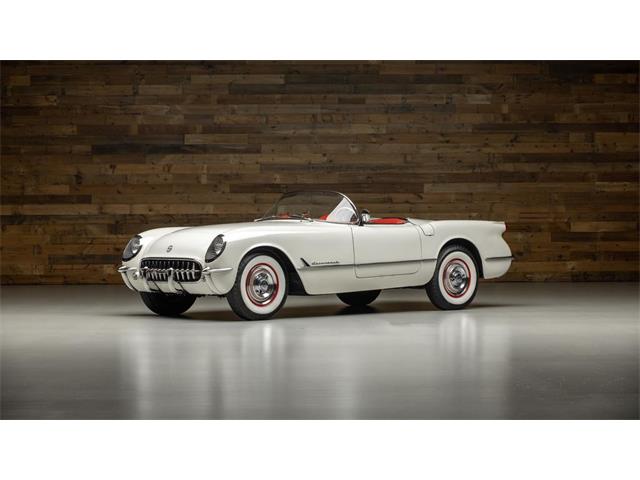
The 1953 Chevrolet Corvette marked the dawn of a new era in
American automotive history. Developed by General Motors under the
direction of Harley Earl, the Corvette was envisioned as a
homegrown response to the stylish European sports cars that had
captured American imaginations after World War II. Earl, a pioneer
of automotive design, pitched the concept as a sleek, lightweight
two-seater roadster that would combine performance with elegance.
The result was unveiled to great fanfare at the GM Motorama in New
York's Waldorf Astoria Hotel in January 1953. Built on a modified
sedan chassis, the 1953 Corvette featured a radical-for-its-time
fiberglass body, a lightweight and innovative material that allowed
sweeping curves and reduced production tooling costs. Beneath the
hood was the tried-and-true 235-cubic-inch "Blue Flame" inline-six
engine, producing 150 horsepower, paired exclusively with a
two-speed Powerglide automatic transmission. Though its performance
was modest by later standards, its striking design and promise of
American-made sportiness captured the public's attention.
Production of the 1953 Corvette was extremely limited, with only
300 units hand-built in Flint, Michigan, all finished in Polo White
with red interiors. Despite its modest sales and early criticisms,
the 1953 Corvette laid the groundwork for what would become
America's longest running and most beloved sports car lineage. Its
significance lies not only in its rarity, but in its role as the
cornerstone of Chevrolet's commitment to performance. The Corvette
would go on to evolve through generations into a world-class
performance machine, but it all began with this fiberglass-bodied
dream. The 1953 model represents more than a car; it represents an
ambition, to create an American sports car that could stand
toe-to-toe with the best in the world. Well, we would say it
worked. This early Corvette is the 108th example produced of the
mere 300 built for the inaugural 1953 year. Owned by an early
Corvette connoisseur, Bill Slavens, he retained this rare example
for an extended period of time before placing it in storage in
1975. This well-known Corvette would remain untouched until it was
acquired a number of years ago by its current owner, another noted
Corvette collector and enthusiast who has owned a large majority of
the remaining '53s. Upon purchase, he would commence a
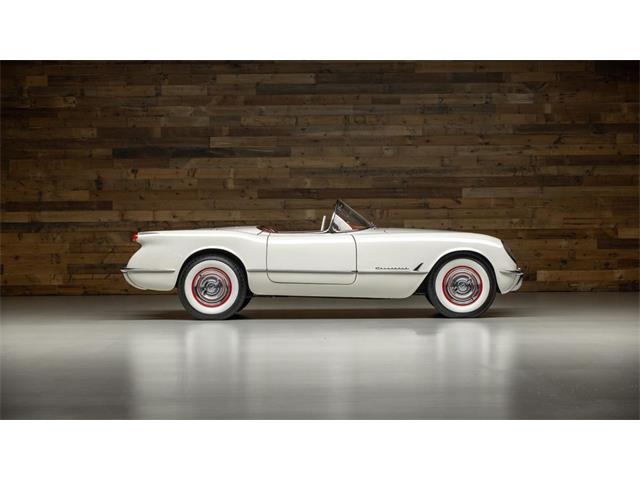
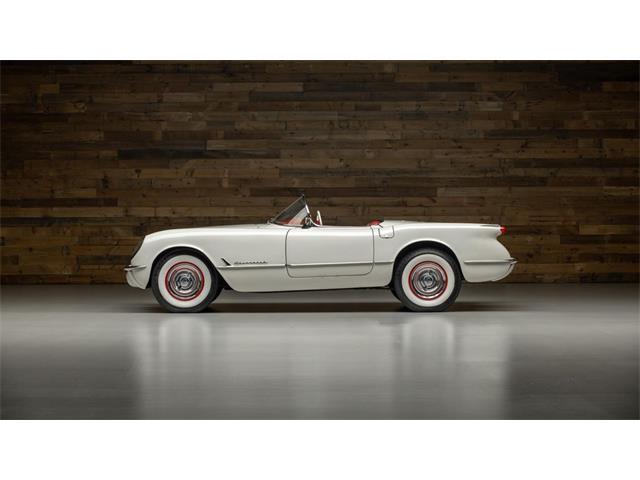
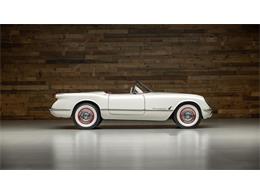
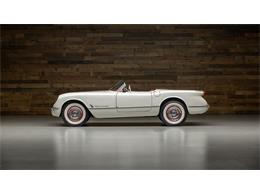
comprehensive and correct restoration. The body was finished in its
quintessential colors of Polo White over a Sportsman Red interior,
while a new black top was tightly fitted. Its iconic and original
235-cubic-inch Blue Flame six-cylinder engine and Powerglide
automatic transmission were completely sorted, allowing for the
next owner to enthusiastically enjoy this C1 at shows or on weekend
drives. With America celebrating its 250th Anniversary, there is
perhaps no more fitting automobile to commemorate the occasion than
a first-year example of America's Sports Car, the historic 1953
Corvette. Looking to make its public debut at shows since its fresh
restoration was completed, this historic and early Corvette would
be a wonderful addition to any sports car collection, Corvette
show, collector car event, or enthusiast meet. * Number 108 of a
mere 300 built
* Retains its original engine
* Recipient of a fresh comprehensive restoration
* Ready to be shown and judged for the first time since its fresh
restoration
The 1953 Chevrolet Corvette marked the dawn of a new era in
American automotive history. Developed by General Motors under the
direction of Harley Earl, the Corvette was envisioned as a
homegrown response to the stylish European sports cars that had
captured American imaginations after World War II. Earl, a pioneer
of automotive design, pitched the concept as a sleek, lightweight
two-seater roadster that would combine performance with elegance.
The result was unveiled to great fanfare at the GM Motorama in New
York's Waldorf Astoria Hotel in January 1953.
Built on a modified sedan chassis, the 1953 Corvette featured a
radical-for-its-time fiberglass body, a lightweight and innovative
material that allowed sweeping curves and reduced production
tooling costs. Beneath the hood was the tried-and-true
235-cubic-inch 'Blue Flame' inline-six engine, producing 150
horsepower, paired exclusively with a two-speed Powerglide
automatic transmission. Though its performance was modest by later
standards, its striking design and promise of American-made
sportiness captured the public's attention.
Production of the 1953 Corvette was extremely limited, with only
300 units hand-built in Flint, Michigan, all finished in Polo White
with red interiors. Despite its modest sales and early criticisms,
the 1953 Corvette laid the groundwork for what would become
America's longest running and most beloved sports car lineage.
Its significance lies not only in its rarity, but in its role as
the cornerstone of Chevrolet's commitment to performance. The
Corvette would go on to evolve through generations into a
world-class performance machine, but it all began with this
fiberglass-bodied dream. The 1953 model represents more than a car;
it represents an ambition, to create an American sports car that
could stand toe-to-toe with the best in the world. Well, we would
say it worked.
This early Corvette is the 108th example produced of the mere 300
built for the inaugural 1953 year. Owned by an early Corvette
connoisseur, Bill Slavens, he retained this rare example for an
extended period of time before placing it in storage in 1975. This
well-known Corvette would remain untouched until it was acquired a
number of years ago by its current owner, another noted Corvette
collector and enthusiast who has owned a large majority of the
remaining '53s. Upon purchase, he would commence a comprehensive
and correct restoration. The body was finished in its
quintessential colors of Polo White over a Sportsman Red interior,
while a new black top was tightly fitted.
Its iconic and original 235-cubic-inch Blue Flame six-cylinder
engine and Powerglide automatic transmission were completely
sorted, allowing for the next owner to enthusiastically enjoy this
C1 at shows or on weekend drives.
With America celebrating its 250th Anniversary, there is perhaps no
more fitting automobile to commemorate the occasion than a
first-year example of America's Sports Car, the historic 1953
Corvette. Looking to make its public debut at shows since its fresh
restoration was completed, this historic and early Corvette would
be a wonderful addition to any sports car collection, Corvette
show, collector car event, or enthusiast meet.
ClassicCars.com has been recognized as one of the fastest-growing private companies in the United States, successfully making the Inc. 5000 list in both 2015,
2016, 2017 and 2018. This prestigious accolade represents the continued growth of the company, and ClassicCars.com's dominance as the world's largest online marketplace for
buying and selling classic and collector vehicles.
The Stevie Awards, the world's premier business awards recognized
ClassicCars.com's first-class Customer Support team with a Stevie Bronze Award in 2019, celebrating the team's skills as exemplary customer support specialists.
In 2016 The Journal, brought to you by ClassicCars.com, was celebrated as the SECOND MOST INFLUENTIAL automotive blog in the world by NFC Performance.