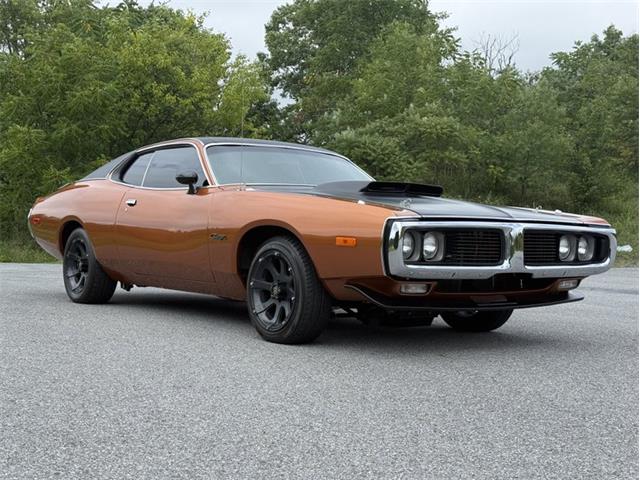
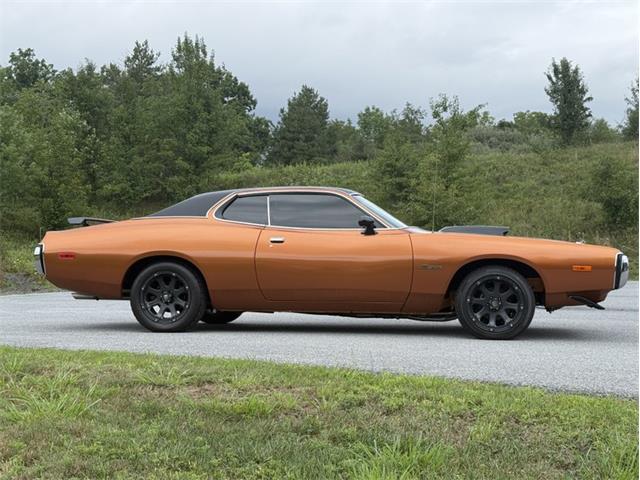
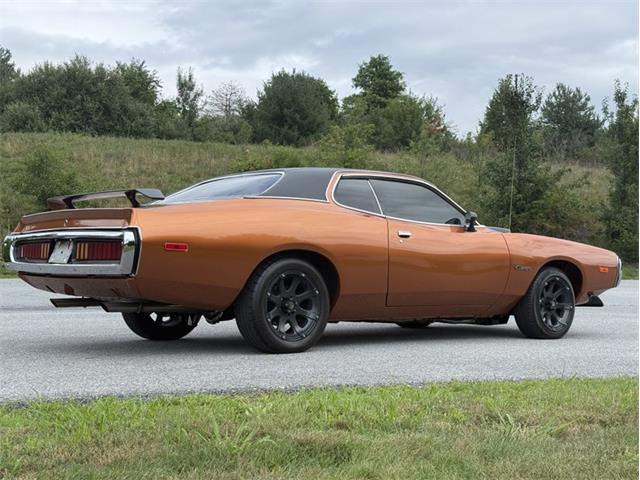
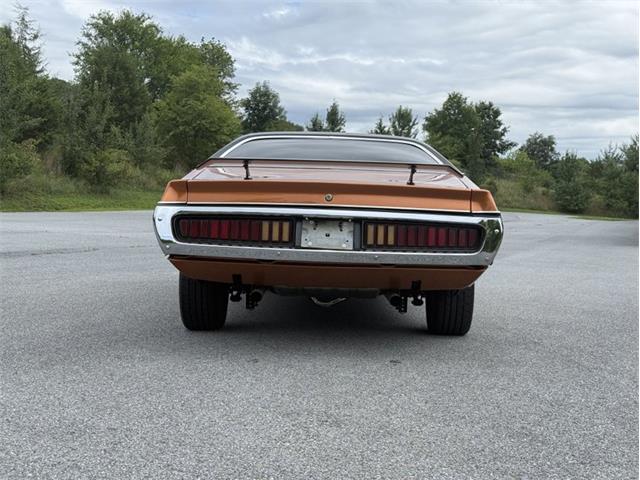
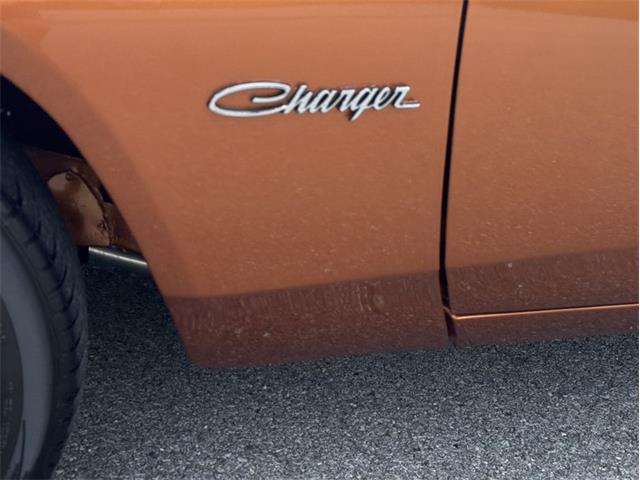
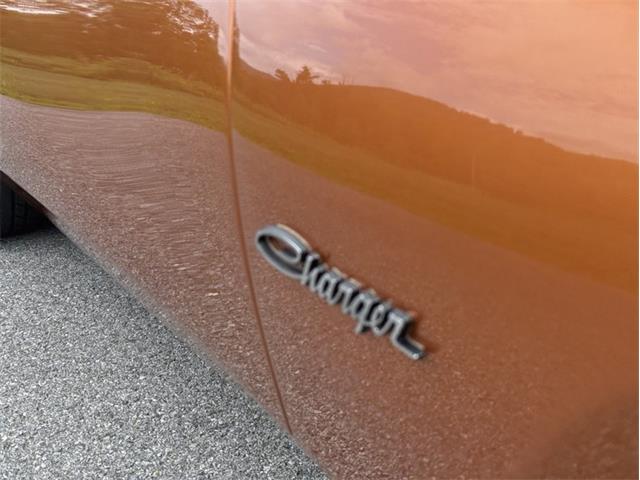
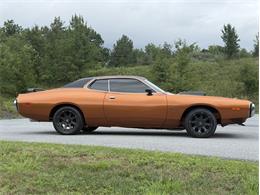
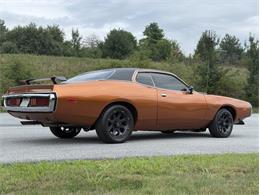
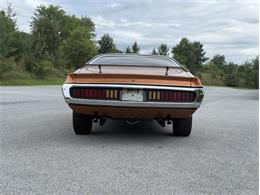
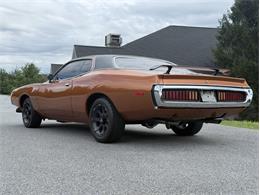
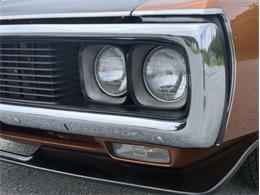
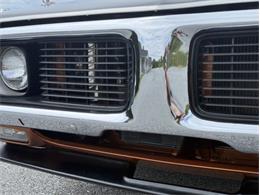
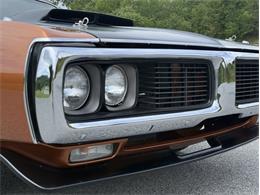
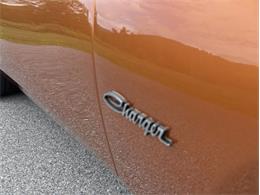
Most '71-'74 Chargers you find today fall into one of two camps.
Either they're original survivors that drive like 1974 - soft,
vague, and asking a lot of your right foot to get out of their own
way - or they're big-power builds sitting on a fifty-year-old front
suspension that was never designed to handle it.
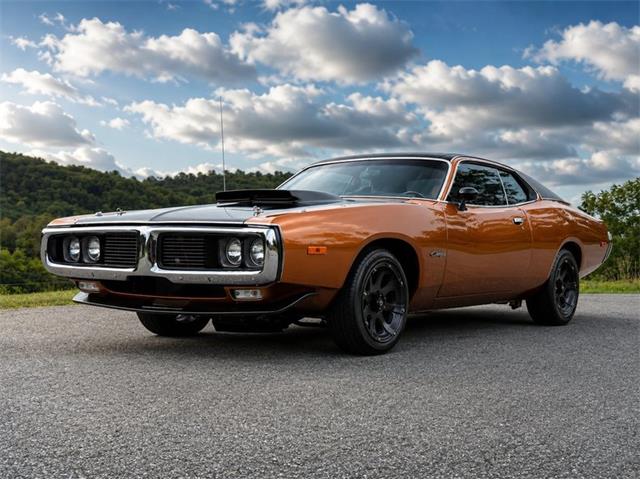
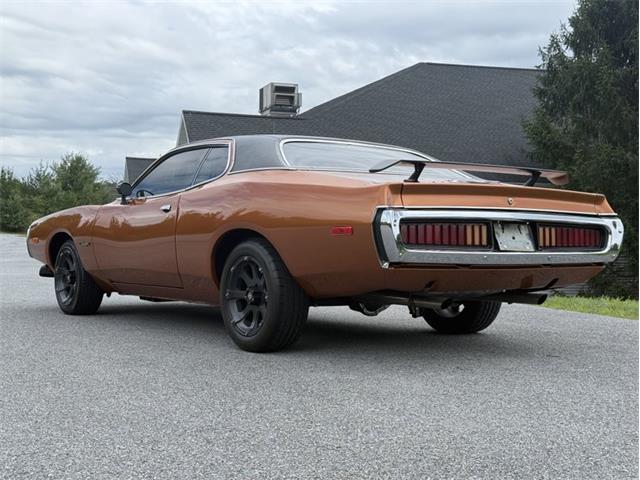
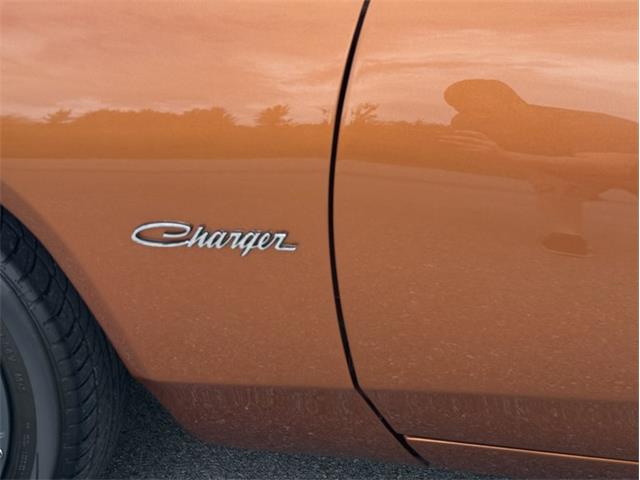
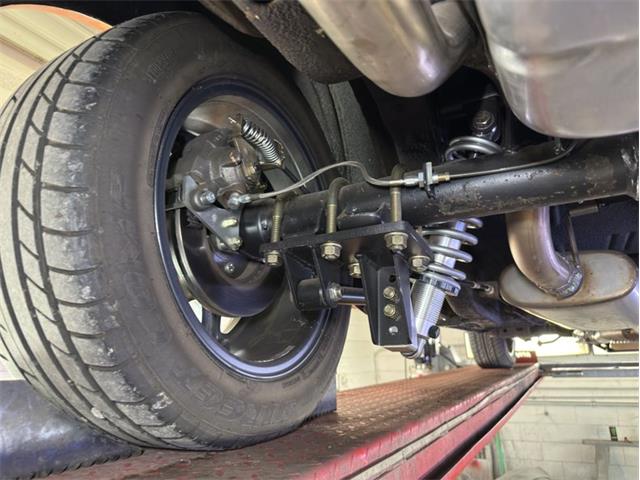
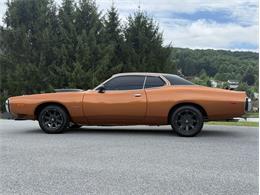
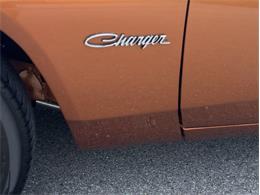
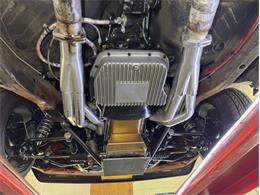
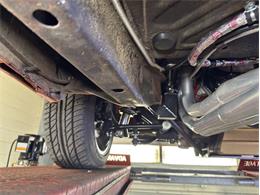
This one went a different direction. It's a modified '74 Charger
with real money spent in the two places that actually change how a
car feels: what stops it and what holds it to the road. Under the
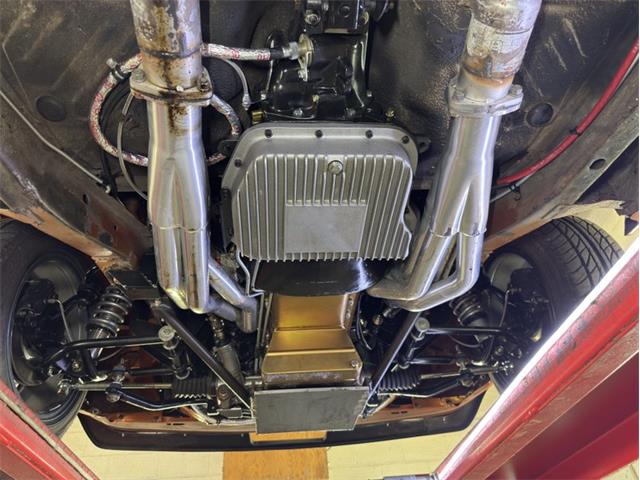
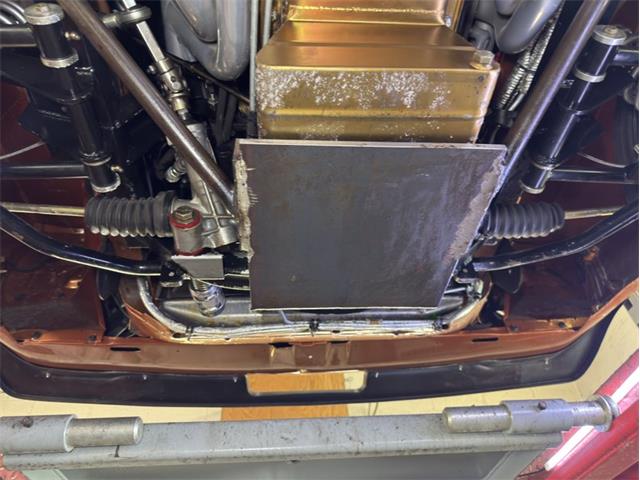
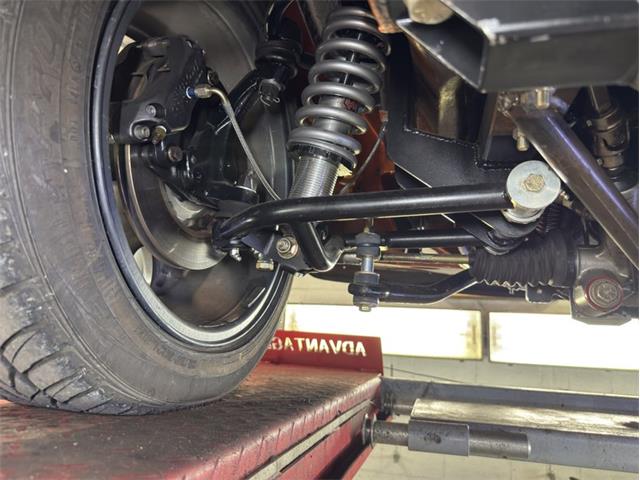
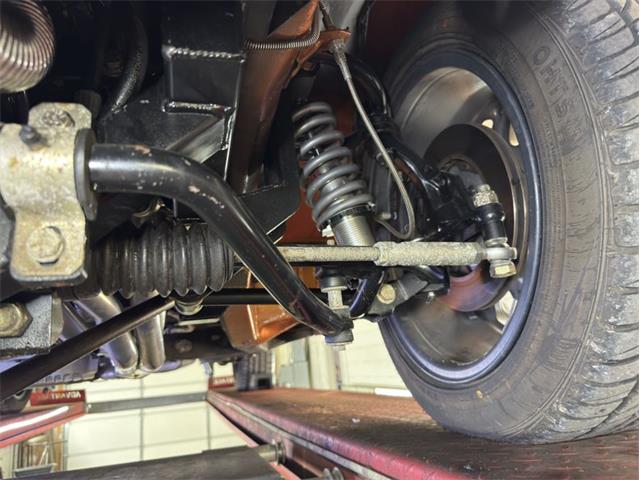
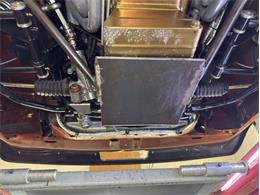
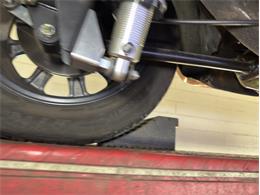
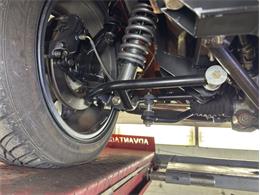
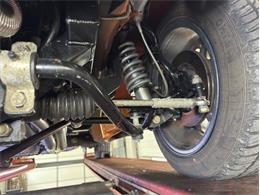
front end is a full aftermarket tubular coil-over conversion - the
torsion bars are gone, replaced with adjustable coil-overs, tubular
control arms, a rack-and-pinion steering box, a front sway bar, and
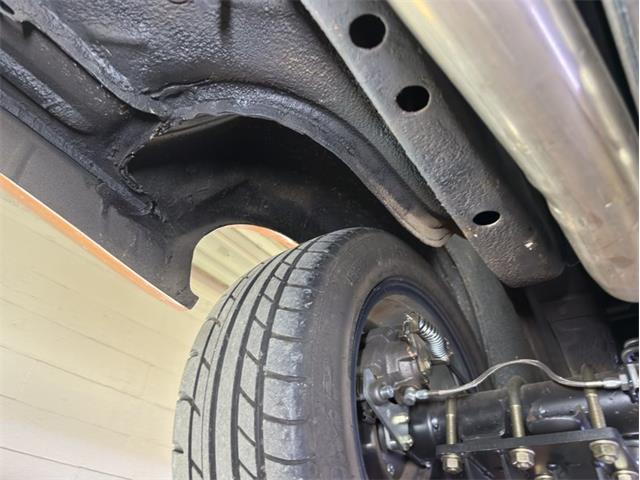
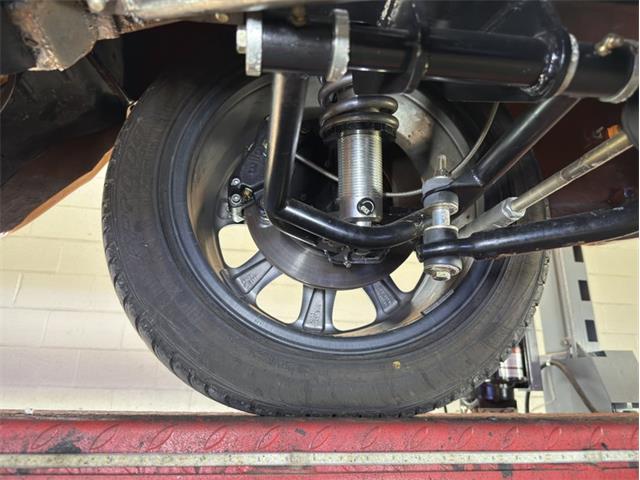
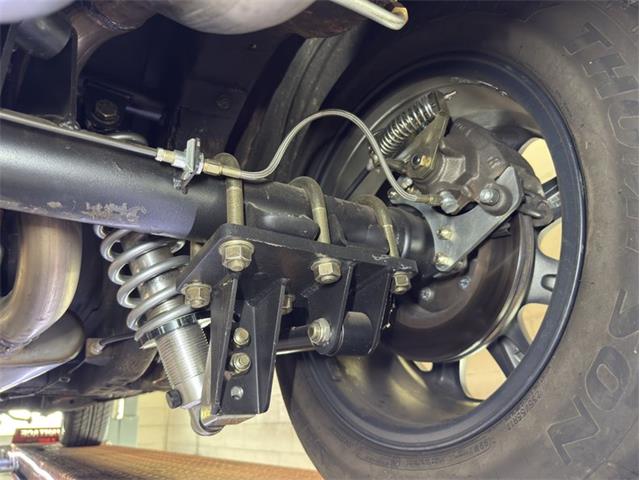
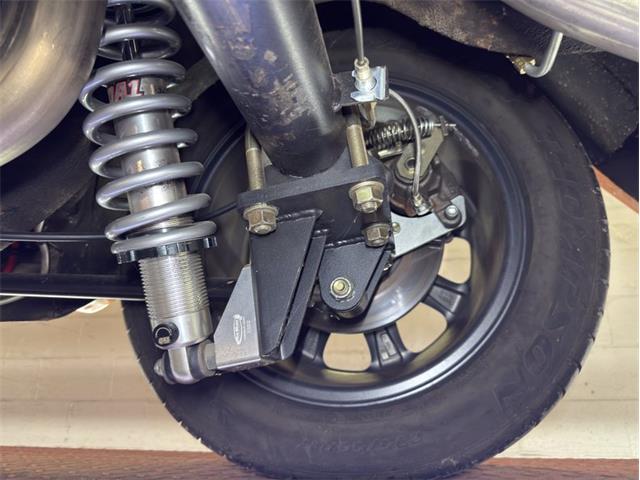
Mustang II-style spindles. Behind the wheels are Wilwood
four-piston discs at all four corners.
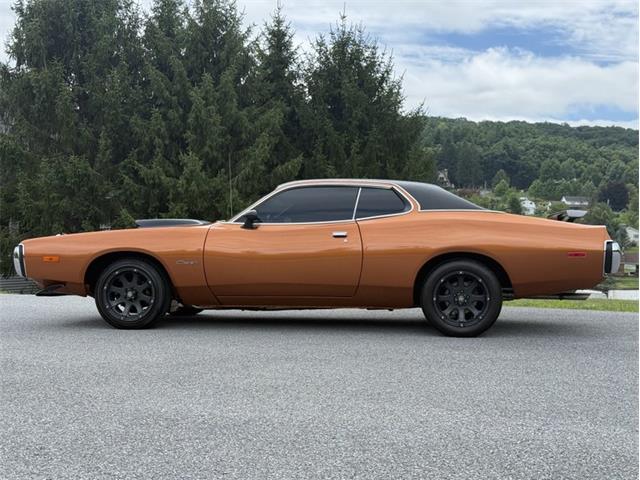
That's the story here. It's not a numbers-matching restoration and
it isn't pretending to be. It's a Charger built to be driven hard
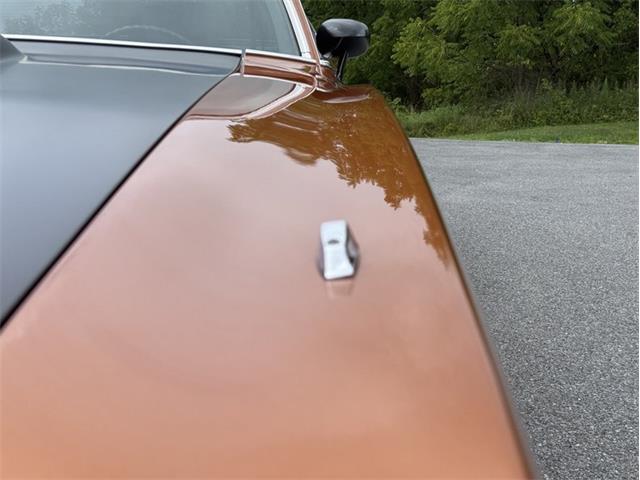
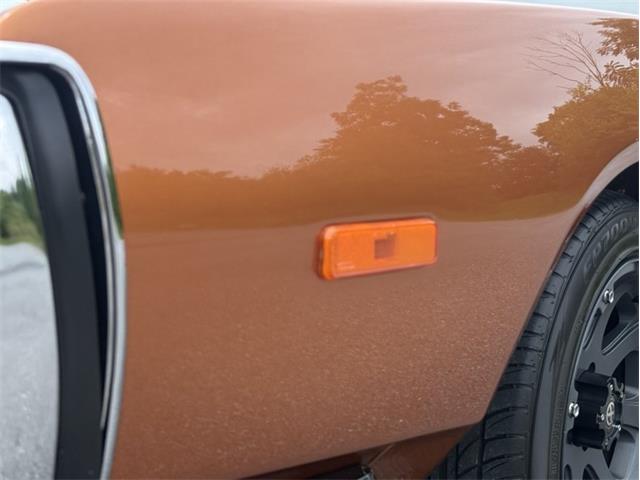
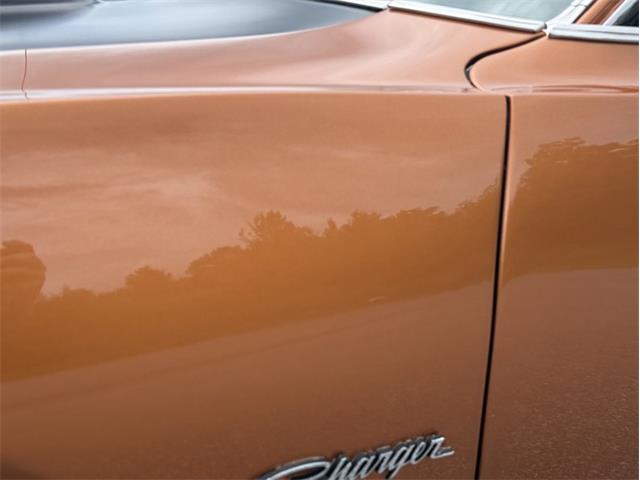
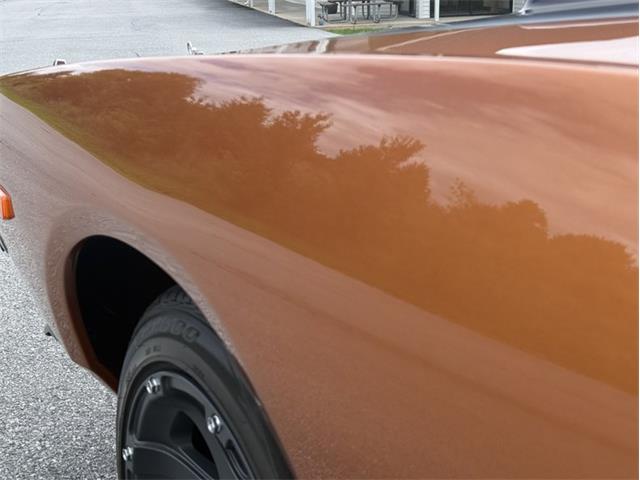
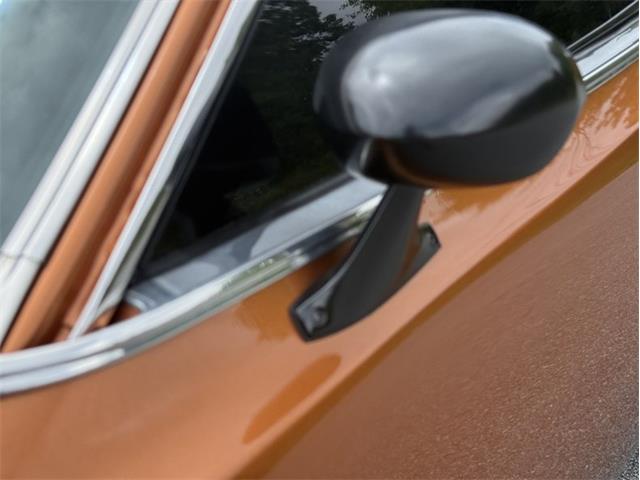
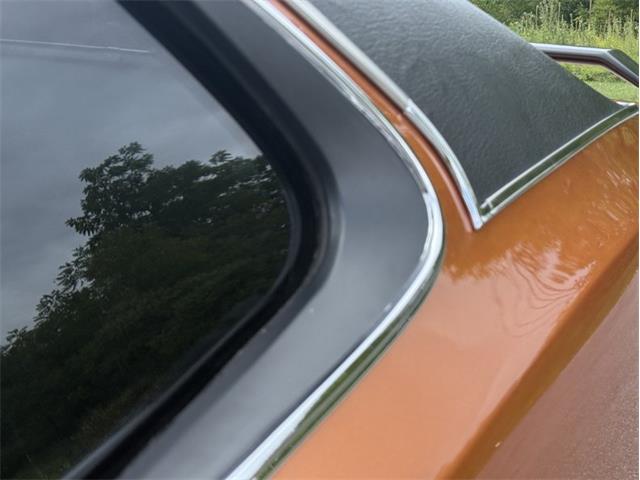
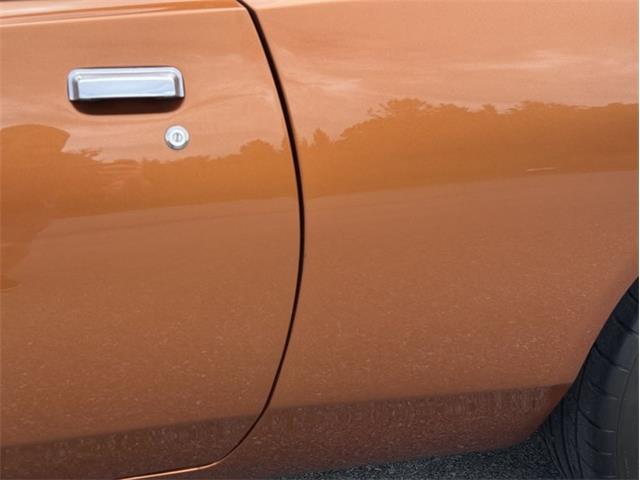
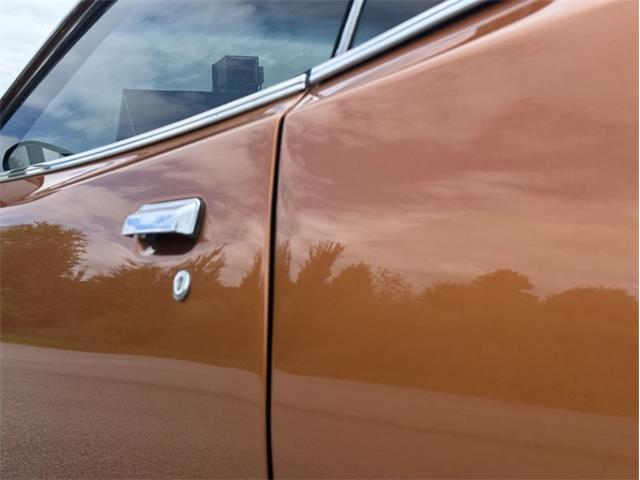
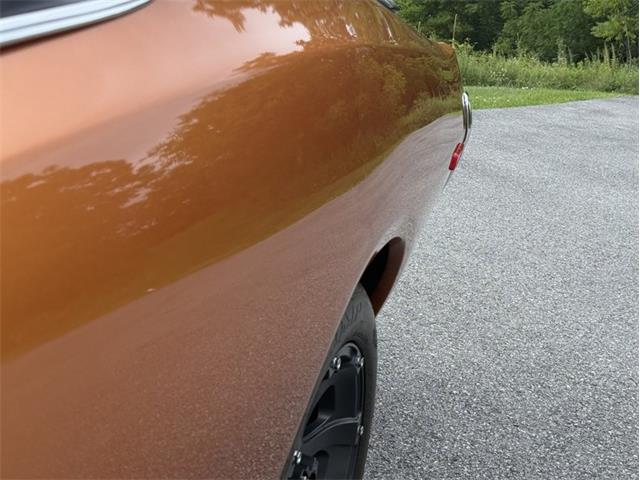
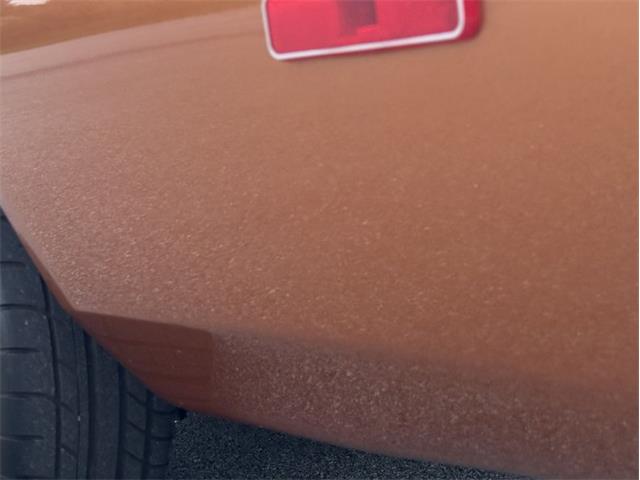
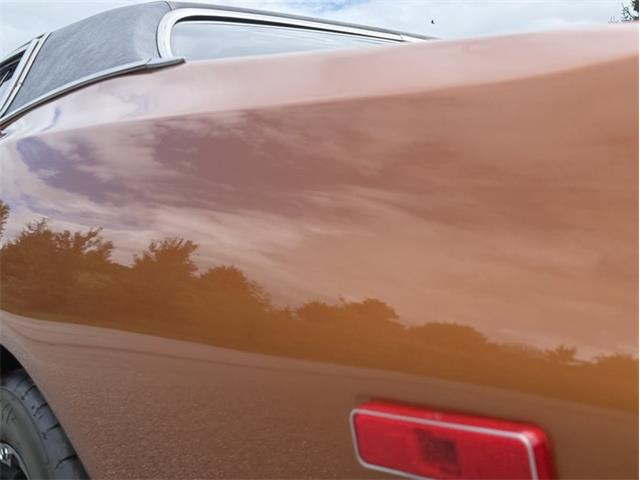
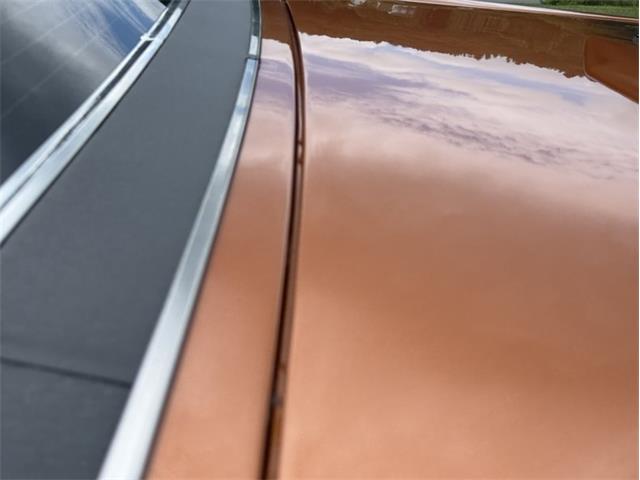
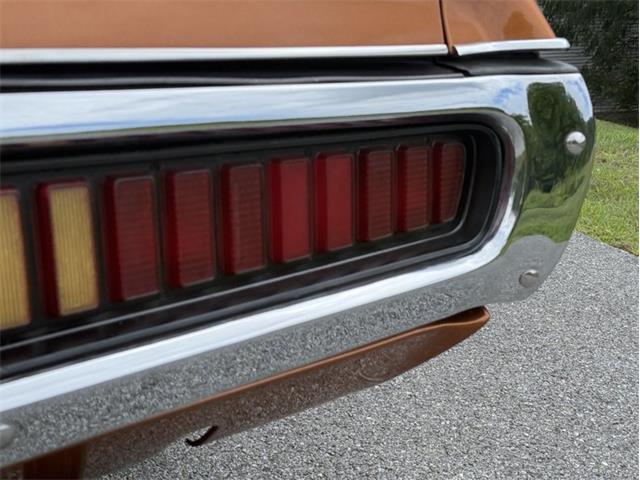
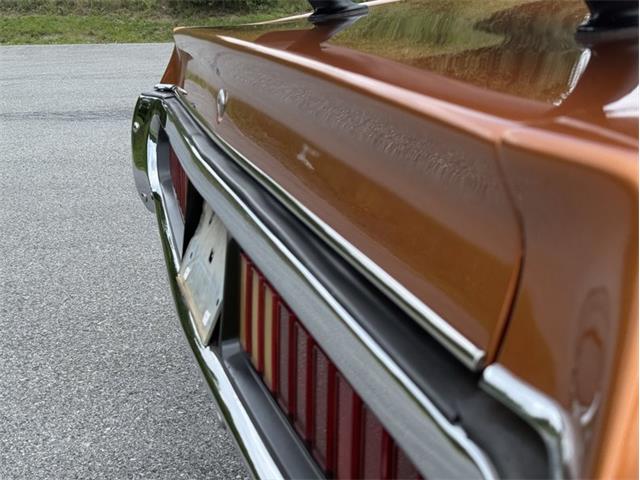
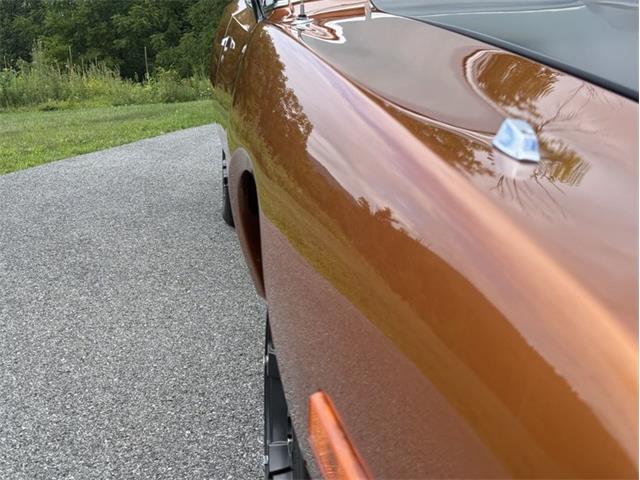
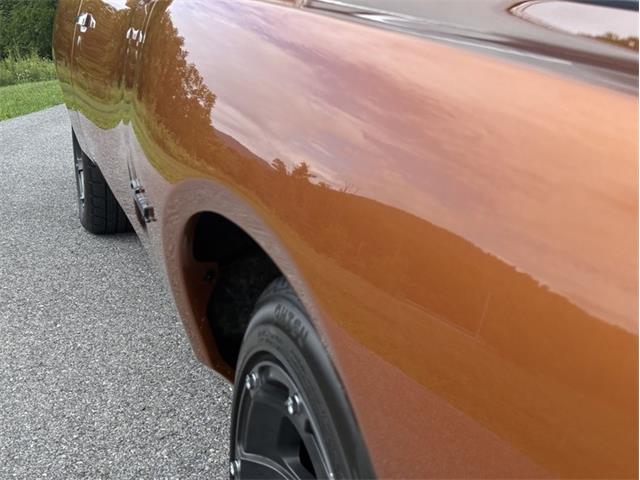
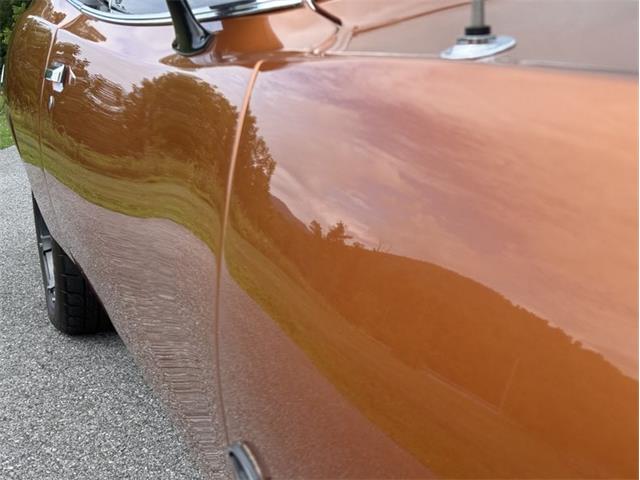
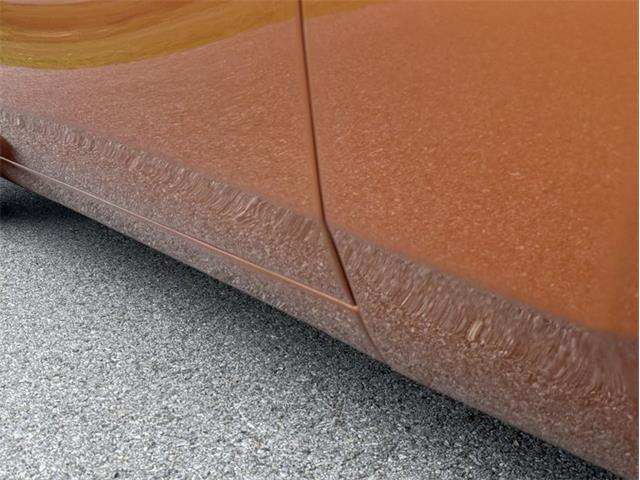
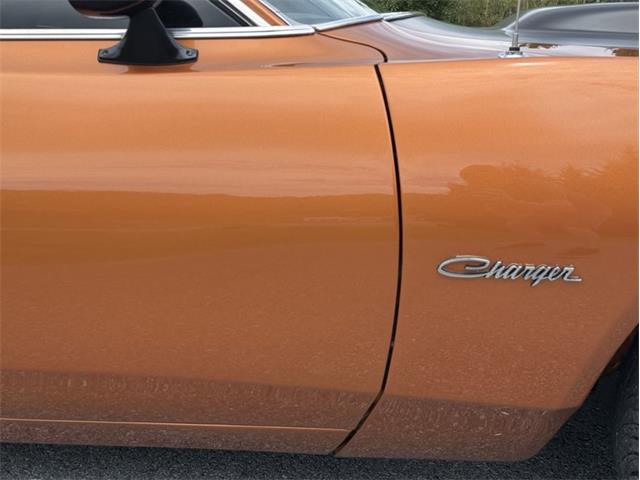
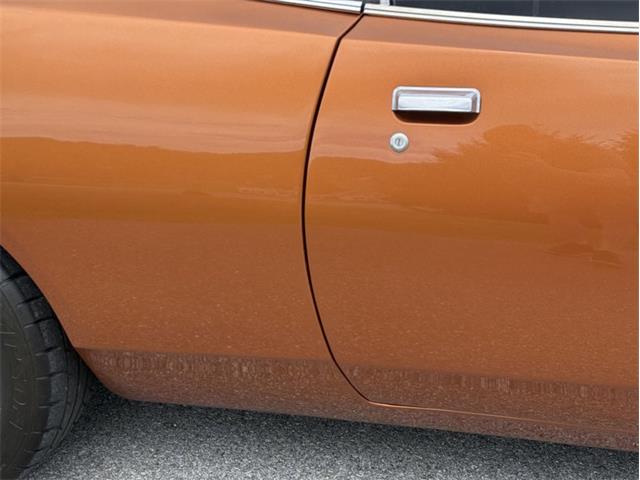
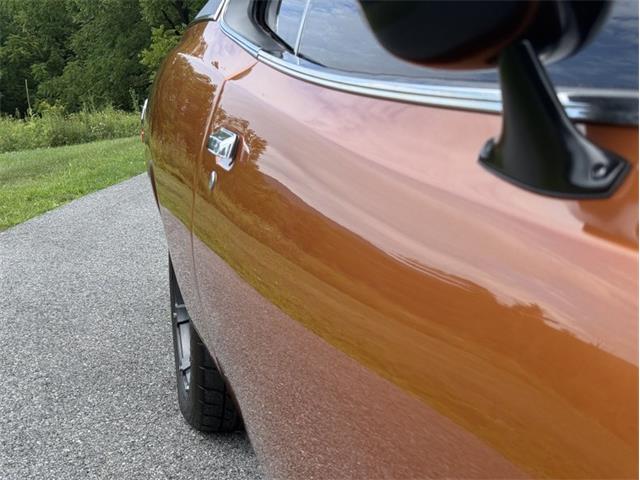
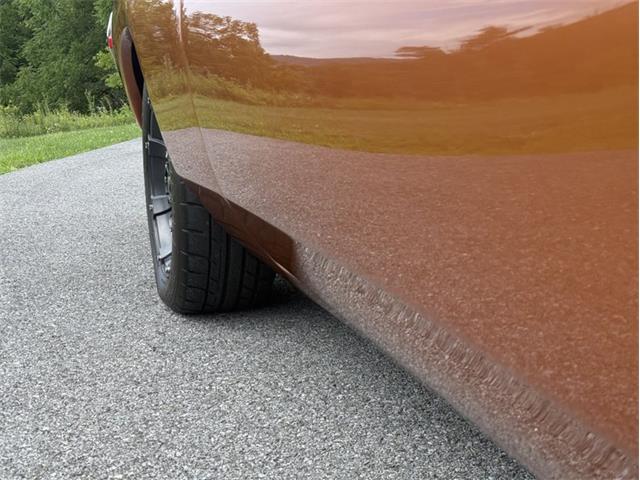
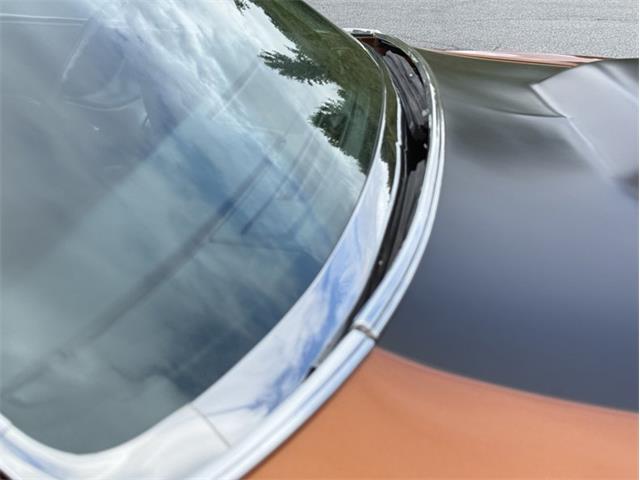
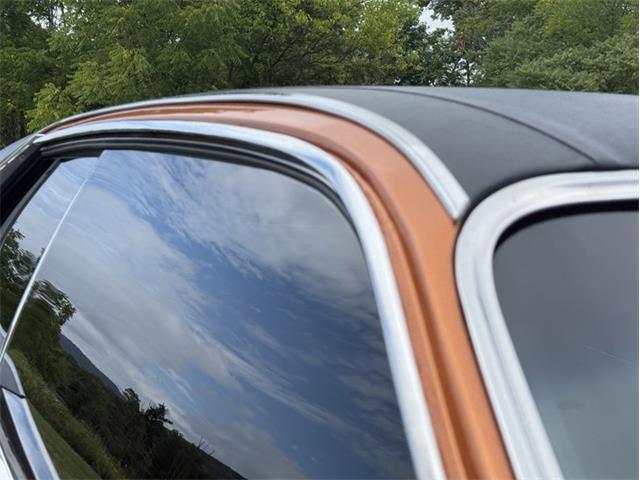
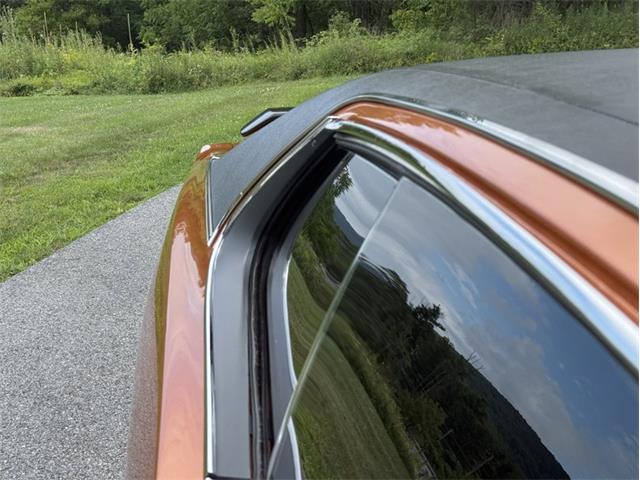
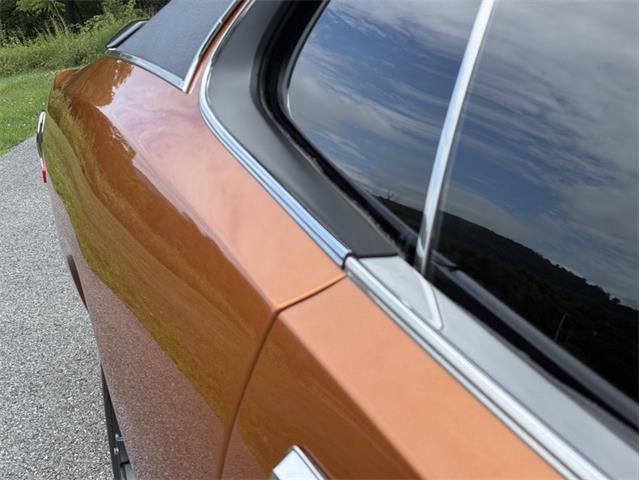
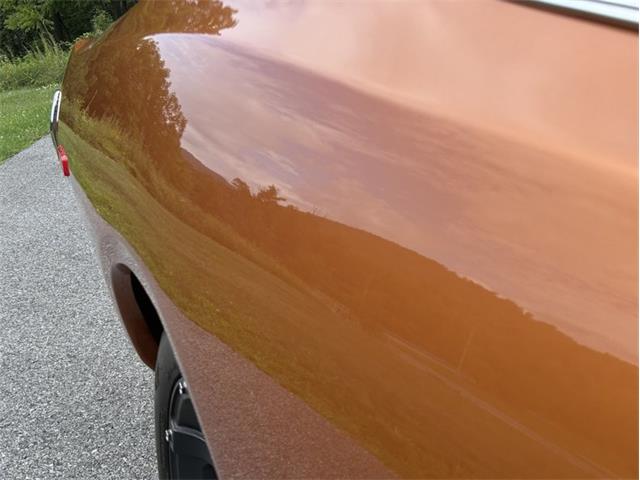
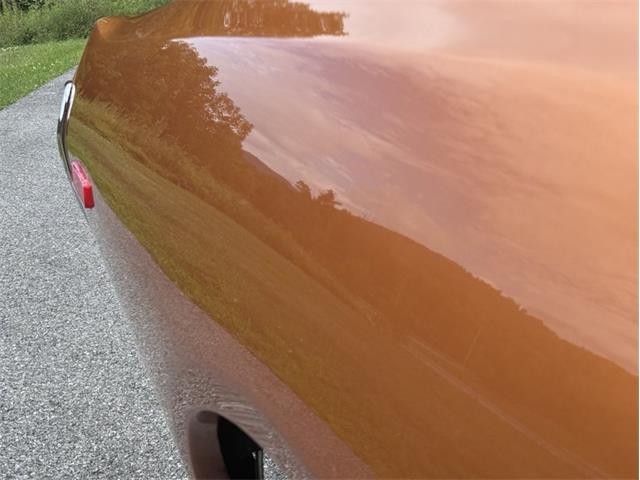
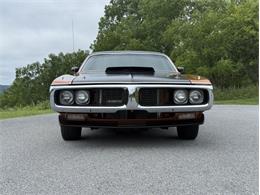
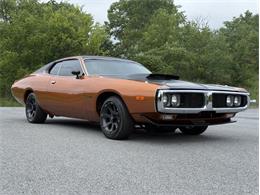
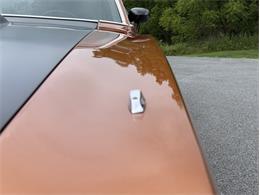
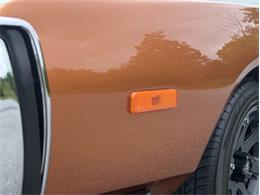
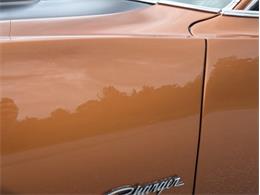
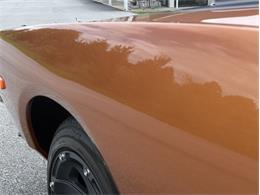
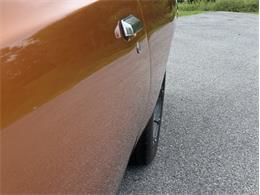
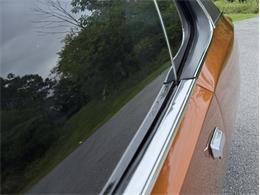
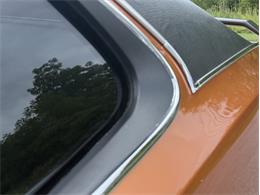
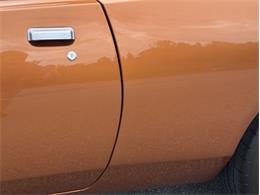
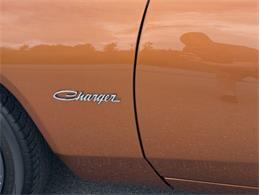
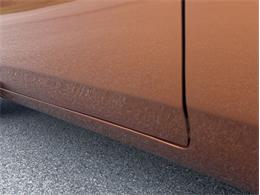
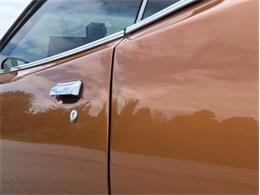
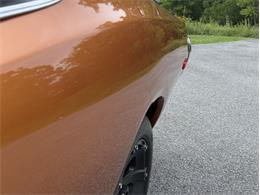
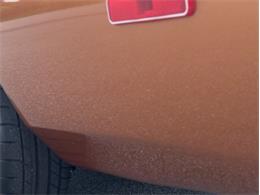
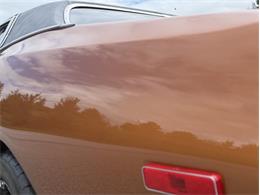
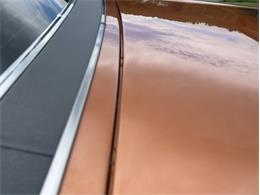
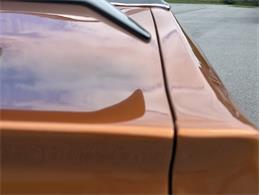
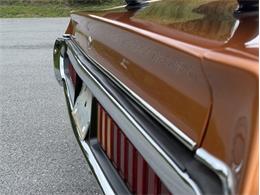
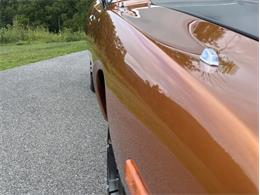
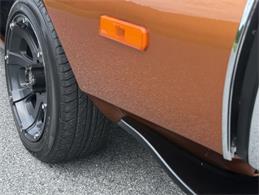
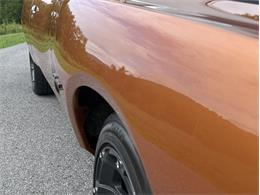
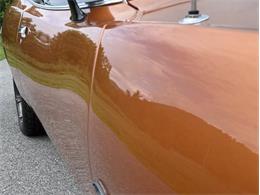
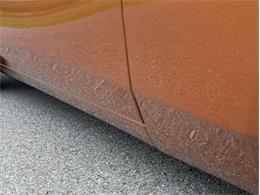
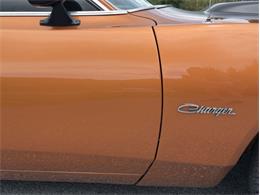
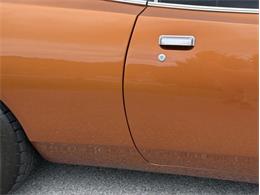
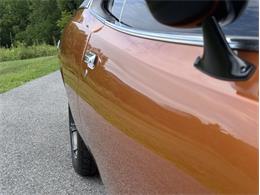
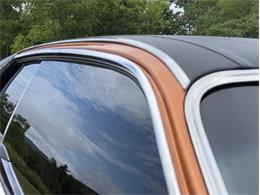
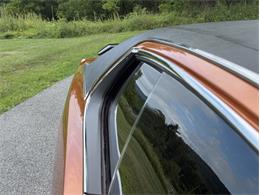
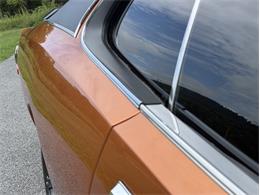
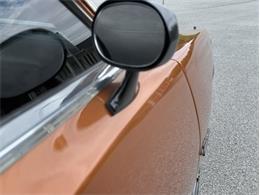
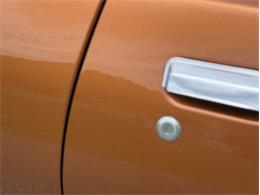
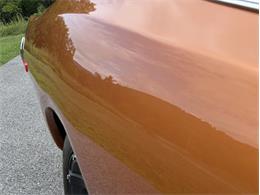
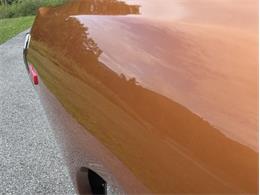
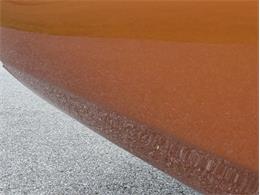
and stopped confidently, wearing a copper metallic repaint with
satin black accents that reads mean without being loud about
it.
WHAT IT HAS
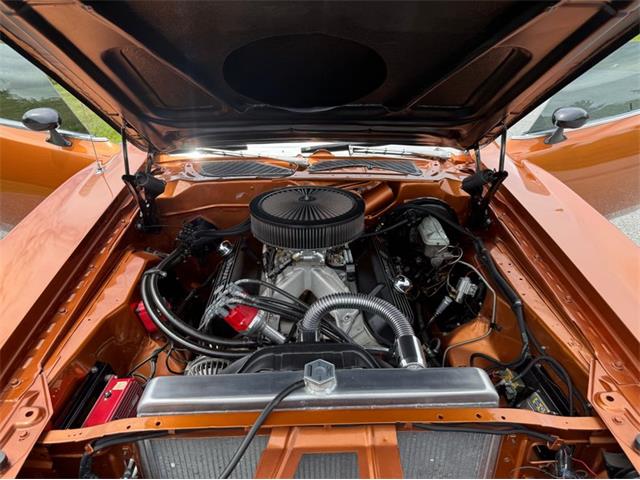
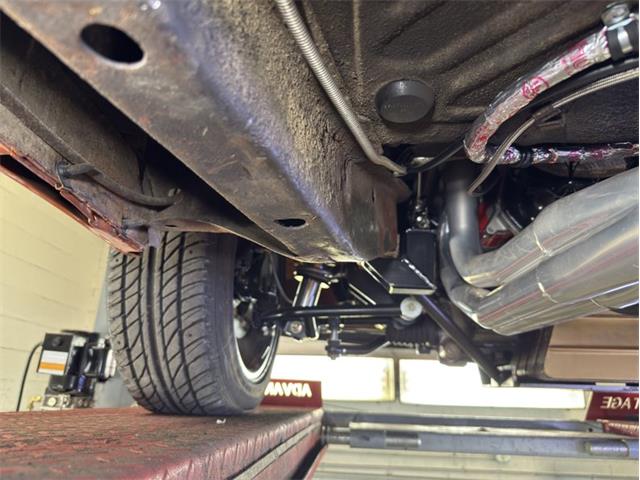
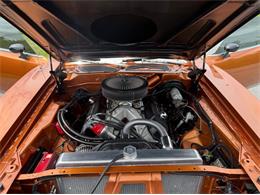
The engine is a 400ci Mopar big-block wearing aluminum heads, an
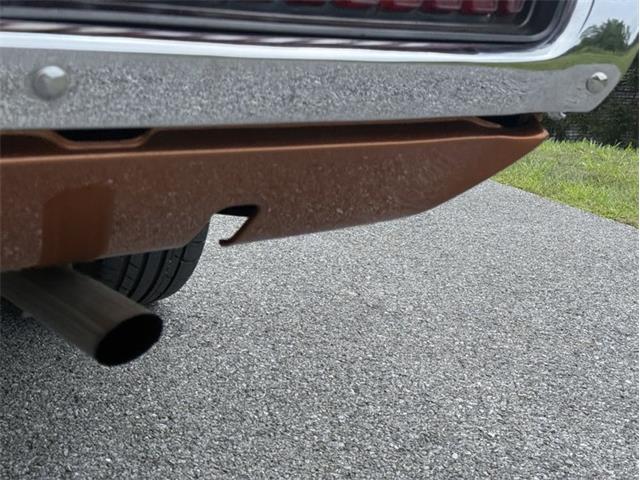
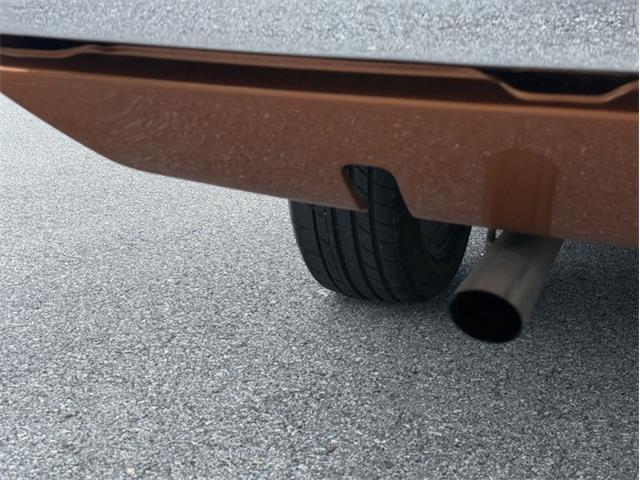
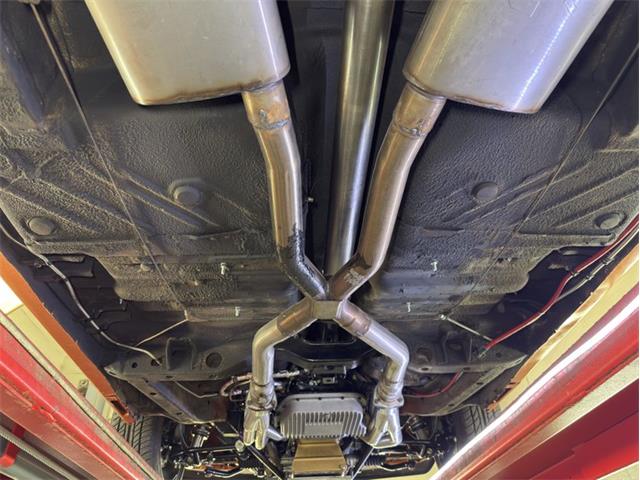
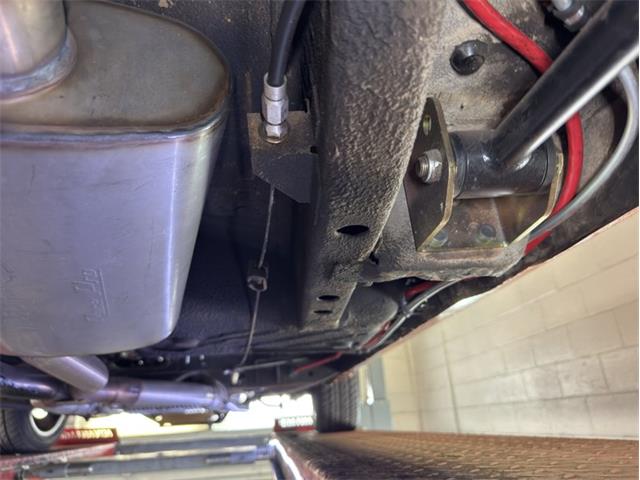
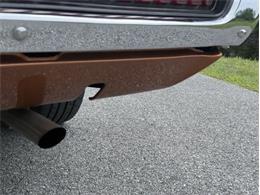
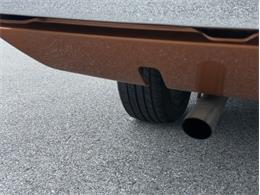
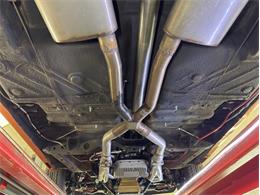
Edelbrock intake, and an 850 cfm Holley four-barrel. Headers dump
into a stainless Pypes exhaust. Mopar Performance ribbed valve
covers finish the top end, and the whole bay is painted body color,
which is a detail a lot of builds skip.
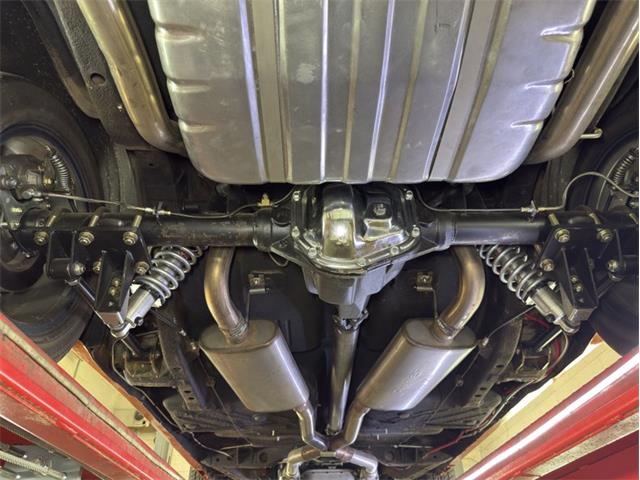
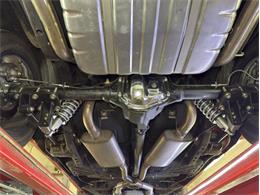
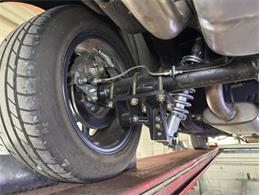
Behind it is an A727 TorqueFlite three-speed automatic - the
transmission Mopar guys trust - running back to a Dana 60 rear end.
That combination is about as stout as a street B-body drivetrain
gets.
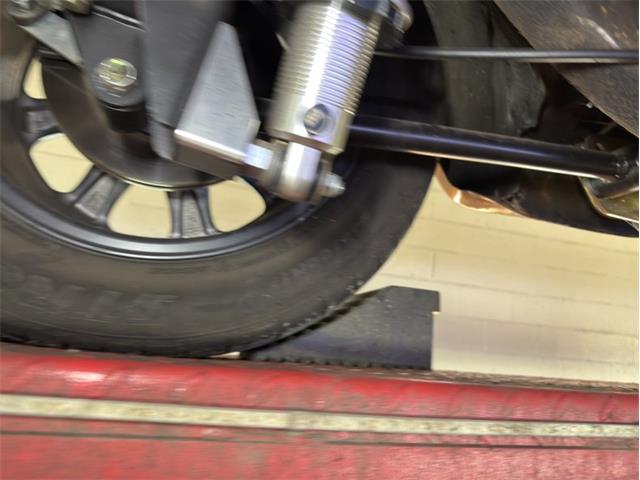
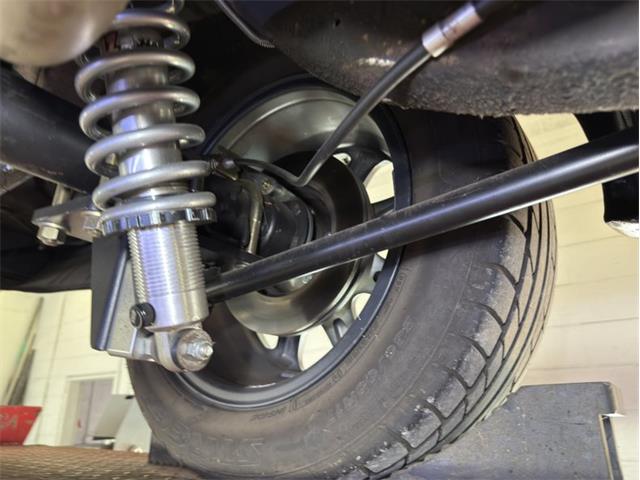
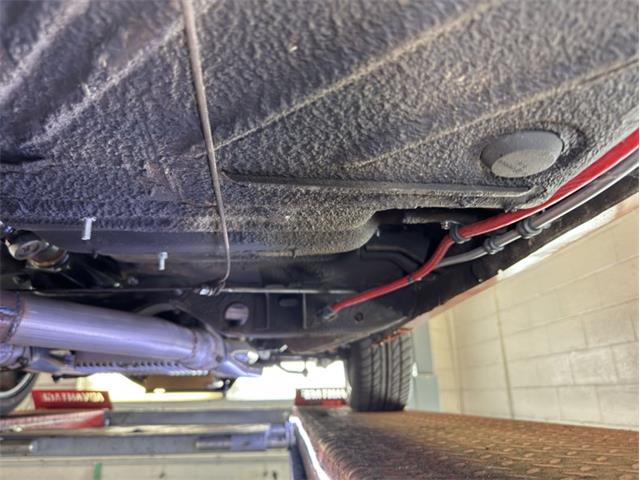
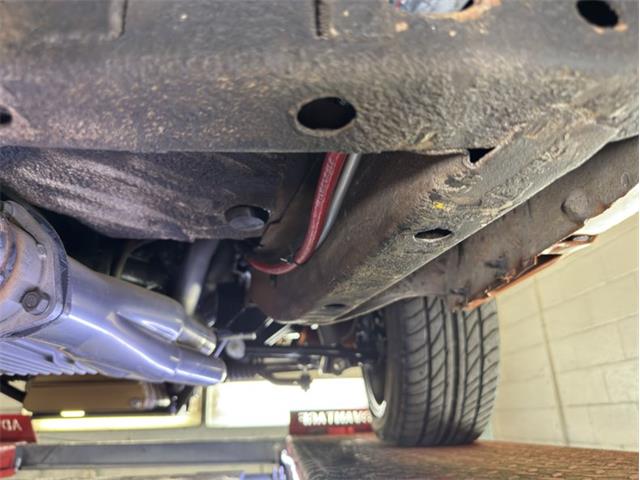
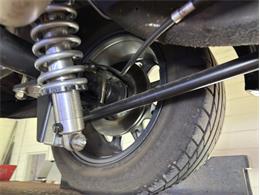
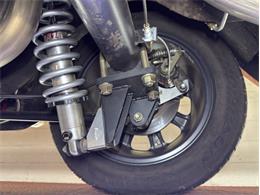
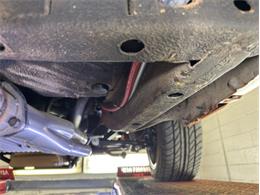
The front suspension is where the build separates itself. It's a
complete bolt-in coil-over K-member conversion with tubular upper
and lower control arms, a rear-mounted rack-and-pinion, greasable
sway bar mounts, and double-adjustable coil-over shocks with
independent compression and rebound knobs. The shocks are
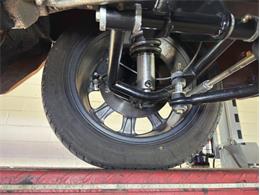
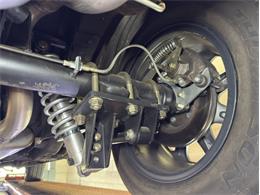
QA1-family units. Brakes are Wilwood four-wheel discs, with forged
Dynalite four-piston calipers up front - part number stamped right
on the caliper body, so replacement pads and parts are a phone call
away.
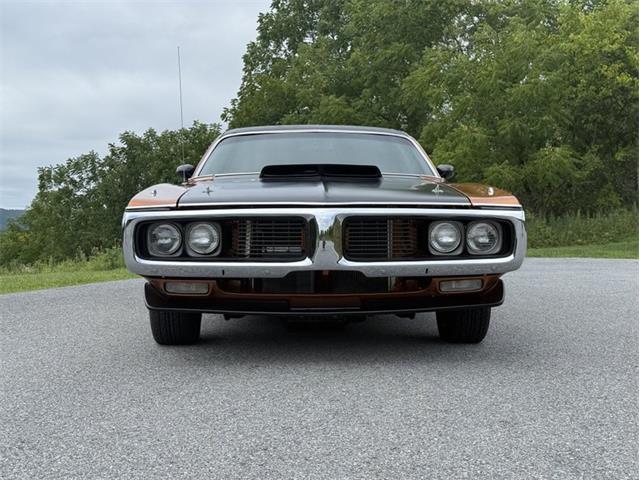
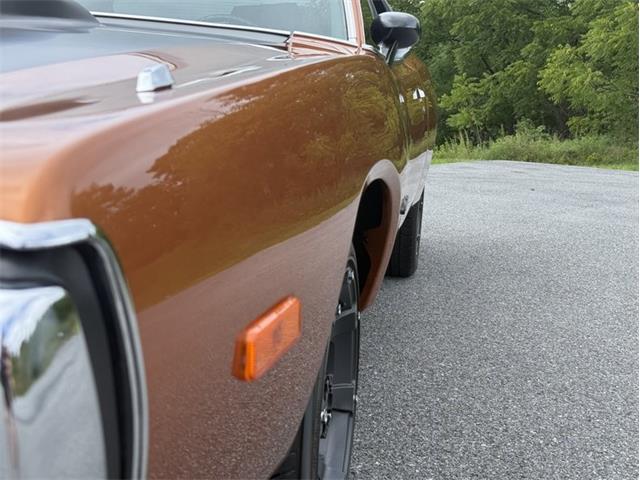
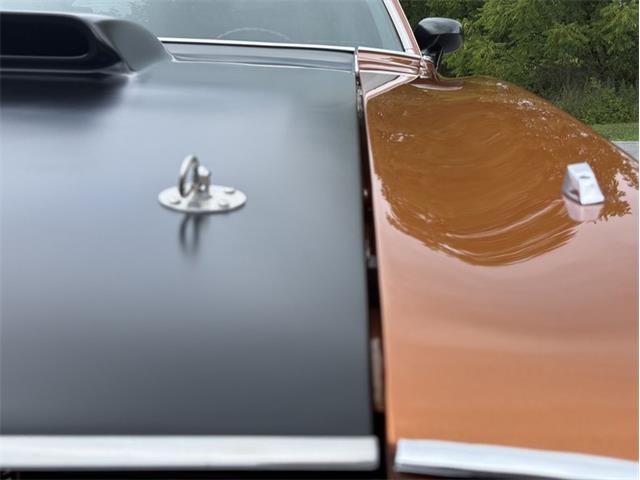
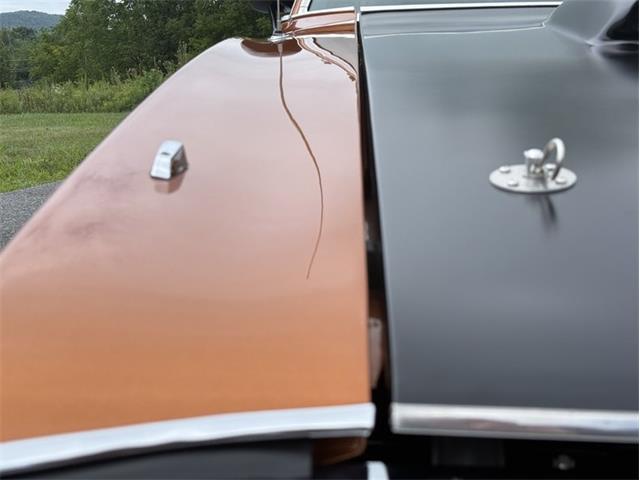
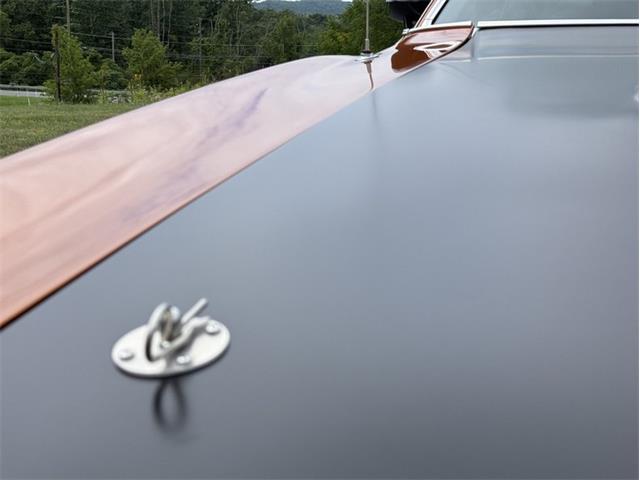
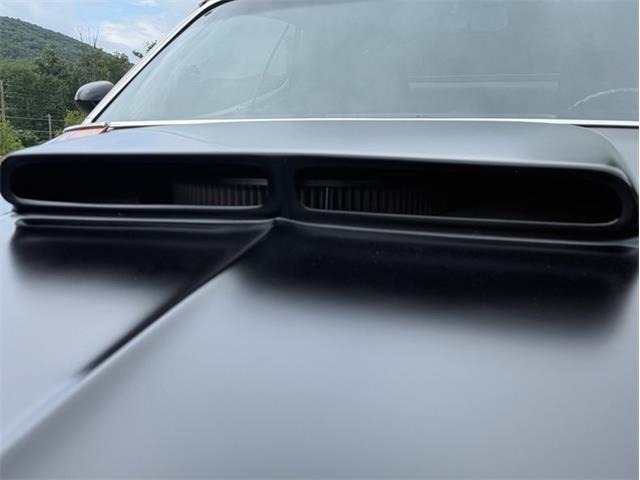
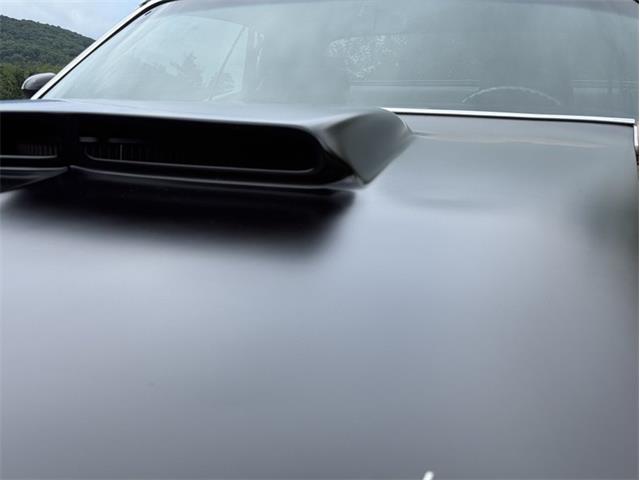
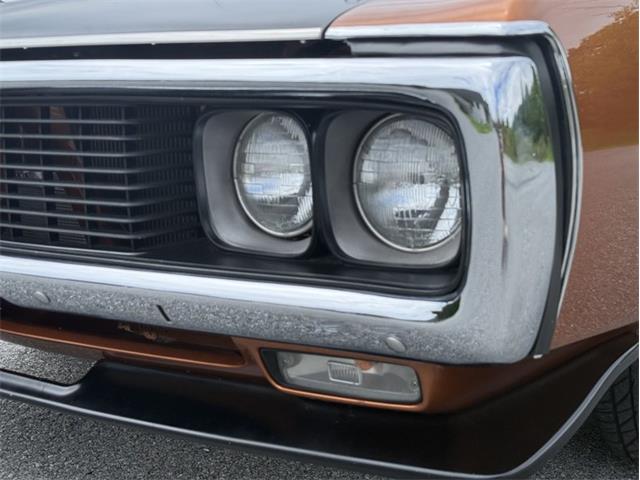
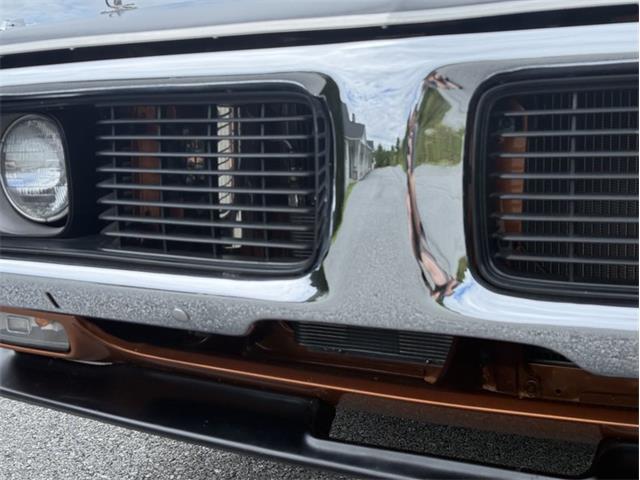
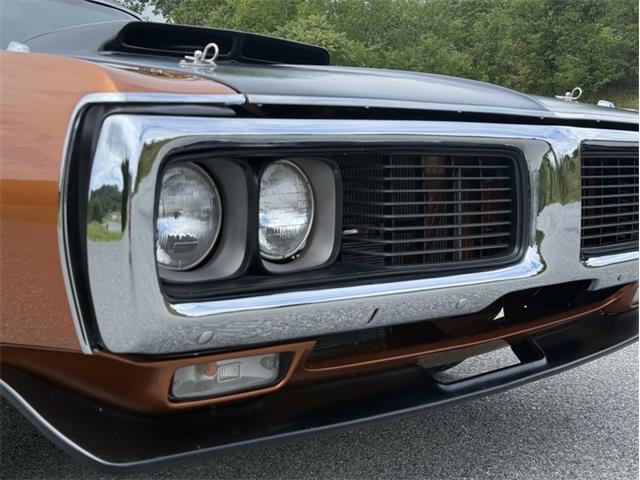
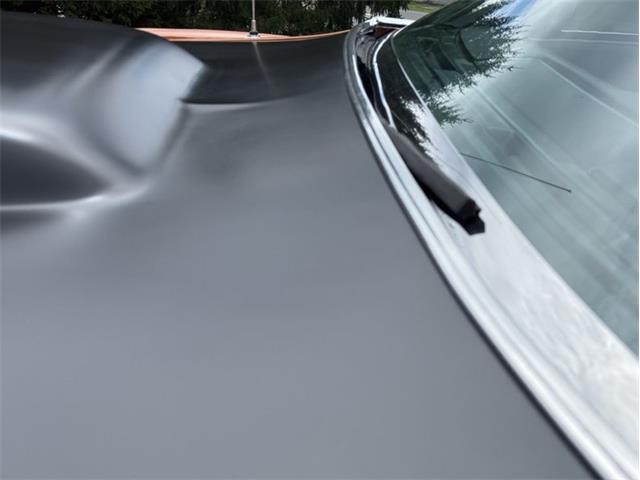
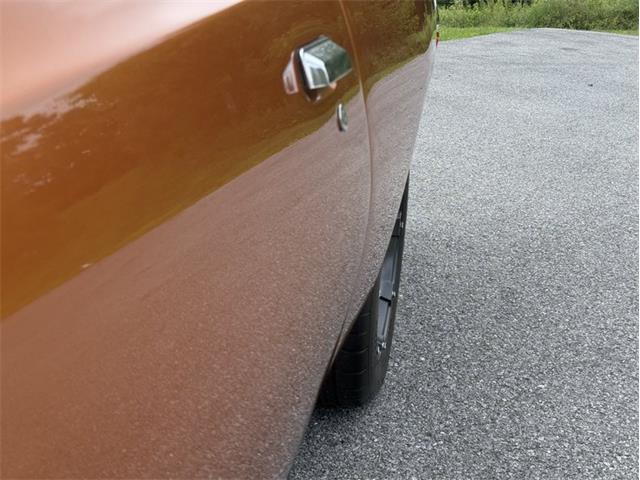
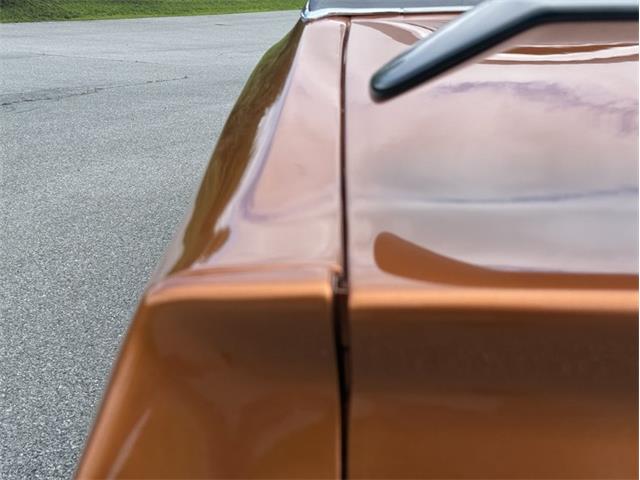
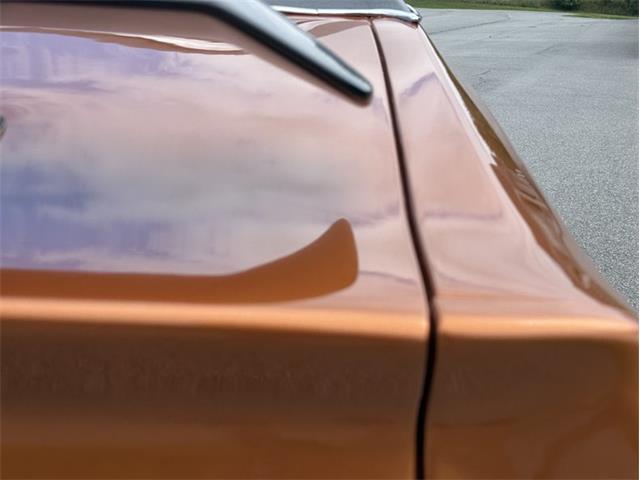
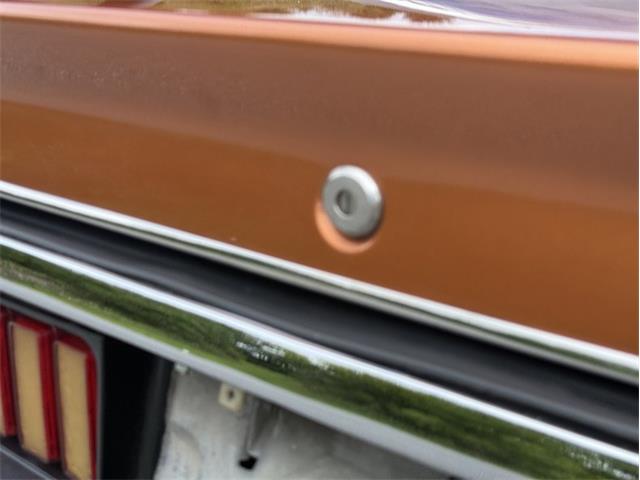
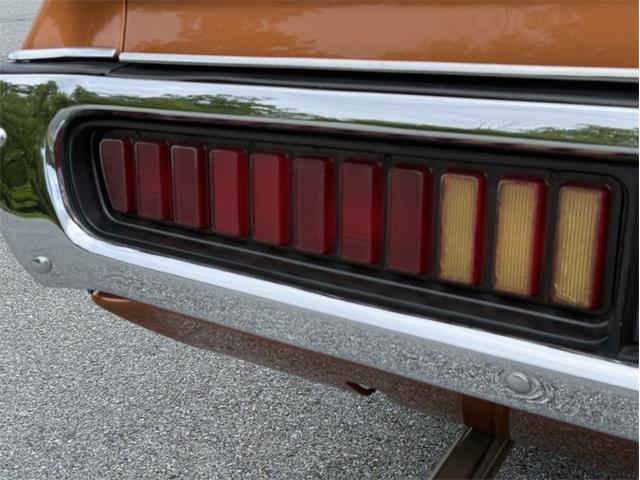
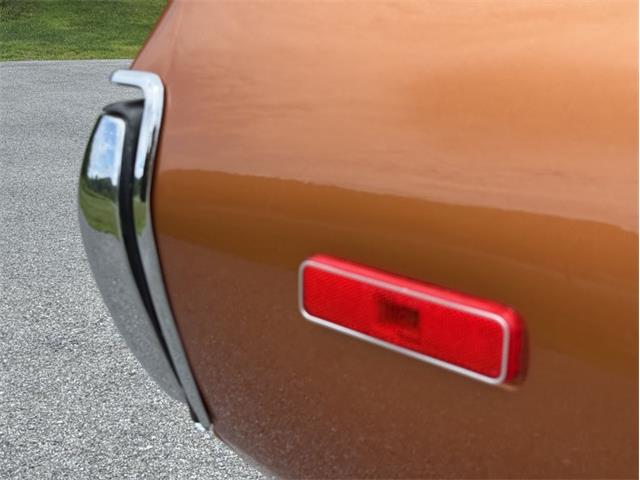
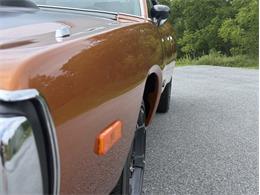
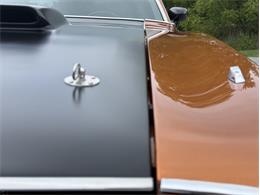
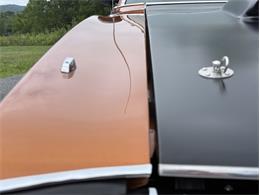
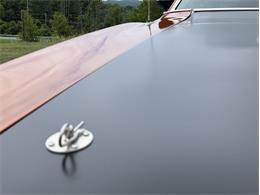
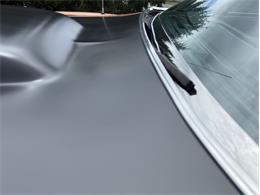
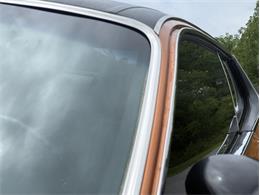
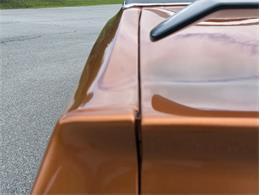
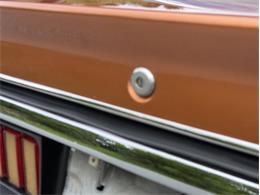
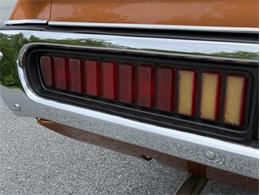
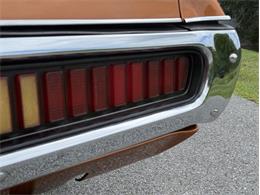
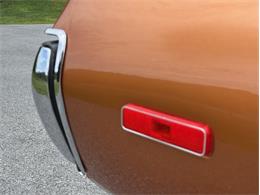
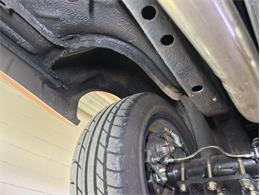
The body has been through a serious sheet metal campaign. Fenders,
door skins, quarter panels, and trunk lid were all replaced. A
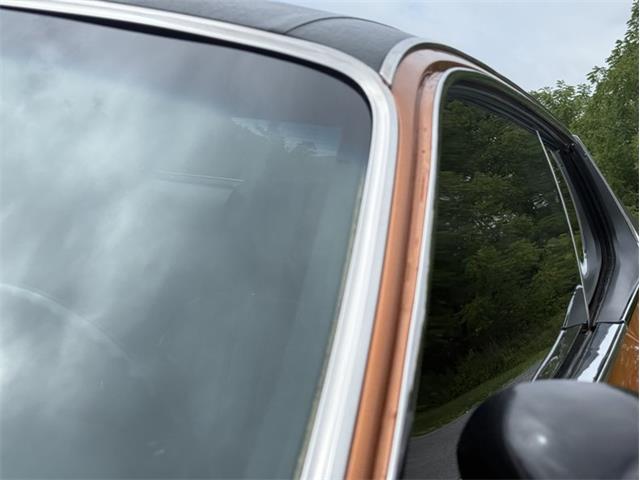
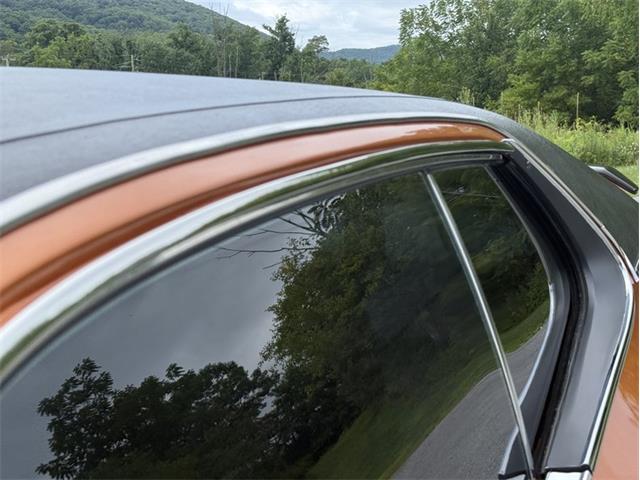
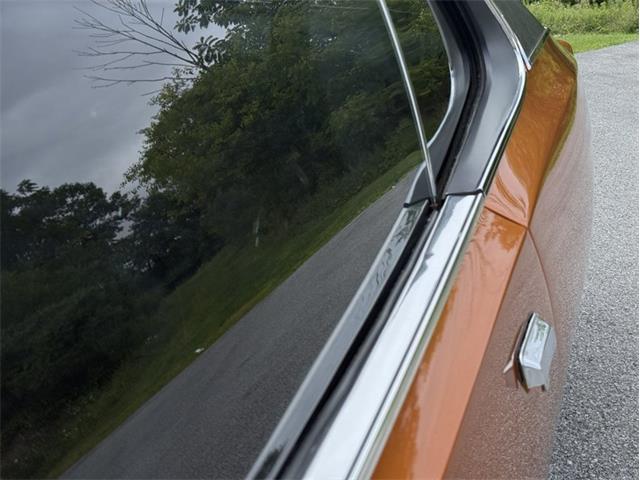
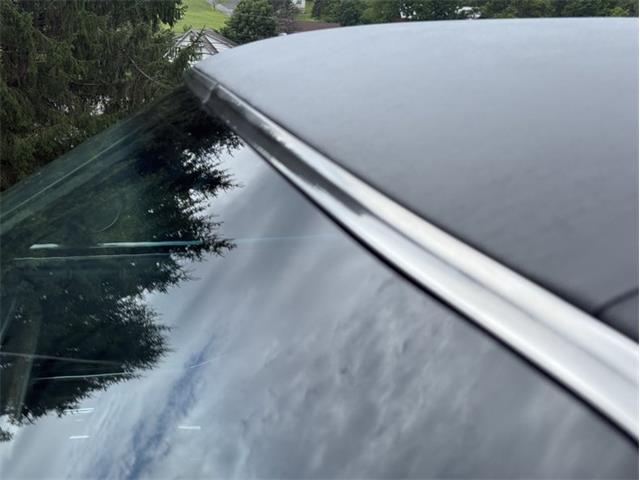
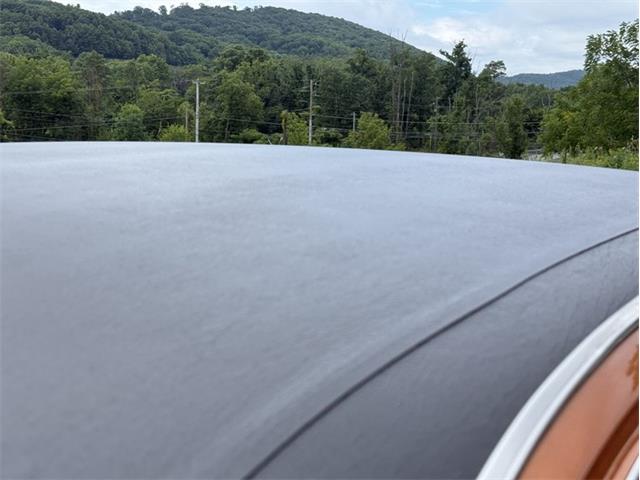
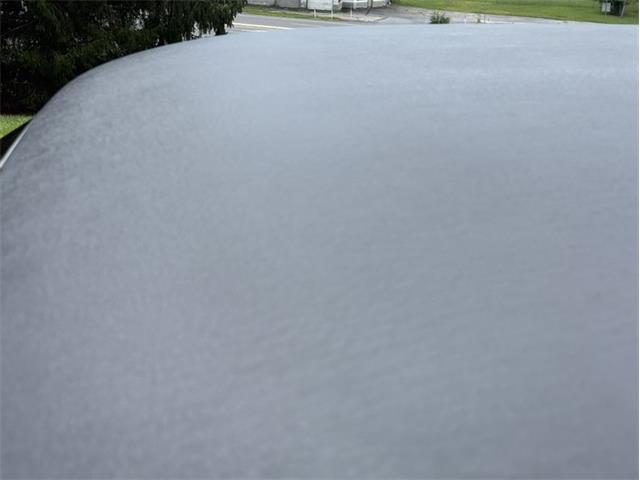
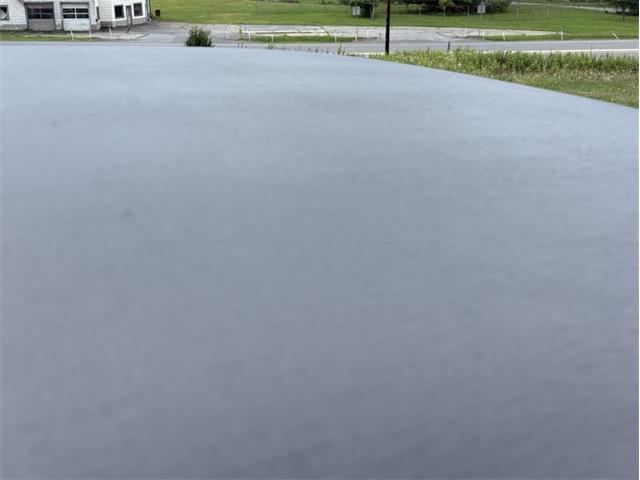
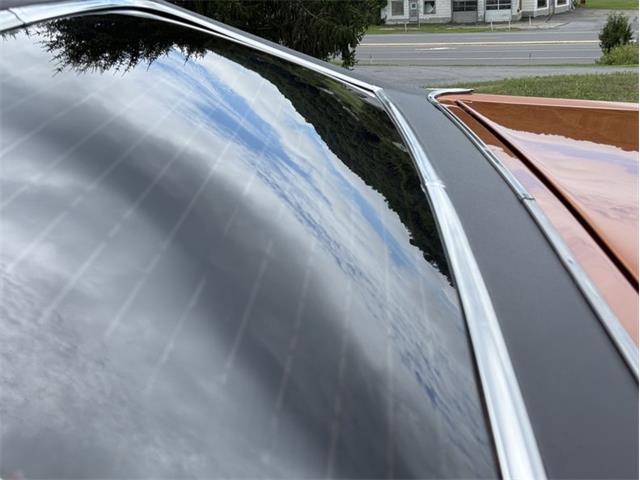
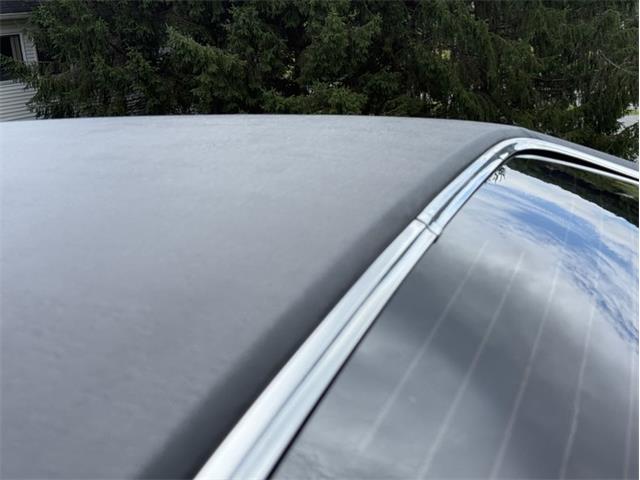
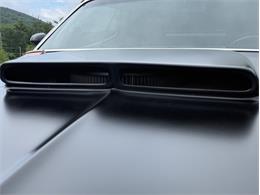
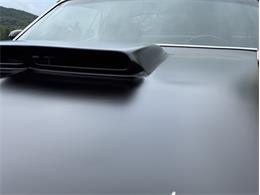
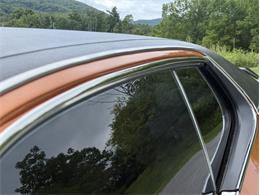
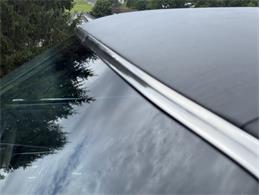
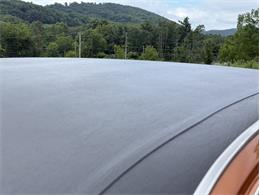
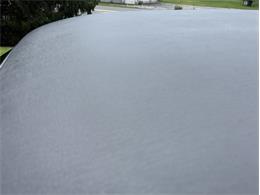
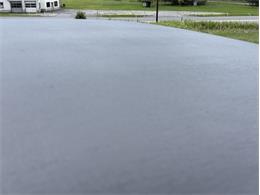
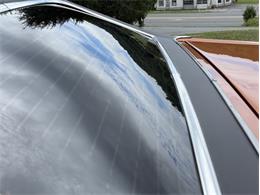
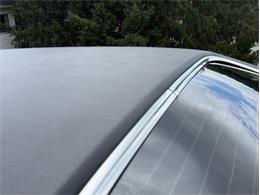
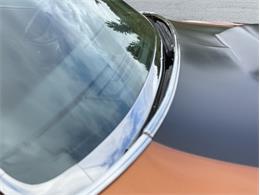
fiberglass scooped hood sits up front. A black vinyl top wraps the
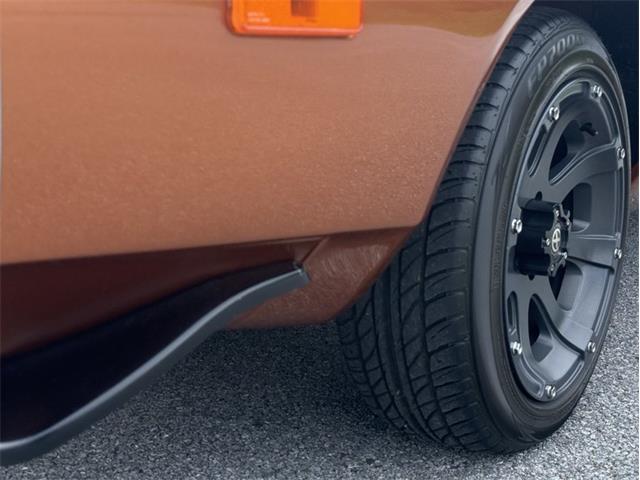
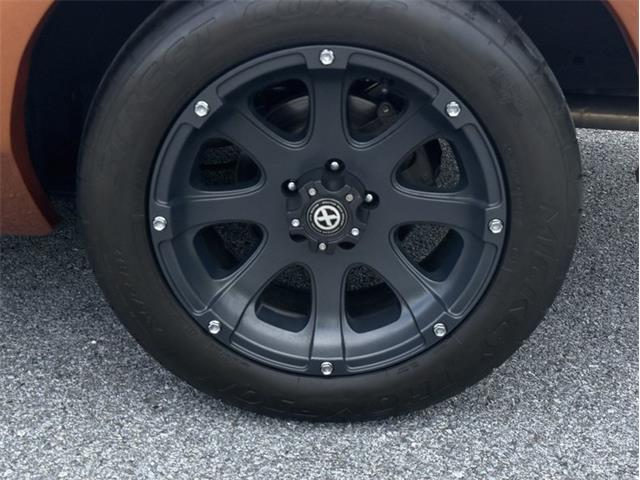
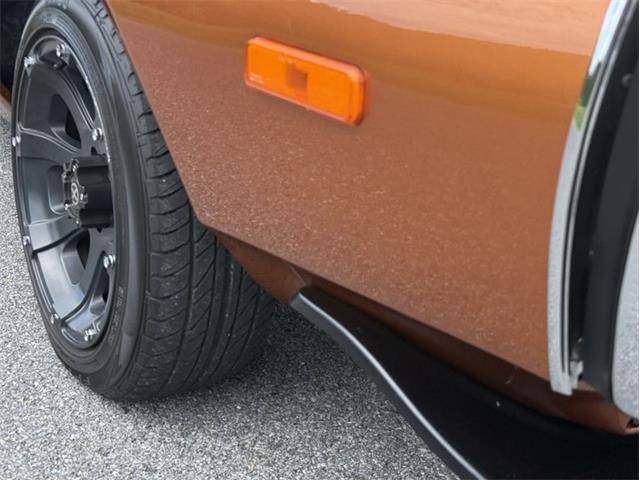
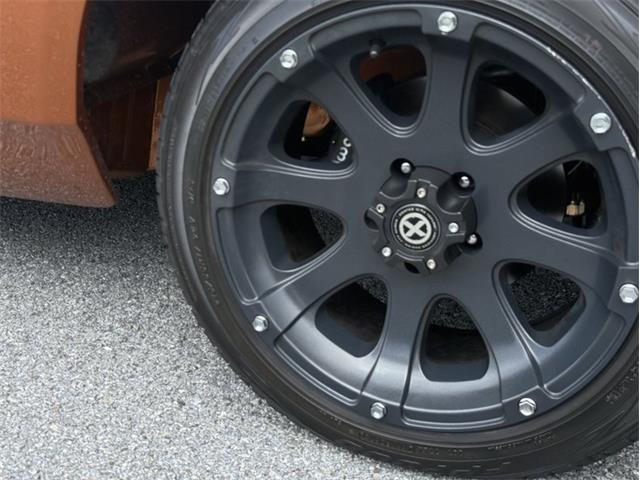
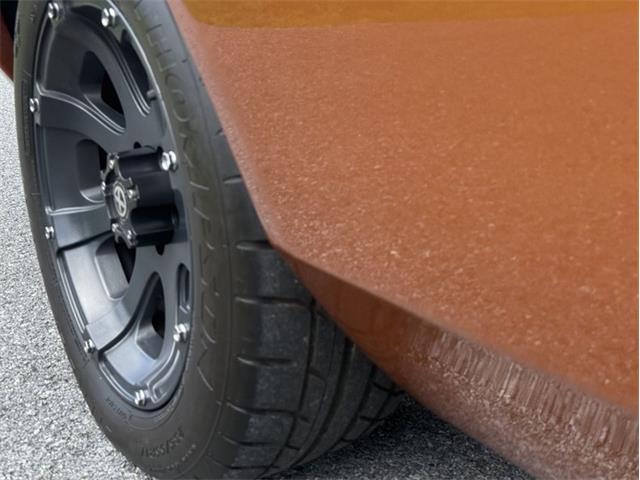
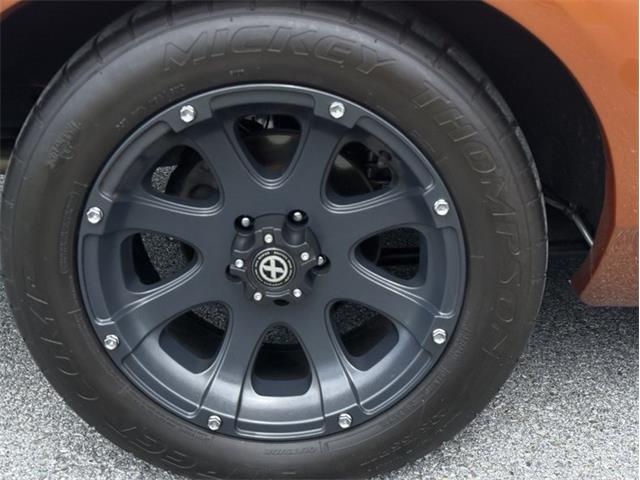
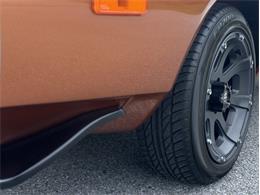
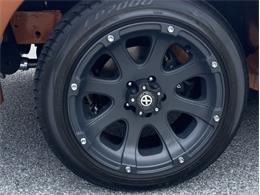
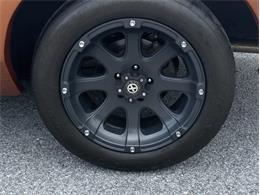
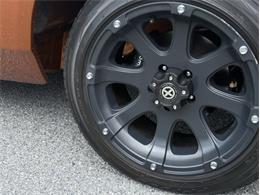
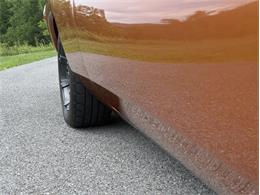
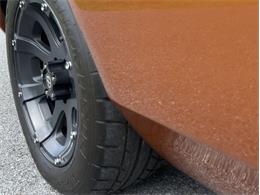
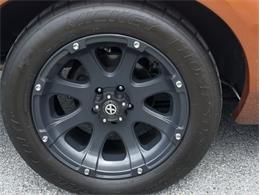
roof and rear glass, with chrome trim bordering it. Rolling stock
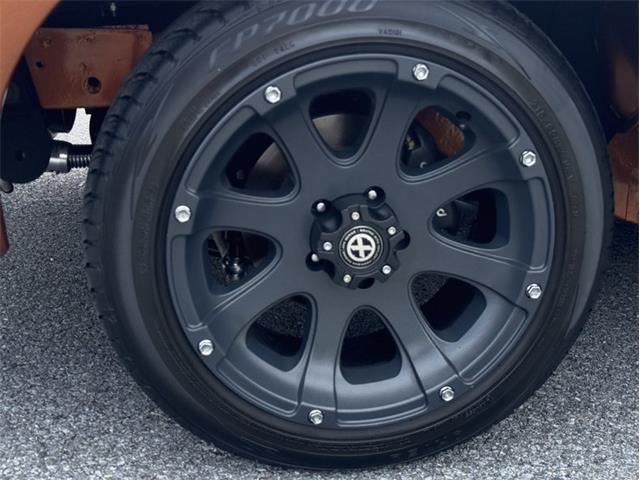
is 17-inch American Racing ATX wheels in black at all four
corners.
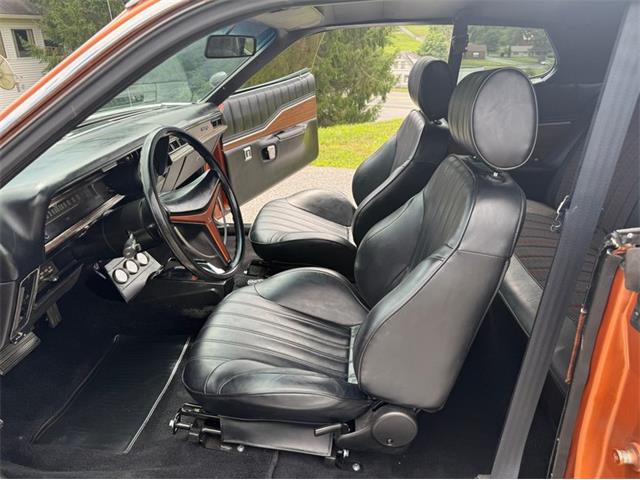
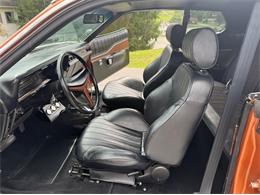
Inside, aftermarket buckets with tuck-and-roll inserts and
adjustable headrests replace the originals up front, while the rear
keeps the classic patterned-cloth bench look. Door panels carry
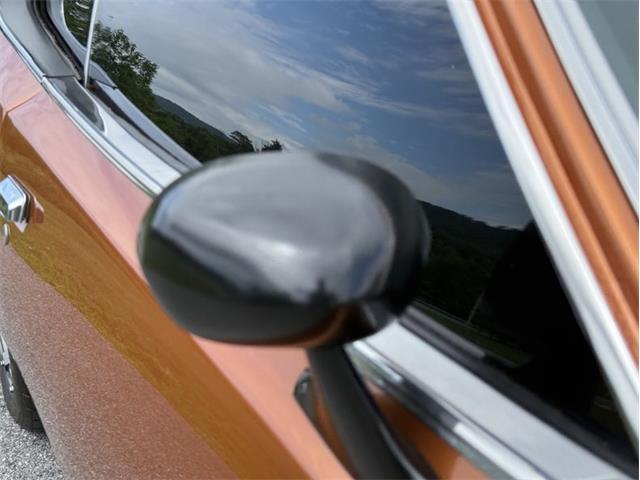
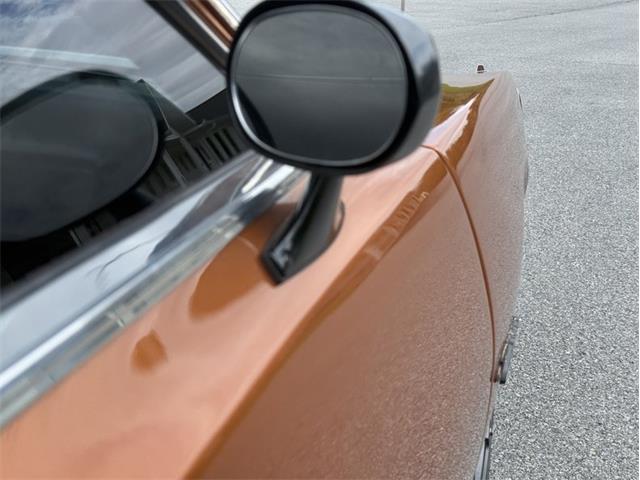
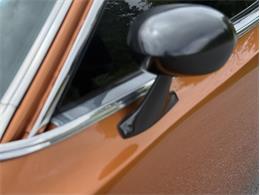
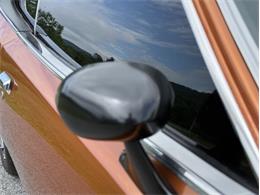
wood applique center strips. Power windows and a power driver's
mirror both work. A Hurst Pro-Matic 2 shifter with a ball knob sits
in the console, with a tach mounted to the driver's right and a
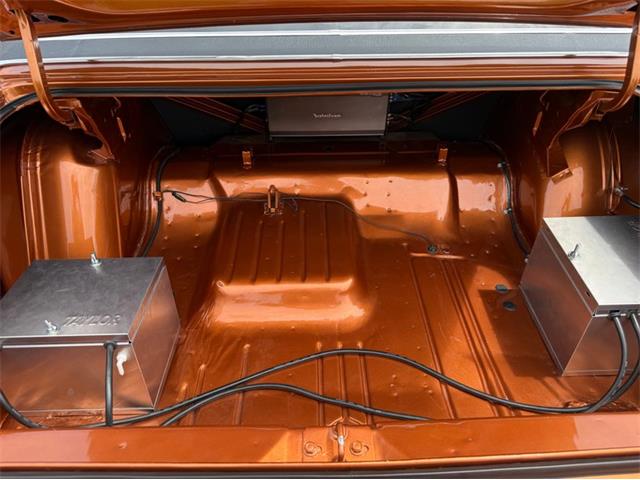
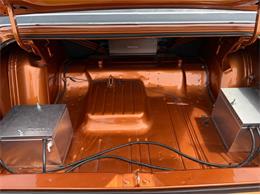
three-gauge pod ahead of the shifter. Battery's been relocated to
the trunk.
WHAT YOU SHOULD KNOW
We want you buying this car with clear eyes, so here's the straight
version.
The odometer reads 26,004 and is designated non-actual. Treat the
mileage as unknown.
The engine is not original to the car. The VIN indicates it left
the factory with a 318 two-barrel. The 400 is a swap. A prior
seller described the engine as making around 600 horsepower - that
was their characterization, not a dyno sheet, and we have not
verified it. Don't buy this car on a horsepower number.
The paint is a repaint. It's a copper/bronze metallic, and while
it's period-appropriate for a '74 Mopar, we have not verified it
against a fender tag as the original factory color.
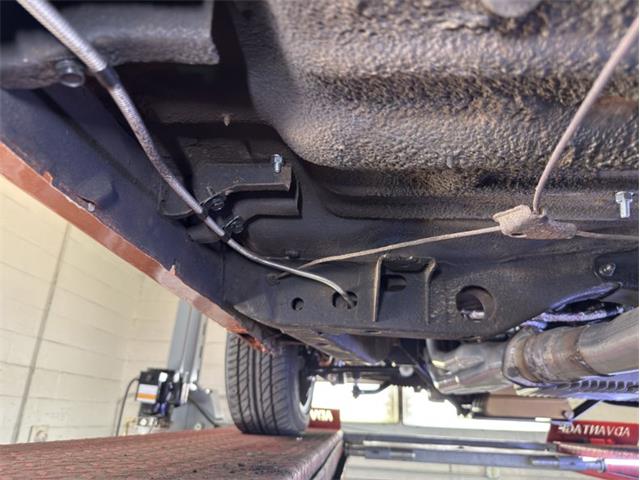
We have identified the individual front suspension components by
their markings - Wilwood calipers, QA1-family coil-overs, a
Ford-sourced rack - but we have not confirmed which manufacturer's
kit this is. If knowing the brand matters to you for parts support
down the road, tell us and we'll dig further before you commit. The
rack itself is a Ford Fox-body unit, which is actually good news
for serviceability: replacements and rebuilds are available at any
parts counter.
There's no restoration documentation with the car. What was done,
when, and by whom is not recorded.
THE BIGGER PICTURE
1974 was the last year of the Charger's "coke bottle" third
generation before the nameplate moved to a Cordoba-based platform
for '75. It's the same body that carried the '71 R/T and Super Bee,
and by '74 the styling had settled into its cleanest, most muscular
form - long hood, tucked waist, wide hips.
The emissions-era engines of that year mean these cars have never
carried the collector premium of a '68-'70 Charger. That's exactly
why they make such good build candidates. You get the shape, the
presence, and the B-body bones without paying numbers-matching
money for the privilege of not touching it. This car took full
advantage of that.
HOW TO BUY IT
The Charger is here at our showroom in Orwigsburg, PA, and you're
welcome to come look it over in person. We'll pull it out, start
it, and let you go through it as long as you need.
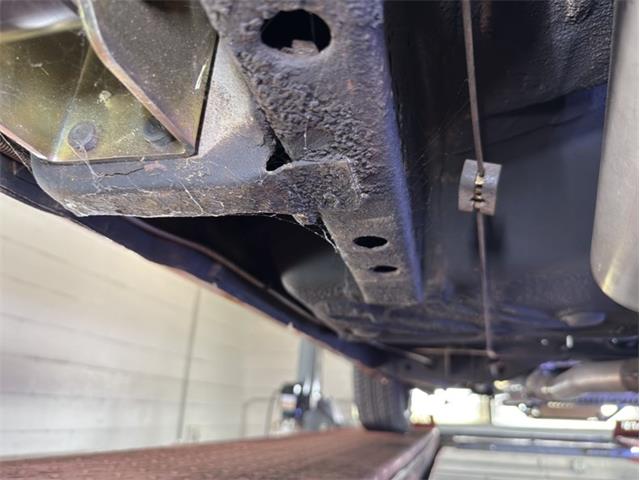
If you're out of the area, we'll shoot a walkaround video showing
you whatever you want to see - undercarriage, panel gaps, cold
start, whatever's on your list. We'll also coordinate a
pre-purchase inspection with any shop you choose. You pick them,
not us.
We can help arrange transport, though the carrier choice is yours.
We take trades. We do not add documentation fees on top of the sale
price.
Call or email through the listing and we'll get you set up.
ClassicCars.com has been recognized as one of the fastest-growing private companies in the United States, successfully making the Inc. 5000 list in both 2015,
2016, 2017 and 2018. This prestigious accolade represents the continued growth of the company, and ClassicCars.com's dominance as the world's largest online marketplace for
buying and selling classic and collector vehicles.
The Stevie Awards, the world's premier business awards recognized
ClassicCars.com's first-class Customer Support team with a Stevie Bronze Award in 2019, celebrating the team's skills as exemplary customer support specialists.
In 2016 The Journal, brought to you by ClassicCars.com, was celebrated as the SECOND MOST INFLUENTIAL automotive blog in the world by NFC Performance.