Mille Miglia, Le Mans, Monza, Daytona... hallowed grounds where
legends were forged, and where through the dust, oil and grit,
Ferrari earned the right to emblazon those names on its cars. Also
counted among them is the Tour de France - which may evoke images
of elite cyclists sprinting through the Champs Elysees - but which
first began in 1899 as one of the earliest competitive tests of
automobile endurance. It became a fixture on the racing calendar,
evolving into a high-speed, open road race to rival the Mille
Miglia or Targa Florio. Beginning in the early 1950s, Ferrari
dominated the Tour, winning eight times between 1951 and 1962 with
Scuderia stalwarts including Olivier Gendebien, Lucien Bianchi, and
Alfonso de Portago taking top honors. From 1956, in honor of its
success, Ferrari named the latest competition version of the 250
chassis "Tour de France."
The direct predecessor to the 250 SWB and 250 GTO, the 250 LWB Tour
de France Competition Berlinetta won the eponymous event in 1956.
The 250 TdF evolved through four series over its brief but fruitful
production span. Styling changes differentiate the various series,
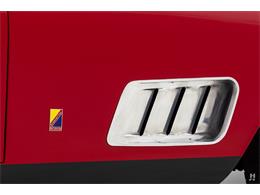
and the cars are commonly identified by the number of louvers on
the sale panel - from none to fourteen. Experts estimate that just
85 were built in total, and they are highly coveted by serious
collectors worldwide.
If imitation is the sincerest form of flattery, then 1950s Ferraris
certainly get their fair share of adulation. The exclusivity and
eye-watering values of cars like the GTO, SWB, and California
Spider created a market for accurate recreations using existing
Ferrari production car components. The Tour de France falls in this
category, as enthusiasts have sought to capture the magic of the
highly successful and drop-dead-gorgeous TdF at a somewhat more
attainable level. The 250 chassis' versatility and universality
make it an ideal basis for an authentic recreation.
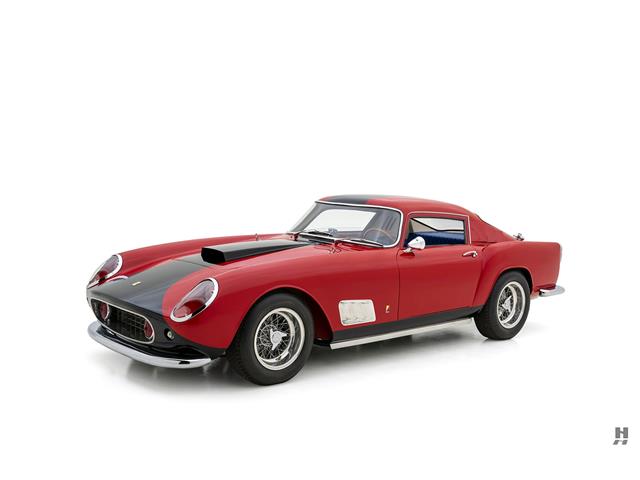
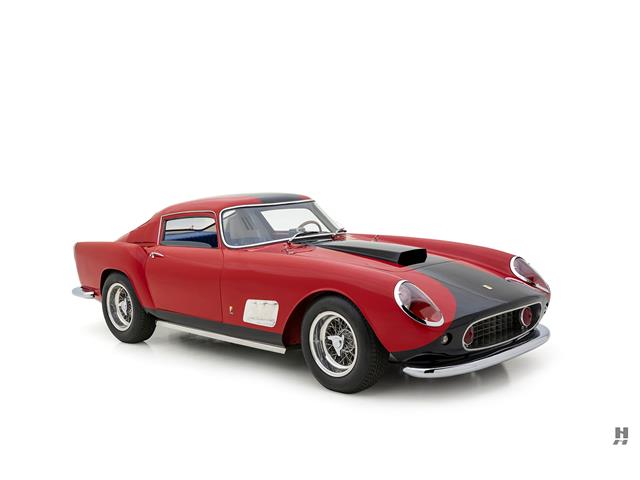
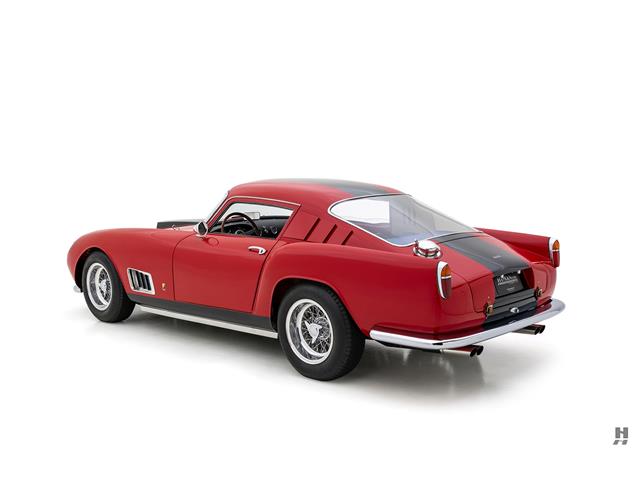
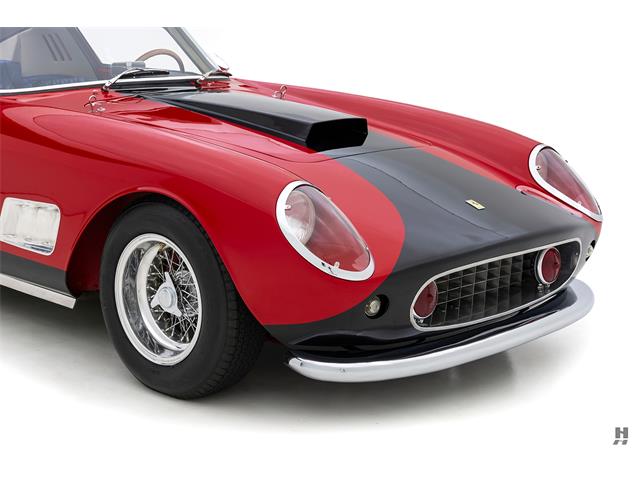
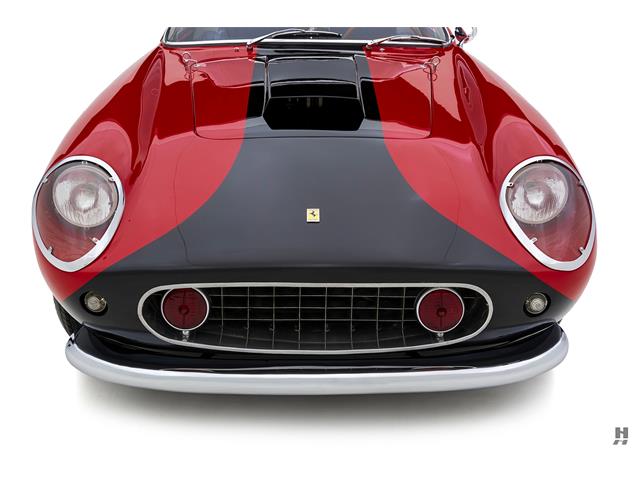
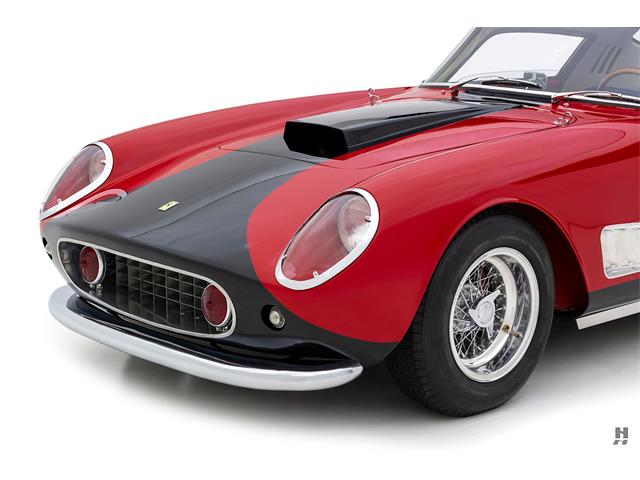
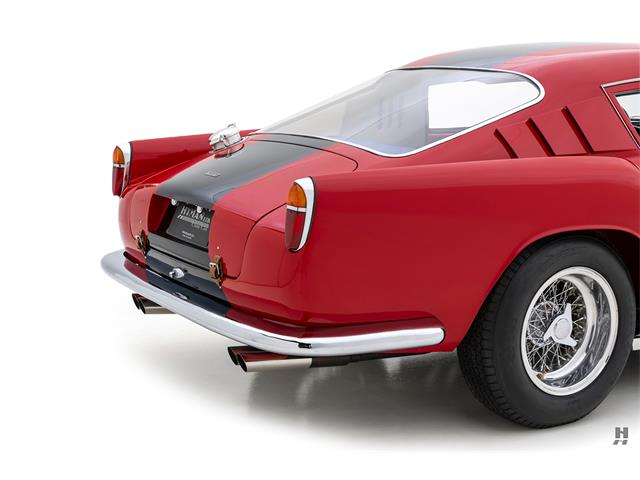
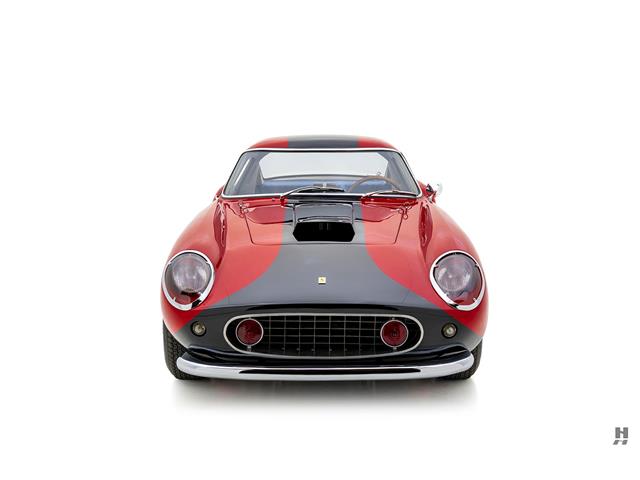
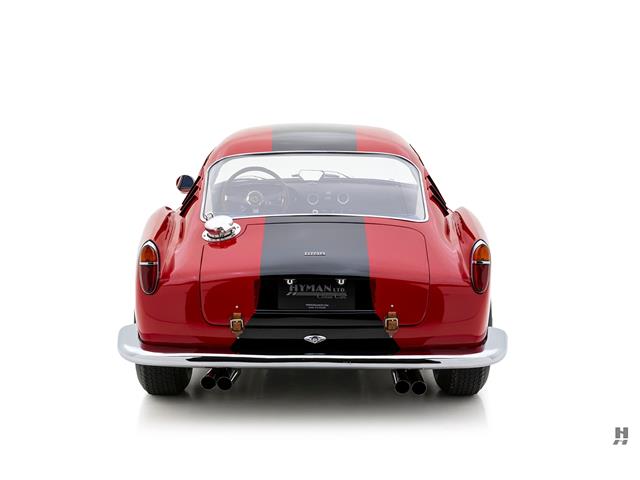
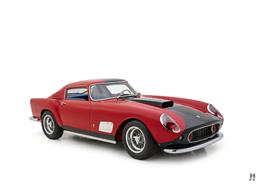
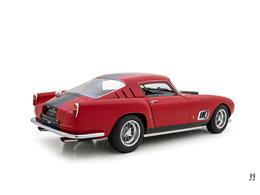
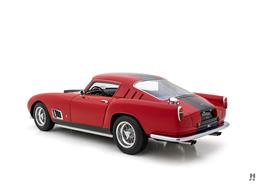
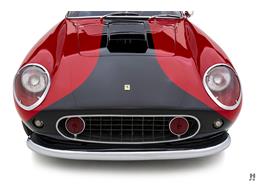
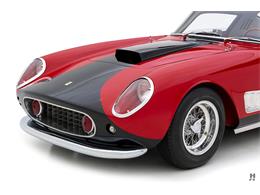
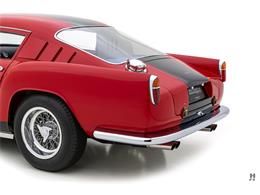
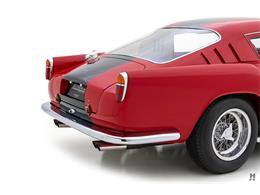
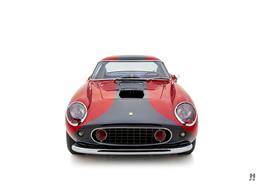
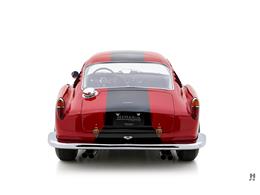
Offered here is a striking tribute to the 250 LWB Tour de France
Berlinetta. This car was built using components from various
sources, primarily 250 GTE S/N 3457GT for the engine, and other 250
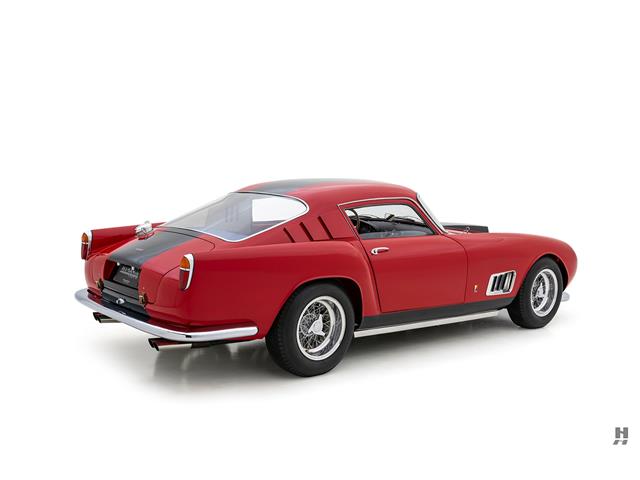
series Ferraris for the chassis elements. This car is modeled after
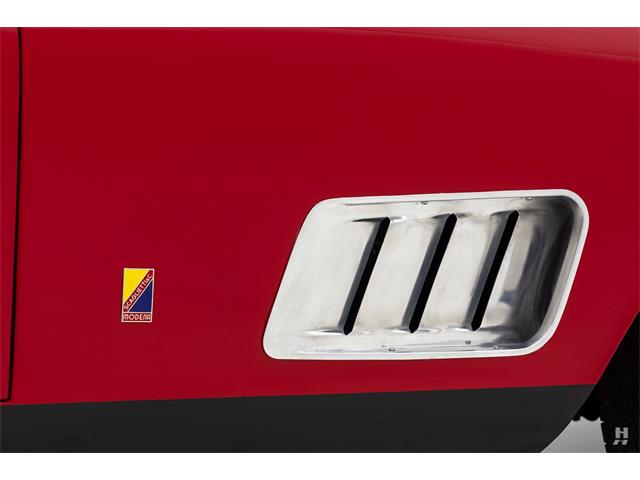
the 3-louver TdF, first introduced in the spring of 1957. Aside
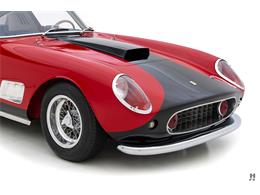
from the new sail panel treatment, Scaglietti also revised the body
with set-back covered headlamps, low-mounted full-width bumpers,
and chrome deco strips along the sills - features which are
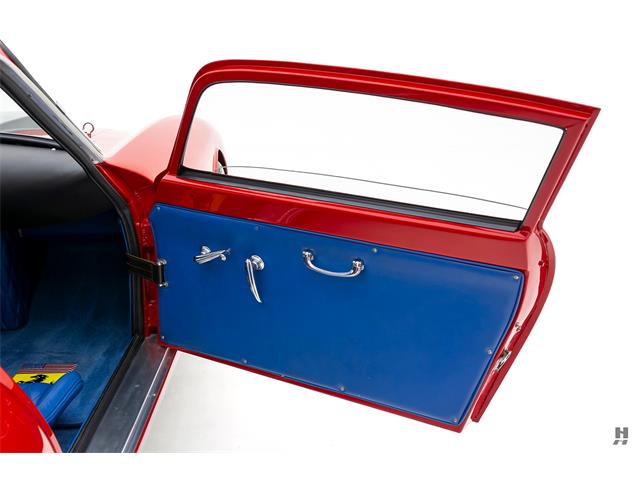
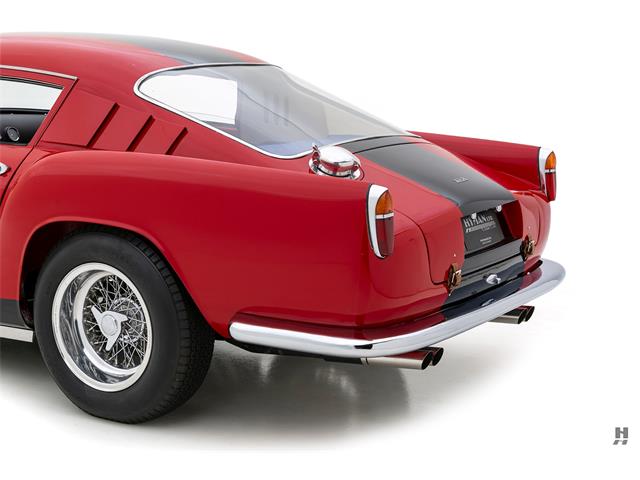
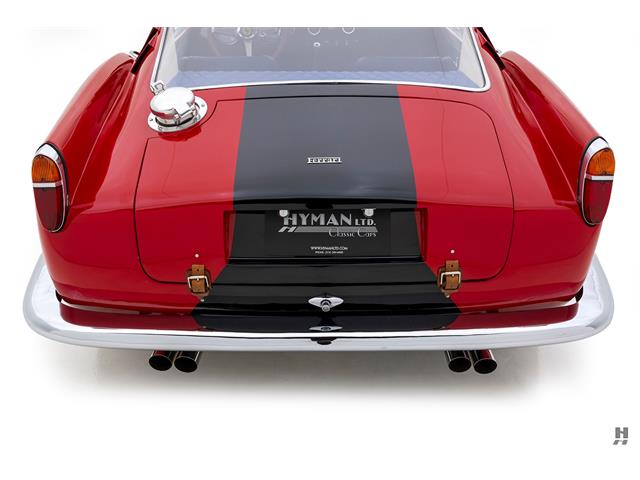
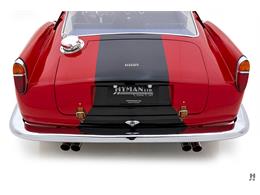
faithfully reproduced here. Finished in the classic Rosso Corsa, it
is adorned with a broad black stripe - a distinctive treatment
honoring the liveries of many great successful TdFs. The
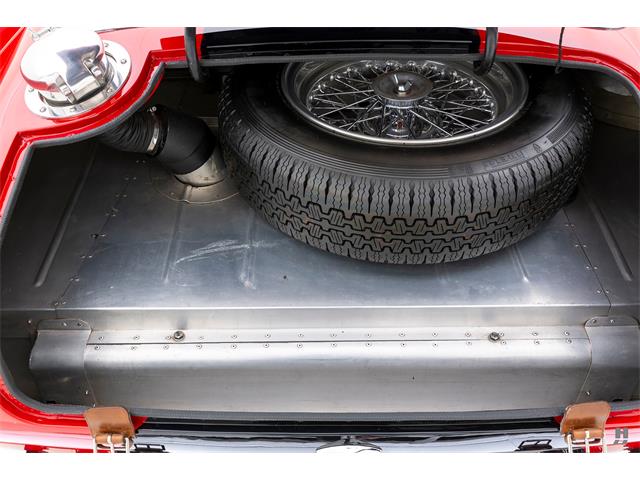
all-aluminum coachwork is adorned with authentic period touches
including full-width bumpers, a large Monza-style fuel filler,
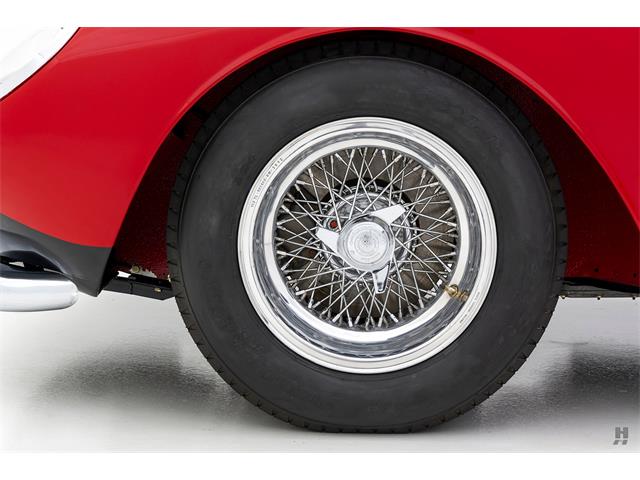
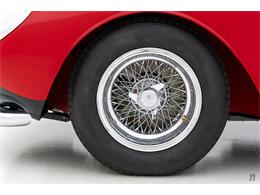
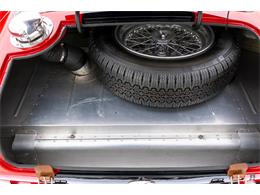
external bonnet pins, and exposed boot-lid latches. Proven 250 GTE
chassis components underpin the body, and the car rides on Borrani
RW3812 wheels, providing assured roadholding and ride quality.
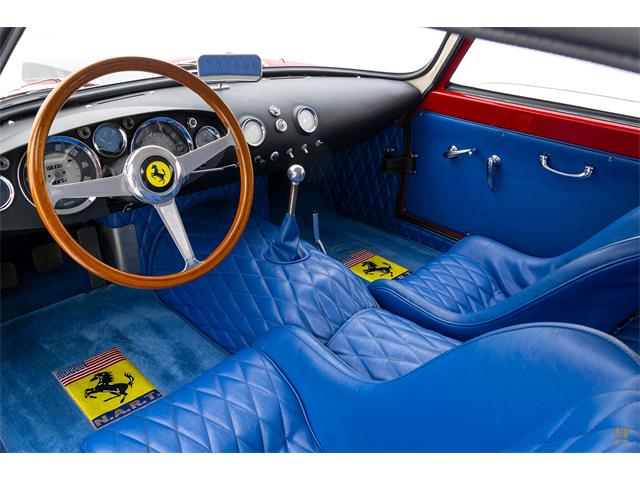
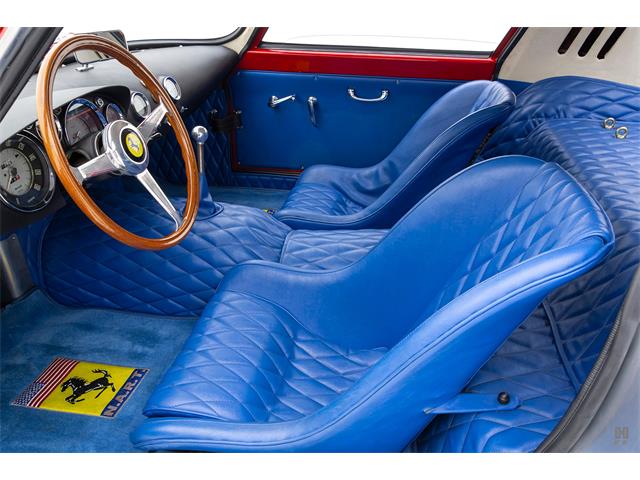
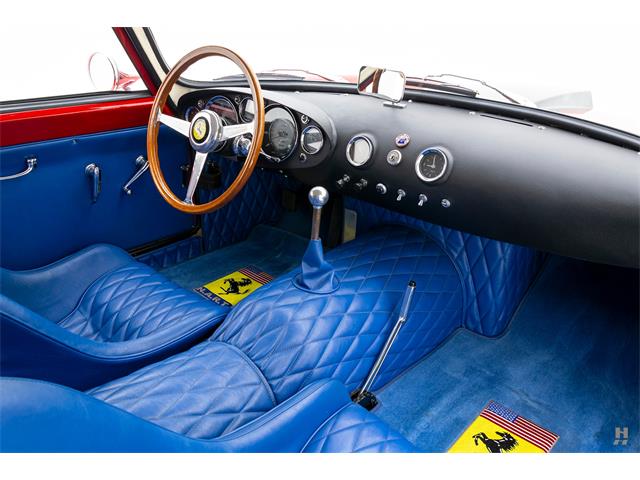
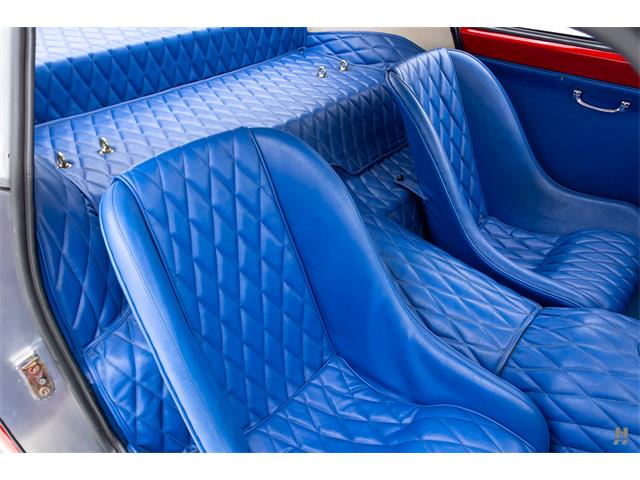
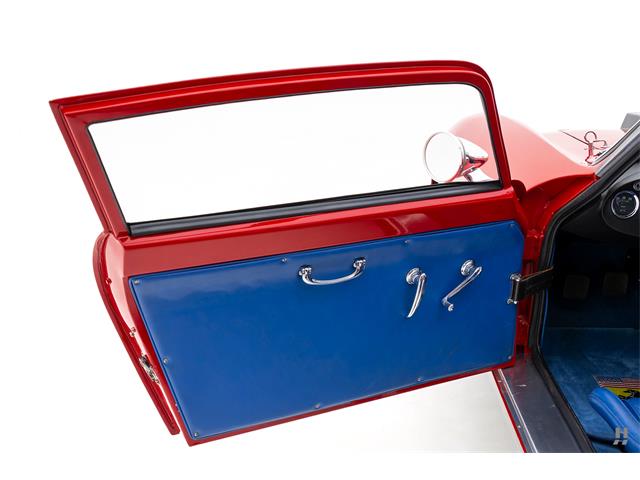
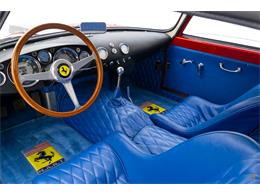
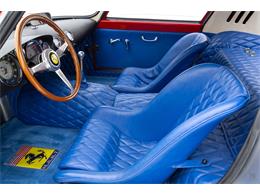
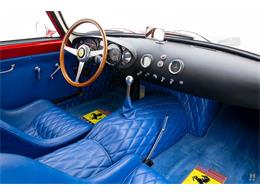
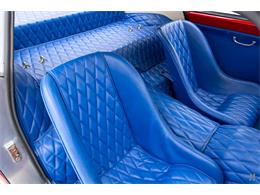
The cockpit features purposeful, deeply sculpted bucket seats to
hold you in place while carving up your favorite country roads.
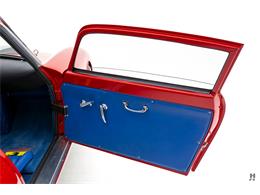
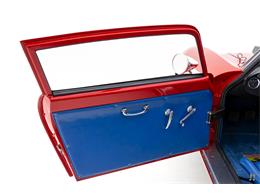
Quilted blue upholstery covers the seats, gearbox tunnel, and rear
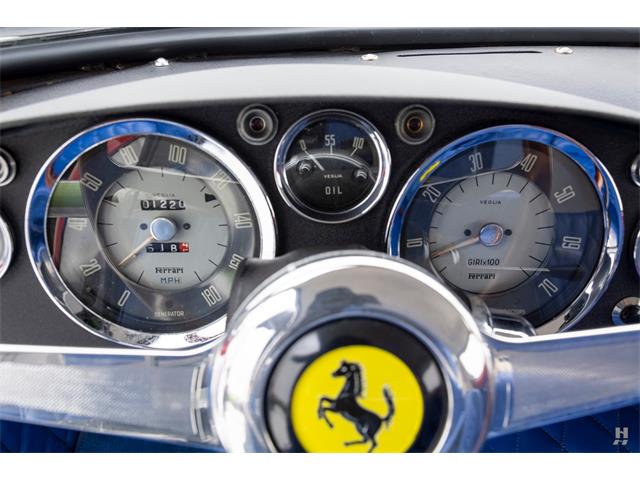
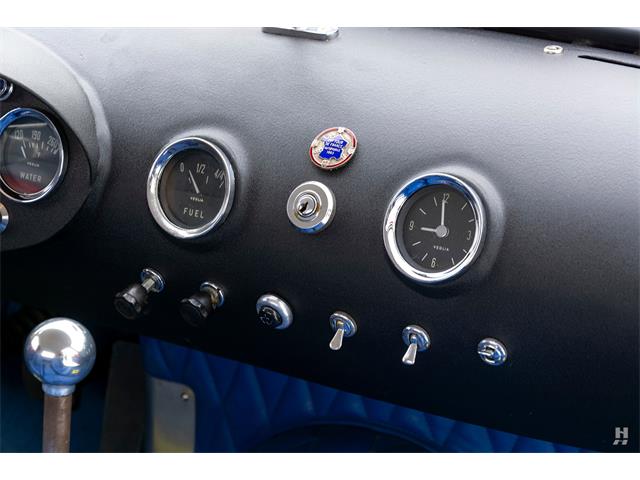
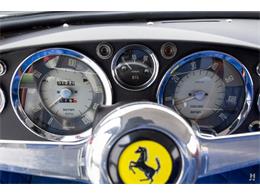
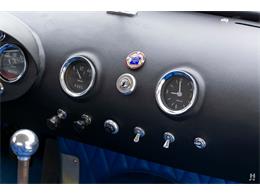
parcel shelf. The dash is reminiscent of the original TdF, with its
low-glare black wrinkle finish, beautiful Nardi steering wheel, and
array of Veglia instruments and switchgear.
Of course, the heart of any Ferrari lay under the hood. A jab of
the throttle and twist of the key awakens the throaty roar of the
3-liter 'Columbo' V12 engine. It has been suitably uprated with
GTO-style six twin-choke downdraft carburetors with velocity
stacks, in the spirit of the original TdF's competizione
specification. The intake roar from the carbs combines with a
free-flowing exhaust, emitting one of the most spine-tingling
soundtracks in all of motoring. It makes for a glorious experience,
indeed.
Original examples of the 250 TdF sit easily in the seven-figure
value range or more with provenance, meaning many get quietly
locked up in museum-like settings. The beauty of a faithful
recreation such as this, is that the full Ferrari DNA remains front
and center, so set aside worries of driving a priceless artifact
and simply enjoy the smells, sounds, and performance that makes the
Ferrari 250 series one of the greatest GT cars of all time.
ClassicCars.com has been recognized as one of the fastest-growing private companies in the United States, successfully making the Inc. 5000 list in both 2015,
2016, 2017 and 2018. This prestigious accolade represents the continued growth of the company, and ClassicCars.com's dominance as the world's largest online marketplace for
buying and selling classic and collector vehicles.
The Stevie Awards, the world's premier business awards recognized
ClassicCars.com's first-class Customer Support team with a Stevie Bronze Award in 2019, celebrating the team's skills as exemplary customer support specialists.
In 2016 The Journal, brought to you by ClassicCars.com, was celebrated as the SECOND MOST INFLUENTIAL automotive blog in the world by NFC Performance.