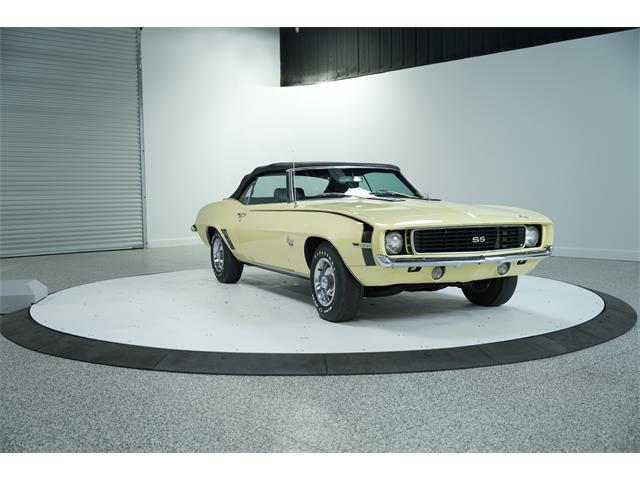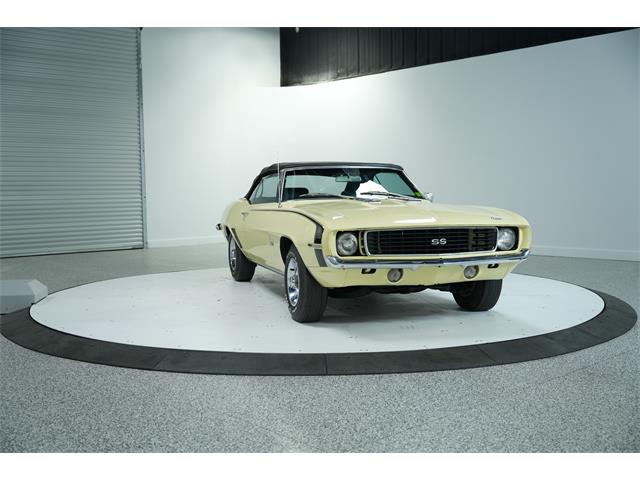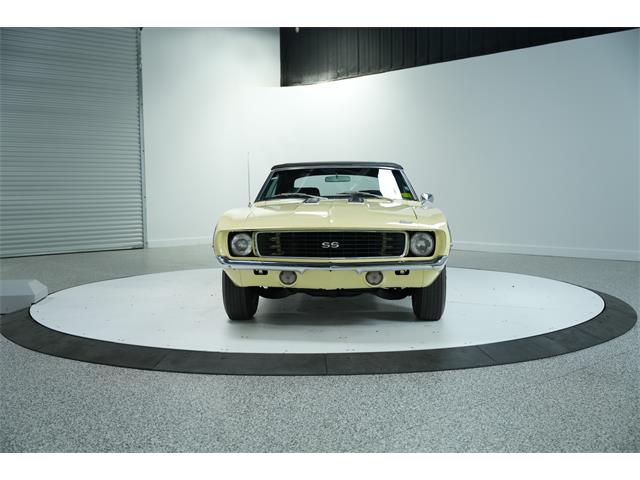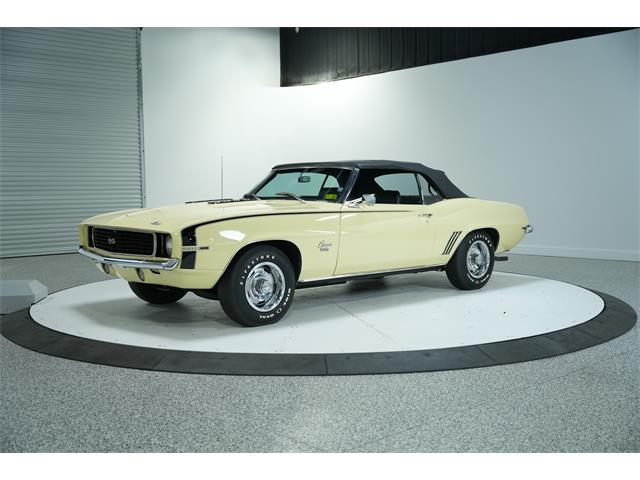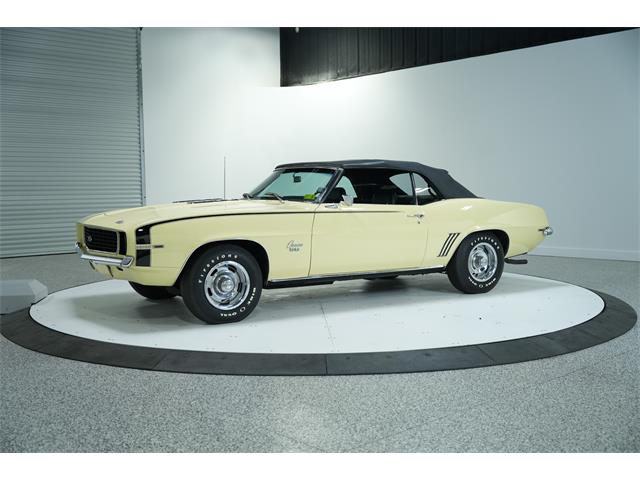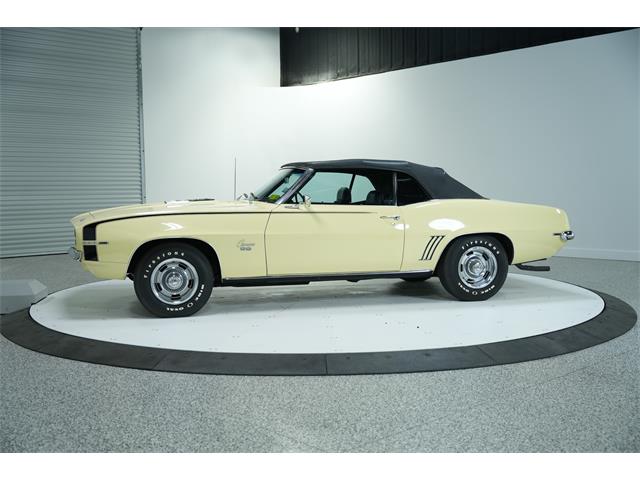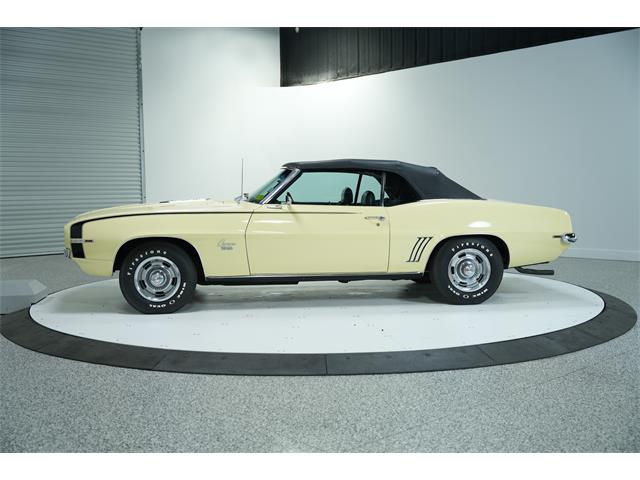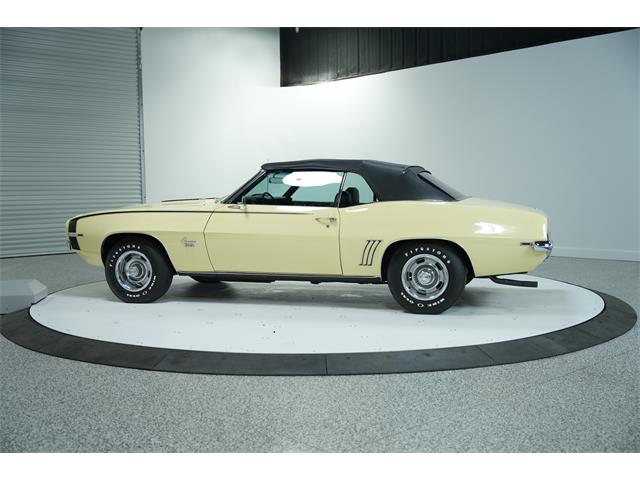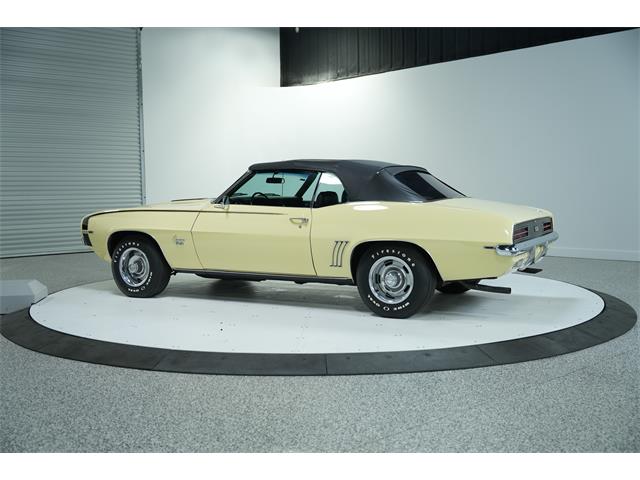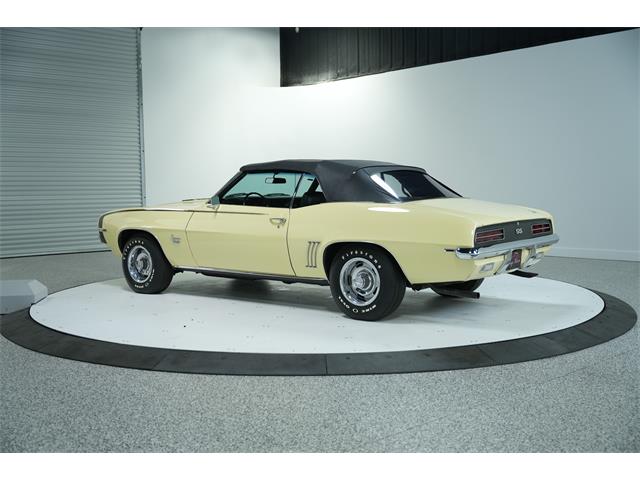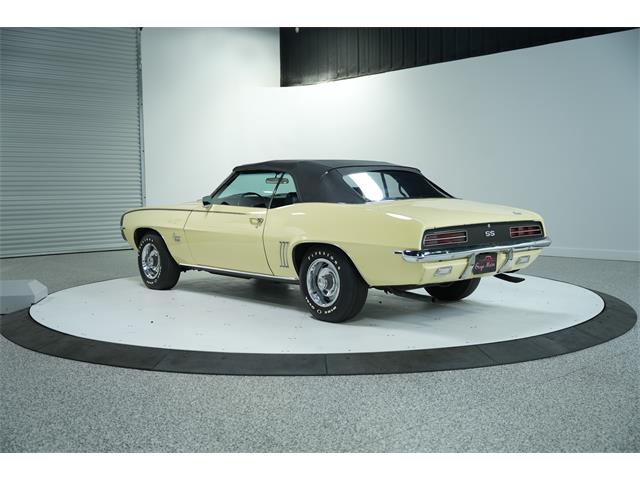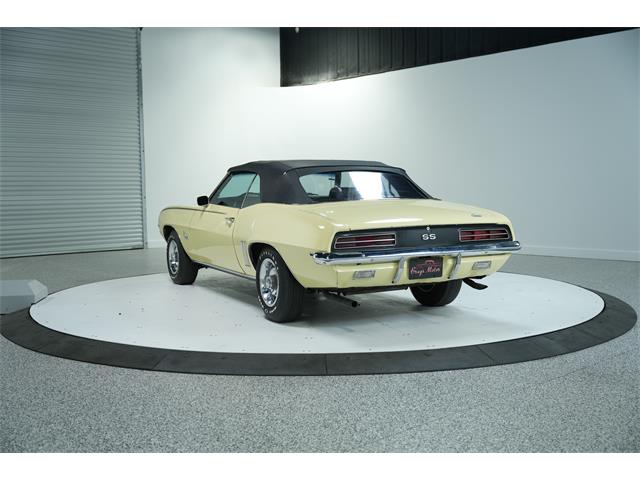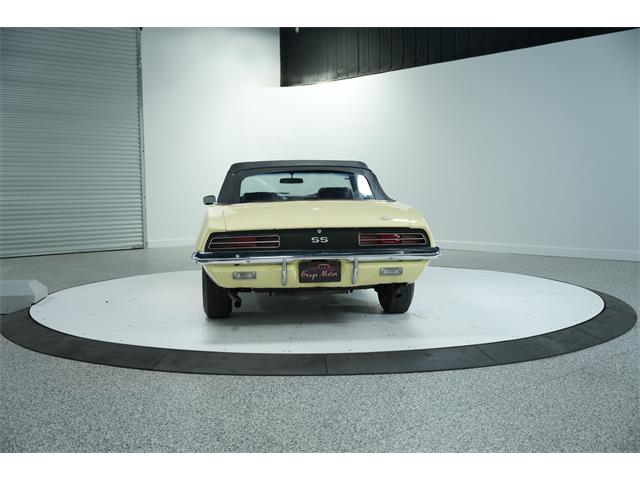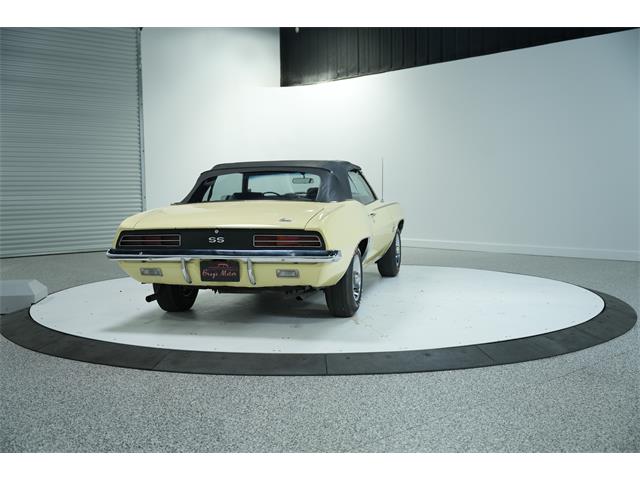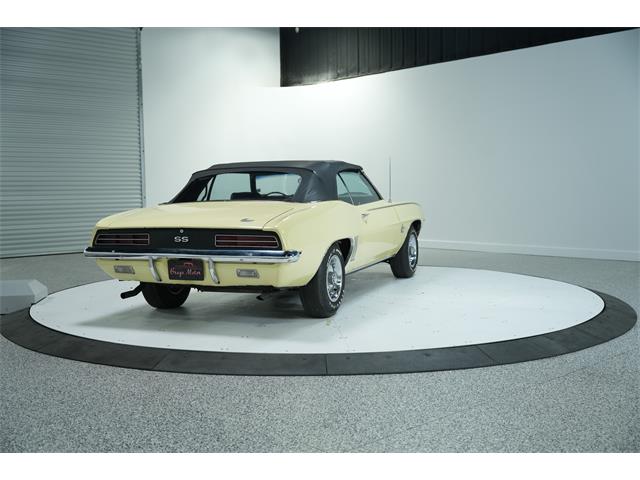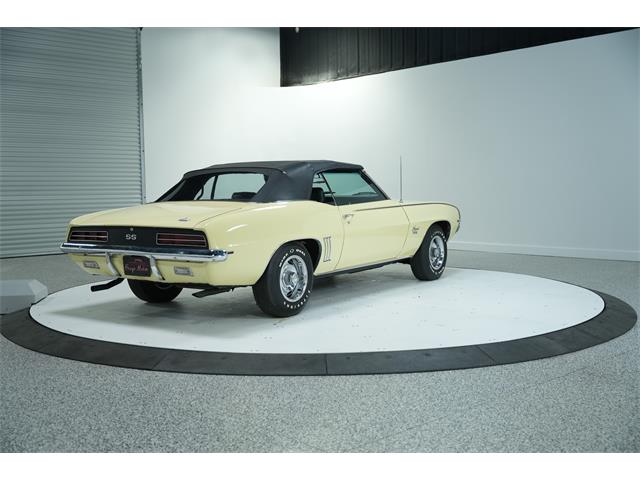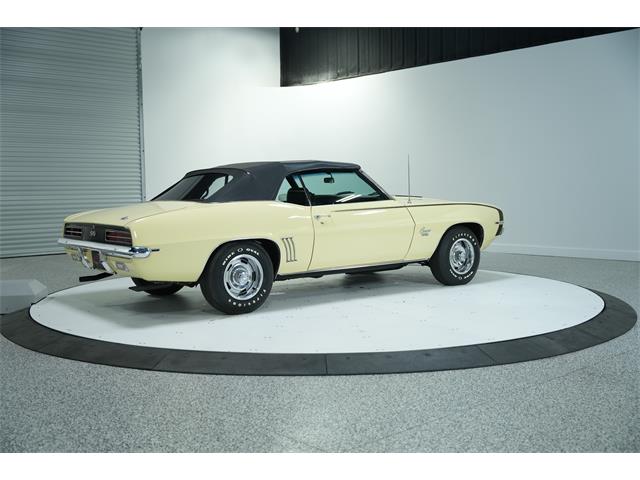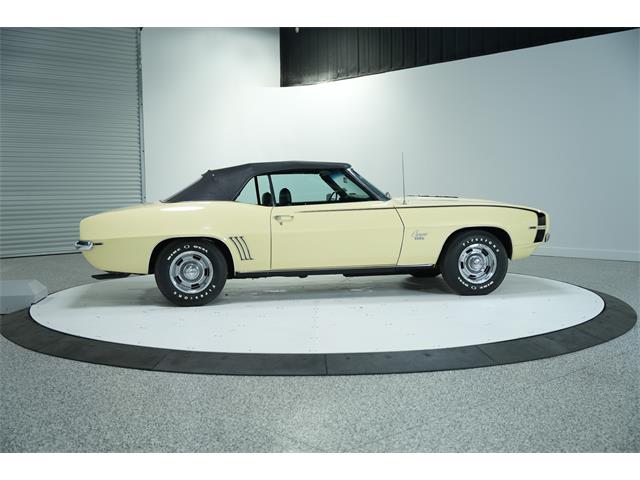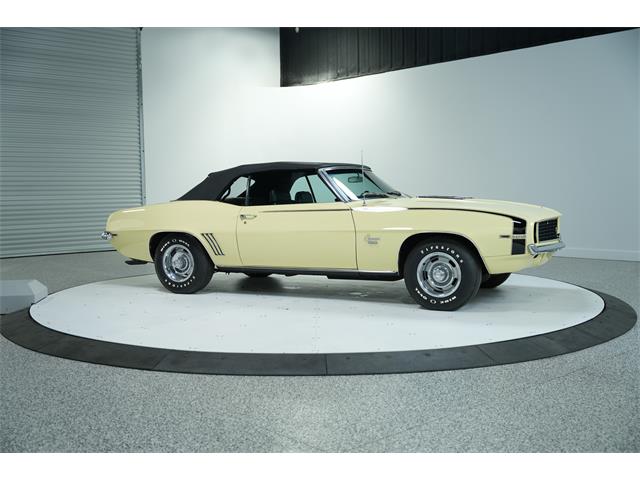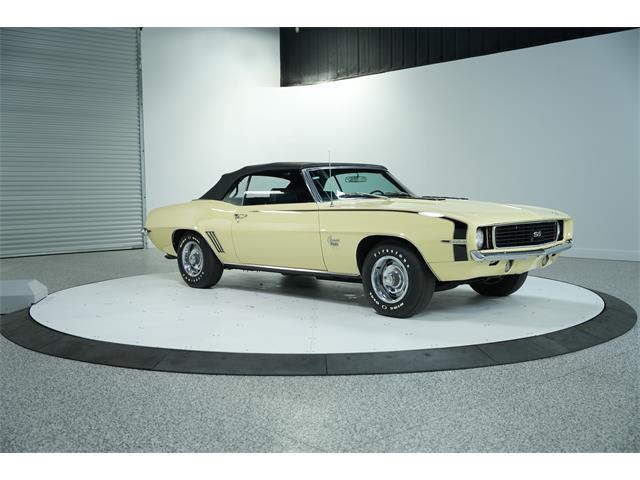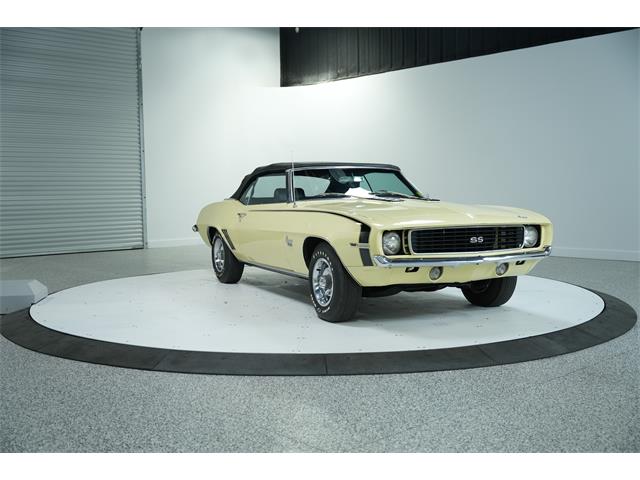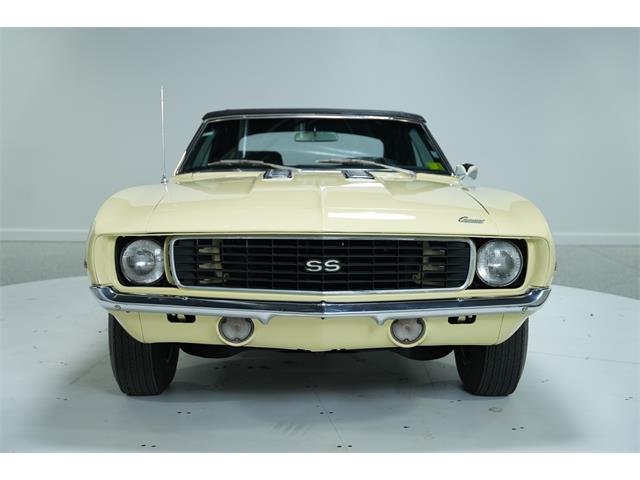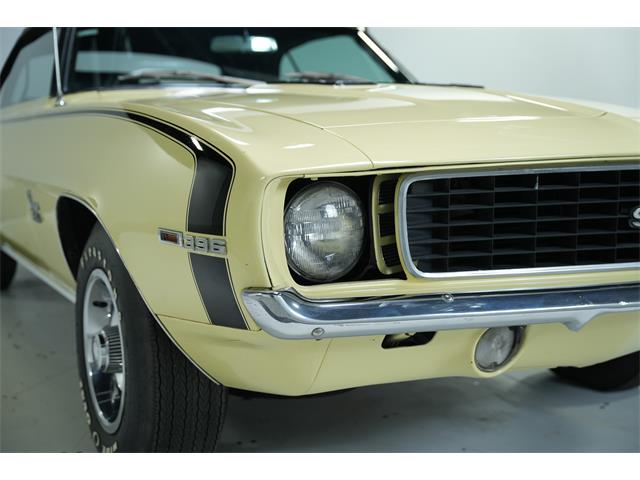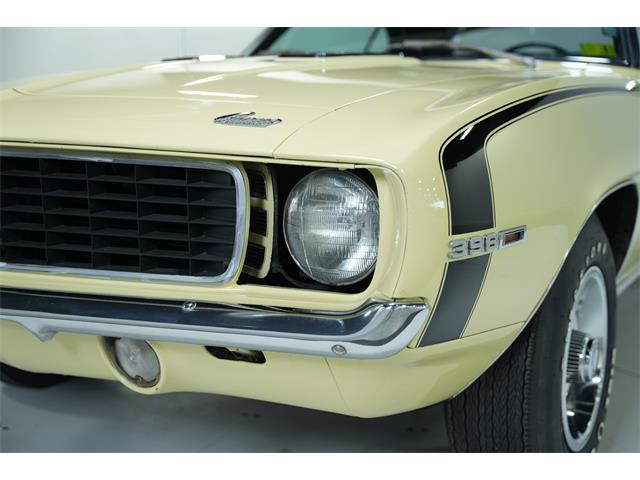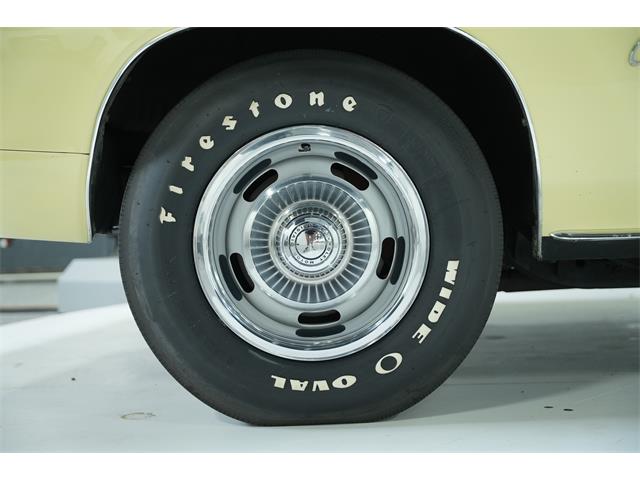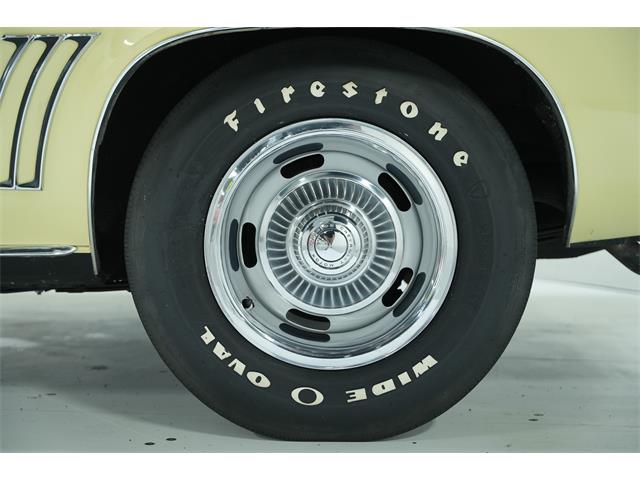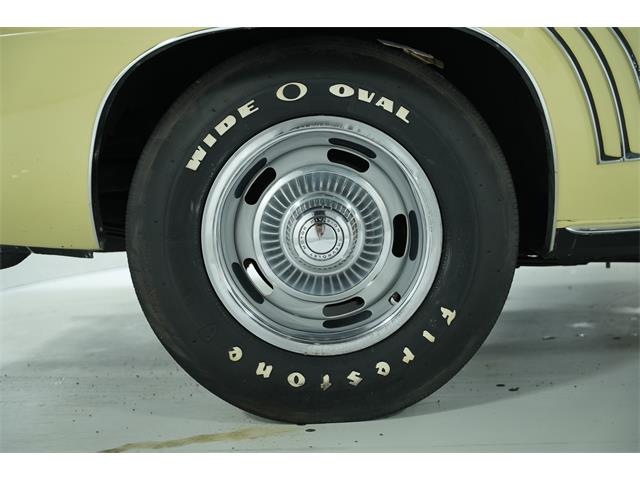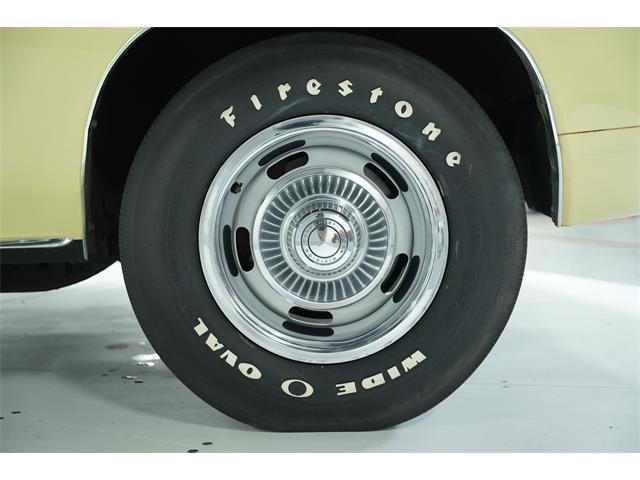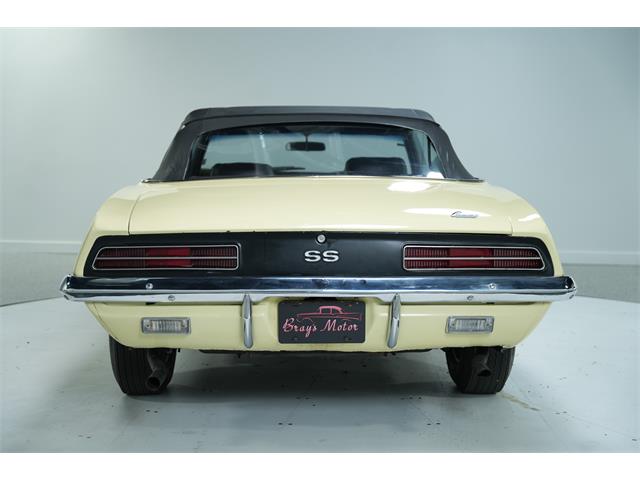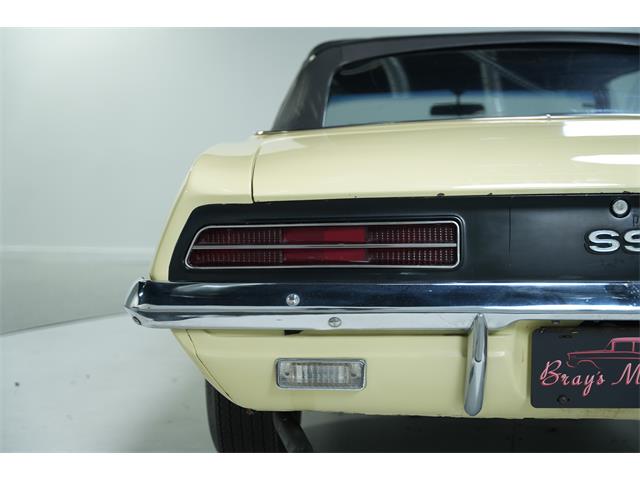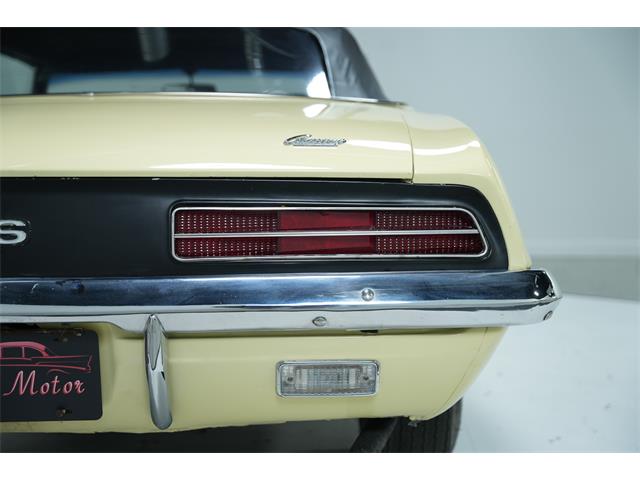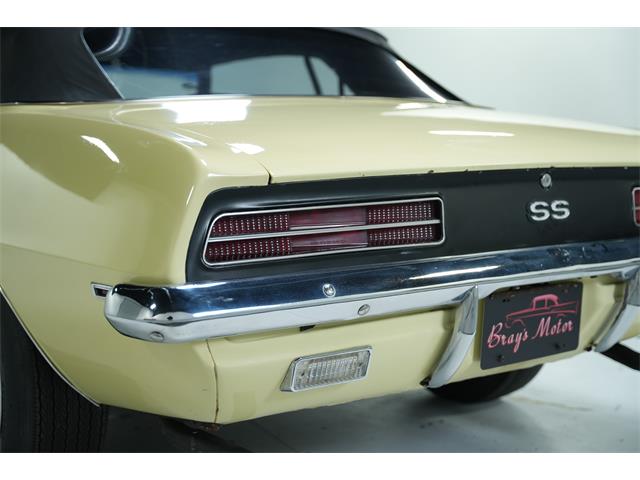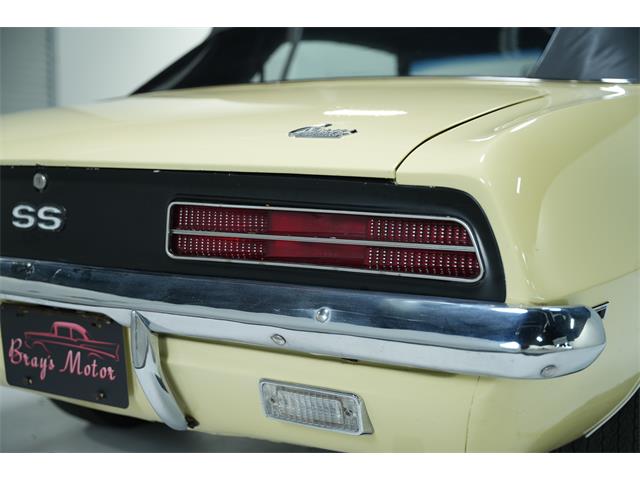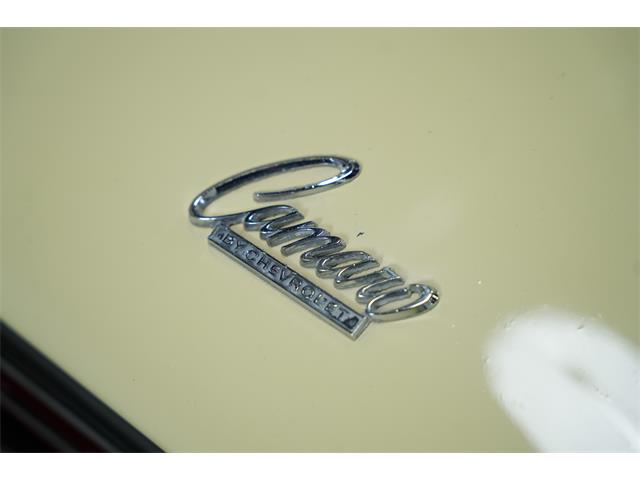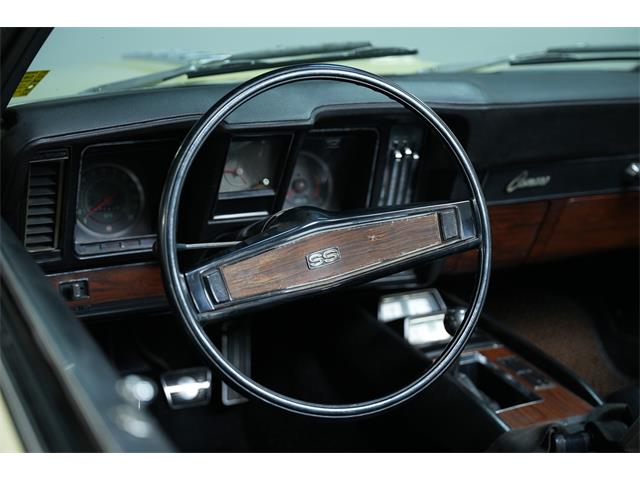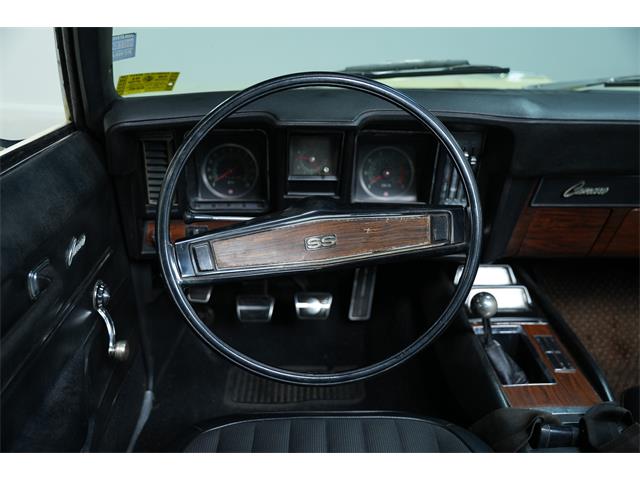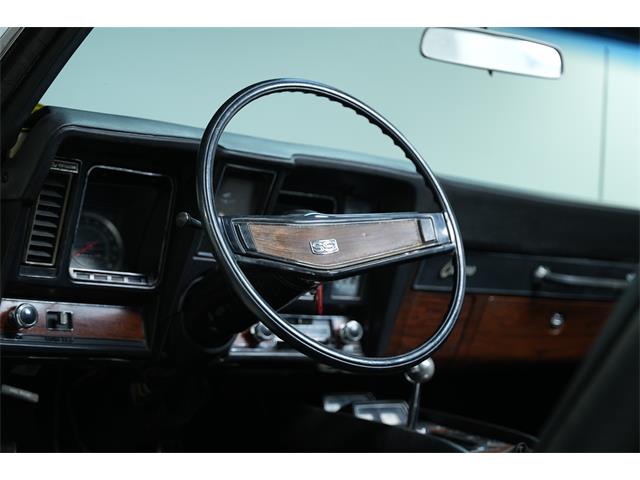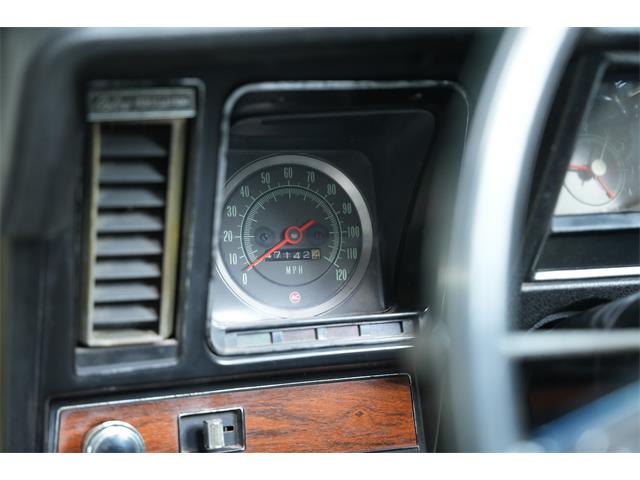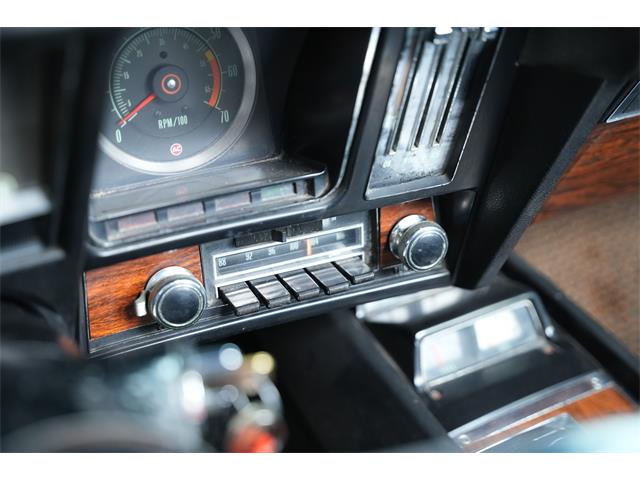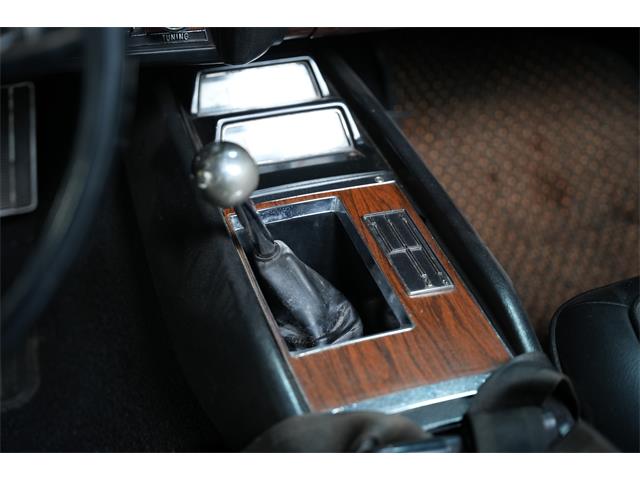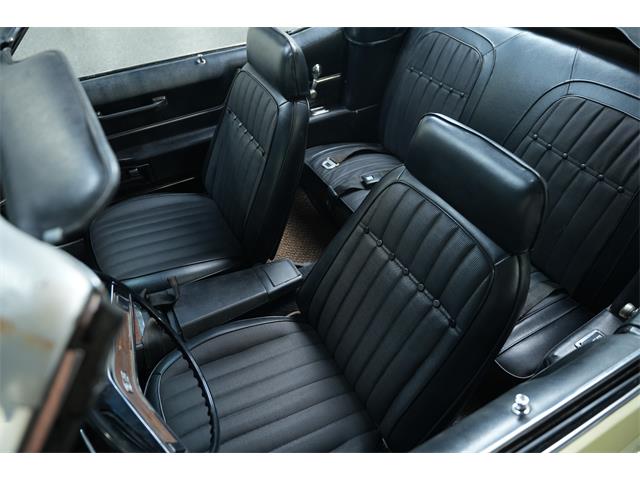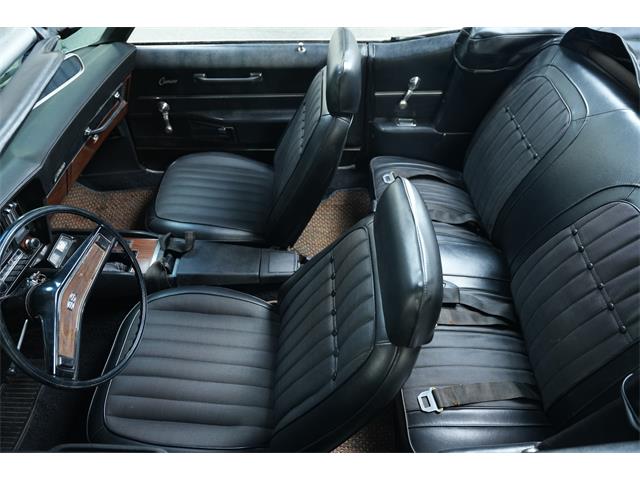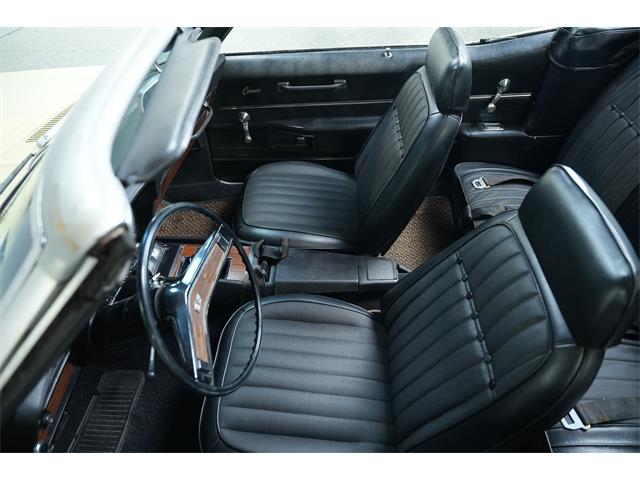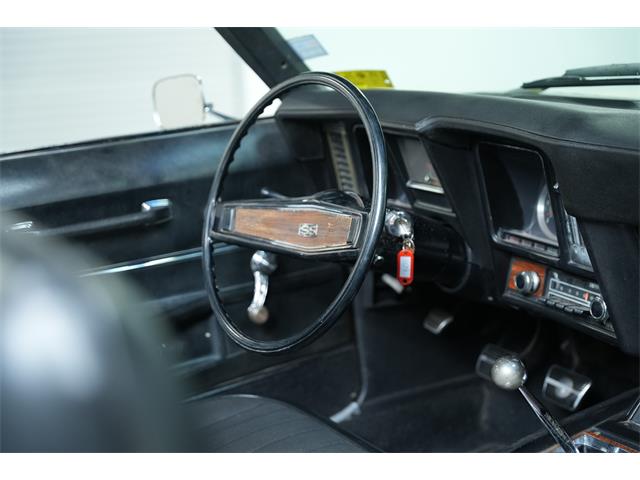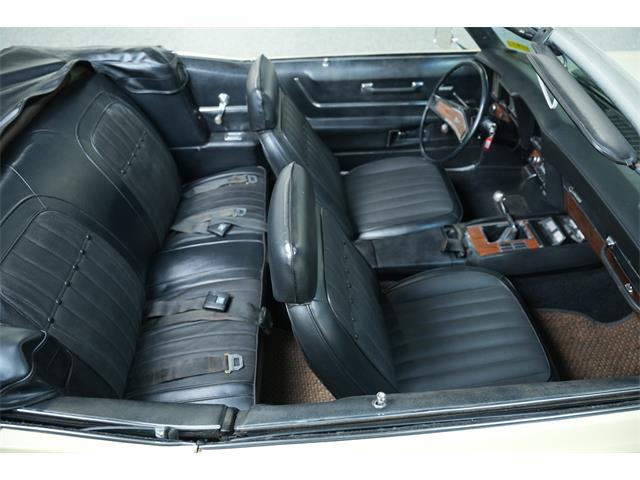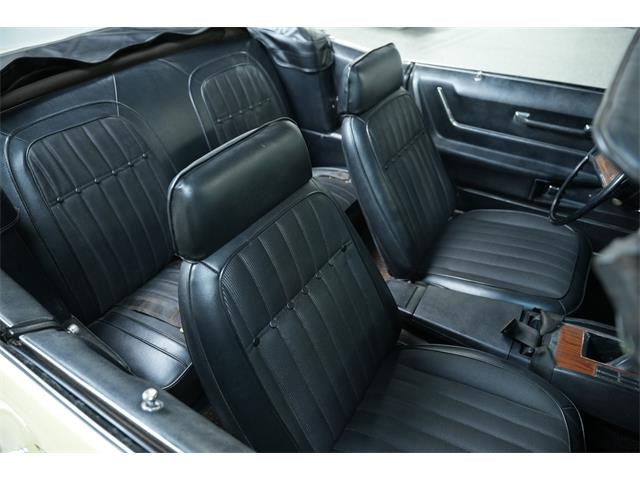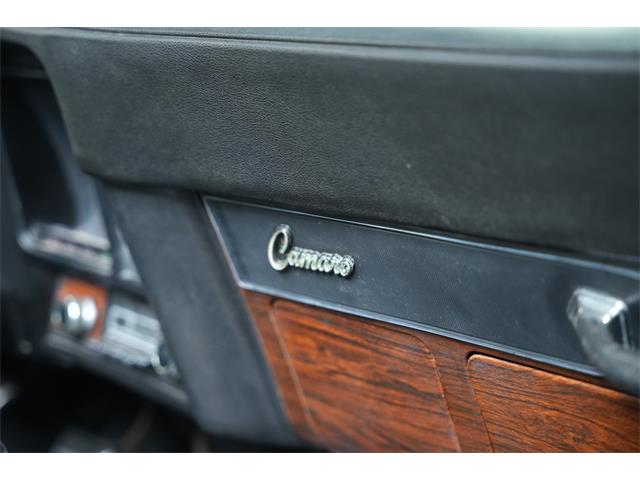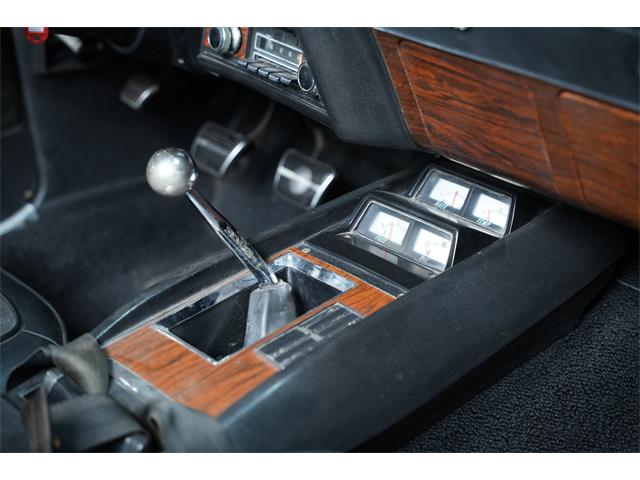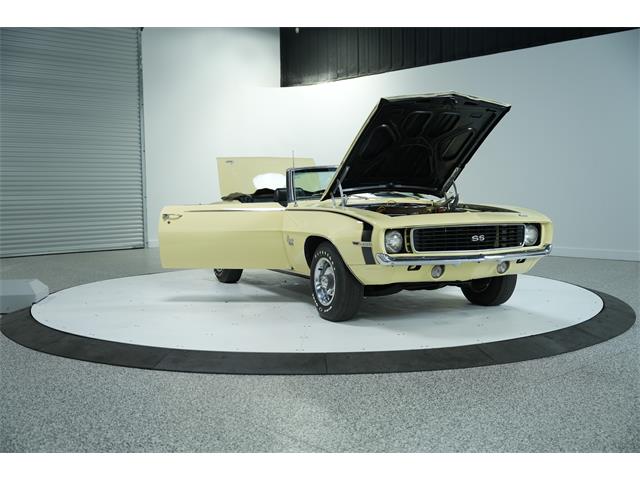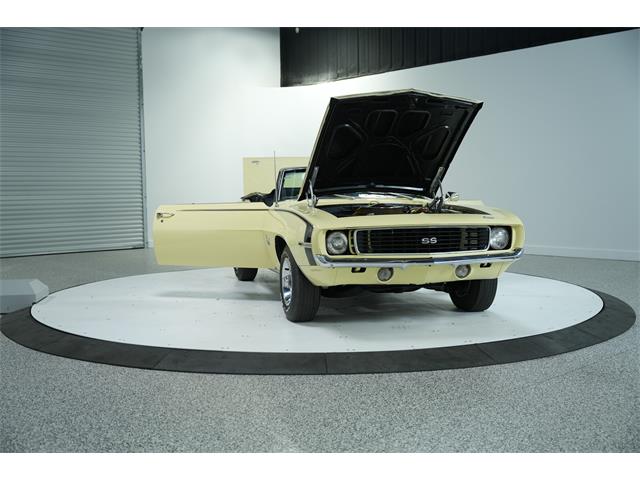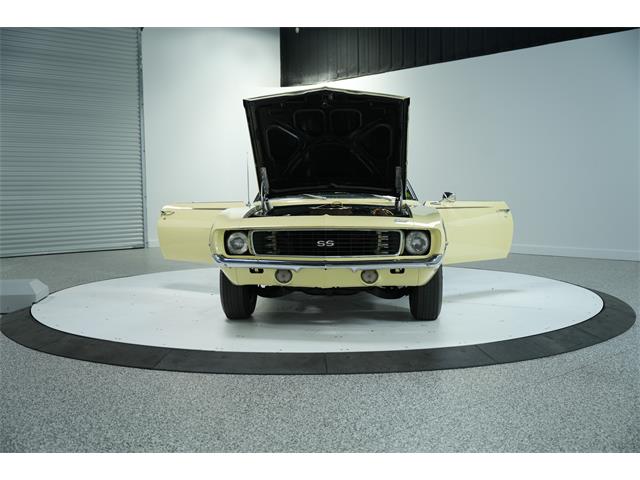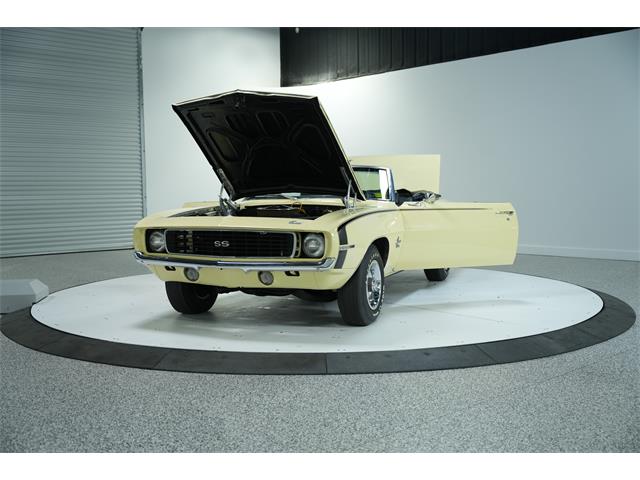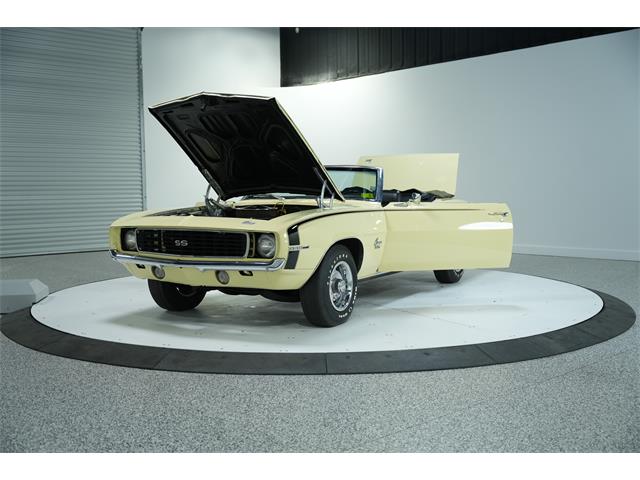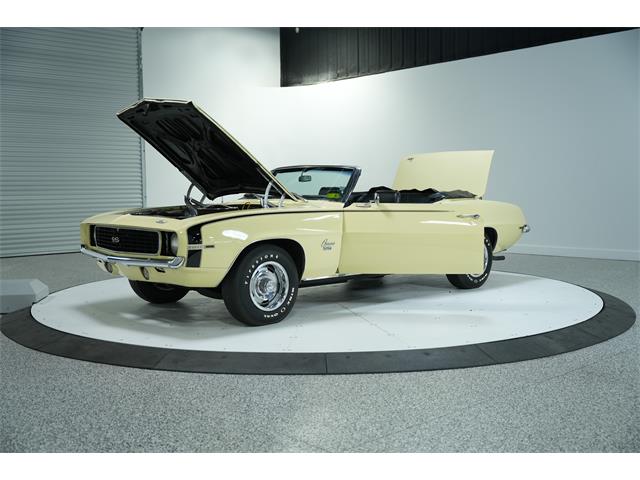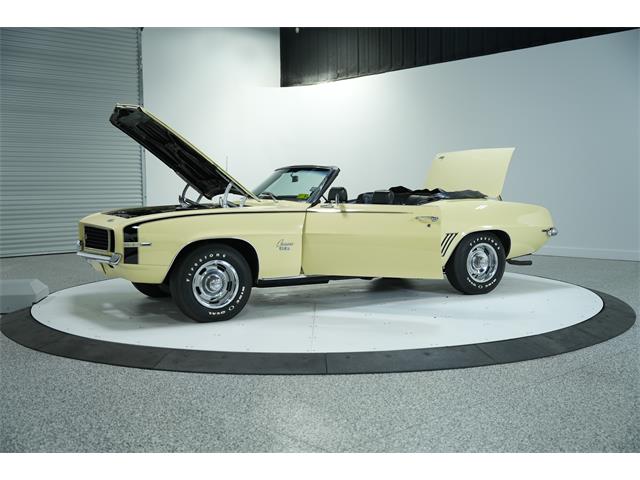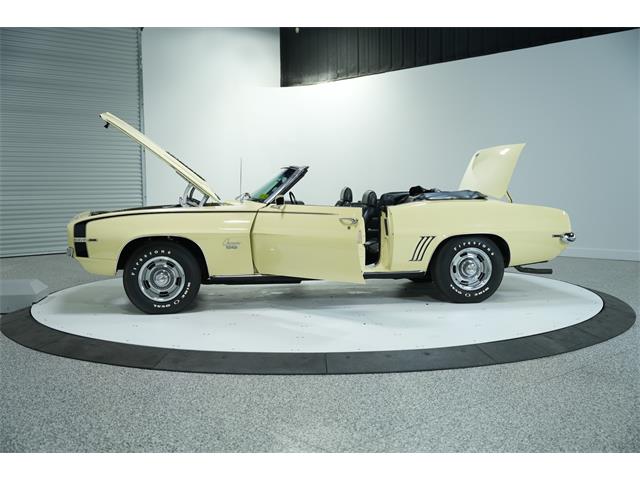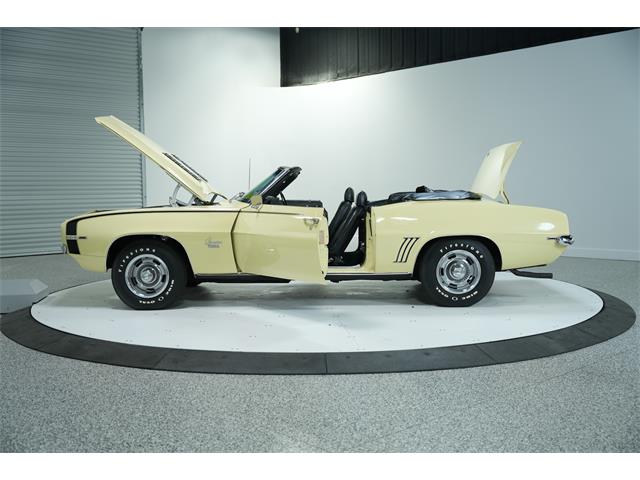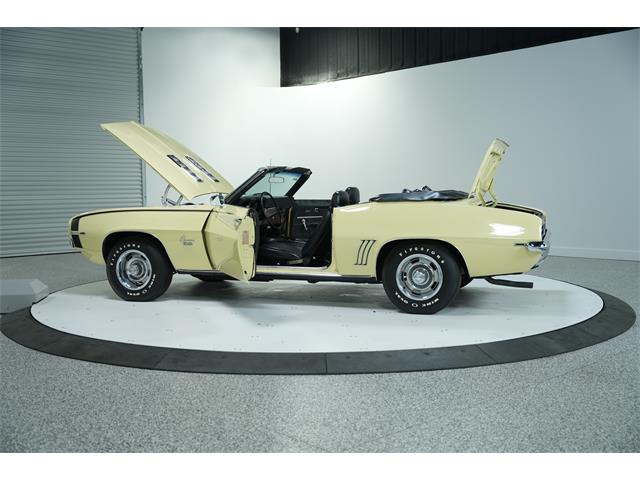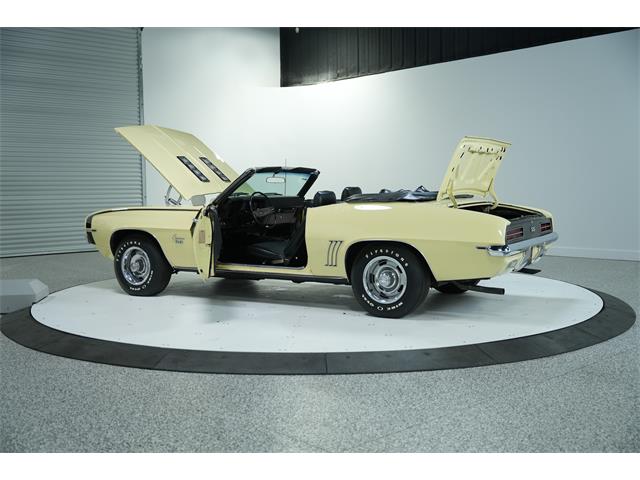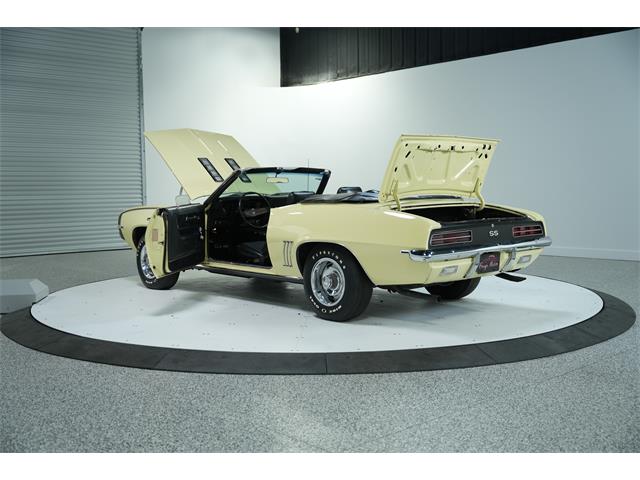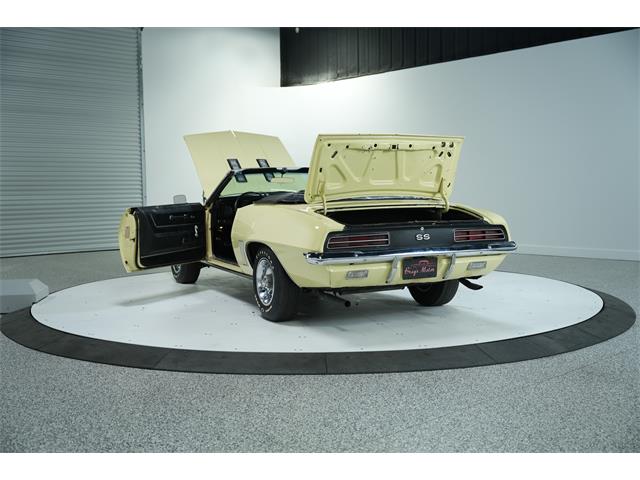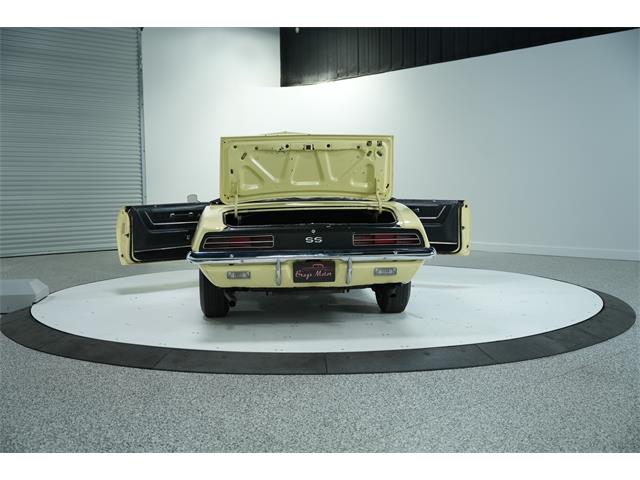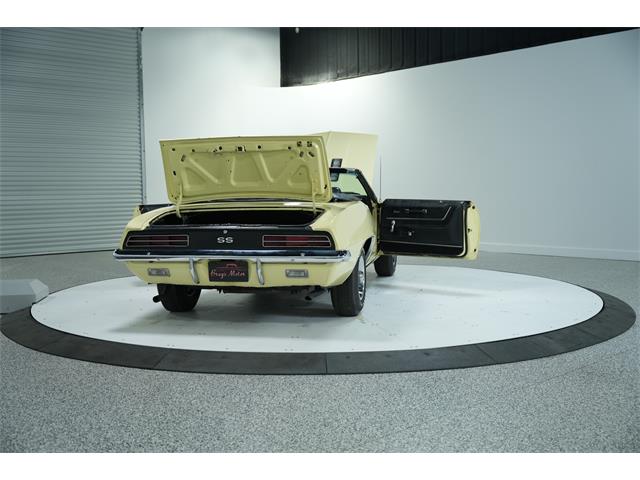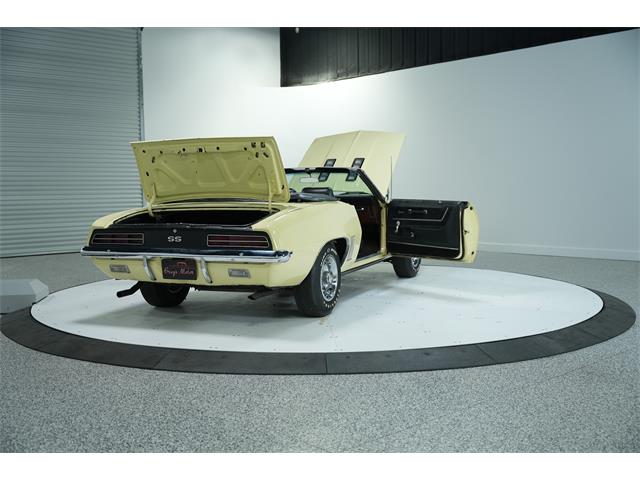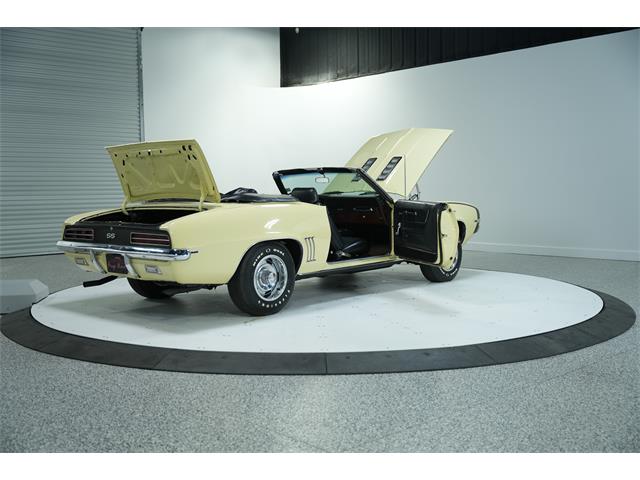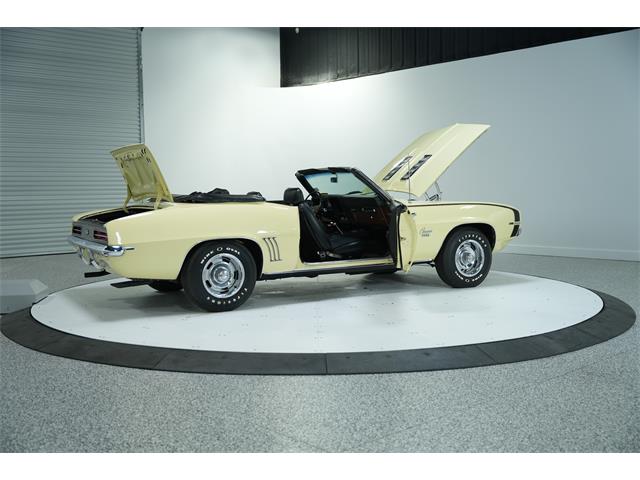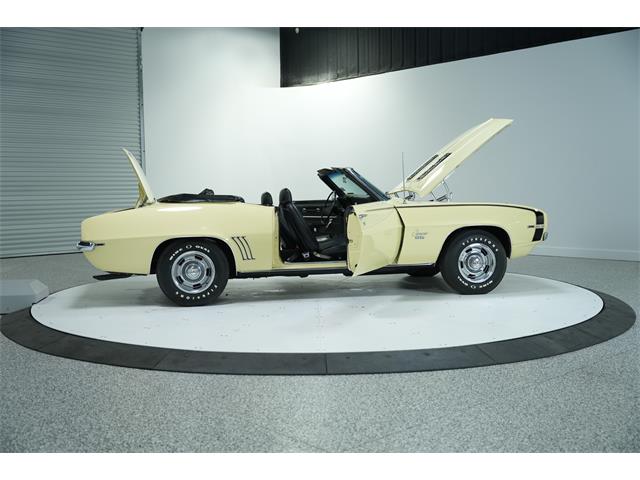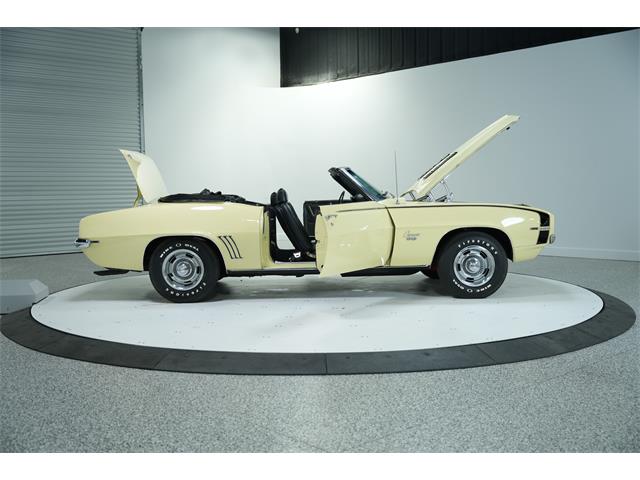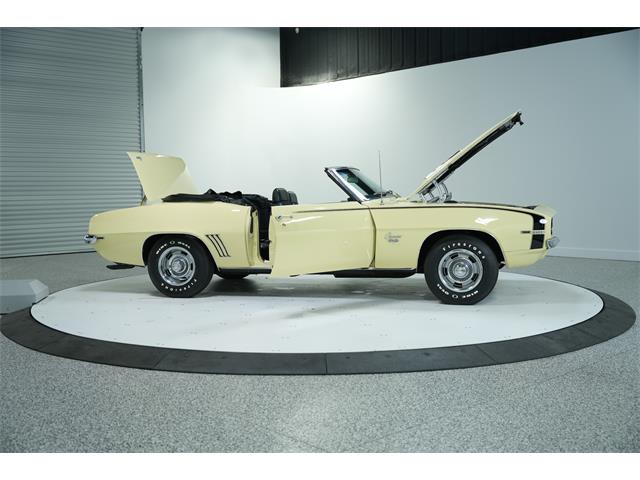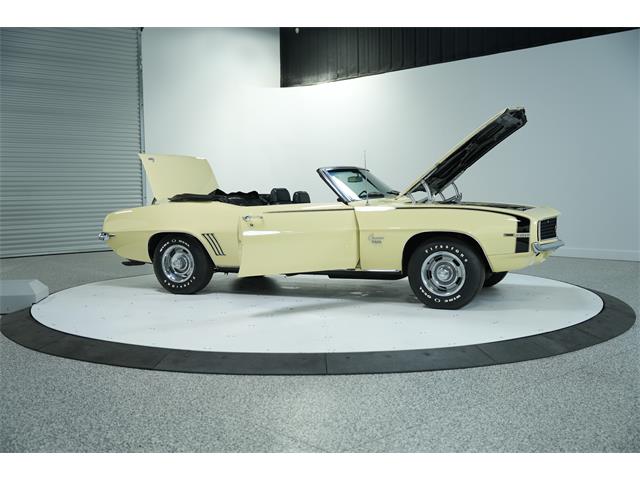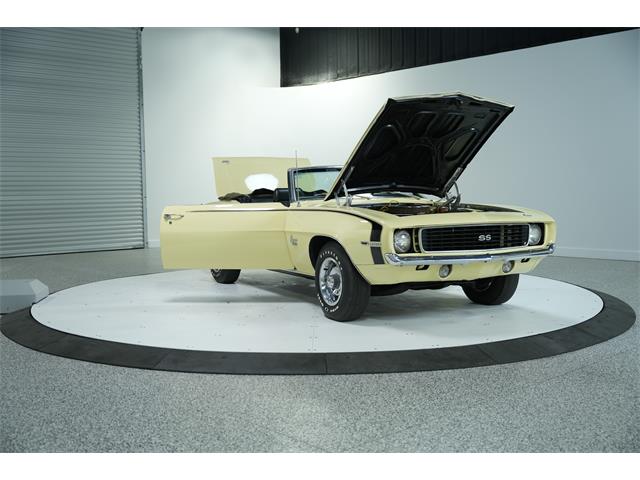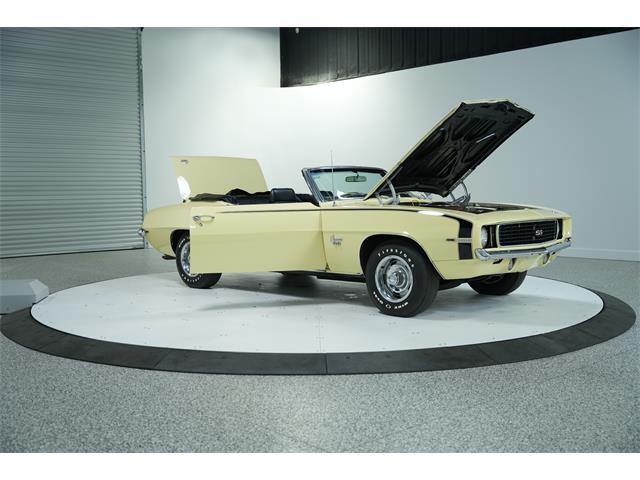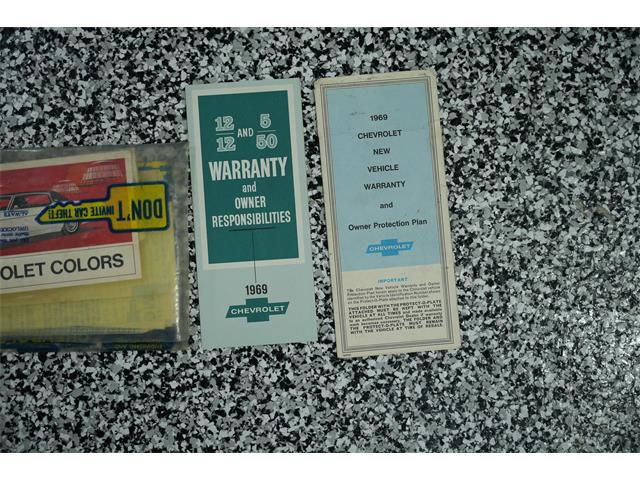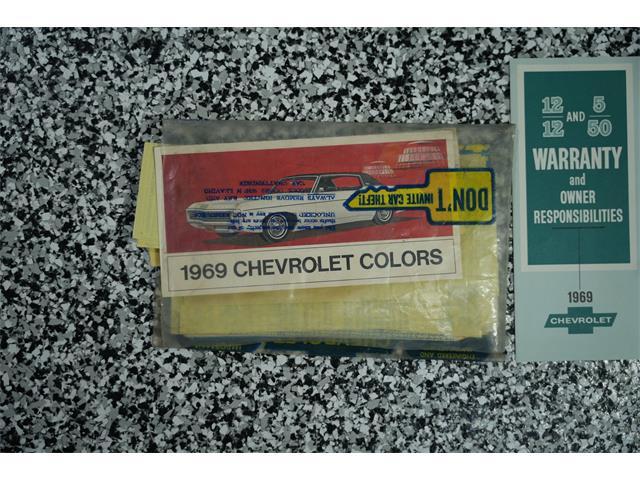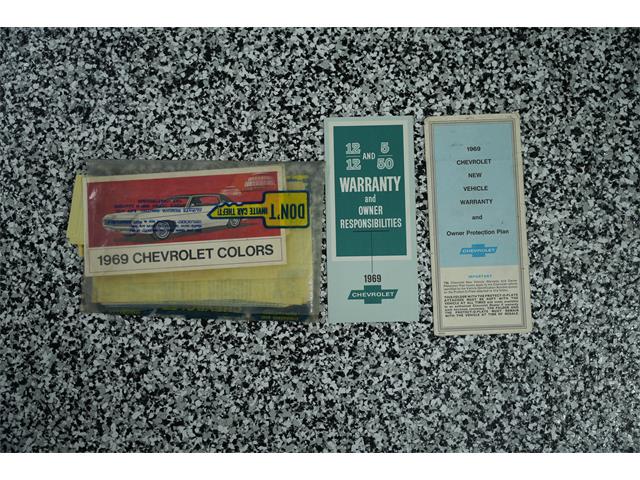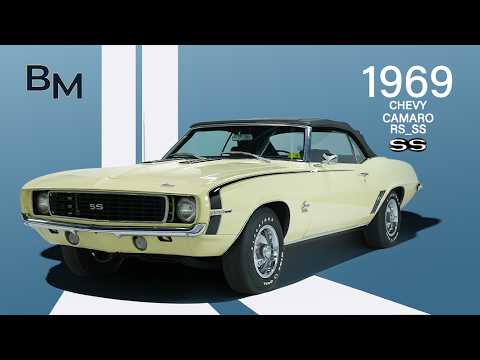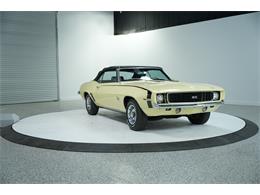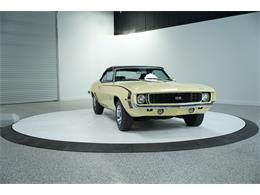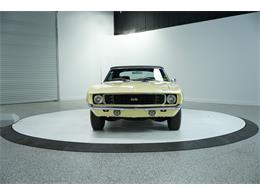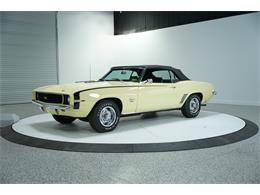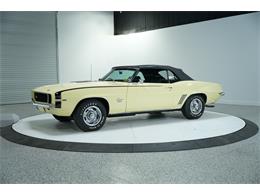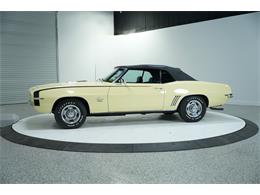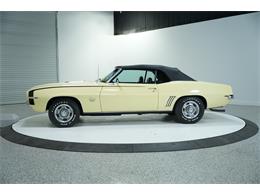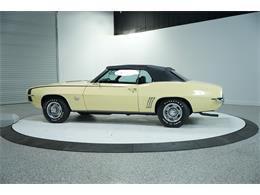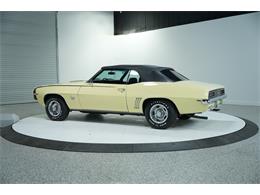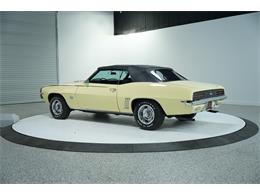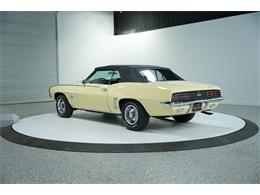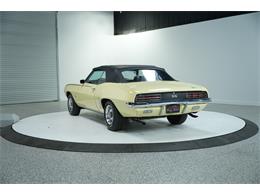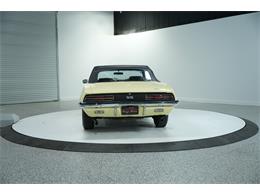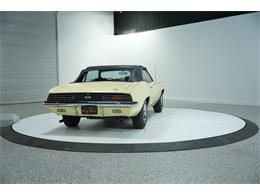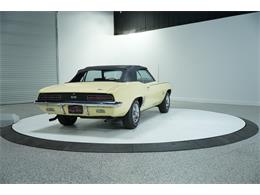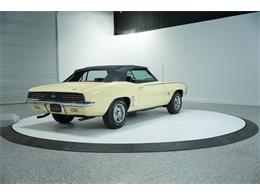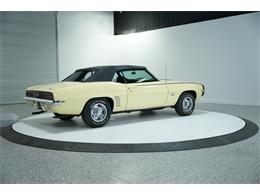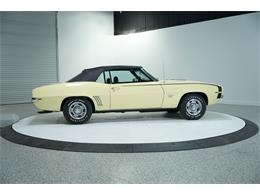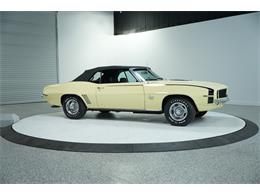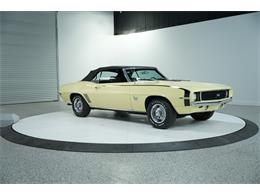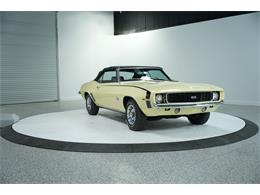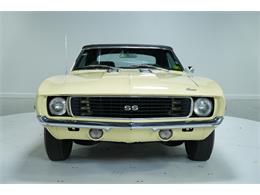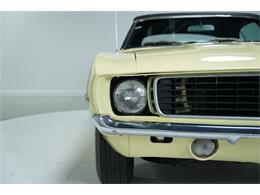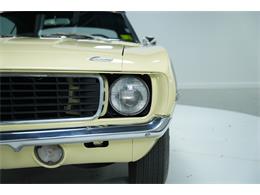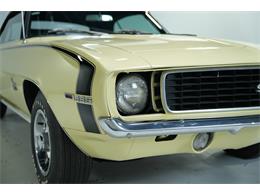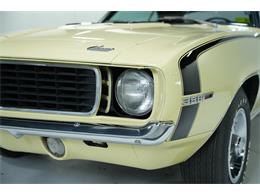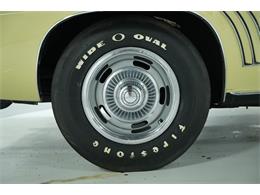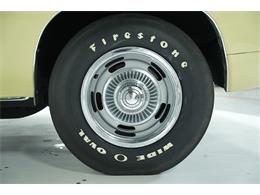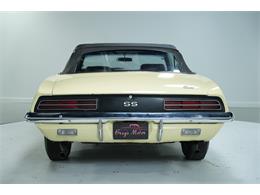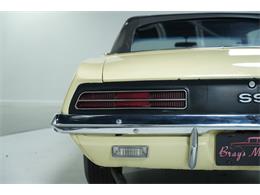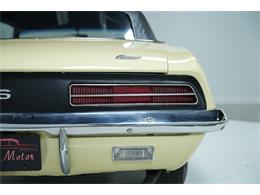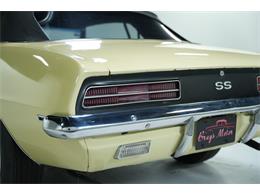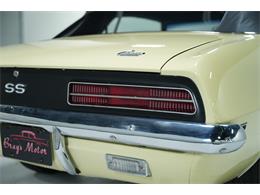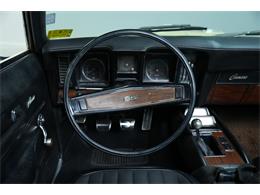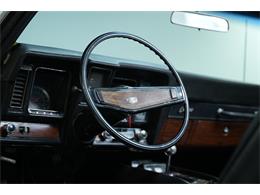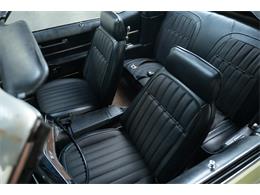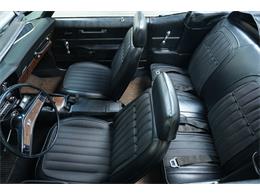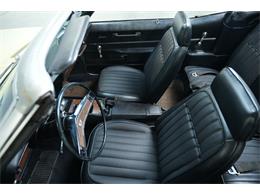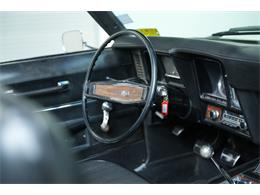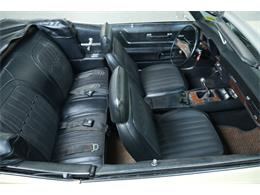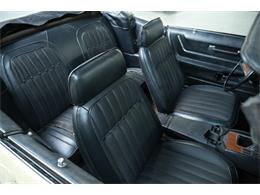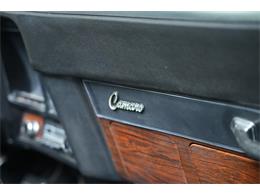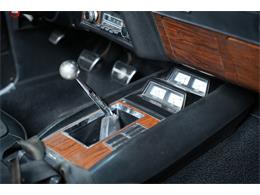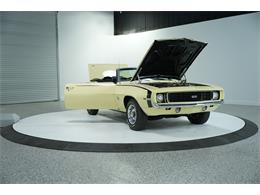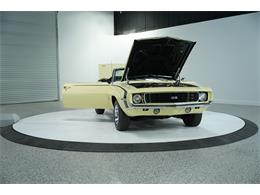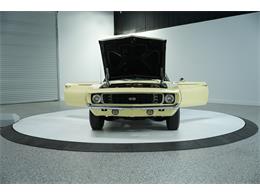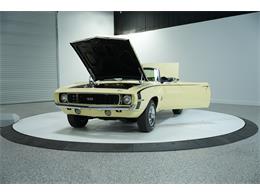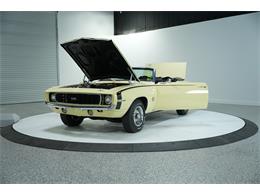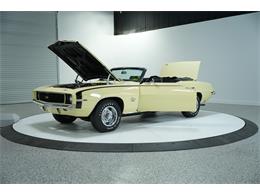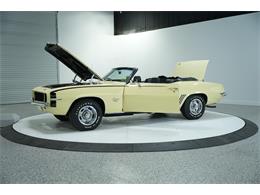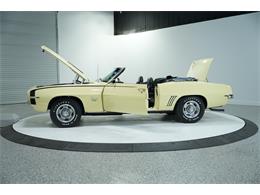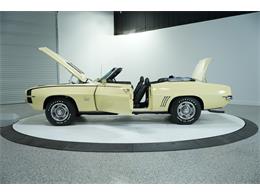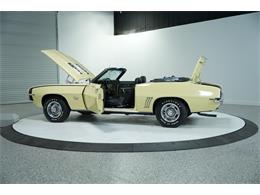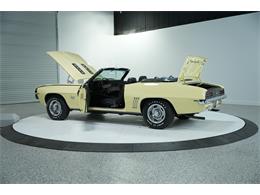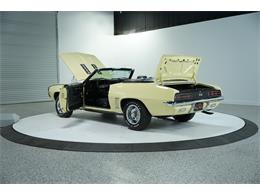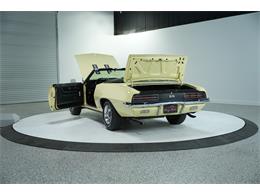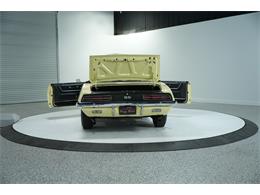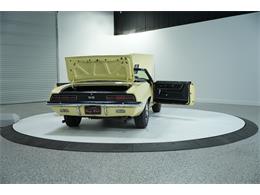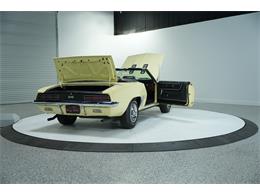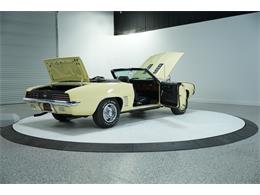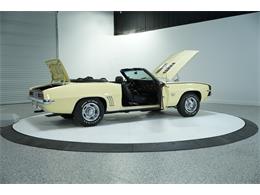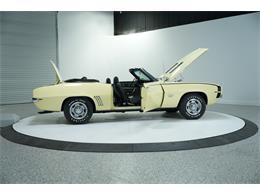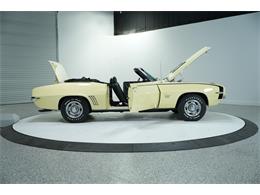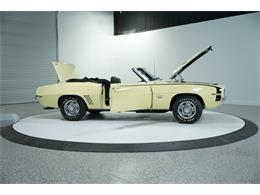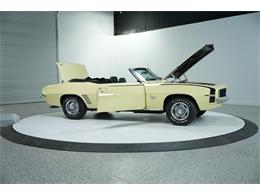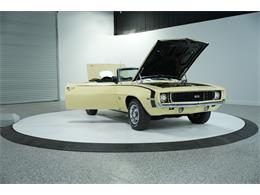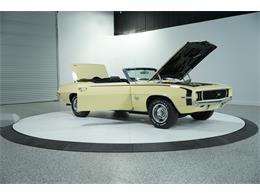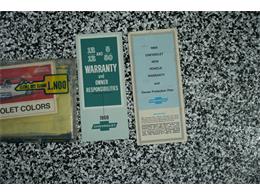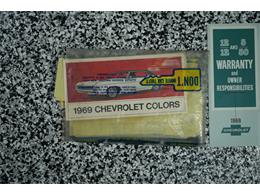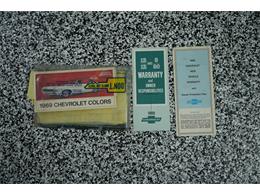
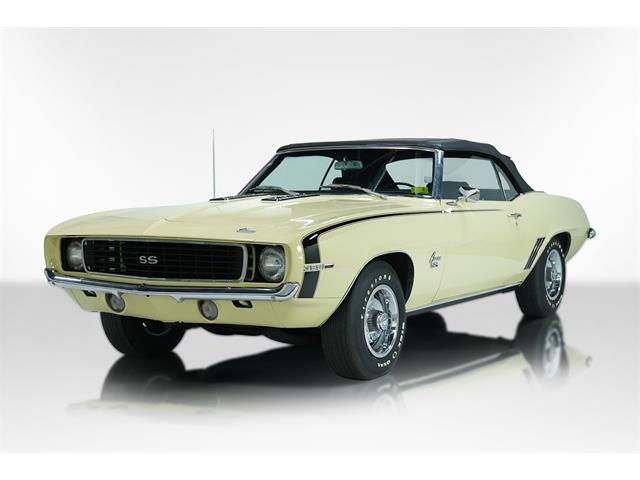

Finished in its factory-correct Butternut Yellow over a Black Deluxe interior with a Black vinyl convertible top, this 1969 Chevrolet Camaro RS/SS Convertible is a documented one-owner example that remains remarkably true to its original factory configuration. Accompanied by its original title and factory Protect-O-Plate, the car has retained the documentation and identity established when it was delivered new.
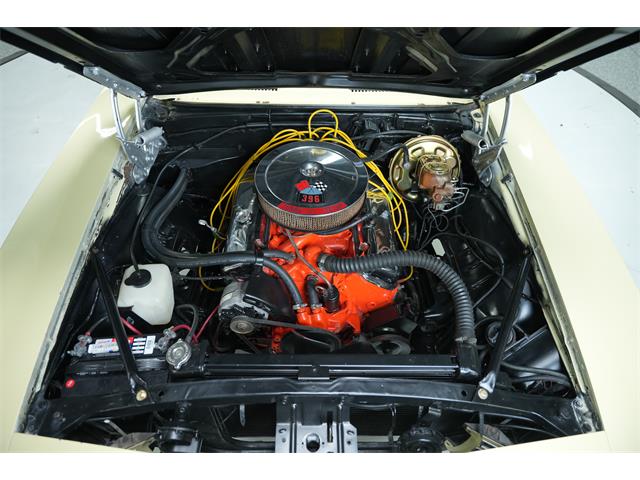
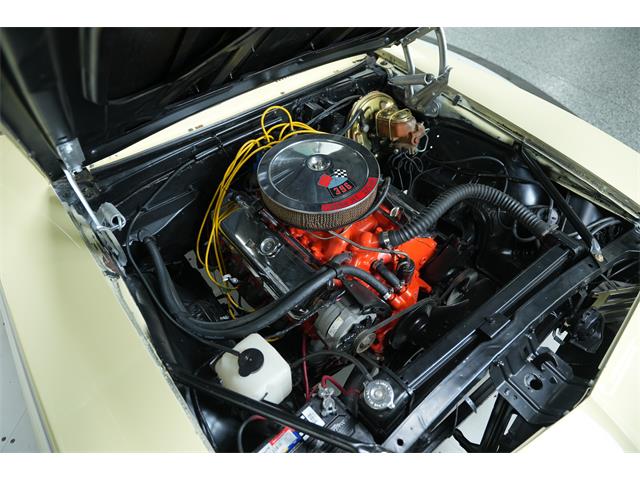
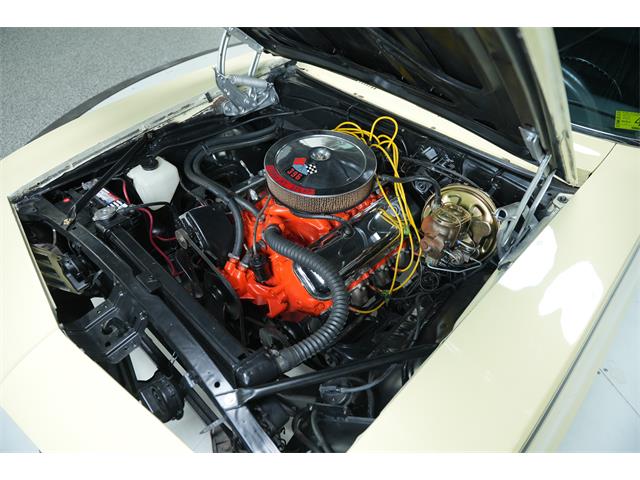
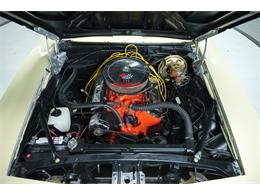
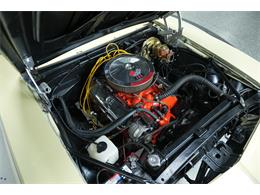
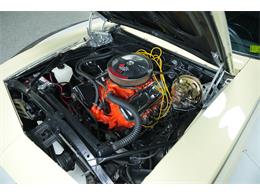
Built during the first week of May 1969 at Chevrolet's Norwood, Ohio assembly plant, this Camaro was ordered as a genuine Rally Sport/Super Sport equipped with the L35 396 cubic-inch V8, M20 wide-ratio four-speed manual transmission, and the X22 Style Trim package. The verified cowl tag confirms its factory SS396 pedigree, while the Protect-O-Plate documents the original drivetrain and equipment as delivered.
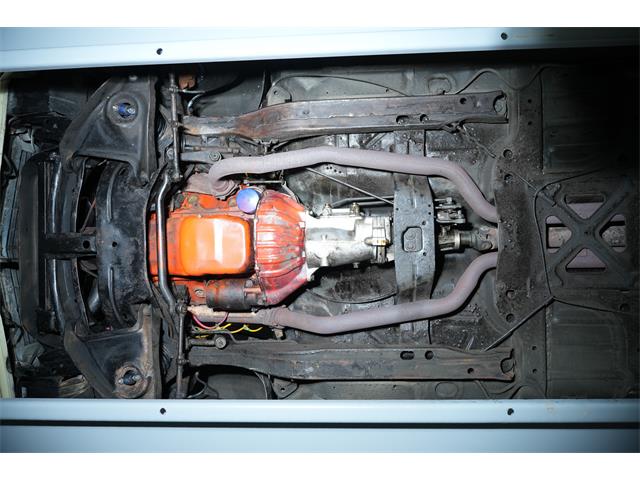
The L35 396 carries the correct Tonawanda assembly stamp (T0505JB), assembled on May 5, 1969, consistent with the car's first-week-of-May production schedule. The Muncie M20 transmission retains its original VIN derivative matching the vehicle, along with an assembly date that precedes final vehicle production in the expected sequence. Together, the drivetrain stampings, cowl tag, and original documentation establish a consistent production history throughout the car.
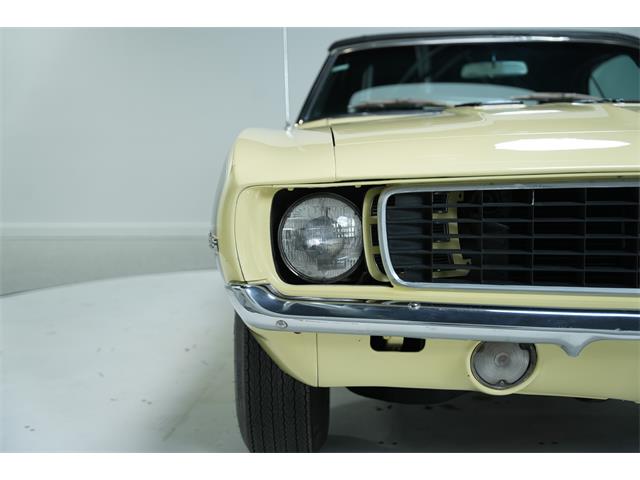
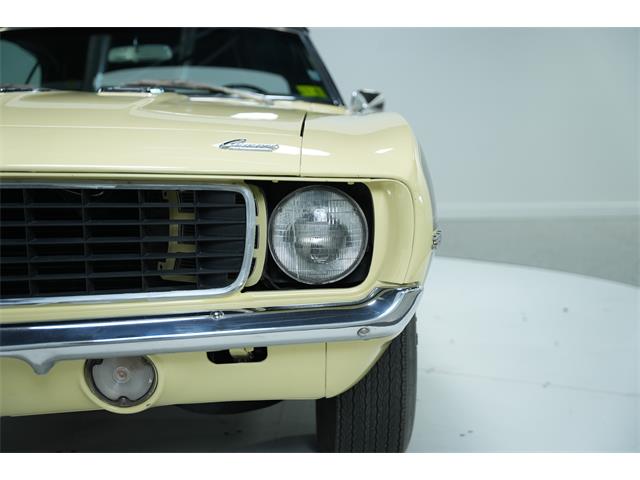
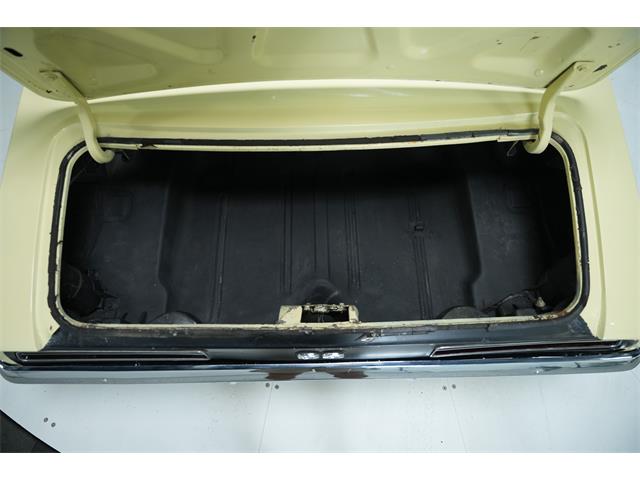
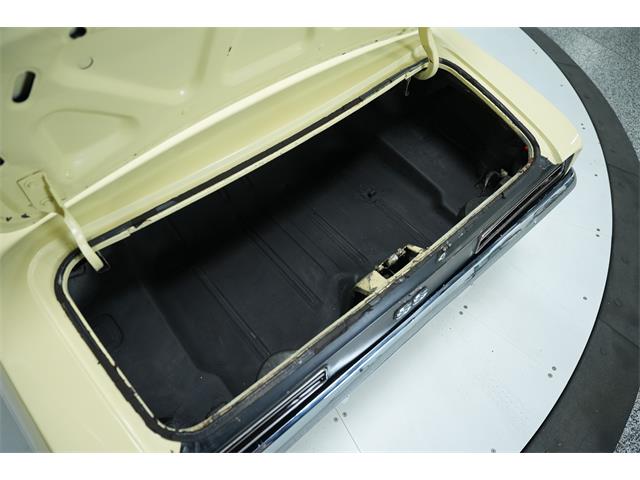
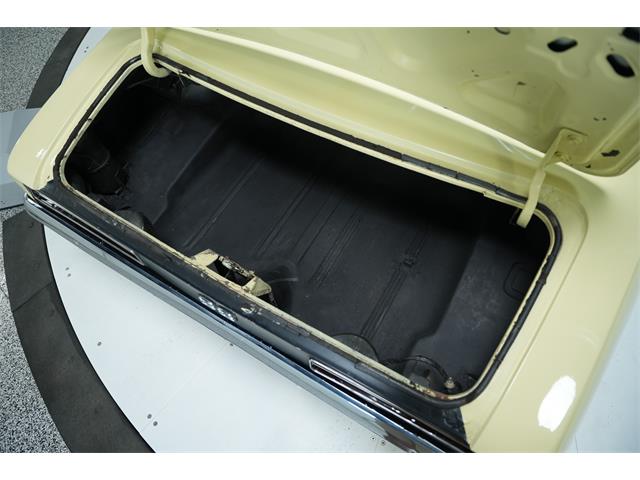
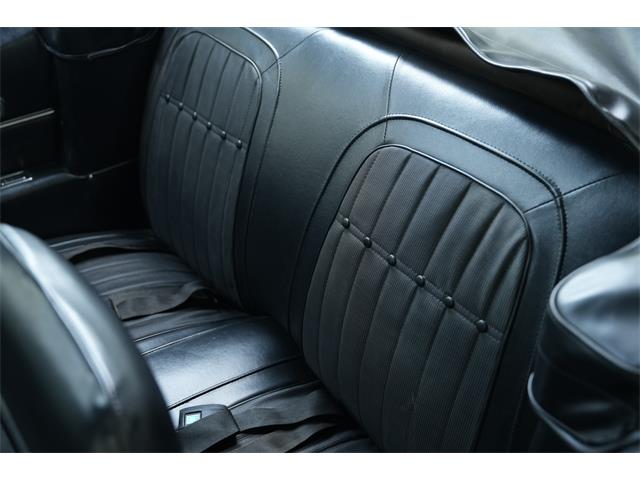
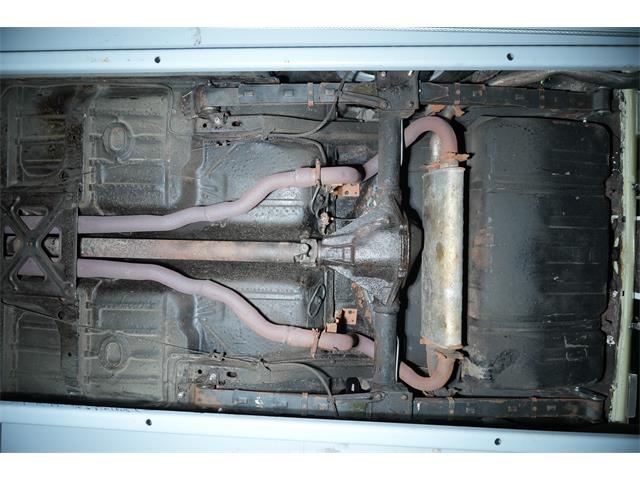
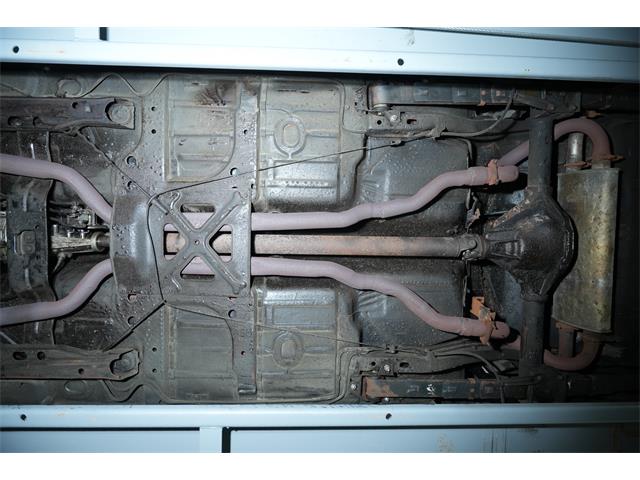
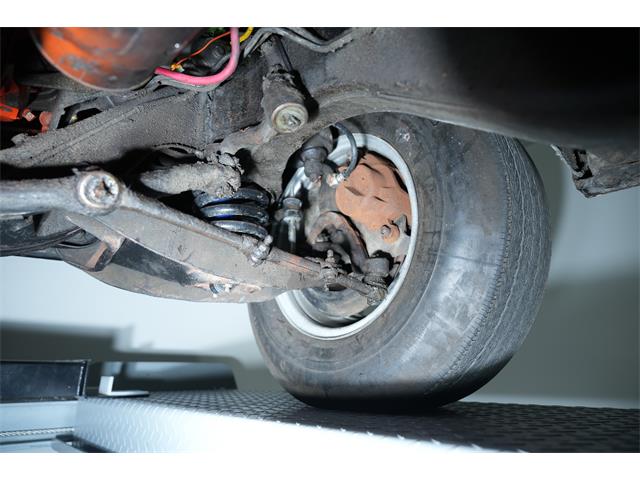
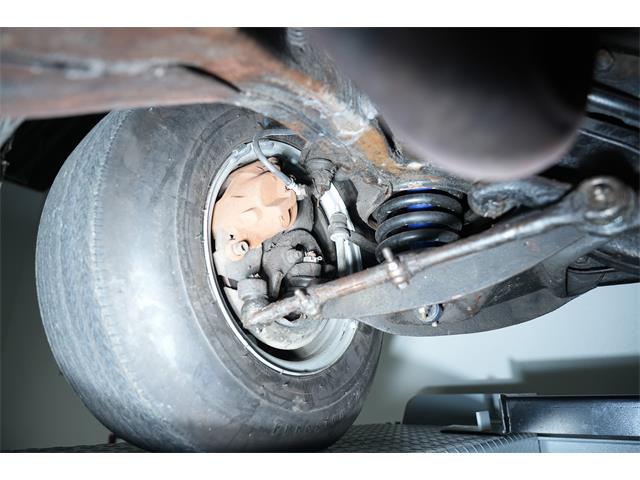
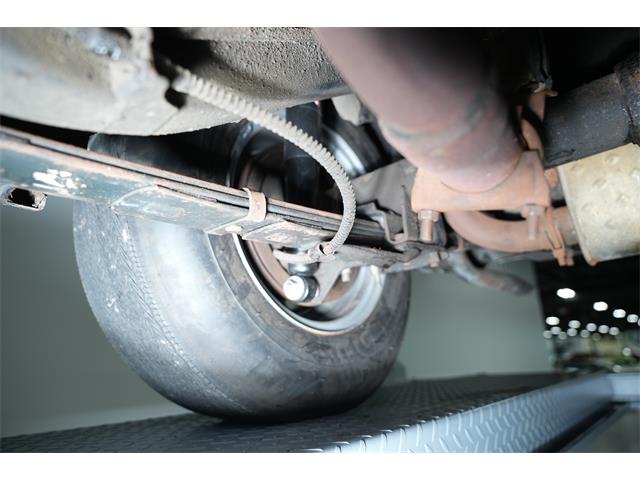
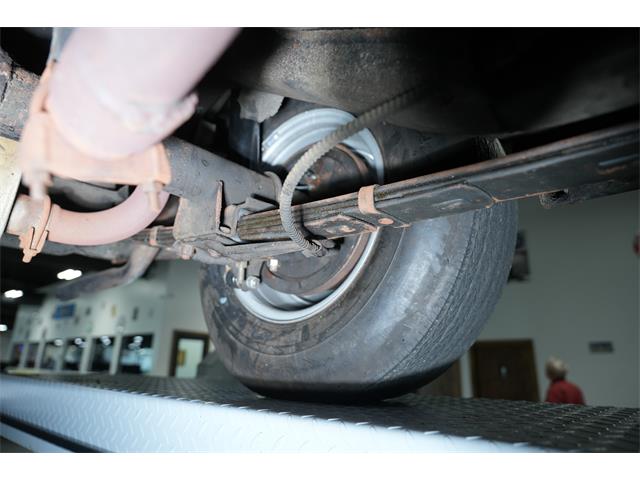
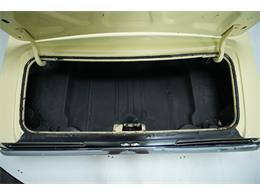
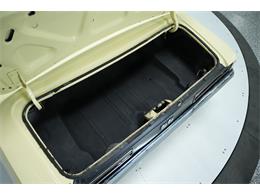
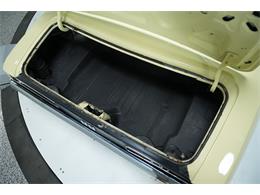
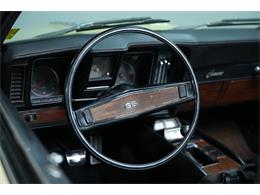
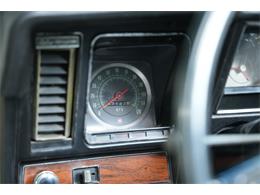
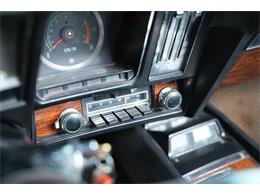
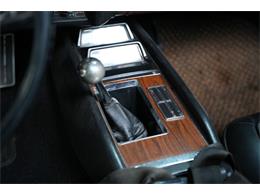
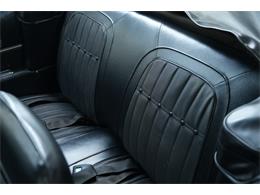
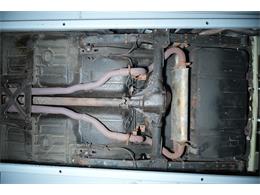
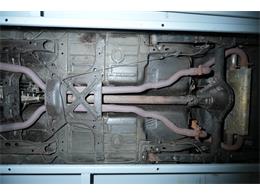
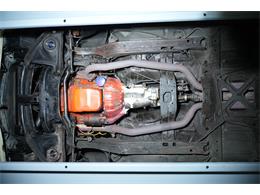
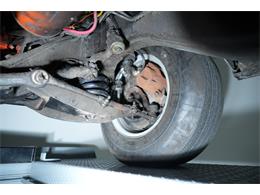
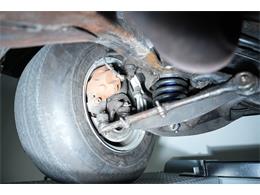
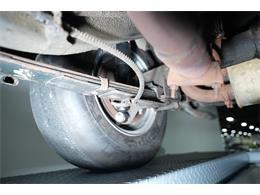
This Camaro has been preserved rather than restored. The paint reflects honest age and use, and the interior exhibits the character expected of a long-owned, unrestored automobile. Its appeal lies not in fresh cosmetics, but in the integrity of the underlying car. The body remains highly correct, the drivetrain reflects its documented factory configuration, and the car presents as an authentic example that has avoided the extensive modifications and restorations common among first-generation Camaros.
The combination of one-owner history, original title, factory Protect-O-Plate, verified X22 cowl tag, and documented L35 four-speed drivetrain places this Camaro among a shrinking number of first-generation SS396 convertibles that continue to retain the characteristics established at the factory. It represents an increasingly uncommon opportunity to acquire a well-documented, highly authentic example whose history remains evident throughout the automobile.
Technical Specifications
Vehicle Identification
VIN: 124679N643217
Chevrolet Division
1969 Camaro V8 Convertible
Norwood, Ohio Assembly Plant
Sequential Production Number: 643217
One-owner from new
Original title included
Original Protect-O-Plate included
Fisher Body Cowl Tag
Style: ST69-12467 – Camaro Convertible
Body Number: NOR 325225
Trim: 712 – Black Deluxe Interior
Paint: 40 – Butternut Yellow
Convertible Top: B – Black Vinyl
Build Date: 05A – First Week of May 1969
X22 – Factory SS396 with Z21 Style Trim Group
Engine
RPO L35 Turbo-Jet 396 CID V8
Factory Rating: 325 Horsepower
Tonawanda Engine Plant
Engine Stamp: T0505JB
Assembly Date: May 5, 1969
Correct manual-transmission suffix (JB)
Engine assembly date aligns with vehicle production schedule
Original Protect-O-Plate documents the factory-installed engine
Transmission
Muncie M20 Wide-Ratio Four-Speed Manual
Assembly Stamp: P9D29A
Assembly Date: April 29, 1969
Partial VIN: 19N643217
Original transmission verified to vehicle
Rear Axle
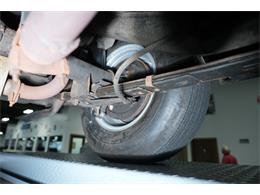
GM 12-Bolt Positraction Rear Axle
Factory 3.31:1 Gear Ratio
Factory Equipment
Rally Sport (RS) Equipment Package
Super Sport (SS396) Equipment Package
X22 Style Trim Group
L35 396 CID Big-Block V8
M20 Wide-Ratio Four-Speed Manual Transmission
Black Deluxe Interior
Factory Center Console
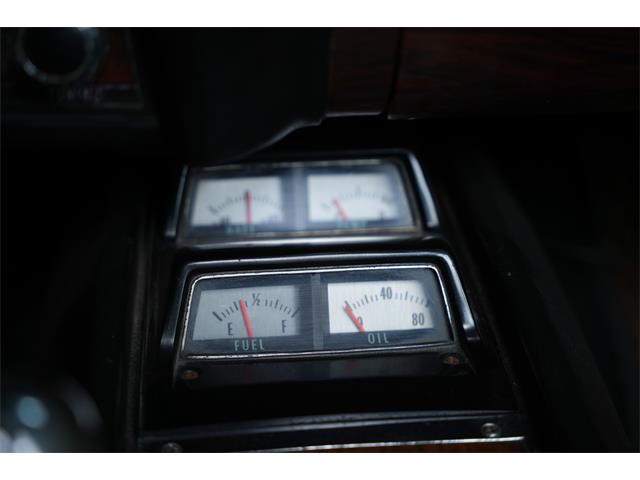
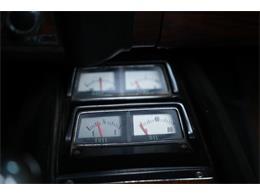
Console Gauge Package
Butternut Yellow Exterior
Black Vinyl Convertible Top
Documentation
Original Protect-O-Plate
Original Title
Verified Fisher Body Cowl Tag
Long-term one-owner history
Condition
Highly original overall presentation
Older paint showing expected age and wear
Interior retains its original character with moderate wear
Highly correct throughout
Preserved rather than comprehensively restored
Model History
The 1969 model year represented the final evolution of Chevrolet's original Camaro before the introduction of the second-generation platform in 1970. Although sharing its basic architecture with the 1967 and 1968 models, the 1969 Camaro featured substantially revised sheet metal, giving the car a wider, lower, and more aggressive appearance. Distinctive front fenders, redesigned rear quarters, new door skins, revised grille treatments, and a more pronounced body profile combined to create what many enthusiasts consider the definitive first-generation Camaro.
The Camaro had been introduced for the 1967 model year as Chevrolet's response to the rapidly expanding pony car market established by the Ford Mustang. By 1969, the platform had matured into one of the most versatile performance cars available, offering buyers an extensive list of engine, transmission, suspension, and appearance combinations that ranged from economical six-cylinder transportation to factory-built big-block muscle.
Among those performance offerings, the SS396 package represented Chevrolet's premier regular-production big-block Camaro. Buyers could choose from several versions of the 396 cubic-inch V8, with the L35 producing 325 horsepower and abundant low-end torque. Paired with the Muncie four-speed manual transmission and a Positraction rear axle, the L35 offered a balanced combination of performance, drivability, and durability that appealed to buyers seeking both street performance and long-distance touring capability.
The Rally Sport package added another layer of distinction through concealed headlamps, revised front and rear brightwork, unique grille components, and additional exterior trim. When combined with the Super Sport package on Norwood-built Camaros, the X22 cowl tag identified cars equipped with both the SS396 drivetrain and the Z21 Style Trim Group. Today, that designation remains an important part of authenticating original factory-built big-block Camaros.
Production of Camaro convertibles represented only a small percentage of total 1969 Camaro production, while genuine big-block four-speed examples accounted for an even smaller subset. As restoration standards have improved and reproduction components have become increasingly sophisticated, originality and documentation have become defining characteristics within the collector market. Cars retaining factory documentation, original drivetrains, and long-term ownership histories provide an important connection to how these automobiles left Chevrolet assembly plants more than five decades ago.
More than fifty years after its introduction, the 1969 Camaro remains one of the defining American performance cars of the muscle car era. Its combination of unmistakable styling, broad performance capability, and enduring enthusiast support has secured its place as one of the most recognizable and extensively documented collector automobiles ever produced.