
Vehicle Overview
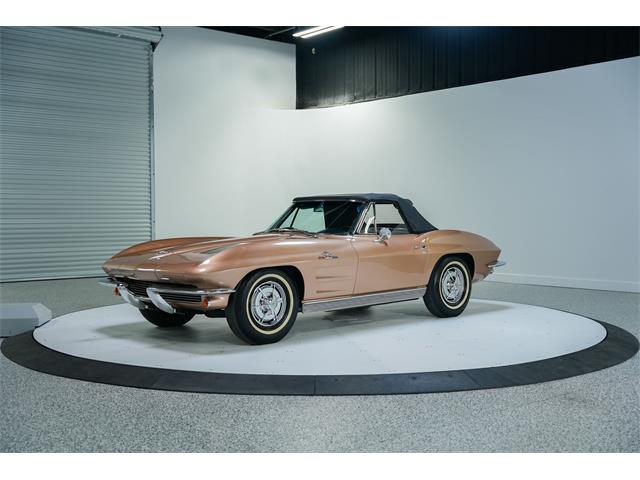
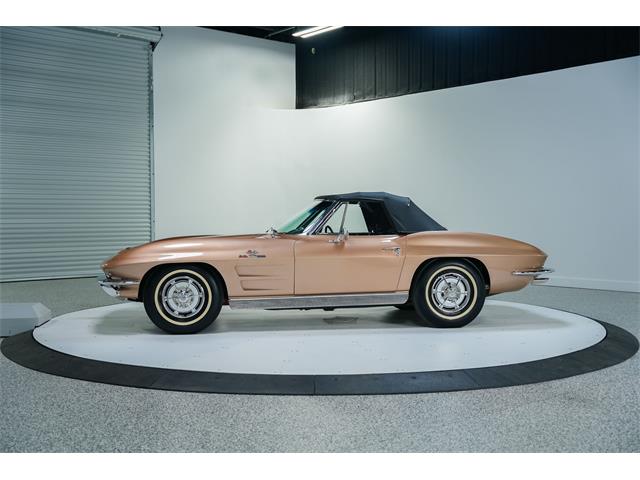
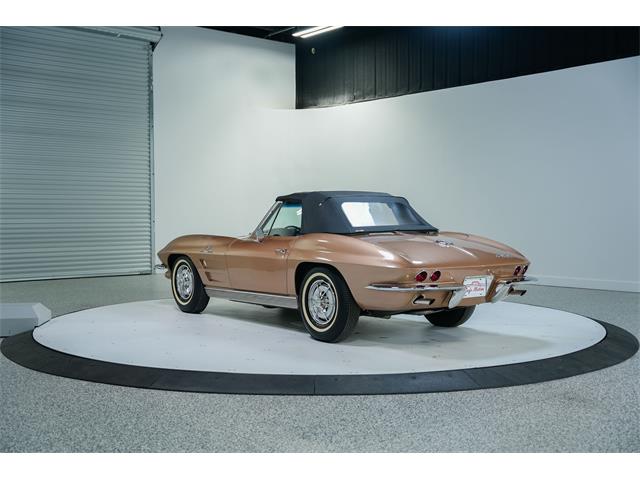
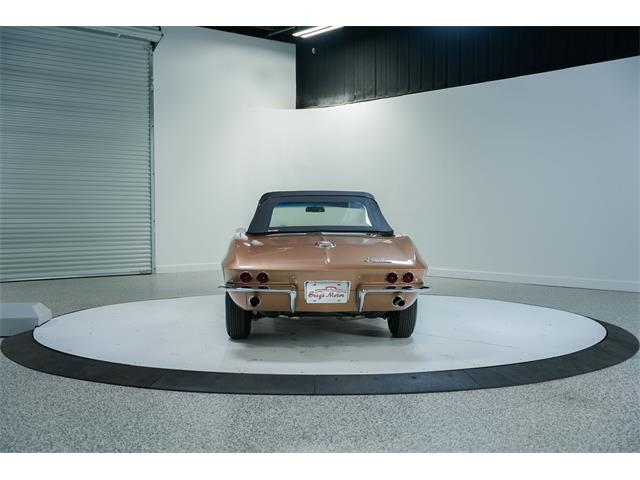
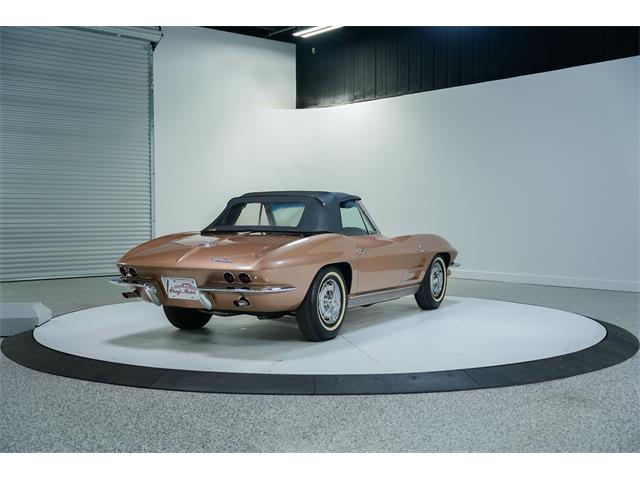
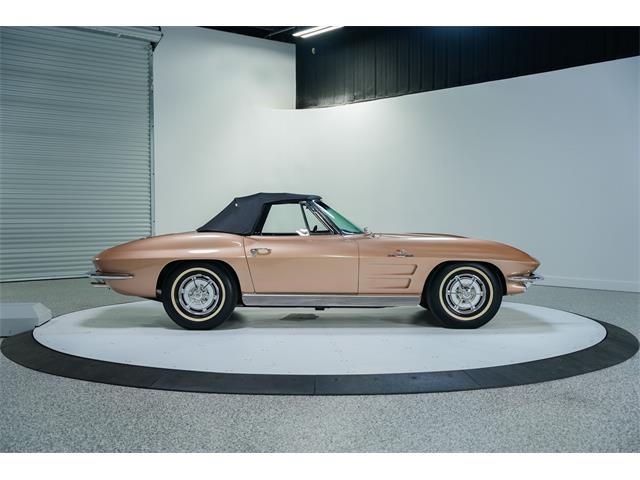
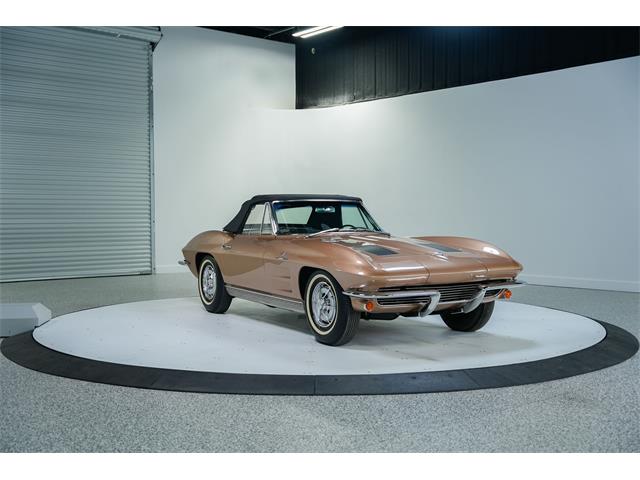
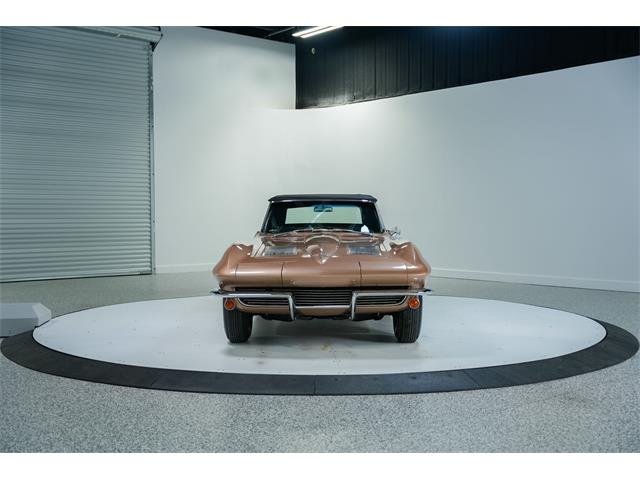
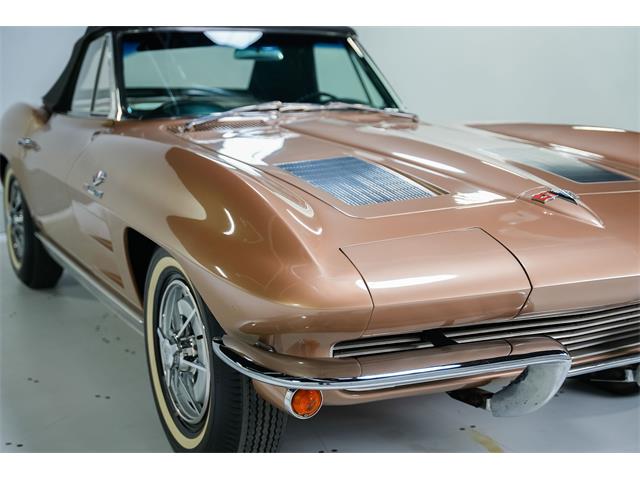
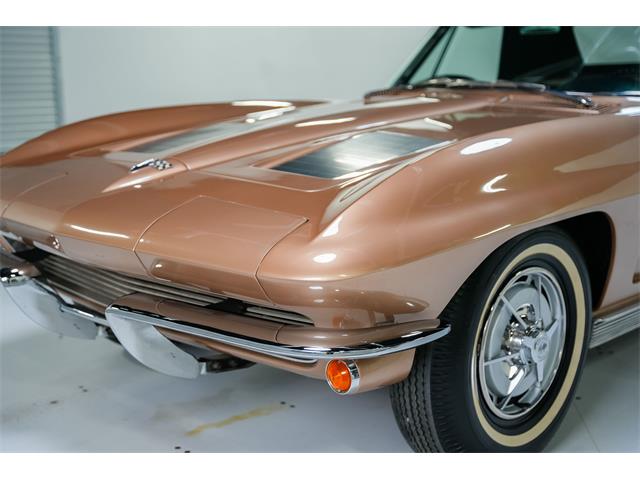
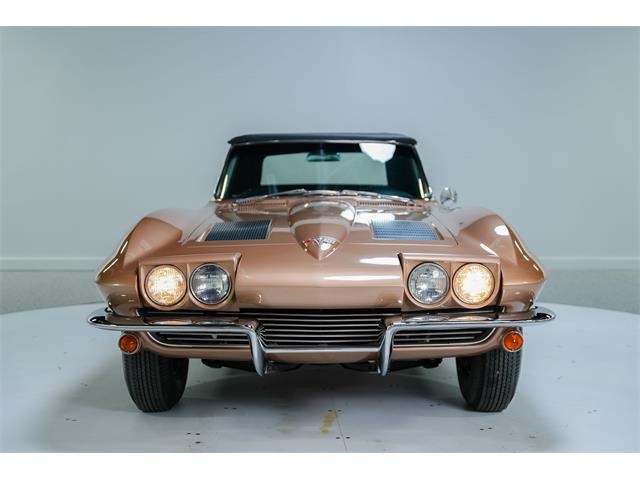
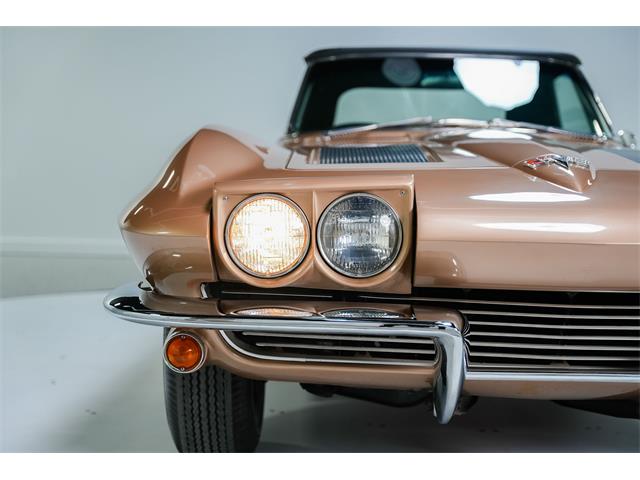
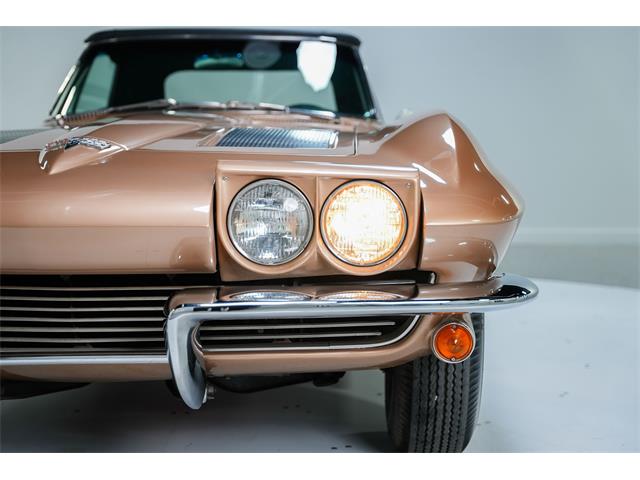
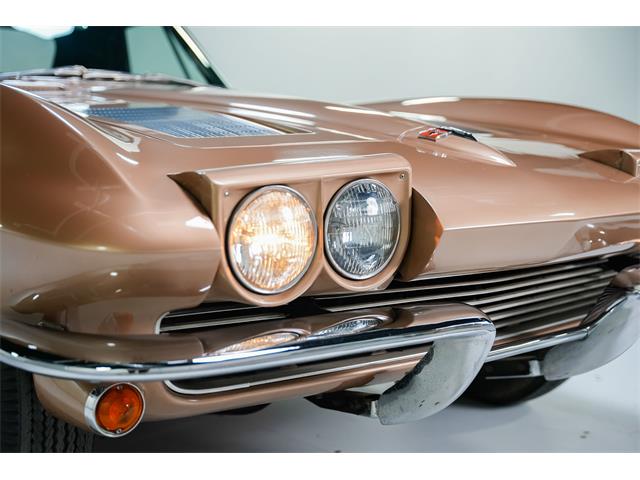
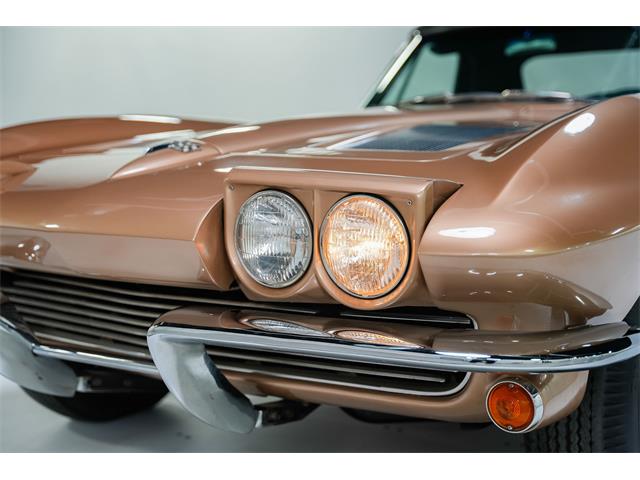
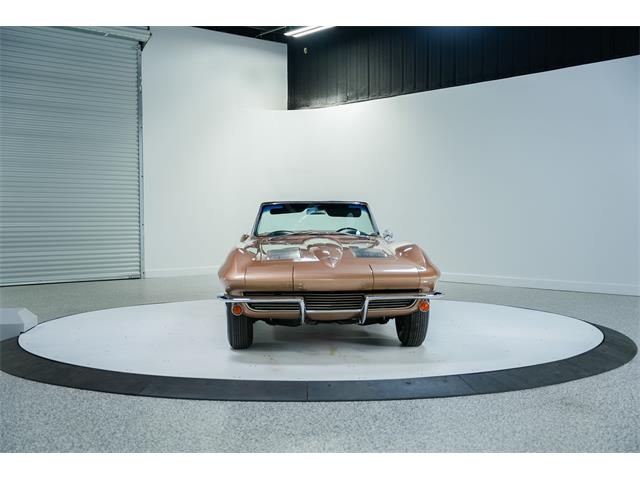
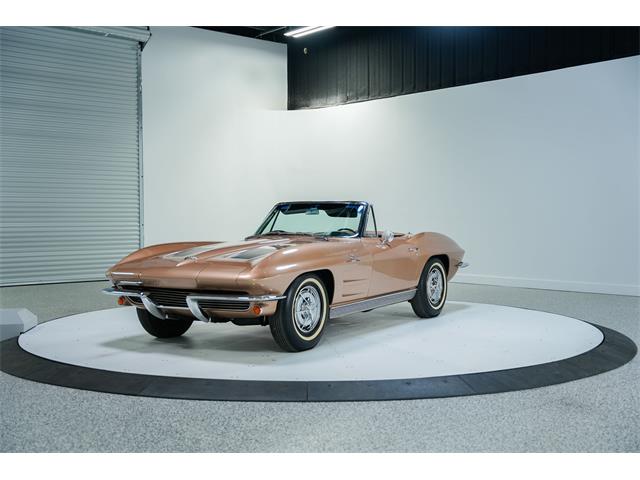
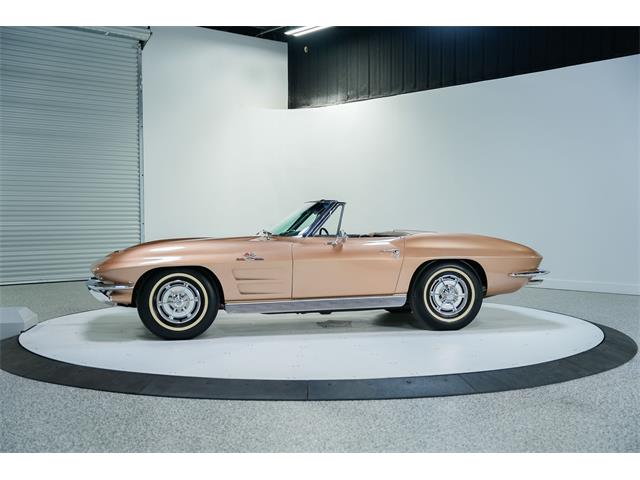
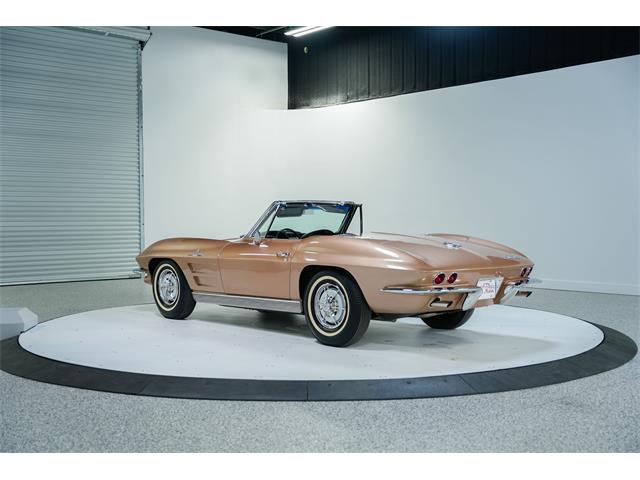
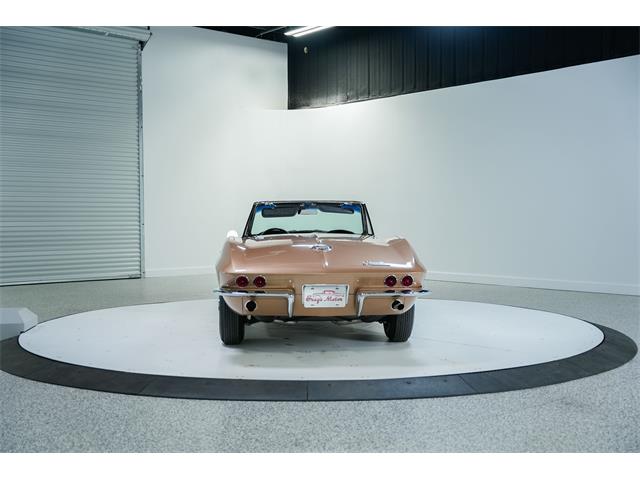
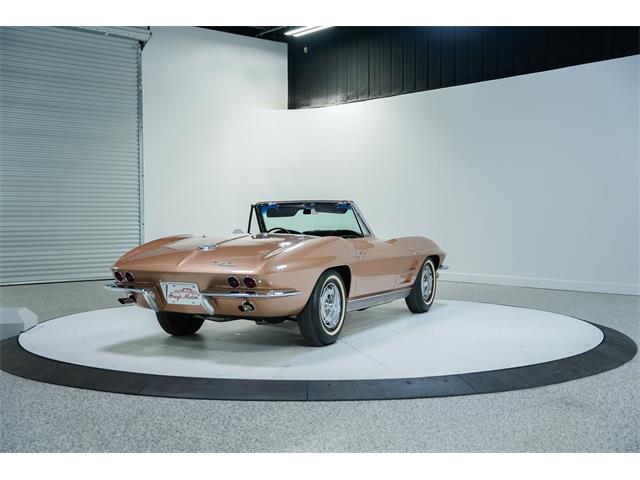
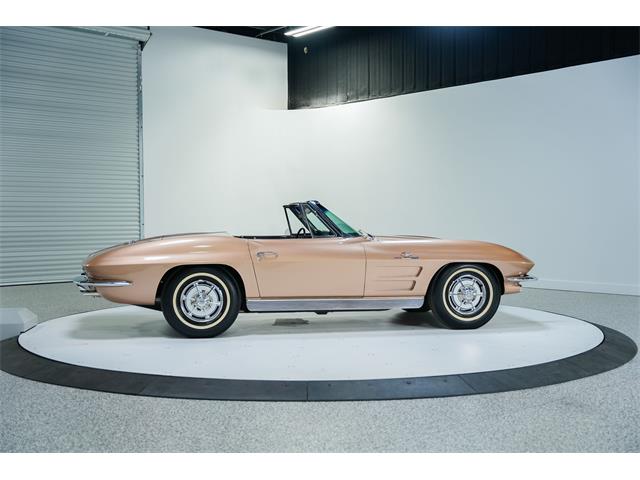
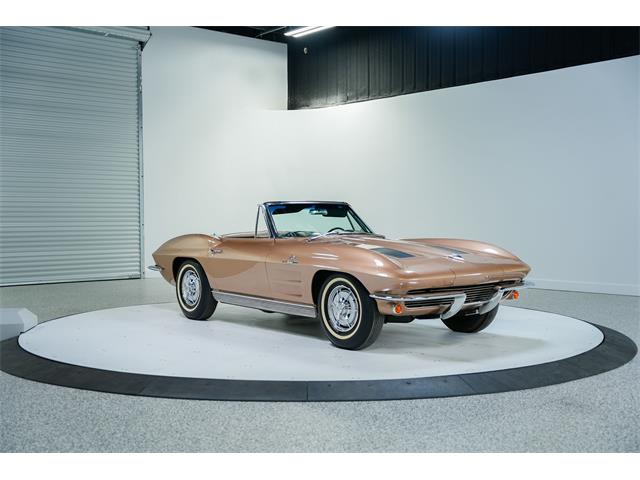
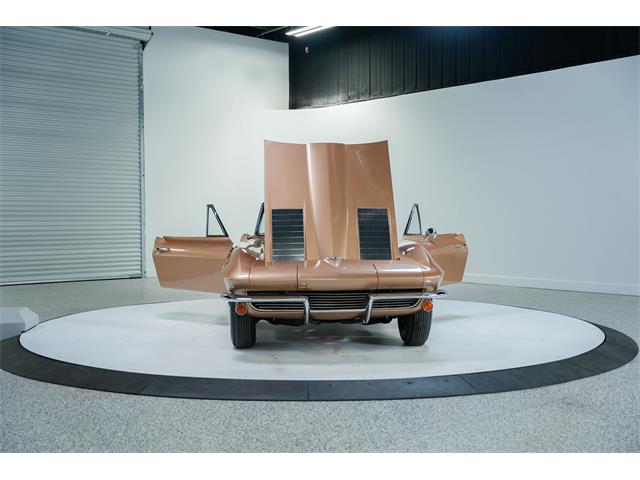
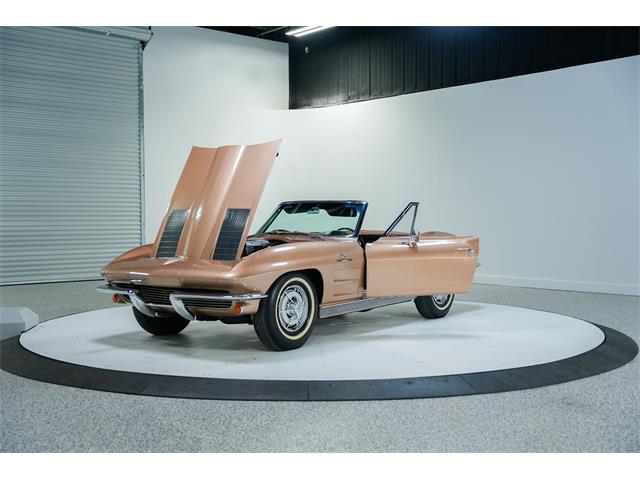
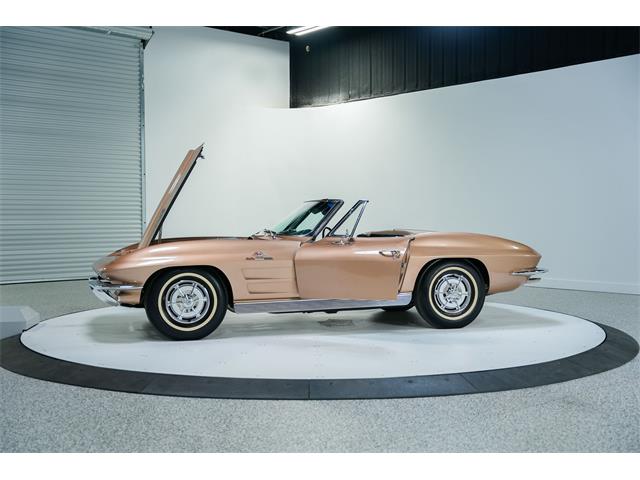
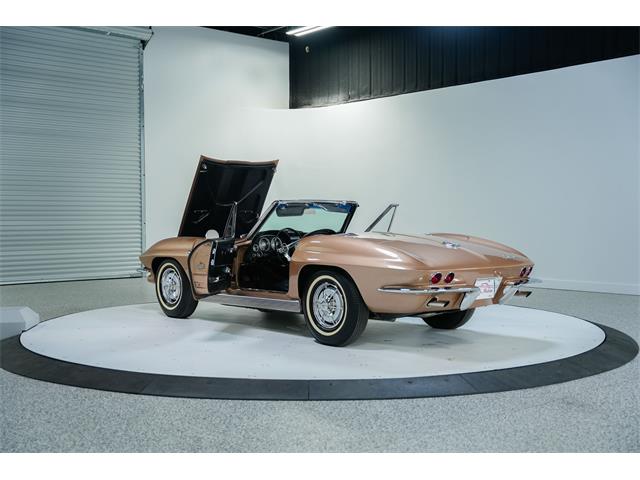
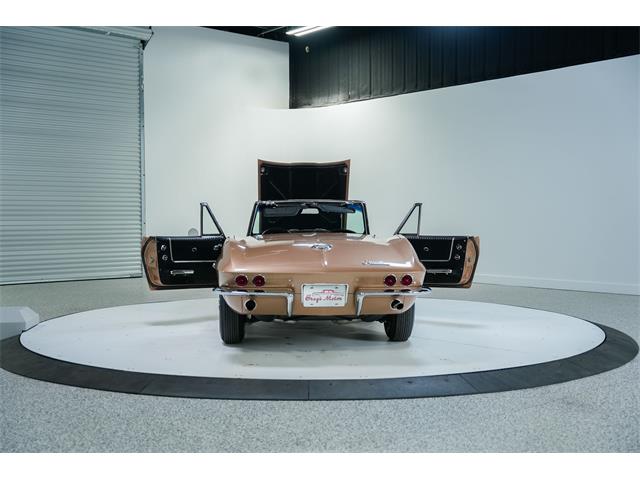
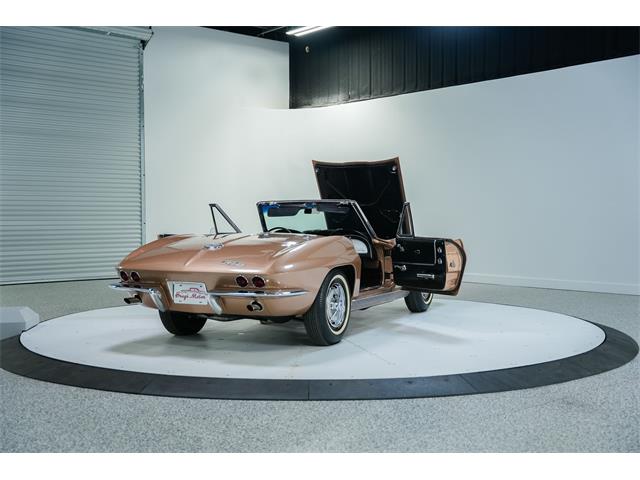
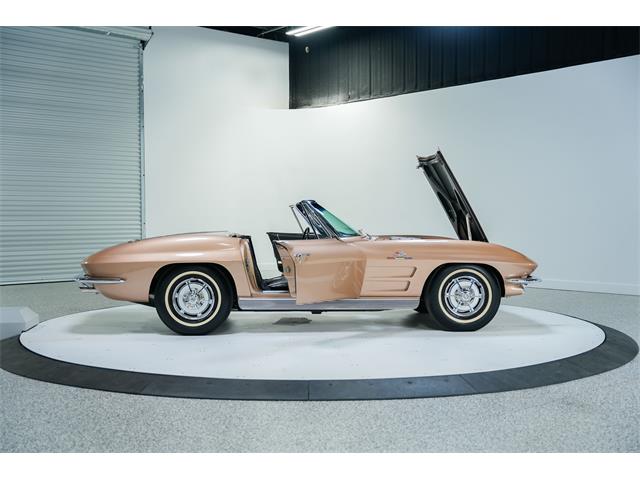
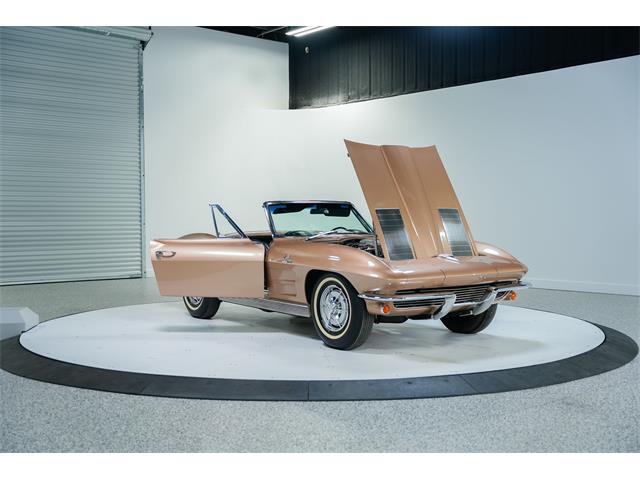
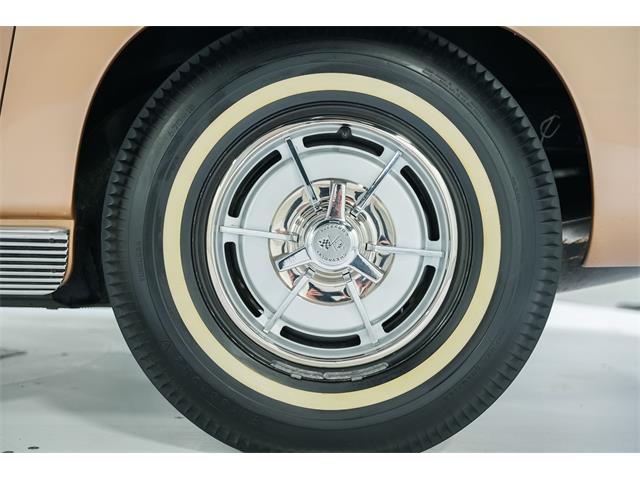
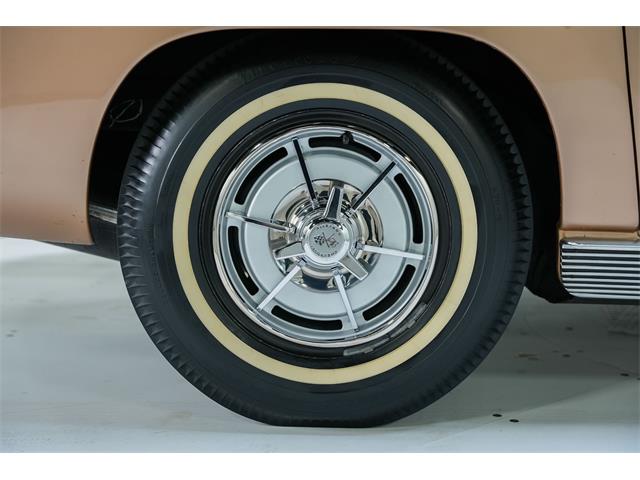
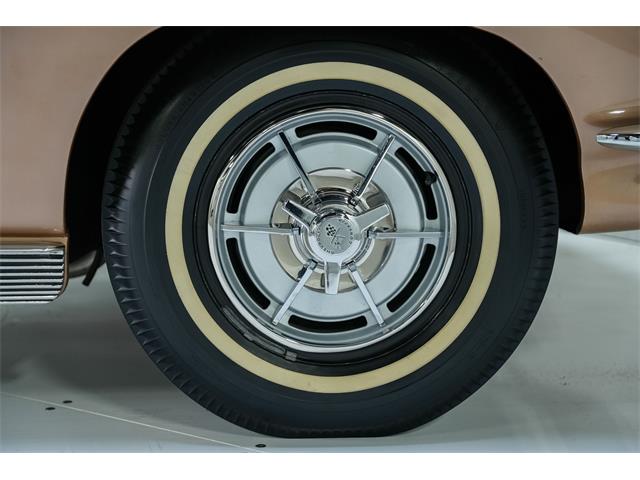
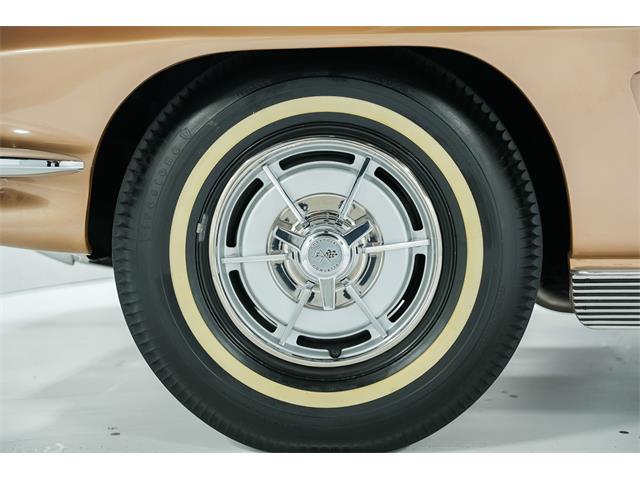
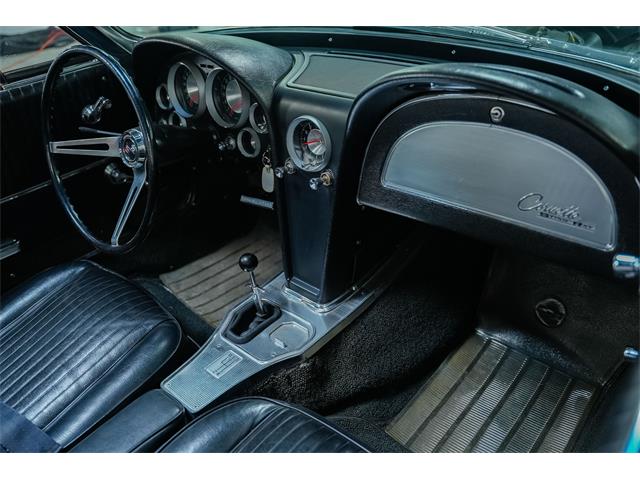
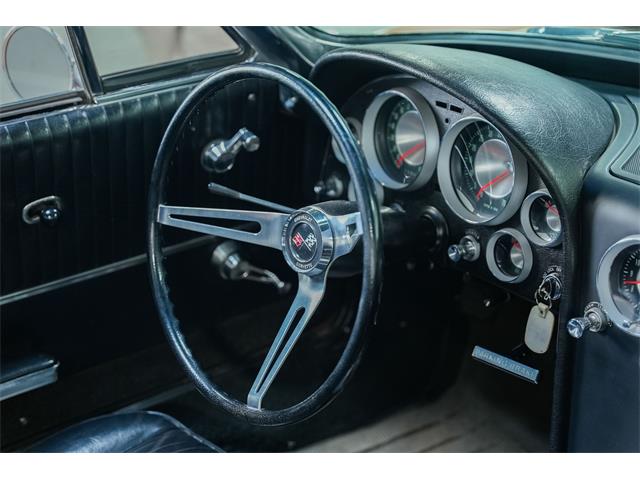
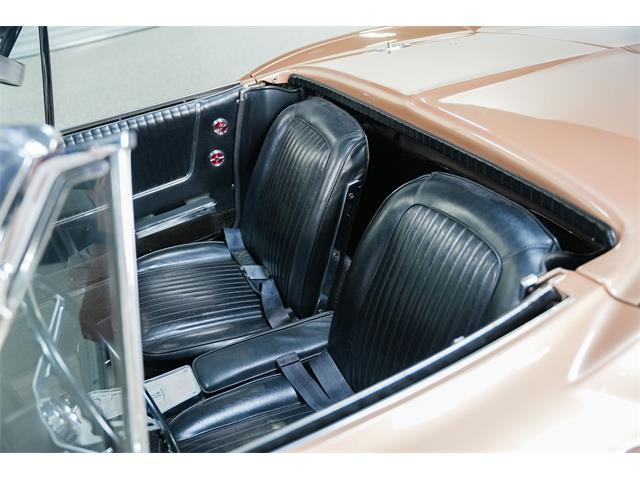
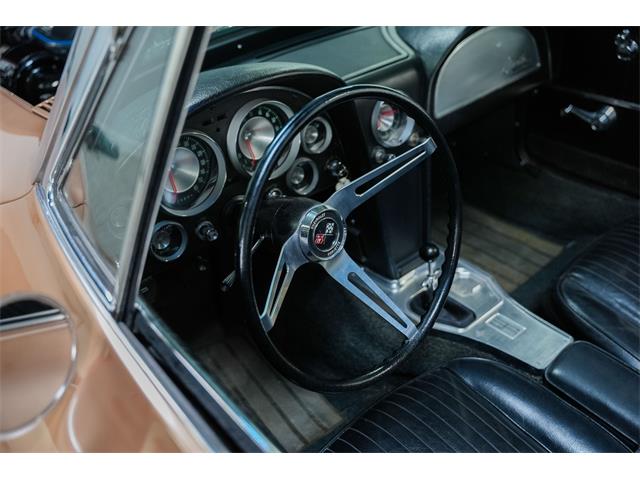
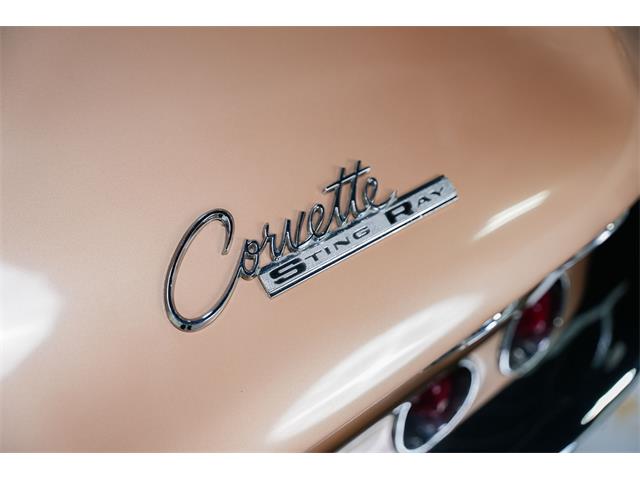
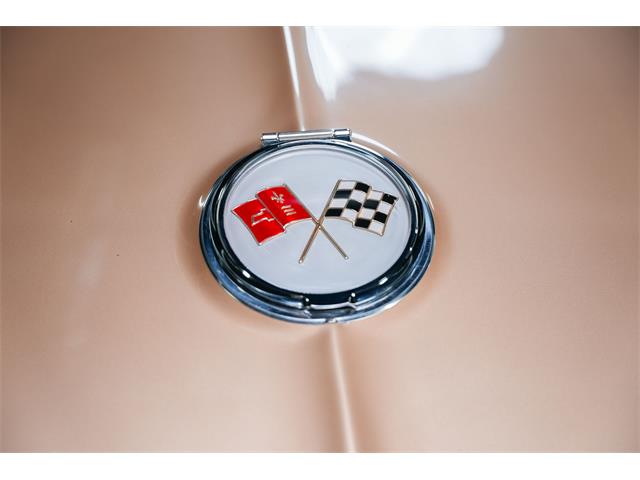
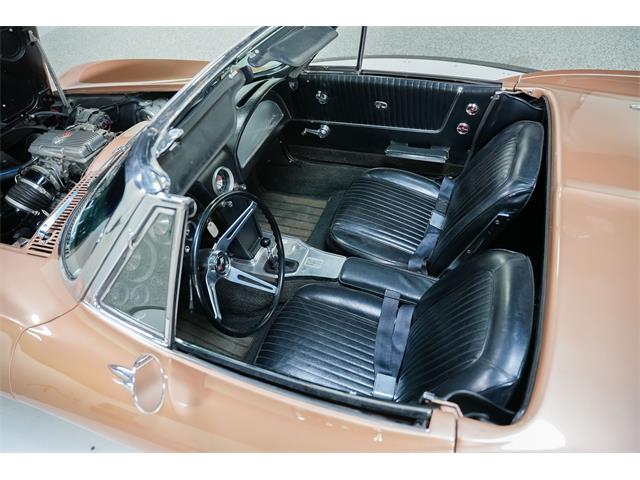
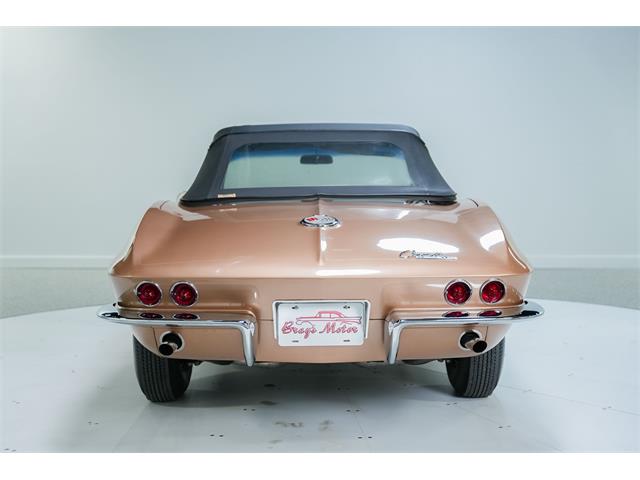
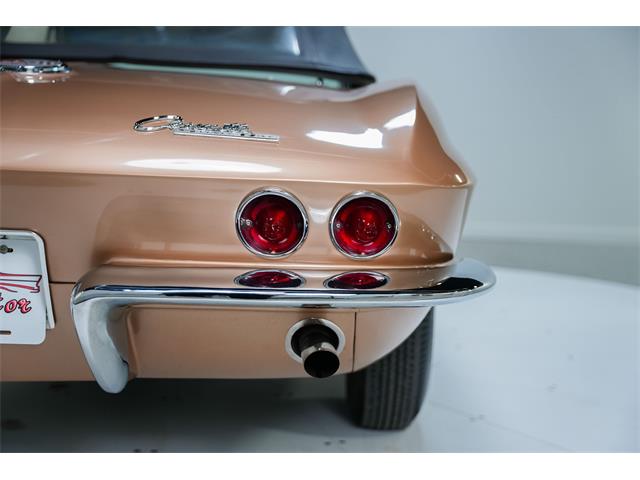
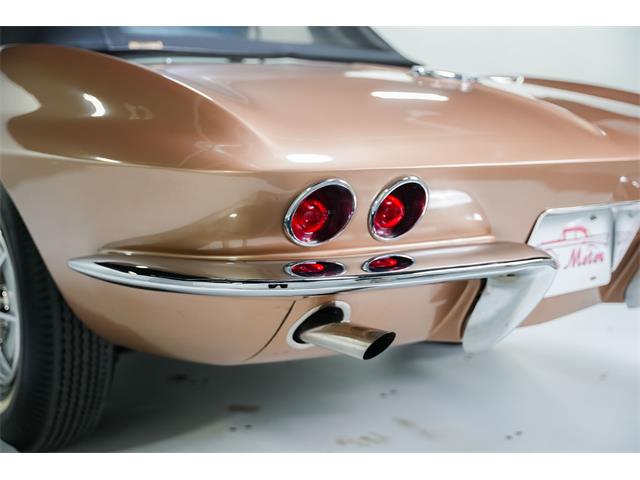
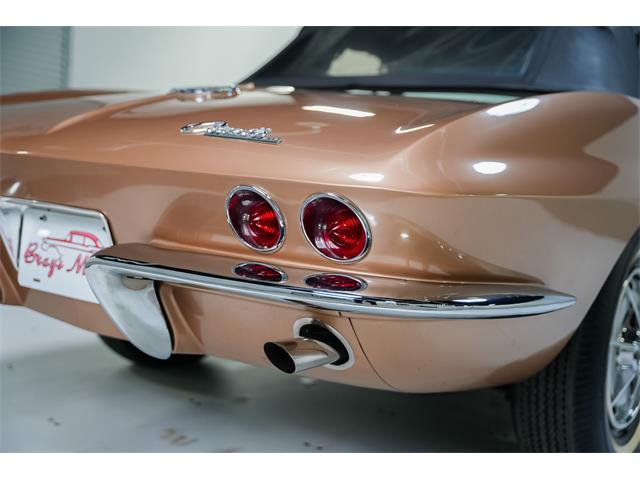
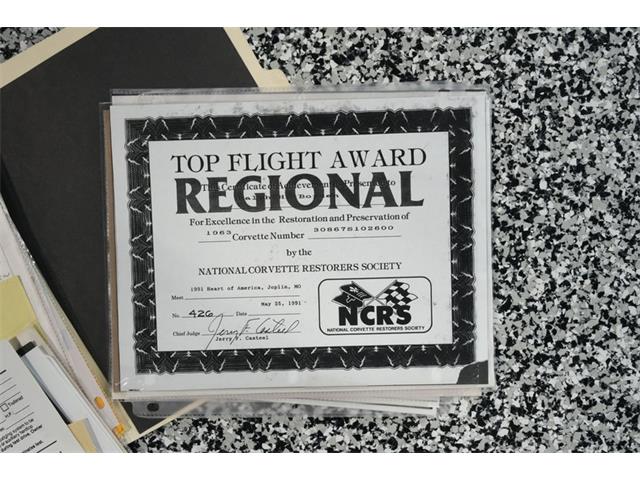
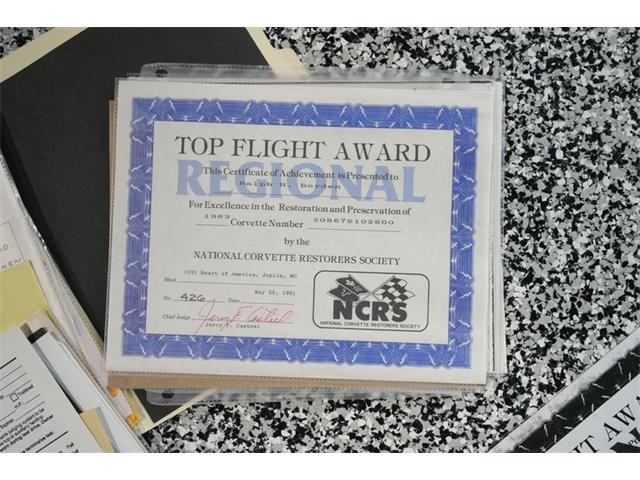
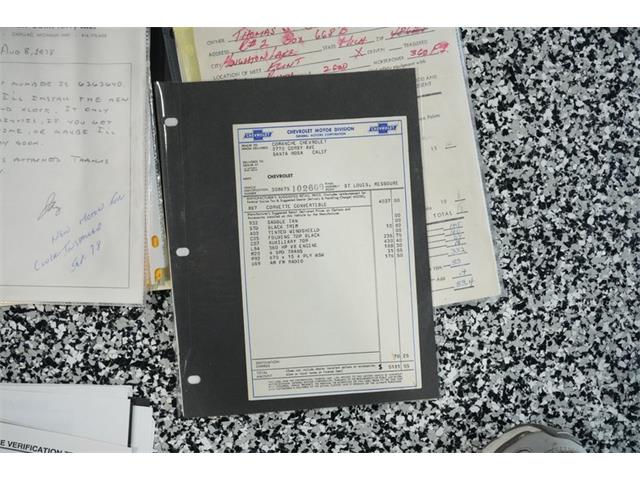
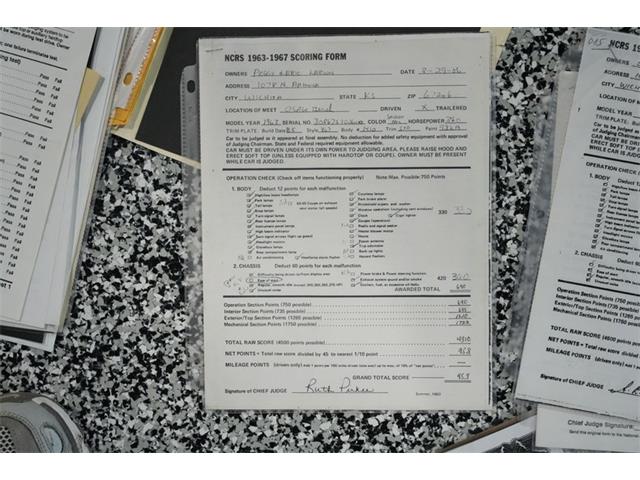
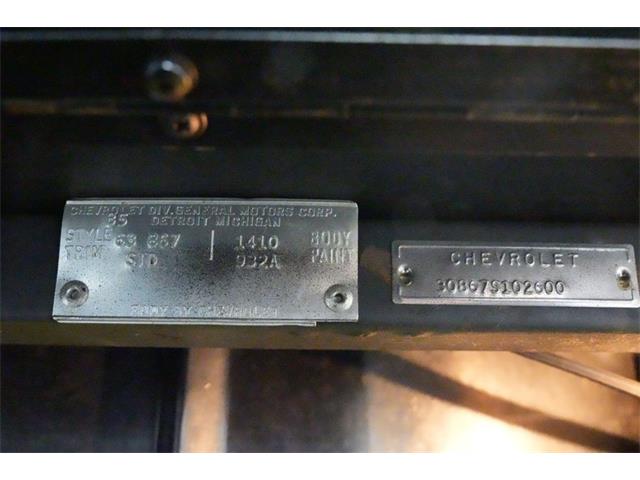
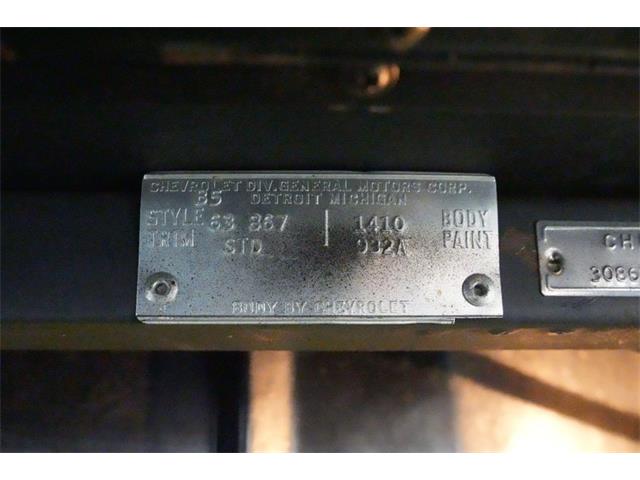
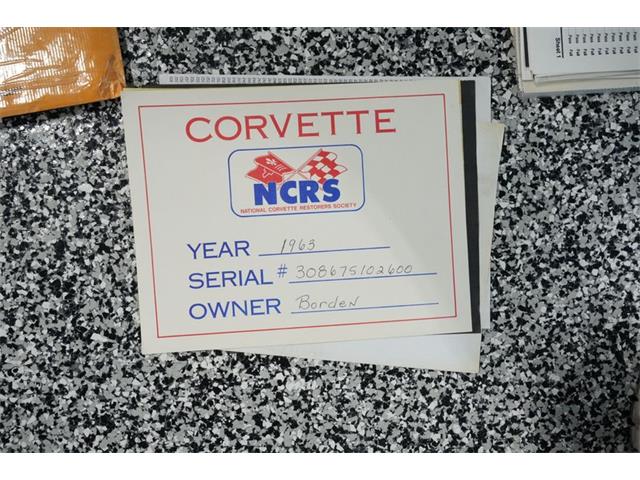
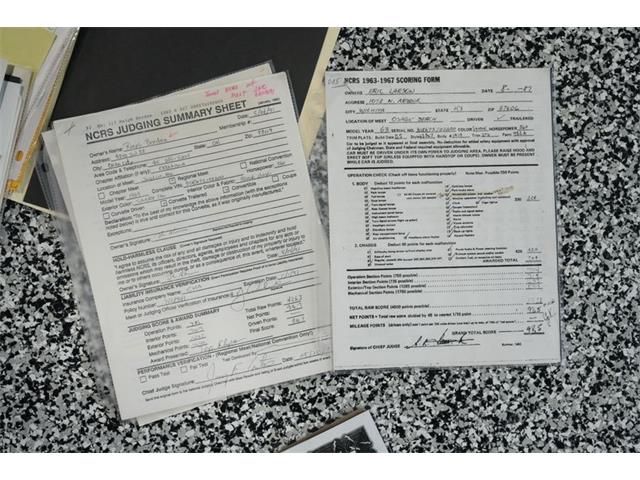
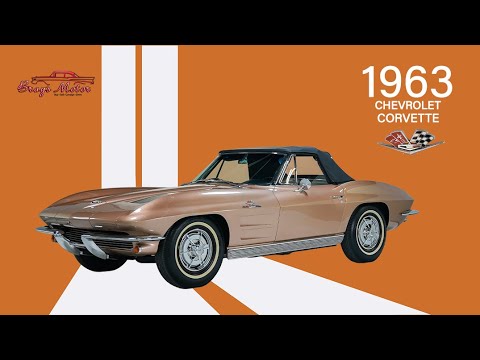
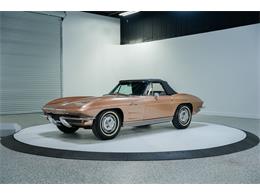
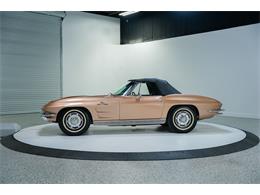
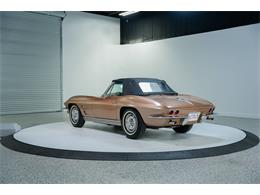
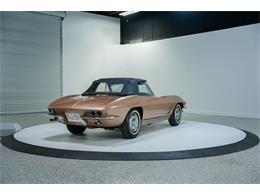
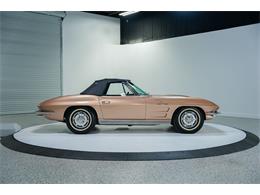
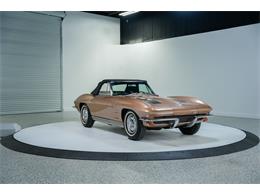
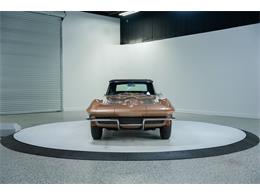
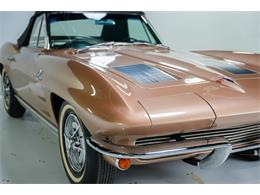
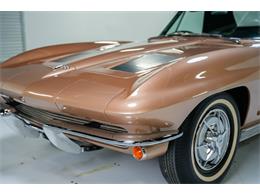
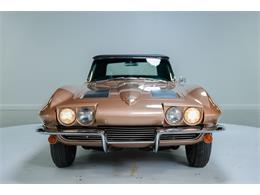
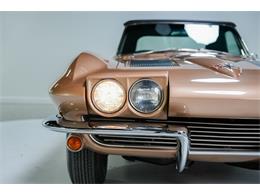
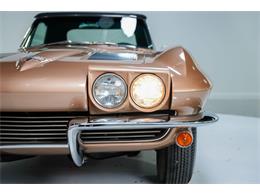
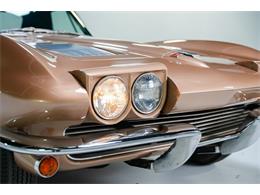
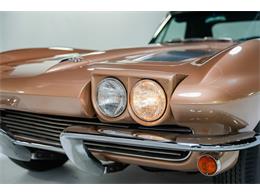
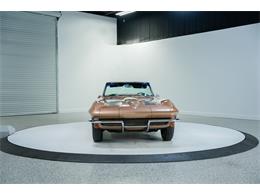
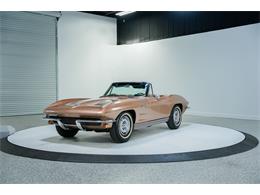
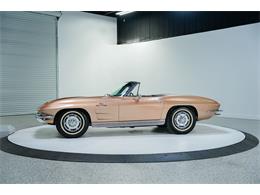
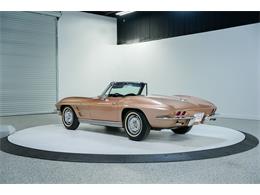
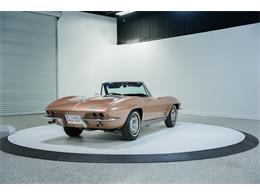
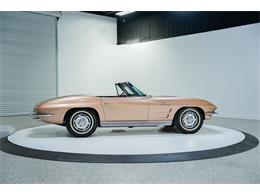
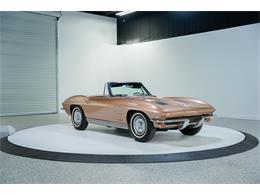
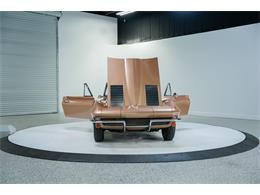
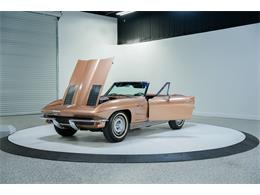
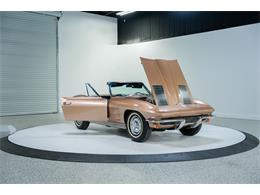
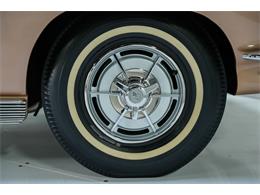
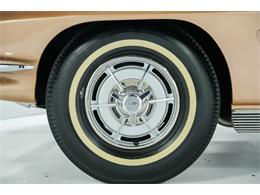
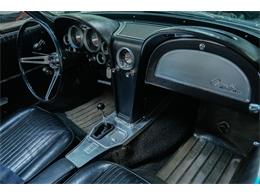
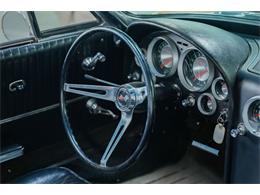
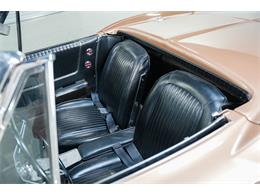
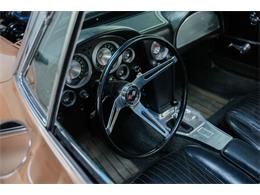
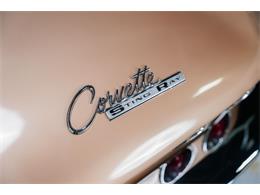
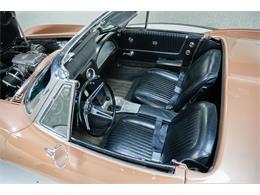
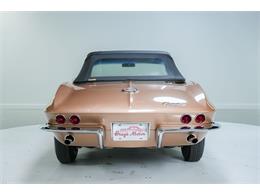
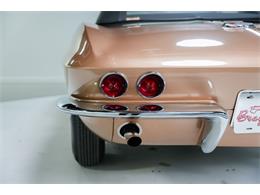
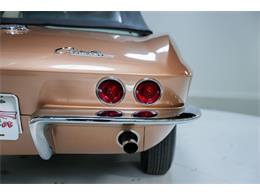
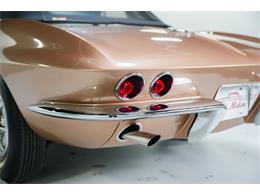
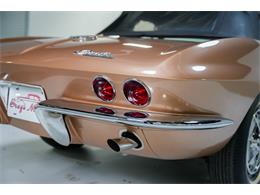
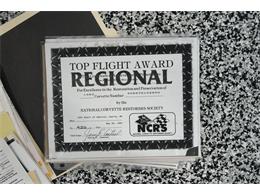
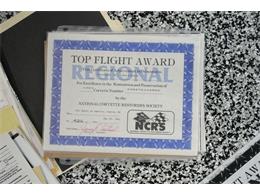
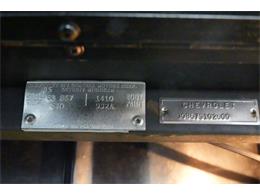
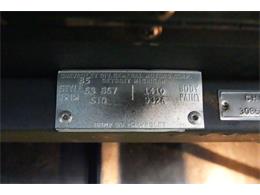
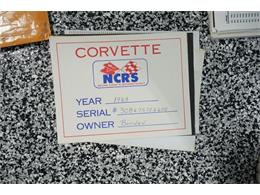
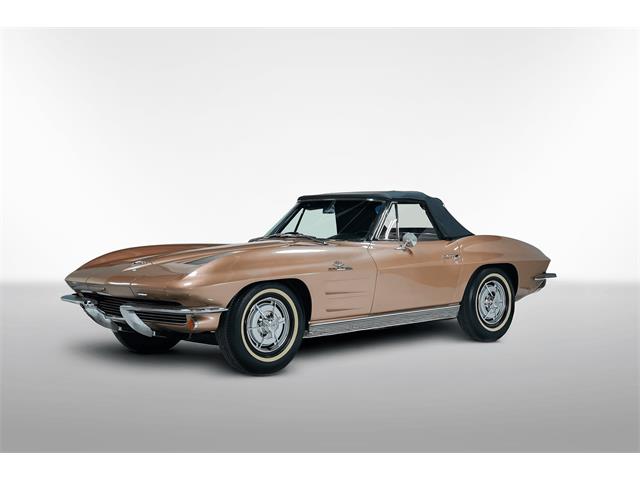
Finished in its factory-correct Saddle Tan over a Black vinyl interior, this 1963 Chevrolet Corvette Convertible represents one of the finest examples of Chevrolet's inaugural second-generation Corvette. Equipped with its original, numbers-matching 327 cubic-inch fuel-injected V8 and four-speed manual transmission, this Corvette combines exceptional authenticity with one of the most celebrated performance packages ever offered by Chevrolet. A three-time NCRS Top Flight Award recipient, it has benefited from long-term collector ownership, meticulous restoration, and the careful preservation of the details that distinguish truly exceptional early Corvettes.
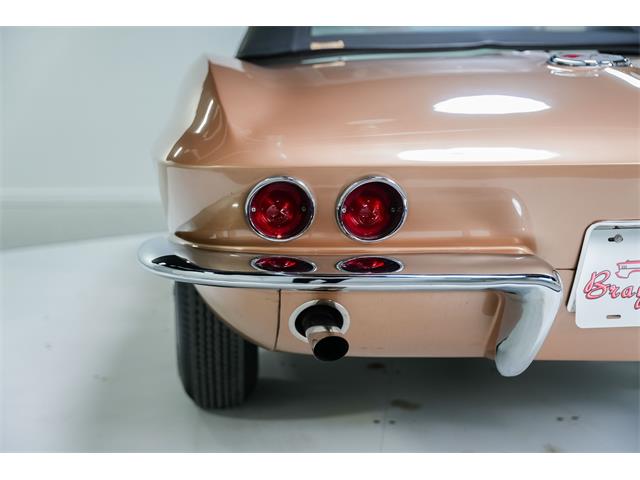
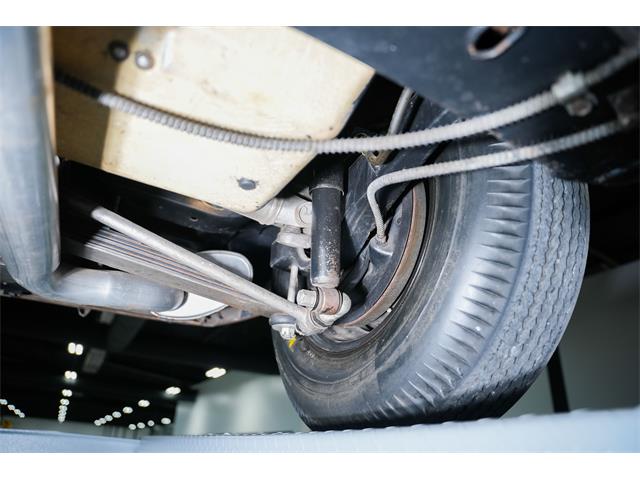
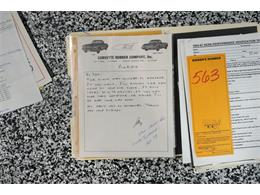
Acquired from a significant private collection specializing in first- and second-generation Corvettes, this car has clearly benefited from decades of knowledgeable stewardship. The fiberglass body is rust and accident-free, retaining its original factory bonding strips throughout—one of the most important indicators of original body integrity and the absence of significant structural repairs. The overall quality of the body, panel alignment, and finish reflects the standards expected of a Corvette that has earned repeated NCRS Top Flight recognition.
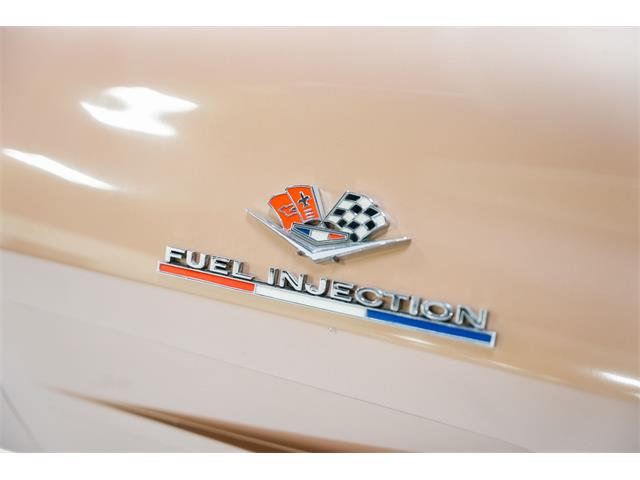
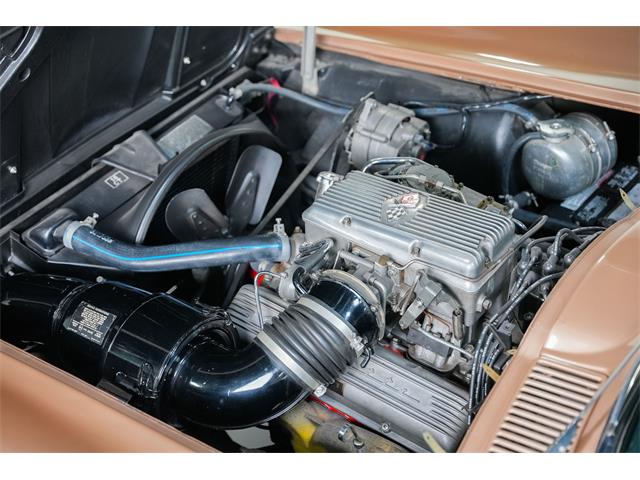
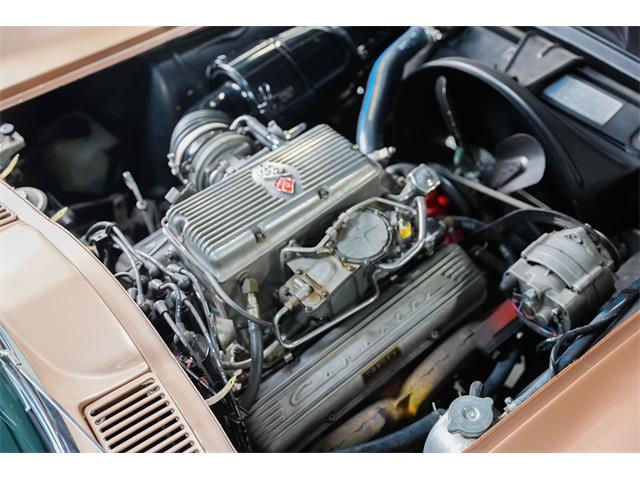
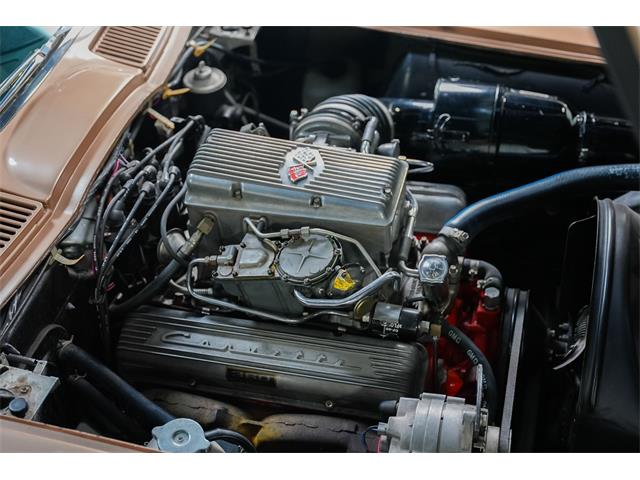
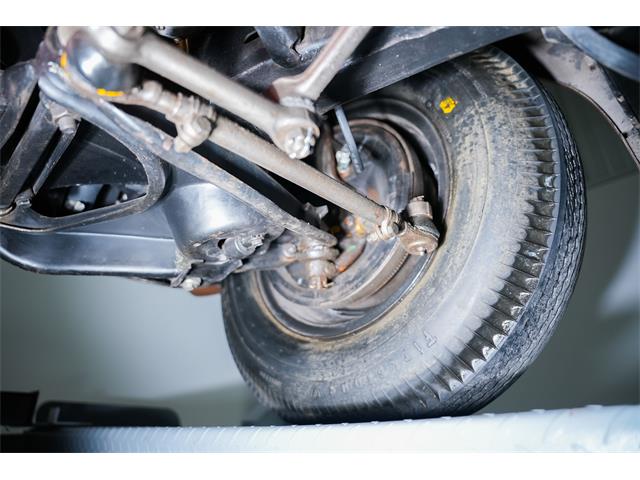
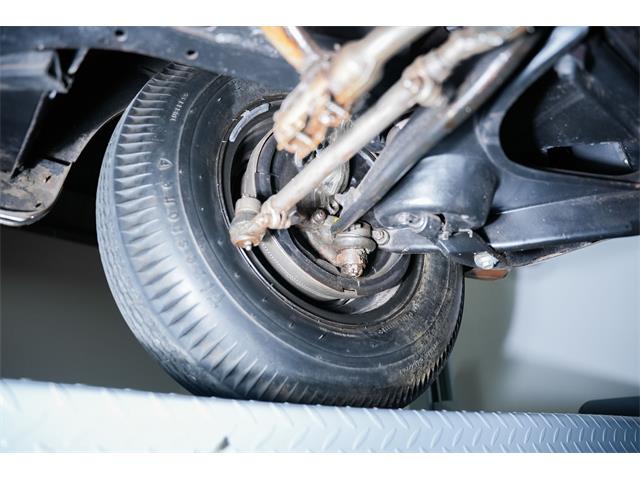
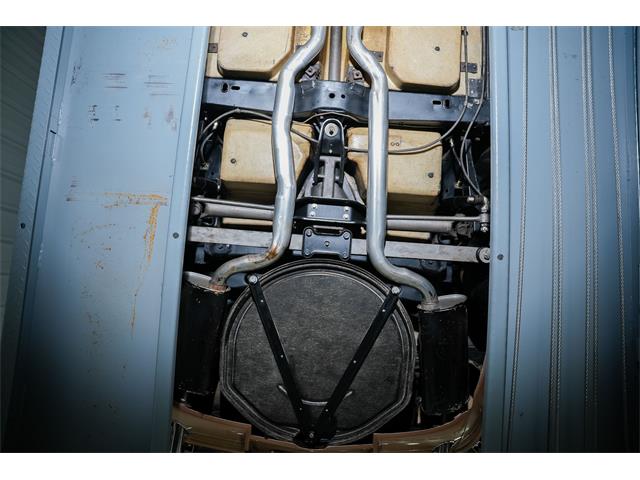
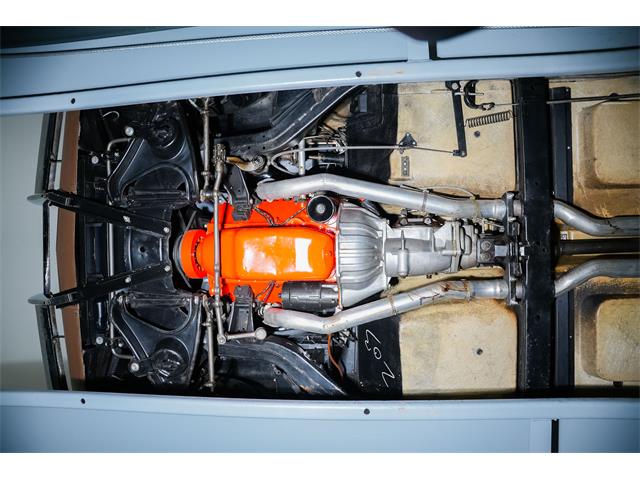
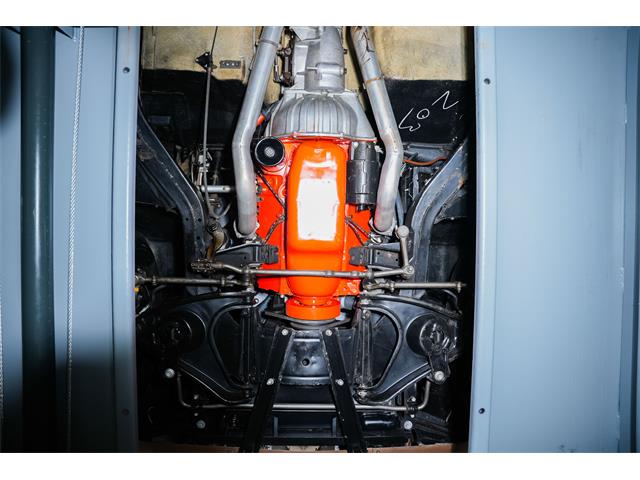
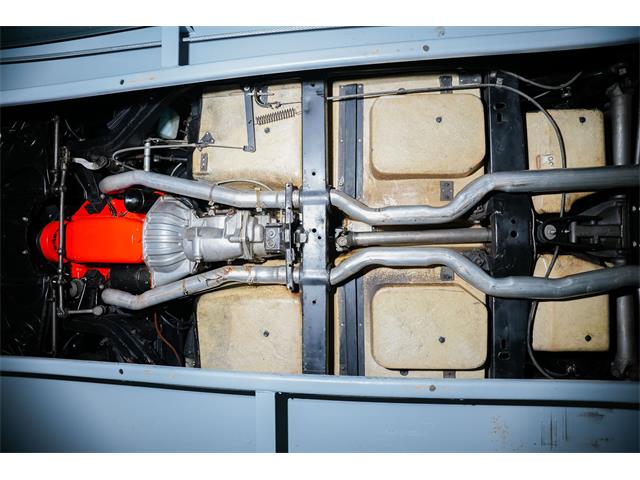
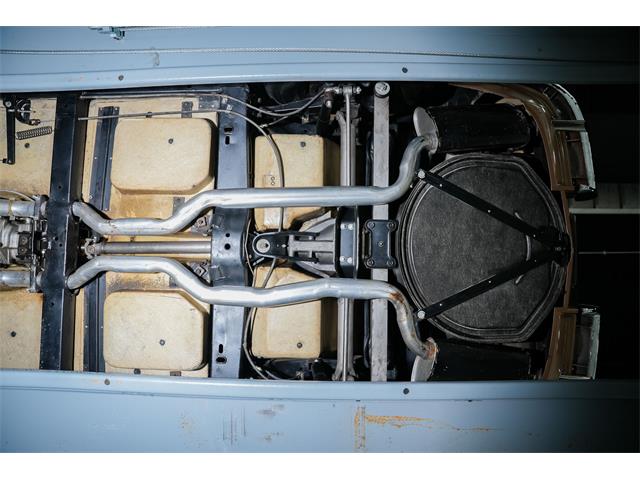
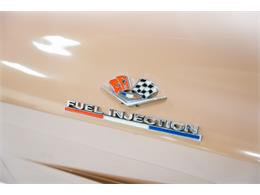
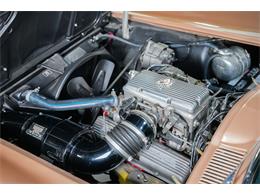
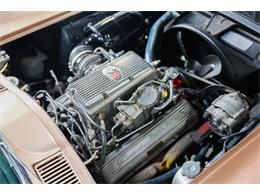
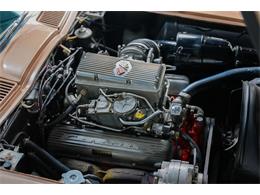
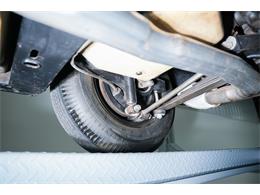
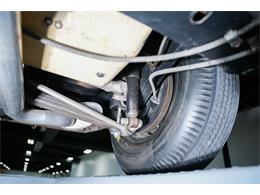
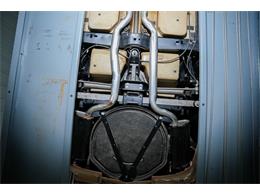
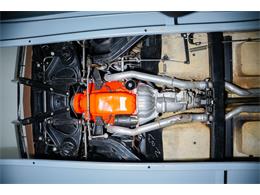
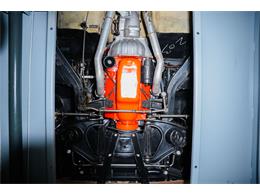
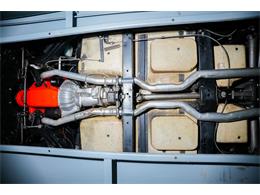
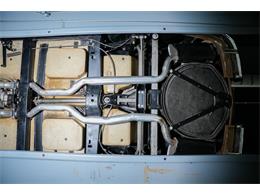
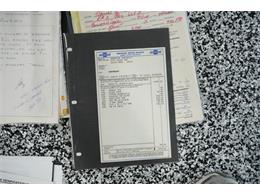
Power comes from the car's original numbers-matching 327 cubic-inch V8 equipped with Rochester mechanical fuel injection and factory rated at 360 horsepower. The engine retains its correct RF suffix identifying the fuel-injected, four-speed application, while the original Borg-Warner T10 four-speed manual transmission remains with the car. Of particular significance is the rear axle assembly. Although stamped with a "CE" designation, extensive research has confirmed that this is the car's original factory-installed rear axle and not a later Chevrolet warranty replacement, an important distinction for knowledgeable Corvette collectors.
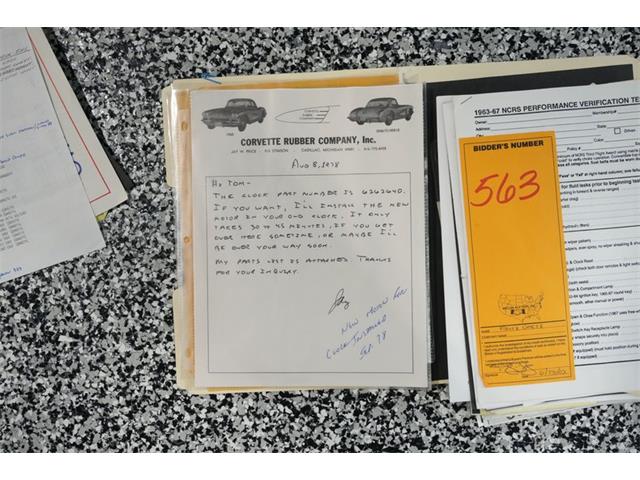
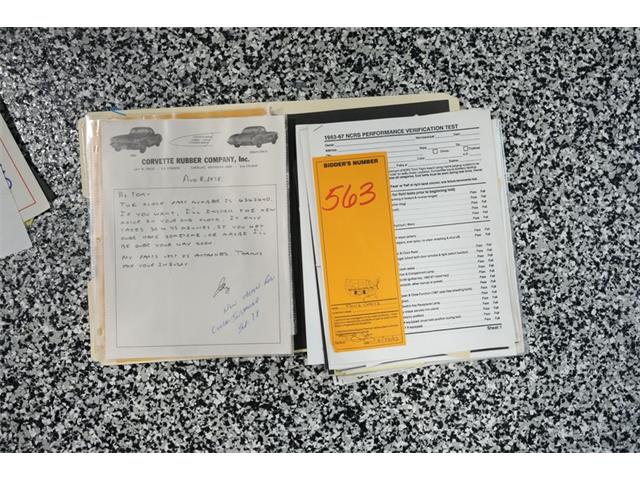
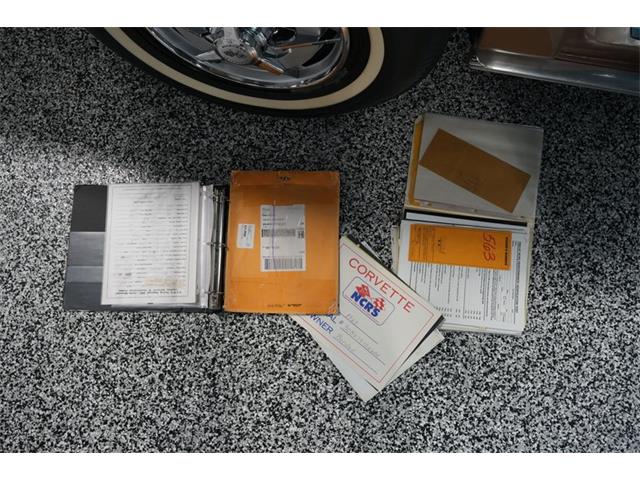
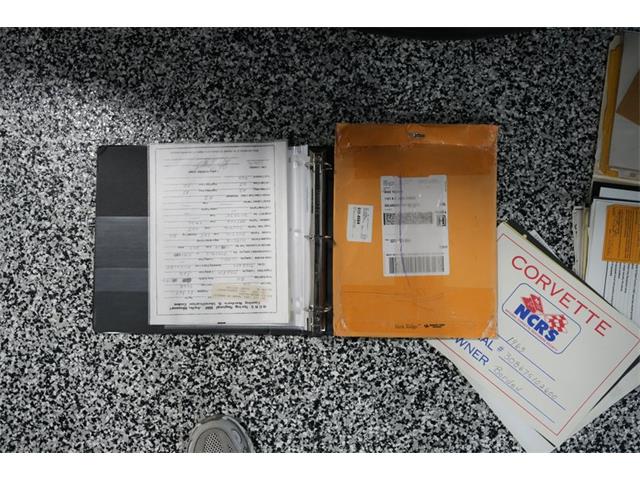
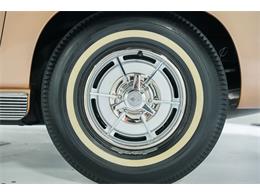
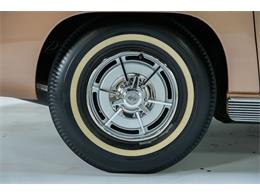
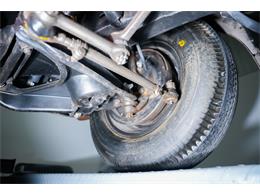
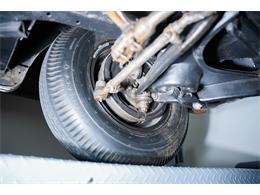
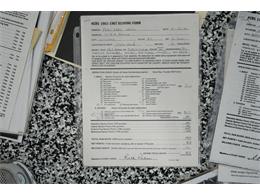
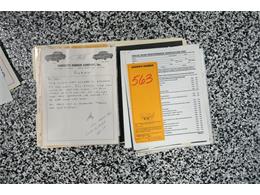
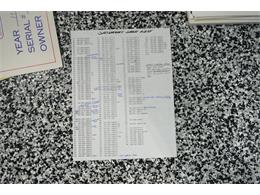
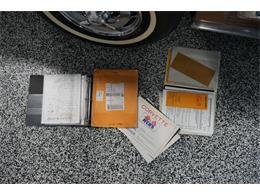
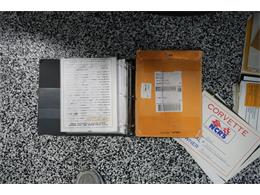
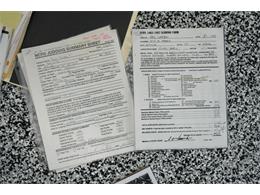
Every aspect of the restoration reflects a commitment to authenticity rather than interpretation. The repeated NCRS Top Flight awards recognize the accuracy found throughout the car, from its drivetrain and chassis to the countless factory details that have been preserved or correctly restored. Combined with its original numbers-matching drivetrain, rust-free body, original bonding strips, and documented collector history, this Corvette represents an outstanding example of one of the most historically significant Corvettes ever produced.
Highlights
Technical Specifications
Vehicle Identification
Body & Exterior
Interior
Engine
Transmission
Rear Axle
Documentation & Awards
Condition
Model History
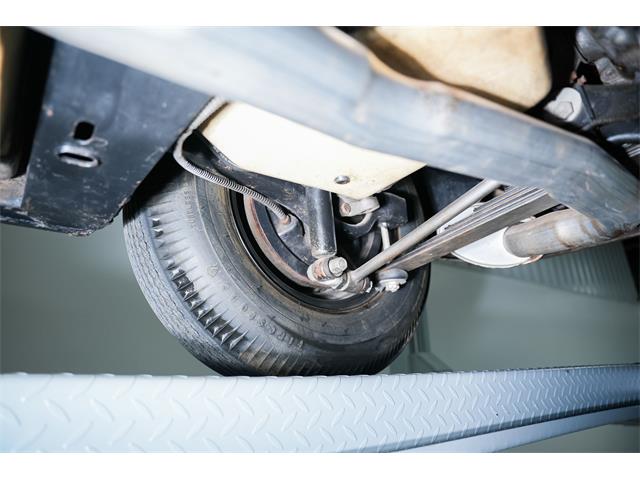
The 1963 model year marked the introduction of the completely redesigned second-generation Corvette, establishing a new benchmark for American sports cars. Featuring an all-new chassis, independent rear suspension, hidden headlights, and dramatic styling under the direction of Bill Mitchell and Larry Shinoda, the new Corvette represented one of the most significant engineering advancements in the model's history.
At the top of the performance lineup sat the 327 cubic-inch, 360-horsepower fuel-injected V8. Equipped with Rochester mechanical fuel injection, it was the most powerful production Corvette engine available in 1963 and represented the ultimate evolution of Chevrolet's first-generation fuel injection program. Producing more than one horsepower per cubic inch, the fuel-injected 327 remains one of the most celebrated small-block engines ever installed in a production Corvette.
While the Split Window Coupe has become the visual symbol of the 1963 Corvette, the convertible offered identical engineering and performance in an open-top configuration. Chevrolet produced 10,919 convertibles during the 1963 model year, each benefiting from the same advanced chassis, independent rear suspension, and high-performance drivetrain options that established the C2 Corvette as one of America's defining sports cars.
Today, fuel-injected 1963 Corvettes remain among the most desirable early C2s. Examples retaining their original numbers-matching drivetrain, rust-free body, original bonding strips, documented ownership history, and repeated NCRS Top Flight recognition represent the benchmark by which the finest early Corvettes are judged.