This vehicle has been soldThis vehicle is no longer available for sale on ClassicCars.com. Please set an alert if you would like to be notified as soon as similar vehicles become available.
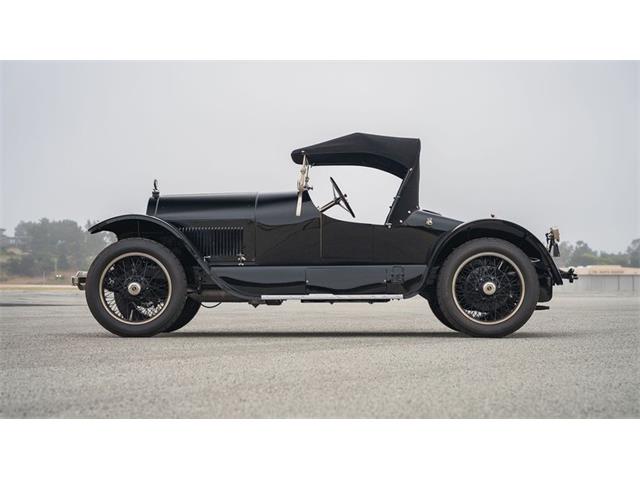
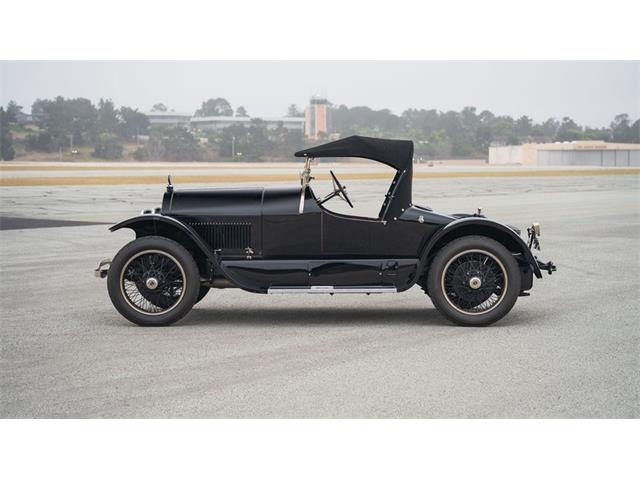
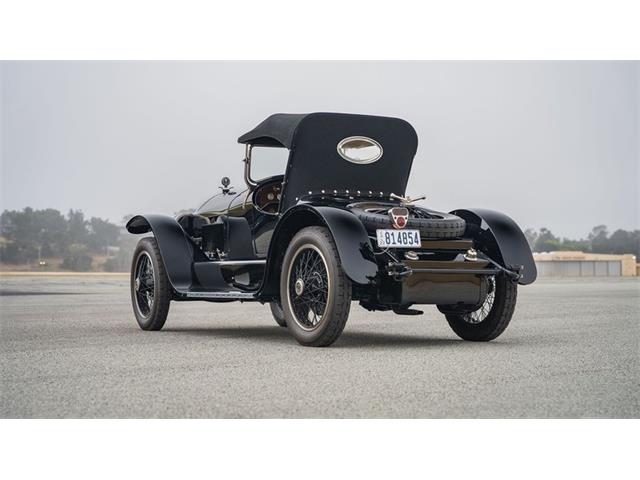
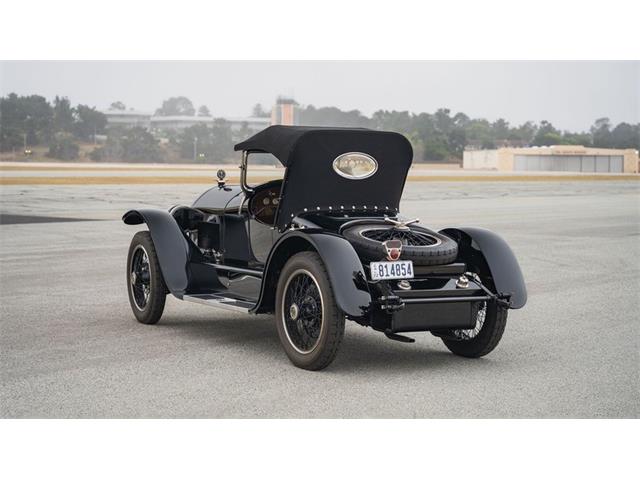
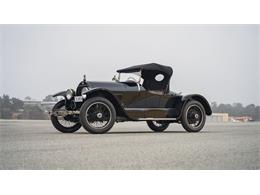
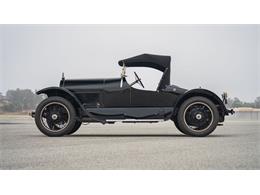
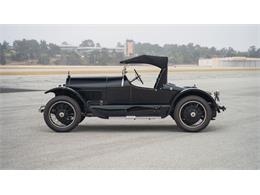
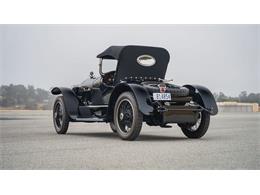
For Sale at Auction: 1922 Stutz Series K in Carmel, California
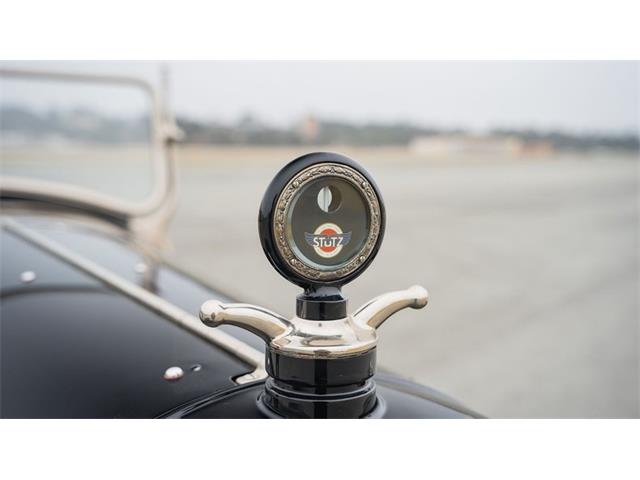
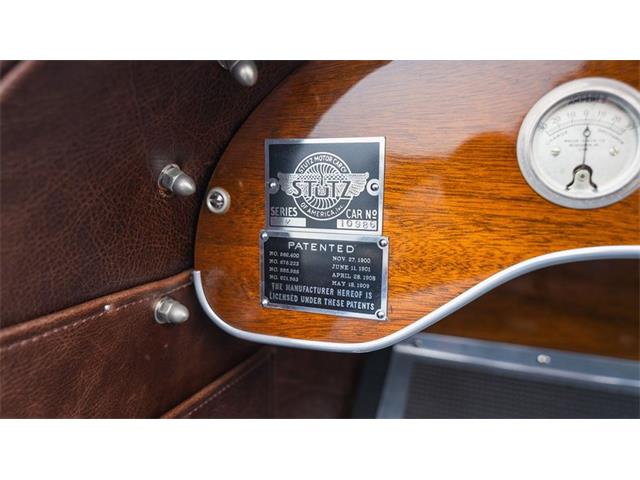
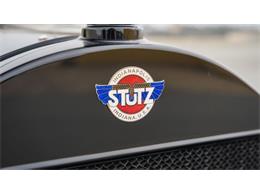
Few American sporting cars of the Nickel Era carry the reputation
of the Stutz Bearcat, and chassis number 10986 is one of the last
to wear the name. Harry C. Stutz built his first racing car in just
five weeks and entered it in the inaugural Indianapolis 500 in
1911, where Gil Andersen brought it home in 11th place and earned
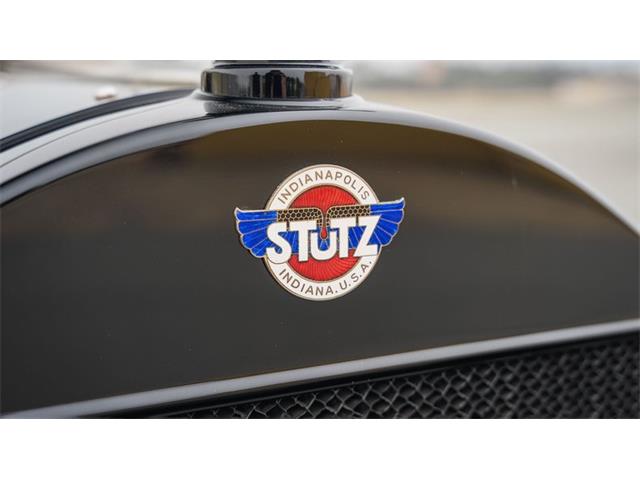
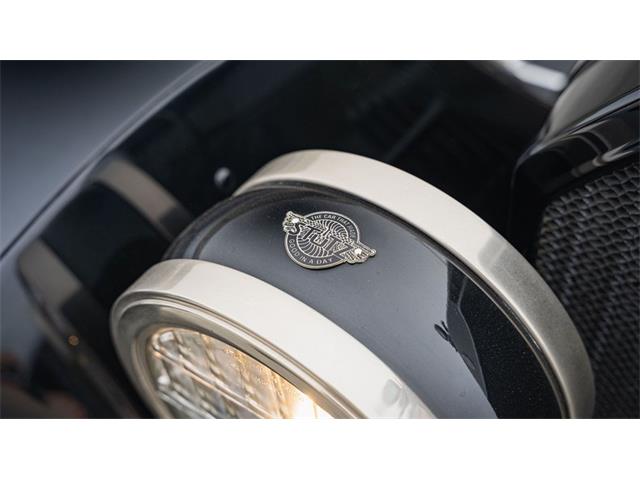
the marque its enduring slogan, "The Car That Made Good in a Day."
First sold to the public in 1912 as a road-going version of the
firm's board-track racers, the Bearcat was a stripped two-seat
machine built around a low, light chassis. The Ideal Motor Car
Company became the Stutz Motor Car Company in 1913, and the cars
built a record on the track that culminated in the AAA national
championship of 1915, won by the famed "White Squadron" team. Over
the following years Stutz steadily refined the Bearcat from its
original form.
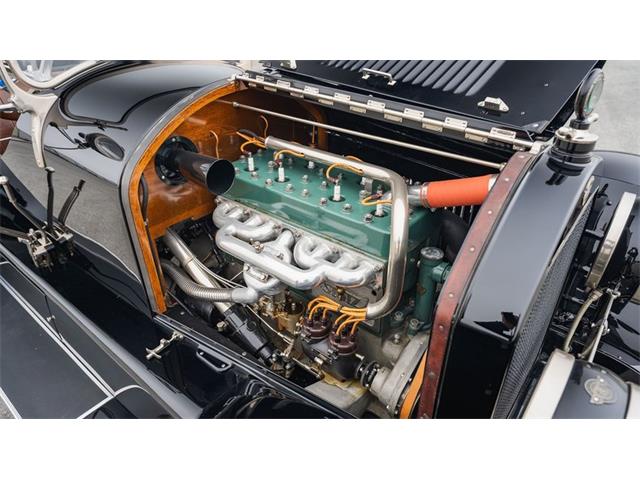
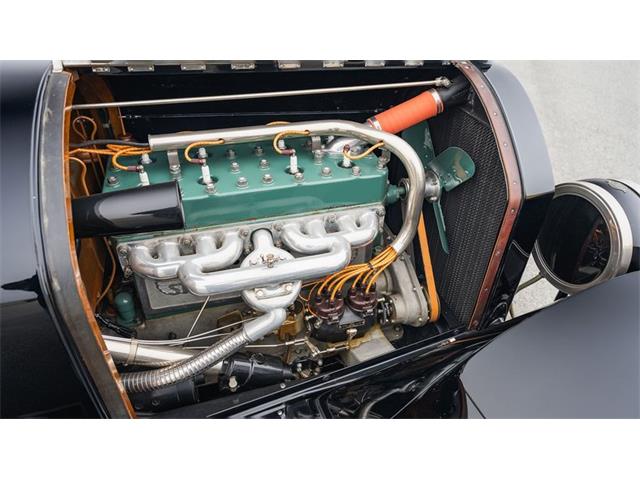
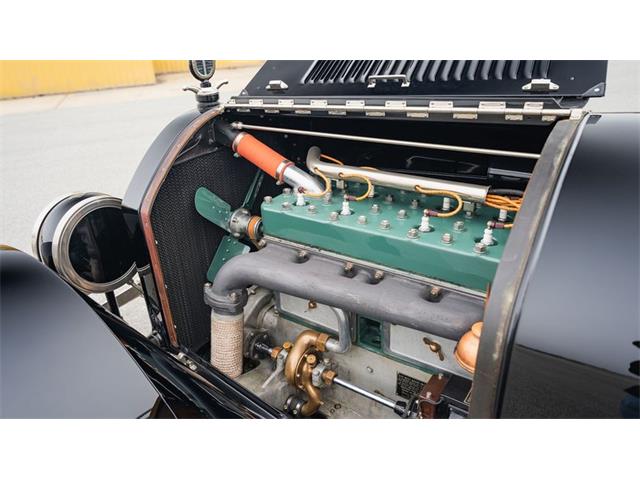
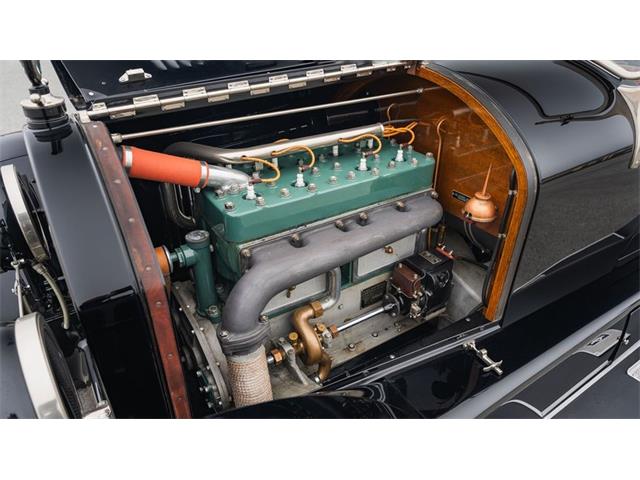
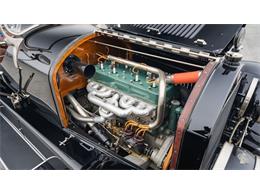
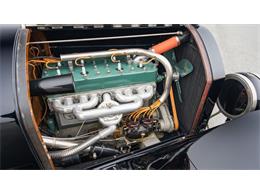
The Series K arrived for 1920, and the following year Stutz
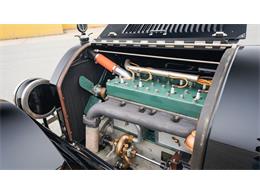
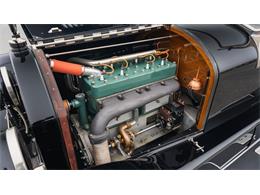
introduced the "D-H" engine, a detachable-cylinder-head version of
the 361-cubic-inch sixteen-valve four that gave access to the
valves, cylinders, and pistons from the top of the motor. Factory
literature claimed the D-H increased acceleration from 10 to 60
miles per hour by 90 percent and widened the usable speed range by
40 percent, allowing sustained cruising without overtaxing the
engine. Rated at 90 horsepower, it was among the strongest American
power plants of its day, and these cars remain some of the most
drivable of the Nickel Era.
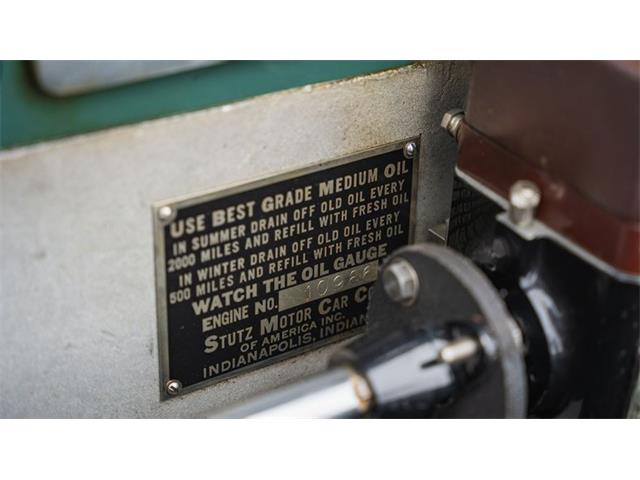
Chassis 10986 was discovered in the early 1970s by Elbert "Val"
Valentine, who recognized the significance of the detachable-head
cars well before they were widely appreciated. A graduate of MIT,
Valentine worked in engine development for General Motors and
restored a number of cars alongside his father, among them a 1937
Mercedes-Benz 540 K Cabriolet, a 1922 Marmon Speedster, and a 1923
Stutz Bearcat. Because his attention was so often given to other
projects and to assisting fellow enthusiasts, work on his own
Bearcat proceeded slowly, and the restoration of 10986 ultimately
spanned more than thirty years of careful nut-and-bolt effort.
The next owner acquired 10986 around 2003 with the work roughly 70
percent complete. Having previously restored cars at the Harrah's
Automobile Collection, he was well placed to finish the task, and
once the Bearcat was completed, he covered a little over 600 miles
across two vintage tours before parting with the car in 2016.
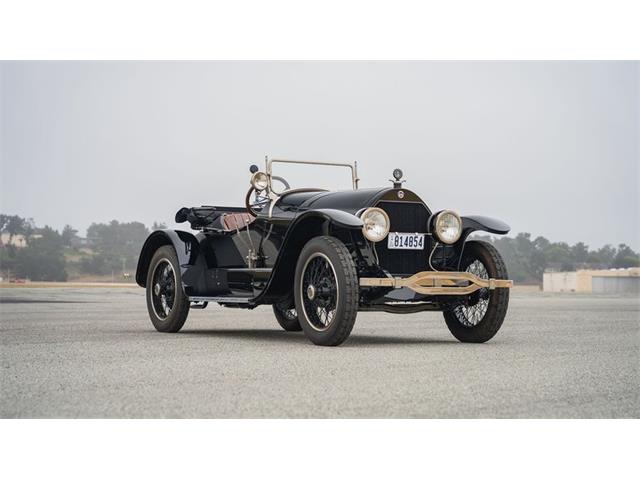
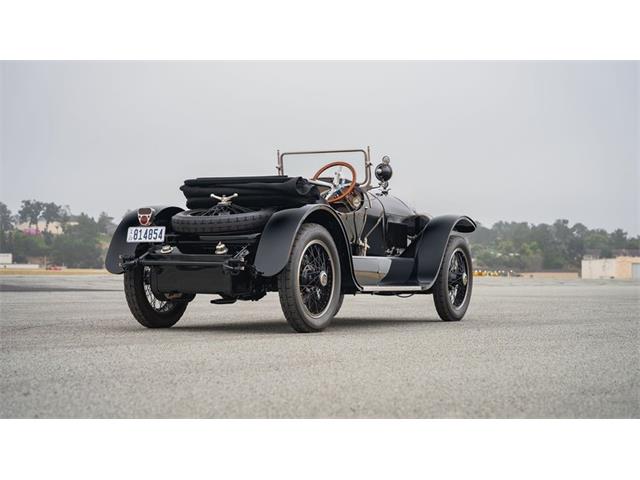
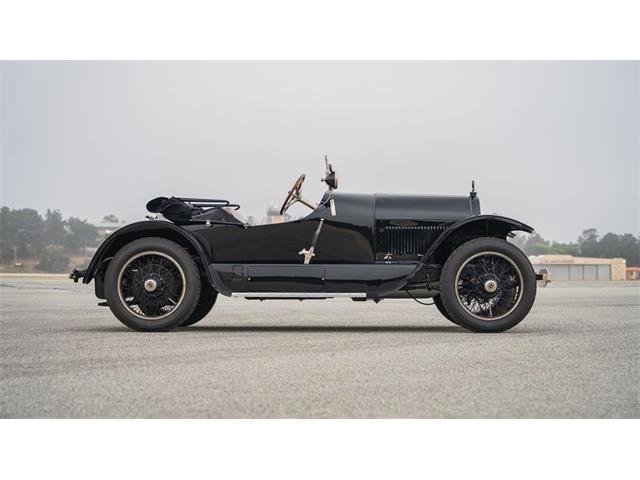
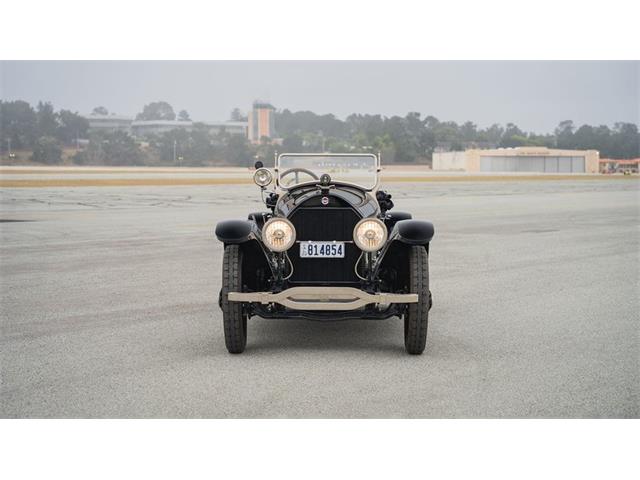
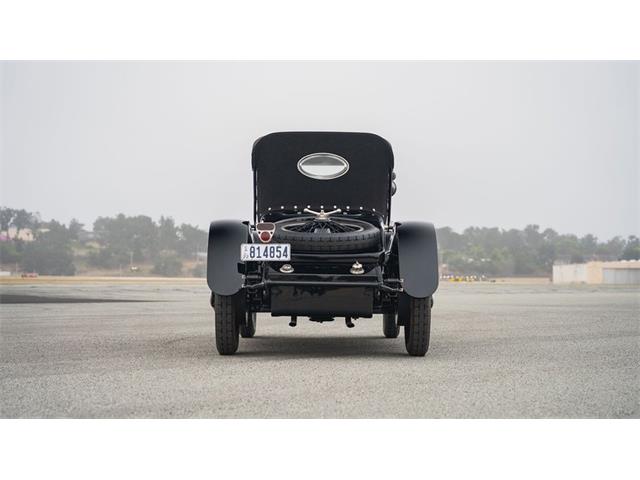
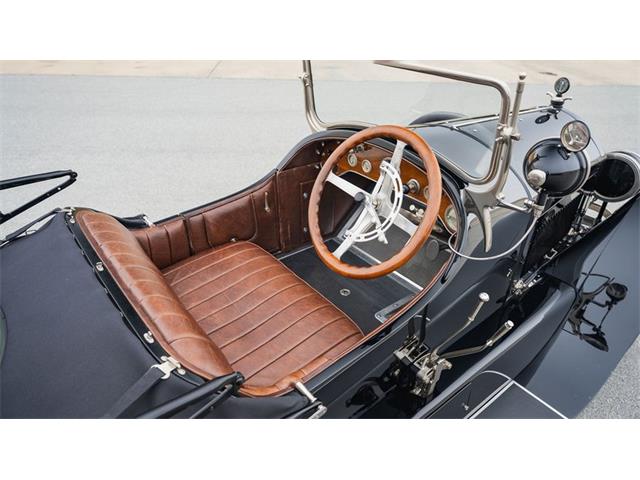
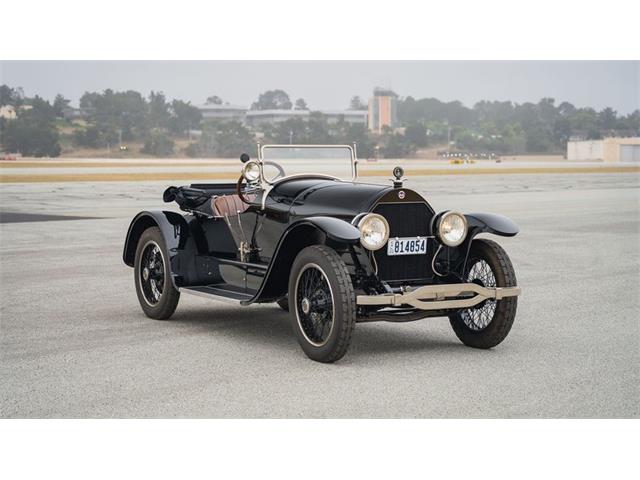
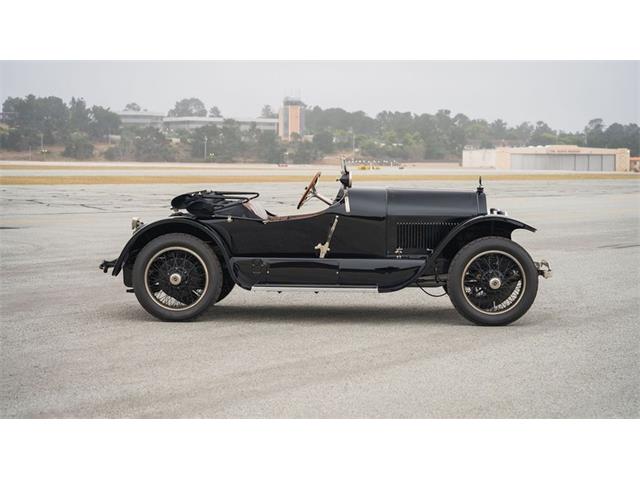
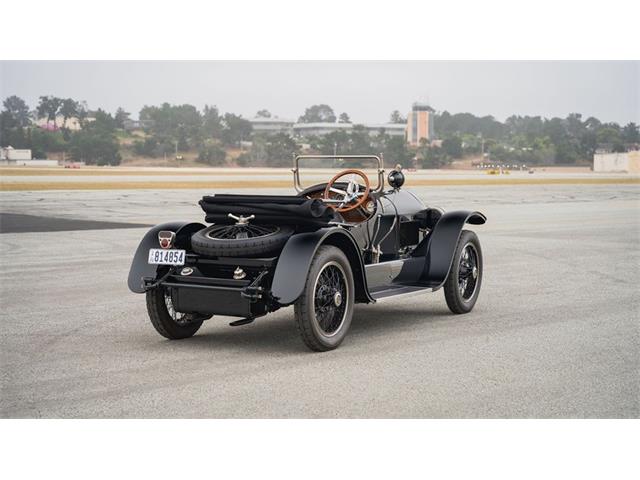
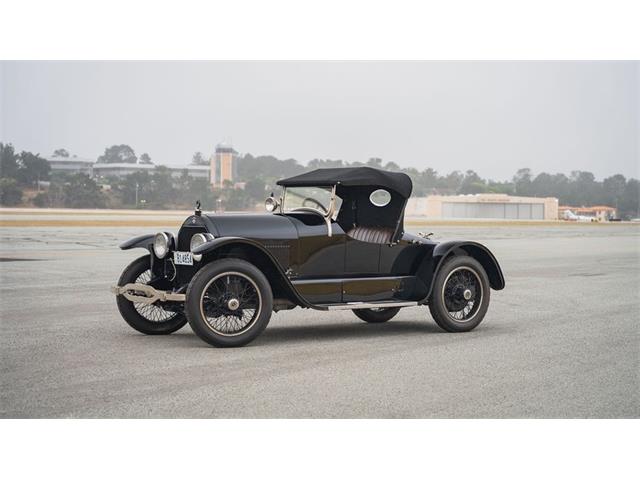
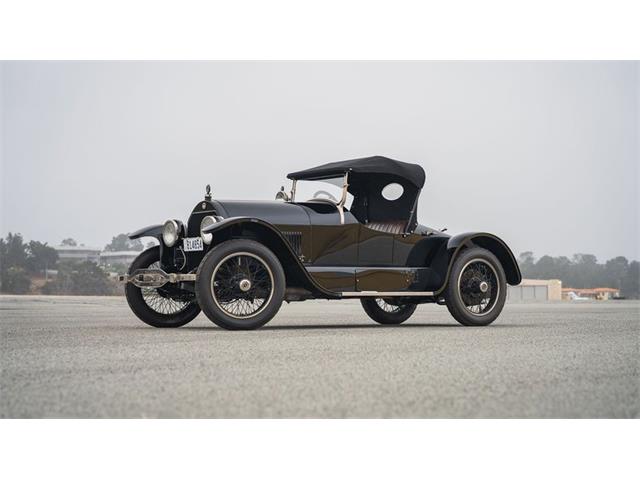
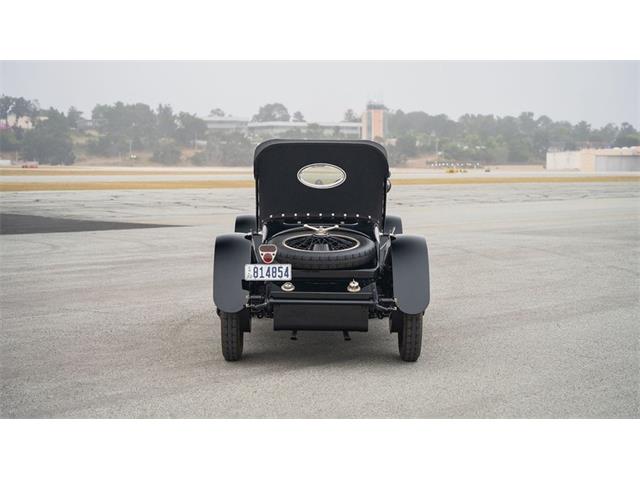
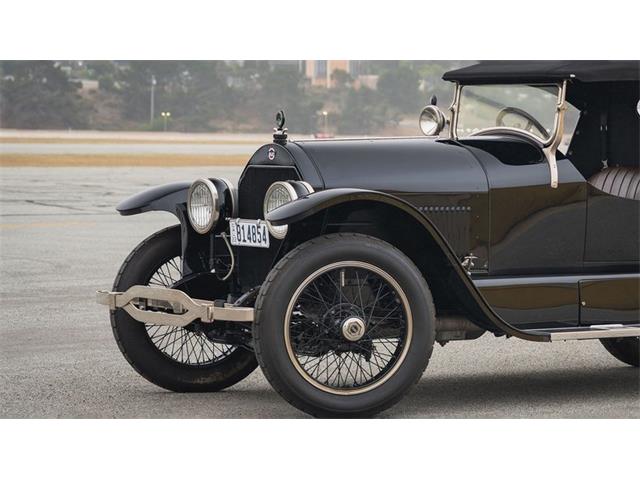
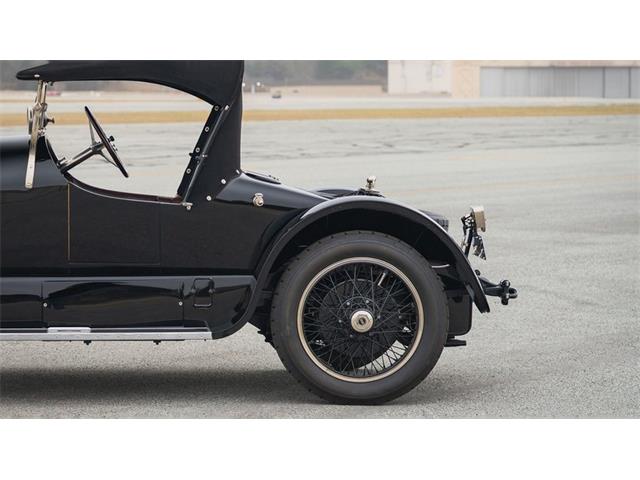
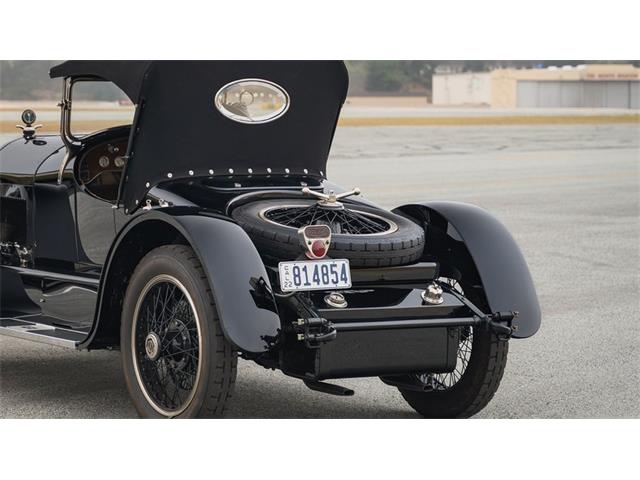
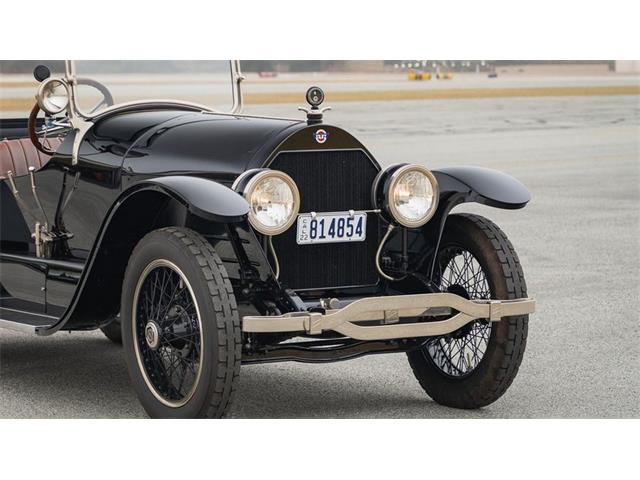
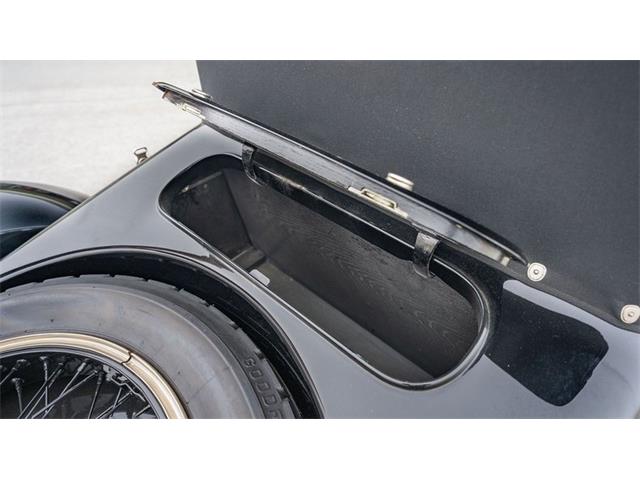
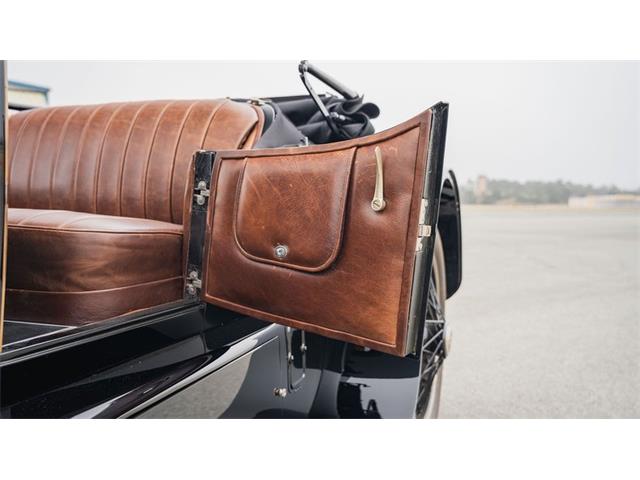
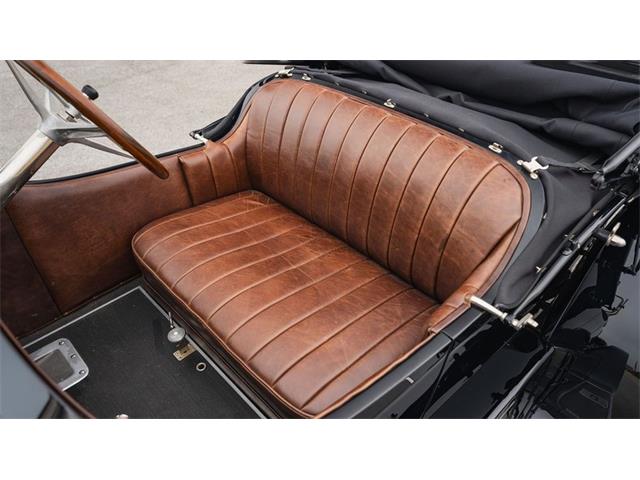
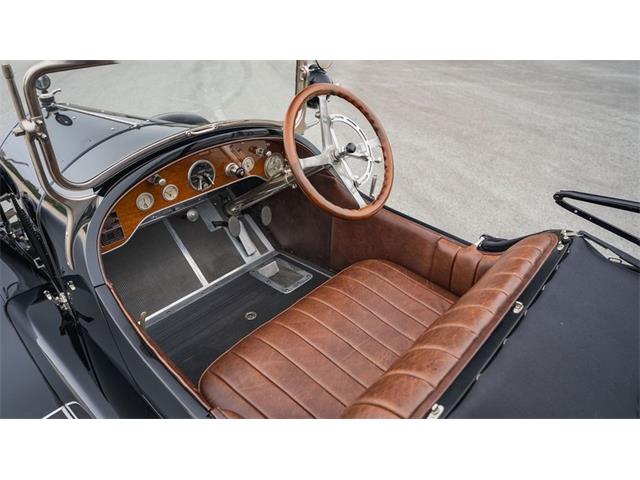
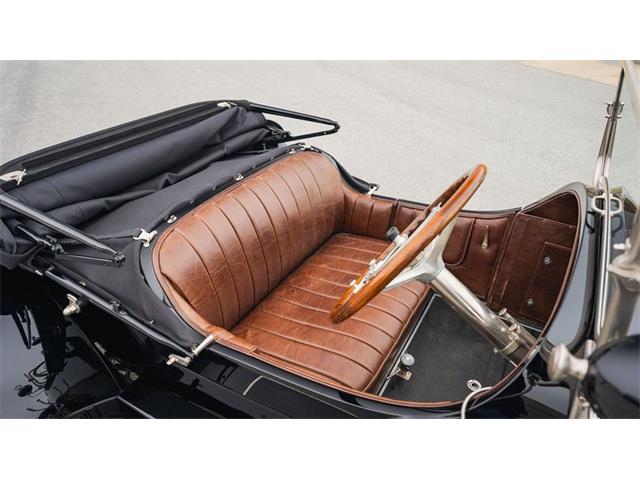
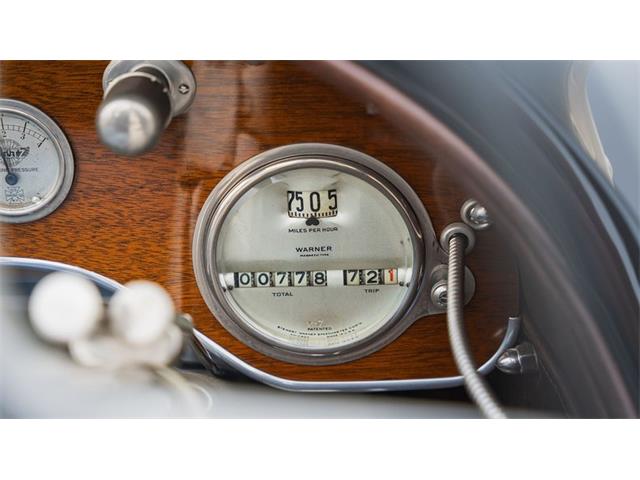
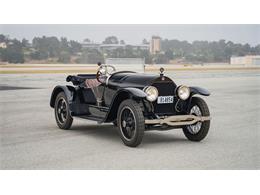
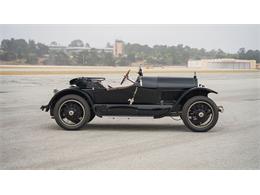
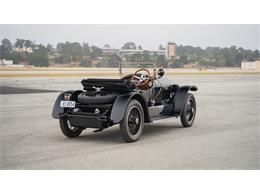
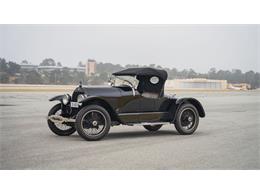
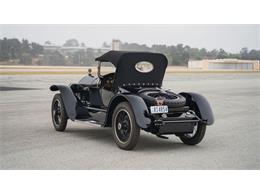
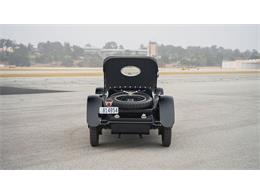
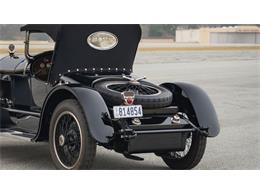
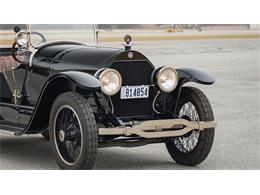
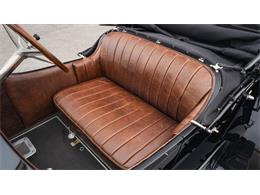
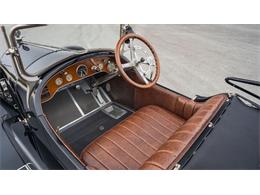
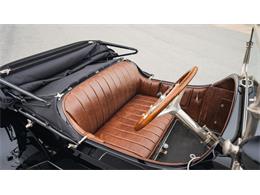
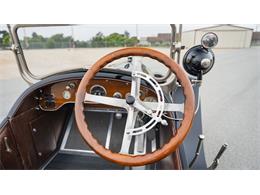
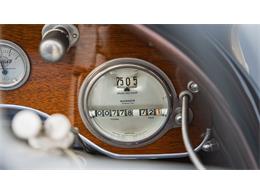
Showing 778 miles at the time of cataloging, the Bearcat is offered
in attractive condition, reflecting only careful use following an
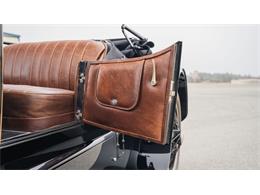
older but well-preserved restoration that was cosmetically
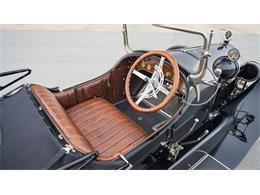
refreshed under prior ownership, including new paint, new interior
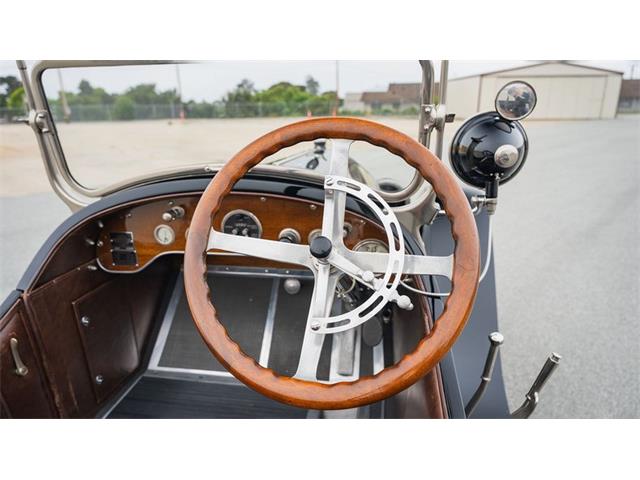
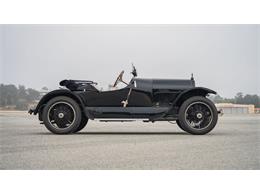
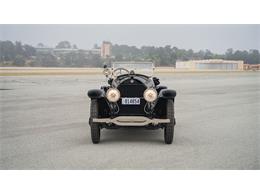
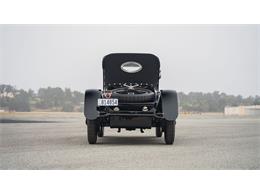
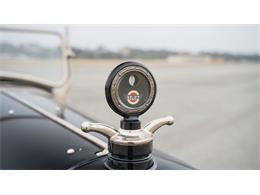
upholstery, and a new convertible top. Finished in black over a
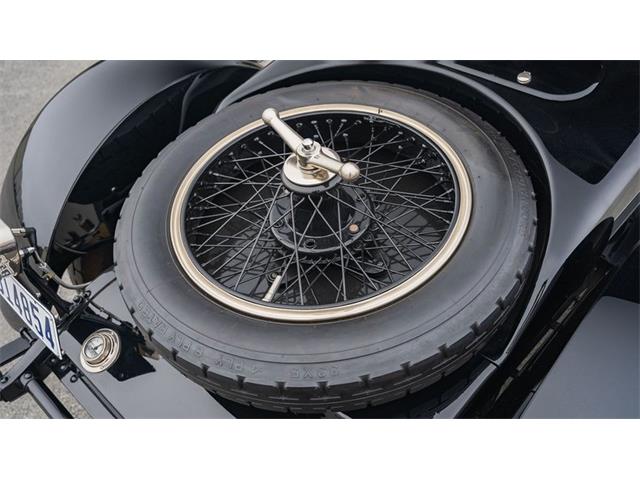
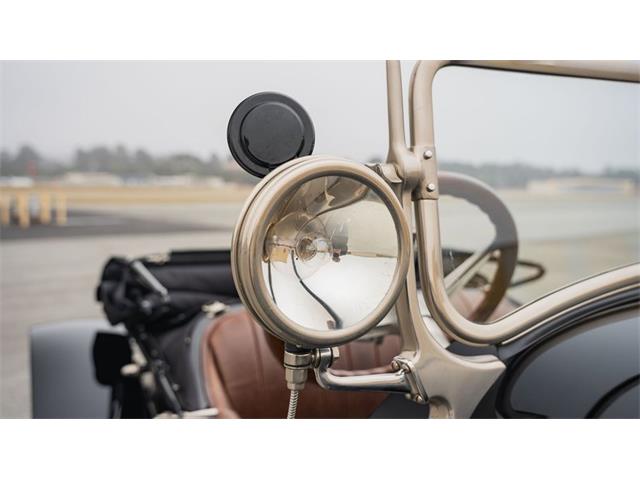
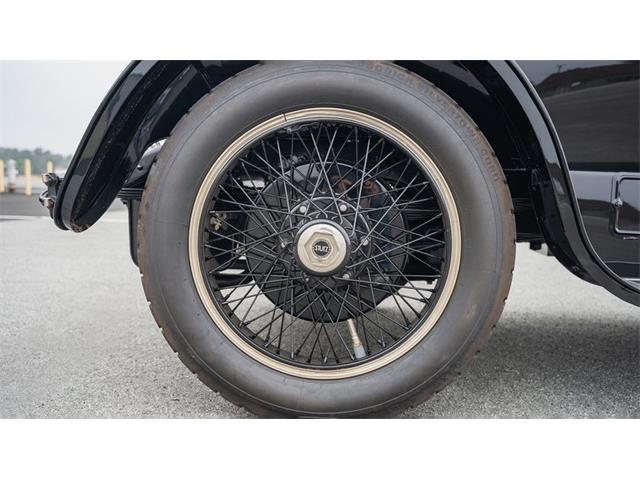
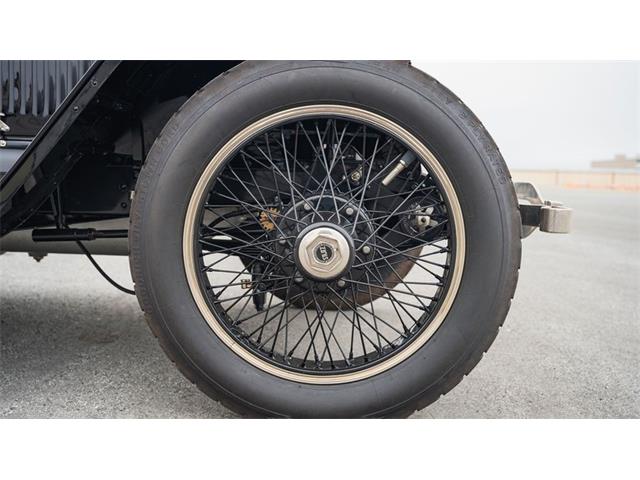
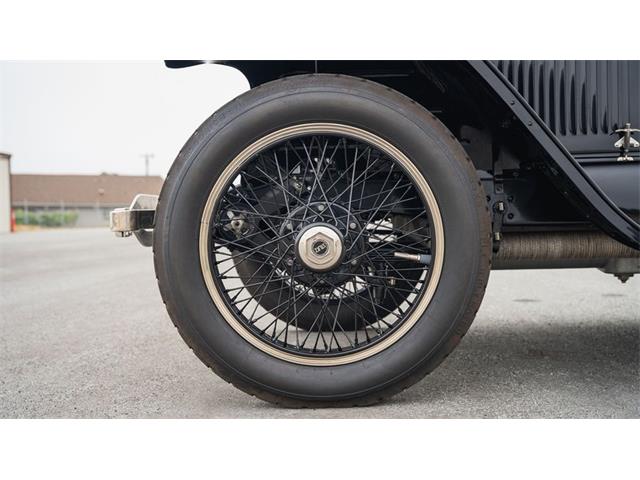
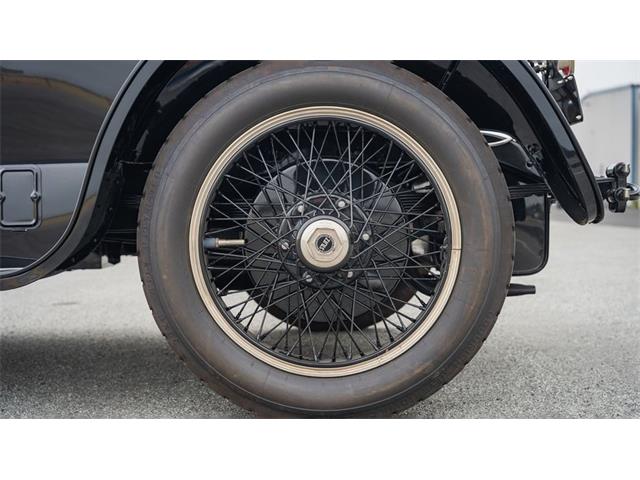
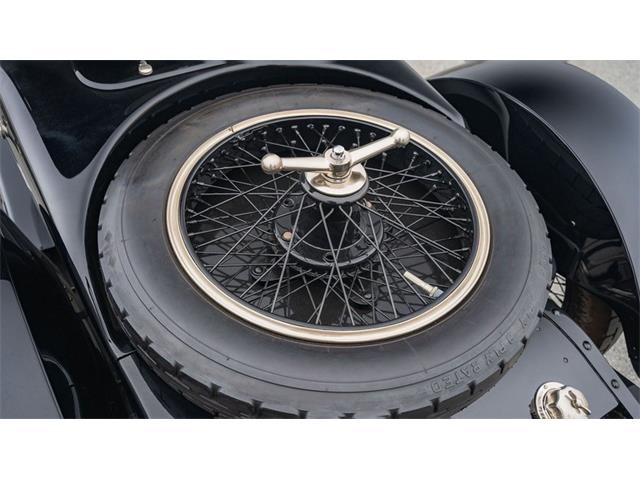
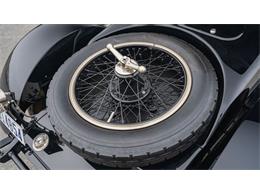
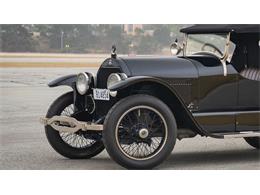
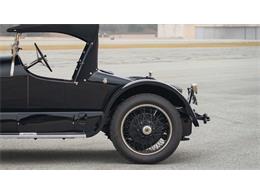
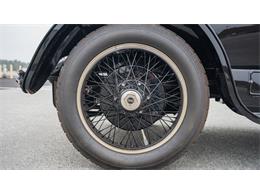
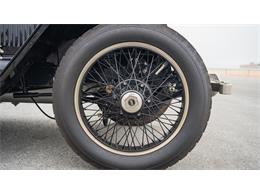
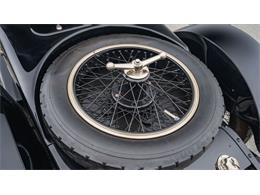
leather interior with a folding top, the car is fitted with Houk
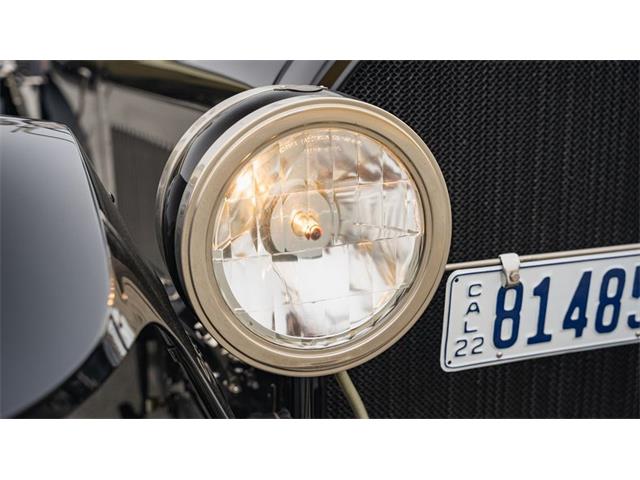
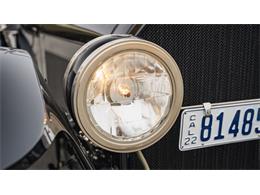
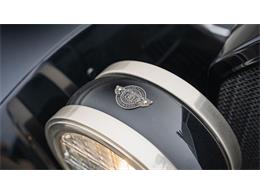
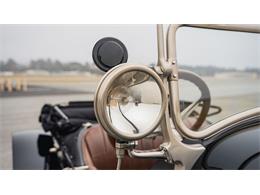
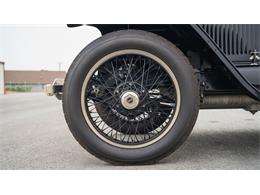
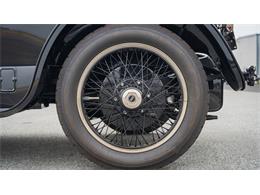
"Quik-Change" painted wire wheels, dual headlamps, and a
driver-side spot lamp.
Acquired at Broad Arrow's 2024 Amelia Island Auction, 10986 has
since been preserved in the present owner's California-based
collection and remains unchanged from that time. One of the final
examples of the original four-cylinder Bearcat lineage and among
the few fitted with the D-H engine, it is well suited to concours
and touring events worldwide.
ClassicCars.com has been recognized as one of the fastest-growing private companies in the United States, successfully making the Inc. 5000 list in both 2015,
2016, 2017 and 2018. This prestigious accolade represents the continued growth of the company, and ClassicCars.com's dominance as the world's largest online marketplace for
buying and selling classic and collector vehicles.
The Stevie Awards, the world's premier business awards recognized
ClassicCars.com's first-class Customer Support team with a Stevie Bronze Award in 2019, celebrating the team's skills as exemplary customer support specialists.
In 2016 The Journal, brought to you by ClassicCars.com, was celebrated as the SECOND MOST INFLUENTIAL automotive blog in the world by NFC Performance.