This vehicle has been soldThis vehicle is no longer available for sale on ClassicCars.com. Please set an alert if you would like to be notified as soon as similar vehicles become available.
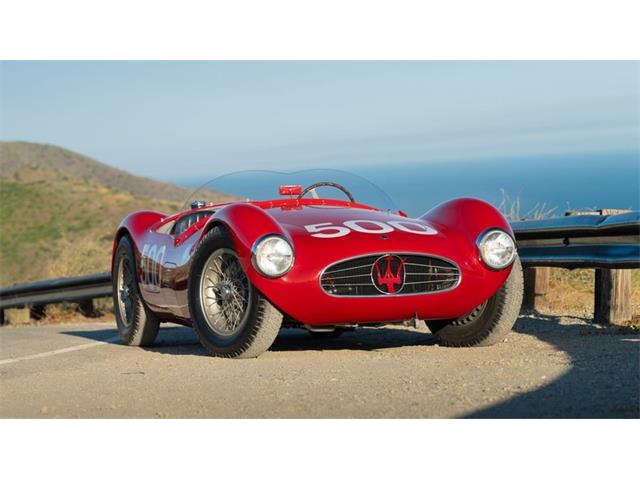
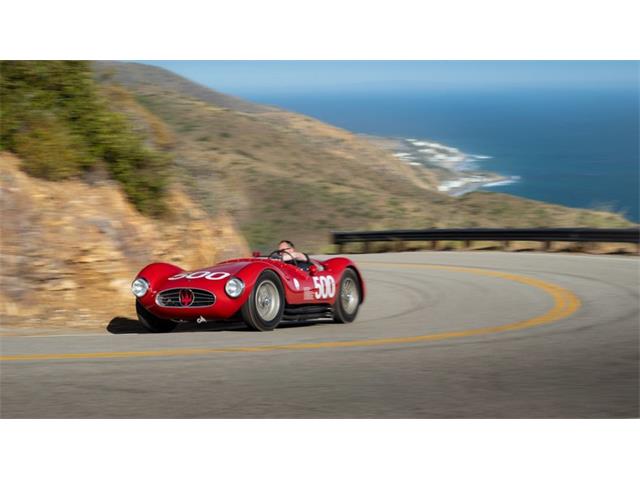
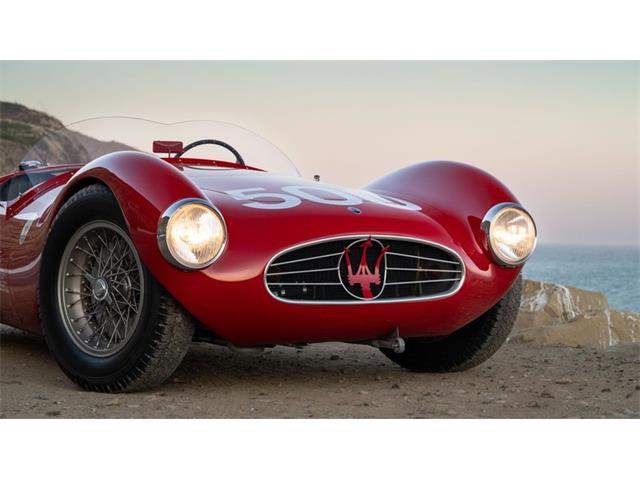
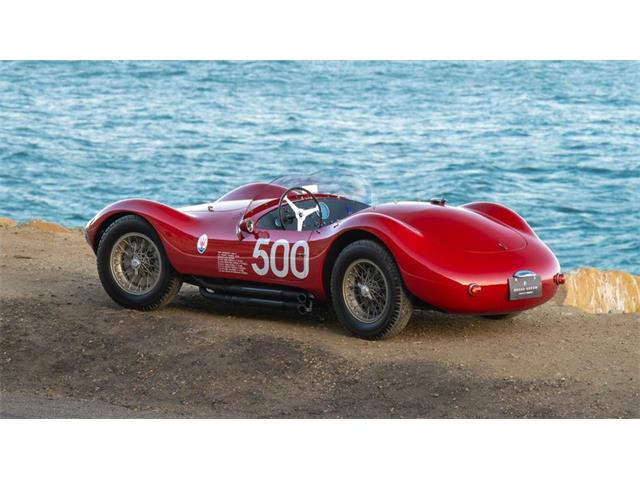
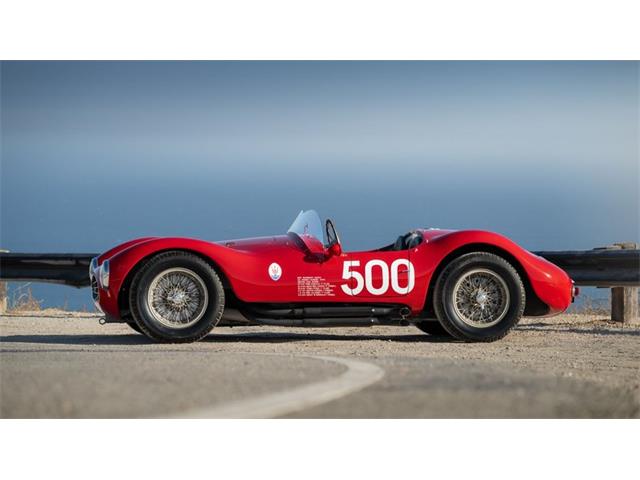
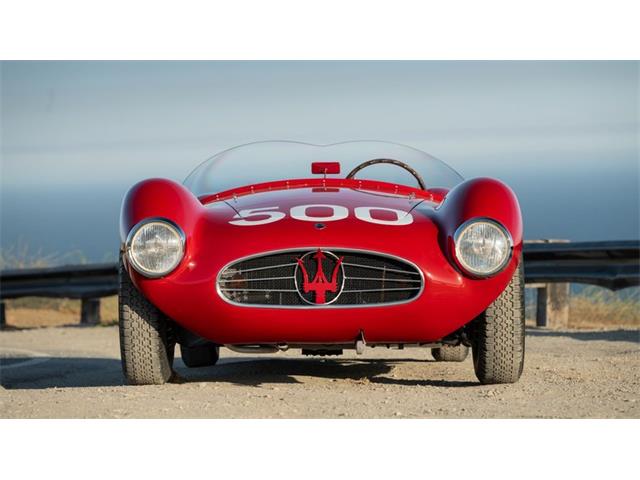
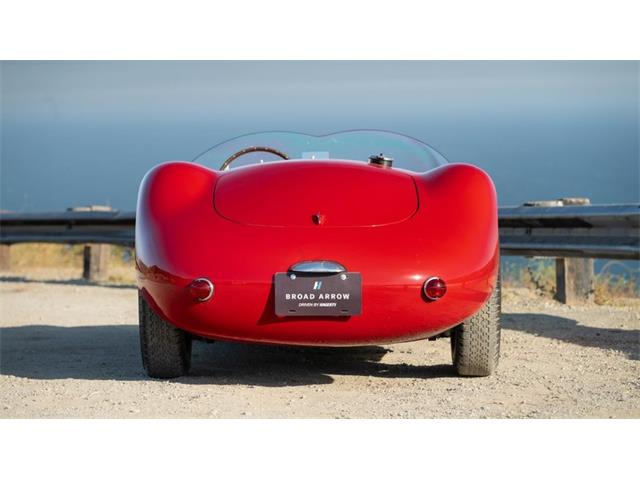
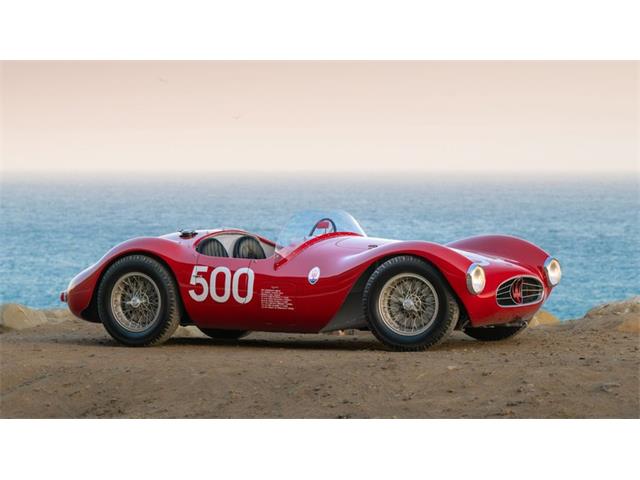
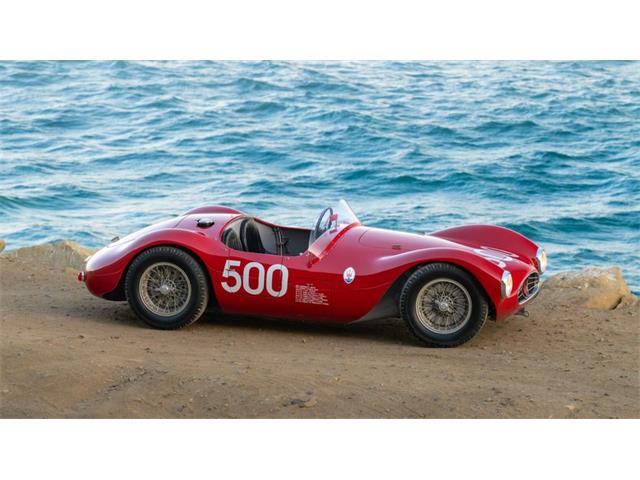
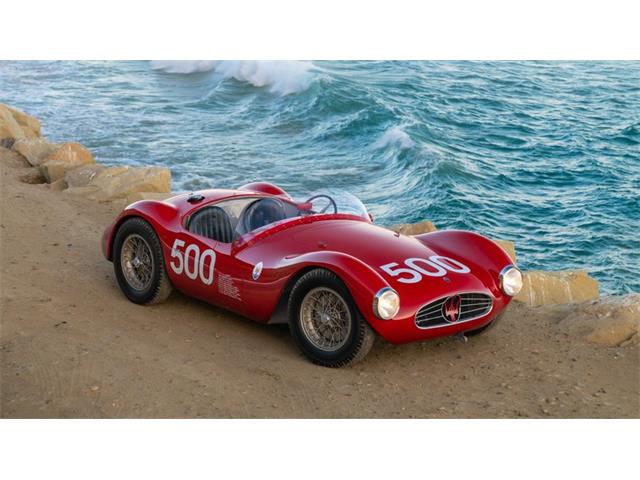
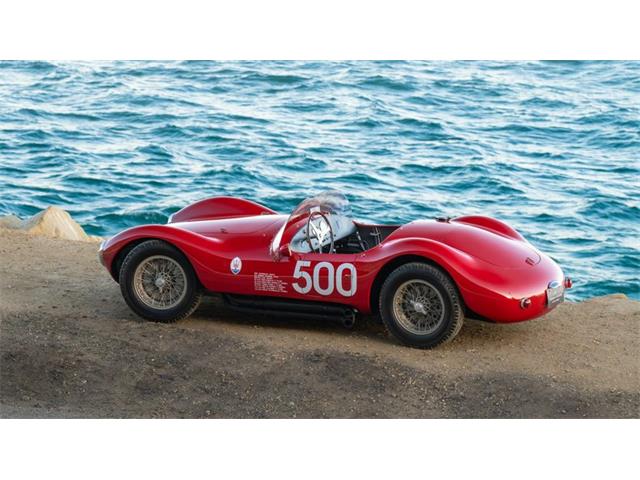
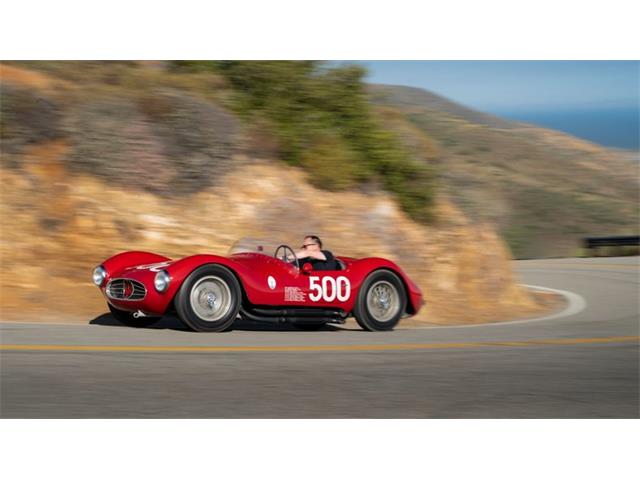
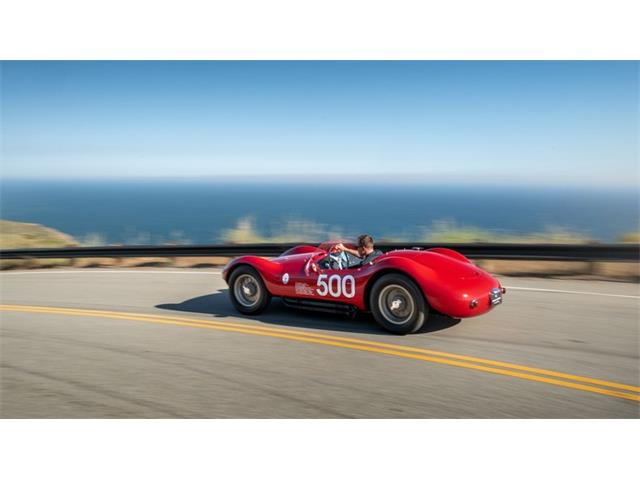
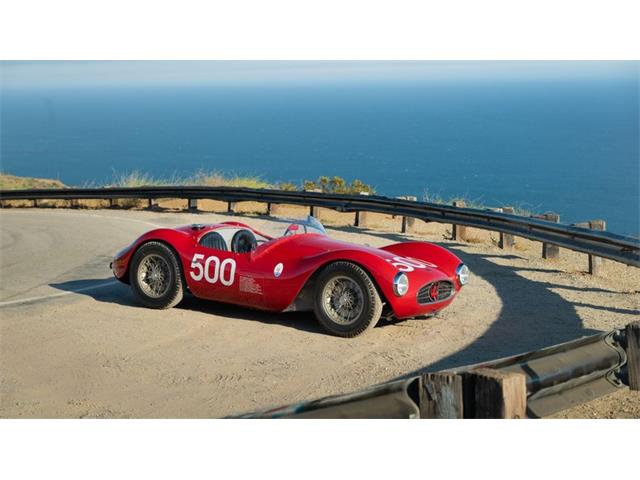
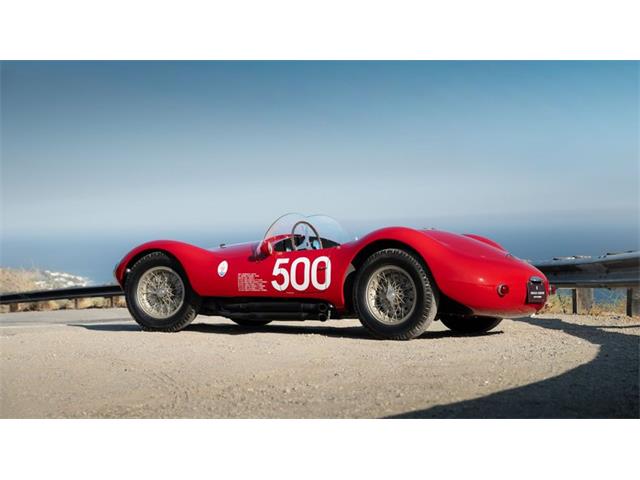
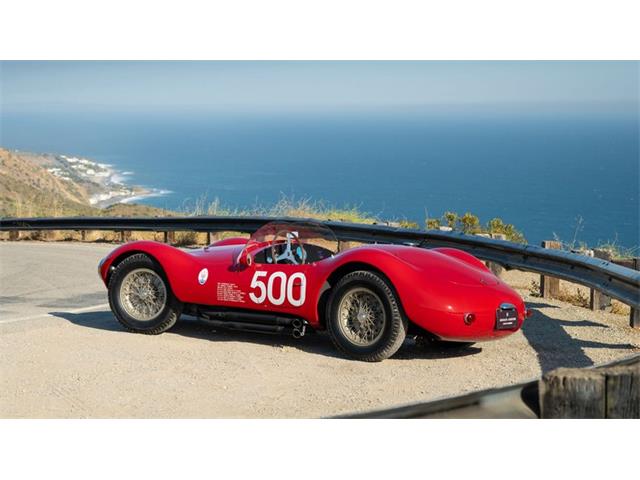
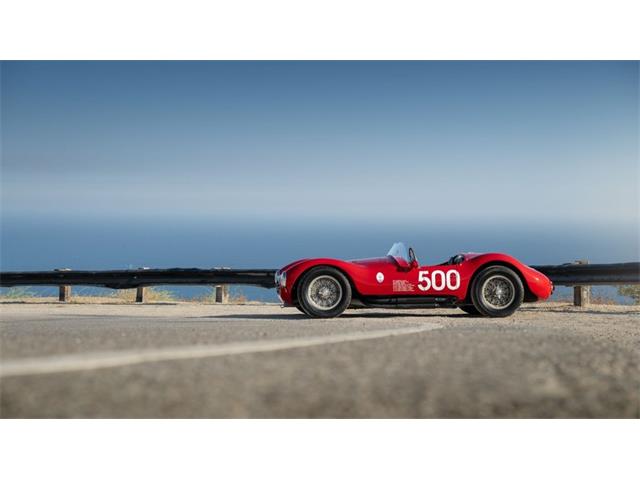
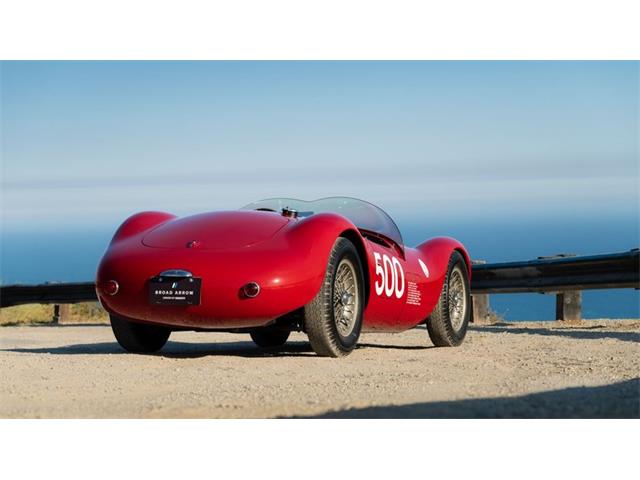
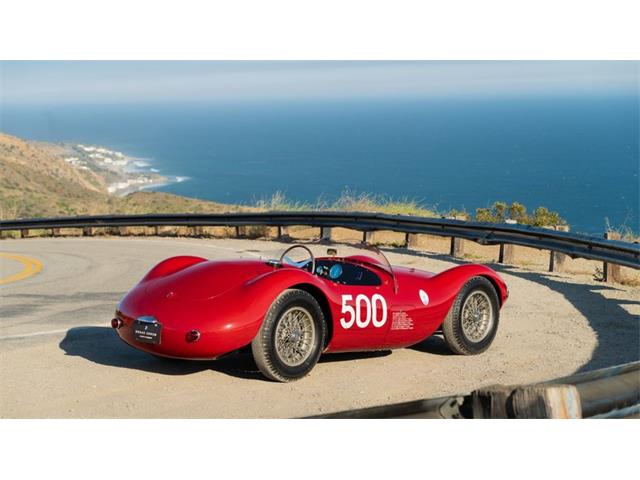
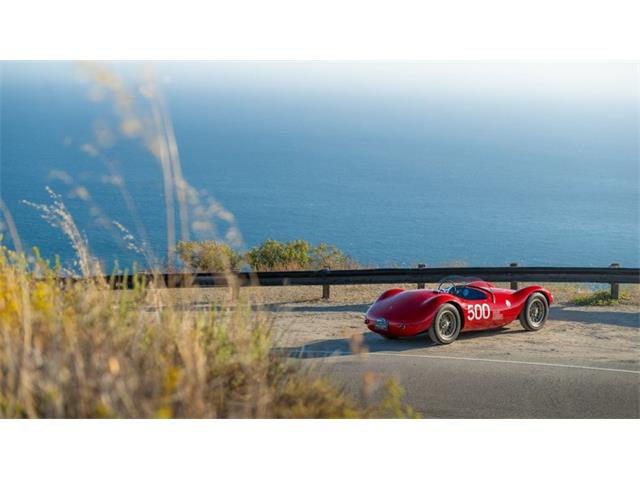
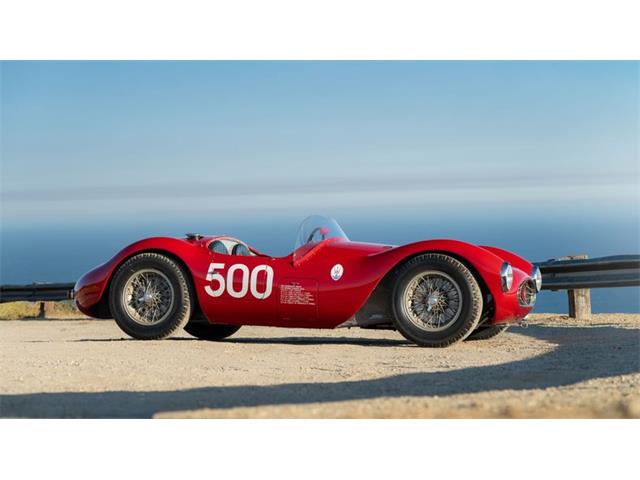
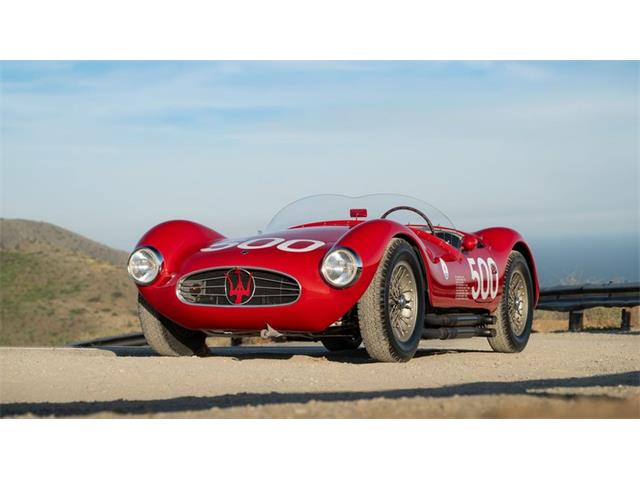
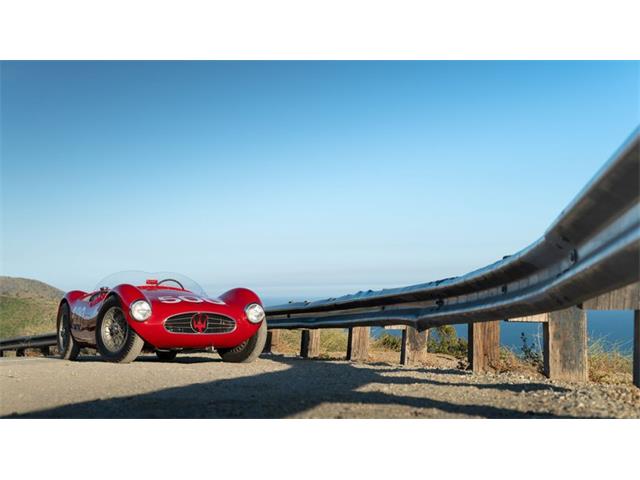
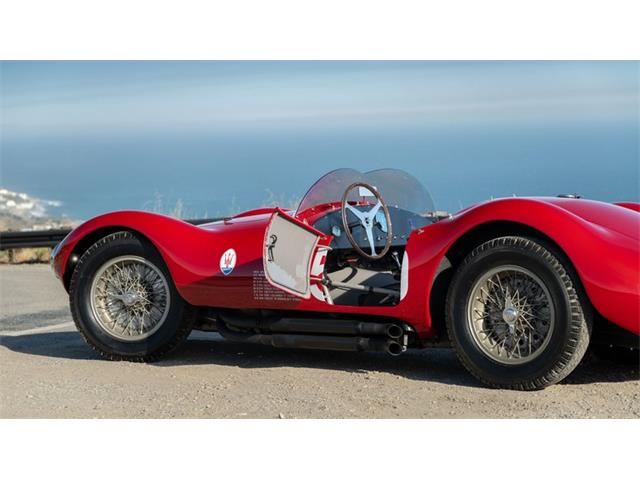
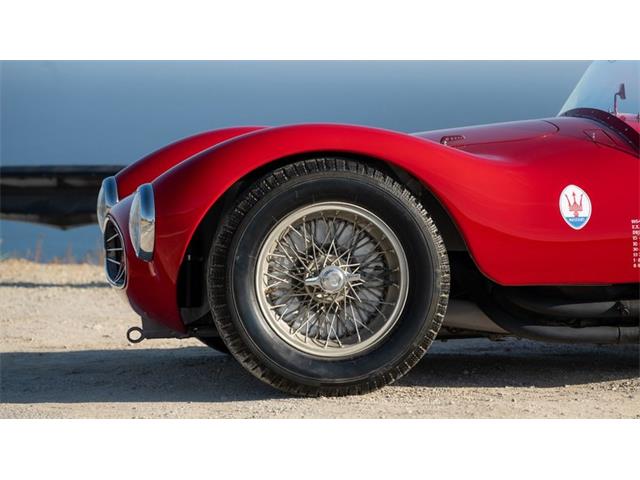
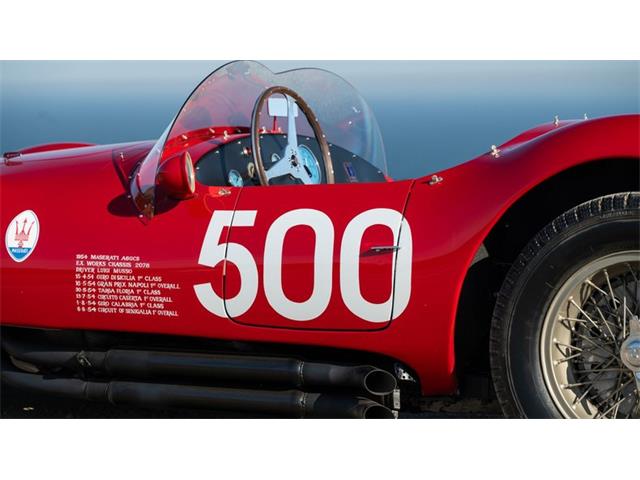
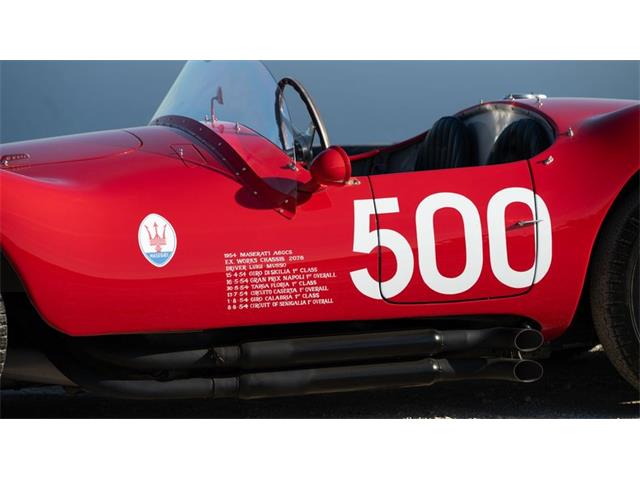
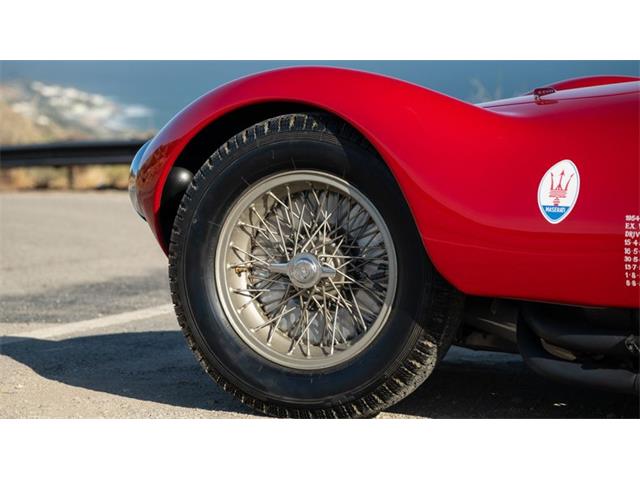
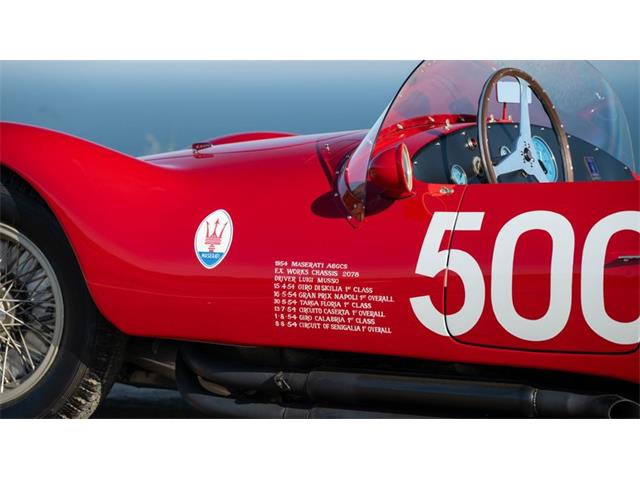
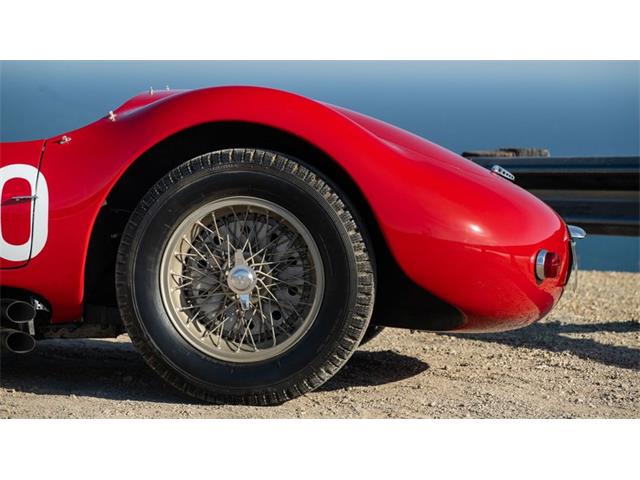
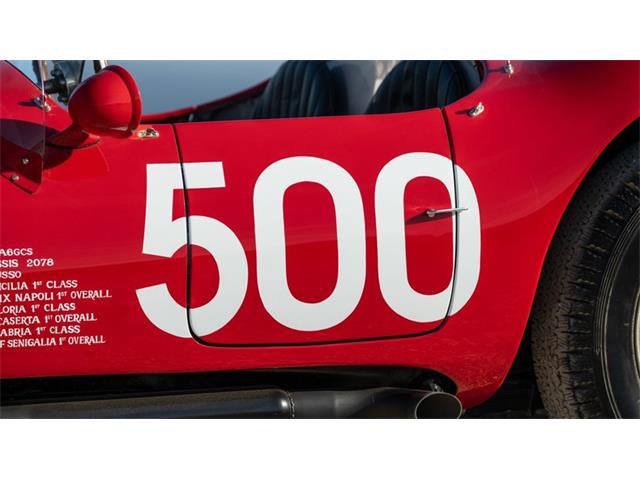
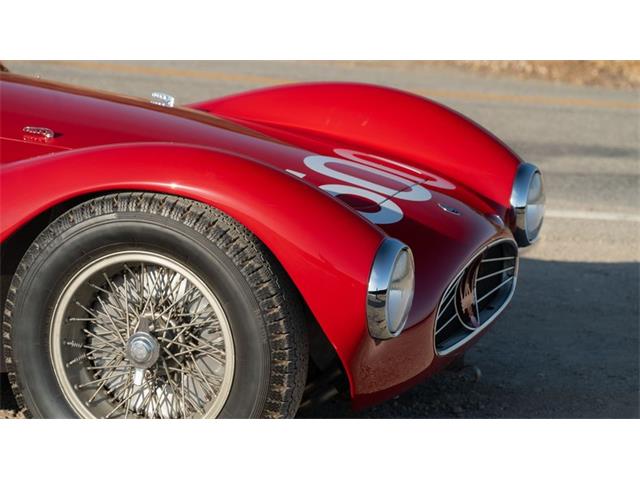
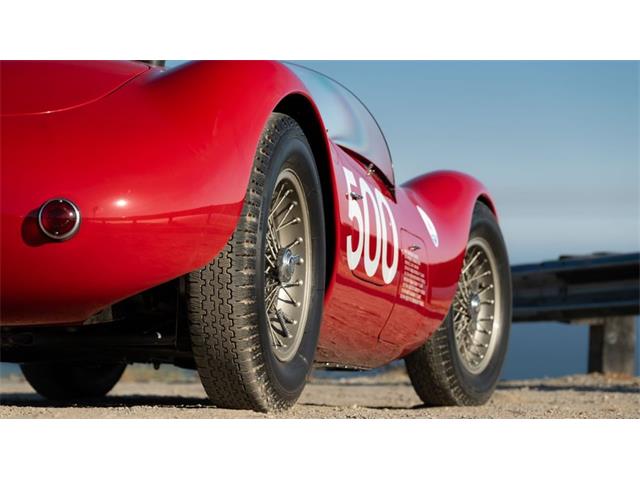
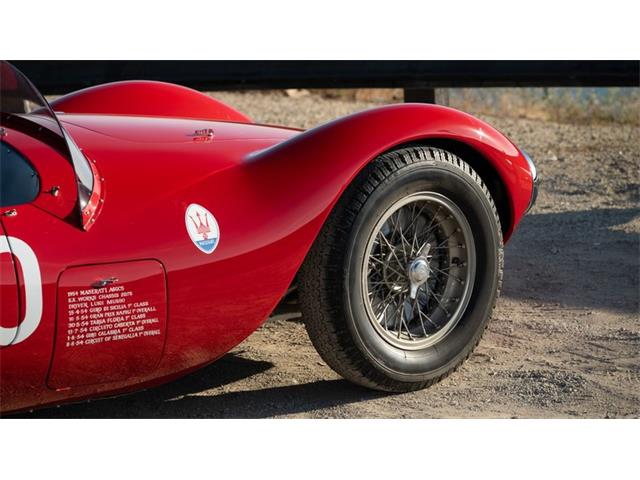
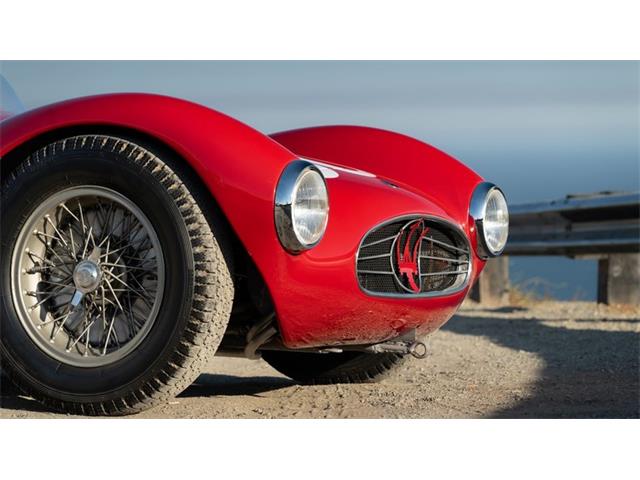
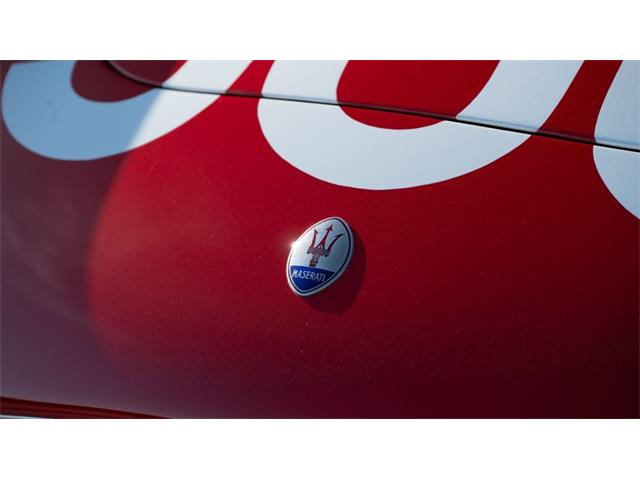
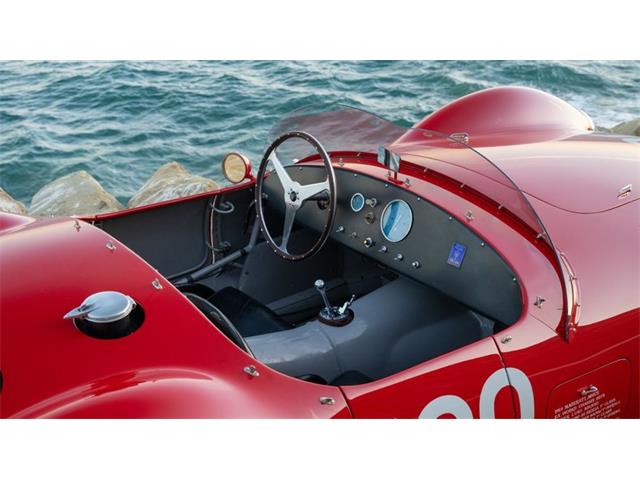
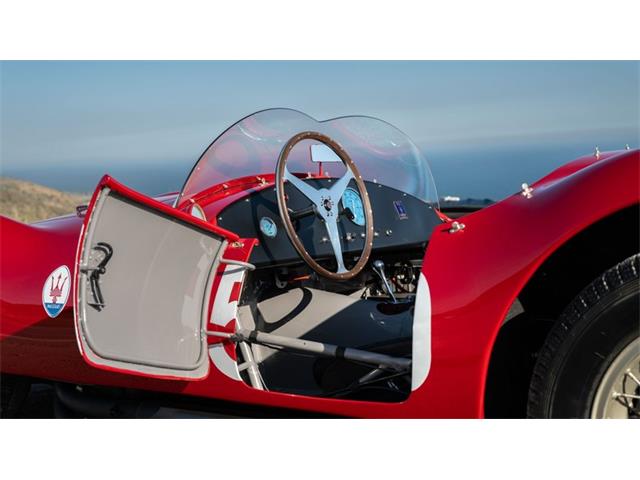
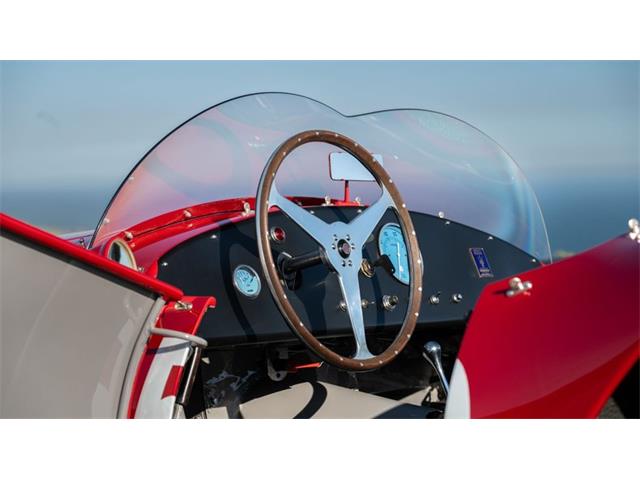
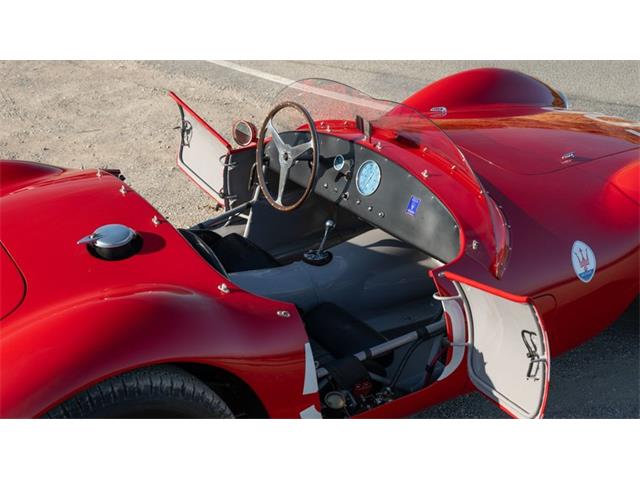
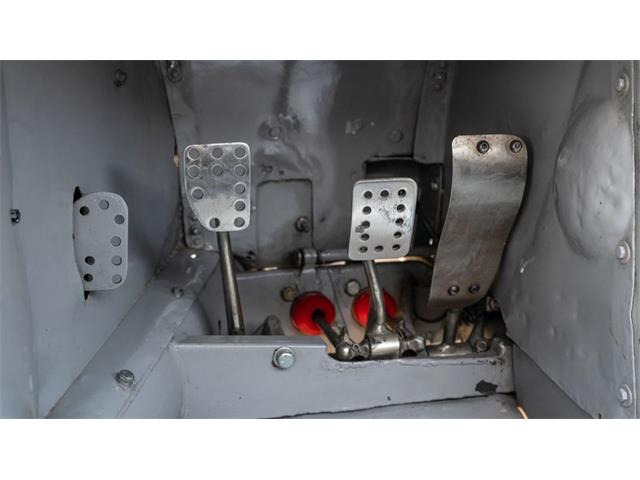
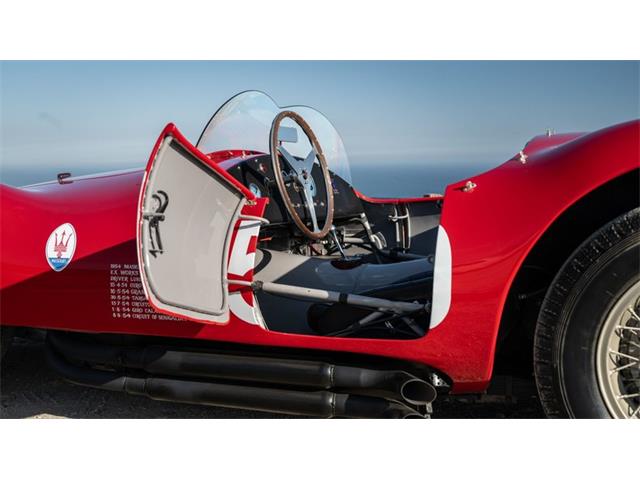
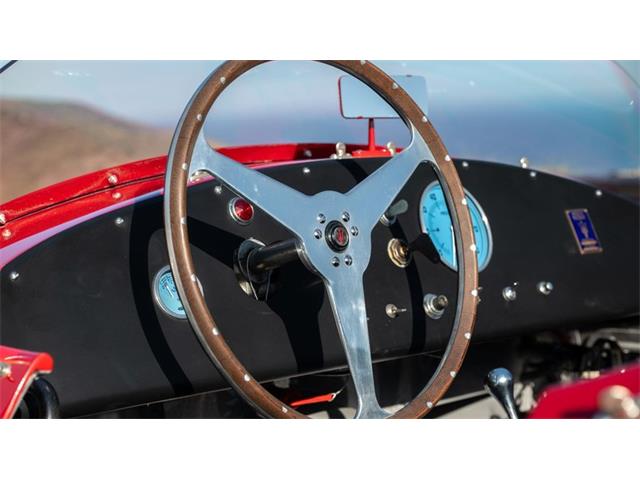
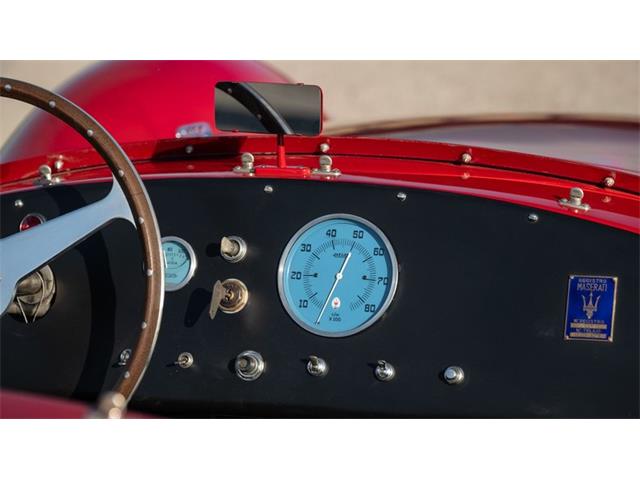
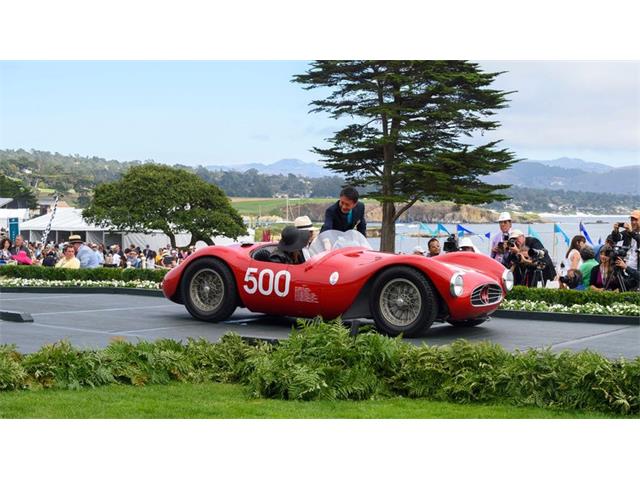
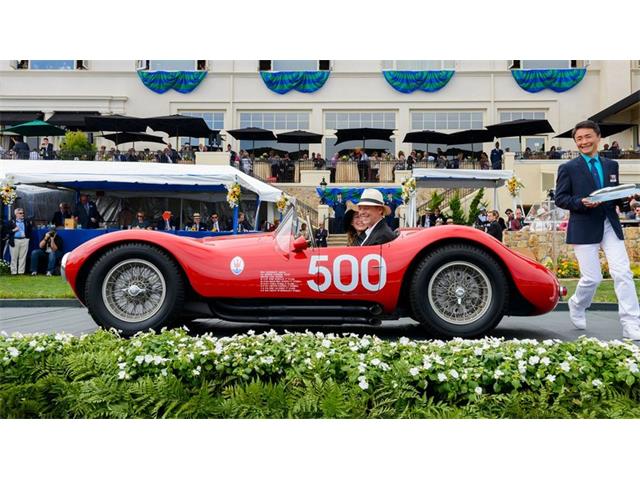
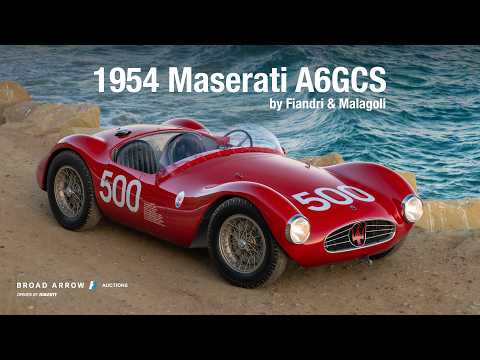
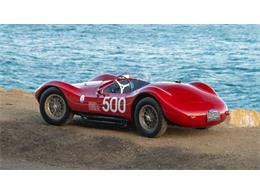
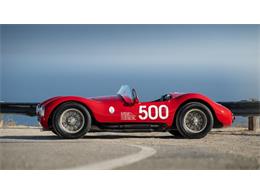
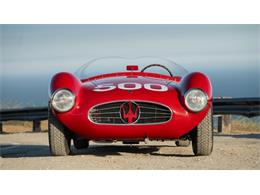
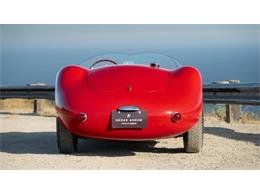
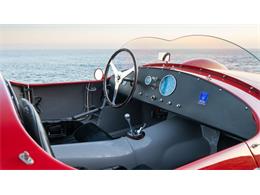
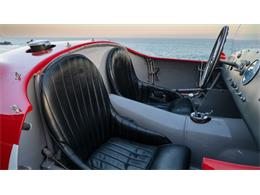
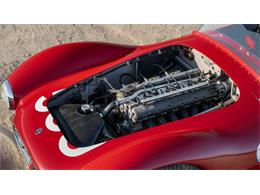
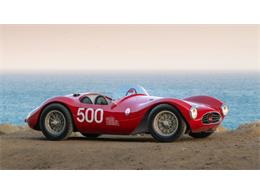
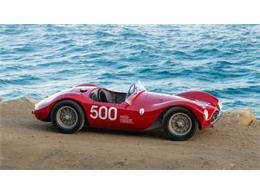
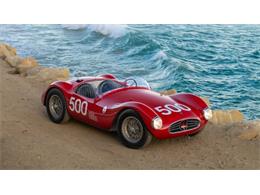
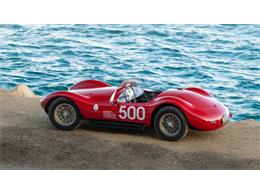
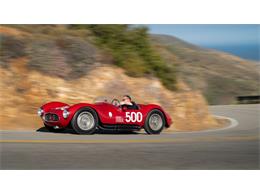
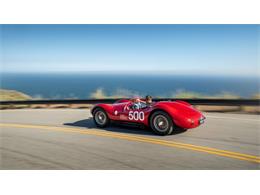
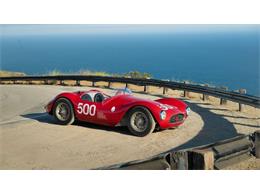
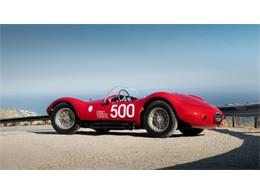
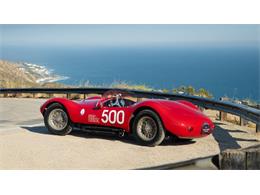
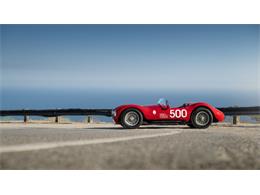
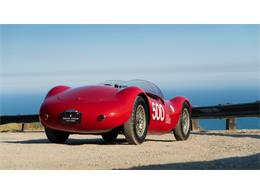
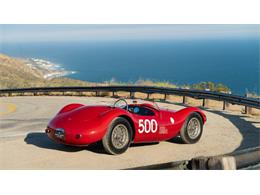
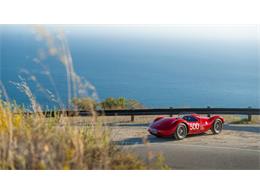
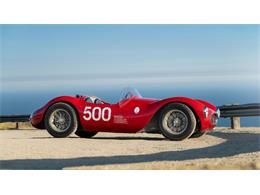
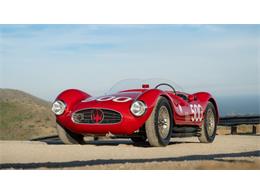
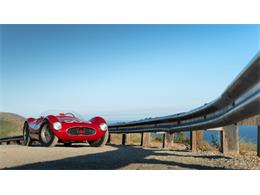
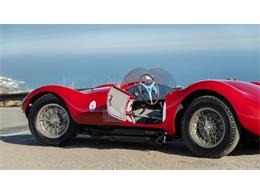
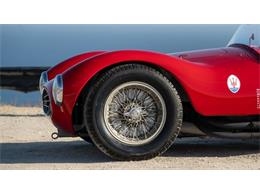
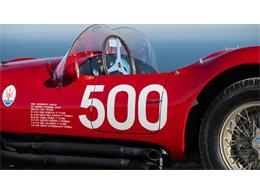
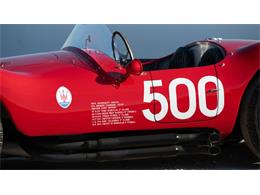
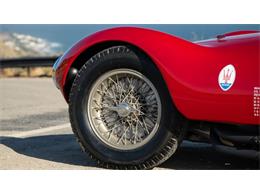
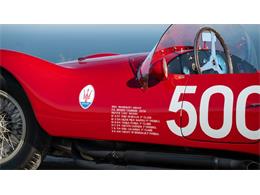
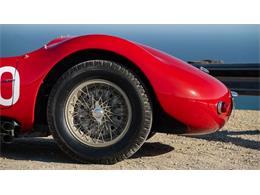
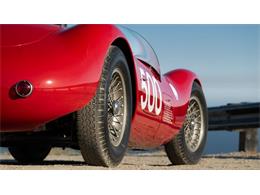
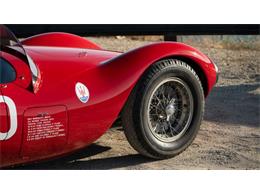
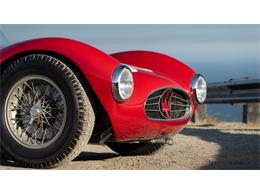
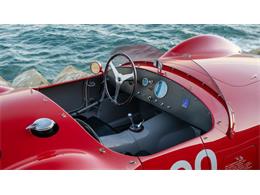
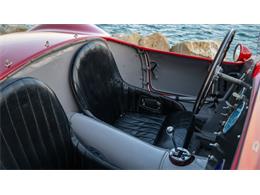
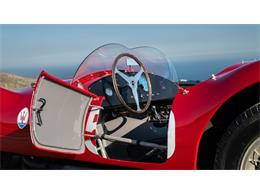
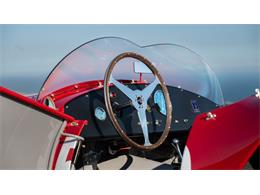
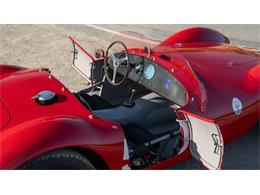
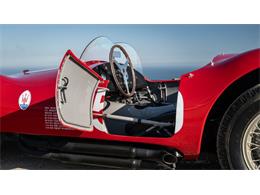
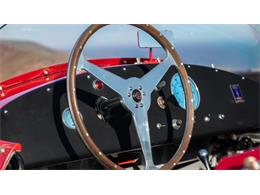
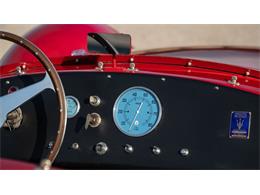
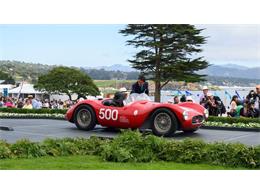
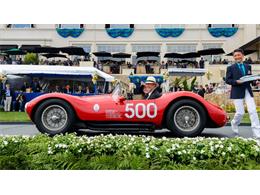
For Sale at Auction: 1954 Maserati A6GCS in Carmel, California
At the dawn of the 20th century, the Maserati brothers set up shop
in a small garage in Bologna, initially preparing Grand Prix cars
for Diatto and later venturing out on their own with the Type 26.
Throughout the 1920s and '30s, their machines regularly conquered
the world's premier circuits across multiple continents, earning
them racing royalty status.
When the company sold to the Orsi family of Modena in 1937, the
brothers initially maintained their roles developing racing cars as
consultants, producing such masterpieces as the two-time
Indianapolis 500-winning 8CTF. During the lean years of World War
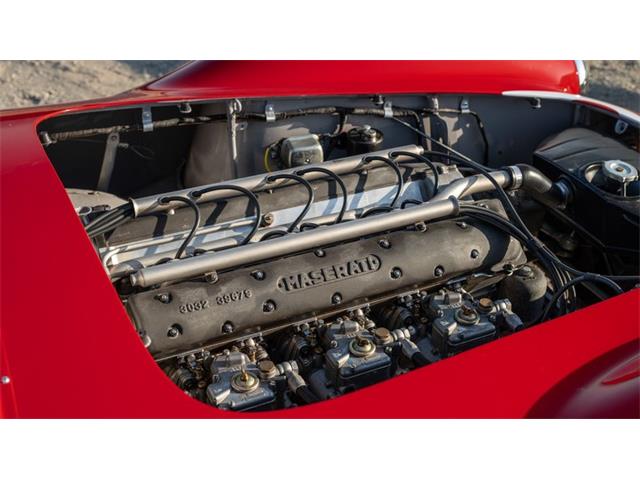
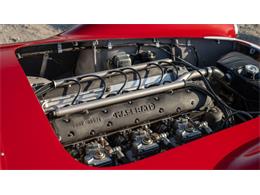
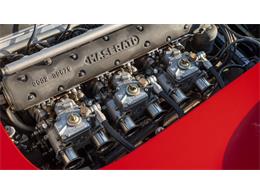
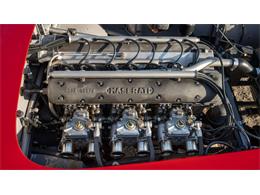
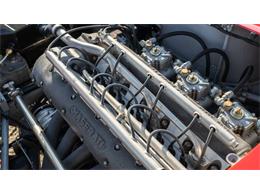
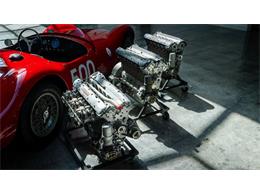
II, Ernesto Maserati conceived a new sports racing car powered by a
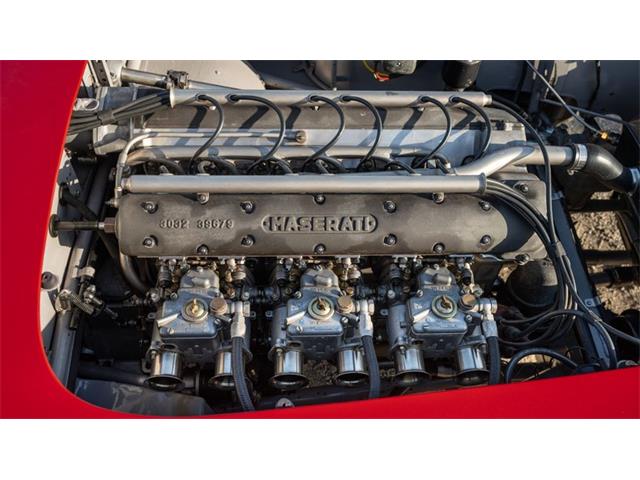
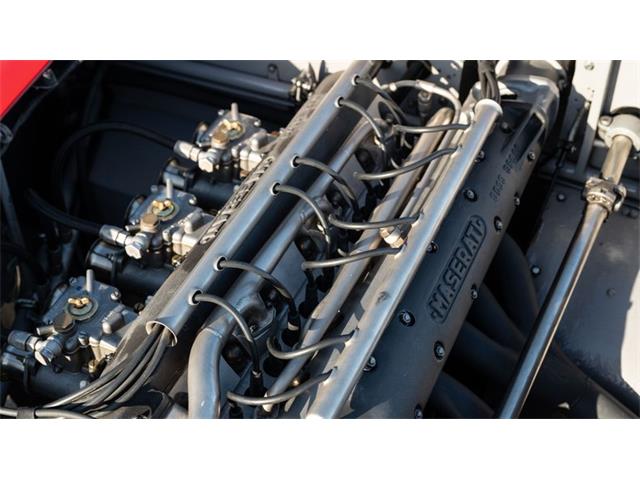
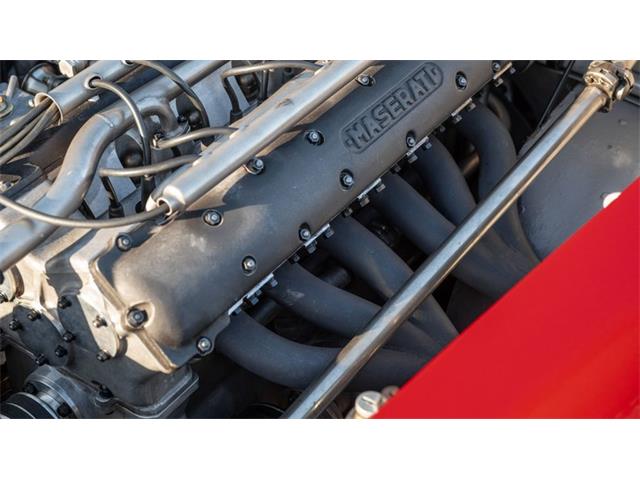
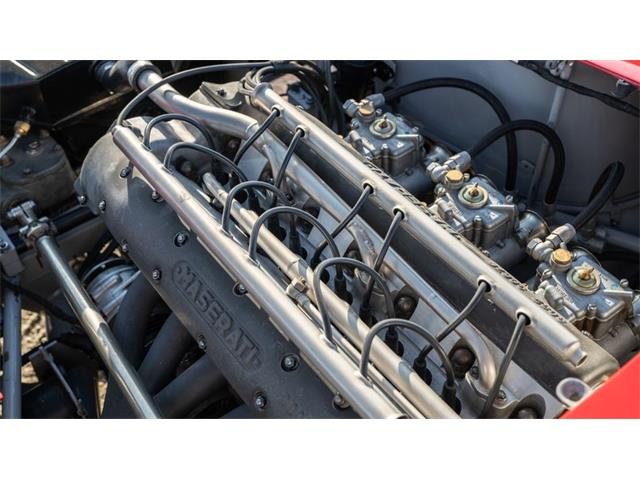
naturally aspirated two-liter overhead-cam straight six. The model
would be named A6G: the A honoring the late Alfieri, the 6 denoting
the number of cylinders, and G for the ghisa cast-iron cylinder
block of the original drawings. By the late 1940s, the engine had
found its first application in the A6 1500, a refined gran turismo,
before spawning two purpose-built competition derivatives, the
A6GCS (Corsa Sport) for two-seat sports car racing, and the A6GCM
(Corsa Monoposto) for Formula 2 and Grand Prix duty. The ghisa
designation was retained even after the block itself was reworked
in aluminum, the lighter casting better suited to the demands of
competition.
The competition derivative was reworked for 1953 under the
supervision of legendary ex-Ferrari engineer Gioacchino Colombo,
who was enlisted to make the model a more consistent winner against
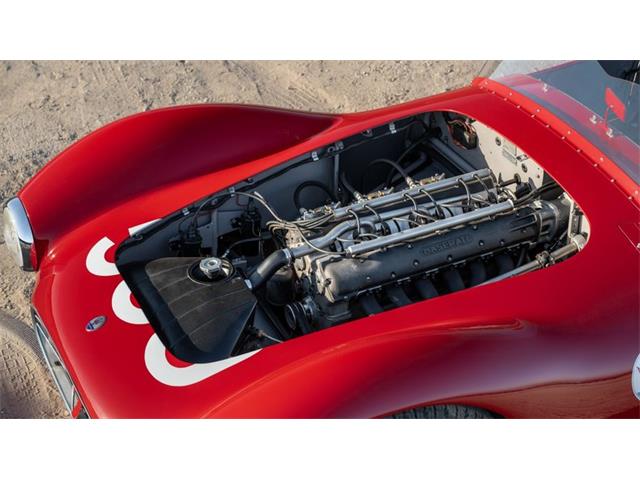
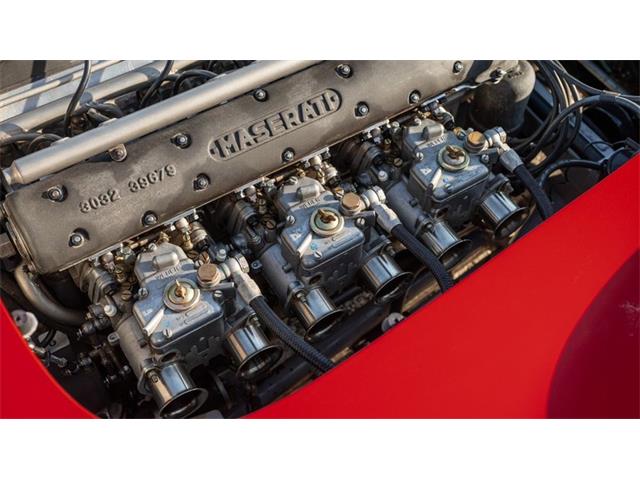
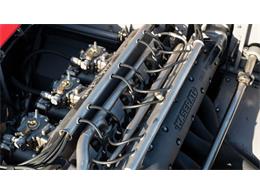
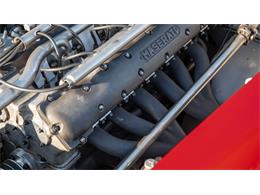
a well-funded Italian sports field. Colombo specified twin overhead
camshafts, larger valves, and twin-plug ignition, paired with a
chassis derived from Maserati's monoposto practice and suitably
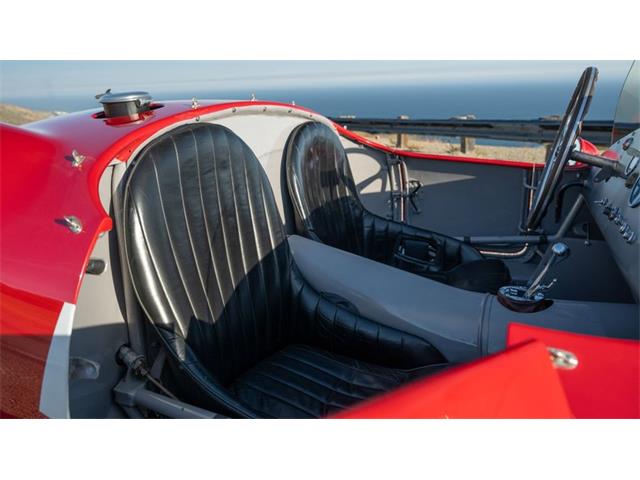
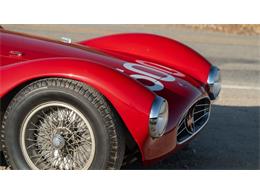
widened to carry two seats. The resulting A6GCS/53 was clothed
initially by Carrozzeria Medardo Fantuzzi in voluptuous barchetta
coachwork. The model made an immediate impression in 1953, taking
2nd and 3rd in class at the Targa Florio, 2nd at the 12 Hours of
Pescara, and outright victories at Caserta, Avellino, and the Giro
dell'Umbria, while Luigi Musso secured the 1953 Italian
championship in the 2-liter sports class-a title he would retain in
1954 against considerably stiffer international opposition.
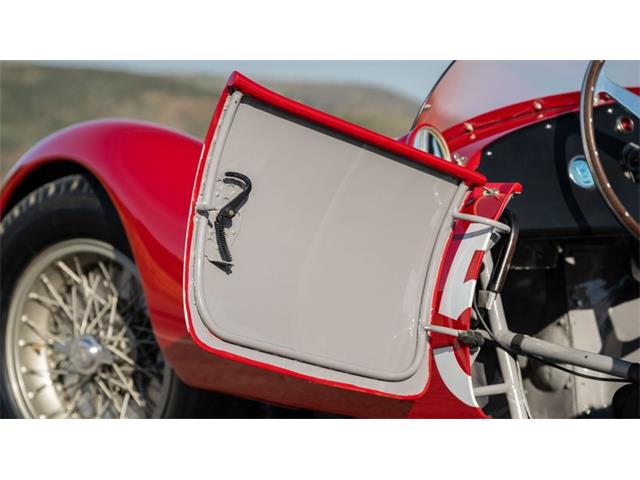
From early 1954, bodywork was entrusted to Carrozzeria Fiandri &
Malagoli of Modena, former Fantuzzi employees whose work is
identifiable by a cleaner exit for the exhaust beneath the driver's
door, while chassis frame production moved to Gilberto Colombo's
Gilco specialists in Milan. Across two model years, just 52
examples were built. The A6GCS provided a launching pad for a
generation of young Italian drivers-including Sergio Mantovani,
Cesare Perdisa, and Maria Teresa de Filippis-onto the international
stage, several of whom would proceed to Formula One. None used the
model to greater effect than Luigi Musso, who captured the 1953
Italian championship in the 2-liter sports class and the 1954
Italian championship in the International Sports Class, often at
the wheel of the car offered here.
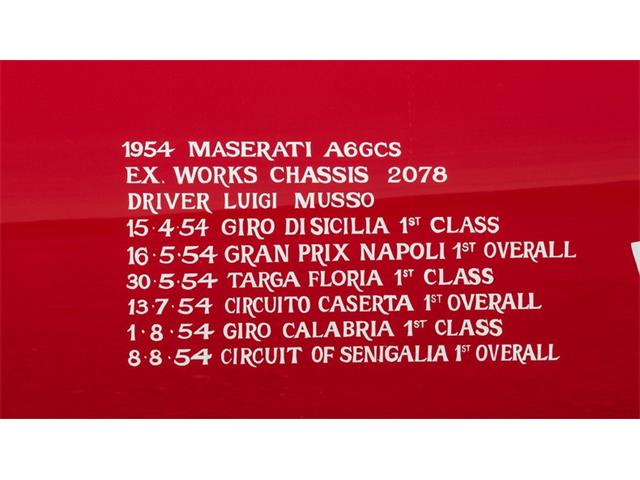
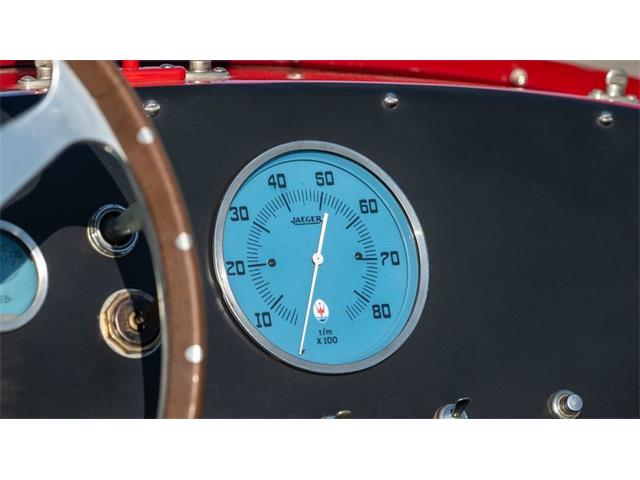
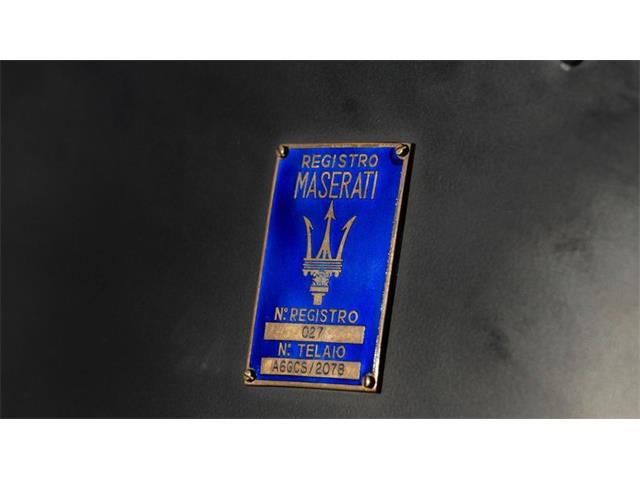
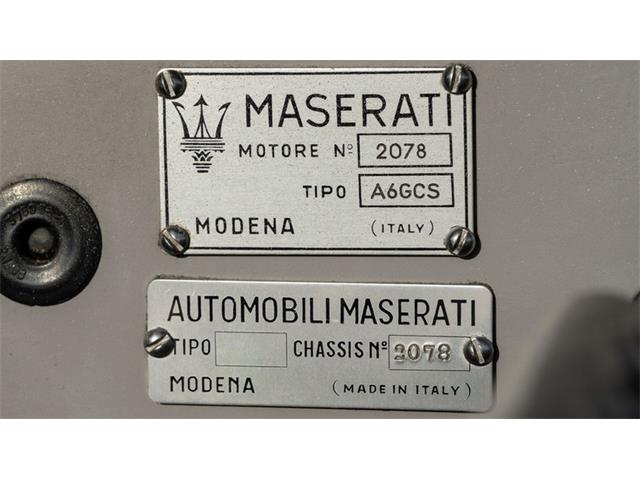
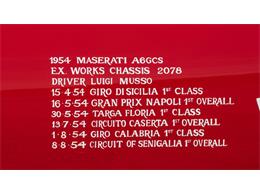
CHASSIS 2078
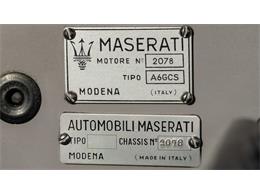
Completed in March 1954, chassis number 2078 ranks among the most
significant post-war sports racing Maseratis built. According to
research by Maserati authority Dr. Adolfo Orsi Jr., who has carried
out the most extensive provenance research to date on this car,
2078 was the subject of its government technical inspection, or
collaudo, on 12 March 1954, enabling provisional registration for
competition use. Two copies of the original factory build sheet on
file are dated 23 February 1955, noting all the details of the
Works A6GCS number 2078 and its body executed in Modena to Fiandri
& Malagoli's specification.
Dr. Orsi's in-depth research concludes that 2078's first
competition assignment may well have been the 1954 24 Hours of Le
Mans. Officine Alfieri Maserati entered three A6GCS/53s for the
Trident's debut at Le Mans that June. The customer entry, shared by
the Marquis de Portago and Luigi Tomasi, arrived by road and
started the race; the two works cars for Mike Sparken/Roberto
Mieres and Sergio Mantovani/Bruno Venezian were delayed when the
factory transporter broke down en route from Modena and arrived too
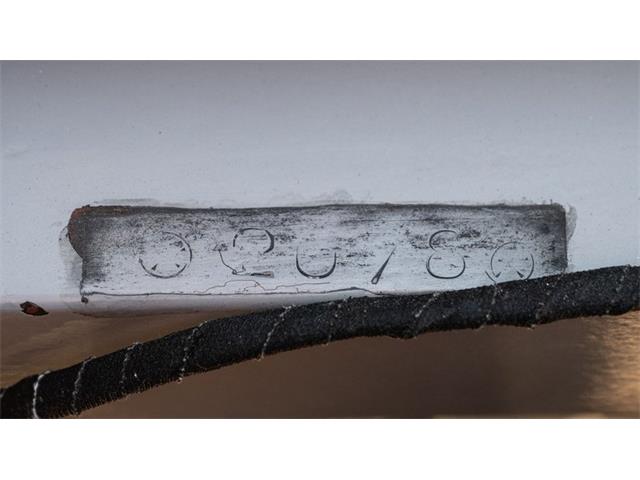
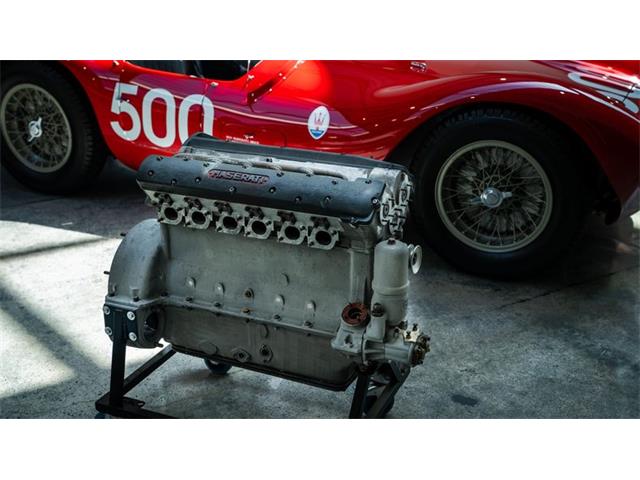
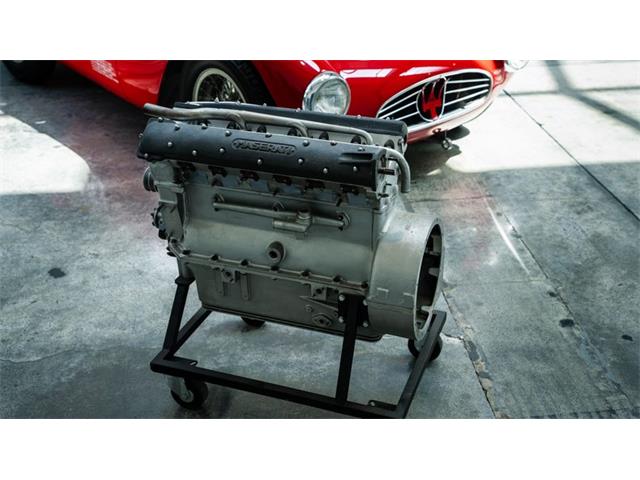
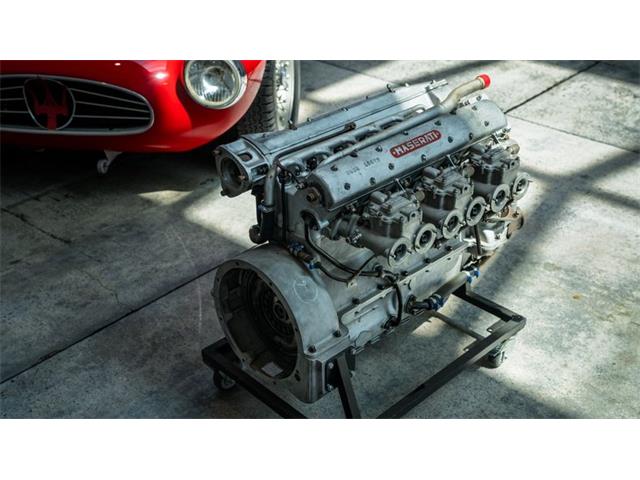
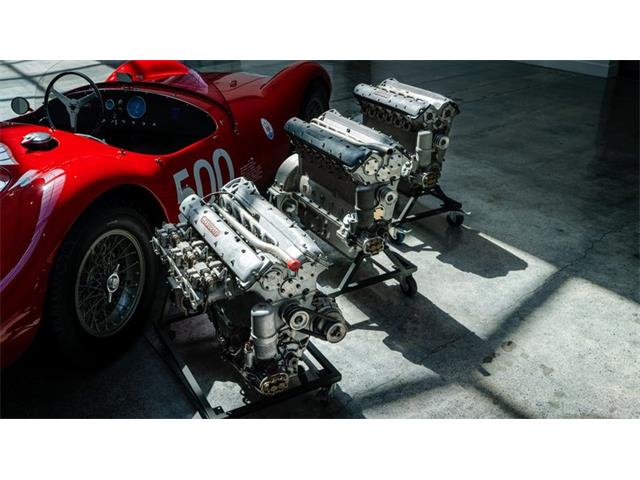
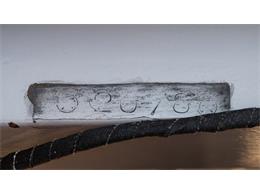
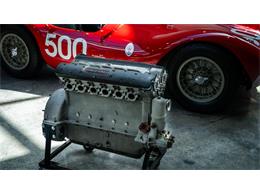
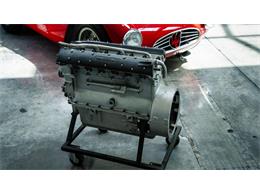
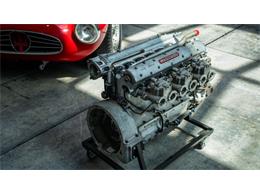
late to pass scrutineering. One of the original engines that
accompanies 2078 today carries a "2078" punching that, in Dr.
Orsi's analysis, does not match the style used by the Maserati
factory; he attributes the marks instead to the Commissione
Sportiva Automobilistica Italiana, whose scrutineers visited
Italian manufacturers ahead of major international races to witness
and stamp the competing engines. He further observes that the ATA
carnet required to move a competition car between Italy and a
foreign country was valid for twelve months and bureaucratically
costly to obtain, giving Maserati strong incentive to reuse a
single document across the second half of 1954 and into the January
1955 shipment to Argentina. From these considerations Dr. Orsi has
concluded that 2078 was most probably the car assigned to Mantovani
and Venezian for the 24-hour race among the two non-starters.
What can be documented with certainty is 2078's contribution to the
second half of the Trident's impressive 1954 season. Dr. Orsi
arrived at these attributions through a race-by-race reconstruction
of the works A6GCS roster, cross-referencing entry records and
period photography against the minor build differences in trim,
body fittings, and finish that distinguish individual chassis from
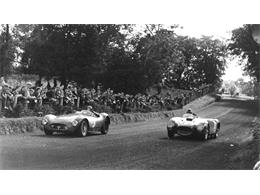
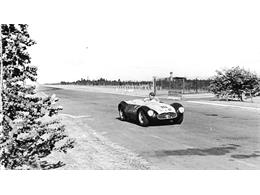
one another. On 24-25 July, 2078 made its competition debut at the
10 Ore Notturna Messinese, wearing race no. 3, where Luigi Musso
and his brother Giuseppe shared the car. Despite three hours in the
pits to repair a damaged fuel tank, the Mussos re-emerged to set
the fastest lap of the race, establishing a new circuit record at
an average of 127.5 km/h before classifying 18th overall. On 1
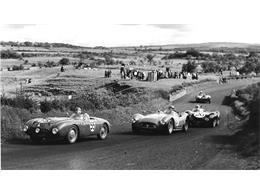
August, Luigi Musso drove 2078 in the Giro delle Calabrie,
finishing 3rd overall and 1st in the Sports 2000 class, followed
one week later by the Circuito di Senigallia, where he again
achieved a Sports 2000 class victory and fastest lap.
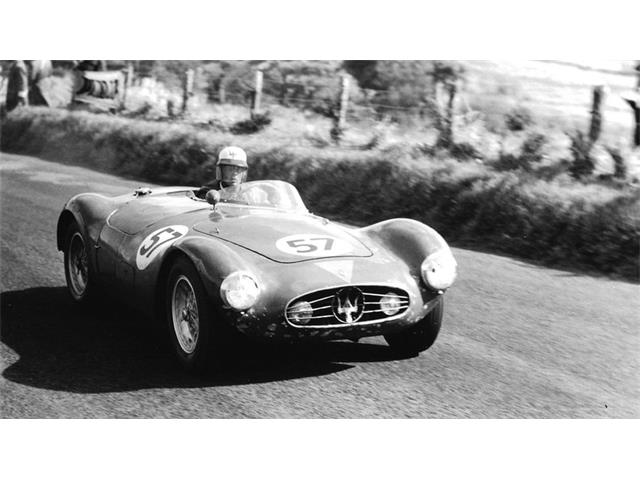
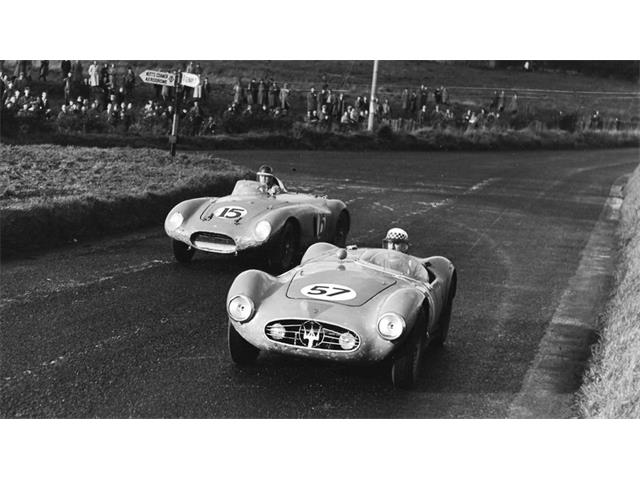
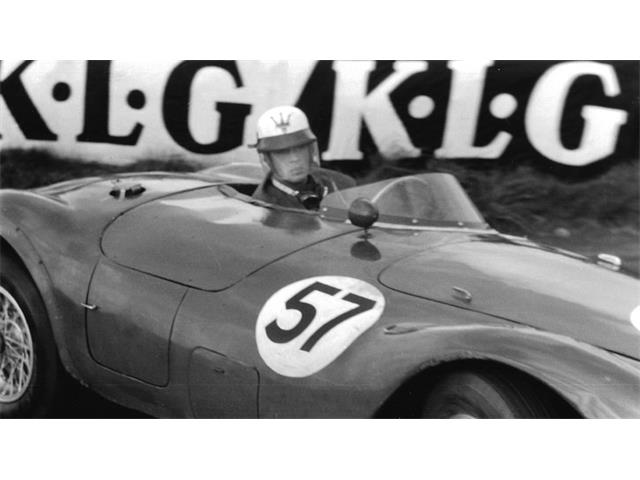
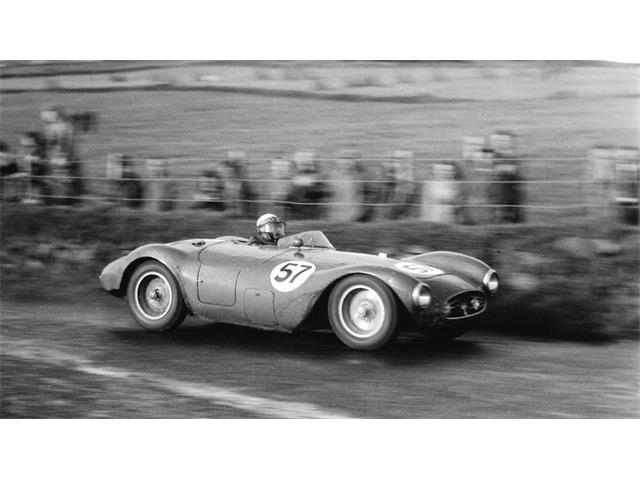
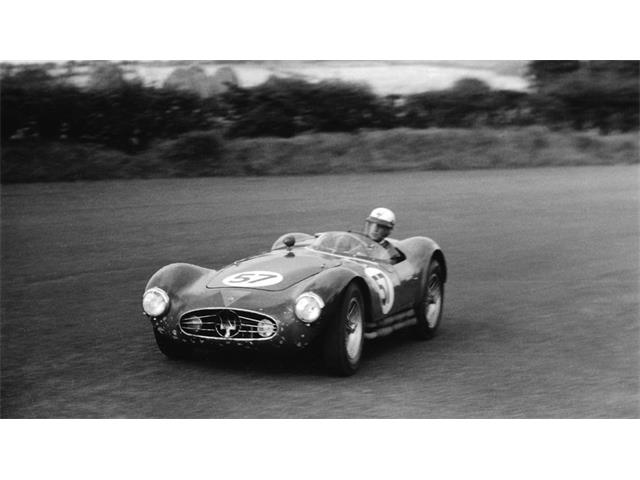
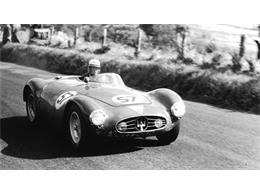
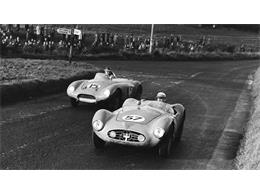
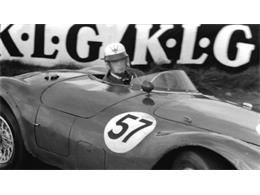
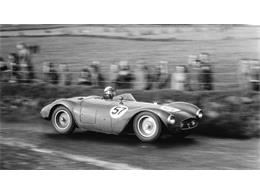
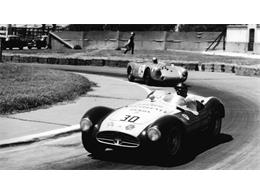
On 11 September, Musso and Sergio Mantovani shared 2078 as race no.
57 in the XXI RAC Tourist Trophy at Dundrod under provisional
Italian registration "BO30771." Running with a tonneau cover,
aerodynamic cockpit cowl, and additional rear mudguards, the pair
finished 1st in the 2-liter class and 3rd overall on handicap.
Eight days later, Cesare Perdisa drove 2078 as race no. 212 at the
Bologna-Passo della Raticosa hill climb for the Trofeo Felice
Bonetto, finishing 2nd overall-only five seconds behind Eugenio
Castellotti's 3.8-liter Lancia D25-and 1st in the 2-liter class. At
season's end, Musso was crowned the Italian Champion for the Sport
International Class, achieved with points he scored in chassis
2078.
In January 1955, Officine Alfieri Maserati shipped 2078 to
Argentina with the other Works cars for the Temporada season. The
two Maserati build sheets prepared by Racing Department technicians
on 23 February 1955 carry the handwritten notations "Signor Grandio
Argentina" and "venduta durante trasferta Argentina 1955 (ex
Musso)"-sold to Argentine gentleman driver Ricardo Grandio during
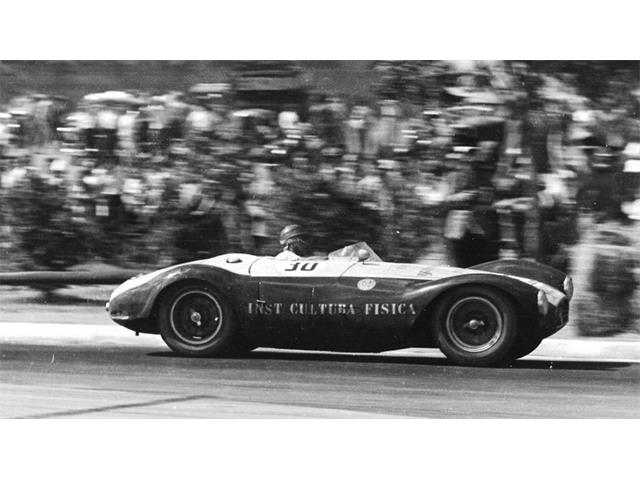
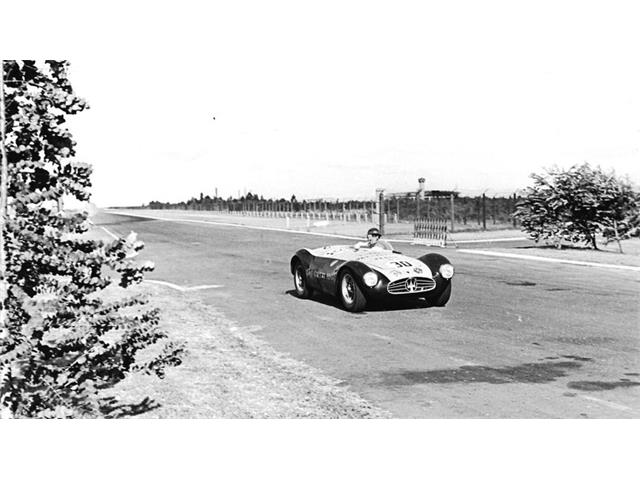
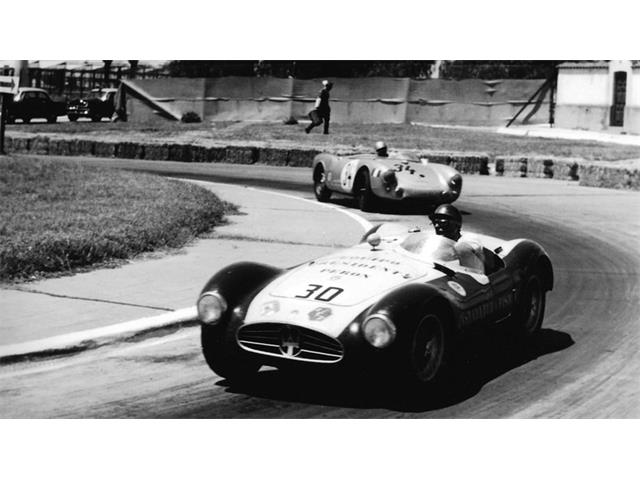
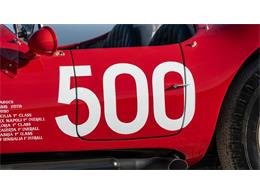
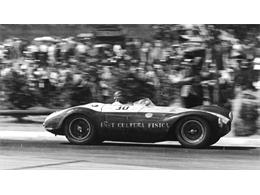
the 1955 Argentinean journey, noted as a former Musso car. Painted
in the black-and-white livery of the Equipo Presidente Per�n and
bearing the lettering of the Instituto de Cultura F�sica on the
side, 2078 finished 3rd overall and 1st in Sports 2000 at the 1955
Buenos Aires 1000 km in its first race in Argentine hands,
partnered by Jose Manuel Faraoni. The car campaigned extensively
throughout 1955 and 1956 under Grand...for more information please
contact the seller.
ClassicCars.com has been recognized as one of the fastest-growing private companies in the United States, successfully making the Inc. 5000 list in both 2015,
2016, 2017 and 2018. This prestigious accolade represents the continued growth of the company, and ClassicCars.com's dominance as the world's largest online marketplace for
buying and selling classic and collector vehicles.
The Stevie Awards, the world's premier business awards recognized
ClassicCars.com's first-class Customer Support team with a Stevie Bronze Award in 2019, celebrating the team's skills as exemplary customer support specialists.
In 2016 The Journal, brought to you by ClassicCars.com, was celebrated as the SECOND MOST INFLUENTIAL automotive blog in the world by NFC Performance.