This vehicle has been soldThis vehicle is no longer available for sale on ClassicCars.com. Please set an alert if you would like to be notified as soon as similar vehicles become available.
For Sale at Auction: 2006 Ferrari 575 in Carmel, California
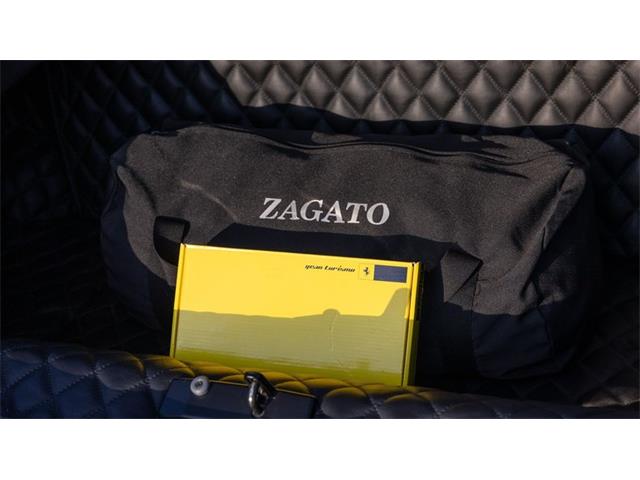
Founded in Milan in 1919 by Ugo Zagato, Carrozzeria Zagato clothed
some of the most memorable competition Ferraris of the 1950s. Among
its most celebrated commissions were the five 250 GT "Tour de
France" berlinettas bodied between 1956 and 1959, cars
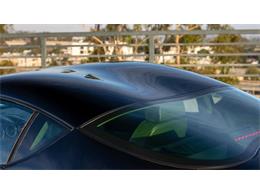
distinguished by taut aluminum coachwork, minimal overhangs, and
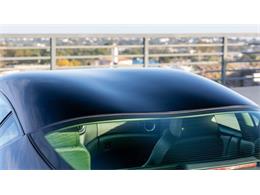
the firm's signature "double-bubble" roof. When Enzo Ferrari
ultimately settled on Pinin Farina as his house stylist, the
Zagato-bodied berlinettas were left as tantalizing outliers-and, in
time, among the most coveted Ferraris of their era.
Nearly half a century later, Japanese collector Yoshiyuki Hayashi
approached Zagato with a proposal that would revive the tradition.
Hayashi asked whether the atelier, then under the direction of
Andrea and Marella Zagato, could create bespoke coachwork for his
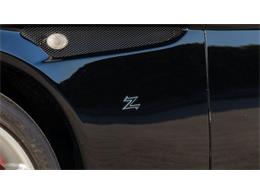
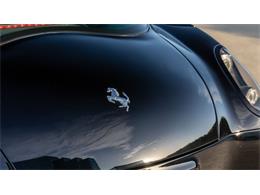
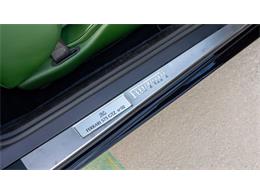
575M Maranello in the spirit of the 1956 250 GTZ. Ferrari not only
sanctioned the endeavor-internally dubbed "Project Zero"-but
embraced it as a fitting celebration of the 250 GTZ's 50th
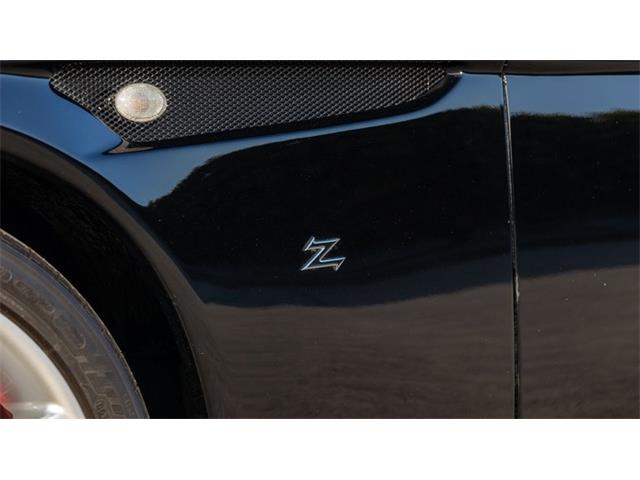
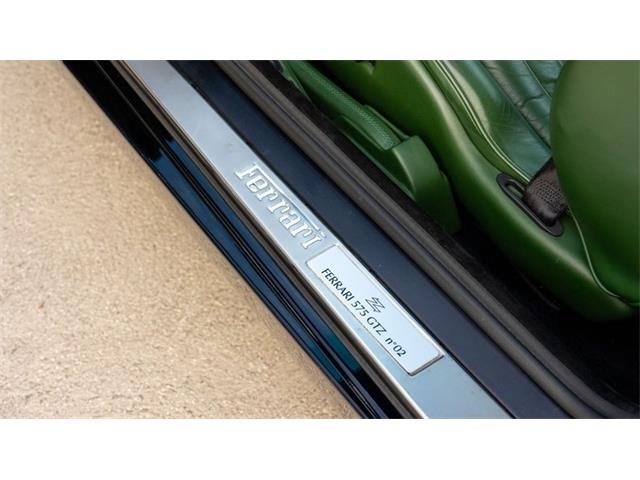
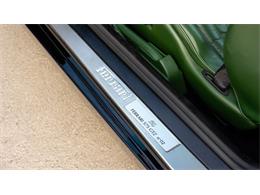
anniversary, granting the use of its badging. The resulting 575 GTZ
made its public debut at the 2006 Concorso d'Eleganza Villa d'Este,
where it caused an immediate sensation. Further commissions from
international clients soon followed, though Ferrari would permit
just six 575 GTZ berlinettas in total, with the first two built for
Hayashi himself. Three open 550 GTZ barchettas, constructed on the
550 Barchetta Pininfarina platform, later concluded the project at
nine cars altogether.
Each 575M donor arrived as a complete production car; its original
coachwork was removed while the structure, crash certification, and
drivetrain remained untouched. The chassis was digitally scanned,
after which the client worked alongside Zagato's designers to shape
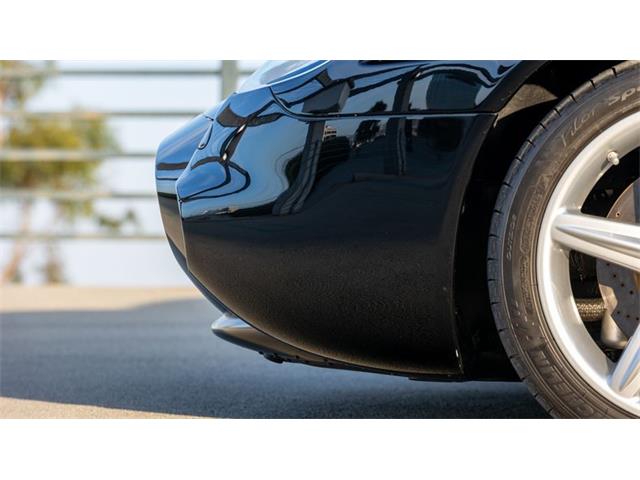
a body unique to their commission. Skilled craftsmen then formed
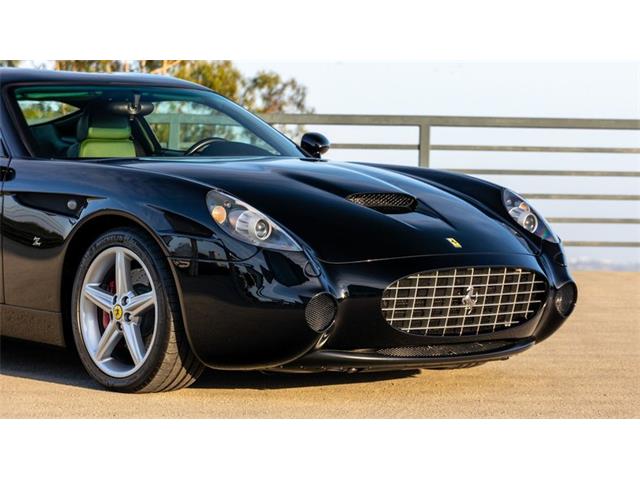
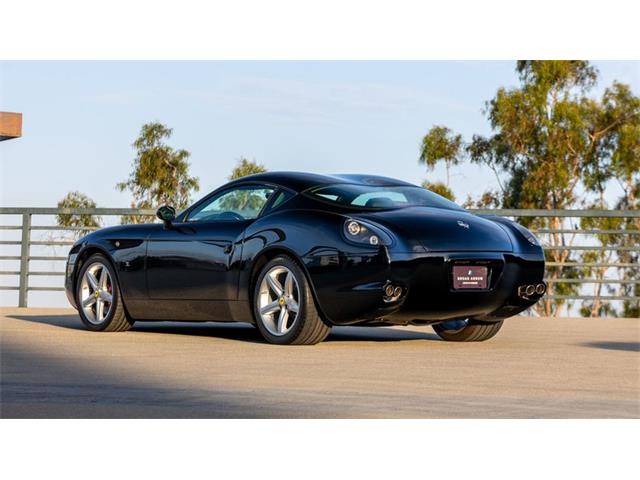
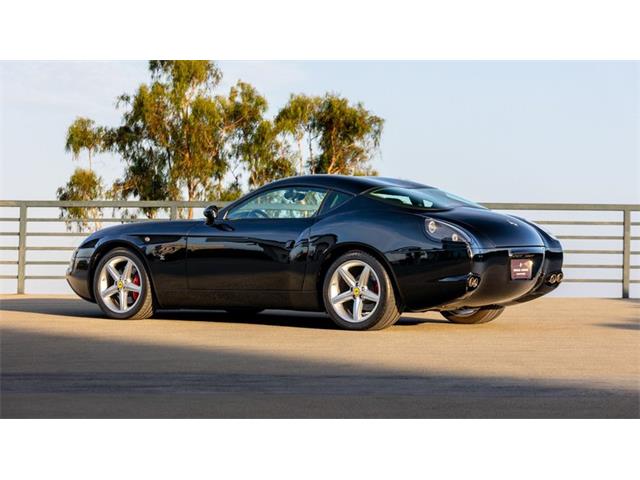
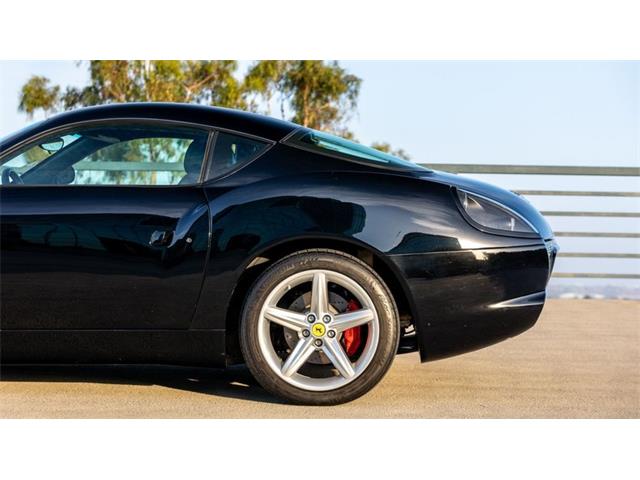
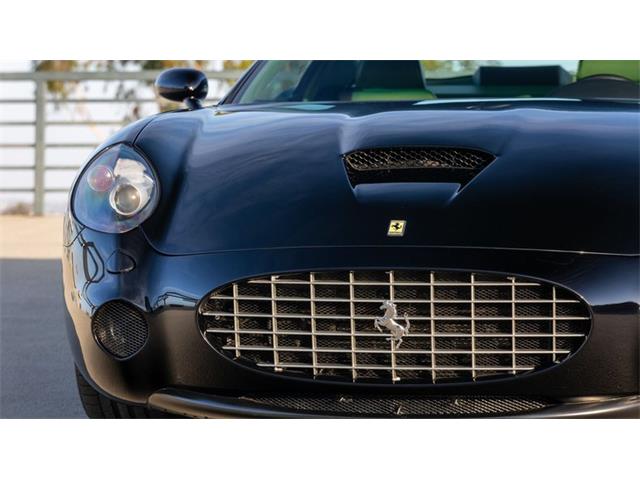
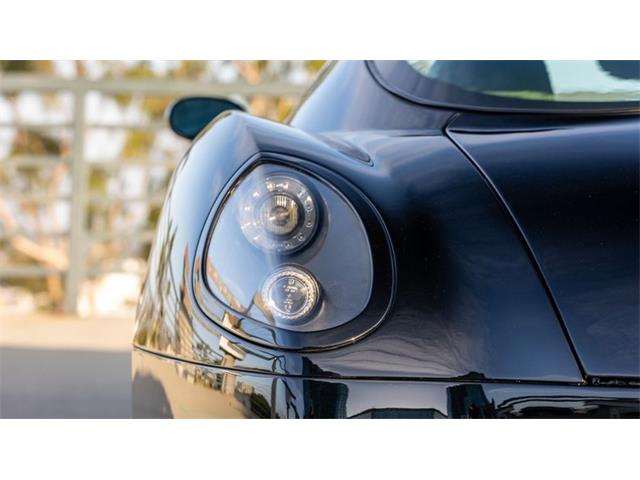
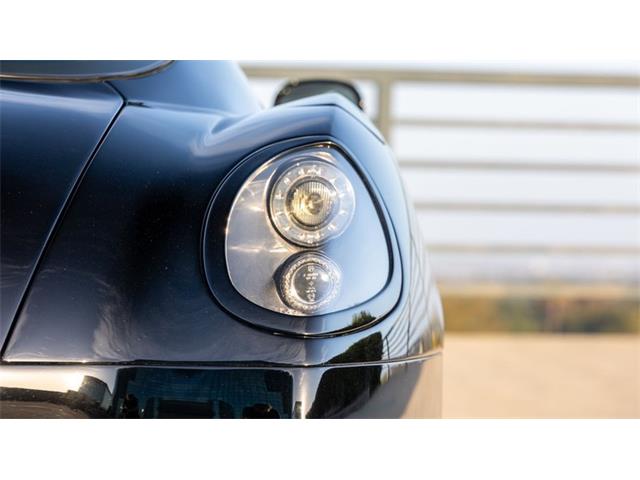
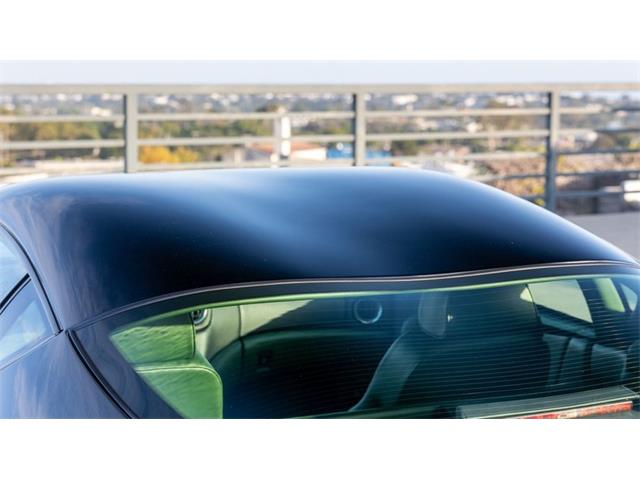
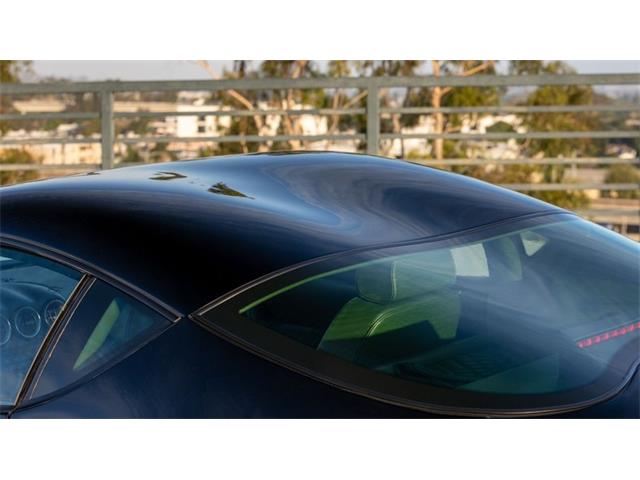
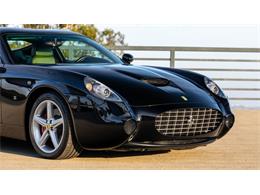
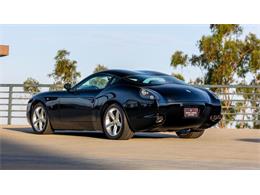
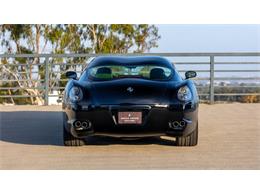
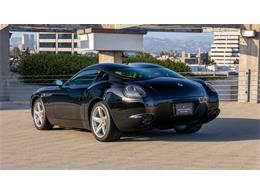
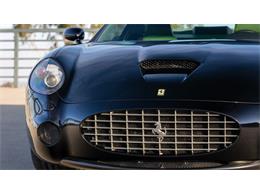
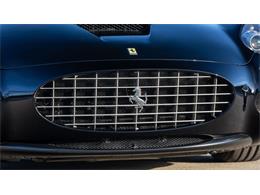
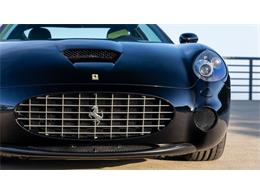
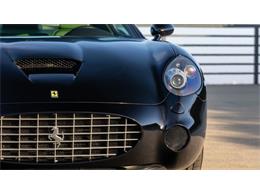
the new panels in aluminum, incorporating hallmarks drawn from the
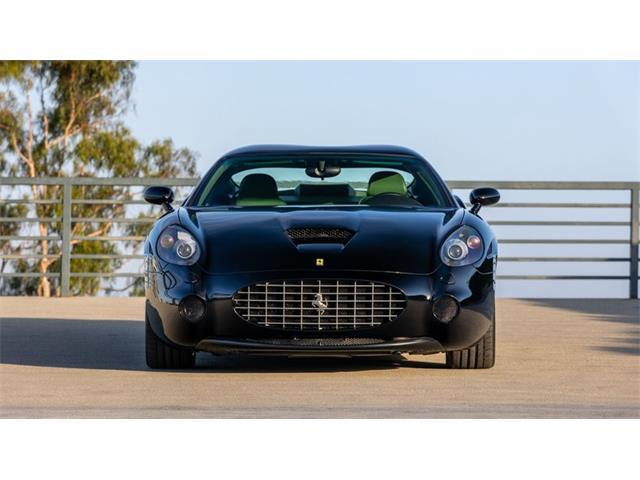
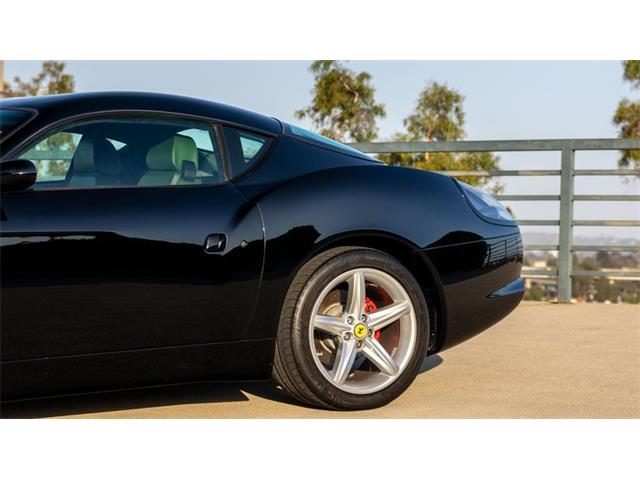
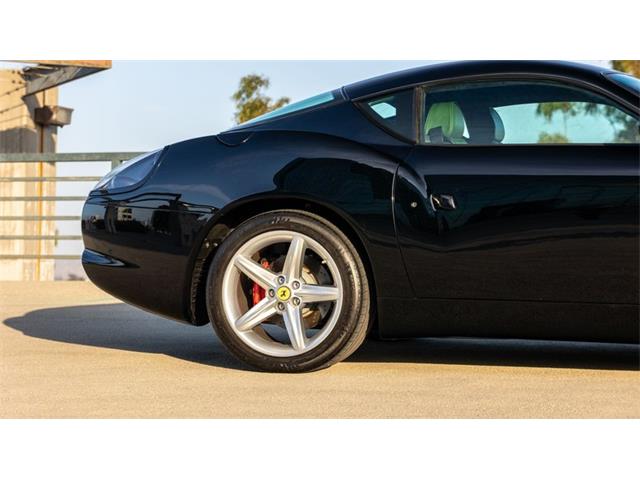
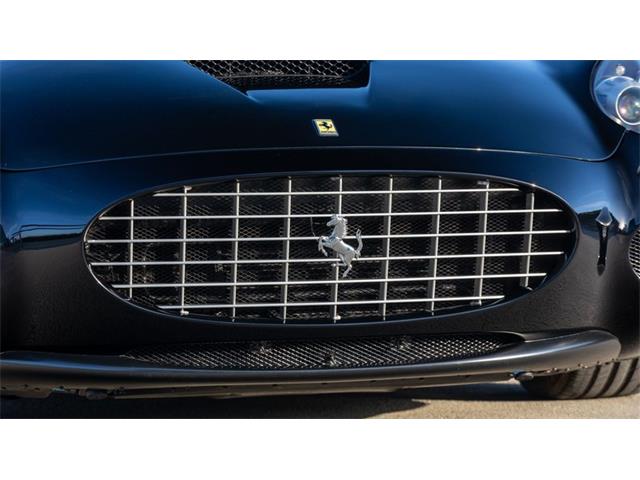
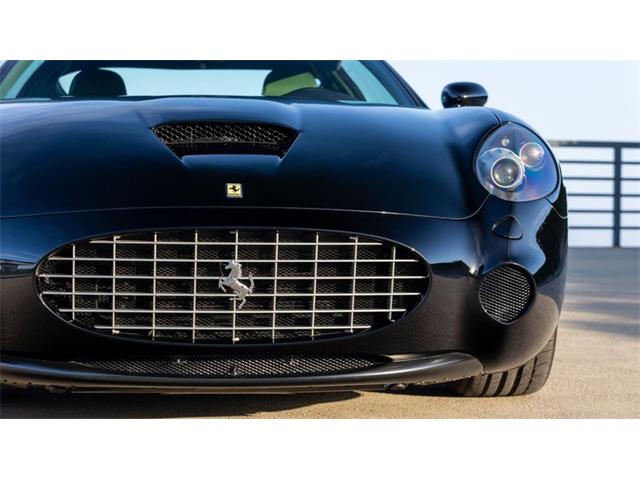
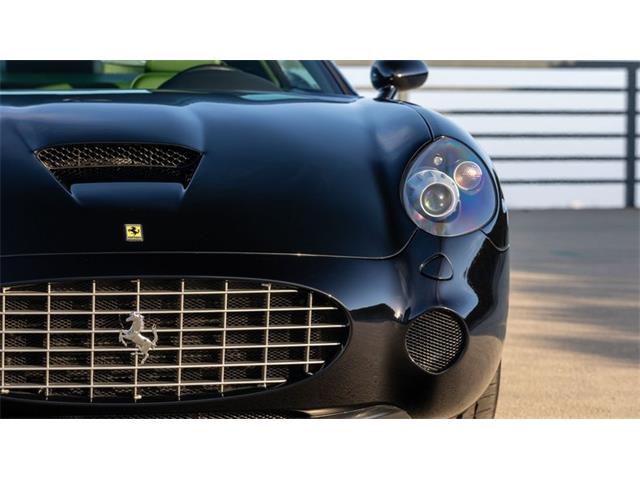
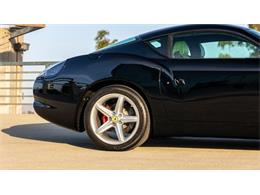
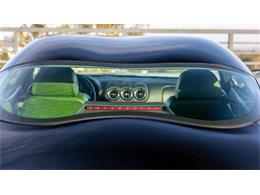
Tour de France berlinettas-the rounded fender haunches, the oval
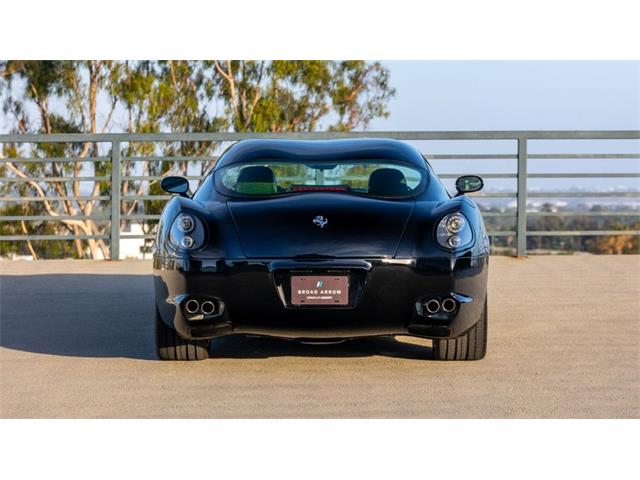
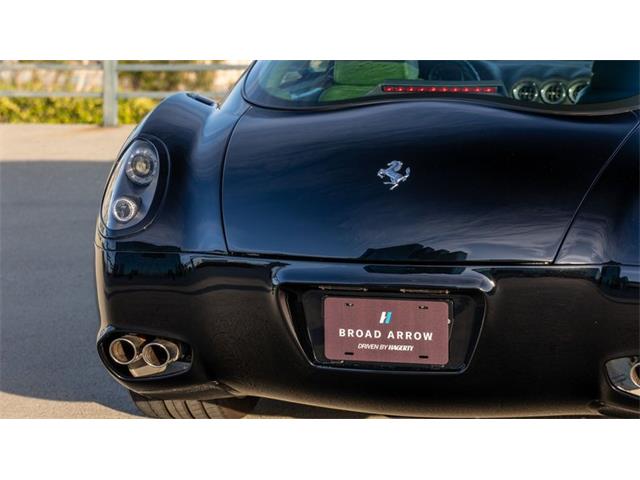
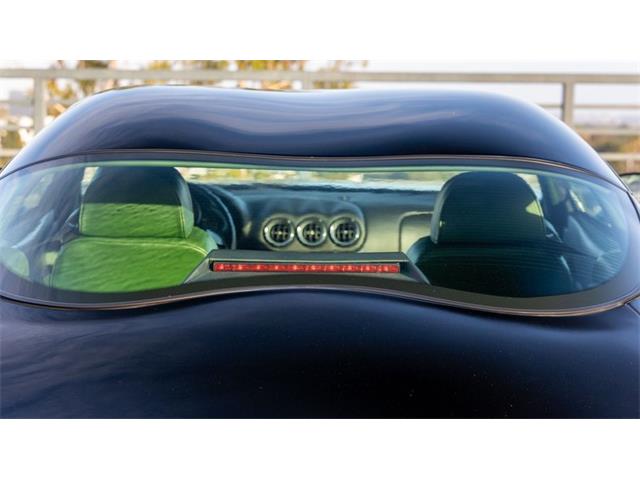
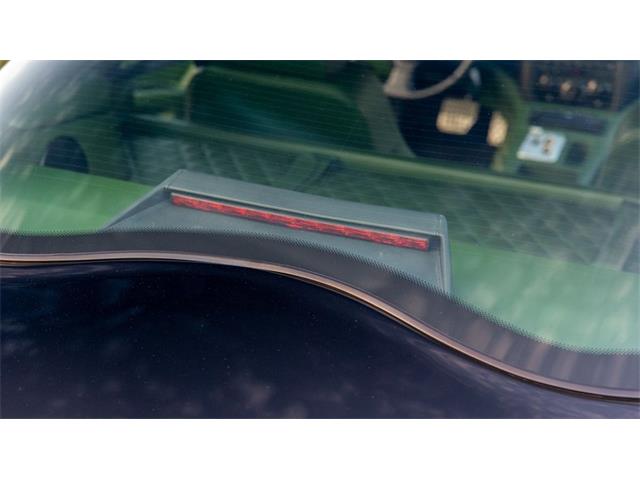
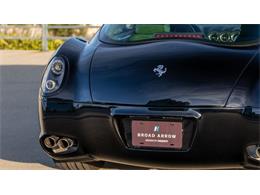
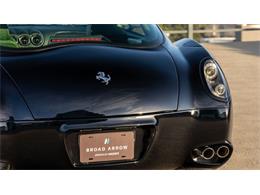
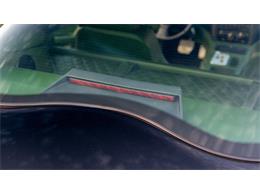
egg-crate grille, and, of course, the double-bubble roof, echoed in
the voluptuous curvature of the rear screen. Interiors were
retrimmed throughout to each owner's specification, ensuring that
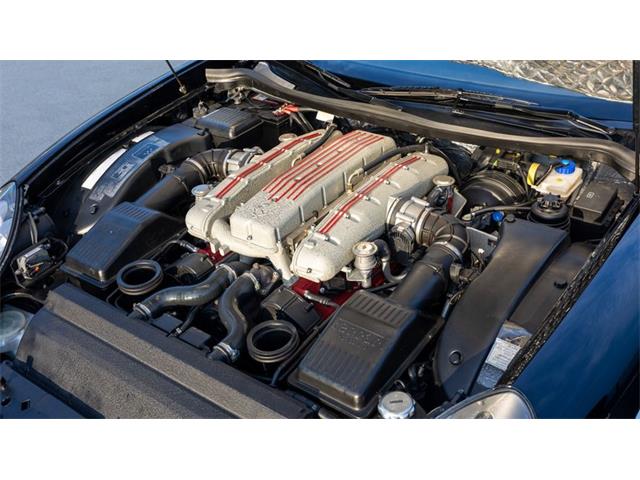
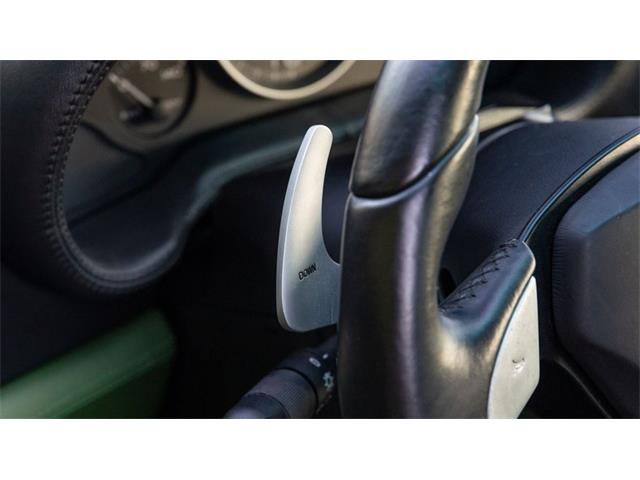
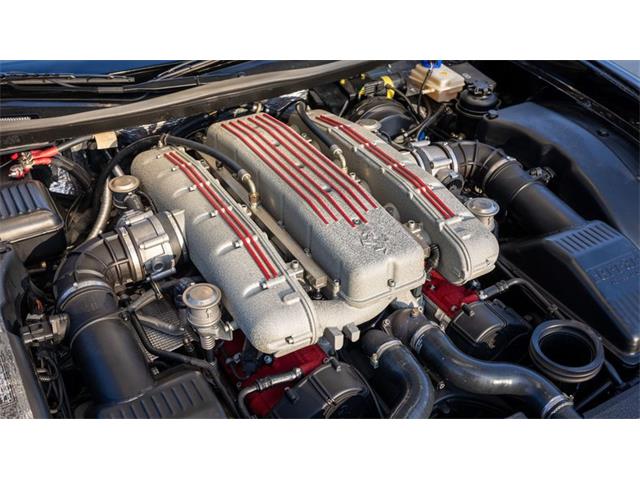
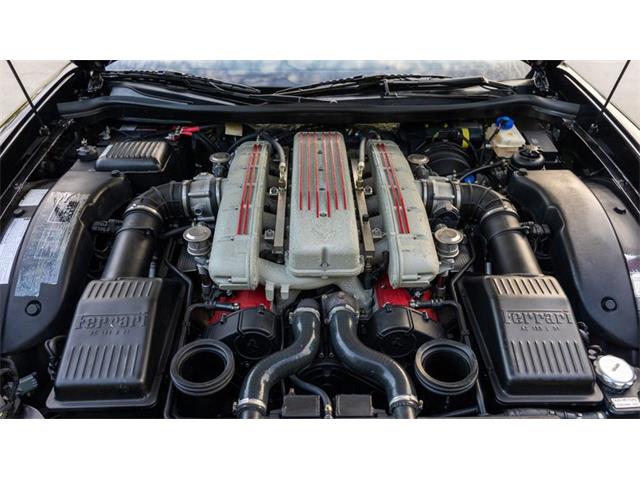
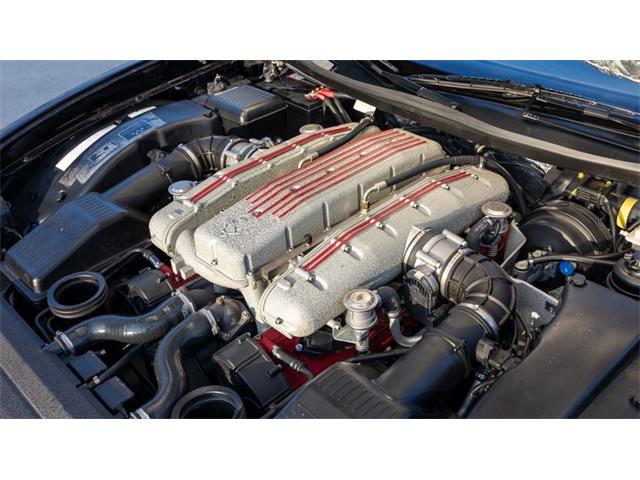
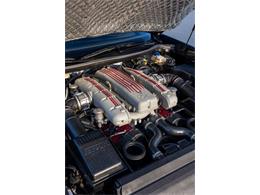
no two of the six are alike. Beneath the bespoke coachwork, the 575
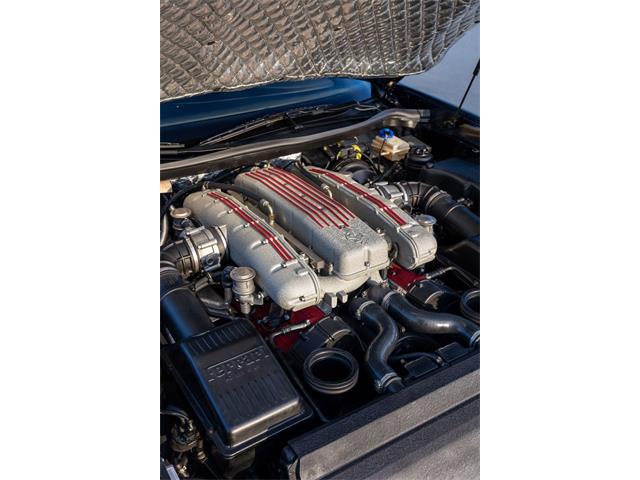
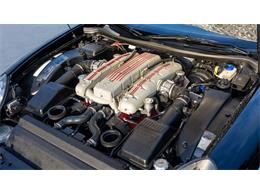
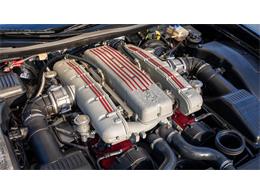
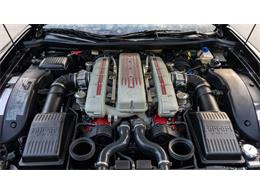
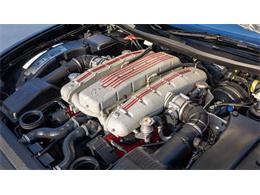
GTZ retained the Maranello's magnificent 5.7-liter, 65-degree V12,
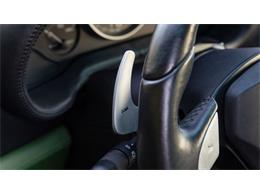
producing 540 horsepower through a six-speed paddle-shifted F1
transmission.
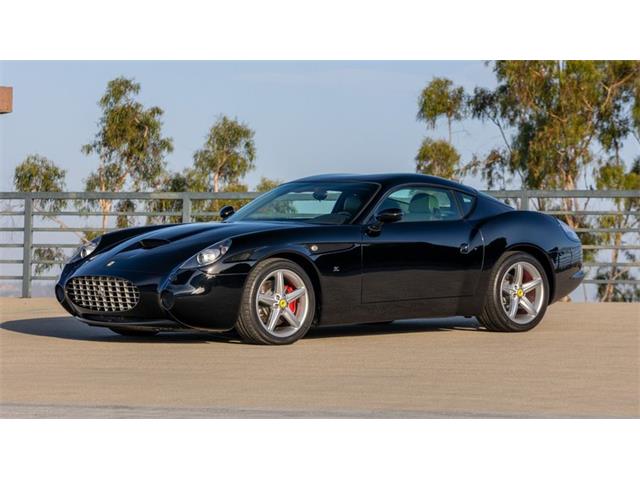
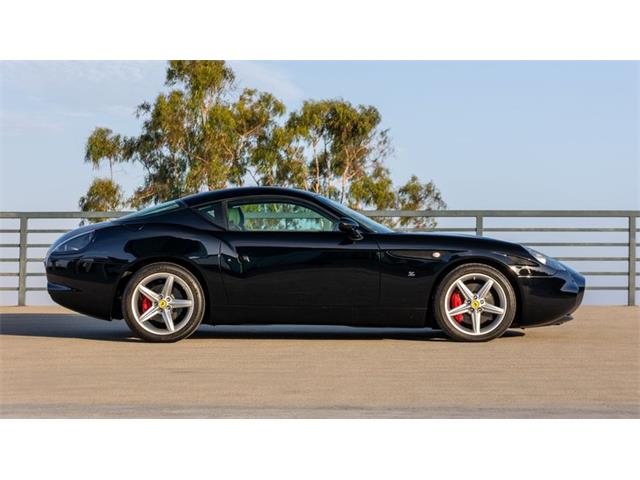
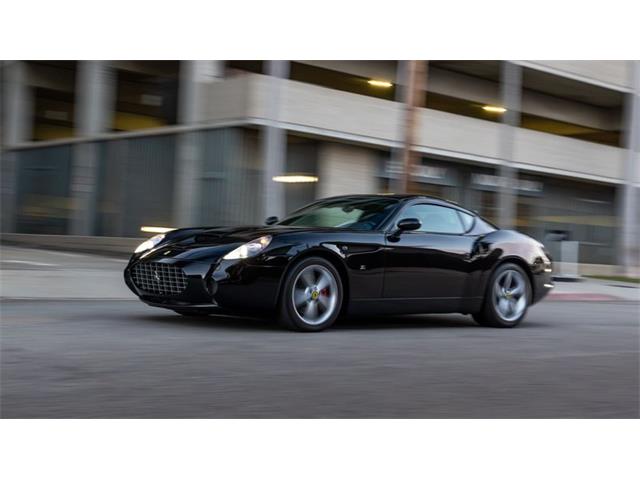
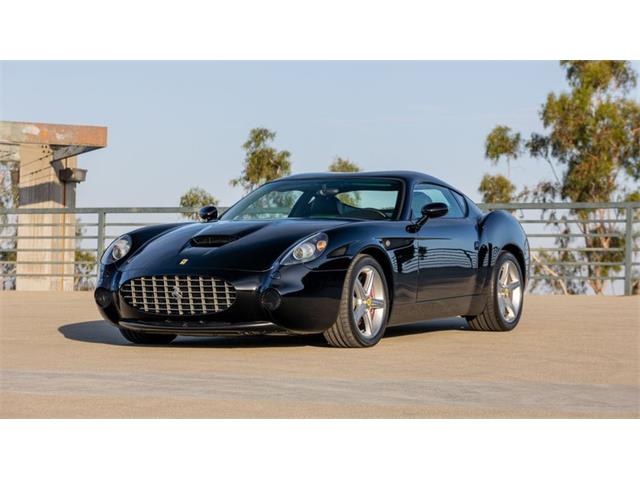
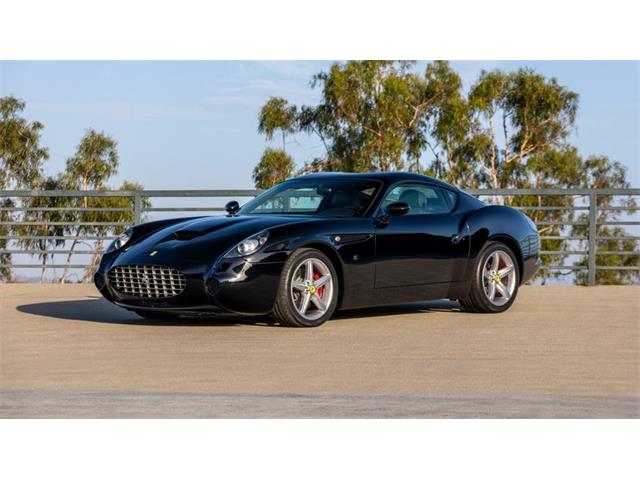
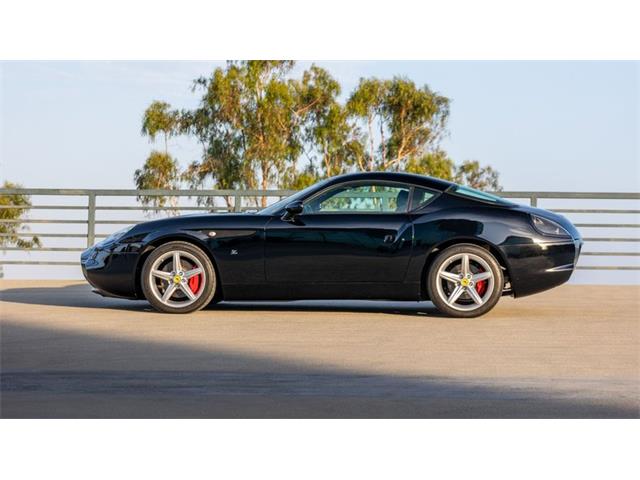
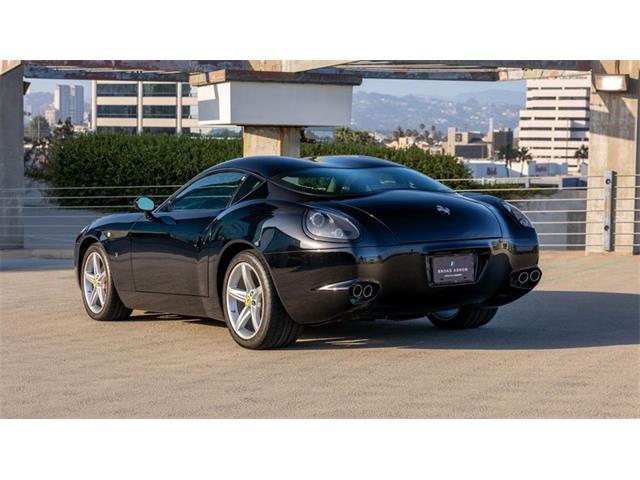
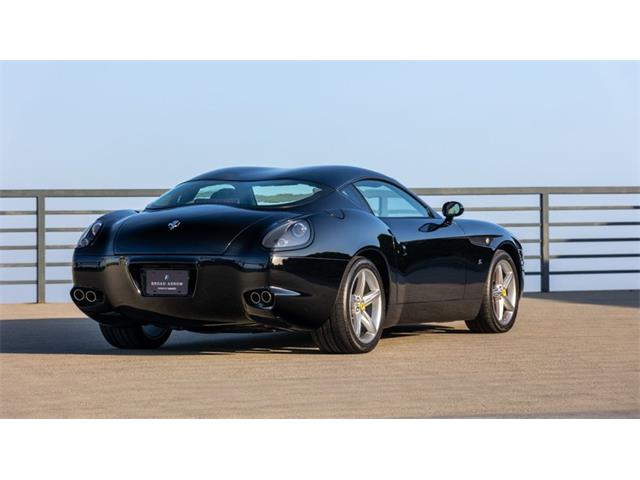
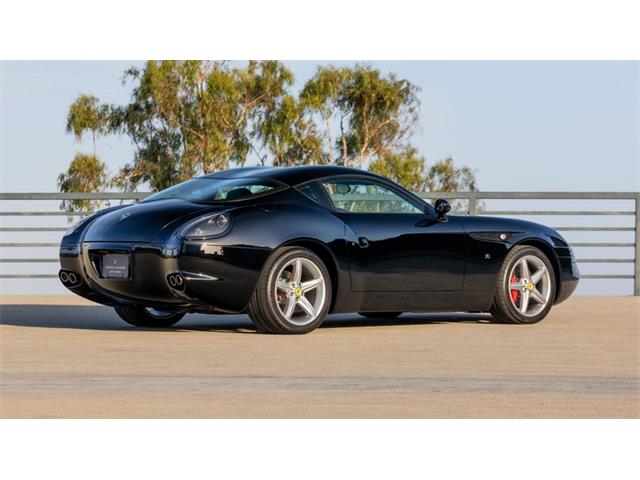
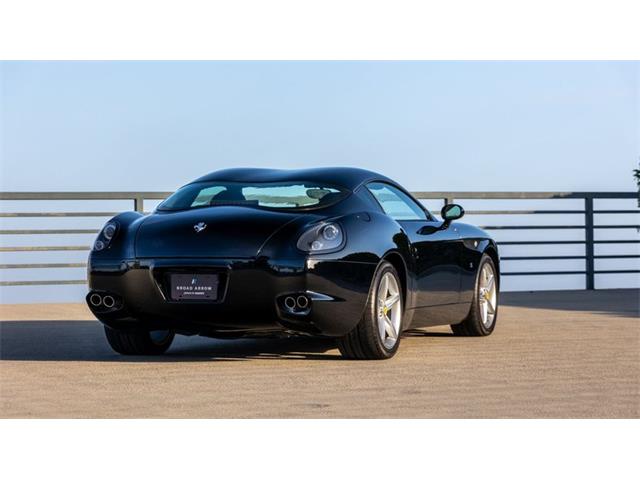
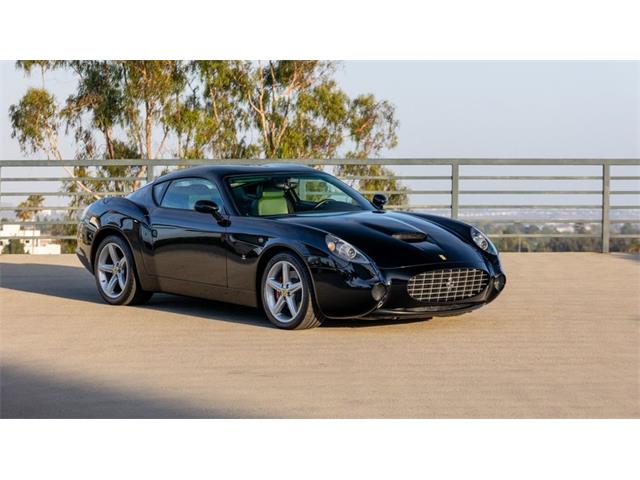
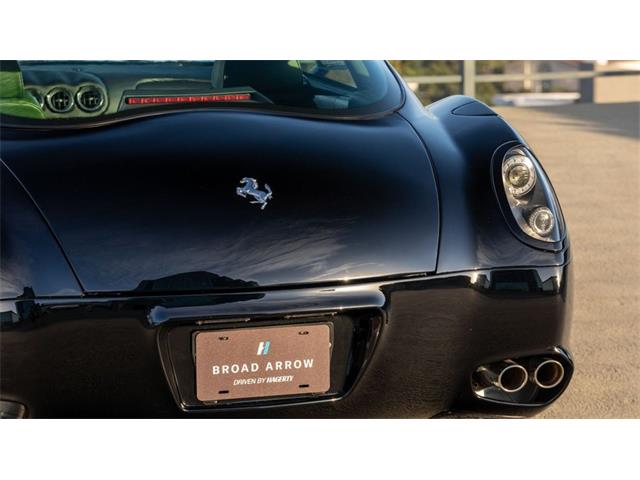
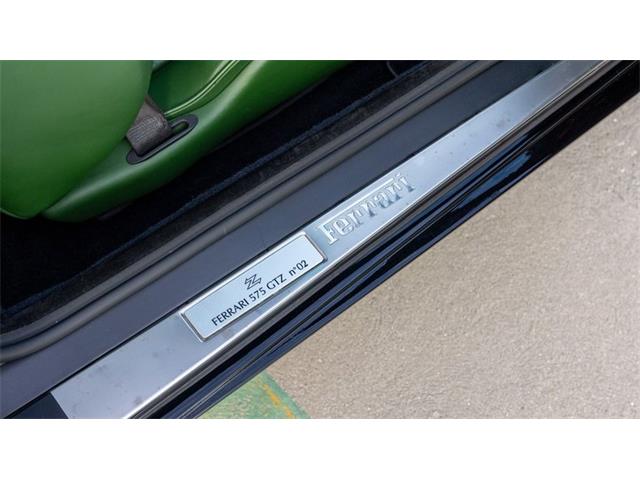
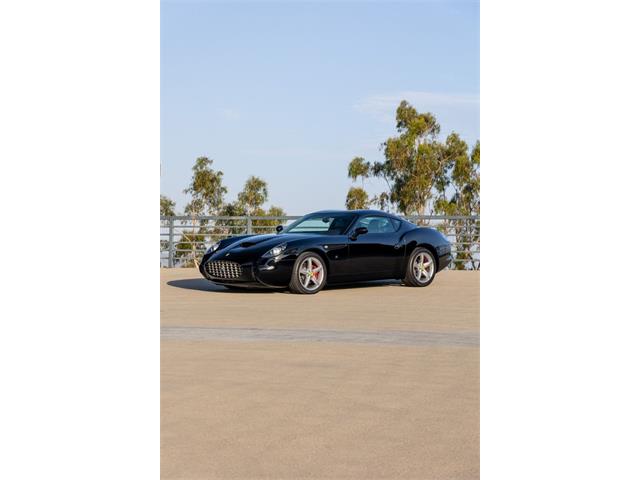
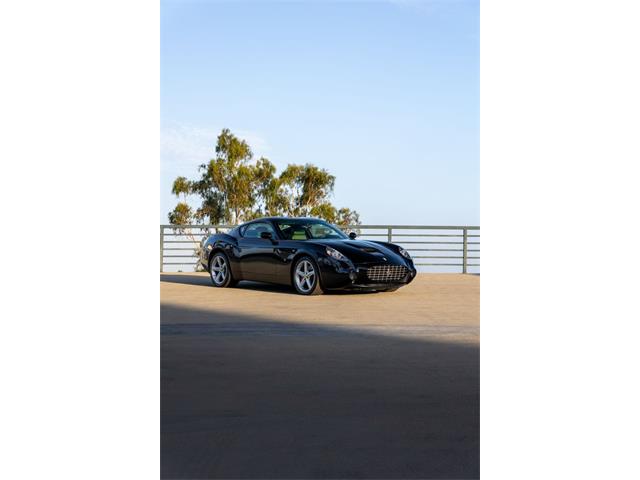
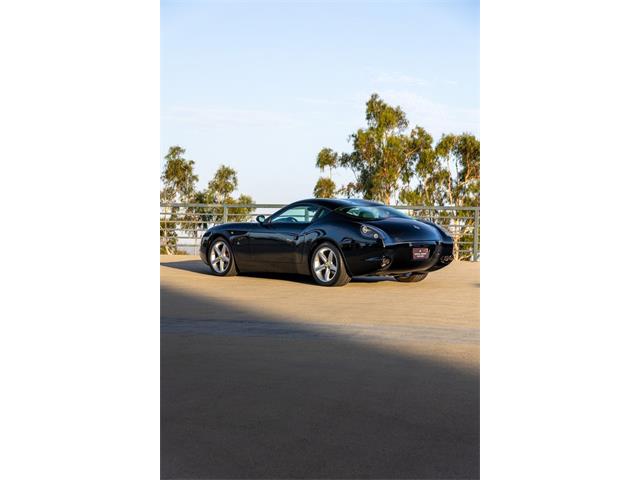
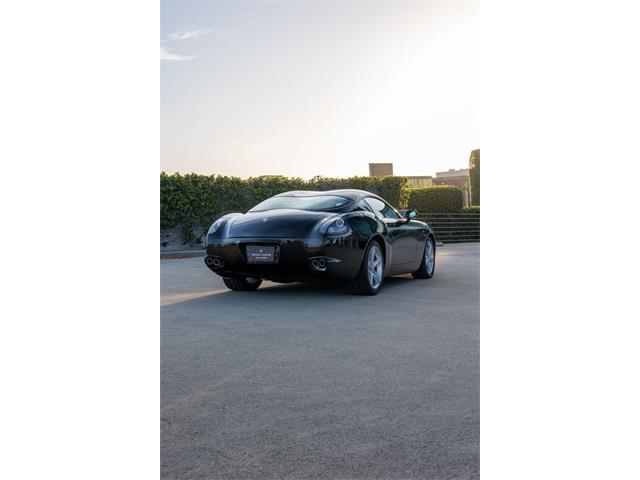
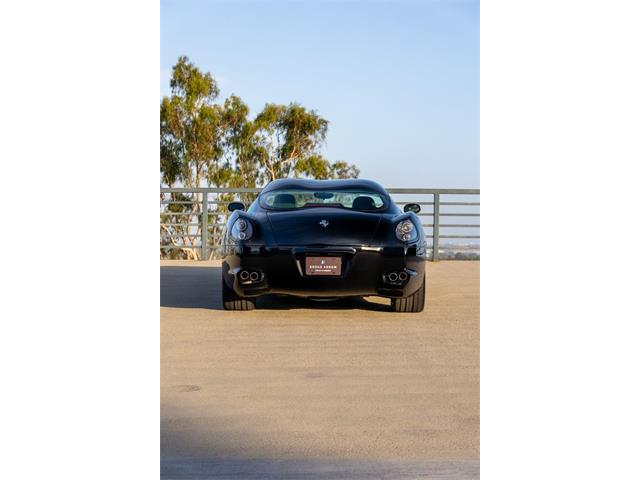
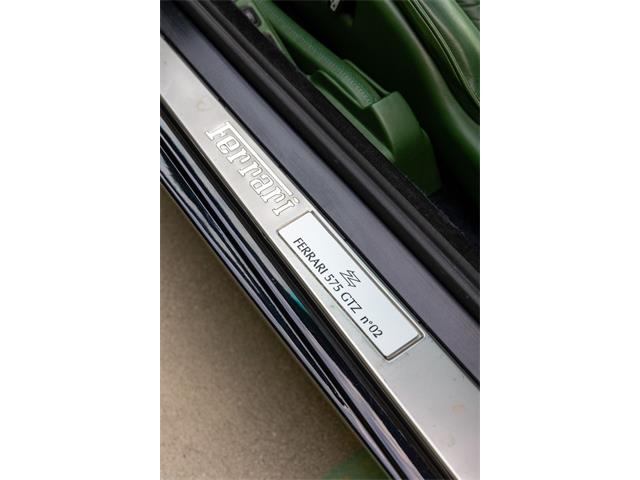
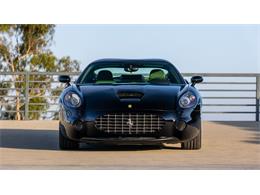
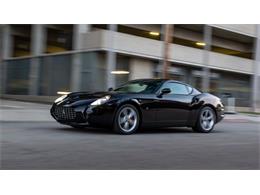
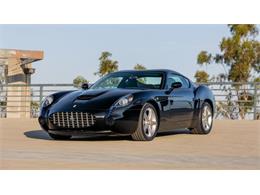
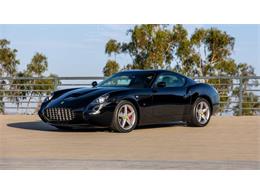
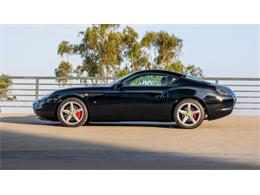
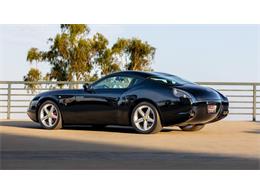
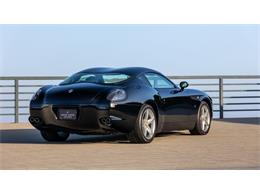
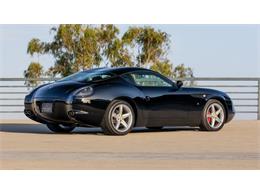
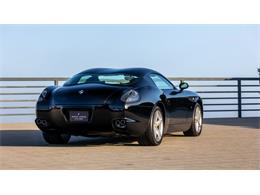
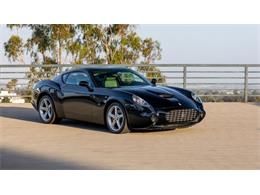
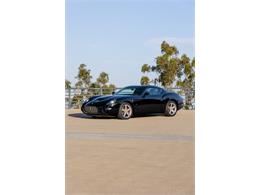
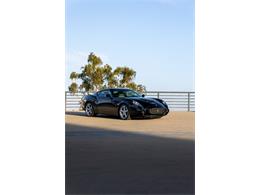
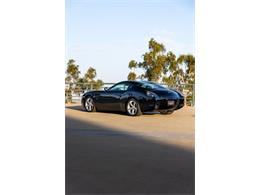
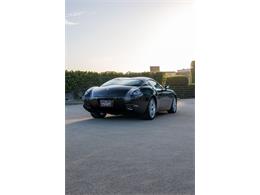
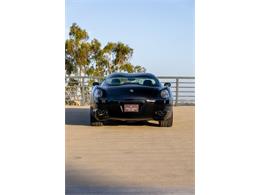
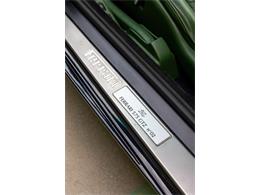
The car offered here, chassis number 134936, is the second of the
six berlinettas completed and one of the original pair commissioned
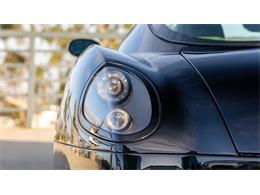
by Hayashi himself. Its specification is unlike any other in the
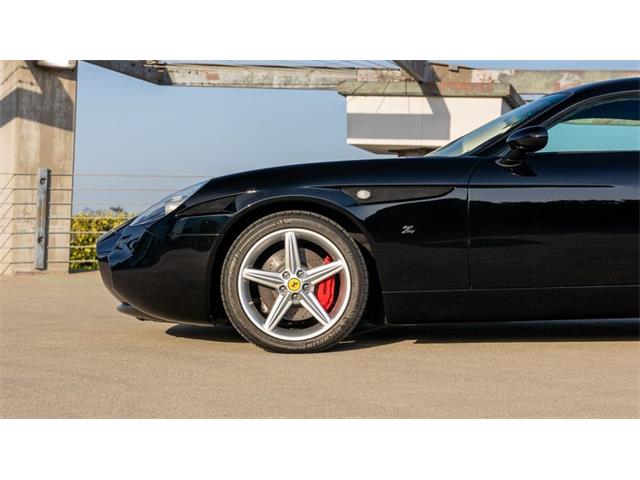
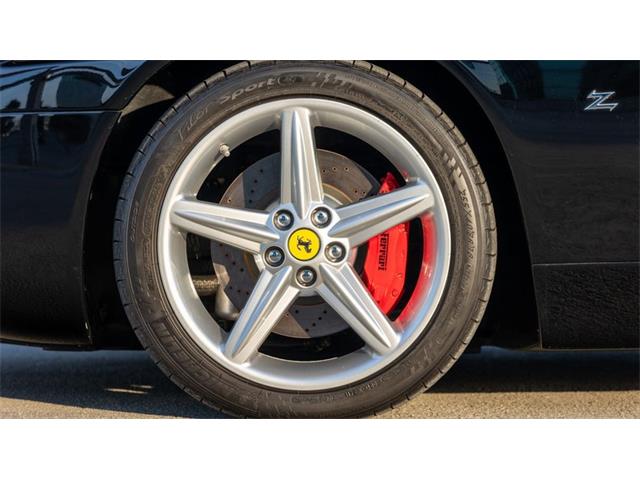
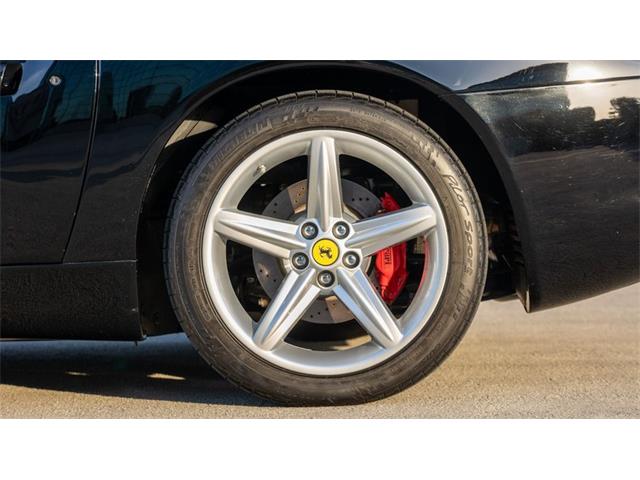
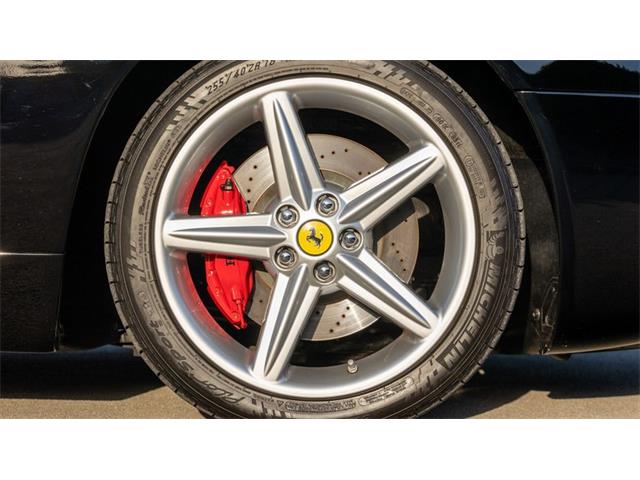
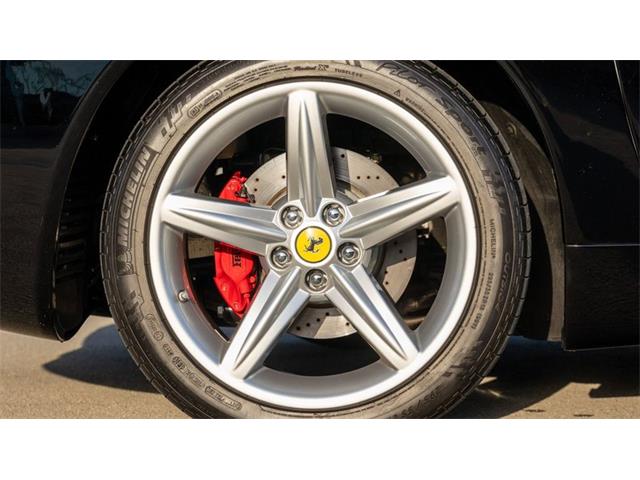
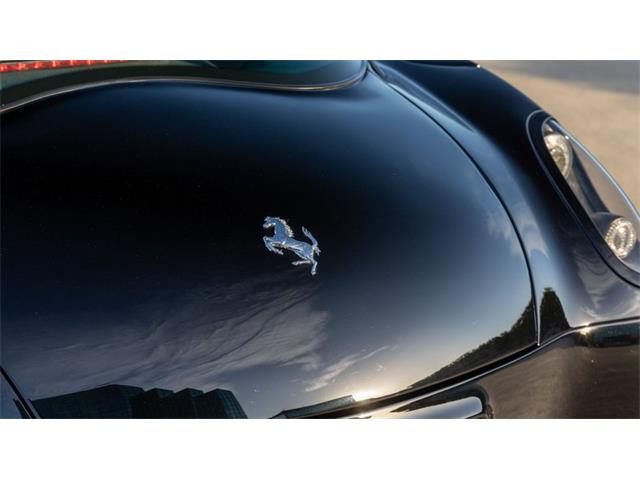
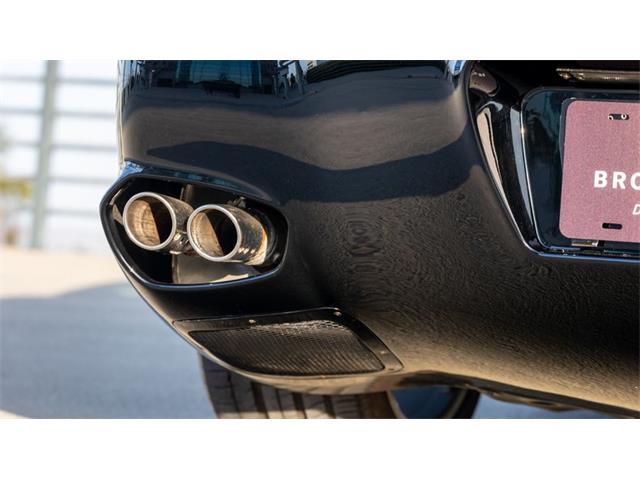
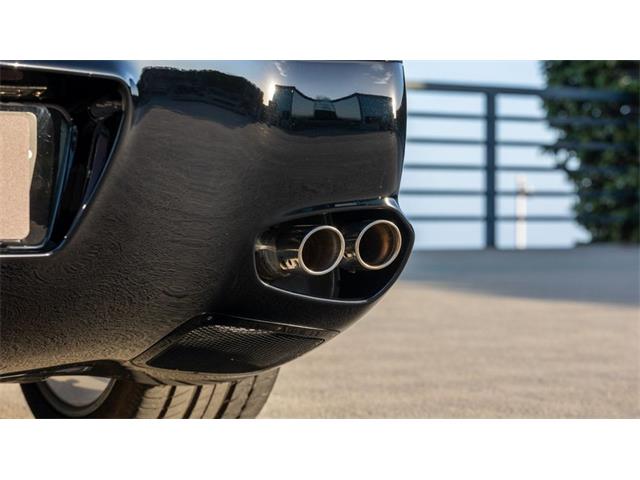
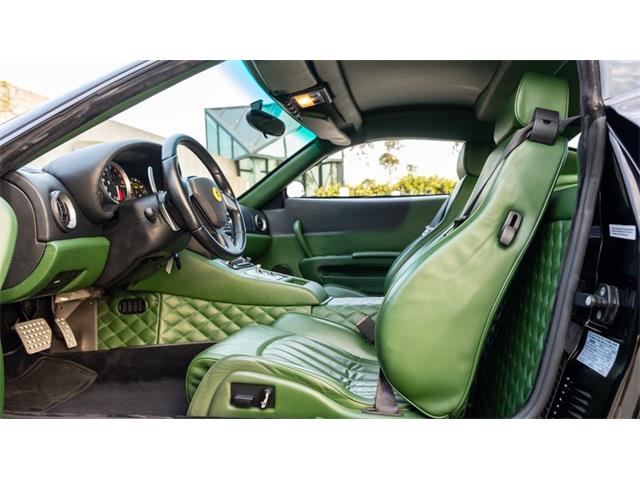
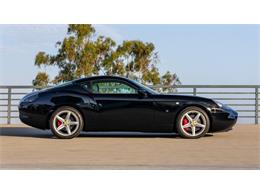
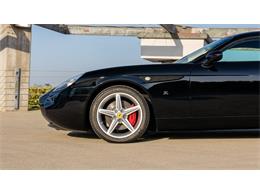
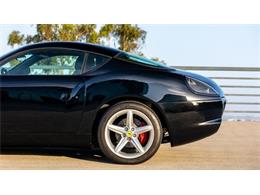
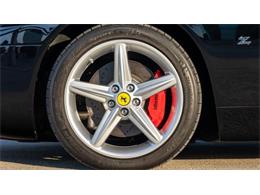
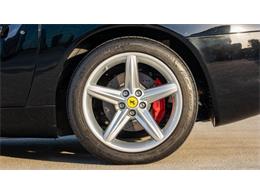
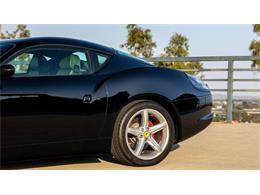
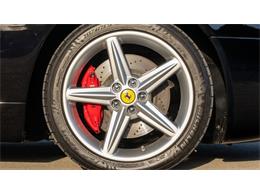
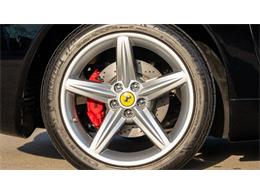
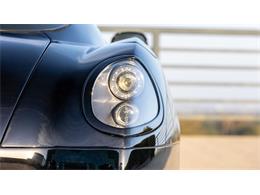
series, pairing a full Nero exterior-the roof finished in body
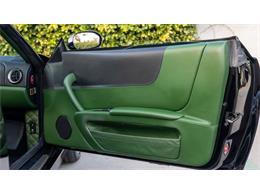
color rather than a contrasting hue, over five-spoke alloy wheels
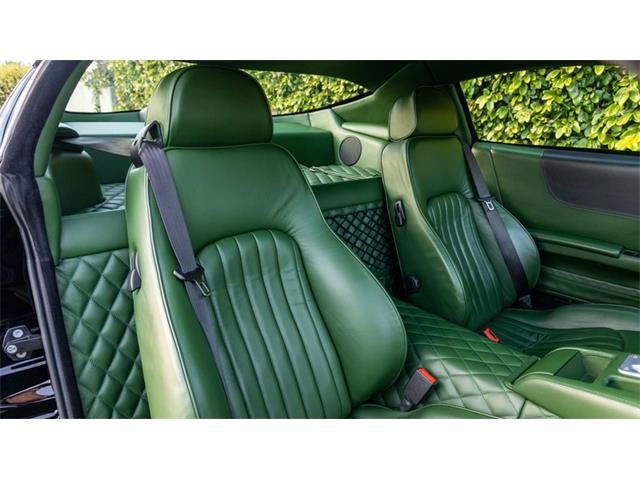
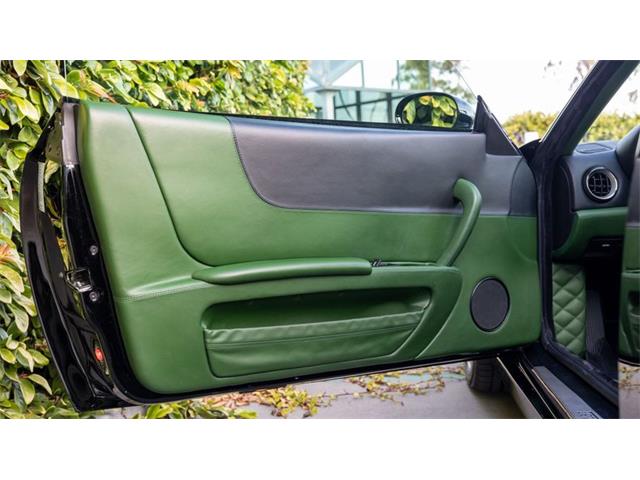
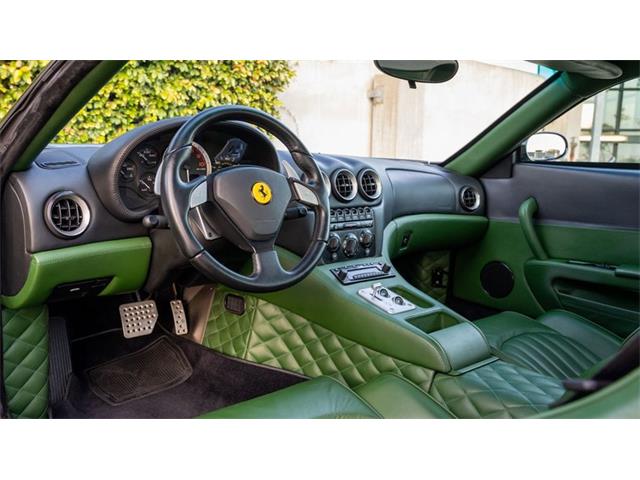
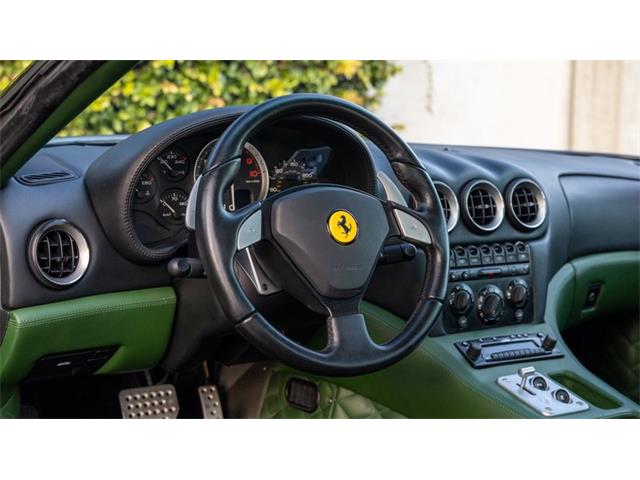
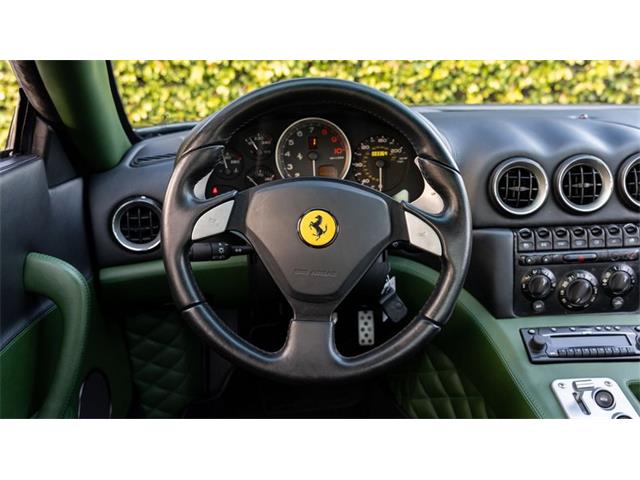
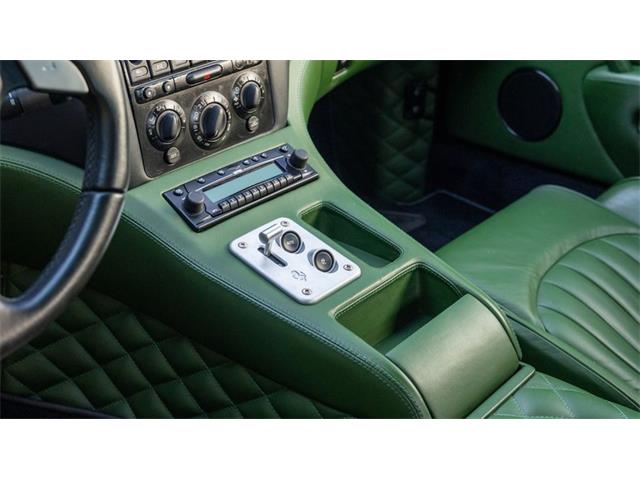
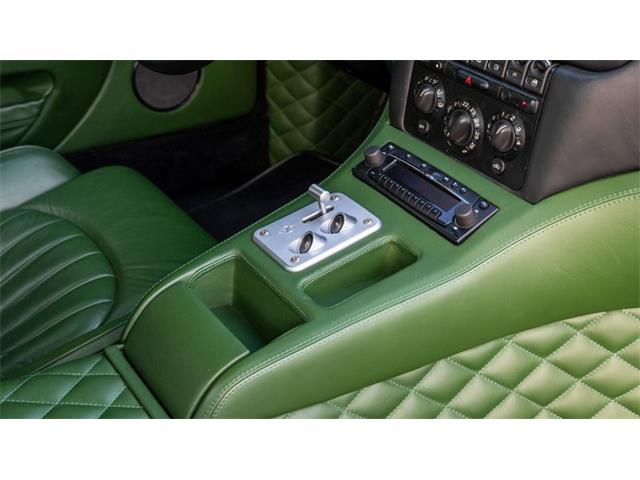
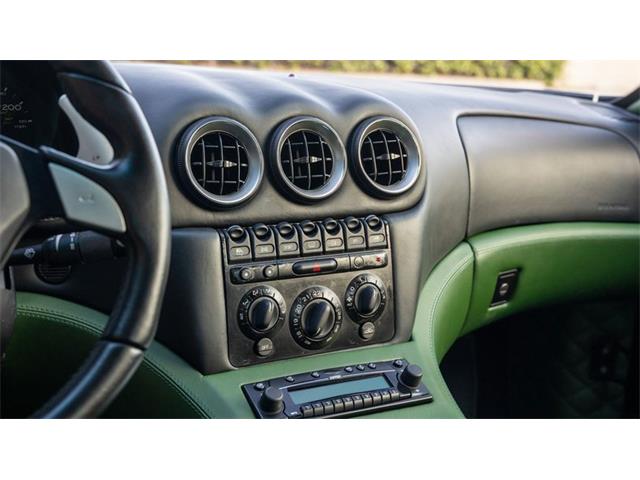
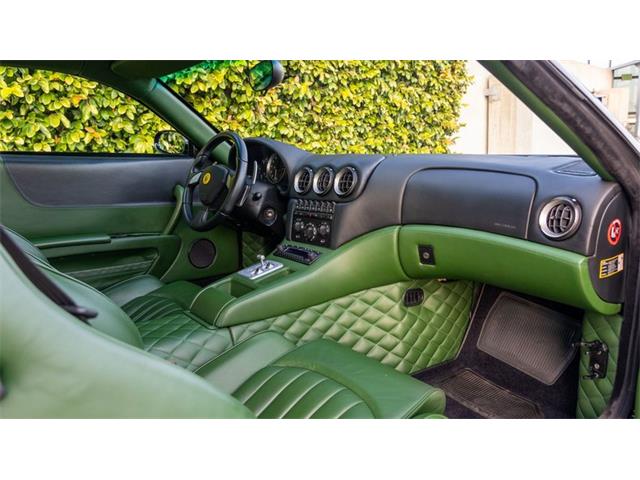
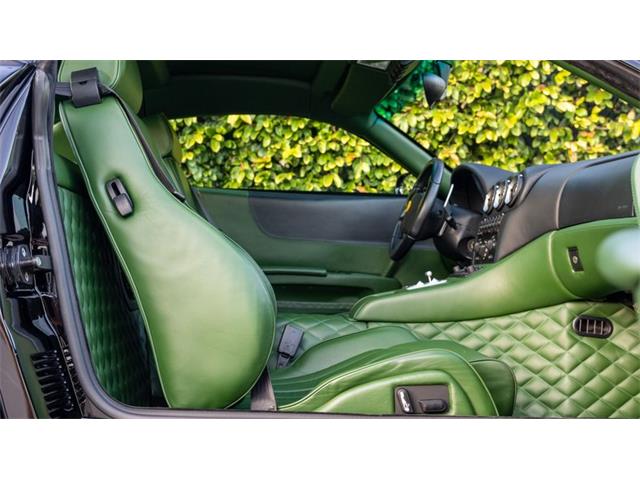
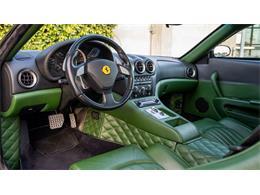
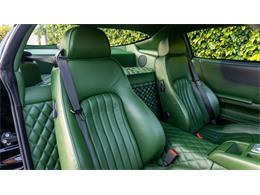
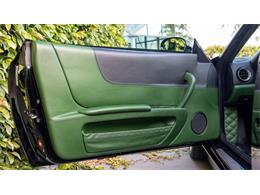
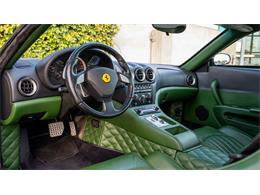
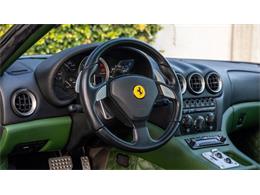
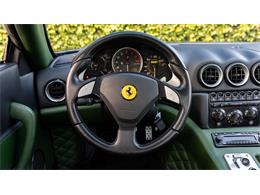
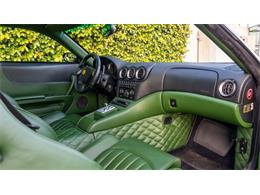
with red-painted calipers-with a striking Verde leather interior.
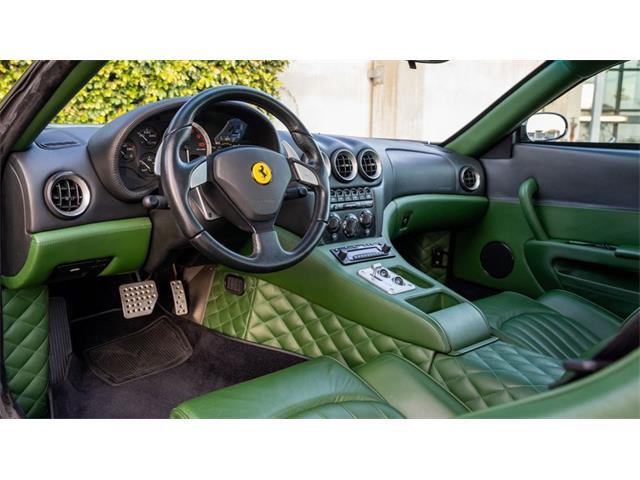
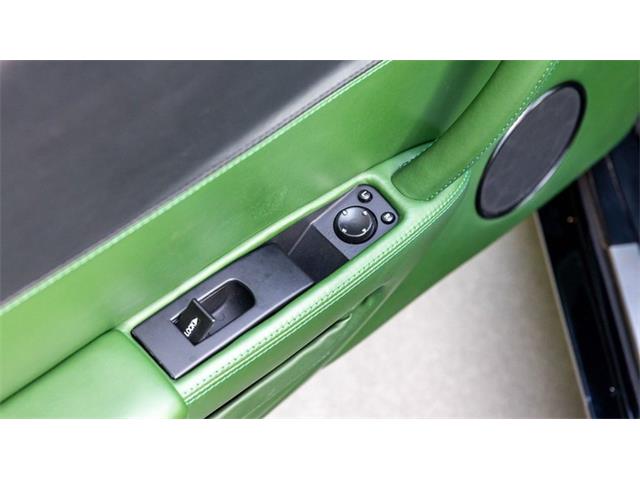
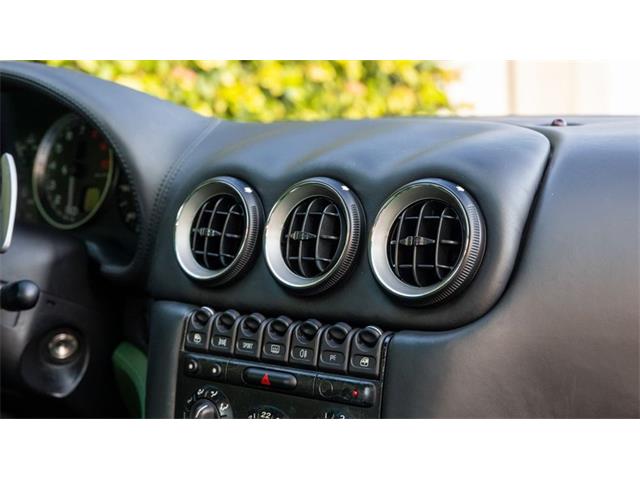
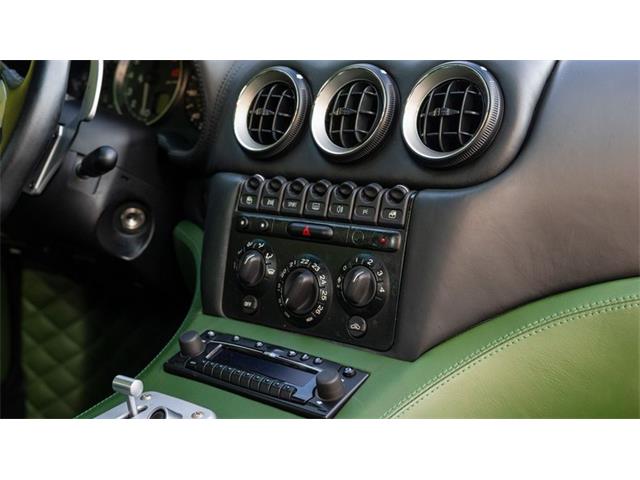
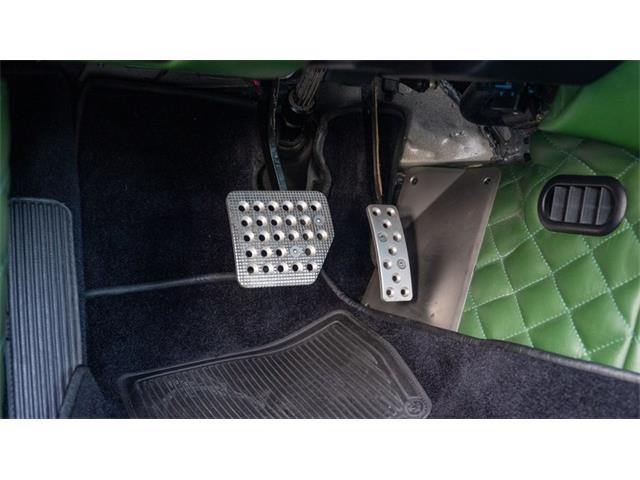
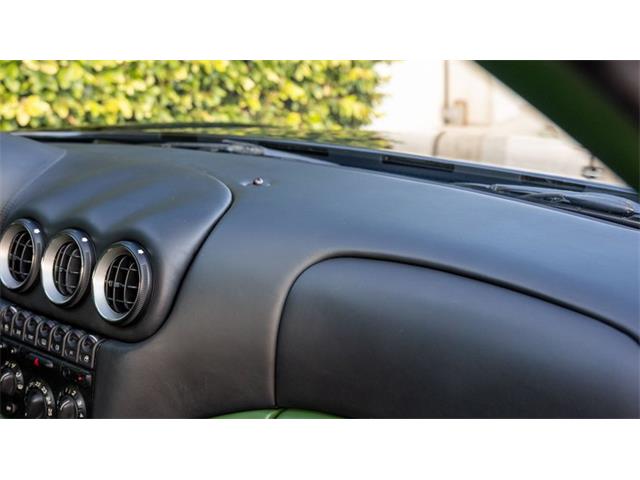
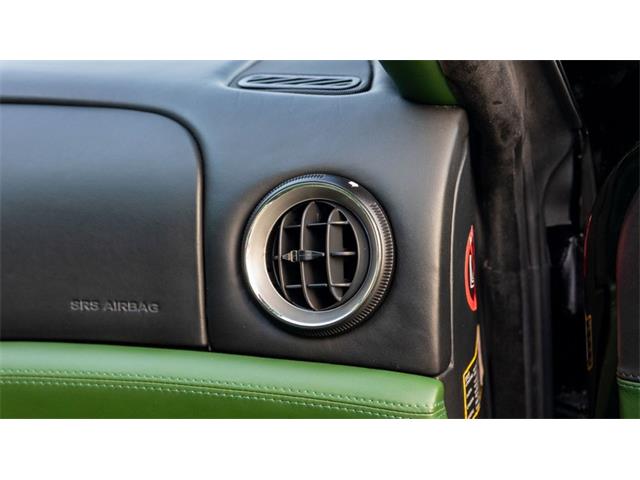
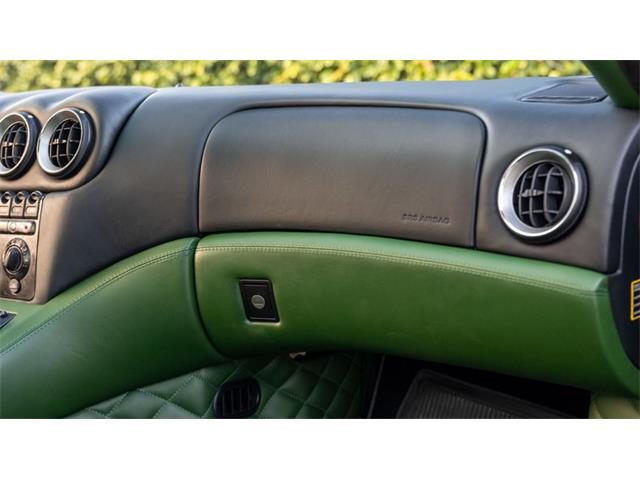
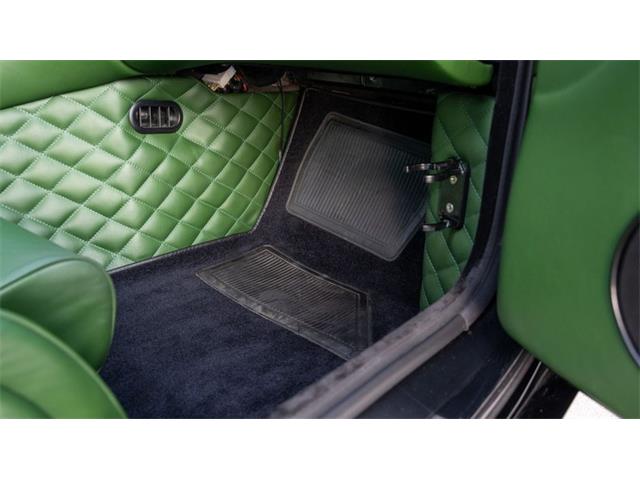
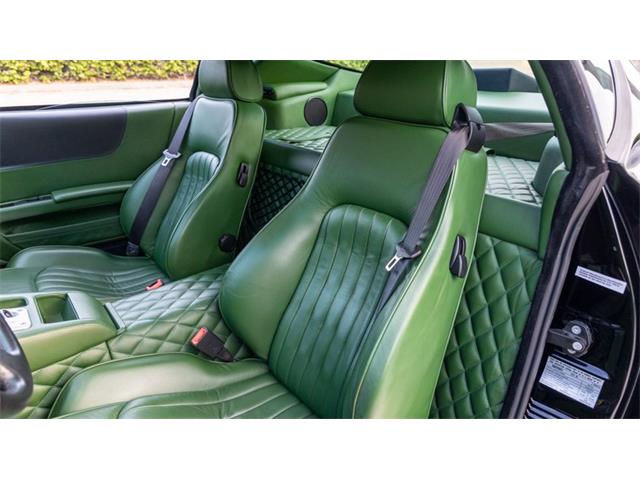
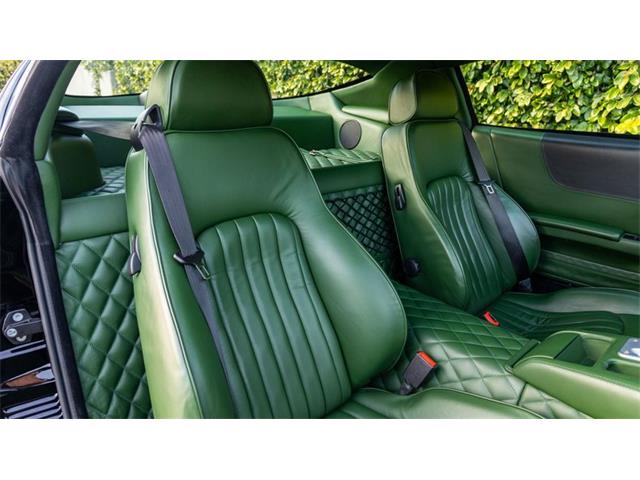
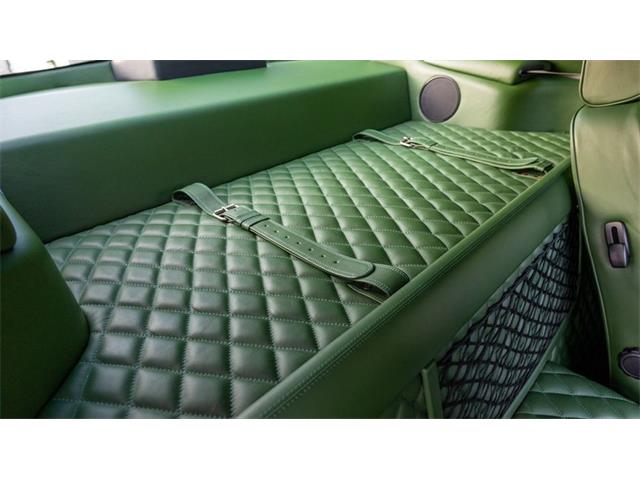
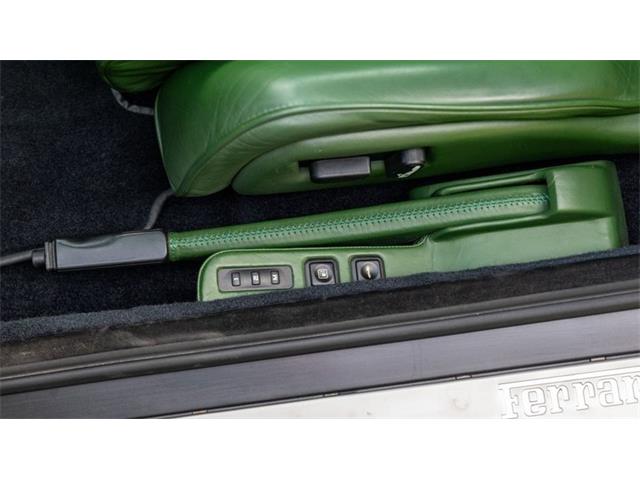
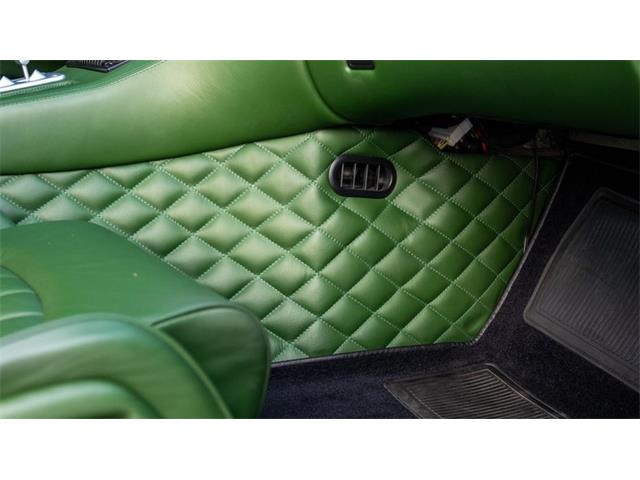
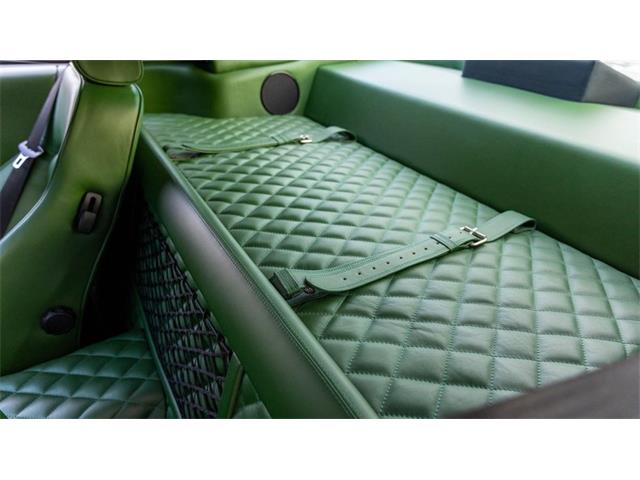
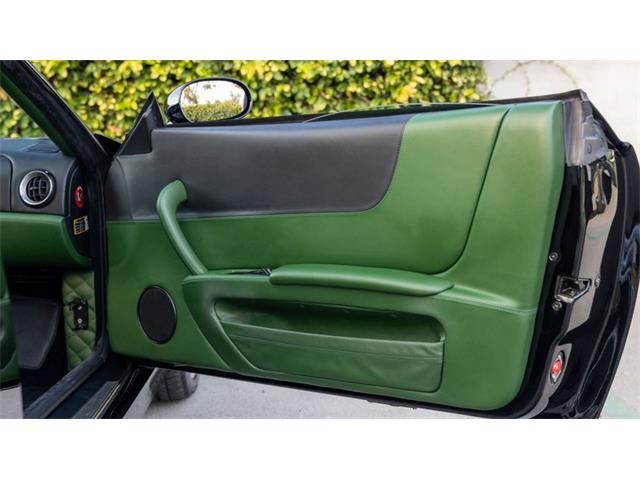
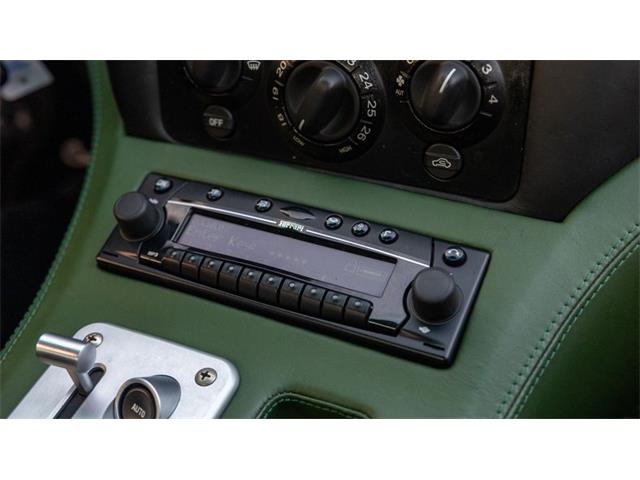
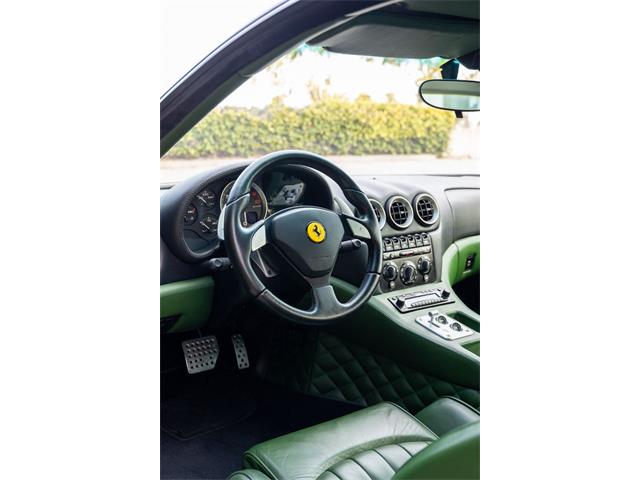
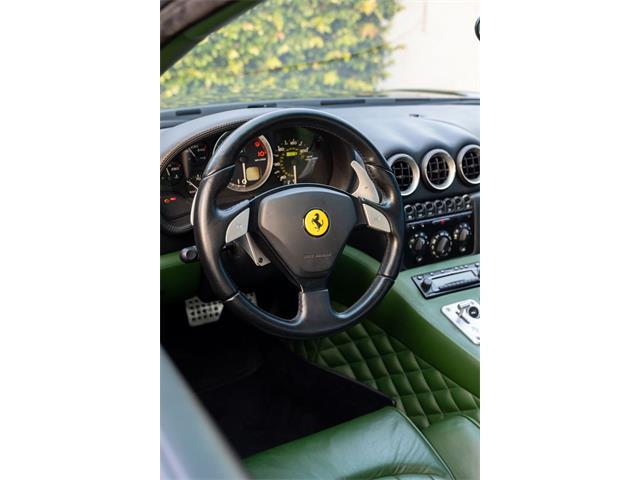
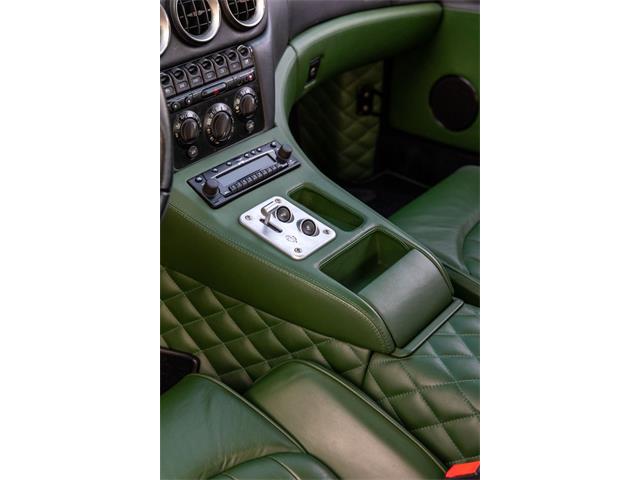
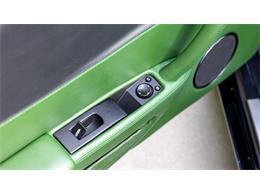
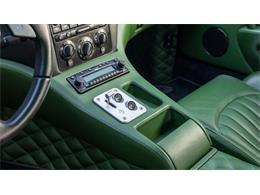
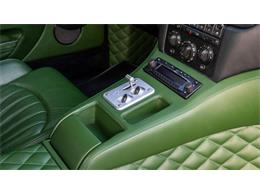
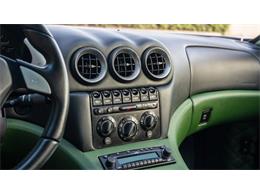
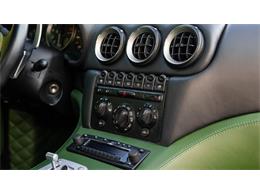
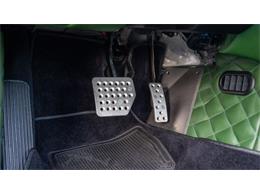
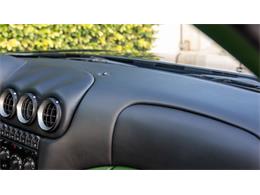
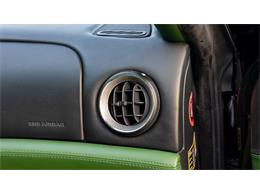
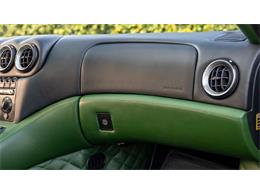
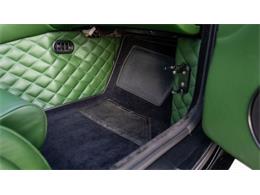
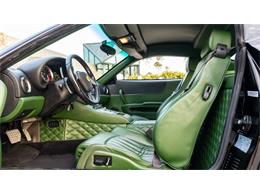
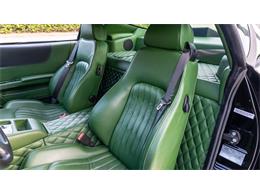
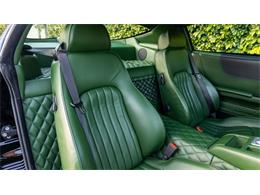
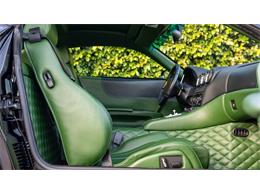
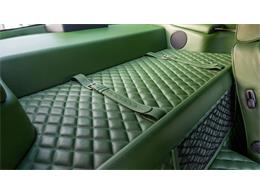
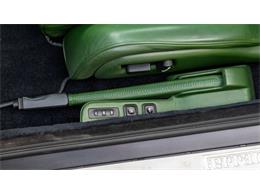
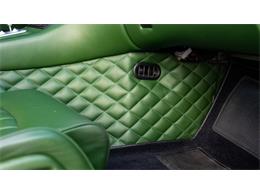
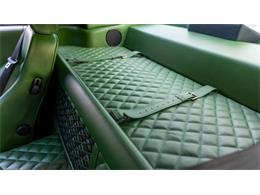
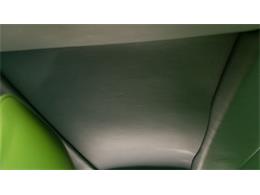
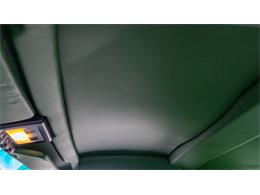
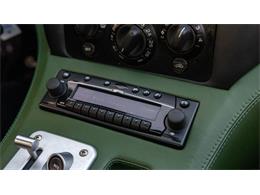
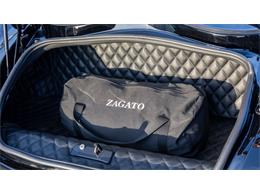
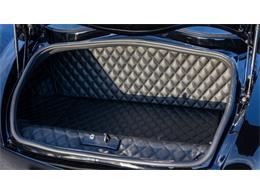
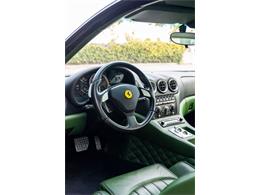
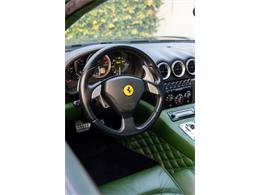
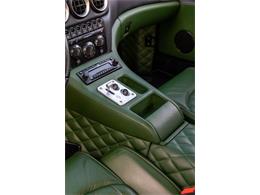
The cabin showcases the full breadth of Zagato's craftsmanship,
with Verde leather covering the seats, door panels, and center
console, complemented by diamond-quilted hides on the transmission
tunnel, footwells, rear wall, and parcel shelf. The effect is at
once restrained and unmistakably bespoke.
Originally completed in October 2003 as a 2004 model, the original
service and warranty booklet accompanying the car records delivery
through Cornes & Co., Ltd., Ferrari's longtime Japanese importer,
and a Japanese CarVX Report on file records the Maranello's first
registration in March 2004. It received its bespoke Zagato
coachwork in 2006, as did all cars in the series, leaving Zagato's
workshops in February of that year, while period photographs show
the finished Zagato wearing Shonan-issued registration plates
reading, fittingly, "575." Inspection records from 2007 and 2009
note odometer readings of 3,800 and 4,100 kilometers respectively,
before a final Japanese registration entry in April 2011, when the
car was deregistered for export. History compiled by noted Ferrari
historian Marcel Massini records the Zagato offered for sale in
Japan that April, and by late 2011 it had passed to Symbolic Motor
Car Company of San Diego, California.
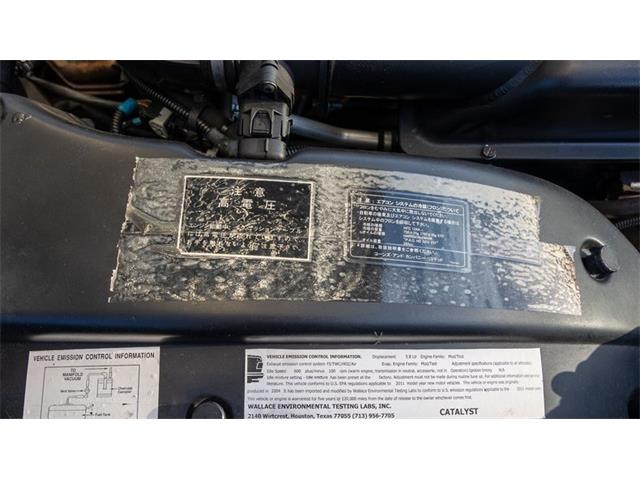
The accompanying clean CARFAX Report resumes the story in June
2011, when the Ferrari was imported to the United States through
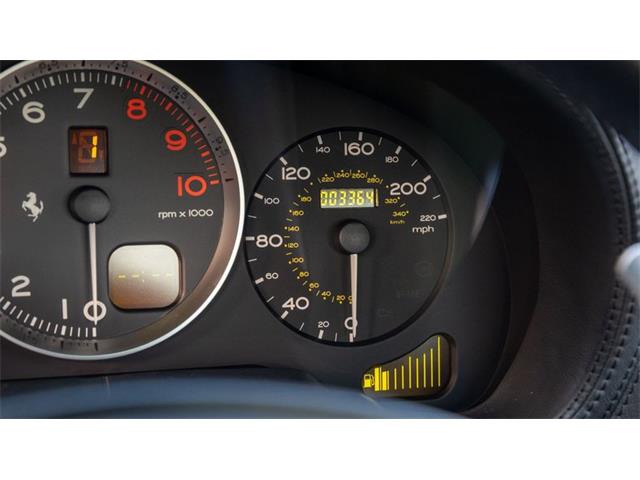
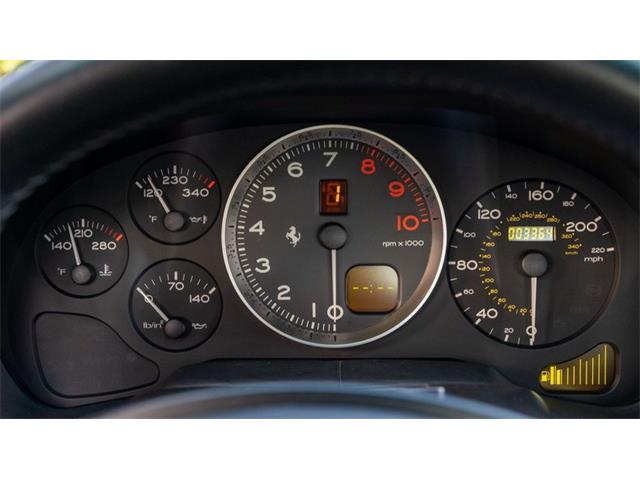
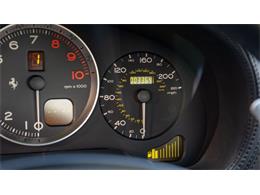
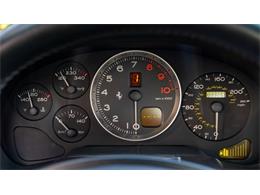
the port of Houston, Texas-at which point the 320-km/h instrument
cluster was likely exchanged for the current 220-mph unit. In
January 2012, Symbolic presented the car at the XXI Palm Beach
Cavallino Classic, held in Palm Beach, Florida, and that same month
sold it to Danish collector and racing driver Juan Barazi.
Registrations followed in Arizona, Florida, and Montana, with
recorded mileage increasing gradually along the way-2,849 miles in
early 2012, 3,255 miles in 2014, and 3,281 in 2023.
In November 2023, the car was entrusted to Ferrari of Seattle for a
comprehensive major service at an invoiced cost of more than
$24,000. The work encompassed replacement of the timing belt and
tensioning rollers, spark plugs, accessory belts, and all filters,
along with fresh fluids throughout, a gearbox oil service, an air
conditioning service with a new receiver/drier, and a reseal of the
lower oil pan, while a new alarm siren was fitted and the door
locks were repaired. More recently, in January 2026, Ferrari
Beverly Hills performed an annual service comprising fresh engine
oil, filters, brake fluid, and coolant, with both invoices retained
on file. Today the odometer displays just 3,364 miles, and the car
presents in commensurately excellent condition throughout, having
clearly been treasured as the rolling work of art its commissioner
intended.
The 575 GTZ occupies a significant place in history among modern
Ferraris, having revived the client-coachbuilder relationship that
defined Maranello's golden age-foreshadowing the Special Projects
and one-off programs Ferrari itself would soon embrace. During such
a heightened period of collectability for all special-series
Ferrari models, this coachbuilt example, one of only six in the
world and dressed in a specification all its own, surely commands
the attention of serious collectors.
ClassicCars.com has been recognized as one of the fastest-growing private companies in the United States, successfully making the Inc. 5000 list in both 2015,
2016, 2017 and 2018. This prestigious accolade represents the continued growth of the company, and ClassicCars.com's dominance as the world's largest online marketplace for
buying and selling classic and collector vehicles.
The Stevie Awards, the world's premier business awards recognized
ClassicCars.com's first-class Customer Support team with a Stevie Bronze Award in 2019, celebrating the team's skills as exemplary customer support specialists.
In 2016 The Journal, brought to you by ClassicCars.com, was celebrated as the SECOND MOST INFLUENTIAL automotive blog in the world by NFC Performance.