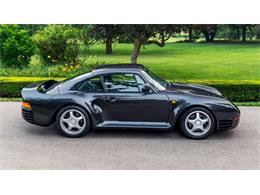
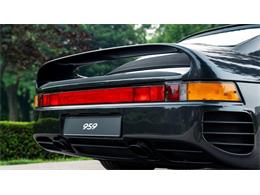
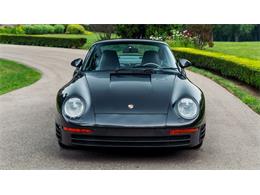
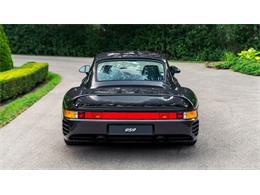
This vehicle has been soldThis vehicle is no longer available for sale on ClassicCars.com. Please set an alert if you would like to be notified as soon as similar vehicles become available.
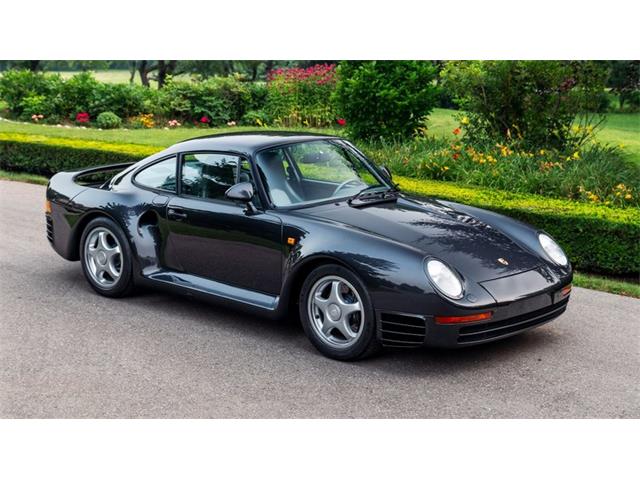
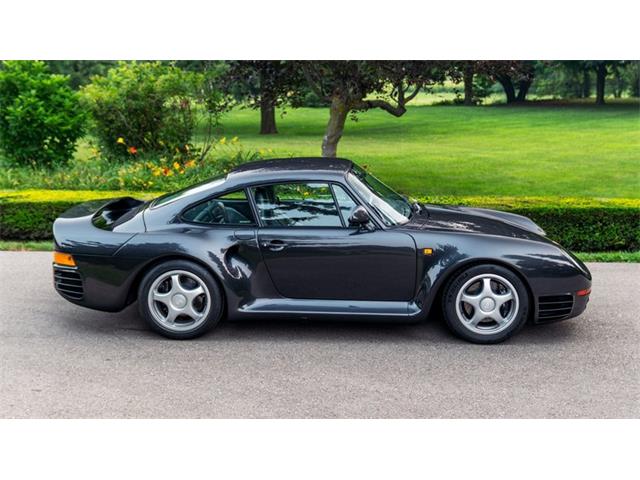
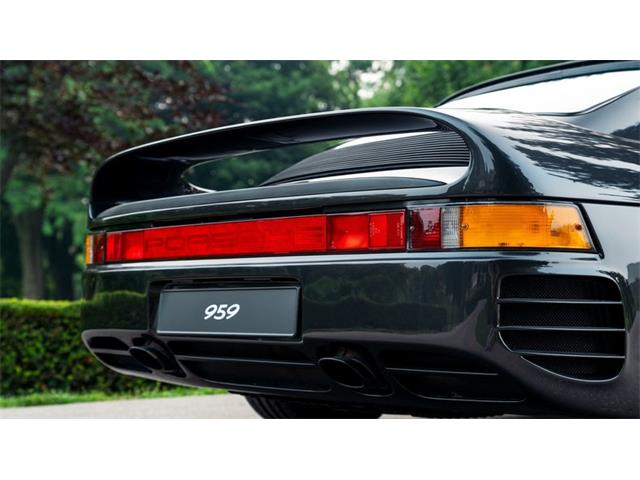
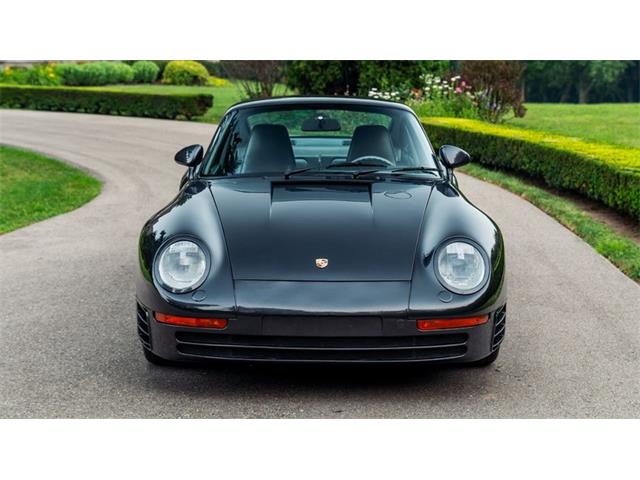
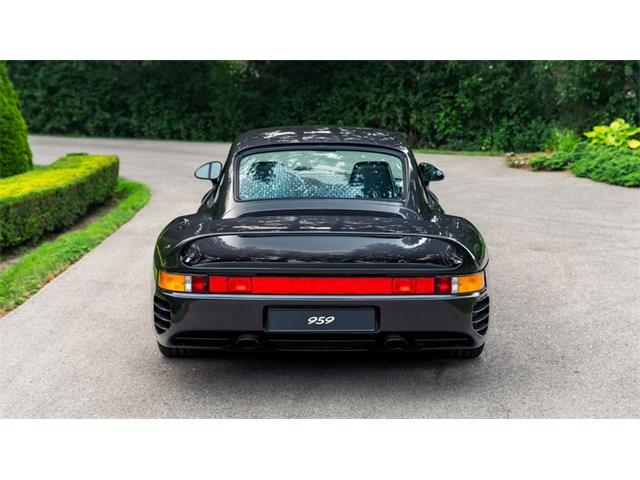
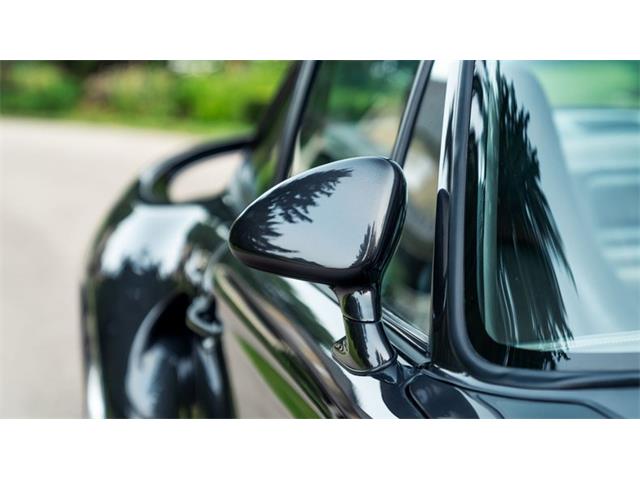
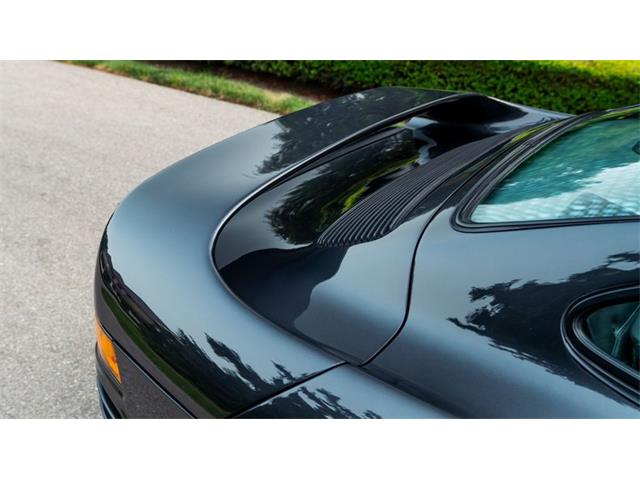
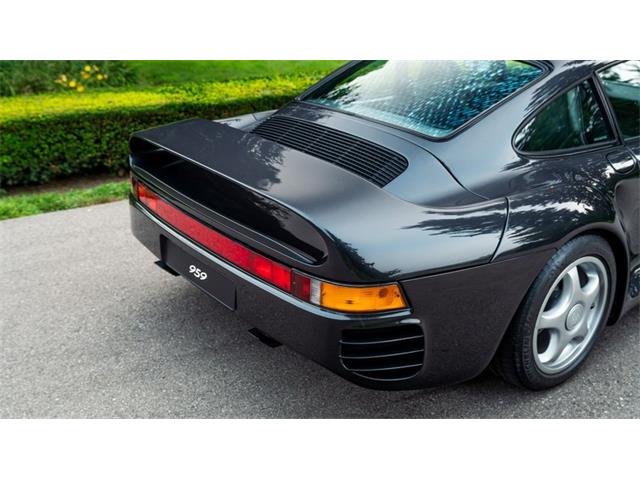
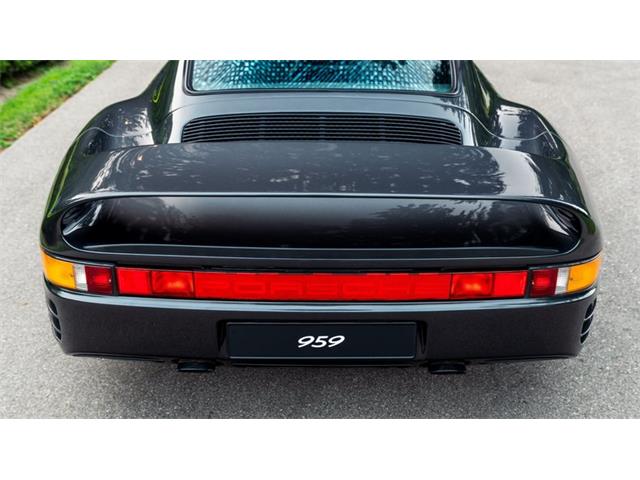
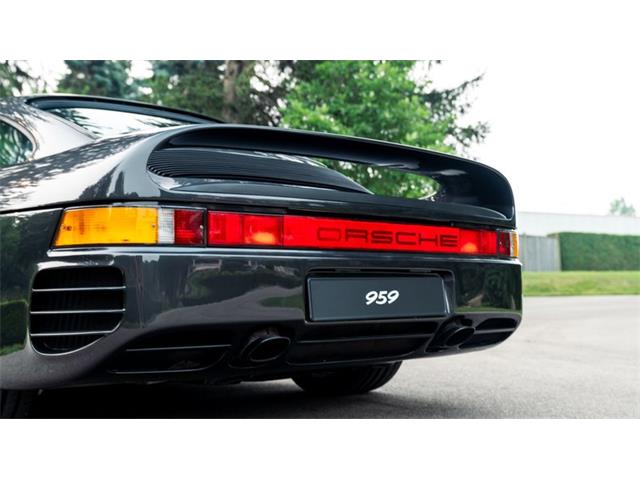
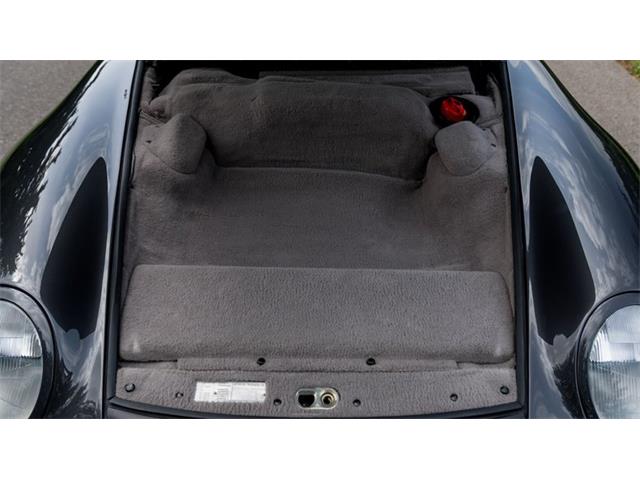
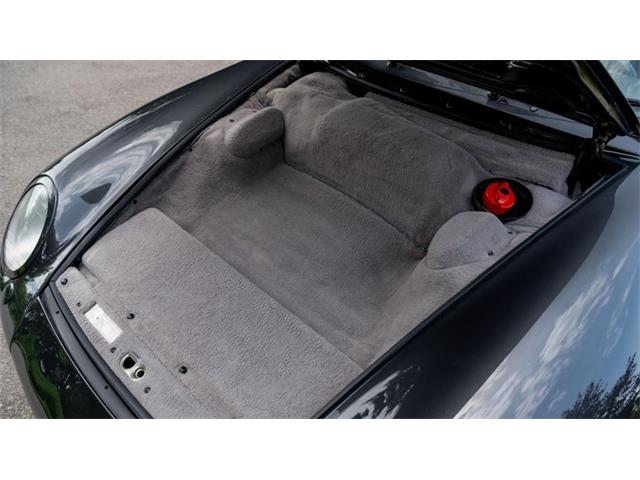
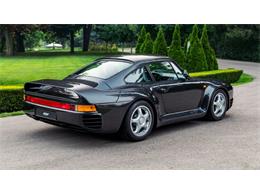
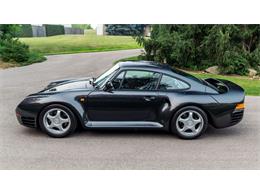
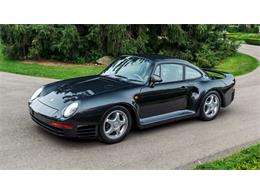
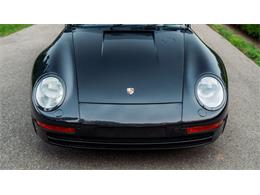
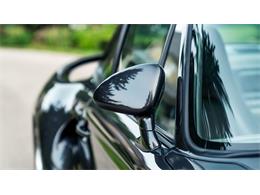
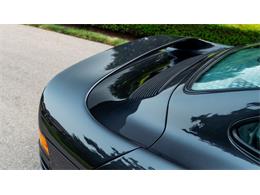
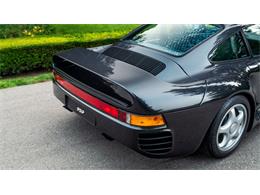
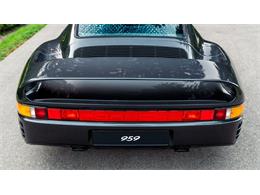
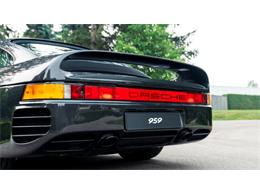
For Sale at Auction: 1988 Porsche 959 in Carmel, California
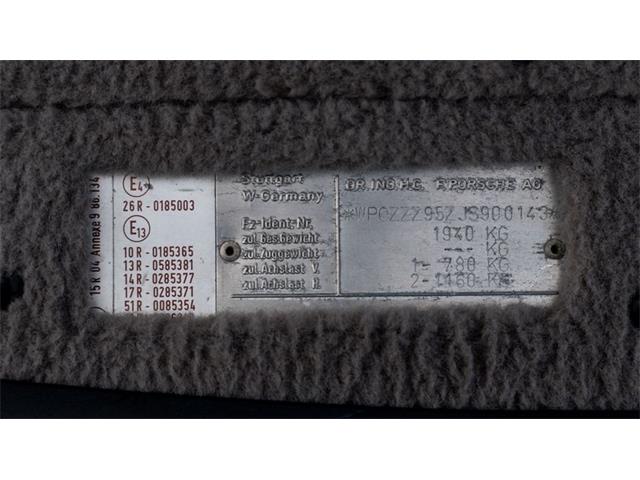
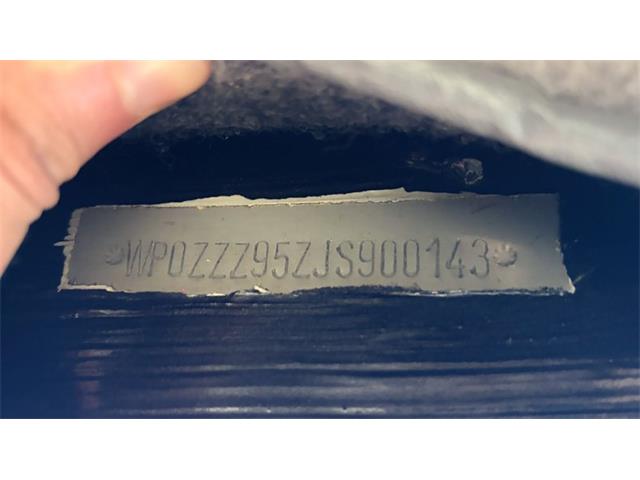
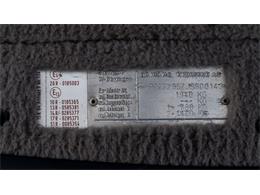
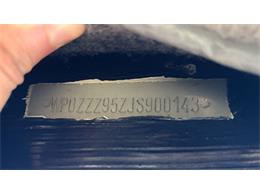
Chassis No. WP0ZZZ95ZJS900143
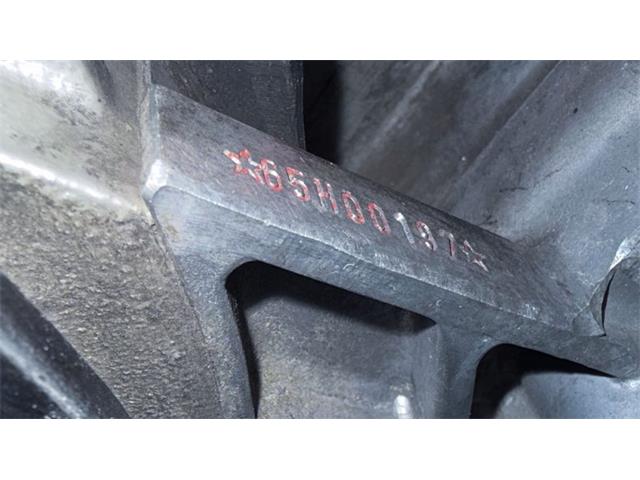
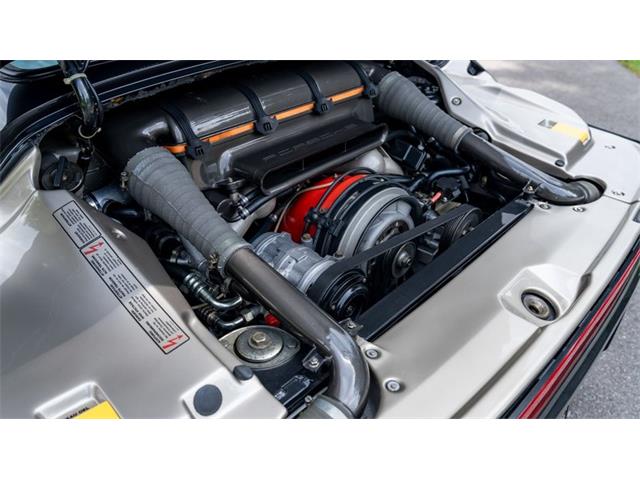
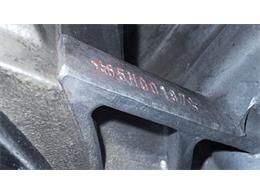
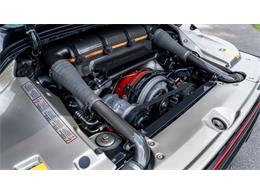
Engine No. 65H00197
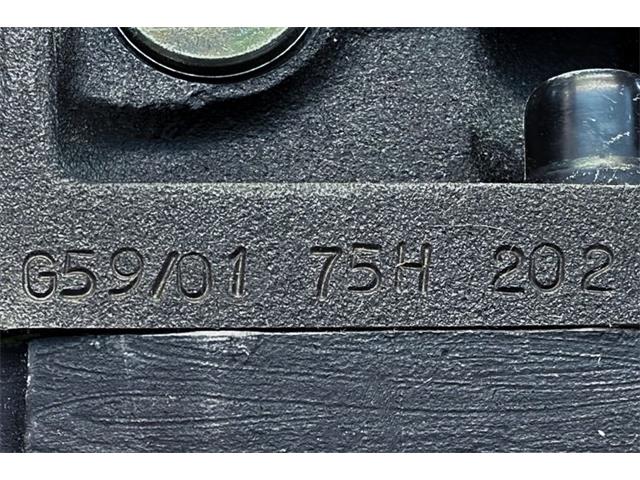
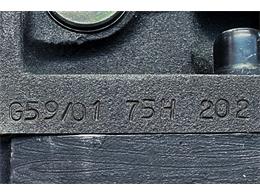
Transmission No. 75H00202
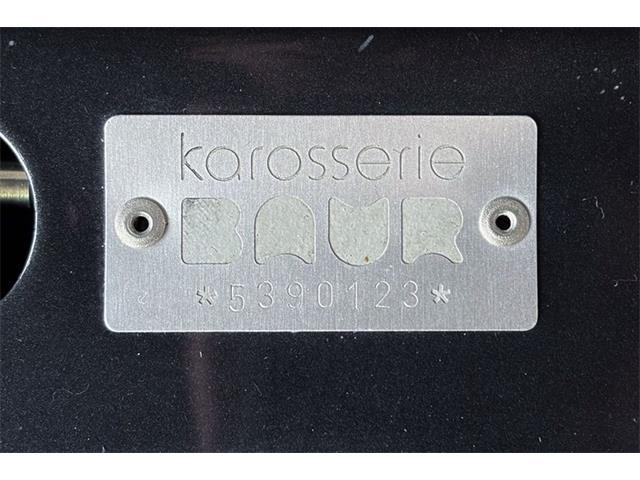
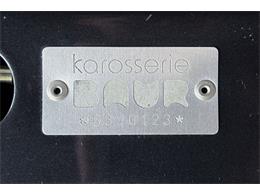
Karl Baur Body No. 5390123
The German language is famous for its hyper-specific expressions:
Kalkulationsfehler (financial mistake), Gl�ck im Ungl�ck (silver
lining), and Tausendk�nstler (jack of all trades). All of these
descriptions, and more, apply to the Porsche 959, the brand's first
true supercar. A technological marvel born in the mid-1980s, the
959 was an engineering test bed that filtered its advancements down
to the 911 lineup for well over a decade. But it was also a
financial headache. The project was riddled with delays and massive
cost overruns that created a cloud of uncertainty around its
production. Today, that fog has lifted, revealing the 959 for what
it truly is: a dramatic showcase of advanced technology and
speed.
In the early 1980s, Porsche was driven to prove its technological
dominance honed through decades of racing. The "Gruppe B" 959
project was created for this very purpose. Turbocharging, which
first appeared on the 1972 917/10 Can-Am racer, made its way to
Porsche's first turbocharged road car, the 1975 911 Turbo, and
eventually to the 959. It was a similar story with engine cooling.
Porsche's racing program had reached the thermal limit of its
air-cooled flat-six engines, so water-cooled heads appeared on the
victorious 956 endurance prototype in 1982, and just a few years
later, the 959 was the beneficiary of these successful experiments.
Self-leveling suspension, traction control, tire pressure
monitoring, ABS, and composite body construction all seem
commonplace today, but each of these systems was still in its
infancy when it was first applied to the 959. Porsche wasn't
content with simply piecing together a supercar from existing race
parts.
The company entered the 959 in two of the most demanding arenas in
motorsport: the 24 Hours of Le Mans (as the 961) and the
Paris-Dakar Rally. The 959 was triumphant in both. At its 1986
debut at Le Mans, it finished first in class and seventh overall.
It fared even better crossing the desert sands of Africa in the
ultimate test of durability and endurance, finishing first, second,
and sixth in the 1986 Paris-Dakar Rally. By the time the 959 was
ready for production, all the incredible technology, testing, and
racing led to an issue that additional power or better handling
couldn't solve: the program had drastically exceeded its budget. As
a result, Porsche lost money on every single 959 sold. In effect,
those lucky enough to purchase a new 959 for roughly DM 430.000
($225,000) were getting a massive discount on the actual production
cost due to the high levels of engineering investment typical of
Porsche.
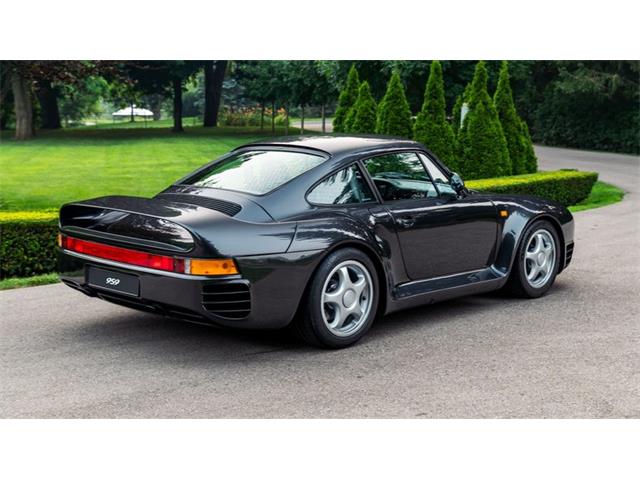
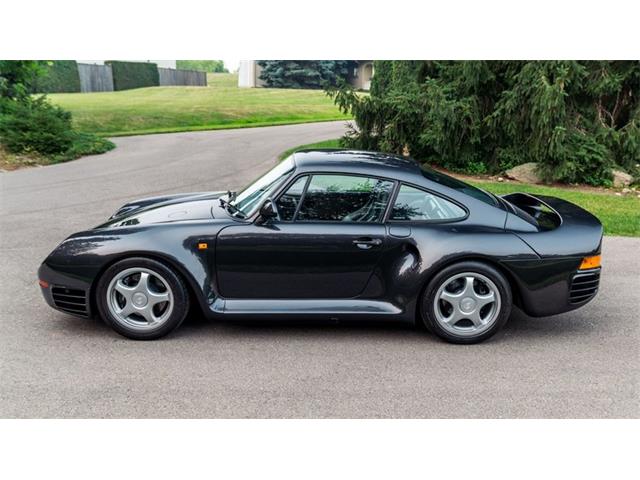
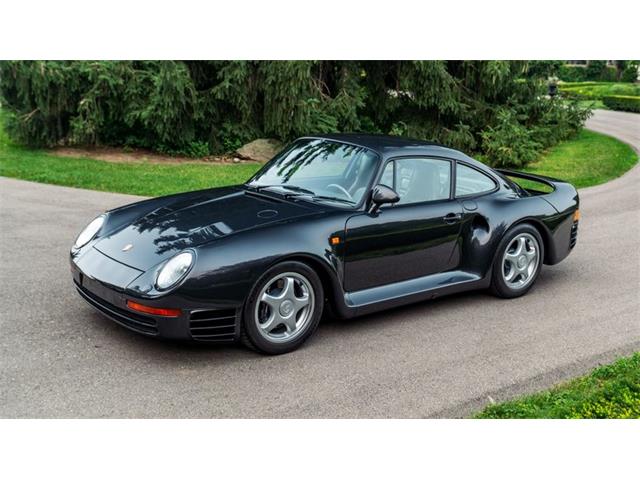
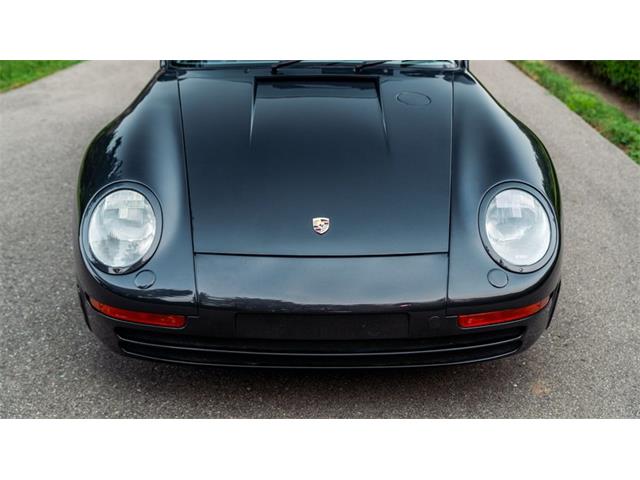
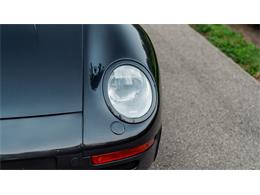
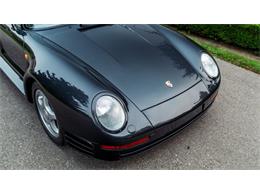
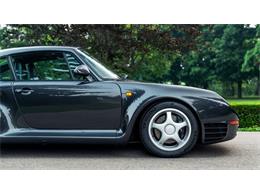
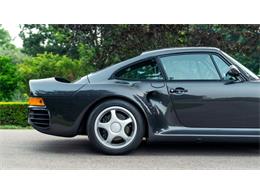
Despite the 959's outsized reputation, just 266 959 Komforts and,
later, a smaller number of Sports were produced. Chassis number
900143, a "C00" German-market example, is one of these rare 266
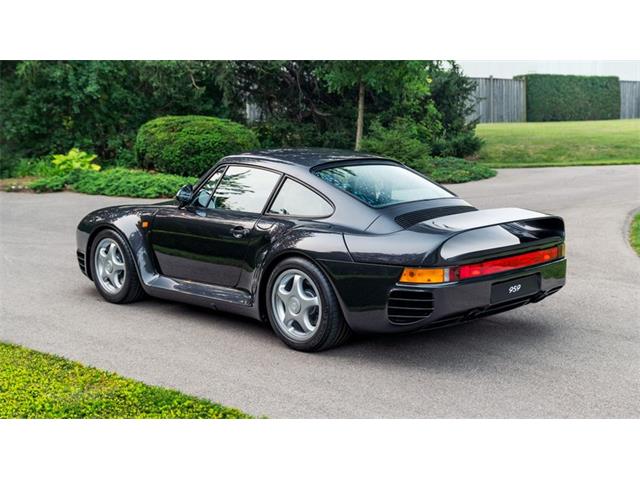
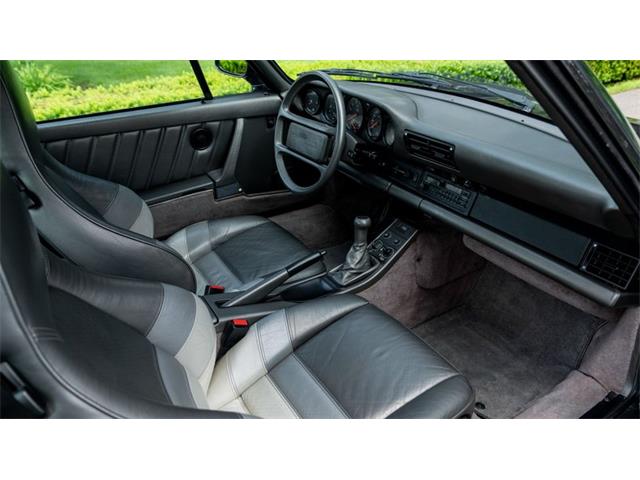
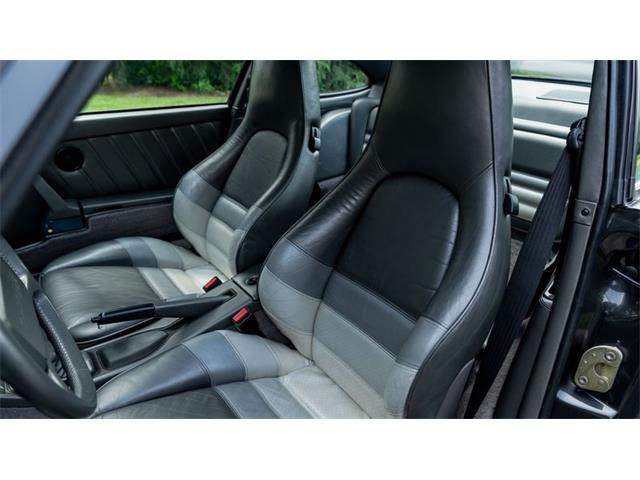
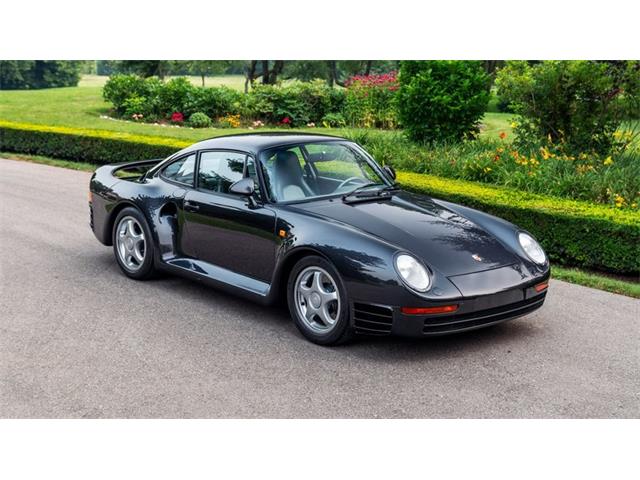
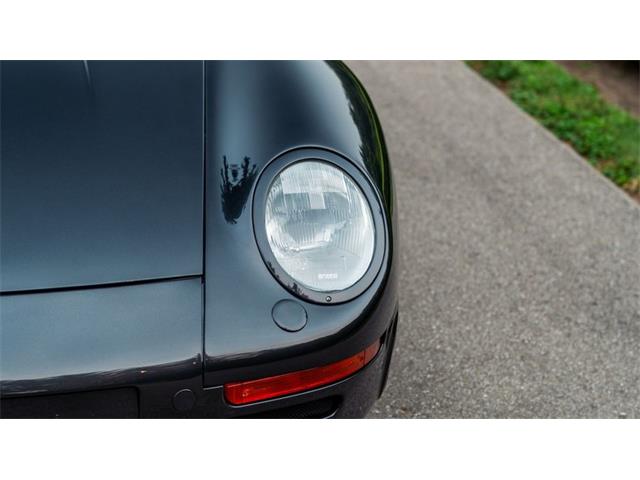
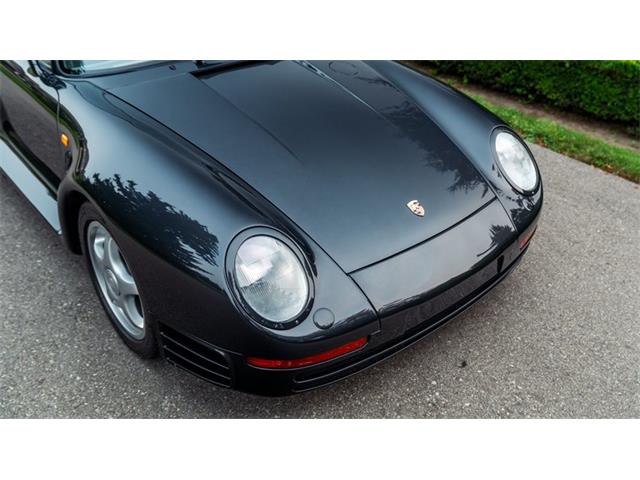
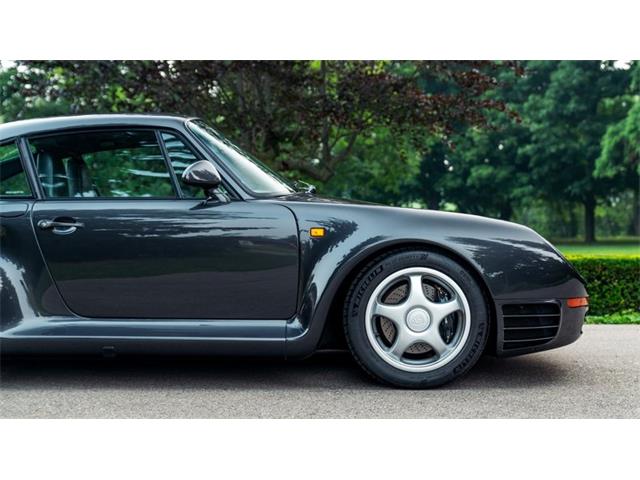
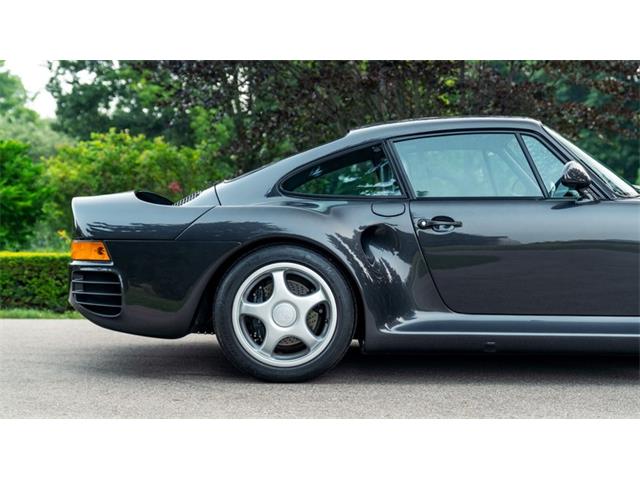
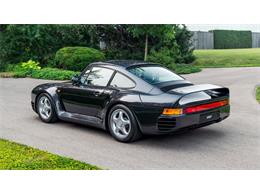
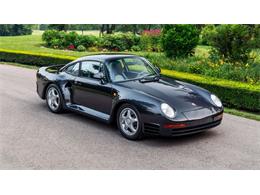
Komforts produced in 1988. The original owner selected the car in
the rare shade of Graphite Metallic, one of just 34 so finished.
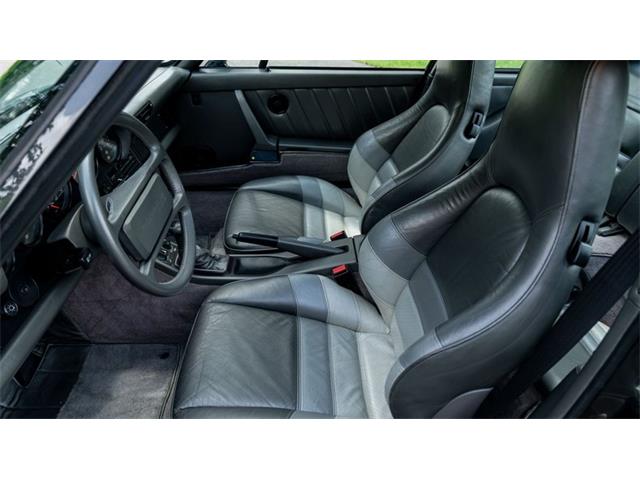
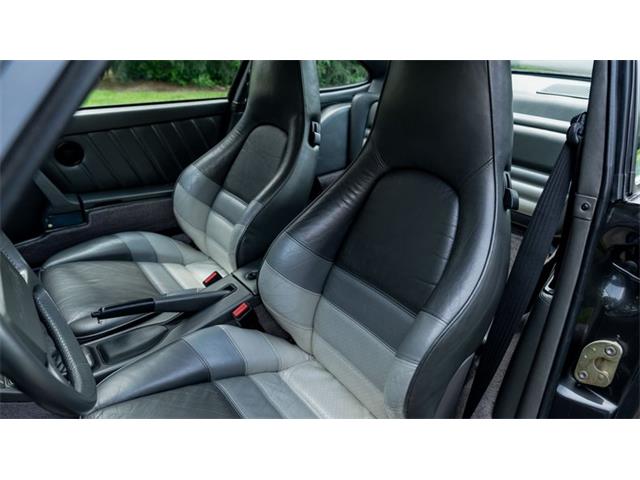
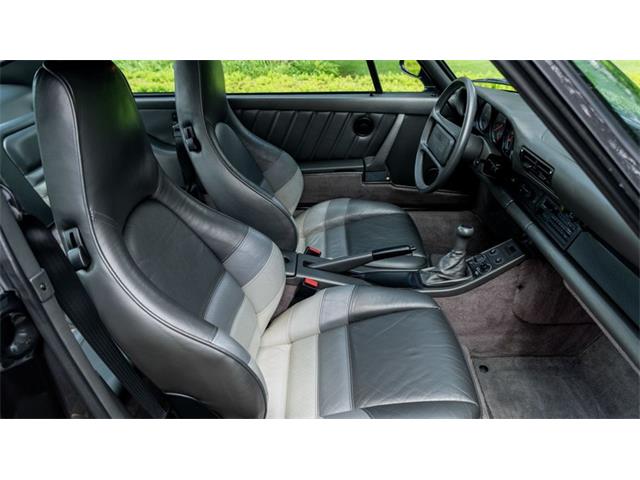
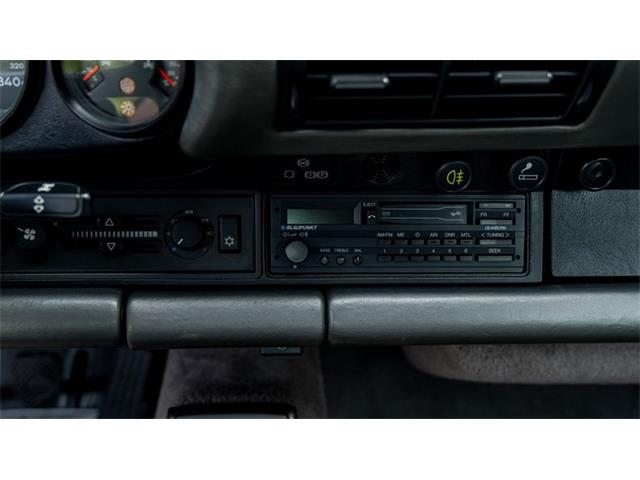
According to a copy of its Porsche Production Specifications sheet
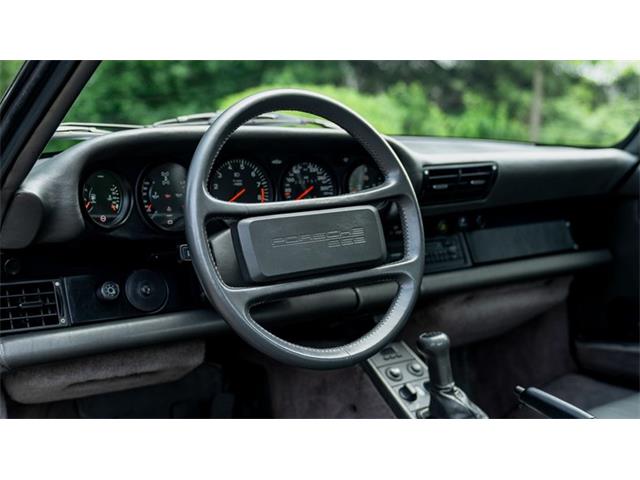
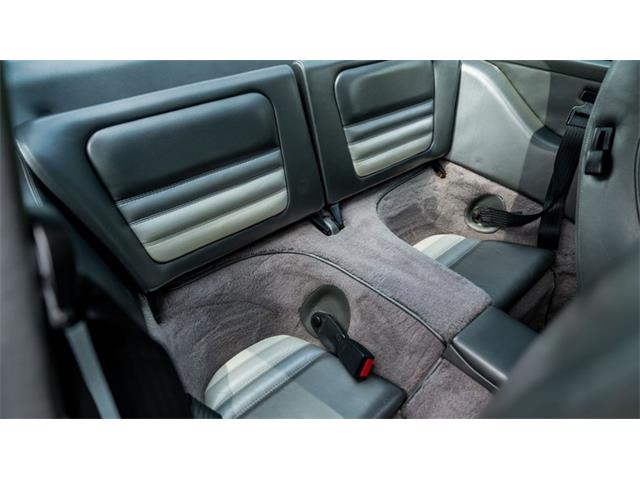
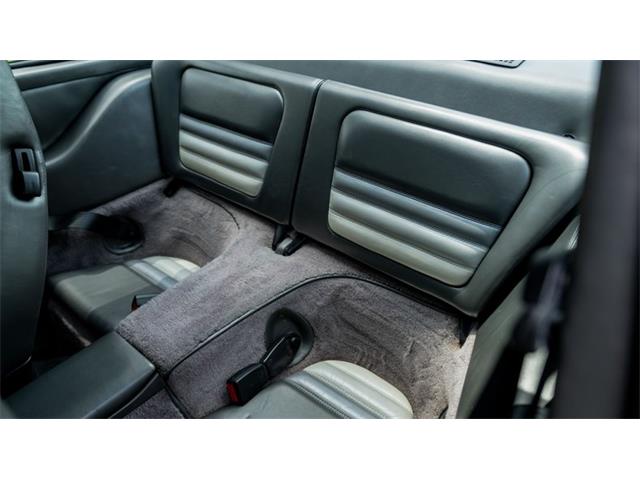
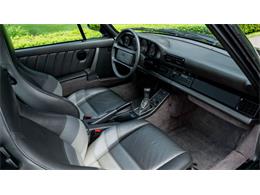
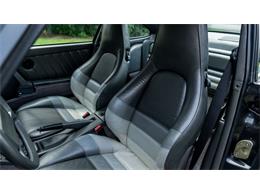
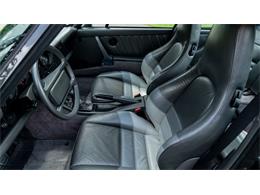
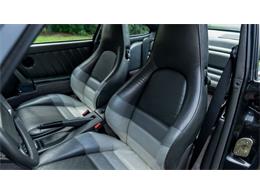
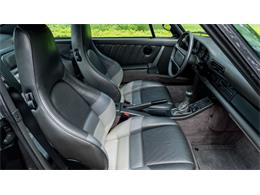
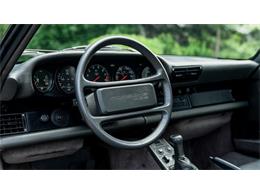
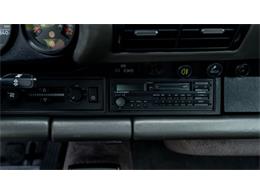
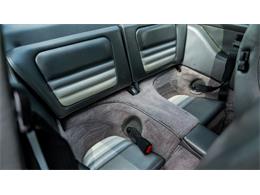
this 959 Komfort was completed in March 1988 with a Graphite
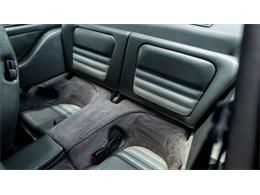
leather interior, heated and electrically adjustable sport seats,
and the model's iconic four-color seat inserts, which it retains
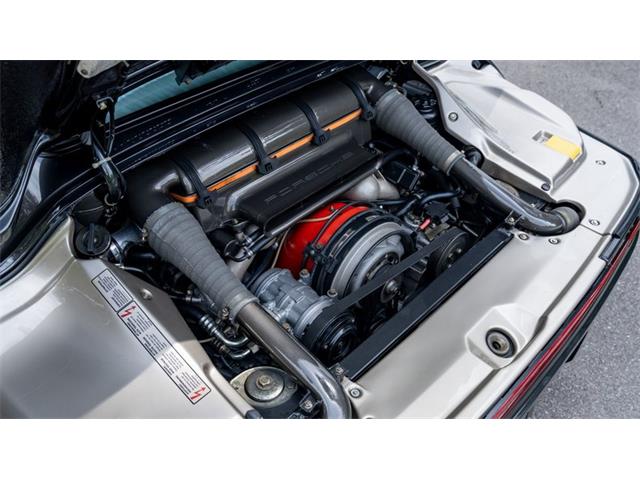
today. Furthermore, Porsche internal documentation confirms that
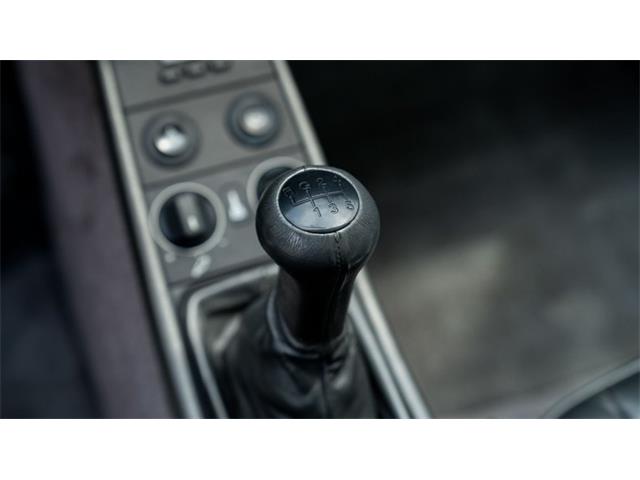
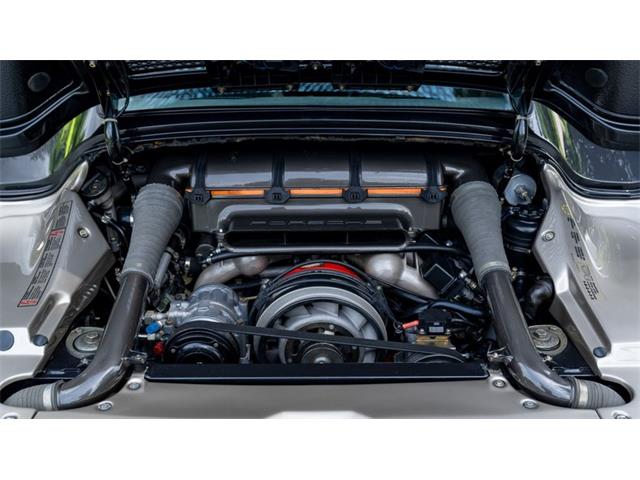
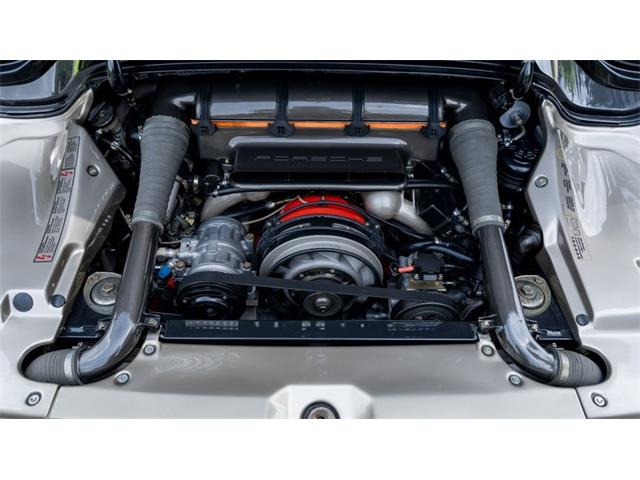
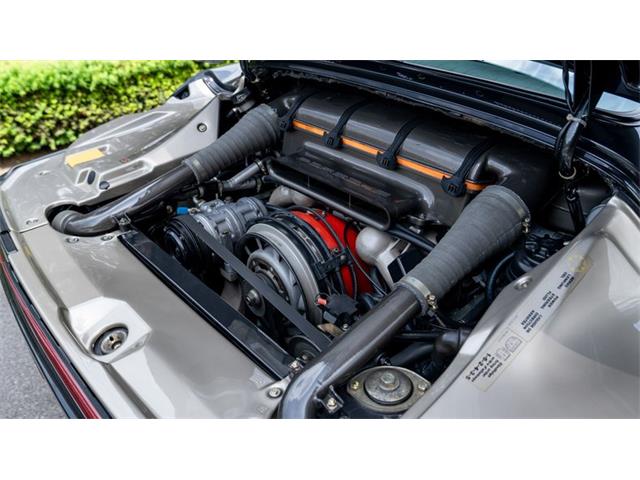
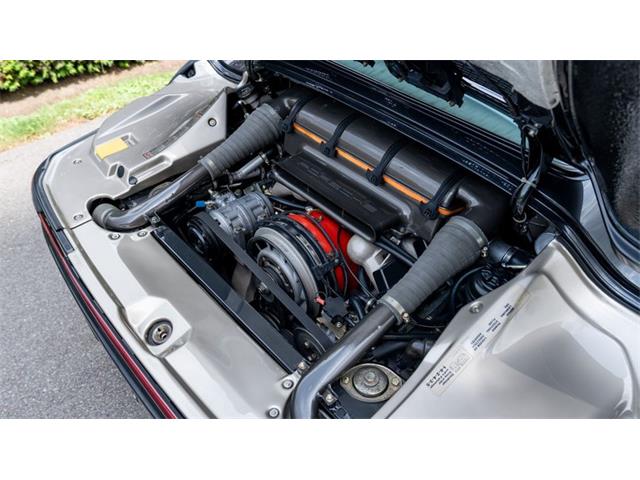
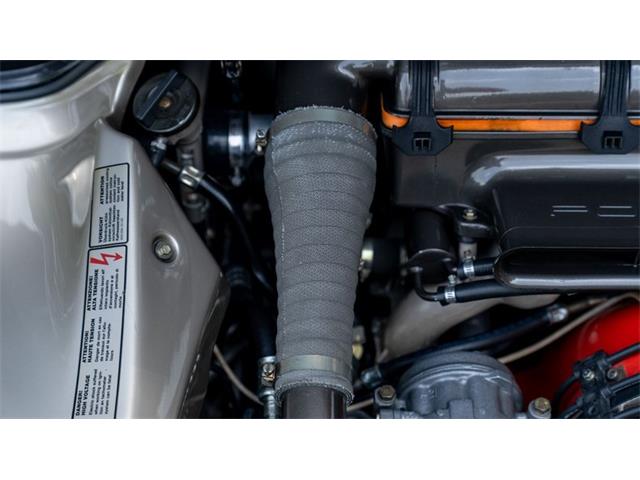
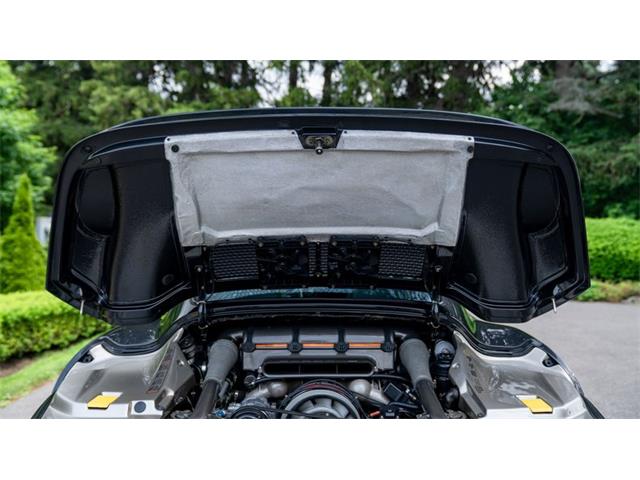
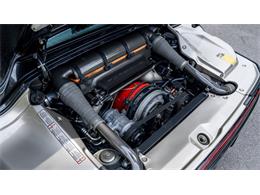
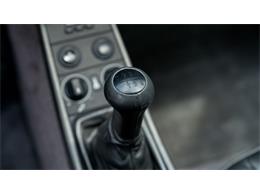
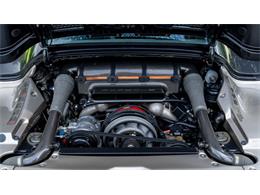
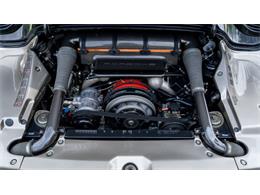
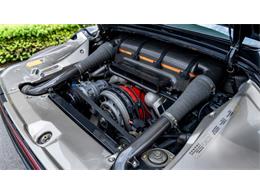
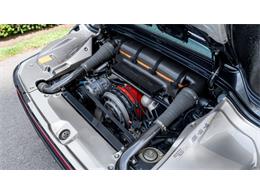
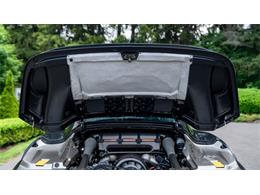
the car retains its numbers-matching 'M959/50' 2.85-liter
twin-turbocharged flat-six and six-speed transmission, including
the famous Gel�nde low-range gear as delivered from the factory in
1988.
First sold in Germany, this 959's clean CARFAX Vehicle History
Report records an initial registration in Minnesota in 2013-likely
timed to coincide with the car reaching 25 years of age, after
which it could be imported without regard to Federal Motor Vehicle
Safety Standards compliance. Following its arrival in the United
States, this 959 Komfort shows a move to Nevada in 2019 with
limited miles added. In February 2023, 959 chassis number 900143
visited Bruce Canepa's facility in Scotts Valley, California for a
13-month residence where it would receive an exceptionally
comprehensive servicing and recommissioning detailed in a 17-page
invoice on file and available for review.
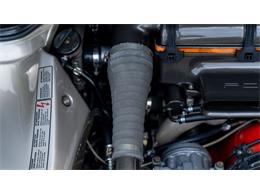
The sweeping suite of work involved an engine disassembly and
reassembly, new clutch, new exterior body seals, brake system
repairs, fresh fluids including engine oil, transmission fluid,
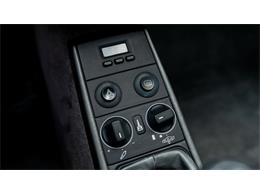
brake fluid, and hydraulic system fluid, new front wheel bearings,
and HVAC system repairs. The invoice for the work completed in
March 2024 tabulates over 1,200 hours spent at Canepa with an
invoice totaling an impressive $241,100.
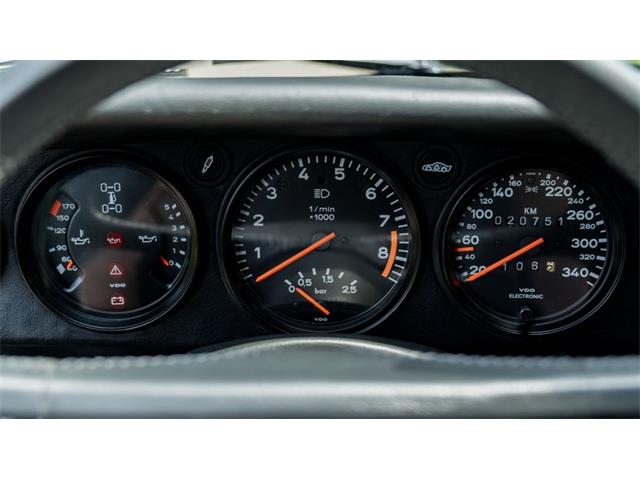
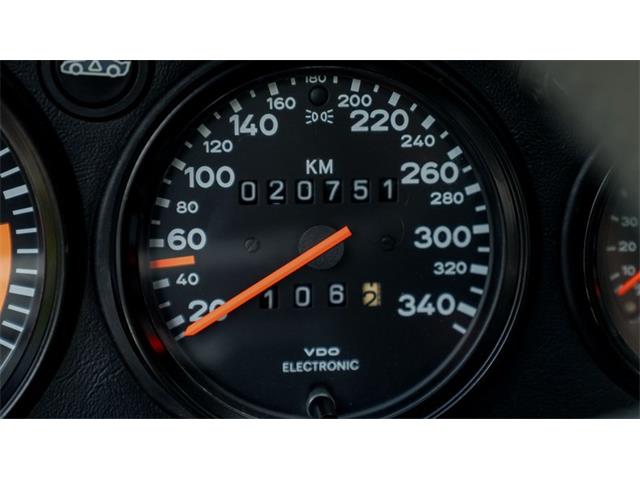
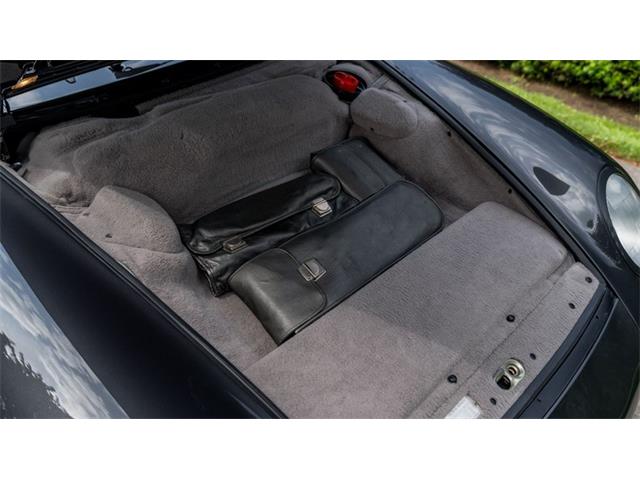
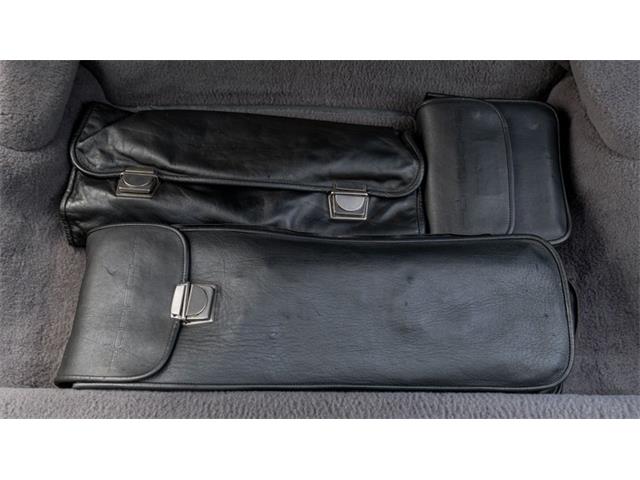
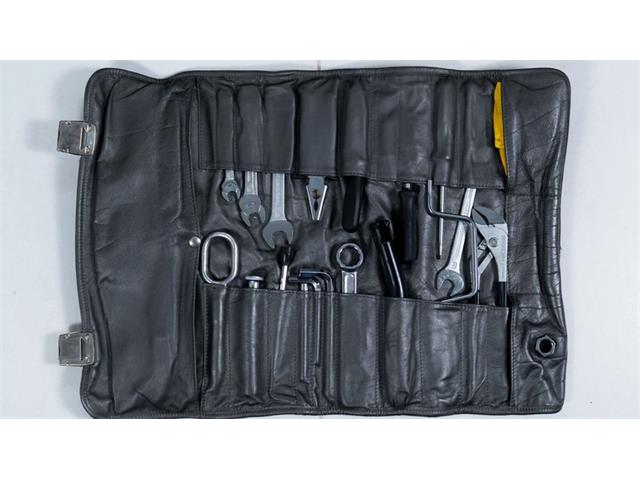
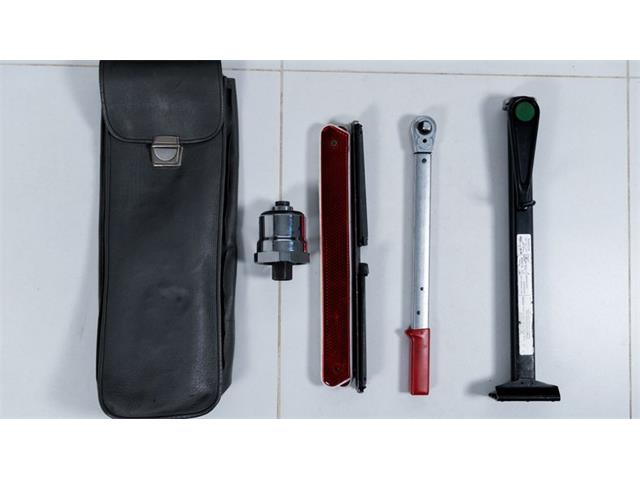
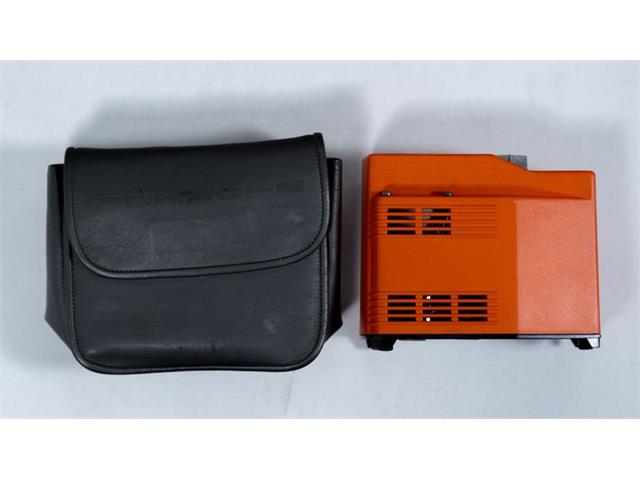
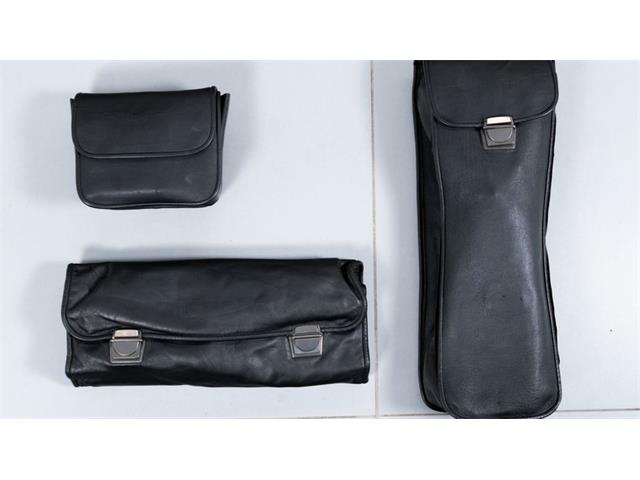
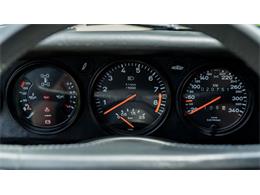
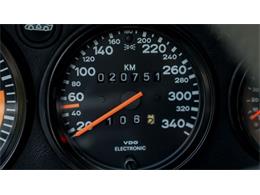
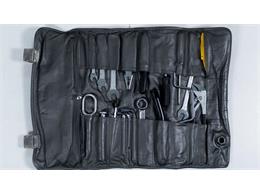
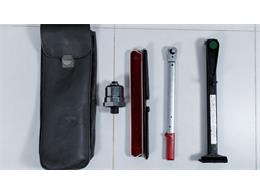
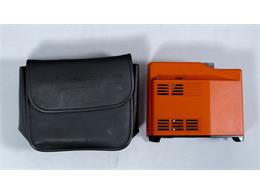
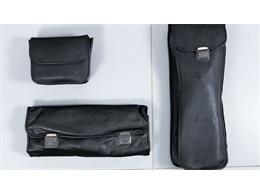
Fully matching-numbers, chassis number 900143 displays just 20,751
kms (12,895 miles) at cataloging and includes its very rare
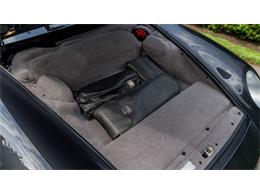
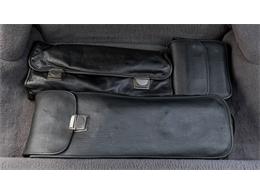
multi-piece tool kit, warning triangle, jack and tire inflator
contained in bags matched to the Graphite Metallic interior
leather, its Porsche Production Specifications (PPS) sheet, and
Canepa service records. Benefiting from one of the most
comprehensive recent services performed by the world's foremost 959
specialists-together with its desirable suspension upgrade-this
exceptionally well-prepared example is presented ready to be driven
and enjoyed. For collectors seeking one of Porsche's defining
technological achievements in thoroughly sorted condition, few 959s
can equal its combination of rarity, specification, and substantial
recent investment.
ClassicCars.com has been recognized as one of the fastest-growing private companies in the United States, successfully making the Inc. 5000 list in both 2015,
2016, 2017 and 2018. This prestigious accolade represents the continued growth of the company, and ClassicCars.com's dominance as the world's largest online marketplace for
buying and selling classic and collector vehicles.
The Stevie Awards, the world's premier business awards recognized
ClassicCars.com's first-class Customer Support team with a Stevie Bronze Award in 2019, celebrating the team's skills as exemplary customer support specialists.
In 2016 The Journal, brought to you by ClassicCars.com, was celebrated as the SECOND MOST INFLUENTIAL automotive blog in the world by NFC Performance.