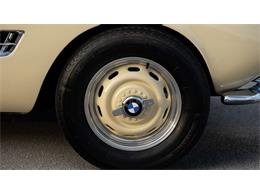
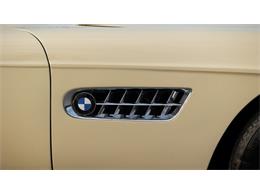
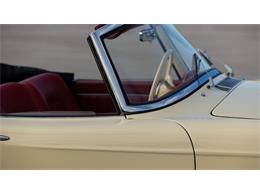
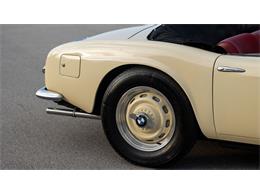
This vehicle has been soldThis vehicle is no longer available for sale on ClassicCars.com. Please set an alert if you would like to be notified as soon as similar vehicles become available.
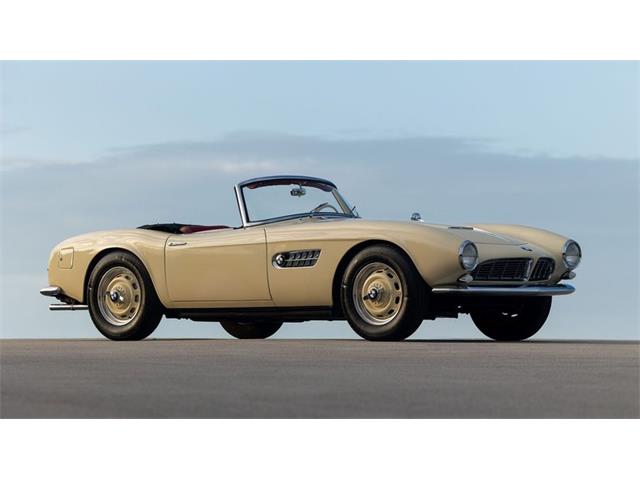
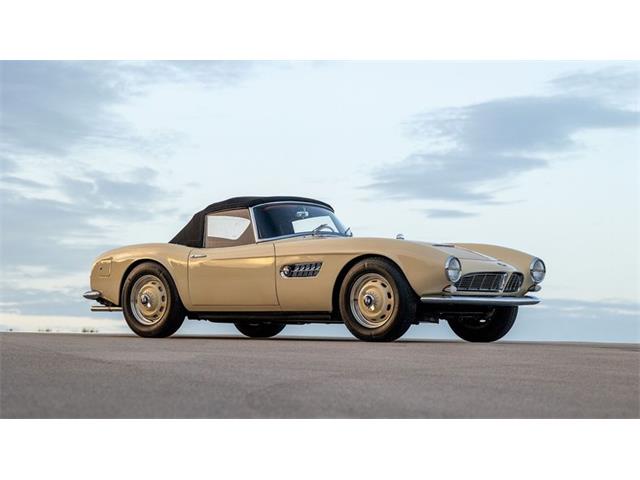
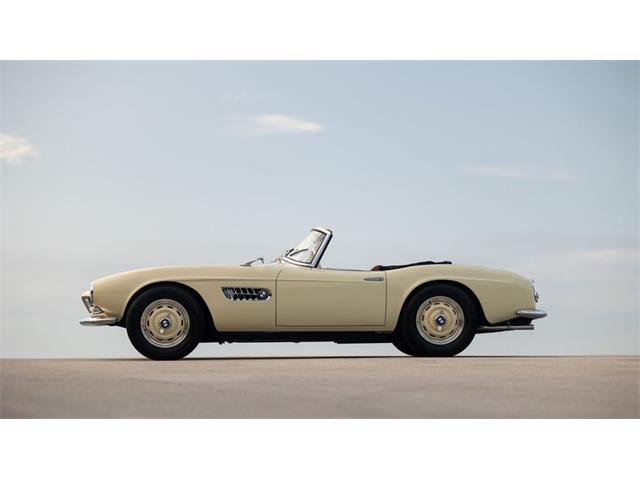
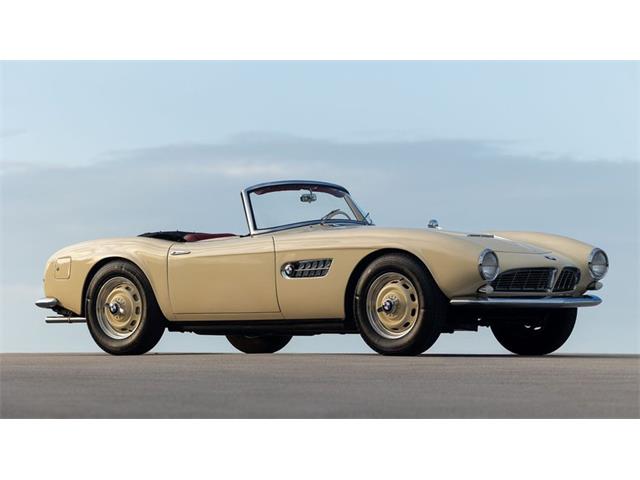
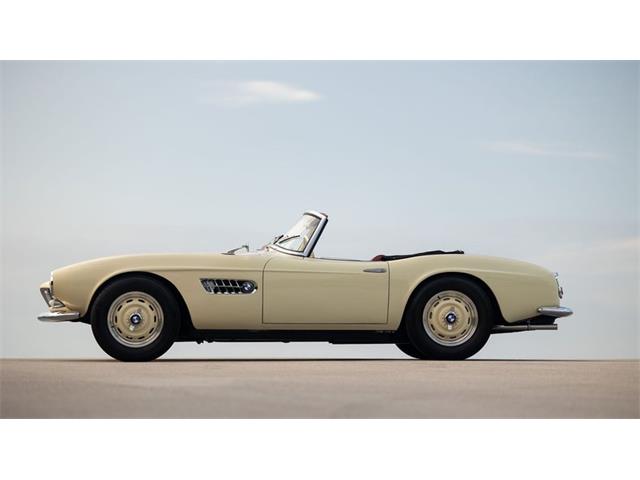
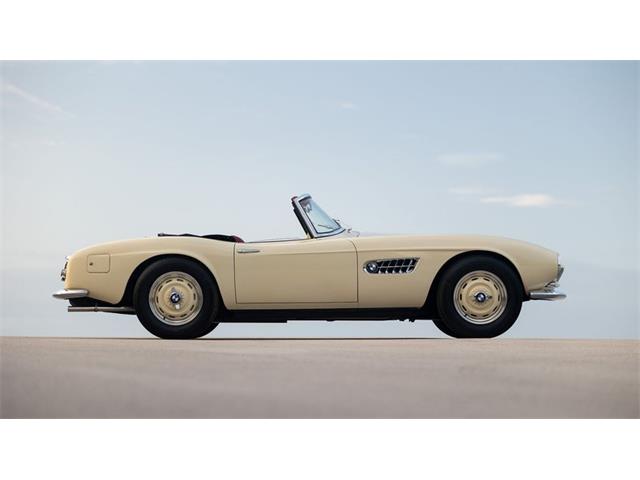
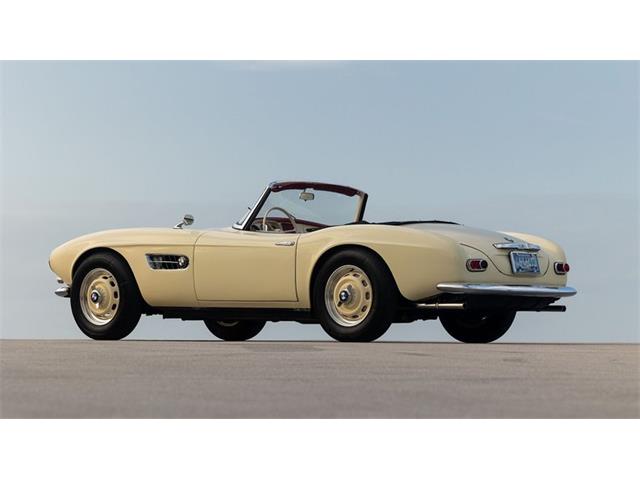
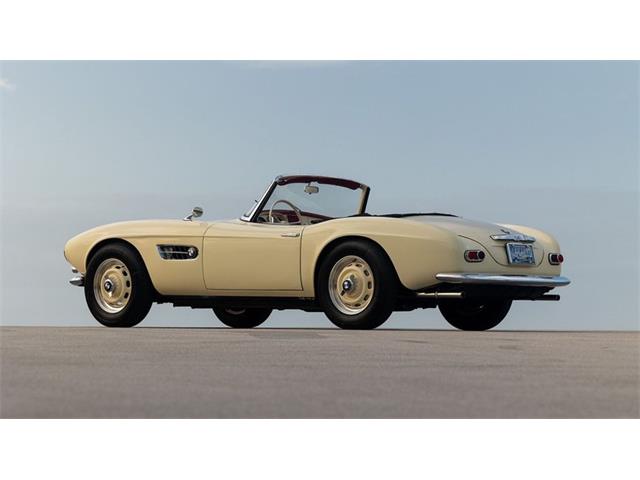
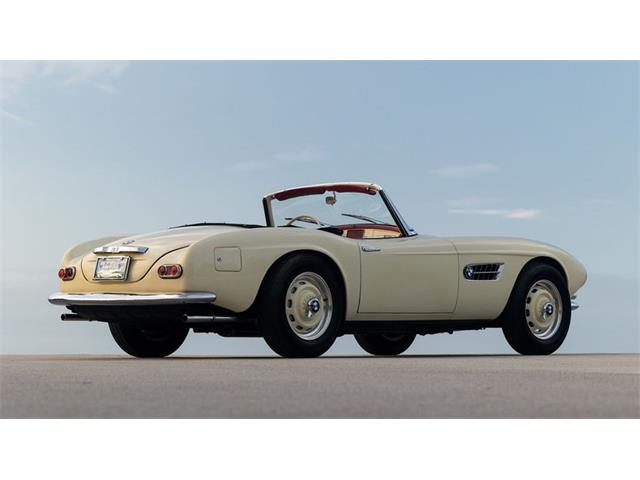
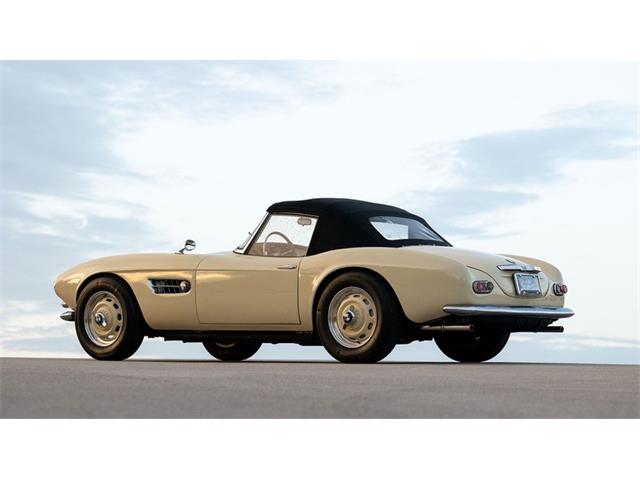
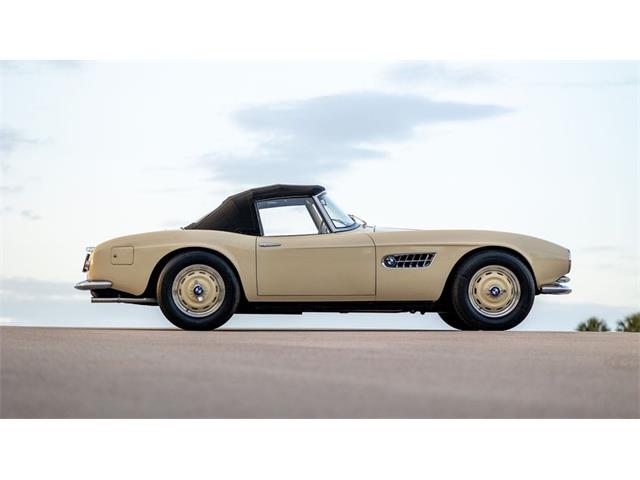
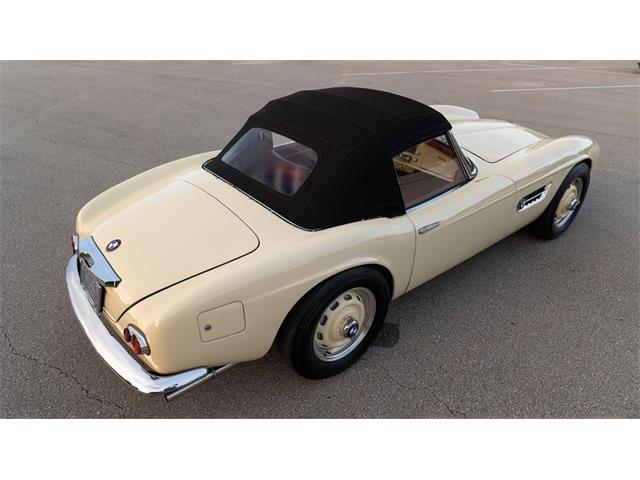
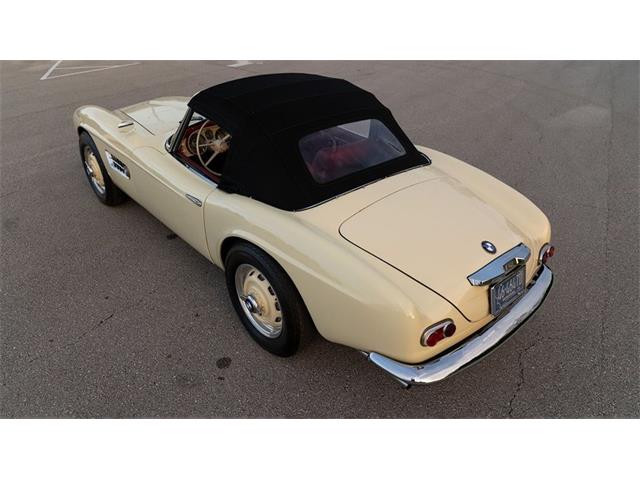
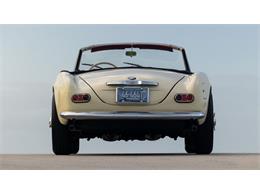
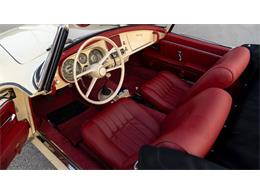
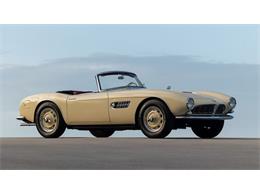
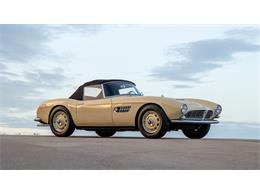
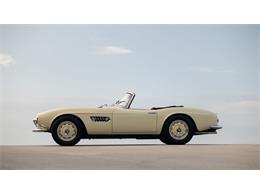
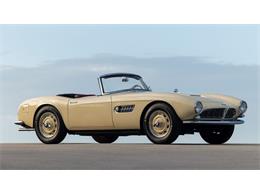
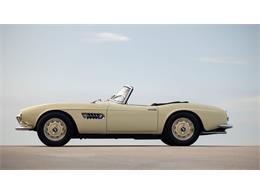
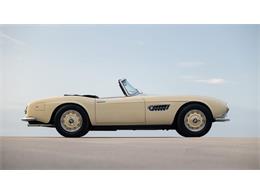
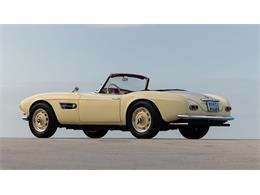
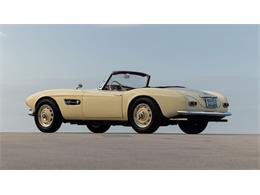
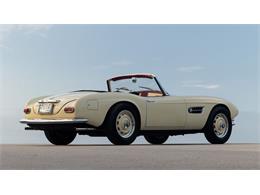
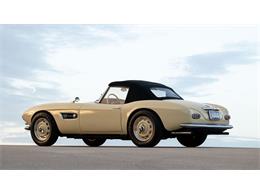
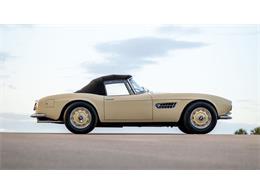
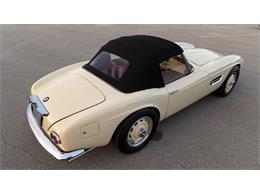
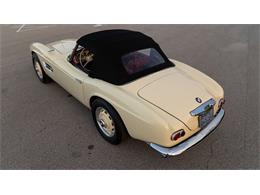
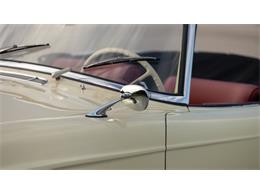
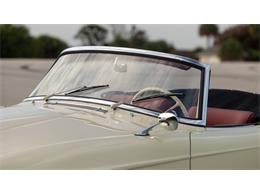
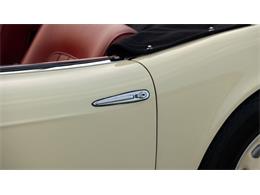
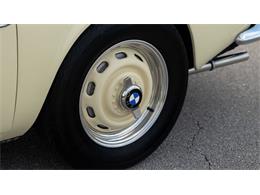
For Sale at Auction: 1958 BMW 507 in Carmel, California
August 1955. Just weeks before its official debut at the Frankfurt
Motor Show, an extraordinary new automobile takes center stage
beneath the soaring Art Deco towers of Manhattan's Waldorf=Astoria
Hotel on Park Avenue. The setting is no coincidence. It is where
visionary importer Max Hoffman wants BMW's latest creation to make
its American debut.
Few individuals shaped America's postwar appetite for European
automobiles more profoundly than Hoffman. Endowed with an uncanny
instinct for what affluent buyers desired, he repeatedly convinced
automotive manufacturers to develop stylish, niche models that they
had never considered producing. Mercedes-Benz's 300 SL and
Porsche's 356 Speedster both owe much of their existence to his
vision. Convinced there was room between the sporting Speedster and
the highly exclusive 300 SL for a refined, stylish grand touring
roadster, Hoffman turned to BMW.
Still rebuilding after the devastation of World War II, BMW
embraced the opportunity. The Bavarian manufacturer envisioned the
507 as the car that would win over America's prosperous postwar
clientele and restore the marque's international prestige.
Hoffman also influenced the car's appearance. Dissatisfied with
BMW's initial proposal by Ernst Loof, he championed a young
German-born designer living in the United States, Albrecht von
Goertz, a protege of the legendary industrial designer Raymond
Loewy. The result was one of the most graceful automotive designs
of the twentieth century.
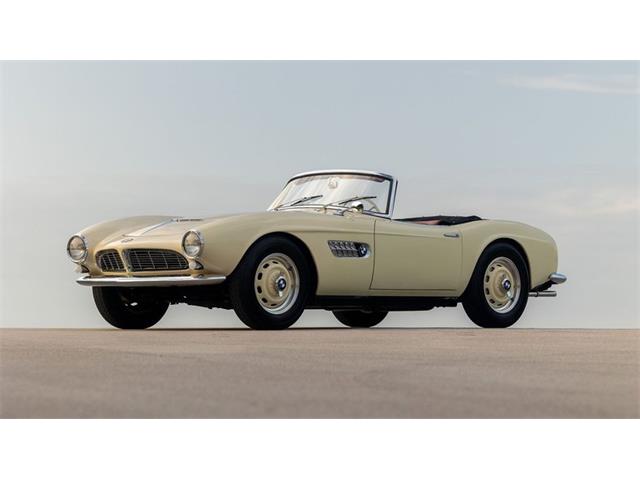
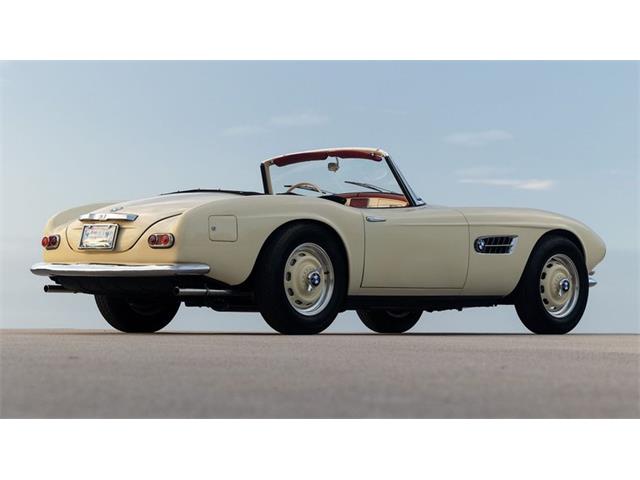
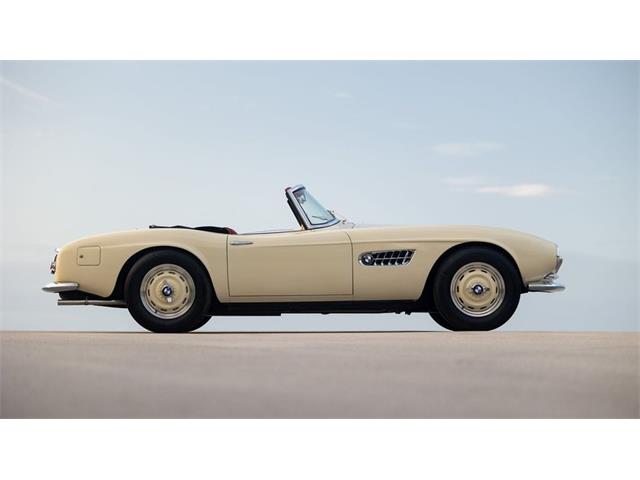
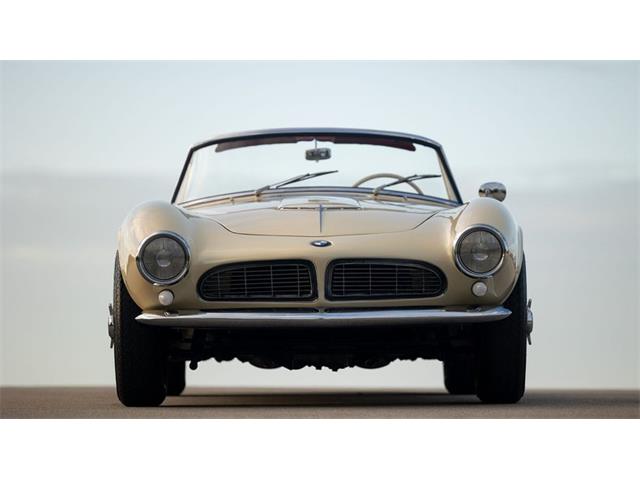
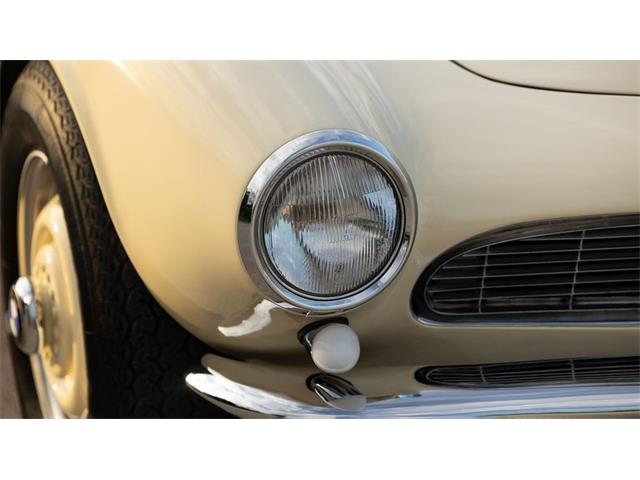
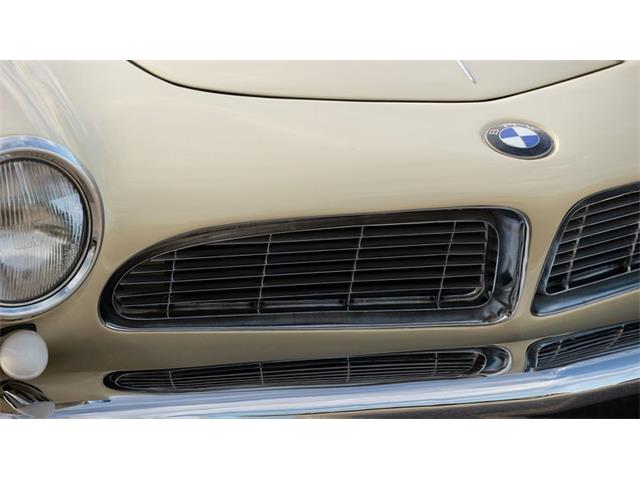
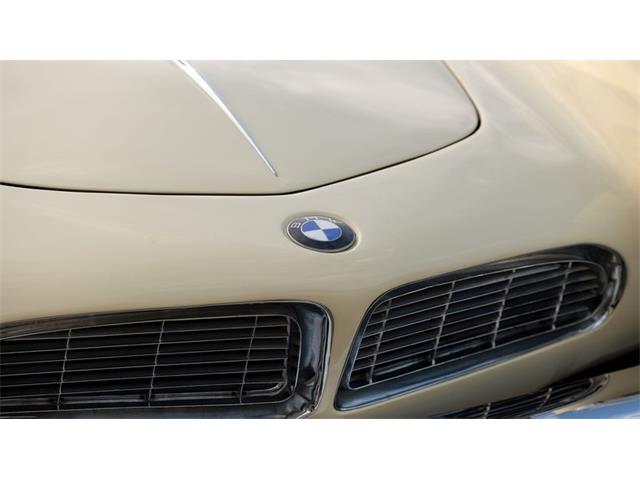
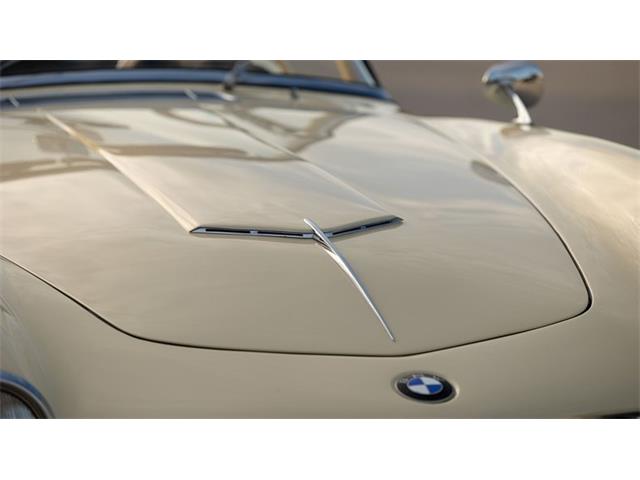
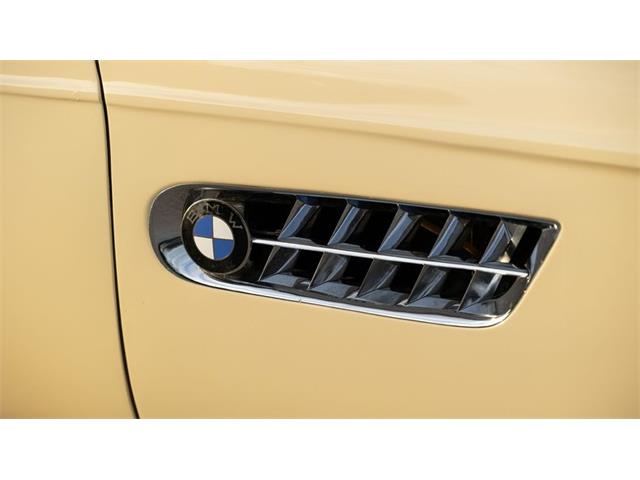
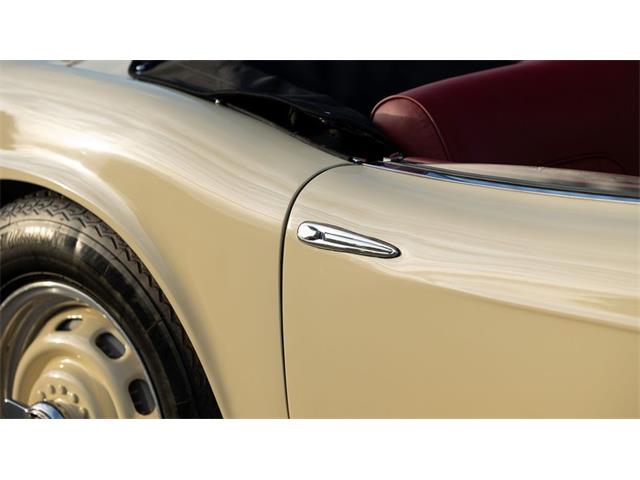
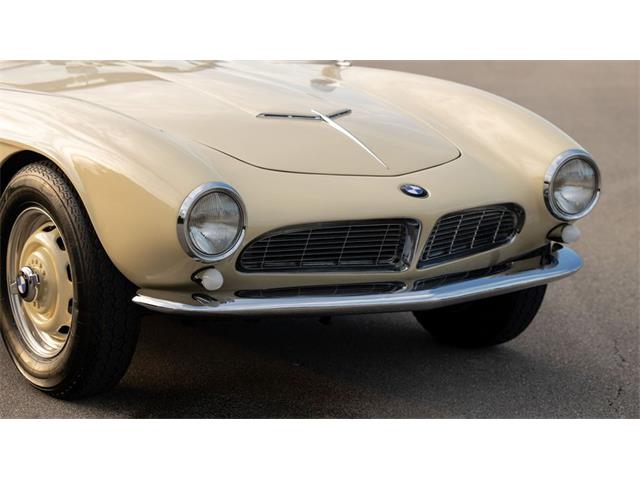
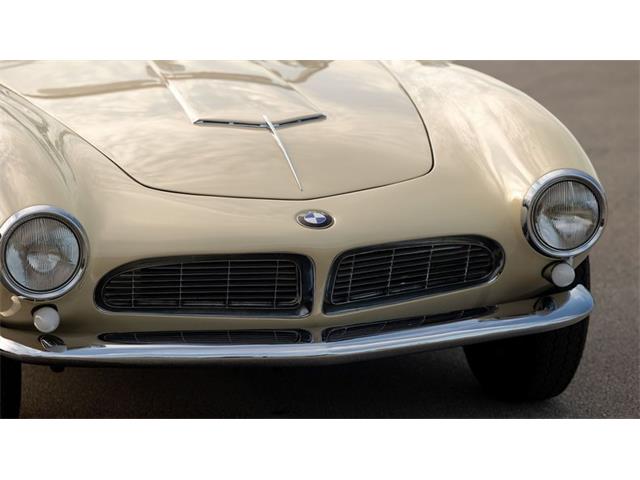
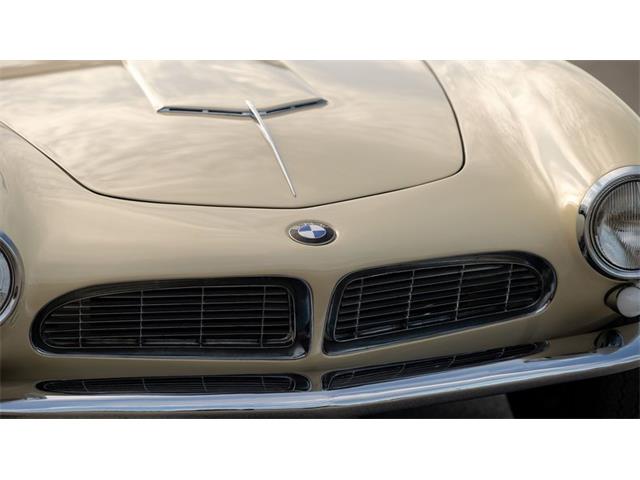
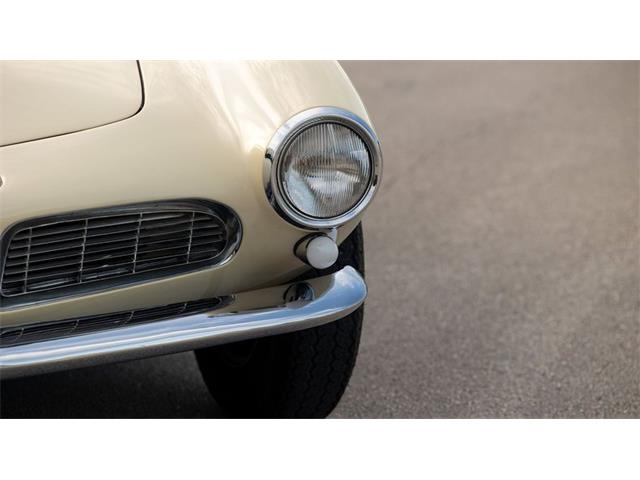
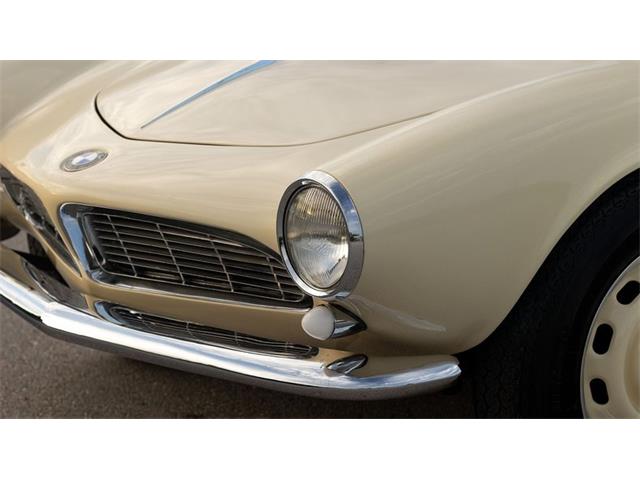
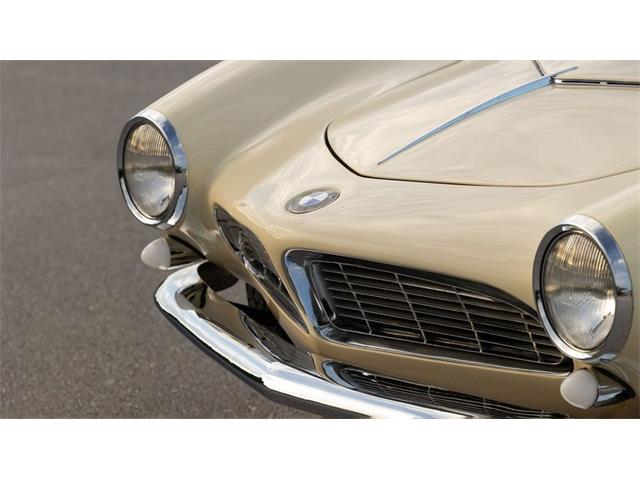
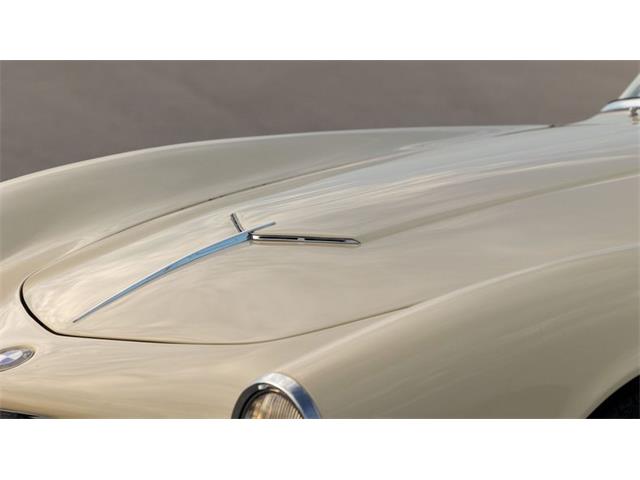
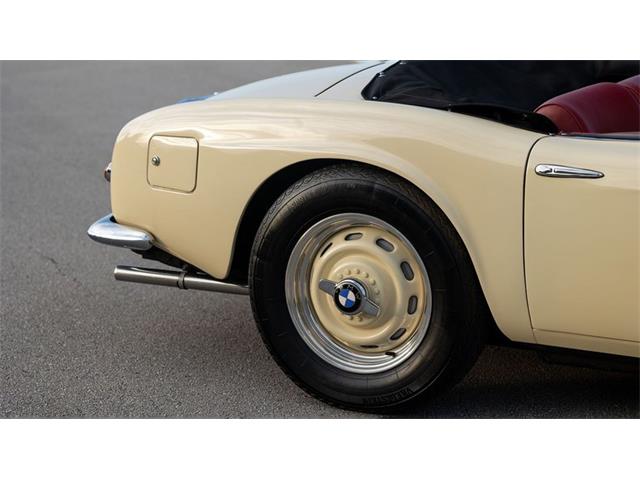
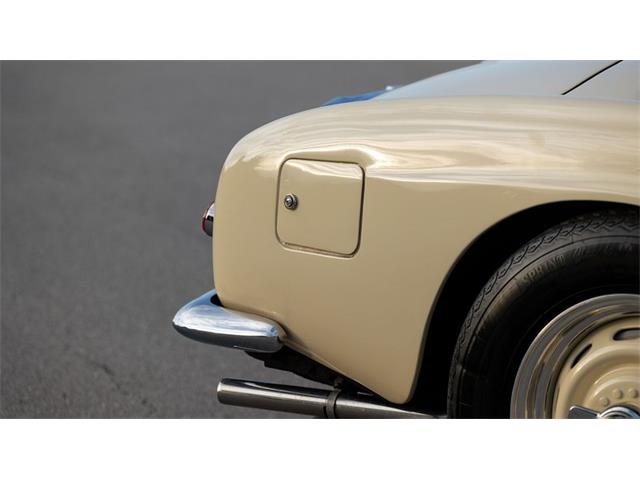
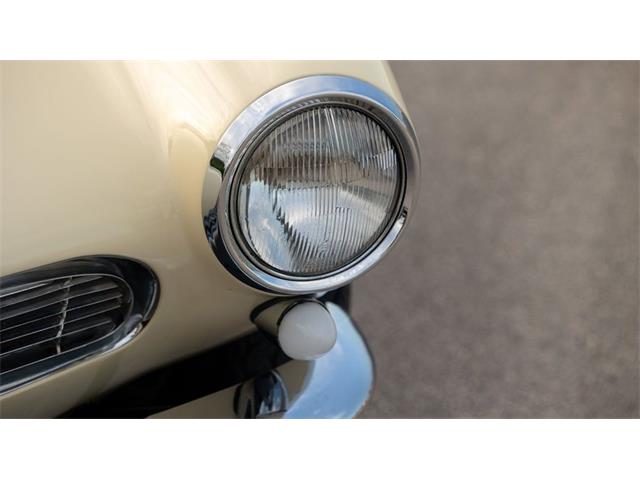
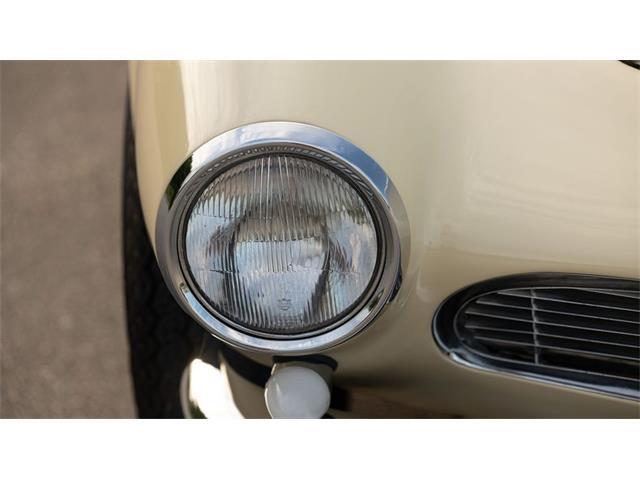
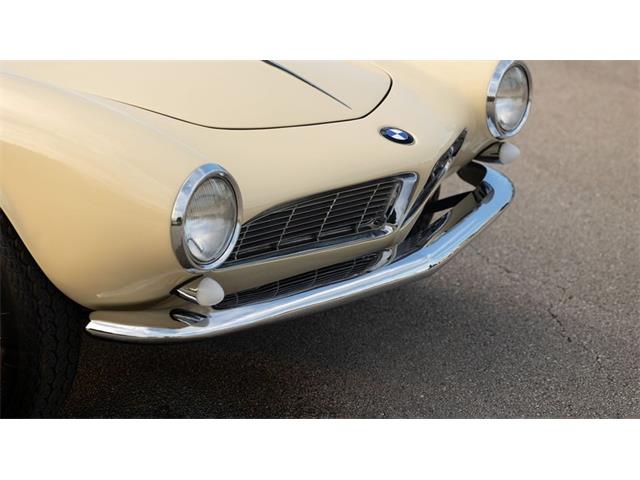
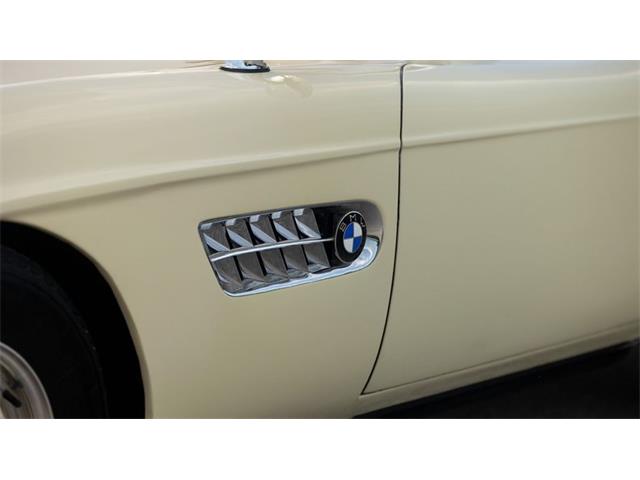
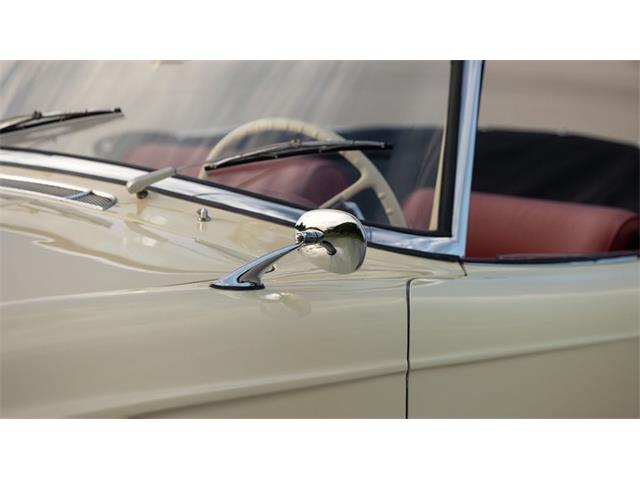
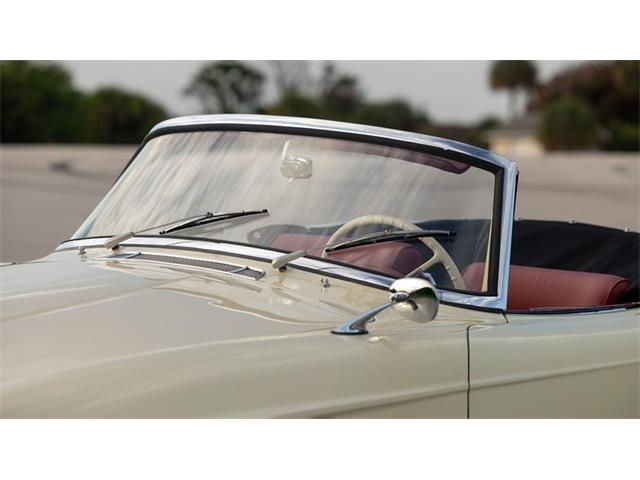
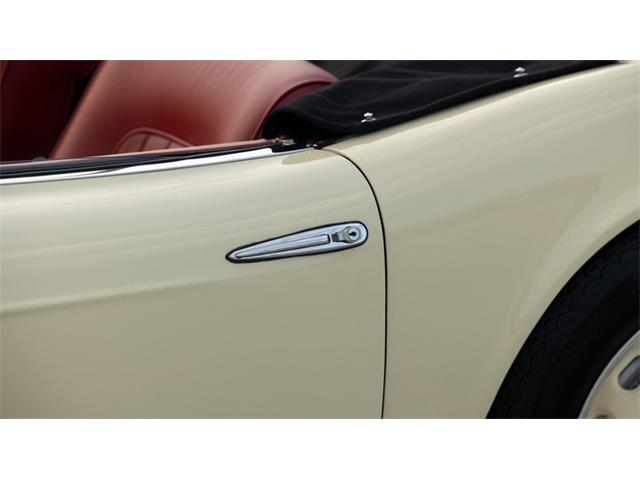
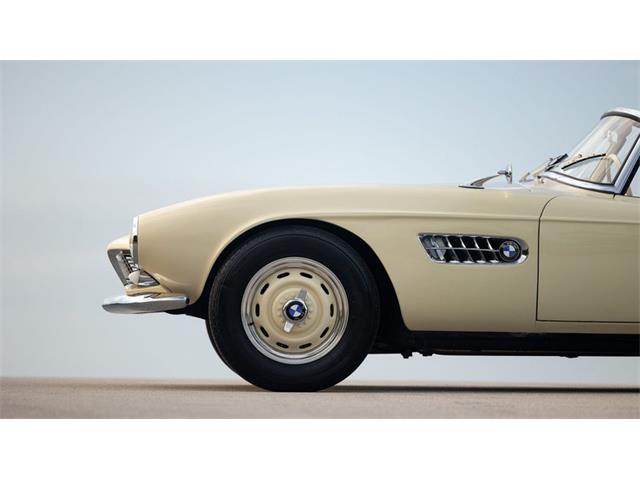
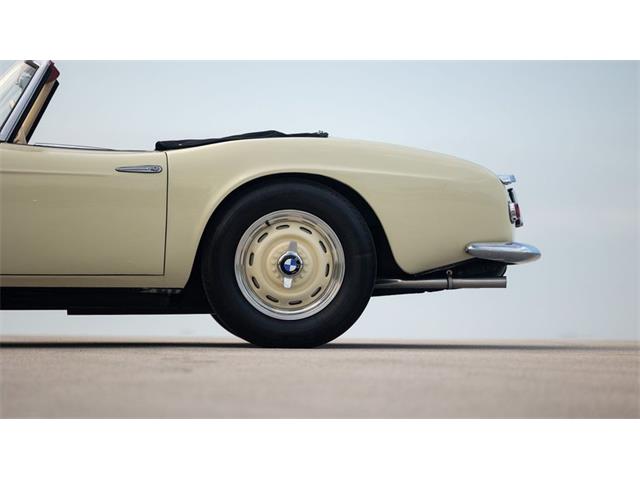
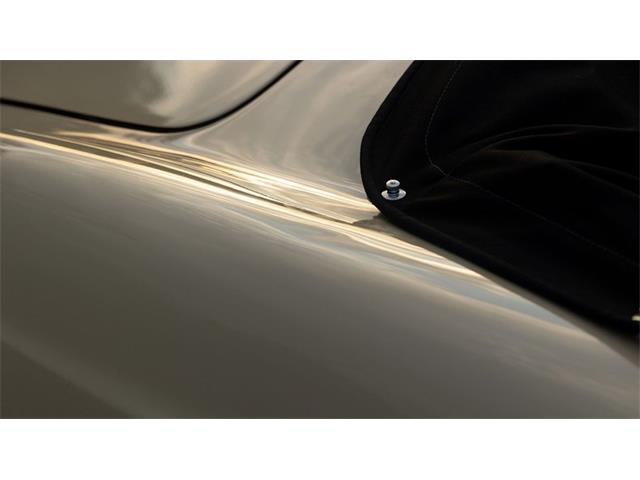
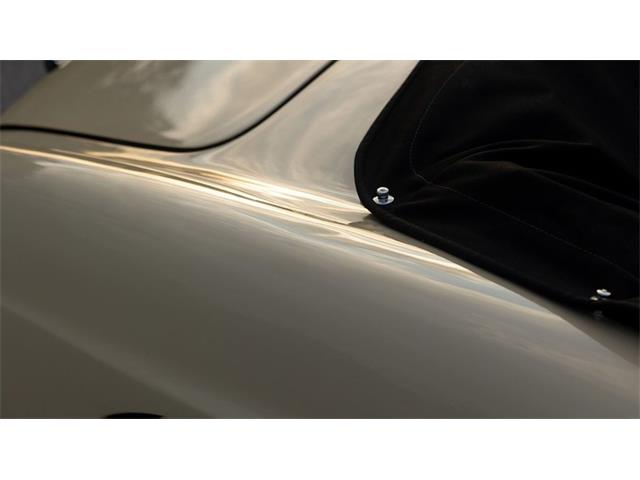
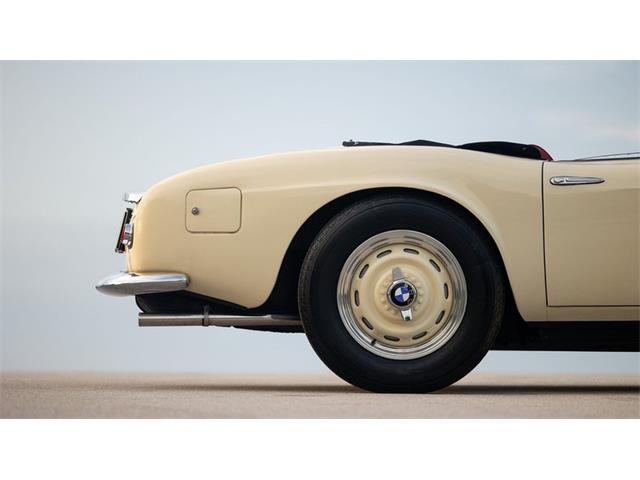
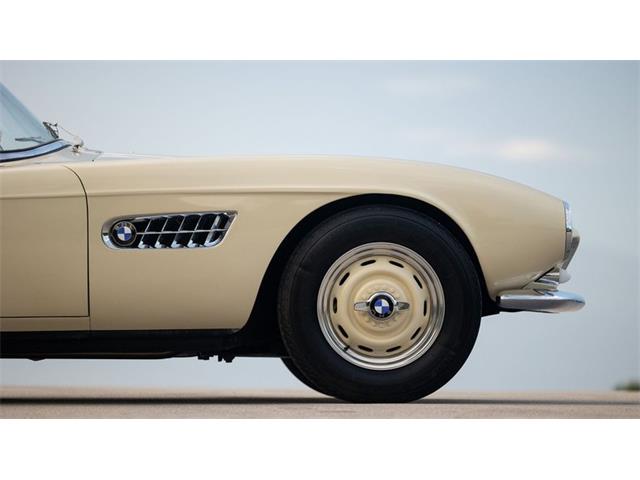
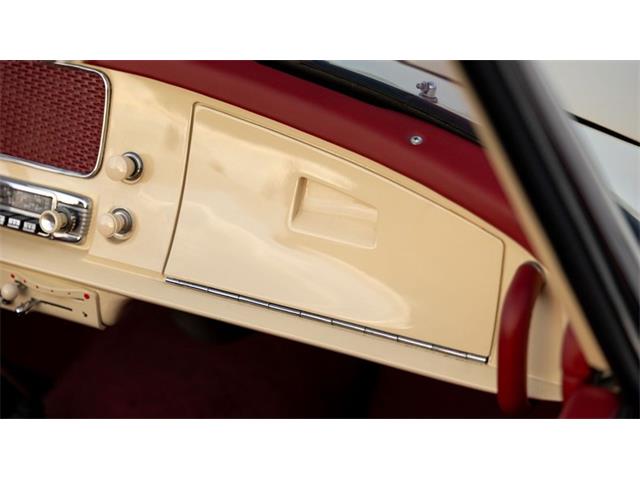
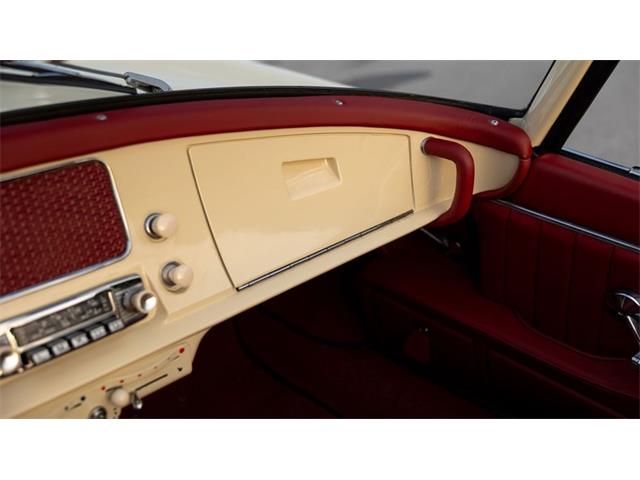
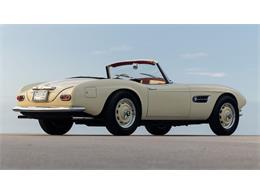
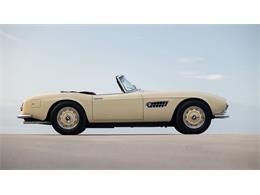
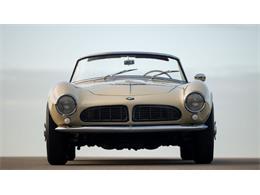
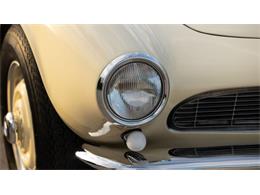
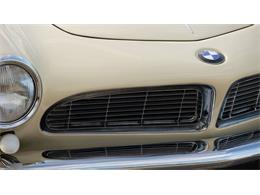
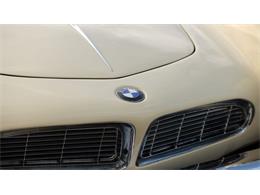
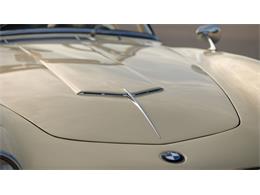
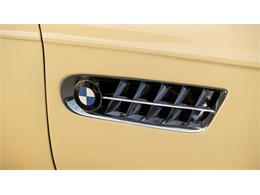
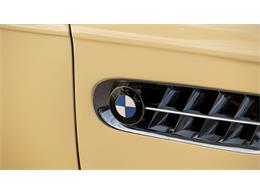
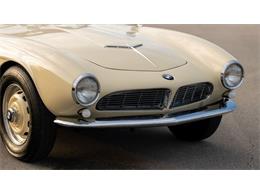
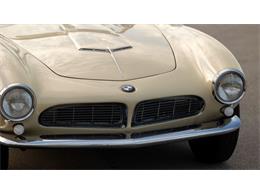
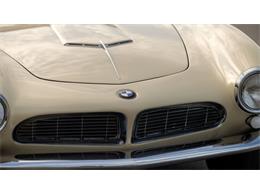
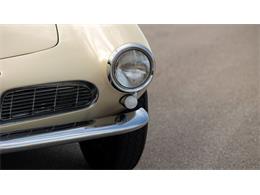
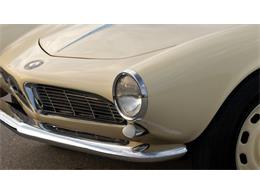
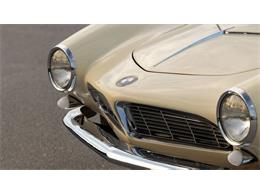
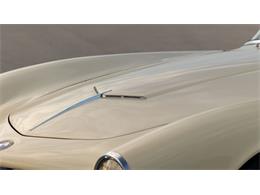
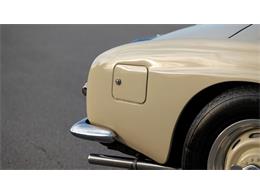
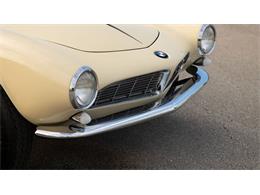
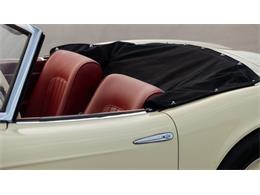
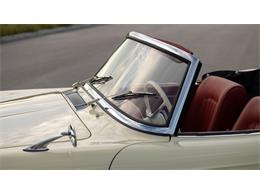
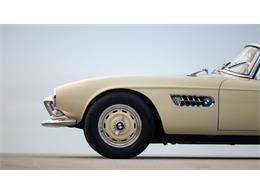
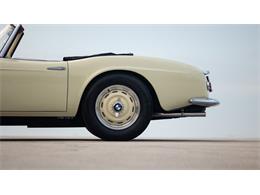
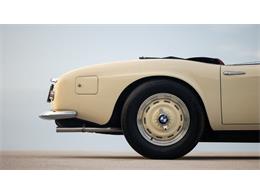
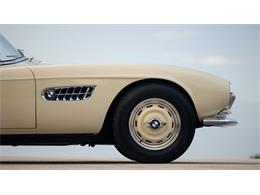
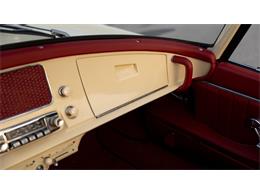
Every surface of the 507 roadster exudes understated
sophistication. Its long hood, sweeping flanks, and elegantly
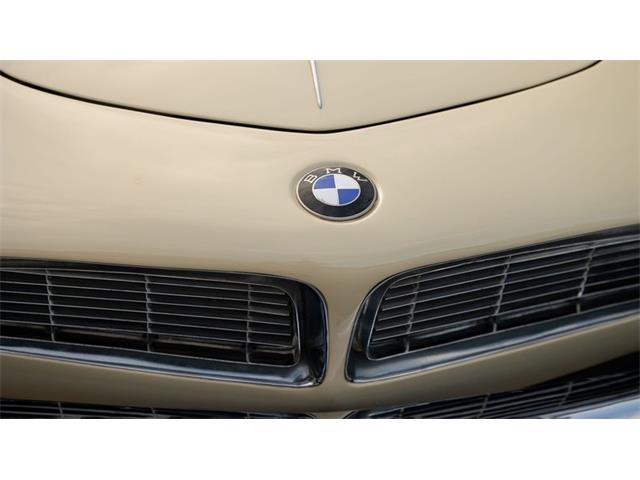
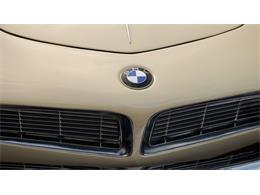
restrained proportions are anchored by a dramatic reinterpretation
of BMW's signature twin-kidney grille. Beneath the sculpture-like
aluminum body, each panel painstakingly hand-formed in Munich, lay
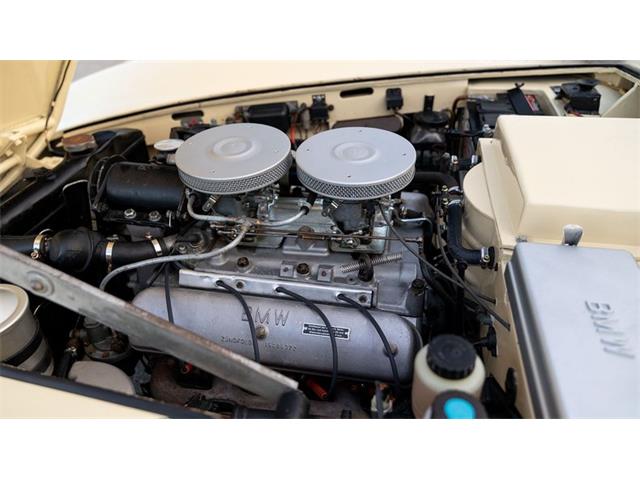
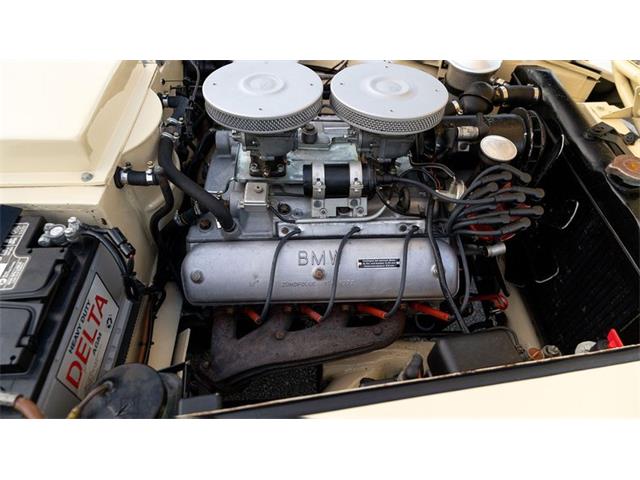
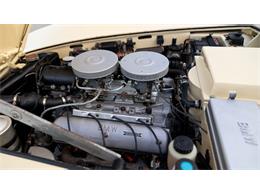
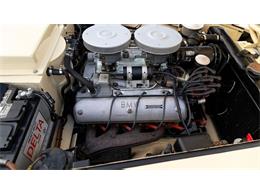
an equally ambitious mechanical package. Engineer Fritz Fiedler
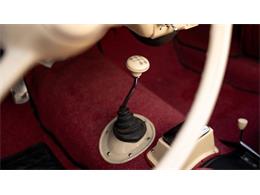
developed an all-aluminum 3.2-liter V8 producing 150 horsepower,
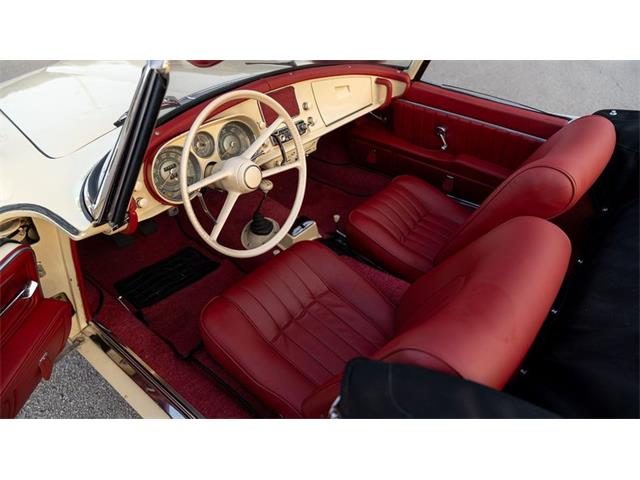
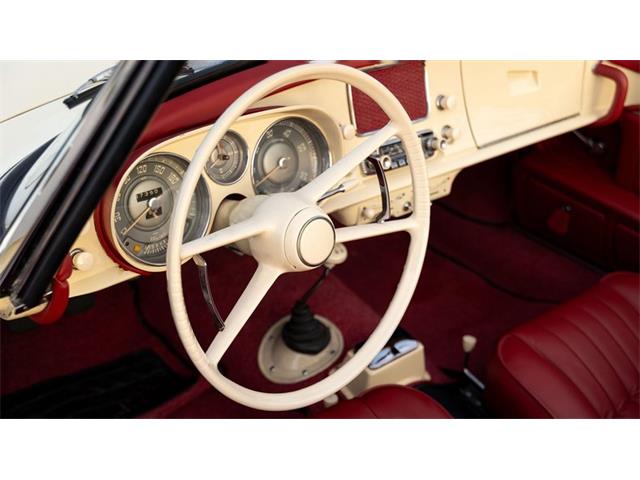
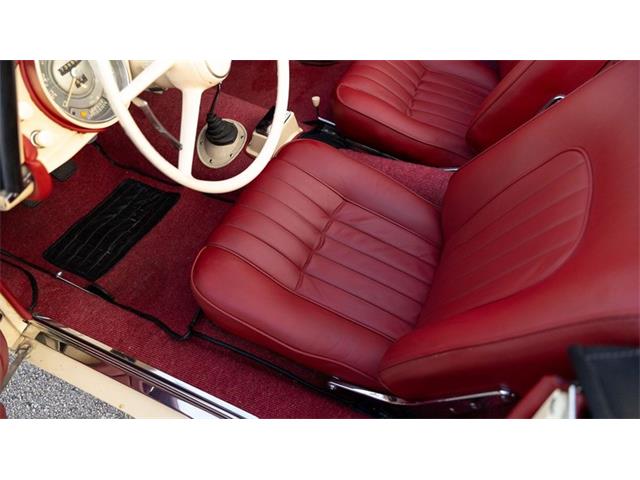
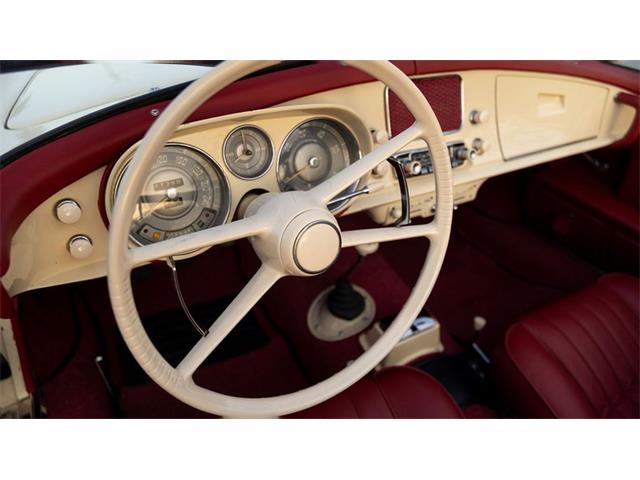
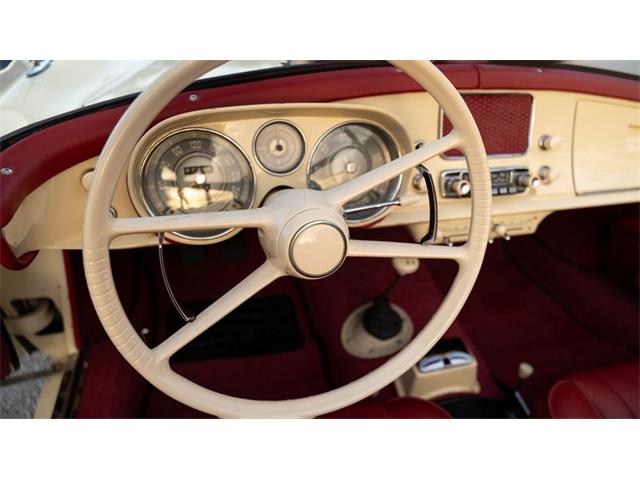
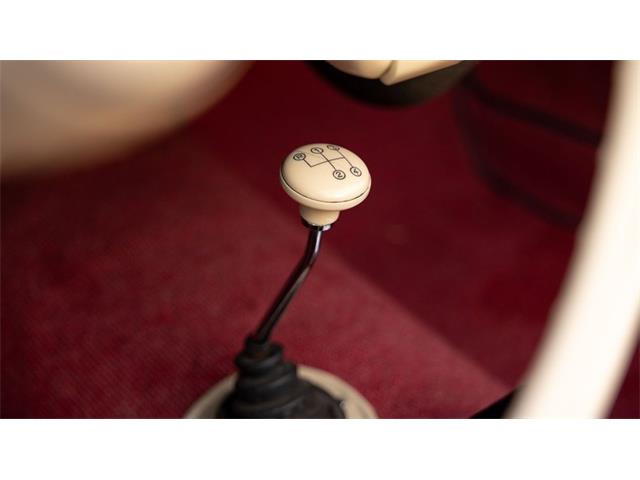
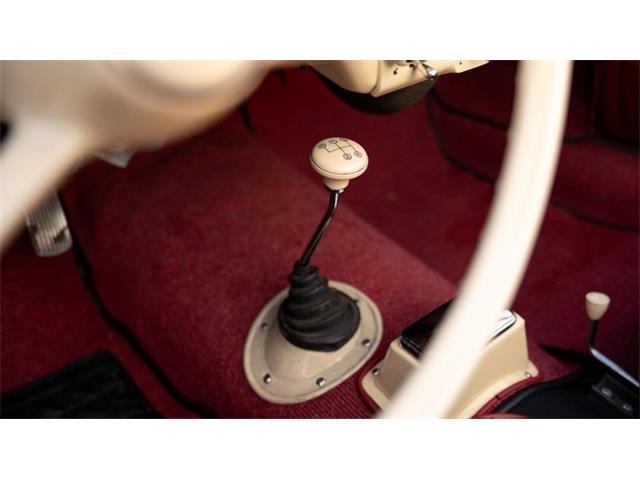
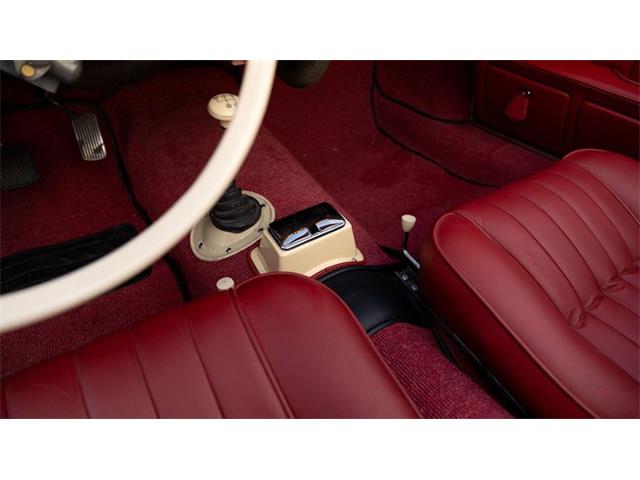
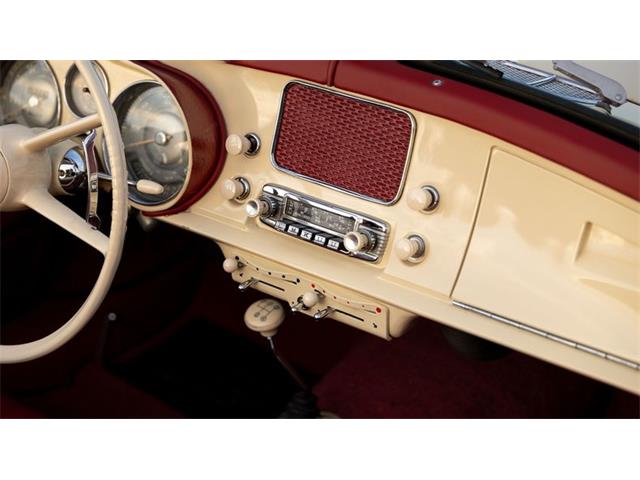
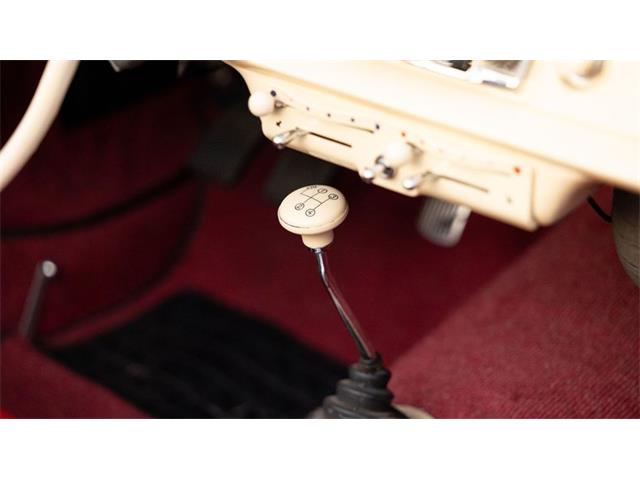
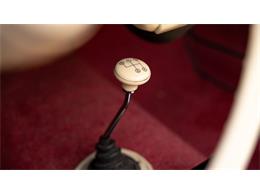
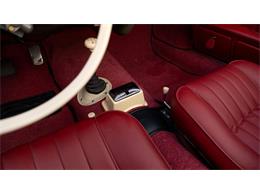
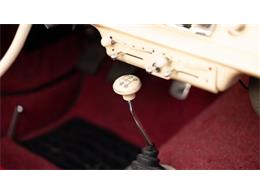
paired with a four-speed ZF transmission. Ingeniously, the
four-speed was mounted farther rearward in the chassis, improving
weight distribution while creating additional footwell space by
eliminating the need for a long transmission tunnel.
BMW's pursuit of perfection came at a tremendous cost. Hand-built
aluminum coachwork proved enormously expensive to produce, while
development of the all-new V8 further inflated the budget. Even
after the selling price climbed from Hoffman's original target to
$9,500-and ultimately exceeded $10,000-the 507 remained
unprofitable.
Its commercial fortunes, however, did little to diminish its
appeal. The 507 quickly became a favorite among an elite circle of
celebrities, royalty, and sporting icons. Elvis Presley famously
became enamored with the model during his military service in
Germany and is said to have bought two examples. French screen
legend Alain Delon, the cinema icon celebrated for his magnetic
charisma, timeless elegance, and exceptional beauty, embodied the
effortless European sophistication that the BMW 507 so perfectly
represented. A distinguished name among those associated with the
model, Delon added a layer of cinematic glamour to its already
rarefied mystique, and the car featured on these pages is very
likely to have once belonged to him. Delon was, as usual, in good
company with 1964 Formula 1 World Champion John Surtees, Prince
Rainier III of Monaco, and King Baudouin of Belgium also counted
among its distinguished owners.
Ironically, while the glamorous 507 struggled to find buyers, BMW's
licensed production of the tiny Italian-designed Isetta microcar
became an extraordinary commercial success. The contrast could
hardly have been greater. Confused brand positioning and the 507's
extraordinary price ultimately limited production to just 254
examples.
Today, that limited commercial success has become one of the
model's greatest strengths. With only 254 examples built, the 507
occupies an exceptionally exclusive place among postwar sports
cars, combining breathtaking rarity with timeless design. Few
automobiles possess the ability to captivate at first glance quite
like a 507. Its influence endured well into the modern era, serving
as the unmistakable inspiration for the early 2000s BMW Z8, its
spiritual successor, arriving more than four decades later.
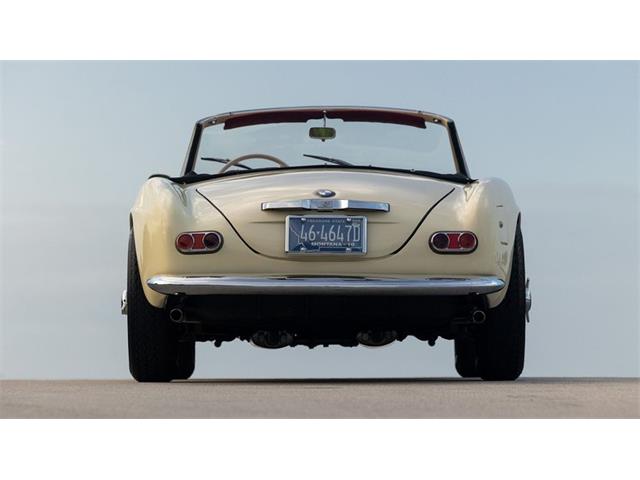
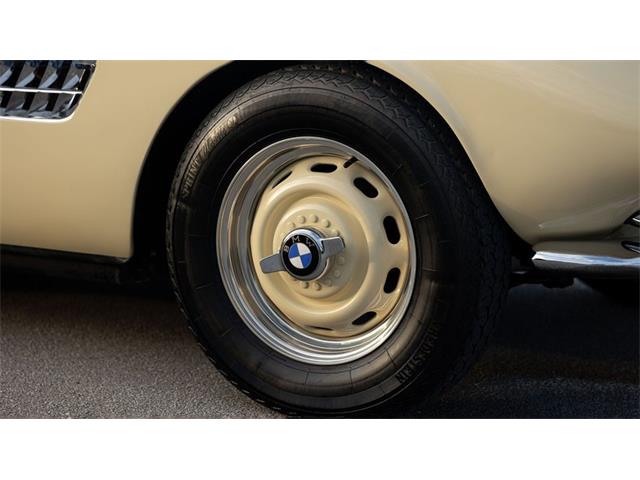
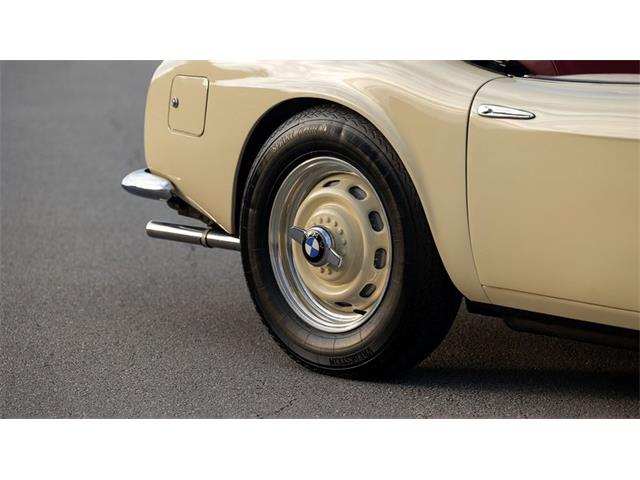
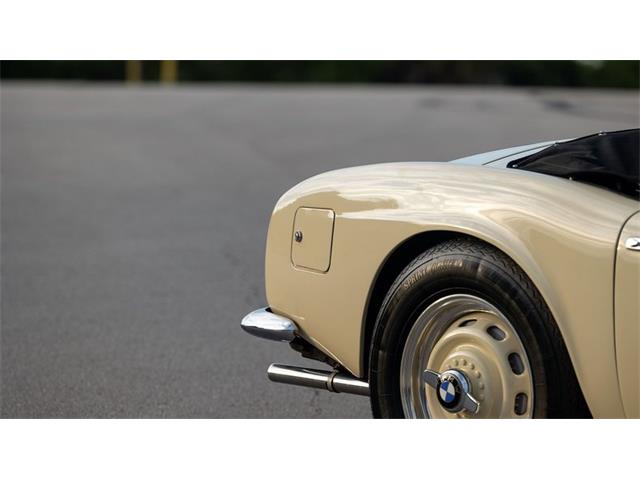
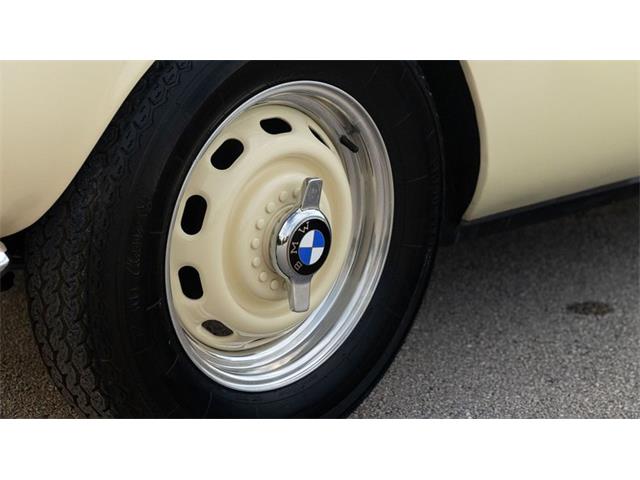
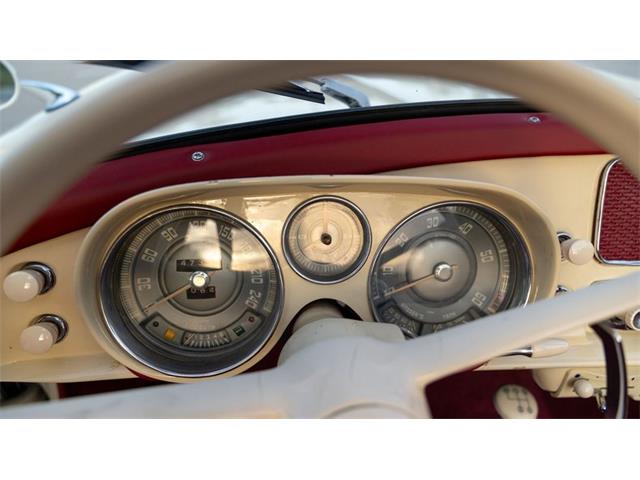
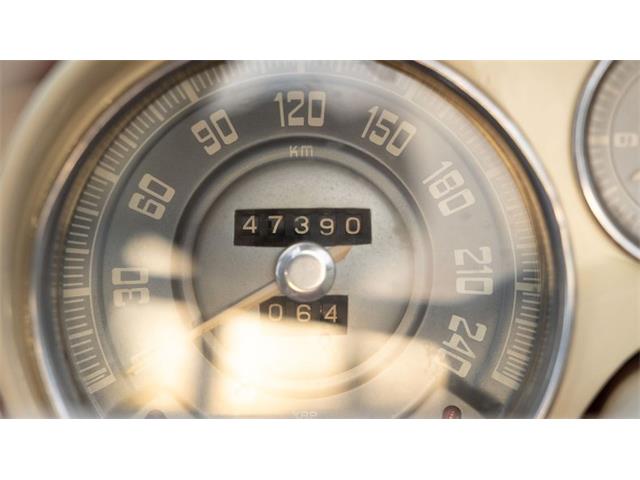
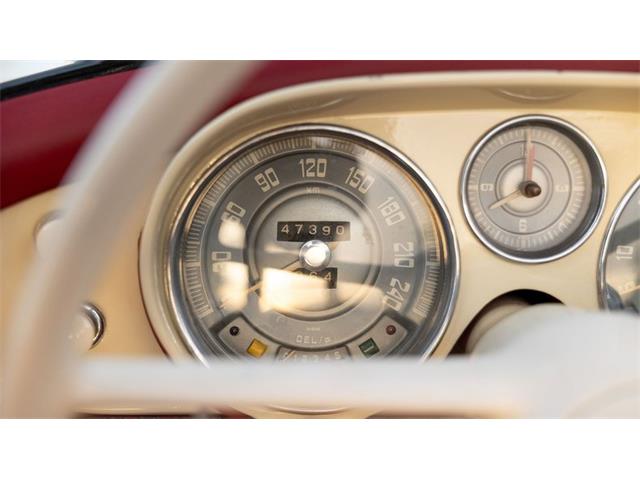
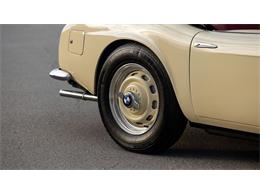
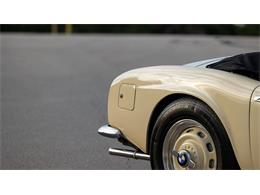
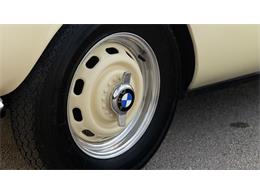
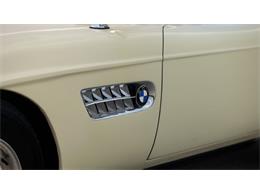
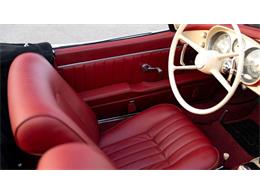
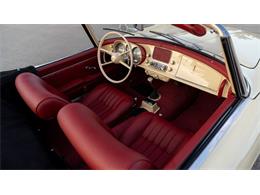
Completed on 12 June 1958 in Munich, as one of the final Series II
BMW 507s, chassis number 70143 was delivered later that summer to
one of Europe's most remarkable automotive addresses: Rome's Casa
dell'Automobili in Italy, finished in elegant Dolomite Gray, an
appropriate choice, as the route from Munich to Rome winds through
the Alps and the Dolomites.
Completed in the late 1920s, the Casa dell'Automobili was one of
Italy's most striking expressions of automotive modernity. Inspired
by the department stores and office towers of early
twentieth-century New York, the ten-story structure was designed to
accommodate up to 1,000 automobiles, including 750 private garages
equipped with telephone, compressed air, and water connections. Its
ambitious design reflected a forward-looking vision of the
automobile's place in modern life.
The Alps would become a familiar route. Some years later, the 507
crossed them once again en route to Switzerland, where it was
offered for public sale in Geneva in March 1973. The original sale
catalogue, presenting it as a former possession of the celebrated
French actor Alain Delon, still accompanies the car. Further
research could shed additional light on the car's history and
provide definitive confirmation of this provenance. A favorite of
Europe's leading filmmakers, Delon appeared in numerous Italian
productions and had developed a deep affection for the country,
where he settled in the 1960s. The car is said to have been
subsequently acquired by a prominent Swiss BMW dealer, who is
believed to have restored it in Chiasso. Photographs that depict an
older restoration were later reproduced in Superfinds: A Truly
Unique Selection of Previously Unseen Photographs of Important
Historic Cars As Found in the 1960s and 1970s by Michael
Kliebenstein, 2020. In 2013, it crossed the Alps yet again, this
time bound for Northern Europe, where, still retaining its
matching-numbers engine, it was sold by a BMW specialist to a
private collector and became the centerpiece of an outstanding
private museum devoted to the Bavarian marque. Among carefully
curated highlights ranging from the 1920s to the present, including
a 328 Roadster, an 850 CSi prototype, and a Z8, the 507 stood as
the collection's undisputed jewel. The current owner acquired the
car from the museum in 2022 and finally returned it to the market
for which it had been originally conceived, importing it to the
United States.
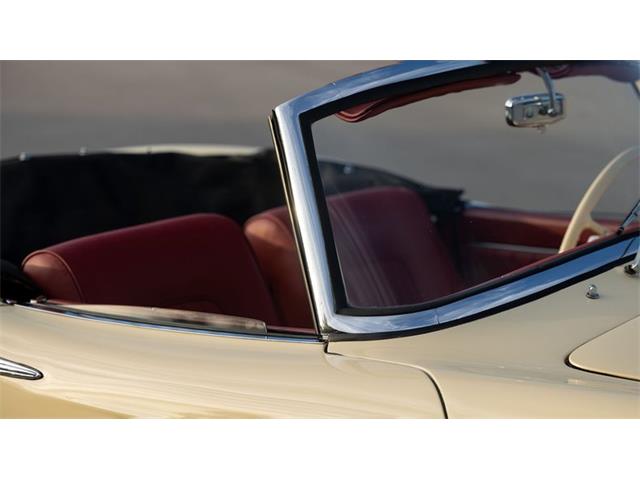
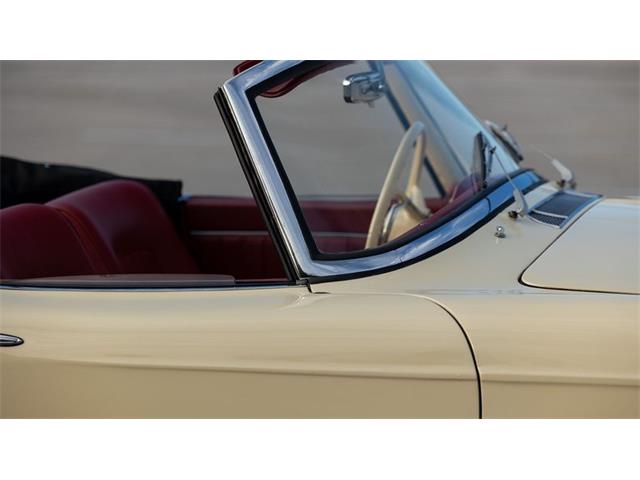
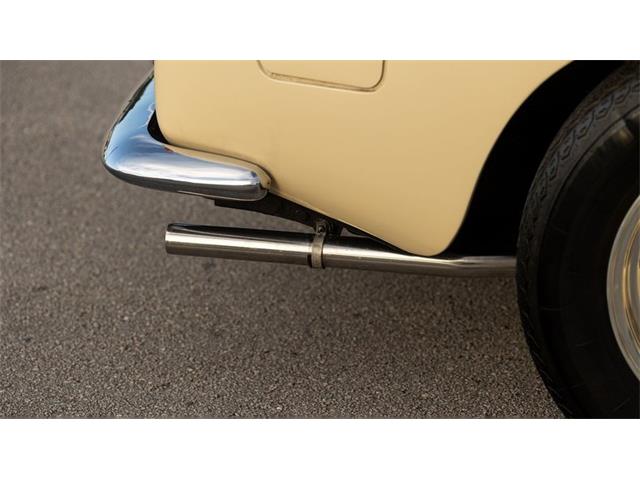
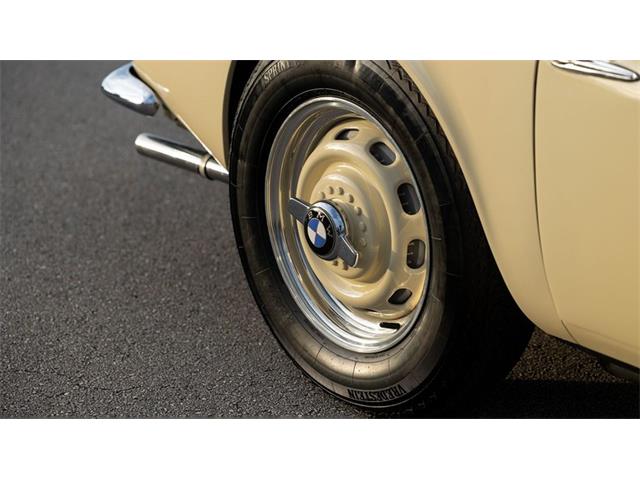
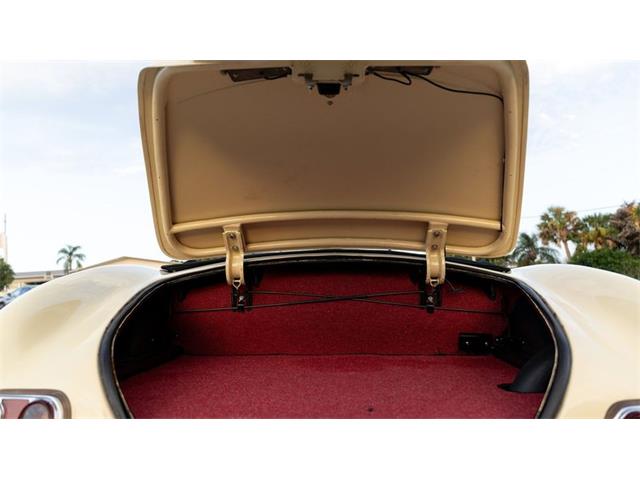
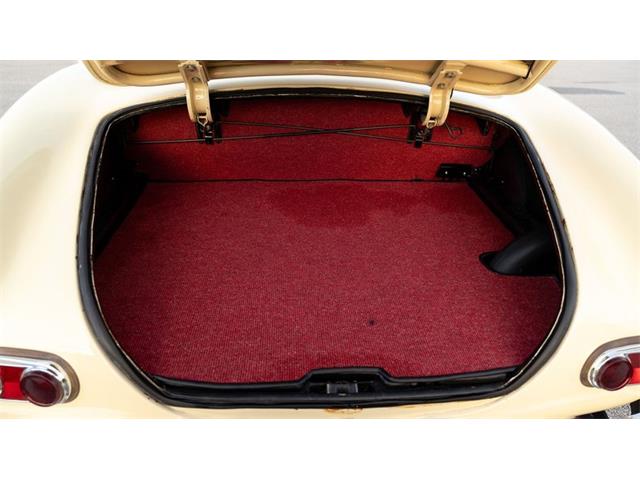
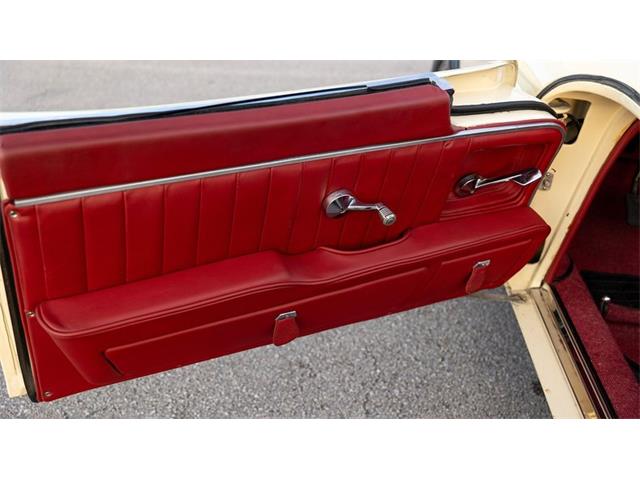
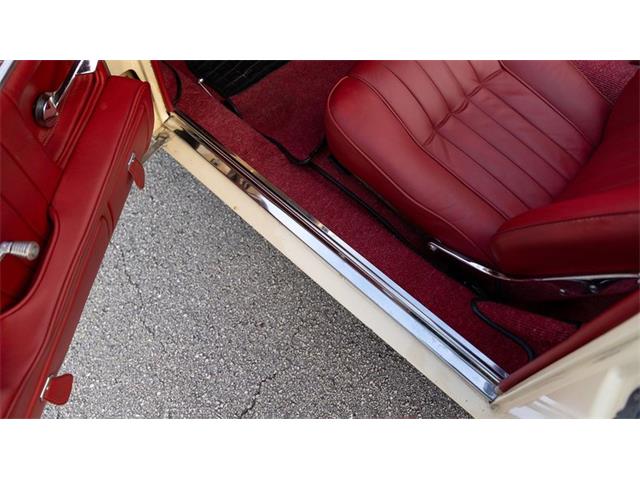
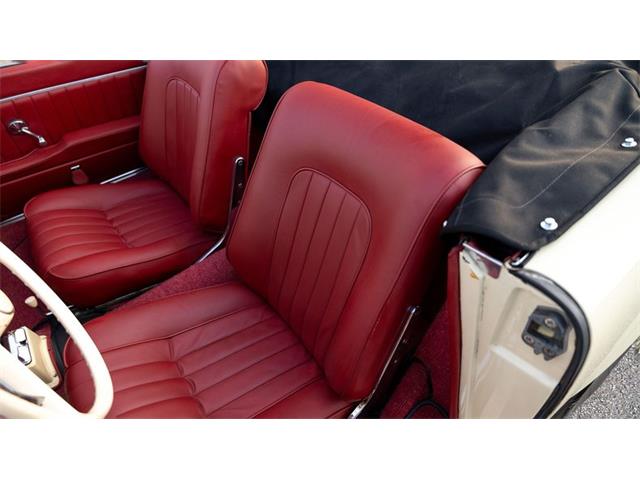
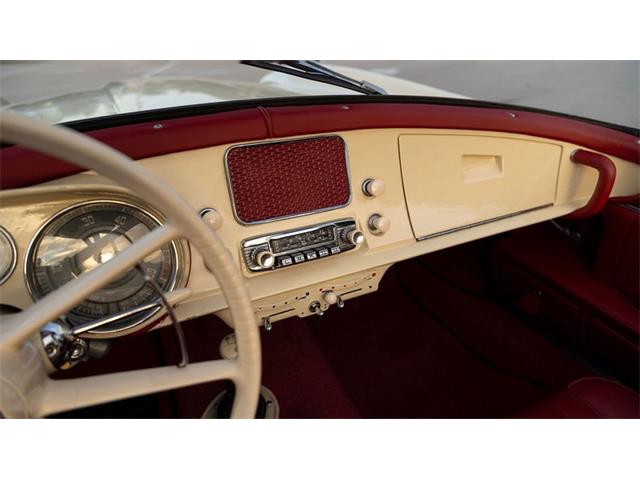
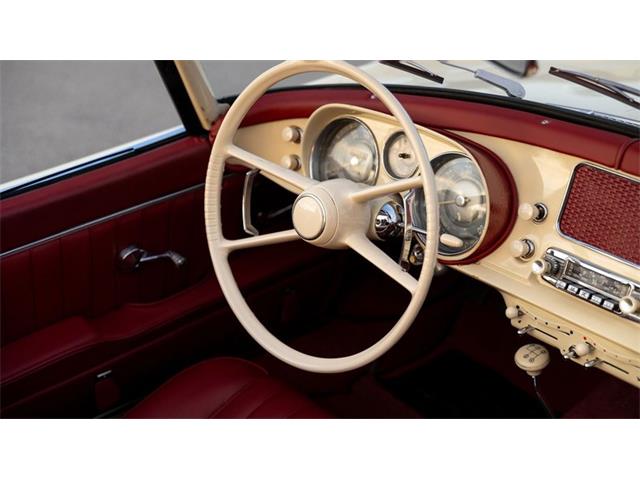
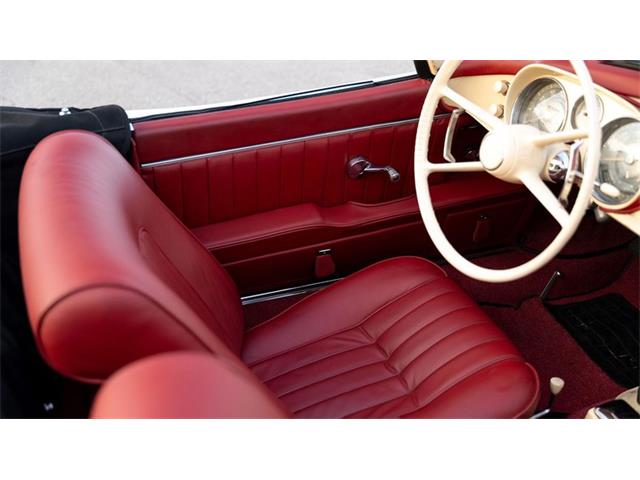
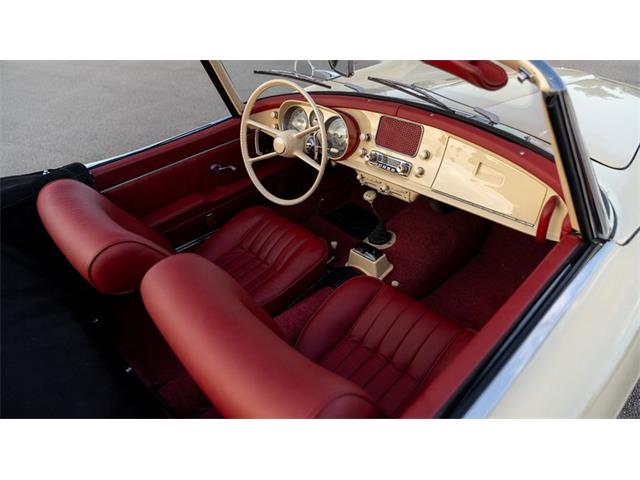
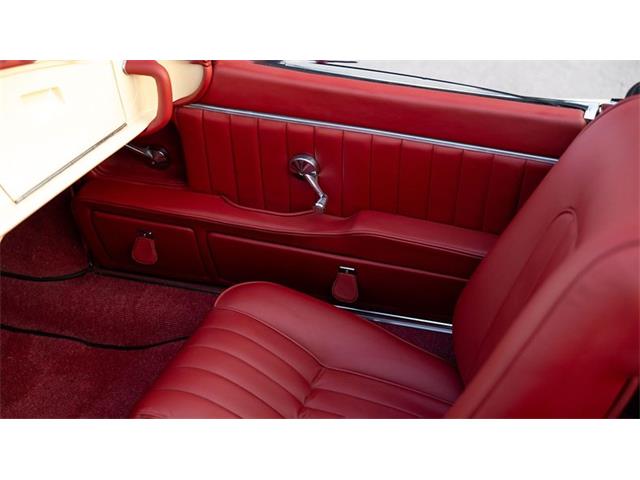
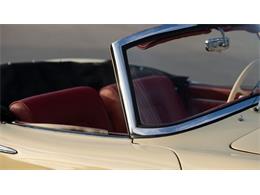
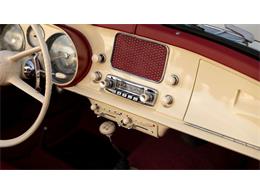
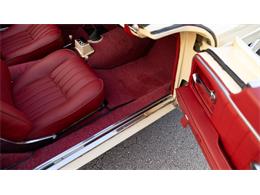
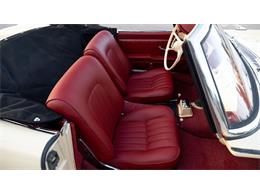
Awaiting its next caretaker, who will undoubtedly recommission it
for the road and enjoy it at prestigious concours, exclusive
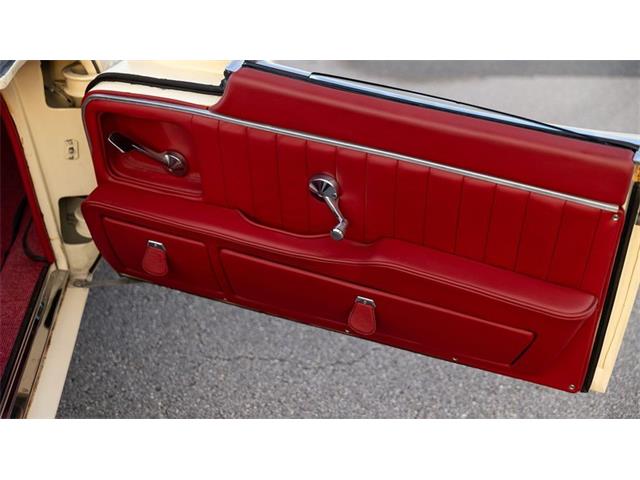
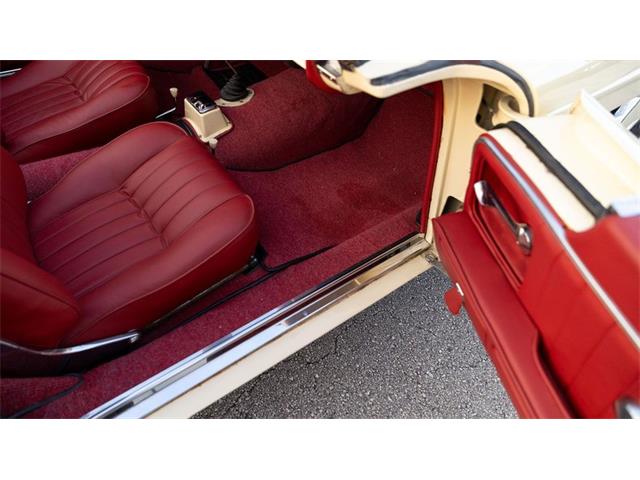
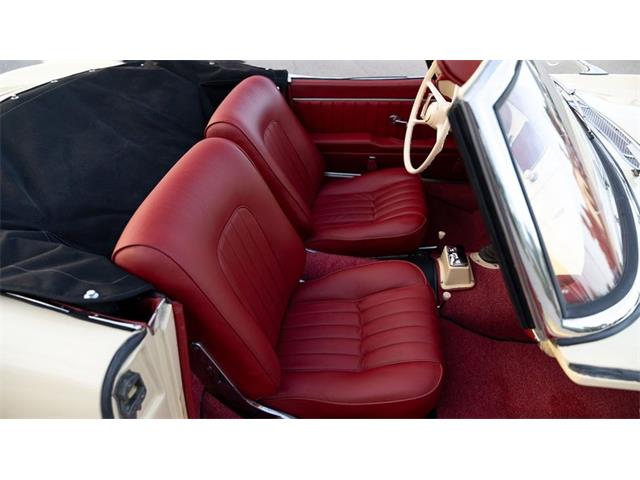
events, or simply on spirited drives, this beautifully restored BMW
507, accompanied by its original owner's manual and retaining its
matching-numbers engine-as confirmed by the BMW Classic Birth
Certificate on file-ranks among the most significant and
collectible automobiles ever produced. The opportunity to further
explore and confirm its remarkable provenance only adds to its
enduring appeal.
ClassicCars.com has been recognized as one of the fastest-growing private companies in the United States, successfully making the Inc. 5000 list in both 2015,
2016, 2017 and 2018. This prestigious accolade represents the continued growth of the company, and ClassicCars.com's dominance as the world's largest online marketplace for
buying and selling classic and collector vehicles.
The Stevie Awards, the world's premier business awards recognized
ClassicCars.com's first-class Customer Support team with a Stevie Bronze Award in 2019, celebrating the team's skills as exemplary customer support specialists.
In 2016 The Journal, brought to you by ClassicCars.com, was celebrated as the SECOND MOST INFLUENTIAL automotive blog in the world by NFC Performance.