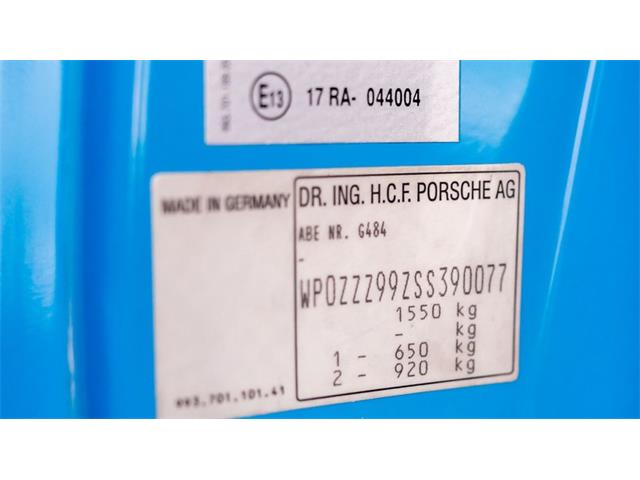
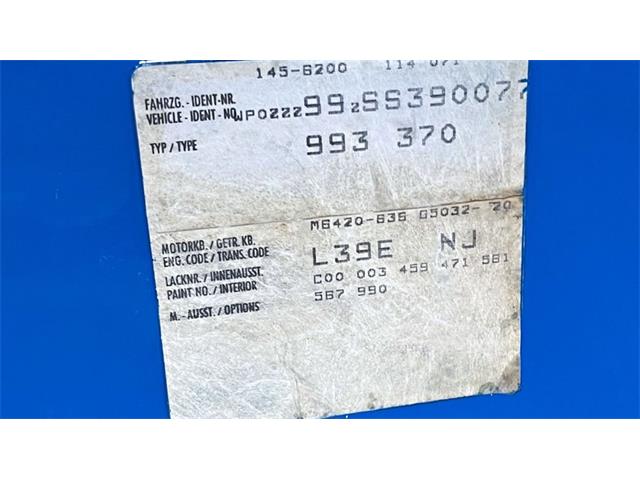
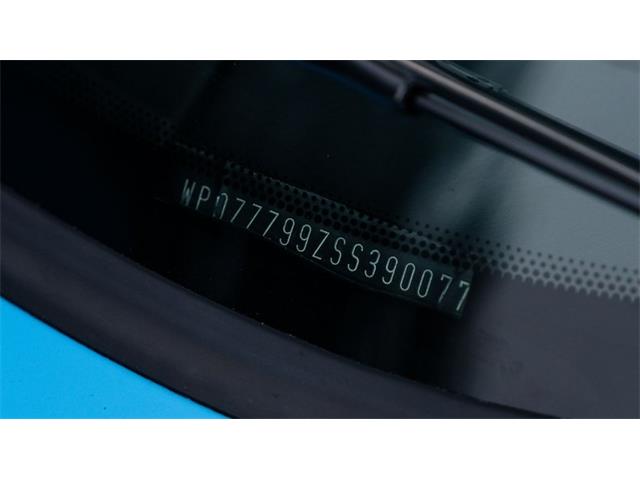
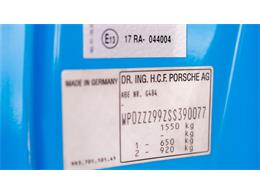
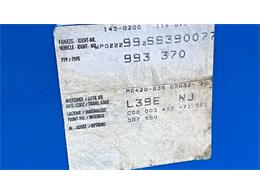
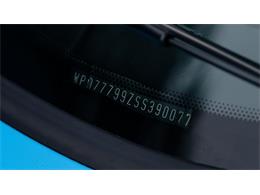
Chassis No. WP0ZZZ99ZSS390077
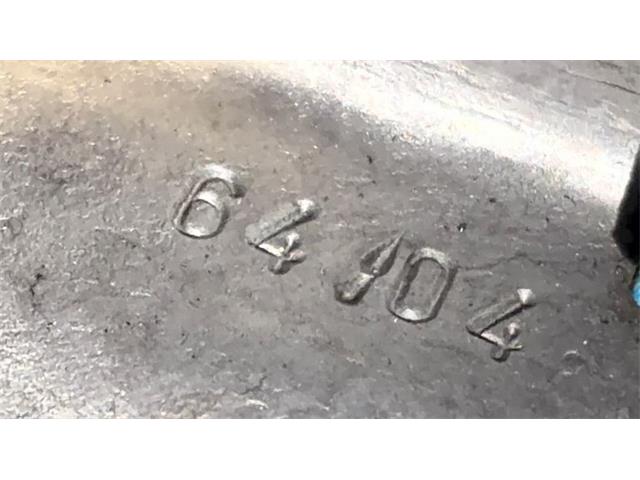
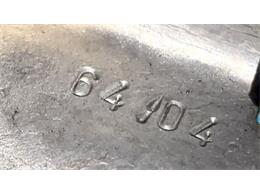
Engine Type No. 64/04 (See Text)
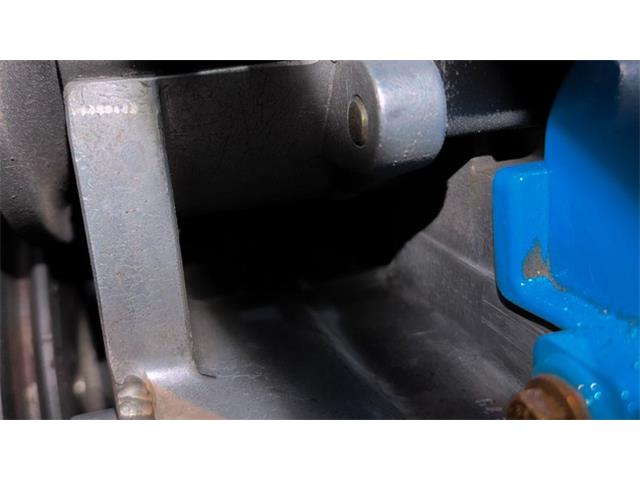
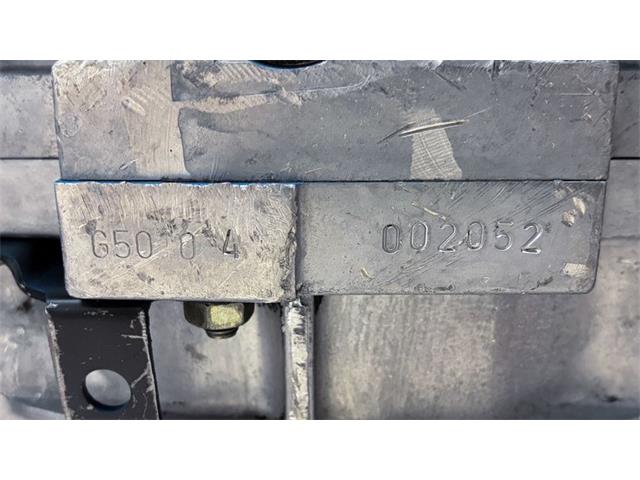
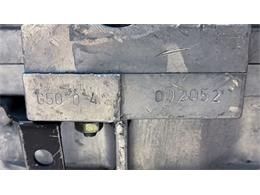
Transmission No. 4002052 (See Text)
For years, North America, Porsche's largest and most influential
market was excluded from some of the most desirable variants of the
911. The introduction of the 993-generation 911 Carrera RS for the
1995 model year was no exception, with the factory press kit noting
its availability in both left- and right-hand-drive form,
"excluding the USA and Canada." For most North American
enthusiasts, the most focused 993-based 911 would remain an object
of fascination rather than ownership until the passage of time and
evolving import eligibility finally changed that equation.
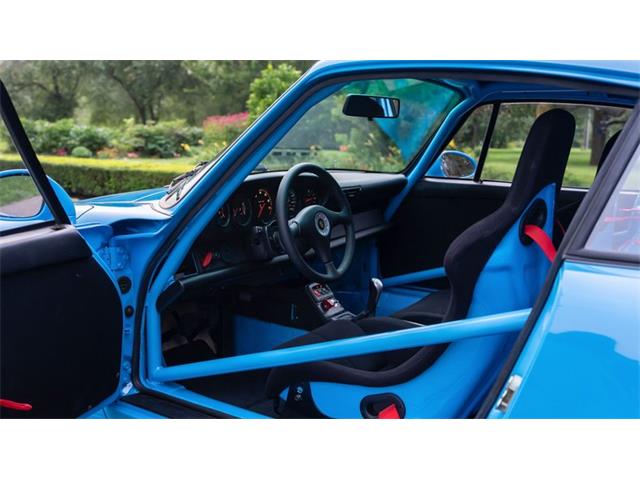
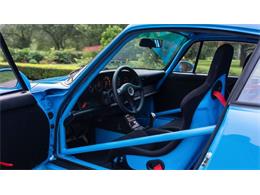
The new Carrera RS was conceived as a homologation-derived
expression of the 993-generation 911, offered in two distinct
forms: the standard RS (M002) and the more extreme Clubsport
(M003). Both were rooted in the same philosophy, lightweight
construction, increased power, and chassis refinement drawn
directly from Porsche's contemporary motorsport programs but they
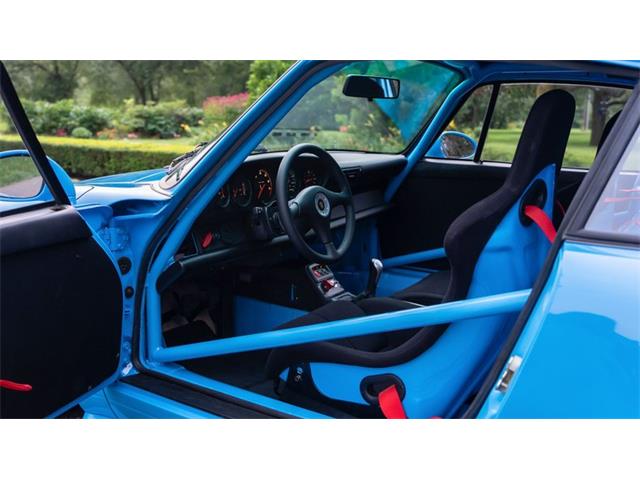
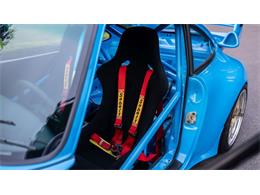
differed in intent. The standard RS was a stripped yet road-usable
driver's car, while the Clubsport pushed further toward competition
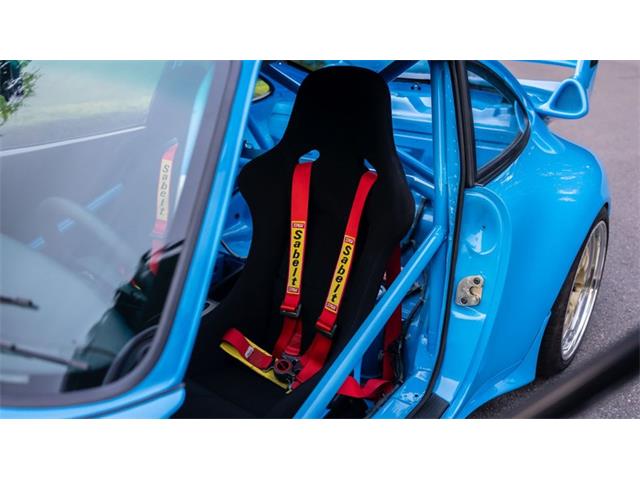
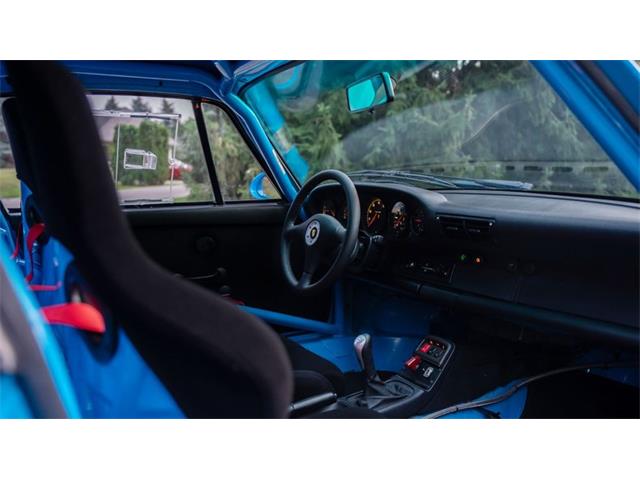
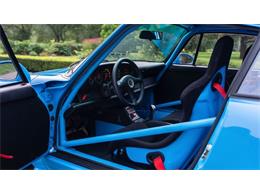
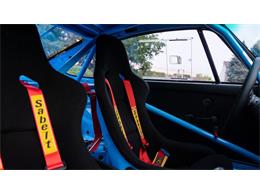
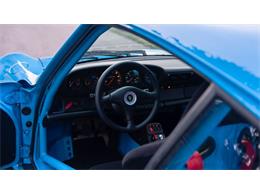
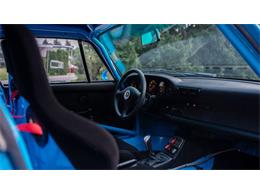
with a welded-in roll cage, more aggressive weight reduction, and a
closer alignment to Porsche's Supercup machinery. Together, they
represented a single idea expressed along a continuum between road
and race.
As contemporary factory commentary in Christophorus emphasized, the
RS was conceived not only for enthusiasts who might occasionally
visit a circuit, but as a machine capable of sustained track use
with minimal compromise, an evolution of the earlier RS ethos that
blurred the line between road registration and racing preparation,
and made clear that with additional development, these cars were
intended to be genuinely competitive tools on track.
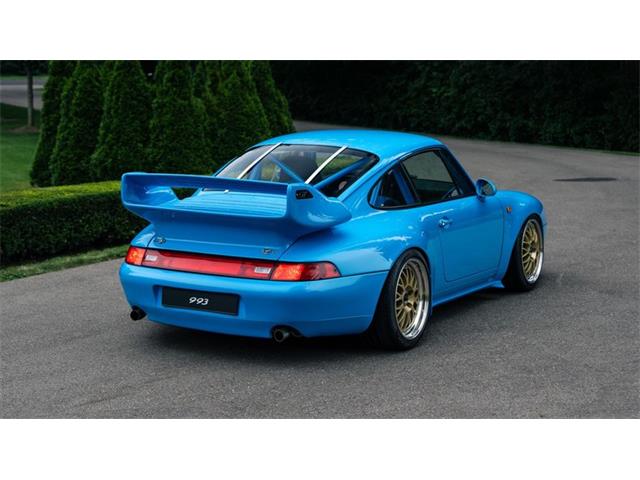
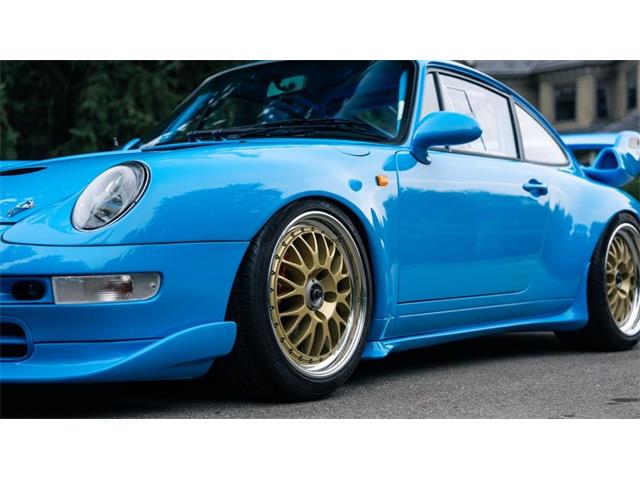
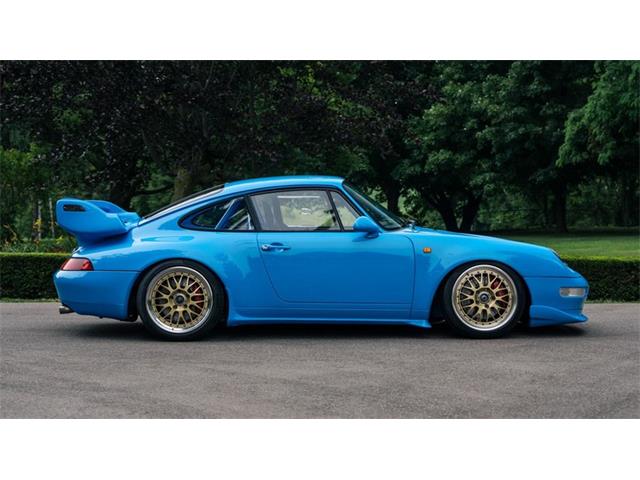
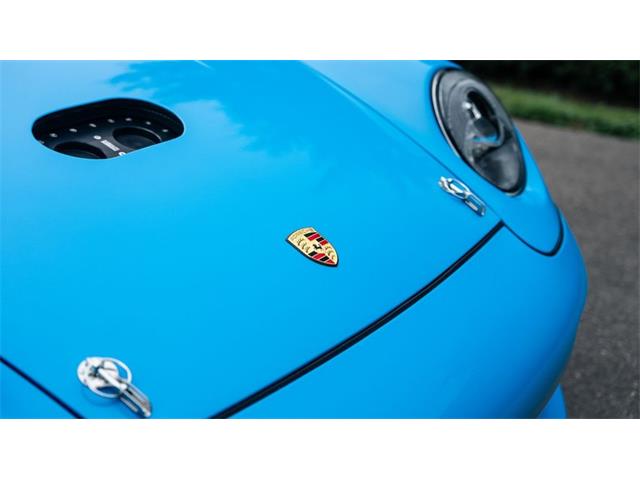
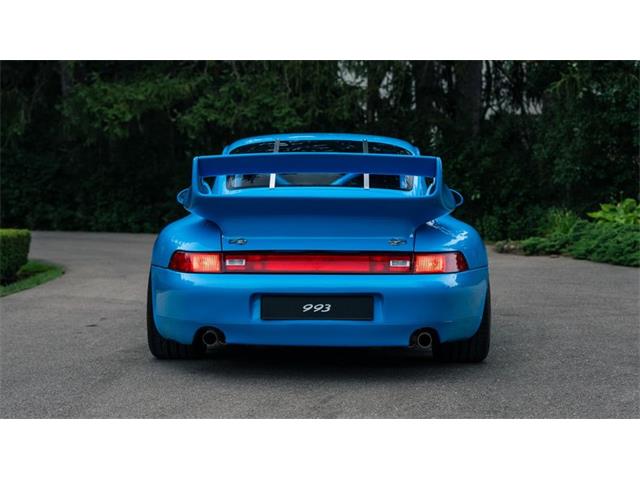
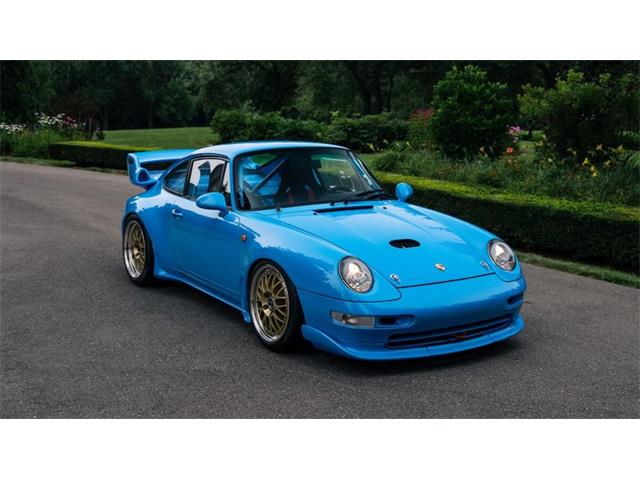
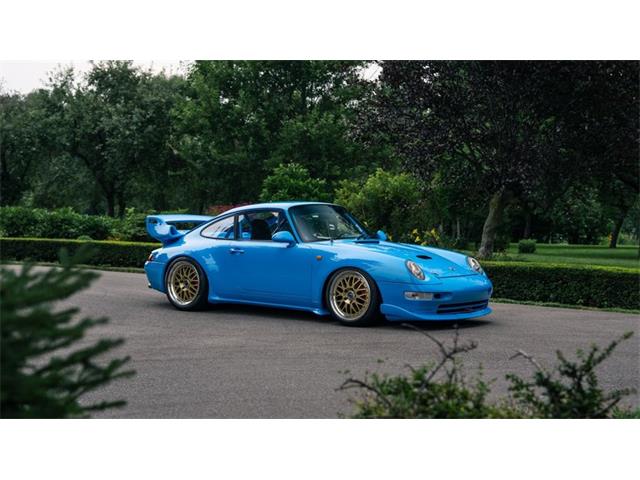
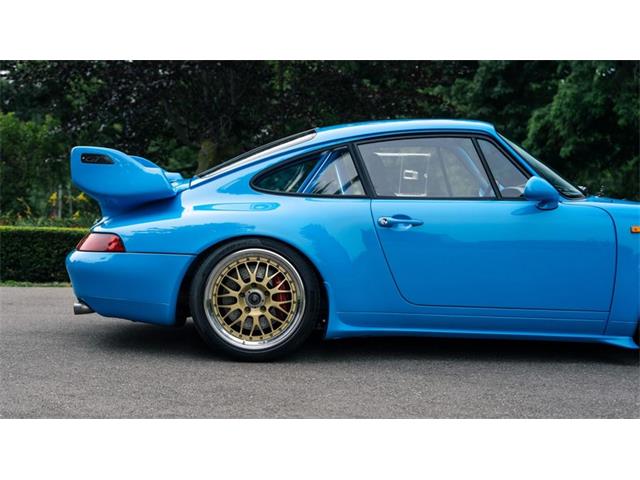
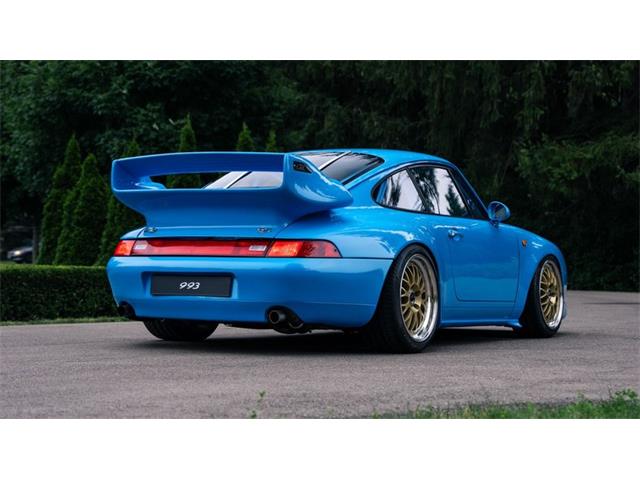
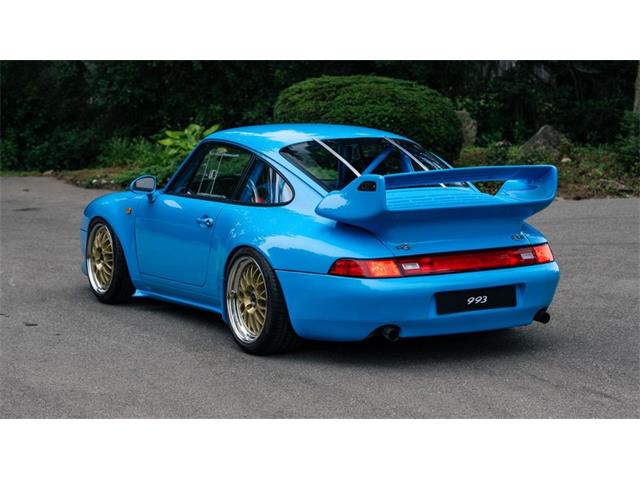
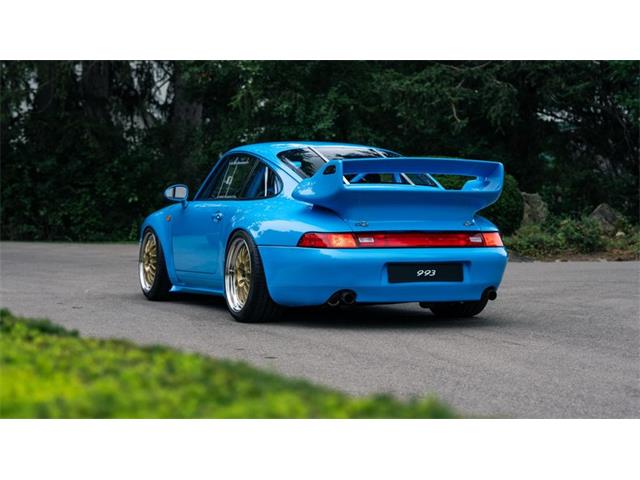
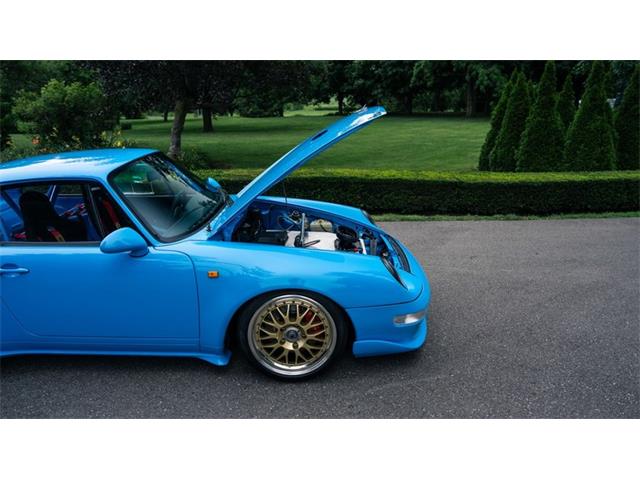
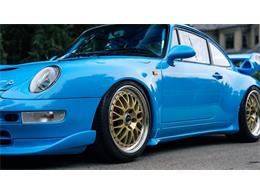
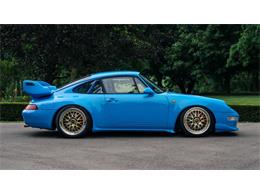
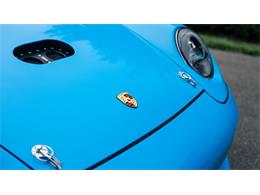
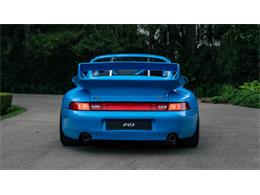
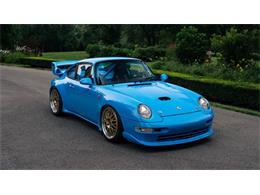
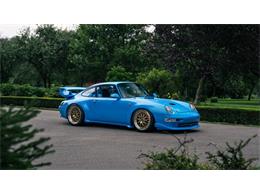
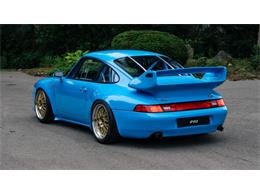
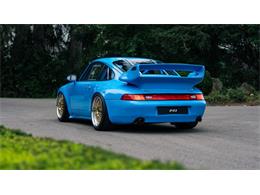
Finished in Zuffenhausen just two months after the model's
triumphant introduction at the Amsterdam Motor Show, this 1995
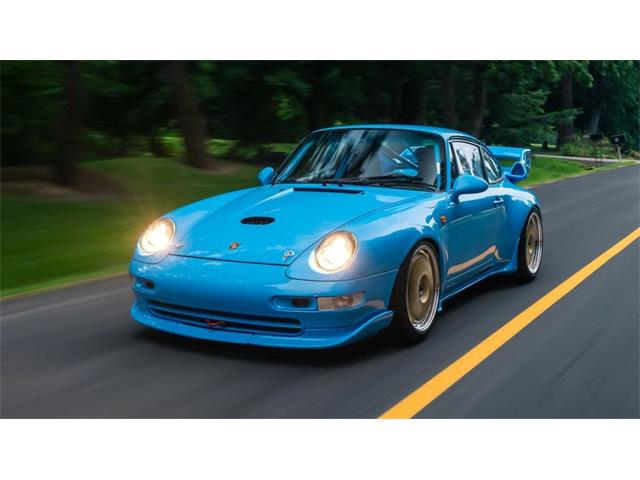
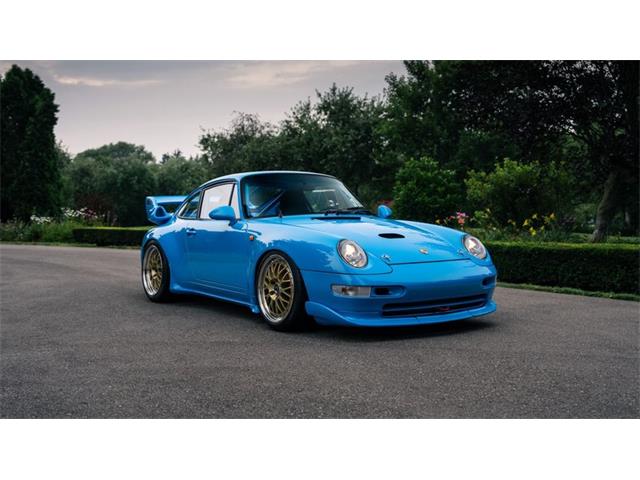
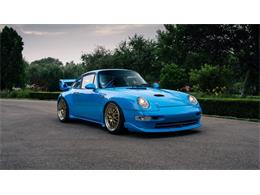
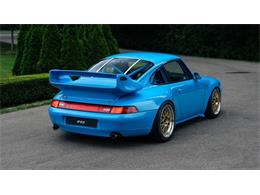
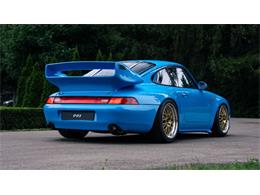
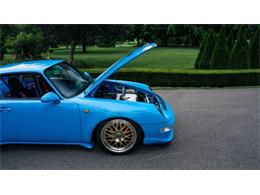
Carrera RS Clubsport, chassis number 390077, was built for the
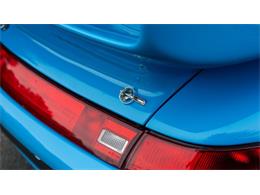
German market and finished in the official communication color of
Riviera Blue today a coveted Paint to Sample selection and one of
the most desirable and emblematic Porsche colors of the 1990s.
Option codes listed on its VIN Analytics Report and confirmed by
its Porsche build sheet are veritable catnip for Porsche
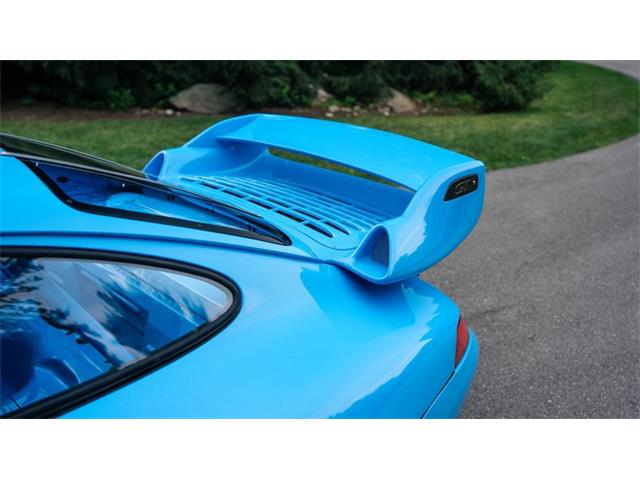
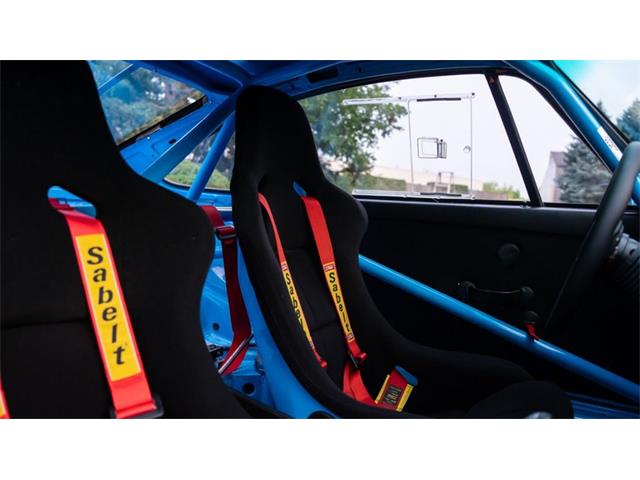
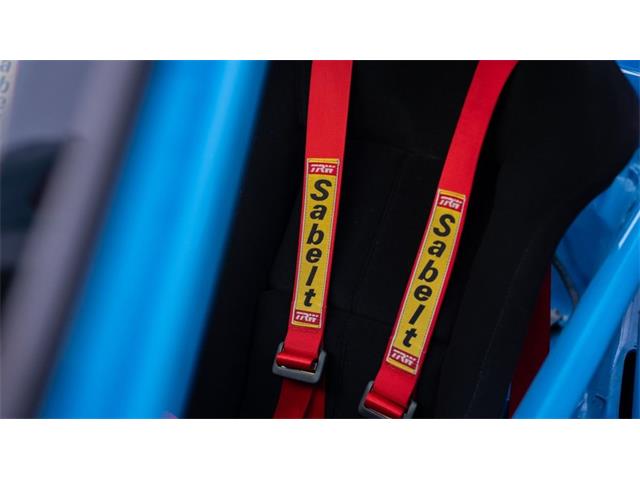
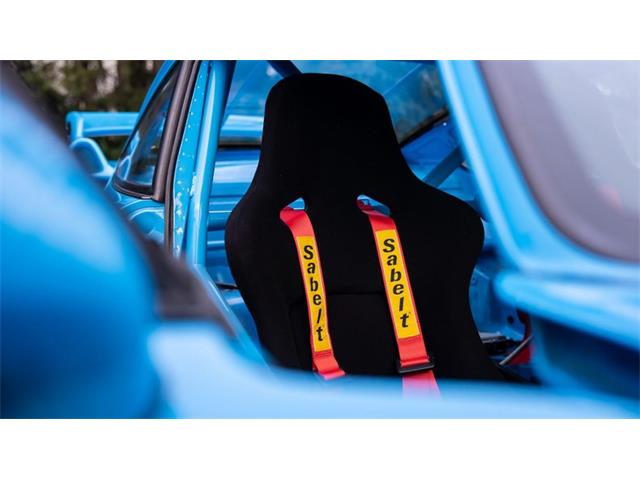
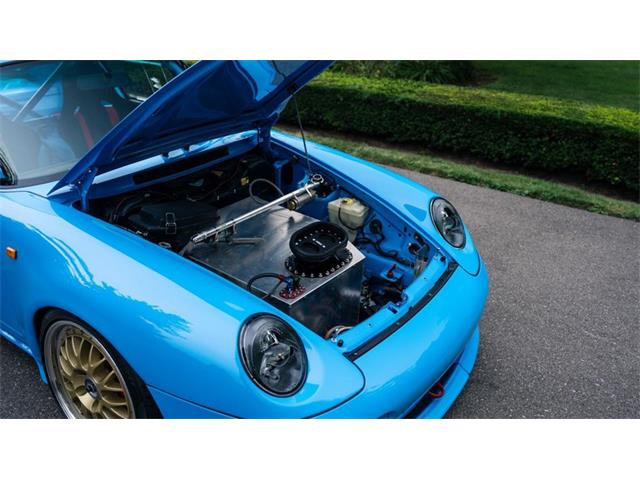
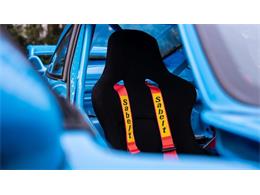
enthusiasts: 003 Clubsport, 384/385 left and right bucket seats,
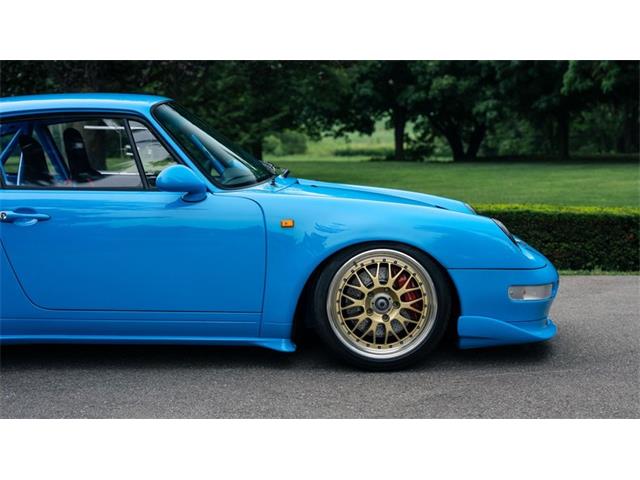
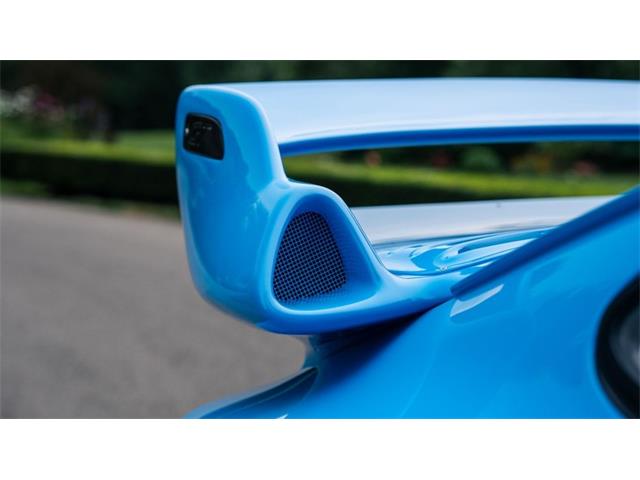
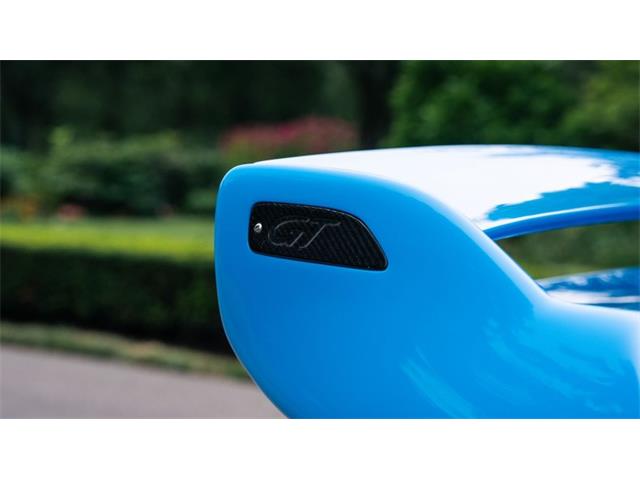
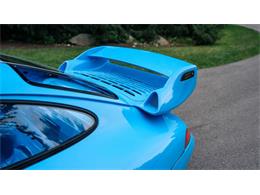
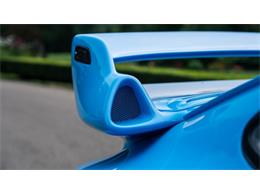
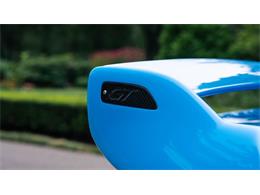
405 18-inch RS wheels, 459 dome/strut brace, 471 fixed spoiler with
additional wing, and 545 92-liter fuel tank among others.
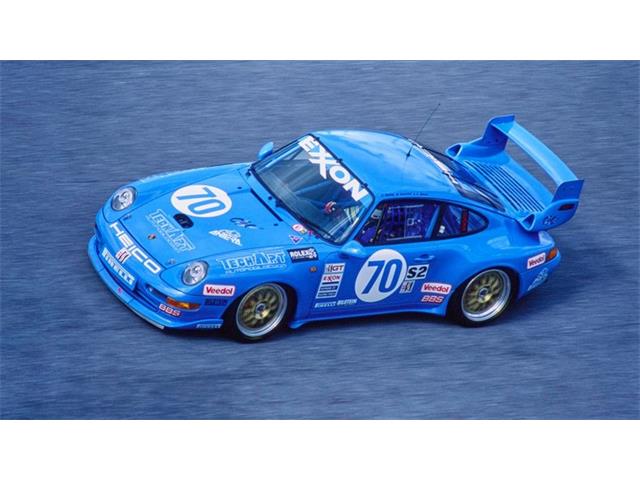
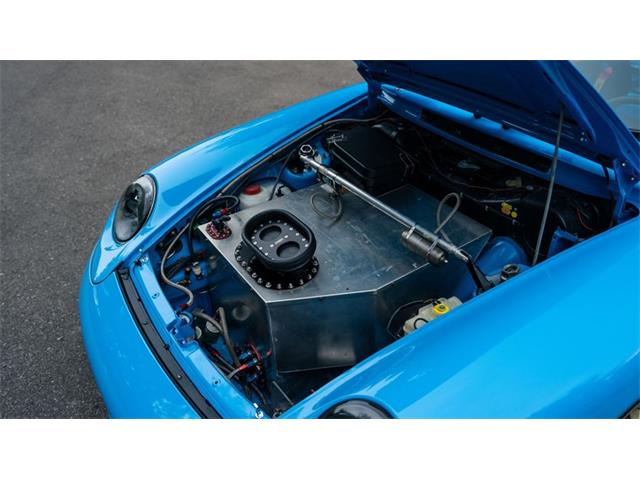
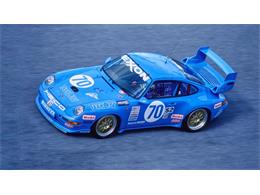
RS Clubsport chassis 390077 was acquired by Heico Motorsport to
contest the 1996 Rolex 24 at Daytona, during the formative years of
the German team, which would later become one of Europe's leading
GT operations, earning numerous championships throughout the 2000s.
Given the international nature of the Clubsport's first race entry,
it is believed the car received additional preparation from
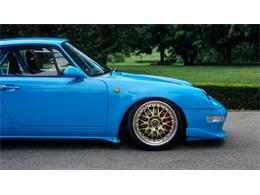
Porsche's Customer Motorsport Department in Weissach. The reported
work included BBS competition wheels, sliding Plexiglas side
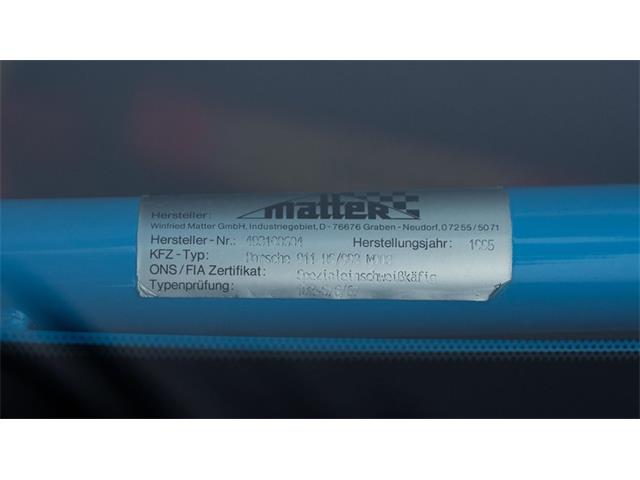
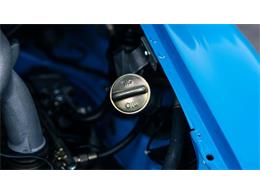
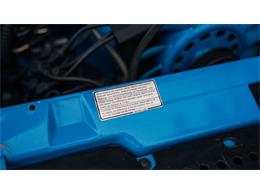
windows, pneumatic air jacks, and engine upgrades. It retains its
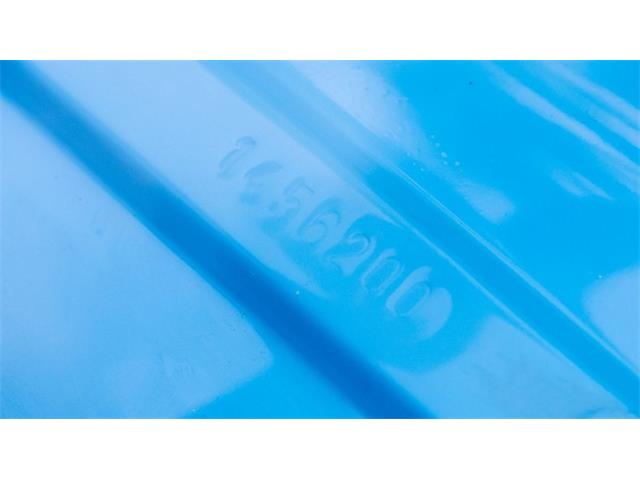
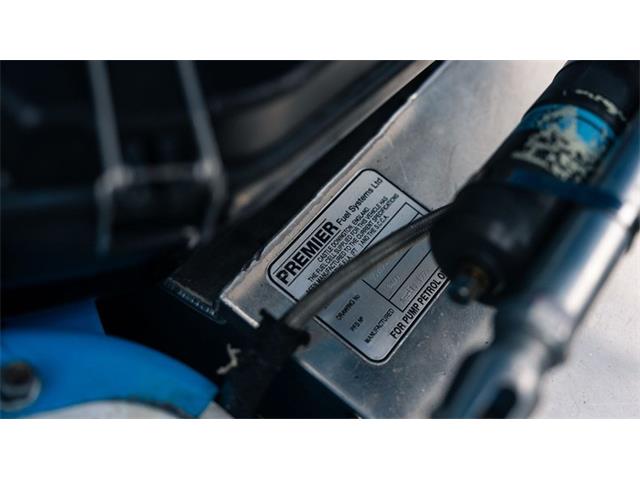
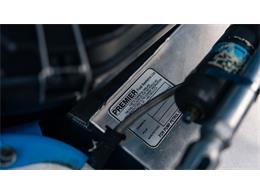
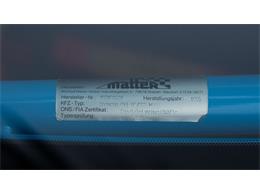
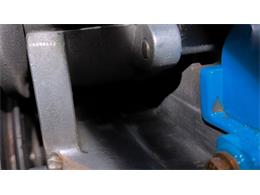
factory Matter roll cage production sticker, while its larger
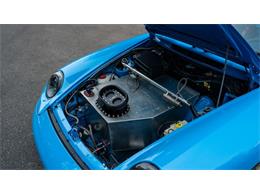
Premier quick-fill fuel tank still bears its original April 1995
manufacturer's tag.
Entered into the IMSA GTS-2 class, this Carrera RS M003 Clubsport
was exactly the car Porsche intended to go from extreme street use
to the racetrack in its 1990s push to return to GT racing. The
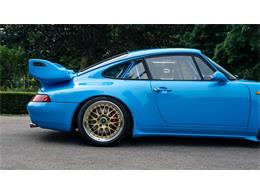
Heico team fielded four Germans for the RS resplendent in Riviera
Blue with start number 70. Prior to the start of the race, the car
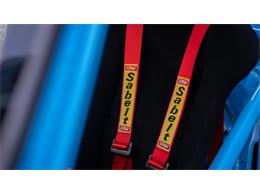
featured a taller rear wing, a rear quarter window tracking light,
a roof-mounted radio antenna, along with front and rear window
tabs, and the requisite IMSA safety equipment.
The Riviera Blue RS enjoyed a strong start, running smoothly until
after sunset before the Heico team's race came to an end around
9:00 p.m. with a mechanical issue. An inspection of the car shows
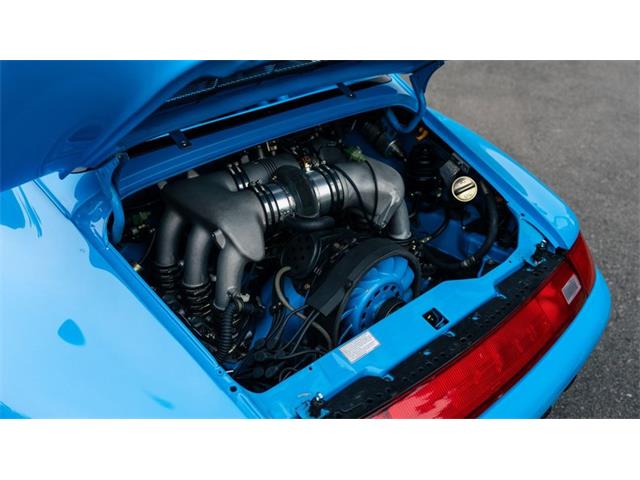
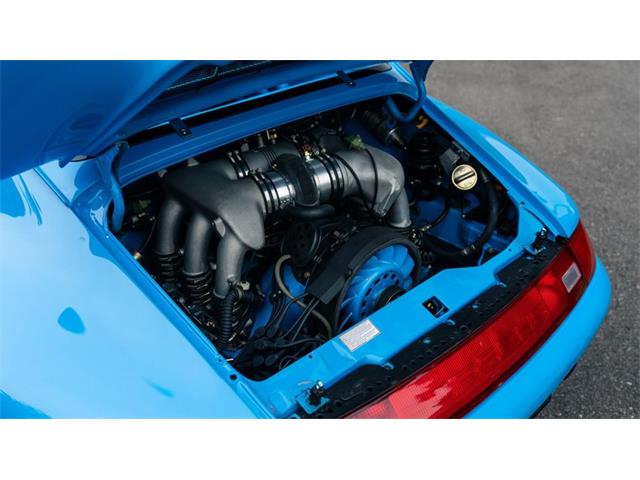
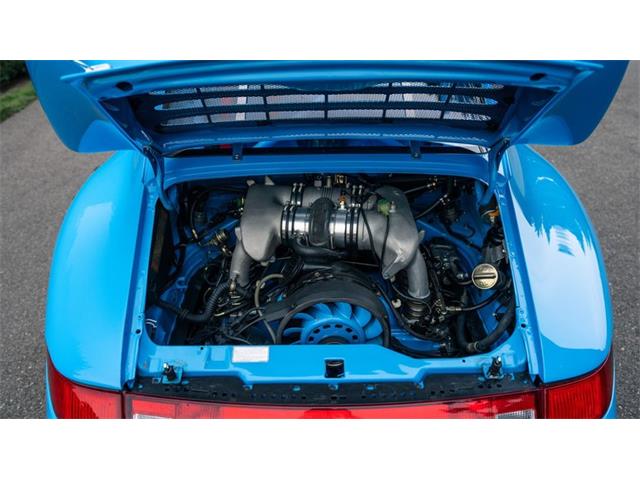
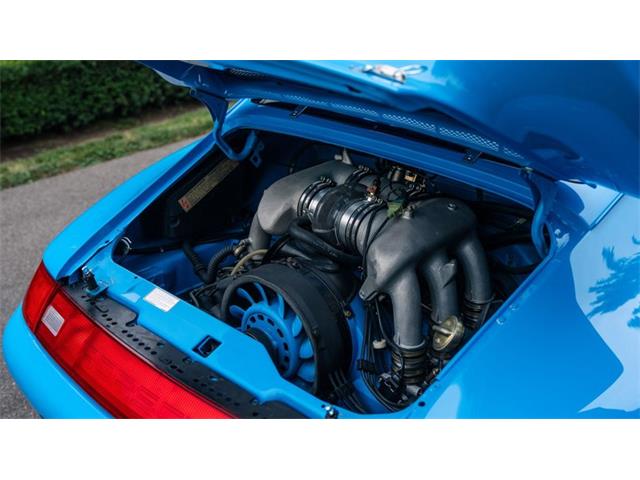
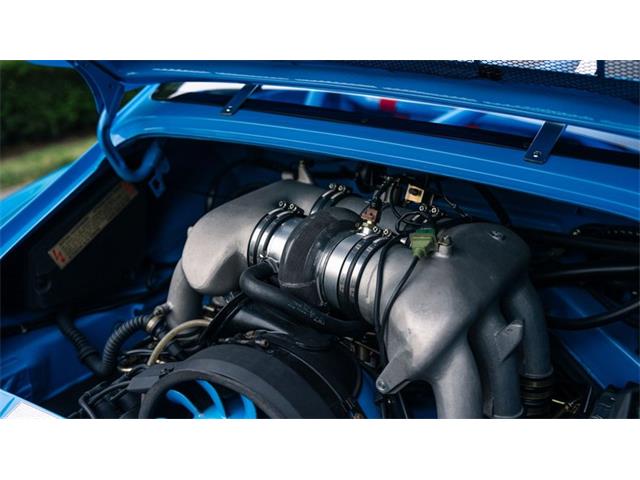
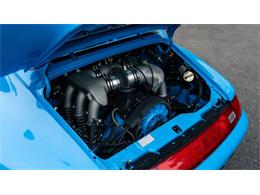
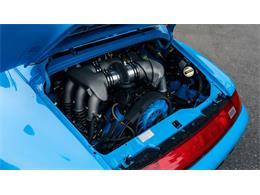
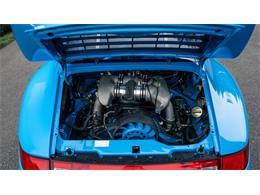
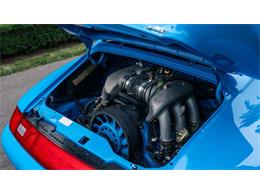
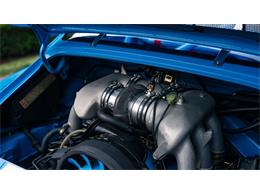
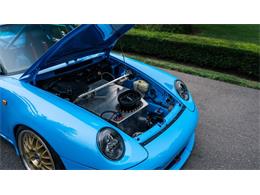
that it is currently fitted with an unstamped Type M64/04 flat-six
and G50/04 five-speed gearbox. The M64/04 engine fitted is quite a
rare naturally aspirated 3.8-liter variant that powered the Carrera
RSR 3.8 in top-level international GT racing in the 1990s and is
very likely the unit that powered the car during its 231 laps
around Daytona in 1996.
After the race, the consignor notes that the car was acquired by a
dedicated Porsche collector with the drivetrain it is fitted with
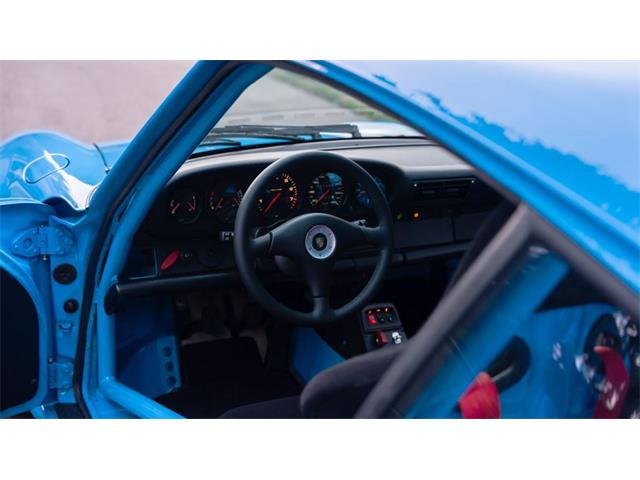
today. The car was recently returned to a cosmetic condition closer
to its appearance when it left Porsche's Weissach Customer Sport
Department before Daytona.
In the time since, and until quite recently, the RS Clubsport has
remained within the same family, seeing only light use while
sharing a garage with an exceptional group of Porsches, including
two 911 GT1s, a 906, a 1973 911 Carrera RSR, and a 935. Available
publicly for the first time in its history, the former Heico
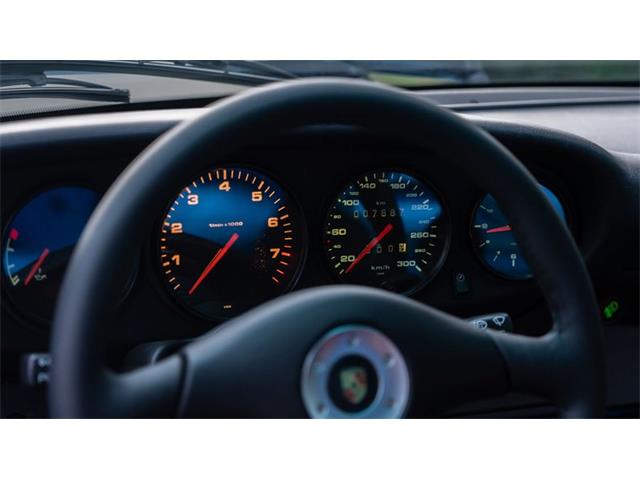
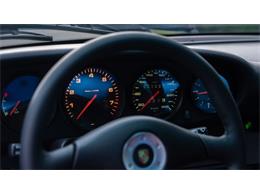
Motorsport Carrera RS features just 7,687 kilometers or
approximately 4,776 miles at cataloging and is titled and available
for either road use or track events. Perhaps best of all, it
combines the rare shade of Riviera Blue, M003 RS Clubsport
specification, period motorsport preparation, Daytona 24 Hours
history, and 30 years of continuous private ownership in one
compelling and highly collectible air-cooled Porsche.
ClassicCars.com has been recognized as one of the fastest-growing private companies in the United States, successfully making the Inc. 5000 list in both 2015,
2016, 2017 and 2018. This prestigious accolade represents the continued growth of the company, and ClassicCars.com's dominance as the world's largest online marketplace for
buying and selling classic and collector vehicles.
The Stevie Awards, the world's premier business awards recognized
ClassicCars.com's first-class Customer Support team with a Stevie Bronze Award in 2019, celebrating the team's skills as exemplary customer support specialists.
In 2016 The Journal, brought to you by ClassicCars.com, was celebrated as the SECOND MOST INFLUENTIAL automotive blog in the world by NFC Performance.