This vehicle has been soldThis vehicle is no longer available for sale on ClassicCars.com. Please set an alert if you would like to be notified as soon as similar vehicles become available.
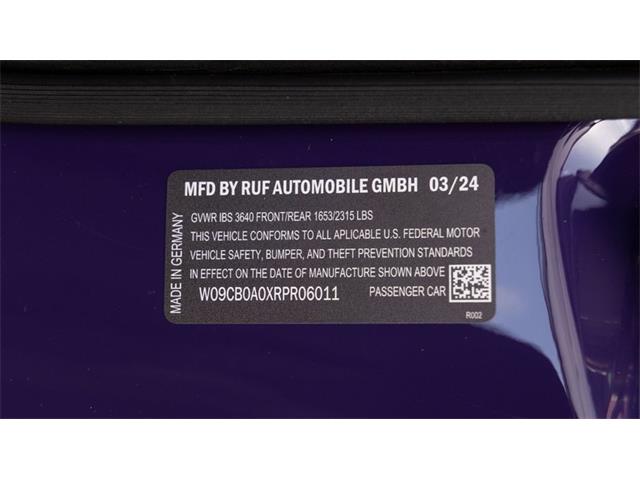
For Sale at Auction: 2024 Ruf SCR in Carmel, California
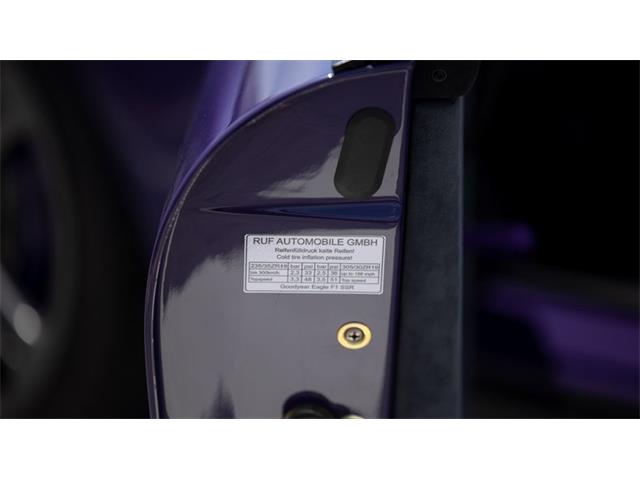
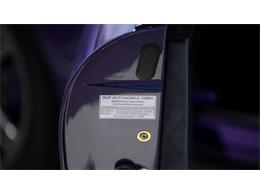
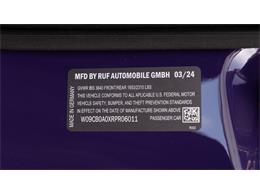
Since 1981, RUF Automobile GmbH has been recognized by German
authorities as an independent manufacturer in its own right. That
distinction has never been more fully realized than in the SCR,
which debuted at the 2018 Geneva International Motor Show and paid
tribute to the legendary original SCR that helped establish RUF's
reputation some four decades earlier.
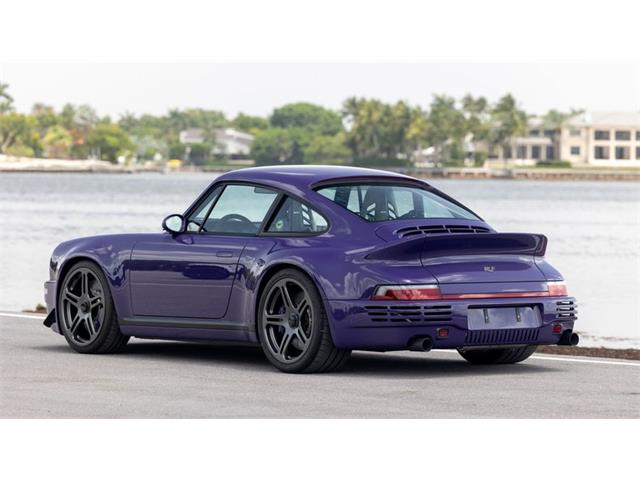
The SCR is a ground-up RUF design in every meaningful sense. Its
structure is entirely engineered from scratch and not a "body in
white" supplied by Porsche. It consists of a carbon-fiber monocoque
with front and rear spaceframes bonded to the central tub and an
integrated roll cage fabricated from high-strength steel. The
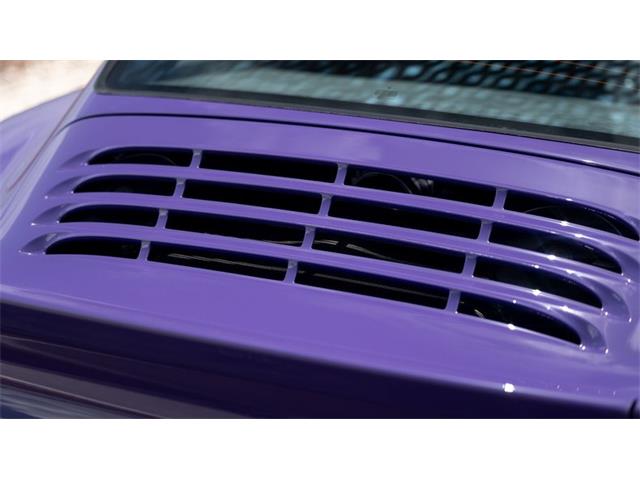
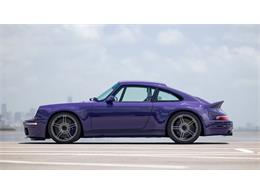
aerodynamically optimized carbon-fiber bodywork, shaped with the
assistance of Computational Fluid Dynamics analysis, evokes the
silhouette of the air-cooled 911 while concealing engineering that
owes nothing to Stuttgart. Suspension at both axles follows a
double-wishbone layout with pushrod-actuated dampers in a
horizontal configuration, actively adjustable across two driving
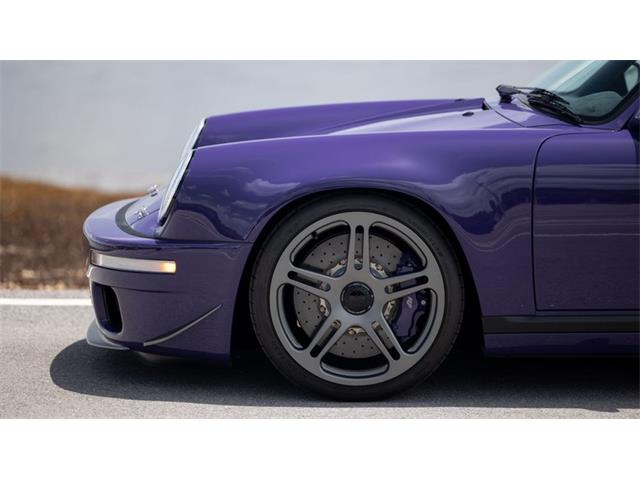
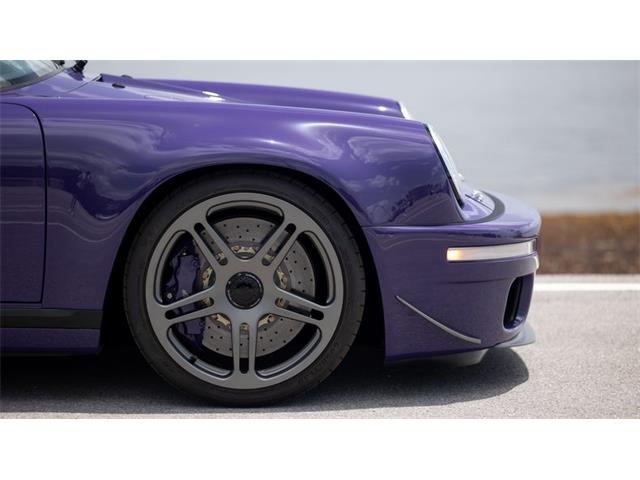
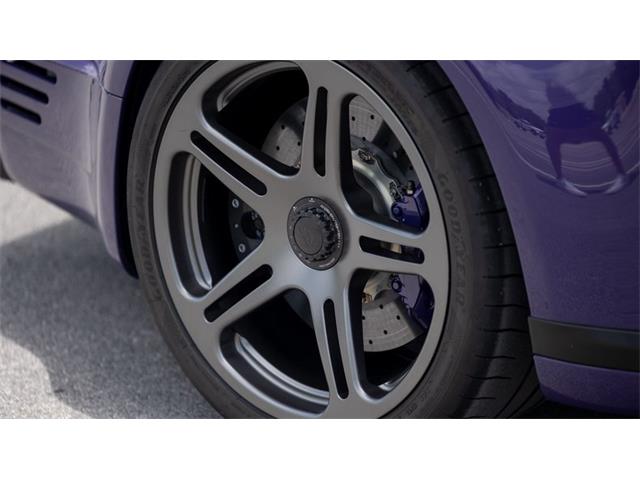
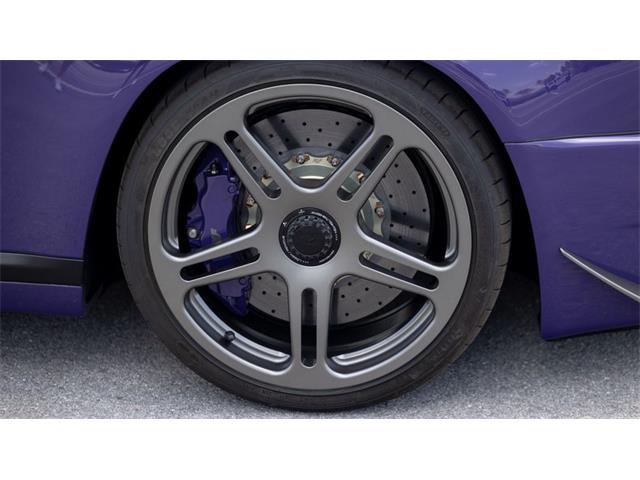
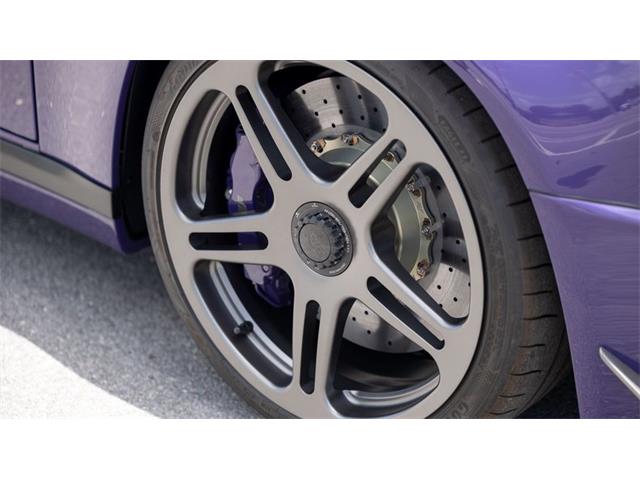
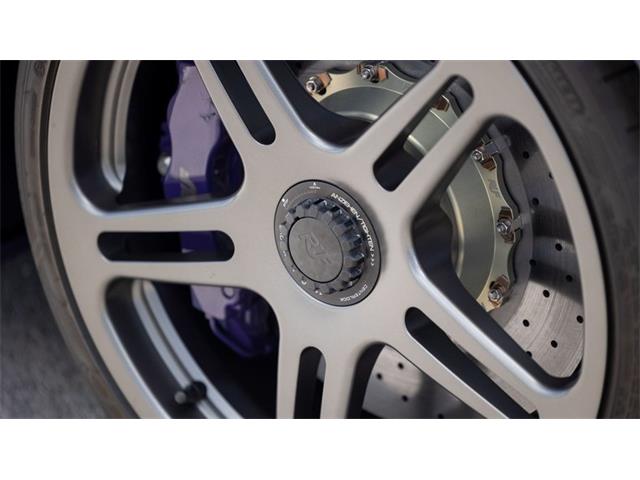
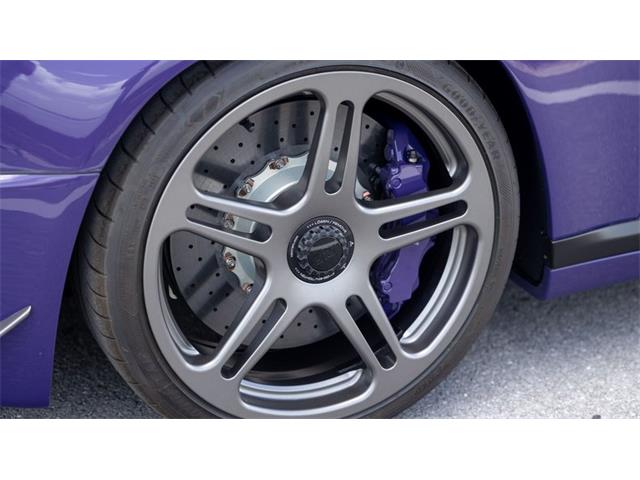
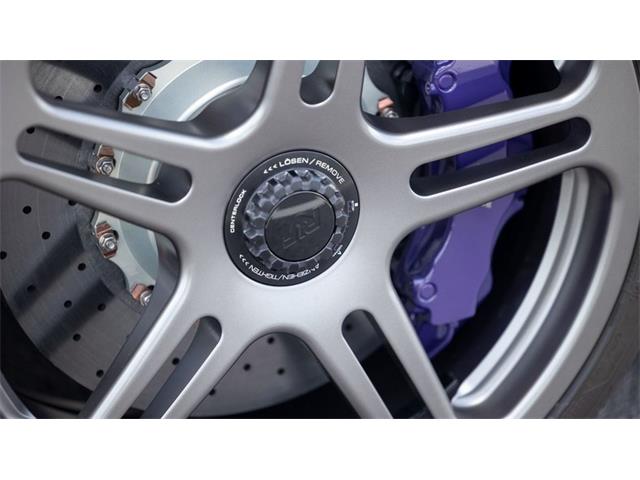
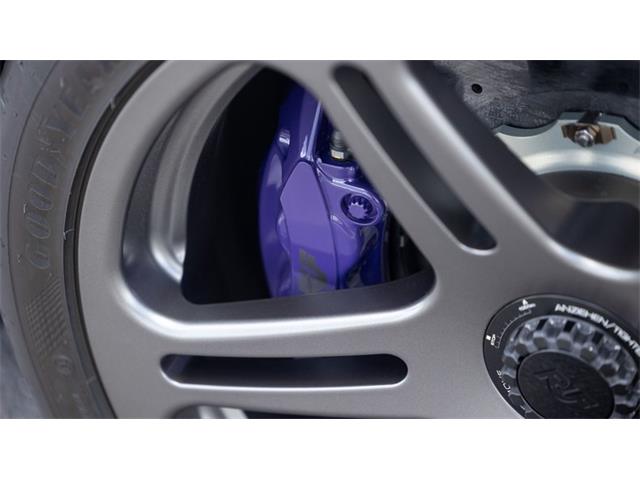
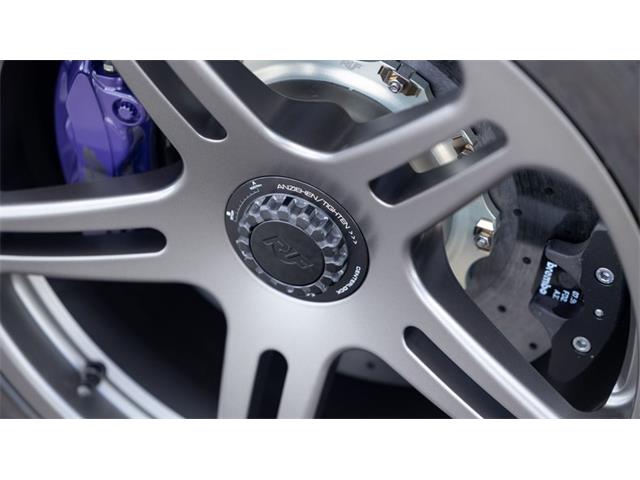
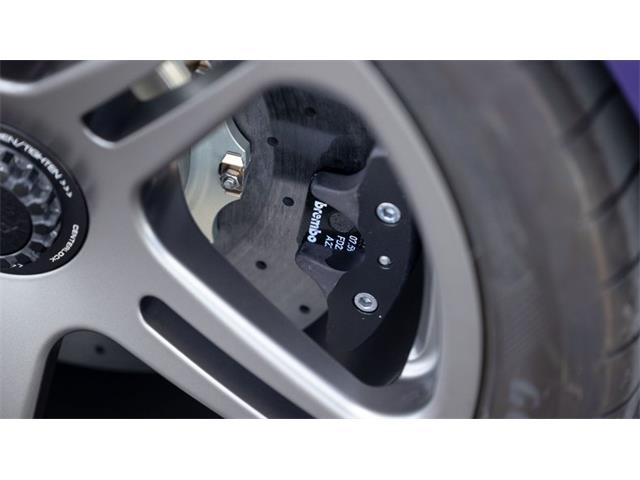
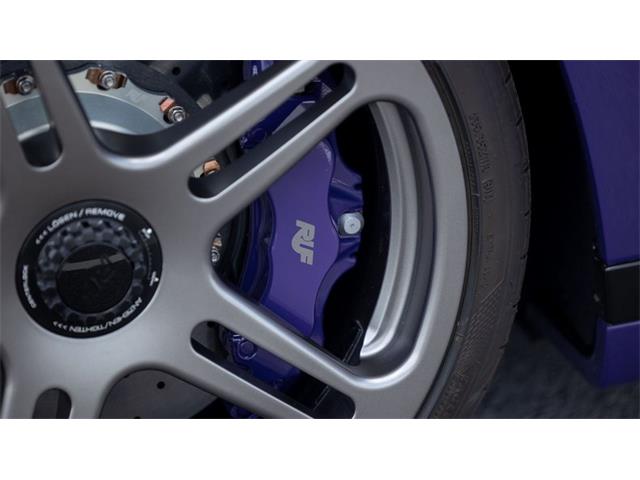
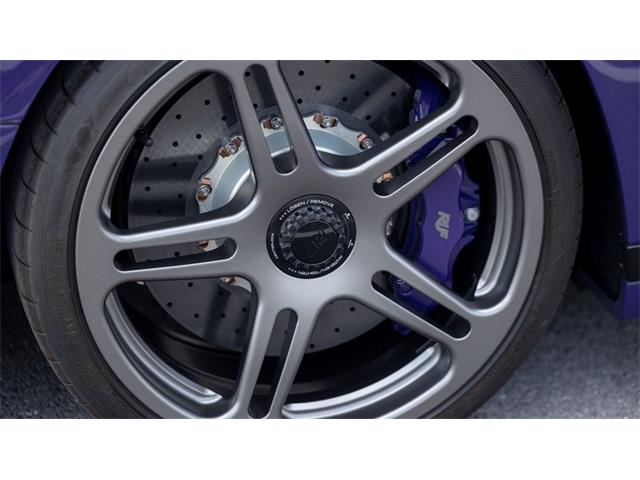
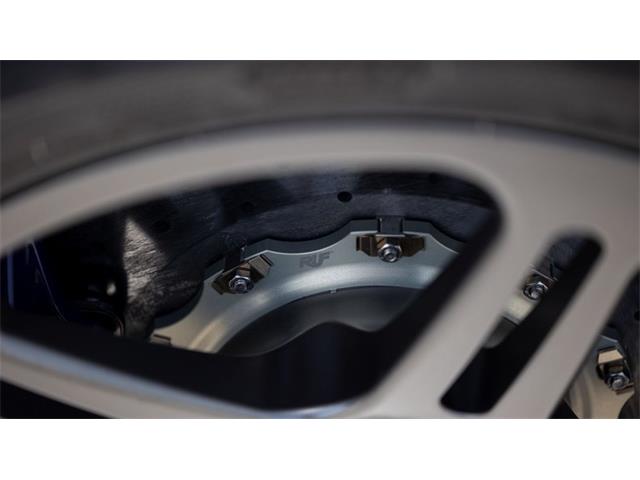
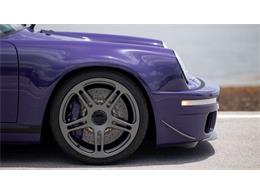
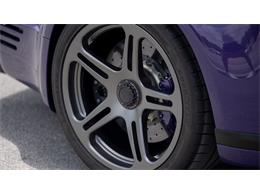
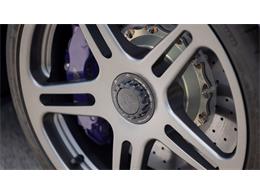
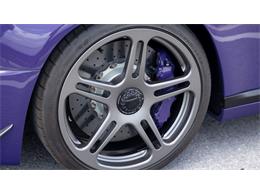
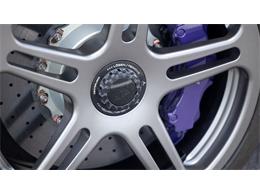
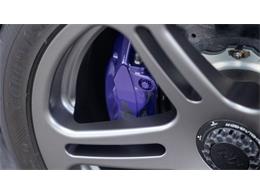
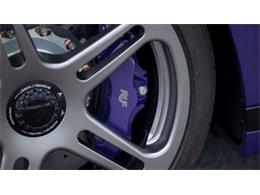
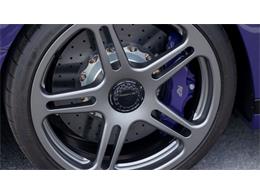
settings. Stopping duties are handled by cross-drilled, ventilated
ceramic composite brake discs front and rear, with 380-mm discs up
front gripped by six-piston monobloc calipers, providing the kind
of fade-resistant, high-modulation braking the car's performance
demands.
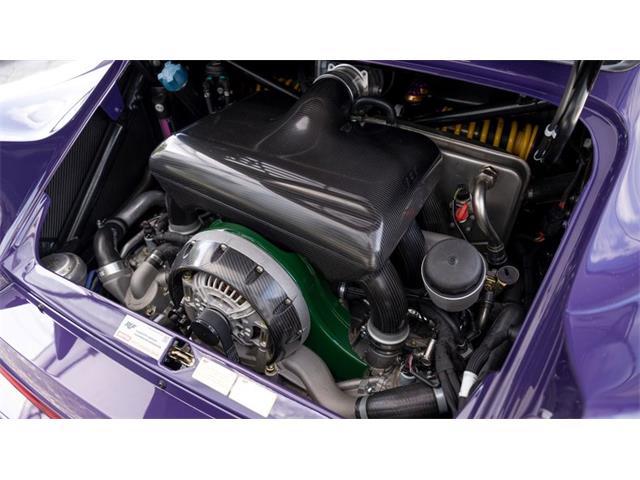
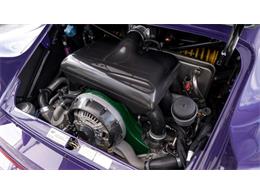
Mounted behind the rear axle is a 4.0-liter naturally aspirated
water-cooled, aluminum-block flat-six that draws on the lineage of
the Mezger-derived engine family. It develops 510 horsepower at
8,270 rpm and 347 lb-ft of torque at 5,760 rpm, revving all the way
to an 8,750-rpm redline. Drive reaches the rear wheels exclusively
through a six-speed manual gearbox with a limited-slip
differential, preserving the tactile, analog quality of engagement
that has long defined the best of RUF's creations. At just 1,250
kilograms (2,756 pounds), the result is zero-to-62 mph in 3.4
seconds and a top speed of 199 mph, reflecting the SCR's
exceptionally favorable power-to-weight ratio.
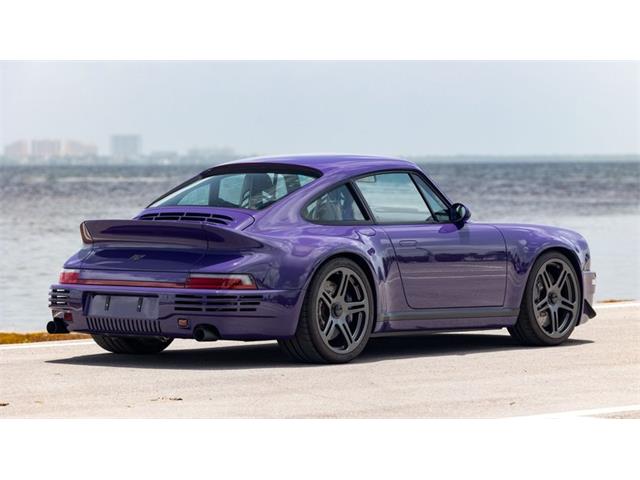
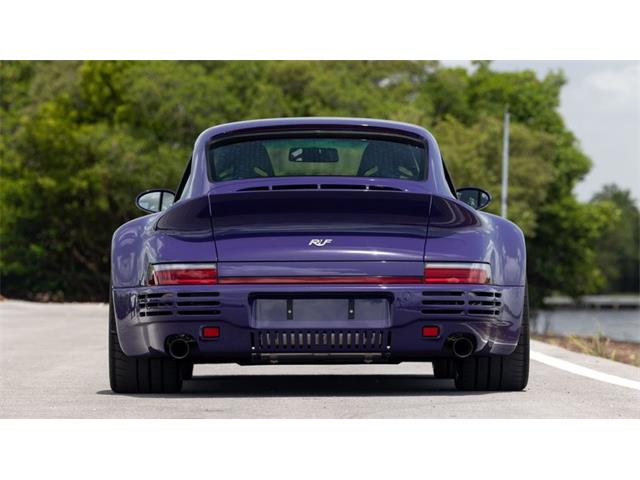
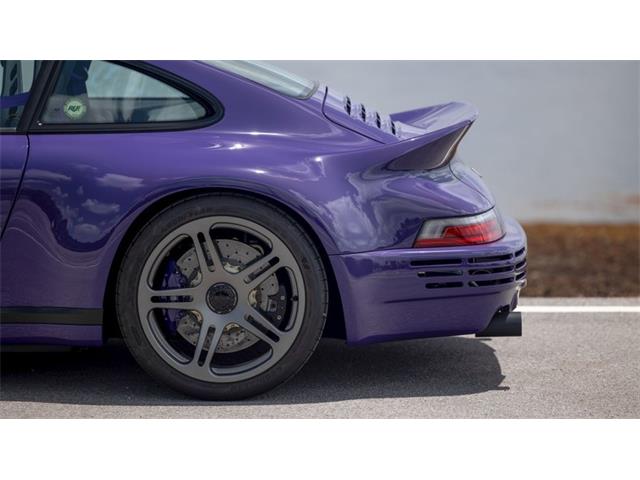
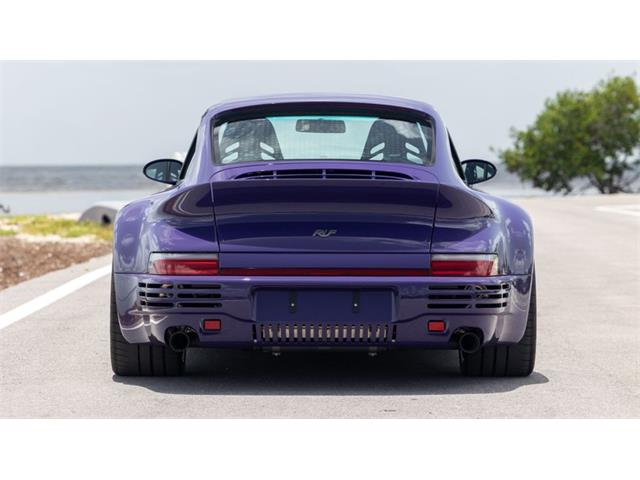
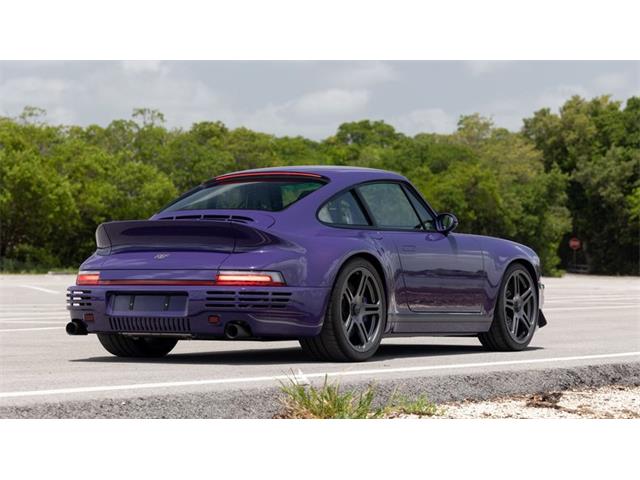
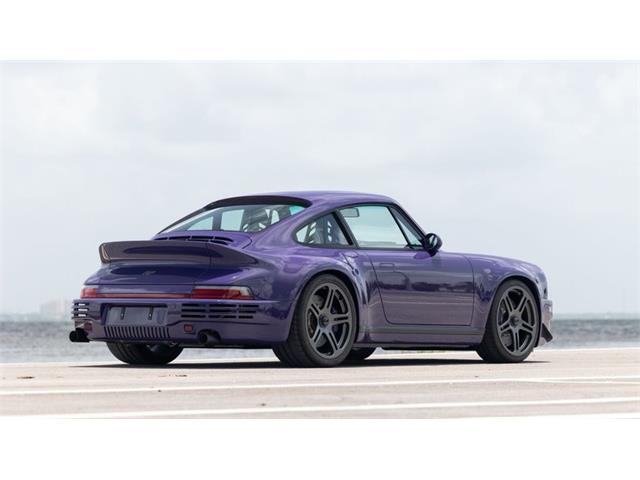
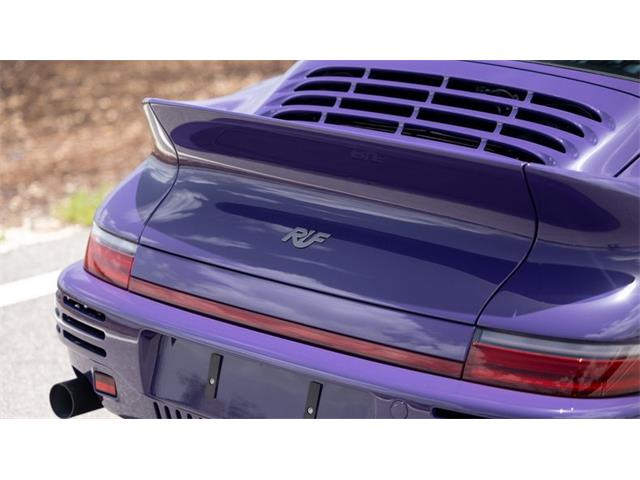
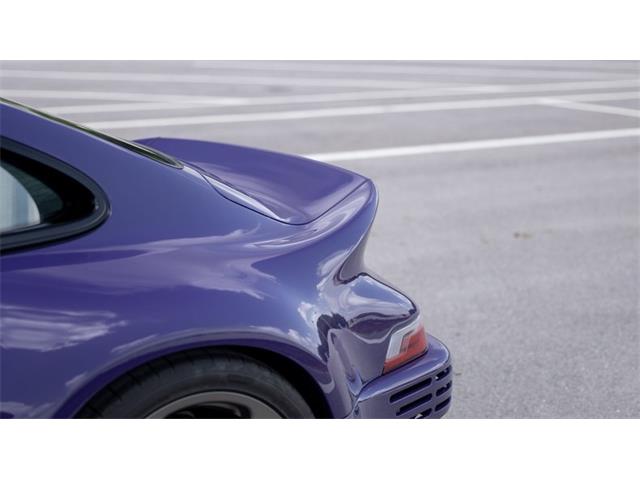
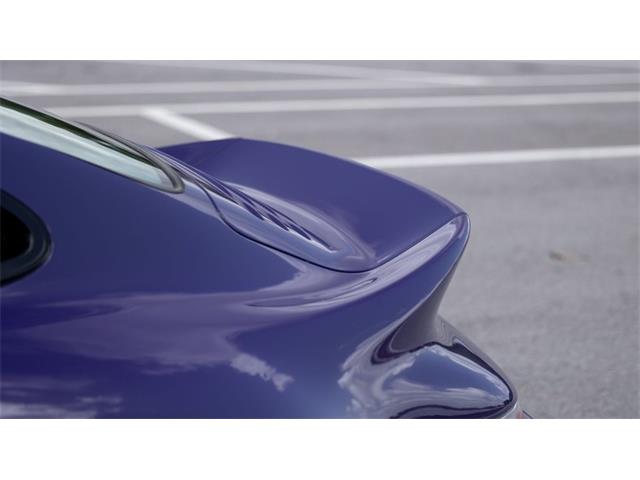
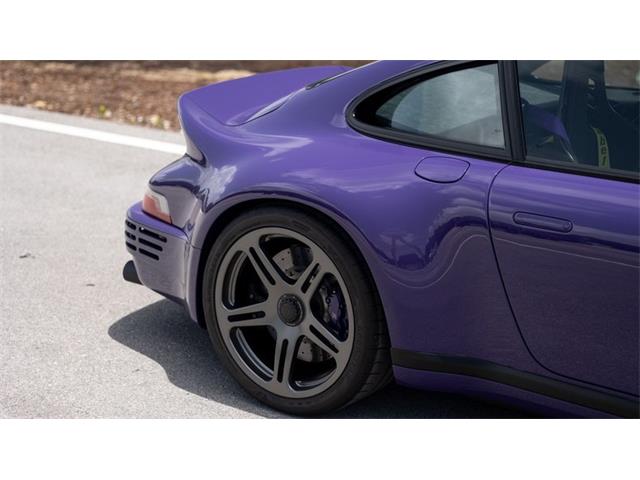
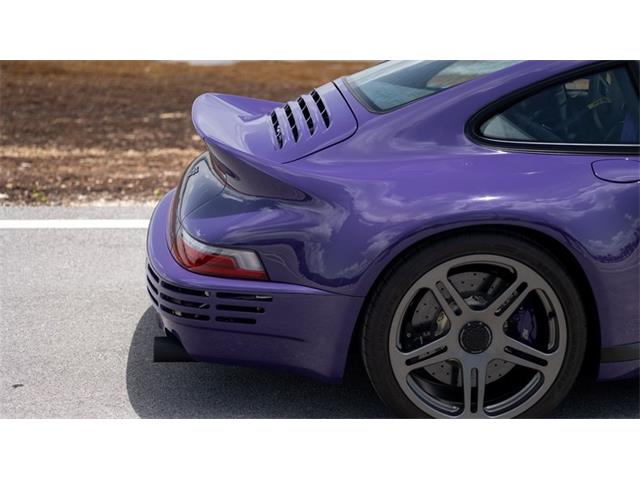
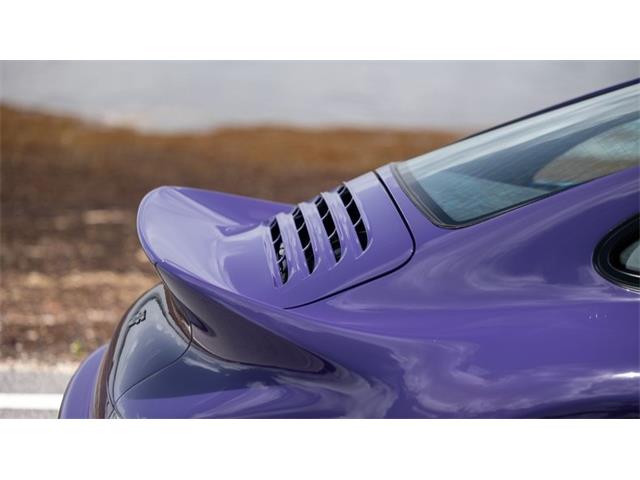
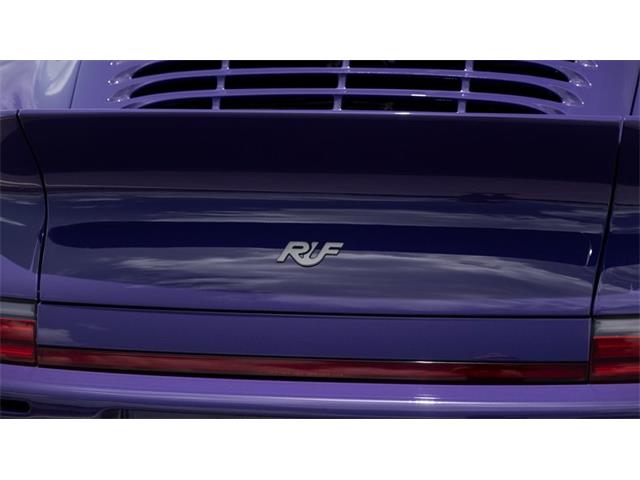
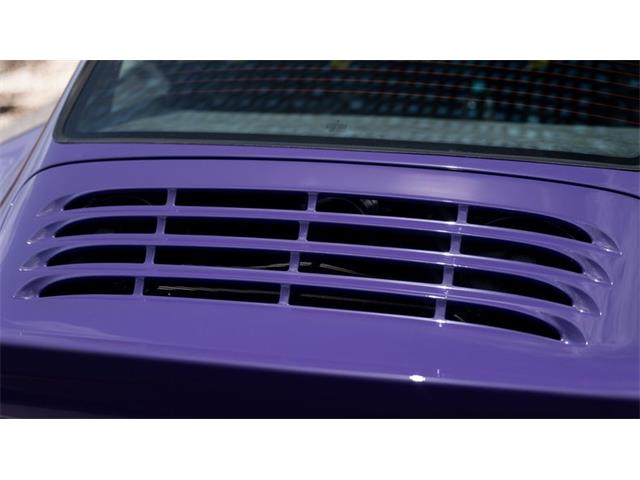
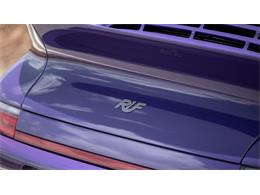
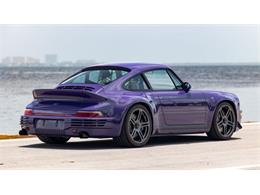
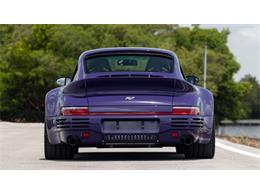
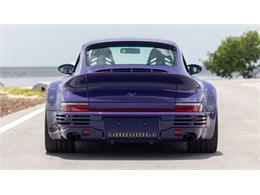
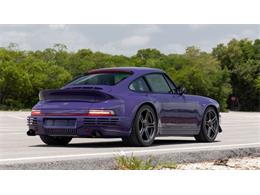
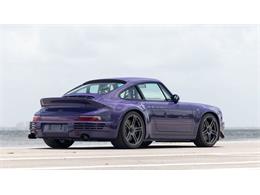
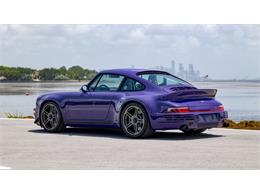
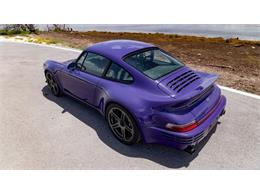
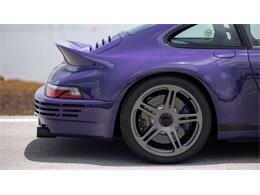
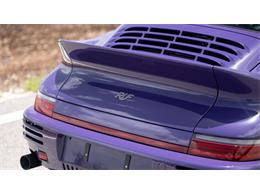
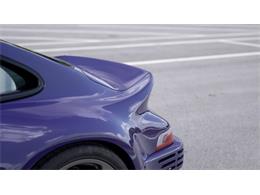
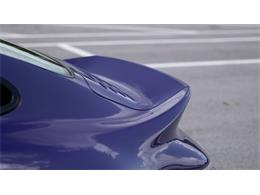
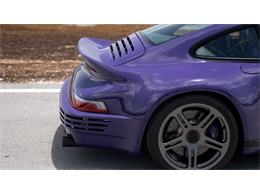
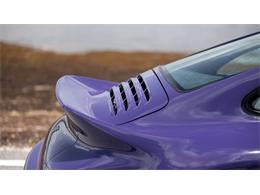
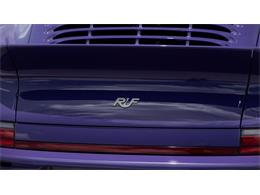
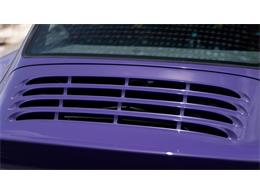
While every SCR is configured to its buyer's wishes, chassis number
06011 belongs to a small group completed in what RUF terms "Mary
Stuart" specification, believed to number just six cars,
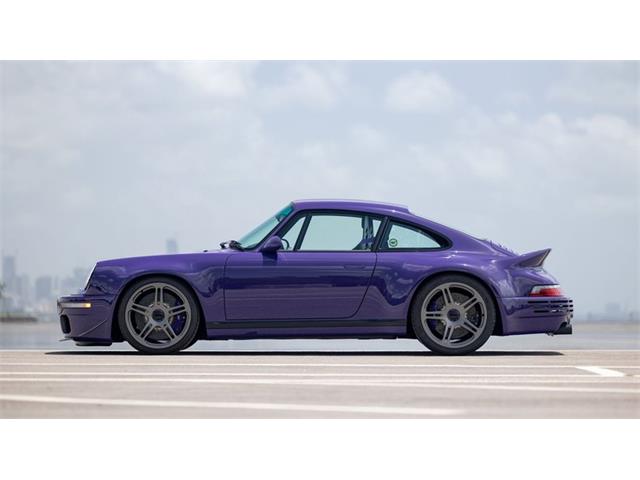
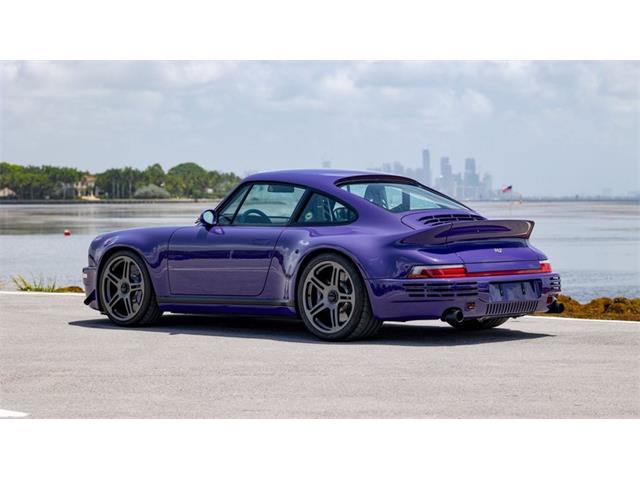
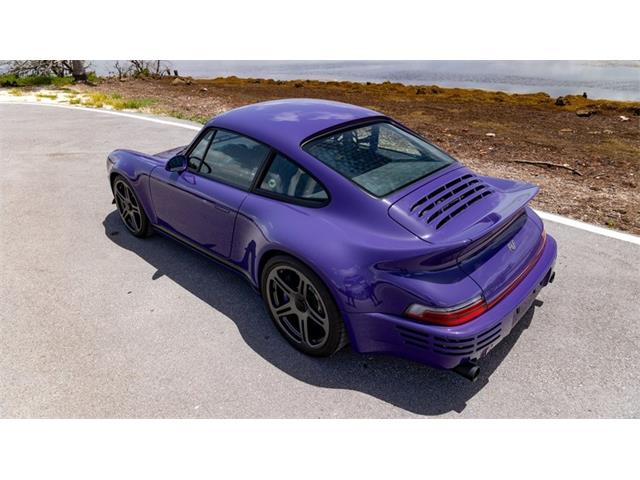
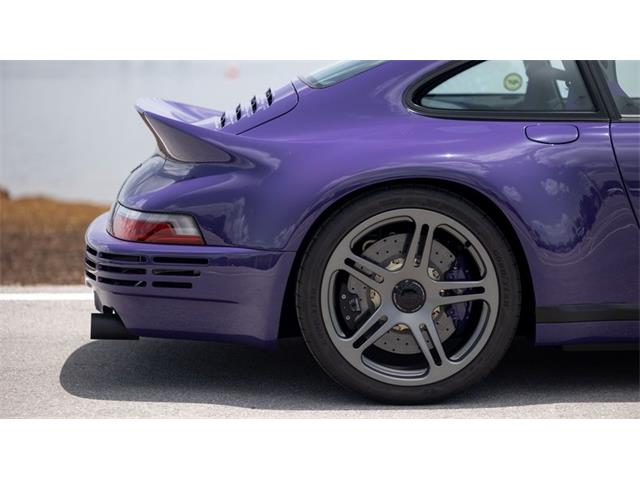
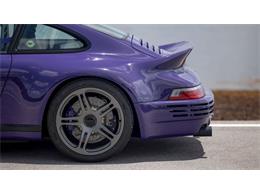
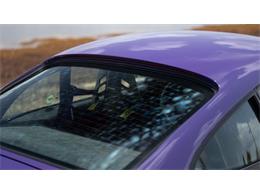
distinguished by a custom rear decklid whose full-width spoiler
wraps around to the rear arches. The treatment honors one of the
most evocative aerodynamic experiments in Porsche's competition
history. In 1973, the factory's motorsport department fitted
several of its works Carrera RSRs with a wraparound extension of
the Carrera RS's ducktail, a spoiler so reminiscent of the high
collar ruff worn by Mary, Queen of Scots that it earned the "Mary
Stuart" nickname. So equipped, the works RSR "R6" claimed outright
victory at the 1973 Targa Florio, while sister car "R7" finished
fourth overall and won its class at that year's 24 Hours of Le
Mans. On the SCR, the reinterpreted Mary Stuart tail lends the car
an unmistakably competition-inspired stance while remaining fully
integrated into its carbon-fiber bodywork.
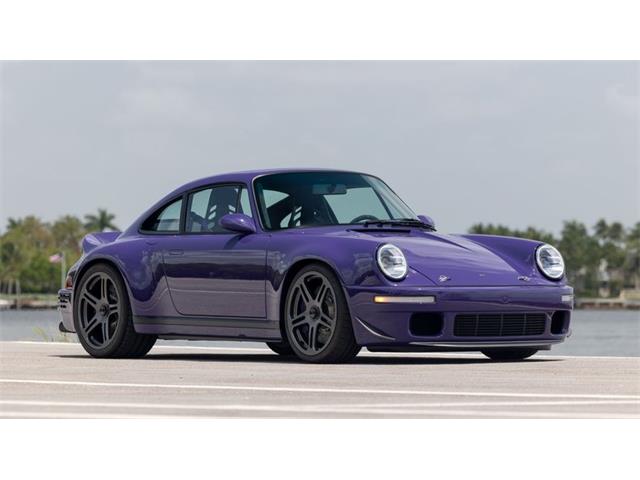
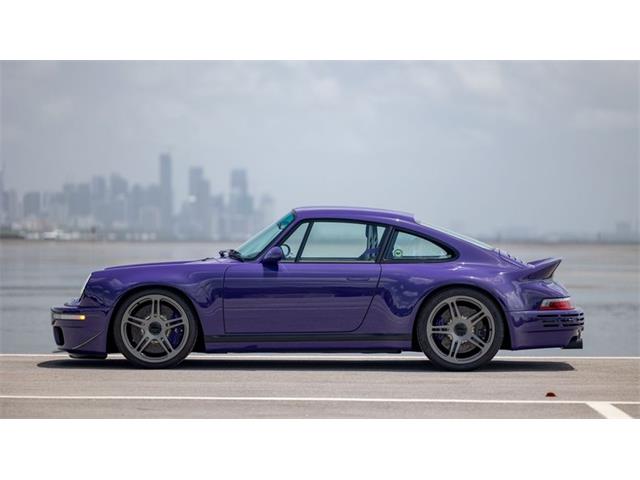
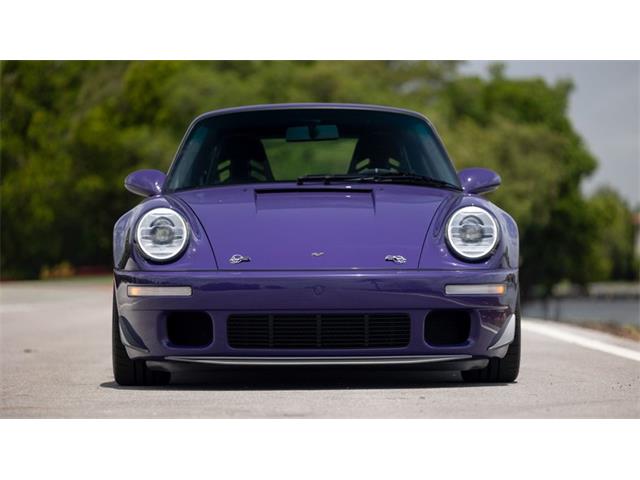
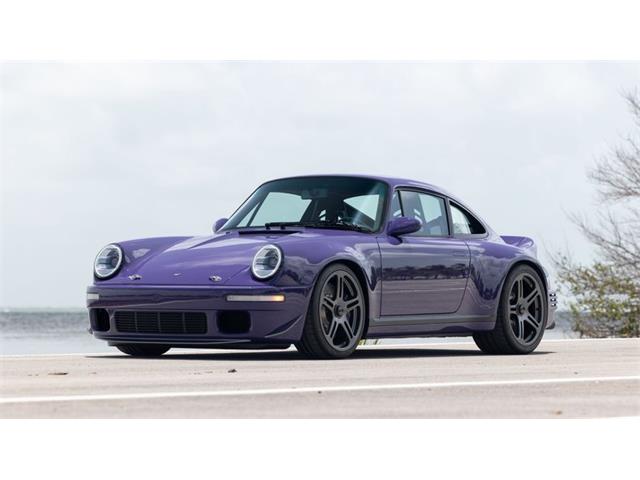
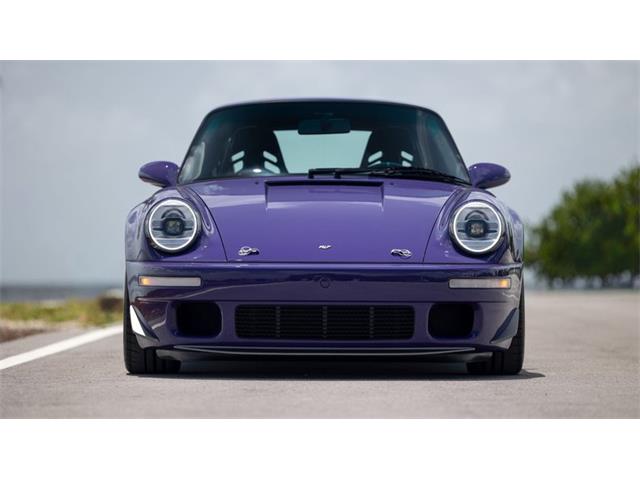
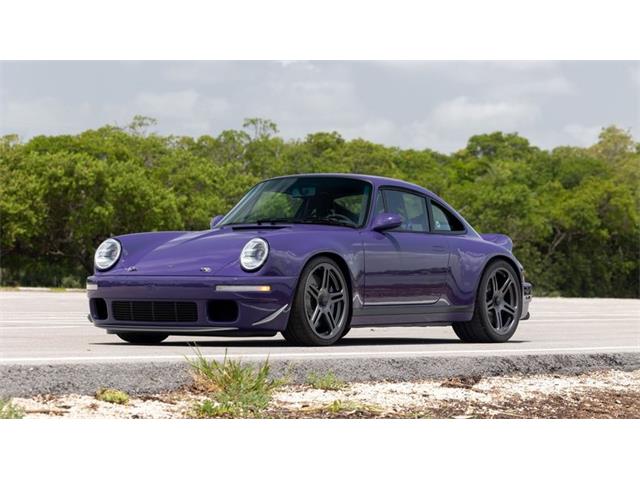
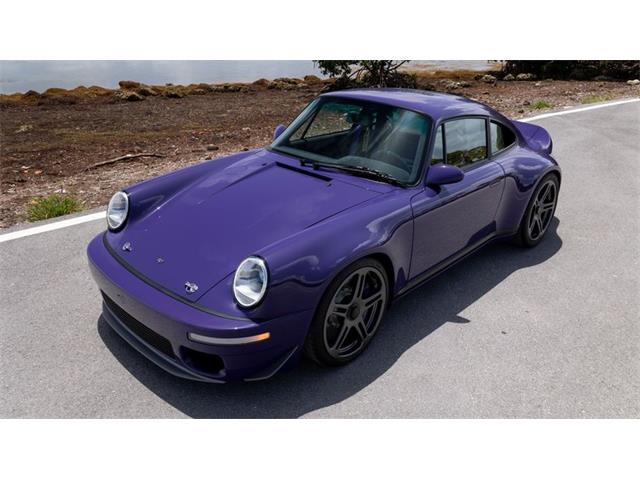
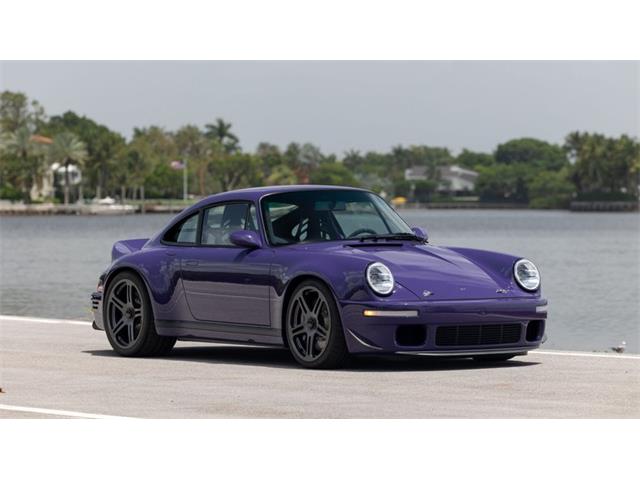
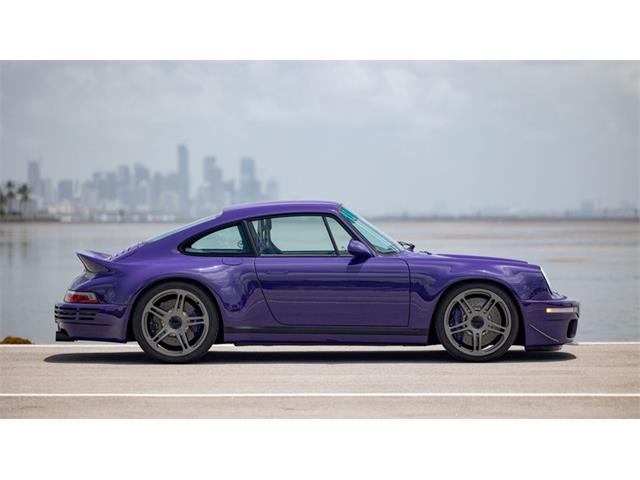
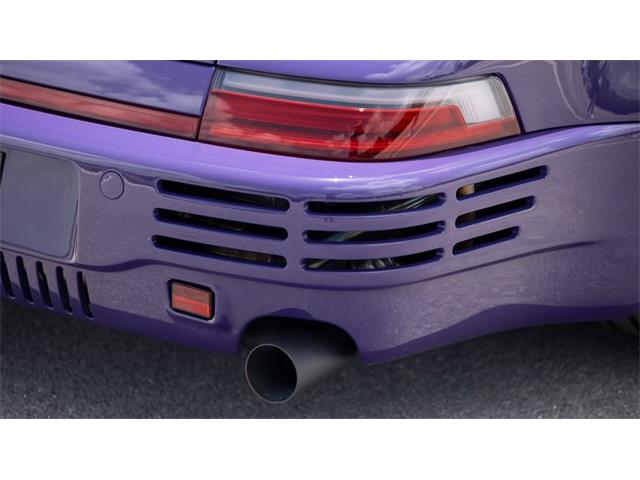
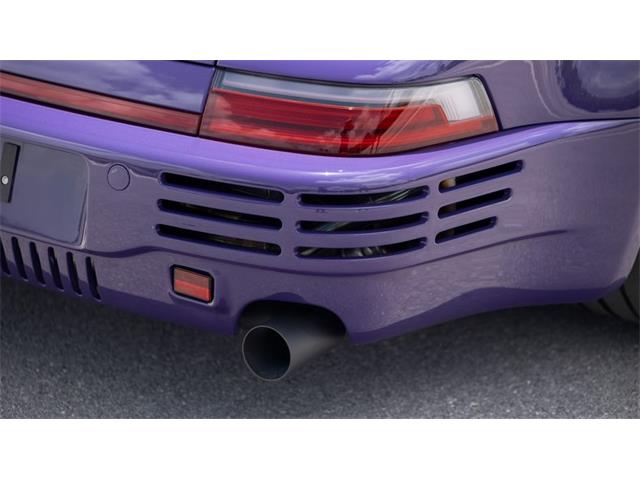
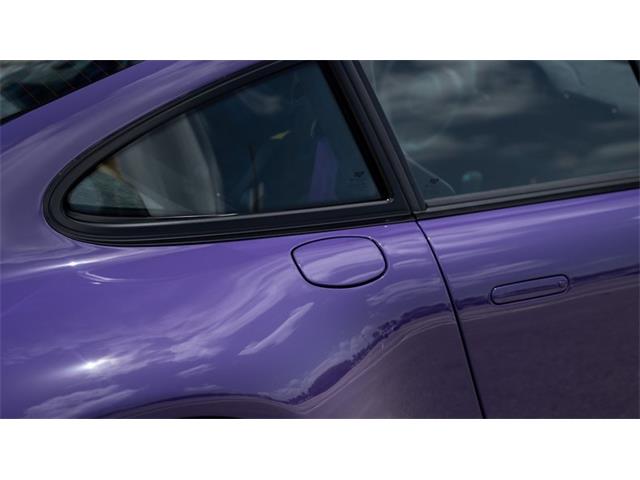
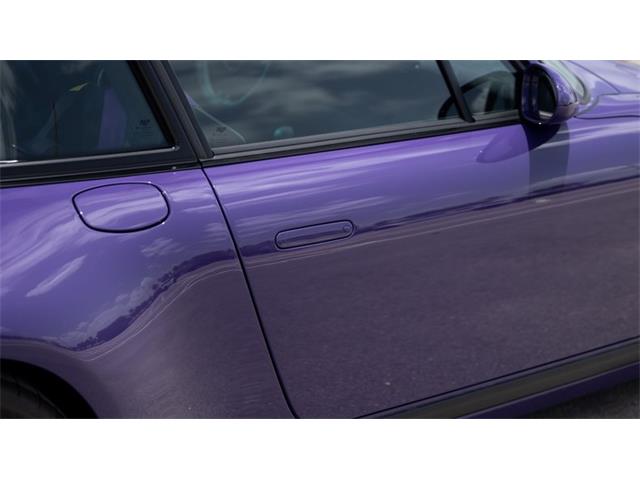
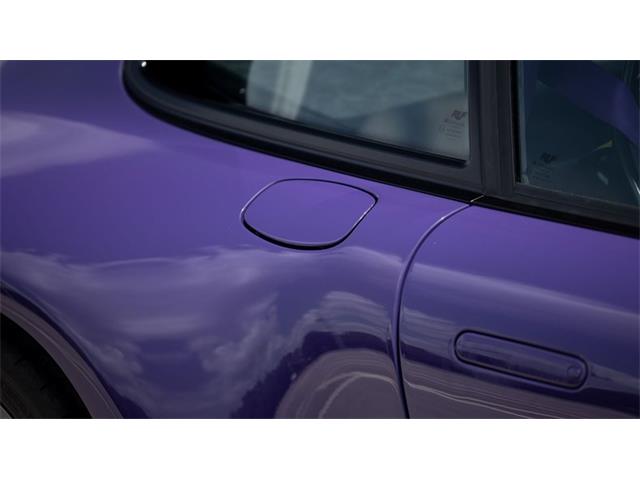
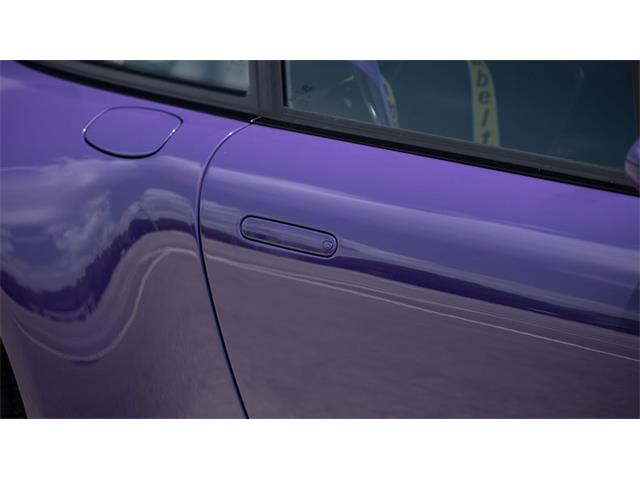
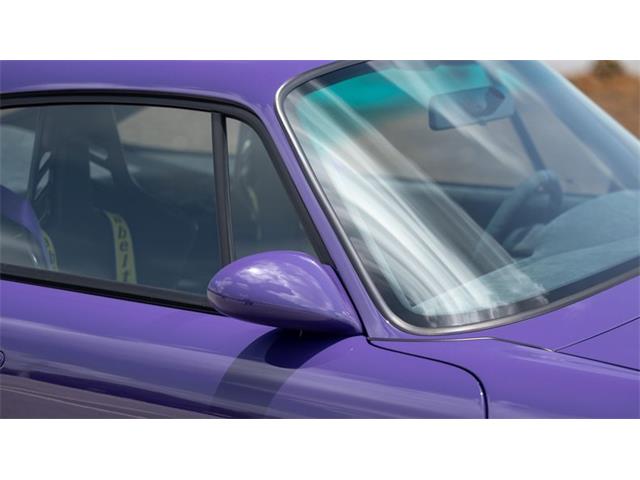
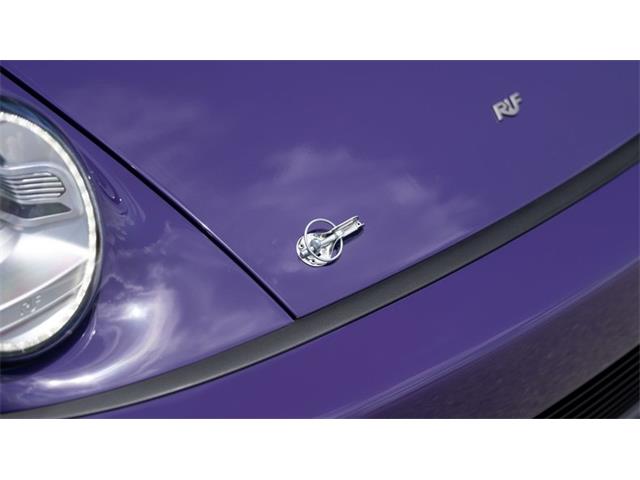
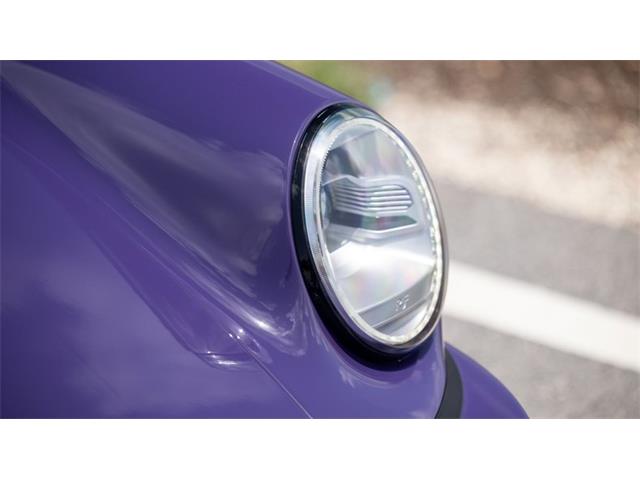
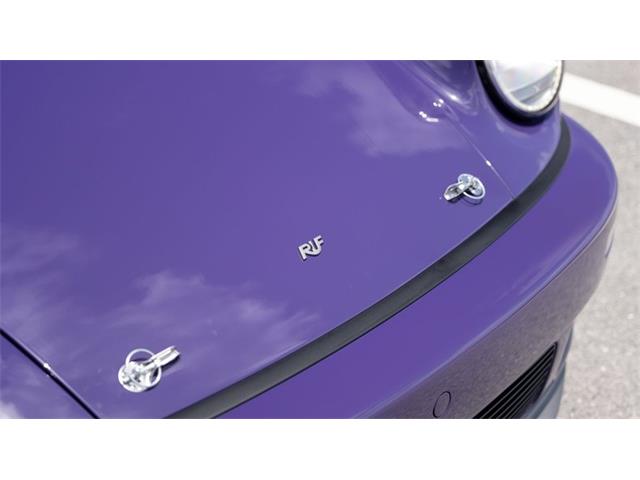
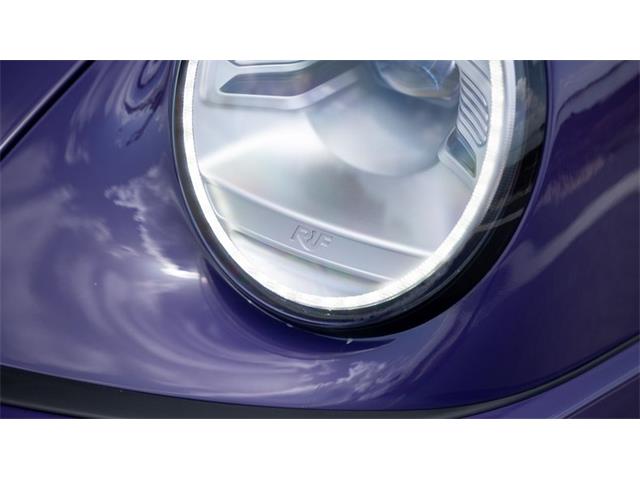
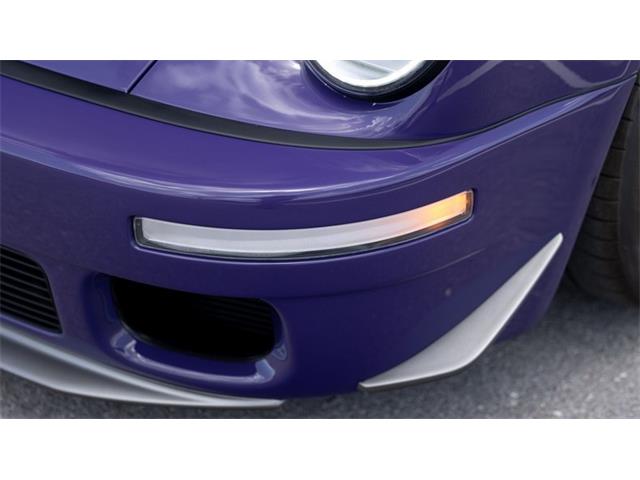
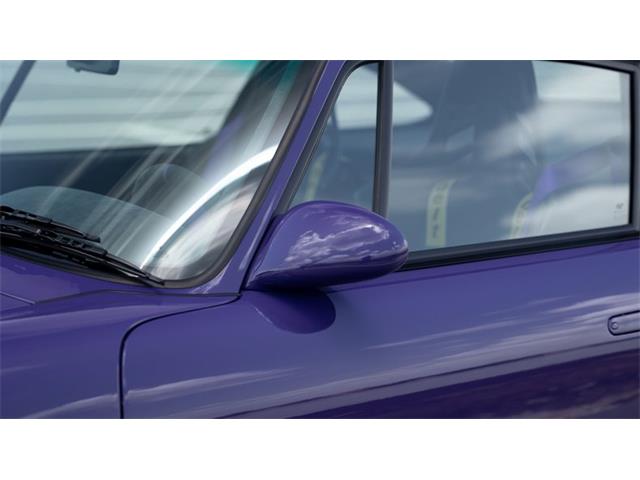
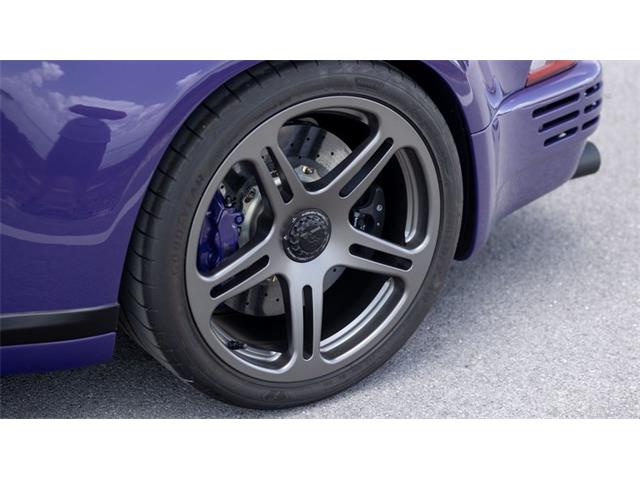
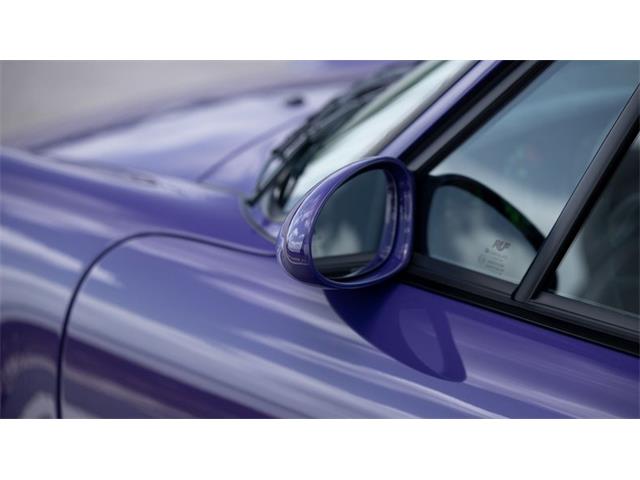
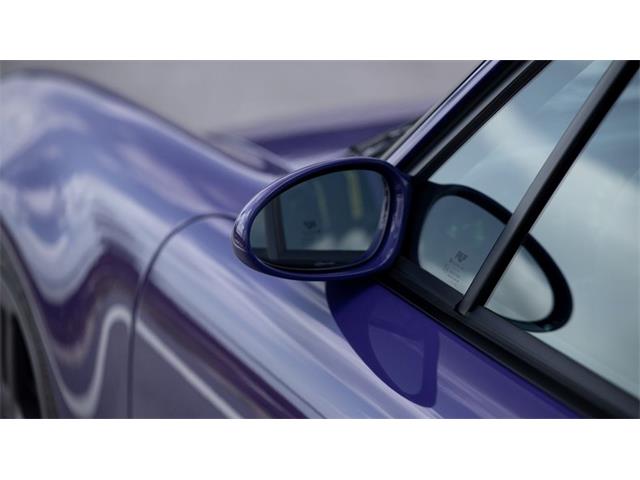
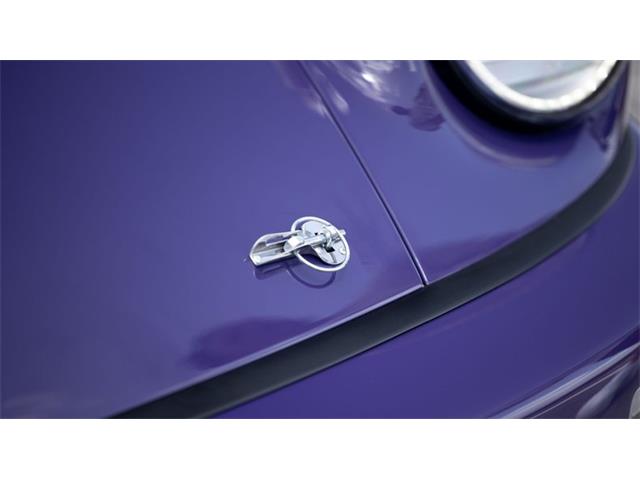
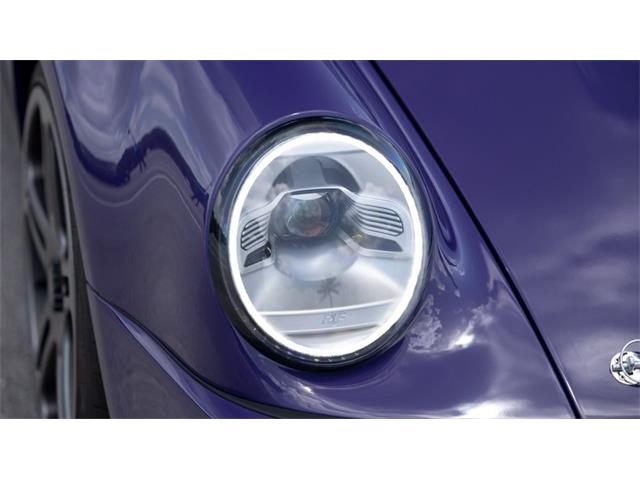
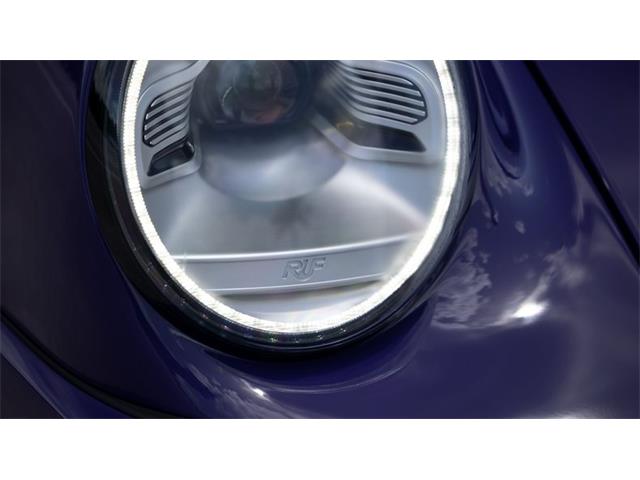
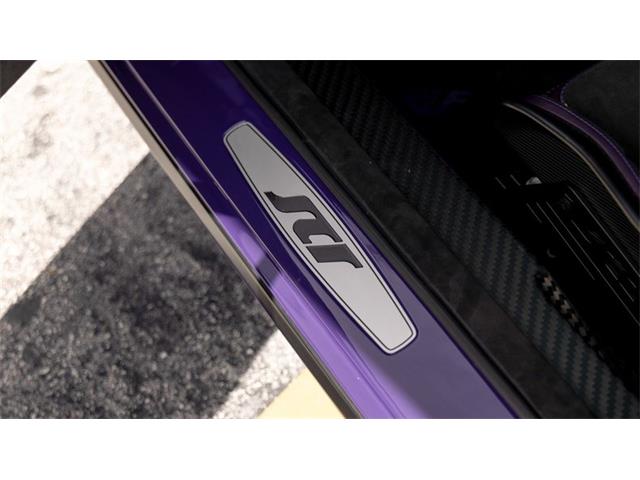
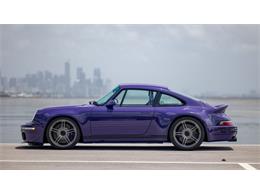
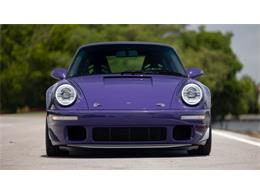
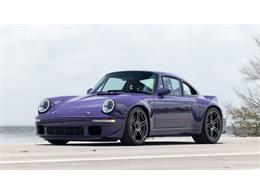
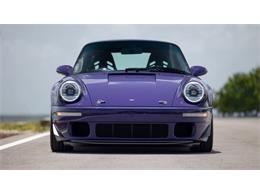
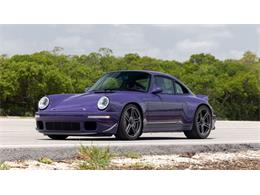
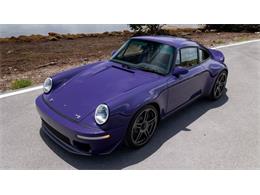
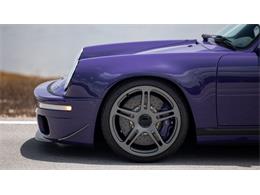
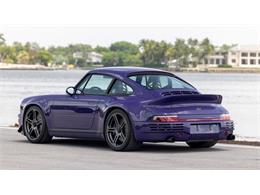
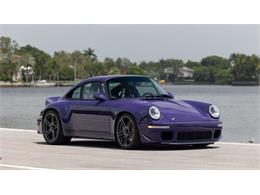
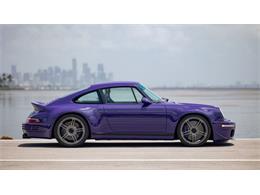
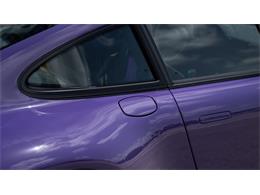
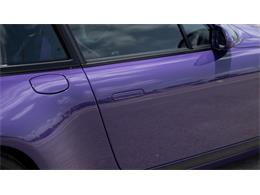
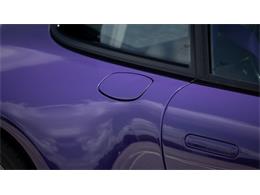
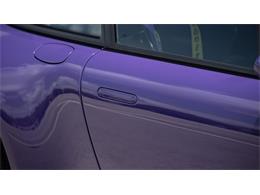
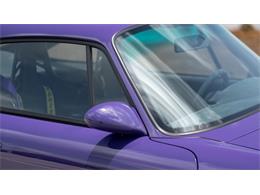
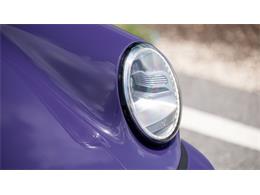
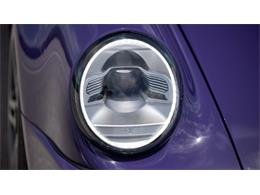
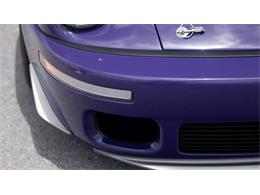
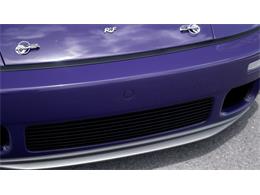
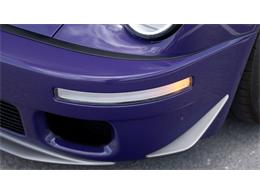
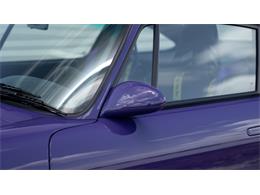
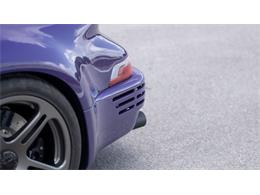
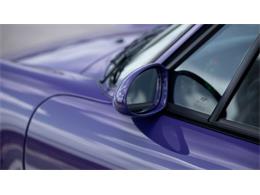
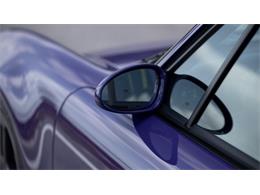
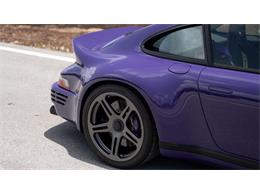
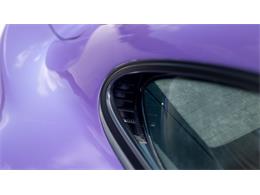
The exterior is finished in deep, saturated Paint to Sample Ultra
Violet, a shade that shifts between purple and indigo depending on
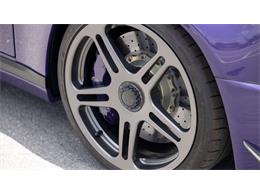
the light and suits the SCR's retro-modern character superbly. It
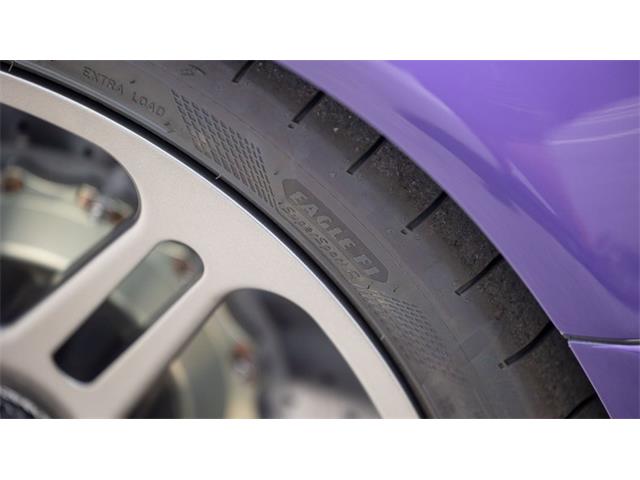
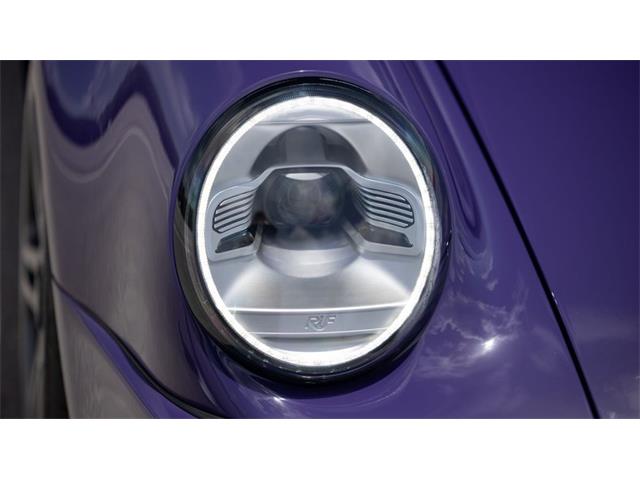
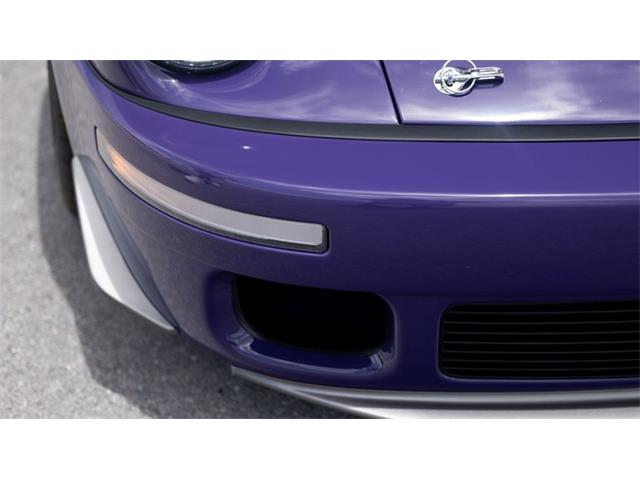
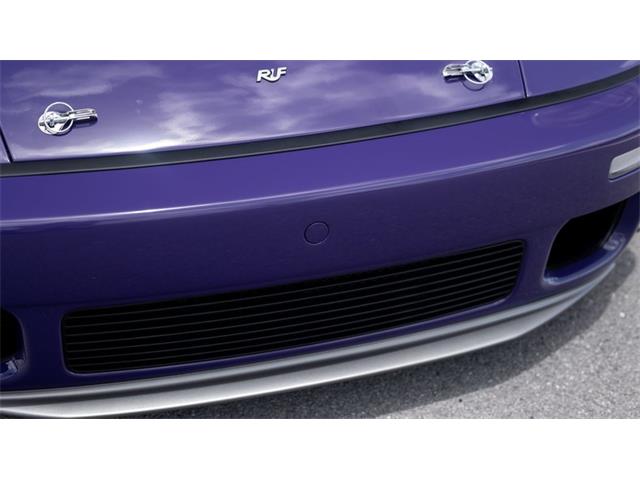
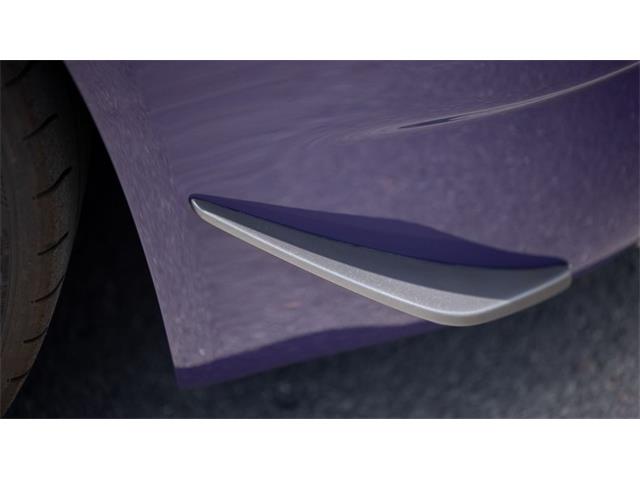
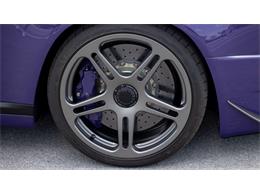
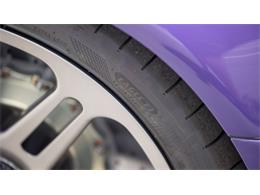
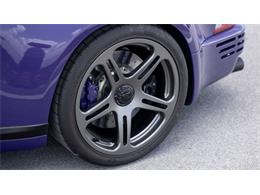
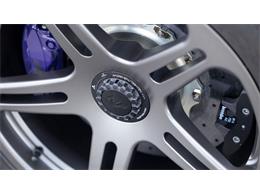
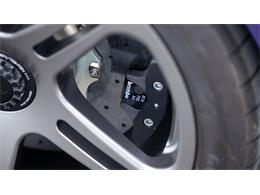
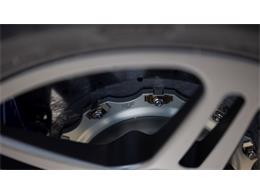
is paired with 19-inch five-double-spoke lightweight wheels
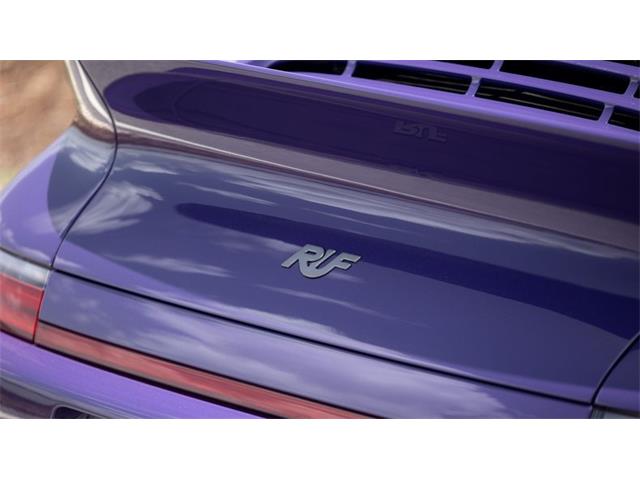
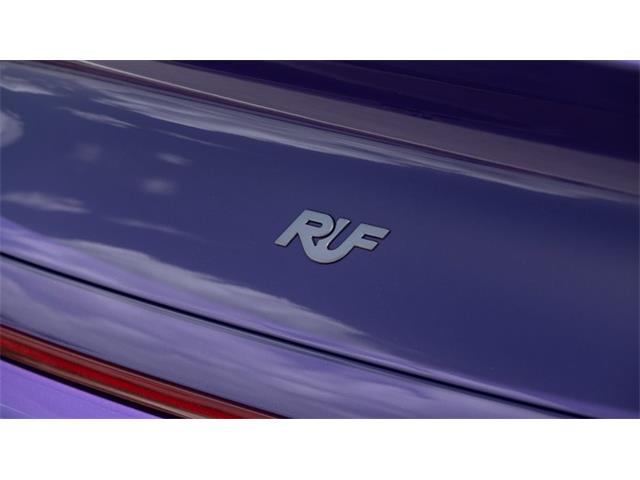
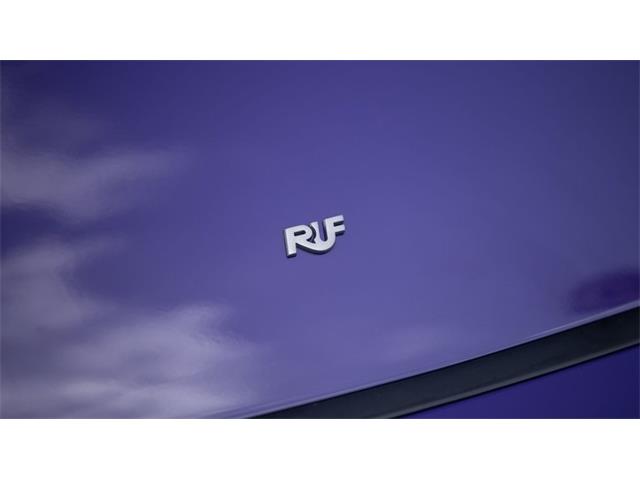
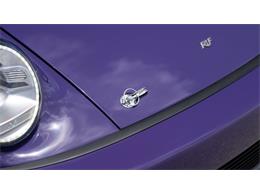
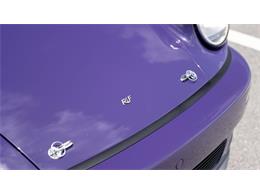
finished in matte Titanium Grey, a finish repeated across the RUF
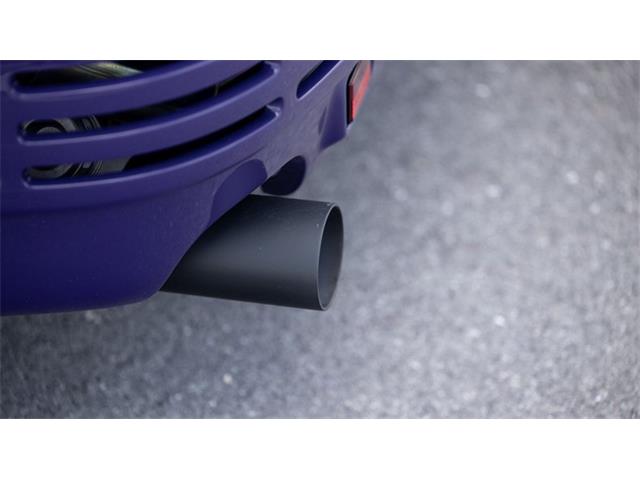
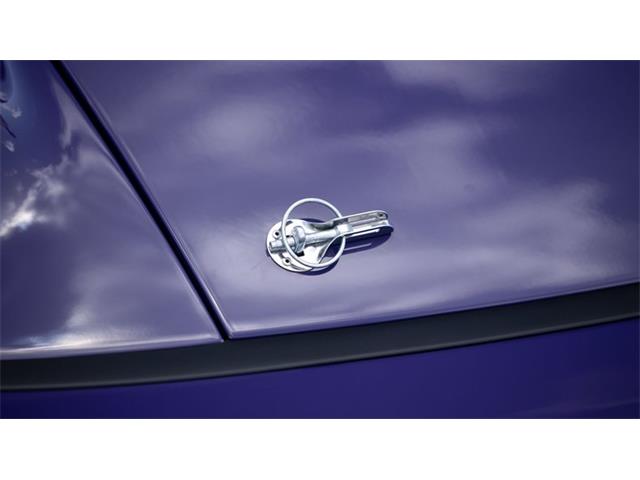
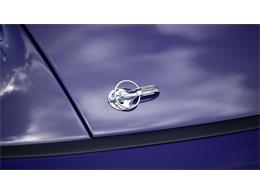
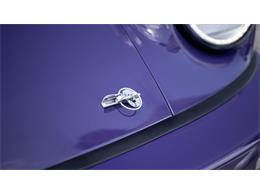
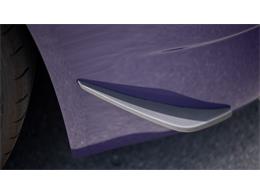
logos and front lip, while quick-lock hood pins secure the front
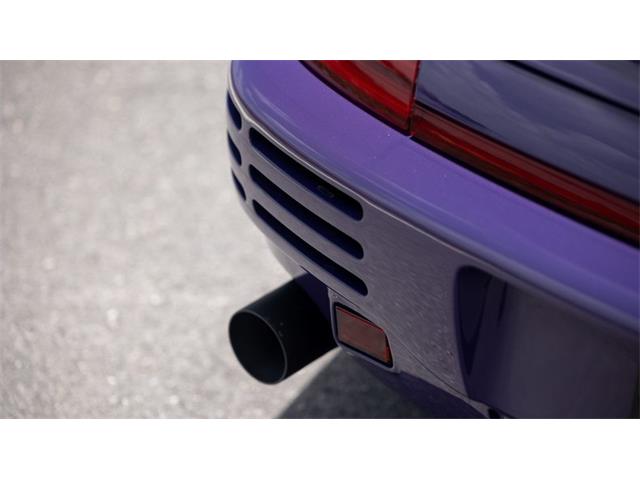
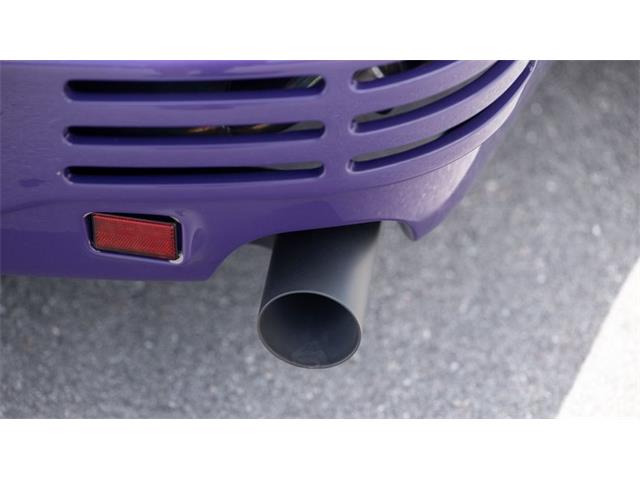
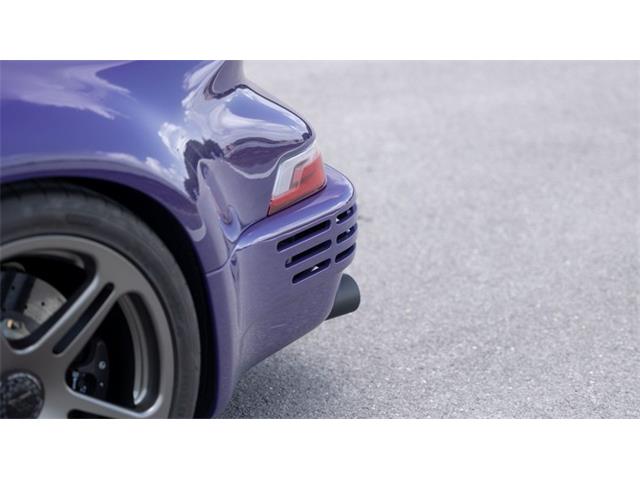
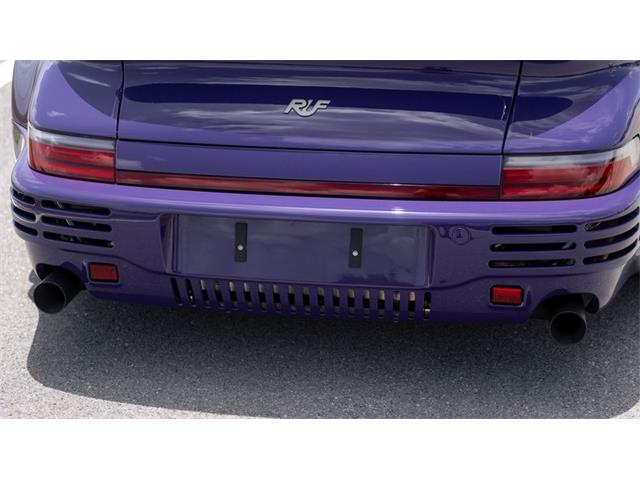
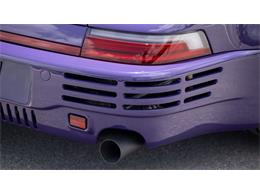
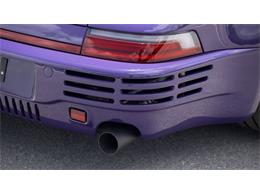
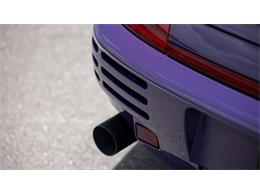
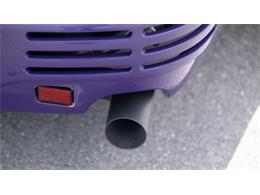
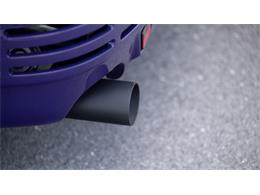
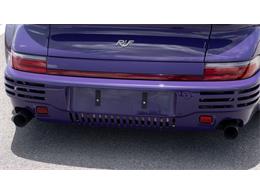
bumper and a cross-pipe exhaust system with valve control exits
through round tips in the same shade. The factory further applied
full-body paint protection film and a ceramic coating before
delivery.
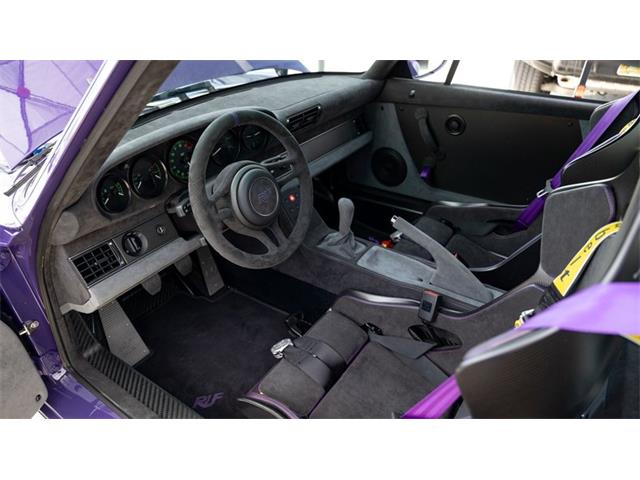
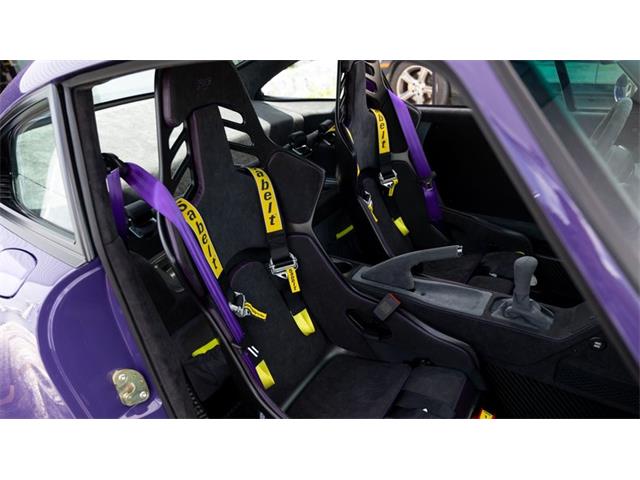
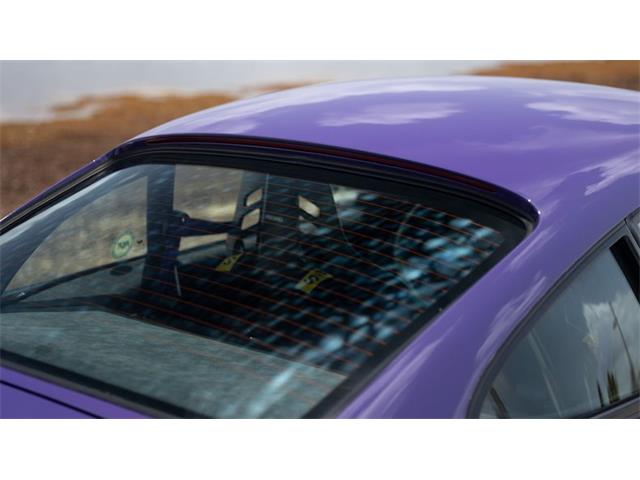
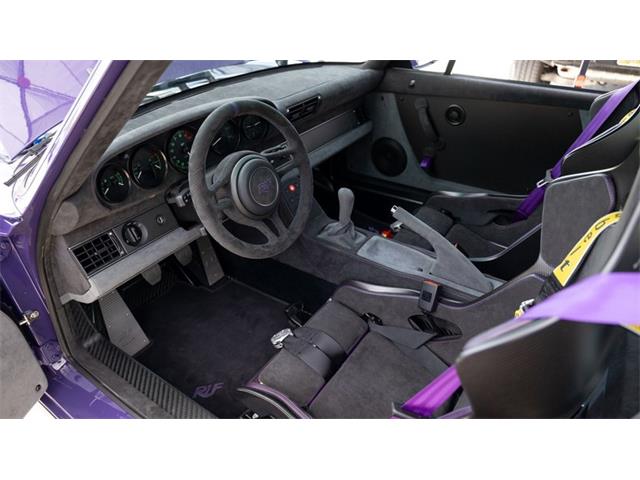
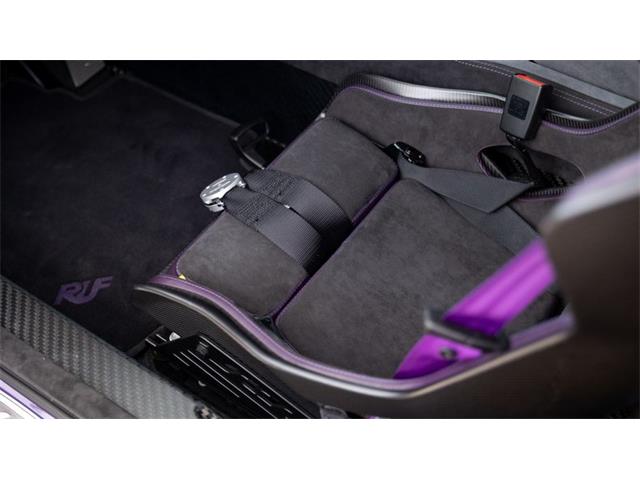
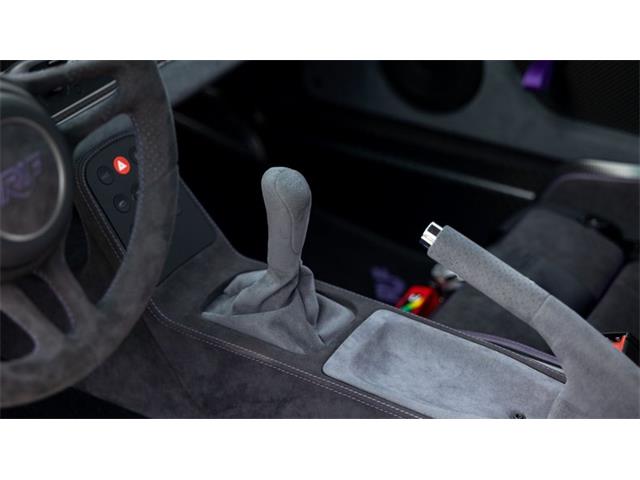
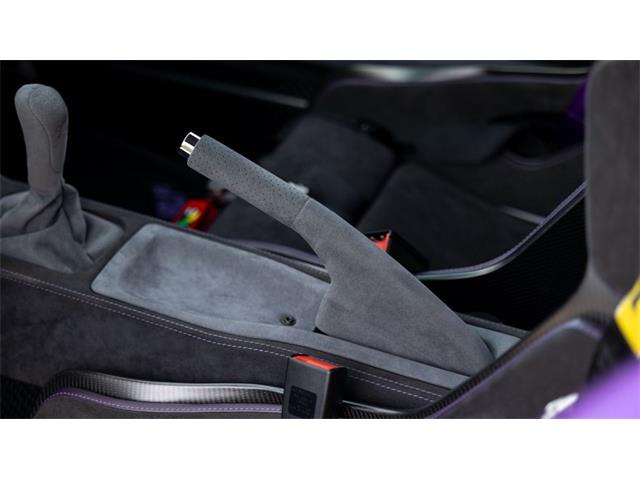
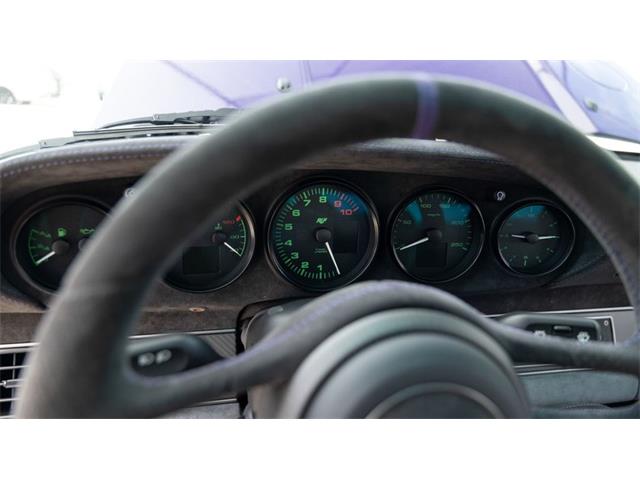
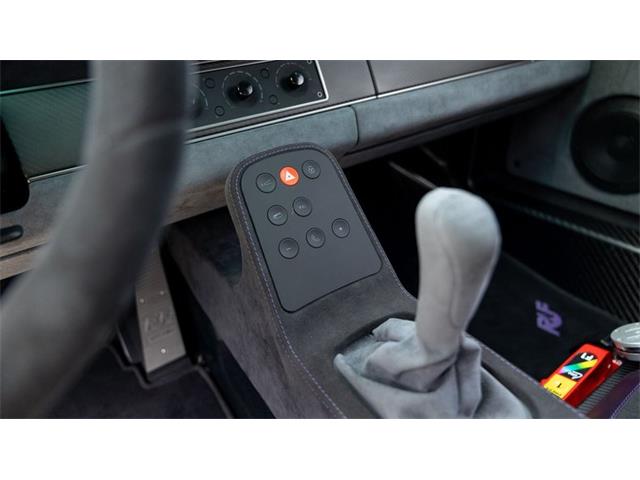
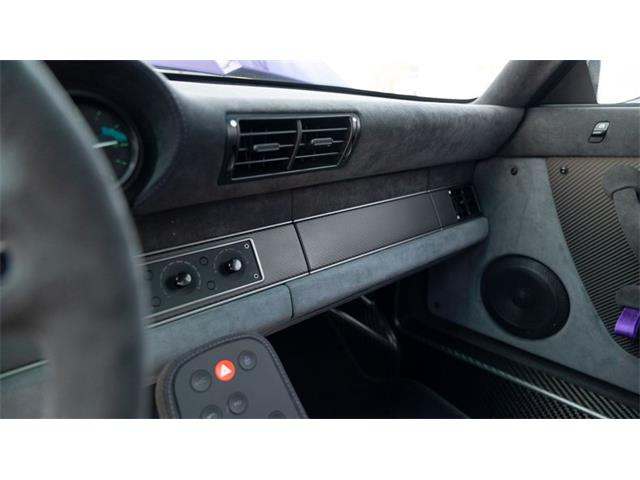
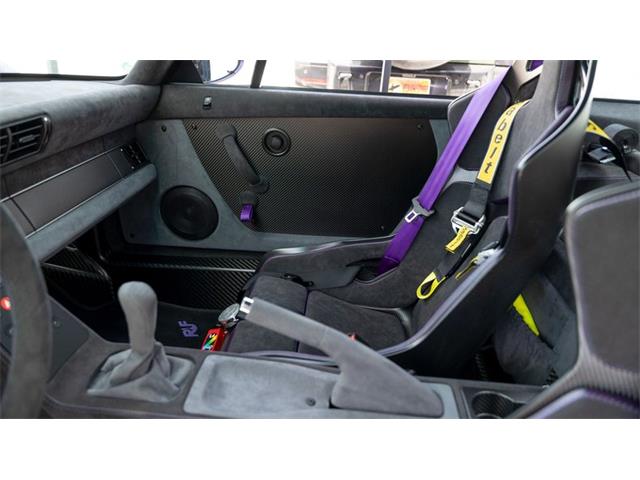
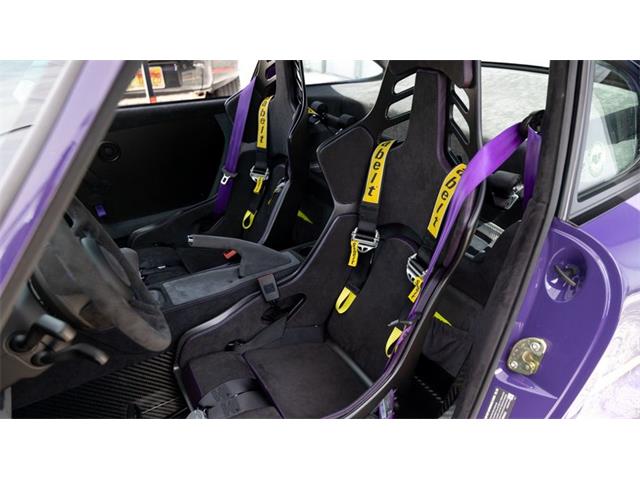
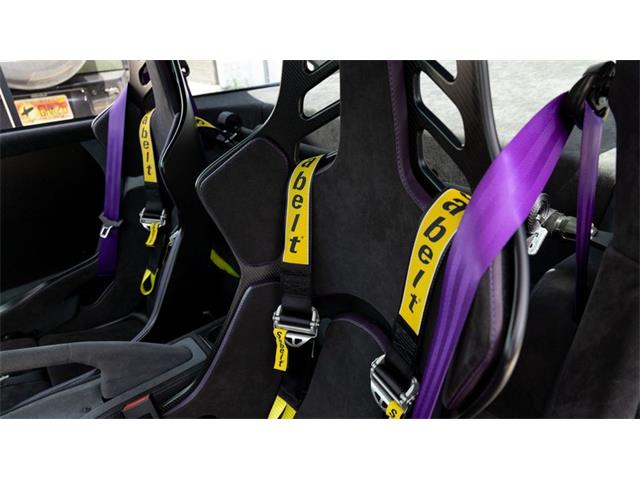
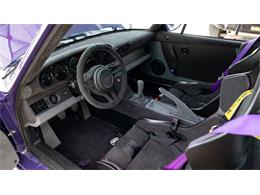
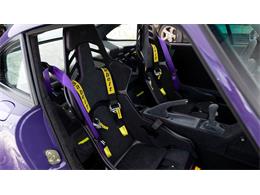
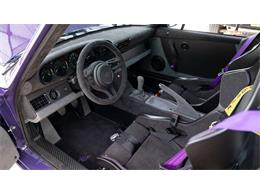
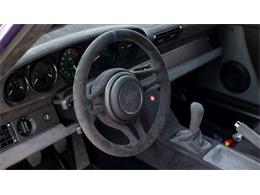
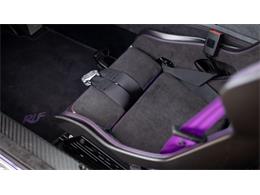
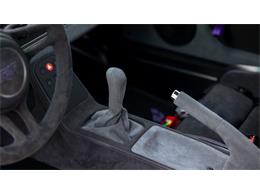
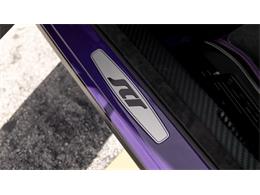
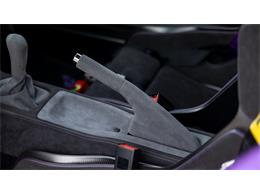
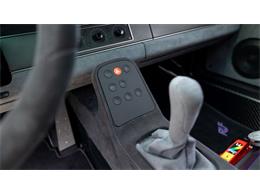
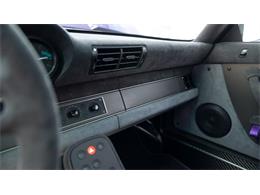
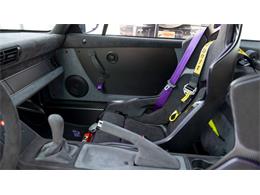
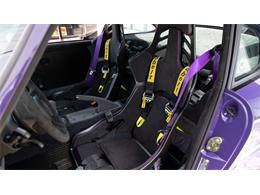
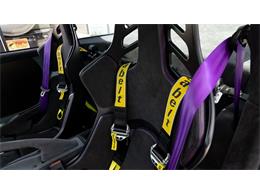
Inside, the cabin is trimmed in black and grey Alcantara, with
Ultra Violet leather cushion frames, grey perforated Alcantara
grips, and stitching matched to the exterior, equipped with a pair
of RUF-branded lightweight carbon-shell Recaro bucket seats with
purple-tinted carbon weave, completed with Sabelt harnesses.
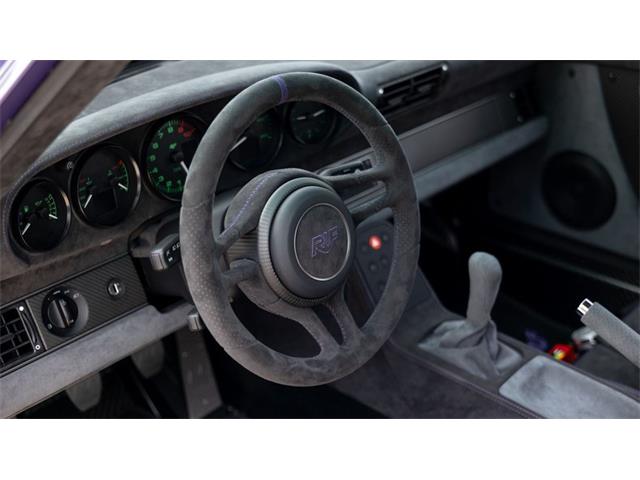
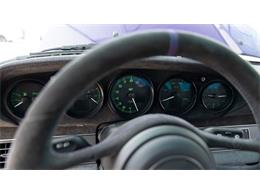
Embroidered logos appear on the steering wheel, headrests, and rear
shelf, the latter carrying the "Mary Stuart" script, while an Ultra
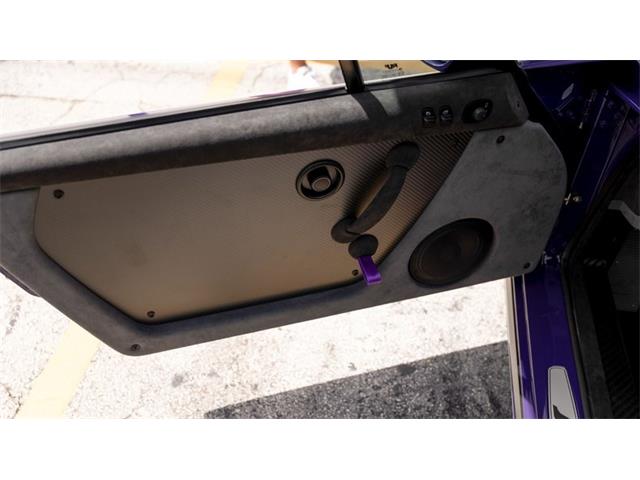
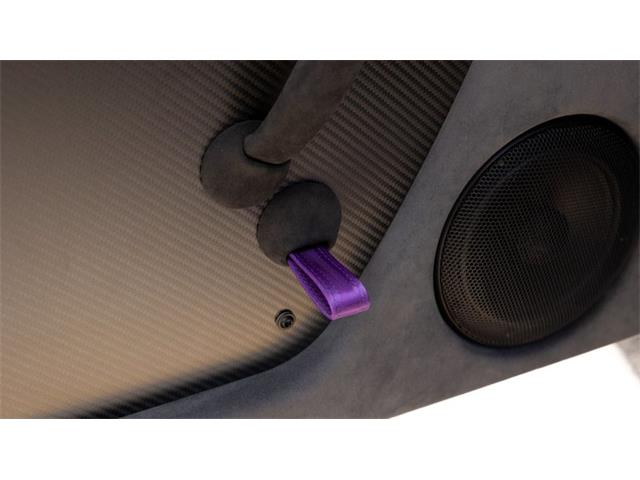
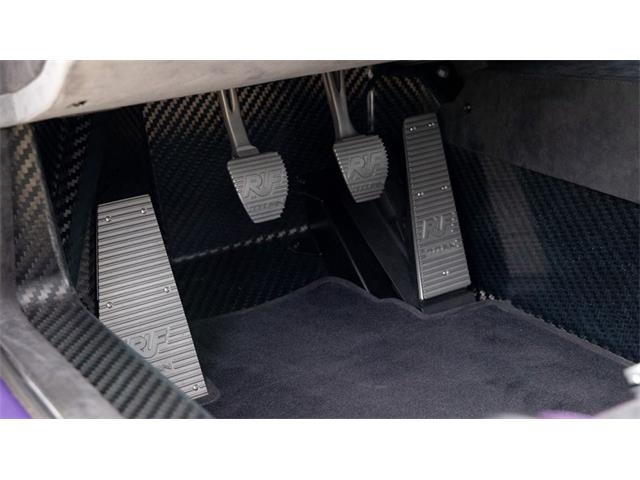
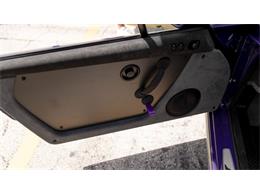
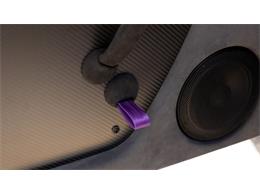
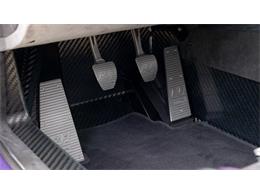
Violet 12 o'clock marker tops the steering wheel. Lightweight door
panels in visible carbon fiber, a matching carbon-fiber dashboard
cover set, interior brightwork painted in matte Titanium Grey, and
a crossbar for six-point harnesses complete the spartan
environment, underscoring RUF's obsessive attention to mass
reduction throughout the car.
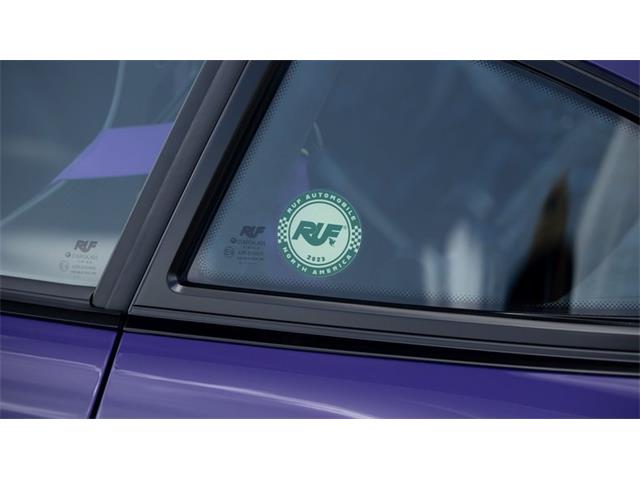
Chassis 06011 is also notable as just the second SCR imported to
the United States, arriving in May 2024 to serve as the official
SCR demonstrator for RUF North America, the marque's stateside arm
headquartered at The Concours Club in Miami. There, it was debuted
on circuit and displayed at Concours Club events, introducing
American enthusiasts to the SCR firsthand and drawing coverage from
numerous media outlets upon its arrival.
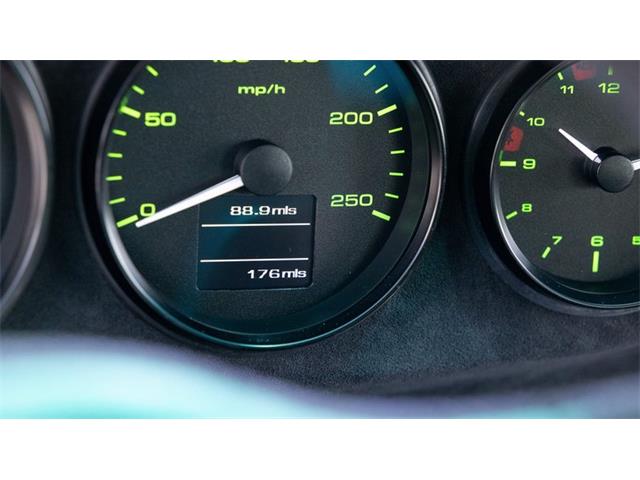
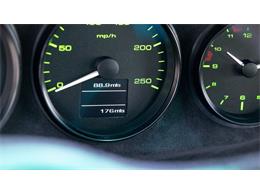
Presented in exceptional condition and showing just 176 miles at
the time of cataloging, this SCR pairs the model's extraordinary,
ground-up engineering with a motorsport-inspired configuration that
few examples share. With its naturally aspirated flat-six and
six-speed manual transmission, the SCR is among the purest driver's
cars of the modern era, and in Mary Stuart specification over Ultra
Violet, chassis 06011 is surely one of the most distinctive yet
completed.
ClassicCars.com has been recognized as one of the fastest-growing private companies in the United States, successfully making the Inc. 5000 list in both 2015,
2016, 2017 and 2018. This prestigious accolade represents the continued growth of the company, and ClassicCars.com's dominance as the world's largest online marketplace for
buying and selling classic and collector vehicles.
The Stevie Awards, the world's premier business awards recognized
ClassicCars.com's first-class Customer Support team with a Stevie Bronze Award in 2019, celebrating the team's skills as exemplary customer support specialists.
In 2016 The Journal, brought to you by ClassicCars.com, was celebrated as the SECOND MOST INFLUENTIAL automotive blog in the world by NFC Performance.