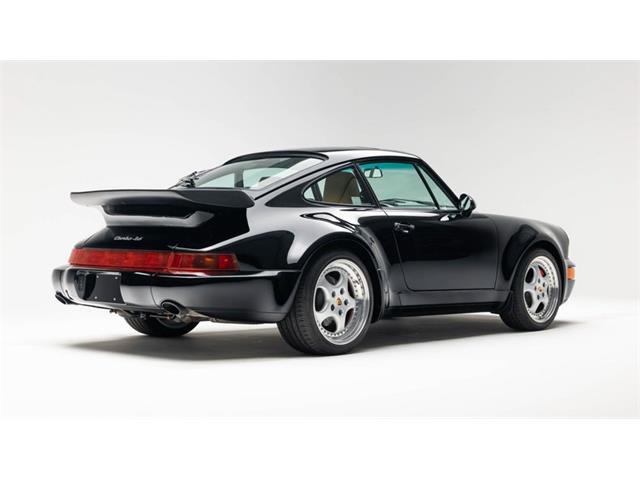
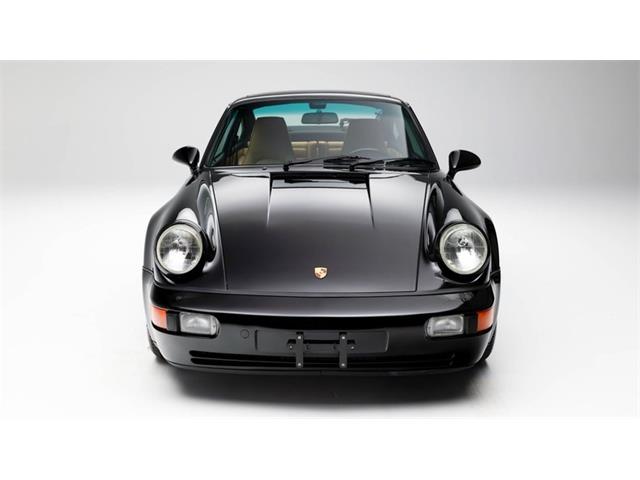
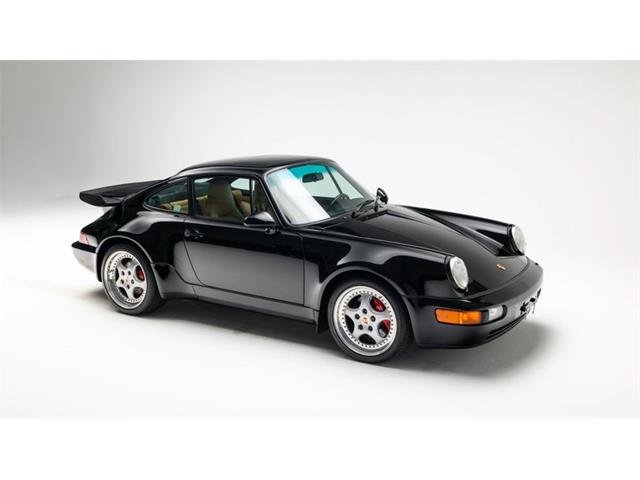
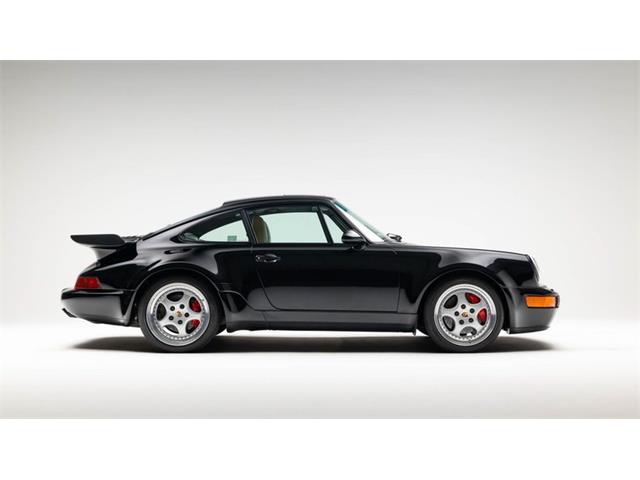
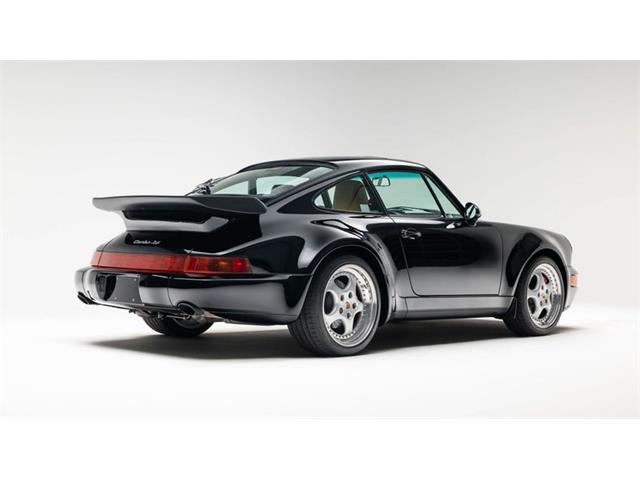
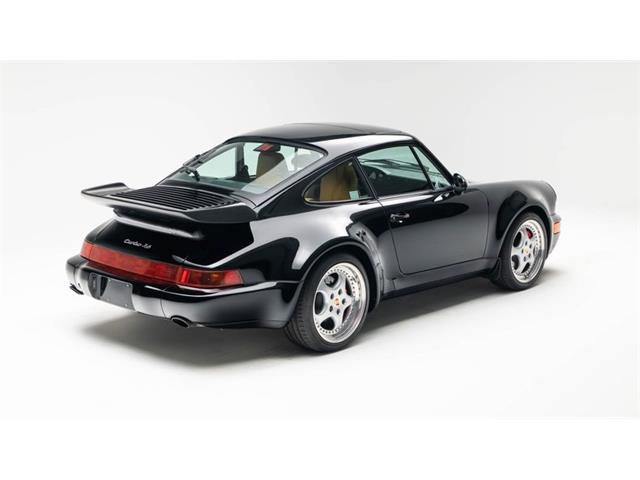
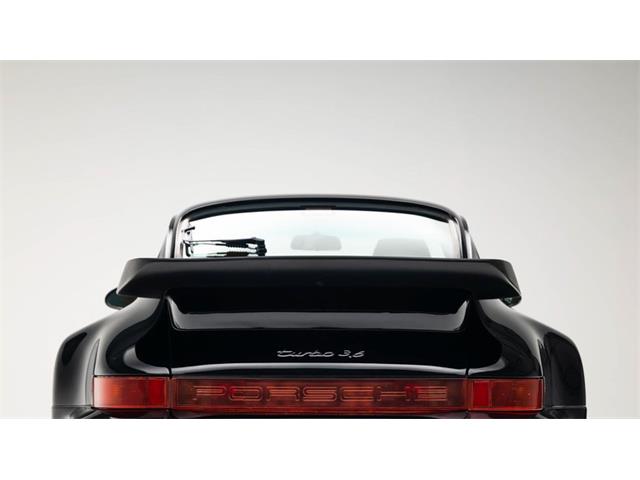
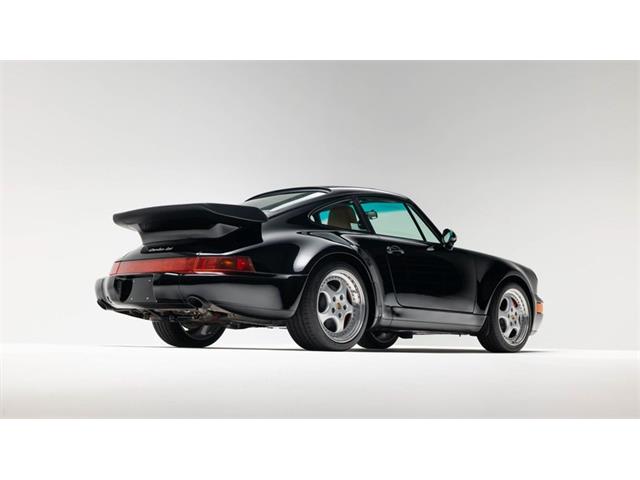
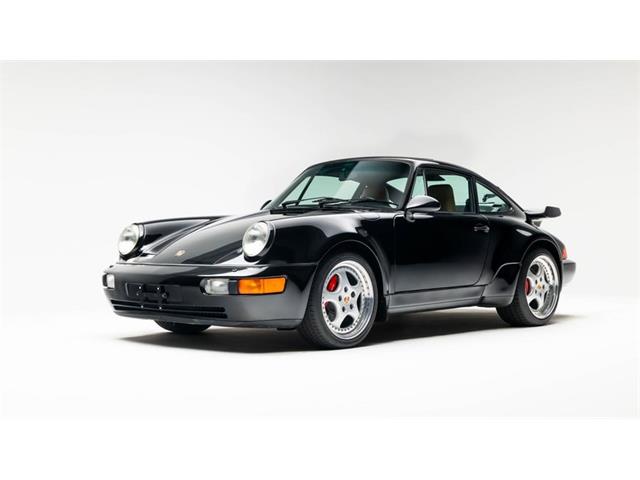
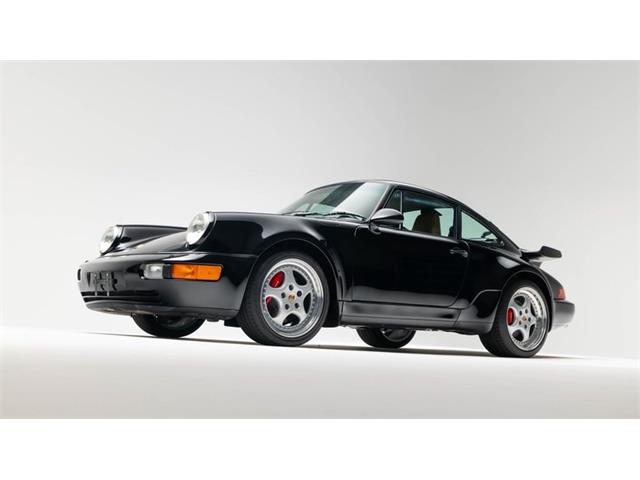
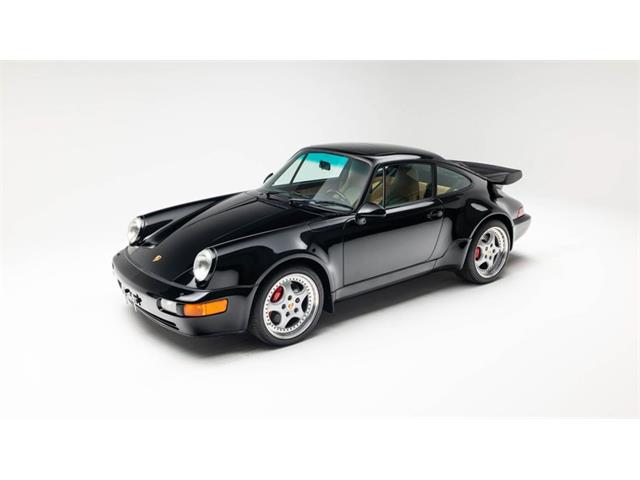
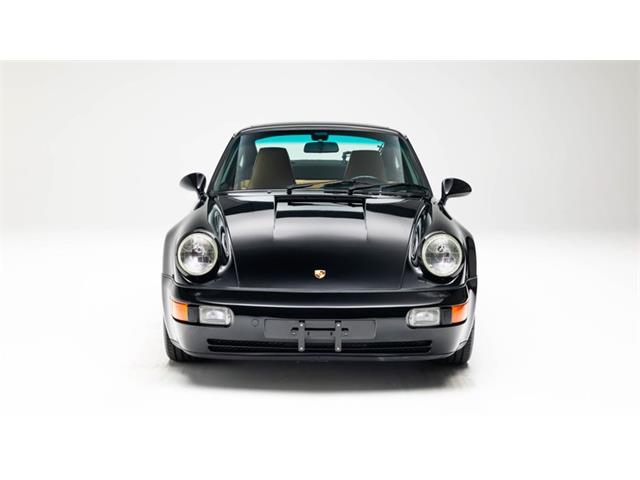
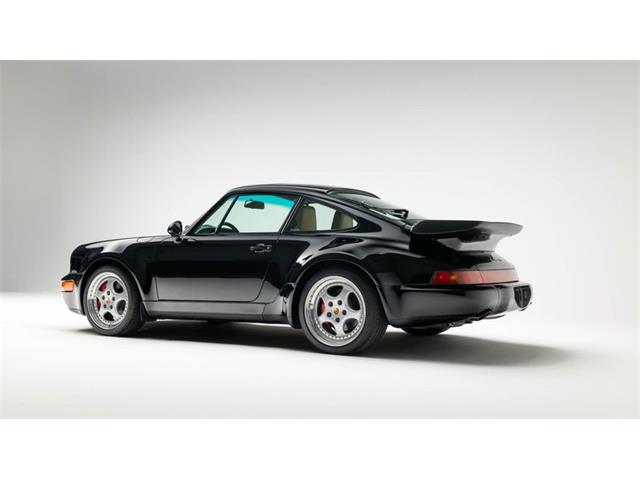
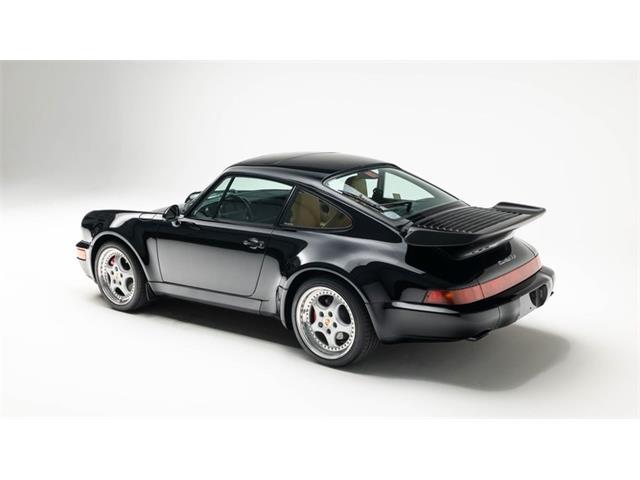
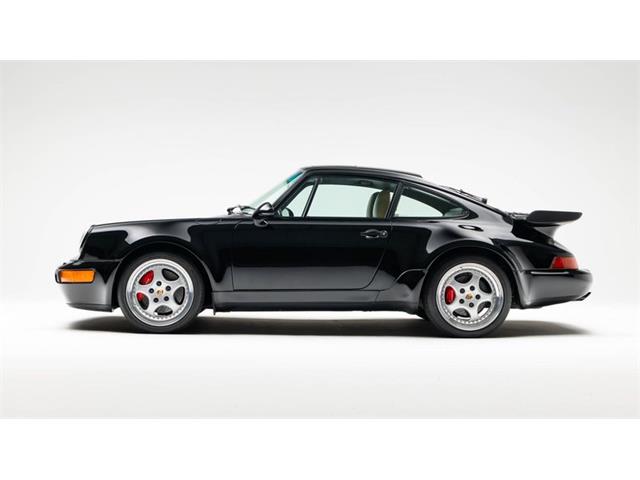
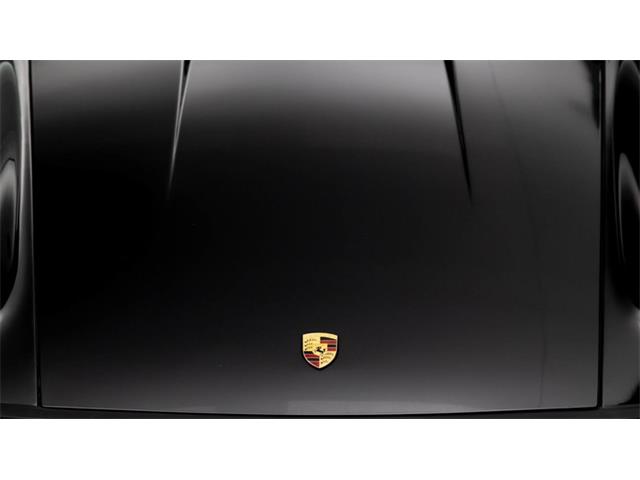
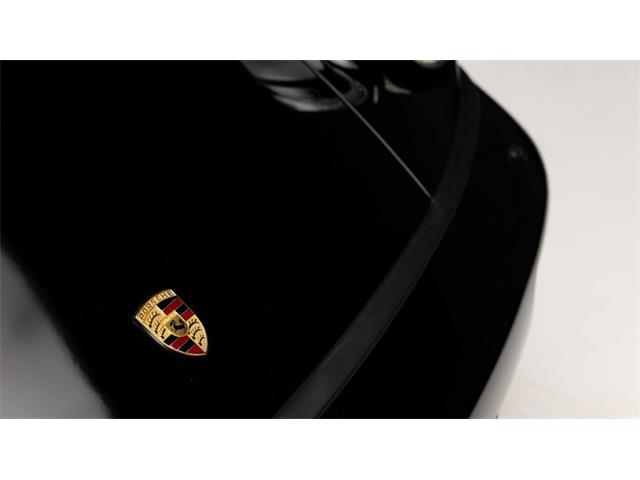
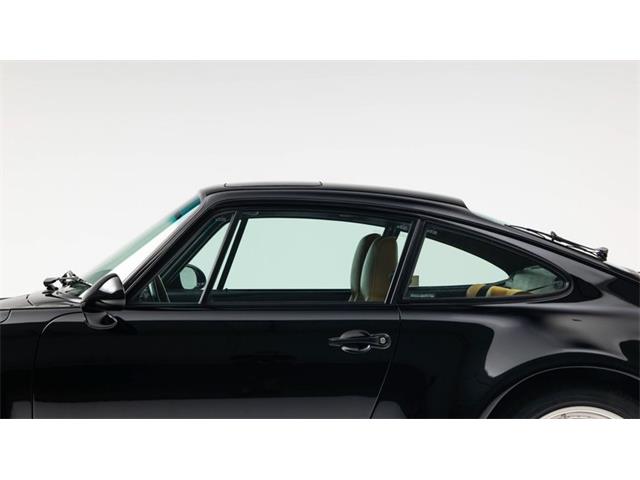
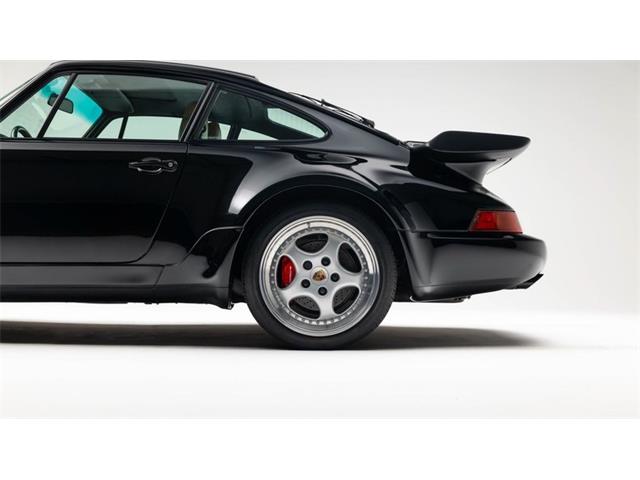
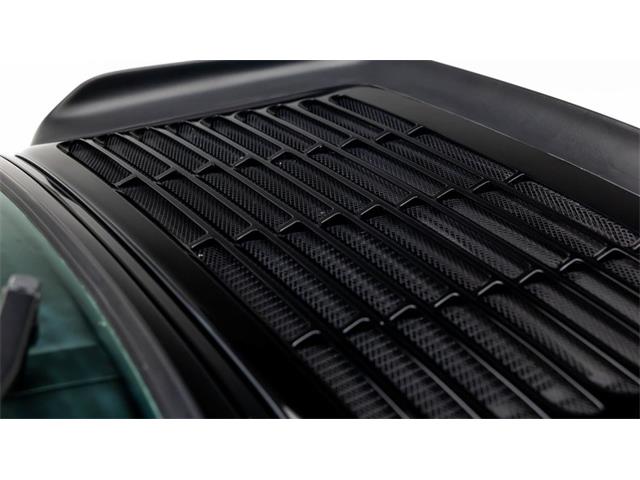
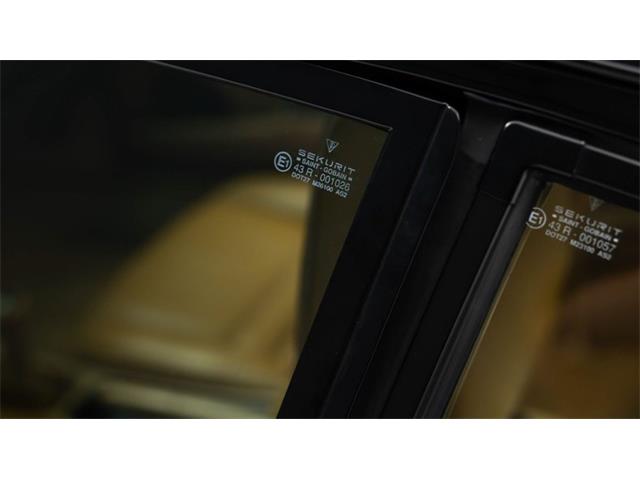
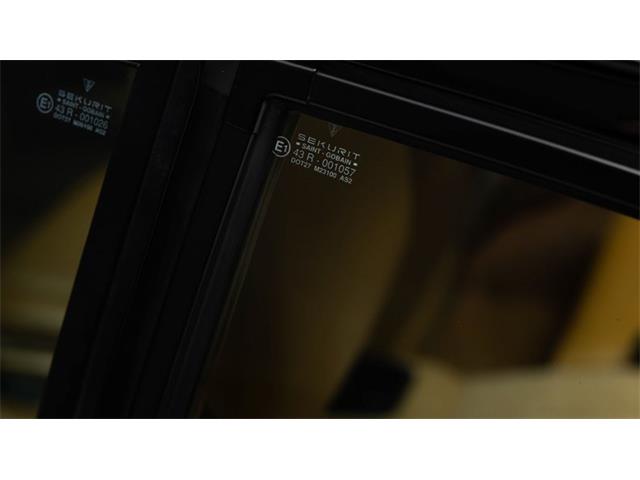
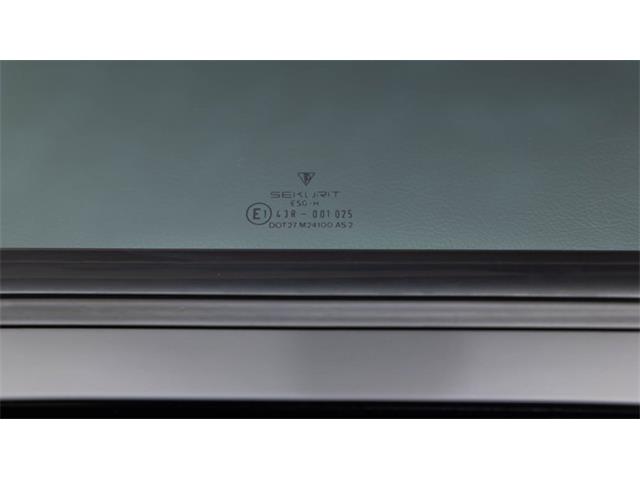
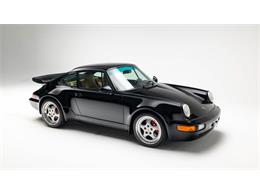
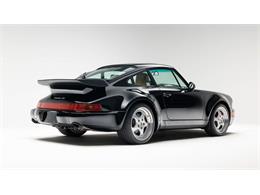
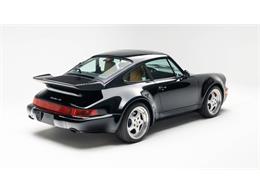
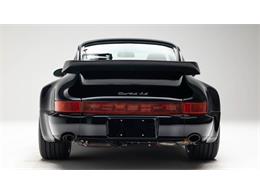
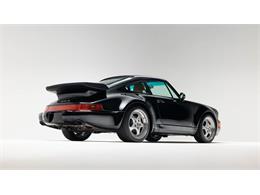
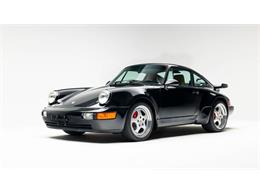
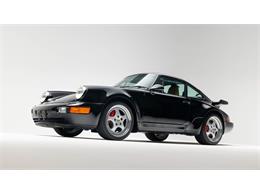
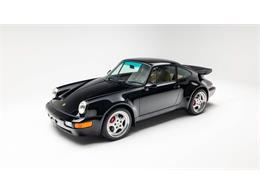
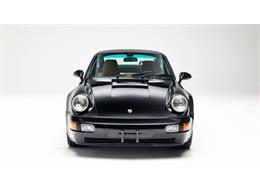
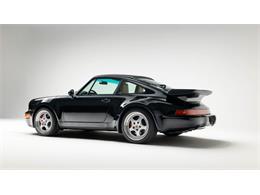
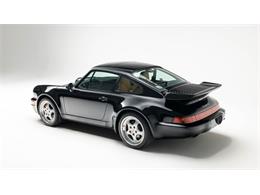
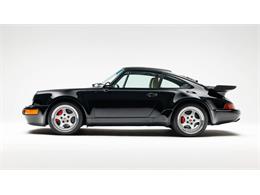
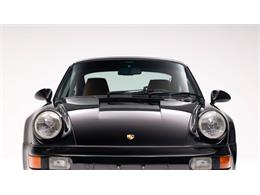
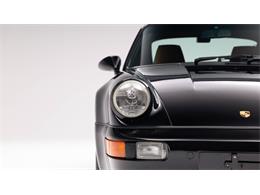
Long before Detective Mike Lowrey chased Miami's underworld in a
black Porsche 911 Turbo 3.6 in the original Bad Boys, released in
1995, that very screen car, director Michael Bay's own personal
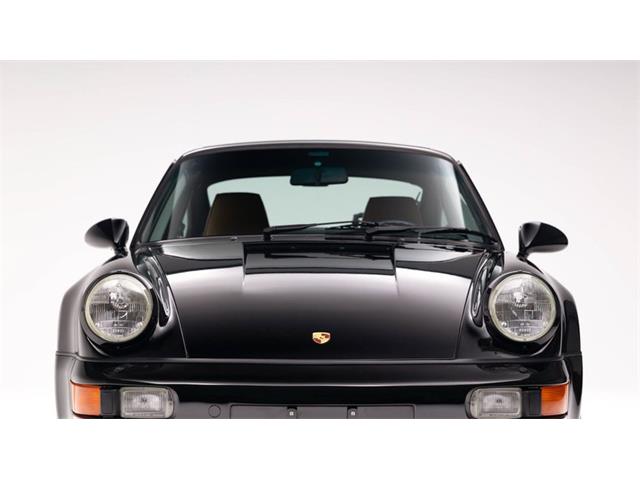
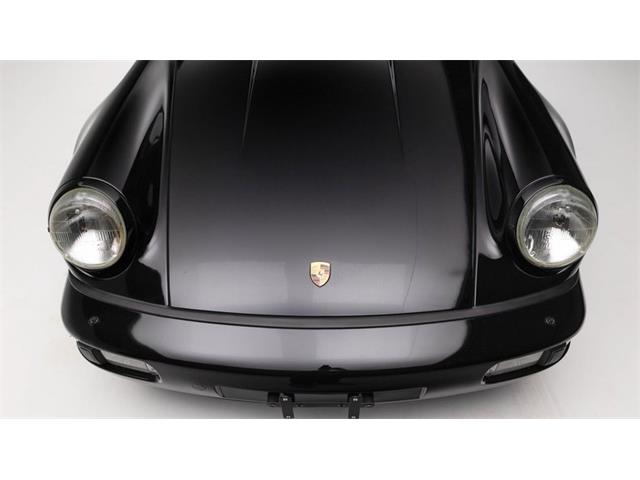
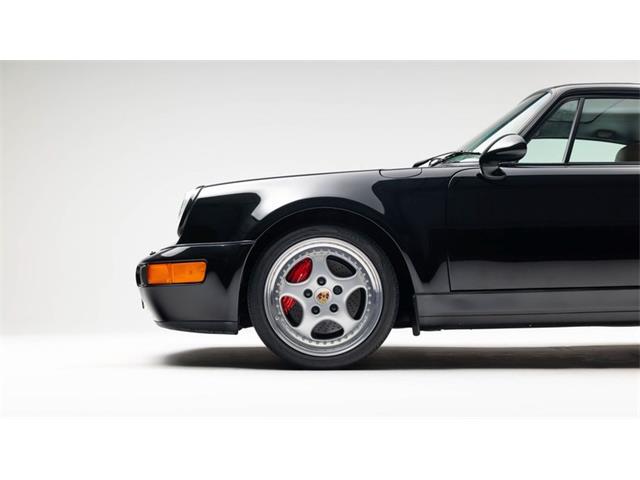
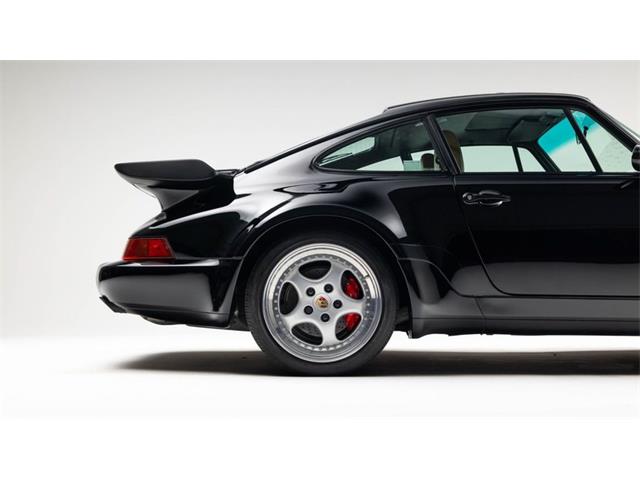
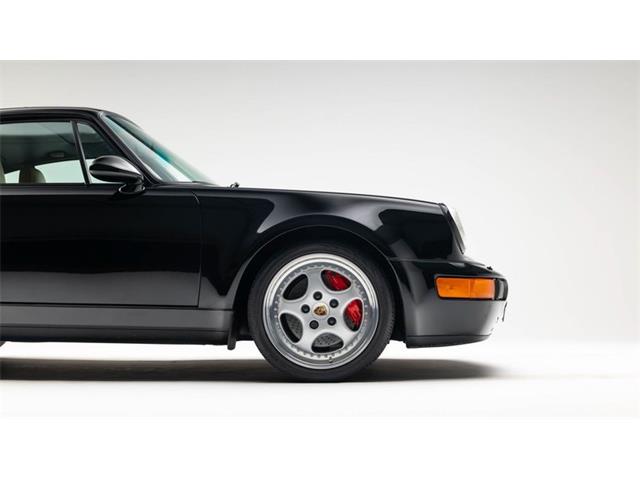
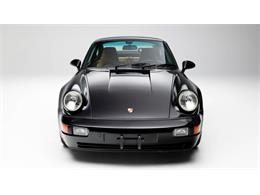
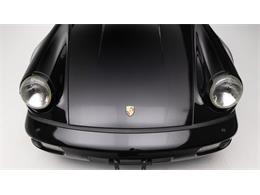
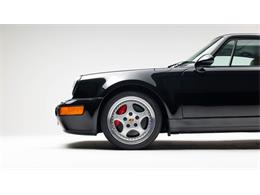
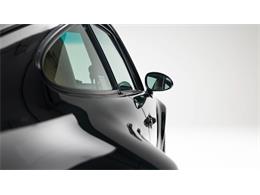
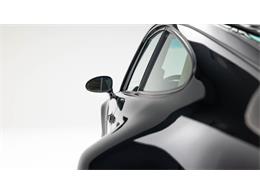
example, was already destined for automotive folklore. Finished in
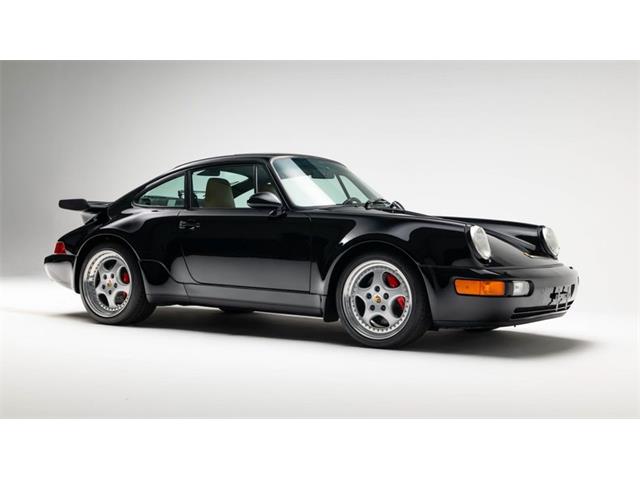
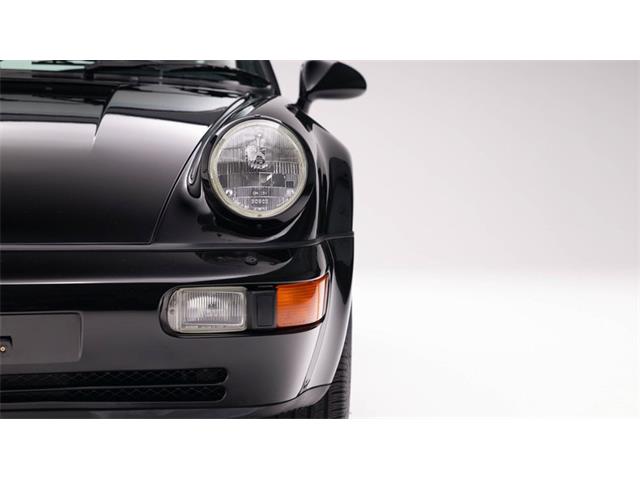
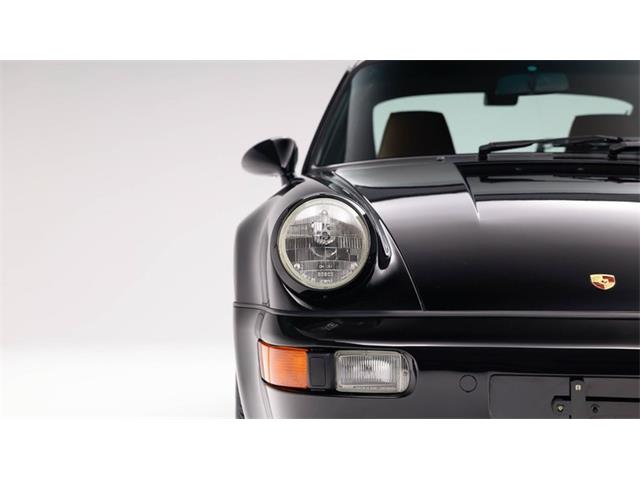
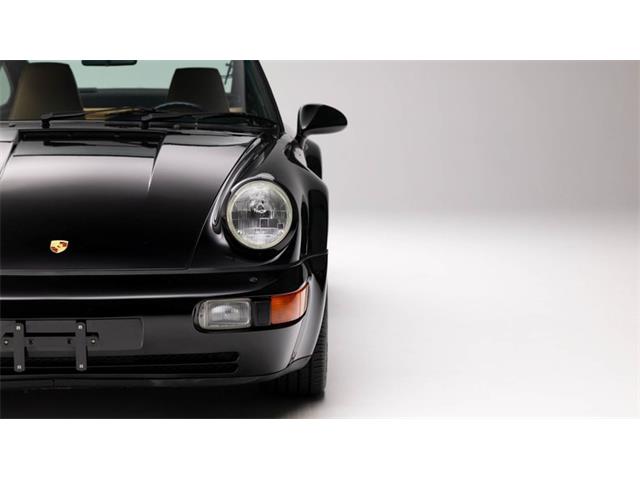
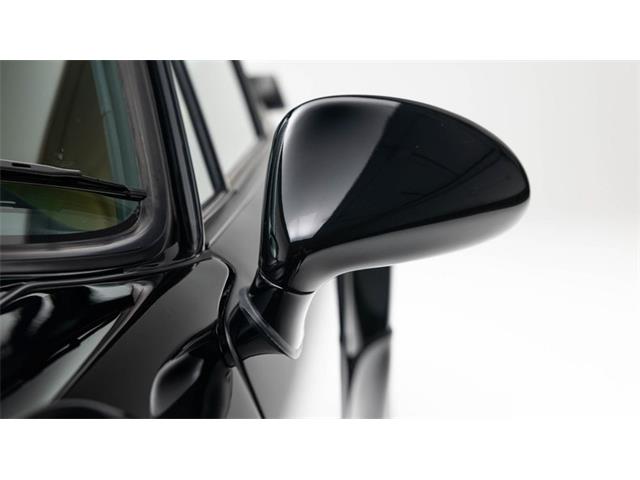
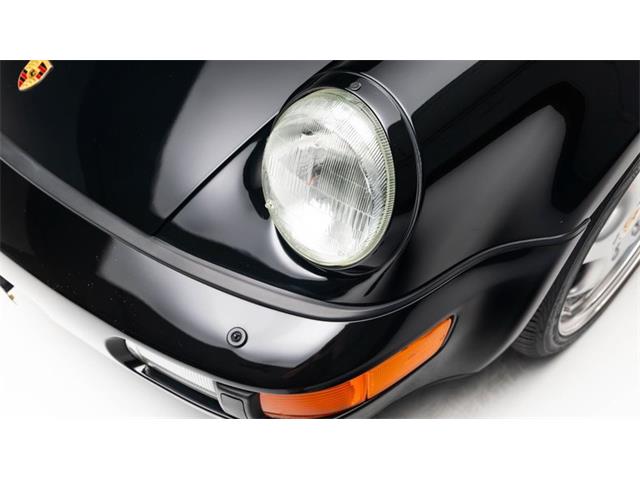
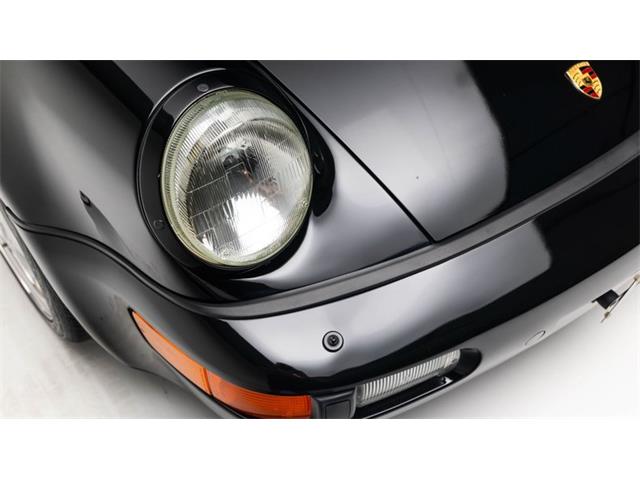
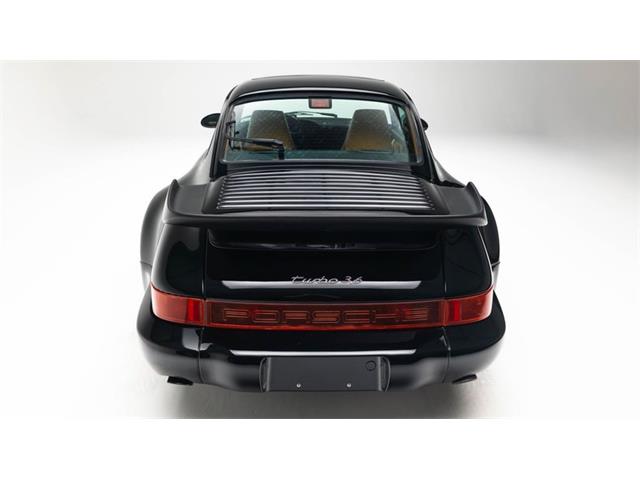
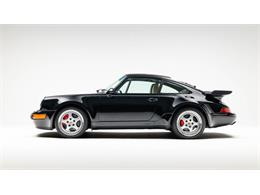
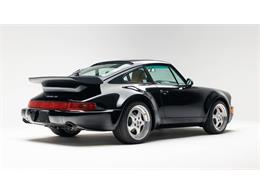
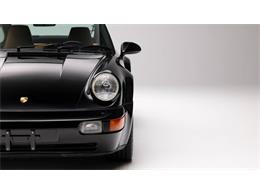
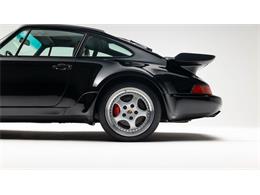
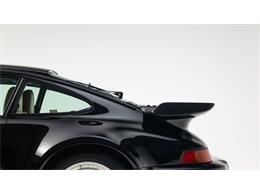
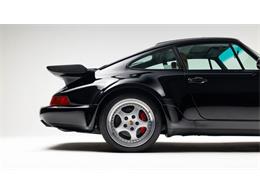
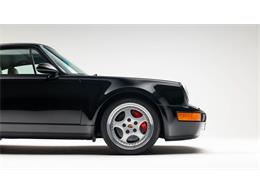
the same deep non-metallic black, the 964-generation Turbo 3.6
offered here shares that car's specification and represents one of
the final, most desirable evolutions of the air-cooled 911 Turbo
lineage.
As in the movie, the Porsche 911 Turbo has always succeeded on the
strength of a skilled, deeply committed driver. Born in 1974 amid
the global oil crisis and still going strong when this car left the
factory during the 1993 recession, the Turbo grew into an
institution-one whose name alone, among enthusiasts, came to mean a
single car. That story traces to 1989, when the 911 Turbo itself,
largely of the same formula since it first burst onto the scene,
was well overdue for reinvention. That year, Porsche gave the
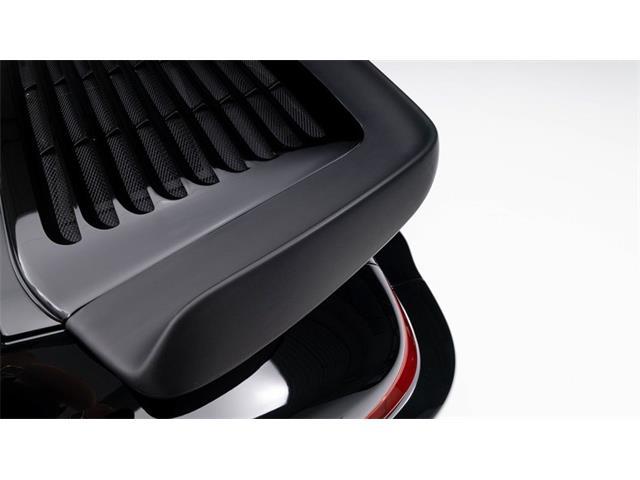
entire 911 line a new body, internally known as the 964, its
styling borrowing the aerodynamic influence of the 959 with more
form-fitting bumpers and smoothed sills, plus a shift to
coil-spring suspension, power steering, and anti-lock brakes.
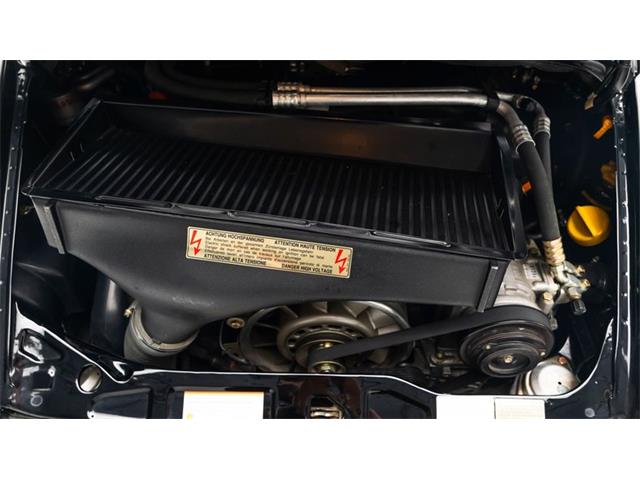
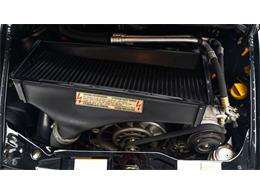
The Turbo followed in March of the following year, carrying over
the proven 3.3-liter flat six that had powered Turbo models since
1978. That engine lasted through 1992, and after only a single-year
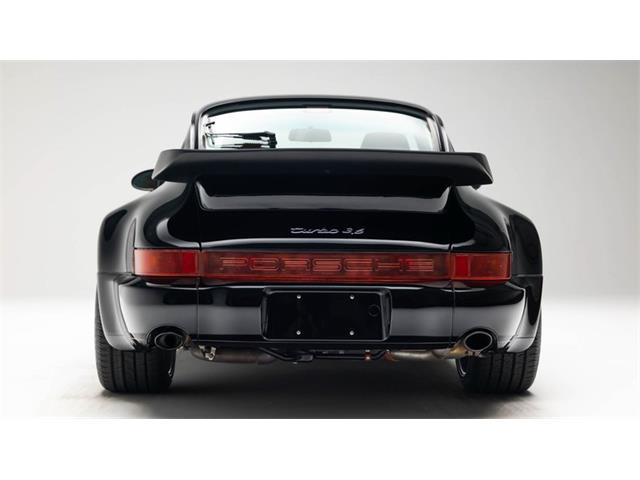
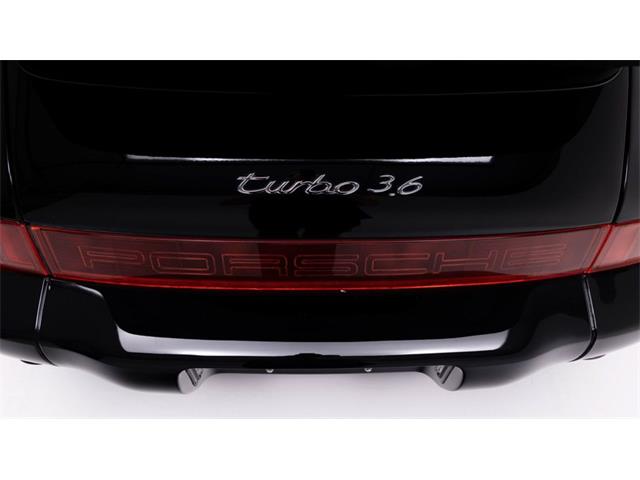
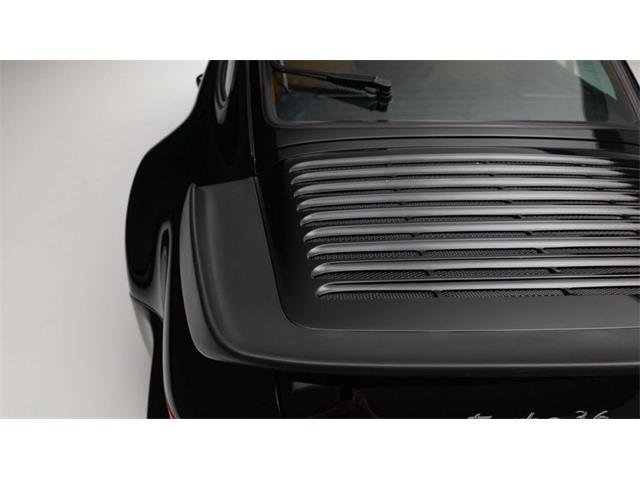
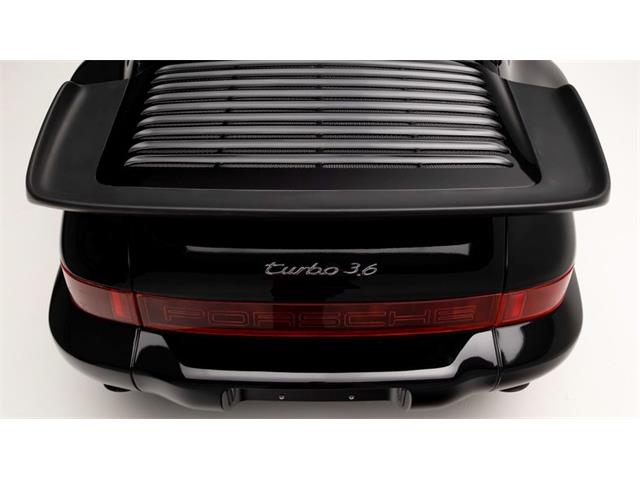
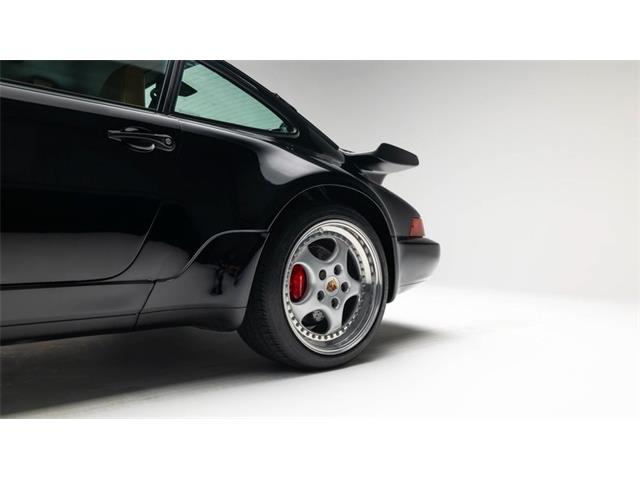
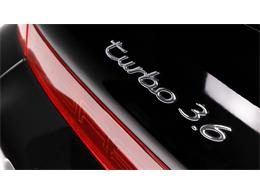
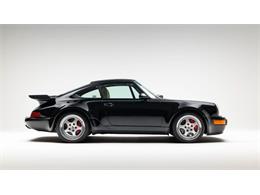
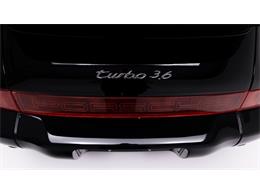
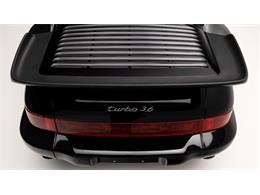
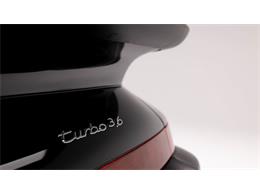
absence, Porsche replaced it in 1994 with the new Turbo 3.6. These
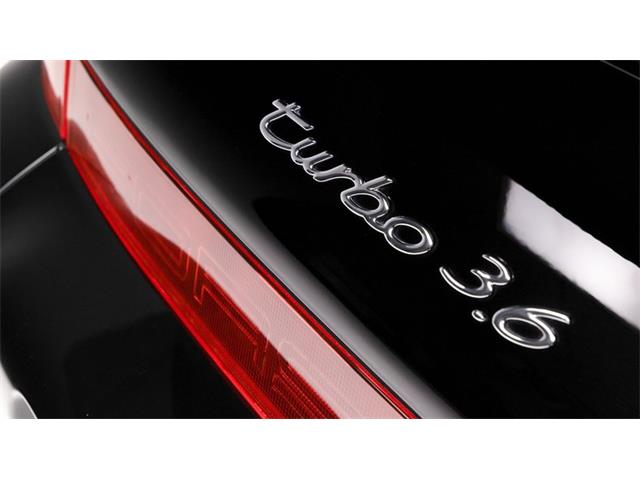
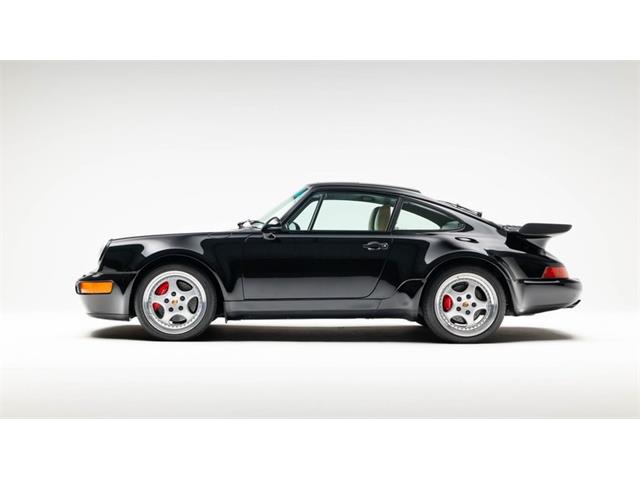
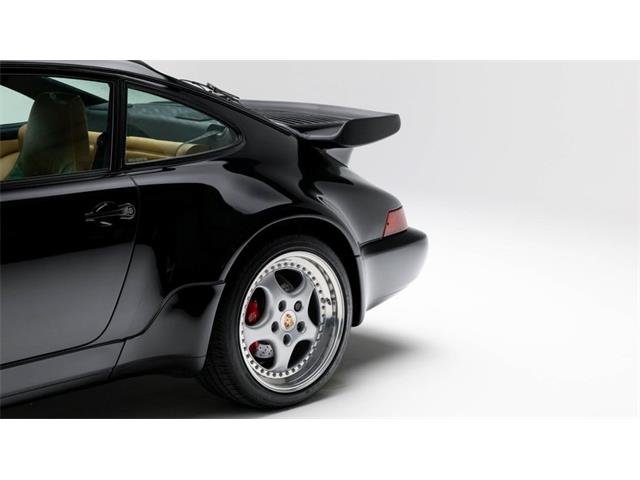
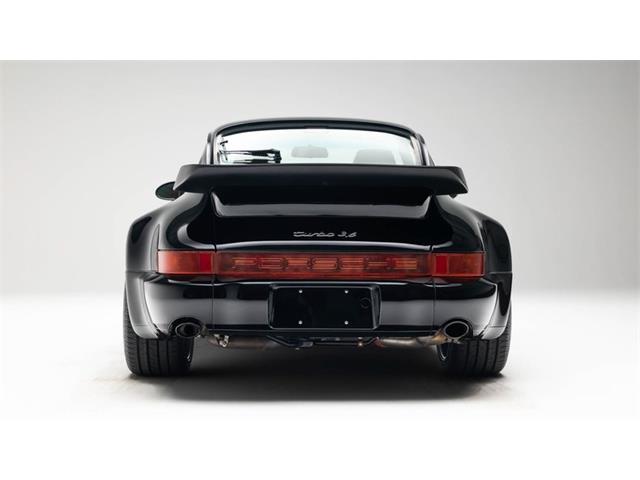
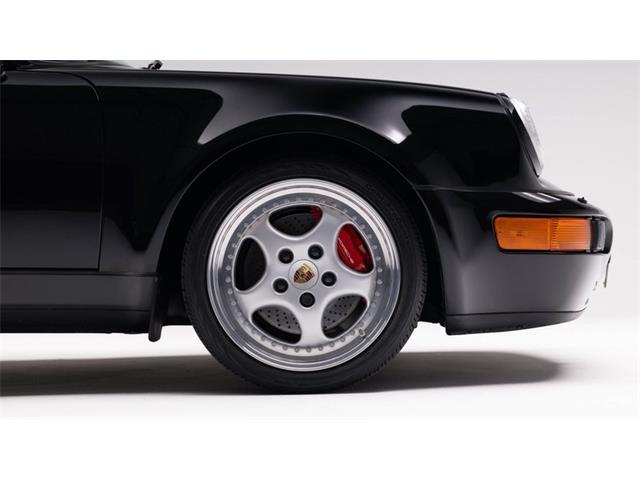
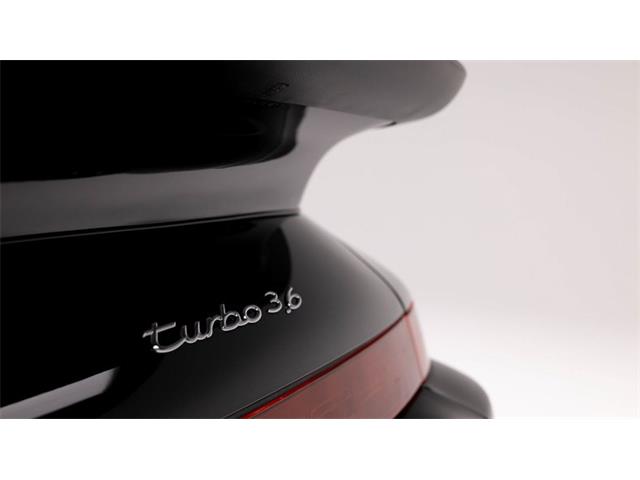
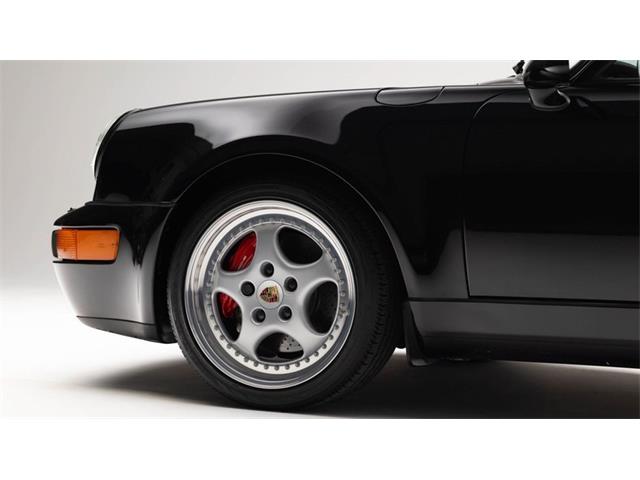
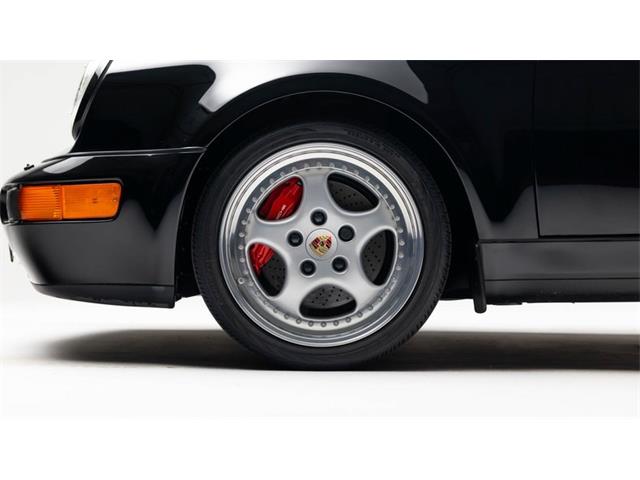
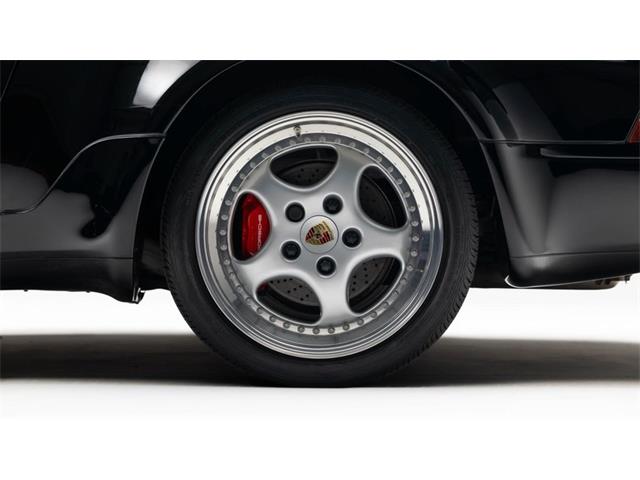
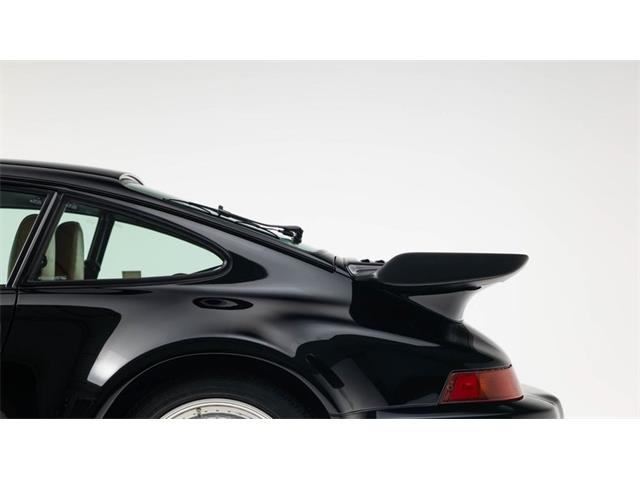
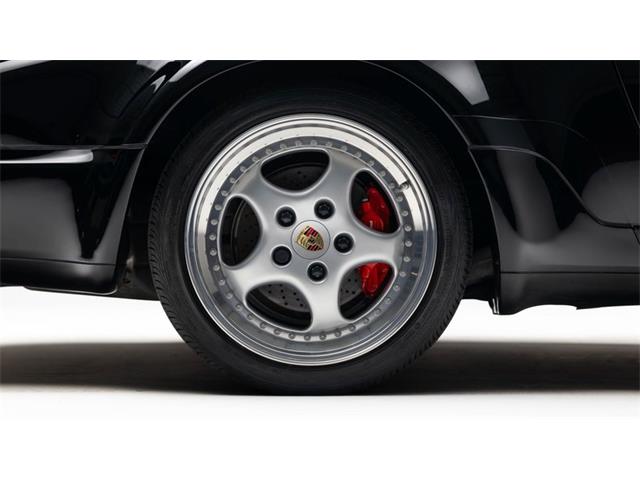
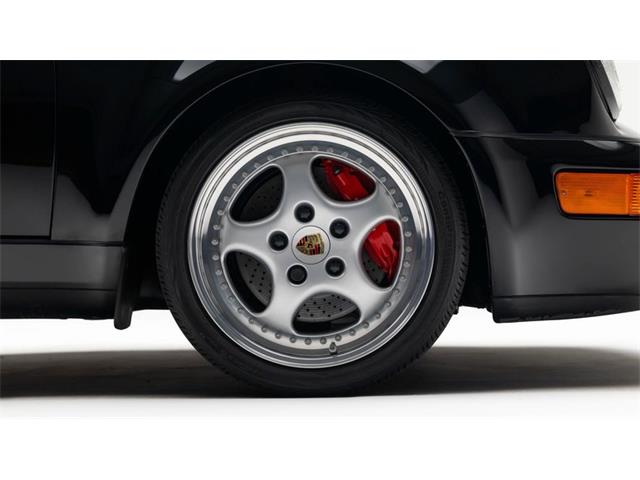
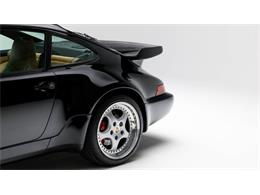
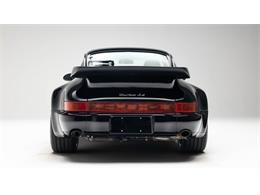
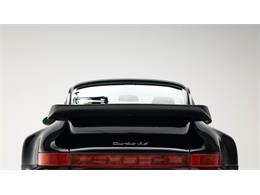
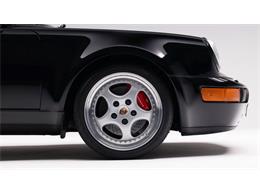
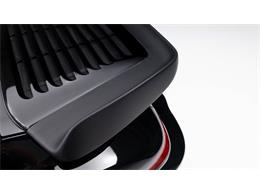
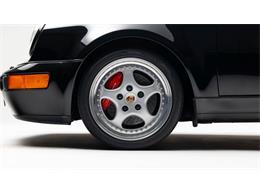
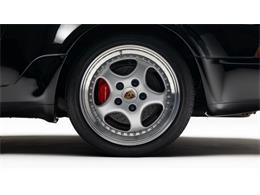
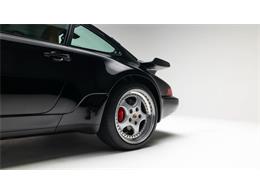
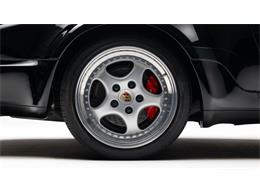
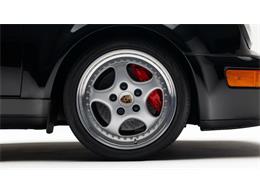
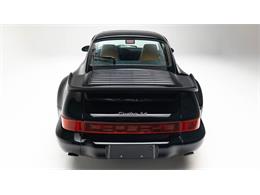
cars were easily distinguished by 18-inch three-piece alloy wheels
and a script "Turbo 3.6" badge across their tails. The new Turbo
delivered 355 horsepower, a substantial 40-horsepower gain over the
outgoing 3.3, along with roughly 52 additional lb-ft of torque and
a broader torque band for stronger response throughout the rev
range. It became one of the last, most potent iterations of the
rear-wheel drive air-cooled 911 Turbo before the 993 generation
arrived.
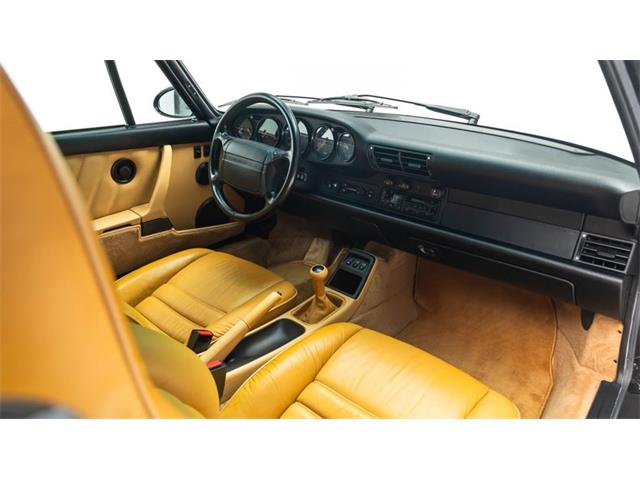
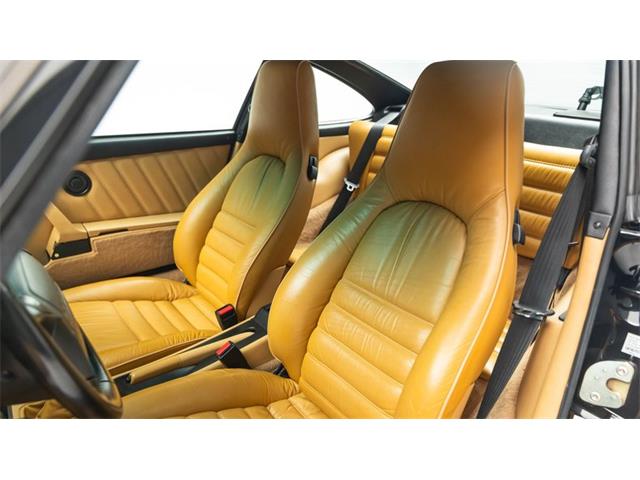
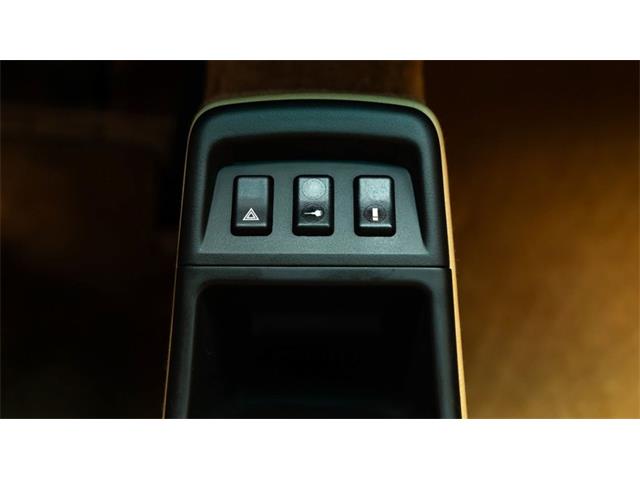
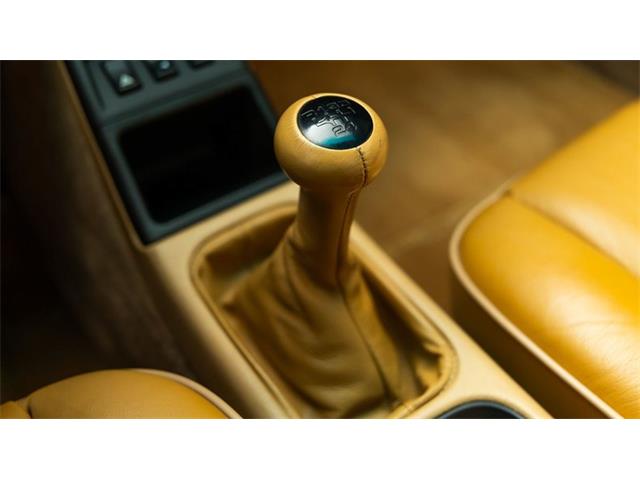
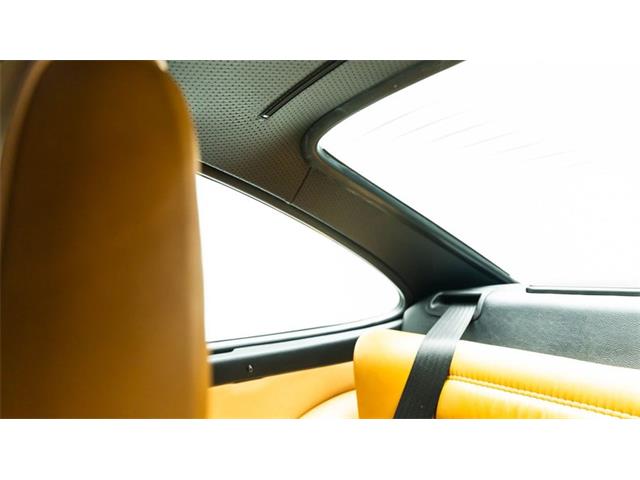
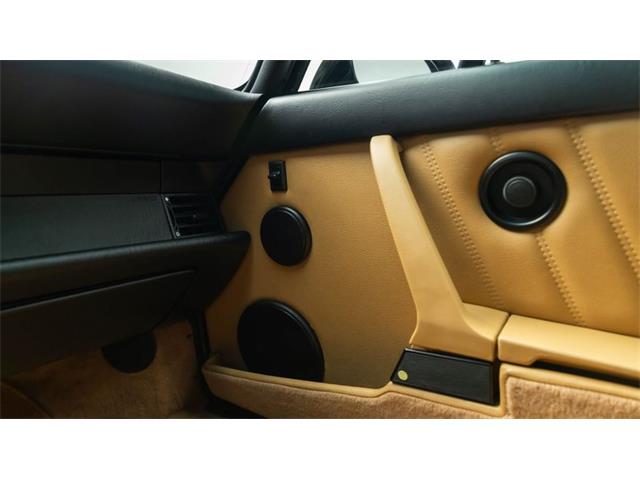
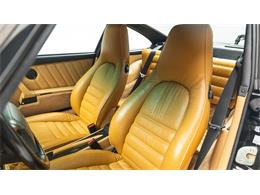
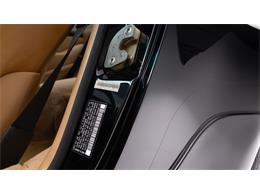
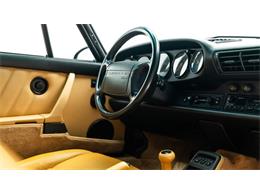
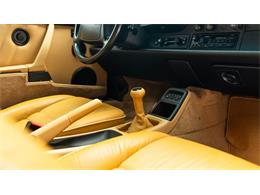
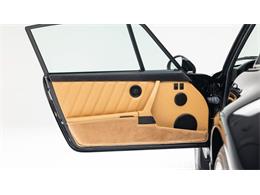
This particular Turbo 3.6 was completed on 13 May 1993 and invoiced
on 26 May 1993, entering warranty on 8 September 1993. It was
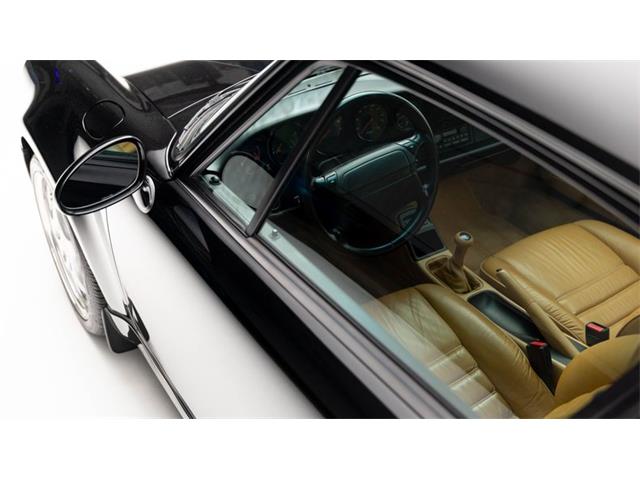
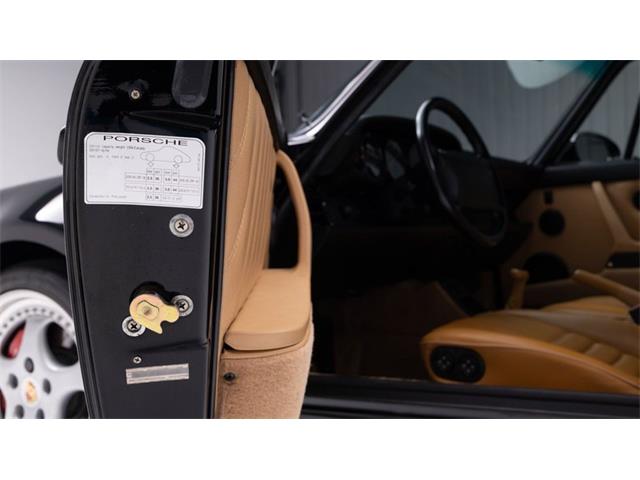
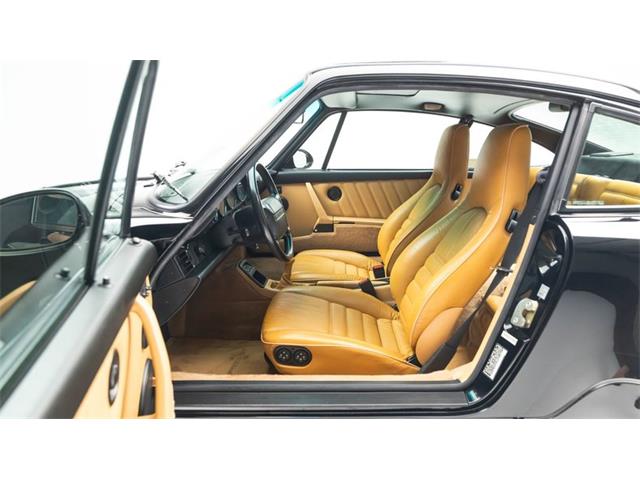
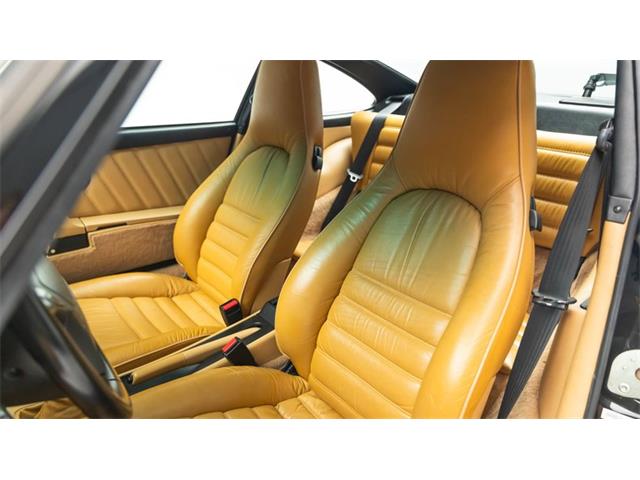
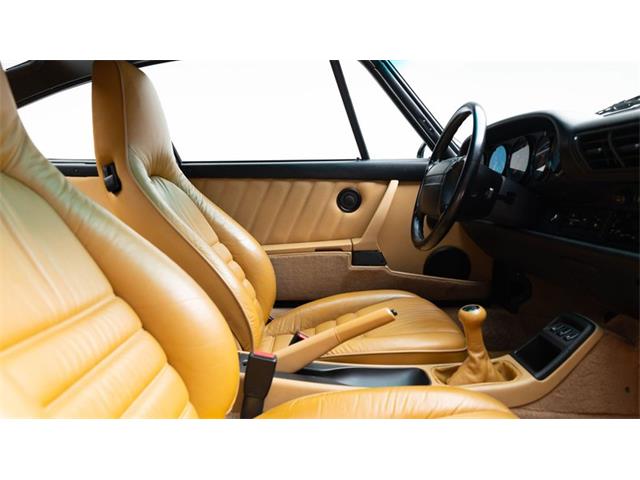
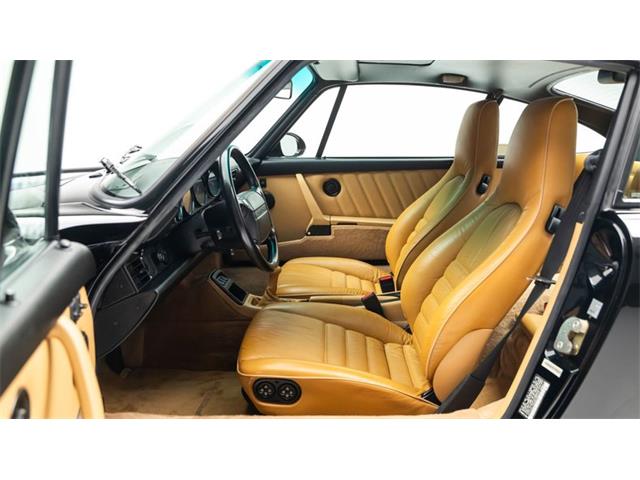
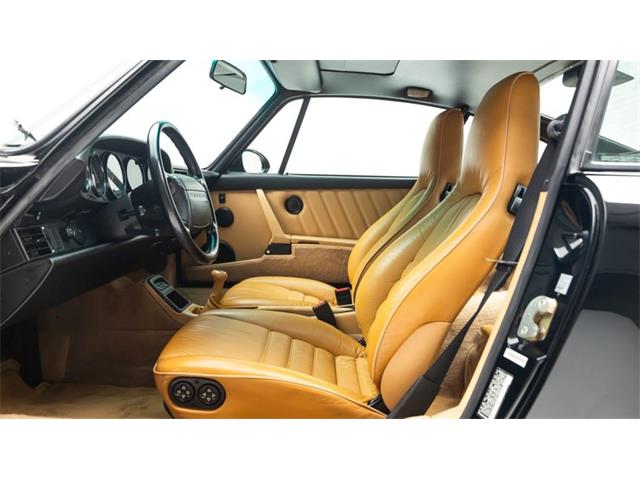
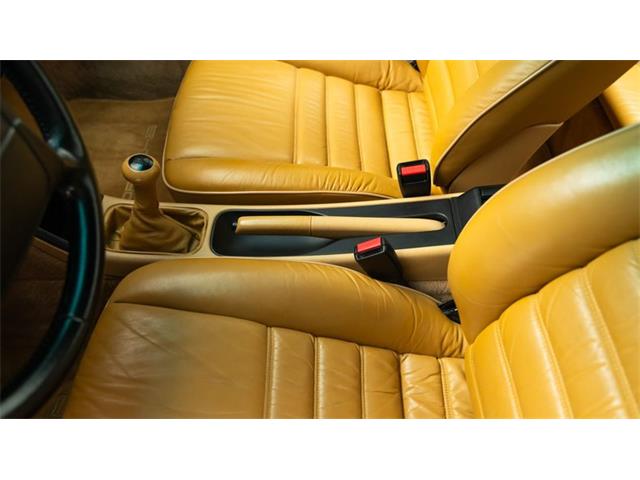
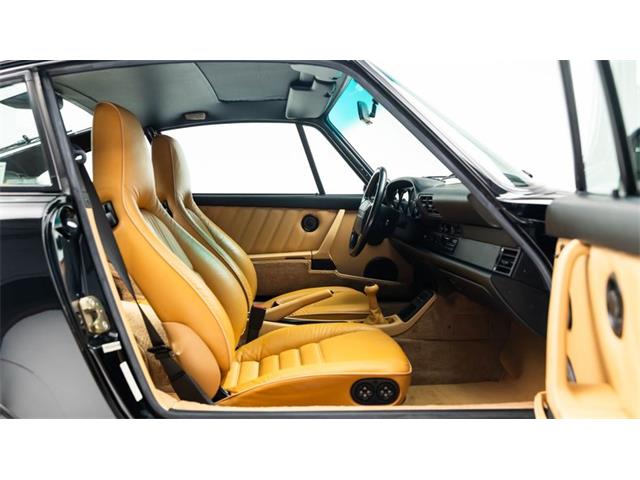
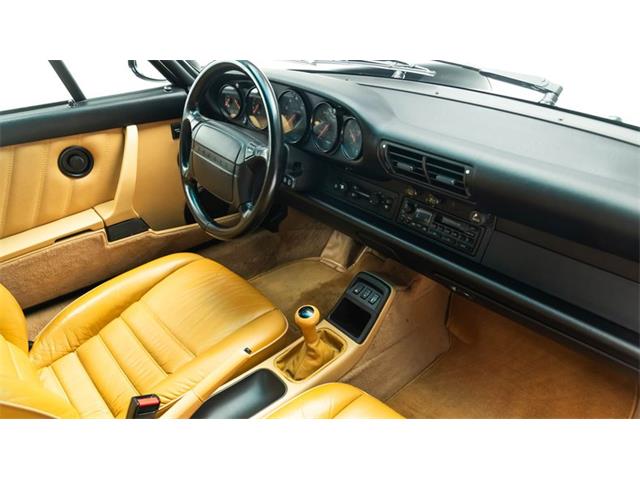
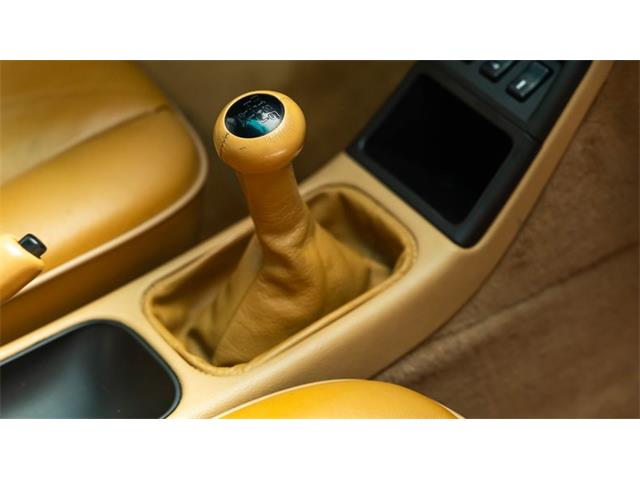
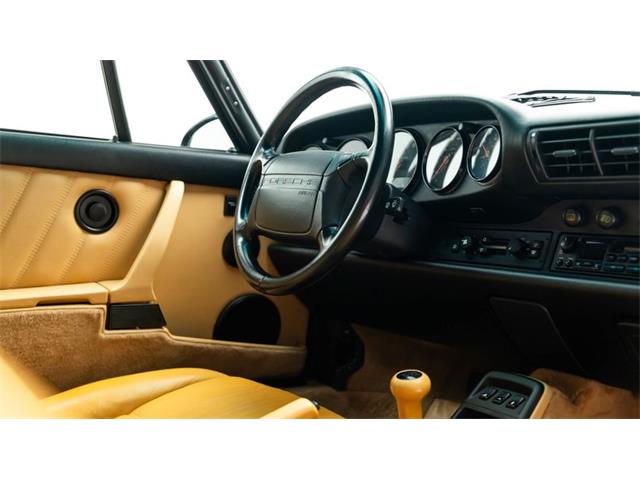
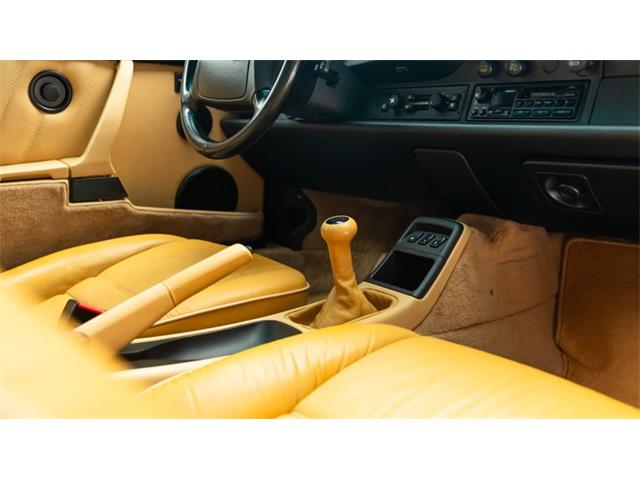
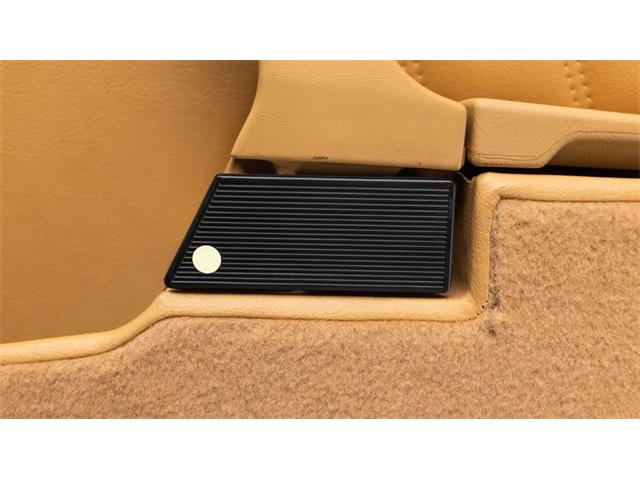
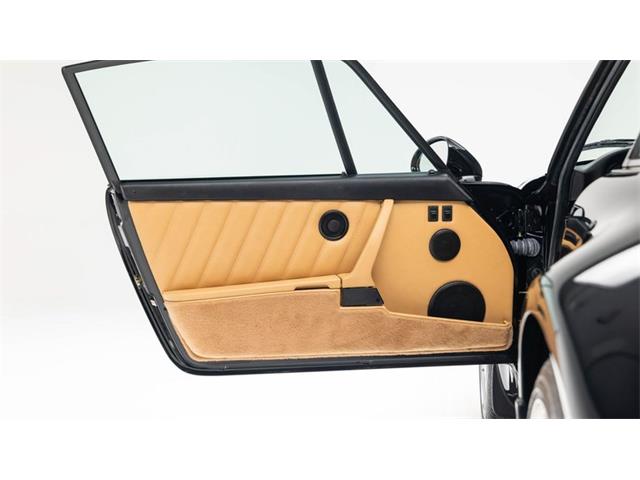
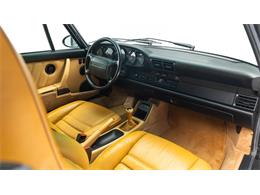
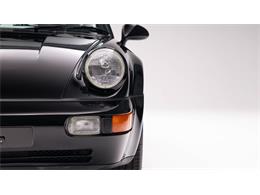
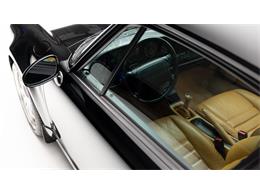
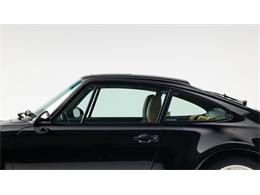
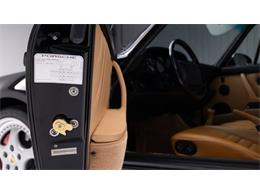
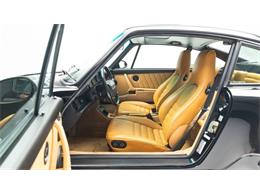
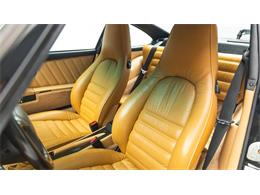
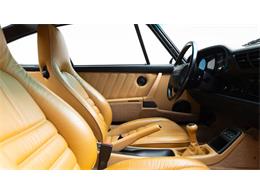
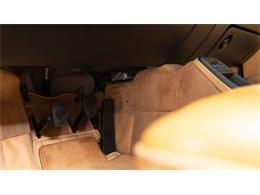
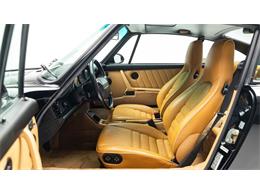
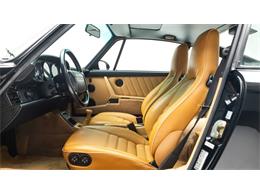
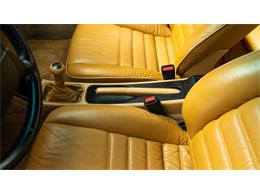
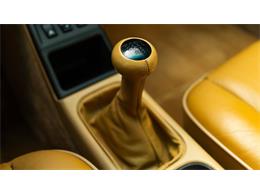
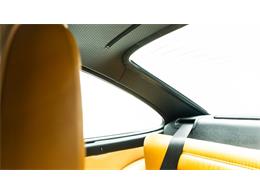
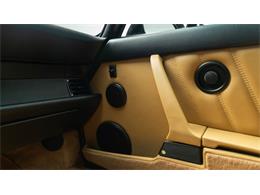
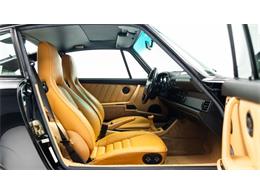
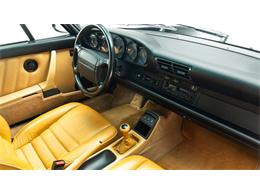
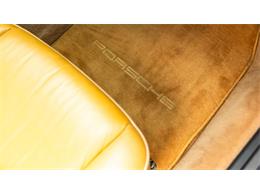
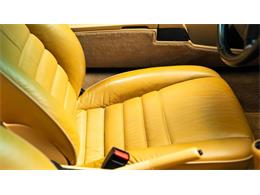
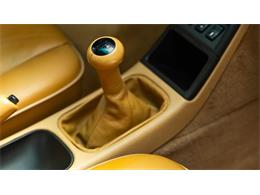
finished in Black over a Cashmere Beige and Black partial leather
interior, a handsome, understated combination well suited to the
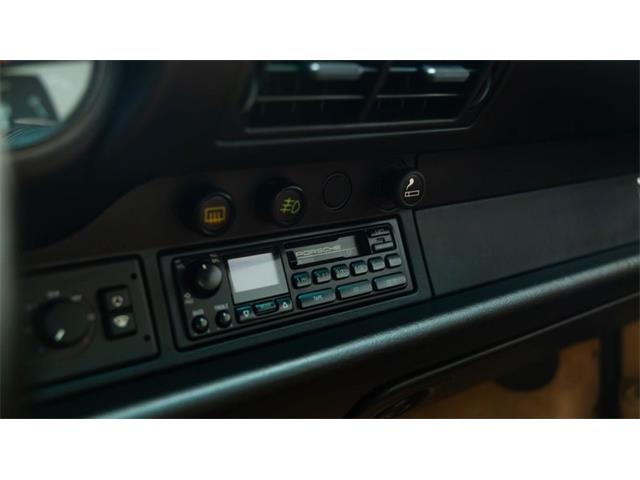
car's discreet, yet purposeful character. Standard equipment on the
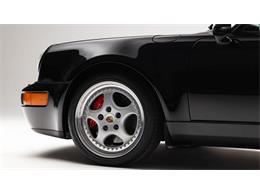
build sheet includes the limited-slip differential, large "Big Red"
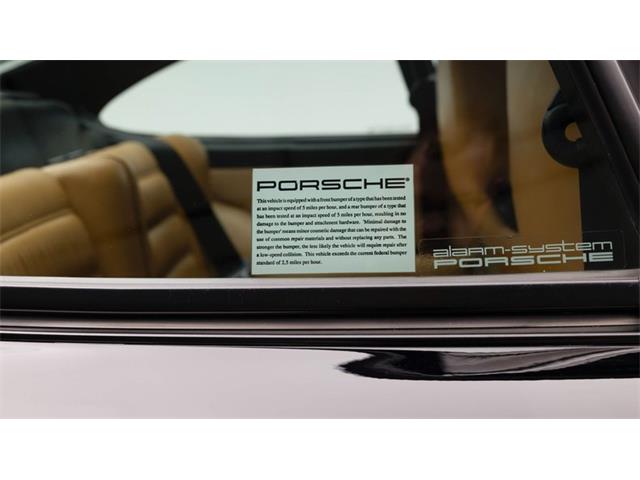
Brembo brakes, electrically adjustable comfort seats, power
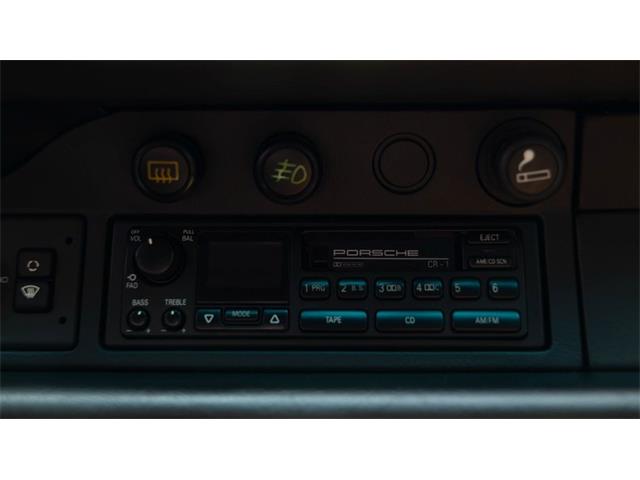
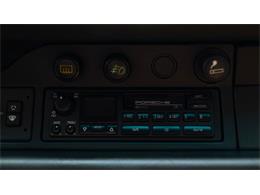
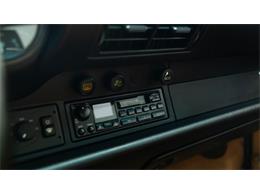
steering, driver and passenger airbags, factory Porsche CR-1
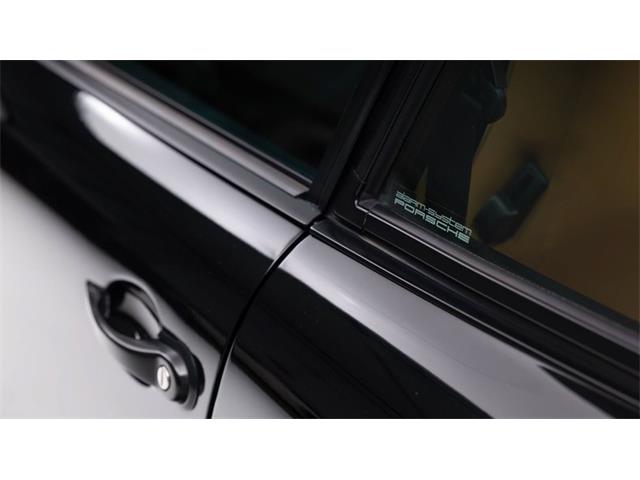
cassette radio, air conditioning, and an on-board computer, along
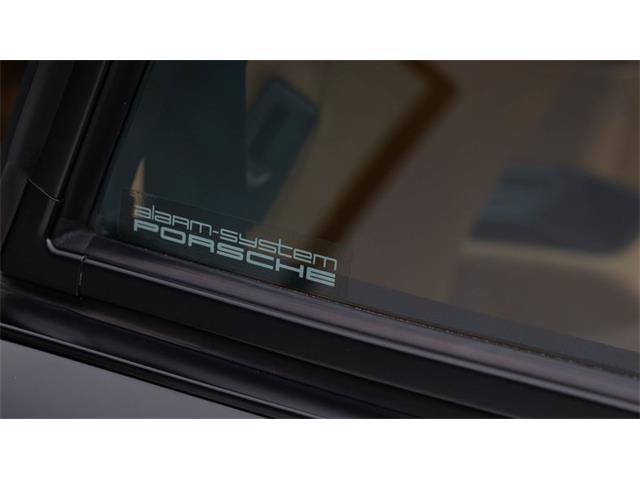
with a headlight washer system and full anti-theft protection for
the wheels. The car was further optioned from the factory with an
electric sliding sunroof, 18-inch Speedline for Porsche wheels
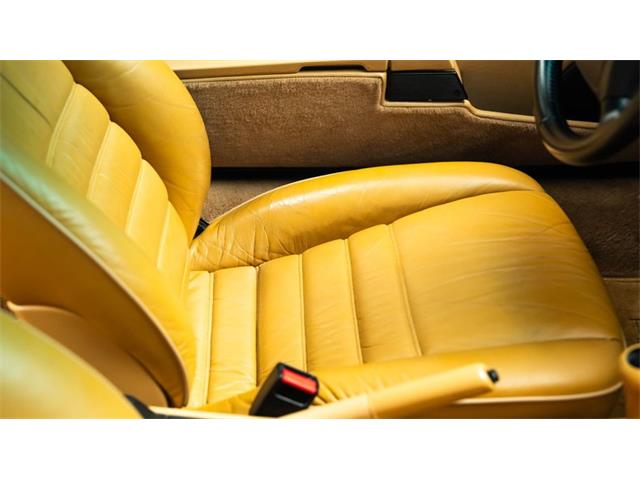
finished in polished aluminum, and supple leather trim for the
front seats.
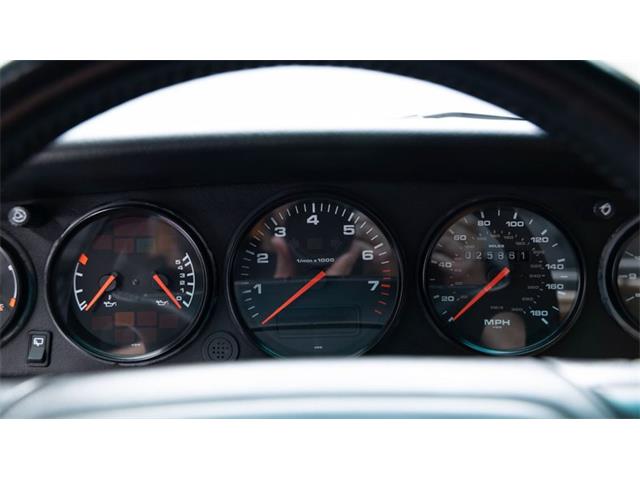
According to a clean CARFAX Report, the car was first registered in
New York in September 1993, before subsequent registrations in
Massachusetts and Virginia. In June 2006, the Turbo found its way
to Wisconsin, where a long-term caretaker kept the car for nearly
two decades. Only recently has it emerged from that stewardship,
offering the next owner a well-documented example of one of the
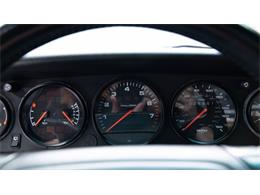
final, most collectible air-cooled 911 Turbos, all with under
26,000 original miles at cataloging.
ClassicCars.com has been recognized as one of the fastest-growing private companies in the United States, successfully making the Inc. 5000 list in both 2015,
2016, 2017 and 2018. This prestigious accolade represents the continued growth of the company, and ClassicCars.com's dominance as the world's largest online marketplace for
buying and selling classic and collector vehicles.
The Stevie Awards, the world's premier business awards recognized
ClassicCars.com's first-class Customer Support team with a Stevie Bronze Award in 2019, celebrating the team's skills as exemplary customer support specialists.
In 2016 The Journal, brought to you by ClassicCars.com, was celebrated as the SECOND MOST INFLUENTIAL automotive blog in the world by NFC Performance.