This vehicle has been soldThis vehicle is no longer available for sale on ClassicCars.com. Please set an alert if you would like to be notified as soon as similar vehicles become available.
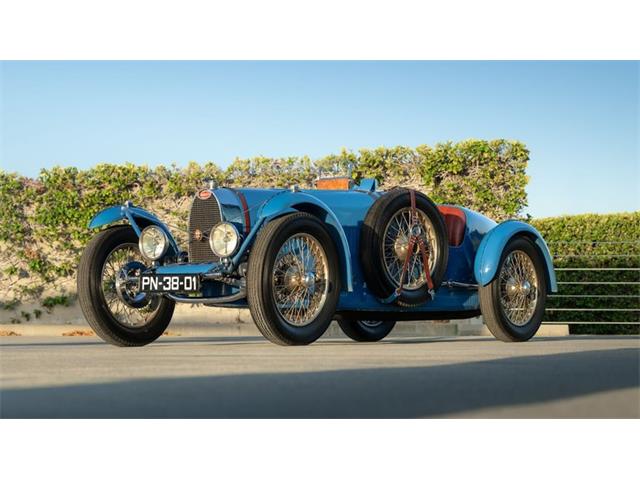
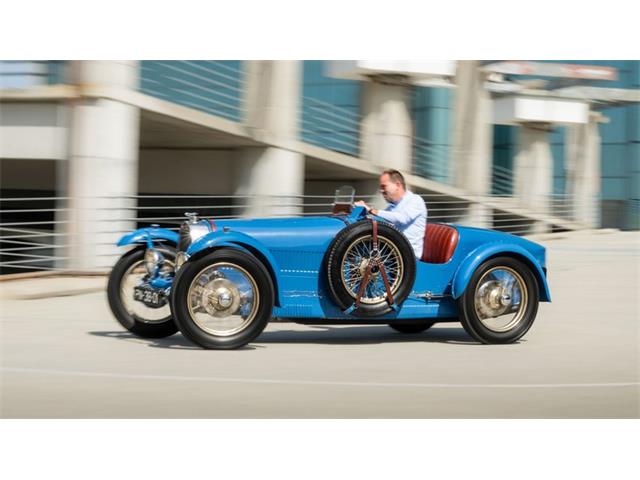
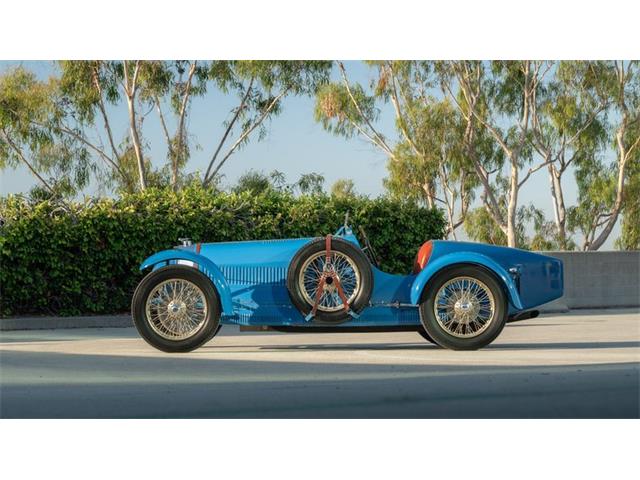
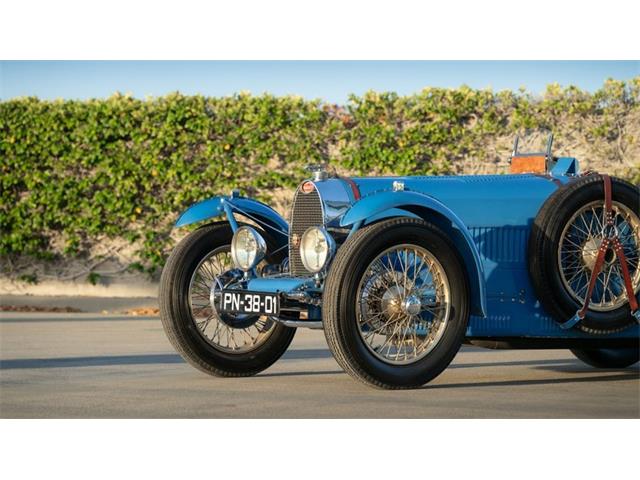
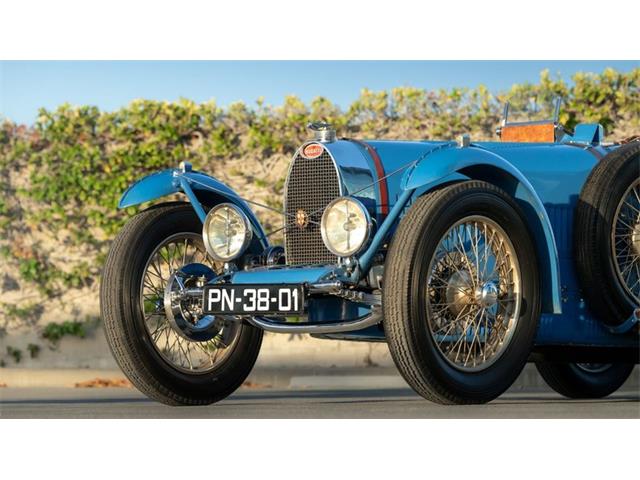
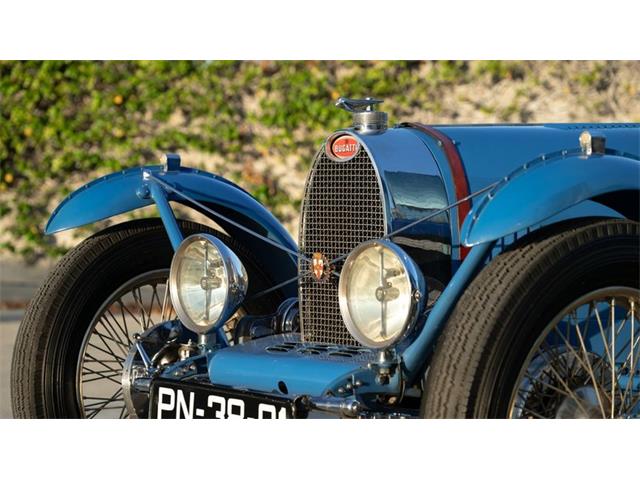
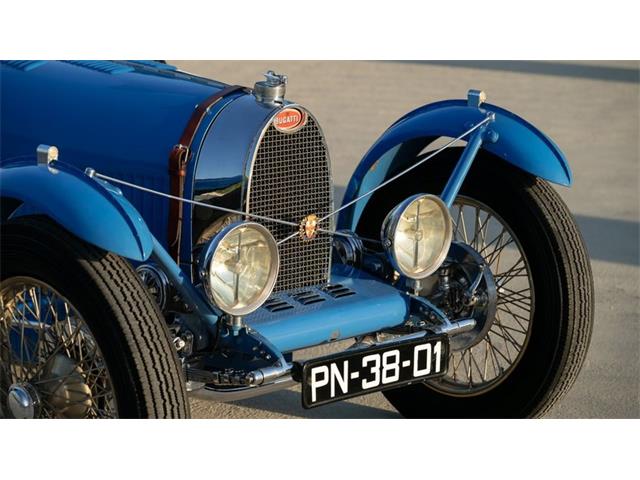
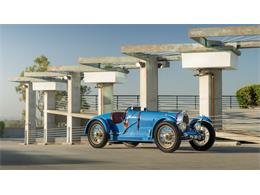
For Sale at Auction: 1927 Bugatti Type 37 in Carmel, California
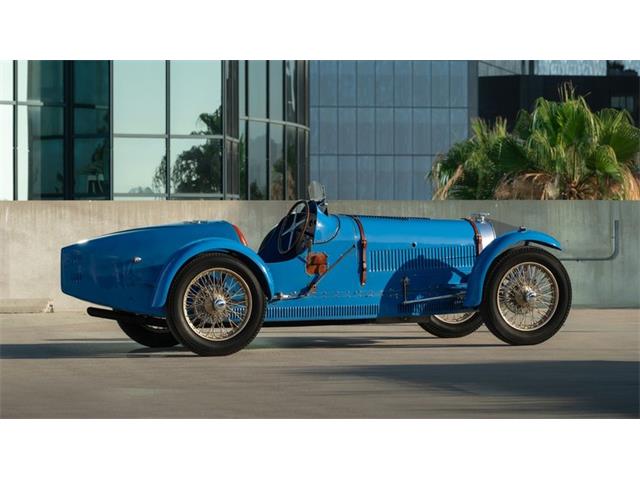
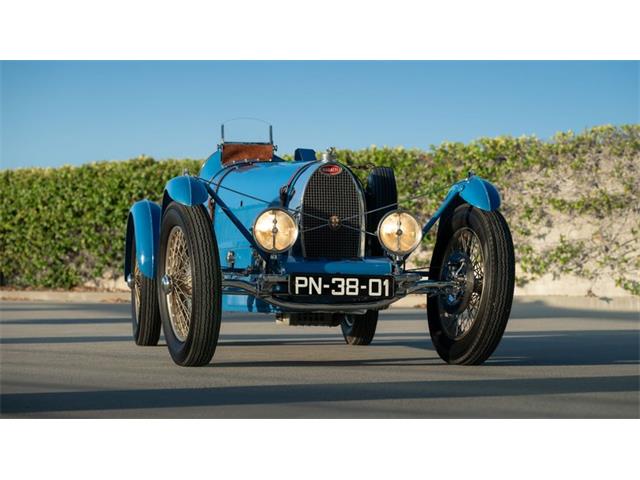
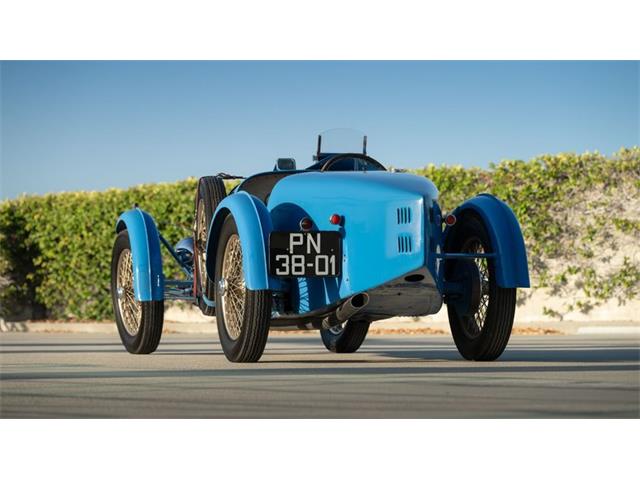
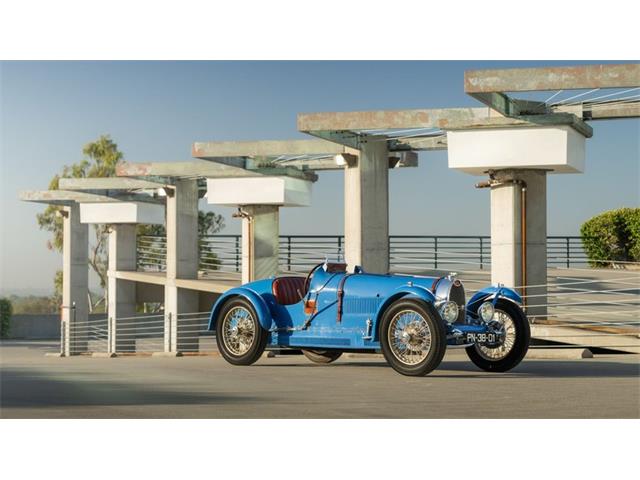
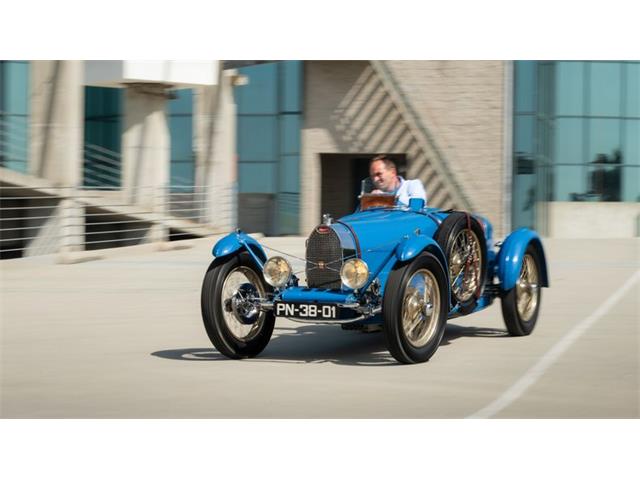
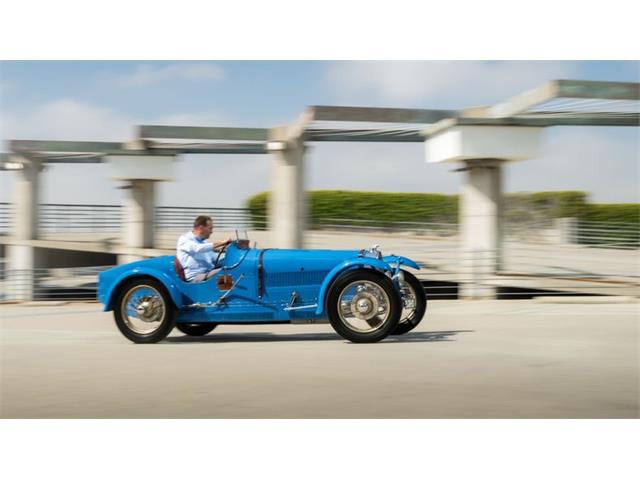
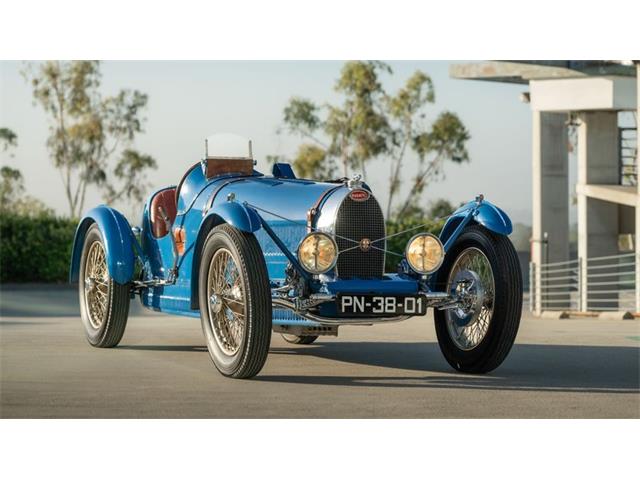
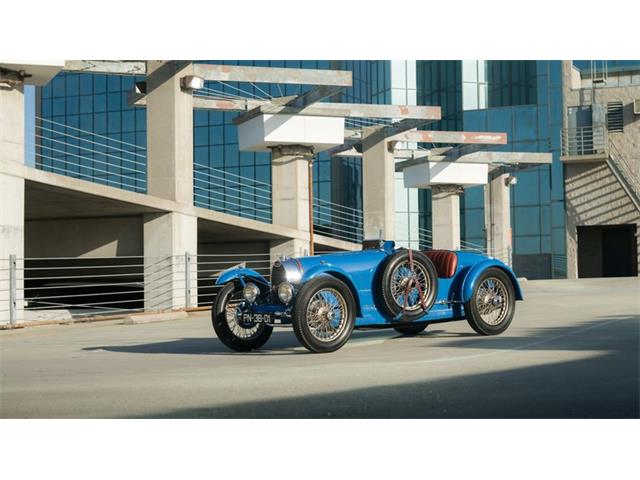
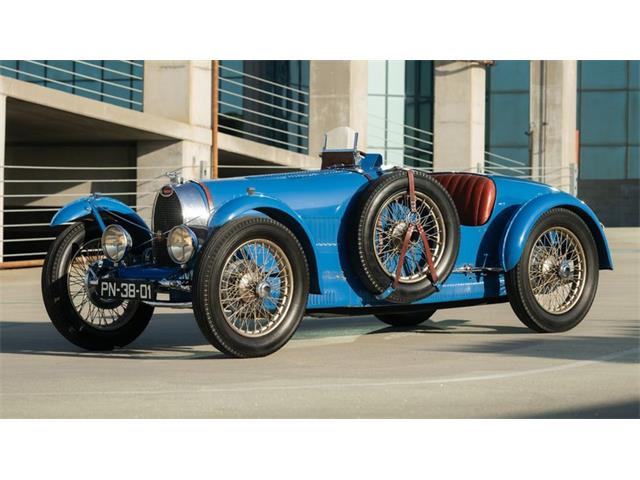
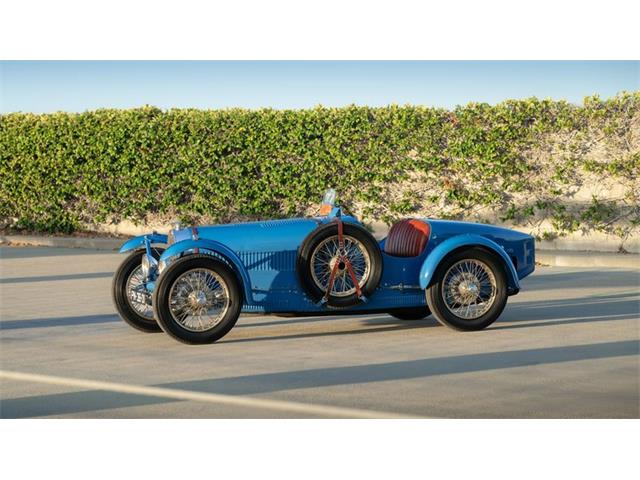
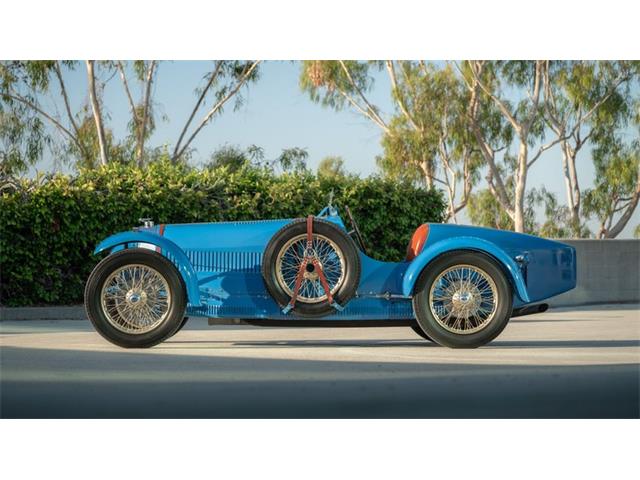
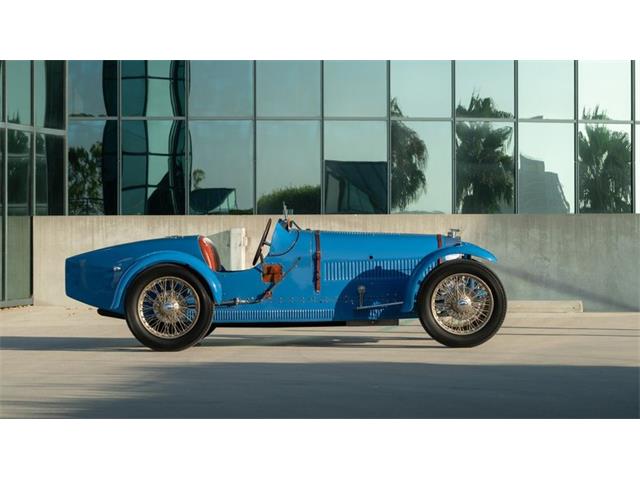
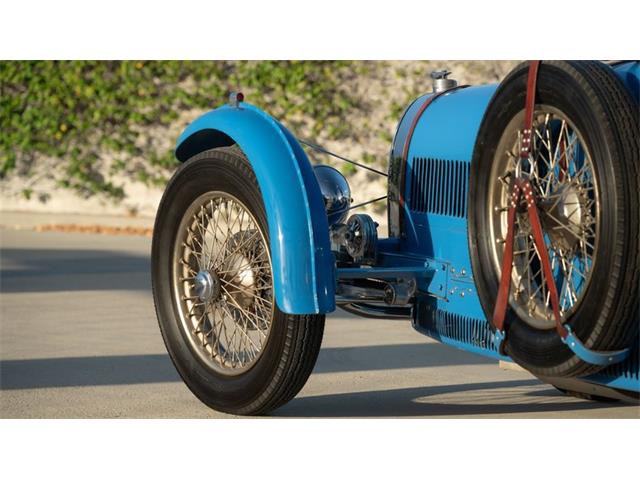
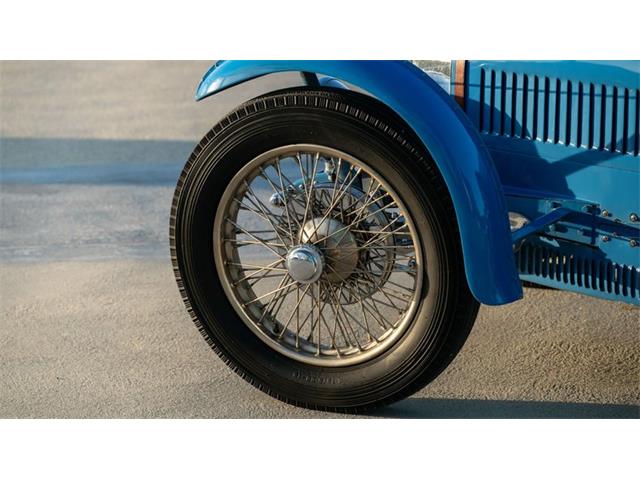
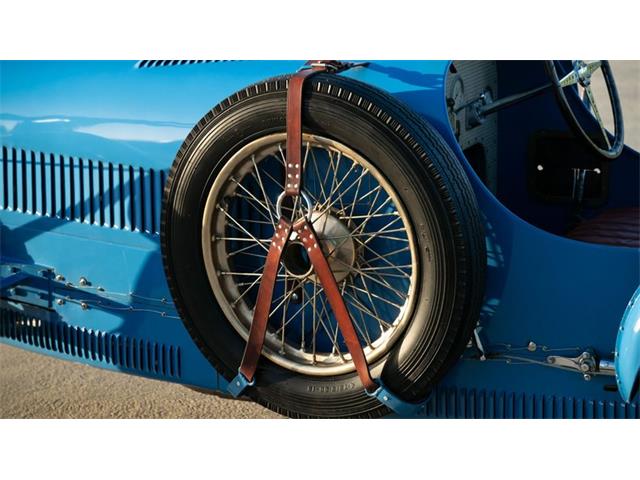
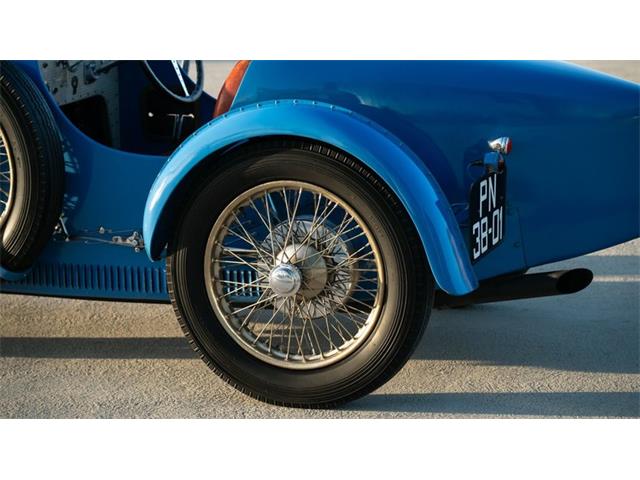
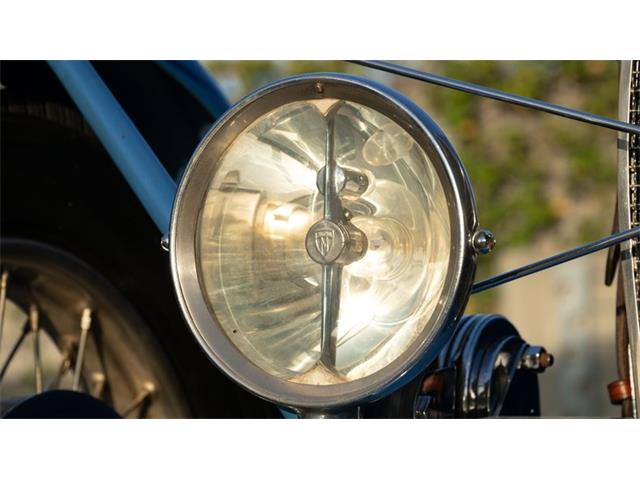
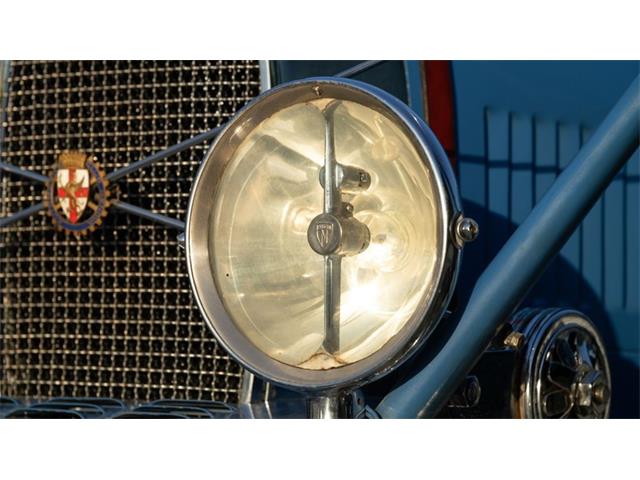
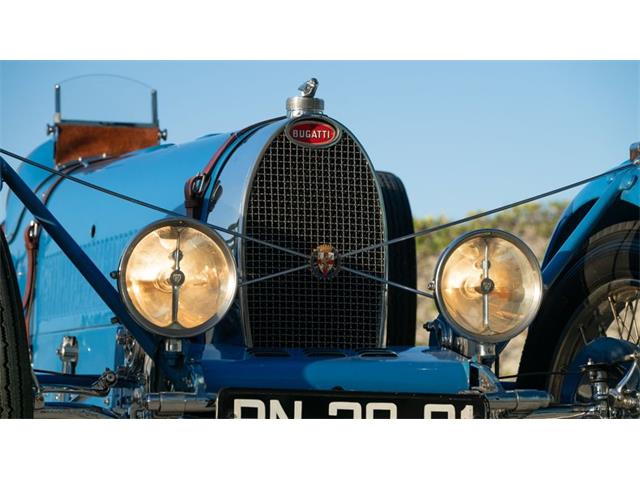
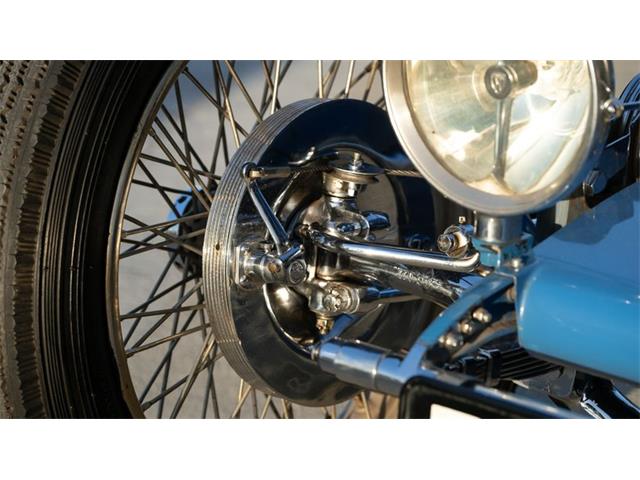
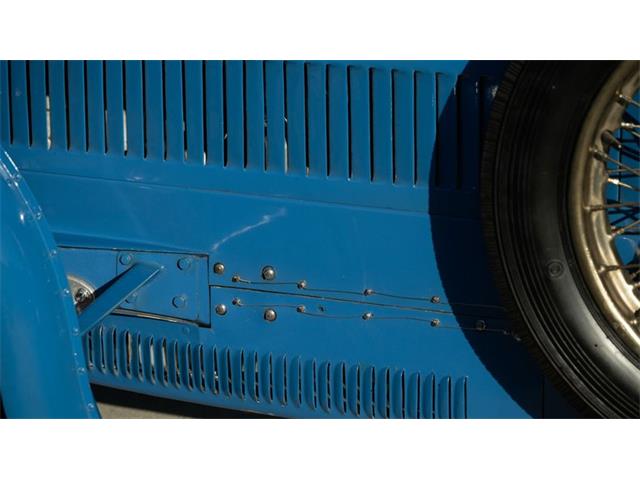
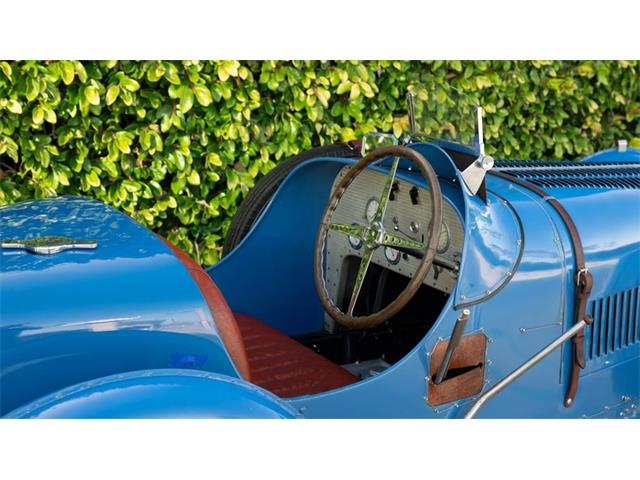
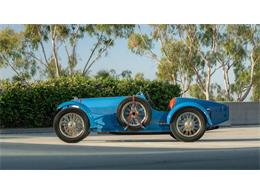
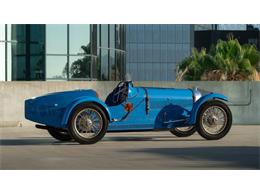
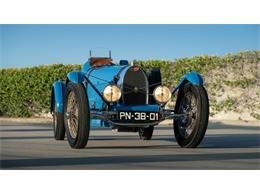
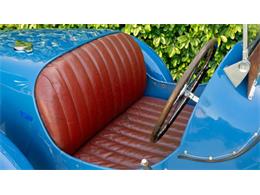
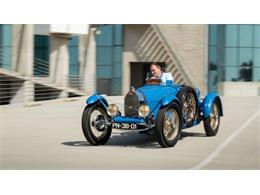
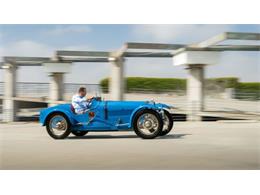
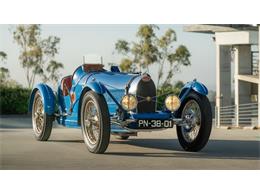
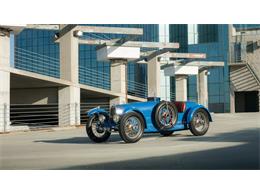
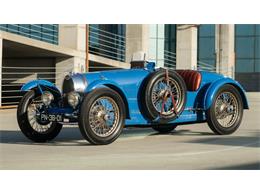
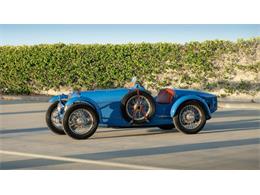
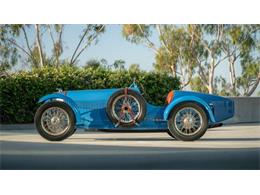
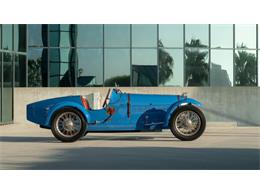
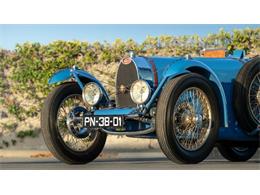
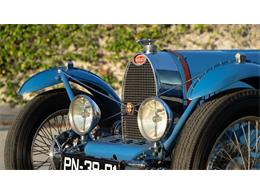
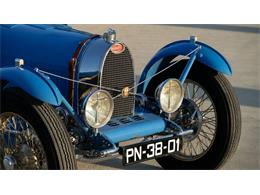
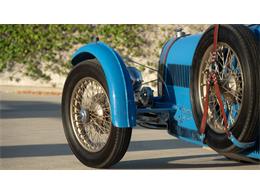
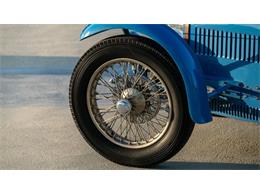
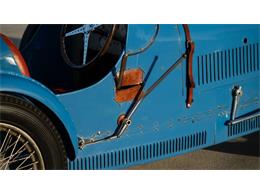
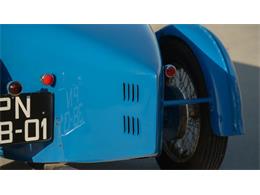
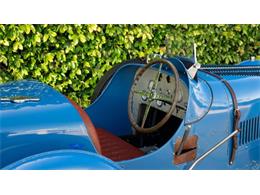
At first glance, the Type 37 is almost indistinguishable from the
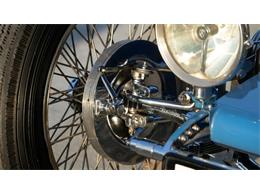
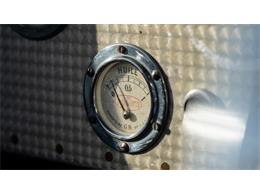
Type 35, save for its Rudge wire wheels, the same elegant fittings
used on the Type 35A. Conceived as a more accessible derivative of
Bugatti's pure-bred Grand Prix machine, the Type 37 was intended
for the private gentleman driver: less costly and simpler to
maintain than its illustrious eight-cylinder sister. It combined
the lightness, agility, and versatility of a true grand touring car
with the sporting credentials of a competition machine, its
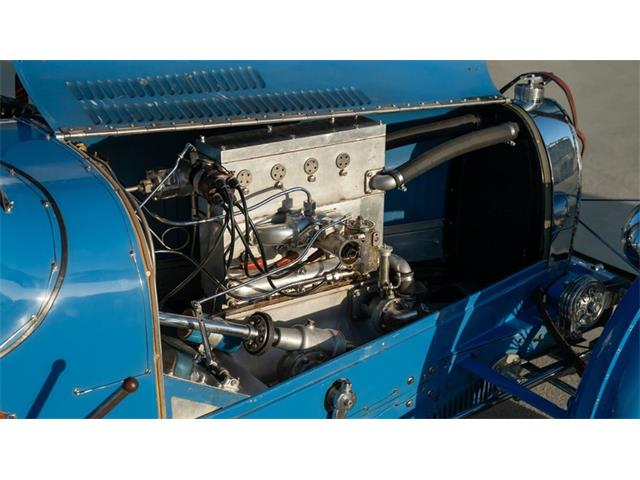
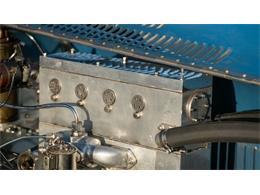
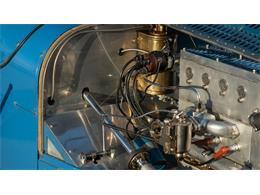
principal distinction being its four-cylinder engine.
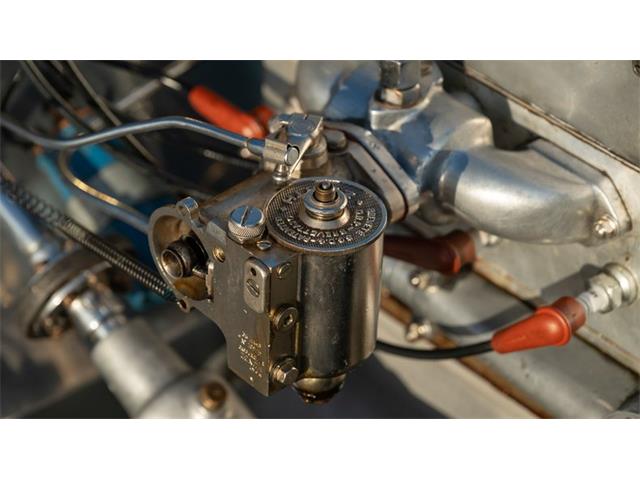
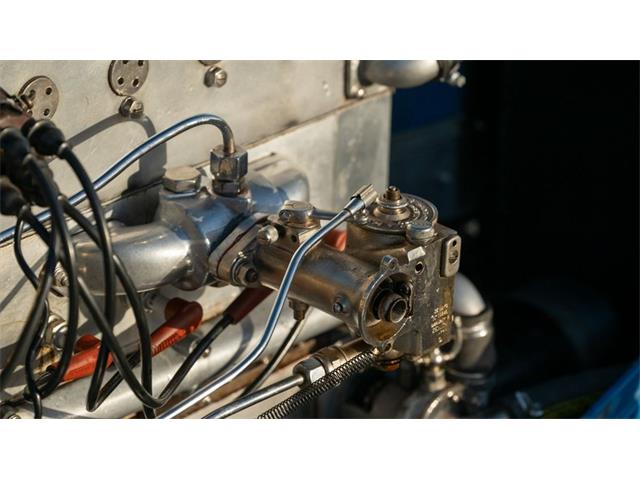
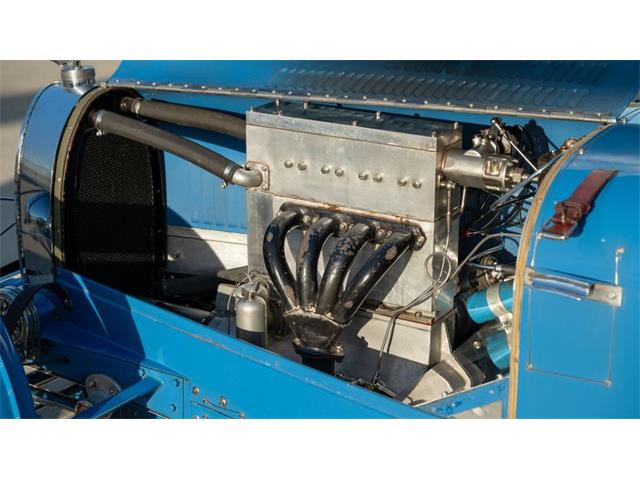
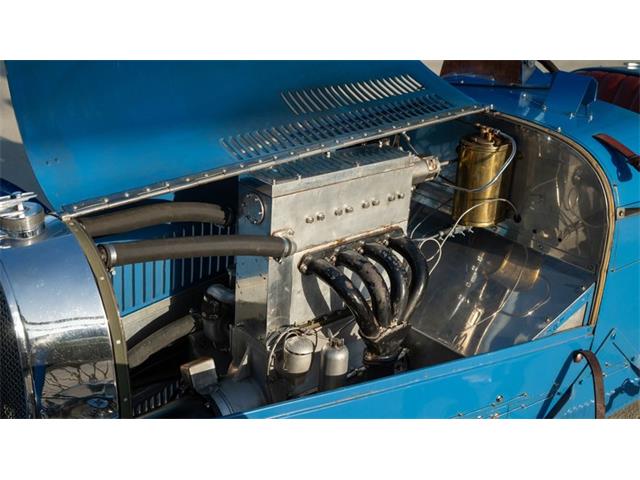
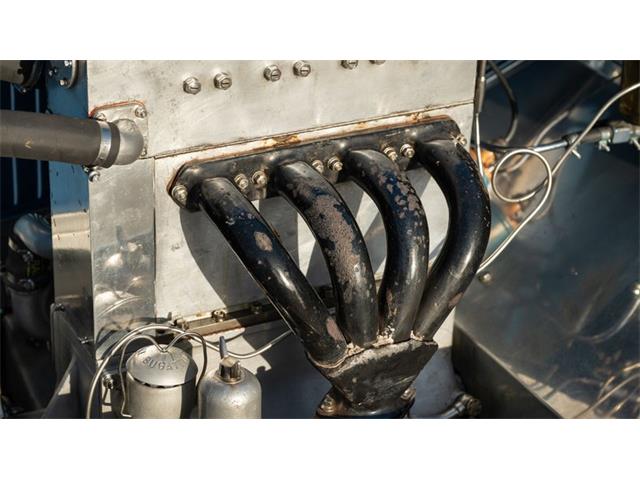
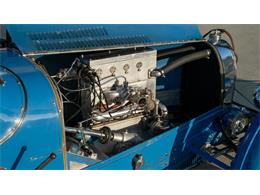
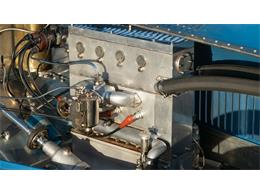
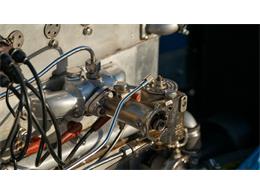
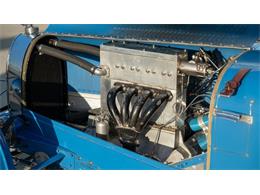
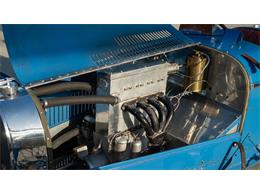
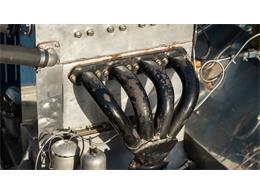
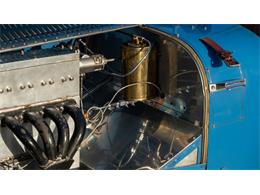
As the Type 35's engine displacement was insufficient, Bugatti
turned instead to the Type 28's straight-eight to develop the Type
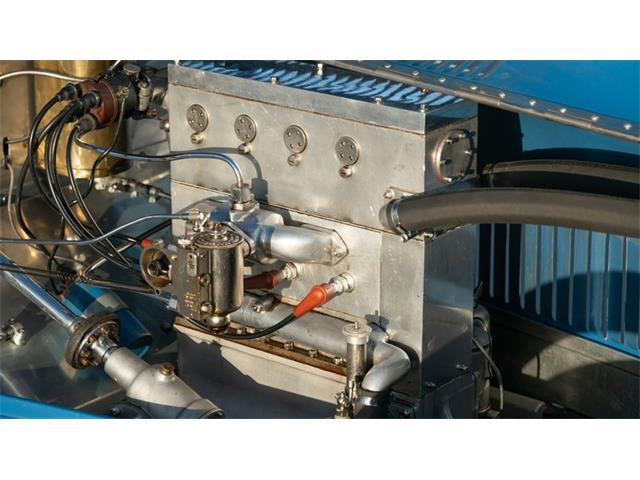
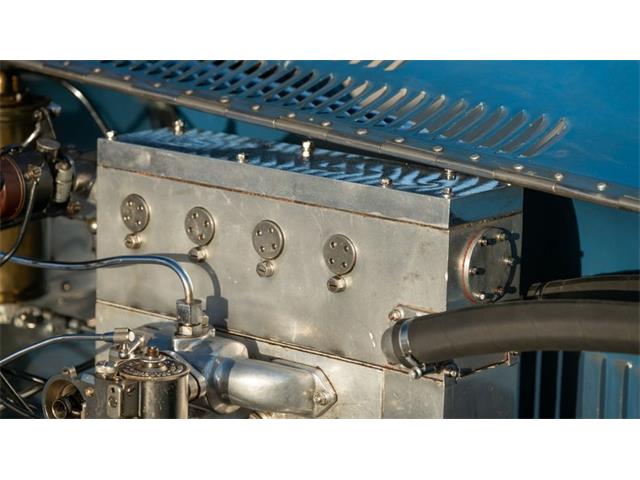
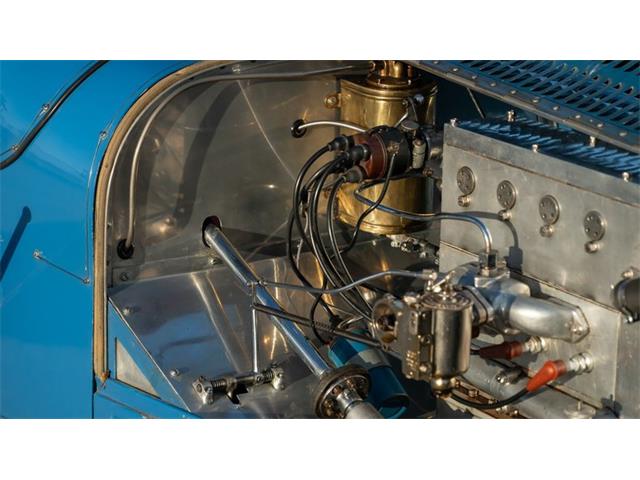
37's four-cylinder unit. With a bore and stroke of 69 by 100 mm, it
displaced 1,496 cc and retained much of the sophistication of its
larger sibling, including overhead camshaft operation and three
valves per cylinder. Developing a healthy 60-horsepower, it
delivered remarkable performance thanks to its compact, lightweight
design. Its exceptional endurance enabled the Type 37 to reach a
top speed of approximately 145 km/h, almost matching the
performance of the Type 35 itself. Introduced to competition in the
1.5-liter category in 1926, the Type 37 succeeded the four-cylinder
Brescia as Bugatti's entry in the class, and it soon established
itself as the dominant force among its contemporaries.
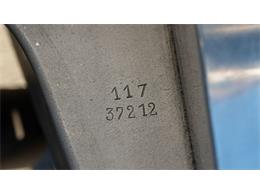
Engine number 117 was assembled at the Molsheim factory in
September 1926, before being installed in chassis number 37212. The
car was then invoiced on 9 October 1926 to Bugatti's Paris agency
at 116, avenue des Champs-�lysees for the sum of 43,750 French
francs.
France's registration system was revised in April 1950, and during
the 1980s the Paris prefecture destroyed the records relating to
registrations issued under the former system. As chassis 37212 was
originally delivered through Bugatti's Paris agency, it was almost
certainly registered in the capital during its early years. Despite
extensive research, no registration record has been identified
elsewhere in France. With those official records lost, the
subsequent history of chassis number 37212 remains quiet until
1958. As a result, its early history is preserved through a handful
of clues, fragments of evidence that allow us to glimpse, rather
than fully reconstruct, its first three decades.
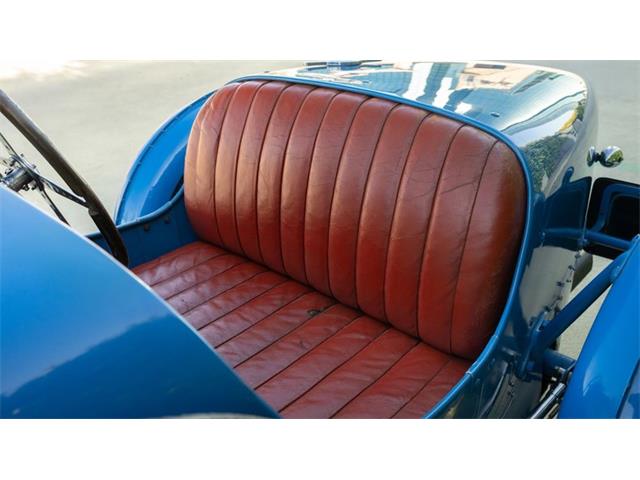
Beneath its coachwork, however, lies a fascinating clue: the
chassis the car carries today is not the Type 37 frame with which
it was originally built, but a Type 35B or Type 35C chassis dating
from autumn 1930. Whether this chassis was fitted to 37212 when new
by the Factory in 1930, or whether it was installed later in its
life after having already seen service in another automobile,
remains uncertain.
The documented story resumes in 1958. Bugatti enthusiast and
"Bugatti hunter" Antoine Raffaelli of Marseille is said to have
sold chassis number 37212 to the renowned Belgian Bugatti agent
Jean de Dobbeleer in Brussels. At that time, the car was fitted
with the Type 35B/35C chassis it retains today and existed without
coachwork.
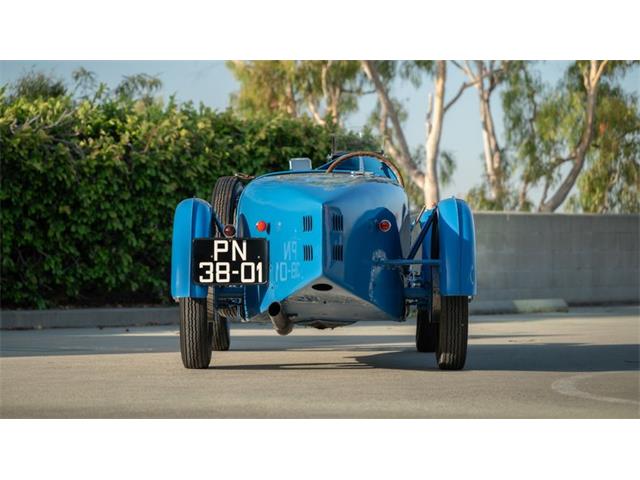
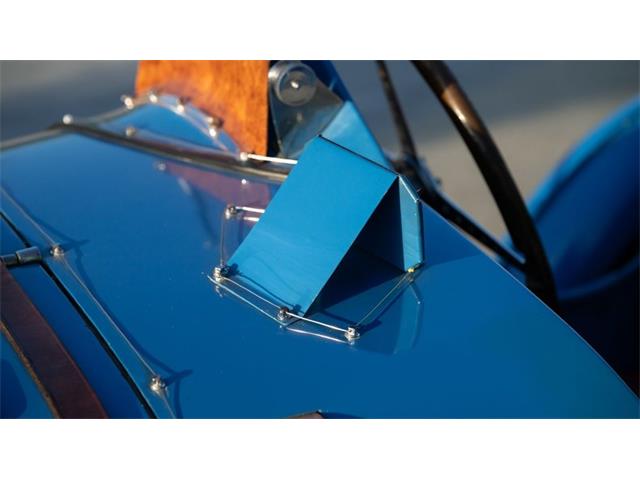
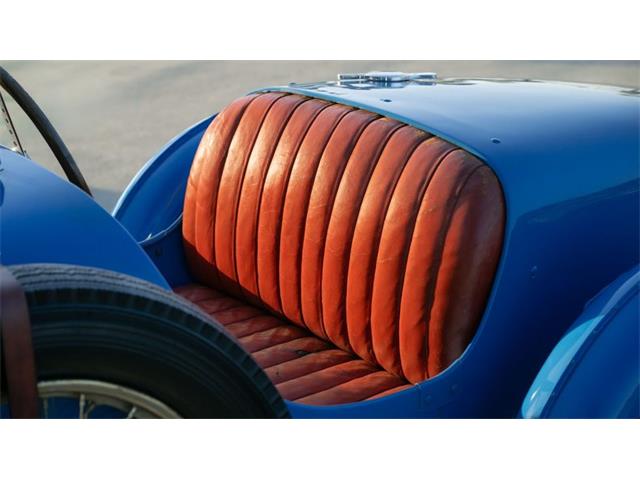
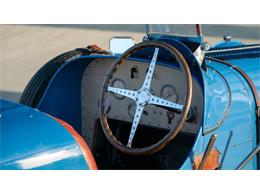
A new body is said to have been commissioned directly from Fran�ois
Seyfried, then head of the factory's spare parts department at
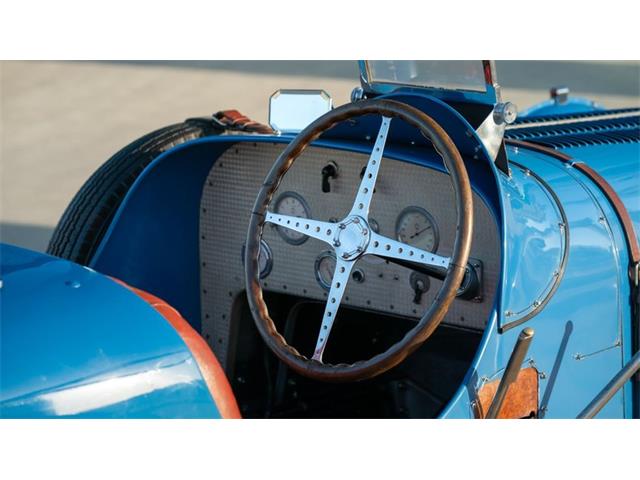
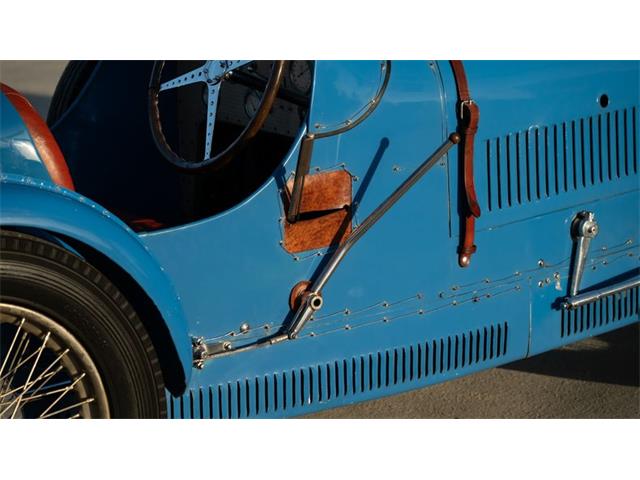
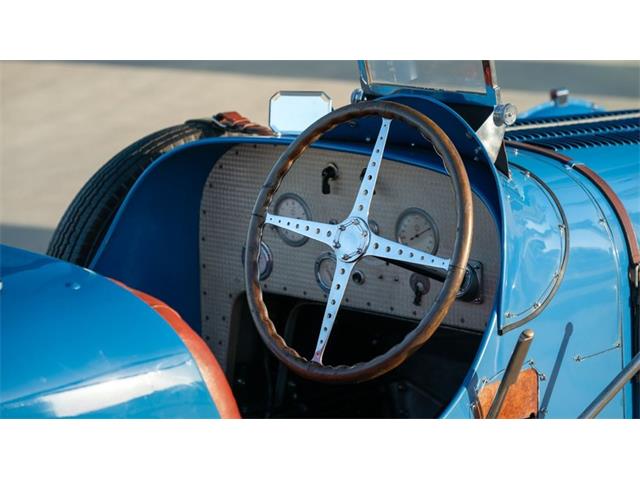
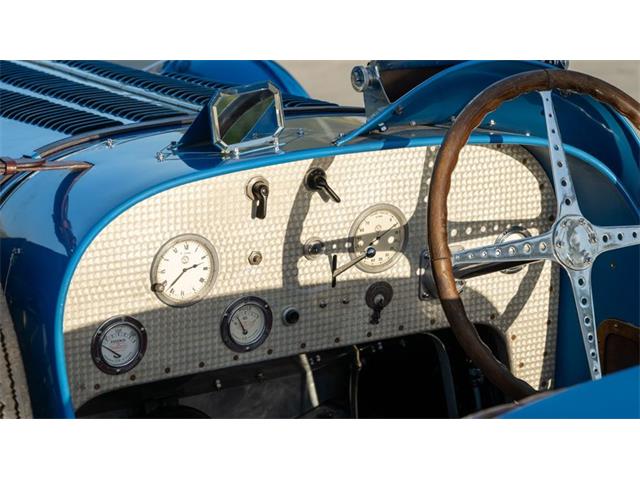
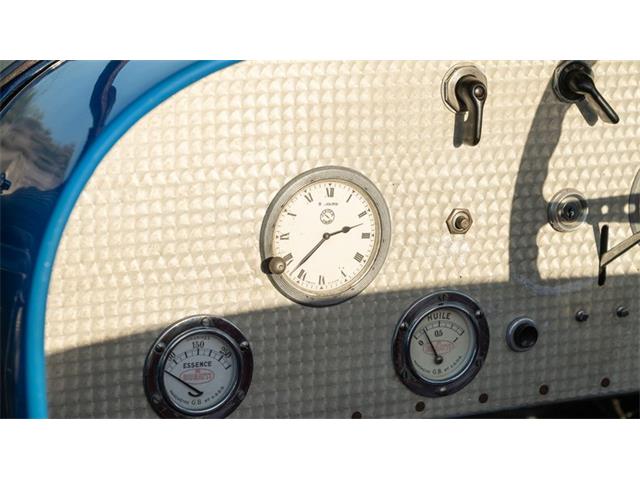
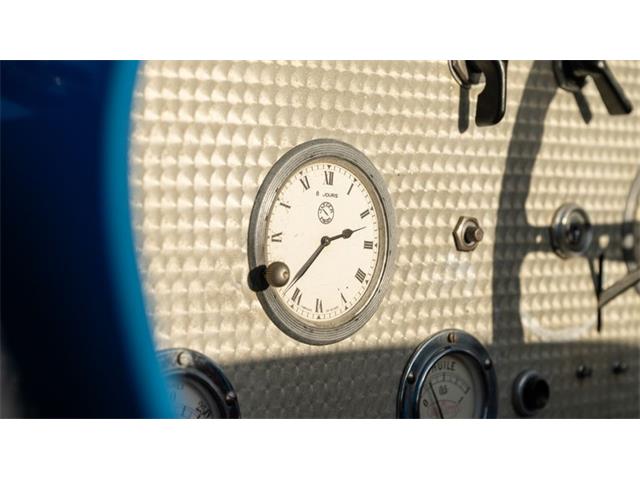
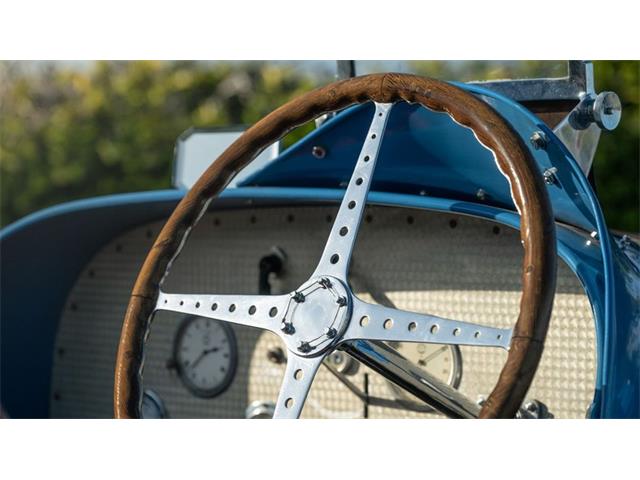
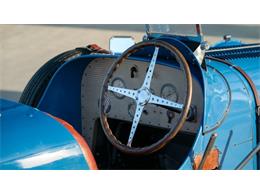
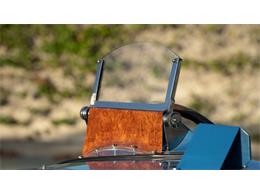
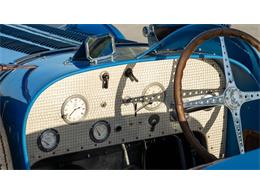
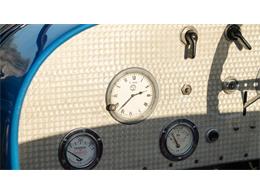
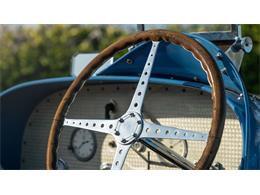
Molsheim. The dashboard also appears to have been replaced after
photographs were taken in Jean de Dobbeleer's workshop in Belgium
in 1958; those period photographs are included in the history
file.
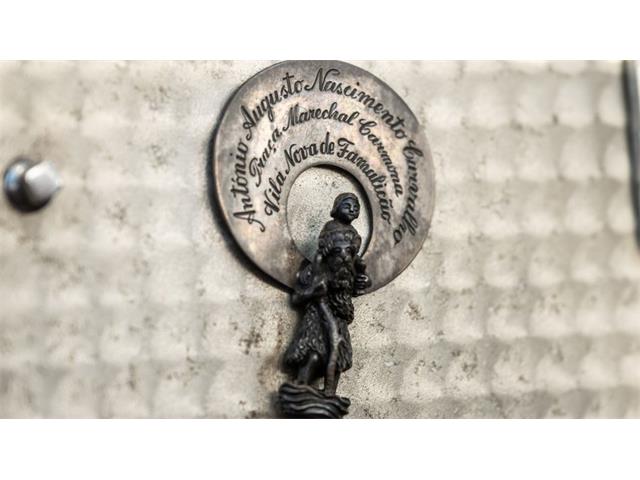
Chassis 37212 appears to have joined its next family of ownership
soon afterward, likely in 1959. Acquired from de Dobbeleer through
an intermediary named Tchamkerten by A. Carvalho, it would remain
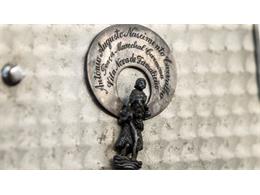
in the same family for more than six decades. The car still retains
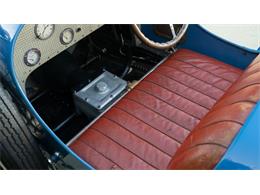
its finely crafted dashboard plaque, engraved: "Antonio Augusto
Nascimento Carvalho Pra�a Marechal Carmona Vila Nova de
Famalic�o".
The first published record of the car appears in the H.C.G. Conway
Bugatti Register, printed in 1962 following the extraordinary
years-long worldwide research effort that gathered information on
approximately 1,200 Bugattis. Chassis 37212 was listed as a Grand
Prix model, with no engine number recorded, and was registered as
belonging to A.N. Carvalho of Vila Nova de Famalic�o, Portugal.
Previous owners were noted as Dobbeleer and Tchamkerten.
For a brief period, the car was displayed at the Museu do Caramulo,
according to Tiago Gouveia, the museum's current curator. Founded
by his grandfather Jo�o de Lacerda, the museum played a pioneering
role in Portugal's preservation of historic automobiles. Jo�o de
Lacerda and C. Carvalho belonged to the country's first small
circle of collectors and began exhibiting historic vehicles to the
public as early as 1959. Among Carvalho's extensive collection,
37212 was the sole Bugatti.
Sold in the same Portuguese town sixty years later to Jose Campos
Costa, the car was soon acquired by a well-known US based collector
and imported in 2022 into the United States, where a new chapter in
its history began.
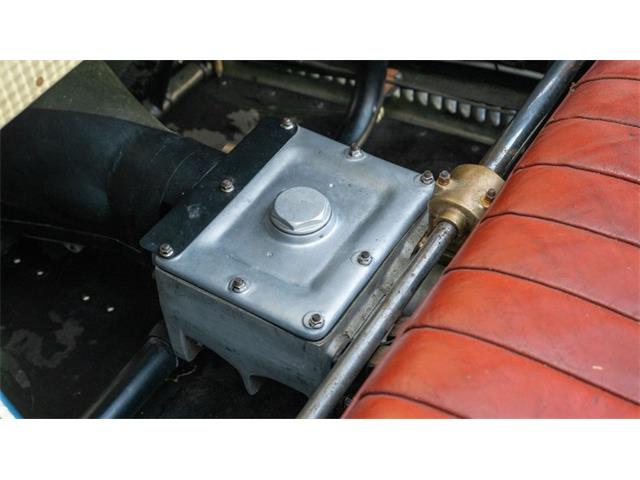
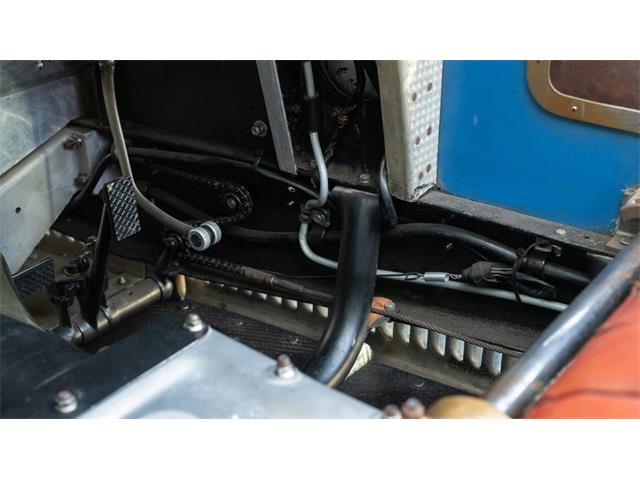
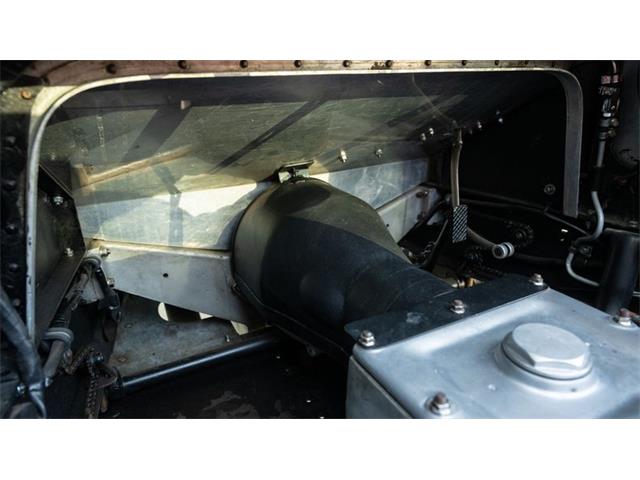
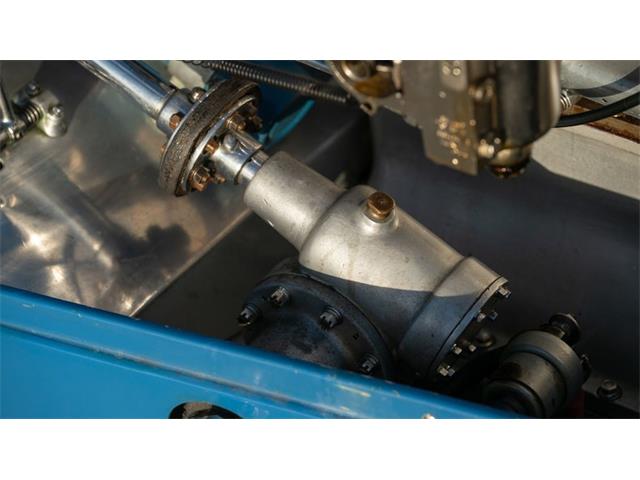
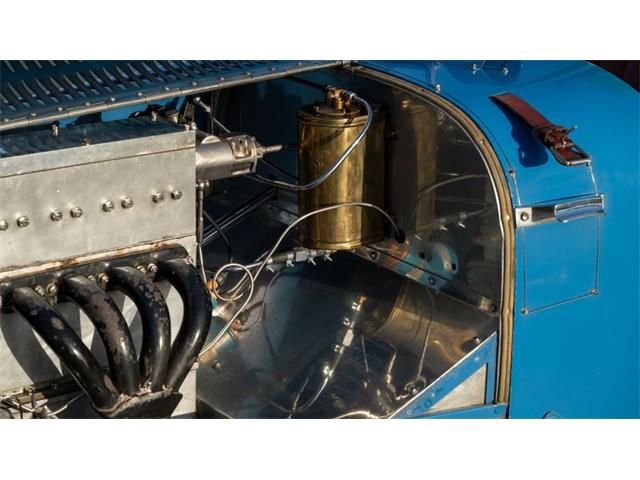
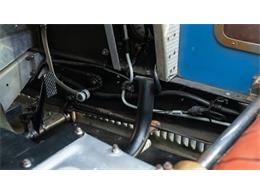
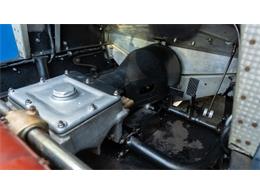
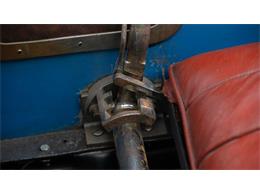
Following its arrival, it benefited from a series of carefully
considered mechanical improvements. These included the installation
of a new correct Pur Sang Grand Prix four-speed manual gearbox,
together with a new torque arm and associated shift linkage
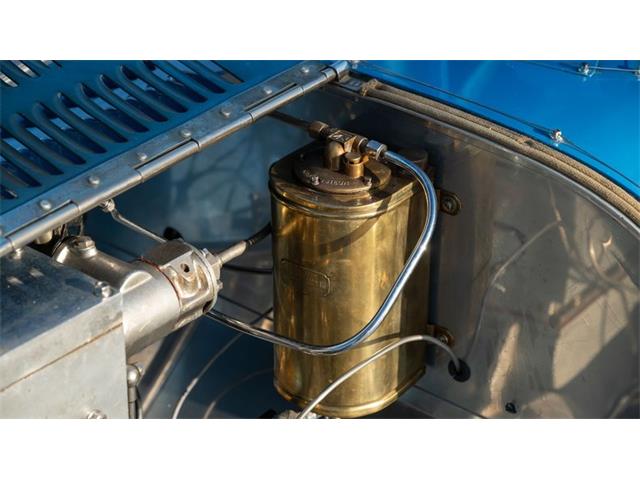
components fitted in 2024. Additional components sourced from
Gentry Restorations in the United Kingdom included new fuel lines
and wiring, a new propeller shaft, and a new rear driveshaft
complete with universal joints. The car may nevertheless benefit
from further mechanical attention prior to undertaking any long
rallying or touring events.
The Laugier report further confirms that the Bugatti retains many
of its principal original mechanical components. It is still fitted
with its original solid front axle, numbered 235, and its original
rear axle, stamped 226 with a 14 � 54 drive ratio, both
identification numbers fall within the expected production
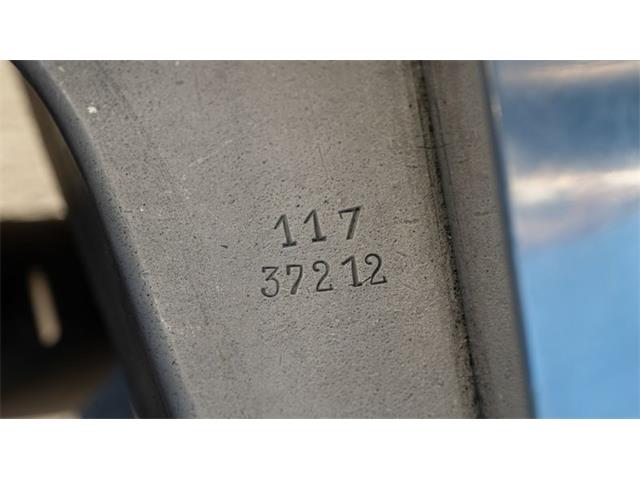
sequence. The engine also retains its original pair of crankcases,
each bearing assembly number 84 on various components, while the
rear left arm of the lower crankcase carries the characteristic
Molsheim stamping 37212 117.
"Considering the car had very few owners since 1958, and was not
modified, apart from being improved by getting back an original
Grand Prix gearbox and a new body, it is a good example of an easy
Bugatti racing car to drive," concludes Bugatti historian and
marque authority Pierre-Yves Laugier in the report accompanying the
car.
As with many of the greatest prewar automobiles, chassis number
37212 retains an element of discovery; while its documented history
is both fascinating and substantial, its earliest chapters remain
open to further exploration. One of the most sought-after Grand
Prix Bugattis produced at Molsheim, the Type 37 remains an ideal
entrant for the world's leading historic racing events and touring
rallies, offering its next custodian the opportunity to experience
one of Ettore Bugatti's finest creations exactly as it was
intended.
ClassicCars.com has been recognized as one of the fastest-growing private companies in the United States, successfully making the Inc. 5000 list in both 2015,
2016, 2017 and 2018. This prestigious accolade represents the continued growth of the company, and ClassicCars.com's dominance as the world's largest online marketplace for
buying and selling classic and collector vehicles.
The Stevie Awards, the world's premier business awards recognized
ClassicCars.com's first-class Customer Support team with a Stevie Bronze Award in 2019, celebrating the team's skills as exemplary customer support specialists.
In 2016 The Journal, brought to you by ClassicCars.com, was celebrated as the SECOND MOST INFLUENTIAL automotive blog in the world by NFC Performance.