This vehicle has been soldThis vehicle is no longer available for sale on ClassicCars.com. Please set an alert if you would like to be notified as soon as similar vehicles become available.
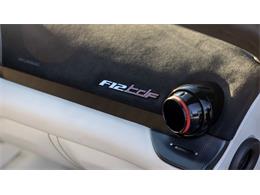
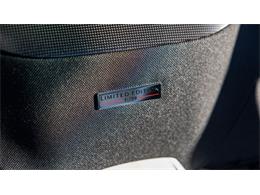
For Sale at Auction: 2017 Ferrari F12tdf in Carmel, California
When Ferrari unveiled the F12tdf in October 2015, its name evoked
the Tour de France Automobile, the grueling multi-day contest of
circuit races, hillclimbs, and road stages that Ferrari's 250 GT
berlinettas dominated through the late 1950s and early 1960s.
Olivier Gendebien alone took three consecutive victories from 1957
to 1959, and the long-wheelbase 250 GT berlinetta proved so
successful in the event that the model became known, unofficially
but indelibly, as the "Tour de France"-a car that could be driven
to the race, campaigned flat out for days on end, and driven home
again.
It is this dual-purpose ethos that the F12tdf was built to honor.
Conceived as a front-engined V12 car equally suited to the road and
the circuit, it channeled the spirit of those competition
berlinettas through thoroughly modern engineering, and Ferrari
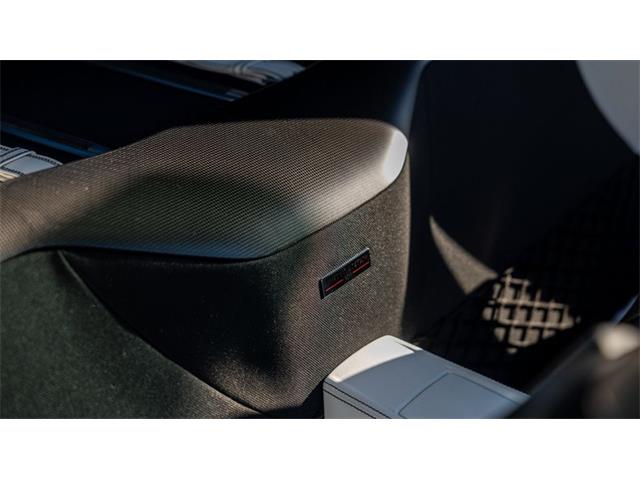
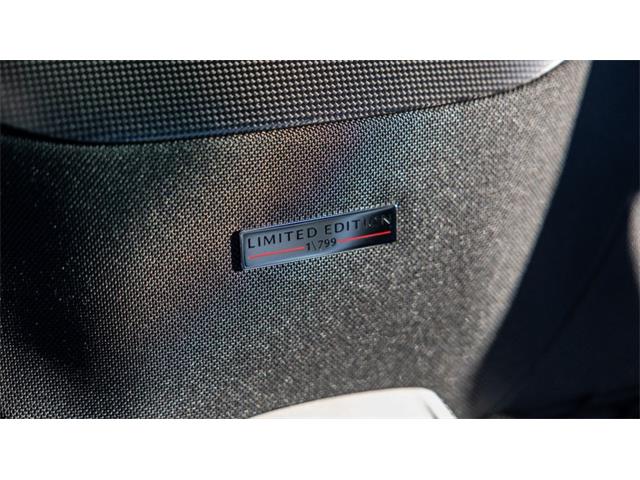
limited production to just 799 examples. Derived from the
F12berlinetta, it is also significant as the last Ferrari styled in
collaboration with Pininfarina, closing a partnership that had
defined the marque's road cars for more than six decades.
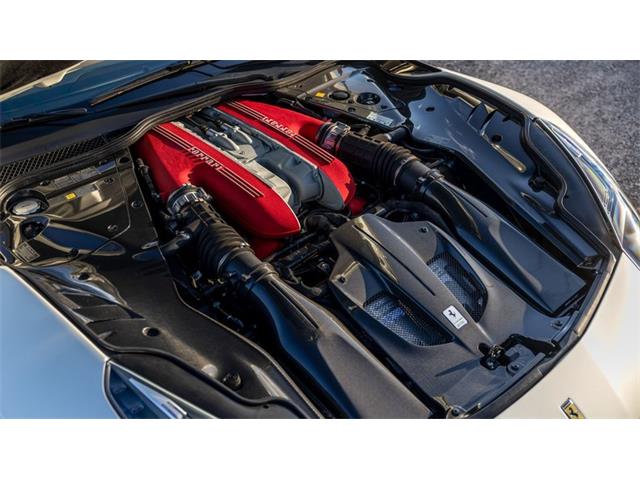
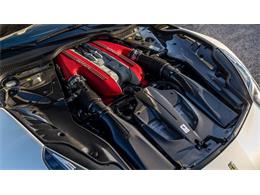
Power comes from the 6.3-liter naturally aspirated V12, revised
with solid tappets, a larger throttle body, and variable-length
intake runners to produce 769 horsepower at 8,500 rpm on the way to
an 8,900-rpm redline. At its introduction, it was the most powerful
naturally aspirated V12 offered in any non-hybrid production car.
The rest of the package was reworked with equal intent. Ferrari
shed some 243 pounds through extensive use of carbon fiber, fitted
wider 275-section front tires, and introduced its first
rear-wheel-steering system, the Passo Corto Virtuale or "virtual
short wheelbase," to harness the resulting front-end grip.
Downforce rose by a claimed 87 percent, the dual-clutch gearbox
gained shorter ratios and quicker shifts, and the result was a
Fiorano lap time a full two seconds quicker than the standard
F12berlinetta.
According to its original window sticker, chassis 221753 was
imported through Port Newark, New Jersey, for delivery via Ferrari
of Central New Jersey in Edison. Its first owner specified the car
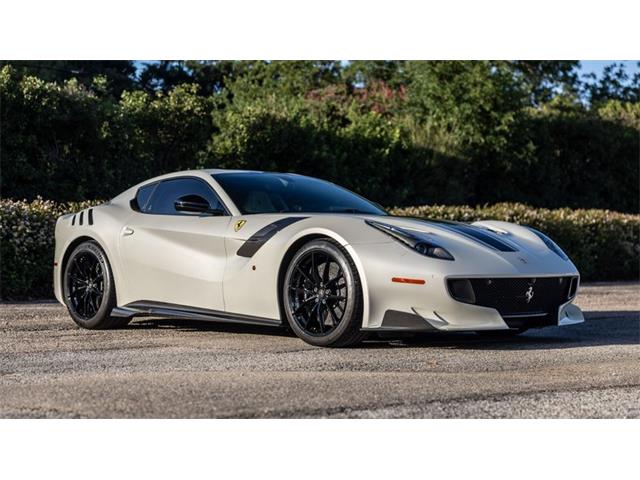
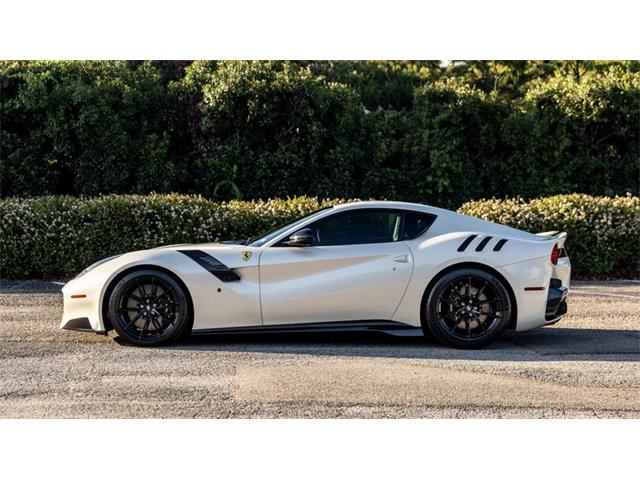
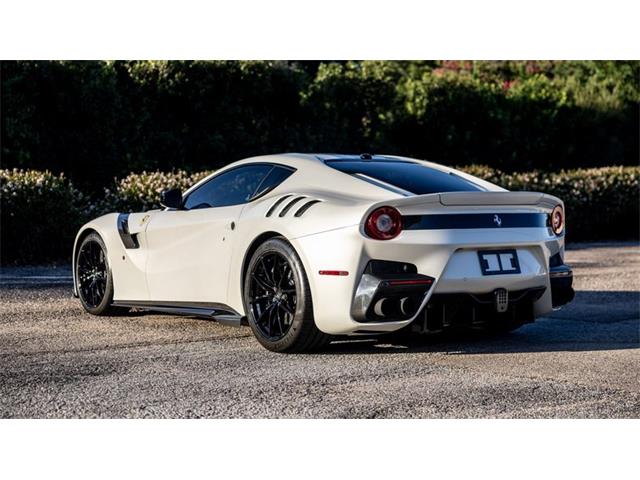
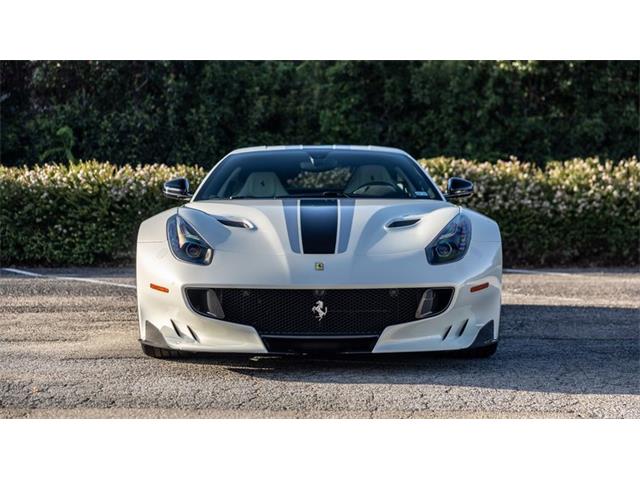
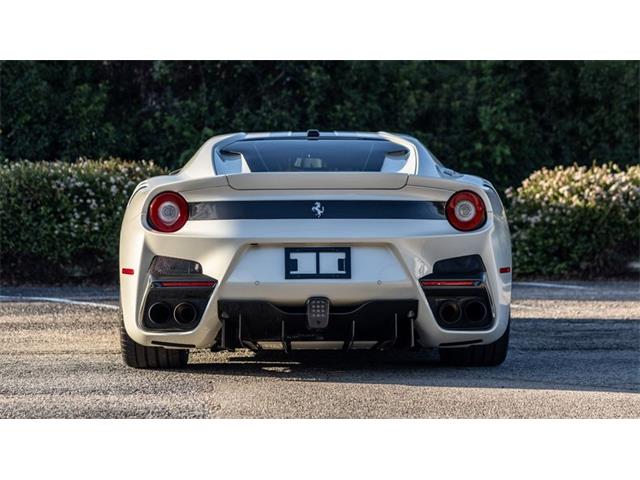
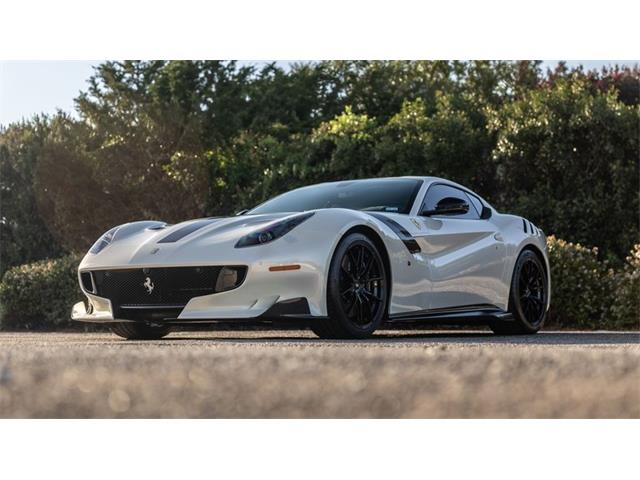
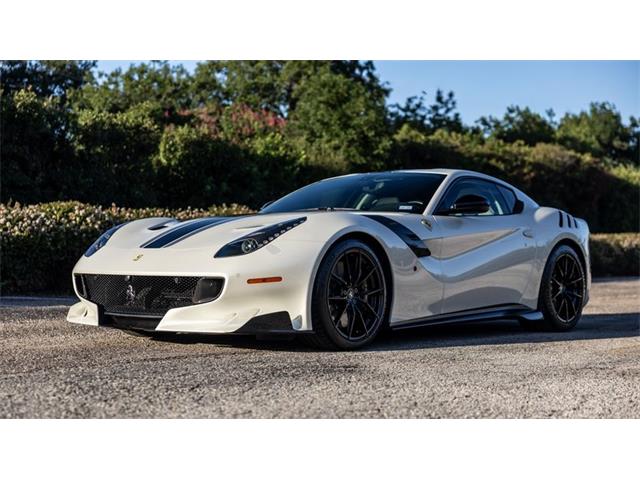
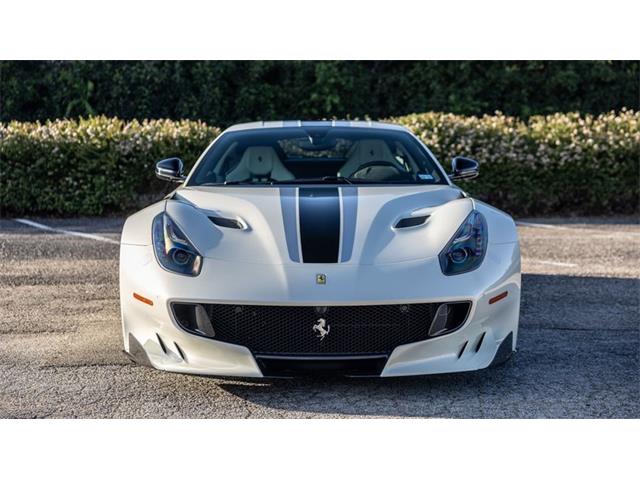
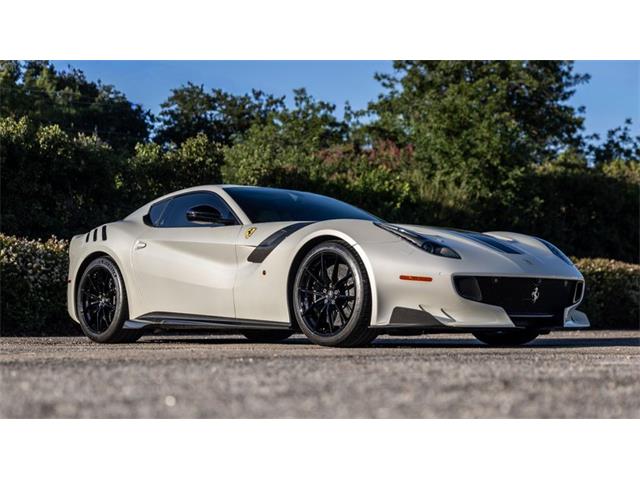
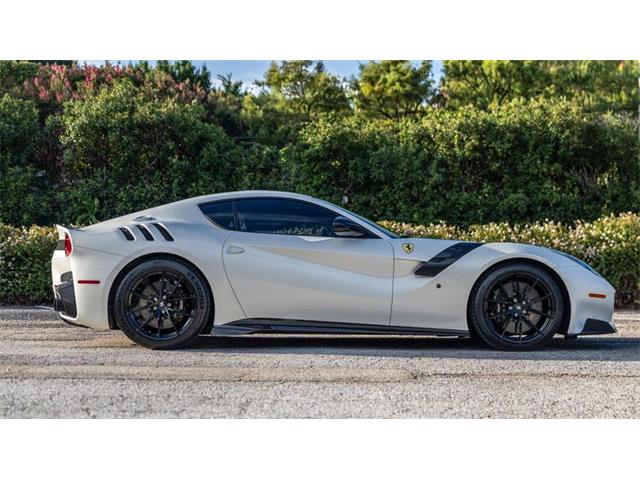
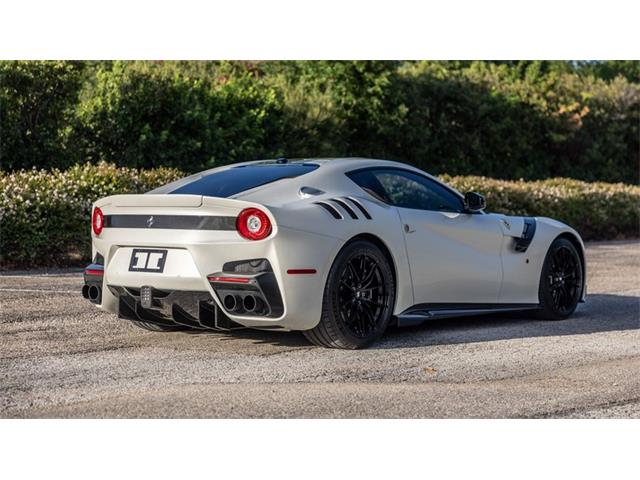
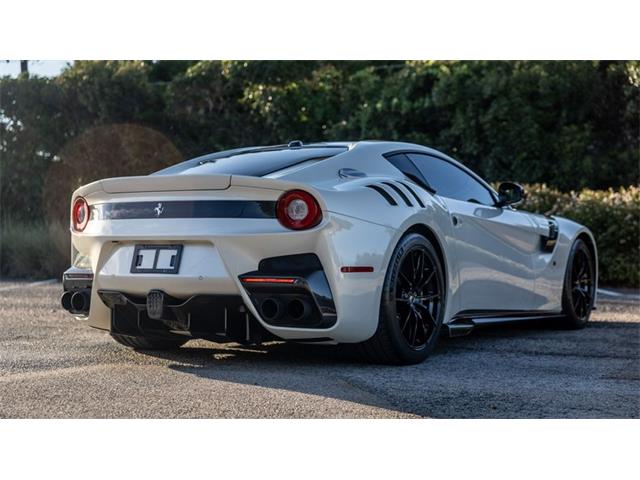
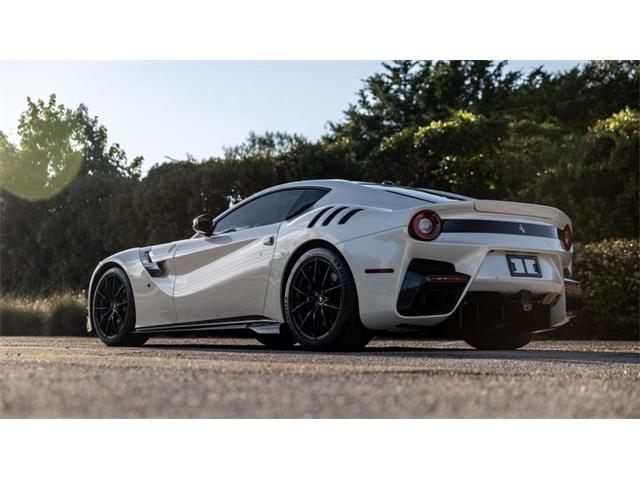
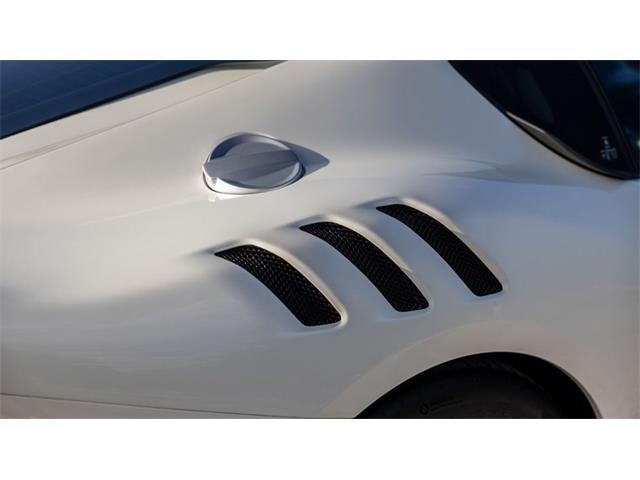
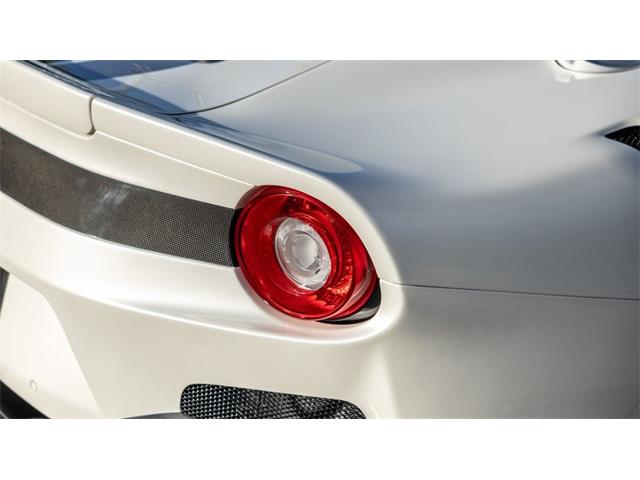
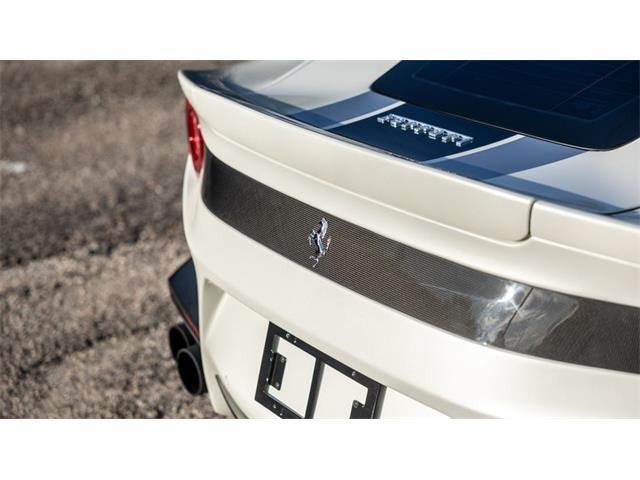
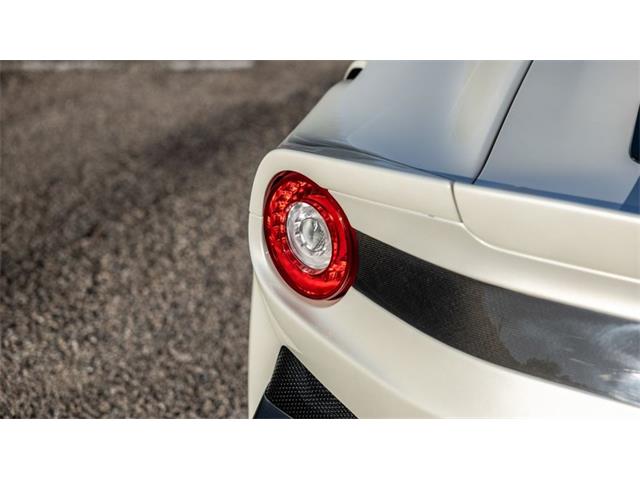
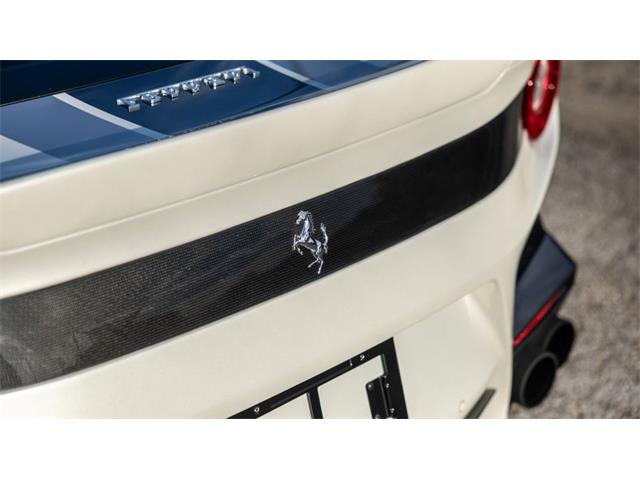
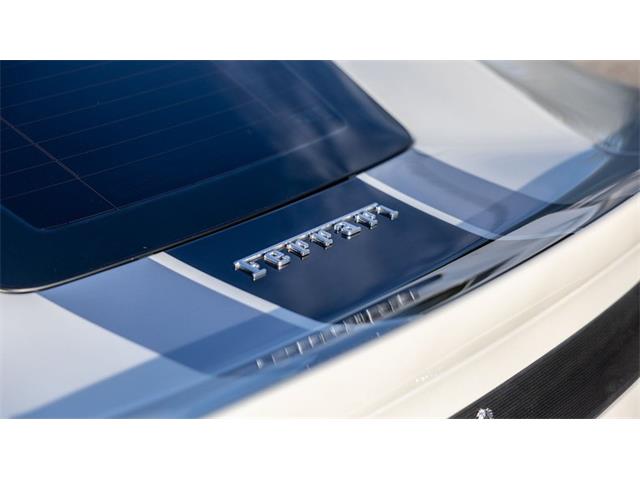
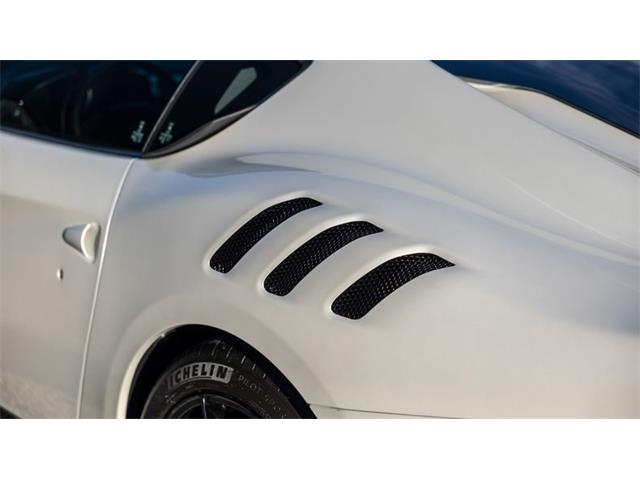
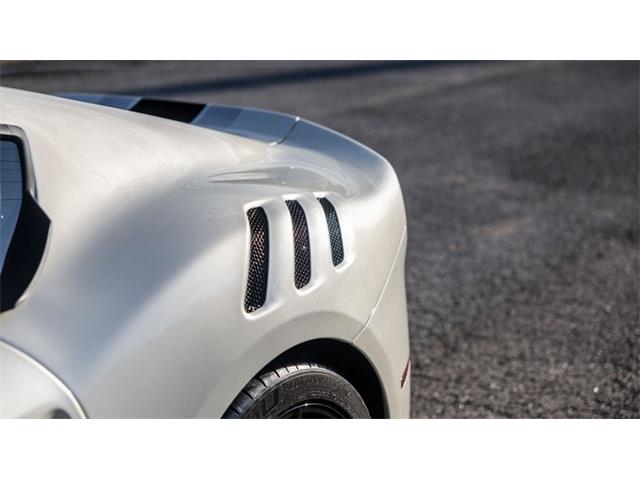
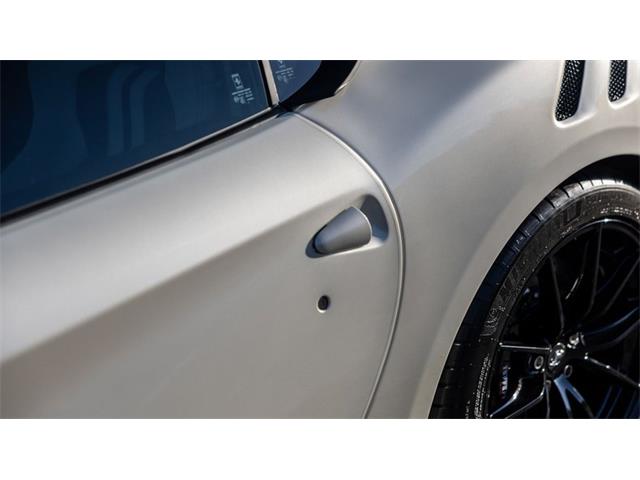
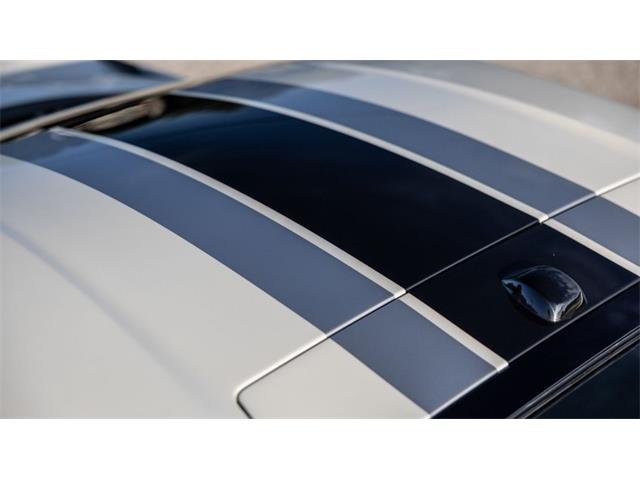
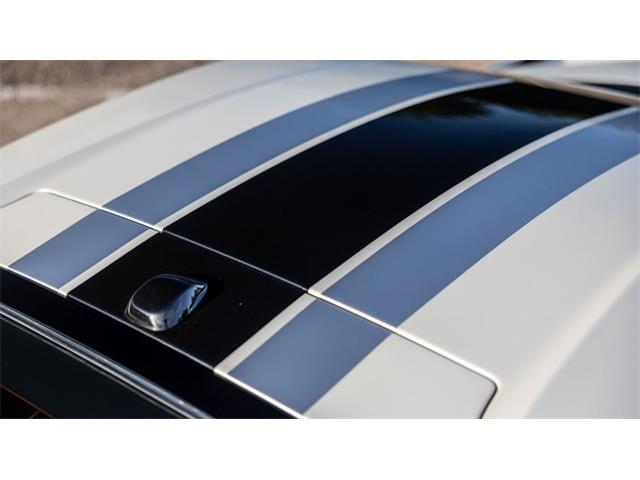
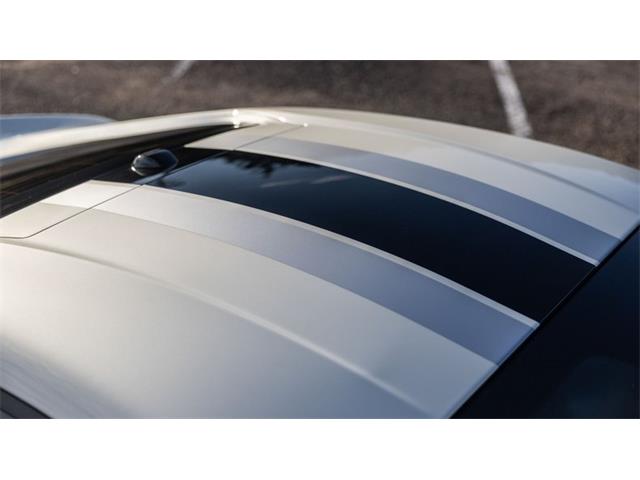
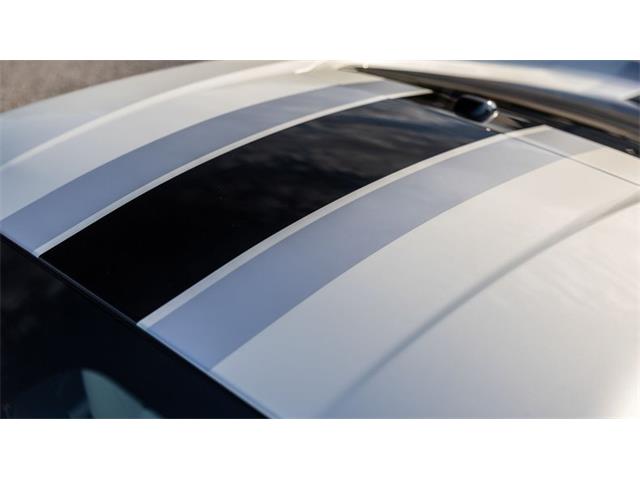
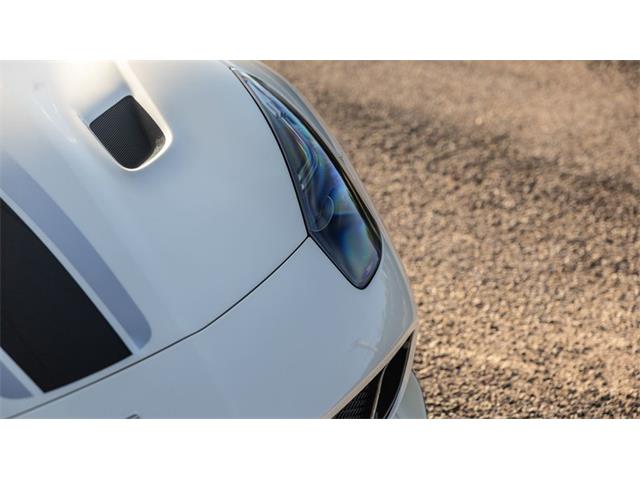
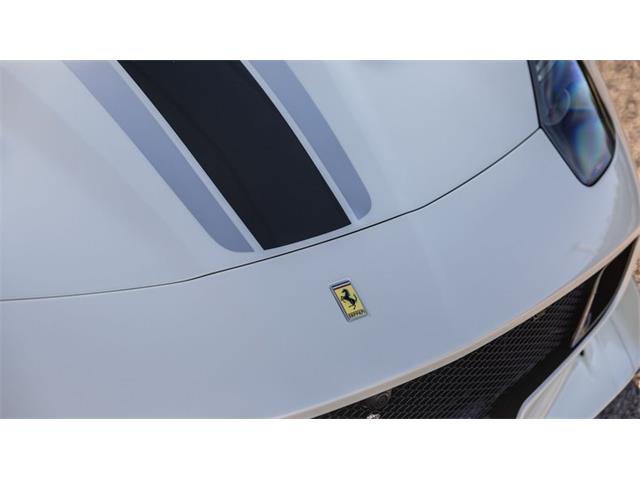
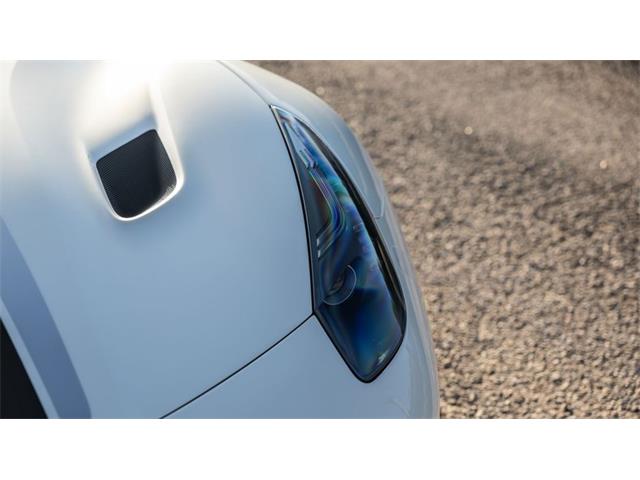
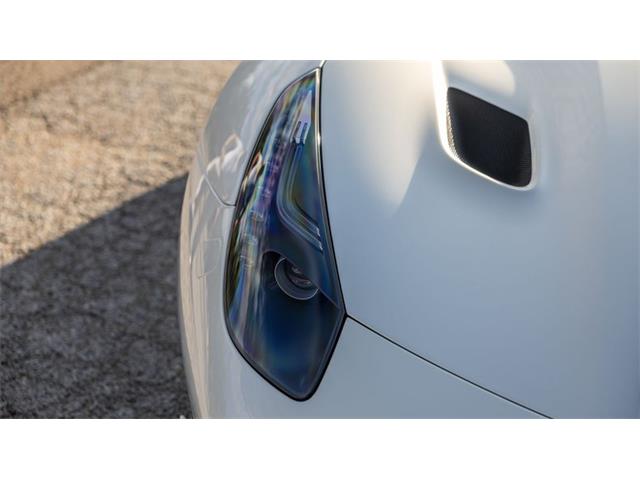
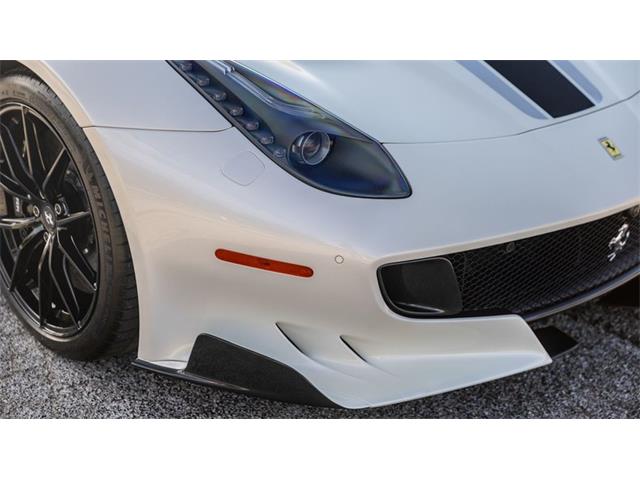
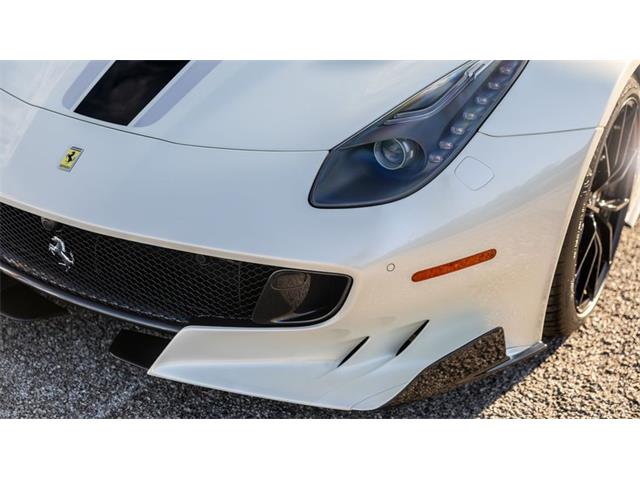
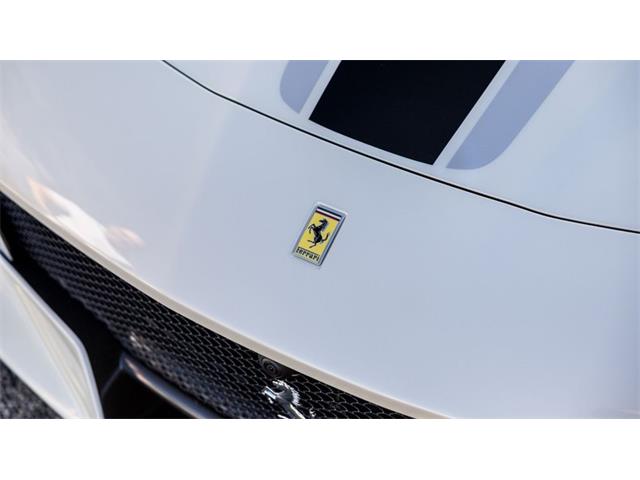
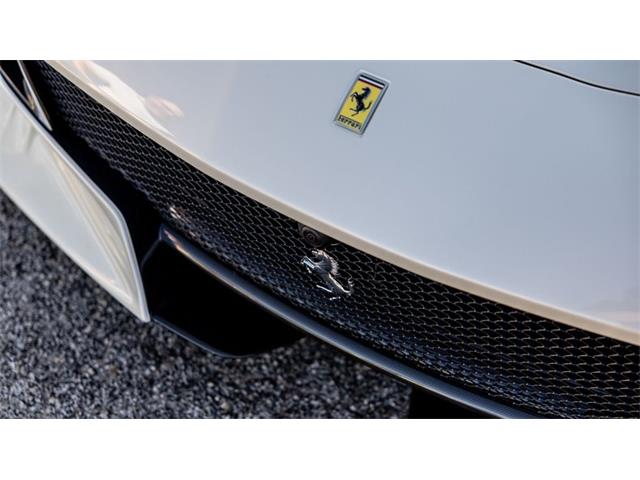
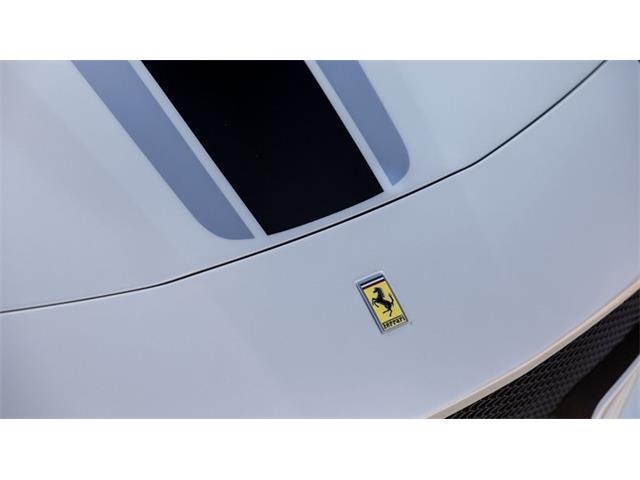
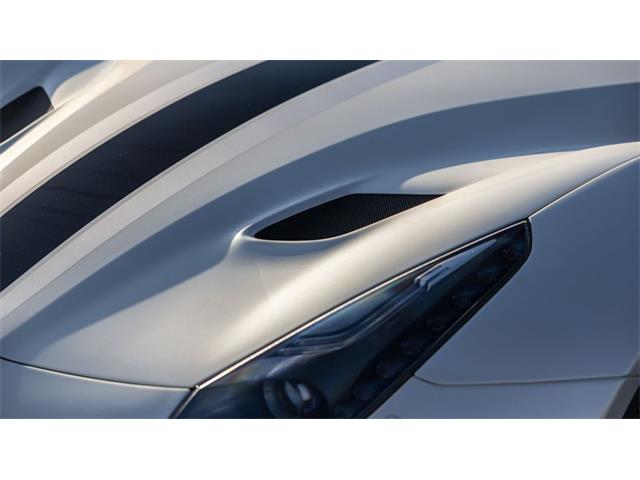
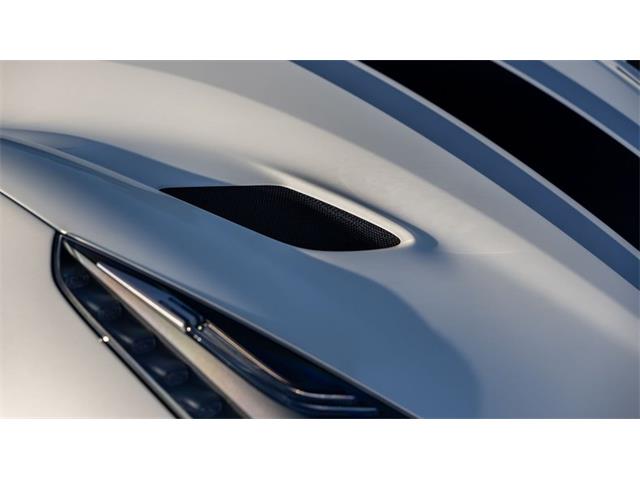
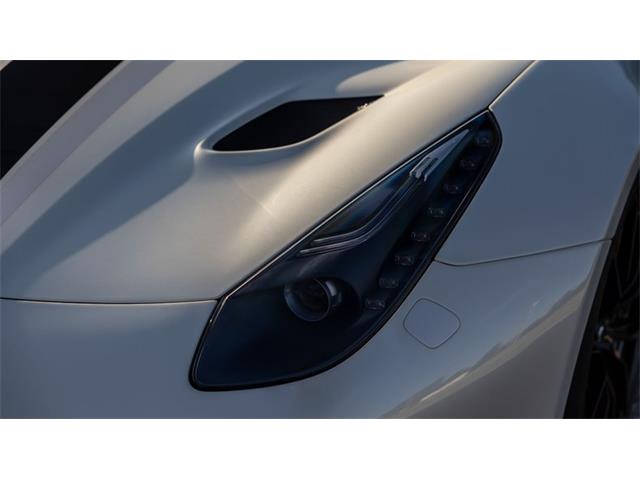
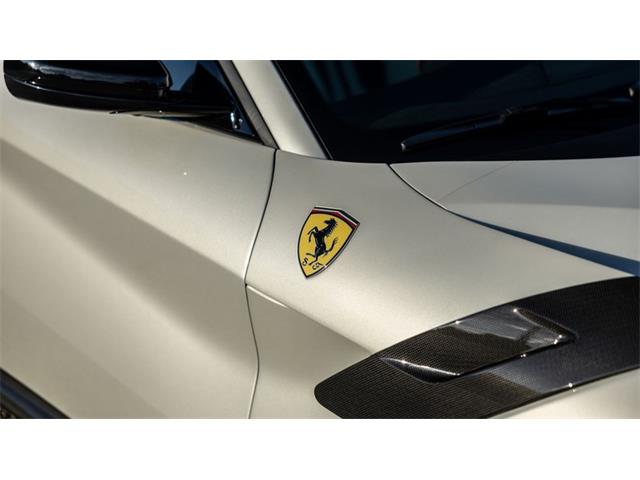
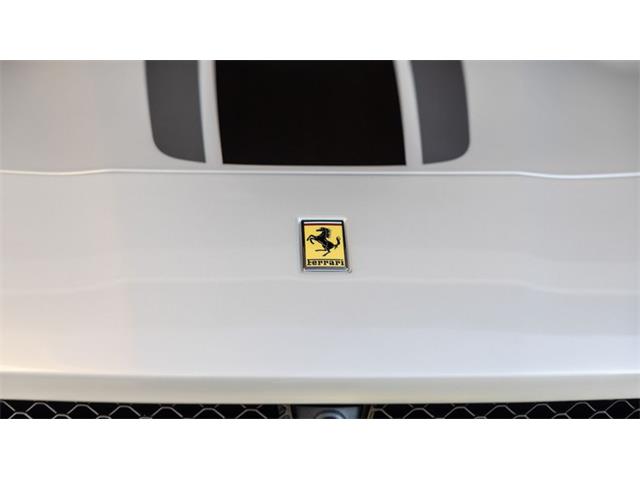
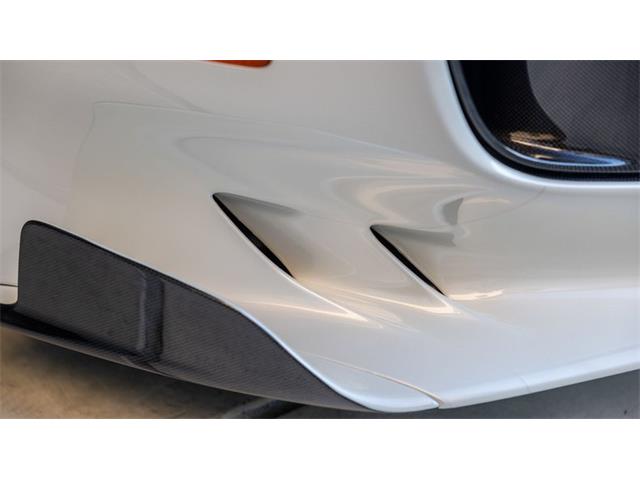
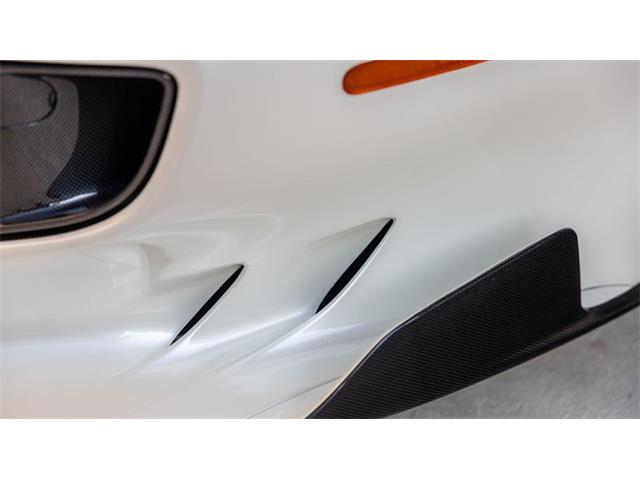
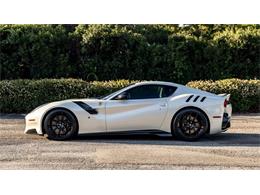
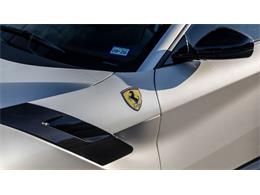
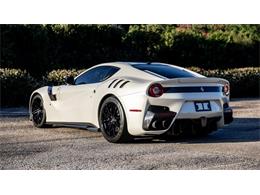
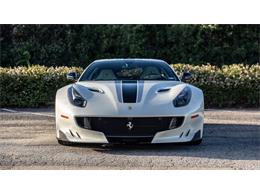
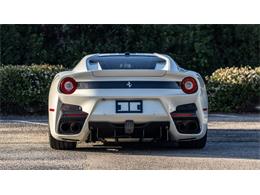
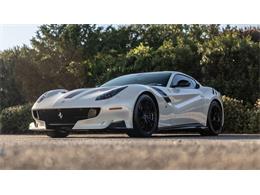
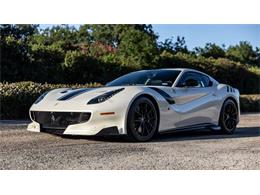
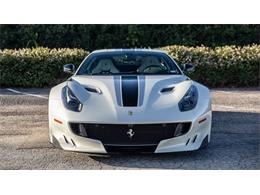
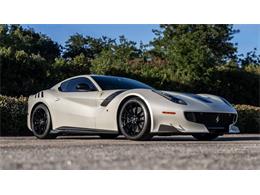
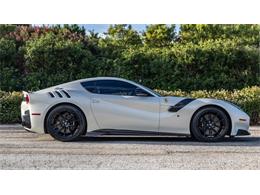
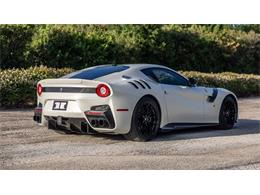
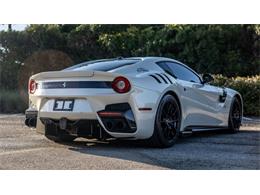
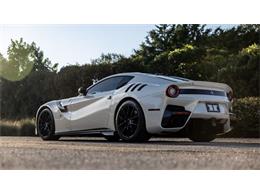
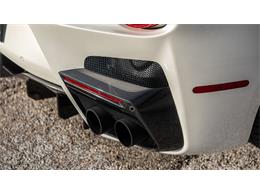
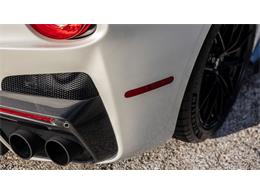
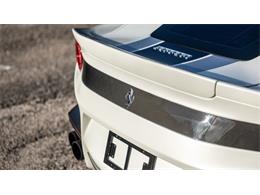
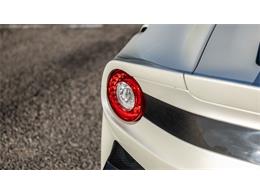
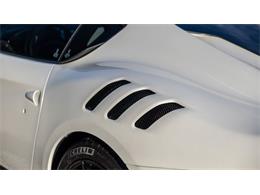
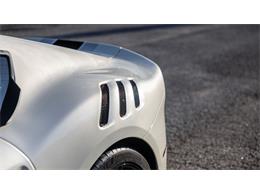
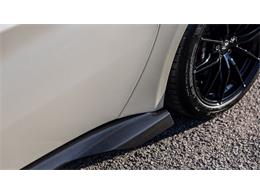
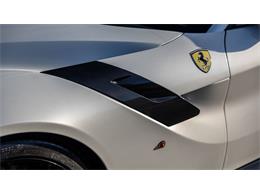
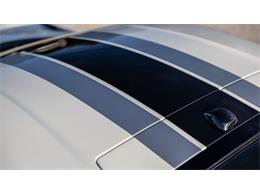
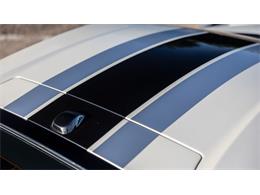
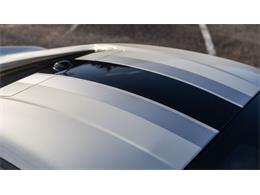
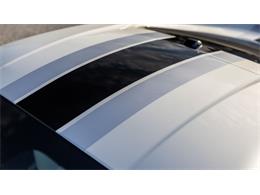
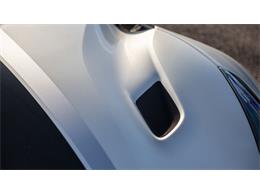
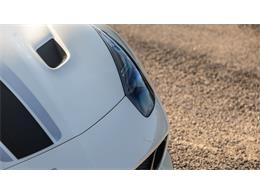
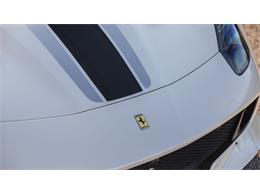
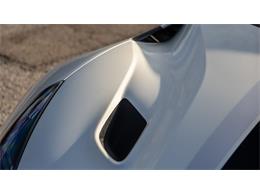
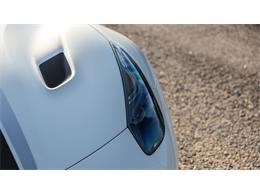
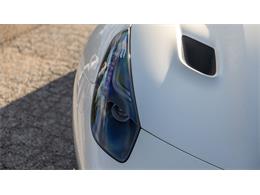
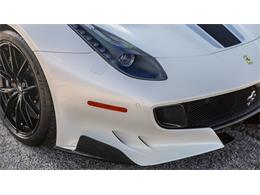
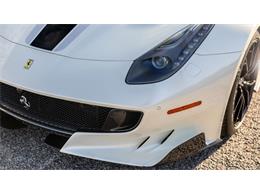
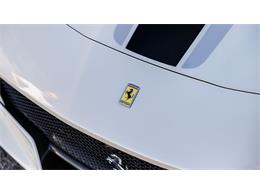
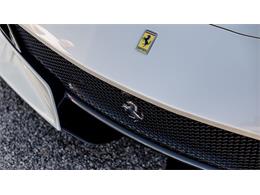
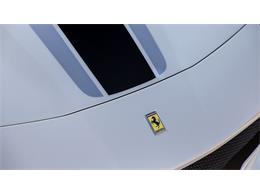
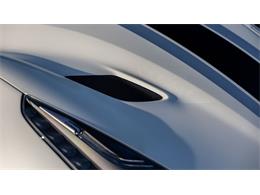
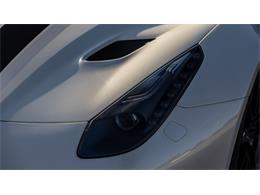
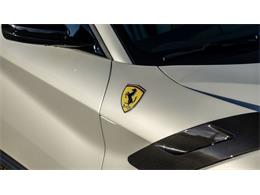
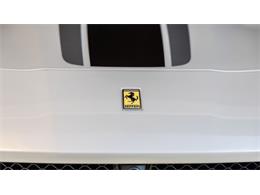
generously from the factory options list. The crisp Bianco Italia
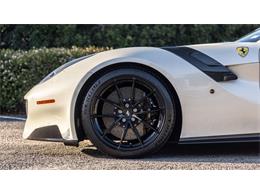
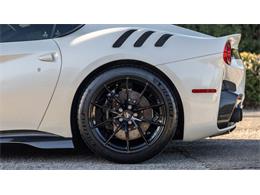
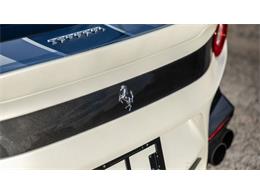
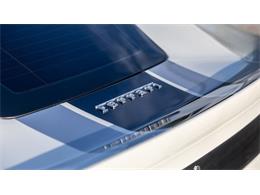
paintwork is sharpened by a racing stripe in Argento N�rburgring,
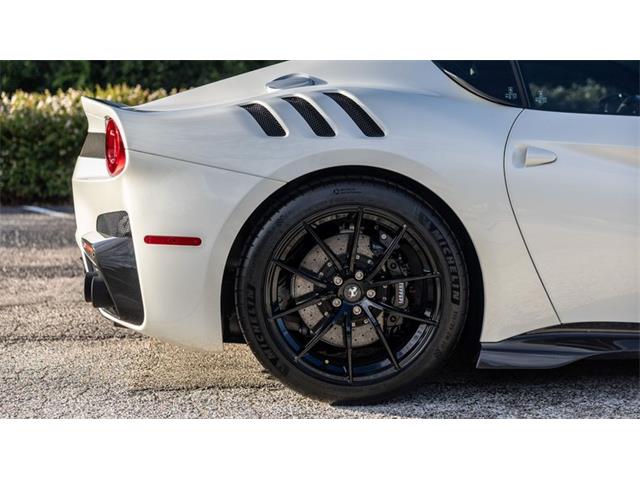
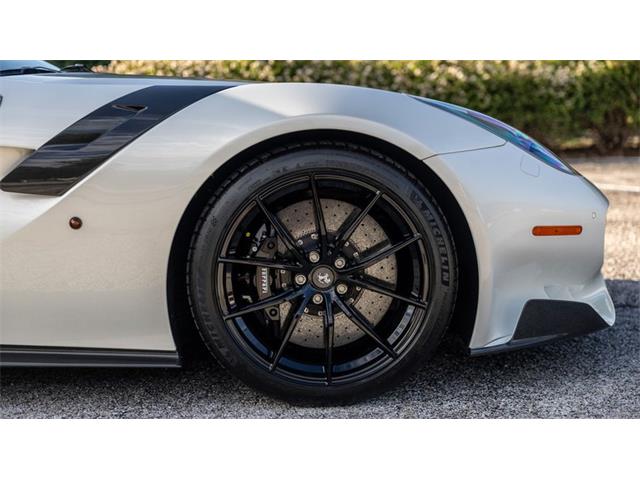
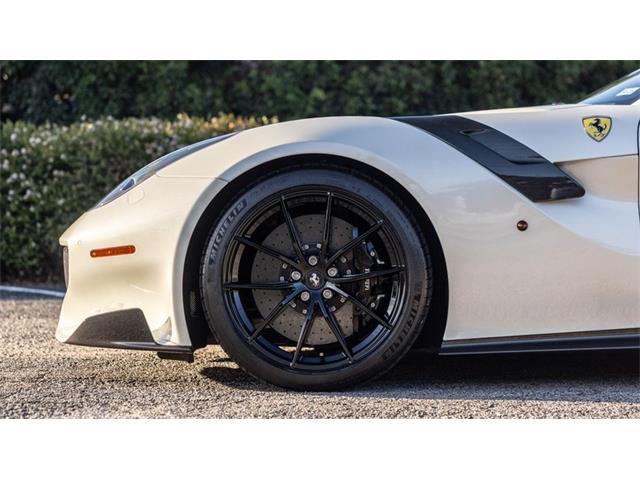
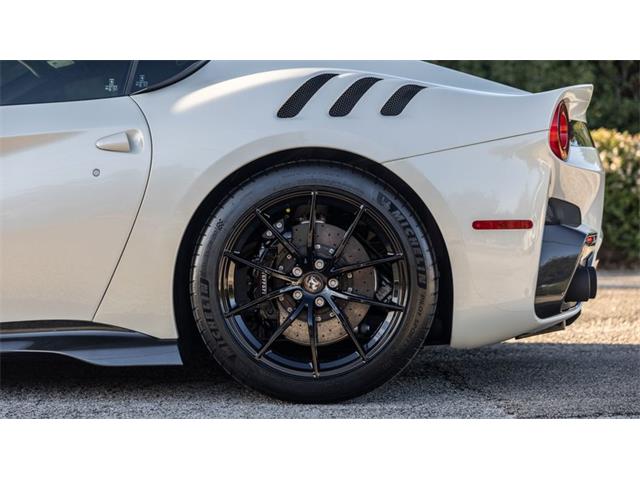
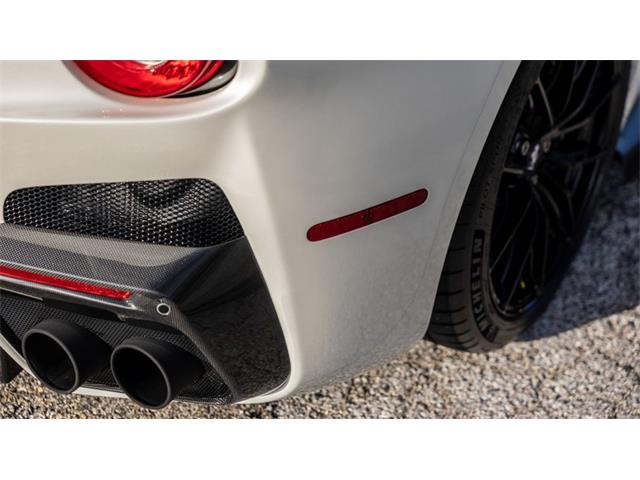
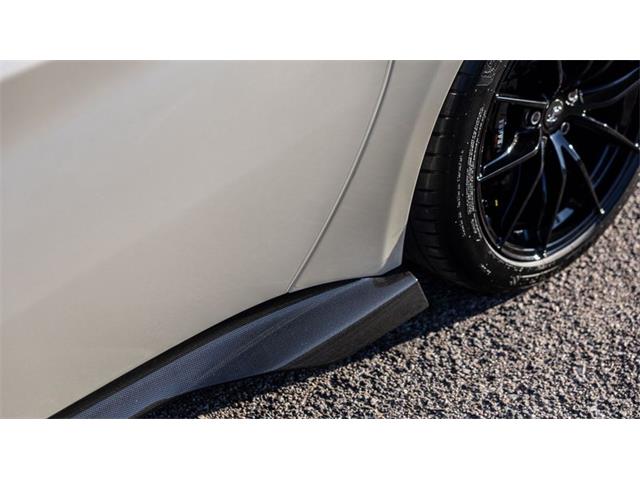
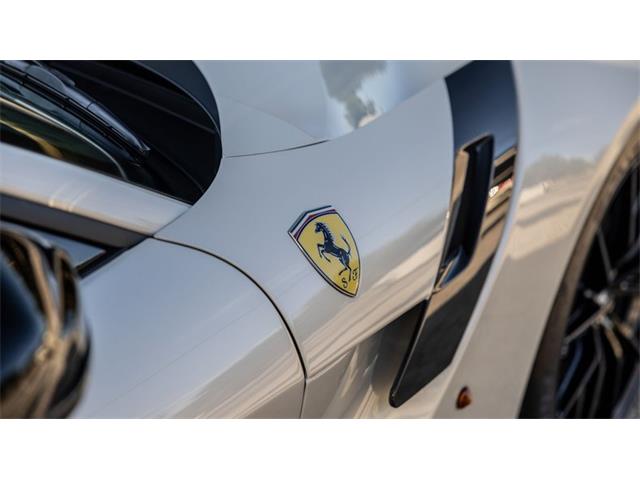
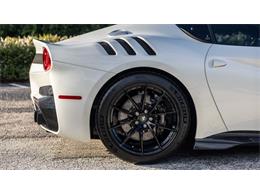
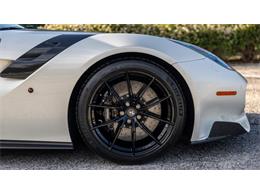
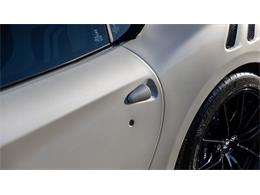
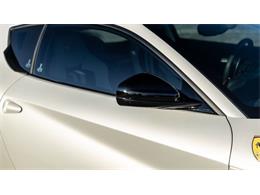
while wheels finished in glossy black with carbon fiber hub caps
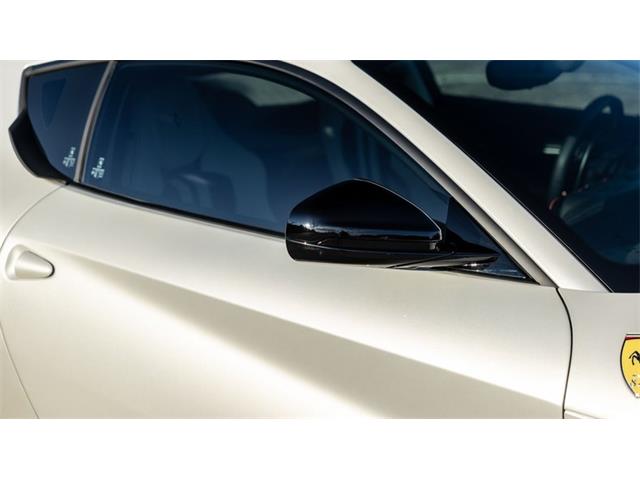
and lower mirror caps in matching glossy black lend the exterior an
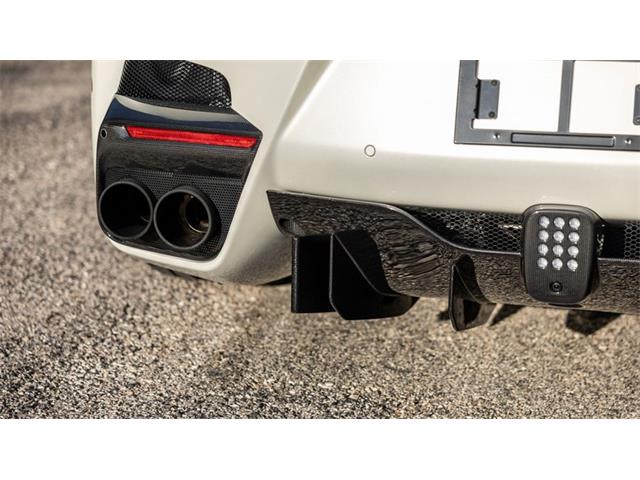
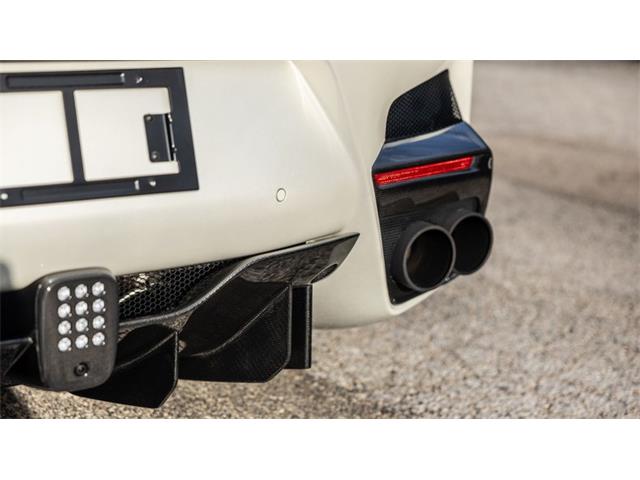
aggressive yet sophisticated presentation. Nero brake calipers and
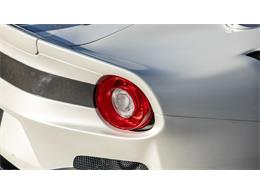
carbon fiber fog lamps continue the theme, and the specification is
complemented by the AFS adaptive front lighting system, a sport
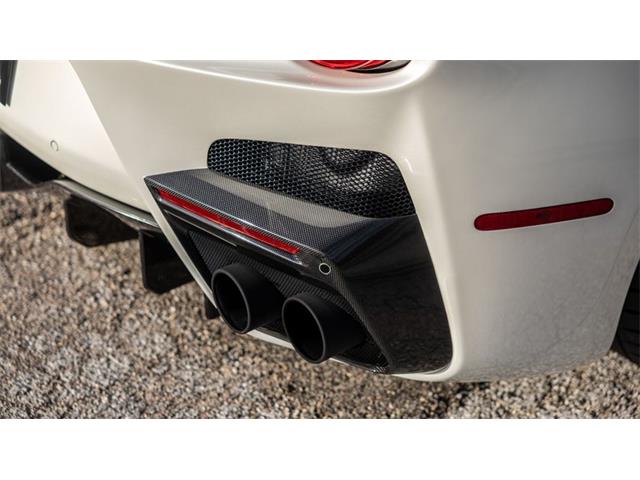
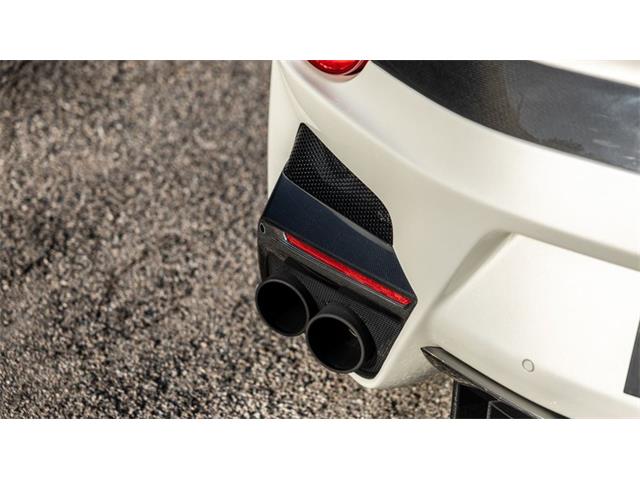
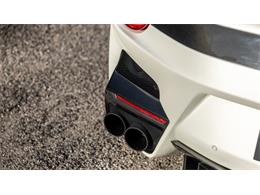
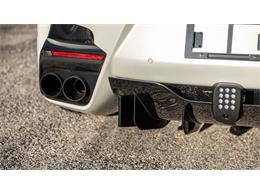
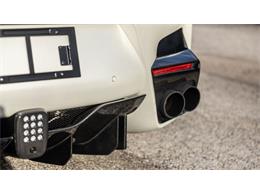
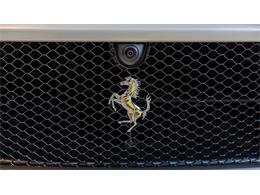
exhaust system to give the V12 fuller voice, front and rear parking
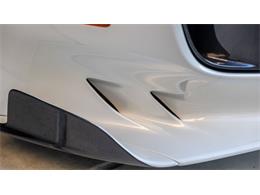
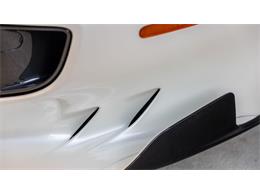
cameras, and a suspension lifter to ease the front splitter over
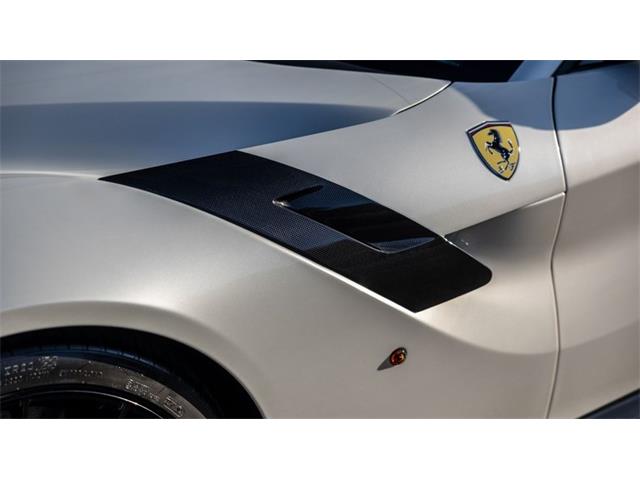
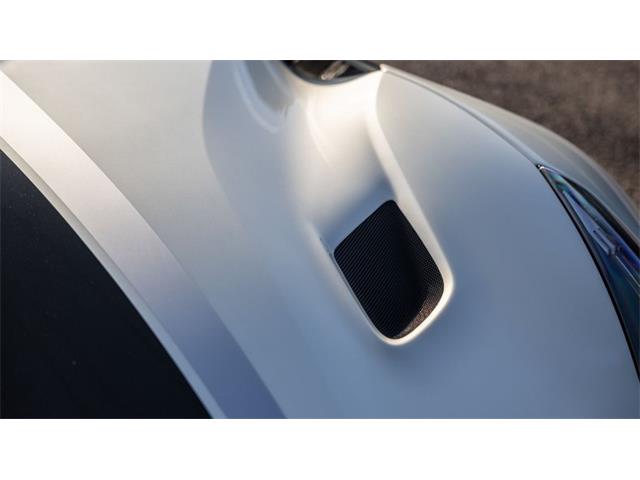
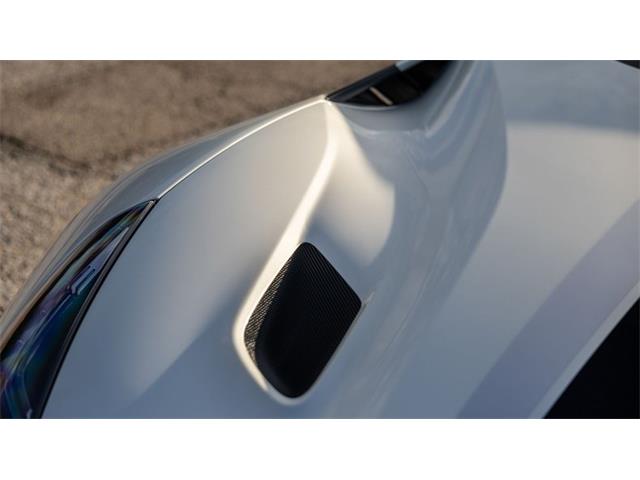
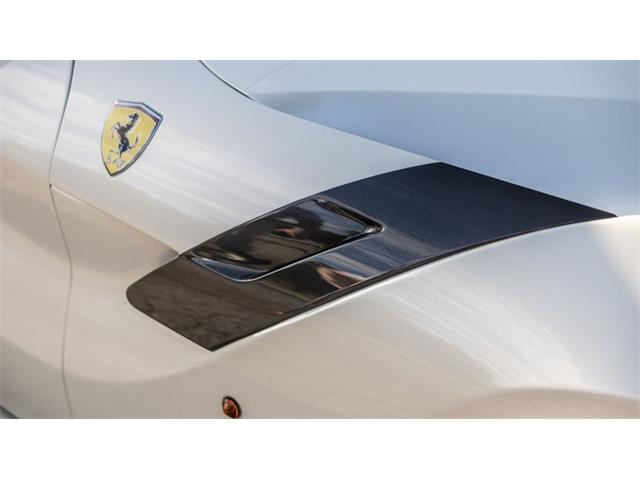
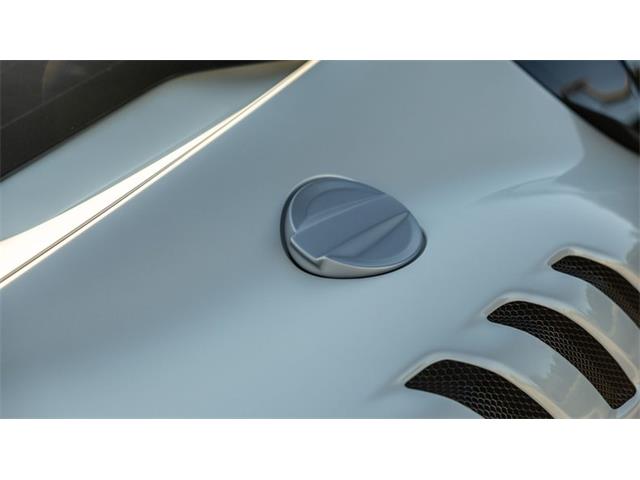
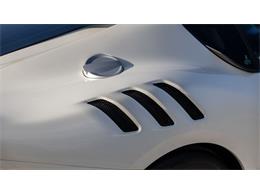
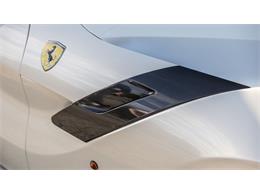
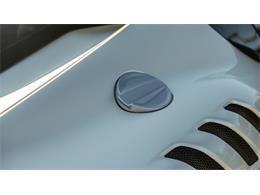
steep inclines. The engine covers are adorned with carbon fiber, an
$11,644 option, along with a matching filter box cover.
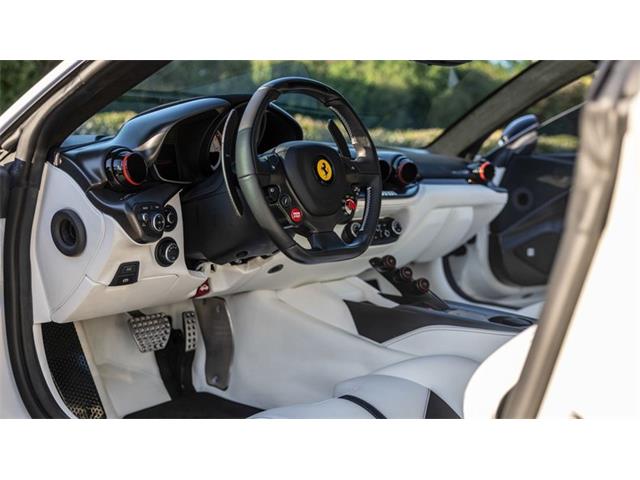
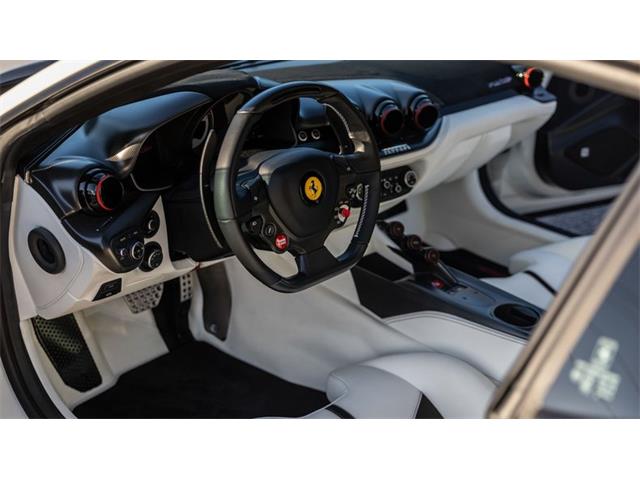
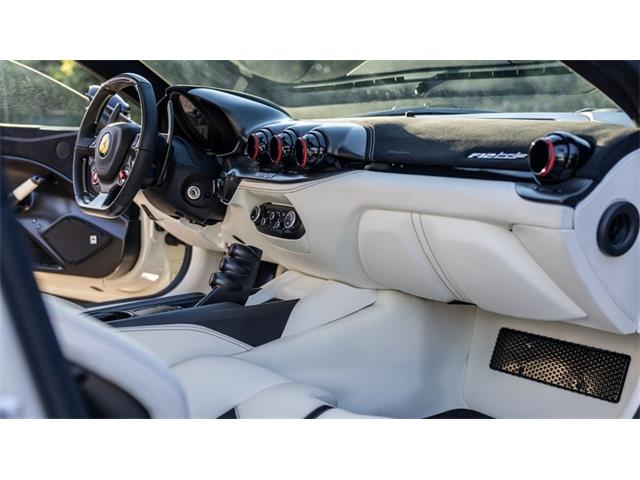
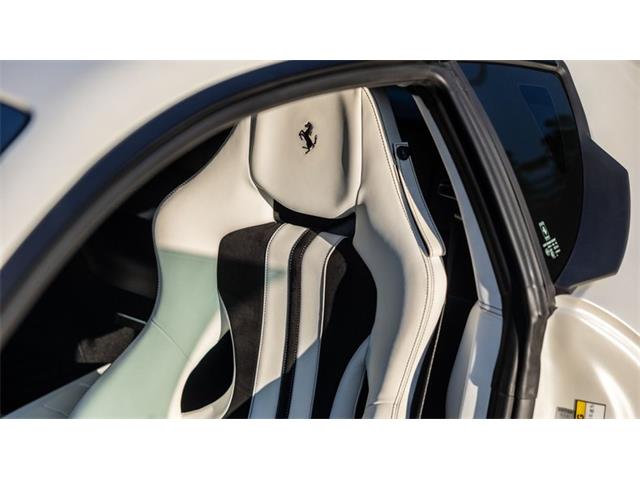
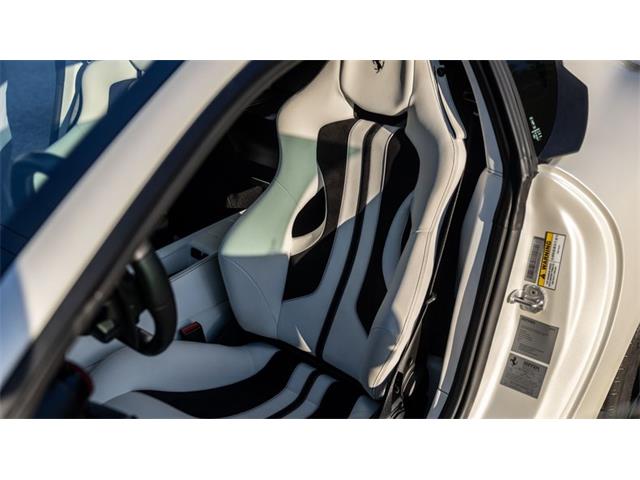
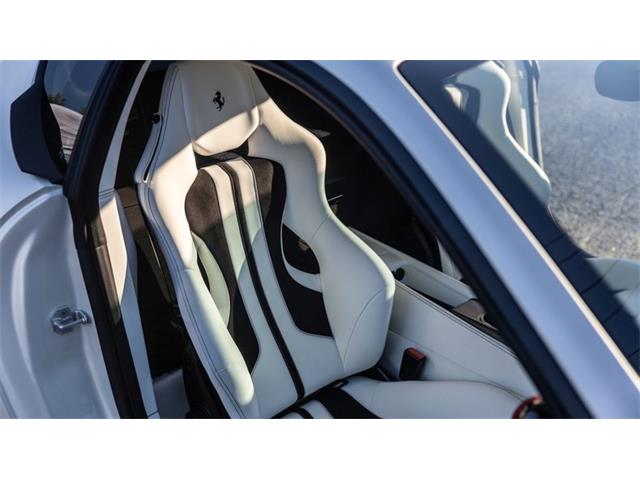
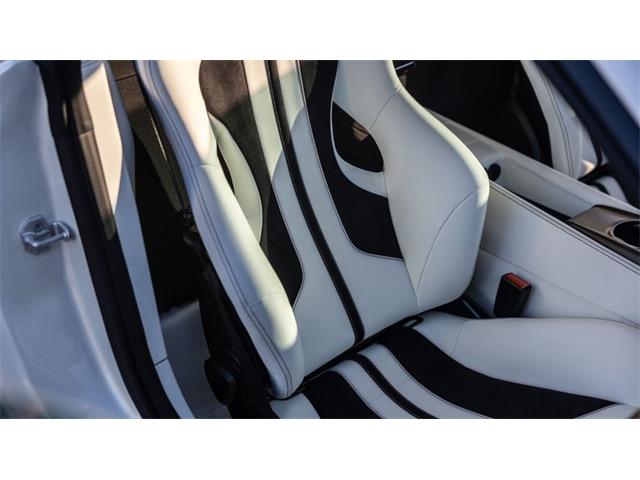
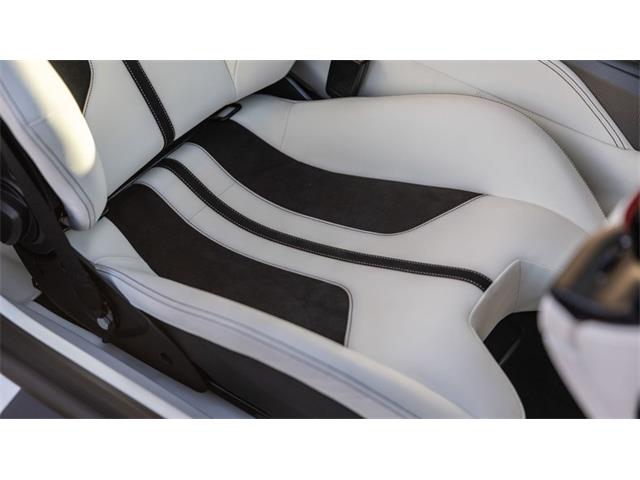
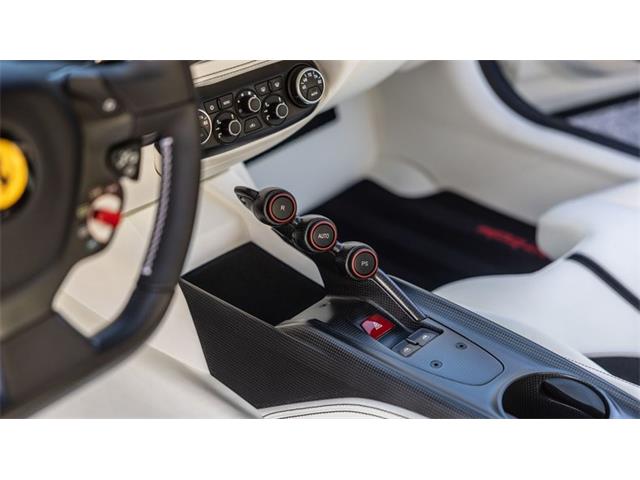
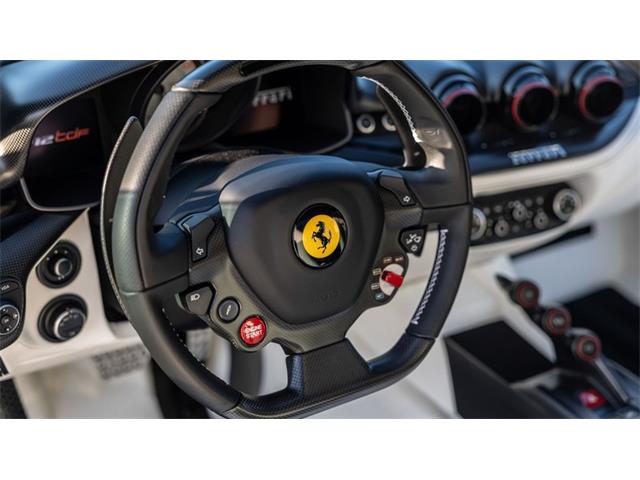
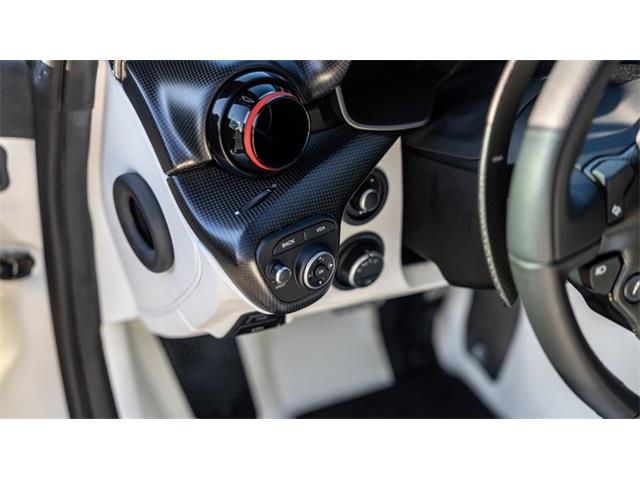
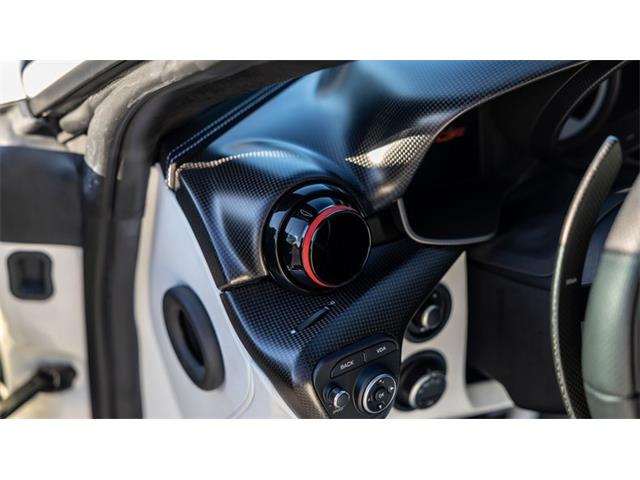
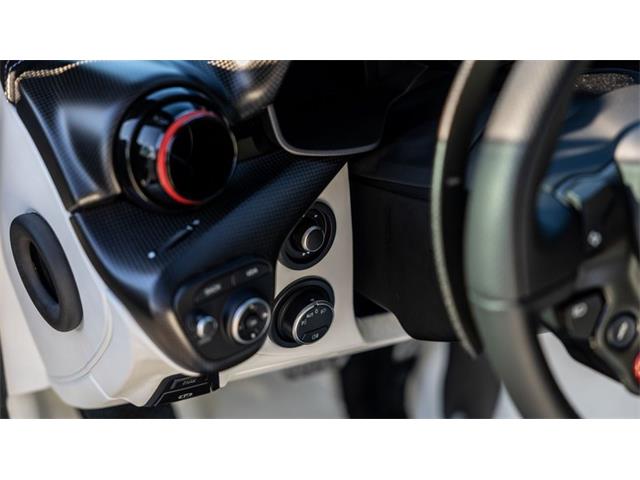
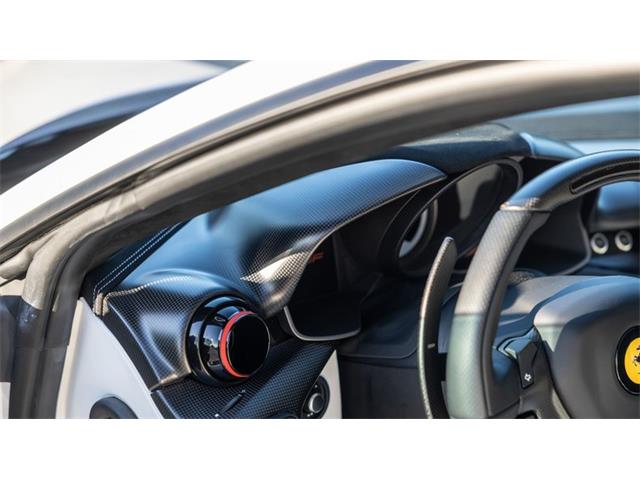
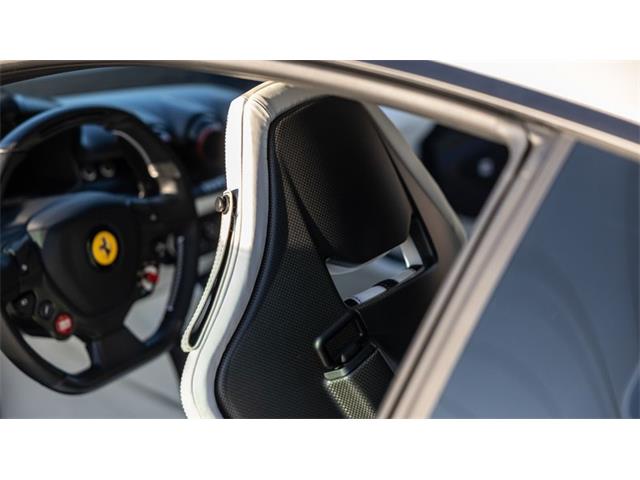
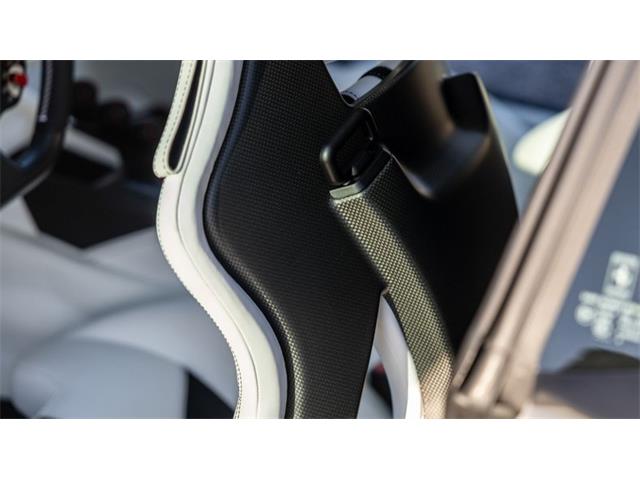
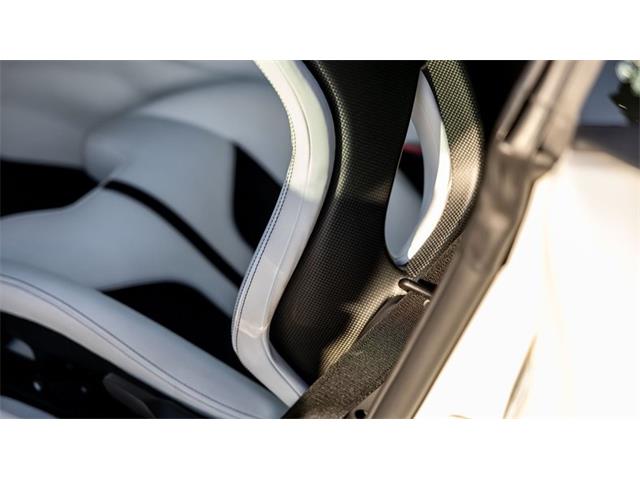
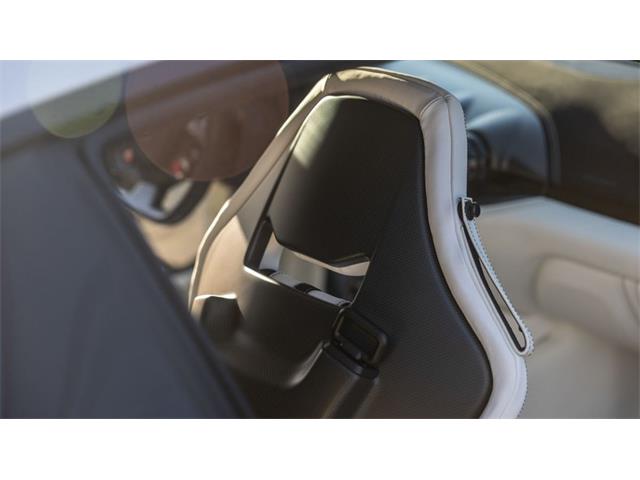
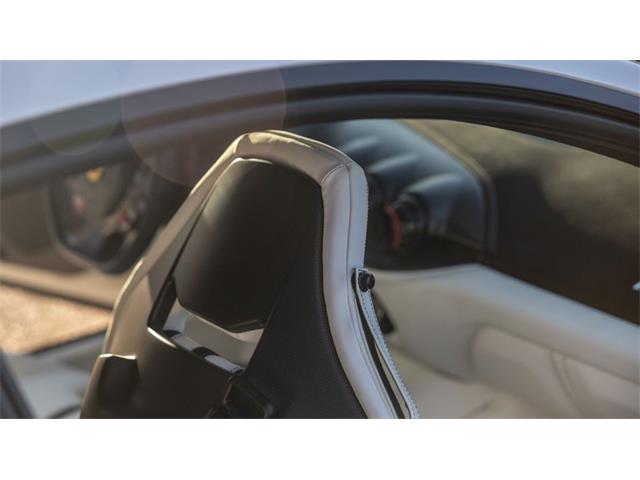
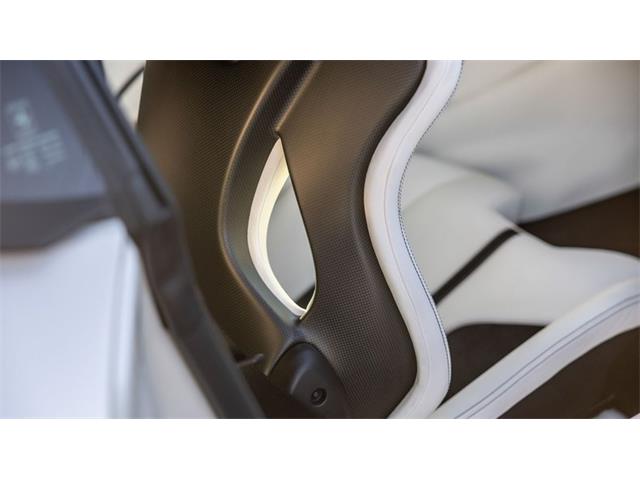
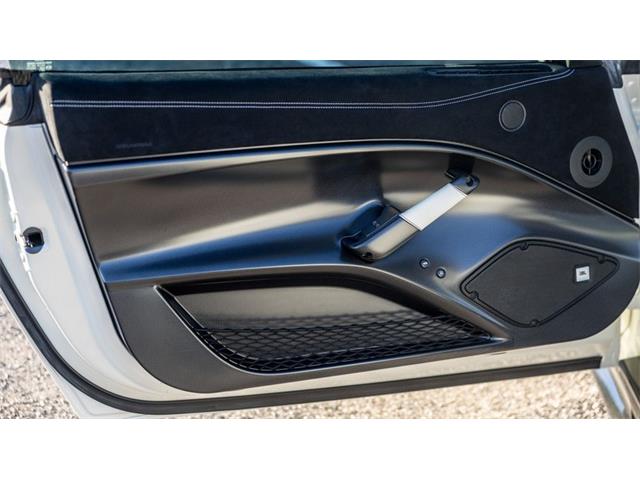
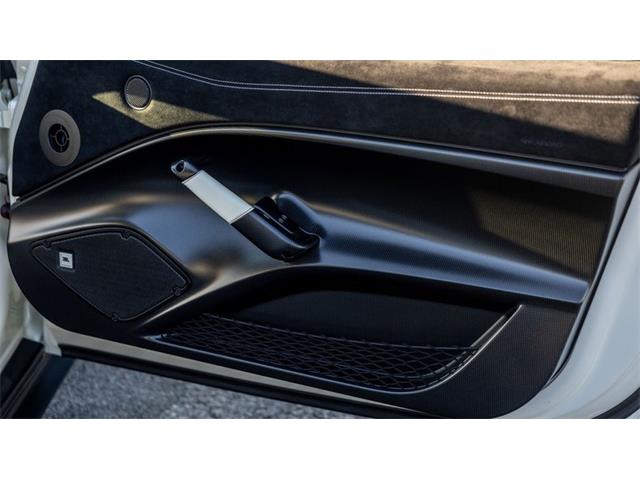
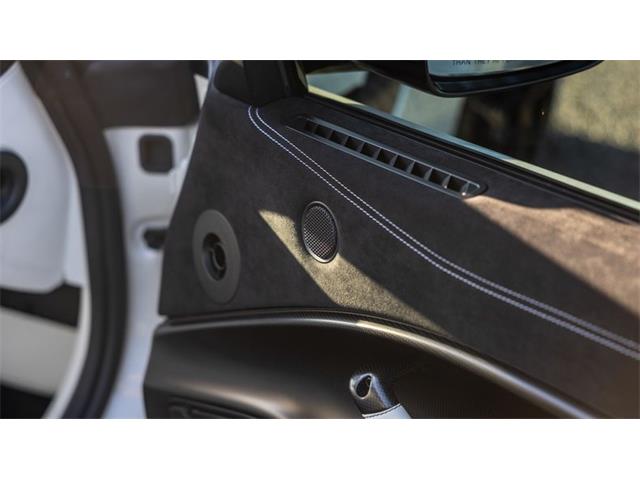
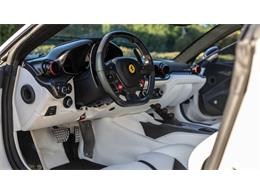
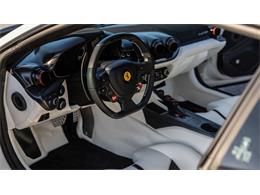
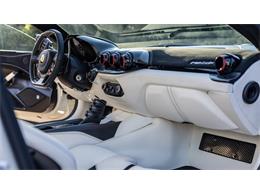
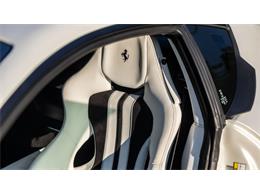
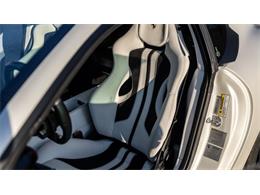
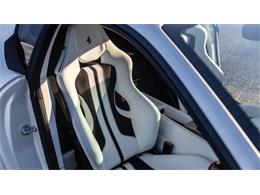
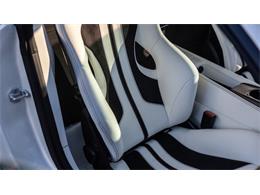
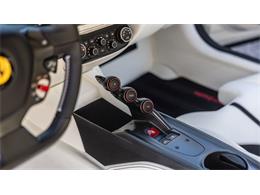
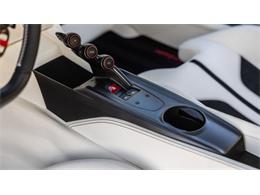
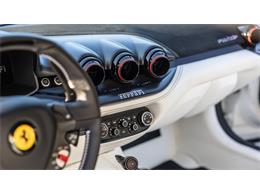
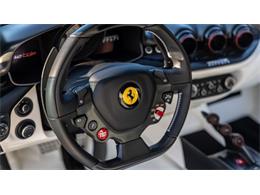
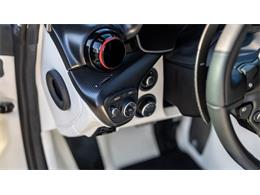
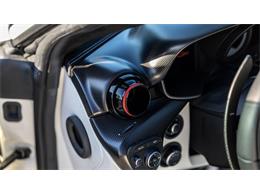
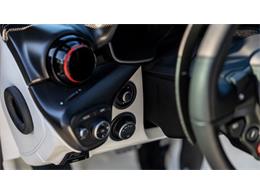
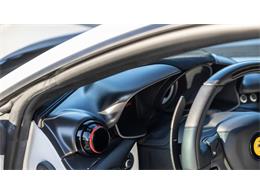
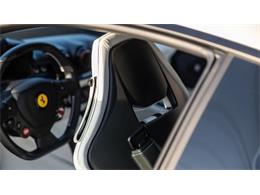
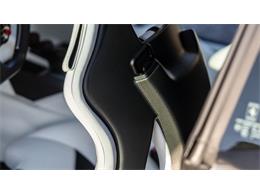
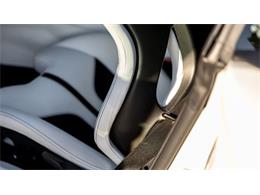
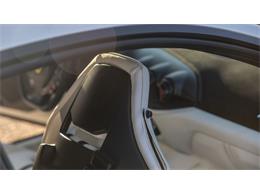
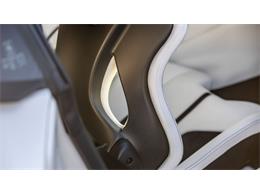
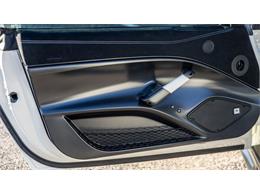
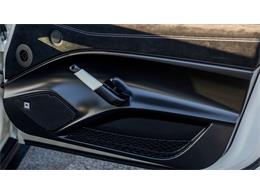
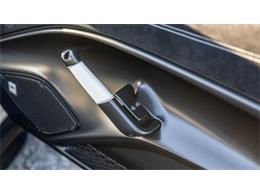
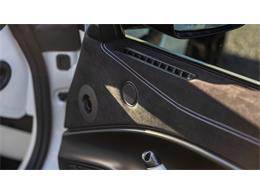
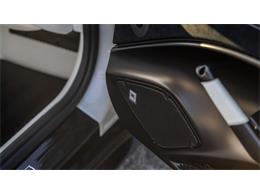
Inside, the cabin carries the exterior's white-and-black theme
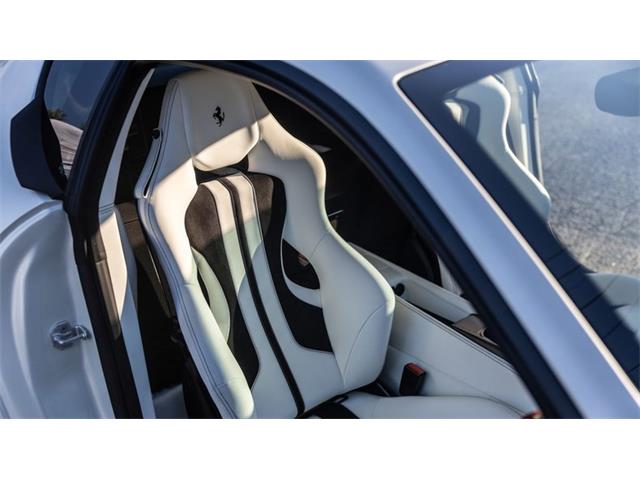
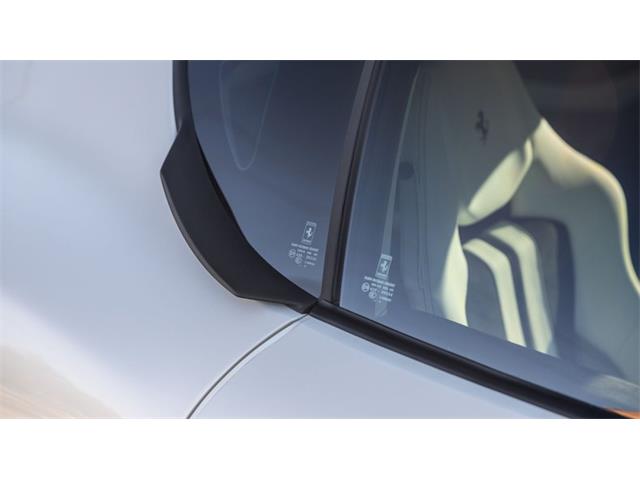
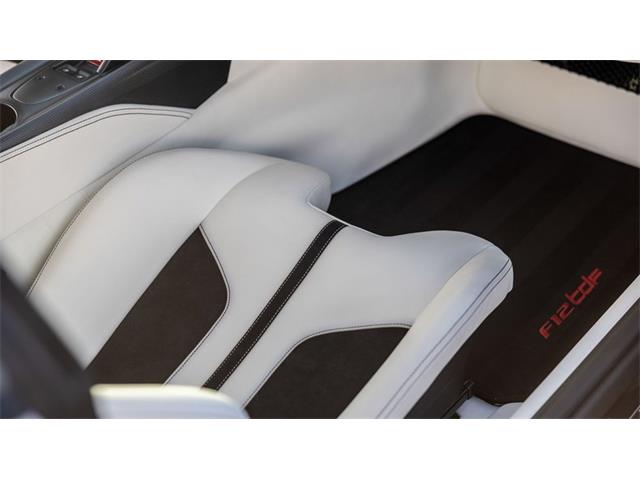
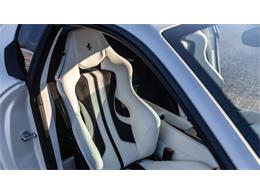
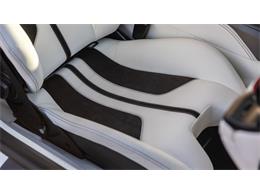
through in full. Carbon fiber racing seats are upholstered in white
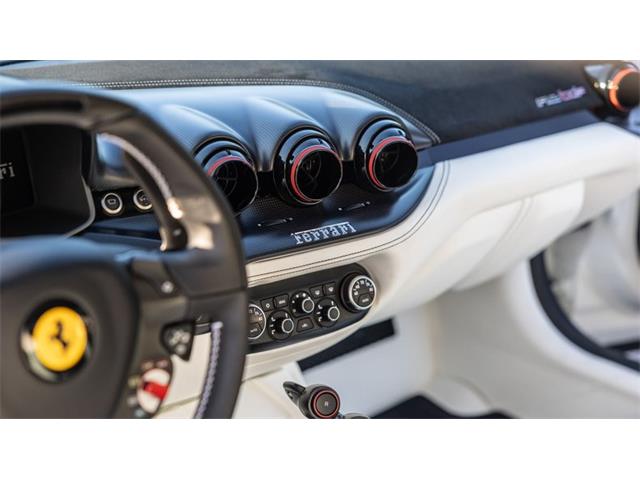
leather split by central stripes of Nero Alcantara, facing a
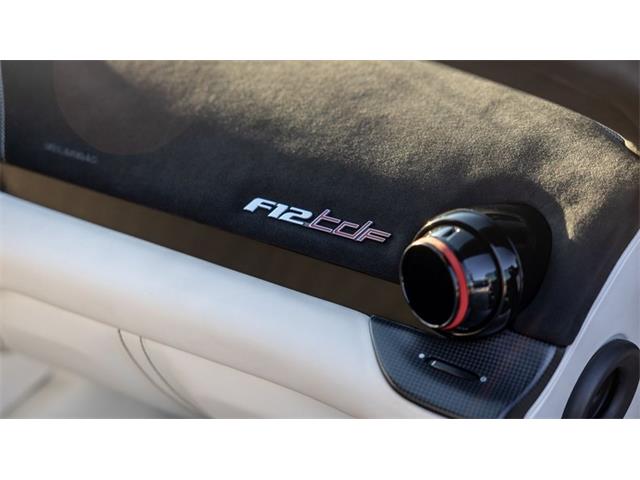
dashboard and upper door panels trimmed in the same black
Alcantara, with contrast stitching in black-on-white and
white-on-black tying the two together. A white diamond-pattern
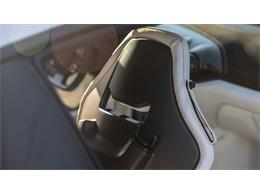
leather headliner crowns the cabin, the Cavallino Rampante is
embroidered in Nero on each headrest, and a white rev counter sits
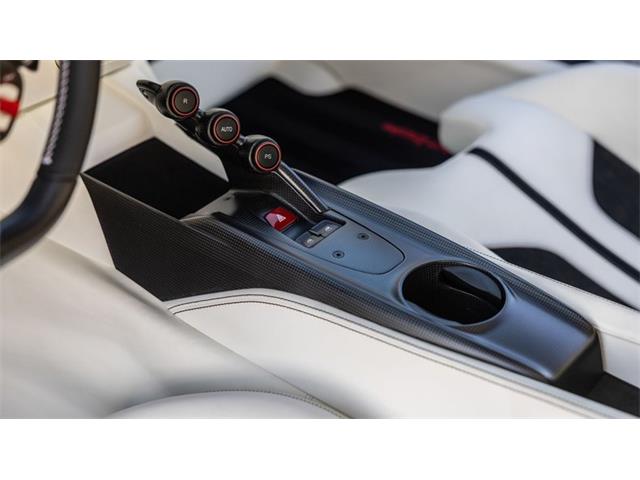
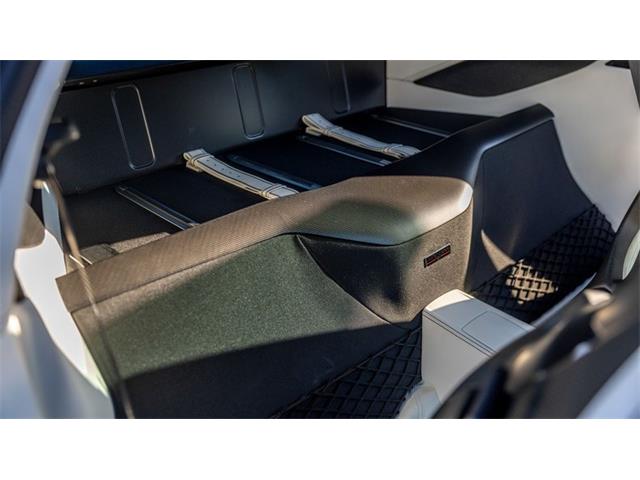
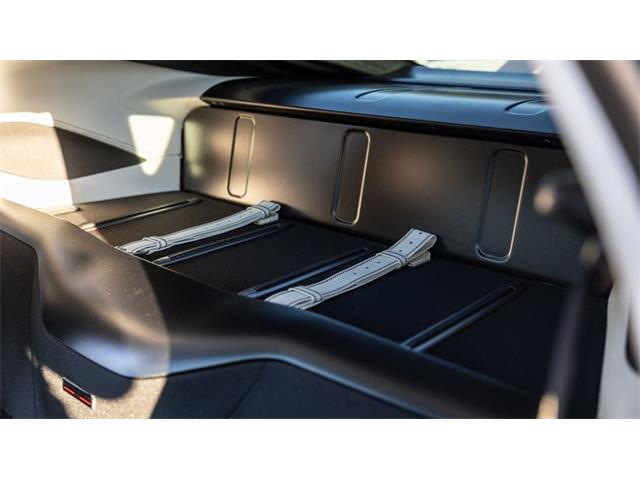
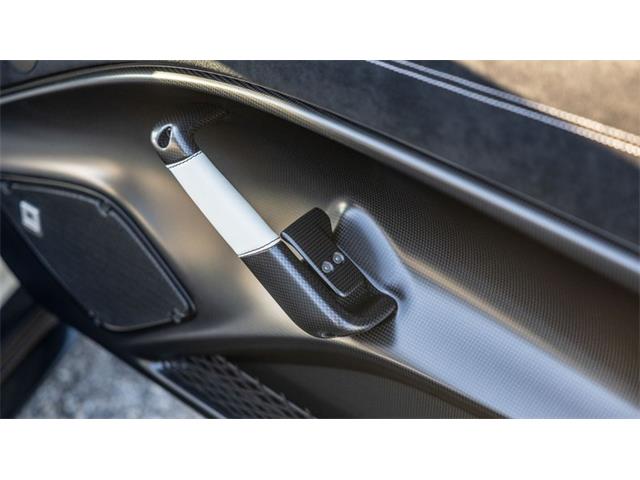
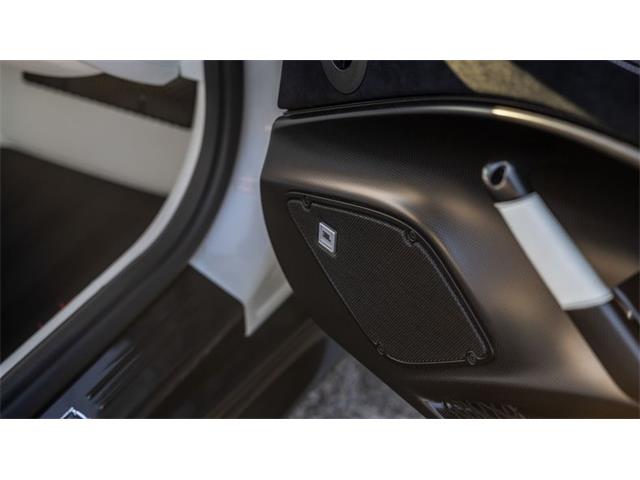
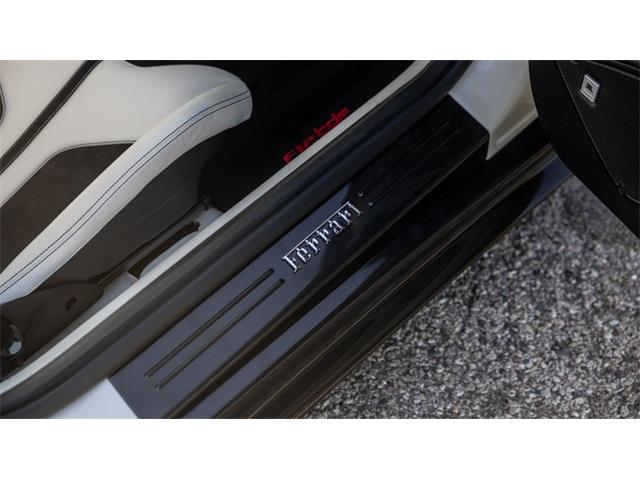
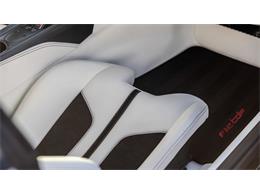
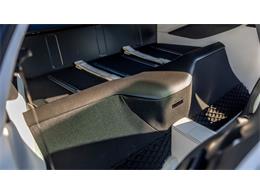
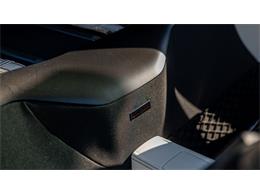
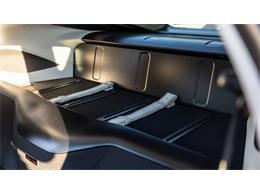
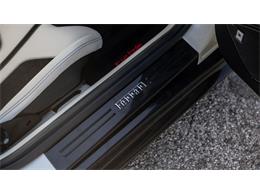
at the center of the instrument binnacle. Matte carbon fiber
appears once more across the underdoor covers, parcel shelf, and
rear bench trim, joined by a lower center console trimmed in white
leather and a Radionavi system supplemented by satellite radio and
a high-power hi-fi system.
The accompanying CARFAX Vehicle History Report opens in October
2016 with the car's delivery through Ferrari of Central New Jersey.
Acquired by its present Texas-based owner in November 2017, the car
has remained in his care ever since, accumulating mileage at a
remarkably measured pace of roughly 100 miles per year. Servicing
has been entrusted to Ferrari Dallas at regular intervals
throughout, with its most recent service completed in October 2025.
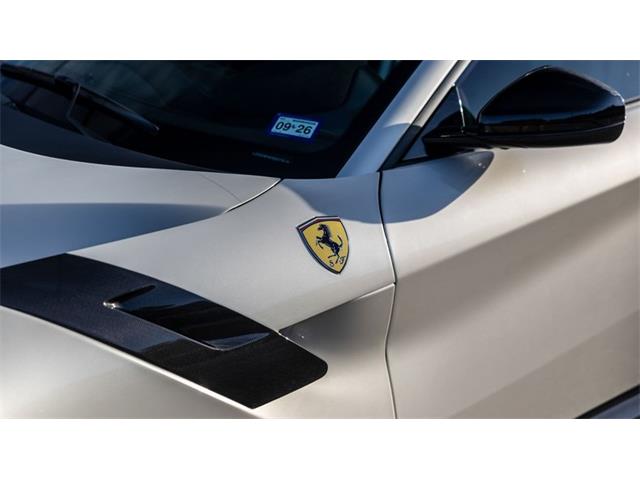
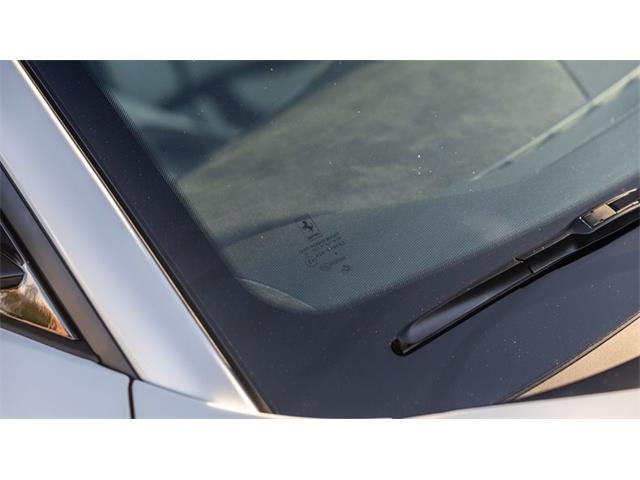
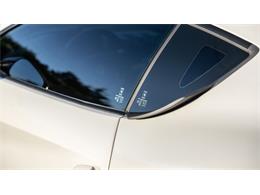
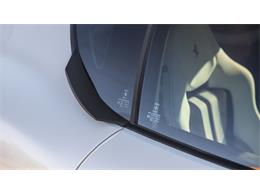
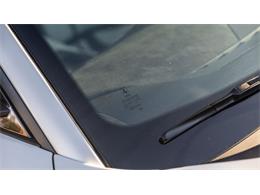
To protect against any unwanted road wear, the front end has had
PPF applied, which covers the front quarter panels, carbon rocker
panels, side mirrors and windshield. The F12tdf is offered complete
with its Ferrari Classiche Yellow Book, a copy of its window
sticker, CARFAX report, as well as its books, tools, two keys and
car cover.
At the time of cataloging, the odometer shows fewer than 1,100
miles. Presented in commensurately superb condition, this F12tdf
offers the model in collector-grade form, supported by a clean
history with both limited ownership and use. The F12tdf's
collectability has only sharpened in the years since production
ended, as it was offered exclusively to Ferrari's most established
clients and built in numbers far below demand. As the final Ferrari
to bear Pininfarina's involvement, and among the most focused
front-engined cars Maranello has ever built, chassis
221753-handsomely specified in Bianco Italia with a generous
complement of carbon fiber and special options-is ideally suited to
join any discerning collection of limited-series Ferraris.
ClassicCars.com has been recognized as one of the fastest-growing private companies in the United States, successfully making the Inc. 5000 list in both 2015,
2016, 2017 and 2018. This prestigious accolade represents the continued growth of the company, and ClassicCars.com's dominance as the world's largest online marketplace for
buying and selling classic and collector vehicles.
The Stevie Awards, the world's premier business awards recognized
ClassicCars.com's first-class Customer Support team with a Stevie Bronze Award in 2019, celebrating the team's skills as exemplary customer support specialists.
In 2016 The Journal, brought to you by ClassicCars.com, was celebrated as the SECOND MOST INFLUENTIAL automotive blog in the world by NFC Performance.