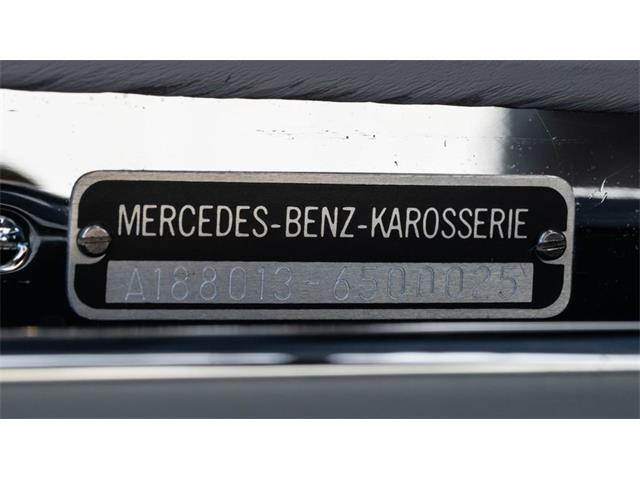
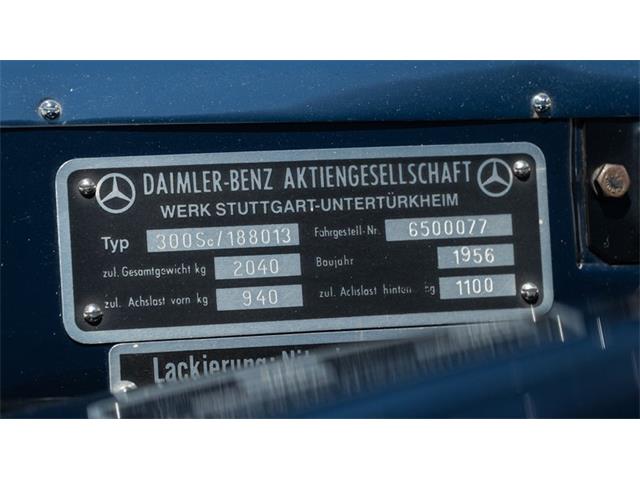
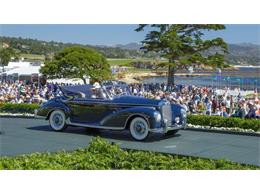
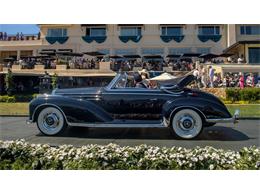
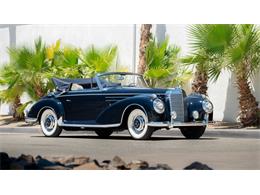
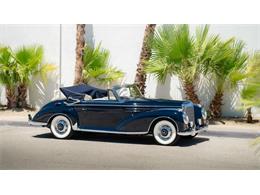
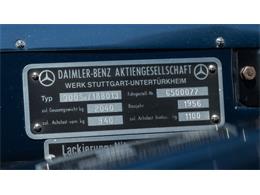
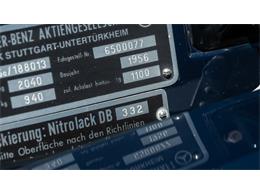
Chassis No. 188.013.6500077
Engine No. 199.980.6500077
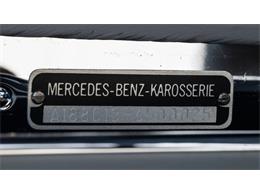
Body No. A188.013.6500025
Before the war, the standard for supreme luxury and engineering at
Mercedes-Benz had been set by the magnificent 540 K, built for the
most discerning buyers of its day. The 300 S took up that mantle
when it debuted at the Paris Motor Show in October 1951, carrying
the prewar tradition of opulence and craftsmanship into a new age.
The international press hailed it as a car for the world's elite,
praising its elegant and traditional lines. It was derived from the
stately 300 sedan but rode on a chassis shortened by roughly six
inches, and its inline-six engine used higher compression and
triple carburetors to produce 150 horsepower. Offered as a coupe, a
Cabriolet A, and a roadster, it entered series production in the
second half of 1952.
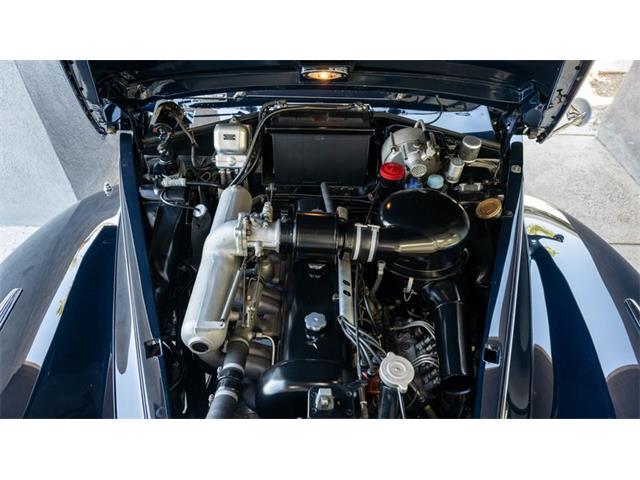
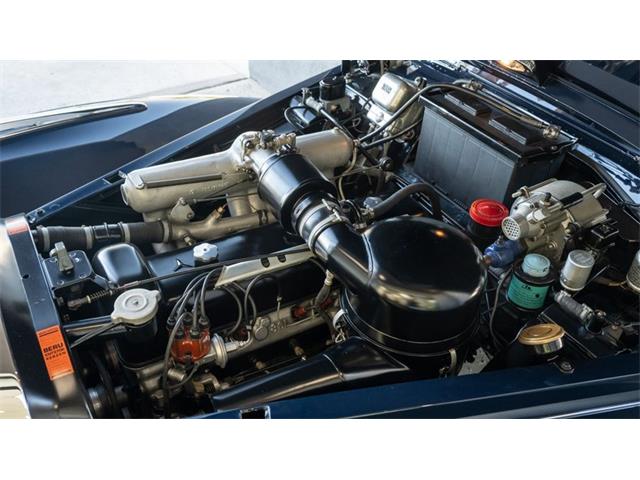
In September 1955, Mercedes-Benz introduced a thoroughly revised
version at the Frankfurt International Motor Show, designated 300
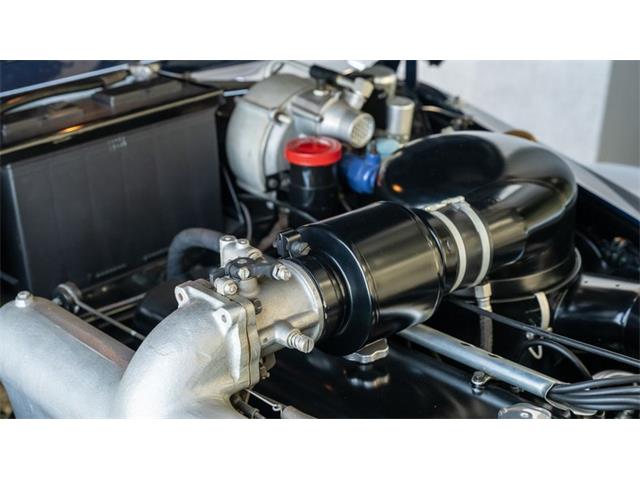
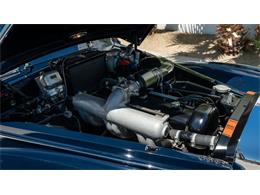
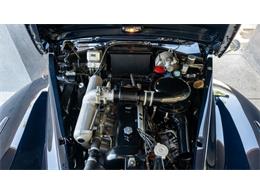
Sc. It gained a low-pivot single-joint swing axle and replaced the
triple carburetors with direct fuel injection like that of the 300
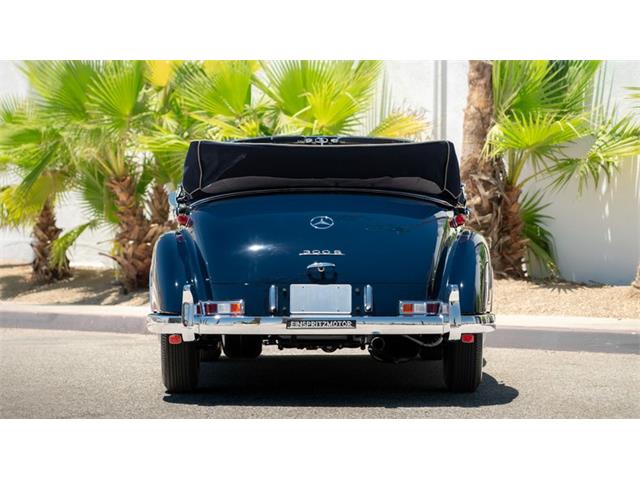
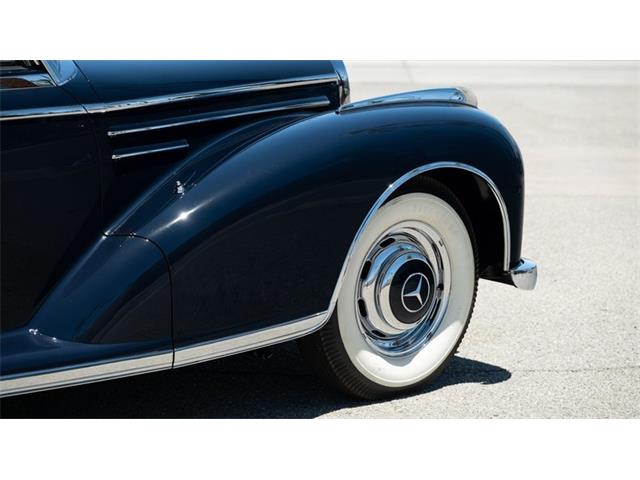
SL, raising output to 175 horsepower. The body received subtle
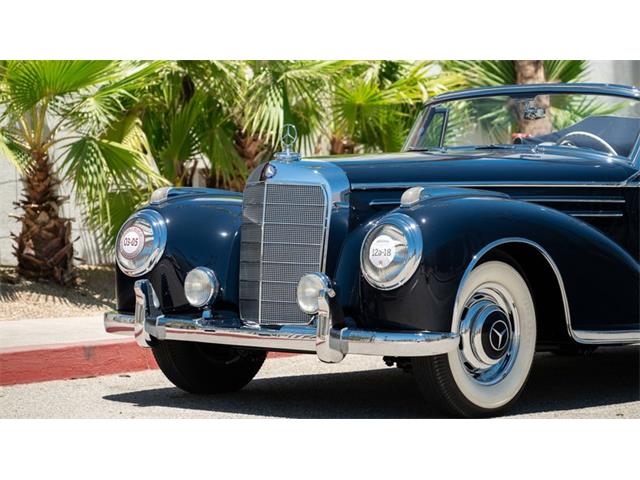
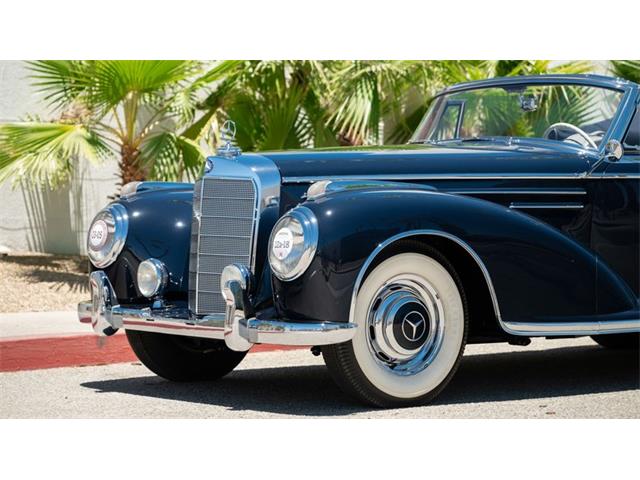
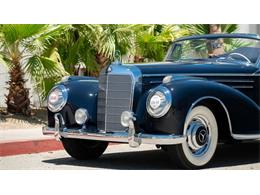
updates in typical Mercedes-Benz fashion. New features included
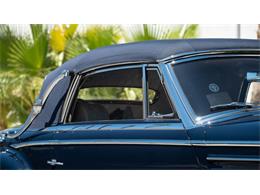
swivel windows, larger turn signals, a pair of horizontal
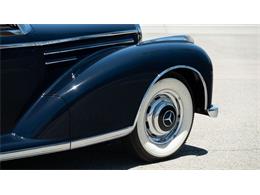
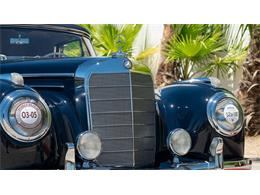
chrome-trimmed louvers on each side of the hood, and chrome
moldings sweeping from the front wheel arches to the rear. An
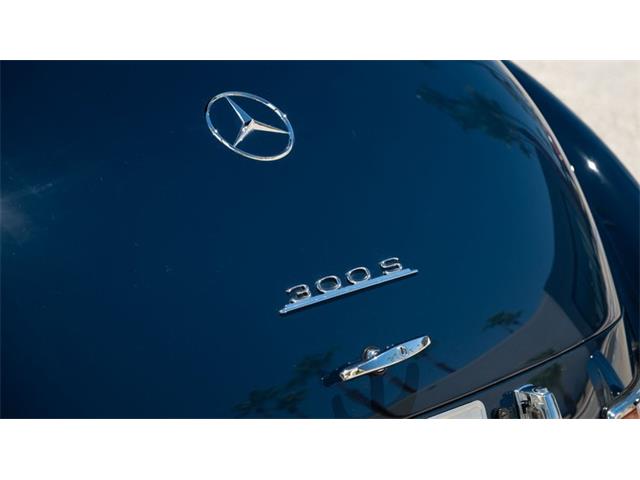
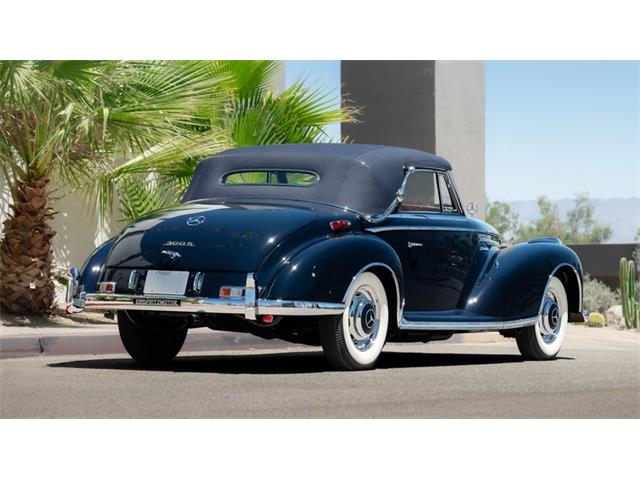
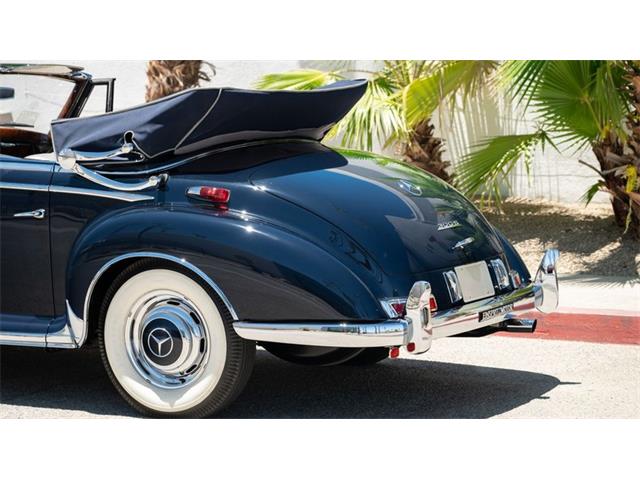
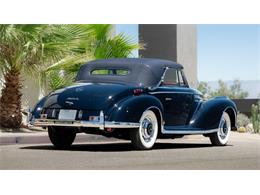
"Einspritzmotor" script on the trunk lid was the only telltale sign
that announced the injected engine within.
Hand-assembled to the highest standard the marque could achieve,
the 300 Sc carried a price to match. It listed at roughly $12,500
in the United States, nearly double the cost of America's most
lavish car, the Cadillac Eldorado Biarritz convertible, at around
$6,500. That made it one of the most expensive automobiles in the
world, and its price naturally narrowed its audience. Just 200
examples were built across all three body styles before production
ended in April 1958. Today the 300 S and 300 Sc rank among the most
exclusive Mercedes-Benz passenger cars of the postwar era and,
together with the 300 SL, the most sought after by collectors. Of
the 300 Sc, only 49 wore the lavishly tailored Cabriolet A
coachwork, making it the rarest and arguably most desirable of the
line.
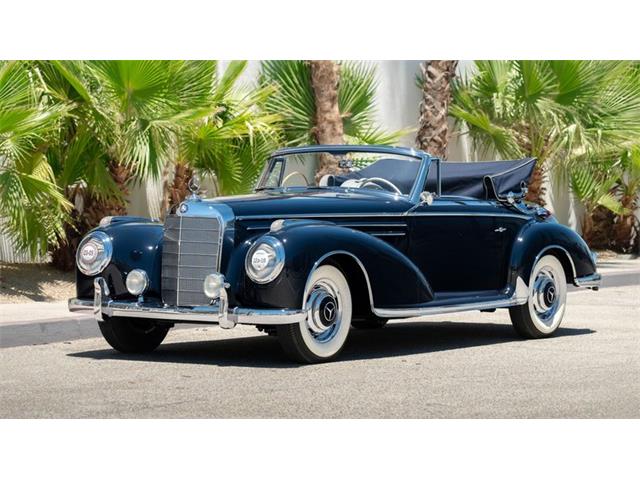
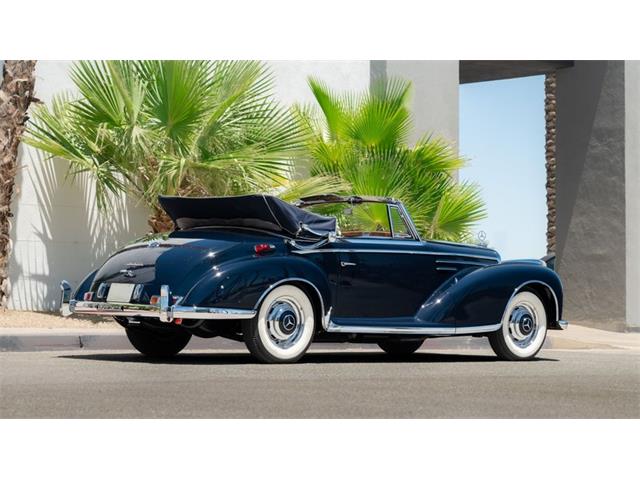
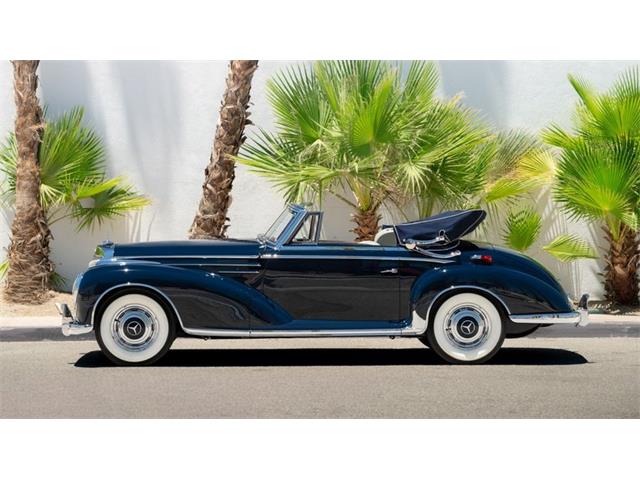
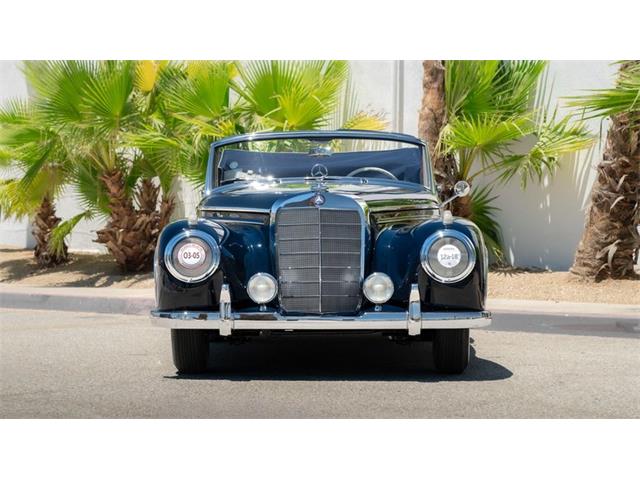
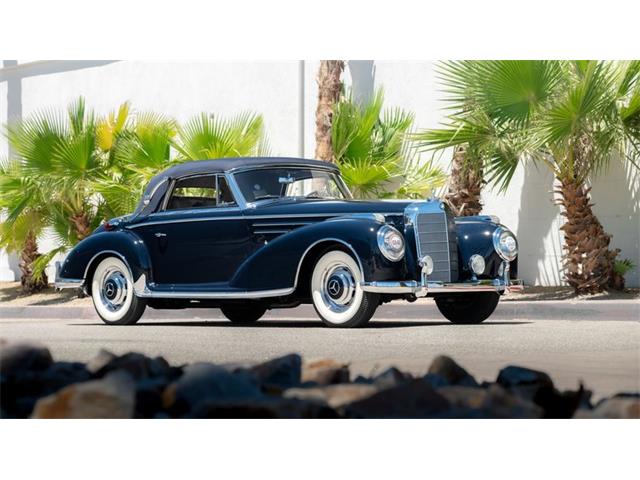
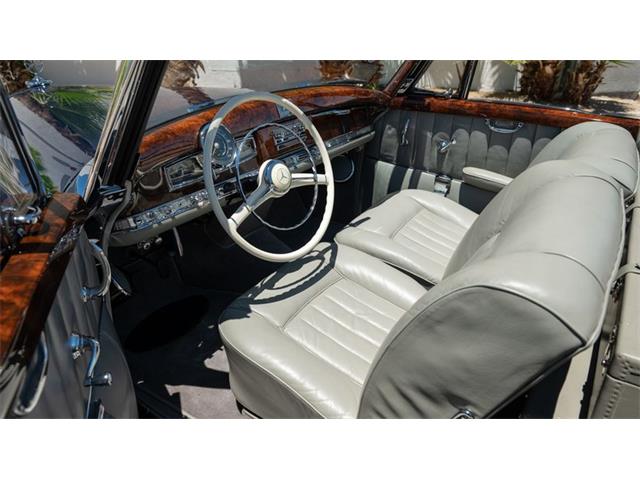
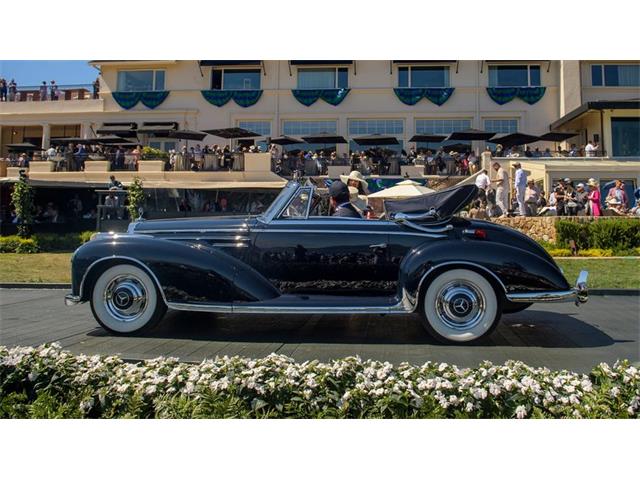
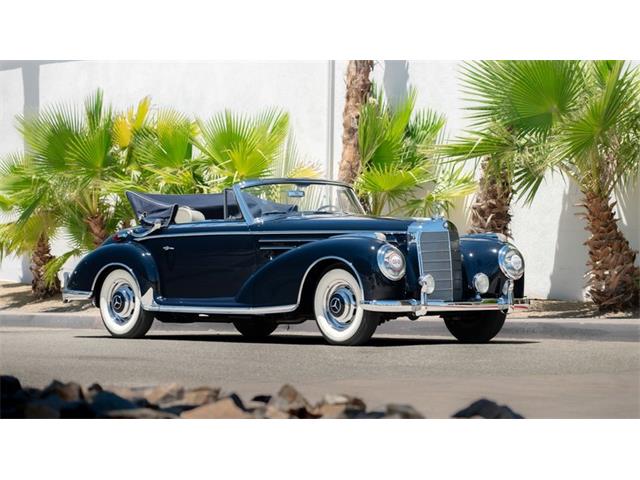
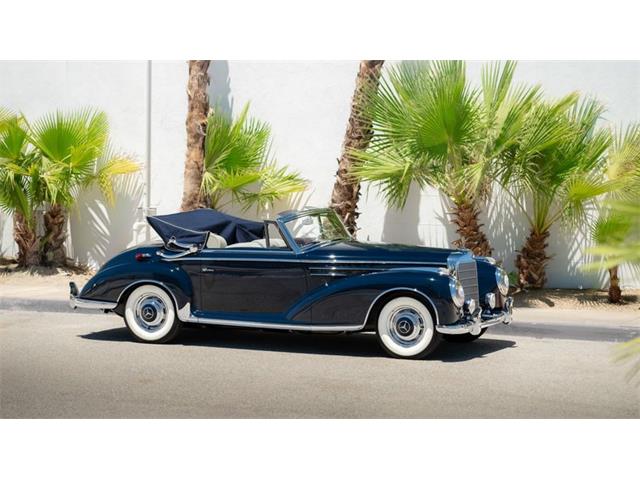
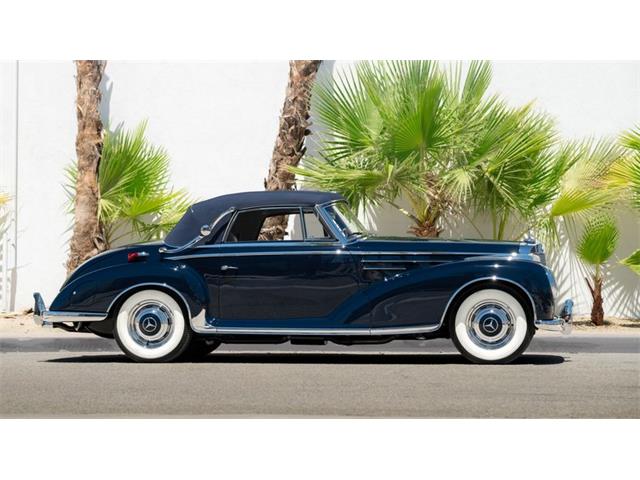
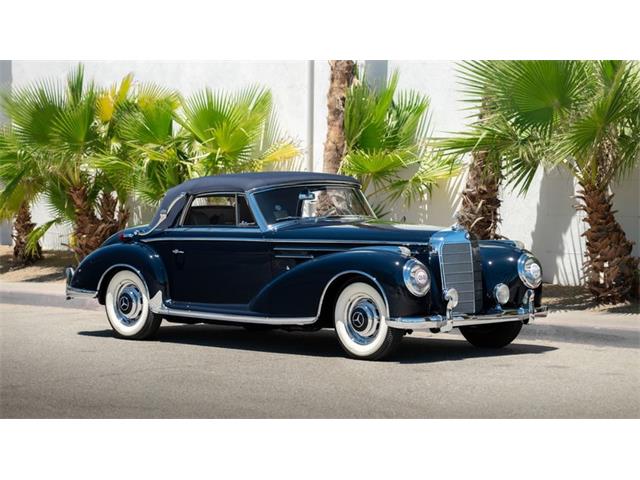
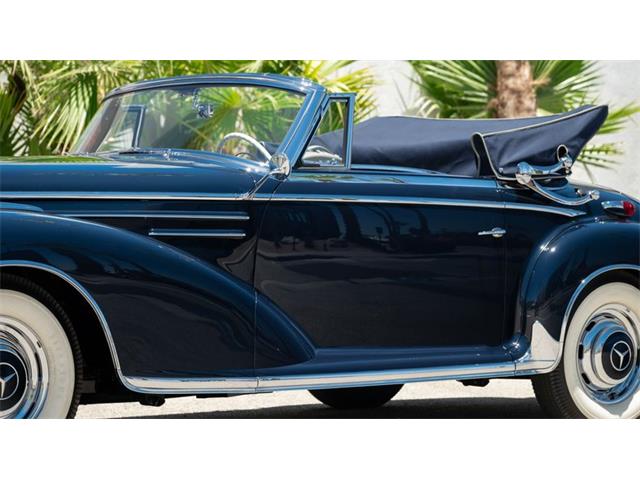
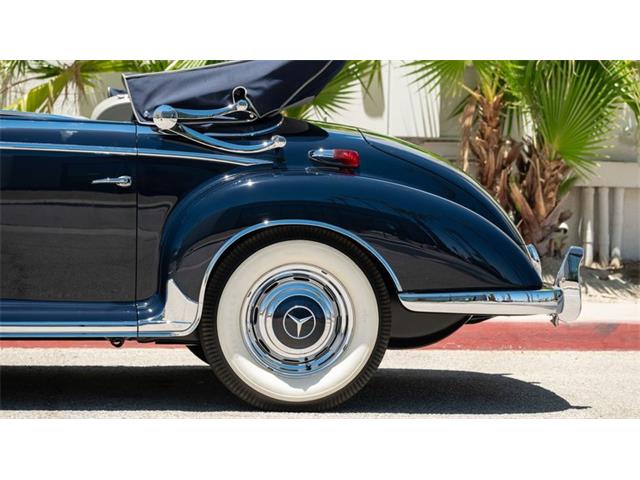
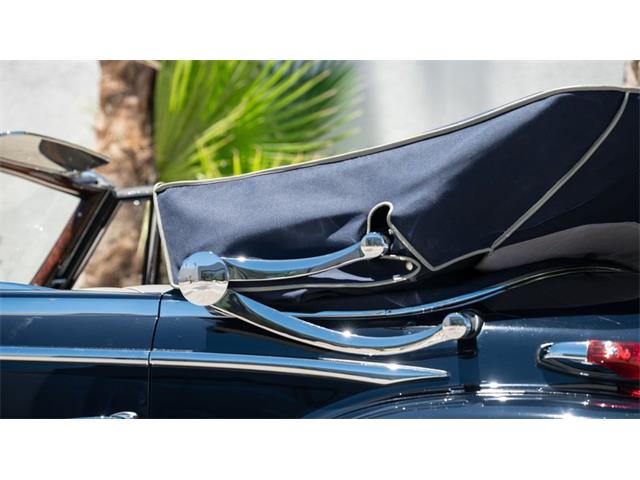
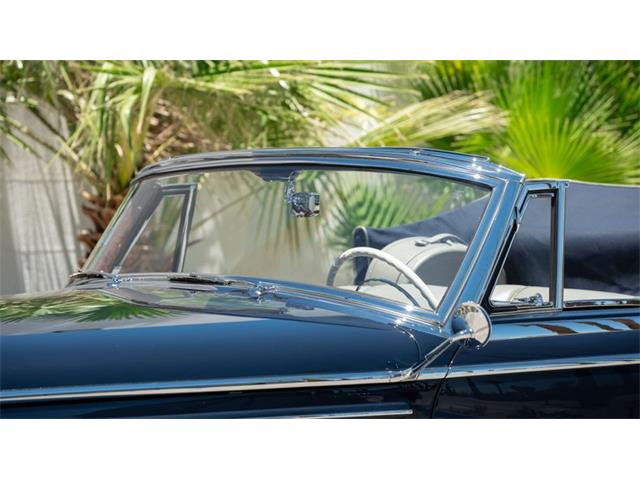
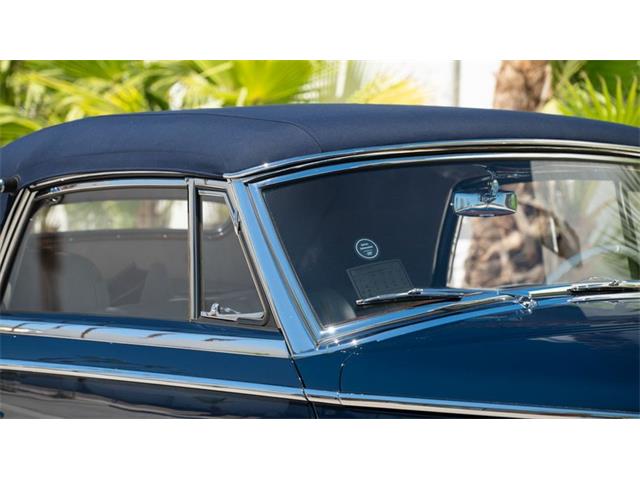
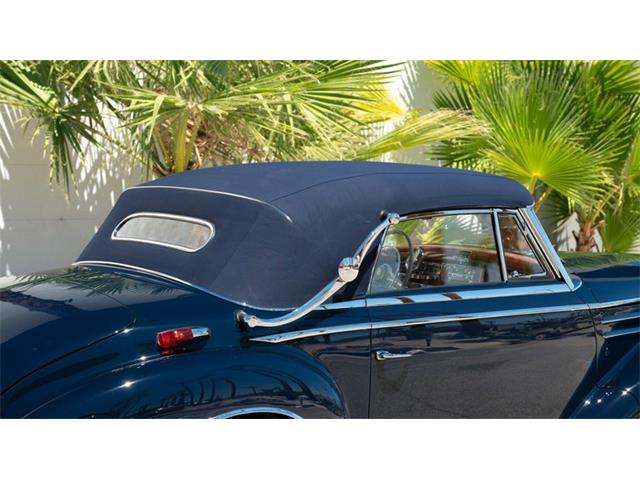
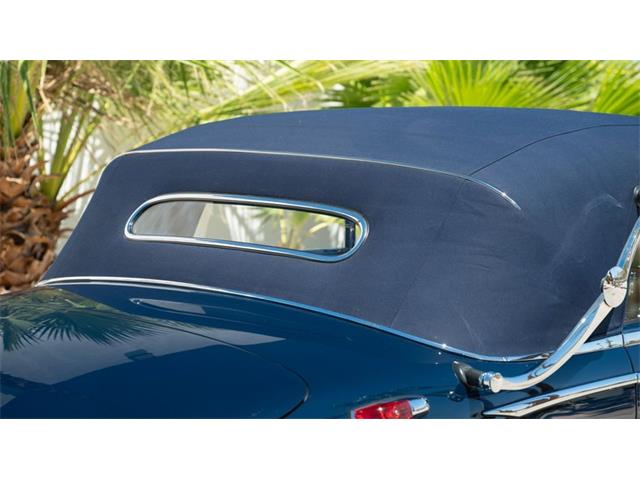
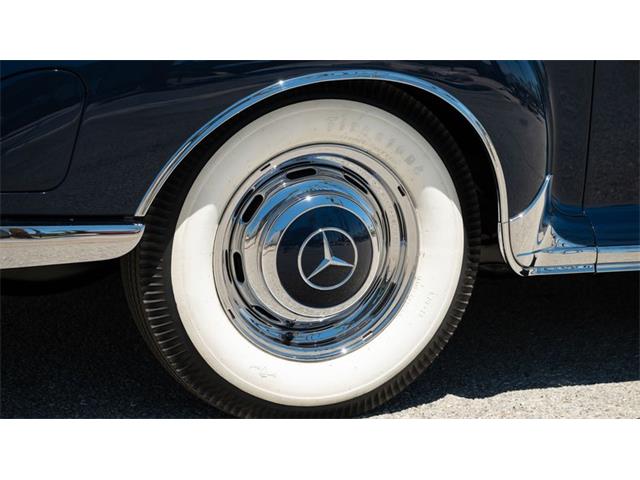
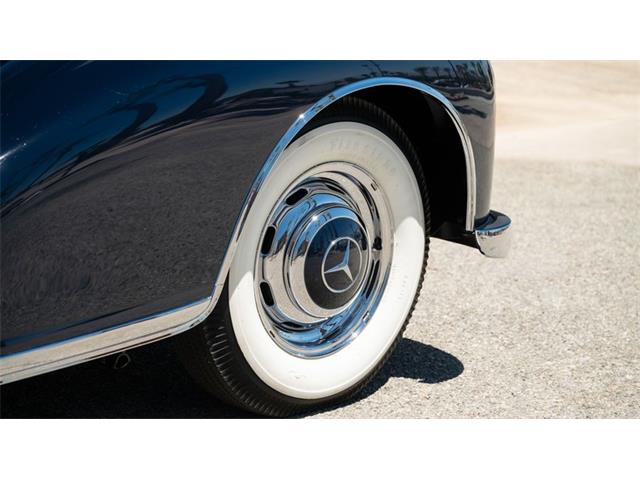
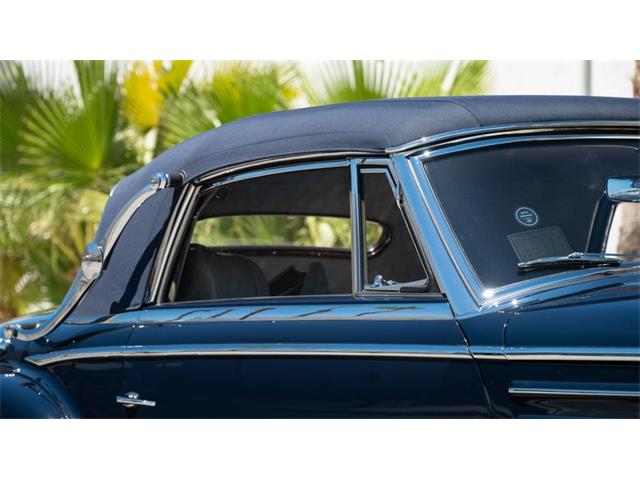
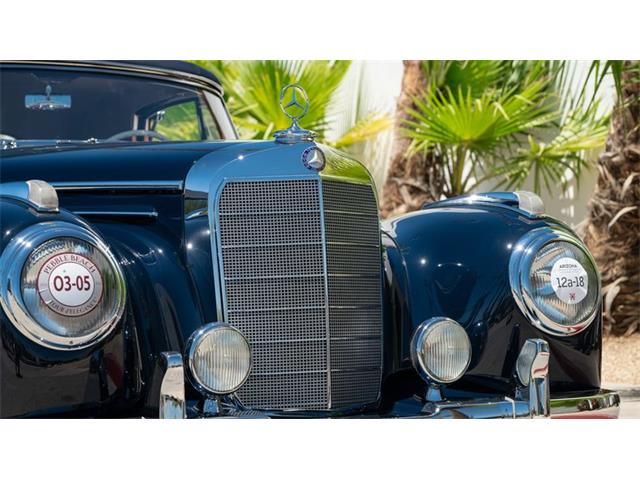
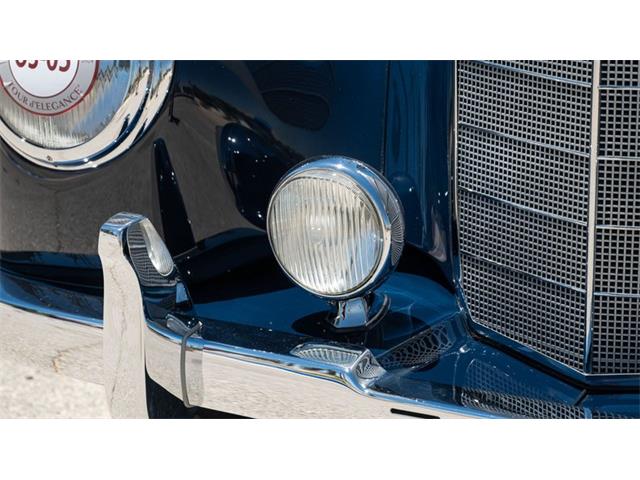
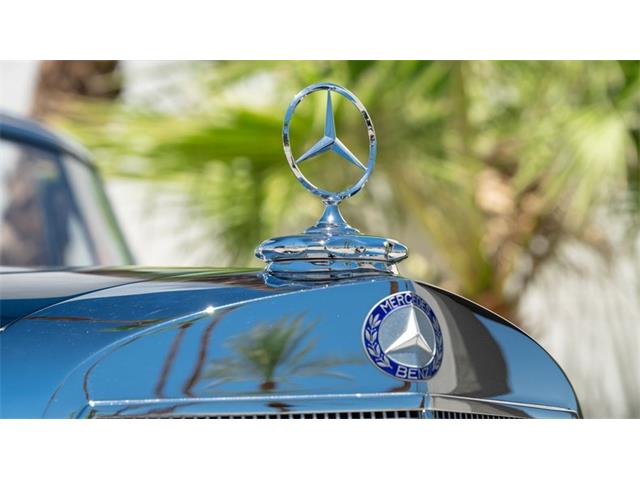
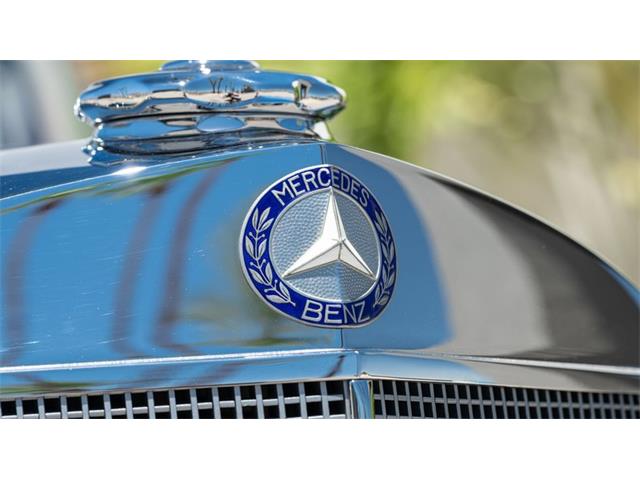
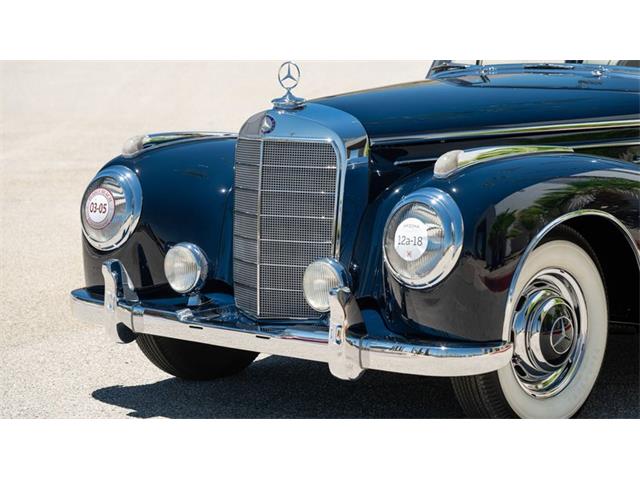
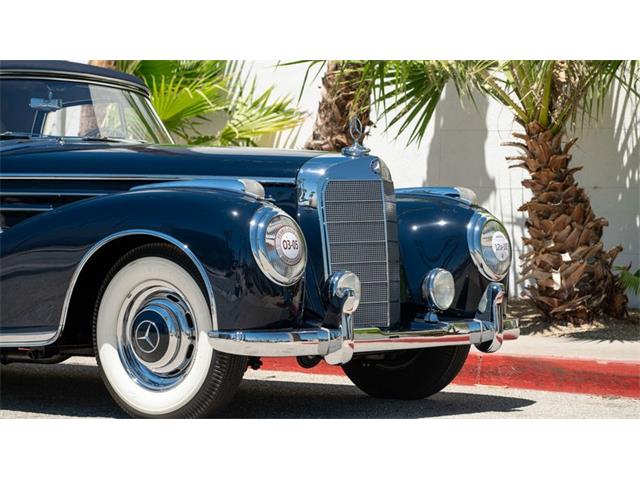
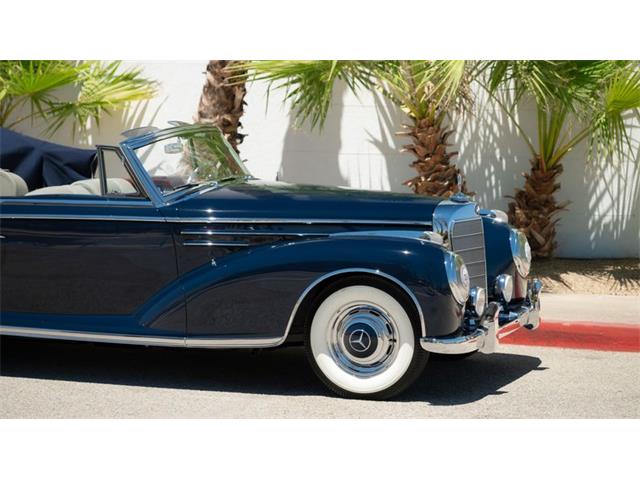
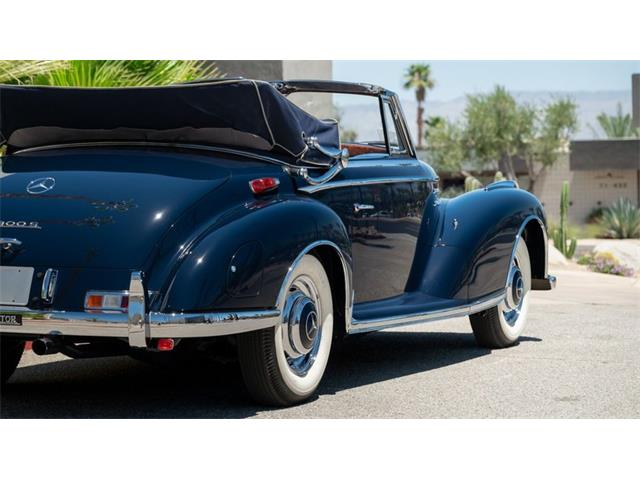
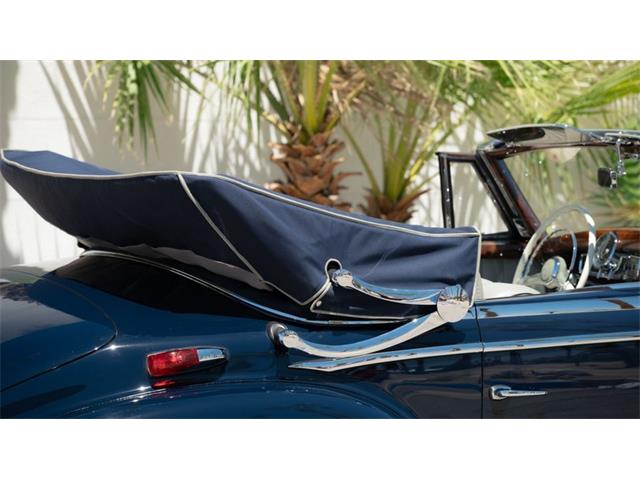
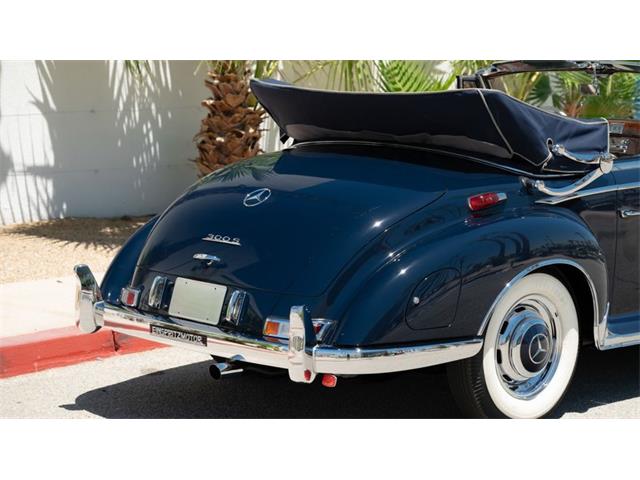
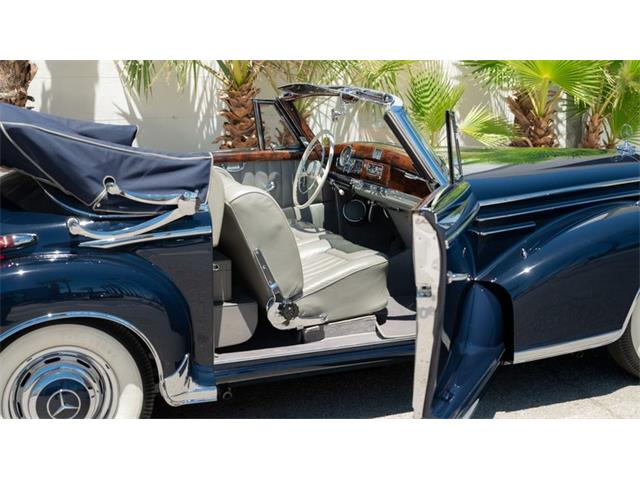
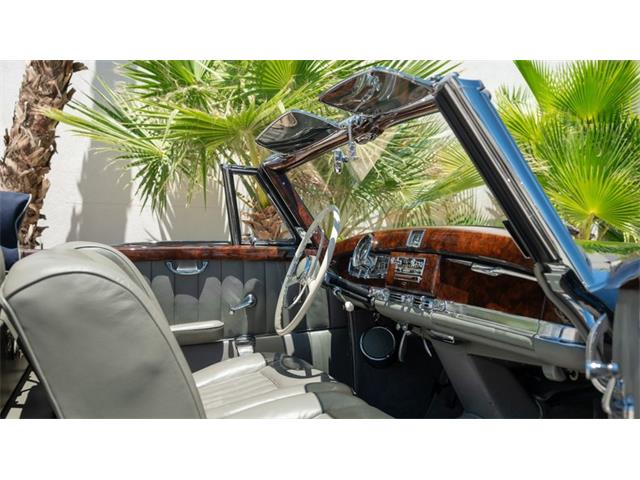
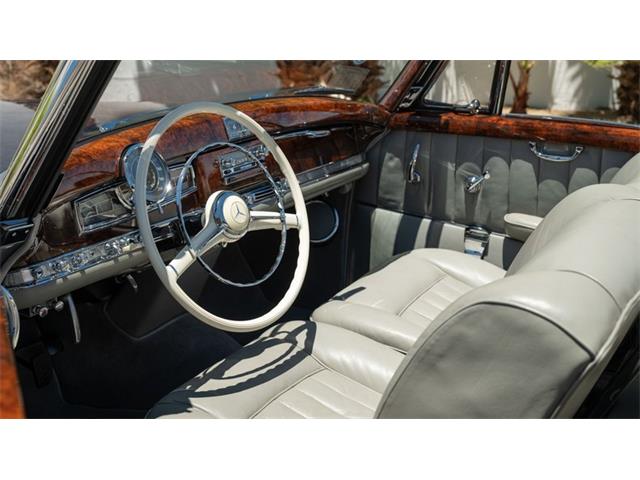
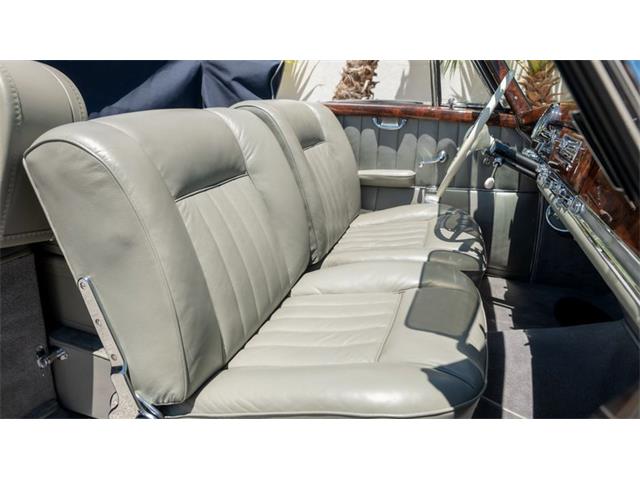
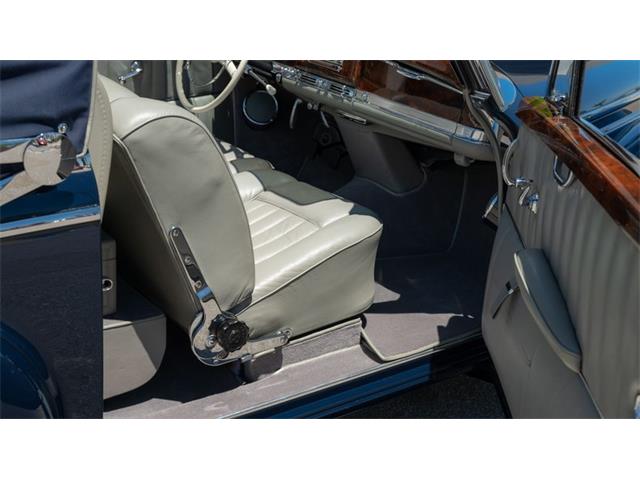
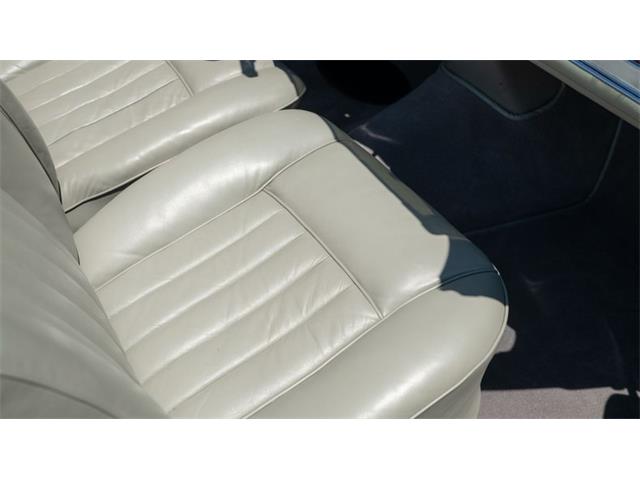
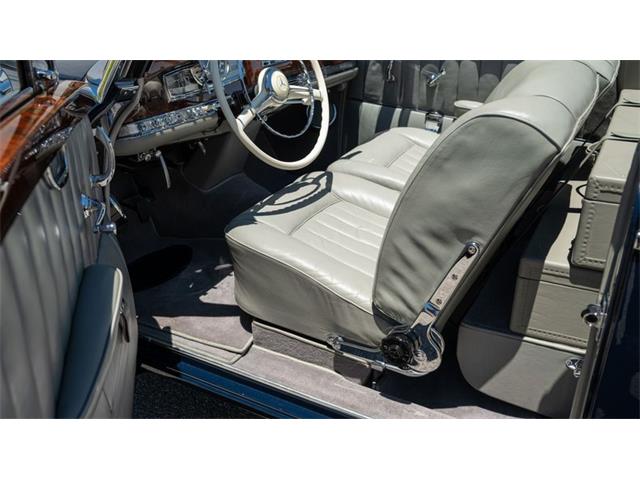
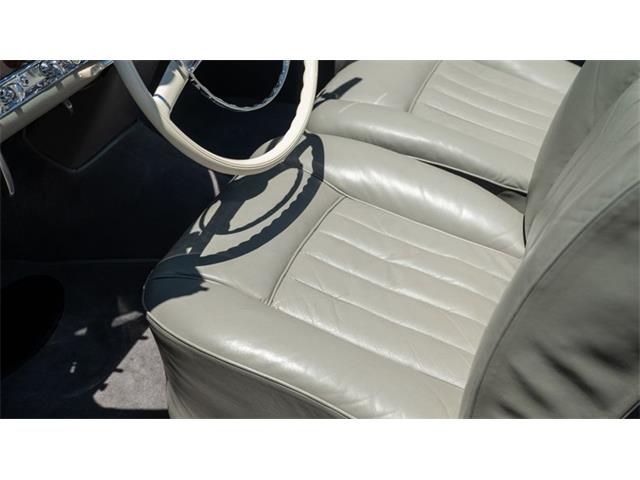
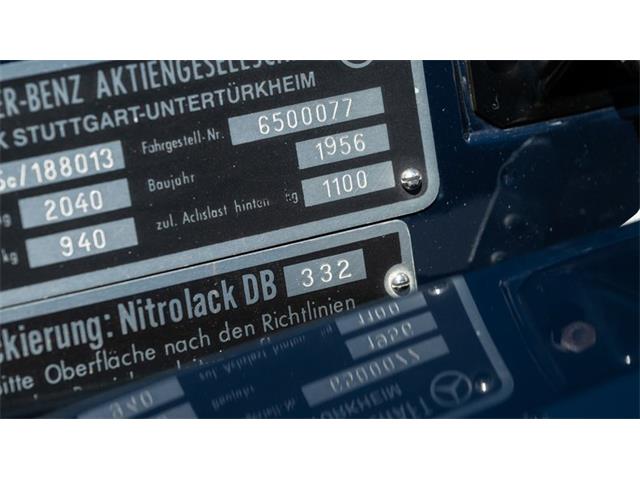
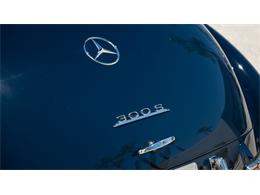
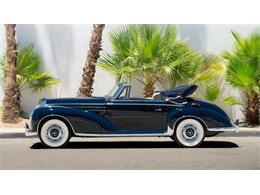
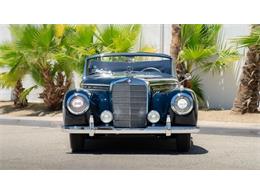
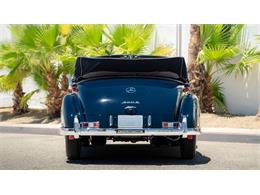
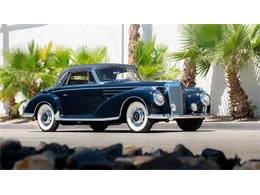
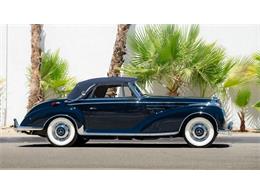
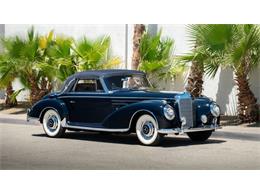
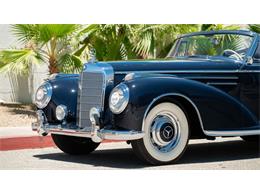
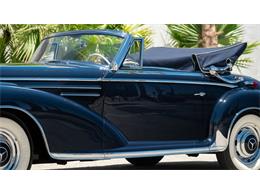
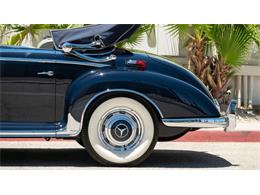
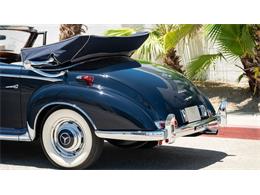
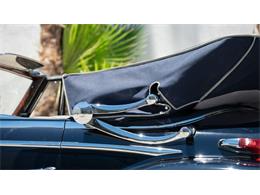
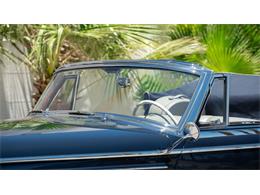
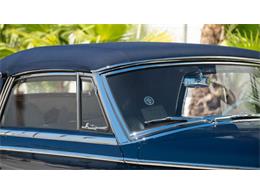
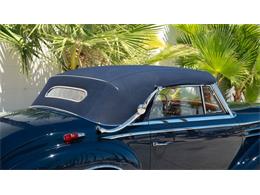
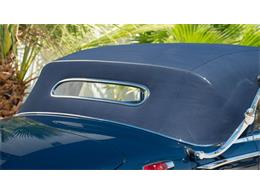
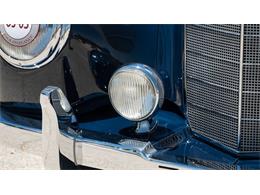
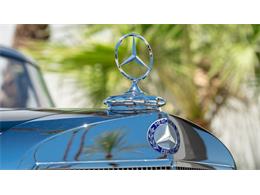
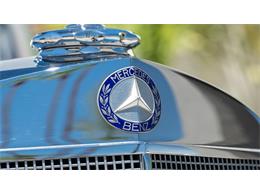
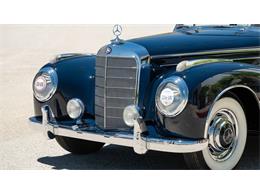
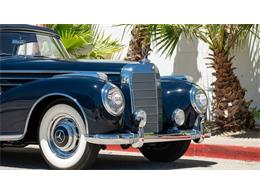
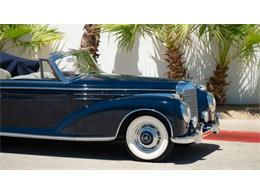
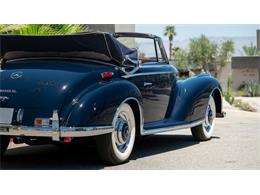
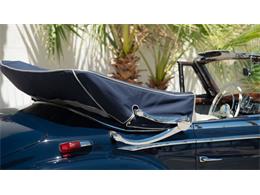
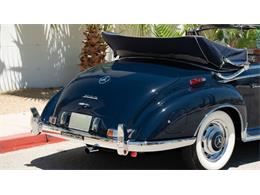
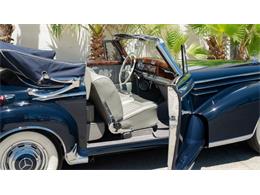
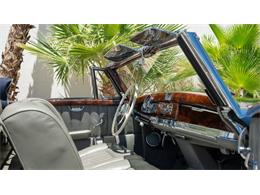
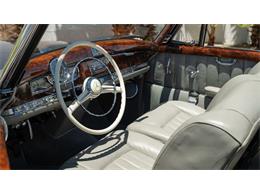
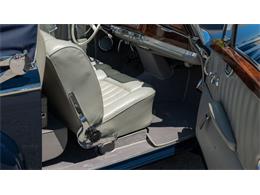
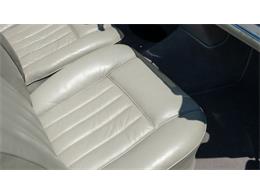
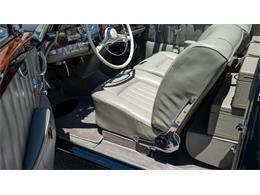
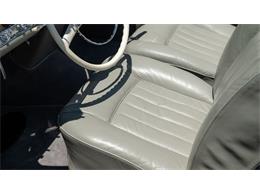
This Cabriolet, chassis number 77, was completed on 27 April 1956,
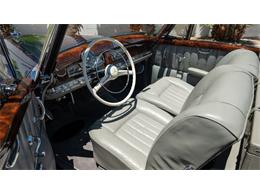
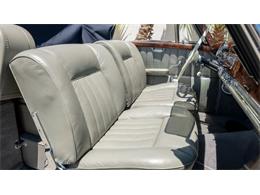
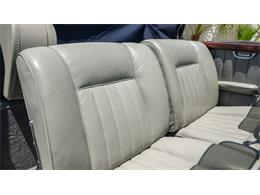
specified as it appears today, in Taubenblau (Dove Blue) over a
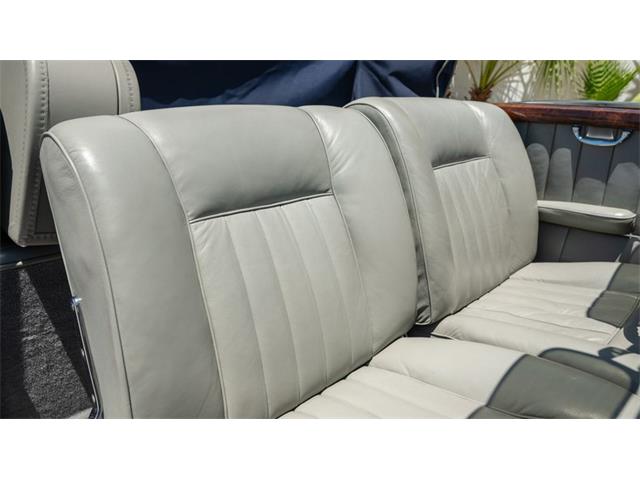
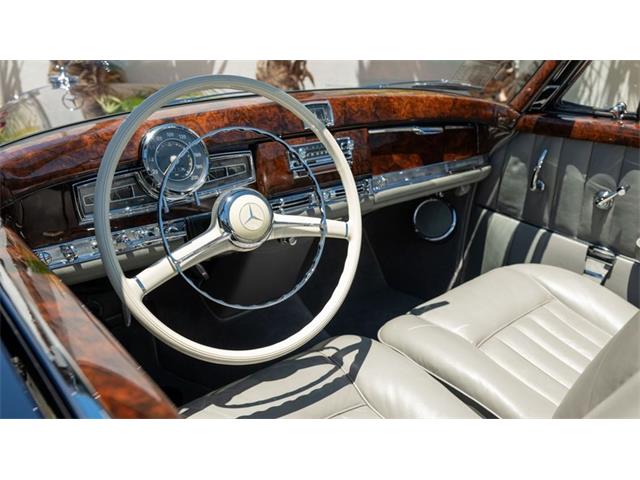
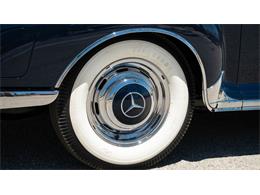
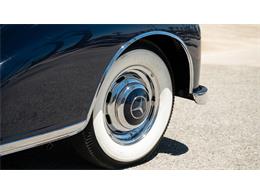
Grey leather interior with a Blue top. It was further optioned from
the factory with white-wall tires, a passenger-side headrest, and
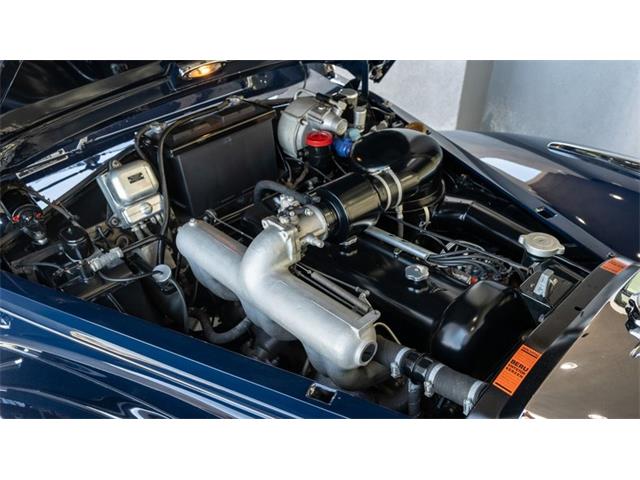
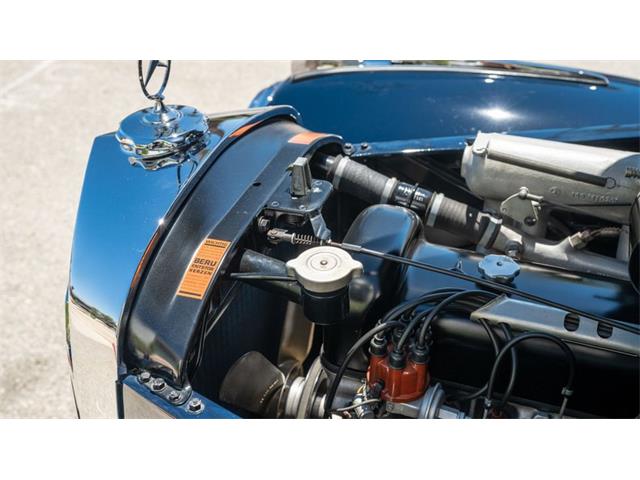
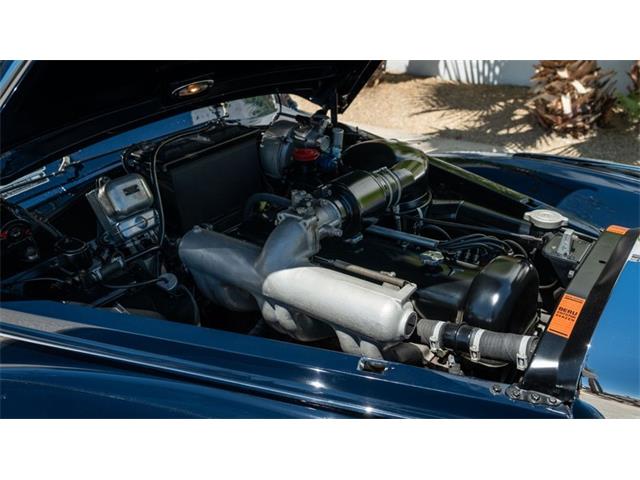
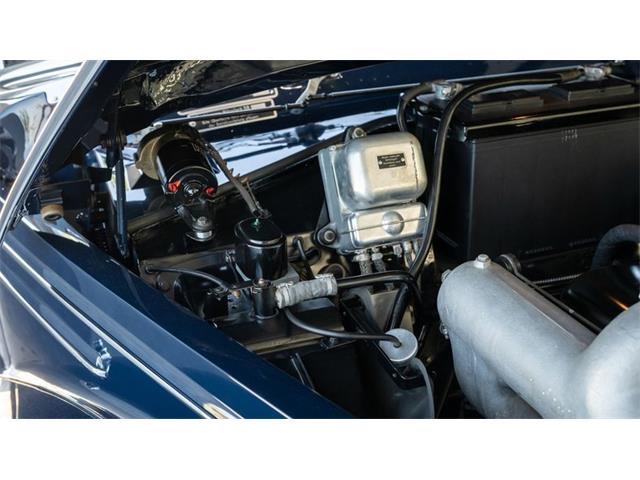
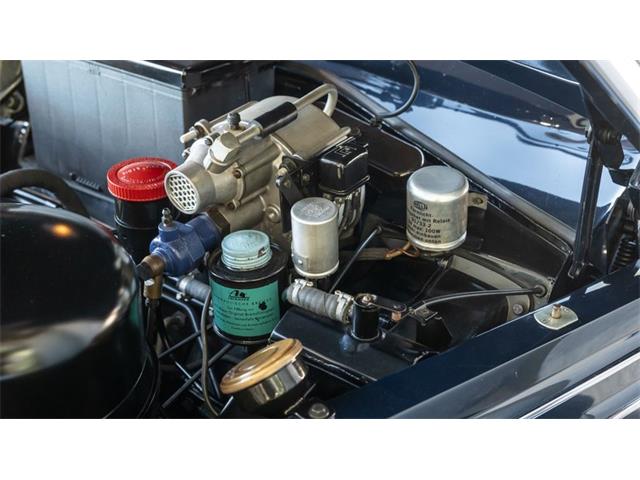
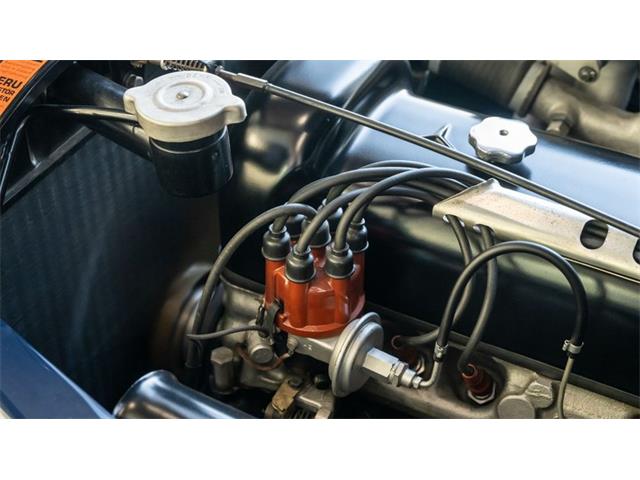
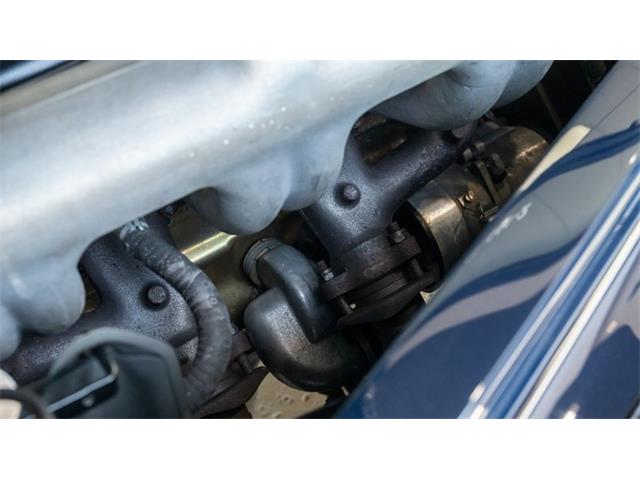
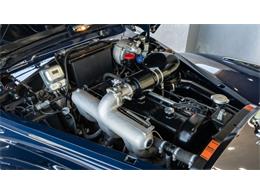
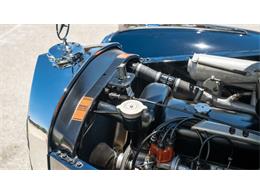
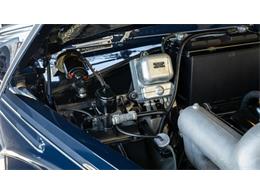
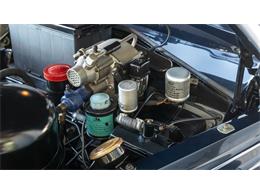
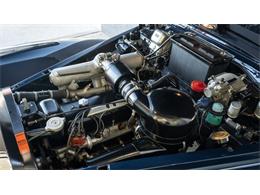
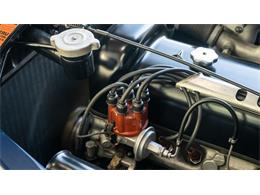
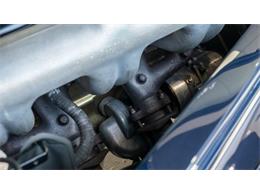
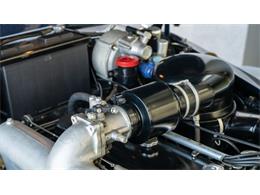
an electric windshield washer pump. It remains powered by its
original matching-numbers direct fuel-injected M199 inline-six as
recorded on the copy of its original Data Card.
The car was sold new through Messrs. Schomperlen & Gast in
Karlsruhe, Germany, to Brewery Director Dr. Walter Schrempp. While
on vacation in Germany in the spring of 1960, it was spotted by
David Siegrist, President of Montclair Studebaker Packard in New
Jersey, who brought the car home with him as the ultimate souvenir
of his trip. It then passed to Ben Halsell, who owned it until
1978, followed by Alex Dearborn, who kept the car until 1982 when
it was purchased by Mike Hall of California.
A 1997 letter from Dearborn attributes the exceptional restoration
to marque specialist Charles Brahms. The University of Southern
California-trained pharmacologist, who became known to generations
of collectors as "Mr. Mercedes," brought a scientist's precision
and an artist's eye to every restoration that passed through his
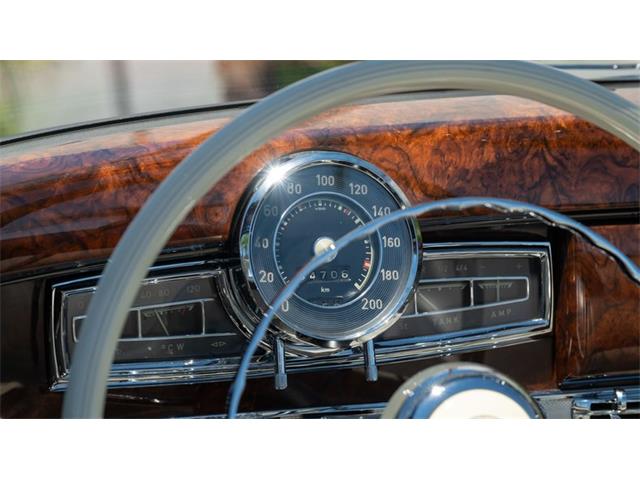
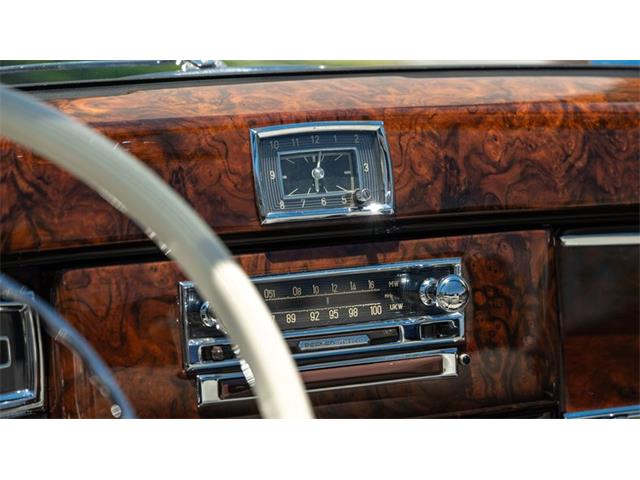
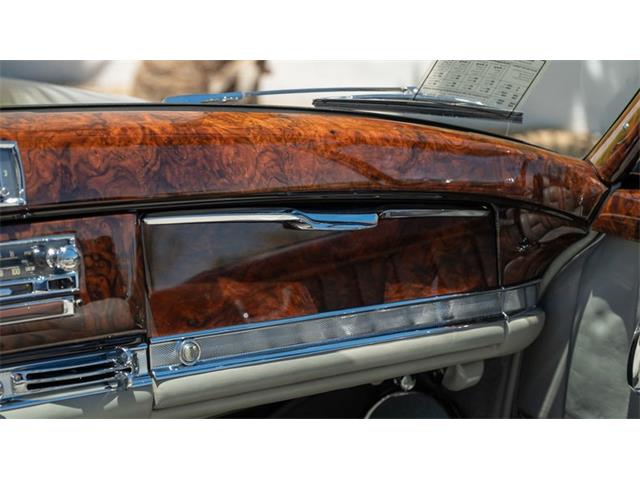
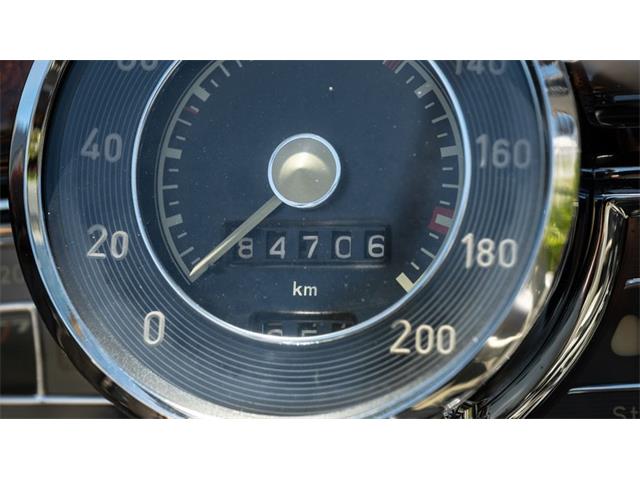
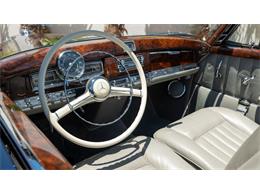
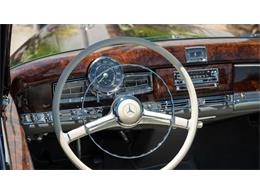
hands. Brahms's restoration touched nearly every system from
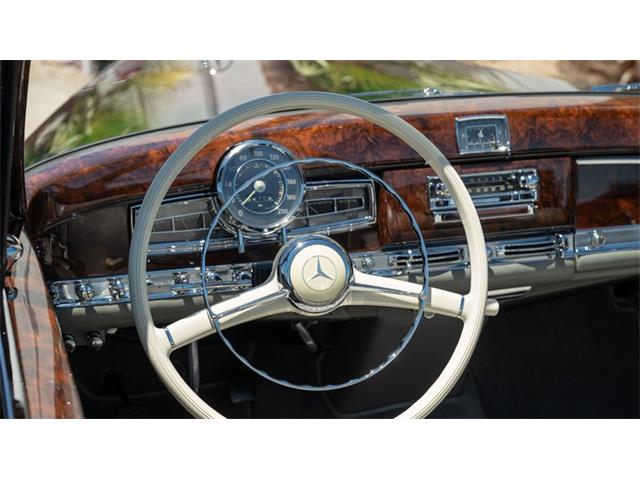
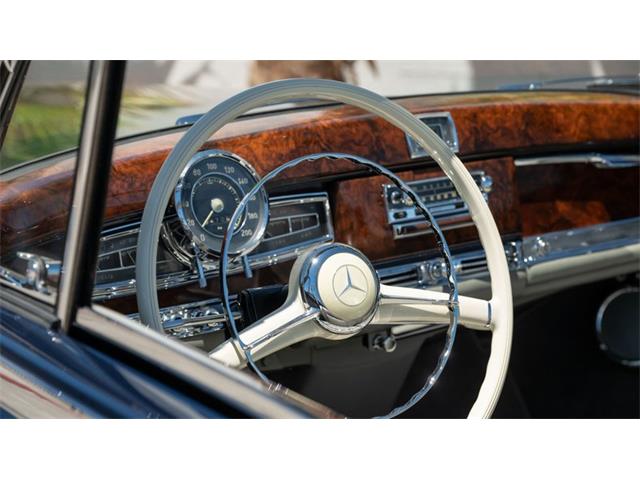
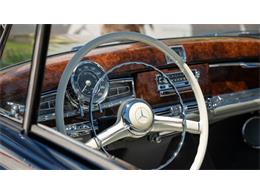
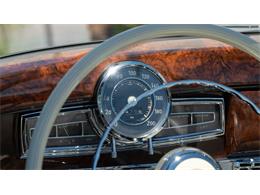
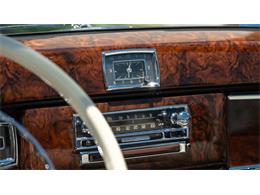
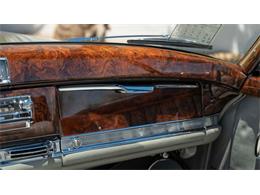
refinished interior wood and a recovered leather dashboard to fresh
carpets, a rebuilt Becker radio, a serviced braking system, a
rebuilt water pump, and restored instrumentation.
From there, it passed through a succession of committed marque
enthusiasts before briefly returning to Germany during the 1980s.
The car later returned to the U.S. and joined the collection of
James Patterson, under whose ownership Hjeltness Restoration
refreshed the car following its highly detailed restoration by
Brahms.
Clearly showing the high quality of the restoration work completed
to this Cabriolet A, it made a successful showing at the 2012 Lake
Mirror Classic, immediately capturing Best in Show. It remained a
presence on the concours field, taking Mercedes-Benz Excellence in
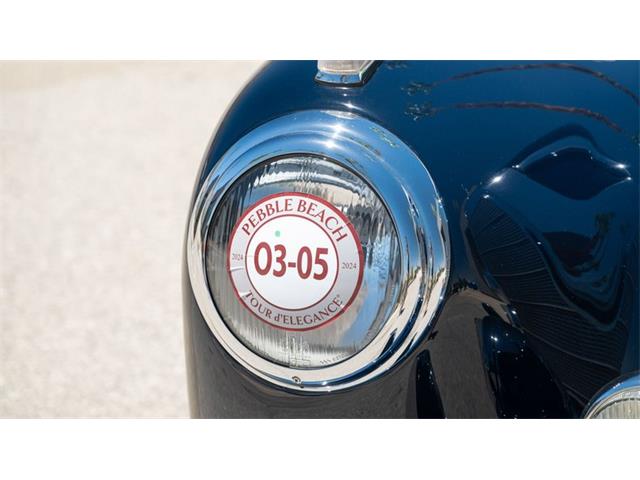
Class at the 2018 Cavallino Classic. In 2023, it entered the
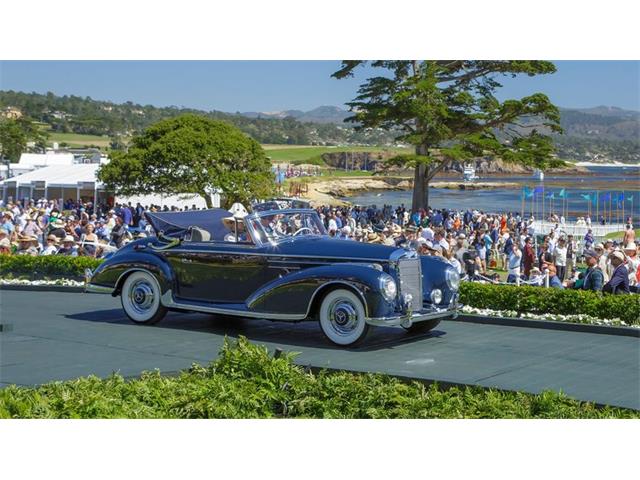
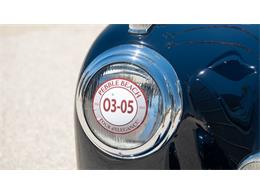
world-renowned Todd Blue Collection. It was entered and shown by
Blue at the prestigious Pebble Beach Concours d'Elegance in 2024
capturing a class award, validation of the restoration work
completed by Brahms and Hjeltness as well as the maintenance in the
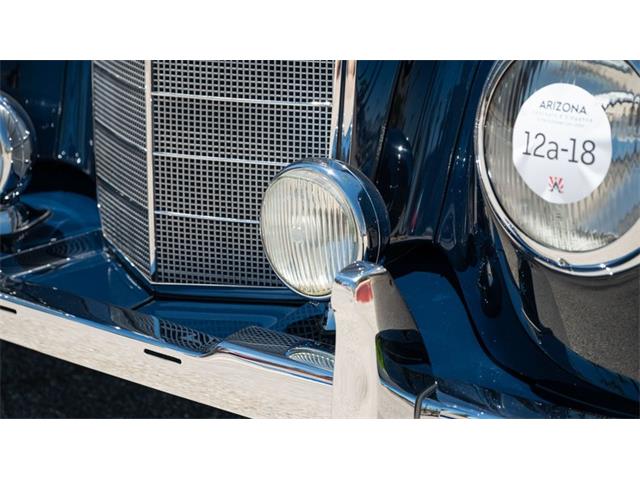
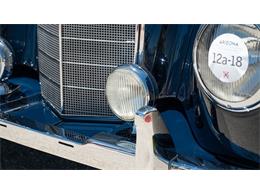
years since. Following this strong showing, the Cabriolet took
victory in a featured class celebrating 140 years of Mercedes-Benz
engineering and design at the 2026 Arizona Concours d'Elegance.
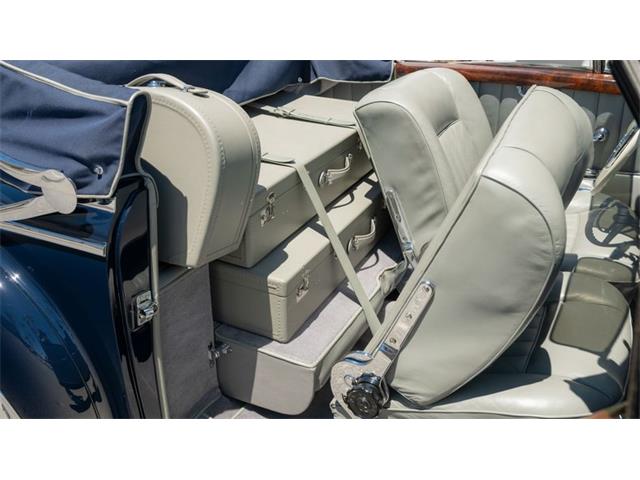
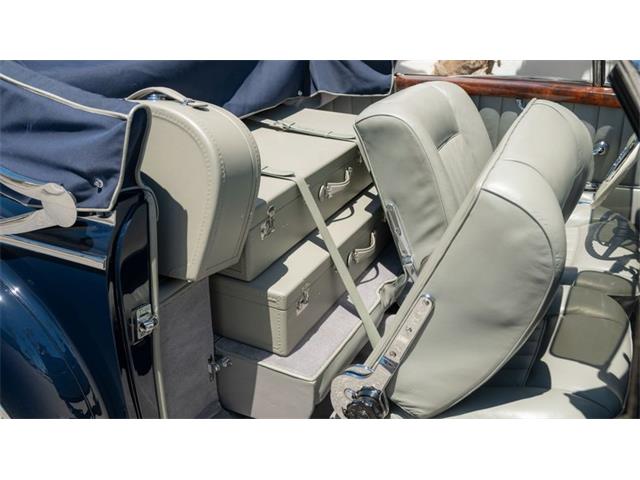
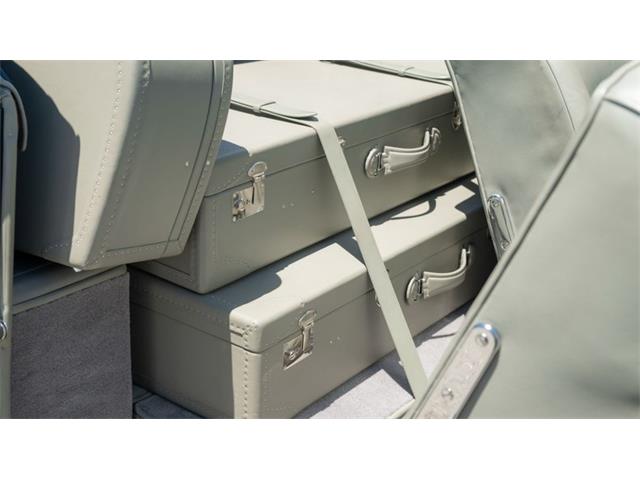
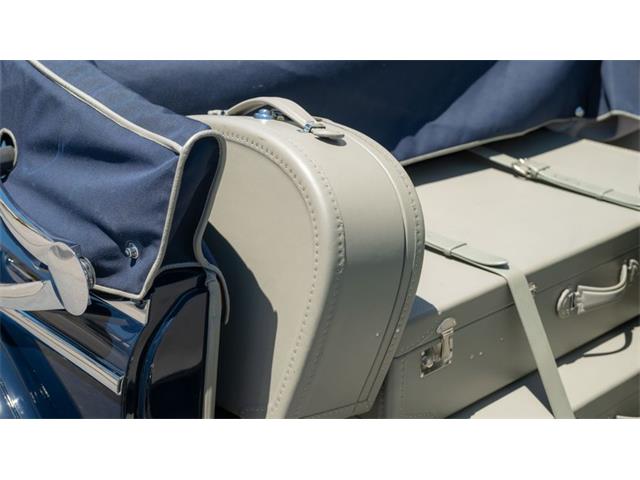
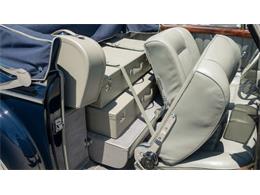
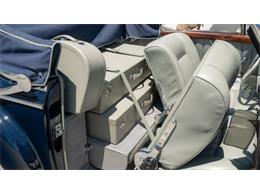
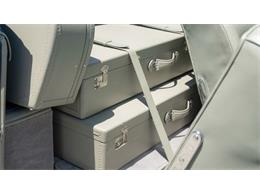
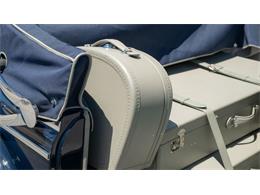
Today, it still retains its matching-numbers drivetrain and a set
of fitted luggage. A strikingly handsome example of the most
exclusive open Mercedes-Benz of its generation, it presents its
next caretaker with a beautifully specified, award-winning example
of one of the rarest and most elegant grand tourers the marque ever
produced.
ClassicCars.com has been recognized as one of the fastest-growing private companies in the United States, successfully making the Inc. 5000 list in both 2015,
2016, 2017 and 2018. This prestigious accolade represents the continued growth of the company, and ClassicCars.com's dominance as the world's largest online marketplace for
buying and selling classic and collector vehicles.
The Stevie Awards, the world's premier business awards recognized
ClassicCars.com's first-class Customer Support team with a Stevie Bronze Award in 2019, celebrating the team's skills as exemplary customer support specialists.
In 2016 The Journal, brought to you by ClassicCars.com, was celebrated as the SECOND MOST INFLUENTIAL automotive blog in the world by NFC Performance.