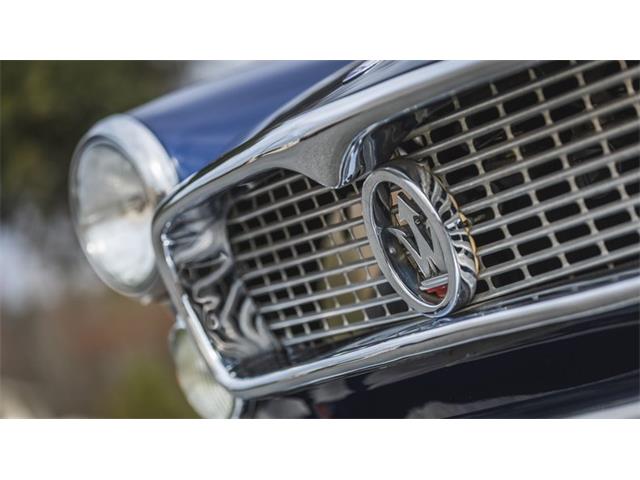
Throughout its early history as a manufacturer, Maserati's focus
was primarily on motorsports, which was rewarded with numerous
victories in Grand Prix and sports car racing before and after
World War II. The few road cars the firm sold were exclusive and
expensive, heavily relying on components from their racing
machines. Although Juan Manuel Fangio had achieved his fifth and
final World Championship driving for Maserati in 1957, the company
ultimately saw the discontinuation of its factory racing program in
1958. To ensure its financial health, Maserati needed to adopt a
new business strategy and while they continued to offer racing car
services to privateers, the Modena marque would begin building
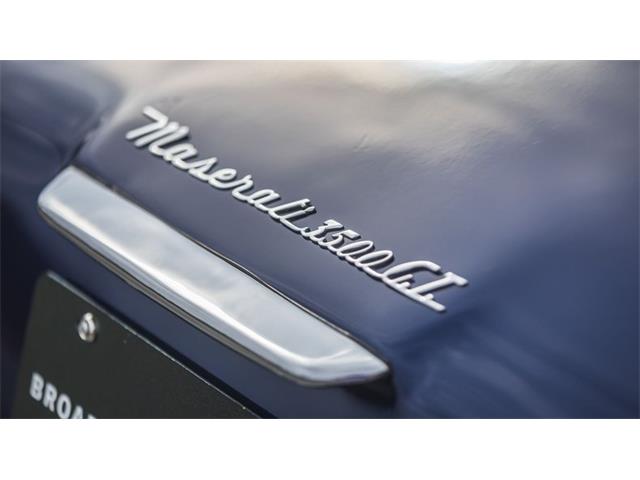
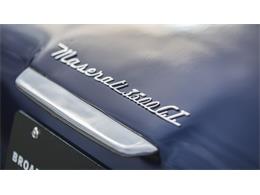
series production road cars for the first time with the 3500
GT.
When word of Maserati's intention to begin building road cars
spread, Italy's most esteemed carrozzerie mobilized to secure
manufacturing contracts. The 1957 Geneva Motor Show served as the
stage for two competing visions: Allemano's interpretation and
Carrozzeria Touring's submission from Milan. Maserati ultimately
selected the Touring design, a sophisticated 2+2 coupe showcasing
the firm's signature Superleggera construction method, which
utilized aluminum body panels attached to a rigid steel
framework.
Following the 3500 GT Coupe's commercial success, customers,
particularly in the American market, expressed strong interest in
an open variant. The development process spanned several
iterations: Frua crafted an initial Spyder prototype in 1957 using
an early 3500 GT chassis, though this design didn't advance to
production. Carrozzeria Touring followed with two open-air studies
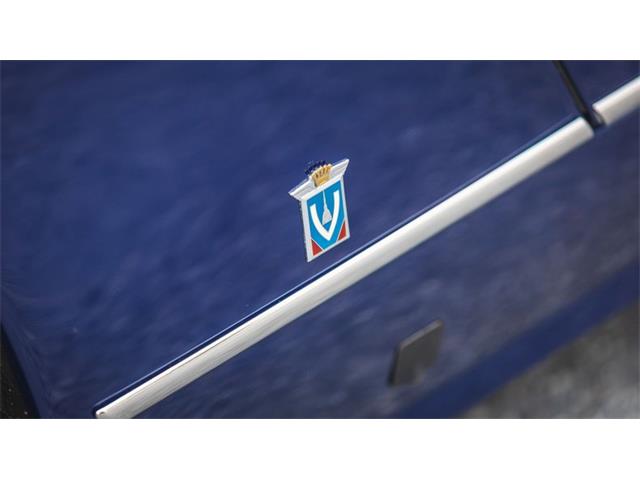
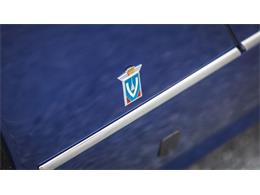
in 1958. The breakthrough came in 1959 when Carrozzeria Vignale
unveiled their Spyder, penned by the masterful Giovanni Michelotti.
This definitive version rode on a shortened wheelbase-10
centimeters shorter than the coupe-and utilized steel body panels
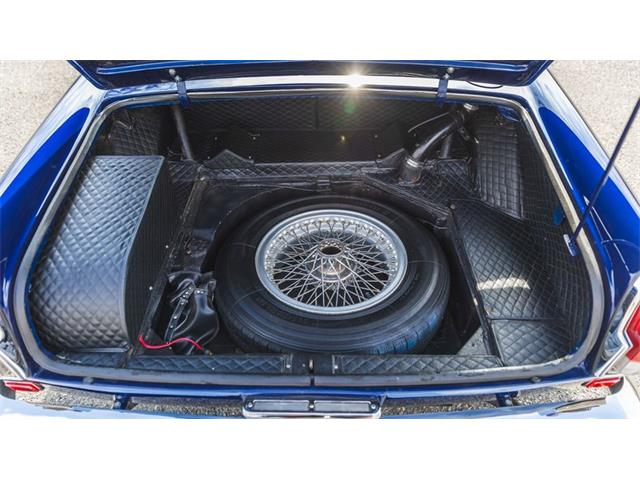
with an aluminum hood and trunk lid rather than the closed car's
all-aluminum construction. Production continued through 1964, with
just 242 Spyder examples built compared to around 2,000 coupes.
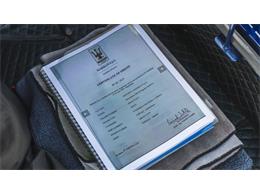
According to a copy of the internal factory order form obtained
through Maserati Archivio Storico, this outstanding Vignale Spyder,
chassis number 1337, was commissioned by Auto-Konig in Munich,
Germany on 25 July 1961. The document outlines a striking
specification including Oro Longchamps (Gold) paintwork and a Pelle
Rossa (Red leather) interior with matching carpets. Its desirable
original specification was completed by a color-matched hard top,
five wire-spoke wheels, and a tool kit. The car's original delivery
note declares that the Spyder was completed the following month on
14 September 1961.
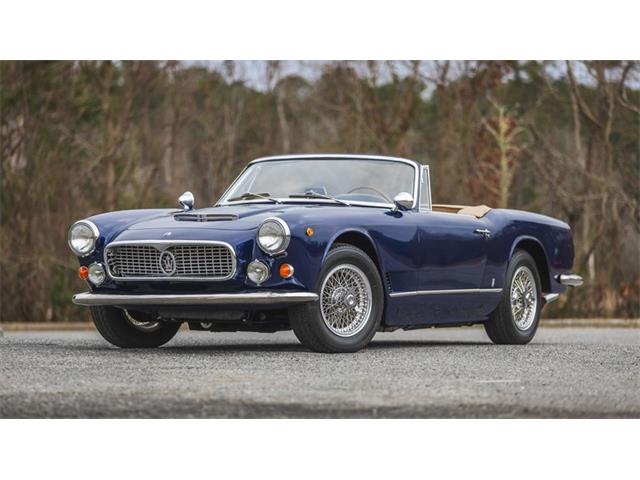
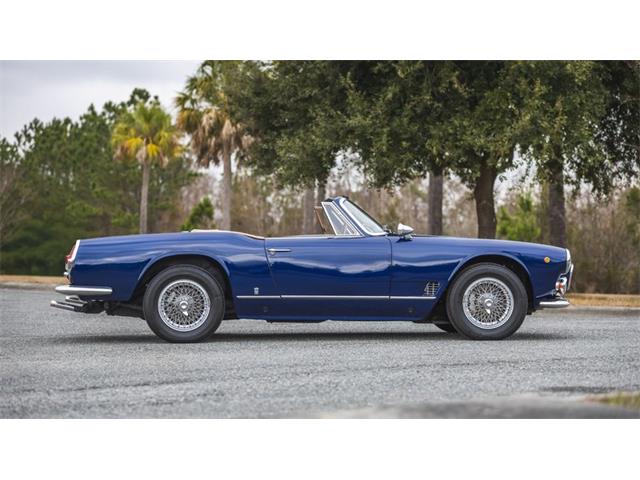
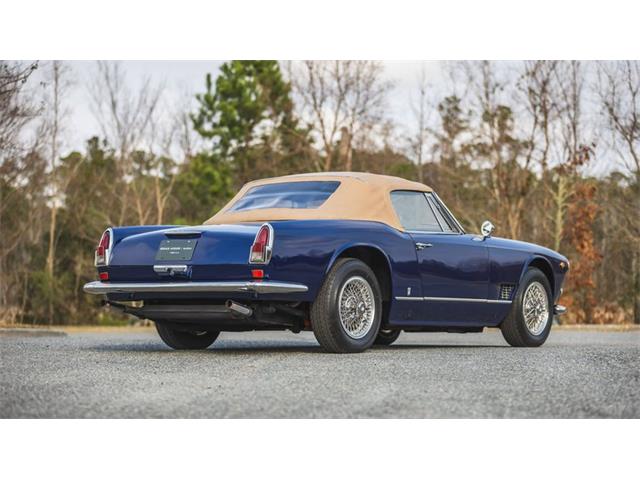
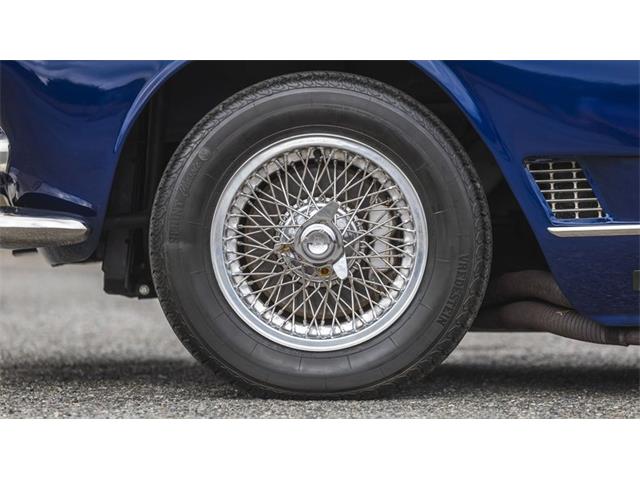
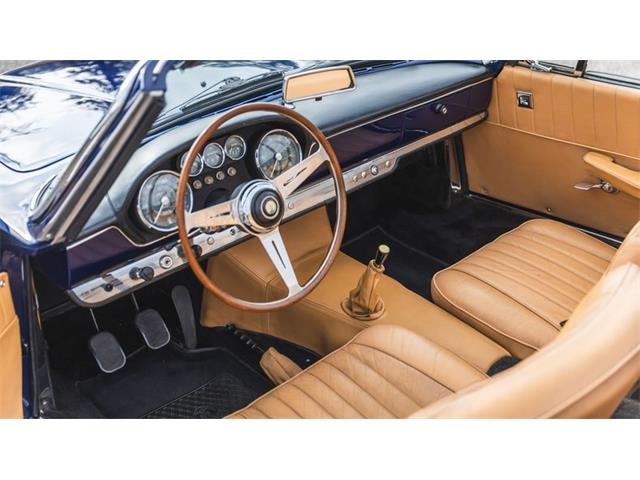
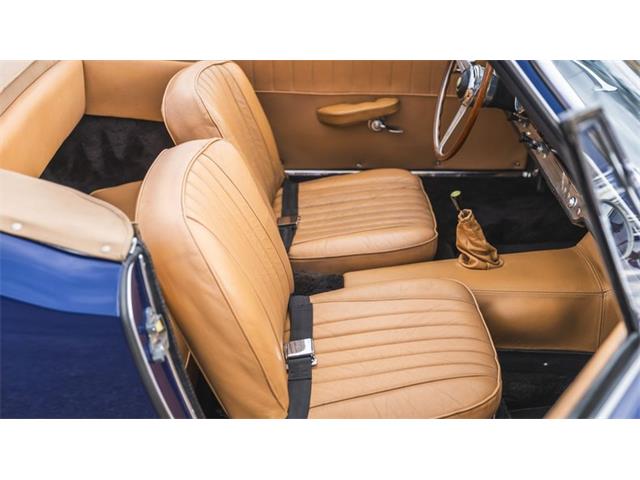
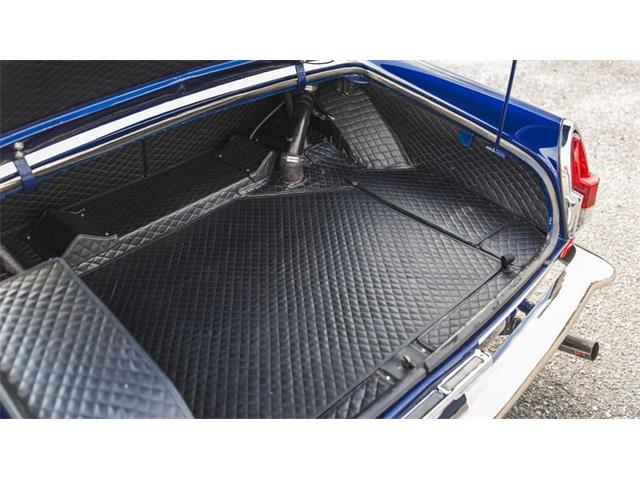
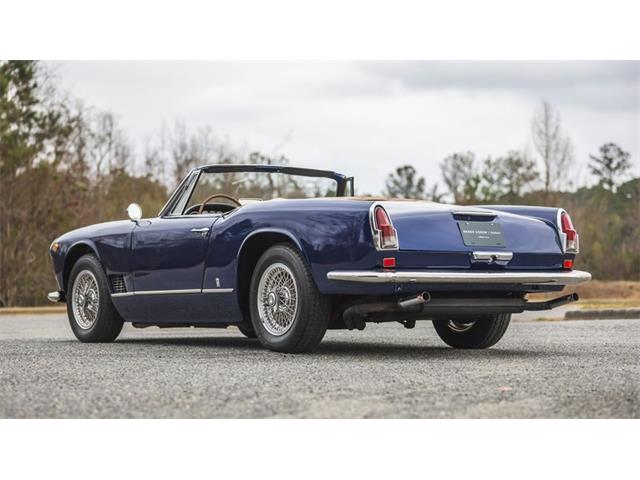
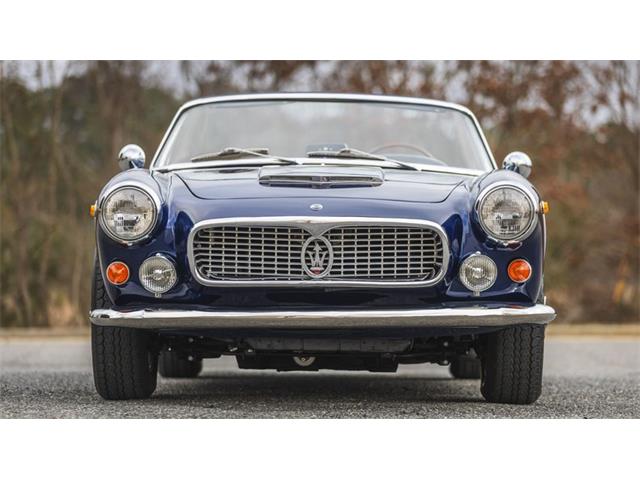
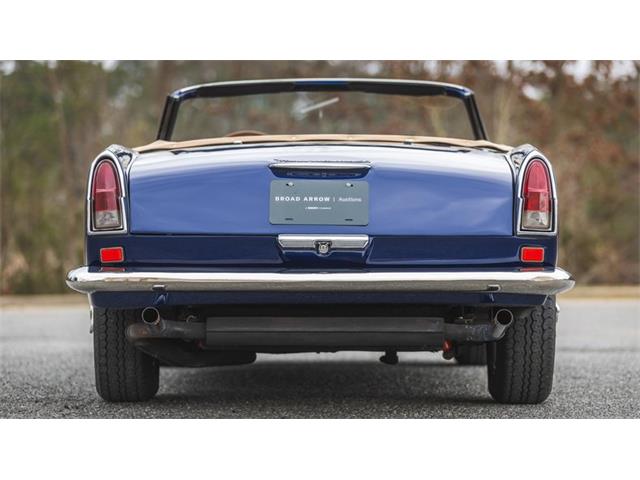
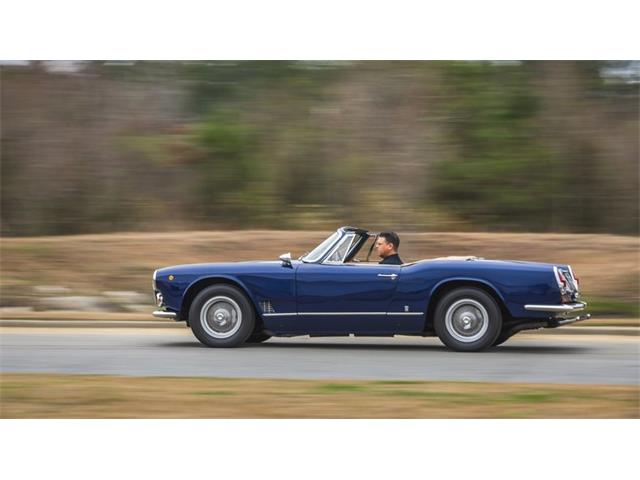
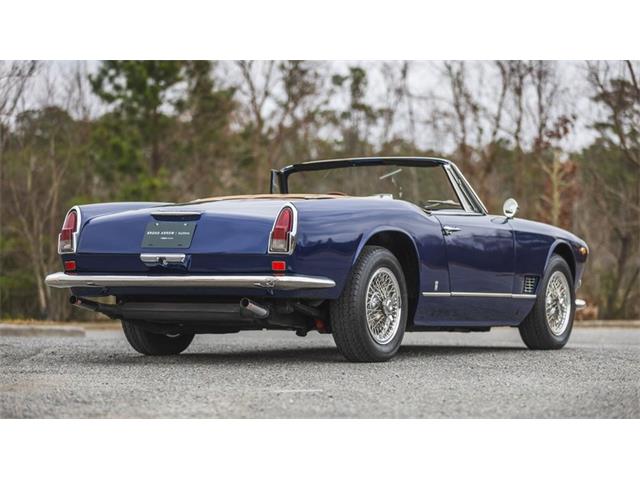
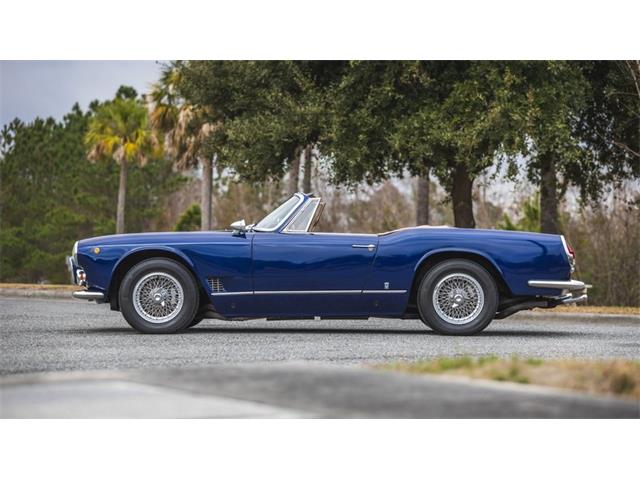
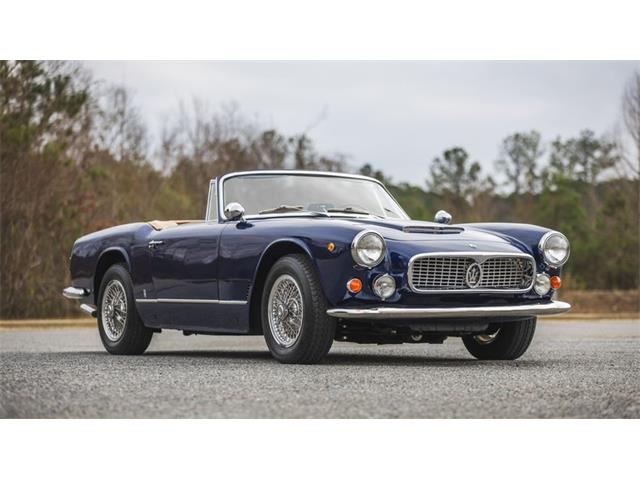
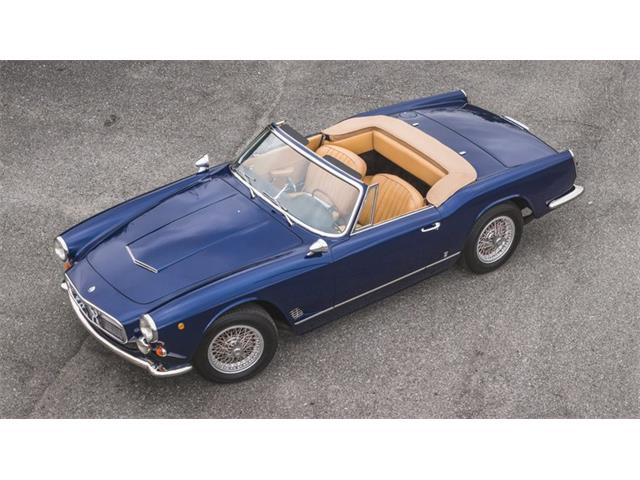
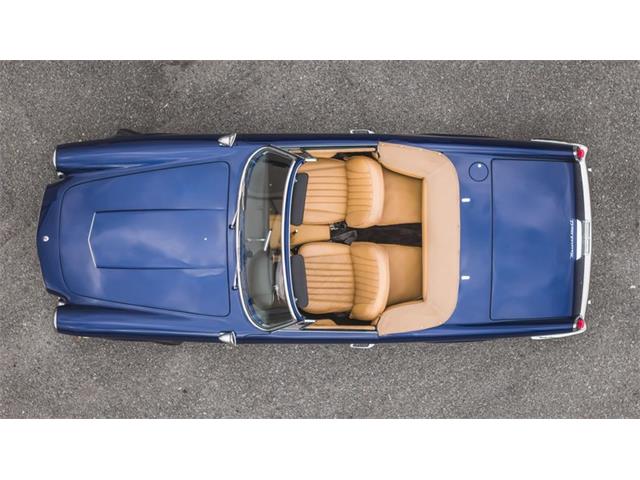
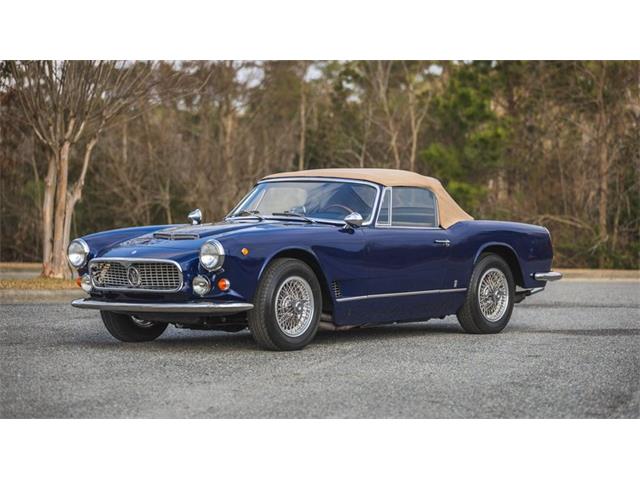
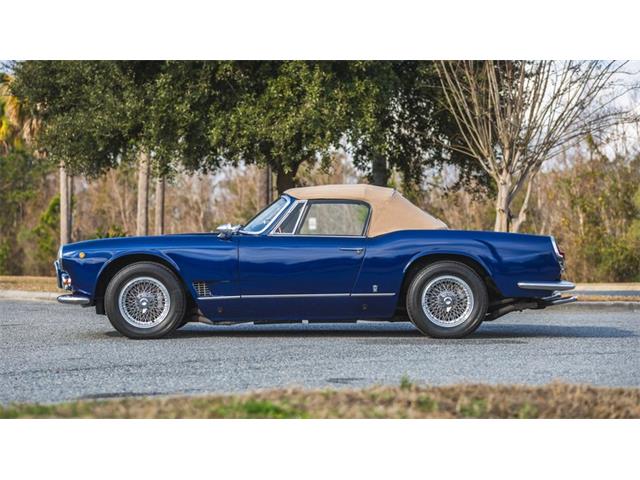
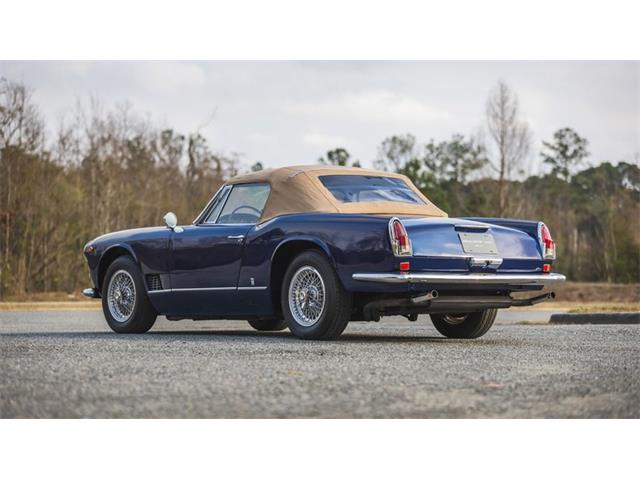
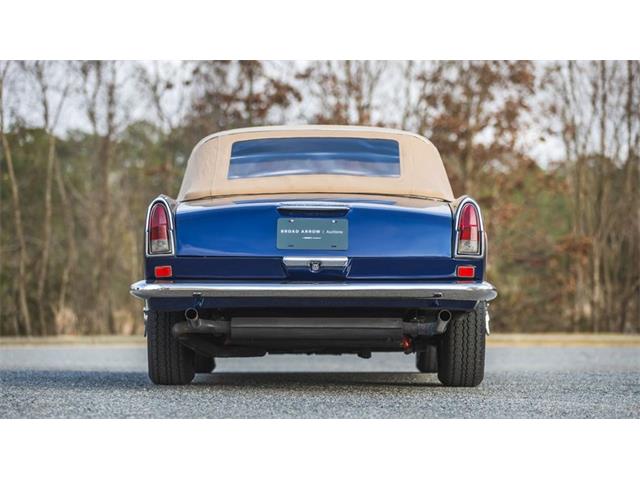
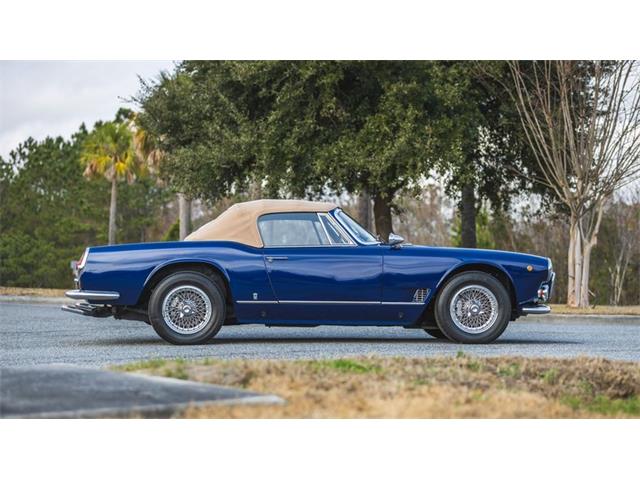
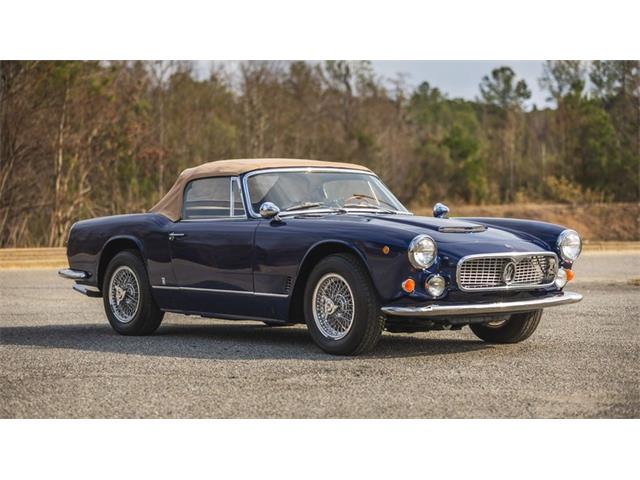
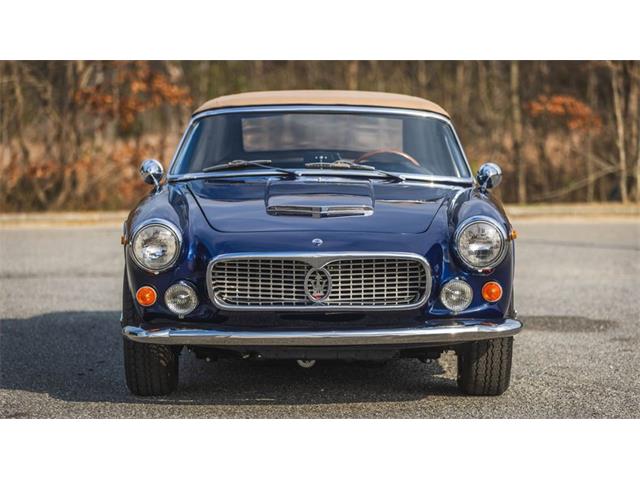
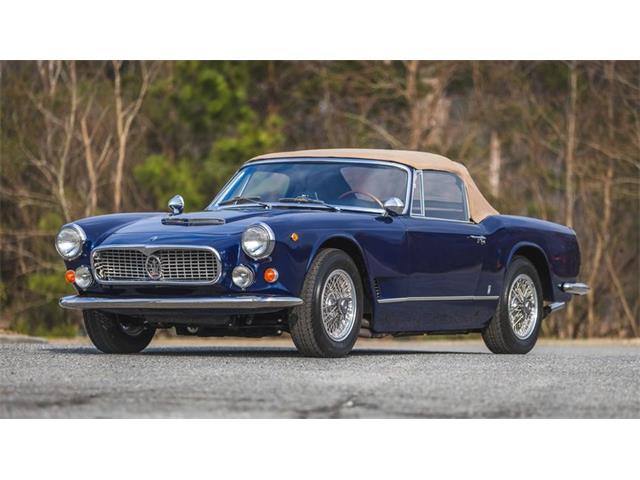
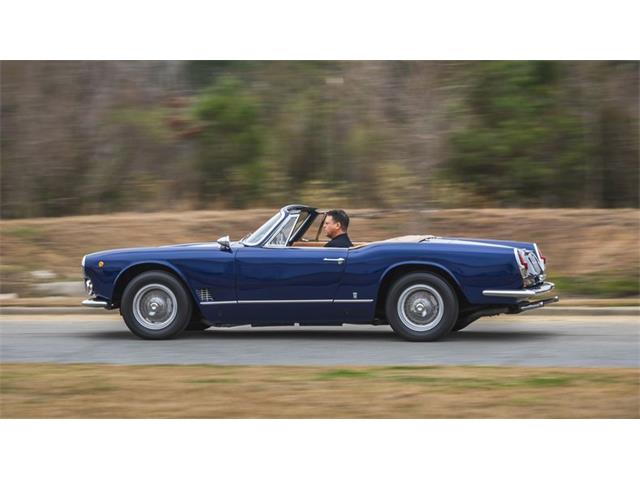
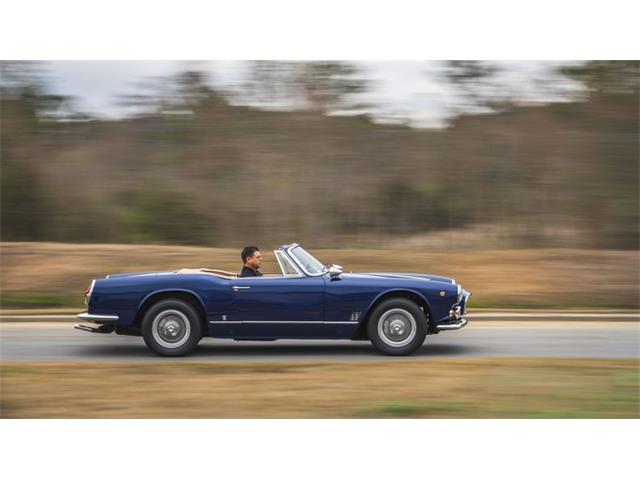
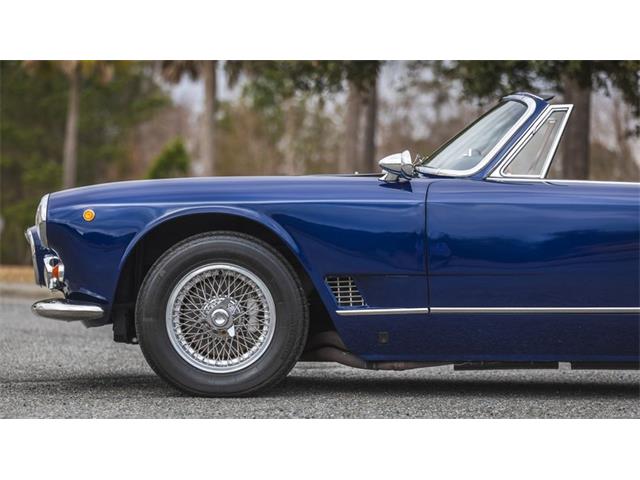
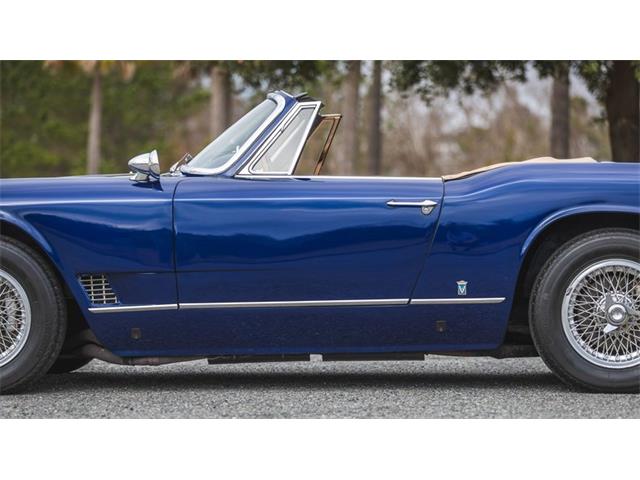
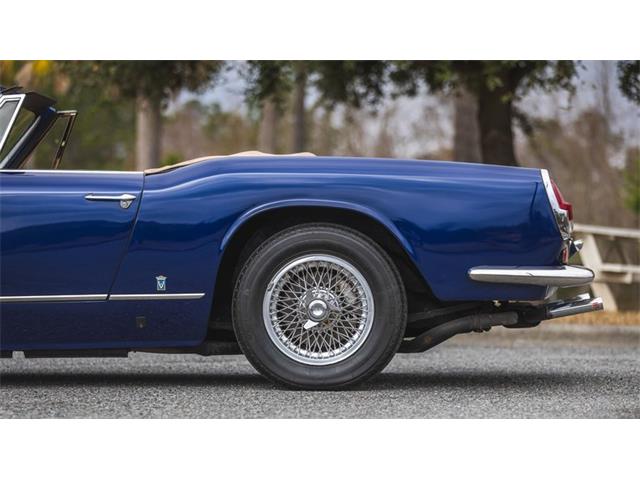
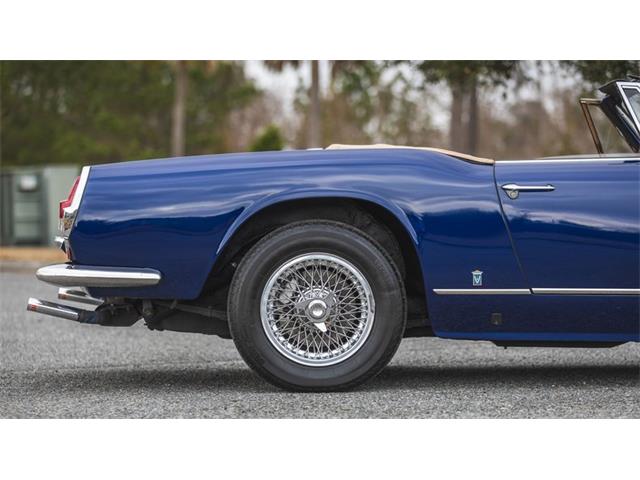
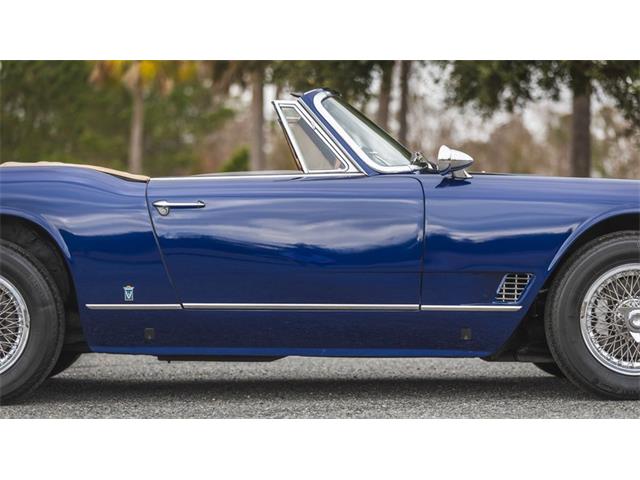
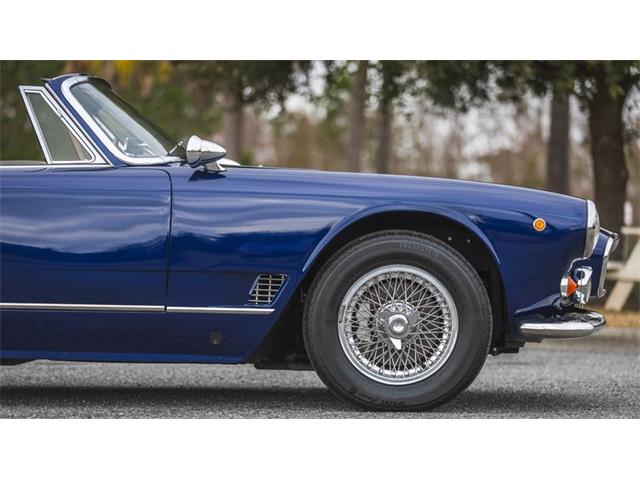
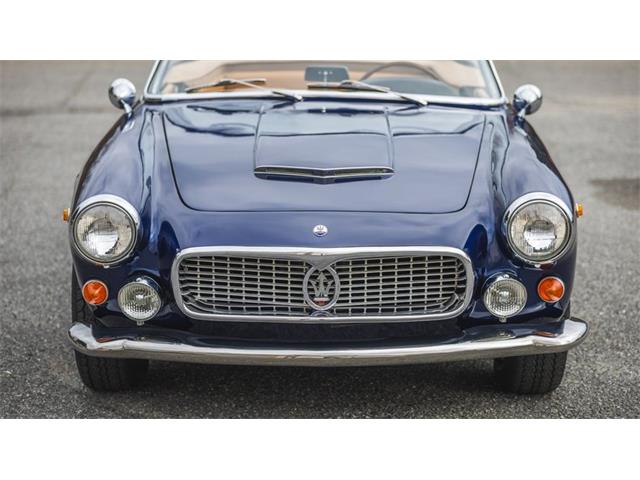
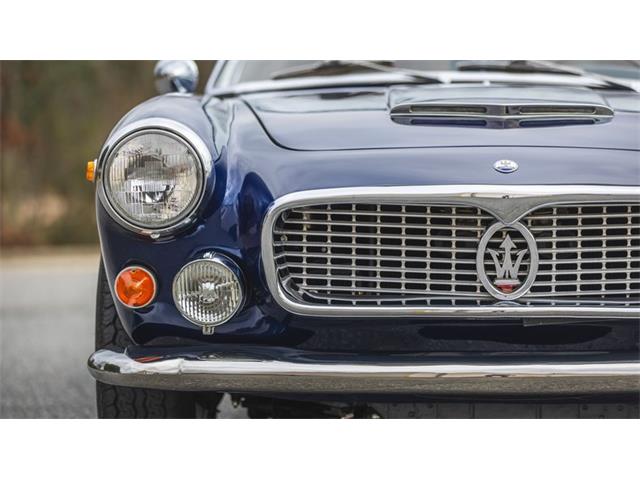
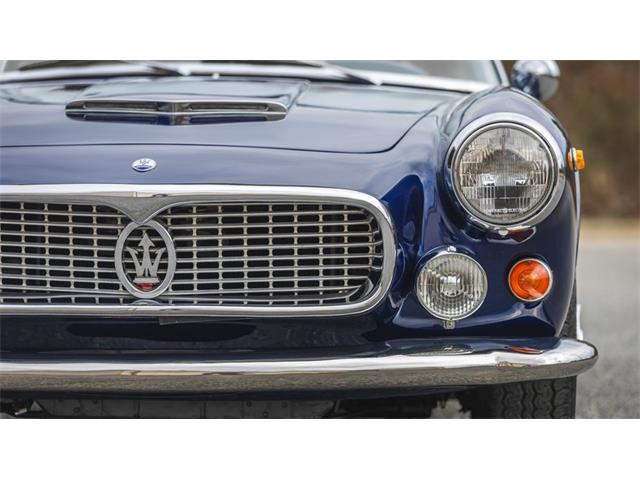
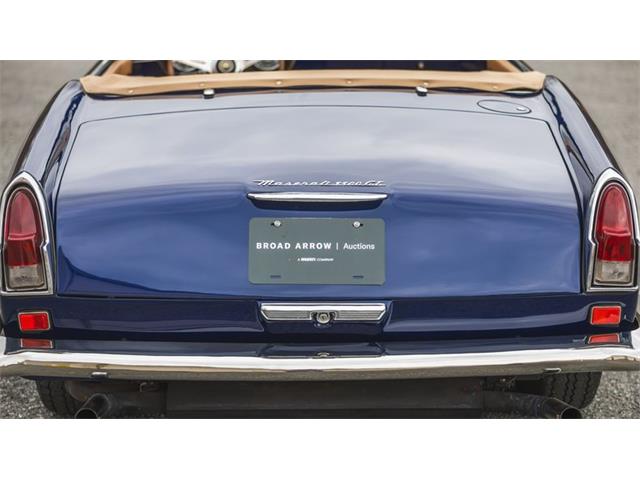
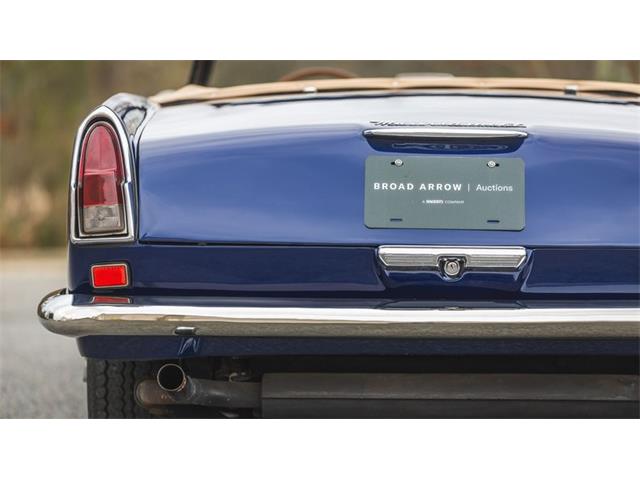
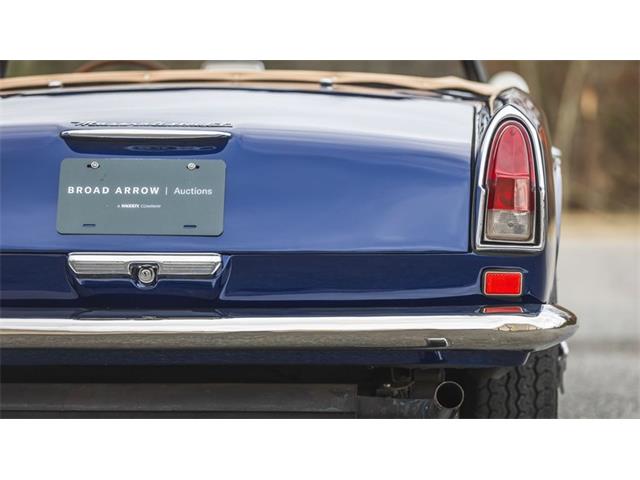
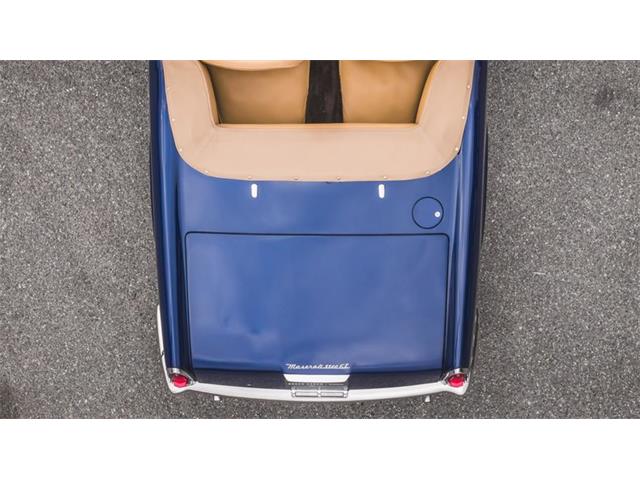
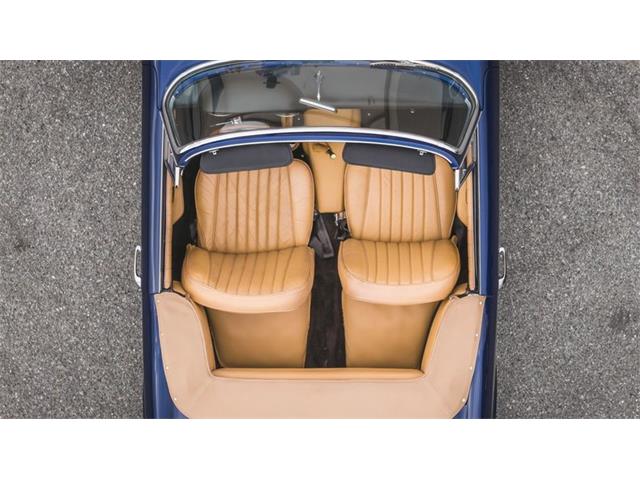
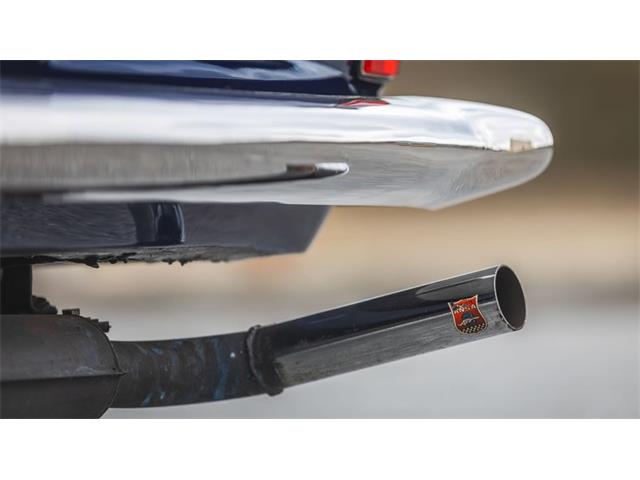
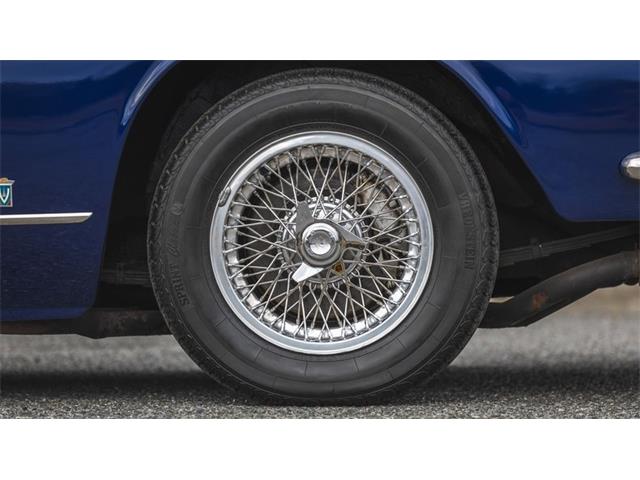
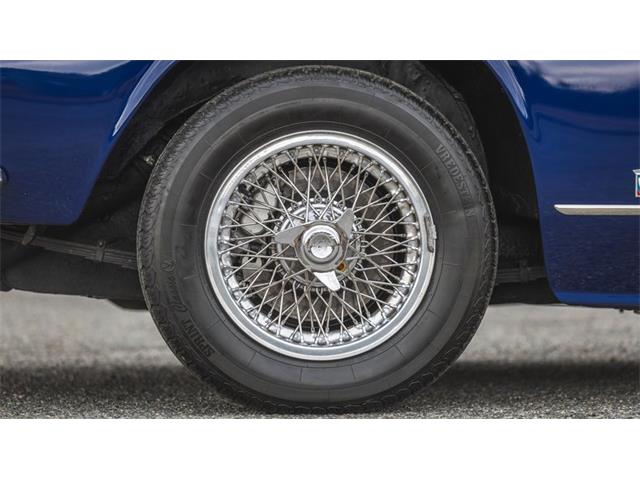
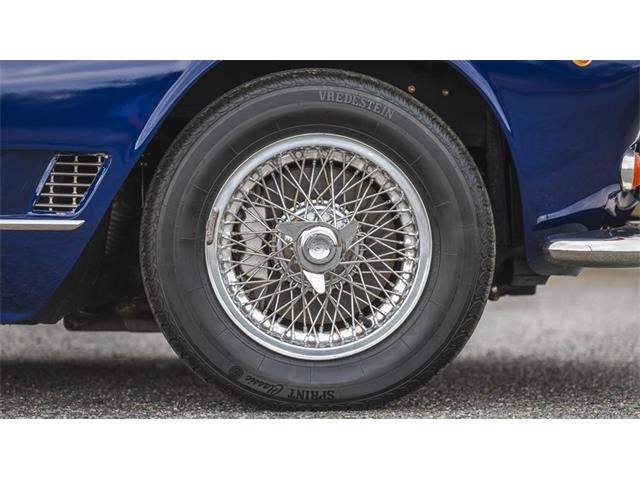
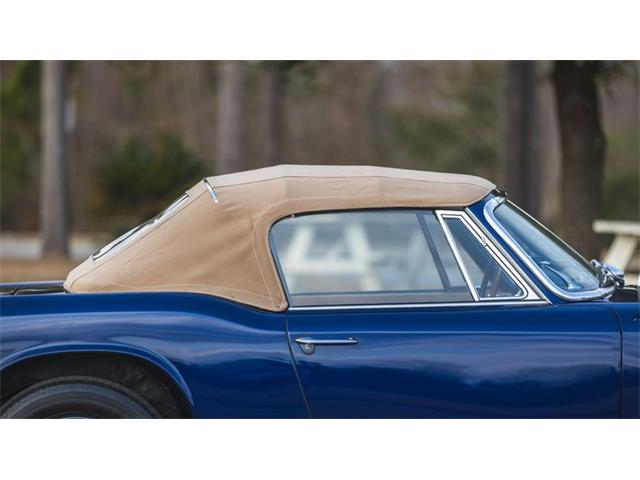
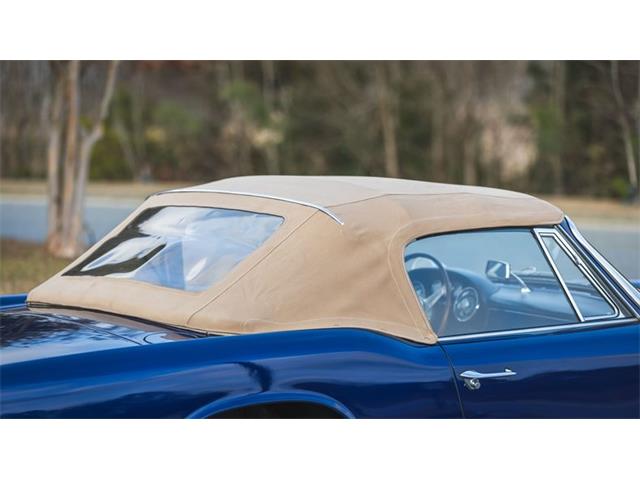
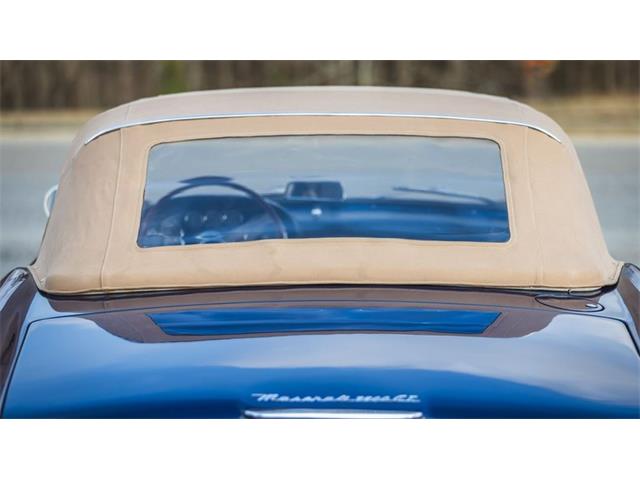
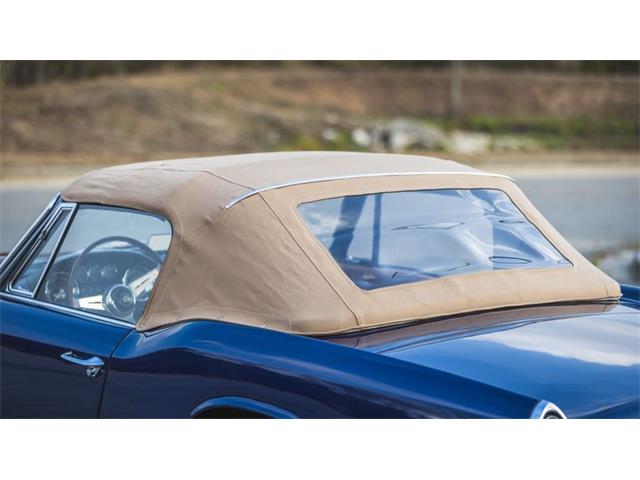
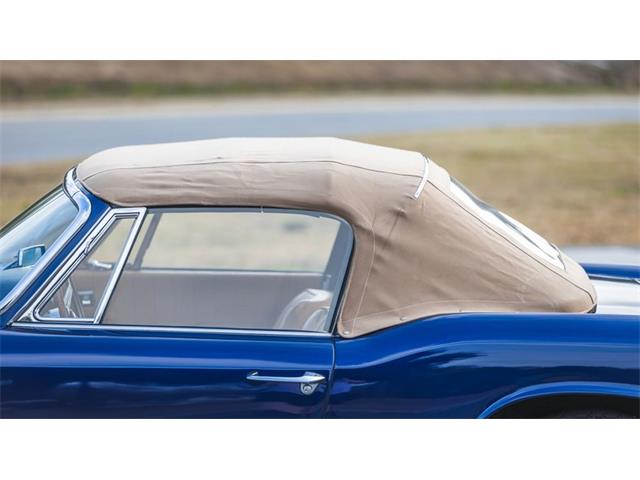
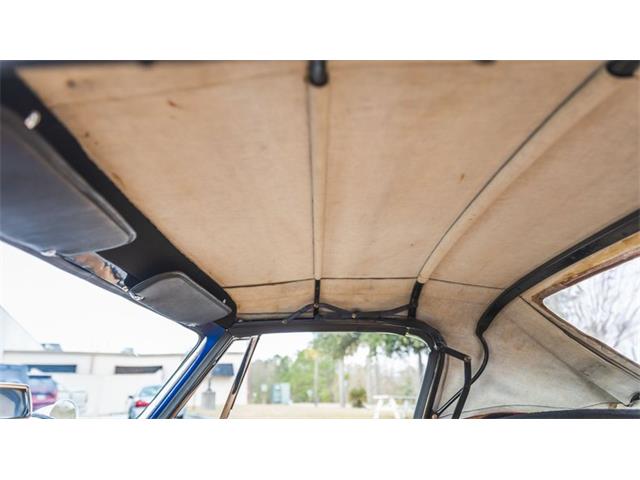
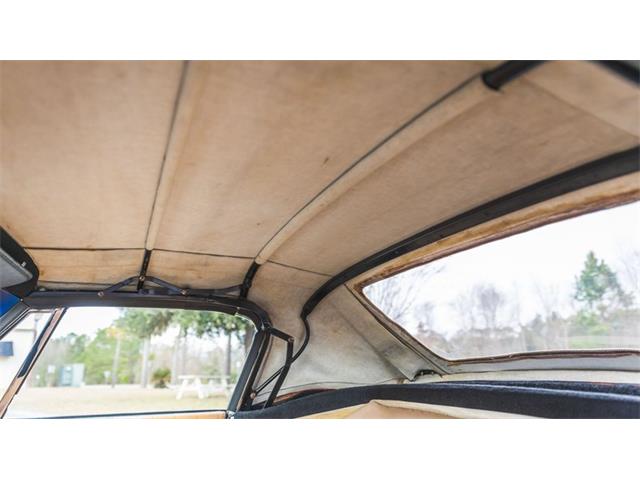
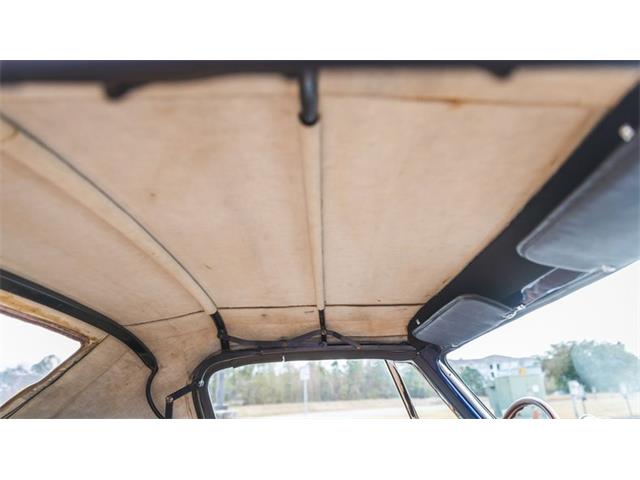
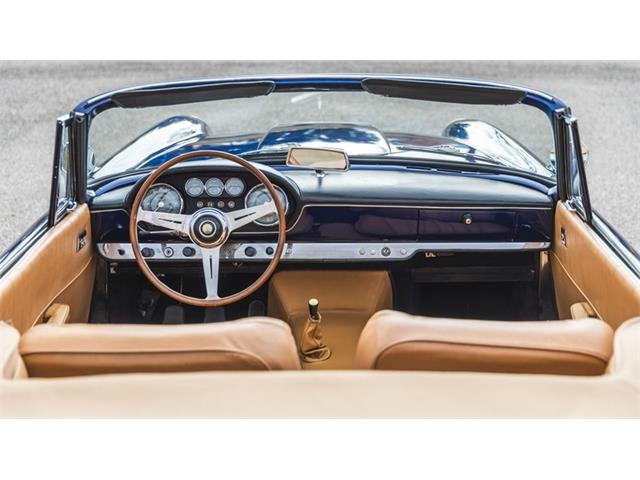
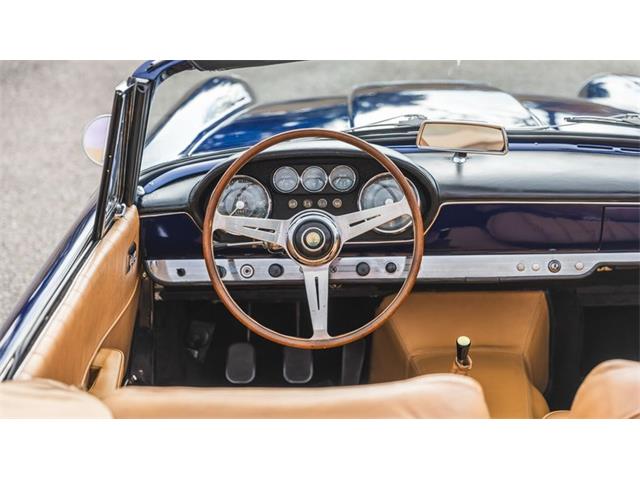
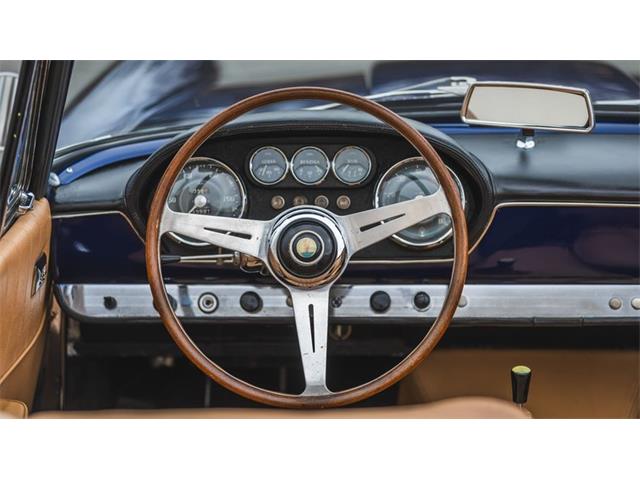
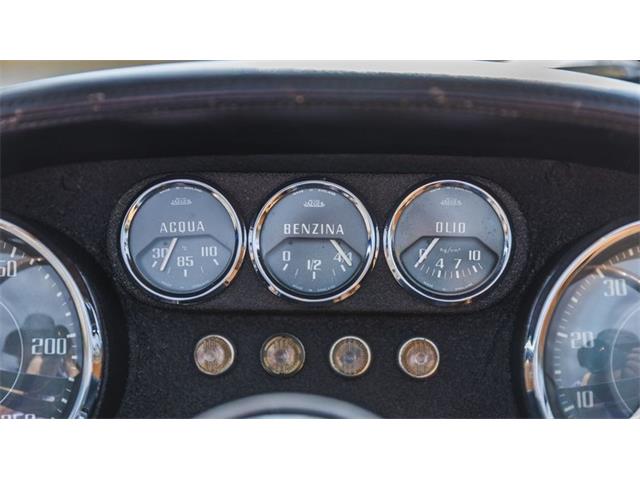
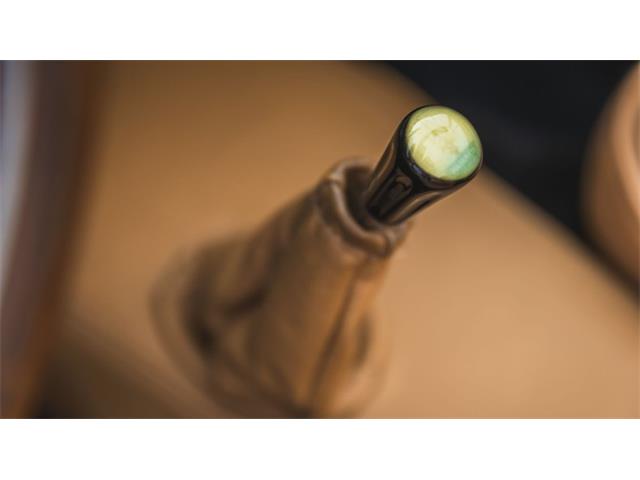
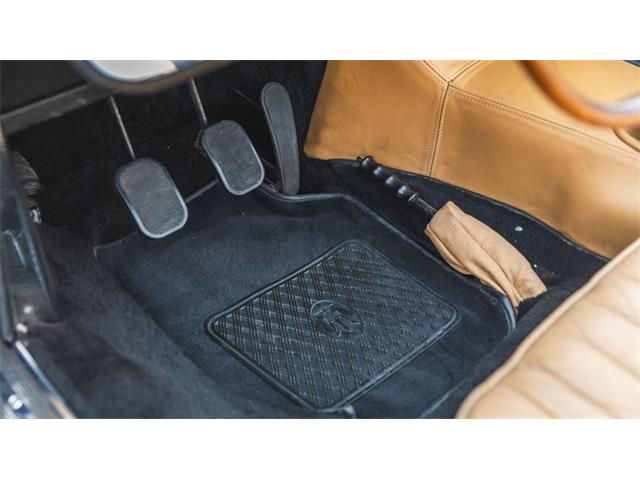
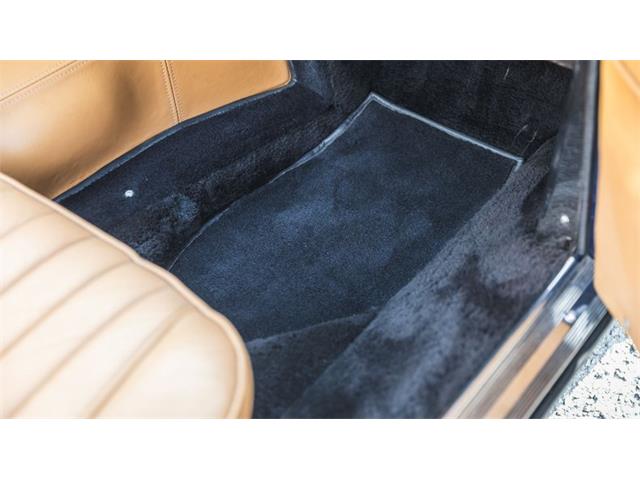
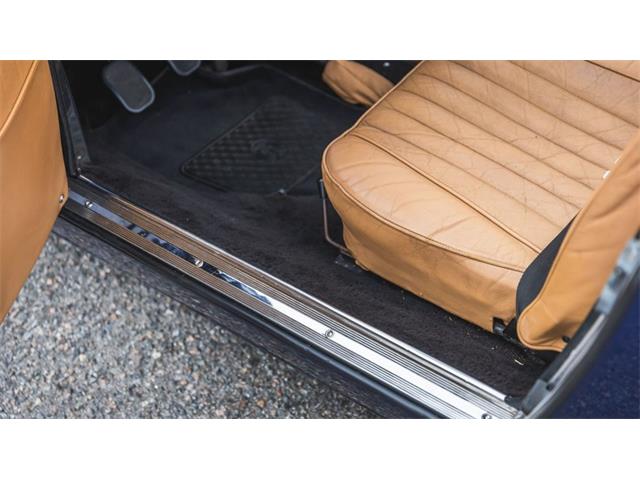
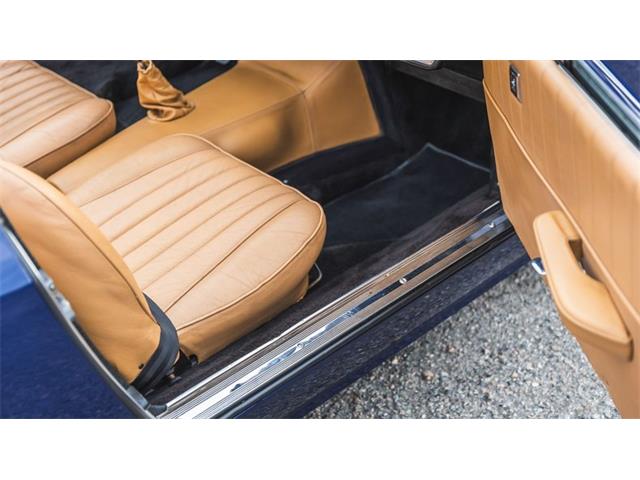
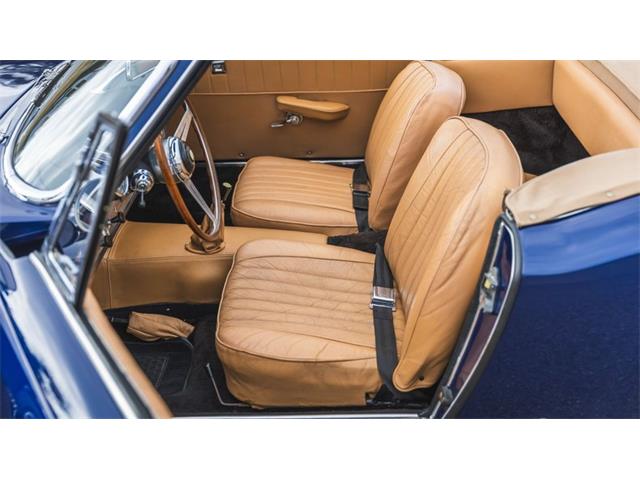
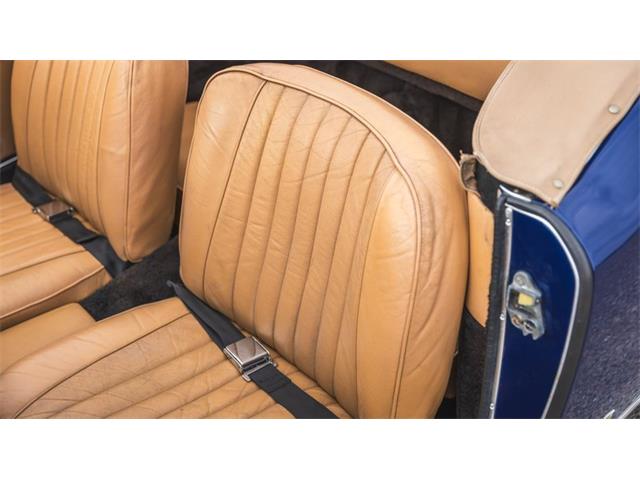
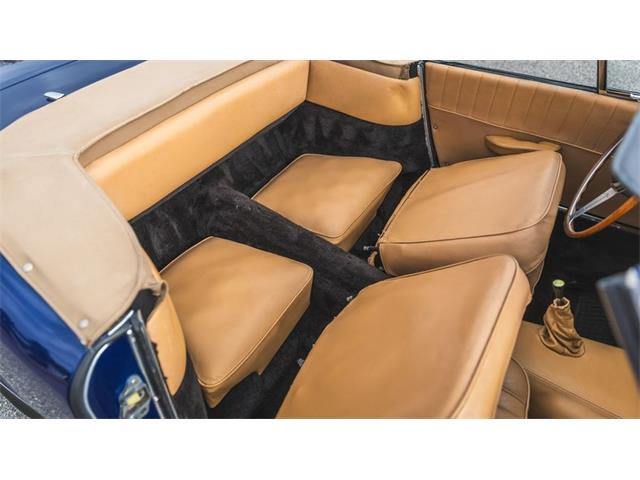
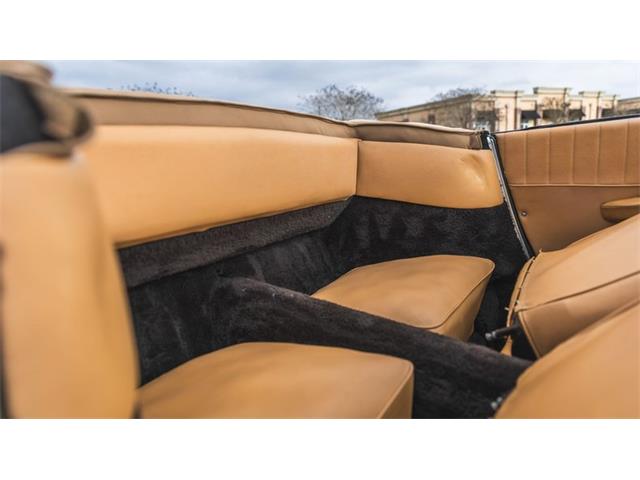
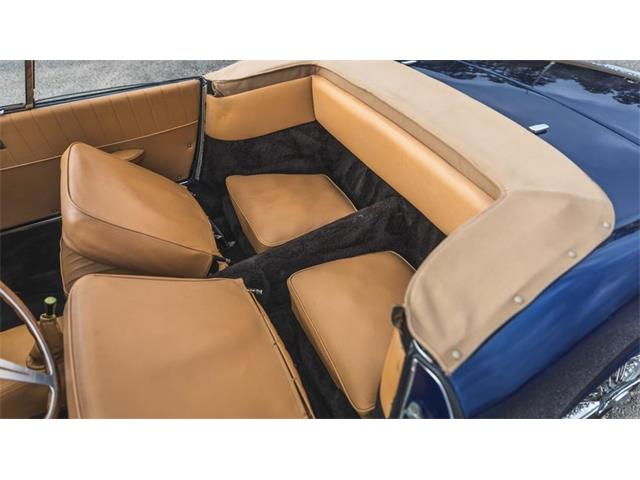
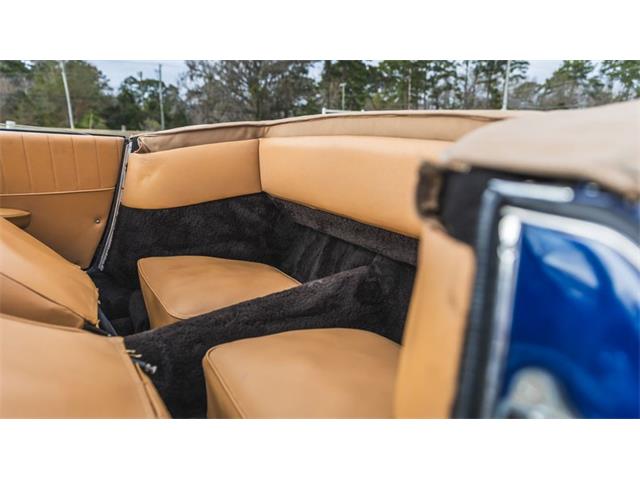
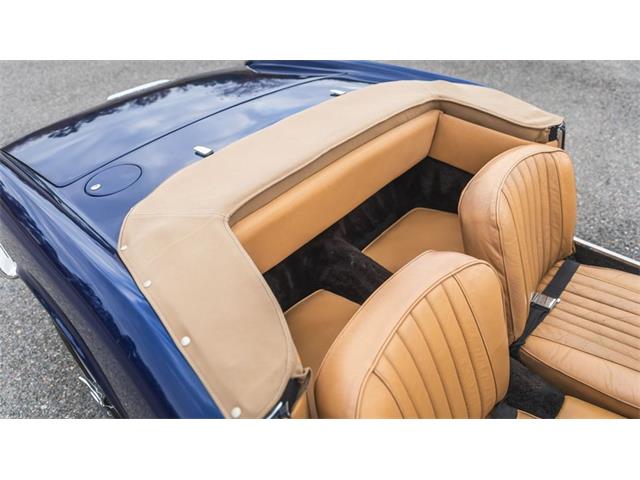
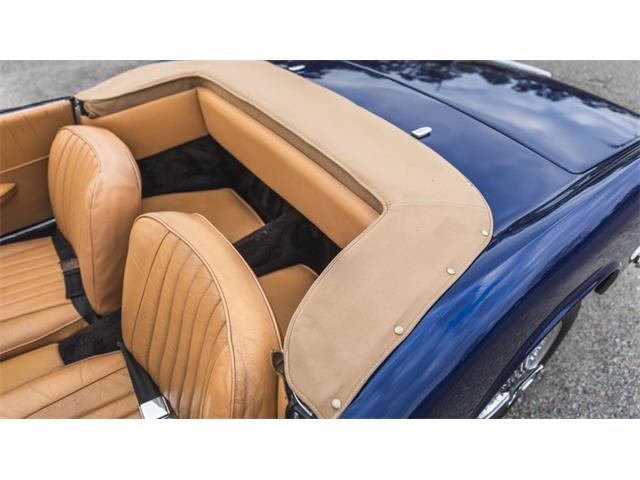
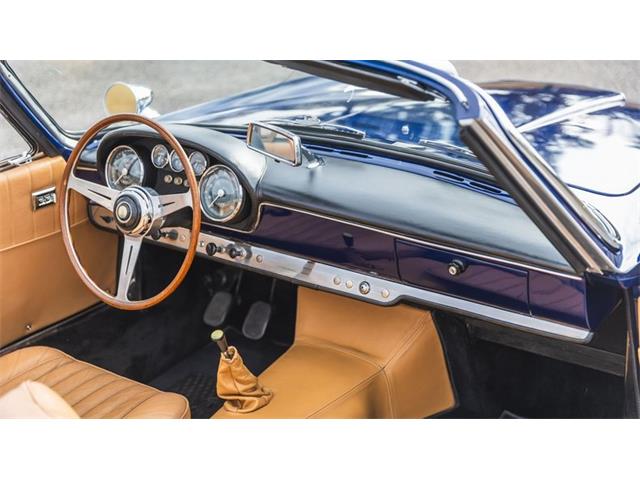
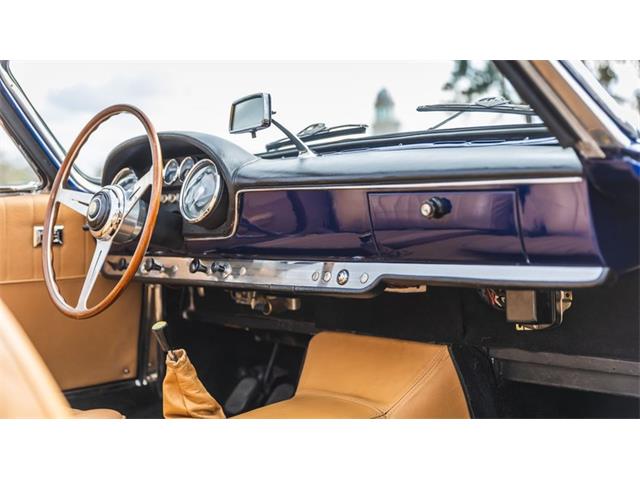
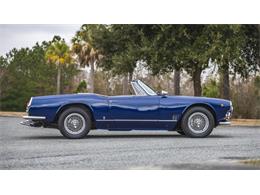
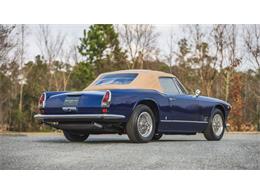
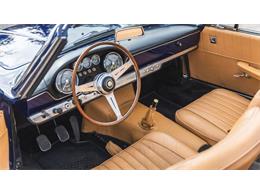
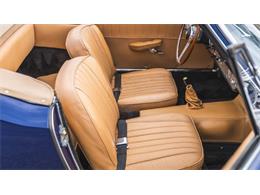
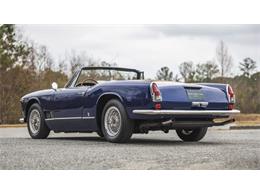
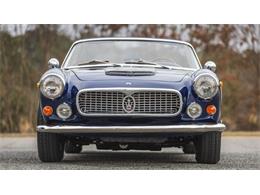
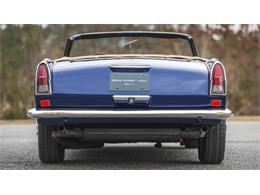
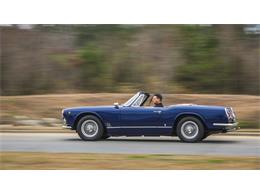
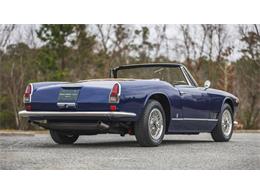
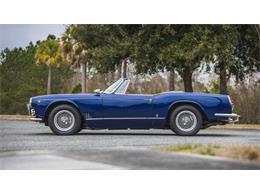
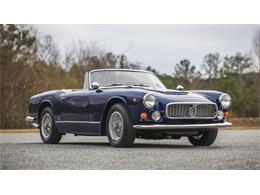
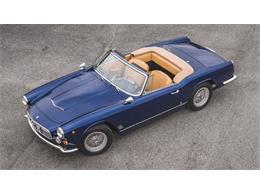
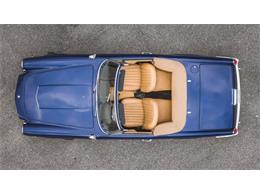
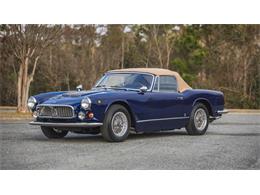
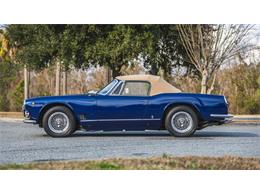
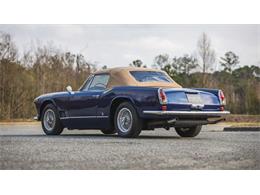
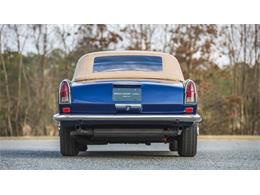
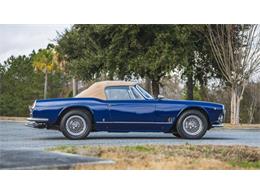
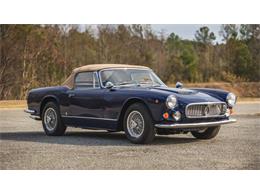
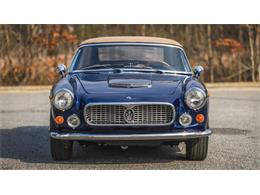
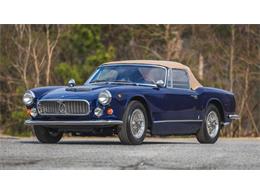
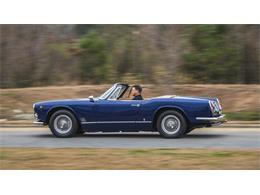
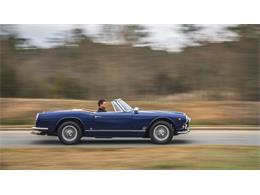
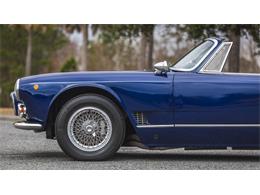
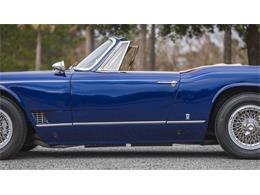
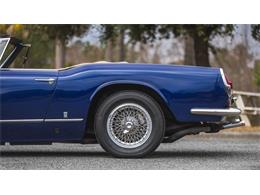
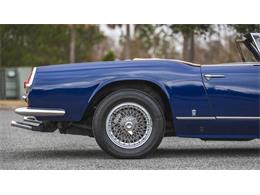
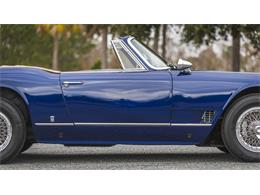
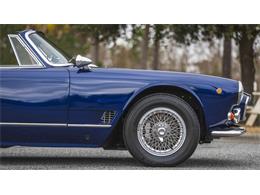
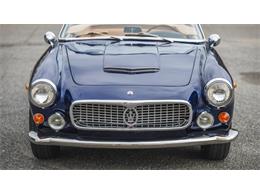
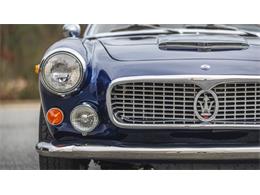
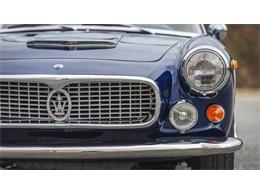
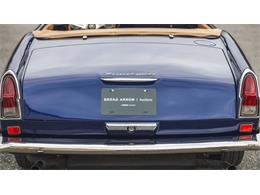
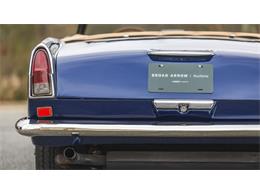
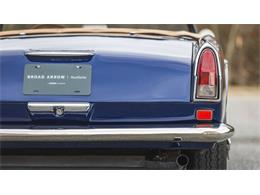
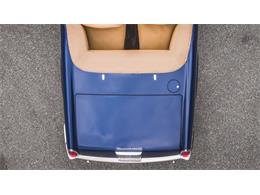
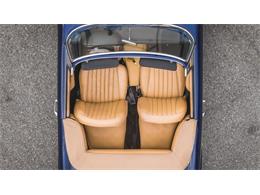
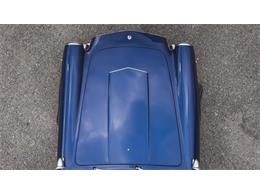
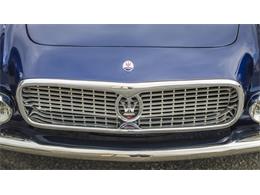
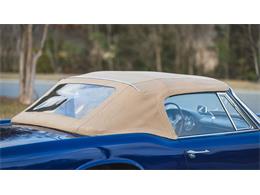
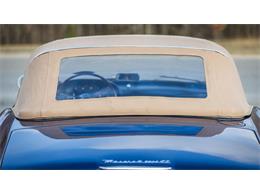
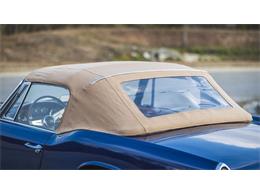
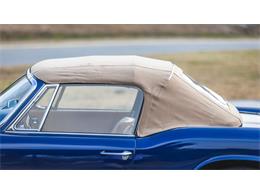
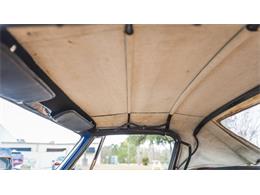
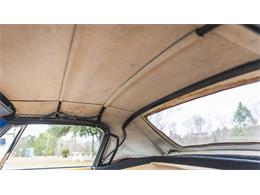
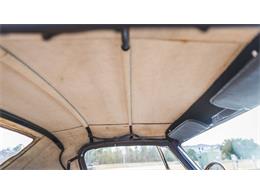
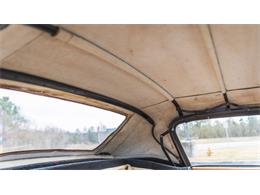
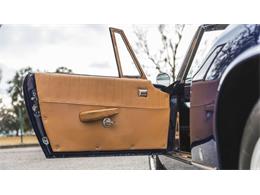
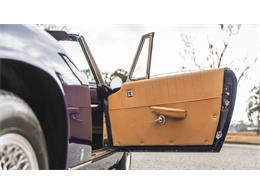
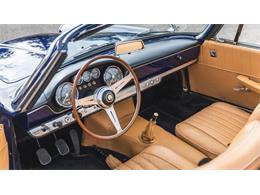
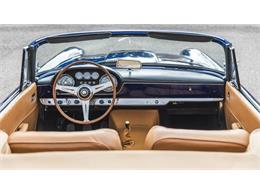
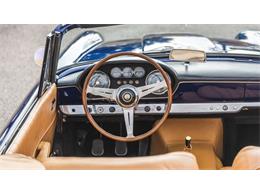
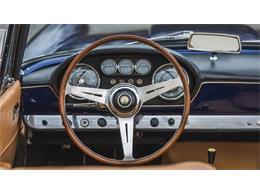
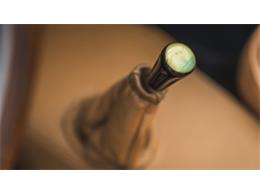
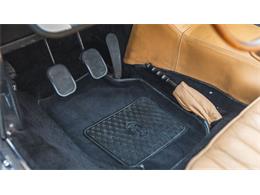
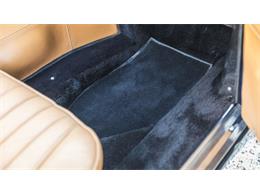
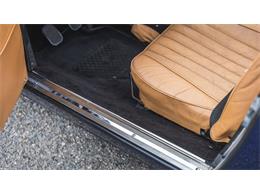
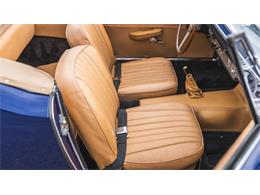
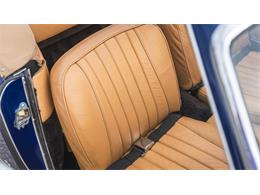
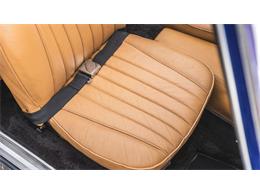
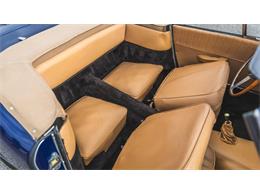
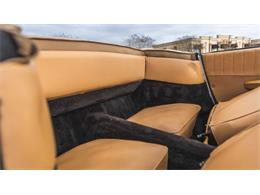
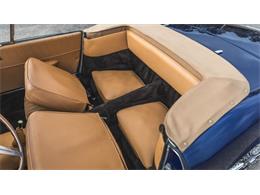
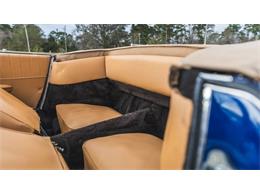
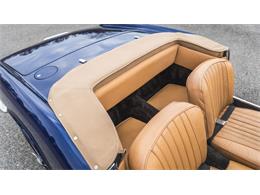
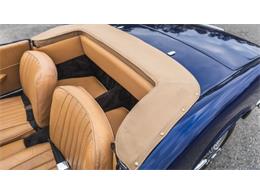
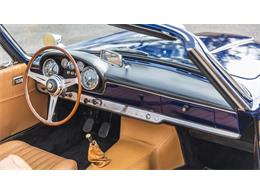
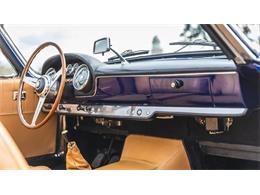
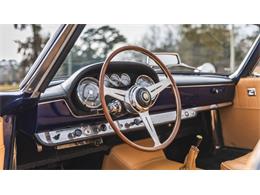
Coming from a recent mechanical overhaul, the Spyder presents today
as a fine example of Michelotti's design masterpiece executed by
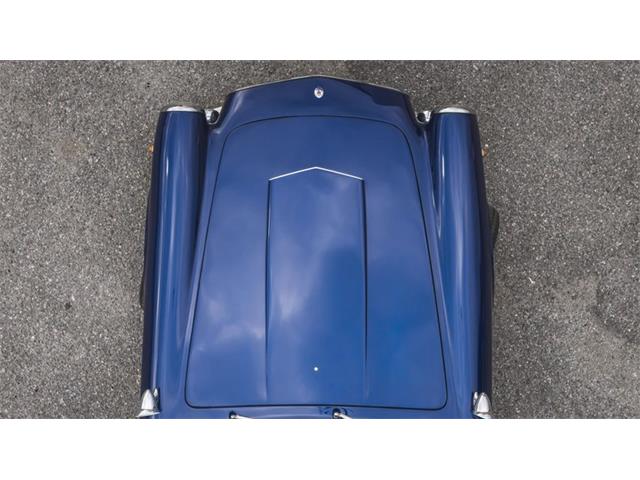
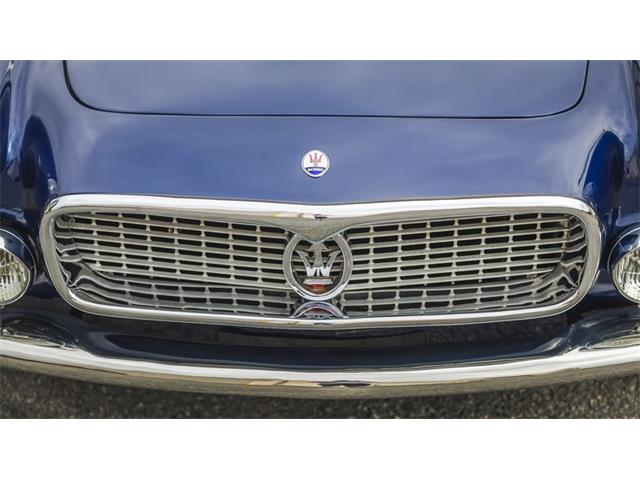
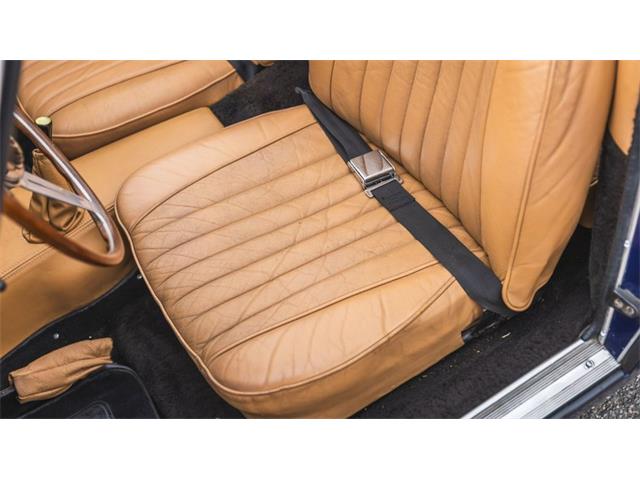
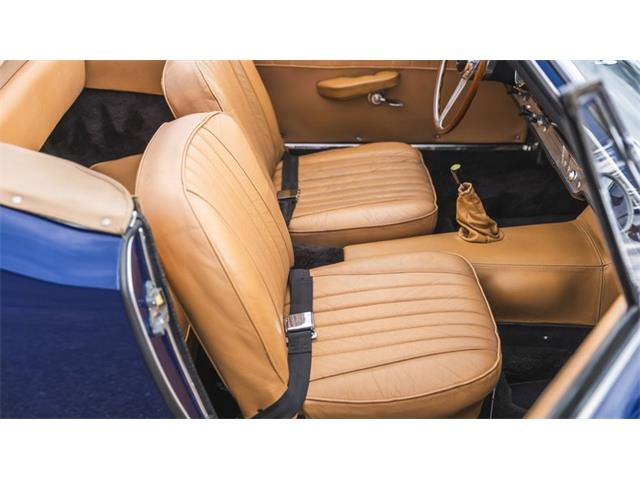
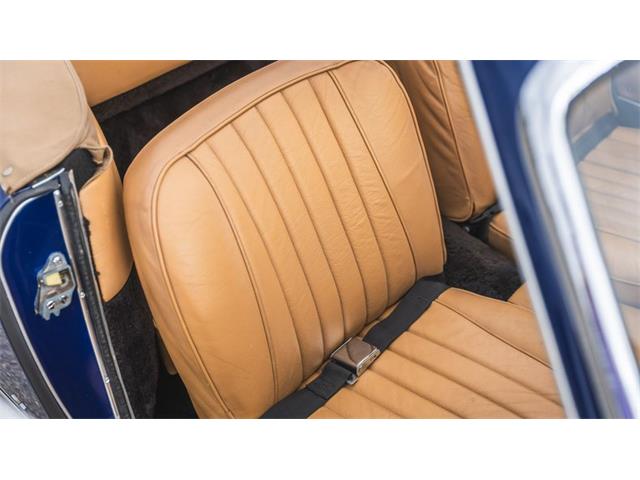
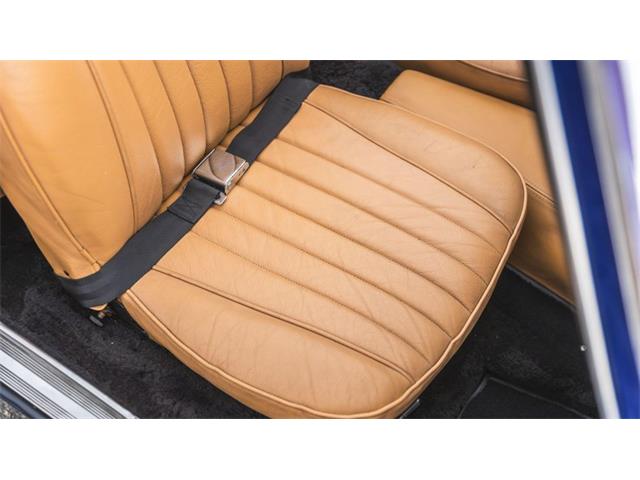
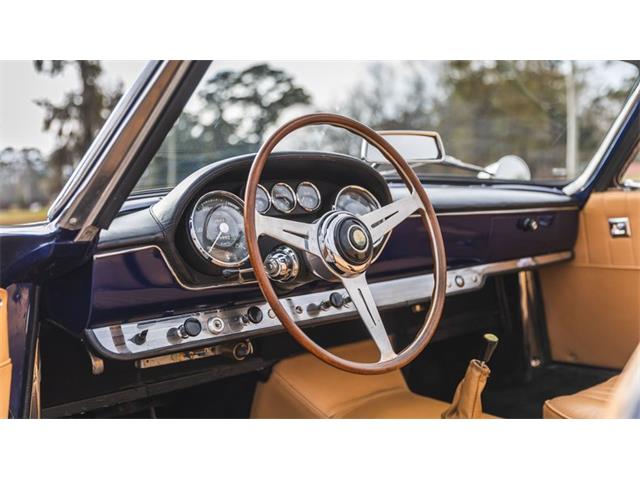
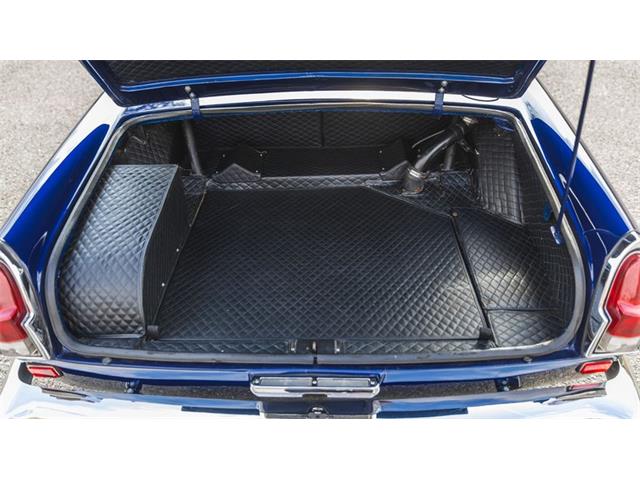
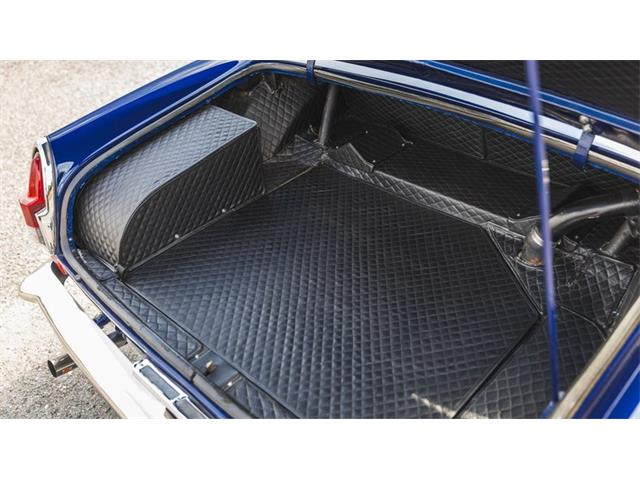
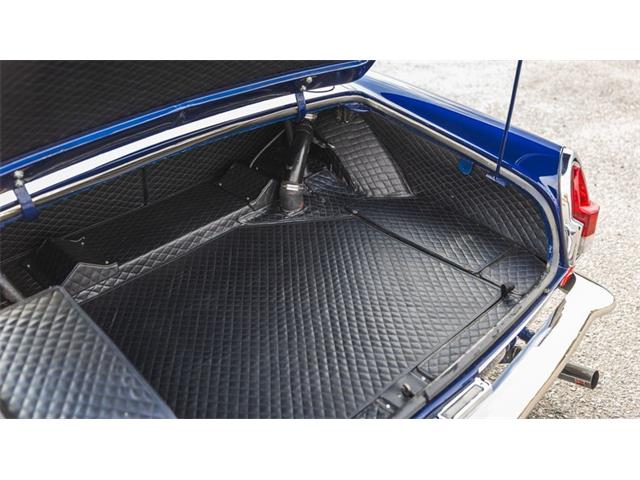
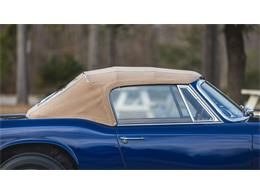
Carrozzeria Vignale. The coachwork wears a fine repaint in striking
dark blue completed under previous ownership, complemented by a
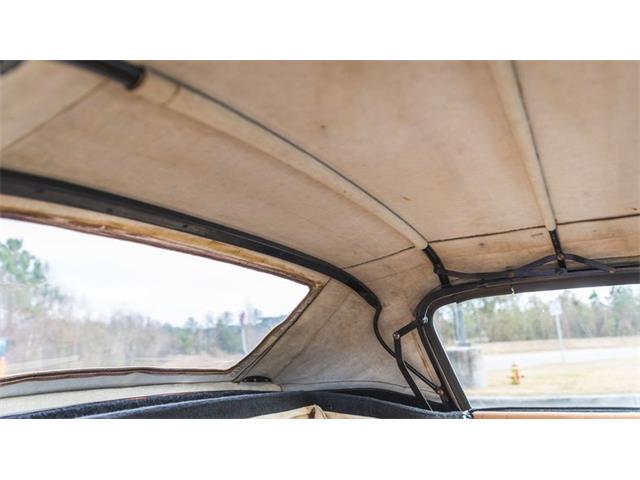
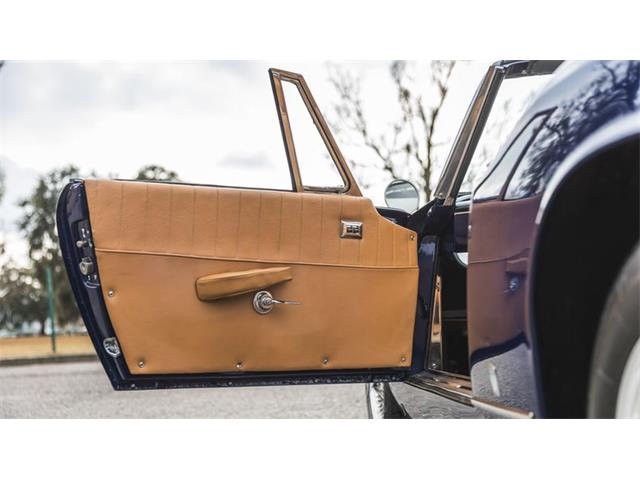
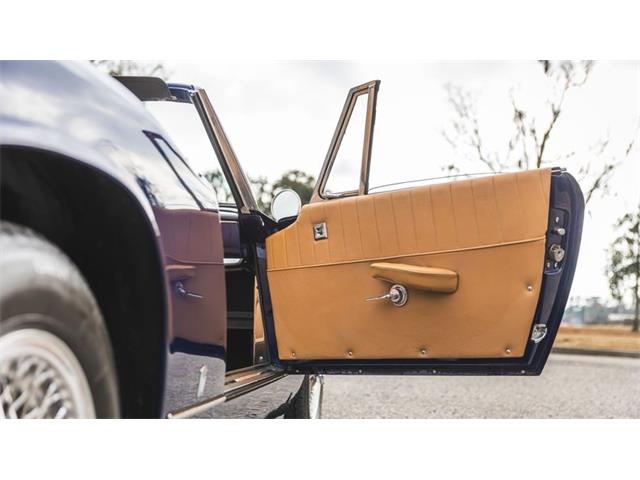
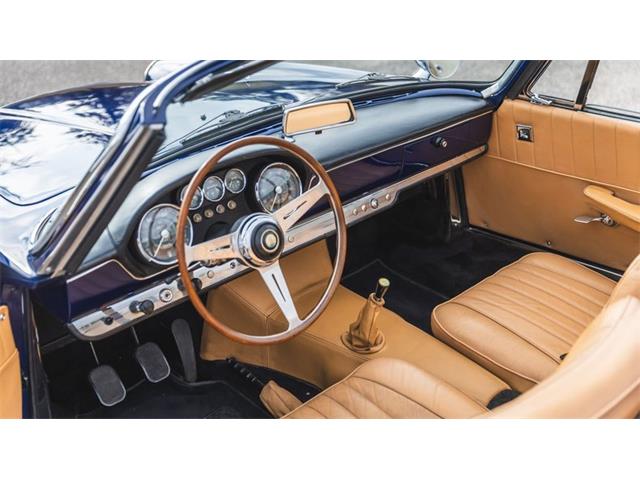
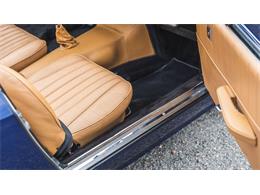
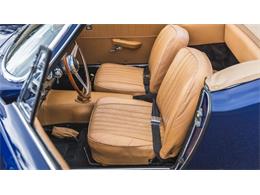
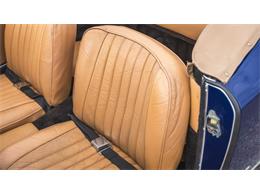
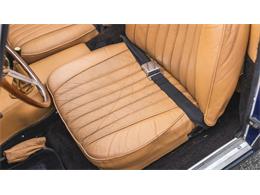
sumptuous tan leather interior, black carpeting, and a neatly
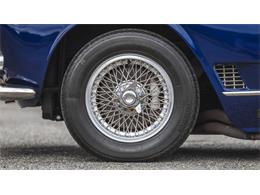
tailored tan convertible top. Its presentation is further enhanced
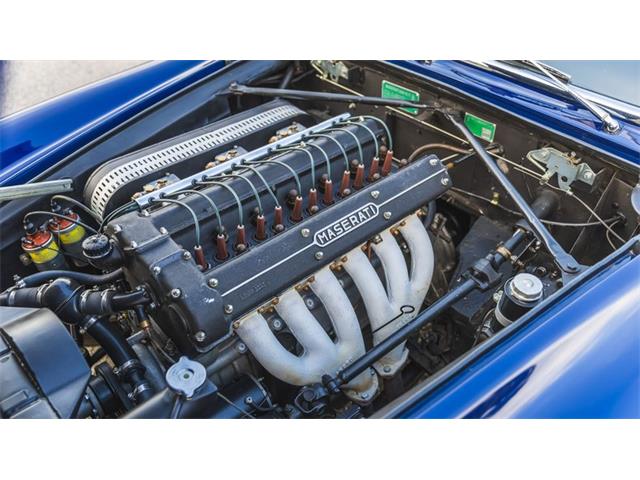
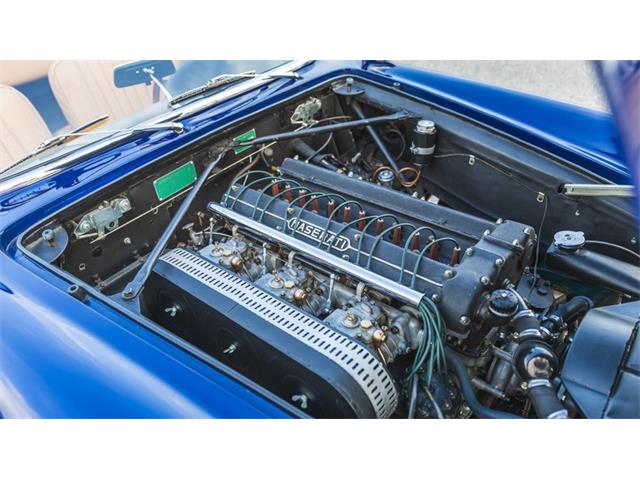
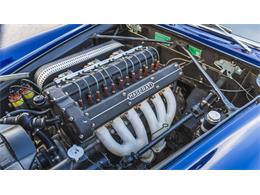
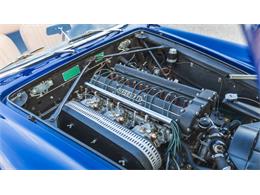
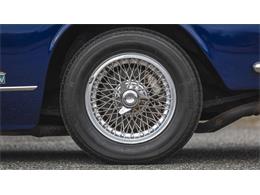
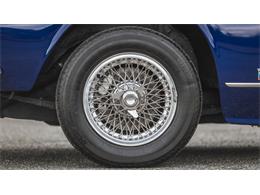
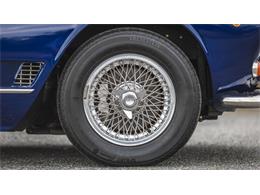
by dazzling Borrani wire wheels with knock-off hubs. Under the
aluminum hood resides Maserati's venerable 3.5-liter inline-six
engine topped with triple Weber DCOE carburetors, paired with a
desirable ZF five-speed manual transmission, while four-wheel disc
brakes provide stopping power.
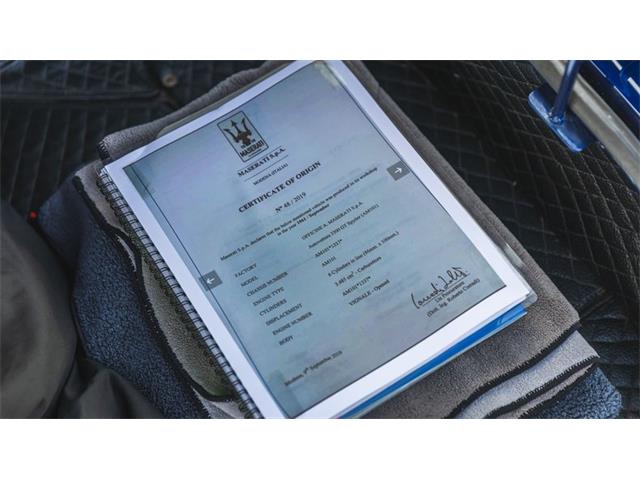
The engine is the original, matching-numbers unit corresponding
with Maserati Classiche documentation, and is understood to have
been overhauled by a specialist shop in Tucker, Georgia, under
previous ownership. Furthermore, a November 2020 service by Auto
Turismo Sport in New Milford, Connecticut, included carburetor
cleaning and adjustment, distributor cleaning, spark plug
replacement, timing adjustment, and coolant flush.
More recently, under current ownership, the car was entrusted to J
Frazar Motorcars in Savannah, Georgia, for a thorough
recommissioning, led by a complete front suspension and steering
overhaul with newly fabricated coil springs, and replacement upper
and lower ball joints, plus steering link and tie rod assemblies.
The braking system was also comprehensively rebuilt with all
calipers rebuilt, the primary brake master cylinder rebuilt, and a
fully rebuilt Girling remote booster installed. Driveline work
included the removal of the transmission to install a new clutch
kit, followed by gearbox resealing. The ignition system was rebuilt
with distributor service plus new points and condensers, cap and
rotor, coils, wires, and spark plugs, and the work was rounded out
with renewed hoses and clamps, new fuel lines, and fresh fluids and
filters throughout.
Offered fresh from this extensive recommissioning, chassis 1337,
one of only 242 ever produced, would be an ideal candidate for both
international concours events and spirited grand touring, where its
open-air configuration allows for the full sensory experience of
Maserati's magnificent inline-six.
ClassicCars.com has been recognized as one of the fastest-growing private companies in the United States, successfully making the Inc. 5000 list in both 2015,
2016, 2017 and 2018. This prestigious accolade represents the continued growth of the company, and ClassicCars.com's dominance as the world's largest online marketplace for
buying and selling classic and collector vehicles.
The Stevie Awards, the world's premier business awards recognized
ClassicCars.com's first-class Customer Support team with a Stevie Bronze Award in 2019, celebrating the team's skills as exemplary customer support specialists.
In 2016 The Journal, brought to you by ClassicCars.com, was celebrated as the SECOND MOST INFLUENTIAL automotive blog in the world by NFC Performance.