Since its earliest years, Porsche has taken great care to document
and celebrate its own evolution. Whether through its numerous "Der
Stammbaum" posters, dealer guides tracing Porsche's developments,
or Jeff Zwart's memorable 2009 Family Tree television
advertisement, the marque has long viewed its history as a
continuous lineage. So important are these hardscrabble origins to
the company that, after selling the first Porsche (356-001) to fund
further road car production, it later reacquired the Roadster in
1958, placing it in the factory's nascent museum collection.
That early period also coincided with a phase of unexpectedly rapid
growth, as the factory began to recognize the historical
significance of its earliest cars. While Porsche awaited a
permanent return to its Stuttgart premises, proceeds from 356-001
helped fund the first Austrian-built aluminum Gm�nd Coupes and,
subsequently, the early steel-bodied cars assembled in Reutter's
Zuffenhausen facilities.
Initially projecting modest demand, Porsche anticipated building no
more than 500 Type 356 examples in total, with Richard von
Frankenberg famously remarking, "...certainly not more than 500
cars in the first two years." In fact, production would surpass
1,000 units by the end of 1951 alone, as the Porsche 356 became an
important contributor to West Germany's postwar economic
recovery.
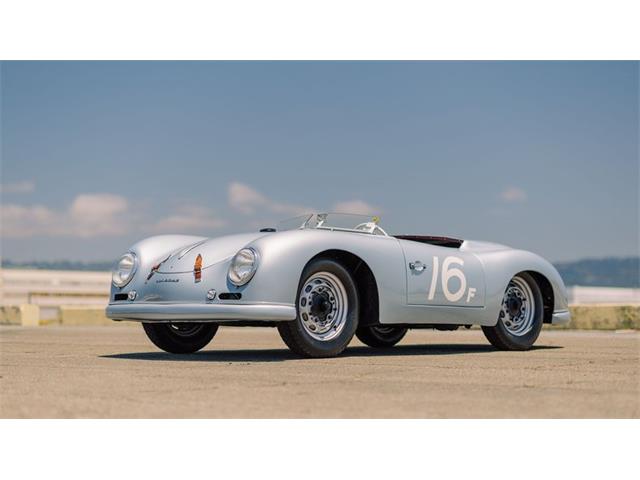
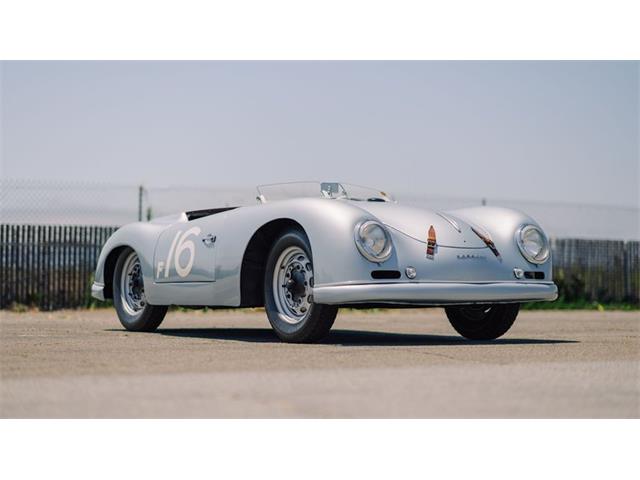
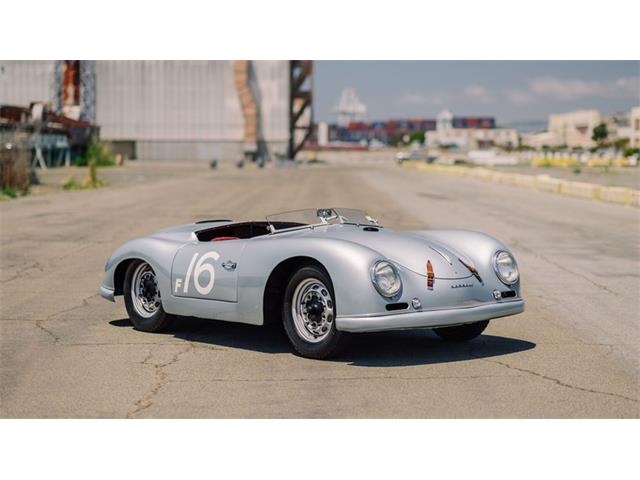
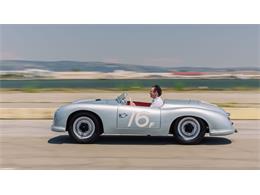
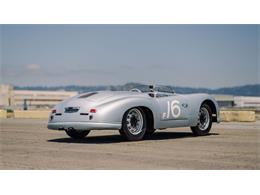
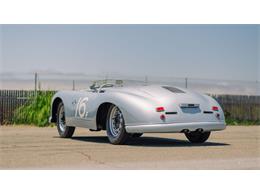
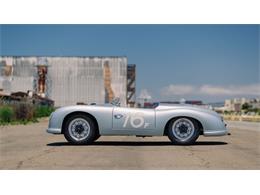
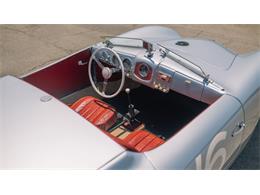
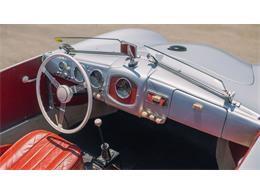
The 356 Sportwagen Roadster
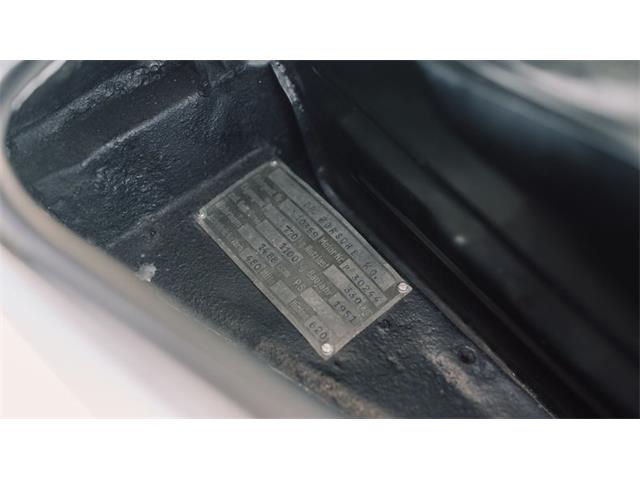
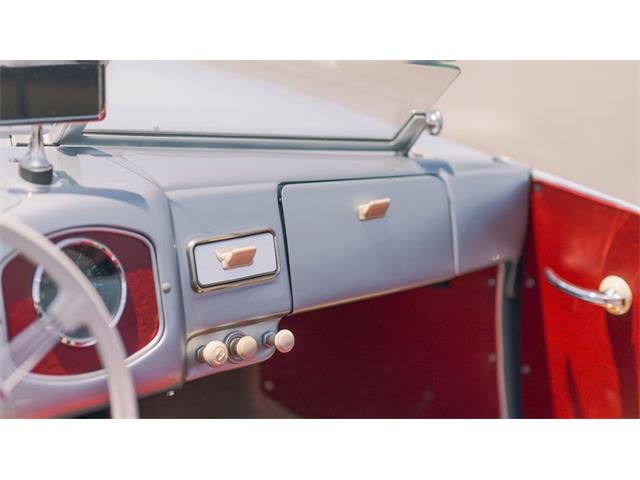
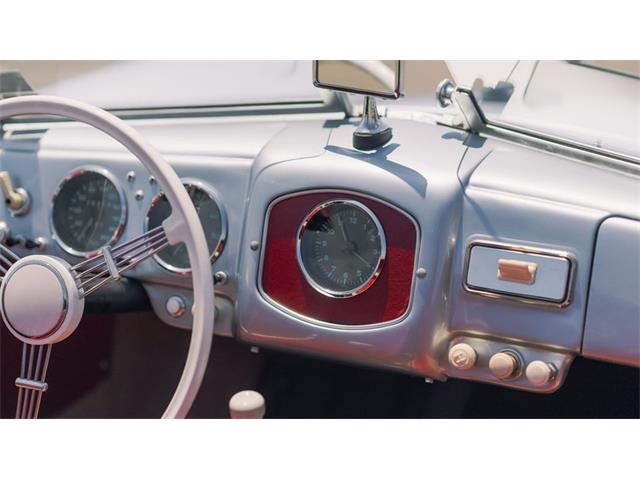
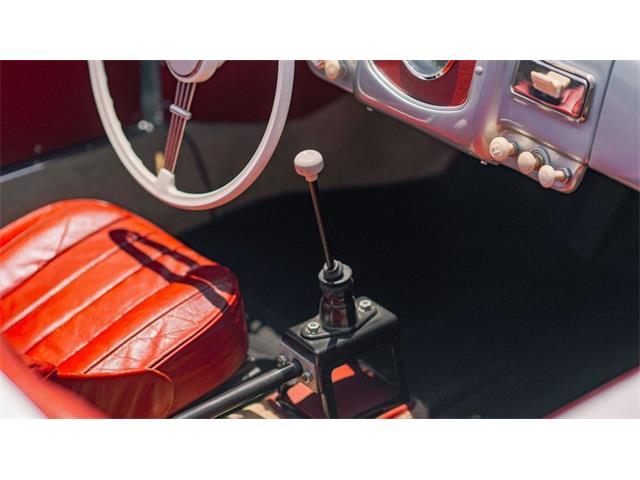
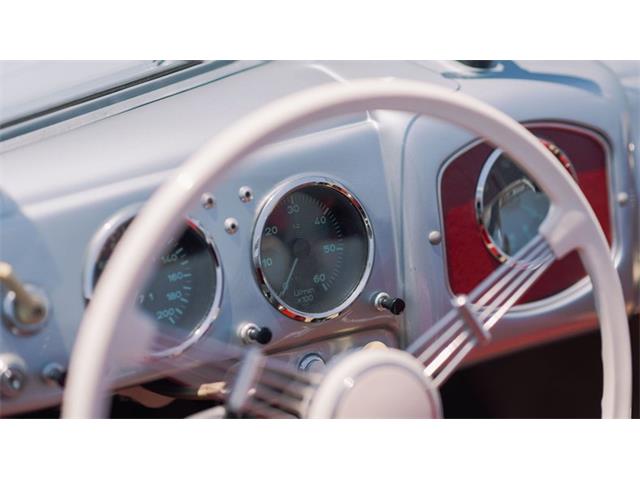
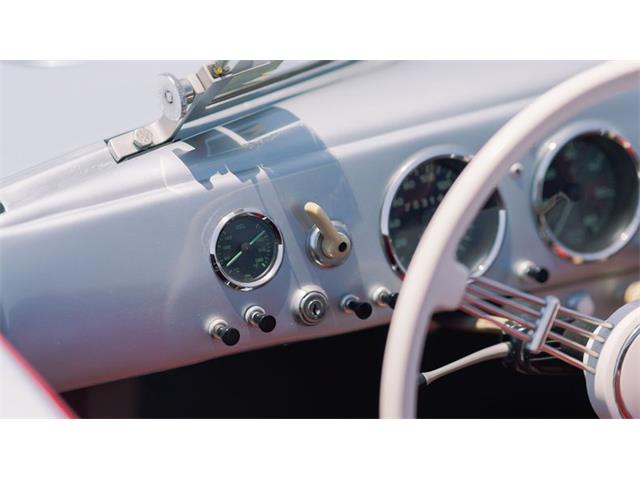
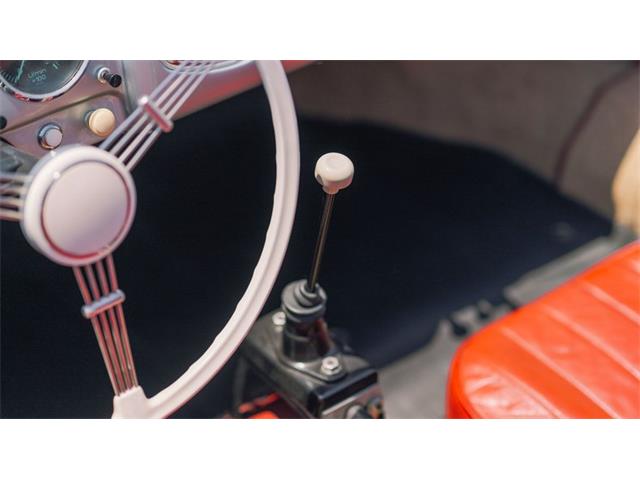
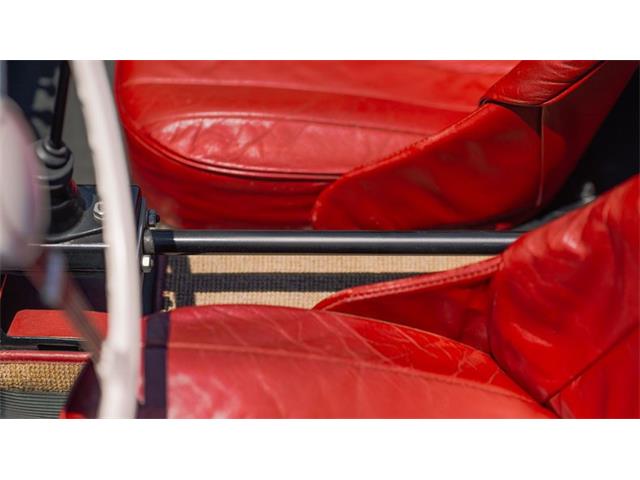
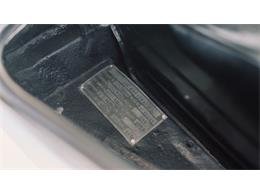
Among these exceptionally early cars is chassis number 10359,
initially designated as an open-topped 356 Cabriolet to be sent to
Heuer Karosseriebau. Interestingly, it is noted in Porsche
Speedster Typ 540 that the "Heuer body-book entry is blank for this
chassis number." Clearly, someone had a hand in the direction of
the car, and that someone was Heinrich Sauter, a racer and scion of
the Stuttgart-based Hahn & Kolb machine tool company, whose
intention was to build a faster Porsche for competition use.
The former Luftwaffe pilot remained drawn to high-performance
machinery after the war, racing a Veritas and 356 Coupe, and his
proximity to Stuttgart made it likely that he would return to
Porsche for faster machinery. The 356 was taken to Hans Klenk's
Karosserie in B�blingen after March 1951 to be fitted with its
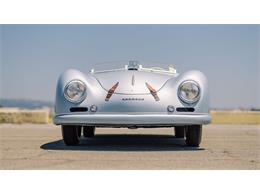
lightweight, aerodynamic bodywork. Porsche's factory magazine
Christophorus noted that the "shape of the nose was exactly the
Porsche shape of the 356" and estimated its weight at "a little
under 1,320 pounds." Klenk was a racer himself, and is best known
for winning the 1952 Carrera Panamericana in a Mercedes-Benz 300 SL
Coupe with Karl Kling.
Porsche Speedster Typ 540 notes that Klenk "created many unusual
parts for the car, which made its design unique... factory
mechanics then assembled the car." In fact, the book further notes
that Porsche's own Wagenpapiern factory production book records
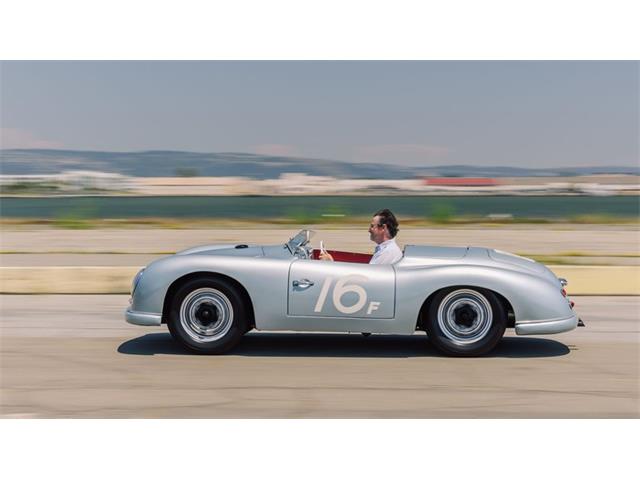
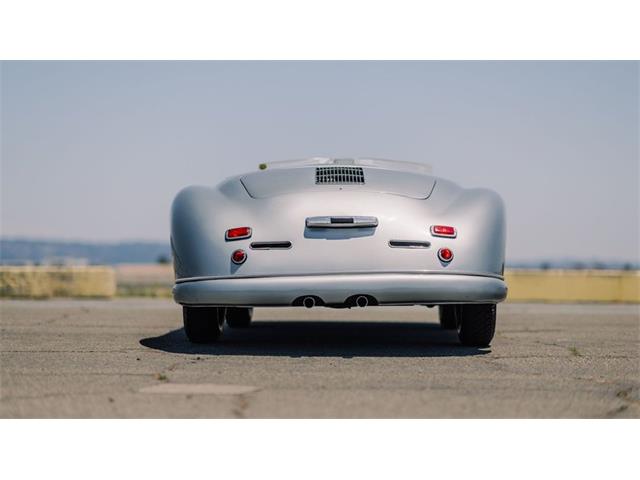
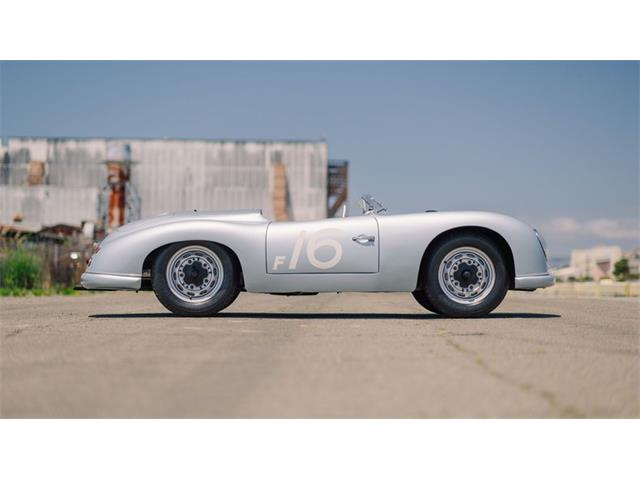
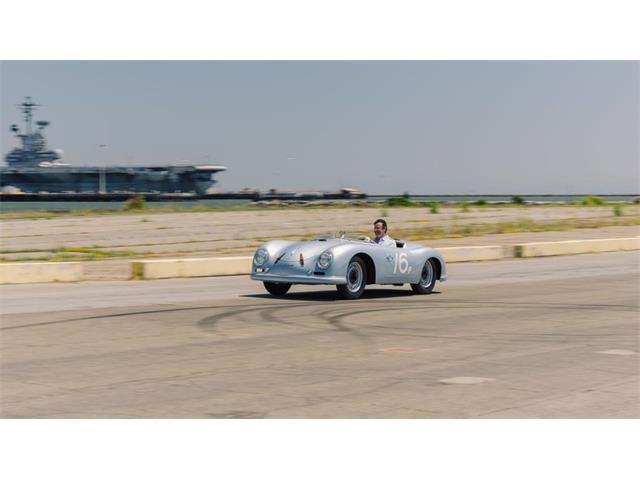
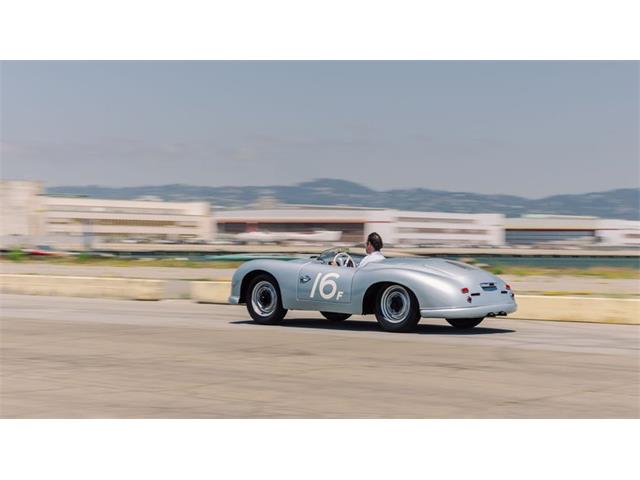
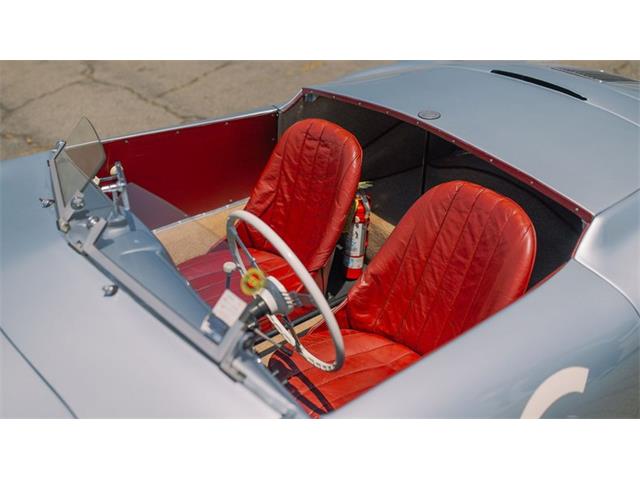
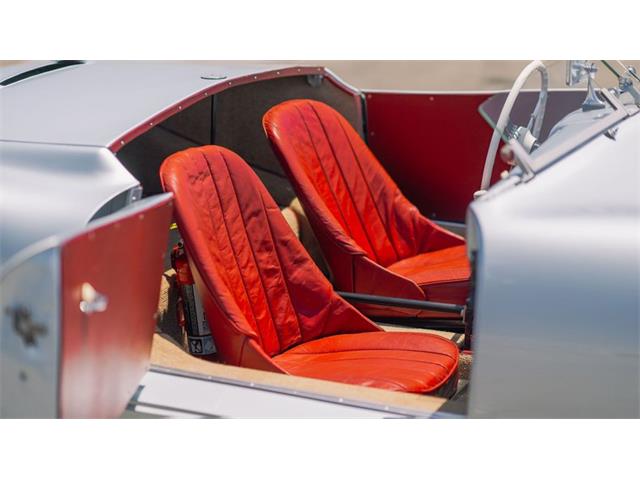
chassis number 10359 as "Sauter Special-Sportw." Klenk's body
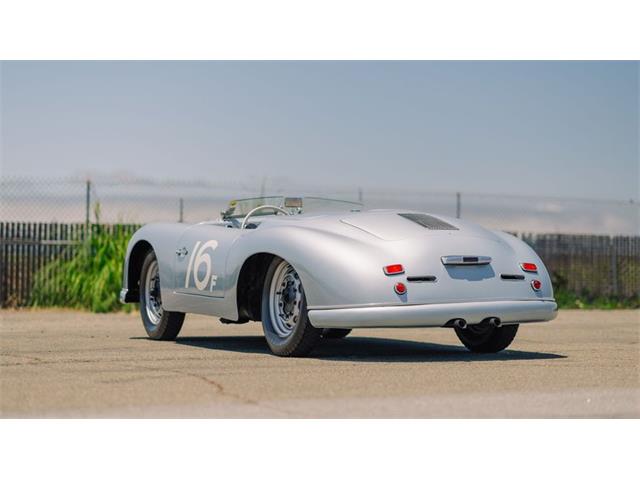
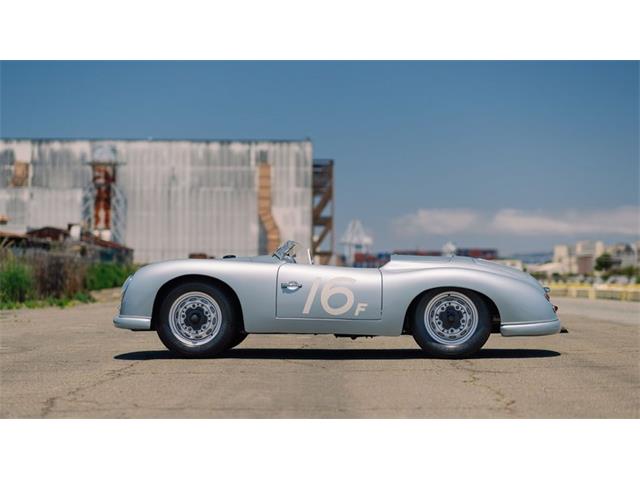
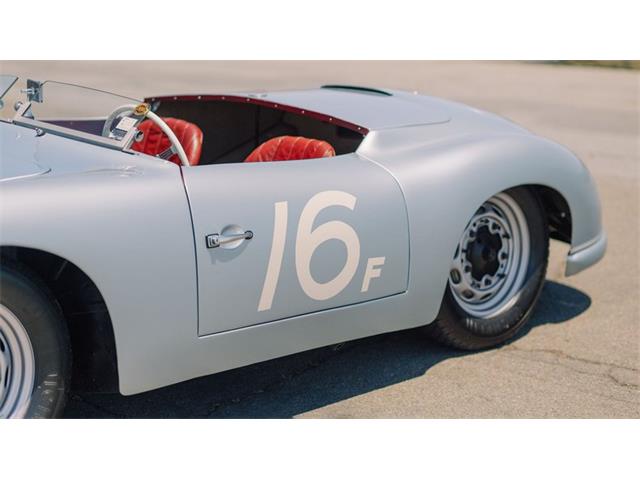
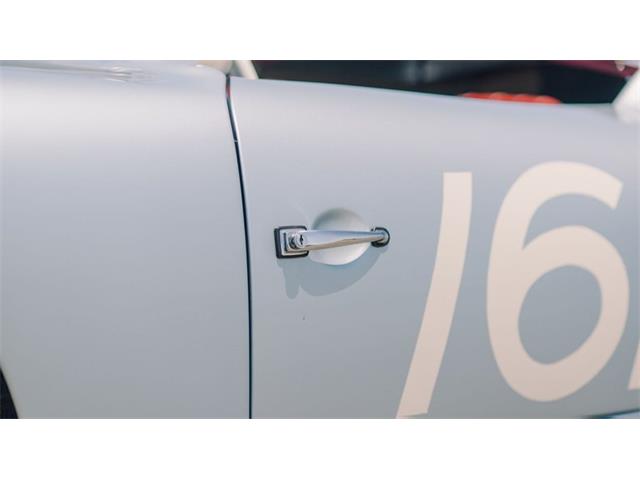
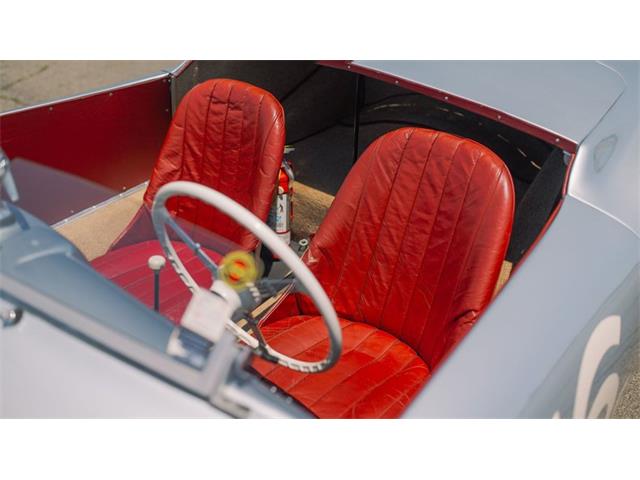
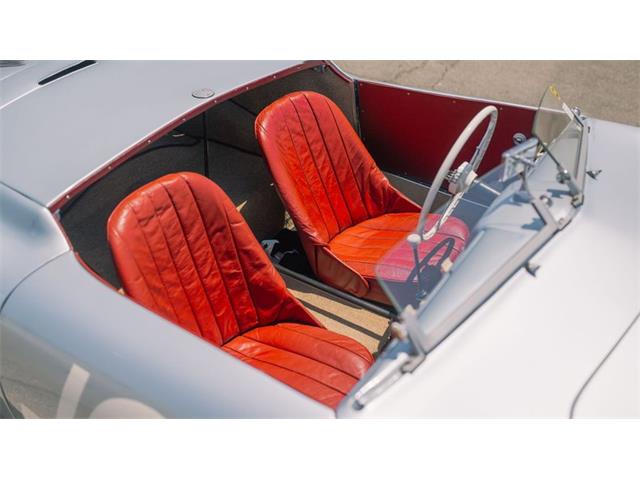
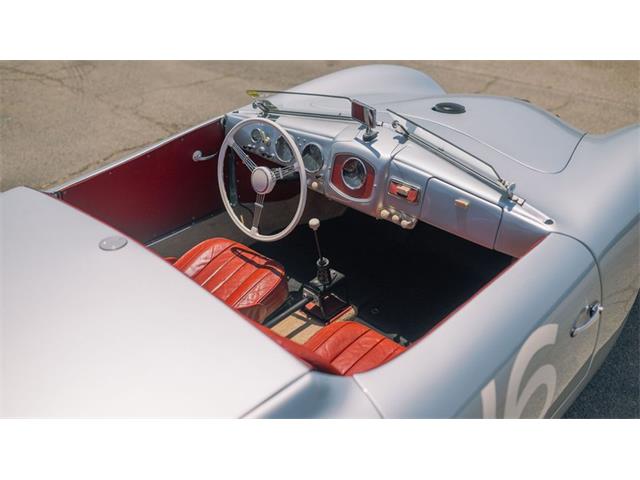
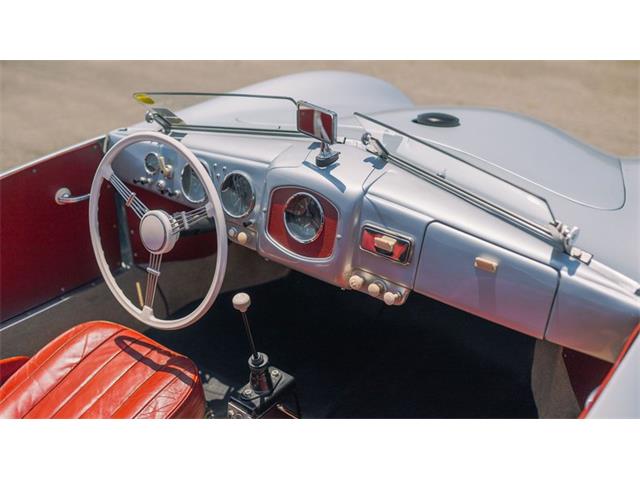
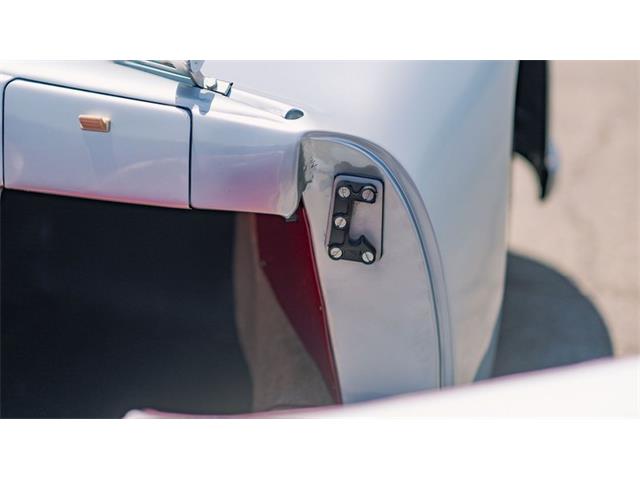
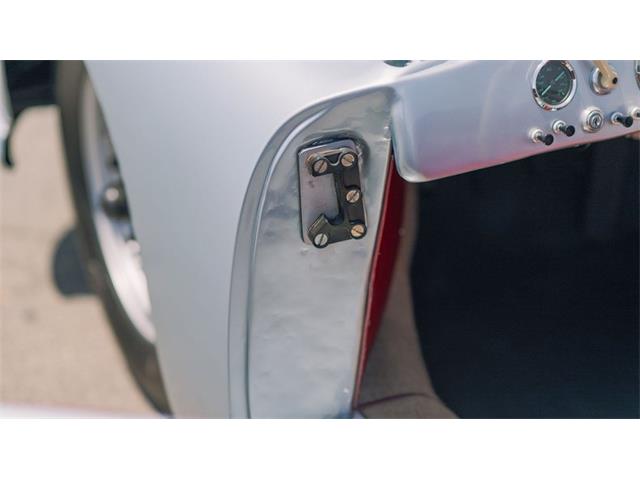
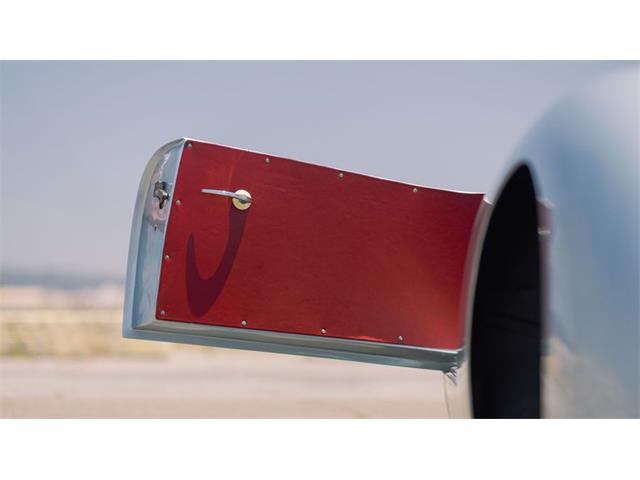
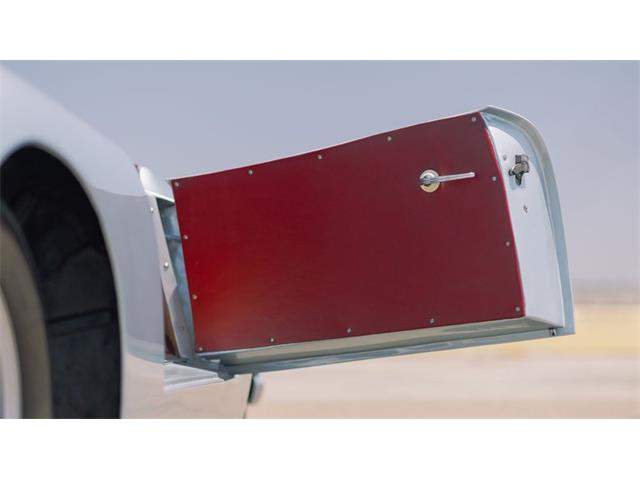
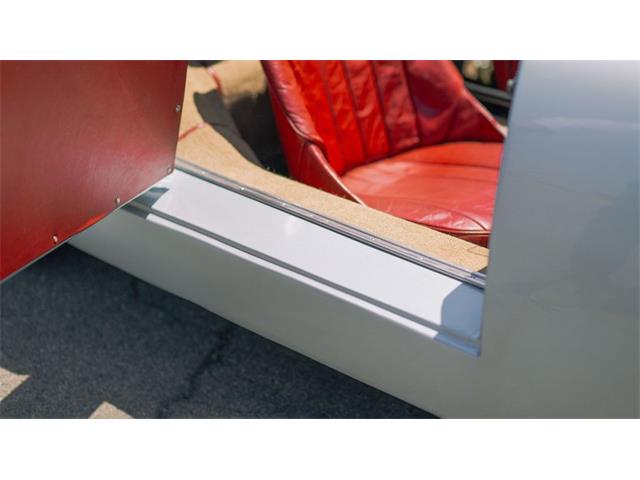
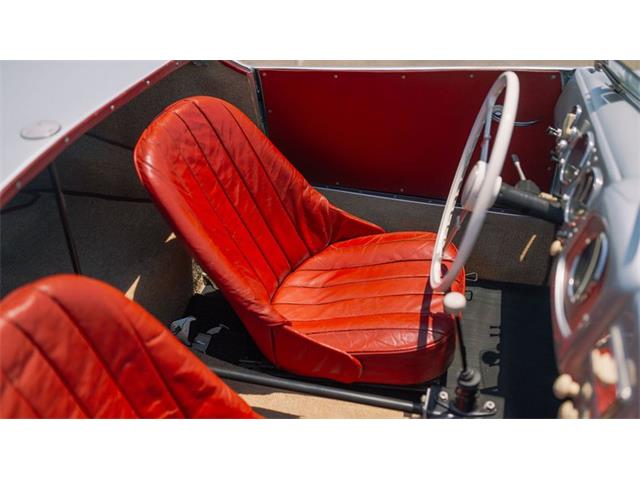
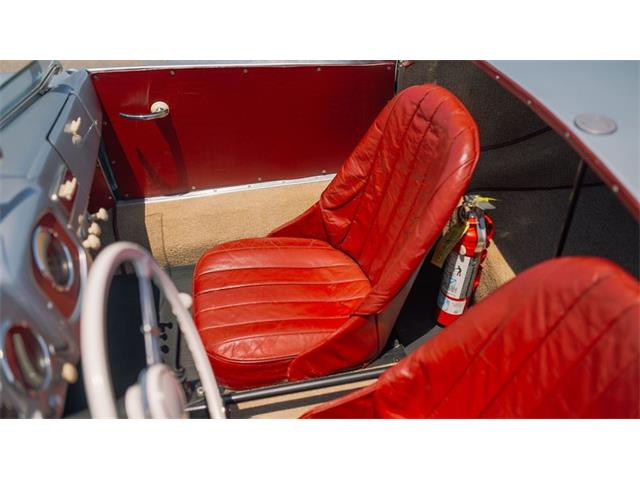
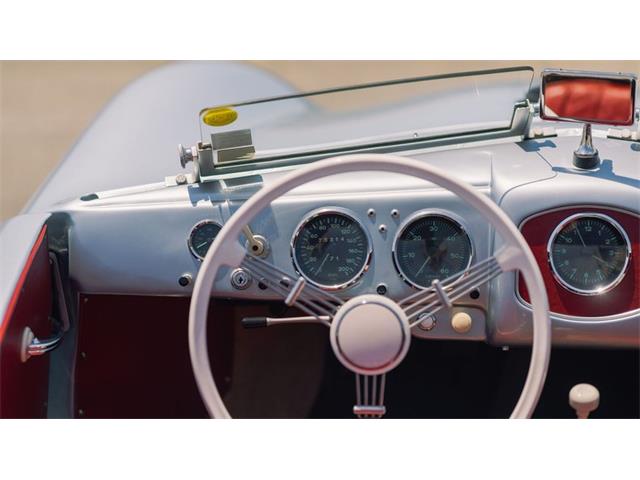
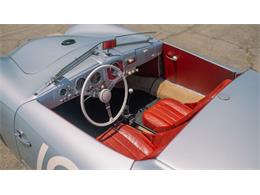
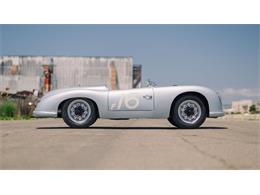
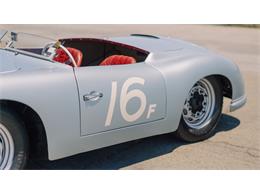
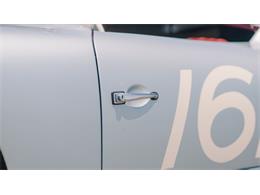
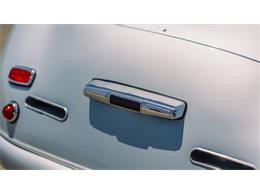
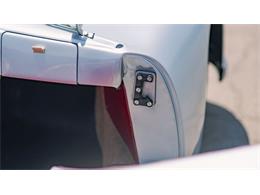
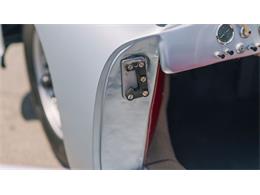
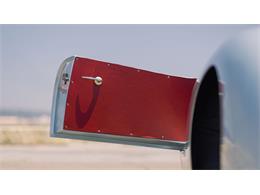
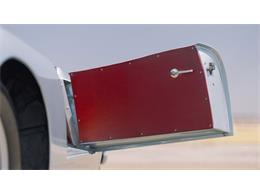
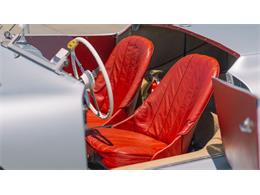
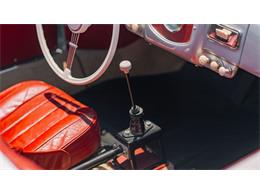
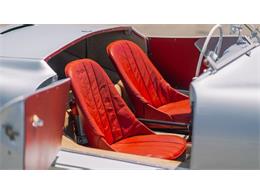
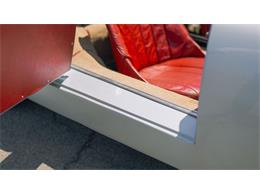
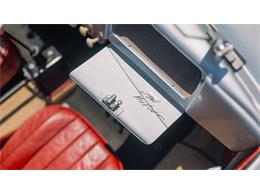
integrated hand-crafted rear-hinged "suicide" doors at Sauter's
request to assist with a quick exit by a co-driver at rally
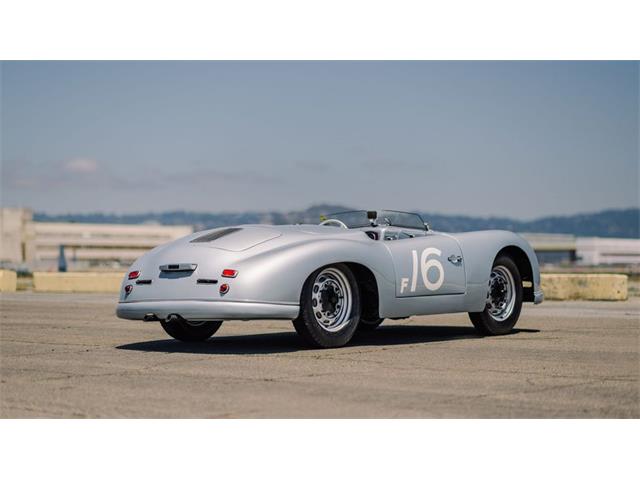
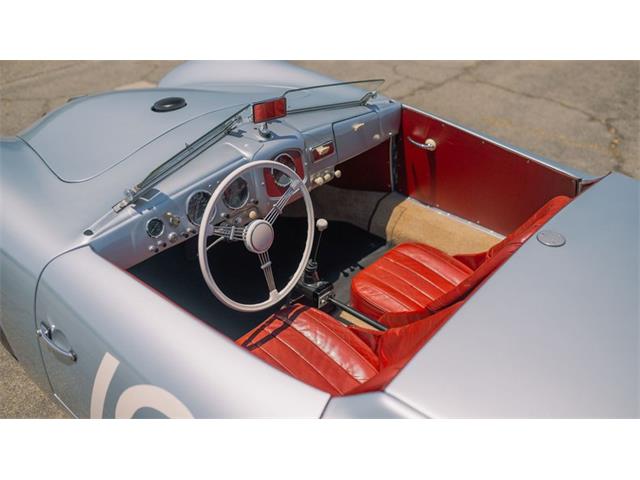
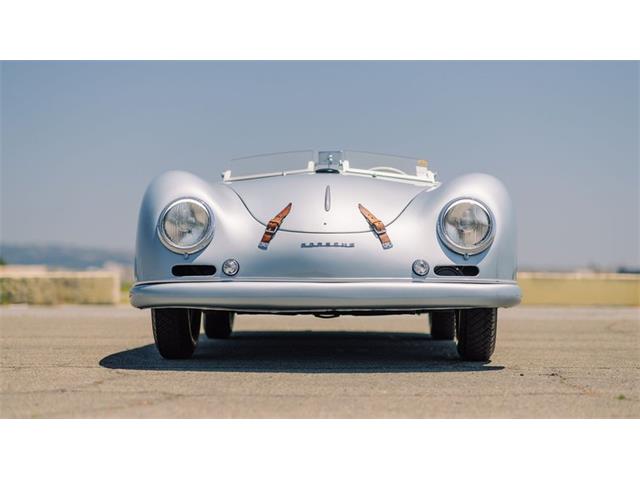
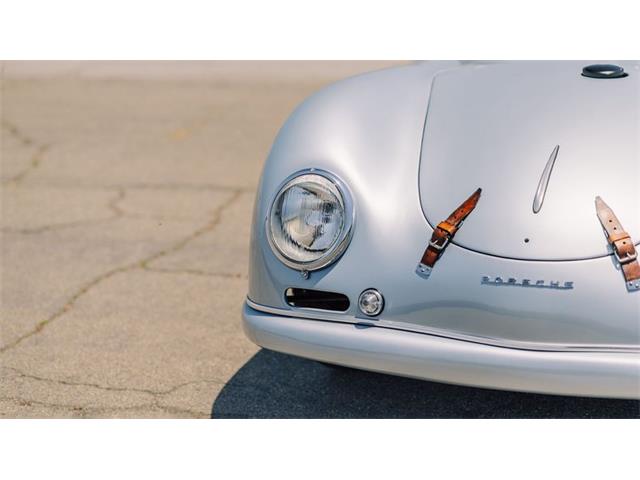
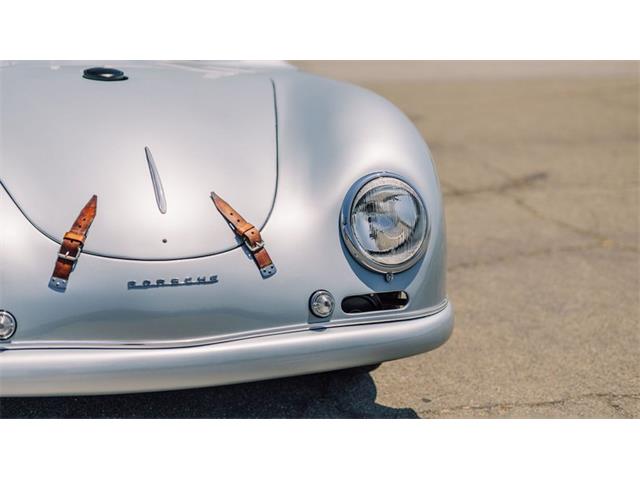
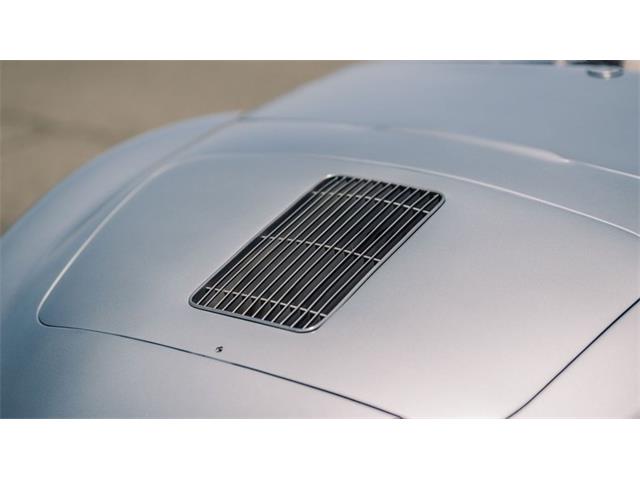
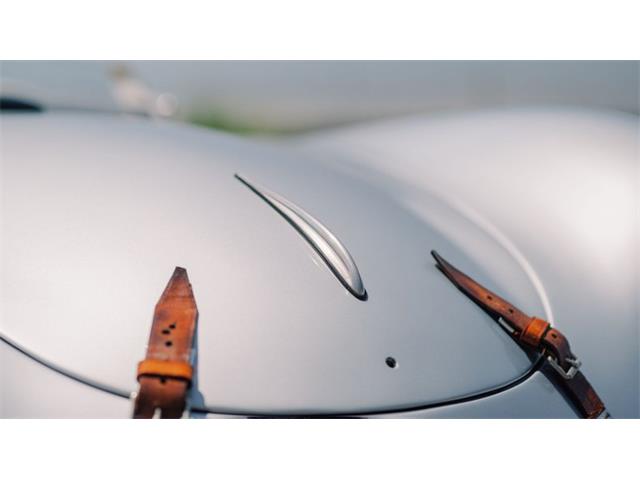
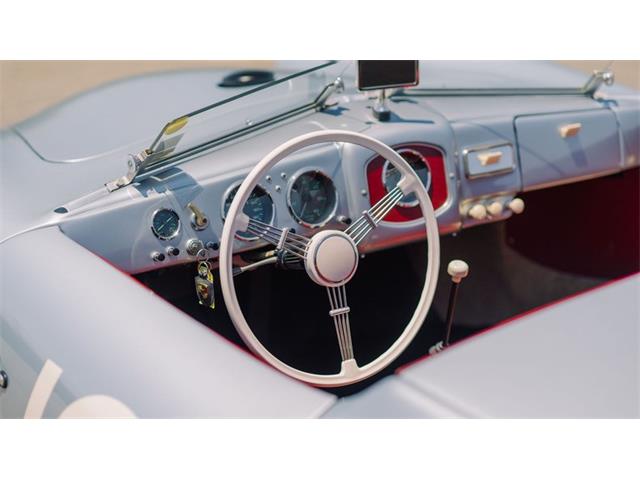
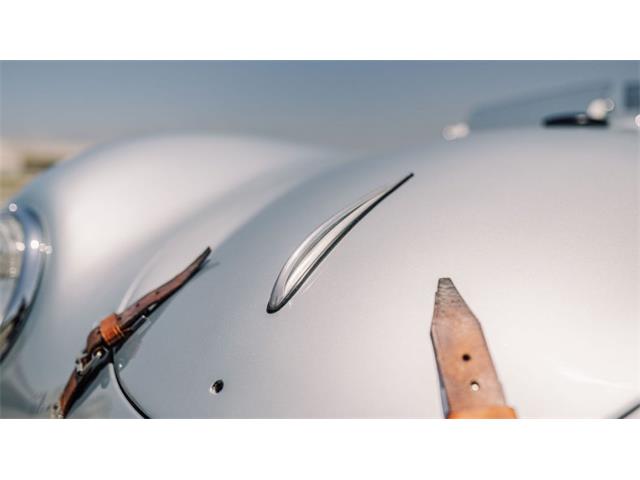
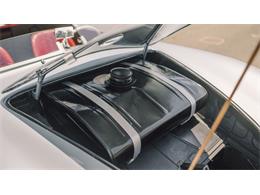
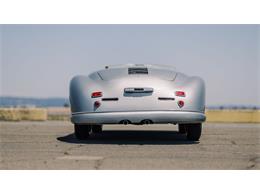
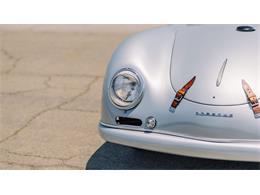
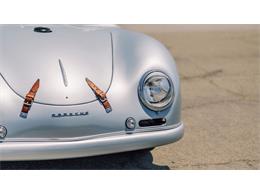
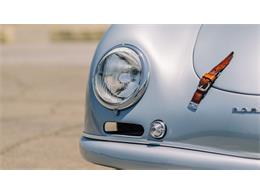
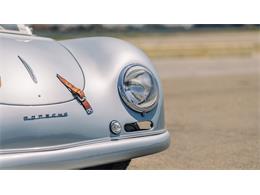
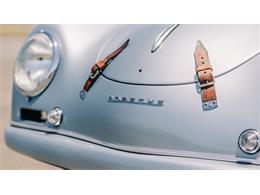
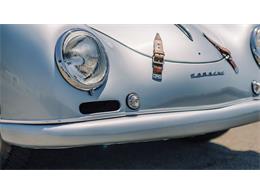
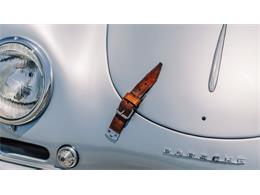
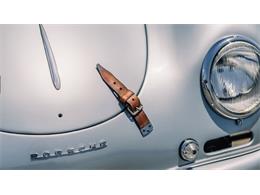
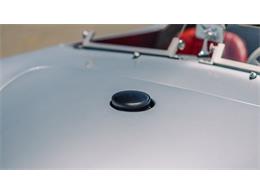
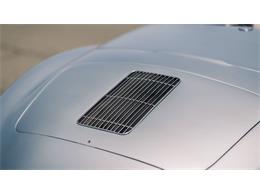
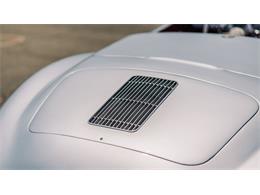
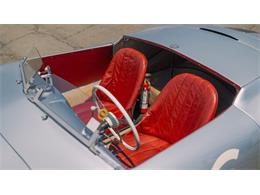
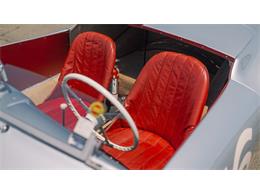
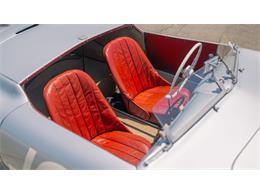
checkpoints. Additional modifications included a bolt-in
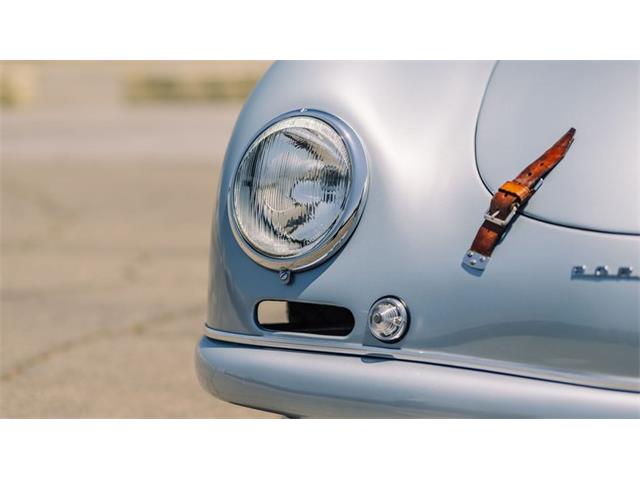
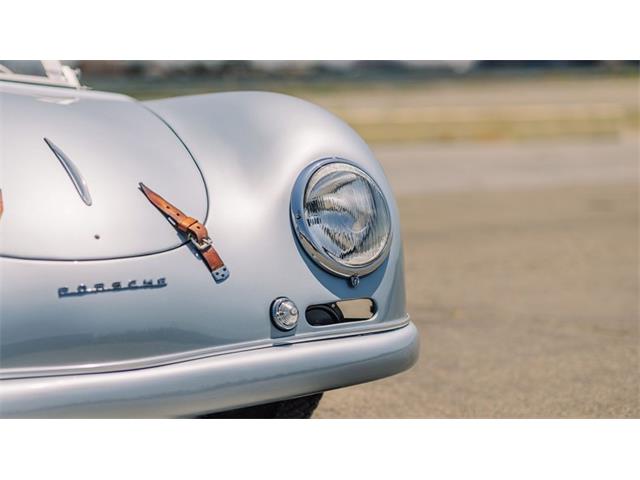
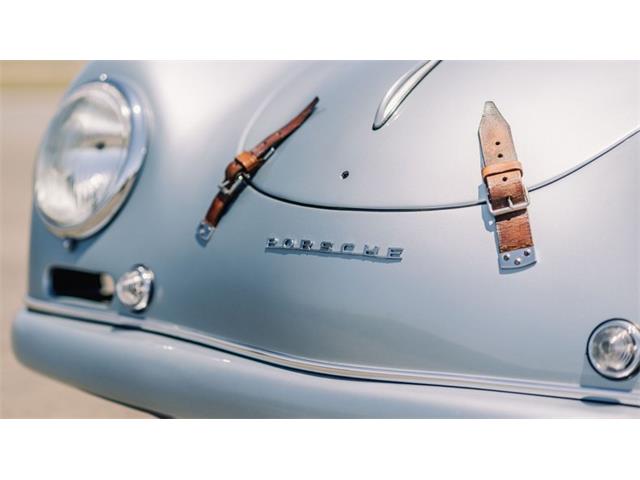
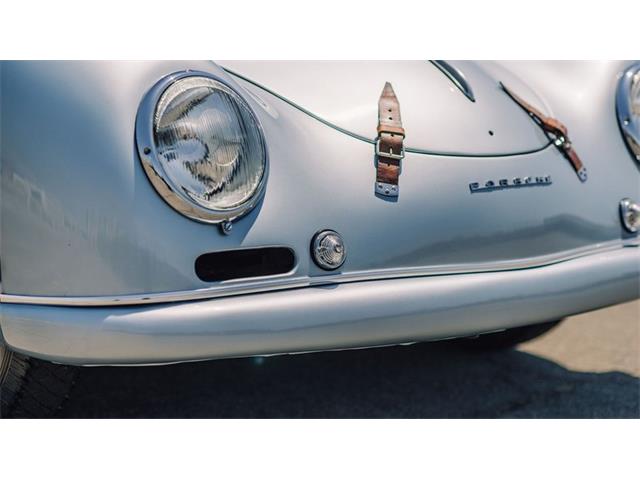
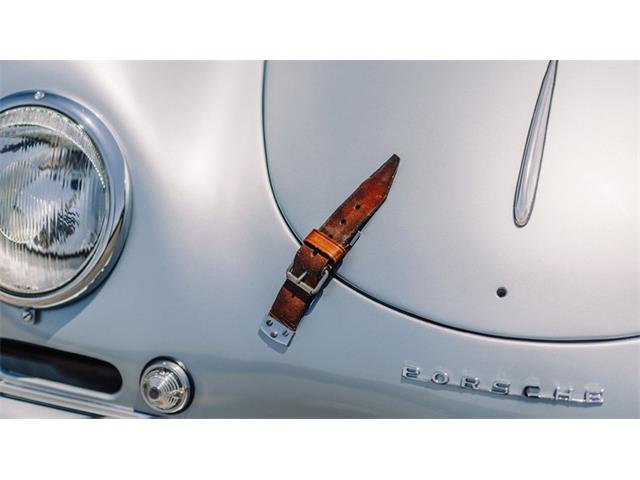
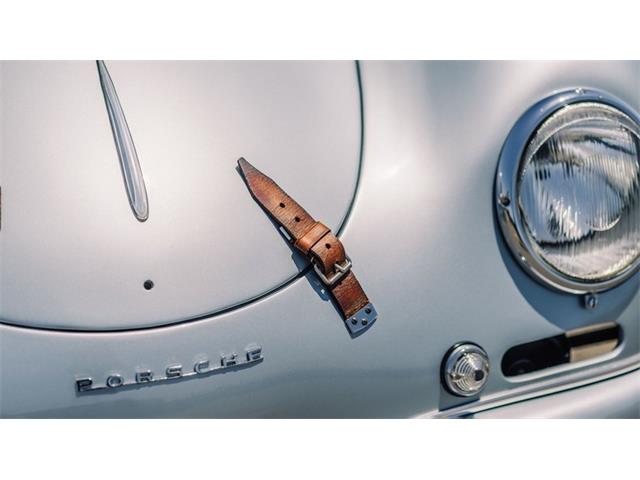
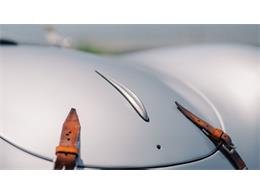
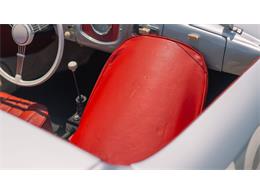
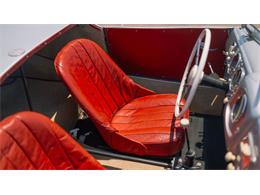
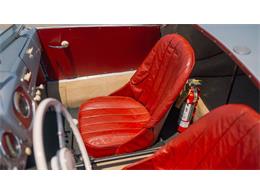
aerodynamic rear deck covering the two rear seats, leather front
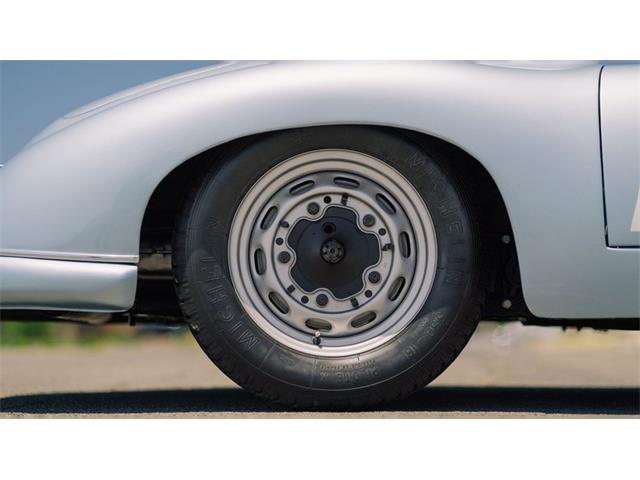
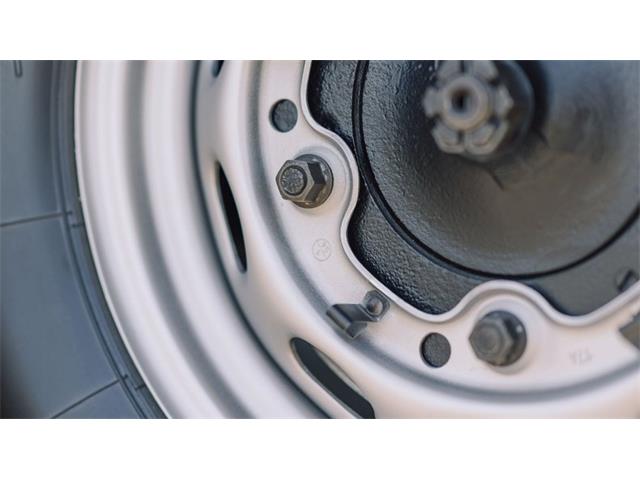
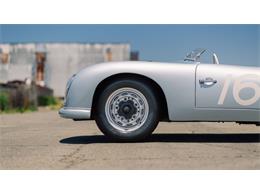
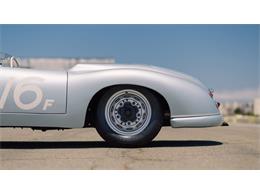
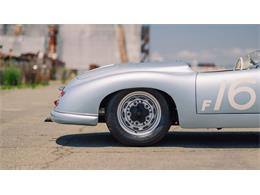
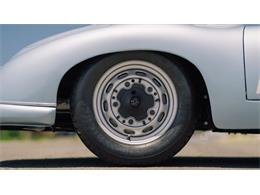
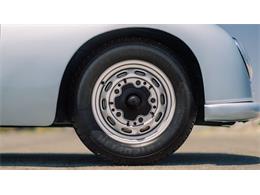
hood straps, and, according to Christophorus, special "spring
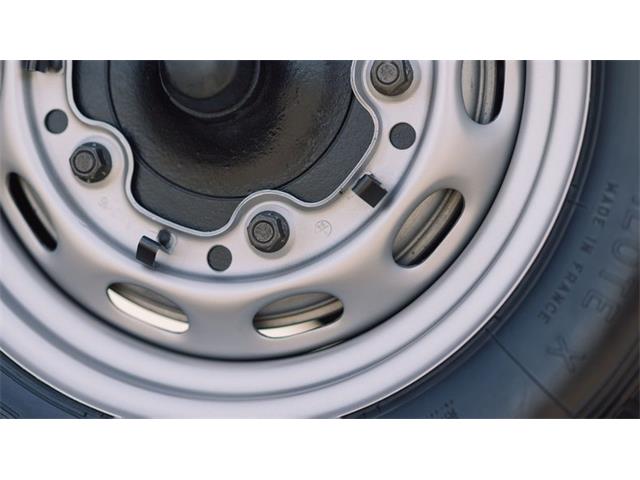
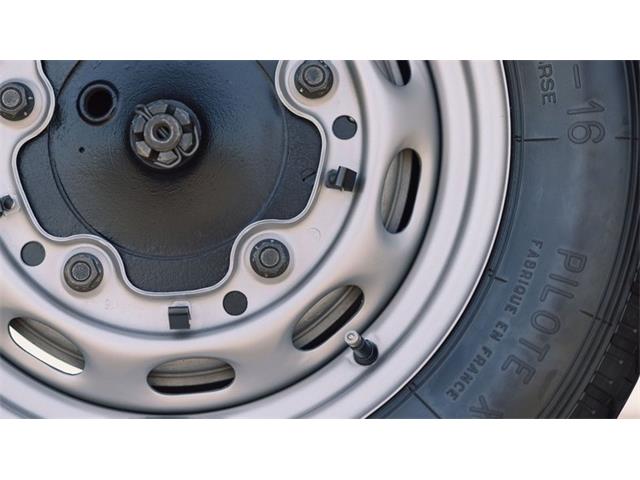
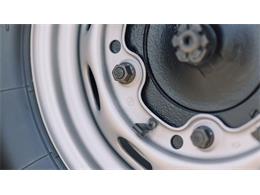
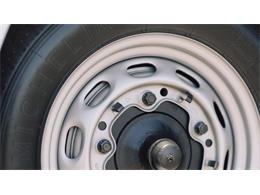
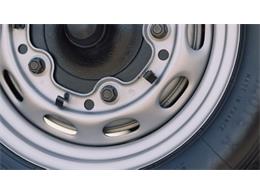
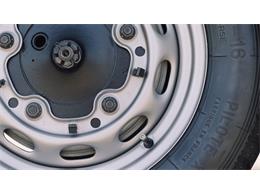
wheels which at the time were constructed by Engineer Manziel."
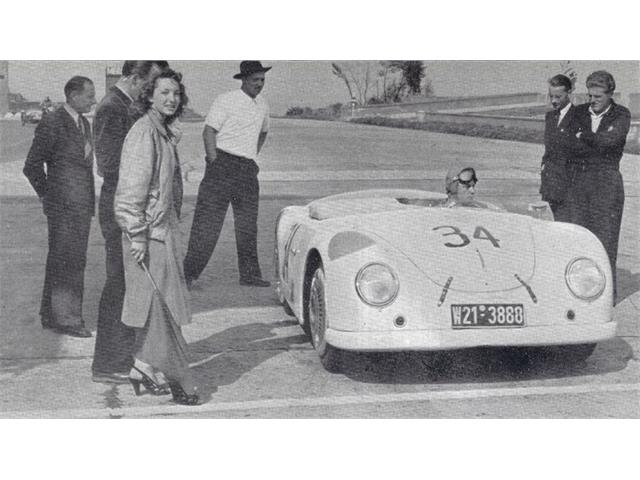
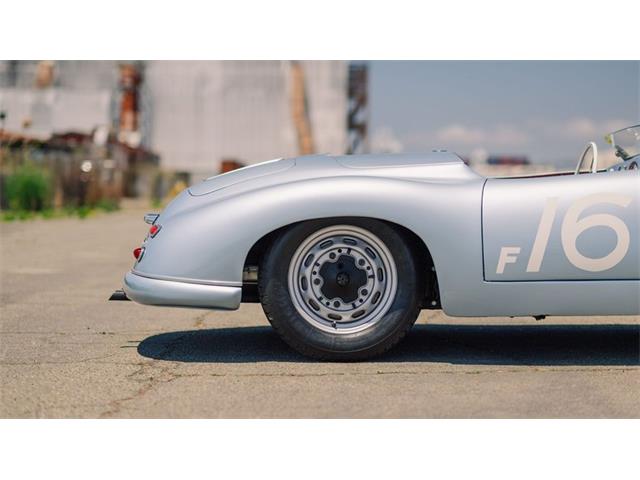
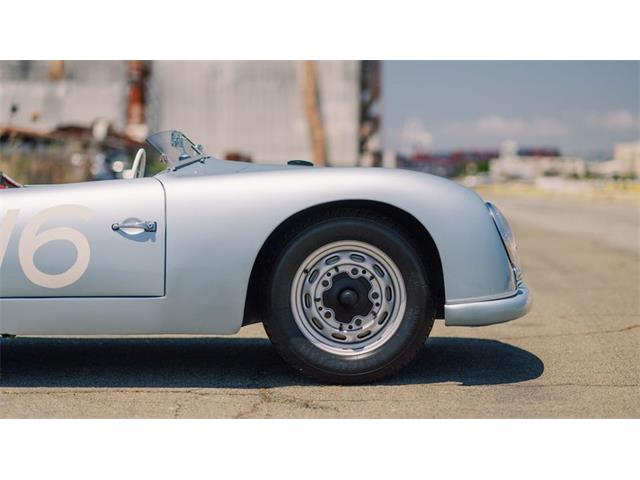
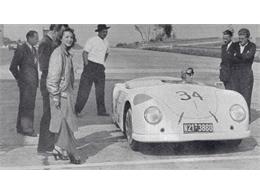
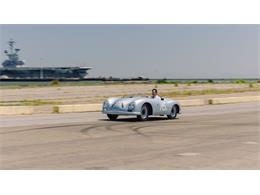
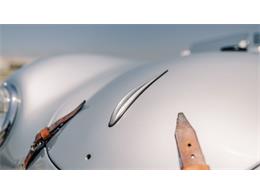
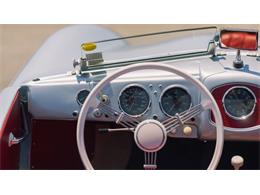
Finished in Germany's national racing color of white and adorned
with W 21-3388 number plates, the low-slung Zuffenhausen-completed
Roadster was first tested at the N�rburgring. Klenk's resulting
design may have been influenced by Erwin Komenda's earliest
Aluminum Sport Roadster (America Roadster) concept of October 1950,
or it may reflect Klenk's own bodywork expertise that would later
echo in the lightweight production cars finalized in 1951;
regardless of chronology, the resemblance is striking.
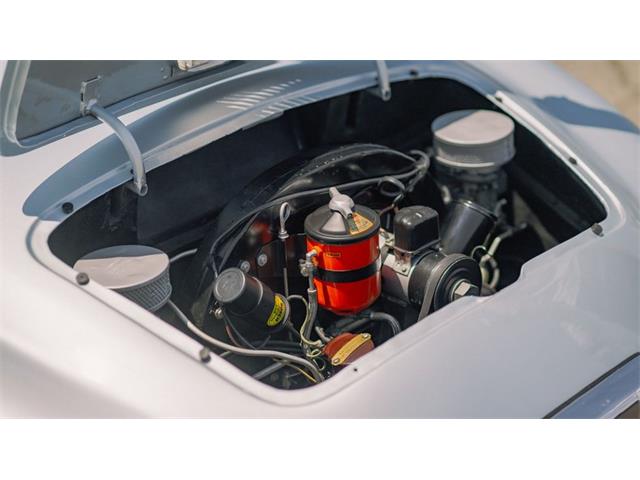
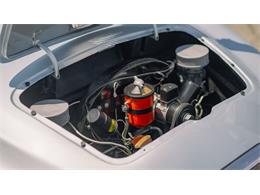
Under the rear engine lid lay an enlarged displacement 1,500-cc
flat-four, the first such large displacement engine ever fitted to
a 356 and the largest engine fitted to a 356 until the 1,600-cc
Type 616/1 debuted in 1956. Porsche's factory magazine notes in
1960 that "at the time the 1500 Porsche didn't exist at all,
officially." In attendance for the maiden shakedown at the
N�rburgring was racer, founder of Christophorus, and a member of
Porsche royalty, Richard von Frankenberg. It was clear that the
factory had great interest in the success of Sauter's 356
Sportwagen.
The Porsche 356 Sportwagen's first competitive outing came on 3
June 1951 during the second round of the German Sports Championship
at the N�rburgring. Entered as start number 34 among a field of
Ferrari 166 MM Touring Barchettas, BMWs, Veritas, and Porsches,
Christophorus records that Sauter "made the 2nd best time in
training, got away to a very good start in the actual race and
appeared leading the field at the end of the first lap..." The
Roadster's auspicious start would unfortunately end on the second
lap with engine trouble. Sauter also entered Hillclimb
Freiburg-Schauinsland (start number 38 and now AW 21-0733), the
third round of the championship, finishing 9th in the 1.5-liter
class. Full of competitive spirit, Sauter and his co-driver Alfred
Rath then entered the Porsche as number 19 in Liege-Rome-Liege, a
3,000-mile rally ten days later, with period reports simply stating
that "the car did not arrive at the finish." Sauter later recalled
that a blown tire and the car's ambitious suspension system
prematurely ended their race.
After this rally, Sauter parted ways with his namesake Roadster
with Christophorus noting he "sold it to French sports driver
Fran�ois Picard." Yet interestingly, the 356's Kardex warranty card
identifies Picard as the first owner, indicating that Porsche
reacquired the car directly from Heinrich Sauter. In a 1986
interview with Sauter about the Roadster, he recounted "No, I think
Picard bought it from Porsche, Porsche wanted the car, so I gave it
to them." Furthermore, Karl Ludvigsen notes in Excellence was
Expected, "Nevertheless the factory took an interest in this
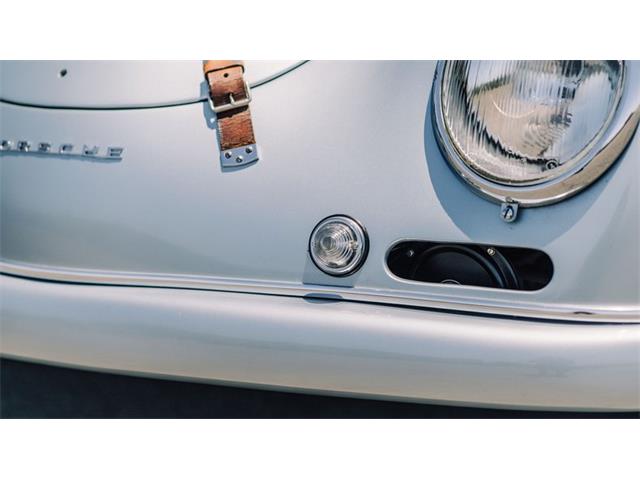
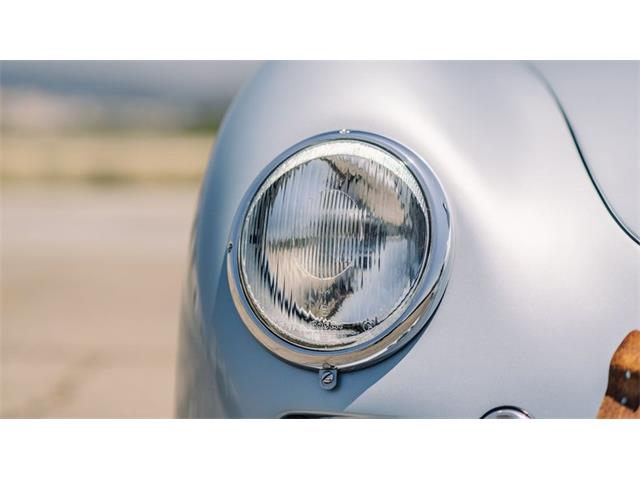
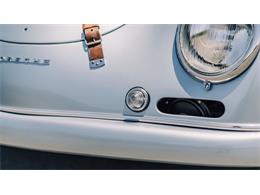
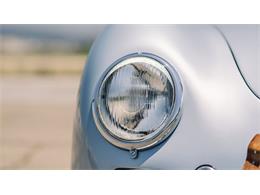
one-off Porsche which was further modified with front-brake cooling
scoops under its head-lights and fitted with an authentic works
1.5-liter Type 528 engine." Randy Leffingwell recounts in Porsche
Legends that "the car was bought by the Porsche factory and was
used as a kind of development mule for a short time." Images of the
car corroborate the modifications completed between Sauter's
ownership and the end of Picard's ownership that would prove quite
fruitful on circuit for the Frenchman.
"Le petit tank"
While no warranty date is listed on the Kardex, Picard, who was
based in Nice, is said to have acquired the Roadster, now fitted
with a Type 527 1,500-cc engine (serial number 30244) in time to
contest a number of important races on the 1952 French racing
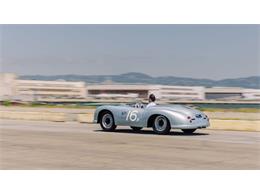
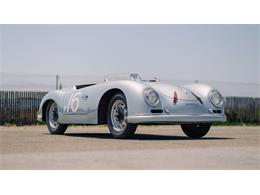
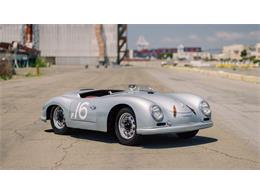
calendar. To make the car his own, Christophorus notes that "Picard
had it painted blue-in the French national racing colors-and named
it 'le petit tank'..." Numerous images in the history file from
Picard's season with the car show it now registered on W 23-3237
number plates, believed by Sauter to be Porsche factory supplied.
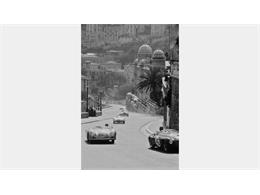
Picard's time with the Sauter Sportwagen was prolific and
successful.
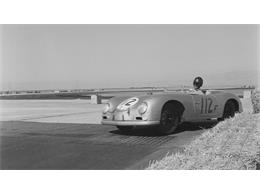
After starting the season in his trusty 356 Coupe, it is likely
that Picard entered and won his class with his new Roadster at the
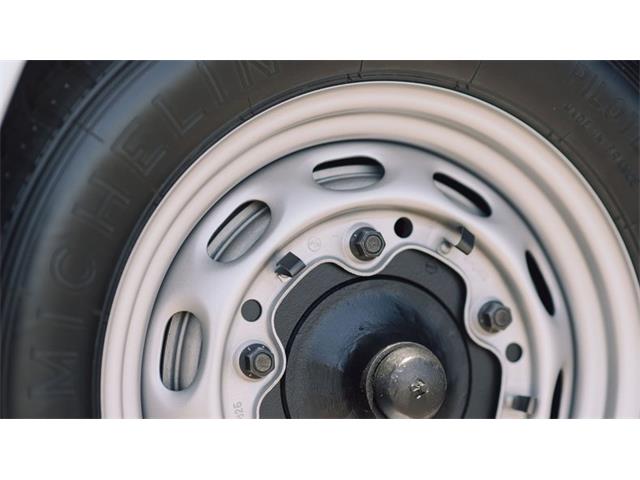
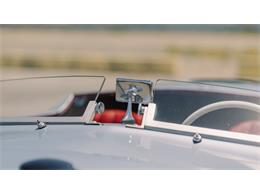
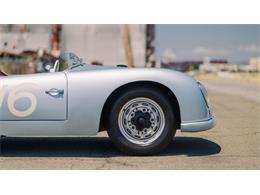
Val de Cuech hillclimb in April. His "le petit tank" now fitted
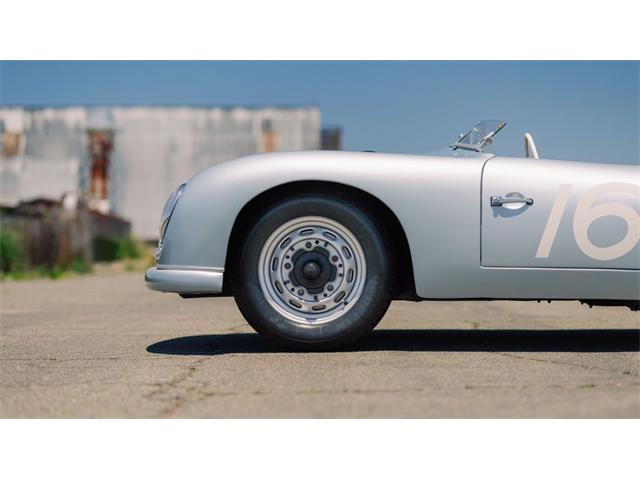
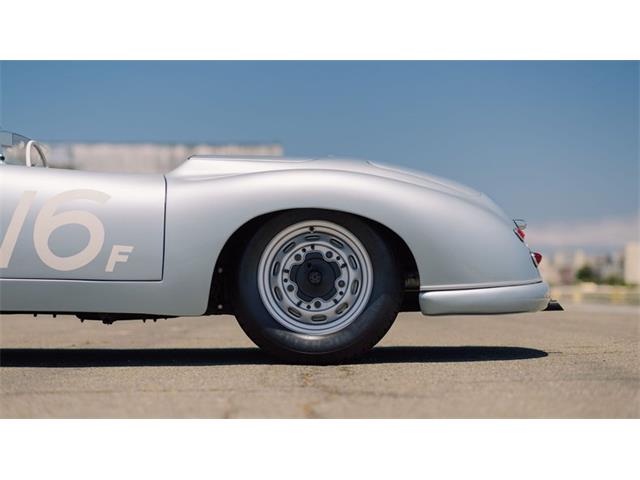
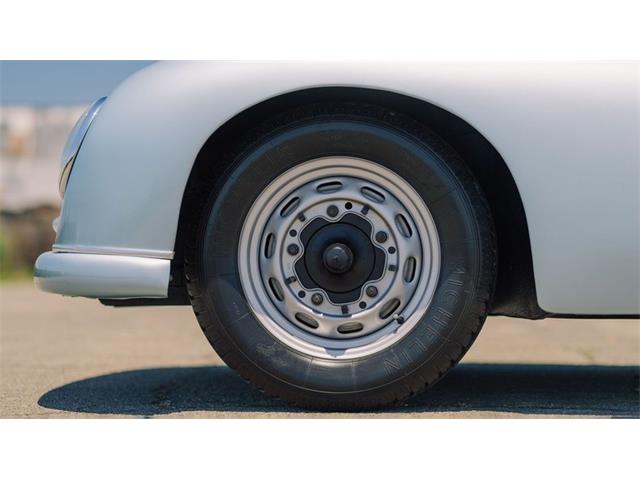
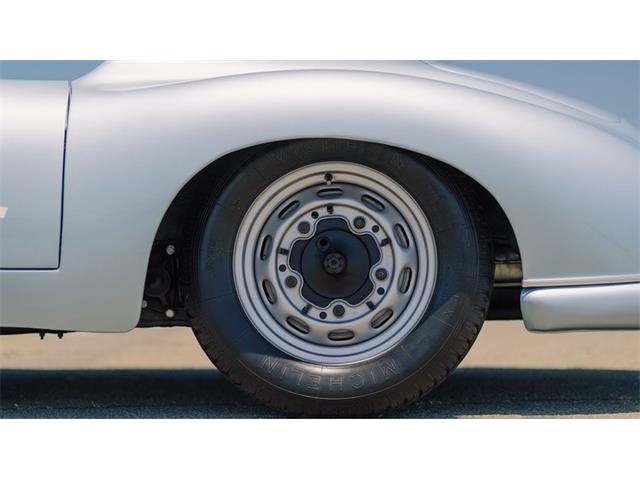
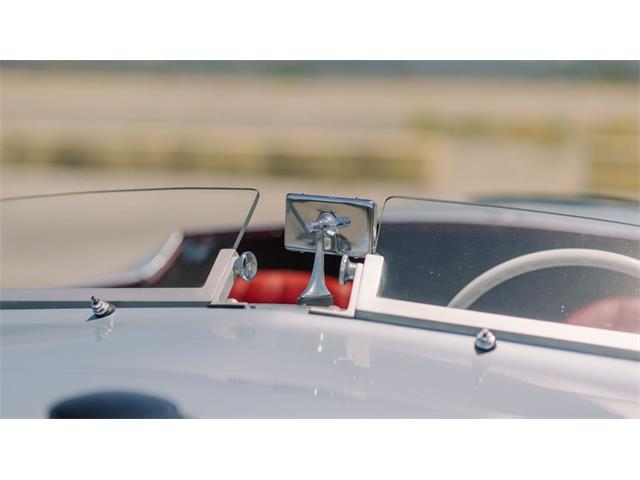
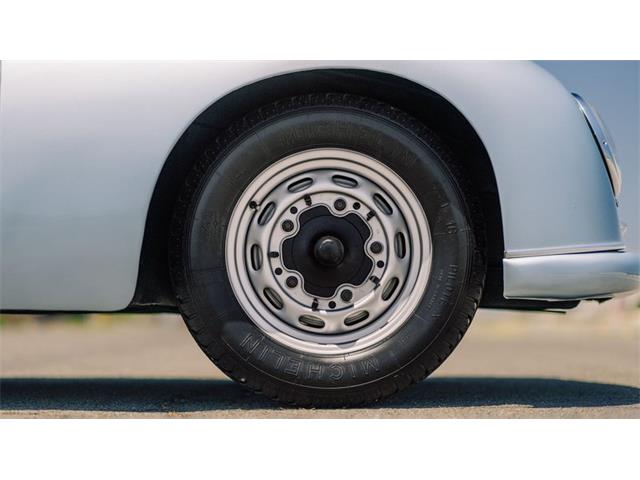
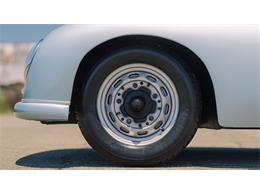
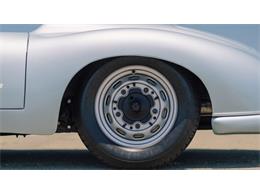
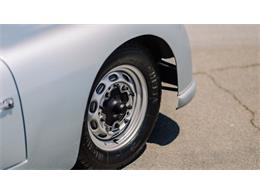
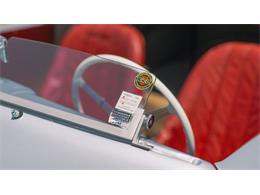
with a larger windshield and typical Porsche wheels, was first
photographed at the Rallye Maroc (Marrakech) with start number 60
where he finished second overall. After a non-appearance at the
C...for more information please contact the seller.
ClassicCars.com has been recognized as one of the fastest-growing private companies in the United States, successfully making the Inc. 5000 list in both 2015,
2016, 2017 and 2018. This prestigious accolade represents the continued growth of the company, and ClassicCars.com's dominance as the world's largest online marketplace for
buying and selling classic and collector vehicles.
The Stevie Awards, the world's premier business awards recognized
ClassicCars.com's first-class Customer Support team with a Stevie Bronze Award in 2019, celebrating the team's skills as exemplary customer support specialists.
In 2016 The Journal, brought to you by ClassicCars.com, was celebrated as the SECOND MOST INFLUENTIAL automotive blog in the world by NFC Performance.