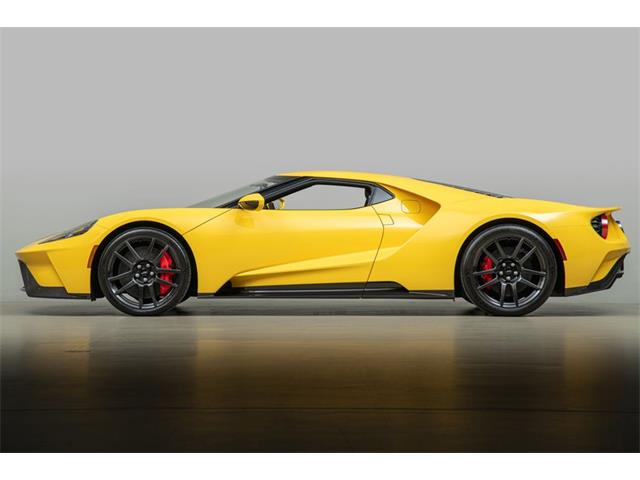
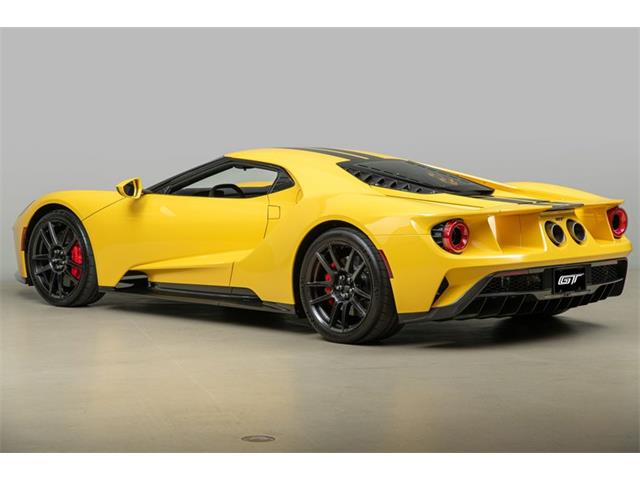
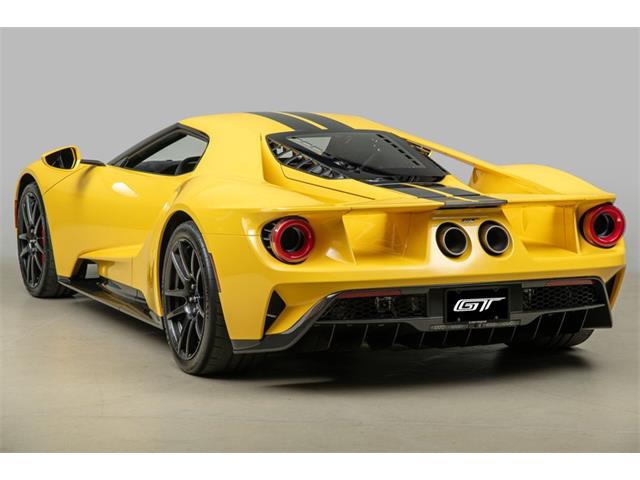
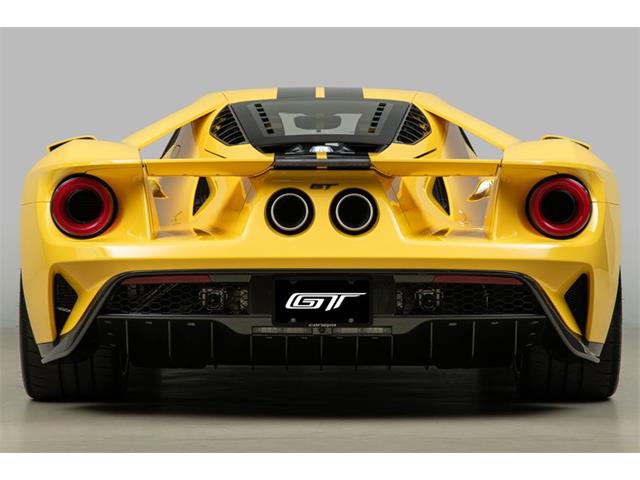
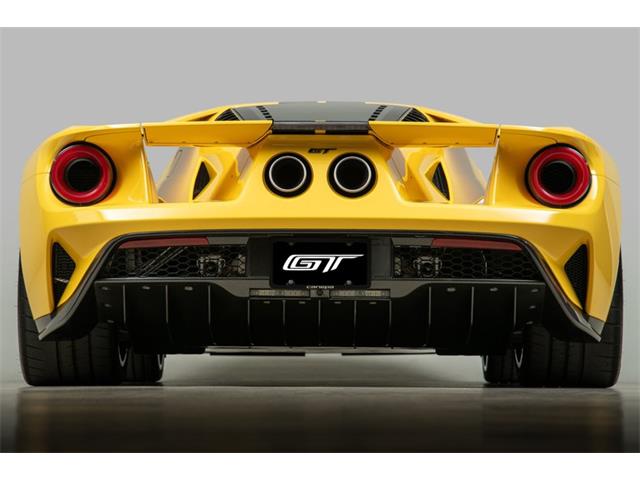
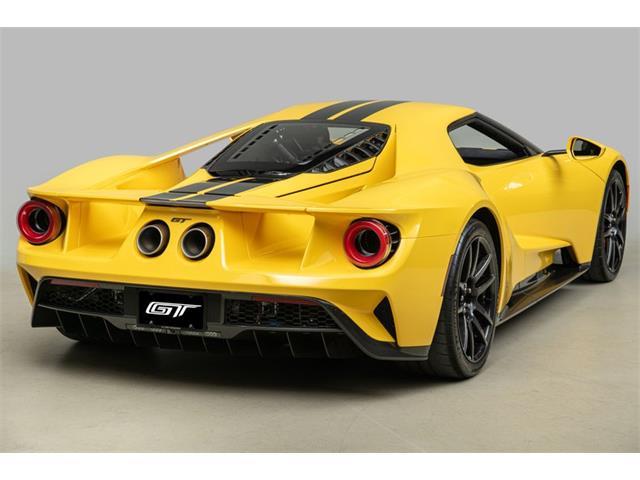
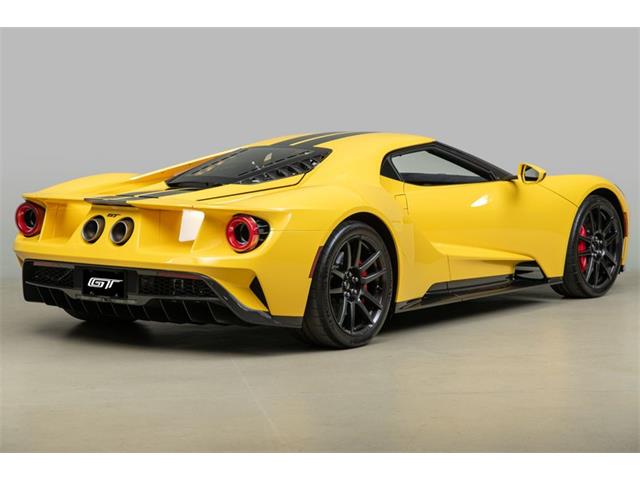
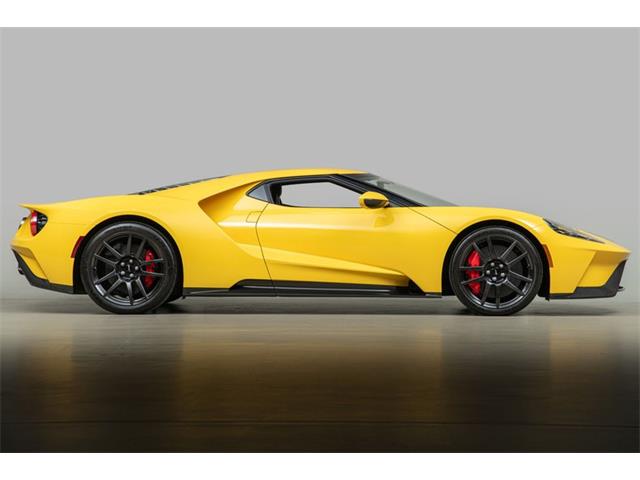
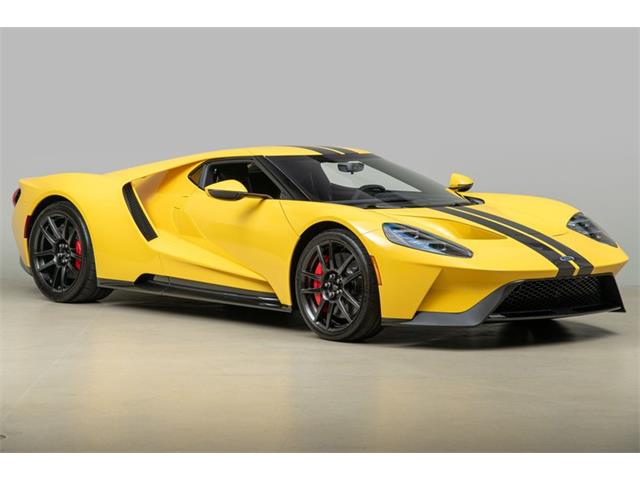
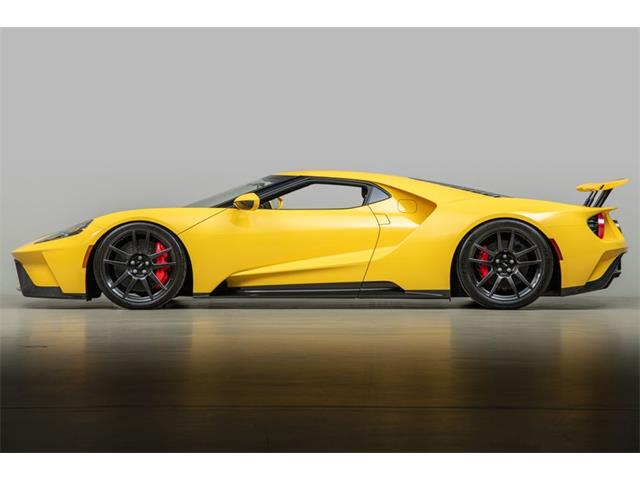
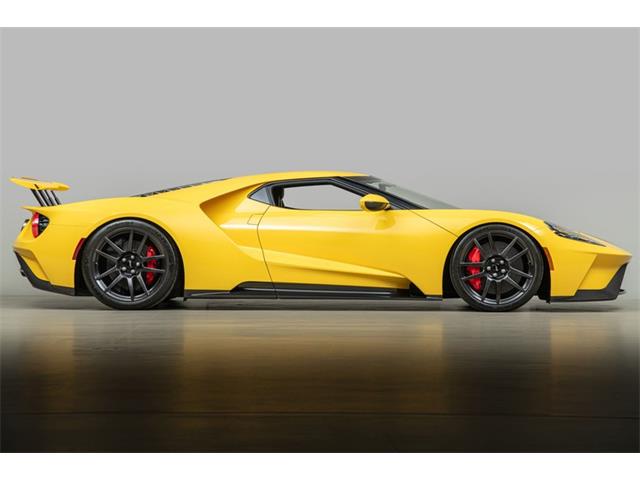
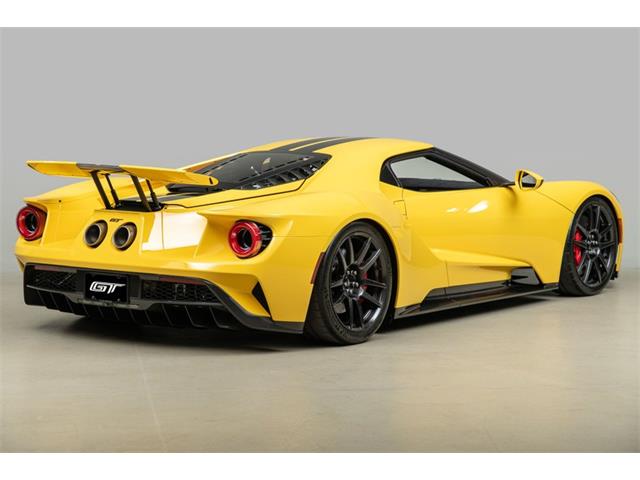
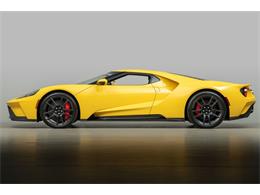
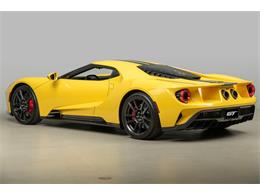
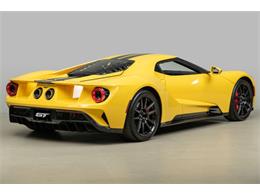
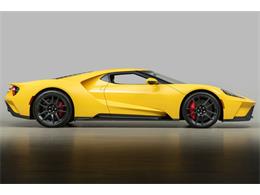
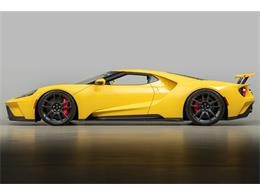
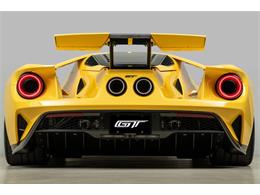
CARBON SERIES - 1 of 50 examples
New condition! 186 miles!
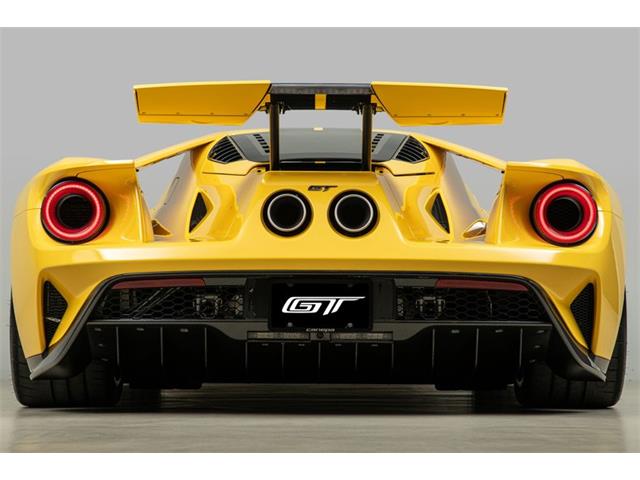
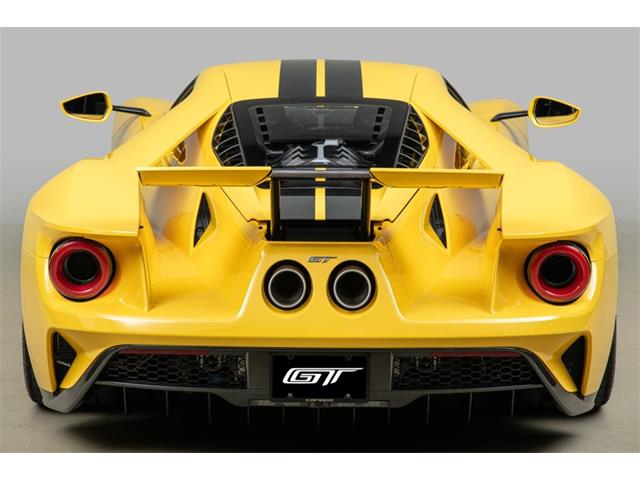
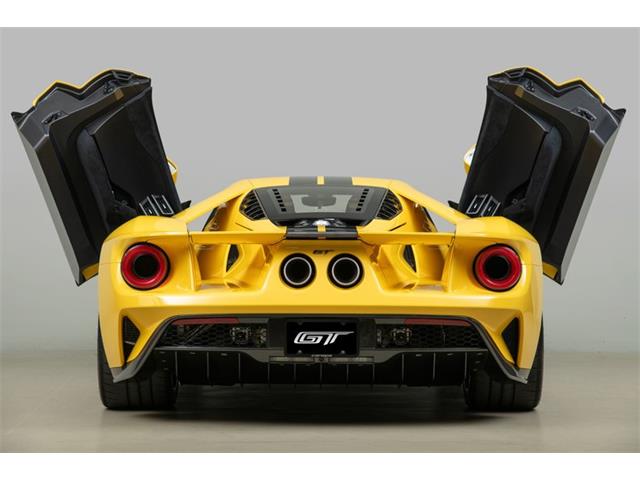
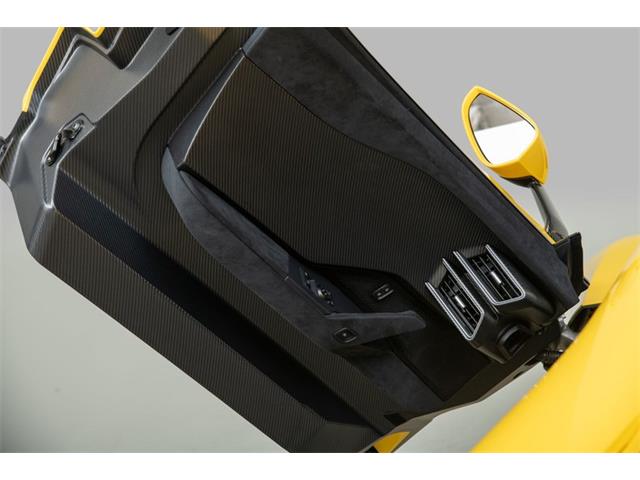
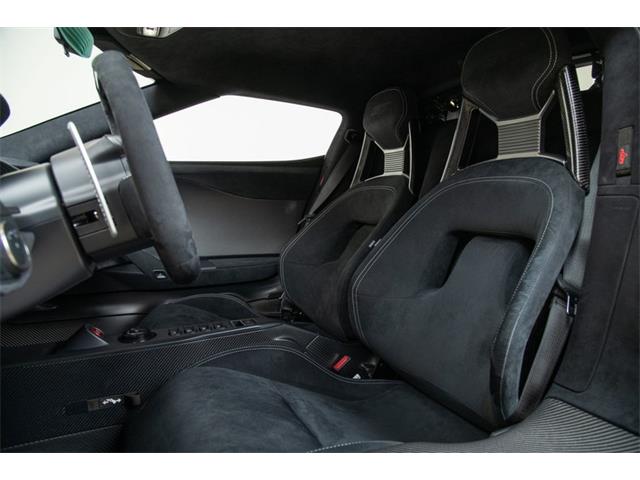
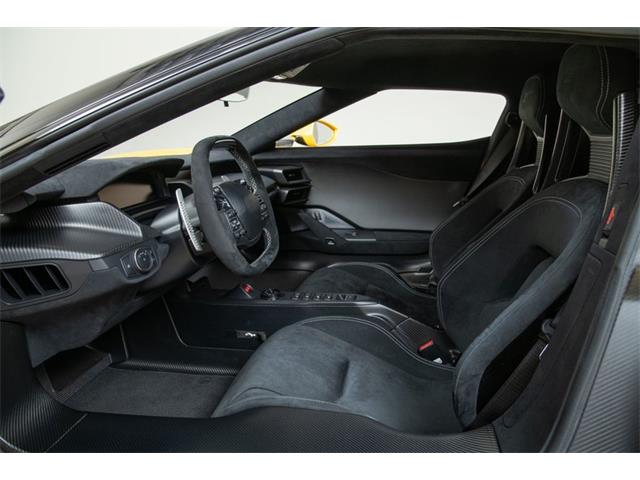
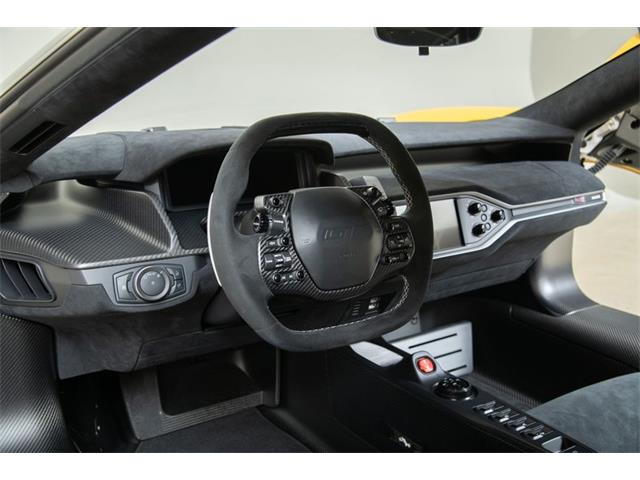
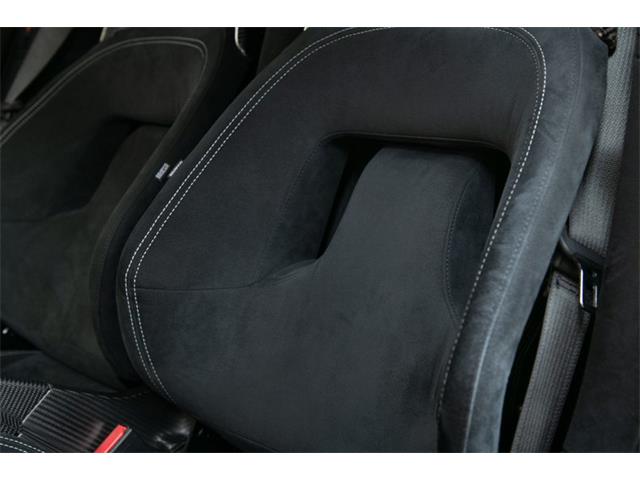
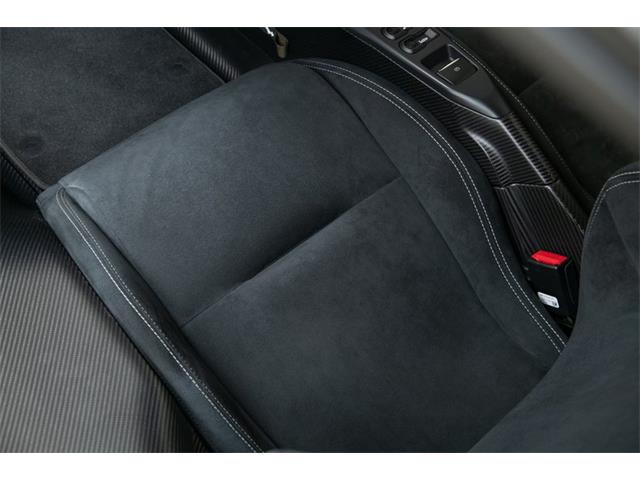
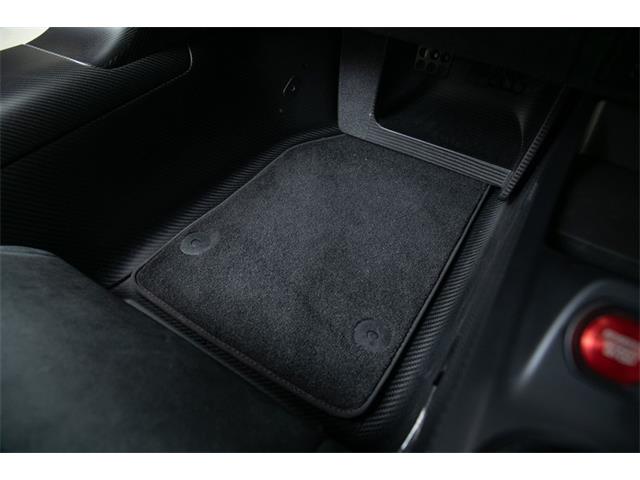
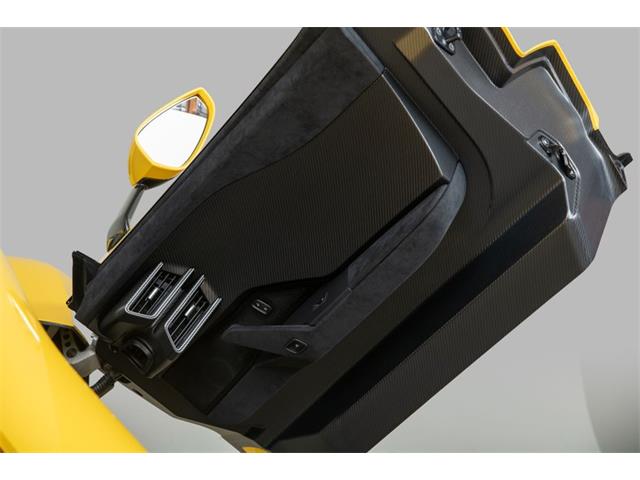
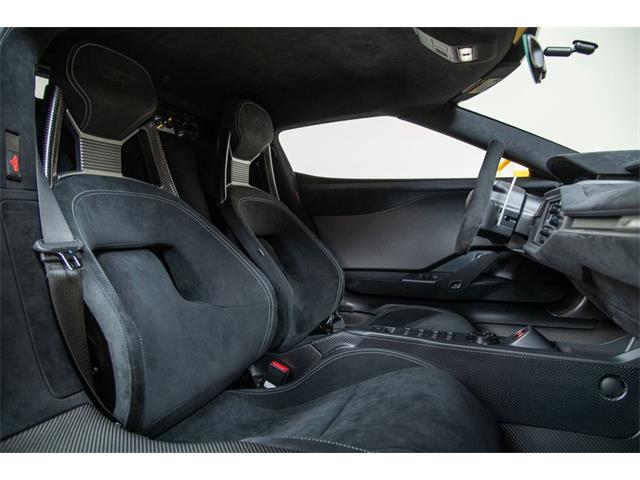
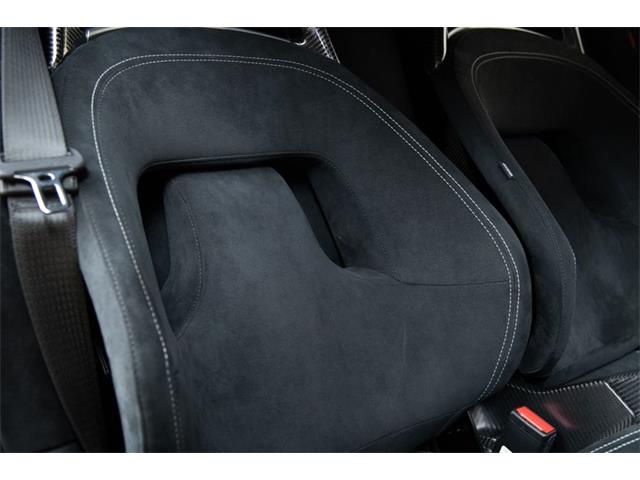
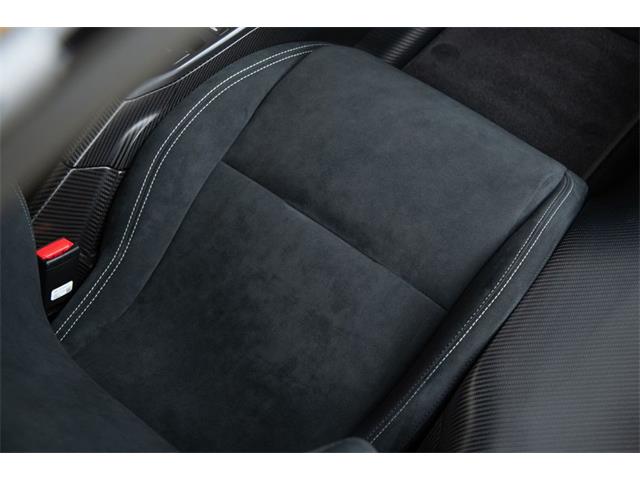
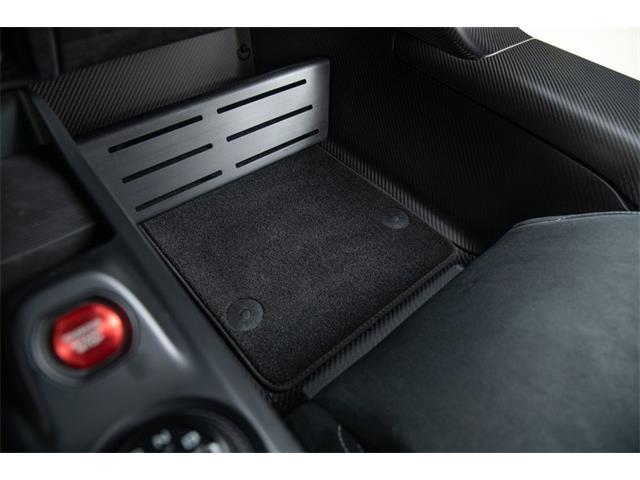
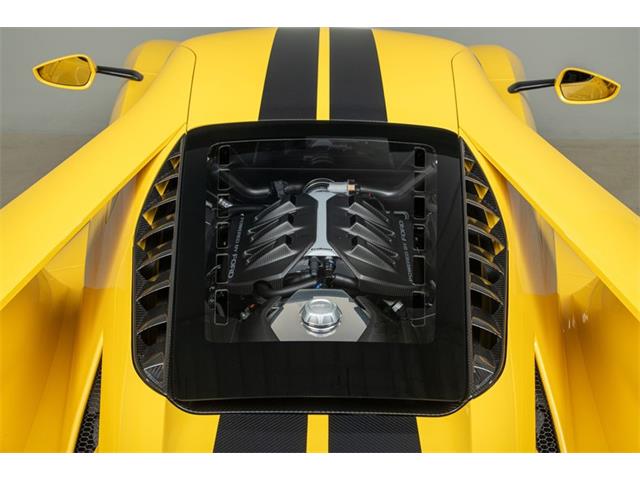
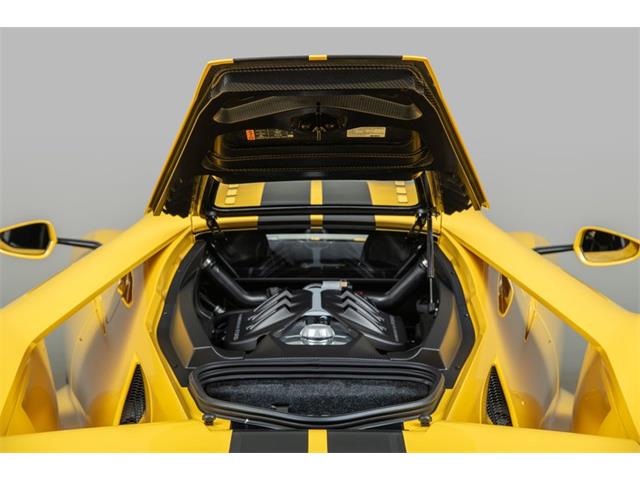
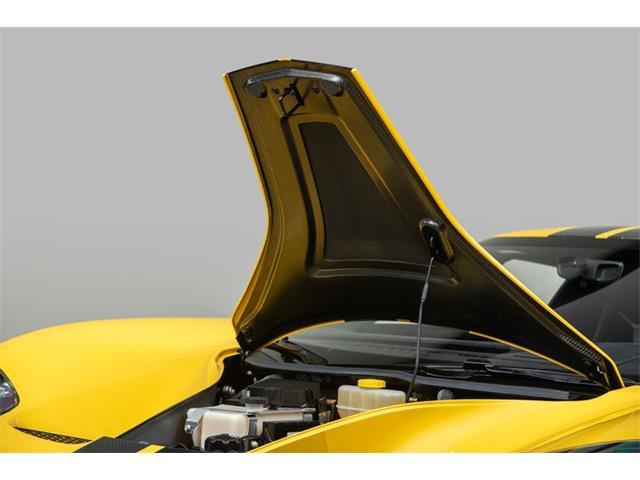
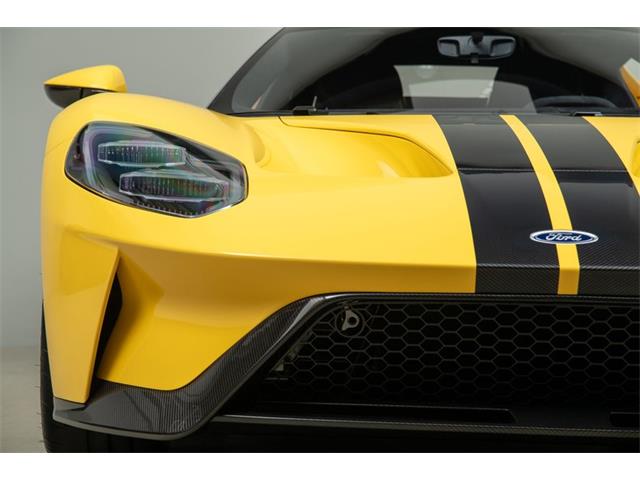
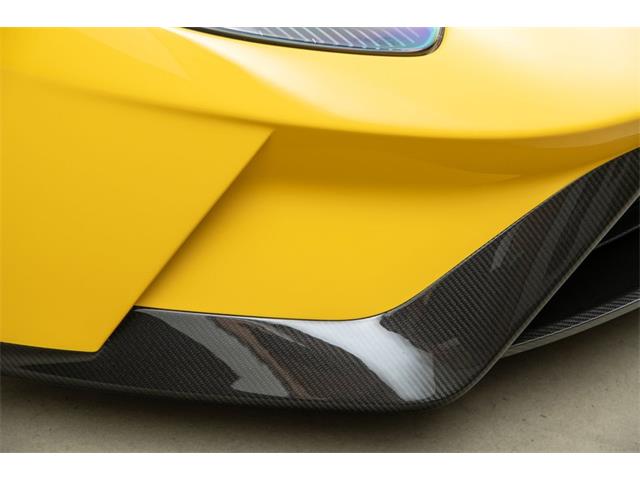
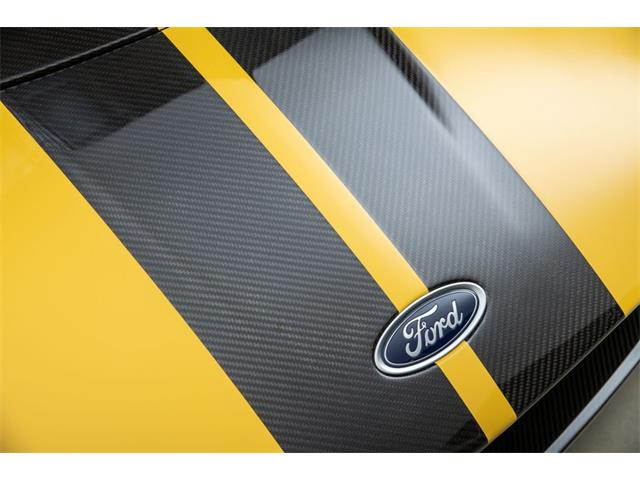
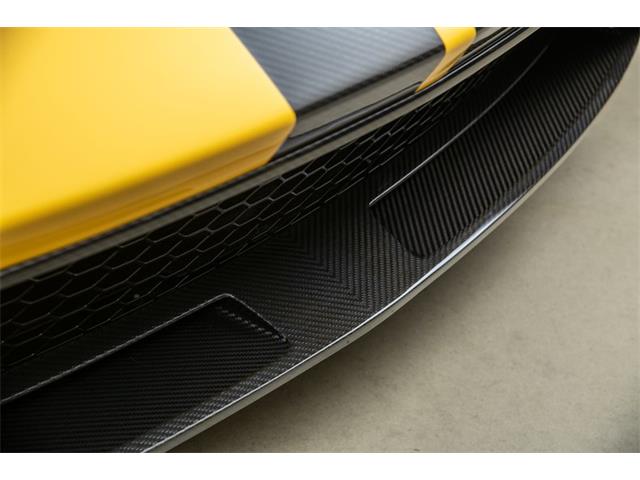
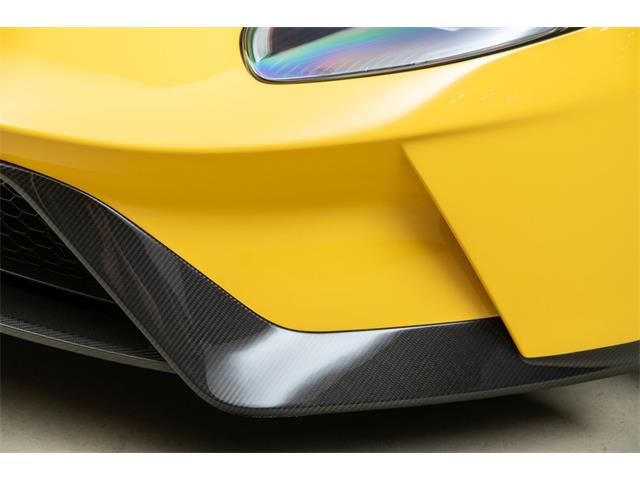
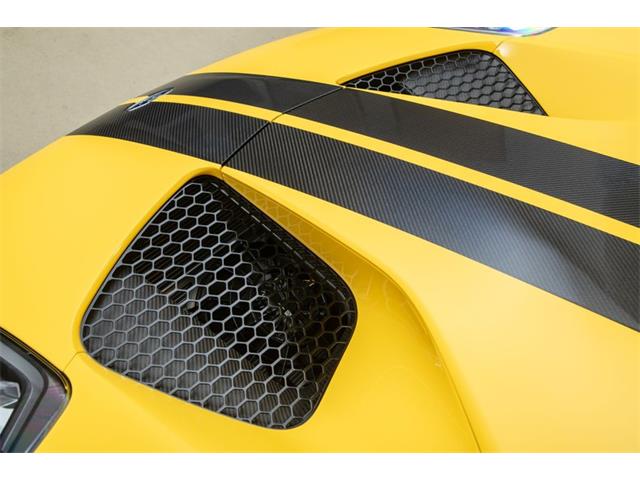
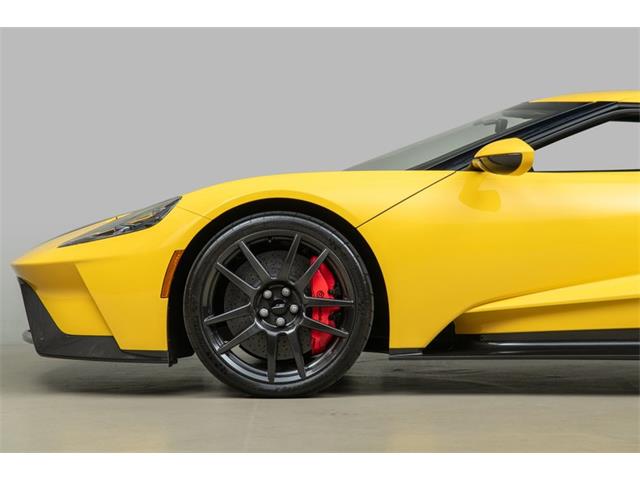
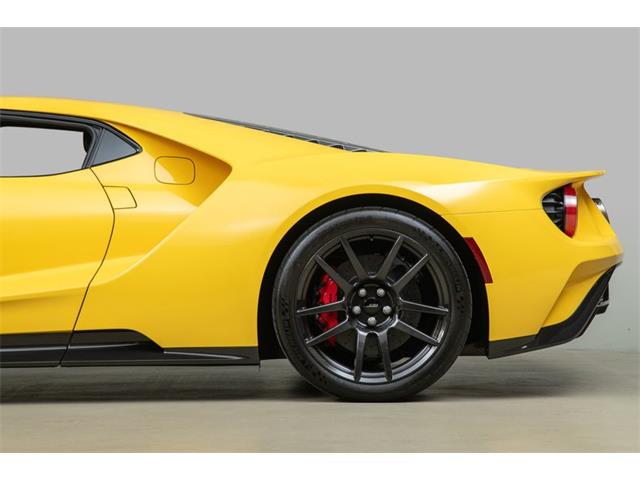
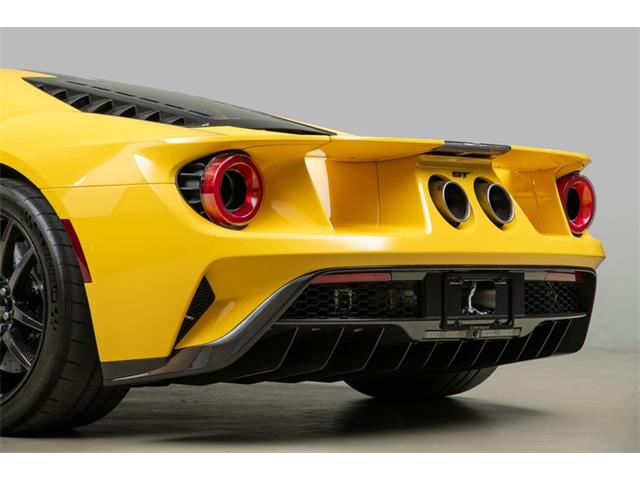
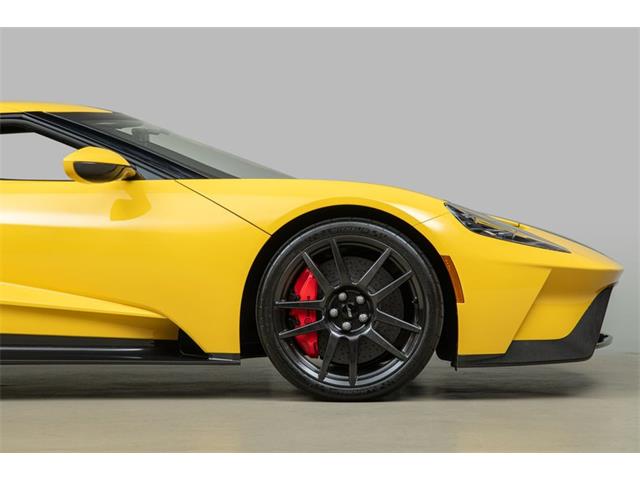
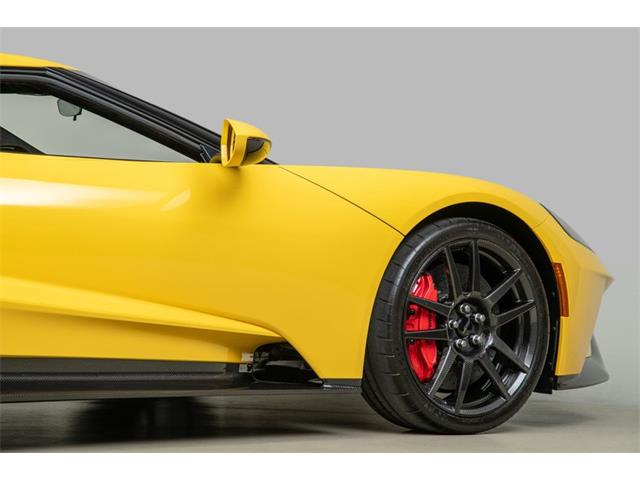
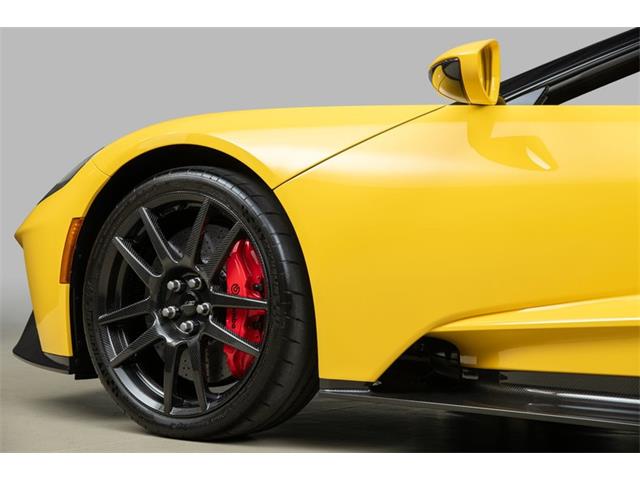
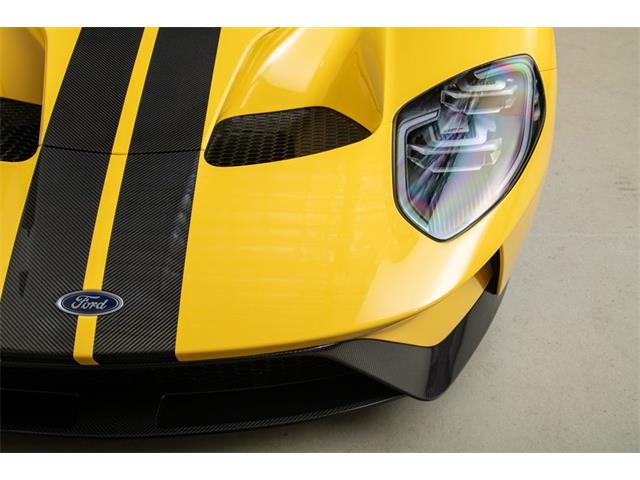
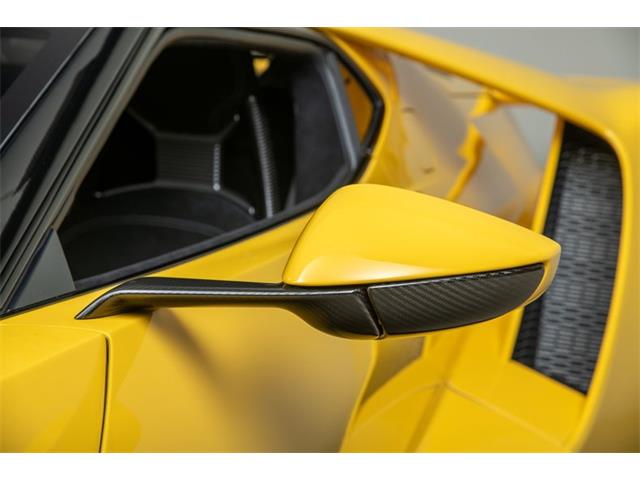
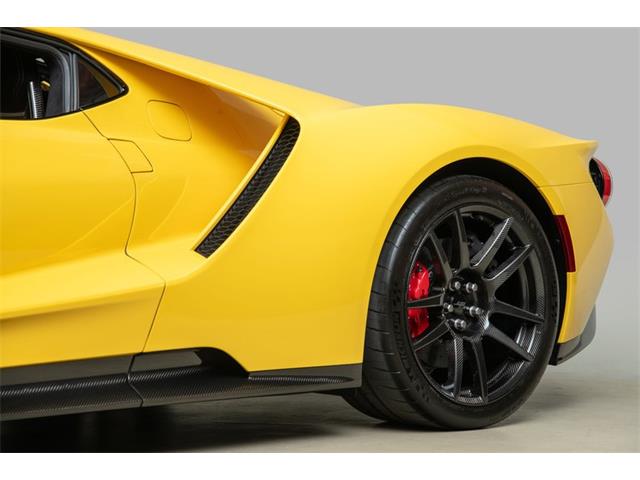
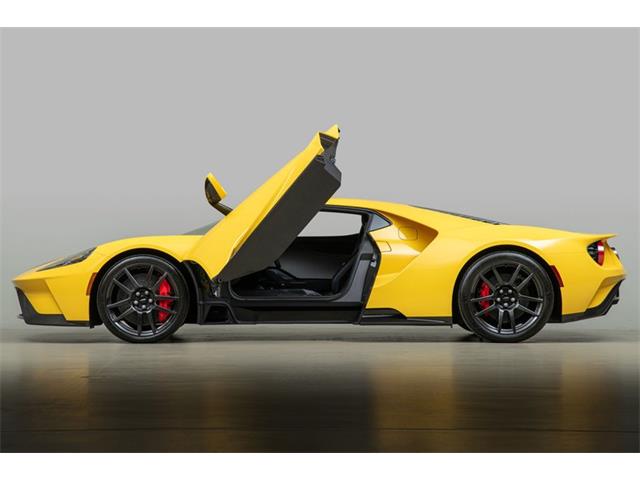
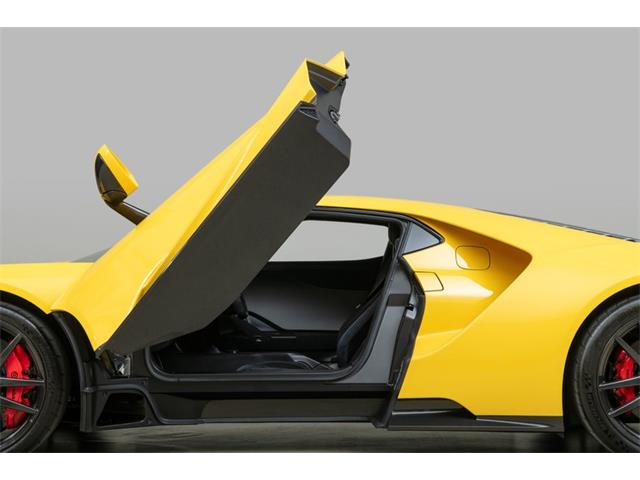
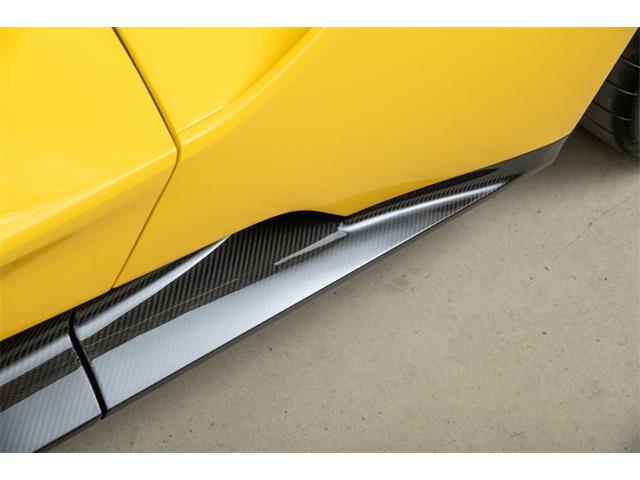
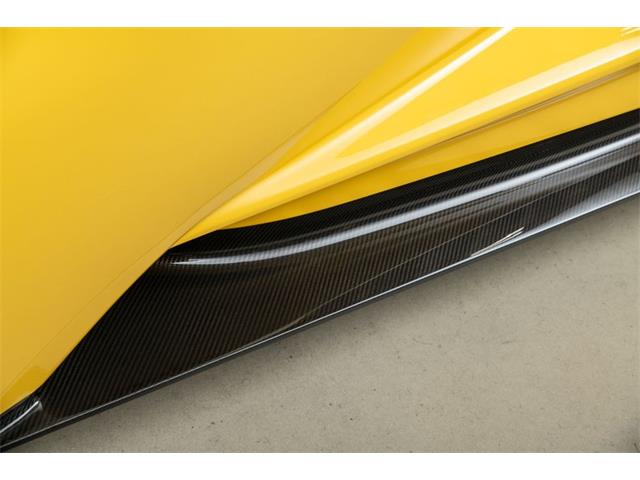
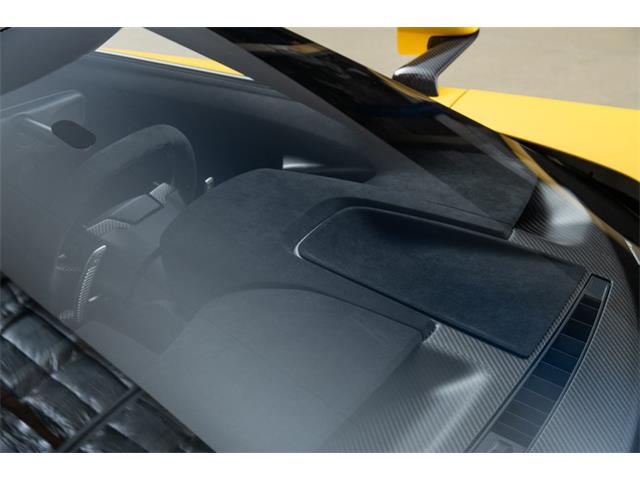
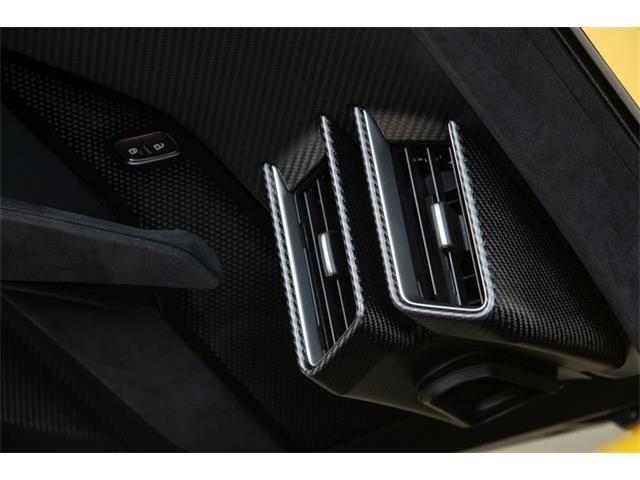
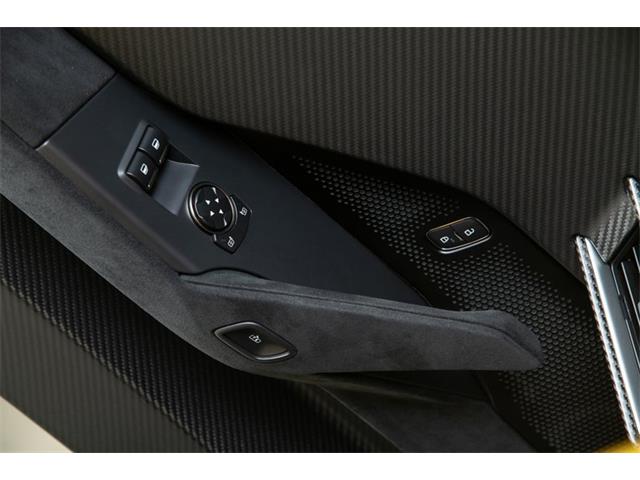
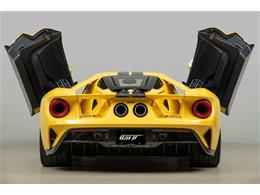
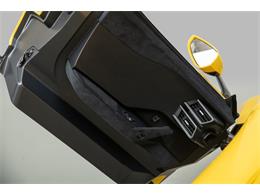
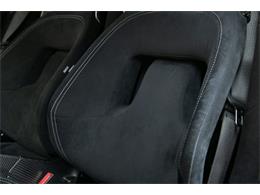
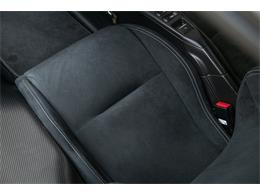
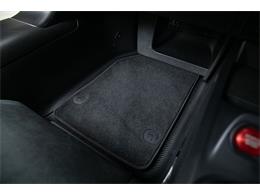
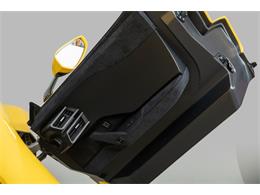
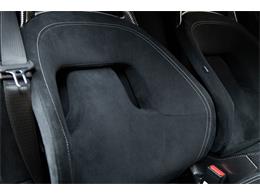
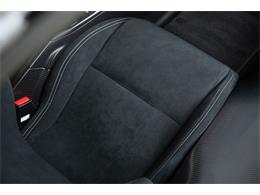
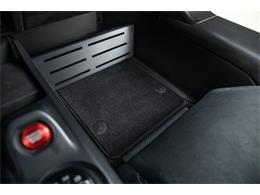
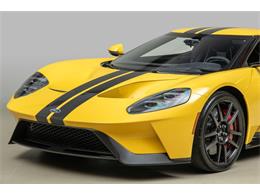
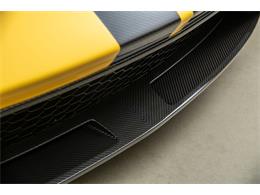
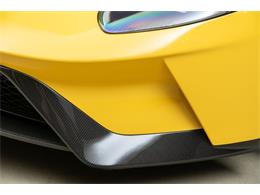
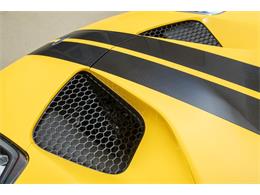
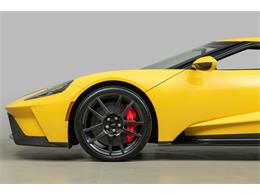
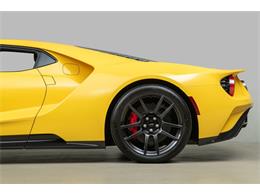
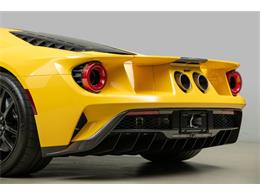
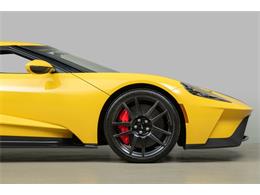
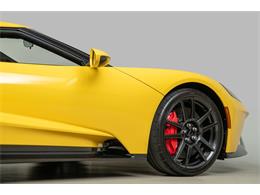
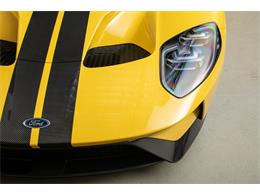
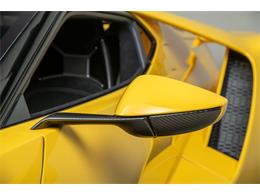
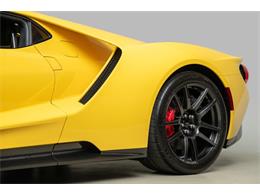
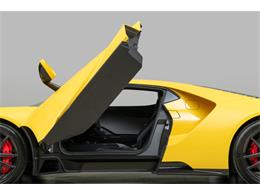
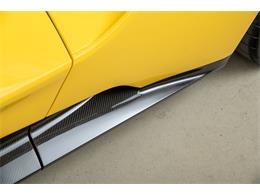
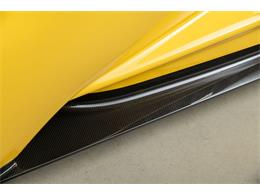
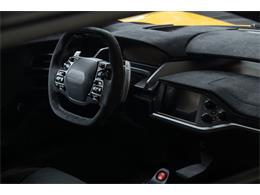
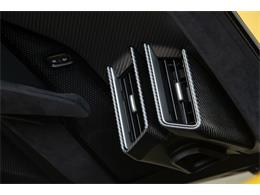
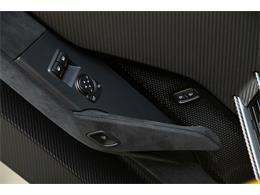
Triple Yellow Tri-Coat, exposed carbon fiber stripes, carbon fiber
seats/interior in black Alcantara
Nearly 40 pounds lighter than a standard car
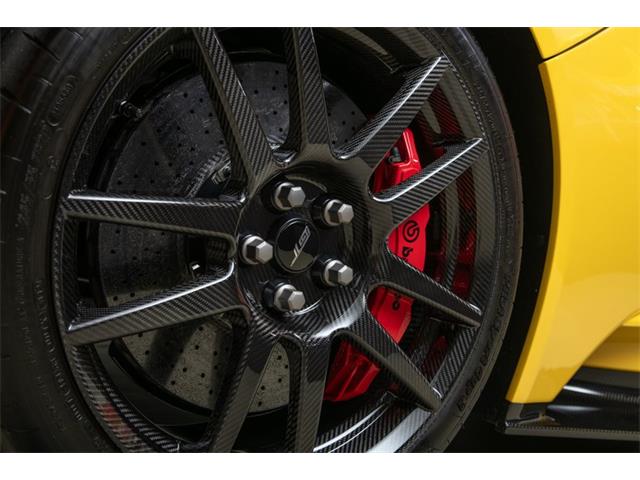
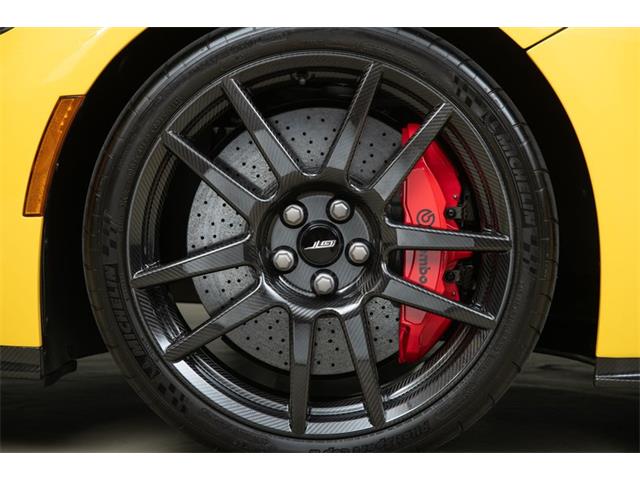
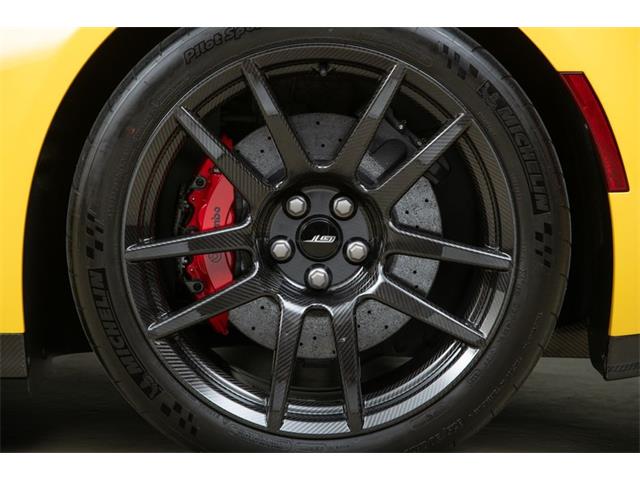
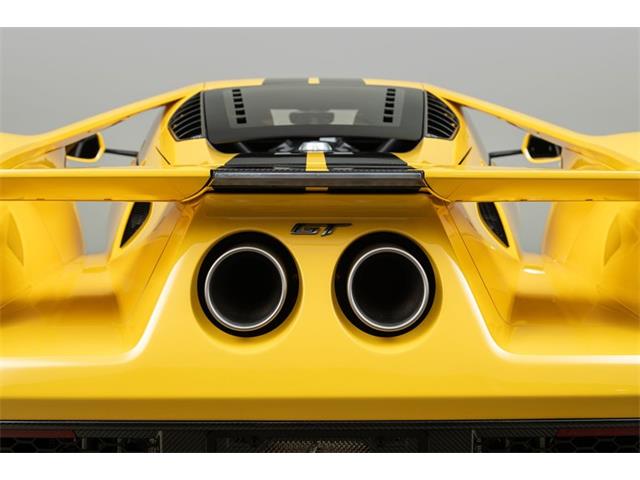
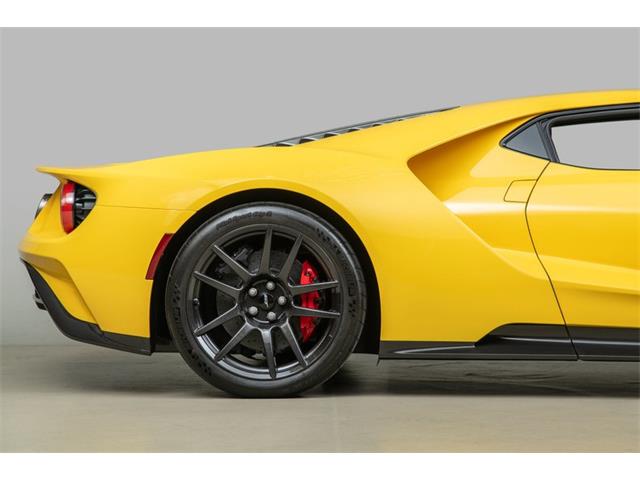
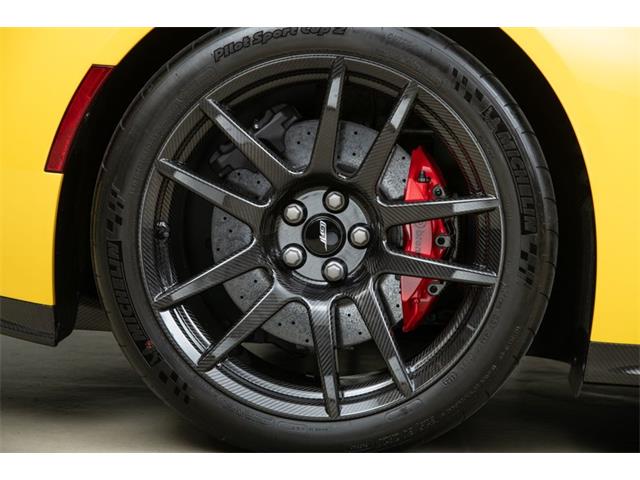
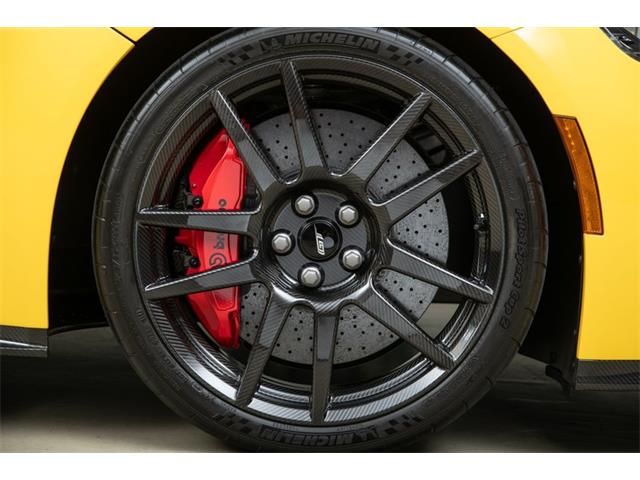
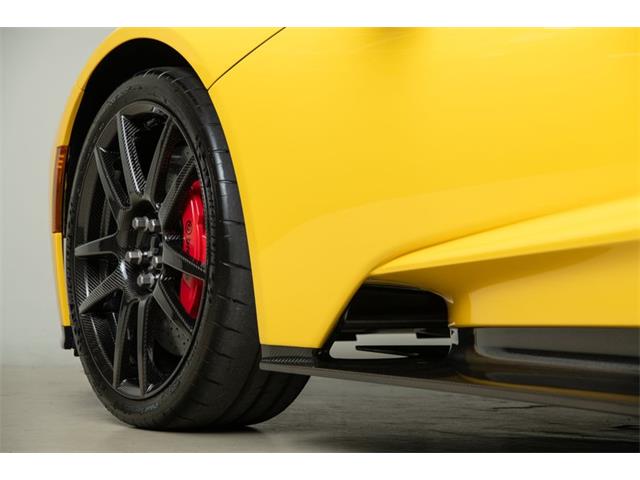
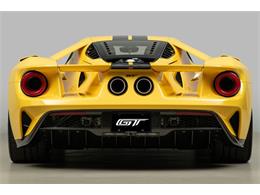
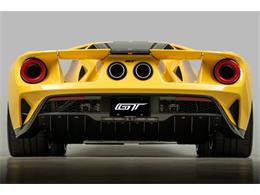
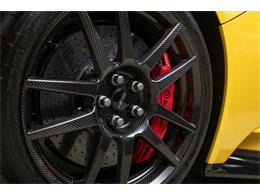
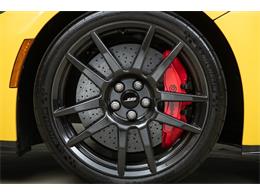
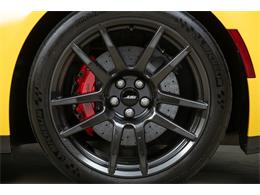
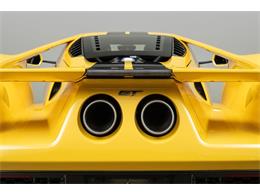
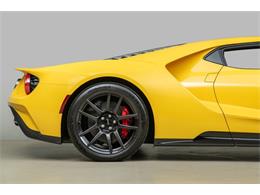
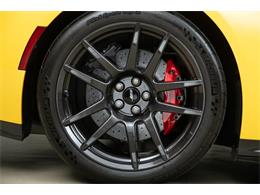
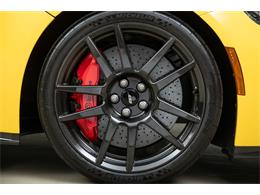
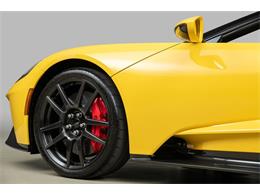
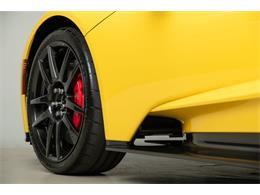
Carbon fiber wheels, Akrapovic titanium exhaust, titanium wheel
nuts, and more
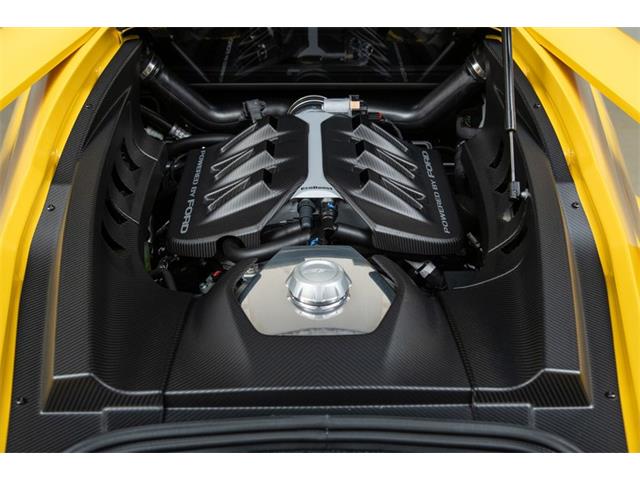
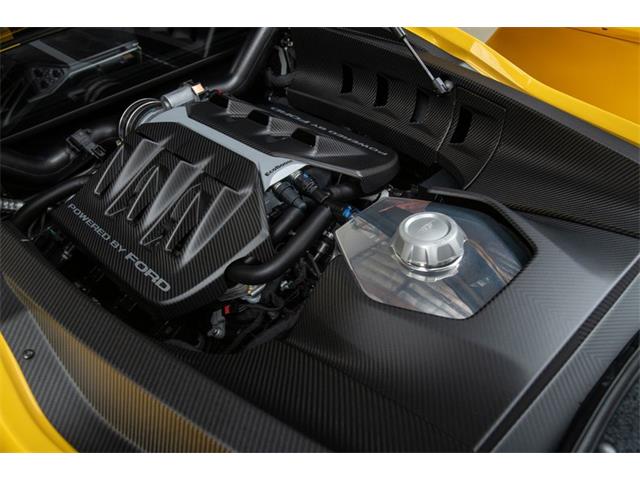
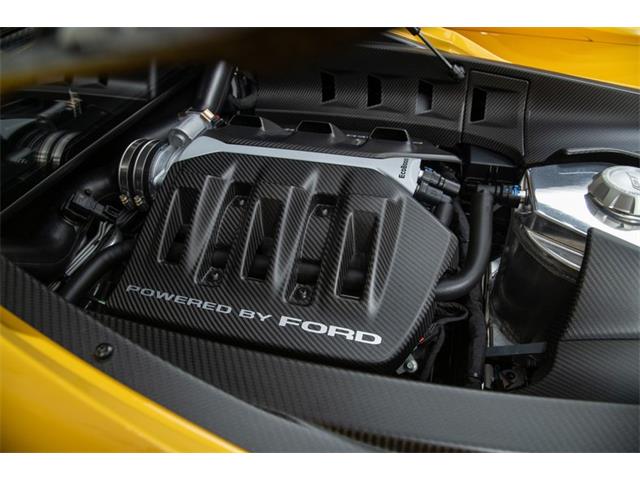
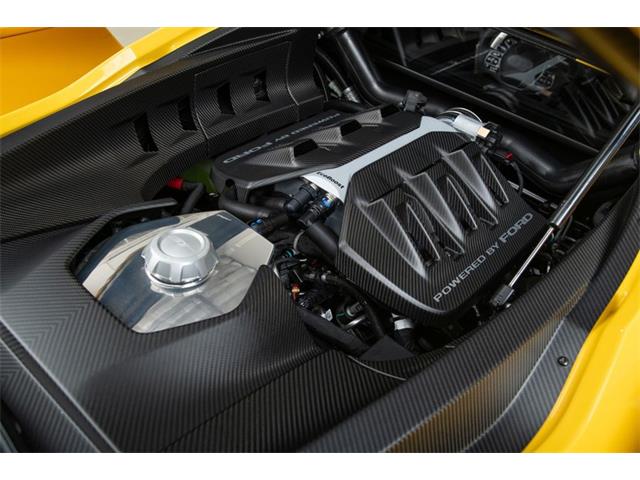
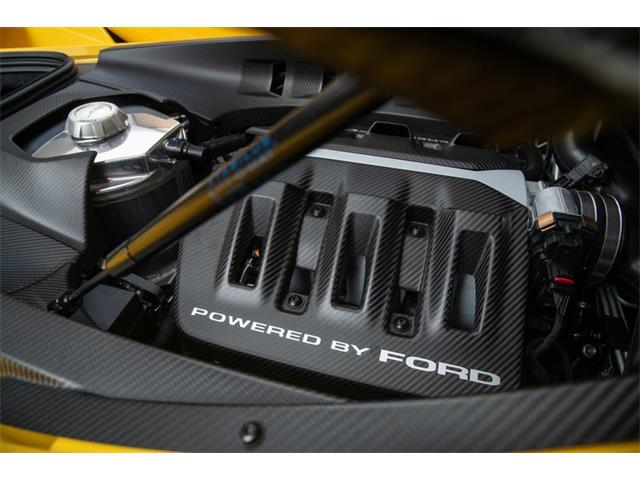
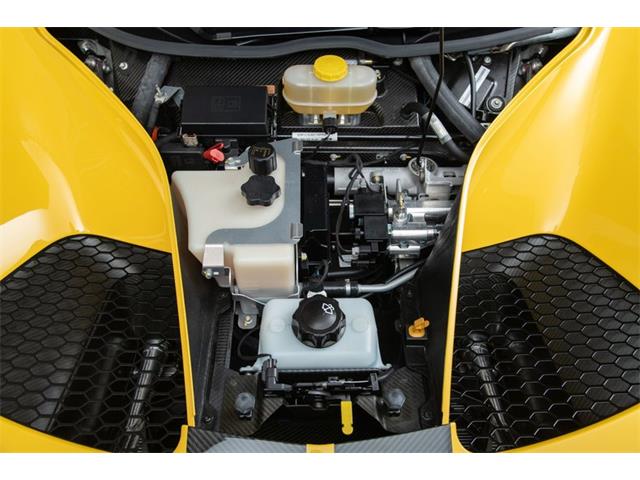
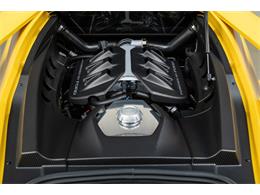
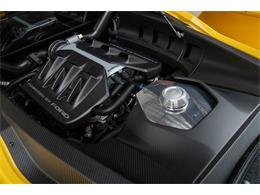
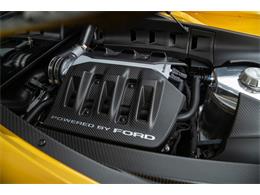
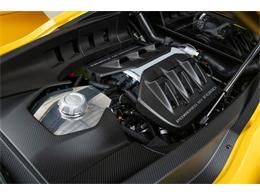
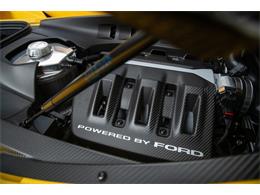
24 Hours of Le Mans-proven 3.5L twin-turbo V6 engine upgrade to
660hp, 550 lb-ft of torque
Getrag 7-speed dual clutch transmission
In the 21st century, almost 50 years after their first 24 Hours of
Le Mans win, discussions were swirling in Dearborn, Michigan at
Ford headquarters about the next generation race car to wear the
blue oval. With the 50th anniversary of the Ford GT40 winning the
24 Hours of Le Mans in 1966 approaching, Ford wanted to honor the
legacy of its motorsport heritage with something new and exciting.
With the goal to return to Le Mans and win, plans were developed,
teams were assembled, and resources were allocated at a colossal
pace. What resulted was a massive, full scale motorsport assault
from a partnership between Ford, Multimatic Motorsports, and Chip
Ganassi Racing to determine if lightning does indeed strike the
same place twice.
For many, Ford Motor Company's motorsport legacy began with the
introduction of its GT40, the Le Mans-winning sports car that took
the racing world by storm. Taking the 1966 24 Hours of Le Mans by
surprise with the entire podium occupied with the blue oval's
entrants, Ford Motor Company was officially cemented as a
motorsport icon as formidable competition. Ford continued to build
its legacy by winning the 24 Hours of Le Mans another 3 times in a
row and with wins both stateside and throughout the world, the Ford
GT40 becoming one of the most iconic race cars of all time.
With history providing plenty of motivation to build the best of
the best, Ford decided that this time around it was going to use
all of the advantages available to them. This included Multimatic
Motorsports, who would end up partnering with Ford to design,
engineer, and build the racecar, and Chip Ganassi Racing, the team
who would drive the Ford GT to victory. Despite the monumental
undertaking and the sheer amount of resources needed to develop
this new race car, the Ford GT development was kept in extreme
secrecy, ensuring that no one outside of the closest confines of
Ford knew what was brewing. The final result was the incredible
modern-era Ford GT, considered almost a "no waiver" car, meaning
that the items required to prepare a street design for race use was
minimal due to Ford designing the race car and street car in
parallel.
Enter 2016. Ford's factory racing effort was a resounding success,
winning at the 24 Hours of Le Mans 50 years after their first win
in the original GT40s. The Ford GTs continued to find success in
the racing circuits for the remainder of their time in racing, with
2019 marking the final season of the Ford GTs in the race series.
Ford had accomplished what it set out to do, to return to the race
track and show that they were just as formidable as before.
A bespoke carbon fiber chassis, aerodynamic design hailed as
"ground-breaking" for a street car, a 3.5L twin-turbo Ecoboost
engine with true 24 Hours of Le Mans pedigree, the street-legal
Ford GT was an instant hit. With applications for the Ford GT far
outstripping supply, with only 1,350 examples built from 2017 to
2022, only a choice few were able to spec their Ford GT in the
configurator and eventually order their car.
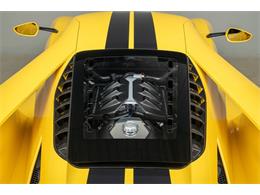
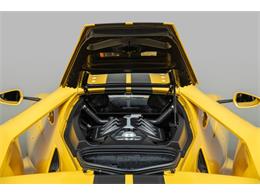
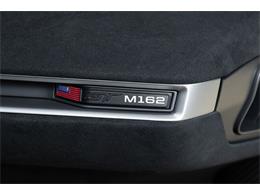
This 2021 Ford GT Carbon Series was 1 of 50 reported Carbon Series
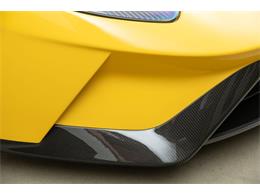
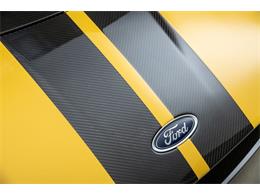
vehicles built by Ford for the world. In addition to having exposed
carbon fiber stripes down the length of the vehicle, it sports
lightweight carbon fiber wheels, an Akrapovic titanium exhaust
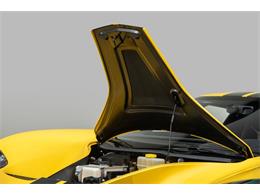
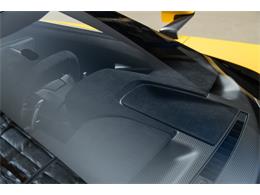
system, titanium lugnuts, and a polycarbonate rear hatch which
reduces weight by 40 pounds. It also included a factory-upgraded
engine to 660hp and 550 lb-ft of torque from its 3.5L twin-turbo
engine.
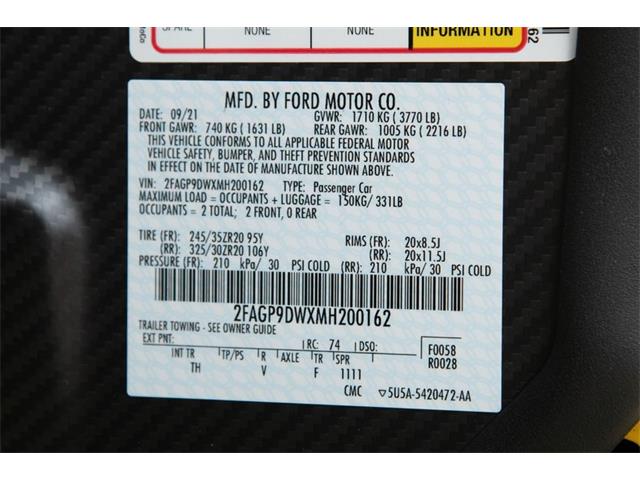
This particular car has the $5,000 Triple Yellow Tri-Coat paint, a
stunning color contrasting against the exposed carbon fiber stripes
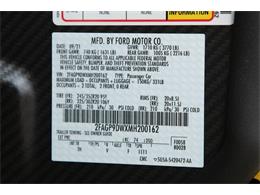
and body components. Along with $1,250 red brake calipers and an
indoor car cover of $750, the total MSRP in 2021 indicated on its
original window sticker is $612,350.
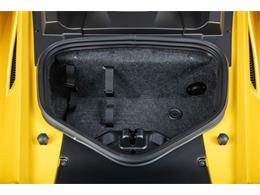
Upon arrival at Canepa, the Ford GT Carbon Series was closely
inspected inside and out. With only 186 miles on the odometer, and
in a limited production of a reported 50 examples, it arrived in
new condition and is now exceptionally rare. Now ready for its next
caretaker to own Ford's modern street car with Le Mans racing
pedigree, this 2021 Ford GT Carbon Series is one of the finest
examples available.
ClassicCars.com has been recognized as one of the fastest-growing private companies in the United States, successfully making the Inc. 5000 list in both 2015,
2016, 2017 and 2018. This prestigious accolade represents the continued growth of the company, and ClassicCars.com's dominance as the world's largest online marketplace for
buying and selling classic and collector vehicles.
The Stevie Awards, the world's premier business awards recognized
ClassicCars.com's first-class Customer Support team with a Stevie Bronze Award in 2019, celebrating the team's skills as exemplary customer support specialists.
In 2016 The Journal, brought to you by ClassicCars.com, was celebrated as the SECOND MOST INFLUENTIAL automotive blog in the world by NFC Performance.