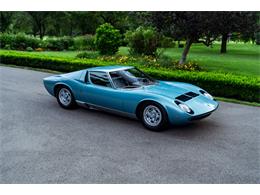
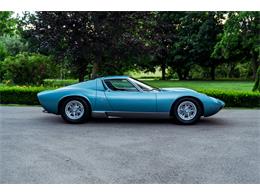
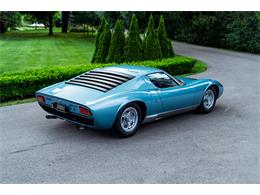
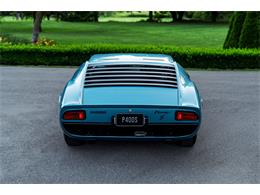
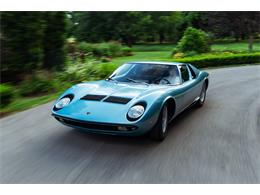
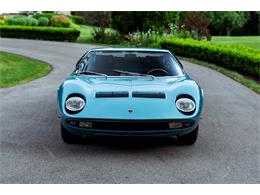
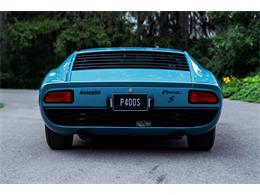
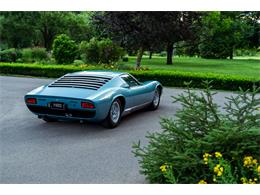
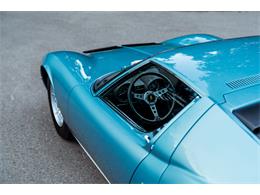
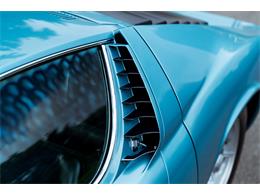
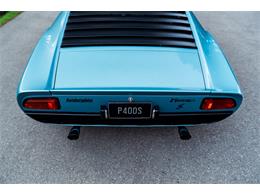
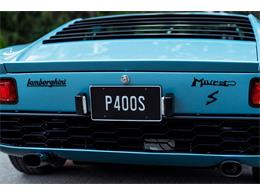
1968 Lamborghini Miura P400 S - Only 7,800 Original Kms,
Matching-Numbers Engine And Body
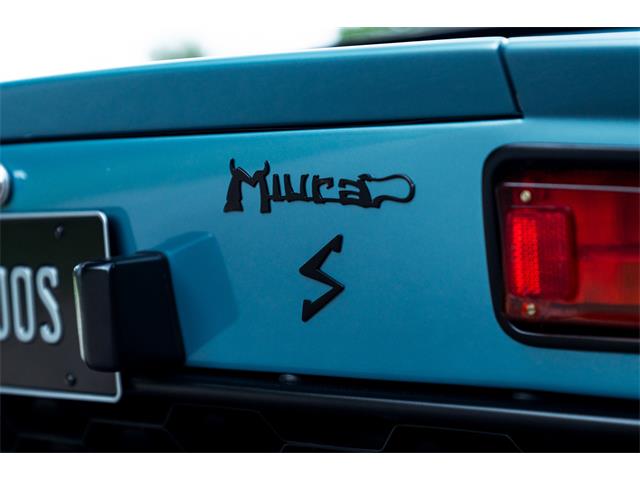
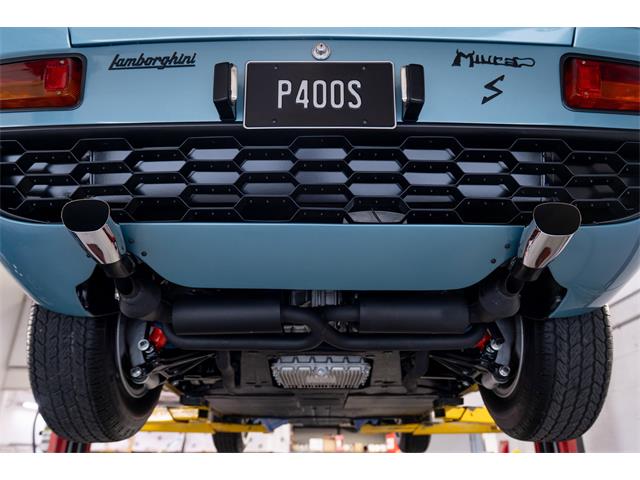
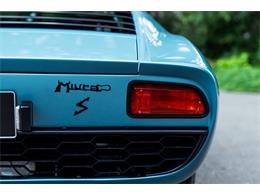
When Lamborghini introduced the Miura S in November 1968, the house
of the Raging Bull refined what had already redrawn the supercar
template. The S designation brought a series of meaningful changes
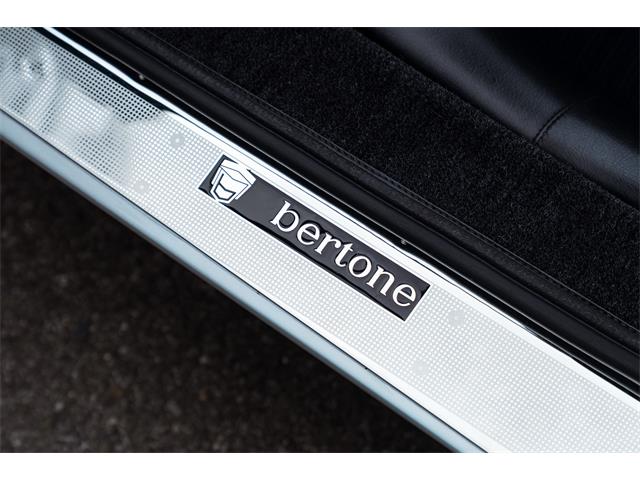
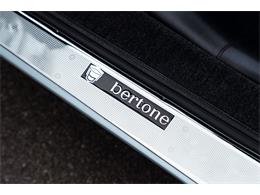
beneath the Bertone-penned coachwork, sharpening both the driving
experience and the cabin's appointments.
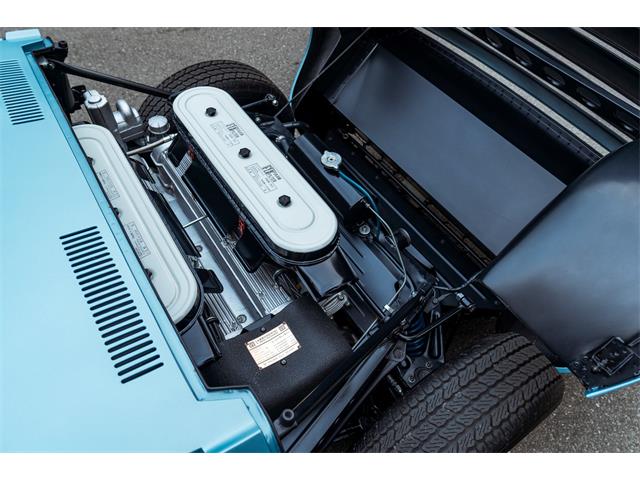
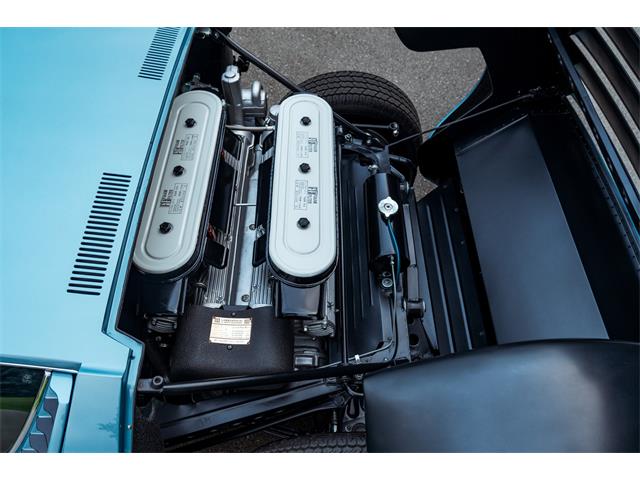
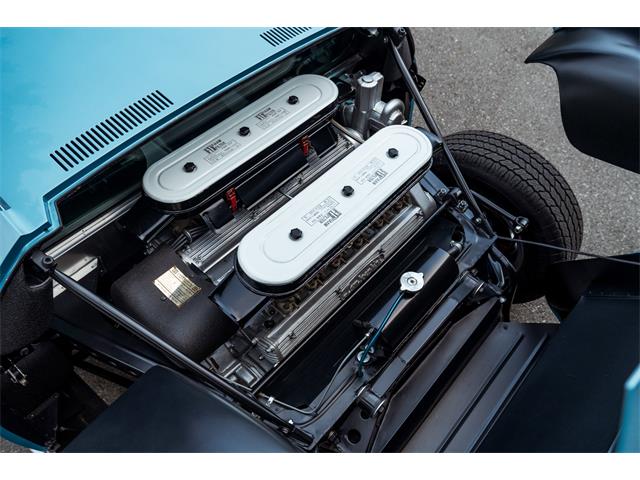
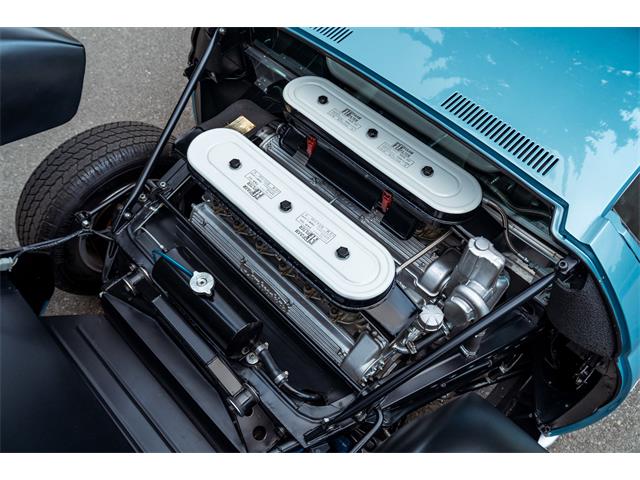
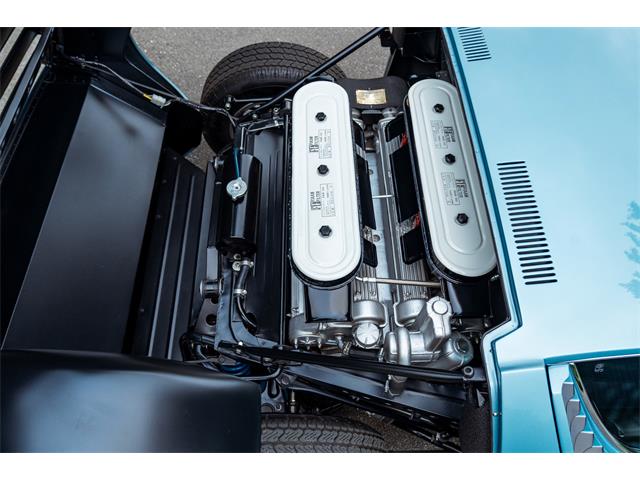
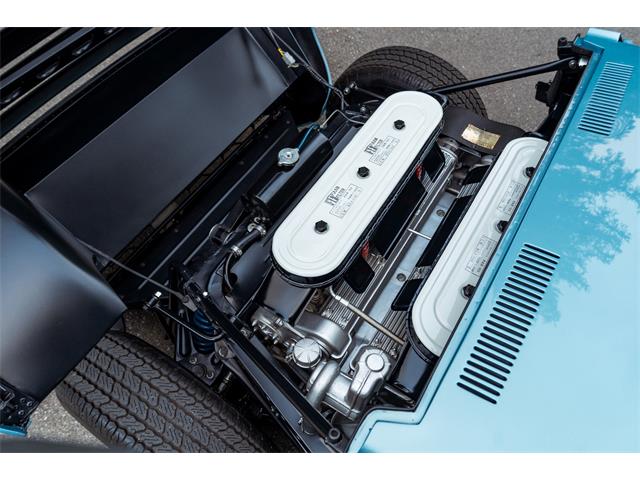
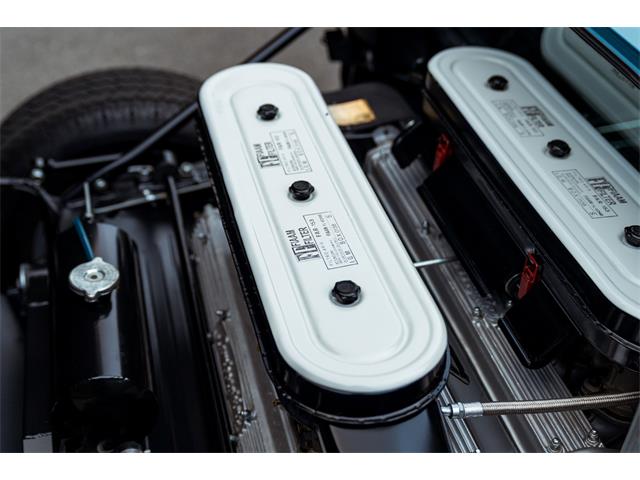
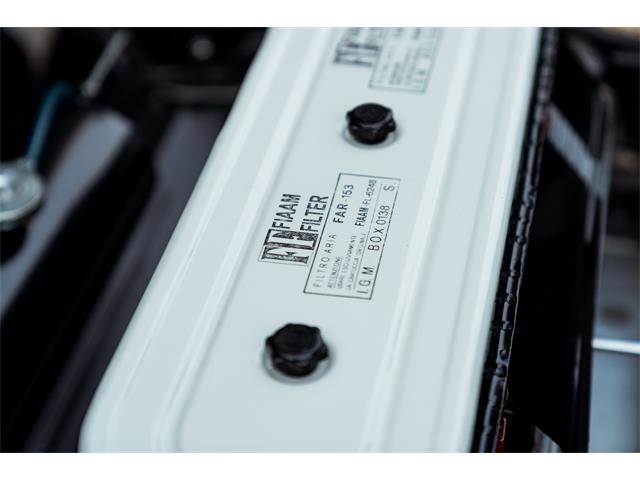
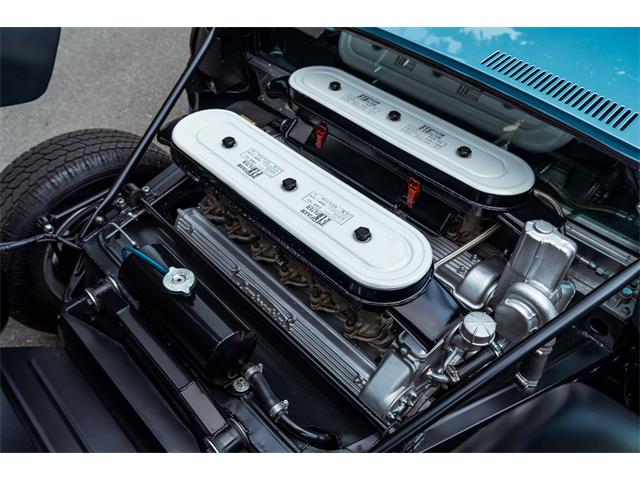
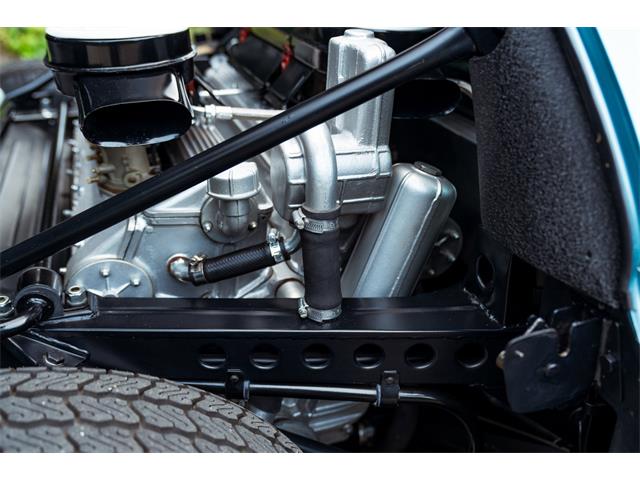
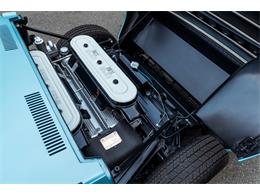
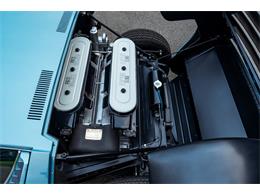
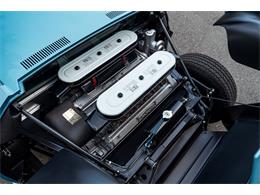
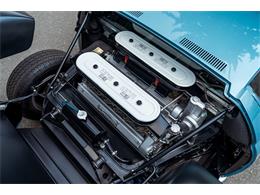
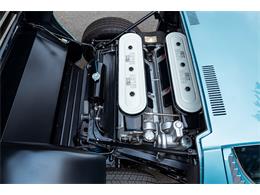
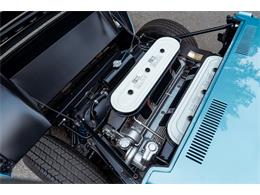
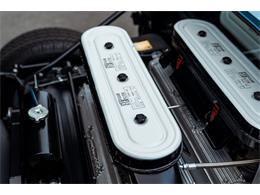
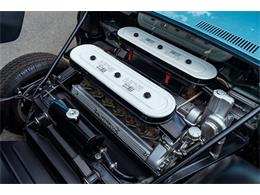
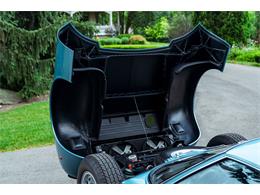
Foremost among the changes was a reworked transverse V12.
Compression rose from 9.5:1 to 10.5:1, paired with more efficient
inlet porting, revised manifolding, and higher-lift camshafts.
Output climbed to a quoted 370 brake horsepower, with maximum
torque growing from 272 to 286 lb-ft. Engineers worked in concert
with Weber to broaden the torque curve, as test driver Cesare Lodi
explained, "to have an engine that would cross Modena, Bologna, or
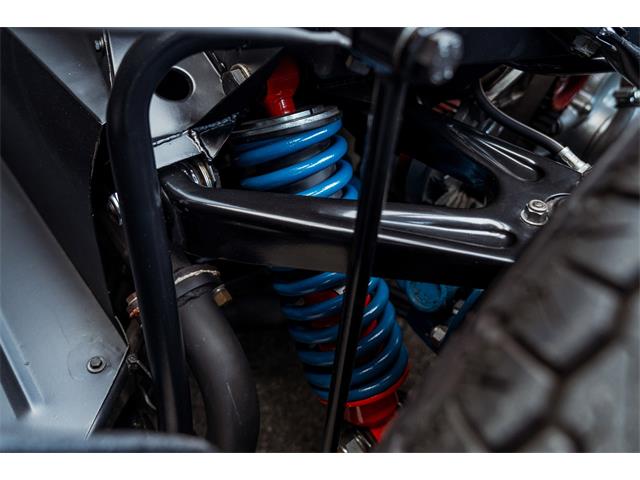
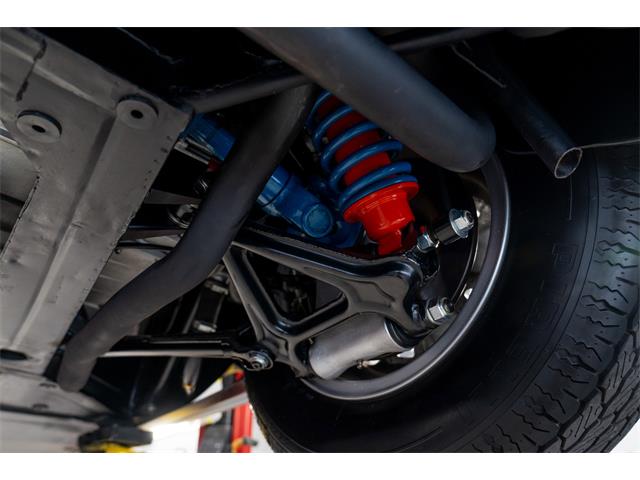
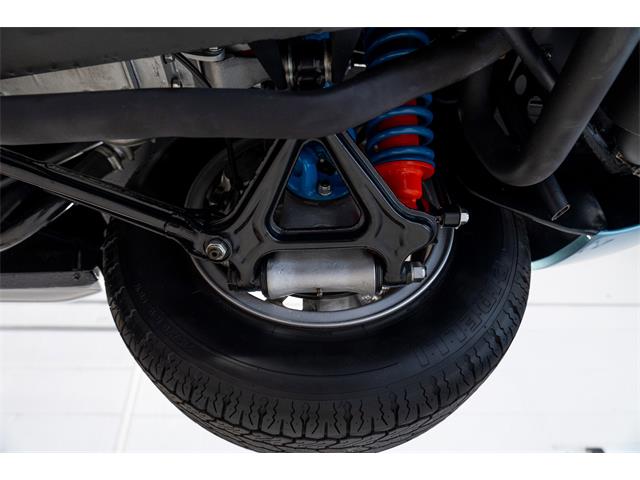
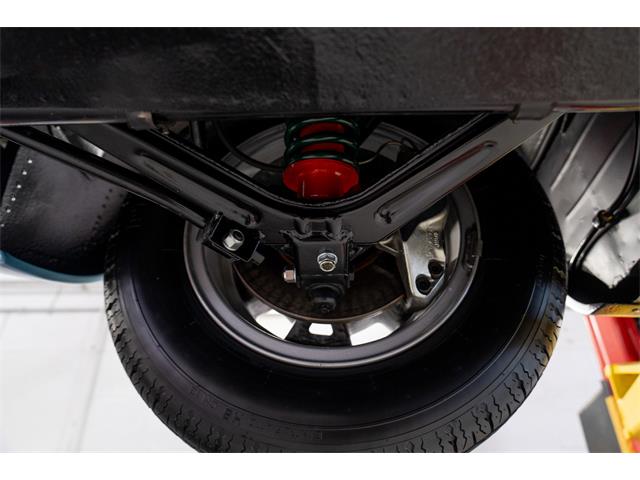
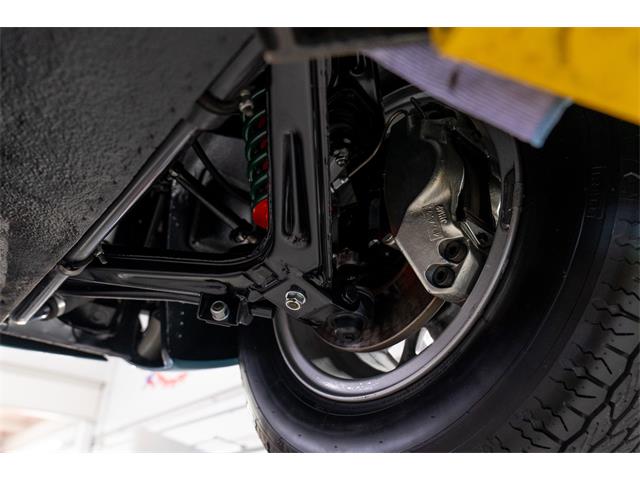
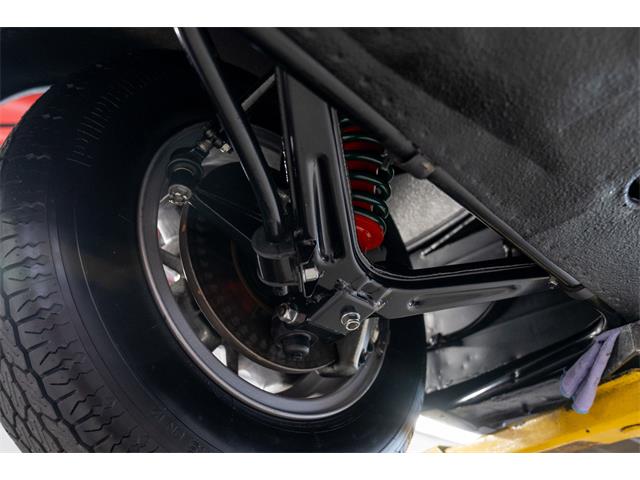
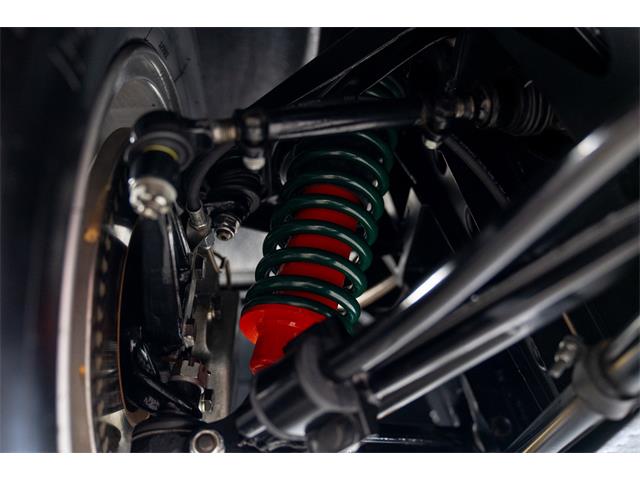
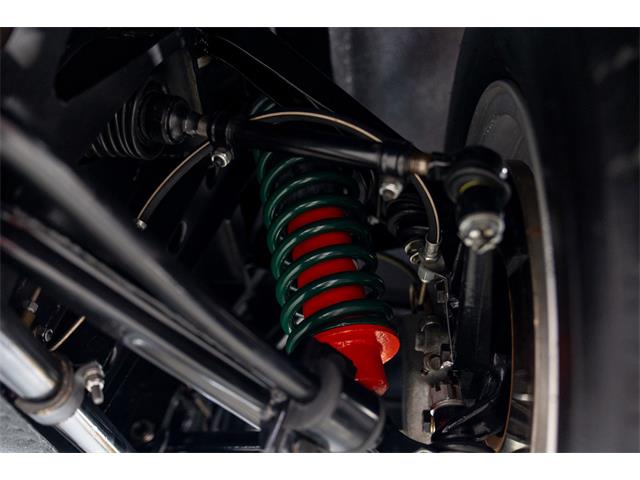
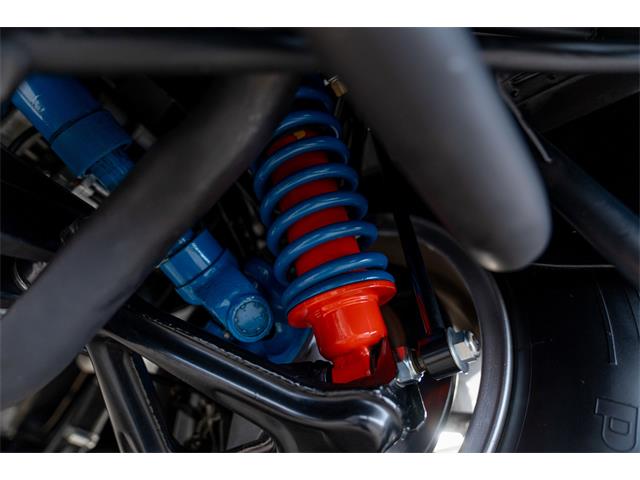
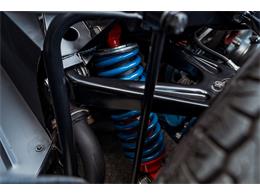
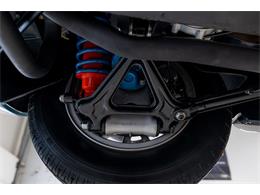
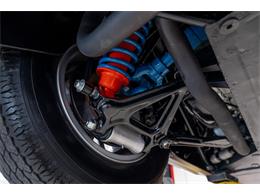
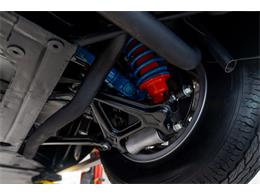
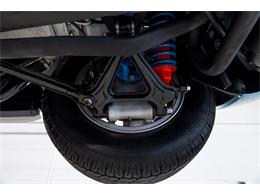
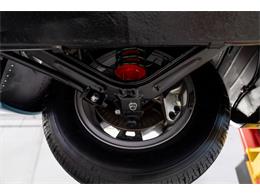
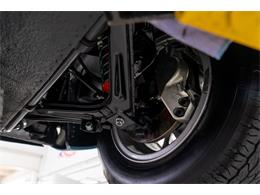
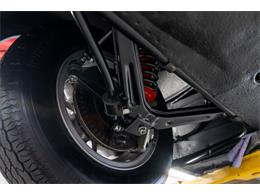
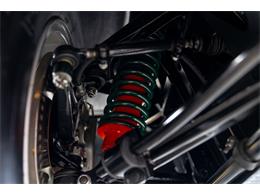
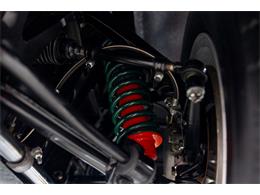
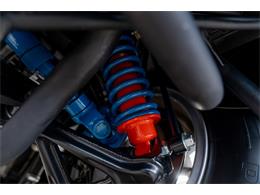
Milan without experiencing problems." Lastly, the Armstrong dampers
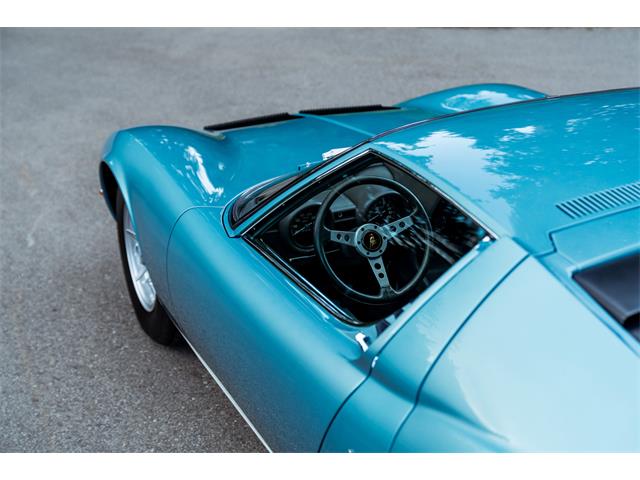
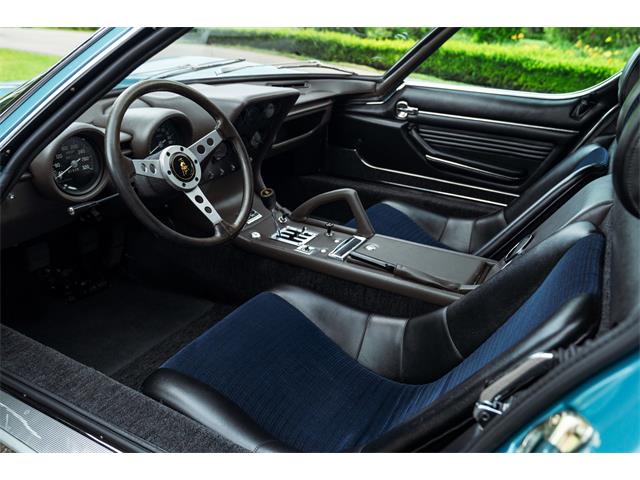
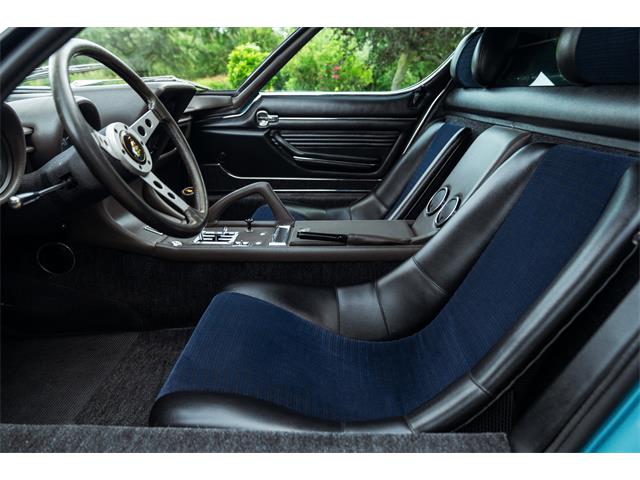
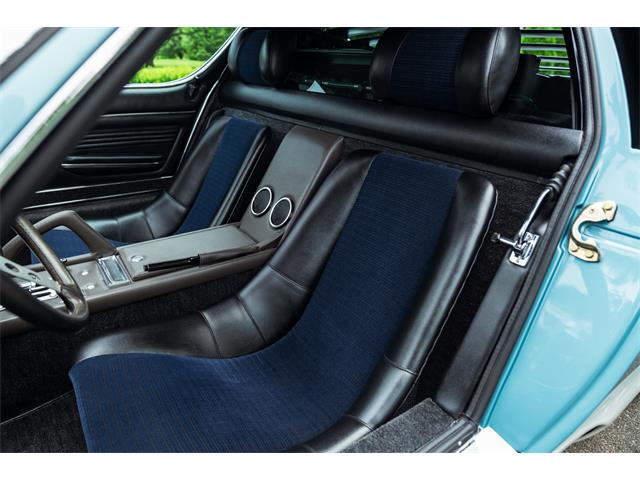
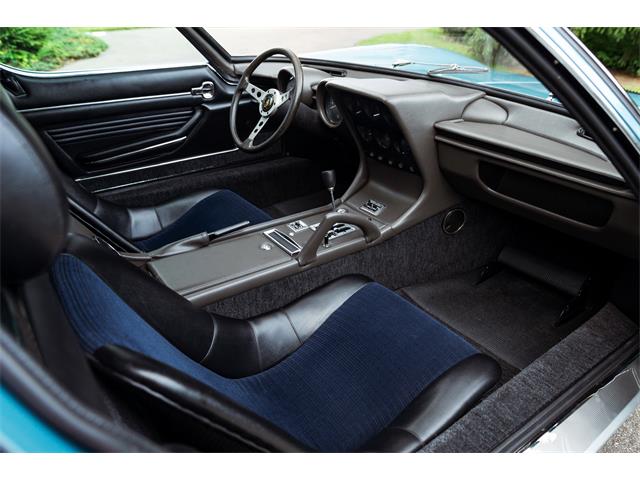
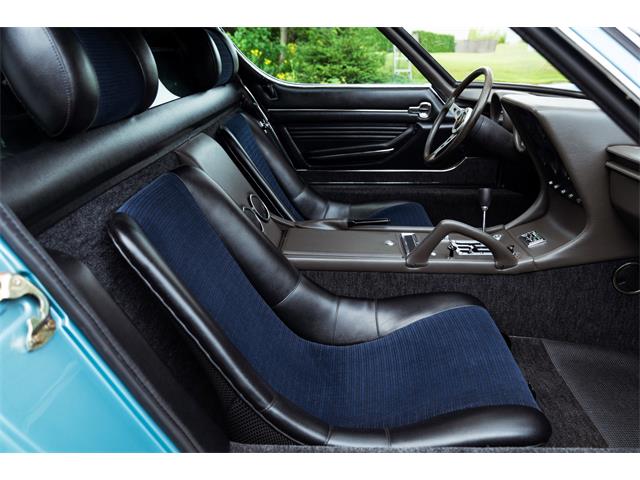
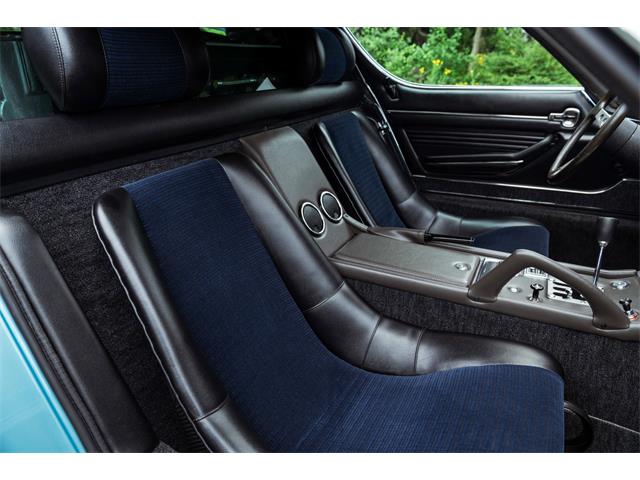
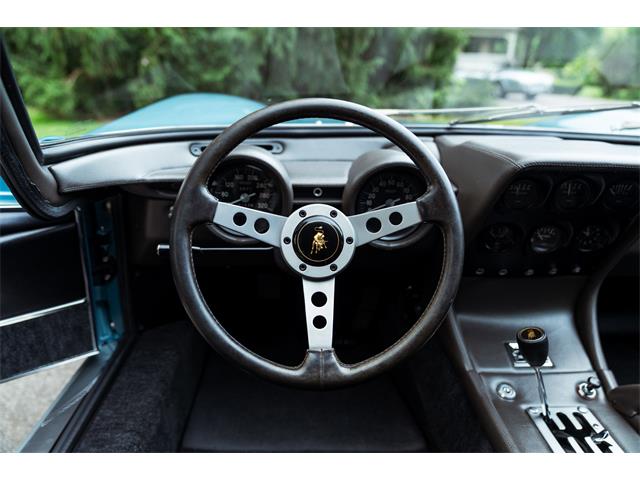
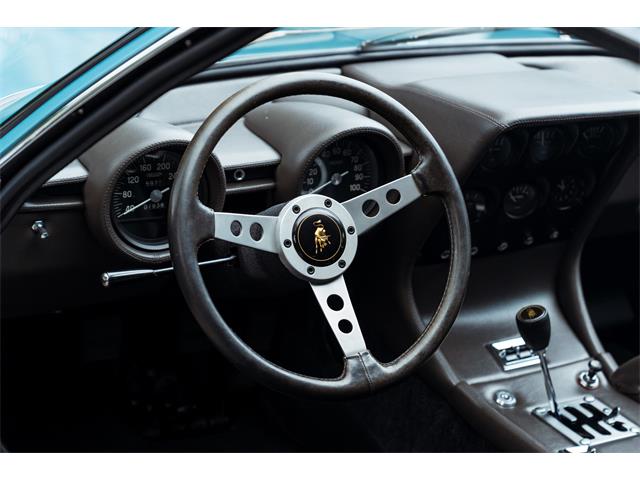
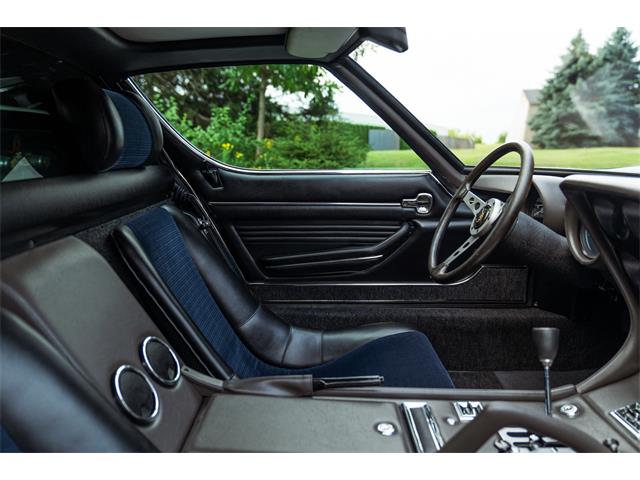
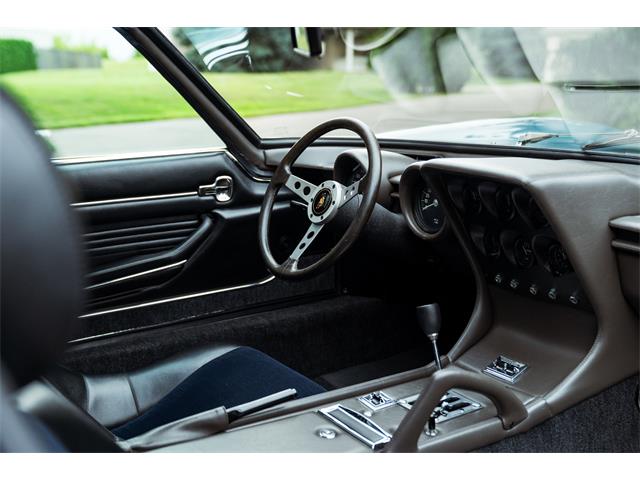
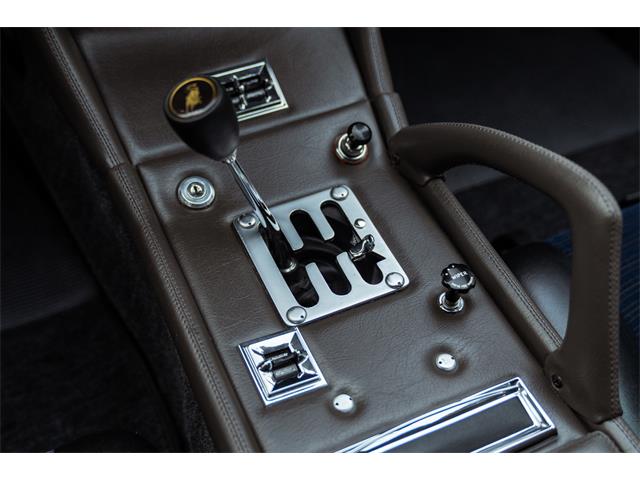
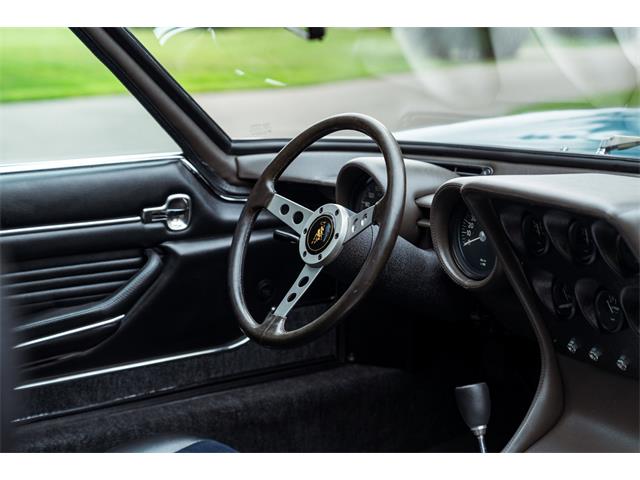
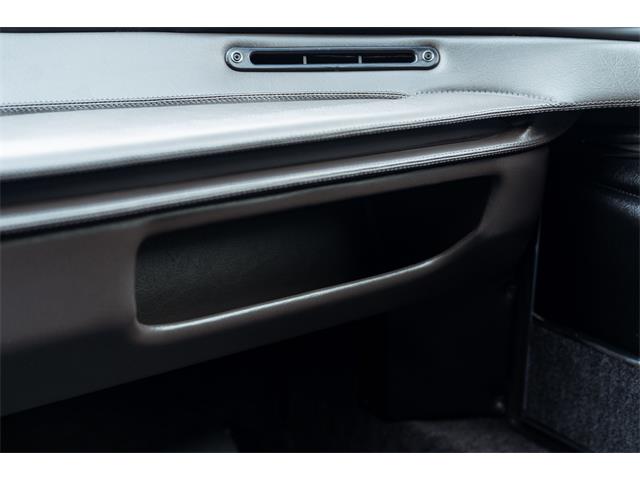
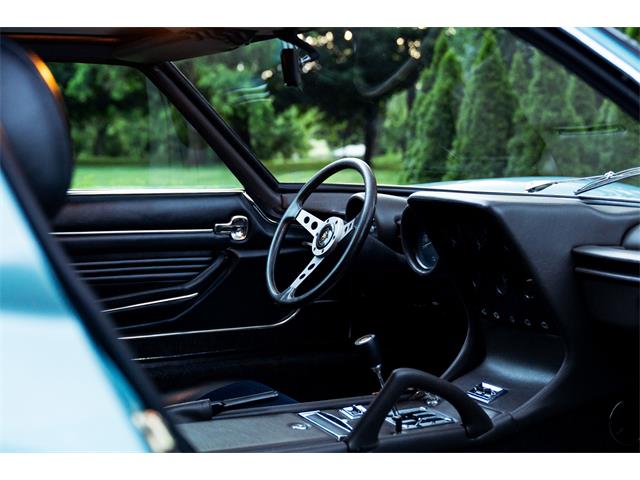
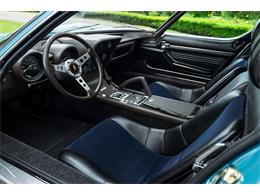
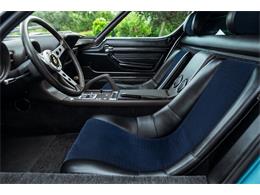
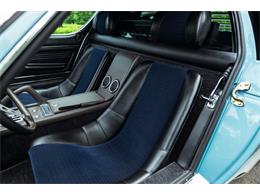
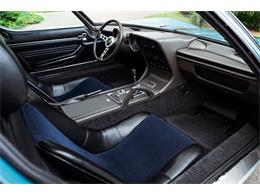
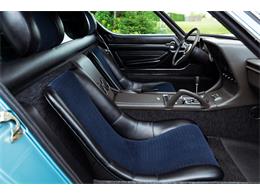
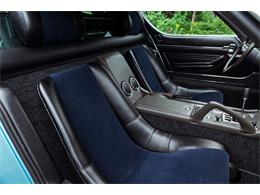
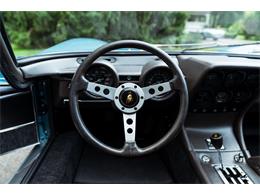
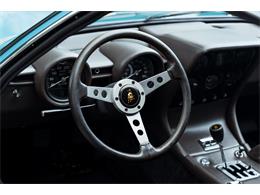
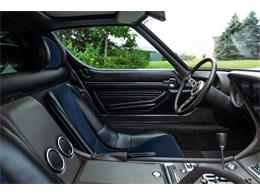
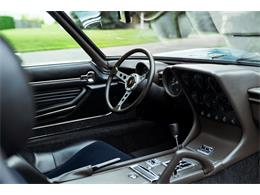
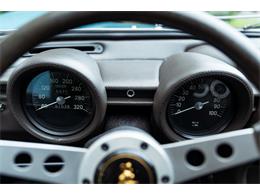
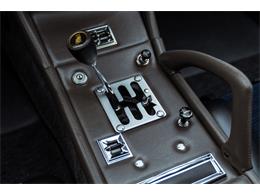
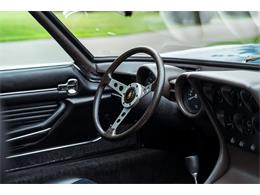
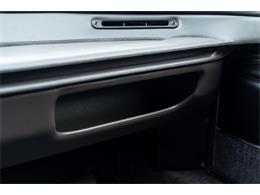
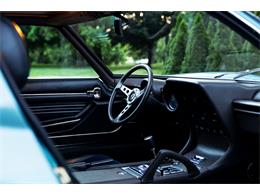
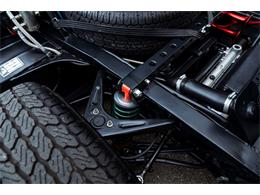
used on the P400 gave way to internally adjustable Konis. Inside,
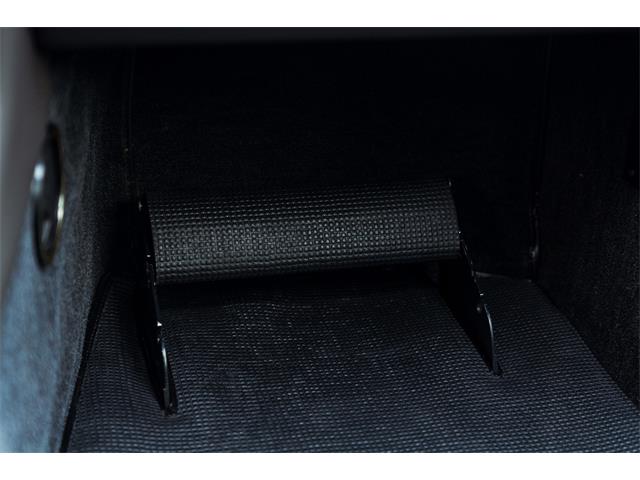
leather trim became available for the first time, while the storage
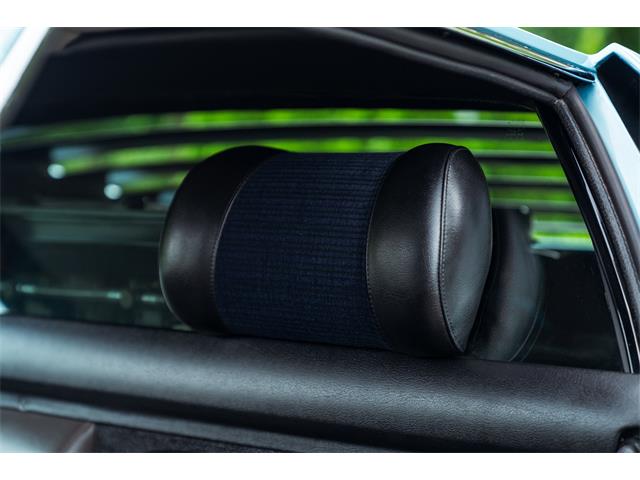
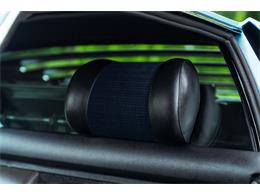
tray on the center console gained a lockable lid. A new center grab
handle, slimmer slot-in headrests, and a full-length roof console
housing rocker switches all marked the S apart, with electric
windows now standard equipment. A persistent complaint about cabin
heat was addressed with a V-shaped reinforcement at the front of
the chassis tub, joined by a fiberglass deflector channeling hot
air away from the wheelarches.
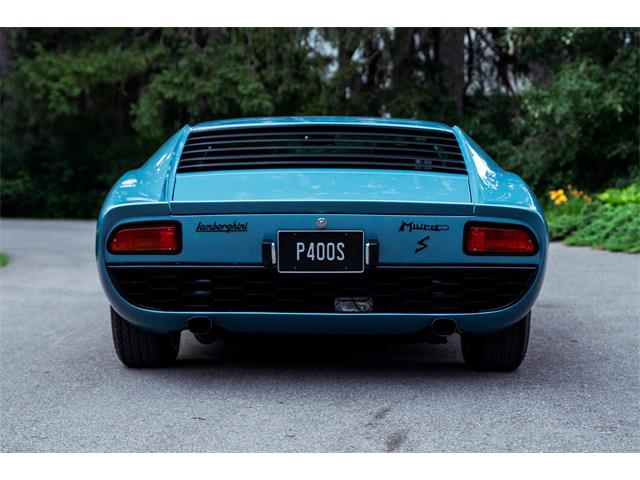
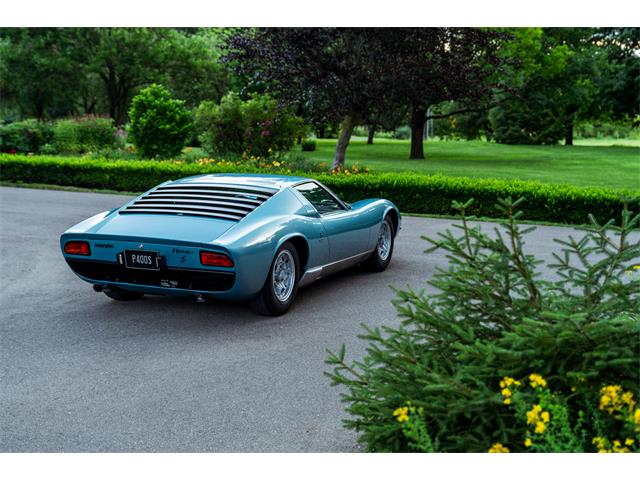
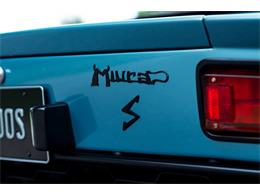
With only 338 examples built, chassis number 3832 is an early
production P400 S, just the 13th example of its kind built.
Carrying Bertone body number 388 and engine number 2619, it left
the factory on 2 December 1968 as the factory records indicate. The
Miura was sold new by Perugia, Italy-based dealer Eugenio Ferranti
to Maria Germagnoli, a partner in thedealership Autosalone
Piacenza, for the sum of 6,920,368 Italian lire. Still
unregistered, the car was then sold to its first private owner,
Giulio Vignale of Turin, nephew of the coachbuilder Alfredo
Vignale. Remarkably, Vignale kept the car in his collection for
nearly four decades, unseen and seldom driven, retaining it until
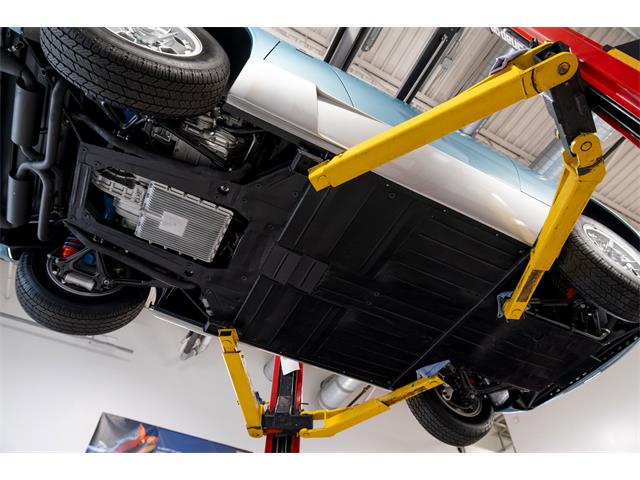
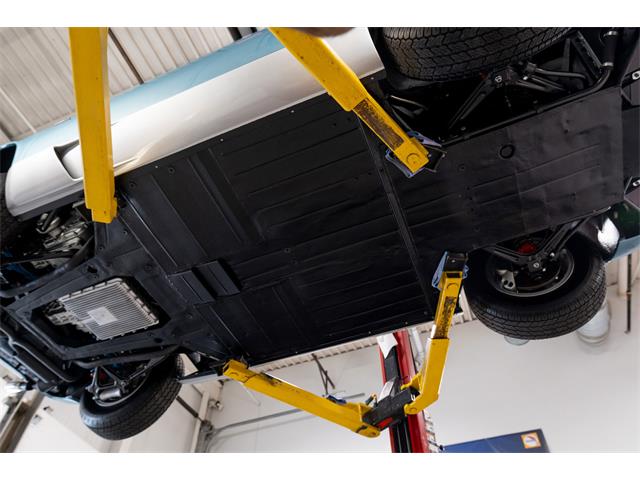
his passing in 2010. Throughout that period the Miura was never
registered and safeguarded from the any modifications, accidents,
and wear that have compromised so many of its contemporaries. In
2014, the car was acquired by a German dealer, at which point it
was reportedly in a tired state but remained entirely all original
and unmodified. In the same year it was sold via Miura authority
Simon Kidston to a European collector with the odometer then
showing under 6,400 kilometers. On behalf of the new owner, Kidston
oversaw a comprehensive two-year restoration carried out in Italy,
the work beginning from an exceptionally original foundation that
retained the car's matching-numbers engine and original body
panels.
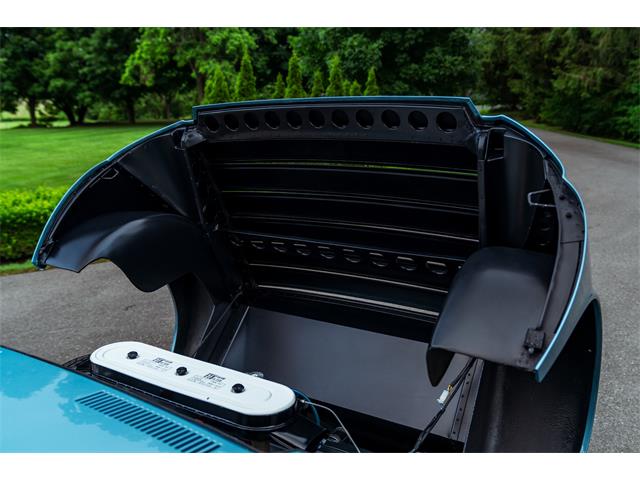
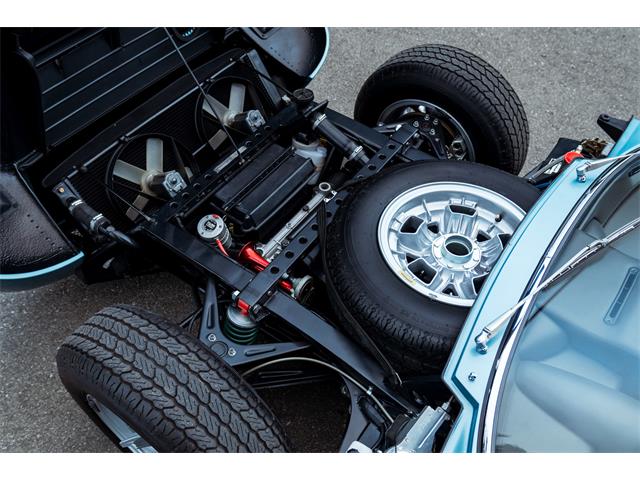
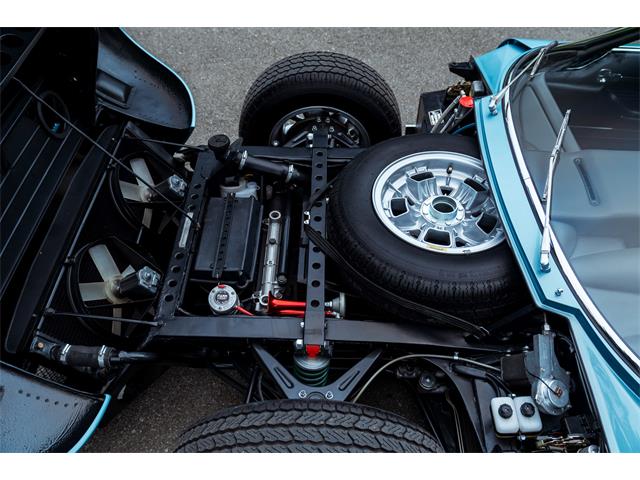
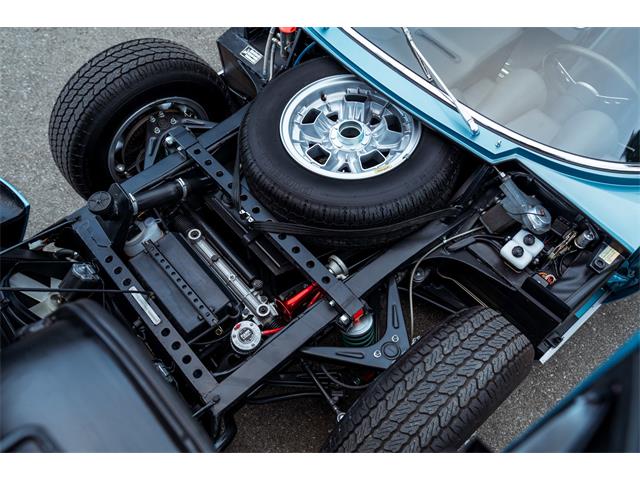
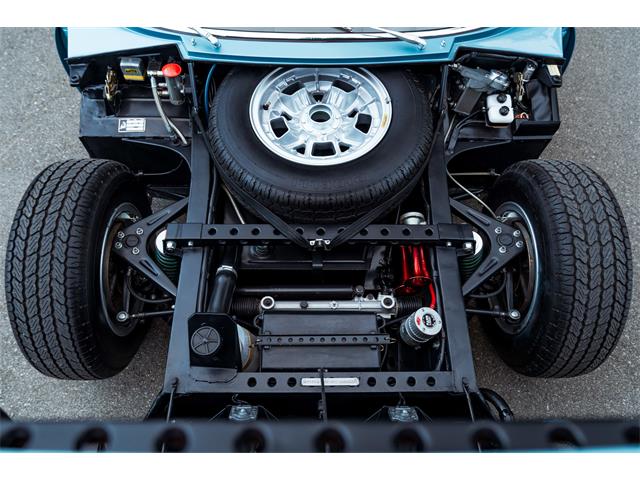
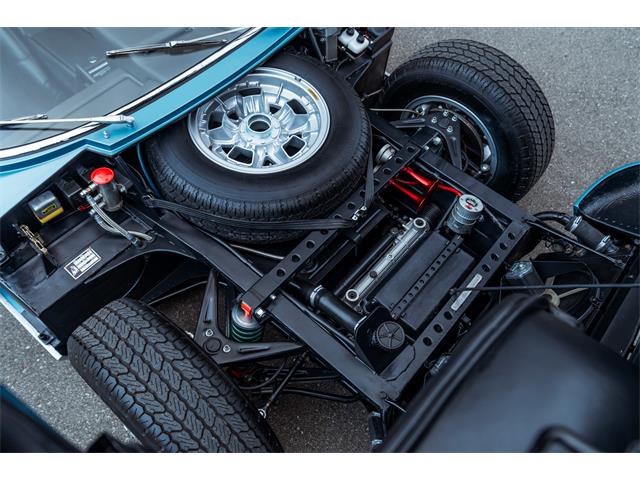
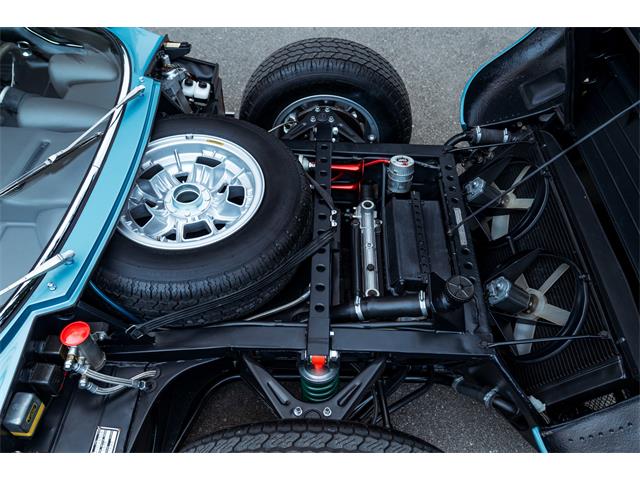
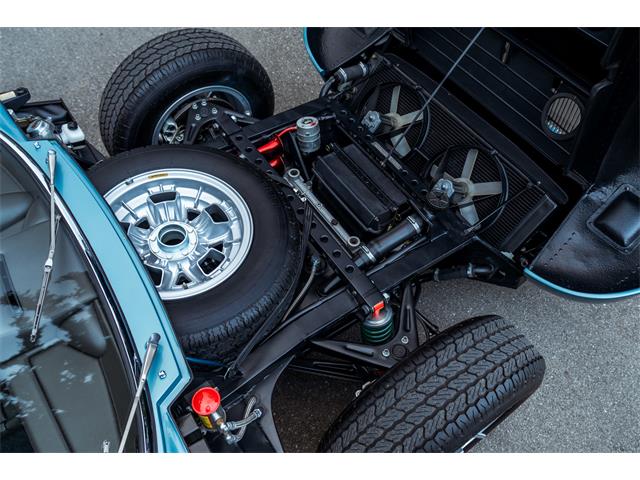
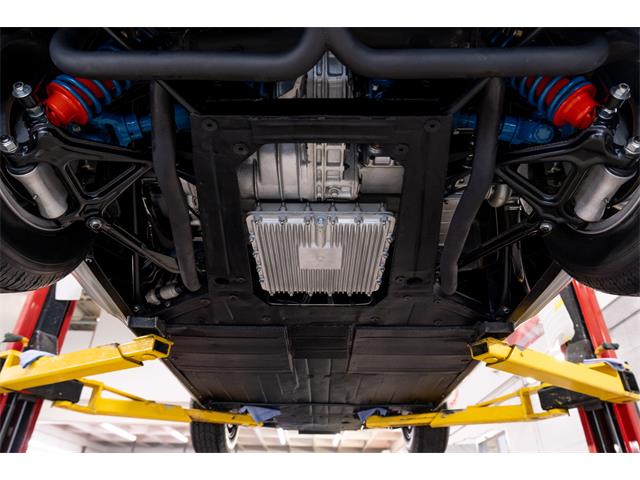
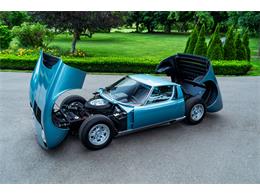
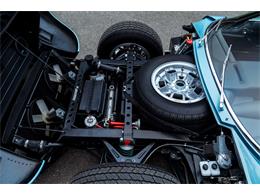
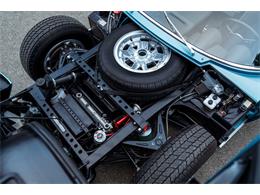
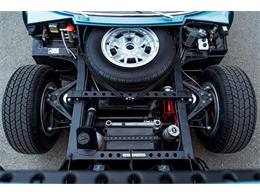
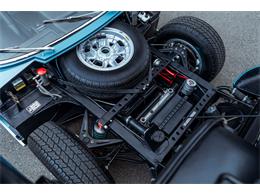
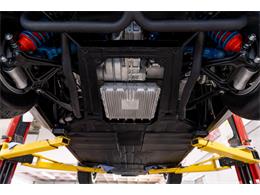
The bodywork and paint were entrusted to the marque specialists
Carrozzeria Cremonini, while the mechanical restoration was
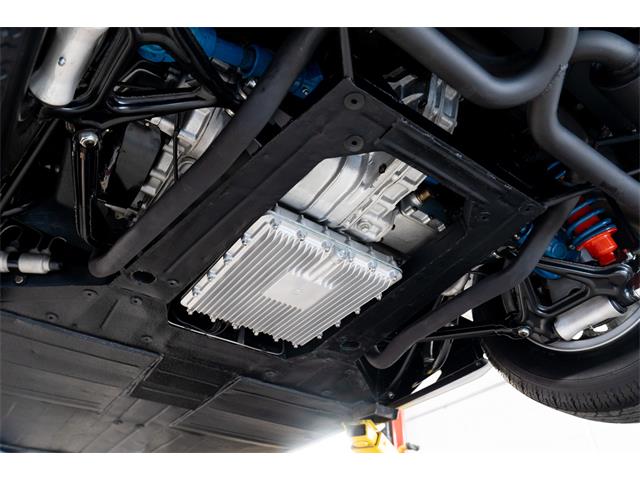
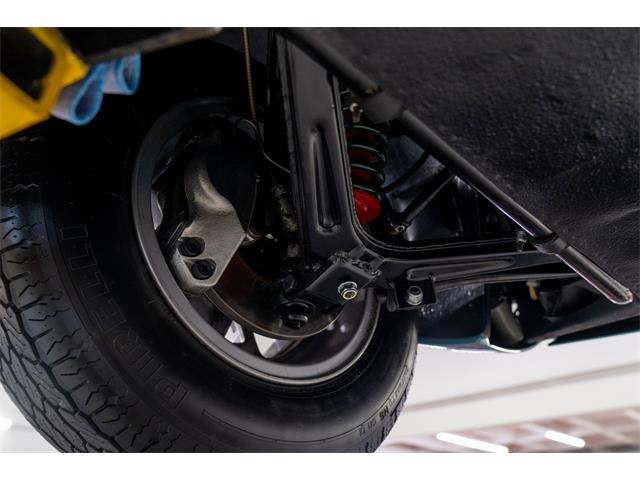
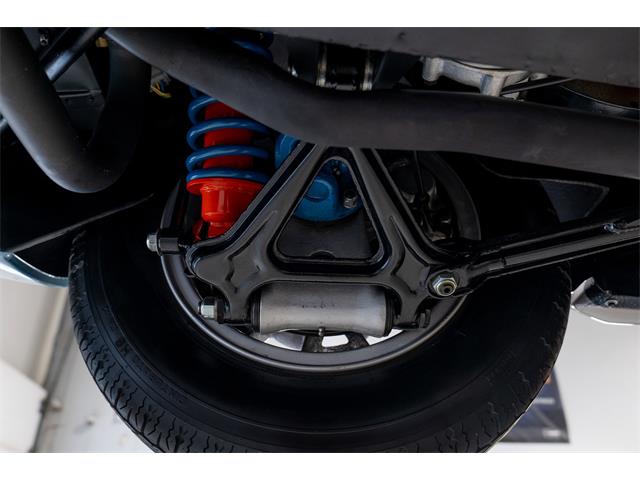
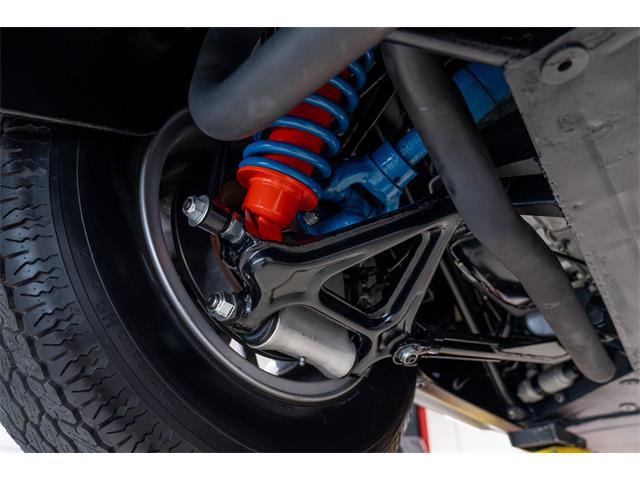
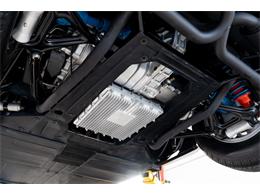
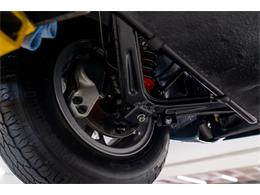
performed by the award-winning Top Motors, encompassing overhauls
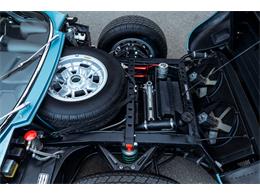
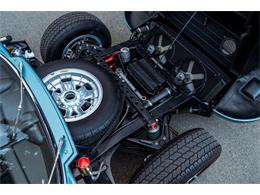
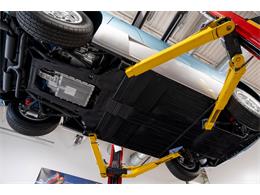
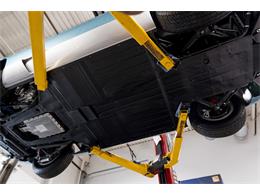
of the engine and transaxle alongside the brake and suspension
systems. A complete new electrical system was constructed to
original specification by the period-electrics specialists Gatti
William of Bomporto. The interior was partially re-trimmed by
Lamborghini specialists Alessandro Bussolari and Andrea Barbieri,
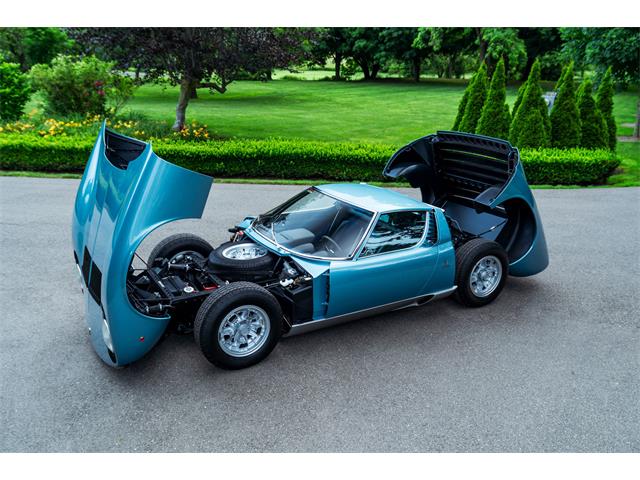
who preserved original elements wherever possible. The technicians
involved noted the car's undisturbed state with some astonishment,
finding intact a number of components that have long since vanished
from most surviving examples, including the original fuse cover,
the brake fluid reservoir cap, and the emergency winders for the
headlamps and electric windows; each was retained.
Following the restoration's completion, the Miura was sold via
Kidston to a new owner in London, the odometer reading 6,380
kilometers. The car was registered for the first time in its
history in 2017 and has been used with care since, accumulating
roughly 1,400 further kilometers. It is accompanied by an unusually
complete file of original documentation, including its Certificato
di Origine, warranty certificate, Certificato di Approvazione, and
the declarations of sale recording the purchases by both Maria
Germagnoli and Giulio Vignale.
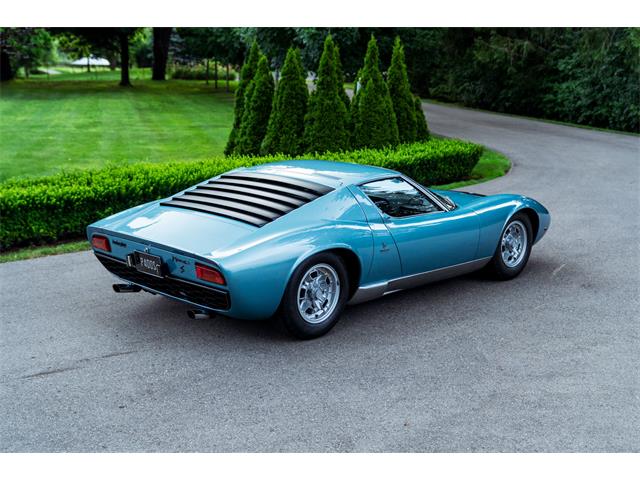
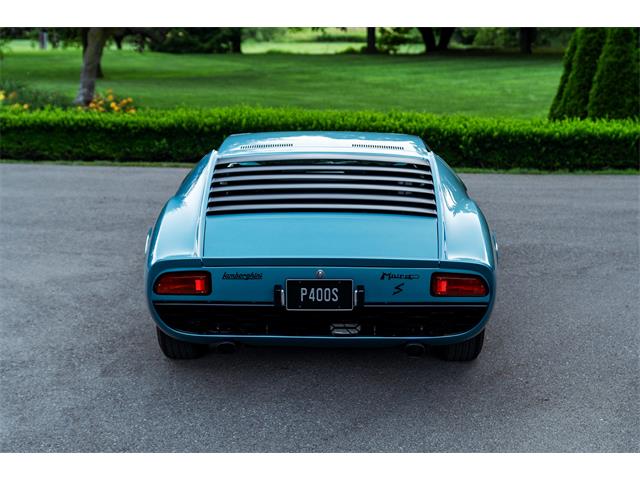
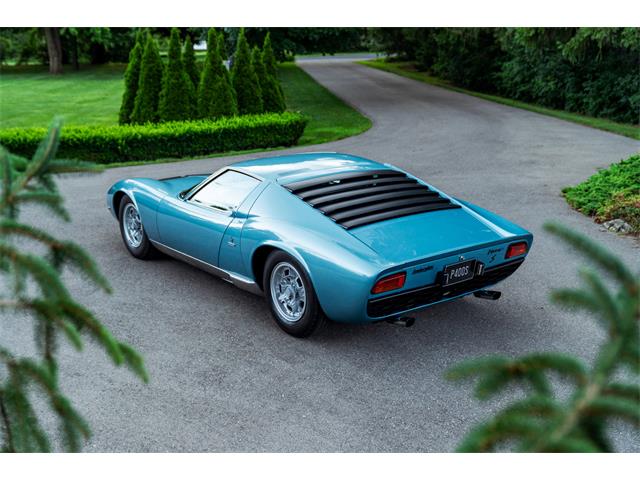
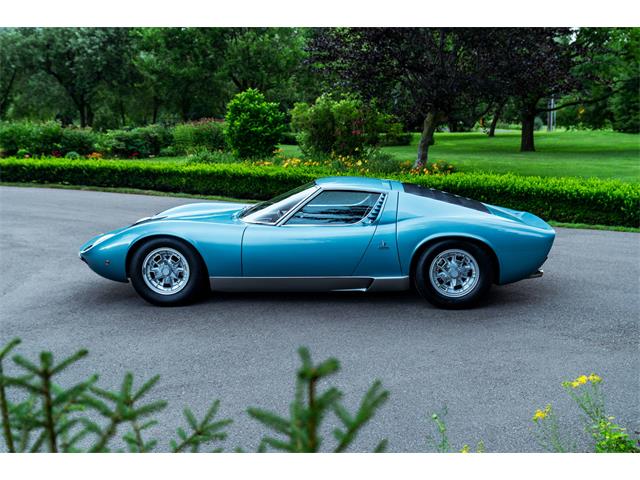
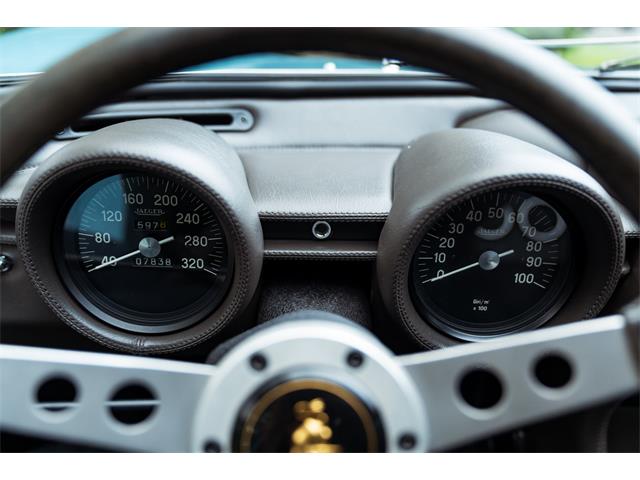
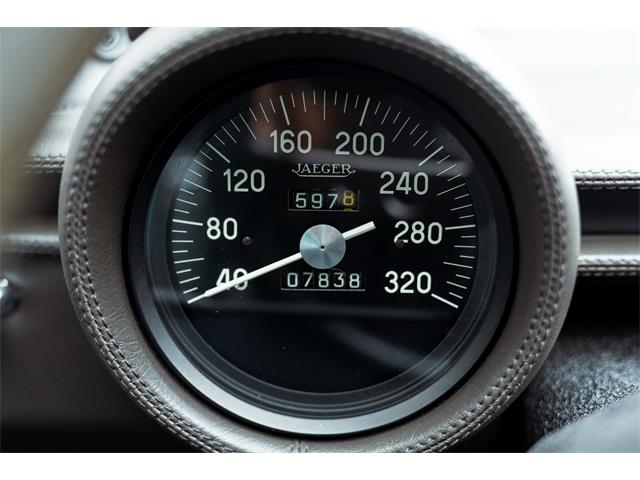
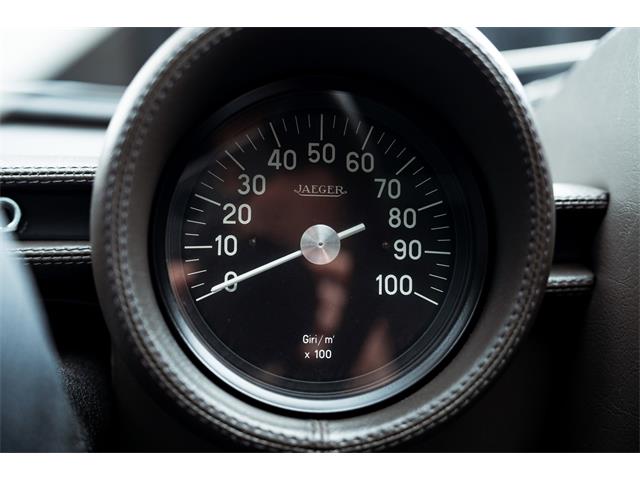
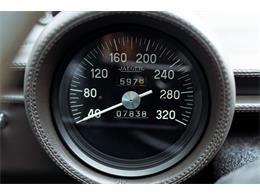
Showing just 7,838 original kms (4,870 miles) at the time of
cataloging, chassis 3832 remains one of the most original and
thoroughly documented early P400 S examples extant, its 39-year
tenure in the Vignale collection having preserved a level of
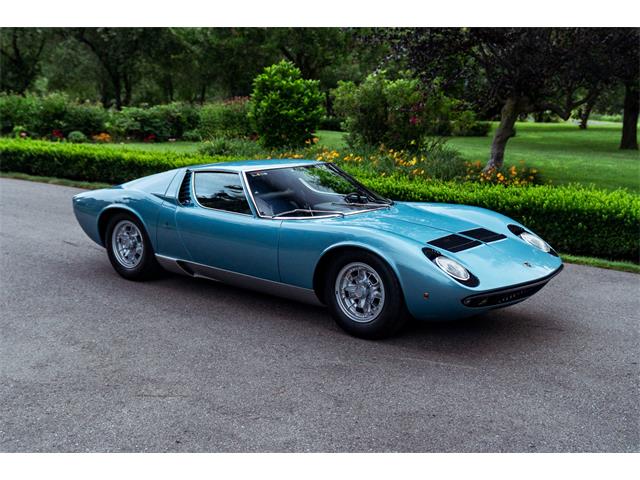
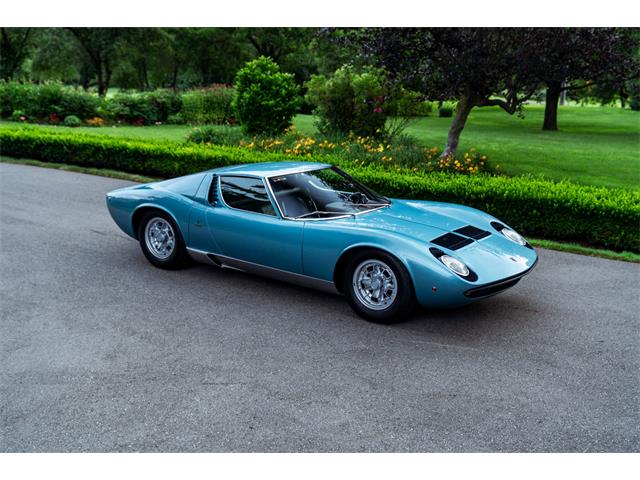
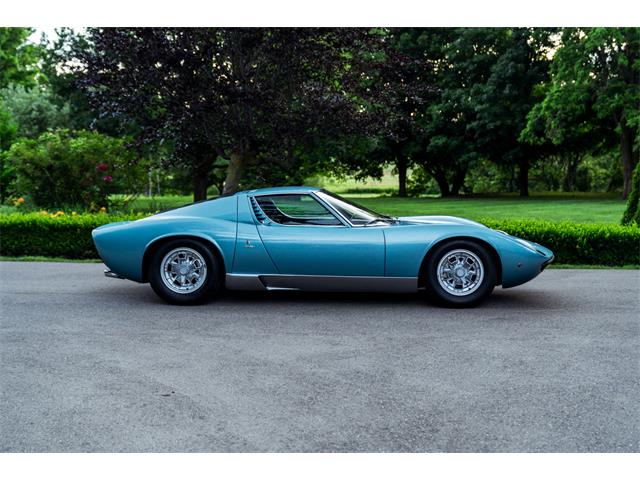
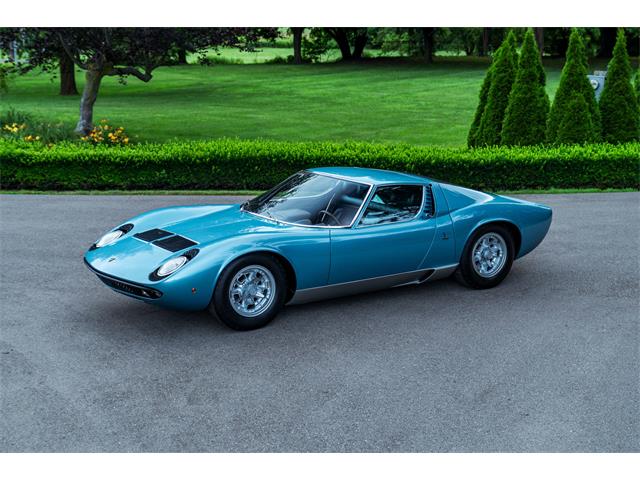
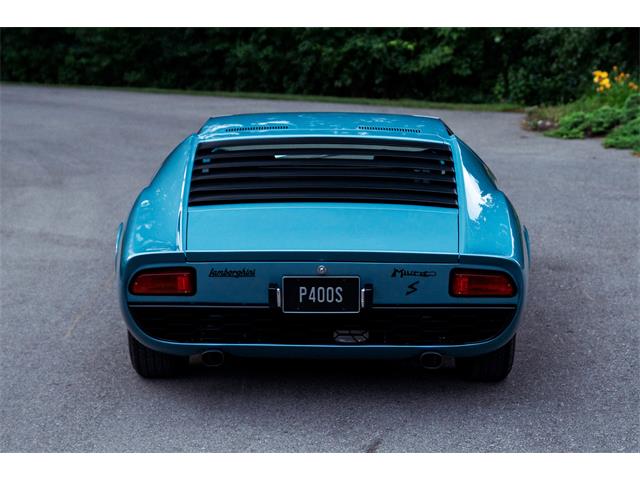
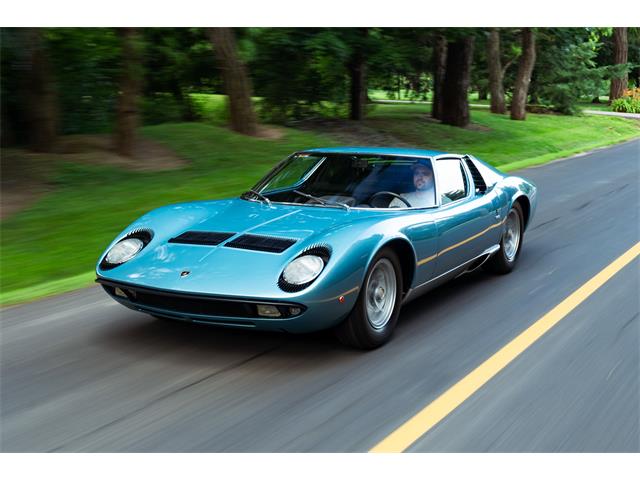
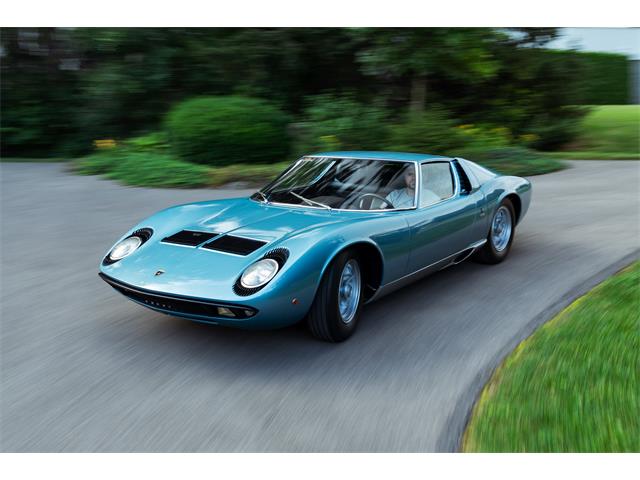
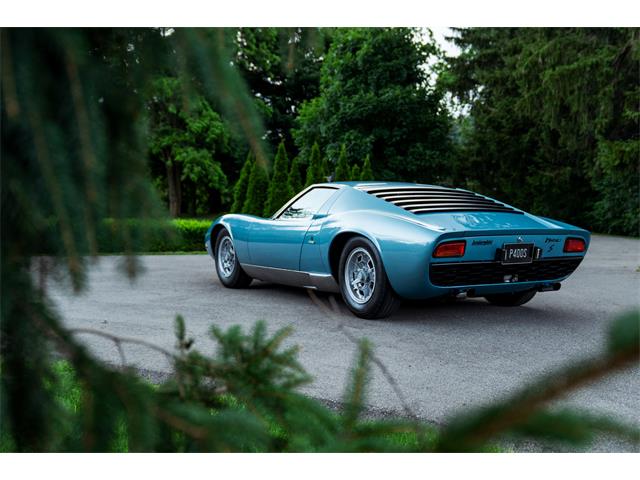
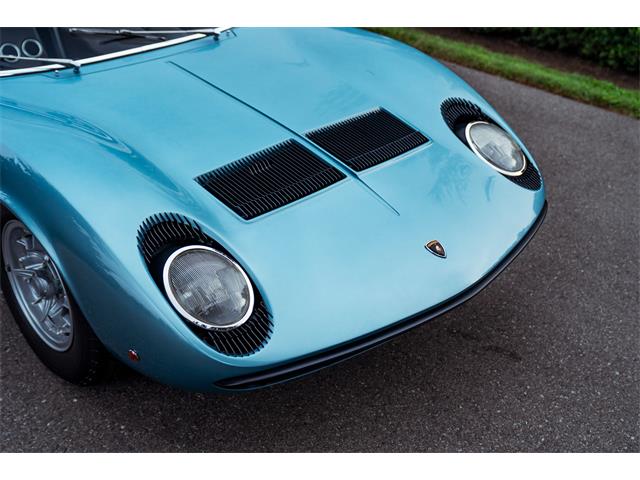
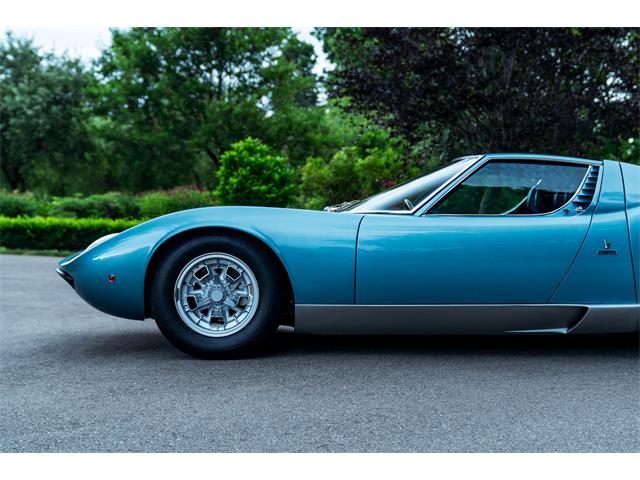
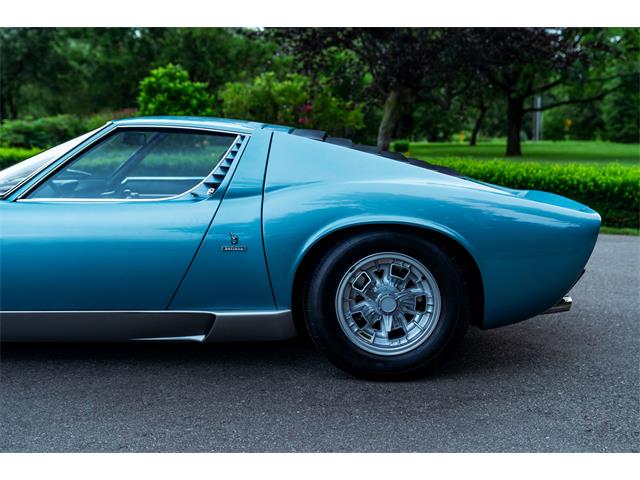
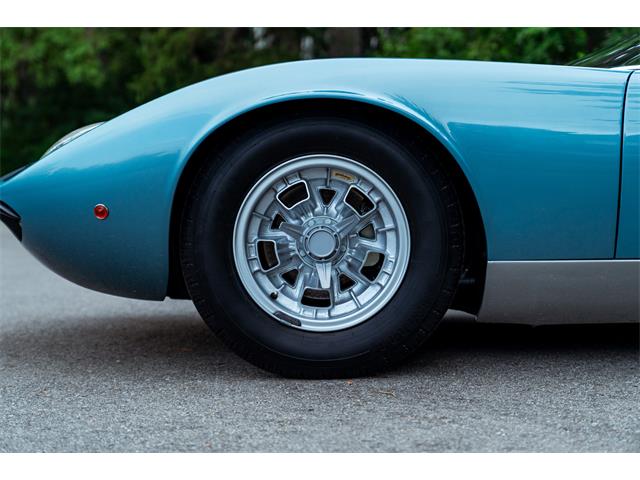
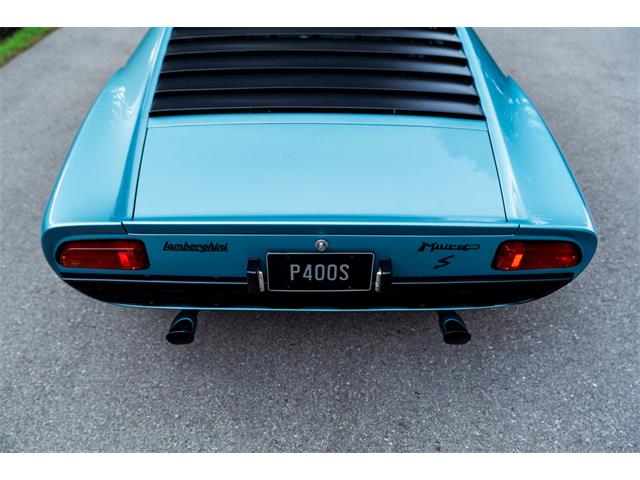
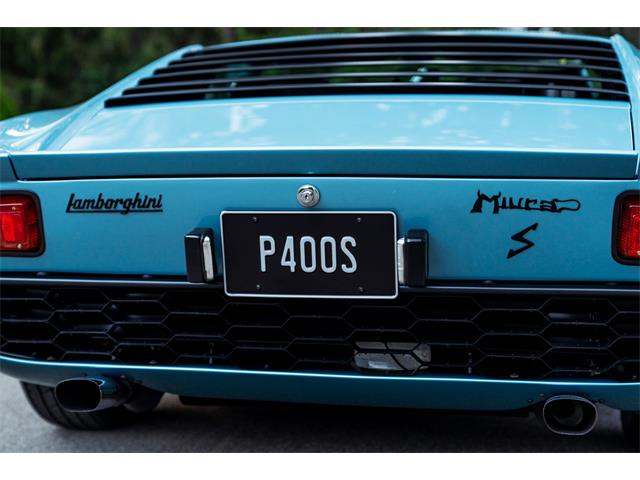
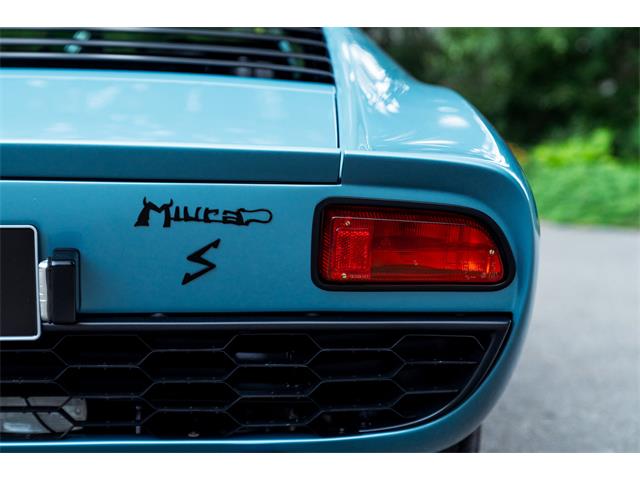
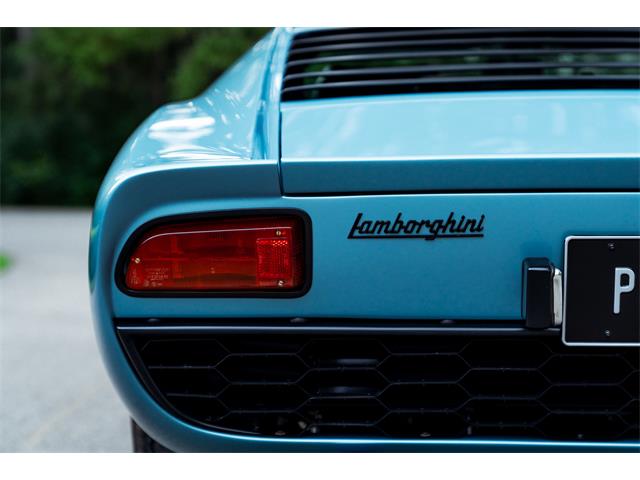
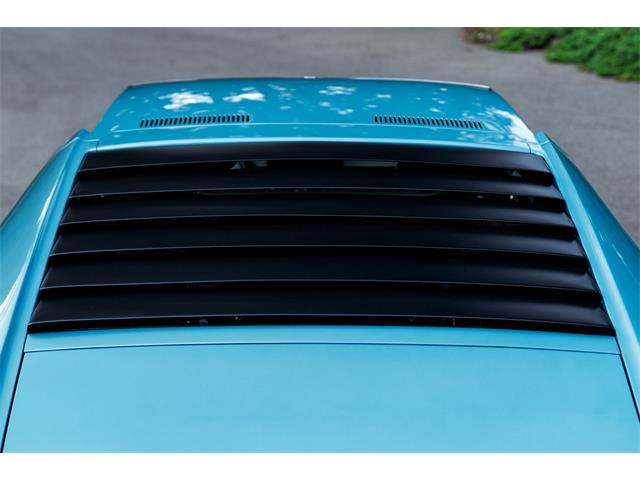
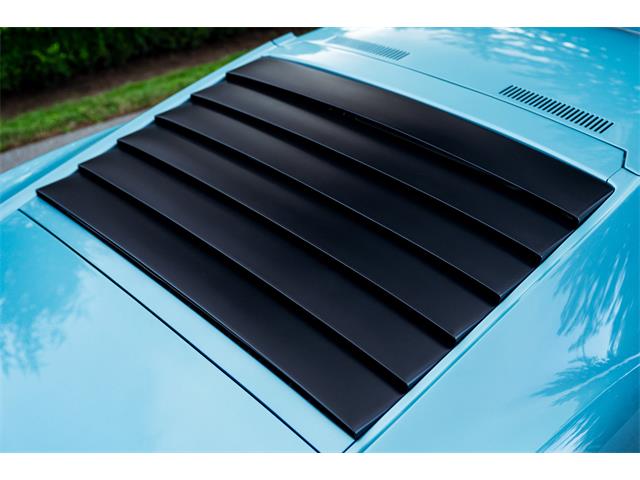
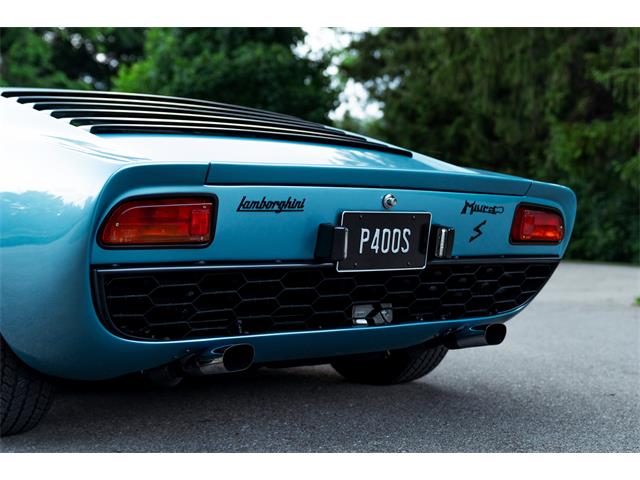
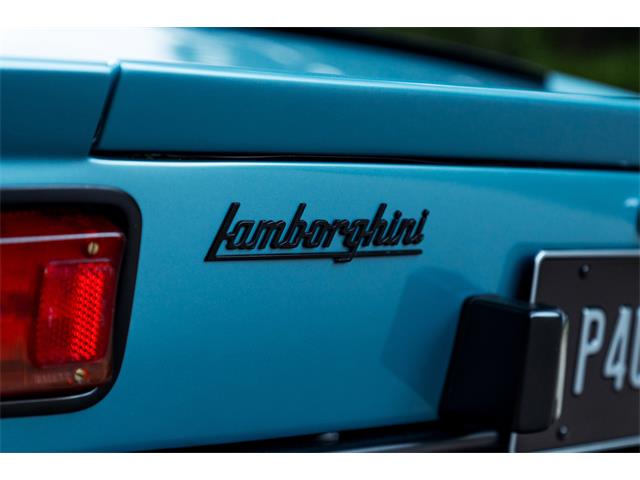
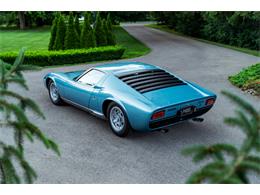
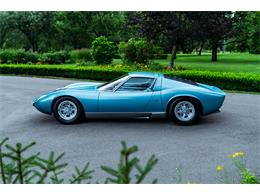
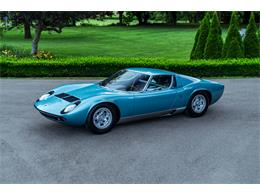
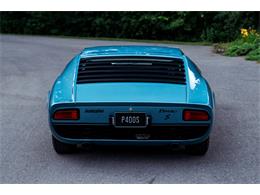
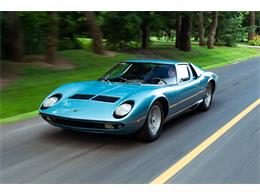
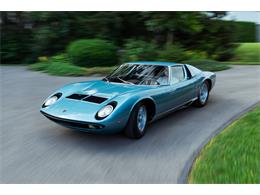
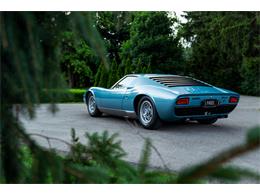
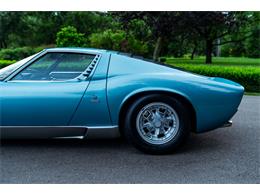
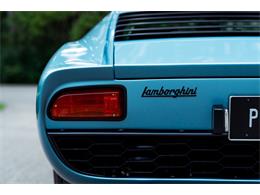
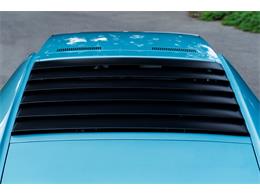
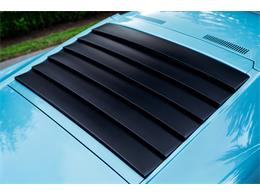
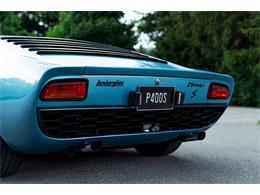
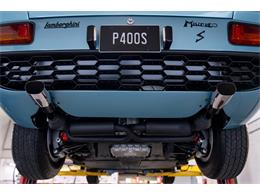
authenticity that no restoration alone could replicate. Finished in
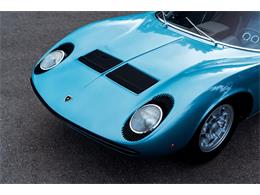
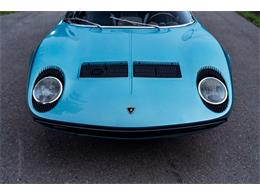
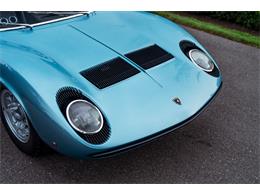
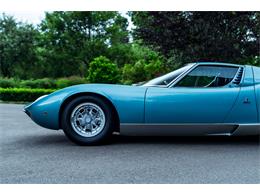
a factory color of Azzurro Mexico Metallizzato, a striking light
blue metallic originally applied by the factory to only seven
examples of the P400 S. With its stunning presentation,
matching-numbers status, ultra-low milage and equally impressive
documentation, chassis 3832 is a superlative example of
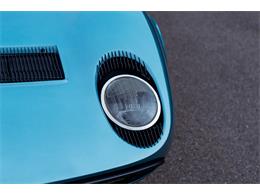
Lamborghini's most iconic creation and is widely considered to be
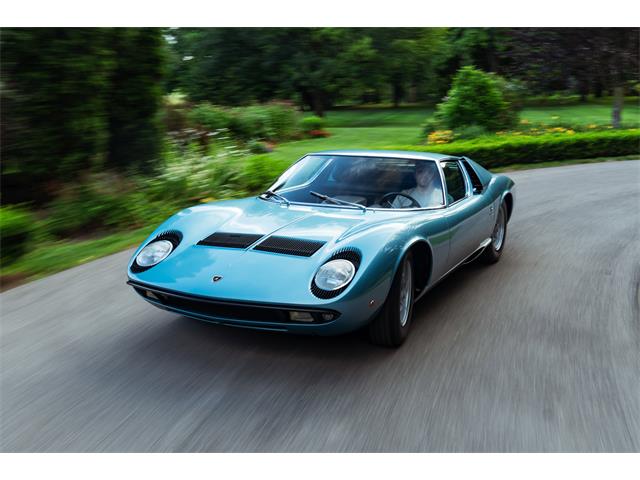
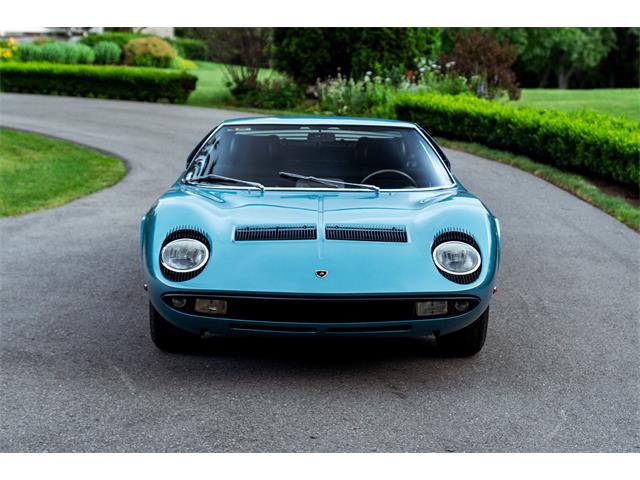
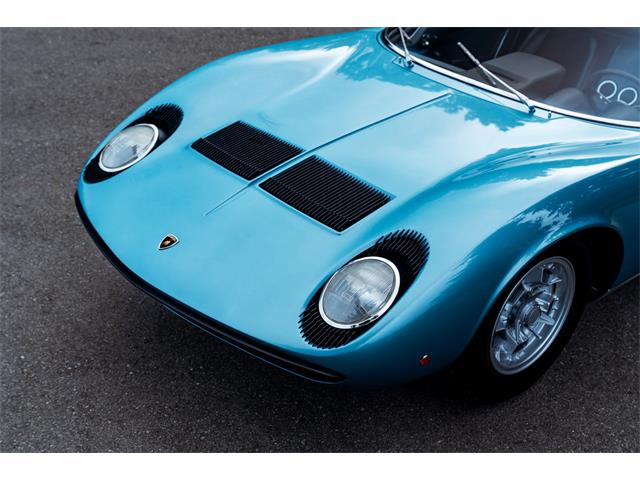
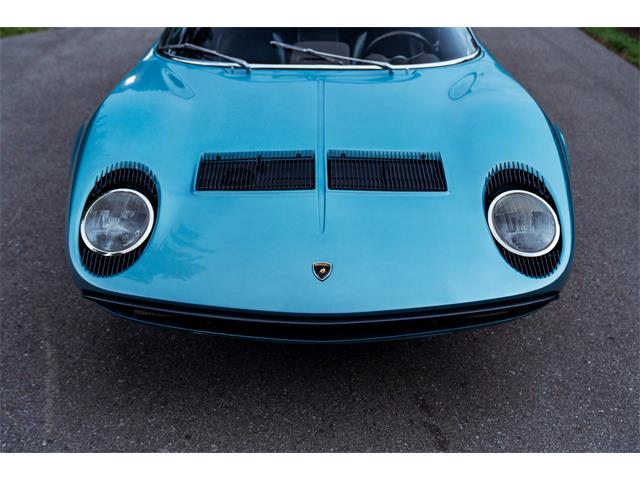
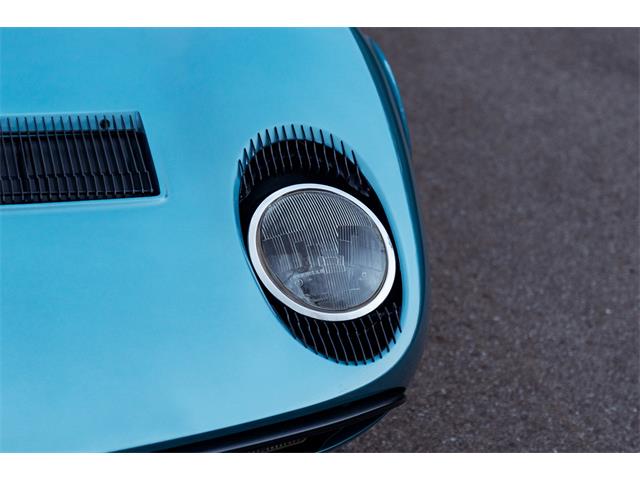
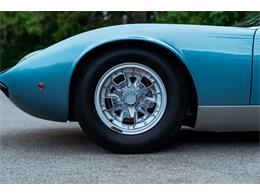
the most beautiful Miura variant, combining the iconic "eyelash"
headlights with elegantly proportioned rear fender flares.
1968 LAMBORGHINI MIURA S -
ClassicCars.com has been recognized as one of the fastest-growing private companies in the United States, successfully making the Inc. 5000 list in both 2015,
2016, 2017 and 2018. This prestigious accolade represents the continued growth of the company, and ClassicCars.com's dominance as the world's largest online marketplace for
buying and selling classic and collector vehicles.
The Stevie Awards, the world's premier business awards recognized
ClassicCars.com's first-class Customer Support team with a Stevie Bronze Award in 2019, celebrating the team's skills as exemplary customer support specialists.
In 2016 The Journal, brought to you by ClassicCars.com, was celebrated as the SECOND MOST INFLUENTIAL automotive blog in the world by NFC Performance.