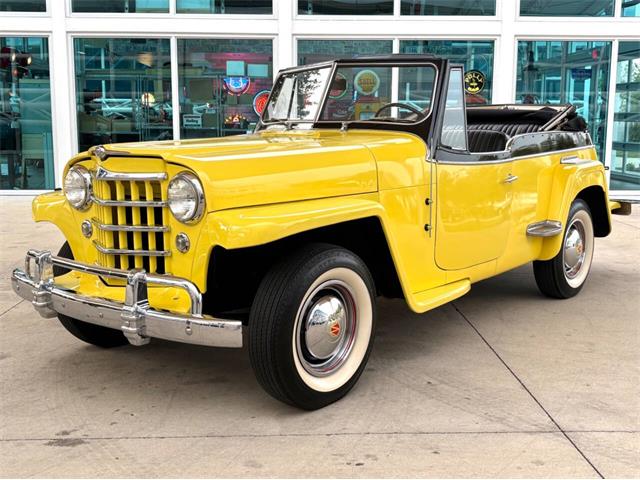
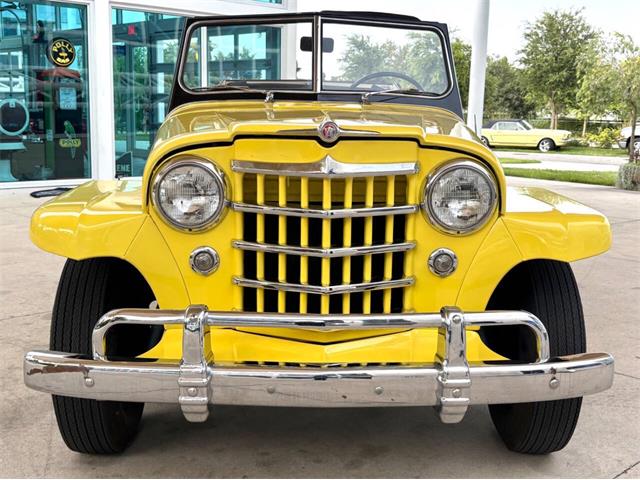
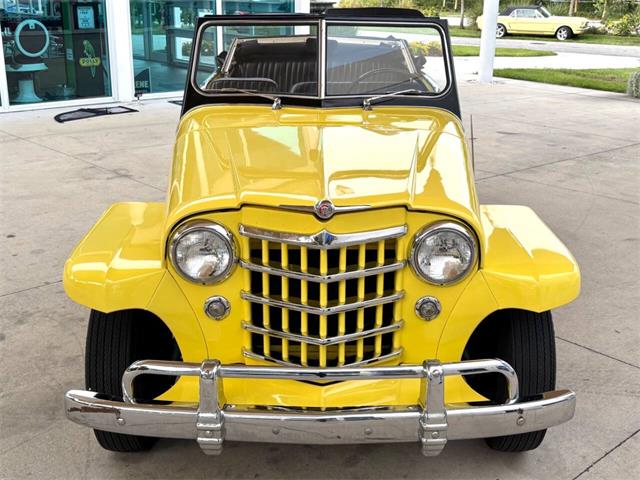
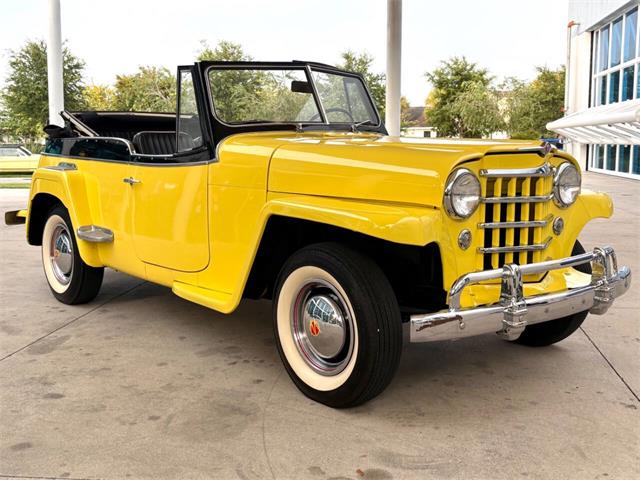
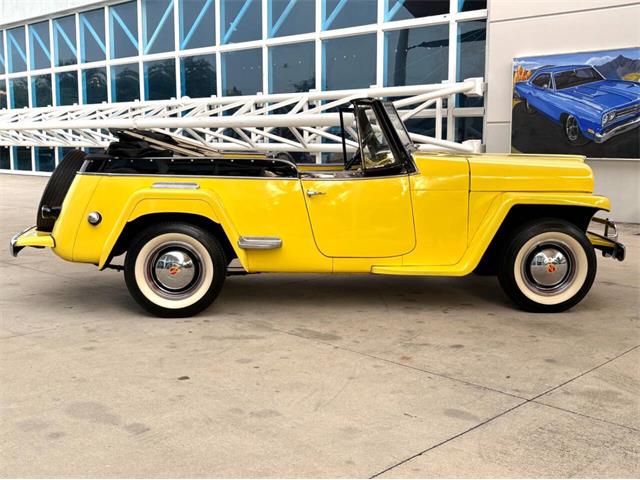
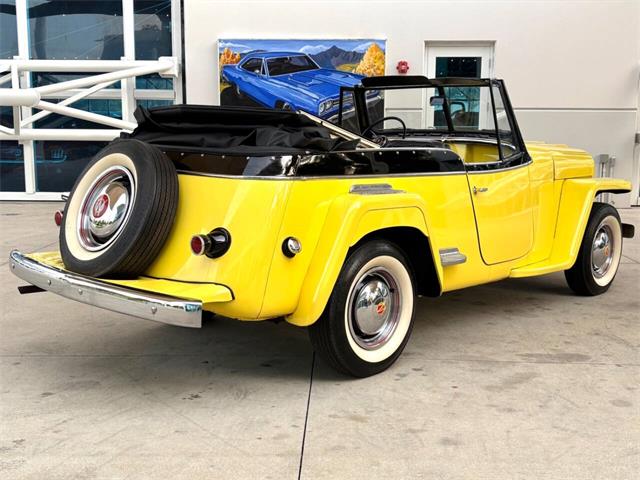
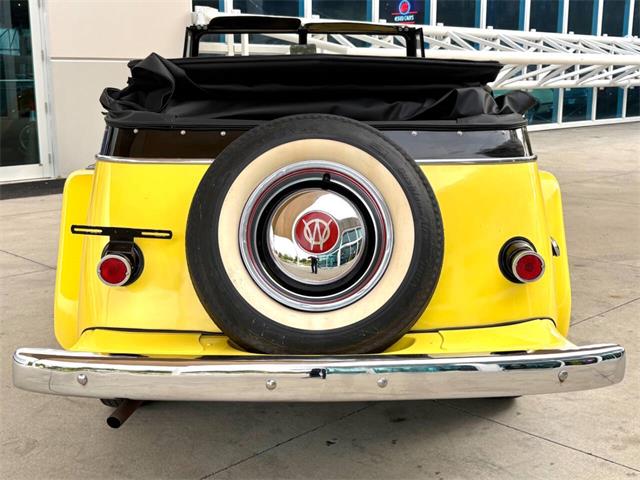
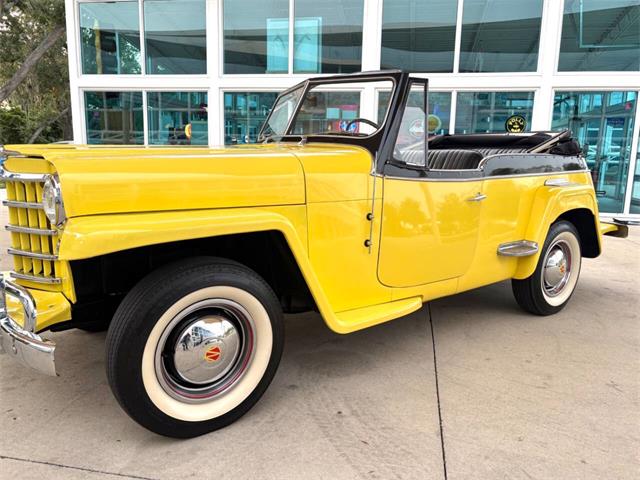
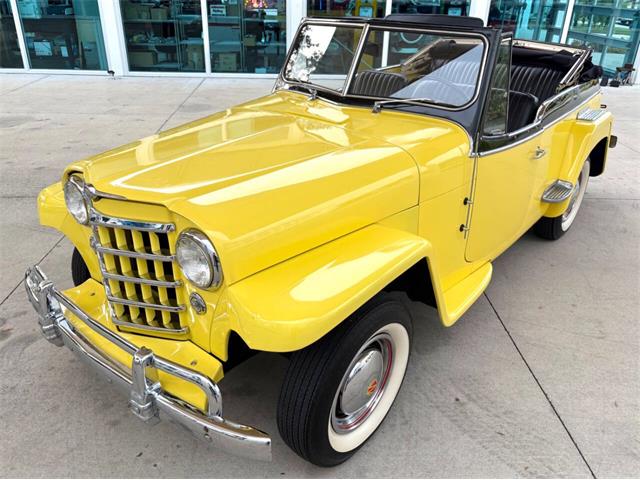
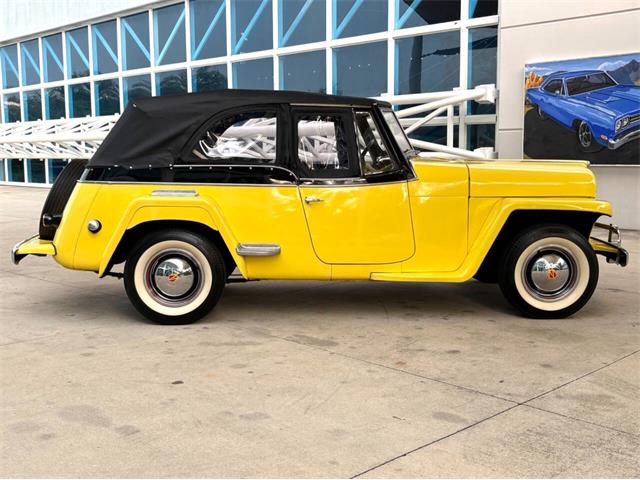
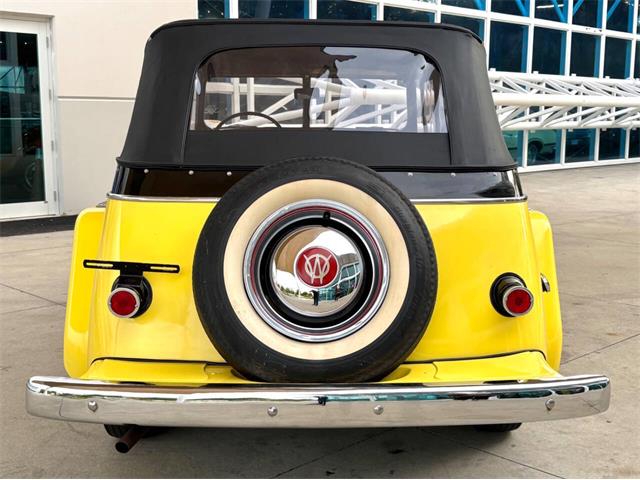
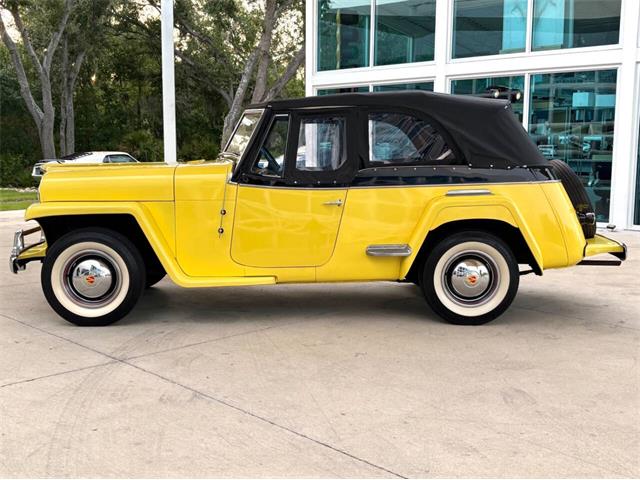
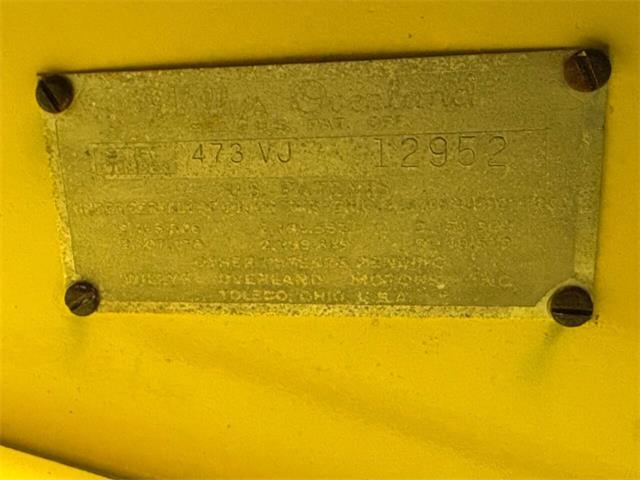
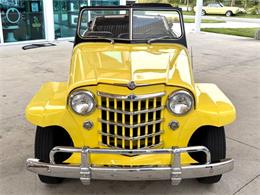
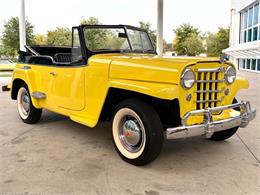
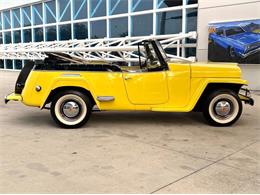
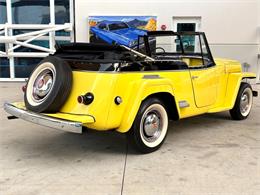
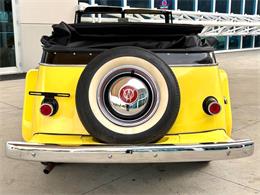
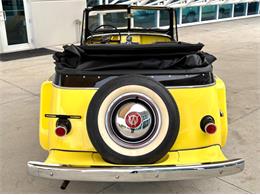
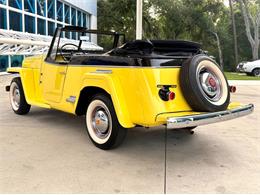
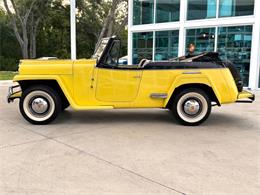
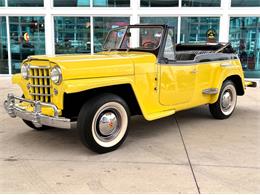
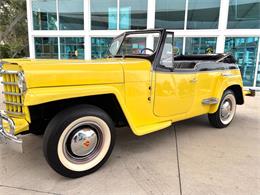
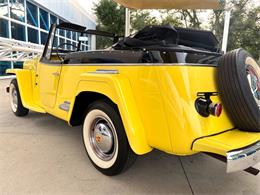
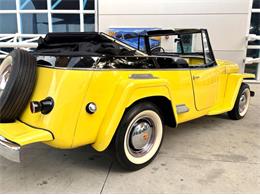
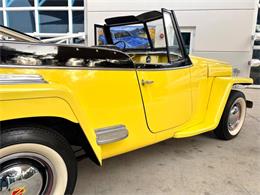
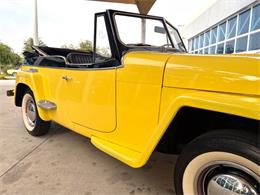
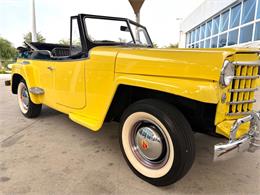
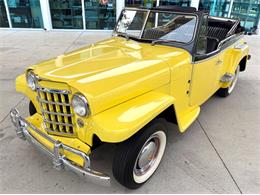
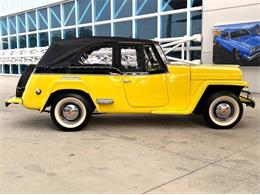
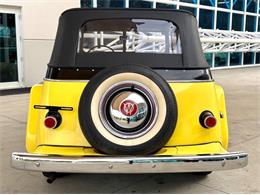
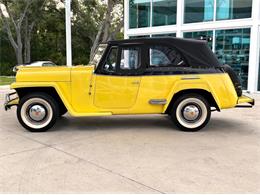
1951 Willys Overland Jeepster �€" Last Year of Production,
Hurricane F-Head Engine, Yellow over Black Why This Car Is Special
The 1951 Willys Overland Jeepster holds a specific and
well-documented place in American automotive history: it is the
final model year of the Jeepster's original production run. Willys
introduced the Jeepster in 1948 as something genuinely different
�€" a civilian open-air vehicle built on Jeep mechanical bones but
styled for leisure rather than labor. The concept was ahead of its
time, essentially previewing what the recreational open vehicle
market would become decades later. By 1951, Willys had decided to
end the Jeepster line to focus resources on its more commercially
successful utility vehicles, making this the last chapter of the
first generation. That context matters for collectors because 1951
Jeepsters are the final expression of the original design, and they
benefit from the one meaningful mechanical upgrade Willys made
during the model run: the introduction of the Hurricane F-Head
engine. The F-Head designation refers to the engine's mixed valve
arrangement, with intake valves in the head and exhaust valves in
the block. This design allowed Willys to significantly improve
breathing and compression over the older L-head Go-Devil engine
without a complete redesign. The result was more power and better
low-end torque in a package that retained the simplicity and
durability the platform was known for. If you are looking at a
Jeepster and it does not have the Hurricane engine, you are looking
at a 1948, 1949, or early production example. The 1951 Jeepster
with the Hurricane F-Head is the most capable version of the
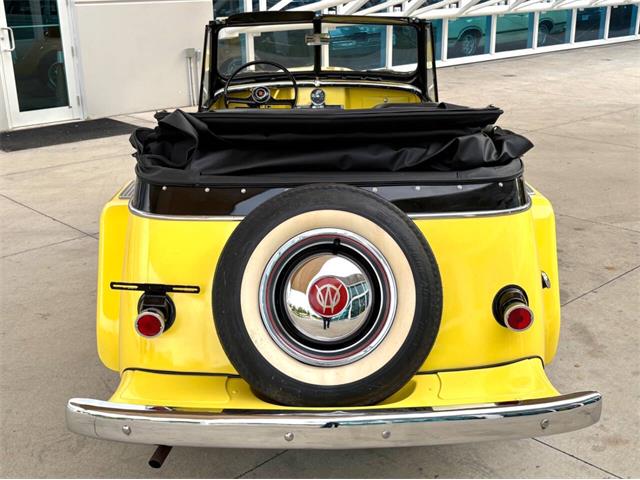
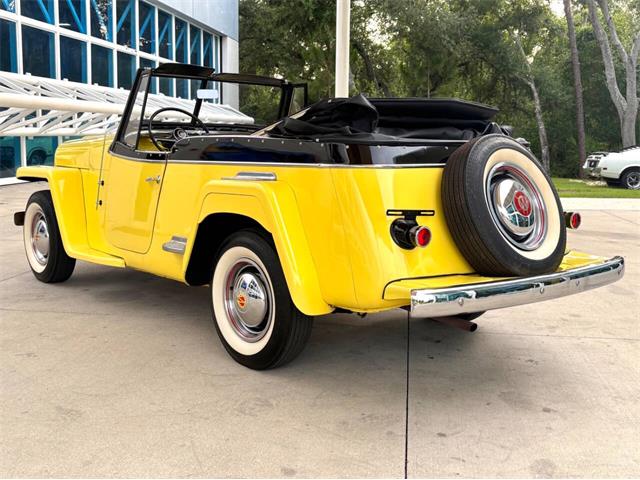
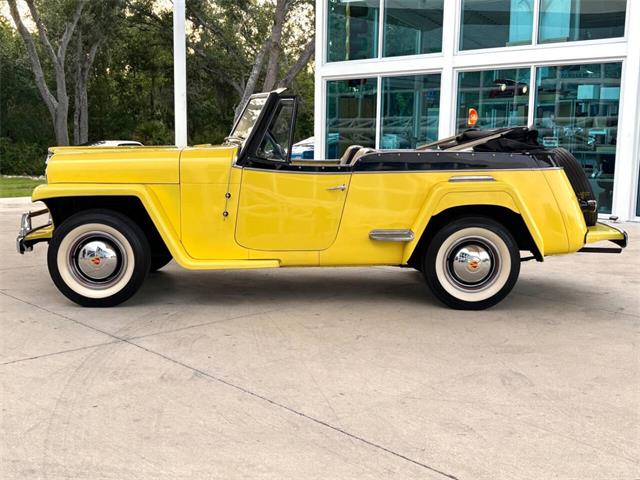
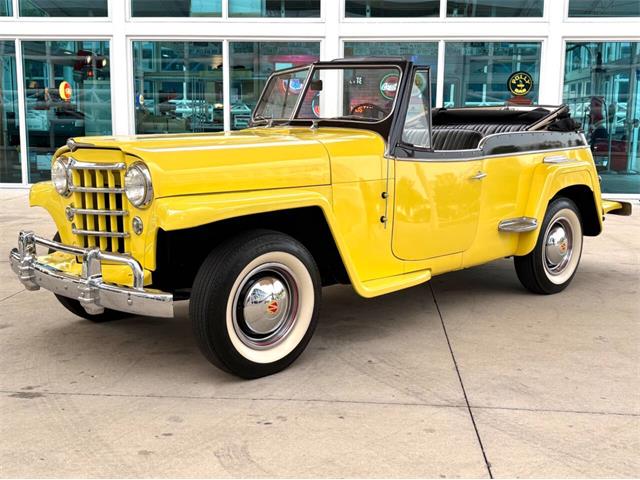
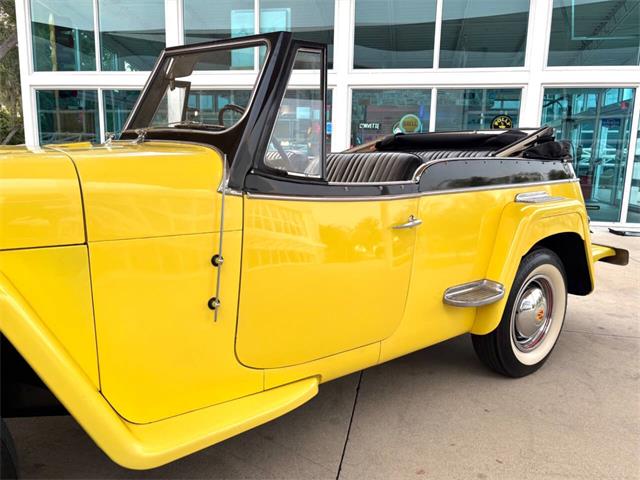
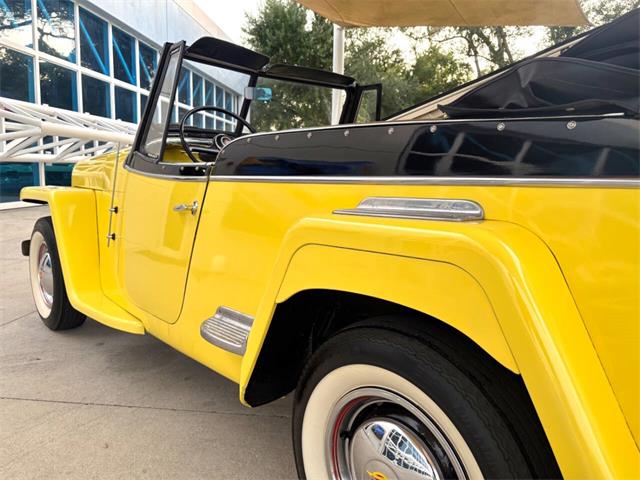
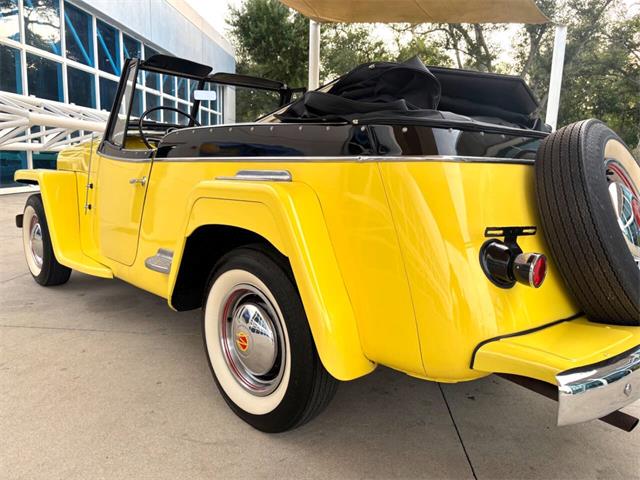
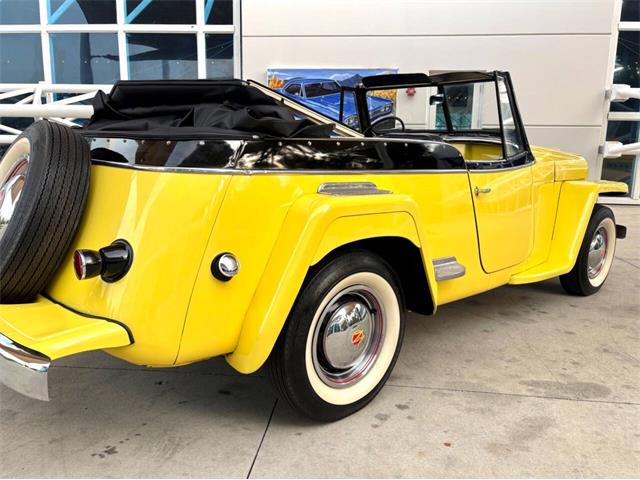
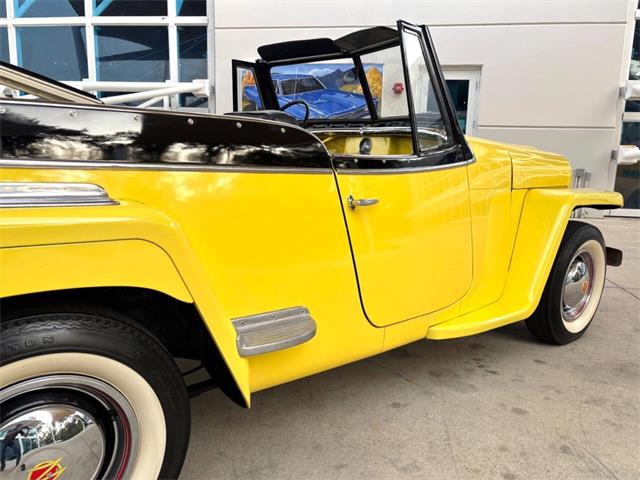
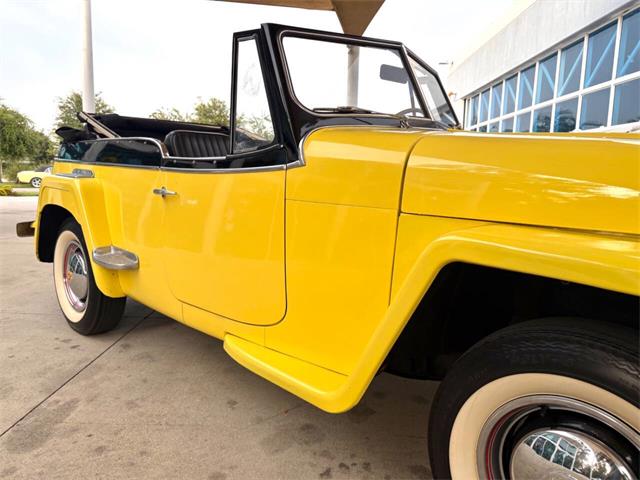
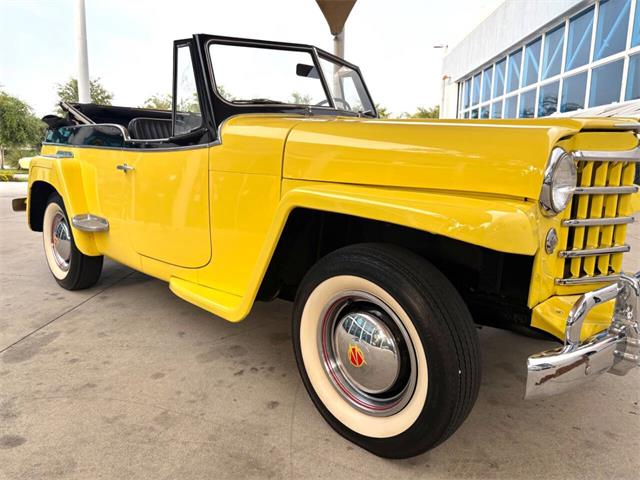
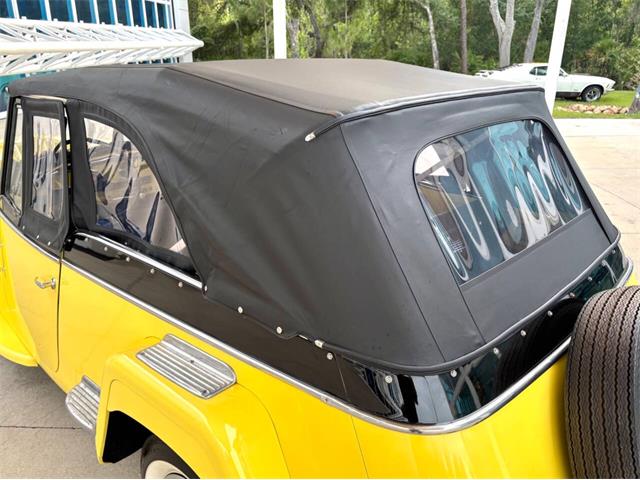
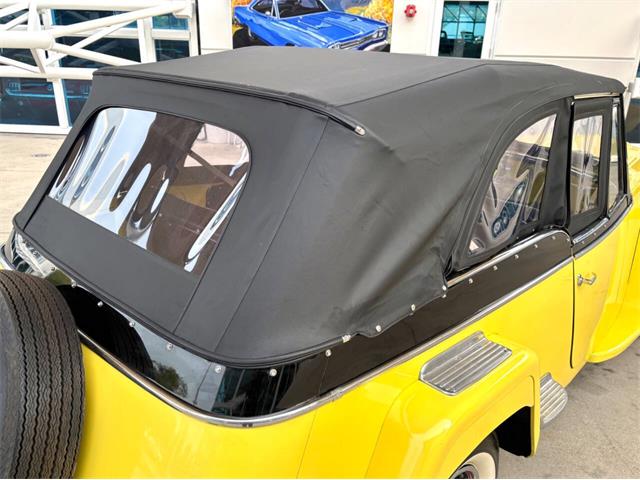
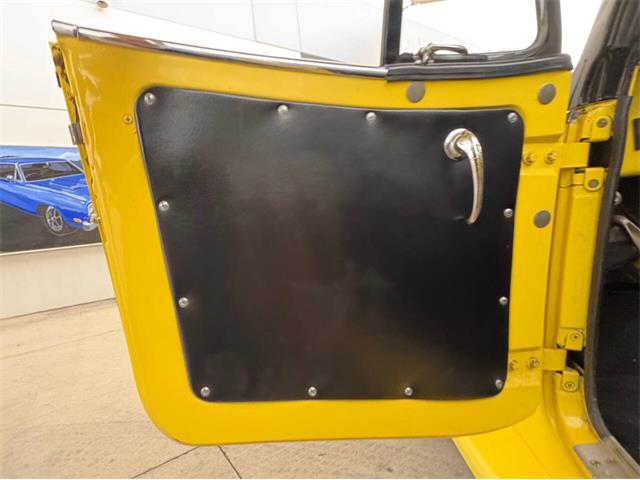
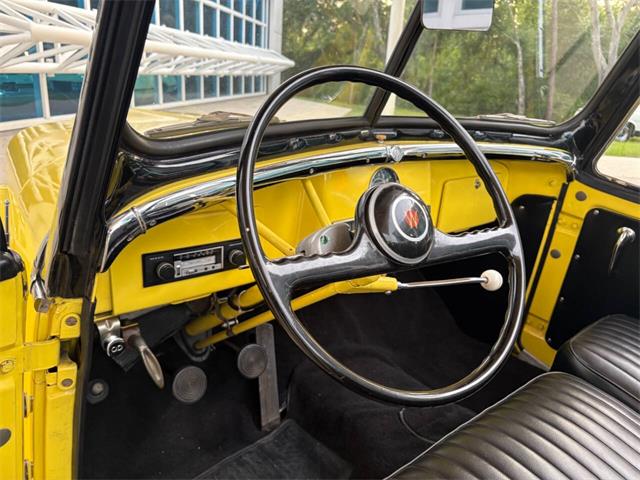
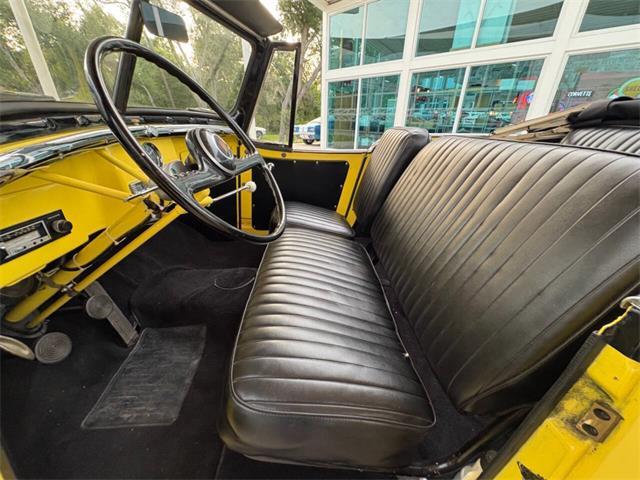
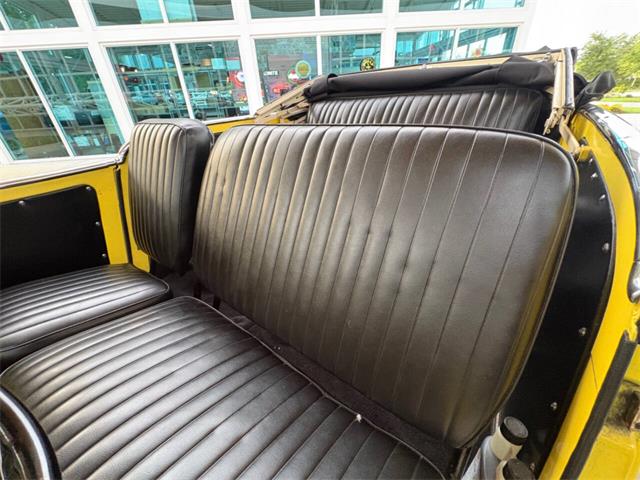
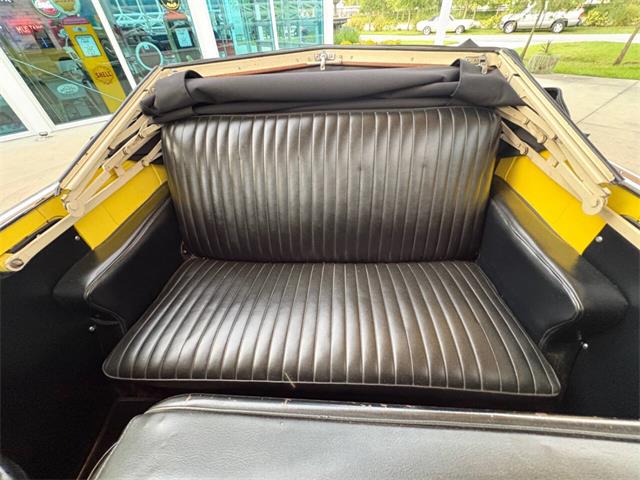
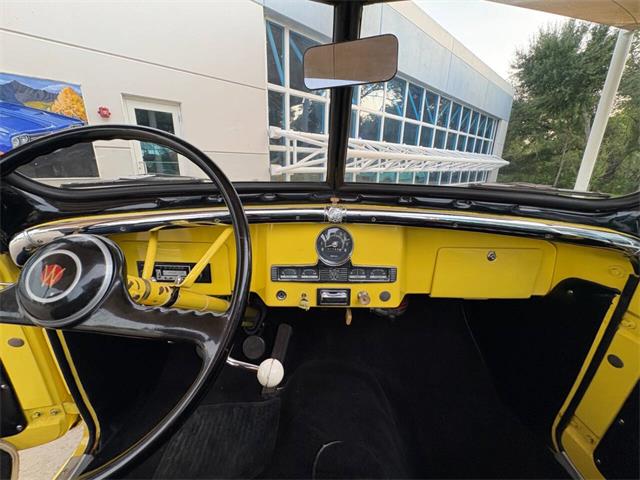
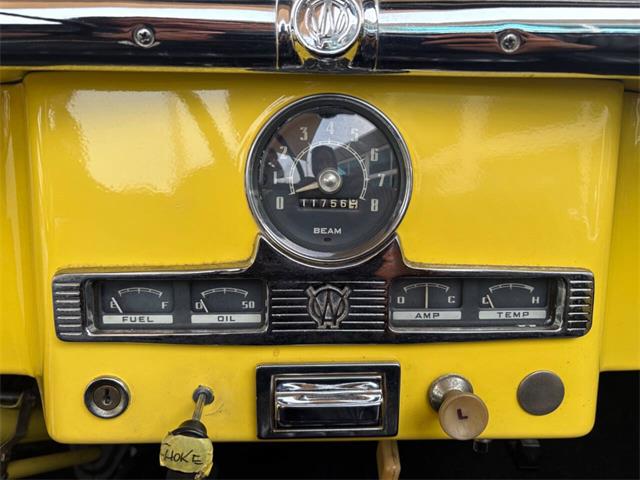
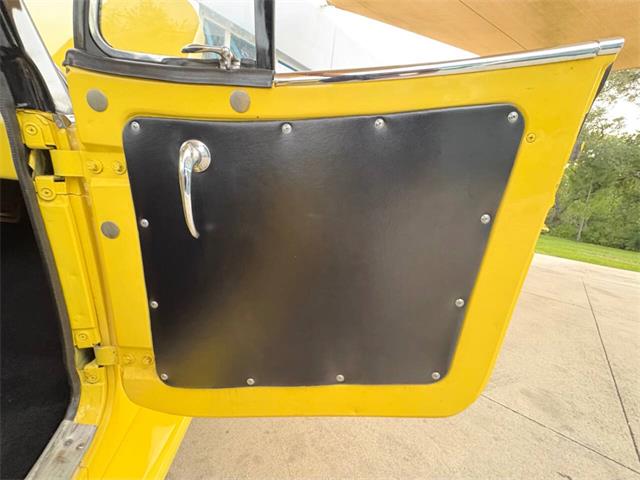
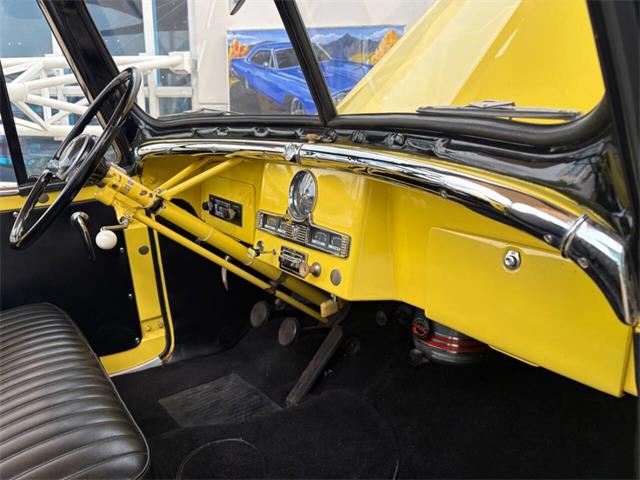
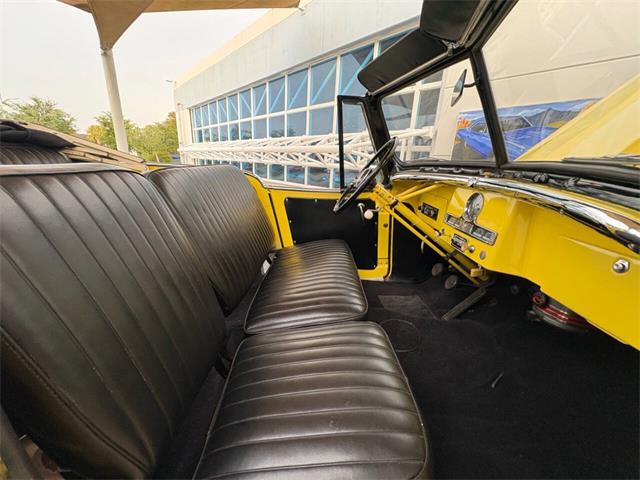
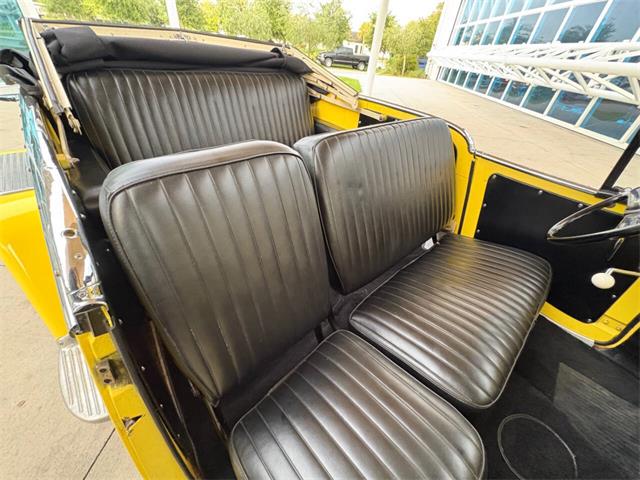
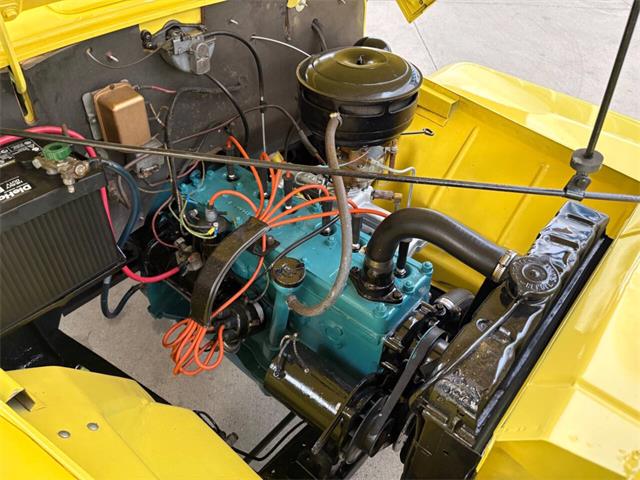
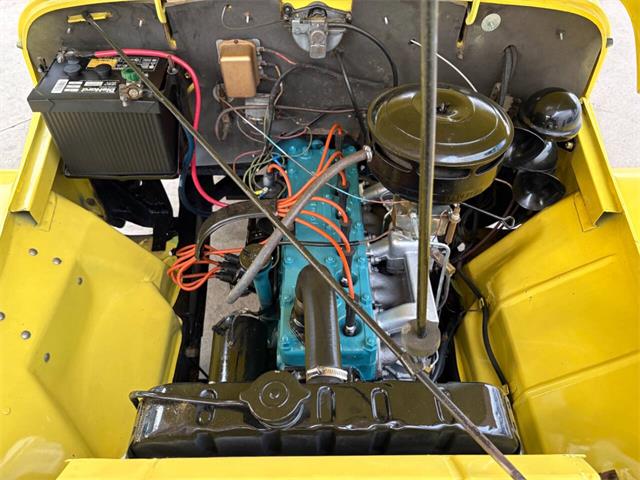
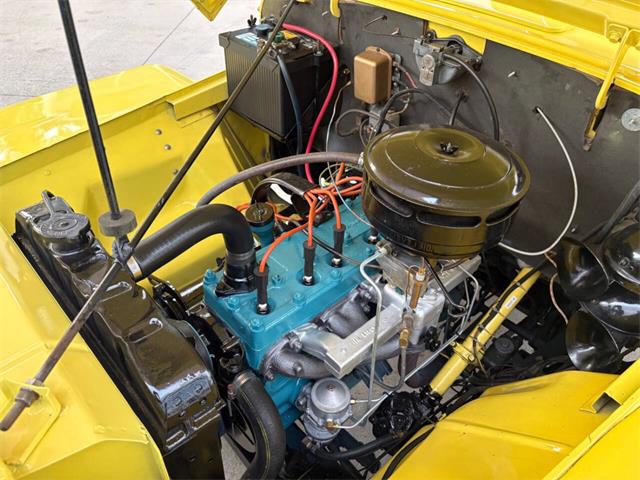
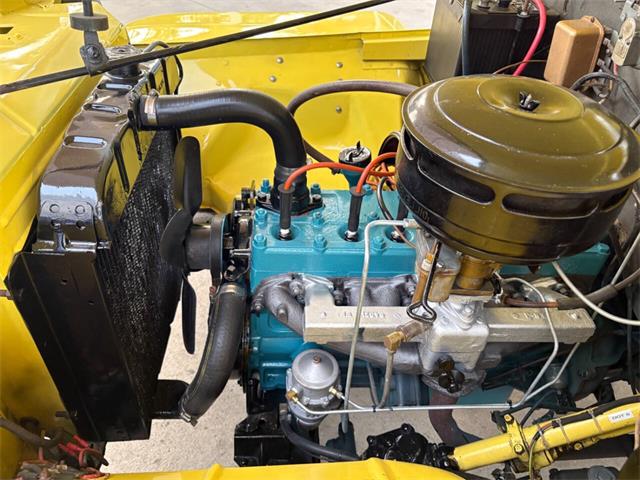
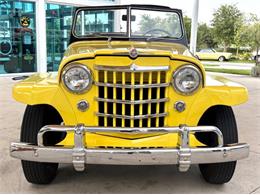
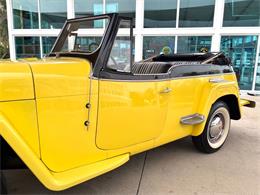
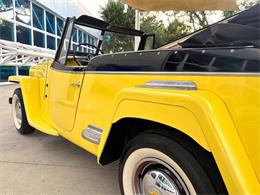
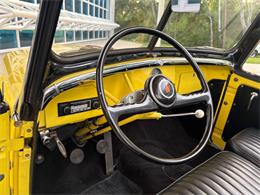
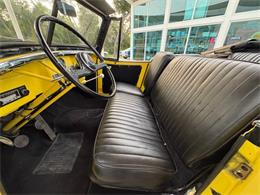
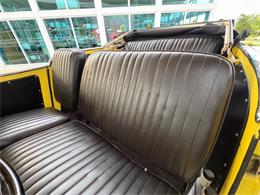
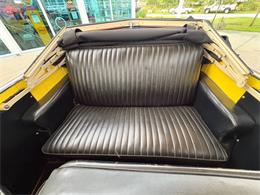
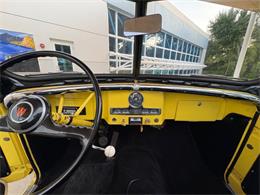
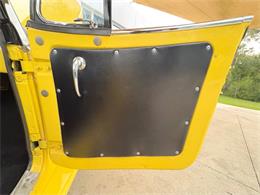
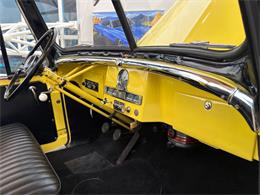
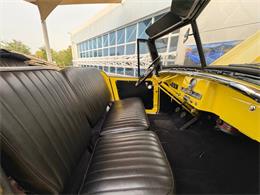
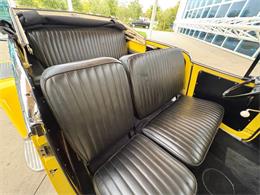
original design. This particular example presents in yellow over a
black vinyl interior �€" a combination that works visually
precisely because the Jeepster's lines are simple enough to carry a
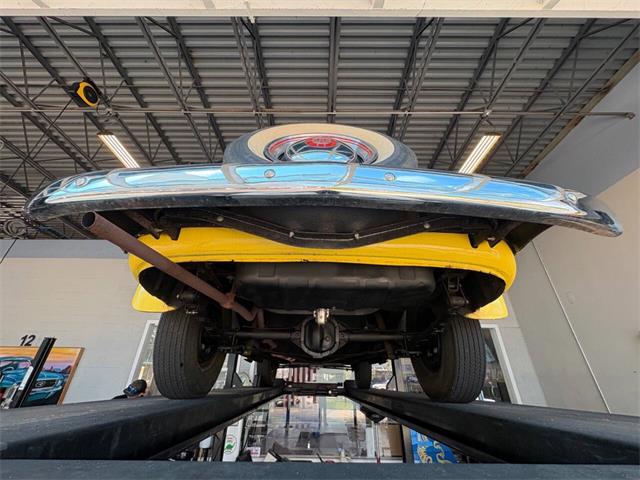
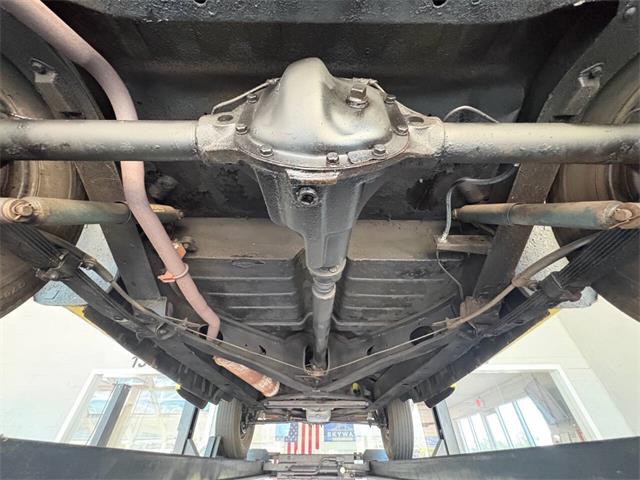
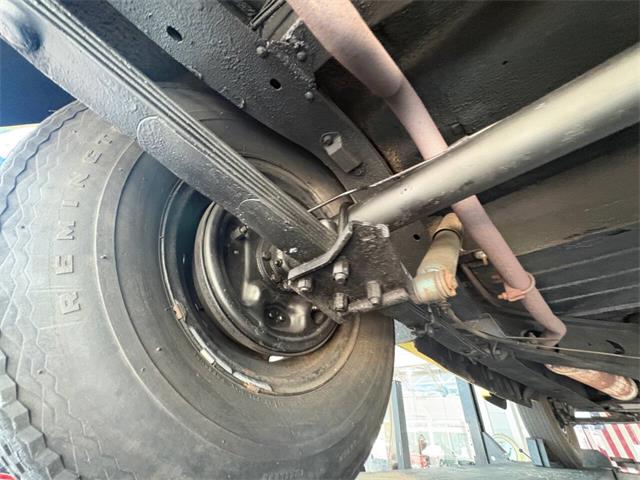
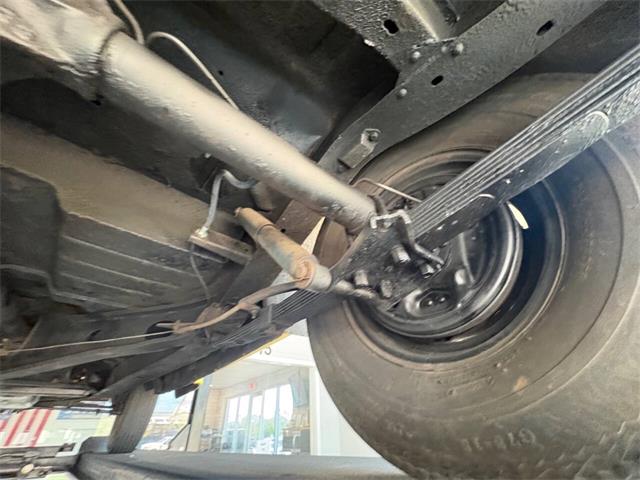
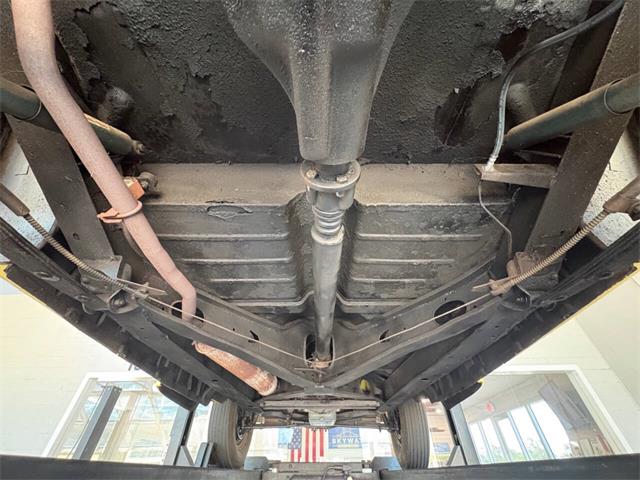
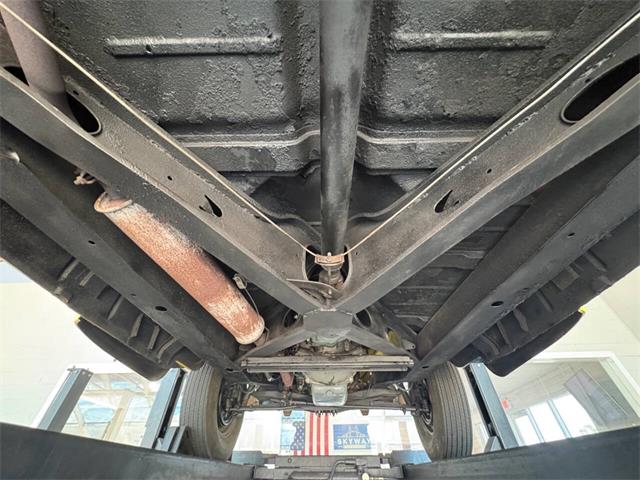
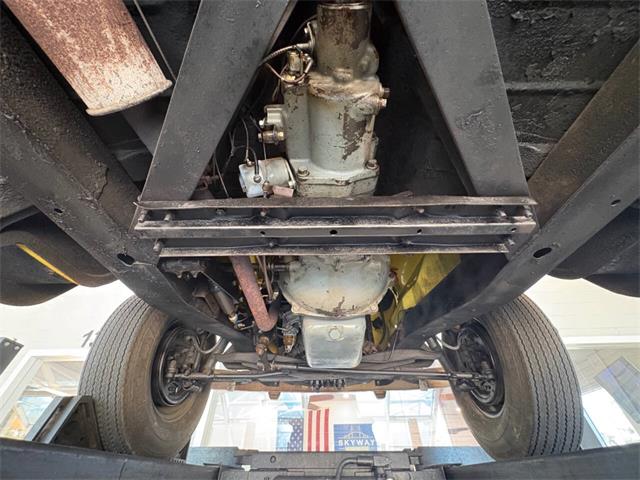
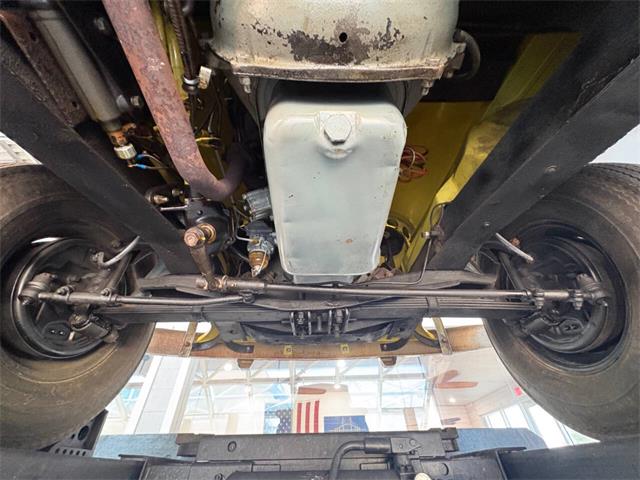
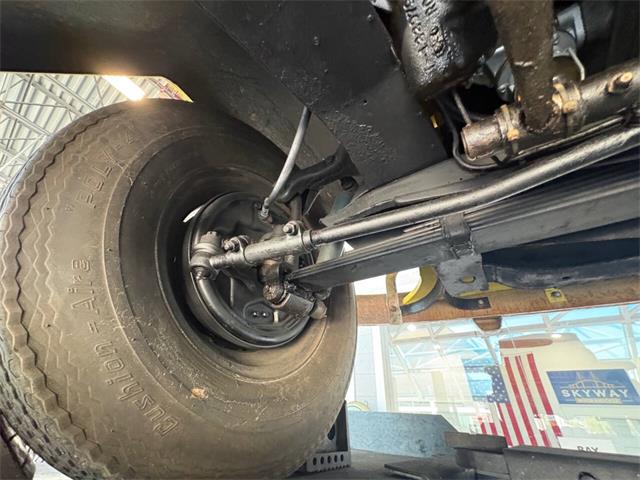
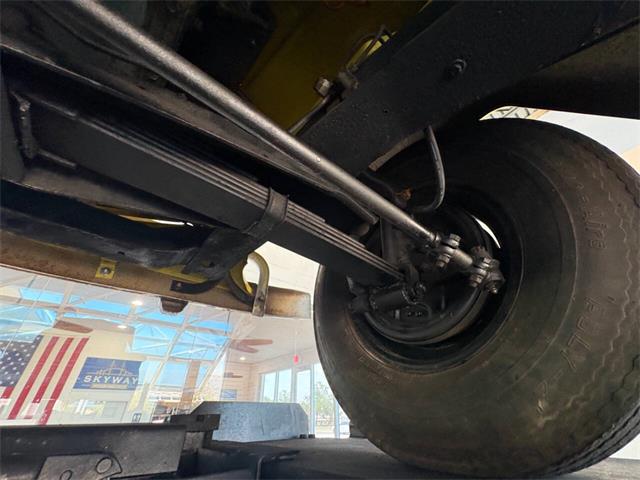
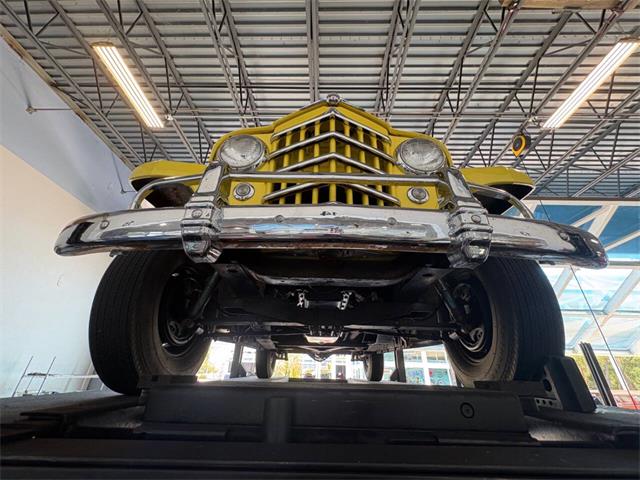
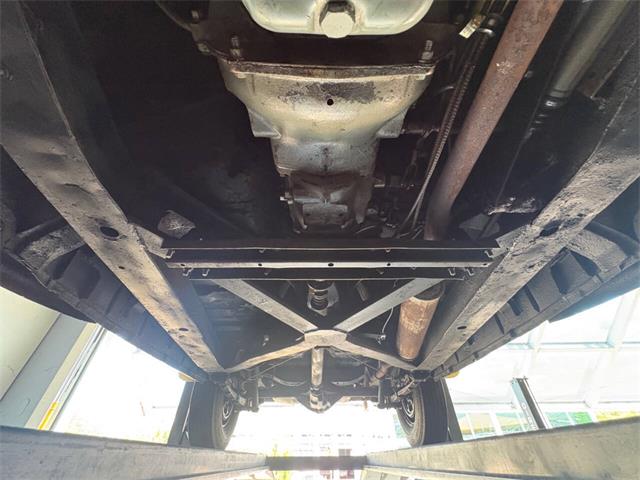
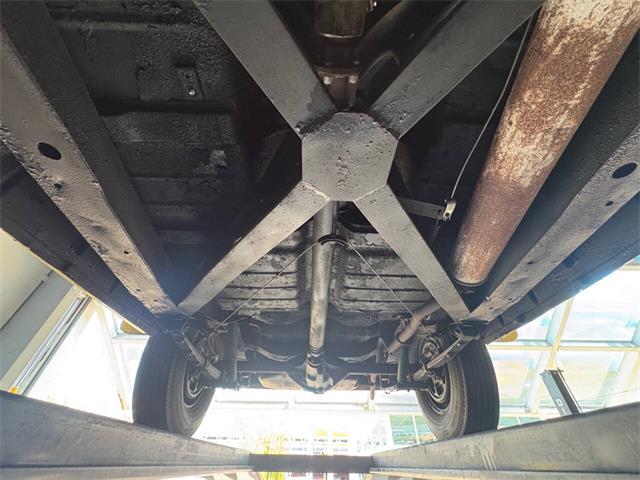
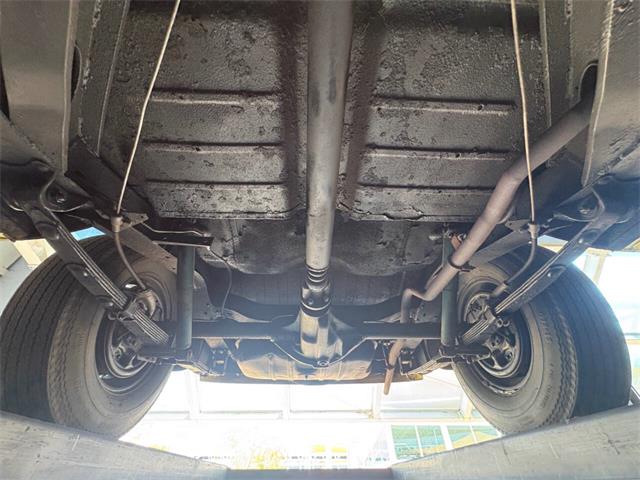
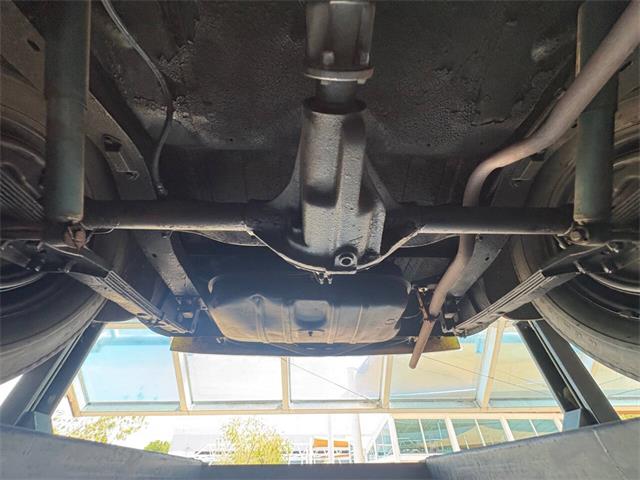
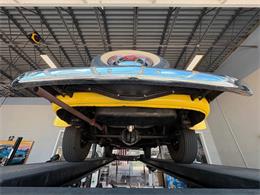
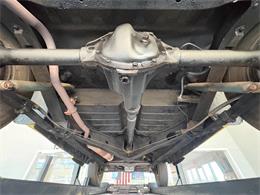
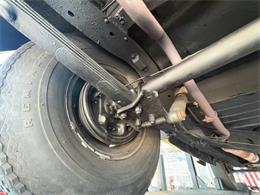
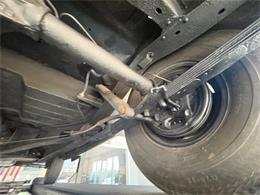
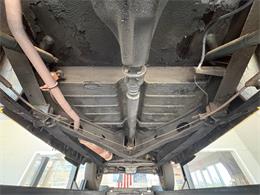
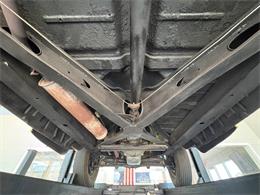
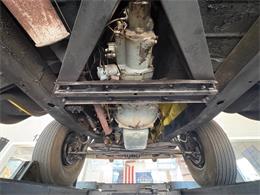
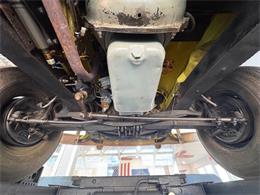
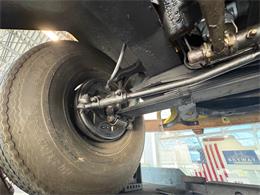
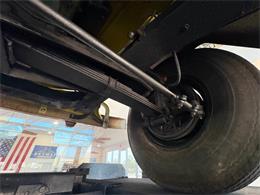
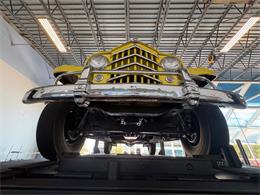
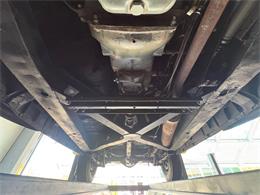
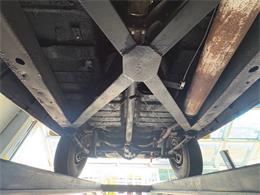
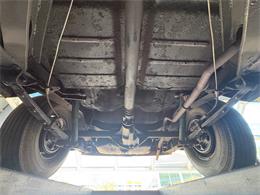
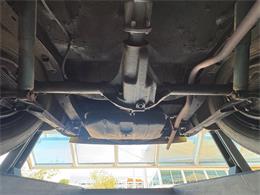
strong color without becoming overdone. The undercarriage
photographs show a solid, well-preserved structure, and the engine
bay has been painted to match. This is a driver-quality classic
with show-level presentation, not a shelf piece. Features List -
Hurricane F-Head 134ci Inline-4 Engine - 3-Speed Manual
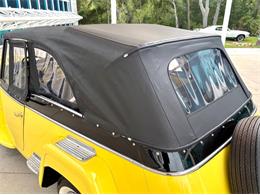
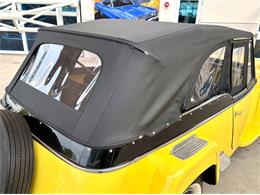
Transmission with Overdrive - Black Convertible Soft Top - Soft Top
Side Curtains - Front and Rear Bench Seats - Whitewall Tires -
Chrome Front and Rear Bumpers with Bumper Guards - Willys Hub Caps
- Rear-Mounted Spare Tire with Exterior Mount - AM Radio -
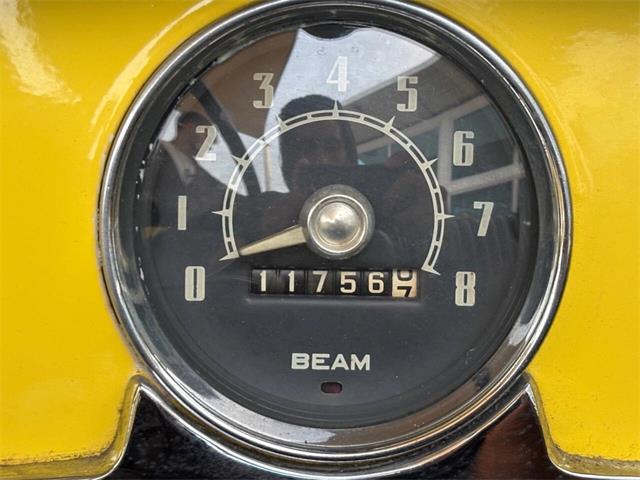
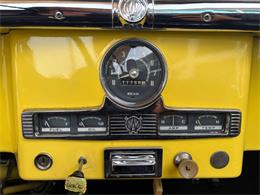
Body-Colored Yellow Dash - Locking Glovebox - Full Gauge Cluster
(Fuel, Oil Pressure, Amperage, Temperature) - Choke Knob -
Four-Wheel Drum Brakes - Independent Front Suspension - Leaf Spring
Rear Suspension - Solid Undercarriage - 6-Volt Electrical System -
Split Windshield with Chrome Frame - Wind Wings (Vent Windows) -
Interior Sun Visor - Interior Rearview Mirror - Carpeted Floors -
Chrome Body Trim Moldings - Side Step Plates - Painted Engine Bay -
Willys Hood Ornament and Grille Badge - All-Steel Body Construction
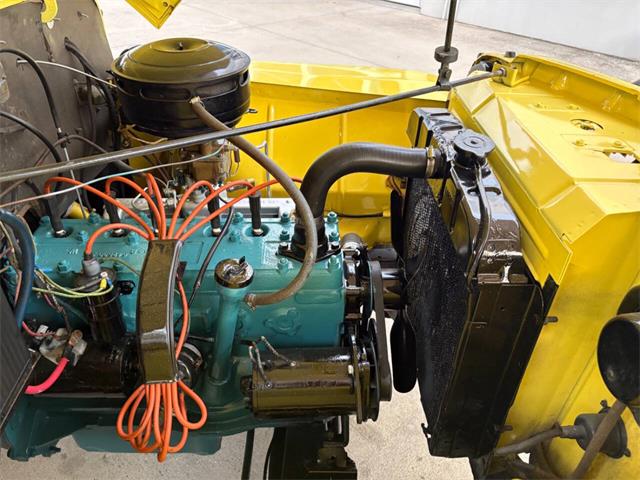
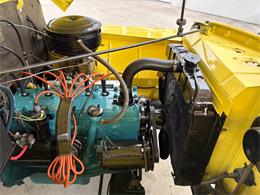
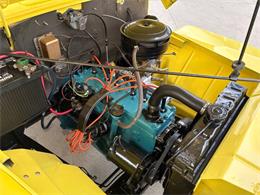
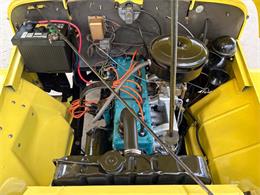
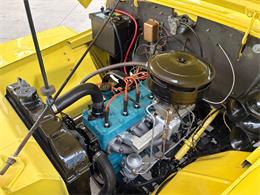
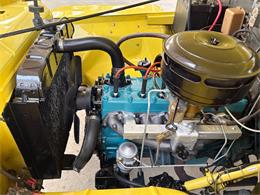
Mechanical The engine under this Jeepster's hood is the 134 cubic
inch Hurricane F-Head inline-four, which Willys introduced for the
1950 model year. The F-Head configuration positions the intake
valves in the cylinder head while retaining the exhaust valves in
the block �€" a layout sometimes called a
'valve-in-head/valve-in-block' or IOE (intake over exhaust) design.
Compared to the earlier flathead Go-Devil engine, the Hurricane
produced meaningfully more power and improved throttle response,
particularly at lower RPMs where the Jeepster spends most of its
time. The engine is painted in its correct turquoise color and the
engine bay itself has been painted to match the exterior yellow,
which was a common practice on restored Jeepsters of this era to
give the engine compartment a finished, cohesive appearance.
Backing the Hurricane is a 3-speed manual transmission paired with
an overdrive unit. The overdrive is a practical and historically
appropriate addition for a vehicle intended for open-road use. It
redu
ClassicCars.com has been recognized as one of the fastest-growing private companies in the United States, successfully making the Inc. 5000 list in both 2015,
2016, 2017 and 2018. This prestigious accolade represents the continued growth of the company, and ClassicCars.com's dominance as the world's largest online marketplace for
buying and selling classic and collector vehicles.
The Stevie Awards, the world's premier business awards recognized
ClassicCars.com's first-class Customer Support team with a Stevie Bronze Award in 2019, celebrating the team's skills as exemplary customer support specialists.
In 2016 The Journal, brought to you by ClassicCars.com, was celebrated as the SECOND MOST INFLUENTIAL automotive blog in the world by NFC Performance.