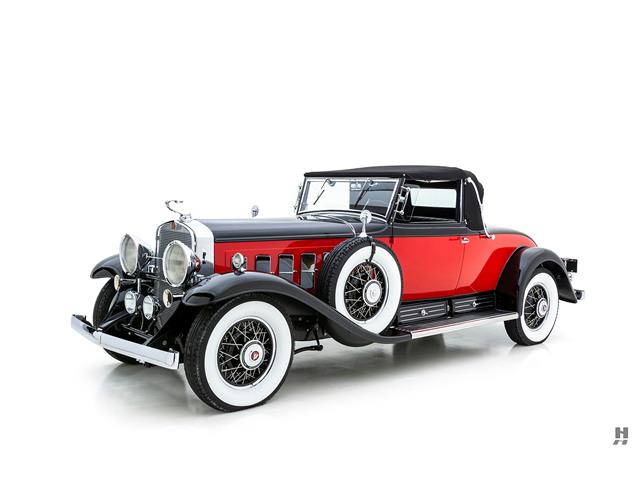
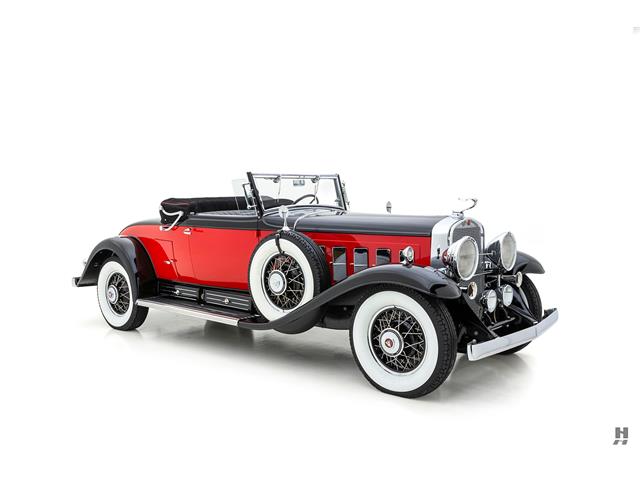
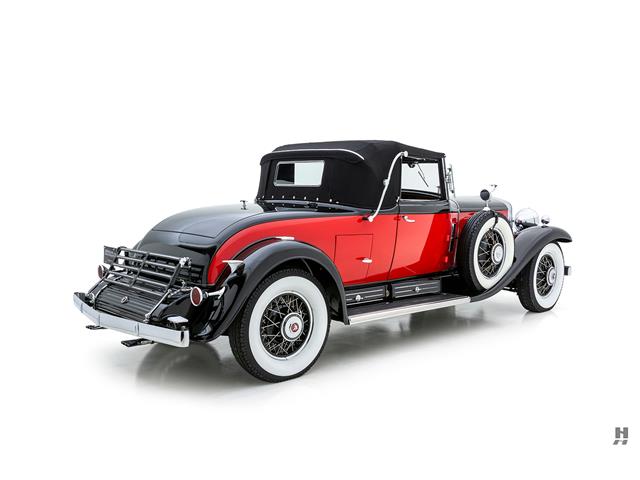
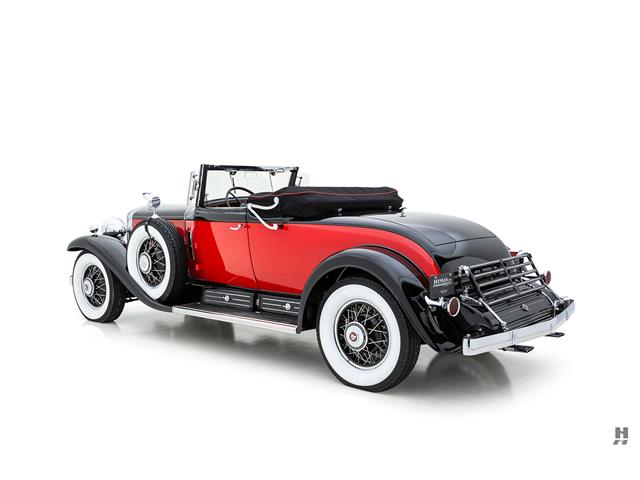
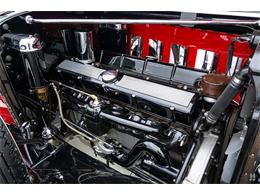
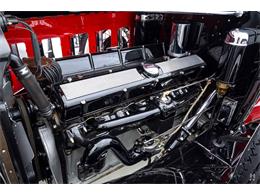
Engine no. 701901
- Special-order Fisher Body Convertible Coupe documented by its
original factory build sheet
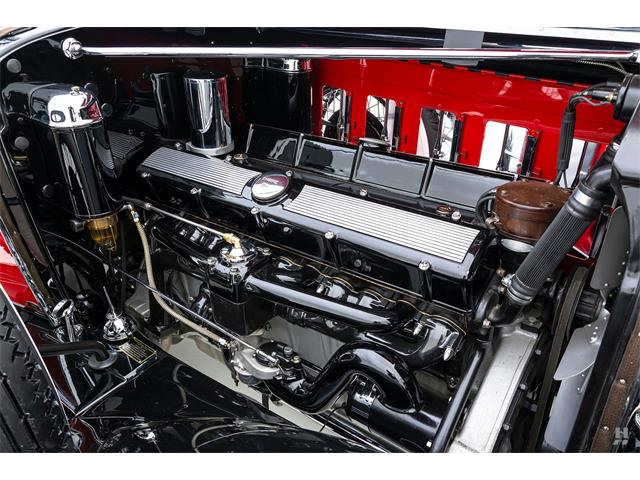
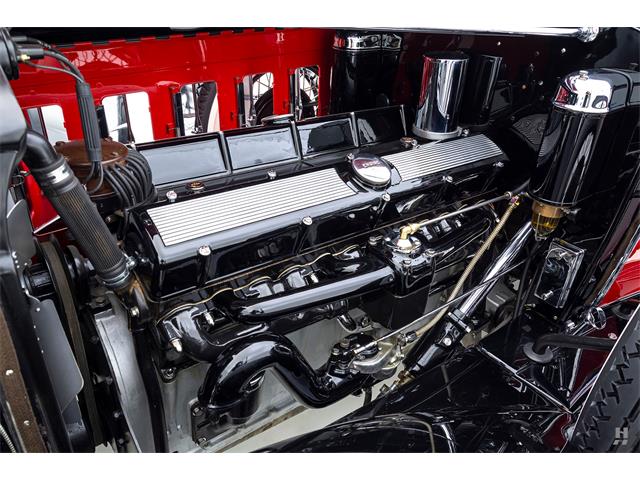
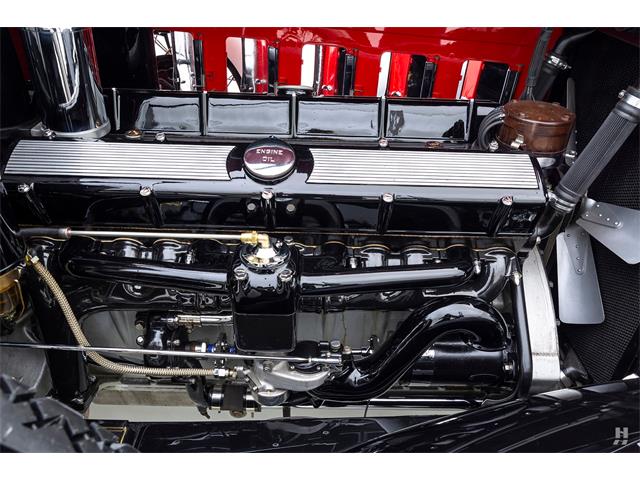
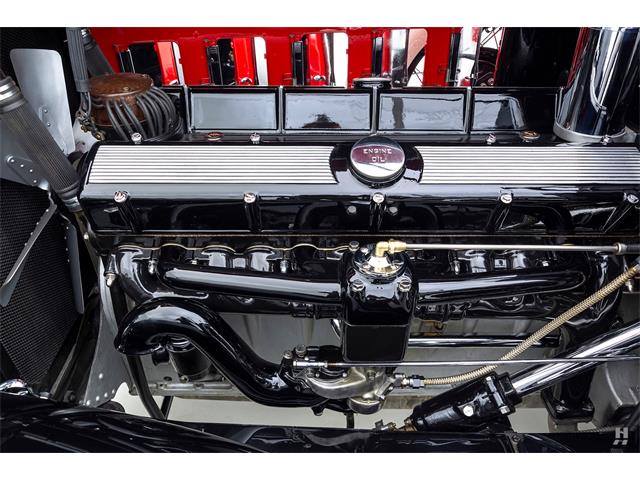
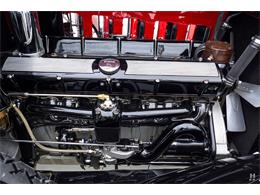
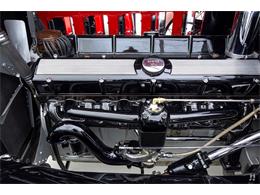
- Retains its original matching-number V-16 engine, no.
701901
- Distinguished by unique Fisher coachwork unlike standard
production V-16s
- Comprehensive historical research suggests it may be the only
surviving example of its specific Fisher-bodied configuration and
built for Lawrence P. Fisher
- Recently restored to an exceptional standard and finished in a
striking red and black color scheme
- Accompanied by its original build sheet and extensive
historical documentation
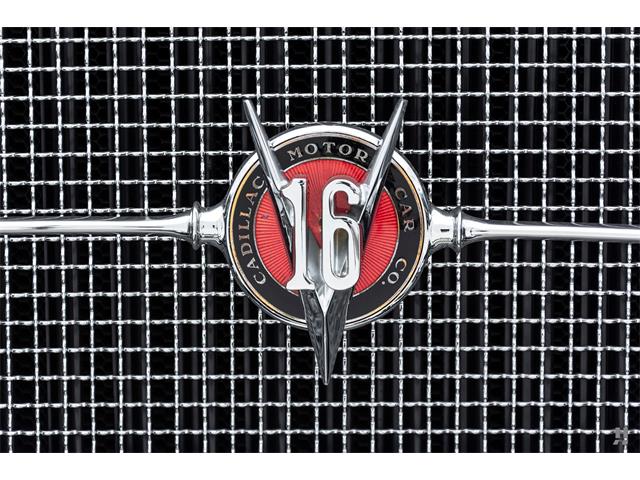
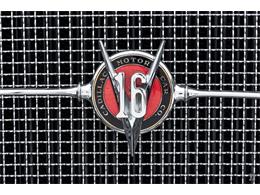
Few automobiles better represent the optimism and engineering
ambition of the Classic Era than Cadillac's magnificent Series 452
V-16. Introduced for 1930 at the height of the luxury car market,
the V-16 instantly established Cadillac as America's technological
leader. Its silky smooth sixteen-cylinder engine, effortless
performance, and exceptional refinement elevated the marque into
direct competition with the world's finest motorcars. Offered
exclusively on Cadillac's longest chassis and clothed in bespoke
coachwork by Fisher and Fleetwood or independent coachbuilders, the
V-16 quickly became the automobile of choice for industrialists,
entertainers, and heads of state who demanded the very finest.
While every 1930 Cadillac V-16 is an exceptional automobile, some
occupy an even more intriguing place in the marque's history.
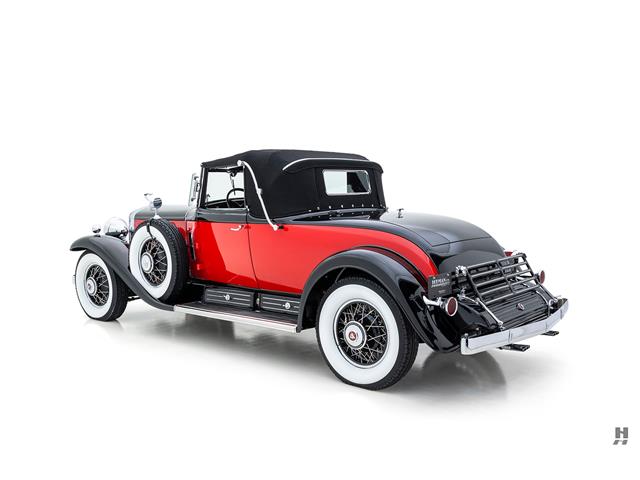
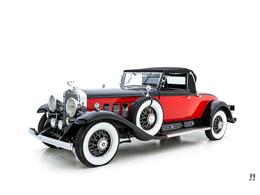
Offered here is chassis 701901, a bespoke Series 452 Convertible
Coupe whose surviving factory documentation indicates it was built
under Special Fisher Order No. 7626, rather than as a standard
catalog production automobile. The accompanying original build
sheet repeatedly identifies the car as a "Special Fisher
Convertible Coupe" and notes that the body was covered by Fisher
Order 7626, with trim specifications directed through Irving H.
Nie, assistant to Fisher Body president Lawrence P. Fisher, whom it
is believed the car was built for. Unlike conventional production
V-16s, the body is not assigned a standard Fisher or Fleetwood job
number, suggesting a bespoke commission executed directly through
Fisher Body management.
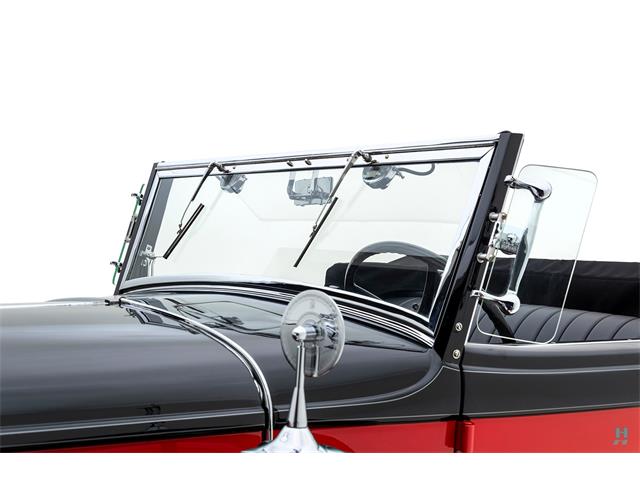
Further supporting the car's special status are numerous
coachbuilding details that distinguish it from standard
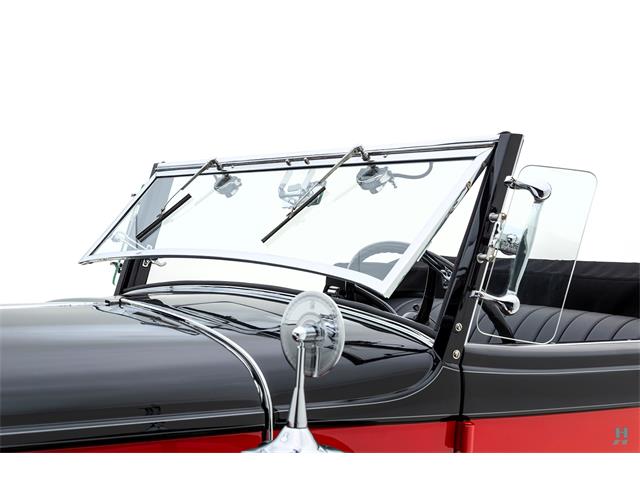
Fleetwood-bodied convertible coupes. Cadillac historian Chris
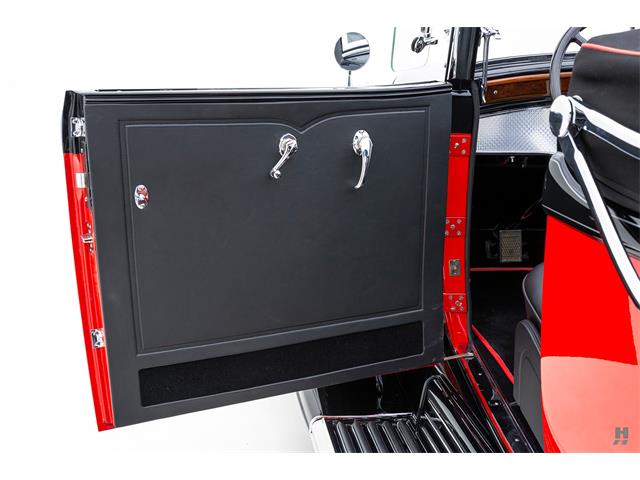
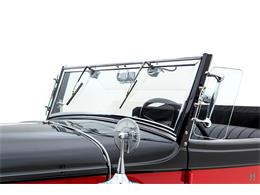
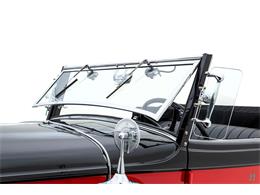
Cummings has identified several notable features, including a
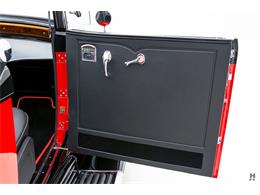
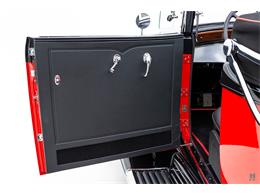
dramatically raked body-colored windshield, a straight lower body
sill in place of Fleetwood's characteristic dipped coach sill,
unusually thin front-hinged doors, and a folding top profile that
more closely resembles the sporting Fleetwood 4235 than later
production convertibles. Collectively, these details strongly
suggest that the body was independently engineered as a
special-order design rather than adapted from an existing
production style.
The original build sheet provides fascinating insight into the
car's construction and specification. Originally finished in
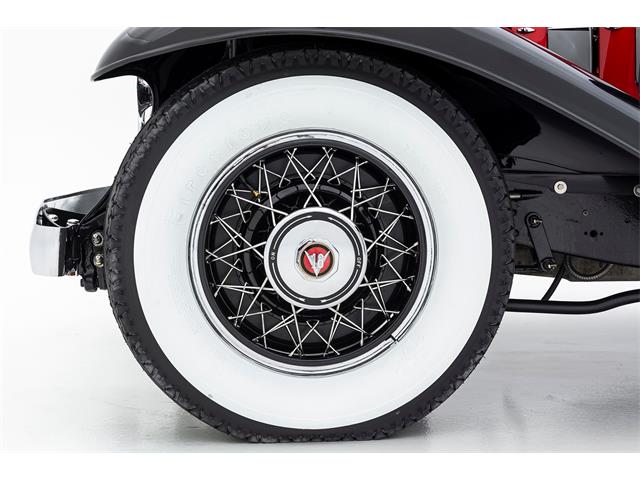
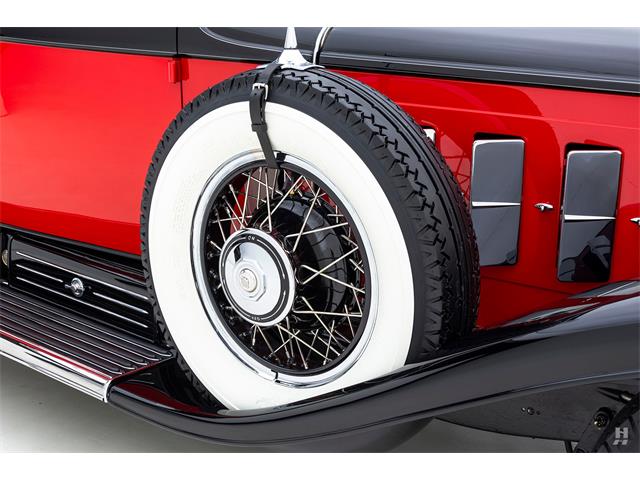
Samarkand Gray and Soissons Gray, it was equipped with
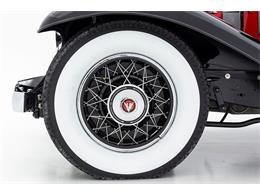
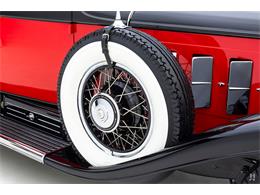
chromium-plated wire wheels featuring vermillion hubs, dual
side-mounted spares, whitewall tires, special DuPont convertible
top material, and specially specified interior trim. Importantly,
the car retains its original sixteen-cylinder engine, numbered
701901, further reinforcing its authenticity.
According to research accompanying the car, only 35 Fisher-bodied
Cadillac V-16s were produced during 1930 and 1931, with just 16
Fisher-bodied convertibles constructed during that period. Based
upon the surviving factory documentation and the car's unique
coachwork, respected Cadillac historians have concluded that this
example may well be the only surviving Fisher-bodied Convertible
Coupe built to this exact specification. While factory records do
not definitively establish its original purpose, the evidence
strongly suggests it represents an extraordinary special-order
commission executed outside normal production.
The Cadillac's documented history begins with its original delivery
through Irving H. Nie before later ownership by Ian Kiltie, Mel
Patterson, and Dennis Dow. During the 1950s the car was a familiar
sight on the streets of Detroit, remembered by Cadillac enthusiast
Theron Baganz before disappearing from public view for many years.
The V-16 resurfaced in 2021 following lengthy negotiations with its
then-owner before being acquired by its previous caretaker in early
2024, who recognized the car's extraordinary significance and
commissioned a comprehensive restoration. During the restoration,
the build sheet assembly number "2903" was found stamped on
numerous components, further instilling the V-16's originality.
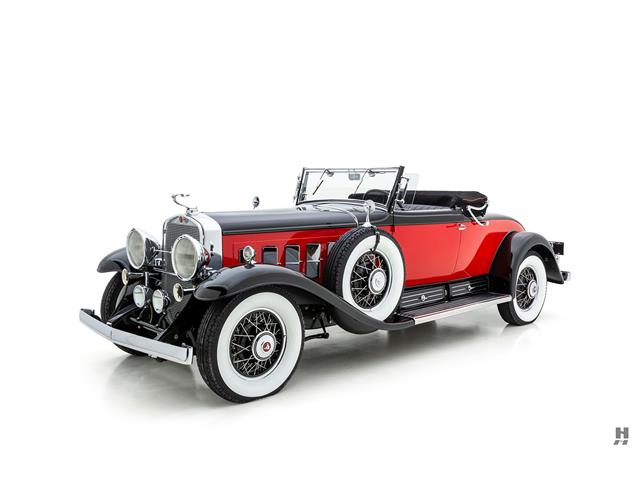
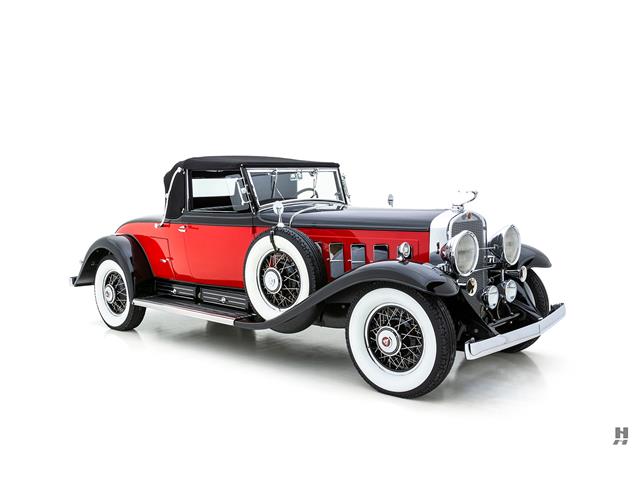
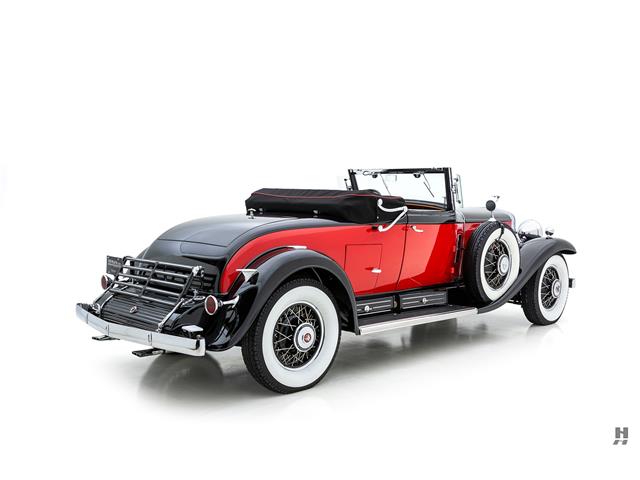
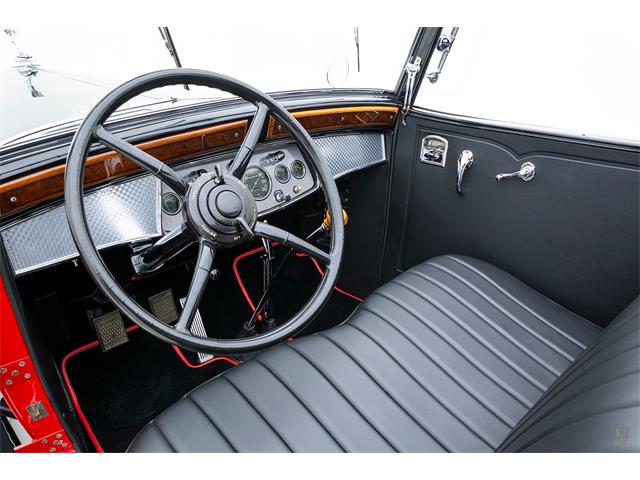
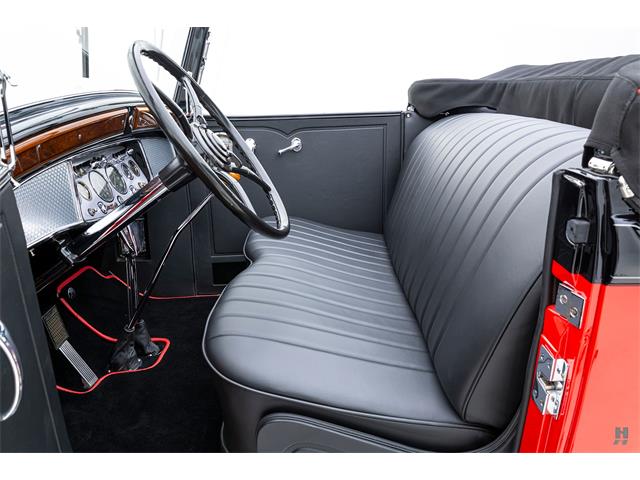
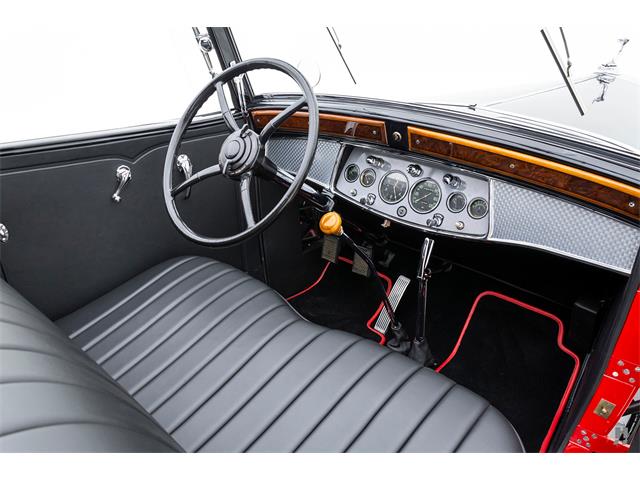
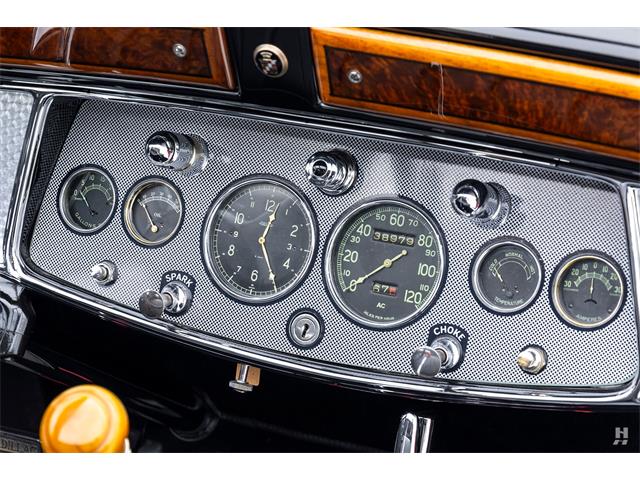
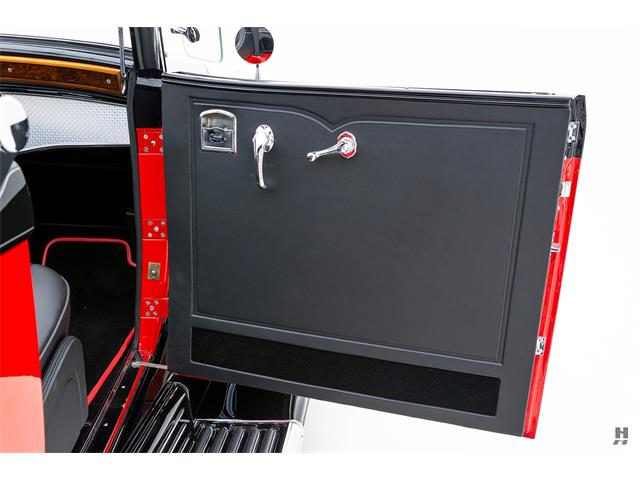
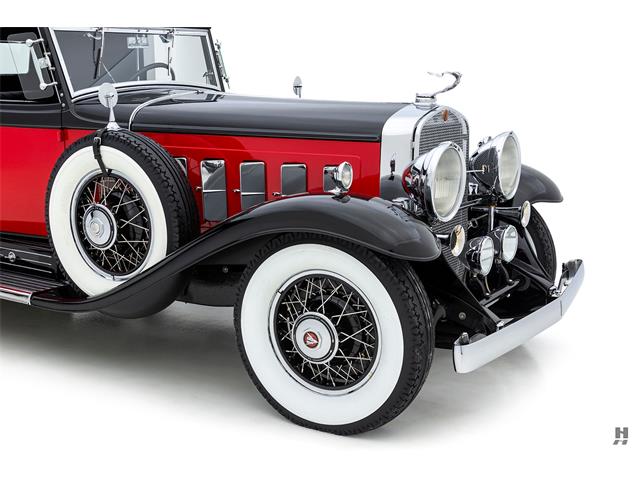
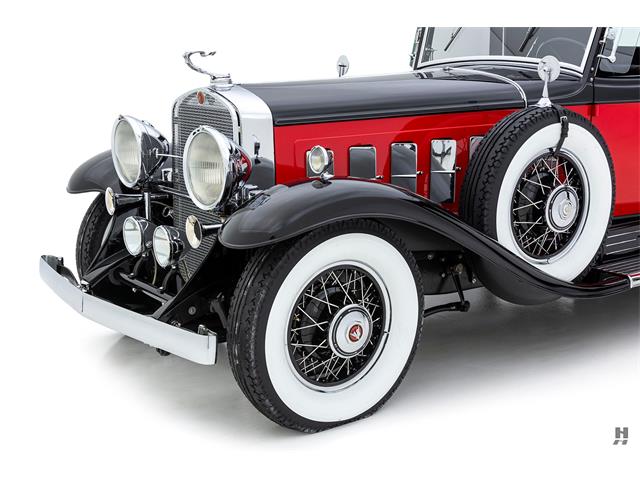
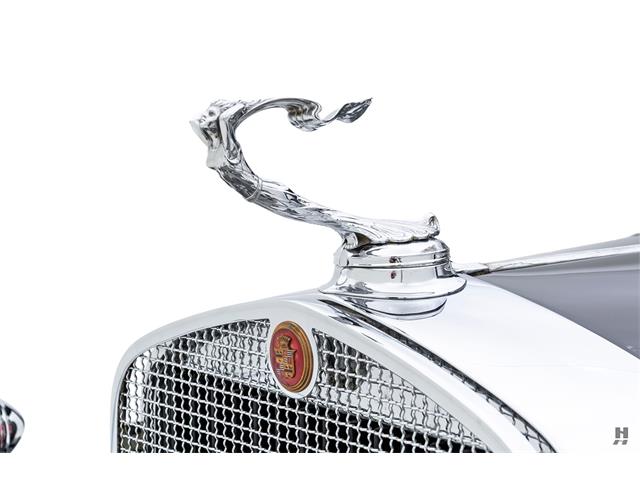
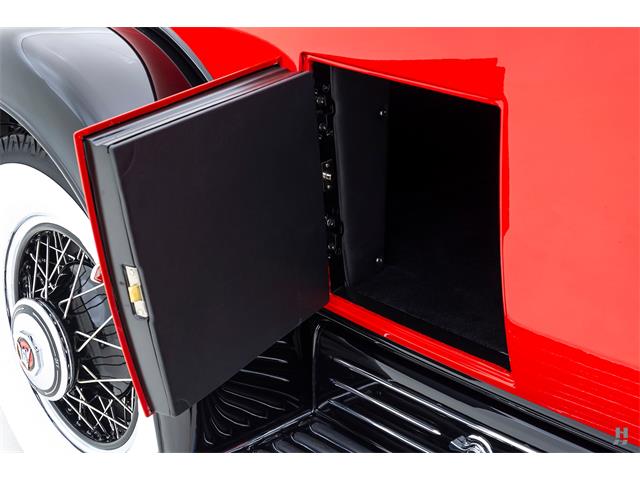
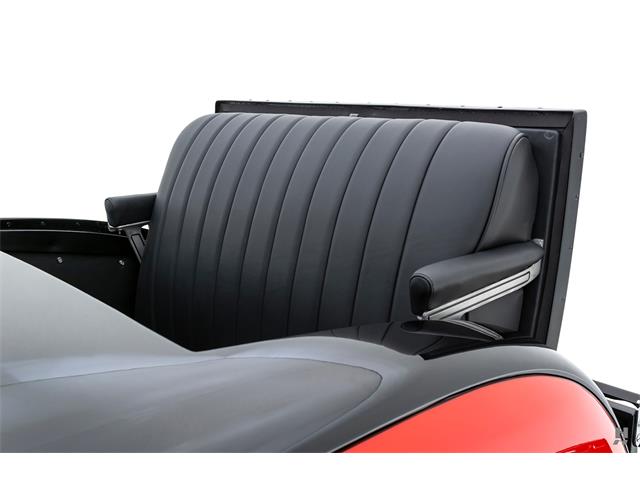
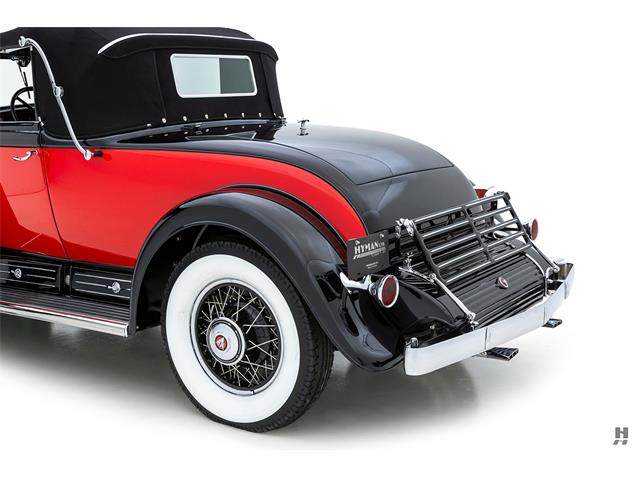
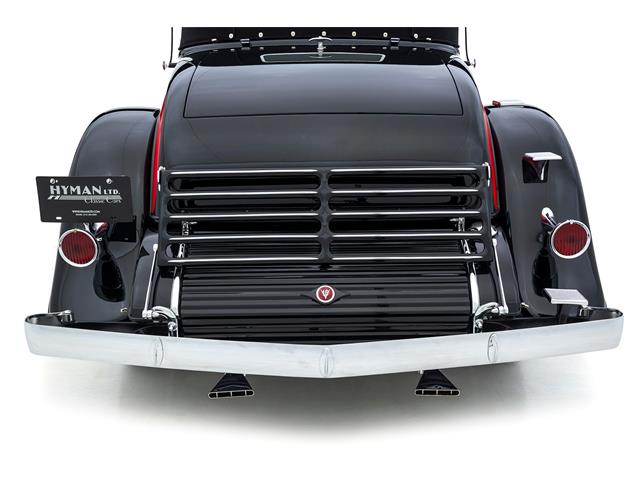
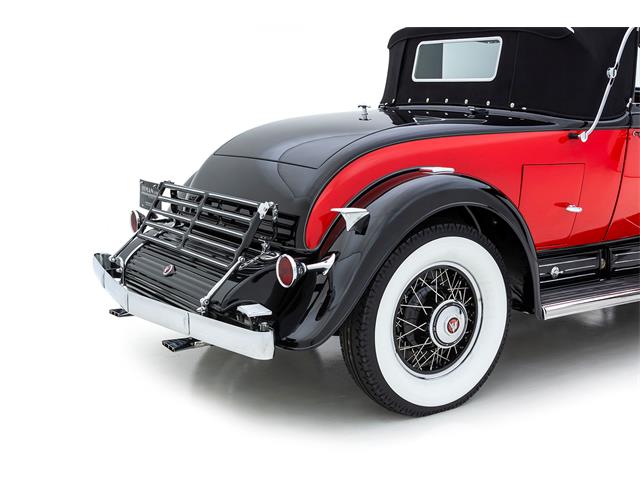
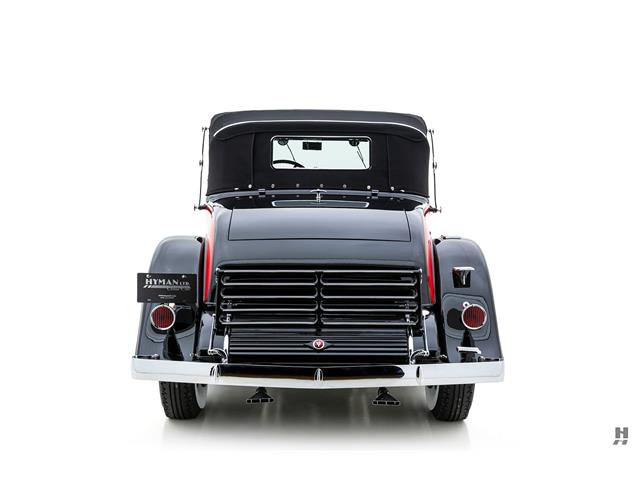
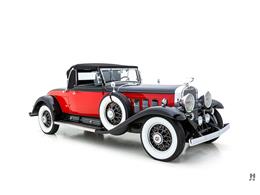
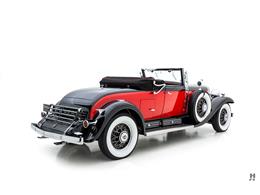
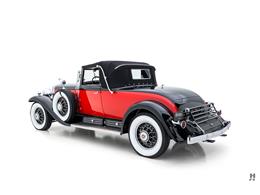
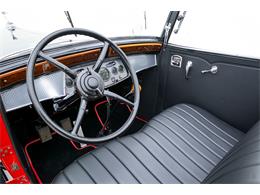
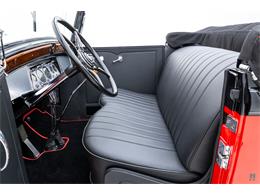
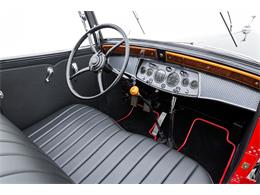
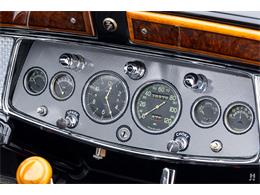
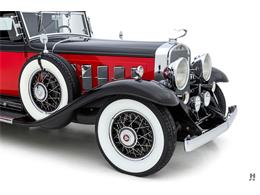
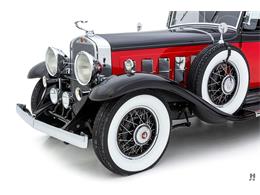
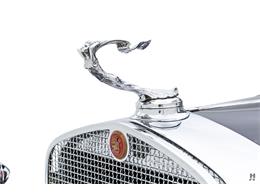
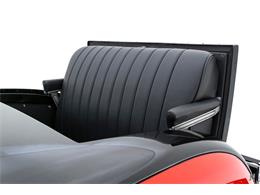
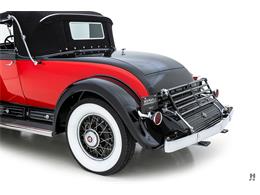
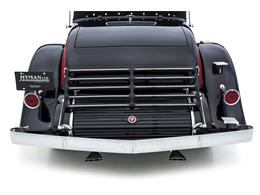
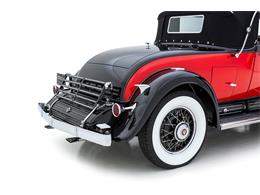
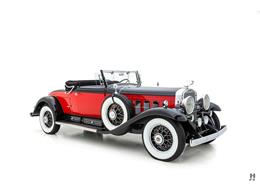
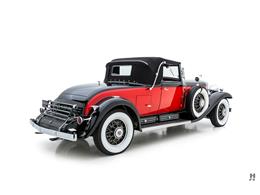
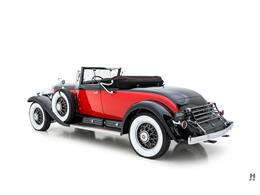
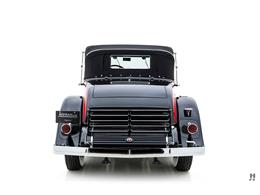
Today the Cadillac presents in a striking red and black livery with
black leather upholstery, faithfully highlighting the elegance of
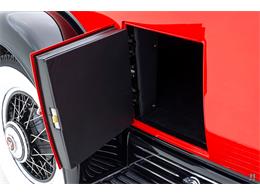
its distinctive Fisher coachwork. Equipment includes a rumble seat,
golf door, Appleton driving lamps, black wheels with stainless
steel spokes, steel spare tire covers, and a fitted top boot, while
the original factory build sheet accompanies the car. Additionally,
a fresh set of double-white wall tires have been fitted to the
V-16.
Elegant, imposing, and exceptionally well documented, this
remarkable Series 452 represents a rare opportunity to acquire one
of the most intriguing Cadillac V-16s known. Supported by its
original build sheet, extensive historical research, and highly
distinctive Fisher coachwork, chassis 701901 occupies a unique
place in Cadillac history and stands as a compelling example of the
bespoke craftsmanship that defined America's greatest luxury
automobiles.
Offers welcome and trades considered.