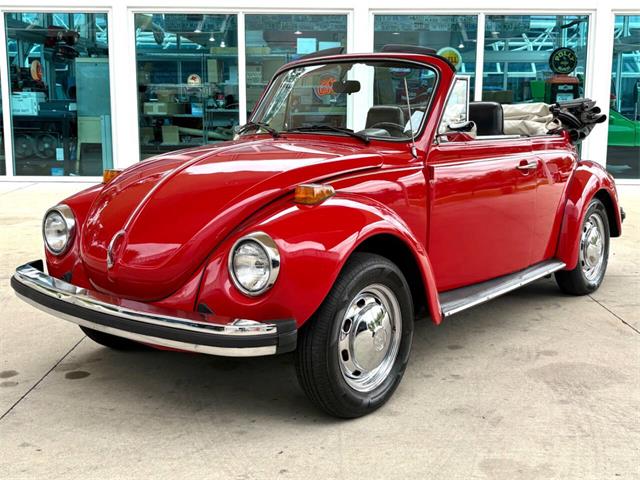
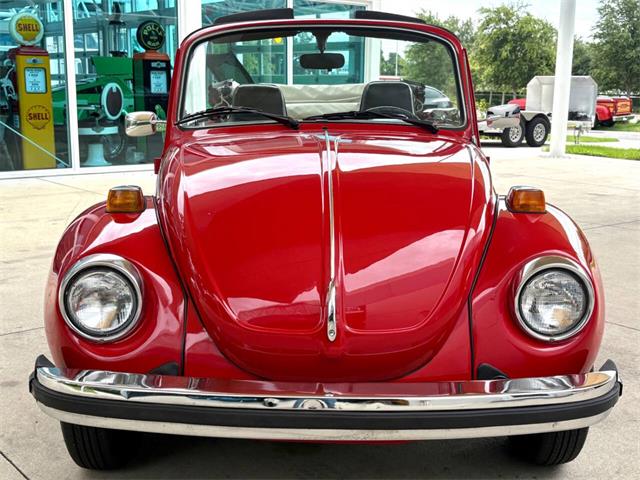
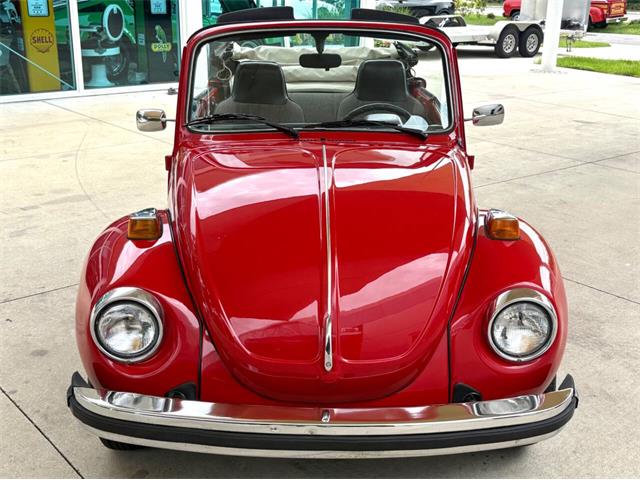
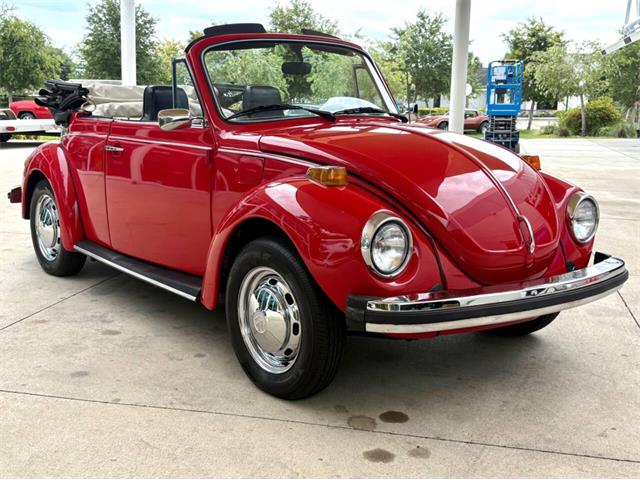
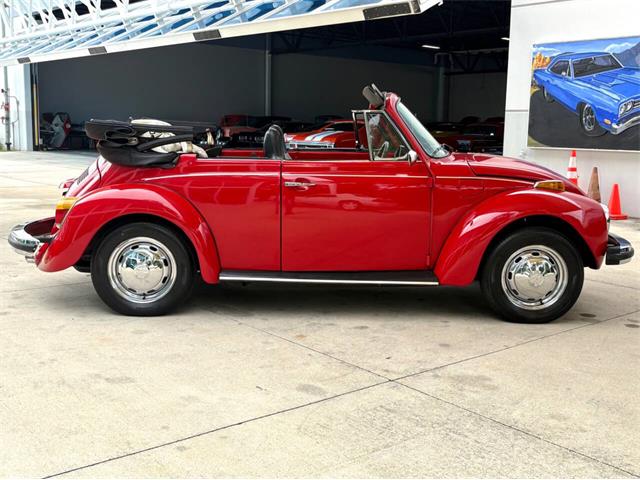
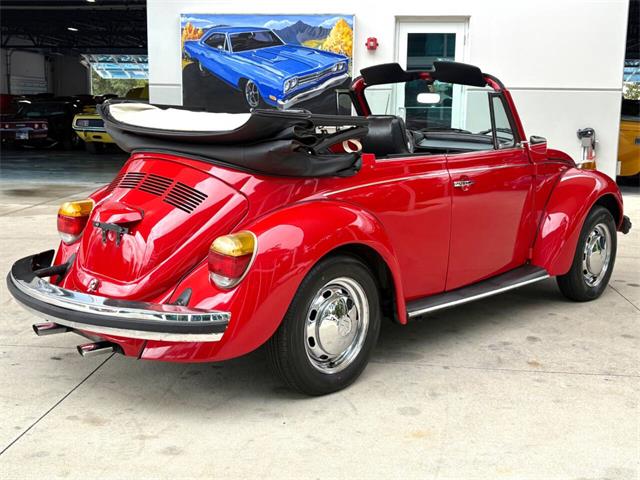
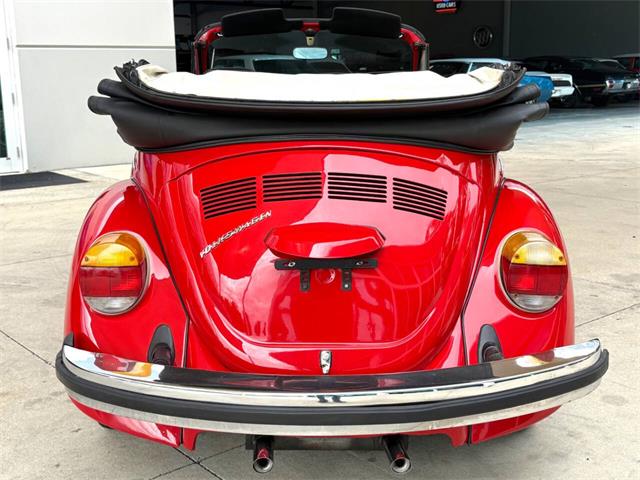
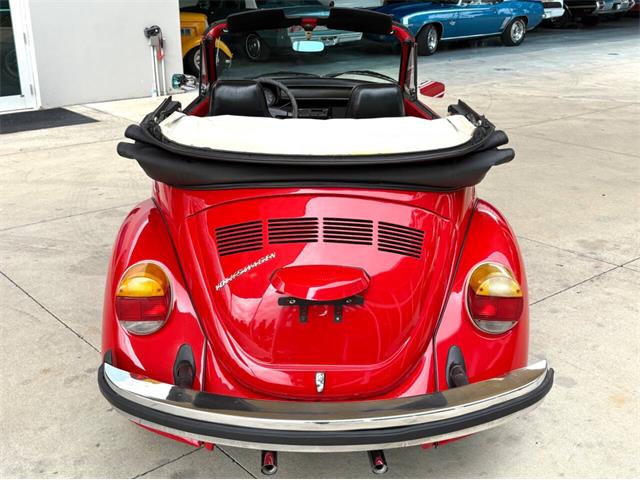
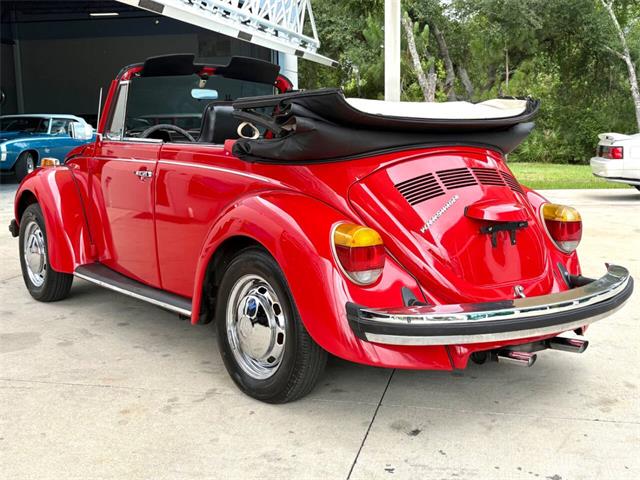
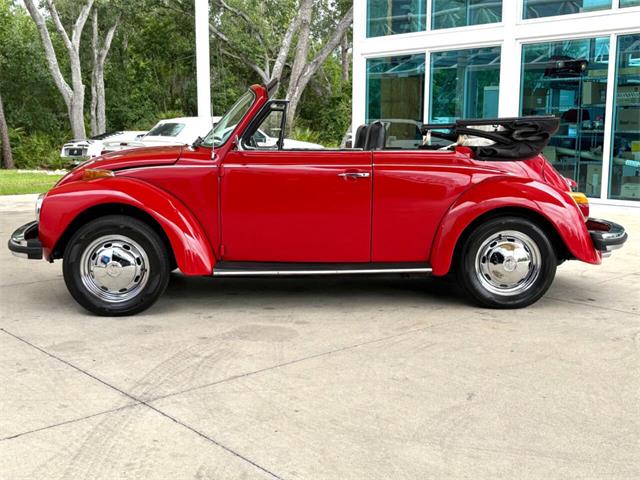
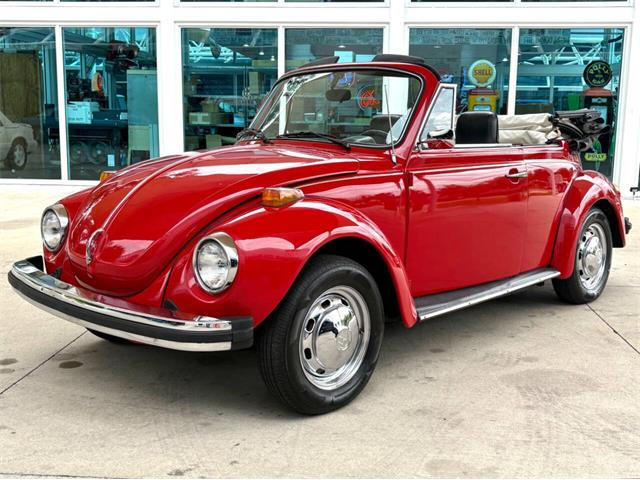
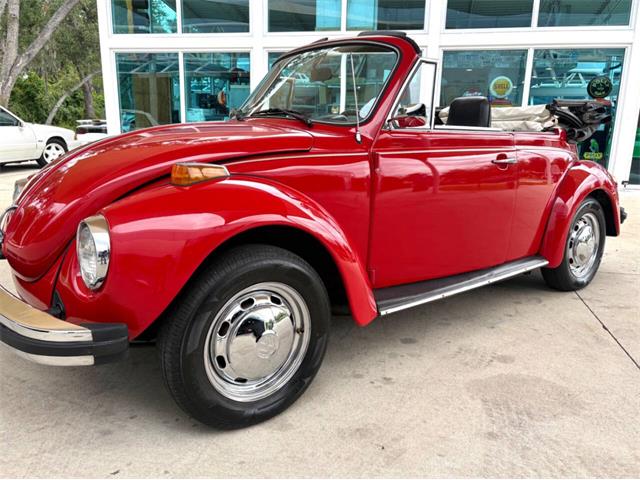
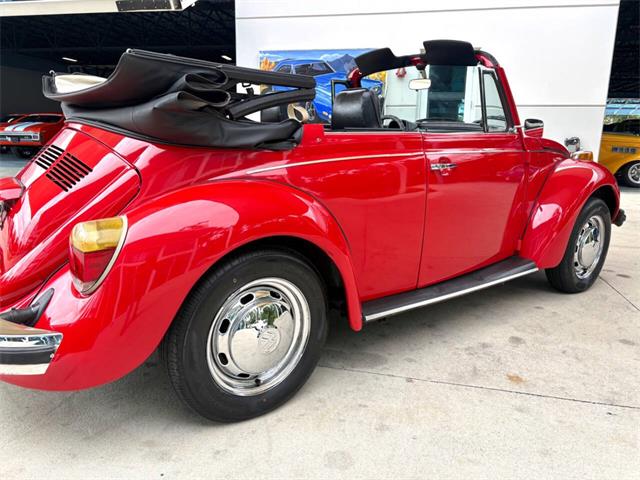
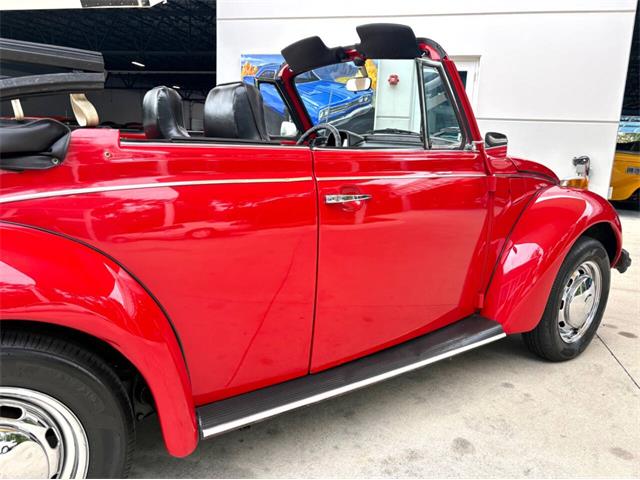
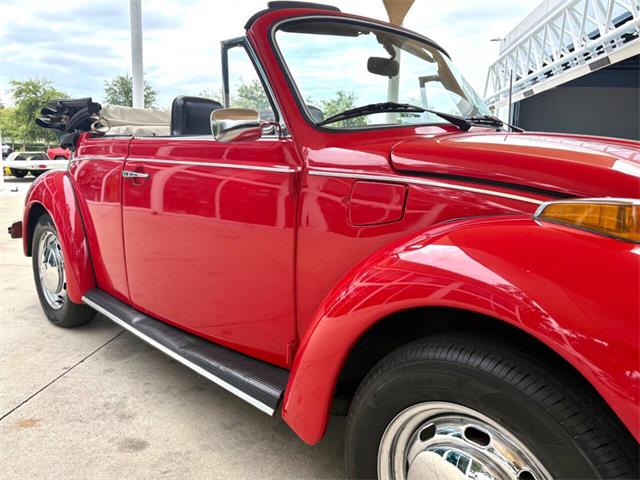
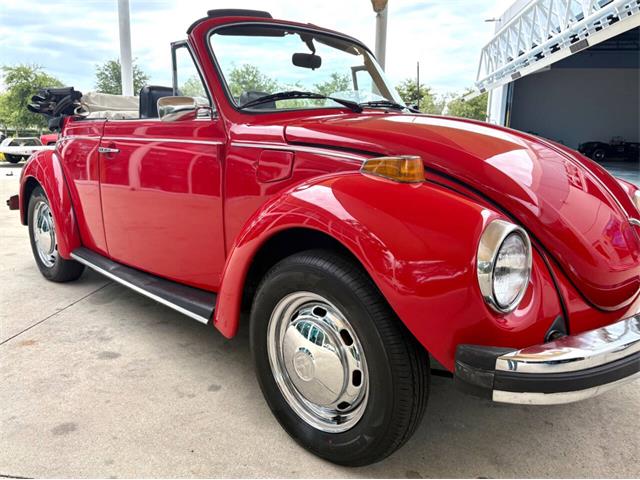
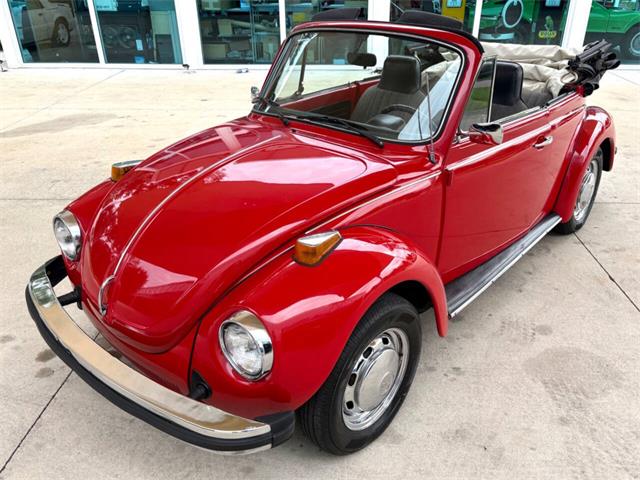
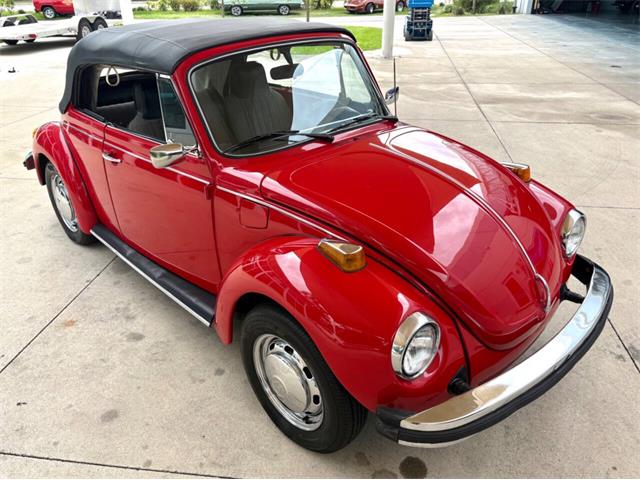
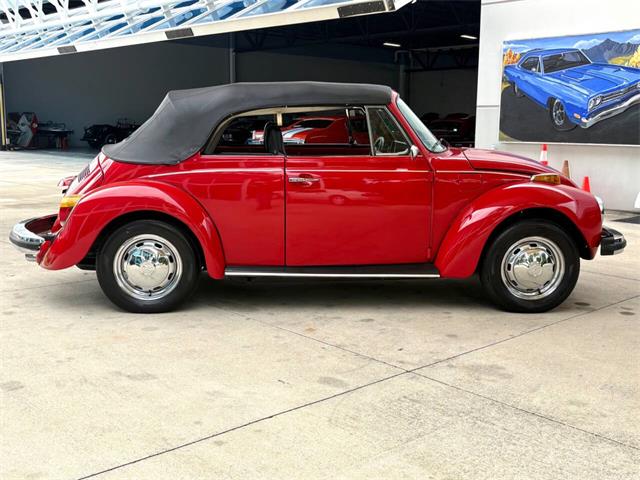
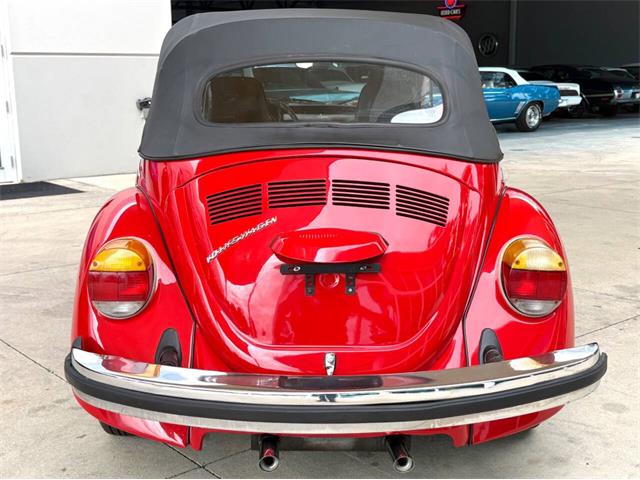
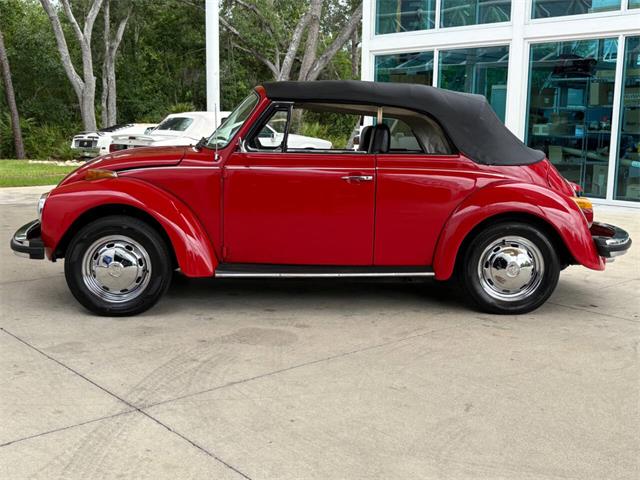
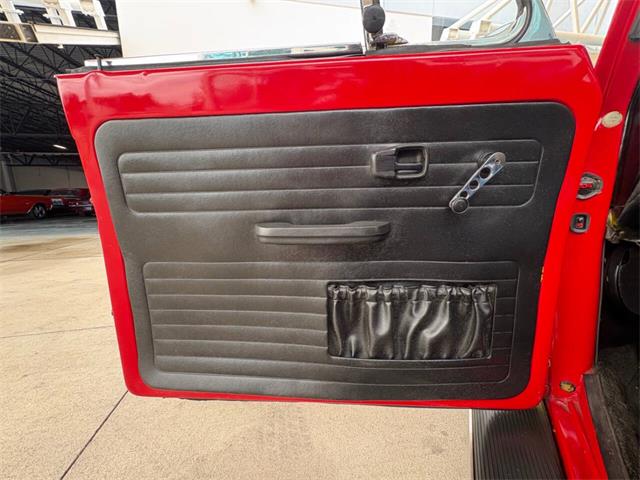
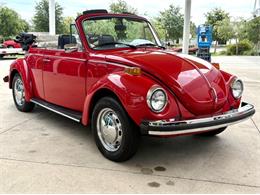
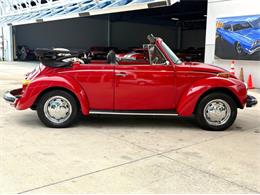
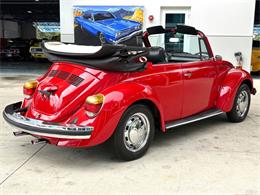
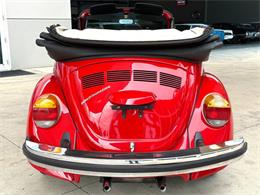
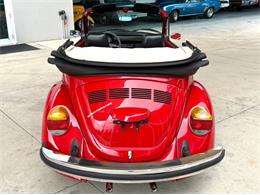
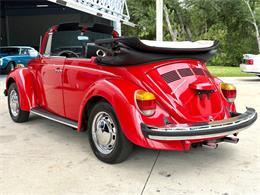
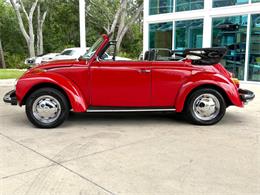
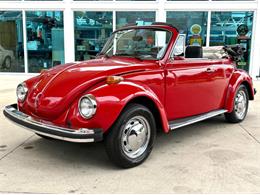
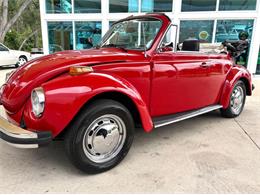
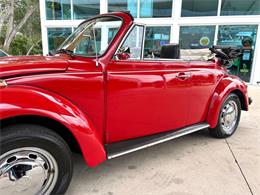
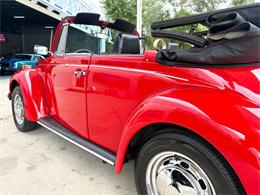
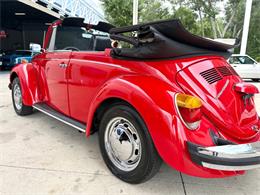
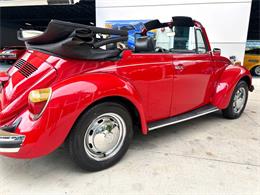
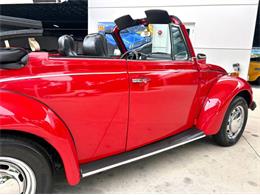
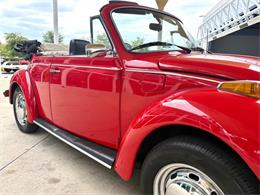
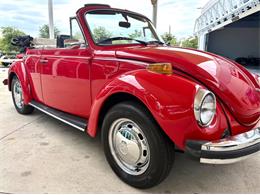
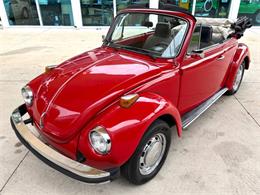
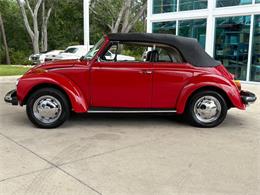
1976 Volkswagen Super Beetle Convertible �€" Rebuilt Engine, Solid
Floor Pans, Red over Gray Why This Car Is Special The 1976
Volkswagen Super Beetle Convertible sits at an interesting
crossroads in VW history. By 1976, Volkswagen had already begun
phasing out the Beetle in most markets, shifting its focus to the
water-cooled Golf and Jetta platforms. The United States was one of
the last major markets to receive the Beetle, and the convertible
version �€" built exclusively by Karmann in Osnabrück, Germany �€"
was kept in production through 1979 specifically because American
demand remained strong. That makes a 1976 Super Beetle Convertible
a late-run example of a car that Volkswagen was deliberately
winding down, which gives it a distinct place in the model's long
history. The Super Beetle itself, known internally as the Type 1
with the '1302' or '1303' designation depending on the year, was
introduced in 1971 as an evolution of the original Beetle. The key
differences between a Super Beetle and a standard Beetle are
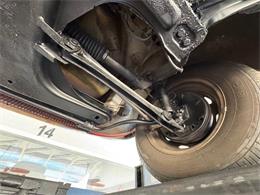
meaningful to anyone who has owned both. The Super Beetle uses a
MacPherson strut front suspension in place of the original torsion
bar setup, which noticeably improves ride quality and handling. The
front trunk was also redesigned with a curved windshield on the
1303 variant, yielding significantly more luggage space than the
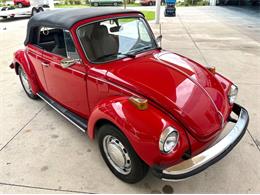
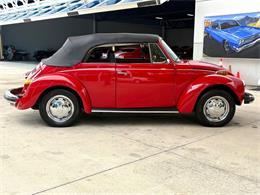
flat-glass original. The 1303-based convertible, which this car is,
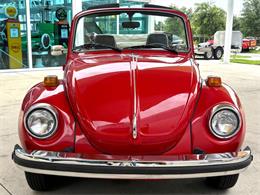
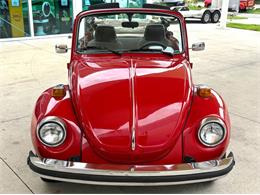
also features the curved panoramic windshield �€" a detail that
collectors specifically look for when distinguishing late Super
Beetle Cabriolets from earlier models. What makes the Karmann-built
Beetle convertible especially collectible is the construction
quality of the top mechanism and body reinforcement. Karmann was
contracted by Volkswagen to produce the convertible, and the
company had decades of experience building open-top cars. The body
was substantially reinforced to compensate for the missing roof
structure, and the convertible top mechanism was engineered to
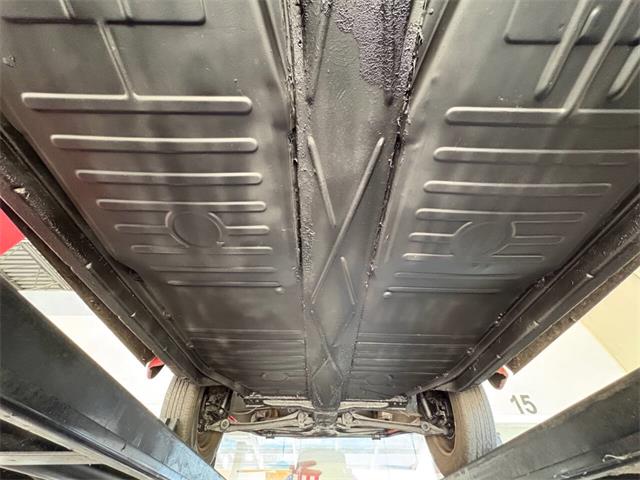
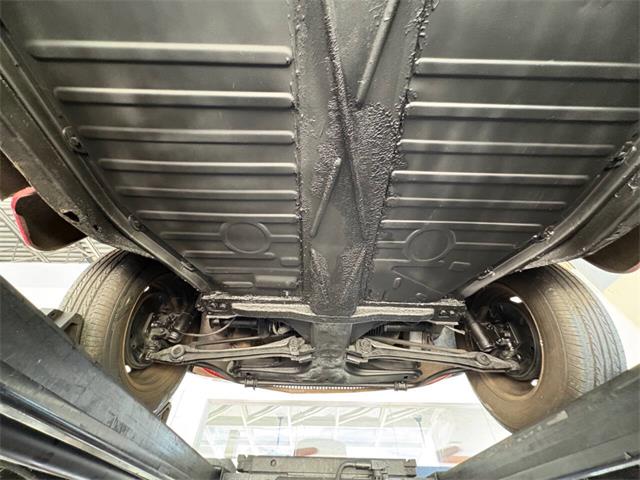
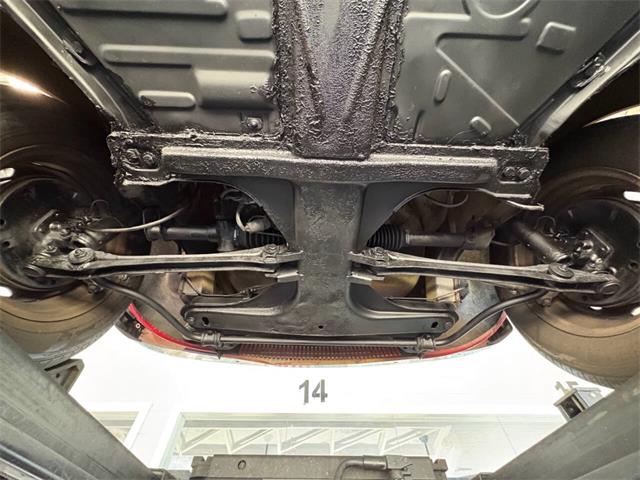
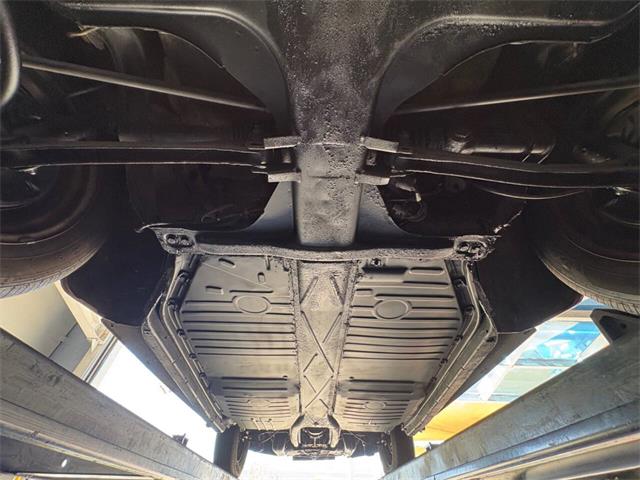
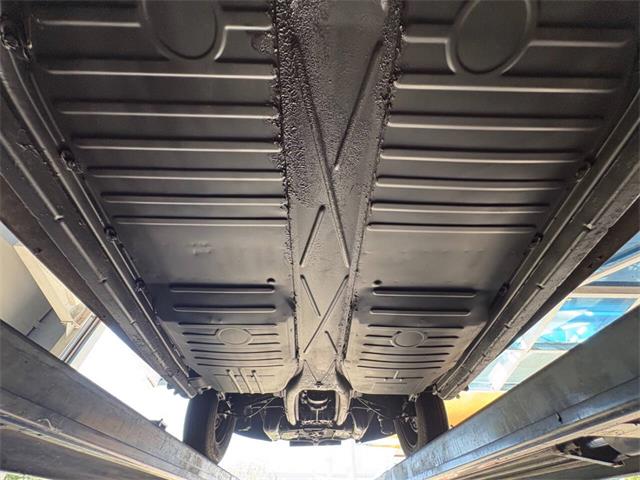
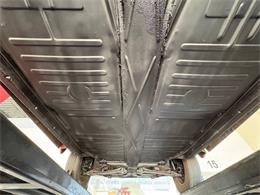
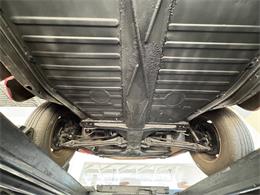
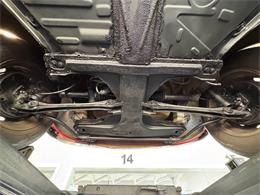
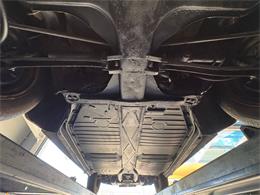
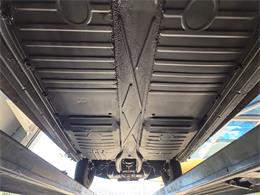
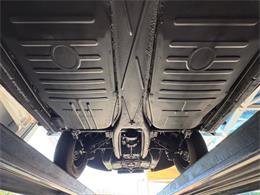
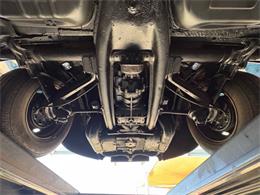
last. Finding a 1976 Super Beetle Convertible with a solid
undercarriage and intact floor pans nearly five decades later is
not a given �€" it requires either a dry-climate history or
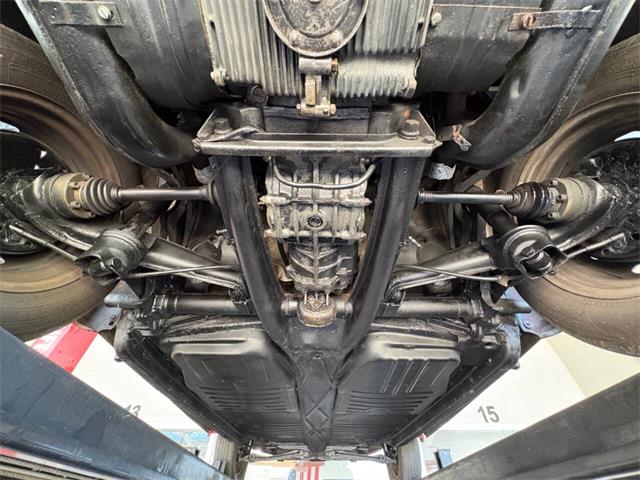
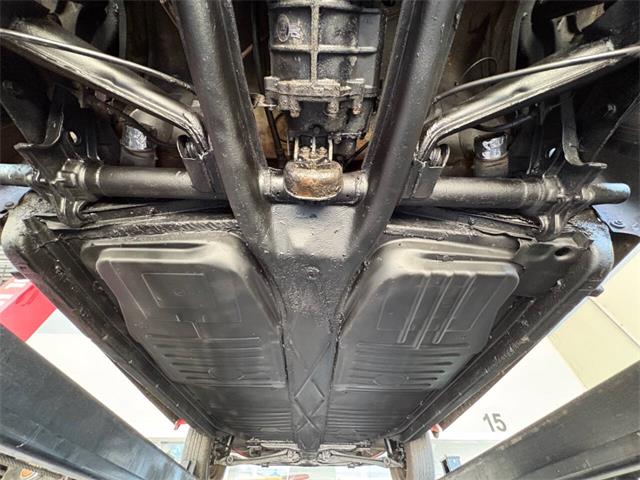
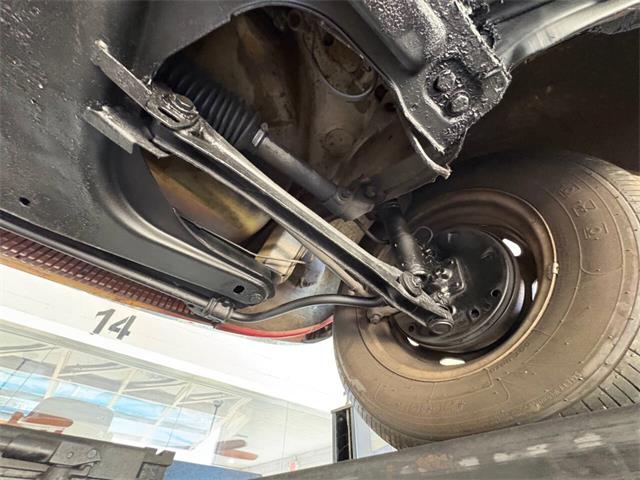
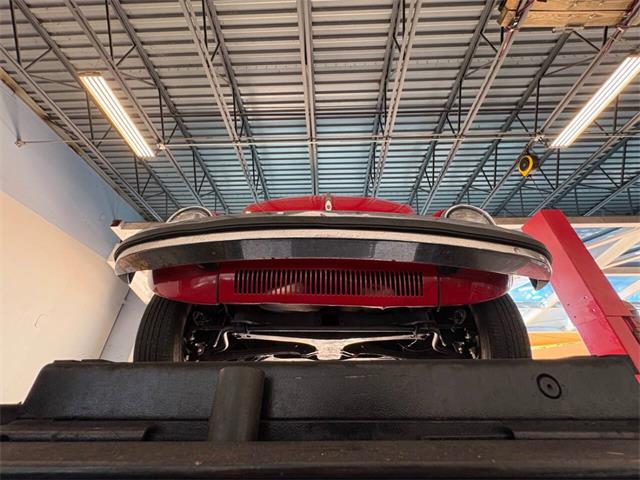
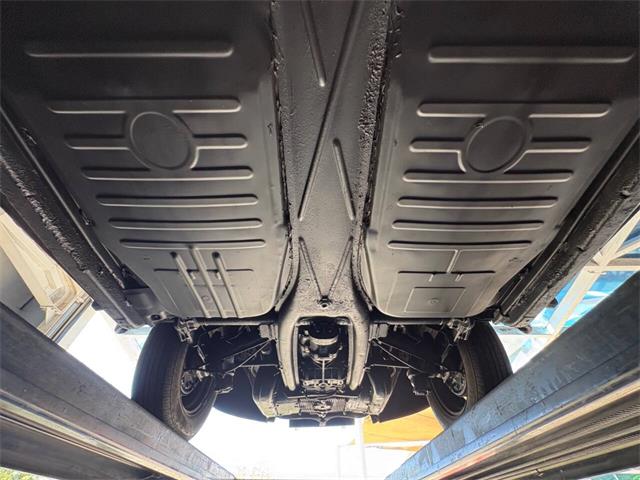
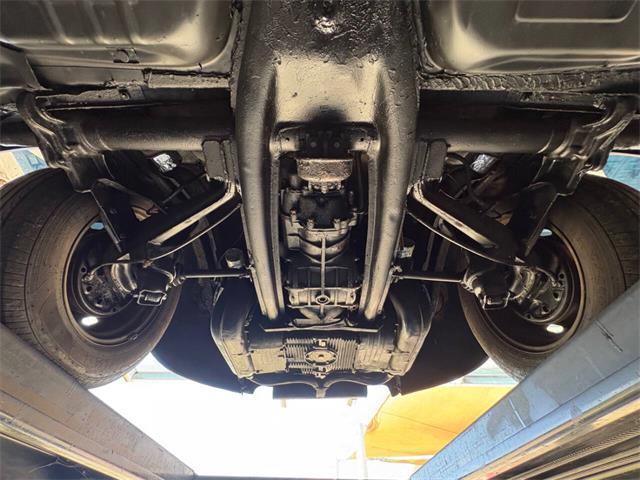
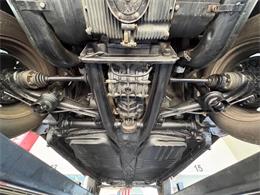
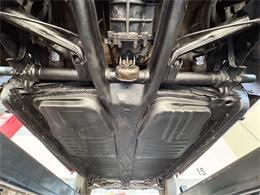
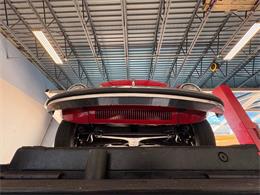
deliberate preservation work. This car has coated and sealed floor
pans and a solid undercarriage, which is the first thing an
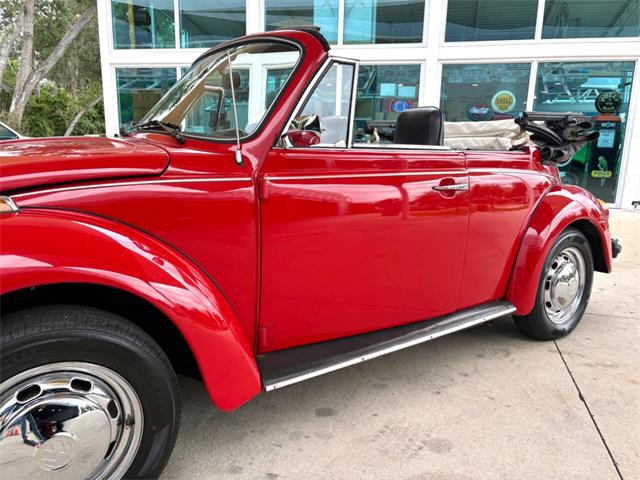
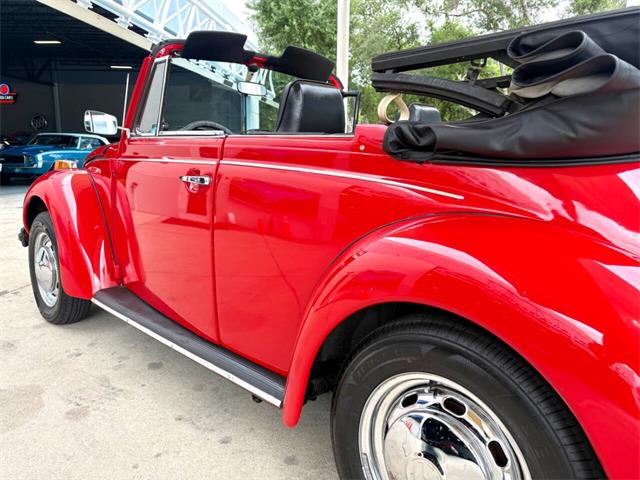
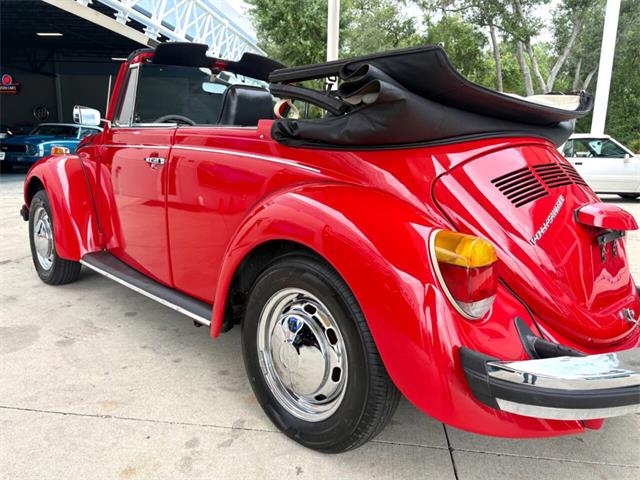
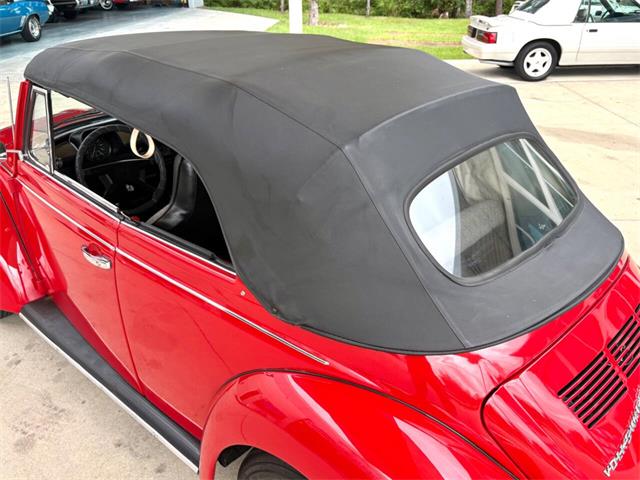
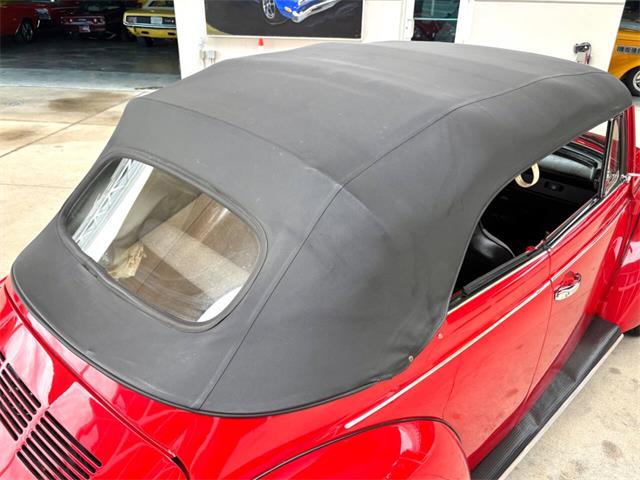
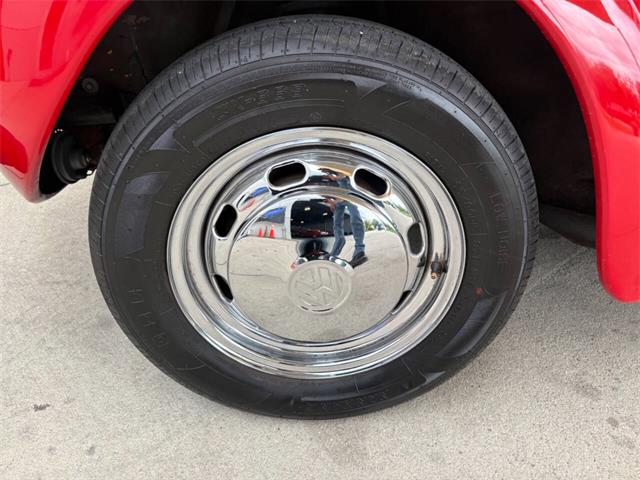
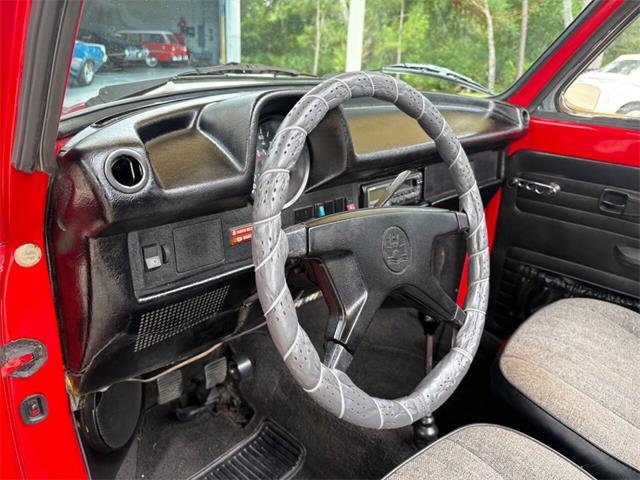
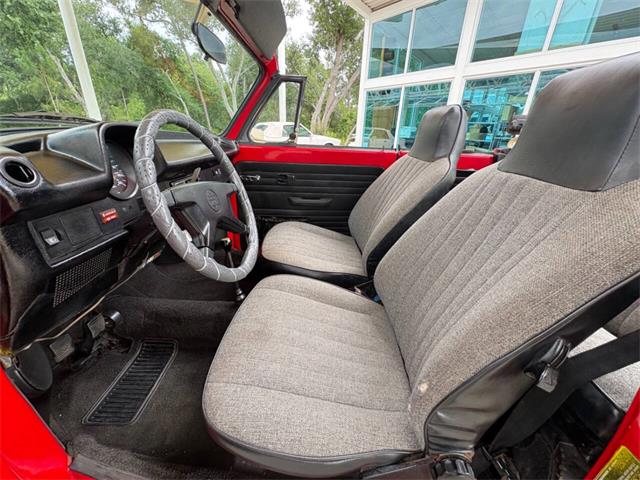
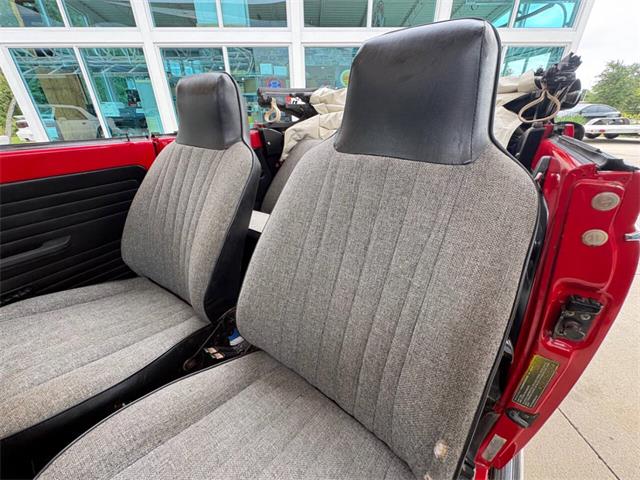
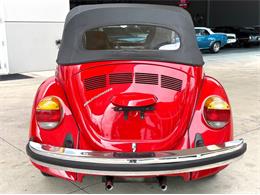
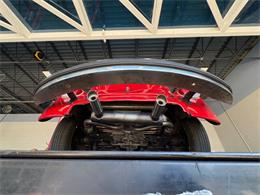
experienced VW buyer checks. Features List - Recently rebuilt 1.6L
air-cooled flat-4 engine - 4-speed manual transmission -
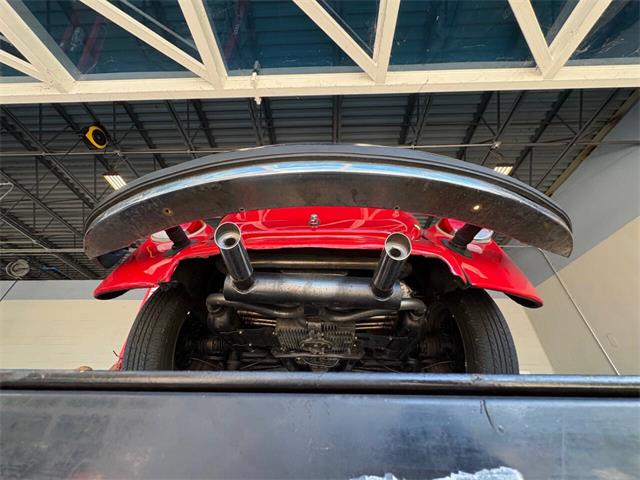
Aftermarket performance air filter - Inline fuel filter - Dual
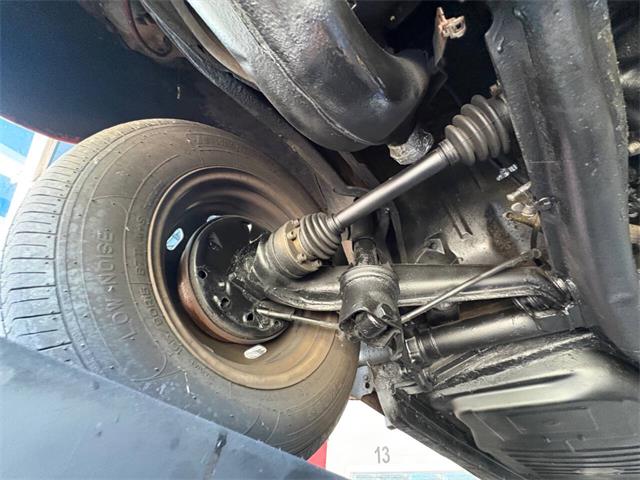
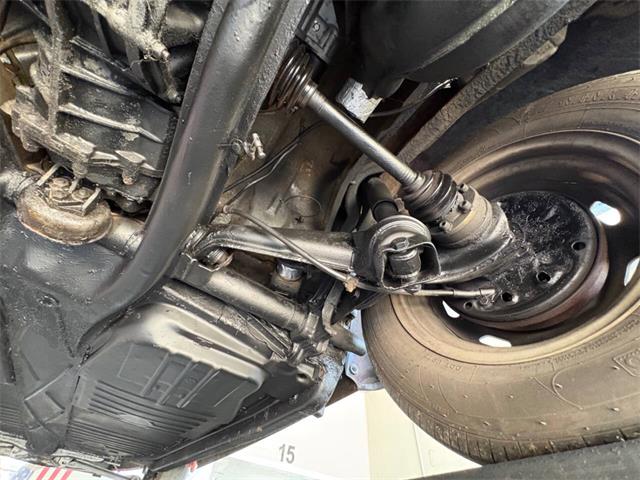
exhaust tips - CV axle boots in good condition - Coated and sealed
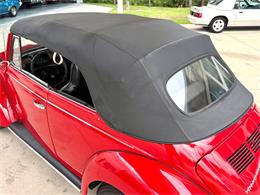
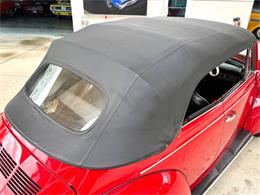
floor pans - Solid undercarriage - Black soft top - Red exterior -
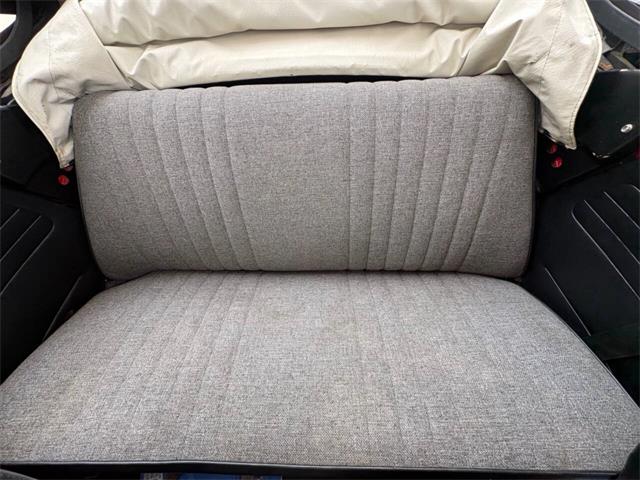
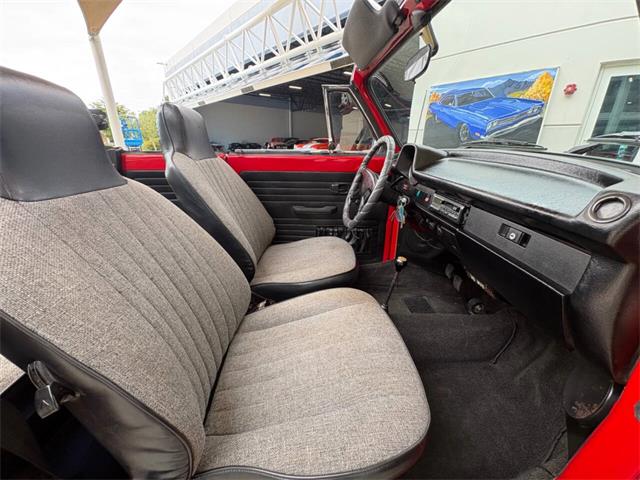
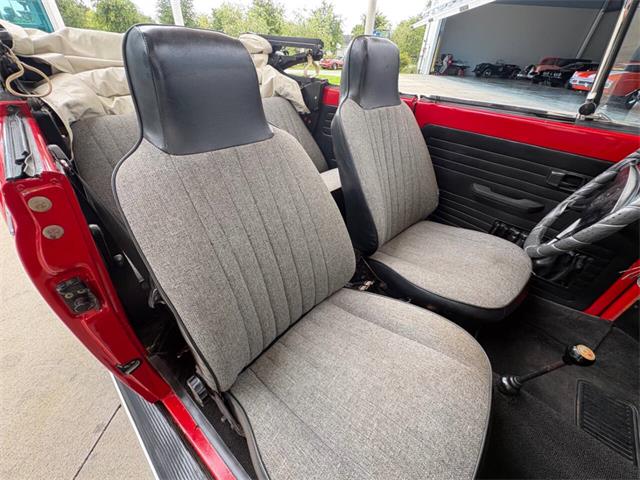
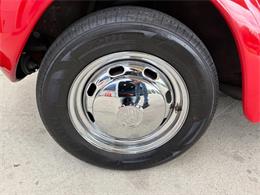
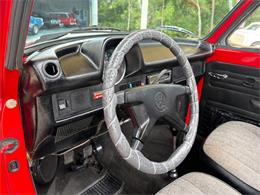
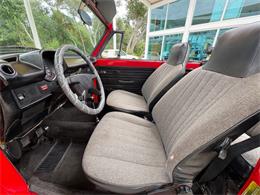
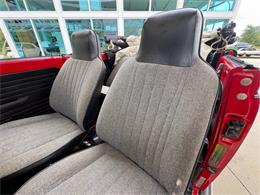
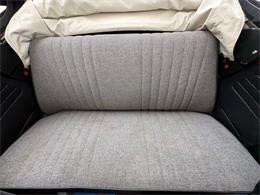
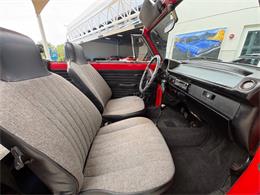
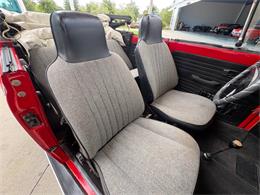
Chrome bumpers - Chrome VW wheel covers - Gray cloth bucket seats
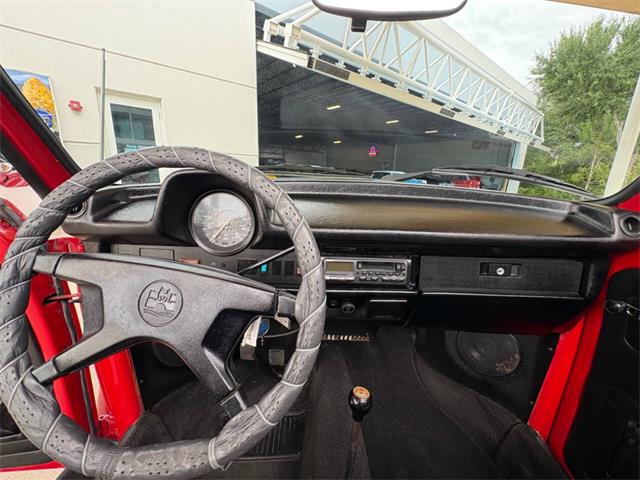
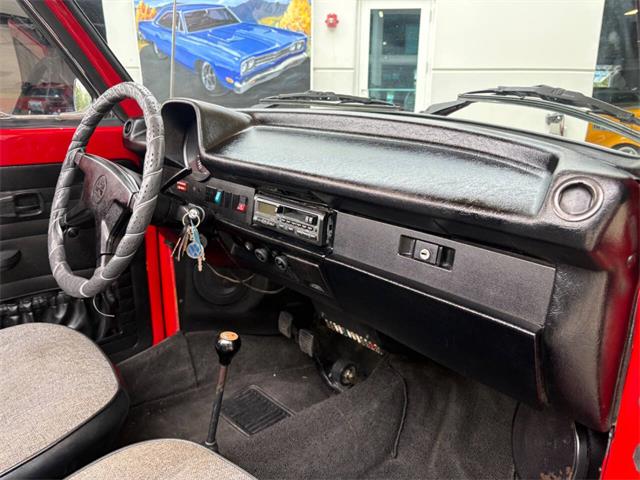
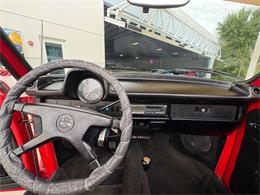
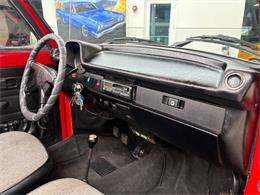
with headrests - Rear bench seat in matching gray cloth - Sport
steering wheel - Aftermarket stereo head unit with CD player
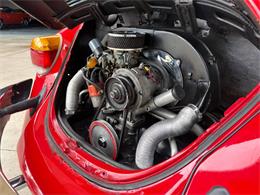
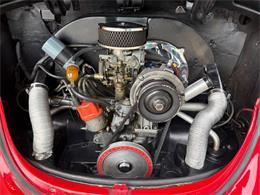
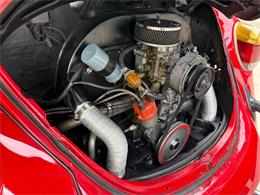
Mechanical The engine in this 1976 Volkswagen Super Beetle is the
1.6-liter air-cooled flat-four, which was the displacement used in
U.S.-market Beetles during this period following the
emissions-related detuning that affected the early 1970s models.
This particular engine has been recently rebuilt, which is one of
the most significant practical details about this car. The
air-cooled flat-four in a Beetle is a well-understood engine with a
robust parts supply and a large community of knowledgeable
mechanics, but a freshly rebuilt unit means the buyer is not
inheriting the unknown mechanical history that comes with most
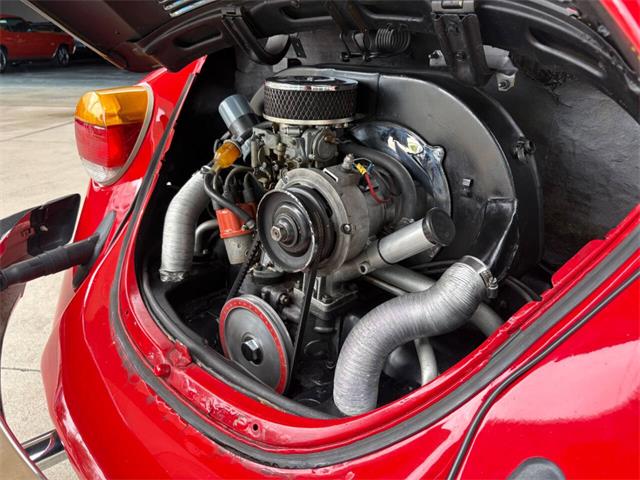
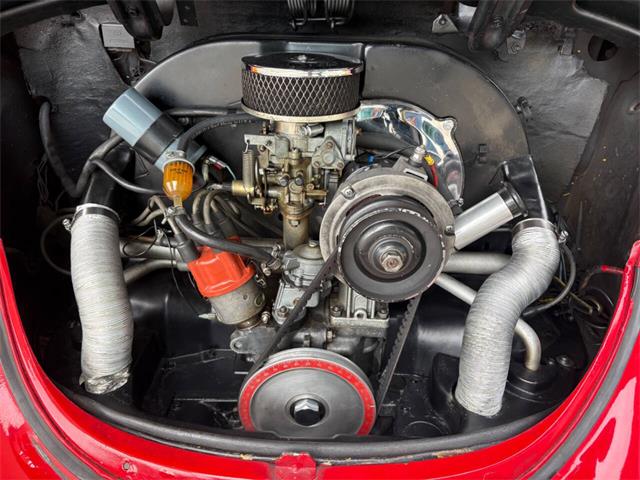
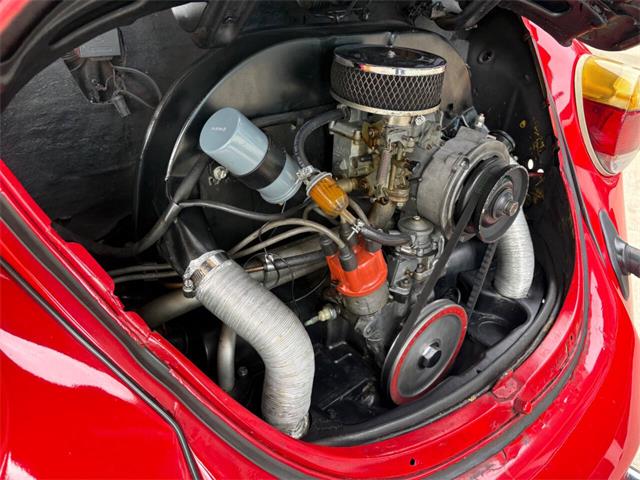
45-year-old cars. The engine bay photos show a clean, organized
setup with the aftermarket performance air filter sitting atop the
carburetor and an inline fuel filter visible in the fuel line �€"
straightforward additions that improve filtration without altering
the fundamental character of the drivetrain. The 4-speed manual
transmission is the correct unit for this application and is paired
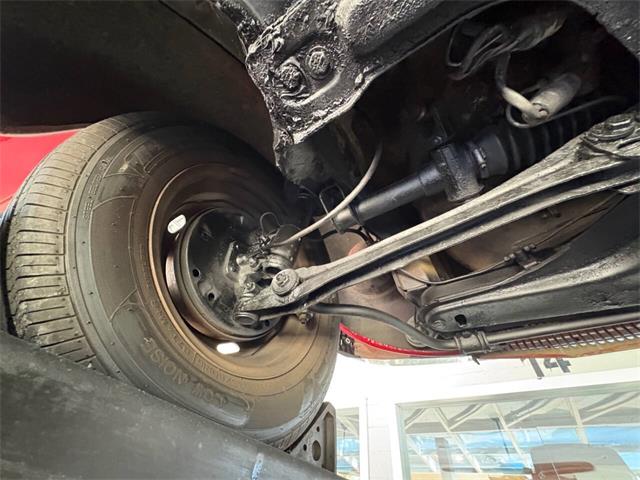
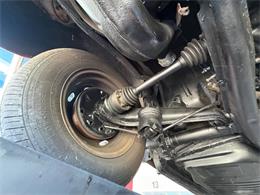
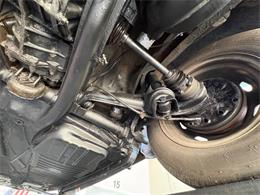
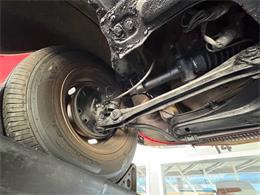
with the rebuilt engine. CV axle boots are reported to be in good
condition, which matters on these cars because torn boots are one
ClassicCars.com has been recognized as one of the fastest-growing private companies in the United States, successfully making the Inc. 5000 list in both 2015,
2016, 2017 and 2018. This prestigious accolade represents the continued growth of the company, and ClassicCars.com's dominance as the world's largest online marketplace for
buying and selling classic and collector vehicles.
The Stevie Awards, the world's premier business awards recognized
ClassicCars.com's first-class Customer Support team with a Stevie Bronze Award in 2019, celebrating the team's skills as exemplary customer support specialists.
In 2016 The Journal, brought to you by ClassicCars.com, was celebrated as the SECOND MOST INFLUENTIAL automotive blog in the world by NFC Performance.