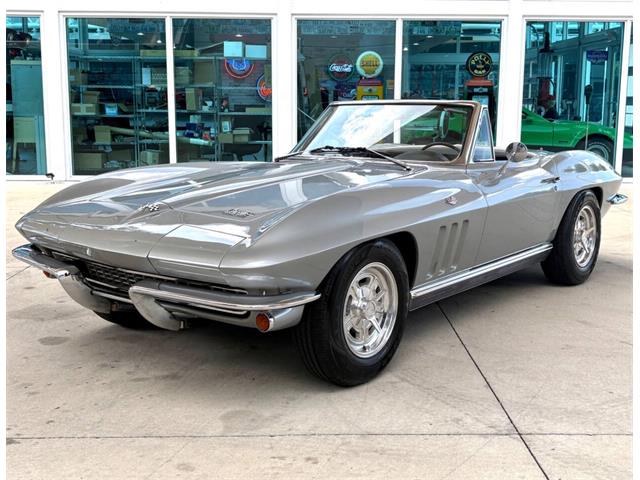
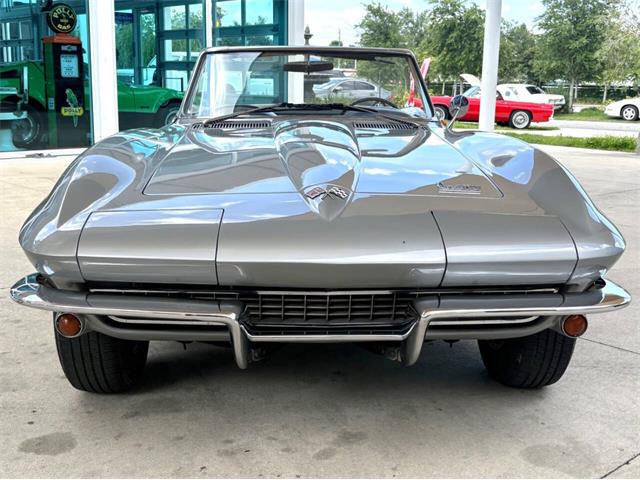
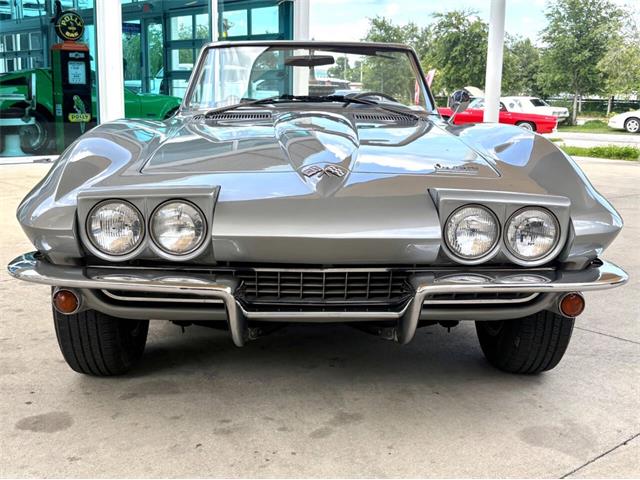
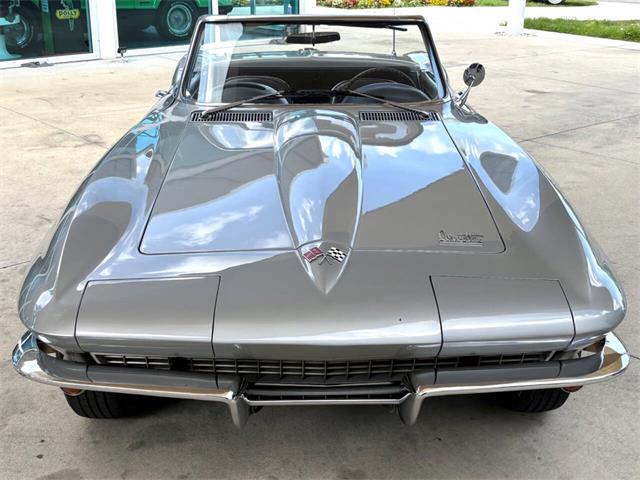
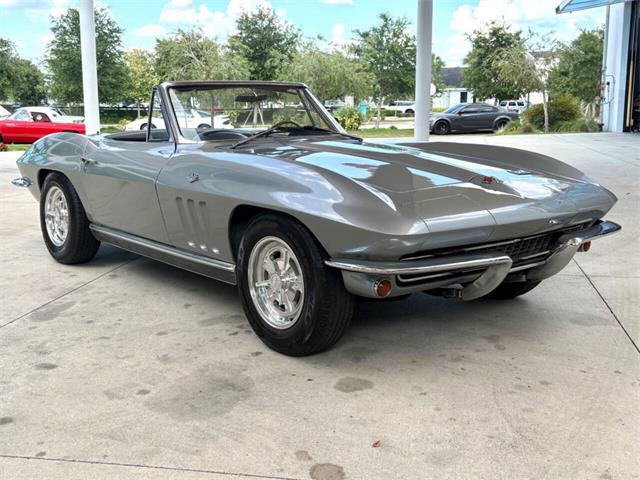
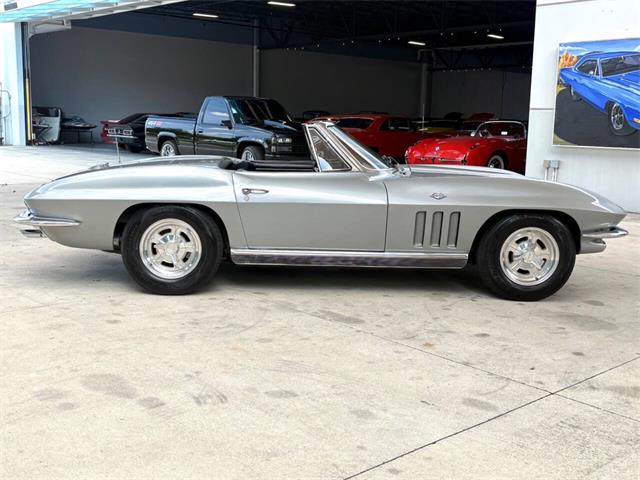
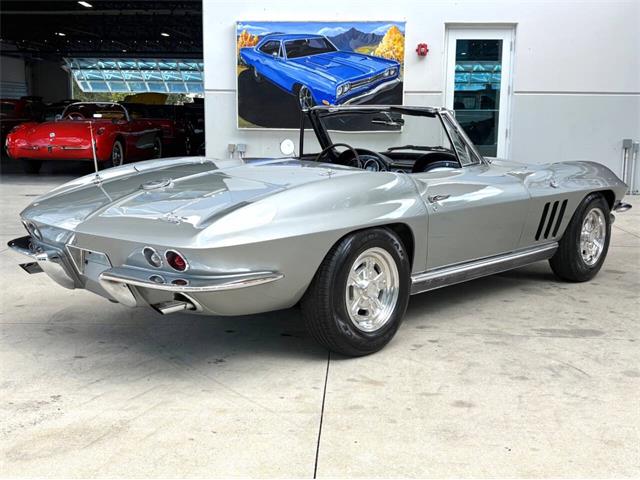
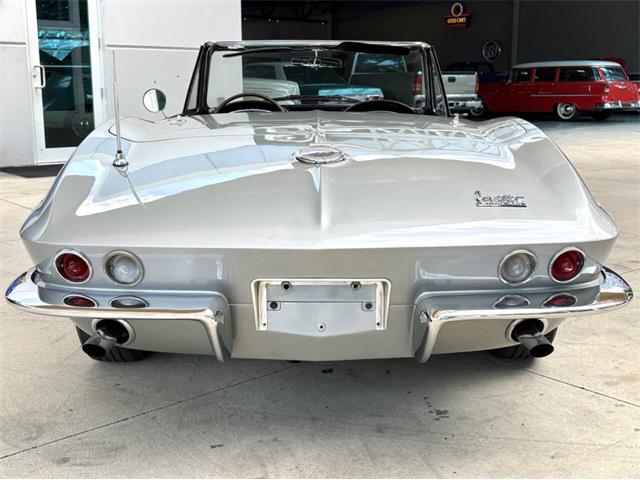
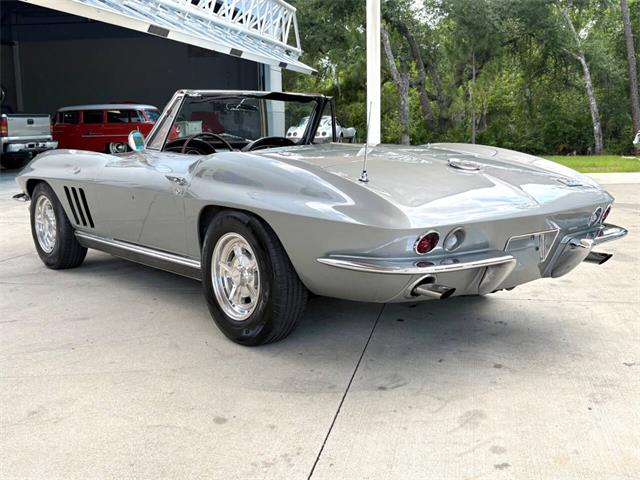
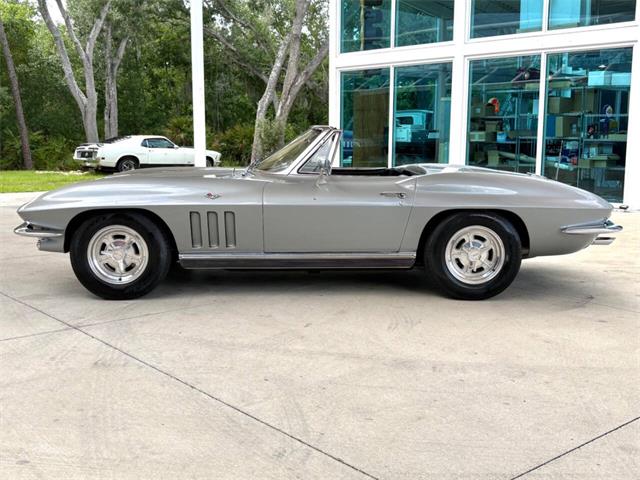
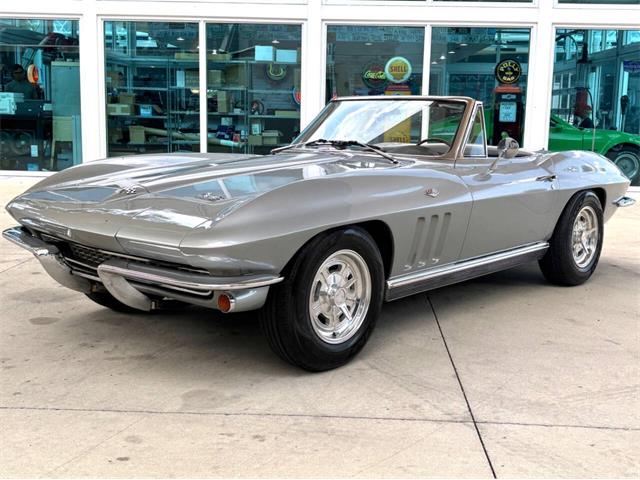
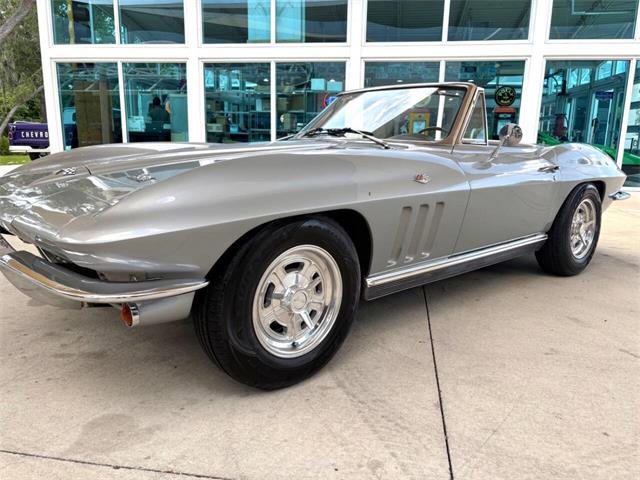
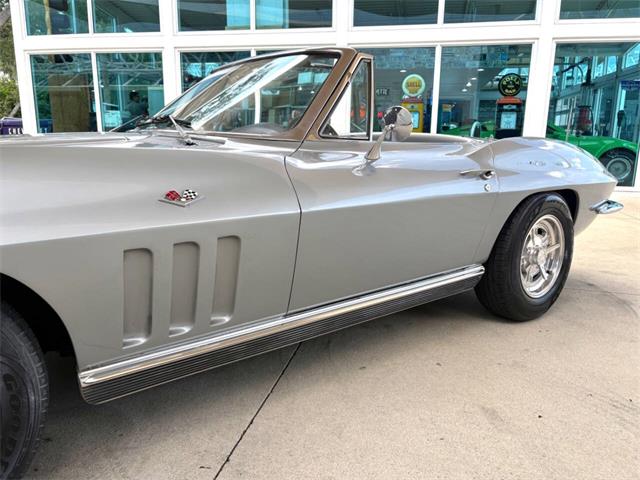
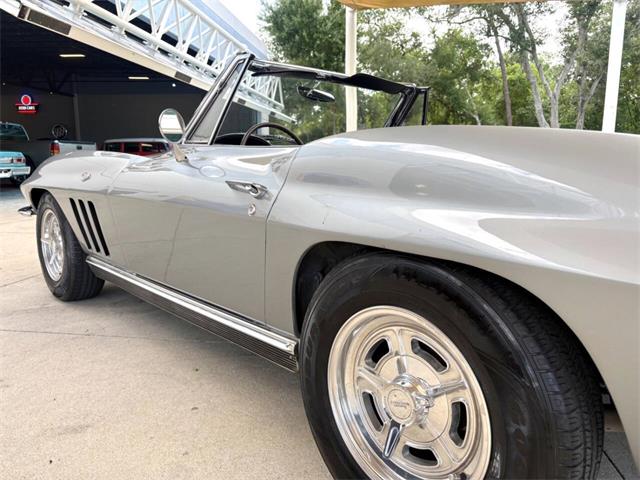
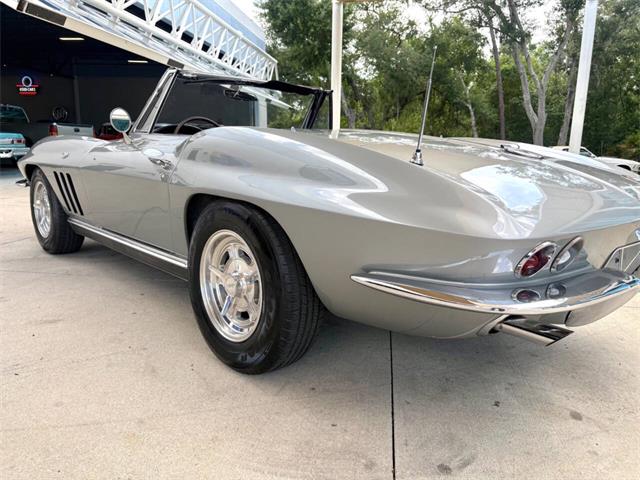
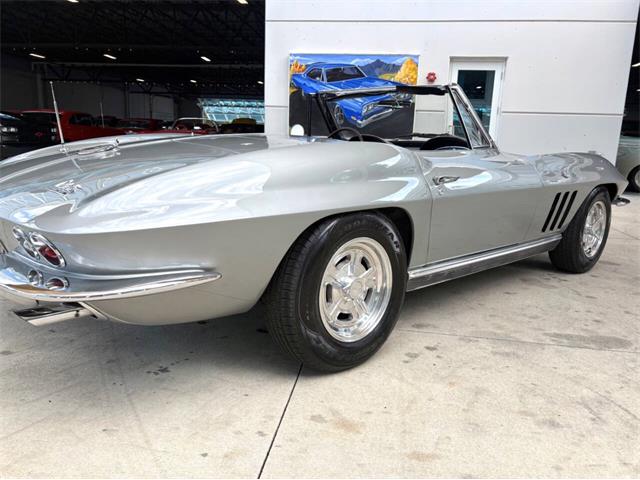
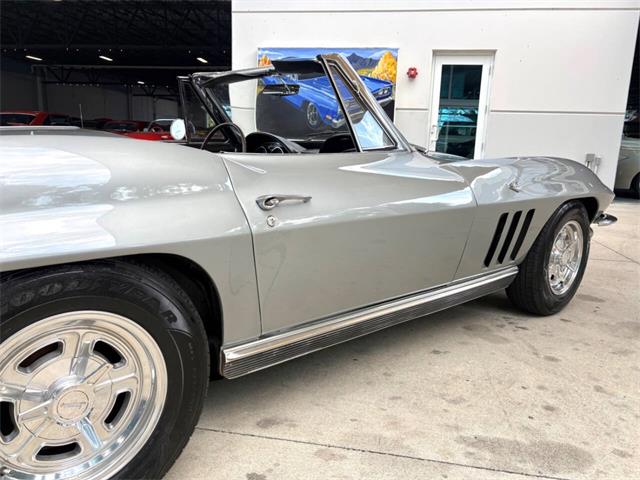
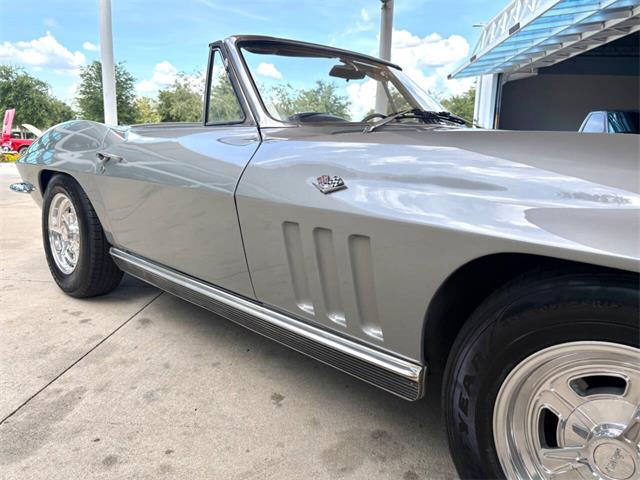
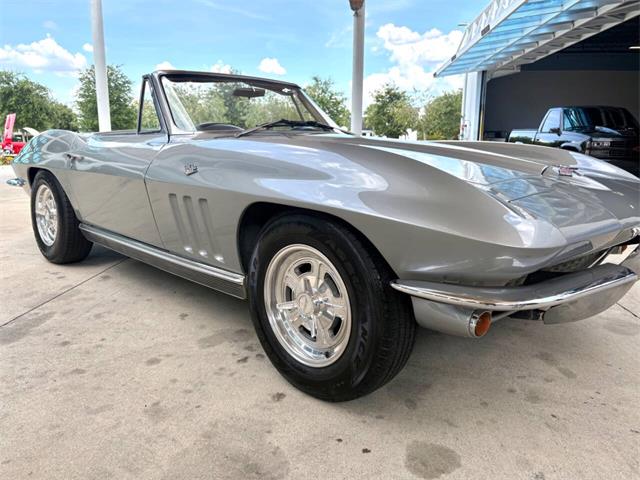
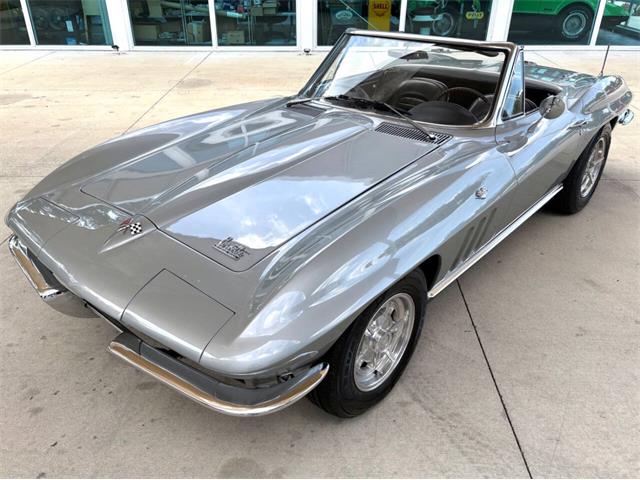
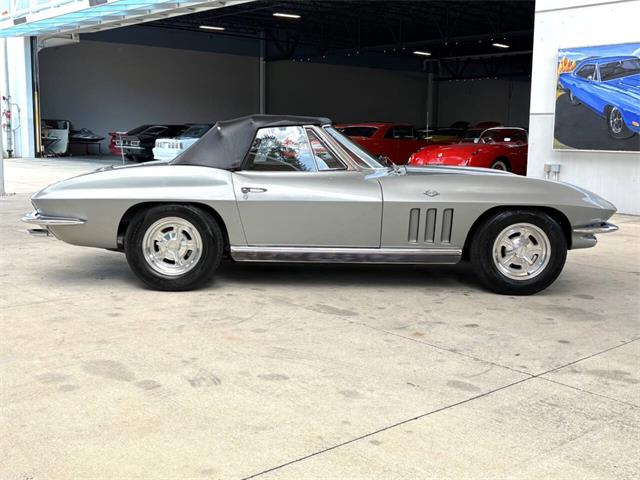
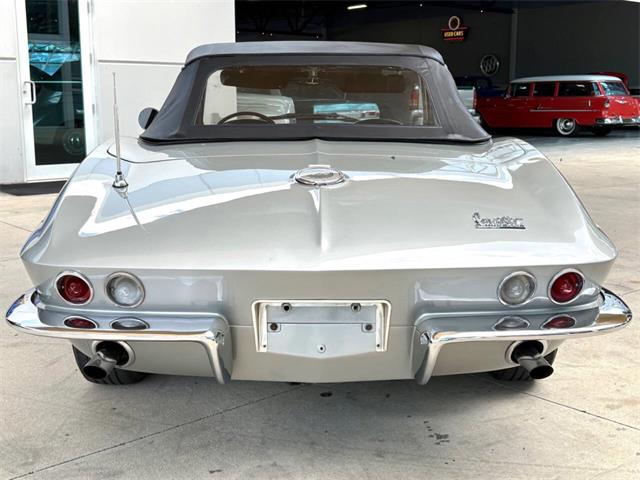
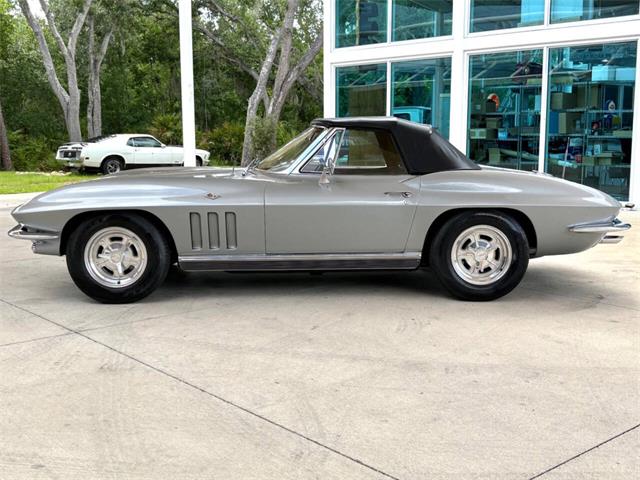
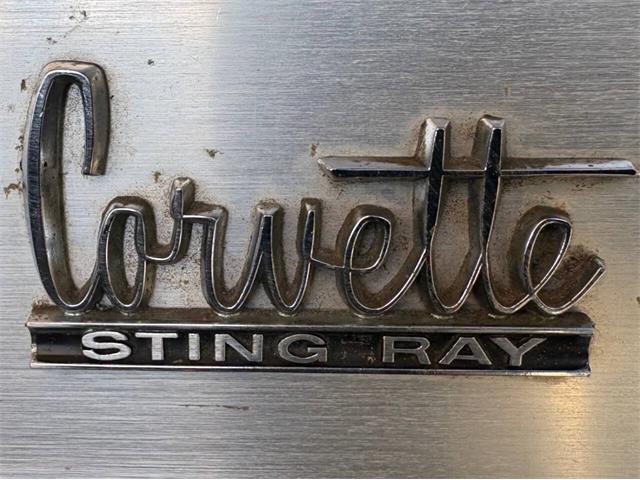
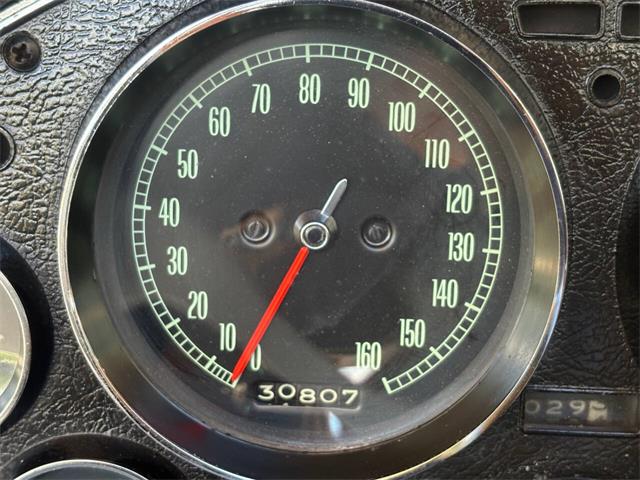
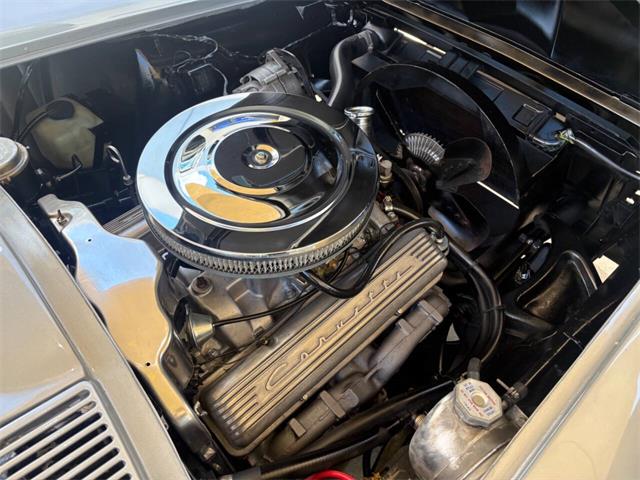
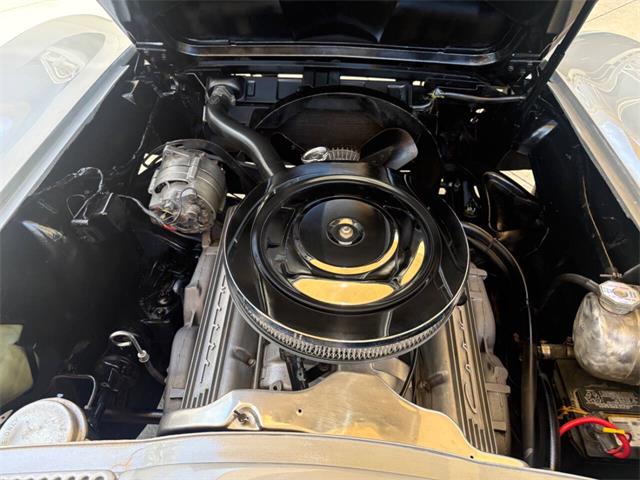
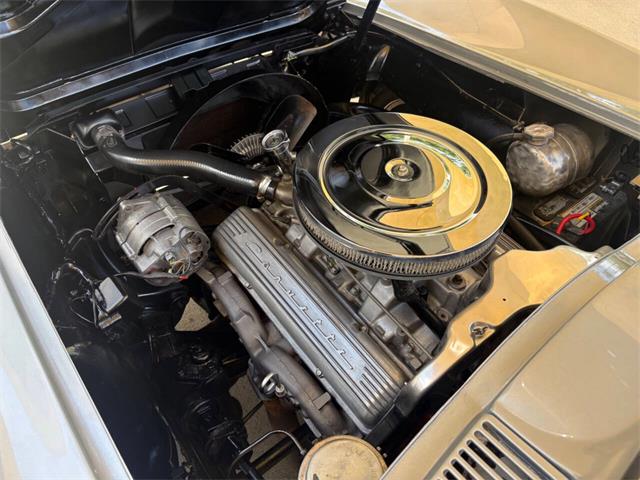
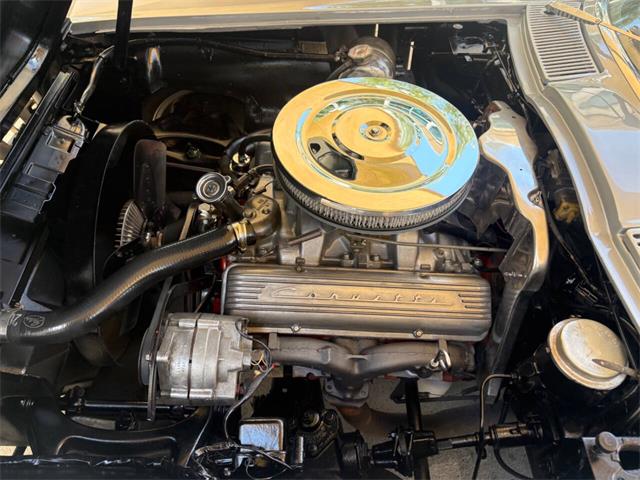
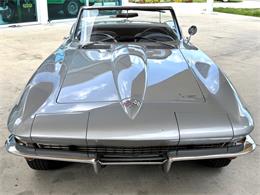
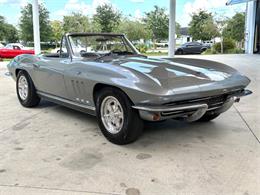
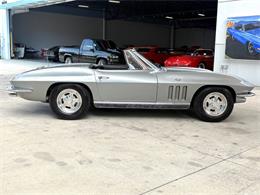
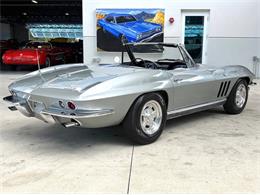
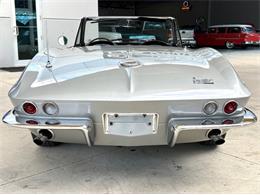
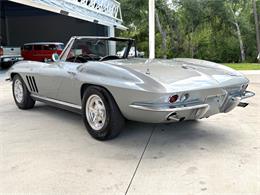
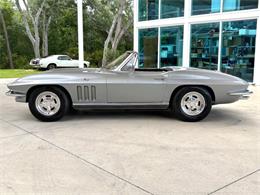
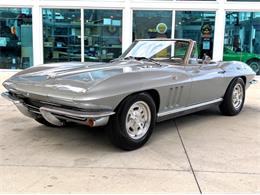
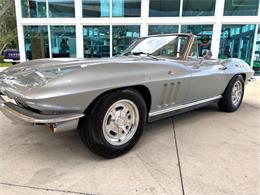
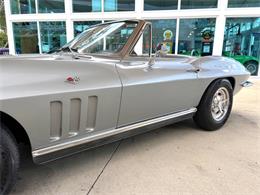
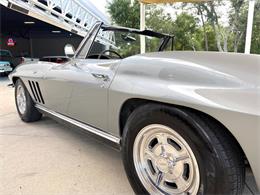
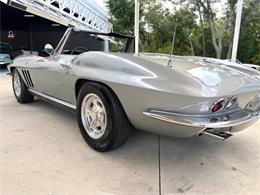
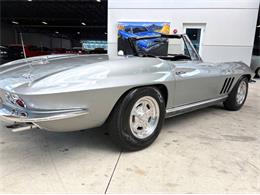
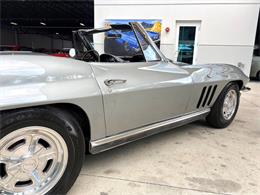
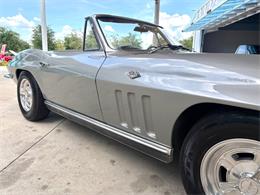
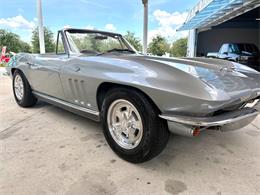
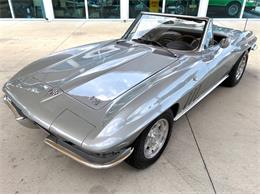
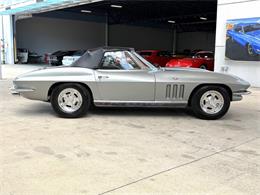
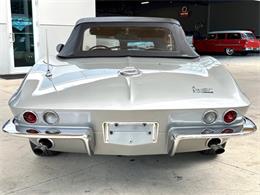
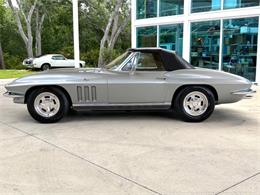
1966 Chevrolet Corvette Sting Ray Convertible �€" L79 327/350 V8,
4-Speed Muncie, 4-Wheel Disc Brakes Why This Car Is Special The
1966 Chevrolet Corvette Sting Ray sits at the peak of the C2
generation, which ran from 1963 through 1967. Of all five years in
that generation, enthusiasts consistently rank 1966 and 1967 as the
most refined. The split rear window of 1963 is more polarizing than
pure; the 1964 and 1965 were still evolving. By 1966, Chevrolet had
sorted out the ergonomics, refined the body lines, and expanded the
engine lineup to include some of the most capable small- and
big-block combinations ever offered in an American sports car.
Total Corvette production for 1966 came to 27,720 units, split
between the coupe and the convertible. This car is the convertible.
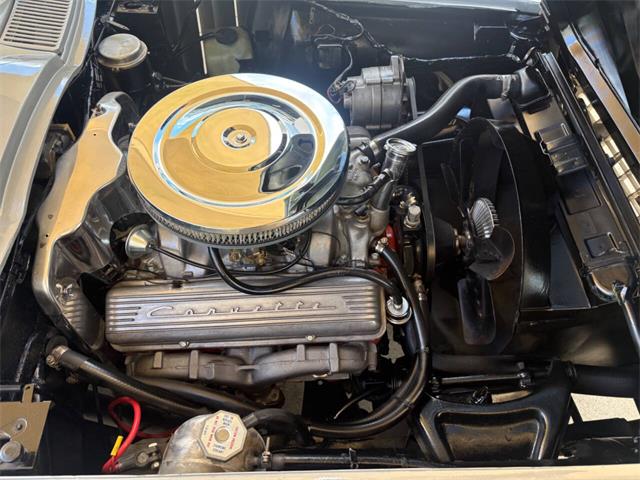
What makes this specific 1966 Corvette Sting Ray worth serious
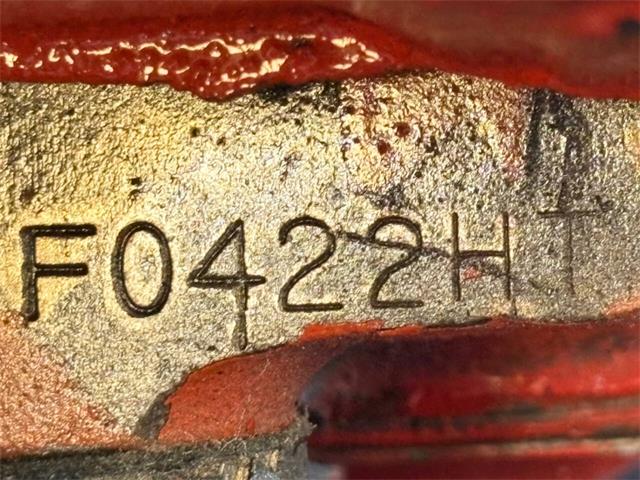
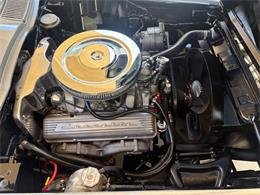
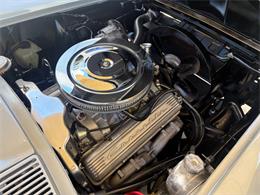
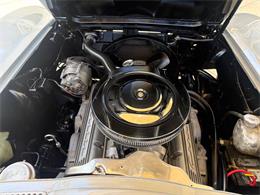
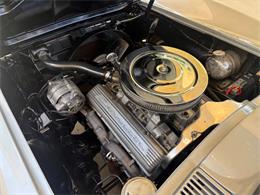
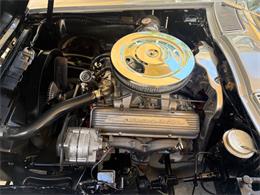
attention is its factory engine code. The L79 was the 327 cubic
inch small block tuned to 350 horsepower �€" the highest output
version of the 327 offered that year. Chevrolet accomplished this
with a high-compression ratio, a more aggressive camshaft profile,
and larger-port cylinder heads compared to the base 300-horsepower
327. The result was a small block that ran hard without the weight,
fuel consumption, or insurance implications of the big-block 427.
Among Corvette buyers who understood what they were looking at, the
L79 was a smart, driver-focused choice. It was quick enough to be
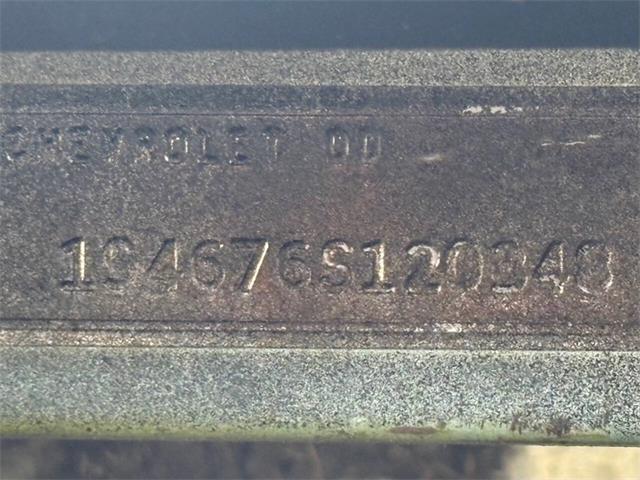
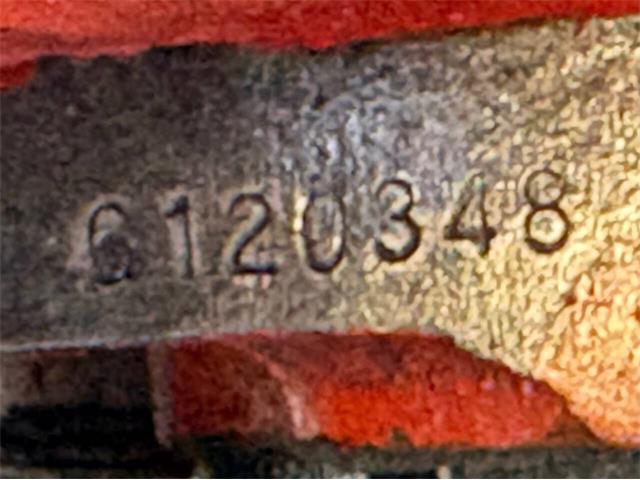
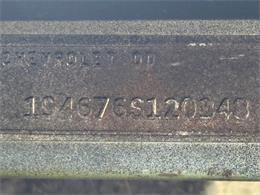
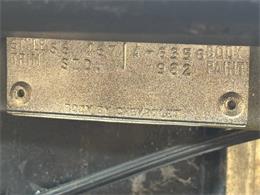
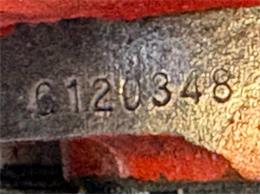
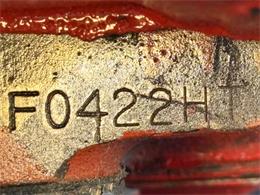
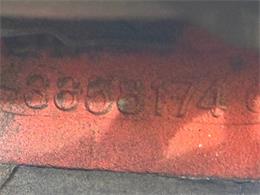
genuinely fast and light enough to handle well. The VIN on this car
decodes to a 1966 Corvette convertible, built at the St. Louis
assembly plant, with the 327 V8 and a 4-speed manual transmission
�€" all of which aligns with the equipment present on the car
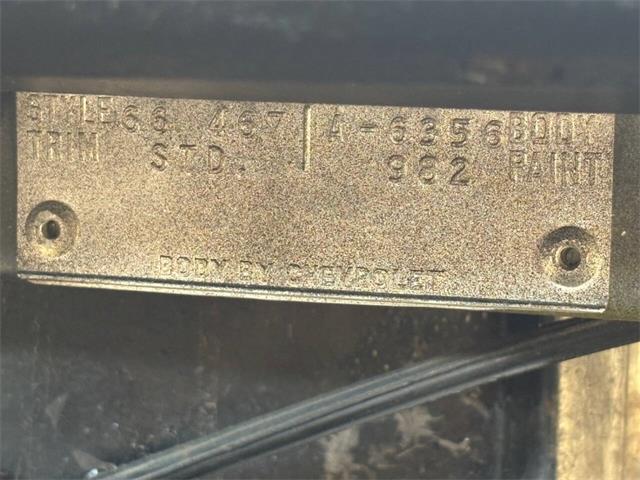
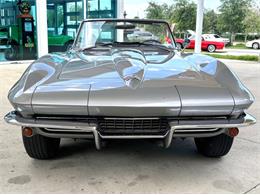
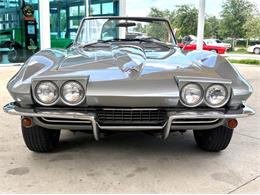
today. Factory color was Mosport Green, code 982, a medium green
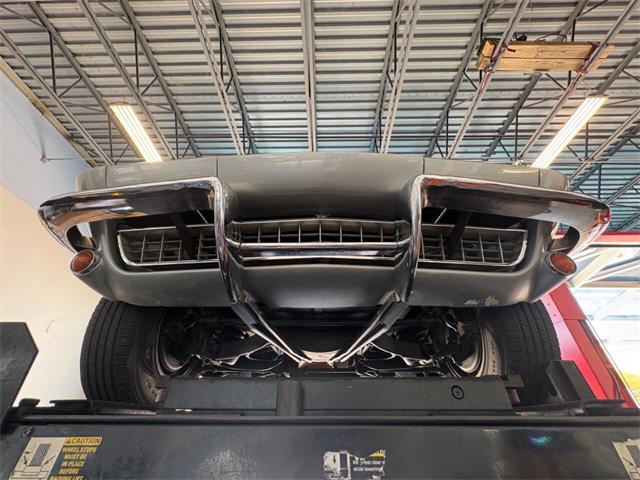
that was exclusive to 1966. The car has since been repainted
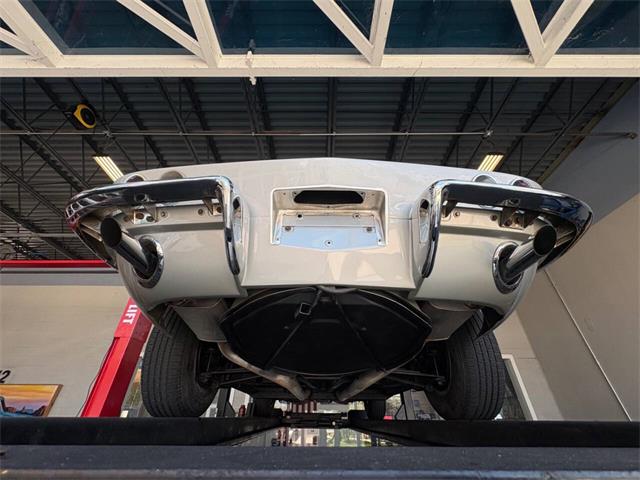
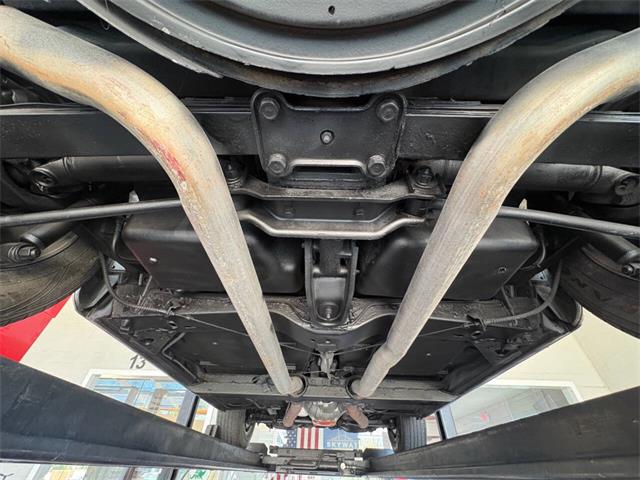
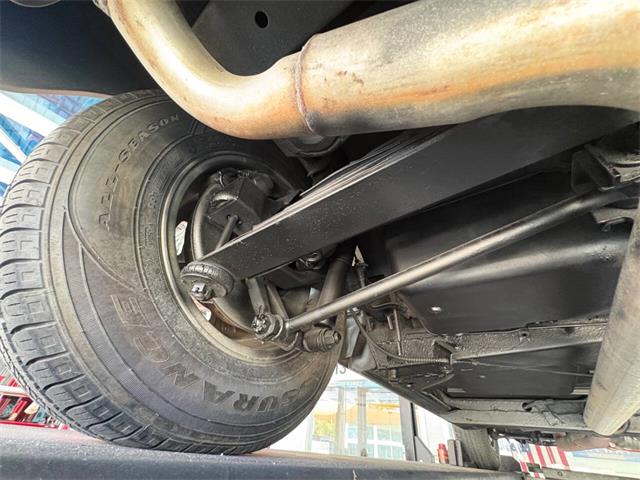
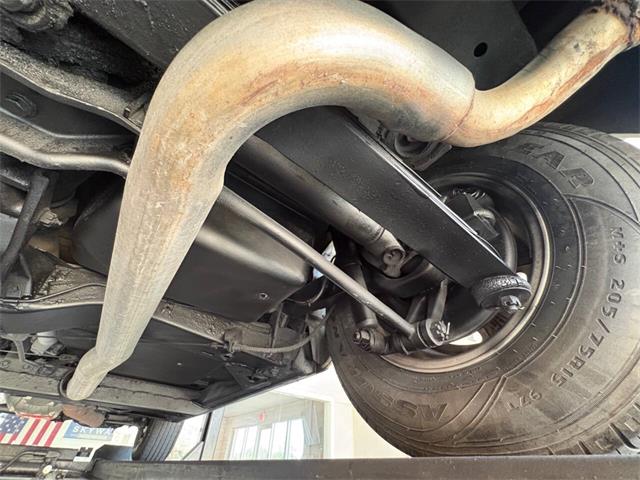
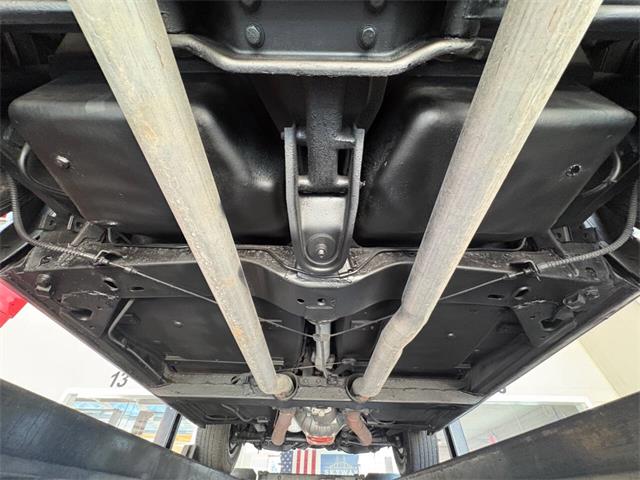
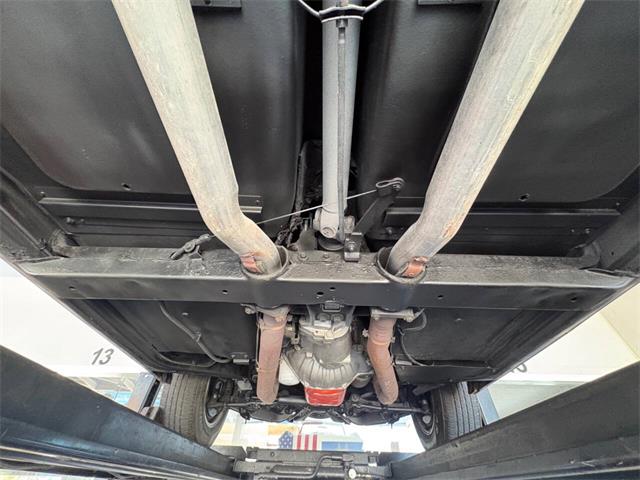
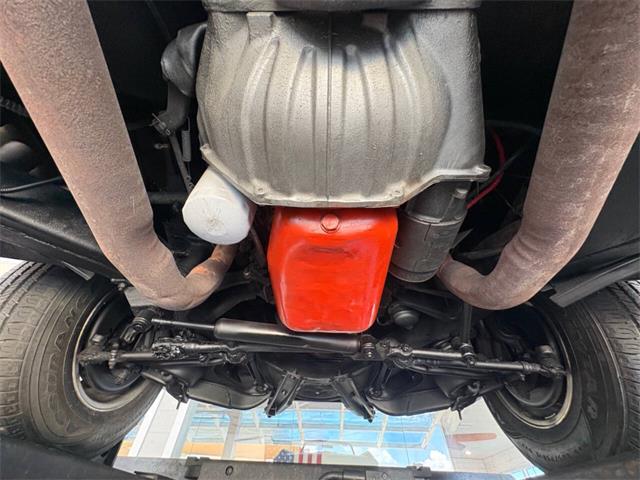
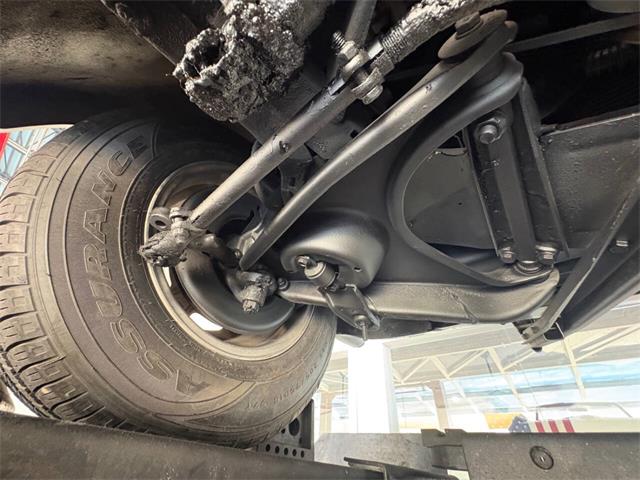
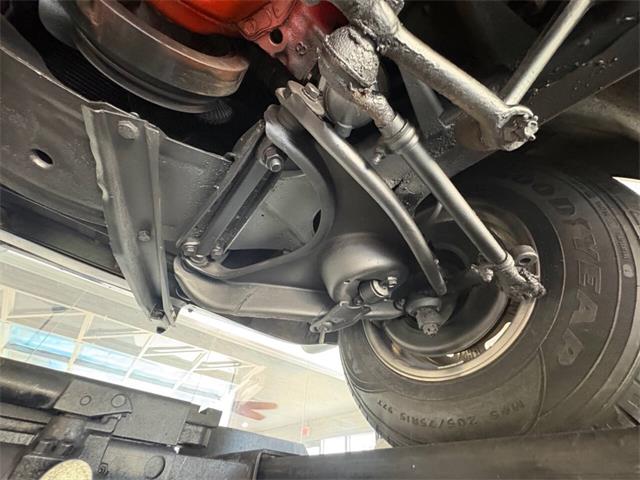
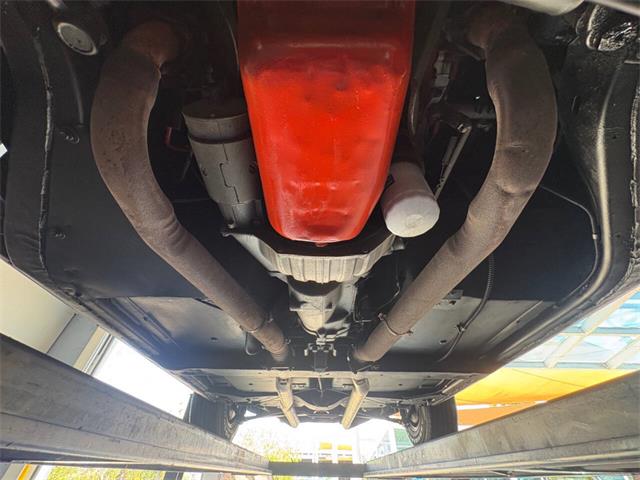
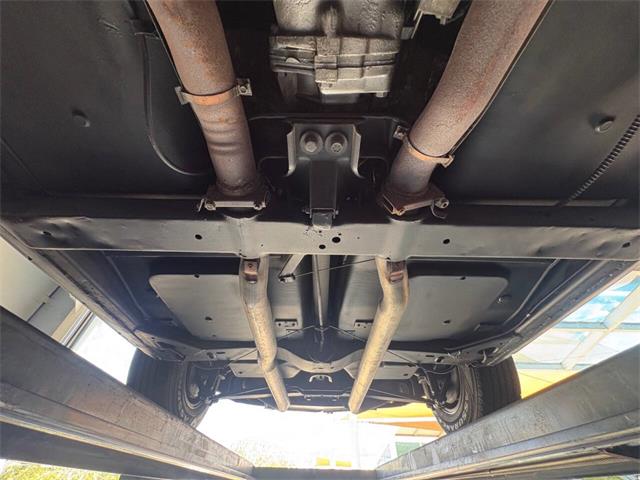
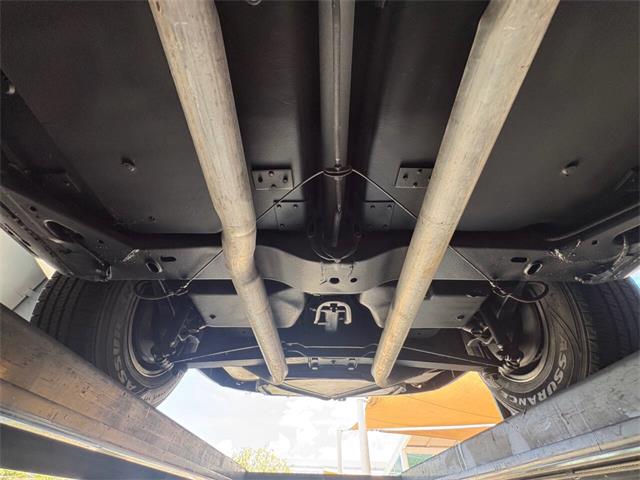
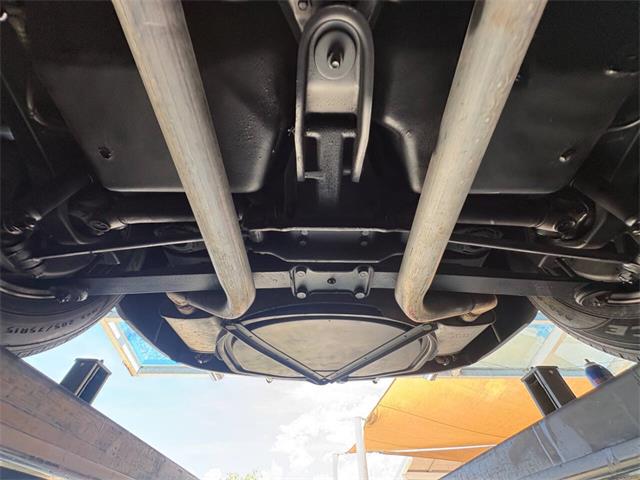
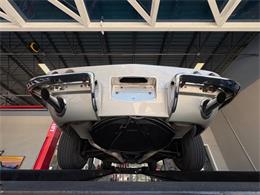
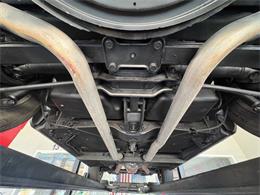
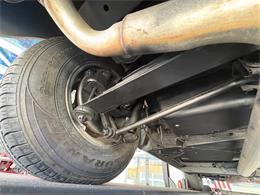
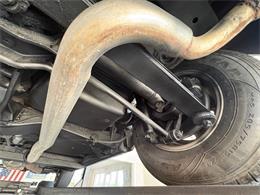
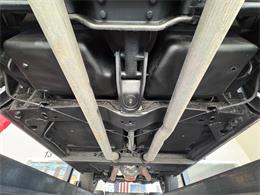
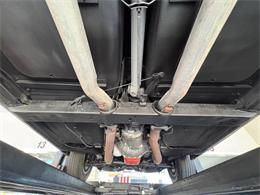
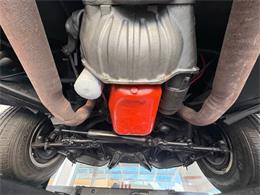
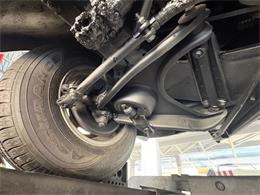
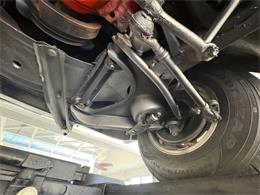
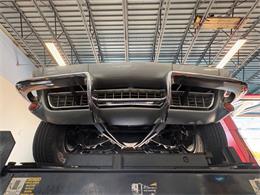
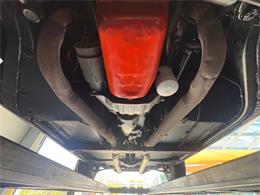
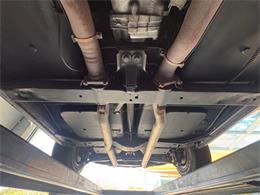
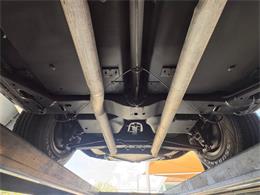
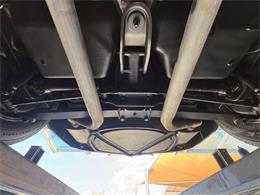
silver, which is fully disclosed. The undercarriage and structure
tell a cleaner story than the paint change might suggest. Features
List - 327 cubic inch L79 V8, factory rated at 350 horsepower -
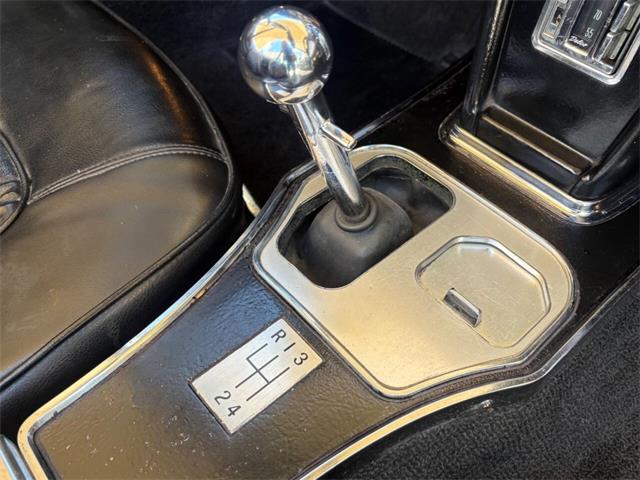
Holley 4-barrel carburetor - Muncie 4-speed manual transmission -
4-wheel disc brakes (front and rear) - Independent rear suspension
- Dual exhaust with chrome tips - Hidden retractable headlights -
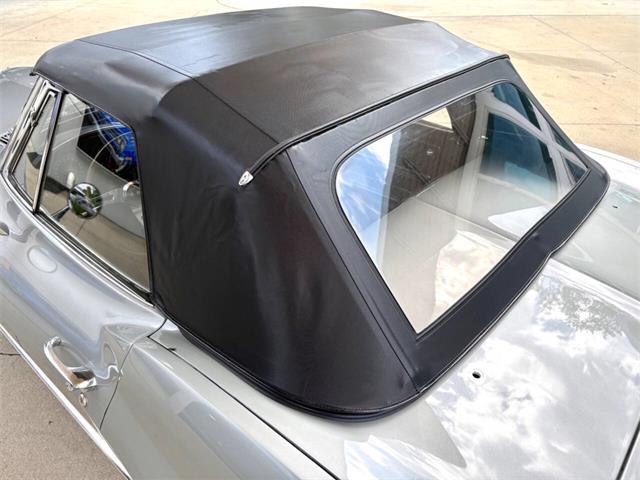
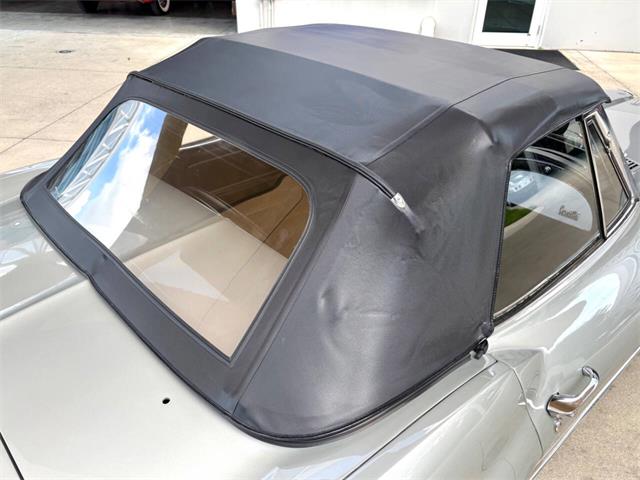
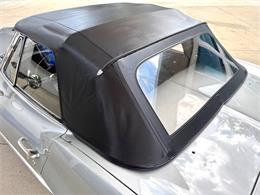
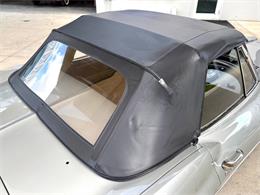
Black convertible soft top - Chrome front and rear bumpers -
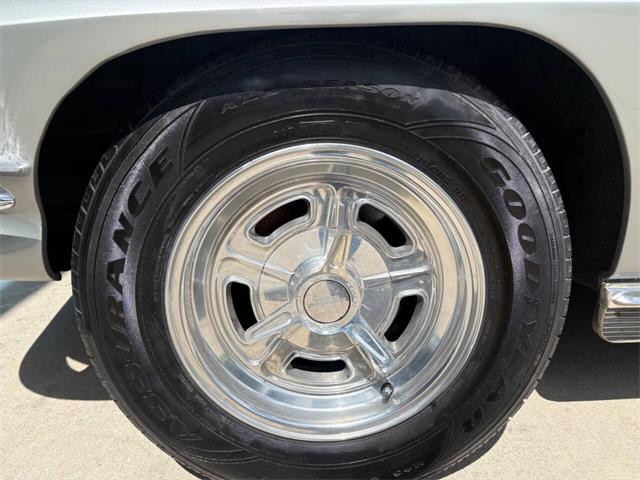
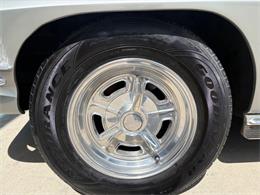
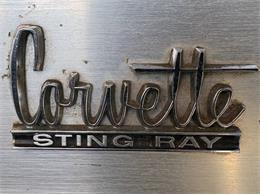
American Racing Torq-Thrust wheels - Corvette Sting Ray badges
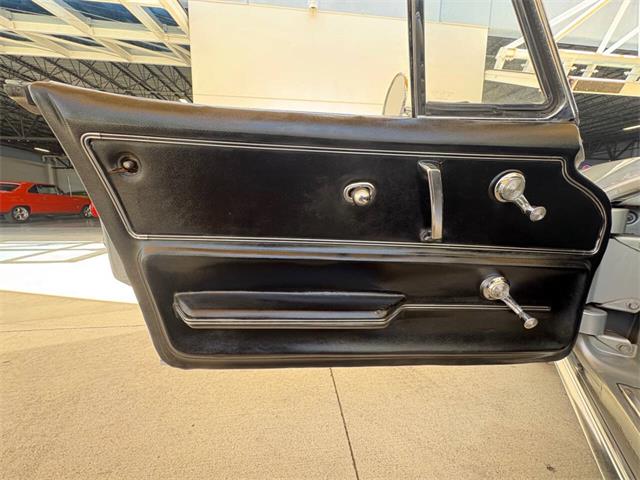
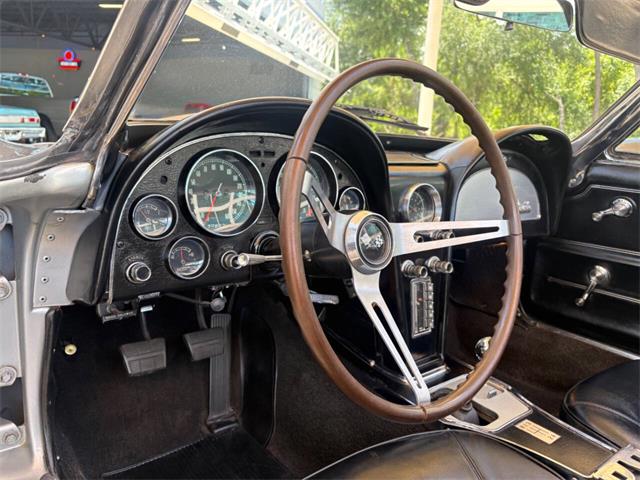
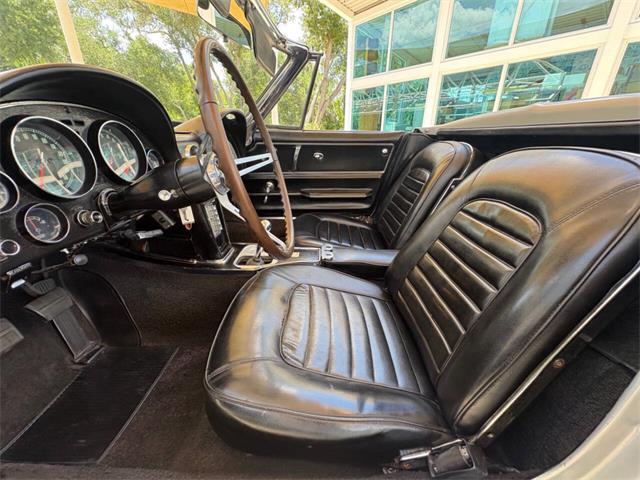
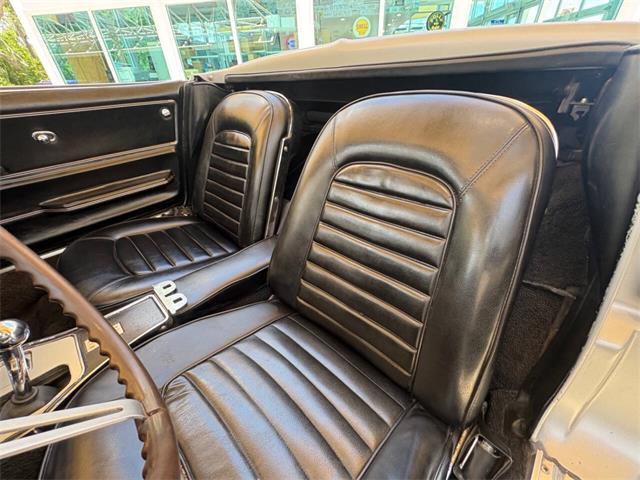
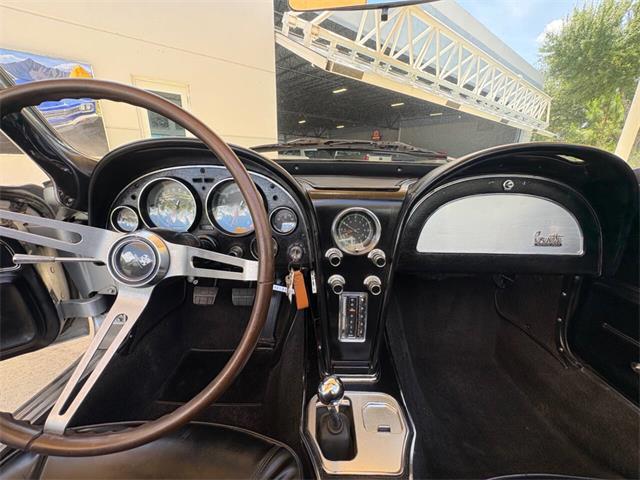
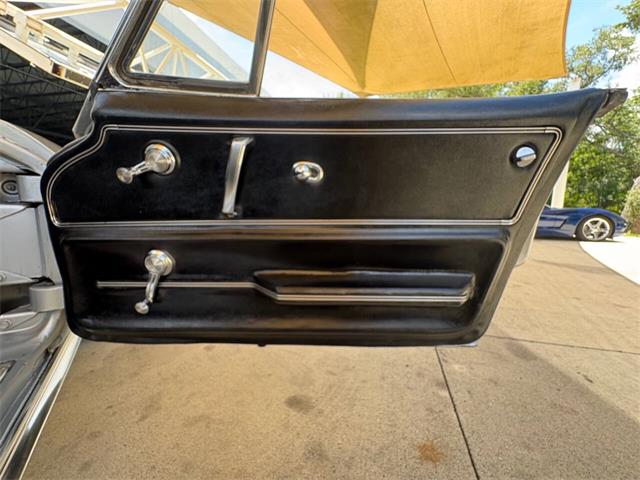
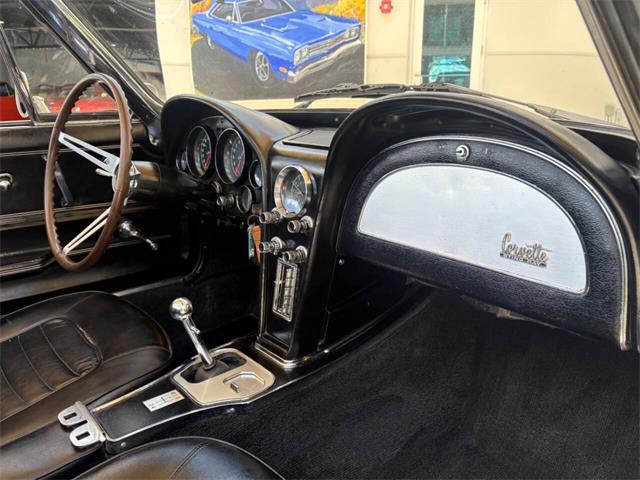
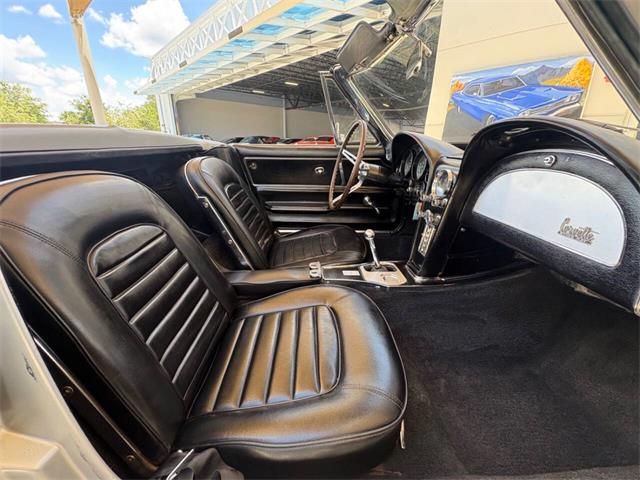
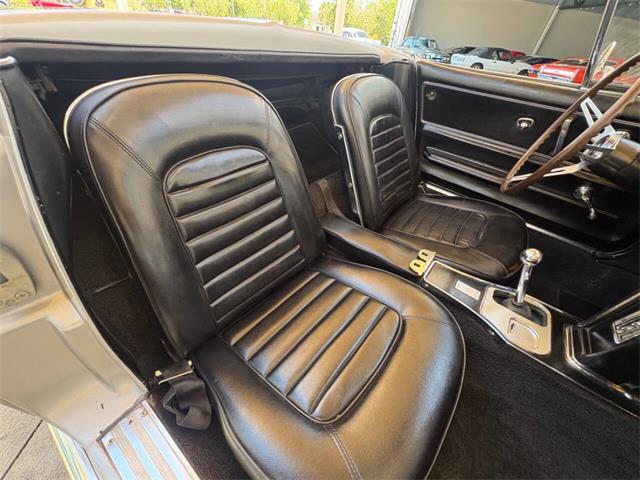
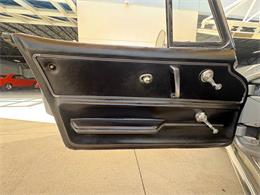
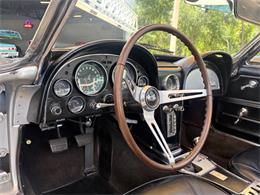
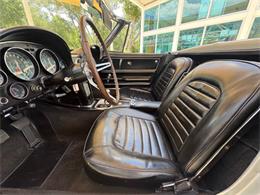
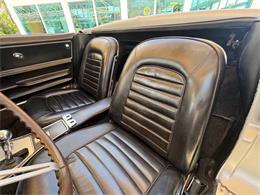
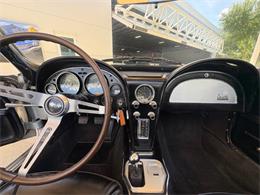
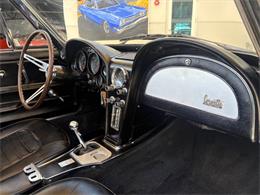
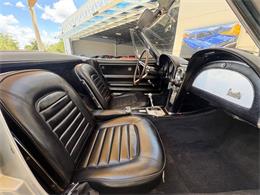
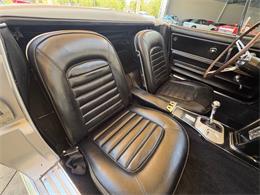
(front fenders and rear deck) - Wood rim steering wheel - Black
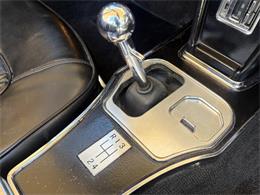
leather bucket seats - Center console with 4-speed shift gate -
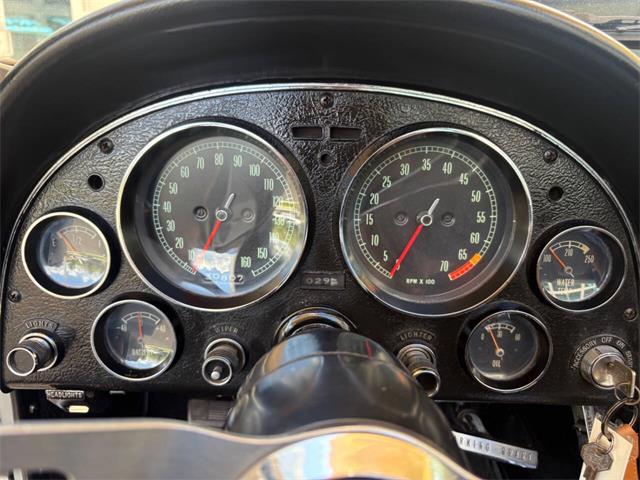
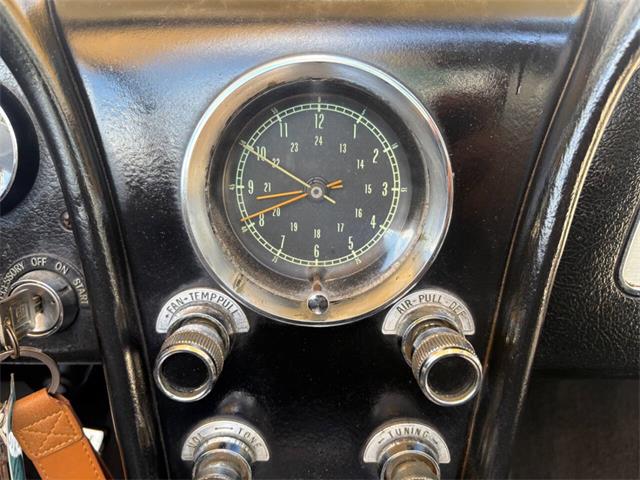
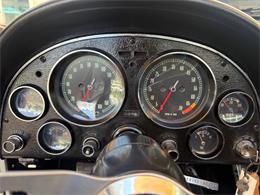
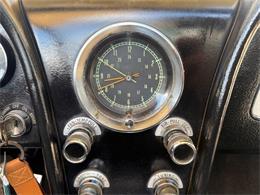
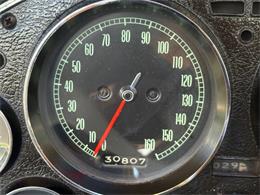
Tachometer (dash-mounted, factory cluster) - Dashboard clock -
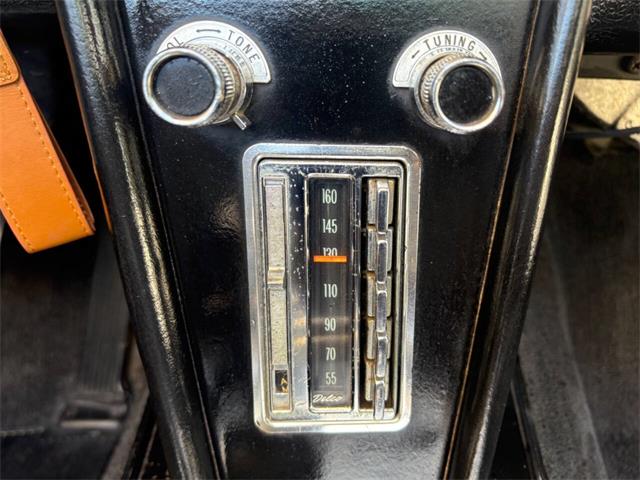
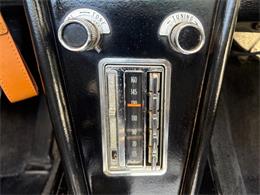
Delco AM radio - Seat belts - Recent repaint (silver over factory
Mosport Green) - Clean undercarriage Mechanical The L79 327 is the
engine to have in a C2 Corvette if you want a car that drives
rather than just shows. At 350 horsepower from 327 cubic inches,
this engine produced more power per cubic inch than any other small
block in the 1966 Corvette lineup. It used 11.0:1 compression, a
hydraulic camshaft with more duration and lift than the base
engines, and large-port cylinder heads shared with the more
powerful small blocks. Chevrolet paired it with a Holley 4-barrel
carburetor, which provided crisp throttle response and reliable
fuel delivery. The combination was factory-tested to run in the
mid-14-second range in the quarter mile in period testing, which
was competitive with much larger displacement engines of the era.
The Muncie 4-speed manual is the correct transmission pairing for
the L79. Muncie transmissions were produced in Muncie, Indiana, and
supplied to GM's performance divisions throughout the 1960s. They
were known for their strength and precise gating. The 4-speed gives
the driver full control over power delivery, which matters in a car
with this much torque from a relatively short stroke engine.
Four-wheel disc brakes were a significant option on the 1966
Corvette. In 1965, Chevrolet introduced disc brakes across all four
corners as an available option, replacing the drums that had been
standard. By 1966, this car c
ClassicCars.com has been recognized as one of the fastest-growing private companies in the United States, successfully making the Inc. 5000 list in both 2015,
2016, 2017 and 2018. This prestigious accolade represents the continued growth of the company, and ClassicCars.com's dominance as the world's largest online marketplace for
buying and selling classic and collector vehicles.
The Stevie Awards, the world's premier business awards recognized
ClassicCars.com's first-class Customer Support team with a Stevie Bronze Award in 2019, celebrating the team's skills as exemplary customer support specialists.
In 2016 The Journal, brought to you by ClassicCars.com, was celebrated as the SECOND MOST INFLUENTIAL automotive blog in the world by NFC Performance.